Web Analytics

Recent Posts

Top Eco-Friendly Tips for Cultural Exploration on a Budget

Exploring new cultures doesn’t have to break the bank or harm the planet. By embracing eco-friendly practices, we can enjoy rich experiences while being mindful of our environmental impact. Here are some tips to help you travel sustainably and affordably. Read Interesting article: Explore Community-Based Tourism: Eco-Friendly Travel Tips
Top Eco-Friendly Tips for Cultural Exploration on a Budget

Understanding Eco-Friendly Cultural Exploration

What is Eco-Friendly Travel?

When I first heard the term “eco-friendly travel,” I wondered if it meant I had to give up all my travel comforts. To my surprise, I learned that eco-friendly travel is all about making choices that positively impact the environment and local communities. It’s about being conscious of our footprint while immersing ourselves in the places we visit. For me, this meant choosing destinations with a commitment to sustainability, respecting local customs, and minimizing waste during my adventures.

Eco-friendly travel can take many forms. It might mean using public transportation instead of renting a car, staying in eco-conscious accommodations, or supporting local businesses. I found that the more I learned about eco-friendly options, the more exciting my travel experiences became. I began to connect with locals in a meaningful way and discovered hidden gems I would have missed otherwise.

Importance of Cultural Exploration

Cultural exploration is a chance to step outside our comfort zones and experience life through the lens of others. I think cultural travel enriches our understanding of the world and helps bridge gaps between different societies. Each country, city, or community we visit has its own unique story to tell. When I traveled to Thailand, for instance, I learned so much about their customs, beliefs, and daily life – things I would have never grasped through a textbook.

Moreover, exploring different cultures broadens our perspectives. I’ve found that engaging with local traditions and people fosters a deeper appreciation for diversity. It’s a reminder that while we may have different lifestyles, we all share common dreams and aspirations. By choosing to travel responsibly, we can contribute to preserving these cultures and ensuring they thrive for future generations.

Budgeting for Eco-Friendly Travel

Setting a Realistic Budget

One of the biggest challenges I faced when planning eco-friendly trips was establishing a budget. It felt daunting at first, but what helped was breaking it down into manageable parts. I started by listing all potential expenses: transportation, accommodation, food, activities, and souvenirs. This way, I could see where I could save and where I wanted to splurge.

I discovered that setting a realistic budget also meant being flexible. I would often check travel websites for deals or promotions, especially during off-peak seasons. If I found a great flight deal, I could adjust my accommodation budget accordingly. Moreover, I learned to prioritize experiences over material goods, which kept me focused on what truly mattered during my travels.

Identifying Affordable Destinations

Finding the right destination is crucial when traveling on a budget. I realized that some places are inherently more affordable than others. Countries in Southeast Asia and Central America often offer rich cultural experiences without the hefty price tag. I remember my trip to Guatemala, where I could explore ancient ruins and vibrant markets with just a few dollars. It was exhilarating to immerse myself in the local culture while keeping my spending in check.

Another tip I found helpful was to look for places that actively promote eco-tourism. Often, these destinations offer affordable packages or discounts for eco-conscious travelers. I discovered that many local governments encourage sustainable tourism with lower rates for attractions or accommodations that follow eco-friendly practices. It felt great knowing that my travels were supporting the local economy while being gentle on the planet. Read Interesting article: Top Eco-Friendly Transportation Tips for Budget Travelers

Transportation Options for Eco-Conscious Travelers

Public Transportation: Buses and Trains

One of the most impactful choices I made while traveling was to utilize public transportation. Not only is it often cheaper than renting a car, but it also reduces my carbon footprint. I’ve taken countless buses and trains across cities and countries, and I can say that it adds an element of adventure. Whether it’s chatting with locals or simply observing daily life, each ride has its own story.

During a trip to Italy, I relied heavily on trains to hop between cities. It was a scenic experience, gliding through beautiful countryside and interacting with fellow travelers. I learned to embrace the spontaneity of public transport, which often led me to unexpected places and experiences I hadn’t planned for.

Walking and Biking Tours

Walking and biking tours have become some of my favorite ways to explore new areas. They keep me active and allow me to connect with the environment on a deeper level. I remember a time in Amsterdam when I rented a bike and rode through the city’s canals and parks. I felt more in tune with the place than if I had been in a car or bus.

Many cities offer free or low-cost guided walking tours, which can be both budget-friendly and informative. I once joined a local guide in Barcelona who shared insights about the city’s history and culture while showing us hidden gems. It felt like I was part of a community rather than just a visitor.

Carpooling and Ridesharing Services

While I love public transit, there are times when it just isn’t practical. In those moments, I turned to carpooling and ridesharing services. They can be affordable alternatives and are often more eco-friendly than driving alone. I’ve used ridesharing apps to connect with fellow travelers, sharing rides to popular attractions. It not only saved money but also provided an opportunity to meet new friends and share travel stories.

Choosing Eco-Friendly Accommodations

Sustainable Hotels and Hostels

Finding the right place to stay can significantly influence the sustainability of our travels. When I started seeking out eco-friendly accommodations, I realized there were so many wonderful options available. Sustainable hotels often incorporate green practices, such as energy-efficient lighting, water conservation measures, and the use of local, organic products. I remember staying at a small eco-hotel in Costa Rica that not only had solar panels but also provided natural toiletries and sourced their breakfast ingredients from local farms. It felt like I was contributing to the community just by choosing where to sleep.

Hostels can also be a fantastic choice for eco-conscious travelers. Many hostels are committed to sustainability and offer shared resources, reducing the overall environmental footprint. I had a great experience in a hostel in Berlin that encouraged guests to use public transport and provided bikes for rent. It was a budget-friendly way to meet fellow travelers while supporting an establishment that cares about the environment.

Eco-Friendly Vacation Rentals

Another option I found appealing was eco-friendly vacation rentals. Platforms like Airbnb and Vrbo have listings that highlight sustainable features. For instance, I stayed in a cozy cabin in the woods that was built with reclaimed materials and had a composting toilet. It was an incredible experience, connecting me with nature while supporting an owner who values sustainability.

When looking for vacation rentals, I always check for features like energy-efficient appliances, recycling options, and the use of natural cleaning products. It feels rewarding to know that my choice is benefiting both the planet and the local economy. Plus, having a kitchen allows me to prepare meals using local ingredients, which is both fun and eco-friendly!

Camping and Nature Lodges

If you’re looking for a more adventurous option, consider camping or staying at nature lodges. I’ve had some of my most memorable experiences under the stars, surrounded by breathtaking landscapes. Campsites often encourage minimal impact, teaching us to respect nature and leave no trace. I remember a camping trip in the national parks of Utah, where I fell asleep to the sounds of nature and woke up to stunning sunrises. It was a humbling reminder of how beautiful our planet is. Read Interesting article: Top 10 Eco-Friendly Camping Tips for Budget Travelers

Nature lodges are another fantastic choice, as many of them focus on conservation and eco-tourism. I once stayed in a lodge in the Amazon rainforest that employed local staff and offered guided tours to educate visitors about the ecosystem. It was heartwarming to see how the lodge was dedicated to protecting the environment while providing jobs for the community. Knowing my stay helped preserve such a beautiful area made the experience all the more special.

Engaging with Local Culture on a Budget

Free and Low-Cost Cultural Events

One of the best ways to immerse myself in a new culture is by attending local events. I discovered that many cities host free or low-cost festivals, markets, and performances that showcase their heritage. For example, when I visited Mexico City, I stumbled upon a free cultural festival in a local park filled with music, dance, and traditional foods. I felt like I was part of something truly special, experiencing the culture firsthand without spending much money.

Many communities also organize events that are open to visitors. I often check local tourism websites or community boards for information on upcoming events during my stay. Participating in these activities not only enriches my travel experience but also supports local artists and performers.

Visiting Museums on Discount Days

Museums can be a fantastic way to learn about a region’s history and culture, but admission fees can add up quickly. I’ve found that many museums offer discounted rates on certain days or times. For instance, I visited the Louvre on a Friday evening, where entrance fees were significantly reduced, allowing me to explore the stunning art collections without breaking the bank. It also meant shorter lines, which was a win-win!

Additionally, some museums have free entry days each month. I always make a point to research this before my trips, as it allows me to enjoy cultural experiences while being budget-conscious. It’s a reminder that museums want to share their treasures with everyone, and it feels good to take advantage of those opportunities.

Participating in Community Festivals

Community festivals are another incredible way to engage with local culture. I’ve found that attending these gatherings helps me connect with residents and learn more about their traditions. I remember visiting a small town in Italy during their olive oil festival, where locals showcased their products and traditional recipes. It was a delightful experience, filled with laughter, delicious food, and friendly conversations. Plus, it felt amazing to support local artisans and farmers directly.

Many towns have their own unique festivals throughout the year, celebrating everything from harvests to music. I recommend checking local calendars or tourism offices to find out what’s happening during your visit. Participating in these events creates lasting memories and deepens my appreciation for the culture.

Eating Sustainably While Traveling

Local Markets and Street Food

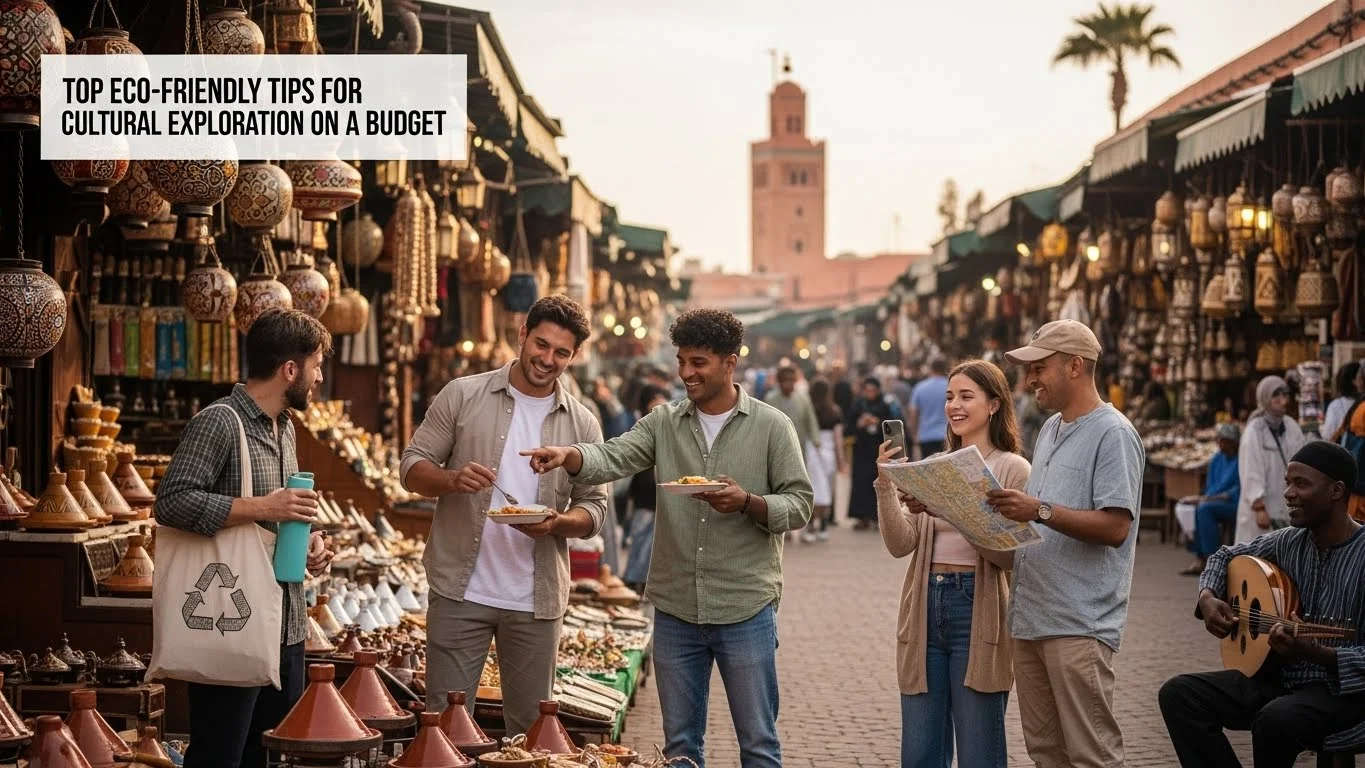
One of my favorite parts of traveling is indulging in local cuisine, and I’ve discovered that eating sustainably doesn’t have to be expensive. Visiting local markets is a fantastic way to experience the culture through its food. I vividly remember strolling through a bustling market in Marrakech, where the vibrant colors and enticing aromas filled the air. Sampling fresh fruits, spices, and local delicacies was not only affordable, but it also allowed me to connect with the local community.

Street food is another treasure trove of culinary experiences. I found that trying street food often costs a fraction of what you’d pay in a restaurant, plus it gives you a taste of authentic local flavors. For instance, during my travels in Vietnam, I tried pho from a street vendor, and it was hands down one of the best meals I’ve ever had. Eating in this way feels like participating in the daily life of the locals, which enhances the overall experience.

Vegetarian and Vegan-Friendly Options

When I shifted to a more plant-based diet, I was pleasantly surprised to find that many cultures have delicious vegetarian and vegan options. I think it’s important to consider the environmental impact of our food choices, and opting for plant-based meals can be a great way to travel sustainably. During my time in India, I enjoyed a variety of vegetarian dishes that were not only flavorful but also prepared with local ingredients. I often sought out restaurants that highlighted their commitment to using fresh, seasonal produce.

While traveling in places like Thailand, I discovered the vibrant world of street food that caters to vegetarians. Dishes like pad thai and green curry can easily be made without meat, allowing me to enjoy the local cuisine while sticking to my dietary choices. I recommend asking locals for their favorite vegetarian spots; they often know the best places to eat!

Supporting Local Restaurants

Eating at local restaurants is a fantastic way to support the community. I’ve made it a point to choose eateries that source their ingredients locally and have a commitment to sustainability. During my travels in Portugal, I stumbled upon a small family-run restaurant that served dishes made from ingredients grown in their own garden. It was heartwarming to know my meal had a low carbon footprint and supported a local family.

Moreover, I’ve found that smaller, locally-owned establishments often have a unique charm and a personal touch that larger chains simply can’t match. Engaging with the owners and staff, learning about their stories, and hearing about the dishes they create adds depth to the dining experience. I believe that dining sustainably is not just about the food itself, but also about the connections we build along the way.

Eco-Friendly Activities for Cultural Immersion

Volunteering Opportunities

One of the most fulfilling ways to immerse myself in a culture is through volunteering. I’ve had the chance to participate in various volunteer programs that align with my interests and values. For instance, during my trip to Costa Rica, I volunteered at a wildlife rescue center. It felt incredible to contribute to conservation efforts and learn about local wildlife while forging connections with other volunteers and staff.

Volunteering allows for a deeper understanding of local issues and challenges faced by communities. I’ve found that organizations often welcome travelers who want to help, making it a win-win situation. Websites like Workaway and HelpX can connect you with opportunities around the world, offering a chance to make a positive impact while experiencing life as a local.

Nature and Wildlife Conservation Tours

Engaging in nature and wildlife conservation tours has been another enriching way for me to connect with the environment and culture. During a visit to the Galápagos Islands, I joined a guided tour focused on conservation efforts. The guides shared valuable insights about the unique ecosystems and the importance of protecting them. Participating in these tours made me feel like I was contributing to something bigger than myself.

I recommend seeking out tours that prioritize eco-friendly practices, such as small group sizes and minimal environmental impact. It’s a fulfilling way to appreciate the beauty of nature while learning about local conservation initiatives and the cultural significance behind them.

Art and Craft Workshops with Locals

Experiencing local art and craft workshops has provided me with unforgettable memories and a deeper appreciation for the culture. I remember taking a pottery class in a small village in Italy, where the instructor passionately shared the history of the craft. Not only did I learn a new skill, but I also connected with the local community through their traditions.

Participating in these workshops allows us to support local artisans and immerse ourselves in their way of life. I’ve found that many workshops are affordable and provide a unique insight into the culture. Whether it’s a cooking class, a painting workshop, or a traditional craft session, these experiences have enriched my travels in ways I never expected.

Frequently Asked Questions

What is eco-friendly travel?

Eco-friendly travel is about making choices that positively impact the environment and local communities. It involves being conscious of our footprint while immersing ourselves in the places we visit, such as choosing sustainable destinations, respecting local customs, and minimizing waste.

How can I budget for eco-friendly travel?

To budget for eco-friendly travel, start by listing all potential expenses like transportation, accommodation, food, activities, and souvenirs. Be flexible and look for deals, especially during off-peak seasons. Prioritize experiences over material goods to stay focused on what truly matters during your travels.

What are some affordable destinations for eco-friendly travel?

Countries in Southeast Asia and Central America are often more affordable and offer rich cultural experiences. Destinations like Guatemala are highlighted for their ancient ruins and vibrant markets without a hefty price tag. Look for places that promote eco-tourism, as they may offer discounts for eco-conscious travelers.

What transportation options are available for eco-conscious travelers?

Eco-conscious travelers can use public transportation like buses and trains, which are often cheaper and reduce carbon footprints. Walking and biking tours are also great for exploring areas actively and connecting with the environment. Carpooling and ridesharing services can be alternatives when public transit isn’t practical.

How can I find eco-friendly accommodations?

Look for sustainable hotels and hostels that incorporate green practices like energy-efficient lighting and water conservation. Eco-friendly vacation rentals on platforms like Airbnb and Vrbo often highlight sustainable features. Camping and nature lodges are also good options for eco-conscious travelers.

What are some ways to engage with local culture on a budget?

Engage with local culture by attending free or low-cost cultural events, such as festivals and markets. Visiting museums on discount days can also provide enriching experiences without high admission fees. Participating in community festivals allows you to connect with residents and support local traditions.

How can I eat sustainably while traveling?

Eating sustainably can involve visiting local markets and trying street food, which are often affordable and provide authentic local flavors. Opting for vegetarian and vegan-friendly options can also reduce the environmental impact of your food choices. Supporting local restaurants that source ingredients locally helps the community.

What are some eco-friendly activities for cultural immersion?

Volunteering opportunities can provide deep cultural immersion while contributing positively to local communities. Engaging in nature and wildlife conservation tours helps connect with the environment and learn about local ecosystems. Participating in art and craft workshops with locals supports artisans and offers insight into their traditions.

What benefits does cultural exploration provide?

Cultural exploration enriches our understanding of the world, fosters appreciation for diversity, and helps bridge gaps between societies. Engaging with local traditions and people allows travelers to gain insights into different lifestyles, reminding us of our shared dreams and aspirations.

Why should I prioritize experiences over material goods while traveling?

Prioritizing experiences over material goods keeps travelers focused on what truly matters during their journeys. It encourages deeper connections with local cultures and communities, promoting sustainable travel practices that support the environment and enhance overall travel experiences.
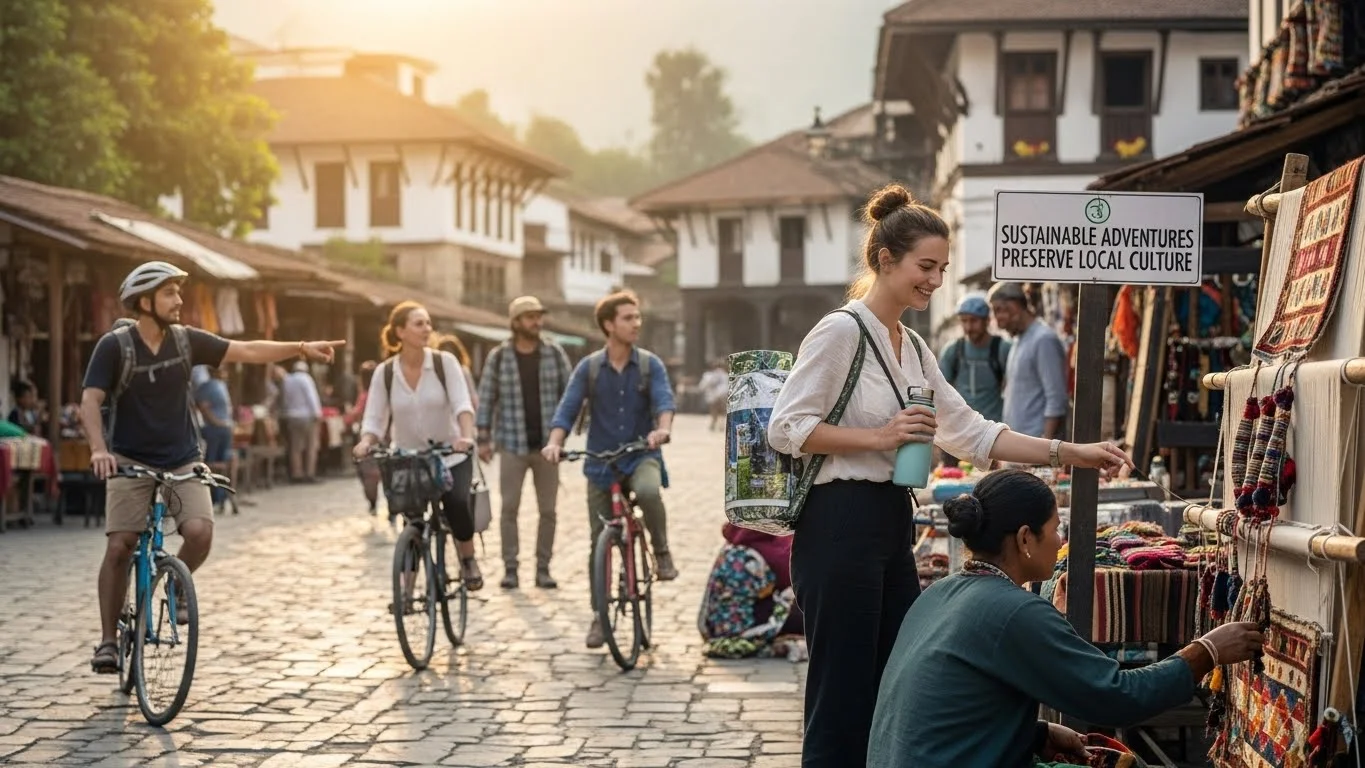
Discover Eco-Friendly Travel Practices for Cultural Adventures

Traveling can be an amazing adventure, but it’s essential to do it responsibly. Discovering eco-friendly travel practices not only enhances our experiences but also helps preserve the vibrant cultures we encounter. For those looking to balance adventure with sustainability, you might want to discover affordable nature retreats for eco-friendly travelers.

Discover Eco-Friendly Travel Practices for Cultural Adventures

Understanding Eco-Friendly Travel

What is Eco-Friendly Travel?

When I first started exploring the concept of eco-friendly travel, I realized it’s much more than just a trend; it’s a commitment to making conscious choices that support the environment and local communities. Eco-friendly travel refers to practices that reduce our carbon footprint, conserve resources, and promote sustainable tourism. This can include everything from choosing greener transportation options to supporting local businesses that prioritize sustainability. I remember the first time I consciously made these choices during a trip; it felt incredibly rewarding to know that my adventures were leaving a positive impact.

The Importance of Sustainable Practices in Tourism

In my travels, I’ve seen how tourism can significantly affect local environments and cultures. The importance of sustainable practices in tourism cannot be overstated. As travelers, we have the power to influence the places we visit positively. I’ve witnessed beautiful landscapes being damaged by over-tourism, and I’ve also experienced the vibrant cultures that thrive when they are supported sustainably. Sustainable tourism helps preserve natural resources, protects wildlife, and fosters respect for local traditions. By embracing these practices, we can ensure that future generations enjoy the same cultural adventures we do today. For more ideas on where to stay, check out the top 10 sustainable hotels for eco-friendly travelers.

Planning Your Eco-Friendly Cultural Adventure

Choosing Eco-Conscious Destinations

When planning my trips, I’ve learned to choose destinations that prioritize eco-friendliness. I often look for places that promote sustainable tourism initiatives, such as national parks or towns known for their conservation efforts. For instance, I remember visiting Costa Rica, where I was amazed by the extensive eco-tourism options available. Each place I visited was dedicated to preserving its natural beauty while showcasing local culture. It felt great to support a destination that values sustainability and encourages travelers like me to do the same.

Researching Local Cultures and Traditions

Understanding the local culture is a crucial part of my travel planning. I believe that immersing myself in the traditions and customs of a place enhances my experience and fosters respect. I usually start by researching the history, art, and social practices of the community I plan to visit. This not only enriches my travels but also helps me engage more meaningfully with local residents. I remember taking a cooking class in Thailand that was led by a local family. It was a fantastic way to learn about their culture while supporting their livelihood.

How to Minimize Your Carbon Footprint Before You Travel

Before I even pack my bags, I think about my carbon footprint. There are simple steps that can make a big difference. I try to book direct flights whenever possible to reduce emissions from layovers. Traveling during off-peak seasons is another great way to lessen my impact, as it helps avoid overcrowding and allows local resources to be distributed more evenly. I also make sure to pack light; this not only saves me money on baggage fees but also reduces the weight on the airplane, ultimately leading to lower emissions. Every little bit counts, and I take pride in knowing I’m doing my part.

Transportation Options for Sustainable Travel

Public Transport: Buses, Trains, and Subways

Once I arrive at my destination, I love using public transportation. It’s a fantastic way to see the city and interact with locals. I’ve taken subways in New York, buses in Buenos Aires, and trains in Europe, and each experience has been unique. Not only does public transport reduce my carbon footprint, but it often offers a more authentic glimpse into daily life. I remember hopping on a local bus in Mexico City and immediately feeling more connected to the city. It’s a fun and affordable way to travel while doing good for the planet.

Eco-Friendly Car Rentals and Ride-Sharing

Sometimes, public transport isn’t an option, especially in more rural areas. In those cases, I look for eco-friendly car rental options. Many companies now offer hybrid or electric vehicles, which can significantly reduce emissions during my travels. I’ve also found ride-sharing services that focus on sustainability, allowing me to share a ride with others going in the same direction. It feels good knowing I’m minimizing my environmental impact while still getting around comfortably.

Walking and Biking: The Best Ways to Explore

For me, one of the best ways to explore a new place is on foot or by bike. I love the feeling of discovering hidden gems while wandering the streets, and biking is a great way to cover more ground. I remember renting a bike in Amsterdam and cruising along the canals, stopping at local markets and cafes. It not only allowed me to enjoy the scenery at my own pace, but it also helped me appreciate the city’s culture more intimately. Plus, it’s a fantastic way to stay active while traveling!

Eco-Friendly Accommodation Choices

Green Hotels and Eco-Resorts

When it comes to finding a place to stay, I’ve discovered that choosing green hotels or eco-resorts can make a huge difference in my travel experience. These accommodations often implement sustainable practices like solar power, water conservation, and waste reduction. I remember staying at a charming eco-resort in Belize that not only offered stunning views but was also built using sustainable materials. It felt good to know that my stay supported eco-friendly practices. I’ve found that many of these places also prioritize local culture, providing guests with authentic experiences while keeping their environmental impact low. It’s a win-win situation!

Staying with Locals: Homestays and Airbnb

Staying with locals has become one of my favorite ways to travel. Homestays or Airbnb rentals often give us a more personal glimpse into the community. I remember booking a homestay in a small village in Peru, where my host not only provided me with a cozy room but shared stories about local traditions and life in the Andes. This kind of accommodation usually involves less energy consumption than larger hotels, and it directly supports local families. Plus, I find that locals are often more than happy to recommend off-the-beaten-path attractions and eateries that I might not have discovered otherwise.

Camping and Nature Lodges for Cultural Immersion

For those who love the outdoors, camping or staying in nature lodges can be an incredible way to connect with the environment. I’ve had some of my most memorable experiences while camping in national parks or staying in eco-friendly lodges surrounded by breathtaking landscapes. I remember a trip to the Canadian Rockies where I camped under the stars, and it felt like I was part of the natural world. Nature lodges often offer guided hikes and cultural programs, allowing travelers to learn about local ecosystems and indigenous cultures. It’s a fantastic way to enjoy nature while being mindful of our ecological footprint. If you’re interested in wildlife, consider visiting the top 10 wildlife conservation destinations for eco-friendly travelers.

Engaging in Cultural Activities Responsibly

Supporting Local Artisans and Craftsmanship

One of the joys of traveling for me is discovering local arts and crafts. I love supporting artisans who create beautiful handmade items. During a trip to Morocco, I spent an afternoon in a bustling market where local craftsmen showcased their work. I felt good buying a handwoven rug directly from the maker, knowing that my purchase supported their craft and community. I believe that when we choose to buy from local artisans rather than mass-produced goods, we help preserve traditional crafts and contribute to the local economy.

Participating in Eco-Tours and Cultural Workshops

Engaging in eco-tours or cultural workshops has been one of the most enriching parts of my travels. I’ve participated in everything from guided nature walks to cooking classes that highlight local ingredients and traditions. For example, while visiting a coastal village in Italy, I took a fishing tour with local fishermen, learning their techniques and the importance of sustainable fishing practices. These experiences not only enhance my understanding of the culture but also promote responsible tourism, as they often emphasize conservation and respect for nature.

Respecting Local Customs and Traditions

Respecting local customs and traditions is something I always strive to do. I’ve learned that every culture has its unique practices and values, and being mindful of them can lead to more meaningful interactions. I remember attending a traditional ceremony in a small village in Fiji. Understanding the significance of the rituals and showing respect for the community made the experience unforgettable. It’s important to research and be aware of local customs before visiting to ensure that we honor the traditions of the places we explore.

Responsible Eating Practices During Your Travels

Choosing Local and Organic Restaurants

During my travels, I always look for local and organic restaurants. Eating at these places often means I’m enjoying fresher, seasonal ingredients while supporting the local economy. I remember dining at a farm-to-table restaurant in California that sourced all its produce from nearby farms. Not only was the food delicious, but I felt great knowing my meal had a minimal carbon footprint. I also appreciate that many of these restaurants are more likely to use sustainable practices, which aligns with my values as a responsible traveler.

Understanding Food Waste and How to Avoid It

Food waste is an issue that I’ve become increasingly aware of. While dining out, I make an effort to order what I can realistically eat and often share dishes with friends. I’ve seen how much food gets wasted in restaurants, and it’s disheartening. I learned to ask about portion sizes before ordering to minimize waste. Additionally, when exploring markets, I try to buy only what I need. It’s a small step, but I believe every effort counts in reducing our impact.

Participating in Local Food Markets and Festivals

Visiting local food markets and festivals has become a highlight of my travels. These events offer a unique glimpse into a region’s culinary traditions and allow me to taste authentic local dishes. I remember wandering through a vibrant food festival in Thailand, sampling street food and learning about the local ingredients used. Engaging with local chefs and farmers not only enriches my experience but supports the community’s food culture. It’s a fun way to connect with the area and indulge in its flavors!

Protecting the Environment While Traveling

How to Reduce Plastic Use on Your Trip

Reducing plastic use while traveling is something I’ve become increasingly passionate about. During my travels, I started noticing how much single-use plastic is everywhere, from water bottles to shopping bags. To combat this, I now carry a reusable water bottle that I can refill at water stations. I remember a trip to Europe where I filled up my bottle in cafes and at public fountains, and it not only kept me hydrated, but it also saved me money and reduced plastic waste.

I also make it a point to bring my own cloth bags for shopping, which has become a habit even when I’m not traveling. It feels rewarding to say no to plastic bags and encourage local markets to consider more sustainable options. I’ve learned that small changes can have a significant impact, and every time I opt out of a plastic item, I feel like I’m doing my part to protect the planet.

Wildlife Conservation and Ethical Animal Tourism

Wildlife conservation is a crucial aspect of eco-friendly travel that I truly care about. I’ve seen how tourism can affect wildlife, both positively and negatively. I always research the practices of any tour companies I consider, especially when it comes to animal encounters. For instance, I decided against visiting a certain elephant sanctuary that didn’t prioritize the elephants’ well-being. Instead, I found a reputable organization that focuses on rescue and rehabilitation, allowing visitors to observe the elephants in their natural habitat without any harmful interactions.

Participating in ethical animal tourism can enhance our travel experiences while promoting conservation. I remember going whale watching in Hawaii with a company committed to respectful practices. Not only did I get to see these magnificent creatures up close, but I also learned about their habitat and the challenges they face. It felt rewarding to support an operation that truly cared for the animals and their environment.

Volunteering Opportunities for Environmental Protection

Volunteering while traveling has been one of the most fulfilling experiences for me. I’ve found that dedicating a bit of my time to environmental protection not only benefits the places I visit but also deepens my connection to the local community. I remember volunteering for a beach cleanup in Costa Rica, where I spent the day collecting plastic and debris with both locals and fellow travelers. It was an eye-opening experience that highlighted the importance of keeping our beaches clean and the impact of pollution on marine life.

I also discovered programs that involve reforestation efforts or wildlife preservation. Getting involved in these initiatives allowed me to give back while learning about the local ecosystem. It’s amazing how much of a difference we can make when we come together for a shared cause. If you’re considering volunteering, I recommend researching organizations that align with your values and interests before your trip. This not only enriches your travel experience but also helps create positive change.

Tips for Being a Responsible Traveler

Understanding Travel Etiquette and Local Laws

Traveling respectfully means being aware of local customs and laws. I’ve learned that every country has its own etiquette, and I make it a priority to familiarize myself with these before I arrive. For instance, in Japan, I discovered the importance of bowing as a greeting and the custom of removing shoes in homes. I remember feeling a bit nervous at first, but once I embraced these practices, I felt more connected and welcomed by the locals.

Understanding local laws is equally important. I researched laws regarding photography, dress codes, and public behavior in various destinations. This not only helps avoid misunderstandings but also shows respect for the culture I’m visiting. I believe that being informed about local practices can transform us from tourists into respectful guests.

How to Leave No Trace

Leaving no trace has become a core principle of my travel philosophy. Whenever I hike or explore nature, I make sure to follow the Leave No Trace principles. This means disposing of waste properly, sticking to trails, and respecting wildlife. I remember hiking in the Grand Canyon, where I was reminded to pack out what I packed in. It made me more aware of the impact I have on the environment, and I felt proud to contribute to preserving the beauty of nature for others to enjoy.

I also try to minimize my impact in urban areas. When visiting parks or public spaces, I avoid littering and make an effort to recycle whenever possible. It’s a simple mindset shift that can lead to significant positive changes in our environment.

Travel Insurance: Why It Matters for Eco-Conscious Travelers

Travel insurance is something I’ve learned to prioritize. While it may seem like an extra expense, it’s essential for eco-conscious travelers like us. Accidents can happen anywhere, and having insurance provides peace of mind, knowing that I’m covered in case of unforeseen circumstances. I remember a time in Thailand when I fell ill and had to seek medical attention. Thanks to my travel insurance, I was able to get the care I needed without worrying about the costs.

Moreover, many insurance providers are now offering eco-friendly policies that support sustainable tourism initiatives. I always check for options that align with my values. This way, I know my travel choices are not only safe but also responsible. By investing in travel insurance, we protect ourselves while supporting a more sustainable future for travel.

Frequently Asked Questions

What is Eco-Friendly Travel?

Eco-friendly travel refers to practices that reduce our carbon footprint, conserve resources, and promote sustainable tourism. This includes making conscious choices to support the environment and local communities, such as choosing greener transportation options and supporting local businesses that prioritize sustainability.

Why are sustainable practices important in tourism?

Sustainable practices in tourism help preserve natural resources, protect wildlife, and foster respect for local traditions. By embracing these practices, travelers can influence the places they visit positively and ensure that future generations can enjoy the same cultural experiences.

How can I minimize my carbon footprint before traveling?

To minimize your carbon footprint, you can book direct flights, travel during off-peak seasons, and pack light. These actions help reduce emissions and lessen your impact on the environment.

What transportation options are available for sustainable travel?

Public transportation, such as buses, trains, and subways, is a great way to reduce your carbon footprint and interact with locals. Eco-friendly car rentals and ride-sharing services that focus on sustainability are also good options, as well as walking or biking to explore a new place.

What are green hotels and eco-resorts?

Green hotels and eco-resorts implement sustainable practices, such as solar power, water conservation, and waste reduction. These accommodations often provide authentic experiences that prioritize local culture while keeping their environmental impact low.

How can I support local artisans while traveling?

Supporting local artisans can be done by purchasing handmade items directly from them, rather than opting for mass-produced goods. This helps preserve traditional crafts and contributes to the local economy.

What are some responsible eating practices during travel?

Choosing local and organic restaurants is a responsible eating practice, as they often serve fresher ingredients and support the local economy. Additionally, understanding food waste and participating in local food markets can enhance your travel experience.

How can I reduce plastic use while traveling?

To reduce plastic use, carry a reusable water bottle and cloth bags for shopping. Making these habits part of your travel routine can significantly decrease single-use plastic waste.

What should I know about wildlife conservation and ethical animal tourism?

Wildlife conservation is vital for eco-friendly travel. It’s important to research tour companies to ensure they prioritize animal well-being. Participating in ethical animal tourism allows travelers to learn about and support wildlife conservation efforts.

Why is travel insurance important for eco-conscious travelers?

Travel insurance provides peace of mind in case of unforeseen circumstances, such as medical emergencies. Many insurance providers now offer eco-friendly policies that support sustainable tourism initiatives, aligning with the values of responsible travelers.

Backpacking Destinations That Support Cultural Preservation

Backpacking can be a transformative experience, especially when we focus on destinations that prioritize cultural preservation. Exploring these places allows us to connect deeply with local communities, enriching our travels while supporting their heritage. For those interested in sustainable practices, Cultural Eco-Tourism: Preserve Heritage on a Budget is a valuable resource.

Backpacking Destinations That Support Cultural Preservation

Understanding Cultural Preservation in Travel

Definition of Cultural Preservation

Cultural preservation refers to the efforts made to protect and maintain the traditions, languages, arts, and values of a community or society. It’s about ensuring that future generations can experience and appreciate the unique aspects of their culture. I always find it fascinating how different regions have their own distinct practices, stories, and traditions that tell the tale of their history. This preservation is crucial, especially as globalization continues to influence local customs and lifestyles. It is essential for keeping the diversity of human expression alive.

Importance of Cultural Preservation in Tourism

When we travel, we often want to immerse ourselves in the unique tapestry of local life. This is where cultural preservation comes into play. By choosing to visit places that actively support their culture, we help sustain their way of life, and in turn, we gain a richer travel experience. I remember visiting a small village in Italy where the locals proudly shared their heritage through storytelling and traditional crafts. It wasn’t just a visit; it felt like being part of something bigger. Supporting cultural preservation in tourism is not just about visiting and taking photographs; it’s about being a part of that narrative. For more insights, check out Explore Cultural Heritage: Backpacking for Preservation.

How Backpacking Supports Local Communities

Backpacking often involves staying in locally-owned accommodations, eating at family-run restaurants, and participating in community activities. This type of travel can significantly contribute to the local economy. By spending our money on local businesses, we help create jobs and provide income that is vital for maintaining their cultural practices. During my travels, I’ve noticed how backpacking allows us to develop deeper connections with locals. Engaging in traditional cooking classes or participating in community festivals fosters relationships that can lead to more meaningful experiences. I believe this connection is what makes backpacking special; it’s not just about the sights we see but the people we meet along the way.

Moreover, backpacking encourages sustainable tourism practices that prioritize environmental and cultural integrity. I’ve seen many travelers take part in initiatives aimed at preserving natural and cultural heritage. For instance, some backpackers volunteer time to help with restoration projects, while others participate in local conservation efforts. This not only helps the communities but enriches our own understanding of the world around us. I feel that as we backpack through different regions, we become ambassadors of cultural preservation, actively contributing to the protection of traditions and lifestyles that are at risk of fading away.

As we delve into specific backpacking destinations that prioritize cultural preservation, we find that they offer unique experiences and insights into the lives of local communities. These destinations not only showcase their rich heritage but also rely on our awareness and support to thrive in a rapidly changing world. Each place has its own story, and by choosing wisely, we can be a part of preserving those stories for generations to come. Additionally, it’s important to understand the impact of our travel choices; consider learning more about it in Discover Community-Based Eco-Tourism: Travel with Impact.

Top Backpacking Destinations for Cultural Preservation

1. Peru: The Sacred Valley and Machu Picchu

A. Overview of the Sacred Valley

When I think of Peru, the Sacred Valley instantly comes to mind. Nestled between Cusco and Machu Picchu, this stunning region is rich in history and breathtaking landscapes. I remember arriving there and being surrounded by the majestic Andes mountains, vibrant green terraces, and Incan ruins. The valley is not just a feast for the eyes; it’s a testament to the ingenuity of the Incan civilization. As I wandered through the charming towns like Pisac and Ollantaytambo, I felt the pulse of a culture that has thrived for centuries.

B. Cultural Significance of Machu Picchu

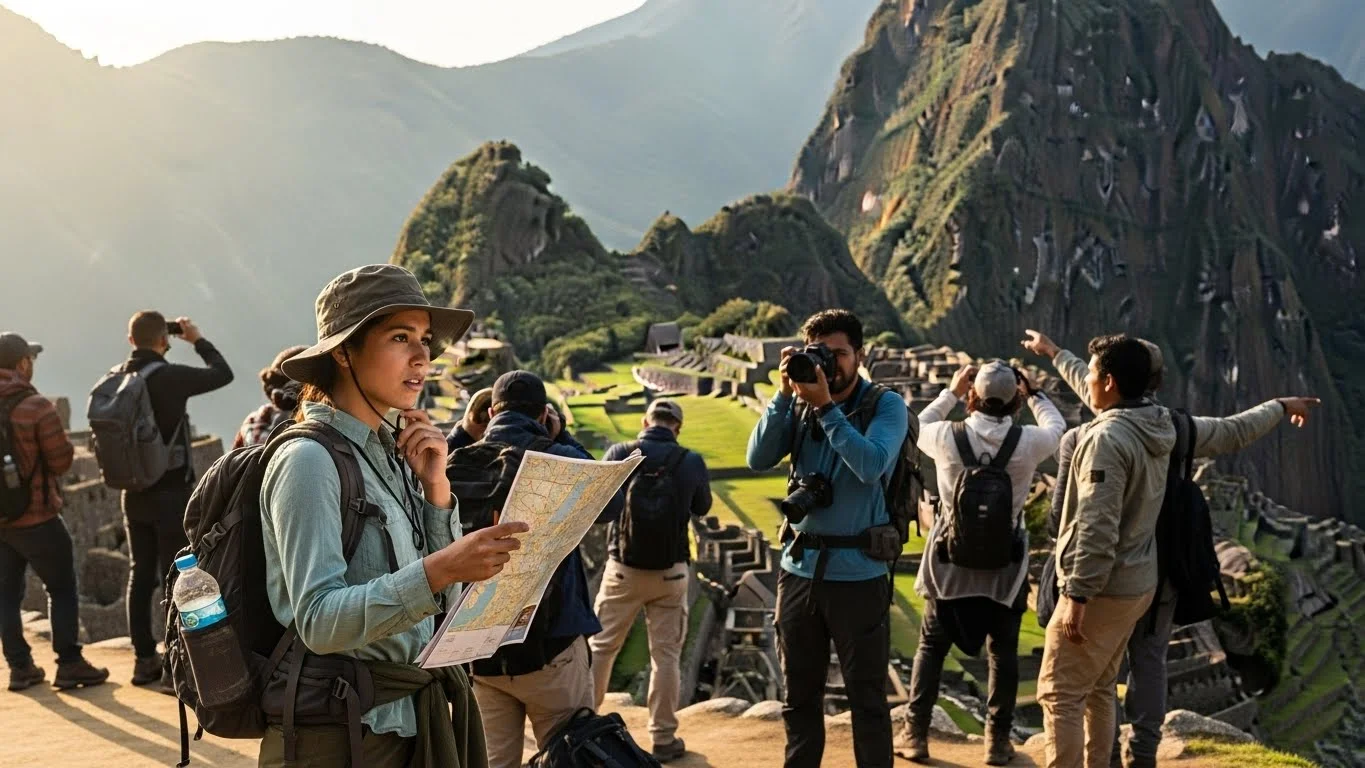
Machu Picchu, the iconic Incan citadel, is more than just a tourist hotspot; it’s a symbol of cultural resilience. Visiting this UNESCO World Heritage Site was a profound experience for me. Standing among the ancient stones, I felt a connection to the past that was hard to put into words. It’s crucial to approach this site with respect, understanding its significance not only as a marvel of engineering but also as a sacred place for the Incan people. The ongoing efforts to preserve Machu Picchu highlight the importance of cultural heritage in the face of modern challenges.

C. Local Communities and Their Traditions

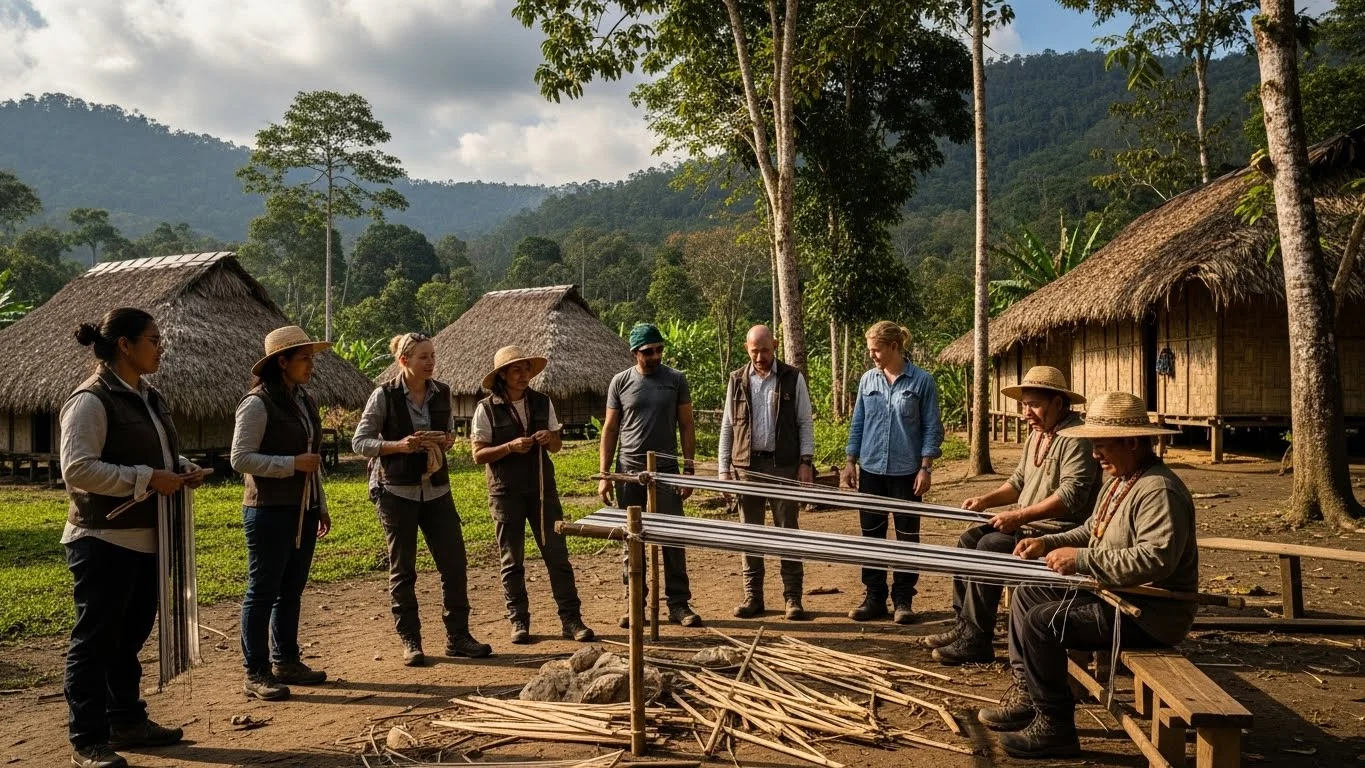
The communities surrounding the Sacred Valley are vibrant and welcoming. Many locals maintain traditional practices, from weaving colorful textiles to farming ancient crops like quinoa and potatoes. I had the chance to participate in a weaving workshop, where I learned about the techniques passed down through generations. It was amazing to see how these traditions are interwoven with daily life and how my presence as a traveler can support their continuation. I left feeling as though I had gained not just knowledge but friendships that transcended cultures.

2. Thailand: Chiang Mai and Hill Tribe Villages

A. Overview of Chiang Mai

Chiang Mai, with its stunning temples and vibrant markets, has a special place in my heart. This northern Thai city is often considered the cultural capital of the country, and for a good reason. The Old City is filled with beautiful temples, and I found myself mesmerized by the intricate details of Wat Phra Singh and Wat Chedi Luang. Each visit was a reminder of the rich history and spirituality that permeate the area.

B. Hill Tribe Cultures

Beyond the city, the hill tribe villages offer a glimpse into the lives of various ethnic groups, each with their own language, customs, and crafts. I had the opportunity to trek into the mountains and visit a Karen village. The warmth and hospitality I experienced were unforgettable. I learned about their traditions and daily life, which are often overlooked in the hustle of modern tourism. Engaging with these communities allowed me to see firsthand the importance of preserving their unique cultures.

C. Sustainable Tourism Practices

Chiang Mai is leading the way in sustainable tourism, and I was thrilled to see how many travelers are becoming conscious of their impact. Many organizations promote responsible visits to hill tribe areas, ensuring that the local communities benefit directly from tourism. I participated in a program that supports local artisans, where I bought handmade products instead of mass-produced souvenirs. It felt good to know that my purchases were helping to sustain these traditional crafts and the people behind them.

3. Morocco: The Atlas Mountains and Berber Culture

A. Overview of the Atlas Mountains

The Atlas Mountains in Morocco are a stunning backdrop for any adventure. The rugged terrain and picturesque villages took my breath away. As I traveled through the valleys, I discovered the diversity of landscapes, from snow-capped peaks to lush green valleys. Each twist and turn in the road revealed a glimpse into the lives of the Berber people, who have inhabited this area for centuries.

B. Berber Traditions and Crafts

Berber culture is rich with traditions that are still very much alive today. I had a chance to visit a local home where I was treated to a traditional meal and learned about their customs. The warmth of their hospitality was touching. I also explored the vibrant markets filled with handmade crafts, from rugs to pottery. Purchasing these items directly from artisans felt meaningful, knowing I was supporting their livelihoods while bringing home a piece of their culture.

C. Engaging with Local Communities

One of my favorite experiences was trekking through the mountains with a local guide. They shared stories about their ancestors and the significance of the land we walked on. This connection to nature and history was eye-opening for me. I realized that engaging with local communities enriches our travels and supports the preservation of their cultures. I left with a deeper appreciation for the Berber way of life and the challenges they face in today’s world.

4. Japan: Rural Areas and Local Festivals

A. Overview of Rural Japan

Japan’s rural areas are a treasure trove of cultural experiences, and my time spent in places like Shirakawa-go and Gokayama was unforgettable. These UNESCO World Heritage Sites are famous for their traditional gassho-zukuri farmhouses, which have been preserved for generations. I felt like I had stepped back in time, wandering through these villages surrounded by rice fields and mountains.

B. Cultural Festivals and Their Significance

Experiencing a local festival in Japan was one of the highlights of my travels. I attended the Takayama Festival, where I marveled at the beautifully decorated floats and the sense of community among the participants. These festivals are not just celebrations; they are a way to keep traditions alive. I realized how important it is for people to come together and celebrate their heritage, and I felt honored to be a part of it.

C. Traditional Crafts and Practices

While in rural Japan, I also had the chance to learn about traditional crafts such as washi paper making and pottery. Participating in these workshops allowed me to connect with artisans who have dedicated their lives to preserving these crafts. I left with a newfound respect for their skills and a greater understanding of the cultural significance behind each piece. It was a reminder that every handmade object carries a story, and supporting these artisans is essential for keeping their traditions alive.

5. Greece: The Cyclades and Local Heritage

A. Overview of the Cyclades Islands

The Cyclades Islands in Greece are famed for their stunning landscapes and vibrant culture. My visit to islands like Santorini and Naxos was filled with breathtaking views of whitewashed buildings against the azure sea. Each island has its own character and stories, which fascinated me as I explored the narrow streets and engaged with the locals.

B. Preservation of Ancient Sites

Greece is home to many ancient ruins, and the Cyclades are no exception. I stood in awe at the remains of ancient temples and learned about their historical significance. It’s inspiring to see how Greece is actively working to preserve these sites for future generations. Visiting these ancient places gave me a deeper appreciation for the country’s rich history and the importance of preserving their cultural heritage.

C. Local Cuisine and Traditions

Food is an integral part of Greek culture, and I eagerly embraced the local cuisine. I remember enjoying a meal of fresh seafood, olives, and feta cheese, all prepared with love by local families. Participating in a cooking class introduced me to traditional Greek recipes, and I learned how ingredients are often sourced from local farms. Supporting local food traditions is vital for preserving the culinary heritage of the region, and I felt fulfilled knowing I was part of that journey.

When to Visit These Cultural Backpacking Destinations

Best Times for Each Destination

Choosing the right time to visit can make all the difference in our cultural backpacking adventures. Each destination comes with its own unique climate and seasonal rhythms. For instance, when I visited Peru, I learned that the dry season from May to September is ideal for trekking in the Sacred Valley and visiting Machu Picchu. This timing allowed me to enjoy clear skies and pleasant temperatures while exploring the ancient ruins.

In Thailand, I recommend visiting Chiang Mai between November and February. The weather is cooler, and the city comes alive with festivals, such as the Yi Peng Lantern Festival. Experiencing the lanterns floating in the sky was magical, and I felt like I was part of something truly special.

For Morocco, the spring and fall months are perfect for trekking in the Atlas Mountains. The temperatures are comfortable, and the scenery is breathtaking. I remember hiking there in early April; the wildflowers were in bloom, and the views were simply stunning. Similarly, Japan’s rural areas are best visited in the fall when the leaves change color, creating a picturesque backdrop for the local festivals I enjoyed.

Finally, if you’re planning a trip to the Cyclades in Greece, late spring (May to June) or early fall (September to October) are the best times to experience the islands without the summer crowds. This timing gave me a chance to engage more deeply with the locals and their traditions, making my experience even richer.

Seasonal Cultural Events to Experience

Experiencing cultural festivals is often one of the highlights of our travels. Each destination offers unique events that allow us to dive deeper into local customs. In Peru, the Inti Raymi Festival in June is a must-see. This ancient Inca festival of the Sun showcases vibrant costumes, music, and dance, and it was exhilarating to witness the community come together in celebration.

In Thailand, the Songkran Festival in April, marking the Thai New Year, is a fun way to engage with locals. I remember being splashed with water during the street celebrations, which felt like a rite of passage into the local culture. The joy and enthusiasm were contagious, and it helped me forge connections with people I met along the way.

Morocco also has its fair share of cultural events. The annual Rose Festival in El Kelaa M’Gouna in May celebrates the blooming of roses and includes parades, music, and traditional displays. Participating in these festivities allowed me to see how deeply tied the community is to its agricultural heritage.

In Japan, the Gion Matsuri in Kyoto is celebrated throughout July and is one of the country’s most famous festivals. I was captivated by the floats and traditional clothing. Celebrating with the locals gave me a sense of belonging and made the experience far more enriching.

Lastly, in Greece, the Feast of the Assumption in August brings communities together for celebrations filled with music, dance, and food. I was lucky enough to be invited to a local gathering, where I indulged in traditional dishes while listening to local stories. These moments are what make our backpacking journeys unforgettable.

Where to Stay: Accommodations Supporting Cultural Preservation

Eco-Lodges and Homestays

Finding accommodations that align with our values can enhance our travel experiences. I’ve cherished my stays in eco-lodges and homestays, as they often provide unique opportunities to connect with local culture. In the Sacred Valley of Peru, I stayed in a cozy eco-lodge run by a local family. It was heartwarming to share meals and stories with them, learning about their lives and traditions firsthand.

In Thailand, I opted for a homestay in a hill tribe village where the family welcomed me with open arms. I found that waking up to the sounds of nature and enjoying breakfast made with locally sourced ingredients gave me a deeper appreciation for the culture. These personal connections made my travels feel more meaningful.

Community-Run Guesthouses

Community-run guesthouses are another fantastic way to support cultural preservation. In Morocco, I discovered a guesthouse in a Berber village, where profits directly benefited local development projects. It felt rewarding to know that my stay contributed to the community’s well-being while allowing me to immerse myself in their daily life.

During my trip to Japan, I found a guesthouse that promoted traditional tea ceremonies and local crafts. Engaging with the owners and participating in these activities helped me understand the significance of their customs and how they work to keep them alive.

Impact of Your Stay on Local Communities

Every choice we make during our travels can have a ripple effect on local communities. By choosing accommodations that prioritize cultural preservation, we not only support local economies but also help maintain their way of life. I always think about how my travel dollars can create meaningful change. Supporting local businesses and staying in community-run lodgings allows us to be part of preserving the rich tapestry of cultures we encounter.

In my experience, these stays often lead to unexpected friendships and deeper connections. Whether it’s sharing laughter over a meal or participating in local traditions, each interaction creates cherished memories that stay with us long after our journey ends.

Frequently Asked Questions

What is cultural preservation in travel?

Cultural preservation refers to the efforts made to protect and maintain the traditions, languages, arts, and values of a community or society. It ensures future generations can experience and appreciate the unique aspects of their culture.

Why is cultural preservation important in tourism?

Cultural preservation is important in tourism because it allows travelers to immerse themselves in local life, sustaining the way of life of communities while enriching their own travel experiences.

How does backpacking support local communities?

Backpacking supports local communities by encouraging travelers to stay in locally-owned accommodations, eat at family-run restaurants, and participate in community activities, thus contributing to the local economy and cultural practices.

What are some backpacking destinations that prioritize cultural preservation?

Some top backpacking destinations that prioritize cultural preservation include Peru (Sacred Valley and Machu Picchu), Thailand (Chiang Mai and hill tribe villages), Morocco (Atlas Mountains and Berber culture), Japan (rural areas and local festivals), and Greece (Cyclades Islands).

When is the best time to visit the Sacred Valley in Peru?

The best time to visit the Sacred Valley in Peru is during the dry season from May to September, which allows for pleasant temperatures and clear skies while exploring the ancient ruins.

What cultural festival is celebrated in Thailand during April?

The Songkran Festival, marking the Thai New Year, is celebrated in Thailand during April and is known for its street celebrations and water splashing.

How do eco-lodges and homestays contribute to cultural preservation?

Eco-lodges and homestays contribute to cultural preservation by providing unique opportunities to connect with local cultures and ensuring that profits benefit the local community, thus supporting their traditions and way of life.

What is the significance of the Gion Matsuri festival in Japan?

The Gion Matsuri is celebrated throughout July in Kyoto and is one of Japan’s most famous festivals, showcasing beautifully decorated floats and a strong sense of community among participants.

What impact does staying in community-run guesthouses have on local communities?

Staying in community-run guesthouses supports local economies and development projects, allowing travelers to immerse themselves in the daily life of the community and contribute to preserving their cultural heritage.

What types of traditional crafts can travelers learn about in Morocco?

In Morocco, travelers can learn about various traditional crafts such as rug making and pottery, often through direct engagement with local artisans in markets and workshops.

Cultural Eco-Tourism: Preserve Heritage on a Budget

Cultural eco-tourism offers a unique way to explore the world, allowing us to experience the richness of local cultures while being mindful of our environmental footprint. It’s a chance to discover heritage without breaking the bank!

Cultural Eco-Tourism: Preserve Heritage on a Budget

Understanding Cultural Eco-Tourism

Definition and Importance of Cultural Eco-Tourism

Cultural eco-tourism is a blend of travel that emphasizes both cultural experiences and environmental sustainability. I first stumbled upon this concept during a trip to Peru, where I learned that eco-tourism isn’t just about visiting national parks or pristine beaches; it’s also about immersing ourselves in the local culture, traditions, and community. The importance of cultural eco-tourism lies in its ability to foster a deeper understanding and appreciation of diverse ways of life, while also supporting the preservation of the environments and cultures we visit. When we engage with local customs, we create meaningful connections that can last long after our travels are over. Cultural Connections: Affordable Indigenous Eco-Tourism Trips can provide additional insights into this enriching travel style.

Key Principles of Eco-Tourism

As I delved deeper into cultural eco-tourism, I discovered several key principles that guide this travel style. Understanding these principles can significantly enhance our travel experiences while ensuring we make a positive impact on the places we visit:

  • Environmental Awareness: Eco-tourism emphasizes the importance of protecting the environment. I’ve seen firsthand how eco-conscious travel can reduce our impact on local ecosystems.
  • Cultural Respect: Engaging with local communities on their terms is vital. I remember visiting a small village in Thailand where the inhabitants welcomed us, and in return, we honored their customs and traditions.
  • Community Involvement: Supporting local economies is at the heart of eco-tourism. By choosing local guides, artisans, and accommodations, we help create jobs and sustain livelihoods.
  • Education: Learning about the culture and environment enriches our travels. I always try to educate myself about the history and traditions of the places I visit.

Benefits of Cultural Eco-Tourism for Communities

When I think about the benefits of cultural eco-tourism, several stand out. For one, it provides communities with an opportunity to share their culture in an authentic way. I’ve had memorable experiences where local artisans showcased their crafts, and I was able to purchase handmade goods directly from them, ensuring that my money supported their livelihoods.

Moreover, cultural eco-tourism can lead to infrastructure improvements in local areas. During a recent visit to a rural region in Mexico, I noticed how the influx of eco-tourists helped fund better roads and facilities. It’s incredible how our travel choices can contribute to tangible benefits for communities. Explore Cultural Heritage: Backpacking for Preservation offers more ways to understand these impacts.

Additionally, cultural eco-tourism often fosters pride among locals. I’ve seen how communities come together to celebrate their heritage, creating festivals and events that not only attract visitors but also strengthen their sense of identity. This sense of pride is something I cherish and feel honored to witness during my travels.

Why Preserve Heritage?

The Role of Heritage in Cultural Identity

Heritage plays a vital role in shaping cultural identity. I’ve experienced this on my travels—visiting ancient ruins or local ceremonies always brings me a sense of connection to the past. It’s fascinating to see how people preserve traditions, stories, and languages that define who they are. For instance, I once attended a traditional dance in a small village in India, where every movement told a story of their ancestors. Moments like that remind me why it’s essential to preserve heritage.

Impact of Tourism on Local Cultures

Tourism can be a double-edged sword. While it can bring economic benefits, it can also threaten local cultures. I’ve seen beautiful places overwhelmed by mass tourism, where commercial interests overshadow genuine cultural experiences. It’s heartbreaking to witness local customs diluted for the sake of tourist dollars. This is where cultural eco-tourism steps in, offering a more respectful approach that focuses on authentic connections rather than mere transactions.

Economic Benefits of Heritage Preservation

Pursuing cultural eco-tourism not only safeguards heritage but also brings economic advantages. I’ve learned that when communities invest in preserving their culture, they attract visitors interested in authentic experiences. This can lead to job creation and sustainable income sources. For example, during my travels, I’ve encountered local initiatives where heritage workshops taught visitors traditional crafts, benefiting both the artisans and the tourists who seek genuine engagement. Experience Authenticity: Explore Community Eco-Tourism highlights such initiatives.

Budget-Friendly Cultural Eco-Tourism Activities

Homestays and Local Accommodations

One of the most rewarding ways to immerse yourself in a new culture is through homestays or staying in local accommodations. I remember my first experience with a homestay in a quaint village in Vietnam. The family I stayed with welcomed me into their home, shared their meals with me, and taught me about their daily lives. It was far from the sterile feel of a hotel; instead, I felt like part of the family. Plus, this kind of lodging is often budget-friendly, allowing us to save money while supporting local families directly.

When I look back, those cozy evenings spent sharing stories over a pot of homemade pho are some of my fondest memories. Many local accommodations also connect travelers with cultural experiences—like cooking classes or traditional crafting—making them a fantastic way to learn and enjoy.

Volunteering Opportunities in Cultural Sites

Volunteering can be a fantastic way to engage with a community, gain insights, and help in meaningful ways. I found this out during a trip to a small town in Guatemala, where I volunteered at a local school. Not only did I get to know the children and teachers, but I also learned about their customs and traditions. It was enriching to see the impact that our presence had on the community, and the connections I made were invaluable.

Many organizations offer short-term volunteer opportunities that can be quite affordable or even free. In exchange for a few hours of work each day, you often receive accommodation and meals. This trade-off helps ensure that your travel budget stretches while allowing you to support local cultural preservation efforts.

Community-Based Tours and Experiences

Community-based tours are a brilliant way to explore a destination through the eyes of locals. I’ve participated in several such tours, ranging from guided hikes through the Amazon rainforest to visits to indigenous communities in Canada. These experiences are usually more affordable than typical tourist packages because they promote direct engagement with local guides.

During one tour in Costa Rica, we trekked through a stunning landscape with a local guide who shared his knowledge of the flora and fauna. It was not just about seeing the sights; it was about learning how the local people interact with nature. This deeper understanding made my experience more meaningful and memorable. I think community-based tours are fantastic opportunities to support local economies while enjoying an authentic travel experience.

Free or Low-Cost Cultural Events and Festivals

Exploring cultural events and festivals can be a highlight of any trip. I’ve found that many destinations host free or low-cost events that showcase local traditions, arts, and music. During my travels in Spain, I happened upon a local festival celebrating the harvest. I was able to join in the festivities, partake in traditional dances, and taste delicious local foods—all at no cost! These types of events allow us to witness the genuine spirit of a community.

Before you travel, I recommend checking local calendars for events happening during your visit. Many towns have seasonal festivals that welcome travelers and offer a glimpse into their cultural heritage. Getting involved in these celebrations not only enriches our travel experience but also shows support for the local culture.

In my experience, budget-friendly cultural eco-tourism activities are some of the best ways to connect with the essence of a place. They allow us to travel responsibly while creating memories that last a lifetime, all without breaking the bank.

Top Destinations for Cultural Eco-Tourism on a Budget

Latin America: Experiences in Local Communities

Latin America is truly a treasure trove for cultural eco-tourism. I remember my journey through Peru, where the vibrant Incan culture was palpable, especially in places like Cusco and the Sacred Valley. The local markets were filled with colorful textiles, and I had the chance to learn about traditional weaving techniques from skilled artisans. I found that engaging directly with these communities not only enriched my experience but also felt rewarding as my spending supported their craft.

Additionally, community-based tourism initiatives like the one in the small village of Ollantaytambo allow visitors to stay with local families, enjoy home-cooked meals, and take part in agricultural activities. These experiences often come at a fraction of the cost of regular tourist packages, and they ensure that the money goes directly to the hosts, helping to preserve their way of life.

Asia: Affordable Cultural Heritage Sites

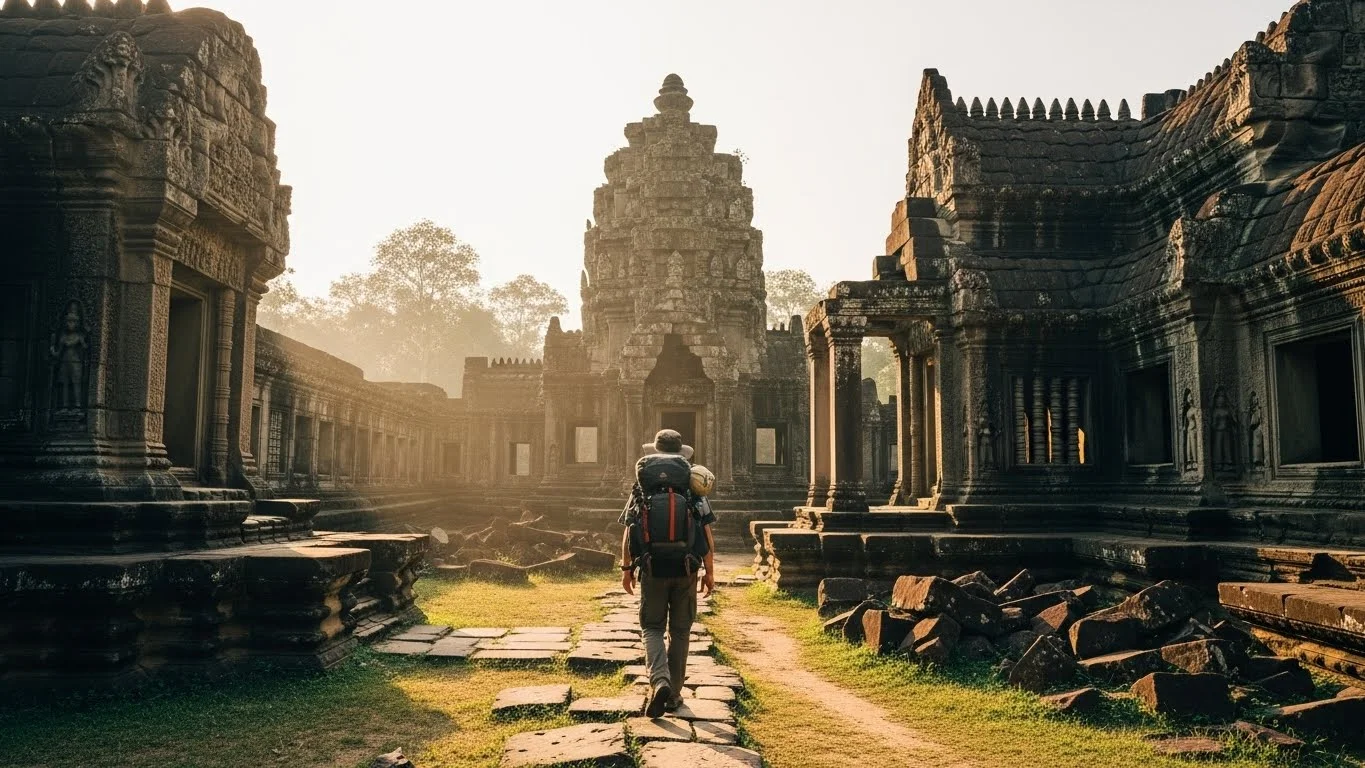
Traveling through Asia, I’ve been amazed by the rich tapestry of cultures and traditions. Countries like Vietnam and Cambodia offer countless opportunities for budget-friendly cultural eco-tourism. I recall visiting the ancient temples of Angkor Wat in Cambodia and opting to stay in a nearby village instead of a luxury hotel. I spent my days exploring the temples, while my evenings were filled with laughter and stories shared with locals over simple meals.

Places like Thailand also provide an array of affordable workshops, from cooking classes to traditional crafts, allowing travelers to connect with local culture in a hands-on way. Each of these experiences is often budget-friendly, making it easy to immerse ourselves in the beauty of their heritage.

Africa: Exploring Indigenous Cultures

Africa is another continent rich in cultural diversity, and I’ve had the privilege to experience its beauty firsthand. One of my most memorable adventures was in Tanzania, where I spent time with the Maasai people. Participating in their traditional rituals and learning about their nomadic lifestyle gave me a profound appreciation for their culture. I was welcomed into their community, which allowed me to gain insights that go far beyond what typical tourist visits offer.

Many African nations have community-run experiences that are affordable and fulfilling. For instance, I visited local markets, enjoyed traditional meals, and even joined in on dances. These activities not only enriched my understanding of their way of life but also supported their economy. I felt connected to the land and its people, and that connection is priceless.

Europe: Historic Towns with Budget Options

Europe is often seen as an expensive destination, but I’ve discovered that there are several budget-friendly options for cultural eco-tourism. Towns like Porto in Portugal or Lucca in Italy offer stunning architecture, rich histories, and vibrant local cultures without the high price tags of bigger cities. During my time in Porto, I wandered through narrow streets lined with beautiful azulejos, sampled local wines, and interacted with friendly residents who shared stories about their heritage.

Moreover, many European towns host free walking tours where local guides share their knowledge and passion for the area. I participated in one in Prague, and it was a phenomenal way to learn about the city’s history while supporting local guides. These tours often rely on tips, so they work wonderfully for budget travelers like us.

In each of these regions, I’ve found that cultural eco-tourism on a budget allows us to delve deep into local cultures while being mindful of our spending. The experiences I’ve had have taught me that travel isn’t just about the destination; it’s about the connections we make and the stories we gather along the way. Whether it’s through meaningful interactions or simply enjoying the local lifestyle, budget-friendly cultural eco-tourism can create lasting memories that stay with us long after our journeys end.

How to Plan Your Cultural Eco-Tourism Trip

Researching Destinations and Activities

Planning a cultural eco-tourism trip starts with research. I always take the time to explore various destinations that resonate with my interests. Websites, travel blogs, and social media can be goldmines of information. I remember spending hours on forums like Reddit or travel blogs, looking for recommendations on lesser-known spots that offer authentic cultural experiences. It’s amazing how many hidden gems you can find if you dig a little deeper.

Moreover, I like to look for activities that allow for cultural immersion. Sometimes, just reading about a place isn’t enough—I find it helpful to reach out to local tourism boards or community organizations. They often provide insights into local events, workshops, and community-driven tours that may not be widely advertised. From my experience, reaching out directly can lead to discovering unique opportunities that transform a regular trip into a memorable adventure.

Budgeting for Your Eco-Tourism Adventure

Budgeting is a crucial part of planning any trip, and cultural eco-tourism is no exception. I’ve learned to break down my expenses into categories like accommodations, activities, meals, and transportation. Setting a realistic budget helps me prioritize experiences that are meaningful and impactful. I often allocate a larger portion for local activities and food, as these provide the richest experiences.

It’s also wise to have a buffer for spontaneous opportunities that arise. I remember in Thailand, I stumbled upon a local cooking class that wasn’t on my itinerary. It was an affordable indulgence that enhanced my understanding of Thai culture immensely. So, while planning is essential, being flexible with the budget can lead to unexpected and wonderful experiences.

Choosing Sustainable Transportation Options

Transportation plays a significant role in eco-tourism. I always aim to choose modes of transport that minimize environmental impact. Whenever possible, I opt for public transportation, which not only reduces my carbon footprint but also allows me to mingle with locals. For instance, while exploring the stunning landscapes of New Zealand, I took a bus tour that was both cost-effective and enriching. It was a great way to see the sights while learning from our local guide.

Additionally, walking or biking in cities is an excellent way to explore. I remember a memorable biking tour in Amsterdam where I learned about the city’s history and culture while enjoying the freedom of two wheels. It felt good to know that I was contributing to a more sustainable form of travel.

Making the Most of Local Resources

Local resources can greatly enhance our travel experience. I’ve found that connecting with locals through community centers, markets, or even social media groups can lead to fantastic recommendations. For example, while in a small town in Italy, I met a local artist at a market who invited me to his studio for a private tour and painting session. This personal touch created unforgettable memories and deepened my appreciation for the culture.

I also recommend using apps or websites that focus on eco-friendly services and experiences. These tools can help us find local guides who prioritize sustainable tourism, ensuring that our adventures benefit the community and the environment. Overall, engaging with local resources can transform our travels into something truly enriching.

Tips for Responsible Cultural Eco-Tourism

Respecting Local Customs and Traditions

In my travels, I’ve learned that respecting local customs is paramount. Each culture has its own set of traditions and norms. I remember visiting a sacred site in Bali where I was reminded to dress modestly and behave respectfully. Observing these customs not only shows respect but also enriches our understanding of the culture we are experiencing. I always take the time to educate myself about local etiquette and practices before visiting a new destination.

Supporting Local Economies and Businesses

One of the most impactful ways to practice responsible eco-tourism is by supporting local businesses. I make a conscious effort to eat at local restaurants, shop at artisan markets, and hire local guides. This not only helps sustain the community but also provides us with authentic experiences. During my time in Mexico, I sought out family-owned eateries, and the food was always fresher and more flavorful than anything else I encountered. Supporting local economies empowers communities and keeps their cultural heritage alive.

Minimizing Environmental Impact During Travel

Every little action counts when it comes to minimizing our environmental impact. I’ve adopted several habits that help me travel more sustainably. For instance, I carry a reusable water bottle, which has significantly reduced my plastic waste. I also make it a point to avoid single-use plastics whenever possible, and I choose eco-friendly products. These small changes make a difference, especially when many travelers adopt similar practices.

Additionally, I always follow the “Leave No Trace” principles. Whether I’m hiking in nature or enjoying a local beach, I make sure to clean up after myself and respect the natural surroundings. This commitment not only preserves the beauty of the places we visit but also sets a positive example for fellow travelers.

Resources for Cultural Eco-Tourism

Books and Guides on Eco-Tourism

If you’re looking for a deeper understanding of eco-tourism, I’ve found several books and guides that offer valuable insights. Titles like “The Ecotourism Equation” have helped shape my perspective on sustainable travel and the importance of preserving local cultures. Many of these resources provide tips for planning eco-friendly trips and highlight inspiring stories from around the globe.

Online Platforms for Eco-Tourism Opportunities

There are various online platforms dedicated to eco-tourism that can help you find meaningful travel experiences. Websites like EcoTourism.org are fantastic starting points, offering listings of eco-friendly accommodations and tours. I often browse these sites to discover new destinations that align with my values.

Organizations Promoting Cultural Heritage Preservation

Connecting with organizations that promote cultural heritage preservation can enrich our travels in profound ways. Initiatives like the Global Heritage Fund work tirelessly to protect cultural sites and promote responsible tourism. Engaging with such organizations can provide us with opportunities to volunteer or participate in programs directly benefiting local communities.

Final Thoughts

As I reflect on my journey through cultural eco-tourism, I feel a sense of gratitude for the experiences I’ve had and the lessons I’ve learned. Traveling in a way that respects and honors local cultures not only enriches our adventures but also helps sustain the very essence of those places. I encourage you to embrace cultural eco-tourism and seek out opportunities that connect you with the heart of a community. It’s a wonderful way to create lasting memories, forge meaningful connections, and contribute positively to the world around us. Each trip is a chance to discover not just new places, but also new perspectives, and that’s what makes travel so transformative.

Frequently Asked Questions

What is cultural eco-tourism?

Cultural eco-tourism is a blend of travel that emphasizes both cultural experiences and environmental sustainability. It allows travelers to immerse themselves in local cultures while being mindful of their environmental footprint.

What are the key principles of eco-tourism?

The key principles of eco-tourism include environmental awareness, cultural respect, community involvement, and education. These principles aim to enhance travel experiences while ensuring a positive impact on the places visited.

How does cultural eco-tourism benefit local communities?

Cultural eco-tourism benefits local communities by providing opportunities to share their culture authentically, leading to infrastructure improvements and fostering pride among locals. It supports local artisans and helps sustain their livelihoods.

Why is preserving heritage important?

Preserving heritage is important because it shapes cultural identity and helps maintain traditions, stories, and languages. It also safeguards local cultures from being diluted by mass tourism.

What are some budget-friendly cultural eco-tourism activities?

Budget-friendly cultural eco-tourism activities include homestays, volunteering opportunities, community-based tours, and participating in free or low-cost cultural events and festivals.

What are some recommended destinations for cultural eco-tourism on a budget?

Recommended destinations for cultural eco-tourism on a budget include Latin America, Asia, Africa, and Europe. Each region offers unique experiences that allow travelers to connect with local cultures affordably.

How should one plan a cultural eco-tourism trip?

Planning a cultural eco-tourism trip involves researching destinations and activities, budgeting for expenses, choosing sustainable transportation options, and utilizing local resources for an enriched experience.

What are some tips for responsible cultural eco-tourism?

Tips for responsible cultural eco-tourism include respecting local customs and traditions, supporting local economies and businesses, and minimizing environmental impact during travel.

What resources are available for cultural eco-tourism?

Resources for cultural eco-tourism include books and guides on eco-tourism, online platforms for eco-tourism opportunities, and organizations that promote cultural heritage preservation.

How does cultural eco-tourism create lasting memories?

Cultural eco-tourism creates lasting memories by encouraging meaningful interactions with local communities, allowing travelers to experience authentic cultural practices and forge connections that enrich their journeys.

Budget Travel Tips for Cultural Heritage Enthusiasts

Exploring cultural heritage on a budget opens doors to rich experiences without breaking the bank. From ancient ruins to local traditions, let’s dive into how we can embrace these adventures while keeping our expenses low. Read Interesting article: Budget Travel Tips for Families: Explore Without Breaking the Bank

Budget Travel Tips for Cultural Heritage Enthusiasts

Understanding Cultural Heritage Travel

What is Cultural Heritage Travel?

Cultural heritage travel is all about experiencing the stories, traditions, and histories that shape different communities. When I first began to explore this type of travel, I was drawn to the idea of not just visiting a place but truly understanding its essence. Whether it’s ancient temples, historic neighborhoods, or local festivals, cultural heritage travel encourages us to connect with the past and the present in a meaningful way. It’s about witnessing the narratives that have shaped cultures over centuries and being a part of that journey, even if just for a little while.

Why Choose Budget Travel for Cultural Exploration?

Choosing budget travel doesn’t mean sacrificing depth or enjoyment. In fact, my experiences have shown that traveling on a budget can lead to more authentic cultural encounters. When we’re not focused on high-end hotels or lavish meals, we often find ourselves more immersed in local life. I remember wandering through the bustling streets of a small town in Italy, where I stumbled upon a local market. The prices were low, but the connections I made—sharing laughs and stories with vendors—were priceless.

Budget travel allows us to stretch our dollars further, which means we can visit more sites, try different foods, and even participate in community events. Instead of splurging on one expensive dinner, we could enjoy several affordable meals, each showcasing the unique flavors of the region. I’ve learned that the richness of a destination often lies in its everyday life, and budget travel allows for more of those experiences. Read Interesting article: Affordable Family Adventures: Smart Budget Travel Tips Inside

Essential Budget Travel Tips

Planning Your Trip on a Budget

The cornerstone of budget travel is effective planning. I’ve discovered that a little research can go a long way. Start by outlining your must-see cultural heritage sites and then do some digging on entrance fees, opening hours, and any available discounts. Websites like local tourism boards or travel blogs can be treasure troves of information. I once found a very informative local blog that listed free museum days and special cultural nights that I would have otherwise missed. It’s amazing how much you can save with just a bit of preparation!

Another tip is to create a daily budget for your trip. This includes not only accommodation and transportation but also meals and activities. I like to factor in a little extra for spontaneous experiences that may pop up along the way. Keeping track of expenses during my travels helps me stay within my budget while also enjoying the freedom to indulge now and then.

Flexible Travel Dates and Off-Peak Seasons

If you can be flexible with your travel dates, you’ll often score significant savings. I’ve seen prices for flights and accommodations drop dramatically during off-peak seasons. Traveling during these times not only saves money but also allows for a more authentic experience—fewer tourists means more opportunities to connect with locals. For instance, I once visited a heritage site in Spain during the shoulder season. The serene atmosphere made it easier to appreciate the history without the usual crowds. Plus, I had the chance to chat with local guides who shared insights that I wouldn’t have learned otherwise!

Choosing Budget Airlines and Transportation

Finding budget airlines can feel daunting, but it’s well worth the effort. I usually compare prices on several travel websites and apps, sometimes even booking directly through the airline for the best deals. Additionally, I’ve found that alternative airports, when available, can offer lower fares. While it may require a longer commute to the city center, the savings can be significant.

Once at my destination, I prefer using public transportation. It’s not only more economical, but it also immerses me in local life. I remember taking a bus in Bangkok that was filled with locals, and it felt like I was a part of the city’s heartbeat. I’ve even made friends on these rides, exchanging stories and tips. If you’re feeling adventurous, consider renting a bike or walking. Not only does it save money, but it allows for a more intimate exploration of cultural sites.

Affordable Accommodation Options

Hostels and Guesthouses

I’ve always found that hostels and guesthouses can be hidden gems when it comes to budget accommodation. Not only are they affordable, but they also provide a chance to meet fellow travelers and share experiences. I remember my first stay in a hostel in Prague; it was such a vibrant space filled with people from all over the world. We exchanged travel tips over breakfast, and I learned about local spots I wouldn’t have found otherwise.

Staying in a hostel often allows us to choose between dormitory-style rooms or private accommodations, catering to different preferences. I usually opt for the dormitory option; it’s cheaper and more social. Plus, many hostels offer organized activities—like walking tours or pub crawls—which are great ways to explore the city while making friends. Just be sure to check reviews before booking; I always look for places that prioritize cleanliness and comfort.

Homestays and Cultural Exchanges

Homestays have become one of my favorite ways to experience a destination. They allow me to immerse myself in local culture by staying with a family. I vividly recall my time in a small village in Vietnam where I lived with a local family. They taught me how to cook traditional dishes, and we shared stories over meals. This experience was priceless and cost-effective, as the price often includes meals and cultural activities.

Platforms like Airbnb and other cultural exchange websites make finding homestays easier than ever. I’ve discovered that connecting with locals this way adds a unique depth to my travels. The warmth and hospitality of the families I’ve stayed with have often made my trips unforgettable. Just like any other accommodation, look for reviews to ensure a positive experience.

Budget Hotels and B&Bs

If hostels or homestays aren’t your style, budget hotels and bed-and-breakfasts (B&Bs) can provide comfort without breaking the bank. I’ve stayed in quaint B&Bs in places like the English countryside, where the hosts were more than happy to share their knowledge of the area. It felt like having a local friend who was eager to help me discover the hidden treasures of their town.

When searching for budget hotels, I often use comparison sites to find the best deals. I look for places that offer free breakfast or kitchen access, as it can significantly cut down on food costs. Another tip is to book directly through the hotel’s website, as they sometimes offer exclusive discounts or perks. I’ve found that even a small savings can add up, allowing me to allocate those funds to experiences instead.

Cost-Effective Ways to Experience Cultural Heritage

Free and Low-Cost Cultural Attractions

I’ve learned that many cities offer a wealth of free or low-cost attractions that allow us to soak in the local culture. Museums often have free entry days, and historical sites might offer discounted rates for students or seniors. I remember visiting a stunning art gallery in Barcelona that was free on Sundays, and I was blown away by the exhibits. It felt special to enjoy such incredible art without spending a dime.

Additionally, many cities have beautiful parks or public spaces where you can immerse yourself in local life. I’ve spent afternoons simply strolling through these areas, watching street performers or joining a local game of chess. These experiences often become the highlights of my travels, as they allow me to connect with the community in a genuine way.

Walking Tours and Local Guides

Walking tours are another fantastic way to explore cultural heritage on a budget. I’ve participated in many free walking tours in various cities, where local guides share their insights and stories. These tours not only provide a great introduction to the city but often lead to discovering lesser-known spots that aren’t in guidebooks. I once took a street art tour in Berlin, and it opened my eyes to the city’s history and vibrant culture.

If you want a more personalized experience, consider hiring a local guide for a small fee. It’s amazing what you can learn from someone who knows the area well. I’ve done this in places like Istanbul, where my guide shared fascinating stories and took me to hidden gems that I would have never found on my own. Read Interesting article: Maximize Your Savings: Budget Travel Tips for Backpacking

Community Events and Festivals

Attending local events and festivals is one of my favorite ways to experience a culture deeply. I’ve discovered so many vibrant traditions just by stumbling upon a festival or community gathering. Whether it’s a food festival, a cultural celebration, or a local market, these events often showcase the heart and soul of a place.

Many festivals are free to attend, with the opportunity to sample local foods, enjoy performances, and meet residents. I once found myself in the middle of a colorful street festival in Peru, filled with music, dance, and laughter. It was a perfect way to connect with the culture and people without spending much. To find out about these events, I usually check local calendars, social media groups, or ask locals when I arrive. It’s a fantastic way to feel like I’m part of the community, even if just for a short time.

Food on a Budget: Enjoying Local Cuisine

Street Food and Local Markets

I’ve always been a huge fan of street food, and for good reason! It’s one of the most affordable ways to savor local flavors without the hefty price tag. I remember wandering through the vibrant markets of Bangkok, where the aroma of spices and grilled meats filled the air. I tried a delicious pad thai from a street vendor for just a couple of dollars, and it was one of the best meals I’ve ever had. The experience of eating where locals do really connects you to the culture—and it’s often way tastier than what you’d find in a fancy restaurant.

Exploring local markets is another great way to enjoy budget-friendly meals. I’ve spent hours at markets in places like Mexico City, sampling freshly made tacos and local delicacies. Not only are the prices incredibly reasonable, but I also get to chat with the vendors, who are usually eager to share their stories and cooking tips. When visiting a market, I like to look for stalls that have a line of locals waiting; it’s usually a good sign that the food is fresh and delicious!

Affordable Restaurants and Cafés

While street food is a fantastic option, I also appreciate the charm of small, local restaurants and cafés. I’ve found that these places often provide a warm atmosphere and a chance to try traditional dishes at a fraction of the cost of touristy spots. I remember dining at a family-run café in Lisbon, where the owner served me her grandmother’s recipe for bacalhau à brás. It was authentic, comforting, and incredibly affordable.

When I’m searching for budget dining options, I often consult online reviews or ask locals for their recommendations. Social media can be a great tool for this—following food bloggers or local influencers often leads me to hidden gems. I’ve discovered many wonderful eateries this way, and it always feels rewarding to know I’m supporting local businesses while enjoying a great meal!

Cooking Classes and Local Dishes

One of my favorite experiences while traveling has been taking cooking classes. Not only do I get to learn how to prepare regional dishes, but it’s also a fantastic way to meet locals and learn more about their culture. I remember a cooking class in a small town in Italy, where the chef guided us through making fresh pasta from scratch. The joy of sharing a meal we created together was unforgettable, and the cost was reasonable compared to dining out at a restaurant.

Cooking classes often include a market visit where you can buy fresh ingredients, which gives you a chance to interact with local vendors. This experience has taught me so much about the local cuisine and culture that I wouldn’t have gained from just eating out. Plus, I’ve returned home with some delicious recipes that remind me of my adventures every time I cook them!

Transportation Tips for Cultural Heritage Travel

Using Public Transportation Effectively

I’ve discovered that public transportation is not just a budget-friendly option; it’s also a window into local life. I remember taking the metro in Paris, surrounded by locals going about their daily routines. It felt like I was truly part of the city, rather than a tourist. I’ve learned to navigate subway maps and bus schedules, and it’s often the most efficient way to get around.

Many cities also offer travel passes that can save you money if you plan to use public transport frequently. For example, I once purchased a multi-day pass in Berlin that allowed me unlimited rides on buses, trams, and trains. It made exploring so much easier and more affordable, and it encouraged me to venture beyond the main tourist spots.

Bike Rentals and Walking for Exploration

In my opinion, one of the best ways to explore a new city is on foot or by bike. I often rent bikes when I visit places that have dedicated bike lanes, like Amsterdam. Riding along the canals was a highlight of my trip, and I felt a deep connection to the city as I pedaled through the neighborhoods. It also allowed me to discover hidden corners and local parks that I might have missed otherwise.

Walking is equally rewarding. I’ve spent entire days wandering through the streets of places like Kyoto, taking in the sights, sounds, and smells while discovering charming shops and cafés. There’s something special about moving slowly through a place, allowing time for spontaneous discoveries. I recommend downloading a walking tour app to find routes that highlight cultural sites and local history.

Carpooling and Ridesharing Services

Sometimes, public transport doesn’t reach certain areas, and that’s where carpooling and ridesharing services come in handy. I’ve used apps like Uber and Lyft in various cities, and it’s often a safe and cost-effective way to get around, especially late at night. I’ve met interesting people during these rides, and I’ve even picked up local tips from drivers about where to eat or what to see.

Additionally, I recommend looking into carpooling options for longer trips or excursions outside the city. Websites and apps that connect travelers for shared rides can save money and reduce environmental impact. I once joined a carpool from Barcelona to a nearby town and ended up sharing a memorable day with fellow travelers, discovering a stunning beach that wasn’t in any guidebook!

Frequently Asked Questions

What is cultural heritage travel?

Cultural heritage travel is about experiencing the stories, traditions, and histories that shape different communities. It encourages travelers to connect with the past and the present through visits to ancient temples, historic neighborhoods, and local festivals.

Why should I choose budget travel for cultural exploration?

Budget travel allows for more authentic cultural encounters without sacrificing enjoyment. It enables travelers to immerse themselves in local life and experiences, leading to deeper connections and more opportunities to try local foods and participate in community events.

What are some essential tips for planning a budget trip?

Effective planning is crucial for budget travel. Research cultural heritage sites, entrance fees, and discounts. Create a daily budget that includes accommodation, transportation, meals, and activities, allowing for some flexibility for spontaneous experiences.

How can flexible travel dates help me save money?

Being flexible with travel dates often results in significant savings, especially during off-peak seasons when prices for flights and accommodations drop. Traveling during these times also offers a more authentic experience with fewer tourists.

What types of budget accommodation options are available?

Budget accommodation options include hostels, guesthouses, homestays, cultural exchanges, budget hotels, and bed-and-breakfasts (B&Bs). Each option offers unique experiences and opportunities to meet fellow travelers or locals.

How can I experience cultural heritage on a budget?

Many cities offer free or low-cost cultural attractions, such as museums with free entry days. Walking tours led by local guides can also provide budget-friendly insights into a city’s culture, and attending community events or festivals can deepen cultural engagement without high costs.

What are some affordable food options while traveling?

Street food and local markets provide affordable ways to enjoy local cuisine. Small, family-run restaurants and cafés often offer traditional dishes at lower prices than tourist spots, while cooking classes can provide a unique dining experience and cultural immersion.

How can I effectively use public transportation while traveling?

Public transportation is budget-friendly and offers a glimpse into local life. Many cities provide travel passes for unlimited rides, making it easier and more economical to explore beyond tourist attractions.

What are the benefits of biking or walking during cultural exploration?

Biking and walking allow for a more intimate exploration of a city, helping travelers discover hidden corners and local parks. Both methods encourage spontaneous discoveries and deeper engagement with the surroundings.

Are ridesharing services a good option for budget travel?

Yes, ridesharing services like Uber and Lyft can be a safe and cost-effective way to get around, especially at night. Carpooling options for longer trips can also save money and reduce environmental impact, offering opportunities to meet fellow travelers.

Explore Cultural Heritage: Backpacking for Preservation

Backpacking can be more than just an adventure; it can be a way to connect with and preserve cultural heritage. By exploring different cultures, we contribute to their preservation while enriching our own experiences. For those interested in exploring sites of significance, check out Affordable Backpacking Adventures to Cultural Heritage Monuments.

Explore Cultural Heritage: Backpacking for Preservation

Understanding Cultural Heritage

Definition of Cultural Heritage

Cultural heritage refers to the traditions, customs, values, and artifacts passed down through generations. It includes tangible elements like monuments, artworks, and buildings, as well as intangible aspects such as folklore, rituals, and traditional practices. I remember my first encounter with cultural heritage during a trip to a small village in Italy, where I witnessed a centuries-old festival that celebrated their local customs. It was a beautiful reminder of how culture shapes our identities and connects us to our past.

Importance of Cultural Heritage Preservation

Preserving cultural heritage is crucial for maintaining the identity of communities and nations. It fosters a sense of belonging and pride among people. Furthermore, it allows future generations to understand their history and the evolution of their culture. I’ve seen how communities thrive when they celebrate their heritage, creating a shared identity that strengthens social bonds. For me, participating in local traditions not only opens up a new world of experiences but also helps sustain the communities I visit.

Types of Cultural Heritage

Cultural heritage can be categorized into two main types: tangible and intangible. Tangible cultural heritage includes physical sites, artifacts, and objects, like ancient ruins, historic buildings, and traditional crafts. On the other hand, intangible cultural heritage encompasses practices, representations, and expressions rooted in a community’s cultural identity—think of music, dance, storytelling, and culinary traditions. I’ve had the pleasure of exploring both types during my travels. For instance, visiting the historic sites of Greece was awe-inspiring, while partaking in a cooking class in Thailand helped me appreciate their culinary heritage firsthand.

Backpacking for Cultural Preservation

What is Backpacking for Preservation?

Backpacking for cultural preservation involves exploring destinations with rich cultural significance while engaging in activities that support and promote local traditions. It’s about traveling mindfully, respecting the places we visit, and leaving a positive impact. I recall my experience backpacking through Peru, where I not only admired the stunning landscapes but also learned about the local communities. I sought out local artisans, participated in workshops, and even contributed to conservation efforts in the Sacred Valley. It was rewarding to know my travels helped sustain these vibrant cultures.

Benefits of Backpacking for Cultural Heritage

Backpacking for cultural preservation has numerous benefits—not just for the traveler but also for the communities we visit. For one, it encourages sustainable tourism, which helps protect cultural and environmental resources. I’ve seen local businesses thrive when travelers seek authentic experiences, supporting artisans and guides who rely on tourism for their livelihoods. Additionally, backpacking fosters cross-cultural understanding. Through personal interactions and shared experiences, we can break down stereotypes and build connections. I often find that the most meaningful moments during my travels come from conversations with locals, who share their stories and perspectives with me. If you’re looking for some practical advice, check out Backpacking Tips for Visiting Cultural Heritage Sites Cheaply.

Overall, embracing cultural heritage while backpacking enriches our journeys and creates lasting memories. It’s an opportunity to learn, grow, and contribute to the preservation of the world’s diverse cultures. I believe that by immersing ourselves in these experiences, we not only discover the beauty of different cultures but also help ensure that they endure for generations to come.

Planning Your Trip

Choosing Destinations with Rich Cultural Heritage

When it comes to planning a trip centered around cultural heritage, I always start with choosing the right destinations. Some places just resonate with rich traditions and vibrant histories, making them ideal for immersive cultural experiences. For instance, I remember my excitement when I decided to visit Marrakech in Morocco. The city’s bustling souks, stunning palaces, and intricate architecture reflected a blend of traditions that had been nurtured for centuries. I think what makes a destination truly memorable is its ability to offer genuine connections to its cultural roots. It’s important to seek out locations that are known for their cultural significance, whether it’s through UNESCO World Heritage sites or local folklore that tells stories of the land. In my experience, that’s where the magic happens!

Researching Local Cultures and Traditions

Once I’ve chosen a destination, I dive deep into researching its local cultures and traditions. This part of the planning process feels almost like a treasure hunt for me. I love browsing books, documentaries, and online articles to get a sense of the history and customs of the place I’m visiting. For example, before visiting Japan, I learned about the importance of the tea ceremony and the beauty of the cherry blossom festivals. This knowledge not only enriched my experience but also helped me appreciate the nuances of local customs. I recommend reaching out to travel forums or social media groups focused on cultural travel. The insights I’ve gathered from fellow travelers have often led me to hidden gems that I wouldn’t have found otherwise.

Understanding Cultural Sensitivity

Cultural sensitivity is another crucial aspect of planning a trip focused on heritage. I’ve noticed that being aware of local customs and practices can make a huge difference in how I’m perceived as a traveler. For instance, when I visited Bali, I learned about the significance of dress codes at temples. Understanding that certain areas required modest attire helped me show respect and connect better with the locals. I always make it a point to familiarize myself with the dos and don’ts of the culture I’m stepping into. It’s about more than just avoiding faux pas; it’s about showing genuine respect for the people and their way of life. From my experience, a little effort in understanding cultural sensitivity goes a long way in creating meaningful interactions.

Essential Gear for Cultural Backpacking

Backpack Essentials

Packing essentials for a cultural backpacking trip can sometimes feel overwhelming. I’ve learned the hard way that less is more when it comes to gear. My go-to backpack contains the basics like a sturdy, comfortable pack, lightweight clothing suitable for varying climates, and a good pair of walking shoes. But I also make sure to include a notebook for jotting down observations or experiences, as well as a reusable water bottle to stay hydrated while exploring. I’ve found that being prepared helps me to fully immerse myself in the culture rather than worrying about unnecessary items. You’d be surprised how much you can discover when you’re not weighed down by too much baggage!

Photography Equipment for Documenting Culture

For documenting my journey, I always bring along a reliable camera. I think capturing moments is one of the best ways to cherish memories and share cultural experiences with others. A good camera, whether it’s a DSLR or even a smartphone with a decent camera, helps me to tell the story of the places I visit. I remember taking photos during a traditional dance performance in Bali, where the vibrant colors and intricate details spoke volumes. I also recommend carrying a portable charger and extra memory cards—trust me, you don’t want to miss out on capturing something special because your battery died! For me, photography is not just about the images; it’s about preserving the essence of a culture, and I believe it encourages us to observe our surroundings more keenly.

Travel Apps for Cultural Insights

In this digital age, I’ve found that having the right travel apps can enhance my cultural backpacking experience significantly. Apps like Google Translate have been lifesavers when language barriers arise. I’ve had moments where a simple translation made all the difference in connecting with locals. Additionally, culture-specific apps provide insights into local customs, festivals, and events, helping me plan my itinerary around meaningful experiences. One app that I can’t recommend enough is Culture Trip, which highlights local hotspots and cultural attractions tailored to your interests. Utilizing technology not only makes traveling easier but also opens up a world of cultural understanding.

Top Backpacking Destinations for Cultural Heritage

South America: The Incan Trail

One of my most unforgettable trips was hiking the Incan Trail in Peru. This journey is steeped in history and surrounded by breathtaking landscapes. As we trekked through the Andes, I felt a deep connection to the ancient civilization that once inhabited this land. The trail leads to Machu Picchu, a UNESCO World Heritage site, which is a stunning testament to Incan engineering and culture. I remember standing at the Sun Gate, seeing the ancient citadel emerge from the mist—it was a moment that took my breath away. Along the trail, we met local Quechua people who shared their traditions and stories, enhancing our understanding of this vibrant culture. I believe that hiking the Incan Trail is more than just a physical challenge; it’s a journey into the heart of a remarkable heritage that continues to thrive today.

Africa: The Maasai Mara and Local Tribes

Traveling to Africa has always been a dream of mine, and visiting the Maasai Mara was a highlight of my cultural backpacking adventures. The Maasai people are known for their vibrant attire and rich traditions, and I was eager to learn about their way of life. I participated in a cultural village tour where I got to experience traditional dances, listen to stories about their customs, and even try my hand at their traditional crafts. This immersive experience allowed me to appreciate their deep connection to the land and wildlife. The breathtaking landscapes of the Maasai Mara, filled with diverse animals during the Great Migration, made the trip even more special. I feel that engaging with local tribes and their traditions not only enriches our travel experiences but also helps preserve their cultural heritage.

Asia: The Temples of Angkor Wat

Visiting Angkor Wat in Cambodia was like stepping back in time. The intricate carvings and grand architecture tell stories of the Khmer Empire’s history and spirituality. I remember waking up early to catch the sunrise over the temple complex, which was an awe-inspiring sight. As I wandered through the ruins, I encountered monks who offered insights into their daily lives and the significance of the temples in their spiritual practices. I learned about their rituals and the importance of preserving this UNESCO World Heritage site. For me, Angkor Wat symbolizes the perfect blend of nature and culture, and experiencing it firsthand was a powerful reminder of the impact of cultural heritage on our understanding of history.

Europe: Historical Cities and UNESCO Sites

Europe is filled with historical cities and UNESCO World Heritage sites that showcase rich cultural heritage. One of my favorite places to visit was Florence, Italy. The art and architecture of the Renaissance period come alive in this stunning city. I spent hours exploring the Uffizi Gallery, where I marveled at works by Botticelli and Michelangelo. Walking through the cobblestone streets, I could feel the history surrounding me. I also made it a point to visit local artisans who continue to practice traditional crafts, like leather-making and jewelry design. Engaging with local artisans helped me appreciate the skills and passion that go into preserving these cultural practices. In my opinion, experiencing such historical cities allows us to connect with the past and understand the evolution of culture in a meaningful way. For those wanting to delve deeper, consider checking out Cultural Connections: Affordable Indigenous Eco-Tourism Trips.

Engaging with Local Cultures

Participating in Traditional Festivals

One of the most thrilling aspects of cultural backpacking is participating in local festivals. I remember being in Spain during La Tomatina, a famous tomato-throwing festival. The sheer joy and laughter of everyone participating created an incredible atmosphere. It was a unique way to experience the local culture, as people of all ages came together to celebrate this quirky tradition. Festivals often reflect the heart of a community, showcasing their history, values, and collective spirit. I believe that immersing ourselves in these celebrations offers a deeper understanding of a culture’s identity and creates unforgettable memories.

Learning Local Languages

Learning a few phrases of the local language can open up a whole new world during my travels. I’ve found that even simple greetings or polite phrases can break down barriers and lead to genuine interactions. When I visited France, I made an effort to learn basic French phrases, which was met with warm smiles from locals. This small gesture showed my respect for their culture and made my experience more enriching. In my opinion, taking the time to learn the local language not only enhances my travel experience but also fosters connections and builds friendships.

Volunteering Opportunities for Cultural Preservation

Volunteering while traveling is another fantastic way to engage with local cultures and contribute to their preservation. I had the chance to volunteer at a community project in Costa Rica, where we worked alongside locals to promote sustainable tourism practices. Not only did I learn more about their culture, but I also felt that my efforts helped support their community. I think volunteering can create a profound connection, allowing us to understand the challenges and joys of the local way of life. It’s a beautiful way to give back while enriching our own experiences.

Food and Local Cuisine

Traditional Dishes to Try

One of my favorite ways to immerse myself in a culture is through its food. I truly believe that every dish tells a story, reflecting the history and traditions of the people who create it. For instance, during my travels in India, I couldn’t resist trying the local curries, each with its unique blend of spices and flavors. I remember sitting in a small family-run restaurant where the owner shared the significance of each ingredient—how they were sourced, and how they represented the region’s agricultural practices. I think tasting traditional dishes not only satisfies our appetites but also allows us to savor the essence of a culture.

In Peru, I had the chance to try ceviche, a dish that embodies the country’s coastal heritage. The freshness of the fish, combined with citrus and herbs, was a culinary revelation. I learned that ceviche is often prepared with local ingredients, reflecting the region’s identity. I recommend seeking out local specialties wherever you go; they offer a delicious way to connect with the culture and its people. Food has a way of bringing us together, and sharing a meal can create bonds that transcend language barriers.

Cooking Workshops and Culinary Tours

Participating in cooking workshops can be a fantastic way to deepen your understanding of a culture. I remember taking a cooking class in Thailand, where I learned to make Pad Thai from scratch. The instructor not only taught us the recipe but also shared stories about the importance of each ingredient in Thai cuisine. I found it fascinating how the class emphasized balance and harmony in flavors, mirroring the values of Thai culture itself.

Through culinary tours, we can explore markets, learn about traditional cooking techniques, and even visit local farms. This hands-on experience offers insights that you just can’t get from a guidebook. I believe that cooking, like culture, is best experienced in person. These workshops create an opportunity to bond with locals and other travelers, sharing laughter and stories over a meal that you’ve all helped create.

Respecting Local Customs and Practices

Dress Codes and Modesty in Different Cultures

Respecting local customs extends to how we dress. I’ve learned that certain cultures have specific dress codes that reflect their values and traditions. For example, when visiting temples in Southeast Asia, I made sure to wear clothing that covered my shoulders and knees. This practice not only showed respect but also allowed me to engage more authentically with the spiritual environment.

Understanding the significance of modesty in different cultures has enriched my travels. I remember visiting a mosque in Turkey, where the dress code was strictly adhered to. I was provided with a shawl to cover my arms and head. This small act made me appreciate the beauty of the place more and helped me connect with the local community on a deeper level. I think taking the time to learn about appropriate dress codes is a simple but powerful way to show respect.

Photography Etiquette

Photography is often a key part of our travel experience, but it’s important to approach it with sensitivity. I’ve encountered situations where photography is discouraged or requires permission. For instance, while visiting a traditional market in Morocco, I was reminded to ask before snapping photos of people. I learned to be respectful, as some locals may feel uncomfortable being photographed. This awareness led to more meaningful interactions, as I had the chance to engage in conversations instead of just capturing images.

Being mindful of photography etiquette not only helps avoid misunderstandings but also enhances our travel experience. I often find that when I ask for permission, it opens the door to sharing stories and deeper connections. The memories I create through these conversations stay with me much longer than any photograph could.

Gift-Giving and Hospitality Norms

Gift-giving is another aspect of cultural respect that I’ve come to appreciate during my travels. In many cultures, presenting a small gift is a gesture of goodwill and gratitude. I remember arriving at a local family’s home in Japan and bringing a small box of sweets. The warmth of their welcome was amplified by this simple gesture. It’s a beautiful way to show appreciation and respect for the hospitality we receive.

Understanding the nuances of hospitality norms in different cultures can enrich our experiences. For instance, in some places, it’s customary to refuse an offer a few times before accepting. I’ve learned to pay attention to these practices, as they reflect the values and traditions of the people I meet. By embracing these customs, we not only honor the culture but also foster genuine connections that enhance our travel experience.

Environmental Considerations

Sustainable Backpacking Practices

As we explore the world’s cultures, it’s essential to be conscious of our environmental impact. I’ve found that adopting sustainable backpacking practices not only helps preserve the places I love to visit but also sets a positive example for others. Simple actions, like choosing eco-friendly accommodations or minimizing plastic use, can make a significant difference.

I remember hiking in Patagonia and being amazed by the pristine beauty of the landscapes. It made me realize how fragile these ecosystems are. Carrying reusable bags and water bottles, as well as sticking to marked trails, became my commitment to protecting the environment. I believe that every small effort counts and can contribute to the preservation of cultural and natural heritage.

Leave No Trace Principles

Following Leave No Trace principles is another way to ensure we respect the environments we explore. I strive to leave every place as I found it—whether it’s picking up litter or being careful not to disturb wildlife. These principles encourage us to think about our actions and their effects on the environment and local cultures.

During a camping trip in the Canadian Rockies, I made sure to adhere to these principles, which enhanced my appreciation for the beauty of nature. The experience taught me that being a responsible traveler is about enjoying our adventures while also being stewards of the places we visit. I believe that by practicing Leave No Trace, we can help protect the cultural and natural resources for future generations to enjoy.

Safety Tips for Cultural Backpackers

Staying Safe in Foreign Countries

Staying safe while backpacking is paramount. I’ve learned to be aware of my surroundings and trust my instincts. Before traveling to a new country, I always research local safety tips and customs. For instance, understanding local transportation systems and common scams has helped me navigate more confidently. I remember feeling more at ease during my travels in Southeast Asia after learning about local customs and potential risks.

Health Precautions When Traveling

Health is another aspect we shouldn’t overlook. I always pack a basic first aid kit and ensure I have any necessary vaccinations. I also research the availability of medical facilities at my destination. During my trip to Africa, I made sure to take malaria prophylaxis, which gave me peace of mind as I explored local communities.

Emergency Contacts and Resources

Having emergency contacts and resources readily available can make a significant difference in stressful situations. I keep a list of local emergency numbers, my embassy’s contact information, and even a few phrases in the local language for emergencies. I remember feeling reassured knowing I had this information during my travels. It’s all about being prepared so that we can focus on enjoying our adventures and engaging with the cultures around us.

Documenting Your Journey

Keeping a Travel Journal

Documenting my travels has always been a cherished part of my journey. I’ve kept travel journals where I write about my experiences, reflections, and the people I meet. I find that writing helps me process my adventures and solidifies my memories. As I flip through those pages, I can relive the emotions and connections I’ve made along the way. I highly recommend keeping a journal—it’s like having a time capsule of your travels!

Creating a Photo Blog or Vlog

In this digital age, sharing my experiences through a photo blog or vlog has become increasingly popular. I enjoy capturing the beauty of cultures and landscapes and sharing them with others. It’s a way to inspire others to explore and appreciate different cultures. I remember creating a short video of my travels in India, highlighting the vibrant colors and lively markets. Seeing the positive responses from friends and family motivated me to continue documenting my journeys.

Sharing Your Experiences for Awareness

Finally, sharing our experiences can raise awareness about cultural heritage and preservation. I believe that by telling our stories, we can inspire others to travel responsibly and appreciate the richness of different cultures. Whether it’s through social media, blogs, or community talks, every little effort counts. I have found that my stories have not only enriched my life but have also encouraged others to be more mindful travelers.

Final Thoughts

Traveling to explore and preserve cultural heritage is an enriching experience that goes beyond sightseeing. It’s about understanding the stories behind the places we visit and the people we meet. I’ve learned that backpacking offers us the unique opportunity to connect with the heart of a culture, whether through its food, traditions, or stories. Each journey leaves an imprint on our lives, teaching us the value of respect, understanding, and the importance of preserving cultural identities. I hope my experiences inspire others to embark on their own adventures, embracing the beauty of our world’s diverse cultures while contributing to their preservation.

Frequently Asked Questions

What is cultural heritage?

Cultural heritage refers to the traditions, customs, values, and artifacts passed down through generations. It includes both tangible elements like monuments and artworks, and intangible aspects such as folklore and traditional practices.

Why is preserving cultural heritage important?

Preserving cultural heritage is crucial for maintaining community and national identities, fostering a sense of belonging and pride, and allowing future generations to understand their history and cultural evolution.

What are the two main types of cultural heritage?

Cultural heritage can be categorized into two main types: tangible cultural heritage, which includes physical sites and artifacts, and intangible cultural heritage, which encompasses practices and expressions rooted in a community’s cultural identity.

What is backpacking for cultural preservation?

Backpacking for cultural preservation involves exploring destinations with significant cultural heritage while engaging in activities that support and promote local traditions, traveling mindfully, and leaving a positive impact on communities.

What are the benefits of backpacking for cultural heritage?

Backpacking for cultural preservation encourages sustainable tourism, helps support local businesses, fosters cross-cultural understanding, and creates meaningful connections through personal interactions with locals.

How can I choose destinations with rich cultural heritage?

Choosing the right destinations involves seeking locations known for their cultural significance, such as UNESCO World Heritage sites or places with vibrant local folklore that tell stories of the land.

Why is cultural sensitivity important when traveling?

Cultural sensitivity is crucial as it helps travelers show respect for local customs and practices, enhancing their interactions with locals and creating more meaningful travel experiences.

What are some essential gear items for cultural backpacking?

Essential gear for cultural backpacking includes a sturdy backpack, lightweight clothing, comfortable walking shoes, a notebook for observations, a reusable water bottle, and a reliable camera for documenting experiences.

How can I participate in local cultures while traveling?

Travelers can engage with local cultures by participating in traditional festivals, learning a few phrases of the local language, and seeking volunteering opportunities that promote cultural preservation.

What are some sustainable practices for backpacking?

Sustainable practices for backpacking include choosing eco-friendly accommodations, minimizing plastic use, following Leave No Trace principles, and being mindful of the environmental impact of your travels.