Web Analytics

Recent Posts

Engage Locally: Top Tips for Sustainable Travel Adventures

Traveling sustainably is more than just a trend; it’s a commitment to our planet and its people. Join me as we explore how to embark on memorable adventures while honoring the environment and the communities we visit. Read Interesting article: Explore Sustainable Travel: Zero-Waste Tips for Adventurers

Engage Locally: Top Tips for Sustainable Travel Adventures

Understanding Sustainable Travel

Definition of Sustainable Travel

Sustainable travel, to me, is all about being mindful of our journey’s impact on the environment, local cultures, and economies. It means making choices that protect the places we love while allowing us to fully enjoy our experiences. Instead of just checking off destinations on a list, sustainable travelers seek to understand and engage with the locations they visit. This approach leads to more meaningful connections and a greater appreciation for the world around us.

Importance of Sustainable Tourism

When I think about why sustainable tourism matters, I consider the future of our planet. Travel can bring significant economic benefits to a region, but it can also lead to environmental degradation and cultural erosion. Sustainable tourism helps balance these aspects by promoting practices that support local communities, protect natural resources, and encourage responsible visitor behavior. I’ve seen firsthand how sustainable tourism can uplift communities, providing jobs and preserving cultural heritage while ensuring that future generations can experience these beautiful places.

Environmental Impact of Travel

The environmental impact of travel is something we can’t ignore. From carbon emissions to plastic waste, our adventures often leave a mark. I remember reading about how air travel contributes to greenhouse gas emissions. This made me rethink my travel habits, pushing me to seek greener alternatives. For instance, I’ve started opting for train travel whenever possible and consciously choosing destinations that promote eco-friendly practices. Each small change can lead to a significant difference when we travel responsibly.

Planning Your Sustainable Adventure

Researching Eco-Friendly Destinations

When I plan my trips, I always start with research. I look for eco-friendly destinations that prioritize sustainability. I love using resources like eco-tourism websites and travel blogs focused on responsible travel. For instance, destinations like Costa Rica and New Zealand are known for their commitment to preserving nature. I find it inspiring to learn about places that have implemented strong conservation practices and community involvement. It makes my travels feel more purposeful when I know I’m visiting places that care about their natural and cultural heritage. Read Interesting article: Travel Green: Affordable Wildlife Conservation Experiences

Choosing Sustainable Accommodations

Finding the right place to stay is crucial for a sustainable travel experience. I often seek out accommodations that have eco-certifications or are locally owned. I remember staying at a small guesthouse in Thailand that used solar power and sourced food from nearby farms. Not only did this reduce my carbon footprint, but I also enjoyed some of the freshest and tastiest meals I’ve ever had. I suggest checking reviews and looking for places that have a clear commitment to sustainability, whether through energy conservation, waste reduction, or supporting local communities.

Transportation Options for Eco-Conscious Travelers

Transportation can be another significant contributor to our travel footprint. I’ve learned to explore alternatives that are more eco-friendly. For local travels, I often use public transportation or rent bicycles, which allows me to immerse myself in the surroundings. On longer trips, I’ve tried to book trains instead of flights, which feels more scenic and environmentally friendly. I also encourage carpooling or using electric vehicles when possible. These choices not only lessen our impact but often lead to unexpected adventures along the way.

Creating an Itinerary that Supports Local Communities

Crafting an itinerary that supports local communities can transform a trip from ordinary to extraordinary. I’ve discovered that including local experiences, like cooking classes or guided tours led by residents, not only enriches my understanding of the culture but also directly benefits the people living there. For instance, I once joined a local artisan workshop while traveling in Italy, and it was a rewarding experience that supported the community. I always look for activities that allow me to connect with locals and contribute to their economy, making my travels more meaningful.

Engaging with Local Cultures

Participating in Community-Based Tourism

Engaging with local cultures is one of the most rewarding aspects of sustainable travel. Community-based tourism really opened my eyes to authentic experiences that allow us to connect deeply with the places we visit. I remember participating in a community homestay in a small village in Peru. It wasn’t just about staying in a local home; it was an immersive experience. We shared meals, learned traditional cooking methods, and listened to stories from the villagers. This not only enriched my journey but also provided the community with much-needed financial support. I’ve found that these types of experiences not only foster genuine connections but also help preserve local traditions and customs.

Supporting Local Businesses and Artisans

Whenever I travel, I make it a point to seek out local businesses and artisans. I find that supporting these enterprises not only benefits the economy but also gives me unique souvenirs that carry the spirit of the place. During a trip to Bali, I stumbled upon a small pottery workshop run by a local family. I spent an afternoon learning the craft and creating my own piece, which now sits proudly on my shelf. This experience was so much more meaningful than buying a mass-produced item at a tourist shop. I encourage others to explore local markets, dine at family-owned restaurants, and engage with artisans directly. Each purchase can make a difference in someone’s life.

Understanding Cultural Sensitivity and Respect

I’ve learned that cultural sensitivity is essential in sustainable travel. Each culture has its own set of values and traditions, and being mindful of these can greatly enhance our experiences. I remember visiting a sacred site in Thailand where we were required to dress modestly and remove our shoes. It felt respectful to adhere to these customs, and it deepened my appreciation for the significance of the place. I always do my homework before visiting new locations, learning about local customs and etiquette. This not only helps prevent unintentional disrespect but also shows locals that we value their culture. It’s amazing how small gestures like these can foster goodwill and understanding.

Learning Local Languages and Customs

One of the most enjoyable parts of traveling for me is learning a few key phrases in the local language. I remember traveling to Japan and practicing simple greetings and expressions with the locals. They appreciated my efforts, which opened up more friendly interactions than I expected. Language can be a bridge, making it easier to connect with people and understand their way of life. Even learning basic phrases like “thank you” or “hello” can make a huge difference in how we’re received. I also take the time to learn about local customs and traditions. This not only enriches my travels but also helps me to navigate social situations with respect and ease.

Responsible Wildlife Interactions

Choosing Ethical Wildlife Tours

Wildlife encounters can be a highlight of any travel experience, but I believe it’s vital to engage responsibly. I’ve come to realize that not all wildlife tours are created equal. It’s essential to choose operators that prioritize animal welfare and ethical practices. For example, during a trip to South Africa, I opted for a safari with a company that was committed to conservation and only observed animals in their natural habitats. I felt a sense of peace knowing that our presence didn’t disturb the wildlife. It’s always a good idea to research tour companies beforehand to ensure they adhere to ethical standards and contribute to conservation efforts. Read Interesting article: Wildlife Conservation Tours: A Guide to Eco-Travel

Supporting Conservation Efforts

Supporting local conservation efforts is another way to engage responsibly with wildlife. I remember visiting a sea turtle conservation project in Costa Rica, where I learned about the threats these beautiful creatures face. By participating in their programs, I was able to contribute to their survival while gaining a deeper understanding of marine ecosystems. I encourage fellow travelers to seek out opportunities to volunteer or donate to conservation projects, as every little bit helps protect these precious species and their habitats.

Observing Wildlife Respectfully

While observing wildlife, I’ve learned the importance of being respectful and maintaining a safe distance. During a whale-watching tour in Alaska, I was amazed by these magnificent creatures. The guide emphasized the need to keep a respectful distance, which I felt was crucial. Observing wildlife in their natural habitat is a privilege, and it’s our responsibility to ensure that our presence doesn’t disrupt their behaviors or habitats. I often carry binoculars to enhance my viewing experience without crowding the animals or causing them stress. Respectful observation enriches our experiences and protects wildlife for future generations to enjoy.

Practicing Eco-Friendly Habits During Travel

Reducing Plastic Use and Waste

Reducing plastic waste has become a personal mission for me during my travels. I’ve noticed how easily plastic can accumulate, especially in tourist hotspots. To combat this, I started carrying a reusable water bottle and a set of cutlery to avoid single-use plastics. I remember hiking in the Swiss Alps and being impressed by the clean trails. It inspired me to do my part by packing out any trash I found along the way. I also encourage others to bring their own bags for shopping and to say no to plastic straws. Every little effort counts in reducing our environmental footprint.

Conserving Water and Energy

Conserving water and energy while traveling is also something I actively practice. In places where water is scarce, like certain areas in Africa, I’ve made a conscious effort to limit my showers and turn off the tap while brushing my teeth. Little habits like these can make a big difference. Moreover, I often choose accommodations that promote energy efficiency, like those using solar power or wind energy. I remember staying in a lodge in Iceland that relied entirely on renewable energy sources. It felt good to know that my stay was contributing to sustainable practices.

Choosing Sustainable Food Options

Food is such a big part of travel, and I’ve found that choosing sustainable food options can be both delicious and eco-conscious. I love seeking out farm-to-table restaurants that source ingredients locally. While in Mexico, I discovered a fantastic restaurant that served dishes made with organic produce from nearby farms. Not only was the food incredible, but knowing that my meal supported local agriculture made it even better. I recommend looking for seasonal, local meals whenever possible to minimize the carbon footprint associated with food transportation.

Offsetting Carbon Footprint

Lastly, I’ve started to consider my carbon footprint more seriously. While I do my best to travel sustainably, I know that some of my choices still have an environmental impact. I’ve discovered carbon offset programs that allow me to contribute to projects that reduce emissions elsewhere, like reforestation efforts or renewable energy initiatives. I feel it’s a way to take responsibility for my travel choices while supporting vital environmental projects. It’s comforting to know that I’m doing what I can to help balance my travels with the health of our planet.

Top Sustainable Activities for Travelers

Hiking and Nature Walks

One of my absolute favorite activities while traveling is hiking. There’s something incredibly grounding about being out in nature, surrounded by stunning landscapes. I’ve found that hiking not only allows me to connect with the environment but also encourages me to tread lightly. I remember hiking the Inca Trail in Peru, where I was awed by the breathtaking views and the rich biodiversity. I always make sure to stay on marked trails and practice leave-no-trace principles, ensuring that the beauty of nature remains untouched for others to enjoy.

Cultural Workshops and Classes

Participating in cultural workshops has been another enriching aspect of my travels. I enjoy learning about local crafts and traditions, and these experiences often lead to memorable moments. I once took a traditional weaving class in Guatemala, where I learned the intricate art form from local artisans. It not only provided me with a unique souvenir but also deepened my appreciation for the culture. I believe that engaging in such activities is a great way to support local livelihoods while immersing myself in the community.

Volunteering Opportunities Abroad

Volunteering while traveling has been one of the most fulfilling experiences I’ve had. I often seek out opportunities where I can lend a helping hand, whether in wildlife conservation, teaching English, or community development projects. I remember volunteering at a school in rural Kenya, where I helped with daily lessons and activities. It was a chance to make a positive impact and connect with the community. Volunteering not only enriches my travels but also allows me to give back to the places that welcome me.

Participating in Local Festivals

Lastly, I love immersing myself in local festivals. Experiencing a community celebration gives me a glimpse into the culture and traditions of a place. I once attended a harvest festival in a small Italian town, where the locals welcomed visitors with open arms. From traditional music to local food, it was a vibrant celebration that I still cherish. Participating in these events fosters a sense of connection and understanding, making my travels all the more meaningful.

Staying Informed and Inspired

Following Sustainable Travel Blogs and Influencers

To stay informed about sustainable travel, I love following blogs and influencers who share valuable insights and tips. There’s a wealth of information available, and I find it helpful to learn from others’ experiences. I’ve discovered new destinations, eco-friendly practices, and inspiring stories that fuel my passion for responsible travel. Engaging with a community of like-minded travelers motivates me to continue exploring sustainably.

Joining Sustainable Travel Organizations

Joining organizations focused on sustainable travel has also been beneficial. They provide resources, updates on best practices, and opportunities to network with others who share similar values. I recall attending a workshop hosted by a sustainable travel organization, where I learned practical tips for reducing my travel footprint. Connecting with others who are passionate about responsible travel creates a sense of camaraderie that I truly value.

Reading Books on Eco-Conscious Travel

I enjoy reading books that explore eco-conscious travel. These books often provide in-depth perspectives on the impact of tourism and ways to travel responsibly. I recently read a book that highlighted various eco-friendly destinations around the world, and it inspired me to add a few new places to my travel list. I believe that understanding the broader picture of sustainable travel helps me make informed choices during my own adventures.

Resources for Sustainable Travelers

Websites and Apps for Sustainable Travel

There are several websites and apps that I find incredibly useful for planning my sustainable travels. I often use platforms that highlight eco-friendly accommodations and activities, making it easier to choose responsibly. For instance, I love using apps that help me locate local farmers’ markets or sustainable restaurants while on the road. These resources guide my decisions and allow me to contribute positively to the destinations I visit.

Books and Guides on Sustainable Tourism

Books and travel guides dedicated to sustainable tourism have also become part of my travel preparation. They offer insights into local customs, sustainable practices, and recommendations for eco-friendly activities. I often refer to these guides to ensure I’m making informed choices and respecting the communities I’m visiting. It’s always a great feeling to know that I’m traveling in a way that aligns with my values.

Community Groups and Online Forums

Lastly, I’ve found community groups and online forums to be invaluable for connecting with other sustainable travelers. Sharing experiences and tips with others who care about responsible travel has enriched my journey. I often participate in discussions that revolve around the latest sustainable travel trends or share my own experiences from recent trips. It’s a wonderful way to stay informed and inspired, knowing that I’m part of a larger movement toward more conscious travel.

Frequently Asked Questions

What is the definition of sustainable travel?

Sustainable travel is about being mindful of our journey’s impact on the environment, local cultures, and economies. It involves making choices that protect the places we love while allowing us to fully enjoy our experiences.

Why is sustainable tourism important?

Sustainable tourism matters because it helps balance economic benefits from travel with the need to protect natural resources and local cultures. It uplifts communities, provides jobs, and preserves cultural heritage for future generations.

How can I find eco-friendly destinations?

To find eco-friendly destinations, research eco-tourism websites and travel blogs focused on responsible travel. Look for places known for their commitment to preserving nature, like Costa Rica and New Zealand.

What should I look for in sustainable accommodations?

When choosing accommodations, look for eco-certifications or locally owned options. Check reviews to find places that are committed to sustainability through energy conservation and supporting local communities.

What are some eco-friendly transportation options for travelers?

Eco-friendly transportation options include using public transportation, renting bicycles for local travel, and booking trains instead of flights for longer trips. Carpooling or using electric vehicles can also help reduce your travel footprint.

How can I support local communities while traveling?

Support local communities by crafting an itinerary that includes local experiences, such as cooking classes or guided tours led by residents, which directly benefits the local economy and fosters meaningful connections.

What does cultural sensitivity mean in the context of travel?

Cultural sensitivity in travel means being mindful of the values and traditions of the cultures you visit. This enhances your experience and shows respect to locals, preventing unintentional disrespect.

How can I reduce plastic waste while traveling?

To reduce plastic waste, carry a reusable water bottle and a set of cutlery to avoid single-use plastics. Bring your own bags for shopping and say no to plastic straws to lessen your environmental footprint.

What are some responsible ways to interact with wildlife?

Choose ethical wildlife tours that prioritize animal welfare, support local conservation efforts, and observe wildlife respectfully by maintaining a safe distance to ensure their natural behaviors are not disrupted.

How can I stay informed about sustainable travel practices?

Stay informed by following sustainable travel blogs and influencers, joining sustainable travel organizations, and reading books on eco-conscious travel. Engaging with community groups and online forums can also provide valuable insights.
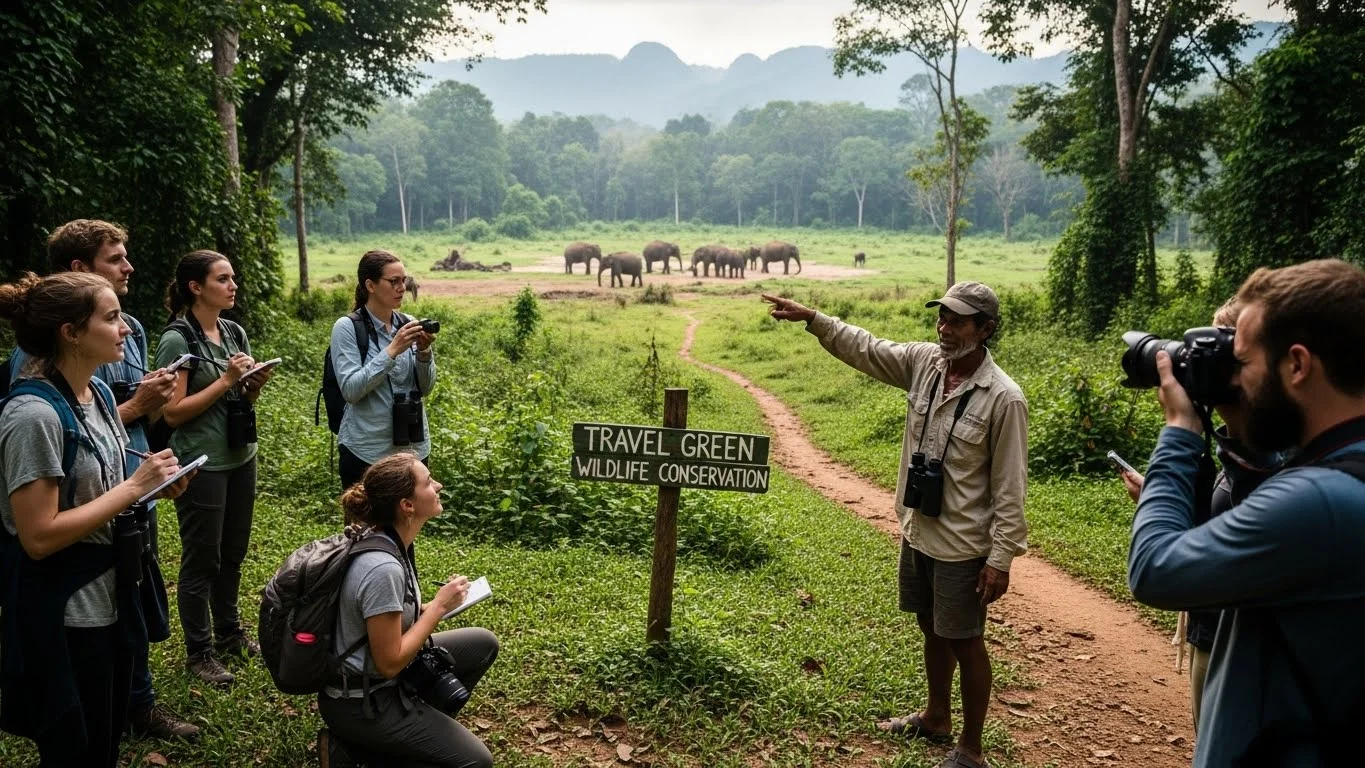
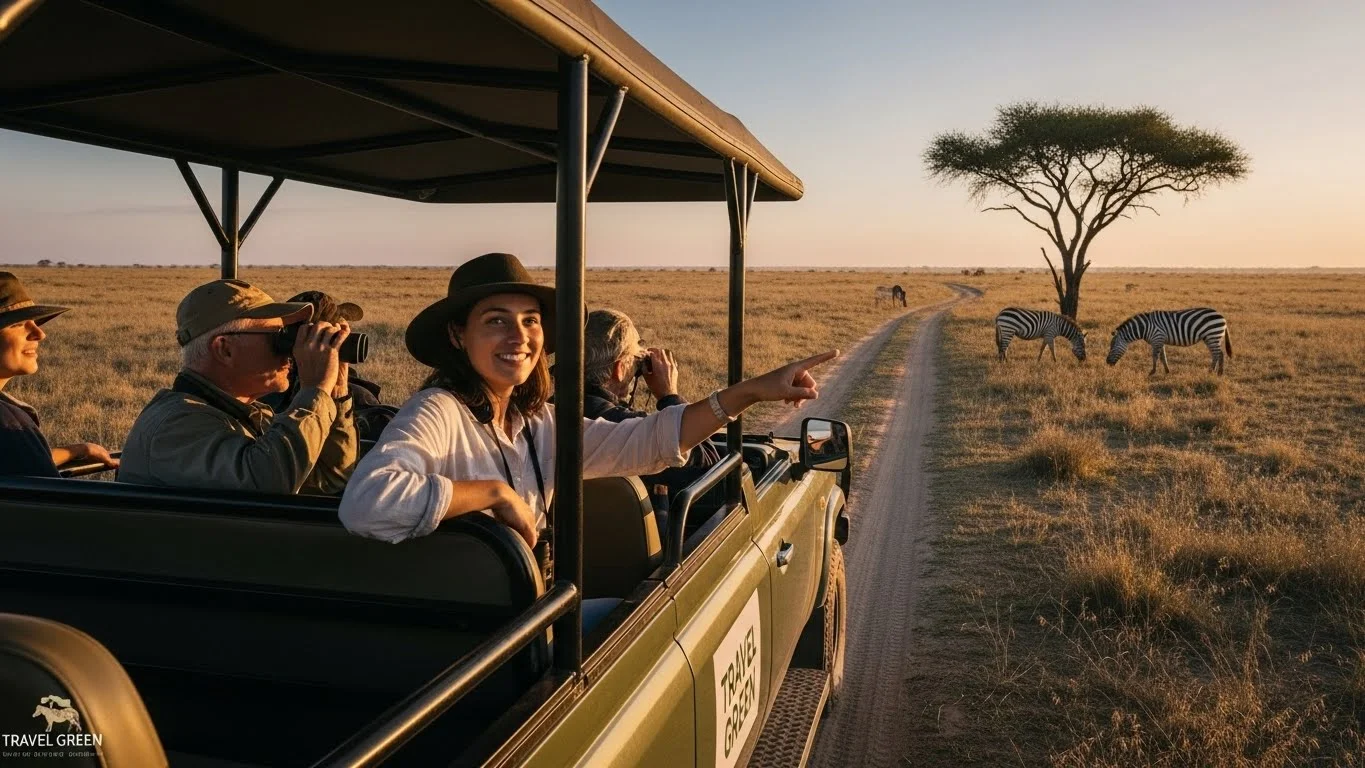
Travel Green: Affordable Wildlife Conservation Experiences

Traveling can be an adventure, but it can also become a rewarding experience when we connect with wildlife conservation. Let’s explore affordable ways to make a positive impact while enjoying our travels!

Travel Green: Affordable Wildlife Conservation Experiences

Understanding Wildlife Conservation

What is Wildlife Conservation?

Wildlife conservation is all about protecting our planet’s animals and their habitats. I remember the first time I truly understood this concept during a trip to a national park. I was fascinated by the idea that by preserving these natural spaces, we could help maintain biodiversity and ensure that future generations can enjoy the same beauty. Conservation involves a range of activities, including habitat restoration, protecting endangered species, and promoting sustainable practices. It’s a movement that not only respects nature but also acknowledges our responsibility to care for it.

The Importance of Wildlife Conservation

The importance of wildlife conservation hit me hard when I learned about the rapid decline of certain species. For instance, I read about the plight of elephants, whose populations are diminishing due to poaching and habitat loss. Each species plays a unique role in its ecosystem, and when one goes extinct, it can lead to catastrophic changes. I believe that wildlife conservation is crucial for maintaining the balance of our ecosystems, which in turn supports human life. It’s not just about saving cute animals; it’s about preserving the intricate web of life that sustains us all.

Key Species and Ecosystems in Need of Protection

During my travels, I’ve encountered various species that are desperately in need of protection. For example, the coral reefs I snorkeled in during a trip to the Caribbean were stunning but threatened by climate change and pollution. I learned that these reefs are vital for marine life and coastal protection. Additionally, I’ve seen how rainforests are being logged at alarming rates, endangering countless species. The plight of the orangutans in Indonesia became personal for me as I realized their habitat was disappearing due to palm oil plantations. It makes me feel a sense of urgency to contribute to conservation efforts and raise awareness about these critical issues. Read Interesting article: Wildlife Conservation Tours: A Guide to Eco-Travel

Affordable Wildlife Conservation Experiences

Volunteering Opportunities

One of the most fulfilling ways to get involved in wildlife conservation is through volunteering. There are numerous organizations that offer affordable programs, allowing you to work on the front lines of conservation. I decided to join a volunteer project focused on elephant rehabilitation in Thailand, and it was an eye-opening experience. Not only did I learn about the challenges these magnificent creatures face, but I also made friendships with like-minded individuals who shared my passion for helping wildlife. Volunteering can range from hands-on work in animal care to educational outreach in local communities, all while being affordable and impactful.

Eco-Tourism Packages

Eco-tourism is another fantastic option for those looking to travel green without breaking the bank. I’ve found that many tour operators offer eco-friendly packages that combine wildlife viewing with conservation efforts. For example, a trip to Costa Rica allowed me to explore lush rainforests while supporting local conservation initiatives. These packages often include activities like guided hikes, birdwatching, and even workshops on sustainable practices, making them both educational and enjoyable. I believe that eco-tourism is a win-win: you get to experience nature while contributing to its preservation. Read Interesting article: Eco-Conscious Adventures: Best Wildlife Conservation Trips

Wildlife Safaris on a Budget

When I think of wildlife safaris, I often picture lavish lodges and high costs. However, I discovered that there are budget-friendly options available. During my trip to Kenya, I opted for a camping safari and was amazed by how affordable and immersive it was. Sleeping under the stars and hearing the sounds of the savannah was a magical experience. Many national parks have affordable camping facilities, and being out in nature brings you closer to the animals. For anyone looking to experience wildlife up close, I highly recommend considering budget safaris that prioritize conservation.

Conservation-focused Travel Agencies

Finding the right travel agency can make a world of difference. I’ve worked with agencies that focus specifically on conservation, ensuring that my travel choices benefit wildlife and local communities. They often have partnerships with conservation organizations, so you can be confident that a portion of your travel fees goes directly to support important projects. These agencies can help tailor your trip to include unique conservation experiences, whether it’s participating in a turtle hatchery or working alongside rangers in a national park. It’s reassuring to know that my travel can have a positive impact.

Top Destinations for Wildlife Conservation

National Parks and Reserves

National parks and reserves are often the crown jewels of wildlife conservation. I’ve been fortunate enough to visit several, and each experience has opened my eyes to the beauty and importance of these protected areas. For instance, my trip to Yellowstone National Park was unforgettable. Watching bison roam freely and spotting wolves in their natural habitat was a reminder of why we need to protect these lands. National parks not only provide sanctuary for endangered species but also offer us a chance to connect with nature. Many parks run programs that allow visitors to participate in conservation efforts, such as tree planting or wildlife monitoring. I recommend checking out the volunteer opportunities available in parks near you; it’s a rewarding way to give back while enjoying breathtaking scenery.

Wildlife Sanctuaries

Wildlife sanctuaries are another fantastic destination for conservation-minded travelers. I remember visiting a sanctuary in South Africa dedicated to rehabilitating injured animals. The staff members were passionate and knowledgeable, sharing stories about the animals they cared for. It was heartwarming to see how much these creatures thrived in an environment designed for their recovery. Sanctuaries often allow visitors to engage with the animals in a responsible way, which deepens our understanding of their needs and struggles. I think one of the most impactful things I learned was how critical it is to support these sanctuaries through visits and donations, as they rely heavily on public support to continue their vital work.

Marine Conservation Areas

When it comes to wildlife conservation, we can’t forget about our oceans. Marine conservation areas, like the Great Barrier Reef in Australia, are vital for preserving marine biodiversity. I had the chance to snorkel there, and the vibrant coral and diverse fish species left me in awe. However, I also noticed the impacts of climate change and pollution on this incredible ecosystem. Visiting marine protected areas often includes educational programs that inform us about conservation efforts and how we can help. I believe that supporting these areas not only helps the marine life but also enriches our travel experiences. I encourage everyone to consider destinations that prioritize marine conservation; you’ll find beauty and purpose beneath the waves.

Community-based Conservation Projects

Community-based conservation projects are a fantastic way to immerse yourself in both wildlife protection and local culture. I had a wonderful experience volunteering with a community project in Madagascar, where locals were leading efforts to protect endangered lemurs. It was inspiring to see how the community worked together, using traditional knowledge to promote conservation while also improving their livelihoods. This kind of travel allows you to contribute directly to the well-being of both wildlife and the people who live alongside them. I think it’s crucial to support these initiatives, as they foster a sense of ownership and responsibility for local ecosystems among community members. Read Interesting article: Budget-Friendly Wildlife Tours: Travel Green on a Dime

Practical Tips for Traveling Green

Choosing Sustainable Accommodations

When it comes to planning a wildlife conservation trip, selecting sustainable accommodations is a great first step. I’ve learned to seek out eco-friendly lodges that prioritize conservation practices. For example, during my stay in Costa Rica, I found a lodge that sourced its energy from solar power and used local materials in its construction. It felt good knowing that my choice was supporting the environment. Many lodges also engage in community initiatives, like providing jobs for locals or supporting conservation projects. I recommend doing a little research to find places that align with your values, as it makes your travel experience even more meaningful.

Eco-friendly Transportation Options

Transportation can significantly impact the environment, so I always try to choose eco-friendly options when I travel. I remember taking a train instead of flying during one trip; it was not only more sustainable but also offered stunning views of the countryside. Many cities have excellent public transportation systems or bike-sharing programs that are both budget-friendly and reduce carbon footprints. I also consider carpooling with other travelers or using electric vehicles when available. Making conscious choices about how we get around can help reduce our impact while still allowing us to explore new destinations.

Responsible Wildlife Viewing Practices

Responsible wildlife viewing is essential to ensure that our presence doesn’t disturb animals or their habitats. I’ve learned to maintain a respectful distance and to observe animals without chasing or feeding them. During a trip to a wildlife reserve, I encountered a family of elephants. I was thrilled to see them up close but made sure to stay in my vehicle and let them move freely. Following guidelines set by the park or sanctuary staff is crucial; they know what’s best for the animals. I believe that by practicing responsible viewing, we can enjoy wildlife while also supporting conservation efforts.

Supporting Local Communities

Supporting local communities is a vital aspect of traveling green and contributing to wildlife conservation. I’ve often found that buying local crafts, eating at locally-owned restaurants, or participating in community-led tours not only enriches my travel experience but also helps preserve cultural heritage and support sustainable practices. On my trip to a reserve in India, I chose to stay with a local family. They shared their traditions and knowledge about the surrounding wildlife, creating a deeper connection between us and the land. I think that strengthening ties with local communities can enhance our understanding of conservation and foster a sense of shared responsibility.

How to Plan Your Wildlife Conservation Trip

Researching and Selecting Projects

Planning a wildlife conservation trip can be both exciting and daunting. When I started looking into projects, I discovered that doing thorough research was essential. I began by exploring various organizations and their missions. Websites like VolunteerMatch and local conservation groups provided me with a wealth of information. I remember reading reviews and testimonials from previous volunteers, which helped narrow down my choices. It’s important to select a project that resonates with your values and interests. For instance, if you’re passionate about marine life, you might focus on projects that protect coral reefs or work with sea turtles. I found that aligning my skills with the needs of the organization made my experience even more rewarding.

Budgeting for Your Experience

Budgeting is a key part of planning a successful wildlife conservation trip. I learned to break down my expenses into categories: travel, accommodation, food, and project fees. For me, it was helpful to create a spreadsheet to visualize my budget. I found that many volunteering programs are affordable and sometimes even cover accommodation and meals. However, I always set aside extra funds for unexpected costs, like souvenirs or tips for local guides. One of my favorite budgeting tips is to look for group discounts or early bird rates, especially if you’re traveling with friends. This way, we could enjoy our adventures without overspending.

Best Times to Visit Conservation Areas

Timing your trip is crucial for a fulfilling wildlife experience. I often found that different seasons can significantly impact wildlife behavior and conservation efforts. For example, I remember planning my trip to Tanzania during the wildebeest migration, which was a breathtaking sight. Researching the best times to visit specific regions helped me maximize my experience. I also learned that some conservation projects have peak seasons when they need more volunteers, so visiting during these times can be beneficial for both the organization and travelers. I recommend checking local climate patterns and migration schedules to plan your visit effectively.

What to Pack for Wildlife Conservation Travel

Packing for a wildlife conservation trip can be both fun and practical. I found that bringing the right gear is essential for comfort and safety. My experience taught me to prioritize lightweight, breathable clothing and sturdy footwear, especially for outdoor activities. I also made sure to pack essentials like sunscreen, insect repellent, and a reusable water bottle to stay hydrated. One item that I found invaluable was a good pair of binoculars for wildlife watching; it allowed me to observe animals from a distance without disturbing them. I recommend creating a checklist before your trip to ensure you don’t forget any important items. It’s also a great idea to bring along any specialty gear that the project might require, such as gloves or specific tools.

Personal Stories and Testimonials

Volunteering Experiences from Around the World

I’ve met so many inspiring individuals during my wildlife conservation journeys, and their stories truly highlight the impact of volunteer work. For instance, while volunteering in a sanctuary for orphaned elephants in Sri Lanka, I came across a young woman from Germany who had been volunteering for several months. She shared how she had developed a bond with one particular elephant named Gaya, who had a tragic past. Her dedication to Gaya’s rehabilitation was heartwarming, and it showed me the personal connections that can form through conservation work. I learned that these experiences not only change the wildlife involved but also deeply enrich the lives of the volunteers.

Impact of Eco-Tourism on Local Communities

During my travels, I’ve witnessed firsthand how eco-tourism can transform local communities. In Costa Rica, I visited a small village where the community had embraced eco-tourism as a sustainable way to support their economy. The locals were passionate about sharing their culture and knowledge of the environment. I joined a tour where we learned about traditional farming practices and even participated in a cacao ceremony. This interaction not only provided me with an authentic experience but also empowered the community financially. I truly believe that when travelers choose eco-friendly options, they help create a ripple effect of positive change.

Success Stories in Wildlife Conservation

One of the most uplifting aspects of wildlife conservation is hearing success stories that inspire hope. I remember reading about a remarkable project in South Africa focused on saving the black rhino from extinction. Through dedicated efforts, including anti-poaching patrols and community education, the population began to recover. I felt a surge of joy knowing that people’s hard work was making a difference. These success stories serve as a reminder that every small action contributes to the larger goal of conserving our planet’s wildlife. Sharing these stories can motivate others to join the movement and believe that change is possible.

Frequently Asked Questions (FAQs)

What is the cost of wildlife conservation trips?

When I started looking into wildlife conservation trips, I was pleasantly surprised to find a wide range of options that fit various budgets. The costs can vary greatly depending on the destination, type of project, and duration of the stay. For some volunteer programs, the fees can start as low as a few hundred dollars for a week, which often includes accommodations and meals. However, I’ve also seen more extensive programs that can cost a couple of thousand dollars. It’s important to research what’s included in the fee and to look for programs that are transparent about their costs. I believe that even on a budget, there are meaningful ways to contribute to conservation efforts.

Are there age restrictions for volunteering?

I’ve noticed that age restrictions can vary depending on the organization and the specific project. Many programs welcome volunteers of all ages, while others may have minimum age requirements, often ranging from 16 to 18 years. During my time volunteering, I met families who traveled together, which was heartwarming to see. If you’re planning to take children along, I recommend looking for family-friendly programs that are designed to engage younger volunteers. It’s a wonderful opportunity for them to learn about wildlife conservation firsthand.

How can I ensure my trip is eco-friendly?

Ensuring that your trip is eco-friendly is something I’ve become more conscious of over the years. I find that doing a little research can go a long way. Look for accommodations that have sustainability certifications, use local and organic foods, and support conservation initiatives. Additionally, I always try to minimize my plastic use by bringing a reusable water bottle and shopping bag. Choosing eco-friendly transportation options, like trains or buses, can also help reduce your carbon footprint. I believe that every small effort counts, and it’s fulfilling to know that we can make a positive impact while traveling.

What kind of work will I be doing during conservation experiences?

The type of work during conservation experiences can vary significantly depending on the project and location. I’ve participated in a mix of tasks—from direct animal care, such as feeding and monitoring wildlife, to educational outreach within local communities. Some projects focus on research, where volunteers help collect data on animal populations or habitat conditions. I found that the work can be physically demanding but also incredibly rewarding. The key is to choose a project that aligns with your interests and skills, which will make the experience even more enriching.

Final Thoughts

Reflecting on my journey with wildlife conservation, I feel a deep sense of gratitude for the experiences I’ve had and the lessons I’ve learned. Each trip has opened my eyes to the beauty of our planet and the urgent need to protect it. I encourage everyone to consider incorporating wildlife conservation into their travel plans. Not only do we have the chance to make a difference, but we also create lasting memories and connections with both wildlife and local communities. The adventure of exploring new places while contributing to something greater than ourselves is truly fulfilling. Let’s continue to advocate for our planet, one trip at a time, and inspire others to join in this important mission.

Frequently Asked Questions

What is wildlife conservation?

Wildlife conservation is the practice of protecting animals and their habitats to maintain biodiversity and ensure that future generations can enjoy the beauty of nature. It involves activities such as habitat restoration, protecting endangered species, and promoting sustainable practices.

Why is wildlife conservation important?

Wildlife conservation is crucial for maintaining the balance of ecosystems, which supports human life. Each species plays a unique role in its ecosystem, and the extinction of one can lead to catastrophic changes, affecting biodiversity and the health of our planet.

What are some affordable ways to get involved in wildlife conservation?

Affordable ways to get involved include volunteering with organizations focused on conservation, participating in eco-tourism packages that support local initiatives, and choosing budget-friendly wildlife safaris that prioritize conservation efforts.

What types of experiences can I expect from volunteering in wildlife conservation?

Volunteering experiences can vary widely, including tasks such as direct animal care, educational outreach, research to collect data on wildlife populations, and community engagement. The work can be physically demanding but is often very rewarding.

How can I ensure my travel is eco-friendly?

To ensure eco-friendly travel, research accommodations with sustainability certifications, use local and organic foods, support conservation initiatives, minimize plastic use, and choose eco-friendly transportation options like trains or buses.

Are there age restrictions for volunteering in wildlife conservation projects?

Age restrictions for volunteering can vary by organization and project. Many programs welcome volunteers of all ages, while some may have minimum age requirements typically ranging from 16 to 18 years. Family-friendly programs may also be available.

What are some top destinations for wildlife conservation?

Top destinations for wildlife conservation include national parks and reserves, wildlife sanctuaries, marine conservation areas, and community-based conservation projects, all of which offer unique opportunities to engage with wildlife and support conservation efforts.

What should I pack for a wildlife conservation trip?

When packing for a wildlife conservation trip, prioritize lightweight, breathable clothing, sturdy footwear, essentials like sunscreen and insect repellent, and a reusable water bottle. Binoculars for wildlife watching can also enhance your experience.

What are some practical tips for choosing sustainable accommodations?

When selecting sustainable accommodations, look for eco-friendly lodges that prioritize conservation practices, engage in community initiatives, and support local economies. Researching these options can lead to a more meaningful travel experience.

How can I budget for my wildlife conservation trip?

Budgeting for a wildlife conservation trip involves breaking down expenses into categories such as travel, accommodation, food, and project fees. Creating a budget spreadsheet can help visualize costs, and looking for group discounts or early bird rates can also be beneficial.

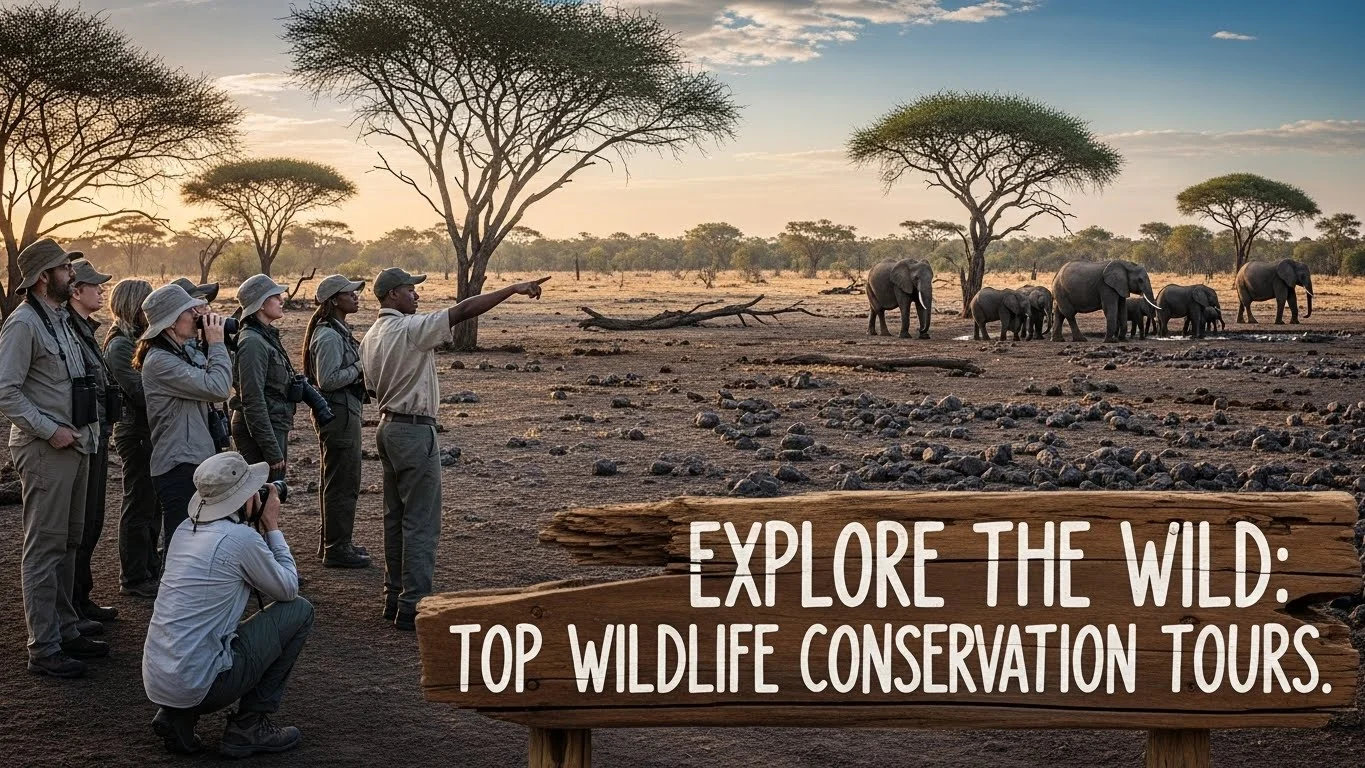
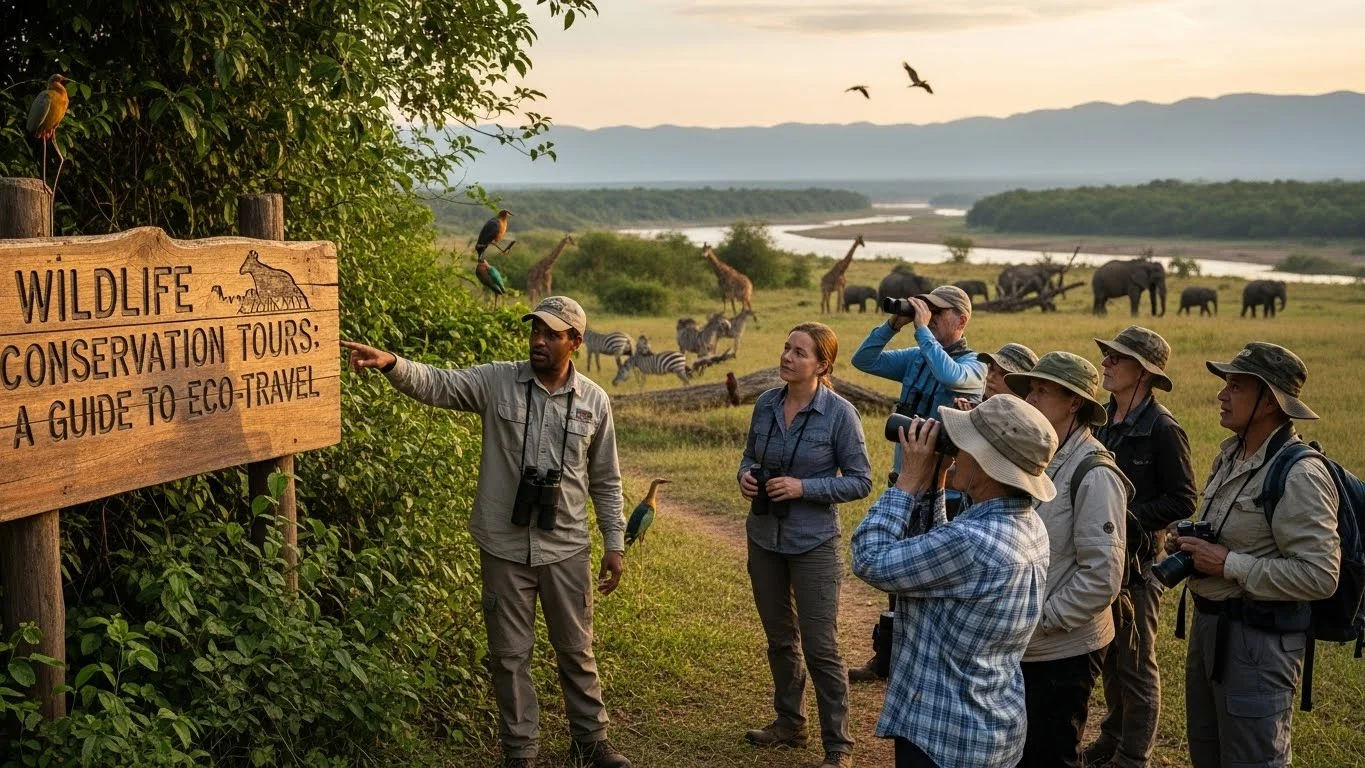
Wildlife Conservation Tours: A Guide to Eco-Travel

Wildlife conservation tours offer a unique way to experience nature while supporting the preservation of our planet’s precious ecosystems. Join me as we explore what makes these eco-travel adventures so special. Read Interesting article: Explore the Wild: Top Wildlife Conservation Tours

Wildlife Conservation Tours: A Guide to Eco-Travel

Understanding Wildlife Conservation Tours

Definition of Wildlife Conservation Tours

Wildlife conservation tours are travel experiences designed to immerse participants in environments where they can observe and learn about wildlife while contributing to its preservation. These tours often take place in natural habitats, such as national parks, marine reserves, or wildlife sanctuaries. They typically include educational components that enhance understanding of local species, ecosystems, and conservation efforts, allowing travelers to connect deeply with nature.

Importance of Eco-Travel

In my experience, eco-travel is not just about witnessing the beauty of our planet; it’s about understanding our impact on it. Eco-travel emphasizes sustainability and responsible tourism practices that minimize environmental footprints. By participating in wildlife conservation tours, we help support local economies and conservation initiatives. I’ve seen firsthand how my travels can contribute to the welfare of endangered species and habitats. It’s an empowering feeling to know that my vacation can make a difference.

Benefits of Participating in Conservation Tours

Participating in wildlife conservation tours comes with a wealth of benefits, both personal and communal. Here are a few that stand out to me:

  • Hands-On Learning: Many tours include expert guides who share their knowledge about wildlife and ecosystems. I remember a particular tour where I learned about the delicate balance of the rainforest ecosystem and how every creature plays a role.
  • Connection to Nature: Spending time in nature has a way of grounding us. I often find that being surrounded by wildlife brings a sense of peace and perspective that’s hard to replicate in everyday life.
  • Contribution to Conservation: By choosing these tours, we directly support local conservation efforts. This financial support can help protect endangered species and restore habitats, which I believe is vital for the future of our planet. Read Interesting article: Top Tips for Eco-Friendly Wildlife Conservation Tours
  • Cultural Exchange: Many tours include interactions with local communities, allowing travelers to learn about indigenous cultures and their relationship with the environment. I found this aspect particularly enriching during my travels, as it deepened my appreciation for diverse perspectives on nature.
  • Adventure and Exploration: Let’s not forget the thrill of adventure! I’ve experienced some unforgettable moments, like tracking elephants in the wild or snorkeling with vibrant marine life. Each adventure adds a unique chapter to my travel story.

Overall, I believe that engaging in wildlife conservation tours transforms the way we view travel. Instead of just a getaway, it becomes a meaningful experience that fosters a deeper connection to our world.

As we embrace eco-travel, we can take steps toward a more sustainable future while enjoying the wonders of nature. Wildlife conservation tours not only enrich our lives but also help protect the planet we all share. Each trip I’ve taken has left me with new insights and a renewed commitment to conservation, reminding me that every small action counts. Whether it’s choosing a tour that supports local communities or becoming more mindful of our impact, we all have a role to play in this global journey toward sustainability.

Top Destinations for Wildlife Conservation Tours

Africa: The Heart of Wildlife Safaris

Africa has always held a special place in my heart when it comes to wildlife conservation tours. The continent is home to some of the most iconic species, like elephants, lions, and rhinos. I remember standing in the Serengeti during the Great Migration, completely awestruck by the sheer number of wildebeest and zebras crossing the plains. This experience was not just a visual feast but also an eye-opener to the challenges these animals face due to poaching and habitat loss. Many conservation tours in Africa actively contribute to anti-poaching efforts and wildlife protection, making each trip feel like a step toward a brighter future for these magnificent creatures.

South America: Biodiversity Hotspots

South America is a treasure trove of biodiversity. From the Amazon Rainforest to the Andes Mountains, the variety of flora and fauna is mind-boggling. I had the chance to visit the Amazon on a guided conservation tour, where I learned about the delicate ecosystems that thrive there. The guides shared stories of how deforestation and climate change are threatening this vital region. Participating in reforestation initiatives allowed me to not only witness the beauty of the Amazon but also contribute to its preservation. South America offers tours that support local communities and promote sustainable practices, making it a fantastic choice for eco-conscious travelers. Read Interesting article: Affordable Wildlife Conservation Tours: Adventure Awaits You

Asia: Unique Flora and Fauna

When I think of Asia, I think of the incredible wildlife that is often overlooked. From the snow leopards of the Himalayas to the orangutans of Borneo, the continent is bursting with unique species. I once joined a tour in Borneo that focused on orangutan rehabilitation. Watching these intelligent creatures swing through the trees felt like a privilege, and knowing that my visit helped fund their conservation efforts was very fulfilling. Many tours in Asia aim to educate travelers about the challenges faced by these animals and the critical importance of preserving their habitats.

Oceania: Marine Conservation Efforts

Oceania, particularly the Great Barrier Reef, is a stunning destination for marine conservation tours. I remember snorkeling over vibrant coral reefs and being mesmerized by the diverse marine life. However, I also learned about the coral bleaching crisis and how tourism can impact fragile ecosystems. The tours I participated in emphasized responsible practices, such as monitoring coral health and participating in marine clean-ups. It’s amazing how much we can learn about ocean conservation while enjoying its beauty. I believe that each snorkel and dive can inspire us to be better stewards of our oceans.

North America: National Parks and Reserves

In North America, national parks and wildlife reserves provide ample opportunities for conservation-focused travel. I’ve explored places like Yellowstone and the Grand Canyon, where natural wonders abound, but I also saw the importance of protecting these landscapes. I took part in a conservation tour that included habitat restoration and wildlife monitoring, which gave me a deeper understanding of the challenges faced by local species. These programs often involve community engagement, teaching participants about the delicate balance of ecosystems and the role we can play in safeguarding them for future generations.

Types of Wildlife Conservation Tours

Safari Tours

Safari tours are perhaps the most popular type of wildlife conservation tour I’ve encountered, particularly in Africa. They offer a chance to see the “Big Five” and more, all while contributing to local conservation efforts. What I love about safari tours is the blend of adventure and education. On one trip, my guide shared insights about animal behavior and the conservation challenges in the region. This knowledge not only enhanced my experience but also sparked a passion for wildlife protection.

Marine Tours

Marine tours are another fantastic option, especially for those who feel at home in the water. Whether it’s whale watching, diving, or snorkeling, these tours often support marine conservation initiatives. During one of my diving trips in Belize, I participated in a coral restoration project that opened my eyes to the fragility of these underwater ecosystems. It was gratifying to know that my enjoyment of the ocean contributed to its protection.

Volunteering Opportunities

Volunteering opportunities are perfect for those who want a more hands-on experience in wildlife conservation. I remember volunteering at a wildlife rehabilitation center, where I assisted in caring for injured animals. Not only did I learn about the local species, but I also felt like I was making a direct impact. These programs often require a longer commitment, but the experiences are incredibly rewarding.

Birdwatching Tours

Birdwatching tours offer a unique way to connect with nature, especially for those who appreciate avian wonders. I once joined a birdwatching tour in Costa Rica, where I was amazed by the colorful birds flitting through the trees. The guides shared their knowledge of local species and their conservation status, making each sighting meaningful. Birdwatching tours often focus on habitat preservation, encouraging travelers to appreciate the role of birds in our ecosystems.

Ecological Research Expeditions

For the more adventurous traveler, ecological research expeditions provide an opportunity to engage in scientific work. I participated in one such expedition in Madagascar, where we studied unique species and their habitats. It was thrilling to contribute to ongoing research and learn how scientists gather data to inform conservation strategies. These experiences often blend travel with meaningful work, making them unforgettable.

When to Plan Your Wildlife Conservation Tour

Best Seasons for Wildlife Viewing

Timing can make a huge difference in our wildlife experiences, and I’ve learned that certain seasons are better than others for spotting animals in their natural habitats. For instance, during my visit to East Africa, I discovered that the dry season, from June to October, is ideal for safaris. With water sources dwindling, animals tend to congregate around rivers and watering holes, making them easier to spot. Similarly, in the Amazon, the dry season runs from June to November, which allows for better access to the rainforest and more wildlife sightings. Planning my trips around these peak times has often led to unforgettable encounters with animals I had only dreamed of seeing.

Weather Considerations

Weather is another factor that can influence our wildlife conservation tours. I remember a trip to Australia during the wet season, which brought heavy rains and humidity. While the lush landscapes were beautiful, the weather made some areas inaccessible, which limited our wildlife viewing opportunities. That experience taught me to research the climate of my destination before booking. It’s crucial to consider not just the best season for wildlife but also how weather patterns can affect accessibility and comfort during the trip. I recommend checking seasonal weather averages and being prepared for any conditions, whether that means packing rain gear or extra layers for cooler nights.

Peak Seasons vs. Off-Peak Seasons

There’s a distinct difference between peak and off-peak seasons, and both have their pros and cons. While peak seasons often promise the best wildlife encounters, they can also bring larger crowds and higher prices. I remember my safari in Tanzania, where the parks were bustling with tourists during the peak migration season. While the experience was awe-inspiring, I sometimes felt like I was just one of many in a parade of vehicles. In contrast, I’ve also traveled during off-peak times, where I enjoyed a more intimate experience with nature. The quieter surroundings allowed for deeper connections with wildlife but sometimes meant fewer sightings. It’s essential to weigh what’s important for us as travelers—whether it’s the thrill of spotting animals or the desire for a more peaceful experience.

What to Expect on a Wildlife Conservation Tour

Typical Itinerary Overview

One of the most exciting aspects of wildlife conservation tours is the unpredictability of the itinerary. I’ve found that most tours follow a structured schedule, but the real magic often happens in those spontaneous moments. For instance, my itinerary in South Africa included early morning game drives and afternoon nature walks, but there were times when our guide would change plans to follow a lion’s tracks or to watch a herd of elephants bathing in a waterhole. I appreciated how flexible the tours were, allowing us to fully embrace the wildlife experiences as they unfolded.

Wildlife Encounters

When it comes to wildlife encounters, the anticipation builds with every step. On one memorable trip to the Galapagos Islands, I had the chance to get up close and personal with marine iguanas and blue-footed boobies. The guides emphasized respect for the animals and their habitats, which made the experience even more special. I remember quietly watching a mother sea lion and her pup play on the shore, a moment that felt like a rare gift. Each tour has its unique wildlife highlights, and I’ve learned to savor these moments, as they often become the most cherished memories of my travels.

Educational Components

Education is a key element of wildlife conservation tours, and I’ve found that many operators include talks, workshops, or guided discussions about local ecosystems and conservation efforts. During my time in Madagascar, I attended a workshop on the island’s unique biodiversity, which opened my eyes to the challenges facing local species. I appreciated how the guides were passionate about sharing their knowledge, and it made me feel like I was contributing to a greater understanding of conservation. These educational components not only enhance our experiences but also empower us to be better advocates for wildlife protection.

Interaction with Local Communities

One of the most enriching aspects of wildlife conservation tours is the opportunity to interact with local communities. I’ve participated in experiences where we visited indigenous villages, learned about their ways of life, and understood how they coexist with the wildlife around them. I remember a visit to a Maasai village in Kenya, where we engaged in traditional dances and learned about their efforts to protect the land. This kind of cultural exchange deepened my appreciation for the relationship between people and nature, reminding me that conservation is as much about communities as it is about wildlife.

Preparing for Your Wildlife Conservation Tour

Essential Gear and Packing List

Preparing for a wildlife conservation tour is exciting, but it can also feel a bit daunting. Over the years, I’ve learned that having the right gear can make all the difference in our experience. My packing list usually starts with a sturdy pair of binoculars for those close-up wildlife sightings. I also recommend investing in a good-quality camera to capture the moments. Don’t forget a lightweight, quick-drying backpack that can hold all your essentials. Additionally, I always pack a refillable water bottle to stay hydrated and minimize plastic waste.

Clothing can vary depending on the destination, but I generally opt for moisture-wicking layers. Neutral colors help us blend into the environment without startling the wildlife. A wide-brimmed hat and sunscreen are must-haves, especially for sunny days in the wild. I also bring a lightweight rain jacket, just in case the weather surprises us. Lastly, a good pair of walking shoes is essential, as many tours involve hikes or walks in varying terrains.

Health and Safety Precautions

Health and safety should always be a top priority when planning our tours. For me, this means checking if any vaccinations or medications are recommended for the areas I’ll be visiting. I’ve learned the hard way to consult with a travel health professional ahead of time to ensure I’m well-prepared.

While on tour, I make sure to carry a basic first-aid kit with essentials like band-aids, antiseptic wipes, and any personal medications. It’s also wise to familiarize ourselves with the local wildlife and understand how to react in different situations. Guides usually provide valuable insights on this, which I find comforting. Being aware and respectful of our environment allows us to enjoy our adventures safely.

Travel Insurance Considerations

I’ve come to appreciate the importance of travel insurance for wildlife conservation tours. It gives me peace of mind knowing that I’m covered in case of unexpected events like trip cancellations, medical emergencies, or lost belongings. When choosing a policy, I look for one that covers adventure activities, as some tours might include hiking or diving. I also recommend checking if the insurance includes emergency evacuation, especially if we’re venturing into remote areas. Knowing we have that safety net allows us to relax and fully immerse ourselves in the experience.

Responsible Wildlife Tourism Practices

Ethical Wildlife Encounters

Responsible wildlife tourism practices are crucial for the sustainability of our adventures. I always make it a point to choose tours that prioritize ethical encounters. This means supporting operators that respect the animals and their habitats. I’ve found that observing animals in their natural behaviors, rather than in captivity, enriches my experience significantly. For instance, when I went on a dolphin-watching tour, the operators emphasized keeping a respectful distance, ensuring the dolphins could interact naturally without disturbance.

Supporting Local Conservation Efforts

Being part of wildlife conservation tours means that we can actively support local conservation efforts. I love that many tour operators contribute a portion of their profits to local projects. This creates a positive cycle where our participation not only enhances our travel experience but also aids in the protection of local ecosystems and wildlife. During my tours, I often learned about specific initiatives and even had the chance to meet some of the passionate people behind them. It’s incredibly rewarding to feel connected to the conservation work being done on the ground.

Leave No Trace Principles

Practicing “Leave No Trace” principles is something I strive to uphold on every trip. This means being conscious of our impact on the environment, from minimizing waste to respecting wildlife habitats. I always carry reusable bags for any items I might need during the day and ensure that I dispose of waste properly. I also make it a habit to stay on marked trails to protect local flora. I believe that if we all commit to these principles, we’ll help preserve the beautiful landscapes we cherish, ensuring they remain intact for future generations to enjoy.

Budgeting for Your Wildlife Conservation Tour

Cost Breakdown: Tours, Accommodations, and Extras

Budgeting for a wildlife conservation tour can vary widely based on location, duration, and the type of experiences we choose. I’ve learned to break down costs into categories: tours, accommodations, meals, and extras like activities or souvenirs. While some may think that eco-tours are pricier, I’ve found that many offer great value due to their all-inclusive nature. This means that meals, accommodations, and guided experiences often come bundled, which can save us money in the long run.

Finding Affordable Options

Finding affordable options for wildlife conservation tours is possible if we know where to look. I often browse local tour operators directly rather than relying solely on international agencies. This not only can lead to better deals but also ensures that more of our money goes directly to conservation efforts. Additionally, I’ve discovered that traveling during off-peak seasons can significantly reduce costs while still providing fantastic wildlife encounters.

Potential Grants and Scholarships

For those looking to engage deeply in wildlife conservation, I recommend exploring potential grants or scholarships. Many organizations offer funding for volunteers or students interested in conservation work. I’ve seen firsthand how these opportunities can open doors to unforgettable experiences while significantly reducing financial burdens. It’s worth researching local conservation groups or educational institutions that might have programs available.

Where to Stay During Your Wildlife Conservation Tour

Eco-Lodges and Camps

When it comes to accommodations during wildlife conservation tours, eco-lodges and camps have become my favorite choices. They often offer unique experiences, like staying in a tent surrounded by nature or a lodge built with sustainable materials. I remember one eco-lodge in Costa Rica that featured open-air living spaces, allowing me to feel connected to the rainforest while enjoying comfortable amenities. These places typically prioritize sustainability and often provide educational opportunities about local ecosystems.

Community-Based Accommodations

Staying in community-based accommodations can enhance our travel experience while supporting local cultures. I enjoyed a homestay in Thailand that allowed me to live with a local family. This not only provided me with an authentic cultural experience but also directly contributed to the community’s well-being. I learned about their daily life, cuisine, and conservation practices, which deepened my appreciation for the region.

Luxury vs. Budget Options

Finding the right balance between luxury and budget options can be a personal choice. Personally, I tend to lean toward mid-range accommodations that offer a blend of comfort and sustainability. However, I have indulged in luxury lodges on special occasions, where the service and experiences are top-notch. It’s all about what matters most to us during our travels, whether that’s pampering ourselves after a day of exploration or ensuring we’re staying in places that align with our conservation values.

Frequently Asked Questions (FAQs)

What is a Wildlife Conservation Tour?

A wildlife conservation tour is a travel experience focused on observing wildlife in their natural habitats while contributing to conservation efforts. These tours often include educational components that help travelers understand local ecosystems and the importance of protecting them.

Are Wildlife Conservation Tours Safe?

Most wildlife conservation tours prioritize safety and have trained guides who are knowledgeable about the area and its wildlife. It’s always a good idea to follow the guidelines provided by your guides and stay aware of your surroundings.

How Do I Choose the Right Tour Operator?

Choosing the right tour operator involves researching their commitment to conservation, reading reviews, and ensuring they employ responsible tourism practices. I often look for operators that have partnerships with local conservation organizations.

Can I Travel Solo on a Wildlife Conservation Tour?

Absolutely! Many wildlife conservation tours welcome solo travelers and offer group experiences that foster connection. I’ve met incredible people while traveling solo, and it often leads to lasting friendships.

What Should I Do If I Encounter Wildlife?

If you encounter wildlife, it’s essential to remain calm and follow the guidance of your tour guide. Keeping a safe distance and minimizing noise helps ensure the animals feel secure and aren’t disturbed.

Final Thoughts

Reflecting on my experiences with wildlife conservation tours, I feel a deep sense of gratitude. These journeys have not only allowed me to witness the incredible beauty of our planet but have also empowered me to contribute to meaningful conservation efforts. Each trip has reinforced my belief that travel can be a catalyst for positive change. I encourage everyone to consider participating in a wildlife conservation tour, as it’s an opportunity to connect with nature, support local communities, and help protect our shared environment. Together, we can make a difference, one adventure at a time.

Frequently Asked Questions

What is a Wildlife Conservation Tour?

A wildlife conservation tour is a travel experience focused on observing wildlife in their natural habitats while contributing to conservation efforts. These tours often include educational components that help travelers understand local ecosystems and the importance of protecting them.

Are Wildlife Conservation Tours Safe?

Most wildlife conservation tours prioritize safety and have trained guides who are knowledgeable about the area and its wildlife. It’s always a good idea to follow the guidelines provided by your guides and stay aware of your surroundings.

How Do I Choose the Right Tour Operator?

Choosing the right tour operator involves researching their commitment to conservation, reading reviews, and ensuring they employ responsible tourism practices. I often look for operators that have partnerships with local conservation organizations.

Can I Travel Solo on a Wildlife Conservation Tour?

Absolutely! Many wildlife conservation tours welcome solo travelers and offer group experiences that foster connection. I’ve met incredible people while traveling solo, and it often leads to lasting friendships.

What Should I Do If I Encounter Wildlife?

If you encounter wildlife, it’s essential to remain calm and follow the guidance of your tour guide. Keeping a safe distance and minimizing noise helps ensure the animals feel secure and aren’t disturbed.

What are the benefits of participating in wildlife conservation tours?

Participating in wildlife conservation tours offers benefits such as hands-on learning from expert guides, a deeper connection to nature, direct contributions to conservation efforts, cultural exchanges with local communities, and thrilling adventures in unique environments.

When is the best time to plan a wildlife conservation tour?

The best time to plan a wildlife conservation tour varies by location, but generally, the dry seasons are ideal for wildlife viewing. Researching seasonal weather patterns and peak vs. off-peak times can help enhance your experience.

What should I pack for a wildlife conservation tour?

Essential items to pack for a wildlife conservation tour include binoculars, a good-quality camera, moisture-wicking clothing, a wide-brimmed hat, sunscreen, a lightweight rain jacket, and comfortable walking shoes. A refillable water bottle is also recommended to minimize plastic waste.

What are the different types of wildlife conservation tours?

Different types of wildlife conservation tours include safari tours, marine tours, volunteering opportunities, birdwatching tours, and ecological research expeditions. Each offers unique experiences tailored to various interests in wildlife and conservation.

How can I support local conservation efforts while traveling?

You can support local conservation efforts by choosing tour operators that contribute a portion of their profits to local projects, participating in initiatives that protect wildlife and habitats, and adhering to responsible tourism practices during your travels.

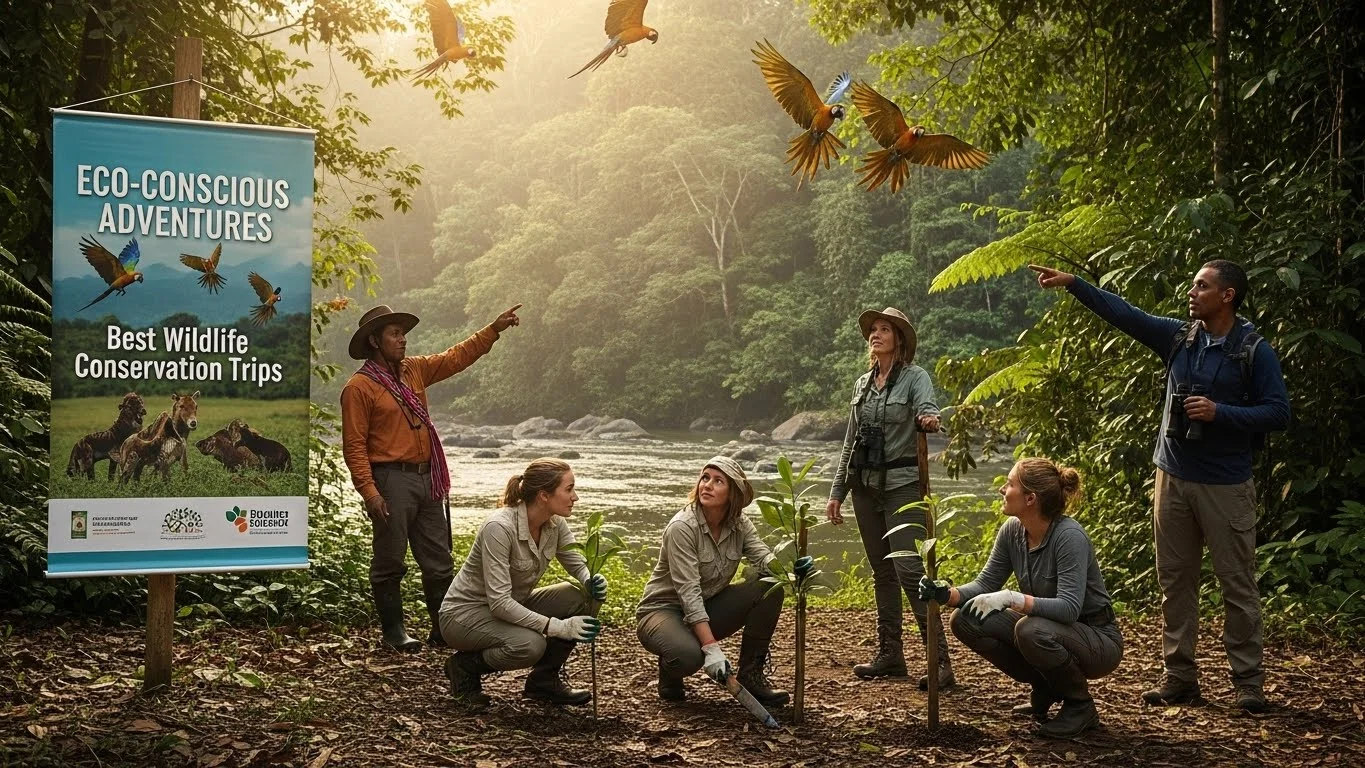
Eco-Conscious Adventures: Best Wildlife Conservation Trips

Embarking on an eco-conscious adventure is more than just a vacation; it’s a chance to connect with nature while supporting wildlife conservation. Let’s explore how we can enjoy thrilling experiences while making a positive impact on our planet. Read Interesting article: Your Guide to Affordable Wildlife Conservation Volunteer Trips

Eco-Conscious Adventures: Best Wildlife Conservation Trips

Understanding Wildlife Conservation

Importance of Wildlife Conservation

When I first began to think about wildlife conservation, I realized how intertwined our lives are with the health of our planet. Every animal, plant, and ecosystem plays a crucial role in maintaining the balance of nature. I’ve seen firsthand how habitat loss, poaching, and climate change threaten these delicate systems. Wildlife conservation is essential not only for preserving biodiversity but also for ensuring that future generations can enjoy the wonders of nature that we often take for granted. For me, it’s about recognizing that our actions today will shape the world tomorrow.

Key Organizations and Efforts

As I dove deeper into wildlife conservation, I discovered numerous organizations dedicated to protecting endangered species and their habitats. Groups like the World Wildlife Fund (WWF), the Nature Conservancy, and the Wildlife Conservation Society work tirelessly to preserve wildlife and educate the public. I remember volunteering with a local conservation group, and it opened my eyes to the impact that dedicated individuals can have. They organize initiatives that range from anti-poaching efforts to habitat restoration projects. It’s inspiring to see people come together to make a difference, and I’ve learned that supporting such organizations, whether through donations or participation, can profoundly impact conservation efforts. Read Interesting article: Explore the Wild: Top Wildlife Conservation Tours

Conservation vs. Tourism: Finding Balance

One of the most thought-provoking things I’ve encountered in my travels is the delicate balance between conservation and tourism. While it’s fantastic to experience the beauty of wildlife up close, I’ve learned that irresponsible tourism can harm the very places we want to protect. I’ve had the privilege of going on eco-tours where the focus is on sustainability, and I noticed how these experiences prioritize the well-being of local wildlife and communities. The key is to choose operators who genuinely prioritize conservation, ensuring that our adventures support rather than exploit the environment. It’s a learning curve, but the rewards of ethical travel are immense; I always leave these trips feeling like I’ve contributed to something bigger than myself.

Ultimately, understanding wildlife conservation has shaped the way I travel. It has taught me to look beyond the picturesque landscapes and exotic animals, and to appreciate the intricate connections that hold our ecosystems together. I firmly believe that every trip we take can be an opportunity to learn and give back, making our adventures meaningful in ways that extend far beyond our own enjoyment.

Top Wildlife Conservation Trips Around the World

Africa: Safari Adventures with a Purpose

When I think of wildlife conservation trips, Africa immediately comes to mind. The continent is rich in biodiversity and offers some of the most thrilling safari experiences. I can still remember the first time I saw elephants in Kruger National Park. The sheer size and grace of these magnificent creatures left me in awe. But what truly struck me was the understanding that my visit was contributing to their protection. Many safari operators in this region are deeply committed to conservation efforts, ensuring that tourism revenues directly support local wildlife initiatives.

Kruger National Park, South Africa

Kruger National Park is a prime spot for eco-tourism. I took a guided tour with a local conservation group that emphasized sustainable practices. The experience went beyond just spotting the Big Five; we learned about the challenges facing wildlife, such as poaching and habitat destruction. It was eye-opening to hear stories from rangers who dedicate their lives to protecting these animals. I felt a personal connection to the land and its inhabitants, knowing that my presence was helping to fund anti-poaching patrols and community outreach programs.

Serengeti National Park, Tanzania

Another unforgettable destination is Serengeti National Park in Tanzania. I’ve been lucky enough to witness the Great Migration, where millions of wildebeest and zebras traverse the landscape. It was a natural spectacle unlike anything I had ever seen. What I appreciated most was how many tour operators there prioritize eco-friendly practices—using solar-powered vehicles and supporting local communities. By choosing to travel here, I felt part of a larger effort to preserve this incredible ecosystem, and it made the experience even more meaningful. Read Interesting article: Budget-Friendly Wildlife Tours: Travel Green on a Dime

North America: Eco-Tours and Wildlife Reserves

North America also offers fantastic opportunities for eco-conscious adventures. There’s something magical about exploring the vast wilderness of this continent. I remember visiting Yellowstone National Park and being captivated by its geothermal wonders and diverse wildlife. The park is not just a tourist destination; it’s a vital habitat for countless species. I learned that by visiting, I was contributing to vital conservation funding, which helps maintain the park’s integrity.

Yellowstone National Park, USA

Yellowstone is a must-visit for anyone who loves nature. I took a wildlife tour led by knowledgeable guides who emphasized the importance of preserving the delicate ecosystems. We spotted bison, elk, and even wolves! The guides shared valuable insights into the ongoing conservation efforts, like the reintroduction of wolves that helped restore balance in the ecosystem. It felt great to know that my entrance fees were directly supporting these critical initiatives.

Great Bear Rainforest, Canada

If you’re looking for a unique experience, I highly recommend visiting the Great Bear Rainforest in Canada. It’s one of the largest remaining temperate rainforests in the world. I spent a few days kayaking along the coast, surrounded by towering trees and the sounds of nature. The local conservation groups work tirelessly to protect this pristine area. I remember hearing stories about the impact of climate change on local wildlife, which made me even more aware of how my choices as a traveler can influence conservation. The adventure was not only thrilling but also deeply educational.

South America: The Amazon and Beyond

South America is another fantastic continent to explore if you care about wildlife conservation. The Amazon rainforest is a breathtaking place where I felt a sense of awe at the sheer diversity of life. I learned that supporting eco-tours in this area can significantly contribute to protecting the rainforest from deforestation.

The Pantanal, Brazil

The Pantanal is the world’s largest tropical wetland, and it’s a hidden gem for wildlife lovers. During my visit, I went on a guided boat tour that focused on observing animals in their natural habitats, including jaguars and capybaras. The local guides were passionate about conservation, and they shared how tourism can play a role in protecting this unique ecosystem. I came away not only with stunning photos but also with a newfound understanding of the importance of preserving such a vital area.

Galápagos Islands, Ecuador

The Galápagos Islands are another breathtaking destination that emphasizes the need for conservation. I had the incredible experience of snorkeling with sea lions and observing giant tortoises. The islands are known for their unique species, and visiting them is a reminder of the delicate balance of nature. Many tour operators here practice sustainable tourism, ensuring that we enjoyed the incredible wildlife without harming it. This experience solidified my belief that every trip can be an opportunity to support conservation efforts.

Asia: Unique Wildlife Experiences

In Asia, there are equally stunning opportunities for wildlife enthusiasts. I remember visiting Borneo, where I went on a trek through the rainforest and encountered orangutans in the wild. The guides emphasized how my visit helped fund local conservation efforts aimed at protecting these amazing creatures and their habitats.

Borneo Rainforest, Malaysia

Exploring Borneo’s rainforest felt like stepping into another world. I was struck by the beauty of the lush greenery and the vibrant sounds of wildlife. The tour I joined focused on sustainable practices, and I felt proud to support a model that prioritized eco-friendliness. Seeing orangutans in their natural environment was a dream come true, and I believe that responsible tourism can help ensure their survival.

Ranthambore National Park, India

Ranthambore National Park is famous for its tiger population. I had the chance to go on a safari there, and it was exhilarating. The guides were knowledgeable about the local conservation efforts, including breeding programs for tigers. By visiting, I was contributing to these initiatives, and it made the experience even more rewarding.

Australia: Conservation Tours and Eco-Resorts

Finally, Australia offers incredible wildlife experiences that are deeply rooted in conservation. The Great Barrier Reef is a natural wonder that needs our protection, and I was thrilled to visit this UNESCO World Heritage site, knowing that my visit supported local conservation efforts.

Great Barrier Reef, Australia

When I dove into the vibrant underwater world of the Great Barrier Reef, I was mesmerized. The colorful corals and diverse marine life were breathtaking. Many tour operators here focus on sustainable practices, educating visitors on how to protect the reef. It felt good to know that my adventure was helping fund restoration projects aimed at preserving this fragile ecosystem.

Maria Island, Tasmania

Maria Island is another hidden gem in Australia where I experienced wildlife like never before. The island is home to unique species, and I took a guided walking tour that focused on conservation efforts. I found it incredibly fulfilling to learn how local initiatives work to protect the island’s natural beauty while allowing visitors to enjoy its wonders.

Planning Your Eco-Conscious Adventure

Best Times to Visit Wildlife Conservation Areas

One of the most exciting aspects of planning an eco-conscious adventure is deciding when to go. Over the years, I’ve learned that timing can make a huge difference in wildlife sightings and overall experience. For instance, in Africa, the dry season from June to October is often ideal for safaris. Animals gather around water sources, making them easier to spot. I remember visiting during this time and was lucky enough to see a pride of lions lounging in the shade, just a stone’s throw from our jeep.

In North America, spring and early summer bring vibrant wildlife activity, especially in places like Yellowstone. I’ve seen baby animals, like bison calves, which added an extra layer of joy to our visit. In the Amazon, the rainy season from December to May can be a good time for birdwatching, as migratory species flock to the area. Understanding seasonal patterns not only enhances your adventure but also increases your chances of supporting local conservation efforts effectively.

Choosing the Right Tour Operators

Choosing the right tour operator is crucial for ensuring your trip aligns with conservation values. I’ve made it a point to do my research before booking any eco-tour. I look for operators dedicated to sustainable practices—those that prioritize environmental impact and community well-being. I remember finding a small company in Costa Rica that emphasized working with local communities and offering experiences that educate travelers about wildlife and conservation.

Reading reviews and checking if a company is certified by reputable organizations can also make a difference. I’ve experienced firsthand the joy of working with passionate guides who not only know the land but also share their love for wildlife and conservation. They often help to foster a deeper understanding of how our travels can positively affect the areas we visit.

What to Pack for Your Adventure

Packing wisely for an eco-conscious adventure can enhance your experience while also being kind to the planet. My go-to packing list includes reusable water bottles, eco-friendly toiletries, and lightweight clothing made from sustainable materials. I’ve found that having a good pair of binoculars and a camera can elevate wildlife viewing, allowing me to appreciate the details of the animals I encounter.

I also recommend bringing along a reusable shopping bag for any local purchases. This small action can help reduce plastic usage. During my travels, I’ve enjoyed picking up handmade crafts from local artisans, knowing that my money supports their communities directly. Overall, being mindful of what I pack has allowed me to travel lighter and more responsibly.

Understanding Local Conservation Efforts

One of the most rewarding parts of eco-conscious travel is engaging with local conservation efforts. I’ve learned that understanding the specific challenges and initiatives of the area can deepen my appreciation for the wildlife I’m observing. For example, in Borneo, I participated in a community workshop where locals shared their efforts to combat deforestation and promote sustainable practices. Hearing their stories and struggles made my visit feel even more meaningful.

Joining guided tours that include educational components about local conservation efforts can also enhance your experience. I remember taking a tour in the Galápagos Islands where our guide explained the significance of preserving the unique ecosystems and how tourism can play a role in their protection. This knowledge not only enriched my experience but also inspired me to share what I learned with others.

Responsible Wildlife Viewing Practices

Staying Safe While Observing Wildlife

Safety is paramount when it comes to observing wildlife, both for us and the animals. I’ve learned that maintaining a respectful distance is crucial. For example, during my safari in South Africa, our guide emphasized the importance of staying in the vehicle when viewing wildlife. This not only protects us but also helps keep the animals comfortable and undisturbed. I remember being in awe of a herd of elephants just a short distance away, and I felt grateful that we were able to witness them without causing any stress.

In areas where wildlife encounters are more personal, like in the Amazon, I’ve found that following the guides’ instructions is essential. They often know the animals’ behaviors and can help us navigate those interactions safely. Always be aware of your surroundings and be prepared for unexpected encounters—this way, you can enjoy the experience while staying safe.

Dos and Don’ts of Wildlife Photography

Wildlife photography can be a thrilling way to capture memories, but it comes with its own set of responsibilities. I’ve found that the best approach is to keep the welfare of the animals in mind. Using a zoom lens allows you to capture stunning images without getting too close, and it’s a practice I’ve embraced during my travels. I remember waiting patiently to photograph a family of sea otters in the Galápagos without interrupting their playful antics. It was a joyful experience, and I left with beautiful memories while ensuring their natural behavior remained undisturbed.

On the flip side, I’ve seen some travelers get too close, which can stress the animals and disrupt their habitats. I recommend being conscious of park regulations regarding photography and always err on the side of caution. Respecting the wildlife helps ensure that they remain wild, and it allows us all to enjoy these incredible creatures for years to come.

How to Minimize Your Environmental Impact

Minimizing our environmental impact while traveling is essential. I’ve made it a habit to leave no trace during my adventures. Whether it’s picking up trash I find along the trails or ensuring that I don’t disturb natural habitats, every small action counts. I also try to limit my use of single-use plastics by carrying a reusable straw and utensils. These little changes make a big difference, and I feel a sense of pride knowing I’m doing my part.

Additionally, I encourage travelers to support local initiatives aimed at conservation. Purchasing locally-made products or participating in community-led projects not only helps reduce environmental footprints but also contributes to the local economy. It’s rewarding to know that my choices can positively impact the places I visit.

Frequently Asked Questions

What is the importance of wildlife conservation?

Wildlife conservation is essential for preserving biodiversity and ensuring that future generations can enjoy the wonders of nature. It highlights the interconnectedness of all living things and emphasizes that our actions today will shape the world tomorrow.

Which organizations are key players in wildlife conservation?

Key organizations include the World Wildlife Fund (WWF), the Nature Conservancy, and the Wildlife Conservation Society. These groups work to protect endangered species, educate the public, and organize initiatives like anti-poaching efforts and habitat restoration projects.

How can tourism impact wildlife conservation?

While tourism can provide funding for conservation efforts, irresponsible tourism can harm the very environments we wish to protect. Ethical travel involves choosing operators that prioritize sustainability and conservation, ensuring that adventures contribute positively to wildlife and local communities.

What are some top wildlife conservation trip destinations?

Some top destinations include Kruger National Park and Serengeti National Park in Africa, Yellowstone National Park in North America, the Amazon rainforest in South America, Borneo in Asia, and the Great Barrier Reef in Australia. Each location offers unique experiences that support local conservation efforts.

What should travelers consider when planning eco-conscious adventures?

Travelers should consider the best times to visit wildlife conservation areas, choose the right tour operators who prioritize sustainability, and pack wisely with eco-friendly items. Understanding local conservation efforts can also enhance the travel experience.

What are responsible wildlife viewing practices?

Responsible wildlife viewing practices include maintaining a respectful distance from animals, following guides’ instructions, and being aware of surroundings. This helps ensure both traveler safety and the well-being of wildlife.

What tips are there for wildlife photography?

When photographing wildlife, it’s important to use a zoom lens to capture images without getting too close, which can stress the animals. Respecting park regulations and prioritizing the welfare of wildlife is essential for responsible photography.

How can travelers minimize their environmental impact?

Travelers can minimize their environmental impact by leaving no trace, limiting single-use plastics, and supporting local conservation initiatives. Simple actions, like carrying reusable items and participating in community projects, can significantly contribute to sustainability.

What are the best times to visit for wildlife sightings?

In Africa, the dry season from June to October is ideal for safaris. In North America, spring and early summer see vibrant wildlife activity. In the Amazon, the rainy season from December to May is favorable for birdwatching.

Why is it important to choose the right tour operators?

Choosing the right tour operators ensures that travelers support sustainable practices and contribute positively to conservation efforts. Researching operators dedicated to eco-friendliness and community well-being enhances the overall travel experience.

Budget-Friendly Wildlife Tours: Travel Green on a Dime

Exploring the wonders of wildlife doesn’t have to break the bank. With budget-friendly wildlife tours, you can immerse yourself in nature while keeping your wallet happy. Traveling green on a dime is not only possible; it’s a rewarding adventure! Read Interesting article: Explore Nature: Best Destinations for Wildlife Tours on a Budget

Budget-Friendly Wildlife Tours: Travel Green on a Dime

Understanding Budget-Friendly Wildlife Tours

Definition of Wildlife Tours

When I think of wildlife tours, I picture thrilling adventures in nature, where we can observe animals in their natural habitats. These tours often include guided excursions, safaris, and eco-friendly experiences that connect us with nature and the wildlife that inhabit it. They can range from structured trips with tour operators to self-guided adventures where we explore on our own. The beauty of wildlife tours lies in the variety they offer—whether it’s a day trip to a local sanctuary or a week-long trek through a national park, there’s something for everyone. Read Interesting article: Top 7 Budget-Friendly Wildlife Tours You Can’t Miss

Importance of Eco-Tourism

Eco-tourism has become a significant part of the travel industry, and for good reason. I’ve learned that by choosing eco-friendly wildlife tours, we’re not just enjoying the beauty of nature; we’re also supporting conservation efforts. Eco-tourism focuses on sustainability and minimizing our impact on the environment, which is essential for preserving wildlife and their habitats. It’s an opportunity for us to travel responsibly, ensuring that future generations can enjoy the same experiences. From my experience, knowing that our travels contribute to conservation efforts adds immense value to the journey itself.

Benefits of Budget-Friendly Travel

Budget-friendly travel opens doors to experiences that I never thought possible. I remember planning my first wildlife tour on a tight budget, and it turned out to be one of the most enriching trips of my life. Not only did I discover stunning landscapes, but I also met passionate locals and learned about their wildlife conservation efforts. Traveling on a budget forces us to be more resourceful and creative. We often find unique, off-the-beaten-path experiences that we might miss if we had chosen more luxurious options. Plus, it’s a chance to connect with fellow travelers who share the same passion for wildlife and conservation.

One of the biggest benefits I’ve noticed about budget-friendly travel is the opportunity to engage more deeply with the environment around us. Instead of spending money on expensive tours, I often find that I can experience the same thrills by exploring independently, using public transportation, or joining low-cost local excursions. I believe that connecting with nature doesn’t have to be costly; it’s about how we choose to experience it. Budget-friendly wildlife tours not only save money but also enrich our understanding of wildlife and the ecosystems they inhabit.

In addition to the personal growth I’ve experienced, I’ve also found that budget-friendly travel can help us build meaningful connections with the communities we visit. By supporting local businesses and participating in community-led tours, we’re also contributing to the local economy. I’ve enjoyed meals in family-run restaurants and stayed in eco-lodges that offer a warm, authentic experience. These interactions create lasting memories and allow us to appreciate the culture and history of the places we visit.

Overall, I think embracing budget-friendly wildlife tours is about finding balance. We can have amazing experiences while being mindful of our spending and our impact on the planet. It’s about making conscious choices that allow us to travel more sustainably and ethically, ensuring that our adventures contribute positively to the world around us.

Top Destinations for Budget Wildlife Tours

National Parks (e.g., Yellowstone, Yosemite)

When I think about budget-friendly wildlife tours, national parks are always at the top of my list. Parks like Yellowstone and Yosemite offer stunning landscapes and incredible wildlife viewing opportunities without costing a fortune. I remember visiting Yellowstone and being amazed by the sheer beauty of the geysers and the roaming bison. The entrance fees are reasonable, and once you’re in, there are countless free activities such as hiking, bird watching, and simply enjoying the breathtaking views. The park’s vastness allows you to explore different areas on foot or by car, making it easy to customize your adventure.

In Yosemite, I hiked through gorgeous trails while keeping an eye out for black bears and deer. The thrill of spotting wildlife in their natural habitat was unforgettable, and it didn’t cost me much beyond the park entrance fee and a few snacks. Plus, the campgrounds offer a great way to save on lodging costs while experiencing the great outdoors up close. If you’re itching for adventure, consider visiting national parks during the off-peak seasons for even better deals and fewer crowds.

Wildlife Reserves (e.g., Kruger National Park)

For those of us dreaming of an African safari, wildlife reserves like Kruger National Park are a fantastic option. I’ve read so many stories about this park, and it’s on my bucket list! Kruger offers an incredible variety of wildlife, and the entrance fee is surprisingly affordable compared to other safari experiences. One of the best parts is that you can drive through the park in your own vehicle, which not only saves money but also gives you the freedom to explore at your own pace.

On a budget, I recommend planning your visit during the dry season when animals are easier to spot near water sources. What I find particularly appealing about visiting places like Kruger is how engaging it can be to have a self-guided experience. You can pack a picnic and take your time enjoying the surroundings, making it a cost-effective yet immersive experience.

Affordable Eco-Lodges Around the World

Staying at eco-lodges can enhance your wildlife tour without breaking the bank. These lodges often emphasize sustainability and give back to the communities they’re a part of. I’ve stayed in a few eco-lodges during my travels, and each time, I was struck by how they blend comfort with nature. They usually offer reasonably priced packages that include meals, guided tours, and even transport to nearby wildlife areas.

One of my favorite eco-lodges was in Costa Rica, nestled in the rainforest. The lodge organized guided tours where we spotted sloths, toucans, and a variety of insects, all while learning about local conservation efforts. The prices were surprisingly affordable, and the experience was incredibly enriching. If you’re considering eco-lodges, do some research online and check for deals or special offers that can make your stay even more budget-friendly.

Local Wildlife Sanctuaries

Local wildlife sanctuaries are often overlooked gems for budget travelers, but they can offer unforgettable experiences. I’ve visited several sanctuaries that focus on rescuing and rehabilitating animals, and the entry fees are typically low or sometimes even donation-based. These places often provide behind-the-scenes tours or educational programs that enhance our understanding of local wildlife and conservation efforts.

For instance, I once spent a day at a sanctuary dedicated to rehabilitating injured raptors. Not only did I learn about the birds, but I also had the chance to meet some of the dedicated staff who shared their passion for wildlife conservation. It was inspiring and cost-effective! Plus, by visiting these sanctuaries, we support crucial conservation work and help educate others about the importance of protecting our wildlife.

Whether it’s a national park, a wildlife reserve, an eco-lodge, or a local sanctuary, there are so many options for budget-friendly wildlife tours that allow us to connect with nature. Each destination offers a unique experience, and I believe the memories we create in these settings are worth every penny spent. The thrill of spotting wildlife and immersing ourselves in different environments is what makes these adventures truly special. Read Interesting article: Explore Wildlife Photography Tours: Budget-Friendly Guide

Planning Your Trip on a Budget

Best Times to Visit for Wildlife Viewing

Timing can make a world of difference when it comes to budget wildlife tours. I’ve learned that visiting during the right season not only enhances the chances of spotting wildlife but can also save us money. For example, I remember planning a trip to see the migration of wildebeest in Tanzania, and I was amazed at how many budget options came up during that time. The best months for wildlife viewing in many destinations often coincide with the dry season, when animals tend to gather around water sources. This makes it easier to spot them, which is a win-win for both wildlife enthusiasts and those of us on a budget.

In my experience, early mornings or late afternoons are often prime times for wildlife activity. If you can plan your outings around these hours, you’ll get the most bang for your buck. Exploring in the off-peak seasons not only reduces costs but also means fewer tourists, which makes for a more intimate experience with nature. I’ll never forget the feeling of standing in the middle of a serene landscape, surrounded by wildlife without the noise of crowds.

How to Find Affordable Flights

Finding affordable flights can feel like a treasure hunt, but it’s worth it. I’ve discovered that being flexible with travel dates often leads to significant savings. I typically use flight comparison websites to monitor prices and set alerts for my preferred routes. When I planned my last wildlife tour, I found that flying mid-week rather than over the weekend saved me quite a bit. It’s a little extra effort, but I believe it pays off in the end.

Another tip is to consider nearby airports. Sometimes, flying into a secondary airport can save a lot of money. I once flew into a smaller airport for a wildlife tour in Costa Rica, and the flight was much cheaper. Plus, it added a layer of adventure as I got to see more of the countryside on my way to my destination. Don’t forget to check for budget airlines, too; they often have lower rates, especially for last-minute trips.

Cost-Effective Accommodation Options

Accommodation doesn’t have to be a budget buster. I’ve had great experiences in hostels, camping, and eco-lodges that provided both comfort and affordability. For those who love the outdoors, camping in national parks can be a fantastic option. I remember setting up camp under the stars in Glacier National Park, and the experience was unforgettable. The campgrounds were affordable, and the proximity to nature was unbeatable.

If camping isn’t your style, look for budget-friendly hotels or guesthouses. I’ve found some wonderful places through local listings that offer great amenities without the high price tag. Websites that focus on eco-friendly or community-based accommodations are also fantastic. These options not only save money but often contribute to local economies and conservation efforts. I always check for deals and discounts before booking, and I’ve been surprised at how many gems I’ve discovered!

Utilizing Public Transportation

Public transportation is a game changer for budget travelers like us. I’ve used buses, trains, and even ferries to get around, and it’s usually a fraction of the cost of renting a car or taking taxis. For instance, during my trip to the Galápagos Islands, I took local boats between islands, which was not only economical but also an incredible way to see the scenery and wildlife up close.

In many destinations, public transportation offers a unique perspective on local life. I remember riding a bus through the Serengeti, chatting with locals, and soaking in the vibrant culture. It’s a chance to connect with the place and its people in a way that’s more authentic than simply passing through in a private vehicle. Plus, many national parks offer shuttle services that can save you money and hassle, allowing you to focus on enjoying the experience.

Budget-Friendly Wildlife Tour Activities

Guided Nature Walks and Hikes

Guided nature walks and hikes can be both affordable and enriching. They often provide a deeper understanding of the ecosystems we’re exploring. I remember joining a local guide in the Amazon rainforest, and it was one of the highlights of my trip. The guide shared knowledge about the flora and fauna, pointing out things I would have missed otherwise. Plus, the cost was minimal compared to the value I received.

Many parks and reserves offer free or low-cost guided walks, which can be great for families or groups. I think it’s a fantastic way to learn and engage with the environment. If you feel adventurous, consider joining a volunteer program that includes guided hikes as part of the experience. Not only do you get to explore, but you also contribute to the local conservation efforts.

Wildlife Watching from Your Vehicle

One of my favorite budget-friendly activities has been wildlife watching from my own vehicle. This method gives us the freedom to explore at our own pace without the extra costs of guided tours. I got to experience this during a road trip through the Canadian Rockies, where I saw bears, elk, and even moose right from the comfort of my car. The thrill of spotting wildlife while driving along scenic routes is tough to beat.

Many national parks and reserves have designated routes for wildlife viewing, and I’ve found that early mornings and late afternoons are often the best times to spot animals. Just remember to keep your distance and respect the wildlife. It’s a simple, cost-effective way to enjoy nature without the added expenses.

Volunteering Opportunities in Conservation

Volunteering offers a unique way to experience wildlife while making a positive impact. I’ve participated in a few conservation programs, and they were incredibly fulfilling. Not only did I get hands-on experience with wildlife, but I also met like-minded people who shared my passion for conservation. Often, these programs cover accommodations and meals, which can significantly reduce overall costs.

From beach clean-ups to animal rehabilitation, there are countless opportunities worldwide. I think it’s worth looking into programs that align with your interests. Not only do you get to contribute to vital conservation work, but you also gain a deeper appreciation for the local environment.

Self-Guided Tours: Tips and Resources

Self-guided tours can be one of the most rewarding ways to explore wildlife on a budget. I often use maps and apps to navigate trails and find points of interest. Many national parks have excellent resources available online, including downloadable maps and suggested itineraries. I’ve found that planning my route ahead of time makes for a more enjoyable experience.

When I explore on my own, I always pack snacks, water, and a good camera. The flexibility to stop and enjoy the scenery at my own pace is one of the best parts of self-guided tours. Plus, it allows me to immerse myself in the moment without feeling rushed. I recommend researching local wildlife and habitats beforehand so you know what to look for during your adventure. With a little preparation, self-guided tours can be both exciting and budget-friendly!

Green Travel Practices to Consider

Choosing Sustainable Tour Operators

When planning a wildlife tour, I always make it a priority to choose sustainable tour operators. It’s amazing how many companies are committed to eco-friendly practices these days. I remember researching a tour for my trip to Costa Rica, and I was thrilled to find an operator that not only focused on wildlife conservation but also followed ethical practices. They ensured that their guides were well-trained in environmental stewardship and that their tours minimized impact on the habitats we were exploring. I believe that supporting these operators is crucial, as they play a significant role in protecting wildlife and educating tourists about the importance of conservation.

Reducing Your Carbon Footprint While Traveling

Reducing our carbon footprint while traveling doesn’t have to be complicated. There are simple changes we can all make to be more eco-conscious during our wildlife tours. For instance, I’ve started opting for direct flights whenever possible, as they tend to have a lower carbon footprint compared to connecting flights. Additionally, I try to travel light to minimize the weight on planes and vehicles. I also look for opportunities to use green transportation options at my destination, such as biking or walking instead of renting a car. Small choices like these can add up, and I feel good knowing that my travels are leaving a lighter impact on the planet.

Supporting Local Economies

One of the most rewarding aspects of budget-friendly wildlife tours is the chance to support local economies. I remember visiting a small village near a national park, where I purchased handmade crafts from local artisans. Not only did I get to take home a unique souvenir, but I also contributed directly to the livelihoods of the community members. Whether it’s dining at local restaurants, staying in family-owned accommodations, or participating in community-led tours, I’ve seen firsthand how our travel choices can uplift local economies. It’s a fulfilling experience that deepens our connection to the places we visit.

Essential Gear for Wildlife Tours on a Budget

Binoculars and Cameras

Having the right gear can enhance our wildlife experience without blowing the budget. I find that a good pair of binoculars is essential for wildlife viewing, especially when observing animals from a distance. I invested in a decent set of binoculars that didn’t break the bank, and they’ve served me well on countless trips. A camera is also a must-have for capturing those unforgettable moments—whether it’s a stunning landscape or a close encounter with wildlife. I recommend looking for budget-friendly options or even using your smartphone if it has a good camera; there are plenty of editing apps that can help enhance your photos!

Eco-Friendly Travel Gear

In my quest for budget travel, I’ve discovered that eco-friendly gear can often be more durable and functional. I’ve switched to reusable water bottles and bags, which not only save money but also reduce waste. Lightweight, quick-dry clothing made from sustainable materials has become my go-to for wildlife tours. It’s versatile and comfortable for various environments. Researching brands that prioritize sustainability has made me feel good about my choices while traveling.

Clothing and Footwear for Different Environments

Choosing the right clothing and footwear is crucial for comfort and safety during wildlife tours. I’ve learned to dress in layers, especially when exploring areas with fluctuating temperatures. Breathable, moisture-wicking fabrics are great for active days in the wild. Sturdy hiking boots or shoes are also essential; they provide support and protection while navigating rugged terrains. I remember a hiking trip where I wore the wrong shoes, and it definitely put a damper on my experience! Investing in the right gear has made all the difference in my adventures.

Safety Tips for Wildlife Tours

Understanding Wildlife Behavior

Part of enjoying wildlife tours is understanding animal behavior. I’ve taken the time to learn about the animals I might encounter, including their habits and habitats. For example, knowing when animals are most active or how to safely observe them has made my experiences much more rewarding. I believe that respecting wildlife and maintaining a safe distance is crucial for both our safety and the well-being of the animals. I’ve had moments where simply observing from afar led to unforgettable encounters.

Staying Safe in Remote Locations

Exploring remote locations is part of the thrill of wildlife tours, but it’s essential to prioritize safety. I always make sure to inform someone of my plans and check in regularly. Carrying a map, a compass, or a GPS device is also wise, especially in areas with limited cell service. I’ve found that packing a first aid kit is a must, just in case of any minor injuries or mishaps. Keeping a few essential supplies handy can ensure that our adventures remain enjoyable.

Emergency Preparedness and First Aid

Being prepared for emergencies is something I take seriously while traveling. I’ve watched videos and taken courses on basic first aid, which has given me more confidence in handling potential situations. It’s also helpful to have a list of local emergency contacts, including nearby hospitals or ranger stations, when exploring national parks or wildlife reserves. These small preparations can make a world of difference in ensuring a safe and enjoyable experience.

Local Cuisine and Budget Dining Options

Eating Local: Benefits and Tips

One of my favorite parts of traveling is indulging in local cuisine. Eating local not only supports the economy but also allows us to immerse ourselves in the culture. I’ve found that street food often offers some of the best flavors at a fraction of the cost of higher-end restaurants. I remember trying fresh fish tacos from a local vendor during a beach wildlife tour, and they were hands down the best I’ve ever had! I think it’s worth asking locals for their recommendations; they usually know where to find the tastiest and most affordable eats.

Affordable Restaurants and Street Food

While exploring new places, I often seek out affordable restaurants that showcase local dishes. I’ve discovered that many towns have hidden gems that offer delicious meals without breaking the bank. Dining where locals dine has led to some of my most memorable meals. I also love to take advantage of any food markets or festivals happening during my travels; the variety of flavors and experiences is unmatched!

Preparing Your Own Meals While Traveling

If I’m staying in a location with kitchen facilities, I enjoy preparing my own meals. This not only saves money but also lets me experiment with local ingredients. I remember shopping at a local market in Thailand and creating a delicious stir-fry with fresh produce. Cooking together with fellow travelers can also be a fun bonding experience. Plus, it’s a great way to ensure that I’m eating healthy while on the road.

Final Thoughts

Embracing budget-friendly wildlife tours has opened my eyes to the beauty of nature and the importance of conservation. I’ve learned that connecting with wildlife is possible without overspending, and that every small choice we make can lead to a greater impact on the world around us. Whether it’s choosing sustainable tour operators, engaging in local communities, or immersing ourselves in nature, every adventure is enriched with meaningful experiences. I encourage everyone to explore the wonders of wildlife on a budget—it’s a journey worth taking!

Frequently Asked Questions

What are budget-friendly wildlife tours?

Budget-friendly wildlife tours are trips that allow individuals to explore and observe wildlife in their natural habitats without spending a lot of money. These tours can include guided excursions, safaris, and eco-friendly experiences, ranging from structured trips with tour operators to self-guided adventures.

Why is eco-tourism important?

Eco-tourism is important because it focuses on sustainability and minimizing our impact on the environment while supporting conservation efforts. By choosing eco-friendly wildlife tours, travelers contribute to preserving wildlife and their habitats, ensuring future generations can enjoy similar experiences.

What are some benefits of traveling on a budget?

Traveling on a budget allows for unique experiences, encourages resourcefulness, and promotes deeper engagement with the environment. Budget-friendly travel can also help build meaningful connections with local communities and support local economies through dining and accommodation choices.

What are some recommended destinations for budget wildlife tours?

Recommended destinations for budget wildlife tours include national parks like Yellowstone and Yosemite, wildlife reserves such as Kruger National Park, affordable eco-lodges around the world, and local wildlife sanctuaries that often have low or donation-based entry fees.

When is the best time to visit for wildlife viewing?

The best time for wildlife viewing typically aligns with the dry season when animals gather around water sources, making them easier to spot. Early mornings and late afternoons are also prime times for wildlife activity, and visiting during off-peak seasons can reduce costs and crowds.

How can I find affordable flights for my wildlife tour?

To find affordable flights, be flexible with travel dates, use flight comparison websites to monitor prices, and consider flying into nearby airports. Booking mid-week flights and keeping an eye on budget airlines can also lead to significant savings.

What are some cost-effective accommodation options for wildlife tours?

Cost-effective accommodation options include hostels, camping in national parks, budget-friendly hotels or guesthouses, and eco-lodges that often offer packages including meals and tours. Checking for deals and discounts online can also help find affordable lodging.

How can I utilize public transportation while traveling?

Using public transportation such as buses, trains, and local ferries can significantly reduce travel costs. It provides an authentic way to experience local life and can often be more economical than renting a car or taking taxis.

What activities can I do on a budget during wildlife tours?

Budget-friendly activities include guided nature walks and hikes, wildlife watching from your vehicle, volunteering in conservation programs, and self-guided tours using maps and apps to explore at your own pace.

How can I support local economies during my wildlife tours?

Supporting local economies can be done by dining at local restaurants, purchasing handmade crafts from artisans, staying in family-owned accommodations, and participating in community-led tours. These actions contribute directly to the livelihoods of community members.

Explore the Wild: Top Wildlife Conservation Tours

Wildlife conservation tours offer an unforgettable way to experience nature while helping protect it. Join me as we explore some of the top destinations and activities that will deepen your connection to the world’s most magnificent creatures. Read Interesting article: Top Tips for Eco-Friendly Wildlife Conservation Tours

Explore the Wild: Top Wildlife Conservation Tours

Understanding Wildlife Conservation Tours

What Are Wildlife Conservation Tours?

Wildlife conservation tours are unique travel experiences designed to educate and immerse participants in the natural world while promoting the protection of endangered species and their habitats. I remember the first time I heard about these tours; it felt like a perfect blend of adventure and purpose. Instead of merely observing wildlife, these tours actively engage participants in conservation efforts, providing opportunities to learn from experts and contribute to meaningful projects. Whether you’re tracking animals in the wild or volunteering in rehabilitation centers, each experience is tailored to highlight the importance of biodiversity and environmental stewardship.

Importance of Wildlife Conservation

Wildlife conservation is crucial for maintaining the balance of ecosystems and ensuring the survival of various species. I often think about how interconnected our lives are with the environment. Every creature, big or small, plays a role in the intricate web of life. When we lose a species, we lose a part of our natural heritage. During my travels, I’ve witnessed the impact of habitat destruction, poaching, and climate change on wildlife populations. It’s heartbreaking to see how quickly things can change. Engaging in wildlife conservation tours not only enriches our understanding but also empowers us to take action. By participating, we support local communities, contribute to conservation projects, and raise awareness about pressing environmental issues. Read Interesting article: Affordable Wildlife Conservation Tours: Adventure Awaits You

Top Destinations for Wildlife Conservation Tours

Africa

Africa is often the dream destination for wildlife enthusiasts, and it’s easy to see why. The continent is teeming with diverse ecosystems and iconic species. My journey to Africa opened my eyes to the beauty of its wildlife and the urgent need for conservation.

Safari Experiences in Kenya

Kenya is famous for its breathtaking safaris, and the Maasai Mara is a highlight for many. I remember my first safari drive, surrounded by lions lounging under acacia trees and elephants wandering gracefully across the plains. Many conservation tours here focus on sustainable tourism practices while supporting local communities. You can participate in tracking projects that help monitor wildlife populations and learn from conservationists about the challenges these animals face. Each moment spent in the Mara helped me appreciate the delicate balance of nature and the importance of preserving it.

Wildlife Reserves in South Africa

South Africa boasts an array of wildlife reserves where conservation efforts are paramount. Kruger National Park is a must-visit, offering ample opportunities for wildlife viewing. What struck me most was the passion of the local guides who shared their knowledge and experiences. They often involve tourists in anti-poaching initiatives and habitat restoration projects, allowing us to play a small part in the larger conservation efforts. It was rewarding to know that my visit contributed to the ongoing protection of these magnificent animals.

South America

Moving to South America, I found a different kind of wilderness that was just as captivating. The continent’s lush landscapes are home to some of the most biodiverse ecosystems on the planet.

Amazon Rainforest Expeditions

The Amazon Rainforest is often referred to as the “lungs of the Earth,” and for good reason. During my time there, I was struck by the sheer variety of life. Wildlife conservation tours in the Amazon often include guided jungle treks, where you can learn about the plants and animals that call this vast ecosystem home. These tours typically emphasize sustainable practices, helping local communities while raising awareness about deforestation and its effects on wildlife. I felt a deep connection to the land and its protectors, realizing how vital it is to support their efforts.

Patagonian Wildlife Tours

Patagonia is another gem for wildlife enthusiasts, with its stunning landscapes ranging from glaciers to mountains. I took a wildlife tour that focused on observing unique species like the endangered Andean condor and the elusive guanaco. The guides were incredibly knowledgeable, sharing insights about conservation efforts in the region. The experience reminded me that protecting wildlife goes hand in hand with preserving the magnificent landscapes they inhabit.

Asia

Asia presents a diverse set of wildlife experiences, with opportunities to engage in conservation efforts across various countries.

Elephant Conservation in Thailand

Thailand is known for its majestic elephants, and I found my heart stolen by these gentle giants. I joined a conservation tour that allowed me to learn about the challenges elephants face in the tourism industry. This experience opened my eyes to the importance of ethical tourism and supporting sanctuaries that prioritize the well-being of these animals. I’ll never forget the bond I felt while caring for and observing elephants in their natural habitat.

Snow Leopard Tracking in Nepal

The elusive snow leopard is a symbol of the Himalayas, and tracking them in Nepal was an unforgettable adventure. During my trip, I participated in a conservation program that focused on protecting these magnificent creatures and their mountain environment. The guides shared valuable insights into the challenges of preserving this species, especially with climate change affecting their habitat. I felt a deep sense of responsibility to support these efforts, and it was inspiring to see local communities actively engaged in conservation.

Australia

Australia’s unique wildlife and ecosystems offer another exciting destination for conservation-focused travelers.

Great Barrier Reef Conservation Tours

The Great Barrier Reef is one of the world’s natural wonders, and its preservation is critical. I had the chance to join a conservation tour that allowed me to explore the reef while learning about coral restoration projects. Snorkeling among vibrant corals and colorful fish while knowing that my visit helped support conservation efforts was incredibly fulfilling. It’s vital to spread awareness about the threats faced by marine life, and these tours play a crucial role in that.

Wildlife Sanctuaries in Tasmania

In Tasmania, I explored wildlife sanctuaries dedicated to protecting unique species like the Tasmanian devil. These sanctuaries offer hands-on experiences that allow you to connect with the animals and learn about their conservation needs. I was impressed by the dedication of the staff and volunteers working tirelessly to ensure the survival of these fascinating creatures. Each visit felt like a step toward supporting a future where endangered species can thrive.

Types of Wildlife Conservation Activities

Guided Wildlife Safaris

One of the most exhilarating ways to engage with wildlife on conservation tours is through guided safaris. I remember the thrill of being in a small group, led by an experienced guide who shared fascinating stories about the animals we encountered. Each safari was more than just a chance to see majestic creatures; it was an opportunity to learn about their behaviors, habitats, and the challenges they face. I felt like I was part of a community dedicated to understanding and protecting these animals. The guides often have extensive knowledge of local ecosystems, which added depth to our experiences. We didn’t just see animals; we learned how to appreciate their roles within the ecosystem.

Volunteering Opportunities

Volunteering during wildlife conservation tours is a powerful way to make a tangible impact. I had the chance to spend time at a wildlife rehabilitation center, where I assisted in caring for injured animals. This hands-on experience was both challenging and rewarding. I learned how to feed and care for various species, and I also helped with habitat enrichment projects. The staff was incredibly passionate, and it was inspiring to see how dedicated they were to the animals. I often think about the connections I made during that time and how they fueled my desire to advocate for wildlife conservation. Volunteering not only provided me with memories that will last a lifetime but also the satisfaction of knowing I contributed to a greater cause. Read Interesting article: Join Wildlife Conservation Tours Without Breaking the Bank

Ecotourism Programs

Ecotourism programs are another fantastic way to support wildlife conservation while enjoying the beauty of nature. These programs often focus on sustainable practices and educating travelers about the delicate balance of ecosystems. I recall participating in an ecotourism initiative in Costa Rica, where we explored the rainforest while learning how local communities implement sustainable farming and conservation methods. It was eye-opening to see how tourism can be a force for good, driving economic benefits while preserving natural resources. I felt a deep sense of appreciation for the local culture and environment, knowing my visit helped promote sustainable practices.

Photography Tours

For those who have a passion for photography, joining a wildlife conservation tour that focuses on photography can be incredibly fulfilling. I’ve taken part in several photography-focused tours, where we not only aimed to capture stunning images of wildlife but also learned about the importance of wildlife in their habitats. The guides provided tips on how to approach animals ethically and capture their essence without disturbing them. I remember spending hours waiting patiently for the perfect shot of a cheetah in the wild, feeling a rush of excitement as I watched it interact with its surroundings. These tours often raise awareness through the art of photography, showcasing the beauty of wildlife and the urgent need to protect it.

When to Book Your Wildlife Conservation Tour

Best Seasons for Wildlife Viewing

Timing can significantly affect your wildlife conservation experience. I learned this firsthand when I planned my tours. Different regions have peak seasons for wildlife viewing, often aligned with migration patterns or breeding seasons. For instance, visiting East Africa during the Great Migration is a bucket-list experience for many travelers. I was lucky enough to witness this spectacular event, with thousands of wildebeest and zebras crossing the Serengeti. On the other hand, I found that visiting the Amazon during the wet season allowed for lush landscapes and vibrant wildlife sightings. Researching the best times to visit each destination can enhance your experience and increase your chances of seeing incredible wildlife.

Special Events and Festivals

Another aspect I always look forward to is the local festivals and special events that coincide with wildlife conservation tours. For example, I attended a turtle release event while visiting a coastal sanctuary in Mexico. It was an unforgettable experience to witness baby turtles making their way to the ocean, knowing that the work being done there helps protect these vulnerable species. Many destinations have specific times of the year when unique events take place, such as migration festivals or community celebrations focused on conservation. Planning your visit around these events adds an extra layer of excitement and connection to the local culture and conservation efforts.

What to Expect on a Wildlife Conservation Tour

Itinerary Overview

Understanding what to expect from your tour can help you prepare and make the most of your adventure. Typically, a wildlife conservation tour itinerary includes a mix of activities, such as guided wildlife drives, educational sessions, and hands-on conservation work. I remember poring over my itinerary before my trips, excited about the diverse experiences ahead. Each day was filled with opportunities to learn and connect, and I appreciated the balance between structured activities and downtime to absorb my surroundings. It’s important to be flexible; wildlife can be unpredictable, but that’s part of the thrill!

Wildlife Encounter Experiences

Wildlife encounters are undoubtedly the highlight of these tours. From observing animals in their natural habitats to participating in conservation activities, each experience feels special. I’ve had moments that took my breath away, like watching elephants frolicking in the water or tracking elusive cats in the grasslands. These encounters allow us to witness the beauty of nature up close and personal. They often serve as poignant reminders of why conservation is so vital. I found myself leaving these experiences with a renewed sense of purpose, determined to advocate for the protection of wildlife.

Cultural Interactions with Local Communities

Engaging with local communities is a vital component of wildlife conservation tours. I’ve had the pleasure of meeting passionate individuals dedicated to protecting their environment while sharing their culture with travelers. These interactions have enriched my experiences, providing me with insights into the challenges they face and the ways they incorporate conservation into their daily lives. Whether through cultural performances, local cuisine, or community projects, these connections deepen our understanding of the relationship between people and wildlife. I often reflect on how these experiences have broadened my perspective, fostering a greater appreciation for diverse cultures and their role in conservation.

How to Choose the Right Wildlife Conservation Tour

Evaluating Tour Operators

Choosing the right tour operator can make all the difference in your wildlife conservation experience. I learned this when planning my first tour; I wanted to ensure that my adventure would be both rewarding and responsible. I recommend looking for operators with a solid reputation for ethical practices. It’s important to check if they prioritize wildlife welfare, contribute to local communities, and support conservation initiatives. I found that operators who are transparent about their practices often have a more genuine commitment to conservation.

One way to evaluate a tour operator is to look at their partnerships with local conservation organizations. Many reputable companies collaborate with NGOs focused on wildlife protection or community development. When I traveled with a company that partnered with local wildlife sanctuaries, I felt more confident knowing that my participation was directly benefiting conservation efforts. Don’t hesitate to ask operators about their conservation policies and how they give back to the communities they operate in. This dialogue not only helps you make an informed choice but also encourages operators to maintain high standards.

Understanding Costs and Budgeting

Budgeting for a wildlife conservation tour can sometimes feel overwhelming, but it doesn’t have to be. I remember feeling a bit anxious when I started looking at costs, wondering what the right investment would be for a meaningful experience. I found that prices can vary widely based on factors like location, duration, and the types of activities included. It’s essential to understand what’s covered in the tour package. Some operators offer all-inclusive packages that cover accommodations, meals, and activities, while others may charge separately for these services. I learned to compare what’s included in different packages to get a better sense of value.

Additionally, I suggest setting a budget that considers not only the tour costs but also tips, souvenirs, and any extra activities you might want to do. I often kept a separate fund for unexpected experiences that could arise during my travels, like a spontaneous guided hike or a local cooking class. This flexibility allowed me to embrace opportunities as they came up without stressing about finances. Remember, investing in a wildlife conservation tour is not just about the trip itself; it’s about contributing to a larger cause that has lasting impacts on wildlife and their habitats.

Reading Reviews and Testimonials

Before booking a tour, I always make it a point to read reviews and testimonials from fellow travelers. This step proved invaluable when I was searching for the perfect wildlife conservation tour. Websites like TripAdvisor and travel blogs often feature firsthand accounts that can provide insights into the tour experience, the guides, and the overall value. I often found that personal stories resonated with me more than promotional materials. They painted a vivid picture of what to expect, which helped me decide if a particular tour aligned with my interests and values.

When reading reviews, I looked for comments about the guides’ expertise and how well they engaged participants in conservation efforts. I also paid attention to feedback on the level of support provided by operators, especially regarding safety and comfort. In my experience, tours that had a high level of positive reviews often translated into a more fulfilling adventure. Don’t shy away from looking for negative reviews, either. They can reveal potential issues that may not be apparent at first glance, helping you make a more knowledgeable decision.

Wildlife Conservation Etiquette and Safety Tips

Respecting Wildlife and Natural Habitats

As I embarked on my wildlife conservation tours, I quickly learned that respecting wildlife and their habitats is paramount. Each destination has its own set of guidelines that should be followed to ensure that our presence does not disrupt the natural behaviors of animals. I remember being reminded constantly by my guides to keep a safe distance from wildlife and to avoid making loud noises. This not only protects the animals but also allows for a more authentic viewing experience.

Engaging in responsible photography practices is also essential. I always made sure not to use flash and to respect the animals’ space. I’ve seen how quickly animals can become stressed or agitated when approached too closely. By maintaining a respectful distance, we not only prioritize their well-being but also increase our chances of witnessing natural behaviors. I encourage everyone to familiarize themselves with local conservation laws and guidelines specific to the area they are visiting. This knowledge enhances our experiences and contributes positively to wildlife conservation efforts.

Safety Guidelines for Wildlife Encounters

Safety is a crucial aspect of wildlife conservation tours, and I quickly discovered that being informed can make all the difference. Each tour I attended had specific safety guidelines tailored to the local wildlife and environment. For instance, when tracking animals in Africa, I learned the importance of staying with my group and following the guide’s instructions at all times. They know the terrain and the behaviors of the animals we might encounter, ensuring our safety and that of the wildlife.

In addition to following your guides, I always made sure to wear appropriate clothing and gear, especially when venturing into unpredictable environments. Sturdy shoes, sun protection, and insect repellent became my travel essentials. I also kept a close eye on the group and maintained situational awareness, which helped me feel more confident navigating through various terrains. Ultimately, understanding and adhering to safety guidelines allowed me to enjoy my tours fully while ensuring a positive experience for everyone involved.

Local Cuisine and Cultural Experiences

Traditional Dishes to Try

One of the joys of traveling for wildlife conservation is experiencing the local cuisine. I’ve found that food often provides a deeper connection to the culture and community I’m visiting. Each destination I’ve traveled to had its own unique flavors and dishes that reflected the local environment and traditions. For example, during my time in South America, I was introduced to ceviche, a refreshing dish made from fresh fish cured in citrus juices. It was a delicious way to connect with the coastal culture and appreciate the bounty of the ocean.

In Africa, I delighted in traditional dishes like ugali and nyama choma while sharing meals with my fellow travelers and locals. These experiences felt like a celebration of culture and community. I believe that trying local dishes not only enhances your travel experience but also supports local economies. It’s a small way to show appreciation for the places we visit and the people who call those places home. Don’t hesitate to ask locals for their recommendations; they often have the best insights into hidden gems that you won’t find in guidebooks.

Engaging with Local Cultures

Engaging with local cultures is a vital part of wildlife conservation tours. I’ve found that these interactions enrich our understanding of conservation efforts and the challenges faced by communities living alongside wildlife. During my tours, I participated in workshops where locals shared their traditional crafts or cooking techniques. These experiences provided me with a unique perspective on how culture and conservation intersect. I remember being captivated by a community’s storytelling tradition, where they shared stories about their relationship with the land and wildlife.

Additionally, I appreciated the opportunity to learn about local conservation initiatives from community members themselves. It was inspiring to see how they integrated traditional knowledge with modern conservation practices. I often left these cultural experiences feeling more connected to the places I visited, realizing that wildlife conservation is not just about protecting animals but also about fostering relationships between people and their environment.

Impact of Wildlife Conservation Tours

Supporting Local Economies

Participating in wildlife conservation tours has a profound impact on local economies. I’ve seen firsthand how responsible tourism can create jobs and promote sustainable development in remote areas. When travelers like us choose to visit, we contribute to local businesses, from accommodations to restaurants and artisanal shops. I remember visiting a small village in Kenya where the community had established eco-lodges and craft markets to benefit from tourism. It was uplifting to see how these initiatives empowered locals while also providing visitors with authentic experiences.

Moreover, the revenue generated from conservation tours often goes directly into funding local conservation projects and community development. I learned that many tour operators reinvest a portion of their profits into initiatives that support wildlife protection, education, and healthcare for local residents. This creates a win-win situation where both wildlife and communities benefit from tourism. I encourage everyone to consider the broader impact of their travel choices and support operators who prioritize community engagement in their conservation efforts.

Contributing to Conservation Efforts

Each time I joined a wildlife conservation tour, I felt like I was playing a small part in a larger effort to protect our planet’s incredible biodiversity. The funds generated through these tours often support critical conservation initiatives, such as anti-poaching patrols, habitat restoration projects, and wildlife research. I was especially moved to learn about projects funded by tourism dollars that helped protect endangered species and their habitats. Knowing that my adventure contributed to such important causes made each moment feel more meaningful.

During my travels, I often had opportunities to engage directly with conservationists and learn about their work. Listening to their stories and challenges deepened my understanding of the complexities of wildlife conservation. I found it inspiring to see how dedicated individuals are working tirelessly to make a difference. It reinforced my belief that by participating in these tours, we can help raise awareness and funds for crucial conservation efforts that may not receive attention otherwise.

Raising Awareness about Wildlife Issues

One of the most rewarding aspects of wildlife conservation tours is the opportunity to raise awareness about pressing wildlife issues. Through our experiences, we become advocates for the animals we encounter and the ecosystems they inhabit. I’ve found that sharing my stories and insights from these tours with friends, family, and social media has helped spark discussions about conservation and inspired others to consider their travel choices. It’s amazing to think that one person’s experience can lead to a ripple effect of awareness and action.

Additionally, many tour operators actively promote conservation education as part of their itineraries. I participated in workshops and discussions that highlighted key issues like habitat loss, climate change, and the importance of biodiversity. These educational components not only informed me but also empowered me to share this knowledge with others. I believe that raising awareness is crucial in building a collective movement for wildlife conservation. When we engage in conversations about these issues, we become part of the solution, advocating for the protection of our planet’s incredible wildlife and ecosystems.

Frequently Asked Questions

What are wildlife conservation tours?

Wildlife conservation tours are unique travel experiences designed to educate and immerse participants in the natural world while promoting the protection of endangered species and their habitats. These tours actively engage participants in conservation efforts, providing opportunities to learn from experts and contribute to meaningful projects.

Why is wildlife conservation important?

Wildlife conservation is crucial for maintaining the balance of ecosystems and ensuring the survival of various species. Every creature plays a role in the intricate web of life, and losing a species can have significant impacts on natural heritage and biodiversity.

What activities can participants engage in during wildlife conservation tours?

Participants can engage in various activities, including guided wildlife safaris, volunteering opportunities at rehabilitation centers, ecotourism programs, and photography tours. Each activity aims to deepen the understanding of wildlife and contribute to conservation efforts.

What are some top destinations for wildlife conservation tours?

Some top destinations for wildlife conservation tours include Africa (with highlights in Kenya and South Africa), South America (like the Amazon Rainforest and Patagonia), Asia (featuring elephant conservation in Thailand and snow leopard tracking in Nepal), and Australia (including the Great Barrier Reef and Tasmania).

How can I choose the right wildlife conservation tour operator?

To choose the right tour operator, look for those with a solid reputation for ethical practices, check their partnerships with local conservation organizations, and inquire about their conservation policies. It’s essential to ensure that they prioritize wildlife welfare and community engagement.

What should I expect on a wildlife conservation tour?

You can expect a mix of activities, including guided wildlife drives, educational sessions, and hands-on conservation work. Each tour typically balances structured activities with downtime to absorb the environment, and wildlife encounters are a highlight.

How do wildlife conservation tours impact local economies?

Wildlife conservation tours support local economies by creating jobs and promoting sustainable development. Revenue generated from these tours often funds local conservation projects, education, and healthcare, benefiting both wildlife and local communities.

What is the role of volunteering in wildlife conservation tours?

Volunteering during wildlife conservation tours allows participants to make tangible impacts by assisting in caring for injured animals, supporting habitat restoration projects, and engaging directly with conservation efforts. It provides hands-on experiences that contribute to greater causes.

How can I raise awareness about wildlife issues after participating in a tour?

After participating in a wildlife conservation tour, you can raise awareness by sharing your experiences and insights with friends, family, and social media. Engaging in discussions about conservation issues and promoting education can help inspire others to consider their travel choices.

What should I know about wildlife conservation etiquette?

Respecting wildlife and their natural habitats is essential. This includes keeping a safe distance from animals, avoiding loud noises, and following local guidelines. Responsible photography practices and understanding conservation laws specific to the area also enhance the experience and contribute positively to wildlife conservation efforts.