Web Analytics

Recent Posts

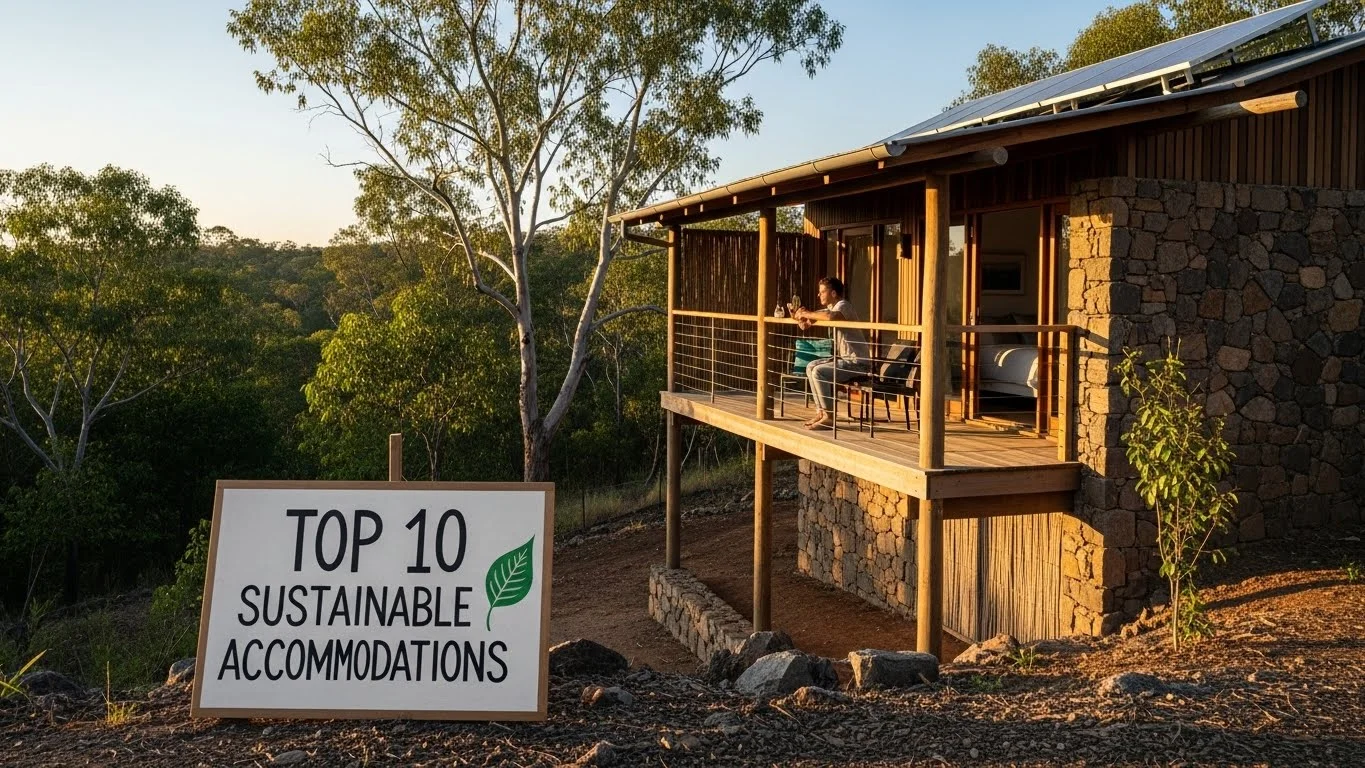
Top 10 Sustainable Accommodations for Eco-Conscious Travelers

Traveling sustainably has never been more important. If you’re eco-conscious like me, finding accommodations that align with your values can turn a good trip into a great one. Read Interesting article: Discover Sustainable Stays: Budget Accommodations for Eco-Trips
Top 10 Sustainable Accommodations for Eco-Conscious Travelers

Understanding Sustainable Accommodations

Definition of Sustainable Accommodations

Sustainable accommodations are places that prioritize environmentally friendly practices while providing a comfortable stay for guests. These establishments aim to minimize their ecological footprint and promote social responsibility. I remember the first time I stayed in a sustainable hotel; it felt refreshing to know my choices were making a positive impact. From the materials used in construction to how energy and water are consumed, every detail is often designed with sustainability in mind.

Importance of Eco-Conscious Travel

Every time we travel, we leave a footprint. I’ve learned that eco-conscious travel is about being aware of that footprint and taking steps to minimize it. Choosing sustainable accommodations is one of the simplest ways to make a difference. Not only do these places help protect the environment, but they also support local communities and economies. In my travels, I’ve seen how tourism can uplift communities when done responsibly. Supporting businesses that prioritize sustainability allows us to contribute positively while exploring new cultures.

Key Principles of Sustainability in Hospitality

When we talk about sustainability in hospitality, a few key principles often come to mind. Firstly, responsible resource management is crucial. This means using resources efficiently and reducing waste. I’ve noticed that many sustainable accommodations implement recycling programs and composting initiatives, which really inspired me to adopt similar practices at home.

Secondly, it’s about community engagement. Many eco-friendly hotels and lodges actively work with local communities, sourcing food locally and employing local staff. This not only provides economic benefits but also enriches the travel experience, allowing us to connect more deeply with the culture. I remember chatting with a local chef at a sustainable resort in Costa Rica, and it added so much to my experience.

Lastly, transparency in practices is vital. Sustainable accommodations often share their environmental policies and efforts with guests. It’s a sign of commitment and allows us as travelers to make informed choices. I appreciate when hotels take the time to explain their sustainability efforts, as it fosters a deeper connection and trust.

Criteria for Selecting Sustainable Accommodations

Environmental Impact

When searching for sustainable accommodations, one of the first criteria I consider is their environmental impact. This includes how well they manage their resources and how they contribute to preserving the local ecosystem. For instance, I once stayed at a lodge that was built using local materials and designed to blend seamlessly into the landscape. It felt good to know that my stay was not just about comfort but also about conservation.

Community Engagement and Support

Next, I look for places that actively engage with their communities. This can be through hiring local staff or offering experiences that highlight local culture. I’ve found that places that prioritize community support often provide a more authentic experience. For example, at one eco-lodge in Costa Rica, we participated in a community project that helped protect sea turtles. It was thrilling to contribute to something bigger than just my vacation. Read Interesting article: Your Guide to Budget-Friendly Sustainable Fishing Escapes

Energy Efficiency and Renewable Resources

Energy efficiency is another crucial factor. Many sustainable accommodations adopt renewable energy sources like solar or wind power. I remember visiting a hotel powered entirely by solar panels. It was incredible to see how they harnessed nature’s resources to provide comfort without hurting the environment. Making sure that places use energy-efficient appliances and practices is a must for me.

Waste Management Practices

Lastly, I always check how accommodations handle waste management. This includes recycling, composting, and minimizing single-use plastics. I once stayed in a place that had a “no plastic” policy, encouraging guests to use refillable water bottles. It made me more conscious about my own waste habits during the trip and inspired me to continue those practices once I returned home.

Exploring sustainable accommodations has enriched my travels and made me more aware of how my choices affect the planet. As we dive into the next sections, I can’t wait to share some incredible places that embody these principles and make for unforgettable stays!

Top 10 Sustainable Accommodations Worldwide

1. Eco Resort in Costa Rica

I can’t rave enough about the Eco Resort I visited in Costa Rica. Nestled within lush tropical rainforests, it offers an incredible array of eco-friendly activities, such as guided rainforest hikes and wildlife tours. The resort operates on solar energy and uses natural materials in its construction. I remember sipping my morning coffee on the balcony, watching howler monkeys swing through the trees—it was a magical experience that connected me to nature in a way I hadn’t expected.

2. Boutique Hotel in Iceland

In Iceland, I discovered a boutique hotel that emphasizes sustainability through geothermal energy and local sourcing. The hotel’s design reflects Icelandic culture, with geothermal heating and a focus on reducing waste. I was thrilled when I learned that the restaurant used ingredients sourced from nearby farms. Dining there was a treat; I felt like I was getting an authentic taste of Iceland while supporting the local economy. Plus, the views of the Northern Lights from the hotel were simply breathtaking!

3. Sustainable Lodge in the Amazon Rainforest

Visiting a sustainable lodge in the Amazon was an adventure I’ll never forget. This lodge is committed to conservation and works closely with indigenous communities. I learned about their sustainable practices, like using reclaimed wood and providing educational tours on biodiversity. My favorite part was participating in a local craft workshop; creating art with skilled artisans helped me appreciate their culture and traditions. The lodge truly exemplified the balance between tourism and conservation.

4. Green Hotel in California

On my trip to California, I stayed at a Green Hotel that turned my preconceived notions of luxury on their head. From organic cotton sheets to a robust recycling program, everything was designed with sustainability in mind. I was pleasantly surprised by their rooftop garden, which provided fresh herbs for the restaurant. It was wonderful to indulge in a meal where I could taste the freshness while knowing I was making eco-friendly choices. After all, who doesn’t love a little farm-to-table experience?

5. Eco-Friendly Bungalow in Thailand

In Thailand, I found these charming eco-friendly bungalows that were built using local bamboo. They blended beautifully with the surrounding landscape, and I felt like I was living in harmony with nature. The bungalows promoted sustainable tourism by encouraging guests to participate in beach clean-ups and community projects. I remember joining a local group to clean up the beach one afternoon, which was not only fulfilling but also allowed me to meet fellow travelers who shared my passion for sustainability.

6. Organic Farmstay in Italy

Staying at an organic farm in Italy was a dream come true for me. The family who ran the farm produced their own olive oil, cheeses, and wines—all organic, of course. I participated in hands-on activities, like making pasta and harvesting vegetables. The meals prepared from farm-fresh ingredients were unforgettable, and I realized that supporting local agriculture can lead to a more authentic culinary experience. Sharing meals with the family at their long wooden table felt warm and welcoming, creating memories I cherish.

7. Solar-Powered Guesthouse in Australia

During my travels in Australia, I stumbled upon a guesthouse powered entirely by solar energy. The owners were passionate about sustainability and incorporated eco-friendly practices throughout the property. I loved that they offered reusable containers for water and provided tips on reducing waste during my stay. Hiking through the nearby national park, I felt a sense of responsibility to protect the beautiful landscapes, and staying at this guesthouse amplified that feeling. It inspired me to be more conscious of my energy usage back home.

8. Eco-Conscious Hostel in Portugal

I also had a fantastic experience at an eco-conscious hostel in Portugal. The hostel was known for its vibrant community and focus on sustainability. They organized workshops on upcycling and even had a garden where guests could contribute. I participated in a DIY project where we made planters from recycled materials, and it was such a fun way to connect with other travelers. The friendly atmosphere made it easy to meet like-minded people who were eager to share their own sustainability stories.

9. Sustainable Treehouse in Belize

One of the most unique places I’ve ever stayed was a sustainable treehouse in Belize. Perched high among the trees, it provided a stunning view of the jungle below. The owners prioritized sustainability by using local materials and promoting wildlife conservation. I remember waking up to the sounds of birds and monkeys—it felt like I was part of the forest. The experience was not just about staying in a treehouse; it was about feeling connected to the land and the efforts to preserve it.

10. Green Urban Hotel in New York City

Lastly, I can’t forget the green urban hotel I found in New York City. This hotel is a shining example of how sustainability can be integrated into the hustle of city life. They used energy-efficient appliances and promoted local art and culture. I appreciated their commitment to providing guests with reusable shopping bags and eco-friendly toiletries. Being in the heart of the city while knowing I was making responsible choices felt incredibly rewarding. Read Interesting article: Top 10 Sustainable Fishing Trips for Budget Backpackers

These sustainable accommodations have not only enhanced my travel experiences but also reinforced my commitment to eco-conscious living. Each place I visited taught me something new about the importance of sustainability, and I hope to inspire others to seek out similar experiences in their own travels.

Benefits of Staying in Sustainable Accommodations

Reduced Carbon Footprint

One of the biggest perks of choosing sustainable accommodations is the reduction in our carbon footprint. I’ve seen firsthand how eco-friendly properties implement practices that minimize energy consumption. For example, hotels that use renewable energy sources like solar or wind power not only reduce their reliance on fossil fuels but also inspire guests to think about their energy usage. I remember staying at a lodge that provided detailed information on how they offset their carbon emissions. It made me feel like I was part of a larger movement, contributing to the fight against climate change with my travel choices.

Support for Local Economies

When I choose to stay at sustainable accommodations, I also feel good about supporting local economies. Many eco-friendly places prioritize hiring local staff and sourcing ingredients from nearby farms. This practice not only creates jobs but also strengthens community ties. For instance, during my stay at an organic farm in Italy, I learned that my meals were crafted from ingredients harvested just a few feet away. It was rewarding to know my stay was directly benefiting the local community. It’s a win-win situation: I enjoyed delicious food while contributing to the livelihood of the farmers.

Enhanced Travel Experience

Staying in sustainable accommodations often leads to a richer travel experience. I’ve noticed that these places tend to offer unique activities that allow us to engage more deeply with the local culture and environment. For example, I once participated in a traditional cooking class at an eco-lodge, where we prepared local dishes using fresh ingredients. It was more than just a meal; it was an opportunity to connect with the culture and learn about the region’s history. Experiences like these are what make travel memorable and meaningful.

Connection with Nature

There’s something special about being in a sustainable accommodation that fosters a connection with nature. I find that these places are often situated in breathtaking locations, whether it’s a treehouse in the jungle or a beach bungalow. I remember waking up to the sounds of nature at a sustainable lodge in the Amazon; the melodies of birds and rustling leaves created a serene backdrop that made me feel more alive. By staying in these eco-friendly spots, I’ve developed a deeper appreciation for the environment and an understanding of the importance of preserving it. It’s a reminder that our planet is a precious resource that deserves our respect and care.

How to Find Sustainable Accommodations

Using Eco-Certification Labels

When searching for sustainable accommodations, eco-certification labels can be incredibly helpful. These labels indicate that a property meets specific environmental standards. I’ve found it useful to look for certifications like LEED, Green Key, or EarthCheck, which assure me that the hotel has committed to sustainable practices. It gives me peace of mind knowing that my choices align with my values. I recommend taking the time to research these labels before booking; it can make a significant difference in the transparency of a property’s sustainability efforts.

Online Platforms and Resources

There are numerous online platforms dedicated to promoting sustainable travel. Websites like Ecobnb or BookDifferent are excellent resources for finding eco-friendly accommodations. During my travels, I discovered these platforms and was amazed at how easy they made it to find places that prioritize sustainability. I remember booking a stay through one of these sites and feeling excited to support a property that aligned with my values. Exploring these resources not only saves time but also opens the door to unique adventures I might not have found otherwise.

Guest Reviews and Recommendations

Another valuable resource is guest reviews. I always check what previous guests have to say about a property’s sustainability practices. If I see comments praising the eco-friendly policies or community initiatives, I feel more confident in my choice. I’ve often found that travelers who prioritize sustainability are eager to share their experiences, which helps me make informed decisions. Plus, it’s a great way to discover hidden gems that may not be as well-known but offer incredible sustainable options.

Additional Tips for Eco-Conscious Travelers

Traveling Off-Peak Seasons

Traveling during off-peak seasons is a fantastic way to reduce your environmental impact. I’ve noticed that visiting popular destinations during quieter times not only helps avoid overcrowding but also lessens the strain on local resources. For example, I traveled to a beautiful beach in the off-season and found that the area was much more peaceful. Plus, I got to interact with locals without the hustle and bustle of peak tourist times, which made my experience feel more genuine.

Choosing Eco-Friendly Transportation

How we get to our destination also matters. I’ve made it a point to choose eco-friendly transportation options whenever possible. Trains and buses generally have a lower carbon footprint compared to flying. I once took a scenic train ride through the mountains, and it turned out to be one of the highlights of my trip. Not only did I enjoy breathtaking views, but I also felt good knowing I was making a more sustainable choice.

Reducing Waste During Your Stay

Lastly, reducing waste during your stay is a commitment I take seriously. I always pack a reusable water bottle and shopping bags to limit single-use plastics. During one trip, I stayed in an eco-friendly hotel that encouraged guests to participate in a “no waste” challenge. It inspired me to be more mindful of my consumption and find creative ways to reduce waste. Simple actions like refusing plastic straws or opting for digital tickets instead of printed ones can make a big difference over time.

Frequently Asked Questions

What are sustainable accommodations?

Sustainable accommodations are places that prioritize environmentally friendly practices while providing a comfortable stay for guests. They aim to minimize their ecological footprint and promote social responsibility.

Why is eco-conscious travel important?

Eco-conscious travel is important because it helps minimize our environmental footprint while supporting local communities and economies. Choosing sustainable accommodations is a simple way to make a positive impact on the environment and the places we visit.

What are some key principles of sustainability in hospitality?

Key principles include responsible resource management, community engagement, and transparency in practices. These principles help ensure that accommodations are efficient, supportive of local cultures, and open about their sustainability efforts.

How can I evaluate the environmental impact of accommodations?

When evaluating accommodations, consider how they manage resources, their contributions to preserving the local ecosystem, and their use of local materials in construction. Look for places that adopt renewable energy sources and have robust waste management practices.

What benefits do sustainable accommodations offer?

Benefits of staying in sustainable accommodations include a reduced carbon footprint, support for local economies, enhanced travel experiences, and a deeper connection with nature.

How can I find sustainable accommodations?

You can find sustainable accommodations by looking for eco-certification labels, using online platforms dedicated to sustainable travel, and checking guest reviews that highlight eco-friendly practices.

What are eco-certification labels?

Eco-certification labels indicate that a property meets specific environmental standards, assuring guests that the hotel has committed to sustainable practices. Examples include LEED, Green Key, and EarthCheck.

What are some additional tips for eco-conscious travelers?

Additional tips include traveling off-peak seasons to reduce environmental impact, choosing eco-friendly transportation options like trains and buses, and reducing waste during your stay by using reusable items.

How can I reduce waste during my stay?

You can reduce waste by packing reusable items such as water bottles and shopping bags, participating in hotel-led initiatives like “no waste” challenges, and opting for alternatives to single-use plastics.

What is the importance of community engagement in sustainable accommodations?

Community engagement is crucial because it supports local economies, enriches the travel experience, and fosters deeper connections between travelers and local cultures. Many sustainable accommodations hire local staff and offer experiences that highlight local traditions.
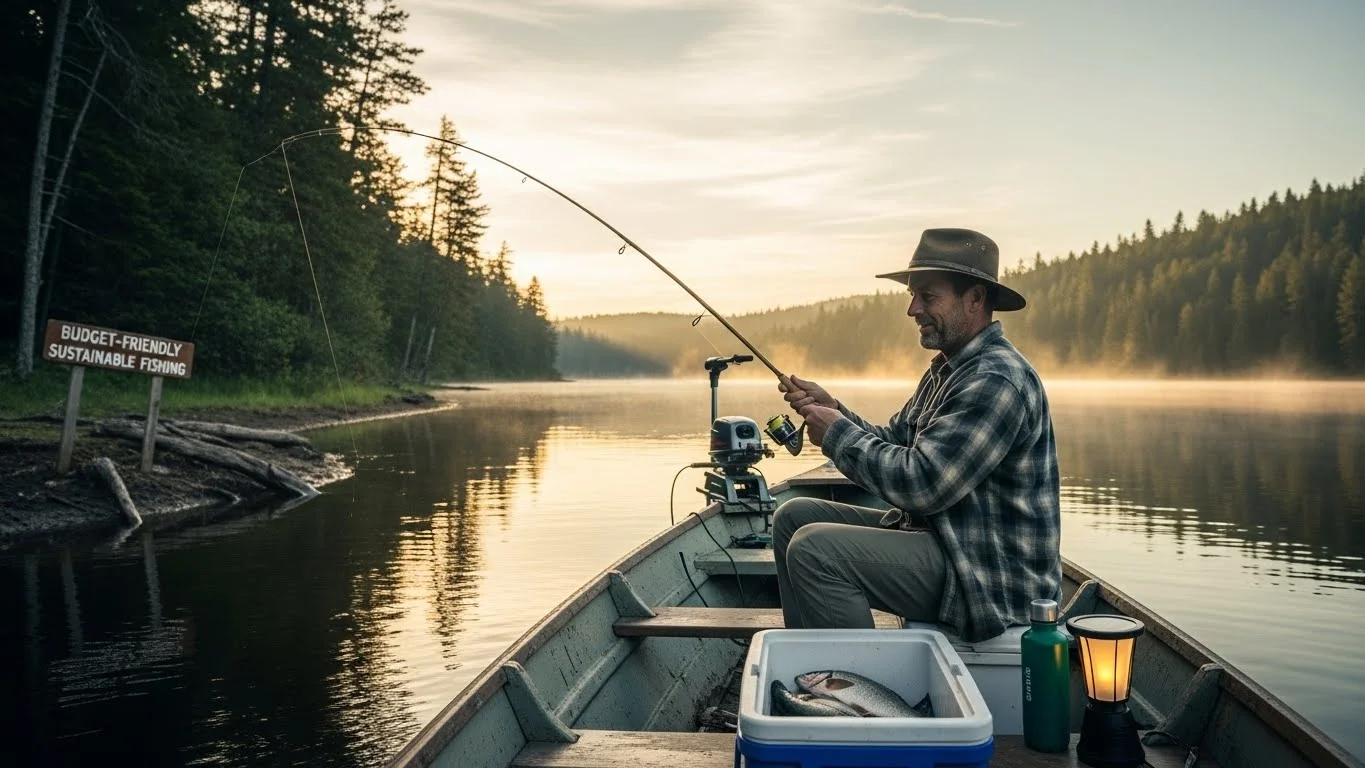
Your Guide to Budget-Friendly Sustainable Fishing Escapes

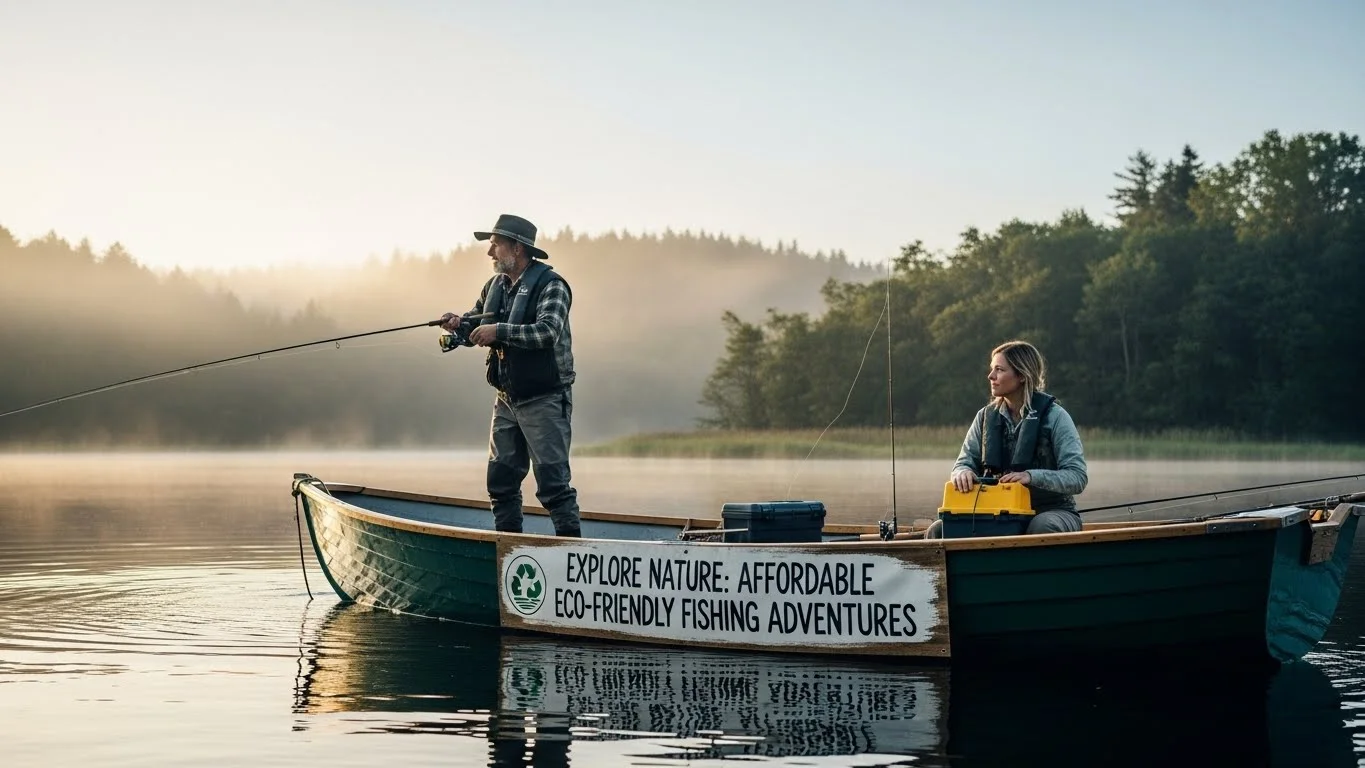
Embarking on a fishing escape doesn’t have to break the bank. With the right knowledge and planning, we can enjoy budget-friendly adventures while being mindful of our impact on the environment. Read Interesting article: Explore Nature: Affordable Eco-Friendly Fishing Adventures Let’s dive into the world of sustainable fishing!

Your Guide to Budget-Friendly Sustainable Fishing Escapes

Understanding Sustainable Fishing

What is Sustainable Fishing?

Sustainable fishing refers to practices that allow fish populations to remain healthy and ecosystems to thrive. I remember the first time I learned about sustainable fishing; it opened my eyes to the idea that fishing could be both enjoyable and responsible. This approach encompasses methods that do not overexploit fish stocks, minimize habitat damage, and respect the natural breeding cycles of fish. Essentially, it’s about ensuring that future generations can also enjoy fishing without depleting our oceans, rivers, and lakes.

Benefits of Sustainable Fishing Practices

There are numerous benefits to embracing sustainable fishing. For starters, it helps maintain fish populations at a healthy level, ensuring that we can continue to fish for years to come. I’ve noticed that many sustainable practices also lead to better quality fish. By avoiding harmful practices, we not only protect the environment but also enhance the taste and health benefits of what we catch. Furthermore, sustainable fishing fosters a sense of community among anglers who share the same values, creating a bond over a mutual respect for nature.

From my experience, supporting sustainable fishing practices often leads to unique experiences. You get to explore lesser-known fishing spots, meet local fishermen who are passionate about their craft, and even participate in conservation efforts. It’s rewarding to know that my fishing trips contribute to the health of the ecosystem. Read Interesting article: Top 10 Sustainable Fishing Trips for Budget Backpackers

Common Misconceptions about Sustainable Fishing

Despite the clear benefits, there are misconceptions surrounding sustainable fishing that I’ve encountered. Some people believe that it’s only for the wealthy or that it requires expensive gear. In reality, sustainable fishing can be accessible to everyone, regardless of budget. I’ve found that many local communities offer affordable options for gear, and sometimes the most effective tools are simple and inexpensive.

Another misconception is that sustainable fishing means you can’t catch anything. On the contrary, sustainable methods often lead to a more fruitful experience, as they promote the health of fish populations. I recall a fishing trip where I used sustainable techniques and ended up catching more fish than I ever had before. It was a win-win situation—I enjoyed fishing, and my actions contributed to preserving the environment.

Choosing a Budget-Friendly Destination

Top Budget-Friendly Fishing Destinations

When I think of budget-friendly fishing destinations, a few places come to mind that offer incredible experiences without draining your wallet. One of my favorites is the Gulf Coast, particularly around Florida. The waters are teeming with fish, and there are numerous affordable charter services. Another great option is the Great Lakes region; states like Michigan and Wisconsin have stunning natural landscapes and plenty of fishing opportunities at budget-friendly rates.

In addition, I’ve discovered fantastic fishing spots in areas like the Outer Banks of North Carolina and the rivers of Colorado. These places not only offer a variety of fish species but also allow you to immerse yourself in beautiful surroundings without spending a fortune. Read Interesting article: Experience Local Cultures: Budget-Friendly Eco-Tourism Tips

How to Research Sustainable Fishing Locations

Researching sustainable fishing locations can be as easy as tapping into online resources or visiting local forums. I often start by searching for local fishing guides or community websites that emphasize sustainable practices. Many times, local conservation organizations provide valuable information on the best times to fish and which species are thriving in the area.

Social media can also be a fantastic tool for discovering hidden gems. Following local fishing groups or hashtags can lead to insights from fellow anglers who share their experiences and tips. I always appreciate when someone shares their personal stories about fishing in a new locale; it gives me a sense of what to expect and how to prepare.

Factors Influencing Costs of Fishing Escapes

Understanding the factors influencing the costs of fishing escapes can help us save money while planning our trips. One significant element is location. Some regions are simply more expensive due to demand, while others are more affordable but just as rewarding. For instance, I’ve learned that fishing in national parks may require permits, which can increase overall costs, but the experience is often well worth it.

The type of fishing experience we choose also affects the budget. DIY fishing trips, where we bring our gear and fish from shore, can be significantly cheaper than chartering a boat. I’ve had several memorable experiences wading into rivers or casting from the beach, all while enjoying the peace of nature. Lastly, the time of year can impact prices, with peak seasons often leading to higher costs for accommodations and services. Planning a trip during the shoulder season can save us a lot of money while still offering great fishing opportunities.

Planning Your Fishing Escape

When to Go: Best Times for Fishing

Choosing the right time for our fishing trips can make all the difference in our experience. I’ve learned that different fish species have peak seasons that can vary by location. For example, spring is often great for freshwater fishing as fish are more active after winter. I remember one trip in late April when I landed a bunch of trout that were just starting to bite, and it was exhilarating!

On the flip side, summer can be fantastic for saltwater fishing, especially if we’re targeting species like tuna or snapper. I’ve found that early mornings and late afternoons tend to yield the best catches, as fish are generally more active during these cooler parts of the day. Fall is also a great time to fish, particularly for species that are preparing for winter. Knowing when to go can truly enhance our fishing experience and help us maximize our catch.

Essential Gear for Budget-Friendly Fishing

When I first started fishing, I thought I needed all the fancy gear to be successful. But over time, I’ve realized that having the right essentials can make all the difference without hurting our wallets. A good-quality fishing rod and reel set can usually be found at an affordable price. I remember finding a great combo at a local sporting goods store that served me well on many trips.

Beyond that, I recommend having a tackle box with basic lures and bait that match the species we’re targeting. Simple things like hooks, weights, and a few artificial lures can set us up for success. I’ve often been surprised by how effective a basic rig can be! Don’t forget about the importance of a comfortable fishing chair or a portable cooler to keep our drinks and snacks handy. Keeping it simple often brings the most joy and comfort during our fishing adventures.

Accommodation Options: Affordable Stays Near Fishing Spots

Finding affordable places to stay is crucial for budget-friendly fishing trips. I’ve had great experiences camping near popular fishing areas. Not only does it save money, but it also immerses us in nature. I remember camping by a serene lake and waking up to the sound of water lapping at the shore—it was an experience I’ll never forget!

If camping isn’t our style, there are often budget motels or vacation rentals near fishing spots that are quite reasonable. Websites like Airbnb or local rental agencies can yield some hidden gems. I once stayed in a cozy cabin that was just a stone’s throw from a fishing hotspot. Being so close allowed for spontaneous fishing trips at dawn, which I absolutely loved.

Transportation Tips to Save on Travel Costs

Getting to our fishing destination can sometimes add up, but there are ways to save on transportation costs. Carpooling with friends is a fantastic option; I’ve shared rides with fellow anglers, making the journey just as enjoyable as the destination. Plus, splitting gas costs makes it more affordable!

If we’re flying to a distant fishing spot, I’ve found that booking flights in advance or being flexible with travel dates can lead to significant savings. I usually keep an eye on flight deals and often utilize apps that alert me when prices drop. Once we arrive, renting a car or using public transport can also be budget-friendly options, especially if we plan to fish in multiple locations.

Ultimately, being creative with our transportation options can keep our fishing escape within budget and full of great experiences. I’ve learned that the journey itself can lead to unexpected adventures, from roadside attractions to delightful local eateries.

Types of Fishing Experiences

Freshwater Fishing Locations and Tips

When it comes to freshwater fishing, I’ve found that options abound, offering diverse experiences that are both exciting and economical. Some of my favorite freshwater fishing destinations include lakes, rivers, and ponds, where you can find a variety of species like bass, trout, and catfish. One of my memorable trips was to a small lake in my hometown. It was a quiet spot, and I could hear the gentle lapping of water as I cast my line. There’s something truly serene about fishing in freshwater, where the backdrop of nature enhances the whole experience.

For tips, I recommend starting early in the morning or later in the evening when fish are most active. I’ve had my best luck with topwater lures during these times, especially when targeting bass. Additionally, I’ve learned that understanding the local ecosystem can be a game changer. Observing what insects and baitfish are present will guide us in selecting the right lures. I remember one trip where I matched my lure to the local baitfish, and it made all the difference—it was like the fish were just waiting for me!

Saltwater Fishing Destinations to Consider

If saltwater fishing is more your style, I can’t recommend exploring coastal locations enough. The thrill of deep-sea fishing is exhilarating! I had an unforgettable experience off the coast of Florida, where the waters were alive with activity. We targeted species like snapper and grouper, and let me tell you, there’s nothing quite like feeling a big fish tugging at the other end of the line.

When planning a saltwater fishing trip, consider the type of experience you want. Do you want to go deep-sea fishing on a charter or perhaps try surf fishing from the shore? I’ve enjoyed both! Surf fishing is not only budget-friendly but also allows for spontaneous adventures—just grab your gear, find a good spot on the beach, and cast away. I’ve hooked some great fish right from the shore, and it felt even more rewarding knowing that I didn’t need a boat to enjoy the ocean’s bounty.

Fly Fishing: An Affordable and Sustainable Option

Fly fishing has always fascinated me, and I discovered it as a budget-friendly and sustainable fishing option. It requires minimal gear compared to other types of fishing, which can save us money in the long run. For me, the simplicity of fly fishing is part of its charm. I remember my first time casting a fly rod; there was a learning curve, but it was so satisfying to finally get it right and see a fish take the fly!

One of the best things about fly fishing is that it can often be done in beautiful, remote locations, away from the crowds. I’ve spent hours enjoying the tranquility of a secluded stream, surrounded by nature, while patiently waiting for a fish to bite. There are numerous spots across the country that are perfect for fly fishing, from mountain streams to coastal flats. Plus, many local fly fishing clubs offer affordable workshops and guided trips, which can be a great way to learn and connect with other anglers.

Local Regulations and Sustainability Practices

Understanding Fishing Licenses and Permits

Before heading out on a fishing trip, it’s crucial to understand the fishing licenses and permits required in your chosen location. I’ve learned this the hard way! During a trip, I forgot to check the local regulations and ended up needing a special permit. Thankfully, the local office was kind enough to assist me, but it was a lesson learned! Each state has different regulations, so it’s wise to check ahead of time.

Most of the time, a basic fishing license is all we need, and they’re often quite affordable. I appreciate that these funds help support local conservation efforts. Some areas even offer free fishing days, which is a fantastic opportunity for those looking to try fishing without the investment upfront. Always remember to keep a copy of your license handy; I’ve found that having it accessible avoids any unnecessary complications during a trip.

Catch and Release Practices

One of the practices I’ve embraced in my fishing journey is catch and release. It’s a sustainable approach that helps maintain fish populations and ensures that future generations can enjoy fishing too. I remember a day when I caught a beautiful trout that was slightly below the size limit. Instead of keeping it, I opted to release it back into the water. Watching it swim away felt rewarding, knowing I was doing my part to protect the ecosystem.

Adopting catch and release techniques can enhance our fishing experiences. I’ve learned to handle fish gently to minimize stress and injury, using barbless hooks where possible to make releasing easier. Taking a quick photo for memories before returning the fish to its home is a great way to enjoy the moment without negatively impacting the fish population.

Local Conservation Efforts to Support

Supporting local conservation efforts can greatly benefit our fishing experiences and the environment. I’ve participated in several clean-up events near rivers and lakes, which not only helped improve the habitat but also connected me with fellow fishing enthusiasts who share my passion for sustainability. These events can be incredibly fulfilling, and it’s heartening to know that we’re making a positive impact.

Many local organizations focus on habitat restoration, education, and responsible fishing practices. I recommend looking for volunteer opportunities or donating to these groups if we’re passionate about protecting our waters. It feels good to give back, and it’s a chance to learn more about the ecosystems we love exploring. Plus, who knows? We might even discover new fishing spots through these connections!

Connecting with Local Communities

How to Engage with Local Fishermen

Connecting with local fishermen has always been a rewarding part of my fishing trips. I’ve found that these interactions can offer invaluable insights into the best fishing spots, techniques, and even local history. When I visit a new area, I like to strike up conversations with people at bait shops or local fishing docks. Most fishermen are more than willing to share their experiences and tips, especially if they see your genuine interest.

During one of my trips to the Gulf Coast, I met a seasoned fisherman who not only shared his secret spots but also told me stories about the area’s fishing culture. He invited me to join a small local fishing club, which led to unforgettable trips and friendships that I still cherish. Engaging with local fishermen doesn’t just improve our chances of a successful catch; it also creates a sense of community and belonging, which is one of the best parts of fishing.

Participating in Community-Based Fishing Projects

Community-based fishing projects are another wonderful way to connect with locals while giving back to the environment. I’ve participated in several initiatives, such as habitat restoration projects or local fishing tournaments aimed at promoting sustainability. These experiences have not only enhanced my fishing skills but also deepened my appreciation for the ecosystems we fish in.

One memorable experience was volunteering for a river clean-up event. Not only did I get to meet passionate anglers and environmentalists, but I also learned a lot about the local wildlife and the challenges they face. Plus, it felt great to contribute to preserving the fishing spots I love. I recommend checking local conservation groups or community boards for upcoming events; it’s a fantastic way to immerse yourself in the local fishing culture.

Finding Sustainable Fishing Tours and Guides

If you’re looking to enhance your fishing experience, consider hiring a local guide who specializes in sustainable fishing practices. I’ve found that these guides often have a wealth of knowledge about local fish species, sustainable techniques, and the best times to fish. During my last trip to the Outer Banks, I booked a half-day fishing tour with a guide who was passionate about conservation and local ecosystems.

This experience opened my eyes to new fishing methods, and I learned so much about the balance of the ocean’s ecosystem. Plus, the guide knew all the right spots, leading us to a successful day on the water. Many local guides are happy to share their expertise and promote sustainable practices, which benefits all of us who love to fish.

Food and Cuisine on a Budget

Local Seafood Dishes to Try

One of the highlights of any fishing trip for me is trying out local seafood dishes. There’s something special about enjoying a meal made from fish caught in the waters nearby. When I visited the Florida coast, I couldn’t resist trying the local snapper tacos—they were fresh, delicious, and affordable. I recommend asking locals for their favorite seafood spots because they often know the best places to try authentic dishes.

During my travels, I’ve also discovered that many regions have their unique specialties. For example, in New England, clam chowder is a must-try, while in the Gulf Coast, shrimp and grits are a local favorite. Sampling these dishes not only satisfies my taste buds but also gives me a better understanding of the region’s fishing culture.

Cooking Your Catch: Simple Recipes

Cooking your catch can be one of the most rewarding experiences after a long day of fishing. I remember one trip where I grilled some freshly caught trout with just a little olive oil, lemon, and herbs. It was simple yet incredibly satisfying to enjoy a meal made from my own efforts. I’ve found that fish can be prepared in so many ways: grilling, baking, or even making fish tacos can all be delicious options.

For those new to cooking fish, I recommend starting with simple recipes that highlight the fish’s natural flavor. Pairing it with seasonal vegetables or a fresh salad can elevate your meal even further. I’ve also learned that many local markets offer recipe cards or tips when you buy fresh fish, which can help us create a memorable dining experience.

Budget-Friendly Restaurants and Markets

Exploring local restaurants and markets is another way to enjoy fresh seafood without overspending. I often seek out family-owned diners or food stalls that serve local dishes at reasonable prices. Not only do these spots tend to be more affordable, but they also provide a glimpse into the local culture.

I remember discovering a charming seafood shack in a small town in North Carolina. The prices were fair, and the food was incredibly fresh. Eating there felt like part of the experience itself—a connection to the local fishing community. Additionally, checking out fish markets can be a fun way to buy fresh seafood and sometimes even get tips from local fishmongers on the best cooking methods.

Safety and Environmental Considerations

Safety Tips for Fishing Trips

Safety should always be a top priority on our fishing adventures. I’ve learned the hard way to always wear a life jacket when on a boat, no matter how calm the water looks. Additionally, bringing a first-aid kit is something I now never forget. I also recommend wearing sunscreen and protective clothing to shield yourself from the sun, especially during long days on the water.

It’s also crucial to stay hydrated. I make sure to pack plenty of water, snacks, and a cooler for any food. Sometimes when we’re focused on fishing, it’s easy to forget to take breaks or drink enough water, but staying nourished keeps our energy levels up and ensures we enjoy our time outdoors.

Environmental Impact of Fishing: What to Be Aware Of

Understanding the environmental impact of fishing has been an essential part of my journey. I’ve come to realize that every fishing trip has the potential to affect local ecosystems, from the way we catch fish to the waste we leave behind. I always try to educate myself about the local environment and take note of any specific regulations or guidelines that might apply.

For instance, I’ve learned that some areas have restricted fishing seasons to protect spawning fish, and adhering to these rules is crucial for maintaining healthy populations. Overall, being mindful of our actions while fishing can significantly contribute to sustainable practices and help preserve our natural resources for future generations.

How to Leave No Trace While Fishing

Leaving no trace is something I strive for on every fishing trip. I make it a rule to clean up after myself, disposing of any trash properly and even picking up litter I find along the way. It feels good to leave the environment better than I found it. I also encourage fellow anglers to practice catch and release whenever possible and to use eco-friendly tackle, which minimizes damage to fish and their habitats.

By being conscious of our impact on the environment, we can continue to enjoy our fishing adventures and ensure that the beauty of our natural surroundings remains intact. I’ve found that adopting these practices not only enhances my experience but also sets a positive example for others, fostering a community that respects and cherishes our shared fishing resources.

Budgeting for Your Fishing Escape

Estimating Total Costs: A Breakdown

When planning a fishing escape, creating a budget is essential for a stress-free experience. I often start by estimating costs for travel, accommodations, meals, and any fishing permits or gear I might need. By breaking down the expenses, I can identify areas where I can save money and allocate funds accordingly.

For instance, I find that setting aside a specific amount for unexpected expenses can be helpful. I’ve been in situations where I needed to buy additional bait or tackle, and having a little extra set aside eased my mind. Creating a detailed budget not only helps keep things organized but also ensures I can enjoy my fishing trip without worrying about overspending.

Money-Saving Tips for Fishing Gear and Supplies

Over the years, I’ve discovered various ways to save money on fishing gear and supplies. I recommend checking out local thrift stores or online marketplaces where you can often find used gear at a fraction of the retail price. I’ve picked up some fantastic rods and reels this way, and it feels good to give gear a second life.

Additionally, buying gear during off-seasons or sales can lead to significant savings. I always keep an eye out for clearance sales at local sporting goods stores. Sometimes, I even team up with friends to buy bulk tackle or bait, which can cut costs further. The more we can share resources, the easier it is to stick to our budgets while enjoying our fishing escapades.

Finding Deals and Discounts on Fishing Trips

Finding deals and discounts on fishing trips can make a big difference in our overall costs. I often search for local fishing charters or guides that offer promotional rates, especially during the off-peak season. Many businesses provide discounts for group bookings, so gathering a few friends for a trip can not only save money but also create lasting memories.

Besides, I’ve found that social media is a great tool for uncovering deals. Following local fishing pages or joining relevant groups can lead to exclusive offers or last-minute deals. By staying connected with the local fishing community, we can enhance our experiences while keeping expenses in check.

Final Thoughts

Embarking on a fishing escape can be one of life’s most fulfilling experiences. Through my journey, I’ve learned that being budget-conscious while embracing sustainable practices not only enhances our fishing adventures but also helps protect the beautiful environments we cherish. From engaging with local fishermen to savoring the fruits of our labor, every aspect of fishing holds a unique charm. As we plan our next fishing trip, let’s continue to prioritize sustainability, connect with our communities, and create lasting memories—all while being mindful of our budgets. Happy fishing!

Frequently Asked Questions

“`html

What is sustainable fishing?

Sustainable fishing refers to practices that allow fish populations to remain healthy and ecosystems to thrive. It encompasses methods that do not overexploit fish stocks, minimize habitat damage, and respect the natural breeding cycles of fish.

What are the benefits of sustainable fishing practices?

Embracing sustainable fishing helps maintain fish populations at a healthy level, enhances the quality of fish, fosters a sense of community among anglers, and contributes to the overall health of ecosystems.

Are sustainable fishing practices only for wealthy individuals?

No, sustainable fishing can be accessible to everyone, regardless of budget. Many local communities offer affordable options for gear, and effective tools can often be simple and inexpensive.

What are some budget-friendly fishing destinations?

Some budget-friendly fishing destinations include the Gulf Coast in Florida, the Great Lakes region, the Outer Banks of North Carolina, and rivers in Colorado, all of which offer great fishing opportunities at reasonable rates.

How can I research sustainable fishing locations?

Researching sustainable fishing locations can be done through online resources, local forums, fishing guides, and community websites. Social media can also provide insights from fellow anglers sharing their experiences.

What factors can influence the costs of fishing trips?

Factors influencing fishing trip costs include location, the type of fishing experience chosen, and the time of year. Some regions may be more expensive, and peak seasons often lead to higher costs for accommodations and services.

What essential gear do I need for budget-friendly fishing?

Essential gear for budget-friendly fishing includes a good-quality fishing rod and reel, a tackle box with basic lures and bait, and a comfortable fishing chair or portable cooler. Keeping it simple often leads to successful fishing experiences.

What should I know about fishing licenses and permits?

It’s crucial to understand the fishing licenses and permits required for your chosen location, as regulations vary by state. A basic fishing license is often all you need, and some areas may offer free fishing days.

How can I support local conservation efforts while fishing?

Supporting local conservation efforts can involve participating in clean-up events, volunteering for habitat restoration projects, and donating to local organizations focused on sustainable practices. Engaging with these efforts enhances your fishing experience and helps protect the environment.

What are some safety tips for fishing trips?

Safety tips for fishing trips include wearing a life jacket on boats, bringing a first-aid kit, wearing sunscreen and protective clothing, staying hydrated, and taking breaks to ensure a safe and enjoyable experience on the water.

“`

Explore Nature: Affordable Eco-Friendly Fishing Adventures

Fishing doesn’t just have to be a relaxing hobby; it can also be an eco-friendly adventure! Let’s dive into the world of sustainable fishing, where we can enjoy nature while protecting it. Read Interesting article: Top 10 Sustainable Fishing Trips for Budget Backpackers

Explore Nature: Affordable Eco-Friendly Fishing Adventures

Understanding Eco-Friendly Fishing

What is Eco-Friendly Fishing?

When I first heard the term “eco-friendly fishing,” I wasn’t sure what it meant. I learned that eco-friendly fishing is all about minimizing the impact on the environment while enjoying this beloved pastime. It involves practices that protect aquatic ecosystems, conserve fish populations, and ensure that we leave a healthy environment for future generations. This means being mindful of the species we catch, the gear we use, and the places we fish. For me, understanding this concept opened up a new layer of appreciation for fishing. It’s not just about the catch; it’s about being a responsible angler.

Benefits of Eco-Friendly Fishing

The benefits of eco-friendly fishing are plentiful, not just for the environment but for us as individuals. For starters, participating in sustainable practices helps preserve fish populations and their habitats, ensuring that future generations can enjoy fishing as we do. I remember the first time I saw a thriving underwater ecosystem while fishing responsibly; it was a magical experience. Knowing that I was contributing to its preservation made it even more special.

Furthermore, eco-friendly fishing often leads to healthier fish. When we allow fish populations to thrive, we enhance the chances of catching bigger, more robust fish in the future. Plus, fishing in clean, well-preserved environments can be a more enjoyable experience. I’ve found that the serenity of nature is heightened when I know I’m doing my part to protect it. Read Interesting article: Discover Nature: Budget Eco-Friendly Camping Destinations

Types of Eco-Friendly Fishing Practices

There are several eco-friendly fishing practices that I’ve come to embrace in my own adventures. Here are a few that stand out to me:

  • Catch and Release: This practice involves carefully releasing the fish back into the water after catching them. I’ve learned that using barbless hooks and minimizing the time a fish spends out of water can greatly increase its chances of survival.
  • Using Sustainable Gear: Choosing fishing gear made from sustainable materials is key. I’ve switched to biodegradable fishing lines and tackle, which break down naturally and reduce pollution.
  • Fishing Only in Designated Areas: This not only helps preserve fish populations but also protects sensitive habitats. I always check local regulations before heading out, ensuring that I’m fishing in areas that support sustainable practices.
  • Educating Myself: One of the most impactful things I’ve done is to learn about local species and their lifecycle. Understanding which fish are endangered or protected helps me make informed choices while fishing.

By adopting these practices, I’ve found that my fishing trips are not only more rewarding but also contribute to a larger cause—protecting our environment.

Best Affordable Eco-Friendly Fishing Destinations

National Parks for Fishing Adventures

National parks offer some of the most breathtaking landscapes and diverse ecosystems for fishing. I’ve had the pleasure of fishing in a few national parks, and the experience was unforgettable. The best part? Many of these parks have incredible fishing opportunities without breaking the bank. Parks like Yellowstone and Glacier are known for their pristine waters and abundant fish populations. Plus, the entrance fees are often minimal, and the natural beauty is priceless.

State Parks with Fishing Opportunities

State parks are another fantastic option for affordable eco-friendly fishing. I’ve discovered that many state parks have well-maintained lakes and rivers, often stocked with fish. They typically charge lower fees compared to private fishing spots, making them budget-friendly. I particularly enjoy the state parks in my area where I can spend the day fishing and exploring nature trails. It feels like a mini-vacation without the hefty price tag.

Rivers and Lakes with Sustainable Practices

Many rivers and lakes have adopted sustainable fishing practices, allowing us to enjoy fishing while being mindful of the environment. I’ve visited several lakes that not only focus on fish conservation but also offer educational programs about local ecosystems. Places like Lake Tahoe and the Colorado River have become favorites of mine, as they encourage responsible fishing and provide stunning scenery.

Coastal Areas for Eco-Friendly Sea Fishing

If you’re looking for saltwater fishing, don’t overlook coastal areas that prioritize eco-friendly practices. I’ve found that fishing from the shore or in smaller boats can be affordable and enjoyable. Many coastal towns support sustainable fishing by promoting local fish species and protecting their habitats. I love spending weekends fishing along the coast, where I can enjoy the ocean breeze and beautiful sunsets while knowing I’m fishing responsibly.

Essential Gear for Eco-Friendly Fishing

Sustainable Fishing Rods and Reels

When I first started getting serious about eco-friendly fishing, I realized that the gear I used could make a big difference. Sustainable fishing rods and reels are often made from materials that have a lower environmental impact. For example, I recently switched to a rod made from recycled materials, which not only feels great in my hands but also aligns with my values. These rods are designed to be durable and long-lasting, which means I won’t need to replace them as often, reducing waste over time. The investment in quality gear has made my fishing experience so much better, and knowing that I’m using sustainable products adds a layer of satisfaction.

Biodegradable Fishing Tackle

I used to think any tackle would do, but I learned that switching to biodegradable fishing tackle is a game-changer. Traditional tackle can sit in the environment for years if it gets lost or discarded. I’ve found biodegradable hooks and sinkers that break down naturally over time, which gives me peace of mind while fishing. I remember that one time I accidentally snagged my line on a rock and lost a hook. Instead of worrying about it harming wildlife, I knew that my tackle would eventually decompose, and that made all the difference for me.

Eco-Friendly Baits and Lures

Speaking of tackle, let’s talk about baits and lures. I’ve discovered some fantastic eco-friendly options that not only work well but are also better for the environment. For example, I’ve started using lures made from natural materials instead of plastic. Not only do they perform just as well, but they also minimize the risk of pollution. I love the thrill of catching fish with something that isn’t harmful to their habitat. Plus, I’ve learned to make my own baits using local ingredients, which can be a fun and rewarding experience!

Reusable Fishing Gear and Accessories

As I dove deeper into eco-friendly fishing, I realized how important it is to use reusable gear. Instead of single-use items, I now opt for reusable tackle boxes, storage bags, and containers. I remember the first time I packed my fishing gear in a durable, reusable bag. It felt good to know that I was reducing plastic waste while still being organized. Also, I’ve started using a refillable water bottle instead of buying plastic ones. Staying hydrated during fishing trips is crucial, and I love that I’m cutting down on single-use plastics.

Planning Your Eco-Friendly Fishing Trip

When is the Best Time to Fish?

Planning the timing of my fishing trips has become an art. I’ve found that certain seasons and times of day are better for eco-friendly fishing. For instance, early mornings or late evenings often yield great catches while being less disruptive to aquatic life. I also learned that fishing during spawning seasons is not ideal since it can affect fish populations. By paying attention to the local fishing calendar and understanding fish behavior, I’ve had more successful and responsible fishing trips. It feels rewarding to align my schedule with nature’s rhythm.

Permits and Regulations for Eco-Friendly Fishing

Before I head out, I always check what permits and regulations are in place for the area I plan to fish. Each state has its own rules regarding fishing licenses, catch limits, and protected species. I remember the first time I went to a new fishing spot and was surprised by the regulations. Taking the time to educate myself not only ensures I’m fishing legally but also helps protect the environment. There’s something comforting about knowing that I’m following the rules that have been set up to help preserve our natural resources.

Budgeting for Your Fishing Adventure

Budgeting for a fishing trip can be tricky, but I’ve learned a few tips that keep my costs down while allowing me to enjoy my favorite pastime. Planning ahead is key; I often look for deals on gear, find affordable accommodations, and even pack my own meals. I’ve discovered that many local bait shops offer great deals on supplies, especially if you’re a repeat customer. Additionally, fishing with friends can help split costs, making trips more affordable and enjoyable. I cherish these moments spent with friends, sharing stories and laughs while casting our lines.

Finding Affordable Accommodations Near Fishing Spots

When planning a fishing trip, finding affordable places to stay is important. I’ve had great luck with booking sites that offer deals on cabins or campsites near my fishing destinations. Camping is one of my favorite ways to experience nature while keeping costs low. I remember a fantastic trip where I camped by a serene lake, waking up to the sounds of nature and having the water right at my doorstep. Staying close to the fishing spot makes early morning outings much easier and allows for more time on the water!

Tips for Responsible Fishing Practices

Catch and Release Techniques

One of the most rewarding aspects of eco-friendly fishing for me has been mastering catch and release techniques. It’s fascinating how a little knowledge can help ensure the fish I catch have the best chance of survival after being released. I’ve learned to handle fish gently, using wet hands to prevent damaging their protective slime layer. I try to keep them in the water as much as possible, especially when unhooking them. Using specific tools like dehookers can make the process quicker and safer for the fish. Each time I successfully release a fish, I feel a sense of accomplishment, knowing that I’m playing a part in conservation efforts. It’s like returning a little gift to nature, and I truly cherish these moments.

Minimizing Environmental Impact

Being mindful of my surroundings while fishing has become second nature. I make it a point to minimize my environmental impact by following simple practices. For instance, I always pack out what I pack in, ensuring that I leave the area as I found it. This includes disposing of any trash properly and being careful not to disturb the shoreline. I also pay close attention to where I’m stepping, avoiding sensitive areas like spawning beds or fragile vegetation. I remember a fishing trip where I stumbled upon a nesting area and was grateful I noticed in time to avoid causing any harm. It’s these little choices that collectively make a big difference in preserving our precious ecosystems.

Respecting Local Wildlife and Habitats

Respecting local wildlife is paramount in my approach to fishing. I’ve learned that every area has its own unique ecosystem, and being aware of this helps me become a more responsible angler. Each time I see wildlife—be it birds, turtles, or even the fish themselves—I feel a deep connection to the environment. I try to educate myself about the species in the area, understanding their behaviors and the roles they play in the ecosystem. I’ve found that by respecting these creatures and their habitats, I not only enhance my fishing experience but also contribute to the overall health of the ecosystem. It’s a beautiful cycle of appreciation and respect.

Participating in Conservation Efforts

Getting involved in conservation efforts has been one of the most fulfilling aspects of my fishing journey. I’ve participated in local clean-up events and habitat restoration projects that focus on protecting the waterways where I fish. It’s incredible to see firsthand how a community can come together to make a difference. I remember joining a group that removed invasive species from a local lake, and seeing the improvement in the fish populations afterward was truly rewarding. It’s not just about enjoying fishing; it’s about ensuring that future generations can experience the same joy. Being part of these efforts has opened my eyes to the importance of stewardship, and I encourage fellow anglers to find ways to get involved in their communities. Read Interesting article: Top Tips for Eco-Friendly Wildlife Conservation Tours

Local Cuisine and Fishing Culture

Eating Sustainably Caught Fish

One of the joys of fishing is enjoying the fruits of our labor through delicious meals featuring sustainably caught fish. I’ve discovered that when I choose to eat fish from responsible sources, I’m not only nourishing my body but also supporting sustainable fishing practices. I remember the first time I cooked a meal with the fish I caught, and it felt like a true celebration of my connection to nature. I’ve learned to prepare fish in various ways, from grilling to baking, allowing me to appreciate the different flavors and textures. Plus, knowing that I’m making conscious choices about the fish I consume adds a layer of satisfaction to each meal.

Local Fishing Traditions and Practices

Exploring local fishing traditions has enriched my understanding of this age-old pastime. Each region has its unique customs and techniques, and I find it fascinating to learn from local anglers. I’ve enjoyed participating in community fishing events that celebrate these traditions, whether it’s a friendly competition or a cultural festival. These gatherings often include storytelling, sharing tips, and, of course, enjoying the catch of the day together. I remember attending a local fish fry where everyone brought their best recipes, and it was a fantastic way to connect with others who share the same passion for fishing. It’s heartwarming to see how fishing brings people together across generations and cultures.

Cooking Tips for Fresh Catches

Cooking fresh catches is an art, and I’ve picked up some great tips along the way. First, I always aim to clean and cook the fish as soon as possible after catching it to preserve its freshness. I’ve experimented with various marinades and cooking methods, but one of my favorites is grilling. The smoky flavor adds a wonderful depth to the fish, and I love serving it with fresh, local sides. I’ve also learned the importance of seasoning; a little salt, pepper, and fresh herbs can elevate the dish significantly. Sharing these meals with family and friends makes the experience even more special, and I’ve found that it fosters a deeper appreciation for the effort that goes into sustainable fishing.

Resources for Eco-Friendly Fishing Enthusiasts

Fishing Organizations and Networks

I’ve found that connecting with fishing organizations and networks is a great way to stay informed and engaged in eco-friendly practices. There are many groups dedicated to promoting sustainable fishing and protecting aquatic ecosystems. For instance, I joined the organization called “Trout Unlimited,” which focuses on coldwater conservation. They not only provide valuable resources for anglers but also host events where members can learn more about sustainable practices. Being part of such organizations makes me feel like I’m part of a community that shares my passion and commitment to protecting our waterways.

Online Communities and Forums

With the rise of social media, I’ve discovered a wealth of online communities and forums dedicated to fishing enthusiasts. These platforms allow us to share tips, stories, and experiences related to eco-friendly fishing. I often browse through forums like “The Bass Barn” or “Fishbrain,” where I can ask questions and learn from other anglers. I remember posting about my favorite sustainable fishing gear and receiving a ton of helpful feedback and recommendations. Engaging with these online communities not only enhances my knowledge but also connects me with like-minded individuals who care about preserving our fishing environments.

Books and Guides on Sustainable Fishing

Reading has been another fantastic way for me to deepen my understanding of eco-friendly fishing. I’ve come across several books and guides that cover everything from best practices to the importance of conservation. One book that resonated with me is “The Complete Guide to Freshwater Fishing,” which includes sections on sustainable techniques and habitat protection. I love how these resources provide practical advice while emphasizing the importance of being a responsible angler. Having a few good books on hand has made my fishing trips even more enriching as I apply what I’ve learned out on the water.

Final Thoughts

Reflecting on my journey into eco-friendly fishing, I realize how much this passion has shaped my appreciation for nature and the environment. It’s not just about spending time on the water; it’s about being part of a larger community that values sustainability and conservation. I feel a deep sense of responsibility to protect the ecosystems that provide us with such joy. Sustainable fishing is a commitment that requires awareness, effort, and a willingness to learn. Each time I cast my line, I’m reminded of the delicate balance we must maintain between enjoying our hobbies and preserving our precious natural resources. If we all do our part, I believe we can ensure that future generations will have the same opportunities to enjoy the beauty of fishing that we do today. So, let’s keep our waters clean, our practices sustainable, and our fishing experiences memorable!

Frequently Asked Questions

What is eco-friendly fishing?

Eco-friendly fishing is about minimizing the impact on the environment while enjoying the pastime of fishing. It involves practices that protect aquatic ecosystems, conserve fish populations, and ensure a healthy environment for future generations.

What are the benefits of eco-friendly fishing?

The benefits include preserving fish populations and their habitats, leading to healthier fish and more enjoyable fishing experiences. It also enhances the chances of catching bigger, more robust fish in the future.

What are some eco-friendly fishing practices?

Some eco-friendly fishing practices include catch and release, using sustainable gear, fishing only in designated areas, and educating oneself about local species and their lifecycle.

Where are some affordable eco-friendly fishing destinations?

Affordable eco-friendly fishing destinations include national parks like Yellowstone and Glacier, state parks with well-maintained lakes and rivers, and rivers and lakes that focus on sustainable practices, such as Lake Tahoe and the Colorado River.

What essential gear should I consider for eco-friendly fishing?

Essential gear for eco-friendly fishing includes sustainable fishing rods and reels made from recycled materials, biodegradable fishing tackle, eco-friendly baits and lures made from natural materials, and reusable fishing gear and accessories.

When is the best time to fish for eco-friendly practices?

The best time to fish is often early mornings or late evenings, and it’s important to avoid fishing during spawning seasons to prevent affecting fish populations.

What permits and regulations should I check before fishing?

Before fishing, it’s essential to check local regulations regarding fishing licenses, catch limits, and protected species to ensure you are fishing legally and responsibly.

How can I minimize my environmental impact while fishing?

You can minimize your environmental impact by packing out what you pack in, disposing of trash properly, avoiding sensitive areas, and being mindful of your surroundings while fishing.

How can I participate in conservation efforts related to fishing?

Participating in local clean-up events and habitat restoration projects is a great way to get involved in conservation efforts that protect the waterways where you fish.

What are some cooking tips for preparing fresh catches?

To prepare fresh catches, aim to clean and cook the fish as soon as possible after catching it, experiment with various marinades and cooking methods, and use simple seasonings to enhance flavor.

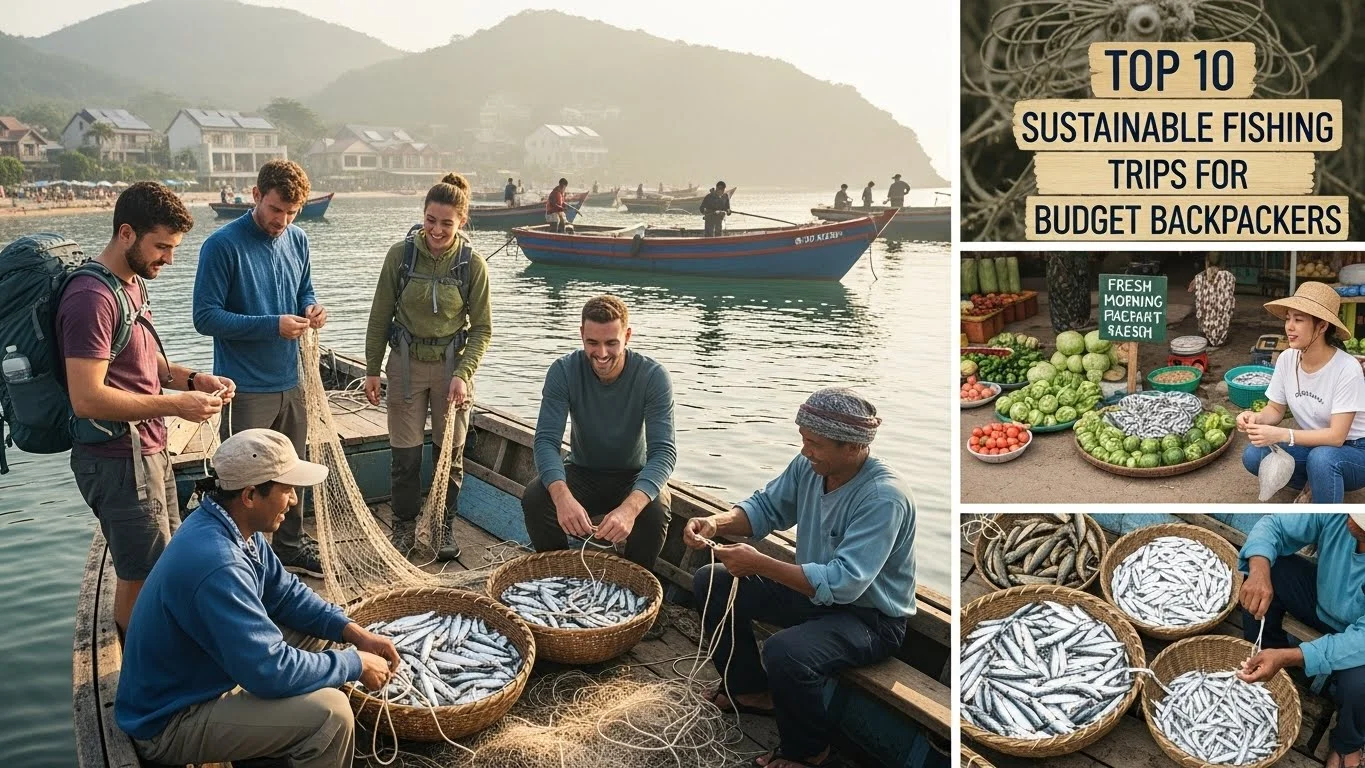
Top 10 Sustainable Fishing Trips for Budget Backpackers

For budget backpackers, sustainable fishing trips offer a unique way to explore stunning destinations while supporting eco-friendly practices. Join me as we dive into the world of sustainable fishing, where adventure meets responsibility. Read Interesting article: Discover Nature: Budget Eco-Friendly Camping Destinations

Top 10 Sustainable Fishing Trips for Budget Backpackers

Understanding Sustainable Fishing

What is Sustainable Fishing?

Sustainable fishing is all about ensuring that fish populations remain healthy and ecosystems are preserved for future generations. I remember the first time I learned about this concept while planning a fishing trip. I was fascinated to discover that sustainable fishing methods focus on catching fish in ways that don’t deplete resources or harm the environment. This often involves using specific gear, adhering to catch limits, and following seasonal guidelines. As I delved deeper, I realized that sustainable fishing not only benefits the fish and their habitats but also supports local communities that rely on fishing for their livelihoods.

Importance of Sustainable Fishing Practices

The importance of sustainable fishing practices cannot be overstated. When I first started fishing, I didn’t think much about the impact it had on the environment. However, as I learned more, I discovered that overfishing and destructive practices can lead to the collapse of fish populations and damage marine ecosystems. Sustainable fishing helps maintain biodiversity, which is crucial for a balanced environment. I’ve seen firsthand how vibrant marine life can flourish when sustainable practices are prioritized. Additionally, supporting sustainable fishing helps local economies thrive, ensuring that fishing communities can continue to fish responsibly and sustainably.

Top 10 Sustainable Fishing Destinations

1. Belize: The Barrier Reef Adventure

Belize is a dream destination for anyone interested in sustainable fishing. The Belize Barrier Reef, a UNESCO World Heritage site, is home to stunning marine life. I remember snorkeling there and being amazed by the colorful corals and diverse fish species. Many local operators offer eco-friendly fishing tours that focus on catch-and-release practices, allowing you to experience the thrill of fishing without harming the ecosystem. Plus, the friendly locals are eager to share their knowledge about sustainable practices.

2. Costa Rica: Eco-Friendly Fishing Tours

Costa Rica is another gem for sustainable fishing enthusiasts. The country is known for its commitment to conservation, and its waters are teeming with fish. I had the pleasure of joining an eco-friendly fishing tour in Quepos, where the guides emphasized responsible fishing techniques. They even educated us about the local marine life and the importance of preserving it. The combination of stunning scenery and responsible practices made this trip unforgettable.

3. New Zealand: Diverse Marine Life

If you’re looking for a destination with breathtaking landscapes and diverse marine life, New Zealand should be on your list. I explored the waters around the Bay of Islands, where sustainable fishing practices are deeply ingrained in the culture. Many local operators prioritize conservation, and I loved the opportunity to catch fish while learning about the region’s unique ecosystems. New Zealand’s commitment to sustainable fishing makes it a perfect spot for budget backpackers seeking adventure.

4. Iceland: Sustainable Fishing in the Land of Fire and Ice

Iceland is a wonderland for nature lovers, and its fishing culture is no exception. During my visit, I was captivated by the stunning landscapes and the abundance of fish. The local fishing industry follows sustainable practices, ensuring that fish populations remain healthy. I participated in a fishing tour that not only allowed me to catch my dinner but also educated me on Iceland’s fishing regulations and the importance of respecting the environment. It was an experience I’ll cherish forever.

5. Thailand: Ethical Fishing in Krabi

Thailand’s Krabi province is known for its stunning beaches and vibrant marine life. I spent a few days exploring the waters around Ao Nang, where I discovered local fishing practices that promote sustainability. Many operators offer tours focused on ethical fishing, where you can learn about the local ecosystem and catch fish responsibly. I loved the combination of adventure and education, and it was heartwarming to see the locals committed to preserving their natural resources.

6. Canada: Fishing the Great Lakes

The Great Lakes in Canada are a fantastic option for budget backpackers interested in sustainable fishing. I had the chance to fish in Lake Ontario and was amazed by the variety of fish available. Local conservation efforts focus on maintaining healthy fish populations, and I appreciated the emphasis on responsible fishing practices. The stunning scenery and abundance of wildlife made my experience even more enjoyable.

7. Norway: Experience the Fjords

Norway’s fjords are breathtaking, and fishing there is an adventure like no other. I found myself surrounded by stunning cliffs and crystal-clear waters while fishing for cod and halibut. Many local fishing operators prioritize sustainability, ensuring that fish populations remain healthy. I remember feeling a strong connection to nature while fishing in such a pristine environment, and it was clear that the locals are passionate about preserving their marine resources.

8. Australia: Coral Reef Fishing in Queensland

Queensland, Australia, offers some of the best coral reef fishing experiences. I was lucky enough to join a sustainable fishing tour that focused on catch-and-release practices. The guides were knowledgeable and dedicated to preserving the Great Barrier Reef, sharing insights about the delicate ecosystem. I left feeling inspired to continue supporting sustainable practices in my own fishing adventures.

9. Portugal: Sustainable Fishing in the Azores

The Azores are a hidden gem in Portugal, and their sustainable fishing practices are impressive. I spent time fishing for tuna and swordfish, and I was thrilled to learn about the local regulations that protect fish populations. The guides were passionate about their work, and it was clear that they cared deeply for the ocean and its inhabitants. This trip opened my eyes to the importance of sustainable fishing in preserving our oceans.

10. South Africa: The Cape Peninsula Experience

South Africa’s Cape Peninsula is an incredible destination for sustainable fishing. I was fortunate to experience the rich marine life while fishing in the clear waters. Local fishing operators emphasize responsible practices, making it easy to catch fish while respecting the environment. I loved learning about the various species and how local communities work together to promote sustainability. My time in South Africa was not only enjoyable but also enlightening.

When to Go: Best Seasons for Fishing Trips

Understanding Fish Migration Patterns

One of the most exciting aspects of fishing is the thrill of the catch, but timing can make all the difference. I remember my first fishing trip, and how I got lucky because I had planned it during the peak migration season for the fish I was targeting. Fish migration patterns are influenced by various factors including water temperature, breeding cycles, and food availability. For instance, I learned that species like salmon have specific times when they spawn, which can offer some of the best fishing opportunities. This knowledge transformed my fishing experiences, as I started planning my trips around these natural cycles. Researching local fish behavior in your destination can help ensure that you get the most out of your fishing adventure.

Weather Considerations for Sustainable Fishing

Weather can be a double-edged sword when it comes to fishing. I’ve experienced days when the sun was shining, and the fish were biting like crazy, and other days when the rain kept me off the water. Each season offers its own vibe and challenges. In warmer months, for example, fish tend to be more active, making them easier to catch. However, extreme heat can also affect their behavior, as they might seek cooler, deeper waters. I remember one summer fishing trip where a sudden storm turned everything upside down! It taught me the importance of checking weather forecasts and being prepared for any changes. Always have a backup plan and be mindful of safety, especially in unpredictable weather. A good rule of thumb is to go fishing early in the morning or later in the afternoon when fish are often more active, regardless of the season.

Budgeting for Your Sustainable Fishing Trip

Cost Breakdown: Travel, Accommodation, and Fishing Tours

Budgeting is a crucial part of planning any trip, and sustainable fishing adventures are no exception. I’ve found that having a clear cost breakdown can prevent any unwelcome surprises. First, consider your travel expenses; flights can vary dramatically depending on the time of year and how far you are going. I recommend booking in advance and keeping an eye out for deals. Next, accommodation costs can range from luxurious hotels to budget hostels, so it’s wise to choose options that fit your budget without compromising on sustainability.

Fishing tours can also be a significant part of your budget. I’ve noticed that some local operators offer affordable packages that include gear rental, which can save you money if you don’t want to invest in your own equipment. Always ask about what’s included in the tour price to avoid any hidden fees. In my experience, spending a little time on research can lead to great savings and a more enjoyable trip overall. Read Interesting article: Experience Local Cultures: Budget-Friendly Eco-Tourism Tips

Affordable Accommodations for Backpackers

Finding budget-friendly places to stay while fishing can be a fun challenge. I’ve stayed in everything from hostels to charming guesthouses, and I’ve always found that the environment and hospitality can enhance my overall experience. Many hostels offer fishing-related activities or can connect you with local guides, which is a huge plus for travelers like me. Websites like Hostelworld or Airbnb often list affordable options close to popular fishing spots. I’ve learned that staying a bit farther from tourist hotspots can save you money while still giving you easy access to fishing locations.

Another option I love is to check out local bed-and-breakfasts. They often provide a more personal touch, and I’ve enjoyed some delightful conversations with hosts who shared tips about the best fishing spots in the area. Plus, many of them are passionate about sustainability, aligning perfectly with the values we’re trying to respect during our adventures.

Saving on Gear and Equipment

Gear can be a significant expense for budget backpackers, but there are ways to keep costs down. I’ve discovered that renting gear rather than buying it is often the most economical choice, especially if you’re traveling light. Many fishing tour operators provide everything you need, from rods to bait, for a reasonable fee. If you do decide to purchase some basic gear, consider shopping at second-hand stores or online marketplaces. I’ve come across some fantastic deals on gently used equipment, which has saved me a lot of money. Plus, using eco-friendly gear, like biodegradable fishing lines, can help you stay aligned with sustainable practices while being budget-conscious.

Where to Stay: Accommodations for Budget Backpackers

Hostels and Guesthouses Near Fishing Spots

Staying close to your fishing destination can maximize your time on the water, and I’ve found that hostels and guesthouses often provide the best access. I remember staying at a cozy hostel in Belize that was just a short walk from the fishing docks. Not only was it affordable, but the staff also organized fishing trips and provided local insights that made my experience even better. Many hostels cater specifically to outdoor enthusiasts, offering amenities like drying rooms for gear and communal areas perfect for swapping stories with fellow travelers.

Camping Options for an Authentic Experience

If you’re seeking a more rugged experience, camping can be a fantastic option. I’ve camped near lakes and rivers, and there’s something incredibly peaceful about waking up to the sound of nature. Many national parks and reserves have designated camping areas that allow you to fully immerse yourself in the environment. Just be sure to check the local regulations and make reservations if needed. Camping not only saves money but also allows for a deeper connection with nature, which is what sustainable fishing is all about. Read Interesting article: Experience Wildlife Conservation: Travel Sustainably

Essential Gear for Sustainable Fishing

Recommended Fishing Equipment for Backpackers

When planning a sustainable fishing trip, having the right gear is essential. I’ve learned that packing light but effectively can make all the difference in my adventures. For starters, a quality fishing rod is key. I usually opt for a lightweight, portable rod that’s easy to carry. There are great options designed specifically for backpackers that don’t compromise on performance.

A good reel is equally important; I prefer spinning reels since they’re versatile and beginner-friendly. I remember the first time I used a spinning reel; it felt so smooth, and I was able to catch fish effortlessly. Don’t forget to bring a tackle box with some essential lures, hooks, and weights. I like to keep it simple, packing only what I know I’ll need based on the fish species I’m targeting.

Lastly, I always pack a good fishing net, which helps catch and release fish safely. This not only protects the fish’s health but also aligns with sustainable practices. In my experience, the right gear can enhance not only my chances of a successful catch but also my overall enjoyment of the trip.

Eco-Friendly Fishing Gear Options

As I’ve become more conscious about sustainability, I’ve sought out eco-friendly gear options that minimize my environmental impact. One of my favorite discoveries has been biodegradable fishing lines. These lines break down naturally over time, reducing pollution in our waters. I remember feeling good about using them, knowing that I was doing my part to protect marine ecosystems.

Another option I highly recommend is using reusable bait containers instead of single-use plastic ones. I’ve found some fantastic containers made of recycled materials that make it easy to transport live bait while being kind to the environment. During my travels, I’ve also come across fishing tackle made from sustainable materials such as bamboo, which is both durable and environmentally friendly.

When it comes to clothing, I always choose fishing apparel made from recycled materials. Not only do they keep me comfortable and protected from the sun, but they also support eco-conscious brands that prioritize sustainability. I feel great knowing that my choices on and off the water contribute to a healthier planet.

Local Regulations and Sustainability Practices

Understanding Local Fishing Laws

Before embarking on any fishing trip, I’ve learned it’s crucial to understand and respect local fishing laws. Each region has its own regulations designed to protect marine life and ensure sustainable practices. I remember arriving at a beautiful fishing spot only to discover that certain fish species were restricted during specific seasons. It was a valuable lesson in the importance of researching local laws beforehand.

Most fishing guides and local operators are well-versed in these regulations and can provide insights into what you can and cannot do. I often find that engaging with locals about their fishing laws not only enhances my understanding but also fosters a deeper connection with the community. Plus, it’s a great way to ensure that I’m fishing responsibly and contributing to conservation efforts.

Another aspect I pay attention to is catch limits. Understanding how many fish I can legally keep helps prevent overfishing and supports the sustainability of the ecosystems I enjoy. I’ve often found that sticking to these limits leads to a more rewarding experience, knowing that I’m part of the solution rather than the problem.

Tips for Practicing Sustainable Fishing

Practicing sustainable fishing goes beyond just following local laws; it’s about adopting habits that protect our oceans and the fish that inhabit them. One of the best tips I can share is to always practice catch-and-release whenever possible. I remember the thrill of catching a big fish but choosing to release it back into the water. It felt rewarding to know I was allowing it to thrive and reproduce, contributing to the local fish population.

Additionally, I’ve found that using barbless hooks makes releasing fish easier and less harmful. If you’re not familiar, barbless hooks are designed to minimize injury to the fish. I’ve used them on all my trips, and not only do they make for a smoother release, but they also make it easier to get a hook out of a snag.

Another practice I follow is being mindful of my surroundings. I always make it a point to dispose of any trash properly, and I encourage others to do the same. I’ve even participated in local clean-up efforts during my trips, which has been a fulfilling way to give back to the communities I visit.

Lastly, I recommend educating yourself and others about the importance of sustainable fishing. Sharing my experiences and knowledge with fellow anglers has led to some great discussions and learning opportunities. Together, we can promote practices that protect our oceans and ensure that future generations can enjoy the wonders of fishing.

Wildlife and Conservation Efforts

Impact of Fishing on Local Ecosystems

Fishing can greatly impact local ecosystems, and I’ve come to understand the importance of being a responsible angler. Overfishing can lead to devastating consequences, such as depleted fish stocks and disrupted food chains. I’ve seen firsthand how certain fishing practices can alter habitats, which is why I’ve made it a point to support sustainable practices that prioritize ecosystem health.

For example, when I was fishing in Costa Rica, the guides explained how their conservation efforts help maintain the biodiversity of their waters. They highlighted the interconnectedness of species and how protecting one can have a ripple effect on others. This insight made me appreciate the delicate balance of marine ecosystems even more.

Being aware of the local wildlife and their habitats is another crucial aspect. I often take the time to learn about the species I might encounter, which not only enriches my experience but also helps me to avoid disrupting their natural behaviors. It’s all about striking a balance between enjoying our outdoor adventures and respecting the environment.

How to Support Local Conservation Initiatives

Supporting local conservation initiatives is one of the most impactful ways to give back while enjoying fishing. I’ve participated in several programs that aim to restore fish habitats and promote sustainable practices. Many fishing guides work closely with conservation organizations, and I’ve found that joining these efforts often leads to rewarding experiences.

Whether it’s contributing to a local fish stocking program or participating in habitat restoration projects, every little bit helps. I always seek out operators who are committed to giving back to the community and the environment. It’s heartwarming to see how passionate these individuals are about preserving their natural resources. I feel grateful to be part of something larger when I contribute to these initiatives.

Additionally, I recommend volunteering or donating to local conservation organizations whenever possible. Many of these groups rely on community support to continue their vital work. I’ve learned that even small contributions can go a long way in making a difference.

In my experience, supporting local conservation efforts has not only enhanced my fishing trips but also deepened my appreciation for the beauty of nature. It’s a win-win situation where we can enjoy our passions while protecting the environment we love.

Frequently Asked Questions

What is sustainable fishing?

Sustainable fishing is about ensuring that fish populations remain healthy and ecosystems are preserved for future generations. It involves catching fish in ways that don’t deplete resources or harm the environment, using specific gear, adhering to catch limits, and following seasonal guidelines.

Why are sustainable fishing practices important?

Sustainable fishing practices are crucial because overfishing and destructive practices can lead to the collapse of fish populations and damage marine ecosystems. These practices help maintain biodiversity and support local economies, ensuring that fishing communities can fish responsibly and sustainably.

What are some top sustainable fishing destinations?

Some top sustainable fishing destinations include Belize, Costa Rica, New Zealand, Iceland, Thailand, Canada, Norway, Australia, Portugal, and South Africa. Each of these locations offers unique experiences that promote sustainable fishing methods.

How can I budget for a sustainable fishing trip?

When budgeting for a sustainable fishing trip, consider your travel expenses, accommodation costs, and fishing tour fees. Booking in advance, choosing budget-friendly accommodations, and researching local fishing operators can help you save money.

What accommodations are available for budget backpackers?

Budget backpackers can find hostels, guesthouses, and camping options near fishing spots. Many hostels offer fishing-related activities and connect guests with local guides, while camping provides a more rugged and immersive experience in nature.

What essential gear do I need for sustainable fishing?

Essential gear for sustainable fishing includes a lightweight fishing rod, a good reel (preferably a spinning reel), a tackle box with lures and hooks, and a fishing net for catch-and-release practices. It’s important to pack light but effectively for your trip.

What are eco-friendly options for fishing gear?

Eco-friendly fishing gear options include biodegradable fishing lines, reusable bait containers, and tackle made from sustainable materials like bamboo. Additionally, wearing fishing apparel made from recycled materials supports eco-conscious brands.

Why is it important to understand local fishing laws?

Understanding local fishing laws is crucial to protect marine life and ensure sustainable practices. Each region has regulations designed to maintain fish populations and ecosystems, and respecting these laws helps prevent overfishing and supports conservation efforts.

What tips can help me practice sustainable fishing?

To practice sustainable fishing, consider catch-and-release whenever possible, use barbless hooks to minimize injury to fish, dispose of trash properly, and educate yourself and others about sustainable practices. Engaging with local communities can also enhance your experience.

How can I support local conservation initiatives while fishing?

You can support local conservation initiatives by participating in habitat restoration projects, contributing to fish stocking programs, or volunteering with conservation organizations. Supporting operators committed to sustainability also helps preserve natural resources.

Top Destinations for Nature Photography on a Budget

Exploring the beauty of nature through photography doesn’t have to break the bank. Discovering budget-friendly destinations allows us to capture stunning landscapes and wildlife without financial strain. Read Interesting article: Discover Nature: Budget Eco-Friendly Camping Destinations

Top Destinations for Nature Photography on a Budget

Overview of Budget Nature Photography

Understanding Budget Photography

When I first dipped my toes into nature photography, I was overwhelmed by the costs associated with high-end gear and exotic locations. But over time, I learned that budget photography is not just possible; it can also be incredibly rewarding. I realized that with some creativity and planning, I could capture amazing shots without spending a fortune. Budget photography means making the most of what you have, being resourceful, and finding inspiration in local spots. You’d be surprised at how much beauty lies just outside your door or within a short drive.

Benefits of Nature Photography

Nature photography has a special place in my heart. Not only does it allow me to explore breathtaking landscapes, but it also brings a sense of calm and connection to the natural world. Each click of the shutter feels like a moment captured in time, a memory etched in pixels. For anyone looking to unwind or find meaning in life, immersing oneself in nature offers countless benefits. I’ve experienced the joy of discovering hidden trails, the thrill of spotting a rare bird, and the satisfaction of witnessing a stunning sunrise. Such moments remind me of the beauty around us and encourage mindfulness.

Moreover, photography helps me appreciate the environment. As I focus on capturing the details—the intricate patterns of leaves, the colors of a sunset, or the grace of wildlife—I become more attuned to my surroundings. My perspective shifts from being a mere observer to becoming an active participant in the ecosystem. This sense of stewardship motivates me to advocate for conservation. In my opinion, nature photography is not just about the pictures; it’s about fostering a deeper connection with the planet.

Essential Gear for Nature Photography on a Budget

Camera Options for Beginners

When starting out, I remember feeling pressure to invest in the latest, most expensive camera. However, I found that a decent entry-level DSLR or even a mirrorless camera can do wonders for anyone just beginning their photography journey. Brands like Canon, Nikon, and Sony offer cameras that balance quality and affordability. I personally started with a Canon EOS Rebel, which was budget-friendly yet produced stunning images.

Another great option is to consider second-hand cameras. I stumbled upon an online marketplace where I found an excellent deal on a used camera from a fellow photographer. It’s essential to do some research and ensure you’re buying from a reputable seller, but this method can save you a significant amount of money while still getting great quality gear.

Affordable Lenses and Accessories

When it comes to lenses, I learned that you don’t need a whole arsenal. A versatile zoom lens can cover most of your needs, and I found that a 18-55mm lens was perfect for landscapes and wildlife shots alike. If you want to capture the tiniest details, consider adding a macro lens for close-up photography. They can often be found at reasonable prices, especially if you shop for used options.

Beyond the camera and lenses, some accessories can significantly enhance your photography experience without costing a lot. A sturdy tripod is a must-have for capturing long exposure shots, especially during sunrise or sunset. I invested in a lightweight, affordable tripod that I can easily carry on hikes. Additionally, I recommend a good camera bag that can protect your gear while being comfortable to carry.

Editing Software on a Budget

Editing plays a crucial role in bringing your photos to life. I initially splurged on expensive software, but eventually, I discovered that there are fantastic free and budget-friendly options available. Programs like GIMP and Darktable offer robust editing tools without costing a dime. If you prefer something more user-friendly, Adobe Lightroom offers a subscription model that is more affordable than purchasing the entire suite outright. I’ve found that spending a little time learning the ins and outs of these programs can drastically improve my final images.

Ultimately, the key to budget nature photography lies in being resourceful and creative. With the right mindset, a little research, and the willingness to explore, I believe anyone can embark on a fulfilling photographic journey without breaking the bank. I’ve experienced the joy that comes from capturing nature’s beauty and I’m excited to share more about the destinations that make it all possible. Read Interesting article: Backpacking Hacks: Affordable Hiking Adventures for Nature Lovers

Top Budget-Friendly Destinations for Nature Photography

National Parks

Yosemite National Park

Yosemite National Park in California is one of those places that truly takes my breath away. The park is famed for its stunning granite cliffs, waterfalls, and diverse ecosystems. I’ve often found that visiting during the off-peak seasons, like late spring or early fall, allows me to avoid the crowds while still capturing the majestic beauty of the landscape. I remember standing at Tunnel View during sunrise, soaking in the vibrant colors lighting up El Capitan and Half Dome. The experience was surreal, and the photos I took still remind me of that peaceful morning.

Great Smoky Mountains National Park

Great Smoky Mountains National Park, straddling the border of North Carolina and Tennessee, is another fantastic destination for budget-conscious photographers. The misty mountains and lush forests create a dreamy atmosphere, especially in the early morning. I love hiking the numerous trails, where I’ve stumbled upon hidden waterfalls and breathtaking vistas. The park also offers a variety of wildlife, from deer to black bears, which can make for some exciting wildlife photography moments. Plus, the entrance to the park is free, making it easier to plan a trip without a hefty budget.

State Parks

Devil’s Lake State Park

In my experience, state parks often provide a budget-friendly alternative to national parks. Devil’s Lake State Park in Wisconsin is one of my favorites. The striking quartzite cliffs and shimmering lake make it a picturesque setting for photography. I remember spending an afternoon there, capturing the vibrant fall foliage reflected on the water. The park has affordable camping options, allowing for an immersive experience with nature while keeping costs low.

Red Rock Canyon State Park

Red Rock Canyon State Park in California is another hidden gem. With its stunning red rock formations and unique landscapes, I’ve found countless opportunities for captivating photography. The contrast of the rocks against the clear blue sky creates a striking backdrop. I recommend visiting during the golden hour for the best lighting; I always find that the warm tones enhance the colors beautifully. The park also offers picnic areas and hiking trails, making it easy to spend a full day exploring without breaking the bank.

Coastal Areas

Outer Banks, North Carolina

The Outer Banks of North Carolina is a fantastic coastal destination that I love visiting for its serene beaches and unique wildlife. The barrier islands offer a variety of landscapes, from sandy beaches to lush marshes, providing diverse settings for photography. I’ve spent hours photographing the wild horses of Corolla and capturing the sunset over the Atlantic Ocean. The laid-back atmosphere allows for a relaxed trip, and there are plenty of affordable accommodations if you plan ahead.

Big Sur, California

Big Sur is iconic for its dramatic cliffs and breathtaking coastal views. I’ve often found myself stopping at various viewpoints along the Pacific Coast Highway to capture the stunning scenery. Places like McWay Falls and Pfeiffer Beach are must-visit spots for any nature photographer. While it can be a bit pricier than other locations, I’ve discovered hidden trails and viewpoints that are free to access, allowing me to capture the area’s beauty without overspending.

Mountain Regions

Rocky Mountain National Park

Rocky Mountain National Park in Colorado is one of my happy places. The towering peaks, alpine lakes, and diverse wildlife provide endless opportunities for photography. I remember hiking to Bear Lake at dawn, the stillness of the water reflecting the majestic mountains around me. The park has reasonable entrance fees and offers numerous trails suited for all skill levels, making it accessible and budget-friendly. I’ve found that visiting in the summer provides the best opportunities for vibrant wildflower photography, while autumn offers stunning fall colors.

Appalachian Trail

The Appalachian Trail is another treasure trove for photographers. While I haven’t hiked the entire trail, I’ve explored various sections, capturing the beauty of the changing seasons. The trail offers plenty of opportunities for both landscape and wildlife photography. I’ve found that taking day hikes in the spring, when the flowers bloom and the wildlife is active, yields some of my favorite shots. Plus, there are countless access points along the trail, making it easy to explore without a hefty travel budget.

Urban Nature Spots

Central Park, New York City

Don’t underestimate urban nature spots! Central Park in New York City is an inspiring place for nature photography amid a bustling metropolis. I love wandering through the park, capturing the contrast of nature against the backdrop of skyscrapers. Each visit reveals something new, whether it’s the cherry blossoms in spring or the vibrant colors of the fall foliage. It’s a reminder that nature can thrive even in urban settings, and the best part is that it’s completely free to visit.

Golden Gate Park, San Francisco

Golden Gate Park in San Francisco is another urban oasis worth exploring. The park is vast and filled with gardens, lakes, and walking paths. I remember my visit during the spring when the tulips were in full bloom, providing a vibrant splash of color for my photos. The park also has several museums and attractions, so I’ve found it easy to spend an entire day there capturing its beauty and enjoying the local culture without spending a lot.

When to Visit These Destinations for Optimal Photography

Seasonal Considerations

Choosing the right season to visit a destination can make all the difference in your nature photography. I’ve learned that each season brings its own unique beauty and challenges. For example, spring is often my favorite time to explore for vibrant wildflowers and lively wildlife. I remember wandering through the Great Smoky Mountains during this time and being mesmerized by the blooming rhododendrons and the sounds of nature waking up after winter’s slumber.

Summer is fantastic for long daylight hours, which means more opportunities to shoot. However, I’ve found that this season can bring crowds, especially in popular national parks. If you can visit during the early mornings or late evenings, you’ll often find fewer people and softer lighting, making for better photographs. I’ve spent many evenings watching the sunset over the cliffs at Big Sur, and the experience was nothing short of magical.

Autumn is another incredible time for photography. The changing colors of the leaves create a spectacular canvas, and I’ve captured some of my most stunning images in parks like Rocky Mountain National Park, where the golden aspens contrast beautifully against the deep blue sky. Winter, while often overlooked, offers its own charm. I’ve explored snow-covered landscapes that transform familiar scenes into something entirely new. The soft light and stillness of a snowy day can create serene photographs that capture the essence of winter.

Time of Day for Best Lighting

Lighting is essential in photography, and I’ve come to appreciate the importance of timing. The golden hour, which occurs shortly after sunrise or before sunset, is when the light is soft and warm. I can’t count how many times I’ve set my alarm for an early morning shoot, only to be rewarded with breathtaking sunrises over tranquil lakes or foggy valleys. Those soft hues can make even an ordinary scene look extraordinary.

Midday light can be harsh, casting strong shadows and washing out colors. I’ve learned to adapt by using this time to explore shaded areas or focus on macro photography, capturing the intricate details of flowers or insects. The blue hour, right before sunrise or after sunset, also offers a unique opportunity for stunning photographs. I remember taking long-exposure shots of cityscapes at dusk, where the fading light created a magical atmosphere.

Ultimately, being aware of the seasonal changes and the time of day can help elevate your nature photography. I’ve found that planning my trips around these factors not only enhances my photos but also enriches my overall experience in nature.

Where to Stay on a Budget Near Photography Hotspots

Camping Options

Camping is one of my favorite ways to experience nature while sticking to a budget. Many national and state parks offer campgrounds that are both affordable and conveniently located near some of the best photography spots. I’ve had some unforgettable nights camping under the stars, with the sounds of nature surrounding me. There’s something incredibly peaceful about waking up to the sound of birds chirping and the sight of mist rising over a lake.

For instance, at Yosemite, I camped at the North Pines Campground, which placed me right by the Merced River. I got to capture stunning sunrise shots of the granite cliffs while still in my pajamas! If you’re not into traditional camping, many parks also offer cabins or yurts at reasonable rates, providing a little more comfort while still being close to nature.

Budget Hotels and Hostels

If camping isn’t your thing, I’ve found that budget hotels and hostels can also be great options. I try to look for accommodations that have kitchen facilities, as cooking my meals saves money and allows me to enjoy my surroundings instead of dining out. In places like the Outer Banks, I found a charming hostel that was not only affordable but also allowed me to meet fellow travelers who shared my passion for photography.

Additionally, I often check online travel sites for deals on motels or inns near popular parks. Many times, I’ve stumbled upon great last-minute deals that made it easy to stay close to my favorite spots without overspending.

Airbnb and Vacation Rentals

Airbnb has become a go-to for me when I’m searching for unique accommodations near photography hotspots. Sometimes, I find cozy cabins or charming cottages that are perfect for a weekend getaway. I remember booking a quaint little cabin near the Rocky Mountain National Park, where I could wake up and step right into nature. It was the perfect home base for my photography adventures.

When looking for rentals, I always consider factors such as proximity to the park, the amenities I might need, and, of course, the reviews from previous guests. This way, I can ensure I’m getting a good deal while still having a comfortable place to unwind after a day of shooting. Read Interesting article: Explore Nature: Best Destinations for Wildlife Tours on a Budget

Finding budget-friendly places to stay has truly changed the way I experience my photography trips. It allows me to put more resources into my gear and travel while still enjoying the beauty of nature.

Frequently Asked Questions

What is budget nature photography?

Budget nature photography involves capturing stunning landscapes and wildlife without incurring significant costs. It emphasizes resourcefulness, creativity, and finding inspiration in local spots rather than relying on high-end gear and exotic locations.

What are the benefits of nature photography?

Nature photography allows individuals to explore breathtaking landscapes, fosters a sense of calm, encourages mindfulness, and helps develop a deeper connection with the environment. It can lead to moments of joy, discovery, and a greater appreciation for nature.

What camera options are recommended for beginners in nature photography?

Beginners are encouraged to start with a decent entry-level DSLR or mirrorless camera, such as those offered by Canon, Nikon, or Sony. A second-hand camera can also be a budget-friendly option if purchased from a reputable seller.

What type of lenses are suitable for budget nature photography?

A versatile zoom lens, like an 18-55mm lens, is ideal for most landscape and wildlife photography needs. Additionally, a macro lens can be beneficial for close-up photography and can often be found at reasonable prices.

What editing software is recommended for budget photographers?

Free and budget-friendly editing software options include GIMP and Darktable. For a more user-friendly option, Adobe Lightroom offers a subscription model that is more affordable than purchasing the entire suite outright.

Which national parks are recommended for budget-friendly nature photography?

Recommended national parks include Yosemite National Park, known for its stunning granite cliffs, and Great Smoky Mountains National Park, which offers free entrance and diverse wildlife photography opportunities.

What are some budget-friendly state parks for photography?

Devil’s Lake State Park in Wisconsin and Red Rock Canyon State Park in California are both excellent choices. They offer beautiful landscapes and affordable camping options, allowing for immersive nature experiences.

When is the best time to visit for nature photography?

Each season offers unique beauty; spring is great for wildflowers, summer provides long daylight hours, autumn showcases colorful foliage, and winter presents serene snow-covered landscapes. Timing your visits to align with these seasonal changes can enhance photography outcomes.

What are some affordable accommodation options near photography hotspots?

Camping is a popular budget option, with many parks offering affordable campgrounds. Budget hotels, hostels, and platforms like Airbnb provide unique and cost-effective accommodations close to nature photography locations.

How can one maximize photography opportunities during different times of day?

The golden hour, shortly after sunrise or before sunset, provides the best lighting for photography. Midday light can be harsh, so focusing on shaded areas or macro photography is advisable. The blue hour also offers unique lighting for stunning images.

Capture Nature’s Wonders: Budget-Friendly Photography Tips

Capturing nature’s beauty doesn’t have to break the bank. With a little creativity and resourcefulness, you can take stunning photos that showcase the wonders around us. Let’s explore how to make the most of your nature photography journey!

Capture Nature's Wonders: Budget-Friendly Photography Tips

Understanding Nature Photography

When I first picked up a camera, I was overwhelmed by the vast world of nature photography. I found that understanding the essence of this art form significantly enhanced my experience and my photos. Nature photography isn’t just about snapping pictures of landscapes; it’s about telling a story and connecting with the environment around us.

The Importance of Nature Photography

For me, nature photography has always been a way to express my love for the outdoors. It allows us to capture fleeting moments, like a sunrise breaking through the clouds or a deer peeking through the trees. These images help us appreciate the beauty of our world and can inspire others to connect with nature as well. I’ve noticed that when people see stunning nature photos, it often motivates them to explore their surroundings more and even advocate for environmental preservation.

Types of Nature Photography

As I dove deeper into this field, I discovered several types of nature photography that I found captivating. Each type has its own challenges and rewards:

  • Landscape Photography: This focuses on capturing vast vistas and scenic views. I love getting up early to catch the sunrise over a mountain range.
  • Wildlife Photography: This is all about capturing animals in their natural habitats. I often find myself waiting patiently to get that perfect shot of a bird or an animal. Budget-Friendly Wildlife Photography Tips for Backpackers can help you get started without overspending.
  • Macro Photography: This involves close-up shots of small subjects like insects or flowers. I remember the first time I got a detailed shot of a dew-covered spider web; it was magical!
  • Astrophotography: This focuses on capturing the night sky. I’ve spent nights lying on the ground, looking up at the stars, trying to get that perfect shot of the Milky Way.

Essential Equipment for Beginners

When I started out, I thought I needed the most expensive camera and gear to take beautiful photos. However, I learned that it’s about how you use what you have. Here’s what I believe is essential for beginners:

  • Camera: You don’t need the latest model. A decent entry-level DSLR or mirrorless camera will do just fine. I started with an older DSLR that I borrowed from a friend.
  • Tripod: This is crucial for stability, especially in low-light situations. I’ve saved so many blurry shots by using a tripod.
  • Extra Batteries and Memory Cards: Nature photography can be unpredictable. I’ve often found myself running out of battery or memory space when I’m in the middle of an amazing scene.
  • Editing Software: While it’s important to get the shot right in-camera, a little post-processing can go a long way. I started with free software before moving on to more advanced options.

As I began my journey into nature photography, I quickly realized that understanding the different aspects of this craft could elevate my work significantly. It’s not just about having the right equipment; it’s about learning how to see the world through your lens. The more I practiced, the more I improved my skills and developed my unique style. I encourage every budding photographer to explore and experiment with different techniques and subjects.

Budget-Friendly Photography Gear

I’ve always believed that great photography doesn’t have to come from the most expensive gear. I remember when I was starting out, I felt overwhelmed by all the options and the price tags that came with them. Over time, I discovered that there are plenty of budget-friendly alternatives that can help capture stunning nature photographs without draining my wallet. Let’s dive into some gear options that won’t break the bank.

Affordable Cameras for Nature Photography

When I think back to my first camera, I remember it being a simple DSLR that I got at a reasonable price. You don’t need the latest model to take gorgeous photos. I’ve seen many photographers achieve amazing results with cameras like the Canon EOS Rebel series or the Nikon D3500, which are often available at great discounts second-hand. Even entry-level mirrorless cameras like the Sony Alpha a6000 can deliver impressive shots without a hefty price tag. What’s really important is learning to use your camera effectively, regardless of its cost.

Budget Lenses and Accessories

Lenses can often be the most expensive part of photography, but I found that there are some fantastic budget options out there. For example, a versatile zoom lens like the 18-55mm kit lens that often comes with cameras can handle various situations, from sweeping landscapes to close-up details. I also discovered that prime lenses, such as a 50mm f/1.8, are relatively affordable and great for capturing beautiful, sharp images with lovely bokeh. Additionally, keep an eye out for used or refurbished lenses, which can save you a lot of money.

As for accessories, there are plenty of budget-friendly options that can enhance your photography experience. A basic tripod can be found for a reasonable price, and investing in a circular polarizer can help reduce glare and improve colors in your photos, especially when shooting water or foliage. I remember how much my photography improved when I started using filters to manage reflections and enhance the vibrancy of colors.

Smartphone Photography: Tips and Tricks

Let’s not overlook the power of our smartphones! I have to admit, I used to think that smartphone photography wasn’t on par with dedicated cameras, but that changed when I started experimenting with my phone. With advancements in technology, many smartphones now have impressive camera capabilities. I’ve taken some of my favorite nature shots using just my phone, especially when I didn’t want to lug around my bigger camera.

One of my favorite tips is to utilize the editing apps available on smartphones. I often use apps like Snapseed or Lightroom Mobile to enhance my photos right on my device. Also, don’t forget to explore composition techniques, like using leading lines or framing, to improve your shots. For me, it was eye-opening to realize that the best camera is the one you have with you, and sometimes that’s just my smartphone!

Choosing the Right Locations

Finding the perfect location is crucial for nature photography. I’ve found that the right setting can make all the difference in capturing stunning images. Whether you’re looking for majestic landscapes or intimate close-ups of flora and fauna, I’ve learned that taking the time to scout out shooting locations can lead to incredible discoveries.

Best Natural Landscapes for Photography

In my photography adventures, I’ve been lucky enough to visit some breathtaking natural landscapes that provided endless opportunities for amazing shots. National parks are often a top choice for photographers, and I’ve spent countless hours wandering through places like Yosemite or Zion, capturing the essence of towering cliffs and serene valleys. Coastal areas also offer dramatic seascapes, where I’ve enjoyed photographing the interplay of light and water during sunrise and sunset.

Additionally, don’t forget about the beauty of mountains and lakes! I remember camping by a tranquil lake, waiting for the golden hour when the reflections of the surrounding peaks created magical images. Exploring these natural wonders can truly elevate your photography.

Local Parks and Hidden Gems

Sometimes the best locations are right in our own backyards. I’ve discovered that local parks and nature reserves can be treasure troves for photography. They often have diverse ecosystems, providing opportunities to capture a range of subjects. I’ve spent afternoons wandering through local parks, finding small waterfalls, vibrant wildflowers, and even unique wildlife that I would have missed if I hadn’t taken the time to explore.

I encourage you to take a closer look at your community. You might be surprised by the hidden gems that are just a short drive away!

Seasonal Locations: When to Capture the Best Shots

Nature changes with the seasons, and I’ve learned that each season offers its own unique photography opportunities. Spring is a time of renewal, with blooming flowers and baby animals. I remember how stunning the cherry blossoms looked in full bloom, and how the vibrant colors popped in the sunlight. Summer can bring lush greenery and clear skies, perfect for capturing long hikes through the wilderness.

As autumn rolls in, the foliage transforms into a palette of reds, oranges, and yellows, making for breathtaking landscape photos. Winter, while chilly, can create a magical atmosphere with frosty branches and serene snow-covered scenes. I’ve found that planning my outings according to the seasons has led to some of my most memorable photographs.

Photography Techniques for Stunning Nature Shots

I’ve always found that the techniques I apply while shooting can greatly influence the outcome of my nature photographs. As I explored different methods, I realized that mastering a few key techniques can elevate my work. Here are some of the most impactful photography techniques I’ve discovered on my journey.

Understanding Composition: Rule of Thirds and Beyond

Composition is something that I initially struggled with, but I learned that it plays a crucial role in creating captivating images. One of the first concepts I encountered was the Rule of Thirds. This technique involves dividing your frame into a three-by-three grid and placing your subject off-center along these lines. I remember experimenting with this rule and noticing how it instantly made my photos more dynamic. For instance, instead of centering a mountain peak, placing it on one side while allowing the sky to fill the other created a more balanced and interesting image.

As I grew more confident, I started exploring other composition techniques like leading lines, framing, and symmetry. Leading lines can guide the viewer’s eye through the photograph, while framing helps to draw attention to your subject. I’ve found that sometimes, breaking the rules can also yield stunning results. The key is to practice and develop your unique vision!

Utilizing Natural Light Effectively

Light is one of the most critical elements in photography, and I’ve learned to pay close attention to it. The golden hour—just after sunrise or before sunset—offers soft, warm light that can transform any landscape into a magical scene. I remember waking up early for a sunrise shoot, and the way the light bathed everything in a golden glow was simply breathtaking. It’s moments like these that remind me why I love photography.

But it’s not just about the golden hour! I’ve also discovered that overcast days can provide beautiful, diffused lighting that’s perfect for capturing details without harsh shadows. I’ve often ventured out on cloudy days, and the results were surprisingly vibrant, especially in macro photography where details matter.

Long Exposure Techniques for Water and Sky

Long exposure photography has become one of my favorite techniques for capturing the beauty of water and skies. By using a tripod and slow shutter speeds, I’ve been able to create dreamy, silky effects on flowing water and dramatic clouds. I remember my first attempt at capturing a waterfall; I set my camera to a slow shutter speed, and the result was a mesmerizing image of water cascading softly over rocks.

To achieve this effect, I often use a neutral density (ND) filter, which reduces the amount of light entering the lens, allowing for longer exposures even in bright conditions. The first time I used an ND filter, I was amazed by how it transformed my images, giving them an ethereal quality that I had only dreamed of capturing. It’s a technique worth trying if you want to add a touch of magic to your nature photography!

Macro Photography Tips for Small Subjects

Macro photography opened up a whole new world for me, allowing me to capture the intricate details of small subjects that often go unnoticed. I remember the thrill of getting close to a flower and seeing the delicate patterns in its petals or the tiny hairs on an insect’s body. To excel in macro photography, I learned a few key tips that made all the difference.

First, investing in a good macro lens can be beneficial, but if that’s out of reach, I’ve found that extension tubes can also work wonders by allowing me to focus closer with my existing lenses. Additionally, controlling my depth of field is crucial; I often use a wider aperture to blur the background and make my subject pop. Using a tripod helps keep everything steady, especially when working with such small details.

Lastly, patience is essential. I’ve spent hours waiting for the right moment to capture a butterfly or the perfect light on a flower. But each time I’ve been rewarded with images that felt worth the wait, reminding me of the beauty that exists in the smallest of things.

Post-Processing on a Budget

Once I’ve captured my images, I’ve learned that post-processing is where I can really bring my vision to life. While some people might think this requires expensive software, I’ve discovered several budget-friendly options that can help enhance my photos beautifully.

Free and Affordable Editing Software

When I first started editing my photos, I hesitated to spend money on software. Luckily, there are fantastic free options available that helped me get my feet wet. For instance, GIMP is a powerful open-source program that offers a wide array of features similar to those found in high-end software. I spent hours playing around with its tools and learning how to adjust colors, contrast, and sharpness. Another program I found helpful is Paint.NET, which is more user-friendly and perfect for quick edits.

As I became more comfortable with editing, I transitioned to Adobe Lightroom. They offer a subscription plan that’s fairly affordable, and I found it to be worth every penny for the organizational features alone. The mobile version also allows me to edit on the go, which I truly appreciate!

Basic Editing Techniques for Nature Photos

Understanding a few basic editing techniques has made a significant difference in my nature photography. One of my go-to adjustments is cropping. It’s amazing how a simple crop can enhance the composition of an image. I often revisit my photos and experiment with different crops to see what works best.

Another essential technique I learned was adjusting exposure. Sometimes, the light doesn’t cooperate perfectly during a shoot, and I’ve found that tweaking the exposure can help bring out details that were lost in shadows or highlights. Additionally, I love playing with saturation and vibrance to make colors pop without overwhelming the image. It’s all about finding a balance that keeps the natural feel intact.

Enhancing Your Photos Without Overdoing It

One of the lessons I learned early on is the importance of subtlety in post-processing. It’s tempting to go overboard with filters and adjustments, but I’ve found that keeping edits natural often yields the best results. I remember one time I over-edited a landscape photo, adding too much contrast and saturation, and it ended up looking unrealistic. Now, I try to emulate the way I saw the scene in person, focusing on enhancing the photo rather than altering it completely.

I also like to keep an eye on details. Zooming in on my images allows me to spot any imperfections, like dust spots or unwanted distractions. Cleaning these up during editing can make a huge difference, and I feel a sense of satisfaction seeing a polished final product. The edit should enhance the story I want to tell through my photography, not distract from it.

Sharing and Showcasing Your Work

Once I’ve edited my photos, I love sharing them with others. It’s a great way to showcase my work and connect with fellow photography enthusiasts. I’ve learned that there are several ways to do this without spending a fortune.

Building a Photography Portfolio on a Budget

Creating a portfolio doesn’t have to be an expensive endeavor. I started by using platforms like Adobe Portfolio or Wix, which offer free plans to create beautiful online galleries. I remember spending evenings curating my favorite shots and organizing them into cohesive themes. It felt rewarding to have a space where my work could shine, and it was easy to share with friends and family.

Additionally, I’ve found that using social media is an excellent way to showcase my photography. Instagram, for example, is a popular platform for photographers, allowing me to connect with like-minded individuals and receive feedback. I’ve made many friends through this community and even discovered new places to shoot based on their recommendations!

Social Media Platforms for Nature Photographers

Speaking of social media, I can’t stress enough how beneficial it has been for my growth as a photographer. I’ve found platforms like Facebook and Instagram to be invaluable for connecting with other nature photographers. There are various groups dedicated to sharing tips, challenges, and even organizing meet-ups. Participating in these communities has inspired me to push my boundaries and try new techniques.

I also enjoy engaging with other photographers by commenting on their work. It’s uplifting to share compliments and encouragement, and I often find new ideas and perspectives through their images. As I’ve built my online presence, I’ve noticed that more people take an interest in my work, which encourages me to keep creating.

Participating in Photography Contests and Communities

Lastly, I’ve stumbled upon some fantastic opportunities through photography contests and local communities. Entering contests can be an excellent way to challenge myself and gain recognition for my work. Plus, it’s fun to see how my photos stack up against others! I remember my excitement when I received an honorable mention in a local contest; it motivated me to keep pushing my skills.

Local photography clubs or workshops are another great way to expand my network and learn from others. I’ve made some lasting friendships while attending events and outings with fellow photographers. Sharing knowledge and experiences within these communities has enriched my photography journey immensely.

Tips for Staying Inspired and Improving

Staying inspired is vital in any creative pursuit, and I’ve learned a few tricks to keep my passion for nature photography alive.

Finding Inspiration in Nature

One of the simplest ways I keep my creativity flowing is by spending time outdoors. I make it a point to explore new trails or parks regularly, and I’ve found that being surrounded by nature can spark fresh ideas. Whether it’s the subtle colors of a flower or the intricate patterns of bark on a tree, there’s always something new to capture.

I also enjoy keeping a nature journal where I jot down thoughts, sketches, or ideas for future shoots. This practice not only helps me organize my thoughts but also allows me to reflect on my experiences and growth as a photographer.

Joining Local Photography Groups

As I mentioned before, connecting with other photographers has been instrumental in my journey. Joining local photography groups has provided me with new perspectives and insights. I’ve participated in group outings, where we share tips and ideas while capturing the beauty around us. The camaraderie and shared passion for photography have been incredibly motivating for me.

Setting Challenges for Yourself

Finally, I like to set personal challenges to push my creativity. For example, I might commit to capturing one new subject each week or explore a different technique. These challenges keep things exciting and help me step out of my comfort zone. I remember one month, I focused solely on black-and-white photography, which forced me to pay closer attention to light and shadows in my compositions. It was a transformative experience!

Final Thoughts

Photography is a journey that evolves with us, and I believe embracing that journey is key to growing as an artist. From the equipment we choose to the locations we explore, each experience shapes our unique perspective. Whether you’re just starting or looking to refine your skills, remember that it’s about capturing the beauty of the world around us and sharing that passion with others. Let’s keep exploring, learning, and inspiring each other on this incredible adventure of nature photography!

Frequently Asked Questions

What is the essence of nature photography?

Nature photography is about telling a story and connecting with the environment, rather than just capturing landscapes. It involves expressing love for the outdoors and appreciating fleeting moments in nature.

What are the different types of nature photography?

The main types of nature photography include landscape photography, wildlife photography, macro photography, and astrophotography, each with its own unique challenges and rewards.

What essential equipment do beginners need for nature photography?

Beginners should have a decent entry-level DSLR or mirrorless camera, a tripod for stability, extra batteries and memory cards, and editing software for post-processing.

Can great nature photography be achieved without expensive gear?

Yes, great photography can be achieved without expensive gear. Budget-friendly alternatives, like entry-level cameras and lenses, can produce stunning images when used effectively. Wildlife Photography on a Budget: Safari Tips You Need offers insights into maximizing your experience.

What tips can improve smartphone photography?

To enhance smartphone photography, utilize editing apps like Snapseed, explore composition techniques such as leading lines, and remember that the best camera is the one you have with you.

When is the best time to capture nature photographs?

The best time to capture nature photographs can vary with the seasons. Spring offers blooming flowers, summer brings lush greenery, autumn showcases colorful foliage, and winter can create a serene, frosty atmosphere.

What are some effective photography techniques for stunning nature shots?

Effective techniques include mastering composition with the Rule of Thirds, utilizing natural light effectively, and experimenting with long exposure techniques for water and skies.

How can post-processing improve nature photography?

Post-processing can enhance nature photography through simple adjustments like cropping, exposure correction, and fine-tuning color saturation, all aimed at maintaining a natural feel.

What are some ways to share and showcase photography work?

Photography work can be shared through online portfolios using platforms like Adobe Portfolio or Wix, utilizing social media like Instagram, and participating in photography contests and communities. Essential Wildlife Photography Tips for Budget Safari Travelers can provide more insights into showcasing your work effectively.

How can photographers stay inspired in their craft?

Photographers can stay inspired by spending time in nature, joining local photography groups, and setting personal challenges to explore new subjects or techniques.