Web Analytics

Recent Posts

Discover Stunning Birdwatching Tours on a Budget

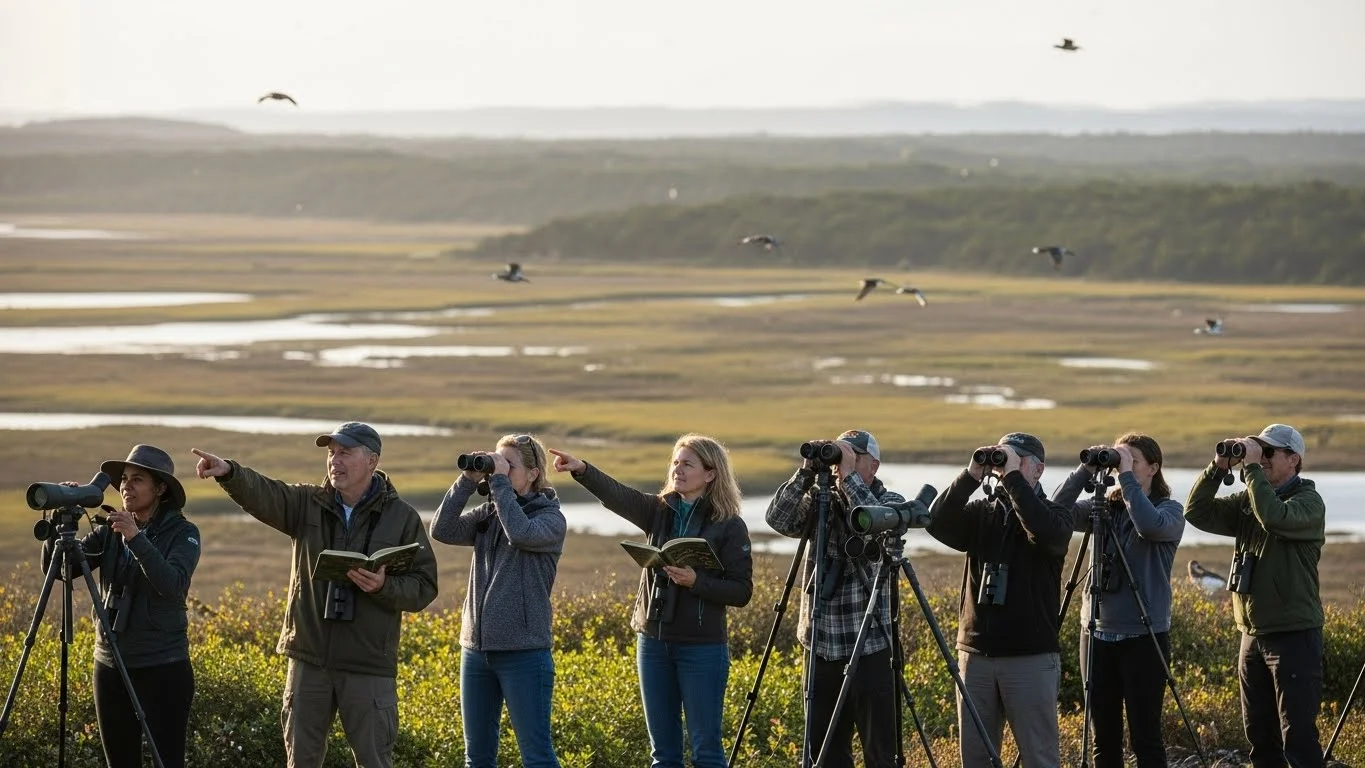
If you’ve ever marveled at the beauty of a bird in flight or the vibrant colors of a songbird, then birdwatching might just be your next favorite hobby. Discovering stunning birdwatching tours on a budget can make this rewarding pastime accessible for everyone. Read Interesting article: Explore Budget Wildlife Safaris for Eco-Conscious Travelers
Discover Stunning Birdwatching Tours on a Budget

Understanding Birdwatching: A Brief Overview

What is Birdwatching?

Birdwatching, or birding as many enthusiasts like to call it, is the practice of observing birds in their natural habitat. It can be as simple as watching your backyard birds or as adventurous as traveling to remote locations to spot rare species. For me, birdwatching is a blend of tranquility and excitement. I often find myself waking up early, coffee in hand, to step outside and see what birds are visiting my feeder. There’s something magical about connecting with nature in this way.

Benefits of Birdwatching

Engaging in birdwatching offers numerous benefits that extend beyond just a hobby. First and foremost, it’s a fantastic way to reduce stress. Spending time outdoors and observing wildlife can lead to a sense of peace and mindfulness. I remember one afternoon at a local park, sitting quietly near a pond, when I suddenly spotted a family of ducks paddling by. It was a simple moment, yet it filled me with joy and appreciation for the world around me.

Another benefit is the physical activity involved. Whether you’re hiking to a remote viewing spot or simply strolling around a neighborhood, birdwatching encourages movement. Plus, it fosters a sense of community. I’ve met some wonderful people through local birdwatching groups, sharing tips and stories about our favorite birdwatching experiences. It’s remarkable how a shared interest in birds can bring people together. Read Interesting article: Discover Sustainable Practices in Wildlife Tours

Essential Birdwatching Gear on a Budget

When starting out in birdwatching, having the right gear can greatly enhance your experience. However, you don’t need to break the bank to enjoy this hobby. I’ve learned that some essentials can be both affordable and effective. Here’s what I recommend:

  • Binoculars: A good pair of binoculars is crucial for seeing details from a distance. I found a decent pair online for under $100, which has served me well. Look for lightweight options with a magnification of at least 8x.
  • Field Guide: A field guide can help you identify the birds you encounter. I started with a pocket-sized guide that covers my local area, making it easy to carry along on outings. There are also great apps available that are often free or inexpensive.
  • Notebook or Journal: Keeping a birdwatching journal can enhance your experience. I like to jot down my sightings, including details about the environment and behaviors I observe. It’s a great way to track your progress over time.
  • Comfortable Clothing: Dress appropriately for the weather and terrain. I always wear sturdy shoes and weather-appropriate layers, as conditions can change unexpectedly when you’re out in nature.
  • Water and Snacks: Don’t forget to stay hydrated and fueled! I always pack a water bottle and some snacks for longer trips. It helps keep my energy levels up while out in the field.

Ultimately, starting birdwatching on a budget is all about prioritizing what you really need and gradually investing in quality gear as you grow more passionate about the hobby. Every birdwatcher has their own journey, and mine has been filled with wonderful discoveries and unforgettable moments.

With a little bit of research and planning, I found that anyone can delve into the world of birds without spending a fortune. Whether you’re aiming for a local adventure or planning a grand tour, understanding the basics of birdwatching is the first step to creating unforgettable memories in nature. Read Interesting article: Affordable Wildlife Conservation Tours: Adventure Awaits You

Top Budget-Friendly Birdwatching Destinations

National Parks for Birdwatching

When I think about the best places to go birdwatching, national parks always come to mind. These protected areas are treasure troves of diverse habitats that attract a wide array of bird species. For instance, I visited Yellowstone National Park last summer, and it was nothing short of spectacular. The combination of mountains, lakes, and forests created the perfect environment for spotting everything from eagles to songbirds. The entrance fees are reasonable, and the natural beauty makes it worth every penny.

Another gem is Everglades National Park in Florida. It’s a unique ecosystem that’s home to many rare birds, such as the Roseate Spoonbill and the American Bittern. The best part? You can explore the park on foot, by bike, or via kayak, which keeps the costs low while allowing you to immerse yourself in nature. I highly recommend bringing along a field guide to help identify the stunning species you encounter!

State Parks and Wildlife Refuges

State parks and wildlife refuges are fantastic alternatives to national parks, often with fewer crowds and lower entry fees. I’ve spent many weekends at my local state park, where I’ve seen a variety of birds, including woodpeckers and herons. These parks usually have well-maintained trails and observation areas, making them ideal for birdwatching.

Wildlife refuges are also a great choice. They often focus on preserving habitats for birds and other wildlife, and many offer free or low-cost access. I remember wandering through a nearby refuge, listening to the melodic calls of the native birds. Each visit feels like a new adventure, and the tranquility of these spots makes them perfect for a peaceful day outdoors.

Urban Birdwatching Spots

Don’t overlook the birdwatching potential in urban settings! I was surprised to discover how many birds I could find right in my city. Parks, gardens, and even rooftops can be excellent places to spot birds. Central Park in New York City, for example, is known for its variety of bird species, especially during migration seasons. I took a leisurely stroll there one spring morning and was thrilled to see warblers flitting between the trees.

Botanical gardens are also wonderful urban spots for birdwatching. They tend to attract birds due to the diverse plant life. I love visiting local gardens because not only can I enjoy the flowers, but I can also keep an eye out for birds like finches and sparrows. Plus, these locations often have free entry days or discounted admission, making them budget-friendly options.

International Budget Birdwatching Locations

If you’re looking to expand your birdwatching adventures beyond borders, there are plenty of international destinations that won’t break the bank. One of my favorites is Costa Rica. This small Central American country is a birdwatcher’s paradise, boasting over 900 species! I found affordable lodging options and local guides that offered reasonably priced tours. The lush rainforests and stunning beaches provide incredible opportunities to see everything from toucans to hummingbirds.

Another fantastic destination is the Galápagos Islands. While it’s more of a splurge than some other locations, I believe it’s worth it for the unique bird species found nowhere else on earth. I remember standing on a rocky shore, watching blue-footed boobies dive into the ocean. The experience was unforgettable, and I managed to find budget accommodations by booking in advance and traveling during the off-season.

For those looking for a more budget-friendly option, you might consider visiting the wetlands of the Danube Delta in Romania. It’s one of Europe’s best-preserved ecosystems and home to over 300 species of birds. I’ve heard travelers rave about the affordable guesthouses and the joy of birdwatching on a boat tour through the delta. It’s a hidden gem that I plan to explore in the future!

These budget-friendly birdwatching destinations offer a chance to connect with nature while keeping expenses low. Whether you’re exploring your local parks or dreaming of international adventures, there’s a world of birds waiting to be discovered.

Planning Your Birdwatching Tour

When is the Best Time for Birdwatching?

Timing can make all the difference in your birdwatching experience. I’ve found that spring and early summer are often the best seasons for birdwatching. During this time, migratory birds return to their breeding grounds, and their vibrant colors and songs are in full display. I remember one spring morning, venturing out with my binoculars, I was greeted by a symphony of birdsong, a delightful reminder of why I love this hobby so much.

In many regions, late summer and early fall also offer great opportunities. Birds are busy preparing for their migration, making them more active and easier to spot. I’ve had some of my most memorable birdwatching moments during these times, as I witnessed flocks of birds gathering, signaling their journey ahead.

Weather can also play a significant role. I often check the forecast before heading out. Overcast days can be surprisingly good for birdwatching. The clouds diffuse the light, reducing glare and making it easier to spot birds without squinting. Plus, there’s something serene about being out in nature when it’s a bit gray and moody.

Understanding Bird Migration Patterns

Understanding bird migration patterns can greatly enhance your birdwatching adventures. I’ve learned that many birds migrate south for the winter, which means they are often more plentiful in the spring and fall in their respective locations. For example, I was thrilled to spot a herd of warblers during their migration as they stopped to rest in a nearby park. Their bright colors and lively movements were a joy to behold!

Some birds, like hummingbirds, are well-known for their long migrations. I always mark my calendar for the first week of April when they typically return to my area. I set up feeders early, and watching these tiny birds flit around my yard brings me so much happiness. I’ve discovered that local birdwatching groups often share migration charts, which can be a handy resource for planning trips.

In addition to migration, it’s essential to pay attention to nesting seasons. Many birds are more secretive and less active when they are nesting, so understanding these patterns helps me choose the best times to venture out.

Choosing the Right Location for Your Birdwatching Tour

Selecting the right location is key to a successful birdwatching trip. I’ve always found that diverse habitats, such as wetlands, forests, and grasslands, attract a wider variety of birds. I enjoy exploring different areas, but I also have a few go-to spots that never disappoint. For example, a local wetland park has become my favorite place to observe waterfowl and shorebirds. Each visit reveals something new, whether it’s a rare sighting or simply the charm of the surroundings.

To find new locations, I recommend researching online or checking out birdwatching apps that can show popular hotspots nearby. I often browse community boards or websites dedicated to birdwatching, where fellow enthusiasts share their favorite locations and recent sightings. Sometimes, I discover a hidden gem that I wouldn’t have found otherwise!

In my experience, it’s also worth considering accessibility and safety. Some areas can be challenging to navigate, particularly if you’re not familiar with the terrain. I’ve learned to prioritize places that have well-marked trails or guided tours, especially if I’m exploring a new area. Plus, it allows me to focus on enjoying the experience without worrying about getting lost!

Organizing a DIY Birdwatching Tour

How to Research Birdwatching Locations

Researching birdwatching locations can be half the fun! I usually start online, looking for birding blogs, forums, or local wildlife websites that highlight the best spots. I’ve found that social media groups dedicated to birdwatching can also be a goldmine of information. By connecting with other birders, I can gather tips on where to go, what to expect, and even current sightings.

Another fantastic resource is the local Audubon Society or similar organizations. They often have detailed guides and maps that point out the best birdwatching spots in the area. I remember picking up a local birdwatching brochure at my library, which led me to some wonderful new locations I wouldn’t have considered before.

Creating an Itinerary on a Budget

Once I’ve researched my birdwatching locations, I like to create a simple itinerary. This helps keep my trip organized and ensures I make the most of my time. I usually jot down the locations I want to visit, estimated travel times, and any specific birds I’m hoping to see. Keeping it flexible is key; sometimes, the best moments happen when you least expect them!

To save on costs, I often plan my trips around free or low-cost locations. I’ve discovered that many state parks and wildlife refuges have minimal entry fees, which helps keep my budget in check. Plus, I always pack a picnic to enjoy while birdwatching rather than dining out. It’s a simple way to save money while still enjoying the day.

Transportation Options for Birdwatching Trips

Transportation is another important aspect of planning my birdwatching adventures. I’ve found that driving can be the easiest way to get to remote spots, especially if I’m traveling with friends or family. Carpooling not only saves gas money but also allows for a shared experience, which I cherish.

For nearby locations, I often bike or walk, which allows me to explore at a leisurely pace and stumble upon unexpected bird sightings along the way. I once discovered a hidden pond while biking, and it turned out to be a hotspot for birdwatching! If public transportation is available, I’ve also taken buses or trains to get to certain spots. It can sometimes be more convenient and eco-friendly.

Regardless of how I get there, I always make sure to plan my routes in advance, considering traffic and any necessary stops along the way. Being prepared helps me focus on the excitement of the day ahead!

Joining Guided Birdwatching Tours

Benefits of Guided Tours vs. DIY Tours

There’s something special about joining a guided birdwatching tour that I truly appreciate. While I love my DIY adventures, guided tours offer a unique perspective that can enhance the experience significantly. For one, I find that knowledgeable guides can lead you to the best spots—those hidden gems that I might never discover on my own. I remember joining a local tour where the guide pointed out a rare species I had been hoping to see for years. It’s moments like these that remind me of the value of expertise.

Another benefit is the camaraderie you gain from sharing the outing with fellow bird lovers. I’ve met so many interesting people on these tours, each with their own stories and experiences. The shared excitement when someone spots a bird can create bonds that last well beyond the trip. Plus, guided tours often provide equipment like high-quality binoculars or spotting scopes, which can be a major advantage for newcomers who haven’t invested in gear yet.

Finding Affordable Birdwatching Tours

Finding affordable birdwatching tours is easier than I initially thought. Many local wildlife organizations and Audubon societies offer budget-friendly options, especially during peak migration seasons. I’ve signed up for several tours that were either free or had a nominal fee, which made it easy to fit into my budget. Additionally, many parks and conservation areas also host guided events that showcase the local avifauna.

Online platforms can be great resources for discovering tours in various locations. Websites like Meetup or even Facebook groups dedicated to birdwatching often post announcements for affordable tours. I remember discovering a gem of a tour through a local birdwatching group on social media that led me to a stunning wetland area I had never considered visiting before.

What to Expect on a Guided Birdwatching Tour

When I sign up for a guided birdwatching tour, I always look forward to the structure and insights they provide. Most tours begin with a brief introduction, where the guide shares information about the area’s ecology, the birds we might see, and any specific highlights. I appreciate this context because it enhances my understanding of the birds and their habitats.

During the tour, I find that guides are usually very engaging, encouraging questions and providing tips on how to spot and identify birds. They often have a wealth of knowledge about bird behavior, which adds a fascinating layer to the experience. I remember one guide who showed us how to listen for bird calls, making it easier to locate elusive species hiding in the foliage. The excitement of spotting a bird, especially one I had never seen before, is an adrenaline rush I can hardly describe!

Most tours also include a comfortable pace, perfect for enjoying the surroundings and taking photos. I always make sure to bring my camera because there are so many opportunities for stunning shots during these outings.

Essential Tips for Budget Birdwatching

How to Save on Travel Expenses

Saving on travel expenses for birdwatching trips doesn’t have to be complicated. I usually look for nearby locations to explore rather than planning extravagant trips. This approach not only saves money but also allows me to discover hidden treasures in my local area. Additionally, I often check for free days at state and national parks, which can be a fantastic way to enjoy nature without spending a dime.

Carpooling with friends can also save on gas costs and make the journey more enjoyable. I love sharing the adventure with fellow birdwatchers, and the conversations during the ride often spark excitement for the day ahead!

Affordable Birdwatching Equipment

When it comes to equipment, I’ve learned that you don’t need the latest high-end gear to enjoy birdwatching. I started with budget binoculars and a simple field guide, and they served me well as I learned the ropes. Over time, I’ve gradually upgraded my gear based on my experiences and needs. I recommend checking out second-hand stores, online marketplaces, or birdwatching forums for affordable options. Many experienced birders are happy to sell or trade gear they no longer use.

Using Apps and Resources for Bird Identification

In today’s digital age, bird identification has become so much easier thanks to various apps and online resources. I’ve found that apps like Merlin Bird ID and eBird are incredibly helpful. They not only assist in identifying birds but also allow me to log my sightings, which adds a sense of accomplishment to each outing. I love being able to track my progress and see how my birdwatching skills have improved over time!

Additionally, online forums and social media groups can be fantastic resources for getting identification help on those tricky sightings. I often post pictures of birds I’ve spotted, and the community is usually quick to offer suggestions and insights.

Final Thoughts

Birdwatching has been a transformative experience for me, connecting me deeper with nature and the vibrant world of birds. I’ve discovered that this hobby can be both fulfilling and budget-friendly, allowing anyone to participate regardless of their financial situation. With a bit of planning, research, and passion, we can all embark on our birdwatching adventures, whether they’re local jaunts or international explorations. So, grab your binoculars, embrace the outdoors, and let the beauty of birdwatching bring joy to your life!

Frequently Asked Questions

What is birdwatching?

Birdwatching, or birding, is the practice of observing birds in their natural habitat, ranging from backyard sightings to trips to remote locations for spotting rare species.

What are the benefits of birdwatching?

Birdwatching reduces stress, promotes physical activity, and fosters a sense of community among enthusiasts. It allows for peaceful outdoor experiences and joy in connecting with nature.

What essential gear do I need to start birdwatching on a budget?

Essential gear includes binoculars (preferably under $100), a field guide or bird identification app, a notebook or journal, comfortable clothing, and snacks and water for longer outings.

What are some budget-friendly birdwatching destinations?

National parks like Yellowstone and Everglades are great options, along with state parks and wildlife refuges. Urban spots such as Central Park and botanical gardens also offer excellent birdwatching opportunities.

When is the best time for birdwatching?

Spring and early summer are ideal for birdwatching as migratory birds return. Late summer and early fall also provide good opportunities as birds prepare for migration.

How can I research birdwatching locations?

Researching can involve exploring birding blogs, forums, local wildlife websites, and connecting with social media groups. Local Audubon Societies often have maps and guides for the best spots.

What are the benefits of joining guided birdwatching tours?

Guided tours provide expert insights, access to hidden spots, and the opportunity to connect with fellow bird lovers. Guides often share knowledge of bird behavior and help with identification.

How can I save on travel expenses for birdwatching trips?

To save on travel expenses, explore nearby locations, check for free entry days at parks, and consider carpooling with friends to share costs and enhance the experience.

How can I identify birds using apps and resources?

Bird identification apps like Merlin Bird ID and eBird are useful for recognizing birds and logging sightings. Online forums and social media are also helpful for getting identification assistance from the community.

What are some tips for budget-friendly birdwatching?

Start with affordable gear instead of high-end equipment, look for second-hand options, and plan trips around free or low-cost locations to keep expenses minimal while enjoying birdwatching.
Backpacking Hacks: Affordable Hiking Adventures for Nature Lovers

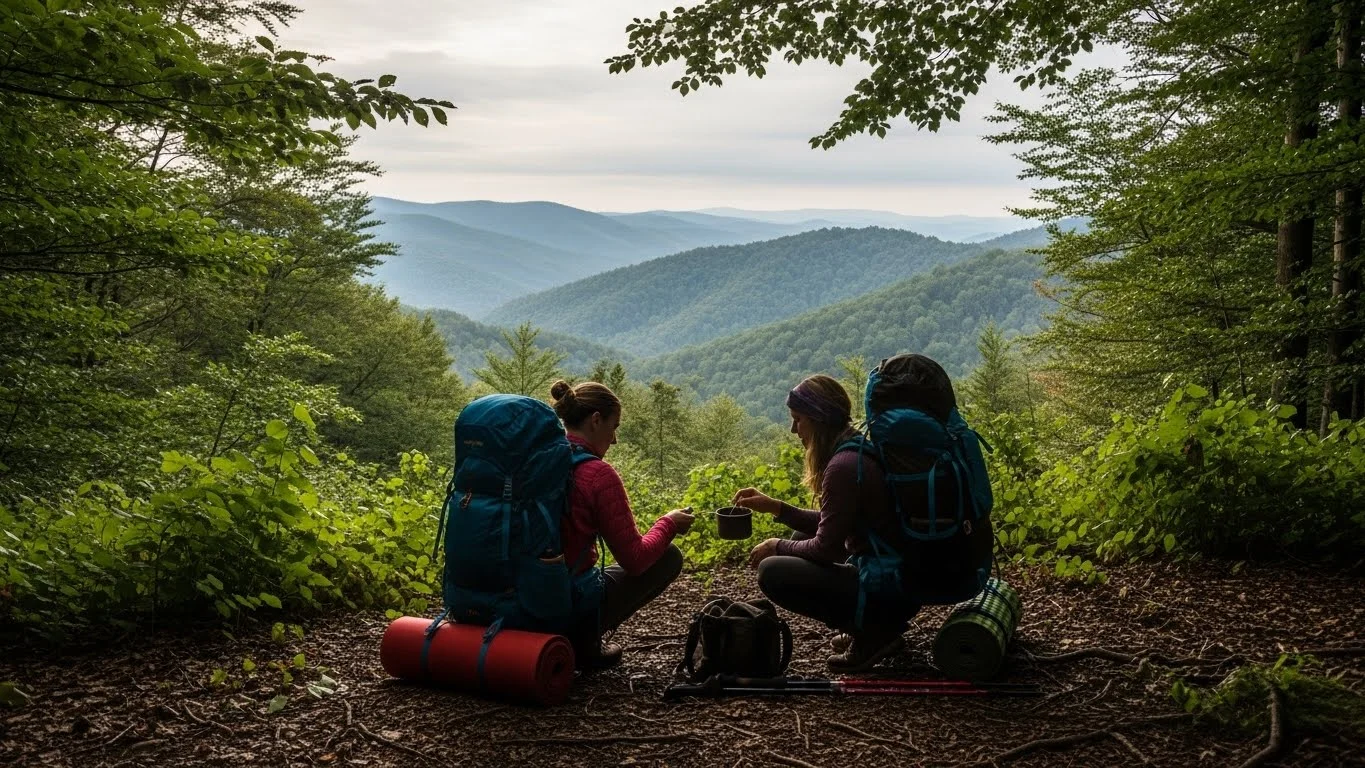
Backpacking is more than just a hobby; it’s an adventure that connects us with nature while allowing us to explore new horizons on a budget. Let’s dive into the world of affordable hiking adventures for nature lovers!

Backpacking Hacks: Affordable Hiking Adventures for Nature Lovers

Understanding Backpacking and Hiking

What is Backpacking?

Backpacking is an exciting blend of hiking and camping, where you carry all your gear on your back as you venture into the great outdoors. I remember my first backpacking trip, feeling the thrill of the wild as I hiked with my pack snug against my back. It’s about self-sufficiency and exploration—navigating trails, setting up camp, and sleeping under the stars. For me, it was all about the freedom and the connection to nature. Each step I took felt like a mini-adventure, with new sights and sounds at every turn.

Difference Between Hiking and Backpacking

While hiking can range from day hikes to multi-day treks, backpacking usually involves overnight stays in nature. I’ve often found that hiking is like a taste test of the outdoors, where you can enjoy a beautiful trail for a few hours and return home. Backpacking, on the other hand, brings a deeper experience. You pack everything you need, including food, water, and sleeping gear. I’ve discovered that backpacking allows for more exploration off the beaten path, often leading to hidden gems that day hikers might miss. The main difference for me lies in the preparation and mindset. Hiking can be spontaneous, while backpacking requires more planning—like figuring out the best spots to camp and ensuring you have enough supplies for your adventure. I’ve learned to embrace the challenge, as it often leads to some of my most memorable experiences in nature.

Essential Gear for Affordable Backpacking

Backpacks: Choosing the Right One

The backpack is your lifeline when you’re out in the wilderness. I’ve tried various styles and sizes, and I’ve found that a good backpack can make or break your experience. I recommend looking for something lightweight, comfortable, and with enough capacity to hold all your gear. A 50-70 liter pack is usually a safe bet for multi-day trips. Remember to check for adjustable straps and a hip belt, as I learned the hard way that comfort is key on long hikes. When I was shopping for backpacks, I made the mistake of choosing one solely based on looks. After a couple of long hikes, I regretted my decision! I’ve found that it’s worth investing in a pack that suits your body type and hiking style. If you can, try it on and walk around the store with it loaded to get a feel for how it fits.

Sleeping Gear: Tents vs. Hammocks

Choosing between a tent or a hammock can be a tough decision. I’ve camped in both, and each has its pros and cons. Tents provide shelter from the elements and insects, while hammocks are lightweight, easy to set up, and offer a unique experience sleeping in the trees. I remember my first night in a hammock; I felt like a kid again, swaying gently under the stars. If you’re on a budget, consider using a tarp for shelter or borrowing equipment. I found that some outdoor stores offer rental services for gear, which can save a lot of money. Just make sure whatever you choose is suitable for the weather conditions you’ll encounter.

Cooking Equipment for Budget Travelers

Eating well on the trail doesn’t have to be expensive! I’ve learned that you can create delicious meals with minimal gear. A lightweight camp stove is a great investment, and I often pack dehydrated meals for convenience. For me, cooking is part of the adventure, and I love experimenting with easy recipes that only require hot water. You can also bring along some basic cooking utensils—like a pot, spoon, and a lightweight cutting board. I like to prepare some meals at home and pack them in resealable bags to save space and reduce waste. I remember making a big batch of chili before one trip and sharing it with friends around the campfire; it was a highlight of the adventure!

Clothing Essentials for Different Climates

Clothing can make all the difference when you’re out in nature. I’ve faced everything from scorching heat to sudden rainstorms on my hikes, and I’ve learned the value of layering. Choosing moisture-wicking and quick-drying fabrics can help keep you comfortable. For cooler weather, I recommend packing a lightweight, insulated jacket that won’t take up too much space in your pack. When I travel, I try to pack versatile clothing that can be mixed and matched. Items like a lightweight rain jacket and a hat are in my go-to gear. I’ve even worn the same base layers for multiple days with a little freshening up. It’s amazing how a good set of clothes can keep you happy on the trail! In my experience, being prepared with the right gear can make your backpacking adventure enjoyable and affordable. It’s all about striking the right balance between comfort, function, and budget.

Budgeting Your Backpacking Trip

Estimating Costs: Transportation, Food, and Lodging

When planning a backpacking trip, I’ve learned that budgeting is just as crucial as packing the right gear. I remember my first trip where I didn’t keep track of my expenses—it ended up costing me a lot more than I anticipated! Now, I like to break down my costs into three main categories: transportation, food, and lodging. For transportation, I often look for the best deals on gas or public transportation. I’ve found that carpooling with friends can significantly reduce costs, plus it adds to the fun! If I’m heading to a national park, I check if they offer any deals for entry fees or parking. Sometimes, I’ll even look for local shuttles that can take me to the trailheads. Read Interesting article: Affordable Transportation Hacks for Budget Solo Travel Food can be another area where you can save quite a bit. I try to plan my meals ahead of time, making a grocery list to avoid impulse buys. I’ve had success with meal prepping, where I prepare easy-to-cook meals before the trip. This way, I save money compared to buying food on the trail or at expensive convenience stores. Lodging can vary depending on my destination. I sometimes camp at official campgrounds, which are usually much cheaper than hotels. I’ve also found that some parks offer discounts for group camping, which is a great way to save money if you’re traveling with friends. Keeping a budget spreadsheet or using an app has helped me stay on track. I can estimate my total costs and adjust my plans to ensure I don’t overspend. Read Interesting article: Top Budgeting Hacks for Solo Female Backpacking Trips

Finding Affordable Gear and Supplies

Finding affordable gear can feel like a treasure hunt, but I’ve discovered some great strategies over the years. I often check out local thrift stores and online marketplaces where you can find gently used gear at a fraction of the retail price. I’ve gotten some of my favorite items this way—a backpack, a sleeping bag, and even some cooking equipment! Another option is to look for seasonal sales. I like to sign up for newsletters from outdoor retailers to stay in the loop on discounts. There are usually great sales during the off-season, and I’ve snagged some fantastic deals that way. Renting gear is also a smart choice, especially if you’re just starting out or trying out new activities. Some outdoor stores offer rental services at reasonable prices. I once rented a tent and a backpack for a weekend trip, and it saved me money while allowing me to test the gear before making a purchase. If you have friends who are into backpacking, don’t hesitate to ask them if you can borrow gear. I’ve done this plenty of times, and it’s also a great excuse to catch up with friends before an adventure!

How to Save on Travel Expenses

Travel expenses can add up quickly, but I’ve found several ways to keep costs down. First off, I try to choose destinations that aren’t too far from home. This not only saves on gas but also allows for more spontaneous trips. I remember a weekend where we decided to explore a local state park instead of traveling hours away, and it turned out to be one of my favorite adventures! Flexibility with travel dates can also help. If I can, I avoid traveling during peak seasons when prices are higher. I’ve discovered that hiking during the weekdays tends to be less crowded and more affordable. Plus, I get the added bonus of enjoying nature in peace! Accommodations can be another area to save. If I’m not camping, I look for budget-friendly options like hostels or campgrounds that offer cabins. I’ve met some amazing people at hostels, and it feels great to share stories with fellow travelers. Finally, I always keep an eye out for free activities around my destination. Many national and state parks have free events or guided hikes, which can enhance our trip without costing a penny. I love learning from park rangers and participating in these activities—it adds a richer dimension to my experiences in nature. By budgeting wisely and being resourceful, I’ve managed to enjoy incredible backpacking adventures without breaking the bank. It’s all about being creative and making the most of the resources available to us.

Planning Affordable Hiking Adventures

Choosing Hiking Destinations on a Budget

Selecting the right hiking destination can make a huge difference in your overall experience, especially when we’re trying to keep costs low. I remember the thrill of discovering local trails that are often overlooked. Sometimes, the best adventures are right in our backyard! I’ve found that state parks and national forests usually offer breathtaking views without the hefty price tag associated with more popular locations. When I plan a trip, I like to explore websites or apps that focus on user reviews and descriptions of trails. This helps me find hidden gems that are both budget-friendly and less crowded. Websites like AllTrails or even local hiking blogs often highlight affordable places to hike that many people miss. I also recommend checking for any free days or events in national parks, where you can enjoy the beauty without paying for entry. Additionally, I’ve learned to consider the time of year when choosing a destination. Some areas may have off-season prices that make them more affordable. For example, hiking in the fall can often mean fewer crowds and stunning scenery as the leaves change color. I’ve experienced some of my best hikes during these quieter times, where nature felt like it was all mine.

Best Times to Hike: Off-Peak Considerations

Timing can truly impact not just the cost of your trip, but also the quality of your experience. I’ve often opted to hike during weekdays rather than weekends, which can make a world of difference in terms of crowds. Many trails are much quieter during the week, allowing for a more peaceful connection with nature. On a recent hike, we encountered only a few fellow adventurers, which allowed for deep conversations and a much more immersive experience. If you have flexibility, I suggest avoiding peak seasons for popular trails. I’ve found that hiking in the shoulder seasons—spring and fall—not only helps save on costs but also offers beautiful weather and scenery. The trails are less crowded, and sometimes even local accommodations like cabins or lodges offer discounts during these times. Also, consider the time of day you hit the trails. I love embarking on early morning hikes to catch the sunrise. Not only is it a magical experience, but we often have the trails to ourselves. This can make for great photo opportunities and a truly serene start to the day.

Finding Free or Low-Cost Campsites

Camping doesn’t have to break the bank, and I’ve discovered several ways to find free or low-cost campsites that make my adventures more affordable. One of my favorite strategies is to look for dispersed camping areas. These are usually free sites located in national forests or Bureau of Land Management (BLM) lands. I’ve had some incredible nights under the stars in these spots, away from the hustle and bustle of crowded campgrounds. When searching for these locations, I often use apps like Campendium or Freecampsites.net, which provide user-generated information about free camping options. I’ve found those hidden gems that I wouldn’t have discovered otherwise! Just be sure to check the local regulations, as some areas may require permits or have specific rules regarding camping. Another great option is to look for state parks that offer affordable camping rates. I’ve encountered many state parks with well-maintained facilities and beautiful scenery at a fraction of the cost of commercial campgrounds. I usually book in advance, especially during peak seasons, to ensure I secure a spot. Finally, I recommend checking out organizations like the National Park Service or local visitor centers. They often have information on low-cost camping options and can provide insights into lesser-known trails and sites that are worth exploring.

Backpacking Hacks for Nature Lovers

Meal Prepping for Hiking Trips

Meal prepping has become a game-changer for me when it comes to backpacking. I’ve learned that having a plan for meals not only saves money but also makes my trips more enjoyable. I love spending a Sunday afternoon preparing meals that are easy to pack and require minimal cooking on the trail. Some of my favorite options include pasta dishes, rice and beans, or even hearty soups. I often freeze meals in resealable bags, which I can then toss into my backpack. As they thaw during the day, they’re ready to heat up for dinner. I remember one trip where I packed a delicious quinoa salad; it was refreshing and packed with nutrients after a long day of hiking. I also like to bring along some snack options that keep me energized. Trail mix is a must—sometimes, I’ll even make my own with nuts, seeds, and dried fruit. I discovered that having healthy snacks readily available helps keep my energy levels up and saves money compared to buying snacks on the trail.

Using Technology to Enhance Your Adventure

In this digital age, I’ve found that technology can be a helpful ally in my backpacking adventures. My go-to tool is a GPS app that allows me to track my hikes and explore new trails. I’ve used apps like Gaia GPS and Komoot, which offer offline maps—perfect for areas with limited cell service. They provide peace of mind knowing I can navigate confidently without getting lost. Another tech hack I love is using my smartphone for photography. I’ve captured some stunning moments on the trail with just my phone. I remember one sunrise that took my breath away; I was so glad I had my camera ready. Plus, sharing those moments with friends and family later adds another layer of joy to the experience. I also rely on apps to help me find weather updates and trail conditions. Knowing what to expect can make a big difference in planning my day. I’ve avoided rainstorms and unnecessary challenges by checking forecasts beforehand, allowing for a more enjoyable journey.

Water Filtration Solutions for Backpackers

Staying hydrated while backpacking is essential, and I’ve learned the importance of having a good water filtration solution. I used to carry heavy gallons of water, but then I discovered lightweight filters that allow me to drink directly from rivers or lakes. I often use a portable water filter pump or a filtration bottle; both options have served me well. I remember a hike where we stumbled upon a beautiful mountain stream. Instead of hauling extra water, I was able to fill my bottle and filter it right there. It was refreshing and saved a lot of weight in my pack! Just be sure to research the area beforehand to ensure the water source is safe and free of contaminants. Having a reliable way to filter water not only saves space but also significantly cuts down on costs. I’ve noticed that investing in a good filtration system can save money in the long run, as buying bottled water on the trail can add up quickly.

Multi-Use Tools for Efficiency

When it comes to backpacking, space and weight are always considerations. I’ve found that multi-use tools can be lifesavers in these situations. A good multi-tool can serve various purposes, from cooking to gear repairs, which helps lighten my load. I remember using a multi-tool to fix my stove on a trip, and it was invaluable. Another great option is a cooking pot that can double as a bowl. I’ve found pots with lids that can be used for cooking pasta and then serve as a bowl for eating. It’s a simple way to cut down on the number of items in my pack while still enjoying hearty meals. I also recommend packing a lightweight camp towel that can serve multiple purposes, from drying dishes to being used as a blanket on cooler nights. These little hacks make a big difference when you’re trying to stay organized and efficient while enjoying the beauty of nature.

Frequently Asked Questions

What is backpacking?

Backpacking is an exciting blend of hiking and camping, where you carry all your gear on your back as you venture into the great outdoors. It involves self-sufficiency and exploration, navigating trails, setting up camp, and sleeping under the stars.

How does hiking differ from backpacking?

Hiking can range from day hikes to multi-day treks, while backpacking typically involves overnight stays in nature. Backpacking requires more planning, as you need to pack everything necessary for your adventure, including food, water, and sleeping gear.

What essential gear do I need for affordable backpacking?

Essential gear for affordable backpacking includes a lightweight and comfortable backpack, sleeping gear (either a tent or hammock), cooking equipment, and appropriate clothing for different climates.

How can I budget for my backpacking trip?

Budgeting for a backpacking trip involves estimating costs for transportation, food, and lodging. It’s helpful to keep a budget spreadsheet or use an app to track expenses and adjust plans as needed. Read Interesting article: 10 Essential Travel Hacks for Budget Backpacking Adventures

Where can I find affordable backpacking gear?

You can find affordable backpacking gear at local thrift stores, online marketplaces, during seasonal sales, or by renting equipment from outdoor stores. Borrowing gear from friends is also a good option.

What are some tips for saving on travel expenses while backpacking?

To save on travel expenses, choose destinations that are close to home, avoid peak seasons, look for budget-friendly accommodations, and seek out free activities at your destination.

What are some good strategies for meal prepping before a backpacking trip?

Meal prepping involves preparing easy-to-pack and minimal-cooking meals in advance. Options like pasta dishes, rice and beans, and healthy snacks can keep you energized while saving money.

How can technology enhance my backpacking experience?

Technology can enhance your backpacking experience through GPS apps for navigation, using smartphones for photography, and checking weather updates and trail conditions to plan your hikes effectively.

What are some effective water filtration solutions for backpackers?

Effective water filtration solutions include lightweight filters that allow you to drink directly from natural water sources. Portable water filter pumps or filtration bottles are great options to stay hydrated without carrying heavy water.

Why are multi-use tools beneficial for backpacking?

Multi-use tools are beneficial for backpacking because they can serve various purposes, helping to lighten your load. Items like cooking pots that double as bowls or lightweight camp towels can increase efficiency and organization during your trip.

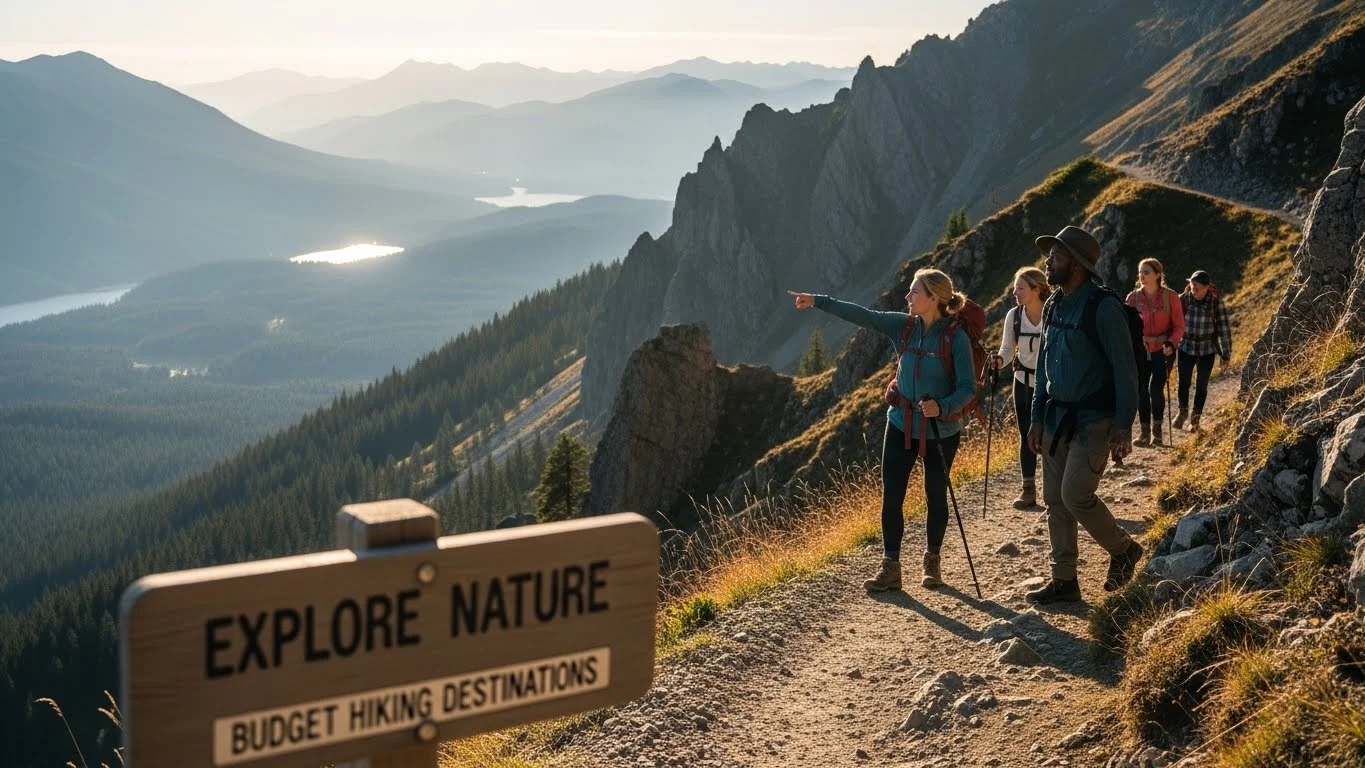
Explore Nature: Best Budget Hiking Destinations Worldwide

Hiking doesn’t have to break the bank! Join me as we explore some of the best budget-friendly hiking destinations around the world, where nature’s beauty is just waiting for you to discover. For those interested in saving money while enjoying the great outdoors, check out the Essential Guide to Hiking on a Budget: Tips for Eco-Tourism.

Explore Nature: Best Budget Hiking Destinations Worldwide

Overview of Budget Hiking Destinations

Why Choose Budget Hiking?

When I first started hiking, I was amazed at how many incredible trails were accessible without spending a fortune. Budget hiking destinations offer stunning landscapes, fresh air, and the thrill of adventure, all while keeping costs low. My friends and I have often searched for places where we can experience the great outdoors without needing to dip into our savings too deeply. We’ve found that with a little research, you can uncover hidden gems that not only provide stunning views but also offer a chance to connect with nature and ourselves.

Benefits of Hiking for Physical and Mental Health

Hiking has become a vital part of my life for numerous reasons. From physical fitness to mental clarity, the benefits are endless. I remember the first time I hit the trails—I felt a rush of energy and joy that I hadn’t experienced in a while. Hiking is an excellent workout that helps to strengthen muscles, improve cardiovascular health, and boost overall fitness. But it’s not just the physical aspect; the mental health benefits are just as significant. Being surrounded by nature has a calming effect that helps to reduce stress, anxiety, and even depression. I often come back from a hike feeling rejuvenated, with a clearer mind and a lighter heart.

Moreover, hiking encourages mindfulness. When I’m on a trail, I find myself more present, taking in the sights, sounds, and smells of the environment around me. There’s something therapeutic about listening to the rustle of leaves, the chirping of birds, or the gentle flow of a nearby stream. I’ve learned to appreciate the little things—a wildflower blooming or the way sunlight filters through the trees. These moments remind me of the beauty that exists all around us, often overlooked in our busy lives.

Top Budget Hiking Destinations Worldwide

United States

Great Smoky Mountains National Park

If you’re looking for a breathtaking hiking experience in the United States, the Great Smoky Mountains National Park is a must-visit. I remember planning a trip there with my friends, and it was one of the best decisions we ever made. The park offers over 800 miles of trails, ranging from easy walks to challenging hikes. And the best part? It’s free to enter! The scenic views, diverse wildlife, and rich history make it an unforgettable experience. Whether you’re interested in the Cades Cove Loop or taking a shot at the challenging Alum Cave Trail, there’s something for everyone here.

Yosemite National Park

Yosemite holds a special place in my heart. The towering granite cliffs, waterfalls, and giant sequoias are absolutely stunning. While some areas require entrance fees, there are plenty of free hiking opportunities available, especially if you explore the less crowded trails. My favorite was the hike to Glacier Point, which offers breathtaking views of the valley below. The experience of witnessing nature’s grandeur is something I’ll cherish forever.

Canada

Banff National Park

Banff National Park in Alberta is another gem for budget-conscious hikers. The stunning turquoise lakes and majestic mountains create a postcard-perfect setting. I had the chance to hike the Plain of Six Glaciers Trail, which was challenging yet rewarding, leading to breathtaking views of the glaciers. The park offers numerous trails ranging from beginner to advanced levels, making it accessible for everyone. Plus, the feeling of standing amidst nature’s beauty is priceless.

Pacific Rim National Park Reserve

On the west coast of Vancouver Island, Pacific Rim National Park Reserve is a paradise for nature lovers. The coastal trails are unique, offering a different vibe compared to mountainous hikes. I remember walking along the Wild Pacific Trail, where I was treated to stunning ocean views and lush rainforest. The park is also home to incredible wildlife, including sea otters and bald eagles. It’s a budget-friendly destination as the park fees are minimal, allowing you to explore without breaking the bank.

Europe

Camino de Santiago, Spain

The Camino de Santiago, or the Way of St. James, is a famous pilgrimage route in Spain that attracts hikers from all over the world. I had the chance to walk a section of this trail, and the experience was life-changing. The mix of culture, history, and beautiful landscapes makes it a unique hiking destination. There are various routes to choose from, making it flexible for different budgets and timelines. Plus, the affordable accommodations along the way make it easy to manage costs.

Swiss National Park, Switzerland

For those who dream of the Swiss Alps, the Swiss National Park is a fantastic option. While Switzerland can be pricey, this park offers budget-friendly hiking experiences. The trails here are well-marked, and the scenery is straight out of a fairy tale. I loved hiking the Val Trupchun trail, where I encountered grazing ibex and breathtaking views of the mountains. The natural beauty and tranquility of the region made it worth every step.

Top Budget Hiking Destinations Worldwide

South America

Torres del Paine National Park, Chile

When I think about hiking in South America, Torres del Paine National Park stands out as a breathtaking destination. I was fortunate enough to visit this park a few years ago, and it truly felt like stepping into a dream. The jagged peaks of the Torres del Paine massif are iconic, and the variety of trails available means you can choose something that fits your skill level and time constraints. There are free day hikes, but for those who want to experience the full beauty of the park, I recommend the W Trek. It’s a multi-day hike that offers stunning views, and while there is a small fee to enter the park, the experience is worth every penny. I remember camping under the stars, surrounded by towering mountains, and it was one of the most incredible experiences I’ve had in nature.

Patagonia, Argentina

Just across the border from Chile, I found that the Argentinian side of Patagonia offers its own unique charm. The Los Glaciares National Park is a must-see. I recall standing in front of the massive Perito Moreno Glacier, feeling both tiny and connected to the vastness of nature. The park has numerous trails, some leading to breathtaking views of the glacier or the surrounding mountains, and they cater to all levels of hikers. Access to the park is reasonably priced, making it a fantastic option for budget travelers. Plus, the breathtaking scenery and the chance to spot wildlife like guanacos and condors left a lasting impression on me.

Asia

Himalayas, Nepal

The Himalayas have always called to me. I remember my first trek in Nepal, where I explored the Annapurna Circuit. It was an unforgettable adventure that opened my eyes to the beauty of high-altitude hiking. While some treks can be pricey, there are many budget-friendly options available. I discovered that you can find affordable guesthouses along the way, allowing you to enjoy the local culture while keeping costs down. The stunning vistas, friendly local communities, and the sense of accomplishment after a long day on the trail made every moment worthwhile. And let me tell you, watching the sunrise over the snow-capped peaks is something I will never forget.

Mount Fuji, Japan

Mount Fuji is another gem I had the pleasure of hiking. This iconic mountain is not only a symbol of Japan but also an accessible hiking destination. I decided to tackle the Yoshida Trail, which was well-marked and offered a straightforward approach. What surprised me was that the trek could be completed in just a day, making it perfect for those on a tight schedule. The views from the summit were worth the effort, and I felt a sense of pride reaching the top. There are minimal fees for accessing the trails, and you can enjoy local foods at the mountain huts, making it an affordable and enriching experience.

Australia and New Zealand

Blue Mountains, Australia

In Australia, the Blue Mountains captivated my heart with their dramatic scenery and rich biodiversity. I remember visiting the Three Sisters rock formation and hiking down to the valley floor. The trails here range from easy walks to more challenging hikes, catering to everyone. I was particularly fond of the Grand Canyon Walk, which took me through lush forests and stunning waterfalls. One of the best things about hiking in this area is that many of the trails are free to access, allowing us to immerse ourselves in nature without worrying about costs.

Milford Track, New Zealand

Milford Track in New Zealand is often referred to as one of the greatest walks in the world, and for good reason. I had the chance to hike this trail, and it was a remarkable experience. The hike takes you through lush rainforests, past waterfalls, and offers views of majestic mountains. While there is a fee for the guided walks, I opted to do it independently, which was more budget-friendly. The lush scenery and the tranquility of the area made it feel like I was walking through a postcard. I remember stopping to take in the sounds of nature, truly appreciating the moment. Plus, it’s a great way to experience New Zealand’s impressive landscapes without breaking the bank.

When to Visit Budget Hiking Destinations

Seasonal Considerations

One of the most exciting parts of planning a hiking trip is deciding when to go. I’ve learned that each season offers a different experience on the trails. Spring is a favorite of mine, as the flowers bloom, and the trails come alive with vibrant colors. I remember hiking in the Great Smoky Mountains during spring and being surrounded by wildflowers and the sweet scent of new growth. Summer can be hot, but it’s perfect for longer hikes, especially if you can find a shady trail. Fall is magical with its changing leaves—it’s like walking through a painting. I’ve found that winter hiking offers solitude and a unique beauty, especially when snow blankets the landscape. Just be sure to check trail accessibility, as some may be closed during certain seasons.

Weather Conditions for Hiking

Weather can make or break a hiking experience. I’ve had my fair share of unexpected weather changes on the trail. For instance, I once set out on a sunny day in the Swiss National Park, only to be greeted by a sudden downpour. It taught me the importance of checking the forecast before heading out. I recommend looking into average temperatures and precipitation levels for your chosen destination during the specific season. Layering is key, as temperatures can vary dramatically throughout the day. I always pack a lightweight rain jacket and an extra layer just in case. And don’t forget sunscreen—sunburn can sneak up on you even on cloudy days!

Best Times for Wildlife Viewing

Wildlife encounters can be one of the most thrilling aspects of hiking, and timing can significantly influence your chances of spotting animals. I’ve been lucky enough to see deer, eagles, and even a bear (from a safe distance!) during my hikes. Early mornings or late afternoons are typically the best times for wildlife viewing. Animals are often more active during these cooler parts of the day. For example, I remember hiking in Banff National Park during sunrise, and it felt like stepping into a wildlife documentary. Additionally, different seasons bring different species out. For instance, spring is great for baby animals, while fall can be fantastic for bird migrations. Keeping an eye on local wildlife calendars can enhance your hiking experience. For more information on wildlife experiences, check out the Ultimate Guide to Budget-Friendly Wildlife Safaris.

Planning Your Budget Hiking Trip

Essential Gear and Equipment

Having the right gear is crucial for a successful hiking trip, especially when you’re trying to stay within budget. I’ve learned over the years that investing in a few key pieces can make all the difference. A comfortable pair of hiking boots is non-negotiable. I remember my first hike in cheap sneakers; my feet were sore by the end! A good backpack to carry your essentials is also important. I usually pack a first-aid kit, snacks, and a reusable water bottle. If you’re hiking in a remote area, a quality map or GPS device is essential. For those who want to save money, I recommend checking online for second-hand gear or rentals—it’s amazing how much you can save!

Finding Affordable Accommodations

When it comes to accommodations, I’ve discovered that there are plenty of budget-friendly options. Camping is one of my favorites; nothing beats the experience of sleeping under the stars after a long day on the trail. Many national parks have campgrounds that offer affordable rates. If camping isn’t your style, consider hostels, lodges, or even sharing a vacation rental with friends. I’ve had great experiences booking through platforms that allow you to connect with local hosts, often at a fraction of the cost of hotels. Plus, you might get some insider tips on the best trails!

Transportation Options to Hiking Destinations

Getting to your hiking destination can sometimes be the trickiest part of the trip. I’ve experimented with various options, from driving to taking public transport. If you’re traveling to a national park, check for shuttle services; many parks offer free or low-cost shuttles to popular trailheads. Carpooling with friends or fellow hikers can also save on gas and parking fees. If you’re flying, look for budget airlines or consider train travel, which can be a scenic way to reach your destination. I remember taking a train through the Swiss countryside, and it was a beautiful start to my hiking adventure.

Food and Water Considerations

Staying fueled on the trail is essential, and planning meals can help keep costs down. I always pack lightweight, non-perishable snacks like nuts, granola bars, and dried fruit. For longer hikes, I prepare simple meals like pasta or rice that can be cooked easily at a campsite. I’ve found that cooking outdoors adds a delightful twist to the experience. Staying hydrated is equally important, so I carry a reusable water bottle and refill it whenever I can. Some trails have streams or rivers, but it’s crucial to have a water filter or purification tablets to ensure safe drinking water. I once forgot my water filter and had to ration my water, which was a lesson learned!

Top Hiking Trails to Explore

Short Trails for Beginners

Starting with shorter trails is a great way to ease into the hiking experience. I remember my first hike on a short trail at a local nature reserve. The thrill of being outdoors, surrounded by trees and wildlife, was exhilarating. One trail I highly recommend for beginners is the Bridle Path in Central Park, New York. It’s a flat, easy walk that allows you to enjoy the park’s beauty without feeling overwhelmed. Another fantastic option is the Emerald Lake Trail in Rocky Mountain National Park, Colorado. It’s just over a mile and offers stunning views of the lake, making it perfect for families or those just starting out.

Moderate Trails for Intermediate Hikers

As we gain confidence and experience, we often want to tackle more challenging trails. I’ve found that moderate hikes strike a perfect balance between adventure and accessibility. One of my favorites is the Angels Landing Trail in Zion National Park, Utah. The switchbacks can be tough, but reaching the top and taking in the breathtaking views of the canyon is so worth it! Another great option is the Half Dome Trail in Yosemite, which provides a rewarding challenge with its stunning scenery. Just be sure to prepare properly and, if possible, secure a permit in advance.

Challenging Trails for Experienced Hikers

For those who seek a real test of endurance, challenging hikes can provide an unforgettable experience. I remember feeling both excited and nervous when I decided to take on the Inca Trail in Peru. This multi-day trek leads to the iconic Machu Picchu and requires preparation and a good fitness level. The cultural significance and breathtaking scenery make the effort incredibly rewarding. Another tough but rewarding option is the Mount Katahdin’s Knife Edge in Maine, where the views from the summit will leave you speechless. I recommend training in advance, as these trails demand both physical stamina and mental resilience.

Safety Tips for Budget Hiking

Understanding Trail Difficulty Ratings

One of the most important things I’ve learned is to pay attention to trail difficulty ratings. They can vary from easy to extremely difficult, and knowing what to expect can help us stay safe and enjoy our hike. I once underestimated a “moderate” trail, thinking it would be a breeze, only to find myself gasping for breath on steep inclines. I recommend checking local guides for descriptions and reviews, which can provide insight into what to expect.

Navigation and Map Reading Skills

Getting lost is one of my biggest fears while hiking. I’ve had a few close calls, but they taught me the importance of navigation skills. Having a good map and knowing how to read it can make all the difference. I often download offline maps on my phone, but I still carry a physical map as a backup. Familiarizing myself with the area before heading out has helped me feel more secure on the trails. I’ve found that taking a little time to plan routes can enhance the hiking experience immensely.

Wildlife Encounters and Precautions

Encountering wildlife can be one of the most magical aspects of hiking, but it’s essential to know how to stay safe. I’ve been lucky enough to see various animals, but I always keep a safe distance. It’s crucial not to feed wildlife and to store food properly to avoid attracting animals to campsites. I’ve learned to carry bear spray in certain areas, and educating myself about local wildlife has helped me feel more prepared. I remember a moment when I spotted a bear from afar and felt both excitement and respect for the animal’s space.

Local Culture and Attractions Along the Trails

Interacting with Local Communities

One of the most enriching aspects of hiking is connecting with local communities. I’ve had the pleasure of meeting many locals along the trails, and their stories and recommendations have often enhanced my experience. Whether it’s sharing a meal with a family or learning about their traditions, these interactions have made my hikes even more memorable. I encourage anyone to take the time to learn about the culture of the places they’re visiting; it adds depth to the adventure.

Exploring Nearby Natural Wonders

Many hiking destinations are near other natural attractions that are worth exploring. I’ve discovered stunning waterfalls, scenic overlooks, and unique rock formations just a short drive or hike away from my main trail. For instance, after hiking in Yosemite, I took a day to explore the nearby Mariposa Grove of Giant Sequoias. I felt like a child again standing beside those ancient trees, marveling at their size. I suggest researching nearby spots before your trip to make the most of your hiking adventure.

Cultural Festivals and Events

Sometimes, planning a hike around local festivals can add an extra layer of excitement to your trip. I once hiked during the Cherry Blossom Festival in Washington, D.C., and it was a breathtaking experience. The combination of nature and celebration was magical. Many regions have seasonal events that showcase local culture, music, and food. I believe these moments enrich the hiking experience and create lasting memories.

Cost-Saving Tips for Hiking Trips

Finding Free or Low-Cost Trails

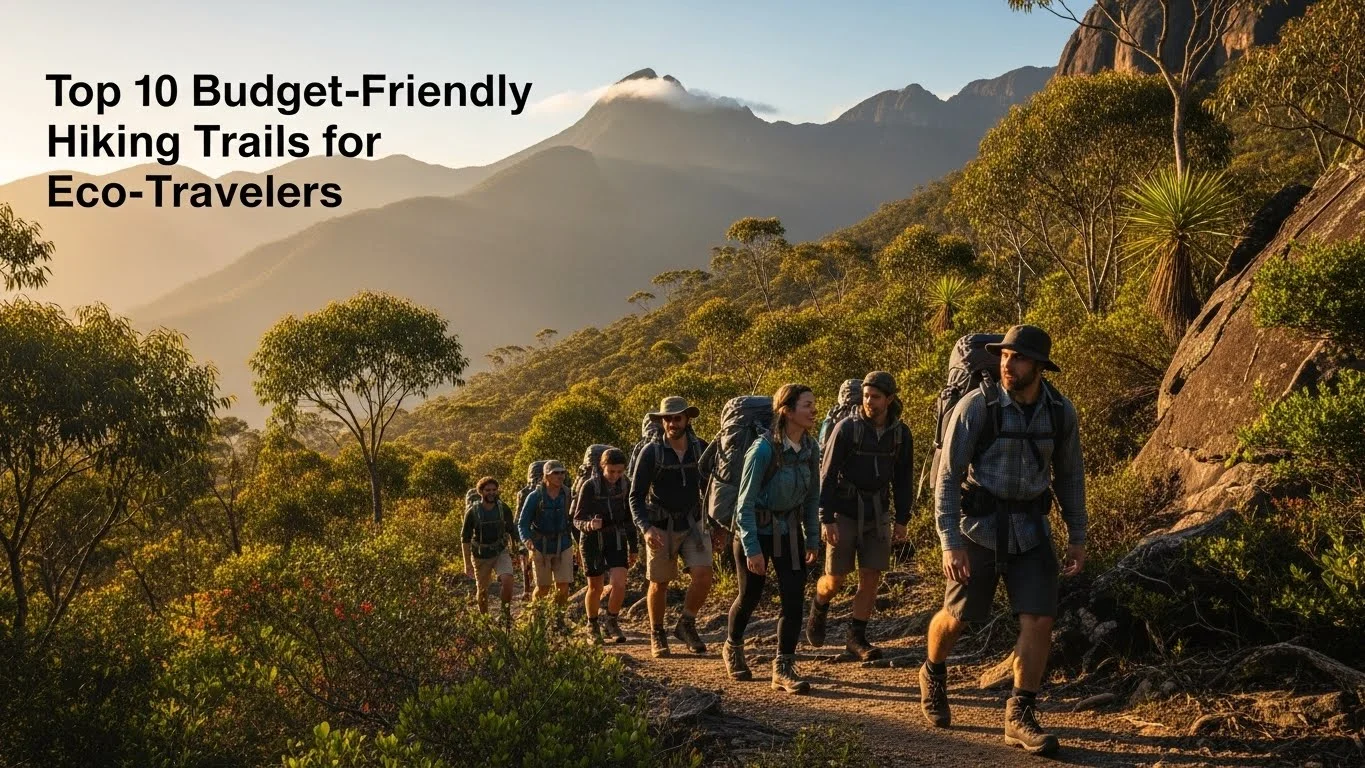
One of my favorite ways to save money while hiking is to seek out free or low-cost trails. Many national and state parks offer free admission days or have sections that don’t require any fees. I often check local hiking forums and websites for hidden gems that are off the beaten path. It’s amazing how many incredible sights can be enjoyed without a hefty price tag. For more ideas on affordable hiking routes, consider the Top 10 Budget-Friendly Hiking Trails for Eco-Travelers.

Budget-Friendly Food Options

Food doesn’t have to be expensive while hiking. I’ve learned to prepare meals at home and pack them in reusable containers. For instance, making a large batch of trail mix or sandwiches can save money and help keep me energized on the trail. I also enjoy checking out local markets for fresh produce to include in my meals. Eating well while staying on a budget is definitely possible with a bit of planning.

Group Discounts and Passes

Hiking with friends or family can be an excellent way to save money. Many parks offer group discounts for entrance fees, and splitting costs for accommodations and transportation can make a big difference. I remember planning a group trip where we pooled our resources; it was not only budget-friendly but also allowed us to create shared memories. Additionally, consider yearly passes for national parks if you plan to hike frequently, as they can save money in the long run.

Final Thoughts

Hiking is one of the most rewarding activities I’ve experienced, and it doesn’t have to be expensive. With so many budget-friendly destinations and valuable tips at your disposal, anyone can enjoy the beauty of nature without breaking the bank. I encourage you to step outside, explore new trails, and embrace the adventure that awaits. There’s a world of stunning landscapes and unforgettable experiences just waiting for you to discover, so lace up your boots, grab your gear, and hit the trails. Happy hiking!

Frequently Asked Questions

What are some benefits of hiking for physical and mental health?

Hiking offers numerous benefits including physical fitness, improved cardiovascular health, and muscle strengthening. It also provides mental clarity, reduces stress, anxiety, and depression, and encourages mindfulness by helping you appreciate the environment around you.

What are some top budget hiking destinations in the United States?

Top budget hiking destinations in the United States include Great Smoky Mountains National Park, which offers over 800 miles of trails for free, and Yosemite National Park, where there are plenty of free hiking opportunities available, especially on less crowded trails.

What hiking experience can I expect in Banff National Park, Canada?

In Banff National Park, you can enjoy stunning turquoise lakes and majestic mountains. The park offers numerous trails for all skill levels, and the Plain of Six Glaciers Trail is a challenging yet rewarding option that provides breathtaking views of the glaciers.

What makes the Camino de Santiago in Spain a unique hiking destination?

The Camino de Santiago is a famous pilgrimage route that attracts hikers worldwide. It combines culture, history, and beautiful landscapes, with various routes available to fit different budgets and timelines, along with affordable accommodations along the way.

What should I consider when planning a budget hiking trip?

When planning a budget hiking trip, consider essential gear such as comfortable hiking boots and a good backpack. Look for affordable accommodations like camping, hostels, or vacation rentals, and explore transportation options like carpooling or public transport to save costs.

When is the best time to hike for wildlife viewing?

The best times for wildlife viewing are early mornings or late afternoons when animals are more active. Different seasons also bring various species out, such as baby animals in spring and bird migrations in fall.

What are some cost-saving tips for hiking trips?

To save money while hiking, look for free or low-cost trails, prepare budget-friendly meals at home, and consider group discounts for entrance fees and accommodations. Additionally, yearly passes for national parks can save money if you plan to hike frequently.

What should I know about trail difficulty ratings?

Trail difficulty ratings can vary from easy to extremely difficult. It’s important to pay attention to these ratings to know what to expect and to choose a trail that matches your skill level and experience.

What is the significance of local culture along hiking trails?

Interacting with local communities along hiking trails can enrich your experience. Learning about local traditions and sharing meals can enhance your hiking adventure and create lasting memories.

What affordable hiking options are available in Patagonia, Argentina?

In Patagonia, Argentina, Los Glaciares National Park offers numerous trails leading to breathtaking views of the Perito Moreno Glacier and surrounding mountains, all at a reasonably priced access fee, making it a fantastic option for budget travelers.

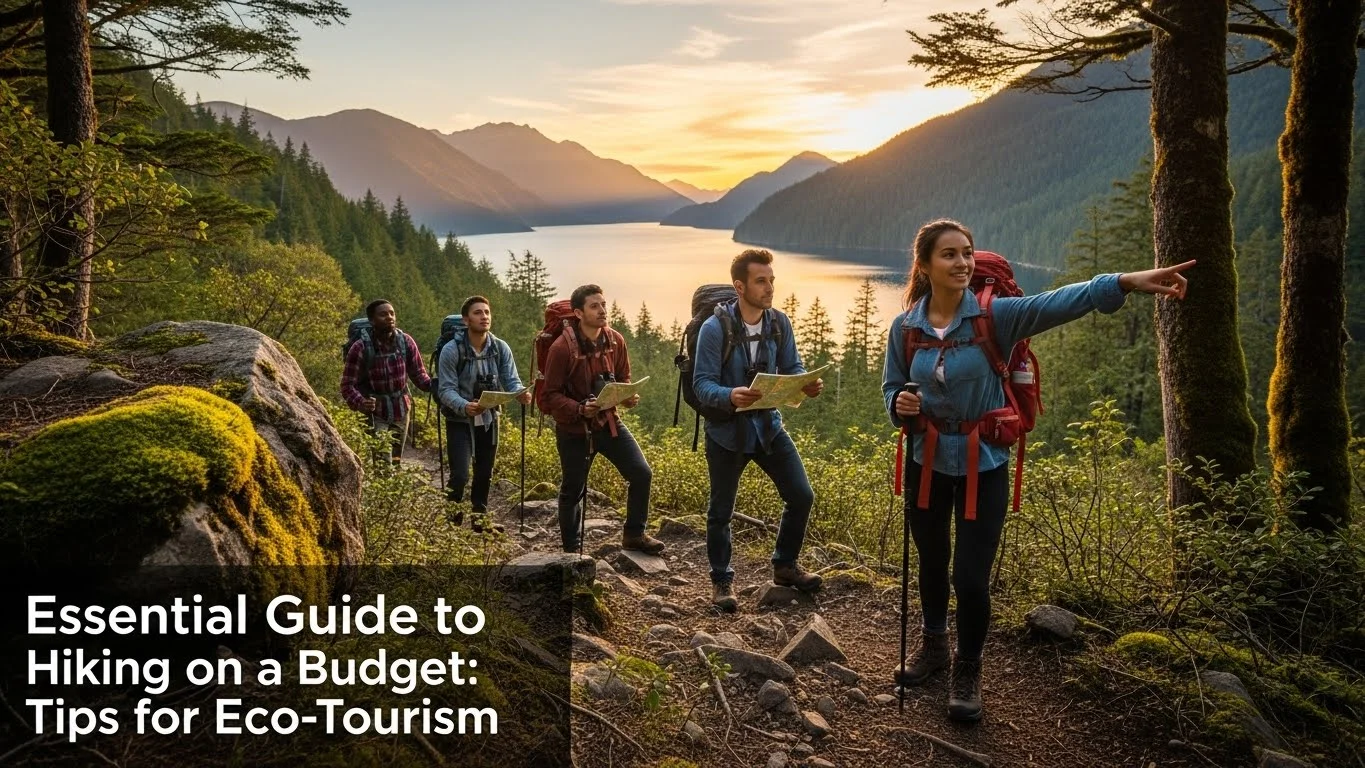
Essential Guide to Hiking on a Budget: Tips for Eco-Tourism

Hiking doesn’t have to be expensive. With a bit of planning and creativity, anyone can explore nature without breaking the bank. This guide will show you how to hike on a budget while embracing eco-tourism. Read Interesting article: Top 10 Budget-Friendly Hiking Trails for Eco-Travelers

Essential Guide to Hiking on a Budget: Tips for Eco-Tourism

Understanding Budget Hiking

What is Budget Hiking?

When I first started hiking, I was surprised to discover that it doesn’t require a hefty wallet. Budget hiking is all about enjoying the great outdoors while keeping expenses low. It means finding affordable ways to access nature, whether through choosing inexpensive trails, using budget-friendly gear, or planning trips that fit into a limited budget. I remember my first hiking trip, where I spent more time figuring out how to keep costs down than on the actual trails. The joy of hiking shouldn’t be tied to how much money you spend, and I’ve learned that with a little creativity, we can enjoy the same experiences without splurging.

Benefits of Budget Hiking

There’s something incredibly satisfying about hiking on a budget. For one, it makes the adventure more accessible. I’ve met so many people who thought they couldn’t hike because they assumed it was too expensive. But budget hiking creates opportunities for everyone. It also allows us to connect more deeply with nature. When we’re not focused on fancy gear or expensive destinations, we can appreciate the beauty around us. Plus, saving money means more trips! I can’t tell you how many extra weekends I’ve spent exploring new trails simply because I kept my costs down. Budget hiking encourages creativity in how we plan and experience our adventures.

Eco-Tourism Explained

With the rise of eco-tourism, more hikers are becoming conscious of their impact on the environment. I remember learning about eco-tourism and realizing how important it is to preserve the beautiful landscapes we love to explore. Eco-tourism focuses on responsible travel practices, aiming to minimize damage to natural habitats while supporting local communities. It’s not just about hiking; it’s about respecting the environment and the people who live in it. When I started hiking with an eco-friendly mindset, it made my trips feel more meaningful. By choosing to hike responsibly, I felt like I was contributing to the preservation of the beautiful trails and parks I visited. Read Interesting article: Winter Hiking on a Budget: Tips for Thrill Seekers

Planning Your Hiking Adventure

Choosing Budget-Friendly Hiking Destinations

When I plan a hiking adventure, one of the first things I consider is the destination. There are so many beautiful trails out there that don’t require a hefty fee to access. I often start by looking at local parks or nature reserves that offer free or low-cost entry. For me, discovering hidden gems close to home has led to some of my most memorable hikes. Sometimes, the best experiences come from places that are less traveled. I recommend checking out websites or apps that list free trails or those with minimal entry fees. It’s a great way to find new spots while keeping our budget in check.

Best Times to Hike on a Budget

Timing can make a significant difference when it comes to budgeting for hiking. I’ve found that hiking during off-peak seasons not only saves money but also offers a more peaceful experience. For instance, I love hitting the trails in the early spring or late fall when the weather is still pleasant, but the crowds are thinner. Plus, many parks have reduced fees during these times. I’ve often been able to enjoy breathtaking views and open trails without feeling rushed or crowded. If you’re flexible with your schedule, try to aim for weekdays as well, as many people choose weekends for their outdoor adventures.

Researching Trails and Parks

Before I head out, I always spend some time researching trails and parks. I’ve learned that understanding the trail difficulty, length, and elevation can really help us choose the right hike for our skill level. Websites like AllTrails or local hiking blogs have been invaluable resources for me. They provide real-time reviews and updates from fellow hikers, which can be helpful in avoiding trails that might be too challenging or closed for maintenance. I also like to check social media for photos and tips from other hikers who have recently explored the area. It makes planning feel more like an adventure in itself!

Understanding Park Fees and Permits

Nothing puts a damper on a hiking trip like unexpected fees. I remember when I was new to hiking, I overlooked checking whether a park had entry fees or required permits. It’s so important to understand what costs might be involved before we set out. Some parks charge a daily fee, while others might offer annual passes that can save us money if we plan on visiting multiple times. For instance, I found out that a national park nearby offers an annual pass that pays for itself after just a few visits. If you’re hiking in a region known for its permits, like certain wilderness areas, make sure to apply early, as they can fill up quickly. Knowledge is power, and it helps us avoid any budget surprises along the way!

Essential Gear for Budget Hiking

Must-Have Hiking Gear

Let’s talk gear! When I first started, I thought I needed all the latest gadgets and high-end equipment to enjoy hiking. But I quickly learned that some basic items are all we really need to have a great experience. A sturdy pair of hiking shoes, comfortable clothing, a good backpack, and plenty of water should be at the top of our lists. I always carry a first-aid kit and a map of the area as well, just in case. It’s amazing how these essentials can make the difference between an enjoyable hike and a stressful one. I believe investing in quality gear is important, but it doesn’t have to mean spending a fortune. There are plenty of budget-friendly items that perform just as well!

Budget Gear Options

Finding budget gear can be a fun challenge! I love browsing outdoor stores during sales or checking out online marketplaces. I’ve had great luck finding high-quality gear at discount prices. Thrift shops and second-hand stores can also be treasure troves for hiking gear. I once found a barely-used pair of hiking boots that fit me perfectly for a fraction of the cost. I recommend keeping an eye out for local outdoor gear swaps as well. It’s a great way to trade items we no longer need and pick up some essentials without spending a dime.

DIY and Second-Hand Gear Tips

For those of us who enjoy a bit of creativity, DIY gear can be a fun and cost-effective solution. I’ve made my own first-aid kits, trail mix, and even a few pieces of gear using materials I already had at home. YouTube has been incredibly helpful for me in learning how to make things like a simple backpack rain cover or a portable camp stove. Plus, there’s something satisfying about creating my own gear. For second-hand tips, online platforms like Facebook Marketplace or local buy/sell groups can be great for finding budget-friendly options. I once scored a fantastic hiking tent that was hardly used for a steal. With a little patience and creativity, we can gear up without draining our wallets.

Food and Nutrition on a Budget

Meal Planning for Hiking Trips

When it comes to hiking, I’ve learned that food plays a big role in how much I enjoy my outdoor adventures. Meal planning ahead of time has saved me both money and stress on the trail. I often sit down before a trip and think about what I want to eat. For me, it’s all about simplicity and nutrition. I love preparing meals that are not only easy to pack but also provide the energy I need for long hikes. One of my go-to strategies is preparing meals at home that I can easily heat up or eat cold on the trail. Dishes like pasta salads or grain bowls with veggies and protein are perfect. They can be made in bulk, allowing me to enjoy leftovers on the trail without breaking the bank.

Cheap and Healthy Snacks

Snacks can make or break a hiking trip. I’ve tried expensive pre-packaged trail mixes and fancy energy bars, but I found that making my own snacks is both cheaper and healthier. I love mixing bulk nuts, dried fruits, and a few dark chocolate chips for a delicious trail mix. It’s amazing how satisfying a homemade snack can be after a long hike. I also like to pack fresh fruits like apples or bananas—they’re easy to carry and give a quick energy boost. Another personal favorite is peanut butter packets. I can spread them on whole-grain bread or eat them straight from the packet. It’s a filling option that keeps my energy up without costing a fortune. I think we often overlook how much we can save by preparing snacks at home rather than buying them on the go.

Cooking While Camping: Budget-Friendly Meals

If I’m camping overnight, I try to keep my cooking simple and affordable. One of my favorite meals is a one-pot dish that requires minimal cleanup. I usually bring a small camp stove and a lightweight pot to cook things like rice with beans and veggies. It’s nutritious, filling, and can be made for just a few dollars per serving. I also enjoy making foil packet meals—these are as fun to prepare as they are to eat! Just toss some sliced veggies and protein into aluminum foil, season them up, and place them on the campfire’s coals. It feels like a little adventure every time I do it, and the clean-up is a breeze. I remember the first time I tried it; it was such a simple meal but tasted amazing under the stars. I believe that cooking while camping doesn’t have to be complicated or costly, and it can be a great way to enjoy the outdoors.

Transportation Tips for Budget Hikers

Affordable Transportation Options to Trailheads

Getting to the trailhead can sometimes be the trickiest part of hiking, especially when trying to stick to a budget. I’ve learned to explore various transportation options that help save money. For local hikes, I often just drive my own car, but I try to share the ride with friends whenever possible. Not only does it cut down on gas money, but it also makes the trip more enjoyable with good company. If I’m heading to a more distant location, I’ve found that researching public transportation options can be a game-changer. Some parks and trails are accessible through bus services that are both affordable and convenient. I love planning my routes ahead of time to ensure I know the best way to get there without spending a fortune on gas or tolls.

Carpooling and Rideshare Tips

Carpooling has become one of my favorite ways to save money on hiking trips. I remember when I first started hiking with a group of friends, we decided to take turns driving. This not only helped us split the costs but also made for a fun road trip atmosphere. I’ve also used rideshare apps to find others heading to the same destination. Many hiking communities have forums where people can arrange carpools, and it’s a great way to meet fellow hikers. I’ve made some wonderful connections this way, and it’s nice to share the experience of the journey before even hitting the trails.

Public Transportation for Hikers

Using public transportation to reach hiking destinations can feel daunting at first, but I’ve found it to be a rewarding experience. Many cities have bus or train services that go directly to popular hiking areas. I once took a train to a national park, and it felt like an adventure in itself. I enjoyed the scenic views along the way, and it cost a fraction of what I would have spent driving. Once I arrived, I was ready to explore without the hassle of parking. I recommend checking local transit websites to see if there are routes available to your desired trailheads. Being open to public transport not only saves money but can also add a fun twist to our hiking adventures.

Eco-Friendly Practices While Hiking

Leave No Trace Principles

As I’ve mentioned before, eco-tourism is close to my heart, and one of the best practices I’ve adopted is the Leave No Trace principles. These guidelines have helped me minimize my impact on the environment while enjoying the great outdoors. I remember the first time I consciously applied these principles during a hike. I made an effort to pack out what I packed in, and it was eye-opening to see how little waste I left behind. It’s also essential to stay on designated trails to avoid damaging vegetation. I believe that by following these principles, we can ensure that the beautiful places we love remain pristine for future generations.

Choosing Eco-Friendly Products

When I shop for hiking gear and food, I try to choose eco-friendly products whenever I can. It’s amazing how many sustainable options are now available, from biodegradable soap to reusable containers. I’ve found that using a refillable water bottle not only reduces plastic waste but also saves me money in the long run. I also like to seek out snacks that come in minimal packaging or are made from organic ingredients. In my opinion, making these simple choices can have a big impact on the environment while also enhancing my hiking experience.

Supporting Local Communities

One of the best parts of hiking is the opportunity it gives us to connect with local communities. I’ve learned to seek out locally-owned businesses when planning my trips, like small cafes or shops that offer homemade snacks and gear. Supporting these businesses not only boosts the local economy but often gives us a more authentic experience. I remember stopping at a small diner after a hike and chatting with the owner about the trails in the area. It added a personal touch to my adventure and made me feel more connected to the place. I believe that by being conscious of where we spend our money, we can contribute positively to the communities we visit.

Safety Tips for Budget Hikers

Essential Safety Gear

Safety is essential when we hit the trails, and I’ve learned that having the right gear can really make a difference. While it’s tempting to cut costs, there are a few items I believe we shouldn’t skimp on. A reliable first-aid kit is a must. I remember the first time I went on a hike and got a blister; having that kit on hand helped me manage the situation without any fuss. A whistle, a headlamp, and a multi-tool can also come in handy. I often pack a lightweight emergency blanket, too, just in case the weather turns unexpectedly. Investing in basic safety gear doesn’t have to break the bank, but it can provide peace of mind while we’re out there exploring.

Understanding Weather Conditions

Weather can change quickly, especially in the mountains, and I’ve learned to check forecasts before heading out. I remember a hike where the sunny weather turned into a downpour, and I wasn’t prepared. Now, I always pack layers, including a rain jacket, even if the forecast looks clear. I also pay attention to temperature and wind chill, as these factors can significantly impact our comfort and safety. Learning to read weather conditions is an essential skill for every hiker, and it helps us decide when it’s best to turn back or if we should alter our plans altogether.

Staying Safe on Trails

When it comes to safety, staying aware of my surroundings is key. I’ve had moments where I got lost in thought, and I realized I wasn’t paying attention to trail markers. I always make it a point to carry a physical map and have a backup navigation app on my phone. Additionally, I’ve learned the importance of hiking with a buddy or letting someone know my plans. There’s a certain comfort in sharing the experience with others, and it also adds a safety net if something goes wrong. If you’re hiking solo, I recommend picking trails that are well-marked and popular, especially if you’re still gaining confidence in your skills.

Community and Resources for Budget Hikers

Online Forums and Groups

Connecting with fellow hikers can be incredibly beneficial, and I’ve found that online forums and groups are a fantastic resource. I remember joining a few Facebook groups dedicated to hiking, where members share tips, gear swaps, and even organize group hikes. These communities provide a wealth of knowledge and support. It’s reassuring to know there are people who share the same passion and can offer guidance or companionship. I’ve made great friends through these platforms, and they’ve introduced me to trails I might have never discovered on my own.

Local Hiking Clubs and Meetups

Getting involved with local hiking clubs has been one of the best decisions I’ve made. I found a nearby group that organizes regular hikes, and it’s a fantastic way to meet people and learn about new trails. Plus, many clubs focus on budget-friendly outings, which aligns perfectly with my hiking philosophy. Participating in these meetups has not only expanded my hiking network but also increased my confidence on the trails. I encourage everyone to look for local clubs or events; they often welcome hikers of all skill levels.

Apps and Websites for Budget Hiking

Technology can be a great ally in budgeting for hiking. I’ve discovered several apps and websites that help us find trails, check weather conditions, and even track expenses. A favorite of mine is an app that lists free or low-cost parks in my area, complete with user reviews and photos. I also love using navigation apps that allow me to download maps for offline use. This way, I’m never lost, even in areas with poor cell service. I feel that staying informed and utilizing these tools not only enhances our hiking experience but also keeps our adventures budget-friendly. Read Interesting article: Budget Backpacker’s Guide to Solo Hiking Trails

Final Thoughts

Hiking on a budget has opened up a world of exploration for me. It’s about immersing ourselves in nature without the pressure of overspending. From choosing affordable destinations and planning meals to being mindful of safety and connecting with the hiking community, I’ve learned that the essence of hiking lies in the experiences and memories we create, not the money we spend. I hope this guide inspires you to embark on your own budget-friendly adventures and embrace the beauty of the great outdoors. Let’s keep exploring, sharing, and enjoying the trails without breaking the bank!

Frequently Asked Questions

What is budget hiking?

Budget hiking is about enjoying the great outdoors while keeping expenses low. It involves finding affordable ways to access nature, such as choosing inexpensive trails, using budget-friendly gear, and planning trips that fit within a limited budget.

What are the benefits of budget hiking?

Budget hiking makes hiking more accessible, allows for a deeper connection with nature, and encourages creativity in planning adventures. It also enables individuals to save money, leading to more hiking trips.

How can I choose budget-friendly hiking destinations?

To choose budget-friendly hiking destinations, look for local parks or nature reserves with free or low-cost entry. Websites and apps that list free trails or those with minimal entry fees can also be helpful in discovering hidden gems close to home.

What are some tips for hiking on a budget during off-peak times?

Hiking during off-peak seasons, such as early spring or late fall, can save money and provide a more peaceful experience. Aim for weekdays as well, since many people hike on weekends, which can lead to crowded trails and higher costs.

What essential gear do I need for budget hiking?

The must-have gear includes sturdy hiking shoes, comfortable clothing, a good backpack, plenty of water, a first-aid kit, and a map of the area. It’s important to invest in quality gear, but it doesn’t have to be expensive.

How can I save on food while hiking?

Meal planning ahead of time can save money and stress. Preparing simple, nutritious meals at home, making your own snacks like trail mix, and packing fresh fruits can help keep costs down while ensuring you have enough energy for your hikes.

What transportation options are available for budget hikers?

Local hikes can often be done by driving your own car and sharing rides with friends to cut down on gas costs. For distant locations, researching public transportation options can be a budget-friendly and convenient alternative.

What are the Leave No Trace principles?

Leave No Trace principles are guidelines that help minimize environmental impact while enjoying the outdoors. They include packing out what you pack in, staying on designated trails, and being mindful of your surroundings to preserve the beauty of natural areas.

How can I connect with other budget hikers?

Joining online forums and local hiking clubs can help you connect with fellow hikers. These communities often share tips, organize group hikes, and provide support, making it easier to find budget-friendly outings and meet new friends.

What safety gear should I consider for budget hiking?

Essential safety gear includes a reliable first-aid kit, a whistle, a headlamp, a multi-tool, and a lightweight emergency blanket. While it’s important to save money, having the right safety gear can provide peace of mind while hiking.

Top 10 Budget-Friendly Hiking Trails for Eco-Travelers

Exploring the great outdoors doesn’t have to break the bank! For eco-travelers seeking budget-friendly hiking trails, I’ve rounded up some fantastic options that are not only wallet-friendly but also environmentally conscious. Read Interesting article: Budget Backpacker’s Guide to Solo Hiking Trails

Top 10 Budget-Friendly Hiking Trails for Eco-Travelers

Understanding Eco-Travel and Its Importance

As someone who has embraced the eco-travel lifestyle, I can tell you that it’s about more than just visiting beautiful places. It’s about making choices that are kind to the planet and support sustainable practices. I believe eco-travelers aim to minimize their environmental impact while enjoying the wonders of nature.

What is Eco-Travel?

Eco-travel, in my experience, is all about responsible tourism. It encourages travelers to explore natural areas while respecting local cultures and environments. When I choose an eco-travel destination, I look for places that prioritize conservation and sustainability. This can mean anything from selecting eco-friendly accommodations to engaging in activities that benefit the local ecosystem.

The Benefits of Eco-Travel

There are so many benefits to eco-travel that I’ve personally experienced. For one, I’ve noticed that it often leads to deeper connections with nature. When I hike through untouched landscapes, I feel a sense of peace and wonder. Additionally, eco-travel can support local economies by directing funds to communities that rely on tourism. I’ve seen how my travel choices can impact local jobs and conservation efforts positively.

How Hiking Aligns with Eco-Friendly Practices

Hiking, to me, is one of the best ways to practice eco-travel. It allows us to immerse ourselves in nature while minimizing our carbon footprint. I’ve often found that hiking requires little more than a good pair of shoes, making it an affordable way to experience the outdoors. Plus, when I hike, I feel a responsibility to protect the trails and the environments around me. This connection reinforces the importance of conservation and sustainability.

Choosing Budget-Friendly Hiking Trails

Now that we’ve established what eco-travel is and its importance, let’s dive into how to find budget-friendly hiking trails. I’ve learned that there are several factors to consider, which I’ll share from my own hiking adventures.

Factors to Consider When Selecting Trails

When I’m on the lookout for budget-friendly trails, I think about accessibility, trail conditions, and the overall experience. It’s essential to choose trails that don’t require excessive travel costs. I often look for local trails or those within a few hours’ drive. It’s also wise to consider the season, as some trails may be more enjoyable or safe to hike at different times of the year. Lastly, I always check if there are any fees for using the trails. Some parks charge entrance fees, while others are completely free!

Best Seasons for Hiking on a Budget

From my experience, hiking in the off-peak seasons can save you a lot of money. For example, I’ve hiked in early spring and late fall when the weather is still pleasant, but the crowds are fewer. In many cases, accommodations and transport are cheaper during these times too. I remember one trip in the fall when the foliage was breathtaking, and I encountered hardly any other hikers on the trail. It felt like I had the entire landscape to myself!

Essential Gear for Budget Hiking

When it comes to gear, I’ve learned that you don’t need to spend a fortune. I recommend investing in a good pair of hiking shoes since comfort is key. Beyond that, I often rely on what I already have in my closet. Old backpacks, water bottles, and even clothing can often suffice. I’ve also discovered that shopping at second-hand stores or borrowing gear from friends can be a great way to save money while still being prepared for my hikes.

As I look forward to my next hiking adventure, I get excited thinking about all the beautiful trails out there waiting to be explored. The combination of eco-travel and budget-friendly hiking makes for unforgettable experiences, and I can’t wait to share my top picks with you in the next sections! Each trail offers unique views and experiences, and I believe there’s something for every type of hiker out there.

Top 10 Budget-Friendly Hiking Trails for Eco-Travelers

Now that we’ve explored how to find budget-friendly hiking trails, I’m excited to share some of my favorite trails that won’t strain your wallet. These locations not only offer breathtaking views but also align beautifully with eco-friendly practices. Let’s dive into the details of each trail! Read Interesting article: Epic Solo Hiking Trails: Adventure Awaits on a Budget

1. Appalachian Trail (USA)

Overview and Highlights

The Appalachian Trail is a classic for hikers across the United States. Stretching over 2,190 miles from Georgia to Maine, it offers a diverse experience. I remember the first time I hiked a section of it; the variety of landscapes was astounding—from lush forests to rocky ridges. Along the way, you’ll encounter stunning vistas, charming towns, and even wildlife like deer and black bears.

Best Sections for Budget Hikers

If you’re looking to explore without the need for expensive gear or accommodations, I recommend starting with sections like the Great Smoky Mountains or Shenandoah National Park. These areas have free entry and abundant camping options, making it easier to enjoy the trail on a budget.

2. Zion National Park (USA)

Overview and Highlights

Zion National Park is one of the most awe-inspiring places I’ve ever visited. The towering red cliffs and narrow canyons create a stunning backdrop for hiking. One of my favorite hikes was the Angels Landing trail, which offers a thrilling experience with breathtaking views. Just be prepared for some steep sections!

Cost-Effective Accommodation Options

For budget travelers, Zion has several campgrounds that are affordable and provide access to the trails. I often recommend staying at the Watchman Campground, where you can set up camp surrounded by nature without spending a fortune.

3. Torres del Paine National Park (Chile)

Overview and Highlights

Torres del Paine is a gem in Patagonia, Chile. The dramatic landscapes, featuring mountains, glaciers, and lakes, left me in awe during my visit. Hiking here feels like stepping into a postcard! The W Trek is particularly popular, showcasing some of the park’s best sights.

Budget Trails for Stunning Views

For budget-conscious travelers, I suggest exploring the base of the Torres del Paine, which can be done without any guided tours. Camping in designated areas is affordable, and it allows you to soak in the stunning scenery while keeping costs low.

4. Cinque Terre National Park (Italy)

Overview and Highlights

Cinque Terre, with its colorful cliffside villages and stunning coastal views, is a must-see for every traveler. I was captivated by the charming narrow streets and the incredible hiking paths connecting the villages. The trail from Monterosso to Vernazza is one of the highlights for me.

Affordable Local Cuisine

One of the best parts of hiking in Cinque Terre is enjoying the local cuisine at budget-friendly eateries. I loved grabbing a slice of focaccia or some fresh seafood from local markets, which kept my budget in check while treating my taste buds!

5. Banff National Park (Canada)

Overview and Highlights

Banff is often considered one of the crown jewels of the Canadian Rockies. The scenery is out of this world, with turquoise lakes and towering peaks. I remember hiking around Lake Louise and feeling like I was in a dream. The fresh mountain air and stunning views rejuvenate the spirit.

Free Activities and Budget Tips

Banff National Park offers several free hiking trails, such as the Tunnel Mountain Trail, which provides incredible views without a hefty price tag. Plus, I recommend visiting during the shoulder seasons, when you can find lower accommodation rates and fewer crowds.

6. Kruger National Park (South Africa)

Overview and Highlights

Kruger National Park is a unique hiking destination where you can experience wildlife up close. Walking safaris are an unforgettable way to connect with nature, and I was thrilled to see elephants and giraffes roaming freely in their natural habitat.

Cost-Effective Camping Options

For budget travelers, Kruger offers affordable campsites that allow you to stay overnight amidst the wildlife. I found the experience of falling asleep to the sounds of nature incredibly peaceful and enriching.

7. Tatra Mountains (Poland/Slovakia)

Overview and Highlights

The Tatra Mountains are a hidden gem in Europe that I stumbled upon during my travels. The dramatic peaks and picturesque valleys offer a variety of trails for all skill levels. I particularly enjoyed the hike to Morskie Oko, a stunning glacial lake surrounded by mountains.

Local Transportation Savings

Getting around the Tatra area is budget-friendly, with many local buses connecting the main hiking spots. I found this to be a great way to explore while keeping costs down. Plus, the views during the bus rides are breathtaking!

8. Inca Trail (Peru)

Overview and Highlights

The Inca Trail is famous for its rich history and stunning scenery. I was in awe as I hiked through ancient ruins and lush landscapes, eventually reaching the magnificent Machu Picchu. The trail offers a unique combination of culture and nature.

Budget Trekking Options

While some routes can be pricey, I recommend looking into alternative treks like the Salkantay Trek, which can be more affordable while still providing the incredible experience of reaching Machu Picchu.

9. Great Smoky Mountains National Park (USA)

Overview and Highlights

The Great Smoky Mountains are one of my favorite hiking spots in the U.S. The diversity of flora and fauna is remarkable, and I appreciate the park’s commitment to conservation. One of the trails I enjoyed was the Alum Cave Trail, which leads to some breathtaking views.

Free Entry and Budget Activities

One of the best parts? The park has no entrance fee! I often take advantage of the free ranger-led programs to learn more about the area’s history and ecology while enjoying the trails.

10. Mount Cook National Park (New Zealand)

Overview and Highlights

Mount Cook National Park is a paradise for hikers. The views of the Southern Alps are simply stunning. I can still remember standing at the Hooker Valley Track, feeling like I was in a movie scene with the mountains towering overhead.

Budget-Friendly Accommodation

For those on a budget, there are plenty of camping options in the park. I found that camping amidst such breathtaking scenery was an experience I’d never forget. It’s an affordable way to enjoy the park while fully immersing myself in nature.

Planning Your Eco-Friendly Hiking Trip

How to Prepare for Your Hike

Preparing for a hike might seem straightforward, but I’ve learned that a bit of planning can make all the difference. Before setting out, I always check the trail conditions online or through local park services. I remember a time when I arrived at a trail only to find it closed due to weather conditions. It was disappointing, but it taught me to be proactive. I also recommend mapping out my route ahead of time and sharing it with someone, especially if I’m hiking alone. This way, others know my plans, enhancing my safety.

Another aspect of preparation is physical readiness. I find that staying active and doing some conditioning leading up to my hike helps me enjoy the experience more. Simple things like walking, jogging, or doing strength exercises can be incredibly beneficial. I’ve noticed that when I’m in good shape, I can appreciate the beauty around me without exhausting myself.

Choosing Sustainable Transportation

Transportation plays a big role in eco-travel, and I’ve made it a priority to choose options that reduce my carbon footprint. Whenever possible, I opt for public transportation to reach my hiking destinations. For example, using buses or trains not only saves money but also allows me to enjoy the scenery without the stress of driving.

Carpooling with fellow hikers is another great option. I’ve met some fantastic people this way, and it feels good to contribute to less congestion and pollution. Plus, sharing the ride often leads to sharing stories and tips about the trails we’re heading to, making the journey just as enjoyable as the hike itself.

Eco-Friendly Packing Tips

Packing light and wisely is something I’ve honed over the years. I focus on bringing only what I need, which makes my hike more enjoyable and reduces my environmental impact. I usually start with a reusable water bottle; staying hydrated is crucial, and I love having a bottle that I can refill instead of relying on single-use plastics.

When it comes to food, I prefer to pack snacks that have minimal packaging. Trail mix, fruits, and energy bars are my go-tos. I also try to bring a small, reusable container for leftovers if I plan to make a meal at my campsite. This way, I’m minimizing waste while enjoying delicious, healthy food during my hike.

Lastly, I invest in eco-friendly gear whenever possible. From backpacks made of recycled materials to biodegradable soap for washing up, I’ve discovered that there are plenty of options that align with my values. It feels good to make choices that reflect my commitment to the environment.

Staying Safe While Hiking on a Budget

Essential Safety Tips for Hikers

Safety is paramount on any hike, and I’ve learned a few key tips that have kept me safe during my adventures. First and foremost, I always tell someone my plans and expected return time. It’s comforting to know that someone is aware of my whereabouts, just in case anything goes awry.

I also carry a basic first-aid kit with me. I can’t count how many times I’ve used it for minor scrapes or blisters. Packing essentials like a map, compass, and even a whistle can be lifesavers in an emergency. I once got turned around on a trail, and having a physical map helped me find my way back without panic.

Emergency Preparedness

In addition to having a first-aid kit, I’ve learned to prepare for potential emergencies. I always check the weather forecast before heading out, and I dress in layers to adapt to changing conditions. I remember hiking once when the weather suddenly turned cold and rainy. Having an extra layer and a good rain jacket made it possible for me to continue enjoying my hike instead of feeling miserable.

It’s also wise to know the signs of overheating or dehydration. Listening to my body has been crucial; if I start feeling dizzy or fatigued, I take a break, hydrate, and cool down. It’s amazing how a few moments of rest can rejuvenate me and keep me going.

Leave No Trace Principles

One of the most important lessons I’ve learned in my hiking journey is the Leave No Trace principles. These guidelines have helped me ensure that I’m preserving the beauty of nature for future generations. I always pack out what I pack in, meaning I take my trash with me, no matter how small. I’ve seen firsthand how litter can ruin the experience for others, so I make it a point to keep our trails clean.

I also try to stick to established trails to minimize my impact on the environment. Wandering off the path can cause erosion and harm to plants and wildlife. I often remind myself that every step I take in nature is a chance to show respect for the land.

By following these principles, I feel that I’m contributing to the preservation of the amazing places I love to explore. Each hike becomes not just a personal adventure but a shared responsibility with everyone who enjoys the great outdoors.

Connecting with Local Communities

How to Support Local Economies

One of the joys of hiking is the opportunity to connect with local communities. I’ve discovered that supporting local businesses not only enhances my experience but also helps the economy in the areas I visit. Whether it’s eating at a family-owned restaurant or shopping at local markets, I feel good knowing my dollars are going directly to the people who call these places home.

I love trying regional specialties, and I often ask locals for their recommendations. This is how I stumbled upon some of the best meals during my travels. I remember enjoying freshly caught fish at a small eatery in a coastal town, and it became a highlight of my trip.

Engaging with Local Conservation Efforts

Engaging with local conservation efforts is another way to deepen my connection with the places I hike. I often look for volunteer opportunities that allow me to give back to the areas I visit. Whether it’s participating in a trail clean-up or helping with local reforestation projects, these experiences have enriched my travels in ways I never expected.

One of my favorite experiences was volunteering with a group dedicated to preserving a local wildlife habitat. Not only did I meet some wonderful people, but I also learned much about the ecosystem and the challenges it faces. It’s amazing how these opportunities can turn a simple hike into a meaningful journey.

Frequently Asked Questions

What is eco-travel?

Eco-travel is about responsible tourism that encourages travelers to explore natural areas while respecting local cultures and environments. It involves making choices that minimize environmental impact and support sustainable practices.

How does hiking align with eco-friendly practices?

Hiking is a great way to practice eco-travel as it allows for immersion in nature while minimizing one’s carbon footprint. It typically requires minimal gear, making it an affordable way to experience the outdoors while promoting conservation and sustainability.

What should I consider when selecting budget-friendly hiking trails?

Factors to consider include accessibility, trail conditions, the overall experience, seasonal conditions, and any fees associated with using the trails. Local trails or those within a few hours’ drive are often best for budget-conscious hikers.

What are the best seasons for hiking on a budget?

Hiking during off-peak seasons, such as early spring and late fall, can save money. During these times, accommodations and transport are often cheaper, and the trails are less crowded.

What essential gear do I need for budget hiking?

A good pair of hiking shoes is key for comfort. Beyond that, you can often use items you already own, like old backpacks and water bottles. Shopping at second-hand stores or borrowing gear from friends can also help save money.

How can I prepare for my hiking trip?

Preparation involves checking trail conditions, mapping your route, and sharing your plans with someone. Staying physically active and conditioned before a hike can also enhance the experience.

What are some eco-friendly packing tips for hiking?

Packing light and wisely is important. Bring a reusable water bottle, snacks with minimal packaging, and consider investing in eco-friendly gear made from sustainable materials to reduce environmental impact.

What safety tips should I follow while hiking on a budget?

Always inform someone of your hiking plans and expected return time, carry a basic first-aid kit, and pack a physical map and compass. Dress in layers to adapt to weather changes, and know the signs of overheating or dehydration.

What are the Leave No Trace principles?

Leave No Trace principles involve packing out what you pack in, sticking to established trails to prevent environmental damage, and being responsible for preserving nature’s beauty for future generations.

How can I support local economies while hiking?

Support local businesses by eating at family-owned restaurants, shopping at local markets, and engaging with local conservation efforts. This enhances your experience and contributes to the economic well-being of the areas you visit.

Eco-Friendly Wildlife Safaris: Travel Sustainably on a Budget

Imagine immersing yourself in the wild, witnessing majestic animals in their natural habitat, all while making choices that protect our planet. Eco-friendly wildlife safaris offer just that, allowing us to travel sustainably on a budget. For those interested in making cost-effective choices, check out our Ultimate Guide to Budget-Friendly Wildlife Safaris.

Eco-Friendly Wildlife Safaris: Travel Sustainably on a Budget

Understanding Eco-Friendly Wildlife Safaris

What is an Eco-Friendly Wildlife Safari?

When I first heard the term “eco-friendly wildlife safari,” I was curious. What makes a safari eco-friendly? Essentially, it’s about immersing ourselves in nature, observing wildlife, and supporting conservation efforts while minimizing our impact on the environment. Eco-friendly safaris prioritize sustainability, ensuring that both the animals and their habitats are respected and preserved.

On these safaris, tour operators often use eco-conscious practices. This can include utilizing renewable energy sources, employing local guides, and ensuring that the wildlife experiences are ethical. I remember my first eco-friendly safari; it felt like a blend of adventure and responsibility. We were not just tourists, but participants in a larger mission to protect the wilderness and its inhabitants.

Benefits of Eco-Friendly Safaris

There are countless benefits to choosing an eco-friendly safari, and I can personally attest to many of them. For one, you get to enjoy a more authentic experience. Eco-friendly safaris often take you off the beaten path, providing a chance to connect deeply with the environment and local cultures. I found myself more engaged during my trip, learning about local ecosystems and the importance of biodiversity.

Another advantage is the positive impact on local communities. Eco-friendly safaris tend to support local economies and promote community-based tourism. For example, by choosing a safari that employs local guides, you are helping provide jobs and sustainable livelihoods. I felt good knowing that my trip was benefiting the people living in the region.

Moreover, eco-friendly safaris contribute directly to wildlife conservation. A portion of the revenue from these safaris often goes towards protecting natural habitats and funding conservation initiatives. I remember visiting a sanctuary where our fees helped support anti-poaching efforts, which felt incredibly rewarding. To further explore how your travels can support conservation, check out Wildlife Conservation Travel: Discover Eco-Friendly Adventures.

Understanding Wildlife Conservation

Wildlife conservation is a crucial aspect of eco-friendly safaris. I learned that many animals face threats from habitat loss, poaching, and climate change. Understanding these challenges helped me appreciate the importance of my choices as a traveler. During my safari, we participated in discussions about conservation strategies and the role of tourism in supporting these efforts.

One thing that struck me was the delicate balance between tourism and conservation. While tourism can provide financial support, it can also lead to overcrowding and environmental degradation if not managed properly. Responsible operators implement practices to mitigate these impacts, such as limiting the number of visitors in sensitive areas and promoting low-impact activities.

Through my experiences, I came to realize that each of us has a part to play in wildlife conservation, even as travelers. By choosing eco-friendly options, we can contribute to the preservation of the very landscapes and species that inspire us. It’s a beautiful loop of giving back while experiencing the wonders of nature.

As I reflect on my journey, I feel grateful for the opportunity to combine my love for wildlife with my commitment to sustainable travel. Eco-friendly safaris not only enrich our lives but also play a vital role in the well-being of our planet. I encourage anyone considering a safari to think about the impact of their choices and explore the world in a way that honors the beauty of our shared home. To find budget-friendly options, consider checking the Explore Budget Wildlife Safaris for Eco-Conscious Travelers.

Planning Your Eco-Friendly Safari

Choosing the Right Destination

When I was planning my eco-friendly safari, choosing the right destination felt like a monumental task. There are so many incredible places to explore, each with its unique wildlife and ecosystems. I wanted to experience the raw beauty of nature while ensuring that my visit would positively impact both the environment and local communities.

Some of the top destinations that I considered included Kenya, Tanzania, and South Africa. Each of these countries boasts diverse wildlife and stunning landscapes. For instance, the Maasai Mara in Kenya is famous for the Great Migration, where millions of wildebeest and zebra traverse the plains. I was captivated by the idea of witnessing this natural spectacle while knowing that my visit could help fund conservation efforts. I also learned that some lesser-known destinations, such as Namibia or Botswana, offer equally stunning experiences with fewer crowds, which can enhance the feeling of connection with nature.

When choosing a destination, I recommend looking for places that have well-established eco-tourism practices. Researching the local conservation initiatives can guide you to areas where your visit will make a difference. I found that engaging with local guides not only enriched my understanding of the wildlife but also connected me with the cultural heritage of the area.

Best Times to Visit for Wildlife Watching

Timing can make or break your safari experience. I quickly realized that understanding the best times to visit specific regions is crucial for maximizing wildlife sightings. Each destination has its prime season, often dictated by weather patterns, migration cycles, and animal behaviors.

For example, in East Africa, the dry season from June to October is ideal for spotting wildlife, as animals gather around water sources. I remember being amazed by the abundance of animals during my trip at this time. In contrast, the wet season can be a quieter time, but it also offers lush landscapes and fewer tourists. I learned that visiting during these off-peak months could lead to a more intimate experience with nature, albeit with a different set of wildlife viewing opportunities.

Researching the timing for specific animals can also enhance your trip. For instance, if you’re hoping to see elephants, the dry season is best, while birdwatchers may prefer the wet season when migratory species are more abundant. I recommend checking wildlife calendars or consulting with eco-friendly safari operators who have local expertise.

How to Research Eco-Friendly Safari Operators

Finding the right safari operator can feel overwhelming, but it’s essential for ensuring an eco-friendly experience. I started by looking for operators that are transparent about their practices and committed to sustainability. Reading reviews and testimonials from fellow travelers helped me gauge their reputation.

Many eco-friendly operators emphasize their commitment to conservation, such as employing local guides, supporting community initiatives, and minimizing environmental impact. I remember reaching out to a few operators to ask about their conservation efforts, and their enthusiastic responses made me feel more confident in my choices.

Another tip is to check if the operator is a member of recognized eco-tourism associations. These organizations often have strict guidelines and standards, ensuring that their members adhere to sustainable practices. I also recommend asking about their policies on wildlife encounters, as ethical wildlife interactions are critical to supporting conservation efforts.

Evaluating Eco-Certifications and Standards

As I delved deeper into planning my safari, I learned about the importance of eco-certifications. These certifications can help us, as travelers, identify operators that are genuinely committed to sustainable practices. I found that organizations like the Global Sustainable Tourism Council (GSTC) and the Rainforest Alliance have established standards for eco-friendly tourism.

When evaluating these certifications, I looked for specific criteria that ensured operators were making a positive impact. This includes their efforts to reduce carbon footprints, support local communities, and protect wildlife. I felt reassured when I discovered that some operators even undergo independent audits to verify their practices.

In my experience, I noticed that eco-certified operators often provided a more enriching experience. They tended to offer educational components about conservation and local cultures, which made my safari not just a vacation but a meaningful journey.

Ultimately, taking the time to research and evaluate eco-friendly safari operators helped me feel confident in my choices. It made my experience not only enjoyable but also aligned with my values of respecting and protecting our planet.

Budgeting for Your Safari

Cost Breakdown: What to Expect

Budgeting for an eco-friendly safari can be a bit of a balancing act, but it’s essential to approach it with an open mind. When I started planning my trip, I was surprised by how many variables could affect the cost. Safari prices can vary widely based on factors like the destination, type of accommodation, and length of stay. I remember feeling overwhelmed at first, but once I broke it down, it became much clearer.

Typically, you’ll encounter costs related to the following:

  • Accommodation: Depending on whether you choose a luxury lodge, a mid-range camp, or budget-friendly lodging, prices can range from $100 to $1,000 per night. I found that opting for eco-lodges not only supported conservation but often provided unique experiences.
  • Safari Packages: These can vary based on inclusions like meals, park fees, and guided tours. I discovered that some packages were all-inclusive, which helped me budget more accurately.
  • Transportation: Consider how you’ll get to your destination and travel between parks. Flights, transfers, and even rental vehicles can add up.
  • Park Entrance Fees: Many national parks have entrance fees, which can range from $20 to $100 per person per day. I remember budgeting for these in advance so they didn’t catch me off guard during the trip.
  • Activities: Optional excursions like hot air balloon rides, cultural visits, or guided hikes can add to your overall cost. I found that planning these ahead of time allowed me to prioritize what was most important to me.

By mapping out these costs, I was able to set a realistic budget and choose the right safari that fit my financial plans without sacrificing the experience.

Affordable Destinations for Wildlife Safaris

While some safari destinations may have a reputation for being pricey, I learned that plenty of affordable options exist without compromising on the experience. For instance, countries like Zambia and Tanzania offer incredible wildlife experiences at a fraction of the cost compared to more famous spots.

I discovered that Zambia, in particular, is known for its walking safaris, which are often less expensive than traditional game drives and provide a unique perspective on nature. Additionally, Botswana has stunning landscapes and wildlife but can be budget-friendly if you explore lesser-known parks like Chobe National Park.

Another tip is to look for off-peak seasons, which can significantly reduce costs. While the dry season is popular, traveling during the shoulder seasons can provide excellent wildlife viewing opportunities while also giving you a quieter experience with fewer tourists.

Tips for Saving Money on Safari Expenses

Saving money on a safari doesn’t mean skimping on the adventure. I found several strategies that helped me keep costs down while still enjoying an unforgettable experience.

  • Travel Off-Peak: As mentioned earlier, visiting during off-peak times can lead to lower prices and fewer crowds. I remember feeling like I had the park to myself during my visit in May.
  • Book in Advance: Early booking can lead to significant savings, especially for accommodations and flights. I made my reservations months ahead, which often secured better rates.
  • Group Travel: If you can, travel with a group. Sharing costs for accommodation and guides can help everyone save money. I coordinated with friends on my last trip, which made it both affordable and more enjoyable.
  • Consider Self-Drive Options: If you’re comfortable driving, consider renting a vehicle and exploring parks independently. This can be a cost-effective way to see wildlife at your own pace.

Finding Budget Accommodation Options

Accommodation can eat up a large part of your safari budget, but I found that there are numerous budget-friendly options available. Eco-lodges, campsites, and guesthouses often provide affordable stays while aligning with sustainable practices.

I remember staying at a community-run lodge in Tanzania, where my fees directly supported local conservation projects. Not only did I save money, but I also felt connected to the local community and its efforts to preserve the environment.

Camping is another option that many travelers overlook. I decided to try it during one part of my safari experience, and it turned out to be one of my favorite parts. Falling asleep under the stars while listening to the sounds of the African night was magical. Many parks have designated campsites, and you can usually rent gear locally if you don’t want to carry everything with you.

Online platforms also offer great resources for finding budget accommodation. Websites like Airbnb and Hostelworld can help you locate unique stays that won’t break the bank. I found some fantastic deals on lodges that offered both comfort and eco-friendly practices.

By being strategic about where I stayed, I managed to stretch my budget while immersing myself in the beauty of nature, which made my safari experience all the more enriching.

Eco-Friendly Safari Activities

Guided Nature Walks and Hikes

One of the most memorable experiences I had on my eco-friendly safari was participating in guided nature walks. These excursions allowed me to immerse myself in the environment, connecting with the landscape in ways that traditional game drives simply couldn’t offer. Walking through the bush, I learned to identify tracks, scat, and plants that I would have otherwise overlooked. The local guides were incredibly knowledgeable, sharing stories about the ecosystem and the intricate relationships between species.

I remember stopping to observe a tiny, vibrant flower that was home to various insects. Our guide explained how this plant was crucial for pollinators and how its survival was tied to the health of the entire area. It made me realize how interconnected everything is in nature, and I felt a sense of responsibility to help preserve these delicate ecosystems. Walking in nature gave me a newfound appreciation for the wildlife and their habitats, making my safari feel even more significant.

Wildlife Photography Tips

If you’re like me and love capturing the beauty of nature, then wildlife photography is a must during your safari. I learned quite a bit about how to take stunning photos without disturbing the animals. One of my favorite tips was to practice patience. I found that sitting quietly and observing often led to the best shots. Animals are more likely to act naturally when they sense they aren’t being watched closely.

Using a zoom lens was also a game-changer for me. It allowed me to capture intimate moments from a distance without intruding on their space. I vividly remember watching a pride of lions interact with their cubs from a safe distance, and I felt like I was witnessing a private moment. Additionally, I recommend taking advantage of the golden hours—early morning and late afternoon light—when the colors are just breathtaking.

Finally, I found that respecting wildlife and their surroundings is vital. Avoid flash photography, as it can startle animals and disrupt their behavior. By being a responsible photographer, I felt good knowing I was contributing to the ethical treatment of wildlife while still documenting my adventure.

Community-Based Tourism Initiatives

One of the most impactful aspects of my eco-friendly safari was engaging in community-based tourism initiatives. I had the opportunity to visit a local village, where I learned about their culture, traditions, and challenges. This experience was eye-opening for me, as it highlighted the importance of supporting local communities through tourism.

During my visit, I participated in a traditional cooking class, where I not only learned how to make local dishes but also gained insights into the community’s sustainable practices. It was heartwarming to see how tourism could be a tool for empowerment, helping fund education and healthcare initiatives. I felt truly connected to the people, and my visit had a tangible impact on their lives. It reminded me that our travels can be meaningful and help foster a sense of community and shared responsibility.

Responsible Wildlife Interaction

Understanding Ethical Wildlife Encounters

As I ventured on my safari, I became increasingly aware of the importance of ethical wildlife encounters. I learned that not all wildlife experiences are created equal, and it’s crucial to choose activities that prioritize animal welfare. For example, I opted out of any attractions that involved direct contact with animals, as I discovered that these interactions can often lead to stress for the animals involved.

Instead, I focused on activities that allowed me to observe animals in their natural environments. Whether it was watching elephants roam freely across the savannah or spotting a cheetah resting in the shade, I felt a sense of fulfillment knowing that I was supporting responsible tourism practices. By choosing ethical experiences, I felt I was contributing to the conservation message that is so vital for the survival of these species.

Wildlife Viewing Etiquette

During my safari, I quickly learned that proper etiquette is essential for wildlife viewing. I was amazed at how small actions could make a big difference. For instance, I was reminded to keep noise levels down and avoid sudden movements to prevent startling the animals. I also learned to maintain a respectful distance, which allowed the animals to behave naturally without feeling threatened by our presence.

One of the best moments was witnessing a herd of elephants as they approached a watering hole. I remember staying quiet and keeping my distance, allowing them to interact peacefully. It was a privilege to observe such majestic creatures in their habitat, and I realized that our respect for them can help ensure their safety and well-being.

Volunteering Opportunities at Wildlife Reserves

For those looking to make an even deeper impact, I found that volunteering at wildlife reserves can be an incredibly rewarding experience. I had the chance to learn about various programs focused on rehabilitation and conservation efforts. Volunteering allows you to engage hands-on with wildlife and contribute to meaningful conservation projects. I remember helping out with feeding and caring for orphaned animals, which was both challenging and fulfilling.

These opportunities not only provide essential support to conservation efforts but also deepen your understanding of the challenges faced by wildlife. I felt empowered knowing that I was contributing directly to the well-being of these animals while learning from dedicated professionals in the field.

Sustainable Travel Tips for Safari Goers

Packing Light and Smart

Packing efficiently for a safari is essential, especially when it comes to eco-friendly travel. I learned to pack light, which not only made my travel easier but also helped reduce my carbon footprint. I focused on bringing versatile clothing that could be layered, along with sturdy footwear for walking and exploring. My experiences with wildlife photography also taught me to pack just the essentials, ensuring I had the right gear without overloading myself.

Using Eco-Friendly Products

Embracing eco-friendly products during my trip was another way to minimize my environmental impact. I switched to biodegradable toiletries and reusable water bottles, which made a significant difference. It felt good to know that I was reducing plastic waste while enjoying my safari. I also brought along some eco-friendly sunscreen, as I learned that conventional products can harm marine life when washed off.

Transportation Options: Reducing Your Carbon Footprint

Transportation is another aspect where I found I could make eco-conscious choices. I opted for shared transportation options whenever possible, which helped minimize the number of vehicles on the road. In some cases, I even chose to walk between nearby attractions, allowing me to connect more deeply with the landscape and wildlife.

Final Thoughts

Looking back on my eco-friendly safari experience, I feel incredibly grateful for the lessons I learned and the connections I made. It’s not just about witnessing the beauty of wildlife; it’s about understanding our role in protecting it. By choosing sustainable travel options, I believe we can create positive change, not only for the ecosystems we enjoy but also for the communities that depend on them. I encourage anyone considering a safari to embrace this opportunity to travel responsibly, engage with nature, and support conservation efforts. Together, our choices can pave the way for a more sustainable future for our planet.

Frequently Asked Questions

What is an eco-friendly wildlife safari?

An eco-friendly wildlife safari is a travel experience that immerses participants in nature, allowing them to observe wildlife while supporting conservation efforts and minimizing environmental impact. It prioritizes sustainability and ethical wildlife experiences.

What are the benefits of choosing an eco-friendly safari?

Benefits include enjoying a more authentic experience, positively impacting local communities, and contributing to wildlife conservation efforts. Eco-friendly safaris also often provide opportunities to connect deeply with the environment and local cultures.

How can I choose the right destination for an eco-friendly safari?

Look for destinations with well-established eco-tourism practices, such as Kenya, Tanzania, and South Africa. Research local conservation initiatives to ensure your visit will positively impact both the environment and local communities.

What is the best time to visit for wildlife watching?

The best time varies by region, but in East Africa, the dry season from June to October is ideal for spotting wildlife. The wet season offers lush landscapes and fewer tourists, providing a different wildlife viewing experience.

How do I research eco-friendly safari operators?

Start by looking for operators that are transparent about their practices, read reviews, and check if they are members of recognized eco-tourism associations. Inquire about their conservation efforts and policies regarding wildlife interactions.

What should I consider when evaluating eco-certifications and standards?

Look for certifications from organizations like the Global Sustainable Tourism Council (GSTC) and the Rainforest Alliance. Evaluate operators based on their efforts to reduce carbon footprints, support local communities, and protect wildlife.

What are some tips for budgeting for an eco-friendly safari?

Consider costs related to accommodation, safari packages, transportation, park entrance fees, and activities. Research affordable destinations and look for off-peak travel options to help manage your budget effectively.

How can I save money on safari expenses?

Traveling off-peak, booking in advance, traveling with a group, and considering self-drive options are effective strategies for saving money on safari expenses while still enjoying a fulfilling experience.

What are some eco-friendly activities to participate in while on safari?

Guided nature walks and hikes, wildlife photography, and engaging in community-based tourism initiatives are impactful activities. These experiences enhance your connection to nature and support local communities.

What should I know about responsible wildlife interaction?

Choose activities that prioritize animal welfare, maintain a respectful distance, and adhere to wildlife viewing etiquette. Volunteering at wildlife reserves can also provide meaningful contributions to conservation efforts.