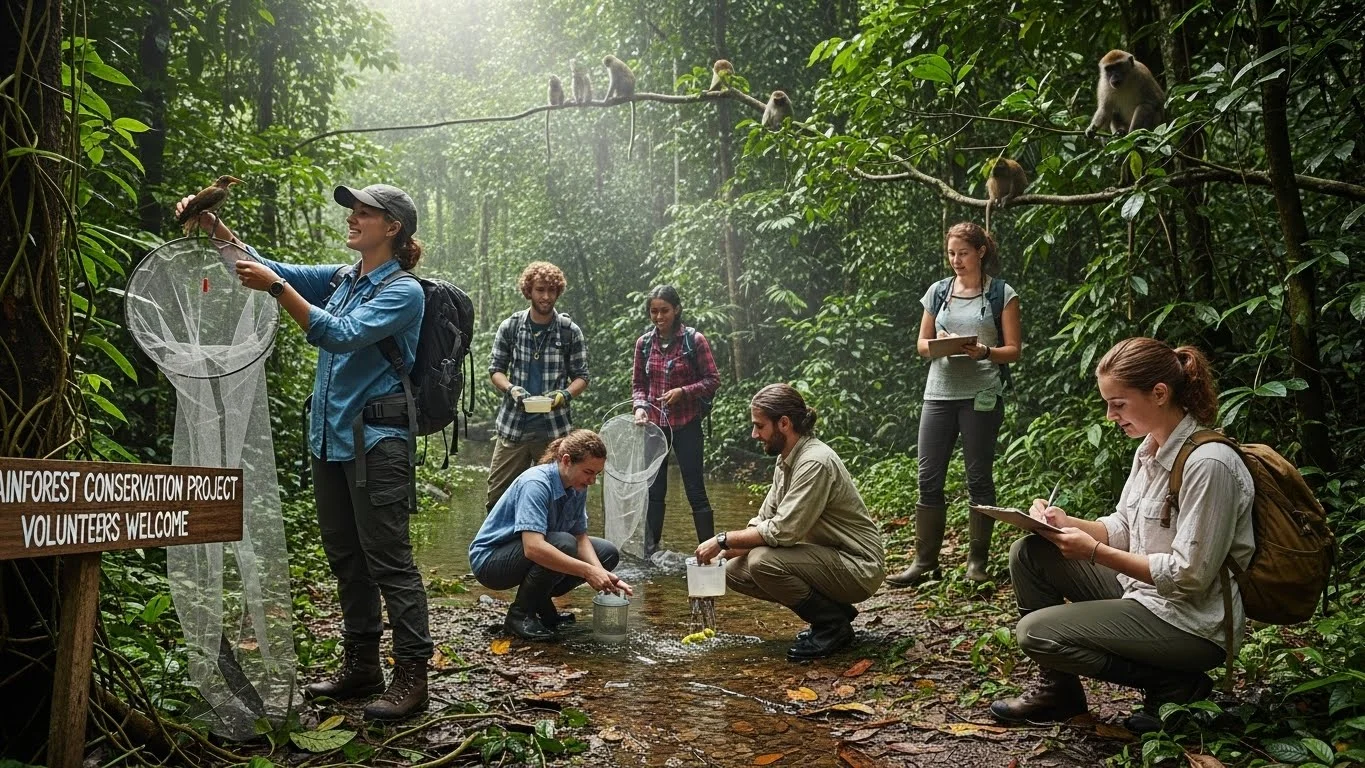
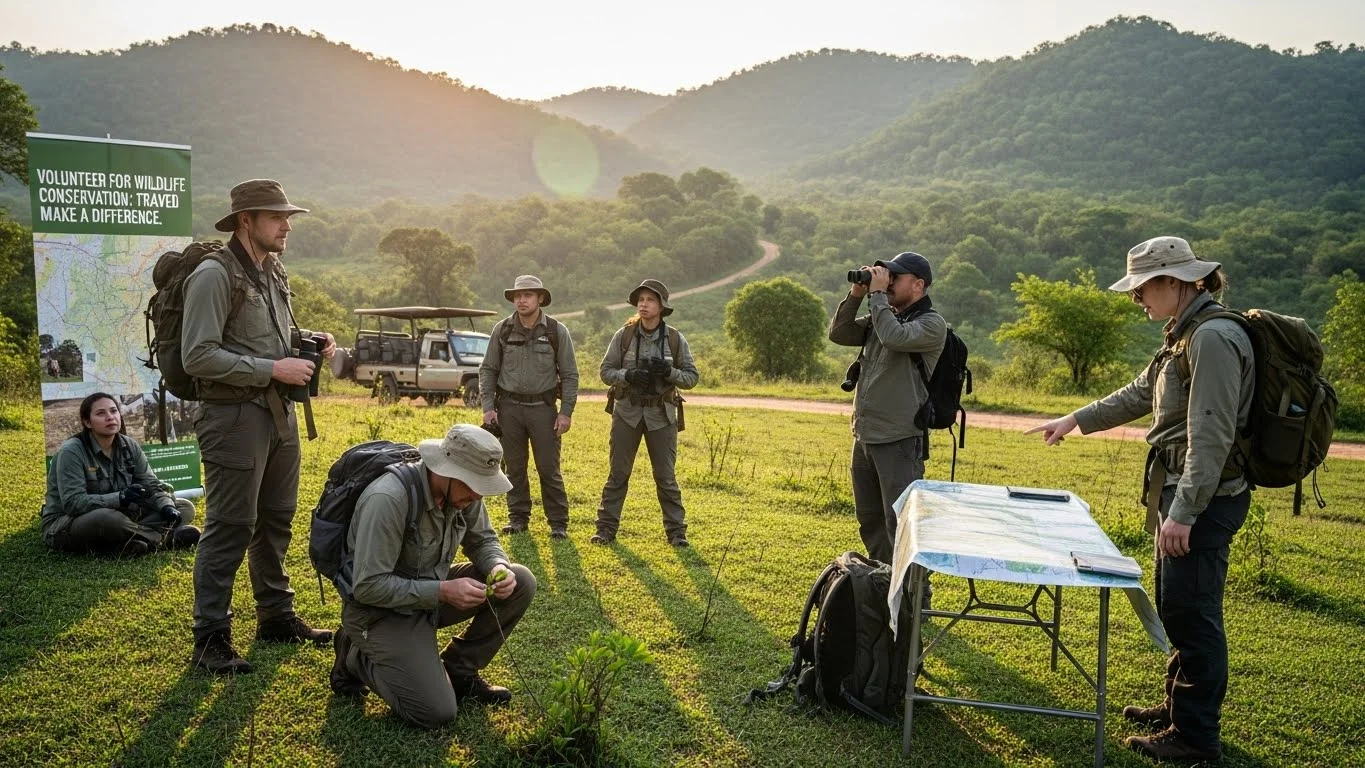
Web Analytics

Recent Posts

Make an Impact: Volunteer for Wildlife Conservation Abroad

Have you ever dreamed of making a real difference in the world? Volunteering for wildlife conservation abroad not only offers you that chance but also lets you connect with nature and cultures in ways you never thought possible. For those interested in budget-friendly options, check out Your Guide to Affordable Wildlife Conservation Volunteer Trips.
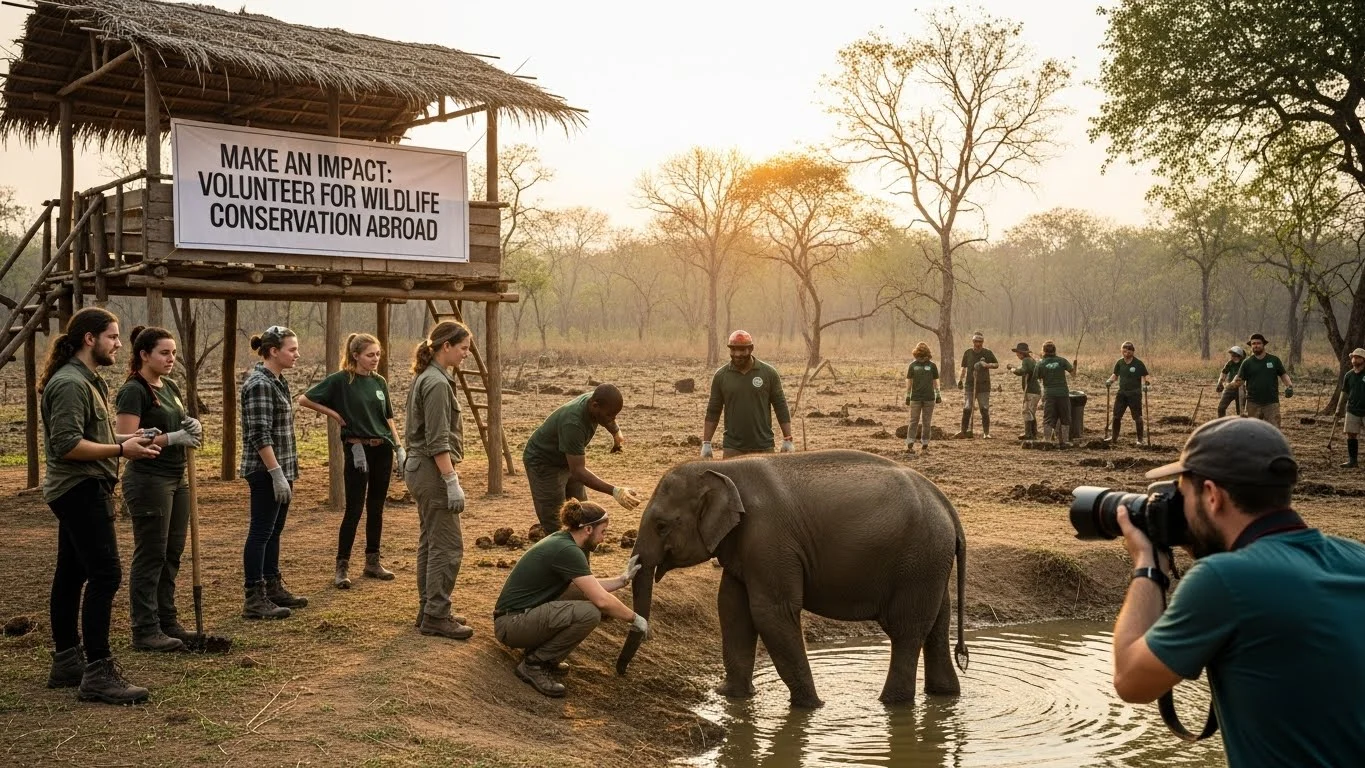
Make an Impact: Volunteer for Wildlife Conservation Abroad

Understanding Wildlife Conservation

What is Wildlife Conservation?

Wildlife conservation is all about protecting animals and their habitats. When I first learned about this field, I was amazed at how interconnected everything is. It’s not just about saving a specific species; it’s about preserving entire ecosystems. Conservation efforts focus on preventing extinction and ensuring that wildlife can thrive in their natural environments. This can include everything from protecting endangered species to restoring damaged habitats. I’ve seen firsthand how volunteers come together to make a meaningful impact, often working side by side with local communities to develop sustainable practices.

Importance of Biodiversity

Biodiversity refers to the variety of life on Earth, and it’s crucial for a healthy planet. I remember visiting a rainforest where the sheer amount of life was overwhelming. Each species plays a unique role in its ecosystem, and when one goes extinct, it can have a domino effect on others. This is why I believe that protecting biodiversity is not just a nice thing to do; it’s essential for our survival. Healthy ecosystems provide us with clean air, water, and food, and they help regulate our climate. When we volunteer for wildlife conservation, we are directly contributing to the health of our planet.

Threats to Wildlife

Despite our best efforts, wildlife faces numerous threats. Habitat loss is one of the biggest challenges. As I traveled through various regions, I often saw how urban development and agriculture encroach on natural habitats, leaving animals with nowhere to go. Additionally, poaching and illegal wildlife trade continue to decimate populations of iconic species like elephants and rhinos. Climate change is another looming threat, altering habitats and food availability. I’ve felt the urgency to act when learning about these issues, and volunteering for wildlife conservation gives us a way to contribute to meaningful solutions.

Benefits of Volunteering for Wildlife Conservation

Personal Growth and Skill Development

One of the most rewarding aspects of volunteering for wildlife conservation is the personal growth that comes with it. When I first started volunteering, I was unsure of what to expect. I found myself stepping out of my comfort zone in ways I never imagined. From learning how to track animals in the wild to understanding complex ecological systems, every day brought new challenges. I also picked up various skills, such as teamwork and problem-solving, which have been invaluable in my personal and professional life. Volunteering can truly be a transformative experience.

Building Global Awareness and Cultural Understanding

Volunteering abroad also opens your eyes to different cultures and perspectives. I remember sitting around a fire with local conservationists, sharing stories and laughter while learning about their deep-rooted connection to the land. This cultural exchange is often just as enriching as the work itself. Understanding the local context helps us appreciate the nuances of conservation efforts and fosters a sense of global community. It’s a powerful reminder that we are all in this together, working towards the same goal of preserving our planet.

Making a Tangible Impact on Ecosystems

One of the most fulfilling parts of volunteering is witnessing the tangible impact of our efforts. I vividly recall helping with a habitat restoration project where we planted trees and cleared invasive species. Over time, I saw how our work contributed to the revival of local wildlife populations. There’s something incredibly rewarding about knowing that your hands-on efforts are making a difference. Whether it’s through education, advocacy, or direct action, every volunteer has the potential to drive real change in the ecosystems we care about.

Choosing the Right Volunteer Program

Types of Wildlife Conservation Projects

When it comes to wildlife conservation volunteering, there are so many different types of projects that cater to various interests and skill sets. I remember feeling overwhelmed by the options when I first started looking into programs. It can be helpful to consider what resonates with you the most. Here are a few common types of projects that I discovered along the way:

Field Research and Data Collection

Field research is a fantastic way to get involved in wildlife conservation. These projects often involve gathering data on animal populations, behaviors, and habitats, which can be crucial for informing conservation strategies. I took part in a program where we tracked the migration patterns of a specific bird species. It was fascinating to see how our data contributed to understanding their needs and challenges. If you love being outdoors and have an eye for detail, this might be the perfect fit for you.

Habitat Restoration

Habitat restoration projects focus on repairing and revitalizing damaged ecosystems. I remember working in a coastal area where we planted mangroves to help protect the shoreline and provide a home for various fish species. It was incredible to see how quickly nature can bounce back with a little help. These projects often involve physical labor, but the sense of accomplishment and connection to the environment makes it worthwhile. Plus, it’s a great way to bond with other volunteers who share the same passion.

Wildlife Rehabilitation

Wildlife rehabilitation focuses on caring for injured or orphaned animals until they can be safely released back into the wild. I had the opportunity to volunteer at a wildlife rescue center, and it was one of the most rewarding experiences of my life. From feeding baby animals to assisting with medical care, I learned so much about animal care and welfare. If you have a love for animals and want to make a direct impact on their lives, this type of project might be calling your name.

How to Evaluate Volunteer Organizations

Choosing the right organization for your wildlife conservation volunteering can feel daunting, but asking the right questions can help narrow down your options. I found that doing thorough research not only gave me peace of mind but also ensured I was supporting ethical practices. Here are a couple of key points to consider:

Accreditations and Certifications

Before committing to a program, check if the organization has any accreditations or certifications. These can indicate a level of credibility and commitment to ethical practices. I remember feeling more confident about my choice when I saw that the organization I volunteered with had partnerships with recognized wildlife conservation bodies. It gave me reassurance that my efforts were contributing to a larger, impactful mission.

Volunteer Reviews and Testimonials

Looking for reviews and testimonials from past volunteers can provide insight into their experiences. I spent time reading through various posts and feedback, which helped me gauge the organization’s effectiveness and the overall volunteer experience. Hearing stories from others gave me a clearer picture of what to expect and helped me feel more connected to the cause even before I arrived. For more tips on choosing the best volunteer experience, check out How to Choose the Best Wildlife Conservation Volunteer Experience.

Top Destinations for Wildlife Conservation Volunteering

Africa

Africa is often at the top of many wildlife conservation wish lists, and for good reason. The diversity of ecosystems and iconic wildlife makes it an incredible place to volunteer. I’ve met so many passionate people who traveled to Africa to contribute to conservation efforts, and their stories always inspire me.

South Africa: Big Five Conservation

South Africa is famous for its Big Five—lion, leopard, rhinoceros, elephant, and Cape buffalo. I recall hearing about programs that focus on protecting these majestic animals through anti-poaching initiatives and habitat preservation. Working alongside local rangers, volunteers can gain hands-on experience while learning about the challenges these species face. It’s a dream destination for anyone passionate about wildlife.

Kenya: Elephant and Rhino Protection

Kenya is another hotspot for conservation efforts, particularly for elephants and rhinos. I was moved by the stories of volunteers who helped in tracking and monitoring these animals, ensuring their safety from poaching and habitat loss. Being part of such crucial work, even just for a short time, can be life-changing and offers a deep connection to the land and its wildlife.

Central and South America

The lush rainforests and rich biodiversity of Central and South America provide countless opportunities for volunteering. I’ve always felt a strong pull toward the vibrant ecosystems found in this region.

Ecuador: Amazon Rainforest Conservation

Ecuador is home to a portion of the Amazon rainforest, and conservation projects here focus on protecting this invaluable area. I learned about programs that involve working with indigenous communities to promote sustainable practices and protect biodiversity. The chance to immerse yourself in such a unique environment while supporting conservation efforts is something I believe everyone should experience at least once.

Brazil: Jaguar and Atlantic Forest Projects

In Brazil, the challenge of preserving the Atlantic Forest, one of the most endangered ecosystems, is critical. Volunteers can get involved in jaguar conservation projects that aim to understand their behaviors and protect their habitats. I’ve seen how passionate volunteers can make a difference, and it’s a great way to contribute to a cause that truly needs our support. For budget travelers, consider looking into Top Wildlife Conservation Volunteer Programs for Budget Travelers.

Top Destinations for Wildlife Conservation Volunteering

Asia

Asia is another remarkable continent for wildlife conservation volunteering, rich with diverse ecosystems and unique species. I’ve always been drawn to the cultural tapestry and natural beauty of this region, and it’s incredible to see how various organizations work tirelessly to protect the wildlife that calls Asia home.

Thailand: Elephant Sanctuaries

Thailand is famous for its majestic elephants, and volunteering at an elephant sanctuary can be a life-changing experience. I remember visiting a sanctuary where elephants were rescued from abusive situations. Here, volunteers help care for these gentle giants by feeding them, bathing them, and learning about their behaviors. It was heartwarming to witness the bond between the elephants and their caretakers. I felt a deep sense of fulfillment knowing that my efforts were contributing to a more humane treatment of these magnificent creatures. The experience taught me not only about elephant conservation but also the importance of ethical tourism.

India: Tiger Conservation Efforts

India offers fascinating opportunities for volunteers interested in tiger conservation. These big cats are a symbol of the country’s wildlife, yet they face significant threats from habitat loss and poaching. I’ve heard stories from volunteers who worked in national parks, helping with monitoring and protection efforts. Being immersed in such a vital project was inspiring, as I learned how crucial it is to balance wildlife preservation with the needs of local communities. I remember feeling a surge of hope when I learned about successful tiger breeding programs and how they’re being reintroduced into the wild. It’s a dynamic effort that truly highlights the importance of community involvement in conservation.

Preparing for Your Volunteer Experience

Essential Skills and Qualifications

Before embarking on a wildlife conservation volunteering journey, it’s important to consider any skills or qualifications that might enhance your experience. While many programs welcome volunteers from all backgrounds, I found that having some basic skills can boost your confidence and effectiveness. For instance, a background in biology or environmental science can be helpful, but it’s not always necessary. I remember how my basic knowledge of first aid came in handy during my stint at a wildlife rehabilitation center. Additionally, having good communication skills can facilitate interactions with local communities and fellow volunteers. If you’re open to learning and adaptable, you’ll likely find your niche in any conservation effort.

Health and Safety Considerations

Health and safety should be top of mind before heading off to volunteer abroad. I learned this from personal experience when I traveled to a remote area without adequate preparation. It’s important to get any necessary vaccinations and to be aware of local health risks. I made a checklist of important health tips, like taking mosquito repellent for tropical destinations or ensuring I had enough prescription medication. Also, understanding the safety protocols of the organization I volunteered with made me feel secure. Being informed not only protects your health but also allows you to focus on the meaningful work ahead.

What to Pack for Wildlife Conservation Volunteering

Packing for a wildlife conservation trip can be a bit of an adventure in itself! I remember making a list of essentials that I found helpful during my travels. Here are a few items I highly recommend:

  • Clothing: Pack breathable, durable clothing suitable for various weather conditions. I found that layers are your best friend, especially when working outdoors.
  • Footwear: Sturdy hiking boots or shoes are essential for navigating different terrains. I wore mine almost every day!
  • Personal items: Don’t forget your toiletries, sunscreen, and insect repellent. In my experience, a good water bottle and a small first aid kit were lifesavers.
  • Documentation: Have your passport, travel insurance, and any necessary permits handy. I learned the hard way how important it is to keep everything organized.
  • Volunteering gear: Depending on the project, you may need gloves, a hat, or even specific tools. Check with your organization on what’s required.

Packing thoughtfully ensures that you’re prepared for whatever comes your way, allowing you to focus on the incredible conservation work ahead.

Funding Your Volunteer Experience

Understanding Program Costs

One of the challenges many aspiring volunteers face is understanding the costs associated with wildlife conservation programs. I remember being surprised at the range of fees, which can include accommodations, meals, and project costs. It’s essential to clarify what is covered by the program fees and what additional expenses you might incur, such as flights or travel insurance. I found that reaching out to past volunteers helped me get a clearer picture of the total costs involved, which made it easier to budget for my trip.

Fundraising Ideas and Resources

If you’re concerned about the financial aspect, don’t worry—there are plenty of ways to fundraise for your volunteer experience. I discovered creative methods like hosting events, starting a crowdfunding campaign, or even selling handmade crafts. I remember organizing a bake sale with friends, and it was not only fun but also quite effective! Social media can also be a powerful tool to share your story and gather support. When you’re passionate about the cause, people are often eager to contribute and help you reach your goal.

Grants and Scholarships for Conservation Projects

Many organizations offer grants or scholarships specifically for wildlife conservation volunteering. I was thrilled to find opportunities that could ease the financial burden of my trip. Researching these possibilities can be time-consuming, but it’s absolutely worth it. I recommend checking the websites of various conservation organizations or universities for any available funding. Additionally, local wildlife trusts or foundations may also have resources for volunteers. Remember, every bit helps, and there’s no harm in applying for support!

Ethical Considerations in Wildlife Volunteering

Understanding Volunteer Exploitation

As I dove deeper into the world of wildlife conservation volunteering, I began to realize the importance of ethical practices. Volunteer exploitation is a real issue that can sometimes surface in this field. I’ve heard stories from friends who felt more like tourists than volunteers, as organizations prioritized profit over meaningful work. This made me more cautious about the programs I chose. I believe it’s essential to scrutinize organizations to ensure they genuinely prioritize wildlife welfare and local communities. I’ve found that the best way to avoid exploitation is to look for programs that engage with local communities, respect wildlife, and provide volunteers with authentic experiences. When we choose ethically, we contribute to a more sustainable and responsible approach to conservation.

Choosing Sustainable Practices

In addition to understanding volunteer exploitation, I’ve noticed how crucial it is to support sustainable practices within conservation efforts. During my volunteering experiences, I learned about the significance of leaving no trace and minimizing our environmental impact. For instance, I remember participating in a program that emphasized using eco-friendly materials and practices while engaging in habitat restoration projects. This not only helped protect the ecosystems we were working in, but it also encouraged local communities to adopt similar sustainable practices. I believe that by choosing programs that prioritize sustainability, we can make a more profound, long-lasting impact on wildlife conservation.

Stories from Volunteers: Impact and Experiences

Personal Testimonials from Past Volunteers

One of the most inspiring aspects of wildlife conservation volunteering is hearing the stories from those who have gone before us. I remember sitting down with a group of past volunteers during my travels, sharing our experiences and the lessons we learned. One volunteer recounted how her time in a wildlife rehabilitation center changed her perspective on animal care. She spoke passionately about the bond she formed with the animals she cared for and how it ignited her passion for a career in veterinary medicine. Hearing her story reminded me of the deep connections we can forge with both animals and people in this line of work.

Success Stories in Wildlife Conservation

Every so often, I come across success stories that showcase the incredible impact of conservation efforts. I once read about a project in Kenya that focused on educating local communities about the importance of protecting elephants. This initiative empowered the community to become stewards of their environment, resulting in a significant decrease in poaching incidents. I found it uplifting to see how education and awareness could lead to real change. These stories fuel my belief in the power of wildlife conservation volunteering, reminding us that our collective efforts can truly make a difference.

Final Thoughts

Volunteering for wildlife conservation is more than just an opportunity to help animals; it’s a chance to grow personally, connect with diverse cultures, and contribute to the health of our planet. As I reflect on my own experiences, I feel grateful for the moments spent in the field, the friendships forged, and the lessons learned. Each one of us has the power to make a difference, and through our commitment to wildlife conservation, we not only protect ecosystems but also inspire others to join the cause. I encourage anyone considering this path to embrace the adventure ahead—your journey could lead to unforgettable experiences and meaningful change.

Frequently Asked Questions

What is wildlife conservation?

Wildlife conservation is the practice of protecting animals and their habitats, focusing on preventing extinction and ensuring that wildlife can thrive in their natural environments. It includes efforts to save endangered species and restore damaged habitats, often through collaboration with local communities.

Why is biodiversity important?

Biodiversity, which refers to the variety of life on Earth, is crucial for a healthy planet. Each species plays a unique role in its ecosystem, and the loss of one can affect others. Healthy ecosystems contribute to clean air, water, food, and climate regulation, making biodiversity essential for our survival.

What are some common threats to wildlife?

Wildlife faces several threats, including habitat loss due to urban development and agriculture, poaching, illegal wildlife trade, and climate change. These challenges can severely impact animal populations and their natural habitats.

What are the benefits of volunteering for wildlife conservation?

Volunteering for wildlife conservation offers personal growth and skill development, helps build global awareness and cultural understanding, and allows volunteers to witness the tangible impact of their efforts on ecosystems.

What types of wildlife conservation projects are available for volunteers?

Common types of wildlife conservation projects include field research and data collection, habitat restoration, and wildlife rehabilitation. Each project caters to different interests and skill sets, providing various ways to contribute to conservation efforts.

How can I evaluate volunteer organizations for wildlife conservation?

When evaluating volunteer organizations, consider their accreditations and certifications to ensure credibility and ethical practices. Additionally, read reviews and testimonials from past volunteers to gauge their experiences and the organization’s effectiveness.

What are some top destinations for wildlife conservation volunteering?

Top destinations for wildlife conservation volunteering include South Africa for Big Five conservation, Kenya for elephant and rhino protection, Ecuador for Amazon rainforest conservation, Brazil for jaguar conservation, and Thailand for elephant sanctuaries.

What essential skills and qualifications should I have to volunteer in wildlife conservation?

While many programs welcome volunteers from all backgrounds, having skills in biology or environmental science can be helpful. Basic first aid knowledge and good communication skills are also beneficial for effective interaction with local communities and fellow volunteers.

How can I fund my wildlife conservation volunteer experience?

Funding your volunteer experience can be achieved through understanding program costs, fundraising ideas, and applying for grants or scholarships. Creative methods like hosting events, crowdfunding, and seeking support from local wildlife trusts can also help ease financial burdens.

What ethical considerations should I keep in mind when volunteering for wildlife conservation?

It’s crucial to avoid volunteer exploitation by choosing programs that prioritize wildlife welfare and community engagement. Supporting sustainable practices within conservation efforts is also important, ensuring minimal environmental impact during volunteer activities.
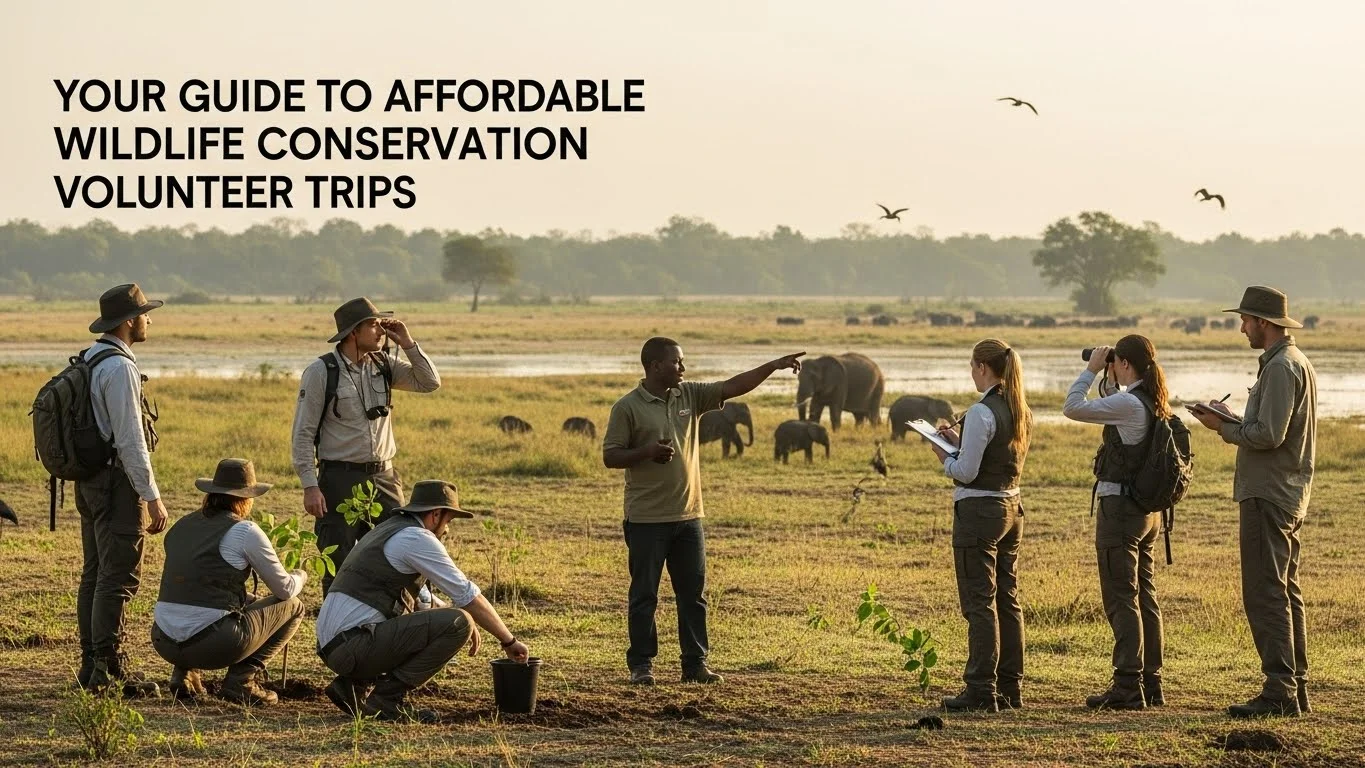
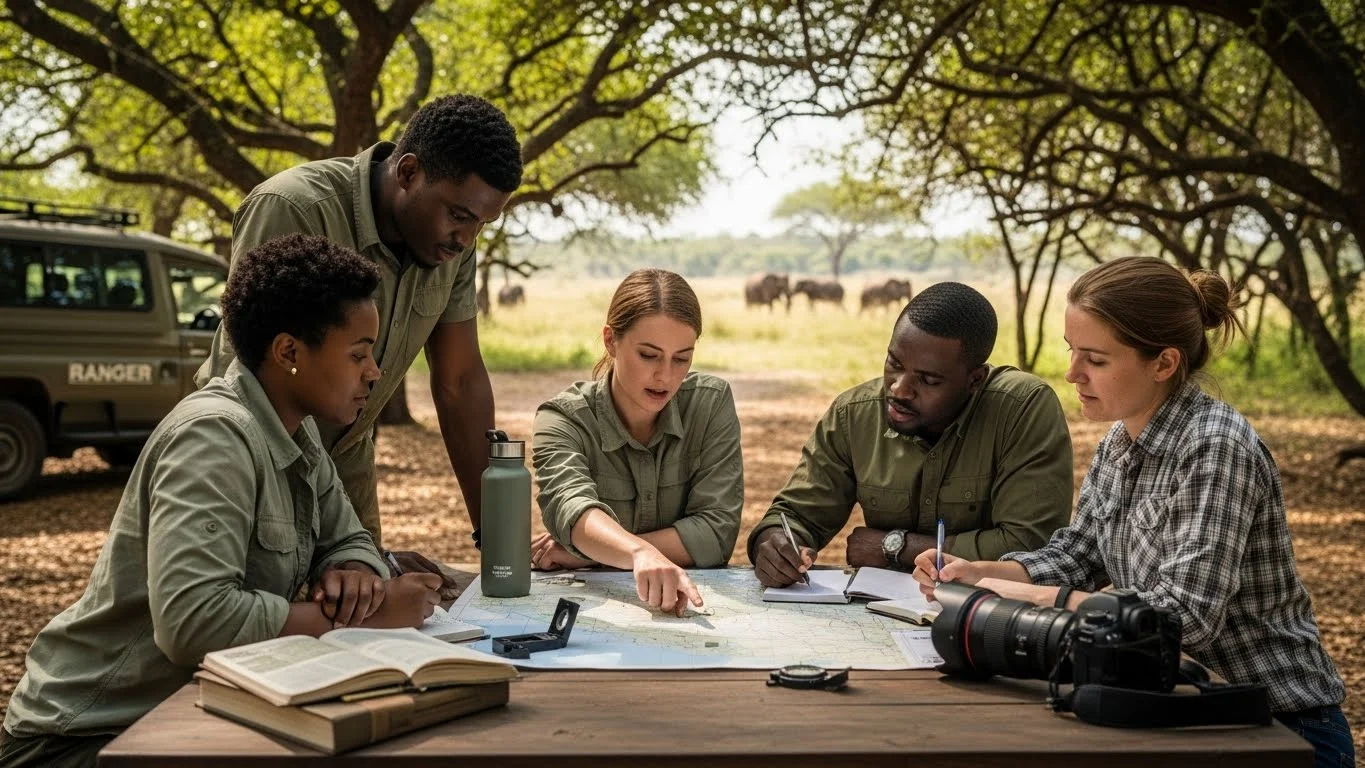
Your Guide to Affordable Wildlife Conservation Volunteer Trips

Are you ready to embark on an adventure that combines your love for wildlife with a genuine purpose? Affordable wildlife conservation volunteer trips offer a chance to make a difference while experiencing the beauty of nature up close. If you’re unsure where to start, you might want to check out How to Choose the Best Wildlife Conservation Volunteer Experience.

Your Guide to Affordable Wildlife Conservation Volunteer Trips

Understanding Wildlife Conservation Volunteer Trips

What is Wildlife Conservation?

Wildlife conservation is all about protecting animals and their habitats to ensure they can thrive for generations to come. I remember the first time I learned about it—it struck a chord. It’s not just about saving endangered species; it’s about maintaining the balance of ecosystems that support all forms of life, including us humans. When I think about wildlife conservation, I think about the dedicated individuals who work tirelessly to safeguard the delicate relationships within nature. This can include everything from monitoring animal populations to protecting entire habitats from human encroachment.

The Importance of Volunteer Work in Conservation

Volunteering in wildlife conservation provides hands-on support that many organizations desperately need. I’ve seen how these efforts can lead to significant changes in local environments. When we volunteer, we bring fresh energy and diverse skills to the table. In my experience, even the smallest contributions can lead to big results. Whether it’s helping with field research, engaging in habitat restoration, or educating local communities, every bit helps. It’s a way for us to give back to the planet that provides so much for us while also gaining valuable experiences and insights about our natural world. To find out more about affordable programs, check out Top Wildlife Conservation Volunteer Programs for Budget Travelers.

Types of Wildlife Conservation Volunteer Opportunities

Field Research and Data Collection

One of the most rewarding aspects of wildlife conservation volunteering is being involved in field research. I had the chance to help with data collection during a trip to South Africa, and it opened my eyes to the scientific side of conservation. Volunteers often assist in tracking animal movements, collecting samples, and recording observations that contribute to vital research. This experience not only helps scientists gather essential information but also allows us volunteers to learn about animal behaviors and ecology firsthand. It’s like being part of a live documentary where you’re not just a spectator but an active participant.

Habitat Restoration Projects

Habitat restoration is another critical area where volunteers can make an impact. I remember planting native trees in a deforested area; it was hard work, but watching those trees grow over the years feels like nurturing a piece of the earth. These projects can range from reforestation efforts to wetland restoration. I found that working alongside local community members and other volunteers fostered a strong sense of camaraderie. Together, we were not just rebuilding habitats; we were also creating sustainable environments that would support wildlife and improve the quality of life for local residents.

Wildlife Rehabilitation and Care

If you have a passion for animal care, wildlife rehabilitation programs are incredibly fulfilling. When I volunteered at a wildlife rescue center, I got to help care for injured animals, from small birds to larger mammals. It was heartwarming to see these creatures slowly recover and ultimately be released back into the wild. The staff taught me about the rehabilitation process and the importance of providing a safe environment for these animals during their recovery. It’s a reminder that every animal deserves a second chance, and as volunteers, we can be part of their journey back to health.

Community Outreach and Education

Community outreach is another vital aspect of wildlife conservation. Educating local communities about the importance of protecting wildlife can lead to lasting change. I participated in workshops aimed at teaching children about local ecology and the role they play in protecting their environment. Seeing their faces light up when they learned about the animals in their backyard was incredibly rewarding. It reminded me that conservation isn’t just about the wildlife; it’s about empowering people to care for their surroundings. I believe that fostering a sense of responsibility towards nature is essential for successful conservation efforts.

Choosing the Right Program

Identifying Your Interests and Skills

When it comes to choosing a wildlife conservation volunteer program, I always recommend reflecting on your interests and skills. What aspects of wildlife conservation resonate with you the most? Do you prefer hands-on work in the field, or are you more drawn to educational roles? I took the time to explore different programs and found that aligning my skills with the program’s needs made my experience much more fulfilling. This alignment also allows you to contribute more effectively, making a significant impact on the projects you’re involved in.

Evaluating Program Credibility

It’s crucial to research and evaluate the credibility of the programs you consider. I learned this the hard way while looking for my first volunteer opportunity. A thorough investigation into the organization’s past work, reviews from former volunteers, and their overall mission can give you a clearer picture of what to expect. I found that reputable organizations are transparent about their projects, and they often provide detailed reports about their impacts. Trusting your chosen program is essential for a positive experience.

Understanding Program Costs and Inclusions

Lastly, understanding the costs involved is essential. Some programs can be pricey, but many offer affordable options. When I volunteered abroad, I discovered that various inclusions, like accommodations and meals, were often bundled into the program fee. I recommend checking what’s covered to avoid any surprises. It’s also helpful to know if there are additional costs for transportation or activities. By budgeting carefully, you can make the most of your experience without breaking the bank. For more tips on budgeting, you might be interested in Affordable Wildlife Photography Adventures You Can’t Miss.

Top Affordable Wildlife Conservation Volunteer Destinations

Africa: Namibia and South Africa

When I think of Africa, the first images that come to mind are vast savannas, stunning wildlife, and incredible landscapes. Namibia and South Africa are two of the standout destinations for wildlife conservation volunteering. I had the opportunity to volunteer in South Africa, and it was nothing short of life-changing. The terrain is diverse, ranging from deserts to lush coastlines, and the wildlife is just as varied. I was fortunate to work with organizations focused on protecting endangered species like rhinos and elephants, which gave me a deep appreciation for the challenges these magnificent creatures face.

Namibia is renowned for its innovative conservation strategies, particularly concerning community-based programs that involve local people in wildlife protection. I remember feeling inspired by how these communities work hand-in-hand with conservationists to ensure that both wildlife and local livelihoods are preserved. Whether you’re assisting with anti-poaching patrols or helping with community education, the experiences here are rich and impactful.

Central America: Costa Rica and Nicaragua

Central America offers lush jungles and vibrant ecosystems, making it an incredible option for wildlife conservation volunteers. I spent some time in Costa Rica, where I helped with sea turtle conservation. Watching tiny hatchlings make their way to the ocean was a sight I will never forget. The conservation efforts in this region focus on protecting biodiversity and preserving habitats that are crucial for countless species.

Nicaragua, on the other hand, is a bit off the beaten path but equally rewarding. I found a program dedicated to studying and protecting local bird species. The tropical environment was breathtaking, and the warmth of the local communities enhanced my experience. The opportunity to contribute to such critical conservation work in a beautiful setting is a gift that keeps giving.

Asia: Thailand and India

Asia is another fascinating region where wildlife conservation volunteering can make a real difference. Thailand is famous for its elephants, and volunteering at an elephant sanctuary was an unforgettable experience for me. I learned about the importance of ethical tourism and the harsh realities many elephants face. Being part of rehabilitation efforts allowed me to connect deeply with these animals, and I felt honored to support their recovery.

India offers a different but equally rewarding experience. I volunteered with a program focused on the preservation of Bengal tigers. Witnessing the beauty of these majestic creatures in their natural habitat was exhilarating. The program emphasized habitat protection and community education, showing me how vital it is to engage local populations in conservation. I left India with a renewed sense of hope for wildlife conservation and a desire to spread awareness about these incredible animals.

South America: Ecuador and Peru

South America is a treasure trove of biodiversity, and volunteering there can be an awe-inspiring experience. In Ecuador, I worked in the Amazon rainforest, helping with reforestation efforts and wildlife surveys. Being surrounded by such rich biodiversity was exhilarating. I remember the sounds of the forest—birds chirping, monkeys howling, and the rustle of leaves. Each day felt like an adventure, and I learned firsthand about the critical role rainforests play in global ecology.

Peru is home to the iconic Machu Picchu, but the wildlife conservation efforts are equally impressive. I volunteered in the Andes, focusing on preserving native species and their habitats. The local communities were incredibly welcoming, and I loved learning about their traditional practices and how they align with conservation efforts. This experience reminded me that protecting wildlife goes hand in hand with respecting cultural heritage.

Budgeting for Your Volunteer Trip

Program Fees Breakdown

Budgeting for a wildlife conservation volunteer trip can seem daunting, but breaking it down into manageable parts makes it easier. I learned that program fees often cover various necessities like training, project materials, and sometimes even meals and accommodations. When I was choosing my program, I compared different organizations to understand what each fee included. This way, I could see where my money was going and ensure I was getting the best value. I recommend asking for a detailed breakdown of costs so you know exactly what to expect.

Accommodation and Living Costs

Accommodation varies widely from one program to another. In my experience, some programs provided basic lodgings while others offered more comfortable arrangements. I found that staying with local families or in shared volunteer houses not only helped me save money but also enriched my experience. It gave me a chance to immerse myself in the local culture. I also suggest budgeting for additional living costs like transportation, snacks, and souvenirs. I learned that being prepared can help you enjoy your trip without financial stress.

Travel Insurance and Health Considerations

Travel insurance is something I never travel without, especially for volunteer trips. It provides peace of mind knowing you’re covered in case of unexpected events. I’ve read countless stories about volunteers who faced health issues or accidents during their travels, and having insurance made all the difference for them. I also recommend checking if your destination has any specific health considerations, such as vaccinations or medications. Being proactive about health and safety can ensure that your focus remains on the rewarding experience of conservation volunteering.

When to Go: Best Times for Wildlife Conservation Volunteering

Seasonal Considerations for Different Regions

Timing can significantly influence your wildlife conservation volunteering experience. From my travels, I discovered that each region has its peak seasons, which can dictate not only weather conditions but also wildlife activity. For example, in Africa, the dry season, typically from May to October, is the best time for spotting wildlife, as animals congregate around water sources. I remember standing on the edge of a watering hole in Kruger National Park, watching elephants and zebras as they came to drink. It was a breathtaking sight that I wouldn’t have experienced during the rainy season when animals tend to disperse.

In Central America, the rainy season usually lasts from May to November. While this means lush landscapes, it’s also when some wildlife may be less active. However, I found that volunteering during this time can offer unique opportunities to work on different conservation projects, like reforestation efforts, as the rain supports plant growth. Each season has its advantages, and understanding them can help you tailor your experience to what you want to achieve.

Wildlife Migration Patterns

Wildlife migration patterns are another essential factor to consider when planning your volunteering trip. For instance, in East Africa, the Great Migration sees millions of wildebeest and zebras travel across the Serengeti and Maasai Mara between July and October. I had the chance to witness this magnificent event while volunteering in Tanzania, and it was a reminder of the incredible cycles of nature. Participating in conservation work during migration season can provide insights into how these patterns impact local ecosystems and the challenges faced by conservationists.

In North America, certain species, like monarch butterflies, migrate south for the winter. Volunteering in pollinator conservation during this season can connect you with efforts to protect their habitat. I found that understanding these patterns not only enriches your volunteering experience but also deepens your appreciation for the interconnectedness of nature.

Local Climate and Weather Conditions

Weather can play a significant role in the success of your volunteer trip, which I learned firsthand. When I volunteered in the Amazon rainforest, I was surprised by how unpredictable the weather could be. One moment it would be sunny, and the next, a torrential downpour would soak everything in seconds. Being prepared for varying conditions is crucial. I recommend packing lightweight, quick-drying clothing and waterproof gear to ensure you’re ready for anything—after all, you want to focus on your work, not on staying dry!

In contrast, I experienced the dry heat of southern Africa, where temperatures could soar during the day but drop significantly at night. Layering became my best friend; I learned to bring both light clothing for daytime and warmer layers for cooler evenings. Understanding the local climate helped me pack appropriately and made my experience much more enjoyable.

Preparing for Your Volunteer Experience

Necessary Gear and Packing Tips

Packing for a wildlife conservation volunteer trip can feel overwhelming, especially when trying to balance needs with limitations on luggage. I found that making a checklist was incredibly helpful. First on my list were sturdy, comfortable shoes; I can’t stress enough how vital it is to have footwear that can handle a variety of terrains. Whether you’re hiking through jungles or walking across rocky landscapes, good shoes can make all the difference.

Next, I packed practical clothing suitable for the climate of my destination. Lightweight, breathable fabrics were essential for the hot areas I visited, while long sleeves protected me from insects. I also brought a hat and sunscreen to shield myself from the sun. Don’t forget a reusable water bottle; staying hydrated is crucial when you’re working outdoors. During my volunteer trips, staying prepared made my time so much more enjoyable and productive.

Health and Safety Precautions

Health and safety should always be a top priority when volunteering abroad. I learned this through experience. Before my trips, I made sure to check for required vaccinations and medications based on the regions I was visiting. For instance, when I traveled to certain areas in Africa, I needed malaria prophylaxis. It was a bit of a hassle, but knowing I was protected gave me peace of mind.

I also recommend packing a small first-aid kit with basics like band-aids, antiseptic wipes, and any personal medications. While I didn’t need it often, having it on hand during my travels made me feel more secure. Lastly, I always made sure to have emergency contact information handy and let someone know my itinerary. Being prepared is not just about packing; it’s about ensuring your health and safety so you can focus on the rewarding work of wildlife conservation.

Understanding Cultural Sensitivity

As I embarked on my conservation volunteering journey, I quickly learned that cultural sensitivity is vital. Each country and community has its customs and traditions, and being respectful of these can enhance your experience. I remember feeling a bit out of my depth during my first few days in a remote village, but taking the time to learn about local customs made a significant difference.

Simple gestures, like greeting locals in their language or participating in community events, can go a long way. I’ve found that people appreciate when you try to engage with their culture. It fosters trust and opens up opportunities for deeper connections. Understanding cultural norms also helps in navigating volunteer projects more effectively, as it allows you to work harmoniously alongside local partners. Ultimately, embracing cultural sensitivity enriches our experiences and strengthens the impact of our conservation efforts.

Frequently Asked Questions

What is wildlife conservation?

Wildlife conservation is the practice of protecting animals and their habitats to ensure they can thrive for future generations. It involves maintaining the balance of ecosystems that support all forms of life, including humans.

Why is volunteer work important in wildlife conservation?

Volunteering in wildlife conservation provides essential hands-on support that many organizations need. Volunteers bring fresh energy and diverse skills that can lead to significant positive changes in local environments, whether through field research, habitat restoration, or community education.

What types of wildlife conservation volunteer opportunities are available?

There are several types of opportunities including field research and data collection, habitat restoration projects, wildlife rehabilitation and care, and community outreach and education.

How can I choose the right wildlife conservation program?

To choose the right program, reflect on your interests and skills related to wildlife conservation. It’s also crucial to evaluate the credibility of the programs you consider and understand the costs involved, including what is included in the program fees.

What are some affordable wildlife conservation volunteer destinations?

Some affordable wildlife conservation volunteer destinations include Namibia and South Africa in Africa, Costa Rica and Nicaragua in Central America, Thailand and India in Asia, and Ecuador and Peru in South America.

How should I budget for my volunteer trip?

Budgeting should include understanding program fees, accommodation and living costs, and travel insurance. It’s important to ask for a breakdown of costs to know what is covered and to prepare for additional expenses.

When is the best time to volunteer for wildlife conservation?

The best time to volunteer can vary by region. For example, in Africa, the dry season from May to October is ideal for wildlife viewing, while Central America’s rainy season offers unique conservation opportunities, such as reforestation projects.

What should I pack for a wildlife conservation volunteer trip?

Pack sturdy, comfortable shoes, practical clothing suitable for the climate, a hat, sunscreen, and a reusable water bottle. Making a checklist can help ensure you have everything you need for varying conditions.

What health and safety precautions should I take when volunteering abroad?

Health and safety precautions include checking for required vaccinations, packing a first-aid kit, and having emergency contact information handy. Being proactive about health ensures you can focus on your conservation work.

Why is cultural sensitivity important in wildlife conservation volunteering?

Cultural sensitivity is vital because each community has its customs and traditions. Respecting local customs fosters trust, enhances your experience, and strengthens the impact of your conservation efforts.

How to Choose the Best Wildlife Conservation Volunteer Experience

Choosing the right wildlife conservation volunteer experience can be life-changing. It’s not just about helping animals; it’s about personal growth, adventure, and making a meaningful impact. Let’s explore what wildlife conservation volunteering really means and how you can find the perfect fit for your journey. Read Interesting article: Top Wildlife Conservation Volunteer Programs for Budget Travelers

How to Choose the Best Wildlife Conservation Volunteer Experience

Understanding Wildlife Conservation Volunteering

What is Wildlife Conservation Volunteering?

Wildlife conservation volunteering is a hands-on approach to preserving and protecting natural habitats and species. I remember the first time I heard about it; it felt like an opportunity to marry my passion for animals with a chance to make a difference. Volunteers work alongside local organizations to help with various tasks, from monitoring wildlife to participating in habitat restoration. It’s immersive, often challenging, and profoundly rewarding.

Importance of Wildlife Conservation

We often take the beauty of nature for granted, but wildlife conservation is crucial for maintaining biodiversity and ecosystems. I’ve learned that every species plays a role in the health of our planet. When one species declines, it can create a cascading effect on others. By volunteering, we contribute to the preservation of these ecosystems. It’s our chance to ensure that future generations can experience the wonder of wildlife. Plus, it helps raise awareness about the threats many species face today, such as habitat loss, poaching, and climate change. Read Interesting article: Volunteer for Wildlife Conservation: Travel and Make a Difference

Types of Wildlife Conservation Projects

There’s a vast array of wildlife conservation projects out there, and I found that understanding the different types can help narrow down what truly resonates with you. Here are some projects to consider:

  • Habitat Restoration: This often involves replanting native species, removing invasive plants, or cleaning up polluted areas. When I participated in a tree-planting project, it felt incredible to see the immediate difference we were making.
  • Wildlife Rehabilitation: Working with injured or orphaned animals can be emotionally intense but incredibly fulfilling. I once helped care for baby birds that had fallen from their nests, and the joy of seeing them fly free was unforgettable.
  • Research and Monitoring: Volunteers may assist scientists in tracking animal populations, collecting data, and studying behaviors. I found this aspect fascinating, as it combines fieldwork with a scientific approach.
  • Community Education: Engaging local communities and educating them about the importance of conservation can lead to sustainable change. I remember leading workshops where we discussed how protecting wildlife could benefit their livelihoods.

Each project offers its unique challenges and rewards, and the key is to find one that aligns with your interests and values.

Key Considerations When Choosing a Volunteer Program

Assessing Your Goals and Interests

Before diving into a program, take a moment to reflect on what you hope to achieve from this experience. For me, it was a blend of adventure and a desire to learn more about wildlife. Are you looking to gain specific skills, or are you more interested in the experience of helping? I recommend making a list of your goals to guide your search.

Evaluating Program Credibility

With so many volunteer organizations out there, it’s essential to evaluate their credibility. I learned the hard way that not all programs are created equal. Look for organizations that are transparent about their operations and have a proven track record. I found that reading about their impact and how they treat both volunteers and wildlife was key in making my decision.

Understanding the Financial Commitment

Financial aspects can vary significantly between programs. Some may charge hefty fees that cover accommodation and meals, while others might be more affordable but require you to handle your own living expenses. I remember budgeting carefully for my program; knowing what to expect helped me plan and avoid surprises. Make sure to ask questions about where your money goes, as it should support the conservation efforts directly.

Duration and Time Commitment

Consider how much time you can dedicate to volunteering. Most programs range from a few weeks to several months. I chose a month-long program, which felt like the perfect balance of time to immerse myself without feeling overwhelmed. Think about how the time commitment aligns with your personal and professional life.

Location and Accessibility

The location of the program can greatly influence your experience. Some might want to work in remote areas, while others may prefer a more accessible setting. I’ve always been drawn to exotic locations, but I also considered factors like travel arrangements and local amenities. It’s worth researching the area to ensure you’re comfortable with the surroundings.

Choosing the best wildlife conservation volunteer experience can feel daunting, but taking the time to understand what you’re looking for and exploring the options can lead you to a life-changing adventure. Let’s keep digging deeper into how to find the right program for you and what to expect once you’re there.

Researching Wildlife Conservation Volunteer Programs

Finding Reputable Organizations

When I started looking for wildlife conservation volunteer programs, I quickly realized the importance of finding a reputable organization. A simple online search can yield hundreds of options, but not all of them are ethical or effective. I recommend starting with well-known organizations that have a long-standing reputation in the field of conservation. Websites like Idealist or VolunteerMatch can help you find credible programs. I also found it helpful to check for partnerships with local governments or NGOs, as this often indicates a commitment to responsible practices and community involvement.

Reading Reviews and Testimonials

As part of my research, I made it a point to read reviews and testimonials from past volunteers. Websites that aggregate volunteer experiences can give you insights into what to expect. I remember stumbling upon several blogs and forums where individuals shared their firsthand accounts, both good and bad. These stories helped me gauge the authenticity of the organization and the actual impact of their projects. I recommend looking for patterns in the reviews: if multiple people had similar positive or negative experiences, it could be a telling sign.

Understanding Project Impact and Sustainability

It’s important to dive deeper into the project’s impact and sustainability efforts. I found that the best organizations are transparent about their goals and methods. They provide data on how their work contributes to conservation and community well-being. When I participated in a project, I appreciated the regular updates on the progress and outcomes of our efforts. It made me feel connected to something larger. I suggest asking potential programs how they measure success and what long-term benefits they aim for. This information can help you choose a program that aligns with your values. Read Interesting article: Wildlife Conservation Travel: Discover Eco-Friendly Adventures

Contacting Past Volunteers

If possible, I highly recommend reaching out to past volunteers. Many organizations will facilitate this connection, and I found that speaking directly to someone who has been through the program was invaluable. I remember asking questions about daily tasks, the living situation, and the overall experience. This firsthand information provided me with a clearer picture of what to expect, easing my concerns and excitement. Don’t hesitate to ask about the challenges they faced and how they dealt with them—it’s all part of preparing for a rewarding experience.

Types of Wildlife Conservation Projects to Consider

Big Cat Conservation

One of the most thrilling aspects of wildlife conservation volunteering is the opportunity to work with big cats. I’ve always been fascinated by these majestic creatures, and programs focused on their conservation can be particularly rewarding. In some projects, you can help monitor their populations, track their movements, and even assist in the rehabilitation of injured animals. It was incredible for me to witness the care and dedication that conservationists put into protecting these species. If you’re passionate about big cats, this could be a perfect fit.

Marine Conservation

Living near the ocean, I’ve always had a love for marine life. Marine conservation projects often involve activities like coral reef restoration, sea turtle monitoring, or beach clean-ups. The underwater world is so vibrant, and participating in these initiatives made me feel like I was contributing to something vital. I remember snorkeling to help remove debris from the ocean floor and feeling a sense of purpose as I worked to protect these delicate ecosystems. If the ocean calls to you, consider looking into marine-focused programs.

Reforestation Projects

Reforestation has a special place in my heart because trees are essential for our planet’s health. During my time volunteering, I participated in a reforestation project that involved planting native trees to restore local habitats. It was incredibly fulfilling to see the impact of our hands-on efforts. Being out in nature, digging holes, and nurturing young plants made me appreciate the environment in a new way. If you’re passionate about combating climate change and restoring ecosystems, this could be an ideal project for you.

Endangered Species Rehabilitation

Working with endangered species can be both challenging and rewarding. I got the chance to learn about the specific needs of threatened animals and how we can help them thrive. Whether it’s caring for orphaned young or helping with breeding programs, the experience is deeply impactful. I remember the day I assisted in releasing rehabilitated animals back into the wild. The mixture of joy and relief was something I will never forget. If you feel a strong connection to protecting vulnerable species, this line of work can be incredibly fulfilling.

Community-Based Conservation Efforts

Community-based conservation focuses on engaging local populations and educating them about the importance of wildlife preservation. I found that these projects often lead to sustainable change because they empower communities to take charge of their environment. I had the opportunity to participate in workshops that taught locals how to protect habitats while also improving their livelihoods. This experience opened my eyes to the interconnectedness of conservation and community well-being. If you’re interested in making a lasting impact, consider programs that emphasize this approach.

Preparing for Your Volunteer Experience

Required Skills and Qualifications

Before embarking on your adventure, it’s essential to know what skills and qualifications you might need. While many programs welcome volunteers of all backgrounds, some may require specific skills, such as veterinary knowledge or experience in environmental science. I remember feeling a bit intimidated at first, but I discovered that many organizations provided training sessions. It’s a good idea to check in with the program to see what they expect from volunteers, so you can prepare adequately.

Health and Safety Considerations

Your health and safety should always be a priority. I learned this the hard way when I neglected to ask about vaccinations and health precautions before my trip. Depending on the location, you may need vaccinations or medications to protect against local diseases. I also recommend checking the safety protocols of the organization to ensure you know what to do in case of emergencies.

Packing Essentials for Wildlife Volunteering

Packing for your volunteer experience can be quite an adventure in itself! I remember making a checklist, which helped ensure I didn’t forget anything important. Essential items might include sturdy boots, insect repellent, sunscreen, reusable water bottles, and any specific gear required for your project. I also found it helpful to bring a journal to document my experiences and reflect on my journey. This is a great way to process everything you’ll encounter!

Understanding Cultural Sensitivity

Volunteering in another country often means immersing yourself in a different culture. I learned that it’s vital to approach this experience with an open mind and respect for local customs. I took the time to research cultural norms and practices before my trip, which helped me navigate interactions with locals more comfortably. Being culturally sensitive not only enriches your experience but also fosters goodwill between you and the community you’re serving.

The Volunteer Experience: What to Expect

Daily Responsibilities and Tasks

Once you dive into your volunteer experience, you’ll find that each day is unique and full of surprises. I remember waking up each morning with a mix of excitement and a bit of nervousness about what the day would hold. Daily responsibilities can vary widely depending on the type of project you’re involved in. For example, if you’re part of a wildlife rehabilitation program, your tasks might include feeding animals, cleaning enclosures, and monitoring their health. In contrast, a reforestation project might have you planting trees, conducting surveys, or educating visitors about local flora and fauna. I learned that flexibility is key; sometimes, nature has its own plans! Being adaptable helped me make the most of every situation, from long days in the field to unexpected challenges.

Living Arrangements and Accommodations

Your living arrangements can greatly influence your overall experience. I was fortunate enough to stay in a volunteer house with other like-minded individuals, which made the experience even more enriching. From shared meals to late-night discussions, it built a sense of camaraderie that I cherished. However, I’ve heard stories of other volunteers who stayed in more basic conditions, such as tents or homestays with local families. While it might feel uncomfortable at first, I found that these experiences often led to deeper connections with the local culture. It’s a good idea to ask about accommodations before committing to a program to ensure you feel comfortable with what’s offered. Remember, the experience of living in a new environment can be as rewarding as the volunteer work itself!

Working with Local Communities

One of the most rewarding aspects of volunteering is the opportunity to work alongside local communities. I remember feeling a little intimidated at first, but I quickly realized that community engagement was at the heart of effective conservation efforts. Whether it was participating in educational workshops, collaborating on habitat restoration, or helping with community surveys, I saw firsthand how our efforts could create a ripple effect of positive change. The locals often shared their insights and knowledge about the land and its wildlife, which deepened my understanding of the challenges they face. I believe that this interaction is vital; it fosters a sense of respect and partnership, making the conservation work more impactful.

Potential Challenges and How to Overcome Them

No volunteer experience is without its challenges, and I certainly faced my share. Whether it was adapting to a new culture, dealing with physical exhaustion, or encountering unexpected setbacks in projects, I learned that resilience is essential. I remember one instance where heavy rainfall disrupted our reforestation efforts. Instead of feeling defeated, our team brainstormed alternative ways to contribute, such as organizing community clean-ups while we waited for the weather to improve. I found that maintaining a positive attitude and being open to change can transform challenges into opportunities for creativity and teamwork. I also recommend establishing a strong support system among fellow volunteers, as sharing experiences and solutions can greatly enhance your journey.

Post-Volunteer Opportunities and Benefits

Networking and Professional Development

Once your volunteering adventure comes to an end, you might be surprised at the doors that open up. I had the chance to connect with people from various backgrounds—conservationists, researchers, and even fellow volunteers who became friends. These connections can be invaluable for your future career prospects. I learned that networking is often about quality over quantity; even a few meaningful conversations can lead to opportunities down the line. I recommend staying in touch with the people you met, whether through social media or professional platforms like LinkedIn. You never know when a connection may come in handy!

Utilizing Your Experience for Future Careers

Your volunteer experience can serve as a significant stepping stone in your career path. I remember listing my volunteer work on my resume and discussing it during job interviews. Employers appreciate real-world experience, especially in fields related to environmental science, wildlife management, or community development. I also found that the skills I gained—like teamwork, problem-solving, and cultural sensitivity—were highly transferable. Take the time to reflect on what you learned and how it aligns with your career goals; this can help you articulate your experience effectively to potential employers.

Staying Involved with Conservation Efforts

Just because your time as a volunteer has ended doesn’t mean your journey in conservation has to stop. I discovered numerous ways to stay involved, whether through local conservation organizations, online advocacy, or community events. Many volunteers continue to support their projects through fundraising or awareness campaigns. I also found it fulfilling to share my experiences through social media and blogs, inspiring others to consider wildlife conservation volunteering. Staying engaged can lead to new opportunities and allows you to contribute to the cause long after your initial experience.

Frequently Asked Questions

What is wildlife conservation volunteering?

Wildlife conservation volunteering is a hands-on approach to preserving and protecting natural habitats and species. Volunteers work alongside local organizations to help with various tasks, such as monitoring wildlife and participating in habitat restoration.

Why is wildlife conservation important?

Wildlife conservation is crucial for maintaining biodiversity and ecosystems. Every species plays a role in the health of our planet, and when one species declines, it can create a cascading effect on others. Volunteering contributes to the preservation of ecosystems and raises awareness about threats like habitat loss and climate change.

What types of wildlife conservation projects are available?

There are several types of wildlife conservation projects, including habitat restoration, wildlife rehabilitation, research and monitoring, and community education. Each project offers unique challenges and rewards, allowing volunteers to find opportunities that align with their interests and values.

What should I consider when choosing a volunteer program?

When choosing a volunteer program, consider your goals and interests, evaluate program credibility, understand the financial commitment, assess the duration and time commitment, and research the location and accessibility of the program.

How can I find reputable wildlife conservation volunteer organizations?

To find reputable organizations, start with well-known entities that have a long-standing reputation in conservation. Websites like Idealist or VolunteerMatch can help, and checking for partnerships with local governments or NGOs can indicate commitment to responsible practices.

What should I do to prepare for my volunteer experience?

Preparation for a volunteer experience includes understanding required skills and qualifications, health and safety considerations, packing essentials, and being culturally sensitive to the local customs of the area you will be volunteering in.

What can I expect during my volunteer experience?

During your volunteer experience, expect daily responsibilities that vary by project, living arrangements that can range from volunteer houses to homestays, and opportunities to work with local communities. Flexibility and adaptability are key to making the most of your experience.

What are potential challenges I might face while volunteering?

Potential challenges include adapting to a new culture, physical exhaustion, and unexpected setbacks in projects. Resilience, maintaining a positive attitude, and establishing a support system among fellow volunteers can help overcome these challenges.

What are the benefits of volunteering for my future career?

Volunteering can enhance your career prospects by providing real-world experience, networking opportunities, and transferable skills such as teamwork and problem-solving. Listing your volunteer work on your resume and discussing it during interviews can also be beneficial.

How can I stay involved in conservation efforts after volunteering?

Post-volunteering, you can stay involved through local conservation organizations, online advocacy, and community events. Many volunteers continue to support their projects through fundraising or sharing their experiences to inspire others.

Top Wildlife Conservation Volunteer Programs for Budget Travelers

If you’re passionate about wildlife and want to make a real difference without breaking the bank, wildlife conservation volunteer programs might be just what you’re looking for. These opportunities allow you to travel, learn, and help protect our planet’s incredible biodiversity. Read Interesting article: Volunteer for Wildlife Conservation: Travel and Make a Difference

Top Wildlife Conservation Volunteer Programs for Budget Travelers

Understanding Wildlife Conservation Volunteer Programs

What Are Wildlife Conservation Volunteer Programs?

Wildlife conservation volunteer programs are initiatives that allow individuals to volunteer their time and skills to help protect and restore wildlife and their habitats. These programs can vary widely, from hands-on work with animals in their natural environments to community-based conservation efforts. I first discovered these programs when I was looking for a way to combine my love for travel with a passion for wildlife. It felt like the perfect opportunity to contribute positively while exploring new places.

The Importance of Wildlife Conservation

Wildlife conservation is crucial for maintaining the balance of ecosystems, which ultimately supports human life. I realized this more deeply during a recent trip to an African savanna, where the delicate interplay between predators and prey was evident. Each species plays a role in its habitat, and the loss of even a single species can lead to far-reaching consequences. With habitats shrinking due to human activity, the need for conservation has never been more urgent. I often reflect on how our actions today shape the world for future generations, and supporting wildlife conservation feels like a meaningful way to make a positive impact.

Benefits of Volunteering in Conservation

Volunteering in wildlife conservation offers a multitude of benefits. Personally, I found it to be one of the most enriching experiences of my life. Here are some of the key benefits I encountered:

  • Hands-On Experience: Working directly with wildlife and conservation efforts gives you a unique perspective. I remember feeding baby elephants in a sanctuary; the joy of seeing them thrive was unmatched.
  • Learning Opportunities: These programs often come with educational components, where you can learn about ecology, animal behavior, and conservation strategies. I absorbed so much knowledge from the experts I worked alongside; it ignited a deeper passion for wildlife protection.
  • Cultural Exchange: Volunteering abroad introduces you to new cultures and perspectives. I made lifelong friends from all over the world, bonding over our shared mission in conservation. Read Interesting article: Wildlife Conservation Travel: Discover Eco-Friendly Adventures
  • Personal Growth: Stepping out of my comfort zone taught me resilience and adaptability. I often found myself in challenging situations that pushed me to grow in ways I never expected.
  • Networking Opportunities: Meeting like-minded individuals and professionals in the field can open up future career opportunities or other volunteer ventures. I still stay in touch with many of the volunteers I met, and we share resources and ideas.

These benefits extend beyond personal gain; they contribute to larger conservation efforts. Every hour spent volunteering can lead to a measurable impact on wildlife populations and habitat restoration. I felt a sense of accomplishment knowing that my efforts were part of a bigger picture.

Top Budget-Friendly Wildlife Conservation Volunteer Programs

1. African Wildlife Foundation (AWF)

AWF offers various programs focused on protecting endangered species and their habitats across Africa. Their initiatives often include community outreach, wildlife monitoring, and education programs. I found their commitment to local communities and sustainable practices inspiring, making it a great choice for budget travelers who want to make a lasting impact.

2. Projects Abroad – Wildlife Conservation

Projects Abroad has a long-standing reputation for facilitating meaningful volunteer experiences worldwide. Their wildlife conservation projects often take place in stunning locations like Madagascar and Costa Rica. I found their programs to be well-organized and accessible, making it easy for travelers on a budget to participate.

3. GVI (Global Vision International)

GVI focuses on wildlife protection while providing volunteers with opportunities to engage in research and conservation efforts. They offer programs in various countries, including South Africa and Thailand. I appreciated their emphasis on education and community involvement; it made my experience feel even more rewarding.

4. GoEco – Wildlife Conservation Programs

GoEco provides diverse wildlife conservation programs, ranging from sea turtle rescue to big cat monitoring. I loved how they cater to various interests and skill levels, which is perfect for budget travelers looking to find the right fit for their passions.

5. Earthwatch Institute

Earthwatch connects volunteers with scientists working on pressing environmental issues. Their programs often focus on research and conservation, allowing me to contribute to real-world solutions while learning alongside experts in the field. I found their approach to combining science and volunteerism refreshing.

6. Volunteer Southern Africa

This organization specializes in connecting volunteers with wildlife conservation projects throughout Southern Africa. They offer competitive pricing, which is great for budget travelers. I appreciated their focus on ethical practices and the welfare of both wildlife and local communities.

7. The Great Projects

The Great Projects focuses on wildlife conservation and community development. They have programs in various countries, including projects aimed at protecting endangered species. I found their transparency regarding the impact of volunteering reassuring and a testament to their dedication to ethical conservation.

8. Conservation Volunteers Australia

For those who are interested in marine and terrestrial conservation, Conservation Volunteers Australia offers various programs. From coastal cleanups to wildlife habitat restoration, their projects are affordable and impactful. My experience with them opened my eyes to the unique ecosystems in Australia.

Destination Highlights for Wildlife Conservation Volunteering

Africa: Big Five Conservation

Africa holds a special place in my heart, particularly when it comes to wildlife conservation. The continent is home to the “Big Five”: lions, elephants, buffalo, leopards, and rhinoceroses. I remember my first encounter with a lion pride in Kruger National Park; it was surreal to witness them in their natural habitat. Many volunteer programs focus on protecting these iconic species and their ecosystems. For instance, you might find yourself working on anti-poaching initiatives or helping with wildlife monitoring. The experience of contributing to such vital work while surrounded by the stunning African landscapes is truly unforgettable.

South America: Amazon Rainforest Projects

The Amazon Rainforest is often referred to as the “lungs of the Earth,” and it’s easy to see why. My journey to South America opened my eyes to the incredible biodiversity of the rainforest, as well as the threats it faces from deforestation and climate change. Volunteering in the Amazon provides opportunities to help with reforestation efforts, wildlife rehabilitation, and education programs for local communities. I worked alongside researchers and locals, learning about indigenous plant species and the importance of preserving this unique ecosystem. It was a humbling experience that deepened my appreciation for nature.

Asia: Elephant Rescue and Rehabilitation

When I think of Asia, images of majestic elephants come to mind. I learned about the plight of these incredible creatures while volunteering in Thailand, where I participated in an elephant rescue and rehabilitation program. The chance to care for elephants rescued from abusive situations was both heartbreaking and rewarding. These programs often focus on providing a safe haven for elephants, educating visitors about ethical wildlife tourism, and promoting conservation efforts. Spending time with these gentle giants taught me the importance of compassion and respect for all living beings.

Australia: Marine Conservation Efforts

Australia’s Great Barrier Reef is a stunning natural wonder, and I was excited to explore its beauty while volunteering for marine conservation. I joined a project aimed at protecting coral reefs and marine life from the impacts of climate change and pollution. We conducted underwater surveys, monitored coral health, and participated in beach clean-ups. The vibrant colors of the reef and the diverse marine life I encountered were simply breathtaking. I left feeling inspired to continue advocating for marine preservation, knowing that every small effort counts in the fight against environmental degradation. Read Interesting article: Budget Backpacking: Wildlife Conservation Travel on a Dime

Cost Breakdown for Budget Travelers

Program Fees: What to Expect

One of the first things I wanted to know before volunteering was how much it would cost. Most wildlife conservation volunteer programs have fees that cover accommodation, meals, and training. From my experience, these fees can range widely, typically between $300 and $2,500 for a week or two of service. It’s essential to research each program thoroughly, as some may offer scholarships or sliding scale fees based on your financial situation. I recommend reaching out to past volunteers for firsthand insights on costs and value.

Accommodation and Living Expenses

When I volunteered, the program I chose provided housing, which helped me save on living expenses. Accommodations can vary from shared dorm-style living to more private settings. I learned to embrace the communal atmosphere, as it often led to lasting friendships with fellow volunteers. If housing isn’t included, you can find budget-friendly hostels or guesthouses nearby. I recommend budgeting around $10 to $30 per night for accommodation, depending on the location and type of lodging.

Travel Insurance Considerations

Before embarking on my volunteer adventure, I realized the importance of travel insurance. It’s something I now consider essential, especially when traveling to remote areas. Insurance can help cover unexpected events, such as medical emergencies or trip cancellations. I found several companies that offer affordable travel insurance specifically for volunteers. Make sure to read the fine print and select a plan that includes coverage for activities you’ll be doing, like wildlife handling or scuba diving.

Fundraising Tips for Volunteers

If you’re worried about costs, don’t forget about fundraising! I decided to tap into my network to raise funds for my volunteer experience. I created a crowdfunding campaign, sharing my passion for wildlife conservation with family and friends. I also organized a small local event where I shared stories and photos from previous trips, which helped me connect with my community while raising funds. Other ideas include hosting bake sales, garage sales, or even a sponsored challenge, like a hike or run. Every little bit helps, and I was amazed by the support I received!

When to Volunteer: Seasonal Considerations

Best Seasons for Wildlife Viewing

Timing your wildlife conservation volunteering can greatly enhance your experience, especially when it comes to wildlife viewing. From my adventures, I learned that different seasons offer unique opportunities. For example, in Africa, the dry season, which typically runs from May to October, is often the best time for spotting wildlife. Animals gather around waterholes, making them easier to observe. I remember how thrilling it was to see elephants congregating near a watering hole during a hot afternoon.

In South America, the dry season in the Amazon from June to November provides clearer weather for trekking and wildlife spotting. I noticed that animals were more active during these months, making my volunteering experience even more fulfilling. Similarly, in Australia, the warmer months from December to February are great for marine conservation activities like snorkeling and reef monitoring, as the water is clearer and marine life is abundant.

Peak Seasons for Volunteer Programs

Many wildlife conservation volunteer programs have specific peak seasons when they require more help. For instance, in Africa, programs may see an influx of volunteers during the summer months, coinciding with school holidays. I found that this can lead to a vibrant atmosphere, where you meet many other passionate individuals, but it also means that accommodations may book up quickly. I recommend planning ahead and securing your spot early if you’re considering volunteering during peak times.

In contrast, some programs may have off-peak seasons where fewer volunteers are available, making it easier to get involved and learn more directly from the local experts. This was the case for me when I volunteered in the Amazon during the shoulder season, allowing for more personalized attention and hands-on experiences.

Weather Considerations by Region

Weather can greatly influence both the wildlife you see and the comfort of your volunteering experience. For instance, in Africa, the rainy season can lead to lush landscapes and increased animal activity but can also make transportation and outdoor activities more challenging. I learned to embrace the rain, as it often brought out different wildlife behaviors that were fascinating to observe.

In South America, the Amazon can be hot and humid year-round, but the rainy season from December to May can lead to flooding, limiting access to some areas. I found that understanding the local weather patterns helped me better prepare for my daily activities. By packing the right gear, like waterproof clothing and insect repellent, I was able to enjoy my time despite the conditions.

Australia’s weather varies significantly from region to region. The northern parts are tropical, while the southern areas experience temperate weather. It’s essential to check the specific region you’ll be volunteering in, as this will affect what wildlife is active and what conservation efforts are taking place. My time volunteering on the Great Barrier Reef was during the warmest months, which allowed me to dive into the vibrant marine life without any hiccups.

Preparing for Your Volunteer Experience

Essential Skills and Qualifications

Before diving into a wildlife conservation program, I found it helpful to consider what skills and qualifications might be beneficial. While many programs welcome volunteers of all experience levels, having a background in fields such as biology, environmental science, or animal husbandry can certainly enhance your contributions. I remember feeling more confident when I applied some of my previous knowledge about animal behavior while working with wildlife. However, don’t let a lack of formal qualifications hold you back! Many programs provide training to help volunteers feel prepared for their roles.

Soft skills are equally important. Communication, teamwork, and adaptability are essential when working in diverse environments with both people and animals. I often found myself in situations where I had to think on my feet, whether it was troubleshooting a problem in the field or collaborating with fellow volunteers from different backgrounds. I believe these experiences helped me develop valuable life skills that go beyond just conservation.

Packing List for Wildlife Conservation Volunteering

As I prepared for my volunteering journeys, I realized that packing wisely was crucial for a smooth experience. Here’s a list of essentials that I found helpful:

  • Clothing: Lightweight, breathable clothing for hot climates. I recommend long-sleeve shirts and long pants to protect against sun and insects.
  • Sturdy Footwear: Comfortable, durable shoes suitable for hiking or outdoor work.
  • Sun Protection: Sunscreen, sunglasses, and a wide-brimmed hat are must-haves to shield yourself from harsh rays.
  • Insect Repellent: Mosquito protection is especially important in tropical regions.
  • Personal Items: Bring any medications you may need, a reusable water bottle, and a small first-aid kit.
  • Camping Gear: If your program involves camping, consider bringing a lightweight sleeping bag and a tent.

Every program may have specific needs, so it’s a good idea to check with them for any additional recommendations. I found that packing light but effectively allowed me to travel more freely and enjoy each moment without feeling weighed down.

Health and Safety Precautions

Health and safety should always be top priorities when volunteering abroad. I learned this lesson early on, especially when working in unfamiliar environments. Before I left, I made sure to check if any vaccinations were recommended for the areas I would be visiting. This gave me peace of mind and helped me focus on my work instead of worrying about potential health risks.

It’s also wise to have a plan for emergencies. I ensured that I had access to local medical facilities and knew how to contact my program coordinators in case of any issues. Familiarizing myself with basic first aid and safety protocols was a big help, especially during outdoor activities. The more prepared you are, the more you can enjoy the experience knowing you’re ready for anything that comes your way.

Frequently Asked Questions

What are wildlife conservation volunteer programs?

Wildlife conservation volunteer programs are initiatives that allow individuals to volunteer their time and skills to help protect and restore wildlife and their habitats. These programs can vary widely, from hands-on work with animals in their natural environments to community-based conservation efforts.

Why is wildlife conservation important?

Wildlife conservation is crucial for maintaining the balance of ecosystems, which ultimately supports human life. The loss of even a single species can lead to far-reaching consequences, and with habitats shrinking due to human activity, the need for conservation has never been more urgent.

What are the benefits of volunteering in wildlife conservation?

Volunteering in wildlife conservation offers hands-on experience, learning opportunities about ecology and conservation strategies, cultural exchange, personal growth, and networking opportunities. Each hour spent volunteering contributes to larger conservation efforts and can lead to measurable impacts on wildlife populations and habitat restoration.

What are some budget-friendly wildlife conservation volunteer programs?

Some budget-friendly wildlife conservation volunteer programs include the African Wildlife Foundation (AWF), Projects Abroad, GVI (Global Vision International), GoEco, Earthwatch Institute, Volunteer Southern Africa, The Great Projects, and Conservation Volunteers Australia.

What is the cost breakdown for wildlife conservation programs?

Program fees for wildlife conservation volunteer programs typically range from $300 to $2,500 for a week or two of service. These fees usually cover accommodation, meals, and training. It’s important to research each program for detailed costs and potential scholarships.

When is the best time to volunteer for wildlife conservation?

The best time for wildlife viewing varies by region. In Africa, the dry season from May to October is ideal for spotting wildlife. In South America, the dry season in the Amazon from June to November offers better trekking conditions. In Australia, the warmer months from December to February are best for marine conservation activities.

What essential skills and qualifications are needed for wildlife conservation volunteering?

While many programs welcome volunteers of all experience levels, having a background in biology, environmental science, or animal husbandry can enhance contributions. Soft skills like communication, teamwork, and adaptability are also important when working with diverse people and animals.

What should I pack for a wildlife conservation volunteering experience?

Pack lightweight, breathable clothing, sturdy footwear, sun protection, insect repellent, personal items like medications, and camping gear if necessary. It’s advisable to check with the program for any specific packing recommendations.

What health and safety precautions should I take when volunteering abroad?

Before volunteering, check for recommended vaccinations and familiarize yourself with local medical facilities. It’s wise to have access to emergency contacts and knowledge of basic first aid and safety protocols to ensure a safe volunteering experience.

How can I fund my wildlife conservation volunteering experience?

Consider fundraising through your network, creating crowdfunding campaigns, organizing local events, or hosting activities like bake sales or sponsored challenges to raise funds for your volunteer experience.

Volunteer for Wildlife Conservation: Travel and Make a Difference

Imagine combining your love for travel with a passion for protecting our planet’s wildlife. Volunteering for wildlife conservation allows you to make a difference while exploring the beauty of nature around the globe. Read Interesting article: Wildlife Conservation Travel: Discover Eco-Friendly Adventures

Volunteer for Wildlife Conservation: Travel and Make a Difference

Understanding Wildlife Conservation

What is Wildlife Conservation?

Wildlife conservation is the practice of protecting animal species and their habitats. It involves various efforts that range from establishing protected areas, like national parks, to implementing breeding programs for endangered species. I remember the first time I learned about wildlife conservation; it opened my eyes to the interconnectedness of all life on Earth. It’s not just about saving animals; it’s about maintaining the balance of our ecosystems. When we support conservation efforts, we are also supporting the health of our planet.

Importance of Biodiversity

Biodiversity refers to the variety of life on Earth, including different species of plants, animals, and microorganisms. This diversity is essential for ecosystem resilience, which helps ecosystems recover from disasters and adapt to changes. I’ve always felt that every creature has a role, and losing even a small part of this tapestry can have significant ramifications. For instance, bees and other pollinators are vital for food production, and their decline can lead to food shortages. When I learned about the importance of biodiversity, it deepened my commitment to conservation and inspired me to get involved. Read Interesting article: Budget Backpacking: Wildlife Conservation Travel on a Dime

Threats to Wildlife Populations

Despite its importance, wildlife faces numerous threats. Habitat destruction, often caused by urbanization and agriculture, is one of the most significant challenges. I’ve seen firsthand how deforestation can devastate ecosystems; it’s heartbreaking. Overexploitation, pollution, climate change, and invasive species also contribute to the decline of wildlife populations. During my travels to various conservation projects, I’ve witnessed the impact of these threats on both animals and their habitats, which fuels my passion for volunteer work. Understanding these challenges helps us know how to address them effectively.

Benefits of Volunteering for Wildlife Conservation

Personal Growth and Development

Volunteering for wildlife conservation can be a transformative experience. I remember stepping out of my comfort zone while working in a remote area, learning to adapt and grow in ways I never expected. The challenges we faced, whether it was setting up a wildlife camera trap or facing the elements, taught me resilience and problem-solving skills. This personal growth is often one of the most rewarding aspects of volunteering. It’s not just about helping wildlife; it’s also about discovering more about ourselves and what we’re capable of.

Making a Positive Impact on the Environment

When you volunteer for wildlife conservation, you’re contributing to something much larger than yourself. I felt a profound sense of purpose knowing that my efforts were helping to protect endangered species. Each time I participated in a reforestation project or helped with wildlife surveys, I knew I was making a difference. These small actions add up, creating a ripple effect that can lead to significant improvements in local ecosystems. It’s incredibly rewarding to see the impact of our collective efforts.

Gaining Hands-On Experience in Conservation Efforts

One of the best parts of volunteering is the hands-on experience you gain. I’ve learned so much about animal behavior, habitat management, and community engagement through various programs. Whether it was tracking wildlife, assisting in wildlife rehabilitation, or participating in data collection for research, every task offered valuable learning opportunities. This real-world experience is not only essential for personal development but also invaluable for anyone considering a career in conservation. I found myself more passionate and knowledgeable than ever before, which has helped me advocate for wildlife even after returning home.

Popular Wildlife Conservation Destinations

Africa: Safari and Conservation Projects

Africa is often the first place that comes to mind when I think about wildlife conservation. The vast savannas and rich ecosystems are home to iconic species like elephants, lions, and rhinoceroses. I remember my own safari experience; it was like stepping into a different world. Many organizations offer volunteer opportunities that allow you to assist with anti-poaching efforts, habitat restoration, and even community education programs. I felt deeply moved by the commitment of local communities to protect their wildlife, and I was proud to be a part of those efforts. The thrill of seeing these magnificent animals in their natural habitat while contributing to their protection was an unforgettable experience.

South America: Rainforest Conservation

The Amazon Rainforest is often called the “lungs of the Earth,” and for good reason. When I first visited this lush paradise, I was struck by its beauty and richness. South America offers several volunteer programs focused on rainforest conservation, where you can work on reforestation, wildlife monitoring, and sustainable agriculture projects. I learned that these rainforests are home to countless species, many of which are threatened by deforestation and climate change. Participating in these projects not only deepened my understanding of the rainforest’s importance, but it also made me feel like I was part of something larger than myself. The sense of community among volunteers was inspiring, as we all shared a common goal: to protect this vital ecosystem.

Asia: Marine and Terrestrial Wildlife Protection

Asia offers a unique blend of marine and terrestrial wildlife conservation opportunities. I had my first encounter with marine conservation while volunteering in Thailand, where I helped with coral reef restoration and sea turtle rehabilitation. It was incredible to see how my efforts contributed to the health of the ocean, which is so crucial to the planet. In addition to marine projects, there are also numerous opportunities to work with endangered terrestrial species, like tigers and orangutans. I found that the cultural exchange in these programs enriched my experiences, as I learned about local traditions and their relationship with wildlife. It’s fascinating to see how conservation efforts can differ based on cultural context, and it deepened my appreciation for the work being done around the globe. Read Interesting article: Explore Sustainable Travel: Best Wildlife Conservation Spots

North America: Habitat Restoration Initiatives

In North America, there are plenty of opportunities to get involved in habitat restoration initiatives. From wetlands to forests, each ecosystem plays a crucial role in supporting wildlife. I participated in a program that focused on restoring native plant species in a local wetland area. It was rewarding to see how our efforts could positively impact both wildlife and the community. Many organizations also engage volunteers in citizen science projects, where you can collect data on local species and contribute to ongoing research. I found this to be a practical way to not only learn about my local environment but also make tangible contributions to its health. The sense of accomplishment I felt after planting trees and monitoring wildlife was immensely fulfilling.

Types of Wildlife Conservation Volunteer Programs

Research and Monitoring Programs

Research and monitoring programs are essential for understanding wildlife populations and their behaviors. When I participated in a research program, we spent our days tracking animals, collecting data, and analyzing their habitats. This kind of work is crucial for developing effective conservation strategies. I remember the excitement of spotting rare species and the thrill of using technology like GPS collars to monitor their movements. Not only did I gain valuable experience, but I also contributed to important scientific research that could make a real difference in conservation efforts.

Rescue and Rehabilitation Centers

Rescue and rehabilitation centers provide invaluable services to injured, orphaned, or displaced wildlife. I had the chance to volunteer at one such center, where I helped care for injured birds and small mammals. The hands-on experience was both challenging and rewarding. I learned how to assess animal health, prepare food, and assist with rehabilitation efforts. Witnessing animals regain their strength and eventually be released back into the wild was a heartfelt reminder of why this work is so important. It fostered a deep appreciation for the dedication of the staff and volunteers who work tirelessly to ensure the well-being of these creatures.

Habitat Restoration Projects

Habitat restoration projects focus on rehabilitating damaged ecosystems. I found my experience in these programs to be incredibly fulfilling. Whether it was planting native vegetation, removing invasive species, or restoring water flow, every task felt impactful. I learned about the delicate balance of ecosystems and how even small changes can have significant consequences. Participating in these projects allowed me to connect deeply with nature and understand the importance of preserving habitats for future generations. It also emphasized the collective power of volunteers; when I saw how many people were dedicated to this cause, I felt hopeful about the future of wildlife conservation.

Education and Awareness Initiatives

Education and awareness initiatives are vital for long-term conservation success. I was fortunate enough to engage in programs aimed at educating local communities about wildlife conservation. These initiatives often involve workshops, school programs, and community outreach. I discovered that educating others not only empowers them to take action but also fosters a sense of stewardship for local wildlife. It was inspiring to see children excited about wildlife and conservation. I believe that spreading awareness is a cornerstone of conservation, as it helps build a community that values and protects its natural heritage.

How to Choose the Right Volunteer Program

Assessing Your Skills and Interests

Choosing the right volunteer program starts with understanding yourself. I’ve found that reflecting on my own skills and interests has been key to finding a program that truly resonates with me. Are you more comfortable working outdoors or indoors? Do you have experience with animal care, research, or community engagement? I recall when I first started looking for programs, I made a list of my strengths and what I wanted to learn. This helped narrow down my choices significantly. If you love working with animals, look for programs that focus on rescue and rehabilitation. If research excites you, seek out monitoring projects. The better you understand your own preferences, the more fulfilling your experience will be.

Evaluating Program Credibility and Impact

Once I had a clearer idea of what I wanted, the next step was to evaluate the credibility of various programs. I spent hours reading reviews, checking the organizations’ websites, and speaking to past volunteers. I learned the hard way that not all programs are created equal. It’s important to choose a reputable organization that is genuinely making a positive impact. I found that organizations that have been around for a while with a solid track record and transparent operations tend to be more reliable. This gave me peace of mind knowing my efforts would be part of a meaningful initiative. In my opinion, if the organization is not clear about their goals or doesn’t have testimonials from past volunteers, that’s a red flag.

Considering Duration and Commitment

Another factor to think about is the duration of the program. I remember my first volunteer program was two weeks long. It was a great introduction, but I quickly realized that some projects require more time to see real results. Longer commitments can allow you to develop deeper relationships with the local community and wildlife. When choosing a program, consider how much time you can realistically dedicate. Some people might only be able to volunteer for a short period, while others may want to immerse themselves for months. I’ve seen how the length of the program can affect the experience, so be honest with yourself about your availability.

Understanding Costs and Funding Options

Financing your volunteering experience can sometimes be a hurdle. Many programs charge fees to cover accommodation, meals, and project costs. When I first started, I was shocked by some of the prices. However, I learned that these fees often go towards conservation efforts and community support. It’s crucial to understand what the costs include. Additionally, I found various funding options available, like scholarships or crowdfunding. I even started a fundraising campaign among my friends and family to help support my travel costs. It’s amazing how many resources are out there if you take the time to look for them.

Essential Skills for Wildlife Conservation Volunteers

Field Research Techniques

One of the most valuable skills I picked up during my volunteering journeys was field research techniques. I remember my first day on a research team, feeling a mix of excitement and nervousness. Learning how to track animals, collect data, and analyze findings was eye-opening. I quickly realized that thorough research is fundamental to effective conservation. These techniques help us understand wildlife behavior and population dynamics, which in turn guide conservation strategies. I remember the thrill of capturing data on my first wildlife survey; each bit of information felt like a piece of a larger puzzle. I believe that having a grasp of basic research techniques makes you a more effective volunteer.

Animal Care and Handling

If you’re volunteering in programs involving direct animal care, knowing how to handle animals safely is crucial. During my time at a rehabilitation center, I learned how to assess an animal’s health and how to provide proper care. I had no idea how much patience and gentleness it took to work with injured or scared animals. It was a rewarding challenge. Understanding animal behavior and body language also helped me feel more confident. I remember feeling a sense of pride when I successfully assisted in caring for a baby bird, which later flew away. Developing these skills is not only practical; it also fosters a deeper connection with the animals we aim to protect.

Community Engagement and Education

Community engagement is often a significant part of wildlife conservation work, and I found this aspect to be incredibly fulfilling. I remember joining a program focused on educating local communities about wildlife conservation and sustainability. The experience taught me how crucial it is to involve locals in conservation efforts. I learned to communicate effectively and adapt my message to different audiences. This skill is essential because educating communities can lead to lasting change. I felt a sense of accomplishment when I saw children getting excited about protecting their local wildlife. Building these relationships is invaluable for effective conservation.

Travel Tips for Volunteers

Preparing for Your Trip: What to Pack

Packing for a volunteer trip can be a bit daunting, but I’ve learned that preparation is key. I always start by checking the program guidelines for any specific packing recommendations. For instance, I remember packing my sturdy hiking boots and lightweight clothing for my trip to a rainforest conservation project—essential for navigating the terrain and the climate. Bringing items like reusable water bottles, sunscreen, and insect repellent made a big difference in my comfort level. I also recommend packing a journal; keeping notes of my experiences helped me reflect on my journey and the lessons learned.

Travel Insurance and Safety Precautions

One of the best decisions I made was to invest in travel insurance before heading out on my volunteering adventures. I can’t stress enough how important it is to have coverage for emergencies, especially when working in remote areas. I learned to research the insurance options thoroughly, making sure it covered medical emergencies and trip cancellations. Additionally, I made sure to familiarize myself with local safety guidelines, which helped me feel more at ease. Safety is always a priority, and being prepared can make all the difference in enjoying your experience.

Cultural Sensitivity and Local Etiquette

Understanding cultural sensitivity and local etiquette is crucial when volunteering abroad. I remember arriving in a new country and being amazed by the cultural differences. I took the time to learn about local customs and traditions, which not only helped me connect with the community but also showed respect for their way of life. Simple gestures, like greeting locals in their language or understanding their customs, went a long way in building rapport. I believe being open-minded and willing to learn about the local culture enriches the overall volunteering experience and fosters mutual respect.

Frequently Asked Questions

What is wildlife conservation?

Wildlife conservation is the practice of protecting animal species and their habitats. It involves efforts such as establishing protected areas and implementing breeding programs for endangered species, aiming to maintain the balance of ecosystems.

Why is biodiversity important?

Biodiversity refers to the variety of life on Earth and is essential for ecosystem resilience. It helps ecosystems recover from disasters and adapt to changes. Losing even a small part of biodiversity can have significant ramifications, such as food shortages due to declining pollinator populations.

What are some threats to wildlife populations?

Wildlife faces numerous threats, including habitat destruction from urbanization and agriculture, overexploitation, pollution, climate change, and invasive species. These challenges significantly contribute to the decline of wildlife populations.

What are the benefits of volunteering for wildlife conservation?

Volunteering for wildlife conservation leads to personal growth and development, provides a chance to make a positive impact on the environment, and offers hands-on experience in various conservation efforts.

What types of wildlife conservation volunteer programs are available?

There are several types of volunteer programs, including research and monitoring programs, rescue and rehabilitation centers, habitat restoration projects, and education and awareness initiatives aimed at promoting long-term conservation success.

How can I choose the right volunteer program?

Choosing the right volunteer program involves assessing your skills and interests, evaluating program credibility and impact, considering the duration and commitment required, and understanding the costs and available funding options.

What essential skills should wildlife conservation volunteers have?

Essential skills for wildlife conservation volunteers include field research techniques, animal care and handling, and community engagement and education, which are crucial for effective conservation efforts.

What should I pack for a volunteer trip?

When packing for a volunteer trip, it’s important to check program guidelines for specific recommendations. Essential items often include sturdy footwear, lightweight clothing, reusable water bottles, sunscreen, insect repellent, and a journal for reflection.

Why is travel insurance important for volunteers?

Travel insurance is important for covering emergencies, such as medical issues and trip cancellations, especially when volunteering in remote areas. It provides peace of mind and ensures safety during your experience.

How can I show cultural sensitivity while volunteering abroad?

To show cultural sensitivity, it’s important to learn about local customs and traditions, greet locals in their language, and be open-minded. Respecting the local way of life fosters mutual respect and enhances the overall volunteering experience.

Explore Wildlife Photography Tours: Budget-Friendly Guide

Are you ready to capture stunning wildlife moments through your lens? Wildlife photography tours offer an incredible way to explore nature while honing your photography skills. Let’s dive into what these tours are all about and why they matter. Read Interesting article: Top Wildlife Photography Tours for Eco-Conscious Travelers

Explore Wildlife Photography Tours: Budget-Friendly Guide

Understanding Wildlife Photography Tours

What is Wildlife Photography?

Wildlife photography is more than just snapping pictures of animals in their natural habitats. It’s an art form that requires patience, skill, and a passion for nature. I remember the first time I ventured into wildlife photography. The thrill of capturing a fleeting moment—a bird in flight or a deer peeking through the trees—was exhilarating. Wildlife photography allows us to tell stories about the creatures we share our planet with, showcasing their beauty and the environments they inhabit.

The Importance of Wildlife Photography Tours

Wildlife photography tours provide a structured way to explore different ecosystems while gaining insights from experienced guides. During my first tour, I was amazed by how much I learned from the experts. They shared tips on animal behavior, the best times to capture specific species, and even technical advice on my camera settings. Tours often take you to locations rich in biodiversity that you may not visit on your own. Plus, being with like-minded enthusiasts adds to the excitement. Together, we shared our experiences and learned from each other, which made the journey even more rewarding.

Choosing the Right Tour

Types of Wildlife Photography Tours

When it comes to choosing a wildlife photography tour, you have several options. Some tours focus specifically on certain animals, like big cats or birds, while others offer a broader experience across various species. I’ve been on tours that emphasized different habitats, such as forests, wetlands, and savannahs, each offering unique opportunities. There are also workshops for beginners and more advanced photographers, allowing you to select a tour that matches your skill level. Some companies even cater to niche interests, like underwater photography or nocturnal wildlife, which can be incredibly thrilling!

Key Factors to Consider When Selecting a Tour

Choosing the right tour can feel overwhelming, but I’ve found a few key factors that help narrow down the options. First, consider your budget. Some tours can be quite pricey, while others are more affordable without sacrificing quality. I recommend looking for tours that include everything—like accommodations, meals, and transportation—as this can help manage costs. Next, think about the group size. Smaller groups typically provide more personalized attention and better opportunities to engage with your surroundings. I’ve noticed that with fewer people, we were able to get closer to the animals without disturbing them, which made for better photos. Lastly, look at the tour guides’ expertise. I always feel more comfortable when the guides know the area well and are passionate about wildlife photography. Read reviews and testimonials from past participants to understand their experiences. A knowledgeable guide can make a difference in your overall enjoyment and success on the tour. Read Interesting article: Capture Nature’s Wonders: Budget Wildlife Photography Tours

Budget-Friendly Wildlife Photography Tours

Finding Affordable Tours

Finding budget-friendly wildlife photography tours can be a treasure hunt, but it’s definitely possible! One of my favorite strategies is to book during the off-peak season when prices are lower. Many companies offer discounts to fill spots during less popular times, and you can still enjoy great wildlife encounters. I’ve also found that comparing multiple tour operators can lead to unexpected deals. Websites that aggregate travel deals are gold mines for finding affordable options. Additionally, consider local operators, especially in countries known for their wildlife. They often provide unique experiences at a fraction of the cost of larger international companies. I had a fantastic experience with a local guide in Costa Rica who offered an affordable tour that was just as enriching as more expensive ones I’d taken elsewhere.

Top Budget-Friendly Wildlife Photography Tour Companies

Some companies stand out for their affordability without compromising on quality. One that I frequently recommend is Nature’s Lens. They offer a variety of tours, and I’ve noticed they often run promotions that make their trips even more accessible. Another great option is Wild Planet Adventures, which focuses on sustainable travel and provides excellent value for the experience. For a more localized experience, local eco-tour companies often have the best rates, especially in rich biodiversity areas. I’ve heard great things about EcoTravel in Costa Rica and similar organizations in Africa. Always check their reviews and ask about group sizes to ensure you’re getting a good deal. Read Interesting article: Affordable Wildlife Photography Adventures You Can’t Miss

Destinations for Wildlife Photography

North America

When I think of North America, several iconic wildlife photography destinations come to mind. Yellowstone National Park is at the top of my list. The blend of geysers, hot springs, and diverse wildlife makes it a photographer’s paradise. I remember waking up at dawn to catch the mist rising over the landscape, only to spot bison roaming freely. It was one of those moments where I truly felt like I was part of nature.

Another gem in North America is the Everglades in Florida. The unique wetlands host an abundance of wildlife, including alligators, manatees, and a myriad of bird species. I found that the best way to capture the area’s beauty was to take a guided airboat tour, allowing me to navigate the swamps while keeping my camera ready for those unexpected encounters.

Africa

Africa is often regarded as the ultimate destination for wildlife photography, and I totally understand why. The Serengeti in Tanzania offers breathtaking landscapes and incredible opportunities to photograph the Great Migration. I was lucky enough to witness this spectacular event, watching thousands of wildebeests cross the plains. It’s a sight I won’t soon forget, and the thrill of capturing it was indescribable.

Another must-visit spot is Kruger National Park in South Africa. The park is famous for its “Big Five”—lions, leopards, elephants, buffalo, and rhinos. I joined a safari tour there, and being in a jeep surrounded by such majestic creatures was exhilarating. The guides were incredibly knowledgeable about animal behaviors, which helped me anticipate the perfect moments to shoot.

Asia

Asia has fascinating wildlife photography destinations, too, and I’ve had my share of adventures there. One place that stands out is Borneo, home to orangutans and other unique species. I took a river cruise through the lush rainforests, armed with my camera, and was thrilled when I spotted orangutans swinging from the trees. The rich biodiversity in Borneo is a photographer’s dream, and I think it’s not just about the wildlife, but also the vibrant landscapes.

In India, Ranthambore National Park provides another fantastic opportunity for wildlife photographers. The chance to photograph Bengal tigers in their natural habitat is something I’ve always dreamed of. On my visit, I joined an early morning safari and got lucky enough to see a tiger lounging under a tree. The colors of the sunrise against the golden fur of the tiger were breathtaking and made for some of my favorite photographs.

Europe

While Europe might not be the first place that comes to mind for wildlife photography, I was pleasantly surprised by the opportunities it offers. In Scotland, the Isle of Skye presents stunning landscapes along with wildlife like red deer and various seabirds. I found myself captivated by the dramatic cliffs and the chance to photograph puffins nesting on the rocky shores. It was a unique experience that I didn’t expect to have in Europe!

The Norwegian fjords are another incredible destination, where you might capture images of orcas and humpback whales. I joined a boat tour, and witnessing these magnificent creatures in the wild was awe-inspiring. The backdrop of the fjords added a dramatic touch to my photos, making every shot memorable.

South America

South America is a treasure trove for wildlife photography, especially in places like the Amazon Rainforest. I had the chance to explore this dense and vibrant ecosystem, where I encountered everything from colorful macaws to elusive jaguars. The variety of wildlife is mind-blowing, and I learned that patience is key in this lush environment—sometimes waiting hours for the perfect shot is worth it.

The Galápagos Islands are another highlight. I was amazed by the unique species found there, like the Galápagos tortoise and marine iguanas. Snorkeling around the islands and capturing underwater shots of sea lions was a thrilling experience that added a new dimension to my wildlife photography. Each destination offers its own set of challenges and rewards, but the stories and memories are what make it all worthwhile.

Best Times to Go on Wildlife Photography Tours

Seasonal Considerations

Timing is everything when it comes to wildlife photography, and I’ve learned that different seasons can dramatically affect what I see and capture. For instance, I’ve found that spring is often magical. Animals are more active as they emerge from winter, and many species are nurturing their young. I remember one spring tour in a national park where I was lucky enough to photograph baby deer and playful bear cubs. The energy in the air was palpable, and it made for some unforgettable shots.

Summer has its perks too, especially for bird photography. Many migratory birds are around during this season, and I’ve enjoyed watching them as they build nests and raise their young. However, it can get hot, and animals may be less active during the peak heat of the day. I usually plan early morning or late afternoon sessions to capture the best light and activity.

Autumn, with its stunning foliage, offers a different atmosphere. I’ve enjoyed photographing wildlife against vibrant fall colors, and it’s often the best time for spotting certain species preparing for winter. Plus, fewer tourists are around, making for a more peaceful experience. Winter, while challenging, can be rewarding as well. Animals like elk and wolves are more visible against the snowy landscapes, and I remember the thrill of capturing a lone wolf against a backdrop of pristine white snow—it was a dream come true.

Best Times for Specific Wildlife

Each species has its own peak activity times, and I’ve found that doing a little research can lead to incredible photographic opportunities. For example, if you’re interested in photographing whales, the best time is typically between late spring and early fall, depending on the species and location. I went on a whale-watching tour one summer, and witnessing a humpback breach was one of the highlights of my photography journey.

For birdwatchers and photographers, timing is also crucial. Spring migration is an excellent time to see a variety of species, especially in areas known for birdwatching. I’ve made a point to visit hotspots during this time, capturing stunning images of colorful warblers and shorebirds. If you’re keen on photographing big game, like lions or elephants, it’s best to visit during the dry season when animals congregate around water sources, making them easier to spot. I learned this lesson firsthand during a safari in the dry months, where the wildlife was active and vibrant.

Understanding the behavior and seasonal patterns of the animals you want to photograph can truly enhance your experience. I recommend keeping a journal of your findings and referring to resources that detail the best times for specific wildlife. This way, you can plan your tours around peak viewing times and maximize your chances of getting those breathtaking shots.

Essential Gear for Wildlife Photography

Cameras and Lenses

Having the right gear is crucial for wildlife photography, and I’ve learned this through trial and error. My camera of choice has been a DSLR, which allows me to change lenses depending on the situation. I’ve found that a telephoto lens is a must-have for wildlife photography. Being able to zoom in on animals from a distance without disturbing them has made all the difference in my shots. I recommend at least a 300mm lens, and I’ve even used a 600mm for really long-distance shots. It can be a bit pricey, but the investment is well worth it for the clarity and detail it provides.

Additionally, I’ve discovered that a good camera body makes a significant difference. Look for something that has a fast autofocus system and can handle low-light situations, as wildlife is often more active during the early morning or late afternoon. I remember a night safari where my camera’s low-light capabilities allowed me to capture images of nocturnal animals that I would have otherwise missed.

Accessories: Tripods, Filters, and More

Beyond the camera and lenses, having the right accessories can enhance your shooting experience. A sturdy tripod is essential for stability, especially in low-light conditions or when using heavier lenses. I can’t tell you how many times I’ve been grateful for my tripod when capturing birds perched on branches or animals in the distance. It provides steadiness which leads to sharper images.

Filters are also invaluable tools. A polarizing filter can help reduce glare and enhance the colors in your photos, especially when shooting landscapes with water. I remember using a polarizer during a sunrise shoot over a wetland, and the results were stunning. Additionally, a good camera bag is key for protecting your gear while you’re out in the field. I prefer one that can hold my camera with a lens attached and still has space for additional lenses and accessories.

Lastly, don’t forget about spare batteries and memory cards! I’ve learned the hard way that running out of battery or storage space can ruin a perfectly good shooting day. Carrying extras ensures that you’re always ready to capture those unexpected moments.

Tips for Successful Wildlife Photography

Techniques for Capturing Stunning Images

Over the years, I’ve picked up a few techniques that have significantly improved my wildlife photography. One of the most important lessons I learned is to be patient. Wildlife photography often requires long waits for the perfect moment, and I’ve found that remaining still and quiet can lead to incredible opportunities. I remember sitting quietly in a blind for hours before a majestic eagle swooped down to catch its prey. The thrill of capturing that moment was worth every second of waiting.

Another technique I swear by is to shoot in burst mode. Animals can be unpredictable, and having multiple frames of a single moment can increase your chances of getting that perfect shot. I often find that one or two frames out of a series turn out to be the best, and this approach has saved me more times than I can count.

Ethics in Wildlife Photography

As passionate as I am about wildlife photography, I always remind myself of the importance of ethical practices. Respect for the animals and their habitats should always come first. I’ve learned to keep a safe distance and never approach wildlife too closely, as it can disrupt their natural behavior. Observing from a distance not only allows me to capture better images but also ensures that the wildlife remains unharmed.

Additionally, I believe in leaving no trace—taking nothing but photos and leaving nothing but footprints. This principle is crucial for protecting the ecosystems we love to explore. I encourage fellow photographers to consider the impact they have on the environment and to always prioritize the well-being of the wildlife we aim to photograph.

Frequently Asked Questions

What is wildlife photography?

Wildlife photography is an art form that involves capturing images of animals in their natural habitats. It requires patience, skill, and a passion for nature, allowing photographers to tell stories about the creatures we share our planet with.

Why are wildlife photography tours important?

Wildlife photography tours provide a structured way to explore different ecosystems with guidance from experienced experts. They offer insights into animal behavior, the best times to capture specific species, and technical advice on camera settings, while also allowing participants to connect with like-minded enthusiasts.

What types of wildlife photography tours are available?

There are various types of wildlife photography tours, including those focused on specific animals like big cats or birds, broader experiences across multiple species, and workshops tailored for beginners or advanced photographers. Some tours even cater to niche interests such as underwater photography or nocturnal wildlife.

What factors should I consider when selecting a wildlife photography tour?

Key factors to consider include your budget, group size, and the expertise of the tour guides. It’s advisable to look for tours that include accommodations, meals, and transportation to manage costs effectively, and smaller groups usually offer more personalized attention.

How can I find budget-friendly wildlife photography tours?

To find affordable tours, consider booking during the off-peak season, compare multiple tour operators, and explore local operators in wildlife-rich countries as they often provide unique experiences at lower costs.

What are some recommended budget-friendly wildlife photography tour companies?

Some recommended companies include Nature’s Lens, which frequently runs promotions, and Wild Planet Adventures, known for its focus on sustainable travel. Local eco-tour companies are also excellent options for affordable rates and enriching experiences.

What are some top wildlife photography destinations in North America?

Top destinations in North America include Yellowstone National Park, known for its geysers and diverse wildlife, and the Everglades in Florida, which hosts a variety of species including alligators and numerous bird species.

When is the best time to go on wildlife photography tours?

The best time for wildlife photography can vary by season. Spring is ideal for capturing active animals and their young, while summer is great for bird photography. Autumn offers vibrant foliage, and winter can present unique opportunities with visible wildlife against snowy landscapes.

What essential gear is recommended for wildlife photography?

Essential gear includes a DSLR camera with a telephoto lens (at least 300mm), a sturdy tripod for stability, filters to enhance colors, and a good camera bag for protection. It’s also important to carry spare batteries and memory cards to ensure you’re always prepared.

What ethical practices should wildlife photographers follow?

Wildlife photographers should prioritize respect for animals and their habitats by keeping a safe distance and never approaching wildlife too closely. They should also adhere to the principle of leaving no trace, ensuring that they take nothing but photos and leave nothing but footprints.