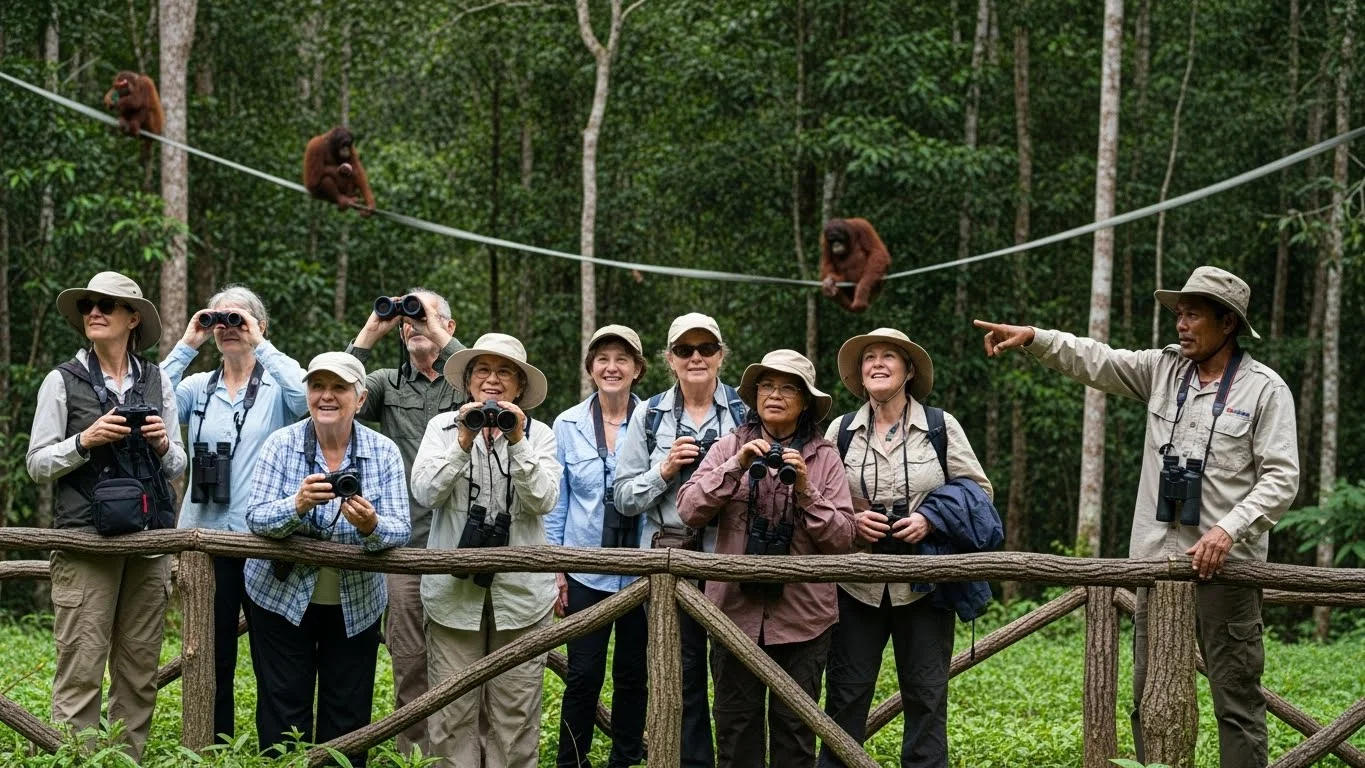
Web Analytics

Recent Posts

Exploring the Benefits of Eco-Tourism for Wildlife Protection

Eco-tourism is more than just a travel trend; it’s a powerful movement aimed at protecting our planet’s wildlife. By embracing eco-tourism, we can explore nature while actively contributing to conservation efforts.
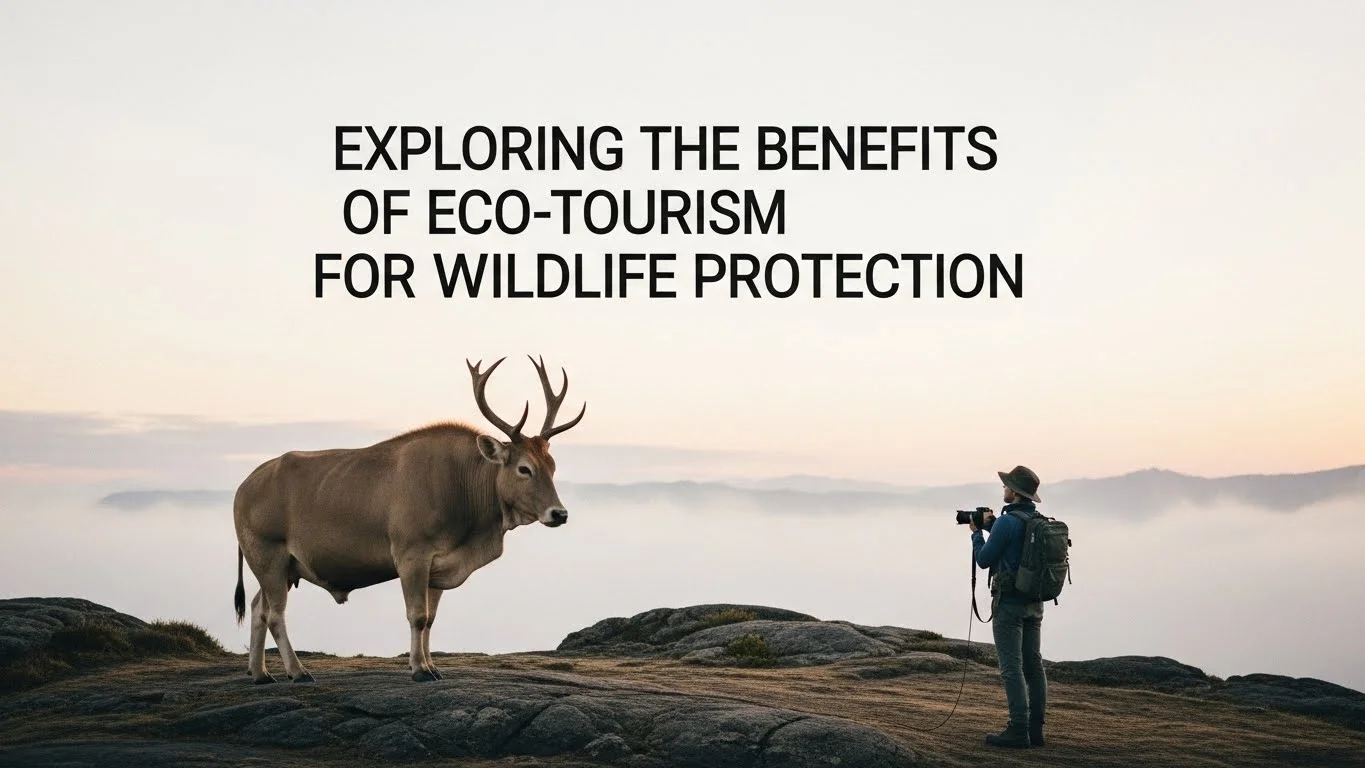
Exploring the Benefits of Eco-Tourism for Wildlife Protection

Understanding Eco-Tourism

Definition of Eco-Tourism

When I first came across the term “eco-tourism,” I was intrigued. It’s not just about visiting beautiful landscapes or exotic locations. Eco-tourism embodies responsible travel to natural areas, conserving the environment and improving the well-being of local people. It encourages a deep respect for nature while providing tourists with the chance to learn about the ecosystems they are visiting. In essence, eco-tourism is about making a positive impact on the places we explore.

History and Evolution of Eco-Tourism

The roots of eco-tourism go way back, but I find it fascinating how it has evolved over the decades. It started to gain popularity in the late 1980s when people began to recognize the impact of mass tourism on the environment. I remember reading about the first eco-lodges that emerged, aimed at providing eco-conscious travelers with sustainable options. Over the years, various organizations and governments have adopted eco-tourism as a strategy to preserve natural habitats while promoting responsible travel. It’s heartwarming to see how this movement has grown, leading to a widespread awareness of environmental issues.

Key Principles of Eco-Tourism

As I delved deeper into eco-tourism, I discovered several key principles that guide it. Understanding these principles has shifted my perspective on how we interact with nature. Here are the main tenets:

  • Conservation: Eco-tourism emphasizes the importance of protecting natural areas and wildlife. I’ve seen firsthand how eco-tourism initiatives, like those in protected parks, help fund conservation projects.
  • Community involvement: Local communities often bear the brunt of tourism’s negative impacts. Eco-tourism strives to involve them in decision-making, ensuring they benefit economically from tourism activities.
  • Education: An essential aspect of eco-tourism is educating travelers about the environment. I’ve learned so much from guides who share insights about local flora and fauna, and I believe this knowledge encourages us to be better stewards of nature.
  • Low impact: Eco-tourism promotes activities that have minimal environmental impact, such as hiking or kayaking, rather than more disruptive forms of tourism.

These principles are not just theoretical; I’ve observed their real-world application during my travels. During a recent trip to a national park, I saw how eco-tourism can foster a deep connection between visitors and the environment, highlighting its importance for wildlife protection.

The Importance of Wildlife Protection

Threats to Wildlife: Habitat Loss, Poaching, and Climate Change

Wildlife protection is critical, and I often remind myself of the many challenges our planet’s creatures face daily. Habitat loss due to deforestation and urban development is a pressing issue. I recall visiting a rainforest where the signs of deforestation were evident. It was heartbreaking to see how these actions threaten countless species. Poaching is another severe threat, driven by demand for illegal wildlife products. It’s a stark reminder of how human greed can endanger entire ecosystems. Additionally, climate change exacerbates these problems, altering habitats and food sources. I feel it’s our responsibility to combat these threats and protect the wildlife that enriches our planet.

Role of Biodiversity in Ecosystems

During my explorations, I’ve learned that biodiversity is not just a buzzword; it’s the backbone of healthy ecosystems. Each species plays a unique role, and losing even one can disrupt the balance of nature. For example, I once visited a coral reef and learned how various fish species contribute to its health. This interconnectedness truly struck me. Protecting wildlife is essential not only for their survival but also for our own well-being, as biodiversity contributes to clean air, water, and food. I’ve come to appreciate that preserving wildlife means preserving our planet.

Impact of Wildlife Loss on Human Communities

It’s easy to overlook how the loss of wildlife directly affects human communities, but my experiences have opened my eyes. In areas where wildlife dwindles, local economies suffer, especially those reliant on eco-tourism. I’ve met communities that have thrived because of their rich biodiversity, and it’s disheartening to think how quickly that could change. Moreover, wildlife plays a vital role in ecosystem services that support agriculture and fishing. As someone who enjoys fresh produce and seafood, I realize that wildlife conservation isn’t just about saving animals; it’s about securing our food systems and livelihoods.

Through my journey of learning about eco-tourism and wildlife protection, I’ve been inspired to advocate for sustainable practices whenever possible. The more I explore, the more I see the profound connections between our actions and the health of our planet. This is why I believe that eco-tourism is a vital tool in promoting wildlife preservation.

How Eco-Tourism Contributes to Wildlife Protection

Providing Financial Incentives for Conservation

One of the most impactful ways eco-tourism contributes to wildlife protection is through financial incentives. I’ve realized that when communities see a direct financial benefit from preserving their natural environments, they are more likely to engage in conservation efforts. For instance, I visited an eco-lodge in a remote area that worked closely with local wildlife organizations. The lodge allocated a portion of its profits to fund anti-poaching rangers and habitat restoration projects. It was inspiring to see how tourism dollars were being channeled into real conservation work. This model not only helps protect wildlife but also creates a sustainable financial future for the local community, making it a win-win situation. We have the power to support these initiatives simply by choosing where we travel and how we spend our money.

Creating Sustainable Livelihoods for Local Communities

During my travels, I’ve met many locals whose livelihoods are directly tied to eco-tourism. Instead of relying on destructive practices like logging or illegal hunting, they have found ways to generate income through eco-friendly tourism. I remember speaking with a fisherman who had transitioned from catching fish for sale to guiding eco-tours that educate visitors about sustainable fishing practices. He shared that this shift not only improved his family’s income but also allowed him to take pride in preserving the marine ecosystem he depended on. This transformation underscores how eco-tourism can empower communities and encourage them to become stewards of their environment. When locals thrive through sustainable means, they are more invested in protecting the wildlife around them.

Promoting Awareness and Education about Wildlife Conservation

Eco-tourism is also a fantastic vehicle for raising awareness about wildlife conservation. I’ve been on countless guided tours where the guides were not only knowledgeable but genuinely passionate about the ecosystems we were exploring. They shared stories about the animals, the challenges they face, and the conservation efforts in place to protect them. I remember one particular tour through a lush forest where our guide pointed out various species and explained their roles within the ecosystem. The passion in her voice was contagious, and it inspired many of us to think more deeply about our impact on the environment. By educating travelers, eco-tourism spreads awareness far beyond the immediate area, creating a ripple effect that can lead to more widespread conservation efforts. Education fosters empathy, and I believe that the more we learn, the more we want to protect our planet and its inhabitants. This is why I often refer to the positive impact of eco-tourism on wildlife preservation.

Case Studies of Successful Eco-Tourism Initiatives

Example 1: Costa Rica’s National Parks

Costa Rica is often hailed as a pioneer in eco-tourism, and for good reason. I had the chance to explore several of its national parks, like Manuel Antonio and Corcovado, and I was blown away by how these areas balance tourism with conservation. The country has established a robust system of protected areas that not only safeguard biodiversity but also attract eco-conscious travelers. I was impressed to learn that entrance fees from tourists directly fund local conservation projects and help maintain the parks. This inspiring model has proven successful in preserving Costa Rica’s rich wildlife, while also providing economic benefits to local communities. It left me wondering how many other countries could replicate this success.

Example 2: The Galápagos Islands Conservation Efforts

The Galápagos Islands are another shining example of how eco-tourism can drive conservation. Visiting these islands was on my bucket list, and I finally made it! I was amazed by the unique wildlife that inspired Charles Darwin’s theories on evolution. The National Park of Galápagos has strict regulations to protect its delicate ecosystems. Tourists must travel with certified guides who ensure that we respect wildlife and adhere to conservation practices. I remember feeling a sense of responsibility as I explored the trails, knowing that my presence was contributing to the protection of these extraordinary creatures. The revenue generated from eco-tourism helps fund scientific research, conservation programs, and initiatives aimed at preserving the islands’ unique biodiversity.

Example 3: Kenya’s Community-Based Tourism Projects

Kenya has some incredible community-based tourism projects that highlight how eco-tourism can benefit both wildlife and people. I had the opportunity to visit a Maasai village where eco-tourism is a key player in wildlife conservation. The community offers guided nature walks and cultural experiences that allow visitors to learn about their traditions and the importance of conservation. The profits from these activities are reinvested into protecting local wildlife and habitats, including efforts to combat poaching. It was heartwarming to see how the Maasai people take pride in their role as guardians of the land, and it made me appreciate the interconnectedness of conservation and culture. I left feeling inspired by their dedication and the positive impact this model can have on both wildlife and local communities.

Types of Eco-Tourism Activities That Benefit Wildlife

Wildlife Safaris and Responsible Viewing

When I think about eco-tourism, wildlife safaris immediately come to mind. These experiences can be transformative, offering a close-up view of magnificent animals in their natural habitats. However, I’ve learned that responsible viewing is key. I remember my first safari in South Africa; our guide emphasized the importance of maintaining a safe distance from the animals and not disturbing their routines. This respect for wildlife helped me appreciate their behaviors without intruding on their lives. An ethical safari operator ensures that wildlife viewing does not negatively impact the animals or their surroundings. I believe that these encounters can foster a love for wildlife and a commitment to its conservation. By choosing operators who prioritize ethical practices, we can contribute to the protection of these incredible creatures while enjoying unforgettable experiences.

Bird Watching and Its Conservation Impact

Bird watching is another eco-tourism activity that has captured my heart. It’s fascinating how a simple pair of binoculars can connect us to the beauty of nature. I recall a trip to Costa Rica where I joined a bird-watching tour in the lush rainforest. Our guide taught us to recognize the calls of various bird species and shared insights about their roles in the ecosystem. I was amazed to discover how many bird species are threatened by habitat loss and climate change. Bird watchers often contribute to conservation efforts by participating in citizen science projects, like the Audubon Society’s Christmas Bird Count, which helps track bird populations. For me, being able to observe and learn about these creatures while supporting their conservation felt like a rewarding way to connect with nature.

Marine Eco-Tourism: Diving and Snorkeling with a Purpose

As someone who loves the ocean, I can’t overlook marine eco-tourism. Diving and snorkeling can be deeply impactful experiences. I remember my first snorkeling adventure in the Great Barrier Reef. The vibrant corals and diverse marine life took my breath away. However, I learned that these ecosystems are under threat from pollution, overfishing, and climate change. Many dive operators are now promoting responsible practices, such as reef-safe sunscreens and strict guidelines on how to interact with marine life. I’ve seen how educational marine tours can raise awareness about conservation issues while allowing us to appreciate the underwater world. By choosing responsible marine eco-tourism operators, we can help protect these delicate ecosystems while enjoying the beauty they offer.

Challenges and Criticisms of Eco-Tourism

Overtourism and Its Effects on Wildlife

While eco-tourism has its merits, it’s essential to acknowledge the challenges it faces, particularly overtourism. I’ve witnessed firsthand how popular destinations can become overwhelmed with visitors. During a trip to a renowned national park, I was surprised by the sheer number of tourists flooding the area. The increased foot traffic can lead to habitat degradation and stress on wildlife. I remember feeling conflicted; I wanted to enjoy the beauty of the park, but I knew that too many visitors could disrupt the very ecosystems I came to appreciate. It’s a reminder that we must be mindful of our impact and support initiatives that manage visitor numbers to protect wildlife and the environment.

Greenwashing in the Eco-Tourism Industry

Another issue that’s been on my mind is greenwashing. It’s disheartening to see companies that claim to be eco-friendly without genuinely committing to sustainable practices. I learned that some operators use misleading marketing to attract eco-conscious travelers while failing to make a real difference. Whenever I’m planning a trip, I make it a point to research the companies I’m considering. I look for evidence of their sustainability practices and certifications. It’s crucial for us, as travelers, to be vigilant and support businesses that prioritize true environmental stewardship rather than just a green image.

Balancing Visitor Experience and Conservation Goals

Finding the right balance between providing an enriching visitor experience and achieving conservation goals can be tricky. I’ve participated in tours where the focus seemed to lean heavily towards entertainment rather than education and preservation. For instance, during one wildlife tour, I noticed the guides were more concerned about getting the perfect photo opportunity than respecting the animals’ space. It made me realize that while it’s great to have fun, it’s equally important to understand our role in conservation. Operators need to create experiences that educate travelers about the importance of respecting wildlife and their habitats. As travelers, we should seek experiences that enrich our understanding and appreciation of the environment, ensuring that our enjoyment doesn’t come at the expense of conservation efforts.

How to Choose Responsible Eco-Tourism Operators

Key Certifications to Look For

When it comes to selecting eco-tourism operators, certifications can be a great starting point. I’ve learned to look for organizations that are recognized for their commitment to sustainability. For example, certifications from organizations like the Rainforest Alliance, Green Globe, or EarthCheck can indicate that a company adheres to rigorous environmental standards. These certifications often evaluate factors such as conservation practices, community involvement, and social responsibility. By choosing certified operators, I feel more confident that my travel choices are contributing positively to the environments I visit.

Questions to Ask Before Booking

Before I book any eco-tourism experience, I make it a habit to ask questions. I might inquire about their sustainability practices, how they support local communities, or their policies on wildlife interaction. I remember one time, I asked a tour operator how they manage waste and support conservation projects. Their detailed responses gave me insight into their values and commitment to responsible tourism. It’s important for us to feel comfortable and informed about the choices we make, and asking questions can help ensure we’re supporting genuine eco-tourism initiatives.

Reading Reviews and Experiences from Other Travelers

Finally, I always check reviews from other travelers. Platforms like TripAdvisor or Google Reviews can provide valuable insights into the experiences of others. I pay attention to comments about the operator’s commitment to sustainability and conservation. If I see a pattern where travelers describe a company as genuinely dedicated to their eco-friendly practices, it gives me confidence in my choice. It’s one of the best ways to gauge whether an operator is walking the walk or just talking the talk.

Frequently Asked Questions

What is eco-tourism?

Eco-tourism is responsible travel to natural areas that conserves the environment and improves the well-being of local people. It encourages respect for nature while providing tourists the chance to learn about the ecosystems they visit.

What are the key principles of eco-tourism?

The main principles of eco-tourism include conservation of natural areas, community involvement in decision-making, education about the environment, and promoting low-impact activities that minimize environmental disruption.

How does eco-tourism contribute to wildlife protection?

Eco-tourism contributes to wildlife protection by providing financial incentives for conservation, creating sustainable livelihoods for local communities, and promoting awareness and education about wildlife conservation.

What challenges does eco-tourism face?

Eco-tourism faces challenges such as overtourism, which can lead to habitat degradation and stress on wildlife, and greenwashing, where companies falsely claim to be eco-friendly without genuine sustainable practices.

How does biodiversity relate to eco-tourism?

Biodiversity is essential for healthy ecosystems, and eco-tourism helps protect this biodiversity. Each species plays a unique role, and losing even one can disrupt the balance of nature, which is vital for both wildlife survival and human well-being.

What types of activities are considered eco-tourism?

Types of eco-tourism activities include wildlife safaris with responsible viewing practices, bird watching that contributes to conservation efforts, and marine eco-tourism activities like diving and snorkeling that promote awareness of underwater ecosystems.

How can travelers choose responsible eco-tourism operators?

Travelers can choose responsible eco-tourism operators by looking for certifications that indicate a commitment to sustainability, asking questions about sustainability practices before booking, and reading reviews from other travelers to gauge the operator’s genuine eco-friendly practices.

What role do local communities play in eco-tourism?

Local communities are integral to eco-tourism as they often bear the negative impacts of tourism. Eco-tourism strives to involve them in decision-making and ensures they benefit economically from tourism activities, promoting both conservation and community well-being.

What is greenwashing in the context of eco-tourism?

Greenwashing refers to the practice of companies falsely marketing themselves as eco-friendly without genuinely committing to sustainable practices. This misleads travelers who are looking to support genuine eco-tourism initiatives.

How does eco-tourism impact human communities?

The loss of wildlife can directly affect human communities, particularly those reliant on eco-tourism. As wildlife dwindles, local economies suffer, making wildlife conservation vital for securing food systems and livelihoods.
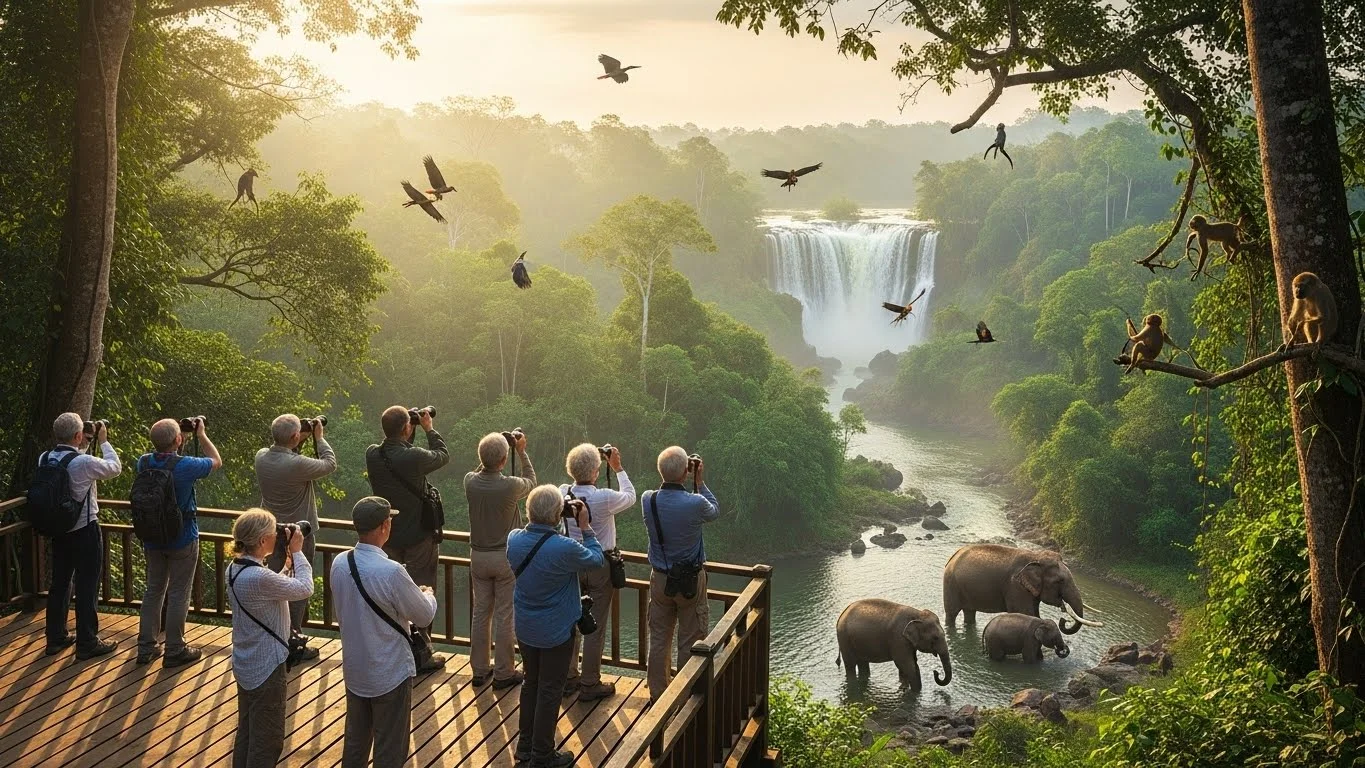
How Eco-Tourism Supports Wildlife Conservation Initiatives

Eco-tourism has emerged as a powerful ally in wildlife conservation. By marrying travel with sustainability, it offers an opportunity to protect nature while embracing adventure. Eco-tourism is a game changer for wildlife conservation.

How Eco-Tourism Supports Wildlife Conservation Initiatives

Understanding Eco-Tourism

Definition of Eco-Tourism

When I first learned about eco-tourism, I was captivated by its definition: a form of responsible travel that focuses on visiting natural areas, conserving the environment, and improving the well-being of local communities. It’s like stepping into a beautiful, untouched world and realizing that our very presence can help protect it. Eco-tourism is more than just a trend; it’s a journey that fosters a connection between travelers and the places they visit, encouraging us to tread lightly and appreciate the beauty of nature.

Principles of Eco-Tourism

Through my travels, I’ve noticed that eco-tourism is built on several core principles. These include minimizing the environmental impact of tourism, supporting the conservation of biodiversity, and promoting the cultural heritage of local communities. For me, embracing these principles has transformed the way I approach travel. Now, I actively seek out experiences that prioritize sustainability, whether it’s choosing accommodations that use renewable energy or opting for tours led by local guides who share their knowledge of the land. I believe that when we travel responsibly, we not only enjoy our adventures but also contribute positively to the places we visit.

Key Differences Between Eco-Tourism and Traditional Tourism

Reflecting on my past experiences, I can see some stark differences between eco-tourism and traditional tourism. Traditional tourism often prioritizes luxury and convenience, sometimes at the expense of local cultures and ecosystems. I remember visiting a resort that, while stunning, had a significant carbon footprint and disrupted local wildlife. In contrast, eco-tourism emphasizes respect for the environment, encouraging travelers to engage with nature in a meaningful way. It’s about being conscious of our choices and understanding how our actions impact the places we love to explore. The beauty of eco-tourism lies in its ability to unite travel and conservation, allowing us to have fun while being responsible stewards of the earth.

The Role of Eco-Tourism in Wildlife Conservation

Direct Financial Support for Conservation Projects

One of the most remarkable aspects of eco-tourism is its ability to provide direct financial support for conservation efforts. During my travels to various eco-friendly destinations, I discovered that a portion of the tourism revenue goes straight into projects aimed at protecting endangered species and their habitats. I remember visiting a wildlife sanctuary where entrance fees were used to rehabilitate injured animals and conduct research on local ecosystems. Seeing how my travel dollars contributed to real change made my experience even more fulfilling. It’s empowering to know that as we explore the beauty of nature, we’re also playing a part in its preservation. Discover how eco-tourism boosts wildlife conservation efforts.

Creating Sustainable Livelihoods for Local Communities

As I’ve explored eco-tourism, I’ve learned about its significant role in creating sustainable livelihoods for local communities. Many eco-tourism operators work closely with indigenous groups, providing them with opportunities to share their culture while benefiting economically from tourism. During a recent trip to an eco-lodge in Costa Rica, I was struck by how the locals were involved in every aspect of the operation—from guiding tours to preparing meals. This not only empowered the community but also ensured that the traditions and knowledge of the local culture were preserved and shared with visitors. I think we should all strive to engage with travel that uplifts and supports the communities we visit.

Promoting Awareness and Education on Wildlife Issues

Another essential role of eco-tourism is its potential to promote awareness and education on wildlife conservation issues. I’ve had the chance to participate in various workshops during my travels, where conservationists and local experts share their insights on the challenges facing wildlife. These experiences have opened my eyes to issues like habitat loss, poaching, and the impact of climate change on biodiversity. I believe that informed travelers can become advocates for conservation, spreading the word and inspiring others to take action. The more we learn about the environment, the better equipped we are to protect it.

Key Eco-Tourism Destinations Supporting Wildlife Conservation

The Amazon Rainforest

When I think of the Amazon Rainforest, I’m reminded of its vastness and the incredible diversity of life that thrives there. This breathtaking destination is often referred to as the “lungs of the Earth,” and for a good reason. Eco-tourism in the Amazon not only allows us to witness its beauty firsthand but also plays a crucial role in conservation efforts. While visiting an eco-lodge deep in the rainforest, I learned about sustainable practices that help preserve the delicate balance of this ecosystem. Tour operators often collaborate with local communities to protect their ancestral lands, ensuring that the rainforest remains intact for generations to come. I felt a deep sense of responsibility knowing that my presence contributed to these efforts. The guided tours through the lush landscapes were not just about observing wildlife; they were also about understanding the intricate relationships between species and their habitats.

Galápagos Islands

The Galápagos Islands hold a special place in my heart as a prime example of eco-tourism and wildlife conservation working hand in hand. When I visited the islands, I was in awe of the unique species that inspired Charles Darwin’s theory of evolution. The eco-friendly tours offered by local operators focus on minimizing human impact while maximizing educational opportunities. I vividly remember snorkeling with sea lions and watching giant tortoises in their natural habitat, all while guided by passionate locals who shared stories about ongoing conservation projects. The revenue from eco-tourism here supports essential research and habitat preservation, which is vital for the survival of these endemic species. It’s a reminder that every traveler can make a difference, and I left feeling more connected to the world and its creatures.

South Africa’s Kruger National Park

South Africa’s Kruger National Park is another iconic destination that embodies the spirit of eco-tourism. My safari experience there was nothing short of magical. Guided by knowledgeable rangers, I learned about the importance of protecting wildlife and their habitats. Eco-tourism in Kruger has led to significant conservation initiatives, such as anti-poaching efforts and community engagement programs. I remember witnessing a herd of elephants gracefully moving through the savanna, and it struck me how vital it is to protect their natural movements and behaviors. The park’s eco-lodges emphasize sustainability, using renewable energy and promoting local culture, which enhances the entire experience. It’s heartening to know that by visiting, I was contributing to the preservation of one of the world’s most magnificent ecosystems.

Yellowstone National Park, USA

Yellowstone National Park, America’s first national park, is a stunning example of how eco-tourism can support wildlife conservation right in our backyard. I had the pleasure of exploring its geothermal wonders and vast landscapes, and it opened my eyes to the critical role national parks play in preserving biodiversity. The park has implemented various eco-tourism initiatives, including guided hikes and educational programs that emphasize the importance of wildlife management and habitat preservation. While watching bison roam freely across the plains, I felt a profound sense of gratitude for the conservation efforts that allow us to enjoy these sights. The experience reminded me that national parks are not just for recreation; they are vital sanctuaries for wildlife and natural resources.

How Eco-Tourism Benefits Local Wildlife

Habitat Preservation and Restoration

One of the most significant benefits of eco-tourism is its impact on habitat preservation and restoration. During my travels, I’ve seen firsthand how eco-tourism initiatives contribute to the maintenance of natural ecosystems. For instance, when I visited a coastal community engaged in eco-tourism, I learned about their efforts to restore mangrove forests that serve as critical habitats for many marine species. This restoration not only enhances biodiversity but also protects coastlines from erosion and promotes healthier fisheries. It’s fascinating to realize that our travel choices can help fund projects aimed at preserving the very environments we cherish. Every eco-tourist can play a part in restoring habitats simply by choosing to visit destinations that prioritize conservation.

Reducing Human-Wildlife Conflict

Human-wildlife conflict is a growing concern in many parts of the world, and eco-tourism offers a way to mitigate these issues. While exploring a wildlife reserve in Africa, I learned how eco-tourism helps create buffer zones where wildlife can thrive without encroachment from human activities. This reduces the chances of conflict between local communities and wildlife, fostering coexistence. I remember hearing stories from villagers who benefited from eco-tourism initiatives that provided alternative sources of income, thus reducing their reliance on land that wildlife also needs. It’s heartwarming to see how eco-tourism can create a win-win situation for both people and animals, promoting a shared commitment to conservation.

Enhancing Biodiversity through Responsible Practices

Responsible eco-tourism practices help enhance biodiversity by promoting sustainable land use and conservation efforts. In my travels, I’ve participated in community-led conservation projects that focus on protecting endangered species and their habitats. For instance, while volunteering at a sea turtle sanctuary, I saw how eco-tourism directly supports initiatives to protect nesting sites and educate visitors about the challenges these creatures face. I believe that when we engage with nature responsibly, we not only appreciate its beauty but also contribute to the preservation of its rich diversity. Through eco-tourism, we can help ensure that future generations have the opportunity to experience the wonders of our natural world. The positive impact of eco-tourism on wildlife preservation.

Challenges Facing Eco-Tourism and Wildlife Conservation

Over-tourism and Its Impact on Wildlife

During my travels, I’ve often marveled at the beauty of popular eco-tourism destinations, but I’ve also witnessed the darker side of high visitor numbers. Over-tourism is a real concern, and I have seen its impact firsthand. For instance, when I visited a renowned national park, the trails were crowded, and the wildlife seemed more skittish than usual. The increased foot traffic can disrupt animal behaviors and habitats, and it’s disheartening to think that our desire to explore nature might be harming it. I realized that while eco-tourism aims to protect the environment, it can also inadvertently lead to its degradation if not managed properly. It’s essential for us as travelers to recognize this issue and advocate for sustainable practices that balance visitor access with conservation efforts.

Lack of Regulation and Standards in Eco-Tourism

One challenge I’ve encountered is the inconsistency in what qualifies as eco-tourism. I’ve come across operators who claim to be eco-friendly but do not adhere to true sustainable practices. This lack of regulation can be confusing for travelers who genuinely want to make a positive impact. I remember booking a tour that advertised itself as eco-friendly, only to find out that it involved activities that disturbed local wildlife. It made me realize how important it is for us to be vigilant and informed about the companies we choose to support. I believe that establishing clear standards and certifications for eco-tourism operators is crucial in ensuring that our travel choices align with our values.

Balancing Tourism with Conservation Efforts

Finding the right balance between tourism and conservation efforts is another challenge I’ve noticed in my travels. For instance, while volunteering at a wildlife rescue center, I saw how visitor interactions sometimes conflicted with the animals’ need for peace and rehabilitation. It made me think about how difficult it can be to strike that balance. On one hand, tourism revenue is vital for funding conservation projects, but on the other hand, human presence can be stressful for wildlife. I believe this is where education plays a crucial role. When travelers are informed about the impacts of their actions, it encourages more responsible behavior. We all have a part to play in ensuring that our presence doesn’t hinder the very conservation efforts we support.

How to Choose Eco-Friendly Tours and Operators

Identifying Certified Eco-Tourism Operators

When it comes to selecting eco-friendly tours, I’ve learned that doing some research can go a long way. One of the first steps I recommend is looking for certified eco-tourism operators. These operators typically adhere to certain standards regarding sustainability and conservation. I’ve found organizations like the Global Sustainable Tourism Council (GSTC) to be helpful resources in identifying reputable companies. By choosing certified operators, we can have more confidence that our travel choices support genuine eco-tourism practices.

Questions to Ask Before Booking an Eco-Tour

I’ve found that asking the right questions can help ensure that a tour aligns with my eco-friendly values. Before booking, I recommend inquiring about the operator’s sustainability practices. I ask questions like: How do you support local communities? What measures do you take to minimize environmental impact? Are your guides trained in conservation? These conversations can often reveal a lot about a company’s commitment to eco-tourism. When I asked these questions on my last trip, I was pleasantly surprised by how many operators were eager to share their efforts and initiatives.

Understanding the Impact of Your Choices

Every travel choice we make has an impact, and I’ve become more aware of how my decisions can either support or hinder conservation efforts. For instance, opting for local accommodations instead of international hotel chains can significantly benefit local economies. I also try to choose activities that have a minimal ecological footprint, like hiking instead of motorized tours. I believe that by reflecting on our choices, we can contribute to a more sustainable tourism model. It’s not just about enjoying our travel experiences, but also about making sure that those experiences are enriching for both us and the places we visit.

Success Stories: Eco-Tourism Initiatives Making a Difference

Community-Led Conservation Efforts

One of the most inspiring aspects of eco-tourism I’ve encountered is the rise of community-led conservation efforts. During a visit to a remote village in Indonesia, I witnessed how local residents took charge of their environment, implementing practices that not only preserved their natural resources but also attracted eco-conscious travelers. This initiative was not only about protecting the land but also empowering the community economically. I was touched by the pride the locals had in sharing their culture while safeguarding their ecosystem. It’s amazing how when communities are genuinely involved, the results can be transformative.

Partnerships Between Tour Operators and Conservation Organizations

I’ve seen some fantastic partnerships that highlight the collaborative spirit of eco-tourism. For example, during my travels in Africa, I learned about a tour operator working hand-in-hand with wildlife conservation organizations to create programs that educate travelers about endangered species. This partnership not only raises funds for conservation projects but also fosters a deeper understanding among travelers about the challenges faced by wildlife. It’s a win-win situation that showcases how partnerships can lead to meaningful change.

Case Studies of Successful Eco-Tourism Projects

As I delved deeper into the world of eco-tourism, I stumbled upon compelling case studies that illustrate its potential. One such project was focused on sea turtle conservation in Costa Rica, where local eco-guides led groups to protected nesting sites, educating visitors about the turtles’ life cycles. The revenue generated from these tours directly funded conservation efforts, and I was captivated by how the local community thrived while protecting these magnificent creatures. It reinforced my belief that when eco-tourism is done right, it can create a positive ripple effect, benefiting both nature and the communities that rely on it.

The Future of Eco-Tourism and Wildlife Conservation

Trends in Sustainable Travel

As I look ahead, I can’t help but feel excited about the trends emerging in sustainable travel. More travelers are seeking experiences that prioritize environmental responsibility, and I believe this shift will only continue to grow. I’ve noticed an increasing number of travelers who are passionate about reducing their carbon footprints, choosing local experiences, and advocating for conservation. This collective shift in mindset can lead to a more significant impact on the preservation of our planet.

Technological Innovations Supporting Conservation Efforts

I’m amazed at how technological innovations are playing a role in eco-tourism and wildlife conservation. From drone technology that helps monitor wildlife populations to apps that educate travelers about sustainable practices, technology is bridging the gap between adventure and conservation. I’ve interacted with various apps that allow travelers to log their carbon footprints, helping them make more conscious decisions. These advancements encourage us to be part of the solution and enhance our travel experiences.

The Role of Policy and Regulation in Promoting Eco-Tourism

Finally, I think policy and regulation will be crucial in shaping the future of eco-tourism. Governments and organizations need to establish clear guidelines that promote sustainable practices within the tourism industry. I’ve seen how effective policies can lead to positive changes in local economies while safeguarding natural resources. As travelers, we can advocate for such policies and support initiatives that prioritize the well-being of both wildlife and communities. By pushing for sustainable travel regulations, we can help create a future where eco-tourism flourishes alongside wildlife conservation.

Frequently Asked Questions

What is eco-tourism?

Eco-tourism is a form of responsible travel that focuses on visiting natural areas, conserving the environment, and improving the well-being of local communities. It fosters a connection between travelers and the places they visit, encouraging appreciation for nature.

What are the core principles of eco-tourism?

The core principles of eco-tourism include minimizing environmental impact, supporting biodiversity conservation, and promoting local cultural heritage. Travelers are encouraged to choose sustainable experiences and support local communities.

How does eco-tourism differ from traditional tourism?

Eco-tourism emphasizes respect for the environment and engagement with nature, whereas traditional tourism often prioritizes luxury and convenience, sometimes harming local cultures and ecosystems. Eco-tourism aims to unite travel with conservation.

How does eco-tourism support wildlife conservation financially?

Eco-tourism provides direct financial support for conservation projects by allocating a portion of tourism revenue to protect endangered species and their habitats, such as through entrance fees used for wildlife rehabilitation and research.

In what ways does eco-tourism create sustainable livelihoods for local communities?

Eco-tourism creates sustainable livelihoods by working closely with local communities, allowing them to share their culture and benefit economically from tourism, thus empowering them and preserving their traditions and knowledge.

What role does eco-tourism play in promoting awareness about wildlife issues?

Eco-tourism promotes awareness and education on wildlife conservation issues by offering workshops and experiences where travelers learn about challenges like habitat loss and poaching, helping them become advocates for conservation.

What are some key eco-tourism destinations known for supporting wildlife conservation?

Key eco-tourism destinations include the Amazon Rainforest, Galápagos Islands, South Africa’s Kruger National Park, and Yellowstone National Park, all of which offer unique experiences while contributing to conservation efforts.

What are the challenges facing eco-tourism and wildlife conservation?

Challenges include over-tourism, which can disrupt wildlife and habitats, lack of regulation leading to inconsistent eco-tourism practices, and the difficulty in balancing tourism with effective conservation efforts.

How can travelers choose eco-friendly tours and operators?

Travelers can choose eco-friendly tours by researching certified eco-tourism operators, asking about their sustainability practices, and understanding the impact of their choices to ensure they support genuine eco-tourism.

What trends are emerging in the future of eco-tourism?

Emerging trends in eco-tourism include increased demand for sustainable travel experiences, technological innovations supporting conservation efforts, and the importance of policy and regulation in promoting eco-tourism practices.

Eco-Tourism: A Game Changer for Wildlife Conservation

Eco-tourism is more than just a travel trend; it’s a transformative movement that has the potential to protect wildlife and their habitats. By connecting people with nature responsibly, we can create a sustainable future for our planet. Read Interesting article: Discover How Eco-Tourism Boosts Wildlife Conservation Efforts

Eco-Tourism: A Game Changer for Wildlife Conservation

Understanding Eco-Tourism

Definition and Key Principles

When I first heard the term “eco-tourism,” I wasn’t entirely sure what it meant. After diving deeper, I discovered that eco-tourism is defined as responsible travel to natural areas that conserves the environment and improves the well-being of local people. It’s all about experiencing nature while also taking care of it. The key principles of eco-tourism include minimizing environmental impact, respecting local cultures, and promoting conservation efforts. I believe that by adhering to these principles, we can enjoy our adventures while giving back to the places we visit.

History and Evolution of Eco-Tourism

Thinking back, it’s fascinating to see how far eco-tourism has come. The concept started gaining traction in the 1980s as a response to the growing concerns about environmental degradation and the negative impacts of mass tourism. I remember reading about early pioneers who laid the groundwork for eco-tourism as a way to balance travel with conservation. Over the years, it has evolved into a vital industry that not only highlights the beauty of nature but also emphasizes the importance of protecting it. I feel that this evolution is crucial, especially as we face increasing environmental challenges.

Difference Between Eco-Tourism and Traditional Tourism

In my travels, I’ve often noticed the stark contrast between eco-tourism and traditional tourism. Traditional tourism can sometimes prioritize convenience and luxury over environmental concerns, leading to overdevelopment and exploitation of natural resources. For me, eco-tourism is refreshing because it flips that narrative on its head. Instead of just taking from the environment, eco-tourism encourages travelers to give back. It focuses on sustainability, community involvement, and education about the ecosystems we explore. This approach not only enriches our experiences but also fosters a deeper connection to the world around us.

The Importance of Wildlife Conservation

Current Threats to Wildlife

As I’ve learned more about wildlife conservation, I’ve come to realize just how critical it is, especially with the current threats facing numerous species. Habitat loss, climate change, poaching, and pollution are just a few of the challenges wildlife is grappling with today. I remember reading about the heartbreaking decline of elephants due to ivory poaching and how it sparked my desire to understand more about conservation efforts. It’s alarming to think that if we don’t take action, many species could vanish in our lifetime. Read Interesting article: The Positive Impact of Eco-Tourism on Wildlife Preservation

Role of Biodiversity in Ecosystems

Biodiversity is something I’ve come to value deeply. It’s not just about individual species; it’s about the intricate web of life that supports ecosystems. Each species plays a unique role, contributing to the balance necessary for a healthy environment. I’ve seen firsthand how biodiversity promotes resilience against diseases and climate change. A diverse ecosystem can recover from disturbances more effectively, which is something we should all cherish and protect.

Impact of Human Activities on Wildlife

Reflecting on my own experiences, I’ve come to understand the profound impact our activities have on wildlife. Urbanization, agriculture, and industrialization often encroach on natural habitats, leading to fragmentation and loss of biodiversity. I often think about the animals I’ve encountered in my travels and how their habitats are shrinking. It’s a stark reminder that our choices matter. We have the power to protect or harm wildlife, and I feel it’s our responsibility to choose wisely.

How Eco-Tourism Supports Wildlife Conservation

Economic Benefits for Local Communities

During my travels, I’ve seen how eco-tourism can make a significant difference in local communities. When tourists choose eco-friendly options, they often spend their money on local guides, accommodations, and food. This not only creates jobs but also empowers local people to be stewards of their environment. I remember visiting a small village where the residents had started an eco-lodge. The income generated from eco-tourism allowed them to invest in education and healthcare, which transformed their community. It was inspiring to witness how eco-tourism can uplift communities while preserving the natural beauty surrounding them.

Funding Conservation Initiatives

One of the most powerful aspects of eco-tourism is its ability to fund conservation efforts. I’ve learned that a portion of the money spent by eco-tourists often goes directly into conservation projects. For instance, I participated in a tour that supported wildlife rehabilitation centers. The fees we paid not only provided a unique experience but also contributed to rescuing and rehabilitating animals in need. Knowing that my travel dollars were making a tangible impact on wildlife conservation was incredibly rewarding. Read Interesting article: Experience Wildlife Conservation: Travel Sustainably It made me realize that every choice we make as travelers can echo beyond our personal experiences and contribute to the greater good.

Promoting Sustainable Practices

While exploring various eco-tourism destinations, I’ve encountered many organizations promoting sustainable practices. These range from reducing waste to conserving water and energy. I remember joining a workshop in a national park where we learned about the local flora and fauna, while actively participating in habitat restoration projects. Such initiatives help raise awareness about the importance of sustainability, encouraging travelers to adopt eco-friendly habits in their own lives. This ripple effect is something I find beautiful; it’s like planting a seed of consciousness that grows long after the trip is over.

Key Eco-Tourism Destinations for Wildlife Conservation

Amazon Rainforest

The Amazon Rainforest is a treasure trove of biodiversity. I’ve always wanted to visit this majestic place, and when I finally did, it took my breath away. The sheer variety of wildlife is staggering—from colorful birds to playful monkeys. Eco-tourism here is vital, as it helps protect this unique ecosystem while providing economic opportunities for indigenous communities. I learned that eco-lodges in the region often collaborate with locals, ensuring that tourism benefits both the environment and the people living there.

Sundarbans Mangrove Forest

The Sundarbans is another destination that left a lasting impression on me. This UNESCO World Heritage site is home to the famous Bengal tiger, as well as a rich array of other wildlife. Eco-tourism here focuses on promoting conservation and educating visitors about the importance of mangrove forests in protecting coastal ecosystems. I had the opportunity to take a guided boat tour, where I learned about the delicate balance of this habitat and the efforts being made to conserve it. It’s amazing how eco-tourism can foster respect for nature while providing a platform for conservation education.

Galápagos Islands

The Galápagos Islands hold a special place in my heart. This unique archipelago is not just a travel destination; it’s a living classroom for conservation. I remember being awestruck by the endemic species and the pristine beauty of the islands. Eco-tourism here is strictly regulated, which helps protect the fragile ecosystems. Each visitor’s fee contributes to conservation initiatives. Knowing that I was supporting the preservation of this natural wonder made my experience even more fulfilling. The stories of how eco-tourism has helped restore the islands’ ecosystems are inspiring and heartwarming.

Serengeti National Park

The Serengeti is a name that often comes up in conversations about wildlife safaris, and for good reason. I was fortunate enough to embark on a safari here, and it was nothing short of magical. The park is known for its incredible migration of wildebeest and zebras, and witnessing this phenomenon was a highlight of my travels. Eco-tourism in the Serengeti supports local communities and wildlife conservation. Many lodges and tour operators implement sustainable practices to minimize their impact on the environment, allowing visitors to experience the majesty of nature while actively contributing to its protection.

Great Barrier Reef

My adventure to the Great Barrier Reef was unforgettable. Snorkeling among the vibrant coral and diverse marine life was like stepping into another world. However, I also learned about the threats facing this ecosystem, particularly from climate change and pollution. Eco-tourism here emphasizes the need for conservation efforts, and many operators focus on educating visitors about marine protection. I participated in a beach cleanup during my visit, which not only helped the environment but also made me feel like I was part of something bigger. It’s a reminder that our love for nature can translate into action for its preservation.

Activities That Promote Wildlife Conservation

Wildlife Safaris and Tours

One of the most exhilarating ways I’ve connected with wildlife is through safaris and guided tours. Each trip has been an eye-opening experience, allowing me to see animals in their natural habitats while learning about their behaviors and roles in the ecosystem. I vividly remember my first safari in the Serengeti, where I was lucky enough to witness a pride of lions lounging under a tree. The guide shared fascinating insights about their social structure and the challenges they face, which deepened my appreciation for these majestic creatures. Not only do these tours educate travelers, but they also often contribute to conservation efforts, as many companies donate a portion of their profits to protect the wildlife and habitats we’re privileged to observe.

Bird Watching

Bird watching is another activity I’ve come to love, especially because it requires patience and a keen eye. I’ve spent hours in various ecosystems, from wetlands to forests, just waiting to catch a glimpse of a rare species. During a trip to Costa Rica, I was fortunate enough to spot a resplendent quetzal, and the experience was nothing short of magical. Bird watching often supports conservation because many birders are passionate about protecting habitats for their feathered friends. I’ve found that participating in birding trips can showcase the importance of diversity and the delicate balance of ecosystems, encouraging us to take action in preserving these areas.

Marine Conservation Diving

My adventures with marine conservation diving have opened my eyes to the wonders beneath the waves. Diving in protected coral reefs was like entering an entirely different world, full of vibrant colors and fascinating marine life. I remember my dive in the Great Barrier Reef, where I not only enjoyed the beauty of the underwater landscape but also learned about the threats facing coral ecosystems. Many diving operators now focus on conservation, offering trips that include activities like reef restoration and education about marine ecosystems. It feels rewarding to know that my passion for diving can also contribute to the health of the oceans.

Volunteer Opportunities in Conservation Projects

Volunteering for conservation projects has been one of the most fulfilling experiences in my eco-tourism journey. I’ve had the chance to work alongside passionate individuals dedicated to protecting wildlife, whether through habitat restoration or species monitoring. During my time in South Africa, I volunteered at a wildlife rehabilitation center, helping to care for injured animals and learning about the challenges they face in the wild. This hands-on experience not only educated me about conservation efforts but also allowed me to contribute directly to the well-being of the animals. I believe that volunteering can be a transformative experience, fostering a deeper connection between travelers and the natural world.

Choosing Responsible Eco-Tourism Operators

What to Look for in Eco-Tourism Certifications

When I’m planning an eco-friendly trip, I always look for operators with recognized eco-tourism certifications. These certifications can indicate that the company follows sustainable practices and contributes to conservation efforts. Some certifications I’ve come across include the Global Sustainable Tourism Council (GSTC) and Rainforest Alliance. I find that checking for these certifications helps ensure that my travel choices align with my values of environmental responsibility and community support. It’s a small step, but it makes a big difference in my peace of mind while traveling.

Questions to Ask Eco-Tourism Providers

Before booking any tour, I believe it’s essential to ask the right questions to understand how the operator supports conservation and local communities. I usually inquire about how they minimize their environmental impact, their involvement in local conservation efforts, and how they support local economies. For instance, I once asked a tour guide how they train their staff to educate visitors about the importance of conservation. The thoughtful responses I received reassured me that I was making a responsible choice. I feel that engaging in these conversations not only helps me make informed decisions but also pushes operators to prioritize sustainability.

Reviews and Testimonials

Reading reviews and testimonials has become a crucial part of my planning process. I often turn to platforms like TripAdvisor or eco-tourism-specific sites to gauge the experiences of other travelers. I remember booking a tour based on rave reviews about its conservation focus, and it did not disappoint. Many travelers emphasized how the experience not only allowed them to see beautiful landscapes and wildlife but also educated them about the local conservation efforts. Positive feedback from fellow eco-conscious travelers often gives me the confidence that I’m choosing a responsible operator that aligns with my values.

Challenges and Criticisms of Eco-Tourism

Over-Tourism and Its Impact on Wildlife

While eco-tourism aims to protect nature, it’s important to acknowledge that it can also contribute to over-tourism in some areas. I remember visiting a popular eco-lodge that was renowned for its stunning views and conservation efforts, but I was taken aback by the number of visitors it attracted. I noticed that the trails were becoming worn down, and wildlife sightings were becoming less frequent due to the constant human presence. It made me think about how even well-intentioned tourism can disrupt the delicate balance of ecosystems. We must be mindful of our impact and consider visiting less-traveled paths to allow these areas to recover.

Greenwashing in the Eco-Tourism Industry

Another challenge I’ve encountered is greenwashing, where companies falsely advertise themselves as eco-friendly to attract customers. I fell victim to this once when I booked a tour that claimed to support local conservation initiatives, but upon arrival, I found that their practices were not as sustainable as advertised. This experience taught me the importance of doing thorough research to ensure that the operators I choose genuinely align with eco-tourism principles. It’s crucial to look beyond the marketing and understand how a company’s operations impact the environment.

Balancing Conservation with Visitor Experience

I’ve also noticed the delicate balance between providing an enriching visitor experience and ensuring that conservation efforts remain a priority. During a visit to a wildlife sanctuary, I saw how some activities could be overwhelming for the animals, despite being designed to engage visitors. I believe there’s a fine line between education and exploitation, and it’s essential for eco-tourism operators to prioritize the well-being of wildlife over profit. This means creating experiences that respect and protect animals rather than putting them on display for entertainment.

Future of Eco-Tourism and Wildlife Conservation

Emerging Trends in Eco-Tourism

Looking ahead, I’m excited about the emerging trends in eco-tourism that emphasize sustainability and conservation. For instance, there’s a growing movement towards regenerative tourism, which goes beyond simply minimizing harm to actively restoring ecosystems. I’ve seen some operators involved in reforestation projects and habitat restoration, and it’s heartening to know that the industry is shifting towards a more positive impact. This innovative approach inspires me to seek out opportunities that not only allow me to enjoy nature but also contribute to its recovery.

Technology’s Role in Eco-Tourism

Technology is also playing a significant role in the future of eco-tourism. I’ve come across apps that help travelers find eco-friendly accommodations and measure their carbon footprints while traveling. Some organizations use drones and satellite imagery to monitor wildlife and habitats, providing essential data for conservation efforts. I believe that as technology continues to advance, it will enable us to make more informed choices and enhance our travel experiences while protecting the environment.

Policy Changes Supporting Eco-Tourism

Finally, I feel optimistic about the potential for policy changes to support eco-tourism initiatives. Governments are increasingly recognizing the importance of sustainable tourism and are implementing regulations to protect natural resources. I’ve seen some countries offer incentives for eco-friendly businesses and promote conservation programs. This shift is encouraging and shows that there is a collective effort to prioritize the health of our planet while still allowing us to explore its wonders.

How Individuals Can Contribute to Eco-Tourism

Travel Choices That Support Conservation

As individuals, there’s so much we can do to contribute to eco-tourism and wildlife conservation. I’ve learned that making conscious travel choices, such as opting for eco-friendly accommodations or supporting local businesses, can make a significant difference. Each decision we make can ripple through the community and environment. I often choose destinations that prioritize sustainability, and it feels rewarding to know that my travel habits align with my values.

Educating Others About Eco-Tourism

I also believe in the importance of sharing the knowledge I’ve gained about eco-tourism with others. I’ve found that engaging in conversations with friends and family about sustainable travel has inspired them to think more critically about their choices. Spreading awareness and advocating for responsible tourism can create a positive chain reaction, encouraging more people to consider their impact on the environment.

Participating in Local Conservation Efforts

Participating in local conservation efforts has been one of the most fulfilling ways I’ve contributed to eco-tourism. Whether it’s joining a beach cleanup, helping with tree planting, or volunteering at wildlife shelters, every little action counts. I remember participating in a community project in Costa Rica geared toward protecting nesting sea turtles. Not only did I learn so much, but I also felt a sense of belonging to something larger than myself. When we come together to protect our planet, the impact can be profound.

Final Thoughts

Embracing eco-tourism has transformed my perspective on travel and its potential to foster wildlife conservation. I’ve learned that every step we take can either harm or help the environment. Through conscious choices, education, and active participation, we can all contribute to a more sustainable future while enjoying the beauty our planet has to offer. My journey in eco-tourism has been nothing short of enlightening, and I hope that more travelers will join us in this movement to nurture and protect our precious ecosystems for generations to come.

Frequently Asked Questions

What is eco-tourism?

Eco-tourism is defined as responsible travel to natural areas that conserves the environment and improves the well-being of local people. It focuses on experiencing nature while taking care of it, with key principles including minimizing environmental impact, respecting local cultures, and promoting conservation efforts.

How did eco-tourism evolve over time?

Eco-tourism began gaining traction in the 1980s as a response to environmental degradation and the negative impacts of mass tourism. It has evolved into a vital industry that highlights the beauty of nature while emphasizing the importance of protecting it.

What are the current threats to wildlife?

Current threats to wildlife include habitat loss, climate change, poaching, and pollution. These challenges are critical as they threaten numerous species and their habitats.

How does eco-tourism support wildlife conservation?

Eco-tourism supports wildlife conservation by providing economic benefits to local communities, funding conservation initiatives, and promoting sustainable practices. A portion of the money spent by eco-tourists often goes directly into conservation projects.

What are some key eco-tourism destinations for wildlife conservation?

Key eco-tourism destinations for wildlife conservation include the Amazon Rainforest, Sundarbans Mangrove Forest, Galápagos Islands, Serengeti National Park, and the Great Barrier Reef. Each location offers unique opportunities to experience biodiversity while contributing to conservation efforts.

What activities promote wildlife conservation in eco-tourism?

Activities that promote wildlife conservation in eco-tourism include wildlife safaris and tours, bird watching, marine conservation diving, and volunteering for conservation projects. These activities educate travelers and often contribute to protecting wildlife and their habitats.

What should travelers look for in eco-tourism certifications?

Travelers should look for operators with recognized eco-tourism certifications, such as the Global Sustainable Tourism Council (GSTC) and Rainforest Alliance. These certifications indicate that the company follows sustainable practices and contributes to conservation efforts.

What are some challenges faced by eco-tourism?

Challenges faced by eco-tourism include over-tourism, which can negatively impact wildlife; greenwashing, where companies falsely advertise as eco-friendly; and balancing visitor experience with conservation priorities.

How can individuals contribute to eco-tourism?

Individuals can contribute to eco-tourism by making conscious travel choices, educating others about sustainable travel, and participating in local conservation efforts. Every choice can make a significant difference in supporting conservation initiatives.

What is the future of eco-tourism?

The future of eco-tourism includes emerging trends such as regenerative tourism, the role of technology in enhancing eco-friendly travel experiences, and potential policy changes that support sustainable tourism initiatives.

The Positive Impact of Eco-Tourism on Wildlife Preservation

Eco-tourism is more than just travel; it’s a movement aimed at preserving our planet’s precious wildlife while providing unforgettable experiences. Let’s explore how eco-tourism plays a vital role in wildlife preservation. Read Interesting article: Discover How Eco-Tourism Boosts Wildlife Conservation Efforts

The Positive Impact of Eco-Tourism on Wildlife Preservation

Understanding Eco-Tourism

Definition and Principles of Eco-Tourism

Eco-tourism, in my view, is a unique blend of traveling and conservation. It involves responsible travel to natural areas, aiming to conserve the environment and improve the well-being of local people. I remember my first eco-tourism experience; it was humbling to be amidst nature while knowing that my presence was helping to protect it. The principles of eco-tourism revolve around sustainability, reducing environmental footprints, and respecting local cultures. This means that as travelers, we have a responsibility to leave places better than we found them.

The Role of Sustainable Practices in Eco-Tourism

Sustainable practices are the backbone of eco-tourism. From my experience, these practices ensure that tourism doesn’t compromise the integrity of ecosystems. Eco-tourism operators often focus on using renewable resources, managing waste effectively, and promoting sustainable transportation methods. For instance, during my last trip, the lodge I stayed at used solar energy and sourced food locally, supporting nearby farmers. This not only reduced carbon emissions but also strengthened the local economy. I believe that sustainable practices not only benefit the environment but also enhance the travel experience, making it richer and more meaningful. Read Interesting article: Experience Eco-Tourism: Best Budget Nature Retreats Revealed

Key Benefits of Eco-Tourism for Wildlife Preservation

Financial Support for Conservation Efforts

One of the most significant impacts of eco-tourism is the financial support it provides for conservation efforts. I’ve seen firsthand how entrance fees, guided tours, and donations from eco-tourism initiatives can fund wildlife reserves and protection programs. When I visited a national park, I learned that the fees we paid went directly to anti-poaching efforts and habitat restoration. This direct link between tourism and conservation is something I find incredibly motivating. Every time we choose eco-tourism, we’re contributing to the survival of endangered species and ecosystems.

Habitat Protection and Restoration

Eco-tourism also plays a critical role in protecting and restoring habitats. By promoting areas as eco-tourism destinations, we create incentives to preserve these spaces rather than convert them into agricultural land or urban developments. I remember visiting a coastal area where eco-tourism had led to the reforestation of mangroves, vital for the local marine life. Seeing the thriving ecosystem reminded me of the importance of preserving these natural habitats. Eco-tourism encourages local communities to value their natural surroundings, fostering a sense of pride and responsibility toward their environment.

Reduction of Human-Wildlife Conflict

Another aspect I’ve noticed is the reduction of human-wildlife conflict through eco-tourism initiatives. When communities benefit from wildlife, they are more likely to protect it. For instance, in areas where eco-tourism has flourished, I’ve seen local farmers receive training on coexistence strategies, which help them manage wildlife interactions. These strategies can include building barriers or using non-lethal deterrents. I think it’s fascinating how eco-tourism can change perspectives and lead to greater harmony between humans and wildlife. Instead of seeing animals as threats, communities start to view them as valuable partners in their ecosystem.

As I reflect on my experiences with eco-tourism, it’s clear that this movement is doing more than just providing enjoyable adventures. It’s creating sustainable solutions for wildlife preservation while enriching our lives and the lives of local communities. The benefits of eco-tourism go hand in hand with our responsibility as travelers to ensure that our adventures contribute positively to the world around us. Read Interesting article: Experience Local Cultures: Budget-Friendly Eco-Tourism Tips

Case Studies: Successful Eco-Tourism Initiatives

Galapagos Islands: A Model for Conservation

When I think about successful eco-tourism, the Galapagos Islands immediately come to mind. This unique archipelago is not only home to incredible biodiversity but also serves as a prime example of how eco-tourism can drive conservation efforts. I remember standing on the shores of these islands, feeling a profound connection to the wildlife that inspired Charles Darwin’s theory of evolution. The strict regulations around tourism here, including limited visitor numbers and mandatory guided tours, ensure that the fragile ecosystems are protected. Each visitor contributes to conservation funds, which directly support wildlife protection and habitat restoration initiatives. It’s inspiring to see how eco-tourism can transform a place into a living laboratory for conservation while educating travelers about the importance of preserving our natural world.

Rwanda: Gorilla Trekking and Its Impact

Rwanda is another remarkable case. My journey there for gorilla trekking was nothing short of life-changing. The country has turned its tragic history into a beacon of hope through eco-tourism. The mountain gorillas, once on the brink of extinction, are now thriving due to the efforts of eco-tourism. The revenue from permits sold for gorilla trekking directly supports conservation projects and local communities. I found it fascinating how the local people have become guardians of these magnificent creatures, seeing the gorillas not just as a source of income but as a vital part of their heritage. During my trek, I felt a strong sense of responsibility to respect their habitat, understanding that my visit was helping to protect them and ensuring that future generations could experience their majesty.

Madagascar: Community-Based Eco-Tourism

Madagascar has captured my heart, especially when it comes to community-based eco-tourism initiatives. This island nation is home to species found nowhere else on Earth, but it faces significant environmental challenges. During my visit, I learned how local communities are getting involved in eco-tourism efforts to protect their unique flora and fauna. By promoting community-led tours and lodging, these initiatives empower local residents while preserving their culture and environment. I remember visiting a village where the locals guided us through the lush rainforests, sharing their knowledge about the unique species that inhabit the area. It felt so rewarding to know that my visit was directly benefitting them and their conservation efforts. This approach not only protects the environment but also fosters a deeper understanding and appreciation of the local culture.

How Eco-Tourism Promotes Awareness and Education

Engaging Local Communities in Conservation

One of the beautiful things I’ve noticed about eco-tourism is the way it engages local communities in conservation efforts. It’s not just about protecting wildlife; it’s about creating a partnership between tourists and locals. During my travels, I’ve seen communities become actively involved in educational programs that teach them about sustainable practices and the importance of preserving their natural resources. For example, in some regions, local guides share their knowledge of traditional ecological practices that have been used for generations. This creates a sense of pride and ownership over their environment. I believe that when communities are invested in the health of their ecosystems, it leads to more effective conservation outcomes.

Environmental Education for Tourists

Traveling through eco-tourism destinations has also broadened my understanding of environmental issues. Many eco-tourism operators provide educational resources that teach us about local ecosystems and conservation challenges. I recall visiting a wildlife sanctuary where I participated in a workshop about the impact of plastic pollution on marine life. This hands-on experience changed my perspective and made me more conscious of my environmental footprint. By providing tourists with knowledge, eco-tourism fosters a sense of responsibility that often extends beyond the trip. I’ve come back from my travels with a renewed commitment to sustainability in my everyday life, and I think that’s a powerful outcome.

Creating Conservation Advocates

In my experience, eco-tourism doesn’t just raise awareness; it creates advocates for conservation. After my trips, I often feel inspired to share my experiences with others. I’ve hosted discussions in my community about the importance of eco-tourism and its role in wildlife preservation. I’ve noticed that many people who engage with eco-tourism return home with a desire to get involved in local conservation efforts, whether through volunteering, donating, or simply spreading the word. This ripple effect can be significant. By traveling responsibly and passionately advocating for eco-tourism, we can inspire others to appreciate and protect our planet.

Challenges of Eco-Tourism in Wildlife Preservation

Overtourism and Its Effects on Wildlife

However, it’s essential to address the challenges that come with eco-tourism. One of the most pressing issues I’ve seen is overtourism. While eco-tourism aims to promote conservation, an influx of visitors can strain local ecosystems. I recall visiting a popular eco-tourism destination where the trails were overcrowded, leading to soil erosion and habitat degradation. It was disheartening to see how too many visitors, despite good intentions, could negatively impact the very places we were trying to protect. This experience highlighted the need for sustainable management practices that can balance visitor numbers with environmental preservation.

Balancing Economic Development and Conservation

Finding the right balance between economic development and conservation is another challenge. Communities often rely heavily on tourism for income, which can sometimes lead to prioritizing short-term gains over long-term sustainability. I’ve spoken with local residents who expressed concerns about the pressure to develop more accommodations and activities to attract tourists, which could threaten their natural resources. It’s a delicate dance; while eco-tourism can provide financial support for conservation, we must ensure that it doesn’t compromise the very ecosystems it aims to protect.

Ensuring Authentic Eco-Tourism Practices

Lastly, I’ve noticed the challenge of ensuring that eco-tourism practices remain authentic and effective. Sadly, some operators may label themselves as eco-friendly without truly committing to sustainable practices. During my travels, I’ve encountered businesses that promote eco-tourism but don’t follow through on their promises. This can mislead travelers who genuinely want to make a positive impact. I think it’s essential for us as travelers to do our research, seek out credible operators, and support those who genuinely prioritize conservation and community involvement.

Future Trends in Eco-Tourism and Wildlife Preservation

Technology’s Role in Eco-Tourism

As I look to the future, I can’t help but marvel at the role technology is playing in eco-tourism. It’s fascinating how innovation can enhance our experiences while promoting conservation. For instance, I’ve seen how mobile apps now allow travelers to engage in eco-friendly practices. Some apps provide information on local flora and fauna, helping us identify species and learn about their habitats. I remember using an app during a hike that not only showcased the wildlife around me but also tracked my carbon footprint for that day. It made me more aware of my impact on the environment, and I found it motivating to strive for lower numbers on my next trip.

Additionally, virtual reality (VR) is creating new ways to experience nature without leaving a footprint. I’ve tried a few VR experiences that transport you to stunning locations, like the Amazon rainforest or the coral reefs of Australia. These immersive experiences can educate people about the importance of conserving these environments while reducing the pressure on actual locations. As these technologies develop, I believe they will play a significant role in shaping responsible travel habits and fostering a deeper appreciation for our planet.

The Growing Demand for Authentic Experiences

Another trend I’ve noticed is the increasing demand for authentic experiences among travelers. Many of us are seeking deeper connections with the places we visit, rather than just ticking off items on a bucket list. From my perspective, this shift is incredibly refreshing. I remember a trip where I joined a local family for a cooking class, learning how to prepare traditional dishes using local ingredients. This experience not only enriched my understanding of the culture but also highlighted the importance of local biodiversity. We often overlook how interconnected our culinary choices are with wildlife preservation, but I found it fascinating to learn about sustainable harvesting techniques that protect natural resources.

Travelers are becoming more conscious of their choices, wanting to engage with local communities and participate in their conservation efforts. I believe this trend will encourage more operators to offer experiences that prioritize cultural exchange and environmental stewardship. As we seek authenticity in our travels, we can foster a deeper commitment to preserving the environments we cherish.

Policy Changes and Their Impact on Eco-Tourism

Policy changes are also shaping the future of eco-tourism. I’ve observed how governments are beginning to recognize the value of sustainable tourism as a vehicle for economic development and wildlife preservation. For example, in countries like Costa Rica, policies promoting eco-tourism have resulted in national parks that protect vast areas of biodiversity while generating revenue for local communities. I remember visiting a reserve there, where I learned that strict guidelines for eco-tourism have been established to ensure that tourism benefits both the environment and local residents.

Moreover, as more countries adopt eco-friendly policies, I believe we will see a positive ripple effect. Regulations that limit the number of visitors in sensitive areas can help mitigate the effects of overtourism. I’ve come across places that have implemented visitor quotas, allowing ecosystems to recover while still giving travelers the opportunity to connect with nature. It’s a delicate balance, but I’m hopeful that with the right policies in place, we can enhance our eco-tourism experiences while safeguarding wildlife for future generations.

How to Choose Responsible Eco-Tourism Operators

Certifications and Ethical Practices to Look For

When it comes to choosing responsible eco-tourism operators, I’ve learned that doing a little research goes a long way. One of the first things I look for is certifications. Organizations like the Global Sustainable Tourism Council (GSTC) provide guidelines that help travelers identify operators committed to sustainable practices. I recall my last eco-tourism adventure where the operator proudly displayed its certifications. It gave me peace of mind knowing that they were held accountable to certain sustainability standards.

In addition to certifications, I recommend looking into the ethical practices of the operators. Do they involve local communities in their initiatives? Are they transparent about their environmental impact? I often check their websites or reach out directly to ask about their conservation efforts. This not only helps me make an informed decision but also supports businesses that genuinely prioritize the environment and local cultures.

Questions to Ask Eco-Tourism Providers

When I’m considering an eco-tourism provider, I’ve found it helpful to have a list of questions ready. For example, I often ask how the operator contributes to conservation efforts and what specific practices they have in place to minimize their environmental impact. I also inquire about their partnerships with local communities. I remember when I asked one operator about their local collaborations, they shared stories about how they support education programs in nearby villages. This kind of engagement makes me feel more connected to the place I’m visiting.

Another important question is how they handle waste management during tours. I’ve encountered some operators who are dedicated to leaving no trace, which aligns perfectly with my values. When I see that an operator has a clear plan for waste disposal and recycling, I feel more confident in my choice.

Evaluating the Impact of Eco-Tourism Experiences

Finally, evaluating the impact of eco-tourism experiences is crucial. After my trips, I often reflect on how my visit contributed to conservation and community well-being. I recommend looking for indicators of success, such as improved wildlife populations or enhanced community resources. I’ve come across blogs and reviews from fellow travelers who share their experiences, which can provide valuable insights into the effectiveness of an operator’s eco-tourism practices.

Ultimately, I believe that by thoughtfully choosing eco-tourism operators, we can play an active role in wildlife preservation and support sustainable practices that benefit both the environment and local communities. It’s empowering to know that our choices as travelers can make a real difference in the world.

Frequently Asked Questions

What is eco-tourism?

Eco-tourism is a movement aimed at preserving the planet’s wildlife while providing unforgettable travel experiences. It involves responsible travel to natural areas, focusing on conserving the environment and improving the well-being of local people.

What are the principles of eco-tourism?

The principles of eco-tourism revolve around sustainability, reducing environmental footprints, and respecting local cultures. Travelers have a responsibility to leave places better than they found them.

How does eco-tourism financially support conservation efforts?

Eco-tourism provides financial support for conservation through entrance fees, guided tours, and donations that fund wildlife reserves and protection programs, directly linking tourism to conservation efforts.

What role does eco-tourism play in habitat protection and restoration?

Eco-tourism promotes areas as destinations, creating incentives to preserve these spaces and prevent their conversion into agricultural or urban developments, thus aiding in habitat protection and restoration.

How does eco-tourism reduce human-wildlife conflict?

By providing benefits to communities through eco-tourism, locals are more likely to protect wildlife. Training on coexistence strategies helps manage interactions between humans and wildlife, fostering a harmonious relationship.

What are some successful eco-tourism initiatives?

Successful eco-tourism initiatives include the Galapagos Islands, which have strict tourism regulations to protect ecosystems, and Rwanda, where gorilla trekking has led to the recovery of mountain gorillas through revenue from permits.

How does eco-tourism promote awareness and education?

Eco-tourism engages local communities in conservation and provides tourists with educational resources about local ecosystems and conservation challenges, fostering a sense of responsibility and advocacy for the environment.

What challenges does eco-tourism face?

Challenges include overtourism leading to environmental strain, the need to balance economic development with conservation, and ensuring that eco-tourism practices remain authentic and genuinely sustainable.

What future trends are emerging in eco-tourism?

Future trends include the integration of technology to enhance eco-tourism experiences, the growing demand for authentic experiences, and policy changes that promote sustainable tourism as a means for conservation and economic development.

How can travelers choose responsible eco-tourism operators?

Travelers should look for certifications from recognized organizations, inquire about operators’ ethical practices, ask questions about their conservation efforts, and evaluate the impact of their experiences to ensure they support genuine eco-tourism.

Discover How Eco-Tourism Boosts Wildlife Conservation Efforts

Eco-tourism is more than just travel; it’s a powerful way to protect our planet’s precious wildlife. By choosing eco-friendly adventures, we can play a vital role in conservation efforts while enjoying nature’s beauty. Experience Wildlife Conservation: Travel Sustainably to learn how your travels can contribute to protecting wildlife.

Discover How Eco-Tourism Boosts Wildlife Conservation Efforts

Understanding Eco-Tourism

Definition and Principles of Eco-Tourism

When I first heard about eco-tourism, I was curious about what it truly meant. Eco-tourism is a responsible travel approach that focuses on visiting natural areas, aiming to conserve the environment, and improve the well-being of local communities. It emphasizes minimizing our ecological footprint while maximizing the positive impact on the places we visit. One of the core principles of eco-tourism is sustainability; travelers are encouraged to respect and preserve the local culture and environment. I believe that when we travel with intention, we create meaningful experiences that benefit everyone involved.

History and Evolution of Eco-Tourism

The roots of eco-tourism can be traced back to the 1960s and 1970s when environmental awareness began to grow. I remember reading about how people started realizing the importance of protecting natural habitats and the wildlife that resides within them. The term “eco-tourism” gained traction in the 1980s, as travelers sought authentic experiences that connected them with nature. I’ve seen how this movement has evolved, blending adventure with conservation, and it makes me excited to think about how far we’ve come. Today, eco-tourism is a bustling industry that not only fuels local economies but also fosters a deep appreciation for our planet.

Key Players in Eco-Tourism

In my experience, eco-tourism involves a diverse group of stakeholders, each playing a crucial role in promoting sustainable practices. Tour operators, conservation organizations, and local communities all come together to create a seamless experience for travelers. Tour operators often work hand-in-hand with environmentalists to ensure that their trips have minimal impact on the ecosystem. I’ve met passionate guides who share their knowledge about flora and fauna, making every journey educational. Local communities benefit from eco-tourism as well; they provide services and experiences that showcase their unique cultures, while gaining financial support for their conservation efforts. It’s inspiring to see how collaboration among these players leads to positive change.

The Relationship Between Eco-Tourism and Wildlife Conservation

How Eco-Tourism Supports Wildlife Protection

One of the most fascinating aspects of eco-tourism is how it directly supports wildlife protection. I’ve witnessed this firsthand when visiting national parks where entrance fees contribute to conservation projects. This financial support allows for the protection of endangered species and their habitats. For example, I remember visiting a sanctuary that rehabilitated injured animals, showcasing how eco-tourism can create a safe haven for wildlife. Tourists are often encouraged to participate in conservation activities, such as habitat restoration, which makes the experience even more rewarding. When we travel with a purpose, we become part of the solution.

Case Studies of Successful Wildlife Conservation through Eco-Tourism

There are numerous success stories that highlight the positive impact of eco-tourism on wildlife conservation. One that stands out to me is the story of the Galápagos Islands. When I learned about the strict regulations put in place to protect the unique species found there, I was amazed. Eco-tourism in the Galápagos has created a sustainable economy where visitors contribute to conservation while exploring the stunning landscapes and wildlife. Another example is in Costa Rica, where eco-tourism has led to the recovery of several endangered species, including the resplendent quetzal. These case studies show that when we prioritize conservation in our travels, we can make a significant difference. Top Tips for Eco-Friendly Wildlife Conservation Tours can help you plan your next trip.

The Role of Local Communities in Conservation Efforts

For me, understanding the role of local communities in eco-tourism is essential to grasping its full impact. They are not just passive observers; they are key players in conservation efforts. I’ve seen how involving local people in eco-tourism initiatives ensures that they benefit from preserving their natural resources. Empowering communities through eco-tourism creates jobs, provides income, and fosters a sense of pride in their culture and environment. My experience visiting a community-based eco-tourism project opened my eyes to how locals are often the best stewards of their land. Their knowledge and connection to the environment are invaluable in conservation efforts.

Benefits of Eco-Tourism for Wildlife Conservation

Financial Support for Conservation Projects

One of the most impactful benefits of eco-tourism is the financial support it provides for conservation projects. I remember visiting a wildlife reserve where every entrance fee went directly to local conservation efforts. This kind of funding is crucial, especially for protecting endangered species and restoring habitats. It’s incredible to see how our travel dollars can contribute to something much larger than just a vacation. I’ve learned that by choosing eco-tourism, we’re not just enjoying the beauty of nature; we’re actively investing in its future. Organizations that manage these reserves often use funds for research, anti-poaching measures, and community education programs. Knowing that my presence can help ensure the survival of species gives me a sense of purpose during my travels.

Increased Awareness and Education

Another benefit of eco-tourism is the increased awareness and education it fosters among travelers. I cherish moments when I’ve taken guided eco-tours, where knowledgeable guides share insights about the local ecosystem’s delicate balance. These experiences have opened my eyes to the importance of conservation and the interconnectedness of all living things. I believe that when we learn about the challenges facing wildlife and their habitats, we become more responsible travelers. It’s not just about seeing exotic animals; it’s about understanding their roles in the ecosystem and the threats they face. This kind of awareness can inspire us to take action, whether through our choices as consumers or by advocating for environmental protection back home. I often reflect on how my travels have shaped my views on conservation, emphasizing the need for ongoing education. Read Interesting article: Experience Eco-Tourism: Best Budget Nature Retreats Revealed

Habitat Preservation and Restoration

Habitat preservation and restoration are vital components of wildlife conservation, and eco-tourism plays a significant role in this effort. I’ve personally witnessed how eco-tourism initiatives can lead to the restoration of degraded areas. For instance, while participating in a community-based project in Central America, I helped replant native trees in a deforested area. This hands-on experience was not only rewarding but also highlighted how eco-tourism can contribute to restoring natural habitats. When travelers engage in such activities, they leave behind a positive impact that goes beyond just visiting. I’ve come to understand that preserving habitats is not just about protecting wildlife; it’s also about maintaining the overall health of our planet. The more we engage with these environments, the more we realize how vital they are for all life forms.

Challenges and Criticisms of Eco-Tourism

Potential Negative Impacts on Wildlife

While eco-tourism has many benefits, it’s important to acknowledge the potential negative impacts it can have on wildlife. I’ve read stories about how even well-intentioned eco-tourism can disrupt animal behaviors, especially during breeding seasons. When we venture too close to nesting sites or habitats, we might unintentionally stress the animals or alter their natural behaviors. I believe it’s crucial for both travelers and operators to be aware of these risks. It’s a reminder that we must respect wildlife and their spaces while enjoying our adventures. I always try to follow guidelines provided by local conservationists, and I encourage others to do the same. It’s about finding that balance between enjoying nature and preserving it.

Overtourism and Environmental Degradation

Overtourism is another critical issue that can arise in eco-tourism hotspots. I’ve seen how certain popular destinations can become overcrowded, leading to environmental degradation. For example, when I visited a famous national park, I noticed that the trails were becoming worn down, and litter was more prevalent than I expected. It made me realize that as travelers, we have a responsibility to choose destinations wisely and support efforts to manage visitor numbers. I often look for lesser-known eco-tourism spots that still offer incredible experiences without the risk of overtourism. It’s a reminder that sustainable travel is about more than just choosing eco-friendly accommodations; it’s about being mindful of our impact on the places we visit.

Ensuring Authentic Eco-Tourism Practices

Ensuring that eco-tourism practices are authentic is essential to maintaining its integrity. I’ve come across tours that market themselves as eco-friendly but don’t genuinely uphold eco-tourism principles. It can be disheartening to see commercial interests overshadowing conservation efforts. I’ve learned to do my research before booking trips, checking reviews and seeking out operators who have a proven track record of responsible practices. I believe that supporting businesses that genuinely prioritize sustainability will help promote authentic eco-tourism. When we hold these operators accountable, we can help protect both the environment and the communities that rely on it. It’s all about making informed choices that align with our values as travelers.

How to Choose Eco-Tourism Destinations

Criteria for Selecting Responsible Eco-Tourism Operators

Choosing the right eco-tourism operator can make all the difference in your travel experience and its impact on wildlife conservation. I’ve found it helpful to look for operators that have clear eco-certifications or awards that show their commitment to sustainable practices. It’s also important to consider their community involvement. Are they partnering with local communities to ensure that everyone benefits? I often ask these questions when planning my trips. Additionally, I think it’s crucial to check their approach to wildlife interactions. Responsible operators will prioritize animal welfare and educate travelers about observing wildlife without causing harm. I remember feeling reassured when I chose a tour that emphasized ethical wildlife viewing, knowing that my experience would support both conservation and local communities.

Top Eco-Tourism Destinations for Wildlife Lovers

For wildlife lovers like me, some destinations stand out as eco-tourism havens. I think of places like Costa Rica, which is often celebrated for its biodiversity and commitment to conservation. From its lush rainforests to its stunning coastlines, every corner of this country offers a chance to connect with nature while supporting local conservation efforts. Another favorite of mine is the Galápagos Islands, where strict regulations protect the unique wildlife. I believe these destinations showcase how eco-tourism can be a win-win for travelers and the environment. Exploring these places has deepened my appreciation for nature and motivated me to advocate for preservation.

What to Look for in Eco-Tourism Experiences

When planning an eco-tourism experience, I always consider a few key factors. First, I look for immersive experiences that allow me to connect with the local environment and culture. I enjoy activities like guided nature walks, community interactions, or conservation workshops that provide a deeper understanding of the area. I also prioritize operators who encourage responsible practices, such as minimizing waste and using sustainable transportation options. It’s important to find experiences that align with my values while enriching my travel journey. I feel that when we choose wisely, we not only enjoy beautiful adventures but also contribute positively to the world around us.

Future Trends in Eco-Tourism and Wildlife Conservation

The Impact of Technology on Eco-Tourism

As I look into the future of eco-tourism, one thing that excites me is the role of technology. I’ve seen how technology can enhance our travel experiences while promoting sustainability. For example, apps that track wildlife sightings not only help travelers spot rare species but also contribute to data collection for conservation efforts. During a trip to a national park, I used an app that connected visitors to ongoing research projects, and I felt empowered knowing that my observations could aid scientists in their work. Technology can also improve communication between travelers and operators, making it easier to share best practices for minimizing our environmental impact. I believe that as tech continues to evolve, we’ll see more innovative tools that help us travel responsibly and connect with nature in meaningful ways.

Innovative Conservation Strategies through Eco-Tourism

Innovation in eco-tourism is something I have come to appreciate deeply. I remember visiting a community that had implemented a unique approach to conservation through eco-tourism. They created wildlife corridors that allowed animals to migrate safely between habitats, and eco-tourism was a crucial part of funding this initiative. The tourists who visited not only enjoyed breathtaking views but also contributed to preserving the ecosystem. Such creative strategies showcase how eco-tourism can lead to smart solutions that benefit both wildlife and visitors. I’ve learned that when we think outside the box, we can create programs that genuinely protect our natural resources while offering enriching experiences for travelers.

Policy and Advocacy for Sustainable Practices

As eco-tourism grows, so does the need for policy and advocacy to support sustainable practices. I believe that travelers can play a significant role in advocating for responsible tourism policies. When I participated in a local travel conference, I saw firsthand how passionate individuals came together to discuss sustainable tourism legislation. It inspired me to get involved in advocacy efforts, whether it was supporting local regulations that protect wildlife or participating in campaigns for eco-friendly travel practices. I think that as more people recognize the importance of these policies, we can create a powerful movement that encourages governments and organizations to prioritize conservation. By actively engaging in these discussions, we can help shape the future of eco-tourism, ensuring it remains a force for good.

Getting Involved in Eco-Tourism

How Travelers Can Make a Difference

Getting involved in eco-tourism is more accessible than I ever thought. Every traveler has the power to make a difference, starting with the choices we make. For instance, I’ve found that being conscious of my consumption—like reducing plastic use and supporting sustainable businesses—can create a ripple effect. Simple actions, like carrying a reusable water bottle or choosing local guides, can contribute to a more sustainable travel experience. I often share my experiences on social media to inspire others to consider eco-friendly travel options. I think that when we each take small steps, we can collectively make a significant impact on wildlife conservation and the health of our planet.

Volunteering Opportunities in Wildlife Conservation

Volunteering in wildlife conservation is another fulfilling way to engage with eco-tourism. I remember my first volunteering experience at a wildlife rehabilitation center, where I helped care for injured animals. The hands-on work was both challenging and rewarding, and I felt like I was making a real difference. Organizations often offer programs that allow travelers to immerse themselves in conservation efforts while learning about local wildlife. I’ve met incredible people who share the same passion for nature and conservation during these programs, which adds to the experience. If you’re looking to make a meaningful impact, I highly recommend looking for reputable organizations that offer volunteer opportunities in eco-tourism. It’s a chance to contribute actively while gaining a deeper understanding of the challenges our wildlife faces.

Supporting Local Economies through Eco-Tourism

Supporting local economies is a key aspect of eco-tourism that I’m passionate about. When we choose to travel with local operators and engage in community-based projects, we help ensure that the benefits of tourism extend to the people who call these places home. I’ve visited markets that sell handmade crafts and local foods, and buying from these vendors not only enriches my travel experience but also supports their livelihoods. I remember enjoying a cooking class with a local family, where I learned about traditional dishes and their cultural significance. This kind of engagement fosters a sense of community pride and encourages sustainable practices. I believe that by prioritizing local experiences and businesses, we contribute to a more equitable and sustainable eco-tourism industry.

Frequently Asked Questions

What is eco-tourism?

Eco-tourism is a responsible travel approach that focuses on visiting natural areas, aiming to conserve the environment and improve the well-being of local communities. It emphasizes minimizing our ecological footprint while maximizing the positive impact on the places we visit.

How does eco-tourism support wildlife protection?

Eco-tourism supports wildlife protection by directing financial support to conservation projects, such as national parks where entrance fees contribute to the protection of endangered species and their habitats. Tourists are often encouraged to participate in conservation activities, enhancing the travel experience while contributing to wildlife safety.

What role do local communities play in eco-tourism?

Local communities are key players in eco-tourism, actively involved in conservation efforts. They benefit financially from eco-tourism initiatives and often provide services that showcase their unique cultures, empowering them to preserve their natural resources and foster pride in their environment.

What are some benefits of eco-tourism for wildlife conservation?

Benefits of eco-tourism for wildlife conservation include financial support for conservation projects, increased awareness and education among travelers, and habitat preservation and restoration efforts. Travelers contribute to funding, learn about ecological challenges, and participate in activities that restore natural habitats.

What challenges does eco-tourism face?

Eco-tourism faces challenges such as potential negative impacts on wildlife, overtourism leading to environmental degradation, and the need to ensure authentic eco-tourism practices. Travelers and operators must be aware of these issues to maintain the integrity of eco-tourism.

How can travelers choose responsible eco-tourism operators?

Travelers can choose responsible eco-tourism operators by looking for clear eco-certifications, assessing community involvement, and ensuring the operator prioritizes animal welfare and ethical wildlife interactions. Researching reviews and seeking operators with a proven commitment to sustainability is also important.

What are some top eco-tourism destinations for wildlife lovers?

Top eco-tourism destinations for wildlife lovers include Costa Rica, known for its biodiversity and conservation efforts, and the Galápagos Islands, which have strict regulations to protect unique wildlife. These locations offer enriching experiences while supporting conservation initiatives.

How can technology impact eco-tourism?

Technology can enhance eco-tourism by improving travel experiences and promoting sustainability. Apps that track wildlife sightings help travelers contribute to conservation data collection, and technology can facilitate better communication between travelers and operators regarding responsible practices.

What are some ways travelers can make a difference in eco-tourism?

Travelers can make a difference in eco-tourism by being conscious of their consumption, reducing plastic use, and supporting sustainable businesses. Simple actions, such as carrying reusable water bottles and choosing local guides, can create a positive impact on wildlife conservation.

How can volunteering contribute to eco-tourism?

Volunteering in wildlife conservation allows travelers to engage actively with eco-tourism. It provides hands-on experiences in caring for wildlife and learning about local ecosystems, enabling individuals to make meaningful contributions while deepening their understanding of conservation challenges.

Experience Wildlife Conservation: Travel Sustainably

Traveling while making a difference is a thrilling opportunity to connect with nature. Experience wildlife conservation and see how we can all contribute to sustainable practices while enjoying the beauty of our planet. For those seeking to explore this further, consider checking out Wildlife Conservation Travel: Discover Eco-Friendly Adventures.

Experience Wildlife Conservation: Travel Sustainably

Understanding Wildlife Conservation

When I first started learning about wildlife conservation, I was surprised by how complex yet fascinating it is. Wildlife conservation is the practice of protecting animal species and their habitats to ensure they can thrive for generations to come. It goes beyond just saving endangered species; it encompasses the entire ecosystem, including plants, animals, and even the landscapes they inhabit. I’ve come to appreciate that conservation is about creating a balance between human needs and the natural world.

Definition of Wildlife Conservation

Wildlife conservation aims to protect biodiversity and maintain healthy ecosystems. It involves various strategies, like habitat preservation, wildlife protection laws, and community engagement. I remember visiting a local conservation project where volunteers worked together to restore a native habitat. Watching them plant trees and remove invasive species made me realize how hands-on conservation can be. We all can play a part, whether through volunteer work or simply spreading awareness. For those interested in getting involved, there are Top Wildlife Conservation Volunteer Programs for Budget Travelers that can provide opportunities to make a difference.

Importance of Biodiversity

Biodiversity is the variety of life on Earth, and it is crucial for maintaining the balance of our ecosystems. I learned that every plant and animal species has a role in their ecosystem, from pollinators like bees to apex predators like wolves. When I visited a national park, I saw firsthand how interconnected everything is. The absence of one species can lead to a cascade of changes that negatively impact others. I believe it’s essential for us to protect this diversity because it not only enriches our lives but also supports the planet’s health.

Threats to Wildlife

As I delved deeper into wildlife conservation, I realized that many threats jeopardize wildlife. Habitat loss due to urbanization and agriculture, climate change, poaching, and pollution are just a few challenges we face. I remember reading about the plight of the orangutans in Borneo, whose habitats have been destroyed for palm oil plantations. It made me reflect on our consumption habits and how they affect distant ecosystems. I think we all need to be more aware of these threats and do our part to combat them.

Traveling Sustainably: Key Principles

My passion for wildlife conservation has led me to explore sustainable travel. I’ve discovered that traveling sustainably means making choices that protect the environment and support local communities. It’s about being intentional with our travel decisions and ensuring our adventures leave a positive impact.

What is Sustainable Travel?

Sustainable travel is more than just eco-friendly hotels; it involves being mindful of every aspect of our journey. From transportation to food choices, I’ve learned that small changes can make a big difference. For example, opting for public transport instead of renting a car reduces carbon emissions. I’ve also found that traveling during off-peak seasons not only helps preserve natural areas but also enhances the experience by avoiding crowds. I think embracing sustainable travel is about being responsible and respectful to the places we visit.

Benefits of Sustainable Travel

One of the biggest benefits of sustainable travel is the opportunity to contribute to local economies. I discovered that when we choose eco-friendly accommodations and local tour operators, our money goes directly to the communities that need it most. I remember staying at a small eco-lodge where the owners were passionate about conservation. They shared stories about their efforts to protect local wildlife, which made my stay that much more special. Plus, sustainable travel often leads to more authentic experiences, allowing us to connect with nature and culture on a deeper level. For budget-conscious travelers, Budget Backpacking: Wildlife Conservation Travel on a Dime offers tips and insights.

Responsible Tourism Practices

Responsible tourism practices are essential for ensuring that our adventures benefit the environment and local communities. I’ve adopted several practices that help minimize my impact while traveling. For instance, I always choose to support businesses that prioritize sustainability, like restaurants that serve locally sourced food. I also strive to leave no trace when hiking or exploring natural areas, taking my trash with me and sticking to marked trails. It’s about being conscious of my footprint and encouraging others to do the same. I believe that if we all make small changes, the cumulative effect can be significant.

Top Wildlife Conservation Destinations

As I traveled more, I became fascinated by the places where wildlife conservation efforts are thriving. Visiting these destinations not only provided me with incredible experiences but also showed me how tourism can play a significant role in supporting conservation. I’ve compiled a list of some top wildlife conservation destinations that have truly inspired me.

National Parks and Reserves

National parks are some of my favorite places to connect with nature and witness wildlife in their natural habitats. I remember visiting Yellowstone National Park and being in awe of the diverse ecosystems and wildlife. The park is home to bison, elk, and even grizzly bears. It was thrilling to see them roaming freely. National parks often have strong conservation programs that help protect endangered species and restore habitats. I’ve seen how responsible tourism can support these efforts by funding park maintenance and educational programs for visitors.

Another memorable experience was at Kruger National Park in South Africa. The vast landscapes and wildlife diversity left me speechless. Going on a safari allowed me to see the Big Five—lions, elephants, leopards, buffalo, and rhinos—up close. I learned that the park actively engages in anti-poaching efforts and community outreach, highlighting how visitors can help sustain the park’s conservation initiatives simply by being there.

Wildlife Sanctuaries

Wildlife sanctuaries are another fantastic option for those wanting to support conservation while enjoying wildlife encounters. I visited a sanctuary dedicated to rescuing and rehabilitating injured animals, which made me feel like I was directly contributing to a good cause. The staff shared stories about the animals’ backgrounds and the efforts to return them to the wild whenever possible. I was particularly moved by my time at a sloth sanctuary in Costa Rica, where I learned about their plight due to habitat loss and the illegal pet trade. It was uplifting to see them being nurtured back to health.

These sanctuaries often rely heavily on visitor donations and volunteer help. I appreciated knowing that my entrance fee directly supported their mission. It’s a beautiful reminder that our travel choices can lead to positive impacts on wildlife and their habitats.

Marine Conservation Areas

Exploring marine conservation areas opened my eyes to the importance of protecting our oceans. During a trip to the Great Barrier Reef in Australia, I experienced the vibrant underwater life and was astounded by its beauty. However, I also learned about the threats it faces from climate change and pollution. Participating in a guided snorkeling tour, I saw firsthand how important it is to preserve these ecosystems. The tour guides were passionate about educating visitors on reef conservation and responsible snorkeling practices.

In Belize, I had the chance to visit a marine reserve where I observed manatees gliding through the water. The local community worked hard to protect these gentle giants, and it was heartwarming to see their dedication. I realized that marine conservation is not just about protecting individual species but also about ensuring the health of the entire ocean ecosystem. Our choices, like reducing plastic use, can play a role in supporting these vital marine areas.

How to Plan a Wildlife Conservation Trip

Planning a trip focused on wildlife conservation can be incredibly rewarding. I’ve learned a few key steps that can help make the experience enjoyable and impactful.

Choosing the Right Destination

Choosing the right destination is crucial for maximizing your conservation experience. I recommend researching areas known for their conservation efforts. Look for places with dedicated programs that educate visitors about local wildlife and their habitats. For instance, I found that national parks and reserves often provide excellent opportunities to learn and engage with nature. Additionally, I discovered that visiting lesser-known spots can lead to more intimate experiences, as they may not be overrun with tourists.

Finding Eco-Friendly Accommodations

When it comes to accommodations, I always seek out eco-friendly options. Staying at places that prioritize sustainability not only supports local conservation efforts but also enhances my travel experience. I remember choosing a lodge that used solar energy, recycled water, and sourced food locally. The staff was incredibly knowledgeable about the area’s wildlife, which added to my experience. I suggest checking online platforms that specialize in eco-friendly accommodations to find the perfect place to stay.

Responsible Tour Operators

Partnering with responsible tour operators is essential for ensuring your trip aligns with conservation goals. I’ve found that reputable companies often prioritize ethical practices, such as minimizing their environmental impact and supporting local communities. Before booking, I recommend reading reviews and checking their commitment to conservation. I once went on a guided wildlife tour where the operator actively contributed to local conservation projects. The experience was enriching, knowing that my participation was making a difference.

Engaging in Wildlife Conservation Activities

One of the most fulfilling aspects of traveling for wildlife conservation is participating in hands-on activities that contribute to the preservation of our planet. I’ve learned that getting involved not only enriches my travel experience but also allows me to make a tangible difference. Here are some ways to engage in wildlife conservation activities during your travels.

Volunteering Opportunities

Volunteering for wildlife conservation projects has been one of the highlights of my travels. It’s a chance to roll up my sleeves and directly support initiatives that protect wildlife and their habitats. I remember spending a week volunteering at a sea turtle rehabilitation center. Each day, I assisted with feeding the turtles, cleaning their tanks, and learning about their life cycles and the threats they face. The experience was incredibly rewarding, and I cherished the connections I made with the staff and fellow volunteers who shared the same passion for conservation.

There are numerous organizations worldwide that offer volunteering opportunities. Whether it’s helping with wildlife surveys, habitat restoration, or educational outreach, I’ve discovered that many programs welcome volunteers of all skill levels. It’s essential to do some research to find a reputable organization that aligns with your values and interests. I found that some programs even offer accommodation, making it easier to immerse myself fully in the experience.

Guided Wildlife Tours

Guided wildlife tours have become a favorite way for me to learn about local ecosystems while supporting conservation efforts. These tours are often led by knowledgeable guides who are passionate about wildlife and dedicated to educating visitors. I remember joining a birdwatching tour in Costa Rica, where the guide not only pointed out various species but also shared insights into their behaviors and conservation status. I was amazed to see so many vibrant birds up close, and hearing the guide’s stories deepened my appreciation for the delicate balance of nature.

Choosing tours that prioritize sustainable practices is key. I always look for operators that have a strong commitment to conservation, like those that limit group sizes to minimize environmental impact. By participating in these tours, I feel I’m not just a spectator but an active participant in the conservation narrative.

Educational Workshops and Programs

Participating in educational workshops and programs is another fantastic way to engage with wildlife conservation. I recall attending a workshop on sustainable gardening that focused on creating habitats for local pollinators. It was eye-opening to learn how even small actions, like planting native flowers, can support local ecosystems. The workshop was not only informative but also hands-on, allowing me to plant seeds and take home my own pollinator garden starter kit.

Many conservation organizations offer educational programs in collaboration with local communities. These can range from wildlife tracking courses to marine biology workshops. I always feel inspired by the knowledge shared during these sessions, and they often provide practical ways to integrate conservation into my daily life, even when I’m back home.

Local Cuisine and Cultural Experiences

When traveling for wildlife conservation, I’ve found that immersing myself in local culture and cuisine enhances my understanding of the region and its conservation challenges. It’s fascinating to see how food and cultural practices intertwine with wildlife preservation efforts.

Eating Locally and Sustainably

One way to support local communities and conservation efforts is by embracing local cuisine. I’ve enjoyed meals made from seasonal, locally sourced ingredients, which often reflect the region’s biodiversity. For instance, during my visit to a coastal town, I had the chance to indulge in fresh seafood caught by local fishermen who practice sustainable fishing methods. It was not only delicious but also comforting to know that my meal supported responsible practices.

Eating at local restaurants also allows me to connect with the culture and stories of the area. I’ve found that many places proudly showcase their culinary heritage, which often includes ingredients that are native to the region. This connection to the land reinforces the importance of preserving local ecosystems and biodiversity.

Indigenous Cultures and Their Role in Conservation

Learning about indigenous cultures has also been a profound experience for me. Many indigenous communities have a deep-rooted connection to the land and a wealth of knowledge about sustainable practices. I remember visiting a community in the Amazon rainforest, where I learned about their traditional methods of agriculture and how they protect their surroundings. Their respect for nature was inspiring, and it highlighted the importance of integrating traditional ecological knowledge into modern conservation efforts.

By engaging with indigenous cultures, I’ve gained insights into how conservation efforts can be more effective when they include local voices. Supporting indigenous-led initiatives not only empowers these communities but also enriches our understanding of the intricate relationship between people and the environment.

Support Local Economies through Sustainable Choices

Making sustainable choices while traveling is a powerful way to support local economies and conservation efforts. I’ve discovered that spending my money at local markets, artisans, and businesses helps ensure that my travel choices positively impact the community. For example, I enjoyed exploring a local craft market where artisans sold handmade goods created from sustainable materials. Buying souvenirs from these markets not only provided me with unique mementos but also contributed to the livelihoods of local artisans.

In my experience, many travelers overlook the potential impact their spending can have. By consciously choosing to support local and sustainable businesses, we can help create a more sustainable future for both the communities we visit and the wildlife that inhabits those areas.

Safety and Ethical Considerations

Wildlife Interaction Guidelines

One of the most important aspects of traveling for wildlife conservation is ensuring that our interactions with animals are safe and ethical. I’ve learned that observing wildlife from a distance is crucial for both our safety and their well-being. For instance, when I went on a safari in Tanzania, our guide emphasized the need to stay in the vehicle unless instructed otherwise. This not only protected us but also minimized stress on the animals. I believe following established guidelines helps preserve wildlife while giving us the chance to enjoy their beauty responsibly.

Additionally, I’ve come to appreciate the importance of choosing activities that promote animal welfare. For example, I avoid attractions that offer close encounters with wild animals, such as elephant rides or petting zoos. Instead, I opt for sanctuaries and reserves where animals are treated ethically and have the freedom to roam. It’s essential to research and be aware of the practices of the places we visit to ensure our actions align with conservation values.

Travel Safety Tips

Safety is another priority when embarking on a wildlife conservation trip. I’ve learned that being prepared is key to having a smooth experience. Before traveling, I always research the destination, including any health precautions and safety advisories. For example, when visiting areas with endemic diseases, I make sure to consult with a healthcare professional for any necessary vaccinations.

During my travels, I also keep my belongings secure. I prefer to use travel bags with anti-theft features and always remain aware of my surroundings. It’s about balancing adventure with caution, ensuring that I can fully immerse myself in the experience without unnecessary worries.

Understanding Ethical Tourism

Ethical tourism is an integral part of my travel philosophy. I’ve learned that being a responsible traveler means supporting practices that respect both the environment and the local cultures. I try to choose experiences that empower communities, whether through engaging in local crafts or participating in cultural events.

Moreover, I encourage conversations about sustainability with fellow travelers and locals. Sharing ideas about conservation and responsible travel can inspire others to consider their impact. I feel that when we collectively prioritize ethical tourism, we can create a ripple effect that resonates far beyond our individual journeys.

Budgeting for Your Sustainable Wildlife Trip

Cost of Eco-Friendly Accommodations

Budgeting for a wildlife conservation trip can seem daunting, but I’ve found that eco-friendly accommodations often offer great value without compromising on quality. While some eco-lodges may have a higher upfront cost, I’ve noticed that they frequently provide unique experiences that far exceed standard hotels. For instance, I stayed at a lodge that not only offered stunning views but also included guided nature walks and meals sourced from local farms. This made the experience worthwhile, as I felt connected to the land and the community.

Budgeting for Tours and Activities

When planning my trips, I allocate a portion of my budget specifically for tours and activities. I’ve discovered that investing in guided experiences led by responsible operators often enhances my understanding of the environment and wildlife. While some tours may seem pricier, I remind myself that my fees directly support conservation efforts, which makes it worth it. I also look for deals or package offers that include multiple activities, making it easier to stick to my budget.

Saving on Travel Expenses

Finding ways to save on travel expenses is always a priority for me. I’ve learned that flexibility can lead to significant savings. Traveling during off-peak seasons not only helps avoid crowds but often results in lower accommodation rates and flight prices. Additionally, I try to book my flights in advance and keep an eye out for sales or promotions. I also consider alternative airports, as they can sometimes offer better rates.

Another strategy I use is to embrace local transportation options, which tend to be more affordable and provide a more authentic experience. Whether it’s taking a bus or using shared rides, I find that these choices not only save money but also allow me to interact with locals and gain insights into their daily lives.

When to Visit Wildlife Conservation Areas

Seasonal Wildlife Patterns

Understanding seasonal wildlife patterns is essential for maximizing my conservation trips. I’ve learned that many animals migrate or exhibit unique behaviors at different times of the year. For example, I remember visiting a national park during the dry season, which increased my chances of seeing animals congregate around water sources. Planning my trips around these patterns has led to some unforgettable encounters.

Best Times for Eco-Tourism

When considering the best times for eco-tourism, I’ve found that shoulder seasons often offer the best experiences. These are the periods just before or after peak tourist seasons, providing opportunities to enjoy wildlife with fewer crowds. I once visited a marine conservation area during the shoulder season and found that I could explore the reefs in peace, making the experience much more enjoyable.

Weather Considerations for Travelers

Weather can significantly impact wildlife viewing, so I always check forecasts before my trips. Some destinations may have unpredictable weather patterns, making it essential to pack accordingly. I remember visiting a rainforest and being caught off guard by sudden rain; however, I embraced it as part of the adventure. Understanding the climate helps me prepare and ensures I can enjoy the beauty of nature, rain or shine.

Final Thoughts

Reflecting on my travels focused on wildlife conservation, I realize how much these experiences have shaped my understanding of our planet and its precious ecosystems. Each trip has taught me the importance of protecting wildlife and their habitats while embracing sustainable practices. I believe that by making mindful choices, we can all contribute to the conservation movement, whether through volunteering, supporting local economies, or simply being responsible travelers. It’s a collective effort, and I’m grateful to be part of a community that values the beauty and diversity of the natural world. As we continue to explore and discover, let’s remember that our actions have the power to create lasting change for generations to come.

Frequently Asked Questions

“`html

What is wildlife conservation?

Wildlife conservation is the practice of protecting animal species and their habitats to ensure they can thrive for generations. It involves strategies like habitat preservation, wildlife protection laws, and community engagement, aiming to maintain healthy ecosystems and protect biodiversity.

Why is biodiversity important?

Biodiversity is crucial for maintaining the balance of ecosystems. Every plant and animal species plays a role in their ecosystem, and the absence of one species can lead to significant negative impacts on others. Protecting biodiversity enriches our lives and supports the planet’s health.

What are some threats to wildlife?

Threats to wildlife include habitat loss due to urbanization and agriculture, climate change, poaching, and pollution. These challenges jeopardize animal species and their habitats, highlighting the need for increased awareness and action from individuals.

What is sustainable travel?

Sustainable travel involves making choices that protect the environment and support local communities. It goes beyond eco-friendly accommodations, focusing on responsible practices throughout the entire journey, from transportation to food choices.

How can travelers support local economies through sustainable choices?

Travelers can support local economies by spending money at local markets, artisans, and businesses. Choosing to eat locally and sustainably, as well as buying handmade goods, ensures that travel choices positively impact the communities visited.

What practices are essential for responsible tourism?

Responsible tourism practices include supporting businesses that prioritize sustainability, leaving no trace when exploring natural areas, and being conscious of one’s environmental footprint. These practices help ensure that travel benefits both the environment and local communities.

What are some wildlife conservation destinations to consider?

Top wildlife conservation destinations include national parks and reserves, wildlife sanctuaries, and marine conservation areas. These locations often have strong conservation programs and provide opportunities for meaningful wildlife encounters.

How can travelers engage in wildlife conservation activities?

Travelers can engage in wildlife conservation activities by volunteering for conservation projects, participating in guided wildlife tours, and attending educational workshops. These hands-on experiences enrich travel and allow individuals to contribute to preservation efforts.

What should travelers consider regarding safety and ethical tourism?

Travelers should ensure that their interactions with wildlife are safe and ethical, observing animals from a distance and avoiding activities that exploit them. Researching destinations and understanding ethical tourism practices are vital for responsible travel.

How can one budget for a sustainable wildlife conservation trip?

Budgeting for a sustainable wildlife trip involves considering the costs of eco-friendly accommodations, allocating funds for responsible tours, and finding ways to save on travel expenses, such as traveling during off-peak seasons and using local transportation options.

“`