Web Analytics

Recent Posts

How to Choose Sustainable Wildlife Tours for Your Trip

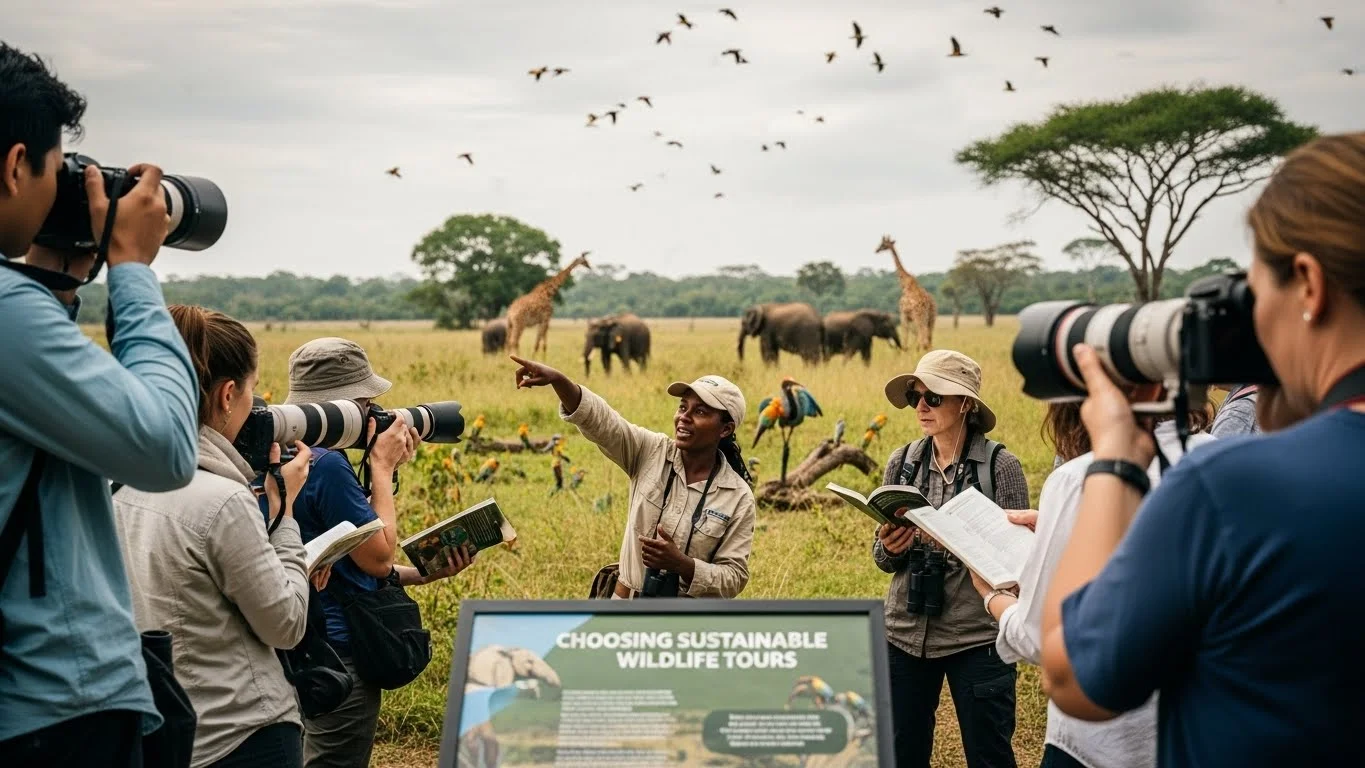
Choosing sustainable wildlife tours is not just about enjoying nature; it’s about preserving it for future generations. Here’s how you can make informed choices that benefit the environment and local communities while creating unforgettable memories. Read Interesting article: Discover Sustainable Practices in Wildlife Tours
How to Choose Sustainable Wildlife Tours for Your Trip

Understanding Sustainable Wildlife Tourism

Definition of Sustainable Wildlife Tours

Sustainable wildlife tours are travel experiences designed to minimize the impact on the environment and wildlife while promoting conservation efforts. I’ve come to appreciate that these tours focus on responsible wildlife observation, ensuring that our presence does not disrupt animal habitats or behaviors. Instead of just seeking thrills, we aim to connect with nature in a way that respects its balance. I remember my first eco-tour, where the guide emphasized the importance of observing animals from a distance, allowing them to thrive in their natural environment.

Importance of Sustainability in Wildlife Tourism

The importance of sustainability in wildlife tourism cannot be understated. As more people travel to explore the wonders of nature, the potential for negative impacts increases. Over-tourism can lead to habitat destruction, wildlife displacement, and even the extinction of certain species. I often think about how many beautiful locations I’ve visited that were once pristine but now suffer from the consequences of unchecked tourism. By choosing sustainable tours, we actively contribute to preserving these precious ecosystems and help ensure that they remain for future generations to enjoy. Read Interesting article: Top Tips for Eco-Friendly Wildlife Conservation Tours

Benefits of Choosing Sustainable Tours

Choosing sustainable wildlife tours brings a multitude of benefits. Firstly, it allows us to support conservation initiatives directly. Many eco-friendly operators reinvest a portion of their profits into local wildlife projects. I’ve seen firsthand how these funds can help protect endangered species or restore damaged habitats. Additionally, sustainable tours often provide a more authentic travel experience. Instead of large crowds, we find ourselves in small groups, leading to a deeper connection with our surroundings and the local culture. I remember participating in a tour where we were welcomed into a local community, learning about their traditional ways of life and how they coexist with wildlife. It was a deeply enriching experience that I still cherish.

Moreover, sustainable tours often educate travelers on environmental issues, encouraging us to be more conscious of our own impact. I’ve learned so much about local ecosystems and the challenges they face, which has inspired me to adopt more sustainable practices in my daily life. Ultimately, choosing sustainable wildlife tours not only enhances our journey but also empowers us to be responsible stewards of the planet.

Key Factors to Consider When Choosing a Wildlife Tour

Tour Operator Credentials and Certifications

When selecting a wildlife tour, one of the first things I look into is the credentials and certifications of the tour operator. Many reputable operators will have certifications from recognized organizations that verify their commitment to sustainable practices. I remember researching a few companies before my last trip and was relieved to find one that was certified by a well-known eco-tourism organization. It gave me peace of mind knowing they were held to high standards of environmental and social responsibility.

Wildlife Welfare and Ethical Practices

It’s crucial to ensure that the tours prioritize wildlife welfare and ethical practices. I always check if the operator has policies that protect animals and their habitats. This means avoiding practices that exploit wildlife for entertainment, such as feeding animals or allowing close encounters. An instance that stuck with me was when I chose a tour that emphasized viewing animals in their natural settings. The guides educated us on proper behavior, ensuring we respected the animals’ space. It was a powerful reminder of our responsibility as visitors.

Environmental Impact and Conservation Efforts

Understanding the environmental impact of the tour is also essential. I’ve found that many sustainable operators provide detailed information about their conservation efforts. This includes how they minimize waste, utilize renewable energy, and engage in habitat restoration projects. In one of my previous trips, the operator had implemented a “leave no trace” policy, which resonated deeply with me. It inspired me to reflect on my own travel habits and how I can minimize my footprint wherever I go.

Local Community Involvement and Benefits

The involvement of local communities in wildlife tourism is another factor I consider. Sustainable tours often aim to benefit the communities that host them. I love selecting tours that include local guides, as they offer invaluable insights and help support the local economy. I recall a tour where the profits were shared with the community, funding education and healthcare initiatives. This not only enriched my experience but also made me feel like I was contributing positively to the area I was visiting.

Choosing sustainable wildlife tours is a rewarding journey that enhances our travel experiences while ensuring we play a part in preserving nature and supporting local communities. By keeping these key factors in mind, we can make informed choices that resonate deeply with our values and aspirations for a better world. Read Interesting article: Affordable Wildlife Conservation Tours: Adventure Awaits You

Types of Sustainable Wildlife Tours

Eco-Tours

Eco-tours are some of my favorite types of sustainable wildlife tours because they immerse us in the natural world while prioritizing conservation. These tours are designed to have minimal environmental impact and often take us to breathtaking locations where we can witness wildlife in its natural habitat. I remember joining an eco-tour in Costa Rica, where the focus was not just on observing animals but also on learning about the local ecosystems. We hiked through lush rainforests, spotted vibrant birds, and listened to the sounds of nature. It felt like stepping into a living classroom, where every sight and sound was a lesson in biodiversity. The guides were passionate about their work, sharing stories about the importance of preserving these habitats, and I left with a deeper appreciation for our planet.

Conservation Volunteer Programs

If you’re looking for a more hands-on experience, conservation volunteer programs can be incredibly rewarding. These programs allow us to actively participate in wildlife conservation efforts while traveling. I once volunteered at a sea turtle conservation project, where I helped monitor nests and track hatchlings. It was one of the most fulfilling experiences of my life. Not only did I get to work closely with wildlife, but I also learned about the threats facing these magnificent creatures due to climate change and habitat loss. I felt a strong sense of purpose knowing that my efforts contributed to a greater cause. Plus, I made friends from all over the world who shared my passion for conservation.

Wildlife Photography Tours

For those who love photography, wildlife photography tours offer a unique way to capture stunning images while promoting ethical wildlife observation. These tours are often led by experienced photographers who teach us how to take the best shots without disturbing the animals. I went on a photography tour in Botswana, where we spent hours quietly observing elephants and lions in their natural environment. The guides were incredibly knowledgeable, sharing tips on composition and lighting while emphasizing the importance of maintaining distance from the wildlife. It was a transformative experience, as I not only improved my photography skills but also learned how to tell a story through my images while respecting the animals I was capturing.

Adventure Tours with Wildlife Components

Adventure tours that include wildlife components can be an exciting way to experience nature while still being conscious of sustainability. These tours often combine activities like hiking, kayaking, or mountain biking with opportunities to observe wildlife. I remember an adventure tour in Alaska, where we kayaked through breathtaking fjords and had the chance to see whales and seals up close. The thrill of paddling through such wild landscapes, while being mindful of the creatures that inhabit them, was exhilarating. Our guides stressed the importance of keeping noise to a minimum and respecting the distance between us and the wildlife. It blended my love for adventure with a strong commitment to responsible tourism.

How to Research Wildlife Tours Effectively

Utilizing Online Resources and Reviews

Researching wildlife tours can feel overwhelming, but utilizing online resources and reviews helps narrow down the options. Websites like TripAdvisor and eco-tourism blogs provide invaluable insights from travelers who have experienced these tours firsthand. I often find that reading reviews helps me gauge the authenticity of a tour operator. I’ve learned to look for comments about the guides, the level of conservation focus, and how the tours impacted local communities. This firsthand advice often reveals details that official websites might not mention, helping me make more informed choices.

Asking for Recommendations from Experienced Travelers

There’s nothing quite like getting recommendations from friends or fellow travelers who’ve been on sustainable wildlife tours. I’ve found that personal stories often carry more weight than any online review. When discussing travel plans, I always ask for tips from those who are passionate about wildlife and conservation. Their experiences guide me toward reputable operators and unique destinations. I remember chatting with a fellow traveler about her experiences in the Galápagos Islands, which led me to book a tour that focused on responsible wildlife observation. Her enthusiasm was contagious and made my decision much easier.

Contacting Tour Operators Directly

Don’t hesitate to contact tour operators directly with questions about their practices and policies. I remember doing this for my last trip to South Africa. I reached out to a company to ask about their animal welfare policies and how they support local communities. The response I received was not only prompt but also incredibly detailed. This transparency gave me confidence in my choice, and I felt reassured knowing they genuinely cared about both the wildlife and the communities they interacted with. A good operator will be happy to share information and discuss how they operate sustainably.

Popular Destinations for Sustainable Wildlife Tours

Amazon Rainforest

The Amazon Rainforest is a treasure trove of biodiversity and one of my favorite places to consider for sustainable wildlife tours. I remember reading about a small eco-lodge deep in the Amazon that focuses on conservation while providing an authentic experience. This region is home to thousands of species, many of which are endemic to the area. The tours often emphasize responsible wildlife observation, allowing us to see creatures like jaguars, pink river dolphins, and countless bird species without disturbing their habitats. During one of my trips, I was fortunate to explore the rainforest with a local guide who shared stories about the significance of the flora and fauna, making me appreciate the delicate balance of this ecosystem. By choosing tours that support local conservation efforts, we help protect this incredible habitat for generations to come.

Galápagos Islands

The Galápagos Islands are often at the top of many travelers’ lists for sustainable wildlife tours, and for good reason. I had the chance to visit these unique islands, where the wildlife is unlike anywhere else on Earth. The beauty of the Galápagos lies in its commitment to conservation; the National Park regulates the number of visitors and promotes sustainable practices among tour operators. I experienced firsthand how important it is to follow guidelines during our excursions, such as keeping a safe distance from the iconic giant tortoises and marine iguanas. The naturalists who guided us were passionate about preserving the islands’ unique biodiversity, and their insights made our adventures even more meaningful. It felt great knowing that by visiting the Galápagos, we were contributing to the preservation of this remarkable ecosystem.

Serengeti National Park

The Serengeti National Park in Tanzania is famous for its stunning landscapes and the great migration of wildebeest and zebras. I’ve always been fascinated by the sheer scale of this event, and choosing a sustainable tour made the experience even more special. Many operators in the region focus on responsible tourism, offering eco-friendly lodges and guiding practices that prioritize wildlife welfare. I recall a breathtaking sunrise hot air balloon ride over the Serengeti, where I witnessed the migration from above. The guides stressed the importance of respecting the animals and their paths, which enriched my understanding of the natural world. I came away from this trip knowing that my visit supported conservation efforts while allowing me to witness one of nature’s greatest spectacles.

Yellowstone National Park

Yellowstone National Park is not only America’s first national park but also a fantastic destination for sustainable wildlife tours. I remember my family’s trip there, where we sought to observe bison, elk, and even grizzly bears in their natural habitats. We chose a tour that emphasized low-impact wildlife viewing and educated us on the park’s conservation challenges. The guides we had were knowledgeable and taught us about the park’s ecosystems and the importance of protecting them. I felt a deep connection to the land as we hiked through its breathtaking landscapes, knowing that our visit contributed to the preservation of such a vital area. Yellowstone serves as a reminder of how we can enjoy nature while being responsible stewards of the environment.

What to Pack for Your Wildlife Tour

Essential Gear for Wildlife Watching

Packing for a wildlife tour can significantly enhance the experience, and I’ve learned that having the right gear is crucial. Binoculars are a must for wildlife watching; I can’t tell you how many amazing sightings I’ve had that were only possible with a good pair. Additionally, a quality camera with a zoom lens allows us to capture those beautiful moments without getting too close, which is important for ethical wildlife observation. I also always carry a notebook to jot down my experiences and observations; it’s a great way to look back on my adventures. In my experience, being prepared with these essentials not only enhances my enjoyment but also ensures I’m respecting wildlife from a distance.

Eco-Friendly Travel Items

Incorporating eco-friendly travel items into my packing list has become a priority for me. I started using a reusable water bottle to reduce plastic waste, and I’ve switched to biodegradable toiletries. I remember the first time I used a bamboo toothbrush—it felt like such a small change but made me feel like I was making a difference. Cloth bags for shopping and eco-friendly sunscreen are also part of my essentials. These small choices align with my commitment to sustainability and make me feel good about my travel habits. Every bit counts when it comes to preserving the beautiful places we visit.

Clothing Considerations for Different Climates

Clothing plays a big role in ensuring comfort during wildlife tours, and I always consider the climate of my destination. Lightweight, breathable fabrics are perfect for tropical locales like the Amazon, while layers are essential in places like Yellowstone, where temperatures can fluctuate throughout the day. I remember packing a lightweight rain jacket for my trip to Costa Rica, which really came in handy during those unexpected downpours. I also make sure to bring sturdy hiking shoes and a hat for sun protection. Dressing appropriately not only enhances my comfort but also ensures I’m ready for whatever adventures come my way.

Tips for a Responsible Wildlife Experience

Respecting Wildlife and Their Habitats

Respecting wildlife and their habitats is at the heart of any sustainable wildlife tour. I’ve learned that maintaining a safe distance from animals is crucial; we’re visitors in their world, after all. One time, I was fortunate enough to see a family of elephants from a distance while on safari. It was a breathtaking moment that I cherished, but I knew that being too close could disturb them. Following the guidelines set by our guides has become second nature to me, and I always remind myself that these animals deserve their space. By respecting their habitats, we contribute to their well-being and the preservation of their ecosystems.

Guidelines for Wildlife Interaction

When it comes to interacting with wildlife, I think it’s essential to follow specific guidelines to ensure their safety and ours. For instance, I avoid feeding animals, as it can disrupt their natural behaviors and lead to dependency on humans. I also refrain from using flash photography, which can startle them. I remember being on a tour where we were told to stay quiet and still while observing a nesting bird. The experience taught me that sometimes, the best way to enjoy wildlife is simply to watch and appreciate them from a distance. These practices help create a sustainable environment where wildlife can thrive.

Minimizing Your Environmental Footprint

Minimizing our environmental footprint while traveling is something I strive to do on every trip. Simple actions like choosing eco-friendly accommodations, reducing water usage, and being mindful of waste can make a significant difference. I always carry reusable bags for any shopping I might do during my travels, and I try to avoid single-use plastics whenever possible. I remember a trip where our group participated in a beach cleanup, which was a great way to give back to the environment while enjoying our time outdoors. Each small action contributes to the larger goal of conservation, and I feel a sense of responsibility to do my part.

Frequently Asked Questions

What are sustainable wildlife tours?

Sustainable wildlife tours are travel experiences designed to minimize the impact on the environment and wildlife while promoting conservation efforts. They focus on responsible wildlife observation and aim to connect with nature in a way that respects its balance.

Why is sustainability important in wildlife tourism?

The importance of sustainability in wildlife tourism lies in its ability to prevent negative impacts such as habitat destruction, wildlife displacement, and species extinction caused by over-tourism. Choosing sustainable tours helps preserve ecosystems for future generations.

What benefits do sustainable wildlife tours provide?

Choosing sustainable wildlife tours supports conservation initiatives, offers a more authentic travel experience, educates travelers on environmental issues, and encourages responsible stewardship of the planet.

What should I look for in a tour operator?

When selecting a wildlife tour, look for the tour operator’s credentials and certifications that verify their commitment to sustainable practices, as well as their policies on wildlife welfare and ethical practices.

How can I research wildlife tours effectively?

Research wildlife tours by utilizing online resources and reviews, asking for recommendations from experienced travelers, and contacting tour operators directly to inquire about their sustainability practices and policies.

What types of sustainable wildlife tours are available?

Types of sustainable wildlife tours include eco-tours, conservation volunteer programs, wildlife photography tours, and adventure tours with wildlife components that combine activities like hiking and kayaking with wildlife observation.

What are some popular destinations for sustainable wildlife tours?

Popular destinations for sustainable wildlife tours include the Amazon Rainforest, Galápagos Islands, Serengeti National Park, and Yellowstone National Park, each offering unique ecosystems and conservation-focused experiences.

What should I pack for a wildlife tour?

When packing for a wildlife tour, essential gear includes binoculars, a quality camera, and a notebook. Eco-friendly travel items, such as a reusable water bottle and biodegradable toiletries, are also important, along with appropriate clothing for the climate.

How can I ensure a responsible wildlife experience?

To ensure a responsible wildlife experience, respect wildlife and their habitats by maintaining a safe distance, follow guidelines for wildlife interaction, and minimize your environmental footprint during travels.

What guidelines should I follow for wildlife interaction?

When interacting with wildlife, avoid feeding animals to prevent disruption of their natural behaviors, refrain from using flash photography, and maintain silence and stillness while observing them to ensure their safety and well-being.
Top Tips for Eco-Friendly Wildlife Conservation Tours

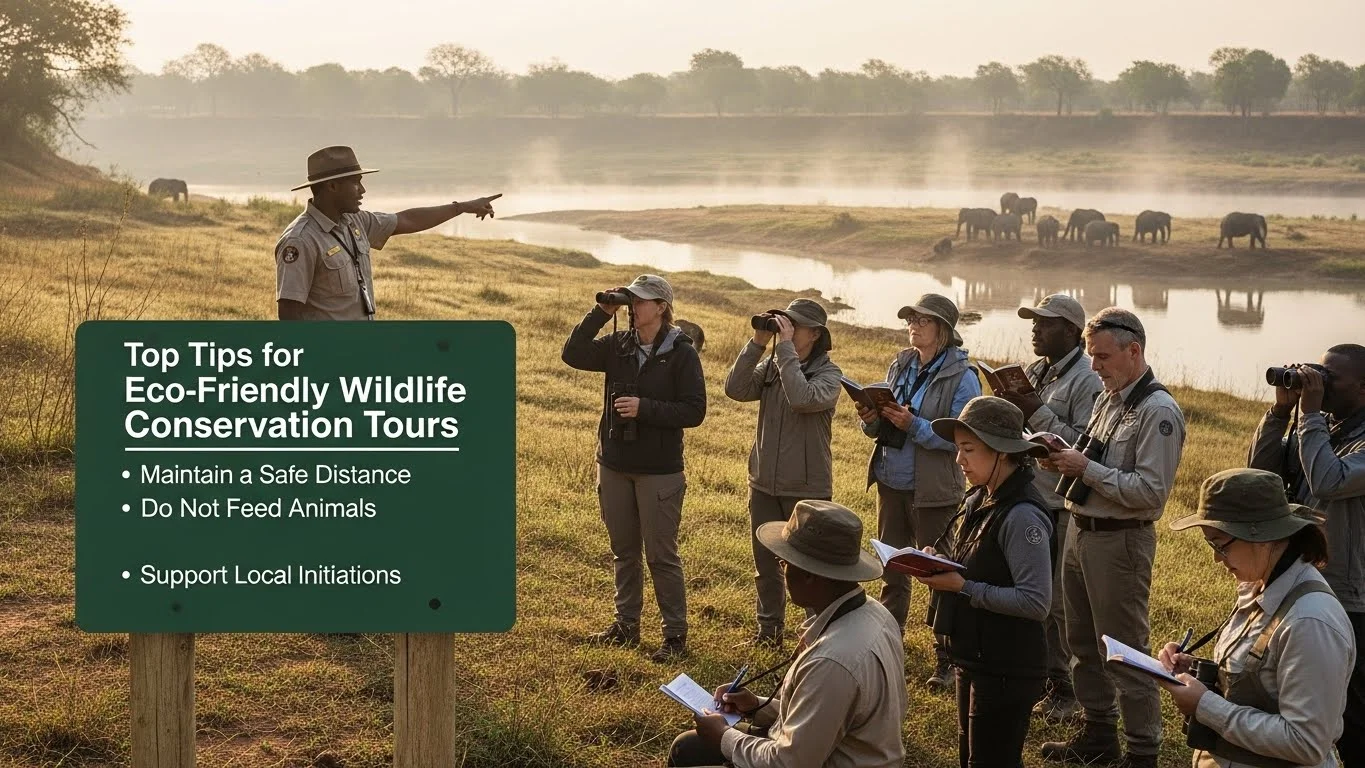
Embarking on an eco-friendly wildlife conservation tour is a thrilling way to connect with nature while supporting conservation efforts. Here, I’ll share insights on how to make the most of your experience and ensure it benefits both wildlife and local communities. Read Interesting article: Discover Sustainable Practices in Wildlife Tours

Top Tips for Eco-Friendly Wildlife Conservation Tours

Understanding Eco-Friendly Wildlife Conservation Tours

Definition of Eco-Friendly Tours

When I first heard about eco-friendly wildlife conservation tours, I was curious about what made them different from regular tours. Eco-friendly tours focus on minimizing environmental impact while promoting wildlife preservation and cultural respect. This means that every aspect, from transportation to lodging, is designed to ensure a sustainable experience. I’ve come to learn that these tours often include educational components, helping participants understand the vital role of ecosystems and conservation efforts. It’s exciting to think that we can travel while also contributing positively to the planet!

Importance of Wildlife Conservation

Wildlife conservation is something that resonates deeply with me. I remember watching a documentary about endangered species, and it sparked a desire to do my part. Our planet’s biodiversity is essential for maintaining ecological balance, and every species, no matter how small, plays a crucial role in the environment. Unfortunately, human activities have led to habitat destruction, poaching, and climate change, threatening countless species. Participating in eco-friendly tours not only enables us to witness these magnificent creatures in their natural habitats but also helps support initiatives that protect them. It’s a win-win scenario that allows us to appreciate the beauty of wildlife while actively working towards its preservation.

Benefits of Participating in Eco-Tours

From my experience, joining an eco-tour can be incredibly rewarding. One of the most significant benefits is the opportunity to learn directly from local guides who are often passionate about their environment and communities. I remember hiking through a lush rainforest, and our guide shared personal stories about conservation efforts that made the experience feel intimate and meaningful. Moreover, eco-tours often involve small group sizes, allowing for more personalized attention and a deeper connection to the surroundings.

Another benefit is the sense of responsibility that comes with eco-friendly traveling. Knowing that my choices—like choosing sustainable accommodations or supporting local businesses—directly contribute to conservation efforts makes me feel empowered. I also enjoy the chance to meet like-minded individuals who share my passion for nature and wildlife. We often exchange stories and tips, enriching the entire experience. Plus, eco-tours can lead to unique adventures that you might not find on traditional tours, like volunteering at a wildlife rehabilitation center or participating in a community project. Read Interesting article: Affordable Wildlife Conservation Tours: Adventure Awaits You

Lastly, eco-friendly tours can also impact local economies positively. When we choose to support eco-tourism, we’re contributing to jobs and initiatives that prioritize the health of both wildlife and the community. I’ve seen firsthand how tourism can be a force for good, providing funding to protect endangered species and preserve habitats. This sense of community and shared purpose is what makes eco-tours so special for me.

Choosing the Right Tour Operator

Reputation and Certifications

When I started looking for eco-friendly tours, I quickly realized how important it is to select the right tour operator. I recommend doing thorough research on their reputation. Look for operators who have positive reviews from previous travelers and are known for their commitment to sustainability. Certifications from organizations that focus on eco-tourism can also be a great indicator of a tour operator’s dedication to responsible practices. I’ve found that reading testimonials and checking social media can provide valuable insights into the experiences of other travelers.

Ethical Practices in Wildlife Tours

It’s crucial to ensure that the tour operator adheres to ethical practices. This means that they should prioritize the well-being of wildlife and their habitats above all else. I’ve learned to ask specific questions about how the operator interacts with wildlife and what measures they take to avoid disrupting natural behaviors. For example, do they keep a safe distance from animals? Do they avoid feeding or touching wildlife? These policies not only protect animals but also enhance our experience as we observe them in their natural state.

Eco-Tourism Accreditation Programs

Many eco-tour operators participate in accreditation programs that evaluate their sustainability practices. These programs often set rigorous standards for environmental management, community engagement, and wildlife protection. I always look for operators certified by organizations like the Global Sustainable Tourism Council or similar entities. Accreditation gives me peace of mind, knowing that my travel choices support responsible tourism practices and contribute to the conservation of the areas I visit.

Top Destinations for Eco-Friendly Wildlife Tours

National Parks and Reserves

When I think about the best places for eco-friendly wildlife tours, national parks and reserves immediately come to mind. These protected areas are not only stunning but also serve as crucial habitats for many species. I remember visiting Yellowstone National Park, where I was completely amazed by the diverse wildlife, from bison roaming the plains to bears fishing in the rivers. Each visit feels like a chance to witness nature’s splendor while supporting the ongoing conservation efforts that these parks represent.

What I love about national parks is that they often have well-established eco-tourism programs. They provide guided tours led by knowledgeable rangers who share insights about the ecosystem, wildlife behaviors, and conservation challenges. It feels reassuring to know that my entrance fee is contributing to the maintenance of these beautiful landscapes and the preservation of the wildlife that inhabits them.

Marine Sanctuaries

Marine sanctuaries are another fantastic destination for eco-friendly wildlife tours. I had the chance to explore a coral reef off the coast of Belize, and it was one of the most breathtaking experiences of my life. The vibrant colors of the corals and the variety of fish swimming around made it feel like I was in another world. Marine sanctuaries focus on protecting delicate ecosystems while allowing visitors to enjoy them responsibly.

During my visit, I learned about coral conservation efforts and the importance of protecting these underwater habitats from threats like pollution and climate change. Snorkeling or diving in these areas not only provides an unforgettable adventure but also creates awareness about the challenges marine life faces. It’s a powerful reminder of how our actions can impact the oceans, and I feel a sense of responsibility to advocate for their protection after experiencing their beauty firsthand.

Conservation Areas and Wildlife Rehabilitation Centers

One of the more rewarding experiences I had was visiting a wildlife rehabilitation center in Costa Rica. My heart was filled with joy as I learned about the center’s efforts to rehabilitate injured or orphaned animals and eventually return them to the wild. The staff’s dedication to the animals was evident, and I appreciated seeing how they worked to educate visitors about the importance of wildlife conservation.

These centers often offer tours that allow you to see the animals up close while learning about the specific challenges they face. It’s amazing to witness the transformation of animals that have been rescued and are now on the path to recovery. I found myself inspired by the stories of resilience and the commitment of the volunteers and staff. Supporting these facilities through visits or donations feels like making a tangible difference in the lives of wildlife.

Planning Your Eco-Friendly Wildlife Tour

When to Go: Best Seasons for Wildlife Viewing

Timing is everything when it comes to wildlife viewing, and I’ve learned that visiting during the right season can significantly enhance the experience. For instance, many parks have peak seasons when certain animals are more active or when migrations occur. I remember planning a trip to Kenya during the Great Migration, and witnessing thousands of wildebeest crossing the Mara River was a sight I’ll never forget. Knowing the best time to visit not only increases your chances of seeing wildlife but also ensures that you’re respecting the natural rhythms of the animals.

Before I travel, I always research the best times to visit specific destinations. This way, I can tailor my trip to maximize wildlife sightings while also considering factors like weather conditions and local events. It’s worth it to plan ahead so you can have the most enriching experience possible.

What to Pack for an Eco-Tour

Packing for an eco-tour can be a bit different than preparing for a regular vacation. I’ve learned the importance of bringing essentials that support sustainability. For me, a good pair of binoculars for wildlife watching is a must, along with a reusable water bottle to stay hydrated without generating plastic waste. I also pack biodegradable toiletries and comfortable, breathable clothing that blends with the natural surroundings.

Additionally, I always include a small backpack for day hikes, a lightweight camera for capturing memories, and a notebook for jotting down thoughts and observations. Being prepared with the right gear enhances my experience and allows me to travel more responsibly.

Transportation Options to Minimize Your Carbon Footprint

Transportation is a significant factor in eco-friendly travel, and I’ve found that making conscious choices can greatly reduce my carbon footprint. Whenever possible, I opt for public transportation or shared rides to minimize environmental impact. For instance, I once took a train across Europe, and it was not only a scenic journey but also a sustainable option compared to flying.

When I travel to remote areas, I also look for tour operators that use eco-friendly vehicles, such as electric or hybrid options. It’s reassuring to know that my travel choices are aligned with my values of sustainability. Embracing these transportation methods makes me feel like I’m doing my part to protect the planet while exploring its beauty.

Responsible Wildlife Viewing Practices

Staying Safe and Respectful Around Wildlife

When I first started going on wildlife tours, I was eager to see all the amazing animals up close. However, I quickly learned that there are important safety and ethical considerations to keep in mind. It’s crucial to maintain a safe distance from wildlife, both for our safety and for the animals’ well-being. I remember being on a safari where our guide emphasized the importance of watching animals from the vehicle instead of approaching them on foot. This not only protects us but also minimizes the stress on the wildlife, allowing them to behave naturally.

I also realized that being quiet and respectful while observing animals is key. Loud noises can startle them and disrupt their activities. There was a moment during one of my tours when we spotted a mother elephant and her calf. We all held our breath, enjoying the beauty of this moment without intruding. It’s these types of experiences that remind me of the need for patience and respect for their space. In my opinion, appreciating wildlife means being a responsible observer rather than an intrusive visitor.

Minimizing Your Impact on Natural Habitats

Throughout my travels, I’ve come to understand that even small actions can have a big impact on the environments we visit. Following the Leave No Trace principles has become a personal priority for me. This means taking all my trash with me, sticking to marked trails, and avoiding disturbing vegetation or wildlife habitats. I remember hiking in a national park and being struck by how pristine the surroundings were. It motivated me to ensure I did my part in keeping it that way.

Additionally, I’ve learned to be mindful of the products I bring along. For instance, using biodegradable soaps and sunscreens is a way to protect the local ecosystems. I make it a habit to check the labels of my toiletries to ensure they won’t harm the wildlife or the water sources in the area. It’s all about being aware of how my actions can affect the places I love to explore.

Guidelines for Photography and Interaction

Photography is a huge part of my travel experience, and I love capturing the beauty of wildlife. However, I’ve discovered that there are guidelines to follow to ensure that my photography is respectful and ethical. Using a zoom lens allows me to take stunning photos from a distance without disturbing the animals. I remember an incredible moment when I was able to photograph a cheetah lounging in the grass while keeping a safe distance. It felt rewarding to get a great shot without intruding on her space.

Another important guideline is to avoid flash photography, as it can startle or harm the animals. I’ve also learned to be cautious about approaching wildlife for selfies or close-up shots. Respecting their natural behavior and habitat is essential for their survival, and I believe that our interactions should never compromise their well-being. In this way, I can enjoy documenting my adventures while ensuring that I’m contributing positively to wildlife conservation. Read Interesting article: Top Wildlife Photography Tours for Eco-Conscious Travelers

Supporting Local Communities and Conservation Efforts

Choosing Locally-Owned Lodging and Services

One of the most impactful ways to support wildlife conservation during my travels is by choosing locally-owned lodging and services. I’ve found that staying at locally-run eco-lodges not only enriches my experience but also helps the community thrive. For instance, during a trip to the Amazon rainforest, I stayed in a small lodge owned by indigenous families. It was heartwarming to see how my stay contributed to their economic well-being while allowing me to learn about their culture and conservation efforts firsthand.

Eating at local restaurants is another way I like to support the community. Sampling traditional dishes prepared with locally sourced ingredients connects me to the culture while benefiting local farmers and businesses. Each meal becomes an experience, allowing me to immerse myself in the local flavors and traditions. I firmly believe that when we support local economies, we’re also helping to fund conservation initiatives that protect the wildlife we cherish.

Engaging in Community-Based Conservation Projects

I’ve been fortunate enough to participate in various community-based conservation projects during my travels. It has been an eye-opening experience for me to see how local communities are at the forefront of wildlife protection. For example, in a coastal village in Madagascar, I joined a coral restoration project where we helped plant coral fragments to restore damaged reefs. The sense of community and shared purpose was inspiring, and I felt proud to contribute to such meaningful work.

These projects often involve direct interaction with locals and provide insights into their efforts to balance conservation with their livelihoods. Through this engagement, I’ve learned about the challenges they face and the innovative solutions they develop to protect their environment. I truly believe that supporting these initiatives helps create a sustainable future for both wildlife and local communities.

Making Donations to Conservation Organizations

During my travels, I’ve often come across various conservation organizations working tirelessly to protect wildlife and their habitats. I’ve made it a point to donate to these organizations, knowing that my contributions can make a real difference. It feels rewarding to know that my support helps fund crucial research, anti-poaching efforts, and habitat restoration projects.

I also like to participate in fundraising events or awareness campaigns organized by these organizations. Joining local community events, whether it’s a beach cleanup or a wildlife awareness day, allows me to connect with others who share my passion for conservation. It’s amazing how collectively our efforts can lead to significant changes and a stronger voice for wildlife protection.

Frequently Asked Questions

What are eco-friendly wildlife conservation tours?

Eco-friendly wildlife conservation tours focus on minimizing environmental impact while promoting wildlife preservation and cultural respect. They often include educational components to help participants understand the vital role of ecosystems and conservation efforts.

Why is wildlife conservation important?

Wildlife conservation is essential for maintaining ecological balance, as every species plays a crucial role in the environment. Human activities have led to threats like habitat destruction and climate change, making conservation efforts vital to protect endangered species and preserve biodiversity.

What are the benefits of participating in eco-tours?

Participating in eco-tours allows for learning from passionate local guides, providing personalized attention due to smaller group sizes, and the opportunity to meet like-minded individuals. Eco-tours also positively impact local economies by supporting jobs and initiatives that prioritize wildlife and community health.

How can I choose the right eco-tour operator?

To choose the right eco-tour operator, research their reputation, read testimonials, and check for certifications from organizations focused on eco-tourism. It’s important to ensure that the operator adheres to ethical practices that prioritize the well-being of wildlife and their habitats.

What are some top destinations for eco-friendly wildlife tours?

Top destinations for eco-friendly wildlife tours include national parks and reserves, marine sanctuaries, and wildlife rehabilitation centers. These areas not only provide stunning views of wildlife but also engage in ongoing conservation efforts.

What should I pack for an eco-tour?

When packing for an eco-tour, it’s recommended to bring essentials that support sustainability, such as binoculars for wildlife watching, a reusable water bottle, biodegradable toiletries, and comfortable clothing. A small backpack for day hikes and a lightweight camera can also enhance the experience.

How can I minimize my carbon footprint while traveling?

To minimize your carbon footprint while traveling, opt for public transportation or shared rides whenever possible. Choose tour operators that use eco-friendly vehicles and consider alternative transportation methods, such as trains, to reduce environmental impact.

What are responsible wildlife viewing practices?

Responsible wildlife viewing practices include maintaining a safe distance from animals, being quiet and respectful, and following the Leave No Trace principles. It’s important to observe wildlife without intruding on their natural behaviors.

How can I support local communities while traveling?

Supporting local communities can be done by choosing locally-owned lodging and services, eating at local restaurants, and engaging in community-based conservation projects. This not only enriches your travel experience but also benefits the local economy and conservation initiatives.

Why should I make donations to conservation organizations?

Making donations to conservation organizations helps fund vital research, anti-poaching efforts, and habitat restoration projects. Participating in fundraising events and awareness campaigns can also connect you with others passionate about wildlife protection.

Discover Sustainable Practices in Wildlife Tours

Embarking on a wildlife tour can be a thrilling adventure, but what if I told you it could also be a chance to make a positive impact on the planet? Discover how sustainable practices can enhance your wildlife experiences while protecting the environments we cherish.

Discover Sustainable Practices in Wildlife Tours

Understanding Sustainable Wildlife Tourism

Definition of Sustainable Wildlife Tourism

Sustainable wildlife tourism is an approach that emphasizes the need to protect wildlife and their habitats while offering visitors unforgettable experiences. When I first learned about this concept, it sparked my curiosity. It’s not just about watching animals in their natural surroundings; it’s about ensuring that our presence doesn’t disrupt their lives or the ecosystems they inhabit. I realized that sustainable wildlife tourism encourages responsible travel practices that benefit both the environment and local communities.

Importance of Sustainable Practices in Wildlife Tours

The significance of sustainable practices in wildlife tours cannot be overstated. I’ve seen firsthand how poorly managed tourism can lead to habitat destruction, wildlife displacement, and negative interactions between humans and animals. By prioritizing sustainability, we can help preserve the very wonders we travel to see. It’s about leaving a place better than we found it, allowing future generations to experience the same awe and wonder we feel when witnessing the beauty of wildlife. I believe that when we choose to travel responsibly, we also become ambassadors for conservation, raising awareness and fostering a deeper connection with nature. Affordable Wildlife Conservation Tours: Adventure Awaits You can provide great options for those looking to make an impact.

Key Principles of Sustainable Wildlife Tourism

From my experience, there are several key principles to keep in mind when engaging in sustainable wildlife tourism:

  • Respect for Wildlife: Always keep a safe distance and avoid disturbing animals. I remember a time when I was awed by a family of elephants in Africa. We observed them quietly, ensuring we didn’t interfere with their behavior.
  • Support Local Communities: Engaging with local communities is essential. I’ve found that when we support local businesses, we contribute to the economic well-being of the area and foster respect for wildlife conservation.
  • Conservation Education: Learning about the species and ecosystems you’re visiting enriches the experience. I’ve attended guided tours where knowledgeable guides shared insights about local flora and fauna, deepening my appreciation for their habitats.
  • Minimize Environmental Impact: Choosing eco-friendly practices, such as using reusable water bottles and avoiding single-use plastics, can go a long way in reducing our carbon footprint while traveling.
  • Wildlife-Friendly Practices: Participating in activities that do not harm animals, like responsible birdwatching or volunteering for conservation projects, allows us to engage with wildlife meaningfully.

Each of these principles forms a foundation for a more ethical approach to wildlife tourism, guiding us toward a more sustainable future.

As I delve deeper into the world of sustainable wildlife tourism, I find myself inspired by the possibilities. Every time we choose to engage with nature thoughtfully, we’re contributing to a greater cause—protecting our planet for generations to come. Whether we’re trekking through a national park or relaxing in a wildlife sanctuary, our choices matter. I encourage everyone to seek out experiences that prioritize sustainability and respect for wildlife. Together, we can make a difference while embarking on unforgettable journeys. Read Interesting article: Explore Wildlife Photography Tours: Budget-Friendly Guide

Top Destinations for Sustainable Wildlife Tours

National Parks and Reserves

Visiting national parks and reserves has become one of my favorite ways to engage with wildlife sustainably. These protected areas offer a sanctuary for countless species while allowing us to explore nature in its rawest form. One particularly memorable trip I took was to Yellowstone National Park. The sheer beauty of the landscapes, combined with the opportunity to see bison, elk, and even wolves in their natural habitat, was awe-inspiring. I loved knowing that my visit supported the ongoing conservation efforts aimed at preserving these ecosystems. National parks often follow strict guidelines to minimize human impact, which makes them an excellent choice for responsible tourism.

Another stunning option is Kruger National Park in South Africa. Not only does it boast a diverse range of wildlife, but it also emphasizes sustainable tourism practices. I remember going on a guided safari where the guides shared their knowledge about the delicate balance of the ecosystem, enhancing my experience while ensuring we adhered to respectful wildlife viewing practices.

Wildlife Sanctuaries

Wildlife sanctuaries have also become a go-to for my sustainable travel endeavors. These places focus on rehabilitation and conservation, giving injured or orphaned animals a second chance at life. I visited a sanctuary for rescued elephants in Thailand, and it was one of the most rewarding experiences I’ve ever had. I learned how important these sanctuaries are for species preservation and how they contribute to local economies through eco-tourism. The staff’s dedication to the animals was inspiring, and I left feeling more connected to the elephants and their stories. Affordable Wildlife Photography Adventures You Can’t Miss to consider for those looking to combine travel with impactful experiences.

In my experience, sanctuaries often offer opportunities for volunteers, allowing visitors to engage more deeply with wildlife conservation efforts. This hands-on approach not only helps the animals but also brings a deeper understanding of the challenges they face. I would highly recommend seeking out these opportunities, as they often have a meaningful impact on both the animals and the communities surrounding them.

Marine Protected Areas

As someone who loves the ocean, I can’t stress enough the importance of marine protected areas (MPAs) in sustainable wildlife tourism. These designated regions safeguard marine ecosystems, preserving habitats for countless species, including coral reefs and migratory sea turtles. I had the chance to snorkel in the Great Barrier Reef, and it was life-changing. I was amazed by the vibrant colors and diverse marine life, but I also realized how fragile these ecosystems are. The guides made it clear that we had to be responsible while enjoying this underwater paradise, and their commitment to environmental education left a lasting impression on me.

When visiting MPAs, it’s crucial to choose tours that respect the marine environment. I found that many operators focus on educating visitors about the importance of conservation, which made my experience even more enriching. Engaging in activities like responsible snorkeling and diving, while adhering to guidelines to protect the reefs, can lead to unforgettable memories without jeopardizing the delicate marine ecosystems.

Sustainable Practices in Wildlife Tours

Responsible Wildlife Viewing

When it comes to wildlife tours, responsible viewing practices are essential. I learned that maintaining a respectful distance is crucial for both our safety and the animals’ well-being. During one trip, I observed a pride of lions from a safe distance, and the experience was exhilarating. Watching them interact naturally without disturbing their behavior was truly magical. I think it’s important for all of us to remember that wildlife is not a backdrop for our photos but living beings with their own needs and dynamics.

Eco-Friendly Accommodations

Choosing eco-friendly accommodations has become a priority for me when planning wildlife tours. There are so many wonderful lodges and hotels that prioritize sustainability. I recently stayed at an eco-lodge that utilized solar power and had a zero-waste policy. The experience was both comfortable and enlightening! The staff shared their commitment to conservation, and I felt good knowing my stay was supporting sustainable practices. I recommend looking for accommodations that have green certifications, as they often reflect a dedication to minimizing environmental impact.

Conservation Efforts and Community Involvement

Many wildlife tours incorporate conservation efforts and community involvement, which I believe enhances the experience significantly. While on a trip to Costa Rica, I participated in a turtle conservation program, where I helped monitor nests and protect hatchlings. It was one of the most fulfilling experiences of my life, and it connected me to the local community and their dedication to protecting these sea turtles. I think it’s vital to support tours that give back to local conservation efforts and involve travelers in the process, as it fosters a sense of responsibility and connection to the environment.

Reducing Carbon Footprint During Tours

Reducing our carbon footprint during wildlife tours is something I try to keep in mind. Simple choices, like using public transportation or carpooling when possible, can make a huge difference. I remember taking a bus tour through a national park instead of driving my own car, and not only was it more eco-friendly, but it also allowed me to engage with other travelers who shared my passion for wildlife. I think being mindful of our transportation choices can significantly impact the overall sustainability of our trips.

Choosing the Right Wildlife Tour Operator

Certifications and Accreditations

When selecting a wildlife tour operator, I’ve found that looking for certifications and accreditations can really help ensure that they prioritize sustainability. Various organizations offer certifications that indicate a commitment to responsible tourism. For instance, I remember booking a tour with a company that was certified by the Global Sustainable Tourism Council (GSTC). This gave me peace of mind knowing they adhered to strict standards regarding environmental impact and community involvement.

Another important certification to look for is the Rainforest Alliance seal, which signifies that the operator supports sustainability in both tourism and conservation. I feel that checking for these certifications helps travelers like us make informed choices and support companies that are genuinely making a difference.

Tour Operator’s Commitment to Sustainability

Beyond certifications, I think it’s essential to assess a tour operator’s overall commitment to sustainability. During my travels, I’ve made it a point to ask operators about their policies regarding wildlife interactions, waste management, and support for local communities. For example, I once traveled with a company that actively engaged in reforestation efforts and contributed a portion of their profits to wildlife conservation projects. Hearing their passion and dedication firsthand made my experience even more meaningful.

When evaluating a tour operator, I suggest looking for transparency in their operations. This can include details on how they minimize their carbon footprint and engage with local communities. I’ve seen that operators who openly share their sustainability practices tend to be more credible and genuinely committed to preserving the natural world.

Customer Reviews and Feedback

Customer reviews can be an invaluable resource when selecting a wildlife tour operator. I often turn to platforms like TripAdvisor or social media to read about other travelers’ experiences. It’s fascinating to see how different people perceive a tour, and I usually pay attention to comments regarding sustainability practices. If multiple reviewers mention that the operator respected wildlife and engaged in responsible practices, that’s a positive sign for me.

Also, don’t be afraid to ask for recommendations from friends or travel enthusiasts who share your values. I’ve discovered some amazing operators through word-of-mouth, which often leads me to more authentic experiences. In my case, I found a fantastic wildlife tour company that specialized in small group travels, allowing for a more intimate and respectful interaction with nature.

Activities to Enhance Sustainable Wildlife Experiences

Guided Nature Walks

One of my favorite activities while exploring wildlife sustainably is taking guided nature walks. These experiences allow us to immerse ourselves in the environment while learning from knowledgeable guides. I remember a particularly eye-opening nature walk in a rainforest, where the guide pointed out unique plants and explained their ecological significance. It opened my eyes to the intricate relationships within the ecosystem, and I felt more connected to the environment around me.

Guided walks often emphasize the importance of leaving no trace, and they promote respectful wildlife viewing. I’ve found that walking quietly through nature not only enhances our appreciation of wildlife but also minimizes our impact on the habitat. When you see animals in their natural environment, it’s a reminder of how fragile these ecosystems are and why we should protect them.

Wildlife Photography Workshops

If you’re into photography like I am, participating in a wildlife photography workshop can be a fantastic way to enhance your sustainable travel experience. I once took part in a workshop that focused on ethical wildlife photography, emphasizing the importance of respecting animal habitats while capturing stunning images. The instructor taught us how to position ourselves without intruding on the animals, which was both a creative challenge and a valuable lesson in conservation.

Through these workshops, I’ve not only improved my photography skills but also gained a deeper understanding of the wildlife I was shooting. It was fulfilling to know that, with every picture I took, I was advocating for conservation and raising awareness about the beauty of nature. Plus, sharing those images later on my social media felt like a way to inspire others to appreciate wildlife as much as I do.

Volunteering Opportunities in Conservation

Volunteering for conservation projects during wildlife tours has been one of the most rewarding experiences for me. I’ve volunteered with various organizations, from helping out at a local wildlife rescue center to participating in habitat restoration efforts. Each experience reinforced my commitment to sustainability and deepened my understanding of the challenges wildlife face.

I distinctly remember volunteering in a sea turtle conservation program, where I assisted with nest monitoring and hatchling releases. The joy of seeing those little turtles make their first journey to the sea was indescribable. It felt empowering to contribute to their survival, and I left with a sense of purpose and connection to the local community. I highly recommend looking for tour operators that offer volunteer opportunities, as they often provide a unique and impactful way to engage with wildlife conservation efforts.

Challenges and Considerations in Sustainable Wildlife Tourism

Overtourism and Its Effects on Wildlife

One of the biggest challenges I’ve noticed in sustainable wildlife tourism is overtourism. It’s hard to ignore the impact of too many visitors in popular destinations. I remember visiting a well-known wildlife reserve and feeling overwhelmed by the number of tour buses. While I was excited to see the animals, I couldn’t help but feel that our presence was affecting their natural behavior. Overtourism can lead to habitat degradation, increased stress for wildlife, and even changes in animal migration patterns. I believe it’s essential for travelers to be mindful of how our numbers can impact these delicate ecosystems.

Balancing Tourism with Wildlife Conservation

Finding the right balance between tourism and conservation can be tricky. I’ve seen destinations that rely heavily on tourism yet struggle to maintain their commitment to protecting wildlife. During a visit to a conservation area, I noticed that some tour operators were more focused on maximizing their profits than preserving the environment. It made me realize that while I want to support local economies, the health of wildlife and ecosystems must come first. Sustainable tourism must prioritize conservation efforts, ensuring that local communities benefit without compromising the very resources that draw visitors in the first place.

Local Community Perspectives

Understanding the perspectives of local communities is crucial when it comes to sustainable wildlife tourism. I’ve had the privilege of speaking with local guides and residents who passionately shared their views on tourism’s impact on their lives and the environment. They highlighted the importance of involving local voices in decision-making. I learned that when communities feel empowered and see the benefits of conservation, they are more likely to support sustainable practices. This connection between tourism and local wellbeing is something we should all consider when planning our wildlife adventures.

Future Trends in Sustainable Wildlife Tourism

Technological Innovations in Eco-Tourism

The future of sustainable wildlife tourism is looking bright, particularly with the rise of technological innovations. I’ve seen how tools like apps for wildlife tracking and virtual reality experiences can enhance our understanding of ecosystems without disrupting them. For instance, some operators are now using drones to monitor wildlife populations from a distance, minimizing human interference while still gathering critical data. I find it exciting to think about how technology can help us connect with nature in responsible ways while also contributing to conservation efforts.

Growing Awareness and Demand for Sustainable Practices

There’s a palpable shift in the way travelers approach wildlife tourism. More people are seeking eco-friendly experiences and demanding transparency from tour operators. I’ve noticed a growing number of travelers asking questions about sustainability practices before booking their trips. This awareness has pushed many companies to prioritize responsible tourism and adopt greener practices. I believe this trend not only benefits wildlife but also enhances our experiences, as it fosters a sense of connection to the places we visit.

Integration of Indigenous Knowledge in Wildlife Tours

Integrating indigenous knowledge into wildlife tourism is another promising trend. I’ve had the chance to learn from indigenous guides who share their deep understanding of local ecosystems and wildlife. Their insights often provide a unique perspective on conservation and the importance of respecting nature. I think we can all benefit from these teachings, as they often promote sustainable living practices and highlight the need for harmony between humans and wildlife. Supporting tours that feature indigenous perspectives enriches our travel experiences and supports the preservation of local cultures and traditions.

Final Thoughts

Sustainable wildlife tourism offers us a unique way to connect with nature while making a positive impact on the world. Through responsible practices and thoughtful choices, we can enjoy incredible experiences that also support conservation efforts and local communities. I encourage everyone to seek out opportunities that align with these values, whether it’s choosing eco-friendly accommodations, participating in conservation projects, or simply being mindful of our footprint. Together, we can ensure that future generations will have the chance to witness the beauty of wildlife in their natural habitats. Our actions matter, and by traveling sustainably, we contribute to a brighter future for our planet.

Frequently Asked Questions

What is sustainable wildlife tourism?

Sustainable wildlife tourism is an approach that emphasizes protecting wildlife and their habitats while offering visitors unforgettable experiences. It encourages responsible travel practices that benefit both the environment and local communities.

Why are sustainable practices important in wildlife tours?

Sustainable practices are essential in wildlife tours to prevent habitat destruction, wildlife displacement, and negative human-animal interactions. Prioritizing sustainability helps preserve the wonders we travel to see and ensures future generations can enjoy these experiences.

What are the key principles of sustainable wildlife tourism?

The key principles include respect for wildlife, support for local communities, conservation education, minimizing environmental impact, and engaging in wildlife-friendly practices.

What are some top destinations for sustainable wildlife tours?

Top destinations include national parks and reserves, wildlife sanctuaries, and marine protected areas, such as Yellowstone National Park, Kruger National Park, and the Great Barrier Reef.

How can travelers minimize their environmental impact during wildlife tours?

Travelers can minimize their environmental impact by choosing eco-friendly practices, such as using reusable water bottles, avoiding single-use plastics, and opting for public transportation or carpooling when possible.

What should travelers look for when choosing a wildlife tour operator?

Travelers should look for certifications and accreditations indicating a commitment to sustainability, the operator’s overall commitment to responsible practices, and customer reviews and feedback regarding their sustainability efforts.

What activities can enhance sustainable wildlife experiences?

Activities that enhance sustainable wildlife experiences include guided nature walks, wildlife photography workshops, and volunteering opportunities in conservation projects.

What challenges exist in sustainable wildlife tourism?

Challenges include overtourism, balancing tourism with wildlife conservation, and understanding local community perspectives on tourism’s impact on their lives and the environment.

What future trends are emerging in sustainable wildlife tourism?

Future trends include technological innovations in eco-tourism, growing awareness and demand for sustainable practices among travelers, and the integration of indigenous knowledge into wildlife tours.

How can travelers contribute to conservation efforts during wildlife tours?

Travelers can contribute to conservation efforts by participating in conservation projects, supporting eco-friendly accommodations, and being mindful of their environmental footprint while traveling.

Affordable Wildlife Conservation Tours: Adventure Awaits You

Imagine being immersed in nature, witnessing majestic animals in their habitats, while contributing to their conservation. Affordable wildlife conservation tours offer this unique opportunity, blending adventure with purpose. Join Wildlife Conservation Tours Without Breaking the Bank to experience this amazing journey.

Affordable Wildlife Conservation Tours: Adventure Awaits You

Understanding Wildlife Conservation Tours

What Are Wildlife Conservation Tours?

Wildlife conservation tours are designed to provide travelers with the chance to experience the beauty of nature while supporting conservation efforts. These tours often take place in various ecosystems, such as forests, savannas, and wetlands, where participants can observe wildlife in their natural environment. They can range from guided safaris in Africa to eco-friendly hikes in the Amazon, and they often include educational components that highlight the importance of protecting these ecosystems.

What I love about these tours is that they go beyond mere sightseeing. They often involve direct participation in conservation activities, such as habitat restoration or wildlife monitoring. This hands-on experience can deepen our understanding of the challenges many species face and the importance of biodiversity. Personally, I remember my first wildlife tour—it was eye-opening to witness both the beauty and fragility of nature up close.

The Importance of Wildlife Conservation

Why is wildlife conservation so crucial? From my perspective, it’s about more than just saving endangered species. Healthy ecosystems provide vital services that benefit all of us, including clean air, water, and resources for food. When we lose species, we disrupt these systems and put our own survival at risk. I’ve learned that every animal plays a role in its ecosystem, and the loss of one can have a ripple effect on many others.

Engaging with wildlife conservation helps raise awareness about these issues. Many species are threatened by habitat loss, climate change, and poaching. By participating in conservation tours, we can contribute to the efforts aimed at protecting these species and their habitats. I’ve seen firsthand how passionate local organizations are about their work, and being part of that effort is incredibly rewarding. Explore Wildlife Conservation Tours on a Budget to learn more about how to get involved.

Types of Wildlife Conservation Tours

There are several types of wildlife conservation tours, each with its unique focus and experiences. I’ve tried a few, and I can tell you that they cater to different interests and budgets. Here are some of the most popular types:

  • Eco-Tours: These tours emphasize sustainability and minimal environmental impact. They often include nature walks, birdwatching, and opportunities to learn about local flora and fauna. I remember walking through the rainforest during an eco-tour, completely immersed in the sounds of nature, feeling connected to everything around me.
  • Volunteering Tours: These allow travelers to actively participate in conservation projects. Volunteers might help with animal rehabilitation, habitat restoration, or research. I found volunteering to be one of the most impactful experiences; it gave me a sense of purpose while allowing me to bond with like-minded individuals.
  • Safari Tours: Often associated with African wildlife, these tours provide the chance to see the Big Five (lion, leopard, elephant, buffalo, and rhinoceros) up close. They can also include educational aspects about the conservation challenges facing these iconic species. During my safari, I was amazed at how close we could get to the animals while respecting their space and habitat.
  • Marine Conservation Tours: These focus on ocean ecosystems and might include activities such as snorkeling, diving, or beach clean-ups. I tried a marine conservation tour once, where we learned about coral reefs and even participated in a coral restoration project. It was a profound experience, seeing how our efforts could positively impact the ocean.

Choosing the right type of tour can depend on various factors, including your interests, budget, and the level of commitment you want to make. I’ve noticed that a mix of adventure and hands-on learning tends to create the most lasting memories.

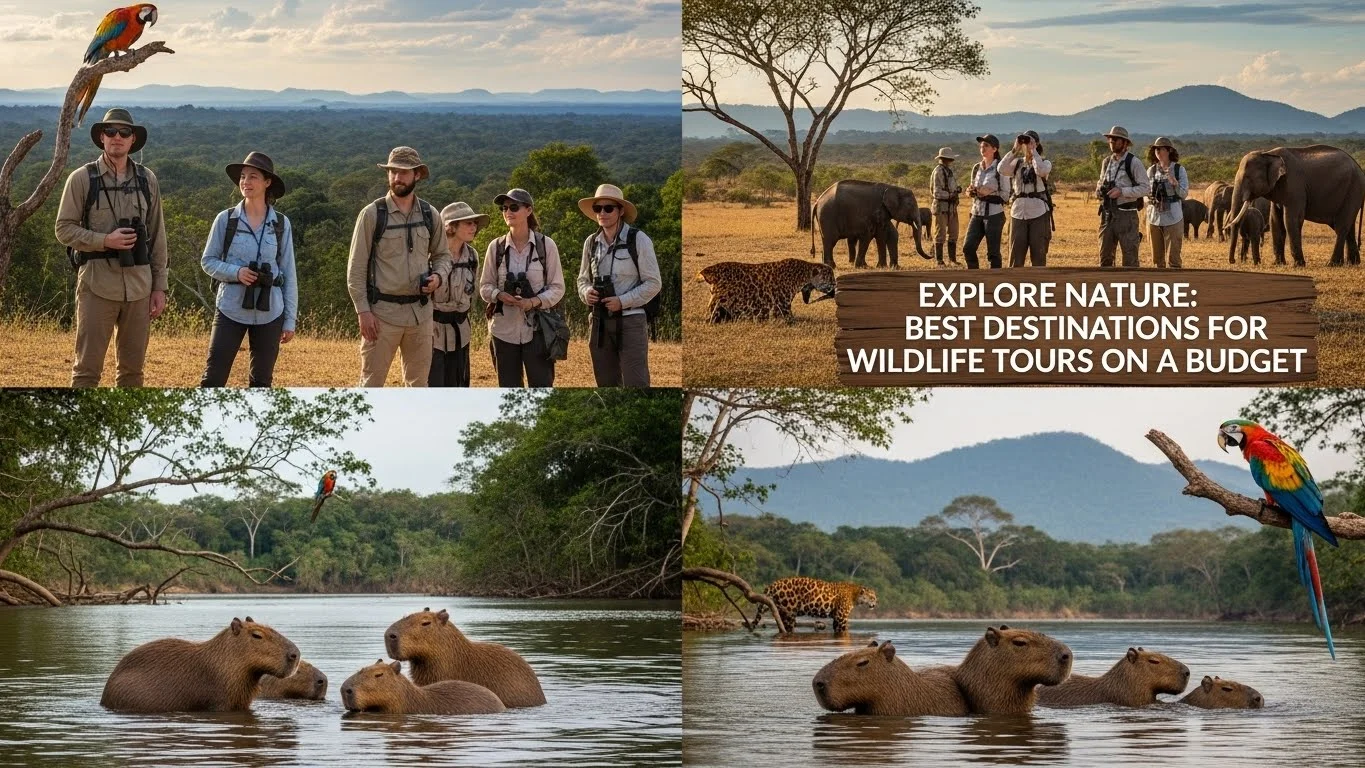
Each of these types of tours offers something unique, and I believe anyone passionate about wildlife and conservation can find a tour that resonates with them. By participating, we not only gain unforgettable experiences but also contribute to the protection of our planet’s biodiversity. It’s a win-win situation that I wholeheartedly recommend to anyone looking to make a difference while exploring the beauty of nature. Explore Nature: Best Destinations for Wildlife Tours on a Budget

Top Destinations for Affordable Wildlife Conservation Tours

African Safari Experiences

When I think about wildlife conservation tours, African safaris immediately come to mind. The sheer diversity of wildlife and stunning landscapes are breathtaking. Countries like Kenya, Tanzania, and South Africa offer some of the best safari experiences, where you can witness the great migration or see the “Big Five” up close. I had the opportunity to visit a private reserve during one of my trips, and it was incredible to see elephants and lions in their natural habitats. The local guides were deeply knowledgeable and shared stories about the conservation efforts in place to protect these majestic creatures.

Many safaris focus on responsible tourism, encouraging visitors to engage in conservation activities. Some tours include visits to community projects where local people are involved in wildlife protection, providing a well-rounded experience that benefits both travelers and the communities. I believe that supporting these initiatives not only enriches our own journey but also helps foster a more sustainable future for wildlife.

Amazon Rainforest Adventures

The Amazon rainforest is another top destination for wildlife conservation tours. With its staggering biodiversity, it’s a haven for those who love nature. I remember my first trek through the Amazon; the sounds of the jungle were both eerie and exhilarating. Many tours offer guided hikes, canoe trips, and opportunities to observe unique wildlife, like the pink river dolphins and various species of monkeys.

What I found particularly fascinating was the emphasis on indigenous knowledge in these tours. Local guides often share their expertise on the delicate balance of the ecosystem and the traditional conservation methods practiced by indigenous communities. By participating in these tours, I felt like I was not just a visitor, but a part of the solution, supporting efforts to protect this vital ecosystem from deforestation and exploitation.

Australian Wildlife Tours

If you’re in search of unique wildlife experiences, Australia should be on your list. From kangaroos to koalas, the country is known for its distinct fauna. I remember visiting a wildlife sanctuary in Australia, where I learned about the conservation efforts for endangered species like the numbat and the Western ground parrot. These tours often include opportunities to interact with animals in a safe and ethical manner, which makes the experience even more special.

What makes Australian wildlife tours stand out for me is the focus on habitat preservation. Many operators actively contribute to local conservation projects, helping restore habitats and protect vulnerable species. I’ve seen firsthand how travelers’ participation can make a difference, and it’s heartwarming to know that my visit supported these initiatives.

European Nature Reserves

Europe may not be the first place that comes to mind for wildlife conservation, but there are many hidden gems. Countries like Spain, Portugal, and Sweden boast beautiful nature reserves where conservation efforts are in full swing. During a trip to a wildlife reserve in Spain, I was amazed at the variety of habitats—from wetlands to mountains—and the diverse species that call them home.

These tours often focus on local conservation challenges, such as protecting migratory birds or restoring habitats for native species. I particularly enjoyed how some tours included participation in citizen science projects, allowing us to contribute valuable data for conservation research. It was a rewarding way to connect with nature and make a positive impact.

Asian Ecotourism Opportunities

Asia is also rich in wildlife and offers numerous ecotourism opportunities. From the lush jungles of Borneo to the unique wildlife of India, there’s so much to explore. I found my experience in India particularly memorable, as I went on a tiger safari in a national park. Watching a tiger in the wild was a bucket-list moment for me, and it sparked a deeper appreciation for the conservation efforts necessary to protect these magnificent animals.

Many Asian tours focus on sustainable practices, ensuring that local communities benefit from tourism. These initiatives often include educational components about wildlife conservation and the importance of protecting endangered species. I felt a strong sense of camaraderie with fellow travelers, all of us united by a passion for wildlife and a desire to support conservation efforts in the region.

As I reflect on these diverse destinations, I realize that each one offers a unique perspective on wildlife conservation. Traveling to these places not only allows us to witness incredible animals but also to engage in meaningful ways that support their survival. In my opinion, there’s no better way to combine adventure with a purpose than through wildlife conservation tours.

Planning Your Wildlife Conservation Tour

When to Visit: Seasonal Considerations

Choosing the right time for your wildlife conservation tour can significantly enhance your experience. Different seasons bring unique opportunities for wildlife sightings and activities. From my travels, I’ve learned that timing can vary greatly depending on the destination. For example, in Africa, visiting during the dry season (typically from June to October) often provides the best chances to see animals congregating around water sources. I remember my safari during this time; the wildlife was abundant, and the landscapes were stunning under the clear skies.

In the Amazon, the rainy season (December to May) can make some areas less accessible, but it also brings vibrant life to the rainforest. I found it fascinating how the floods transformed the ecosystem, creating new habitats for countless species. For Australia, spring (September to November) is ideal for spotting baby animals, while fall (March to May) offers milder weather and fewer crowds. I always check the peak seasons for specific wildlife to ensure I get the most out of my adventure.

Budgeting for Your Adventure

Budgeting for a wildlife conservation tour can feel overwhelming, especially considering all the potential costs. I’ve realized that understanding what’s included in the tour package can help me plan effectively. Some tours cover accommodation, meals, and activities, while others might have additional fees for specific experiences. I remember my first budget-conscious tour; I was surprised by how affordable it was when I factored in the value of the experiences and the contributions to conservation.

To save money, consider local operators rather than large international companies. Often, local guides are not only more knowledgeable but can offer a more authentic experience. I’ve also found that traveling during the shoulder season can lead to better deals. Additionally, don’t forget to budget for tips, souvenirs, and any optional excursions that may arise during the trip. This way, you can enjoy your adventure without financial stress.

Choosing the Right Tour Operator

The choice of tour operator can make or break your wildlife conservation experience. I’ve learned to do a bit of research before booking. Look for operators that prioritize ethical practices and have a strong commitment to conservation. Reading reviews and testimonials can provide insight into their reputation. I once went with a smaller company that partnered with local conservation projects, and it made my trip all the more meaningful knowing my participation directly supported their work.

Ask questions before you book. I always inquire about their conservation efforts and how they ensure minimal impact on wildlife. A reputable operator should be transparent about their practices and the initiatives they support. Remember, choosing a responsible operator not only enhances your experience but also helps ensure the sustainability of the destinations we cherish.

Essential Gear and Packing Tips

Packing for a wildlife conservation tour can feel daunting, but I’ve learned to keep it simple. Comfort and practicality are key. I recommend bringing layers, as weather conditions can change rapidly in many ecosystems. A lightweight rain jacket, sturdy hiking boots, and breathable clothing made a huge difference for me during my rainforest trek.

Don’t forget essentials like binoculars for wildlife viewing, a camera to capture memories, and a reusable water bottle to stay hydrated. I usually pack a small first-aid kit, sunscreen, and insect repellent, too. It’s also wise to bring a notebook to jot down observations or reflections—trust me, you’ll want to remember the incredible moments along the way.

If you’re participating in volunteer activities, check if specific gear is required. I found that wearing gloves and sturdy gear for restoration projects made the work easier. Finally, a good pair of sunglasses is a must for those sunny days out in the field. With the right gear, you can focus on what truly matters: experiencing the beauty of nature and contributing to conservation.

Experiencing Wildlife Conservation Firsthand

Activities to Expect on Tours

When embarking on a wildlife conservation tour, you can expect a variety of activities tailored to immerse you in the experience. I’ve participated in everything from guided nature walks to wildlife tracking in their natural habitats. Each activity is designed to enhance your understanding of the ecosystem and the conservation efforts in place.

For example, during my time in the Amazon, I took part in a night hike where we searched for nocturnal wildlife. It was thrilling to hear the sounds of the jungle come alive after sunset, and I learned so much about the creatures that thrive in the dark. Activities like these not only foster appreciation for wildlife but also provide invaluable insights into their behaviors and habitats.

Volunteering Opportunities

One of the most rewarding aspects of wildlife conservation tours is the chance to volunteer. Many tours incorporate hands-on projects that allow us to contribute directly to conservation efforts. I remember my experience working with a local wildlife rehabilitation center, where I helped care for injured animals and learned about their rehabilitation process. It was fulfilling to know that my efforts were helping them return to the wild.

Volunteering can also take the form of habitat restoration, which involves planting trees or removing invasive species. I found these activities to be deeply impactful, as they have long-term benefits for ecosystems. Engaging in these hands-on projects not only connects us with the local environment but also fosters a sense of community with fellow travelers who share the same passion for wildlife conservation.

Educational Experiences and Workshops

Many wildlife conservation tours include educational experiences and workshops led by experts in the field. I’ve attended fascinating talks on local wildlife conservation strategies and participated in hands-on workshops that taught us about tracking animals or identifying plant species. These sessions not only deepen our understanding but also empower us to share what we learn with others after the tour.

It’s inspiring to see how passionate the local guides and conservationists are about their work. I remember being captivated by a presentation on the impact of climate change on wildlife, which made me more aware of my role in supporting conservation efforts. By actively participating in these educational components, we become ambassadors for wildlife conservation, spreading awareness and inspiring others to take action.

Safety and Ethical Considerations

Staying Safe in the Wild

Safety is a key concern when participating in wildlife conservation tours. I remember feeling a mix of excitement and apprehension the first time I ventured into the wild. It’s important to be aware of your surroundings and follow the guidance of your tour leaders. They are experienced and know how to navigate the terrain safely.

Before heading out, I always make sure to receive a safety briefing. This includes information about what to do in case of wildlife encounters. It can be intimidating to think about coming face-to-face with a wild animal, but understanding animal behavior can help ease those fears. For instance, learning how to stay calm and make myself look larger when faced with a curious animal was essential during my safari. Staying in groups and avoiding sudden movements are also crucial tips I’ve learned along the way.

Ethical Wildlife Viewing Practices

Participating in wildlife conservation tours comes with the responsibility to practice ethical wildlife viewing. I’ve seen firsthand how our actions can impact the animals we admire. Respecting their space is crucial; getting too close can stress them out and disrupt their natural behavior. I remember being reminded to keep a respectful distance during my safari, which allowed me to observe the animals naturally without interfering.

Another ethical practice involves minimizing noise and litter. I always carry a bag to collect any trash I find and make sure to leave no trace behind. It’s a small effort, but it has a big impact on the environment. Engaging in responsible tourism not only enhances our experience but also sets a positive example for fellow travelers.

Supporting Local Communities

One of the most rewarding aspects of wildlife conservation tours is the opportunity to support local communities. I’ve found that many tour operators work closely with communities to ensure that they benefit from tourism. This often includes hiring local guides and providing educational programs about conservation.

During my travels, I visited local markets and learned about traditional crafts, which made me appreciate the culture and the people behind the conservation efforts. Supporting these communities financially helps them maintain their connection to the land and wildlife. It’s a win-win situation: we get to enjoy unique experiences while empowering those who are directly involved in conservation.

Testimonials and Success Stories

Impact of Affordable Tours on Conservation

Hearing success stories from fellow travelers can be incredibly inspiring. I once met a group of friends who had just returned from a volunteering tour focused on sea turtle conservation. They shared how their efforts helped increase turtle hatchling success rates on local beaches. It was heartwarming to see how their hard work translated into tangible results for wildlife.

Many tour operators have documented their conservation efforts, showcasing how tourism can fund initiatives that protect wildlife. I’ve seen reports where funds raised from tours went toward anti-poaching patrols or habitat restoration projects. These stories reinforce my belief that affordable wildlife conservation tours can make a real difference in protecting our planet’s biodiversity.

Traveler Experiences and Reviews

Reading reviews and testimonials from other travelers can provide valuable insights into wildlife conservation tours. I often turn to travel blogs and forums to gather personal experiences. I find it reassuring to read about the positive impacts these tours have had on both travelers and the wildlife they observe.

Many travelers express how their perspectives on conservation shifted after participating in these tours. It’s incredible to witness how firsthand experiences can ignite a passion for wildlife protection. I feel a sense of camaraderie with fellow travelers, knowing that we share a commitment to making a difference.

Resources for Further Exploration

Books and Documentaries on Wildlife Conservation

Diving deeper into wildlife conservation through books and documentaries can enhance our understanding and appreciation of the subject. I’ve found several impactful documentaries that highlight the challenges facing wildlife and the efforts being made to protect them. Titles like *Our Planet* and *The Ivory Game* are documentaries that opened my eyes to the realities of conservation.

Books also provide insight into the lives of conservationists and the importance of protecting biodiversity. I recommend titles like *The Hidden Life of Trees* by Peter Wohlleben, which explores how trees communicate and support one another. These resources inspire me to take action in my own life and support conservation efforts.

Websites and Organizations to Follow

There are numerous organizations dedicated to wildlife conservation that offer valuable resources and opportunities for involvement. Websites like the World Wildlife Fund (WWF) and Conservation International provide information on ongoing projects and ways to contribute. I’ve found their newsletters to be a great source of inspiration, keeping me updated on new initiatives and conservation success stories.

Forums and Communities for Travel Enthusiasts

Joining forums and online communities can connect us with like-minded individuals who share our passion for wildlife. Websites like Lonely Planet’s Thorn Tree forum or Reddit’s travel communities offer spaces to share experiences, ask questions, and exchange tips. I’ve learned so much from others’ stories and have even made friends who share my love for wildlife conservation.

Final Thoughts

Participating in affordable wildlife conservation tours has enriched my life in countless ways. I’ve experienced breathtaking moments in nature, learned from passionate guides, and contributed meaningfully to conservation efforts. Each tour has deepened my appreciation for the delicate balance of our ecosystems and the importance of protecting them.

As we embark on these adventures, I encourage everyone to embrace the opportunity not only to explore the beauty of the natural world but also to become active participants in its preservation. By choosing responsible and ethical practices, we can ensure that future generations will also have the chance to connect with wildlife in a meaningful way. Together, our collective efforts can make a significant impact, turning our love for travel into a powerful force for good.

Frequently Asked Questions

What are wildlife conservation tours?

Wildlife conservation tours provide travelers with the opportunity to experience nature while supporting conservation efforts. They often take place in various ecosystems where participants can observe wildlife in their natural environment and may include educational components about the importance of protecting these ecosystems.

Why is wildlife conservation important?

Wildlife conservation is crucial as it helps maintain healthy ecosystems that provide essential services like clean air, water, and food resources. The loss of species disrupts these systems and can threaten our own survival. Engaging in wildlife conservation raises awareness about the challenges species face, such as habitat loss and climate change.

What types of wildlife conservation tours are available?

There are several types of wildlife conservation tours, including eco-tours focused on sustainability, volunteering tours for hands-on participation in conservation projects, safari tours for observing iconic wildlife, and marine conservation tours that focus on ocean ecosystems.

When is the best time to go on a wildlife conservation tour?

The best time to visit can vary by destination. For instance, in Africa, the dry season (June to October) is ideal for wildlife sightings, while the rainy season in the Amazon (December to May) can bring vibrant life to the rainforest. It’s important to research specific peak seasons for each location.

How can I budget for a wildlife conservation tour?

Budgeting for a wildlife conservation tour involves understanding what is included in the tour package, such as accommodation and meals. Traveling with local operators can be more affordable, and visiting during shoulder seasons can lead to better deals. Remember to budget for tips and optional excursions as well.

What should I consider when choosing a tour operator?

When choosing a tour operator, look for those that prioritize ethical practices and have a strong commitment to conservation. Research their reputation by reading reviews and asking questions about their conservation efforts and practices to ensure minimal impact on wildlife.

What activities can I expect on a wildlife conservation tour?

Activities on wildlife conservation tours may include guided nature walks, wildlife tracking, night hikes, and volunteering projects. Many tours also offer educational experiences and workshops led by experts in the field to enhance understanding of conservation efforts.

What safety measures should I take during a wildlife conservation tour?

Safety measures include being aware of your surroundings and following the guidance of tour leaders. It’s important to receive a safety briefing before heading out and to learn about animal behavior to ensure safe encounters with wildlife.

How can participating in these tours support local communities?

Participating in wildlife conservation tours can support local communities by employing local guides and contributing financially to conservation projects. Engaging with local cultures and crafts during the tour enhances understanding and appreciation of the communities involved in conservation efforts.

What resources can I explore for more information on wildlife conservation?

Resources for further exploration include impactful documentaries and books on wildlife conservation, as well as websites of organizations like the World Wildlife Fund (WWF) and Conservation International that offer information on ongoing projects. Joining travel forums can also connect you with like-minded individuals.

Explore Nature: Best Destinations for Wildlife Tours on a Budget

Embarking on wildlife tours can be an exhilarating experience, allowing us to connect with nature in unforgettable ways. If you’re keen to explore remarkable wildlife without breaking the bank, I have some fantastic insights for you. Read Interesting article: Top 7 Budget-Friendly Wildlife Tours You Can’t Miss

Explore Nature: Best Destinations for Wildlife Tours on a Budget

Understanding Wildlife Tours

What is a Wildlife Tour?

When I think of wildlife tours, I picture adventure, discovery, and a deep connection to the natural world. A wildlife tour is essentially a guided journey that allows travelers to observe animals in their natural habitats. These tours can range from organized safaris in Africa to serene hikes through national parks in the USA. They offer us a chance to see animals as they interact with their environment, providing insights into their behaviors and ecosystems. Whether it’s watching elephants roam freely in the savannah or spotting rare birds in dense rainforests, wildlife tours are about immersing ourselves in the beauty of nature.

Benefits of Wildlife Tours

In my experience, there are several benefits to participating in wildlife tours. Firstly, they can be incredibly educational. I’ve learned so much about various species and their roles in the ecosystem from knowledgeable guides. Secondly, wildlife tours can foster a sense of appreciation for conservation efforts. When we witness animals in the wild, it becomes clear how vital it is to preserve their habitats. Additionally, these tours often create unforgettable memories. I still cherish the moments when I saw a magnificent lion lounging in the sun or a playful group of dolphins swimming alongside our boat. Each of these experiences deepens our connection to the world around us.

Why Budget Wildlife Tours?

You might wonder why budget wildlife tours are worth considering. Personally, I believe that experiencing nature shouldn’t be exclusive to those with deep pockets. There are so many ways to enjoy these adventures without spending a fortune! Budget wildlife tours often provide the same enriching experiences as luxury ones, just at a more affordable price. By opting for budget options, we can explore multiple destinations, extend our trips, and create even more priceless memories. Plus, it allows us to invest in other aspects of our travels, like trying local cuisine or engaging with cultural experiences. I’ve noticed that budget-friendly options can lead to unique and authentic experiences that sometimes luxury tours can miss. Read Interesting article: Explore Wildlife Photography Tours: Budget-Friendly Guide

Top Budget-Friendly Wildlife Destinations

1. Yellowstone National Park, USA

Wildlife Highlights

Yellowstone National Park is a treasure trove of wildlife. During my visit, I was fortunate enough to see bison roaming freely, elk grazing, and even a glimpse of a majestic grizzly bear from a safe distance. The park is home to an array of species, including wolves, coyotes, and numerous birds, making it a paradise for wildlife enthusiasts.

Best Time to Visit

The best time to visit Yellowstone for wildlife viewing is during the spring and fall. In spring, the animals are more active as they emerge from winter hibernation, while in fall, you can witness the dramatic rutting season of elk. I felt especially lucky during these times, as the park seemed alive with activity.

Budget Accommodation Options

For budget accommodations, I recommend looking into campgrounds within the park or nearby. Camping not only saves money but also immerses you right in nature. If camping isn’t your style, consider checking out local motels or hostels in the towns surrounding the park, which can be more budget-friendly yet comfortable options.

2. Kruger National Park, South Africa

Wildlife Highlights

Kruger National Park is another fantastic destination for wildlife lovers. I was blown away by the diverse range of animals, including the Big Five: lions, leopards, elephants, rhinos, and buffalo. Self-driving through the park can be an adventure in itself, allowing for spontaneous wildlife sightings.

Best Time to Visit

The best time to visit Kruger is during the dry season, from May to September. Water sources become scarce, drawing animals to the rivers and watering holes, making them easier to spot. On my visit, I found that early morning and late afternoon were the prime times for wildlife activity.

Budget Accommodation Options

There are numerous budget-friendly accommodations, including campsites and basic lodges within the park. Booking in advance can help secure good deals. I found that sharing accommodations with fellow travelers also helped reduce costs while enhancing the experience with new friendships.

3. Costa Rica

Wildlife Highlights

Costa Rica is a biodiversity hotspot. I was in awe of the incredible wildlife, from sloths hanging lazily in trees to colorful toucans flitting about. The country is home to numerous national parks and reserves, making it easy to spot a variety of species.

Best Time to Visit

The dry season, from December to April, is often recommended for visiting Costa Rica. However, I found the rainy season (May to November) has its perks, too. Fewer tourists and lush landscapes made for a distinct experience, plus it’s usually cheaper to travel during this time.

Budget Accommodation Options

Hostels, eco-lodges, and budget hotels are abundant in Costa Rica. I loved staying at eco-hostels, where I felt connected to nature and could often find great deals on activities. Plus, many of them support local conservation efforts, which made my stay even more rewarding.

4. Galapagos Islands, Ecuador

Wildlife Highlights

The Galapagos Islands are like stepping into a nature documentary. I was mesmerized by the unique species, including giant tortoises and blue-footed boobies. The islands offer fantastic snorkeling and diving opportunities, allowing for close encounters with marine life.

Best Time to Visit

The best time to visit the Galapagos is during the dry season from June to November. However, I discovered that visiting during the warmer months (December to May) can also be rewarding, with calmer seas and opportunities to see more wildlife on land.

Budget Accommodation Options

While the Galapagos can be pricier than some destinations, there are still budget-friendly options available. I recommend looking into guesthouses and hostels on the main islands of Santa Cruz and San Cristóbal. Many offer affordable tours and excursions as well.

5. Banff National Park, Canada

Wildlife Highlights

Banff National Park is a stunning destination for wildlife lovers, and I can say it did not disappoint. I encountered elk, bears, and even mountain goats during my hikes. The park’s breathtaking scenery also adds to the experience, making wildlife spotting even more special.

Best Time to Visit

The best time for wildlife watching in Banff is during spring and fall. In spring, wildlife is more active after winter, and in fall, you can witness the rutting season of elk. I loved how each season brought a unique vibe to the park.

Budget Accommodation Options

For budget accommodations, consider camping or staying in hostels in the town of Banff. I found that booking early, especially during peak season, helped me snag great deals on accommodations. Plus, staying in budget lodges can give you a chance to meet fellow travelers and exchange wildlife stories.

Planning Your Wildlife Tour on a Budget

How to Find Affordable Tours

Finding affordable wildlife tours can feel like a treasure hunt, but I’ve discovered some effective strategies that can lead to exciting opportunities without emptying my wallet. Firstly, I recommend researching online platforms that specialize in budget travel. Websites like Airbnb Experiences or Viator often feature local guides offering unique tours at competitive prices. Signing up for newsletters from these platforms can also keep us updated on special deals or promotions.

Another tip is to join travel forums or social media groups focused on budget travel. I remember posting in a Facebook group dedicated to wildlife enthusiasts and receiving excellent recommendations from fellow travelers. They shared personal experiences and lesser-known tours that were both affordable and fantastic! Finally, booking tours during the off-peak season can lead to significant savings, as many operators reduce their prices to attract visitors. It’s all about being proactive and reaching out to the travel community.

Tips for Saving on Accommodation

When it comes to accommodation, I’ve learned the importance of planning ahead. Booking in advance helps secure the best rates, especially during peak travel times. I often use comparison sites like Booking.com or Hostelworld to browse various options and filter them by price. Another trick I’ve picked up is considering alternative lodging. For example, I’ve had great experiences staying in hostels or guesthouses instead of traditional hotels. They’re often cheaper and provide a chance to meet like-minded travelers.

Also, don’t overlook the option of camping, especially in national parks. It’s a budget-friendly way to immerse ourselves in nature, and I have fond memories of camping under the stars after a day of wildlife spotting. Additionally, some parks offer cabins or yurts that can be surprisingly affordable when shared with friends or fellow travelers. My experience shows that with a little creativity and flexibility, we can find comfortable accommodations that fit our budget.

Transportation Options for Budget Travelers

Transportation can be one of the biggest expenses when planning a wildlife tour. I’ve found that being strategic about how we get around can save us a lot of money. Public transportation is often a great option, especially in countries like Costa Rica or South Africa, where buses can take us to popular wildlife destinations at a fraction of the cost of taxis or rental cars. I remember hopping on a local bus in Costa Rica that not only saved me money but also provided a unique glimpse into everyday life there.

If we’re exploring areas with widely dispersed wildlife, renting a car can sometimes be more economical, especially if we’re traveling in a group. Carpooling with fellow travelers can also help split costs. On my visit to Kruger National Park, I teamed up with a few other travelers I met in my hostel, and we rented a car together. It turned into an adventure filled with spontaneous wildlife sightings and great camaraderie.

Finally, don’t forget to check for any travel passes that might offer discounts on transportation or entry fees to parks. I’ve seen great deals for multi-day passes that cover bus transport and park entrance fees, which can make a big difference in our overall budget.

What to Pack for Wildlife Tours

Preparing for a wildlife tour involves more than just packing our clothes; it’s about ensuring we’re equipped for a variety of situations. I always start with comfortable and weather-appropriate clothing. Layers are key! I remember a chilly morning in Yellowstone where I was glad I had a fleece jacket to throw on while waiting for the sun to rise and the wildlife to emerge.

Another essential I never leave behind is a good pair of binoculars. They’re invaluable for getting a closer look at wildlife without disturbing them. I’ve used mine to watch everything from soaring eagles to distant bears. A quality camera is also a must for capturing those breathtaking moments. I recommend packing extra batteries and memory cards—trust me, I’ve learned the hard way not to run out of space when a once-in-a-lifetime shot appears!

Don’t forget the essentials like sunscreen, insect repellent, and a reusable water bottle. Staying hydrated is crucial, especially during long hikes. I also like to bring a small first-aid kit for any minor scrapes or bites we might encounter on our adventures. With the right preparation, we can focus on enjoying the wildlife experience without any hiccups.

Essential Wildlife Tour Experiences

Guided Tours vs. Self-Guided Tours

One question I often ponder is whether to go for guided tours or tackle wildlife adventures on my own. Both options have their merits, and my experiences have led me to appreciate each in different contexts. Guided tours are fantastic for those who want in-depth knowledge and the reassurance of an expert leading the way. I’ve found that knowledgeable guides can enhance the experience by sharing insights about animal behaviors, local ecology, and conservation efforts. Plus, they often know the best spots to see wildlife, which can be a game-changer.

However, there’s also something magical about self-guided tours. They offer a sense of freedom that’s hard to replicate. I’ve enjoyed wandering through national parks at my own pace, stopping to observe animals when I choose and taking time to soak in the scenery. This flexibility often leads to unexpected discoveries. In my case, a leisurely hike in Banff led me to a hidden waterfall where I spotted a family of deer. That moment wouldn’t have happened if I were on a strict schedule.

Ultimately, the choice depends on personal preference and the specific destination. A mix of both can work well too! For instance, I might book a guided tour for my first day in a new park to get my bearings, then explore on my own later. It’s all about balancing the benefits of expert insight with the thrill of independent exploration.

Photography Tips for Wildlife Tours

As someone who loves capturing the beauty of nature, I’ve picked up a few photography tips that can elevate our wildlife tour experience. First, investing in a good camera with a decent zoom lens can make a world of difference. I’ve been able to take stunning shots of animals from a safe distance, preserving their natural behavior without intrusion. Choosing the right time of day is also key. Early mornings or late afternoons provide the best lighting for photography, and I’ve often spotted more wildlife during these hours as well. Read Interesting article: Capture Nature’s Wonders: Budget Wildlife Photography Tours

Patience is essential in wildlife photography. I’ve learned that waiting quietly can lead to incredible moments and better photographs. Sometimes, it’s about being in the right place at the right time, and that means being prepared to sit and observe. I also recommend researching the animals we hope to see, as understanding their behaviors can help anticipate when and where they might appear.

Finally, don’t forget to capture the environment. The landscapes and habitats play a vital role in wildlife photography, adding context to our images. I always make it a point to include more than just the animals in my shots to tell a more complete story of the wildlife experience.

Respecting Wildlife and Nature Etiquette

As we embark on our wildlife adventures, it’s crucial to remember that we are guests in the homes of these animals. I believe respecting wildlife and practicing good nature etiquette is essential for both our safety and the well-being of the animals. Maintaining a safe distance from wildlife is important—not just for our safety but also for theirs. I’ve often seen people getting too close for a selfie, but I’ve learned that this can be incredibly stressful for the animals and disrupt their natural behaviors.

Additionally, I make a point to follow the “Leave No Trace” principles. This means taking all my trash with me and minimizing my impact on the environment. It’s a simple but vital practice that ensures we can all continue to enjoy these beautiful places. Lastly, I try to educate myself about the local flora and fauna, including any endangered species or conservation efforts. Understanding the ecosystems we visit fosters a deeper appreciation and encourages responsible tourism.

Frequently Asked Questions

What is a wildlife tour?

A wildlife tour is a guided journey that allows travelers to observe animals in their natural habitats, ranging from organized safaris to serene hikes in national parks. These tours offer insights into animal behaviors and ecosystems, allowing for a deep connection to nature.

What are the benefits of participating in wildlife tours?

Wildlife tours are educational, foster appreciation for conservation efforts, and create unforgettable memories. Participants can learn about various species and their roles in ecosystems while experiencing the beauty of nature firsthand.

Why should I consider budget wildlife tours?

Budget wildlife tours provide enriching experiences at a more affordable price, making nature accessible to everyone. They allow travelers to explore multiple destinations, extend trips, and invest in other travel experiences like local cuisine.

What are some top budget-friendly wildlife destinations?

Some top budget-friendly wildlife destinations include Yellowstone National Park (USA), Kruger National Park (South Africa), Costa Rica, Galapagos Islands (Ecuador), and Banff National Park (Canada).

How can I find affordable wildlife tours?

To find affordable wildlife tours, research online platforms specializing in budget travel, join travel forums or social media groups focused on budget travel, and consider booking during the off-peak season for potential savings.

What tips can help save on accommodation during wildlife tours?

Booking accommodations in advance, using comparison sites, considering hostels or guesthouses, opting for camping, and sharing accommodations with fellow travelers are effective ways to save on lodging costs.

What transportation options are available for budget travelers on wildlife tours?

Public transportation is often the most cost-effective option in many countries. Renting a car can be economical for groups, and carpooling with fellow travelers can further reduce costs. Additionally, look for travel passes that offer discounts on transportation and park entrance fees.

What should I pack for a wildlife tour?

Pack comfortable, weather-appropriate clothing, binoculars, a quality camera with extra batteries and memory cards, sunscreen, insect repellent, a reusable water bottle, and a small first-aid kit to ensure a successful wildlife experience.

What is the difference between guided tours and self-guided tours?

Guided tours provide in-depth knowledge and expert insights, while self-guided tours offer freedom and flexibility to explore at one’s own pace. Both options have their merits, and a mix of both can enhance the overall experience.

How can I respect wildlife and practice nature etiquette during my tours?

Respect wildlife by maintaining a safe distance, following “Leave No Trace” principles, and educating yourself about the local flora and fauna. This ensures the safety of both visitors and animals and promotes responsible tourism.

Top 7 Budget-Friendly Wildlife Tours You Can’t Miss

If you’re looking for unforgettable adventures without breaking the bank, wildlife tours offer an exciting way to connect with nature. In this article, we’ll explore seven budget-friendly wildlife tours that are truly worth your time and investment. Read Interesting article: Explore Wildlife Photography Tours: Budget-Friendly Guide

Top 7 Budget-Friendly Wildlife Tours You Can't Miss

Understanding Wildlife Tours

What are Wildlife Tours?

Wildlife tours are guided excursions that allow you to observe animals in their natural habitats. These tours can be found in national parks, reserves, and other protected areas. I’ve always been drawn to the idea of stepping away from my daily routine to immerse myself in nature and witness the incredible diversity of wildlife around the world. Whether it’s spotting a majestic elephant in the wild or watching migratory birds soar above, these experiences can be both thrilling and educational.

Benefits of Joining Wildlife Tours

Joining a wildlife tour comes with several benefits. For me, the most significant advantage is the opportunity to learn from experienced guides who share their knowledge about the animals and ecosystems. This added insight transforms a simple sighting into a rich experience. Additionally, traveling in a group can often lead to making new friends who share similar interests in wildlife and conservation. I remember my first wildlife tour; I met fellow nature enthusiasts, and we still keep in touch!

Another benefit is the ease of logistics. Organized tours typically handle transportation, accommodations, and sometimes meals, which can help reduce stress when planning a trip. Lastly, these tours can support conservation efforts and local communities, making your adventure not just enjoyable but also impactful. Read Interesting article: Explore Wildlife Conservation Tours on a Budget

How to Choose the Right Wildlife Tour

Choosing the right wildlife tour can feel overwhelming, especially with so many options available. First, I recommend considering your interests. Are you keen on big game, birdwatching, or perhaps marine life? Knowing what you want to experience can narrow down your choices.

Next, think about your budget. Wildlife tours can vary widely in price, so it’s wise to set a budget before you start your search. I found it helpful to look for tours that offer value without compromising on quality, like those that include educational experiences or conservation contributions.

Also, check reviews and testimonials from past participants. Websites and travel forums often have insights that can help you gauge the quality of the tour. Lastly, consider the group size and the experience level of the guides. A smaller group can enhance your experience, allowing for more personalized attention and better opportunities for wildlife sightings.

Top 7 Budget-Friendly Wildlife Tours

1. Yellowstone National Park, USA

Overview of the Tour

Yellowstone National Park is one of my favorite spots for wildlife watching. The park is home to an incredible array of species, including bison, elk, and grizzly bears. Tours here often focus on specific areas of the park to maximize viewing opportunities. There are budget-friendly options that provide guided tours or self-guided experiences. I remember joining a small group for a sunrise tour, and the wildlife was more active during those early hours.

Best Time to Visit

The best time to visit Yellowstone for wildlife viewing is during the spring and fall. I found that spring is particularly special as baby animals start to emerge. However, fall offers stunning landscapes with the changing colors of the leaves, making it a beautiful backdrop for sightings.

What to Expect

Expect breathtaking scenery along with the chance to see wildlife up close. Keep your camera ready for those unexpected moments! I was lucky enough to see a herd of bison crossing the road, and it’s an experience I’ll never forget. Make sure to respect wildlife viewing guidelines to ensure both your safety and that of the animals.

2. Kruger National Park, South Africa

Overview of the Tour

Kruger National Park is a must-visit for anyone interested in African wildlife. With a variety of affordable options, including self-drive safaris, you can explore at your own pace or join guided tours. I chose a combination of both, which allowed me to feel adventurous while benefiting from the expertise of local guides.

Best Time to Visit

For the best wildlife sightings, the dry winter months from May to September are ideal. During this time, animals gather around water sources, making them easier to spot. I remember sitting quietly at a waterhole, watching a family of elephants playing; it was magical!

What to Expect

Expect to see the iconic Big Five: lions, leopards, elephants, rhinos, and buffalo! The experience is both thrilling and humbling. I recommend bringing binoculars for the best views, as some animals like to keep their distance.

3. Costa Rica Wildlife Adventure

Overview of the Tour

Costa Rica is a paradise for wildlife lovers. With its diverse ecosystems, you can find everything from sloths to colorful toucans. I joined a budget-friendly tour that took us through rainforests, wetlands, and along beautiful coastlines. Each stop was a chance to see different species in their natural habitats.

Best Time to Visit

The dry season, from December to April, is the best time to visit. I traveled during this period and enjoyed sunny days with minimal rain, which made wildlife spotting easier.

What to Expect

Expect a variety of activities, from guided nature walks to boat tours in mangroves. One of my highlights was seeing a sloth hanging lazily from a tree—capturing that moment on camera made my day! Plus, the local guides are incredibly knowledgeable about the flora and fauna, which adds depth to your experience. Read Interesting article: Capture Nature’s Wonders: Budget Wildlife Photography Tours

4. Galapagos Islands, Ecuador

Overview of the Tour

The Galapagos Islands hold a special place in my heart for their unique wildlife and stunning landscapes. This archipelago is famous for its incredible biodiversity, including species like the Galapagos tortoise and blue-footed boobies. I found that there are many budget-friendly options available, including multi-day boat tours and day trips from the mainland. I chose a day tour that focused on snorkeling, which allowed me to experience the vibrant underwater life while still keeping my costs manageable.

Best Time to Visit

The best time to visit the Galapagos is during the dry season, from June to December. I went in September, and the weather was perfect for exploring. Wildlife activity peaks during this time, making it easier to spot animals. Plus, the waters are usually calmer, which is great for boat trips and snorkeling adventures!

What to Expect

Expect breathtaking views of volcanoes and crystal-clear waters, along with opportunities to see wildlife that you won’t find anywhere else. I was thrilled to swim alongside sea lions and colorful fish while snorkeling! On land, you can encounter giant tortoises and observe marine iguanas basking on the rocks. The local guides are passionate and knowledgeable, which made the experience even more enjoyable. Just remember to respect the delicate ecosystems—keep a safe distance from the animals and follow guidelines provided by your guides.

5. Borneo Rainforest Tours, Malaysia

Overview of the Tour

Borneo’s rainforests are one of the oldest in the world, and I’ve always wanted to explore their rich biodiversity. There are many budget-friendly tours available that can take you deep into the jungle, where you can experience the sights and sounds of nature firsthand. I opted for a guided trek that included overnight camping, which allowed me to fully immerse myself in the environment. It was a thrilling adventure to sleep under the stars, listening to the symphony of the jungle!

Best Time to Visit

The best time to visit Borneo is during the dry season, which typically runs from March to October. I visited in July, and the weather was great for hiking and exploring. However, keep in mind that even during dry season, occasional rain showers can occur, so being prepared is key!

What to Expect

Expect an adventure filled with lush greenery and fascinating wildlife. I was lucky enough to see orangutans swinging through the trees and a variety of exotic birds. The guides were incredibly knowledgeable about the flora and fauna, pointing out unique plants and animals I would have otherwise missed. One of my favorite moments was spotting a Proboscis monkey—what a sight! Just prepare yourself for some physical activity, as trekking can be challenging, but it’s totally worth it for the experiences you gain.

6. The Amazon Rainforest, Brazil

Overview of the Tour

The Amazon Rainforest is often called the lungs of the Earth, and visiting this incredible place was a dream come true for me. There are numerous budget-friendly tours that offer experiences ranging from riverboat excursions to jungle treks. I went with a small group on a riverboat tour, which allowed us to explore the waterways while spotting wildlife in the trees and along the riverbanks.

Best Time to Visit

The dry season, from June to November, is the best time for visiting the Amazon. I traveled there in October, and the weather was mild, making it easier to walk the trails and explore the rivers. Being in the Amazon during this period also means fewer mosquitoes, which was a major plus!

What to Expect

Expect an immersive experience surrounded by the sights and sounds of one of the most diverse ecosystems on the planet. I’ll never forget the thrill of canoeing through narrow waterways and encountering caimans and pink river dolphins. The guides were incredibly passionate about conservation and shared stories about the indigenous cultures and their relationship with the forest. Just be ready for a bit of humidity and some physical challenges, but the beauty and wonder of the Amazon are worth every moment!

7. Serengeti National Park, Tanzania

Overview of the Tour

The Serengeti is synonymous with wildlife, and I can say from experience that it truly lives up to its reputation. I chose a budget-friendly camping safari, which allowed me to immerse myself in the African wilderness without overspending. Each day brought new opportunities for sighting amazing wildlife, from the Great Migration to iconic predators like lions and cheetahs.

Best Time to Visit

The best time to visit the Serengeti is during the dry season from June to October. I went in August, and it was the prime time for witnessing the wildebeest migration. Seeing thousands of animals moving across the plains is a sight I’ll never forget!

What to Expect

Expect jaw-dropping landscapes and a wildlife experience like no other. I was amazed by the sheer number of animals and the beautiful scenery. The guides were excellent at finding and explaining the behavior of the wildlife. One of my highlights was witnessing a lioness nursing her cubs—so heartwarming! Just remember to bring your camera and be prepared for dusty roads and bumpy rides, but that’s all part of the adventure!

Essential Tips for Budget-Friendly Wildlife Tours

How to Save on Wildlife Tours

Finding ways to save on wildlife tours can make your adventure even more enjoyable. One of the first things I learned was to book in advance. Many tours offer early-bird discounts or special offers for those who plan ahead. I remember scoring a great deal on a tour in Costa Rica because I booked several months early.

Another tip is to travel during the off-peak season. Prices can drop significantly when fewer tourists are around. For instance, visiting the Galapagos in the shoulder season often means lower rates on tours and accommodation. I took advantage of this when I visited in September, enjoying both savings and fewer crowds.

Consider group travel as well. Joining a group can reduce individual costs, especially when sharing accommodations and transportation. I joined a group of six for my Borneo adventure, which made everything more affordable and fun. We split costs for our guide and shared meals, which not only saved money but also created a sense of camaraderie.

Also, take advantage of free or low-cost activities in the area. Many parks and reserves have trails that you can explore on your own. I often set aside a day to hike and observe wildlife without the need for a guide, immersing myself in the natural beauty and enjoying the peace and quiet.

What to Pack for Wildlife Tours

Packing wisely can enhance your wildlife tour experience tremendously. I’ve made my fair share of packing mistakes, and I believe a little preparation goes a long way. First and foremost, invest in a good pair of binoculars. While I’ve seen amazing wildlife, having binoculars helped me appreciate the details from a distance. My favorite pair has been a game-changer on tours!

Comfortable clothing is crucial. I learned to dress in layers, as weather conditions can change rapidly. Breathable, moisture-wicking fabrics are great for keeping comfortable during long days outdoors. A good pair of hiking boots is also essential—trust me, your feet will thank you after a day of trekking!

Don’t forget to pack a reusable water bottle to stay hydrated, especially during hot days in places like the Amazon or Serengeti. I also recommend bringing a lightweight backpack for day hikes, where you can carry snacks, your camera, and other essentials.

Sunscreen, insect repellent, and a small first-aid kit should also be on your list. I once forgot to apply sunscreen during a long day in Kruger, and I paid the price! A good hat and sunglasses can help shield you from the sun while ensuring you’re comfortable on your adventure.

Wildlife Etiquette and Safety Tips

Respecting wildlife is key to enjoying safe and responsible tours. I’ve seen firsthand how observing wildlife from a distance can be both thrilling and respectful. Always follow the guidelines provided by your tour guide—these rules are in place to protect both the animals and us. For instance, I remember being reminded not to feed animals during my time in Yellowstone; it’s tempting, but it can harm their natural behaviors.

When photographing wildlife, I’ve learned to keep noise to a minimum and maintain a safe distance. Using a zoom lens can help capture stunning shots without intruding on their space. It’s about leaving a light footprint while maximizing our experience.

Stay informed about the specific wildlife you may encounter. I found that knowing a bit about animals, their behaviors, and their habitats not only made my sightings more meaningful but also allowed me to anticipate their movements. For example, learning about migration patterns in the Serengeti made witnessing the wildebeest migration even more awe-inspiring.

Finally, always be aware of your surroundings. I’ve encountered unexpected situations, like a curious elephant approaching our vehicle in Kruger or a sloth hanging over a trail in Costa Rica. Staying alert and listening to your guide can ensure your safety and help you enjoy these incredible moments fully.

Frequently Asked Questions

Are budget-friendly wildlife tours safe?

Absolutely! I’ve been on several budget-friendly wildlife tours, and safety is always a top priority. Reputable tour companies follow strict guidelines to ensure the well-being of both participants and wildlife. However, it’s essential to do your research before booking. Read reviews, check the company’s safety protocols, and ask questions if you’re unsure. I always felt safe during my adventures, thanks to knowledgeable guides who were attentive to our surroundings and the animals we encountered.

What should I look for in a wildlife tour guide?

Finding a great wildlife tour guide can significantly enhance your experience. From my experience, look for guides who have a strong background in wildlife biology or ecology. They should be able to share fascinating insights about the animals and ecosystems. I also appreciate guides who are enthusiastic about conservation and passionate about educating others. During my trips, I found that guides who truly cared about the environment often made the experience richer and more memorable. Remember to check for reviews or recommendations to ensure you’re getting a knowledgeable and friendly guide.

How do I prepare for a wildlife tour?

Preparing for a wildlife tour can be exciting! First, I recommend researching the destination and the types of animals you might see. Familiarizing yourself with the local wildlife can enhance your experience, making sightings more meaningful. I also suggest packing wisely, as we discussed earlier, and making sure you have the right gear for the climate and terrain. Make sure to bring any necessary medications, especially if you have allergies or other health concerns. Lastly, keep your camera ready—capturing memories is part of the adventure!

Final Thoughts

Wildlife tours are truly a gateway to exploring the beauty and diversity of our planet. They allow us to connect with nature and witness the incredible animals that share our world. I believe that budget-friendly options make these enriching experiences accessible to everyone. It’s about stepping out of our comfort zones, embracing the adventure, and creating lasting memories with like-minded people. Whether you’re wandering through the Serengeti, trekking in Borneo, or simply enjoying the sights and sounds of Yellowstone, there’s something magical about being in the presence of wildlife. So, pack your bags, choose a tour that speaks to you, and prepare for an unforgettable journey into the wild!