
Web Analytics

Recent Posts

Eco-Conscious Camping: Affordable Green Options Await You

Eco-conscious camping embraces the beauty of nature while protecting it. Discover affordable green options that make camping not only enjoyable but also sustainable, ensuring we leave the great outdoors pristine for future generations. Read Interesting article: Top 5 Budget Green Camping Spots You Must Explore This Year
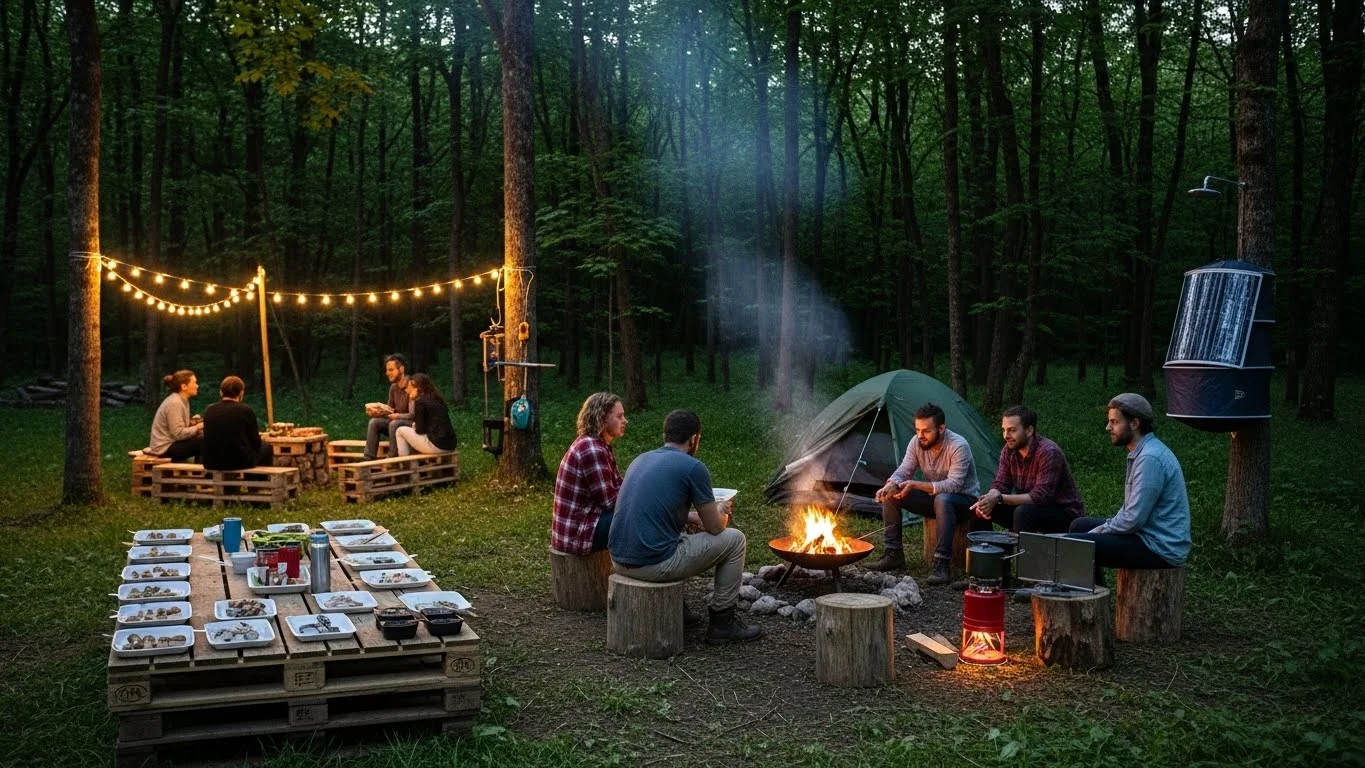
Eco-Conscious Camping: Affordable Green Options Await You

Understanding Eco-Conscious Camping

Definition and Importance of Eco-Conscious Camping

Eco-conscious camping is more than just a trend; it’s a lifestyle choice that prioritizes the environment while enjoying the great outdoors. For me, it’s about connecting with nature responsibly. When I camp, I want to experience the beauty of the wilderness, but I also want to ensure that I’m not leaving a negative impact. This means making mindful decisions about where I go, how I travel, and what I bring along. By choosing eco-conscious camping, we respect the natural world and help preserve it for those who come after us.

The importance of this approach can’t be overstated. With climate change, pollution, and habitat destruction on the rise, our outdoor spaces face unprecedented threats. I believe that by adopting eco-friendly practices, we can mitigate these issues and contribute to the restoration of our natural environment. It’s all about making small, conscious choices that collectively have a big impact. Whether you’re an experienced camper or just getting started, understanding eco-conscious camping is crucial to enjoying our planet’s beauty while protecting it.

The Benefits of Eco-Friendly Practices in Camping

There are numerous benefits to incorporating eco-friendly practices into our camping routines. Firstly, it often leads to healthier experiences. I’ve noticed that when I choose eco-friendly gear, it usually means less toxic materials, which is better for both me and the environment. Additionally, many eco-conscious products are made from sustainable materials, which reduces my carbon footprint and supports companies committed to environmental responsibility.

Another major benefit is the sense of community it fosters. I’ve found that connecting with fellow eco-conscious campers brings a unique camaraderie. Sharing tips on minimizing waste or discovering new eco-friendly products creates bonds that go beyond just enjoying nature. We often trade stories about our experiences, and I always leave feeling inspired and motivated to continue my green journey.

Moreover, eco-conscious camping encourages us to be more aware of our surroundings. It challenges us to think critically about our impact on the environment and motivates us to explore lesser-known, pristine areas. When I take the time to research and select eco-friendly campgrounds, I often discover hidden gems that I wouldn’t have found otherwise. It’s these moments that make camping truly special. Read Interesting article: Discover the Best Eco-Friendly Camping Options for Backpackers

Lastly, embracing eco-friendly practices can save us money. I know it might sound counterintuitive—after all, sustainable products can sometimes seem pricey at first glance. But in my experience, investing in durable, high-quality gear means I don’t have to replace items as often. Plus, many eco-friendly campgrounds are budget-friendly, offering stunning scenery at a fraction of the cost of commercial sites.

Affordable Green Camping Options

Budget-Friendly Eco-Friendly Campgrounds

Finding affordable eco-friendly campgrounds can be a rewarding adventure. I remember my first time searching for green camping options. I was surprised at how many beautiful sites cater to eco-conscious campers without breaking the bank. Websites like Hipcamp and the National Park Service offer extensive listings of campgrounds that prioritize sustainability. I’ve found spots with solar toilets, composting facilities, and even community gardens—all for very reasonable rates.

One of my favorite experiences was discovering a small, family-run campground that focused on organic farming. The owners offered campers fresh produce during their stay, which not only supported local agriculture but also made for delicious camp meals. Sharing my experience with others, I realized how empowering it feels to support eco-friendly businesses that align with my values.

Camping Gear: Sustainable and Affordable Choices

When it comes to camping gear, I’ve learned that sustainable options don’t have to be expensive. Many brands are now producing eco-friendly gear that’s both budget-conscious and durable. For instance, I’ve switched to using a reusable water bottle made from stainless steel instead of single-use plastic. This choice has not only saved me money but also helped reduce waste.

I also recommend looking for second-hand gear. Thrift stores and online marketplaces often have high-quality camping equipment at a fraction of the price. I’ve scored incredible deals on tents and sleeping bags that are still in excellent condition. Plus, buying used not only saves money but also gives items a second life, reducing the demand for new products.

Eco-Conscious Camping Food Options

Food is a significant part of any camping trip, and I’ve found that being eco-conscious about our meals can enhance the experience. I always plan my meals ahead of time to minimize food waste. By creating a meal plan and only buying what I need, I can enjoy delicious meals while keeping my footprint small.

When shopping for food, I opt for organic and locally-sourced products whenever possible. Not only do they taste better, but supporting local farmers also strengthens the community. I remember making a delicious camp stew using fresh vegetables from a nearby farmer’s market, and it was one of the highlights of my trip.

Additionally, I always bring reusable containers and utensils to avoid single-use plastics. This simple adjustment has made my camping trips feel more sustainable. I’ve even started incorporating more plant-based meals into my camping diet, which I find not only minimizes waste but also makes cooking easier and healthier.

Green Camping Practices

Leave No Trace Principles

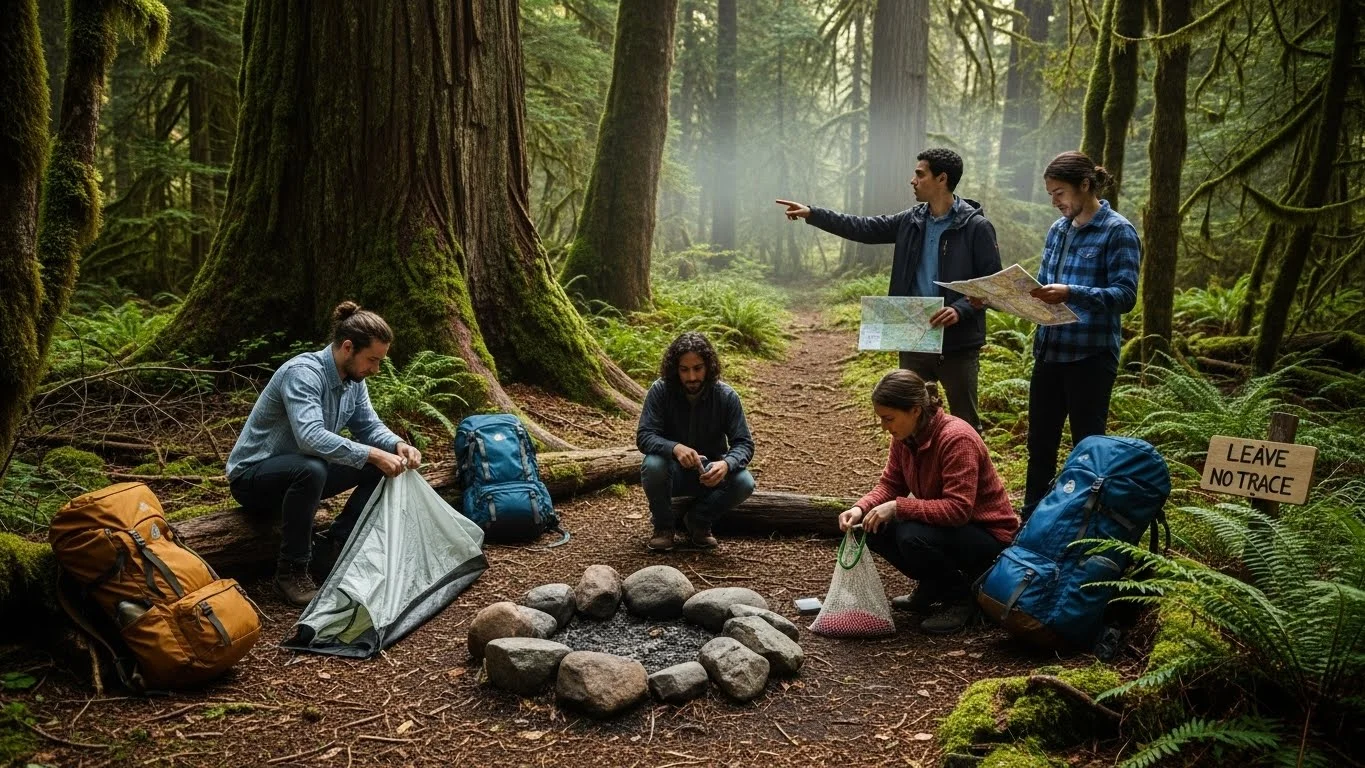
One of the most important aspects of eco-conscious camping is adhering to the Leave No Trace principles. These seven guidelines have been a game changer for me in how I approach my outdoor adventures. I remember the first time I learned about these principles; I was amazed at how simple actions could protect the natural environment. The idea is to minimize our impact by being mindful of our surroundings, and I try to incorporate these practices into every camping trip.

  • Plan Ahead and Prepare: I always make sure to research the area I’ll be visiting and understand any specific regulations or guidelines. This preparation helps me pack appropriately and avoid unnecessary waste.
  • Travel and Camp on Durable Surfaces: I’ve learned to stick to established trails and campsites. This helps protect fragile vegetation and prevents soil erosion. I feel a sense of responsibility to leave the area as I found it.
  • Dispose of Waste Properly: Bringing trash bags and a portable toilet, if necessary, has become a standard part of my camping gear. I remember a time when I hiked to a beautiful spot only to find litter scattered around. It was a reminder of how crucial it is to carry out what we carry in.
  • Leave What You Find: I always remind myself to admire but not disturb our surroundings. Collecting rocks, plants, or artifacts can harm the ecosystem. I’ve realized that taking photos instead of items preserves the beauty without causing damage.
  • Minimize Campfire Impact: I’m careful about where I build my campfire, ensuring it’s in a designated area and keeping it small. I’ve found that a good meal doesn’t always require a fire; sometimes, the stars are enough to light the night.
  • Respect Wildlife: I’ve had some unforgettable encounters with wildlife, but I always maintain a safe distance. Observing animals in their natural habitat is magical, and it’s essential to remember that they deserve their space.
  • Be Considerate of Other Visitors: It feels good to be a courteous camper. I make an effort to keep noise levels down and respect the tranquility that nature offers. I’ve often found that sharing my site with fellow campers enriches the experience.

Using Biodegradable Products

In my quest for sustainable camping, I’ve embraced biodegradable products, and I can’t express how much easier they make things. From soaps to utensils, I look for items that won’t harm the environment when disposed of. I remember the first time I tried biodegradable soap while camping. It felt good knowing that I was cleaning up without leaving harmful chemicals behind.

Additionally, I’ve switched to bamboo utensils and plates, which are not only compostable but also sturdy and lightweight. It’s amazing how these small changes can align with my values. I feel like I’m doing my part to minimize waste while enjoying my time outdoors. Whenever I share meals with friends around the campfire, I feel a sense of pride knowing we’re using products that are kind to the environment.

Water Conservation Techniques

Water is a precious resource, especially when camping. I’ve learned a few simple techniques that help me conserve water while still enjoying my trips. It’s surprising how much water we can waste without even realizing it. One of my go-to strategies is to use a sponge instead of running water for washing dishes. It’s efficient and reduces the amount of water I need to carry.

When it comes to personal hygiene, I’ve found that wet wipes (biodegradable, of course!) are a game changer. They’re a great way to freshen up without using gallons of water. I also make it a point to collect rainwater when possible, which I can use for washing or cleaning. I remember one trip where we set up a rainwater catchment system; it was a fun little project that made a big difference. Each drop counts, and it’s empowering to know that I’m being mindful of my water usage.

All these practices have shaped my camping experiences into something more meaningful. I’ve come to appreciate not just the beauty of nature, but also the importance of preserving it for future campers. I can’t wait to share the next section on eco-friendly campfire alternatives and how they can enhance our outdoor adventures! Read Interesting article: Top 7 Budget Camping Tips for Thrill-Seeking Backpackers

Eco-Friendly Campfire Alternatives

Solar Cooking Solutions

I’ve always loved the idea of cooking over a campfire, but I also know that traditional campfires can have a significant environmental impact. In my quest for greener options, I discovered solar cooking, and it has transformed the way I prepare meals outdoors. Using a solar cooker is not only eco-friendly but also quite fun! I remember the first time I set one up; it was a sunny day, and I felt excited about harnessing the sun’s energy to cook my food.

Solar cookers come in various shapes and sizes, and they can be surprisingly effective. I’ve made everything from baked potatoes to stews, all without using any fuel. It’s fascinating to watch the process unfold, and I love how it encourages me to plan my meals around the sun’s schedule. Just be sure to have a backup plan, as cloudy days can throw a wrench in the cooking process!

One of the best parts of using a solar cooker is that it frees me up to enjoy the outdoors while my meal cooks. I can take a hike or just relax and soak in the views. Plus, knowing that I’m reducing my carbon footprint while enjoying a hot meal adds an extra layer of satisfaction to the experience.

Alternative Cooking Methods

Alongside solar cooking, there are other alternative cooking methods that I’ve explored over the years. For example, I’ve tried using a portable propane stove, which allows for quick cooking without the need for a traditional fire. I find it pretty efficient for boiling water or cooking meals in a pinch. Still, I always make sure to use it responsibly and in designated areas to minimize my impact.

Additionally, I’ve experimented with Dutch oven cooking. This method involves using a heavy, cast-iron pot that can be placed directly on hot coals or even buried in the ground. I remember a camping trip where we made a delicious cobbler in a Dutch oven—it was a hit among my friends! This technique not only makes for tasty meals but also reduces the need for a large campfire, thus conserving firewood and protecting the surrounding environment.

Another interesting method I’ve come across is cooking with biodegradable bamboo skewers and wraps. I’ve made kebabs and grilled veggies wrapped in banana leaves, which adds a unique flavor to my meals while being completely eco-friendly. It’s a fantastic way to connect with nature’s bounty and enjoy the flavors of the outdoors!

Planning Your Eco-Conscious Camping Trip

Choosing the Right Location for Eco-Friendly Camping

When planning an eco-conscious camping trip, the location plays a crucial role. I’ve learned to seek out campgrounds that actively promote sustainable practices. For instance, areas that use renewable energy sources, practice waste reduction, or participate in local conservation efforts are often my top choices.

Public lands, such as national parks and state forests, usually have guidelines in place to protect the environment and promote responsible camping. I often check their websites for information on eco-friendly campgrounds or sites that focus on conservation initiatives. Finding a place that aligns with my values enhances my camping experience and allows me to support those who are working to preserve the beauty of our natural spaces.

Additionally, I always consider the accessibility of resources in the area. I prefer campgrounds that offer easy access to local markets or farms. This way, I can buy fresh, local ingredients for my meals, and it feels great to support the surrounding community while reducing the carbon footprint of my food.

Best Times of Year for Eco-Conscious Camping

Timing can significantly enhance our eco-conscious camping experiences. I’ve noticed that camping in the shoulder seasons—spring and fall—often results in fewer crowds and a more peaceful atmosphere. Plus, the natural beauty during these times is stunning. The vibrant colors of fall foliage or the blooming flowers of spring create a picturesque backdrop for our adventures.

Camping during these less busy times can also help reduce the environmental impact on popular sites, allowing the ecosystem to recover from the heavy foot traffic of peak season. I remember one fall trip where we camped amid a forest of golden leaves; it was magical, and we felt like we had the place to ourselves.

Lastly, I always take weather conditions into account. I try to avoid camping during periods of extreme heat or heavy rain, as both can lead to increased resource strain and safety concerns. By planning my trips during milder weather, I can enjoy the outdoors comfortably while being mindful of the environment.

As I plan my next eco-conscious camping adventure, I’m excited to explore even more sustainable practices and connect with others who share a love for the great outdoors. The journey of discovering new ways to enjoy nature responsibly is something I cherish, and I can’t wait to dive into the next section about resources for eco-conscious campers!

Resources for Eco-Conscious Campers

Eco-Camping Websites and Apps

As I embarked on my eco-conscious camping journey, I found a wealth of resources that have made planning my trips easier and more sustainable. There are several websites and apps dedicated to helping campers find eco-friendly options. One site I frequently use is Hipcamp, which connects campers with private landowners who offer unique, sustainable camping experiences. I’ve discovered some of the most beautiful, lesser-known spots through this platform, making it a staple in my planning toolkit.

Another favorite of mine is Recreation.gov, which provides information on campgrounds across the U.S., focusing on outdoor recreation areas that prioritize conservation efforts. I love using this site to find campgrounds that use renewable energy or implement eco-friendly practices. Additionally, there are apps like EarthHero that help track eco-friendly products and give tips on reducing our environmental impact while camping.

Social media is also a fantastic resource for connecting with fellow eco-conscious campers. I’ve joined several Instagram and Facebook groups where members share tips, gear recommendations, and personal experiences. It’s inspiring to see how others are making camping more sustainable and it motivates me to try new practices.

Communities and Organizations Promoting Green Camping

Connecting with like-minded people can be incredibly empowering. I’ve found that many communities and organizations are dedicated to promoting eco-conscious camping practices. One group that stands out is the Leave No Trace Center for Outdoor Ethics, which offers valuable resources, workshops, and training on how to minimize our impact while enjoying nature. I remember attending one of their workshops, and it opened my eyes to new techniques and ideas that I still use today.

Additionally, local conservation organizations often hold events that focus on eco-friendly camping and conservation efforts. Participating in clean-up events or tree-planting activities has not only allowed me to give back to the environment but also helped me connect with others who share my passion for preserving the great outdoors.

Don’t overlook local outdoor clubs or meetups either! Many cities have groups focused on hiking, camping, or outdoor adventures that emphasize sustainable practices. I’ve made some of my best camping friends through these groups, and it’s always great to swap stories and learn from one another.

Real-Life Eco-Conscious Camping Stories

Interviews with Eco-Conscious Campers

Hearing stories from fellow eco-conscious campers has been one of the most enriching aspects of my journey. I remember chatting with a woman named Sarah during a camping trip. She shared her experiences about transitioning her family to eco-friendly camping practices. They began by using solar-powered lanterns and switching to biodegradable soaps. Sarah told me how much it meant to her kids to learn the importance of caring for the environment while having fun outdoors. Her enthusiasm was contagious, and it inspired me to involve my own family in eco-friendly practices.

Another memorable conversation was with a couple who dedicated themselves to exploring only eco-friendly campgrounds. They shared tips on how to find these hidden gems and even detailed their experiences with community-supported agriculture while camping. It was refreshing to hear how their camping trips not only brought them closer to nature but also supported local economies and sustainable farming.

Successful Eco-Friendly Camping Initiatives

Over the years, I’ve come across numerous successful initiatives aimed at promoting eco-conscious camping. One initiative that stood out was a local park’s “Green Camp” program, which focused on educating campers about sustainable practices. The program offered workshops on topics like composting, solar cooking, and wildlife conservation. I attended one such workshop and left with a renewed sense of purpose and practical skills that I quickly implemented on my next trip.

I also learned about an organization that sets up eco-friendly camping festivals, bringing together campers from all over to share their green practices. These events feature workshops, eco-marketplaces, and opportunities to engage with environmental experts. I attended one last summer, and it was a transformative experience filled with inspiration and connection. It was a great reminder that we can all come together to celebrate our love for nature and commitment to preserving it.

Final Thoughts

As I reflect on my journey into eco-conscious camping, I’m filled with gratitude for the experiences and lessons learned. Embracing a more sustainable lifestyle does take effort, but the rewards are immeasurable. I believe that every small change we make can lead to a significant positive impact on our planet. Whether it’s choosing eco-friendly gear, supporting local farmers, or simply being mindful of our surroundings, each action counts.

Camping is such a beautiful way to connect with nature, and I truly feel that being eco-conscious enhances that connection. I can’t wait for my next trip, filled with new adventures, sustainable practices, and opportunities to meet fellow campers who share my passion for preserving our precious environment. Let’s continue to explore, enjoy, and protect the great outdoors together!

Frequently Asked Questions

What is eco-conscious camping?

Eco-conscious camping is a lifestyle choice that prioritizes the environment while enjoying the outdoors. It involves making mindful decisions about travel, destinations, and equipment to minimize negative impacts on nature.

Why is eco-conscious camping important?

Eco-conscious camping is crucial due to rising threats like climate change and pollution. By adopting eco-friendly practices, campers can help mitigate these issues and contribute to the preservation and restoration of the natural environment.

What are the benefits of eco-friendly practices in camping?

Incorporating eco-friendly practices leads to healthier experiences, fosters a sense of community among campers, increases awareness of environmental impacts, and can save money through investments in durable gear and affordable campgrounds.

How can I find affordable eco-friendly campgrounds?

Affordable eco-friendly campgrounds can be found on websites like Hipcamp and the National Park Service, which list sites that prioritize sustainability, often featuring amenities like solar toilets and community gardens at reasonable rates.

What are some sustainable choices for camping gear?

Sustainable camping gear options include reusable items like stainless steel water bottles, second-hand equipment from thrift stores, and products made from eco-friendly materials that are both budget-friendly and durable.

How can I minimize food waste while camping?

To minimize food waste, plan meals in advance, opt for organic and locally-sourced products, and bring reusable containers and utensils to avoid single-use plastics. Creating a meal plan helps ensure only necessary food is purchased.

What are the Leave No Trace principles?

The Leave No Trace principles are guidelines that encourage campers to minimize their impact on the environment. They include planning ahead, traveling on durable surfaces, disposing of waste properly, and respecting wildlife and other visitors.

What biodegradable products can I use while camping?

Biodegradable products for camping include eco-friendly soaps, bamboo utensils, and compostable plates. These products help reduce environmental harm when disposed of after use.

What alternative cooking methods can I use while camping?

Alternative cooking methods include solar cooking, using a portable propane stove, and Dutch oven cooking. These methods reduce the need for traditional campfires and minimize environmental impact.

What resources are available for eco-conscious campers?

Resources for eco-conscious campers include websites and apps like Hipcamp and Recreation.gov, as well as communities and organizations such as the Leave No Trace Center for Outdoor Ethics that promote sustainable camping practices.
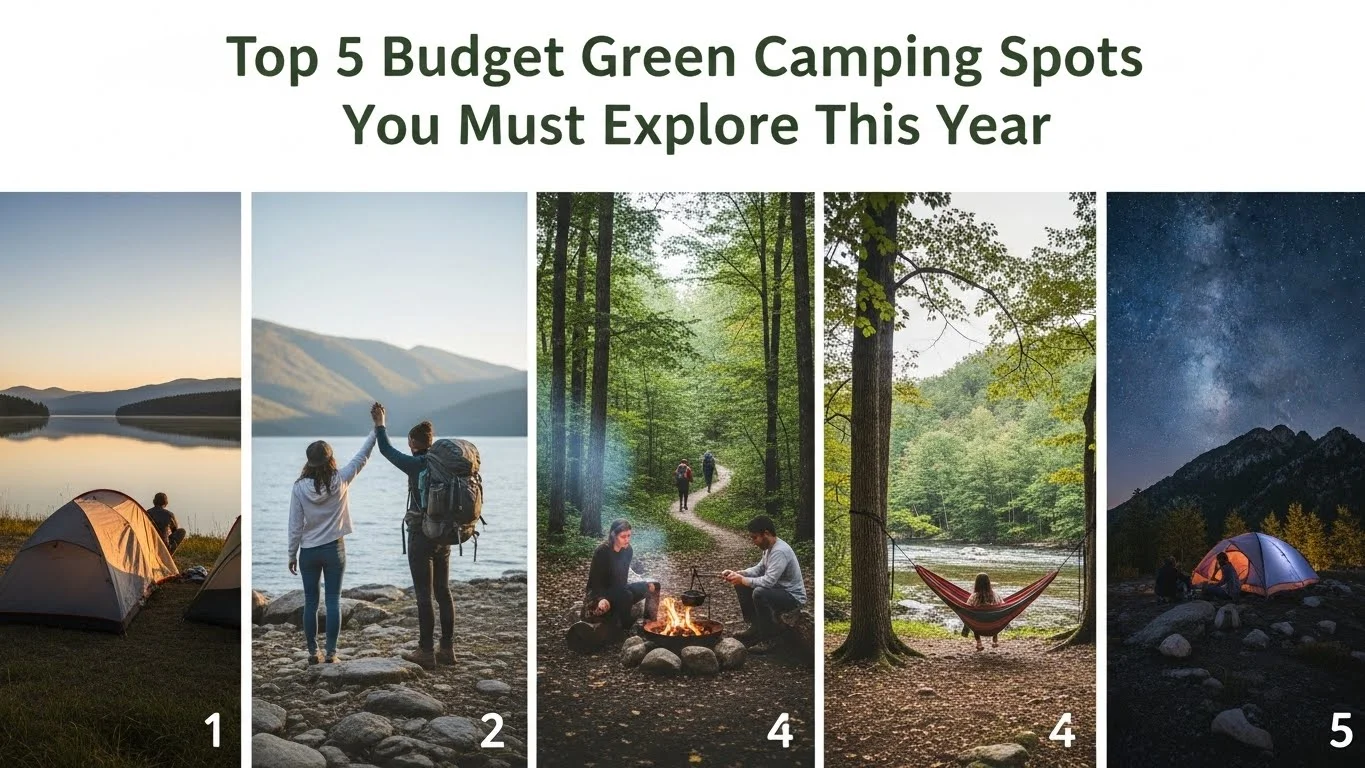
Top 5 Budget Green Camping Spots You Must Explore This Year

Ready to explore the great outdoors without breaking the bank? Green camping combines the joy of nature with eco-friendly practices, making it a perfect adventure this year! Read Interesting article: Discover the Best Eco-Friendly Camping Options for Backpackers

Top 5 Budget Green Camping Spots You Must Explore This Year

Understanding Green Camping

What is Green Camping?

Green camping is all about enjoying the beauty of nature while minimizing our impact on the environment. It encourages us to embrace sustainable practices, such as using biodegradable products, reducing waste, and respecting wildlife. I remember the first time I went green camping; it felt so rewarding to connect with nature in a way that felt responsible. By choosing eco-friendly methods, we can have fun and preserve the great outdoors for future generations.

Benefits of Green Camping

There are so many reasons to consider green camping. For one, it helps preserve natural ecosystems, ensuring that our favorite spots remain vibrant and healthy. I’ve noticed that when I camp with sustainability in mind, I feel a deeper connection to the environment. Additionally, green camping often leads to cost savings. By using renewable resources and minimizing waste, we can enjoy our adventures without overspending. Plus, many green campsites are located in beautiful, less crowded areas, giving us a more serene experience. Read Interesting article: Discover Affordable Eco-Lodges: Travel Green on a Budget

Eco-Friendly Practices to Embrace

Adopting eco-friendly practices while camping can be simple and fulfilling. Here are a few that I’ve found effective:

  • Leave No Trace: Always clean up after yourself. I make it a point to pack out everything I bring in, including trash and leftover food.
  • Use Biodegradable Products: Opt for biodegradable soaps and toiletries. It makes me feel good knowing I’m not harming the environment.
  • Choose Eco-Conscious Gear: When purchasing camping gear, look for sustainable brands. I recently switched to a sleeping bag made from recycled materials, and it feels great to support eco-friendly companies.
  • Cook with a Portable Stove: Instead of building a fire, I often use a portable stove which uses less wood and produces less smoke.
  • Be Mindful of Water Usage: I always try to limit my water usage. I often bring a refillable water bottle to avoid single-use plastics.

Top 5 Budget Green Camping Spots

1. Acadia National Park, Maine

Overview of Acadia

Acadia National Park is a gem on the coast of Maine, offering stunning views of rocky shorelines and lush forests. I was blown away by the variety of landscapes in such a compact area. Whether you’re hiking up Cadillac Mountain for a breathtaking sunrise or strolling along the scenic carriage roads, there’s something for everyone here.

Best Camping Sites

One of my favorite campsites in Acadia is Blackwoods Campground. It’s budget-friendly and located just a short drive from the park’s main attractions. Another great option is Seawall Campground, which provides a more rustic experience right by the ocean.

Activities and Attractions

In addition to hiking, Acadia offers kayaking, wildlife watching, and even stargazing. I loved spending my evenings by the shore, listening to the waves and watching the stars. Don’t forget to explore the local cuisine in nearby Bar Harbor, where you can find fresh seafood at affordable prices.

Budget Tips

To save money, consider visiting during the off-peak season, which typically runs from mid-September to late October. I found that camping fees are lower, and the park is less crowded. Bringing your own food and cooking at the campsite is another great way to save. I recommend packing a cooler with easy-to-cook meals to enjoy under the stars!

2. Joshua Tree National Park, California

Overview of Joshua Tree

Joshua Tree National Park is famous for its unique Joshua trees and stunning rock formations. The desert landscape is unlike anything I’ve ever seen. I remember my first visit; the vast open spaces and clear blue skies made me feel so free.

Best Camping Sites

For budget-conscious campers, Hidden Valley Campground is a perfect choice. It’s centrally located and surrounded by incredible climbing spots. Another option is Jumbo Rocks Campground, known for its whimsical rock formations. Both sites are first-come, first-served, so arriving early is key!

Activities and Attractions

There’s no shortage of activities in Joshua Tree! Hiking, rock climbing, and stargazing are just a few highlights. I loved hiking the Hidden Valley Trail, which is relatively easy and offers stunning views. Make sure you also take the time to explore the Cholla Cactus Garden at sunrise for an unforgettable experience.

Budget Tips

To save on costs, enter the park early in the morning or late in the afternoon to avoid peak entrance fees. I recommend packing your own meals, as dining options inside the park can be limited. Bringing snacks and drinks can save a lot of money during your stay.

3. Great Smoky Mountains National Park, Tennessee/North Carolina

Overview of the Great Smoky Mountains

The Great Smoky Mountains National Park has always held a special place in my heart. It’s such a diverse ecosystem, with rolling mountains, lush forests, and a rich variety of wildlife. Every time I visit, I’m reminded of how lucky we are to have such a beautiful resource. The fog rising in the early morning light feels magical, and the vibrant colors in the fall are simply breathtaking. This park truly embodies the beauty of nature, and I find it a fantastic spot for green camping.

Best Camping Sites

When it comes to camping, I highly recommend the Cades Cove Campground. It’s surrounded by stunning views and offers a chance to see deer and other wildlife right from your site. Another option is the Elkmont Campground, which is great for those looking for a more rustic experience. Both campgrounds are well-maintained and provide easy access to hiking trails, making them perfect for green campers.

Activities and Attractions

The Smoky Mountains are a haven for outdoor activities. I’ve spent countless hours hiking trails like the Alum Cave Trail and Clingmans Dome, which offer some of the best views in the park. There’s also a fantastic opportunity for wildlife watching; I’ve seen black bears, elk, and a variety of birds. The park is rich in history, too, with old homesteads and churches that tell the story of the people who lived here before the park was established. Don’t forget to check out the visitor center for educational programs that highlight the park’s commitment to conservation.

Budget Tips

To save money while enjoying the Smokies, consider visiting during the shoulder seasons, which are late spring and early fall. During these times, you’ll find lower camping fees and less crowded trails. I like to pack my own meals and snacks to avoid the higher prices of local dining. Plus, cooking at the campsite is part of the adventure! Bringing a refillable water bottle helps reduce waste and saves money, too. It’s amazing how much you can enjoy without spending a fortune! Read Interesting article: Ultimate Zero-Waste Travel Tips for Budget Backpackers

4. Olympic National Park, Washington

Overview of Olympic National Park

Olympic National Park is a unique treasure that offers everything from mountain ranges to rainforests and rugged coastlines. I’ve always been amazed by how diverse the landscapes are within such a small area. Each visit feels like stepping into a different world. The lush greenery and towering trees in the Hoh Rain Forest are unlike anything I’ve experienced, while the rugged coastline at Rialto Beach makes for perfect sunset-viewing moments.

Best Camping Sites

One of my favorite places to camp in Olympic National Park is the Kalaloch Campground, right by the ocean. Waking up to the sound of waves crashing is truly a joy. Another great option is the Hoh Campground, which places you right in the heart of the rainforest. Both sites are well-equipped, and I’ve always found them to be quite affordable.

Activities and Attractions

There’s so much to do in Olympic National Park! Hiking is, of course, a highlight, with trails like the Hurricane Ridge path offering stunning panoramic views. I remember hiking in the Hoh Rain Forest and feeling completely enveloped by nature. The wildlife here is also fascinating; keep an eye out for elk and various bird species. I’ve also enjoyed beachcombing at low tide and discovering all kinds of sea life along the coast.

Budget Tips

To make your trip more budget-friendly, consider visiting during the weekdays when campgrounds tend to be less crowded. I usually pack a cooler with fresh fruits and veggies, which are not only healthy but also cost-effective. Cooking at the campsite allows me to enjoy meals while soaking in the surroundings. Lastly, take advantage of the free ranger-led programs; they’re informative and a great way to connect with the park.

5. Shenandoah National Park, Virginia

Overview of Shenandoah

Shenandoah National Park is another one of my favorite spots. The Blue Ridge Mountains create a stunning backdrop, and the park is renowned for its beautiful vistas and hiking trails. I love driving along Skyline Drive, especially in the fall when the leaves turn vibrant shades of red and orange. It feels like a painting come to life, and I can’t help but stop at every overlook!

Best Camping Sites

Big Meadows Campground is a fantastic option for those wanting a budget-friendly camping experience. The site is spacious, and it’s centrally located, making it easy to access the best trails. Another great spot is Loft Mountain Campground, which offers beautiful views and a more secluded feel. Both sites are perfect for green camping enthusiasts.

Activities and Attractions

In Shenandoah, I always enjoy hiking the Appalachian Trail, which runs through the park. It’s an incredible experience, and the views are absolutely worth it. There are also opportunities for birdwatching and photography; I’ve captured some great shots of the landscape and wildlife. Don’t forget to stop by the visitor centers for information on the park’s history and conservation efforts!

Budget Tips

To save some cash, try to visit during the off-peak times, like late spring or early fall. I find that campgrounds are less crowded and more affordable during these periods. Bringing your own food and cooking at the campsite is a budget-friendly choice that allows me to enjoy meals in nature. Also, don’t overlook the free ranger programs; they add so much value to the experience without costing a dime!

Planning Your Green Camping Trip

When to Visit Each Location

Timing your visit can make a huge difference in your camping experience. I’ve found that each of these parks has its own best times to go. For instance, Acadia National Park is stunning in late spring and early fall when the weather is mild, and the crowds are thinner. I remember visiting during late September, and the autumn foliage was absolutely breathtaking.

In Joshua Tree, the best time is from late fall to early spring, as summer can be unbearably hot. I’ve spent nights under the stars there in December, and it was magical! The Great Smoky Mountains are great in spring when wildflowers bloom or in the fall for the vibrant colors. Olympic National Park is beautiful year-round, but I suggest going in the summer for the best weather and access to all trails. Finally, Shenandoah is perfect in late spring or early fall, when the temperatures are pleasant for hiking.

What to Pack for Budget Green Camping

Packing smart can save you money and enhance your green camping experience. I’ve learned to keep my gear light and eco-friendly. Here’s a list of essentials that I never leave behind:

  • Reusable Water Bottle: Staying hydrated is key, and using a refillable bottle not only saves money but also reduces plastic waste.
  • Biodegradable Toiletries: I make sure to pack biodegradable soap, shampoo, and toothpaste. It’s just a small step that makes a big difference.
  • Portable Stove: Instead of relying on campfires, I prefer my portable stove. It’s efficient and minimizes my impact on the environment.
  • Reusable Utensils and Plates: I always take my cutlery and plates made from durable materials. They’re easy to clean and reduce single-use waste.
  • Eco-Friendly Bug Spray: I’ve found that natural repellents work just as well and are better for the environment.

These are just a few items from my packing list that help me stay budget-conscious while being kind to the planet.

Transportation Options

Getting to and from these beautiful camping spots can sometimes be a challenge, but it doesn’t have to be. I usually drive because it gives me the flexibility to explore at my own pace. If you’re flying, consider renting a car or using public transport to reach your destination. I’ve discovered that many national parks have shuttle services or local transportation options that can be very convenient.

Carpooling with friends or fellow campers is another great way to reduce our carbon footprint. I often share rides with friends, and it makes the trip even more fun. Plus, sharing gas costs makes it easier on the wallet! If you plan to stay local, biking to the site can be an excellent eco-friendly option, combining exercise with your adventure.

Safety Tips for Camping

Staying safe while camping is crucial, and I can’t stress enough how important it is to be prepared. Here are some safety tips that have served me well:

  • Know Your Surroundings: Before heading out, I always check the weather conditions and park regulations. I want to be aware of any potential hazards in the area.
  • Wildlife Awareness: It’s essential to respect wildlife. I’ve learned to store food securely and never approach wild animals. It keeps both me and them safe.
  • First-Aid Kit: I always carry a small first-aid kit for minor injuries. It’s a lifesaver when you’re out in nature!
  • Stay Hydrated and Nourished: Keeping plenty of water and nutritious snacks on hand is key to maintaining energy levels while hiking or exploring.

Taking these precautions helps ensure a fun and worry-free experience in the great outdoors.

Local Eco-Friendly Resources

As I dive deeper into green camping, I’ve found that local resources can enhance the experience even further. Many parks offer eco-friendly programs, guided tours, and educational workshops. For example, I once participated in a ranger-led discussion about local wildlife conservation at Olympic National Park, and it deepened my appreciation for the area.

Before heading out, I recommend checking the park’s website for any available resources or programs. Local visitor centers often provide maps, brochures, and information on nearby eco-friendly businesses. Supporting local companies, like organic grocery stores or sustainable outdoor shops, can also help reduce your environmental impact while exploring.

By planning ahead and utilizing local resources, we can enjoy our adventures responsibly while supporting the communities that make these beautiful parks possible.

Final Thoughts

As I reflect on my green camping adventures, I can’t help but feel a sense of gratitude for the beautiful landscapes we have the privilege to explore. Each trip has taught me something new about sustainability and the importance of preserving our natural resources. I encourage everyone to embrace green camping as a way to connect with nature while being conscious of our impact on the environment.

From choosing eco-friendly gear to practicing Leave No Trace principles, every small step we take can lead to a more sustainable outdoor experience. I’ve learned that it’s not just about enjoying nature; it’s about respecting it and ensuring that future generations can enjoy these same breathtaking views.

Whether you’re hiking in Acadia, stargazing in Joshua Tree, or exploring the diverse ecosystems of the Great Smoky Mountains, each destination offers unique experiences and lessons. I’ve found that the memories made while camping, surrounded by the beauty of the outdoors, are some of the most cherished moments of my life.

So, gather your gear, plan your next adventure, and let’s commit to making our camping experiences as green as possible. Together, we can enjoy the wonders of nature while protecting the environment we love so much. Happy camping!

Frequently Asked Questions

What is green camping?

Green camping is about enjoying the beauty of nature while minimizing our impact on the environment. It encourages sustainable practices such as using biodegradable products, reducing waste, and respecting wildlife.

What are the benefits of green camping?

Green camping helps preserve natural ecosystems, leads to cost savings, and provides a deeper connection to the environment. Many green campsites are located in beautiful, less crowded areas, enhancing the overall experience.

What eco-friendly practices should I embrace while camping?

Some effective eco-friendly practices include leaving no trace, using biodegradable products, choosing eco-conscious gear, cooking with a portable stove, and being mindful of water usage.

What are some budget-friendly camping spots?

Some budget-friendly green camping spots include Acadia National Park (Maine), Joshua Tree National Park (California), Great Smoky Mountains National Park (Tennessee/North Carolina), Olympic National Park (Washington), and Shenandoah National Park (Virginia).

What should I pack for budget green camping?

Essential items for budget green camping include a reusable water bottle, biodegradable toiletries, a portable stove, reusable utensils and plates, and eco-friendly bug spray.

When is the best time to visit each camping location?

The best times to visit are: Acadia National Park in late spring and early fall, Joshua Tree from late fall to early spring, Great Smoky Mountains in spring and fall, Olympic National Park in summer, and Shenandoah in late spring or early fall.

What transportation options are available for camping trips?

Transportation options include driving for flexibility, renting a car if flying, using public transport or shuttles, carpooling to reduce carbon footprint, and biking for local trips.

What safety tips should I follow while camping?

Important safety tips include knowing your surroundings, being aware of wildlife, carrying a first-aid kit, and ensuring you stay hydrated and nourished.

What local eco-friendly resources can enhance my camping experience?

Local eco-friendly resources may include programs, guided tours, educational workshops offered by parks, and information from local visitor centers about nearby eco-friendly businesses.

Why is it important to practice green camping?

Practicing green camping is essential to respect the environment, preserve natural resources, and ensure that future generations can also enjoy the beauty of nature.

Discover the Best Eco-Friendly Camping Options for Backpackers

Embarking on an eco-friendly camping adventure not only enriches our connection to nature but also helps preserve it for future generations. Let’s dive into the world of sustainable backpacking and explore how we can make a difference while enjoying the great outdoors. Read Interesting article: The Ultimate Guide to Eco-Friendly Lodging for Travelers

Discover the Best Eco-Friendly Camping Options for Backpackers

Understanding Eco-Friendly Camping

Definition of Eco-Friendly Camping

Eco-friendly camping, to me, is all about minimizing our impact on the environment while enjoying the beauty of nature. It involves making conscious choices that support sustainability, like using environmentally friendly gear, practicing responsible waste management, and respecting the natural habitats we explore. I’ve found that adopting eco-friendly practices during camping can transform the experience into something more meaningful and rewarding.

The Importance of Sustainability in Outdoor Activities

As I’ve spent more time outdoors, I’ve noticed how essential it is to protect the landscapes we love. Sustainable practices in outdoor activities are crucial because they help preserve the ecosystems that give us joy and adventure. With climate change and habitat destruction becoming more pressing issues, we, as outdoor enthusiasts, have a responsibility to advocate for the environment. I believe that every small effort counts, whether it’s choosing a sustainable campsite or opting for eco-friendly products. This mindset not only benefits the planet but enhances our camping experiences, allowing us to connect with the environment on a deeper level.

Benefits of Eco-Friendly Camping for Backpackers

From my experience, eco-friendly camping offers numerous advantages that can enhance any backpacking trip. Here are a few key benefits that I’ve discovered:

  • Connection with Nature: Camping sustainably encourages us to immerse ourselves in the environment. When I consciously choose to leave no trace, I feel more attuned to the surroundings, appreciating the sights and sounds that nature offers.
  • Healthier Choices: Sustainable camping often leads to healthier choices, both in food and gear. I’ve found that preparing meals with whole, plant-based ingredients not only tastes better but also leaves less waste behind.
  • Community Building: Choosing eco-friendly practices often connects us with like-minded individuals. I’ve met many fellow campers who share my passion for the environment, leading to friendships built on mutual respect and love for nature.
  • Long-Term Impact: By practicing eco-friendly camping, we contribute to the longevity of the places we cherish. Knowing that my actions today can help ensure future generations can experience the same beauty makes every camping trip feel worthwhile.

These benefits have transformed the way I approach camping. It’s no longer just about escaping the hustle and bustle of daily life; it’s about nurturing the planet we all share. I’ve found that as I embrace these eco-friendly practices, my adventures become more fulfilling and impactful.

As I continue to explore the outdoors, I realize that eco-friendly camping isn’t just a trend; it’s a lifestyle choice that resonates deeply with me. The commitment to sustainability not only enhances my camping experiences but also ensures that I’m leaving a positive mark on the world around me. I invite you to join me on this journey of discovery, where each step we take toward sustainable camping brings us closer to the beautiful, unspoiled nature we all love.

Essential Eco-Friendly Gear and Equipment

Sustainable Tents and Shelters

When it comes to camping, choosing the right shelter is crucial. I’ve always felt that a good tent not only keeps us dry but also can reflect our values. There are many brands now offering sustainable tents made from recycled materials. I remember purchasing a tent that was not only lightweight and durable but also manufactured with minimal environmental impact. It’s made from recycled polyester, which made me feel good knowing that I was reducing waste while enjoying my outdoor adventures. Plus, these tents often have features designed for energy efficiency, like reflective coatings that help with temperature regulation. I’ve found that investing in quality, eco-friendly shelters enhances my camping experience and aligns with my commitment to sustainability.

Biodegradable Sleeping Bags and Pads

After a long day of hiking, there’s nothing quite like curling up in a warm sleeping bag. I’ve learned that many companies now produce sleeping bags and pads that are biodegradable or made from sustainable materials. For instance, I recently tried a sleeping bag made with organic cotton and recycled insulation. Not only was it comfortable, but I felt reassured knowing it wouldn’t contribute to landfill waste. I also recommend looking for sleeping pads that are made from non-toxic materials. Choosing biodegradable options allows us to enjoy a cozy night’s sleep while being kind to the planet. Every little choice counts, and for me, this one has led to countless restful nights under the stars.

Eco-Conscious Cooking Gear

Cooking outdoors can be one of the most enjoyable parts of camping. I’ve discovered that there are plenty of eco-friendly cooking tools available. For example, I swapped my old metal cooking set for a set made from lightweight, recycled aluminum. It’s not only sustainable but also easy to carry. Additionally, I use a portable stove that runs on biofuels, which has significantly reduced my carbon footprint while cooking. I’ve found that packing reusable utensils, plates, and containers made from bamboo or recycled materials minimizes waste and elevates my outdoor dining experience. Cooking sustainably in the wild has opened up new flavors and experiences for me, making every meal feel special.

Reusable Water Bottles and Filtration Systems

Staying hydrated while camping is essential, and I can’t stress enough how important it is to choose sustainable water solutions. I’ve ditched single-use plastic bottles in favor of a high-quality reusable water bottle. It’s insulated, keeping my drinks cold, and I can refill it at water sources along the trail. I also use a portable water filtration system that removes impurities and makes tap water safe to drink. This setup not only cuts down on plastic waste but also allows me to explore places without worrying about carrying extra water. Knowing that I can stay hydrated without harming the environment gives me peace of mind on my adventures.

Solar-Powered Gadgets

Incorporating solar-powered gadgets into my camping gear has been a game-changer. I remember my first camping trip where I brought along a small solar charger. It was amazing to see how efficiently it powered my devices during the day. From lanterns to phone chargers, solar technology has become more accessible and effective. I’ve found that having a reliable source of renewable energy enhances my outdoor experience without the guilt of using traditional batteries. Plus, it feels great to harness the sun’s energy while exploring the great outdoors. I recommend investing in solar-powered gadgets to make your camping trip not only more convenient but also more environmentally friendly.

Top Eco-Friendly Camping Destinations for Backpackers

National Parks Committed to Sustainability

One of my favorite ways to experience eco-friendly camping is by visiting national parks that prioritize sustainability. Parks like Yellowstone and Yosemite have implemented numerous green initiatives, from renewable energy sources to recycling programs. I remember my trip to Glacier National Park, where I was impressed by their efforts in preserving natural habitats and promoting conservation education. Camping in these parks not only allows us to enjoy stunning landscapes but also supports their commitment to sustainability. I encourage everyone to discover these beautiful locations, where responsible tourism meets breathtaking nature. Read Interesting article: Explore Community-Based Tourism: Eco-Friendly Travel Tips

Eco-Resorts and Campsites

For those who prefer a more comfortable camping experience without compromising sustainability, eco-resorts and campsites are fantastic options. I was pleasantly surprised when I stayed at an eco-resort that focused on minimizing waste and promoting local biodiversity. The staff was incredibly knowledgeable about sustainable practices, and it felt great to support a business that aligns with my values. These places often provide unique accommodations, like treehouses or yurts, surrounded by nature. They often offer educational workshops on sustainability, which adds another layer to the experience. If you’re looking for a blend of comfort and eco-friendliness, I highly recommend checking out eco-resorts on your next adventure.

Backpacking Trails with Low Environmental Impact

Finding trails that prioritize low environmental impact can elevate your backpacking experience. I remember hiking on a trail that had seen significant efforts to reduce erosion and maintain native flora. The park had informative signs explaining their conservation efforts, which made me feel even more connected to the area. I’ve learned that many regions offer well-maintained trails that promote sustainability, allowing us to enjoy nature while protecting it. Researching and choosing trails that are known for their eco-conscious practices can enhance our adventures and increase our appreciation for the environment.

Eco-Friendly Camping Practices

Leave No Trace Principles

One of the most important practices I’ve adopted while camping is the Leave No Trace principles. These guidelines serve as a reminder to minimize our impact on the environment, ensuring that nature remains pristine for those who come after us. I remember my first camping trip where I learned about these principles, and it completely changed how I view my outdoor adventures. The idea is simple: whatever we bring in, we take out. This includes not just our trash but also any leftover food waste. I’ve found it incredibly rewarding to pack out everything I brought along, leaving the campsite just as beautiful as I found it. Additionally, I always choose established campsites to avoid damaging fragile ecosystems, and I’ve noticed that this practice fosters a greater appreciation for the natural world around me.

Wildlife Conservation Awareness

During my time camping, I’ve developed a deeper awareness of wildlife conservation. It’s fascinating to observe animals in their natural habitats, and I’ve come to realize how crucial it is to respect their space. I make it a point to educate myself about the local wildlife, understanding their behaviors and habitats before embarking on a trip. For instance, I learned about the importance of not feeding animals, as it can disrupt their natural foraging habits and lead to dependency on human food. I remember feeling a sense of responsibility when I spotted a bear in the distance during a hike. Instead of trying to get closer for a photo, I quietly admired from afar, appreciating the beauty of the moment while allowing the bear to go about its day undisturbed. This respect for wildlife has enriched my camping experiences and underscored the need for conservation in each area I explore.

Waste Management: Composting and Recycling

Waste management is another vital aspect of eco-friendly camping that I’ve embraced. Rather than simply throwing everything into a trash bag, I’ve started incorporating composting into my trips. I remember the first time I set up a small composting system at my campsite; it felt like I was making a difference right there in the wilderness. I use a lightweight container to collect organic scraps like fruit peels and leftover veggies, ensuring they break down naturally instead of going to a landfill. I also look for recycling options along the way. Many campsites and parks now have recycling bins, and I’ve made it a habit to sort my waste as I go. This practice not only feels good but also encourages others around me to think about their waste and its impact on the environment.

Water Conservation Techniques

Water is one of our most precious resources, and I’ve learned to be mindful of my usage while camping. I always bring a collapsible water container that allows me to collect water for cooking and cleaning while minimizing waste. When I camp, I often find myself at beautiful lakes or rivers. I’ve started using biodegradable soaps for washing dishes and myself, ensuring that I don’t harm the aquatic ecosystems. On a recent trip, I was amazed by how little water I needed for cleaning by simply using a small basin to wash my dishes instead of running water. This not only conserved water but also made my cleanup faster and more efficient. I believe that by practicing mindful water use, we can enjoy our camping trips while also protecting the vital resources we often take for granted.

Food and Nutrition: Eating Sustainably While Camping

Plant-Based Meal Ideas for Backpackers

Eating sustainably while camping is one of my favorite aspects of preparing for a trip. I’ve switched to more plant-based meals, which are often lighter to carry and leave less impact on the environment. Some of my go-to meals include quinoa salad packed with fresh veggies and chickpeas or a hearty vegetable curry that I can make with minimal ingredients. I remember the first time I cooked a one-pot pasta dish over my camp stove; it was not only delicious but also easy to clean up afterward. I find that these meals are not only satisfying but also energizing for those long hikes. Plus, they often require less packaging than traditional camping foods, which makes my trips even more eco-friendly. Planning my meals around whole, plant-based ingredients has truly transformed how I fuel my adventures.

How to Source Local Ingredients

One exciting aspect of camping is the opportunity to source local ingredients. Before a trip, I try to visit local farmer’s markets to pick up fresh produce. This not only supports local farmers but also reduces the carbon footprint associated with transporting goods. I remember one camping trip where I bought some ripe tomatoes and zucchini from a nearby market, and they made the best addition to my pasta dish. It felt great to know where my food came from, and eating local made my meals even more enjoyable. I encourage others to seek out local ingredients; you never know what delicious flavors you might discover while supporting your community!

Packaging-Free Food Options

On my journey to eat sustainably while camping, I’ve been on the lookout for packaging-free food options. I’ve started using reusable bags to store snacks like nuts, dried fruits, and granola. This not only cuts down on plastic waste but also keeps my food fresh and accessible during hikes. I discovered that many bulk food stores offer package-free options, allowing me to fill up my own containers with just the right amount of what I need for my trip. I remember feeling accomplished when I packed a week’s worth of snacks without using any single-use plastic. These small changes make a big difference, and I find that they add an extra layer of enjoyment to my camping meals.

Planning Your Eco-Friendly Camping Trip

Choosing the Right Season for Eco-Friendly Camping

When planning an eco-friendly camping trip, I always consider the season. Each season offers unique experiences, but they can also impact the environment differently. I remember my first spring camping trip when wildflowers were in full bloom, creating breathtaking scenery. However, I also learned that some areas can be sensitive to foot traffic during this time. I now make it a point to research the best times to visit specific locations, as it helps me avoid disrupting fragile ecosystems. For instance, in the fall, I enjoy camping in areas where the leaves create a stunning display of colors, but I pay attention to regulations that protect wildlife during their mating seasons. Understanding the seasonal dynamics can enhance our experience while respecting nature’s delicate balance.

Permits and Regulations for Eco-Friendly Sites

Before heading out, I always check if the camping area requires permits or has specific regulations. These guidelines are in place to protect the environment and ensure that all campers have a safe and enjoyable experience. I recall a trip where I was caught off guard by a fire ban in a popular national park. While it was disappointing not to have a campfire, I learned the importance of following these rules for the well-being of the environment. I’ve found that many parks and forests have websites detailing their regulations, which can include everything from campfire restrictions to waste disposal guidelines. Taking the time to understand these rules not only helps me comply with the law but also shows my commitment to eco-friendly practices.

How to Prepare for Weather Conditions

Weather can be unpredictable, and I’ve learned the hard way that being unprepared can lead to uncomfortable or even dangerous situations. I remember one camping trip when a sudden storm rolled in, catching me off guard. Since then, I’ve made it a point to check the weather forecast before heading out and pack accordingly. Layers are my best friends now, as they allow me to adapt to changing temperatures. I also invest in gear that can withstand rain and wind, like waterproof jackets and durable tents. By preparing for weather conditions, I can enjoy my adventure while keeping my environmental impact in mind, ensuring I don’t leave behind any waste from damaged gear.

Community and Eco-Friendly Camping Groups

Joining Sustainable Backpacking Communities

Connecting with others who share my passion for eco-friendly camping has been one of the most rewarding aspects of my journey. I’ve joined several sustainable backpacking communities online and locally, where we share tips, experiences, and resources. These groups often organize events like clean-up hikes and workshops on sustainable practices, which not only help the environment but also foster friendships. I remember attending a local meet-up where we discussed ways to reduce our footprint while camping, and I left with a wealth of knowledge and new friends. Engaging with like-minded individuals fuels my motivation to keep exploring while caring for our planet.

Volunteer Opportunities in Conservation Projects

One of the best ways to give back to nature while camping is through volunteer opportunities in conservation projects. I’ve participated in a few initiatives where we worked on trail maintenance, tree planting, and habitat restoration. These experiences have been incredibly fulfilling, allowing me to contribute to the places I love. I remember feeling a sense of pride after a day of planting trees in a local park, knowing that I was helping to create a more sustainable future. Many organizations offer volunteer programs, and I encourage everyone to look for opportunities that resonate with them. It’s a beautiful way to connect with nature while making a positive impact.

Tips for Beginners: Starting Your Eco-Friendly Camping Journey

What to Know Before You Go

Starting your eco-friendly camping journey can be exhilarating, but there are a few things I wish I had known when I first began. First, start simple. I remember trying to pack everything I thought I needed, only to realize that less is more. Focusing on essential eco-friendly gear, like a reusable water bottle and biodegradable soap, can make a significant difference. Additionally, it’s crucial to educate yourself about the area you plan to visit. Understanding local wildlife, plants, and regulations can enhance your experience and ensure you respect the environment.

Budgeting for Eco-Friendly Camping

While it might seem that eco-friendly camping can be more expensive, I’ve found that it can also save you money in the long run. I recommend setting a budget that allows for quality gear that lasts longer and reduces waste. For example, investing in a durable, reusable water bottle means I won’t need to constantly buy single-use plastic ones. I also keep an eye out for local farmer’s markets for affordable, fresh ingredients for meals. By budgeting wisely, I can enjoy my trips without breaking the bank.

Safety Tips for Eco-Conscious Campers

Safety is paramount, especially when embracing eco-friendly practices. I always prioritize safety by packing a first-aid kit and learning basic survival skills. I’ve also learned the importance of keeping food stored properly to avoid attracting wildlife, which can lead to dangerous encounters. Additionally, inform someone about your plans and expected return time. Connecting with nature should be a safe and enjoyable experience, and being prepared can help ensure that.

Final Thoughts

As I reflect on my journey into eco-friendly camping, I realize how deeply it has enriched my adventures and connection with nature. Each step I’ve taken toward sustainability has not only benefited the environment but has also made my camping experiences more meaningful. I truly believe that by embracing eco-friendly practices, we can all enjoy the great outdoors while preserving it for future generations. I encourage you to dive into this lifestyle, explore responsibly, and be a steward of the Earth, because every effort counts. Let’s venture into nature with respect, love, and a commitment to sustainability. Read Interesting article: The Best Eco-Friendly Accommodations for Every Budget

Frequently Asked Questions

What is eco-friendly camping?

Eco-friendly camping involves minimizing our impact on the environment while enjoying nature. It includes making conscious choices that support sustainability, such as using environmentally friendly gear, practicing responsible waste management, and respecting natural habitats.

Why is sustainability important in outdoor activities?

Sustainable practices in outdoor activities help preserve ecosystems and protect the landscapes we enjoy. With pressing issues like climate change and habitat destruction, outdoor enthusiasts have a responsibility to advocate for the environment, and every small effort counts.

What are the benefits of eco-friendly camping for backpackers?

Benefits include a deeper connection with nature, healthier food choices, community building with like-minded individuals, and contributing to the long-term preservation of natural areas.

What kind of gear should I consider for eco-friendly camping?

Recommended gear includes sustainable tents made from recycled materials, biodegradable sleeping bags and pads, eco-conscious cooking gear, reusable water bottles and filtration systems, and solar-powered gadgets.

What are some eco-friendly camping destinations?

National parks committed to sustainability, eco-resorts, and campsites that focus on minimizing waste and promoting biodiversity are great eco-friendly camping destinations.

What are the Leave No Trace principles?

Leave No Trace principles are guidelines that remind campers to minimize their environmental impact, ensuring that nature remains pristine for future visitors. This includes packing out all trash and leftover food waste.

How can I manage waste while camping?

Incorporate composting into your camping routine by collecting organic scraps and using recycling bins when available. This helps reduce landfill waste and encourages others to do the same.

What are some sustainable meal ideas for camping?

Plant-based meal ideas for camping include quinoa salad with fresh veggies, hearty vegetable curries, and one-pot pasta dishes that are easy to prepare and clean up.

How can I ensure I am prepared for weather conditions while camping?

Check the weather forecast before your trip, pack layers for changing temperatures, and invest in waterproof gear. Being prepared helps ensure a safe and enjoyable camping experience.

How can I get involved in eco-friendly camping communities?

Joining sustainable backpacking communities online or locally can connect you with others who share your passion. Participate in events like clean-up hikes and workshops to learn more and contribute to the environment.

Eco-Lodges You Can Afford: A Backpackeru2019s Dream

Imagine waking up to the soothing sounds of nature, surrounded by lush greenery and vibrant wildlife, all without breaking the bank. Eco-lodges offer a perfect blend of adventure and sustainability, making them a backpacker’s dream. For those looking to explore this option, discover affordable eco-lodges that fit your travel budget.

Eco-Lodges You Can Afford: A Backpackeru2019s Dream

Understanding Eco-Lodges

What is an Eco-Lodge?

Eco-lodges are unique accommodations designed to minimize their environmental impact while providing an authentic experience that connects guests with nature. I remember my first stay at an eco-lodge; it was like stepping into a peaceful retreat where every detail was thoughtfully crafted to respect the natural surroundings. These lodges often use sustainable materials, incorporate energy-saving technologies, and promote local culture and wildlife preservation.

Key Features of Eco-Lodges

What I’ve noticed about eco-lodges is how they differ significantly from traditional hotels. They often feature:

  • Natural Materials: Many eco-lodges are built from local, sustainable materials like bamboo, wood, and stone, blending seamlessly into their surroundings.
  • Renewable Energy Sources: Solar panels, wind turbines, and rainwater harvesting systems are common, reducing reliance on non-renewable resources.
  • Local Cuisine: Eco-lodges typically prioritize local and organic foods, which not only supports local farmers but also enhances the dining experience.
  • Minimalist Design: The focus is often on simplicity and comfort rather than luxury, creating a more authentic and less wasteful experience.

During my travels, I’ve found that these features not only make the stay more enjoyable but also help me feel good about my choices as a traveler. To learn more about the benefits of these stays, check out Affordable Eco-Lodges: Your Guide to Green Travel Stays.

Benefits of Staying in Eco-Lodges

Staying in eco-lodges has numerous benefits that go beyond just being environmentally friendly. For me, one of the biggest advantages is the opportunity for genuine connection with nature. Unlike staying in a large resort, eco-lodges often place you right in the heart of beautiful landscapes. I love waking up to the sounds of birds chirping and the rustling of leaves, a refreshing change from city life.

Another benefit is the sense of community. Many eco-lodges engage with the local population, offering guests unique experiences such as cultural exchanges or guided tours led by local residents. I once participated in a cooking class at an eco-lodge in Costa Rica, where I learned to make traditional dishes and even got to share stories with the locals. It was an unforgettable experience that deepened my appreciation for the culture.

Moreover, eco-lodges often have a strong focus on conservation and sustainability. By choosing to stay at one, travelers can contribute to the preservation of natural habitats and local wildlife. I’ve felt empowered knowing that my stay supports initiatives aimed at protecting the environment.

Finally, affordability is a key aspect of eco-lodges. While some luxury eco-resorts exist, many eco-lodges cater to budget travelers, offering comfortable accommodations without the hefty price tag. I’ve discovered eco-lodges that provide all the amenities I need—clean rooms, friendly staff, and stunning views—at a fraction of the cost of traditional hotels. For those interested in sustainable travel options that are easy on the wallet, consider checking out Budget-Friendly Eco-Lodges: Travel Sustainably Without Breaking Bank.

In my travels, I’ve learned that eco-lodges offer a sustainable, enriching, and affordable way to explore the great outdoors, making them an ideal choice for anyone looking to connect with nature and local cultures.

Top Affordable Eco-Lodges Around the World

Eco-Lodges in Central America

Selva Bananito Eco-Lodge, Costa Rica

When I first heard about Selva Bananito Eco-Lodge, I was instantly drawn in by the idea of staying in a place that felt like a true rainforest adventure. Nestled in the heart of Costa Rica, this eco-lodge offers a unique blend of comfort and sustainability. The lodge itself is surrounded by lush greenery, and the sounds of howler monkeys can be heard echoing through the trees. I remember waking up to a symphony of nature, which set the perfect tone for each day. The lodge is powered by renewable energy and offers delicious organic meals prepared from locally sourced ingredients. If you’re looking to immerse yourself in nature, this is definitely a spot to consider.

El Remanso Eco-Lodge, Panama

El Remanso Eco-Lodge is another gem that I absolutely loved during my travels. Located in the stunning Osa Peninsula, this eco-lodge is a haven for wildlife enthusiasts. The lodge emphasizes conservation and offers educational tours to help guests understand the local ecosystem. I had the chance to hike through the surrounding rainforest and spot exotic birds and other wildlife. The lodge’s commitment to sustainable practices, including a focus on organic farming, left me feeling good about my choice to stay there. Plus, the cozy accommodations were the perfect place to unwind after a long day of exploration.

Eco-Lodges in South America

Inkaterra Machu Picchu Pueblo Hotel, Peru

If you’re planning a trip to Peru, you absolutely have to check out the Inkaterra Machu Picchu Pueblo Hotel. This eco-lodge is not only a stunning place to stay but also offers easy access to the iconic Machu Picchu ruins. I was amazed by how beautifully integrated the lodge is with its surroundings, featuring charming adobe-style buildings and lush gardens. The hotel focuses on sustainable tourism and conservation efforts, which made my stay even more meaningful. I enjoyed guided nature walks, where I learned about the unique flora and fauna of the region, and the on-site restaurant served delicious dishes made from local ingredients.

Posada Amazonas, Brazil

During my visit to Brazil, Posada Amazonas quickly became one of my favorite eco-lodges. Located in the Amazon rainforest, it offers an authentic experience that feels like stepping into another world. The lodge is developed in partnership with the native community, which means that your stay directly benefits local people and their conservation efforts. I was fortunate enough to participate in a guided canoe ride, where we spotted various wildlife and learned about the importance of preserving the Amazon. The accommodations were comfortable, and the food was fantastic. I left feeling inspired and connected to the natural world around me.

Eco-Lodges in Europe

EcoLodge in the French Alps, France

For those of us who love the mountains, the EcoLodge in the French Alps is a must-visit. The stunning backdrop of snow-capped peaks and green valleys creates a serene atmosphere that I found incredibly refreshing. The lodge is constructed using sustainable materials and operates on renewable energy. I remember spending my days hiking the beautiful trails and my evenings relaxing by the cozy fireplace. Plus, the lodge offers various wellness activities, from yoga to guided meditation, which added a soothing touch to my stay.

Wooden Eco-Lodge, Norway

Another favorite of mine is the Wooden Eco-Lodge in Norway, which offers a unique experience with its beautiful wooden architecture and breathtaking views of fjords. I was captivated by the design, which harmonizes with the natural surroundings. The lodge focuses on providing a quiet retreat, making it an ideal place for those looking to recharge. During my stay, I enjoyed exploring the nearby hiking trails and even witnessed the mesmerizing Northern Lights. The lodge’s commitment to sustainability, along with the stunning scenery, made it a memorable part of my travels.

Eco-Lodges in Asia

Green Jungle Resort, Thailand

The Green Jungle Resort in Thailand is a fantastic spot for eco-conscious travelers. Located in the lush jungles of Chiang Mai, this eco-lodge emphasizes sustainable practices while offering guests a chance to disconnect from the hustle and bustle of daily life. I remember participating in a cooking class that used ingredients from the on-site garden, creating traditional Thai dishes in a beautiful setting. The lodge also promotes responsible tourism by providing opportunities for guests to engage with local communities. Plus, I loved waking up to the sound of nature every morning.

Eco-Lodge in Bali, Indonesia

Bali is known for its beauty, and the Eco-Lodge I stayed at was no exception. Set amidst rice paddies and tropical gardens, this lodge is focused on sustainability and wellness. I enjoyed the serene atmosphere, which encouraged relaxation and reflection. There were yoga classes available, and I found a sense of peace that I hadn’t felt in a long time. The lodge also supports local artisans, showcasing their crafts and offering workshops. My stay in Bali was a perfect blend of relaxation and cultural immersion.

Eco-Lodges in Africa

Chumbe Island Coral Park, Tanzania

Chumbe Island Coral Park in Tanzania is a truly unique eco-lodge experience. Situated on a protected coral island, it emphasizes marine conservation and offers a chance to explore stunning underwater landscapes. I remember snorkeling among vibrant coral reefs and learning about the importance of marine ecosystems. The accommodations are built with sustainable materials and offer breathtaking views of the ocean. Staying here felt like a real privilege, and knowing that my visit contributed to conservation efforts made it even more special.

Eco-Lodge in the Drakensberg, South Africa

The Eco-Lodge in the Drakensberg Mountains is a hidden gem for nature lovers. Surrounded by breathtaking landscapes, this lodge focuses on conserving the beautiful environment it inhabits. I had the chance to hike some of the most stunning trails and even spot wildlife along the way. The lodge’s commitment to eco-friendly practices, such as using solar energy and supporting local communities, left me feeling inspired. After a day of exploring, I enjoyed cozy evenings by the fire, sharing stories with fellow travelers.

How to Choose the Right Eco-Lodge

Location Considerations

When it comes to selecting the right eco-lodge, location is everything. I’ve learned that the surroundings play a significant role in the experience. Whether you’re looking for a beachfront retreat or a secluded forest hideaway, the location should align with what you want to see and do. For instance, if you’re a fan of hiking, I suggest considering lodges that are near national parks or nature reserves. I once stayed at an eco-lodge that was mere minutes from some of the best hiking trails I’ve ever explored. Each day felt like a new adventure, and the breathtaking views made it all the more special.

Additionally, think about the type of environment you want to immerse yourself in. Do you prefer the tropical vibes of Central America, the mountainous landscapes of the Alps, or the serene beaches in Asia? Each region offers unique flora, fauna, and cultural experiences, so choose a lodge that complements your preferences.

Amenities and Services Offered

Another important aspect to consider is the amenities and services available at the eco-lodge. I personally appreciate when a lodge offers activities that enhance the overall experience. For example, some eco-lodges provide guided tours, cooking classes, or wellness programs like yoga sessions. During my stay at a lodge in Thailand, I loved that they offered daily meditation classes along with excursions to nearby waterfalls. It turned my stay into a holistic experience, combining relaxation and adventure.

Before booking, make sure to check if the lodge provides the essentials you need. Wi-Fi, meals, and transportation can greatly impact your experience. I remember arriving at a remote eco-lodge without realizing it didn’t have Wi-Fi. While it was a refreshing break from technology, knowing in advance would have helped me prepare better. Always read the descriptions carefully and consider what amenities are non-negotiable for you.

Budgeting for Your Stay

Budgeting can be tricky, especially when you’re trying to balance sustainability with your finances. From my experience, eco-lodges can range from budget-friendly options to more luxurious stays. I’ve found that many eco-lodges offer great value for the price, but it’s essential to set a budget beforehand. Think about how much you’re willing to spend on accommodation, meals, and activities.

Don’t forget to factor in extra costs like transportation to and from the lodge. Some locations may require additional travel by taxi or shuttle, which can add up quickly. I often research the area before my trip to determine the best way to reach the lodge and any associated costs. This way, I can make informed choices that keep my travel budget intact.

Reviews and Recommendations

In today’s digital age, reviews can be a treasure trove of information. I always turn to platforms like TripAdvisor or eco-travel blogs when I’m on the hunt for a new eco-lodge. Hearing about other travelers’ experiences gives me insights that I wouldn’t find on the lodge’s official website. I remember reading a review about a cozy eco-lodge in Costa Rica that highlighted its fantastic guided night walks, which I later experienced and loved. Those personal stories helped me choose my destination.

Furthermore, don’t hesitate to ask friends or family for recommendations. I’ve been fortunate to have friends who share my passion for eco-travel, and their firsthand experiences have led me to some incredible places. Sometimes, the best recommendations come from people we know and trust.

Activities and Experiences at Eco-Lodges

Nature Tours and Hiking

One of the most exciting aspects of staying at an eco-lodge is the opportunity to engage in nature tours and hiking. I’ve had some of my best hiking experiences while staying at these lodges. Often, they partner with local guides who know the area like the back of their hand. During my time at an eco-lodge in Peru, I joined a guided hike through the Andes, where we encountered stunning views and learned about the local ecosystems firsthand. The guides often share stories about the area’s history and unique wildlife, enriching the experience.

Many eco-lodges also offer a variety of trails, ranging from easy walks to more challenging treks. I find it exhilarating to step out of my room and be surrounded by nature, with hiking trails just waiting to be explored. Make sure to check with your chosen eco-lodge about the hiking options available; you might discover hidden gems right outside your door!

Wildlife Watching

Wildlife watching is another highlight of staying at eco-lodges. I’ve had incredible encounters with animals during my travels, from spotting colorful birds in Costa Rica to seeing monkeys swinging through the trees. Many eco-lodges are situated in areas rich in biodiversity, making them perfect for wildlife enthusiasts. I once woke up early to join a bird-watching tour at a lodge in Brazil, and it was an unforgettable experience. The guide helped us identify various species and shared fascinating insights about their habits and habitats.

Some lodges even offer night safaris or guided nature walks, providing a chance to see nocturnal creatures in their natural environment. If you love animals, make sure to inquire about wildlife experiences when booking your stay. You never know what amazing creatures you might encounter!

Local Cultural Experiences

Staying at an eco-lodge often goes hand in hand with cultural immersion. I’ve found that many eco-lodges prioritize connecting guests with local communities. This could be through cooking classes, traditional dances, or visits to nearby villages. I enjoyed a fantastic cooking class at an eco-lodge in Thailand, where I learned to make authentic Thai dishes using fresh ingredients from the local market. Sharing meals with the locals not only allowed me to taste delicious food but also to engage in meaningful conversations that enriched my understanding of their culture.

Participating in local cultural experiences can truly enhance your stay and create lasting memories. Look for eco-lodges that emphasize community engagement and offer opportunities to learn from the people who call the area home.

Sustainable Practices in Action

Watching sustainable practices in action can be inspiring. I’ve seen firsthand how eco-lodges implement innovative solutions to reduce their environmental impact. Whether it’s through composting, rainwater harvesting, or community-driven conservation projects, these lodges often showcase how sustainability can be woven into daily operations. During my stay at an eco-lodge in Tanzania, I was thrilled to learn about their efforts to protect marine life while enjoying the stunning coral reefs. Witnessing these initiatives firsthand made me feel like I was part of something larger—a movement toward more responsible travel.

Many lodges also invite guests to participate in conservation activities, such as tree planting or beach cleanups. I participated in a beach cleanup at a lodge in Bali, and it felt rewarding to contribute to the local environment while enjoying the beautiful scenery. Engaging in these activities not only makes a positive impact but also fosters a deeper connection with the destination.

Frequently Asked Questions

What is an eco-lodge?

Eco-lodges are unique accommodations designed to minimize their environmental impact while providing an authentic experience that connects guests with nature. They often use sustainable materials, incorporate energy-saving technologies, and promote local culture and wildlife preservation.

What are the key features of eco-lodges?

Key features of eco-lodges include the use of natural materials such as bamboo and wood, renewable energy sources like solar panels, local cuisine that supports local farmers, and a minimalist design focused on simplicity and comfort.

What benefits can travelers experience by staying in eco-lodges?

Travelers can enjoy genuine connections with nature, a sense of community through cultural exchanges, conservation efforts that help preserve local habitats, and affordability, as many eco-lodges cater to budget travelers.

Can you give examples of eco-lodges in Central America?

Examples of eco-lodges in Central America include Selva Bananito Eco-Lodge in Costa Rica, which offers a rainforest adventure, and El Remanso Eco-Lodge in Panama, known for its emphasis on wildlife conservation and educational tours.

What eco-lodges can be found in South America?

In South America, notable eco-lodges include Inkaterra Machu Picchu Pueblo Hotel in Peru, which offers access to Machu Picchu, and Posada Amazonas in Brazil, which collaborates with the native community to enhance local conservation efforts.

Are there eco-lodges in Europe?

Yes, eco-lodges in Europe include the EcoLodge in the French Alps, constructed with sustainable materials, and the Wooden Eco-Lodge in Norway, known for its beautiful architecture and breathtaking views of fjords.

What activities can guests participate in at eco-lodges?

Guests at eco-lodges can participate in activities such as nature tours and hiking, wildlife watching, local cultural experiences like cooking classes, and engaging in sustainable practices through conservation initiatives.

How can one choose the right eco-lodge?

Choosing the right eco-lodge involves considering location, available amenities and services, setting a budget, and reading reviews and recommendations from other travelers.

What should travelers budget for when staying at eco-lodges?

Travelers should budget for accommodation, meals, activities, and transportation to and from the lodge, considering that some locations may require additional travel expenses.

How do eco-lodges support local communities?

Eco-lodges often engage with local populations by offering cultural exchanges, supporting local artisans, and providing opportunities for guests to learn from the communities they visit, thereby enhancing both conservation and cultural appreciation.

Budget-Friendly Eco-Lodges: Travel Sustainably Without Breaking Bank

Traveling sustainably doesn’t have to drain your wallet. Budget-friendly eco-lodges offer unique experiences that are kind to the planet and your bank account. Let’s explore how you can enjoy eco-conscious travel without overspending. Read Interesting article: Discover Affordable Eco-Lodges: Travel Green on a Budget

Budget-Friendly Eco-Lodges: Travel Sustainably Without Breaking Bank

Understanding Eco-Lodges

What is an Eco-Lodge?

When I first heard the term “eco-lodge,” I was curious. What sets these places apart from regular hotels? Essentially, an eco-lodge is an accommodation that prioritizes sustainability. They embrace eco-friendly practices, from using renewable energy to conserving water and minimizing waste. The goal is to create a haven for travelers while protecting the environment. I remember my first stay at an eco-lodge deep in the woods; it felt incredible to know my vacation was contributing to nature conservation efforts. The experience was not just about relaxation but also about connecting with the earth.

Key Features of Eco-Lodges

Eco-lodges often have several distinct features that make them stand out. For starters, many are built using local materials, blending seamlessly into their surroundings. I’ve noticed that the architecture is usually designed to minimize energy use—large windows for natural light and ventilation, for example. This design philosophy not only reduces carbon footprints but also enhances the guest experience by immersing you in nature.

Another key feature is the presence of sustainable practices. Many eco-lodges have gardens where they grow their own organic produce, and often, they source materials from local artisans. This not only supports the local economy but also ensures that the food served is fresh and healthy. During my travels, I’ve enjoyed meals crafted from ingredients grown right on the property, and that farm-to-table experience is something I cherish.

Lastly, eco-lodges often offer unique experiences and activities. From guided nature walks to workshops on local crafts, staying at these lodges provides opportunities to engage with nature and local culture in meaningful ways. I’ve often found that these experiences create lasting memories and deepen my appreciation for the places I visit.

Benefits of Staying in Eco-Lodges

There’s something special about staying in eco-lodges that goes beyond just the physical environment. One of the biggest benefits, in my experience, is the peace of mind that comes from knowing you’re making eco-conscious choices. Each time I check into an eco-lodge, I feel a sense of responsibility toward the environment. It’s a different kind of travel; one that aligns with my values.

Additionally, eco-lodges often foster a sense of community. Because they tend to be smaller and more intimate, you have the chance to connect with other travelers and the staff. I’ve shared meals and stories with fellow guests, creating bonds that extend beyond the trip itself. It’s nice to meet others who share a passion for sustainability and travel, making the experience richer.

Moreover, eco-lodges often provide a more immersive way to experience local culture. Whether it’s participating in traditional cooking classes or learning about indigenous practices, staying at these lodges has helped me gain a deeper understanding of the areas I visit. I’ve enjoyed learning about local customs and traditions, which has made my travels feel more authentic.

Lastly, many eco-lodges are located in stunning natural settings. Whether you’re nestled in the mountains, perched by a serene lake, or surrounded by lush forests, these locations are often breathtaking. I find that the natural beauty enhances my overall experience, making each moment feel special. Waking up to the sound of birds chirping or the sight of a magnificent sunrise is something I always look forward to.

Why Choose Budget-Friendly Eco-Lodges?

Cost-Effective Travel Options

For those of us who love traveling but also have to keep an eye on our budgets, budget-friendly eco-lodges are a fantastic option. They offer many of the benefits of traditional lodging, but at a fraction of the price. I’ve often found that staying in eco-lodges allows me to extend my travels without breaking the bank.

Many eco-lodges are located in areas that offer a variety of free or low-cost activities. Hiking, swimming in natural bodies of water, or simply exploring the surrounding landscape are often available right outside your door. I’ve spent hours wandering trails, taking in the beauty of my surroundings, and it felt wonderful to enjoy nature without spending a dime. Plus, the savings from food and accommodation allow me to invest in experiences and activities that truly matter to me. Read Interesting article: Top 10 Eco-Lodges for Budget Backpackers in 2023

Supporting Local Communities

When choosing eco-lodges, I love knowing that my money is supporting local communities. Many of these lodges prioritize hiring local staff and sourcing materials from nearby artisans. This not only helps the local economy but also encourages sustainable practices that benefit the community as a whole. I remember staying at a lodge where the owners were deeply invested in community projects, and it was inspiring to see how my stay contributed to meaningful initiatives.

Environmental Impact of Eco-Lodges vs. Traditional Hotels

Staying at budget-friendly eco-lodges also allows us to make a positive environmental impact. Traditional hotels often consume large amounts of energy and resources. In contrast, eco-lodges implement practices that minimize their ecological footprint. From solar panels to water recycling systems, these lodges actively work to preserve the environment. Knowing that I’m making choices that help the planet is a huge motivator for me when planning my travels.

In my experience, supporting eco-lodges means supporting a movement toward more sustainable tourism. It’s about making decisions that not only benefit us as travelers but also protect the places we love. The more we choose eco-friendly options, the more we encourage the hospitality industry to adopt sustainable practices.

Top Destinations for Budget-Friendly Eco-Lodges

Eco-Lodges in Costa Rica

Costa Rica has always held a special place in my heart, especially when it comes to eco-tourism. The lush rainforests, pristine beaches, and abundant wildlife make it a paradise for nature lovers. I remember my visit to an eco-lodge in the Arenal region, surrounded by stunning views of the volcano and the sounds of howler monkeys in the distance. These lodges often focus on preserving the unique ecosystems around them, and many offer guided tours to explore the natural wonders. I highly recommend trying out local activities like zip-lining through the canopy or visiting a nearby waterfall—experiences I found exhilarating and unforgettable.

Eco-Lodges in Thailand

Thailand’s rich culture and breathtaking landscapes provide a perfect backdrop for eco-lodges. During my travels there, I found a charming eco-lodge in Chiang Mai that supported local communities through sustainable practices. I was able to participate in traditional cooking classes and even help with the rice harvest, which made my trip feel even more authentic. The lodges often emphasize organic farming and community-based tourism, allowing travelers to enjoy the beauty of Thailand while giving back. Exploring nearby temples and markets added to the charm of my stay, and I loved immersing myself in Thai culture.

Eco-Lodges in the United States

In the U.S., there are plenty of eco-lodges that offer a variety of experiences from coast to coast. I was particularly impressed by a lodge in the Pacific Northwest, nestled among towering trees and overlooking the ocean. Here, I learned about sustainability efforts in the region, including wildlife conservation and habitat restoration. It was refreshing to connect with nature while enjoying the comforts of a well-designed cabin. The nearby national parks provided endless opportunities for hiking, kayaking, and exploring the stunning landscapes. I found that eco-lodges in the U.S. often focus on local flora and fauna, creating an educational experience along with relaxation.

Eco-Lodges in Europe

Europe is dotted with eco-lodges that showcase the continent’s commitment to sustainability. One of my favorite experiences was in Sweden, where I stayed at a cozy lodge near a beautiful lake. The lodge emphasized using renewable energy and even had an organic farm nearby. I enjoyed the fresh produce during meals and even joined in on a workshop about foraging local herbs and mushrooms. Exploring the nearby forests and lakes was a highlight, and I loved how the lodge encouraged me to appreciate the natural surroundings. Each eco-lodge in Europe has its unique charm, often reflecting local traditions and landscapes, making it easy to find a perfect spot to unwind.

How to Find Budget-Friendly Eco-Lodges

Online Resources and Booking Platforms

Finding budget-friendly eco-lodges can be a breeze if you know where to look. I often turn to websites like EcoBnB and ResponsibleTravel, which specialize in sustainable accommodations. These platforms allow you to filter options based on your travel preferences, whether you’re seeking luxury or simplicity. I also enjoy using general booking sites like Airbnb, where I can search for eco-conscious options. By using these resources, I’ve discovered some hidden gems that aren’t always advertised widely, making my travels even more special. Read Interesting article: The Ultimate Guide to Eco-Friendly Lodging for Travelers

Tips for Finding Deals and Discounts

When searching for budget-friendly eco-lodges, I’ve learned a few tricks that have saved me quite a bit of money. Flexibility is key. If you can adjust your travel dates, you might find lower rates during off-peak seasons. Additionally, signing up for newsletters from eco-lodge websites often provides exclusive deals and early bird discounts. I’ve also found that booking directly through the eco-lodge’s official site can sometimes yield better prices and special packages, like complimentary meals or activities. These little savings can really add up and enhance your travel experience!

Reading Reviews and Recommendations

Before booking, I always take the time to read reviews from fellow travelers. Websites like TripAdvisor and Google Reviews have been invaluable for getting a sense of what to expect. I pay close attention to comments about sustainability practices, accommodations, and overall guest experiences. I also find it helpful to check social media platforms, as many eco-lodges share stories and photos from guests. This can give you a more personal glimpse into what staying there might be like. I’ve had some amazing experiences based on recommendations from other travelers, and I love passing on my own insights as well!

What to Expect from Your Stay at an Eco-Lodge

Accommodations and Amenities

Staying at an eco-lodge often feels like a breath of fresh air compared to traditional hotels. I remember my first experience; I was pleasantly surprised by the cozy yet rustic charm of the cabin I stayed in. Many eco-lodges feature unique designs that incorporate natural materials, making the environment feel warm and inviting. You might find rooms adorned with reclaimed wood, bamboo furnishings, or organic cotton linens, all contributing to a sustainable and comfortable atmosphere.

In terms of amenities, eco-lodges typically provide essentials, but you may notice a few differences. For example, I’ve encountered places that forgo single-use plastics, opting instead for refillable containers and natural toiletries. It’s refreshing to see such commitment to sustainability, and it makes me feel good knowing I’m supporting a business with eco-friendly practices. Wi-Fi is often available, but I’ve found that many lodges encourage guests to unplug and connect with nature instead. It’s a delightful change of pace!

Dining Options and Local Cuisine

One of the highlights of my eco-lodge experiences has been the food. Most eco-lodges focus on farm-to-table dining, and I’ve had the pleasure of enjoying meals made from fresh, local ingredients. At one lodge, I remember savoring a delicious breakfast of eggs from their free-range hens and seasonal fruits harvested from their garden. It was not only tasty but also a reminder of the importance of supporting local agriculture.

Dining at an eco-lodge often means diving into local cuisine, which is a treat for any traveler. I’ve tried dishes I would never have encountered in regular restaurants, each showcasing the region’s flavors and traditions. Additionally, many eco-lodges offer cooking classes or workshops where you can learn to prepare local dishes yourself. This hands-on experience adds another layer of connection to the culture and the community. I still cherish the recipes I brought home from those experiences!

Activities and Experiences Offered

What truly sets eco-lodges apart is the array of activities and experiences they offer. I find that these opportunities often emphasize the beauty of the surrounding environment. From guided hikes through breathtaking landscapes to kayaking in serene waters, there’s usually something for everyone. For me, these activities have been a chance to get up close with nature and learn from knowledgeable local guides.

Many lodges also engage in conservation efforts, allowing guests to participate in initiatives like tree planting or wildlife monitoring programs. I remember taking part in a beach cleanup during my stay at an eco-lodge near the ocean, which not only felt rewarding but also helped me connect with fellow travelers who shared the same passion for environmental stewardship. I’ve discovered that these activities create a sense of purpose during my travels, making the experience even more meaningful.

Furthermore, cultural experiences are often part of the package. I’ve enjoyed workshops on traditional crafts, cooking classes, and storytelling sessions with local community members. These moments have enriched my understanding of the places I visit and left me with lasting memories. Overall, staying at an eco-lodge means immersing yourself in nature and culture, and that’s an experience I wouldn’t trade for anything.

Tips for Sustainable Travel While Staying in Eco-Lodges

Reducing Your Carbon Footprint

Even while enjoying the comforts of an eco-lodge, there are simple steps we can take to further reduce our carbon footprint. One of the first things I do is opt for eco-friendly transportation. If possible, I try to use public transport, bike, or walk to nearby attractions rather than relying on cars. Not only does this help the environment, but it also allows me to experience the area in a more intimate way.

Another tip is to minimize energy use in your lodge. I make it a point to turn off lights and unplug devices when not in use. Many eco-lodges encourage this behavior, and I find that being mindful of my energy consumption is a small but impactful way to contribute to sustainability efforts. It’s a habit I’ve tried to carry into my life outside of travel as well.

Supporting Local Economies

One of the best parts of staying in an eco-lodge is the opportunity to support local economies directly. I always make an effort to shop at local markets and dine at nearby restaurants rather than big chain stores or eateries. Not only do I get to enjoy authentic local cuisine, but I also help sustain the livelihoods of those in the community. I still remember the delicious meals I had at small family-run restaurants, each dish filled with love and local flavor.

Additionally, I try to participate in local tours or experiences led by residents. This not only enhances my travel experience but also ensures that my money goes directly to the community. I have met incredible people with fascinating stories to share, and those interactions have transformed my travels in ways I never expected.

Practicing Responsible Wildlife Tourism

When it comes to wildlife tourism, I’ve learned that it’s essential to approach these experiences with respect and responsibility. Many eco-lodges offer opportunities to observe local wildlife, but it’s crucial to do so in a way that doesn’t disturb their natural habitats. I always follow guidelines provided by the lodge or guides, keeping a safe distance from animals and avoiding any actions that could harm their environment.

Responsible wildlife tourism also means supporting lodges that prioritize animal conservation and education. During my travels, I’ve visited places that educate guests about local species and the importance of protecting their habitats. These experiences have not only been enjoyable but have deepened my understanding of our role in preserving the natural world. I believe that responsible tourism is about leaving a place better than we found it, and I strive to embody that principle in every journey.

Frequently Asked Questions (FAQs)

Are eco-lodges really cheaper than hotels?

Generally, eco-lodges can be more affordable than traditional hotels, especially when you consider the additional value they offer through unique experiences and locally-sourced food. However, prices can vary based on location and amenities.

What should I pack for an eco-lodge stay?

When packing for an eco-lodge, I recommend bringing comfortable clothing suitable for outdoor activities, reusable water bottles, and any specific gear for activities you plan to do, like hiking boots or snorkeling equipment. Don’t forget sunscreen and insect repellent, too!

How do I ensure my eco-lodge is genuinely eco-friendly?

To ensure your eco-lodge is genuinely eco-friendly, I suggest looking for certifications from recognized organizations, reading reviews, and checking their sustainability practices on their website. Genuine eco-lodges will often share their efforts and initiatives promoting environmental stewardship.

Frequently Asked Questions

“`html

What is an eco-lodge?

An eco-lodge is an accommodation that prioritizes sustainability, embracing eco-friendly practices such as using renewable energy, conserving water, and minimizing waste to protect the environment.

What are the key features of eco-lodges?

Key features of eco-lodges include the use of local materials in their construction, sustainable practices like growing organic produce, and offering unique experiences such as guided nature walks and local craft workshops.

What are the benefits of staying in eco-lodges?

Benefits of staying in eco-lodges include peace of mind knowing you are making eco-conscious choices, fostering a sense of community with fellow travelers, experiencing local culture more deeply, and enjoying stunning natural settings.

Why choose budget-friendly eco-lodges?

Budget-friendly eco-lodges are cost-effective options that provide the benefits of traditional lodging at a lower price, often located near free or low-cost activities, allowing travelers to extend their trips without overspending.

How do eco-lodges support local communities?

Eco-lodges support local communities by hiring local staff, sourcing materials from nearby artisans, and contributing to community projects, which helps boost the local economy and encourages sustainable practices.

What is the environmental impact of eco-lodges compared to traditional hotels?

Eco-lodges generally have a lower environmental impact than traditional hotels as they implement practices to minimize their ecological footprint, such as using solar panels and water recycling systems.

Where are some top destinations for budget-friendly eco-lodges?

Top destinations for budget-friendly eco-lodges include Costa Rica, Thailand, the United States, and various locations in Europe, each offering unique experiences and a commitment to sustainability.

How can I find budget-friendly eco-lodges?

You can find budget-friendly eco-lodges by using online resources and booking platforms like EcoBnB and ResponsibleTravel, as well as general booking sites like Airbnb that allow you to filter for eco-conscious options.

What should I expect from my stay at an eco-lodge?

During your stay at an eco-lodge, expect cozy accommodations with natural materials, farm-to-table dining options featuring local cuisine, and a variety of activities that emphasize engagement with nature and local culture.

What are some tips for sustainable travel while staying in eco-lodges?

Tips for sustainable travel include opting for eco-friendly transportation, minimizing energy use in the lodge, supporting local economies by shopping and dining locally, and practicing responsible wildlife tourism by respecting natural habitats.

“`

The Ultimate Guide to Eco-Friendly Lodging for Travelers

Traveling sustainably doesn’t mean sacrificing comfort. Eco-friendly lodging allows us to explore the world while preserving its beauty. In this guide, we’ll dive into everything you need to know about choosing environmentally conscious accommodations. Read Interesting article: Discover Sustainable Stays: Eco-Friendly Lodging Options

The Ultimate Guide to Eco-Friendly Lodging for Travelers

Understanding Eco-Friendly Lodging

Definition of Eco-Friendly Lodging

Eco-friendly lodging refers to accommodations that prioritize environmental sustainability. These places are designed to minimize their ecological footprint, and they often incorporate green practices into their operations. When I first began searching for eco-friendly lodging, I was curious about what set these places apart. It’s not just about having a solar panel or a recycling bin; it’s a holistic approach to hospitality that includes everything from energy use to waste management. Eco-friendly lodges often focus on reducing energy consumption, conserving water, and using local resources, all while ensuring a comfortable stay for guests.

Importance of Sustainable Travel

I believe that sustainable travel is more important than ever. As we explore new destinations, we have a responsibility to protect the environments and communities we visit. Traveling sustainably helps preserve natural landscapes and cultural heritage for future generations. When I traveled to Costa Rica, I saw firsthand how eco-friendly practices can uplift local communities while also enhancing the travel experience. Supporting places that prioritize sustainability means we’re making a conscious choice to contribute positively to the planet and its people. Read Interesting article: Discover the Best Eco-Friendly Accommodations Worldwide

Key Features of Eco-Friendly Accommodations

When looking for eco-friendly lodging, I often find myself checking for certain key features that signal a commitment to sustainability. Here are some elements that I think are essential:

  • Energy Efficiency: Many eco-friendly lodges utilize energy-efficient appliances, LED lighting, and renewable energy sources like solar or wind power. I remember staying at a lodge in the mountains that ran entirely on solar energy, and it felt great knowing I was leaving a light footprint.
  • Water Conservation: Water-saving fixtures, rainwater harvesting systems, and greywater recycling are common in eco-friendly accommodations. During a trip to Thailand, I stayed at a resort that had an impressive water conservation system, which made me aware of how much we can save with simple changes.
  • Local Sourcing: I love when hotels and lodges offer locally sourced food and beverages. It not only supports local farmers and businesses but also reduces the carbon footprint associated with transporting goods over long distances. I always enjoy knowing that my meals are fresh and reflect the local culture.
  • Waste Management: Recycling programs and composting initiatives are key aspects of eco-friendly lodging. I’ve seen some hotels that go above and beyond with waste management, including providing guests with options for composting and recycling during their stay.
  • Community Engagement: Many eco-friendly lodges participate in community projects or support local artisans. I appreciate accommodations that give back to their surrounding communities, allowing me to connect more deeply with the culture.

Finding eco-friendly lodging can enhance your travel experience in ways beyond just being kind to the planet. For me, knowing that my stay is contributing to sustainability efforts adds an extra layer of fulfillment to my adventures. As we continue exploring this topic, I look forward to sharing more about the types of eco-friendly lodging available, how to choose the right one, and some fantastic destinations where you can enjoy these sustainable accommodations. This journey into eco-friendly travel is as much about enriching our experiences as it is about protecting our beautiful planet. Read Interesting article: Top 10 Wildlife Conservation Destinations for Eco-Friendly Travelers

Types of Eco-Friendly Lodging

Green Hotels

When I think of green hotels, the first thing that comes to mind is a welcoming environment that prioritizes sustainability. These hotels typically have eco-friendly practices woven into their operations. For instance, they might use energy-efficient lighting, provide refillable toiletries, and implement recycling programs. I remember staying at a green hotel in San Francisco that not only focused on minimizing waste but also offered complimentary bikes for guests to explore the city. It was a delightful way to get around while reducing my carbon footprint.

Eco-Lodges

Eco-lodges are another fantastic type of eco-friendly accommodation. These places often exist in stunning natural settings, allowing us to immerse ourselves in nature while being mindful of our impact on it. They’re built using local materials and often feature sustainable designs that blend harmoniously with the environment. On a trip to the Amazon rainforest, I stayed at a remarkable eco-lodge where I could hear the sounds of wildlife right outside my window. The lodge was dedicated to conserving the local ecosystem and even offered guided tours with local experts, which enriched my experience and deepened my appreciation for the area.

Hostels with Sustainability Initiatives

For those of us looking to travel on a budget, hostels can be a great option, and many are embracing sustainability too! I’ve stayed at hostels that incorporate green initiatives like composting kitchen scraps, using energy-efficient appliances, and offering discounts to guests who arrive via public transportation. One hostel I visited in Berlin had a fantastic community vibe and organized regular clean-up events around the city, inviting guests to join in. It was a fun way to meet fellow travelers while giving back to the community.

Vacation Rentals (Airbnb and Similar Platforms)

Vacation rentals can also be eco-friendly, especially when hosts prioritize sustainable practices. I’ve had great experiences finding homes on platforms like Airbnb that showcase energy-efficient appliances, offer recycling options, and promote local attractions that support sustainability. When my friends and I rented a cabin in the woods, we were thrilled to discover that the host had a garden where we could pick fresh herbs for our meals. It made our stay feel more connected to nature and the local community.

Camping and Glamping Options

Camping is one of the most direct ways to immerse ourselves in nature, and it can be incredibly eco-friendly. I’ve always loved the idea of camping, but glamping, or glamorous camping, has become my new favorite way to enjoy the outdoors without sacrificing comfort. Many glamping sites use sustainable practices, such as solar energy and eco-friendly materials. On a recent trip, I stayed in a safari tent that had a composting toilet and solar-powered lights. It was a unique experience that allowed me to reconnect with nature while enjoying some comforts, like a cozy bed and a lovely view of the stars.

Understanding the different types of eco-friendly lodging can make a significant difference in how we experience our travels. Each option presents its own unique charm and sustainability practices, allowing us to choose accommodations that align with our values. I’ve found that staying at these places not only enriches my travel experience but also fosters a deeper connection with the communities and environments I visit. As we explore more about how to choose the right eco-friendly lodging, I’m excited to share tips on what to look for and how to ensure our stays are as sustainable as possible.

Frequently Asked Questions

What is eco-friendly lodging?

Eco-friendly lodging refers to accommodations that prioritize environmental sustainability, designed to minimize ecological footprints through practices such as energy efficiency, water conservation, and waste management.

Why is sustainable travel important?

Sustainable travel is important because it helps preserve natural landscapes and cultural heritage for future generations, while also positively contributing to the planet and its communities.

What are some key features of eco-friendly accommodations?

Key features of eco-friendly accommodations include energy efficiency, water conservation, local sourcing of food, waste management practices, and community engagement initiatives.

What types of eco-friendly lodging are available?

Types of eco-friendly lodging include green hotels, eco-lodges, hostels with sustainability initiatives, vacation rentals (like Airbnb), and camping or glamping options.

What defines a green hotel?

A green hotel typically incorporates eco-friendly practices into its operations, such as using energy-efficient lighting, providing refillable toiletries, and implementing recycling programs.

What are eco-lodges?

Eco-lodges are accommodations located in natural settings, built using local materials and designed to harmonize with the environment, often focusing on conservation and offering guided tours with local experts.

How can hostels be eco-friendly?

Hostels can be eco-friendly by incorporating green initiatives like composting kitchen scraps, using energy-efficient appliances, and offering discounts for guests who arrive via public transportation.

What should I look for in an eco-friendly vacation rental?

In an eco-friendly vacation rental, look for features such as energy-efficient appliances, recycling options, and hosts who promote local attractions that support sustainability.

What is glamping?

Glamping, or glamorous camping, is a way to enjoy the outdoors with comfort, often utilizing sustainable practices like solar energy and eco-friendly materials, while still being immersed in nature.

How does eco-friendly lodging enhance the travel experience?

Eco-friendly lodging enhances the travel experience by contributing to sustainability efforts, fostering deeper connections with communities, and enriching the overall adventure through mindful practices.