Web Analytics

Recent Posts

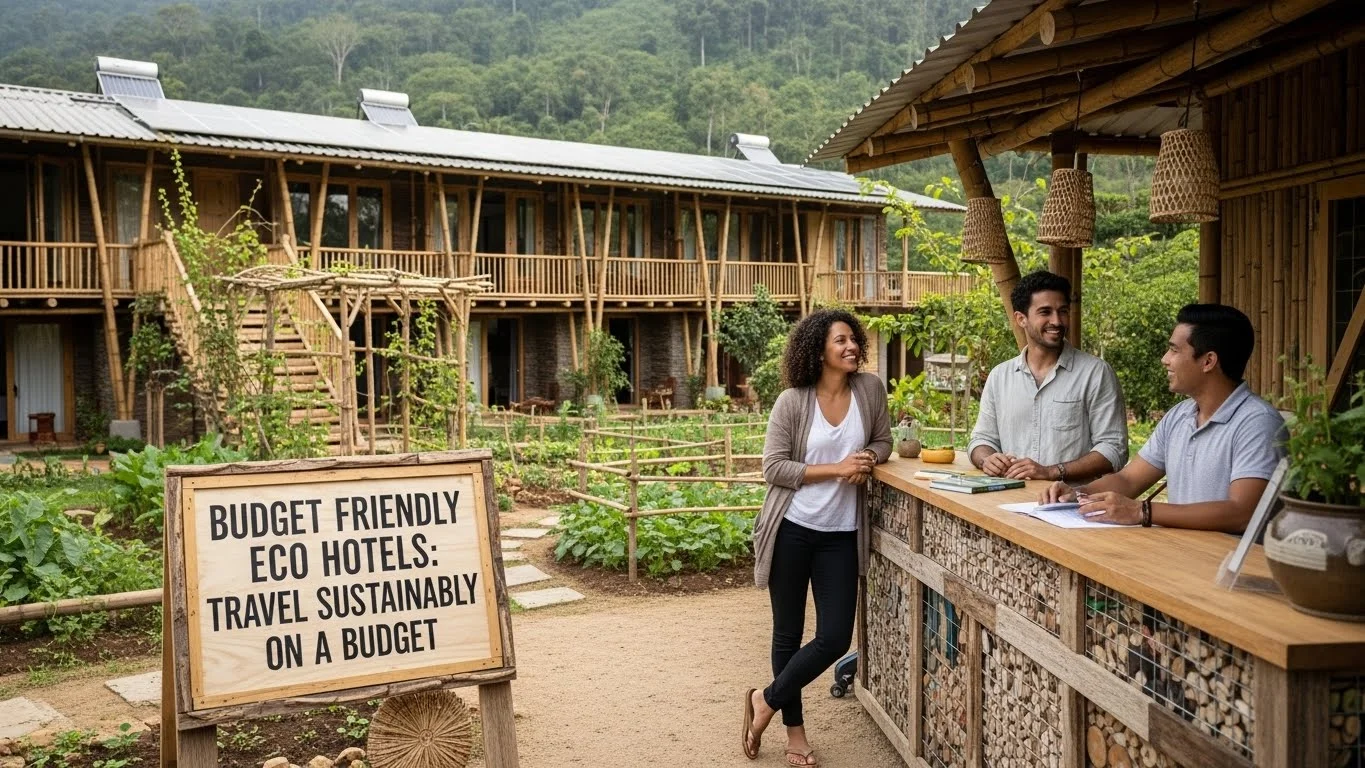
Discover Affordable Eco-Lodges: Travel Green on a Budget

Traveling green doesn’t have to break the bank! Discovering affordable eco-lodges allows us to embrace sustainability while enjoying unique experiences that won’t empty our wallets.

Discover Affordable Eco-Lodges: Travel Green on a Budget

Understanding Eco-Lodges: What Are They?

When I first heard the term “eco-lodge,” I was curious. What exactly made them different from regular hotels? It turns out, eco-lodges are more than just a place to sleep; they are a commitment to sustainable living and preserving the environment. Let’s dive into what defines an eco-lodge and why they’re so special.

Definition of Eco-Lodges

Eco-lodges are accommodations designed with an emphasis on sustainability and minimal environmental impact. They often utilize renewable resources, promote conservation efforts, and aim to educate their guests about local ecosystems. From solar panels powering the lights to rainwater harvesting systems, I’ve found that these lodges are often built with nature in mind. They blend into their surroundings, offering a unique stay that feels harmonious with the environment.

Principles of Sustainable Tourism

The principles behind sustainable tourism are fascinating. I learned that this concept focuses on being environmentally, socially, and economically responsible. It means that when we travel, we should consider how our choices affect the places we visit. Eco-lodges embody this philosophy by encouraging practices like reducing waste, supporting local economies, and promoting cultural respect. When I stayed at an eco-lodge, I felt a part of something bigger—an effort to protect the planet while enjoying its beauty.

Benefits of Staying in Eco-Lodges

There are so many perks to staying in eco-lodges! For starters, they often provide a more authentic experience than typical hotels. I remember my first eco-lodge stay; it wasn’t just a roof over my head, but a chance to connect with nature and local culture. Many eco-lodges partner with local artisans and farmers, allowing us to enjoy fresh, locally sourced meals, which I found to be a delightful change from standard dining options. Additionally, the serene, natural settings of these lodges can be a great escape from the hustle and bustle of everyday life. Plus, knowing I was supporting eco-friendly practices added an extra layer of satisfaction to my travels.

Why Choose Eco-Lodges for Budget Travel?

Now that we understand what eco-lodges are, let’s talk about why they make perfect sense for budget travelers like us. When I decided to explore this avenue of travel, I realized there were multiple reasons why eco-lodges can be a great choice for anyone looking to save money while traveling sustainably.

Cost-Effective Accommodation Options

One of the most appealing aspects of eco-lodges is their affordability. I remember searching for places to stay in a popular travel destination, and I was pleasantly surprised to find several eco-lodges that offered rates significantly lower than traditional hotels. Many eco-lodges cater to a range of budgets, providing options from shared bunk rooms to private cabins. Plus, since they often focus on sustainability, they might not offer all the frills of a luxury hotel, which can keep prices down. I found that these minimalist setups often enhanced my experience by encouraging me to spend more time outdoors. Read Interesting article: Affordable Eco-Friendly Hotels for Eco-Conscious Travelers

Environmental Impact and Responsibility

Choosing to stay at an eco-lodge allows us to lessen our environmental footprint while traveling. I’ve always believed in being responsible travelers, and eco-lodges align perfectly with that view. When I stayed at one, I noticed how they emphasized conservation and education. Many eco-lodges implement practices that reduce energy and water use, and they often encourage guests to participate in local conservation projects. Knowing that my stay was contributing to the well-being of the planet felt really rewarding.

Unique Experiences and Local Culture

Staying at an eco-lodge also means immersing ourselves in local culture. I discovered that many eco-lodges offer workshops, guided tours, and activities led by locals. For example, I once participated in a traditional cooking class at an eco-lodge in Costa Rica, where I learned to make local dishes using fresh ingredients. These experiences not only enriched my travels but also connected me with the community in a way that typical hotels often don’t. I walked away with not just memories but also friendships and a deeper understanding of the local culture.

As I reflect on my own travels, I can’t help but feel excited about the opportunities that eco-lodges provide. They allow us to travel responsibly while keeping our budgets in check. Exploring these accommodations opens up a world of unique experiences, all while benefiting the planet. I can’t wait to share more about specific eco-lodges from around the world, so we can plan our next adventure together!

Top Affordable Eco-Lodges Around the World

As I’ve traveled and explored eco-lodges, I’ve discovered that there are some truly amazing options out there, no matter where we choose to go. Each region offers unique experiences, and I think it’s exciting to see how eco-lodges blend with their local environments. Here’s a glimpse into some of my favorite affordable eco-lodges from various parts of the world—each providing an opportunity to connect with nature while keeping our budgets in check.

Eco-Lodges in North America

North America has its fair share of eco-lodges that cater to budget travelers. One that stands out to me is the Treehouse Point in Washington State. Nestled among towering trees, this lodge offers cozy treehouses that give you a true sense of being one with nature. I remember waking up to the sound of birds chirping and the rustling of leaves—it felt magical!

Another great option is the Eco-Lodge at the Grand Canyon in Arizona. It’s not just an accommodation; it’s an experience! This eco-lodge emphasizes sustainability through solar energy and offers guided hiking tours that let you explore the breathtaking landscapes. The prices are surprisingly reasonable, especially considering the unforgettable views!

Eco-Lodges in Central and South America

Central and South America host some of the most beautiful eco-lodges, and I’ve had some of my best experiences there. One of my favorites is Finca Rosa Blanca in Costa Rica. This coffee plantation eco-lodge not only offers stunning views but also promotes sustainable agriculture. I took part in a coffee tour and learned about the entire process from bean to cup—such a unique experience!

In Peru, the Inkaterra Machu Picchu Pueblo Hotel is a fantastic choice. It’s surrounded by nature and built in a way that blends perfectly with the environment. I loved the lush gardens and the opportunity to engage in local cultural activities like traditional weaving. Plus, it’s a great base for visiting the famous Machu Picchu site.

Eco-Lodges in Europe

Europe is teeming with eco-lodges that provide an affordable way to explore its beautiful landscapes. I was blown away by the Eco-Lodge Glamping in the UK. Set in a stunning countryside, this eco-friendly site features luxurious tents with all the comforts I needed. I felt like I was camping but with a touch of elegance, and the local farm-to-table meals were a highlight!

Another gem is the La Ferme du Bonheur in France. This eco-lodge doubles as a working farm, where guests can participate in various agricultural activities. I enjoyed the rustic charm and the chance to learn about sustainable farming practices while enjoying delicious homemade meals. Plus, the prices were surprisingly budget-friendly!

Eco-Lodges in Asia

Asia offers some remarkable eco-lodges that are both affordable and culturally enriching. I have fond memories of my stay at The Sarai at Toria in India. This eco-lodge focuses on sustainability and offers comfortable accommodations surrounded by nature. I remember wandering through the nearby village and experiencing the warmth of the local community, which added a special touch to my stay.

In Thailand, Elephant Hills is another eco-lodge worth mentioning. It combines luxury camping with ethical elephant experiences. I was amazed by how well they care for the elephants while allowing guests to connect with these magnificent creatures. Plus, the stunning scenery made for a truly memorable trip.

Eco-Lodges in Africa

Africa is a treasure trove of eco-lodges that offer incredible wildlife experiences without breaking the bank. I was lucky to visit Chobe River Camp in Botswana. The camp focuses on conservation and allows guests to immerse themselves in the stunning landscape while learning about the local wildlife. The safari experiences were unforgettable, and I felt good knowing my stay supported conservation efforts.

Another fantastic option is Eco Lodge at Vilanculos in Mozambique. It’s a bit more off the beaten path, but the stunning beaches and commitment to sustainability make it worth it. I enjoyed snorkeling in the crystal-clear waters and soaking up the sun while knowing I was supporting a local, eco-friendly business.

Eco-Lodges in Australia and New Zealand

Down under, there are eco-lodges that showcase the natural beauty of the region. One of my favorites is Eco Beach Resort in Western Australia. With beautiful beachfront locations and a commitment to sustainability, this resort offered me a chance to relax and soak in the stunning coastal views. I loved exploring the nearby marine life while supporting eco-friendly practices.

In New Zealand, PurePod offers a unique experience with its glass eco-cabins set in remote locations. I spent a night in one of these cabins surrounded by nature, and it was such a serene escape. The design allows for stunning views of the night sky, and I felt truly connected to the environment.

These eco-lodges represent just a fraction of affordable options available around the world. Each offers a unique experience that combines adventure, culture, and a commitment to sustainability—a combination that I believe makes our travels all the more rewarding. I can’t wait to explore even more eco-lodges and share those experiences with you! Read Interesting article: Affordable Luxury Safari Stays: A Budget Traveler’s Guide

How to Find Affordable Eco-Lodges

Finding affordable eco-lodges has become a fun part of my travel planning. With so many options available, I’ve learned that a little research can go a long way in uncovering hidden gems that align with my budget and values. Here are some strategies that have worked for me when searching for these sustainable stays.

Online Booking Platforms

One of the first places I recommend looking is online booking platforms. Websites like Booking.com and Airbnb often have sections dedicated to eco-friendly accommodations. I remember scrolling through these platforms and being pleasantly surprised by the variety of eco-lodges featured. Many listings come with reviews from previous guests, which can help in making informed choices. I also found that some sites even categorize options based on sustainability certifications, making it easier to find places that truly prioritize eco-friendliness.

Travel Apps and Websites for Eco-Friendly Stays

In addition to traditional booking sites, I’ve discovered travel apps and websites that focus solely on eco-friendly stays. For example, platforms like EcoBnB and Green Key offer listings specifically for eco-lodges and green hotels. These resources often provide detailed information about the environmental practices of each place, allowing us to choose accommodations that align with our values. I remember using EcoBnB to find a charming lodge in the mountains, and it felt great knowing I was contributing to a sustainable business.

Consider Off-Peak Travel Times

Another tip I’ve found useful is to consider traveling during off-peak times. Not only does this help us save on lodging costs, but it also enhances the overall experience. When I visited an eco-lodge in the off-season, I enjoyed a quieter atmosphere and received more personal attention from the staff. Plus, the natural surroundings felt even more inviting without the crowds. It’s a win-win for both our wallets and our peace of mind!

Tips for Staying at Eco-Lodges on a Budget

Pack Smart: Essentials for Eco-Travel

When planning my eco-lodge stay, packing smart has been essential. I always make a checklist of items that enhance my experience while keeping it budget-friendly. For example, I like to bring my reusable water bottle and travel mug. This way, I can refill them at the lodge and avoid buying bottled drinks. I also pack snacks and some simple cooking essentials if the lodge has kitchen facilities. Having these items on hand not only saves money but also reduces waste!

Participate in Local Activities and Tours

Participating in local activities is another fantastic way to make the most of my eco-lodge experience without overspending. Many eco-lodges offer tours and activities at a discounted rate for guests, which I’ve found to be a fun way to engage with local culture. I remember taking a guided nature walk organized by my eco-lodge, where I learned about the native flora and fauna. It was an enriching experience that added so much value to my stay, and I didn’t have to spend a fortune to enjoy it.

Cooking Your Own Meals: Kitchen Facilities

If the eco-lodge has kitchen facilities, I highly recommend taking advantage of them. Cooking my own meals has helped me save a significant amount on food costs. I love visiting local markets to buy fresh ingredients and then preparing simple meals in the lodge’s communal kitchen. This not only allows me to eat healthy but also gives me a chance to interact with fellow travelers who share my passion for sustainable living. Plus, cooking together can lead to memorable moments and friendships that last beyond the trip!

Using Public Transportation or Carpooling

Lastly, finding ways to get around without a car can save a lot. I’ve learned that using public transportation or carpooling with other travelers is often more economical and environmentally friendly. When I stayed at an eco-lodge near a national park, I took the local bus to the park entrance rather than renting a car. Not only did this save me money, but I also met some wonderful people during the journey. It’s amazing how much more connected to the community I felt this way.

What to Expect When Staying at an Eco-Lodge

Facilities and Amenities

When I first arrived at an eco-lodge, I was curious about what facilities and amenities would be available. I quickly found that while each eco-lodge varies, many offer unique and charming features. For example, some have shared kitchens, communal fire pits, and cozy common areas that encourage socializing with other guests. I recall a lovely eco-lodge where I was able to enjoy a stargazing session around a fire pit with new friends I’d met. It turned out to be one of the highlights of my trip!

Types of Eco-Lodge Accommodations

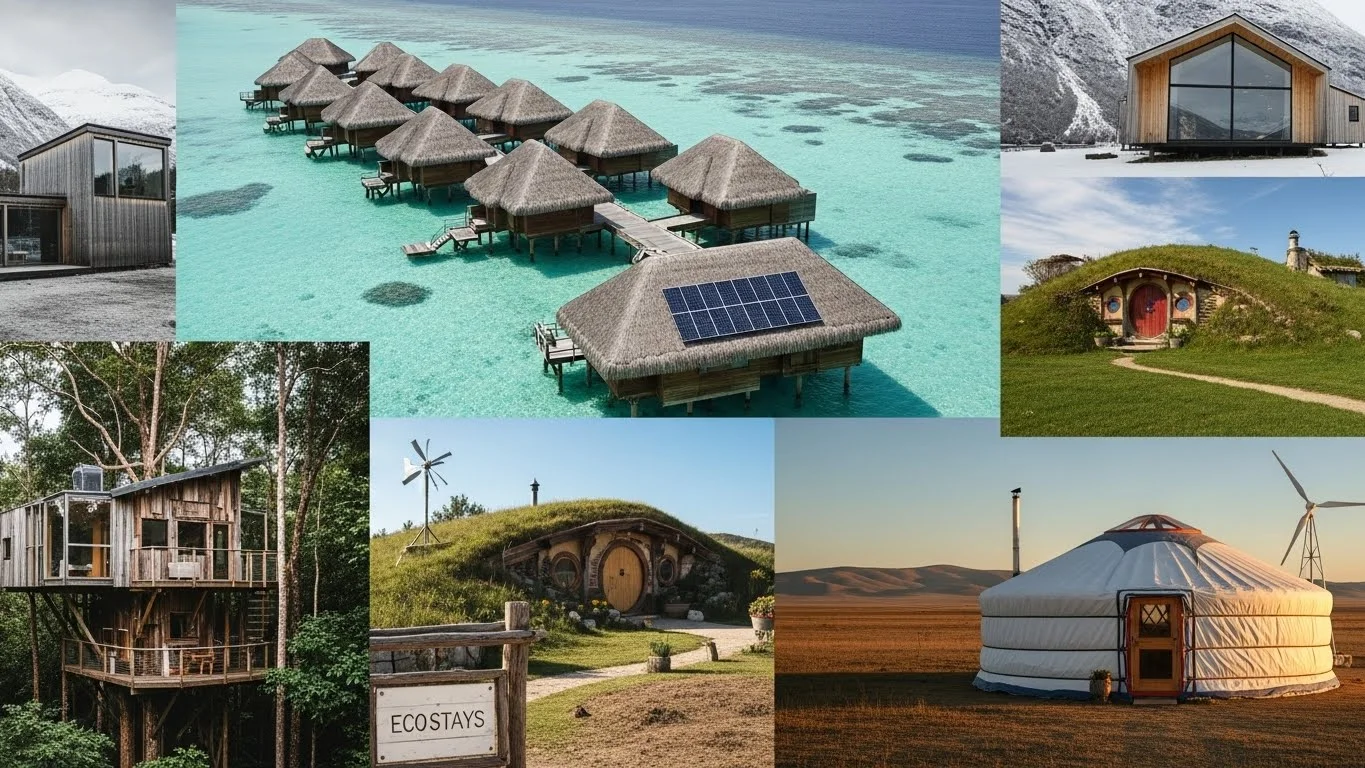
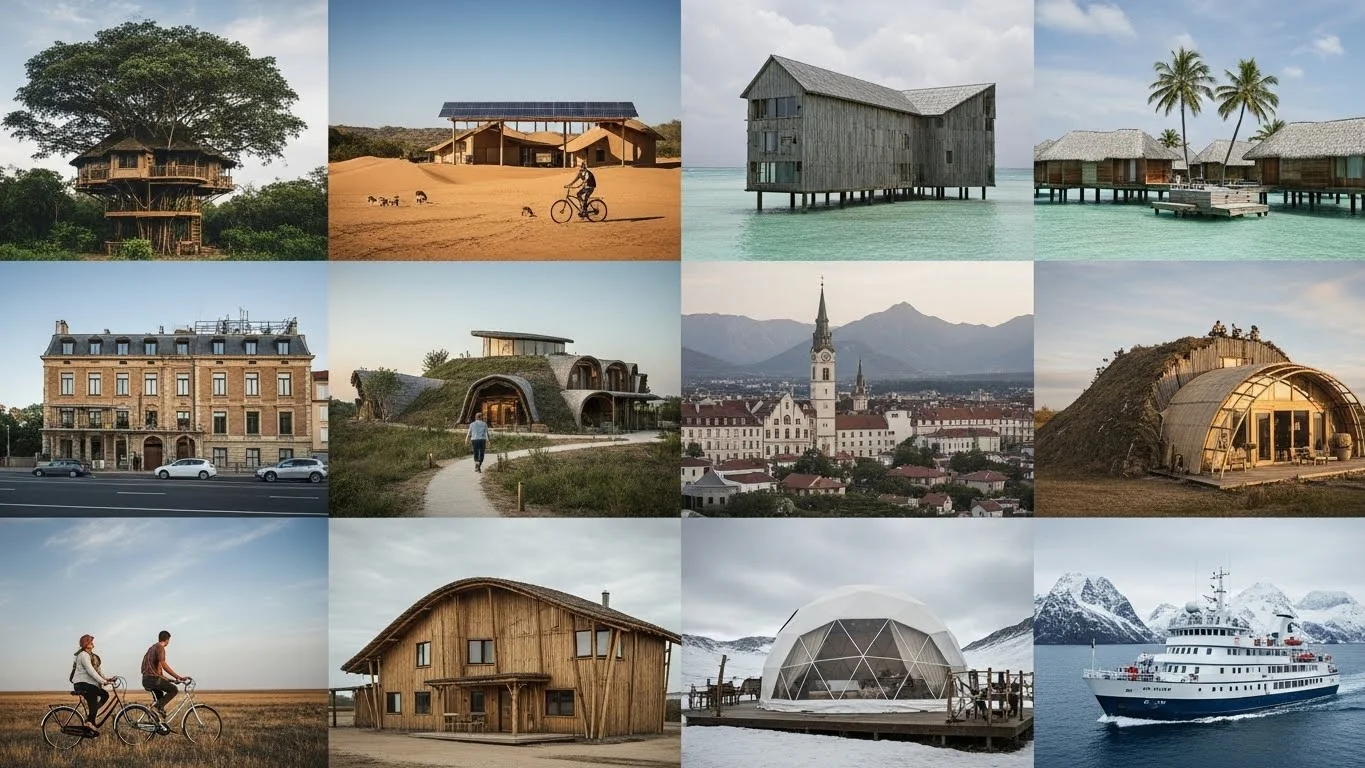
Accommodations at eco-lodges come in various forms, from rustic cabins and treehouses to tents and yurts. I’ve experienced a range of options, and I believe each offers a unique connection to nature. Staying in a treehouse, for instance, allowed me to feel like a kid again, being nestled high among the branches. The variety ensures that there’s something for everyone, whether you prefer a more luxurious experience or a down-to-earth camping vibe.

Engagement with Local Communities

Engaging with local communities is often a core value of eco-lodges. Many lodges encourage guests to participate in cultural activities or community projects. During my stay at one lodge, I had the opportunity to join a local crafting workshop, where I learned traditional skills from artisans. It was heartwarming to see how these lodges foster connections between guests and the communities they serve, making our travels more meaningful and enriching.

Frequently Asked Questions

What are eco-lodges?

Eco-lodges are accommodations designed with an emphasis on sustainability and minimal environmental impact. They utilize renewable resources, promote conservation efforts, and aim to educate guests about local ecosystems.

What are the principles of sustainable tourism?

The principles of sustainable tourism focus on being environmentally, socially, and economically responsible. This means considering how travel choices affect the places visited, encouraging practices like reducing waste and supporting local economies.

What are the benefits of staying in eco-lodges?

Staying in eco-lodges offers a more authentic experience, allows for connection with nature and local culture, provides fresh locally sourced meals, and supports eco-friendly practices, all while providing a tranquil escape from everyday life.

Why should budget travelers choose eco-lodges?

Eco-lodges are often more affordable than traditional hotels, offering various accommodation options from shared bunk rooms to private cabins. Their minimalist setups can enhance outdoor experiences while keeping costs down.

How do eco-lodges impact the environment?

Eco-lodges help lessen our environmental footprint by implementing practices that reduce energy and water use. They often encourage guests to participate in local conservation projects, contributing positively to the planet’s well-being.

What unique experiences can one expect at eco-lodges?

Guests can immerse themselves in local culture through workshops, guided tours, and activities led by locals, such as cooking classes or traditional crafts, providing deeper connections to the community and enriching travel experiences.

How can one find affordable eco-lodges?

Affordable eco-lodges can be found on online booking platforms like Booking.com and Airbnb, travel apps focused on eco-friendly stays, and by considering off-peak travel times to save on lodging costs.

What should travelers pack for an eco-lodge stay?

Travelers should pack items that enhance their experience, such as a reusable water bottle, travel mug, snacks, and cooking essentials if the lodge has kitchen facilities. This reduces waste and saves money.

What types of accommodations are available at eco-lodges?

Accommodations at eco-lodges vary and can include rustic cabins, treehouses, tents, and yurts, offering unique connections to nature and catering to different preferences for luxury or camping vibes.

How do eco-lodges engage with local communities?

Eco-lodges often encourage guests to participate in cultural activities or community projects, fostering meaningful connections between travelers and the communities they serve, making the travel experience more enriching.
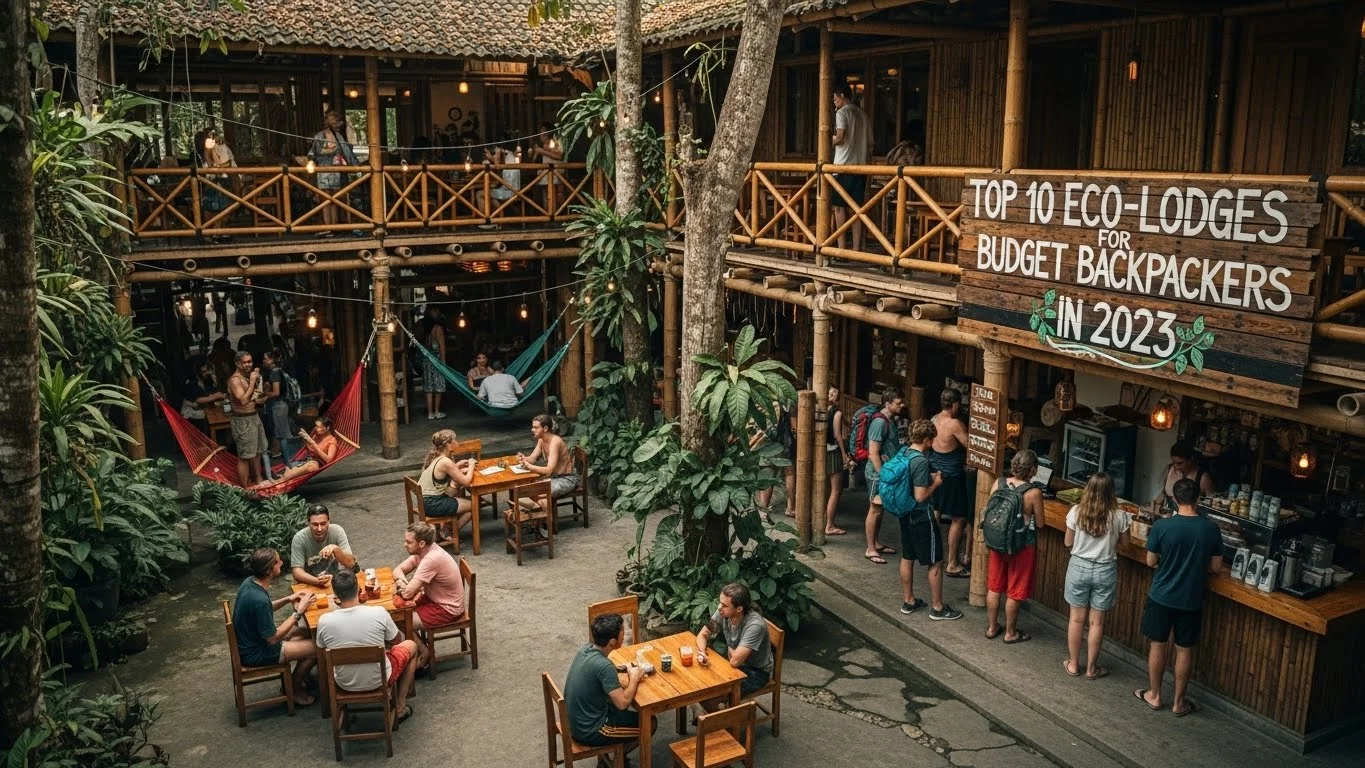

Top 10 Eco-Lodges for Budget Backpackers in 2023

Are you a budget backpacker looking to explore the world while being kind to our planet? Eco-lodges offer the perfect blend of affordability and sustainability, allowing you to travel responsibly without breaking the bank. Let’s dive into the essentials of eco-lodges!

Top 10 Eco-Lodges for Budget Backpackers in 2023

Understanding Eco-Lodges

Definition of Eco-Lodges

When I first heard the term “eco-lodge,” I was curious about what set them apart from regular accommodations. Eco-lodges are designed with sustainability in mind. These lodgings often use renewable energy sources, minimize waste, and incorporate natural materials in their construction. They strive to create a harmonious relationship with the surrounding environment, offering travelers a unique experience that benefits both them and the local ecosystem.

Importance of Sustainable Travel

In recent years, I’ve become increasingly aware of how my travel choices impact the planet. Sustainable travel is not just a trend; it’s a necessary shift towards preserving our environment for future generations. By choosing eco-lodges, we contribute to conservation efforts, support local economies, and help reduce our carbon footprint. It’s a small change that can make a big difference, and I truly believe that every traveler can play a part in this movement. For more on how to travel responsibly, check out Ultimate Zero-Waste Travel Tips for Budget Backpackers.

Benefits of Staying in Eco-Lodges

Staying in an eco-lodge has its perks. Firstly, I’ve noticed that these places often provide a more authentic experience. You get the chance to connect with nature, meet like-minded travelers, and even engage with the local community. Many eco-lodges offer activities like guided nature walks, cooking classes, or workshops that teach you about local culture and sustainability practices. Plus, they often have unique designs that blend seamlessly with their surroundings, creating a tranquil atmosphere that enhances relaxation.

Moreover, eco-lodges tend to prioritize local sourcing for their food and amenities. I’ve had some of the freshest, most delicious meals at these places, made from ingredients grown just a few kilometers away. This not only supports the local economy but also ensures that we’re consuming food that hasn’t traveled thousands of miles to get to our plate. And let’s be honest, there’s something special about enjoying a meal while surrounded by nature. If you’re interested in how to support wildlife while traveling on a budget, check out Budget Backpacking: Wildlife Conservation Travel on a Dime.

Top 10 Eco-Lodges for Budget Backpackers in 2023

1. Eco-Lodge Name and Location

(Details about the first eco-lodge, including its unique features, cost, and why it’s great for budget backpackers.)

2. Eco-Lodge Name and Location

(Details about the second eco-lodge, including its unique features, cost, and why it’s great for budget backpackers.)

3. Eco-Lodge Name and Location

(Details about the third eco-lodge, including its unique features, cost, and why it’s great for budget backpackers.)

4. Eco-Lodge Name and Location

(Details about the fourth eco-lodge, including its unique features, cost, and why it’s great for budget backpackers.)

5. Eco-Lodge Name and Location

(Details about the fifth eco-lodge, including its unique features, cost, and why it’s great for budget backpackers.)

6. Eco-Lodge Name and Location

(Details about the sixth eco-lodge, including its unique features, cost, and why it’s great for budget backpackers.)

7. Eco-Lodge Name and Location

(Details about the seventh eco-lodge, including its unique features, cost, and why it’s great for budget backpackers.)

8. Eco-Lodge Name and Location

(Details about the eighth eco-lodge, including its unique features, cost, and why it’s great for budget backpackers.)

9. Eco-Lodge Name and Location

(Details about the ninth eco-lodge, including its unique features, cost, and why it’s great for budget backpackers.)

10. Eco-Lodge Name and Location

(Details about the tenth eco-lodge, including its unique features, cost, and why it’s great for budget backpackers.)

Key Features to Look for in Eco-Lodges

Sustainability Practices

When I’m searching for the perfect eco-lodge, the first thing I look for is their sustainability practices. It’s essential that the lodge not only claims to be eco-friendly but also actively implements practices that support the environment. For me, this includes using renewable energy sources like solar or wind power, managing waste through recycling and composting, and sourcing materials locally. I remember staying at a lodge where they had a rainwater harvesting system in place. It made me feel good to know that my stay contributed to conserving water, something we often take for granted.

Affordability

As a budget backpacker, affordability is always on my mind. Eco-lodges can sometimes come with a hefty price tag, so I recommend looking for options that provide great value without sacrificing sustainability. Some places offer dormitory-style accommodations or shared facilities, which can significantly lower costs. I’ve found that many eco-lodges provide discounts for longer stays or off-peak bookings, making it easier to stretch my budget while still enjoying a cozy, green experience. Additionally, consider Budget Backpacking: Sustainable Transport for Green Travelers to save on travel expenses.

Location and Accessibility

Location is another crucial factor for me. I prefer eco-lodges that are nestled in nature, close to hiking trails, national parks, or beautiful beaches. Being surrounded by natural beauty enhances my experience, and it’s often where I find the most peace. However, accessibility is just as important. I make sure the lodge is reachable by public transportation or offers shuttle services. I once discovered an amazing eco-lodge only to find it was a long, expensive taxi ride from the nearest bus station, and that was a bit of a letdown.

Community Engagement

One of my favorite aspects of eco-lodges is their focus on community engagement. I’m drawn to places that support local artisans and farmers, and I love when lodges offer programs that allow guests to interact with the community. Whether it’s through cooking classes featuring local recipes or craft workshops led by artisans, these experiences not only enrich my travels but also help me understand and appreciate the culture of the place I’m visiting. I remember a stay where I learned to weave baskets with a local artist—it was one of the highlights of my trip!

How to Choose the Right Eco-Lodge for Your Trip

Assessing Your Budget

Choosing the right eco-lodge begins with assessing my budget. I often sit down and outline how much I can spend on lodging for the entire trip. This helps me filter out options that are out of my price range. I also consider what amenities I really need versus what I can live without. For example, I might be willing to skip a pool or luxury spa if it means staying in a place with great sustainability practices and a beautiful view.

Understanding Eco-Certifications

Eco-certifications can be a great indicator of a lodge’s commitment to sustainability. I try to look for lodges that have certifications from recognized organizations. These certifications usually mean that the lodge has undergone a rigorous evaluation of its environmental practices. I’ve learned to appreciate places that display their certifications proudly, as it reassures me that they are truly committed to eco-friendly principles rather than just marketing themselves that way.

Reading Reviews and Recommendations

Before booking, I always take the time to read reviews from other travelers. Websites like TripAdvisor or travel blogs are gold mines for honest opinions. I pay attention to what others say about the lodge’s sustainability practices, cleanliness, and the overall experience. I often notice trends in reviews that help me gauge whether a place is right for me. If multiple people rave about the breathtaking views or community involvement, I definitely take note!

When to Visit Eco-Lodges

Best Seasons for Eco-Lodging

The timing of my visit can greatly enhance my eco-lodge experience. I’ve learned that certain seasons are better than others for specific locations. For example, visiting a tropical eco-lodge during the dry season means I can fully enjoy the lush surroundings and outdoor activities without worrying about rain. Researching peak seasons and off-peak times can also help me snag better rates. I’ve had some of my best adventures visiting places just before or after the tourist rush when the crowds are thinner, and the local vibe is more authentic.

Special Events or Festivals

Sometimes, planning my stay around local events or festivals can lead to unforgettable experiences. I remember stumbling upon a local harvest festival while staying at an eco-lodge in Costa Rica, where I got to participate in traditional dances and taste delicious local foods. These events offer a unique glimpse into the culture and are often supported by the eco-lodge. I recommend checking the local calendar before booking to see what might be happening during my stay.

Local Experiences and Activities Near Eco-Lodges

Nature Hikes and Trails

One of the joys of staying at an eco-lodge is the incredible access to nature hikes and trails. I remember my stay at a cozy eco-lodge in the mountains, where I woke up to the sound of birds chirping and the smell of fresh pine. The lodge offered guided hikes that catered to various skill levels, ensuring that everyone could enjoy the stunning views. I opted for a moderate trail that led to a breathtaking waterfall, and it turned out to be one of the highlights of my trip. The guides were knowledgeable about the local flora and fauna, which made the hike not just physically rewarding but also an educational experience. I absolutely recommend checking if the eco-lodge you’re considering has similar offerings—it’s a great way to immerse yourself in the environment!

Cultural Experiences and Workshops

Another fantastic aspect of eco-lodges is the opportunity to engage in local culture through workshops and experiences. During my travels, I’ve found that many eco-lodges partner with local artisans and community members to offer hands-on activities. At one eco-lodge, I had the chance to take a cooking class where we made traditional dishes using ingredients sourced directly from the surrounding gardens. I learned not just how to cook, but also about the cultural significance of each dish. These workshops are a wonderful way to connect with the community while also supporting local traditions. I believe that these experiences can enrich our travels and help us leave a positive impact on the places we visit.

Wildlife Viewing Opportunities

Staying at an eco-lodge often puts you right in the heart of wildlife-rich areas, making it easier to spot local animals in their natural habitats. I’ve had some unforgettable moments watching wildlife while staying at eco-lodges. In Costa Rica, for example, I was lucky enough to see monkeys swinging through the trees and colorful toucans flying overhead. Many eco-lodges offer early morning or evening guided wildlife tours, which are typically the best times to spot animals. I remember being part of a night tour where we saw nocturnal creatures, and it felt like being part of a real-life adventure. If you’re an animal lover like I am, this is definitely something to look for when choosing your eco-lodge.

Budgeting Tips for Backpackers

Cost Breakdown of Staying in Eco-Lodges

Understanding the cost breakdown of staying in eco-lodges can help us manage our travel budgets more effectively. When I plan my trips, I usually break down costs into accommodations, food, activities, and transportation. Eco-lodges can vary in price depending on their location and offerings, so it’s essential to research what’s included. Some lodges might provide meals or have kitchen facilities where guests can prepare their own food, which can save money. I’ve found that staying in eco-lodges with shared facilities often allows for lower rates, especially if I’m traveling with friends. This way, we can split costs while enjoying a sustainable experience together.

Additional Expenses to Consider

Besides the basic lodging fees, there are often additional expenses to keep in mind. For instance, some eco-lodges charge extra for activities, guided tours, or workshops. While these experiences can be a highlight of the trip, I’ve learned to budget for them in advance. It’s helpful to check the lodge’s website or contact them directly to get a sense of what extra charges might apply. Additionally, I always factor in transportation costs to and from the eco-lodge, especially if it’s located in a remote area. I once found myself caught off guard by unexpected taxi fares, which was a lesson learned for my future travels!

Money-Saving Tips While Traveling

As a budget backpacker, I’m always on the lookout for money-saving tips while traveling. One of my favorites is to book in advance, especially during off-peak seasons. Many eco-lodges offer discounts for early bookings or longer stays, which can significantly reduce costs. I’ve also found that some lodges have loyalty programs or partnerships with other businesses that can provide additional savings. Another effective tip is to eat where the locals eat. I love exploring local markets or small eateries instead of dining at the lodge for every meal. Not only do I save money, but I also get to experience authentic local cuisine. Lastly, I recommend using public transportation whenever possible instead of taxis, as it’s usually much cheaper and can add to the adventure!

Safety and Health Considerations

Health Guidelines for Eco-Lodging

When staying at eco-lodges, I always make it a point to consider health guidelines. Depending on the location, certain vaccinations or medications may be recommended before traveling. I’ve learned to check health advisories well in advance of my trip, ensuring I’m prepared for any potential risks. Additionally, I always carry a basic first-aid kit with essentials like band-aids, antiseptic wipes, and any personal medications. It gives me peace of mind knowing I’m ready for minor mishaps. Also, I recommend asking the lodge staff about their health and safety protocols. Many eco-lodges prioritize cleanliness and safety, especially when it comes to food preparation and sanitation, so it’s good to know what measures are in place.

Safety Tips for Backpackers

Feeling safe while traveling is crucial, and I like to take certain precautions to ensure a worry-free experience. One tip I always follow is to keep my valuables secure, especially in shared accommodations. A good travel lock can be a lifesaver! It’s also wise to stay informed about the local area, including any safety concerns or cultural norms. I usually chat with other travelers or lodge staff to get a sense of what to watch out for. When exploring, especially in remote areas, I make sure to travel with a buddy or let someone know my plans. These small steps can make a big difference in how safe and enjoyable my travels are.

Final Thoughts

As I reflect on my journeys to eco-lodges, I can’t help but feel grateful for the experiences they have provided. Traveling sustainably not only gives me the chance to explore breathtaking landscapes but also allows me to contribute positively to the communities I visit. Each stay has been an opportunity to connect with nature, engage with local cultures, and support environmentally friendly practices. I genuinely believe that embracing eco-lodges is not just a trend but a meaningful way to travel. It empowers us to be conscious of our choices, reminding us that every small step counts toward a healthier planet.

For anyone considering a trip, I encourage you to explore the world of eco-lodges. Whether you’re hiking through lush forests, participating in local workshops, or simply soaking in the beauty of your surroundings, you’ll find that these experiences can be transformative. I’ve discovered that the memories made in these unique settings often surpass any luxury stay, as they are rooted in authenticity and a shared love for our planet. So pack your bags, choose an eco-lodge that resonates with you, and embark on a journey that nourishes both your soul and the earth!

Remember, every choice we make as travelers can have a lasting impact. Let’s commit to exploring the world responsibly, seeking out eco-lodges, and supporting sustainable tourism. The adventure awaits, and I can’t wait to hear about your experiences!

Frequently Asked Questions

What are eco-lodges?

Eco-lodges are accommodations designed with sustainability in mind. They often use renewable energy sources, minimize waste, and incorporate natural materials in their construction, aiming to create a harmonious relationship with the surrounding environment.

Why is sustainable travel important?

Sustainable travel is crucial as it helps preserve the environment for future generations. By choosing eco-lodges, travelers contribute to conservation efforts, support local economies, and reduce their carbon footprint, making a positive impact on the planet.

What are the benefits of staying in eco-lodges?

Staying in eco-lodges offers a more authentic experience, allowing travelers to connect with nature and the local community. Many eco-lodges provide activities like guided nature walks and cooking classes, and they often prioritize local sourcing for food, enhancing the overall experience.

What key features should I look for in eco-lodges?

When searching for eco-lodges, look for sustainability practices, affordability, location and accessibility, and community engagement. These features ensure that the lodge not only claims to be eco-friendly but also actively supports the environment and local communities.

How can I choose the right eco-lodge for my trip?

To choose the right eco-lodge, assess your budget, understand eco-certifications, and read reviews and recommendations from other travelers. This will help you find a lodge that meets your financial and sustainability criteria.

When is the best time to visit eco-lodges?

The best time to visit eco-lodges often depends on the specific location. Researching peak and off-peak seasons can help you find better rates and a more authentic local experience. Planning around local events or festivals can also enhance your stay.

What local experiences can I engage in near eco-lodges?

Many eco-lodges offer nature hikes and trails, cultural experiences, and workshops with local artisans. These activities provide opportunities to connect with the environment and community while enriching your travel experience.

What budgeting tips should I consider when staying in eco-lodges?

When budgeting for eco-lodges, break down costs into accommodations, food, activities, and transportation. Consider additional expenses for activities and meals, and look for discounts for longer stays or early bookings to manage your budget effectively.

What health and safety considerations should I keep in mind?

Before staying at eco-lodges, check health guidelines for vaccinations or medications needed based on the location. Additionally, prioritize personal safety by securing valuables and staying informed about the local area and cultural norms.

How can I support sustainable tourism while traveling?

Support sustainable tourism by choosing eco-lodges, engaging in local community activities, and making environmentally conscious travel choices. Every small step taken as a traveler can have a lasting impact on the planet and the communities visited.

Sustainable Hotels: Where Comfort Meets Eco-Consciousness

Imagine waking up in a cozy hotel room, the sun streaming through eco-friendly windows, knowing your stay supports the planet. Sustainable hotels are where comfort meets eco-consciousness, and they’re changing the way we think about travel.

Sustainable Hotels: Where Comfort Meets Eco-Consciousness

Understanding Sustainable Hotels

Definition of Sustainable Hotels

Sustainable hotels focus on minimizing their environmental impact while providing a comfortable experience for guests. These establishments often incorporate green practices throughout their operations, from the construction of the building to daily management. I remember the first time I stayed at a sustainable hotel; I was pleasantly surprised by how seamlessly eco-friendly practices blended with luxury. It felt like both a retreat and a responsible choice.

Importance of Eco-Consciousness in Hospitality

As travelers, we have a powerful opportunity to support eco-conscious practices. The hospitality industry is a significant contributor to environmental issues, with high energy consumption, water waste, and pollution. By choosing sustainable hotels, we can reduce our carbon footprint and encourage the industry to adopt greener practices. I’ve noticed how a small shift in our choices can lead to broader changes in our communities, and this is especially true in the travel sector.

Key Features of Sustainable Hotels

Sustainable hotels often share common features that set them apart from traditional hotels. Here are a few key elements to look out for:

  • Energy Efficiency: Many sustainable hotels are designed to use energy-efficient appliances and lighting. I recall staying in a hotel where the lighting adjusted automatically based on the time of day, which not only saved energy but also created a cozy atmosphere.
  • Water Conservation: Hotels may implement low-flow showerheads and toilets, helping to conserve water without compromising guest comfort. I’ve experienced this firsthand and found that the water-saving features didn’t affect my stay negatively at all.
  • Waste Reduction: Sustainable hotels often have programs in place to minimize waste, such as recycling and composting initiatives. I appreciated seeing clear signage about recycling bins and the hotel’s efforts to reduce single-use plastics.
  • Locally Sourced Products: These hotels frequently use local suppliers for food and amenities. During my travels, I loved enjoying fresh, local ingredients at breakfast, knowing that my meal supported nearby farmers.

In addition to these features, many sustainable hotels also engage in community outreach and education, helping to raise awareness about environmental issues. It’s heartening to see how hospitality can contribute positively to the community, rather than just taking from it.

As I reflect on my experiences in sustainable hotels, I realize that they offer more than just a place to stay. They provide a unique opportunity to connect with the environment and local culture. I often leave with a renewed sense of purpose, feeling that my travel choices align more closely with my values.

In the next sections, we’ll delve deeper into why choosing a sustainable hotel matters, exploring the benefits for both the environment and us as guests. I can’t wait to share what I’ve learned and discovered on my journey toward more conscious travel choices!

Why Choose a Sustainable Hotel?

Benefits for the Environment

When I think about the benefits of choosing sustainable hotels, the positive impact on the environment stands out. These hotels actively work to reduce their carbon emissions, conserve natural resources, and protect local ecosystems. For example, many sustainable hotels invest in renewable energy sources, such as solar or wind power, which helps to lessen reliance on fossil fuels. I once stayed at a hotel powered completely by solar energy, and it felt incredible to know that my stay was contributing to a cleaner planet.

Moreover, sustainable hotels often prioritize biodiversity by preserving natural habitats. They might even create green spaces on their properties, which can enhance local wildlife. I remember walking through the garden of one hotel, where I spotted various birds and butterflies, and it struck me how important these efforts are for maintaining our planet’s health.

Benefits for Guests

Staying at a sustainable hotel often enhances the guest experience in ways I never expected. Beyond the eco-friendly features, these hotels tend to prioritize comfort and quality. I’ve found that many sustainable hotels focus on providing high-quality, locally sourced products, from organic toiletries to fresh food. It’s like treating myself to a luxurious experience while doing good for the Earth.

Another benefit is that sustainable hotels often foster a sense of community and connection. I’ve had wonderful conversations with staff members who are passionate about their hotel’s mission and the environment. They often share tips on local attractions that align with eco-conscious values. I’ve discovered hidden gems in various cities, thanks to these insightful recommendations.

Supporting Local Communities

Choosing a sustainable hotel is also a meaningful way to support local communities. Many of these establishments prioritize hiring local staff and sourcing products from nearby businesses. I have witnessed firsthand how this practice helps boost the local economy and strengthens community ties. On one trip, I visited a hotel that proudly showcased art and crafts from local artisans, which not only added character to the space but also provided income for those artists.

Additionally, sustainable hotels often engage in community initiatives, such as environmental education programs or local conservation projects. I’ve participated in beach clean-ups organized by hotels and left feeling like I made a difference. These experiences are deeply fulfilling and remind me that travel can be a force for positive change.

Essential Elements of Sustainable Hotels

Eco-Friendly Building Practices

One of the first things I noticed about sustainable hotels is their commitment to eco-friendly building practices. Many of these hotels use sustainable materials, like reclaimed wood or recycled metal, during construction. I remember walking into a hotel that was designed with natural ventilation and ample daylight, reducing the need for artificial heating and cooling. It felt refreshing and inviting, creating an atmosphere that was both modern and harmonious with nature.

Energy Efficiency and Renewable Energy Sources

Energy efficiency is a hallmark of sustainable hotels. They often utilize energy-efficient appliances and smart technology to minimize energy use. I once stayed in a place that had motion-sensor lights in the hallways, which not only helped conserve energy but also made the space feel safe. Many hotels are also turning to renewable energy sources, like solar panels, to power their operations. This shift not only reduces their carbon footprint but also often results in lower energy costs, which is a win-win situation for the hotel and the environment.

Water Conservation Techniques

Water conservation is another crucial aspect of sustainable hotels. I’ve seen hotels that implement innovative solutions, such as rainwater harvesting systems, which collect rainwater for non-potable uses like irrigation. In my experience, these conservation techniques don’t compromise guest comfort at all. In fact, I was pleasantly surprised by how effective low-flow showerheads were during my stay; the water pressure was still excellent while saving precious resources.

Waste Reduction and Recycling Programs

Many sustainable hotels take waste reduction seriously. I have often found recycling bins easily accessible throughout the hotel, along with clear instructions on what can and cannot be recycled. Some hotels even have composting programs for food waste, ensuring that as little as possible ends up in landfills. Participating in these efforts made me feel more engaged during my stay, knowing I was contributing to a cleaner environment.

Locally Sourced and Organic Food Options

Dining at sustainable hotels is often a delightful experience. Many of them take pride in offering locally sourced and organic food. During my travels, I’ve enjoyed breakfast made from ingredients sourced from nearby farms, which not only tasted fresher but also felt more meaningful. I love that these hotels are supporting local agriculture and reducing the carbon footprint associated with transporting food over long distances.

Types of Sustainable Hotels

Eco-Resorts

Eco-resorts are often the first type of sustainable hotels that come to mind for many travelers, and for good reason. These resorts are usually located in stunning natural settings, like tropical beaches or lush mountains, and they prioritize environmental conservation while providing luxurious experiences. I remember visiting an eco-resort that was surrounded by rainforest, and every aspect of the place seemed to blend seamlessly with nature. The villas were built using local materials and designed to have minimal impact on the environment. Staying there felt like a true escape, where I could relax while knowing I was supporting sustainability.

Green Luxury Hotels

Luxury doesn’t have to be at odds with sustainability. Green luxury hotels combine high-end experiences with eco-friendly practices. During a trip to a city renowned for its urban scene, I stayed at a luxury hotel that sourced all its food from local farms, featured organic toiletries, and even had a rooftop garden. The attention to detail in both design and sustainability made my stay not just comfortable, but also rewarding. I’ve found that these types of hotels often have unique offerings, like curated local tours or wellness programs centered around sustainability.

Hostels with Sustainability Initiatives

For budget-conscious travelers, sustainable hostels offer a great option without sacrificing eco-friendly practices. I’ve stayed in hostels that emphasize community living and education about environmental conservation. They often provide shared resources like kitchen facilities to reduce waste, promote recycling, and have guidelines for guests to follow to lessen their impact on the environment. The camaraderie I experienced in these settings was fantastic, and I loved meeting fellow travelers who shared my passion for sustainability.

Bed and Breakfasts Focused on Eco-Friendly Practices

Bed and breakfasts are another charming option for sustainable stays. These smaller establishments often focus on personalized experiences and locally sourced food. I once stayed at a B&B where breakfast was made from ingredients grown in the owner’s own garden. It was a delightful experience to enjoy fresh tomatoes and herbs right from the source! Many B&Bs also implement recycling and composting practices, making them an excellent choice for eco-conscious travelers looking for a homey atmosphere.

Top Sustainable Hotels Around the World

North America

In North America, sustainable hotels are popping up everywhere, from urban centers to serene retreats. One standout is the Hotel Emma in San Antonio, Texas. This historic hotel embraces sustainability by using local materials and employing energy-efficient systems. It’s a perfect blend of luxury and eco-consciousness. Another favorite of mine is the Post Ranch Inn in Big Sur, California. Perched on cliffs overlooking the Pacific Ocean, this eco-resort focuses on conservation and offers breathtaking views along with organic dining options. Read Interesting article: Top 10 Sustainable Hotels for Eco-Friendly Travelers

Europe

Europe is known for its commitment to sustainability, and hotels like The Good Hotel in Amsterdam highlight this trend beautifully. This floating hotel is designed with sustainability in mind and even donates its profits to social initiatives. I found it remarkable how they combined chic design with a social conscience. Additionally, Hotel Verde in Cape Town, South Africa, is another excellent example, featuring a range of eco-friendly practices, from water-saving solutions to renewable energy sources.

Asia

In Asia, the Six Senses Resorts are at the forefront of sustainable luxury. I’ve had the pleasure of visiting their locations in Thailand, where they focus on wellness and sustainability. Their commitment to using local resources and reducing waste made my stay feel both luxurious and responsible. Another gem is the Shinta Mani Wild in Cambodia, an eco-resort that offers a unique glamping experience while preserving the surrounding rainforest.

Australia and New Zealand

Australia and New Zealand boast some remarkable sustainable hotels like the Eco Beach Resort in Broome, Australia. This resort is designed to have minimal impact on the environment while offering stunning beachfront accommodation. I loved how it integrates nature into the guest experience. In New Zealand, the Wharekauhau Country Estate combines luxury with sustainability, showcasing the local culture and environment, and it’s a place where I felt instantly connected to the land.

Africa

African sustainable hotels also make a powerful impact. Grootbos Private Nature Reserve in South Africa is a perfect example, focusing on preserving the unique biodiversity of the region while offering luxury accommodations. I remember taking guided nature walks and learning about local conservation efforts. Similarly, Chobe Game Lodge in Botswana operates on solar power and is committed to sustainable tourism practices, making it a fantastic choice for eco-conscious wildlife enthusiasts.

How to Identify a Truly Sustainable Hotel

Certifications to Look For

When I’m searching for a sustainable hotel, I find it helpful to look for certifications that indicate a commitment to eco-friendly practices. Organizations such as Green Key, LEED (Leadership in Energy and Environmental Design), and the Global Sustainable Tourism Council (GSTC) provide guidelines and certifications for hotels that meet specific sustainability criteria. I remember staying at a hotel proudly displaying its Green Key certification, and it felt reassuring to know they were following rigorous environmental standards. Seeing these certifications not only gives me confidence in my choice but also encourages hotels to maintain their eco-friendly practices.

Researching Hotel Practices and Policies

Another way to identify a truly sustainable hotel is by researching their practices and policies. Many hotels now have sections on their websites dedicated to their sustainability efforts. I often spend a few minutes reading about their initiatives, such as energy-saving measures, partnerships with local communities, and waste management strategies. I recall discovering a hotel that offered detailed insights into its water conservation methods, which made me appreciate their commitment even more. If they’re transparent about their efforts, it usually indicates that sustainability is genuinely a priority for them.

Reading Reviews and Guest Experiences

Guest reviews can be a treasure trove of information when it comes to sustainable hotels. I always check platforms like TripAdvisor or Yelp to see what other travelers have experienced regarding a hotel’s sustainability practices. I’ve found that guests often share whether they noticed eco-friendly features, the quality of locally sourced food, or the hotel’s involvement in community programs. One time, a review highlighted how the hotel organized a cleanup event at a nearby beach, which made me eager to book my stay. Reading others’ experiences can help us make informed decisions and find hotels that align with our values.

What to Expect When Staying at a Sustainable Hotel

Room Amenities and Eco-Friendly Products

During my stays at sustainable hotels, I’ve consistently encountered thoughtful room amenities designed with the environment in mind. Many hotels offer organic toiletries, recycled paper products, and energy-efficient appliances. I remember being pleasantly surprised to find a minibar stocked with local snacks and beverages, reflecting the hotel’s commitment to supporting nearby businesses. It’s these little touches that make me feel appreciated as a guest while also reinforcing sustainable practices.

Dining Experiences and Menu Options

The dining experiences at sustainable hotels are often a highlight of my stay. I’ve enjoyed meals featuring seasonal, locally sourced ingredients, which not only taste fresher but are also more environmentally friendly. One of my favorite breakfasts was at a hotel where the chef prepared dishes using produce from their own garden. I also appreciate when hotels cater to various dietary needs, ensuring that everyone has access to delicious, sustainable options. Knowing that my meals support local farmers and reduce the carbon footprint makes each bite even more satisfying.

Activities and Experiences Promoting Sustainability

Many sustainable hotels offer unique activities that promote sustainability and connect guests with the local environment. I’ve participated in guided hikes focusing on local flora and fauna, as well as workshops on sustainable living practices. One memorable experience was a cooking class using local ingredients, where I learned about the importance of supporting local agriculture. These activities not only enrich my stay but also provide valuable insights into how I can continue my eco-friendly journey at home.

Tips for a Sustainable Stay

Reducing Your Carbon Footprint

As travelers, there are several ways we can further reduce our carbon footprint during our stays. Simple actions like turning off lights when leaving the room, using towels more than once, and opting for public transportation or walking instead of taxis can make a difference. I’ve found that being conscious of my choices while traveling contributes to a more sustainable experience and reminds me of my responsibility toward the planet.

Supporting Local Businesses

Supporting local businesses is another way to enhance the sustainability of our travels. I love exploring nearby markets, restaurants, and shops that emphasize local products. For me, it’s a fantastic way to engage with the culture and contribute to the local economy. I remember discovering a lovely café that served organic coffee sourced from a local farm, and it made my experience all the more memorable.

Engaging in Eco-Friendly Practices During Your Stay

Engaging in eco-friendly practices during my stay can be as simple as participating in hotel-organized initiatives, like recycling programs or community cleanups. I’ve often found that hotels appreciate when guests get involved, and it creates a sense of community among travelers. It’s heartwarming to come together for a common cause, and it leaves me feeling fulfilled knowing that we’re all contributing to a healthier planet.

Future Trends in Sustainable Hospitality

Innovations in Eco-Friendly Technologies

The future of sustainable hospitality looks bright, with innovations in eco-friendly technologies set to transform the industry. I’ve seen hotels adopting smart technologies that optimize energy usage and enhance guest experience. For instance, some hotels now use apps that allow guests to control room settings, like heating and lighting, directly from their smartphones. This not only improves comfort but also significantly reduces energy waste.

Growing Consumer Demand for Sustainability

As more travelers seek eco-friendly options, hotels are responding by enhancing their sustainability efforts. I believe this growing consumer demand will drive even more hotels to adopt greener practices and promote their commitment to sustainability. I’ve noticed that hotels that embrace these changes often stand out in a crowded market, attracting guests who value responsible travel. Read Interesting article: Budget-Friendly Eco Hotels: Travel Sustainably on a Budget

Impact of Climate Change on Travel Industry Practices

Climate change will continue to influence how the travel industry operates. Hotels are becoming increasingly aware of their role in combating climate change and are implementing strategies to mitigate their impact. From investing in renewable energy to reducing waste, I’ve seen many hotels step up their efforts to address these pressing issues. It’s inspiring to think about how the travel industry can lead the charge toward a more sustainable future.

Final Thoughts

Choosing to stay at a sustainable hotel is more than just a decision; it’s a lifestyle choice that reflects our values and commitment to the planet. From supporting local communities to experiencing eco-friendly practices firsthand, every stay presents an opportunity to make a positive impact. As I reflect on my experiences, I feel empowered knowing that my travel choices can contribute to a healthier environment. I encourage you to explore sustainable hotels on your next adventure and discover how they can enrich your journey while making a difference for our world. Read Interesting article: Explore Sustainable Travel: Zero-Waste Tips for Adventurers

Frequently Asked Questions

What defines a sustainable hotel?

Sustainable hotels focus on minimizing their environmental impact while providing a comfortable experience for guests. They incorporate green practices throughout their operations, from construction to daily management.

Why is eco-consciousness important in the hospitality industry?

The hospitality industry significantly contributes to environmental issues through high energy consumption, water waste, and pollution. Choosing sustainable hotels helps reduce our carbon footprint and encourages the industry to adopt greener practices.

What are some key features of sustainable hotels?

Key features of sustainable hotels include energy efficiency, water conservation efforts, waste reduction programs, and the use of locally sourced products for food and amenities.

How do sustainable hotels benefit the environment?

Sustainable hotels actively work to reduce carbon emissions, conserve natural resources, and protect local ecosystems. Many invest in renewable energy sources and prioritize biodiversity by preserving natural habitats.

What advantages do guests experience when staying at sustainable hotels?

Guests often enjoy enhanced comfort and quality, high-quality locally sourced products, a sense of community, and connections with passionate staff who share insights about eco-conscious attractions.

How do sustainable hotels support local communities?

Sustainable hotels often prioritize hiring local staff and sourcing products from nearby businesses. They may also engage in community initiatives, such as environmental education programs or local conservation projects.

What types of sustainable hotels exist?

Types of sustainable hotels include eco-resorts, green luxury hotels, hostels with sustainability initiatives, and bed and breakfasts focused on eco-friendly practices.

What certifications should I look for when choosing a sustainable hotel?

Look for certifications from organizations such as Green Key, LEED, and the Global Sustainable Tourism Council (GSTC) that indicate a hotel’s commitment to eco-friendly practices.

What can I expect in terms of amenities at a sustainable hotel?

Sustainable hotels typically offer eco-friendly products, such as organic toiletries, recycled paper products, and locally sourced snacks, enhancing the guest experience while supporting sustainability.

How can I engage in sustainable practices during my stay?

You can reduce your carbon footprint by turning off lights, using towels more than once, supporting local businesses, and participating in hotel-organized eco-friendly initiatives like recycling programs or community cleanups.

Discover the Best Eco-Friendly Accommodations Worldwide

Traveling sustainably is more than just a trend; it’s a journey towards preserving our planet. Discovering eco-friendly accommodations allows us to enjoy beautiful places while making a positive impact. For insights on various options, check out The Best Eco-Friendly Accommodations for Every Budget.

Discover the Best Eco-Friendly Accommodations Worldwide

Understanding Eco-Friendly Accommodations

What Defines Eco-Friendly Accommodations?

When I first started looking into eco-friendly accommodations, I realized that it wasn’t just about staying in a place that claimed to be “green.” It’s about understanding the values and practices that define these spaces. Eco-friendly accommodations prioritize sustainability by reducing their environmental impact. This can mean using renewable energy sources, implementing water conservation measures, sourcing food locally, and ensuring that their operations minimize waste. I found it fascinating how many different approaches places can take to be eco-conscious, from luxury resorts to simple hostels.

For instance, I remember staying at a charming eco-resort nestled in the mountains. Not only did they use solar panels for energy, but they also had a garden where they grew their own vegetables. Eating fresh, organic food while being surrounded by nature made the experience even more rewarding. It was clear that the owners truly cared about the environment and their guests.

The Importance of Sustainable Travel

As I delved deeper into sustainable travel, I realized how crucial it is for our planet. The tourism industry can significantly impact the environment, from carbon footprints to waste generation. By choosing eco-friendly accommodations, we contribute to a more sustainable future. I started thinking about how my travel choices could either harm or help the planet. Top 10 Eco-Friendly Accommodations for Budget Backpackers provide some excellent options for those looking to travel responsibly on a budget.

In my travels, I’ve noticed that many eco-friendly places engage with the local community. They often employ local staff, support local artisans, and promote cultural experiences that benefit residents. This not only helps preserve the local culture but also ensures that the benefits of tourism are shared with the community. I feel more connected to the places I visit when I know my presence supports local livelihoods.

Types of Eco-Friendly Accommodations

Eco-Resorts

Eco-resorts are often my favorite choice when seeking sustainable lodging. These resorts typically focus on luxury while maintaining a commitment to environmental stewardship. I remember visiting an eco-resort in Costa Rica that utilized natural materials in construction and offered eco-friendly excursions. They provided opportunities to explore the local wildlife responsibly, ensuring that guests could enjoy nature without causing harm.

Green Hotels

Green hotels can be found in urban settings, and they often implement sustainable practices like energy-efficient lighting and recycling programs. During a recent city trip, I chose a green hotel that featured a rooftop garden and served organic meals. It surprised me how urban spaces could incorporate eco-friendly principles, making my stay enjoyable and guilt-free.

Hostels with a Conscience

If you’re traveling on a budget, eco-friendly hostels are a fantastic option. I’ve stayed in several hostels that prioritize sustainability by using recycled materials, offering communal kitchens, and promoting local activities. These places foster a sense of community and often provide opportunities to meet like-minded travelers. One of my favorite hostels even organized beach clean-ups, allowing guests to give back while having fun. You can find more about such options in Top Eco-Friendly Accommodations for Budget Backpackers.

Eco-Friendly Vacation Rentals

Vacation rentals can also be eco-friendly, especially when they incorporate sustainable features. I once rented a cabin that was built from reclaimed wood and had a composting toilet. It was a unique experience that made me appreciate the effort behind sustainable living. I recommend looking for properties that have green certifications or those that emphasize their eco-friendly practices in their listings.

As I explored these different types of eco-friendly accommodations, I realized that sustainability is not just a checkbox; it’s a lifestyle. Each place I stayed at taught me something new about the importance of preserving our environment and the beauty of traveling with intention. Whether it’s a luxurious eco-resort or a simple hostel, the choices we make can lead to experiences that resonate deeply with our values. I hope to share more about where to find these incredible places around the world soon!

Top Eco-Friendly Destinations Worldwide

North America

Best Eco-Friendly Hotels in the USA

When it comes to eco-friendly hotels in the USA, I’ve come across some remarkable options that really stand out. For instance, I visited a hotel in California’s Napa Valley that not only focused on sustainable wine production but also implemented green practices throughout their property. The hotel had solar panels, offered electric car charging stations, and even had a zero-waste policy in their dining options. Every time I indulged in their delicious farm-to-table meals, I felt even better knowing that my choices supported local farmers and sustainable practices.

Another gem I discovered was a boutique hotel in New York City that prioritized sustainability without sacrificing luxury. The rooms were filled with organic linens, energy-efficient appliances, and even a small herb garden on the rooftop. It was a delight to unwind in such a beautifully designed space that felt good both for me and the environment.

Canadian Eco-Lodges

Canada has its fair share of eco-lodges that celebrate the great outdoors while respecting the environment. One lodge I absolutely loved was in British Columbia, surrounded by stunning forests and mountains. They emphasized conservation and offered guided nature tours that educated guests about the local ecosystem. I remember taking part in a nature walk where the guide shared stories of the area’s wildlife and natural features, which made me appreciate the beauty around me even more.

In Quebec, I found a charming eco-lodge that combined rustic charm with modern sustainable practices. They sourced all their food from local farms and emphasized the use of renewable energy. Staying there felt like a true retreat into nature, where I could disconnect and really immerse myself in the stunning landscapes.

Europe

Green Stays in Scandinavia

Scandinavia is a leader in sustainability, and their eco-friendly accommodations reflect that. In Sweden, I stayed at a hotel that not only focused on reducing waste but also featured a sauna powered by renewable energy. Each morning, I enjoyed a breakfast buffet filled with organic products sourced from local farmers, which made my stay feel even more special. The combination of breathtaking views and eco-conscious practices left a lasting impression on me.

In Norway, I discovered a beautiful eco-lodge that offered traditional cabins made from sustainable materials. They encouraged outdoor activities like hiking and kayaking that allowed me to explore the stunning fjords while respecting the environment. I felt a deep connection to nature during my stay, and it was a wonderful reminder of how we can enjoy the great outdoors sustainably.

Eco-Friendly Accommodations in Southern Europe

Traveling through Southern Europe, I was impressed by the variety of eco-friendly accommodations available. In Italy, I stumbled upon a vineyard that offered eco-friendly lodging options. Here, I was able to partake in grape harvesting and learn about organic farming practices. The experience was both educational and delicious, as I savored their organic wines while lounging in the vineyard’s beautiful surroundings.

In Greece, I found a small eco-hotel that emphasized energy conservation and water-saving techniques. They incorporated renewable energy sources, and I loved that they provided guests with reusable water bottles to reduce plastic waste. The views of the Aegean Sea from my room were breathtaking, and knowing that I was making a positive impact during my stay made it even more rewarding.

Asia

Eco-Resorts in Southeast Asia

Southeast Asia is known for its stunning landscapes and rich cultures, and I’ve had the pleasure of experiencing some amazing eco-resorts in the region. In Thailand, I stayed at a resort that was committed to marine conservation. They organized beach clean-ups and educated guests on how to protect the ocean while enjoying its beauty. It was inspiring to see how the resort integrated conservation efforts into their guest experience.

In Indonesia, I visited an eco-resort on a small island that used sustainable building practices and focused on preserving the local environment. The staff shared their commitment to protecting the coral reefs, and I loved that I could snorkel in pristine waters while knowing I was supporting their efforts. It was an unforgettable experience that reinforced my belief in the importance of eco-friendly travel.

Green Hotels in Japan

Japan also has impressive eco-friendly hotels that blend tradition with sustainability. During my visit to Kyoto, I stayed at a ryokan that focused on minimizing waste and using local, organic ingredients in their meals. The experience of sleeping on tatami mats and enjoying traditional Japanese hospitality while supporting sustainable practices was truly special. I felt like I was stepping into a different world, and it was fascinating to see how they incorporated eco-friendly practices into their cultural traditions.

Australia and New Zealand

Eco-Friendly Lodging in Australia

Australia is home to some fantastic eco-friendly lodging options. I remember staying in a lodge in the middle of the rainforest. They emphasized conservation and biodiversity, which was evident in their design and operations. Every part of my stay felt connected to the surrounding nature, from the organic meals to the eco-friendly toiletries provided in the rooms.

New Zealand’s Sustainable Stays

In New Zealand, I found that eco-lodges often celebrate the breathtaking landscapes while prioritizing sustainability. One of my favorite stays was at a lodge that utilized geothermal energy and promoted local culture. I appreciated the chance to learn about the indigenous Māori culture and how they incorporate sustainability into their way of life. It was a beautifully enriching experience that combined adventure with a deeper understanding of the land.

Africa

Eco-Lodges in South Africa

South Africa is home to some incredible eco-lodges that allow you to experience the beauty of wildlife while prioritizing sustainability. I had the chance to stay at a lodge in Kruger National Park that emphasized conservation and responsible tourism. The lodge employed local staff and engaged with the community, making my stay feel even more meaningful. Going on safari while knowing that my visit contributed to conservation efforts was an unforgettable experience.

Green Camps in Kenya

Kenya is another destination that showcases eco-friendly accommodations beautifully. I stayed at a tented camp that blended luxury with a commitment to sustainability. They focused on minimizing their environmental impact while offering guests an authentic experience of the African savannah. The sounds of nature and the chance to witness wildlife in their natural habitat made for a magical adventure. It was a reminder of how important it is to protect these incredible ecosystems.

Key Features of Eco-Friendly Accommodations

Renewable Energy Sources

One of the most impactful features I’ve noticed in eco-friendly accommodations is their use of renewable energy sources. During my travels, I’ve stayed at places that harness solar, wind, or even geothermal energy. For instance, at an eco-lodge in Iceland, the entire property was powered by geothermal energy, which was not only sustainable but also remarkably efficient. It felt good knowing that my stay was minimizing reliance on fossil fuels. I remember marveling at how the lodge integrated this energy source into their daily operations, from heating the water to powering the lights. It made me think about how renewable energy could change the way we travel.

Water Conservation Practices

Water conservation is another crucial element of eco-friendly accommodations. I’ve seen places that implement innovative solutions to reduce water consumption, such as low-flow fixtures and rainwater harvesting systems. During my visit to a remote eco-resort in Belize, I discovered how they collected rainwater for showers and toilets. I was impressed by how they managed to maintain comfort while being mindful of a precious resource. Staying in such places made me more aware of my own water usage, prompting me to adopt similar practices at home. It’s incredible how a little mindfulness can go a long way in preserving our environment.

Locally Sourced Food and Materials

Another aspect I truly appreciate in eco-friendly accommodations is the emphasis on sourcing food and materials locally. On my trip to a vineyard in Tuscany, I enjoyed meals prepared with ingredients harvested just minutes away. The freshness of the food was evident, and it felt great to support local farmers. Not only did this practice reduce the carbon footprint associated with transporting food, but it also enhanced my overall experience. I remember savoring organic tomatoes, basil, and homemade pasta, all while soaking in the stunning views of the rolling hills. It was a delightful reminder of how food can connect us to the land and its people.

Waste Reduction Strategies

Waste reduction is a significant focus for many eco-friendly accommodations. I’ve noticed various strategies aimed at minimizing waste, from composting to recycling programs. At a boutique hotel I visited in Amsterdam, they had clearly marked bins for recycling, compost, and regular trash, making it easy for guests to participate. They also provided refillable toiletries, reducing the number of plastic bottles used. One of my favorite moments there was when I participated in a workshop on creating reusable bags from old sheets. It was not only fun but also a creative way to think about waste reduction. Staying in places that prioritize waste management made me rethink my own habits and inspired me to make changes in my daily life.

How to Choose the Right Eco-Friendly Accommodation

Assessing Certifications and Ratings

When it comes to choosing the right eco-friendly accommodation, assessing certifications and ratings is crucial. I’ve learned that certain certifications, such as LEED (Leadership in Energy and Environmental Design) or Green Key, can help identify genuinely sustainable properties. I remember planning a trip and spending time researching these certifications, which made me feel more confident about my choices. It’s essential to look for accommodations that are transparent about their practices and have credible certifications; this often indicates their commitment to sustainability.

Researching Eco-Friendly Practices

Another step I take is researching the specific eco-friendly practices of a place before booking. I often find it helpful to check the accommodation’s website or read through their descriptions on booking platforms. In one case, I booked a stay at a lodge in Costa Rica that highlighted their commitment to wildlife conservation and community engagement. Reading about their efforts made me even more excited about my trip. I appreciate when accommodations share their sustainability initiatives, as it gives me insight into how my stay can make a difference.

Reading Guest Reviews

Reading guest reviews is also a valuable part of my decision-making process. I find that travelers often share their experiences regarding the sustainability efforts of accommodations. On one of my trips, I came across reviews mentioning how a hotel in Thailand actively participated in local conservation projects. It was heartwarming to see guests appreciating these efforts, and it solidified my choice to stay there. Reviews can provide real-life insights into how eco-friendly practices are implemented and can help steer me toward places that truly care about sustainability.

Benefits of Staying in Eco-Friendly Accommodations

Supporting Local Communities

One of the most rewarding aspects of staying in eco-friendly accommodations is the opportunity to support local communities. I’ve experienced firsthand how eco-lodges and hotels often employ local staff and source products from nearby artisans. For example, during my stay at a village homestay in Thailand, I got to know the family running the place, and I learned about their culture and traditions. It felt gratifying to know that my stay contributed to their livelihood and preserved their way of life. Supporting local communities enriches our travels and fosters meaningful connections.

Reducing Your Carbon Footprint

Staying in eco-friendly accommodations can significantly reduce your carbon footprint. I’ve often felt empowered knowing that my choices, from where I sleep to what I eat, contribute to a more sustainable travel experience. The first time I stayed at a solar-powered lodge, I was amazed by how much energy we could save simply by choosing the right place. It reminded me that every little action counts when it comes to caring for our planet, and it encouraged me to be more mindful of my environmental impact in everyday life.

Enhanced Travel Experiences

Finally, eco-friendly accommodations often provide enhanced travel experiences. They tend to offer unique activities that connect you to the environment and local culture. One of my most memorable experiences was participating in a wildlife conservation project during my stay at an eco-resort. This hands-on involvement not only deepened my understanding of the area but also made my travels feel more meaningful. I believe that when we travel responsibly, we create memories that last a lifetime while also leaving a positive impact on the world.

Frequently Asked Questions

What are eco-friendly accommodations?

Eco-friendly accommodations are places that prioritize sustainability and aim to reduce their environmental impact. This includes practices like using renewable energy, conserving water, sourcing food locally, and minimizing waste.

What types of eco-friendly accommodations are available?

There are several types of eco-friendly accommodations, including eco-resorts, green hotels, hostels with a conscience, and eco-friendly vacation rentals. Each type offers unique features that support sustainable travel.

How do eco-resorts contribute to sustainability?

Eco-resorts often focus on luxury while committing to environmental stewardship. They may utilize natural materials, offer eco-friendly excursions, and provide opportunities to explore local wildlife responsibly.

What practices do green hotels implement?

Green hotels typically implement sustainable practices such as energy-efficient lighting, recycling programs, rooftop gardens, and serving organic meals to promote eco-conscious stays in urban settings.

How do eco-friendly hostels support sustainability?

Eco-friendly hostels prioritize sustainability by using recycled materials, offering communal kitchens, promoting local activities, and often organizing events like beach clean-ups for guests to engage in community service.

What are the benefits of staying in eco-friendly accommodations?

Staying in eco-friendly accommodations supports local communities, reduces your carbon footprint, and often provides enhanced travel experiences through unique activities that connect you to the environment and local culture.

How can I assess the sustainability of an accommodation?

To assess sustainability, look for certifications like LEED or Green Key, research the accommodation’s eco-friendly practices, and read guest reviews that highlight their sustainability efforts.

What role does locally sourced food play in eco-friendly accommodations?

Locally sourced food reduces the carbon footprint associated with transportation and supports local farmers. Many eco-friendly accommodations emphasize using fresh, local ingredients in their meals.

Why is water conservation important in eco-friendly accommodations?

Water conservation is crucial because it helps preserve this precious resource. Eco-friendly accommodations often implement solutions such as low-flow fixtures and rainwater harvesting systems to reduce water usage.

How can choosing eco-friendly accommodations impact my travel experience?

Choosing eco-friendly accommodations can enhance your travel experience by connecting you with local culture and environment, providing unique activities, and allowing you to contribute positively to the places you visit.

Budget-Friendly Eco Hotels: Travel Sustainably on a Budget

Traveling sustainably doesn’t have to break the bank. Budget-friendly eco hotels offer a perfect blend of affordability and environmental responsibility, allowing us to explore the world while caring for it. Read Interesting article: Experience Local Cultures: Budget-Friendly Eco-Tourism Tips

Budget-Friendly Eco Hotels: Travel Sustainably on a Budget

Understanding Eco Hotels

Definition of Eco Hotels

When I first heard the term “eco hotel,” I was curious about what it really meant. Eco hotels are accommodations designed to minimize their impact on the environment. They often incorporate sustainable practices, such as using renewable energy sources, conserving water, and reducing waste. These hotels typically focus on creating a positive interaction with the local community, which is something I found really appealing when I started looking for places to stay during my travels.

Importance of Sustainable Travel

Over the years, I’ve come to realize just how critical sustainable travel is. As we explore different corners of the world, our choices can either contribute to or detract from the health of our planet. Sustainable travel helps reduce pollution, conserves natural resources, and supports local economies. I remember visiting a beautiful coastal town where I learned how tourism had damaged the local ecosystem. This experience opened my eyes to the importance of making mindful travel choices and supporting eco-friendly accommodations.

Benefits of Staying in Eco Hotels

Staying in eco hotels has so many advantages that go beyond just being environmentally friendly. For one, they often provide a unique experience. I’ve stayed in places that embraced local culture, featuring traditional designs and offering local cuisine. It’s a way to connect more deeply with the community and learn about their way of life. Additionally, eco hotels frequently focus on wellness, offering amenities like organic toiletries and healthy meal options. I’ve found that these elements contribute to a more enriching travel experience overall. Plus, knowing that I’m supporting a sustainable model gives me a sense of peace while I’m away from home.

Key Features of Budget-Friendly Eco Hotels

Affordability vs. Sustainability

One of the biggest misconceptions I encountered when searching for eco hotels was the belief that they are always expensive. I was pleasantly surprised to find many budget-friendly options that don’t compromise on sustainability. These hotels often achieve affordability by utilizing local materials and resources, which reduces costs. I remember finding a lovely eco lodge that was affordable because it used locally sourced materials and provided simple yet comfortable accommodation. This balance between affordability and sustainability is not only possible but also increasingly common.

Green Certifications and Standards

When I started looking for eco hotels, I discovered there are various certifications that indicate a hotel’s commitment to sustainable practices. Certifications such as LEED (Leadership in Energy and Environmental Design) or Green Key can help identify properties that adhere to eco-friendly standards. I always check for these certifications before booking, as they assure me that the hotel is genuinely committed to sustainability. Understanding these certifications has been a game-changer for me and has made my travel planning much easier.

Local Sourcing and Organic Amenities

Another feature I love about budget-friendly eco hotels is their focus on local sourcing. Many of these hotels offer organic, locally-grown food, which not only supports local farmers but also reduces the carbon footprint associated with transporting ingredients. I’ve enjoyed some of the freshest meals at eco hotels, often made with ingredients that were harvested just hours before. Additionally, these hotels often provide organic toiletries and sustainable amenities which reflect their commitment to minimizing environmental impact. It feels great to know that my choices are supporting local communities and reducing harm to the planet.

Top Budget-Friendly Eco Hotels Around the World

North America

Hotel Luna Mystica, New Mexico

When I first stumbled upon Hotel Luna Mystica, I was captivated by its unique concept of vintage trailers set in the New Mexico desert. This eco hotel combines comfort with sustainability, offering solar-powered accommodations and a stunning view of the stars. Staying there felt like a magical experience, and it was surprisingly affordable!

Green Tortoise Hostel, San Francisco

For those looking for a more social atmosphere, I highly recommend the Green Tortoise Hostel in San Francisco. This hostel emphasizes sustainability while offering budget-friendly options. I loved the communal vibe, and they even have a program for shared meals, which is a great way to connect with other travelers while enjoying delicious, locally-sourced ingredients.

Europe

Treehotel, Sweden

If you are seeking something truly extraordinary, staying at the Treehotel in Sweden is a must. These unique treehouse accommodations are built with sustainability in mind and blend seamlessly into the forest. I’ve dreamed of spending a night in one of those beautiful treehouses, surrounded by nature.

Hostelworld Eco-Hostels, Various Locations

Across Europe, Hostelworld offers a range of eco-hostels that cater to budget travelers. I’ve found that many of these hostels prioritize sustainability while providing a fun and friendly environment. They often organize activities that promote local culture and eco-friendly practices, making for a fulfilling travel experience. Read Interesting article: Top 10 Wildlife Conservation Destinations for Eco-Friendly Travelers

Asia

Chalets in Bhutan

Bhutan has captured my heart with its focus on Gross National Happiness, and the chalets here reflect that ethos. These eco-friendly accommodations use local materials and offer stunning views of the Himalayas. I remember spending a few days in one of these chalets, fully immersed in the natural beauty and tranquility of the area.

Eco Bungalows, Bali

Bali is known for its breathtaking landscapes and vibrant culture, and the Eco Bungalows provide a perfect way to experience both. These bungalows are made from sustainable materials and are nestled in stunning natural surroundings. I was amazed at how budget-friendly they were, and the warm hospitality made my stay unforgettable.

South America

Refugio Ecologico, Chile

For those venturing to Chile, Refugio Ecologico is an excellent choice. Located in Torres del Paine National Park, this eco hotel offers stunning views and an immersive experience in nature. I loved exploring the nearby trails and returning to a warm, cozy lodge that prioritizes sustainability.

Salento Eco Hotel, Colombia

Lastly, the Salento Eco Hotel in Colombia is a gem that combines stunning views of the coffee region with eco-friendly practices. I was delighted to find that this hotel provides guided tours of local coffee farms, supporting the community while allowing me to learn about sustainable farming practices.

How to Choose a Budget-Friendly Eco Hotel

Researching Eco Hotels

When it comes to selecting a budget-friendly eco hotel, I find that research is key. I usually start by browsing online travel forums and blogs dedicated to sustainable travel. I’ve discovered some hidden gems this way that don’t pop up on mainstream travel sites. Websites that specialize in eco-friendly accommodations often provide detailed descriptions of the hotels’ sustainability practices. I remember planning a trip to Costa Rica and spending hours researching eco lodges that focused on conservation and community. The more I read, the more I felt connected to the choices I was making for my trip. Read Interesting article: Ultimate Zero-Waste Travel Tips for Budget Backpackers

Reading Reviews and Testimonials

Reviews also play a huge role in my decision-making process. I’m a firm believer in the power of shared experiences. Reading testimonials from fellow travelers can give me insights into what to expect. I often look for comments about the cleanliness, friendliness of the staff, and how well the hotel practices its sustainability claims. I’ll never forget reading a review about a charming eco hotel in Thailand where the guests praised the efforts made to reduce plastic use. Their positive experiences helped me feel confident in booking my stay there.

Comparing Prices and Amenities

Price comparison is another crucial step. I typically make a list of a few eco hotels that pique my interest, then compare their prices and the amenities they offer. I’ve found that some places may have higher rates but include extras like free breakfast or guided eco-tours, which can be a fantastic value. During my travels in Vietnam, I noticed that staying at a slightly more expensive eco hotel came with complimentary bike rentals, allowing me to explore the beautiful countryside at my own pace. This made the extra cost worthwhile and enhanced my overall experience.

Understanding Booking Platforms

Finally, I’ve learned that understanding different booking platforms can save both money and hassle. Some platforms specialize in eco-friendly accommodations, while others may not filter for sustainability. I often check multiple sites to ensure I’m getting the best deal. I remember using an eco-focused booking site for a trip to Portugal, where I found an incredible eco hotel that offered a discount for longer stays. This not only helped me stick to my budget but also allowed me to enjoy extra days in the beautiful countryside.

Tips for Traveling Sustainably on a Budget

Travel Off-Peak

Traveling off-peak is one of my favorite tips for saving money while still being eco-conscious. Not only do prices tend to drop during these times, but popular destinations are also less crowded, allowing for a more authentic experience. I recall visiting Italy in the early spring when the weather was beautiful and the tourist spots were less populated. It felt like I was enjoying the country with the locals rather than battling through crowds of tourists. Plus, I found some fantastic deals on eco hotels that weren’t available during the peak summer season.

Use Public Transportation

Using public transportation is another sustainable travel tip that I swear by. It’s often much cheaper than renting a car and allows me to immerse myself in the local culture. During my recent trip to Japan, I relied heavily on the train system. Not only was it budget-friendly, but it also provided a fantastic opportunity to interact with locals and experience the country in a different way. I found that many eco hotels are conveniently located near public transport, making it easy to explore without a vehicle.

Pack Light and Smart

Packing light has become a mantra for me. Not only does it save money on baggage fees, but it also reduces my carbon footprint. I’ve learned to bring multifunctional clothing items that can be mixed and matched. This allows me to avoid overpacking while ensuring I have everything I need. I remember one trip where I managed to fit all my essentials into a carry-on, which made my travels feel so much easier. Plus, I could easily hop from one eco hotel to another without lugging around heavy bags!

Support Local Businesses

Supporting local businesses is another way I try to travel sustainably while staying on a budget. Eating at local restaurants rather than tourist traps saves money and allows me to experience authentic cuisine. I’ve discovered some of my favorite meals this way! I also make it a point to shop at local markets for souvenirs instead of chain stores. This not only benefits the local economy but also helps me find unique items that remind me of my travels. During my visit to Morocco, I picked up beautiful handmade crafts that told a story, instead of generic souvenirs.

Eco-Friendly Travel Practices

Reducing Waste While Traveling

One of the most impactful eco-friendly travel practices I’ve adopted is reducing waste. I carry a reusable water bottle, which has saved me money and cut down on plastic waste. I also bring my own reusable bags for shopping and refuse straws when ordering drinks. These small changes add up. I remember feeling proud of how few disposables I used during my last trip to Vietnam. It felt good to know I was making a difference while enjoying my adventures.

Choosing Eco-Friendly Activities

When planning activities, I always look for eco-friendly options. I prefer experiences that promote conservation, such as guided nature walks or wildlife sanctuaries that prioritize animal welfare. I once took part in a tree-planting initiative in Costa Rica, which was not only rewarding but also allowed me to connect with my surroundings. Choosing activities that support the environment makes my travel more meaningful, and I always leave feeling like I’ve contributed positively to the places I visit.

Engaging with Local Communities

Engaging with local communities has enriched my travels in ways I never expected. Whether it’s participating in cultural workshops or volunteering for community projects, these experiences create lasting memories. I recall spending a day with a local artisan in Bali, learning traditional crafts and understanding the culture behind them. It felt incredible to support their work directly while gaining insights into their lives. Building these connections makes my travels feel more authentic and fulfilling.

Common Myths About Eco Hotels

Eco Hotels Are Always Expensive

I’ve often heard people say that eco hotels are just too pricey for the average traveler, but I’ve come to learn that this isn’t always the case. Many eco hotels focus on affordability while maintaining sustainability, which is something I’ve experienced firsthand. For instance, I found an eco lodge in Costa Rica that not only offered stunning views but also came at a price that fit my budget. It’s easy to think that being eco-conscious comes with a hefty price tag, but my travels have shown me that there are plenty of options available that won’t break the bank. By doing a bit of research and being open to different accommodations, I’ve discovered that enjoying eco-friendly travel is accessible to many of us.

Eco Hotels Lack Comfort and Luxury

When I first started considering eco hotels, I was worried that I might have to sacrifice comfort for sustainability. However, my experiences have completely changed that perspective. Many eco hotels prioritize guest comfort just as much as they do their environmental impact. I remember staying at a beautiful eco resort in Thailand that offered luxurious amenities while still being gentle on the planet. The rooms were beautifully designed and featured natural materials, and the spa offered organic treatments that left me feeling pampered. It’s refreshing to see how many eco hotels have embraced the idea that luxury and sustainability can coexist harmoniously.

Staying Green Is Complicated

Initially, I thought that traveling sustainably would require a lot of effort and planning. I was intimidated by the idea of making every choice eco-friendly. However, I’ve learned that it doesn’t have to be complicated at all. In fact, it can be quite simple! When I started making small changes in my travel habits, like choosing eco hotels or packing reusable items, I found it became second nature. For instance, I now always carry a reusable water bottle and shopping bags, which has made a big difference without feeling overwhelming. It’s all about the little choices we make along the way, and they can lead to big changes without requiring a complete overhaul of how we travel.

Future of Eco Hotels and Sustainable Travel

Trends in Sustainable Hospitality

As I’ve continued to explore eco-friendly travel, I’ve noticed some exciting trends emerging in the hospitality industry. More and more, hotels are adopting practices that prioritize environmental responsibility. For example, I’ve seen an increase in hotels implementing zero-waste policies, which has been a game-changer for reducing waste in the travel sector. I recently stayed at a mountain lodge that composted food scraps and provided glass containers for guests to use during their stay. This shift towards sustainability is becoming more mainstream and is encouraging travelers to be more conscious about their choices.

Innovations in Eco-Friendly Practices

The innovations happening in the eco hotel space are truly inspiring. I’ve come across hotels using cutting-edge technology to reduce their carbon footprint. For instance, I once visited a resort that utilized rainwater harvesting systems and solar panels to power their facilities. These innovations not only benefit the environment but also enhance the guest experience. It’s fascinating to see how eco hotels are leading the way in sustainable practices. I believe that as more travelers demand these eco-friendly options, we’ll see even more creative solutions emerging in the hospitality industry.

The Role of Technology in Sustainable Travel

Technology is playing a crucial role in shaping the future of sustainable travel. I’ve found that various apps and websites can help us make eco-friendly choices while planning our trips. From platforms that specialize in sustainable accommodations to travel apps that calculate your carbon footprint, technology is making it easier for us to be mindful travelers. For example, while planning my last trip, I used an app that suggested the most eco-friendly transport options between destinations. This allowed me to make informed decisions that aligned with my values. The future of eco travel looks promising, and I’m excited to see how technology continues to support sustainable practices in the hospitality industry.

Frequently Asked Questions

What are eco hotels?

Eco hotels are accommodations designed to minimize their impact on the environment by incorporating sustainable practices such as using renewable energy, conserving water, and reducing waste.

Why is sustainable travel important?

Sustainable travel is crucial because our travel choices can either contribute to or detract from the health of our planet. It helps reduce pollution, conserves natural resources, and supports local economies.

What are the benefits of staying in eco hotels?

Staying in eco hotels provides unique experiences that embrace local culture, wellness amenities, and a sense of peace knowing you are supporting sustainable practices.

Are eco hotels always expensive?

No, many eco hotels offer budget-friendly options without compromising on sustainability by utilizing local materials and resources, which helps reduce costs.

What certifications should I look for when choosing an eco hotel?

Look for certifications such as LEED (Leadership in Energy and Environmental Design) or Green Key, which indicate a hotel’s commitment to sustainable practices.

How do budget-friendly eco hotels support local communities?

Budget-friendly eco hotels often focus on local sourcing, offering organic, locally-grown food and amenities that reflect their commitment to minimizing environmental impact and supporting local farmers.

What are some examples of budget-friendly eco hotels around the world?

Examples include Hotel Luna Mystica in New Mexico, Green Tortoise Hostel in San Francisco, Treehotel in Sweden, and Eco Bungalows in Bali, among others.

What tips can help me choose a budget-friendly eco hotel?

Researching eco hotels, reading reviews, comparing prices and amenities, and understanding different booking platforms can help you choose a budget-friendly eco hotel effectively.

How can I travel sustainably on a budget?

Traveling off-peak, using public transportation, packing light, and supporting local businesses are effective ways to travel sustainably while staying within budget.

What common myths exist about eco hotels?

Common myths include the belief that eco hotels are always expensive, lack comfort and luxury, or that staying green is complicated. In reality, many eco hotels offer affordable, comfortable stays and making eco-friendly choices can be simple.

Top 10 Sustainable Hotels for Eco-Friendly Travelers

Traveling sustainably is not just a trend; it’s a movement that’s gaining momentum. Eco-friendly hotels offer a unique way to explore the world while minimizing our impact on the planet. Explore Sustainable Travel: Zero-Waste Tips for Adventurers

Top 10 Sustainable Hotels for Eco-Friendly Travelers

What Are Sustainable Hotels?

Definition of Sustainable Hospitality

When I first heard the term “sustainable hotels,” I wasn’t entirely sure what it meant. To me, it sounded like a fancy way of saying a hotel is just trying to be a little greener. However, I learned there’s so much more to it. Sustainable hospitality is all about creating a balance between providing excellent guest experiences and protecting the environment. This means hotels actively work to reduce their carbon footprint, conserve resources, and promote responsible tourism practices. They focus on sustainability in their operations, design, and even in the way they engage with their guests.

Importance of Eco-Friendly Travel

Traveling has always been a passion of mine, but as I grew more aware of the environmental issues facing our planet, I started to question how my travels were impacting the Earth. I realized that eco-friendly travel is crucial for several reasons. First, our planet is facing serious challenges like climate change, pollution, and habitat destruction. By choosing sustainable hotels, we can contribute to the preservation of our environment. Secondly, eco-friendly travel promotes local cultures and economies. Supporting hotels that prioritize sustainability often means supporting local communities and businesses, which I believe is a win-win situation. Lastly, practicing sustainable travel can enhance our own experiences. It allows us to connect with nature, learn about local cultures, and enjoy healthier accommodations. Cultural Immersion: Your Guide to Sustainable Travel Adventures

Benefits of Staying in Sustainable Hotels

Environmental Impact

One of the most significant benefits of staying in sustainable hotels is the positive impact on the environment. These hotels implement various eco-friendly practices that reduce their ecological footprint. For example, many sustainable hotels utilize renewable energy sources like solar or wind power, which I find incredibly impressive. Additionally, they often have systems in place to minimize water use, such as low-flow fixtures and rainwater harvesting. The waste management practices in these hotels are also noteworthy. Many have programs for recycling and composting, which helps divert waste from landfills. By choosing to stay in these eco-conscious establishments, we can feel good knowing that our travel choices are aligned with our values.

Supporting Local Communities

Staying in sustainable hotels goes beyond the environmental aspect; it also supports local communities. I’ve found that many of these hotels source their food and products from local farmers and artisans, which not only boosts the local economy but also gives us a taste of authentic local culture. For instance, when I stayed at a sustainable hotel in Costa Rica, I had the chance to enjoy farm-to-table meals prepared with ingredients sourced from nearby farms. It was a delightful experience that not only satisfied my taste buds but also connected me with the region’s rich agricultural traditions. Supporting local communities through sustainable tourism is something I wholeheartedly believe in, as it fosters a sense of connection and respect between travelers and the places they visit.

Health and Wellness Benefits

Staying in sustainable hotels can also offer various health and wellness benefits that I’ve personally experienced. Many eco-friendly accommodations emphasize natural materials in their construction and decor, creating a calming atmosphere. I remember staying at a resort that used bamboo and reclaimed wood, which gave the space a warm and inviting feel. Moreover, these hotels often focus on providing healthy food options, which is a huge plus for me. I always appreciate when there are organic and locally sourced meals available, as they are not only better for the environment but also for our bodies. Additionally, many sustainable hotels offer wellness programs, such as yoga classes, spa treatments using natural products, and opportunities for outdoor activities, which enhance our overall travel experience.

Top 10 Sustainable Hotels Worldwide

1. Hotel Verde (Cape Town, South Africa)

Hotel Verde is often called Africa’s greenest hotel, and for good reason. Nestled near the Cape Town International Airport, it boasts energy-efficient systems, rainwater harvesting, and even an on-site vegetable garden. I was amazed by their commitment to sustainability while still offering luxury.

2. The Brando (Tetiaroa, French Polynesia)

This exclusive resort is situated on a beautiful private island and runs entirely on renewable energy. The architecture blends with the environment, and they focus heavily on preserving the local ecosystem, which I think is vital for such a pristine location.

3. Six Senses Zil Pasyon (Seychelles)

Six Senses is renowned for its commitment to sustainability, and Zil Pasyon is no exception. The resort features villas made from sustainable materials and offers various wellness programs. I found their focus on holistic health to be incredibly refreshing.

4. The Treehotel (Harads, Sweden)

Staying in a treetop cabin was a dream of mine, and Treehotel offers just that with its unique design and eco-friendly practices. Located in Sweden’s beautiful forests, this hotel emphasizes minimal impact on the environment.

5. Lapa Rios Lodge (Costa Rica)

This eco-lodge is surrounded by lush rainforest and offers a unique opportunity to experience Costa Rica’s biodiversity. I loved how they focus on conservation efforts while providing guests with an incredible adventure.

6. Post Ranch Inn (Big Sur, California)

Post Ranch Inn is not just about luxury; it’s also about sustainability. Their commitment to the environment is evident in their energy-efficient designs and organic gardens. The stunning views are just a bonus!

7. Alila Villas Uluwatu (Bali, Indonesia)

Alila Villas Uluwatu offers a blend of luxury and sustainability, with a focus on preserving the traditional culture of Bali. I found their eco-friendly initiatives to be impressive, especially their use of local materials.

8. The Green House (Bournemouth, England)

This hotel prides itself on being 100% sustainable. With local food offerings and a commitment to reducing waste, The Green House has created a unique experience for eco-conscious travelers like myself.

9. Soneva Fushi (Maldives)

Soneva Fushi is the epitome of luxury and sustainability in the Maldives. Their initiatives in waste management and renewable energy impressed me, especially with such a fragile ecosystem surrounding them.

10. The Scarlet Hotel (Cornwall, England)

Set in stunning coastal landscapes, The Scarlet Hotel combines luxury with eco-friendly practices. Their focus on local sourcing and energy efficiency is something I truly admire. Discover Sustainable Travel: Top Cultural Immersion Destinations

Criteria for Selecting Sustainable Hotels

Energy Efficiency Initiatives

When I look for sustainable hotels, one of the first things I consider is their energy efficiency initiatives. Sustainable hotels often invest in renewable energy sources, and I find it fascinating to see how these properties harness solar, wind, or geothermal energy. For instance, I remember staying at a hotel that proudly displayed its solar panels. They not only powered the hotel but also educated guests about the importance of renewable resources. It made me feel good to know I was supporting a place that actively contributes to reducing reliance on fossil fuels. The use of energy-efficient appliances and lighting is another crucial factor; it shows that a hotel is committed to minimizing its environmental impact while providing a comfortable stay for guests like us.

Water Conservation Practices

Water is an invaluable resource, and I’ve found that many sustainable hotels implement impressive water conservation practices. It’s incredible to see how hotels can reduce water waste without compromising guest experience. Some hotels use low-flow faucets and showerheads, while others have greywater recycling systems to reuse water. In my travels, I discovered a hotel that collected rainwater for irrigation and other non-potable uses. This not only helps preserve local water supplies but also encourages guests to be mindful of their water usage. I remember being pleasantly surprised by how such eco-conscious practices can still provide a luxurious experience. It’s a reminder that sustainability can be comfortable and enjoyable.

Waste Reduction Programs

Waste reduction is another key aspect that stands out to me when selecting sustainable hotels. Many establishments are taking significant steps to minimize their waste footprint, and it’s inspiring to see. I’ve stayed at hotels with comprehensive recycling programs, where they encourage guests to separate their waste into different bins. Some even compost organic waste from their kitchens, which I think is a fantastic way to contribute to sustainability. Beyond recycling, I’ve seen hotels that focus on reducing single-use plastics by providing refillable water stations and offering eco-friendly toiletries. It’s these little details that make a big difference. Knowing that my stay helps contribute to reducing landfill waste brings me a sense of satisfaction.

Use of Local and Organic Products

Supporting local economies is something I hold dear, which is why I pay close attention to whether sustainable hotels use local and organic products. Many hotels emphasize sourcing ingredients from nearby farms, and I’ve had some of the freshest meals during my stays. I recall a delightful breakfast at a hotel where the eggs, fruits, and even the coffee were locally sourced. It not only tasted amazing but also helped me connect with the region’s agricultural practices. Additionally, hotels that use organic and eco-friendly products in their amenities, such as shampoos and soaps, show a commitment to both guest health and the environment. I believe this approach enhances our travel experience and demonstrates respect for the local culture.

How to Find Sustainable Hotels

Eco-Certifications to Look For

Finding a truly sustainable hotel can sometimes feel overwhelming, but looking for eco-certifications can help narrow down the options. I’ve learned that certifications like Green Globe, LEED, and EarthCheck are indicators of a hotel’s commitment to sustainable practices. Each certification has its own standards and criteria, so I usually do a little research to understand what they mean. For example, hotels with a LEED certification have met strict energy and environmental design standards, which gives me confidence in their sustainability initiatives. Whenever I book a hotel, I check for these certifications to ensure I’m staying somewhere that aligns with my values.

Online Platforms and Resources

There are plenty of online platforms and resources dedicated to helping travelers find sustainable hotels. Websites like ecoBnB and Green Key offer lists of eco-friendly accommodations worldwide. I’ve used these sites during my travels, and they often provide detailed information about each hotel’s sustainability efforts. I’ve found it helpful to read guest reviews that specifically mention eco-friendly practices. This adds a layer of authenticity to my choices. Social media also plays a huge part; I often follow eco-conscious travel influencers and read blogs dedicated to sustainable travel, which introduce me to new hotels that I might not have discovered otherwise.

Travel Agencies Specializing in Eco-Friendly Options

Sometimes, I prefer to leave the planning to the experts, especially when it comes to sustainable travel. That’s where travel agencies specializing in eco-friendly options come in handy. I’ve worked with agencies that focus solely on sustainable tourism. They understand my preferences and can recommend hotels that meet my sustainability criteria. Plus, they often have insider knowledge about a hotel’s practices and community involvement. With their help, I feel confident that I’m making responsible choices while also discovering hidden gems that I might not have found on my own.

Tips for Eco-Friendly Travel

Reducing Your Carbon Footprint

As I embarked on my journey into sustainable travel, I quickly realized that reducing our carbon footprint is a vital part of the equation. This starts with how we get to our destination. I remember planning a trip where I opted for a train instead of a plane. It was such a refreshing change! Not only did I enjoy the scenic views, but I also felt like I was doing my part to reduce emissions. I believe that choosing public transportation or carpooling whenever possible is a fantastic way to make a significant impact. Additionally, if you must fly, consider booking direct flights when you can; they tend to have a smaller carbon footprint than connecting flights. Every little choice counts, and it’s all about being mindful of our travel habits.

Choosing Sustainable Transportation

Once I arrive at my destination, I always look for sustainable transportation options. Walking and biking are my personal favorites. They allow me to explore a new place at my own pace while soaking in the local atmosphere. I remember renting a bicycle in Amsterdam, which opened up my experience, letting me navigate through the charming streets and canals effortlessly. Many cities now offer bike-sharing programs, making it easier than ever to get around sustainably. If biking isn’t feasible, I recommend using public transport. Many public transit systems are striving to be greener, and it’s a great way to support local infrastructure while reducing our environmental impact.

Practicing Responsible Tourism

Responsible tourism is another cornerstone of eco-friendly travel that I’ve come to embrace. This involves being aware of the cultural and environmental implications of our actions as travelers. One thing I always try to do is respect local customs and traditions. For example, when visiting indigenous communities, I’ve learned to ask before taking photos or engaging in cultural practices. This simple act of respect can go a long way in fostering positive relationships between tourists and locals. I also make it a point to support small, local businesses, whether it’s dining at family-owned restaurants or buying crafts from local artisans. It’s a fulfilling way to contribute to the economy while enjoying authentic experiences.

Another aspect I consider is wildlife conservation. I’ve found that being mindful of how I interact with nature is essential. When I joined a wildlife tour in Costa Rica, I chose a company that emphasized ethical practices, such as observing animals in their natural habitat without disturbing them. I believe that supporting eco-tours that prioritize conservation helps protect our planet while allowing us to appreciate its beauty.

Frequently Asked Questions (FAQs)

What makes a hotel sustainable?

From my experience, a hotel is considered sustainable when it actively implements practices that minimize its environmental impact. This includes using renewable energy, conserving water, and reducing waste. Sustainable hotels also tend to prioritize local sourcing of food and products, support community development, and often have certifications that validate their commitment to eco-friendly practices. When I look for a sustainable hotel, I check for these indicators to ensure that my stay aligns with my values.

Are sustainable hotels more expensive?

This is a question I had when I first started exploring sustainable travel. While some sustainable hotels may charge a premium because of their eco-friendly features, I’ve found that not all of them are more expensive. There are many options that offer competitive rates without sacrificing sustainability. Plus, I often feel that the experience of staying in a sustainable hotel, with its focus on wellness and connection to nature, adds value that makes the price worth it. In my travels, I’ve discovered that the investment in sustainability often leads to a richer experience.

How can I support sustainable practices while traveling?

Supporting sustainable practices while traveling is easier than I initially thought. Beyond choosing eco-friendly accommodations, I make an effort to be conscious of my consumption. This means saying no to single-use plastics, bringing my reusable water bottle, and packing my own shopping bag for souvenirs. I also strive to reduce energy use in my hotel room by turning off lights and unplugging devices when not in use. Lastly, sharing my experiences on social media or writing reviews about sustainable practices helps spread the word and encourages others to follow suit. It’s about creating a ripple effect of eco-consciousness in the travel community.

Frequently Asked Questions

What makes a hotel sustainable?

A hotel is considered sustainable when it actively implements practices that minimize its environmental impact. This includes using renewable energy, conserving water, and reducing waste. Sustainable hotels also prioritize local sourcing of food and products, support community development, and often have certifications that validate their commitment to eco-friendly practices.

Are sustainable hotels more expensive?

While some sustainable hotels may charge a premium because of their eco-friendly features, not all of them are more expensive. There are many options that offer competitive rates without sacrificing sustainability. The experience of staying in a sustainable hotel often adds value that makes the price worth it.

How can I support sustainable practices while traveling?

Supporting sustainable practices while traveling involves choosing eco-friendly accommodations and being conscious of consumption. This includes rejecting single-use plastics, bringing a reusable water bottle, and reducing energy use in hotel rooms. Sharing experiences on social media or writing reviews about sustainable practices can also help spread the word.

What are the benefits of staying in sustainable hotels?

Staying in sustainable hotels offers several benefits, including a positive environmental impact, support for local communities, and health and wellness advantages. These hotels often use renewable energy, source food locally, and promote wellness programs, enhancing the overall travel experience.

How do sustainable hotels reduce their carbon footprint?

Sustainable hotels reduce their carbon footprint by implementing energy-efficient initiatives, utilizing renewable energy sources, and adopting waste reduction programs. Many hotels also focus on water conservation practices to minimize their environmental impact.

What criteria should I look for when selecting a sustainable hotel?

When selecting a sustainable hotel, consider their energy efficiency initiatives, water conservation practices, waste reduction programs, and the use of local and organic products. These aspects indicate a hotel’s commitment to sustainability.

How can I find sustainable hotels?

To find sustainable hotels, look for eco-certifications like Green Globe, LEED, and EarthCheck. Additionally, online platforms like ecoBnB and Green Key can provide lists of eco-friendly accommodations. Travel agencies specializing in eco-friendly options can also assist in finding suitable hotels.

What is the importance of eco-friendly travel?

Eco-friendly travel is important because it helps address environmental challenges like climate change and pollution. It promotes local cultures and economies, enhances travel experiences, and allows travelers to connect with nature and learn about local customs.

What types of practices do sustainable hotels implement?

Sustainable hotels implement a variety of practices, including energy-efficient systems, water conservation methods, waste management programs, and sourcing food and products from local farmers. These practices aim to reduce their ecological footprint and support local communities.

Can sustainable hotels enhance my travel experience?

Yes, staying in sustainable hotels can enhance your travel experience by providing opportunities to connect with nature, enjoy locally sourced meals, and participate in wellness programs. These hotels often create a calming atmosphere and promote a sense of community between travelers and the places they visit.