Web Analytics

Recent Posts

Savor Local Cuisine: Budget-Friendly Food Journeys

Exploring local cuisine is one of the most rewarding parts of travel, and it doesn’t have to break the bank. Join me on a journey to discover delicious, budget-friendly food experiences that connect us to the heart of every destination. Read Interesting article: Budget-Friendly Food Adventures in Global Cities

Savor Local Cuisine: Budget-Friendly Food Journeys

Understanding Local Cuisine

When I think about traveling, the first thing that comes to mind is food. Each bite tells a story, revealing the culture, history, and traditions of a place. Understanding local cuisine is more than just satisfying our taste buds; it’s about immersing ourselves in the essence of a community. I’ve learned that trying local dishes can often lead to some of my most cherished memories while traveling.

The Importance of Local Food Culture

Local food culture is a vital part of a region’s identity. I remember my first trip to Mexico City, where I was captivated by the vibrant street food scene. The tacos al pastor, sizzling with spices and served with fresh cilantro and onions, weren’t just meals but cultural experiences. They were prepared by vendors who often learned their craft from generations before, showcasing recipes that date back centuries. This connection to the past makes every bite feel like a piece of history.

Food is also a way to bring people together. During my travels, I’ve seen families gather around tables, sharing stories and laughter over home-cooked meals. It’s in these moments that I truly feel the warmth of a culture. Local cuisine fosters connections, whether it’s through a bustling market or a quiet family-run eatery. We discover that food is not just about sustenance; it’s about community, family, and love.

How Food Reflects Regional History and Traditions

Every dish has a story, and I find it fascinating how food reflects the history and traditions of a region. For instance, when I visited Thailand, I learned that their rich flavors stem from a blend of influences from neighboring countries and indigenous practices. Dishes like Pad Thai and Tom Yum soup are not just delicious; they embody the cultural exchanges that have shaped the nation. I love how food can serve as a timeline of a region’s history, connecting the past to the present.

Another example is in Italy, where regional specialties vary dramatically from one area to another. When I traveled to Bologna, I was thrilled to try the famous ragù alla Bolognese. Each region has its own version of this sauce, shaped by local ingredients and traditions. Understanding these nuances deepens my appreciation for the food and the culture it represents. Read Interesting article: Taste the Culture: Budget-Friendly Food Destinations Revealed

Planning Your Budget-Friendly Food Journey

As much as I adore indulging in local cuisines, I also believe in being budget-conscious. Planning ahead can allow us to enjoy incredible meals without emptying our wallets. Here are some strategies I’ve found effective for organizing a budget-friendly food journey.

Setting a Realistic Budget

The first step is to set a realistic budget. I typically start by researching the cost of meals in the destination I’m visiting. Some places, like Bangkok, are known for their affordable street food, while others, like Paris, can be pricier. I like to allocate a specific amount for food each day, allowing for a mix of splurges and simpler meals. This way, I can treat myself without going overboard. I often find that street food markets and local diners offer the best value for money while providing authentic flavors.

When to Travel for the Best Deals

Timing can also impact food costs. Traveling in the off-peak season has helped me snag some incredible deals. During my trip to Lisbon, I noticed that many restaurants offered discounts during quieter months. I recommend checking local food festivals or events, which often feature promotions and special menus at reduced prices. It’s a great way to sample various dishes without spending too much.

Finding Affordable Accommodation Options

Where you stay can also affect your food budget. I’ve discovered that booking accommodations with kitchen facilities allows me to prepare meals on certain days, which can help save money for dining out on others. I enjoy exploring local markets to buy fresh ingredients and whip up simple meals. This not only saves money but also gives me a taste of local life. Plus, sharing a meal with fellow travelers or locals in my accommodation can lead to wonderful conversations and connections.

In our experience, choosing hostels or budget hotels in areas known for their food culture often leads to discovering hidden culinary gems nearby. We’ve found that local eateries are often just a stone’s throw from our lodgings, making it easier to explore without spending a fortune on transportation.

Top Destinations for Budget-Friendly Local Cuisine

Mexico City: Street Tacos and Local Markets

Mexico City stands out as one of my favorite places for budget-friendly food. It feels like there’s a culinary adventure at every corner. The street tacos, for instance, are not just affordable; they are an experience in themselves. I remember walking through the bustling streets, the air filled with the scent of grilled meat and spices. I couldn’t resist stopping at a taco stall where the vendor served tacos al pastor, topped with fresh pineapple. Each bite was a burst of flavor, and I was amazed at how something so simple could bring so much joy.

Exploring local markets like Mercado de San Juan was another highlight. This market is a paradise for food lovers and offers everything from exotic fruits to artisan cheeses. I often found myself wandering through the stalls, tasting samples, and chatting with the vendors. It reminded me that food is not just about eating; it’s about connection and discovery. Plus, I learned that many vendors are happy to share recipes and cooking tips, making the experience even richer.

Bangkok: Street Food and Night Markets

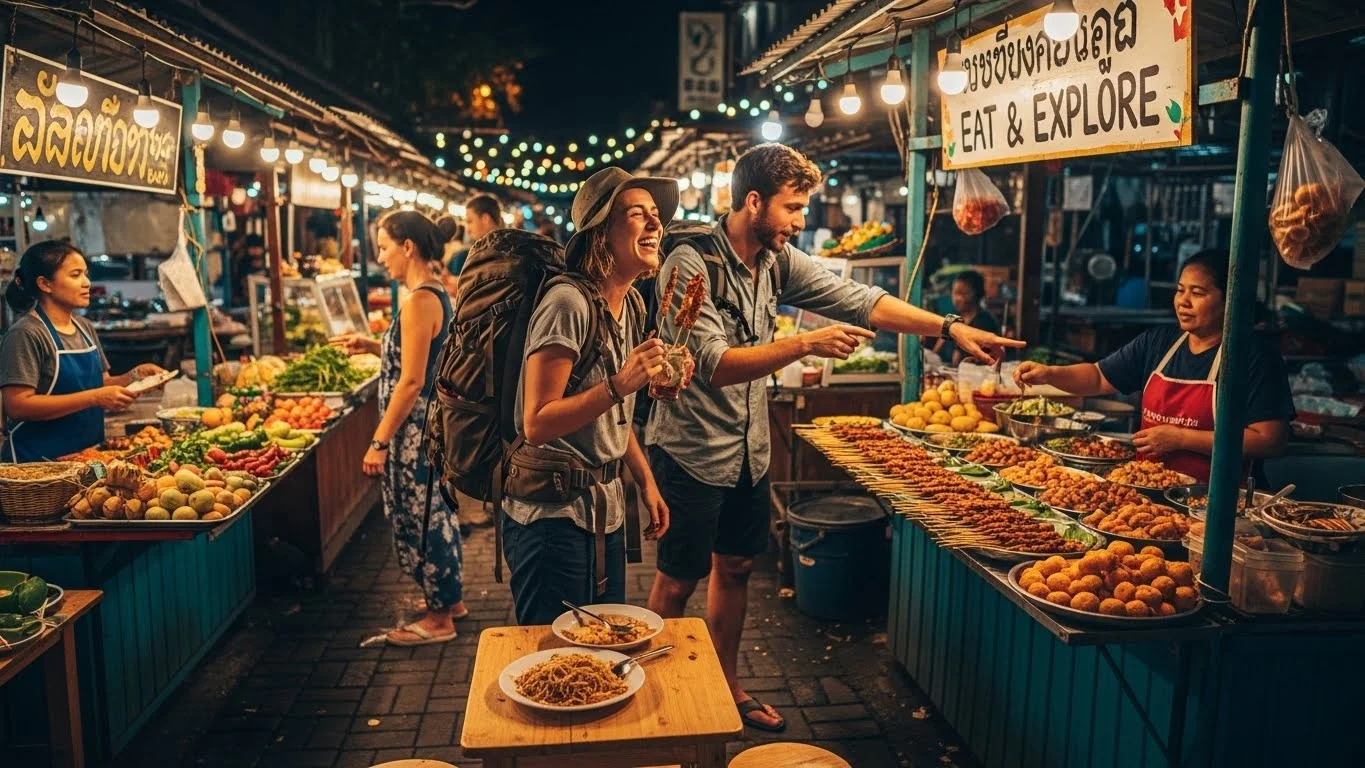
Bangkok is another city that truly embraces the street food culture. I’ve spent many nights exploring the vibrant night markets, where the atmosphere is lively and inviting. The street food scene is bursting with flavors, from spicy som tam (papaya salad) to savory pad see ew. I loved how I could grab a plate for just a few dollars and enjoy it at a nearby park while soaking in the local vibe.

One of my favorite spots was the Chatuchak Weekend Market, a bustling hub filled with food stalls offering everything from grilled meats to sweet treats. I remember trying mango sticky rice for the first time, and it was heavenly. The prices are incredibly cheap, and I found that even with a small budget, I could indulge in a variety of dishes. It’s a great way to eat like a local while getting a taste of Bangkok’s diverse food scene.

Lisbon: Affordable Seafood and Pastéis de Nata

Lisbon surprised me with its affordable yet delicious culinary offerings. I’ve always had a soft spot for seafood, and the fresh catches along the coast are hard to resist. I discovered that many local tascas (small eateries) serve hearty portions of grilled fish at reasonable prices. On my trip, I enjoyed a plate of bacalhau à brás, a traditional cod dish, that was both satisfying and budget-friendly.

And let’s not forget about pastéis de nata, the famous Portuguese custard tarts! These delightful pastries are available at bakeries throughout the city. I remember stopping by a small bakery, drawn in by the aroma of baking pastries. I devoured one while sitting at a café, feeling like I had discovered a piece of heaven in every bite. It was amazing to realize that such a delicious treat could be found for just a couple of euros.

New Orleans: Gumbo and Po’ Boys on a Budget

New Orleans is a city that knows how to celebrate food. The vibrant culture and culinary history make it a must-visit for any food lover. I had the chance to sample gumbo, a rich and flavorful stew that’s a staple here. I found a small restaurant that offered a lunch special, allowing me to enjoy a generous bowl of gumbo without breaking the bank.

Another local favorite is the po’ boy sandwich. I recall wandering into a casual eatery and ordering a shrimp po’ boy. The crispy shrimp piled high in a crusty baguette was a taste of Louisiana I won’t soon forget. The best part? It was affordable and filling. I learned that street vendors and small diners often offer the best deals, and it’s where you can find the most authentic flavors that reflect the spirit of the city.

These destinations show that you don’t need to spend a fortune to indulge in local cuisine. Each place has its unique offerings that are both delicious and budget-friendly, allowing us to experience the heart of the culture through its food. Read Interesting article: Eat Well on a Dime: Budget-Friendly Food Tips for Travelers

Exploring Local Culinary Experiences

Food Tours: Worth the Investment?

When I first started traveling, I was hesitant about joining food tours. I thought they might be too touristy or expensive. However, I’ve come to appreciate the unique insights they offer. On a trip to Florence, I decided to join a small group food tour that took us through the narrow streets of the city. The guide was a local chef who shared stories about the history of each dish we tried, and I found myself immersed in the culinary heritage of Tuscany.

What I loved most was the opportunity to sample foods I might have overlooked on my own. From handmade pasta to aged balsamic vinegar, each stop was a delight. I discovered hidden gems that I wouldn’t have found otherwise, like a tiny bakery famous for its schiacciata. The small group made it easy to connect with fellow food lovers, and we all bonded over our shared experiences. I think investing in a food tour can be well worth it, especially when it opens the door to local knowledge and culinary history.

Cooking Classes: Learning to Make Local Dishes

Cooking classes have become one of my favorite ways to engage with local cuisine. Not only do I get to learn about the ingredients and techniques, but I also take home a piece of the culture. I remember taking a cooking class in Thailand where we visited a local market to shop for fresh produce and spices. The instructor shared tips on selecting the best ingredients and explained the significance of each item in Thai cooking.

Back in the kitchen, we prepared classic dishes like green curry and pad thai. It was incredible to see how simple ingredients transformed into something so flavorful. The best part was enjoying the meal together at the end, sharing stories and laughter. I often recreate those recipes at home, and each time I do, it brings back fond memories of my time in Thailand. For anyone looking to deepen their understanding of a local cuisine, I highly recommend taking a cooking class.

Visiting Local Markets: A Cultural Experience

Local markets are, in my opinion, the heartbeat of a city’s food culture. I always make it a point to visit them when I travel. Beyond the fresh produce and spices, these markets tell a story about the community. I recall wandering through the Mercado de Vallehermoso in Madrid, where the vibrant colors of fruits and vegetables caught my eye. The energy of vendors calling out their specialties created an atmosphere that felt alive.

What I particularly enjoy is sampling street food at these markets. One time, I tried a plate of patatas bravas topped with spicy aioli that was simply unforgettable. Each stall I visited felt like an invitation to experience the local flavor. Plus, chatting with vendors often leads to tips on where to eat or what to try next. I’ve found that local markets are not just about food; they’re about connection, culture, and community. They offer a glimpse into daily life that you might miss in traditional tourist spots.

Must-Try Dishes in Each Destination

Signature Dishes in Mexico City

In Mexico City, there are countless signature dishes that you simply must try. Tacos al pastor, of course, are iconic, but I also recommend trying pozole, a rich hominy soup often garnished with radishes, cabbage, and lime. During my visit, I found a small eatery that served a vibrant green pozole, unlike anything I had tasted before. It was a comforting bowl of flavor that truly captured the essence of Mexican cuisine.

Iconic Street Foods in Bangkok

Bangkok’s street food scene is renowned for its diversity. I couldn’t get enough of the grilled satay skewers, which were marinated and cooked to perfection. Another must-have dish is khao pad, or Thai fried rice, which can be customized with various proteins and vegetables. One evening, while strolling through the streets, I stumbled upon a vendor making fresh spring rolls filled with herbs and shrimp that were bursting with flavor. It’s these little finds that make street food in Bangkok so special.

Traditional Plates in Lisbon

In Lisbon, one cannot visit without enjoying bacalhau, or codfish, which comes in many forms. I remember indulging in bacalhau à brás, a dish made with shredded cod, onions, and potatoes bound together with scrambled eggs. It was such a comforting meal. Also, keep an eye out for caldo verde, a traditional soup made with kale and potatoes that is perfect for a chilly evening.

Classic Creole Dishes in New Orleans

New Orleans is a treasure trove of Creole and Cajun cuisine. I recommend trying jambalaya, a flavorful rice dish with a mix of meats and seafood, and étouffée, a rich stew usually made with crawfish or shrimp. During my stay, I discovered a family-run restaurant that served a homemade version of both dishes that left me craving more. The layers of flavor reflect the city’s rich cultural heritage, and each meal felt like a celebration.

These dishes offer a glimpse into the culinary identity of each destination. By exploring local flavors, we not only enjoy delicious food but also connect deeply with the culture and traditions of the places we visit.

Saving Money While Enjoying Local Cuisine

Happy Hour Deals and Discounts

One of my favorite ways to save money while indulging in local cuisine is by taking advantage of happy hour deals. Many restaurants and bars offer great discounts during specific hours, usually in the late afternoon or early evening. I remember discovering a charming tapas bar in Seville where I could enjoy a plate of delicious patatas bravas and a local beer at half the price during happy hour. It felt like a win-win; I was able to experience the vibrant local dining scene while keeping my budget intact.

Looking for happy hour specials has become a part of my travel routine. I often ask locals or check online reviews to find the best spots. In cities like New Orleans, I found that many places offer discounted cocktails and small plates during happy hour, allowing me to sample a variety of dishes without overspending. It’s a fun way to mingle with locals and other travelers while enjoying a taste of the city’s culinary offerings.

Eating Like a Local: Where to Find Hidden Gems

Eating like a local often leads us to hidden culinary gems that are budget-friendly and authentic. I’ve learned that the best meals can be found off the beaten path, away from tourist traps. For instance, in Bangkok, I stumbled upon a small family-run eatery tucked away in an alley. The owner was friendly and eager to share his recipes with me, and I ended up enjoying a plate of homemade pad see ew that was one of the best I’ve ever tasted. Plus, it was incredibly cheap!

To find these local treasures, I recommend wandering into neighborhoods where residents live and eat. I usually ask locals for their recommendations or look for places that are busy with locals, which is often a good sign. I’ve found that these hidden spots not only offer great food but also provide a glimpse into everyday life in the area.

Free or Low-Cost Food Festivals

Another way to enjoy local cuisine on a budget is by attending food festivals, which are often free or low-cost. I remember visiting a food festival in Lisbon that showcased the best local dishes and wines. For a small entry fee, I could sample a variety of traditional foods and even participate in cooking demonstrations. It was a fantastic way to taste different flavors and learn more about Portuguese cuisine without breaking the bank.

These festivals are often held in parks or public squares, creating a lively atmosphere where locals and travelers alike come together to celebrate food. I’ve found that checking local event calendars or social media pages can help identify upcoming festivals during my travels. It’s like a culinary adventure waiting to happen, and I always leave with a full stomach and happy memories.

Food Safety Tips for Travelers

Understanding Food Hygiene Standards

While exploring new cuisines is exhilarating, it’s essential to stay mindful of food hygiene standards. I’ve learned to pay attention to the cleanliness of the places where I eat. In many countries, local street food stalls can be delicious and affordable, but I always take a moment to observe how they prepare food. If the area looks clean and the food is cooked fresh, I usually feel safe to indulge.

Additionally, I often look for places that are busy. A high turnover of food means that it’s likely fresh, which is a good sign. I remember enjoying street food in Vietnam, where I could see the food being cooked right in front of me. The vendor was meticulous about cleanliness, which gave me confidence in my choice.

How to Avoid Foodborne Illnesses

To avoid foodborne illnesses, I’ve picked up a few personal habits during my travels. First, I always drink bottled or filtered water, especially in places where tap water isn’t safe. This simple step has saved me from potential stomach issues. I also try to stick to cooked foods rather than raw items, especially when it comes to meat and seafood. It’s just a precaution I take to ensure my travels remain enjoyable.

Another tip is to trust your instincts. If something doesn’t look or smell right, it’s usually best to skip it. I’ve had experiences where I’ve noticed something off about a dish, and I’m grateful I chose not to try it. Staying aware of my surroundings and being cautious has helped me enjoy amazing culinary experiences without worrying about my health.

Sharing Your Budget Food Journey Experience

Documenting Your Culinary Adventures

One of the most rewarding aspects of my travel experiences has been documenting my culinary adventures. I love taking photographs of the dishes I try and the markets I explore. It’s like creating a visual diary that I can look back on and reminisce about later. I often share my food journey on social media, and I’ve found that it inspires others to seek out local cuisine when they travel.

I also enjoy keeping a travel journal where I jot down my thoughts on the meals I’ve had and the stories behind them. It allows me to reflect on how food connects us to culture and community, making each journey even more meaningful. Plus, it’s fun to look back at my notes and remember the little details that made each meal special.

Engaging with Locals and Other Travelers

Engaging with locals and fellow travelers has added so much depth to my food experiences. I often strike up conversations with people I meet at markets or restaurants. I’ve learned about hidden spots, family recipes, and local traditions this way. Sharing meals with locals has provided me with insights into their culture that I wouldn’t have discovered otherwise.

Additionally, I’ve found that connecting with other travelers who share my passion for food can lead to fantastic discoveries. I remember meeting a fellow traveler in a cooking class who had great recommendations for street food in the city. We ended up exploring together, trying various dishes and sharing our experiences. It turned a solo adventure into a fun and memorable day.

Final Thoughts

Traveling through local cuisine is a journey filled with flavors, connections, and stories. I’ve found that being mindful of my budget doesn’t mean compromising on experiences; it opens up opportunities to discover incredible dishes and meet fascinating people. By embracing local food culture, engaging with communities, and exploring culinary experiences, we not only sustain our appetites but also nourish our souls. I believe that every meal we share while traveling expands our world and enriches our understanding of different cultures. So, as you embark on your own food journey, remember to savor each moment, relish the flavors, and let the food lead you to unforgettable experiences.

Frequently Asked Questions

Why is exploring local cuisine important while traveling?

Exploring local cuisine is important because it connects us to the heart of a destination, revealing the culture, history, and traditions of a place. Each dish tells a story and can lead to cherished memories during travel.

What are some budget-friendly food destinations mentioned in the article?

Some budget-friendly food destinations mentioned are Mexico City, Bangkok, Lisbon, and New Orleans, each offering unique culinary experiences without breaking the bank.

How can travelers set a realistic food budget?

Travelers can set a realistic food budget by researching meal costs in their destination, allocating a specific amount for food daily, and balancing splurges with simpler meals. Street food markets and local diners often provide the best value.

What are some ways to find affordable food options while traveling?

Travelers can find affordable food options by traveling during off-peak seasons, checking for local food festivals with promotions, and seeking accommodations with kitchen facilities to prepare meals.

What are some signature dishes to try in Mexico City?

In Mexico City, signature dishes to try include tacos al pastor and pozole, a rich hominy soup often garnished with various toppings.

What type of food can travelers expect to find in Bangkok?

Travelers in Bangkok can expect a diverse street food scene, including dishes like spicy som tam (papaya salad), pad see ew, grilled satay skewers, and mango sticky rice.

What are pastéis de nata, and where can they be found?

Pastéis de nata are famous Portuguese custard tarts that can be found at bakeries throughout Lisbon, often enjoyed fresh and warm.

How can food tours enhance a traveler’s experience?

Food tours can enhance a traveler’s experience by providing unique insights into local cuisine, allowing them to sample foods they might overlook, and connecting them with fellow food lovers while learning about culinary heritage.

What safety tips are recommended for travelers exploring local food?

Travelers are advised to observe food hygiene standards, drink bottled or filtered water, stick to cooked foods, and trust their instincts about food quality to avoid foodborne illnesses.

How can travelers document their culinary adventures?

Travelers can document their culinary adventures by taking photographs of dishes and markets, keeping a travel journal to jot down experiences, and sharing their journey on social media to inspire others.

Savor the Journey: Best Budget Culinary Tours Worldwide

Food is more than just sustenance; it’s a gateway to culture and connection. If you’re like me and believe in savoring every moment, budget culinary tours offer a fantastic way to explore the world, one delicious bite at a time. Explore Flavor: Best Budget Culinary Tours for Travelers can provide you with incredible insights and options.

Savor the Journey: Best Budget Culinary Tours Worldwide

Understanding Culinary Tours

What is a Culinary Tour?

A culinary tour is a unique travel experience focused on exploring a destination through its food. I remember the first time I embarked on one; it wasn’t just about eating, but diving into the history and culture behind the dishes. Culinary tours can include everything from street food tasting to cooking classes, giving me a chance to interact with local chefs and learn their secrets. It’s an immersive way to enjoy a location’s culinary delights while discovering its traditions, ingredients, and cooking methods.

Benefits of Culinary Tours

There are countless benefits to embarking on a culinary tour. For one, it allows us to taste authentic dishes that we might not discover on our own. I found that many local eateries are tucked away from the typical tourist path, and culinary tours often lead us right to them. Another perk is the opportunity to meet fellow food lovers and locals, who can share stories and insights about the cuisine. Whether it’s a bustling market or a quaint family-run restaurant, these experiences create lasting memories. Plus, learning to cook a local dish is not just fun; it’s a skill we can take home and share with friends and family! Top Culinary Tours for Budget Backpackers: Eat and Explore can help you find affordable options that don’t skimp on experience.

Budget vs. Luxury Culinary Tours

When planning a culinary adventure, we often debate between budget and luxury options. Personally, I think that budget culinary tours can be just as enriching as their luxury counterparts. They often include local eateries and street food, which I find to be the heart and soul of a region’s food culture. I’ve enjoyed many affordable tours that offered incredible food at a fraction of the cost of luxury experiences. However, if you’re looking for more exclusive experiences, like private cooking lessons from renowned chefs, luxury tours might be worth considering. The key is to find a balance that aligns with your preferences and budget, ensuring you have a memorable trip without breaking the bank.

Top Budget Culinary Tours Worldwide

Asia

Street Food Tours in Bangkok, Thailand

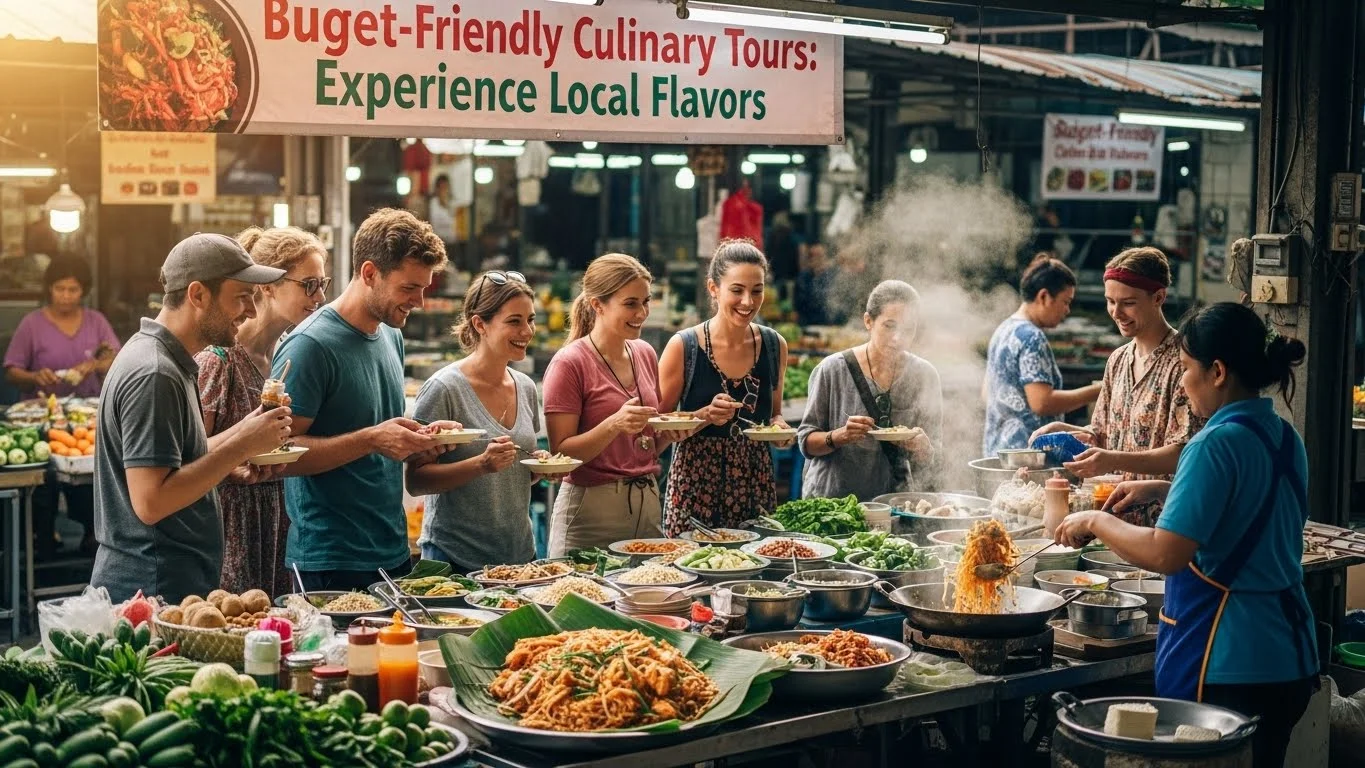
Bangkok is a food lover’s paradise, and the street food scene is a must-experience. I recall wandering the bustling streets, guided by a local who introduced me to mouthwatering dishes like Pad Thai and Mango Sticky Rice. The vibrant stalls, sizzling woks, and tantalizing aromas felt like a feast for the senses. These tours are often affordable, giving us a chance to sample a variety of dishes without spending a fortune.

Cooking Classes in Hanoi, Vietnam

Hanoi’s culinary landscape is rich, and taking a cooking class there was one of my favorite travel memories. I learned to make traditional Vietnamese dishes like Pho and spring rolls, using fresh ingredients from local markets. The classes are usually reasonably priced and provide an excellent way to connect with the culture. Plus, I left with recipes that I still use today, reminding me of my time in Vietnam.

Europe

Wine and Cheese Tours in Bordeaux, France

France is synonymous with fine cuisine, and Bordeaux is particularly famous for its wine and cheese. I remember joining a budget-friendly tour that took us through vineyards and local cheese makers. The tastings were generous, and the knowledge we gained about wine pairings was invaluable. This experience felt luxurious without the hefty price tag, allowing us to indulge in the best of French gastronomy.

Italian Cooking Classes in Bologna, Italy

If you find yourself in Italy, a cooking class in Bologna is a must. I’ve had the pleasure of learning to make fresh pasta from scratch in a local home, complete with the warm hospitality of an Italian family. These classes can be quite affordable, and they offer a genuine taste of Italian life. Plus, the satisfaction of enjoying a meal I helped create was unforgettable.

North America

Food Truck Tours in Los Angeles, USA

Los Angeles is known for its vibrant food truck scene, and I loved discovering diverse flavors on a budget food truck tour. It was exciting to try everything from gourmet tacos to fusion dishes, all while enjoying the California sunshine. These tours are perfect for foodies who want to taste a variety of cuisines without spending a lot.

Culinary Experiences in Oaxaca, Mexico

Oaxaca is famous for its rich culinary traditions and unique flavors. I found myself on a budget culinary tour that included market visits and cooking classes focused on mole and other regional dishes. The affordability of these experiences made it easy for me to dive deep into the local culture while savoring delicious food.

South America

Peruvian Cooking Tours in Lima, Peru

Lima has gained a reputation as a culinary hotspot, and I was thrilled to join a budget cooking tour there. We learned about Peruvian ingredients and prepared ceviche, one of the country’s signature dishes. The passion the locals have for their food made the experience even more special. Plus, the cost was surprisingly low for such high-quality experiences!

Chilean Wine Tours in Santiago, Chile

Exploring the vineyards near Santiago was a highlight for me. The budget wine tours provided an affordable way to taste some of the best wines in the world while learning about the country’s winemaking traditions. The scenery alone was worth the trip, and the wine was just the cherry on top.

Africa

Food and Culture Tours in Marrakech, Morocco

Marrakech is a feast for the senses, and I couldn’t resist the vibrant markets and delicious street food. I joined a food and culture tour that guided us through the spice markets, where I learned about traditional Moroccan dishes. The affordable cost made it accessible, and the flavors were unforgettable.

Street Food in Cape Town, South Africa

Cape Town’s diverse culinary scene is reflected in its street food. I remember tasting unique dishes from local vendors on a budget tour, which enhanced my understanding of South African culture. The experience was enriching, filled with flavors that I still crave.

Oceania

Farm-to-Table Tours in Melbourne, Australia

In Melbourne, I explored the farm-to-table movement through budget-friendly tours that introduced me to local producers. The meals we enjoyed were made from fresh, seasonal ingredients, and I found the whole experience to be both delicious and educational. It was a fantastic way to appreciate the connection between food and its source.

Seafood Tours in Auckland, New Zealand

New Zealand is known for its fresh seafood, and I had a great time on a budget seafood tour in Auckland. We visited markets and enjoyed tastings that showcased the country’s rich marine resources. The highlights included learning about sustainable fishing practices, making the experience both tasty and meaningful.

When to Book Your Culinary Tour

Seasonal Considerations

Timing can make a significant difference in your culinary tour experience. Personally, I’ve found that certain seasons bring out the best flavors and local ingredients. For example, summer often means fresh produce and vibrant street markets, while fall might offer harvest festivals where you can enjoy seasonal specialties. I remember visiting Tuscany in the fall and being able to partake in the olive oil harvest, which was not only delicious but also an incredible cultural experience. Winter can be quieter, but it’s also when you might find unique holiday foods and cozy cooking classes that focus on hearty dishes. I’ve learned that researching the seasonal offerings in your destination can greatly enhance your culinary adventure.

Festivals and Food Events

Attending food festivals can elevate your culinary tour to another level. I’ve stumbled upon some amazing local events that have turned into unforgettable experiences. For instance, while exploring the streets of Bangkok, I discovered a street food festival that featured local chefs showcasing their best dishes. It was a bustling celebration of flavors, and I felt like a part of the community. Many cities host food events during specific times of the year, celebrating everything from street food to gourmet cuisine. If your travel schedule allows, plan your culinary tour around these festivals. Not only will you enjoy incredible food, but you’ll also soak in the local culture and community spirit.

Best Times for Budget Travelers

As someone who has navigated both budget and luxury options, I can tell you that traveling during the shoulder seasons—early spring or late fall—can offer great deals. I’ve found that many culinary tours are priced lower during these times when the crowds have thinned out. Plus, local restaurants are often more willing to accommodate smaller groups, which can lead to more intimate experiences. It’s also a chance to connect with locals who aren’t as rushed and are more eager to share their culinary stories. Always keep an eye out for deals or packages that cater to budget travelers; you never know what hidden gems you might find! Budget-Friendly Culinary Tours: Experience Local Flavors is a great resource for discovering affordable options.

How to Choose the Right Culinary Tour

Determine Your Culinary Interests

Before diving into booking a culinary tour, I recommend spending some time reflecting on what excites your taste buds. Do you love street food, or are you more inclined towards fine dining? I remember my excitement when I found a tour focusing on local cheeses and wines in France, which perfectly matched my love for both. Identifying your culinary interests can help narrow down your options and ensure that the tour you choose aligns with your passions. It’s all about experiencing what you love in a new context!

Research Tour Operators

Once you have a sense of what you’re looking for, it’s essential to research tour operators. I typically read reviews and compare different companies. Some focus on authentic local experiences, while others might cater to a more touristy crowd. I once joined a tour that was highly recommended, but the experience felt a bit rushed and less personal. It taught me the importance of finding operators that prioritize meaningful connections with local communities and authentic culinary experiences. Don’t hesitate to reach out to operators with questions; their responses can give you insight into their customer service and dedication to quality.

Read Reviews and Testimonials

Reviews can be a game-changer when deciding on a culinary tour. I often turn to platforms like TripAdvisor or food blogs to see what others have to say. Personal stories about the experiences can reveal a lot about what you can expect. It’s not just about food; the interactions with guides and locals can make or break the experience. I remember reading a review about a cooking class where participants got to shop at a local market first. That unique aspect made the tour stand out and ultimately led me to book it. So, dig deep into those testimonials to find the right fit for you!

Consider Group Size and Tour Length

The size of the group and the length of the tour can greatly impact your experience. I’ve enjoyed smaller, intimate tours where I could ask questions and interact with the chef more freely, while larger tours sometimes felt more like a race from one place to another. Think about what type of experience you want. If you prefer more personal attention, seek out smaller groups. Additionally, consider how long you want to spend on the tour. I’ve found that half-day tours work well for quick tastes, while full-day tours allow for deeper exploration and more comprehensive cooking experiences.

What to Expect on a Budget Culinary Tour

Typical Itinerary and Activities

When I first embarked on a budget culinary tour, I wasn’t sure what to expect in terms of itinerary. Typically, these tours blend food tastings with cultural experiences. I’ve experienced everything from market visits to cooking classes, all while learning about the local history and traditions. Most itineraries include stops at various eateries, giving you a chance to sample a range of dishes. I particularly enjoy when tours incorporate hands-on cooking, as it allows me to connect more intimately with the cuisine. Each tour might vary, so it’s always good to review the itinerary before booking.

Food Tasting Experiences

Food tastings are the heart of culinary tours, and I’ve been lucky enough to savor some incredible flavors along the way. Whether it’s street food in Bangkok or gourmet bites in Paris, every tasting tells a story. I recall one tour in Mexico where we sampled various types of mole; each bite was a revelation, showcasing the rich history of the region. Expect to be guided through different tastings, often accompanied by explanations that deepen your appreciation for the food. It’s a delicious journey, and I always come away with new favorites!

Interaction with Local Chefs and Artisans

One of the most rewarding aspects of culinary tours is the chance to meet local chefs and artisans. I remember chatting with a chef in Italy who shared his passion for traditional pasta-making. These interactions provide insight into the culinary culture and often leave a lasting impact. The stories behind the dishes add a layer of richness to the experience. I believe that connecting with locals is what makes these tours truly special; it transforms an ordinary meal into a profound experience that resonates long after the journey ends.

Tips for Saving Money on Culinary Tours

Booking in Advance vs. Last Minute

When it comes to booking culinary tours, I’ve discovered that timing can play a huge role in costs. If you’re someone who prefers to plan ahead, booking in advance can often save you money. I’ve scored some great deals by reserving my spot months ahead of time, especially during peak travel seasons. Many tour operators offer early bird discounts, which can be quite significant. On the flip side, I’ve also had some luck finding last-minute deals. If you’re flexible and ready to jump on an opportunity, you might stumble upon some amazing offers that come up just before the departure date. It’s a bit of a gamble, but I’ve enjoyed some spontaneous adventures this way!

Using Coupons and Discounts

Coupons and discounts can be a game-changer when it comes to budget culinary tours. I remember finding a fantastic coupon on a travel deal website that slashed the price of a food tour I had my eye on. It felt like hitting the jackpot! Many tour operators have special promotions, especially during certain times of the year or for first-time customers. Additionally, signing up for newsletters from culinary tour companies can keep you in the loop about exclusive deals. I’ve even seen discounts on social media, so it’s worth keeping an eye out there too. Every little bit helps, especially when you’re trying to stretch your travel budget.

Finding Off-Peak Tours

Traveling during off-peak times is another savvy way to save money on culinary tours. I’ve learned that many destinations have seasons when tourist activity dips, and prices drop along with it. For example, visiting a popular culinary destination right after the summer rush can lead to more affordable prices and smaller crowds. Not only have I enjoyed a more relaxed experience, but I’ve also found that local restaurants are more eager to showcase their dishes without the overwhelming tourist pressure. It’s a win-win situation, as you get to explore the food scene more intimately while keeping your wallet happy.

Local Cuisine Highlights to Try

Signature Dishes by Region

Every region I’ve traveled to has its own culinary gems that are worth seeking out. For instance, during my time in Thailand, I fell in love with the rich flavors of som tam, or green papaya salad, which offers a delightful mix of sweet, sour, salty, and spicy. Each bite was a burst of flavor! In Italy, I learned to appreciate the simplicity of cacio e pepe, a dish made with just pasta, cheese, and pepper. It’s incredible how such basic ingredients can create something so delicious. Exploring signature dishes is truly a highlight of any culinary tour, and it connects us to the heart of a region’s culture.

Street Food vs. Fine Dining Experiences

In my culinary adventures, I’ve often found myself torn between the allure of street food and the elegance of fine dining. Both offer unique experiences that are worth savoring. Street food has a special charm; it’s raw, authentic, and often reflects the local lifestyle. I recall my first bite of banh mi in Vietnam, bursting with flavor from fresh herbs and meats—it was a moment I won’t forget. On the other hand, fine dining experiences allow us to indulge in beautifully crafted dishes that often tell a story of their own. I remember dining at a Michelin-starred restaurant in Spain, where each course was like a work of art. While I tend to lean towards street food for its authenticity, I believe both have their place in any culinary journey.

Food Pairings and Beverage Recommendations

Pairing food with the right beverages can elevate any culinary experience. During my travels, I’ve learned that local drinks often complement regional dishes perfectly. For instance, while enjoying a spicy curry in India, I was advised to try it with a cool mango lassi, which balanced the heat beautifully. Similarly, in France, a nice glass of Bordeaux wine can enhance the flavors of a rich cheese platter. I’ve found that asking locals for their recommendations can lead to delightful surprises. It’s a great way to explore not just the food but also the culture surrounding it. Plus, sharing a meal with a local drink can create a more immersive experience that connects us to the heart of a region.

Frequently Asked Questions

What is a culinary tour?

A culinary tour is a unique travel experience focused on exploring a destination through its food. It includes activities like street food tasting and cooking classes, allowing participants to dive into the history and culture behind the dishes.

What are the benefits of embarking on a culinary tour?

Culinary tours allow participants to taste authentic dishes, meet fellow food lovers and locals, and learn cooking skills that they can take home. These experiences create lasting memories and often lead to discovering hidden local eateries.

How do budget culinary tours differ from luxury tours?

Budget culinary tours often focus on local eateries and street food, providing enriching experiences at a lower cost. Luxury tours may offer exclusive experiences like private cooking lessons from renowned chefs but can be more expensive. The key is to find a balance that fits your preferences and budget.

What are some recommended budget culinary tours worldwide?

Some recommended budget culinary tours include street food tours in Bangkok, cooking classes in Hanoi, wine and cheese tours in Bordeaux, food truck tours in Los Angeles, and farm-to-table tours in Melbourne, among others.

When is the best time to book a culinary tour?

Booking during shoulder seasons, such as early spring or late fall, can offer great deals on culinary tours. Additionally, planning around food festivals and events can enhance the experience by providing unique opportunities to taste local cuisine.

How can I choose the right culinary tour for my interests?

Consider your culinary interests, research tour operators, read reviews and testimonials, and think about group size and tour length. This will help ensure that the tour aligns with your passions and provides a meaningful experience.

What can I expect on a budget culinary tour?

Typical itineraries for budget culinary tours include a mix of food tastings and cultural experiences. Participants can expect market visits, cooking classes, and stops at various eateries, often incorporating hands-on cooking to deepen their connection with the cuisine.

What are some tips for saving money on culinary tours?

To save money on culinary tours, consider booking in advance for discounts, using coupons and promotions, and traveling during off-peak times when prices are lower and crowds are thinner.

What signature dishes should I try on a culinary tour?

Signature dishes vary by region; for example, try som tam in Thailand, cacio e pepe in Italy, and mole in Mexico. Each dish connects you to the local culture and culinary traditions.

How important are food and beverage pairings during culinary tours?

Food and beverage pairings can significantly enhance the culinary experience. Local drinks often complement regional dishes, creating an immersive experience that connects travelers to the culture surrounding the food.

Top Culinary Tours for Budget Backpackers: Eat and Explore

For budget backpackers, culinary tours offer a delicious way to explore local cultures while enjoying tasty bites. Let’s dive into the world of food-filled adventures that won’t break the bank! Read Interesting article: Budget-Friendly Culinary Tours: Experience Local Flavors

Top Culinary Tours for Budget Backpackers: Eat and Explore

Understanding Culinary Tours

Definition of Culinary Tours

Culinary tours are organized experiences that allow travelers to explore the food culture of a destination. These tours often include tastings, cooking classes, and visits to markets and eateries. I remember my first culinary tour; it was like uncovering a hidden layer of the city I was visiting. Instead of simply seeing the sights, I got to taste the flavors and understand the community through its food.

Benefits of Culinary Tours for Backpackers

For those of us traveling on a budget, culinary tours offer unique benefits. First, they allow us to experience the local cuisine without spending a fortune. Often, tours include multiple tastings or meals for one price, which can be more economical than dining out at restaurants. Plus, joining a group tour can reduce costs further as they often receive discounts. I’ve found that these tours help break the ice when meeting new people. Sharing food creates a bond. I recall a cooking class I took in Thailand, where I met fellow travelers, and we ended up exploring the city together after the class. Culinary tours also give us access to local knowledge and hidden gems, places we might never find on our own. Local guides share stories and context about the dishes, enriching our experience and making it more memorable. Read Interesting article: Unforgettable Culinary Tours: Taste the World on a Budget

Top Destinations for Budget Culinary Tours

Southeast Asia

Vietnam: Street Food Tours in Ho Chi Minh City

Ho Chi Minh City is a paradise for food lovers. I can still taste the fresh banh mi from a street vendor I stumbled upon during my visit. Street food tours are incredibly affordable and often led by passionate locals. You hop from stall to stall, sampling dishes like pho and spring rolls while learning about their history. Not only do you eat your fill, but you also get a real sense of the city’s vibrant culture.

Thailand: Cooking Classes in Chiang Mai

Chiang Mai is famous for its cooking classes where you can learn to make traditional Thai dishes. I decided to join one and was pleasantly surprised by how affordable it was, especially considering the amount of food we prepared and enjoyed. The market visit beforehand, where we picked fresh ingredients, was an experience in itself! The instructors were friendly, and by the end of the class, I felt confident enough to recreate the dishes back home.

South America

Peru: Food Markets in Lima

Lima has become a culinary hotspot, and exploring its food markets is a must. I visited the Surquillo Market, where the colors and aromas were overwhelming in the best way possible. A guided market tour can cost around $25, and it’s fascinating to witness local ingredients and taste fresh ceviche. The experience opened my eyes to the importance of food in Peruvian culture.

Argentina: Wine and Dine Experiences in Mendoza

If you’re a wine lover, Mendoza is the place to be. I found several budget-friendly tours that included wine tastings and meals at local bodegas. The views of the vineyards against the Andes were unforgettable. It’s possible to enjoy a whole day of delicious food and great wine for a reasonable price, especially if you join a group. Plus, you get to meet fellow backpackers who share your interests.

Europe

Italy: Culinary Walks in Florence

Florence is a dream for anyone who enjoys food. I took a culinary walk that combined sightseeing with tastings of local specialties like gelato and prosciutto. The price of the tour ended up being a great deal when I realized I was getting a full lunch and a guided tour of the city’s hidden spots. It felt like having a local friend show me around, which made the experience even more special.

Spain: Tapas Tours in Barcelona

Tapas are a way of life in Spain, and Barcelona offers some fantastic tapas tours. I remember hopping from bar to bar, sampling everything from patatas bravas to chorizo. These tours usually last a few hours, and the cost is low compared to eating out at a sit-down restaurant. Plus, it’s a fun way to engage with locals and fellow travelers while discovering the city’s nightlife.

Africa

Morocco: Food Tours in Marrakech

Marrakech is a feast for the senses, and food tours there are quite affordable. I joined a food tour that took us through the bustling markets and introduced us to dishes like tagine and pastilla. The vibrant atmosphere and the chance to taste authentic Moroccan spices were unforgettable. I loved learning about the different ingredients while chatting with the people behind the stalls.

South Africa: Wine Tasting in Cape Town

Cape Town is not only stunning but also offers fantastic wine tasting experiences. A day trip to the vineyards can be done on a budget, especially if you opt for group tours. I found that some tours included meals, making it a great deal. The scenery is breathtaking, and sipping local wines while surrounded by mountains is something I’ll cherish forever.

Types of Culinary Experiences

Street Food Tours

Street food tours are one of my absolute favorite ways to dive into a culture. There’s something magical about wandering through bustling markets and vibrant streets, tasting snacks from local vendors. I remember a street food tour in Bangkok where we started with crispy spring rolls, followed by sweet mango sticky rice. Each bite was a burst of flavor, and the stories the guides shared about the food made it even more immersive. These tours often allow us to sample a wide variety of dishes for a fraction of what we would pay at a restaurant, making it perfect for budget travelers.

Cooking Classes

Cooking classes take the culinary experience to another level. I’ve participated in several cooking classes across different countries, and each one has been unique. I once joined a class in a tiny village in Italy, where a local grandmother taught us how to make fresh pasta from scratch. The joy of creating something delicious with my own hands was incredibly rewarding. Plus, cooking classes often provide a sense of community – it’s a great way to bond with fellow travelers. Whether it’s making sushi in Japan or baking pastries in France, these classes offer practical skills that let us bring a piece of our travels back home. Read Interesting article: Affordable Culinary Tours: Master Cooking Abroad on a Budget

Market Tours

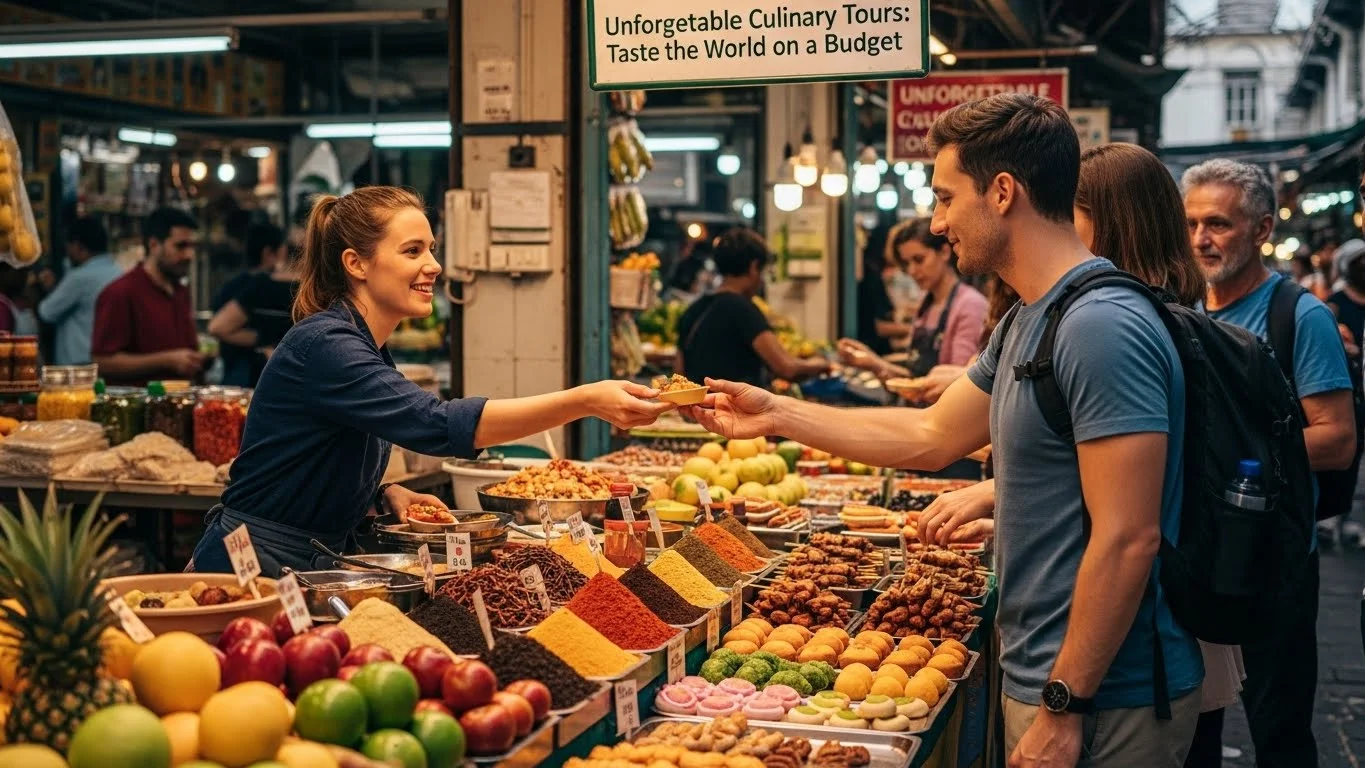
Market tours are a fantastic way to understand the local food culture. During my visit to the Mercado de San Miguel in Madrid, I joined a market tour that introduced me to various local ingredients. Sampling olives, cheeses, and cured meats while learning about their origins was a highlight of my trip. Market tours often include tastings and the chance to interact with vendors, creating a deeper connection to the food. Plus, they’re usually quite affordable, and the knowledge I gained about local cuisine has enriched my cooking at home.

Wine and Cheese Tastings

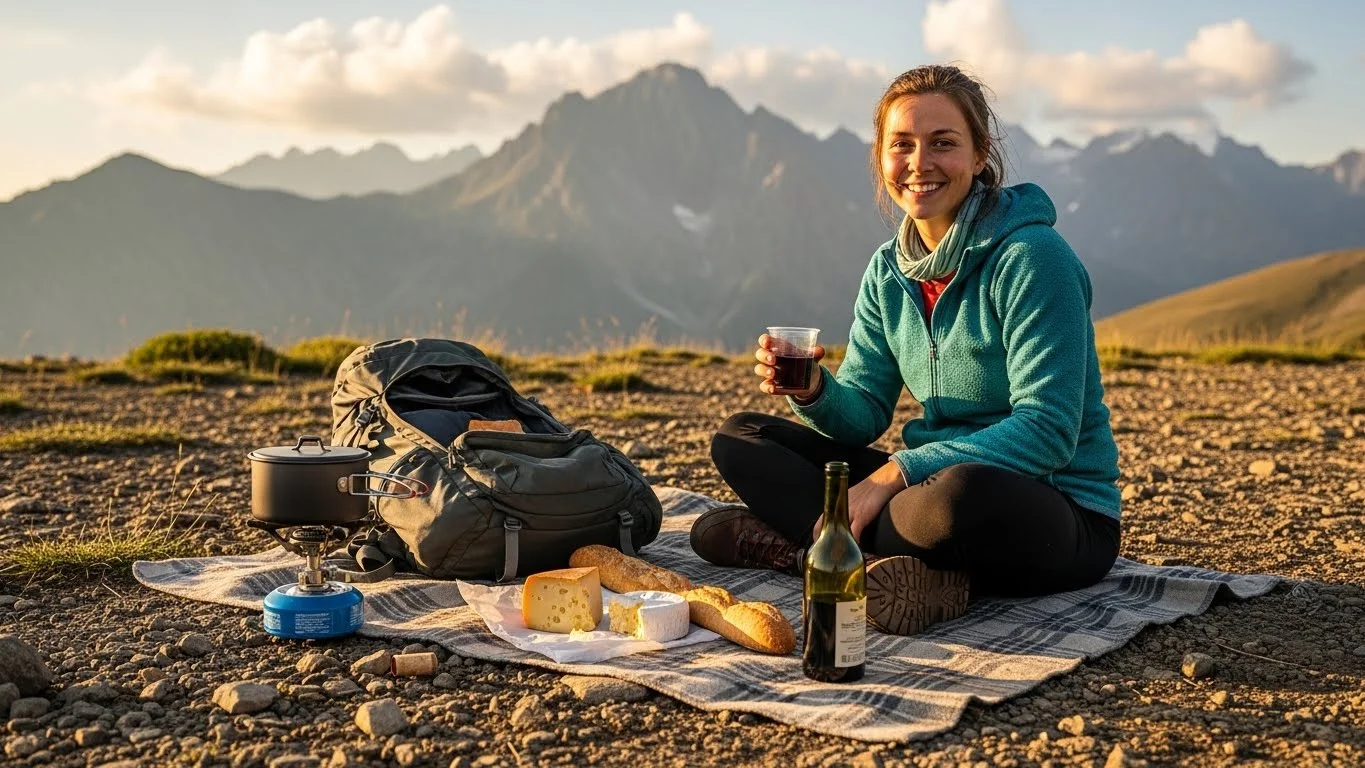
For those who appreciate finer flavors, wine and cheese tastings are a delightful experience. During my time in Bordeaux, I signed up for a wine tasting tour that took us through beautiful vineyards. The guide explained the wine-making process, and we sampled various wines paired with local cheeses. It felt like a luxury experience without the hefty price tag. I’ve found that many of these tastings also offer small bites, making it a great way to enjoy a meal while learning about the region’s culinary traditions. The atmosphere, especially in a picturesque vineyard setting, is something I’ll always cherish.

How to Choose the Right Culinary Tour

Budget Considerations

When selecting a culinary tour, budget is always a key factor. I usually start by determining how much I’m willing to spend. It’s essential to research different options because prices can vary significantly. For instance, I once found a gem of a tour in Mexico City that cost only $30 and included multiple tastings and a guide. On the other hand, I’ve seen similar tours at double the price. I recommend checking what’s included in the price, as some tours cover meals and drinks, while others may only offer tastings.

Duration and Time of the Tour

The duration of the tour can also impact your experience. Some tours last a couple of hours, while others can take an entire day. I remember joining a half-day tour in Lisbon that was perfectly timed; it allowed me to explore the city in the morning and then enjoy a culinary adventure in the afternoon. Think about your travel itinerary and what fits best. If you have limited time, shorter tours might be more suitable, but if you want a deep dive, consider full-day experiences.

Group Size vs. Private Tours

I’ve tried both group and private tours, and each has its perks. Group tours can be more budget-friendly, and they’re a great way to meet other travelers. I once took a group cooking class in Greece, and it was such a lively experience, filled with laughter and camaraderie. On the flip side, private tours allow for a more personalized experience. If you have specific dietary needs or want to focus on certain dishes, a private tour could be worth the extra cost. Think about your preferences and what will make your culinary adventure most enjoyable.

Authenticity and Local Guides

Authenticity is something I always look for when choosing a culinary tour. I’ve been on tours led by enthusiastic locals who shared their family recipes and personal stories, making the experience feel genuine. I remember a guide in Rome who took us to her favorite neighborhood spots, and those local insights made all the difference. Research the guides’ backgrounds and read reviews to ensure you’re choosing a tour that prioritizes authentic experiences. After all, it’s not just about the food; it’s about connecting with the culture.

Tips for Budget Backpackers

Finding Affordable Culinary Tours

When I set out on my travels, finding affordable culinary tours became a top priority. I’ve learned that research is key. Websites dedicated to travel experiences often list various options, and I usually start by browsing those. I remember discovering an incredible cooking class in Bali that was half the price of similar offerings just by doing a bit of digging online. Local tourism offices can be invaluable resources too; they often have pamphlets or can recommend budget-friendly options that aren’t widely advertised. Additionally, connecting with other backpackers in hostels can lead to unmissable finds. We’ve swapped stories over breakfast and discovered hidden gems that didn’t break the bank.

Using Apps and Websites for Deals

In our digital age, there are plenty of apps and websites specifically designed to help budget travelers find deals. I’ve had great luck with platforms like Airbnb Experiences and Viator, where you can often find culinary tours at discounted rates. I once used a last-minute deal app and scored a fantastic street food tour in Bangkok for less than half the usual price. Signing up for newsletters from these sites can also be beneficial, as they frequently offer exclusive discounts. Keeping an eye out for flash sales can save you quite a bit on your culinary adventures!

Timing Your Visit for Discounts

Timing can make a huge difference when it comes to the cost of culinary tours. I’ve noticed that off-peak seasons often yield lower prices. I remember visiting Italy in late fall, and not only were the crowds thinner, but I also found cooking classes that were significantly cheaper than during the summer rush. Weekdays can also be less expensive than weekends since many locals are busy with work, making it easier to snag a good deal. If you have flexibility in your travel plans, consider scheduling tours when demand is lower.

Local Recommendations and Word of Mouth

Some of the best culinary experiences I’ve had came from local recommendations. I always make it a point to chat with locals, whether it’s my taxi driver or a shopkeeper. They often know about lesser-known culinary tours that are both authentic and budget-friendly. I once asked a barista in Lisbon for food tour suggestions, and she directed me to a small company that offered a fantastic tasting tour of her favorite local eateries. Engaging with locals not only enhances your culinary journey but also builds connections that make your travels richer. Plus, there’s something special about eating where the locals eat!

What to Pack for Culinary Tours

Essentials for Food Tours

When preparing for culinary tours, I always pack a few essentials to enhance my experience. A reusable water bottle is a must; staying hydrated while munching on delicious treats is key. I also bring a small notebook or my phone to jot down new recipes or interesting facts I learn from my guides. Having a lightweight bag for any snacks or souvenirs is helpful too. I once regretted not having a bag when I found some unique spices in a market that I wanted to bring home! Finally, a good camera or smartphone is essential for capturing those mouth-watering dishes and memorable moments.

Comfortable Footwear

Comfort is crucial when embarking on food tours, especially since many involve walking or standing for extended periods. I’ve made the mistake of wearing uncomfortable shoes before, and it made the experience less enjoyable. I typically opt for comfortable walking shoes that provide good support. During a long tapas tour in Barcelona, I was grateful for my trusty sneakers, which allowed me to fully enjoy hopping from bar to bar without any foot pain. Trust me, you don’t want sore feet to interfere with your culinary adventure!

Travel-Friendly Cooking Gear

If you’re planning on taking cooking classes during your travels, consider bringing some travel-friendly cooking gear. I’ve found that a compact set of measuring spoons or a small knife can come in handy, especially if you’re planning to recreate dishes at home. Some cooking schools provide all the utensils, but having my own little kit made me feel more at ease. Just be sure to check the airline regulations if you’re flying, as some items may not be allowed in carry-on luggage.

Safety and Health Considerations

Food Safety Tips

While culinary tours are a delightful way to experience local cuisine, it’s essential to keep food safety in mind. I always pay attention to the cleanliness of the places I eat, especially street food vendors. I recall a memorable street food tour in Vietnam, where our guide took us to stalls that were clean and popular among locals – a good sign! I’ve learned that if a place is busy with locals, it’s likely safe and delicious. Trust your instincts: if something looks off, it’s okay to skip it. And of course, staying hydrated is important, but make sure to drink bottled or filtered water if the tap water isn’t safe.

Travel Insurance for Food Tours

One thing I never overlook is travel insurance, especially when it comes to food tours. Although I’ve never had a serious issue, it’s a comforting thought to know that I’m covered just in case. Accidents happen, and a food-related illness can put a damper on your travels. I recommend finding a travel insurance policy that covers food-related incidents. It’s worth the peace of mind, allowing you to fully enjoy every bite without worry.

Dealing with Food Allergies and Restrictions

If you have food allergies or dietary restrictions, it’s crucial to communicate them clearly before joining a culinary tour. I’ve been on tours where I had to ensure my dietary needs were understood, and it made a world of difference. I usually carry a card with my allergies written in the local language, which I find helps avoid misunderstandings. Many culinary tours are quite accommodating, but it’s always best to address these concerns upfront to ensure a safe and enjoyable experience.

Frequently Asked Questions

What are culinary tours?

Culinary tours are organized experiences that allow travelers to explore the food culture of a destination. These tours often include tastings, cooking classes, and visits to markets and eateries, providing a way to understand the community through its food.

What are the benefits of culinary tours for budget backpackers?

Culinary tours offer unique benefits for budget travelers by allowing them to experience local cuisine at a lower cost, often including multiple tastings or meals for one price. They also provide opportunities to meet new people, access local knowledge, and discover hidden gems.

What are some top destinations for budget culinary tours?

Some top destinations for budget culinary tours include Ho Chi Minh City for street food tours, Chiang Mai for cooking classes, Lima for food markets, Mendoza for wine and dine experiences, Florence for culinary walks, and Barcelona for tapas tours.

What types of culinary experiences can travelers expect?

Travelers can expect various types of culinary experiences including street food tours, cooking classes, market tours, and wine and cheese tastings. Each offers a unique way to engage with the local food culture.

How should travelers choose the right culinary tour?

When selecting a culinary tour, travelers should consider their budget, the duration of the tour, group size versus private tours, and the authenticity of the experience provided by local guides.

What tips can help budget backpackers find affordable culinary tours?

Budget backpackers can find affordable culinary tours by conducting thorough research online, utilizing apps and websites for deals, timing their visit for discounts, and seeking local recommendations through conversations with locals.

What essentials should travelers pack for culinary tours?

Travelers should pack essentials such as a reusable water bottle, a notebook or smartphone for notes, a lightweight bag for snacks or souvenirs, and a good camera to capture memorable moments.

What safety and health considerations should travelers keep in mind during culinary tours?

Travelers should prioritize food safety by observing the cleanliness of food vendors, drinking safe water, and ensuring they have appropriate travel insurance to cover potential food-related incidents.

How should travelers communicate food allergies or dietary restrictions on culinary tours?

Travelers should communicate their food allergies or dietary restrictions clearly before joining a culinary tour, and carrying a card with their allergies written in the local language can help avoid misunderstandings.

What is the experience like on a street food tour?

A street food tour allows travelers to wander through bustling markets and vibrant streets, sampling a wide variety of dishes from local vendors while learning about the food and culture from knowledgeable guides.

Budget-Friendly Culinary Tours: Experience Local Flavors

Exploring local flavors through culinary tours can be an exciting and budget-friendly adventure. These experiences allow us to dive into diverse cultures while enjoying delicious food without breaking the bank. For more insights, check out Unforgettable Culinary Tours: Taste the World on a Budget.

Budget-Friendly Culinary Tours: Experience Local Flavors

Understanding Culinary Tours

What is a Culinary Tour?

A culinary tour is a journey focused on experiencing a destination’s food culture. It’s not just about eating; it’s about engaging with local traditions, learning cooking techniques, and even meeting the people behind the meals. I remember my first culinary tour; I was amazed at how much I learned about a region just through its food. Each dish seemed to tell a story, and I found myself immersed in flavors that were new and exciting. These tours can vary widely, from guided street food walks to hands-on cooking classes in local homes, making them accessible to everyone regardless of budget.

Benefits of Culinary Tours

Culinary tours offer numerous benefits that extend beyond mere enjoyment of food. For one, they provide an intimate connection to the local culture. While dining in a restaurant can be delightful, nothing compares to tasting food made by local hands or from street vendors who have honed their craft for years. I’ve found that these experiences often lead to unexpected conversations and friendships. Plus, culinary tours can often be more affordable than traditional tourist activities. Instead of spending on entrance fees or expensive tour guides, you get to explore local markets and taste authentic cuisine at reasonable prices. You can learn more about this in Affordable Culinary Tours: Master Cooking Abroad on a Budget.

Types of Culinary Tours

There are several types of culinary tours to choose from, each catering to different tastes and preferences. I’ve tried many of these, and they all offer unique experiences:

  • Street Food Tours: One of my favorites! These tours take you through bustling local streets, allowing you to sample various dishes from different vendors. It’s a great way to experience the heart of a city’s food scene.
  • Farm-to-Table Tours: These tours connect you with local farmers and producers. You get to see how ingredients are grown and harvested, and sometimes even participate in the cooking process.
  • Cooking Classes: I’ve enjoyed hands-on classes that teach you how to recreate local dishes. It’s a fun way to bring a piece of your travels back home.
  • Wine and Food Pairing: In regions known for their vineyards, these tours can be a delightful way to experience both food and drink. I remember enjoying a pairing session in Italy that was truly unforgettable.

Budget-Friendly Culinary Tour Destinations

Local Markets and Street Food

When considering culinary tours on a budget, local markets and street food are often the best places to start. These venues not only offer delicious foods at lower prices, but they also provide a vibrant atmosphere filled with locals. I love wandering through markets, sampling bits and pieces here and there, discovering flavors that I never would have encountered in a restaurant. It’s often where I find the most authentic meals!

Regions Known for Affordable Culinary Experiences

There are regions around the world that are particularly known for their affordable culinary experiences. I’ve been fortunate to explore a few of them, and I can assure you, they do not disappoint.

Mexico: Tacos and Local Markets

Mexico is a haven for food lovers, especially if you’re on a budget. Street tacos are not only cheap but also incredibly flavorful. I remember devouring tacos al pastor from a little stand in Mexico City, where the meat was marinated to perfection. The vibrant local markets are also full of fresh produce, spices, and snacks, allowing you to taste a wide variety of flavors without spending a lot.

Thailand: Street Food Adventures

Thailand is another fantastic destination for budget-friendly culinary tours. The street food scene is thriving, with everything from spicy papaya salad to savory pad thai available for just a few dollars. I recall a night in Bangkok where I joined a street food tour, sampling dishes while learning about their origins. The lively atmosphere and delicious food made it an unforgettable experience!

Italy: Regional Cuisine on a Budget

Italy might not be the first place that comes to mind when thinking of budget options, but it can be surprisingly affordable if you know where to look. I found that local trattorias and markets often offer delicious meals at a fraction of the price of touristy restaurants. Exploring regions like Emilia-Romagna or Puglia, I indulged in handmade pasta and local cheeses without emptying my wallet.

Planning Your Culinary Tour

Setting a Budget

When it comes to planning a culinary tour, setting a budget is key. I’ve learned from experience that a little planning can go a long way in ensuring you enjoy all the delicious offerings without overspending. First, I consider what I’m willing to spend on food and drinks. This allows me to allocate funds specifically for culinary experiences, which can often be a highlight of my travels. I recommend creating a daily budget, taking into account meals, snacks, and any tours or classes you might want to join. It helps to prioritize what experiences are most important to you. For instance, I might splurge on a specialized cooking class but save on lunch by grabbing something from a local market. This balance has worked well for me, keeping my expenses in check while still indulging in authentic flavors.

Choosing the Right Destination

Choosing the right destination for your culinary tour is crucial. I often find myself drawn to regions known for their food culture, but it’s also important to consider factors like accessibility and personal taste. I remember planning a trip to Spain primarily for the tapas scene, and it did not disappoint! I always check reviews and blogs for recommendations on local specialties, which helps narrow down my options. For me, the goal is to immerse myself in a place’s food culture, so I look for destinations with a variety of culinary offerings. If you’re unsure, consider starting with destinations famous for street food or local markets, as they often provide an authentic experience without the touristy flair.

When to Go for the Best Deals

The timing of your culinary tour can significantly affect your budget. I’ve discovered that traveling during the shoulder seasons—just before or after peak tourist times—can yield both better prices and fewer crowds. For instance, I visited Thailand in late spring, just before the monsoon season started. Not only were the prices lower, but I also had the chance to enjoy the vibrant street food scene without feeling rushed or overwhelmed by other tourists. I recommend researching local festivals or food events that might coincide with your travel dates, as they can offer unique experiences and sometimes even discounted prices on food tastings. Remember to be flexible with your dates; this can open up a world of possibilities for savings!

What to Expect on a Budget Culinary Tour

Types of Experiences Offered

On a budget culinary tour, you can expect a variety of experiences, each offering a unique take on local cuisine. From my travels, I’ve enjoyed everything from guided tastings to hands-on cooking sessions, and each type of experience has its charm. For instance, I once joined a small group for a market tour, where we sampled fresh produce and street snacks while learning about local ingredients. Other times, I’ve taken part in cooking classes, where I was able to recreate beloved dishes and take those skills home with me. These experiences often come with knowledgeable guides who share stories about the food, making the journey even richer. I find that mixing different types of experiences throughout my trip helps keep things fresh and exciting!

Typical Itineraries and Activities

Typical itineraries for budget culinary tours can vary widely, but I’ve noticed some common threads. Many tours start with a visit to local markets, where you get a feel for the ingredients that define a region’s cuisine. After that, you might participate in a cooking class or food tasting. For example, during my trip to Mexico, we began our day exploring a vibrant market and then headed to a local kitchen, where we learned to make salsas and tortillas from scratch. These activities often include not just cooking but also stories behind the dishes, which adds depth to the experience. I highly recommend keeping an eye out for itineraries that provide a mix of tastings, hands-on cooking, and cultural insights to fully appreciate the culinary landscape.

Meeting Local Chefs and Home Cooks

One of the most rewarding aspects of a culinary tour is the opportunity to meet local chefs and home cooks. I remember attending a dinner at a family home in Italy, where the matriarch shared her favorite recipes and cooking tips. The warmth and hospitality made the meal unforgettable. Engaging with these talented individuals offers insights into their culinary backgrounds and traditions, and often provides a personal touch that you simply can’t get at a restaurant. I encourage you to seek out tours that prioritize these interactions; they can turn a good meal into an incredible experience filled with stories and connections that resonate long after you’ve left.

Local Flavors to Try

Signature Dishes from Various Regions

One of the most exciting aspects of culinary tours is discovering signature dishes that truly represent the regions we explore. Each destination has its own unique flavors and styles, and trying these dishes is like tasting a piece of the culture. I’ve found that knowing what to look for can enhance the experience significantly. Here are a few iconic dishes that I believe everyone should try when embarking on a culinary adventure:

Mexican Street Tacos

Mexican street tacos are a must-try for anyone visiting the country. I can still recall the first time I had a taco al pastor, bursting with juicy marinated pork and topped with fresh pineapple, cilantro, and onions. It’s simple yet incredibly flavorful. If you can, seek out a local taqueria or street vendor, where you’ll find a variety of styles like carnitas, barbacoa, and fish tacos. Each one tells its own story, often reflecting local traditions and ingredients. The best part? They’re usually very affordable!

Thai Pad Thai

Pad Thai is perhaps one of the most famous Thai dishes, and for good reason! I remember sitting on a street curb in Bangkok, watching a vendor whip up a fresh plate in minutes. The combination of rice noodles, shrimp, tofu, peanuts, and lime creates a delightful balance of flavors. I learned that the best Pad Thai often comes from street stalls rather than sit-down restaurants, where the dish can be tailored to your taste with varying levels of spiciness. If you enjoy cooking, I recommend taking a class to learn how to make it yourself!

Italian Pasta Dishes

Italy is synonymous with pasta, and each region has its own specialty. I’ve enjoyed everything from the rich ragù of Bologna to the light and fresh pasta dishes of the Amalfi Coast. When I was in Florence, I had the chance to try pici cacio e pepe, a simple yet delicious dish made with handmade pasta, pecorino cheese, and black pepper. Discovering these regional pasta dishes is truly a joy, and I often find that they pair perfectly with a local wine, enhancing the flavors even more. To explore more about high-end culinary experiences that are budget-friendly, take a look at Taste the World: Budget-Friendly High-End Culinary Tours.

Understanding Local Ingredients

Part of what makes culinary tours so enriching is the opportunity to learn about local ingredients that make each dish special. I remember walking through markets in different countries and being amazed by the variety of fresh produce, herbs, and spices available. Understanding these local ingredients not only enhances our appreciation of the food but can also inspire us to recreate these dishes at home.

For instance, in Mexico, I learned about the importance of corn and how it’s used in everything from tortillas to tamales. In Thailand, fresh herbs like cilantro, basil, and lemongrass are staples that add vibrancy to dishes. In Italy, I discovered the significance of seasonal ingredients, such as ripe tomatoes and aromatic herbs, which can elevate a simple pasta dish to something extraordinary. I encourage you to ask local chefs and vendors about their favorite ingredients; their passion and knowledge can provide insights that enhance your culinary journey.

Tips for Saving Money on Culinary Tours

Finding Discounts and Promotions

One of the smartest moves I’ve made while planning my culinary tours is to actively search for discounts and promotions. Many local tour companies offer deals, especially during off-peak seasons. I’ve found that signing up for newsletters or following local food blogs on social media can provide valuable information on special events, tastings, or even cooking classes at reduced rates. Sometimes, you can even find coupons or last-minute discounts right on the websites of the tour providers. It’s worth taking the time to do a little research to ensure you get the best value for your money.

Using Public Transportation

When exploring culinary destinations, utilizing public transportation can be a game-changer for saving money. I recall a trip where I relied on buses and subways to navigate cities like Barcelona and Bangkok. Not only did it save me money compared to taxi fares, but it also allowed me to see the local neighborhoods and experience life as the locals do. I recommend downloading transportation apps or maps ahead of time to help you navigate easily. Sometimes, the best food experiences are found off the beaten path, which public transportation can help you discover.

Choosing Group Tours vs. Private Tours

Deciding between group tours and private tours can significantly affect your budget. Personally, I’ve enjoyed both, but group tours often provide more bang for your buck, especially when it comes to culinary experiences. Sharing costs with other travelers can lead to lower prices on tastings, classes, and even transportation. On the other hand, private tours offer a more personalized experience, but they can be pricier. I’ve found that if my budget is tight, opting for group tours with small group sizes allows for a more intimate experience without the hefty price tag. It’s all about what feels right for your travel style and budget!

Safety Considerations

Health and Hygiene on Culinary Tours

When diving into local flavors, safety should always be a top priority. I’ve learned the importance of paying attention to health and hygiene standards, especially when sampling street food. I remember a trip where I was adventurous and tried a dish from a busy market stall. While it was delicious, I later realized I hadn’t considered how clean the cooking area was. I recommend sticking to vendors that have a steady stream of locals; if the locals trust them, chances are you can too! Also, bringing hand sanitizer or antibacterial wipes can come in handy before eating, especially if you’re sampling from various stalls. It’s a small step that can help ensure your culinary adventures are enjoyable and safe!

Travel Safety Tips for Food Tours

Aside from food safety, general travel safety is also crucial. I always stay aware of my surroundings when exploring new areas, especially in bustling markets or during late-night food adventures. One trick I’ve found helpful is to keep my valuables close and avoid flaunting expensive items. I like to blend in with the locals as much as possible; this not only helps me feel more comfortable but also makes it easier to connect with the culture. Additionally, I recommend having a friend or family member know your itinerary or the areas you plan to explore, just in case. It’s all about enjoying your experience while being mindful of safety!

Maximizing Your Culinary Experience

Engaging with Local Culture

To truly savor your culinary tour, engaging with local culture is essential. I’ve found that taking the time to learn about local customs and traditions enhances the flavors of the food I’m tasting. For example, during one trip to Japan, I attended a tea ceremony that not only introduced me to the art of tea preparation but also deepened my appreciation for Japanese cuisine. I believe that when we understand the culture behind the food, every bite becomes more meaningful. Whether it’s participating in a local festival or simply chatting with locals about their favorite dishes, immersing ourselves in the culture can transform our culinary experiences.

Learning Basic Local Phrases

Another way to enrich your culinary journey is by learning a few basic phrases in the local language. I can’t tell you how many times knowing a simple “thank you” or “delicious” opened doors for deeper conversations with chefs and vendors. During my travels, I’ve made it a point to learn food-related vocabulary, which has made ordering meals and expressing appreciation much smoother. Plus, locals often appreciate the effort and are more willing to share their culinary secrets. It’s a small investment in time that can lead to wonderful connections!

Documenting Your Culinary Journey

Lastly, I can’t stress enough the importance of documenting your culinary experiences. Whether it’s keeping a travel journal, snapping photos, or even sharing on social media, recording your journey allows you to savor those memories long after the trip has ended. I like to jot down the names of dishes I’ve tried, the flavors I’ve experienced, and any interesting stories I’ve heard from locals. Looking back on these notes not only brings back fond memories but also helps me recreate those flavors in my own kitchen. Plus, sharing your experiences can inspire others to embark on their own culinary adventures!

Final Thoughts

Exploring local flavors through culinary tours is more than just a delicious journey; it’s an opportunity to connect with cultures, meet incredible people, and create lasting memories. I hope my experiences and tips inspire you to embark on your own culinary adventures, tasting the world one dish at a time. Remember to keep an open mind, engage with locals, and savor every bite! Happy eating!

Frequently Asked Questions

What is a culinary tour?

A culinary tour is a journey focused on experiencing a destination’s food culture, engaging with local traditions, learning cooking techniques, and meeting the people behind the meals.

What are the benefits of culinary tours?

Culinary tours provide an intimate connection to local culture, offer opportunities for unexpected conversations and friendships, and can be more affordable than traditional tourist activities.

What types of culinary tours are available?

Types of culinary tours include street food tours, farm-to-table tours, cooking classes, and wine and food pairing experiences.

Where are some budget-friendly culinary tour destinations?

Budget-friendly culinary tour destinations include Mexico, Thailand, and Italy, known for their affordable and delicious local food experiences.

How can I set a budget for my culinary tour?

Setting a budget involves deciding what you’re willing to spend on food and drinks, creating a daily budget for meals and experiences, and prioritizing what culinary experiences are most important to you.

When is the best time to go for a culinary tour to save money?

The best time to travel for a culinary tour to save money is during the shoulder seasons, just before or after peak tourist times, to find better prices and fewer crowds.

What can I expect on a budget culinary tour?

On a budget culinary tour, you can expect a variety of experiences, such as guided tastings, hands-on cooking sessions, and visits to local markets, often with knowledgeable guides sharing stories about the food.

What are some signature dishes to try during culinary tours?

Signature dishes to try include Mexican street tacos, Thai pad thai, and various Italian pasta dishes that represent the unique flavors of each region.

How can I find discounts for culinary tours?

You can find discounts and promotions by searching for deals from local tour companies, signing up for newsletters, and following local food blogs on social media for special events and reduced-rate classes.

What safety considerations should I keep in mind on culinary tours?

When on culinary tours, prioritize health and hygiene by choosing vendors with a steady stream of locals, using hand sanitizer, and staying aware of your surroundings for general travel safety.

Unforgettable Culinary Tours: Taste the World on a Budget

Embark on an unforgettable culinary adventure without breaking the bank! Discover how budget-friendly culinary tours can tantalize your taste buds while enriching your travel experiences. Read Interesting article: Affordable Culinary Tours: Master Cooking Abroad on a Budget

Unforgettable Culinary Tours: Taste the World on a Budget

Understanding Culinary Tours

Definition of Culinary Tours

Culinary tours are immersive experiences that allow you to explore a destination through its food. They range from tasting street food in bustling markets to dining in local restaurants and even participating in cooking classes. When I first stumbled into the world of culinary tours, I didn’t realize how much they could transform my understanding of culture. Each dish tells a story, and every bite is a gateway to the heart of a place. I remember my first tour in Italy, where I learned that pasta shapes often signify regional variations. It was a revelation that made me appreciate my meals at a whole new level.

Benefits of Culinary Tours

There are countless benefits to embarking on a culinary tour. For one, they connect you with locals, creating authentic interactions that can lead to friendships and unique insights. I recall a charming woman in a market in Bangkok who shared her family recipe for mango sticky rice with me. It wasn’t just about the food; it was about the bond we formed over shared flavors and traditions. Culinary tours also allow you to taste a variety of dishes in a single trip, expanding your palate and your cooking skills. I often find myself experimenting with new ingredients after returning home, inspired by what I experienced abroad. Read Interesting article: Explore Culinary Delights: Budget City Tours Await You

Why Choose Budget-Friendly Options?

Opting for budget-friendly culinary tours doesn’t mean skimping on quality; it just means being more resourceful. I’ve discovered that some of the best culinary experiences are often found off the beaten path, away from tourist traps. When I traveled to Oaxaca, for example, I sought out local food stands rather than high-end restaurants. The street vendors served the most authentic mole I have ever tasted, and at a fraction of the cost! Choosing budget options allows us to experience more while keeping our wallets happy. Plus, it gives us the freedom to indulge in those spontaneous food finds, like that tempting taco truck we discovered while wandering the streets.

Top Destinations for Culinary Tours on a Budget

Street Food in Bangkok, Thailand

Bangkok is a paradise for food lovers, especially for those on a budget. The vibrant street food scene offers everything from pad Thai to som tam (papaya salad) at a very low cost. I remember my evenings spent in the bustling alleys, where vendors would prepare dishes right in front of me. It felt like a festival of flavors! You can savor a delicious meal for less than five dollars and have enough left over for dessert, like a sweet coconut sticky rice treat.

Wine and Cheese in Bordeaux, France

Bordeaux might sound like a luxurious destination, but there are ways to enjoy its culinary offerings without overspending. Wine and cheese tastings can be found at local markets, where you can sample exquisite flavors for a fraction of restaurant prices. I found a small market stall offering a sampling of local cheeses paired with affordable Bordeaux wines. It was a delightful experience that felt exclusive yet accessible. Plus, visiting vineyards during less crowded seasons often means lower prices and a more intimate experience.

Spicy Flavors of Oaxaca, Mexico

Oaxaca is often dubbed the culinary capital of Mexico, and rightfully so. The region is known for its rich flavors, especially its mole sauces. I was fortunate enough to join a cooking class there, where I learned to make mole from scratch using local ingredients. It was surprisingly affordable, and I walked away not just full but also armed with new culinary skills. The local markets are also a treasure trove of ingredients at reasonable prices, allowing you to recreate these dishes at home.

Traditional Markets in Marrakech, Morocco

Marrakech is a feast for the senses, and its traditional markets, or souks, are the best place to experience local cuisine. I wandered through the narrow alleys, where the smell of spices wafted through the air. Eating at a local food stall, I tried tagine for the first time, and the flavors were unforgettable. The prices were incredibly low, and I enjoyed bargaining for spices to take home. Each spice I bought reminded me of my adventure and inspired me to recreate Moroccan dishes back in my kitchen.

Local Delicacies in Hanoi, Vietnam

Hanoi’s food scene is a vibrant mix of flavors, and enjoying its local delicacies doesn’t require deep pockets. Pho, the famous Vietnamese noodle soup, can be savored from street vendors for just a few dollars. I spent mornings sitting on tiny plastic stools, slurping my pho while chatting with locals. The experience was as enriching as the food itself. The best part? There are countless varieties to try, from chicken to beef, each offering a unique taste of Hanoi’s culinary culture.

Types of Culinary Experiences

Food Markets and Street Vendors

Food markets and street vendors are often the heart and soul of culinary exploration. I’ve found that some of the most authentic flavors come from these bustling hubs. When I visited Istanbul, the Grand Bazaar was a sensory overload with stalls overflowing with spices, sweets, and preserves. I couldn’t resist sampling everything from baklava to spicy kebabs, all made fresh right in front of my eyes. The prices were so reasonable that I could indulge without worrying about my budget. There’s something special about eating from a vendor, where you can see the ingredients and the care that goes into each dish. I feel that it adds to the overall experience, connecting us to the local culture through food.

Cooking Classes and Workshops

Participating in a cooking class is like opening a treasure chest of culinary knowledge. I remember taking a Thai cooking class in Chiang Mai. The instructor was a local chef who shared her family recipes and cooking secrets. We started at a local market, picking out fresh ingredients together, and then we learned to make classic dishes like green curry. It was not only fun but also incredibly rewarding to recreate those flavors back home. Cooking classes can often be found at various price points, and I’ve discovered that many are surprisingly affordable, especially when you consider the skills you gain and the delicious meal you enjoy at the end! Read Interesting article: Top 5 Budget-Friendly Culinary City Tours to Experience

Food Festivals and Events

Food festivals are a celebration of culinary culture, and they’re a fantastic way to explore a region’s cuisine in a festive atmosphere. I had an amazing time at the Melbourne Food and Wine Festival, where I tasted everything from gourmet dishes to delightful street food. The energy was contagious, and I loved mingling with chefs, food lovers, and fellow travelers, all coming together to enjoy the same passion. Many festivals also offer free or low-cost tastings, making it a budget-friendly way to sample a variety of dishes and discover new favorites.

Farm-to-Table Experiences

Farm-to-table experiences have become increasingly popular, and for good reason. These experiences allow us to connect with the source of our food while enjoying fresh, seasonal ingredients. I had the pleasure of visiting a small farm in Tuscany, where I participated in a farm-to-table dinner. We picked fresh vegetables and herbs, which were then used in our meal. Not only was the food delicious, but the sense of community and sustainability made it even more meaningful. I believe these experiences often offer an insight into the local lifestyle that can’t be found in traditional dining settings. Plus, they can be quite affordable, especially when you consider the quality of the meal and the memories created.

How to Plan Your Culinary Tour

Setting a Budget for Your Culinary Adventure

Setting a budget for a culinary tour is crucial to ensure you can savor all the delicious experiences without financial stress. I remember my first culinary trip, I didn’t plan properly and ended up overspending on a few meals that weren’t even that memorable. Now, I make a detailed budget that includes food, transportation, accommodations, and a little extra for spontaneous finds. I’ve found that allocating a specific amount for each day helps me make better choices and avoid disappointments. Plus, it gives me the freedom to enjoy those unexpected treats that pop up during my travels!

Researching Destinations and Culinary Highlights

Researching destinations beforehand can turn a good culinary tour into an unforgettable one. I often dive into blogs, travel forums, and social media to discover what local foodies recommend. For example, during my trip to Barcelona, I came across a hidden tapas bar that was famous among locals but not in the guidebooks. I felt like I had struck gold! Knowing the must-try dishes and where to find them can make a huge difference in your culinary experience and save you from mediocre meals.

Choosing the Right Time to Visit

Timing can significantly impact your culinary adventure. I’ve learned that visiting during a local food festival or harvest season can provide unique opportunities to taste fresh and authentic dishes. For example, in Italy, the truffle season is a delightful time to visit if you want to indulge in this gourmet delicacy. Additionally, off-peak seasons often mean fewer tourists and lower prices, allowing for a more relaxed experience. I’ve found that some of my best culinary adventures happened when I took the time to research and plan around local events and seasons.

Finding Affordable Accommodations

Finding the right place to stay is another important part of planning a culinary tour. I prefer accommodations that are centrally located, allowing me easy access to local food spots. I often choose guesthouses or hostels with kitchen facilities. This way, I can prepare a few simple meals using fresh local ingredients I pick up from markets. It’s also a great way to save money while still immersing myself in the local culinary culture. I’ve met some amazing people this way, sharing meals and stories from our adventures.

Essential Tips for Enjoying Culinary Tours on a Budget

Using Local Transportation

One of the best ways to save money while exploring culinary delights is to embrace local transportation. I learned this lesson during my trip to Mexico City, where public buses and the metro system are both efficient and incredibly affordable. Instead of spending money on taxis or rideshares, I hopped on the metro, which allowed me to reach various neighborhoods known for their food scenes. I remember getting off at a stop famous for its tacos, and the experience felt all the more authentic as I jostled with locals on the train. Using public transport not only saves money but also gives you a more intimate glimpse into everyday life in the city.

Seeking Out Hidden Gems

In my culinary adventures, I’ve discovered that the best meals often come from places that aren’t in the guidebooks. I recall stumbling upon a tiny family-run eatery in Lisbon that served the most delicious bacalhau à brás (a codfish dish) I’ve ever tasted. I found it by asking a local for recommendations, and it ended up being one of the highlights of my trip! To uncover these hidden gems, I recommend chatting with locals or checking out food blogs. Social media can be a powerful tool, too; I often explore hashtags related to the destination’s food scene to find popular spots. The joy of finding these lesser-known places adds an extra layer of excitement to the culinary journey.

Joining Group Tours for Discounts

While I usually prefer to explore on my own, I’ve found that joining group tours can be a smart way to save money. Many culinary tours offer group rates that make experiences much cheaper than booking individually. For instance, I joined a food tour in Singapore, and not only did I get to try an array of dishes, but I also made new friends along the way. The tour guide shared fascinating stories about the city’s culinary history, which I wouldn’t have learned if I were on my own. So, when planning your culinary adventure, consider looking for group options that cater to budget travelers.

Taking Advantage of Happy Hours and Specials

Happy hours can be a game-changer when it comes to enjoying local cuisine on a budget. I remember being in Barcelona and discovering that many tapas bars had special deals during the late afternoon. I indulged in a variety of small plates for a fraction of the price, all while sipping on local wine. These specials often include discounted beverages and appetizers, making it a fantastic way to sample local flavors without overspending. Keep an eye out for flyers or check local websites for happy hour deals. It’s an excellent opportunity to experience the local social scene while saving some cash!

Local Cuisine to Try: A Budget-Friendly Guide

Iconic Dishes to Sample in Each Destination

When traveling on a budget, knowing what iconic dishes to seek out can enhance your culinary adventure. For example, in Thailand, I couldn’t get enough of the spicy tom yum soup, which is both flavorful and affordable. In Italy, I found that enjoying a slice of authentic pizza from a local pizzeria costs less than a fancy coffee in the U.S. Each destination has its must-try dishes that perfectly capture the essence of the local cuisine. I’ve made it a habit to research these dishes before my trips so I can prioritize tastings and ensure I don’t miss out on anything special.

How to Find Authentic Local Restaurants

Finding authentic local restaurants can feel overwhelming, especially in tourist-heavy areas. I suggest venturing away from the main attractions and exploring side streets where locals dine. I’ve often found that if a place is packed with locals, that’s a sign of good food! Asking for recommendations from locals or checking out food apps can also lead you to hidden culinary treasures. In my experience, dining where the locals eat not only enhances the flavor of the meal but often comes with a more welcoming atmosphere and lower prices.

Safety and Health Considerations

Food Safety Tips While Traveling

While indulging in culinary tours, it’s essential to keep food safety in mind. I learned the hard way during a trip when I ignored my instincts about a questionable food stall. To avoid such mishaps, I always pay attention to the cleanliness of the vendor and the freshness of the ingredients. Opting for busy stalls is usually a good sign, as high turnover indicates fresh food. Additionally, I make it a practice to drink bottled water in countries where tap water isn’t safe for consumption. These small precautions can help ensure a pleasant and safe culinary experience.

Understanding Dietary Restrictions Abroad

If you have dietary restrictions, navigating menus in foreign countries can be challenging but manageable. When I traveled to Japan, I made sure to learn a few key phrases in Japanese that communicated my dietary needs. Being proactive can help you avoid misunderstandings and ensure you enjoy your meals without worry. I also recommend researching local cuisine beforehand to identify any dishes that might suit your needs. Many restaurants are willing to accommodate dietary preferences if you communicate clearly.

Staying Safe in Local Markets and Street Food Stalls

Local markets and street food stalls are often the heart of culinary exploration. However, it’s important to stay alert and aware of your surroundings. I’ve navigated crowded markets where my senses were overwhelmed by sights and smells. In these situations, I always keep my belongings secure and be mindful of my personal space. Additionally, trusting your instincts is crucial; if something feels off, it’s okay to walk away. My sense of adventure has always been paired with a dose of caution, allowing me to enjoy the best of what local markets have to offer while staying safe.

Frequently Asked Questions

What are culinary tours?

Culinary tours are immersive experiences that allow travelers to explore a destination through its food, including tasting street food, dining in local restaurants, and participating in cooking classes.

What are the benefits of culinary tours?

Culinary tours connect travelers with locals, create authentic interactions, expand culinary knowledge, and allow participants to taste a variety of dishes, enhancing both their palate and cooking skills.

How can I enjoy a culinary tour on a budget?

Opting for budget-friendly culinary tours means being resourceful, such as seeking out local food stands instead of high-end restaurants, allowing for authentic experiences at a lower cost.

What are some top destinations for budget-friendly culinary tours?

Some top destinations for budget-friendly culinary tours include Bangkok, Thailand for street food; Bordeaux, France for wine and cheese; Oaxaca, Mexico for mole; Marrakech, Morocco for traditional markets; and Hanoi, Vietnam for pho.

What types of culinary experiences can I expect?

Culinary experiences can include visiting food markets and street vendors, participating in cooking classes and workshops, attending food festivals, and enjoying farm-to-table dining experiences.

How should I plan my culinary tour budget?

Setting a budget involves planning for food, transportation, accommodations, and extra for spontaneous finds, helping to make better choices and avoid overspending.

What tips can help me enjoy culinary tours on a budget?

To enjoy culinary tours on a budget, consider using local transportation, seeking out hidden gems, joining group tours for discounts, and taking advantage of happy hours and specials.

What iconic dishes should I look for in different destinations?

Each destination has must-try dishes, such as tom yum soup in Thailand and authentic pizza in Italy, which can enhance your culinary experience while keeping it budget-friendly.

How can I find authentic local restaurants?

To find authentic local restaurants, venture away from main attractions, look for places packed with locals, and ask for recommendations or check food apps for hidden culinary treasures.

What safety tips should I consider while enjoying culinary tours?

Food safety tips include ensuring vendor cleanliness, opting for busy stalls, drinking bottled water in areas where tap water isn’t safe, and staying aware of your surroundings in local markets and food stalls.

Savvy Wine Pairing Tips for Backpackers: Eat Well on a Budget

Traveling on a budget doesn’t mean sacrificing good food and wine. With a few savvy tips, backpackers can enjoy delightful pairings without breaking the bank. Let’s dive into the world of wine and discover how to elevate our meals while staying on a budget! For more insights, check out our Perfect Wine Pairing Tips for Budget Backpackers.

Savvy Wine Pairing Tips for Backpackers: Eat Well on a Budget

Understanding Wine Basics for Backpackers

As a backpacker, I quickly realized that knowing a bit about wine can really enhance my travel experience. I remember my first trip where I wandered into a local market, feeling overwhelmed by the sheer number of wine bottles. But understanding some basic wine concepts made it all easier and more enjoyable.

Types of Wine: Red, White, Rosé, and Sparkling

Wine comes in various types, each offering unique tastes and characteristics. Let’s break them down:

  • Red Wine: Typically made from dark-colored grape varieties. Red wines can range from light-bodied options like Pinot Noir to full-bodied choices like Cabernet Sauvignon. I love pairing a light red with grilled meats or pasta.
  • White Wine: Made from green or yellowish grapes. These wines are usually crisper and can be sweet or dry. I often choose Sauvignon Blanc with seafood or salads.
  • Rosé Wine: A delightful blend of red and white wine, rosé offers a refreshing taste perfect for warm days. I find it pairs wonderfully with a variety of dishes, especially during picnics.
  • Sparkling Wine: Known for its bubbles, sparkling wine adds a festive touch to any meal. Prosecco is my go-to for brunch or as an aperitif.

Wine Regions Around the World

Knowing a bit about wine regions can also help us make better choices while traveling. Each region has its specialties. For instance, I’ve enjoyed the robust reds from Bordeaux in France, while the crisp whites from the Alsace region have become a personal favorite. Here are a few notable regions to keep in mind:

  • Bordeaux: Renowned for its full-bodied reds.
  • California: Known for a variety of wines, from zesty whites to bold reds.
  • Tuscany: Famous for Chianti, a fantastic companion to pasta dishes.
  • Argentina: Offers excellent Malbecs that pair beautifully with grilled meats.

Exploring local wines is a fun part of any trip. I’ve often found that the best wines are those you discover while wandering through markets or chatting with locals.

Budget-Friendly Wine Options

Finding good wine on a budget is not as difficult as it seems. I’ve learned to look for lesser-known labels or regions that offer quality at a lower price point. For instance, some incredible wines come from South Africa or Chile. Here are some tips on how to find budget-friendly wine:

  • Shop local: When traveling, I always try to buy wine from local shops instead of touristy stores. They often have better prices and selections.
  • Look for bulk deals: Some stores offer discounts for buying multiple bottles. I once bought three bottles of a lovely Spanish red for the price of two!
  • Ask for recommendations: Don’t hesitate to chat with shopkeepers. They love sharing their knowledge and can guide you to great wines that won’t drain your wallet.

Another thing I’ve noticed is that many regions have their own wine styles that might not be widely recognized but are delicious and affordable. By asking locals or conducting a bit of research, I’ve often stumbled upon hidden gems. For further tips, see the Ultimate Guide to Wine Pairing on a Budget Travel Adventure.

Understanding these basics of wine has not only made my meals more enjoyable but has also turned dining into an adventure. Once I got the hang of it, pairing wine with food became second nature, transforming simple meals into something special. So, let’s keep this journey going and explore the fundamentals of wine pairing!

Wine Pairing Fundamentals

The Art of Pairing: Why It Matters

Pairing wine with food is like creating a beautiful symphony; each element enhances the other, resulting in a harmonious experience. I remember the first time I savored a perfect pairing of a crisp Sauvignon Blanc with a zesty lemon chicken dish. The bright acidity of the wine cut through the flavors of the dish and elevated it to a new level. That moment made me appreciate the importance of pairing. It’s not just about drinking wine; it’s about creating an experience that tantalizes the taste buds and brings joy to the dining table.

I believe that the right pairing can transform a simple meal into something memorable. It invites you to slow down and savor the moment, enjoying not just the food or the wine alone, but the beautiful union of both. As backpackers, we often find ourselves in new culinary landscapes, and understanding the art of pairing allows us to fully embrace local cuisine and culture.

Flavor Profiles: Matching Wine and Food

Understanding flavor profiles is key to successful wine pairing. I’ve learned that certain flavors in food can either complement or contrast with the wine. For example, if I’m enjoying a rich, creamy pasta dish, I might reach for a Chardonnay that has similar buttery notes. On the other hand, if I’m having something spicy, like Thai curry, I often opt for an off-dry Riesling, as its sweetness balances out the heat.

Here are a few basic guidelines I keep in mind when matching wine with food:

  • Acidity: Wines with high acidity, like a Sauvignon Blanc, pair well with acidic foods such as tomatoes or citrus-based dishes.
  • Body: Lighter wines typically go with lighter foods. For instance, I enjoy a light Pinot Grigio with grilled shrimp, while full-bodied reds, like Syrah, pair beautifully with hearty stews.
  • Sweetness: Sweet wines can be delightful with spicy dishes. I once had a spicy barbecue chicken paired with a sweet Gewürztraminer, and it was heavenly!

By keeping these flavor profiles in mind, I’ve found myself enjoying meals in a whole new way. It’s about being adventurous and trying different combinations until something clicks.

Common Wine Pairing Myths

Over the years, I’ve come across plenty of wine pairing myths that can make the process seem daunting. One of my favorites to debunk is the idea that red wine must always be paired with red meat, and white wine exclusively with fish. I’ve learned that the world of wine is so much broader than that! For instance, a fruity Pinot Noir can work wonders with salmon, while a bold Cabernet Sauvignon can stand up to a spicy barbecue.

Another myth is the belief that expensive wine is always better. I can’t tell you how many delightful, affordable wines I’ve discovered on my travels. It’s all about finding what resonates with your palate, not the price tag.

Finally, I’ve noticed that many people feel overwhelmed by the rules of pairing. My advice? Don’t stress about it! Wine pairing is meant to be fun. Experimenting is half the joy; if you find a combination you love, that’s what truly matters.

Savvy Wine Pairing Tips for Backpackers

Choosing Budget-Friendly Wines

As a backpacker, I’m always on the lookout for ways to save money without sacrificing quality. One of the best strategies I’ve come across is focusing on lesser-known regions and varietals. For example, I’ve discovered fantastic wines from Portugal and Greece that won’t break the bank. These wines often provide excellent quality for the price, and I feel like I’m uncovering hidden treasures!

When in doubt, I tend to ask locals for recommendations on affordable wines. They often know the best spots to find quality options at lower prices. I’ve had some memorable conversations with shopkeepers who guided me to fantastic bottles that I would have otherwise overlooked. If you’re interested in exploring even more about wine tours, check out Affordable Wine and Cheese Tours: Taste on a Budget.

Simple Pairing Strategies

Pairing doesn’t need to be complicated. One strategy I use frequently is to match the weight of the wine with the weight of the food. For example, if I’m having a light salad, I’ll choose a light white wine. When indulging in a hearty casserole, I’ll select a full-bodied red. It’s a straightforward approach that has served me well during my travels.

Another tip is to consider the dominant flavors in the dish. If I’m enjoying something with a bold spice, I’ll look for wines that can stand up to it, like a Zinfandel or Malbec. Not only does this make the meal more enjoyable, but it also adds an exciting layer to the dining experience.

Utilizing Local Cuisine for Pairing

Every new destination I visit has its own unique cuisine, and I love using local flavors to inspire my wine pairings. When I was in Italy, the combination of Chianti with a classic pasta dish was a no-brainer. Similarly, while traveling through Mexico, I found that a crisp Mexican white wine paired beautifully with fresh ceviche. It’s all about embracing local dishes and finding the wines that complement them.

Seasonal Pairing Considerations

Finally, I’ve noticed that the seasons can also play a significant role in wine pairing. In warmer months, I lean towards refreshing whites and rosés, which are perfect for lighter fare like salads and seafood. When the weather turns cooler, I crave the warmth of full-bodied reds that pair wonderfully with heartier comfort foods. By adjusting my wine choices according to the season, I create a more enjoyable dining experience that feels in tune with my surroundings.

Practical Tips for Wine Pairing While Traveling

Buying Wine on a Budget

When I’m traveling, I always want to find the best wine deals without sacrificing quality. One of my favorite strategies is to visit local supermarkets or wine shops rather than touristy stores. In my experience, these places often have a great selection at much better prices. I remember stumbling upon a small shop in a quaint village in Spain, where the owner not only offered advice but also had a fantastic selection of local wines at reasonable prices. It felt like I was getting a little taste of the region without breaking the bank!

Another tip that has served me well is to keep an eye out for regional wines. Many areas have local varietals that are both delicious and affordable. I’ve found that some of the best wines come from small producers who may not have a big marketing budget but create excellent products. When I tried a local white wine from the Loire Valley in France, I was blown away by its crispness and character, all for under ten euros!

Storing Wine While Backpacking

Storing wine while backpacking can be a bit tricky, but I’ve learned a few tricks along the way to keep my bottles safe and sound. First, I make sure to pack my wine in a protective sleeve or a padded bag. I’ve seen too many bottles come back home shattered in the bottom of a backpack! I once invested in a durable wine travel bag that holds multiple bottles securely. It has made a world of difference in my travels.

Additionally, temperature control is essential. I try to keep my wine in a cool part of my bag, away from direct sunlight or heat. If I’m hiking during the day, I often stash my wine in the middle of my pack, surrounded by clothes or other soft items to provide insulation. I’ve learned that even a little bit of extra padding can make a difference in preserving the wine’s quality.

Wine Tasting on a Budget

Wine tasting doesn’t have to be an expensive affair! I’ve discovered some fantastic ways to enjoy tasting experiences without emptying my wallet. Many vineyards offer free or low-cost tastings, especially during the off-peak season. I remember visiting a charming vineyard in Tuscany where the owner was eager to share his wines with us. The tasting fee included a tour of the vineyard, and I ended up discovering some of the best Chianti I’ve ever had!

Another money-saving tip is to look for wine festivals or local wine events. These gatherings often feature tastings of various wines for a single entry fee, making it a great way to sample many wines in one go. I once attended a festival in California’s Napa Valley that allowed me to taste dozens of wines from different regions, and it was such a fun experience! Plus, I met fellow travelers who shared their wine stories, which made the event even more memorable.

Best Food Pairings for Budget Wines

Cheese and Wine Pairings

Cheese and wine are a classic combination, and I love how a simple cheese board can elevate a bottle of budget wine. I often experiment with local cheeses that I find while traveling. For instance, while exploring the markets in France, I stumbled upon a creamy Brie that paired beautifully with a light, fruity Chardonnay. The richness of the cheese balanced the wine’s acidity, creating a fantastic flavor combination.

Another pairing I’ve enjoyed is aged cheddar with a bold red wine. I once hosted a picnic with friends in Italy, where we brought along a bottle of affordable Chianti and a sharp pecorino cheese. The flavors meshed so well, making the experience delightful and satisfying. When you’re on a budget, sticking to simple but quality cheese and wine pairings can be a real treat!

Snacks That Complement Wine

When I’m snacking, I always try to pair my snacks with wine to enhance the flavors. I’ve discovered that nuts are an excellent option. A handful of salted almonds pairs wonderfully with a crisp white wine, while roasted peanuts can complement a fruity red. I remember a picnic I had near a beach where I munched on olives and sipped on a refreshing rosé. The flavors danced together, making a simple snack feel like a gourmet experience.

Another favorite snack of mine is charcuterie. A few slices of cured meats like prosciutto or salami can elevate any budget wine. I once picked up a selection of cured meats from a small market in Spain, and when I paired it with a local Tempranillo, it was pure magic! The saltiness of the meats brought out the fruitiness of the wine, enhancing both the food and the drink.

Simple Meals to Enhance Your Wine Experience

Cooking simple meals while traveling can also be a great way to make the most of budget wines. I often whip up pasta dishes, as they pair wonderfully with various wines. For example, a classic spaghetti with tomato sauce goes perfectly with a light red like Pinot Noir. I remember one evening on the road when I prepared a quick garlic and olive oil pasta and paired it with a refreshing Verdicchio. The meal felt elegant, yet it was simple and budget-friendly!

Another easy meal I love is a stir-fry. I often use whatever fresh vegetables I find at local markets, and I’ve found that a sweet Riesling pairs beautifully with spicy stir-fried dishes. One memorable evening, I made a vegetable stir-fry with a hint of soy sauce and served it with a chilled glass of Riesling. It was the perfect combination, balancing the heat and the sweetness of the wine. Simple meals can truly bring budget wines to life, creating unforgettable dining experiences on the road.

Frequently Asked Questions

What are the basic types of wine that backpackers should know?

The basic types of wine include Red Wine, White Wine, Rosé Wine, and Sparkling Wine. Red wines range from light-bodied like Pinot Noir to full-bodied like Cabernet Sauvignon. White wines can be crisp and either sweet or dry, while rosé combines elements of both. Sparkling wines, such as Prosecco, add a festive touch with their bubbles.

How can I find budget-friendly wines while traveling?

To find budget-friendly wines, shop at local stores instead of tourist shops, look for bulk deals on multiple bottles, and ask for recommendations from shopkeepers who can guide you to quality wines at lower prices.

What are some tips for pairing wine with food?

Key tips for wine pairing include matching the acidity of the wine with acidic foods, choosing lighter wines for lighter dishes, and considering the sweetness of the wine with spicy foods. Experimenting with different combinations can lead to delightful discoveries.

Are there any common myths about wine pairing?

Common myths include the belief that red wine must be paired with red meat and white wine must be paired with fish. Additionally, it’s a myth that expensive wine is always better. The focus should be on personal preference rather than strict rules.

What should I consider when selecting budget wines?

When selecting budget wines, focus on lesser-known regions and varietals. Local wines from places like Portugal and Greece can offer excellent quality for a lower price. Asking locals for recommendations can also lead to discovering great options.

How can I store wine while backpacking?

To store wine while backpacking, use a protective sleeve or padded bag to prevent breakage. It’s important to keep the wine in a cool part of your backpack, away from direct sunlight and heat, using soft items for insulation if needed.

What are some fun ways to enjoy wine tasting on a budget?

Wine tasting doesn’t have to be expensive. Look for vineyards offering free or low-cost tastings, especially during the off-peak season. Attending local wine festivals can also provide opportunities to sample various wines for a single entry fee.

What are some easy food pairings for budget wines?

Cheese and wine pairings can elevate a budget wine experience, such as pairing creamy Brie with Chardonnay or aged cheddar with a bold red. Snacks like salted almonds with white wine and cured meats with red wine are also great options.

How can simple meals enhance the wine experience while traveling?

Cooking simple meals such as pasta dishes can enhance the wine experience. For example, spaghetti with tomato sauce pairs well with Pinot Noir, while vegetable stir-fry can complement sweet Riesling. Simple meals can create memorable dining experiences on a budget.

What should backpackers keep in mind about seasonal wine pairings?

Seasonal considerations can influence wine pairings; lighter wines like whites and rosés are ideal for warm months, while full-bodied reds suit cooler weather and heartier foods. Adjusting wine choices according to the season can enhance the overall dining experience.