Web Analytics

Recent Posts

Explore the Best Food Festivals: A Backpacker’s Guide

Food festivals are a delightful way to explore new cultures through their cuisines. As a backpacker, these events offer an exciting mix of flavors, experiences, and opportunities to meet fellow travelers. Let’s dive into the vibrant world of food festivals! Read Interesting article: Ultimate Guide to the World’s Most Delicious Food Festivals

Explore the Best Food Festivals: A Backpacker's Guide

Overview of Food Festivals

What is a Food Festival?

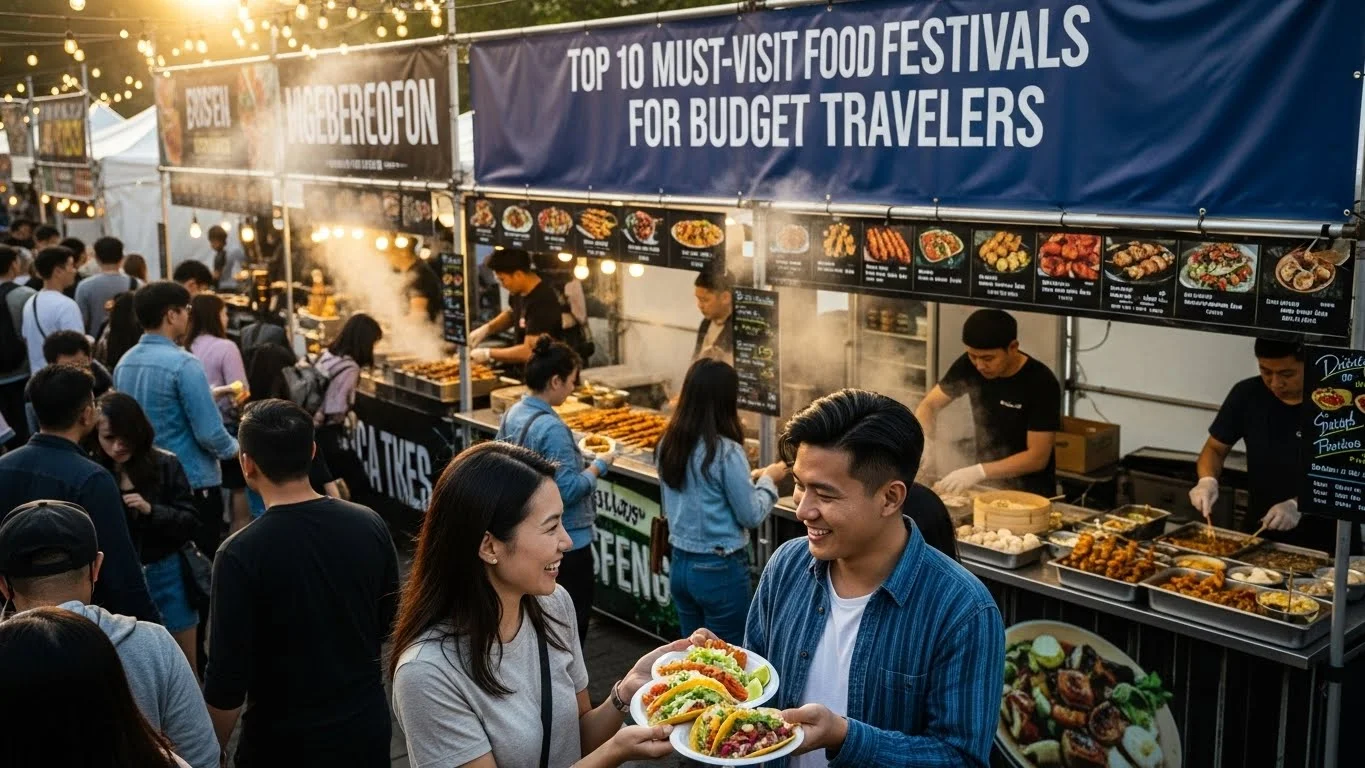
When I first attended a food festival, I was amazed at the sheer diversity of culinary experiences available. A food festival is much more than just a gathering to taste food; it’s a celebration of culture, creativity, and community. These events typically feature local chefs, food vendors, and artisans showcasing their culinary talents. There’s a buzz in the air, filled with the aroma of spices, freshly cooked meals, and the sound of people chatting and laughing as they indulge in delicious food from various regions. Whether it’s a small local gathering or a massive international event, each festival has its unique flavor and atmosphere.

The Importance of Food Festivals for Travelers

For travelers like us, food festivals are a treasure trove of experiences. They provide a chance to delve into the heart of a culture through its food. I remember my trip to a food festival in Thailand, where I not only tasted authentic Pad Thai but also learned how to make it from a local chef. This hands-on experience made my trip unforgettable. Food festivals also offer a platform for local producers and vendors, connecting them with a broader audience. It’s a wonderful way to support local economies while savoring the best they have to offer. Plus, where else can you sample dishes from around the world all in one place? The joy of sharing food with strangers who soon become friends is one of the most rewarding aspects of traveling. Read Interesting article: Ultimate Guide to Affordable Food Festivals Worldwide

Top Food Festivals Around the World

La Tomatina (Spain)

La Tomatina is one of the most famous food festivals in the world, held annually in Buñol, Spain. While it’s primarily known for its epic tomato fight, it’s a fantastic way to experience Spanish culture. I remember the laughter and joy as we tossed tomatoes at each other, completely covered in red pulp. The festival brings together thousands of travelers and locals, all eager to participate in this messy but fun event. After the fight, the town offers delicious local dishes, making it a full day of culinary delight.

Oktoberfest (Germany)

Oktoberfest in Munich is a must-visit for beer enthusiasts and food lovers alike. This festival is not just about beer; it’s also a celebration of Bavarian culture. I’ll never forget the hearty pretzels, sausages, and schnitzel I devoured while sitting in a lively beer hall, surrounded by music and laughter. The scale of Oktoberfest is incredible, with massive tents filled with people from all over the world enjoying the festive atmosphere. It’s a perfect opportunity to meet new friends and share stories over a pint of local brew.

New Orleans Jazz & Heritage Festival (USA)

The New Orleans Jazz & Heritage Festival is a feast for the senses. It’s not just about the food; it’s a fusion of music, art, and culture. I was captivated by the vibrant performances from local musicians while savoring classic dishes like gumbo and jambalaya. The combination of jazz music and delicious food creates an electric vibe that makes the festival truly special. You can feel the spirit of New Orleans as you wander through the stalls, sampling dishes and enjoying live performances.

Street Food Festival (Various Locations)

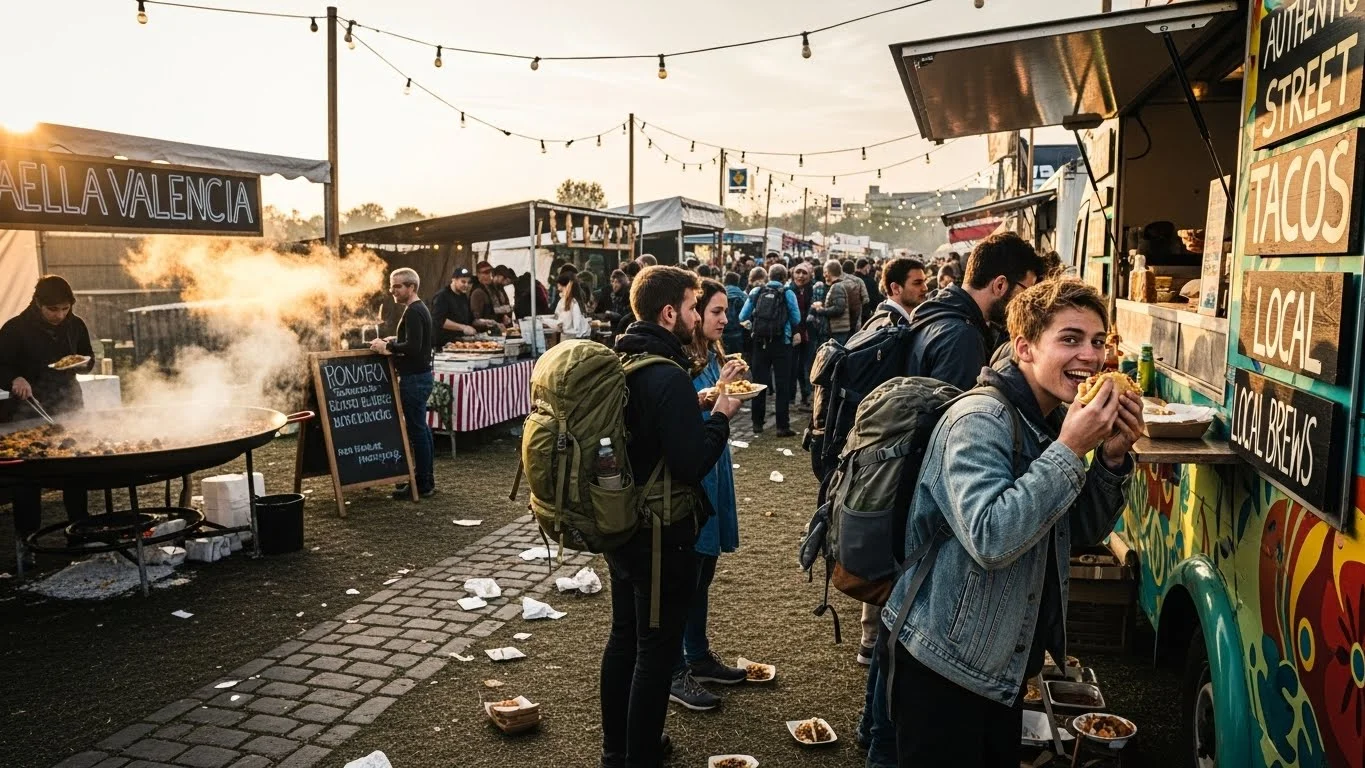
Street food festivals offer a unique culinary experience that you won’t want to miss. I love how these festivals showcase the best local street food vendors, often featuring dishes that are not available in restaurants. Whether it’s a taco festival in Los Angeles or a curry festival in London, I always find something new and exciting to try. The casual atmosphere makes it easy to chat with vendors and learn about their dishes, adding an extra layer of adventure to my travels.

Tokyo Street Food Festival (Japan)

If you’re a fan of innovative flavors, the Tokyo Street Food Festival is a must-visit. I was blown away by the variety of food options, from traditional Japanese dishes like takoyaki to modern fusion creations. The bustling streets are filled with colorful stalls, and it’s hard to resist sampling everything I came across. The attention to detail and presentation in Japanese cuisine is astounding, making every dish a visual delight as well as a culinary one.

Melbourne Food and Wine Festival (Australia)

The Melbourne Food and Wine Festival is a celebration of Australia’s culinary landscape. I remember tasting local wines paired with delicious dishes crafted by top chefs. The festival features everything from masterclasses to food tours, allowing me to immerse myself fully in the local food culture. It’s a fantastic opportunity to learn about Australian ingredients and culinary techniques while enjoying the vibrant atmosphere of Melbourne. The festival truly showcases the creativity and passion of the local food scene. Read Interesting article: Ultimate Guide to Cheap Food Festivals Globally

When to Visit Food Festivals

Seasonal Considerations

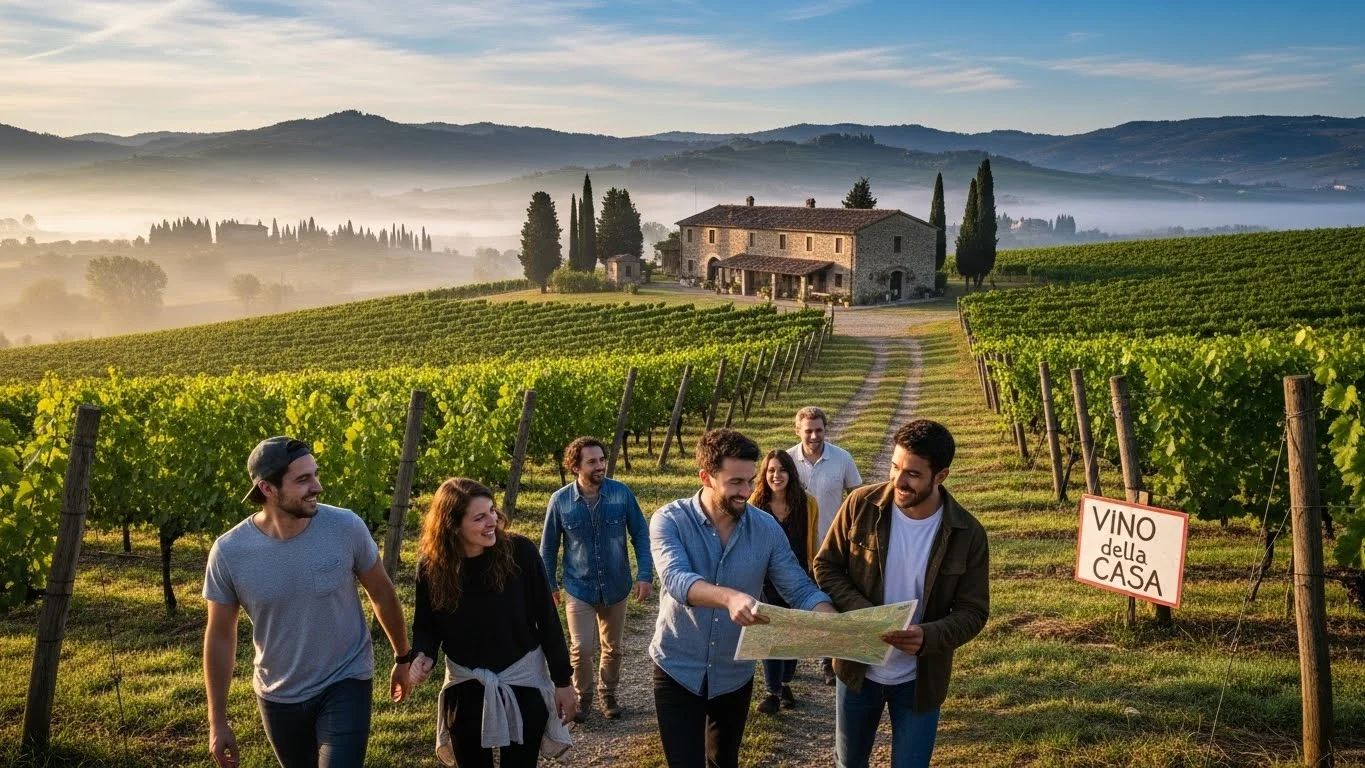
Timing can really make or break your experience at a food festival. I’ve learned that many festivals are held during specific seasons, which can greatly influence the types of food you get to sample. For example, summer festivals often showcase fresh, local produce, while fall festivals might feature heartier dishes that celebrate the harvest. I remember being in Italy during late summer and enjoying a tomato festival where everything was bursting with flavor. The warm weather made it perfect for outdoor dining and socializing. Keep in mind, though, that some regions have specific climates that can affect festival schedules, so researching local weather patterns can help you pick the right time for your travels.

Festival-Specific Dates

Each festival has its own set date, and I can’t stress enough how important it is to mark your calendar! Some festivals might last several days or even weeks, while others are just a single day. For instance, I once attended a seafood festival in Maine that spanned an entire weekend, allowing me to try a variety of dishes. Conversely, some cultural festivals, like the Lunar New Year celebrations, might change from year to year based on lunar cycles. So, I recommend checking the official websites or local tourism boards to ensure you don’t miss out on these culinary gatherings!

Booking Your Trip Around Festivals

When planning my trips, I always try to align my travel dates with these food festivals. It’s not just about the food; it’s about the whole experience! I remember booking my flight to coincide with the Food & Wine Festival in New York City. By planning ahead, I was able to secure a great deal on accommodations and even snag tickets to special chef-led events. I think it’s essential to consider potential travel costs as well. Prices can spike around festival dates, so booking early can help save some dollars. Plus, this gives you more time to plan out your itinerary and even explore other attractions in the area.

Where to Stay During Food Festivals

Types of Accommodations

Finding the right place to stay can significantly enhance your festival experience. I’ve had my share of cozy hostels, charming bed-and-breakfasts, and even some quirky Airbnb rentals. Each option has its perks. Hostels are great for budget travelers like us because they often have a social atmosphere where you can meet fellow festival-goers. On the other hand, staying in a bed-and-breakfast can provide a more intimate experience, often with delicious breakfasts included! I recall that in Melbourne, my B&B had a lovely garden where I could relax after a day of feasting.

Budget-Friendly Options for Backpackers

As a backpacker, I know how important it is to stick to a budget. That’s why I often look for affordable accommodations close to festival venues. Many cities have budget hotels or hostels that offer good deals, especially if you book early. I’ve also found that camping can be a fun and economical option, especially at larger outdoor festivals. It adds a layer of adventure to your experience! Just make sure to check what facilities are available, as some campgrounds might offer cooking facilities, which could come in handy for foodies like us.

Proximity to Festival Venues

When choosing where to stay, I always aim for a location that’s within walking distance or a short public transport ride to the festival. This not only saves on transportation costs but also allows for a more immersive experience. I remember staying near the New Orleans Jazz & Heritage Festival, which made it easy to pop back to my accommodation for a quick rest or to drop off my festival goodies. Being close also means you can enjoy the festival vibes even after the sun goes down, often leading to spontaneous adventures!

What to Expect at a Food Festival

Typical Festival Layout and Attractions

Walking into a food festival is like stepping into a culinary wonderland. I’m always struck by the layout, which usually features food stalls, seating areas, and often some live entertainment. The stalls are typically organized by cuisine or type of food, so it’s easy to navigate. I remember at a festival in San Francisco, there were entire sections dedicated to international cuisines, and it was so exciting to hop between stalls sampling everything from dim sum to gourmet donuts. It’s like a buffet of the world, and I cannot recommend taking your time to explore every corner!

Food and Drink Offerings

At food festivals, the offerings can range from street food classics to gourmet dishes crafted by renowned chefs. I’ve seen everything from food trucks serving up tacos to Michelin-starred chefs presenting their signature dishes. It’s a great opportunity to try new things! I once stumbled upon a stall that served fusion sushi tacos, and it completely blew my mind! Plus, many festivals also feature local beers, wines, and spirits, which can complement the food perfectly. Don’t forget to sample the drinks; it’s all part of the experience!

Entertainment and Activities

Food festivals are not just about eating; they also pack a punch with entertainment. I’ve enjoyed live music, cooking demonstrations, and even food competitions at various festivals. At the Melbourne Food and Wine Festival, I attended a cooking class with a local chef, which was not only fun but also educational. These activities can enrich the festival experience, making it memorable beyond just the food. Keep an eye out for event schedules, as they often have special performances or workshops that you won’t want to miss!

Local Cuisine at Food Festivals

Signature Dishes to Try

One of the most exciting aspects of attending food festivals is getting a taste of the local cuisine. I’ve discovered that each region has its signature dishes that truly reflect their culinary identity. For instance, at the New Orleans Jazz & Heritage Festival, I couldn’t resist trying the crawfish étouffée, which was richly flavored and perfectly spiced. Each bite was a testament to the city’s love for bold flavors and fresh ingredients. I also remember finding a stand at a festival in Italy that served freshly made arancini—crispy rice balls stuffed with gooey cheese. These unique dishes not only satisfied my taste buds but also gave me a deeper appreciation for the local culture. I recommend being adventurous and asking locals for their must-try recommendations; they often lead to the most memorable meals!

Street Food Highlights

Street food is a festival favorite, and for good reason! It’s not only affordable but also offers an authentic taste of local flavors. I’ve wandered through bustling markets during festivals, trying everything from spicy kebabs in Istanbul to sweet and sticky mochi in Japan. One of my favorite experiences was at a street food festival in Bangkok, where the vibrant stalls were filled with flavors that danced on my palate. I remember devouring Pad See Ew, a stir-fried noodle dish that was both savory and satisfying. The best part? You can often get a variety of dishes for just a few dollars, allowing you to sample a wide range of flavors without breaking the bank. I encourage you to embrace the street food scene; it’s where you’ll find some of the most delicious and inventive dishes!

Vegetarian and Vegan Options

In recent years, food festivals have become increasingly inclusive, offering plenty of vegetarian and vegan options. As someone who loves to explore plant-based dishes, I’ve been pleasantly surprised by the creativity chefs bring to these meals. At the Melbourne Food and Wine Festival, I came across a booth dedicated to vegan cuisine, serving dishes like jackfruit tacos and mushroom risotto that were bursting with flavor. I’ve also noticed that many street food vendors are now offering innovative vegetarian options; for example, the taco trucks in Los Angeles have delicious cauliflower tacos that I can’t get enough of. This trend makes it easier for everyone to enjoy the festival experience, regardless of dietary preferences. I recommend checking the festival’s website or social media to see what options will be available, ensuring that you’ll find something to suit your taste!

Budgeting for Food Festivals

Costs of Entry and Food

When planning to attend a food festival, budgeting is essential. From my experience, entry fees can vary widely—some festivals are free, while others charge a small fee. I remember going to a local festival where the entry was free, but I quickly discovered that the food tickets were the real investment. Each dish usually requires purchasing tickets, which can add up. It’s a good idea to research the pricing beforehand to set a realistic budget. I often allocate a specific amount for food and stick to it, allowing me to sample a variety without overspending.

Saving Tips for Backpackers

As a backpacker, every dollar counts, so I’ve learned a few tricks to save money at food festivals. First, I recommend looking for discounts or early bird ticket prices. Some festivals offer reduced prices for entry if you buy your tickets in advance. Additionally, I’ve found that arriving early can have its perks—many vendors offer special deals to attract early birds. Another tip is to share dishes with friends. I love splitting a few items with fellow travelers so we can taste more without overindulging. It’s also a great way to bond and make new friends! Lastly, keep an eye out for free samples; many vendors are eager to showcase their best dishes, and you might get a taste without spending a dime.

Finding Free Activities

Not everything at a food festival requires spending money. Many festivals host free activities that can enhance your experience. I’ve attended cooking demonstrations, live music performances, and cultural showcases that didn’t cost a cent. At a festival in Canada, I stumbled upon a free workshop where I learned how to make traditional maple syrup treats. It was a delightful experience, and I walked away not just full, but with new knowledge too! I suggest checking the festival schedule for any free events and planning your day around them. This way, you can enjoy the festival atmosphere without feeling pressured to spend continuously.

Safety Tips for Attending Food Festivals

Health Precautions

Staying healthy while enjoying a food festival is crucial. I always make sure to stay hydrated, especially on hot days. Water stations are often available, but I like to carry a reusable bottle to refill. I also pay attention to food hygiene; if something looks questionable, I don’t hesitate to skip it. I’ve learned that trusting your gut is important—if a stall has a long line, it’s usually a good sign, but if it looks empty, I tend to walk on by. Additionally, I recommend carrying hand sanitizer; it’s a lifesaver after trying all those delicious street foods!

Personal Safety in Crowds

Food festivals can get crowded, and I’ve found it essential to be mindful of my surroundings. Keeping my belongings secure is a priority, so I usually opt for a crossbody bag that I can easily keep an eye on. I also try to stay with friends when exploring the festival, as it’s not only more fun but also safer. If I’m ever feeling overwhelmed by the crowd, I take a moment to step away to a quieter area to gather my thoughts. Trust me, this little break can recharge your energy and allow you to enjoy the festival even more!

Travel Insurance Considerations

Before attending a food festival, I always check my travel insurance coverage. It’s important to be prepared for any unexpected situations, like food allergies or accidents. I’ve learned that having insurance can give you peace of mind, especially when traveling in unfamiliar areas. I recommend looking for a plan that covers health issues related to food and travel, ensuring you’re protected while indulging in all the culinary delights. Don’t forget to keep a list of emergency contacts and local hospitals just in case!

Networking and Meeting Fellow Travelers

Making Friends at Festivals

One of the best parts of food festivals is the opportunity to meet new people. I’ve often struck up conversations with fellow festival-goers over a shared love of food. Whether it’s bonding over a favorite dish or discussing travel stories, I’ve made some incredible friendships at these events. I suggest being open and approachable; a simple smile or compliment about someone’s food choices can spark a conversation. At a festival in South America, I met a group of travelers who invited me to join them at a taco stand, and we ended up spending the whole day exploring together.

Foodie Community Events

Many food festivals host community events that encourage interaction among attendees. I’ve participated in group cooking classes or food tastings where you get to mingle with others while learning something new. These activities not only deepen your appreciation for the cuisine but also provide a relaxed atmosphere to meet like-minded food enthusiasts. Look for events that invite participation rather than just passive observation; they often lead to the most memorable experiences!

Social Media Tips for Connecting

Social media can be a great tool for connecting with fellow travelers and foodies. I like to use platforms like Instagram or Facebook to find festival hashtags, which often lead to meeting others who are attending the same event. Sharing pictures and experiences online can also create a sense of community, as you’ll find people eager to share their own festival stories. I’ve even joined local food groups on social media before heading to a festival, which has helped me connect with others ahead of time. Just remember to stay safe and avoid sharing too much personal information!

Essential Packing List for Food Festivals

What to Bring for Comfort

When heading to a food festival, comfort is key. I always pack a lightweight backpack to carry my essentials, including sunscreen, a hat, and comfortable walking shoes. After a long day of exploring, I’ve found that supportive footwear makes a world of difference. I also recommend bringing a portable charger for my phone; capturing all those delicious food pics is a must! If you’re attending an outdoor festival, a foldable blanket can be handy for resting in grassy areas or enjoying a picnic-style meal.

Food Festival Survival Gear

To navigate a food festival smoothly, I’ve learned to bring a few survival items. A reusable water bottle is essential for staying hydrated, especially during hot days. I also carry a small reusable container to take home leftovers or snacks I can’t finish. Additionally, I often bring a foldable tote bag for any purchases I might make or to hold items like extra food tickets. Trust me; being prepared can make your festival experience much more enjoyable!

Documents and Essentials

Lastly, don’t forget your important documents! I always pack a copy of my ID, travel insurance, and festival tickets (if applicable). It’s a good idea to keep these in a safe but accessible pocket. I also carry some cash, as not every vendor accepts cards. Having a mix of payment options ensures I won’t miss out on trying something delicious simply because I don’t have the right form of payment. By being organized and prepared, I can focus on enjoying all the amazing food and experiences that festivals have to offer!

Frequently Asked Questions

What is a food festival?

A food festival is a celebration of culture, creativity, and community that features local chefs, food vendors, and artisans showcasing their culinary talents. It provides an opportunity to taste food from various regions and experience the unique atmosphere of the event.

Why are food festivals important for travelers?

Food festivals allow travelers to delve into the heart of a culture through its food, providing hands-on experiences and opportunities to support local economies. They also offer a chance to meet fellow travelers and share memorable meals together.

What are some famous food festivals around the world?

Some famous food festivals include La Tomatina in Spain, Oktoberfest in Germany, the New Orleans Jazz & Heritage Festival in the USA, street food festivals in various locations, the Tokyo Street Food Festival in Japan, and the Melbourne Food and Wine Festival in Australia.

When is the best time to visit food festivals?

Timing can significantly influence your experience at a food festival. Many festivals are held during specific seasons that affect the types of food available. It’s important to research local weather patterns and check specific festival dates to plan your visit accordingly.

What types of accommodations are available during food festivals?

Accommodations can vary from hostels and bed-and-breakfasts to quirky Airbnb rentals. Budget-friendly options close to festival venues can enhance the experience, allowing for easy access and immersion in the festival atmosphere.

What can I expect to find at a food festival?

At a food festival, you can expect a layout with food stalls organized by cuisine, seating areas, and live entertainment. The offerings range from street food classics to gourmet dishes, providing a variety of food and drink options.

What types of local cuisine can I try at food festivals?

Food festivals often feature signature dishes that reflect the culinary identity of the region. You can find local favorites, street food highlights, and increasingly, vegetarian and vegan options that showcase innovative flavors.

How can I budget for a food festival?

Budgeting for a food festival involves considering entry fees and the cost of food tickets. It’s helpful to set a realistic budget for sampling various dishes and look for discounts or early bird ticket prices to save money.

What safety precautions should I take at food festivals?

To stay healthy at food festivals, ensure you stay hydrated, pay attention to food hygiene, and carry hand sanitizer. Personal safety in crowds is also important, so keep your belongings secure and consider traveling with friends.

How can I meet fellow travelers at food festivals?

Food festivals provide great opportunities to meet new people through shared food experiences. Engaging in community events, group cooking classes, and using social media to connect with others can enhance your networking opportunities at these events.

Unforgettable Fine Dining Experiences for the Adventurous

For those who crave excitement in every bite, fine dining can be an unforgettable adventure. Imagine exploring exotic flavors and innovative techniques that take you far beyond the ordinary culinary experience. Indulge in Luxury: Top Fine Dining Experiences Worldwide offers insights into some of the best places to enjoy this culinary art.

Unforgettable Fine Dining Experiences for the Adventurous

Defining Fine Dining Experiences

What is Fine Dining?

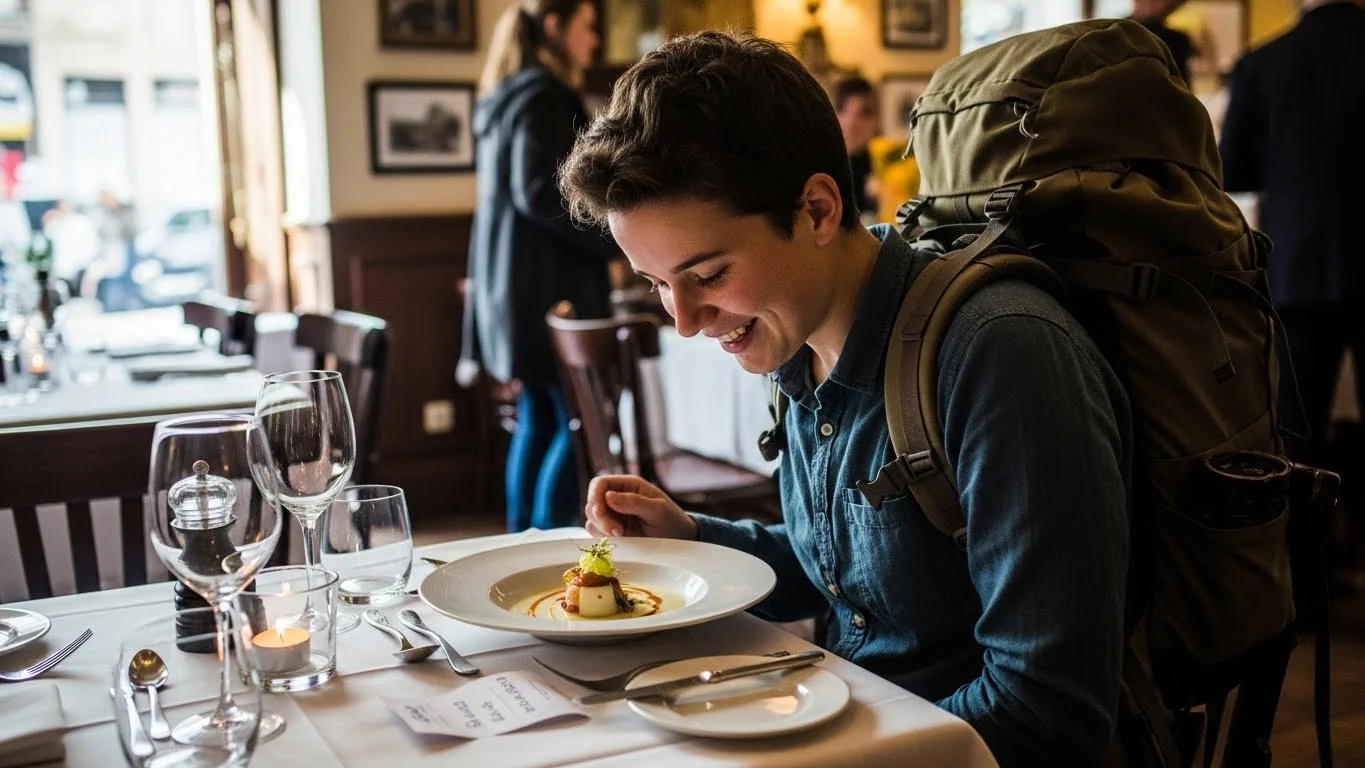
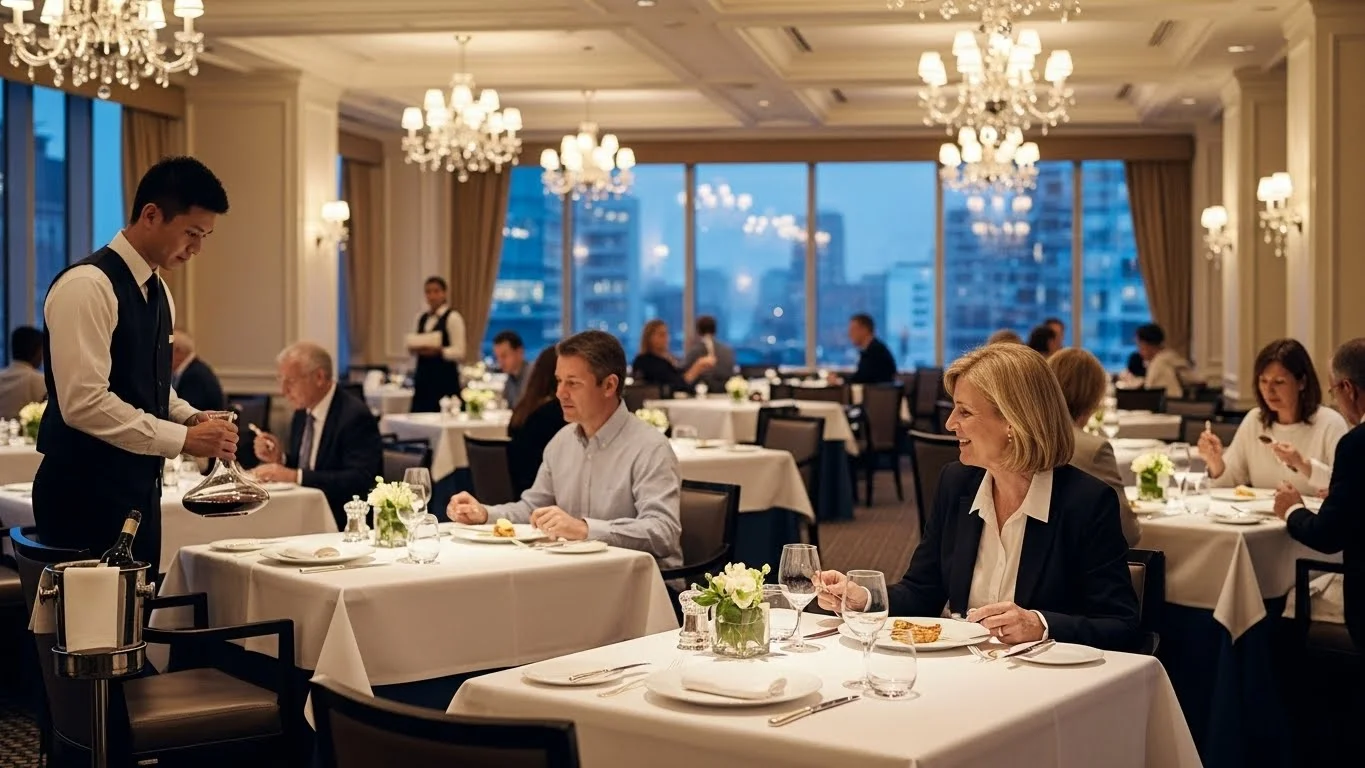
Fine dining is more than just a meal; it’s an experience. It’s a place where culinary artistry meets impeccable service, creating an atmosphere that feels special and memorable. When I first stepped into a fine dining restaurant, I was struck by the elegance and attention to detail. From the beautifully set tables to the carefully curated menu, every element seems designed to elevate the dining experience. Unlike casual eateries, fine dining focuses on quality over quantity, often featuring a smaller, meticulously crafted menu that highlights the chef’s specialties.

Characteristics of Fine Dining Restaurants

When I think about what sets fine dining apart, several characteristics come to mind. First, there’s the ambiance. Dim lighting, exquisite decor, and a quiet atmosphere create a sense of intimacy that makes each meal feel like a special occasion. The service is another crucial element; staff are usually highly trained to anticipate your needs and provide a level of attentiveness that is often absent in more relaxed dining settings. I remember one particular evening when my water glass was refilled without me even having to ask, which made me feel truly valued as a guest.

Another defining feature is the emphasis on presentation. Each dish is often arranged like a work of art, and I’ve found myself taking photos before even taking a bite! The ingredients are typically of the highest quality, often sourced locally or even foraged. I’ve experienced dishes with truffles, edible flowers, and sauces made from scratch that all contributed to a multi-sensory experience. Additionally, many fine dining establishments offer tasting menus, giving diners a chance to sample a variety of dishes in one sitting, which is something I always look forward to trying. Top Fine Dining Experiences for the Solo Traveler highlights some great options for those dining alone.

Adventurous Dining: What Does It Mean?

Exploring Unique Culinary Techniques

Adventurous dining is where the heart of culinary exploration lies. What I love about it is that it pushes boundaries, challenging our perceptions of what food can be. I’ve had the chance to experience techniques like sous-vide cooking, where food is vacuum-sealed and cooked at precise temperatures, resulting in the most tender and flavorful dishes I’ve ever tasted. I remember a dish of perfectly cooked lamb that melted in my mouth, and it was all thanks to this innovative method.

Incorporating Exotic Ingredients

One of the most thrilling aspects of adventurous dining is the use of exotic ingredients. I’ve had the pleasure of tasting dishes that included ingredients like black garlic, yuzu, and even insects! The first time I tried a dish featuring crickets, I was both nervous and excited. The crunchy texture and nutty flavor were surprisingly delightful. Chefs often look for unique ingredients to set their menus apart, and I’ve found that stepping out of my comfort zone has led to some of my most memorable meals.

Top Global Destinations for Adventurous Fine Dining

Tokyo: A Fusion of Tradition and Innovation

Tokyo is a city that masterfully blends tradition with modernity in its culinary scene. I remember wandering through its bustling streets, stumbling upon a tiny sushi bar where the chef prepared each piece with care. The freshness of the fish was unlike anything I had experienced before. The attention to detail was astounding, and the flavors were a testament to the rich culinary heritage of Japan. Additionally, many restaurants in Tokyo are experimenting with fusion cuisine, incorporating flavors from around the world that make every meal an adventure.

Barcelona: Catalan Cuisine Meets Modern Flair

In Barcelona, I found a vibrant food culture that embraces both traditional Catalan dishes and modern culinary techniques. Dining at a Michelin-starred restaurant in this city was a revelation! I tried a deconstructed paella, where each component was presented beautifully on the plate, allowing me to appreciate the individual flavors before mixing them together. The creative twists on classic dishes made my dining experience here truly unforgettable.

Mexico City: A Culinary Playground for the Bold

Mexico City is a treasure trove for adventurous eaters. I’ve enjoyed street tacos filled with unique ingredients and flavors that I never knew existed. Dining at high-end restaurants, I found that many chefs are taking traditional recipes and elevating them with modern techniques. One memorable dish featured mole made from wild mushrooms, which was an explosion of flavors that took me by surprise. Mexico City celebrates its culinary roots while also embracing innovation, making it a must-visit for food lovers.

Bangkok: Street Food Elevated to Fine Dining

Bangkok has a reputation for incredible street food, but what’s fascinating is how many fine dining establishments are taking inspiration from this vibrant food culture. I once dined at a restaurant that transformed classic street dishes into refined culinary creations. The flavors of the pad Thai were as bold and delicious as the street version, but the presentation was stunning and sophisticated. It was a perfect example of how adventurous dining can bridge the gap between casual and fine dining, creating a unique experience that I still talk about.

Unforgettable Fine Dining Experiences

Chef’s Table: An Exclusive Dining Experience

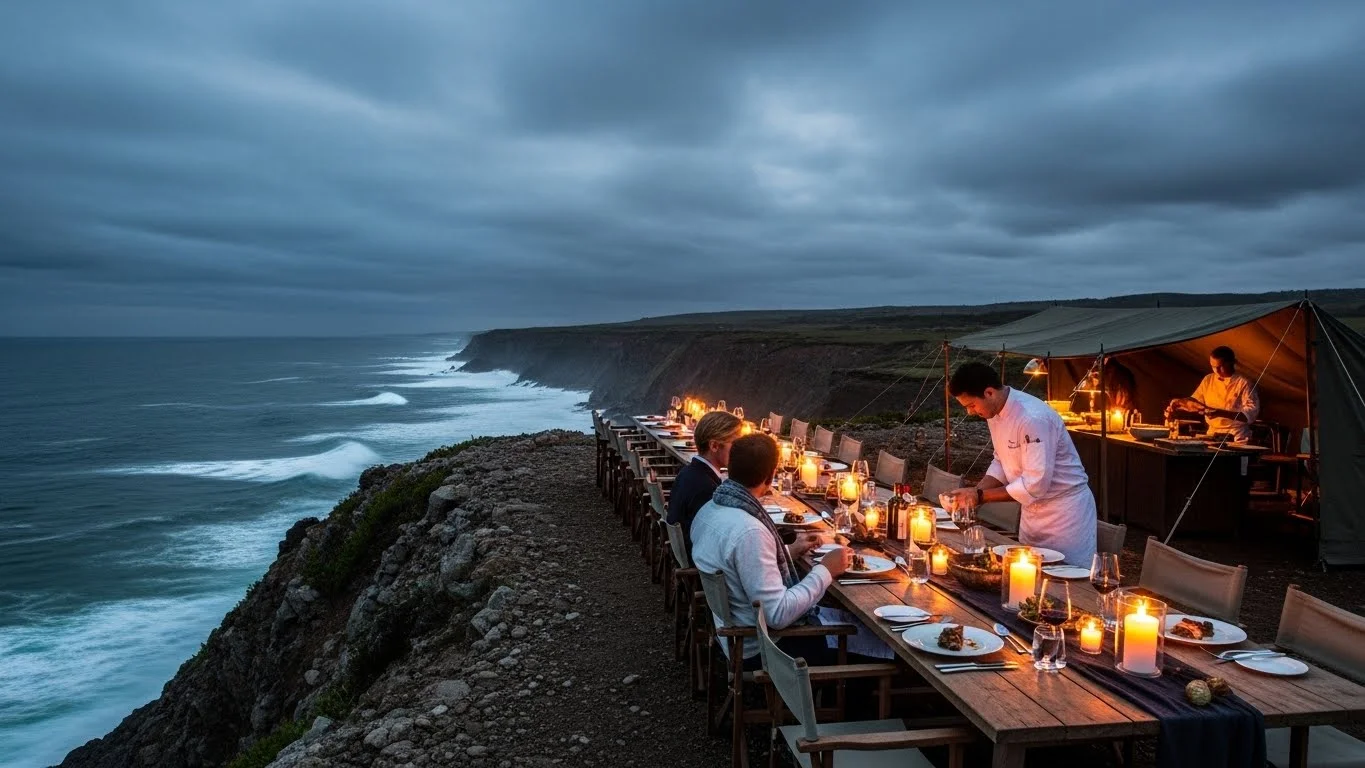
One of the most memorable dining experiences I ever had was at a chef’s table. It’s like being invited into the chef’s world, where the magic happens. I remember sitting right in the kitchen, watching as each dish was meticulously crafted. The energy in the room was electric, with chefs communicating in a language only they understood—chopping, sautéing, and plating all in perfect harmony. I was not just a spectator; I felt like a part of the culinary team. Each course was paired with a story from the chef, and it made every bite feel even more special. It’s not just about the food; it’s about the connection and the insights into the chef’s passion and creativity.

Tasting Menus: A Journey Through Flavors

Tasting menus are another way to elevate the dining experience. I’ve enjoyed several tasting menus that take you on a journey through different flavors and textures. Each dish is usually a small portion, allowing you to savor a variety of culinary creations in one meal. I remember one particular tasting menu that featured eight courses, each beautifully presented and bursting with flavor. The progression of dishes was like a well-curated playlist, taking me from light and delicate flavors to bold and hearty ones. I appreciated how it expanded my palate and introduced me to new ingredients and techniques. It’s a perfect opportunity to taste the chef’s vision and creativity all in one go.

Interactive Dining: Engaging with the Culinary Process

Interactive dining experiences have also become a favorite of mine. These are occasions where the diner plays a more active role in the meal. I once attended a restaurant where we were guided through the process of making our own sushi. The chef walked us through every step, sharing tips and tricks along the way. It felt like a fun culinary class, and at the end of it all, I was able to enjoy the fruits of my labor. Not only was I engaged in the process, but I also felt a sense of accomplishment. I find that these types of experiences create lasting memories, as they allow us to connect with food on a deeper level.

Signature Dishes to Try

Experimental Cuisine: Pushing the Boundaries

Experimental cuisine is another thrilling aspect of fine dining. I’ve had the chance to taste dishes that truly challenge traditional cooking methods. One evening, I was at a restaurant where the chef served a dessert that was made using liquid nitrogen. The result was an airy, cloud-like treat that melted in my mouth. The science behind it fascinated me, and it made me realize how food can be not just nourishment but also an art form. I believe that trying experimental dishes can be a great way to expand your culinary horizons and discover new favorites.

Wild Game and Exotic Proteins

When it comes to adventurous dining, wild game and exotic proteins have a unique allure. I remember trying venison for the first time at a fine dining restaurant. The flavor was rich and unlike anything I had experienced before. It was paired with a berry reduction sauce that complemented the meat perfectly. I’ve also sampled dishes featuring bison and rabbit, which were expertly prepared, showcasing the chefs’ skills. For anyone looking to broaden their palate, seeking out these types of proteins can lead to some unforgettable meals.

Foraged Ingredients: The Taste of Nature

Another trend I find fascinating is the use of foraged ingredients. Many fine dining chefs are now incorporating wild herbs, mushrooms, and greens that are locally sourced. I once dined at a restaurant where the chef proudly presented a dish featuring foraged mushrooms and wildflowers. The freshness and unique flavors were astounding. It felt good to know that these ingredients came directly from nature and were treated with such respect. I believe that foraged ingredients can create a deeper connection to the land and the culinary experience itself, and it’s something I always look for in a fine dining adventure.

How to Prepare for Your Fine Dining Adventure

Researching Restaurants and Their Menus

Preparing for a fine dining experience can be just as exciting as the meal itself. I always start by researching the restaurants and their menus ahead of time. Websites and social media can provide insights into the latest offerings, seasonal ingredients, and even reviews from other diners. I find that understanding the chef’s style and the type of cuisine can help me decide what to try. Sometimes, reading about a particular dish sparks my interest, and I can’t wait to taste it in person. Budget Backpacking: Enjoy Fine Dining on a Dime offers tips for enjoying fine dining without overspending.

Understanding Dress Codes and Etiquette

Another essential aspect of preparing for fine dining is understanding dress codes and etiquette. I remember feeling a bit anxious about what to wear for my first fine dining experience. Some places have strict dress codes, while others are more relaxed. I’ve learned that it’s always better to err on the side of being slightly overdressed. Plus, dressing up adds to the experience. Additionally, familiarizing myself with basic dining etiquette, like how to use utensils and when to speak with the server, makes me feel more comfortable and confident.

Making Reservations: Tips and Best Practices

Finally, making reservations is a crucial step. Many fine dining restaurants fill up quickly, especially on weekends or during special events. I always recommend booking a table well in advance to secure my spot. If the restaurant offers a tasting menu, I often mention any dietary restrictions when making the reservation. It’s a good practice to confirm your reservation a day before, as it shows respect for the restaurant and helps avoid any last-minute surprises.

Pairing Drinks with Your Meal

Wine Pairings: Elevating the Dining Experience

When it comes to fine dining, pairing the right drink with your meal can elevate the whole experience. I remember my first time at a restaurant that offered a personalized wine pairing with each course of the tasting menu. The sommelier took the time to explain why each wine was chosen, and I was amazed by how the right glass could enhance the flavors of the food. For instance, a delicate Sauvignon Blanc paired beautifully with a dish of seared scallops, bringing out the freshness of the sea and complementing the buttery sauce. It’s like a dance between the wine and the food, and I now see wine pairings as an essential part of the meal, not just an afterthought.

Cocktails: Creative Mixology with a Twist

Cocktails have also become a fantastic way to explore flavors in fine dining. I’ve experienced restaurants where the cocktail menu is just as exciting as the food menu. One time, I opted for a cocktail crafted with basil, cucumber, and gin that perfectly complemented my meal. I love how mixologists are experimenting with fresh, local ingredients and unique flavor profiles. It’s fascinating to see how these drinks can mirror or enhance what’s happening on the plate. I encourage you to ask your server for recommendations; they often have brilliant insights into which cocktails suit the dishes you’re enjoying.

Non-Alcoholic Options: Craft Mocktails and More

Not everyone drinks alcohol, and that’s where creative non-alcoholic options come into play. I’ve been pleasantly surprised by the mocktails offered at fine dining establishments. These drinks are not just an afterthought; they often showcase the same level of creativity as their alcoholic counterparts. I recall one restaurant serving a refreshing mocktail made with elderflower, lime, and tonic water. It tasted just as sophisticated as any cocktail and paired wonderfully with my meal. Many chefs are now crafting these drinks to ensure everyone can enjoy a delicious beverage that enhances the dining experience, regardless of whether they choose to drink alcohol.

Budgeting for Fine Dining Adventures

Understanding Price Ranges

Fine dining can vary greatly in price, and understanding what to expect can help you plan your culinary adventures better. I’ve found that even within the fine dining category, there are options to suit different budgets. Some places might have a fixed price for a tasting menu, while others offer à la carte options that can be more manageable. I remember visiting a restaurant where the tasting menu was a splurge but included a number of courses that justified the cost. It’s essential to check the menu online or call ahead to have a clear idea of how much you might spend.

Finding Deals and Promotions

Another tip I’ve learned is to look for deals and promotions that can make fine dining more accessible. Many restaurants offer special prix fixe menus on certain nights or have early bird specials. I’ve taken advantage of these and found that they often provide a fantastic value for high-quality meals. Additionally, some dining apps and websites offer discounts or gift certificates for fine dining experiences. It’s worth doing a little research to see if you can snag a great deal for your next adventure.

When to Splurge vs. Save

Knowing when to splurge and when to save is key to enjoying fine dining without breaking the bank. I like to think of it as prioritizing experiences that matter most. For instance, if I’m celebrating a special occasion like a birthday or anniversary, I’m more inclined to splurge on a high-end restaurant with a tasting menu. On the other hand, there are times when I’m happy to enjoy a more relaxed evening at a restaurant that offers great food without the extravagant price tag. It’s all about balance and ensuring that you’re making the most of your dining experiences while staying within your budget.

Sharing Your Experience

Documenting Your Culinary Journey

After experiencing a remarkable fine dining meal, I often feel the urge to document the journey. I love taking photos of the beautifully plated dishes, the ambiance, and even the menus. It’s a way to relive those moments and share them with friends and family. I also keep a journal where I jot down my thoughts about each restaurant, the flavors I experienced, and what made the meal special. This practice not only helps me remember my culinary adventures but also allows me to reflect on how my tastes have evolved over time.

Reviewing Restaurants: Best Practices

When it comes to sharing my experiences online, I’ve developed a few best practices for reviewing restaurants. I find that being honest and constructive is key. Sharing what I loved about the meal, the service, and the atmosphere helps other diners make informed decisions. I also appreciate when reviewers highlight unique aspects of their experience that might not be immediately obvious, like a chef’s special technique or a particularly friendly staff member. It’s all about painting a vivid picture for others while respecting the hard work that goes into each dining experience.

Engaging on Social Media: Sharing Your Adventure

Social media has become a wonderful platform for sharing dining experiences. I often post my food photos on Instagram, tagging the restaurant and using relevant hashtags. This not only allows me to connect with other food lovers but also helps restaurants gain visibility. I’ve discovered new places to eat simply by following food bloggers and influencers. Engaging with others in the foodie community has enriched my experiences and introduced me to even more adventurous dining options. I encourage everyone to share their culinary journeys; you never know who might be inspired to try something new!

Frequently Asked Questions

What defines fine dining?

Fine dining is more than just a meal; it’s an experience characterized by culinary artistry, impeccable service, and an atmosphere that feels special and memorable. It often features a smaller, meticulously crafted menu that highlights the chef’s specialties.

What are the characteristics of fine dining restaurants?

Fine dining restaurants typically offer an elegant ambiance with dim lighting and exquisite decor. They provide highly trained service staff who anticipate guests’ needs and focus on the presentation of dishes, which are often arranged like works of art. The ingredients used are usually of the highest quality, often locally sourced or foraged.

What is adventurous dining?

Adventurous dining involves exploring unique culinary techniques and incorporating exotic ingredients, pushing the boundaries of traditional food perceptions. It can include experiences with innovative cooking methods like sous-vide and the use of unique ingredients such as black garlic or crickets.

Which cities are known for adventurous fine dining?

Tokyo, Barcelona, Mexico City, and Bangkok are highlighted as top global destinations for adventurous fine dining, each offering a unique blend of traditional and modern culinary experiences.

What is a chef’s table experience?

A chef’s table is an exclusive dining experience where guests are seated in or near the kitchen, allowing them to watch the chefs at work. It creates a connection between the diners and the culinary process, often accompanied by stories about each dish from the chef.

What are tasting menus?

Tasting menus are a series of small portions of different dishes served in one meal, allowing diners to experience a journey through various flavors and textures. They often showcase the chef’s vision and creativity.

How should one prepare for a fine dining experience?

Preparing for a fine dining experience involves researching restaurants and their menus, understanding dress codes and etiquette, and making reservations well in advance to secure a table.

What role do drink pairings play in fine dining?

Drink pairings, such as wine and cocktails, can elevate the dining experience by enhancing the flavors of the food. Many fine dining restaurants offer personalized pairings to complement each course of the meal.

How can one budget for fine dining?

Understanding price ranges, looking for deals and promotions, and knowing when to splurge versus save are key strategies for budgeting for fine dining adventures.

What are best practices for sharing dining experiences?

Best practices for sharing dining experiences include documenting culinary journeys through photos and journals, writing honest and constructive reviews, and engaging on social media to connect with other food lovers and share recommendations.

Budget Backpacking: Enjoy Fine Dining on a Dime

Budget backpacking doesn’t mean sacrificing your palate. With a bit of planning, you can savor exquisite dining experiences without breaking the bank. Let’s explore how to enjoy fine dining on a dime while traveling!

Budget Backpacking: Enjoy Fine Dining on a Dime

Understanding Budget Backpacking

What is Budget Backpacking?

Budget backpacking is all about traveling on a limited budget while still getting the most out of your experience. It’s not just about cheap accommodation and free sights; it’s a lifestyle that encourages exploration, adventure, and, yes, delicious food without overspending. I remember when I first set out on this journey, I thought I had to forgo nice meals in order to save money. But that couldn’t be further from the truth! Budget backpacking allows for smart choices that let you indulge in culinary delights while still keeping expenses in check. Connecting with locals can enhance your travel experience, especially when it comes to discovering hidden food gems.

Why Choose Budget Backpacking?

Choosing budget backpacking opens up a world of possibilities. For me, it’s about experiencing new cultures, meeting people, and tasting local foods—without a hefty price tag. I’ve learned that many upscale restaurants offer incredible meals at surprisingly low costs, especially if you know how to find them. Plus, I love the thrill of discovering hidden gems that most tourists overlook. It’s a chance to immerse myself in the local scene, and I believe food is often the best way to do that.

Planning Your Trip: Budgeting for Fine Dining

Setting a Daily Budget

One of the first steps I take when planning my trips is to set a daily budget. This includes accommodation, transport, and, of course, food. I’ve found that allocating a specific amount for meals helps me enjoy fine dining without feeling guilty about splurging. A good rule of thumb is to dedicate around 30% of your daily budget to dining. This might sound generous, but with the right approach, it can lead to some amazing meals. I usually jot down my must-visit restaurants and see how they fit into my budget. This way, I can prioritize experiences that matter most to me.

Choosing Destinations with Affordable Dining Options

Not all cities are created equal when it comes to food pricing. For instance, I’ve noticed that some European cities like Barcelona or Lisbon offer fantastic fine dining options at much lower prices than their counterparts, like Paris or London. It’s important to research destinations where quality food won’t completely drain my wallet. I often look for locations known for their street food or local markets, which can lead to surprisingly high-quality meals at a fraction of sit-down restaurant prices. By choosing the right destinations, we can enjoy a rich culinary experience without the hefty bills.

Finding Affordable Fine Dining Restaurants

Researching Local Cuisine

Before heading out, I love diving into local cuisine research. I find that understanding a destination’s food culture helps me unearth the best places to eat. When I traveled to Thailand, I Googled not just restaurants but also local dishes to try. This gave me insight into where to go for authentic flavors. I’ve found that local blogs, travel forums, or even Instagram can be gold mines for recommendations. Plus, it adds an element of excitement to my trip, knowing that I’m on a mission to taste the best of what the region has to offer. If you’re interested in capturing these moments, check out my tips for stunning cultural photography: Budget Backpacking: Tips for Stunning Cultural Photography.

Using Apps and Websites for Deals

In today’s digital age, there’s no shortage of apps and websites that can help us find deals on fine dining. I often use apps like Yelp or TripAdvisor to read reviews and find special offers. One of my favorite finds was an app that offered discounts on meals during certain hours. I remember dining at a high-end Italian restaurant at half price just because I booked during their happy hour! These tech tools can help us make informed choices and save money without sacrificing quality.

Dining During Off-Peak Hours

Another strategy I’ve embraced is dining during off-peak hours. Many restaurants offer lunch specials or early bird discounts that can significantly lower the cost of a meal. I’ve often enjoyed a lovely three-course meal, complete with a glass of wine, at lunchtime for a fraction of the dinner price. It’s a win-win situation—enjoying excellent food while avoiding the dinner rush. Plus, I get to experience a more relaxed atmosphere, allowing me to savor every bite without feeling rushed.

Exploring Hidden Gems

Some of my best dining experiences have come from venturing off the beaten path and finding hidden culinary gems. I remember wandering through the less touristy neighborhoods of Rome and stumbling upon a tiny family-run trattoria. The food was incredible, and the prices were reasonable. These hidden spots often serve authentic dishes made with love, and they’re usually not crowded with tourists. I recommend asking locals for their favorites; they often know the best places that aren’t listed in guidebooks. It’s all part of the adventure!

Top Destinations for Budget Backpackers Who Love Fine Dining

Barcelona: A Culinary Adventure

Barcelona is one of my favorite cities for budget backpacking, especially when it comes to dining. The vibrant food scene offers everything from tapas bars to Michelin-starred restaurants, often at prices that won’t send you into a financial panic. I remember one evening, I strolled down the bustling streets of El Born, where I discovered a cozy little tapas place that served delicious patatas bravas and fresh seafood. The prices were reasonable, and the atmosphere felt authentically Catalan. Plus, many restaurants offer “menu del dia,” a set lunch menu that features multiple courses at a great value. It’s an excellent way to sample local dishes without breaking the bank!

Bangkok: Street Food Meets Fine Dining

Bangkok is a city that has my heart, and its food scene is a big reason why. Here, street food is not only affordable but often considered world-class. I vividly recall biting into a perfectly cooked pad thai from a street vendor for just a couple of dollars. But what truly surprised me was the seamless blend of street food and fine dining. Many high-end restaurants source their ingredients from local markets, creating a unique fusion of flavors. I found a rooftop restaurant with stunning views that offered a tasting menu at a fraction of what I’d pay in other major cities. Eating in Bangkok is an adventure, and I highly recommend stepping out of your comfort zone to explore both the street stalls and upscale dining spots.

Lisbon: Affordable Michelin-Starred Restaurants

When I think of Lisbon, I think of pastel de nata and stunning views, but I also think of its incredible dining options. What amazed me the most was how many Michelin-starred restaurants were surprisingly affordable. I had the chance to dine at a Michelin-starred restaurant called Alma, where I enjoyed a multi-course meal that was both inventive and delicious, all while staying within my budget. Lisbon is also home to a vibrant food market scene; the Time Out Market is a perfect example where you can sample dishes from various chefs without spending a fortune. The combination of high-quality food and reasonable prices makes Lisbon a must-visit for anyone who loves fine dining on a budget.

Mexico City: A Flavorful Experience

Mexico City is a foodie’s paradise, and for budget backpackers, it offers an incredible array of dining options. I remember walking through the bustling neighborhoods and being drawn in by the aroma of fresh tacos and vibrant street food. There’s something magical about enjoying authentic Mexican cuisine at a fraction of the cost you’d find in other major cities. I was blown away by a local restaurant that served upscale versions of traditional dishes, like mole and ceviche, at very affordable prices. The best part? Many places in Mexico City have a casual vibe that allows you to relax and enjoy your meal without feeling rushed. It’s an experience that combines delicious food with a rich cultural backdrop—perfect for any traveler!

Local Food Experiences on a Budget

Food Markets and Street Vendors

Food markets and street vendors have become my go-to for sampling local flavors without spending too much. I find that these places are often the heart of a city’s food culture. For example, at the Mercado de San Miguel in Madrid, I discovered an array of tapas, cheeses, and wines that let me taste my way through the region. The vibrant atmosphere and the chance to interact with locals made the experience even more memorable. Plus, I’ve noticed that street vendors often offer the most authentic versions of local dishes. It’s a fantastic way to eat well and save money while traveling!

Cooking Classes and Food Tours

One of the best ways to immerse myself in a new culture is through its cuisine, and I’ve found that cooking classes and food tours can be surprisingly affordable. I took a cooking class in Florence where I learned to make pasta from scratch, and not only was it fun, but it also included a meal with the dishes we prepared. It felt like a real slice of Italian life. Food tours are another great option; they usually guide you through neighborhoods, introducing you to local specialties while sharing stories about the area. I’ve found that these experiences not only provide delicious food but also a deeper understanding of the culture, making them worth every penny!

Tips for Enjoying Fine Dining on a Dime

Lunch Specials and Prix Fixe Menus

When it comes to fine dining, I’ve learned that lunch specials and prix fixe menus can be game-changers for budget travelers. Many upscale restaurants offer lunch deals that are significantly cheaper than dinner prices. I remember enjoying a delightful three-course meal at a fancy restaurant in Paris during lunch for less than half of what it would cost at dinner. These menus often allow you to experience the chef’s creations without the hefty price tag. I recommend checking online or calling ahead to see if any restaurants in your destination offer such specials; you might be pleasantly surprised!

Utilizing Loyalty Programs and Discounts

Another tip I’ve found incredibly helpful is taking advantage of loyalty programs and discounts. Many restaurants have loyalty programs that offer rewards after a certain number of visits or a discount on your next meal. I’ve also come across apps that provide coupons for specific restaurants or even special deals for travelers. It feels great to enjoy a fabulous meal while knowing I saved a bit of money at the same time. Always keep an eye out for these opportunities, as they can make a significant difference in your travel budget!

Sharing Plates with Travel Companions

If you’re traveling with friends or family, I highly recommend sharing plates. Not only does this allow you to try multiple dishes, but it also helps keep costs down. I’ve had some of my best dining experiences by ordering several small plates to share, especially at restaurants that specialize in tapas or dim sum. This way, we all got to enjoy a variety of flavors and textures without overindulging. Plus, sharing meals often leads to lively conversations and a more enjoyable dining experience!

Dining Etiquette While Traveling

Understanding Local Dining Customs

When traveling, I’ve come to realize that understanding local dining customs can greatly enhance my experience. Every culture has its unique set of traditions and practices around food, and being aware of these can show respect to the locals while enriching my culinary journey. For example, during my time in Japan, I learned that slurping noodles is a sign of appreciation, while in other places, such as Italy, finishing every last bite is expected. I remember my first meal in Tokyo when I hesitated to slurp my ramen, but once I saw the locals doing it, I joined in and felt a sense of connection with the culture. It’s fascinating how these small nuances can make dining not just about the food but also about the experience itself.

Another example is in India, where dining often involves sharing dishes among family and friends. I once found myself at a vibrant local restaurant where everyone was passing around platters of biryani and naan. This communal style of eating made the meal feel like a celebration, and I left with not just a full stomach but also new friends. I recommend researching dining customs specific to your destination to avoid any unintentional faux pas and to fully immerse yourself in the local food culture.

Tipping Practices Around the World

Tipping is another aspect of dining etiquette that varies widely from country to country. I’ve learned the hard way that what might be customary in one culture could be seen as rude in another. For instance, in the United States, tipping around 15-20% is standard, while in Japan, tipping can be considered disrespectful as good service is expected. I remember my first meal in Japan when I awkwardly left a tip, only to have the server chase after me to return it! It’s moments like these that remind me to research local customs ahead of time.

In some countries, like Mexico or many parts of Europe, rounding up the bill or leaving a few coins is often sufficient. I try to keep a small guide handy or use apps that help me understand local tipping practices so I can feel comfortable while dining out. Respecting these customs not only helps me avoid awkward situations but also shows appreciation for the service provided.

Safety and Health Considerations

Choosing Safe Dining Locations

While exploring the culinary scene in new destinations, safety should always be a priority. I’ve learned that choosing where to eat can significantly impact my travel experience. I tend to favor restaurants that are busy, as a higher turnover usually means fresher food. During my travels in Southeast Asia, I discovered that street food stalls teeming with locals often serve some of the best and safest meals. However, I also pay attention to cleanliness; I avoid places that look unsanitary or where food is left out for too long. Trust your instincts—if something feels off, it’s best to move on and find another spot.

Additionally, I’ve found that checking online reviews can be very helpful in determining the safety and quality of a restaurant. Platforms like Yelp or TripAdvisor often have real-time feedback from fellow travelers that can guide me toward safe dining options. Lastly, I make sure to stay hydrated and avoid tap water in regions where it’s not safe to drink; opting for bottled water is a simple way to protect myself while enjoying the local cuisine.

Food Allergies and Dietary Restrictions

Managing food allergies or dietary restrictions while traveling can be a challenge, but it’s not impossible. I remember traveling to Thailand and being concerned about my nut allergy. Before my trip, I made it a point to learn how to communicate my dietary restrictions in Thai, which proved invaluable. I carried a small card with phrases like “no peanuts” written in the local language, making it easier to convey my needs to restaurant staff.

Some apps can help with translations and even provide recommendations for allergy-friendly restaurants. I also find it helpful to be upfront about my dietary preferences when I arrive at a restaurant. Most chefs are understanding and willing to accommodate special requests, so I always appreciate when they take the time to ensure my meal is safe. I believe that with a bit of preparation, anyone can enjoy the culinary delights of a new destination while adhering to their dietary needs.

Maximizing Your Backpacking Experience

Balancing Fine Dining with Other Activities

As much as I love indulging in fine dining, I’ve come to realize the importance of balancing these experiences with other activities. When traveling, it’s easy to get caught up in planning multiple restaurant visits, but I’ve found that integrating dining into a broader itinerary can lead to even more enjoyable moments. For example, after a delightful lunch at a local bistro in Florence, I took a leisurely walk through the nearby art galleries, allowing me to appreciate the culture and ambiance of the city in a relaxed way.

Sometimes, I’ll schedule a cooking class or food tour that combines both learning and dining, making the most of my time while soaking in the local food culture. This way, I can enjoy a fantastic meal while also gaining insights into the culinary techniques and traditions unique to that location. I’ve learned that these activities not only satisfy my taste buds but also enrich my overall travel experience.

Documenting Your Culinary Journey

One of my favorite ways to remember my travels is by documenting my culinary adventures. I often keep a travel journal where I jot down my thoughts and experiences related to food—what I ate, where I dined, and how it made me feel. I love looking back through my notes and reliving those delicious moments. Additionally, I enjoy taking photos of my meals and the restaurants I visit, which helps me capture the visual aspects of my journey.

I’ve also started sharing my food experiences on social media, connecting with fellow travelers and food enthusiasts. It’s a wonderful way to inspire others to explore the culinary world while traveling, and I’ve received fantastic recommendations from those who’ve followed my journey. For me, documenting my culinary experiences not only enhances my travels but also creates lasting memories that I cherish long after the trip is over.

Frequently Asked Questions

What is budget backpacking?

Budget backpacking is about traveling on a limited budget while maximizing the experience. It involves making smart choices that allow for exploration, adventure, and delicious food without overspending.

Why should I choose budget backpacking?

Choosing budget backpacking offers the opportunity to experience new cultures, meet people, and taste local foods without a hefty price tag. It allows travelers to discover hidden culinary gems that many tourists overlook.

How should I set a daily budget for my trip?

When planning a trip, it’s essential to set a daily budget that includes accommodation, transport, and food. A good guideline is to allocate around 30% of your daily budget to dining, which can lead to enjoyable fine dining experiences.

What are some tips for finding affordable fine dining restaurants?

Researching local cuisine, using apps and websites for deals, dining during off-peak hours, and exploring hidden gems are effective strategies to find affordable fine dining restaurants.

Which cities are recommended for budget backpackers who love fine dining?

Recommended cities include Barcelona for its vibrant food scene, Bangkok for its blend of street food and fine dining, Lisbon for affordable Michelin-starred restaurants, and Mexico City for its rich culinary offerings.

What local food experiences can I enjoy on a budget?

Food markets, street vendors, cooking classes, and food tours are excellent ways to immerse yourself in local flavors without overspending. They provide authentic experiences and often allow for interaction with locals.

How can I take advantage of lunch specials and prix fixe menus?

Many upscale restaurants offer lunch specials and prix fixe menus at significantly lower prices than dinner. Checking online or calling ahead can help you find such deals to enjoy fine dining on a budget.

What should I know about dining etiquette while traveling?

Understanding local dining customs and tipping practices can enhance your dining experience. Being aware of these customs shows respect and helps avoid unintentional faux pas while enjoying local cuisine.

How can I choose safe dining locations while traveling?

Selecting busy restaurants often indicates fresher food. Checking online reviews and maintaining cleanliness standards can guide you toward safe dining options during your travels.

What should I do if I have food allergies or dietary restrictions while traveling?

Communicating your dietary restrictions in the local language and being upfront with restaurant staff are essential. Some apps can assist with translations and finding allergy-friendly dining options.

Indulge in Luxury: Top Fine Dining Experiences Worldwide

Luxury dining is an experience like no other, where exquisite flavors meet breathtaking ambiance. Join me as we explore the world’s finest dining destinations that promise to tantalize your taste buds and elevate your culinary adventures. Read Interesting article: Top Fine Dining Experiences for the Solo Traveler

Indulge in Luxury: Top Fine Dining Experiences Worldwide

Understanding Fine Dining

Definition of Fine Dining

Fine dining is more than just a meal; it’s an experience that combines exceptional food, stunning presentation, and a refined atmosphere. I remember my first fine dining experience—it was at a swanky restaurant where every detail was curated to perfection. From the moment I walked in, I could sense the elegance. Fine dining establishments often feature gourmet cuisine created by top chefs who emphasize creativity and artistry in their dishes. It’s about savoring each bite and appreciating the meticulous effort that goes into crafting each dish.

Characteristics of Fine Dining Restaurants

Several characteristics define fine dining restaurants, setting them apart from casual eateries. For one, the ambiance is crucial. I’ve noticed that these restaurants often feature soft lighting, elegant décor, and a quiet, sophisticated atmosphere. The table settings are a work of art in themselves, with fine china, crystal glassware, and polished silverware. I recall being mesmerized by how beautifully everything was arranged at my table, which made the meal feel special right from the start.

Another key aspect is the menu. Most fine dining places offer a curated selection of dishes, often highlighting seasonal ingredients and innovative flavor combinations. The attention to detail extends to portion sizes, as fine dining often focuses on quality over quantity. I’ve dined at places where the chef’s tasting menu allowed me to sample several small courses, each more delightful than the last. Read Interesting article: Why Street Food Defines Culture: A Global Perspective

Lastly, the overall experience is elevated by the exceptional service provided. From my experience, the staff in fine dining establishments are not only friendly but also incredibly knowledgeable about the menu and wine pairings. I remember being impressed by how my server could describe the ingredients in each dish and recommend the perfect wine to complement my meal.

The Role of Service in Fine Dining

Service is at the heart of any fine dining experience. It’s not just about bringing food to the table; it’s about creating an atmosphere where guests feel pampered and valued. I’ve encountered servers who genuinely seemed to care about my dining experience, checking in at the right moments and ensuring my glass was never empty. There’s something magical about being treated with such attention and care. It makes you feel important, like you’re part of something special.

Moreover, fine dining service often includes multiple courses, and the timing of each course is crucial. I’ve been at places where the timing of the dishes felt perfectly orchestrated, allowing me to enjoy each bite without feeling rushed. The waitstaff is trained to pace the meal so that diners can savor each course and enjoy the overall experience. This level of service is something I cherish and look forward to every time I dine at a fine restaurant.

On top of that, there’s a sense of formality that comes with fine dining. I remember feeling a mix of excitement and nervousness when I had to navigate the various utensils laid out for me. Each one served a purpose, and figuring it out became part of the experience. The servers are there to guide you through this, enhancing the experience rather than making it daunting.

In essence, the service in fine dining is designed to make you feel comfortable, informed, and indulged. It’s about creating a memorable experience that you’ll want to relive time and again. And trust me, once you experience the difference, you’ll find it hard to go back to ordinary dining.

Top Fine Dining Destinations Worldwide

Paris, France

Michelin-Starred Restaurants

When I think of fine dining, Paris immediately comes to mind. The city is renowned for its culinary excellence, and Michelin-starred restaurants are sprinkled throughout its charming neighborhoods. I had the pleasure of dining at Le Meurice, a two-star Michelin restaurant that combines classic French cuisine with modern flair. The dishes were not only delicious but also beautifully presented, making for an unforgettable experience. I remember savoring a dish of duck with a cherry reduction, each bite bursting with rich flavor and intricately layered textures.

Another gem I discovered was Guy Savoy, another Michelin-starred establishment where the emphasis is on fresh, seasonal ingredients. The restaurant’s ambiance was elegant yet inviting, making me feel right at home. I appreciated the meticulous attention to detail in every course, from the bread served with homemade butter to the exquisite desserts that left me wanting more.

Iconic Dining Experiences

In addition to Michelin stars, Paris offers iconic dining experiences that showcase the city’s culinary heritage. I enjoyed indulging in a traditional French bistro experience at La Coupole in Montparnasse. The atmosphere was vibrant, with classic Parisian charm. I feasted on escargot and beef bourguignon, a meal that truly felt like a celebration of French culture. These authentic dining experiences are what make Paris a top destination for food lovers.

Tokyo, Japan

Sushi and Kaiseki Cuisine

Tokyo’s culinary scene is nothing short of extraordinary. I found myself enchanted by the art of sushi and kaiseki cuisine. Dining at Sukiyabashi Jiro, a sushi restaurant renowned for its masterful craftsmanship, was a highlight of my culinary journey. I remember sitting at the counter, watching the chef skillfully prepare each piece of sushi with precision. Each bite was a revelation, showcasing the freshest fish and perfectly seasoned rice. It wasn’t just a meal; it was an experience steeped in tradition and artistry.

Kaiseki, the traditional multi-course Japanese dinner, is another must-try when in Tokyo. I experienced this at a small, intimate restaurant where every course was a work of art. Each dish was thoughtfully prepared, reflecting the season and the chef’s philosophy. The delicate flavors and beautiful presentations were a feast for both the eyes and the palate.

Innovative Dining Concepts

Tokyo is also home to innovative dining concepts that push the boundaries of culinary creativity. I visited a restaurant that blends technology with gastronomy, where dishes are prepared using molecular techniques. The experience was surreal, with flavors and textures I had never encountered before. It was a perfect reminder of how dining can be an adventure and a reflection of the modern world.

New York City, USA

Classic and Modern American Cuisine

New York City is a melting pot of cultures, and that diversity is beautifully reflected in its fine dining scene. I’ve had the pleasure of dining at places like Eleven Madison Park, where modern American cuisine meets unparalleled hospitality. The tasting menu was a journey through various flavors and textures, each dish telling a story. I remember the excitement of discovering how the chef creatively interpreted classic dishes, transforming them into something new and exceptional.

Another standout for me was Le Bernardin, a seafood-focused restaurant that has garnered numerous accolades. The understated elegance of the dining room set the stage for an incredible meal. I enjoyed a delicate fish dish that melted in my mouth, paired with a sauce that perfectly complemented the freshness of the seafood. Dining in New York City truly feels like being part of a vibrant culinary conversation.

Notable Chefs and Their Restaurants

New York City is also home to some of the most celebrated chefs in the world. I had the chance to dine at a restaurant by a Michelin-starred chef, where the passion for food was palpable in every aspect of the experience. The chef’s unique vision and dedication to quality ingredients shone through, making the meal not only delicious but also deeply personal. It felt like I was sharing a special moment with the chef, enjoying the fruits of their labor and creativity.

Barcelona, Spain

Modern Catalan Cuisine

Barcelona is bursting with culinary innovation, particularly in the realm of modern Catalan cuisine. I fondly recall dining at Tickets, a restaurant that embodies the spirit of Spanish tapas with a twist. The vibrant atmosphere and playful presentation of each dish made the experience fun and engaging. I remember being impressed by the creative combinations of flavors and textures, each plate inviting me to explore the rich culinary traditions of Spain.

Another memorable meal was at Disfrutar, where the chefs push the boundaries of traditional cooking. Each dish was a delightful surprise, showcasing seasonal ingredients and bold flavors. The energy in the restaurant was infectious, making every moment feel like a celebration of food and creativity.

Seafood and Tapas Experiences

Barcelona’s coastal location means that seafood is a highlight of the local cuisine. I found myself indulging in fresh paella at a seaside restaurant, where the dish was prepared right in front of me. The combination of flavors and textures was nothing short of divine, making it a must-try when visiting the city. The tapas culture in Barcelona also offers opportunities to sample a variety of small dishes, allowing me to savor the essence of Catalan flavors in one sitting.

Bangkok, Thailand

Thai Fine Dining

Bangkok offers an exciting twist on fine dining, blending traditional Thai flavors with modern techniques. I had the pleasure of dining at Nahm, where the chef’s expertise in balancing flavors made each dish a revelation. The bold spices and fragrant herbs transported me to another world, reminding me of the beauty of Thai cuisine. I remember the delightful heat of a curry that danced on my palate, perfectly complemented by the fragrant jasmine rice.

Unique Cultural Influences

The culinary scene in Bangkok is a reflection of its diverse cultural influences. I wandered into a restaurant that combined Thai ingredients with international techniques, creating a fusion that was both exciting and delicious. Each dish told a story, showcasing the creativity of the chefs and their love for food. Dining in Bangkok was a vibrant exploration of flavors and cultures that I’ll never forget.

Dubai, UAE

Luxury Dining Experiences

Dubai is synonymous with luxury, and its fine dining scene is no exception. I remember stepping into a restaurant that offered breathtaking views of the city skyline while indulging in a sumptuous meal. The ambiance was opulent, with stunning décor that made me feel like royalty. I savored dishes that highlighted the finest ingredients, all beautifully presented and bursting with flavor.

Sky-High Restaurants

Dining at a sky-high restaurant in Dubai is an experience like no other. I was lucky enough to dine at a restaurant located on one of the higher floors of the Burj Khalifa. The breathtaking views of the city below were mesmerizing, and I found myself captivated by the stunning sunset as I enjoyed my meal. The combination of delicious food and a spectacular setting made it an unforgettable experience that I would highly recommend to anyone visiting Dubai.

Iconic Fine Dining Experiences

The Experience at El Bulli, Spain

El Bulli is often remembered as one of the most iconic fine dining establishments in the world, and my visit there was nothing short of magical. Located in a remote area near the Costa Brava, this restaurant was renowned for its groundbreaking approach to gastronomy. I’ll never forget the anticipation I felt leading up to my reservation—dining here was like stepping into a culinary dream. The experience was not just about the food; it was a journey through flavors and textures that challenged everything I thought I knew about dining.

The menu was a tasting journey, featuring dishes that were as much about visual artistry as they were about flavor. I remember one particular dish that featured a foam crafted from the essence of strawberries—an explosion of flavor that was both familiar and entirely new. The chefs at El Bulli pushed boundaries, utilizing molecular gastronomy to create an experience that was as much about science as it was about food. Although the restaurant is now closed, the memories of that meal linger on, reminding me of the heights culinary creativity can reach.

The Atmosphere of The French Laundry, USA

The French Laundry in Napa Valley is another experience that left an indelible mark on my culinary journey. Walking into this beautiful restaurant felt like stepping into a different world. The charming farmhouse setting, complete with a lush garden, immediately set a serene tone. I remember feeling embraced by the warmth of the staff as they welcomed me into their culinary haven.

The meal began with an enchanting assortment of bites that showcased the seasonal bounty of the region. Each course was presented with meticulous attention to detail, and I could sense the chefs’ passion in every dish. One highlight for me was the signature oyster and pearls—a dish that combined the briny freshness of oysters with a luxurious touch of caviar. The combination was a perfect example of how fine dining can elevate simple ingredients into something extraordinary. Dining at The French Laundry was not just about the food; it was a celebration of the art of hospitality and the beauty of the farm-to-table philosophy.

The Sophistication of Noma, Denmark

Noma, frequently cited as one of the best restaurants in the world, takes fine dining to an entirely new level. My visit to this Copenhagen gem was an adventure in Nordic cuisine that I’ll never forget. The restaurant is known for its focus on local ingredients and foraging, which adds a layer of authenticity to every dish. I was thrilled to experience a menu that changed with the seasons, allowing me to taste the essence of Denmark in each bite.

One dish that stood out during my meal was the reindeer moss—a stunning presentation that illustrated Noma’s ethos of connecting diners to the landscape. It was incredible to taste something so deeply linked to the region’s culture. The atmosphere was casual yet sophisticated, allowing guests to feel comfortable while still appreciating the culinary artistry on display. Dining at Noma was a complete sensory experience, leaving me in awe of how the dining experience can be so deeply intertwined with nature.

Dining at Osteria Francescana, Italy

Osteria Francescana in Modena is another culinary gem that captivated me. Renowned for its innovative Italian cuisine, this restaurant is a testament to how tradition can be reimagined to create something fresh and exciting. I remember entering the dining room, which felt both elegant and inviting. The warmth of the staff made me feel right at home, and I knew I was in for something special.

The tasting menu at Osteria Francescana was a delightful journey through the chef’s vision of Italian cuisine. Each course was bursting with flavor and creativity, reflecting Italy’s rich culinary heritage while also pushing the envelope. I was particularly taken with a dish that paid homage to classic Italian flavors, yet presented them in a way I had never experienced before. It was a wonderful reminder of how food can evoke memories and emotions, connecting us to our roots while also inviting us to explore new horizons.

The Unique Approach of Sukiyabashi Jiro, Japan

Returning to Sukiyabashi Jiro, I can’t help but marvel at the profound dedication to the craft of sushi that defines this iconic restaurant. I mentioned earlier how the experience at this establishment transcends mere dining; it’s a journey into the heart of Japanese culinary tradition. Each piece of sushi is prepared with a level of precision that I can only describe as art. The chef’s commitment to perfection was palpable, and I felt honored to witness this mastery.

Dining here is not just about consuming food; it’s about understanding the philosophy behind it. The chef shared the stories behind the ingredients, explaining how each fish was sourced and prepared. I found this insight added a layer of appreciation to the meal, transforming my understanding of sushi into something much deeper. The experience at Sukiyabashi Jiro is truly unique, reminding me that fine dining is as much about the journey as it is about the destination.

Frequently Asked Questions

What is fine dining?

Fine dining is more than just a meal; it’s an experience that combines exceptional food, stunning presentation, and a refined atmosphere. It often features gourmet cuisine created by top chefs who emphasize creativity and artistry in their dishes.

What are the characteristics of fine dining restaurants?

Fine dining restaurants are defined by several characteristics including an elegant ambiance, curated menus with seasonal ingredients, meticulous table settings, and exceptional service. The focus is on quality over quantity, with small, artfully presented courses.

How important is service in fine dining?

Service is crucial in fine dining as it creates an atmosphere where guests feel pampered and valued. The waitstaff is trained to provide knowledgeable recommendations and ensure that the timing of each course allows diners to savor their meal without feeling rushed.

What makes Paris a top destination for fine dining?

Paris is renowned for its culinary excellence, featuring numerous Michelin-starred restaurants and iconic dining experiences that showcase French culture. The combination of exquisite dishes and a charming ambiance makes dining in Paris unforgettable.

What is kaiseki cuisine, and where can it be found?

Kaiseki is a traditional multi-course Japanese dinner that emphasizes seasonal ingredients and artistic presentation. It can be experienced in Tokyo at intimate restaurants that specialize in this culinary style.

What types of cuisine can you find in New York City fine dining?

New York City offers a diverse fine dining scene that includes modern American cuisine, seafood-focused restaurants, and innovative interpretations of classic dishes. Notable restaurants like Eleven Madison Park and Le Bernardin exemplify this culinary richness.

What is the significance of seafood in Barcelona’s dining culture?

Barcelona’s coastal location means that seafood is a highlight of the local cuisine. Fresh seafood dishes, including paella, are must-try items that reflect the city’s culinary traditions and vibrant tapas culture.

How does fine dining in Bangkok differ from other cities?

Bangkok offers a unique twist on fine dining by blending traditional Thai flavors with modern techniques. The culinary scene reflects diverse cultural influences, creating exciting and delicious fusion dishes.

What is El Bulli known for in the fine dining world?

El Bulli is remembered for its groundbreaking approach to gastronomy and its focus on molecular gastronomy, offering a tasting menu that challenged traditional dining experiences. Although closed now, it left a lasting legacy in the fine dining scene.

What dining experience is associated with Noma in Denmark?

Noma is known for its focus on local ingredients and foraging, offering a menu that changes with the seasons. It presents a casual yet sophisticated atmosphere, allowing guests to connect with the essence of Nordic cuisine.

Discover Hidden Gems: Budget-Friendly Wine Regions to Explore

Exploring wine regions doesn’t have to break the bank. There are hidden gems across the globe where you can sip, savor, and soak up stunning landscapes without spending a fortune. For more information, check out our Budget-Friendly Wine Regions: Sip and Save on Travel.

Discover Hidden Gems: Budget-Friendly Wine Regions to Explore

Understanding Budget-Friendly Wine Regions

What Defines a Budget-Friendly Wine Region?

When I think of budget-friendly wine regions, I immediately picture places that offer amazing wine experiences without the hefty price tag. These regions are often less commercialized than their more famous counterparts, meaning you can enjoy high-quality wines without the crowds or the costs. Factors that define these areas include affordable tasting fees, reasonably priced accommodations, and local eateries that don’t gouge your wallet. I think it’s all about finding those little-known spots where the winemakers are passionate about their craft and want to share their creations with everyone. If you’re interested in a comprehensive overview, you might want to read the Ultimate Guide to Budget Wine Regions Around the Globe.

Benefits of Exploring Lesser-Known Wine Regions

Visiting lesser-known wine regions has its perks that I’ve come to appreciate over my travels. First off, there’s the intimacy. In these quieter spots, you’re often greeted with a warm welcome, and the chance to chat with the winemakers is much higher. I remember sipping a lovely Riesling in a small Finger Lakes vineyard, and the owner shared the story of his family’s legacy in winemaking. It felt special, almost like being part of their journey.

Then there’s the affordability aspect. I’ve found that not only are tasting fees lower, but the wines themselves are often priced more reasonably. This means you can explore a broader range of wines without worrying about blowing your budget. Plus, the local food is typically fresh and delicious, and prices are often more down to earth compared to tourist hotspots. When I visited a quaint winery in Oregon, I paired a fantastic Pinot Noir with a locally-sourced charcuterie board, all at a fraction of what I’d pay in a more well-known region.

Another benefit is the opportunity for discovery. Wandering off the beaten path often leads to unexpected finds. I’ve stumbled upon hidden vineyards, charming towns, and breathtaking landscapes that I never would have encountered had I stuck to the popular destinations. These experiences add a layer of richness to my travels that’s hard to replicate. You never know what gem you might find just around the corner! For those looking for more ideas, check out Top Affordable Wine Regions to Visit on a Budget Adventure.

Top Hidden Gem Wine Regions to Explore

Finger Lakes, New York

Overview and History

The Finger Lakes have become a cherished destination for wine lovers. Nestled in upstate New York, this region is dotted with glacial lakes and rolling hills. I was amazed to learn that winemaking here dates back to the early 1800s, and today it’s home to over 100 wineries. The unique climate, with warm days and cool nights, allows for the production of exceptional wines, particularly Rieslings and Gewürztraminers.

Notable Wineries to Visit

When I visited the Finger Lakes, I made sure to stop by a few standout wineries. One of my favorites was Dr. Konstantin Frank Winery, known for its award-winning Rieslings. The views from their tasting room were breathtaking, overlooking the vineyards and the sparkling waters of Keuka Lake. Another highlight was Ravines Wine Cellars, where I not only tasted fantastic wines but also enjoyed a lovely tour that deepened my appreciation for their winemaking process.

Local Events and Festivals

The Finger Lakes are also known for their vibrant wine festivals. I had the chance to attend the Finger Lakes Wine Festival, which showcases a variety of local wineries. It was an incredible experience to sample different wines and meet passionate winemakers. If you’re planning a trip, I highly recommend checking the local event calendar, as there are often seasonal festivals that celebrate the region’s rich agricultural heritage.

Willamette Valley, Oregon

Overview and History

Willamette Valley is another hidden gem that’s worth exploring. Known for its stunning landscapes and exceptional Pinot Noir, the valley stretches for over 150 miles. My first impression was how green and lush everything was, thanks to the temperate climate. The winemaking history here is relatively young, dating back to the 1960s, but it has quickly gained a reputation for producing some of the best wines in the country.

Top Wineries and Tastings

During my visit to Willamette Valley, I discovered several amazing wineries. One that stood out was Domaine Serene, where I enjoyed a flight of their exquisite Pinot Noirs paired with artisanal cheese. The atmosphere was elegant yet welcoming, which made the experience even more enjoyable. Another memorable stop was Sokol Blosser, where I was able to take a vineyard tour and learn about their sustainable practices, all while sipping on delightful wines.

Unique Attractions Nearby

What I loved about Willamette Valley was that it’s not just about the wine. There are also beautiful hiking trails, charming towns like McMinnville, and farms where you can pick your own produce. I remember spending an afternoon at a local farm stand, picking fresh berries and enjoying a picnic with my family. It’s these little experiences that make a trip truly special.

South Okanagan, British Columbia

Overview and Climate

The South Okanagan is a stunning region in British Columbia that often flies under the radar. With its warm climate and beautiful lakes, it’s perfect for growing a variety of grapes. I was captivated by the picturesque landscapes dotted with vineyards and orchards. The area is known for its bold reds and crisp whites, making it a fantastic destination for wine enthusiasts.

Must-Visit Vineyards

During my time in the South Okanagan, I made a point to visit some standout vineyards. One of my favorites was Tinhorn Creek, where I enjoyed a wonderful tasting on their beautiful patio overlooking the vineyard. I was also impressed by Burrowing Owl Estate Winery, which not only produces fantastic wines but also has a lovely restaurant where I savored a delicious meal.

Outdoor Activities in the Area

The South Okanagan is perfect for those who enjoy outdoor adventures. I took a hike along the scenic trails of Okanagan Mountain Provincial Park, and the views of the surrounding vineyards and lakes were breathtaking. Plus, with ample opportunities for biking and water sports, there’s something for everyone to enjoy.

Top Hidden Gem Wine Regions to Explore

Texas Hill Country, Texas

Overview and Wine Production

When I first heard about Texas Hill Country, I was surprised to learn that it’s one of the largest wine regions in the United States. Spanning over 9,000 square miles, this area is known for its rolling hills and beautiful wildflowers. I remember driving through the region and being struck by how the landscape evolves from rugged terrain to serene vineyards. The climate here is quite friendly to grape-growing, with warm days and cool nights, making it ideal for varietals like Tempranillo and Viognier. It’s fascinating to think that this region has only been producing wine on a larger scale since the 1970s, but it has quickly made a name for itself with a diverse range of wines.

Best Wineries for Tours and Tastings

During my visit to Texas Hill Country, I made it a point to stop by some of the renowned wineries. One that stood out was Becker Vineyards, known not only for its wine but also for its stunning lavender fields. I had a delightful tasting experience paired with a knowledgeable guide who shared the history of their wine-making process. Another memorable stop was Grape Creek Vineyards, where I enjoyed their beautiful Tuscan-style villa and a flight of their best reds. I found myself savoring every sip while soaking in the picturesque surroundings. There’s something special about enjoying quality wine in a setting that feels like a slice of Tuscany right in Texas!

Local Culture and Cuisine

Texas Hill Country is rich in culture, with a blend of German, Czech, and Mexican influences that shine through in its local cuisine. I remember dining at a small, family-owned restaurant where I enjoyed homemade sausages and a fresh salad, all paired beautifully with a local rosé. The food scene here is vibrant and full of surprises, with many eateries focusing on farm-to-table ingredients. Plus, I found plenty of charming towns, like Fredericksburg, where I could explore boutiques, art galleries, and enjoy some live music. It really felt like a trip where every corner had something new to discover.

Priorat, Spain

Overview and Wine Characteristics

Traveling to Priorat in Spain was like stepping into a different world. Nestled among dramatic hills and steep terraced vineyards, this region boasts a long wine-making history that dates back to the 12th century. I was captivated by the unique terroir, which consists of slate and quartz, giving the wines a distinct mineral character. The wines here are bold and intense, primarily focusing on Garnacha and Cariñena varietals. I remember my first taste of a Priorat red; it was rich with dark fruit flavors and a hint of spice – absolutely unforgettable!

Recommended Vineyards

One of my favorite wineries in Priorat was Clos Mogador, where the passion of the winemaker truly shone through. The tour was intimate, and I loved hearing about the meticulous care taken in both vineyard and cellar. Another gem was Alvaro Palacios, where I was impressed not only by the wines but also by the stunning views from their estate. Sipping on a glass of wine while overlooking the vineyards felt surreal, and I found myself lost in the beauty of the landscape.

Local Gastronomy to Pair with Wine

The culinary scene in Priorat complements its wines perfectly. I enjoyed a delightful meal at a local bistro, where the chef prepared a traditional Catalan dish called “escalivada,” a roasted vegetable dish that paired wonderfully with my red wine. I believe the best part was chatting with locals who shared their own favorite food and wine pairings. The connection between the local cuisine and wine offered a richer understanding of the culture and traditions of the region.

Rheinhessen, Germany

Overview and Key Grapes

Rheinhessen might not be the first place that comes to mind when you think of wine regions, but it truly deserves a spot on your travel list. This region is known for its lush landscapes and is often referred to as the “Land of a Thousand Hills.” I was amazed to discover that Rheinhessen is Germany’s largest wine region, with a variety of grapes thriving here, including Riesling, Müller-Thurgau, and Silvaner. Each vineyard seemed to have its unique flair, and I was eager to explore the differences in their wines.

Top Vineyards and Cellar Doors

During my stay, I visited several outstanding vineyards. One that I particularly enjoyed was Weingut Keller, known for its exceptional dry Rieslings. The winemaker was incredibly welcoming, and I appreciated how he took the time to explain the nuances of the different vintages. Another highlight was Weingut Gunderloch, where I savored a sweet Spätlese that perfectly balanced richness with acidity. The warmth of the people here made the whole experience feel like visiting friends rather than just stopping by a winery.

Festivals Celebrating Wine

Rheinhessen is also home to some fantastic wine festivals. I stumbled upon the Rheinhessen Wine Festival, where local wineries showcased their best offerings. The atmosphere was lively, filled with laughter, music, and, of course, amazing wine. I loved meeting other wine lovers, sharing our experiences, and discovering new favorites together. These festivals are a great way to immerse yourself in the local culture and connect with the community.

When to Visit These Wine Regions

Seasonal Highlights and Events

Timing your visit to wine regions can make a big difference in your experience. I’ve found that each season brings its own charm and unique events. For instance, spring is a wonderful time to visit the Finger Lakes. The vineyards start to bloom, and you can witness the excitement of new growth. I remember attending a spring festival where wineries offered tastings of their new releases, and the atmosphere was filled with hope and anticipation for the upcoming vintage. Summer, of course, is peak season, especially in places like Willamette Valley and Texas Hill Country, where you can enjoy long days filled with sunshine and outdoor tastings. This is when many wineries host live music events and food pairings that enhance the overall experience.

Fall is my favorite time to explore these regions, especially during harvest season. Watching the grape harvest is an incredible experience, and many vineyards offer tours that let you see the process firsthand. In Priorat, I joined a grape-picking event, and it was so rewarding to learn about the hard work that goes into each bottle. Plus, the autumn foliage adds to the beauty of the landscape, making it the perfect backdrop for sipping wine. Winter is quieter, but still has its own charm. The festive spirit is alive, with many wineries hosting holiday-themed events and cozy tastings by the fireplace.

Harvest Season Experiences

Harvest season is truly magical in wine regions. I vividly remember my visit to the South Okanagan during this time. The air was crisp, and the colors of the vineyards were breathtaking. Many wineries offer special tours and tastings during harvest, allowing visitors to participate in the excitement. At Tinhorn Creek, I was lucky enough to join in on the grape harvest, which was both fun and educational. There’s something incredibly special about getting your hands dirty and being part of the process that brings wine to life. Plus, the wineries often provide tastings of their freshly pressed juice, which is a delightful treat!

In Willamette Valley, I participated in a ‘crush party’ at a local vineyard, where we got to stomp grapes and learn about winemaking techniques. The energy among the guests was contagious, and I made some great friends while sharing laughs over our grape-stomping abilities. Harvest festivals often feature local food vendors, artisan markets, and live music, turning the experience into a full-on celebration of the season.

Weather Considerations for Travelers

Understanding the weather in these wine regions can help you pack appropriately and plan your activities. I’ve learned that spring and fall offer mild weather, making them ideal for outdoor tastings. However, temperatures can vary quite a bit. For example, while the Finger Lakes can be cool in the evenings, the Texas Hill Country can be quite warm during the day. I always recommend layering, as it allows you to adapt to the changing temperatures throughout the day.

During the summer months, especially in regions like the South Okanagan, be prepared for heat. Sunscreen, hats, and plenty of water are essential for staying comfortable while exploring vineyards. I remember one particularly sunny day in Texas Hill Country, where I set out for a day of wine tasting but ended up taking frequent breaks in the shade. In winter, while many wineries remain open, it’s wise to check ahead for hours and events, as some may operate on reduced schedules. Overall, I’ve found that each season provides a unique lens through which to experience the beauty and flavors of these hidden gem wine regions.

Travel Tips for Exploring Budget-Friendly Wine Regions

Transportation Options

Driving vs. Public Transport

When I plan trips to wine regions, I always consider my transportation options. Driving is often the most flexible way to explore, allowing you to create your own itinerary. I love the freedom it provides, especially if you’re hopping between wineries. I remember one road trip in Oregon where we took our time driving through the scenic countryside, stopping at various vineyards along the way. The roads were beautiful, and I enjoyed every moment of the journey.

However, if you prefer not to drive, many regions offer public transport options or organized wine tours. In places like Rheinhessen, I found that there are train routes connecting some wineries, making it easy to explore without worrying about parking. Plus, this option allows you to fully enjoy the tastings without any added stress about driving home afterward. I’ve also seen some areas with bike rentals, which can be a fun and eco-friendly way to explore the vineyards while enjoying the fresh air.

Bike Tours and Walkable Areas

For those who love to stay active while traveling, bike tours are a fantastic option in many wine regions. I had a wonderful experience biking through the vineyards in Willamette Valley, where the paths were well-marked and picturesque. Not only did I get some exercise, but I also had the chance to take in the stunning views at a leisurely pace. Many wineries even offer bike rentals or guided tours that make it easy to explore the area without the hassle of planning your route.

In addition to bike tours, I’ve discovered that some wine regions have walkable areas where you can easily visit multiple wineries in one day. In the Finger Lakes, for instance, some towns have clusters of wineries within walking distance, allowing you to stroll from one to the next while enjoying the scenery. I found this approach particularly enjoyable, as it felt less rushed and more immersive.

Frequently Asked Questions

What defines a budget-friendly wine region?

A budget-friendly wine region is characterized by affordable tasting fees, reasonably priced accommodations, and local eateries that offer good value. These regions are often less commercialized, allowing visitors to enjoy high-quality wines without the crowds or high costs.

What are the benefits of exploring lesser-known wine regions?

Exploring lesser-known wine regions offers intimacy with warm welcomes and opportunities to chat with winemakers. They also tend to have lower tasting fees and reasonably priced wines, allowing for a broader exploration without a hefty budget. Additionally, these regions often feature unexpected discoveries, including hidden vineyards and breathtaking landscapes.

Which wine region is known for its Rieslings and Gewürztraminers?

The Finger Lakes in New York is known for its Rieslings and Gewürztraminers. The region has a unique climate that supports the production of exceptional wines and is home to over 100 wineries.

What notable wineries can be visited in the Finger Lakes?

Notable wineries in the Finger Lakes include Dr. Konstantin Frank Winery, known for its award-winning Rieslings, and Ravines Wine Cellars, which offers fantastic wines and insightful tours about the winemaking process.

What is the primary grape variety produced in Willamette Valley?

The primary grape variety produced in Willamette Valley is Pinot Noir, which is celebrated for its exceptional quality in this lush and green region.

What unique attractions can be found near Willamette Valley?

Near Willamette Valley, visitors can find beautiful hiking trails, charming towns like McMinnville, and farms where you can pick your own produce, enhancing the overall travel experience.

What is special about the South Okanagan wine region?

The South Okanagan is known for its warm climate and picturesque landscapes, making it ideal for growing a variety of grapes, particularly bold reds and crisp whites. The region also offers outdoor activities like hiking and biking in addition to its wine experiences.

Why is Texas Hill Country significant in the wine industry?

Texas Hill Country is significant because it is one of the largest wine regions in the United States, known for its diverse range of wines and beautiful landscapes. The region has rapidly gained a reputation for quality wine production since the 1970s.

What culinary experiences can be enjoyed in Priorat, Spain?

In Priorat, visitors can enjoy traditional Catalan dishes that pair wonderfully with local wines, such as the roasted vegetable dish called “escalivada.” The connection between local cuisine and wine enriches the cultural experience of the region.

What are some transportation options for exploring wine regions?

Transportation options for exploring wine regions include driving for flexibility, public transport for ease, and bike tours for an active experience. Many regions offer organized wine tours, bike rentals, or walkable areas to visit multiple wineries without the need for a car.

Ultimate Guide to Budget Wine Regions Around the Globe

Exploring the world of wine doesn’t have to drain your wallet. With budget wine regions, you can enjoy delightful flavors without overspending. Let’s dive into these hidden gems where affordable wines meet vibrant cultures. Read Interesting article: Explore the World’s Best Budget Wine Regions for Travelers

Ultimate Guide to Budget Wine Regions Around the Globe

Understanding Budget Wine Regions

Definition of Budget Wine

When I think of budget wine, I imagine quality beverages that don’t come with a hefty price tag. Budget wines are those delightful bottles you find under $15, yet they still offer rich flavors and unique character. These wines often hail from regions that prioritize quantity without sacrificing quality. In my experience, some of the best wines come from lesser-known areas, where local producers focus on crafting exceptional drinks at a great value. I’ve discovered that exploring budget wines can open up a whole new world of flavors that I might have overlooked otherwise.

Why Explore Budget Wine Regions?

Exploring budget wine regions is like embarking on an adventure, one that doesn’t require a luxury budget. I remember my first trip to a lesser-known wine region; the experience was eye-opening. Not only did I find fantastic wines, but I also discovered the stories behind each bottle. Local winemakers often take pride in their craft and are eager to share their knowledge. This personal connection to the wine-making process truly enhances the tasting experience.

Moreover, visiting budget wine regions can be incredibly rewarding. These areas tend to be less touristy, allowing for a more authentic experience. I’ve enjoyed conversations with local vintners and learned about their unique techniques and traditions. Plus, the landscapes are often breathtaking, providing a beautiful backdrop for wine tasting adventures. The combination of great wine, stunning views, and local culture makes exploring these regions a fulfilling experience. Read Interesting article: Your Guide to Budget Wine Regions Around the Globe

Top Budget Wine Regions by Continent

Europe

Portugal’s Douro Valley

The Douro Valley is a captivating destination that consistently surprises me with its affordability and quality. Known for its Port wine, this region also produces remarkable table wines. As I wandered through the terraced vineyards, I was struck by the stunning views of the Douro River. The winemakers here are passionate about their craft, and I often found that their wines were both delicious and budget-friendly. I recommend visiting local quintas, where you can taste wines directly from the source. The hospitality is warm, and I always leave with a new favorite wine in hand.

France’s Languedoc-Roussillon

When it comes to value, France’s Languedoc-Roussillon region is a treasure trove. I was amazed to find wines of exceptional quality at prices that would make any wine lover’s heart sing. This area is known for its diverse range of wines, from robust reds to crisp whites. The blend of ancient vineyards and modern techniques creates a unique tasting experience. I found the locals to be incredibly welcoming, often inviting me to taste their creations. The experience is rich not just in flavor but in history, as many vineyards have been producing wine for centuries.

Italy’s Abruzzo

Abruzzo is another hidden gem that captured my heart. Nestled in the Apennine Mountains, this region boasts a variety of wines, including the well-loved Montepulciano d’Abruzzo. I enjoyed visiting the small family-run wineries, where I discovered a deep sense of pride in their local wines. The prices were incredibly reasonable, making it easy to sample multiple varieties. The rustic landscapes and charming villages added to the overall experience, making Abruzzo a must-visit for anyone seeking budget-friendly wine adventures.

North America

California’s Central Valley

California’s Central Valley might not have the same fame as Napa Valley, but it offers some fantastic budget-friendly wines. I’ve found that many vineyards here focus on producing high-quality wines at accessible prices. The expansive fields are home to many varietals, and the tasting rooms often feel like hidden treasures. I remember sipping on a lovely Zinfandel that I could barely believe was under $10! The casual atmosphere makes it easy to relax and enjoy the experience.

Oregon’s Willamette Valley

Oregon’s Willamette Valley is known for its stunning Pinot Noir, and lucky for us, it also offers wines that won’t break the bank. On my visits, I’ve often been impressed by the quality of wines available at various price points. The valley’s stunning scenery is just a bonus! As I explored local wineries, I discovered that many places offer tastings at reasonable prices, making it easy to sample several options. The sense of community among winemakers is palpable, and it adds to the charm of the region.

South America

Argentina’s Mendoza

Mendoza is often seen as the crown jewel of Argentine wine, and I can see why! The region is famous for its Malbec, and I’ve tasted some incredible bottles at prices that seem almost unbelievable. The backdrop of the Andes mountains only enhances the experience. I’ve spent afternoons visiting vineyards, enjoying breathtaking views while sipping on robust wines. It’s a place where you can truly indulge in the culture of wine without overspending, which is always a win in my book.

Chile’s Colchagua Valley

Colchagua Valley is another destination worth mentioning for budget wine seekers. I remember my excitement when I discovered the rich, full-bodied reds available here, all at prices that made my wallet happy. The region is known for its Carménère, a unique varietal that I quickly grew fond of. The local wineries are often family-owned, which adds a personal touch to the tastings. I’ve enjoyed learning about the winemaking process directly from those who craft these delicious wines, making for a truly memorable experience.

Australia & New Zealand

Australia’s Barossa Valley

Barossa Valley is synonymous with Shiraz, and it’s a place I always recommend for quality and value. The vibrant vineyards are home to some of the most well-regarded wines in Australia, yet many are surprisingly affordable. I’ve spent delightful afternoons tasting bold reds while soaking in the charming scenery. The friendly winemakers often share stories about their crafts, making the experience even more enjoyable. I’ve always left Barossa Valley with a few bottles that exceeded my expectations without exceeding my budget.

New Zealand’s Hawke’s Bay

Hawke’s Bay is another fantastic destination, especially for those who adore Sauvignon Blanc. I’ve found that the wines here pack a punch of flavor without the sky-high prices. The region is known for its stunning landscapes and rich food culture, which adds extra appeal during any visit. I’ve had the pleasure of exploring many vineyards, and the welcoming atmosphere made me feel right at home. The combination of beautiful surroundings and exceptional wines makes Hawke’s Bay a top choice for budget wine enthusiasts. Read Interesting article: Top Affordable Wine Regions to Visit on a Budget Adventure

When to Visit Budget Wine Regions

Seasonal Considerations

Timing can make all the difference when it comes to enjoying budget wine regions. From my travels, I’ve learned that each season offers a unique perspective on the wine-making process. Spring is often a magical time; the vineyards come alive with blooming vines, and the weather is pleasantly mild. I enjoy visiting during this time because the landscape is stunning, and many wineries offer tours that showcase the new growth and preparations for the upcoming harvest.

Summer brings long, sunny days perfect for sipping wine outdoors. I’ve spent lazy afternoons tasting refreshing whites and rosés while soaking up the sun in beautiful vineyard settings. However, it can get crowded, especially in popular regions, so I recommend making reservations in advance.

As fall approaches, the harvest season begins, and this is perhaps my favorite time to visit. The energy in the air is palpable as winemakers and vineyard workers gather grapes. I’ve attended harvest festivals where I participated in grape stomping and enjoyed local food pairings. Plus, the autumn foliage adds an extra layer of beauty to the already picturesque landscapes.

Winter might not be the first thought that comes to mind for wine tourism, but I’ve discovered that many regions offer cozy experiences during this time. Wineries often have intimate tastings by the fireplace, and the quieter atmosphere makes for a more personal connection with the winemakers. If you enjoy robust red wines, winter is the perfect time to explore them while enjoying hearty food pairings.

Harvest Times and Festivals

Harvest time is truly a special event in wine regions, and I can’t recommend enough attending a festival if you have the chance. Each region tends to have its own unique celebrations, which can be an excellent way to immerse yourself in the local culture. For instance, when I visited Mendoza during the grape harvest, the entire town seemed to come alive with festivities, music, and food. There were parades, and the atmosphere was infectious!

In Portugal’s Douro Valley, the grape harvest usually happens between late September and early October. I remember joining a local grape-picking event, where I had the chance to meet the winemakers and learn about their techniques firsthand. It was such a rewarding experience to be part of the process and understand the hard work that goes into each bottle of wine.

In Languedoc-Roussillon, the harvest festivals are vibrant and filled with local flavors. I enjoyed sampling fresh produce, artisan cheeses, and, of course, the wines that were being celebrated. It’s not just about the wine; it’s about the community coming together to honor a year’s worth of hard work and passion.

So, if you’re planning a trip to any of these budget wine regions, I highly recommend aligning your visit with the harvest season. You’ll not only experience incredible wines but also create lasting memories through the local celebrations and the joy of discovering how wine is made from vine to bottle.

What to Expect: Wine Tasting Experiences

Types of Wine Tastings Available

When I think about wine tasting experiences, I realize there’s a wide variety to choose from, each offering its own charm. Some wineries offer formal tastings where you can sit down with a knowledgeable staff member who guides you through a selection of wines. These sessions often include detailed descriptions of the grapes, the winemaking process, and how the environment influences the wine’s flavor.

Then there are the casual tastings, which I personally adore. These usually happen at rustic tasting rooms or outdoor patios, where you can sip on wine while enjoying the stunning views around you. I’ve had some of my favorite wine moments during these laid-back sessions, often chatting with fellow wine lovers and sharing insights about our favorite bottles.

For a more hands-on experience, some wineries offer blending workshops. I remember trying my hand at blending my own wine in a small group setting; it was both fun and educational. I learned about the different varietals and how combining them can create unique flavors. It’s a fantastic way to engage with the wine-making process and leave with a personalized bottle to enjoy later.

Guided Tours vs. Self-Guided Exploration

Deciding between a guided tour and self-guided exploration can be tricky, especially since both options have their own appeal. I’ve had wonderful experiences with guided tours, where local experts share their knowledge and stories about the region’s history and winemaking traditions. These tours often include stops at several wineries and can provide insights that I might not have discovered on my own.

On the other hand, self-guided exploration offers a sense of freedom that I find exhilarating. I love wandering through vineyards, stopping wherever my heart desires, and tasting whatever catches my eye. It allows for spontaneous discoveries, like stumbling upon a small family-run winery that isn’t on the typical tourist map but has incredible wines. I recommend researching ahead of time to create a flexible itinerary that still gives you the option to explore on your own terms.

Ultimately, the choice depends on your preferences. I’ve found that a mix of both can lead to the best experiences. Starting with a guided tour to get a feel for the area and then branching out on my own has worked well for me in the past.

Local Cuisine to Pair with Budget Wines

Signature Dishes of Each Region

One of the joys of exploring budget wine regions is discovering how the local cuisine complements the wines. Each area has its signature dishes that not only highlight the flavors of the wines but also celebrate the rich culinary traditions of the region. I’ve found that enjoying a meal with a glass of local wine creates an unforgettable experience.

In Portugal’s Douro Valley, for instance, I’ve indulged in a dish called “bacalhau à Brás,” a delightful codfish delight that pairs beautifully with the region’s white wines. The freshness of the fish and the richness of the olive oil elevate the tasting experience, making it one of my favorites. I remember sitting on a terrace overlooking the river, savoring the perfect combination of food and wine as the sun began to set.

In Italy’s Abruzzo, the local cuisine often features hearty pasta dishes like “maccheroni alla chitarra.” This dish, made with homemade pasta and rich sauces, pairs splendidly with a glass of Montepulciano d’Abruzzo. The robust flavors of the wine enhance the meal, and I found myself returning to this dish time and again. Eating in a quaint trattoria while sipping local wine was a highlight of my travels.

Traveling to Argentina’s Mendoza, I couldn’t resist trying an “asado,” a traditional Argentine barbecue. The smoky flavors of the grilled meats are perfectly complemented by a glass of the region’s famous Malbec. I remember sharing a long table with locals, enjoying the laughter and camaraderie that surrounded the meal. The combination of great wine and delicious food made for a truly memorable evening.

Best Practices for Pairing Food and Wine

When it comes to pairing food with wine, I’ve learned that there are a few simple guidelines to enhance the experience. First, consider the weight of the dish and the wine. For instance, lighter wines typically pair well with lighter dishes, while fuller-bodied wines complement richer foods. I’ve found that matching the intensity of flavors can make a big difference in how much I enjoy both the food and the wine.

Another tip that’s worked well for me is to keep regional pairings in mind. It makes sense that local cuisine and wine are designed to complement each other. I’ve enjoyed asking local winemakers and chefs for their recommendations, and they often share insights that I wouldn’t have considered on my own. Their passion for both food and wine creates a shared experience that enhances the adventure.

Don’t be afraid to experiment either! I remember one evening in Languedoc-Roussillon, where I tried a white wine with a spicy seafood dish. The combination was unexpected but delightful, showcasing the versatility of both the food and the wine. Being open to new pairings can lead to delicious discoveries that make the journey even more enjoyable.

Finally, I always recommend taking your time during meals. Savoring each bite and sip allows you to appreciate the nuances of the flavors. Whether I’m in a bustling winery or a cozy restaurant, I find that slowing down and enjoying the moment makes the experience all the more rewarding.

Where to Stay: Accommodation Options

Budget-Friendly Hotels and Hostels

Finding the right place to stay can enhance your experience in budget wine regions. From my travels, I’ve discovered a variety of budget-friendly accommodations that offer comfort without breaking the bank. In many cases, these places provide a cozy atmosphere that complements the local charm.

In Oregon’s Willamette Valley, I’ve stayed at several charming inns that offered affordable rates. I remember waking up to breathtaking vineyard views and enjoying a complimentary breakfast featuring local produce. It felt like the perfect start to my wine-tasting adventures for the day.

In Argentina’s Mendoza, I found a fantastic hostel that was not only budget-friendly but also filled with fellow wine enthusiasts. The communal atmosphere led to great conversations and shared experiences. I loved the idea of meeting new friends over a glass of Malbec in the evenings.

I also recommend checking for agriturismos, which are farm-stays often found in wine regions. These accommodations offer a unique experience where you can immerse yourself in the local culture. I fondly recall staying at a vineyard in Italy, where I could stroll through the grapes and enjoy fresh meals prepared right on the property.

Unique Stays: Vineyards and Bed & Breakfasts

If you want to elevate your experience, consider staying at a vineyard or a bed and breakfast. I’ve found that these unique accommodations often provide a more personal touch. Staying on a vineyard allows you to wake up surrounded by vines, and many offer wine tastings right at your doorstep.

In New Zealand’s Hawke’s Bay, I stayed at a charming bed and breakfast that was just a stone’s throw away from several wineries. The hosts were incredibly welcoming, sharing stories about their favorite local wines and even inviting me to join them for a meal. It added an extra layer to my understanding of the region’s culture.

In Napa Valley, while it can be pricier, I’ve discovered some hidden gems of bed and breakfasts that offer a more intimate and affordable stay. They often provide personalized breakfast options and can guide you on the best local spots to visit. I remember feeling like I was part of the community, not just a visitor.

Regardless of where you choose to stay, I highly recommend booking in advance, especially during peak seasons. This way, you can secure the best options that fit your budget. With all these choices available, you’ll be sure to find a place that feels just right for your wine adventure.

Frequently Asked Questions

What is considered a budget wine?

Budget wines are delightful bottles that typically cost under $15, offering rich flavors and unique character without a hefty price tag. They often come from regions prioritizing quantity while maintaining quality.

Why should I explore budget wine regions?

Exploring budget wine regions can be a rewarding adventure, offering fantastic wines and authentic experiences. These areas are often less touristy, allowing for personal connections with local winemakers and beautiful landscapes.

What are some top budget wine regions in Europe?

Some top budget wine regions in Europe include Portugal’s Douro Valley, France’s Languedoc-Roussillon, and Italy’s Abruzzo, each offering quality wines at affordable prices.

Which budget wine regions are recommended in North America?

In North America, California’s Central Valley and Oregon’s Willamette Valley are recommended for their quality wines at accessible prices, with a variety of tasting experiences available.

What are the best times to visit budget wine regions?

The best times to visit budget wine regions vary by season. Spring offers blooming vineyards, summer has sunny days for outdoor sipping, fall is harvest season with festivals, and winter provides cozy tastings by the fireplace.

What types of wine tasting experiences can I expect?

Wine tasting experiences range from formal tastings with knowledgeable staff to casual tastings in rustic settings. Some wineries also offer hands-on blending workshops for a more interactive experience.

How can I pair food with budget wines?

Pair food with budget wines by considering the weight of the dish and the wine, keeping regional pairings in mind, and being open to experimenting with different combinations for delightful discoveries.

What are some accommodation options in budget wine regions?

Budget-friendly accommodations include hotels, hostels, and agriturismos. Unique stays like vineyards and bed and breakfasts offer personal touches and the chance to enjoy wine right at your doorstep.

What is the significance of harvest time in wine regions?

Harvest time is significant in wine regions as it brings vibrant celebrations and local festivals. Attending these events allows visitors to immerse themselves in the culture and understand the winemaking process firsthand.

What local dishes should I try in budget wine regions?

Local dishes to try include “bacalhau à Brás” in Portugal’s Douro Valley, “maccheroni alla chitarra” in Italy’s Abruzzo, and “asado” in Argentina’s Mendoza, each complementing the local wines beautifully.