Web Analytics

Recent Posts

Ultimate Guide to Wine Pairing on a Budget Travel Adventure

Wine pairing on a budget while traveling can be an exhilarating adventure. Discovering affordable wines that complement delicious meals enhances every culinary experience without breaking the bank. Perfect Wine Pairing Tips for Budget Backpackers can help guide you in this delightful journey.

Ultimate Guide to Wine Pairing on a Budget Travel Adventure

Understanding Wine Pairing Basics

What is Wine Pairing?

Wine pairing is the art of matching wine with food to enhance the flavors of both. I remember the first time I truly understood this concept; I was at a small bistro, and the server recommended a light white wine with my seafood dish. The flavors danced on my palate, transforming an ordinary meal into an extraordinary experience. It made me realize how much thought goes into selecting the right wine, and how it can elevate dining to another level.

The Importance of Wine Pairing

Wine pairing isn’t just about taste; it’s about creating a complete sensory experience. When we pair the right wine with food, we unlock flavors that we might not notice otherwise. The balance between acidity, sweetness, and body of the wine can accentuate the meal’s qualities, leading to a more enjoyable experience. I believe that a well-paired wine can spark conversations and make memories that last a lifetime. It’s a delightful way to explore cultures, especially when traveling.

Basic Principles of Wine Pairing

There are a few fundamental principles I’ve learned over the years that can help anyone get started with wine pairing:

  • Complementing Flavors: Look for wines that share similar flavor profiles with the food. For instance, a fruity Sauvignon Blanc can complement a citrusy dish beautifully.
  • Contrasting Flavors: Sometimes, contrasting flavors work wonders. A rich, creamy dish can be balanced by a crisp, acidic wine like a Chardonnay.
  • Body Matching: The weight of the wine should match the weight of the food. Lighter wines go well with lighter fare, while fuller-bodied wines pair best with heartier meals.
  • Regional Pairing: Foods and wines from the same region often pair well together. For example, Italian dishes are often best enjoyed with Italian wines.

These principles can serve as a handy guide, especially when you’re navigating wine lists or picking bottles in stores. But remember, wine pairing should also be about personal preference. What works for one person may not work for another, and that’s perfectly fine.

Choosing the Right Wines on a Budget

Types of Affordable Wines

Finding good wines on a budget can feel overwhelming, but I’ve discovered that there are plenty of delicious options out there. Some of my favorites include:

  • Regions with Great Value: Look for wines from regions like Chile, Argentina, and Portugal. They often produce excellent wines at lower prices.
  • Less Known Varietals: Instead of the usual Cabernet Sauvignon or Merlot, consider trying lesser-known grape varieties, such as Malbec or Garnacha, which can be more affordable and just as tasty.
  • Bulk and Box Wines: Don’t overlook these options! Many box wines offer great quality for the price, and they’re perfect for travel since they’re lightweight and easy to pack.

How to Identify Quality Budget Wines

When I’m on the hunt for quality budget wines, I usually look for a few key indicators. First, I pay attention to the label. A wine with a detailed description and a bit of backstory often indicates a quality product. I also check for ratings; wines with a score above 85 from reputable sources can usually be trusted. And, of course, asking local wine shop staff for recommendations has led me to some of my best finds. Savor the World: Budget-Friendly Culinary Cruise Adventures can also provide insights into discovering great wines.

Best Regions for Budget-Friendly Wines

Some regions are known for producing great wines without the hefty price tag. Here are a few places I’ve found to be goldmines:

  • California’s Central Coast: While Napa can be pricey, the Central Coast offers excellent wines at much more affordable prices.
  • Chile: The country produces a variety of delicious wines, especially their Cabernet Sauvignon and Carmenère, often at a fraction of the price of other regions.
  • Spain: Regions like Rioja and Priorat are known for their bold reds that don’t break the bank.
  • Portugal: I’ve had some fantastic experiences with Portuguese wines, especially their Vinho Verde and Douro Valley reds.

Exploring these regions can be a delightful experience, allowing us to discover hidden gems and enjoy quality wines without spending a fortune. Additionally, Top Culinary Cruises for Budget Backpackers in 2023 might offer unique opportunities to explore these wine regions.

Food and Wine Pairing Essentials

Pairing Wine with Different Cuisines

One of the most fun aspects of wine pairing for me is how different cuisines can completely change the experience. I’ve realized that certain wines can either enhance or clash with the flavors of specific dishes. Here are some insights I’ve gathered on pairing wine with popular cuisines:

Italian Cuisine

Italian food is one of my favorites, especially because of the rich flavors and variety. When I think of Italian dishes, I automatically think of Chianti. Its acidity pairs beautifully with tomato-based sauces, bringing out the dish’s flavors. I’ve also enjoyed pairing a rich, creamy Alfredo with a crisp Pinot Grigio, which cuts through the richness and refreshes the palate.

Mexican Cuisine

Mexican food can be quite vibrant and spicy, which can be tricky when choosing a wine. I’ve found that a fruity Zinfandel complements the bold spices in dishes like tacos or enchiladas. If I’m in the mood for something lighter, a refreshing Sauvignon Blanc works wonders with ceviche or shrimp cocktails. The key is to balance the spice without overwhelming the wine.

Asian Cuisine

When it comes to Asian dishes, I remember my surprise at how well Riesling pairs with Thai food. The sweetness of the wine calms the heat from chili peppers, creating a perfect harmony. For sushi, a dry sparkling wine or a light-bodied Pinot Noir can enhance the delicate flavors. I often experiment with different pairings and have found that the right wine can elevate a simple sushi roll to something spectacular.

American Cuisine

American cuisine is incredibly diverse, which gives us a wide range of pairing possibilities. When I’m indulging in a juicy burger, I lean towards a hoppy IPA or a bold Cabernet Sauvignon, which complements the richness of the meat. For a classic barbecue, a fruity Grenache can balance out the smoky flavors beautifully. I love how the right wine can intensify the experience of a backyard barbecue or a diner’s classic meal.

Understanding Flavor Profiles

To me, understanding flavor profiles is crucial in wine pairing. Each wine and food item has its own unique flavor characteristics, and recognizing these can lead to delightful combinations. I often think about three main flavors: sweet, salty, and acidic. For instance, pairing a sweet wine like a Moscato with spicy food can create a wonderful contrast that makes each bite more enjoyable. Similarly, salty dishes like cured meats go wonderfully with a crisp, dry white wine. It’s all about finding that balance, and I love playing around with different combinations to see what works best.

Wine Pairing by Occasion

Occasions can also dictate how I approach wine pairing. For casual gatherings with friends, I often choose wines that are versatile and crowd-pleasing. A good Rosé tends to be a hit, as it pairs well with a variety of appetizers and light dishes. For special occasions, I like to put a little more thought into the pairings. When celebrating a milestone, a nice bottle of vintage Champagne not only feels luxurious but also works well with a wide range of foods, from salty snacks to rich desserts. I believe that wine should enhance the occasion, making our gatherings feel even more special.

Travel Destinations for Wine Lovers on a Budget

Top Wine Regions to Visit

As a wine lover, I’ve always dreamed of exploring the world’s top wine regions. Fortunately, many of these destinations are budget-friendly and perfect for travelers like us. Here are some of my favorite regions to visit:

California’s Central Coast

California’s Central Coast is a treasure trove of affordable wines. I’ve visited several wineries here that offer tastings for a nominal fee, and the scenery is breathtaking. The laid-back vibe, combined with the delicious wines, makes for an unforgettable experience. I particularly loved tasting the local Pinot Noirs and Chardonnays, which are often just as good as their Napa counterparts but at a fraction of the price.

Oregon’s Willamette Valley

Oregon’s Willamette Valley is another must-visit for wine enthusiasts. Known for its Pinot Noir, I found many small wineries that offer tastings without the high price tag. The stunning landscapes and friendly winemakers made each visit feel personal. I remember sitting on a patio at one of the vineyards, sipping a glass of Pinot while soaking in the views—pure bliss!

Spain’s Rioja Region

The Rioja region in Spain is famous for its robust reds. I’ve been lucky enough to visit and found the local wines incredibly affordable. Many wineries offer tours and tastings that are both informative and budget-friendly. I remember discovering a delightful Crianza that paired perfectly with some local tapas, which was the highlight of my trip.

Portugal’s Douro Valley

The Douro Valley is not only picturesque but also offers some fantastic values in wine. I’ve tasted incredible Port wines here, often at prices that seemed almost too good to be true. The valley’s terraced vineyards create a stunning backdrop, and I loved how the local cuisine complemented the wines beautifully. I highly recommend taking a boat tour along the Douro River to truly appreciate the beauty of the region.

Local Wine Tours and Tastings

Taking local wine tours can be a great way to experience the wine culture without overspending. I’ve enjoyed visiting smaller wineries that offer intimate tours, giving a glimpse into the winemaking process. Many places offer tastings paired with snacks or meals, which can elevate the entire experience. I recommend looking for tours that include multiple stops to maximize your tasting adventure.

Affordable Wine Festivals and Events

Wine festivals are another great way to explore various wines on a budget. I’ve attended several local festivals where I could taste wines from numerous producers for an affordable entry fee. It’s a fantastic way to discover new favorites while mingling with other wine lovers. I always keep an eye out for these events, especially when traveling, as they can be a highlight of the trip!

Practical Tips for Wine Pairing While Traveling

How to Pack Wine for Travel

Packing wine for travel can be a bit daunting, but I’ve picked up some handy tips along the way. First, I always make sure to use proper wine carriers or bubble wrap to protect the bottles. I’ve had my fair share of breakage, which is never a fun surprise! A good wine carrier not only keeps the bottles safe but also makes it easier to transport. If you’re flying, be sure to check the airline’s regulations for carrying wine in your luggage.

When I travel by car, I find that placing the wine bottles upright in the trunk keeps them secure. I’ve learned to avoid putting them in the backseat, where they can roll around. If you’re bringing a few bottles back from a trip, consider using a cooler bag with ice packs to keep the wine at a stable temperature. This is especially important for reds that might be sensitive to heat.

Finding Wine Shops and Local Recommendations

One of my favorite parts of traveling is discovering local wine shops and getting recommendations from the staff. I’ve found that these small shops often carry unique selections that you won’t find in larger stores. I like to ask the staff for their favorites or what they would pair with local cuisine. Their insights can lead to incredible finds!

In many cities, I also look for wine bars that offer a selection of local wines. It’s a great way to sample different varieties without committing to a full bottle. I remember visiting a charming wine bar in a small town in France, where the owner shared stories about each wine he served. It not only enriched my experience but also helped me understand the region’s wine culture better.

Dining Out: How to Order Wine on a Budget

Ordering wine at restaurants can sometimes feel intimidating, especially if you’re trying to stick to a budget. My approach is to always look for the wine list that offers a good selection of affordable options. Many restaurants highlight their best values, and I often find that the house wines or wines by the glass can be a fantastic way to try something new without overspending.

If the restaurant has a sommelier, I don’t hesitate to ask for recommendations. I’ve learned that most sommeliers love to share their knowledge and can often point you to a great bottle that fits your budget. When I’m dining with friends, we sometimes decide to share a couple of different bottles to sample a variety of flavors. It not only makes the meal more enjoyable but also keeps costs manageable.

Exploring Wine Pairing Experiences

Wine Pairing Dinners and Events

Experiencing a wine pairing dinner is something I highly recommend. These events are designed to showcase how specific wines interact with various dishes, and I’ve found them to be both educational and delightful. At a recent wine dinner, I was amazed at how the right wine transformed each course. The sommelier guided us through the pairings, explaining why certain wines worked so well with the food. I left not only full but also with a deeper appreciation for wine and food synergy.

If you’re traveling, look for local restaurants or wineries that offer special pairing events. Many places post their schedules online, and I’ve had the best luck finding hidden gems on social media. Attending these dinners is a fun way to meet fellow wine lovers and expand our palates together.

Cooking Classes with Wine Pairing Focus

Another fantastic way to deepen your understanding of wine pairing is through cooking classes that focus on this aspect. I’ve taken a couple of classes while traveling, and they’ve been some of the most enjoyable experiences. Not only do you learn how to cook delicious meals, but you also get hands-on training in pairing those dishes with the right wines.

During one class, we cooked a traditional Italian meal and learned how different wines complemented each course. It was fascinating to see how the instructor chose specific wines based on the ingredients and flavors in the dishes. By the end, I felt empowered to create my own pairings at home!

Wine and Food Pairing Apps and Resources

In our tech-savvy world, there are some great apps and resources available to help with wine and food pairing. I’ve started using a couple of apps that allow me to input the dish I’m preparing and get tailored wine recommendations. These tools can be lifesavers when I’m at the grocery store or exploring local markets while traveling.

There are also several websites and blogs dedicated to wine education that I enjoy following. They offer tips, pairing guides, and reviews of wines that can be quite handy. One of my favorites even has a community forum where fellow wine enthusiasts share their experiences and pairing successes. Being part of that community has not only enhanced my knowledge but also made the journey of wine exploration much more enjoyable.

Frequently Asked Questions

What is wine pairing?

Wine pairing is the art of matching wine with food to enhance the flavors of both. It transforms an ordinary meal into an extraordinary experience by unlocking flavors that might not be noticed otherwise.

Why is wine pairing important?

Wine pairing creates a complete sensory experience, enhancing the meal’s qualities through the balance of acidity, sweetness, and body of the wine, leading to a more enjoyable dining experience.

What are the basic principles of wine pairing?

The basic principles include: complementing flavors, contrasting flavors, body matching, and regional pairing. These can help guide selections when navigating wine lists or stores.

What types of affordable wines should I consider?

Consider wines from regions like Chile, Argentina, and Portugal, lesser-known varietals like Malbec or Garnacha, and bulk or box wines, which often provide great quality for the price.

How can I identify quality budget wines?

Look for wines with detailed labels, check for ratings above 85 from reputable sources, and ask local wine shop staff for recommendations to find quality budget wines.

What regions are known for producing budget-friendly wines?

Some regions known for affordable wines include California’s Central Coast, Chile, Spain (Rioja and Priorat), and Portugal (Vinho Verde and Douro Valley).

How do I pair wine with different cuisines?

Different cuisines can change the pairing experience. For example, Chianti pairs well with Italian food, Zinfandel complements Mexican dishes, Riesling works with Thai, and a bold Cabernet Sauvignon goes well with American cuisine like burgers.

What are practical tips for packing wine while traveling?

Use proper wine carriers or bubble wrap to protect bottles, keep them upright in the trunk of a car, and consider using a cooler bag with ice packs for temperature-sensitive wines.

How can I find local wine shops while traveling?

Look for local wine shops and ask the staff for recommendations, or visit wine bars that offer local selections to sample different varieties without committing to a full bottle.

What are some enjoyable wine pairing experiences to explore?

Consider attending wine pairing dinners or cooking classes focused on wine pairing. These experiences can deepen your understanding and appreciation of how wines complement different dishes.

Perfect Wine Pairing Tips for Budget Backpackers

Backpacking doesn’t mean you have to sacrifice the joys of a good glass of wine. With the right tips, we can enjoy delightful wine pairings without breaking the bank. Let’s dive in!

Perfect Wine Pairing Tips for Budget Backpackers

Understanding Wine Basics for Budget Backpackers

As someone who loves to travel and explore new cultures, I’ve found that wine can enhance those experiences. But navigating the world of wine while on a budget can feel daunting. I remember my first backpacking trip; I was overwhelmed by the choices but excited to learn. Understanding the basics of wine is a great starting point, especially for budget backpackers like us.

Types of Wine: Red, White, Rosé, and Sparkling

First, let’s talk about the different types of wine. I’ve learned that understanding these can really help when choosing a bottle. Red wine is often bold and full-bodied, perfect for pairing with hearty meals. White wine tends to be lighter and crisper, making it wonderful with lighter fare like fish and salads. Then there’s rosé, which is delightfully versatile and can complement many dishes. Finally, sparkling wine adds a festive touch, great for celebrations or just to elevate a casual dinner.

When I’m on the road, I usually opt for a bottle of white or rosé, especially in warmer climates. They tend to be refreshing, and I find they pair wonderfully with a variety of inexpensive meals. Understanding these types helps me make better choices based on what I’m eating.

Wine Regions on a Budget: Key Locations

Next, let’s explore some wine regions that are budget-friendly. From my experience, some countries offer excellent wines at lower prices. For instance, I’ve discovered that wines from South America, particularly Chile and Argentina, can be both affordable and delicious. I remember sipping a lovely Malbec in Mendoza that didn’t cost me much at all!

Europe is also home to numerous budget-friendly regions. Portugal, with its fantastic Vinho Verde, and Spain, known for its Tempranillo, provide fantastic value. I’ve found that many local wines in these areas are sold at reasonable prices, especially if you buy directly from the vineyards or local markets.

Another tip I picked up is exploring lesser-known regions. While Bordeaux and Napa Valley are famous, regions like Languedoc in France or the Douro Valley in Portugal often offer great wines at a fraction of the cost. I always keep an eye out for local options, as they often yield delightful surprises. Discover Budget-Friendly Wine and Cheese Tours in Europe can also enhance your experience.

Affordable Wine Brands and Labels

Now, let’s get into some specific brands and labels that won’t break the bank. When I’m on a budget, I’ve found that certain brands consistently deliver quality without a hefty price tag. For example, I often reach for wines from brands like Bogle Vineyards and La Crema. They have a variety of options that are both tasty and affordable.

Another brand I love is 19 Crimes, which features unique and interesting labels that tell a story. Plus, their wines are quite accessible in terms of price. I also recommend checking out local co-ops or smaller vineyards; those often have great deals and unique offerings. When I was in Italy, I stumbled upon a local wine that turned out to be one of my favorites, and it cost less than a few euros!

Before buying, I usually take a moment to read a few labels. I’ve learned that wines from the same region can vary in quality, so it’s worth doing a little research. I also look for recommendations from locals or fellow backpackers; we often share tips on which affordable wines to try.

Remember to keep an open mind when trying new wines. Just because a label is unfamiliar doesn’t mean it won’t be a gem. I’ve enjoyed many delightful bottles simply by stepping outside my comfort zone.

By understanding the basic types of wine, exploring budget-friendly regions, and knowing which affordable brands deliver quality, we can truly enhance our backpacking experiences. In my next adventures, I’m excited to continue discovering new wines that pair beautifully with the vibrant cultures I encounter. There’s so much to learn and enjoy on this flavorful journey!

Wine Pairing Fundamentals

What is Wine Pairing?

Wine pairing is one of those delightful arts that can elevate a meal into an unforgettable experience. I’ve always been fascinated by how the right wine can enhance the flavors of food, and it’s something I’ve really enjoyed experimenting with during my travels. At its core, wine pairing is about matching food and wine in a way that complements both, creating a harmonious balance on your palate.

When I first started exploring wine pairing, I remember feeling a bit overwhelmed by the rules and recommendations. But I quickly realized that there’s no one-size-fits-all approach. It’s as much about personal taste as it is about the traditional guidelines. For instance, I’ve found that a crisp white wine can work wonders with a spicy dish, cutting through the heat and balancing the flavors. And sometimes, I’ve discovered that unexpected combinations can be surprisingly delightful!

The Importance of Complementing Flavors

One of the key aspects of wine pairing is understanding how flavors interact. From my experience, the goal is to create either a complement or a contrast that enhances the overall dining experience. I’ve learned to think about the intensity of both the food and the wine. For example, when I enjoy a rich, fatty dish, I tend to reach for a wine that has enough body and structure to stand up to those flavors. And when I have a light, refreshing salad, a crisp white or a light rosé often fits the bill perfectly.

Another tip I picked up is to pay attention to the ingredients in the dish. I remember dining at a local restaurant in a small town in Italy where the chef used fresh herbs and vegetables. I opted for a local white wine that had subtle herbal notes, and it was a match made in heaven! The wine not only complemented the dish but also highlighted the freshness of the ingredients. This is something I now always consider when I’m choosing wine to accompany a meal.

How to Taste Wine: A Beginner’s Guide

Tasting wine is an experience in itself. I remember being nervous the first time I joined a wine tasting, unsure of how to truly appreciate what was in my glass. Now, I find it to be one of the most enjoyable parts of the wine journey. When tasting wine, I’ve learned to engage my senses fully. Here’s a simple guide I follow:

  • Look: Observe the color and clarity of the wine. A wine’s color can give you hints about its age and variety. I often enjoy the deep reds of a young Cabernet Sauvignon or the light, golden hues of a well-chilled Sauvignon Blanc.
  • Swirl: Gently swirl the wine in the glass. This allows the wine to breathe and releases its aromas. I love taking a moment to really enjoy those first scents wafting up!
  • Smell: Take a deep sniff! I’ve discovered that the aromas can range from fruity to earthy, and this can tell you a lot about the wine’s flavor profile.
  • Taste: Take a small sip and let it roll around your mouth. Notice the flavors and the texture. I often look for the wine’s balance between sweetness, acidity, and tannins.
  • Finish: Pay attention to the aftertaste. I’ve found that a long, pleasant finish can indicate a high-quality wine.

By practicing these steps, I’ve become more attuned to the nuances of wine. It’s not just about drinking; it’s about savoring each moment. Whether you’re at a vineyard or sharing a bottle with friends, taking the time to taste can deepen your appreciation for the craft of winemaking.

Budget-Friendly Food Pairings

Cheap Eats That Pair Well with Wine

When I’m traveling, I often seek out affordable food options to pair with my wine. After all, enjoying a lovely bottle of wine doesn’t have to come with a hefty price tag for food. I’ve found that simple, local dishes often pair beautifully with wine, creating memorable meals without breaking the bank. For example, a hearty sandwich or a fresh salad can go wonderfully with a chilled glass of white wine. During a recent trip to Spain, I paired a simple baguette filled with local cheese and chorizo with a fruity Tempranillo—it was fantastic!

Street food is another great budget-friendly option. I discovered that many street vendors sell delicious meals that are perfect for pairing. A spicy taco with a refreshing beer or a glass of light red can create a delightful experience. I often keep an eye out for local specialties that I can enjoy with a bottle of wine I’ve picked up. Street food not only satisfies my hunger but also gives me a taste of the local culture.

Street Food and Wine: A Perfect Match

Street food and wine can be a surprisingly perfect match if you know what to look for. I’ve enjoyed countless meals from food stalls while sipping on a chilled glass of wine in various countries. For instance, in Vietnam, I paired a bowl of pho with a light white wine that complemented the herbs and spices beautifully. The freshness of the wine matched the vibrant flavors of the dish, creating a memorable dining experience.

In Italy, I fell in love with the concept of aperitivo—a tradition where locals enjoy a glass of wine along with small bites before dinner. I remember one evening, sitting outside at a café, enjoying a glass of Prosecco while nibbling on bruschetta topped with fresh tomatoes. It was such a simple pleasure but one that I cherish deeply. I’ve found that street food can offer fantastic flavor pairings, often at a fraction of the cost of a sit-down restaurant.

Picnic Pairings for the Road

One of my favorite ways to enjoy wine while traveling is through picnics. After exploring a new city or hiking through nature, nothing beats relaxing with a picnic spread. I often grab some local cheeses, meats, and bread from markets, then choose a bottle of wine that will pair well with my spread. For a recent picnic in a park in Paris, I selected a light rosé to go with my charcuterie board. The refreshing notes of the wine paired perfectly with the creamy cheese and salty meats.

Picnics allow me to savor the local flavors without spending too much. I usually look for items that are easy to pack and won’t spoil quickly. Fresh fruits, nuts, and crackers are great additions, and I always make sure to bring along a bottle opener! I love how sharing a picnic with fellow travelers or friends creates a cozy atmosphere and fosters connection, all while enjoying delicious food and wine together.

Wine Pairing Tips for Various Cuisines

Italian Cuisine: Pasta, Pizza, and More

Italian food holds a special place in my heart, and I’ve discovered that the right wine can elevate a simple meal to new heights. When it comes to pasta, I usually opt for a red wine like Chianti or a more robust Barolo, especially if I’m enjoying a meat sauce. I remember one night in Florence, where I had a hearty Bolognese but paired it with a Tuscan red. The wine’s acidity cut through the richness of the sauce, creating a perfect harmony that made every bite unforgettable.

If I’m munching on pizza, I often go for a light and fruity wine like a Dolcetto or even a sparkling wine. The effervescence complements the pizza’s cheese and toppings beautifully. I recall having a margherita pizza topped with fresh basil, and a chilled Prosecco on the side—it was a match made in culinary heaven! The bubbles added a fun twist and made for a more festive dining experience.

Spanish Tapas and Wine Combinations

Spanish tapas are another favorite of mine. These small dishes provide an opportunity to mix and match flavors, and with wine pairings, the experience can be quite delightful. I’ve found that a fruity Garnacha pairs wonderfully with a variety of tapas. One evening in Barcelona, I savored patatas bravas with a spicy aioli alongside a glass of Garnacha, and the combination was simply fantastic. The wine’s fruitiness balanced the heat of the dish perfectly.

When I’m enjoying seafood tapas, I usually reach for a crisp Albariño or a light white wine. I remember trying a plate of gambas al ajillo (garlic shrimp) and how beautifully the Albariño complemented the dish. The wine’s bright acidity matched the delicate flavors of the shrimp, enhancing every bite. Spanish cuisine is so diverse, and I love exploring how different wines can enhance the experience with each dish.

Asian Dishes: Sushi, Thai, and Indian Pairings

Asian cuisine is incredibly varied, and I’ve found that wine can be a fantastic companion to these bold flavors. When it comes to sushi, I typically lean towards a dry Riesling or a light Pinot Grigio. I remember sitting at a sushi bar in Tokyo, where I paired a fresh salmon nigiri with a glass of dry Riesling. The wine’s subtle sweetness contrasted perfectly with the salty soy sauce, making for a memorable meal. I think the key with sushi is to keep the wine light so that it doesn’t overpower the delicate flavors of the fish.

For Thai dishes, which are often packed with spices and herbs, I prefer a sweeter white wine, like a Gewürztraminer. One night in Bangkok, I had a spicy green curry with a glass of Gewürztraminer, and the sweetness of the wine helped to cool down the heat from the dish. It’s amazing how a good wine can balance the bold flavors in a meal!

When it comes to Indian cuisine, I often find that a fruity red or a slightly sweet white works best. I remember enjoying a rich butter chicken paired with a fruity Merlot, and it was a delightful combination. The wine’s fruitiness complemented the creamy sauce wonderfully. I also like to experiment with rosé; its versatility works well with various spices, making it a great choice for many dishes.

Exploring wine pairings with different cuisines has been one of my favorite parts of my travel journey. Each experience has taught me something new about how flavors can enhance one another. It’s all about trying different combinations and finding what resonates with my palate. Whether I’m indulging in Italian comfort food, Spanish tapas, or flavorful Asian dishes, I look forward to discovering the perfect wine to accompany my meals.

Finding Wine on a Budget While Traveling

Where to Buy Wine: Local Shops vs. Supermarkets

When I’m on the road, one of my favorite adventures is exploring local shops for wine. I’ve found that small, independent wine shops often carry unique selections that you won’t find in larger supermarkets. There’s something special about chatting with the shop owners or staff who are usually passionate about their offerings. I remember visiting a quaint shop in a small town in Spain, where the owner introduced me to a local wine that was both affordable and delightful. The personal touch really enhances the experience.

On the other hand, supermarkets can be a great choice for convenience and price. I’ve noticed that many supermarkets in Europe have extensive wine sections with solid options at great prices. If you’re looking for something specific or trying to save time, this can be a smart route. I often check the wine section of local grocery stores whenever I travel, as I’ve discovered some fantastic bargains that made my backpacking journey even more enjoyable.

Wine Tasting Events and How to Score Deals

Wine tasting events are another way to enjoy wine on a budget while learning about different varieties. I’ve attended a few during my travels, and they’ve always been a highlight. Many vineyards or local wine shops host tastings, often for a small fee or even for free. I remember stumbling upon a vineyard in California that offered a complimentary tasting, and I ended up purchasing a bottle that became a new favorite.

To score the best deals, I recommend checking local event listings or social media pages of wineries. I’ve found that many places offer special events during the off-season or have discounts for groups. Plus, it’s a great way to meet fellow backpackers or locals who share a love for wine. Don’t hesitate to ask questions during tastings; I’ve learned so much about the wines and regions just by engaging with the staff!

Wine Discounts and Happy Hours

Keep an eye out for discounts and happy hours at local restaurants and bars. Many places offer deals on wine during specific hours, which can be a fantastic opportunity to try some local options without spending too much. I remember a charming tapas bar in Portugal where they had a happy hour special on local wines. I enjoyed a glass of rich red while sampling various tapas, and the experience felt luxurious without breaking the bank.

When you’re traveling, it never hurts to ask locals for their recommendations on where to find the best wine deals. I’ve discovered hidden gems simply by chatting with a bartender or fellow traveler. Plus, there’s always that thrill of finding a great deal on a bottle that becomes a cherished memory from the trip.

Storing and Transporting Wine While Backpacking

Best Practices for Storing Wine on the Go

Transporting wine can be a bit tricky, but I’ve learned a few best practices over the years. When I buy a bottle while traveling, I try to keep it in a cool, dark place, away from direct sunlight. If I’m on the move, I often wrap the bottle in my clothes for extra cushioning. This way, I can ensure it stays safe during my adventures. I also prefer to buy lighter bottles when possible, as they’re easier to carry!

Travel-Friendly Wine Accessories

Having the right accessories can make all the difference in enjoying wine while backpacking. I always bring along a compact wine opener, as it’s essential for accessing my favorite bottles. There are also travel wine carriers that provide added protection for your bottles. I once invested in a padded wine bag that allowed me to carry two bottles without worrying about breakage. It became one of my favorite travel companions!

How to Pack Wine in Your Backpack

When it comes to packing wine, I usually keep a few key factors in mind. If I’m carrying multiple bottles, I position them upright in my pack to reduce the chance of leakage. It’s also helpful to place them in the center of my backpack, surrounded by softer items for added protection. I remember one time I packed a couple of bottles of wine for a picnic and was so relieved to find them perfectly intact when we reached our destination.

Common Mistakes to Avoid

Overcomplicating Pairings

Wine pairing can sometimes feel overly complicated, but I’ve learned to keep it simple. I used to stress about following all the rules, but now, I focus on what I enjoy. The best pairings often come from personal taste rather than strict guidelines. If I like a certain wine with a particular dish, I go with it! I’ve had some of my best meals by trusting my instincts.

Ignoring Personal Preferences

Another mistake I’ve made is overlooking my own preferences. I’ve tried to conform to popular pairing advice instead of choosing what I genuinely enjoy. Now, I believe that wine should enhance my experience, not dictate it. If I fancy a fruity red with a seafood dish, I don’t hesitate to go for it. After all, it’s my meal and my experience!

Choosing Wine Based on Price Alone

It can be tempting to pick a bottle based solely on its price, but I’ve learned that quality doesn’t always correlate with cost. I’ve been pleasantly surprised by affordable wines that turned out to be fantastic. It’s always worth sampling a few options rather than relying solely on high-priced bottles. I often find joy in discovering hidden gems that fit my budget and taste perfectly.

Resources for Budget Backpackers

Apps for Wine Pairing and Recommendations

In today’s tech-savvy world, several apps can help us find great wine pairings and recommendations. I’ve found apps like Vivino to be incredibly useful. They allow me to scan labels and read reviews from other wine lovers. It’s a quick way to get insights and discover new wines that fit my budget and taste preferences. I love how technology can enhance our wine journey!

Online Communities for Wine Enthusiasts

Joining online communities has been a fantastic way for me to connect with other wine enthusiasts. Platforms like Reddit or specialized wine forums allow us to share experiences, recommendations, and tips. I’ve gained valuable insights and even discovered local wine events through these groups. It feels great to be part of a community that shares a passion for wine!

Books and Guides on Wine Pairing

If you’re looking for a deeper understanding of wine, there are plenty of books and guides available. I’ve found that reading about wine has helped me refine my palate and improve my pairing skills. Whether it’s a travel guide focused on wine regions or a detailed pairing book, having resources at my fingertips enhances the whole experience. I often carry a small wine guide when I travel as a quick reference!

Final Thoughts

Backpacking and wine may seem like an unusual pair at first, but they can create beautiful memories when approached with curiosity and an open mind. I’ve discovered that wine enhances not only the flavors of food but also the richness of the experiences we share while traveling. By keeping it simple—understanding the basics, being adventurous with pairings, and exploring local options—we can enjoy delightful wines without straining our budgets. As we continue to travel and explore the world, let’s remember to savor every moment, glass in hand, and embrace the journey that wine brings into our lives.

Frequently Asked Questions

What are the basic types of wine?

The basic types of wine include red, white, rosé, and sparkling. Red wine is bold and full-bodied, white wine is lighter and crisper, rosé is versatile, and sparkling wine adds a festive touch.

Which wine regions are budget-friendly?

Budget-friendly wine regions include South America (particularly Chile and Argentina), Portugal (known for Vinho Verde), and Spain (famous for Tempranillo). Lesser-known regions like Languedoc in France and Douro Valley in Portugal also offer great wines at lower prices.

What are some affordable wine brands?

Affordable wine brands include Bogle Vineyards, La Crema, and 19 Crimes. Local co-ops or smaller vineyards often have great deals and unique offerings as well.

How can I enhance my wine pairing experience?

To enhance your wine pairing experience, focus on complementing or contrasting flavors between the wine and food. Consider the intensity of both the dish and the wine, and pay attention to the ingredients used in the meal.

What are some budget-friendly food options that pair well with wine?

Budget-friendly food options that pair well with wine include hearty sandwiches, fresh salads, street food, and picnic spreads with local cheeses, meats, and bread.

How can I find wine deals while traveling?

You can find wine deals by exploring local shops, attending wine tasting events, and keeping an eye out for discounts or happy hours at restaurants and bars.

What are some best practices for transporting wine while backpacking?

Best practices for transporting wine include keeping it in a cool, dark place, wrapping the bottle in clothes for cushioning, and buying lighter bottles for easier carrying.

What common mistakes should I avoid when pairing wine?

Common mistakes to avoid when pairing wine include overcomplicating pairings, ignoring personal preferences, and choosing wine based solely on price without considering quality.

What resources can help budget backpackers with wine pairing?

Resources for budget backpackers include apps like Vivino for wine recommendations, online communities for sharing tips, and books or guides on wine pairing for deeper understanding.

How can wine enhance my travel experiences?

Wine can enhance travel experiences by complementing food flavors and enriching the cultural experiences shared with fellow travelers, creating memorable moments during your journey.

Savor Street Food: 7 Festivals That Will Delight Your Tastebuds

If you’re a food lover like me, street food festivals are pure bliss. Imagine wandering through vibrant stalls, savoring flavors from around the world. Let’s dive into the delicious world of street food festivals that are sure to delight your taste buds!

Savor Street Food: 7 Festivals That Will Delight Your Tastebuds

Introduction to Street Food Festivals

What is Street Food?

Street food is one of those magical experiences that connects us to different cultures through flavors and aromas. It’s food that’s typically sold by vendors in busy public spaces, offering everything from quick bites to hearty meals. I remember the first time I tried street food; it felt like I was discovering a whole new world of flavors right outside my door. The convenience and creativity of street food make it a beloved option for many, including myself. It’s not just food; it’s a shared experience that often brings people together in bustling markets or at lively festivals.

The Cultural Significance of Street Food

Street food is more than just a culinary trend; it represents the culture and history of a place. I’ve found that these foods often tell stories about the regions they come from. For example, in Thailand, street food is an integral part of daily life; you can find vendors on nearly every corner, serving dishes that have been passed down through generations. Each bite can transport you to the heart of a community, showcasing local ingredients and traditional cooking methods. I feel that by indulging in street food, we honor the traditions and creativity of local chefs and vendors. It’s a way to connect with the culture on a deeper level, and one of the reasons I seek out street food festivals wherever I travel. If you’re interested in learning more, check out the Top 10 Street Food Festivals You Can’t Afford to Miss.

Festival #1: The Portland Night Market (USA)

Overview of the Festival

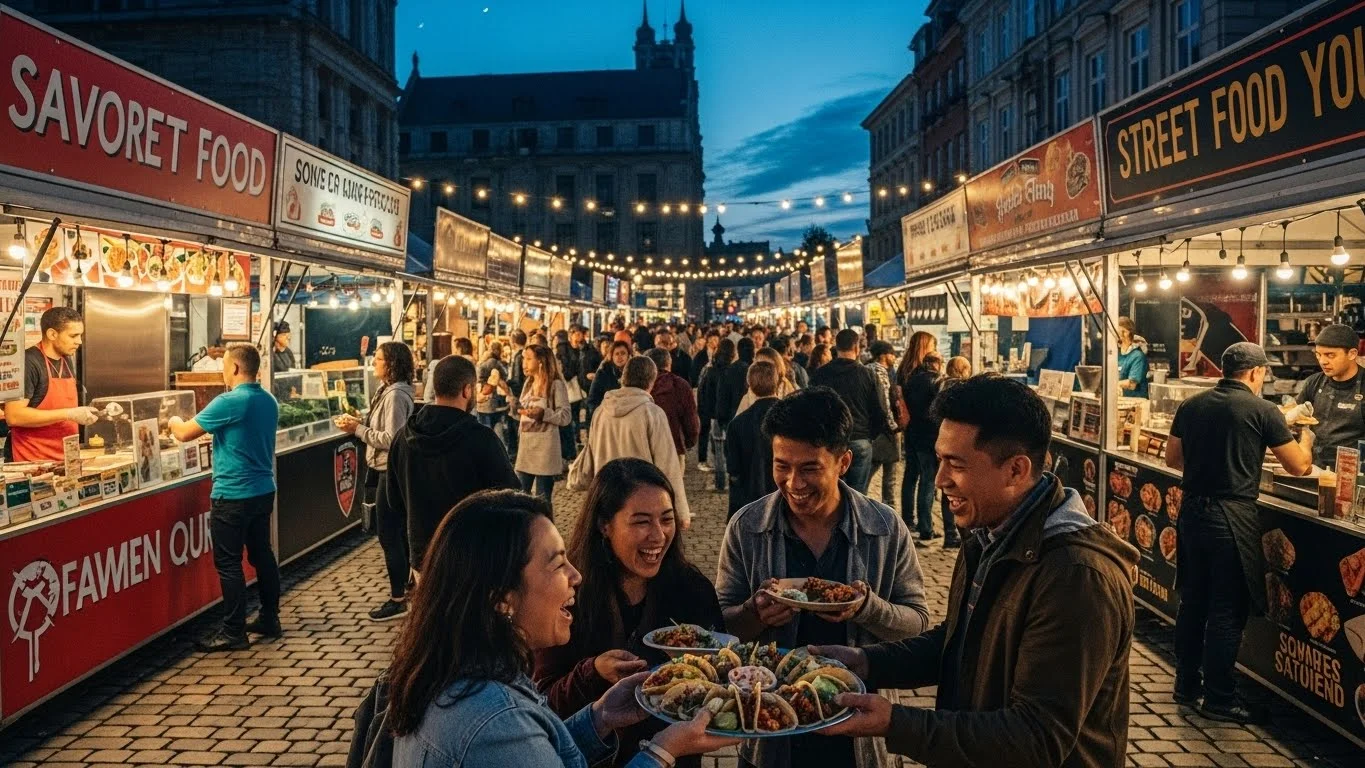
The Portland Night Market is a vibrant celebration of local food, craft, and culture. I stumbled upon this festival during a trip to Portland, and I was instantly captivated by the atmosphere. Held several times a year, this market showcases an array of local artisans and food vendors. The evening setting adds a magical touch, as the stalls are illuminated with twinkling lights, creating a warm and inviting ambiance. As I walked through the market, the sounds of laughter and sizzling grills filled the air, making it impossible not to feel excited.

Featured Street Food Vendors

At the Portland Night Market, you’ll find everything from mouth-watering tacos to artisanal donuts. I remember trying a fusion dish that combined traditional Vietnamese banh mi with a touch of Southern BBQ—what a delicious surprise! Local favorites like the Koi Fusion and Nacheaux always have long lines, and for good reason. Their creative takes on classic dishes are a feast for both the eyes and stomach. It’s impossible to leave without trying something new, and my taste buds were delighted with every bite!

When to Visit

The festival typically runs from spring to fall, with the best times being from May to October. I recommend checking their schedule online before planning your visit. The festival often runs on Friday and Saturday evenings, which makes it a perfect outing after a long week. Arriving early can help you avoid the crowds and allow for more leisurely eating, which was a strategy I found useful during my visit.

Location and Accessibility

The Portland Night Market takes place at the historic 3.5-acre space called the Redd on Salmon Street. It’s centrally located, making it easy to get to via public transportation or by car. I appreciated that there are multiple parking lots nearby, but I opted for public transit to avoid the hassle of finding a spot. The venue is also accessible for everyone, so everyone can enjoy the food and festivities.

Festival #2: Street Food Festival in Bangkok (Thailand)

Overview of the Festival

Next on our culinary journey is the legendary Street Food Festival in Bangkok. This festival celebrates the city’s rich street food culture, and if you ask me, it’s a must-see for any food lover. Bangkok’s streets are alive with energy, and during the festival, they come alive with even more vibrancy. The aroma of spices fills the air, and the sound of vendors calling out their specials creates an exciting atmosphere. I felt like I had stepped into a food paradise!

Must-Try Dishes

What I love about the Bangkok Street Food Festival is the incredible variety of dishes available. You can find everything from delicious pad thai to the famous mango sticky rice. I remember eagerly waiting in line for boat noodles, a dish that’s bursting with flavor and served in a small bowl—perfect for tasting a bit of everything. The savory broth and tender meat made it one of the highlights of my trip. Don’t forget to try the local street snacks like grilled squid or coconut pancakes; they were some of my favorites!

Best Times to Visit

The festival usually takes place during the cooler months, around December and January. I found that evenings are the best times to explore, as the weather is more pleasant and the atmosphere is buzzing with excitement. If you can go during a weekend, you’ll enjoy the full experience with more vendors and activities available.

Local Recommendations

When in Bangkok, I recommend asking locals for their favorite street food spots. They often know hidden gems that you won’t find in travel guides. One of my best experiences was chatting with a vendor who shared the story behind their family recipe for green curry. It’s moments like these that make street food festivals truly special—connecting with people while enjoying delicious food!

Festival #3: Smorgasburg (Brooklyn, USA)

Overview of Smorgasburg

Smorgasburg is one of those places that food enthusiasts dream about. I first heard about it from a friend who raved about the unique food offerings, and let me tell you, it did not disappoint! This open-air food market, held in Brooklyn, showcases a diverse range of food vendors every weekend. The atmosphere is vibrant, with beautiful views of the Manhattan skyline in the background. I remember walking along the waterfront, surrounded by the smell of grilled meats and the sound of people laughing and enjoying their meals. It felt like a community celebration dedicated to all things delicious!

Popular Food Stalls

At Smorgasburg, you can find everything from artisanal ice cream to gourmet ramen burgers. One of my favorite vendors was a company that specialized in unique variations of classic comfort food. I tried their loaded nachos topped with a spicy, homemade salsa that was the perfect blend of heat and freshness. I also couldn’t resist the allure of the ramen burger, which has become quite the sensation. The combination of crispy ramen noodles as the bun and savory beef patty left my taste buds dancing. I’ve seen so many people happily gobbling up their food, and it truly adds to the experience when you see others enjoying what you’re about to try!

Seasonal Highlights

Smorgasburg operates year-round, but I discovered that there are special seasonal highlights that make each visit unique. For instance, during the summer, they often feature special collaborations with local chefs, and fall brings a bounty of harvest-inspired dishes. I remember visiting in the fall and enjoying pumpkin-flavored treats and cozy, warm soups that perfectly matched the crisp air. The holiday season also brings festive food stalls that serve seasonal specialties. I recommend visiting multiple times throughout the year to experience the different flavors and themes!

Visitor Tips

To make the most of your Smorgasburg experience, I’ve picked up a few tips along the way. First, arrive early to beat the crowds, especially on weekends when it can get quite busy. I also recommend wearing comfortable shoes because you’ll likely be doing quite a bit of walking as you explore the different stalls. Bringing cash is a good idea since some vendors might not accept cards. Lastly, don’t be afraid to try something new! I’ve discovered some of my favorite dishes simply by stepping out of my comfort zone and asking vendors for their recommendations. You’ll be surprised at what deliciousness awaits! If you’re curious about more food festivals, check out this Ultimate Guide to the World’s Most Delicious Food Festivals.

Festival #4: La Tomatina Food Festival (Spain)

Overview of La Tomatina

La Tomatina is unlike any food festival I’ve ever attended. Held annually in Buñol, this festival is famous for its massive tomato fight. It’s a celebration of fun, laughter, and, yes, a whole lot of tomatoes! When I first learned about it, I knew I had to experience it for myself. Picture this: streets flooded with people, laughter echoing, and tomatoes flying everywhere. It’s pure joy wrapped in a messy package. The festival usually takes place on the last Wednesday of August, and it draws visitors from all around the world, creating a lively international atmosphere.

Food and Cultural Experience

While the tomato fight is the main event, La Tomatina is also an opportunity to immerse yourself in Spanish culture. Before the fight, locals and visitors gather for a communal meal, featuring traditional dishes like paella and tapas. I remember sharing a table with strangers who quickly became friends as we bonded over our love for food and the excitement of the upcoming festivities. I was amazed at how food has the power to connect people, even in such a chaotic environment. The festival showcases the spirit of community and celebration, which is something I cherish deeply.

Safety and Participation Guidelines

Participating in La Tomatina is exhilarating, but it’s important to keep safety in mind. I learned firsthand that it’s crucial to follow the rules set by the organizers to ensure everyone has a fun and safe experience. For example, you need to squash the tomatoes before throwing them to avoid injuries. Wearing old clothes and shoes is a must because you will get drenched in tomato juice! I also recommend bringing goggles to protect your eyes from the acidic juice, as I found myself squinting quite a bit during the chaos. Remember to stay hydrated and pace yourself. It’s a wild ride, but following these guidelines allows everyone to enjoy the festivities without any mishaps.

Accommodation and Transport Options

If you decide to attend La Tomatina, I suggest booking your accommodation well in advance, as places can fill up quickly. I stayed in Valencia, which is about a 30-minute train ride from Buñol, making it a convenient base. The trains are frequent, and the ride is scenic, giving you a taste of the beautiful Spanish countryside. Another option is to look for hostels or guesthouses in Buñol itself, but be prepared for higher prices during the festival. I found that planning ahead made my experience smoother, allowing me to focus on the fun instead of logistics!

Festival #5: Night Market in Taipei (Taiwan)

Overview of Taipei Night Markets

The Night Market in Taipei is an experience like no other. I remember stepping into the bustling atmosphere filled with the sounds of vendors calling out and the smell of mouthwatering dishes wafting through the air. These night markets are a staple in Taiwanese culture, often bustling until the wee hours of the morning. Every stall offers a unique taste of Taiwan’s culinary delights, and I felt like I was on a treasure hunt for the most delicious bites. The vibrant lights and lively crowds create an energetic vibe that pulls you in, making it hard to resist exploring every corner.

Signature Street Food Items

During my time at the Taipei Night Market, I discovered a plethora of signature street food items that I couldn’t get enough of. One of my all-time favorites was the iconic stinky tofu. I found it to be a bit of an acquired taste, but I was pleasantly surprised by how delicious it was once you got past the smell. It’s crispy on the outside and soft on the inside, often served with a spicy sauce that makes the flavors pop. Another must-try is the bubble tea, which I believe originated in Taiwan. The chewy tapioca pearls combined with creamy milk tea provided a refreshing kick to balance out the savory snacks. I also indulged in some scallion pancakes and grilled squid, both of which left me wanting more!

Best Times to Experience the Market

The best time to visit the night markets in Taipei is during the weekend or on holidays when the stalls are fully stocked with vendors and special pop-up events. I discovered that evening is when the markets come alive, with a bustling crowd eager to eat and socialize. The vibrant energy is contagious, and wandering the stalls while the sun sets created a magical ambiance. I recommend getting there around 6 PM to snag the best options before it gets too crowded, but be prepared to stay late—there’s so much to see and eat!

Local Insights and Tips

One of the best pieces of advice I received before my visit was to go with an open mind and a willing stomach. I found that trying a little bit of everything is part of the fun! Also, don’t hesitate to ask locals for their recommendations. I ended up chatting with a friendly vendor who suggested I try the oyster omelet, and it became one of my top favorite dishes of the trip. Another tip is to carry some cash, as many vendors may not accept credit cards. Lastly, wear comfortable shoes—trust me, you’ll want to walk around and explore!

Festival #6: Melbourne Food and Wine Festival (Australia)

Overview of the Festival

The Melbourne Food and Wine Festival is a celebration that takes place over ten days, showcasing the best of Australia’s culinary talents. I remember being blown away by the variety of food experiences available, from fine dining to casual street eats. The festival highlights not only local food but also international cuisine, reflecting Melbourne’s rich multicultural environment. I felt like I was on a culinary journey, tasting dishes from local chefs and renowned restaurants. The vibe was friendly and welcoming, with plenty of opportunities to chat with chefs and fellow food lovers.

Featured Street Food Experiences

During the festival, one standout experience for me was the “Food Truck Park,” where I sampled a variety of gourmet street food. There were trucks serving everything from charcoal-grilled meats to vegan delights, and I fell in love with a gourmet hot dog that was topped with unique ingredients like kimchi and spicy mayo. I also ventured into a pop-up stall offering modern twists on classic Australian dishes, such as kangaroo sliders. The creativity I witnessed from the vendors was truly inspiring, and I found myself eager to try whatever caught my eye.

Event Schedule and Highlights

The festival usually takes place in late winter, around August, which is a perfect time to cozy up with some good food. One of the highlights is the “River Graze,” where visitors can picnic along the Yarra River, enjoying live music and local produce. I remember spreading out a blanket and indulging in a variety of dishes while soaking up the atmosphere. There are also masterclasses and tastings led by top chefs, providing an opportunity to learn and engage in the culinary scene. I recommend checking the official schedule ahead of time to plan for any special events you don’t want to miss!

How to Get There

Getting to the Melbourne Food and Wine Festival is easy, especially if you’re in the city center. I found that public transportation is reliable and convenient, with trams and trains running frequently. If you’re driving, be prepared for limited parking, so consider using public transit or ride-sharing options. The festival venues are often centrally located, making it easy to navigate from one delicious experience to another.

Festival #7: The Big Eat (London, UK)

Overview of The Big Eat

The Big Eat in London is a fantastic celebration of street food that brings together a diverse range of culinary delights. I remember feeling excited as I approached the venue, knowing that I was about to embark on a foodie adventure. The festival features a mix of local food trucks and international vendors, reflecting London’s rich tapestry of flavors. I was thrilled to see the lineup of vendors, each offering something unique and delicious.

Noteworthy Food Vendors

While at The Big Eat, I discovered some noteworthy vendors that really stood out. One stall specialized in gourmet mac and cheese, and I couldn’t resist trying their truffle mac with crispy bacon bits. It was rich, creamy, and utterly satisfying! Another vendor offered authentic Indian street food, and their samosas paired with spicy chutney were a must-try. I loved watching everyone around me indulge in the same joy of discovering new flavors, making it a fun and communal experience.

Timing and Location Details

The Big Eat typically takes place during the summer months in various locations across London, with the festival moving around to different areas. I suggest following their social media for updates on specific dates and venues. Arriving early is a good strategy, especially if you want to avoid the longest lines for popular vendors. I found that the late afternoon and early evening seemed to be the busiest times, as people flocked in after work.

Visitor Experience Tips

To enhance your experience at The Big Eat, I recommend bringing a group of friends along. It’s more fun to share different dishes and taste-test each other’s finds! I also made sure to pace myself and take breaks to enjoy the atmosphere, as it can be overwhelming with so many options. Lastly, get ready to explore—bring your appetite and a sense of adventure, as you’ll want to try as much as you can!

Tips for Enjoying Street Food Festivals

How to Choose What to Eat

When it comes to street food festivals, the options can be dizzying! From my experience, I’ve found that it helps to prioritize what you’re most excited about. I usually start by walking around to see what catches my eye and makes my stomach growl. I often recommend looking for stalls with long lines, as they tend to be popular for a reason. Also, don’t be afraid to ask for recommendations from the vendors—they love sharing their favorites!

Health and Safety Considerations

While enjoying street food, it’s essential to keep health and safety in mind. I always make sure to look for vendors that keep their food preparation areas clean and follow proper food safety guidelines. If something doesn’t look right, it’s okay to skip it and move on to another stall. Staying hydrated is also important, especially on warm days. I usually carry a water bottle to ensure I’m feeling my best while indulging in all the delicious offerings.

Budgeting for Food Festivals

Food festivals can sometimes be more expensive than you’d expect, so I’ve learned to budget accordingly. I recommend setting a limit for how much you want to spend and sticking to it. This way, you can enjoy a variety of dishes without overspending. I also found that many vendors offer smaller portions or “taster” sizes, which allows you to try more without breaking the bank. Remember, it’s all about enjoying the experience!

Frequently Asked Questions

What is street food?

Street food is food sold by vendors in busy public spaces, offering a range of options from quick bites to hearty meals. It connects people to different cultures through flavors and aromas, creating a shared experience in vibrant markets or festivals.

What is the cultural significance of street food?

Street food represents the culture and history of a place, often telling stories about the regions they come from. It connects people to local ingredients and traditional cooking methods, allowing for a deeper cultural experience.

When does the Portland Night Market take place?

The Portland Night Market typically runs from spring to fall, with the best times being from May to October. It often occurs on Friday and Saturday evenings.

What street food can I find at the Portland Night Market?

At the Portland Night Market, you can find a variety of offerings, including tacos, artisanal donuts, and unique fusion dishes such as Vietnamese banh mi with Southern BBQ.

What is a must-try dish at the Bangkok Street Food Festival?

At the Bangkok Street Food Festival, must-try dishes include pad thai, mango sticky rice, and boat noodles, which are served in a small bowl and bursting with flavor.

What are the best times to visit Taipei Night Markets?

The best time to visit Taipei Night Markets is during weekends or holidays in the evening when the stalls are fully stocked and the atmosphere is lively. Arriving around 6 PM is recommended to avoid the crowds.

What unique experiences can I find at the Melbourne Food and Wine Festival?

The Melbourne Food and Wine Festival features a range of culinary experiences, including the “Food Truck Park” showcasing gourmet street food and special events like “River Graze” picnics along the Yarra River.

What is La Tomatina known for?

La Tomatina is famous for its massive tomato fight, held annually in Buñol, Spain. It also includes a communal meal featuring traditional Spanish dishes, creating a fun and cultural experience.

What are some tips for enjoying street food festivals?

To enjoy street food festivals, consider arriving early to beat crowds, carrying cash for vendors, and being open to trying new dishes. It’s also helpful to ask vendors for their recommendations and look for stalls with long lines.

How can I budget for food at festivals?

Budgeting for food festivals involves setting a spending limit, looking for smaller portion sizes or taster options, and prioritizing what you most want to try to enjoy a variety without overspending.

Ultimate Guide to the World’s Most Delicious Food Festivals

Food festivals are a celebration of culture, flavor, and creativity. As passionate food lovers, we can immerse ourselves in the vibrant worlds of local cuisines and discover unique tastes that tell stories about their origins. Read Interesting article: Explore the Best Street Food Festivals for Budget Travelers

Ultimate Guide to the World's Most Delicious Food Festivals

Overview of Food Festivals Around the World

What is a Food Festival?

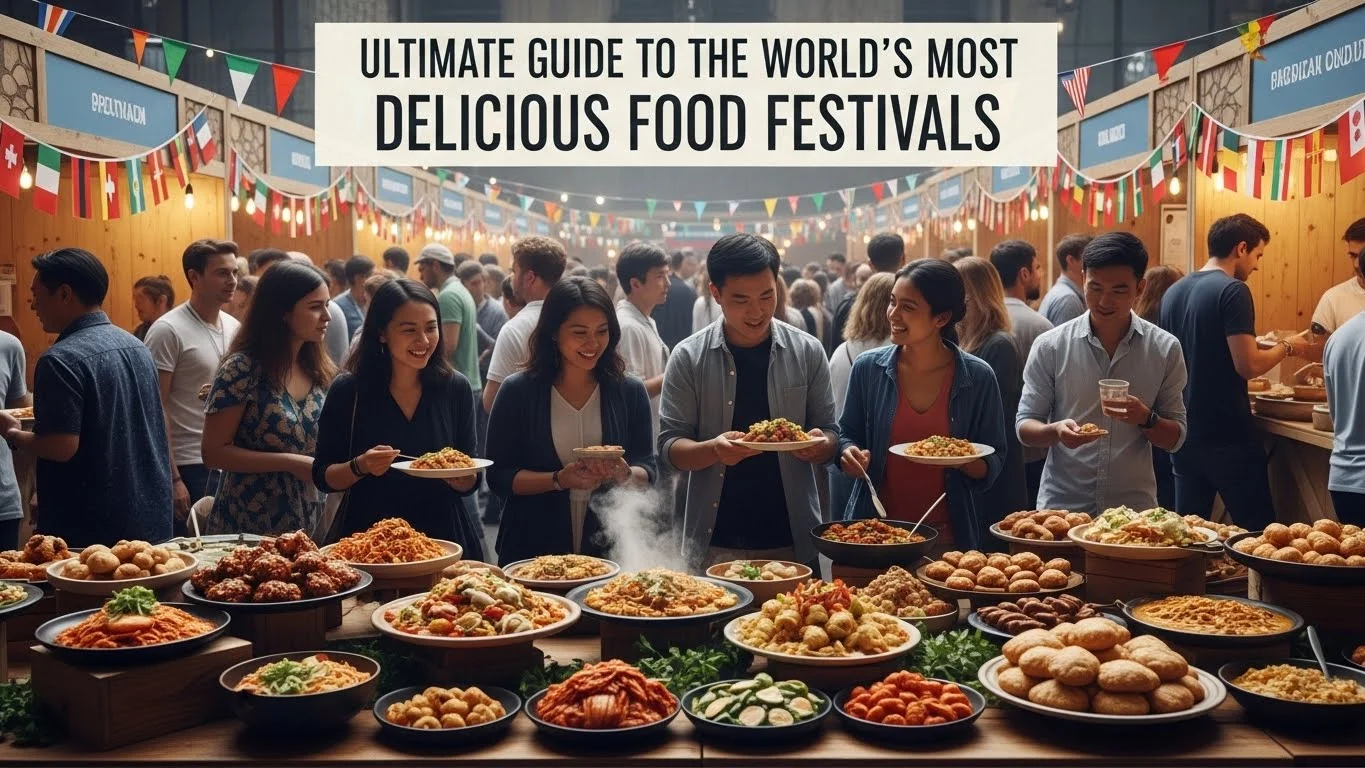
A food festival is much more than just a gathering of food vendors; it’s an experience that showcases the culinary traditions of a region. I remember the first time I attended a food festival; the air was filled with enticing aromas, laughter, and the sounds of sizzling dishes being prepared. Each booth offered a unique taste of local cuisine, inviting me to explore flavors I had never encountered before. From street food stalls to gourmet dining experiences, food festivals allow us to sample a variety of dishes in one place, making it the perfect opportunity for food enthusiasts and casual eaters alike to broaden their palates. Many festivals also highlight local ingredients, so you can enjoy the experience while supporting local farmers and businesses. Top 10 Street Food Festivals You Can’t Afford to Miss are perfect for those who want to dive into local flavors without overspending.

History of Food Festivals

The roots of food festivals can be traced back to ancient times, where communities would come together to celebrate harvests and religious events. I find it fascinating how these gatherings have evolved over the centuries. In many cultures, festivals were a way to share abundance and commemorate important seasons. For example, harvest festivals celebrated the fruits of labor, while other events honored specific ingredients, like chili or seafood. In modern times, food festivals have flourished, encompassing everything from local street food to international cuisine. Each festival often reflects the regional history, culture, and culinary innovations, making them a rich tapestry of experiences.

Why Attend a Food Festival?

Attending a food festival can be a transformative experience. Personally, I believe that there’s something magical about sharing a meal with others, and food festivals create that communal atmosphere. They offer an opportunity to meet chefs, chat with food artisans, and connect with fellow food lovers. I’ve always enjoyed tasting various dishes from different cultures, and festivals provide a buffet of flavors I might never try elsewhere. Plus, many festivals celebrate local ingredients, so you can feel good about supporting local farmers and businesses. There’s a sense of adventure in discovering new tastes, and each festival visit is like embarking on a delicious journey. Whether you’re a foodie or just looking for a fun day out, food festivals are a great way to indulge in culinary delights. Explore Global Food Festivals Without Breaking the Bank for more tips on enjoying these experiences on a budget.

Top Food Festivals by Region

North America

New Orleans Jazz & Heritage Festival

The New Orleans Jazz & Heritage Festival is a feast for the senses. Not only do you get to enjoy incredible music, but the food is a star attraction too. I remember wandering through the festival grounds, sampling jambalaya, crawfish étouffée, and beignets, all while listening to the sounds of jazz and blues. This festival showcases the unique culinary traditions of Louisiana, and each bite tells a story of the region’s rich culture.

Los Angeles Food & Wine Festival

In LA, the Food & Wine Festival is a paradise for gourmet lovers. From celebrity chef dinners to wine tastings, this festival highlights the best of California’s culinary scene. I attended a cooking demonstration by a renowned chef, and it was fascinating to see how they transformed simple ingredients into extraordinary dishes. The blend of food, wine, and beautiful weather makes this festival a must-visit for anyone looking to indulge in the finer things in life.

South America

Festival de la Gastronomía Peruana

In Peru, the Festival de la Gastronomía showcases the vibrant flavors and innovative dishes from this diverse country. I was blown away by the creativity of local chefs who blend traditional ingredients with modern techniques. From ceviche to lomo saltado, this festival is a celebration of Peru’s culinary heritage, and it’s a perfect way to explore the country’s diverse regions through food.

Buenos Aires Food Festival

The Buenos Aires Food Festival is an exciting blend of street cuisine and high-end dining. I loved strolling through the festival, trying various Argentinean treats like empanadas and asado. The atmosphere is lively, filled with music and dance, making it an unforgettable experience. This festival not only highlights the food of Argentina but also its vibrant culture, making each moment memorable.

Europe

Oktoberfest in Germany

Oktoberfest is not just about beer; it’s a massive celebration of Bavarian culture and food. The first time I visited, I was amazed at the variety of traditional dishes available, from pretzels to sausages and schnitzels. The atmosphere is electric, with laughter and music filling the air, and it’s hard not to get swept up in the excitement!

San Sebastián Gastronomika in Spain

San Sebastián is famous for its culinary excellence, and the Gastronomika festival highlights this perfectly. I remember attending cooking classes led by top chefs, learning about the Basque cuisine’s intricate techniques. The focus on high-quality ingredients and innovative dishes made this festival a culinary education, and I left with new recipes and inspiration to try at home.

Asia

Tokyo Ramen Show

If you’re a ramen lover like I am, the Tokyo Ramen Show is a bucket-list event. With dozens of ramen vendors showcasing their unique styles, I felt like a kid in a candy store. From spicy tonkotsu to vegetarian options, every bowl was a delightful surprise, and I learned so much about the different regions of Japan and their ramen traditions.

Hanoi Street Food Festival

Hanoi’s Street Food Festival is a true immersion into the flavors of Vietnam. I loved wandering through the stalls, trying everything from pho to banh mi. The vibrant street food scene is a reflection of the city’s culture, and each dish is a delicious morsel of history. The festival atmosphere, combined with the tasty food, made it an experience I’ll cherish forever.

Africa

Feast of the Tabernacles in Morocco

The Feast of the Tabernacles is a unique celebration that combines food and cultural traditions. I was captivated by the vibrant colors and aromas of Moroccan cuisine, from tagines to sweet pastries. This festival allowed me to explore the rich heritage of Moroccan food, while also appreciating the lively atmosphere and traditions that surrounded it.

South African Food & Wine Festival

South Africa’s Food & Wine Festival showcases the country’s diverse culinary landscape. I had a fantastic time sampling local wines paired with traditional dishes, and I learned about the unique fusion of flavors that represents South African cuisine. The combination of great food and stunning scenery made this festival a highlight of my travels.

Oceania

Melbourne Food & Wine Festival

The Melbourne Food & Wine Festival is a celebration of Australia’s culinary scene. I remember attending a farm-to-table dinner that showcased the best of local produce. The festival features various events, from cooking classes to wine tastings, making it an incredible opportunity to learn and taste.

Taste of Auckland in New Zealand

Taste of Auckland is a delightful showcase of New Zealand’s culinary talent. I enjoyed sampling dishes from local restaurants and discovering new flavors. The festival highlights the importance of sustainably sourced ingredients, making it a great experience for conscious eaters like myself. It’s a perfect way to explore the region’s food and wine.

What to Expect at Food Festivals

Food Sampling and Extravaganza

One of the most exciting aspects of attending a food festival is the opportunity to sample an incredible variety of dishes. I can’t tell you how many times I’ve gone to a festival with the intention of just trying a few items, only to find myself completely immersed in a food extravaganza! Each booth often offers small tasting portions, making it easy to nibble on different dishes without feeling overwhelmed. I remember at one festival, I started with a smoky barbecue brisket, then moved on to a tangy ceviche, and finished with a sweet dessert that I still dream about. It’s like a culinary adventure where you can explore the flavors of the world all in one place.

Cooking Demonstrations and Workshops

Food festivals often feature cooking demonstrations and workshops led by talented chefs and culinary experts. For me, these sessions are a highlight because I love learning new techniques and discovering tips that I can use in my own cooking. I attended a pasta-making workshop at a festival once, and I was amazed at how simple it was to create fresh pasta from scratch. Watching the chefs work their magic while sharing their passion for food is truly inspiring. Plus, you often get to taste the dishes prepared during these demos, which is a double treat!

Live Entertainment and Cultural Activities

Food festivals are not just about the food; they often include live entertainment and cultural activities that enhance the festive atmosphere. I’ve seen everything from local musicians playing traditional tunes to dance performances that reflect the region’s heritage. At one festival, I even joined a salsa dance lesson between bites of delicious tacos! The energy and vibrancy of these performances create a sense of community and connection, making the experience even more enjoyable. It’s such a joy to see people of all ages coming together to celebrate food, culture, and creativity.

Meet Local Chefs and Food Artisans

Another fantastic aspect of food festivals is the chance to meet the chefs and food artisans behind the dishes. I’ve had some memorable conversations with passionate chefs who love to share their stories and inspiration. At one festival, I chatted with a baker who specialized in artisanal breads, and he shared his process for creating the perfect sourdough. Hearing firsthand about their culinary journeys and what motivates them to create these delicious dishes adds a personal touch to the food we enjoy. Plus, it’s a great way to support local talent and perhaps even pick up a few tips for my own kitchen endeavors!

Planning Your Visit to Food Festivals

When to Attend Food Festivals

Timing can make a big difference when it comes to food festivals. Many festivals are seasonal, so it’s important to check their schedules. I’ve learned that attending during the opening days can sometimes mean fresher ingredients and more enthusiastic vendors. Plus, you’ll likely avoid the larger crowds that come later in the festival. I remember visiting a festival on its opening weekend, and it felt like I had the whole place to myself, which allowed me to take my time exploring and chatting with vendors.

How to Choose the Right Festival for You

With so many food festivals around the world, choosing the right one can be a delightful challenge. I like to consider the types of cuisine I’m most interested in or cultural experiences I want to explore. If you’re a fan of street food, look for festivals that emphasize local vendors. Alternatively, if you’re interested in gourmet experiences, seek out festivals that feature renowned chefs. I once chose a festival based on its focus on sustainable food practices, and it turned out to be one of my favorites! Trust your taste buds and choose a festival that excites you.

Budgeting for Your Food Festival Experience

Food festivals can vary significantly in cost, so having a budget in mind is key. I like to allocate some funds for food tastings, but also set aside extra for any cooking classes or merchandise I might want to purchase. Many festivals have an entry fee, so that’s something to consider as well. When I attend festivals, I often bring cash for smaller vendors who might not accept cards. Balancing my budget allows me to fully enjoy the experience without worrying about overspending.

Travel Tips for Attending Food Festivals

Transportation and Accessibility

Getting to and around a food festival can sometimes be tricky. I’ve found that researching transportation options ahead of time can save a lot of hassle. Many festivals are held in urban areas with public transport options, which can be a convenient way to navigate. If you’re driving, consider parking availability and costs. I once discovered a festival that offered shuttle services from nearby parking lots, which made my experience much smoother. Always check if the festival is accessible for those with mobility challenges, as many strive to provide inclusive experiences.

Accommodation Recommendations

If you’re traveling to attend a food festival, booking accommodations nearby can enhance your experience. I prefer staying within walking distance so I can easily return to my lodging after a long day of indulging in delicious food without worrying about transport. Look for local hotels, Airbnb options, or even camping sites if the festival allows it. I still remember the cozy little guesthouse I found during a festival that made my stay feel like a home away from home.

Local Foods and Dishes to Try at Festivals

Signature Dishes from Each Region

One of the most exciting parts of visiting food festivals is discovering the signature dishes that define each region’s culinary landscape. I remember my first taste of poutine at a Canadian festival; the combination of crispy fries, rich gravy, and cheese curds was a revelation. Each festival is an opportunity to dive deep into local flavors, and I like to keep a mental note of must-try dishes. For example, in New Orleans, you can’t miss the gumbo, which is a comforting bowl of rich, spicy goodness. In Mexico, street tacos are a staple, bursting with fresh ingredients and bold flavors that leave you wanting more. It’s fascinating how each dish tells a story of its cultural significance, and tasting them feels like connecting with the heart of the region.

Seasonal Ingredients to Look For

Food festivals often celebrate seasonal ingredients, making them a perfect place to discover what’s fresh and in-season. I’ve learned to pay attention to what’s being highlighted at each festival, as it usually means the dishes will be at their peak flavor. For instance, visiting a festival in the fall might present dishes featuring pumpkin, apple, and root vegetables, while summer festivals often showcase vibrant tomatoes, corn, and berries. At one summer festival, I indulged in a delightful peach cobbler made with locally sourced, juicy peaches that were simply irresistible. It’s a great opportunity to appreciate the joys of eating seasonally and supporting local farmers at the same time.

Food Pairings and Beverage Suggestions

Pairing food with the right beverages can elevate your festival experience. I’ve found that many festivals offer local wines, craft beers, or artisanal cocktails that complement the food perfectly. When I attended a barbecue festival, I discovered that pairing smoked brisket with a hoppy IPA enhanced both the flavors. Similarly, at a seafood festival, I learned that crisp white wines pair beautifully with dishes like ceviche and grilled shrimp. Some festivals even have mixology demonstrations, where you can learn how to create the perfect cocktail to accompany your meal. Exploring these pairings not only enhances the flavors but also gives insight into the region’s beverage culture.

Safety and Health Tips

Food Safety Guidelines

While food festivals are undoubtedly fun, it’s important to keep food safety in mind. I try to remember a few key guidelines to ensure I enjoy the experience without any unpleasant surprises. For starters, I look for booths that practice good hygiene—like using gloves or utensils when serving food. I also pay attention to the food temperature; hot foods should be steaming, while cold items should be properly chilled. If I see a long line for a particular vendor, I take it as a sign that their food is likely fresh and delicious, but I always keep an eye out for proper food handling practices. Staying mindful of these details helps me enjoy the diverse offerings without worrying about foodborne illnesses.

Allergy Considerations

If you have food allergies, navigating a food festival can be a bit daunting, but it’s definitely manageable. I learned early on to communicate my dietary restrictions clearly to vendors. Many booths are accommodating and willing to offer ingredient lists or suggest alternative options. I remember one time at a festival, I was able to find a gluten-free vendor who made fantastic tacos using corn tortillas. It’s a good idea to carry an allergy card that lists your allergies, just in case. Additionally, I often check festival websites ahead of time, as some provide information on which vendors cater to specific dietary needs, making the experience much smoother.

Staying Hydrated and Healthy

With all the delicious food to sample, it’s easy to forget about hydration. I’ve made it a habit to carry a water bottle with me to festivals, especially when the weather is warm. Many festivals provide water stations, so I make sure to fill up regularly. Staying hydrated not only keeps me feeling good but also helps my taste buds stay sharp for all the different flavors I’m eager to try. Additionally, I try to balance indulgent treats with healthier options, like fresh fruit or salads, to keep my energy levels up throughout the day. Remembering to listen to my body and taking breaks to relax helps me enjoy the festival experience even more.

Documenting Your Food Festival Experience

Photography Tips for Food Lovers

Capturing the magic of food festivals through photography has become one of my favorite ways to remember the experience. I love taking photos of not just the food but also the vibrant atmosphere around me. Natural light is usually the best, so I try to photograph dishes outdoors when possible. I’ve found that getting up close to the food and experimenting with different angles makes for more dynamic shots. It’s also fun to snap candid moments of people enjoying their meals, adding a personal touch to my collection. I often look for interesting backgrounds that reflect the festival’s theme, which helps tell a more complete story.

Sharing Your Experience on Social Media

Social media is a fantastic platform for sharing food festival experiences. I enjoy posting my favorite dishes and moments on platforms like Instagram. Using popular hashtags related to the festival can help connect with other attendees and even discover hidden gems I might have missed. I always try to engage with others in the comments or share tips on what to try, which adds to the communal aspect of the festival. Plus, it’s a fun way to inspire my friends to join me at the next food festival!

Writing Reviews and Recommendations

After attending a festival, I like to take a moment to reflect on my experience and write reviews. Sharing my thoughts on what I loved, and what I think could be improved, helps other food lovers decide where to go next. I often highlight standout vendors or specific dishes that blew me away. It’s gratifying to share insights that might help others enjoy their own culinary adventures. Plus, the feedback can be valuable for vendors, too, as they strive to create memorable experiences for festival-goers.

Frequently Asked Questions

What is a food festival?

A food festival is an experience that showcases the culinary traditions of a region, offering a variety of dishes from local cuisines. It allows attendees to explore unique flavors and immerse themselves in the culture surrounding food.

What is the history of food festivals?

The roots of food festivals trace back to ancient times when communities celebrated harvests and religious events. Over the centuries, these gatherings have evolved to include celebrations of specific ingredients and diverse culinary traditions, reflecting regional history and culture.

Why should I attend a food festival?

Attending a food festival provides a communal atmosphere where you can share meals with others, meet chefs, and explore various dishes from different cultures. It’s an adventure in culinary delights and often highlights local ingredients, allowing you to support local farmers and businesses.

What are some notable food festivals in North America?

Some notable food festivals in North America include the New Orleans Jazz & Heritage Festival, which showcases Louisiana’s culinary traditions, and the Los Angeles Food & Wine Festival, highlighting California’s gourmet scene.

What can I expect at food festivals?

At food festivals, you can expect to sample a variety of dishes, attend cooking demonstrations and workshops, enjoy live entertainment, and meet local chefs and food artisans. The vibrant atmosphere enhances the overall experience.

How can I plan my visit to a food festival?

When planning your visit to a food festival, consider the timing, choose a festival that aligns with your culinary interests, set a budget for food and activities, and research transportation and accommodation options nearby.

What local foods should I try at food festivals?

Local foods vary by region, but signature dishes often reflect the area’s culinary landscape. For example, you might try gumbo in New Orleans, street tacos in Mexico, or poutine in Canada. Seasonal ingredients are also highlighted, making each festival a unique tasting experience.

What safety precautions should I take at food festivals?

Food safety is important at festivals. Look for booths that practice good hygiene, ensure food is served at proper temperatures, and communicate any food allergies to vendors. Staying hydrated and balancing indulgent treats with healthier options is also advisable.

What photography tips can enhance my food festival experience?

To capture the essence of food festivals, use natural light, photograph dishes outdoors, and experiment with angles. Candid moments of people enjoying their meals add a personal touch, and interesting backgrounds can enhance your photos.

How can I share my food festival experience on social media?

You can share your food festival experiences on social media by posting photos of your favorite dishes, using relevant hashtags, and engaging with others in the comments. Writing reviews and recommendations after the festival can also help other attendees.

Explore the Best Street Food Festivals for Budget Travelers

Street food festivals offer a delicious way to explore new cultures without breaking the bank. Whether you’re a seasoned traveler or just starting, these festivals are a feast for the senses and a budget-friendly adventure. Read Interesting article: Top 10 Street Food Festivals You Can’t Afford to Miss

Explore the Best Street Food Festivals for Budget Travelers

Understanding Street Food Festivals

What is Street Food?

Street food, in my experience, is more than just a meal; it’s a vibrant part of a culture’s identity. Imagine wandering through bustling streets, surrounded by the tantalizing aromas of grilled meats, fried snacks, and sweet treats. Street food vendors often showcase their culinary heritage, using local ingredients and traditional recipes passed down through generations. I remember my first taste of street food in Bangkok; the flavors exploded in my mouth, making it clear that this wasn’t just food—it was an experience.

Street food can vary significantly from one country to another. In some places, it’s quick and casual, like a taco from a food truck in Mexico or a freshly made bao in Taiwan. In others, it’s a social event where families gather around stalls to enjoy delicious bites together. Regardless of the style, street food brings people together, creating a communal atmosphere that I’ve always found appealing.

The Importance of Street Food Festivals

Street food festivals play a crucial role in celebrating and preserving culinary traditions. They create a platform for local vendors to showcase their dishes, often at a lower price than in restaurants. I’ve found that these festivals not only allow travelers to sample a variety of foods but also help small businesses thrive. For budget travelers like us, they offer an opportunity to enjoy gourmet-style meals without the hefty price tag. Read Interesting article: Maximize Your Street Food Experience: Top Traveler Hacks

Moreover, these festivals serve as cultural exchanges, where travelers can connect with local communities. I once attended a street food festival in Mexico City, where I not only tasted incredible tacos but also learned about the history behind each dish from passionate vendors. The stories and personal connections made the food even more enjoyable, highlighting the importance of these festivals in bridging cultural gaps.

Top Street Food Festivals Around the World

Bangkok Street Food Festival, Thailand

Bangkok is often hailed as the street food capital of the world, and for good reason. The Bangkok Street Food Festival is an annual event that transforms the city’s streets into a culinary wonderland. Vendors set up shop, offering everything from spicy Tom Yum soup to sweet mango sticky rice. I remember being overwhelmed by the variety and the sheer number of stalls, each boasting its unique specialties.

This festival typically takes place in the cooler months, which makes it perfect for exploring the city without the sweltering heat. I found the experience not just about eating; it was about immersing myself in the local culture. The vibrant energy and the chatter of locals and tourists alike created an unforgettable atmosphere.

Mexico City Street Food Festival, Mexico

The Mexico City Street Food Festival is another gem for budget travelers. This festival showcases the best of Mexican street cuisine, featuring everything from tacos al pastor to churros. I remember standing in line for ages just to try the famous tacos, and it was worth every minute. The flavors, combined with the festive atmosphere, made for an incredible experience.

What I love about this festival is its focus on sustainability, promoting local ingredients and traditional cooking methods. You really feel good about what you’re eating, knowing it supports local economies. Plus, many vendors offer their dishes at incredibly low prices, making it easy to sample a little bit of everything without overspending.

Melbourne Night Noodle Markets, Australia

The Melbourne Night Noodle Markets are a feast for both the eyes and the taste buds. Held in the beautiful Birrarung Marr park, this festival features Asian-inspired street food from some of the city’s best restaurants and food trucks. I’ll never forget the stunning display of vibrant dishes, from bao buns to dumplings, all set against the backdrop of twinkling lights.

For budget travelers, this festival is a perfect way to enjoy high-quality food without breaking the bank. Many vendors offer small plates, allowing you to try multiple dishes in one evening. I found this approach to dining not only more fun but also a great way to share a meal with friends.

New York City Street Food Festival, USA

In the bustling streets of New York, the Street Food Festival offers a melting pot of flavors from around the world. From food trucks serving Korean BBQ to vendors dishing out classic New York-style pizza, there’s something for everyone. I enjoyed wandering through the festival, sampling a variety of dishes while soaking in the vibrant city atmosphere.

This festival showcases the diversity of street food culture in NYC, with many vendors offering affordable options. I remember discovering a hidden gem—a small stall serving authentic Arepas from Venezuela—at a price that left my wallet happy. It’s a little slice of global cuisine right in the heart of the city.

London Street Food Festival, UK

The London Street Food Festival is an annual event that celebrates the city’s dynamic food scene. With a mix of classic British fare and international cuisine, I found it to be a true reflection of London’s multicultural identity. From fish and chips to Ethiopian injera, the variety was astounding.

This festival often features live music and entertainment, making it a great place to spend a day with friends or family. I loved how it brought people together—everyone enjoying food, music, and the vibrant atmosphere. For budget travelers, there are plenty of reasonably priced options, making it easy to indulge without overspending.

Budget-Friendly Tips for Enjoying Street Food Festivals

How to Save on Food Costs

One of the best parts about street food festivals is that they can be incredibly budget-friendly, but there are always ways to stretch your dollar even further. I’ve learned a few tricks over the years that can help us enjoy delicious food while keeping our wallets happy. First, I recommend going during off-peak hours. Most festivals tend to be crowded during peak times, which can lead to longer lines and a sense of urgency that might push you to make hasty decisions. By visiting earlier or later in the day, I found that the crowds are thinner, and vendors might even offer special deals to entice customers.

Another great tip is to share dishes with friends or family. Instead of ordering a full portion of everything that looks appealing—because trust me, it all does—consider splitting dishes. This way, you get to sample more varieties without spending a fortune. I remember going to a festival with a group of friends, and we each chose a different item to share. It felt like a mini culinary tour, and we all got to try things we might not have ordered on our own.

Lastly, keep an eye out for vendors offering “combo” meals or discounts for buying multiple items. I once stumbled upon a stall that had a special deal for a drink and two snacks at a lower price. Taking advantage of these offers can make a significant difference in our overall food budget.

Finding Free or Low-Cost Events

Street food festivals are often not just about the food; they can also include live music, cooking demonstrations, and cultural performances. I’ve found that many cities host free or low-cost events that are just as exciting. Websites like Eventbrite and local tourism boards often have listings for upcoming food festivals, and they frequently highlight events that have little to no admission fees.

In my experience, some of the best festivals are those that don’t charge an entry fee. For example, I once attended a summer festival in a park where local vendors set up stalls, and there was no cost to enter. I could walk around, listen to live bands, and enjoy a laid-back atmosphere without feeling pressured to spend. Sometimes, the best experiences come from those spontaneous finds.

Also, consider checking social media for pop-up events. Many festivals are advertised on platforms like Instagram or Facebook, and they often share exclusive promotions for early birds. By following local food blogs or festival pages, I’ve discovered hidden gems in my city that I might have missed otherwise.

Transportation Tips for Budget Travelers

Getting to and from street food festivals can sometimes be an overlooked expense. I’ve learned that planning our transportation ahead of time can save not only money but also time. For instance, if the festival is in a popular area, parking can be a nightmare and expensive. Instead, I often opt for public transportation. It’s often cheaper and lets me avoid the hassle of finding a parking spot. Plus, it gives me a chance to interact with locals on the way.

If you’re in a city with ride-sharing options, that can be a great alternative, especially if I’m there with a group. Splitting the fare makes it more affordable. I’ve even made it a point to look for bike rentals or scooter shares in some cities, which can be a fun way to explore while getting to the festival.

For those who prefer walking, I suggest checking the festival location ahead of time. I’ve discovered some amazing local sights just by walking to events instead of driving. It’s a great way to soak in the culture, and sometimes, you stumble upon other food stalls or shops along the way that weren’t on the festival map!

Local Dishes to Try at Street Food Festivals

Signature Dishes from Each Festival

When I think about attending street food festivals, one of the most exciting parts is discovering signature dishes from each location. Each festival brings its unique flavors and specialties that reflect the local culture. For example, at the Bangkok Street Food Festival, I was blown away by the Pad Thai. Watching vendors whip up this iconic dish in a matter of minutes, with fresh ingredients sizzling on the hot griddle, was mesmerizing. The balance of sweet, salty, and sour flavors in every bite made me appreciate the art of street food cooking.

In Mexico City, the tacos al pastor are a must-try. These tacos are made with marinated pork, grilled on vertical spits, and served with fresh pineapple, cilantro, and onions. I vividly remember the first time I took a bite; the combination of flavors was a party in my mouth! Each vendor has their own secret recipe, so it’s fun to try a few different spots and see how they each put their spin on this classic dish.

At the Melbourne Night Noodle Markets, I found myself drawn to the bao buns. They were so fluffy and filled with delicious fillings like pork belly, pickled vegetables, and spicy sauces. It was hard to resist going back for seconds! Meanwhile, in New York City, the variety is astonishing. You can find everything from classic hot dogs to gourmet Korean BBQ. I still crave the falafel I tried from a food truck; it was crispy on the outside and bursting with flavor inside.

Lastly, the London Street Food Festival introduced me to jollof rice from West African vendors. The spicy, tomato-infused rice paired with fried plantains was unforgettable. I learned that these dishes are not just meals but stories on a plate, each telling a tale of the region they come from.

Vegetarian and Vegan Options

For those of us who are vegetarian or vegan, street food festivals can be a treasure trove of options. I’ve noticed that many festivals cater to various dietary preferences, making it easy to find something delicious without compromising your beliefs. At the Mexico City Street Food Festival, I stumbled upon a vendor specializing in vegetarian tacos filled with roasted vegetables and topped with fresh avocado. They were so satisfying, and I didn’t miss the meat one bit!

In Melbourne, I was delighted to find numerous vegan stalls, offering dishes like vegan dumplings and plant-based bao. It’s incredible how creative vendors can be with ingredients, turning traditional favorites into vegan delights. At the New York City festival, I was pleasantly surprised by the variety of vegan options available. The vegan salads and falafel wraps were packed with flavor, proving that street food is not just about meat.

What I appreciate most is that many vendors are eager to share their vegan and vegetarian options, often showcasing them as a highlight of their menu. So, if you have dietary restrictions, don’t hesitate to ask vendors what they recommend. I’ve found that they’re usually more than happy to accommodate and share their culinary creations with you.

Street Food Snacks Under $5

One of the best parts about street food festivals is that you can indulge in delicious snacks without breaking the bank. I’ve discovered countless tasty treats for under $5 at these events. For instance, at the Bangkok Street Food Festival, I found delicious satay skewers for just a couple of dollars each. The smoky flavor from the grill combined with the peanut sauce was simply divine!

Similarly, at the New York City festival, I found mini pretzels and knishes, both packed with flavor and easy on the wallet. I remember trying a few different snacks, which allowed me to enjoy a little bit of everything. It felt like a mini feast! In Mexico City, I couldn’t resist the churros coated in sugar and served with a side of rich chocolate sauce—all for about $3. The crispy exterior and warm, gooey center were heavenly.

Even at the London Street Food Festival, there were bite-sized options that were both filling and affordable. I enjoyed crispy samosas that were bursting with spiced potatoes, all for less than $5. It’s amazing how many delightful snacks you can find at these festivals without overspending. I’ve learned that budgeting for these little treats can lead to a truly satisfying day of culinary exploration.

When to Visit These Festivals

Best Times of Year for Each Festival

Timing can make a huge difference in your street food festival experience. I’ve noticed that many of these festivals occur during specific seasons, and understanding the best times to visit can enhance your culinary adventure. For instance, the Bangkok Street Food Festival usually takes place from November to February when the weather is cooler, allowing for more comfortable exploration. I remember strolling through the vibrant streets, soaking up the culture without melting in the heat.

In Mexico City, the Street Food Festival often aligns with the Day of the Dead celebrations in late October and early November. Attending during this time not only means enjoying delicious food but also experiencing the rich cultural festivities surrounding the holiday. Similarly, the Melbourne Night Noodle Markets typically occur in late spring, around November, which makes it a delightful evening outing in pleasant weather.

New York City’s Street Food Festival is usually held in the summer months, perfect for enjoying the outdoor atmosphere. I found that wandering around the festival while soaking in the sun made the food taste even better. As for London, the Street Food Festival often takes place in late summer, which means you can enjoy the lively outdoor setting while relishing a variety of dishes.

Weather Considerations

Weather can be a crucial factor when planning your visit to street food festivals. I’ve learned that checking the forecast ahead of time can save us from unexpected rain or heat. For example, I remember attending a festival in Melbourne where a sudden downpour caught us off guard! Fortunately, many vendors had tents set up, so we could still enjoy our food under cover, but it definitely made the experience a bit more chaotic.

If you’re heading to a festival in a warmer climate, dress comfortably and stay hydrated. I always carry a reusable water bottle to refill as needed. On the other hand, if it’s a cooler day, bringing a light jacket can make your experience much more enjoyable, especially in the evening when the temperatures drop. Remember, being prepared can help you fully enjoy the delicious offerings without distraction.

Safety Tips for Street Food Festivals

Choosing Safe Food Vendors

One concern many people have about street food is safety. I totally understand this feeling, as it can be daunting to try food from unfamiliar vendors. Over the years, I’ve learned a few tips to help us choose safe food options. First, I look for vendors with a line of customers; it usually indicates that the food is not only popular but also fresh. I remember standing in line at a taco stall in Mexico City, and the delicious smell wafting from the grill made the wait worthwhile.

Additionally, I always pay attention to the cleanliness of the stall. If the vendor is keeping their area clean and organized, it’s a good sign. I also try to choose cooked items over raw ones, as they’re generally safer in terms of foodborne illness. For instance, I love grabbing freshly grilled skewers or fried snacks, as I feel confident they’re prepared with care.

Staying Healthy While Enjoying Street Food

While indulging in street food is one of the highlights of attending these festivals, staying healthy is equally important. I’ve found that balancing my meals is key—enjoying rich, flavorful dishes while also incorporating lighter options. For example, at the London Street Food Festival, I balanced my crispy samosas with a fresh salad from a nearby vendor. It felt good to nourish my body while treating my taste buds.

Another tip is to pace yourself. It’s easy to go overboard when so many delicious options are available, but I’ve learned to take my time and savor each dish. I usually start with smaller portions and then decide if I want to go back for more. This way, I can enjoy a variety of foods without feeling overwhelmed. Staying mindful of what I eat helps ensure that I leave the festival feeling satisfied rather than stuffed.

Where to Stay When Attending Street Food Festivals

Budget Accommodation Options

Finding a good place to stay can enhance your festival experience without breaking the bank. I’ve discovered that many cities have budget-friendly accommodations, like hostels or guesthouses, that are often close to festival locations. During my trip to Melbourne, I found a cozy hostel just a short walk from the Night Noodle Markets. It was perfect because I could easily come and go as I pleased, allowing me to take breaks without missing out on the festivities.

Another option is to look for short-term rentals on platforms like Airbnb. I love this option because it often provides a more local feel and the opportunity to cook some of my meals, saving money for festival treats. Plus, being in a residential neighborhood can add to the overall experience, giving you a glimpse of daily life in the area.

Best Neighborhoods for Festival Access

Staying in the right neighborhood can make a huge difference. I recommend looking for accommodations near the festival site. For instance, if you’re heading to the New York City Street Food Festival, staying in neighborhoods like the Lower East Side or Brooklyn can give you easy access while allowing you to explore other culinary delights nearby.

In Bangkok, I found that staying near Sukhumvit made it easy to catch a tuk-tuk to the festival while being close to some fantastic street food options. In London, neighborhoods like Shoreditch or Camden are vibrant and close to many street food events, giving you the opportunity to enjoy local culture both during and after the festival.

Connecting with Local Culture Through Street Food

Engaging with Local Vendors

One of my favorite aspects of street food festivals is the chance to connect with local vendors. I’ve had some memorable conversations with passionate chefs who share the stories behind their dishes. At the Melbourne Night Noodle Markets, I remember chatting with a vendor about his family recipe for dumplings, and it made the meal all the more special. Engaging with these vendors often leads to discovering hidden gems or unique flavors that you might not find elsewhere.

Participating in Cooking Classes or Workshops

Another way to immerse yourself in local culture is by participating in cooking classes or workshops often offered during these festivals. I took a dumpling-making class in Melbourne and learned not only the techniques but also the cultural significance behind the dish. It was a fantastic way to connect with locals and bring a piece of the experience back home. Being able to recreate the flavors of the festival in my kitchen has been a delightful reminder of the vibrant culinary journey.

Final Thoughts

Street food festivals offer a unique blend of culture, flavor, and community that truly enriches our travel experiences. From savoring signature dishes to discovering new favorites, these festivals allow us to explore diverse culinary traditions while connecting with locals. I believe embracing the vibrant atmosphere and engaging with vendors enhances our understanding of different cultures. Whether you’re on a budget or simply looking for a memorable adventure, street food festivals create lasting memories that will keep you coming back for more. Read Interesting article: Street Food Adventures: Essential Hacks for Savvy Travelers

Frequently Asked Questions

What are street food festivals?

Street food festivals are events that celebrate local culinary traditions by showcasing a variety of street food vendors. They provide an opportunity for travelers to explore different cultures through food while enjoying budget-friendly meals.

Why are street food festivals important?

Street food festivals play a crucial role in preserving culinary traditions, supporting local vendors, and facilitating cultural exchanges. They allow small businesses to thrive and provide travelers with a chance to connect with local communities.

What are some popular street food festivals around the world?

Some popular street food festivals include the Bangkok Street Food Festival in Thailand, the Mexico City Street Food Festival, the Melbourne Night Noodle Markets in Australia, the New York City Street Food Festival, and the London Street Food Festival in the UK.

What are some budget-friendly tips for enjoying street food festivals?

To save money at street food festivals, consider going during off-peak hours, sharing dishes with friends, and looking out for combo meals or vendor discounts. These strategies can help stretch your food budget while allowing you to sample more options.

What signature dishes can I try at street food festivals?

Signature dishes vary by festival and location. For instance, you can enjoy Pad Thai in Bangkok, tacos al pastor in Mexico City, bao buns in Melbourne, falafel in New York City, and jollof rice in London.

Are there vegetarian and vegan options available at street food festivals?

Yes, many street food festivals offer a variety of vegetarian and vegan options. Vendors often provide creative dishes that cater to dietary preferences, ensuring that everyone can find something delicious to enjoy.

What are some snacks under $5 that I can find at street food festivals?

Street food festivals often feature affordable snacks under $5, such as satay skewers in Bangkok, mini pretzels in New York City, churros in Mexico City, and crispy samosas in London, allowing you to indulge without overspending.

When is the best time to visit street food festivals?

The best time to visit varies by festival. For example, the Bangkok Street Food Festival occurs from November to February, while the Mexico City Street Food Festival aligns with the Day of the Dead celebrations in late October and early November.

What safety tips should I consider when choosing food vendors at festivals?

When selecting food vendors, look for those with a line of customers, as this often indicates popularity and freshness. Pay attention to cleanliness and opt for cooked items over raw ones to minimize the risk of foodborne illness.

How can I connect with local culture through street food festivals?

You can connect with local culture by engaging with vendors to learn about their dishes and participating in cooking classes or workshops offered during the festivals, which provide insight into culinary techniques and cultural significance.

Top 10 Street Food Festivals You Can’t Afford to Miss

Street food festivals are a vibrant celebration of culture, flavor, and creativity. They offer a unique opportunity to savor delicious dishes from around the world, all in one lively location. Let’s dive into the world of street food festivals that you absolutely can’t miss!

Top 10 Street Food Festivals You Can't Afford to Miss

Introduction to Street Food Festivals

The Global Appeal of Street Food

Street food has always held a special place in my heart. Whether it’s the aroma of spices wafting through the air or the sound of sizzling on hot grills, street food brings people together in a way that few other cuisines can. From bustling night markets in Asia to food trucks in America, the variety of flavors and dishes is endless. I’ve traveled to many places, but I always find that street food festivals capture the essence of a city’s culinary scene. They showcase not just food, but the stories and cultures behind each dish. Maximize Your Street Food Experience: Top Traveler Hacks can help you get the most out of your visits!

What to Expect at Street Food Festivals

Attending a street food festival is like stepping into a flavorful wonderland. You can expect vibrant stalls filled with an array of food options, often representing both local and global cuisines. I remember my first festival; I was overwhelmed with choices! There’s usually a lively atmosphere with music, art, and sometimes even cooking demonstrations. You’ll find friendly vendors eager to share their culinary creations, and it’s common to see long lines of enthusiastic foodies waiting to get a taste. Sampling lots of different dishes is part of the fun! Many festivals also offer workshops or talks where you can learn about the food, cooking techniques, and the history behind the dishes. Overall, it’s an exciting and immersive experience that I highly recommend to anyone who loves food and culture. Street Food Adventures: Essential Hacks for Savvy Travelers can provide you with additional insights!

Top 10 Street Food Festivals You Can’t Afford to Miss

1. Night Market, Taipei, Taiwan

Overview and History

The Night Market in Taipei is more than just a festival; it’s a rite of passage for any food lover. This bustling market has been around for decades, serving up local favorites and innovative dishes. I was amazed by the sheer variety of options, from traditional snacks to modern twists on classics. Each stall tells its own story, often passed down through generations.

Must-Try Dishes

When I visited, I couldn’t resist trying the infamous stinky tofu. It may sound daunting, but it was surprisingly delicious! Other must-tries include bubble tea, scallion pancakes, and the tender, savory beef noodle soup. Each dish is a flavor explosion that keeps you coming back for more.

Best Time to Visit

The best time to hit the Night Market is in the evening when the energy is at its peak, and the stalls are fully stocked. I recommend visiting during the summer months, as many festivals and special events pop up, adding even more excitement to the experience.

2. Street Food Festival, Melbourne, Australia

Overview and History

Melbourne’s Street Food Festival is a celebration of multicultural culinary traditions. This festival showcases the rich diversity of food from all over the globe. I loved how you could find everything from Ethiopian injera to Italian gelato in one place. The vibrant street art and entertainment make it more than just a food festival; it’s a cultural extravaganza.

Must-Try Dishes

Definitely try the Vietnamese banh mi, which has a perfect balance of flavors and textures. The gourmet doughnuts are also worth the calories! I found myself devouring one that was filled with rich custard cream that I still dream about.

Best Time to Visit

Typically held in the warmer months, the festival is best enjoyed from December to March when Melbourne’s weather is sunny and inviting. It’s a great opportunity to enjoy outdoor dining and live music.

3. La Tomatina, Buñol, Spain

Overview and History

While La Tomatina is primarily known for its epic tomato fight, it also features a fantastic food festival atmosphere. This quirky event has been celebrated since 1945 and draws thousands of visitors eager to join in the fun. What I found fascinating was how the festival originated from a simple food fight among friends!

Must-Try Dishes

Before the tomato throwing begins, be sure to dive into some traditional Spanish paella. The flavors of saffron and fresh seafood are unforgettable. And don’t forget to try churros with chocolate sauce for a sweet treat to end your day!

Best Time to Visit

La Tomatina takes place on the last Wednesday of August, making it a unique summer festival experience. It’s wise to book accommodations early, as the event attracts a large crowd!

4. Food Truck Festival, Los Angeles, USA

Overview and History

Los Angeles has made a name for itself in the food truck scene, and their annual Food Truck Festival is a testament to that. The festival highlights the creativity of local chefs and their unique takes on traditional recipes. I was blown away by the sheer variety of cuisines available.

Must-Try Dishes

Don’t miss the Korean BBQ tacos—savory and satisfying. Also, the gourmet grilled cheese sandwiches are a childhood favorite reimagined with adult flavors. There’s something for everyone, which I found really appealing.

Best Time to Visit

The festival usually occurs in late summer, benefiting from the beautiful California weather. Arriving early is crucial to beat the lines and ensure you can sample as many dishes as possible!

5. Fête de la Gastronomie, France

Overview and History

This festival is a grand celebration of French culinary heritage, showcasing the best of French gastronomy. I experienced this festival in Paris, and it felt like walking through a food lover’s dream. The event brings together chefs, food enthusiasts, and local producers, creating a vibrant atmosphere of sharing and discovery.

Must-Try Dishes

I highly recommend trying the coq au vin and traditional French pastries like macarons. Each bite is a testament to the skill and passion that French chefs put into their food.

Best Time to Visit

The Fête de la Gastronomie typically takes place in late September, making it a lovely time to enjoy the fall weather while indulging in gourmet experiences.

6. Street Food Summer Festival, London, UK

Overview and History

The Street Food Summer Festival in London is a vibrant celebration of diverse culinary traditions, taking place in various parks across the city. I remember my first visit; it felt like a carnival of flavors! Established to showcase the growing street food scene in the UK, this festival has quickly become a favorite among locals and tourists alike. As I walked through the festival grounds, I was captivated by the array of stalls, each representing different cultures and unique dishes. The atmosphere was filled with laughter and the inviting scents of food cooking fresh on-site.

Must-Try Dishes

One dish that I absolutely loved was the jerk chicken, marinated in a blend of spices and grilled to perfection. The smoky flavor was out of this world! I also couldn’t resist trying the Indian street food staple, samosas, stuffed with spiced potatoes and peas. And let’s not forget about the delicious vegan options, like jackfruit tacos that were both hearty and flavorful. Each bite was a reminder of how street food is not just about eating; it’s about experiencing different cultures through their flavors.

Best Time to Visit

The Street Food Summer Festival typically runs from June to August, making it a perfect summer outing. I suggest visiting on a sunny Saturday to soak in the atmosphere and enjoy live music performances that often accompany the food. Arrive early to beat the crowds and get your hands on the trending dishes before they sell out!

7. Singapore Food Festival, Singapore

Overview and History

The Singapore Food Festival is a highlight on the culinary calendar, celebrating the city-state’s vibrant food scene. I was fortunate to attend this festival during my trip to Singapore, and it was an experience like no other. With roots dating back to 1994, this festival has evolved into a month-long celebration featuring pop-up stalls, cooking classes, and food challenges. The mix of cultures in Singapore is beautifully reflected in the variety of dishes available, showcasing everything from traditional Malay dishes to modern fusion bites.

Must-Try Dishes

You can’t visit the Singapore Food Festival without trying the iconic chili crab. It’s messy but oh-so-worth it! I also enjoyed sampling the satay skewers, which were perfectly charred and served with a delicious peanut sauce. Another highlight was the roti prata, a flaky, crispy flatbread that I paired with rich curry. Each dish felt like a genuine representation of Singapore’s multicultural essence.

Best Time to Visit

The festival usually occurs in July, coinciding with the Singapore Food Festival Month. This is the best time to experience the full range of culinary offerings. I recommend planning your visit for the opening weekend, when the excitement is at its peak, and special events are in full swing.

8. Taste of Chicago, USA

Overview and History

Taste of Chicago is a beloved food festival that has been a staple in the city since 1980. I had the pleasure of attending this festival, which transforms Grant Park into a food lover’s paradise. With a focus on local restaurants and chefs, this festival offers a chance to sample the best of Chicago’s culinary scene in one spot. As I strolled through the park, I was mesmerized by the enticing food options and the buzz of excitement surrounding the live music and entertainment.

Must-Try Dishes

Be sure to try the Chicago deep-dish pizza; it’s an experience in itself! The gooey cheese and rich tomato sauce are a perfect match. I also loved the Italian beef sandwiches, which were packed with flavor and served with hot giardiniera. Don’t forget to save room for a classic Chicago-style hot dog topped with all the traditional fixings—it’s a must-have!

Best Time to Visit

The Taste of Chicago typically takes place in July, making it a great summer outing. I suggest visiting during the weekdays when the crowds are smaller, allowing you to sample more dishes without feeling rushed.

9. Penang Street Food Festival, Malaysia

Overview and History

The Penang Street Food Festival is a celebration of the rich culinary heritage of Penang, known as the food capital of Malaysia. When I attended this festival, I was blown away by the vibrant setting and the array of delicious dishes on offer. The festival brings together local hawkers and chefs to showcase their specialties, each telling a story of culture and history through their food. There’s something magical about the way the locals take pride in their culinary traditions.

Must-Try Dishes

You absolutely must try the char kway teow, a stir-fried noodle dish that’s smoky and full of flavor. I also fell in love with the assam laksa, a spicy and sour fish soup that’s unlike anything I’ve ever tasted before. And let’s not forget the sweet treats like cendol, a refreshing dessert made with coconut milk and green jelly noodles. Each dish was a delightful reminder of why Penang is renowned for its street food.

Best Time to Visit

The festival is usually held in April, coinciding with the peak tourist season in Penang. It’s a wonderful time to enjoy the island’s warm weather and vibrant culture. I recommend checking the festival schedule ahead of time to catch any special events or cooking demonstrations.

10. Bangkok Street Food Festival, Thailand

Overview and History

The Bangkok Street Food Festival is a sensory overload in the best way possible! I remember stepping into this bustling festival and being immediately enveloped by the aromas of spices and sizzling meats. This festival celebrates Thailand’s rich street food culture, showcasing local vendors who have mastered their craft. It’s an exhilarating experience that highlights the heart of Bangkok’s culinary identity.

Must-Try Dishes

You can’t miss trying the pad thai; it’s a street food classic that never disappoints! I also loved the gai yang, grilled chicken marinated in Thai spices, which was incredibly juicy and flavorful. For dessert, I recommend the mango sticky rice—sweet, creamy, and simply divine!

Best Time to Visit

The Bangkok Street Food Festival typically takes place in April, making it a perfect time to enjoy the lively street scene. Arriving in the evening is ideal, as the atmosphere transforms into a vibrant night market filled with lights and sounds. It’s an unforgettable experience that I highly recommend!

Planning Your Visit to Street Food Festivals

Planning Your Visit to Street Food Festivals

When to Go: Seasonal Considerations

Timing can significantly impact your experience at street food festivals. I’ve noticed that different seasons can bring out unique flavors and vibes at these events. For instance, spring festivals often feature fresh, seasonal ingredients that make the dishes even more vibrant. On the other hand, summer festivals are usually bustling with energy, as many people are eager to enjoy the outdoor atmosphere. If you’re like me and prefer milder weather, I recommend visiting during the shoulder seasons, such as late spring or early fall. The cool breezes and pleasant temperatures can make your culinary adventure more enjoyable. Plus, you might find that the crowds are a bit lighter during those times, allowing you to savor each dish without feeling rushed.

How to Navigate the Festival

Navigating a street food festival can be as thrilling as it is overwhelming. With so many tantalizing options, it’s easy to get lost in the excitement. From my experience, I find it helpful to take a walk around the entire festival first. This way, I can get a sense of the layout and see what’s on offer. I usually make a mental note of the stalls that catch my eye. After that initial stroll, I like to prioritize my must-try dishes and create a mini food map. When I visited the Singapore Food Festival, for instance, I had a list of dishes I absolutely wanted to try, which helped me stay focused and avoid the “paralysis by analysis” that can happen when surrounded by so many choices.

If you’re attending a larger festival, consider downloading their official app or checking their website for maps and vendor lists. Many festivals provide guides that can help you discover hidden gems you might miss otherwise. And don’t hesitate to ask locals or fellow festival-goers for recommendations; I’ve found that sharing food experiences often leads to the best discoveries!

Budgeting for Street Food Festivals

One thing I’ve learned is that it’s essential to budget for a street food festival. While prices can vary widely, treating yourself to a variety of flavors can add up quickly. I suggest setting aside a specific amount of money for food and drinks before you go. This way, you can indulge without worrying about overspending. At the Food Truck Festival in Los Angeles, I found that many vendors offered smaller portions at lower prices, which allowed me to sample more dishes without breaking the bank. I usually treat it like a casual dining experience—sharing plates with friends or family, whenever possible, can also make it more affordable. It’s a fun way to bond, and you get to taste even more dishes! Read Interesting article: Unlock the Secrets: Street Food Hacks for Budget Travelers

Safety Tips for Enjoying Street Food

While street food is incredibly delicious, it’s always wise to keep some safety tips in mind. I remember my first street food experience; I was both excited and a bit nervous about food safety. I’ve learned that it’s important to observe how vendors handle their food. Look for stalls that are busy, as high turnover usually means fresher food. If a vendor has a long line, it’s often a sign that their food is good and safe to eat. Additionally, I always carry hand sanitizer with me to clean my hands before I eat, just in case. At the Night Market in Taipei, I noticed that many vendors provided handwashing stations, which was reassuring.

Also, be aware of your own dietary restrictions or allergies. I always check the ingredients before trying something new. If you’re unsure, don’t hesitate to ask the vendor for details about their dishes. They’re usually more than happy to share their culinary secrets! Following these simple tips has allowed me to enjoy street food festivals without any worries.

Frequently Asked Questions

What are street food festivals?

Street food festivals are vibrant celebrations of culture, flavor, and creativity, offering a unique opportunity to savor delicious dishes from around the world in a lively location.

What can I expect at a street food festival?

At a street food festival, you can expect vibrant stalls filled with a variety of food options, music, art, and sometimes cooking demonstrations. The atmosphere is lively, with friendly vendors and enthusiastic foodies sampling different dishes.

When is the best time to visit the Night Market in Taipei?

The best time to visit the Night Market in Taipei is in the evening when the energy is at its peak, especially during the summer months when many festivals and special events occur.

What are some must-try dishes at the Melbourne Street Food Festival?

At the Melbourne Street Food Festival, you should definitely try the Vietnamese banh mi and gourmet doughnuts, particularly one filled with rich custard cream.

What unique features does La Tomatina offer?

La Tomatina is known for its epic tomato fight, but it also features a fantastic food festival atmosphere with traditional Spanish dishes like paella and churros with chocolate sauce.

What is the focus of the Taste of Chicago festival?

Taste of Chicago focuses on local restaurants and chefs, providing a chance to sample the best of Chicago’s culinary scene, including deep-dish pizza, Italian beef sandwiches, and Chicago-style hot dogs.

When does the Singapore Food Festival typically take place?

The Singapore Food Festival usually occurs in July, coinciding with the Singapore Food Festival Month, making it the best time to experience the full range of culinary offerings.

What safety tips should I keep in mind while enjoying street food?

When enjoying street food, observe how vendors handle their food, choose busy stalls for fresher options, carry hand sanitizer, and be aware of your dietary restrictions or allergies by checking ingredients with vendors.

How can I effectively navigate a street food festival?

To navigate a street food festival effectively, take an initial stroll to get a sense of the layout, prioritize must-try dishes, and consider using the festival’s official app or website for maps and vendor lists.

What budgeting tips are recommended for street food festivals?

It’s essential to budget for a street food festival by setting aside a specific amount for food and drinks, considering smaller portions from vendors, and sharing plates with friends or family to sample more dishes without overspending.