Web Analytics

Recent Posts

Traveling Solo with Your Dog: Tips for Budget Adventures

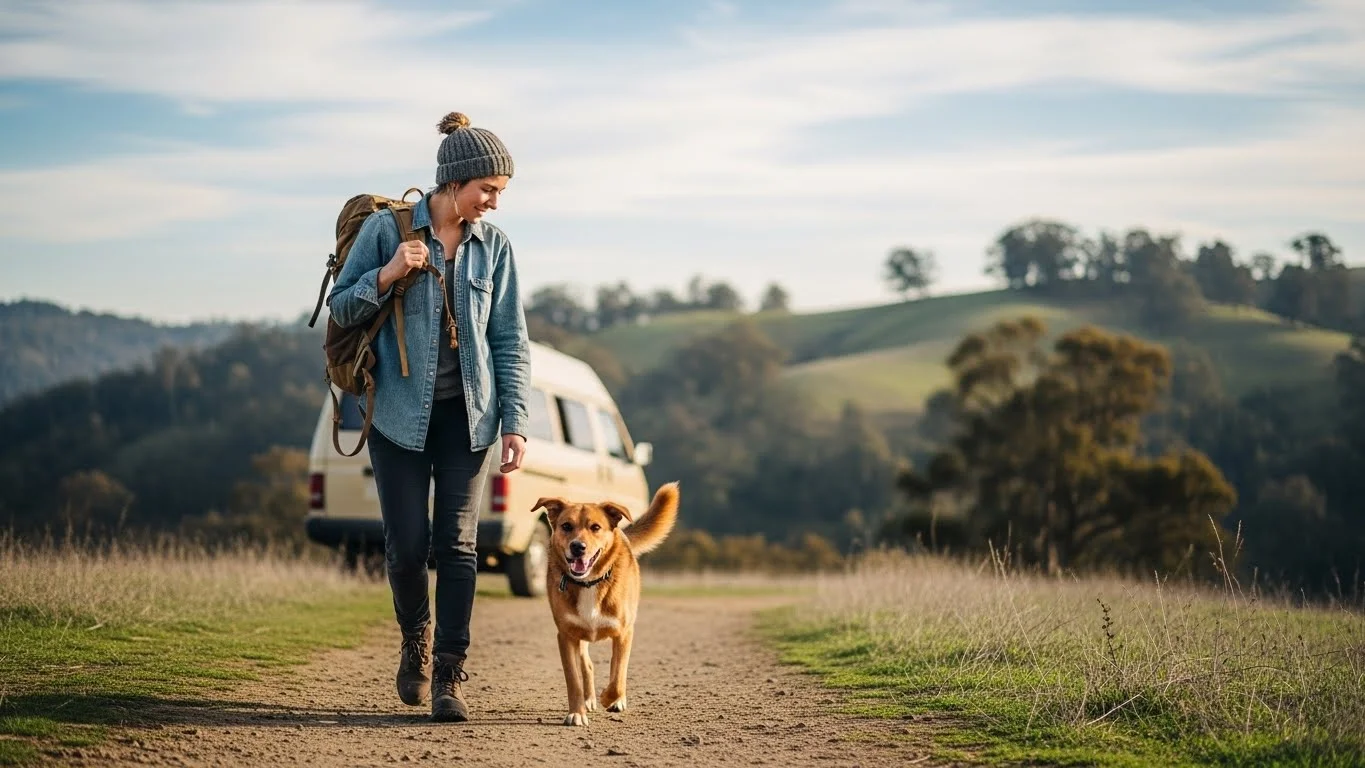
Traveling solo with your dog can be one of the most rewarding adventures. Imagine exploring new places while having your furry friend by your side, creating memories that last a lifetime!
Traveling Solo with Your Dog: Tips for Budget Adventures

Why Travel Solo with Your Dog?

The Benefits of Traveling with Your Pet

When I first decided to travel solo with my dog, I was excited but also a bit apprehensive. I wondered, “Would it be fun? Would my dog enjoy it?” What I discovered was that traveling with my furry companion not only deepened our bond but also added a unique layer of joy to my adventures. I learned that dogs are natural explorers; they thrive on new experiences just like we do. Plus, having my dog along meant I had a built-in buddy to share the excitement and the views with. There’s something incredibly satisfying about sharing a sunrise on a mountain top or a quiet moment by the lake with your pet.

Traveling solo with your dog also opens up new opportunities to meet fellow dog lovers and connect with locals. I remember stopping at a dog-friendly café in a small town, where I struck up a conversation with another dog owner. We shared tips about the area and ended up exploring a nearby hiking trail together. These spontaneous connections can transform a simple trip into something memorable. For more tips on traveling with your dog, check out The Ultimate Guide to Solo Backpacking with Your Dog.

Understanding Your Dog’s Needs on the Road

Before you hit the road, it’s essential to consider your dog’s specific needs. Every dog has a unique personality and comfort level with travel. I found that having a clear understanding of my dog’s habits made a significant difference in our experience. For instance, my dog loves to nap, so I made sure to plan plenty of rest stops. I also learned that some dogs can be anxious in new environments. If that sounds like your dog, think about bringing along their favorite blanket or toy to make them feel more at home wherever you go.

Another important aspect is to keep your dog’s routine as consistent as possible. I tried to maintain regular feeding and walking schedules, even while on the road. This helped my dog feel secure and adjusted to the changes around us. I also made it a point to research dog-friendly parks or beaches where we could stretch our legs and play. Finding places where my dog could run and explore made our travels more enjoyable and less stressful.

Adapting to my dog’s needs while traveling has taught me the importance of patience and flexibility. There were times when plans changed because my dog needed a break or wasn’t feeling up for a certain activity. Instead of getting frustrated, I learned to embrace these moments as part of our journey. After all, traveling isn’t just about the destination; it’s about the experiences we share along the way.

Planning Your Budget Adventure

Setting a Realistic Travel Budget

Budgeting is a crucial part of any travel plan, especially when you’re traveling with your dog. I remember the first time I set out on a solo adventure with my pup; I had no idea how much to budget. I quickly learned that having a clear budget helps me enjoy the trip without financial stress. The first step I took was to outline all potential expenses, including gas, food, accommodations, and activities. I also factored in a little extra for unexpected expenses. This way, I could plan ahead and ensure I had enough funds for fun activities during our trip.

One tip I found particularly useful was to look for travel deals and discounts. Websites and apps that offer last-minute deals or allow you to book accommodations directly can save you a significant amount. I also discovered that many national parks and outdoor areas are free or have minimal entry fees, which is perfect for budget travelers like me. Additionally, consider reading about Luxury Solo Travel: Where to Stay for Ultimate Comfort for some great accommodation ideas.

Finding Affordable Dog-Friendly Destinations

As I explored different destinations, I realized that some places are more dog-friendly than others. I found that smaller towns often have fewer restrictions and more welcoming attitudes toward pets compared to bigger cities. When planning my trips, I focused on areas known for their outdoor activities, which typically allow dogs. Beaches, hiking trails, and even some lakes are usually pet-friendly, and they offer a lot of fun for both my dog and me.

Another thing to consider is the seasonality of certain destinations. Traveling during off-peak times can save you money and provide a more comfortable experience. I remember visiting a coastal town in the fall; not only were accommodations cheaper, but the beaches were less crowded, allowing my dog to roam freely while I relaxed.

Researching Pet Policies for Accommodations

Before booking any place to stay, I always take the time to research pet policies. I’ve learned the hard way that not all hotels or rentals allow dogs, and some have strict rules. I usually look for pet-friendly lodgings that don’t charge exorbitant fees. Many times, I found that smaller bed-and-breakfasts or vacation rentals were more flexible with their pet policies than larger hotel chains. Websites like BringFido and Airbnb have been lifesavers in finding suitable places that welcome dogs without breaking the bank.

Additionally, I always double-check the amenities available for pets, such as pet beds, food bowls, or even dog parks nearby. Having these perks can make a big difference in how comfortable my dog feels during our stay.

Essential Gear for Traveling with Your Dog

Choosing the Right Travel Crate or Carrier

When I first started traveling with my dog, I didn’t realize how important it was to have the right travel crate or carrier. I remember feeling overwhelmed while shopping for one; there are so many options out there! After doing some research and chatting with other dog owners, I discovered that a good travel crate not only keeps my dog safe but also provides a sense of security for them during our adventures. I chose a soft-sided crate that was lightweight and easy to carry. It also had ventilation and was easy to set up, which made it perfect for both road trips and flights.

One thing I found helpful was to consider my dog’s size and behavior when selecting a crate. My dog is a small breed, so I opted for a crate that allowed enough room to stand, turn around, and lie down comfortably. If your dog tends to get anxious, a crate with a cozy blanket or familiar toy can help settle them down. I also recommend looking for crates that are airline-approved if you plan to fly. It’s worth checking the guidelines of the airline beforehand to ensure a smooth experience.

Must-Have Travel Accessories for Dogs

Along with a reliable travel crate, I learned that there are several accessories that can make traveling with my dog much easier. For instance, a travel water bowl is a must. I chose one that collapses, making it easy to store without taking up too much space in my bag. Hydration is key, especially during road trips or hikes, so I always ensure my dog has access to fresh water.

Another essential is a good leash and harness. I found that a harness gives me better control over my dog, especially in busy areas. It also prevents any pressure on their neck, which is safer for them. I also like to have a few portable waste bags on hand for clean-up during our outings. It’s a small thing, but it makes a big difference in keeping the environment clean and being a considerate traveler.

Lastly, I can’t stress enough how important it is to have a first aid kit specifically for dogs. I put together a small kit that includes bandages, antiseptic wipes, and any medications my dog might need. Knowing that I’m prepared for minor injuries or issues gives me peace of mind while we explore.

Packing Essentials for Your Solo Trip

Packing for both myself and my dog can be a bit of a challenge, but I’ve found that making a checklist helps keep me organized. I start with my dog’s essentials: food, treats, and their favorite toys. I usually bring enough dog food for the entire trip plus a little extra, just in case we decide to extend our stay. I also pack a few treats to reward my dog for being such a good travel companion!

In my experience, having a portable dog bed can really enhance our comfort during the trip. It provides a familiar spot for my dog to rest, no matter where we are. I also make sure to bring a few extra towels, as they come in handy for cleaning up muddy paws or drying off after a swim. It saves me from the stress of messy car interiors and keeps our accommodations clean.

As for my own packing, I keep it simple and practical. Comfortable clothing and sturdy shoes are a must, especially since we often end up on trails or in parks. I also pack a reusable water bottle for myself, making it easier to stay hydrated while we’re out adventuring together. By preparing and packing wisely, I can focus on enjoying our trip rather than worrying about whether I forgot something important.

Transportation Options for Solo Travelers with Dogs

Driving with Your Dog: Tips for Road Trips

Driving with my dog has become one of my favorite ways to travel. There’s something special about hitting the open road together, and I’ve found that with a little planning, it can be a smooth and enjoyable experience. One of the first things I do is make sure my dog is comfortable in the car. I usually secure the crate in the back seat or use a pet seatbelt to keep them safe. This way, I can focus on the road while knowing my dog is secure.

Another tip that has worked for me is to plan for regular breaks. I try to stop every couple of hours to let my dog stretch their legs and explore. It’s a great way for both of us to refresh and recharge. During those stops, I make sure to bring along a toy to keep my dog entertained and engaged. I’ve noticed that having these breaks helps prevent any restlessness or anxiety during long drives.

Also, I learned the importance of keeping the car well-ventilated and not leaving my dog alone in the vehicle, especially in warm weather. If I need to run errands or grab a bite to eat, I look for dog-friendly places where I can bring my pup along or use a drive-thru, if available. This way, we can enjoy the journey together without any worries.

Using Public Transportation: Rules and Tips

Traveling by public transportation with my dog can be a whole different adventure. I’ve taken trains and buses, and I’ve learned that each mode of transport has its own set of rules. Before heading out, I always check the pet policies of the transportation service. Some places require dogs to be in a carrier, while others might allow leashed dogs. Knowing these rules helps avoid any surprises at the station.

When I’m on public transport, I make sure to keep my dog calm and close to me. A well-fitted harness helps me maintain control, and I often give my dog treats to keep them relaxed during the journey. I’ve also found that traveling during off-peak hours makes for a less crowded experience, which is much more comfortable for both of us.

Air Travel Considerations for Pet Owners

Flying with my dog was a big step, and I remember feeling a bit nervous about the process. One of the first things I did was to ensure my dog was comfortable and healthy enough for air travel. A visit to the vet for a health check was essential, along with getting the necessary health certificates if required. I also made sure our travel crate met airline regulations.

Booking a direct flight is always my preference to minimize stress for my pup. I try to arrive at the airport early to give us plenty of time. When checking in, I find it helpful to let the airline staff know I’m traveling with a dog. They often have helpful advice and can guide me through the process. Once on the plane, I do my best to keep my dog calm with a familiar blanket or toy, which helps ease any anxiety during the flight.

Finding Dog-Friendly Accommodations

Types of Budget-Friendly Lodging

When it comes to finding a place to stay with my dog, I always keep an eye out for budget-friendly options that won’t break the bank. I’ve had some great experiences in cozy motels or small inns that are often more accommodating to pets than larger hotels. I remember one trip where I stayed at a charming bed-and-breakfast. The owners were so welcoming, and they even had a dog-friendly garden where my pup could play while I enjoyed my morning coffee.

Besides motels and B&Bs, I’ve found that camping can be an excellent option for those on a budget. Many campgrounds allow dogs and provide a fun outdoor experience. I’ve pitched my tent in beautiful parks, enjoying fireside evenings with my dog curled up beside me. It’s a fantastic way to bond and enjoy nature without spending a fortune.

Vacation rentals are another option I love to explore. Websites like Airbnb often have listings that allow dogs, and since I usually book a place with a kitchen, I can save money by cooking my meals. It gives me the freedom to enjoy home-cooked meals after a day of adventure, and my dog can enjoy the comforts of a homey environment. If you’re looking for luxurious stays, don’t miss out on Experience Luxury Alone: Best Solo Travel Stays.

Apps and Websites for Pet-Friendly Stays

Finding the right place to stay can be overwhelming, but there are fantastic apps and websites that make it a breeze. I’ve become a fan of BringFido, which specializes in dog-friendly accommodations. The website allows you to filter options based on location and pet policies, saving me time and effort in my search. I’ve even used their list of dog-friendly attractions and services in the area, which has led to some unexpected adventures!

Another useful resource is PetFriendly, which lists accommodations that welcome pets, whether it’s hotels, cabins, or campsites. I find it especially helpful to read reviews from other pet owners who share their experiences. Their tips often guide me to the best spots and provide insights about the pet policies.

When booking through platforms like Airbnb, I always message the host to confirm their pet policy. Sometimes, hosts may have specific rules or fees, and it’s good to clarify these details beforehand to avoid any surprises upon arrival.

What to Look for in a Dog-Friendly Hotel

Choosing the right hotel can significantly impact our travel experience. I look for places that not only allow pets but also offer amenities that make our stay comfortable. For instance, a hotel with a pet-friendly area or a nearby park is a huge plus. I recall staying at a hotel that had a designated dog park right next door, which made it easy for my pup to get some exercise after a long drive.

Another important factor is the size of the room. I prefer accommodations that provide a bit of space for both myself and my dog. It’s nice to have an area where my dog can stretch out comfortably. Additionally, I pay attention to cleanliness and whether the hotel has a good reputation for maintaining their pet-friendly rooms.

Some hotels even offer pet packages that include treats, toys, and pet beds. I remember treating my dog to a special welcome package at one hotel, which made our stay feel extra special. Always check if there are any additional pet fees, as I’ve seen some places charge a flat rate or a nightly fee. Being informed helps me budget better and avoid unexpected costs.

Frequently Asked Questions

What are the benefits of traveling solo with my dog?

Traveling solo with your dog deepens your bond and adds joy to your adventures. It allows for new experiences, opportunities to meet fellow dog lovers, and creates lasting memories together.

How can I understand my dog’s needs when traveling?

It’s essential to consider your dog’s unique personality and comfort level. Maintain their routine with regular feeding and walking schedules, and bring familiar items like their favorite blanket or toy to help them feel secure.

What should I include in my travel budget when traveling with a dog?

Outline all potential expenses such as gas, food, accommodations, activities, and unexpected costs. Look for travel deals and discounts to help manage your budget effectively.

How can I find affordable dog-friendly destinations?

Focus on smaller towns known for outdoor activities, as they often have fewer restrictions for pets. Traveling during off-peak times can also save money and provide a more enjoyable experience.

What should I research before booking accommodations for my dog?

Always check the pet policies of hotels or rentals, including any additional fees. Look for pet-friendly lodgings that offer amenities like pet beds and nearby dog parks to enhance your dog’s comfort.

What type of travel crate or carrier should I choose for my dog?

Select a travel crate that is safe, comfortable, and appropriate for your dog’s size. A soft-sided crate is often lightweight and easy to carry, and ensure it meets airline regulations if you’re flying.

What essential travel accessories do I need for my dog?

Must-have accessories include a collapsible travel water bowl, a good leash and harness, portable waste bags, and a first aid kit specifically for dogs to handle minor injuries or issues.

What are some tips for driving with my dog?

Secure your dog’s crate or use a pet seatbelt for safety, plan regular breaks for stretching and exploration, and ensure the car is well-ventilated. Avoid leaving your dog alone in the vehicle, especially in warm weather.

What should I know about traveling by public transportation with my dog?

Check the pet policies of the transportation service beforehand. Keep your dog calm and close to you, and consider traveling during off-peak hours for a more comfortable experience.

What should I look for in a dog-friendly hotel?

Choose hotels that provide ample space for both you and your dog, check cleanliness, and look for amenities like pet-friendly areas or nearby parks. Be aware of any additional pet fees to budget effectively.
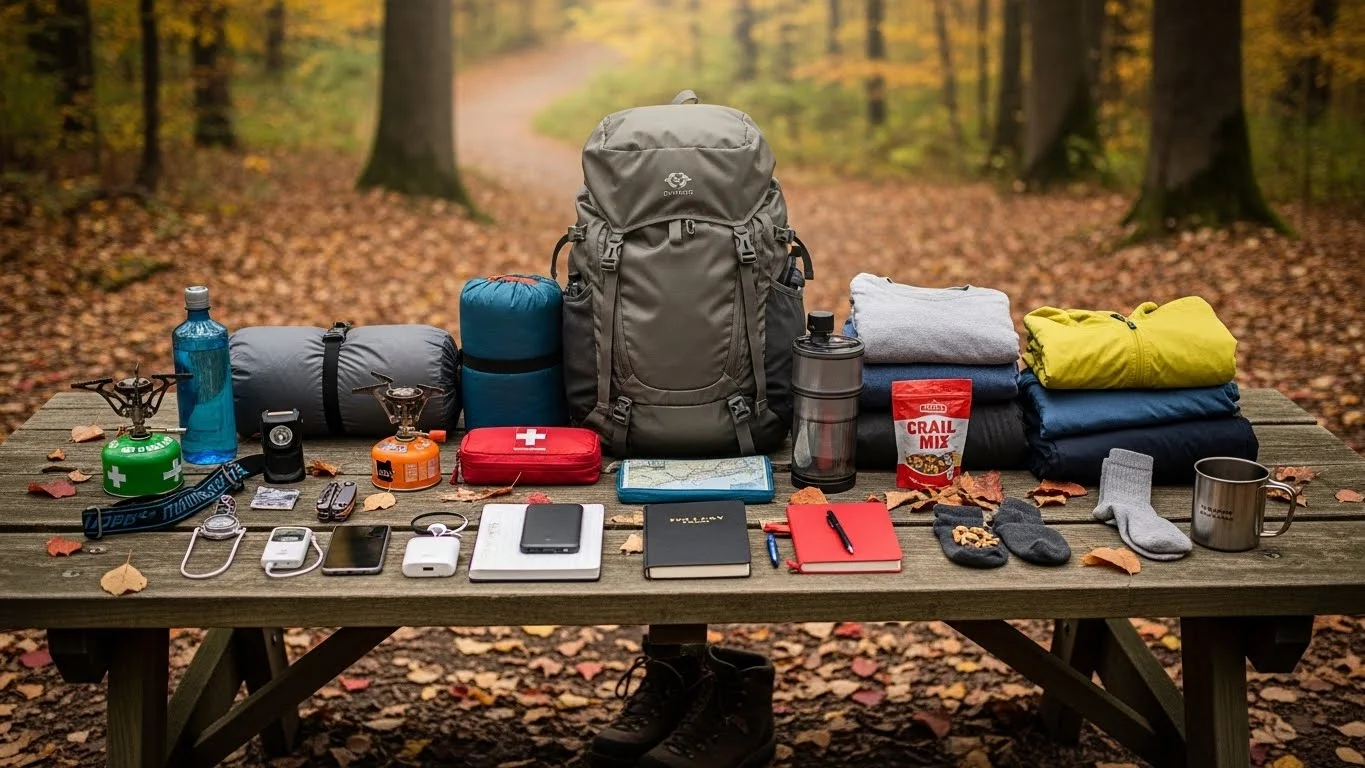
The Ultimate Guide to Solo Backpacking with Your Dog

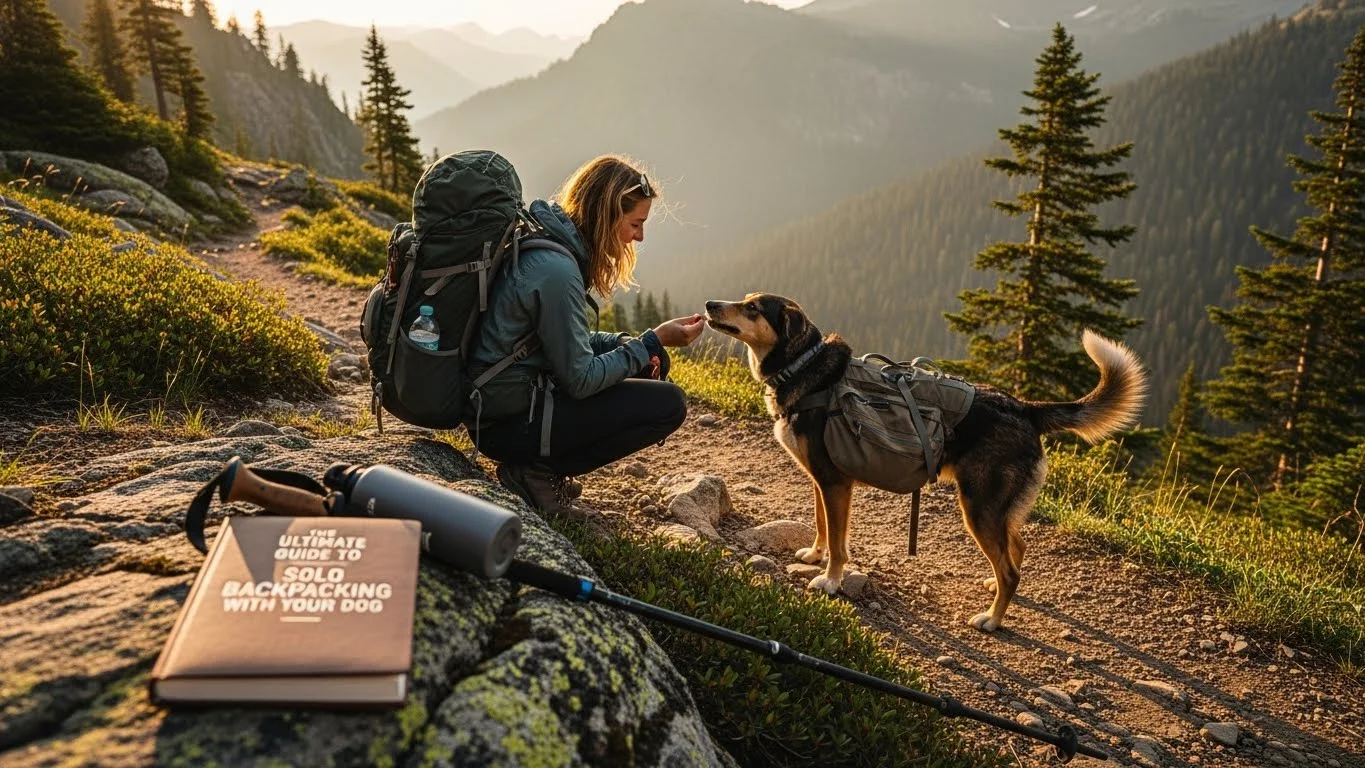
Have you ever dreamed of hitting the trails with your furry companion? Solo backpacking with your dog can be one of the most rewarding adventures, blending the joy of nature with the bond you share with your pet.

The Ultimate Guide to Solo Backpacking with Your Dog

Getting Started with Solo Backpacking and Your Dog

Understanding the Basics of Solo Backpacking

When I first ventured into solo backpacking, I was filled with excitement and a bit of nervousness. The idea of relying on myself and immersing in the great outdoors was thrilling. Backpacking, at its core, is about traveling light and embracing the journey. I packed only the essentials, learning over time what I really needed and what I could leave behind. For anyone new to this, start small. Maybe choose a local trail that loops back to your car. This way, you can build confidence without straying too far from familiar territory.

As I set out on my first solo trip, the solitude was both liberating and daunting. I learned to trust my instincts and navigate using maps and natural landmarks. The first few nights were filled with the sounds of rustling leaves and distant animal calls, which kept me on my toes. But as the days went by, I began to appreciate the peace that came with silence and solitude. It became a space for reflection, creativity, and connection with nature.

Benefits of Backpacking with Your Dog

Bringing my dog along changed the experience entirely. The joy of watching him frolic through the trees and splash in streams was infectious. I felt less alone and more connected to nature. Dogs, in many ways, embody the spirit of adventure. They thrive in the great outdoors, and their enthusiasm can be contagious, reminding us to live in the moment. Besides the companionship, there are numerous benefits of backpacking with your dog:

  • Improved Mental Health: Spending time in nature has been shown to reduce stress and anxiety, and having my dog by my side only amplified those feelings of well-being.
  • Increased Physical Activity: Hiking with my dog kept me moving and motivated. Their energy inspired me to push my limits and explore new trails.
  • Bonding Opportunities: I noticed that our relationship deepened with every adventure. Shared experiences created a stronger bond, filled with trust and fun.
  • Enhanced Awareness: Dogs have a way of noticing things we might overlook. Their keen senses led us to discover hidden paths and beautiful spots I might have missed on my own.

However, I also learned that backpacking with a dog requires careful planning and awareness. It’s essential to consider your dog’s health and ability to keep up, especially on longer hikes. I found it helpful to gauge my dog’s fitness level by starting with shorter trips and gradually increasing the distance. This way, I ensured he was comfortable and enjoyed the journey as much as I did.

Before heading out, it’s crucial to assess the trail conditions and ensure they are dog-friendly. Some trails have restrictions or are not suitable for dogs due to wildlife or safety concerns. I always check local guidelines and look for reviews from other dog owners. This preparation not only keeps your dog safe but also enhances the overall experience for both of you.

As I continued my adventures, I discovered that solo backpacking with my dog was more than just a recreational activity; it became a lifestyle. The memories we created together are irreplaceable, ranging from breathtaking views to moments of joy when we encountered fellow hikers. I’ve even met other dog owners along the way, forming friendships and sharing tips that enriched our journeys.

In my experience, the key to successful backpacking with your dog is being prepared, flexible, and attentive. Taking the time to train your dog in basic commands can make a significant difference during your hikes. I’ve seen firsthand how a well-trained dog can enhance the experience, making it more enjoyable for both of us.

The thrill of exploring the outdoors with my dog continues to draw me back to the trails time and time again. Each adventure is unique, filled with new challenges and delightful surprises. We’ve shared sunsets on mountaintops, quiet moments by serene lakes, and laughter during playful encounters with wildlife. If you’re considering taking the plunge into solo backpacking with your dog, I wholeheartedly encourage you to do so. It’s an adventure that will change both of your lives!

Choosing the Right Gear for You and Your Dog

Essential Backpacking Gear for Solo Travelers

Choosing the right gear for solo backpacking is crucial, especially when I’m out on the trails with my dog. I’ve learned that every piece of equipment matters, from my backpack to my sleeping bag. I recommend starting with a comfortable, lightweight backpack that can hold all your essentials without being cumbersome. I remember my first backpack was too heavy, and it made hiking a chore instead of a joy.

For me, a good-quality tent is non-negotiable. I prefer a lightweight, easy-to-set-up model that provides enough space for both of us. I’ve spent many nights under the stars, and it’s essential to have a shelter that feels safe and secure. Don’t forget about a sleeping pad; it adds comfort and insulation from the ground. I always pack a sleeping bag rated for the temperatures I expect to encounter, ensuring both my dog and I stay cozy at night.

Hydration is also critical. I’ve tried several water bottles and hydration systems, but I’ve found that a hydration bladder works best for me. It’s convenient to sip water while hiking, and I can easily refill it at streams or lakes. I make sure to bring a portable dog bowl, so my furry friend can stay hydrated too. Food is another important aspect; I usually pack lightweight, high-energy snacks for myself and some nutritious dog food for him.

Dog-Specific Gear: Harnesses, Leashes, and Packs

When it comes to my dog’s gear, I don’t skimp on quality. A sturdy harness is essential for control and comfort on the trails. I’ve found that a well-fitted harness gives me peace of mind, especially during steep climbs or tricky terrain. A good leash is also important; I prefer a hands-free leash that allows me to hike comfortably while keeping my dog close by.

What I love most is getting my dog a pack of his own. It’s a great way for him to carry some of his essentials, like food and water. I’ve seen how much it boosts his confidence and sense of purpose. When choosing a pack, I make sure it fits properly and doesn’t weigh him down. It should have compartments for food, water, and any other supplies he might need on the trail.

First Aid Kits for You and Your Dog

Safety is paramount, especially when we’re out in the wilderness. I never hit the trails without a first aid kit tailored for both me and my dog. For myself, I pack basics like band-aids, antiseptic wipes, pain relievers, and blister treatment. I learned the hard way that it’s better to be prepared.

For my dog, I include items like adhesive bandages, gauze, and a tick removal tool, which I consider essential after a few close calls with ticks on our adventures. I also carry my dog’s medical records and any necessary medications. It’s amazing how a small kit can provide such peace of mind.

I make it a point to familiarize myself with the contents of both kits so that in case of an emergency, I can act quickly. I’ve practiced basic first aid for dogs, and I feel more empowered knowing I can handle injuries if they arise. This preparation not only keeps us safe but also allows us to enjoy our adventures without worry.

Planning Your Solo Backpacking Adventure

Choosing Dog-Friendly Trails and Campsites

Planning where to go is just as important as the gear I carry. I thoroughly research dog-friendly trails and campsites before heading out. I always look for places that allow dogs and have amenities like water sources or dog-friendly beaches. Some trails are perfect for dogs, while others have restrictions, so I take the time to read reviews and check maps.

If I’m heading somewhere new, I often ask fellow dog owners for recommendations. I’ve discovered some hidden gems through these conversations. I also pay attention to the difficulty level of the trails, making sure they match my dog’s fitness level. I want to choose paths where we can both enjoy the scenery without overexerting ourselves.

Researching Local Regulations and Restrictions

Understanding the local regulations is vital. I remember a time when I unknowingly ventured onto a trail with strict leash laws, and it was a learning moment for me. I always check the local park’s website for rules regarding dogs, including leash requirements and any specific areas where dogs might not be allowed. Being informed helps avoid any surprises and ensures a smooth experience.

Creating a Flexible Itinerary

I’ve learned that flexibility is key when planning a backpacking trip with my dog. I create an itinerary that allows for unexpected stops. Sometimes, we find a beautiful spot that begs for a longer break, or my dog may need a little extra time to rest. I try to keep our daily hiking distance reasonable and allow for downtime to relax and enjoy our surroundings.

Weather Considerations for Backpacking with a Dog

Weather can greatly impact our adventures, so I always check the forecast before we go. I remember one trip where I underestimated the weather, and we were caught in a surprise storm. Since then, I’ve learned to pack accordingly—bringing extra layers for both of us, rain gear, and even cooling vests for hot weather. Understanding how different temperatures and conditions affect my dog helps me keep him comfortable and safe.

Safety Tips for Backpacking with Your Dog

Health Precautions for Your Dog

When it comes to backpacking, ensuring the health and safety of my dog is always my top priority. Before embarking on any adventure, I make a point to schedule a vet visit. It’s essential to confirm that my dog is fit for hiking and up-to-date on vaccinations, especially since we often encounter ticks and other pests in the wild. I learned this the hard way after a trip where my dog came back with a tick that caused a minor health scare.

Another precaution I take is to ensure my dog is on preventative medications for fleas, ticks, and heartworms. Depending on the length of our trip, I also bring along some basic health supplies—like dog-safe first aid ointments and any medications he may need. I remember the peace of mind I felt when I packed an extra supply of his regular medication on one of our longer hikes.

Hydration is just as critical for dogs as it is for us. I always make sure my dog has access to fresh water, especially in warmer weather. I’ve found that carrying a collapsible bowl is super convenient and easy to pack. On particularly hot days, we take frequent breaks, ensuring he doesn’t overheat. Observing his behavior closely helps; heavy panting or lethargy can be signs that he needs a break or more water.

Identifying and Avoiding Common Hazards

During our adventures, I’ve encountered various hazards that could pose risks to my dog. One of the most significant threats is wildlife. I’ve learned to keep my dog on a leash or a long line in areas known for wild animals. Encountering a bear or deer can be unnerving, and it’s crucial to maintain control. It’s all about being proactive, and I’ve found that keeping my dog close helps avoid any potentially dangerous situations.

Another common hazard is rough terrain. I’ve come across rocky paths, steep inclines, and slippery spots that could be challenging for my dog. These trails can pose risks of injury, so I always assess the path ahead. If it looks too treacherous for him, I’ll choose another route or carry him if it’s feasible. I remember a hike where the trail was unexpectedly steep, and I had to take extra care to ensure he navigated safely.

Also, I always keep an eye out for plants that could be toxic to dogs. I made it a habit to familiarize myself with common poisonous plants in the areas we hike. It’s one of those things that can easily be overlooked, but knowing what to avoid can save a lot of trouble down the line.

What to Do in Case of an Emergency

In the wilderness, being prepared for emergencies is vital. I carry a small emergency kit that includes essentials for both of us. If my dog gets injured, I remain calm and assess the situation. I’ve practiced basic first aid techniques, which makes me feel more equipped to handle issues like cuts or bites. For instance, I once had to clean a small cut on his paw after a minor slip. I was grateful for having the right supplies on hand.

It’s also essential to know the location of the nearest vet clinics before hitting the trails. I make it a point to research this in advance, especially if I’m heading to remote areas. Having that information can be crucial if a situation arises that requires professional help. I’ve saved the contact details of veterinary services on my phone, just in case.

In a worst-case scenario, if my dog becomes seriously injured or ill, I prioritize getting him to safety. I’ve learned how to stabilize him and transport him if needed. Carrying a blanket or makeshift stretcher can be a lifesaver if a quick exit becomes necessary.

Ultimately, staying vigilant and prepared makes all the difference in ensuring both my dog and I enjoy our backpacking adventures safely. The bond we share grows stronger with each trip, and I cherish knowing that I’m doing everything I can to protect my furry best friend.

Navigating Transportation Options

Driving to Your Backpacking Destination

When it comes to getting to the trailhead, I often find that driving is the most convenient option. Loading my car with all our gear feels like preparation for an epic adventure. I remember my first trip where I overpacked, but over time, I’ve learned to streamline what I bring. I make sure my dog has a comfortable space in the car, complete with water and a favorite blanket. Keeping him secure in the backseat with a pet seatbelt or crate has given me peace of mind during the drive.

One of my favorite aspects of driving is the freedom it gives us to explore. I can take scenic routes, stop at quirky roadside attractions, or find hidden gems along the way. It’s all part of the adventure, and I love sharing those moments with my dog. I always make sure to take breaks during long drives for bathroom and stretching breaks, allowing my pup to unwind and recharge before hitting the trails.

Public Transport Considerations for You and Your Dog

Public transportation can be a bit tricky for backpacking, but I’ve had some success with it. I remember taking a bus to a trailhead once, and it was an eye-opening experience. Many public transport systems have their own rules regarding pets, so I always check ahead. In my case, I found that small dogs often travel for free, while larger breeds may require a muzzle or a leash. Planning these details in advance makes the journey smoother.

If using public transport, I always try to travel during off-peak hours to avoid crowds, which can be stressful for both of us. I’ve learned that bringing a crate or carrier can make my dog feel more secure and comfortable. Having some treats on hand helps keep him calm during the ride, and I make sure to choose dog-friendly routes whenever possible. I’ve met some wonderful people on these journeys who also share their love for dogs, making the trip even more enjoyable.

Accommodations for Backpackers with Dogs

Finding Dog-Friendly Campsites

Once we reach our destination, finding dog-friendly campsites is my next priority. I love the thrill of discovering new places to camp, especially those that welcome dogs. I often use apps and websites dedicated to finding pet-friendly campsites. During one of our trips, I stumbled upon a stunning campsite by a lake that allowed dogs. Watching my dog joyfully splash in the water was a memory I’ll never forget.

Before settling in, I check the rules about dogs at the campsite. Some places have leash restrictions or designated dog areas. I find that being informed helps me respect the space and ensures a pleasant experience for everyone. I also make sure to practice good doggy etiquette by cleaning up after him and keeping him calm during the night, which helps everyone around us enjoy the serenity of nature.

Alternatives: Cabins, Hostels, and Hotels

Sometimes, I opt for a cabin or a dog-friendly hostel when I want a break from tent camping. I’ve found that cabins can provide added comfort, especially during colder months. They often come equipped with amenities that make cooking and relaxing easier, giving me and my dog a cozy space to recharge. I remember booking a cabin once that had direct access to hiking trails, which made our adventures even more convenient.

Hotels can also be a great option, especially if they have pet policies. I’ve had positive experiences finding hotels that welcome dogs with open arms, sometimes even providing treats and dog beds. After a long day on the trail, it’s nice to settle into a comfy room together, knowing we both have a warm place to rest. I always call ahead to confirm their pet policy and any fees involved, ensuring there are no surprises upon arrival. Read Interesting article: Maximize Your Travel: Best Cheap Accommodation Picks for Trips

Essential Skills for Solo Backpacking

Navigation Skills: Maps vs. GPS

Having solid navigation skills is crucial for a successful solo backpacking trip. I’ve learned to rely on both traditional maps and modern GPS devices. In my early days, I often got lost because I relied too heavily on my phone. Now, I always carry a physical map as a backup. There’s something about unfolding a map and figuring out our route that feels more rewarding, and it keeps me engaged with the environment around me.

Setting Up Camp Alone

Setting up camp alone can be a bit of a juggling act, especially with my dog around. I’ve developed a routine that makes the process smoother. First, I scout the area to find the best spot, ideally away from water sources but close enough for convenience. I’ve learned to set up my tent quickly while keeping my dog entertained with a chew toy or some treats. It’s all about creating a comfortable space for both of us after a long day of hiking.

Cooking and Meal Prep on the Trail

Cooking on the trail has become one of my favorite parts of backpacking. I’ve experimented with various lightweight cooking gear and meal options over time. I typically plan my meals in advance, choosing easy-to-cook items that don’t require much preparation. Making sure my dog has his meals prepped ahead of time is just as important. I often bring along some dehydrated dog food and mix it with water at camp for a hearty meal that keeps him energized.

Engaging Your Dog During the Trip

Training Tips for Trail Etiquette

Training my dog for good trail etiquette has made our adventures much more enjoyable. I work on basic commands like “heel,” “sit,” and “stay” to ensure he’s well-behaved around other hikers and wildlife. I often use treats during our hikes to reinforce positive behavior. I’ve found that a tired dog is a happy dog, so incorporating short training sessions on the trail helps keep him engaged and focused.

Games and Activities to Keep Your Dog Active

To keep my dog mentally and physically stimulated, I’ve come up with fun games we can play on the trail. Simple fetch or hide-and-seek with a favorite toy can break up the hiking and make for joyful moments. I’ve noticed that mixing in playtime helps strengthen our bond and makes the trip even more enjoyable. It’s amazing how a little fun can lift our spirits and create lasting memories.

Post-Trip Considerations

How to Care for Your Dog After Backpacking

After each trip, I make it a point to check my dog for any scratches, ticks, or signs of fatigue. A good bath helps remove dirt and debris, and I always reward him for being such a great hiking buddy. I’ve learned to monitor his behavior closely in the days following our adventures, ensuring he’s back to his playful self. Rest and hydration are key, just like they are for us!

Documenting Your Adventure: Tips for Sharing

Documenting our journeys is a special way to cherish the memories we create. I love taking photos of our adventures, capturing the stunning landscapes and candid moments. I often share these on social media or in a scrapbook. It’s rewarding to look back on our trips and see how much we’ve explored together. Plus, sharing my experiences has inspired friends and fellow dog owners to embark on their own adventures!

Resources for Solo Backpacking with Your Dog

Books and Guides on Backpacking with Dogs

There are some fantastic resources out there for anyone looking to backpack with their dog. I’ve read several great books that provide tips on training, gear selection, and trail recommendations. One of my favorites includes stories from fellow adventurers that inspire me to explore new places. Read Interesting article: Ethical Safari Tips: How to Enjoy Wildlife Sustainably

Online Communities and Forums

Joining online communities has been incredibly helpful. I’ve connected with other dog owners who share their experiences and advice, creating a wealth of knowledge. These forums are a great place to ask questions and get recommendations for dog-friendly trails and gear. Hearing from others who have been in similar situations can provide reassurance and support.

Apps for Planning and Tracking Your Journey

In today’s digital age, there are numerous apps that can make planning and tracking our adventures easier. I rely on hiking apps to find trails, map our routes, and even log our hikes. Some apps even allow me to track my dog’s activity, which is a fun way to see how much we’ve accomplished together. Technology has made it simpler to connect with fellow adventurers and discover new places to explore.

Final Thoughts

Backpacking solo with my dog has transformed my life in ways I never imagined. The bond we share has deepened, and each trip is an opportunity to explore, learn, and grow together. From choosing the right gear to navigating trails and overcoming challenges, I’ve found that preparation and mindfulness are key. I hope my experiences inspire you to embark on your own adventures with your furry friend. There’s a whole world out there waiting for you both, filled with beautiful landscapes and unforgettable moments. So grab that leash, pack your gear, and hit the trails—amazing adventures await!

Frequently Asked Questions

What are the benefits of backpacking with my dog?

Backpacking with your dog offers numerous benefits including improved mental health, increased physical activity, bonding opportunities, and enhanced awareness of your surroundings. Dogs thrive in nature and their enthusiasm can motivate you to explore new trails.

How do I choose the right gear for solo backpacking with my dog?

When choosing gear, start with a comfortable, lightweight backpack, a good-quality tent, and a sleeping bag suitable for the expected temperatures. Don’t forget hydration equipment for both you and your dog, as well as nutritious food for your dog.

What should I consider when selecting trails for backpacking with my dog?

It’s essential to research dog-friendly trails and campsites, ensuring they allow dogs and checking for amenities like water sources. Pay attention to the difficulty level of the trails to match your dog’s fitness level and review local regulations regarding dogs on trails.

How can I ensure my dog’s health and safety while backpacking?

Ensure your dog is fit for hiking by scheduling a vet visit before your trip, keeping them up-to-date on vaccinations, and using preventive medications for fleas, ticks, and heartworms. Always carry fresh water and observe your dog for signs of overheating or fatigue.

What items should I include in a first aid kit for my dog while backpacking?

A first aid kit for your dog should include adhesive bandages, gauze, a tick removal tool, and any necessary medications. Familiarize yourself with the kit’s contents to act quickly in case of an emergency.

What navigation skills are important for solo backpacking?

It’s crucial to develop solid navigation skills using both traditional maps and GPS devices. Always carry a physical map as a backup and practice reading it to stay engaged with your surroundings and ensure you don’t get lost.

How can I keep my dog engaged during the hiking trip?

Training your dog in basic commands and incorporating short training sessions can help with trail etiquette. Additionally, playing games like fetch or hide-and-seek can keep your dog mentally and physically stimulated throughout the hike.

What should I do after a backpacking trip to care for my dog?

After each trip, check your dog for scratches, ticks, or signs of fatigue. A bath can help remove dirt and debris, and it’s important to monitor their behavior in the following days to ensure they are healthy and recovering well.

How can I document my backpacking adventures with my dog?

Documenting your journeys through photos and sharing them on social media or in a scrapbook is a wonderful way to cherish memories. This can also inspire others to embark on their own adventures with their dogs.

What resources are available for backpacking with dogs?

There are many resources available including books and guides on backpacking with dogs, online communities and forums for sharing experiences and advice, and apps that help in planning and tracking your adventures. Read Interesting article: Affordable Indigenous Pilgrimages: A Traveler’s Guide

Essential Packing List for Your Solo Adventure

Embarking on a solo adventure can be exhilarating, but packing for it can feel overwhelming. Having the right essentials makes all the difference in ensuring you have a memorable experience. For a comprehensive guide, check out our Essential Packing List for Solo Female Travelers.

Essential Packing List for Your Solo Adventure

Understanding the Basics of Solo Travel

Benefits of Solo Travel

When I first decided to take a solo trip, I was both excited and nervous. However, I quickly discovered that traveling alone opened up a world of benefits. For starters, it allowed me to explore at my own pace. I could spend hours at a museum, linger at a café, or change my plans on a whim without having to consider anyone else’s preferences. This freedom is liberating! I found myself trying new activities that I might not have done with a group, like joining a cooking class in a foreign country or hiking a trail I stumbled upon.

Another significant benefit is the chance for personal growth. I learned more about myself during those solitary moments than I ever could have in a group. I faced challenges, made decisions, and navigated new environments on my own. Each step I took added to my confidence and self-reliance. I also made unexpected friendships along the way. Sometimes, it’s easier to meet new people when you’re on your own. I’ve shared countless meals and experiences with fellow travelers and locals that I would have missed if I had been with others.

Common Concerns and Safety Tips

Of course, solo travel comes with its concerns. I remember feeling anxious about safety, especially when I was in unfamiliar places. It’s important to trust your instincts; if something doesn’t feel right, don’t hesitate to walk away. I always made it a point to research my destination beforehand, learning about local customs, safe neighborhoods, and any areas to avoid. Keeping my belongings secure was a top priority, so I invested in anti-theft bags and always kept my valuables close.

Another tip is to stay connected. I made sure my phone was charged and had local emergency numbers saved. I also shared my itinerary with a friend or family member back home, so someone knew my plans. While I enjoyed the solitude, knowing that someone was looking out for me added a layer of comfort. For more safety tips, you can read about staying safe while solo traveling.

Essential Packing List for Your Solo Adventure

Clothing Essentials

Packing the right clothing is crucial for a solo adventure. I learned the hard way that it’s best to be prepared for various weather conditions. I remember thinking, “I’ll just wear this one outfit,” only to find myself caught in unexpected rain. So here’s what I consider must-haves:

Weather-Appropriate Attire

Whether you’re headed to a sunny beach or a snowy mountain, the first step is to check the weather forecast. For me, layering is key. I usually pack a mix of lightweight clothing that I can easily add or remove as the temperature changes. A breathable rain jacket has saved me more than once, as have quick-dry pants that are versatile for both hiking and casual outings.

Comfortable Footwear

Your choice of shoes can make or break your trip. I’ve spent entire days exploring cities or hiking trails, and the last thing I want is sore feet. I recommend sturdy walking shoes, preferably ones that are already broken in. For evenings out or more relaxed days, I often bring a pair of sandals or flats that are comfortable yet stylish.

Layering Options

Having a few layering options is essential. I typically include a light sweater or hoodie for cooler evenings. Scarves are also a great accessory; they add warmth and can transform an outfit. I learned that packing clothes that can mix and match helps me maintain a lighter suitcase. This flexibility means I can create different looks without overstuffing my bag!

Travel Documents

One of the most crucial aspects of travel is having your documents in order. I can’t stress enough how important it is to keep these organized.

Passport and Visa Information

Your passport is your lifeline. I always recommend having a copy (both physical and digital) stored somewhere safe. If traveling internationally, research visa requirements for your destination. I once found myself scrambling to get a visa just days before my departure, which added unnecessary stress to my trip.

Travel Insurance Details

Investing in travel insurance was one of the best decisions I made. It gave me peace of mind knowing I was covered for any unexpected events. I always carry a copy of my insurance policy and any relevant contact numbers in case of emergencies. It’s a simple step that provides reassurance while I’m away.

Important Contacts and Emergency Numbers

Having a list of important contacts is another crucial part of my packing list. I always include local emergency numbers, the contact information for my country’s embassy, and any friends or family I might need to reach. I find it helpful to keep this list in a safe place, both in my bag and on my phone.

Health and Safety Items

Staying healthy and safe while traveling is paramount. I’ve learned this through experience, and it’s something I take seriously. For additional safety tips, consider reading about essential solo travel safety tips.

First Aid Kit

A small first aid kit is a travel essential for me. I include band-aids, antiseptic wipes, and pain relief medication. Having these items handy can make a big difference if you get a minor injury or feel unwell.

Medications and Prescriptions

If you take any prescription medications, be sure to bring enough for your trip, plus a little extra just in case. I also recommend carrying a copy of your prescriptions in case you need to refill them while traveling.

Personal Safety Devices

For added security, I often carry personal safety devices like a whistle or pepper spray when traveling solo. It’s all about feeling empowered and safe in unfamiliar situations.

Electronics and Accessories

Staying connected is important to me, whether for navigation or sharing my experiences with friends and family.

Smartphone and Charger

My smartphone is my lifeline while traveling. It helps me navigate, communicate, and document my journey. I always bring a charger and sometimes even a portable charger to keep my devices powered throughout the day.

Power Bank

Speaking of staying charged, a power bank is a must-have. I remember a time when my phone died while I was exploring a new city. Having a power bank on hand allows me to stay connected without worrying about finding an outlet.

Universal Travel Adapter

Another essential for international travel is a universal travel adapter. I can’t tell you how many times I’ve struggled to find the right plug for my devices! A good adapter saves a lot of hassle and keeps my electronics powered up.

Backpack or Luggage Choices

Choosing the right bag can make a world of difference during your travels.

Daypack for Daily Use

A lightweight daypack is perfect for carrying my essentials during the day. It holds everything from my water bottle to snacks, and it’s easy to access while I’m on the go.

Durable Suitcase or Travel Bag

For my main luggage, I prefer a durable suitcase or travel bag that can withstand the rigors of travel. I always check that it has good wheels and handles, as I’ve learned that a sturdy bag can make navigating airports and train stations much easier.

Toiletries and Personal Care Products

Staying fresh during my travels is important. I’ve discovered that packing the right toiletries can make my trip more comfortable.

Travel-Sized Toiletries

I usually opt for travel-sized toiletries or transfer my favorite products into smaller containers. This not only saves space but is often required for carry-on luggage. I remember once lugging around full-sized bottles—it was not fun!

Hygiene Products

Bringing essential hygiene products is a must for me. From toothpaste to deodorant, having these items on hand makes me feel at home no matter where I am.

Makeup and Skincare Essentials

If you enjoy makeup or skincare, pack your go-to products in travel sizes. For me, it’s all about simplicity. I stick to the basics that keep my skin looking fresh and healthy.

Travel Gear and Accessories

A few travel accessories can enhance your experience significantly.

Travel Pillow and Eye Mask

For long flights or bus rides, I never travel without my travel pillow and eye mask. They help me catch up on sleep, making my adventures more enjoyable.

Reusable Water Bottle

I can’t stress enough how beneficial a reusable water bottle is. It keeps me hydrated and helps reduce plastic waste. Plus, many places have refill stations, so I can fill up without spending money on bottled water.

Travel Guide and Maps

While smartphones are great, I still love having a physical travel guide or map for those moments when technology fails me. I often jot down notes and recommendations from locals, making it a valuable resource throughout my journey.

Packing Tips for Solo Travelers

Maximizing Space in Your Luggage

Packing efficiently is something I’ve become quite skilled at over the years. I remember my early travels when I would stuff my suitcase to the brim, only to realize I had packed more than I needed. A few packing tricks have transformed my approach. One method I swear by is rolling my clothes instead of folding them. This not only saves space but also reduces wrinkles. I was amazed at how much more I could fit into my bag just by rolling! I also use packing cubes to keep my items organized. Each cube can hold a different category, like tops, bottoms, and toiletries, making it super easy to find what I need without digging through my entire bag.

Another tip I’ve found helpful is to utilize the spaces inside my shoes. I often stuff socks or small items inside my shoes, which maximizes every inch of space. Plus, it helps the shoes maintain their shape during transit. I also try to pack multi-purpose items, like a scarf that can be used as a blanket or a beach cover-up. Every little bit counts when you’re trying to travel light!

Organizing Your Packing List

Having a well-thought-out packing list is essential for a successful solo trip. I’ve learned that writing down what I need keeps me organized and prevents me from forgetting important items. I usually start with categories, such as clothing, toiletries, and electronics. This way, I can check off each item as I pack it, which gives me peace of mind. I also leave some space for any last-minute items that might come to mind as the departure date approaches.

In my experience, I find it handy to create a digital version of my packing list on my phone. That way, I can access it wherever I go and adjust it as needed. I’ve also noticed that sharing my list with a friend can help; they might think of something I’ve overlooked or offer suggestions based on their own travels.

Light Packing for Convenience

Light packing is a game-changer for solo travelers like us. I remember feeling overwhelmed when my bag was heavy and cumbersome, making it hard to navigate train stations or bustling city streets. Now, I aim to pack only what I absolutely need, which not only saves physical strain but also simplifies my travel experience.

I usually follow the “3-2-1” rule: three tops, two bottoms, and one dress or outfit for more formal occasions. This way, I can mix and match my clothing without overpacking. I also prioritize versatile pieces that can be dressed up or down. A simple black dress, for example, can be worn to dinner or a casual outing with the right accessories.

One other tip I find beneficial is to consider the length of my trip. For shorter trips, I aim to pack just a carry-on. This forces me to be even more selective about what I bring, which helps ensure I only take items I truly love and will use. Embracing light packing has allowed me to enjoy my travels more, without the burden of excess baggage.

Adjusting Your Packing List Based on Destinations

Urban Adventures

When I head to a city, my packing list shifts a bit. Urban adventures often mean more walking and exploring, so comfortable and stylish clothing is key. I usually opt for versatile outfits that can transition from day to night. A good pair of jeans and a couple of stylish tops are staples. I also make sure to pack a lightweight jacket, as city evenings can get chilly.

Another consideration for urban travel is footwear. I’ve learned that nice-looking sneakers or chic flats can make all the difference. They keep me comfortable while walking for hours but still look good for dinner or a night out. I also add a compact umbrella to my list; cities can surprise you with sudden showers!

Nature Escapes

Heading into nature means my packing list takes a different turn. I focus on outdoor gear that will keep me comfortable and prepared. Sturdy hiking boots are a must, as is moisture-wicking clothing that keeps me dry during physical activities. I also prioritize a good backpack that can hold my essentials for day hikes, along with a refillable water bottle to stay hydrated.

I also bring along some snacks like trail mix or protein bars, which are great for keeping my energy up while I’m out exploring. And of course, I never forget sunscreen and insect repellent; I learned the hard way that these can make or break an outdoor trip!

International Travel Considerations

When I travel internationally, my packing list gets a bit more specific. I always check the local culture and dress codes to ensure I’m respectful and comfortable. For instance, I’ve found that lightweight, breathable fabrics are perfect for tropical destinations, while warmer layers are essential for colder climates. I also make sure to pack a universal travel adapter, as I’ve been caught without one before and it’s not fun!

Additionally, I try to bring a small travel guide or phrasebook to help with language barriers. This adds a layer of confidence when navigating a new place. Having a local SIM card or international phone plan is also a priority to stay connected and have access to maps and translation apps.

Final Checklist Before Departure

Confirming Travel Arrangements

As my departure date approaches, I always take a moment to confirm all my travel arrangements. This simple step can save a lot of headaches down the line. I usually start by double-checking my flight details, including departure times and terminal information. There’s nothing worse than rushing through an airport because of an overlooked change! I often visit the airline’s website to see if there are any updates or alerts that I need to be aware of.

Next, I turn my attention to accommodation. I make sure to have the address and confirmation numbers handy. I even take a screenshot of the location on my phone’s maps app so I can quickly find it upon arrival. I also look up local transport options to my lodging, whether it’s public transport or a rideshare service. Knowing how to get to my destination makes me feel more prepared and less anxious.

Last-Minute Packing Tips

When it comes to packing, I find that some last-minute tips can help me finalize my luggage. The night before my trip, I review my packing list one last time. I often take out items that I might have overpacked; this helps lighten my load. I also lay out my travel outfit the night before, which not only saves time but also ensures I’m dressed comfortably for the journey ahead.

I also take this time to check the weather for my destination one last time. It’s amazing how quickly things can change. I remember a trip where I packed for sunny weather, only to find out there was a cold front coming in. So, I always keep an eye on the forecast right up until I leave.

Ensuring You Have Everything You Need

Making sure I have everything I need before I walk out the door is crucial. I often create a “last-minute essentials” pile on my bed or in a designated spot. This includes my phone, wallet, travel documents, and any chargers. I also take a moment to ensure I have my travel insurance details on hand, as I find it comforting to have that information accessible in case of an emergency.

Another tip I’ve found helpful is to do a quick check of my home. I make sure I’ve turned off appliances, secured windows, and locked doors. It’s a small detail but knowing everything is in order back home lets me focus on my adventure. I also leave a note for myself with emergency contact information and any important reminders for when I return.

Lastly, I always take a deep breath and remind myself to enjoy the journey! Traveling solo can be a mix of excitement and nerves, but I’ve learned that embracing the unknown is part of the adventure. With my checklist done and my bags packed, I’m ready to explore and create new memories.

Frequently Asked Questions

What are the benefits of solo travel?

Solo travel offers the freedom to explore at your own pace, allowing you to change plans without considering others’ preferences. It also promotes personal growth, confidence, and the opportunity to make unexpected friendships with fellow travelers and locals.

What safety tips should I consider when traveling alone?

Trusting your instincts is crucial; if something feels off, walk away. Research your destination, keep your belongings secure, and stay connected by sharing your itinerary with someone back home. Ensure your phone is charged and have local emergency numbers saved.

What clothing essentials should I pack for a solo adventure?

Pack weather-appropriate attire, comfortable footwear, and layering options. Include a mix of lightweight clothing that can be easily adjusted for temperature changes, sturdy walking shoes, and accessories like scarves for versatility.

Why is it important to have travel documents organized?

Your passport is vital for international travel, and having both physical and digital copies stored safely is recommended. Researching visa requirements and carrying travel insurance details also provide peace of mind during your trip.

What health and safety items should I carry while traveling?

A small first aid kit, your prescription medications (plus extras), and personal safety devices like a whistle or pepper spray are essential to stay healthy and secure while traveling alone.

What electronics and accessories are necessary for solo travel?

Bring your smartphone and charger, a power bank for extra charging, and a universal travel adapter for international trips. These items help keep you connected and powered up throughout your travels.

How can I maximize space in my luggage?

Efficient packing techniques include rolling your clothes instead of folding them, using packing cubes for organization, and utilizing space inside your shoes for smaller items. Packing multi-purpose items can also help lighten your load.

What last-minute packing tips should I follow before departure?

Review your packing list one last time, lay out your travel outfit the night before, and check the weather for your destination again. This ensures you have everything you need and helps prevent overpacking.

What should I do to ensure I have everything I need before leaving?

Create a “last-minute essentials” pile that includes your phone, wallet, travel documents, and chargers. Also, do a quick check of your home to secure everything, allowing you to focus on your adventure.

How can I adjust my packing list based on my travel destination?

For urban travel, prioritize comfortable and stylish clothing suitable for walking. For nature escapes, focus on outdoor gear and sturdy footwear. When traveling internationally, consider local cultures and pack accordingly, including a travel guide or phrasebook for language assistance.

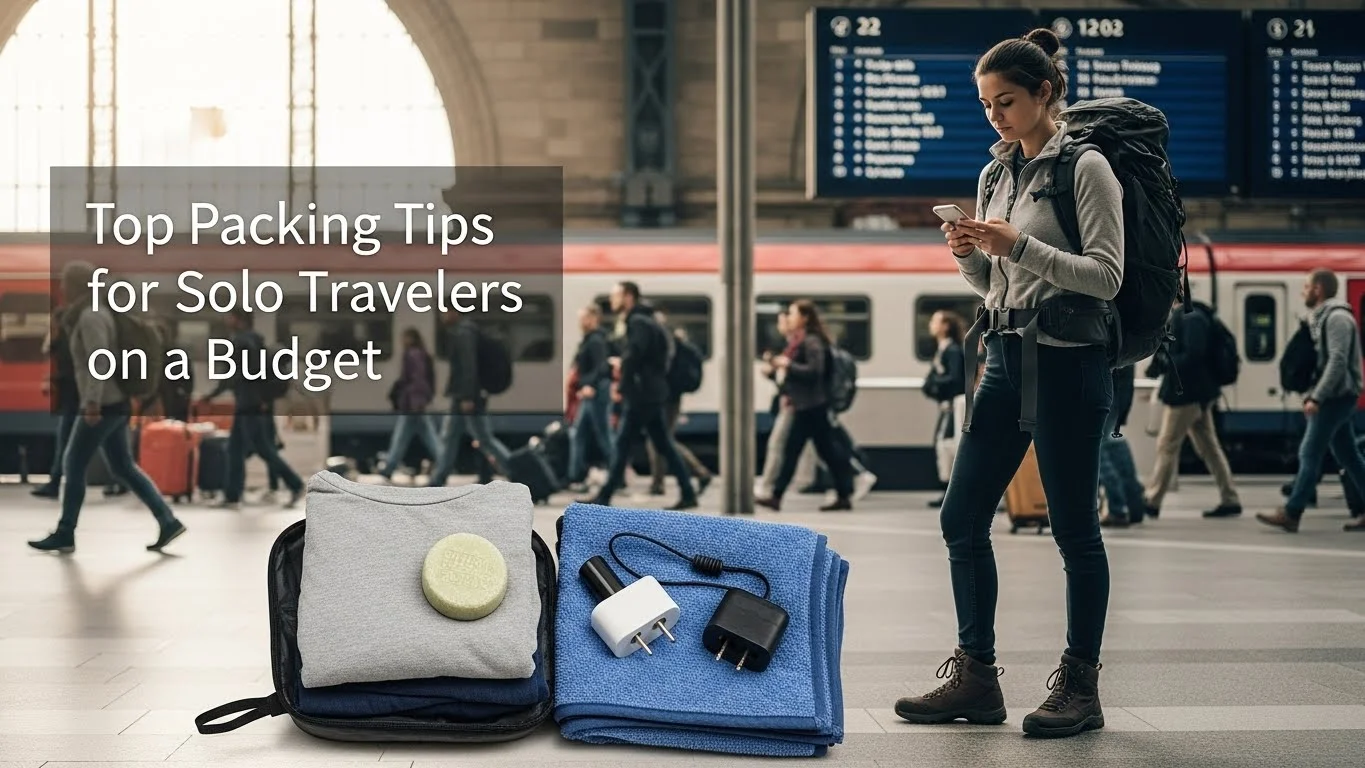
Top Packing Tips for Solo Travelers on a Budget

Traveling solo can be an exhilarating experience, especially when you’re on a budget. With the right packing tips, you can make your journey efficient, enjoyable, and affordable. Read Interesting article: 10 Essential Backpacking Tips for Budget Solo Travelers

Top Packing Tips for Solo Travelers on a Budget

Understanding the Needs of Solo Travelers

Defining Solo Travel

When I think of solo travel, I remember my first adventure alone. It was both thrilling and intimidating. Solo travel means venturing out on your own, exploring places without a travel companion. You make the decisions, set your own pace, and experience the world in a way that’s uniquely yours. It’s an opportunity to discover not just new destinations but also yourself. The freedom is liberating, but it also comes with responsibilities and challenges that solo travelers must navigate.

Benefits of Traveling Alone

From my experience, the benefits of traveling solo are immense. One of the main advantages is the flexibility it offers. You can change your plans on a whim, explore hidden gems, or linger in a café as long as you want. There’s no need to compromise with anyone else’s preferences. I’ve found that this leads to deeper connections with locals, as they often sense your independence and willingness to engage. Plus, solo travel tends to push you out of your comfort zone. You meet new people, try new things, and learn how to rely on yourself.

Challenges Faced by Solo Travelers

However, solo travel isn’t always a walk in the park. I’ve faced my fair share of challenges on the road. One of the biggest hurdles is safety. Being alone can sometimes make you an easier target for theft or scams. I learned to stay aware of my surroundings and trust my instincts. Another challenge is the feeling of loneliness that can creep in, especially during long trips. It’s easy to feel isolated when you’re surrounded by couples or groups. Keeping in touch with friends and family back home via social media or messaging apps helped me combat this. Lastly, managing finances can be tricky; without a companion to share costs, every expense counts. This is where smart packing and budgeting come into play.

Essential Packing Tips for Budget-Friendly Travel

Choosing the Right Luggage

Choosing the right luggage is a game changer for any solo traveler on a budget. I’ve gone through various types of bags, and I can confidently say that a good backpack often serves best. It’s not just about size; I look for something lightweight, durable, and with multiple compartments. This way, I can easily access my essentials without rummaging through everything. I prefer a backpack around 40 liters for short trips. It fits as carry-on luggage, which saves money on checked bags. I also recommend checking the airline’s baggage policies to avoid surprises.

Lightweight Packing Techniques

When it comes to packing, less really is more. I’ve learned to focus on lightweight items that serve multiple purposes. Instead of packing five different shirts, I choose versatile pieces that I can mix and match. I often roll my clothes instead of folding them; this method saves space and minimizes wrinkles. Also, packing a reusable shopping bag is a lifesaver for laundry or additional items I might pick up along the way. I remember one time, I was caught in a sudden downpour, and having that reusable bag saved my electronics!

Utilizing Packing Cubes

Packing cubes have become my best friends on my solo travels. They keep my luggage organized and make it easier to find what I need without spilling everything out. I typically use one cube for tops, another for bottoms, and a smaller one for undergarments. This way, I can quickly locate items without making a mess. It’s a small investment that pays off in saving time and reducing stress when I reach my destination.

Maximizing Space with Compression Bags

If you’re like me and often find yourself packing for varying climates, compression bags are a game changer. These bags allow you to squeeze clothes into a smaller space by removing excess air. I remember packing for a trip to Europe in the winter and summer. Using compression bags helped me fit layers for cold weather without overstuffing my backpack. Just remember to keep your compression bags within airline size limits if you’re flying!

With these foundational techniques, packing for solo travel can become a breeze. I hope you find some of these tips helpful as you gear up for your next adventure. Embrace the excitement of traveling alone, and remember, the journey is just as important as the destination! Read Interesting article: Essential Solo Travel Safety Tips for Adventurous Backpackers

Clothing Essentials for Solo Travelers

Versatile Clothing Choices

I’ve found that choosing the right clothes can make or break a trip, especially when traveling solo. Versatility is key; I often opt for items that can be dressed up or down. For instance, a simple black dress can take me from a day of sightseeing to dinner at a nice restaurant with just a change of accessories. I also love packing a few pairs of neutral-colored pants or skirts that pair well with various tops. This way, I can mix and match to create multiple outfits, which saves space and weight in my luggage. I remember one trip when I had just three tops and two bottoms, yet I felt like I had endless outfit options!

Layering for Varying Weather Conditions

Layering is something I’ve learned to master over the years. Weather can be unpredictable, so I always bring layers that can be easily added or removed. A lightweight, packable jacket is a staple in my wardrobe. It keeps me warm during chilly mornings or evenings but can be stuffed into my bag when the sun comes out. I also pack a couple of long-sleeve and short-sleeve shirts, which I can layer together. On one trip to the mountains, this layering strategy saved me from feeling cold while hiking in the morning and allowed me to stay comfortable in the afternoon sun. It’s all about being prepared for whatever Mother Nature throws your way!

Packing for Different Activities

My experiences have shown me that it’s essential to consider the activities I plan to do while packing. If I know I’m going to be hiking, I’ll bring comfortable, moisture-wicking clothing and sturdy shoes. For city exploration, I prefer breathable, casual outfits that allow for movement. I once packed a pair of jeans that turned out to be too heavy for a summer trip. I quickly regretted my choice as I trudged through the hot streets! Now, I focus on comfortable, lightweight fabrics that can handle both active days and leisurely evenings. Whether it’s a beach day or a museum visit, I make sure to have the appropriate attire that will keep me comfortable and stylish.

Toiletries and Personal Care Items

Travel-Sized Products

Toiletries can take up a surprising amount of space, which is why I’ve switched to travel-sized products whenever possible. I love visiting stores that specialize in travel items, where I can find small containers to fill with my favorite shampoo, conditioner, and other essentials. This not only helps save space but also keeps my packing light. I remember the time I packed full-sized products and regretted it halfway through my trip. Now, I keep a small toiletry bag filled with everything I need for a week, and I’m good to go!

Multi-Use Toiletries

Finding multi-use toiletries has become a fun challenge for me. I’m always on the lookout for products that serve more than one purpose. For example, I love using a moisturizer with SPF; it saves me from having to pack two separate products. Additionally, I’ve discovered all-in-one body wash and shampoo bars that are eco-friendly and space-saving. One of my favorite finds is a solid perfume that doubles as a moisturizer for dry skin. It’s a little luxury I can carry without taking up much space. Being able to streamline my toiletries has made my packing process so much easier!

Staying Clean and Fresh on a Budget

Maintaining personal hygiene while traveling on a budget can be tricky, but I’ve learned a few tricks along the way. I always carry a pack of travel-sized wet wipes and hand sanitizer; they’ve come in handy more times than I can count. Whether I’m on a long bus ride or exploring a bustling market, these little essentials keep me feeling fresh. I also bring a small, quick-drying towel that folds up neatly in my bag. It’s great for unexpected situations, like a sudden rain shower or a spontaneous dip in the ocean. Staying clean and fresh is possible, even on the go!

Electronics and Gadgets for Solo Travelers

Must-Have Travel Gadgets

In today’s digital age, I can’t imagine traveling without a few key gadgets. My smartphone is my lifeline; it helps me navigate, stay connected, and capture memories. I’ve also invested in a portable charger, which has been a lifesaver during long days of exploration. I remember a time when my phone battery died just as I was trying to find my way back to my accommodation. Now, I never leave home without it! A travel adapter is another essential that I always carry, allowing me to charge my devices no matter where I am in the world.

Managing Charging Needs

Managing charging needs can be a bit of a puzzle, especially when traveling solo. I’ve realized that having the right cables and chargers can save a lot of hassle. I keep all my charging cables organized in a small pouch, and I make sure to pack a multi-port USB charger. This way, I can charge multiple devices at once, which comes in handy when I’m staying in hostels where outlets can be limited. I’ve learned the hard way to keep my devices charged during the day, so I’m never caught off guard when I want to capture that perfect sunset!

Staying Connected Safely

Staying connected while traveling alone is crucial, but safety should always come first. I’ve found that using a VPN when accessing public Wi-Fi is a smart way to protect my personal information. I also make sure to have a local SIM card or an international plan that allows me to stay connected without breaking the bank. This way, I can keep in touch with family and friends back home, share updates on social media, and even use translation apps when needed. I feel more secure knowing that I can reach out for help if necessary.

Budget-Friendly Accessories

Choosing the Right Backpack or Daypack

One of the best decisions I made while traveling solo was investing in a good daypack. This isn’t just any backpack; it’s a lightweight, comfortable, and functional companion that holds all my essentials for daily excursions. I remember the first time I used my daypack; I was exploring a bustling city market. It kept my hands free for taking photos and enjoying street food. I recommend looking for a pack with padded straps and a breathable back panel to ensure comfort throughout the day. Plus, a water bottle holder on the side is a must-have, as staying hydrated is key when you’re on the move!

Travel Wallets for Safety

Safety is always a priority when I’m traveling alone, and a travel wallet has been a game changer for me. I’ve found that using a slim travel wallet helps keep my important documents organized and secure. It’s compact enough to fit in my daypack but offers enough space for my passport, ID, credit cards, and cash. I always choose one with RFID-blocking technology to protect my information. I remember being in a crowded area, and the peace of mind that came from knowing my cards and documents were safe made my experience all the more enjoyable.

Comfortable Footwear for Exploration

When it comes to shoes, I can’t stress enough how important comfort is for solo travelers. I learned this the hard way on my first trip when I wore fashionable but uncomfortable shoes. By the end of the day, my feet hurt, and I felt exhausted. Now, I always pack a pair of sturdy walking shoes that provide support and cushioning. I also like to bring a pair of sandals for warmer weather or lounging at the beach. Investing in quality footwear can make a significant difference, allowing you to explore longer and enjoy every moment of your adventure. I remember one trip where I hiked through stunning landscapes because my shoes kept me comfortable all day!

Documents and Safety Essentials

Important Documents to Carry

When I travel, I always ensure I have all my important documents organized and easily accessible. I usually make copies of my passport, travel insurance, and any other crucial documents. I keep both physical copies in a separate place from the originals and store digital copies on my phone and in the cloud. This way, if anything gets lost or stolen, I can quickly access what I need. I recall a moment when I misplaced my travel insurance details, but thankfully, I had a digital copy that saved me from a lot of stress!

Travel Insurance Basics

Travel insurance is something I never travel without. It provides peace of mind and protects me against unexpected situations, such as medical emergencies, trip cancellations, or lost luggage. I’ve learned that it’s essential to read the fine print of the policy to understand what’s covered. My first trip, I went with a very basic plan, and I quickly realized it didn’t cover certain activities I wanted to try. Now, I choose a plan that aligns with my travel plans, ensuring I’m protected for any adventures I embark on.

Safety Tips for Solo Travelers

Staying safe while traveling solo is something I take seriously. I’ve found that being aware of my surroundings makes a huge difference. I try to blend in with locals by dressing appropriately and avoiding flashy jewelry. When I’m in a new place, I often research the area beforehand to understand which neighborhoods are safe and which to avoid. I also make it a habit to share my itinerary with family or friends back home, so they know where I am. I remember feeling a little anxious during my first solo trip, but these precautions helped me feel more secure. And let me tell you, that sense of safety allowed me to truly enjoy every moment of my journey!

Food and Snacks on a Budget

Packing Non-Perishable Snacks

One of the best tips I can offer for traveling on a budget is to pack non-perishable snacks. I always bring along a stash of nuts, granola bars, and dried fruit. These snacks are not only nutritious but also convenient for when hunger strikes between meals. I remember a time when I was exploring a remote area and couldn’t find any affordable food options. Having my snacks saved me from getting too hungry and kept my energy levels up. Plus, I found that eating a snack while enjoying the scenery made the experience even more enjoyable!

Staying Healthy While Traveling

Maintaining a healthy diet while traveling can be tricky, but I’ve learned it’s possible with a little planning. I often look for local markets or grocery stores to grab fresh fruits and vegetables. Incorporating these into my meals while on the road helps me feel more balanced. I also try to stay hydrated, especially if I’m walking a lot. I carry a refillable water bottle, which not only saves money but is also eco-friendly. On one trip, I made it a point to enjoy healthy local dishes, and it transformed my overall experience, making me feel great throughout my travels!

Local Food Tips for Budget Travelers

Eating like a local is one of my favorite parts of traveling, and it doesn’t have to break the bank. I often seek out street food or local eateries instead of tourist traps. I remember stumbling upon a small food stall while exploring a market, and the meal I had there was not only delicious but also incredibly affordable. Asking locals for their recommendations can lead to some hidden gems that you might not have found otherwise. I’ve discovered that food can be a wonderful way to connect with culture, and choosing budget-friendly options allows me to indulge more often!

Planning for Souvenirs and Extras

How to Budget for Souvenirs

While traveling, I love to collect souvenirs that remind me of my adventures. I find it helpful to set a budget for souvenirs before I go, so I don’t overspend. I often look for unique items, like local handicrafts, which not only support artisans but also serve as meaningful keepsakes. I remember one trip where I bought a handmade item that became a cherished decoration in my home. It’s a constant reminder of my travels and the stories behind it!

Packing Light for Shopping

Knowing I might pick up a few souvenirs, I always leave a little extra space in my backpack. I tend to pack lighter clothes or items that I can wear multiple times, making room for treasures I find along the way. I’ve learned to be strategic about what I carry; sometimes, I bring a foldable tote bag that can easily fit in my daypack for those unexpected shopping days. It’s a great way to ensure I can bring back memories without overpacking!

Creative Ways to Remember Your Trip

Beyond traditional souvenirs, I’ve found creative ways to capture my travels. For instance, I keep a travel journal where I jot down my experiences, thoughts, and even sketches of places I visit. I also collect postcards from different locations, which I later use to create a collage. This not only saves space but also brings a personal touch to my memories. I remember flipping through my journal after a trip and reliving all the amazing moments I experienced. It’s a beautiful way to remember my journey long after it’s over.

Frequently Asked Questions

What is solo travel?

Solo travel means venturing out on your own, exploring places without a travel companion. It allows you to make decisions, set your own pace, and experience the world uniquely.

What are the benefits of traveling alone?

The benefits of traveling solo include flexibility in changing your plans, exploring hidden gems, and forming deeper connections with locals. It also encourages personal growth by pushing you out of your comfort zone.

What challenges do solo travelers face?

Challenges faced by solo travelers include safety concerns, feelings of loneliness, and managing finances. Staying aware of surroundings, keeping in touch with loved ones, and budgeting wisely are essential strategies to overcome these challenges.

What type of luggage is best for solo travelers?

A good backpack is often the best choice for solo travelers. It should be lightweight, durable, and have multiple compartments for easy access to essentials. A size around 40 liters is ideal for short trips and fits as carry-on luggage.

What are some essential packing tips for budget-friendly travel?

Essential packing tips include choosing versatile clothing that can be mixed and matched, utilizing packing cubes for organization, and using compression bags to maximize space for varying climates.

How can I pack toiletries efficiently for travel?

Opt for travel-sized products to save space and consider multi-use toiletries that serve more than one purpose. Carrying wet wipes and hand sanitizer can help maintain hygiene on the go.

What electronics and gadgets should solo travelers bring?

Must-have gadgets include a smartphone for navigation and communication, a portable charger for prolonged use, and a travel adapter to charge devices in different countries.

How can I stay safe while traveling solo?

To stay safe, be aware of your surroundings, blend in with locals, research safe neighborhoods, and share your itinerary with friends or family. Using a travel wallet with RFID-blocking technology can also help protect important documents.

What are some budget-friendly food tips for travelers?

Pack non-perishable snacks for convenience, seek out local markets for fresh produce, and look for street food or local eateries to experience authentic cuisine without overspending.

How can I budget for souvenirs while traveling?

Set a budget for souvenirs before your trip to avoid overspending. Look for unique local items that support artisans and leave extra space in your luggage for any treasures you find along the way.

Explore Culture Solo: Affordable Itineraries for Travelers

Traveling solo can be one of the most enriching experiences of your life. It opens doors to new cultures, friendships, and unforgettable memories, all while being budget-friendly!

Explore Culture Solo: Affordable Itineraries for Travelers

Understanding Solo Travel and Cultural Exploration

When I first considered traveling alone, I was both excited and nervous. I wondered if I could truly enjoy the experience without a companion by my side. However, as I delved into solo travel, I discovered a world of unique opportunities that I never expected. Exploring cultures on my own allowed me to connect with people and places in a way that felt personal and profound.

The Benefits of Traveling Alone

Traveling alone can be a transformative experience. For me, one of the biggest benefits is the freedom it provides. I could wake up whenever I wanted, explore places without a plan, and change my itinerary on a whim. I remember a day in Barcelona when I decided to skip the popular tourist spots and wandered through the less-traveled streets of the Gothic Quarter instead. I stumbled upon a small café where the owner shared stories about the city over coffee. That spontaneous decision led to one of my most cherished memories.

Another benefit is the opportunity for self-discovery. When you’re on your own, you’re forced to step out of your comfort zone. I found myself chatting with locals, asking questions, and even trying new foods that I might have hesitated to try in a group. This led to moments of growth that I never would have experienced otherwise.

Why Culture Matters in Travel

Culture is the heartbeat of travel. It shapes our experiences and leaves a lasting impact on how we view the world. I think of my travels as a way to immerse myself in different ways of life, traditions, and languages. Each culture has its own story to tell, and by engaging with it, I feel more connected to the world around me. Whether it’s participating in a local festival, trying out traditional dishes, or exploring historical sites, these cultural experiences have enriched my understanding of humanity.

Moreover, cultural exploration allows us to break down barriers and build empathy. I remember visiting a small village in Thailand where the locals welcomed me with open arms. Sharing meals, learning about their customs, and listening to their stories made me realize how similar we all are despite our differences. These moments make travel worthwhile and memorable.

Choosing Your Destination

Choosing the right destination for solo travel can be daunting, but it’s also one of the most exciting parts of the journey. I’ve learned that considering affordability, safety, and cultural richness can help narrow down the options.

Top Affordable Destinations for Solo Travelers

When I think of affordable destinations, some places immediately come to mind. Countries in Southeast Asia, like Vietnam and Thailand, offer incredible experiences without breaking the bank. I spent weeks exploring bustling markets, stunning temples, and beautiful landscapes, all while keeping my expenses low. Hostels, street food, and local transport are all budget-friendly options that I found invaluable.

Eastern Europe is another hidden gem for solo travelers. Cities like Budapest and Krakow have rich histories, vibrant cultures, and are generally more affordable than their Western counterparts. I was amazed by the architecture and the warmth of the locals. Plus, the ease of getting around made it perfect for solo exploration.

Cultural Hotspots Around the World

If you’re looking for cultural hotspots, you can’t go wrong with places like Kyoto, Japan. The blend of traditional and modern culture is fascinating. I was enchanted by the temples, tea ceremonies, and the beauty of cherry blossoms. Each corner of the city seemed to offer a glimpse into a rich history.

Another favorite of mine is Mexico City. The vibrant art scene, delicious cuisine, and warm hospitality make it a fantastic destination. The museums and cultural festivals are incredible, and I found myself engrossed in the local life, chatting with artists and enjoying street performances.

How to Select a Destination Based on Cultural Interests

When choosing a destination, I recommend considering what aspects of culture excite you the most. Are you interested in history, art, music, or food? For example, if you love art, cities like Paris or Florence are filled with masterpieces waiting to be discovered. For food lovers, traveling to Thailand or Italy can be a culinary adventure.

It’s also helpful to read travel blogs or join forums to see what others have experienced. I often look for recommendations from fellow travelers, and I find that personal stories and insights can guide me toward hidden gems that I might have overlooked.

In my experience, the best part of selecting a destination is the anticipation. The excitement of researching, planning, and dreaming about the journey ahead fuels my wanderlust. Whether it’s a bustling city or a serene village, each choice opens up a world of cultural exploration just waiting to be discovered.

Creating Your Affordable Itinerary

Budgeting for Solo Travel

Budgeting for a solo trip can seem overwhelming at first, but I’ve found that it’s one of the most crucial steps in ensuring a fulfilling experience. I remember the first time I set out on my own; I was anxious about expenses, but I quickly learned that with a little planning, I could stretch my dollar further. I always start by listing out my potential daily expenses, including accommodations, food, activities, and transportation.

One tip that worked wonders for me was to research the average costs in my chosen destination. For instance, in Southeast Asia, I found that I could enjoy meals for just a few dollars and that there were plenty of low-cost attractions or even free walks through local parks and markets. I also suggest allocating a daily budget and sticking to it while allowing a little wiggle room for spontaneous adventures. On my last trip, I set aside a small fund for unexpected expenses, which ended up being a lifesaver when I discovered a local festival that I couldn’t resist attending.

Sample Itineraries for Different Budgets

Creating a sample itinerary can be a fun way to visualize your trip. I’ve often drafted itineraries based on different budgets, which also helps in making informed choices. For a tight budget, I might plan a day like this:

  • Breakfast: Street food or a local café ($5)
  • Morning Activity: Free walking tour of the city
  • Lunch: Local food market ($5)
  • Afternoon Activity: Museum visit (often around $10)
  • Dinner: Budget-friendly restaurant ($10)
  • Total: $40

For a mid-range budget, I might include a couple of paid activities and nicer meals:

  • Breakfast: Café with local pastries ($10)
  • Morning Activity: Guided tour ($30)
  • Lunch: Local sit-down restaurant ($15)
  • Afternoon Activity: Entry to a famous site or attraction ($20)
  • Dinner: Upscale local dining ($30)
  • Total: $105

I love this exercise because it helps me prioritize what I want to spend my money on, whether it’s food, experiences, or souvenirs. Plus, it keeps me excited about the trip!

Time Management: Maximizing Your Experience

Time management is another key aspect of enjoying solo travel. I’ve learned the hard way that over-scheduling can lead to burnout, especially when exploring new cultures. I usually start by identifying a few must-see locations or experiences and then allowing for some flexibility. For example, during my stay in Rome, I planned to visit the Colosseum and Vatican City but also left time for wandering the charming streets.

One of my favorite strategies is to create a rough plan for each day but also include time blocks marked as “free exploration.” This way, if I hear about a local gallery or a great café, I can easily adjust my day without feeling stressed. I often find that some of my best memories come from these unplanned moments—like when I discovered a hidden piazza where local musicians were playing, and I spent hours soaking in the atmosphere.

Another tip I swear by is to start my days early. I enjoy waking up before the crowds to experience popular sites in a more serene environment. Watching the sunrise over the Eiffel Tower or strolling through an empty market in the early morning is something I absolutely cherish. It also leaves me with the rest of the day to explore at my own pace.

Transportation Options for Solo Travelers

Public Transportation in Major Cities

Using public transportation has been a game-changer for me when it comes to solo travel. It’s not only budget-friendly but also a great way to immerse myself in local life. I remember landing in Tokyo and feeling a bit intimidated by the subway system. However, after a little research and grabbing a map, I found it to be surprisingly easy to navigate. I loved watching the daily hustle and bustle of commuters, and it gave me a real sense of the city’s rhythm.

In many cities, like Paris or London, I found that public transport options are extensive, making it easy to hop on a bus or train to reach different neighborhoods. Plus, I often met other travelers or locals along the way, which led to fascinating conversations. I recommend downloading transportation apps that can help with routes and schedules, as they often make navigating a new city much easier.

Walking Tours vs. Guided Tours

Walking tours have become one of my favorite ways to discover new places. They allow me to explore at my own pace while learning about the culture and history from knowledgeable guides. I remember joining a free walking tour in Lisbon, where the guide shared stories that made the history come alive. Plus, walking gives me the freedom to stop and take photos whenever something catches my eye.

That said, guided tours can also be beneficial, especially if you’re interested in specific topics or attractions. I experienced a fantastic food tour in Bangkok that introduced me to local dishes I wouldn’t have tried otherwise. It was worth every penny because not only did I get to eat my way through the city, but I also learned about the culinary traditions straight from the locals.

Safety Tips for Using Transportation Alone

When traveling alone, safety is always a priority. I’ve picked up a few strategies that help me feel more secure while using transportation. First, I always keep my belongings close and be aware of my surroundings. I usually opt for a crossbody bag that I can easily secure. Additionally, I try to use official transport services, like registered taxis or rideshare apps, especially at night.

Another tip is to trust my instincts. If something doesn’t feel right, I don’t hesitate to change my plans. I’ve had moments where I chose to wait for the next train or bus instead of getting on a crowded one, and it always led to better experiences. Staying alert and being cautious has helped me enjoy my travels without unnecessary stress.

Accommodations: Where to Stay

Hostels vs. Hotels: Pros and Cons

When it comes to finding a place to stay while traveling alone, I’ve often found myself weighing the pros and cons of hostels versus hotels. For me, hostels usually offer a more social atmosphere, which can be perfect for meeting other solo travelers. I remember checking into a lively hostel in Amsterdam and instantly felt welcomed by fellow adventurers. The communal areas made it easy to strike up conversations, share travel tips, and even plan outings together.

On the other hand, hotels provide a different kind of experience. They often offer more privacy and comfort, which can be really nice after a long day of exploring. While I have enjoyed my share of hostel stays, I have also splurged on a few hotels that allowed me to recharge in a cozy room. It’s all about finding the right balance for your trip. I’ve learned that if I’m looking for social interactions, hostels are my go-to, but if I need some peace and quiet, a hotel might be the better choice.

Homestays and Cultural Immersion Opportunities

One of my favorite experiences while traveling has been staying with local families through homestays. This option allows for an authentic cultural immersion that hotels and hostels can’t quite match. I remember staying with a family in a small village in Peru. They welcomed me into their home, shared meals with me, and even taught me how to cook traditional dishes. Those moments gave me a deeper understanding of their way of life that I would have missed in a more commercial setting.

Homestays often come with the added benefit of personal guidance. My host in Peru took me around the village, introducing me to neighbors and showing me local sights. The connections I made during that stay enriched my experience and left a lasting impression. I really believe that staying with locals can transform your trip into something incredibly special.

Affordable Accommodation Platforms

Finding affordable accommodations has never been easier, thanks to platforms like Airbnb, Booking.com, and Hostelworld. I often use these sites to compare prices and read reviews before making a decision. I remember planning a trip to Lisbon and using Airbnb to find a cozy apartment in a local neighborhood. It was affordable, and I loved having my own space while still feeling connected to the city.

Another platform that has served me well is Couchsurfing. While I was initially hesitant about it, my experience turned out to be fantastic. I stayed with a local in Barcelona who not only provided me with a place to sleep but also became a friend. We explored the city together, and I gained insights into local life that I wouldn’t have known otherwise.

In my experience, the key to finding the right accommodation is to consider what you’re looking for. Whether it’s social interaction, cultural immersion, or a quiet retreat, there’s an option out there that can enhance your solo travel experience.

Engaging with Local Culture

Finding Local Events and Festivals

Participating in local events and festivals has always been one of my favorite ways to engage with the culture of a place. I remember being in Rio de Janeiro during Carnival, and the energy was palpable. I joined in the parades and learned traditional dances, feeling like a part of the vibrant community. These experiences have enriched my understanding of local traditions and allowed me to connect with locals in a fun and festive environment.

To find these events, I often check local tourism websites, social media pages, and community boards. I’ve found that asking locals for recommendations can lead to hidden gems that may not be widely advertised. Attending these gatherings often leads to unforgettable memories and new friendships.

Food Experiences: Cooking Classes and Local Cuisine

Food has a special place in my travel experiences. I believe it’s one of the best ways to understand a culture. I’ve taken cooking classes in various countries, learning how to prepare traditional dishes and discovering the significance of each ingredient. In Thailand, I joined a cooking class where we visited a local market to pick fresh produce before heading to a kitchen. That day not only taught me how to make mouth-watering dishes but also gave me a chance to mingle with other travelers and locals who shared my passion for food.

I also enjoy trying local cuisine at street markets and dining with locals. I once had dinner with a family in Mexico City who invited me to their home. They prepared a feast of regional dishes, and the experience felt like a warm embrace of culture that I will carry with me forever. I highly recommend stepping out of your comfort zone and tasting dishes you’ve never tried before; you might discover a new favorite!

Art and History: Museums and Galleries

Exploring museums and galleries has always been a highlight for me while traveling. I often seek out local art scenes or historical exhibits to gain deeper insights into a destination’s culture and heritage. During my trip to Florence, I was mesmerized by the Uffizi Gallery, where I marveled at masterpieces by Botticelli and Michelangelo. Each painting told a story, and I found myself lost in the history that surrounded me.

In my experience, many cities offer free museum days or discounted entry for students and solo travelers. I’ve taken advantage of these opportunities to explore various cultural institutions without overspending. I also enjoy visiting smaller galleries, where I often have the chance to chat with local artists and learn about their work directly. These interactions have added layers to my understanding of the places I visit.

Frequently Asked Questions

“`html

What are the benefits of traveling solo?

Traveling solo provides freedom, allowing you to wake up whenever you want, explore without a set plan, and change your itinerary as desired. It also offers opportunities for self-discovery, encouraging you to step out of your comfort zone and engage with locals and new experiences.

How does cultural exploration enhance travel experiences?

Cultural exploration allows travelers to immerse themselves in different ways of life and traditions, fostering connections and empathy. Engaging with local customs, sharing meals, and participating in festivals enriches the understanding of humanity and creates lasting memories.

What should I consider when choosing a destination for solo travel?

When choosing a destination, consider affordability, safety, and cultural richness. Researching these factors can help narrow down options and lead to a more fulfilling travel experience.

What are some affordable destinations for solo travelers?

Countries in Southeast Asia, such as Vietnam and Thailand, and cities in Eastern Europe, like Budapest and Krakow, are great affordable options for solo travelers, offering rich cultural experiences without breaking the bank.

How can I create a budget for my solo trip?

Start by listing potential daily expenses, including accommodations, food, activities, and transportation. Research average costs in your destination and allocate a daily budget, allowing some wiggle room for spontaneous adventures.

What are some tips for effective time management while traveling solo?

Identify must-see locations while allowing flexibility in your itinerary. Create a rough plan for each day with designated “free exploration” time, enabling you to adjust your activities based on new discoveries. Starting your days early can also help you avoid crowds.

What are the pros and cons of staying in hostels versus hotels?

Hostels provide a social atmosphere, ideal for meeting other travelers, while hotels offer more privacy and comfort. The choice depends on your preferences for social interaction versus the need for a quiet space to recharge.

How can I engage with local culture during my travels?

Participate in local events and festivals to immerse yourself in the culture. Also, consider taking cooking classes, enjoying local cuisine, and visiting museums or galleries to gain deeper insights into the destination’s heritage.

What transportation options are recommended for solo travelers?

Using public transportation is budget-friendly and helps you immerse yourself in local life. Walking tours are great for exploration, while guided tours can offer in-depth knowledge of specific topics or attractions.

What safety tips should I follow when using transportation alone?

Keep your belongings close and be aware of your surroundings. Use official transport services, trust your instincts, and avoid crowded situations if they feel unsafe. Staying alert can help ensure a stress-free travel experience.

“`

Cultural Experiences for Solo Travelers: Budget Itinerary Guide

Embarking on a solo travel adventure can be one of the most enriching experiences of your life. Exploring diverse cultures, meeting new people, and stepping outside your comfort zone are just the beginning of what awaits you. For those looking for guidance, the Ultimate Guide to Affordable Solo Travel Itineraries offers great insights.

Cultural Experiences for Solo Travelers: Budget Itinerary Guide

Understanding Cultural Experiences for Solo Travelers

When I first thought about cultural travel, I realized it’s so much more than just visiting a place; it’s about immersing myself in the stories, traditions, and everyday lives of the locals. I believe that cultural travel allows us to connect with the world on a deeper level, giving us insights that a simple vacation cannot provide. So, what exactly defines cultural travel? Let’s dive into that.

What Defines Cultural Travel?

Cultural travel can be defined as the act of exploring a place with a focus on its history, art, traditions, and social practices. It goes beyond the typical tourist attractions. For me, it’s about seeking out experiences that allow me to understand the essence of a destination. This could be visiting local markets, attending traditional festivals, or simply sitting in a café and watching the world go by. I’ve found that these moments often yield the most memorable stories and connections.

Benefits of Traveling Solo

Traveling solo has its own set of unique advantages. I remember my first solo trip; it felt liberating. I had the freedom to make my own decisions, set my own pace, and explore without the need to compromise with anyone else’s preferences. When we travel alone, we often become more open to new experiences and interactions. Here are a few benefits I’ve noticed:

  • Personal Growth: Traveling alone pushes you to step outside your comfort zone, leading to increased confidence and independence.
  • Flexibility: You can change your plans on a whim. If you discover an art exhibit that piques your interest, you can go without having to consult anyone.
  • Deep Connection: Solo travel often leads to more profound interactions with locals and fellow travelers. I’ve had many heartwarming conversations with people I met along the way.
  • Self-Reflection: It’s a great opportunity to connect with yourself, reflect on your life, and gain clarity on what matters to you. Read Interesting article: Navigating Cultures: A Solo Female Traveler’s Guide

While solo travel offers these incredible benefits, it’s important to approach it with a mindset that embraces both the joys and the challenges that may come your way. I’ve learned that planning ahead, especially regarding budgeting, can make all the difference in enjoying my cultural adventure.

Budgeting for Your Solo Cultural Adventure

As a solo traveler, I’ve found that managing my budget wisely can open up more opportunities for enriching experiences. Let’s discuss how I set a realistic budget for my cultural journeys and some tips that have worked for me. Additionally, if you’re interested in more tips, check out the Explore Europe: Affordable Solo Travel Itinerary Guide.

Setting a Realistic Budget

The first step in crafting a budget is understanding how much I can afford to spend. I start by looking at my overall travel funds and then breaking it down into daily expenses such as accommodation, food, transportation, and activities. I usually allocate a little extra for spontaneous adventures because they often lead to the best memories. I also recommend tracking my expenses using a budgeting app or even just a simple spreadsheet. It’s amazing how keeping an eye on my spending helps me stick to my budget.

Cost-Saving Tips for Solo Travelers

Through my experiences, I’ve stumbled upon several cost-saving tips that make a significant difference. Here are some that have worked for me:

  • Travel Off-Peak: I try to visit popular destinations during shoulder seasons. The prices are generally lower, and the crowds are thinner.
  • Use Public Transport: Instead of taxis, I often use public transport. It’s not only cheaper but also gives me a taste of daily life in the city.
  • Free Walking Tours: Many cities offer free walking tours. I’ve found these to be an excellent way to learn about a place while meeting other travelers.
  • Eat Like a Local: I prefer street food or local markets over restaurants. Not only is it more affordable, but it’s also a fantastic way to experience the local cuisine.

How to Find Affordable Accommodations

Finding a place to stay that fits my budget has been an adventure in itself. I usually start by searching on various platforms like Hostelworld or Airbnb for affordable options. I’ve learned that staying in hostels doesn’t just save me money; it also provides opportunities to meet other travelers. Sometimes, I even look for local guesthouses, which often offer a more authentic experience. I’ve made some amazing friends this way!

In my experience, being flexible with my travel plans can lead to some surprising opportunities for budget-friendly accommodations. If I’m willing to stay a little outside the main tourist areas, I often find charming places at a fraction of the cost. And don’t forget about the value of reviews. They can provide insights beyond just price, helping me choose the best places to stay.

Choosing Your Destination for Cultural Experiences

When it comes to selecting a destination for cultural experiences, I’ve found that some cities just resonate more with the kind of journey I want to embark on. Each destination has its own unique flavor, and I believe choosing wisely can set the tone for my entire trip. Here are some insights I’ve gathered along the way.

Top Cultural Cities for Solo Travelers

There are certain cities that have a reputation for being particularly welcoming to solo travelers, and I can’t help but share my favorites. For instance, I’ve always been mesmerized by **Barcelona**. Its stunning architecture, vibrant street life, and rich history make it a playground for cultural exploration. I loved wandering through the Gothic Quarter, where every alley has a story to tell.

Then there’s **Kyoto**, a city that captures the essence of Japanese culture. When I visited, I spent hours admiring the temples and participating in tea ceremonies. The tranquility of the gardens and the politeness of the locals made me feel at home, even as a solo traveler.

Another gem is **Mexico City**. It’s bursting with art and history, from the ancient ruins of Teotihuacan to the bustling markets. I’ll never forget the time I joined a local cooking class and learned to make authentic tacos. These cities are not only rich in culture but also offer plenty of opportunities to connect with other travelers and locals.

Exploring Lesser-Known Destinations

While popular cities are fantastic, I’ve also discovered that stepping off the beaten path can lead to unforgettable experiences. For example, I once explored **Luang Prabang** in Laos, a UNESCO World Heritage site. The quiet charm of this small town and its laid-back atmosphere allowed me to engage with the local community. I remember visiting the night market, where vendors sold handmade crafts and delicious street food. It felt more like a gathering of friends than a tourist attraction.

Similarly, I fell in love with **Tbilisi**, the capital of Georgia. Its unique blend of Eastern and Western influences fascinated me. I wandered through the Old Town, where colorful balconies adorn ancient buildings. The local hospitality was overwhelming, and I had countless conversations with locals eager to share their culture.

Evaluating Safety and Accessibility

Safety is always on my mind when I’m planning a trip, especially as a solo traveler. I’ve learned to evaluate destinations based on current travel advisories and personal experiences. I usually read blogs and forums to gather insights from other travelers. For example, countries like **Iceland** and **Japan** have consistently ranked high in safety for solo travelers, which reassures me as I plan my adventures.

Accessibility is another important factor. I often seek places where public transportation is reliable and where walking is safe and enjoyable. Cities with bike-sharing programs also catch my attention, as cycling allows me to explore at my own pace while enjoying the scenery. I’ve found that researching the layout of a city can help me plan my itinerary better and ensure I can easily navigate the area.

In my experience, I also take the time to understand the local customs and norms before visiting a new country. This not only shows respect but also helps me navigate social situations more comfortably. I believe that being aware of cultural differences can enhance my experience, allowing me to connect more authentically with the people I meet.

Choosing the right destination is vital for a fulfilling cultural experience. Whether I’m drawn to vibrant cities or hidden gems, the journey becomes even more rewarding when I feel safe and connected to the culture around me. As I dive deeper into my travels, I look forward to discovering even more places that resonate with my spirit of adventure.

Creating Your Itinerary: Must-See Cultural Attractions

When it comes to planning my trips, creating a thoughtful itinerary is essential for making the most of my cultural experiences. I’ve found that having a mix of iconic attractions and personal interests can truly enrich my travels. Here’s how I approach crafting an itinerary that balances must-see sites with spontaneous adventures.

Iconic Landmarks and Historical Sites

Every destination I explore has its own set of iconic landmarks that tell the story of its culture and history. I often start by researching the must-see sites in the city. For instance, during my visit to **Rome**, I couldn’t miss the Colosseum and the Roman Forum. Standing in the same place where gladiators once fought gave me chills and made me appreciate the depth of history this city holds.

In **Istanbul**, the Hagia Sophia was another highlight. I remember walking inside and being awestruck by its grandeur and the stunning mosaics that tell stories from centuries ago. I like to try and visit these historical sites early in the day to avoid crowds. This way, I can truly soak in the atmosphere and imagine what life was like during different periods in history.

Besides the big-name sites, I also enjoy finding local historical gems that aren’t always on the tourist radar. I often rely on recommendations from locals or fellow travelers to uncover these treasures. These lesser-known spots can offer a more intimate glimpse into the culture. For example, I once stumbled upon a small museum in **Budapest** dedicated to the city’s Jewish heritage. It was a poignant experience that left a lasting impression on me.

Museums and Art Galleries

Museums and art galleries are another key part of my cultural itinerary. They provide a window into the creativity and expression of a place. Whenever I visit a new city, I make it a point to check out the local art scene. I remember spending an entire afternoon at the **Prado Museum** in Madrid. I was captivated by the works of Spanish masters like Goya and Velázquez. It was a powerful experience that deepened my appreciation for the country’s artistic heritage.

In addition to big museums, I love exploring smaller galleries that showcase local artists. They often reflect contemporary culture and can be quite inspiring. During my time in **Mexico City**, I visited a community art space where local artists were displaying their work. It was an opportunity not only to admire their creativity but also to engage in conversations about their art and what inspires them. This connection made the experience feel even more enriching.

Cultural Festivals and Events

One of my favorite ways to experience a culture is by attending local festivals and events. These gatherings are often a vibrant celebration of traditions, music, and food. I remember traveling to **Edinburgh** during the Fringe Festival. The entire city transformed into a stage with performers from around the world. I dived into the atmosphere, attending various shows and enjoying street performances. It was a whirlwind of creativity and joy, and I met so many incredible people along the way.

While planning my itinerary, I always make sure to check the local calendar for any festivals happening during my visit. Whether it’s a music festival, a food fair, or a cultural celebration, these events can truly enhance my understanding of a destination. In **India**, I had the chance to experience Diwali, the Festival of Lights. The sights, sounds, and smells were a sensory overload, and participating in the celebrations made me feel connected to the local community.

By crafting an itinerary that incorporates iconic landmarks, museums, and cultural events, I ensure that my travels are both enjoyable and enriching. However, I also leave room for spontaneity because some of the best adventures happen when we wander off the planned path. I’ve learned that sometimes, it’s those unplanned moments that create the most cherished memories.

Local Cuisine: A Cultural Experience on a Budget

One of the best parts of traveling is experiencing local cuisine. I believe that food is a vital component of cultural immersion, and I love trying new dishes wherever I go. From my experience, discovering local flavors doesn’t have to break the bank. Here’s how I approach indulging in local cuisine while being budget-conscious.

Street Food and Local Markets

Street food is often the heart and soul of a city’s culinary scene. I’ve found that trying local street food allows me to taste authentic dishes at an affordable price. For example, during my trip to **Bangkok**, I couldn’t resist sampling pad thai from a vendor on the street. The flavors were vibrant, and it felt exhilarating to enjoy a meal while watching the bustling city life around me.

Local markets are another great way to experience the cuisine of a region. I remember visiting the **Mercado de San Juan** in Mexico City, where I discovered an array of exotic fruits and traditional dishes. I spent hours wandering the stalls, tasting various foods, and chatting with vendors. Not only did I enjoy delicious meals, but I also learned about the ingredients and culinary traditions that make the local cuisine special.

Budget-Friendly Restaurants and Cafés

While street food is fantastic, I also enjoy the occasional sit-down meal. I often search for small, family-run restaurants that offer local dishes at reasonable prices. My favorite finds have been those cozy spots where locals gather. In **Lisbon**, I stumbled upon a tiny café that served the best bacalhau à brás. The atmosphere was warm and inviting, and the owner shared stories about the dishes and their significance in Portuguese culture. Dining like this not only fills my stomach but also enriches my understanding of the place.

I also like to keep an eye out for lunch specials or set menus, which can often provide a great deal. In many cities, you can find reasonably priced meals during lunchtime, allowing me to enjoy a full local dining experience without straining my budget.

Overall, my approach to food while traveling has become an integral part of my cultural experiences. It’s a delightful way to connect with a place, and I’m always excited to see what culinary adventures await me on my next journey.

Frequently Asked Questions

What is cultural travel?

Cultural travel is defined as the act of exploring a place with a focus on its history, art, traditions, and social practices, allowing travelers to connect with the essence of a destination through experiences like visiting local markets or attending traditional festivals.

What are some benefits of traveling solo?

Traveling solo offers several advantages including personal growth, flexibility in plans, deeper connections with locals and fellow travelers, and opportunities for self-reflection.

How can I budget for a solo cultural adventure?

To budget for a solo cultural adventure, start by assessing your overall travel funds and breaking it down into daily expenses like accommodation, food, transportation, and activities. It’s also wise to allocate extra for spontaneous adventures and track your spending using a budgeting app or spreadsheet.

What are some cost-saving tips for solo travelers?

Cost-saving tips for solo travelers include traveling off-peak, using public transport instead of taxis, joining free walking tours, and eating like a local by opting for street food or local markets.

How can I find affordable accommodations while traveling solo?

To find affordable accommodations, search on platforms like Hostelworld or Airbnb, stay in hostels or local guesthouses, be flexible with travel plans, and read reviews to make informed choices.

Which cities are known for their cultural experiences for solo travelers?

Some cities known for their cultural experiences for solo travelers include Barcelona, Kyoto, and Mexico City, each offering rich history, vibrant street life, and opportunities to connect with locals.

What should I consider when evaluating safety for solo travel?

When evaluating safety for solo travel, consider current travel advisories, read blogs and forums for insights, and look for destinations known for high safety rankings, such as Iceland and Japan.

How can I create an itinerary that enhances my cultural experiences?

To create a cultural itinerary, include a mix of iconic landmarks, museums, and local festivals, while also leaving room for spontaneity to explore unplanned adventures that may arise.

What are the benefits of experiencing local cuisine while traveling?

Experiencing local cuisine is a vital part of cultural immersion, allowing travelers to taste authentic dishes at affordable prices, often through street food and local markets, while enriching their understanding of the culture.

What types of dining options should I consider for budget-friendly meals?

For budget-friendly meals, look for small, family-run restaurants, check for lunch specials or set menus, and enjoy local dishes that provide an authentic dining experience without straining your budget.