Web Analytics

Recent Posts

Explore the World: Budget Solo Travel Itineraries

Traveling solo on a budget can open up a world of adventure and self-discovery. If you’re itching to explore new places without breaking the bank, you’re in the right place! Read Interesting article: How to Pack Light for Budget Solo Travel: Expert Tips
Explore the World: Budget Solo Travel Itineraries

Understanding Budget Solo Travel

What is Budget Solo Travel?

Budget solo travel is all about embarking on personal journeys while keeping expenses low. When I first decided to travel solo, I aimed to stretch my dollar while still enjoying incredible experiences. This approach means being resourceful, planning ahead, and sometimes stepping outside of your comfort zone. Whether it’s finding affordable accommodations, seeking local cuisine, or exploring free attractions, budget solo travel allows you to dive deep into the culture of a place without feeling financially strapped.

Benefits of Traveling Solo on a Budget

There are numerous benefits to budget solo travel that I have experienced firsthand. For one, traveling alone gives you the freedom to create your own schedule. You can wake up whenever you want, visit whatever sights catch your eye, and change your plans on a whim without having to consider anyone else’s preferences. I remember one time in Prague, I stumbled upon a small gallery that wasn’t in my original itinerary. It turned out to be one of my favorite experiences!

Additionally, traveling on a budget helps you become more self-reliant. I learned to navigate public transport, bargain at local markets, and even picked up a few phrases in foreign languages to help me communicate better. This independence not only saved me money but also made me feel empowered. Plus, when you’re traveling on a budget, you often connect with other travelers and locals who share similar interests. Read Interesting article: Essential Packing Hacks for Budget Solo Travelers

Common Misconceptions about Solo Travel

Despite the enriching experiences, I’ve noticed a few common misconceptions about solo travel. Many people think it’s lonely or dangerous. In my experience, traveling alone can be incredibly social. I’ve met fellow backpackers, chatted with locals, and even made lifelong friends. By staying in hostels or joining group tours, I’ve discovered that solo doesn’t always mean alone. As for safety, while it’s essential to stay aware of your surroundings, being cautious and taking basic safety measures can mitigate most risks.

Another misconception is that solo travel is inherently more expensive. That’s simply not the case! With the right strategies, I’ve found that I can often travel cheaper on my own than if I were with a group. By staying flexible and researching my options, I can find great deals. For example, I once booked a last-minute flight that was much cheaper than any group rate available at the time. The thrill of snagging a good deal added to my excitement for the trip!

Essential Budget Travel Tips

How to Find Affordable Flights

Finding affordable flights is an art I’ve honed over the years. I’ve learned to use flight comparison sites like Skyscanner or Google Flights, which allow me to set alerts for price drops. I usually try to be flexible with my travel dates, as flying mid-week tends to be cheaper. Last year, I booked a flight to Barcelona on a Tuesday, and it was significantly less than weekend flights! I also avoid popular travel seasons when prices are at their peak, opting instead for shoulder seasons when I can enjoy pleasant weather and fewer crowds.

Budget Accommodation Options

When it comes to accommodations, I’ve found that hostels are one of my favorite options for budget solo travel. Not only are they affordable, but they also provide a great opportunity to meet other travelers. I remember staying in a cozy hostel in Lisbon where I ended up sharing a meal with fellow guests and exploring the city together. If hostels aren’t your thing, consider booking budget hotels, guesthouses, or even looking into home-sharing apps like Airbnb. Sometimes, I prefer to stay with locals, as it gives me a deeper insight into the culture of the place.

Using Public Transportation vs. Ridesharing

Public transportation is my go-to for getting around cities. It’s often much cheaper than ridesharing services and offers a more authentic experience. I remember navigating the metro in Paris, where I got to see the city from a local’s perspective. I’ve also found that many cities have travel passes that grant unlimited access to public transport for a set number of days, which can save you even more money. Ridesharing can be convenient, but when I’m on a budget, I prioritize the subway or bus systems. Read Interesting article: Affordable Transportation Hacks for Budget Solo Travel

Saving Money on Food and Dining

Food is one of my favorite parts of traveling, but it can quickly drain your budget if you’re not careful. I often seek out local markets or street food vendors for authentic and affordable meals. In Vietnam, for instance, I enjoyed delicious pho from a street stall for just a couple of dollars. Dining at local restaurants rather than tourist traps can also save money. I’ve learned that asking locals for recommendations usually leads me to fantastic and budget-friendly eateries.

Free and Low-Cost Activities

One of the best ways to experience a new city is through free or low-cost activities. Many museums offer free entry on certain days, and I’ve explored countless parks, beaches, and hiking trails at no cost. I remember visiting Central Park in New York City, where I spent hours wandering and soaking in the scenery without spending a dime. I always check local tourism websites for free walking tours or community events happening during my stay; it’s a great way to connect with the place and its people.

Top Destinations for Budget Solo Travelers

Europe: Affordable Cities for Solo Travel

When I think about Europe, my mind often drifts to the breathtaking sights and rich history. However, I’ve also discovered that there are plenty of budget-friendly cities that cater to solo travelers. One of my favorites is Budapest, Hungary. The thermal baths, stunning architecture, and vibrant ruin bars create an unforgettable experience, all while remaining wallet-friendly. I remember exploring the city’s ruin pubs, where I met locals and fellow travelers alike, all enjoying the lively atmosphere without spending a fortune.

Another European gem is Porto, Portugal. The charming streets and riverside views are simply mesmerizing. I found that many of the city’s attractions, like the Livraria Lello bookstore, are either very affordable or free. Plus, indulging in a pastéis de nata from a local bakery costs just a couple of euros! I’ve always felt that traveling solo in Europe is a breeze thanks to the extensive public transport systems, making it easy to hop from one affordable destination to another.

Asia: Budget-Friendly Countries to Explore

Asia has been a treasure trove of budget travel experiences for me. Thailand, in particular, stands out with its stunning beaches, vibrant street food scene, and rich culture. I spent weeks hopping between Chiang Mai and Bangkok, where I reveled in the flavors of local dishes without breaking the bank. One of my most memorable moments was taking a cooking class in Chiang Mai, where the cost was surprisingly low and the experience invaluable. I still use the recipes I learned there!

Another country that stole my heart is Vietnam. From the hustle of Ho Chi Minh City to the serene beauty of Hạ Long Bay, I found that my money went a long way. I often dined for under $5 and enjoyed experiences like boat rides and scooter tours for a fraction of what I’d expect to pay elsewhere. The locals were incredibly welcoming, making it easy for me to connect and immerse myself in their culture.

South America: Must-Visit Locations

South America has some of the most breathtaking landscapes and vibrant cultures, and I’ve found it to be remarkably budget-friendly. Colombia surprised me in the best way possible. I visited Medellín and was captivated by its transformation and vibrant atmosphere. The cost of living is low, which meant I could enjoy local meals, coffee, and even take a day trip to nearby towns without spending much. I remember hiking to Guatapé, where I climbed the famous rock for stunning views, all for a minimal entry fee.

Peru is another country that should be on every budget solo traveler’s radar. Machu Picchu is a bucket-list destination, but the surrounding areas are just as enchanting. I spent time in Cusco, where I explored the local markets and soaked in the history. The prices for hostels and food were incredibly reasonable, which allowed me to stretch my budget and enjoy more experiences, like guided hikes and cultural tours.

North America: Hidden Gems for Solo Adventurers

In North America, there are many hidden gems perfect for solo adventures without a hefty price tag. I’ve found that cities like Austin, Texas, offer a unique blend of culture, music, and food. The food truck scene is vibrant, and I was able to sample a variety of cuisines without spending much. I loved the live music scene, where many venues had free or low-cost events, allowing me to soak in the local culture while making new friends.

Another destination that caught me by surprise was Montreal, Canada. The city’s European charm mixed with a rich blend of cultures is captivating. I spent my days wandering through Old Montreal, visiting the many parks, and enjoying street performances. Many of the city’s museums have free entry days, which helped me explore without a financial burden. Plus, the public transport was efficient and affordable, making it easy to navigate this beautiful city.

Sample Budget Solo Travel Itineraries

3-Day Itinerary in Lisbon, Portugal

Lisbon has become one of my favorite cities, and I think it’s perfect for a short solo trip. If you have three days, here’s how I’d recommend spending your time. On day one, I’d start with breakfast at a local café, enjoying a pastéis de nata while soaking in the vibrant atmosphere of the city. Next, I’d hop on Tram 28, a classic ride that takes you through the historic neighborhoods of Alfama and Baixa, giving you a glimpse of Lisbon’s stunning architecture.

In the afternoon, I would explore the Castelo de São Jorge, where I could take in panoramic views of the city. For dinner, I’d look for a small, family-run restaurant in Alfama where I could enjoy traditional Portuguese dishes. On day two, I’d venture out to Belém to visit the Jerónimos Monastery and the Belém Tower. I’d grab lunch at the famous Pastéis de Belém, where I would treat myself to more of those delicious custard tarts. The evening could then be spent listening to Fado music in a local tavern, an experience that truly captures the soul of Portugal.

On the last day, I’d take a day trip to Sintra, just a short train ride away. I couldn’t miss the colorful Pena Palace and the beautiful gardens surrounding it. After exploring, I’d head back to Lisbon and spend my final evening in Bairro Alto, enjoying the lively nightlife and perhaps meeting fellow travelers at a bar. This itinerary combines culture, history, and culinary delights all while being budget-friendly.

5-Day Itinerary in Bangkok, Thailand

Bangkok is an incredible city that I believe offers something for everyone, and it’s very budget-friendly. On my first day, I’d start with a visit to the Grand Palace and Wat Phra Kaew to admire the stunning architecture. After that, I’d wander through the streets of Chinatown, sampling street food that’s both delicious and cheap.

On day two, I’d take a boat ride along the Chao Phraya River, which is a great way to see the city from a different perspective. I’d hop off at Wat Arun to explore its beautiful temple grounds. In the evening, I’d visit the bustling night markets like Rot Fai Market, where I could enjoy local delicacies without breaking my budget.

Day three would be all about culture; I’d spend the day visiting Jim Thompson House and then head to the Bangkok Art and Culture Center. I’d take the opportunity to relax in Lumpini Park in the evening, enjoying the sunset and perhaps joining locals in some tai chi. On day four, I’d explore the Chatuchak Weekend Market, a paradise for shoppers and food lovers alike. I’d spend the day trying different snacks and hunting for unique souvenirs.

Finally, on my last day, I’d take a cooking class to learn how to make authentic Thai dishes. It’s a fun way to immerse myself in the culture and bring a piece of Thailand back home. I’d wrap up my trip with a relaxing foot massage at one of the many affordable spas in the city, allowing myself to unwind before heading back.

7-Day Itinerary in Mexico City, Mexico

Mexico City is a vibrant place full of history and culture, perfect for a week-long solo adventure. On the first day, I’d explore the Zócalo, visiting the Metropolitan Cathedral and Templo Mayor. It’s amazing to stand in such a historic spot. I’d grab lunch at a nearby taqueria to enjoy some authentic tacos.

On day two, I’d visit the National Museum of Anthropology to learn about Mexico’s rich history. Later, I’d take a stroll through Chapultepec Park and possibly rent a boat at Xochimilco. The colorful boats and lively atmosphere are a highlight, and I’d recommend sharing a ride with new friends I might meet. Day three would take me to Coyoacán, where I’d visit the Frida Kahlo Museum and wander through the quaint streets, stopping for churros along the way.

On the fourth day, I’d take a day trip to Teotihuacán to see the impressive pyramids. Climbing the Pyramid of the Sun was one of the most exhilarating experiences for me. After a day of exploring, I’d treat myself to dinner at a local restaurant. The fifth day could be all about modern Mexico City; I’d explore neighborhoods like Roma and Condesa, enjoying the art scene and café culture. I’d spend the evening at a cultural performance, soaking in the local arts.

On day six, I would dive into the local markets like Mercado de la Merced, where I could sample more street food and shop for unique crafts. Finally, on my last day, I’d take it easy—perhaps visiting a local spa for a traditional temazcal ceremony, a perfect way to relax and reflect on my trip. This itinerary captures the essence of Mexico City, blending ancient history with modern culture while being easy on the wallet.

Weekend Getaway Itinerary in New Orleans, USA

New Orleans is a city that I believe everyone should experience, even if it’s just for a weekend. I’d start my trip on Friday evening in the French Quarter, where I’d enjoy live jazz music at a local bar. The atmosphere is vibrant, and the food is delicious. I’d try gumbo or jambalaya, experiencing the city’s culinary delights right away.

On Saturday, I’d spend the day exploring the Garden District, walking among the beautiful historic homes. I’d take the streetcar to get there, which is not only budget-friendly but also a charming way to see the city. I’d stop for lunch at a local café before heading to the National WWII Museum, which I found to be incredibly moving and informative.

In the evening, I’d return to the French Quarter for more music and perhaps join a ghost tour to learn about the city’s spooky history. On Sunday, I’d visit the local markets for souvenirs, savoring beignets while soaking in the lively atmosphere before heading home. This itinerary is packed with culture, music, and of course, amazing food, all while keeping a budget-friendly approach.

Frequently Asked Questions

What is budget solo travel?

Budget solo travel is about embarking on personal journeys while keeping expenses low. It involves being resourceful, planning ahead, and enjoying experiences without feeling financially strapped.

What are the benefits of traveling solo on a budget?

Traveling alone gives you the freedom to create your own schedule, become more self-reliant, and connect with other travelers and locals. This independence can make your experiences richer and more empowering.

Is solo travel lonely or dangerous?

Contrary to common misconceptions, solo travel can be social and enriching. Many solo travelers meet fellow backpackers and locals, and by taking basic safety measures, risks can be mitigated.

Are there budget-friendly options for accommodations?

Yes, hostels are a popular choice for budget solo travel as they are affordable and provide opportunities to meet other travelers. Other options include budget hotels, guesthouses, and home-sharing apps like Airbnb.

How can I find affordable flights?

To find affordable flights, use flight comparison sites like Skyscanner or Google Flights, set alerts for price drops, and be flexible with travel dates, opting for mid-week flights and shoulder seasons to avoid peak prices.

What are some tips for saving money on food while traveling?

Seek out local markets or street food vendors for authentic and affordable meals. Dining at local restaurants rather than tourist traps and asking locals for recommendations can also lead to budget-friendly dining options.

What types of activities can I do for free or at low cost?

Many cities offer free entry to museums on certain days, parks, beaches, and hiking trails. Local tourism websites often list free walking tours or community events that allow travelers to connect with the place and its people.

What are some budget-friendly destinations in Europe for solo travelers?

Budapest in Hungary and Porto in Portugal are excellent budget-friendly cities for solo travelers, offering rich culture, affordable attractions, and vibrant local scenes without breaking the bank.

Which Asian countries are recommended for budget travelers?

Thailand and Vietnam are highlighted as budget-friendly options in Asia. Both countries offer stunning landscapes and rich culture, with affordable food and experiences that allow travelers to stretch their budgets further.

What are some suggested itineraries for budget solo travel?

Sample itineraries include a 3-day trip in Lisbon, a 5-day trip in Bangkok, a 7-day adventure in Mexico City, and a weekend getaway in New Orleans, each designed to maximize cultural experiences while remaining budget-friendly.
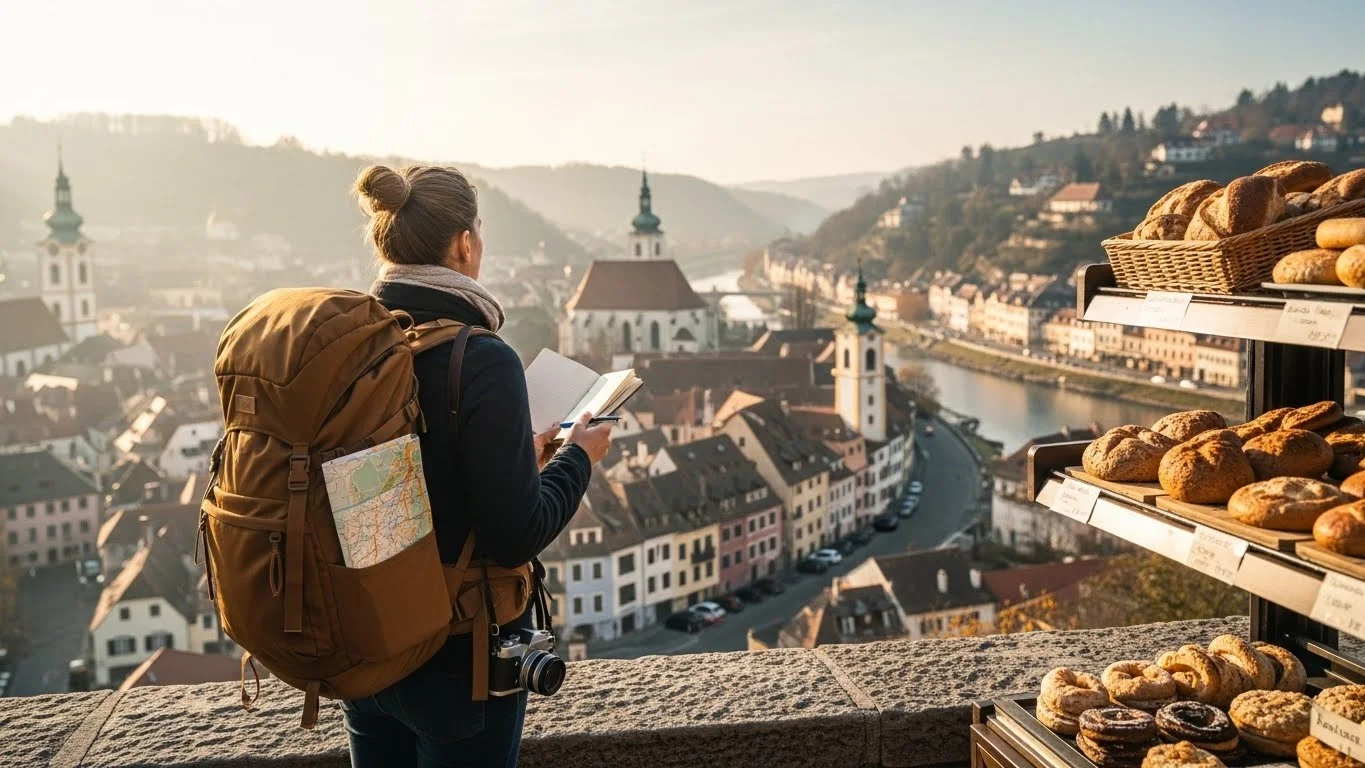
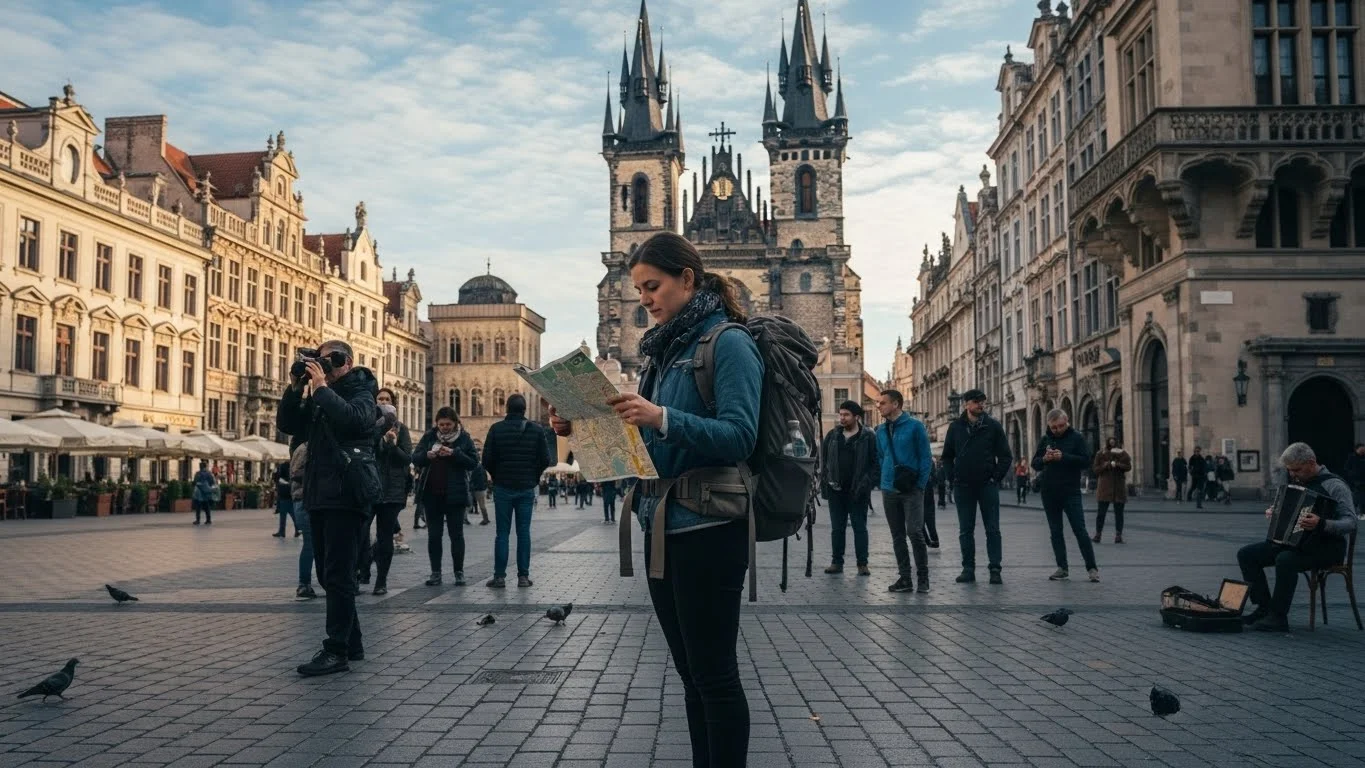
Perfect Solo Travel Itinerary for Europeu2019s Hidden Gems

Embarking on a solo adventure through Europe’s lesser-known treasures can be one of the most rewarding experiences. Imagine wandering through quaint towns, savoring hidden culinary delights, and discovering breathtaking landscapes—all on your own terms. Read Interesting article: Explore Europe: Affordable Solo Travel Itinerary Guide

Perfect Solo Travel Itinerary for Europeu2019s Hidden Gems

Why Choose Solo Travel in Europe?

The Freedom of Exploring at Your Own Pace

When I first decided to travel solo in Europe, the idea of freedom excited me. I could explore at my own pace, linger at a café, or decide on a whim to visit a local museum. This flexibility became a significant highlight of my journey. I remember stumbling upon a small, charming village in Slovenia, where I spent an entire afternoon wandering through its narrow streets, snapping photos, and chatting with locals. That freedom to choose my itinerary, without the influence of anyone else’s preferences, made my trip feel uniquely mine.

Meeting New People and Making Friends

Traveling alone doesn’t mean being lonely. In fact, I found that being a solo traveler opened doors to meeting new people. Whether it was sharing a table at a bustling restaurant or joining a group tour, I often found myself in conversations with fellow travelers and locals. In Porto, I met a group of backpackers from different countries over dinner. We swapped stories and tips about our travels, and by the end of the night, I felt like I had made lifelong friends. This sense of connection is something I truly cherish from my travels.

Self-Discovery and Personal Growth

One of the most profound aspects of solo travel is the journey of self-discovery. Alone in a foreign land, I confronted my fears and insecurities, learned to navigate new environments, and even discovered interests I never knew I had. For instance, I found myself drawn to art museums in Ghent, appreciating the creativity that surrounded me. I started reflecting on my own life and aspirations. Every encounter and experience became a lesson, shaping me into a more confident and self-aware individual.

Planning Your Trip: Key Considerations

Choosing the Right Time to Visit

As I planned my solo journey, timing was a crucial factor. I wanted to avoid the throngs of tourists while still enjoying pleasant weather. I learned that late spring or early fall often provides a great balance of mild weather and fewer crowds. I visited Slovenia in late May, and the blooming landscapes were an absolute delight. I recommend researching local events and festivals too, as these can enrich your experience.

Budgeting for Your Solo Adventure

Budgeting can be a bit daunting, but it’s essential for a smooth trip. I found that setting a daily budget helped me manage my expenses effectively. I tracked my spending on accommodation, food, and activities, which gave me a clearer picture of my finances. Hostels and budget hotels became my go-to options for affordable lodging. Plus, I indulged in local street food, which not only saved money but also allowed me to experience authentic flavors. I recommend trying to stick to a budget that feels comfortable for you, allowing for some flexibility for unexpected adventures. Read Interesting article: Ultimate Solo Travel Itinerary for Europe on a Budget

Travel Insurance and Safety Tips

Safety is paramount when traveling solo. I always purchase travel insurance before I go. It provides peace of mind, knowing that I’m covered for unexpected events like illness or lost belongings. While in Europe, I followed some simple safety tips: I kept my belongings secure, avoided poorly lit areas at night, and stayed aware of my surroundings. I felt empowered to trust my instincts, and this boosted my confidence while navigating new cities.

Essential Preparation Steps

Packing Tips for Solo Travelers

Packing wisely is vital for solo travelers. I learned to pack light, bringing only what I needed for the trip. A versatile wardrobe helped me mix and match outfits, and I focused on comfortable shoes for all the walking. I also included a small daypack for day trips, where I carried essentials like water, snacks, and a camera. Trust me, packing smart makes a world of difference when you’re managing your luggage alone!

Choosing Accommodations: Hostels vs. Hotels

When it came to choosing where to stay, I weighed the pros and cons of hostels versus hotels. Hostels often provide a great opportunity to meet other travelers and exchange stories. I remember staying in a cozy hostel in Porto where I met fascinating people from all over the globe. On the other hand, hotels offer more privacy and comfort. I found a balance by choosing hostels in cities where I wanted to socialize and hotels in quieter towns for relaxation.

Transportation Options in Europe

Getting around Europe can be a breeze, especially with so many transportation options available. I took advantage of budget airlines, trains, and buses to travel between cities. I discovered that trains offered a scenic and enjoyable way to see the countryside. For local transport, I often relied on public buses and trams, which allowed me to explore like a local. Don’t hesitate to walk, either! Some of my best experiences came from simply wandering through a new city on foot.

Perfect Itinerary: Hidden Gems in Europe

Day 1-3: Discovering Slovenia’s Lake Bled

Getting There and Where to Stay

My journey to Lake Bled started with a simple flight into Ljubljana, Slovenia’s capital. From there, I took a scenic bus ride that took about an hour, and I marveled at the picturesque views along the way. Once I arrived, I quickly checked into a charming guesthouse that overlooked the lake. It was the perfect base for my adventures. I loved how welcoming the locals were, and the guesthouse felt more like a home than just a place to sleep. Booking ahead is a great idea, especially in the summer months when tourists flock to the area.

Top Attractions: Bled Castle and Vintgar Gorge

Lake Bled is stunning, with its emerald waters and the iconic island in the center. I made sure to visit Bled Castle, perched high on a cliff. The views from up there were breathtaking, and the castle itself was steeped in history. I spent hours wandering through the castle grounds, soaking in the beauty of my surroundings. Another highlight of my visit was Vintgar Gorge. I remember stepping into the gorge, surrounded by lush greenery and the sound of rushing water. The wooden walkways made it accessible and perfect for a leisurely hike. It felt like I had stepped into a fairytale!

Local Cuisine: Traditional Slovenian Dishes

Exploring the local cuisine was one of my favorite parts of my Lake Bled experience. I made a point to try the famous Bled cream cake, a delightful dessert that was both rich and light at the same time. I found a quaint café that served it fresh, and I enjoyed it while taking in the views of the lake. Additionally, I tried some hearty Slovenian stews and locally-produced cheeses, which were all delicious and comforting. Eating like a local truly added flavor to my adventure!

Day 4-6: Exploring the Charms of Porto, Portugal

Transportation: How to Get Around

After soaking in the beauty of Slovenia, I hopped on a budget airline to Porto, Portugal. Getting around the city was a breeze, thanks to the efficient metro system. I purchased a rechargeable Andante card, which made traveling on public transport hassle-free. I even enjoyed a few scenic tram rides that took me through the picturesque streets. Walking was another great way to explore, and I loved getting lost in the narrow alleys of the city.

Must-See Sites: Ribeira District and Livraria Lello

Porto stole my heart with its vibrant atmosphere. One of my favorite experiences was wandering the Ribeira District, where colorful buildings lined the Douro River. The energy of the place was infectious, and I spent hours just soaking it all in. I also visited Livraria Lello, a stunning bookstore that felt like stepping into a storybook itself. The intricate woodwork and winding staircase were truly breathtaking, and it was easy to see why it’s considered one of the most beautiful bookstores in the world.

Food and Drink: Port Wine and Francesinha

No visit to Porto would be complete without indulging in some local delicacies. I tried the famous Francesinha, a hearty sandwich layered with meats and topped with a rich sauce—it was a perfect comfort food after a day of exploring. And, of course, I couldn’t miss tasting Port wine. I took a tour of one of the wine cellars across the river in Vila Nova de Gaia, where I learned about the wine-making process and enjoyed a delightful tasting session. The experience was both educational and delicious! Read Interesting article: Budget-Friendly Solo Travel Itineraries for Europe

Day 7-9: Unveiling the Beauty of Gjirokastër, Albania

Accommodation and Local Hospitality

Next on my journey was Gjirokastër, Albania. I traveled there by bus, which was an adventure in itself, navigating through beautiful mountain landscapes. I found a lovely guesthouse run by a family who welcomed me like one of their own. Their hospitality was heartwarming, and they even shared stories about their town and its history, making my stay even more special. This personal touch really enhanced my experience, and I felt genuinely connected to the place.

Historical Attractions: Gjirokastër Castle

Gjirokastër is known for its stunning castle, and I was eager to explore. Climbing to the top of Gjirokastër Castle was one of the highlights of my trip. The panoramic views of the town and surrounding mountains took my breath away. Inside the castle, I found fascinating exhibits about the region’s history, which deepened my appreciation for the culture. It’s amazing how much you can learn just by being present in a place and absorbing its stories.

Experiencing Albanian Cuisine

No visit to Gjirokastër would be complete without savoring local dishes. I was introduced to a traditional dish called “qifqi,” which is a rice ball flavored with herbs and served with yogurt. I also tried some delicious lamb dishes that were cooked to perfection. Eating at local eateries allowed me to immerse myself further in the culture, and I loved sharing meals with locals and hearing their stories.

Day 10-12: Enjoying the Scenic Views in Matera, Italy

Getting There: Transportation Options

Next on my itinerary was Matera, Italy, known for its unique cave dwellings. I took a bus from Gjirokastër to cross the border into Italy, which was an eye-opening experience. The ride itself was scenic, and I found myself filled with excitement as I approached Matera. Once there, I opted for walking tours to explore the ancient Sassi districts, which allowed me to appreciate the stunning architecture up close.

Exploring the Sassi di Matera

Exploring the Sassi di Matera was like stepping back in time. I wandered through the winding streets, marveling at the ancient stone houses carved into the cliffs. I learned about the history of these cave dwellings and how they were once home to many families. The charm and character of Matera left a lasting impression on me, and I enjoyed capturing its beauty through my camera lens.

Local Food Experiences: Traditional Lucanian Dishes

Food in Matera was another delightful experience. I tried “cialledda,” a traditional bread salad, as well as “orecchiette,” a pasta shape typical of the region. Each meal I had felt like a genuine taste of the culture, and I loved dining in local trattorias where the atmosphere was warm and inviting. It was the perfect way to end my days of exploration.

Day 13-15: The Artistic Haven of Ghent, Belgium

Where to Stay: Accommodations in Ghent

As my adventure continued, I made my way to Ghent, Belgium. I chose a cozy bed and breakfast that was centrally located, making it easy to explore the city on foot. The owners were incredibly friendly and even provided me with recommendations for local restaurants and sights. I felt right at home in Ghent and appreciated the hospitality that made my stay even more enjoyable.

Top Attractions: Gravensteen Castle and St. Bavo’s Cathedral

In Ghent, I was excited to visit Gravensteen Castle, a medieval fortress that offered a glimpse into the city’s rich history. Climbing the towers gave me a great view of the cityscape. I also visited St. Bavo’s Cathedral, where I was awestruck by the stunning altarpiece, “The Adoration of the Mystic Lamb.” The artistic treasures of Ghent made every moment of my visit special.

Belgian Delicacies: Must-Try Foods

Belgium is famous for its cuisine, and I made sure to indulge. I tried the local specialties like moules-frites (mussels and fries) and, of course, Belgian waffles topped with fresh fruit and whipped cream. Each meal felt like a celebration of flavors, and I enjoyed trying out different cafés and restaurants throughout the city. Eating my way through Ghent was a delicious adventure!

Tips for Solo Travelers in Europe

Staying Safe While Traveling Alone

Safety is something I think about a lot when I’m traveling solo. I remember my first night in a new city, feeling both excited and a little nervous. I always made sure to keep my valuables close and to blend in with the locals rather than standing out as a tourist. One of the best pieces of advice I received was to research the areas I planned to visit. I’d check online forums and travel blogs to get the lowdown on neighborhoods to avoid at night. Also, I made a habit of keeping my phone charged and having important numbers saved, like local emergency services and my accommodation’s contact info. In my experience, being cautious doesn’t mean missing out on fun; it simply enhances my peace of mind.

Connecting with Other Travelers

One of the joys of solo travel is the chance to meet new people, and I found various ways to connect with fellow travelers. Hostels are fantastic for this, as they often host communal dinners or group activities. I remember one night in Ghent, I joined a pub crawl organized by the hostel. It was a blast! I met people from Spain, Australia, and even a few locals. Sharing experiences like those made me feel more at home in a foreign city. I also used social media platforms and travel apps to connect with other solo travelers. It’s amazing how many friendships can blossom over a shared love of exploration!

Managing Loneliness on the Road

There are moments on every solo trip where I’ve felt a twinge of loneliness. I think it’s natural, especially when you’re far from home. What helped me was to embrace those feelings instead of pushing them away. I’d often find a cozy café, grab a coffee, and people-watch, allowing myself to soak in the atmosphere rather than feeling isolated. Journaling was another great outlet for me; I’d jot down my thoughts and experiences, which helped me process my feelings. I discovered that taking time for myself, whether it was enjoying a peaceful sunset or reading a book by the lake, could be just as fulfilling as socializing. It’s all about balance.

Useful Resources for Solo Travelers

Travel Apps to Enhance Your Experience

Technology can be a solo traveler’s best friend. I found several apps that made my journey smoother and more enjoyable. Google Maps was indispensable for navigation—I can’t tell you how many times it saved me when I was trying to find my way in a new city! I also relied on translation apps to help me communicate when English wasn’t widely spoken. One of my favorites was Duolingo, which allowed me to pick up some basic phrases in local languages, enhancing my interactions with locals. For budgeting, I used Trail Wallet, which helped me keep track of my expenses and stay on budget without too much hassle.

Websites and Blogs for Inspiration

Before each trip, I spent hours diving into travel blogs and websites for tips and inspiration. I discovered incredible gems through personal stories and itineraries shared by other solo travelers. Websites like Lonely Planet and Nomadic Matt provided practical advice, while personal blogs often showed the more emotional side of traveling alone. I remember reading about someone’s experience in Albania, which is what encouraged me to include it in my itinerary. When I’m feeling stuck or unsure about my next destination, I always return to these resources to rekindle my wanderlust.

Local Guides and Tours to Consider

Joining local tours can be a great way to enhance my travel experience while meeting new people. I often sought out walking tours or cooking classes, which helped me dive deeper into the culture. For instance, in Porto, I took a food tour that guided me through the city’s culinary highlights. Not only did I get to try amazing dishes, but I also learned about their history and significance. Plus, it was a wonderful opportunity to chat with fellow food lovers. I recommend looking for small group tours; they tend to be more personal and engaging, allowing for better connections with both the guides and other travelers.

Frequently Asked Questions

What are the benefits of solo travel in Europe?

Solo travel in Europe offers the freedom to explore at your own pace, the opportunity to meet new people, and a journey of self-discovery and personal growth.

How can I plan my solo trip to avoid crowds?

Choosing the right time to visit is crucial. Late spring or early fall provides a balance of pleasant weather and fewer tourists. Researching local events and festivals can also enhance your experience.

What budgeting tips are helpful for solo travelers?

Setting a daily budget helps manage expenses effectively. Tracking spending on accommodation, food, and activities is essential. Opting for hostels and local street food can also keep costs down while providing authentic experiences.

What safety tips should solo travelers follow?

Always purchase travel insurance, keep belongings secure, avoid poorly lit areas at night, and stay aware of your surroundings. Trusting your instincts is also important for safety while navigating new cities.

What should I pack for a solo trip?

Packing light is vital. Bring versatile clothing, comfortable shoes, and a small daypack for essentials like water, snacks, and a camera to make managing your luggage easier.

What types of accommodations are best for solo travelers?

Hostels are great for meeting other travelers and socializing, while hotels offer more privacy and comfort. A balance can be found by choosing hostels in social cities and hotels in quieter towns.

How can I get around Europe easily?

Europe offers various transportation options, including budget airlines, trains, and buses. Using public transport like buses and trams allows for local exploration, and walking can lead to unexpected adventures.

What are some must-see attractions in Lake Bled, Slovenia?

Top attractions include Bled Castle, which offers breathtaking views and rich history, and Vintgar Gorge, known for its stunning natural beauty and accessible wooden walkways.

What local dishes should I try in Porto, Portugal?

In Porto, you should try Francesinha, a hearty sandwich layered with meats and topped with sauce, and Port wine, which can be enjoyed through tours of local wine cellars.

How can I connect with other travelers while solo traveling?

Staying in hostels, participating in communal activities, and using social media platforms or travel apps can help you meet fellow travelers and create connections during your journey.

Budget-Friendly Solo Travel Itineraries for Europe

Traveling solo in Europe doesn’t have to break the bank. With the right planning and mindset, you can explore incredible destinations while sticking to a budget. Let’s dive into how to make your solo adventure both affordable and unforgettable. Read Interesting article: Explore Europe: Affordable Solo Travel Itinerary Guide

Budget-Friendly Solo Travel Itineraries for Europe

Overview of Budget-Friendly Solo Travel in Europe

The Rise of Solo Travel

Over the past few years, I’ve watched solo travel grow from a niche experience to a popular choice among adventurers of all ages. More and more people are choosing to explore the world on their own terms, and Europe, with its vast array of cultures, history, and landscapes, is a prime destination. I remember my first solo trip to Europe; it was liberating to wander through unfamiliar streets without a set itinerary. The rise of social media has also made sharing experiences easier, inspiring others to embark on their own journeys. The idea that we can travel solo while still feeling connected to others is something I cherish.

Benefits of Traveling Alone

Traveling solo has numerous perks, many of which I didn’t fully appreciate until I experienced them firsthand. One of the most significant benefits is the freedom to create your own schedule. If you want to linger at a café or rush to catch a museum before closing, the choice is entirely yours. I’ve found that being alone allows for deeper connections with locals and fellow travelers. You’re more approachable when you’re solo, and I’ve made some of my best travel friends on my own. Plus, there’s something incredibly empowering about navigating a new city without anyone holding your hand. It boosts your confidence and helps you learn more about yourself.

General Tips for Budget Travel

When it comes to budget travel, I’ve learned a few tricks along the way that have helped me stretch my dollars further. First, I recommend planning your trip during the off-peak season. Not only will you find cheaper flights and accommodations, but popular attractions will also be less crowded. I’ve traveled in late fall and early spring and found it to be a great time to explore without the usual hustle and bustle.

Another tip is to embrace local cuisine. I love seeking out street food stalls or small, family-run restaurants where the prices are reasonable, and the food is full of flavor. Eating like a local is not only budget-friendly but also a fantastic way to immerse yourself in the culture. I often make it a point to try local dishes, and I’ve been pleasantly surprised by how affordable they can be.

Using public transportation instead of taxis or rideshares has also saved me a lot. I’ve found that most European cities have excellent public transport systems that are easy to navigate. For me, figuring out the metro or bus routes has become part of the adventure. Walking is another great way to explore and save money while soaking in the sights at your own pace.

Lastly, I can’t stress enough the importance of researching free or low-cost attractions. Many cities offer free walking tours, museums with discount days, or beautiful parks to relax in. I remember stumbling upon a free art exhibit in Berlin that turned out to be one of my favorite experiences. Always keep an eye out for local events, as they can provide a unique insight into the culture without costing much.

Best Budget Destinations in Europe for Solo Travelers

Eastern Europe: Affordable Adventures

Eastern Europe has become a go-to for budget travelers like myself looking for adventure without overspending. The cities here are steeped in history, with stunning architecture and vibrant cultures, all at a fraction of the cost of Western Europe.

Budapest, Hungary

Budapest stole my heart the moment I arrived. The stunning Danube River and its iconic bridges are mesmerizing. I recommend visiting the thermal baths—it’s a unique experience that doesn’t cost a lot. The ruin bars in the Jewish Quarter are also a must-visit for an unforgettable night out. I spent many evenings there, enjoying the atmosphere and meeting fellow travelers.

Kraków, Poland

Kraków is another gem I discovered during my travels. The Old Town is a UNESCO World Heritage site, and exploring its cobblestone streets felt like stepping back in time. I found that meals were incredibly affordable, and the local pierogi are delicious! A day trip to Auschwitz-Birkenau is a profound experience that I found to be essential during my visit. Read Interesting article: Ultimate Solo Travel Itinerary for Europe on a Budget

Prague, Czech Republic

Prague is often called the “City of a Hundred Spires,” and for a good reason. The architecture is breathtaking! I loved wandering around the Charles Bridge and soaking up the history. Plus, the prices for food and drink are very reasonable. I indulged in traditional Czech goulash and, of course, some local beer—all without breaking the bank.

Southern Europe: Culture and Sun

Southern Europe offers a beautiful blend of culture, history, and stunning coastlines. It’s a bit more expensive than Eastern Europe, but there are still plenty of budget-friendly options.

Lisbon, Portugal

Lisbon is one of my favorite cities. The colorful streets and warm atmosphere are inviting. I suggest exploring the Alfama district with its narrow streets and local shops. The local food markets offer delicious, inexpensive meals. I also took a tram ride through the city, which was both a fun way to see the sights and a budget-friendly option.

Barcelona, Spain

Barcelona is vibrant and full of life. I loved visiting the markets and enjoying tapas. While some attractions can be pricey, you can easily spend a day just exploring the Gothic Quarter and the beach without spending much at all. The city feels alive, and I found myself immersed in the energy of the locals.

Budva, Montenegro

Budva is a beautiful coastal town that offers stunning beaches and rich history. I found it to be a hidden gem, with affordable accommodations and food options. The Old Town is charming, and the nightlife is lively. I spent many evenings enjoying the sunset while sipping on a local cocktail.

Western Europe: Hidden Gems

While Western Europe is often viewed as pricier, I’ve found hidden gems that offer wonderful experiences without emptying my wallet.

Bruges, Belgium

Bruges feels like a fairy tale with its canals and medieval buildings. I loved taking a walk around the city, and the cost of living is relatively low. Trying the local chocolates and Belgian fries is a must, and I didn’t find it too expensive at all.

Amsterdam, Netherlands

Amsterdam is a city rich in culture and beauty. I remember exploring the canals and visiting the free parks. While some attractions can be pricey, I found plenty of affordable cafes and shops. Renting a bike is a great way to see the city without spending a lot.

Edinburgh, Scotland

Edinburgh is a bit more on the pricey side, but it offers so much value. I loved hiking up Arthur’s Seat for breathtaking views of the city. Many museums are free, and the local pubs have affordable meal options. Plus, the atmosphere is unmatched, especially during the festival season.

Sample Itineraries for Budget-Friendly Solo Travel

3-Day Itinerary: Budapest

Day 1: Exploring Buda

On my first day in Budapest, I decided to dive into the historic Buda side of the city. I started my morning with a visit to Buda Castle, where I was captivated by the stunning views of the Danube. The walk up to the castle was free, and I recommend taking your time to explore the surrounding grounds. After that, I made my way to Fisherman’s Bastion, a fairy-tale-like structure that offers panoramic views of the Pest side. I enjoyed a leisurely lunch at a nearby café, trying some goulash, which was both cheap and delicious. In the afternoon, I visited Matthias Church—it’s worth every forint due to its breathtaking interior.

Day 2: Discovering Pest

Day two was all about Pest! I started with a visit to the famous Central Market Hall, where I picked up some local snacks and souvenirs. I loved wandering through the stalls filled with fresh produce, meats, and pastries. From there, I headed to the iconic Parliament building. The guided tours were very reasonable, and the inside is as stunning as the outside. Later in the day, I strolled along the Danube Promenade, soaking in the sights of the Shoes on the Danube Bank memorial. I concluded my day with dinner at a ruin bar; it was lively, and the atmosphere was perfect for meeting fellow travelers!

Day 3: Relaxing in Thermal Baths

For my final day, I treated myself to a day of relaxation at the Széchenyi Thermal Bath. The entrance fee is quite affordable, and spending hours soaking in the warm, mineral-rich waters was the perfect way to unwind after two busy days. I also took some time to explore City Park, which is right next door. I couldn’t resist taking a quick peek at the Vajdahunyad Castle before heading back to freshen up. I wrapped up my Budapest adventure with a sunset cruise on the Danube, where the illuminated cityscape was simply magical.

4-Day Itinerary: Lisbon

Day 1: Alfama District

When I arrived in Lisbon, I immediately fell in love with the Alfama district. I spent my first day wandering through its narrow, winding streets, getting lost in the charming atmosphere. I made sure to stop by the local shops and grab some pastel de nata, which quickly became one of my favorite treats. A visit to the historic São Jorge Castle was a highlight; the views of the city were breathtaking and worth the small entrance fee.

Day 2: Belem and History

On my second day, I ventured to Belem, where I visited the Jerónimos Monastery. The intricate architecture left me in awe. I also made a stop at the Monument to the Discoveries before indulging in more pastel de nata from Pastéis de Belém, the original bakery! After enjoying my sweets, I explored the nearby MAAT museum, which often had free entry days. I spent the evening enjoying some fado music, immersing myself in the soulful sounds of Lisbon.

Day 3: Sintra Day Trip

Sintra was a must-do for my third day! It’s just a short train ride from Lisbon, and I was excited to explore the fairy-tale palaces. I recommend visiting the Pena Palace and the Moorish Castle. Both have reasonable entry fees, and the views are stunning. I spent the afternoon wandering around the quaint town center, trying local delicacies. I took the train back to Lisbon and spent my evening relaxing along the riverbank, watching the sunset.

Day 4: Local Cuisine Tasting

On my final day, I made it a point to explore the Mercado da Ribeira, where I could sample various local dishes. I tried a bit of everything, from seafood to cheese. Later in the day, I took a tram ride on the famous Tram 28, which winds through some of Lisbon’s most iconic neighborhoods. I wrapped up my trip with a visit to the LX Factory, a hub of creativity and culture, where I enjoyed some street art and unique shops.

5-Day Itinerary: Kraków

Day 1: Old Town Exploration

Kraków’s Old Town was my first stop, and I spent the entire day soaking up its history. I wandered through the Main Market Square, admiring the Cloth Hall and St. Mary’s Basilica. The atmosphere was vibrant, with street performers and artists everywhere. I indulged in some local food from the stalls, which was not only cheap but delicious. I also took a moment to relax in Planty Park, which encircles the Old Town.

Day 2: Auschwitz-Birkenau Day Trip

Visiting Auschwitz-Birkenau was a profound experience that I felt was essential. I joined a group tour, which was affordable and provided valuable insights. The visit was emotional and thought-provoking, and I appreciated the opportunity to reflect on history. After returning to Kraków, I found comfort in a local café, sipping tea and processing the day’s events.

Day 3: Wawel Castle and Dragon’s Den

I spent my third day exploring Wawel Castle. The entrance fee was quite reasonable, and walking through the castle and its grounds felt like stepping back in time. I made sure to visit the Dragon’s Den, where I enjoyed the legend of the Wawel Dragon. After exploring the castle, I took a leisurely walk along the Vistula River, which was a lovely way to unwind.

Day 4: Kazimierz District

The Kazimierz district was my focus for the fourth day. I was eager to delve into its rich Jewish history. I visited several synagogues, and it was enlightening to learn about the culture. I also enjoyed some traditional Jewish cuisine at a local restaurant. The atmosphere in Kazimierz was unique, filled with history and a sense of community.

Day 5: Zakopane Excursion

For my final day, I took a day trip to Zakopane, a beautiful town in the Tatra Mountains. The bus ride was affordable, and upon arrival, I was greeted by stunning views. I spent the day hiking and enjoying the natural beauty surrounding me. I made sure to try some local highlander cheese before heading back to Kraków to prepare for my journey home.

Budgeting Tips for Solo Travelers in Europe

Transportation: Getting Around on a Budget

One of the biggest expenses when traveling is transportation, but I’ve found that there are ways to keep those costs down. The first step is to be smart about your mode of transport. I’ve traveled through many cities and learned that public transport can be a lifesaver. Most European cities have reliable and affordable subway systems, trams, and buses that make getting around not only easy but also cost-effective.

Public Transport vs. Walking

I often find myself taking public transport when it’s convenient, but I also love walking. There’s something special about exploring a city on foot. I remember strolling through the cobblestone streets of Florence, discovering hidden gems I would have missed if I had been on a bus. Walking not only saves money, but it also allows you to soak in the sights and sounds of the city at your own pace. Plus, many cities have beautiful parks and plazas that are best enjoyed on foot.

Budget Airlines and Trains

If you’re planning to travel between cities, budget airlines can be a great option. I’ve flown with airlines like Ryanair and EasyJet to get from one country to another without breaking the bank. Just be mindful of their baggage policies to avoid unexpected fees. On the flip side, I’ve also taken trains, which can be a scenic and enjoyable way to travel. I remember a train ride from Venice to Milan, which provided breathtaking views of the Italian countryside. Look for rail passes or discounts for travelers; they often make train travel much more affordable. Read Interesting article: 10-Day Solo Backpacking Itinerary Through Europe

Accommodation: Where to Stay

Finding a place to stay can sometimes feel overwhelming, especially with so many options available. I’ve tried different types of accommodations, and I can share what worked best for me.

Hostels and Guesthouses

Hostels are a fantastic option for solo travelers on a budget. I’ve stayed in some really cool hostels that not only offered a bed but also provided a social atmosphere. It’s easy to meet fellow travelers in common areas or during organized activities. I remember staying in a hostel in Lisbon where I met people from all over the world. The shared kitchen also allowed me to save money by cooking some of my meals. Guesthouses can be another budget-friendly alternative, often offering a more personal touch compared to larger hotels.

Airbnb and Budget Hotels

Airbnb has been another great option for me, especially for longer stays. I love staying in local neighborhoods where I can get a taste of everyday life. I once rented a small apartment in Barcelona that was close to everything I wanted to see, and it felt like a home away from home. Budget hotels can also provide a comfortable place to rest without the hefty price tag. Look for places that offer deals for longer stays or off-peak rates.

Food and Dining: Eating Well on a Budget

Eating well while keeping costs down is a challenge I take seriously when I travel. I’ve learned that there are plenty of ways to enjoy delicious food without overspending.

Local Street Food

I love diving into local street food scenes. Street vendors often offer authentic cuisine at a fraction of the price you’d pay in restaurants. I recall trying currywurst in Berlin from a street stall – it was cheap, filling, and absolutely delicious! Exploring street markets is also a fun way to try different dishes and snacks while keeping your budget intact.

Grocery Shopping Tips

Grocery shopping can be a great way to save money, especially for breakfast or lunch. I often stop by local supermarkets or farmers’ markets to pick up fresh bread, cheese, and fruits. I remember during my time in Paris, I’d grab a baguette and some cheese, then head to a nearby park for a picnic. It was a simple yet memorable experience that didn’t put a dent in my wallet. Additionally, many stores offer ready-made meals that are affordable, tasty, and a great option for a quick dinner.

Safety Tips for Solo Travelers

General Safety Guidelines

Safety is always on my mind when I travel alone. I’ve picked up several tips that have helped me feel secure while exploring new places. First, I always trust my instincts. If something feels off, I don’t hesitate to change my plans. I’ve learned to stay aware of my surroundings, especially in crowded areas or tourist attractions. Keeping my belongings secure and being discreet with valuables has also proven effective. I often use a crossbody bag to keep my essentials close and avoid pickpockets.

Staying Connected: Mobile Apps and Local SIM Cards

Having a reliable way to stay connected is crucial for solo travel. I usually download helpful apps, such as maps or translation tools, to make navigating easier. I also look into getting a local SIM card upon arrival, which gives me access to data and calls without the hefty roaming fees. It’s made communicating and finding my way around cities much more manageable.

Emergency Contacts and Resources

Before I travel, I make a list of emergency contacts and keep it handy. This includes the local embassy, as well as local emergency numbers. I also make sure my friends or family know my itinerary. Having a safety plan in place gives me peace of mind while I’m adventuring solo.

Frequently Asked Questions

What are some benefits of traveling solo in Europe?

Traveling solo allows for the freedom to create your own schedule, fosters deeper connections with locals and fellow travelers, and boosts your confidence as you navigate new cities independently.

What are some tips for budget travel in Europe?

To travel on a budget, plan your trip during the off-peak season, embrace local cuisine, use public transportation instead of taxis, and research free or low-cost attractions.

Which Eastern European cities are recommended for budget travelers?

Budapest, Hungary; Kraków, Poland; and Prague, Czech Republic are all highly recommended for their rich history, stunning architecture, and affordability.

What activities should I consider in Budapest?

In Budapest, consider visiting Buda Castle, enjoying the thermal baths, exploring the Central Market Hall, and experiencing the lively atmosphere of ruin bars.

What is a must-try food in Kraków?

When in Kraków, don’t miss trying the local pierogi, as they are delicious and very affordable.

What are some budget-friendly activities in Lisbon?

In Lisbon, explore the Alfama district, visit São Jorge Castle, and enjoy local food markets and fado music for a taste of the culture without overspending.

What are the benefits of using public transportation while traveling?

Public transportation is often reliable and affordable, making it a cost-effective way to get around cities while also allowing for the opportunity to explore on foot and discover hidden gems.

What types of accommodations are recommended for solo travelers on a budget?

Hostels, guesthouses, Airbnb, and budget hotels are all great options for solo travelers looking for affordable and social accommodations.

How can I save money on food while traveling in Europe?

You can save money by enjoying local street food, grocery shopping for meals, and seeking out affordable dining options that offer authentic local cuisine.

What safety tips should solo travelers keep in mind?

Solo travelers should trust their instincts, stay aware of their surroundings, secure their belongings, use helpful mobile apps, and have a list of emergency contacts handy.

Explore Europe: Affordable Solo Travel Itinerary Guide

Exploring Europe alone can be one of the most rewarding experiences. With its rich history, vibrant cultures, and stunning landscapes, Europe offers countless opportunities for affordable solo adventures. For more insights, check out the Ultimate Guide to Affordable Solo Travel Hotspots.

Explore Europe: Affordable Solo Travel Itinerary Guide

Overview of Solo Travel in Europe

When I first considered solo travel in Europe, I was filled with excitement and a touch of anxiety. I knew there was so much to discover, but I also wondered if I could manage everything on my own. Over time, I learned that solo travel can be a transformative experience, offering unique benefits and challenges.

Benefits of Solo Travel

One of the most liberating aspects of traveling alone is the freedom it provides. You can set your own itinerary without having to consider anyone else’s preferences. I remember waking up one morning in Paris and deciding to wander through the charming streets of Montmartre, soaking in the art and culture at my own pace. There’s something incredibly fulfilling about making spontaneous decisions, whether it’s trying out a local café or adjusting your travel route based on recommendations from fellow travelers.

Solo travel also fosters personal growth. I found myself navigating unfamiliar cities, which pushed me out of my comfort zone. I learned to communicate in new languages, even if just a few words, and built confidence in my ability to handle unexpected situations. Each challenge I faced, like getting lost in the winding streets of Venice, turned into an opportunity for growth and self-discovery.

Meeting new people is another highlight of solo travel. It’s often easier to strike up conversations with locals or fellow travelers when you’re alone. I remember chatting with a group of backpackers in a hostel in Barcelona who shared their travel stories and tips, making my journey feel even richer. Those connections often turn into lasting friendships or unforgettable experiences.

Challenges Faced by Solo Travelers

Of course, solo travel isn’t all sunshine and rainbows. One of the biggest challenges I faced was the occasional loneliness that can creep in, especially during long trips. I remember sitting alone at a café in Rome, watching couples and groups of friends laugh together. It made me realize how much I valued shared experiences. However, I learned to embrace these moments as opportunities for reflection and personal time.

Safety is another concern. Traveling alone means being more vigilant about your surroundings. I found that researching safe neighborhoods to stay in and keeping my belongings secure became essential parts of my routine. It’s important to trust your instincts and know when to avoid certain situations. I’ve learned to carry a small purse with just the essentials and to keep my phone charged for navigation and emergency contacts.

Finally, there’s the challenge of logistics. Planning can feel overwhelming at times, especially when it comes to deciding where to stay, how to get around, and what to see. However, I found that breaking down the planning process into smaller steps made it manageable. By doing a little research each day, I made my travel experience smoother and more enjoyable. For tips on effective planning, you might find How to Plan an Affordable Solo Female Travel Adventure helpful.

Planning Your Affordable Solo Trip

Now that we’ve touched on the benefits and challenges of solo travel, let’s dive into the practicalities of planning an affordable trip. I discovered that a well-thought-out plan can enhance the adventure significantly.

Setting a Budget

Creating a budget was one of the first steps I took. I wanted to make sure that I could enjoy my trip without breaking the bank. I began by outlining my major expenses, like flights, accommodation, meals, and activities. From my experience, a daily budget can help guide your spending. I often aimed to stick to a certain amount each day, allowing myself a little extra for unexpected treats or experiences.

Choosing Travel Dates

Choosing when to travel can greatly affect your budget. I learned that traveling during the off-peak season often leads to cheaper flights and accommodations. For example, visiting Europe in late fall or early spring can save money and avoid the crowds. I remember strolling through the streets of Prague in March, enjoying the beautiful sights without feeling rushed or crowded.

Finding Affordable Flights

Finding budget-friendly flights can be a game changer. I became a pro at using flight comparison websites and setting up alerts for deals. Flexibility with travel dates also helped me snag great prices. There were times when I chose to fly mid-week rather than on weekends, which made a noticeable difference in my ticket costs.

Travel Insurance Considerations

While this may not seem like a budget concern at first, investing in travel insurance is crucial for solo travelers. I learned this lesson the hard way when I had to cancel a trip due to an emergency. Having insurance provided peace of mind and ultimately saved me money. I recommend looking for plans that cover not just health emergencies, but also trip cancellations and lost belongings.

Top European Destinations for Solo Travelers

As I ventured through Europe, I discovered that certain destinations cater exceptionally well to solo travelers. Each place has its own unique charm and opportunities for exploration, connection, and fun. Let me share some of my favorite spots that I think are perfect for anyone heading out on their own.

Backpacking Through Eastern Europe

Eastern Europe surprised me with its rich history, vibrant culture, and affordability. I found myself drawn to the charming cities that offered a mix of adventure and tranquility.

Budapest, Hungary

Budapest was one of my favorite stops. The city is a blend of stunning architecture and a lively atmosphere. I remember soaking in the thermal baths, which felt like a mini-vacation within my vacation. The Ruin Bars, with their eclectic decor and friendly vibe, made it easy to meet other travelers. I met some locals who shared their favorite hidden gems, which made my experience even more memorable. I also enjoyed exploring Buda Castle, where I took in breathtaking views of the Danube River.

Krakow, Poland

Krakow is another gem that I believe every solo traveler should experience. The city is filled with history, and I loved wandering through the Main Market Square, where I grabbed a traditional obwarzanek (a type of pretzel) from a street vendor. The atmosphere was buzzing with street performers and locals going about their day. I also took a day trip to Auschwitz-Birkenau, which was a profound experience that added depth to my understanding of history. The city is so welcoming and safe, making it easy to explore on my own.

Exploring Western Europe

Western Europe has its own charm and energy, with a mix of modern life and historical sites. I felt like I was on a grand adventure with every city I visited.

Lisbon, Portugal

Lisbon quickly became one of my favorite European cities. I remember riding the iconic Tram 28 through the narrow streets, feeling like I was part of a moving postcard. Every corner had something unique to offer, from colorful tiles to the mouth-watering pastéis de nata (custard tarts). I found that the locals were incredibly friendly and open to chatting, which made it easy to connect with others. I spent my evenings in the Bairro Alto district, where I enjoyed live music and met fellow travelers over glasses of vinho verde.

Amsterdam, Netherlands

Amsterdam is a city that embraces individuality. I loved renting a bike and exploring the canals at my own pace. The Van Gogh Museum was a highlight for me, and I spent hours wandering through the art, feeling inspired. I also found that the city is very safe for solo travelers, with a laid-back vibe that encourages exploration. I met some fantastic people in the coffee shops, where conversations flowed easily over shared experiences.

Southern Europe Highlights

Southern Europe has a rich culture that captivates the heart of any traveler. I felt a deep sense of connection to the history and traditions in these beautiful cities.

Barcelona, Spain

Barcelona was a whirlwind of art and energy. I remember standing in awe before the intricate designs of the Sagrada Familia. The city’s beach was a perfect spot to relax and meet other solo travelers. I joined a tapas tour, which turned into a fun night filled with laughter and delicious food. The Gothic Quarter, with its winding streets, was a delight to wander through, and I stumbled upon some fantastic local shops and cafes.

Rome, Italy

Rome was like stepping back in time. Each monument told a story, and I felt a sense of wonder as I explored the Colosseum and the Roman Forum. I found that sitting in a piazza with a gelato, watching the world go by, was one of my favorite activities. I also joined a cooking class where I learned to make pasta from scratch. It was a great way to bond with other travelers and share a delicious meal together.

Scenic Northern Europe

Northern Europe is a feast for the eyes, with breathtaking landscapes and modern, vibrant cities. I found it to be a perfect mix of nature and culture.

Copenhagen, Denmark

Copenhagen was a breath of fresh air. Biking around the city allowed me to see the beautiful parks and waterfront. I enjoyed visiting Tivoli Gardens, especially as the sun set and the lights came on. The food scene is incredible here; I recommend trying a smørrebrød (open-faced sandwich) from a local café. The friendly locals made it easy to strike up conversations, and I ended up joining a group of fellow travelers for a canal tour one afternoon, which turned into a delightful adventure.

Oslo, Norway

Oslo is a city surrounded by nature, and I loved how easy it was to escape the urban environment. I took a ferry to the Bygdøy Peninsula, where I explored the Viking Ship Museum. The city’s commitment to sustainability was inspiring, and I enjoyed walking through the parks and along the waterfront. I remember having a picnic by the Oslo Opera House, watching the world go by. The city felt safe and welcoming, making it a wonderful destination for solo exploration.

Creating Your Itinerary

As I started planning my solo adventures, I found that creating an itinerary helped me maximize my travel experience. It served as a flexible guide, allowing me to prioritize what I wanted to do while leaving room for spontaneity. Here’s how I approached putting together my itinerary for a week-long trip in Europe.

Sample 7-Day Itinerary

Here’s a sample itinerary that I believe can balance exploration and relaxation, ensuring you make the most of your time while traveling solo. You can also explore Top Destinations for Affordable Luxury Solo Travel Adventures for further inspiration.

Day 1: Arrival and Orientation

On my first day in a new city, I liked to take it easy. After arriving and checking into my accommodation, I’d spend the day getting oriented. I remember strolling around the neighborhood, popping into local shops, and seeking out a cozy café to enjoy a cup of coffee. I’d often use this time to grab a city map or download a navigation app to help me find my way around. It was also great to start mingling with locals or fellow travelers, who often had the best tips for what to see and do.

Day 2: Local Attractions and Cultural Experiences

After my orientation day, I’d dive into the local attractions. I found that visiting a couple of museums or historical sites could really enrich my understanding of the place. For example, in Paris, I dedicated a day to the Louvre and the Musée d’Orsay. I would take my time, savoring the art and soaking up the culture. I also recommend trying to catch a local performance or event, like a concert or theater show, as it offers a glimpse into the local culture beyond the tourist spots.

Day 3: Day Trip Options

One of the joys of traveling in Europe is the ease of taking day trips. I discovered that many cities are well-connected to nearby attractions. For instance, while in Florence, I took a day trip to Pisa to see the infamous Leaning Tower. The experience of wandering through a different town and meeting new people along the way was always exciting. I found it helpful to plan these trips in advance to ensure I had the right transport options lined up.

Day 4: Leisure Day for Exploration

Having a leisure day was crucial for me. It allowed me to explore at my own pace without a fixed agenda. I often would choose a neighborhood that caught my eye and simply wander around. On one of my trips to Barcelona, I spent a day in the Gràcia district, where I wandered through quirky shops and stumbled upon hidden plazas filled with street art. These unplanned adventures often became my favorite memories.

Day 5: Nightlife and Socializing

For solo travelers, nightlife can be a great way to meet people. I like to check out local bars or pubs and see if there are any events happening. In Berlin, I experienced the famous nightlife scene and joined a pub crawl, which was a fun way to meet other travelers. I felt that a friendly atmosphere helped break the ice, and I ended up making great friends during that night out. I recommend asking locals where the good spots are; they usually know hidden gems away from the typical tourist traps.

Day 6: Shopping and Souvenirs

No trip would be complete without some shopping! On my sixth day, I would dedicate time to pick up souvenirs and gifts. I loved exploring local markets, where I could find unique crafts and foods that I couldn’t get back home. In Venice, I spent hours browsing the artisan shops and even bought a beautiful glass piece as a memento. I also took this time to reflect on my journey, writing in my travel journal about my experiences and what I’d learned along the way.

Day 7: Departure Preparations

As my trip came to an end, I made sure to prepare for my departure. I’d often take a final stroll through my favorite spots to soak in the atmosphere one last time. I also found it beneficial to double-check my travel documents and pack my bags the night before to avoid any last-minute stress. On occasion, I treated myself to a nice dinner at a local restaurant as a way to celebrate my journey and reflect on all the memories I’d created. This final meal often became a highlight, as I would savor the food while mentally revisiting my favorite moments from the trip.

Accommodations for Solo Travelers

Finding the right place to stay can greatly impact your solo travel experience. I learned that choosing accommodations that fit my style and needs made all the difference. Here’s what I discovered as I navigated through various options.

Hostels vs. Hotels

When I first started traveling solo, I gravitated towards hostels. They were budget-friendly and provided a great opportunity to meet fellow travelers. I remember sharing meals, exchanging stories, and even joining group outings, which made my trip feel less lonely. However, I also enjoyed the occasional hotel stay for the comfort and privacy they offered, especially after a long day of exploring. It’s all about finding the right balance for your preferences and budget.

Airbnb and Alternative Lodging Options

Airbnb became a favorite of mine for longer stays. I loved the idea of living like a local and often found unique properties that added character to my trip. I remember staying in a quaint flat in Lisbon that had a stunning view of the city. It made my mornings special as I would enjoy breakfast looking out over the rooftops. Alternative lodging options like guesthouses or boutique hotels can also provide a personal touch to your stay.

Safety Tips for Solo Accommodation

Safety is a top priority for solo travelers. I always checked reviews and ratings before booking accommodations to ensure they were in safe neighborhoods. During my travels, I made it a habit to keep my belongings secure, using lockers in hostels or safe boxes in hotels. I also felt more comfortable when I had my own room, especially in places where I was unfamiliar. Trusting my instincts and doing a little research went a long way in ensuring I had a safe and enjoyable stay.

Frequently Asked Questions

What are some benefits of solo travel in Europe?

Solo travel in Europe offers the freedom to set your own itinerary, fosters personal growth, and provides opportunities to meet new people. Travelers can make spontaneous decisions and navigate unfamiliar cities, which leads to self-discovery and enriching experiences.

What challenges might a solo traveler face?

Solo travelers may experience loneliness, safety concerns, and logistical challenges. Loneliness can occur during long trips, and safety requires vigilance about surroundings. Planning logistics can also be overwhelming, but breaking it down into smaller steps can help.

How can I plan an affordable solo trip to Europe?

Planning an affordable solo trip involves setting a budget, choosing travel dates wisely to take advantage of off-peak prices, finding budget-friendly flights, and considering travel insurance to mitigate unexpected issues.

What are some recommended destinations for solo travelers in Europe?

Some recommended destinations include Budapest, Krakow, Lisbon, Amsterdam, Barcelona, and Rome. Each location offers unique experiences and opportunities for exploration, connection, and enjoyment.

How can I create a sample itinerary for a week-long solo trip?

A sample itinerary may include: Day 1 for arrival and orientation, Day 2 for local attractions, Day 3 for a day trip, Day 4 for leisurely exploration, Day 5 for nightlife socializing, Day 6 for shopping, and Day 7 for departure preparations.

What types of accommodations are suitable for solo travelers?

Hostels, hotels, Airbnb, and alternative lodging options like guesthouses are suitable for solo travelers. Hostels are budget-friendly and social, while hotels offer comfort and privacy. Airbnb allows for a local living experience.

What safety tips should solo travelers keep in mind when choosing accommodations?

Solo travelers should check reviews and ratings to ensure accommodations are in safe neighborhoods, keep belongings secure, and consider having their own room for added comfort and safety.

How can I meet other travelers while solo traveling?

Meeting other travelers can be easier when you’re alone. Staying in hostels, joining group activities, and visiting local bars or cafes can provide opportunities to strike up conversations and build connections.

Why is travel insurance important for solo travelers?

Travel insurance is crucial for solo travelers as it provides peace of mind and financial protection against emergencies, trip cancellations, and lost belongings, which can be particularly helpful when traveling alone.

What are some activities to do during a leisure day while traveling solo?

On a leisure day, solo travelers can explore neighborhoods at their own pace, wander through local shops, or discover hidden plazas. These unplanned adventures often lead to memorable experiences.

10-Day Solo Backpacking Itinerary Through Europe

Embarking on a solo backpacking adventure through Europe is one of the most exhilarating experiences one can have. With diverse cultures, breathtaking landscapes, and historic landmarks, every moment promises to be unforgettable. For those looking for a structured plan, check out our Ultimate Solo Travel Itinerary for Europe on a Budget.

10-Day Solo Backpacking Itinerary Through Europe

Overview of Solo Backpacking in Europe

When I first set out to backpack through Europe alone, I was filled with excitement and a bit of nervousness. The idea of navigating through different countries, cultures, and languages was daunting, but the freedom of solo travel beckoned to me like a siren song. Solo backpacking in Europe allows for deep exploration and self-discovery, and it’s a journey that can transform you in incredible ways.

Benefits of Solo Travel

Traveling solo has its unique set of perks. For one, you get to set your own schedule. I remember waking up one morning in Paris, deciding on a whim to spend the day at the Louvre instead of trying to catch a train to another city. This flexibility is a significant advantage of going solo. You can linger at a café, sip espresso, and people-watch without feeling rushed or having to accommodate anyone else’s plans.

Another benefit is the opportunity for personal growth. I learned to navigate through unknown streets and communicate in different languages, which boosted my confidence immensely. Each challenge I faced, whether it was finding my way or ordering food in a local language, taught me something new about myself. Plus, I found that solo travel often opens doors to meeting new people. I struck up conversations with fellow travelers and locals alike, leading to memorable experiences that I might have missed if I had been with a group. For insights on essential packing, check out Top 10 Must-Have Items for Solo Female Backpackers.

Challenges to Prepare For

However, solo travel isn’t without its challenges. I faced moments of loneliness, especially during the evenings when I found myself dining alone. I realized that I had to be proactive about meeting people and making connections. I learned to embrace my own company, but I also sought out social gatherings and hostels where I could meet other travelers. These experiences reminded me that it’s okay to feel vulnerable while traveling alone; it can lead to unexpected friendships and shared journeys.

Another challenge is the need for careful planning. I quickly learned that being prepared is crucial to avoid unnecessary stress. From booking accommodations in advance to having a general itinerary, these small details can make a huge difference. I found it helpful to have a mix of planned activities and free time, so I could enjoy spontaneity while still staying organized.

Safety is another concern that weighs on the minds of many solo travelers. I spent time researching safe neighborhoods to stay in, keeping my belongings secure, and being mindful of my surroundings. I made it a point to trust my instincts; if a situation felt off, I would change my plans. It’s essential to stay aware, yet it shouldn’t overshadow the joy of exploring new places.

In my experience, solo backpacking through Europe is a beautiful blend of freedom and responsibility. The key is to embrace the journey, with all its ups and downs. Each city offers unique experiences and challenges, and being prepared can make all the difference in enjoying your adventure.

Essential Packing List for Backpacking

As I prepared for my trip, I quickly realized that what I packed could make or break my experience. I went through a process of trial and error to find my perfect packing list, ensuring I had everything I needed without being weighed down.

Backpack Selection

The first step was choosing the right backpack. I opted for a 50-liter pack, which was spacious enough for my essentials while remaining manageable. Comfort is paramount, so I spent time trying on different packs to find one with good support and padding. I remember testing it out in my living room, walking around to see how it felt. A good backpack can be your best friend on the road.

Clothing Essentials

Next, I focused on clothing. I packed versatile clothing that I could mix and match. Lightweight fabrics were a must, especially since I planned to wash items on the road. I included a pair of comfortable shoes for walking, a light jacket, and a couple of layers for warmth. I learned that packing for a variety of weather conditions is wise, as Europe can be unpredictable, especially in the spring and fall. I also made sure to carry a small laundry bag for dirty clothes, which kept my backpack organized.

Travel Documents and Money

Travel documents and money management were also high on my packing list. I kept my passport, travel insurance, and important documents in a secure, easy-to-reach spot. I chose to carry a mix of cash and cards, ensuring I had enough local currency for smaller purchases. I set up a budget before I left, which helped me track my spending throughout the trip.

First Aid and Safety Items

Lastly, I packed a small first aid kit with essentials like band-aids, pain relievers, and any personal medications. It was comforting to know I was prepared for minor mishaps. I also included a portable charger for my phone, a travel lock for my backpack, and a whistle for safety. In my opinion, being prepared is half the battle when it comes to solo travel.

With my packing list in hand, I felt ready to embark on my European adventure. I learned that thoughtful preparation can lead to a more enjoyable and stress-free experience as a solo backpacker. Each item I packed became a part of my journey, contributing to the memories I would create along the way.

10-Day Itinerary Overview

After packing everything I thought I would need, I started to dream about the adventures that awaited me across Europe. Having a rough itinerary in mind helped me focus on what I wanted to see and do during my solo trip. I found that creating a ten-day itinerary allowed me to hit some of the major highlights while still leaving room for spontaneity. Here’s how I planned my journey:

Day-by-Day Breakdown

My adventure began with a mix of excitement and anticipation. I mapped out my days, ensuring that I could see iconic sights while also taking time to explore less touristy areas. Here’s how my ten-day itinerary looked:

  1. Day 1: Arrival in London
  2. Day 2: Exploring London
  3. Day 3: Travel from London to Paris
  4. Day 4: Discovering Paris
  5. Day 5: Journey from Paris to Amsterdam
  6. Day 6: Enjoying Amsterdam
  7. Day 7: Travel from Amsterdam to Berlin
  8. Day 8: Exploring Berlin
  9. Day 9: Journey from Berlin to Prague
  10. Day 10: Discovering Prague

Suggested Destinations and Travel Routes

Each destination offered its unique charm and character. For instance, I chose to take the Eurostar train from London to Paris, which was not only fast but also a comfortable way to travel. I remember sitting back, watching the countryside whiz by, feeling butterflies of excitement for the adventures that lay ahead. In Paris, exploring on foot allowed me to stumble upon quaint streets and hidden gems, something I cherished deeply.

When heading from Paris to Amsterdam, I opted for a train as well, appreciating the scenic views along the way. Amsterdam’s canals were a sight to behold, and I loved getting lost in its bike-friendly streets. For the journey from Amsterdam to Berlin, I booked a bus that was budget-friendly and allowed me to meet fellow travelers, sharing stories and laughs.

Berlin offered a vibrant mix of history and modernity, and I felt a palpable energy in the air. The train ride from Berlin to Prague was yet another adventure in itself, and I relished the chance to see the landscapes change as I crossed into the Czech Republic. Each city provided a fresh perspective and new experiences, and I couldn’t wait to explore more.

Day 1: Arrival in London

Getting from the Airport to the City

When I landed in London, the excitement was overwhelming. I decided to take the Heathrow Express to Paddington Station for a quick and smooth ride into the city. The train was comfortable, and I loved watching the city come into view. I remember feeling a rush of energy as I stepped off the train, ready to dive into the hustle and bustle. I knew I was finally on my solo adventure!

Accommodation Options

For my first night, I had booked a cozy hostel in the heart of London. I chose a place that boasted a friendly vibe and was highly rated for meeting fellow travelers. When I checked in, I felt a wave of relief wash over me. My dorm was clean, and I quickly struck up a conversation with two other backpackers, who had just come from Barcelona. It was comforting to connect with others who shared the same wanderlust.

Top Attractions to Visit

After dropping off my backpack, I ventured out to explore. I made my way to the iconic Big Ben and the Houses of Parliament. Standing there, I couldn’t help but feel a sense of awe at the history surrounding me. My first day also included a stroll through Westminster Abbey, where I marveled at the stunning architecture and the stories it held.

To end the day, I enjoyed a classic fish and chips dinner at a local pub. The comforting food warmed me up, and I felt grateful for the experiences I was already having. I went to bed that night with a heart full of excitement for the journey ahead, knowing that each day would bring new adventures and unforgettable memories.

Day 2: Exploring London

Must-See Landmarks

On my second day, I woke up early, fueled by the thrill of exploring more of London. I started my day at the Tower of London, where I was captivated by the tales of its history. Walking through the ancient walls, I could almost hear whispers of the past. The Crown Jewels were a highlight—I was in awe of their beauty and the craftsmanship.

From there, I took a leisurely walk along the River Thames, enjoying views of the iconic Tower Bridge. I made a spontaneous decision to hop on a river cruise, which gave me a different perspective of the city. As we glided along the water, I felt a sense of peace wash over me, admiring landmarks like the Shard and the Globe Theatre from a unique vantage point.

Public Transportation Tips

One thing I quickly learned about getting around London was the importance of the Tube. The London Underground is efficient and easy to navigate. I downloaded a transport app to help me plan my routes, which made moving through the city seamless. I loved the feeling of hopping on and off the trains, and each ride became an adventure in itself, filled with interesting people-watching moments.

Free Activities in London

One of my favorite parts about exploring London was discovering the many free activities available. I took a stroll through Hyde Park, enjoying the greenery and watching swans glide across the Serpentine. I also found myself wandering through the British Museum, where I marveled at the vast collection of art and artifacts from around the world. It was incredible to think that I was standing in a space filled with history spanning centuries.

As my first couple of days unfolded, I couldn’t help but feel grateful for the opportunity to experience London at my own pace. The city had already started to feel like a second home, and I was eager to continue my journey across Europe.

Day 3: Travel from London to Paris

Transportation Options (Train vs. Flight)

As I prepared to leave London, I felt a mix of excitement and nostalgia. The idea of heading to Paris made my heart race. I had two main options for getting there: train or flight. I ultimately decided on the Eurostar train, and I’m so glad I did. The train ride was not only faster, taking about two and a half hours, but it also allowed me to relax and enjoy the scenery as we sped through the English countryside and then under the Channel. I remember sinking into my seat, my travel playlist on, and watching the world go by as the anticipation of Paris filled me with joy.

Accommodation in Paris

Once I arrived at Gare du Nord, I was thrilled to step into the vibrant atmosphere of Paris. I had booked a charming hostel in the Montmartre district, which was famous for its artistic history and beautiful streets. When I checked in, I was greeted warmly by the staff, and my dorm room had a lovely view of the bustling street below. I quickly dropped off my backpack and headed out to explore my new surroundings. Staying in Montmartre allowed me to be within walking distance of many attractions, which was a big plus.

Evening Activities in Paris

After settling in, I decided to wander around Montmartre. The cobblestone streets felt alive, and I loved how every corner seemed to reveal a new café or artist at work. I stumbled upon the iconic Sacré-Cœur Basilica and took a moment to admire the stunning view of the city below. As the sun began to set, I found a quaint little bistro to have dinner. I ordered a classic French dish, coq au vin, and savored every bite while soaking in the Parisian ambiance.

Later that evening, I made my way to the Seine River. I wanted to see the Eiffel Tower lit up at night, and it was absolutely magical. I joined a small group of people gathered along the waterfront, and together we watched as the tower sparkled for five minutes on the hour. It was a moment of pure wonder, and I felt so grateful to be experiencing it alone yet connected to others sharing the same awe.

Day 4: Discovering Paris

Iconic Attractions to Visit

My first full day in Paris was nothing short of exhilarating. I woke up early, eager to dive into the city’s rich history and culture. My first stop was the Louvre. I had heard so much about it and wanted to see the Mona Lisa in person. I remember standing in front of her, feeling a mixture of admiration and curiosity. It was amazing to think of all the people who had stood in the same spot over the years, all captivated by the same painting.

After the Louvre, I ventured to the Musée d’Orsay, where I fell in love with Impressionist art. The building itself was a former railway station, which added to its charm. I spent hours wandering through the galleries, feeling inspired by the beauty surrounding me.

Cultural Experiences: Museums and Galleries

Throughout the day, I made it a point to immerse myself in Parisian culture. I visited local galleries and even attended a small art exhibition featuring up-and-coming artists. It was refreshing to see the creativity flowing in such a vibrant city. I struck up a conversation with a local artist who shared her insights about the Parisian art scene. It made me realize how authentic connections can be formed while traveling, even in brief encounters.

Dining Recommendations

When it came to dining, I was determined to try various French cuisines. I had lunch at a cute café where I ordered a croque monsieur and a side of ratatouille. Each bite was a delight, and I enjoyed my meal while people-watching from my table. Later, for dinner, I sought out a restaurant known for its escargot. I remember feeling adventurous as I tried something new. The experience was surprisingly delicious, and I savored every moment. Dining alone in Paris allowed me to take my time, reflect on my day, and fully enjoy the flavors of the city.

As my second day in Paris came to a close, I felt a deepening love for the city. Each experience was shaping my journey, and I eagerly looked forward to what the next day would bring. If you’re interested in more inspiring travel stories, be sure to read Solo Female Travel: Inspiring Stories for Your Next Adventure.

Frequently Asked Questions

What are the benefits of solo backpacking in Europe?

Solo backpacking in Europe allows for deep exploration and self-discovery, offering benefits such as setting your own schedule, personal growth through navigating new environments, and the opportunity to meet new people.

What challenges might a solo traveler face?

Challenges include moments of loneliness, the need for careful planning, and safety concerns. It is important to be proactive about meeting people and to stay aware of your surroundings while traveling alone.

How should one prepare for a solo backpacking trip?

Preparation involves careful planning, such as booking accommodations in advance and creating a rough itinerary. It’s also essential to research safe neighborhoods and have a mix of planned activities and free time.

What is an essential packing list for backpacking in Europe?

An essential packing list includes a comfortable backpack, versatile clothing, travel documents and money management items, a small first aid kit, and safety items like a portable charger and a travel lock.

What size backpack is recommended for solo backpacking?

A 50-liter pack is recommended as it provides enough space for essentials while remaining manageable and comfortable for travel.

How can one make meaningful connections while traveling solo?

To make connections, travelers can seek out social gatherings, stay in hostels, and engage in conversations with fellow travelers and locals, which can lead to memorable experiences.

What transportation options are available for traveling between cities in Europe?

Travelers can choose between trains and buses, with trains like the Eurostar being a popular choice for speed and comfort, while buses can be budget-friendly and provide opportunities to meet others.

What are some must-see attractions in London?

Must-see attractions in London include Big Ben, the Houses of Parliament, Westminster Abbey, and the Tower of London, along with free activities like visiting Hyde Park and the British Museum.

What are some dining recommendations for Paris?

In Paris, travelers should try local dishes such as coq au vin, croque monsieur, ratatouille, and escargot, enjoying meals at cafés and restaurants while taking time to reflect on their experiences.

What activities can one do to experience Parisian culture?

To experience Parisian culture, visitors can explore museums like the Louvre and Musée d’Orsay, attend local art exhibitions, and engage with artists and locals to gain deeper insights into the city’s vibrant art scene.

Ultimate Solo Travel Itinerary for Europe on a Budget

Embarking on a solo adventure across Europe can be one of the most exhilarating experiences of your life. With a little planning and an open heart, you can explore amazing destinations without breaking the bank. For female travelers, it’s also important to consider safety; check out Solo Female Travel: Embrace Culture While Staying Safe for tips.

Ultimate Solo Travel Itinerary for Europe on a Budget

Understanding Solo Travel in Europe

When I first decided to travel solo in Europe, I felt a mix of excitement and nervousness. It was a journey that taught me so much about myself and the world around me. I believe that understanding the essence of solo travel is crucial, especially if you’re on a budget.

Benefits of Solo Travel

Traveling alone has its unique perks. For one, you have complete freedom to create your own itinerary. If I wake up one morning and feel like visiting a museum, I can do just that without checking in with anyone else. I’ve found that this autonomy allows for spontaneous adventures, whether it’s a hidden café I stumble upon or a local festival I decide to immerse myself in.

Another benefit is the chance to meet new people. When I traveled alone, I felt more inclined to strike up conversations with fellow travelers and locals. I remember one evening in Florence, sitting at a small trattoria, and ended up sharing a table with a couple from Australia. We shared stories, laughter, and tips about our travels. Those connections often make my trips unforgettable.

Solo travel also fosters personal growth. I learned to navigate unfamiliar places, handle unexpected situations, and embrace challenges. Each experience, whether good or bad, contributed to my confidence and resilience. If you’re interested in more inspiring stories, check out Solo Female Travel: Inspiring Stories for Your Next Adventure.

Challenges of Traveling Alone

Of course, solo travel isn’t all sunshine and rainbows. There can be challenges that you need to prepare for. For instance, loneliness can creep in at times. I’ve experienced those moments when I wished I had someone to share a breathtaking sunset with or a delicious meal. Learning to embrace solitude, however, can be a rewarding experience in itself.

Safety is another concern. When I traveled alone, I became extra vigilant about my surroundings. I always kept my belongings close and avoided poorly lit areas at night. While most places in Europe are safe, it’s wise to stay aware and trust your instincts. I remember walking back to my hostel in Barcelona one evening, and I took a different route than I originally planned because it felt safer. Trusting my gut led me to discover a charming little park I wouldn’t have seen otherwise.

Moreover, budgeting can be tricky. It’s easy to overspend when you don’t have a travel companion to share costs. I quickly learned to keep track of my expenses and look for free or low-cost activities. I realized that Europe is filled with amazing parks, galleries, and events that don’t cost a dime.

Planning Your Budget-Friendly European Adventure

Once I decided to embrace solo travel, the next step was planning my budget-friendly adventure. It was essential to create a realistic budget that would allow me to explore without financial stress.

Setting a Realistic Budget

Setting a budget might sound tedious, but it’s vital for a successful trip. I started by calculating my daily expenses, including food, transportation, accommodation, and activities. I used budgeting apps to help me track my spending and stick to my limits. Setting aside a little extra for unexpected expenses gave me peace of mind. I found that being realistic about what I could afford helped me enjoy my trip more fully.

Choosing Affordable Destinations

Europe has a plethora of budget-friendly destinations that offer rich experiences without the hefty price tag. Countries like Portugal, Hungary, and Poland often provide cheaper accommodations and food. I’ve been to Budapest, where I enjoyed hearty meals at inexpensive local eateries and visited stunning thermal baths at a fraction of the cost compared to other cities. Exploring less touristy destinations also allowed me to experience authentic local culture.

Using Budget Airlines and Trains

When it comes to getting around Europe, I discovered that budget airlines and trains are a traveler’s best friend. Websites like Ryanair and EasyJet offer incredible deals, especially if you book in advance. I remember snagging a flight from Rome to Barcelona for less than $30! Additionally, Europe’s train system is efficient and often beautiful. I’ve spent hours gazing out the window at the picturesque countryside while traveling between cities. Check for rail passes that can save you money if you plan to hop between multiple destinations.

Finding Budget Accommodations

Finding budget accommodations was another key aspect of my planning. Hostels are a popular choice for solo travelers, and I can’t recommend them enough. They offer a chance to meet other travelers, often have communal kitchens, and provide helpful local tips. I’ve made lifelong friends in hostel common rooms, sharing travel stories over coffee. Websites like Hostelworld and Booking.com helped me find places that fit my budget without sacrificing comfort. I also loved using Airbnb for unique stays, like a cozy apartment in the heart of a city. For essential packing advice for female backpackers, check out Top 10 Must-Have Items for Solo Female Backpackers.

When to Visit Europe

Best Seasons for Budget Travel

Choosing the right time to visit can significantly impact your travel experience and budget. From my travels, I’ve found that traveling during the shoulder seasons—spring (April to June) and fall (September to October)—is often the best choice. The weather is generally pleasant, and you can avoid the sweltering heat of summer and the massive crowds that come with it. I remember wandering through the streets of Florence in early October, surrounded by vibrant autumn leaves, and it felt magical without the hustle and bustle of tourists.

Off-Peak Travel Tips

Visiting during off-peak times is a game changer for budget travelers. For instance, many European cities are quieter in January and February, which can lead to cheaper flights and accommodation. I once visited Prague in February, and although it was chilly, the city was stunning under a light dusting of snow. Plus, I enjoyed the luxury of exploring popular attractions like Prague Castle without the usual long lines. To save even more, I recommend checking for special winter deals on accommodations and attractions.

Festivals and Events to Consider

Experiencing local festivals can add a unique touch to your travels. I’ve attended a few incredible events that fit well within my budget. For example, the San Fermin Festival in Pamplona takes place in July, and while it can get busy, the energy and camaraderie of the crowd make it worth visiting. Another memorable moment was at the Christmas markets across Europe, like the enchanting one in Vienna. It felt like stepping into a fairytale, and I was able to sample delicious treats without spending a fortune. Make sure to check local calendars to find events happening during your visit—they can add a layer of authenticity to your experience.

Creating the Ultimate Solo Travel Itinerary

Selecting Your Destinations

When I started mapping out my solo travel itinerary, I focused on destinations that offered a mix of culture, history, and affordability. I found that combining major cities with smaller towns allowed me to experience Europe’s diversity without draining my wallet. Each location brought something special, from architectural wonders to vibrant street life.

Top Budget-Friendly Cities

  • Budapest: Famous for its thermal baths and ruin pubs, Budapest offers endless charm without a hefty price tag.
  • Lisbon: With its colorful streets and delicious pastries, Lisbon is not only beautiful but also affordable.
  • Krakow: A stunning city with a rich history, Krakow’s prices on food and accommodation make it a top choice for budget travelers.
  • Prague: Known for its stunning architecture, Prague is an excellent place to explore on foot, making it easy to save on transport.

Must-Visit Countries for Solo Travelers

  • Portugal: Friendly locals and breathtaking landscapes make Portugal a welcoming destination.
  • Hungary: The rich culture and affordable prices create an inviting atmosphere for solo adventurers.
  • Poland: With its deep history and vibrant cities, Poland’s affordability is a significant plus.
  • Czech Republic: Beyond Prague, the Czech countryside offers a serene escape at little cost.

Sample 2-Week Itinerary

Creating a detailed itinerary can help you maximize your time and budget. Here’s a sample 14-day itinerary that I think strikes a good balance between exploration and relaxation:

Day 1-3: Exploring Paris

Start your adventure in Paris, where you can visit iconic landmarks like the Eiffel Tower and the Louvre. Consider walking along the Seine and enjoying a picnic in one of the many parks. I loved finding pastries at local bakeries, which were delicious and budget-friendly.

Day 4-5: Backpacking through Amsterdam

Hop on a train to Amsterdam, where you can enjoy the picturesque canals and vibrant art scene. Renting a bike is a fantastic way to see the city and save on transportation costs. I remember getting lost in the neighborhoods, discovering hidden gems along the way.

Day 6-7: Discovering Berlin

Next, head to Berlin. The city is rich in history, and many museums are free or have discounted entry on certain days. I found the East Side Gallery particularly moving and totally free to enjoy. Plus, the food scene is incredible and doesn’t have to be expensive.

Day 8-9: Culture in Prague

After Berlin, make your way to Prague. Spend a couple of days exploring the Old Town and sampling local dishes. I often found hearty meals at small local eateries that were kind to my wallet.

Day 10-12: Relaxing in Budapest

Budapest is next! Spend your time soaking in the famous thermal baths and exploring the lively ruin pubs. I enjoyed a relaxed pace here, allowing myself to just wander and soak in the atmosphere.

Day 13-14: Sunbathing in Barcelona

Finally, wrap up your adventure in Barcelona. Soak up the sun at the beach, visit the stunning Sagrada Familia, and enjoy tapas at a local bar. I loved the vibrant energy of the city, and it was a perfect way to end my trip.

Top Attractions for Solo Travelers

Historical Sites and Museums

One of the most rewarding aspects of solo travel for me has been the opportunity to explore historical sites and museums at my own pace. For instance, I spent an entire day wandering through the Louvre in Paris, absorbing art and history without feeling rushed. I love that there’s no one else to consider when I want to linger over a masterpiece or skip a less interesting exhibit. Some of my favorite spots included the Anne Frank House in Amsterdam, where I was deeply moved by her story, and the Berlin Wall in Germany, which provides a powerful insight into the city’s history. I found that many museums in Europe have specific days when entry is free or discounted, which is a great way to save money while indulging my passion for history.

Parks and Outdoor Activities

Europe boasts some of the most beautiful parks and outdoor spaces, perfect for solo travelers looking to relax or explore. I love spending afternoons in places like the Luxembourg Gardens in Paris or the Vondelpark in Amsterdam. These parks are not only serene but also a great way to people-watch and soak in the local culture. I remember one sunny day in Barcelona, where I hiked up to Montjuïc Castle. The views from the top were breathtaking, and the journey allowed me to connect with nature while getting a bit of exercise. Many cities have free walking tours that take you through parks and natural attractions, offering a fantastic way to learn and meet fellow travelers.

Local Experiences and Tours

Immersing myself in local experiences is something I cherish when traveling solo. I often look for workshops or guided tours that allow me to engage with the culture more deeply. For instance, I took a cooking class in Florence where I learned to make pasta from scratch. Not only did I enjoy a delicious meal, but I also met other travelers and shared stories about our adventures. I’ve also been on bicycle tours in cities like Copenhagen, which allowed me to see so much more than I could on foot. These experiences enrich my travels and create lasting memories.

Where to Stay: Budget Accommodation Options

Hostels and Guesthouses

Hostels have been my go-to accommodation choice throughout my travels in Europe. They offer a vibrant atmosphere and a chance to meet fellow backpackers from around the world. I’ve made some incredible friendships while sharing a dorm room or lounging in a common area. The best part? Many hostels also organize activities, like pub crawls or city tours, which are perfect for solo travelers looking to connect. I remember staying at a cozy hostel in Budapest that had a rooftop terrace where we would gather each evening to share stories over a few drinks. It made the whole experience feel more communal.

Budget Hotels and B&Bs

If I’m looking for a bit more privacy or comfort, I often seek out budget hotels or charming bed and breakfasts. Sites like Booking.com have been invaluable for finding affordable options that still offer great amenities. I once stayed at a lovely B&B in Krakow that included a homemade breakfast each morning. It felt like a home away from home, and I loved starting my day with a hearty meal before heading out to explore. I also appreciate that many of these places have friendly hosts who can provide helpful tips about the area.

Couchsurfing and Home Exchanges

Couchsurfing is another fantastic option for solo travelers looking to save money while experiencing life like a local. I gave it a try during my trip to Lisbon, and it was one of the highlights of my journey. The host welcomed me into their home, shared their favorite local spots, and even took me out to a fado music performance. This kind of authentic connection is something that hotels often can’t provide. If you’re feeling adventurous, home exchanges can also be a budget-friendly way to travel, allowing you to stay in someone’s home while they stay in yours. I’ve heard great stories from friends who have exchanged homes in different countries, creating unique experiences along the way.

Local Food on a Budget

Affordable Eats in Major Cities

One of my favorite parts of traveling is indulging in local cuisine, and I’ve found plenty of ways to enjoy delicious meals without overspending. I often seek out street food vendors or local markets, where I can find authentic dishes at reasonable prices. For example, trying a savory crepe in Paris or grabbing a doner kebab in Berlin became memorable moments of my travels. I love exploring food markets like La Boqueria in Barcelona, where I can sample various local treats while soaking in the vibrant atmosphere.

Street Food to Try

Street food is a treasure trove of flavors and experiences. I remember devouring a delicious pierogi in Krakow from a small stall that looked unassuming at first. It was one of the best meals I had during my trip! Each city has its own street food culture, so I always make it a point to ask locals for recommendations. I’ve tried everything from paella in Valencia to gelato in Rome. These quick bites not only satisfy my hunger but also allow me to taste the heart of each city.

Cooking Your Own Meals

For those longer stays or if you’re staying in a hostel with a kitchen, cooking your own meals can save a lot of money. I love visiting local grocery stores or markets to pick up fresh ingredients. It’s a fun way to experiment with local recipes or simply whip up something comforting after a long day of sightseeing. I remember making a simple pasta dish in an Italian hostel kitchen, and it felt so rewarding to enjoy a homemade meal while chatting with fellow travelers about our adventures.

Frequently Asked Questions

What are the benefits of solo travel in Europe?

Solo travel offers complete freedom to create your own itinerary, the opportunity to meet new people, and fosters personal growth by navigating unfamiliar places and handling unexpected situations.

How can I prepare for the challenges of traveling alone?

To prepare for challenges like loneliness and safety concerns, it’s important to embrace solitude, stay vigilant about surroundings, trust your instincts, and keep track of your budget to avoid overspending.

What steps should I take to set a realistic travel budget?

Start by calculating daily expenses such as food, transportation, and accommodation. Use budgeting apps to track spending and set aside extra for unexpected expenses to ensure a stress-free trip.

What are some affordable destinations in Europe for solo travelers?

Budget-friendly destinations include Portugal, Hungary, Poland, and Czech Republic, with cities like Budapest, Lisbon, Krakow, and Prague offering rich experiences without high costs.

What are the best times to visit Europe for budget travel?

The shoulder seasons of spring (April to June) and fall (September to October) are ideal for budget travel, as the weather is pleasant and crowds are smaller. Off-peak months like January and February also offer cheaper flights and accommodations.

How can I find budget accommodations while traveling solo?

Hostels are excellent for solo travelers, providing a chance to meet others and often offering communal kitchens. Websites like Hostelworld and Booking.com can help find budget-friendly options without sacrificing comfort.

What are some top attractions for solo travelers in Europe?

Historical sites and museums, beautiful parks, and local experiences such as cooking classes and guided tours make for rewarding activities that enrich solo travel experiences.

How can I enjoy local cuisine on a budget while traveling?

Seek out street food vendors and local markets for affordable meals, and consider cooking your own meals if staying in hostels with kitchens. Sampling local street food is also a great way to experience authentic dishes.

What are some tips for using budget airlines and trains in Europe?

Budget airlines like Ryanair and EasyJet offer great deals, especially with advance booking. Additionally, Europe’s train system is efficient and scenic, and rail passes can save money if hopping between multiple destinations.

How can I create a balanced solo travel itinerary?

Focus on a mix of culture, history, and affordability by combining major cities with smaller towns. A detailed itinerary helps maximize time and budget, allowing for both exploration and relaxation.