Web Analytics

Recent Posts

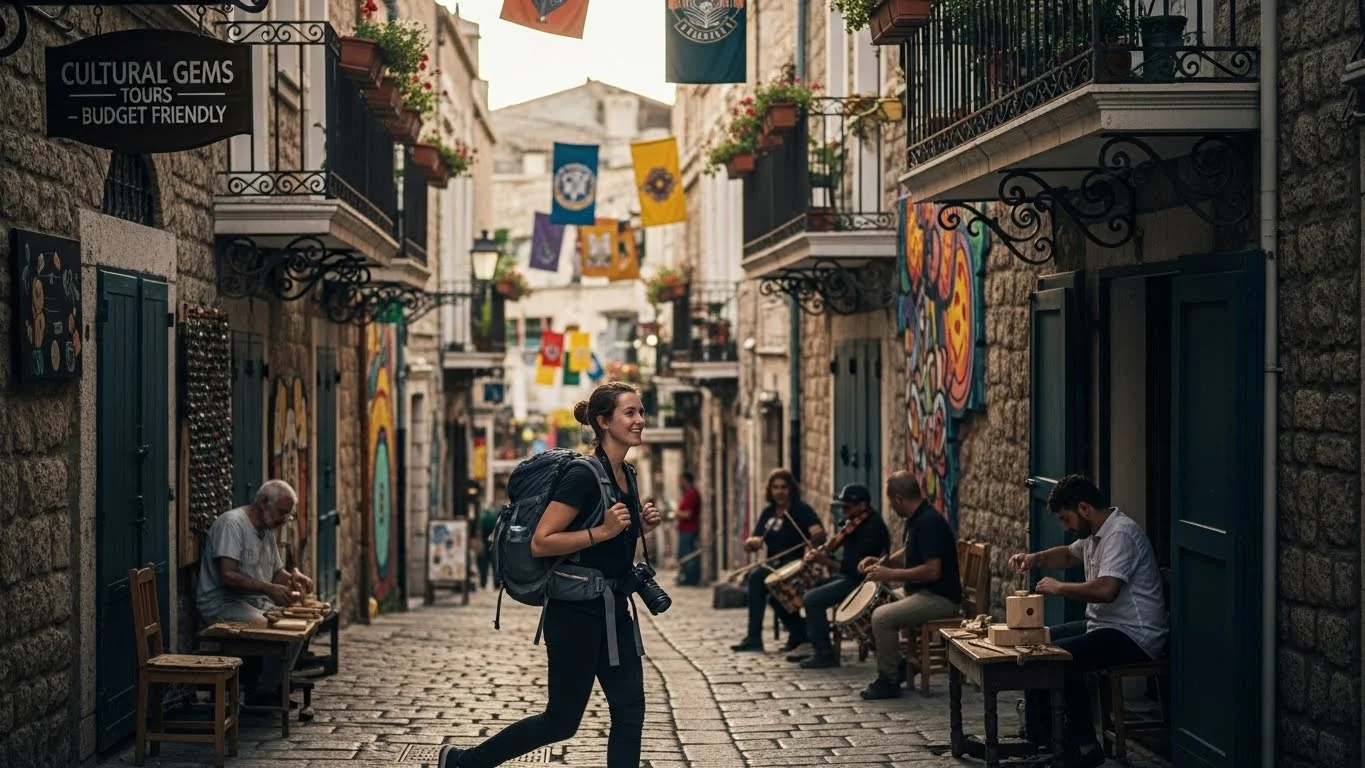
Discover Cultural Gems: Solo Travel Itineraries on a Budget

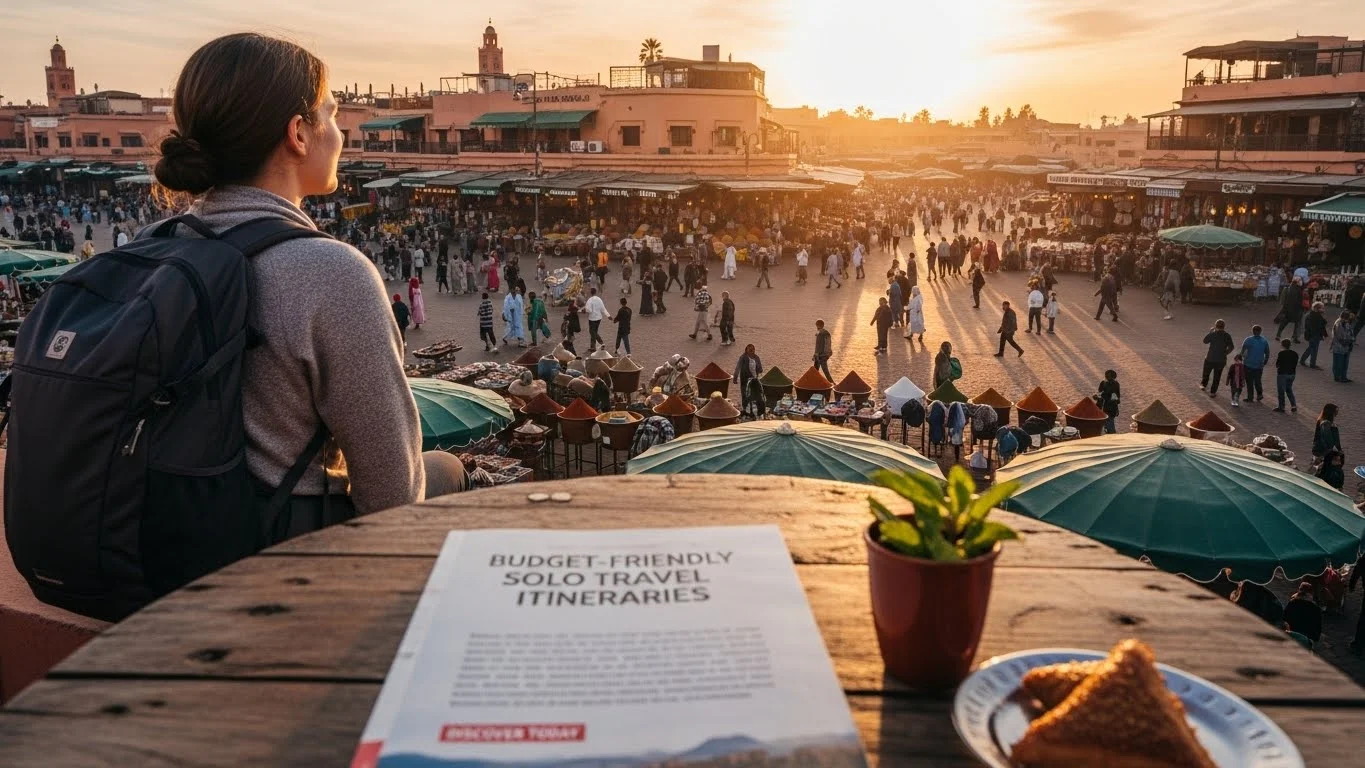
Embarking on a solo travel adventure doesn’t have to break the bank. With the right strategies, you can explore rich cultures and breathtaking landscapes without emptying your wallet. Let’s dive into the exciting world of budget-friendly solo travel! Read Interesting article: Discover Budget-Friendly Solo Travel Itineraries Today
Discover Cultural Gems: Solo Travel Itineraries on a Budget

Understanding Solo Travel on a Budget

Solo travel has a unique charm that can be both exhilarating and liberating. I remember my first solo trip; I was nervous but excited to explore the world on my own terms. Traveling alone allows for complete freedom — no compromises, no schedules dictated by others. You can wake up when you want, explore what fascinates you, and savor every moment without distractions. Plus, it opens up the opportunity to meet new people. You might find that strangers become friends when you’re out there, experiencing new cultures together.

The Benefits of Solo Travel

One of the biggest benefits of solo travel is personal growth. You learn to rely on yourself, make decisions on the fly, and navigate unfamiliar environments. I’ve learned to trust my instincts more, whether it was finding my way in a foreign city or tasting street food from a local vendor. Each trip has taught me something new about myself. Additionally, solo travel often leads to deeper cultural immersion. When you’re alone, you’re more likely to engage with locals, ask questions, and dive into their way of life. I think these connections can create lasting memories that are sometimes missed when traveling in a group.

Budget Travel Essentials

Budgeting is crucial for solo travelers. I’ve learned to prioritize my expenses to ensure I get the most out of my trips. First, I recommend setting a daily budget. This helps me keep track of my spending and allows me to enjoy spontaneous experiences without guilt. When I was in Europe, I found that keeping a small notebook helped me jot down daily expenses. It was eye-opening to see where my money went, and I could adjust as needed.

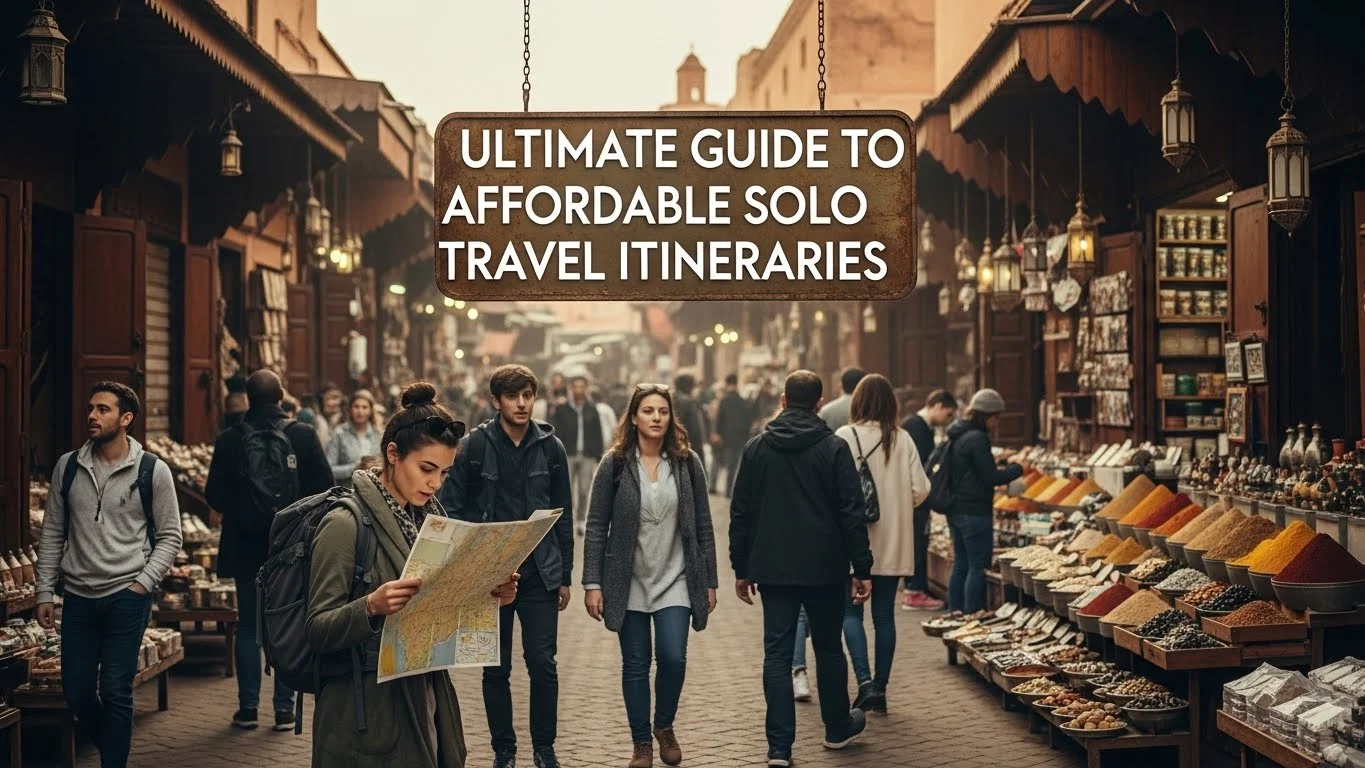
Another essential tip is to research before you go. From accommodation options to local attractions, knowing what to expect can save you both time and money. I often rely on travel forums and blogs to get the inside scoop on what’s worth my time and money. Also, don’t underestimate the power of travel apps; they can help you find deals on accommodations, transportation, and activities. I’ve had great experiences using apps that provide discounts for local attractions or even free walking tours in various cities. Read Interesting article: Ultimate Guide to Affordable Solo Travel Itineraries

Top Budget Destinations for Solo Travelers

Now, let’s explore some incredible destinations that are especially friendly to solo travelers on a budget. I’ve gathered a few places that I believe are worth considering, based on my personal experiences and the stories I’ve heard from fellow travelers.

Exploring European Cities

Budapest, Hungary

Budapest is a gem that often flies under the radar. I was captivated by its stunning architecture, thermal baths, and rich history. The best part? It’s incredibly affordable. I spent time wandering the streets, taking in the views from Fisherman’s Bastion, and enjoying delicious local dishes without breaking the bank. Public transport is efficient and cheap, making it easy to explore every nook and cranny of the city. Plus, the ruin bars offer a unique experience that’s both economical and fun.

Prague, Czech Republic

Prague feels like a fairy tale. I still remember my first stroll across the Charles Bridge, soaking in the vibrant street performances and the beautiful views of the city. Accommodation in Prague can be affordable, especially if you opt for hostels or guesthouses. I found that many places offer free walking tours, which gave me a great overview of the city’s history while keeping my wallet intact. The food is another highlight; trying local dishes in small eateries not only saves money but also provides an authentic taste of Czech culture.

Asian Cultural Hotspots

Bangkok, Thailand

Bangkok is a bustling city that offers a fantastic combination of culture and cuisine on a budget. From my experience, navigating the city’s public transport system is straightforward and economical. I loved exploring the Grand Palace and Wat Pho, and I discovered that many temples have low entrance fees. The street food scene is vibrant, and I often found delicious meals for just a few dollars. It’s a foodie paradise!

Kyoto, Japan

Kyoto might seem like an expensive destination, but I was pleasantly surprised by how affordable it could be with proper planning. The city is filled with beautiful temples and gardens, many of which have minimal entrance fees. I often packed a lunch from local markets to enjoy in one of the serene parks. I found that staying in a traditional ryokan could also be budget-friendly when booked in advance, giving me an authentic Japanese experience.

Latin American Adventures

Mexico City, Mexico

Mexico City is a vibrant hub of culture, art, and history. I was amazed at how affordable it was to explore. The public transportation system is extensive, making it easy to visit various neighborhoods. I made it a point to try local street food, which was not only delicious but also incredibly cheap. Museums often have free admission days, which I took full advantage of. I felt like I was uncovering hidden treasures at every turn.

Cartagena, Colombia

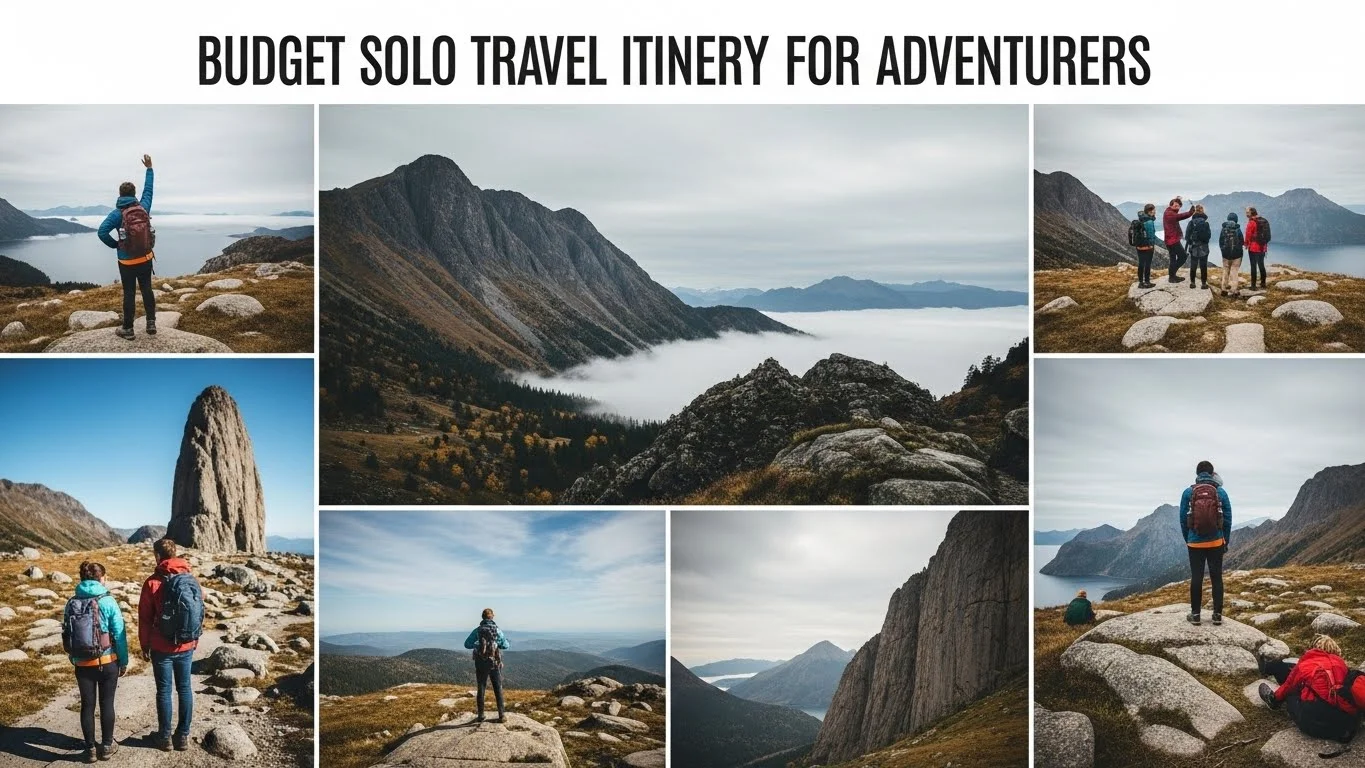
Cartagena is another favorite of mine for its beautiful colonial architecture and Caribbean vibe. I spent hours wandering the colorful streets of the old city, soaking in the atmosphere. The cost of living is low, so I enjoyed fresh seafood and local dishes without worrying about overspending. Plus, the beaches are stunning, and you can find plenty of free or inexpensive activities to fill your days. Read Interesting article: Top 5 Budget Solo Travel Itineraries for Adventurers

Crafting Your Solo Travel Itinerary

Choosing Your Travel Dates

When it comes to solo travel, choosing the right dates can make a significant difference in terms of budget. I’ve found that traveling during the shoulder seasons—those months just before or after the peak tourist season—can lead to substantial savings. For instance, if you’re considering a trip to Europe, I recommend looking at late spring or early fall. Not only are the crowds thinner, but flights and accommodations tend to be cheaper as well. I remember booking a trip to Barcelona in late September, and the experience was perfect: beautiful weather without the summer rush!

Setting a Daily Budget

Establishing a daily budget is essential for any solo traveler. From my experience, I like to break down my budget into categories: accommodation, food, activities, and transportation. I aim for a rough estimate of how much I want to spend in each area every day. This way, I can enjoy my trip without constantly worrying about money. I’ve also discovered that leaving a little wiggle room in my budget for unexpected adventures can lead to some of the most memorable experiences. For example, I once splurged on a spontaneous boat tour in Venice, which turned out to be a highlight of my trip!

Finding Affordable Accommodations

Finding the right place to stay can have a significant impact on your budget. Personally, I like to explore different accommodation options to find the best fit for my travel style and budget. There are so many choices out there, and I’ve tried my fair share!

Hostels vs. Hotels

Hostels have become my go-to choice for budget travel. They’re not just for young backpackers anymore; many offer private rooms that are surprisingly affordable. I remember staying at a hostel in Lisbon that had a cozy vibe and included breakfast, making it a great deal. Plus, hostels often have communal spaces where I’ve met fellow travelers and shared stories over breakfast or a game night. On the other hand, if you prefer more privacy, I recommend looking for budget hotels or guesthouses, which can also provide a nice balance between cost and comfort.

Staying with Locals (Airbnb, Couchsurfing)

Staying with locals through platforms like Airbnb or Couchsurfing can offer a unique experience. I tried Couchsurfing on my trip to Istanbul, and it was incredible! My host not only provided a free place to stay but also showed me around the city, introducing me to local spots that I would have missed otherwise. It’s a great way to connect with locals and get insider tips on where to go. Just be sure to read reviews and communicate clearly with your host to ensure a smooth experience.

Planning Your Daily Activities

When planning activities, I like to strike a balance between sightseeing, relaxation, and cultural experiences. Before I head out, I usually do a bit of research to find free or low-cost attractions. This way, I can fill my itinerary with enriching experiences without overspending.

Free Walking Tours

One of my favorite ways to explore a new city is by taking advantage of free walking tours. These tours are often tip-based, so you can pay whatever you feel the experience is worth. I remember joining a free walking tour in Berlin, where the guide was not only knowledgeable but also engaging. It gave me a fantastic overview of the city and led to many cool discoveries that I wouldn’t have found on my own.

Museums and Cultural Sites with Discounts

Many cities offer discounted or free admission days for museums and cultural sites, which I’ve found to be a great way to experience a place on a budget. For example, I discovered that several museums in Paris have free entry on the first Sunday of the month. I planned my visit around this, and it allowed me to explore world-class art without spending a dime. Always check online for special promotions or discounts, as they can significantly enhance your travel experience while keeping costs low.

Local Cuisine on a Budget

Street Food vs. Restaurants

One of the most exciting aspects of traveling solo is diving into the local cuisine. I’ve discovered that street food often offers some of the best and most authentic tastes of a place, all while being budget-friendly. I remember wandering the streets of Bangkok, where the aroma of grilled meats and spices filled the air. I tried a variety of dishes for just a couple of dollars, and each bite felt like a mini adventure.

While I love street food, I also enjoy finding local restaurants, especially those that are frequented by residents rather than tourists. These places usually have prices that are much more reasonable, and the food often reflects the true flavors of the region. For instance, in Mexico City, I stumbled upon a little taqueria where the tacos were not only delicious but also incredibly cheap. Eating where the locals eat has become one of my favorite travel tips—it’s a great way to save money and experience authentic cuisine.

Food Markets and Local Eateries

Food markets are another fantastic way to explore local flavors without stretching your budget. I’ve spent countless afternoons meandering through bustling markets, sampling various dishes and chatting with vendors. In Kyoto, I visited Nishiki Market, where I tried everything from matcha-flavored treats to fresh seafood. The vibrant atmosphere and the chance to interact with locals made the experience even more enjoyable.

Local eateries are often hidden gems that offer hearty meals at a fraction of the cost of more touristy restaurants. I learned to ask locals for their recommendations, and they often led me to small, family-owned places that served up delicious home-cooked meals. For example, in Cartagena, I found a cozy spot that served the best arepas I’ve ever tasted, and I enjoyed a full meal for under $10. Eating like a local has not only saved me money but also enriched my travel experiences.

Transportation Tips for Solo Travelers

Public Transport Options

Getting around a new city can be a bit daunting, especially when traveling alone. However, I’ve found that using public transport is often the most affordable and efficient way to explore. In places like Budapest, the metro system is both easy to navigate and budget-friendly. I remember buying a day pass that allowed me unlimited rides, which made hopping from one attraction to another a breeze.

Before I travel, I always take some time to familiarize myself with the local transport options. Many cities have apps or websites that provide real-time updates and route maps, which have been incredibly helpful. I’ve used these resources in cities like Prague and Mexico City, where public transport is not only affordable but also a great way to see the city like a local.

Walking and Biking

I can’t emphasize enough how much I enjoy exploring cities on foot or by bike. Walking allows me to appreciate the little details that I might miss while zooming by on a bus or train. I’ve often wandered through charming neighborhoods and stumbled upon hidden gems this way. For instance, I spent an entire day walking along the canals in Amsterdam, soaking in the picturesque views and stopping at quaint cafes.

Biking is another fantastic option, especially in cities with bike-friendly infrastructure. I remember renting a bike in Copenhagen, which turned out to be one of the highlights of my trip. It was an inexpensive way to cover a lot of ground, and I loved feeling the breeze as I pedaled around the city. Many places also have bike-sharing programs that make it easy to rent a bike for just a few hours.

Ridesharing and Taxis

While I prefer public transport, there are times when ridesharing or taxis can be a more practical choice, especially late at night or when I’m carrying heavy bags. I’ve used ridesharing apps in various cities and found them to be a safe and convenient option. However, I always keep an eye on the estimated fare before confirming the ride to ensure it fits within my budget.

In some cases, I’ve discovered that local taxis can be surprisingly affordable if I negotiate the fare beforehand. I learned this tip in Cartagena, where I found that agreeing on a price before getting in helped me avoid any surprises at the end of the ride. It’s essential to be aware of the local customs and rates, so I often do a little research ahead of time.

Safety Tips for Solo Travelers

Staying Connected (SIM Cards, Wi-Fi)

When I travel solo, one of my top priorities is staying connected. It’s reassuring to have access to the internet while exploring a new place. I’ve found that purchasing a local SIM card is often the best way to go. It’s usually affordable and allows me to navigate easily with maps and apps. I remember getting a SIM card in Thailand, which provided me with unlimited data for a week at a very reasonable price. This made it easy to find my way around and stay in touch with friends and family back home.

If buying a SIM card isn’t an option, I often seek out cafes or public spaces with free Wi-Fi. I’ve spent many afternoons in charming coffee shops, sipping a latte while catching up on messages or planning my next adventure. Just be cautious about using public Wi-Fi; I always make sure to use a VPN to keep my information secure.

Keeping Your Belongings Safe

Safety is a big concern for many solo travelers, and it’s something I take seriously. I’ve learned some practical tips to keep my belongings safe. First, I always use a secure, crossbody bag that I can keep close to me. This way, I feel more confident when I’m in crowded areas. When I was in Barcelona, I noticed a lot of pickpockets, so I made sure to be extra vigilant and keep my bag zipped and in front of me.

Additionally, I like to use anti-theft gear, like a lockable backpack or a money belt. I’ve found that having these small measures in place gives me peace of mind. When I’m staying in hostels, I also invest in a good lock for my belongings, just to ensure everything is secure while I’m out exploring.

Emergency Contacts and Local Laws

Before heading to a new destination, I always familiarize myself with local laws and customs. Understanding the rules helps me avoid any accidental missteps. For example, when I traveled to Japan, I learned about their strict rules on public behavior and was careful to follow them, which made my experience even more enjoyable.

It’s also wise to have a plan in case of emergencies. I keep a list of local emergency contacts, like the nearest hospital and the local embassy. I remember getting lost in a remote area in Greece and felt reassured knowing I had resources to turn to if needed. I also share my travel itinerary with a trusted friend or family member back home, so they know where I am at all times.

Engaging with Local Culture

Attending Festivals and Events

One of the best ways to immerse myself in a new culture is by attending local festivals and events. I’ve experienced some unforgettable moments by doing this! For instance, I visited Thailand during the Songkran Festival, the Thai New Year, and participated in the water fights. It was chaotic and joyous, and I met so many friendly locals who welcomed me into their celebrations.

In Europe, I’ve stumbled upon street fairs and music festivals that not only showcased local talent but also featured delicious foods. I always keep an eye on local calendars to see what might be happening during my visit, as these events often provide a unique glimpse into the culture.

Joining Local Classes or Workshops

Another enriching experience has been joining local classes or workshops. I remember taking a cooking class in Italy, where I learned to make fresh pasta from scratch. It was not only fun but also gave me a chance to connect with locals and other travelers. I’ve discovered that many cities offer a variety of classes, from dance to art, and participating in something like this can create memories that last a lifetime.

Meeting Other Travelers

Lastly, don’t underestimate the value of meeting other travelers. Whether it’s in a hostel common area or during a group tour, I’ve made some fantastic friends along the way. Sharing experiences and tips with fellow travelers often leads to great adventures and even the chance to explore together. I’ve found that some of my most memorable moments happened when I connected with others who shared my passion for adventure.

Resourceful Tools for Budget Travel Planning

Travel Apps for Solo Travelers

In today’s digital age, having the right travel apps can make a world of difference. I rely on apps like Google Maps for navigation and Yelp for food recommendations. I also love using currency converter apps to keep track of expenses in different currencies. It’s comforting to know exactly what I’m spending as I travel.

Websites for Budget Accommodation

When it comes to finding budget accommodations, websites like Hostelworld and Booking.com have been lifesavers for me. I appreciate being able to filter search results based on my budget and preferences, making it easier to find the perfect place to stay. I’ve often scored amazing deals that let me stretch my travel budget further.

Online Communities and Forums

Lastly, engaging with online travel communities has been incredibly helpful. Websites like Reddit and travel forums allow me to ask questions and get advice from seasoned travelers. I’ve learned about hidden gems and local tips that I wouldn’t have discovered otherwise. Connecting with others who share my passion can offer invaluable insights and support, especially when I’m venturing out on my own.

Final Thoughts

Traveling solo on a budget has been one of the most rewarding decisions of my life. It has taught me about resilience, adaptability, and the beauty of connection. I hope this guide inspires you to embark on your own adventure, armed with tips and experiences that can help you explore the world without breaking the bank. Remember, the journey is what you make of it, and with a bit of planning and an open heart, you can create memories that will last a lifetime. Happy travels!

Frequently Asked Questions

What are the main benefits of solo travel?

Solo travel offers personal growth, complete freedom, and deeper cultural immersion. Travelers learn to rely on themselves, make decisions on the fly, and engage with locals, creating lasting memories.

How can I budget effectively for solo travel?

Setting a daily budget is crucial. Prioritize expenses in categories like accommodation, food, activities, and transportation. Keeping track of daily expenses can help adjust your spending as needed.

What are some recommended budget destinations for solo travelers?

Some top budget destinations include Budapest, Hungary; Prague, Czech Republic; Bangkok, Thailand; Kyoto, Japan; Mexico City, Mexico; and Cartagena, Colombia. Each offers rich cultural experiences without high costs.

What types of accommodations are best for solo travelers on a budget?

Hostels are a popular choice, offering affordable private rooms and communal spaces for socializing. Budget hotels and guesthouses are also options, as well as staying with locals through platforms like Airbnb or Couchsurfing.

How can I find affordable activities while traveling solo?

Look for free walking tours, discounted museum days, and local events. Researching ahead of time helps identify low-cost attractions and activities that can enrich your travel experience.

What are some tips for enjoying local cuisine on a budget?

Explore street food for authentic and affordable meals. Eating at local eateries and food markets can also save money while providing a taste of the local culture.

What transportation options are available for budget-conscious solo travelers?

Public transport is often the most affordable option. Walking and biking are great ways to explore cities. Ridesharing and taxis can be used for convenience, especially when negotiating fares in advance.

How can I stay safe while traveling alone?

Keep connected with a local SIM card or Wi-Fi. Use a secure bag for your belongings, and familiarize yourself with local laws and emergency contacts to ensure a safer travel experience.

What are some ways to engage with local culture during solo travel?

Attend local festivals and events, join classes or workshops, and meet other travelers. These experiences can provide unique insights into the culture and create lasting memories.

Which travel apps and resources are recommended for solo travelers?

Useful travel apps include Google Maps for navigation and currency converters for tracking expenses. Websites like Hostelworld and Booking.com help find budget accommodations, while online communities provide invaluable travel advice.
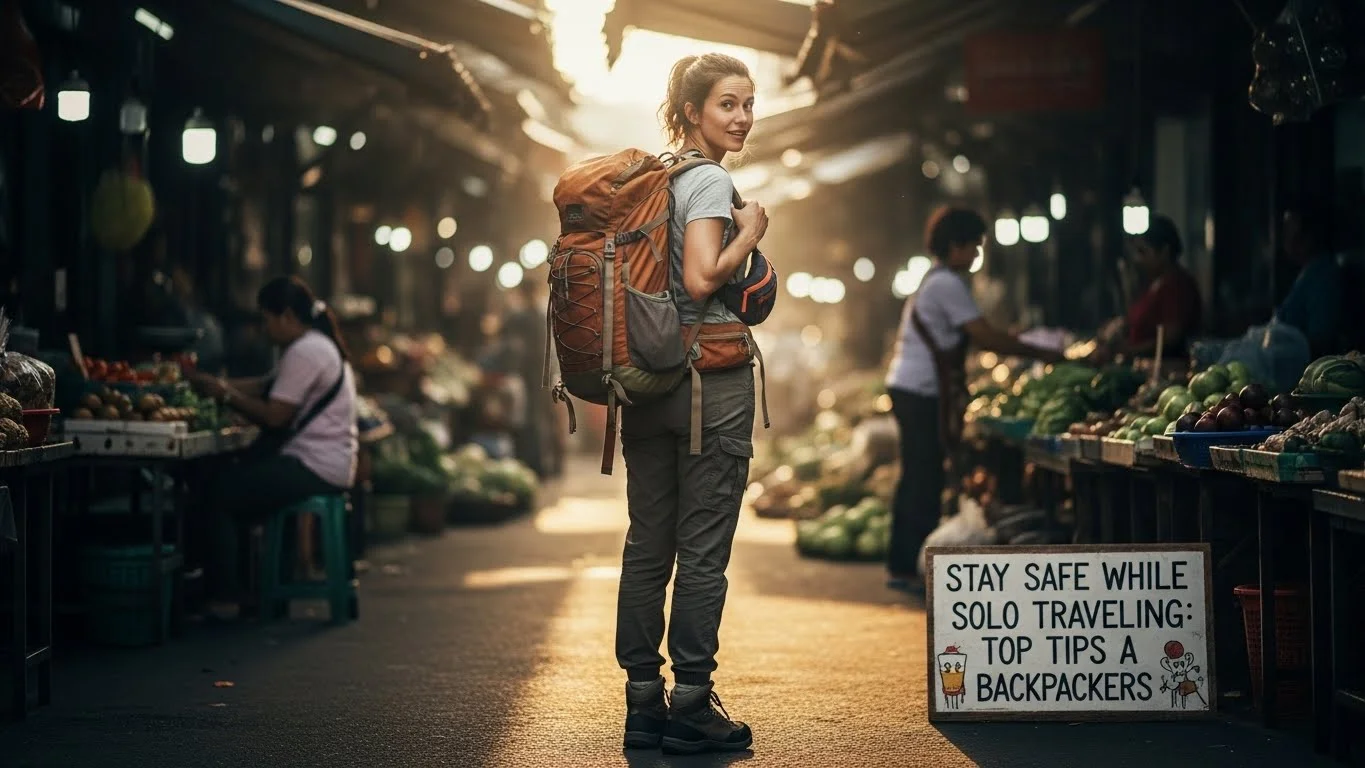
Stay Safe While Solo Traveling: Top Tips for Backpackers

Solo traveling can be a thrilling adventure, but it also comes with its own set of challenges. Staying safe while embarking on your backpacking journey is essential to ensure a memorable experience. For more insights on how to stay secure during your travels, check out Essential Solo Travel Safety Tips for Adventurous Backpackers.

Stay Safe While Solo Traveling: Top Tips for Backpackers

Understanding the Risks of Solo Travel

Common Safety Concerns for Backpackers

When I first set out on my solo backpacking adventure, I was filled with excitement but also a fair amount of anxiety. I quickly learned that solo travel can come with unique safety concerns. For instance, theft is a common issue, especially in crowded places or tourist hotspots. I remember walking through a bustling market, feeling my bag tugged at. Thankfully, I noticed quickly, but it made me acutely aware of my surroundings. Issues like scams and language barriers are other concerns that often catch solo travelers off guard. I found that being aware of my surroundings and keeping my belongings close made a huge difference in my comfort level.

Psychological Aspects of Traveling Alone

Traveling alone can stir various emotions. At times, I felt empowered and independent, reveling in the freedom to explore at my own pace. On other occasions, loneliness crept in, especially during quieter moments. I realized that many backpackers experience this rollercoaster of emotions. It’s crucial to prepare yourself mentally for these ups and downs. I found journaling my experiences helped me process my feelings and stay motivated. Connecting with other travelers, even for a brief chat, made my journey feel less isolating. Remember, it’s perfectly normal to experience a range of emotions when traveling solo; it’s part of the adventure!

Preparation Before You Go

Researching Your Destination

Before I embarked on my travels, I spent hours researching my destination. I learned about the local customs, culture, and, most importantly, safety tips. Understanding the local laws and norms was essential; it helped me avoid unintentional faux pas. I remember reading about a country’s dress code and realized I needed to pack differently to respect the local culture. Checking travel blogs and forums gave me real insights from fellow travelers. I often found that talking to people who had traveled there recently provided me with the best advice. This preparation made me feel more confident about my journey.

Health and Safety Precautions

Health is another critical aspect of preparation. I made sure to visit my doctor before my trip to get any necessary vaccinations and medications. I also packed a basic first-aid kit, which included essentials like band-aids, pain relievers, and any prescription medications I needed. It was comforting to know I was prepared for minor health issues. Additionally, I made copies of my important documents—passport, insurance, and emergency contacts. I kept one set with me and left another with someone I trusted back home. This small step provided peace of mind; if anything went wrong, I knew I had access to vital information.

Packing Smart: Essential Gear and Documents

Packing smart can make or break your experience. I learned to limit what I brought, focusing on essentials. A lightweight backpack was my best friend; it made navigating transport and crowded areas much easier. I packed versatile clothing that could be mixed and matched. Also, I invested in a good travel wallet to keep my money and documents organized and secure. I found that packing a portable charger and a power bank was a game-changer, especially during long travel days. I always kept my phone fully charged, allowing me to stay connected and use navigation apps without worry. For more tips on staying connected, check out Top Tips for Staying Connected While Traveling Solo.

Travel Insurance: Why You Need It

Travel insurance is something I can’t recommend enough. On my first solo trip, I was hesitant to spend the extra money on insurance, but I quickly realized its importance. It’s not just for medical emergencies; it also covers trip cancellations, lost belongings, and more. When my flight was canceled and I faced unexpected expenses, my insurance saved me a significant amount of money. I learned that it’s always better to be safe than sorry. Before you leave, take the time to find a policy that suits your needs; you’ll thank yourself later for the peace of mind it brings.

Choosing Safe Destinations

Top Safe Countries for Solo Backpackers

When I was planning my solo backpacking trip, choosing the right destination was at the top of my list. I wanted to explore places that were not only beautiful but also known for being safe for solo travelers. I found that countries such as Japan, New Zealand, and Portugal stood out as great options. Japan offers a unique blend of ancient traditions and modern comforts, and I felt completely at ease wandering through its cities. New Zealand’s stunning landscapes and friendly locals made it a favorite of mine as well. I remember hiking in the breathtaking national parks and feeling a sense of peace that’s hard to describe. Portugal, with its rich history and vibrant culture, made me feel welcome at every turn. I think it’s important to do research and seek out destinations with low crime rates and a reputation for being friendly toward tourists. If you’re looking for budget-friendly options, Discover Budget-Friendly Solo Travel Itineraries Today.

Understanding Local Cultures and Customs

Before visiting a new country, I realized the importance of understanding its culture and customs. Each place has its own unique set of social norms, and being aware of them can help avoid misunderstandings. For instance, when I traveled to Thailand, I learned about the significance of the wai — a traditional greeting done by pressing palms together and bowing slightly. I found that when I participated in local customs, it not only enriched my experience but also helped me connect with the locals. I recommend taking some time to learn a few key phrases in the local language, as it shows respect and often leads to friendlier interactions. Understanding these cultural nuances helped me navigate my travels more smoothly and made my encounters memorable.

Checking Travel Advisories and Alerts

Staying informed about the safety of my chosen destination is essential. I always check travel advisories from my government or reliable travel resources. I remember when I was considering a trip to a country that had some political unrest. Reading the advisory made me reconsider my plans and choose a different route. While I didn’t want to let fear dictate my travels, I also didn’t want to put myself in unnecessary danger. Travel advisories can provide insights not only on safety but also on health concerns or natural disasters. Staying informed ensures I can make educated decisions about where to go and what to do.

Staying Safe While Traveling

Accommodation Safety Tips

Finding safe accommodation is crucial to having a worry-free trip. I’ve stayed in various places, from hostels to hotels, and I always prioritize safety. When booking, I look for places with good reviews, especially those that mention safety features like secure locks or 24-hour reception. I remember one hostel I stayed at had lockers for each guest, allowing me to store my valuables safely. Upon arrival, I always familiarize myself with the area and make note of emergency exits. I also try to avoid sharing too much personal information with strangers at the accommodation, keeping my plans private unless necessary. Establishing a routine and knowing my surroundings helps me feel more secure during my travels.

Using Transportation Wisely

Transportation can be a significant part of our journeys, and I’ve learned to be cautious while navigating new places. I prefer to use reputable transportation services, such as licensed taxis or ride-sharing apps, especially at night. I remember my first time using public transportation in a foreign city; I felt nervous but excited. I made sure to plan my route in advance and keep an eye on my belongings. Additionally, I found that traveling during daylight hours is generally safer. If I have to travel alone at night, I opt for well-lit, populated areas and avoid empty streets. Being mindful of my surroundings helps me stay alert and reduces the risk of encountering any issues.

Keeping Your Belongings Secure

I quickly learned that keeping my belongings secure is essential while traveling solo. I developed a habit of using a money belt or a hidden pouch to store my important items like my passport, cash, and credit cards. I always kept my bag close, especially in crowded places. I remember being in a busy train station and noticing how easy it could be for someone to slip in and out without being detected. I also recommend using a lock for your backpack, especially when leaving it in shared accommodations. Taking these small precautions helped me feel more at ease knowing my belongings were secure.

Staying Connected: Communication Tools

In this digital age, staying connected while traveling solo is easier than ever. I always ensure my phone is equipped with a local SIM card or an international plan. Having access to the internet allowed me to navigate, research, and keep in touch with friends and family. I also downloaded useful travel apps for translation, maps, and even emergency contacts. I remember being in a foreign city and getting lost. Thankfully, I could quickly access GPS on my phone, which guided me back to my accommodation. Staying connected not only helps with navigation but also provides a sense of security, knowing I can reach out for help if needed.

Social Interactions and Safety

Meeting People: Where to Connect

One of the best parts of solo travel is the opportunity to meet new people. During my journeys, I found that connecting with others can enhance the experience in a way I never expected. I often stayed in hostels, where I discovered a vibrant community of fellow travelers. Common areas were perfect for striking up conversations, sharing stories, and even planning group outings. I remember bonding with a few backpackers over breakfast, and we ended up exploring a local market together, which made the experience feel more enriching.

In addition to hostels, I also sought out local events, like food festivals and cultural performances. I learned that joining group tours can be an excellent way to meet others while exploring a destination safely. I found platforms like Meetup.com and Couchsurfing to be invaluable for finding local gatherings or events. These social opportunities allowed me to connect with both locals and fellow travelers, which made my adventure feel less lonely and more vibrant.

Recognizing Red Flags in New Friendships

While meeting new people can be exciting, it’s essential to be cautious about whom I trust. I remember a situation where I met someone who seemed friendly but quickly became overly familiar. They wanted to know too much about my travel plans and seemed insistent on spending all their time with me. That’s when I realized the importance of being aware of red flags in new friendships.

Some signs to watch for include anyone who pressures you to change your plans or go somewhere you’re uncomfortable with, or individuals who ask for personal information too soon. I learned to trust my instincts—if something feels off, it probably is. Setting boundaries early on can help maintain a healthy distance and ensure my safety. I often opted for group settings when meeting new people, which offered an extra layer of comfort and security.

Handling Unwanted Attention or Advances

Unfortunately, unwanted attention can be part of solo travel, and I faced this on a few occasions. I remember being at a popular tourist spot when someone approached me in a way that felt invasive. Initially, I was unsure how to respond, but I learned that it’s okay to be direct and assertive. I simply said, “I’m not interested,” and walked away. It was empowering to stand my ground.

I found that having a plan for such situations helped me feel more comfortable. This could be anything from having a friend on speed dial to simply practicing a few phrases I could use to deflect unwanted advances. Additionally, blending into the local culture and dressing modestly in certain countries can sometimes deter unwanted attention. I also made a habit of staying near other groups of travelers, which made me feel safer and less isolated.

Emergency Preparedness

What to Do in Case of Theft

The thought of theft can be alarming, but preparing for it can help ease some of the anxiety. On one trip, I had my wallet stolen while visiting a crowded market. At first, I felt panic rise, but I remembered my preparation. I had made copies of my important documents and had a backup plan in place. I quickly reported the theft to local authorities, which turned out to be a helpful step.

In my experience, keeping a list of important contacts, including my bank and insurance company, made the process smoother. I learned that many banks have procedures in place to assist travelers in emergencies. Being aware of the local consulate or embassy also proved beneficial, as they can assist in replacing stolen passports. Overall, staying calm and knowing the steps to take can make a stressful situation more manageable.

Getting Help: Local Emergency Numbers

Knowing how to get help in a foreign country can be crucial. Before my travels, I took the time to research local emergency numbers—like police, fire, and medical services—for each destination. I wrote them down and kept them handy in my travel wallet and on my phone. I remember when I needed assistance for a minor medical issue, and thankfully, I could quickly access the information I had prepared.

It’s also wise to learn a few key phrases in the local language related to emergencies. I found that even knowing how to say “help” or “I need a doctor” can make a significant difference. Connecting with locals and asking for assistance can be a relief, and I’ve learned that most people are happy to help if I approach them respectfully.

Accessing Medical Care Abroad

While I hoped to avoid needing medical care while traveling, I knew it was a possibility. On one trip, I developed a mild illness and had to find a doctor. I was initially anxious, but my research beforehand paid off. I had located a few clinics near my accommodation and even checked reviews online. Upon visiting, I was surprised by the quality of care I received, and it gave me peace of mind knowing I had prepared.

I recommend keeping a list of potential healthcare facilities handy, along with any necessary medical information, like allergies or medications, in case of an emergency. Additionally, I made sure to have travel insurance that covered medical expenses. Knowing that I had this safety net made me feel more secure while exploring new places, allowing me to focus on enjoying my travels rather than worrying about the “what-ifs.”

Staying Aware and Alert

Trusting Your Instincts

One of the most valuable lessons I learned during my solo travels was the importance of trusting my instincts. There were moments when I felt uneasy about a situation or a person, and I quickly realized that those feelings were my brain’s way of protecting me. I remember one instance when I was approached by someone who seemed overly friendly in a less populated area. Something just didn’t feel right, so I politely excused myself and left the situation. Looking back, I felt proud that I listened to my gut. Many travelers report similar experiences; it’s essential to pay attention to that inner voice. If something feels off, it’s okay to walk away and prioritize your safety.

Being Mindful of Your Surroundings

Staying aware of my surroundings has been a game changer during my travels. I made a habit of observing the environment—people around me, street signs, and exits—especially in busy areas or unfamiliar settings. This vigilance helped me feel more grounded and prepared for anything. I remember walking through a crowded city square, and instead of being lost in my phone, I took a moment to soak in the scene. I noticed the different shops, the layout of the street, and even made a mental note of where I could grab a quick meal later. This practice not only kept me safe but also allowed me to appreciate the beauty around me.

Maintaining a Low Profile

While I wanted to embrace the adventure of solo travel, I also learned to maintain a low profile. I found that blending in with the crowd often helped me avoid unwanted attention. I avoided flashy clothing or accessories that screamed “tourist” and opted for comfortable, simple outfits that matched the local style. Additionally, I kept my camera tucked away when not in use and limited the amount of cash and valuables I carried. This approach made me feel less like a target and allowed me to enjoy my surroundings without constantly worrying about my belongings. It’s a small change, but it made a big difference in my overall experience.

Post-Trip Safety Reflections

Analyzing Your Solo Travel Experience

After each trip, I made it a point to reflect on my experiences. I would sit down with my journal and note what went well and what I could improve for next time. I found this practice incredibly enlightening. For example, on one trip, I realized I had been overly cautious in certain situations, which caused me to miss out on spontaneous adventures. On another occasion, I learned that I hadn’t asked for help when I needed it, which could have made my experience smoother. By assessing my journey, I could find a balance between safety and adventure, allowing me to grow as a traveler.

Sharing Your Story: Benefits and Precautions

One of the most enriching aspects of solo travel is sharing stories with others. I found that recounting my experiences not only helped me process them but also connected me with like-minded individuals. I loved sharing my travel tales with friends and family, and I even joined online forums to connect with other solo travelers. However, I also learned to be cautious about the details I shared online. While it’s fun to share highlights, I’ve realized that privacy is essential. Avoiding specifics about where I stayed or my exact travel plans kept me safer and allowed me to maintain a level of discretion. It’s all about finding that balance between connection and caution.

Final Thoughts

Solo traveling can be one of the most rewarding experiences of your life, filled with personal growth and adventure. However, it’s also vital to prioritize your safety and well-being. By preparing adequately, trusting your instincts, and staying aware of your surroundings, you can navigate the challenges of solo travel while enjoying every moment. Remember that each trip is a learning experience, and with every journey, you’ll become a more confident and savvy traveler. Embrace the adventure, keep your safety in mind, and let your travels shape you in ways you never expected!

Frequently Asked Questions

What are common safety concerns for solo backpackers?

Common safety concerns for solo backpackers include theft, scams, and language barriers. It’s important to be aware of your surroundings and keep your belongings close to mitigate these risks.

How can I prepare mentally for solo travel?

Preparing mentally for solo travel involves acknowledging the range of emotions you may experience, such as empowerment and loneliness. Journaling your experiences and connecting with other travelers can help process these feelings and enhance your journey.

What should I research before traveling to a new destination?

Before traveling, you should research the local customs, culture, and safety tips. Understanding local laws and norms can help avoid unintentional faux pas and enhance your travel experience.

Why is travel insurance important for solo travelers?

Travel insurance is crucial because it covers not only medical emergencies but also trip cancellations, lost belongings, and unexpected expenses. Having insurance can provide peace of mind during your travels.

What are some safe countries for solo backpackers?

Safe countries for solo backpackers include Japan, New Zealand, and Portugal. These locations are known for their low crime rates and welcoming atmospheres for tourists.

How can I ensure my accommodation is safe?

To ensure your accommodation is safe, look for places with good reviews that mention safety features like secure locks and 24-hour reception. Familiarize yourself with the area and note emergency exits upon arrival.

What should I do if I encounter unwanted attention while traveling?

If you encounter unwanted attention, it’s important to be direct and assertive in your response. Trust your instincts and have a plan for handling such situations, such as having a friend on speed dial.

What steps should I take if I experience theft while traveling?

If you experience theft, stay calm and report it to local authorities. Having copies of important documents and contact information for your bank can help you manage the situation more effectively.

How can I stay connected while traveling solo?

Staying connected while traveling solo can be achieved by using a local SIM card or an international phone plan. Access to the internet allows for navigation, communication, and research during your travels.

What is the importance of trusting your instincts while traveling alone?

Trusting your instincts is vital for maintaining safety while traveling alone. If something feels off about a situation or person, it’s important to listen to those feelings and prioritize your safety by removing yourself from the situation.

Essential Solo Travel Safety Tips for Adventurous Backpackers

Solo travel can be one of the most thrilling experiences of your life, but safety is key to truly enjoying the adventure. Here, I’ll share essential safety tips that every adventurous backpacker should keep in mind. For more insights, check out Essential Solo Travel Safety Tips for Budget Backpackers.

Essential Solo Travel Safety Tips for Adventurous Backpackers

Understanding Solo Travel Safety

The Importance of Safety for Solo Backpackers

When I first ventured into solo backpacking, I remember feeling a mix of excitement and anxiety. The thrill of exploring new places alone was exhilarating, but I also realized that safety had to be my top priority. For me, ensuring my safety meant being proactive, aware, and prepared for anything that might come my way. After all, when you’re traveling alone, you are your own protector. I’ve learned that a little caution goes a long way in making unforgettable memories without unnecessary risks.

Common Risks Faced by Solo Travelers

As I traveled from bustling cities to remote villages, I encountered various risks that solo travelers often face. One of the most common is theft. I have heard countless stories of bags being snatched in crowded areas or valuables disappearing from accommodations. It’s something I experienced firsthand when I left my phone on a café table for just a moment. Luckily, I was able to get it back, but it was a wake-up call.

Another risk is getting lost, especially in unfamiliar places. I remember wandering through the charming streets of Lisbon and losing my sense of direction. It was a bit scary, and I realized how important it is to have a good map or a reliable GPS app at your fingertips. Then there’s the risk of scams, which can be particularly prevalent in tourist-heavy areas. I’ve been approached by overly friendly locals trying to sell me something or lead me somewhere, and in hindsight, I wish I had been more cautious and aware.

And let’s not forget about health-related issues. From food poisoning to unexpected illnesses, it’s essential to be prepared. I once had a stomach bug while traveling in Thailand, and it made me appreciate the importance of knowing where the nearest medical facilities were located. By being aware of these risks, I realized that I could take specific measures to mitigate them and enjoy my travels even more.

Pre-Trip Preparations

Researching Your Destination

Preparing for a solo trip starts long before you pack your bags. I always set aside time to research my destination, diving deep into local customs, laws, and the general safety climate. There were places I thought would be safe but learned otherwise through various travel forums and blogs. I remember reading about certain neighborhoods in cities that were best avoided at night, and that information helped me plan my route better.

Understanding the local culture is also crucial. For example, I once traveled to a country where certain dress codes were strictly observed. Being aware of these norms allowed me to blend in and avoid unwanted attention. I recommend checking resources like the U.S. State Department’s travel advisories, as they provide valuable insights into safety levels in different regions. Always remember to prioritize your safety by staying informed, as outlined in Solo Travel Safety: How to Stay Secure on Your Adventures.

Travel Insurance Essentials

Before any trip, I always invest in travel insurance. I learned the hard way that unexpected events can derail your plans, and having insurance gives you peace of mind. I remember a friend of mine who had to cancel her trip due to a family emergency, and she was grateful for her insurance policy that refunded her costs. It’s a small price to pay for the security it offers.

When choosing a policy, I make sure it covers medical emergencies, trip cancellations, and even theft. It’s essential to read the fine print, as not all policies cover everything. In my experience, having that safety net makes a world of difference, especially when traveling solo.

Health and Vaccination Requirements

Health is another critical aspect of preparing for a solo trip. Depending on where you’re headed, you might need specific vaccinations. I’ve seen how important vaccinations can be after chatting with travelers who fell ill because they weren’t vaccinated against diseases common in certain regions. I remember getting my shots before traveling to Southeast Asia, which made me feel much more secure.

Also, consider packing necessary medications, especially if you have specific health needs. I always carry a small first-aid kit, and I recommend that everyone do the same. It’s not just about treating injuries; it’s about being prepared for anything that might come up.

Emergency Contacts and Local Laws

Before I head to a new destination, I always compile a list of emergency contacts. This includes the local embassy, police station, and nearby hospitals. You never know when you might need them, and having this information readily available can save time and reduce stress in a crisis. I remember a time when I had to contact the local embassy due to a minor issue, and having those details handy made all the difference.

Additionally, being aware of local laws is crucial, especially for solo travelers. I often look up things like local customs, drinking laws, and any unique regulations that could affect my travels. Understanding these laws can help you avoid misunderstandings with local authorities and keep your experience smooth.

Packing Smart for Safety

Choosing the Right Backpack and Gear

Packing smart is one of the best ways to enhance safety during solo travel. When I first started backpacking, I didn’t think much about my gear. I quickly learned that choosing the right backpack can make a world of difference. I recommend looking for a bag that is lightweight yet durable, with lockable zippers and plenty of compartments for organization. This way, you can keep your belongings secure and easily accessible.

Over time, I found that a backpack with an adjustable harness and padded straps is essential for comfort, especially when I’m on the move for long periods. Something I’ve done is invest in a pack with a rain cover. I remember trekking in unpredictable weather and being thankful I had that extra layer of protection for my belongings. It’s little details like this that can save you from a lot of stress down the line.

Essential Safety Items to Pack

As I prepare for each trip, I create a checklist of essential safety items that I never forget to pack. First on my list is a travel lock. I’ve found that using a lock on my backpack or hostel locker gives me peace of mind, knowing my stuff is secure when I’m out exploring. I also carry a whistle; it’s lightweight and serves as an extra alert in case I find myself in an uncomfortable situation.

Another must-have is a portable phone charger. I remember a time when my phone battery died while I was navigating a new city, and I felt completely lost and vulnerable. Now I never leave without one. Additionally, having a small flashlight can be invaluable, especially if you’re out after dark. I once found myself stumbling back to my hostel in a dimly lit area, and that little flashlight helped me feel more secure.

Keeping Valuables Secure

Keeping my valuables secure has been a top priority during my travels. I’ve learned from experience that it’s crucial to have a strategy in place. For instance, I always keep my passport, money, and other important documents in a money belt or neck pouch that I wear under my clothes. This way, even if my bag is snatched, my essential items remain safe.

I also recommend using anti-theft bags when possible. These bags often come with features like lockable zippers, cut-resistant straps, and RFID-blocking pockets to protect your credit cards. I once had a close call when a pickpocket tried to grab my wallet. Thankfully, my anti-theft bag helped keep my belongings secure, and I was able to walk away unharmed. It’s these little precautions that can make a significant difference in our travel experiences.

Staying Safe While Traveling

Choosing Safe Accommodations

When it comes to accommodations, I’ve found that doing thorough research pays off. I always read reviews from other travelers, focusing on their experiences regarding safety and security. I remember booking a hostel that seemed great online but turned out to be in a sketchy part of town. Lesson learned! Now, I look for places with good security measures, like 24-hour reception and lockers for valuables.

Additionally, I prefer staying in hostels or guesthouses where I can meet other travelers. Not only does this enhance my social experience, but it also gives me a sense of community and safety. I’ve made some great friends along the way, and knowing I’m not entirely alone in a new place can be incredibly comforting.

Understanding Local Transportation

Understanding the local transportation system is crucial for staying safe. I always take the time to familiarize myself with how to get around before I arrive. I often use public transport apps to plan my routes and check for any safety advisories. For instance, I once took a bus in a foreign city without checking the schedule, and I ended up waiting in a sketchy area for far too long. Now, I make sure to plan my trips during daylight hours whenever possible.

Also, I avoid using unlicensed taxis or rideshare services late at night. I remember a friend sharing a story about a terrifying experience in an unmarked cab, and it stuck with me. Instead, I rely on reputable services that I can trust, giving me a bit more peace of mind while navigating an unfamiliar city.

Staying Aware of Your Surroundings

One of the most important lessons I’ve learned is to stay aware of my surroundings. I make a habit of scanning my environment — looking for exits, observing people, and being mindful of where I am. I remember walking through a busy market and noticing a group of people acting a bit suspiciously; I decided to change my path, avoiding potential trouble. Trusting my instincts has always served me well.

It’s also helpful to limit distractions, like constantly checking my phone or wearing headphones in crowded places. I’ve noticed that being present allows me to pick up on subtle cues that might otherwise go unnoticed. By staying alert, I feel more in control and can respond to any situation that may arise.

Using Technology for Safety

Technology can be a solo traveler’s best friend. I rely on my smartphone for maps, translation apps, and even emergency contacts. I always download offline maps before arriving at my destination, which has saved me more than once. I remember trying to find my way in a city without Wi-Fi; having that offline access made all the difference.

Additionally, I’ve discovered safety apps that allow friends or family to track my location. When I’m heading out for the day, I share my itinerary with someone back home, which gives both of us peace of mind. These little tech-savvy tools have made my travels more enjoyable and less stressful.

Social Interactions and Building Connections

Meeting Locals: Tips for Safe Interactions

One of the most rewarding parts of solo travel is the chance to meet new people, especially locals. I’ve found that engaging with locals can enrich my experience in ways I never expected. However, I always keep safety in mind when initiating these interactions. I usually start by choosing places that are public and well-frequented, like cafes or markets. This way, I feel more secure in my surroundings.

When I meet someone new, I try to gauge their intentions. I remember chatting with a local in a park in Buenos Aires who seemed genuinely friendly. We talked about the city and exchanged tips, but I made sure to keep the conversation light and friendly, avoiding personal details until I felt more comfortable. Trust your instincts—if something feels off, it’s perfectly okay to excuse yourself and move on. I’ve learned that it’s better to be cautious than to regret a hasty decision.

Joining Group Activities and Tours

Joining group activities or tours is another excellent way to meet people while ensuring my safety. I’ve participated in everything from cooking classes to guided hikes, and these experiences have often led to friendships. Being in a group gives me a sense of security while allowing me to connect with others who share similar interests. I remember taking a cooking class in Italy where I bonded with fellow travelers over our shared love for food, and it made the experience even more memorable.

Before signing up for a tour, I always check reviews to ensure the company is reputable. I look for feedback on safety and the overall experience, which helps me avoid potential scams or unsafe situations. Additionally, I appreciate that group activities often have a guide or leader who knows the area well, providing an extra layer of safety.

Online Safety and Social Media Considerations

In our tech-driven world, staying connected is easier than ever, but it also comes with its own set of safety challenges. I’ve learned to be cautious about what I share online, especially when I post about my travels on social media. I try not to disclose my exact location in real-time or share too many details that could make me a target for theft or scams.

When I travel, I often wait until I’m in a secure location to upload photos or update my status. I remember a time in a crowded market when I was tempted to share a photo of my surroundings, but I decided against it. By being discreet, I protect my privacy and ensure I don’t attract unwanted attention. Additionally, I regularly check my privacy settings and limit who can see my posts, which adds an extra layer of security.

Emergency Preparedness

What to Do in Case of Theft or Loss

Despite our best efforts, theft or loss can happen, and it’s crucial to be prepared. I remember a time when my wallet was stolen while I was exploring a busy street market. Fortunately, I had a plan in place, which helped me stay calm. First, I reported the theft to the local police. I found that having a copy of my passport and travel insurance handy made the process smoother. The police report also helped me with my insurance claim later.

In addition to reporting the theft, I immediately contacted my bank to freeze my cards and prevent any unauthorized transactions. It was a stressful situation, but having my emergency contacts and a plan made everything more manageable. I always make sure to have a list of important numbers saved in my phone and written down in my travel journal, just in case.

Handling Medical Emergencies Abroad

Medical emergencies can be daunting, especially in a foreign country where you may not speak the language. I always carry a basic first-aid kit and familiarize myself with local healthcare options before I travel. I remember getting a bad allergic reaction while in Mexico, and I was grateful that I had already researched nearby hospitals and clinics.

If a medical issue arises, I recommend staying calm and seeking help quickly. I’ve learned that many places have English-speaking medical staff, especially in tourist areas. Additionally, I always keep my travel insurance information accessible. It’s a good idea to carry both a physical and digital copy, so you can easily provide it if necessary.

Staying Calm in Dangerous Situations

Staying calm during potentially dangerous situations is crucial. I’ve found that panic can cloud my judgment, so I focus on taking deep breaths and assessing the situation. I remember a moment when I felt threatened while walking back to my accommodation. Instead of freezing in fear, I quickly looked for a busy street or a store to duck into, where I felt safer.

Trusting my instincts has often guided my decision-making. If something doesn’t feel right, I don’t hesitate to change my route or seek help from others. I also keep a small, discreet whistle on my keychain, as it can serve as an alert if I ever find myself in a situation where I need assistance. Keeping a level head can make all the difference in how we navigate unexpected challenges while traveling solo.

Frequently Asked Questions

What is the most important aspect of solo travel?

The most important aspect of solo travel is safety. Ensuring your safety means being proactive, aware, and prepared for any situation that may arise.

What are common risks faced by solo travelers?

Common risks include theft, getting lost, scams, and health-related issues. Travelers should be aware of these risks to take specific measures to mitigate them.

How can I prepare for a solo trip?

Preparing for a solo trip involves researching your destination, understanding local customs and laws, investing in travel insurance, and knowing health and vaccination requirements.

Why is travel insurance important for solo travelers?

Travel insurance is important as it provides peace of mind against unexpected events, such as trip cancellations or medical emergencies, which can derail your plans.

What should I pack for safety while traveling solo?

Essential safety items to pack include a travel lock, portable phone charger, flashlight, first-aid kit, and anti-theft bags to keep valuables secure.

How can I choose safe accommodations while traveling solo?

To choose safe accommodations, read reviews from other travelers, look for places with good security measures, and consider staying in hostels or guesthouses to meet other travelers.

What technology can help enhance safety for solo travelers?

Smartphones can be invaluable for maps, translation apps, and sharing your location with friends or family. Downloading offline maps is also recommended for navigating without Wi-Fi.

How should I handle medical emergencies while traveling abroad?

In case of a medical emergency, stay calm, seek help quickly, and familiarize yourself with local healthcare options beforehand. Always keep your travel insurance information accessible.

What should I do if I experience theft or loss during my travels?

If theft or loss occurs, report it to the local police, contact your bank to freeze cards, and have copies of important documents handy to assist with insurance claims.

How can I stay aware of my surroundings while traveling?

Stay aware by scanning your environment, observing people, and limiting distractions like checking your phone or wearing headphones in crowded places.

Read Interesting article: Stay Safe While Exploring: Solo Travel Safety for Adventurers

Discover Budget-Friendly Solo Travel Itineraries Today

Ready to embark on an adventure that won’t break the bank? Discover how budget-friendly solo travel can open up a world of new experiences and self-discovery. Let’s dive into the essentials of making your solo journey memorable and affordable!

Discover Budget-Friendly Solo Travel Itineraries Today

Understanding Budget-Friendly Solo Travel

What is Solo Travel?

Solo travel is exactly what it sounds like: traveling alone. It’s not just an escape from daily life but an opportunity to explore the world on your own terms. I remember my first solo trip; it was both exhilarating and intimidating. I felt a rush of freedom knowing that my itinerary was completely mine. This form of travel allows you to break free from group dynamics and truly embrace your own desires and interests. Whether it’s wandering through ancient ruins or lounging on a beach, you can choose what speaks to you without compromise.

Benefits of Solo Travel

The benefits of solo travel are immense and often transformative. For one, you have the chance to step out of your comfort zone. When I traveled alone, I learned to navigate new cities, interact with locals, and make decisions without consulting anyone else. It also boosts your confidence and self-reliance. You begin to trust your instincts more and develop a deeper understanding of who you are. Plus, solo travel often leads to unexpected friendships. I’ve met countless fellow travelers who became friends over shared meals or spontaneous adventures. There’s something special about connecting with others in a foreign place, and I cherish those moments.

Why Choose Budget-Friendly Options?

Choosing budget-friendly options while traveling solo is not just smart; it enhances the experience. When I decided to travel on a budget, I discovered that it encouraged me to interact more with locals and seek out authentic experiences. Instead of splurging on fancy hotels and expensive tours, I found joy in street food, public transport, and cozy hostels. This not only saved me money but also allowed me to immerse myself in the culture. Plus, it’s a great way to travel more frequently! By cutting costs, I’ve been able to explore multiple destinations in a single trip, broadening my horizons in ways I never imagined. For more ideas, check out Top Budget-Friendly Solo Travel Destinations to Discover.

Essential Tips for Budget-Friendly Solo Travel

Planning Your Budget

Before you pack your bags, I highly recommend creating a detailed budget plan. Start by listing all potential expenses: accommodation, food, transportation, activities, and a little extra for unexpected costs. I’ve found that having a budget helps me prioritize what I really want to do. For example, if I know I want to splurge on a special dinner, I’ll cut back on other meals. Apps like Mint or You Need a Budget can help you track your spending on the go, which is incredibly useful when you’re in a new country.

Finding Affordable Accommodations

Accommodation can eat up a big chunk of your travel budget. I’ve had great experiences staying in hostels, guesthouses, and even using platforms like Airbnb. Hostels often provide a vibrant atmosphere where you can meet other travelers, share stories, and even find travel buddies. When searching for a place to stay, I always check reviews and look for locations that are slightly off the beaten path but still accessible. Sometimes, booking directly with the property can also lead to discounts or special deals.

Transportation on a Budget

Getting around can also be managed on a budget. I prefer using public transportation whenever possible; it’s usually cheaper and gives you a more authentic local experience. For instance, in cities like Barcelona or Tokyo, the metro systems are efficient and easy to navigate. Walking is another wonderful way to explore. I’ve stumbled upon hidden gems and local markets that I would have never seen from a bus or car. If you need to travel between cities, consider buses or trains, which can often be more affordable than flights.

Eating Well Without Breaking the Bank

Food is a crucial aspect of travel, and there’s no need to spend a fortune to enjoy local cuisine. I love exploring street food markets or small local eateries where the prices are usually lower and the flavors are authentic. I remember trying delicious pho in Vietnam from a street vendor; it was not only budget-friendly but one of the best meals I’ve ever had. Cooking a few meals during your trip can also save money. If you’re staying in a place with a kitchen, grab some local ingredients and whip up a meal. It’s a fun experience and a great way to connect with the local culture.

Top Budget-Friendly Destinations for Solo Travelers

Eastern Europe: Affordable Adventures

Eastern Europe has become a favorite of mine for budget-friendly solo travel. The rich history, stunning architecture, and vibrant culture are just the cherry on top of the affordable prices. I’ve found that many cities in this region offer incredible experiences without the hefty price tag often found in Western Europe.

Budapest, Hungary

Budapest is a gem that stole my heart the moment I stepped foot there. The city is divided by the beautiful Danube River, with Buda on one side and Pest on the other. I loved exploring the thermal baths, which are not only relaxing but also quite affordable. A ticket usually costs around 20 euros, and I found it to be a perfect way to unwind after a day of walking. The local food is delicious and cheap, especially if you try the traditional goulash or langos from street vendors. Plus, I discovered that many of the major sights, like Fisherman’s Bastion and Buda Castle, have free entry or are very inexpensive. The atmosphere in the ruin bars is also something I highly recommend experiencing; it’s a unique blend of art and nightlife that you won’t find anywhere else.

Prague, Czech Republic

Prague has a fairytale charm that I found utterly enchanting. Walking across the Charles Bridge at sunrise is one of those moments I’ll cherish forever. The city is incredibly walkable, so I saved money on transportation by exploring its picturesque streets on foot. I made sure to visit the Prague Castle, which offers stunning views of the city. One of my favorite days was spent lounging in the Letna Park, where I could enjoy a picnic while soaking in the views and people-watching. The food is affordable, especially if you go for local Czech cuisine. I remember enjoying a hearty meal of svíčková (marinated beef) for under 10 euros. With its affordable accommodations and friendly atmosphere, Prague is definitely a top choice for solo travelers on a budget. For detailed itineraries, check out Budget-Friendly Solo Travel Itineraries for Europe.

Southeast Asia: Exotic Yet Affordable

Southeast Asia is another region I’ve grown fond of for its affordability and adventure. The blend of cultures, friendly locals, and breathtaking landscapes make it a paradise for solo travelers. I’ve found that the cost of living here is low, which means my travel budget stretches further.

Bali, Indonesia

Bali is often referred to as a backpacker’s haven, and I can see why! The island offers stunning beaches, vibrant rice terraces, and a rich culture that truly captivates. I opted for affordable guesthouses that were not only budget-friendly but also welcomed a community of like-minded travelers. I remember spending my mornings surfing at Kuta Beach and my afternoons exploring the lush landscapes of Ubud. Eating at local warungs (small family-owned restaurants) was a highlight; I could enjoy a delicious meal for just a few dollars. Plus, the locals are friendly and welcoming, which made it easy to connect with others and share experiences.

Chiang Mai, Thailand

Chiang Mai is another must-visit destination for budget travelers. The cost of living is low, and it’s brimming with unique experiences. I spent my days exploring beautiful temples and wandering through the bustling night markets. The local street food is incredible; I couldn’t get enough of the khao soi (curry noodle soup). The prices are so reasonable that I often found myself trying multiple dishes in one meal! I also took part in a cooking class, which was a fun way to learn more about Thai cuisine and meet other travelers. The city is surrounded by nature, so I highly recommend going on a day trek to experience the lush countryside and meet local tribes.

South America: Culture and Nature at Low Costs

Traveling to South America has shown me how diverse and culturally rich the continent is, all while being budget-friendly. The warmth of the people and the stunning landscapes left a lasting impression on me.

Buenos Aires, Argentina

Buenos Aires is a vibrant city that offers a taste of European charm without the high cost. I was drawn to the tango culture that permeates the streets. Attending a free outdoor tango show was one of the highlights of my trip. The city is also known for its delicious food, particularly the famous Argentine steak. I found that dining at local parrillas (steakhouses) could be surprisingly affordable if you know where to go. Exploring neighborhoods like San Telmo and La Boca was a joy, filled with colorful buildings and street art. I loved just wandering and soaking it all in, which is free and immensely rewarding.

Cartagena, Colombia

Cartagena is a coastal city with a rich history and stunning architecture. The vibrant colors of the buildings in the old town make it a photographer’s paradise. I enjoyed walking the city walls and watching the sunset over the Caribbean Sea. The local cuisine is diverse and delicious, with plenty of street food options that won’t break the bank. I remember savoring arepas and fresh ceviche from street vendors. The friendly locals made it easy to connect and learn about their culture. Cartagena also has beautiful nearby beaches, and I found that taking a local bus to nearby islands was a budget-friendly way to spend the day soaking up the sun.

Sample Itineraries for Budget-Friendly Solo Travel

3-Day Itinerary for Budapest

Budapest is perfect for a short getaway, and I’ve crafted a simple yet fun 3-day itinerary that allows you to soak in the best the city has to offer without breaking the bank. On the first day, I recommend starting at the iconic Chain Bridge, taking a leisurely stroll across to Buda. Spend the afternoon exploring the historic Buda Castle and the stunning grounds of Fisherman’s Bastion. Don’t forget to snap a few pictures of the breathtaking views! For dinner, try a nearby bistro where you can enjoy traditional Hungarian dishes at reasonable prices.

On your second day, dive into the vibrant atmosphere of the Great Market Hall. I loved wandering through the stalls and indulging in local treats; the chimney cake is a must-try! Afterward, take a scenic walk along the Danube Promenade, then treat yourself to a relaxing soak at one of the thermal baths—Széchenyi Baths is a great option. On your final day, visit the Jewish Quarter. The ruin bars are a unique experience, and you can spend your evening mingling with fellow travelers while enjoying some local beers.

5-Day Itinerary for Bali

Bali is a dream for solo travelers, and with five days, you can experience a blend of relaxation and adventure. I suggest starting in Ubud, where you can visit the famous rice terraces and explore local art markets. On day two, take a day trip to the Sacred Monkey Forest Sanctuary; it’s a fun way to see the playful monkeys while walking through lush greenery. I remember getting lost in the beauty of the surroundings!

On your third day, head to Kuta Beach for some surfing lessons; they are often offered at budget-friendly prices. Afterward, you can unwind by enjoying a beach sunset. The fourth day is perfect for a day trip to Nusa Penida. I found it to be one of the most beautiful islands with incredible beaches and crystal-clear waters—definitely worth the ferry fare! Finally, use your last day to relax at a local warung and maybe even take a yoga class, which is quite popular in Bali. This itinerary balances adventure and relaxation, making it a perfect solo escape.

4-Day Itinerary for Chiang Mai

Chiang Mai is rich in culture and offers tons of activities for solo travelers. Start your first day by visiting the stunning Wat Phra That Doi Suthep, which provides breathtaking views over the city. I found the temple’s intricate architecture truly mesmerizing. Afterward, explore the Old City, where you can admire ancient temples and enjoy a local lunch.

On day two, immerse yourself in the vibrant atmosphere of the Sunday Walking Street Market. It’s a great place to try local street food and buy handmade crafts. The next day, consider taking a cooking class; I learned to whip up some delicious Thai dishes while meeting fellow travelers. The experience was not just fun but also a tasty way to take a bit of Thailand home with me! On your final day, plan a trek to the nearby mountains. The natural beauty is awe-inspiring, and you can often find affordable group tours that include meals. This itinerary captures the essence of Chiang Mai beautifully.

7-Day Itinerary for Buenos Aires

Buenos Aires offers a fantastic mix of culture, food, and adventure in a week-long itinerary. I recommend starting with a visit to the iconic Plaza de Mayo and then walking to the colorful Caminito Street in La Boca, where you can enjoy street performances and local art. On the second day, explore San Telmo and its famous market, where I found delicious food and unique antiques.

Your third day could be spent indulging in a leisurely day at one of the city’s parks, such as Bosques de Palermo. I enjoyed a picnic there while people-watching. On day four, immerse yourself in the tango culture by taking a lesson; it’s a fun way to connect with locals and other travelers. As the week progresses, dedicate your fifth day to exploring the trendy neighborhood of Palermo, known for its boutiques and cafés.

For the sixth day, I highly recommend a day trip to Tigre, where you can take a boat ride through the delta and enjoy the natural scenery. Lastly, on your final day, visit local museums, such as MALBA (Museum of Latin American Art of Buenos Aires), and don’t forget to try some delicious empanadas before you leave. This itinerary offers a perfect balance of cultural experiences, relaxation, and local interactions.

How to Stay Safe While Traveling Solo on a Budget

General Safety Tips

Staying safe while traveling solo is crucial, and I’ve learned a few tips along the way that make a big difference. First, I always trust my instincts. If something doesn’t feel right, I remove myself from the situation. Also, I try to blend in as much as possible; wearing local attire helps me avoid drawing too much attention. Keeping my belongings secure is essential, so I often use a money belt or a secure backpack. I also make sure to keep copies of important documents, like my passport and travel insurance, in case of emergencies. Sharing my itinerary with a friend or family member back home helps me feel more secure, knowing someone is aware of my plans.

Health and Travel Insurance

Health is a top priority for me when I travel. I always make sure to have travel insurance that covers health emergencies and trip cancellations. I remember a time when I got sick during a trip, and having insurance helped me access medical care without the stress of high costs. It’s wise to research local medical facilities before arriving in a new country, so I know where to go in case of an emergency. Additionally, I carry a small first-aid kit with essentials like band-aids, pain relievers, and any personal medications I might need.

Staying Connected: Apps for Safety

Technology can be a great companion for solo travelers. I use apps like Google Maps to navigate unfamiliar areas easily. I’ve found that sharing my location with a trusted friend or family member through apps like WhatsApp adds an extra layer of comfort. Using safety apps, such as bSafe or Life360, allows me to send alerts if I ever feel unsafe. Additionally, I keep an offline map downloaded in case I lose internet access while exploring. Staying connected not only helps in navigating but also in keeping in touch with fellow travelers I meet along the way.

Frequently Asked Questions

What is solo travel?

Solo travel is the act of traveling alone, allowing individuals to explore the world on their own terms without compromising on their desires and interests.

What are the benefits of solo travel?

Solo travel boosts confidence and self-reliance, encourages stepping out of comfort zones, and often leads to unexpected friendships with other travelers.

Why should I choose budget-friendly options while traveling alone?

Budget-friendly options enhance the travel experience by encouraging interaction with locals and authentic experiences, allowing for more frequent travel and cultural immersion.

What should I include in my budget plan for solo travel?

When planning your budget, include accommodation, food, transportation, activities, and a little extra for unexpected costs. This helps prioritize what you want to do.

What types of accommodations are recommended for budget-friendly solo travel?

Hostels, guesthouses, and platforms like Airbnb are recommended as they offer affordable options and provide opportunities to meet other travelers.

How can I save money on transportation while traveling solo?

Using public transportation is often cheaper and more authentic. Walking can also reveal hidden gems, and buses or trains are typically more affordable for inter-city travel.

What are some budget-friendly eating options while traveling?

Exploring street food markets and small local eateries provides authentic cuisine at lower prices. Cooking some meals in accommodations with kitchens can also save money.

Can you suggest some top budget-friendly destinations for solo travelers?

Some top destinations include Eastern Europe (like Budapest and Prague), Southeast Asia (such as Bali and Chiang Mai), and South America (including Buenos Aires and Cartagena).

What general safety tips should I follow while traveling solo?

Trusting your instincts, blending in with local attire, keeping belongings secure, and sharing your itinerary with someone back home are essential safety tips for solo travelers.

Why is having travel insurance important for solo travelers?

Travel insurance is important as it covers health emergencies and trip cancellations, providing peace of mind and access to medical care without high costs during travels.

Ultimate Guide to Affordable Solo Travel Itineraries

Solo travel can be both thrilling and daunting. With the right planning and mindset, it opens up a world of adventures waiting just for you. Let’s take a deeper dive into the essence of traveling alone.

Ultimate Guide to Affordable Solo Travel Itineraries

Understanding Solo Travel

When I first decided to travel solo, I was filled with excitement but also a bit of anxiety. The thought of exploring the world all by myself was both liberating and intimidating. Over time, I’ve come to appreciate what solo travel truly means and how it can transform our experiences. Understanding this aspect of travel is crucial for anyone considering this journey.

Benefits of Solo Travel

One of the most profound benefits I’ve discovered is the freedom to create my own schedule. When I travel alone, I can wake up whenever I want, skip that early morning tour, or dive into a local café for hours without feeling rushed. This sense of autonomy allows me to connect with my surroundings on a deeper level. I remember a trip to Italy where I spent an entire day wandering through the streets of Florence, stopping at various art galleries and enjoying gelato at my own pace. I didn’t have to consult anyone or compromise on what I wanted to see or do.

Another wonderful aspect is the opportunity for self-discovery. Traveling solo pushes me out of my comfort zone. Whether it’s asking for directions in a foreign language or striking up conversations with locals, these experiences teach me a lot about myself. I’ve learned to be more confident and adaptable. Plus, there’s a unique thrill that comes with navigating new places on my own.

Challenges Faced by Solo Travelers

However, solo travel isn’t all sunshine and rainbows. I’ve faced my fair share of challenges, and it’s important to acknowledge them. Loneliness can sometimes creep in, especially during long trips. I recall sitting alone at a beautiful seaside restaurant in Greece, wishing I had someone to share the breathtaking sunset with. It’s moments like these that can be tough, but they also remind me to cherish my own company.

Safety is another concern that often weighs on my mind. When traveling alone, I’m more aware of my surroundings and take extra precautions. There have been times when I felt uncomfortable in certain areas or situations, which taught me the importance of trusting my instincts and being prepared. I’ve learned to research destinations in advance and stay informed about local customs and safety tips.

Safety Tips for Solo Travelers

Speaking of safety, I’ve gathered a few tips that I always keep in mind. First, I make sure to keep my belongings secure. I often use a money belt or a crossbody bag that I can easily reach. Also, I try to avoid flashing expensive items or cameras, as it can attract unwanted attention.

Before I head out for the day, I let someone know my plans, whether it’s a family member back home or someone I met during my travels. It’s comforting to know that someone is aware of my whereabouts. Additionally, I always research emergency contacts for the places I visit, such as local hospitals or tourist police numbers. This way, I feel more prepared for any unexpected situations.

Another tip I swear by is to blend in with the locals. I avoid overly touristy areas when possible, which not only helps me save money but also makes me feel like I’m part of the community. Dressing like a local and learning a few basic phrases in the native language has gone a long way in helping me feel more comfortable and welcomed.

In summary, understanding the nuances of solo travel is crucial for anyone considering this adventure. While it comes with its own set of challenges, the benefits and personal growth I’ve experienced have made it all worthwhile. With the right mindset and preparation, solo travel can be one of the most rewarding experiences of your life. So, are you ready to grab your backpack and hit the road? The world is waiting for you!

Choosing Your Destination

Choosing the right destination is an essential step in planning a successful solo trip. I often spend hours researching different places, weighing their pros and cons, and dreaming about the experiences I might have. The destination can greatly influence the overall experience of solo travel, and it’s important to find a place that resonates with what you want to achieve during your journey. For more destination ideas, check out the Explore Europe: Affordable Solo Travel Itinerary Guide.

Top Affordable Destinations for Solo Travelers

When I think about budget-friendly destinations, a few places immediately come to mind that have not only been kind to my wallet but have also provided unforgettable experiences. Countries like Portugal, Thailand, and Mexico are perfect for solo travelers looking for adventure without breaking the bank. I remember my trip to Portugal, where I enjoyed delicious pastries in Lisbon, explored the stunning cliffs of Lagos, and made connections with fellow travelers, all while staying within a reasonable budget.

  • Portugal: Affordable accommodation and food options, plus stunning views and rich culture.
  • Thailand: A paradise for solo travelers with its beautiful beaches, vibrant markets, and friendly locals.
  • Mexico: Delicious cuisine and a rich history make it an ideal destination for solo travelers.

How to Research Your Destination

Researching a destination can be both fun and essential. I often start by reading travel blogs and watching vlogs. These sources provide personal experiences that guide me in understanding what to expect. I also love browsing through forums like Lonely Planet’s Thorn Tree or Reddit, where fellow travelers share tips and advice. During my research, I take note of things like local customs, transportation options, and any cultural events happening during my stay. This way, I feel more prepared and less overwhelmed when I arrive.

Another great resource is social media. I love searching hashtags related to my destination on Instagram to get a feel for the vibe of the place. It’s amazing how much inspiration I can find just by scrolling through beautiful photos taken by others. I often discover hidden gems and local favorites that I would have never found in traditional travel guides. For a comprehensive look at popular places to visit, refer to the Ultimate Guide to Affordable Solo Travel Hotspots.

Considerations for Choosing a Destination

There are several factors to consider when choosing where to go. For instance, I always think about the language barrier. If I’m headed to a country where I don’t speak the language, I try to learn a few crucial phrases. This simple effort has made my interactions so much richer. I also consider the culture and whether I’m comfortable with it. I want to immerse myself in the local way of life, so understanding customs and social norms is important.

Climate is another key consideration. I once planned a solo trip to a tropical destination during hurricane season, and it turned out to be a washout! Now, I always check the weather and seasonal trends before booking my flights. Lastly, I think about how solo-friendly the destination is. Some places are known for their vibrant backpacker scene, while others may be more challenging for solo travelers. I always lean toward locations that are welcoming and popular among solo travelers.

Popular Regions for Solo Travel

There are a few regions that stand out as particularly friendly for solo travelers, and I’ve had amazing experiences in each of them. Here’s a little breakdown of what I’ve discovered:

Europe

Europe has an array of destinations that cater to solo travelers. Cities like Barcelona, Amsterdam, and Prague have lively atmospheres, rich history, and plenty of opportunities to meet fellow travelers. I fondly remember my time in Barcelona, where I joined free walking tours and made friends from all over the world.

Asia

Asia is another fantastic region for solo travel. Countries like Vietnam and Japan offer unique experiences with their captivating cultures and friendly locals. I discovered the bustling streets of Hanoi, where I navigated through street vendors and learned to savor local cuisine, all while enjoying the camaraderie of other solo travelers.

South America

South America is a treasure trove of vibrant cultures and breathtaking landscapes. Countries like Peru and Colombia have become increasingly popular among solo travelers. I had an unforgettable experience hiking the Inca Trail to Machu Picchu, where I met incredible people who shared the adventure with me.

North America

Even North America has its share of solo-friendly destinations. Cities like New Orleans and San Francisco offer rich cultural experiences and opportunities for solo exploration. I remember wandering through the colorful streets of New Orleans during Mardi Gras, where the festive spirit brought so many people together, making it easy to connect with others.

Choosing the right destination can truly set the stage for an incredible solo travel experience. With careful consideration and a bit of research, we can select places that not only excite us but also make us feel comfortable and welcomed. So, where will your next adventure take you? The choice is yours! Let’s keep planning and dreaming about the amazing journeys ahead.

Planning Your Itinerary

Planning an itinerary can sometimes feel overwhelming, especially when you’re venturing out on your own. I remember staring at a blank page, unsure of where to begin. However, I’ve learned that having a well-structured plan can enhance my travel experience significantly. It allows me to make the most of my time and ensures I don’t miss out on the highlights of my destination.

How to Create an Itinerary for Solo Travel

Creating an itinerary starts with a mix of research and personal preference. I usually begin by listing the must-see sights and experiences in my destination. For instance, during my trip to Japan, I made a list of temples, parks, and local markets I wanted to visit. I found that breaking down my itinerary into manageable chunks helped me feel less stressed about fitting everything in. I typically plan for no more than three major activities each day, allowing ample time to explore and soak it all in.

After identifying key attractions, I make sure to map them out. I often use Google Maps to visualize my route, which helps me minimize travel time between locations. It’s also a good idea to check the opening hours of places I want to visit, as some attractions might close earlier than expected. This way, I can avoid disappointment and make adjustments if needed.

Incorporating Flexibility into Your Plans

While having a plan is essential, I’ve learned that being flexible is equally important. Some of my most memorable moments happened when I veered off my planned itinerary. For example, while in Thailand, I stumbled upon a local festival that wasn’t on my radar. I decided to join in, and it turned out to be a highlight of my trip! I recommend leaving some space in your itinerary for spontaneous adventures. It’s all about striking a balance between structure and openness to new experiences.

I also find it helpful to incorporate downtime into my plans. Traveling solo can be exhilarating, but it can also be exhausting. Don’t forget to schedule time for rest, whether that means relaxing at a café, taking a leisurely stroll, or just enjoying the view from a park bench. This way, I recharge my energy and keep my enthusiasm high for the next adventure.

Must-See Attractions for Solo Travelers

As I think about what to include in my itinerary, I often reflect on the types of attractions that resonate with me as a solo traveler. Here are a few categories I prioritize:

Historical Sites

Visiting historical sites has always been a passion of mine. I love walking through ancient ruins or exploring museums that tell the story of a place. During my time in Greece, I wandered through the Acropolis in Athens, absorbing the rich history while enjoying the solitude. These locations offer not only stunning visuals but also an opportunity for reflection and personal growth.

Nature and Adventure

Nature has a unique way of rejuvenating us. I include outdoor activities in my itinerary, whether it’s hiking a scenic trail, visiting national parks, or enjoying a day at the beach. On a solo trip to Costa Rica, I spent a day zip-lining through the rainforest, and the adrenaline rush was incredible! Being in nature helps me reconnect with myself and enjoy the beauty of the world.

Cultural Experiences

Experiencing the local culture is one of the most rewarding aspects of travel. I always seek out opportunities to engage with traditions, whether it’s participating in a cooking class, attending a local festival, or visiting artisan markets. During my visit to Mexico, I took a pottery class with local artisans, which allowed me to connect with the community meaningfully. These experiences enrich my travels and often lead to lasting memories.

Planning your itinerary doesn’t have to be a daunting task. By creating a balanced mix of structured plans and flexibility, I’ve found that I can enjoy my trip to the fullest. So, as you prepare for your solo adventure, remember to prioritize what excites you while leaving room for spontaneous moments. The journey ahead is sure to be filled with incredible experiences just waiting for you to discover them!

Budgeting for Solo Travel

Budgeting for a solo trip is something I’ve had to refine over time. Initially, I felt overwhelmed by figuring out how to manage my finances while traveling. However, I found that establishing a clear budget not only helps me avoid overspending but also allows me to enjoy my trip without constant worry about money.

How to Create a Travel Budget

Creating a travel budget starts with understanding my essential expenses. I usually break down my budget into categories: accommodation, food, transportation, activities, and miscellaneous expenses. This way, I have a clear picture of where my money will go. I recall my first solo trip to Southeast Asia; I started by estimating the costs for each category based on my research. This helped me set realistic expectations and avoid any nasty financial surprises.

Another important step is to keep track of my spending. I use budgeting apps or even a simple spreadsheet to monitor how much I’m spending each day. This practice has saved me from going overboard, especially in enticing places where it’s easy to splurge.

Cost-Saving Tips for Solo Travelers

Over the years, I’ve picked up a few cost-saving tips that have made my travels more enjoyable without breaking the bank. Here are some strategies that have worked well for me:

Transportation

Transportation can eat up a significant chunk of my budget, so I always look for the most cost-effective options. I often opt for public transportation instead of taxis or rideshares. For instance, in cities like London or Tokyo, using trains and buses is not only cheaper but also gives me the chance to experience the local lifestyle. I’ve learned to download local transportation apps that help me navigate efficiently.

Accommodation

When it comes to accommodation, I try to balance comfort and cost. Hostels are often my go-to, as they provide affordable rates and opportunities to meet other travelers. However, I also love finding budget hotels or guesthouses that offer a private room when I need some downtime. I remember finding a quaint guesthouse in Vietnam that charged very little but offered a warm, welcoming atmosphere.

Food and Dining

Eating out can be one of the most enjoyable parts of travel, but it can also add up quickly. I’ve discovered that by exploring local markets and street food options, I can save money while experiencing authentic cuisine. I recall trying delicious pho from a street vendor in Hanoi for just a couple of dollars—it was one of the best meals I’ve ever had!

Activities and Tours

For activities and tours, I often prioritize free or low-cost options. Many cities offer free walking tours, which I’ve found to be a fantastic way to learn about the area. Additionally, I check local tourism websites for discounts or special deals on attractions. During my trip to Barcelona, I was thrilled to find a day when several museums offered free entry!

Accommodation Options for Solo Travelers

When it comes to accommodation, I’ve experienced a variety of options, each offering its own unique vibe. Choosing the right place can enhance my solo travel experience significantly.

Hostels vs. Hotels

Hostels are often my first choice while traveling solo. They’re budget-friendly and great for meeting fellow travelers. I remember my stay in a vibrant hostel in Lisbon, where I met people from all over the world, and we bonded over shared adventures. Hotels, on the other hand, provide privacy and comfort, which I appreciate when I need some alone time to recharge. It’s all about finding a balance between socializing and solitude.

Airbnb and Budget Rentals

Airbnb offers a more local experience, and I’ve had some fantastic stays in unique accommodations. Whether it’s a cozy apartment in the heart of a city or a charming countryside cottage, these options give me a sense of home away from home. I remember booking an Airbnb in Kyoto that was just steps away from beautiful temples—such a perfect spot!

Benefits of Staying in Shared Accommodation

Staying in shared accommodation has numerous benefits, especially for solo travelers. I’ve found that sharing a room with others not only cuts costs but also fosters connections. It’s amazing how quickly friendships can form when you’re all exploring the same destination. I’ve shared travel stories and tips with fellow guests, which often leads to spontaneous adventures together.

Transportation Tips

Navigating a new place can be daunting, especially when you’re traveling alone. I’ve learned a few tips along the way that have made getting around much easier and more enjoyable.

Getting Around Your Destination

Upon arriving in a new city, I take some time to figure out the best ways to get around. I often use apps like Google Maps to familiarize myself with the area. Walking is one of my favorite ways to explore, as it allows me to stumble upon hidden gems. I remember wandering the streets of Prague, discovering quaint cafés and local shops I would have never found otherwise.

Public Transport Options

Many cities have robust public transport systems, and I’ve found them to be reliable and safe. Buses, subways, and trams can be an affordable and efficient way to get around. I always make sure to get a transportation card if it’s available, as it often offers discounts for multiple rides. During my trip to Amsterdam, I bought a multi-day pass that allowed me to hop on and off trams at my leisure.

Car Rentals for Solo Travelers

Renting a car can be a great option if I want to explore off-the-beaten-path destinations. I’ve rented cars a few times, especially in places with stunning landscapes like New Zealand and Iceland. It gives me the freedom to go wherever I want, and I love the sense of adventure it brings. However, I always make sure to familiarize myself with local driving rules before hitting the road.

Safety Considerations when Traveling Alone

As a solo traveler, safety is always on my mind. I take precautions like keeping my belongings close and staying aware of my surroundings. If I’m in a busy area, I try to blend in and avoid drawing attention to myself. I’ve learned to trust my instincts; if something feels off, I don’t hesitate to change my plans. By staying vigilant and prepared, I ensure that my travels remain enjoyable and worry-free.

Connecting with Other Travelers

Connecting with other travelers is one of the highlights of solo travel. I’ve found that shared experiences often lead to lasting memories and friendships.

Travel Communities and Forums

Joining travel communities and forums has been so beneficial. I often participate in Facebook groups or online forums where travelers share advice and experiences. These platforms have helped me find travel buddies for specific tours or recommendations for destinations. It’s a great way to tap into the collective wisdom of fellow explorers.

Group Tours for Solo Travelers

Sometimes, I opt for group tours, especially for activities like hiking or cultural experiences. These tours provide a structured way to meet like-minded individuals. I particularly enjoyed a group tour of the Galápagos Islands, where I formed lasting friendships with fellow travelers who shared my passion for adventure.

Using Social Media to Meet Locals

Social media has opened up a whole new world for connecting with locals. I often reach out to people on platforms like Instagram or Meetup to see if anyone is interested in showing me around or grabbing a meal. I remember meeting a local in Mexico City who took me to some hidden gems that I never would have found on my own—an experience I treasure!

Sample Itineraries for Affordable Solo Travel

For those looking to plan their trips, I’ve crafted a few sample itineraries based on my experiences. These can serve as inspiration for your own adventures!

3-Day Budget Itinerary in Europe

Day 1: Arrive in Lisbon and explore the Alfama district, visit the Lisbon Cathedral, and enjoy dinner at a local taverna.

Day 2: Take a day trip to Sintra to see the Pena Palace and Quinta da Regaleira. Return to Lisbon for a fado show at night.

Day 3: Spend the morning at the Belém Tower and the Jerónimos Monastery, and then relax at a café with some pastéis de nata.

Week-Long Itinerary in Southeast Asia

Day 1-2: Arrive in Bangkok. Explore temples, street food, and markets.

Day 3-4: Travel to Chiang Mai. Participate in a cooking class and visit an ethical elephant sanctuary.

Day 5-7: Head to the islands, like Koh Samui or Koh Phi Phi, for beach relaxation and snorkeling adventures.

Weekend Getaway Ideas

If you’re looking for a quick escape, consider a weekend trip to New Orleans. Spend time exploring the French Quarter, enjoying beignets at Café du Monde, and taking a ghost tour.

Local Cuisine and Dining Alone

One of the joys of traveling solo is indulging in local cuisine. I’ve learned to embrace dining alone as an opportunity to savor the culinary culture.

Best Places to Eat Solo

When I’m dining solo, I look for casual restaurants or cafés where I can sit comfortably and enjoy my meal. I often favor places with counter seating or communal tables, as they create a friendly atmosphere. In Italy, I found a charming trattoria where I could enjoy delicious pasta while chatting with the staff.

How to Enjoy Dining Alone

At first, I felt awkward eating alone, but I’ve come to cherish those moments. I often bring a book or journal to keep myself company. I also enjoy people-watching and soaking in the environment. It’s an opportunity to reflect on my travels, and I’ve found it to be a surprisingly enjoyable experience.

Street Food and Local Markets

Street food is one of my favorite ways to experience local flavors. I often seek out street vendors and markets, as they provide an authentic taste of the culture. In Thailand, I would spend my evenings wandering night markets, sampling everything from pad thai to mango sticky rice. These experiences not only fill my stomach but also connect me with the local way of life.

Safety and Health Considerations

Staying safe and healthy while traveling solo is crucial. I’ve developed some habits and practices that help me feel secure during my adventures.

Travel Insurance for Solo Travelers

Investing in travel insurance has become a non-negotiable part of my travel planning. It provides peace of mind in case of unforeseen circumstances, like trip cancellations or medical emergencies. I usually compare different options and choose a plan that covers my specific activities and needs. Knowing I’m protected allows me to embrace my journey fully.

Health Tips While Traveling Alone

Staying healthy is essential, especially when I’m on the go. I make sure to stay hydrated, eat balanced meals, and get enough rest. I also carry a small first-aid kit with essentials like pain relievers and band-aids. During my travels, I’ve learned to be mindful of my health, as it allows me to enjoy every moment without interruptions.

Emergency Contacts and Resources

Before I travel, I always compile a list of emergency contacts, including local hospitals and the nearest embassy. It’s also wise to have a few essential phrases in the local language, particularly those related to emergencies. Being prepared gives me confidence and helps me navigate unexpected situations with ease.

Final Thoughts

As I reflect on my solo travel experiences, I realize how transformative and enriching they have been. Traveling alone has taught me about resilience, adaptability, and the beauty of my own company. Each trip has been a chapter in my life story, filled with laughter, learning, and connection. I encourage anyone considering solo travel to embrace the journey wholeheartedly. The world has so much to offer, and your adventure awaits. So grab your backpack, set your intentions, and dive into your next exploration. We only have one life to live, and the experiences we gather along the way are what make it truly special. For tips on planning a solo adventure, check out How to Plan an Affordable Solo Female Travel Adventure.

Frequently Asked Questions

What is solo travel?

Solo travel refers to the journey of exploring destinations alone, which can be both thrilling and daunting. It offers the freedom to create one’s own schedule and delve into self-discovery.

What are the benefits of traveling solo?

Some benefits include the autonomy to create your own schedule, opportunities for self-discovery, and the ability to connect with your surroundings on a deeper level without compromising with others.

What challenges might solo travelers face?

Challenges include feelings of loneliness during long trips and safety concerns, which require travelers to be more vigilant and prepared for unexpected situations.

What safety tips should solo travelers keep in mind?

Travelers should secure their belongings, inform someone of their plans, research emergency contacts, and blend in with locals by avoiding overly touristy areas and learning basic phrases in the local language.

How can one choose the right destination for solo travel?

Choosing the right destination involves considering factors like language barriers, cultural comfort, climate, and how solo-friendly the area is, as well as researching potential experiences and activities.

What are some affordable destinations for solo travelers?

Affordable destinations for solo travelers include Portugal, Thailand, and Mexico, which offer rich experiences without breaking the bank.

How should one plan an itinerary for solo travel?

Creating an itinerary involves listing must-see sights, mapping out routes, incorporating flexibility for spontaneous adventures, and scheduling downtime to recharge.

What are effective budgeting tips for solo travelers?

Travelers should break down their budget into categories, track spending, and look for cost-saving options in transportation, accommodation, and food, such as using public transport and exploring local street food.

What types of accommodation are best for solo travelers?

Hostels are popular for their budget-friendly rates and social opportunities, while Airbnb can provide a more local experience. Balancing comfort and cost is key when choosing accommodation.

How can solo travelers connect with other travelers?

Travelers can connect by joining travel communities and forums, participating in group tours, and using social media to meet locals or fellow travelers interested in shared experiences.

Top 5 Budget Solo Travel Itineraries for Adventurers

Embarking on a solo adventure doesn’t have to break the bank! I’ve crafted a list of the top budget itineraries, perfect for those who crave exploration and excitement without overspending. Read Interesting article: Explore the World: Budget Solo Travel Itineraries

Top 5 Budget Solo Travel Itineraries for Adventurers

Overview of Budget Solo Travel

When I think of budget solo travel, I get excited about the freedom and adventure that comes with it. There’s something magical about wandering through new cities alone, discovering hidden gems, and making spontaneous decisions. Budget solo travel allows us to explore the world while keeping our finances in check. It’s about experiencing new cultures, meeting new people, and doing it all without the stress of overspending. From my experiences, this style of travel can be both fulfilling and wallet-friendly.

Benefits of Solo Travel

Traveling solo has a unique charm. For me, it’s all about self-discovery and stepping out of my comfort zone. I’ve learned that when I’m alone in a new environment, I’m more open to new experiences. Solo travel offers a sense of freedom that’s hard to find when you’re with others. You can wake up whenever you want, change your plans on a whim, and immerse yourself in the local culture at your own pace. I remember a time in Barcelona when I decided to skip the touristy spots and just wander. I stumbled upon a small café, where I enjoyed the best tapas of my life, all because I was open to exploring on my own terms.

Why Budget Travel is Ideal for Adventurers

Adventurers know that exploration doesn’t have to come with a hefty price tag. Budget travel is perfect for those of us who want to experience as much as possible without worrying about finances. When I first started budgeting for trips, I realized it forced me to get creative. I began to explore off-the-beaten-path locations that were often cheaper and less crowded than popular tourist spots. I also learned to appreciate the beauty of simplicity—like taking a local bus instead of a pricey tour. The thrill of finding a great deal or a hidden spot made my travels even more rewarding.

Essential Tips for Budget Solo Travelers

As I’ve navigated the world solo on a budget, I’ve picked up some valuable tips that have made my journeys smoother and more enjoyable. Here’s what I’ve learned along the way:

Planning Your Itinerary

When planning my trips, I like to create a flexible itinerary. This means I have a general idea of what I want to see, but I leave room for spontaneity. I often start by researching affordable destinations that match my interests—be it history, nature, or culture. Websites like Skyscanner or Google Flights help me find cheap flights, and I usually set up alerts for price drops. The key is to balance must-see spots with free or low-cost attractions. For instance, I always look for free walking tours in cities I visit; they’re a great way to learn about the place while meeting fellow travelers. Additionally, How to Pack Light for Budget Solo Travel: Expert Tips can help you streamline your travel experience.

Finding Affordable Accommodations

Finding a place to stay on a budget can be a challenge, but it’s also an adventure in itself. I’ve had great success with platforms like Hostelworld and Airbnb. Hostels offer not just a bed but an opportunity to meet other travelers. I remember staying in a hostel in Prague where I made friends over late-night conversations and shared meals. However, I also love the charm of staying in a local guesthouse, where the owners often share their insider tips. Always check reviews and look for places with kitchens; cooking meals can save you a ton of money!

Budget-Friendly Transportation Options

Transportation can quickly eat up your budget. I’ve found that public transport is usually the best way to get around. Trains, buses, and subways are often affordable and give you a local experience. I make it a point to walk as much as possible; it’s not only free but also allows me to discover hidden gems I might miss while on a bus. For longer distances, I usually compare flight prices and train fares. In Europe, for example, I often book my train tickets in advance to snag the best deals.

Money-Saving Travel Apps and Resources

Technology has made budget travel much easier. I rely on several apps to keep my costs down. For accommodations, I use Hostelworld, Airbnb, and Booking.com. For transportation, Google Maps is a lifesaver, helping me navigate public transport. I also love using apps like Trail Wallet to keep track of my spending while on the road. It’s a simple way to ensure I stay within my budget and make adjustments if needed. Additionally, I subscribe to travel newsletters that alert me to deals on flights and accommodations, which has saved me a good chunk of change on my travels. For more insights, check out Essential Packing Hacks for Budget Solo Travelers.

Top 5 Budget Solo Travel Itineraries

Itinerary 1: Exploring Southeast Asia

Key Destinations: Thailand, Vietnam, Indonesia

When I think about budget solo travel, Southeast Asia immediately comes to mind. It’s a region that’s not just affordable but incredibly rich in culture and adventure. My journey started in Thailand, where I explored the vibrant streets of Bangkok and the stunning beaches of Phuket. Next, I hopped over to Vietnam, where the bustling markets of Ho Chi Minh City and the serene beauty of Ha Long Bay took my breath away. Finally, I spent some time in Indonesia, soaking in the lush landscapes of Bali. Each destination offered unique experiences, all while being easy on the wallet.

Budget Breakdown: Accommodation, Food, Activities

In Thailand, I found hostels for as low as $10 a night, and street food meals can cost as little as $1. Vietnam was similar, with average daily expenses around $25, including accommodation, meals, and activities. In Indonesia, I splurged a little on a guesthouse, but I still kept my daily budget around $30 by enjoying local cuisine and free beach days.

Top Attractions: Temples, Beaches, Markets

Some must-visit spots include the Grand Palace in Bangkok, the ancient temples of Angkor Wat in Cambodia, and the beautiful beaches of Gili Islands in Indonesia. I remember spending an entire day just wandering the night markets in Vietnam, tasting everything from pho to banh mi. Each location had its own charm and plenty of free attractions to enjoy.

Local Cuisine: Street Food Must-Try

Street food is a highlight of Southeast Asia. I highly recommend trying pad thai in Thailand, banh xeo in Vietnam, and nasi goreng in Indonesia. Eating where the locals do is not only budget-friendly but also a delicious way to immerse yourself in the culture!

Itinerary 2: Backpacking Through Eastern Europe

Key Destinations: Hungary, Poland, Czech Republic

Eastern Europe has become one of my favorite regions to explore on a budget. Cities like Budapest, Krakow, and Prague are filled with history, stunning architecture, and an energy that’s hard to describe. I remember wandering through cobblestone streets and enjoying the vibrant nightlife, all while keeping my expenses low.

Budget Breakdown: Accommodation, Food, Activities

In Hungary, I found dorm beds for around $15 a night. Eating out was affordable, with meals typically costing between $5 to $10. I spent about $30 a day, including museum entries and public transport. Poland was similarly priced, with an emphasis on hearty, inexpensive food options that kept me fueled for a day of exploring.

Top Attractions: Historical Sites, Nightlife, Cultural Experiences

Don’t miss the thermal baths in Budapest, the historic Old Town in Krakow, and the stunning Prague Castle. Each city has a wealth of free walking tours that not only save money but also provide valuable insights into the local culture.

Local Cuisine: Traditional Dishes to Sample

Make sure to try goulash in Hungary, pierogi in Poland, and trdelník in the Czech Republic. I found these local dishes to be both filling and affordable, perfect for my budget-conscious palate.

Itinerary 3: Adventurous Road Trip in the USA

Key Destinations: National Parks, Coastal Routes

A road trip across the USA has been a dream of mine for ages, especially when it comes to exploring the stunning national parks. I’ve driven through places like Yosemite, Zion, and the Grand Canyon, soaking in nature’s beauty while keeping my budget in check. The freedom of the open road is exhilarating!

Budget Breakdown: Gas, Camping, Food

Fueling up for long drives can be pricey, but I always plan my route to save on gas. Camping in national parks is a fantastic way to save money—campsites often charge around $20 a night. For meals, I usually pack a cooler with snacks and prepare simple dinners over a campfire, which I find both fun and budget-friendly.

Top Attractions: Hiking Trails, Scenic Views

Hiking in national parks offered me some of the most breathtaking views I’ve ever seen. I particularly loved the trails in Zion National Park, where every turn offered a new vista. I made it a priority to visit lesser-known trails that were equally stunning but less crowded.

Local Cuisine: Regional Specialties

On the road, I discovered regional specialties like Texas barbecue and New Orleans gumbo. Stopping at local diners not only filled my belly but also allowed me to meet interesting locals along the way.

Itinerary 4: Discovering South America

Key Destinations: Peru, Colombia, Chile

South America is a treasure trove of adventures. I started in Peru, exploring the ancient ruins of Machu Picchu, then traveled to Colombia, where I marveled at the colorful streets of Cartagena. Finally, I ventured down to Chile to experience the breathtaking landscapes of Patagonia.

Budget Breakdown: Accommodation, Food, Activities

In South America, I typically spent about $30 to $50 a day. Hostels were my go-to, often costing around $15 a night. Meals were incredibly affordable, especially in local markets, where I could fill up for just a few dollars.

Top Attractions: Incan Ruins, Amazon Rainforest

Highlights included hiking the Inca Trail, exploring the Amazon rainforest, and enjoying the vibrant culture in Medellín. Each experience was enriching and budget-friendly, especially when I sought out local guides for tours.

Local Cuisine: Flavors of South America

Don’t leave without trying ceviche in Peru, arepas in Colombia, and pastel de choclo in Chile. The flavors and freshness of local ingredients blew me away and added to the rich experience of traveling through this diverse continent.

Itinerary 5: Island Hopping in Greece

Key Destinations: Santorini, Crete, Rhodes

Greece is the perfect destination for those who love sun, sea, and rich history. I embarked on an island-hopping adventure, starting in Santorini with its stunning sunsets, then heading to Crete for its beautiful landscapes, and finally visiting Rhodes for its ancient ruins.

Budget Breakdown: Ferry Costs, Accommodation, Food

While ferry costs can add up, I found that planning my routes ahead of time helped me save. I often stayed in budget accommodations, like hostels or guesthouses, averaging about $25 a night. Meals at local tavernas were easy on the pocket, often costing around $10.

Top Attractions: Beaches, Historical Sites

Each island offers something unique. In Santorini, I was captivated by the iconic blue-domed churches, while Crete’s ancient ruins of Knossos left me in awe. Rhodes had beautiful beaches that were perfect for relaxing after a day of exploration.

Local Cuisine: Greek Dishes to Try

Greek food was a highlight of my trip! I indulged in moussaka, souvlaki, and baklava, each dish a delicious representation of the country’s rich culinary tradition. Eating at local places not only satisfied my hunger but also gave me a deeper appreciation for the culture.

Safety Tips for Solo Travelers

Staying Safe While Traveling Alone

When I first started traveling solo, safety was one of my biggest concerns. Over time, though, I learned that with a few strategies, I could significantly reduce risks while enjoying my adventures. First and foremost, I always keep my belongings secure. I invested in an anti-theft backpack, which has hidden zippers and locks. It gives me peace of mind while I’m out exploring. I also recommend staying aware of your surroundings. This means avoiding distractions like looking at my phone while walking in busy areas. I remember walking through the bustling streets of Bangkok, and being present helped me notice a street vendor selling delicious snacks that I would have missed otherwise.

Another tip is to trust your instincts. If something doesn’t feel right, it’s okay to leave the area or change your plans. I recall a time I was approached by someone in a market who seemed overly aggressive in trying to sell me something. I politely declined and moved on, and I felt much better for it. Always have a plan for getting back to your accommodation as well. I saved addresses on my phone, and I even wrote them down on a small card, which I could show to a taxi driver if needed. It’s these small precautions that made me feel more secure during my travels.

How to Avoid Common Travel Scams

Scams can be another concern for solo travelers, but I’ve learned to recognize some common tactics. I often research potential scams in the countries I’m visiting, which helps me stay one step ahead. For example, in some tourist-heavy areas, I’ve encountered “friendly locals” offering unsolicited help or tours that come with hidden costs. I found that being polite but firm in declining such offers worked well for me.

Another common scam I’ve seen involves people asking for help with a map or directions, only to lead you to a specific shop or restaurant where they receive a commission. I recommend always having an offline map or downloaded directions on my phone, so I can confidently navigate on my own. I also learned to be cautious with my money; I keep only a small amount of cash in an easily accessible place, while the rest is secured in a hidden pocket or money belt. This way, if I’m approached in a way that makes me feel uncomfortable, I don’t risk losing all my cash.

Emergency Contacts and Resources

Even with all the precautions I take, emergencies can happen, so it’s essential to be prepared. I always make a list of local emergency numbers, including the police, ambulance, and my country’s embassy or consulate. It’s surprising how often we forget to do this, but having that information handy has saved me in a couple of situations. I also recommend keeping copies of important documents, such as my passport and travel insurance, stored in a secure location, both physically and digitally. I use cloud storage, so I can access them even if my phone gets lost.

Lastly, it’s wise to let someone know my travel plans. Whether it’s a friend or family member, sharing my itinerary and check-in points gives me an extra layer of safety. I’ve found that regular check-ins not only reassure my loved ones but also help me feel grounded while I’m away from home. It’s a small step that provides comfort and security during my adventures.

Final Thoughts on Budget Solo Travel

Embracing the Adventure

I’ve come to realize that budget solo travel is not just about saving money; it’s about embracing the adventure and allowing ourselves to grow. Each trip has taught me something new—not only about the places I visited but also about myself. I remember feeling nervous before my first solo trip, but that initial anxiety melted away as soon as I stepped foot in a new country. Every encounter became a lesson, every challenge a story to tell. The thrill of exploring unknown streets, trying new foods, and meeting people from all walks of life is worth more than any luxurious experience could offer. I firmly believe that the richness of travel comes from the memories we create, not how much we spend. So I encourage you to take that leap—embrace the adventure, even if it means stepping outside of your comfort zone. It’s in those moments of uncertainty that we often find the most joy.

Connecting with Other Travelers

One of the most rewarding aspects of solo travel has been the connections I’ve made with fellow travelers. Although I started my journeys alone, I often found myself surrounded by new friends. Whether it’s sharing a meal at a hostel or joining a group for a walking tour, there’s a beautiful sense of camaraderie among travelers. I remember a rainy day in Amsterdam when I sat at a café and struck up a conversation with a person from Australia. We ended up spending the whole day exploring the city together, discovering charming corners and laughing over shared experiences. I realized that even when we travel alone, we are never truly alone. These connections can lead to lifelong friendships and make our solo adventures even more enriching. So, don’t hesitate to reach out and share your own stories. You’d be surprised at how open and welcoming fellow travelers can be!

As I reflect on my journeys, I feel grateful for the lessons learned and the memories made. Budget solo travel has not only allowed me to explore the world but also to discover who I am along the way. Whether it’s the thrill of uncovering a hidden gem, the taste of local cuisine, or the warmth of new friendships, I hope you find as much joy in your adventures as I have. So pack your bags, create your budget, and get ready to make incredible memories. The world awaits!

Frequently Asked Questions

What is budget solo travel?

Budget solo travel refers to exploring new destinations on your own while keeping expenses low. It emphasizes the freedom of traveling alone, discovering new cultures, and enjoying experiences without overspending.

What are the benefits of traveling solo?

Traveling solo allows for self-discovery, increased openness to new experiences, and the freedom to make spontaneous decisions. It provides the opportunity to immerse oneself in local cultures at one’s own pace.

How can I plan a budget-friendly itinerary for solo travel?

Start by researching affordable destinations that interest you. Create a flexible itinerary that balances must-see spots with free or low-cost attractions. Utilizing websites like Skyscanner for flights can also help you find good deals.

What are some tips for finding affordable accommodations?

Platforms like Hostelworld and Airbnb are great for finding budget accommodations. Opt for hostels to meet other travelers, or consider local guesthouses for a more authentic experience. Always check reviews and look for places with kitchen facilities to save on meals.

What transportation options are best for budget travelers?

Public transportation, such as trains, buses, and subways, is often the most affordable way to get around. Walking is also a great way to explore and discover hidden gems while saving money.

What travel apps can help keep costs down?

Apps like Hostelworld, Airbnb, and Booking.com help with accommodations, while Google Maps assists with navigation. Trail Wallet is useful for tracking spending, and subscribing to travel newsletters can alert you to deals on flights and accommodations.

Can you recommend some budget solo travel itineraries?

Some top itineraries include exploring Southeast Asia (Thailand, Vietnam, Indonesia), backpacking through Eastern Europe (Hungary, Poland, Czech Republic), road tripping in the USA (national parks), discovering South America (Peru, Colombia, Chile), and island hopping in Greece (Santorini, Crete, Rhodes).

What safety tips should solo travelers keep in mind?

Always keep your belongings secure, stay aware of your surroundings, and trust your instincts. Have a plan for getting back to your accommodation and familiarize yourself with local emergency contacts.

How can solo travelers avoid common scams?

Research potential scams in the areas you’ll visit. Be cautious with unsolicited help or offers, and keep a small amount of cash easily accessible while securing the rest in a hidden spot.

What is the overall message about budget solo travel?

Budget solo travel is not just about saving money; it’s about embracing the adventure, stepping out of your comfort zone, and creating meaningful memories. It encourages personal growth and connection with others while exploring the world.