Web Analytics

Recent Posts

Budget-Friendly Street Food Markets You Can’t Miss

Street food markets offer an exciting blend of culture, flavor, and affordability. If you love exploring new tastes while sticking to a budget, these vibrant hubs are where you want to be! For backpackers looking for experiences, check out Top 10 Must-Visit Street Food Markets for Backpackers.

Budget-Friendly Street Food Markets You Can't Miss

What is Street Food and Why is it Popular?

Street food is more than just a quick meal; it’s a reflection of a culture’s essence. These culinary delights are often prepared and sold by local vendors in public areas, making them not just accessible but also a significant part of the social fabric of many communities. I’ve always found that the best way to understand a place is through its food, and street food markets deliver that experience in spades.

The Cultural Significance of Street Food

When I think back on my travels, some of my most cherished memories are tied to street food experiences. Each dish tells a story, often linked to the region’s history and traditions. For instance, in Thailand, you can taste the bold flavors of a Pad Thai, which has roots in the country’s history during World War II. I remember standing by a bustling cart in Bangkok, feeling the energy of the city while savoring the sweet and salty notes of that iconic dish. It wasn’t just food; it was a connection to the culture.

Street food also brings people together. Markets are often filled with laughter, chatter, and the sound of sizzling pans. It’s common to see families enjoying meals together, making it a social gathering spot. Whether it’s the spicy tacos in Mexico City or the refreshing papaya salad in Vietnam, every bite feels like a shared experience, enriching our understanding of different lifestyles.

Affordability and Accessibility

One of the best parts about street food is its affordability. I’ve often found myself exploring markets with just a few bucks in my pocket, yet leaving with a full stomach and a heart full of joy. Street food prices are usually much lower than those in sit-down restaurants, making it accessible to everyone. This aspect allows travelers like myself to indulge in local cuisine without breaking the bank. For those on a budget, I recommend checking out Discover the World’s Best Street Food Markets on a Budget.

Moreover, these markets are strategically located in busy areas, making them easy to find. I remember stumbling upon a market while wandering through the narrow streets of Hanoi, and it felt like a hidden jewel. Just a few steps away from the bustling tourist spots, I found a treasure trove of flavors waiting for me. The convenience of street food markets means that whether you’re on a quick lunch break or exploring a new city, a delicious meal is never far away.

Top Budget-Friendly Street Food Markets Around the World

Bangkok, Thailand: Chatuchak Weekend Market

One of my all-time favorite markets is the Chatuchak Weekend Market in Bangkok. With over 15,000 stalls, it’s a paradise for foodies. I remember walking through the maze of vendors, sampling everything from mango sticky rice to grilled pork skewers. The deliciousness comes with a side of people-watching, as locals and tourists alike navigate the vibrant atmosphere. The prices are incredibly reasonable, with most dishes costing less than a couple of dollars!

Mexico City, Mexico: Mercado de San Juan

In the heart of Mexico City lies Mercado de San Juan, a market that offers an impressive array of local delicacies. I had the opportunity to try a variety of tacos here, and each one was bursting with flavor. The market isn’t just about tacos, though; I discovered exotic fruits and fresh seafood. The best part? The prices are so affordable that I could try multiple dishes without feeling guilty about my wallet!

Hanoi, Vietnam: Old Quarter Street Food

Hanoi’s Old Quarter is a treasure trove for street food lovers. I remember my first bowl of pho, slurping the warm noodles and rich broth while sitting on a tiny plastic stool. The hustle and bustle of the streets, combined with the scent of fresh herbs and spices, creates an unforgettable experience. Street food here is not only budget-friendly but also incredibly authentic, reflecting the true essence of Vietnamese cuisine.

Barcelona, Spain: La Boqueria

La Boqueria is a must-visit when in Barcelona. This famous market is filled with colorful stalls overflowing with fresh produce, meats, and seafood. I spent hours here, trying everything from tapas to fresh fruit juices. The atmosphere is lively and vibrant, making it a perfect spot to experience local life. The prices are reasonable for the quality, and I always found something new to try.

Singapore: Maxwell Food Centre

Maxwell Food Centre is a gem in Singapore, known for its wide variety of hawker stalls. I was overwhelmed by the choices but ended up trying the chicken rice, and it was nothing short of amazing! The prices here are incredibly low, allowing me to sample multiple dishes in one visit. The energy of the place, filled with locals enjoying their meals, made it an experience I’ll never forget.

New York City, USA: Smorgasburg

In the hustle and bustle of New York City, Smorgasburg stands out as a food lover’s dream. This outdoor food market features a diverse range of vendors offering everything from artisanal donuts to gourmet tacos. I had a blast sampling food from different stalls, and the prices were surprisingly affordable given the city’s reputation. It felt like a community gathering, and I loved meeting fellow food enthusiasts while enjoying my meals.

What to Expect at Street Food Markets

Diverse Culinary Offerings

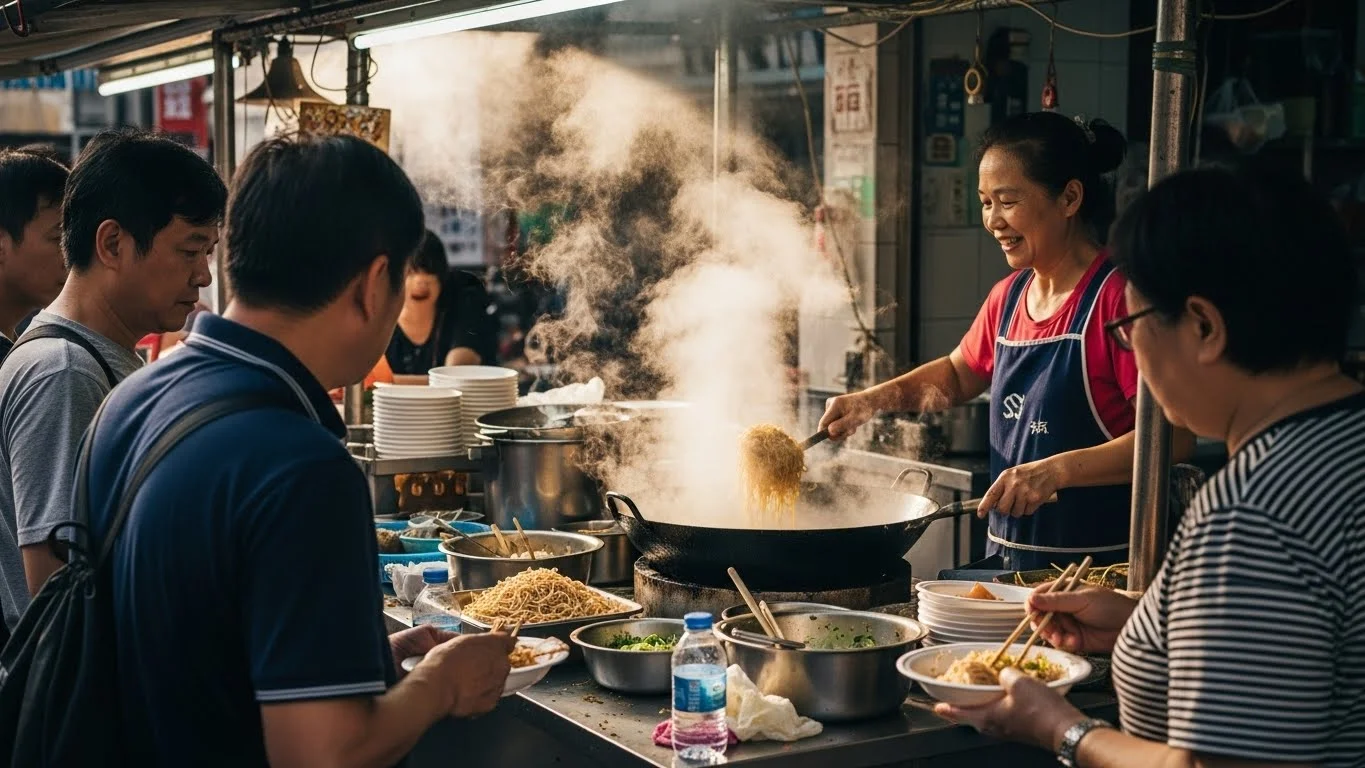
When I walk through a street food market, the first thing that strikes me is the sheer variety of culinary offerings. Every stall seems to tell a different story, showcasing local ingredients and traditional cooking methods. I’ve experienced everything from spicy fried chicken in Seoul to savory crepes in Paris, and each bite transports me to a new world. For instance, at a market in Istanbul, I was captivated by the aroma of freshly made simit, a sesame-covered bread. I remember the vendor expertly spinning the dough before tossing it into a bath of boiling water, then sprinkling it with sesame seeds. Watching this process made me appreciate the love and skill that goes into each item sold. The choices can be overwhelming, but that’s part of the adventure! I often find myself asking locals what they recommend. Their favorite dishes usually end up being the highlight of my visit. If you’re like me and love to try new things, don’t hesitate to sample as many dishes as you can. The beauty of street food is that you can often buy small portions, allowing you to taste a little bit of everything without overindulging.

Vibrant Atmosphere and Local Culture

The atmosphere at street food markets is something I absolutely adore. It’s alive with energy, laughter, and the delightful sounds of sizzling pans and happy chatter. I remember one evening in a market in Marrakech, where the vibrant colors of spices and the sight of locals gathering around food stalls made me feel like I had stepped into another world. Markets are often the heart of the community. I’ve noticed that they serve as gathering places where friends and families come together to enjoy meals and share stories. This communal aspect enhances the experience for me, as I feel like I’m part of something bigger, connecting with both the food and the people around me. Many markets also feature live performances, ranging from musicians to traditional dancers, adding to the festive vibe. I once stumbled upon a street performer in a market in Bangkok, and I found myself completely engrossed in the music while munching on my favorite mango sticky rice. That moment truly encapsulated what street food markets are all about: culture, community, and an unforgettable experience.

Health and Safety Considerations

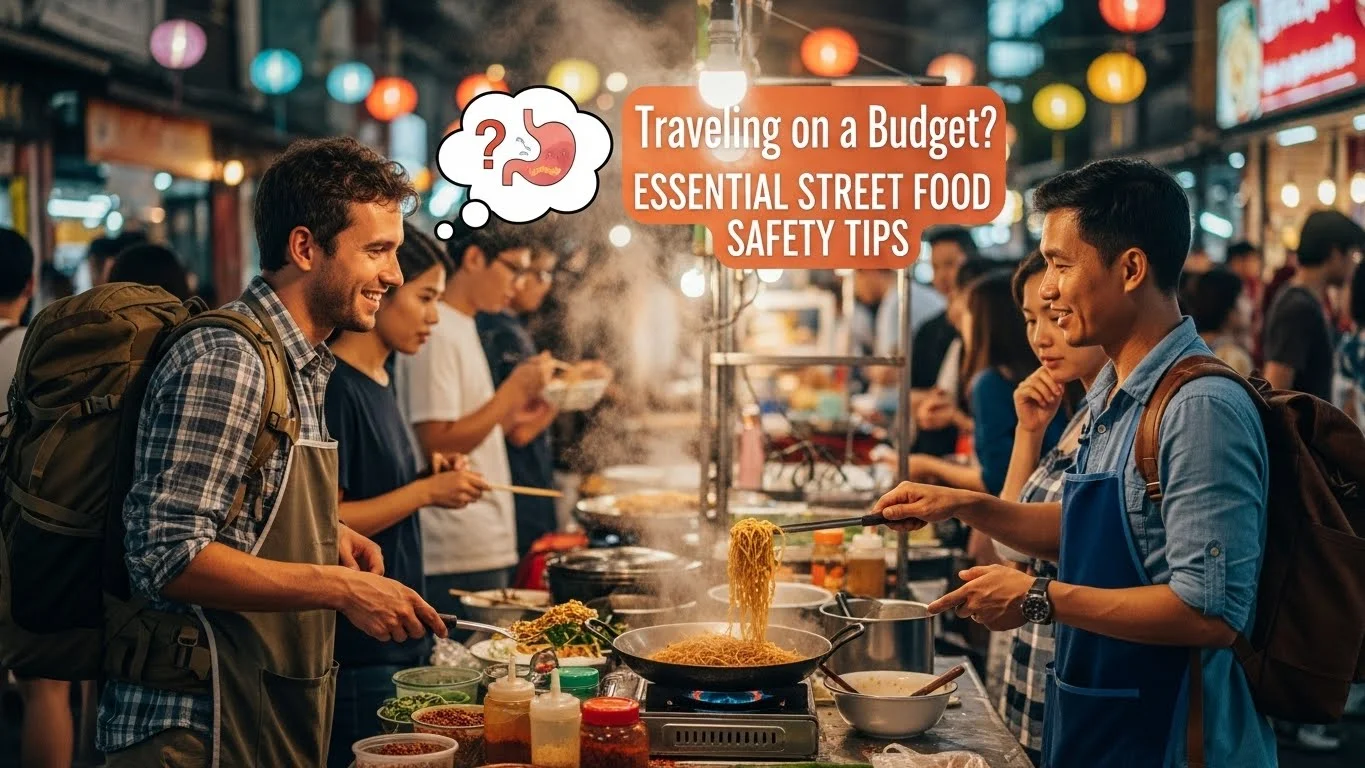
While diving into street food, it’s essential to keep health and safety in mind. I’ve learned a few tips over the years that help ensure a delicious yet safe experience. First and foremost, I always look for stalls that are busy with locals. If a place is bustling with people, it’s often a good sign of fresh food and good hygiene. I also pay attention to how food is prepared. If I see a vendor using proper cooking techniques and maintaining cleanliness, I feel more comfortable indulging in their offerings. I remember visiting a food stall in Peru where the vendor was not only friendly but also meticulously cleaned the cooking area before preparing my ceviche. It gave me peace of mind knowing that the food was prepared with care. In places where the climate is warm, I try to be cautious about how long food has been sitting out. I’ve avoided some dishes because they didn’t look fresh enough for my comfort. It’s all about listening to your instincts—if something feels off, don’t hesitate to skip it. Ultimately, street food is meant to be a fun experience, and with a little awareness, I’ve found it can be both delicious and safe. For tips on staying safe while enjoying street food, check out Stay Safe While Enjoying Street Food: Top Tips for Travelers.

How to Navigate Street Food Markets

Choosing the Right Stalls

Navigating street food markets can feel like a thrilling adventure, but I’ve discovered some strategies that make it easier to choose the right stalls. As I mentioned earlier, I always try to gravitate toward busy vendors. Not only does their popularity often indicate good food, but it also provides a chance to chat with locals and get their recommendations. If I’m unsure, I’ll take a moment to observe what others are enjoying. Seeing someone else savor a dish can be the nudge I need to try it myself. I remember feeling a little hesitant at a market in Taipei, but after watching several people happily devour their dumplings, I decided to join in and was instantly hooked! Also, I’ve found that asking vendors for their specialties often leads to delightful surprises. Each vendor usually has a secret dish or a personal favorite that they’re proud to recommend. And don’t be afraid to ask about ingredients if you have dietary restrictions—most vendors are friendly and willing to accommodate.

Ordering Tips for Beginners

For those new to street food, I want to share some ordering tips that I’ve picked up along the way. First, it’s helpful to familiarize yourself with the language used in the market. Even learning a few basic words can go a long way in enhancing your experience. For example, knowing how to say “thank you” in the local language can often lead to warmer interactions with vendors. When ordering, I usually start with a few smaller dishes instead of committing to a full meal. This way, I can sample multiple flavors and discover new favorites. I recall a time in a street market in Bangkok when I ordered a small portion of different curries, which allowed me to enjoy the variety without feeling too full. Finally, don’t shy away from trying something that looks unusual. Some of my most memorable food experiences have come from stepping outside my comfort zone. Whether it was tasting fried insects in Thailand or trying a fermented dish in South Korea, I always walked away with a great story and a broadened palate.

Best Times to Visit for Fresh Food

Timing can make a big difference when it comes to enjoying street food. I’ve found that visiting markets during peak hours ensures that everything is fresh and hot off the grill. Lunchtime is usually bustling, and I’ve had some of my best experiences during this time when vendors are at their busiest. Evenings can also be magical, especially in markets that come alive with lights and crowds. I enjoyed a night market in Taiwan where the atmosphere was electric, and the food was a feast for the senses. However, if you prefer a quieter experience or want to avoid long lines, I suggest visiting during off-peak hours. Early afternoon or late evening can often provide a more relaxed atmosphere, allowing you to chat with vendors and take your time choosing your next dish. In the end, whether you’re visiting during peak or off-peak times, street food markets are always an exciting adventure waiting to unfold.

Budgeting for Street Food Adventures

Average Costs at Different Markets

When it comes to street food, one of the most delightful surprises is how little you can spend while enjoying an authentic culinary experience. I’ve wandered through various markets, and I’ve noticed that the average costs can vary quite a bit depending on the location. For instance, in Bangkok’s Chatuchak Weekend Market, I often found delicious eats for as little as $1 or $2. I remember picking up a couple of skewers of grilled chicken and a refreshing coconut drink without even making a dent in my wallet. In contrast, when I visited La Boqueria in Barcelona, I found that while some items were a bit pricier, they still offered great value for the quality of the food. I spent around $5 for a plate of tapas that was packed with flavor and freshness. It’s fascinating how each market reflects the local economy and culture, and I’ve learned to budget accordingly. In places like Mexico City’s Mercado de San Juan, I found that even the most gourmet tacos were typically under $3 each. The thrill of sampling a variety of dishes without breaking the bank is something I truly cherish during my travels. Knowing what to expect price-wise can help you plan your culinary adventure without any surprises.

How to Save Money While Eating Out

While street food is already budget-friendly, I’ve picked up a few tips to stretch my dollars even further. One of the best practices I’ve found is to seek out the daily specials or promotions that vendors often have. Many stalls offer discounts on certain days or times, which can make enjoying local specialties even more affordable. Another trick is to share dishes with friends or fellow travelers. This way, you can try multiple items without overindulging. I remember one time I was with friends at a market in Singapore, and we made a game out of trying as many different stalls as possible. By sharing plates, we got to taste a little bit of everything while keeping our spending in check. Additionally, I’ve learned to watch for street food vendors who prepare items in larger portions. Often, these vendors have incredible deals, like a large plate of fried rice or a heaping serving of curry, and I found that splitting these meals can be both economical and satisfying. Lastly, I recommend checking out local food blogs or social media pages dedicated to street food in the area. They often share hidden gems and cost-effective tips that can help you save money while still indulging in the best bites the market has to offer.

Street Food Etiquette

Respecting Local Customs

As much as I love indulging in street food, I also believe it’s essential to respect the customs and traditions of the places I visit. Every culture has its own set of norms, and being aware of them can enhance my experience and show appreciation for the local community. For instance, in many Asian countries, it’s customary to eat with chopsticks, while in some parts of the Middle East, using your right hand to eat is a sign of respect. I remember visiting a market in Morocco, where I was excited to try tagine. I quickly learned that sharing food from a communal plate is common practice there. Engaging with locals and observing their dining practices not only enriches my experience but also fosters a deeper connection with the culture. It’s also good to remember that some vendors may rely on traditional practices, such as not bargaining over prices as you might in a souvenir market. I’ve found that showing appreciation for the vendor’s craft and the price they’ve set can go a long way in building a positive rapport.

Sharing Tables and Engaging with Vendors

Another aspect of street food etiquette that I’ve embraced is the communal nature of dining. In busy street food markets, tables are often shared. I’ve sat next to strangers who quickly became friends over a shared love for good food. Engaging in conversation with fellow diners and vendors adds to the vibrant atmosphere and creates a sense of community. I’ve found that vendors appreciate when you take the time to chat with them about their food or cooking techniques. I remember asking a vendor in Bangkok about the secret to their spicy sauce, and they were thrilled to share their recipe! This not only made my meal more special but also fostered a connection between us. Being open to sharing tables and engaging with those around you can transform a meal into a shared experience filled with stories and laughter. So, don’t hesitate to strike up a conversation next time you’re enjoying a delicious meal at a bustling street food market!

Frequently Asked Questions

What is street food?

Street food is a quick meal that reflects a culture’s essence, often prepared and sold by local vendors in public areas, making it accessible and a significant part of the social fabric of many communities.

Why is street food popular?

Street food is popular because it offers an exciting blend of culture, flavor, and affordability, allowing people to explore new tastes while enjoying a communal dining experience.

What are some top street food markets around the world?

Some top street food markets include Chatuchak Weekend Market in Bangkok, Mercado de San Juan in Mexico City, Old Quarter Street Food in Hanoi, La Boqueria in Barcelona, Maxwell Food Centre in Singapore, and Smorgasburg in New York City.

How can I find affordable street food?

Street food is generally affordable, with prices often much lower than those in sit-down restaurants. Markets are strategically located in busy areas, making them easy to find and explore on a budget.

What should I expect at street food markets?

At street food markets, you can expect diverse culinary offerings, a vibrant atmosphere filled with laughter and energy, and the opportunity to engage with local culture and community.

What health and safety tips should I consider when eating street food?

To ensure a safe experience, look for busy stalls frequented by locals, observe food preparation methods, and avoid dishes that don’t look fresh, especially in warm climates.

How can I navigate street food markets effectively?

To navigate street food markets, gravitate toward busy vendors, observe what others are enjoying, and ask vendors for their specialties to discover delightful dishes.

What are some ordering tips for beginners at street food markets?

For beginners, it’s helpful to start with smaller dishes to sample multiple flavors, learn a few basic local words, and not shy away from trying unusual items for a memorable experience.

When is the best time to visit street food markets?

The best time to visit street food markets is during peak hours, usually lunchtime or evenings, when the food is fresh and the atmosphere is lively, though off-peak hours can offer a more relaxed experience.

What etiquette should I follow while enjoying street food?

When enjoying street food, respect local customs, engage with vendors, and be open to sharing tables with others to enhance your dining experience and connect with the community.
Top 10 Must-Visit Street Food Markets for Backpackers

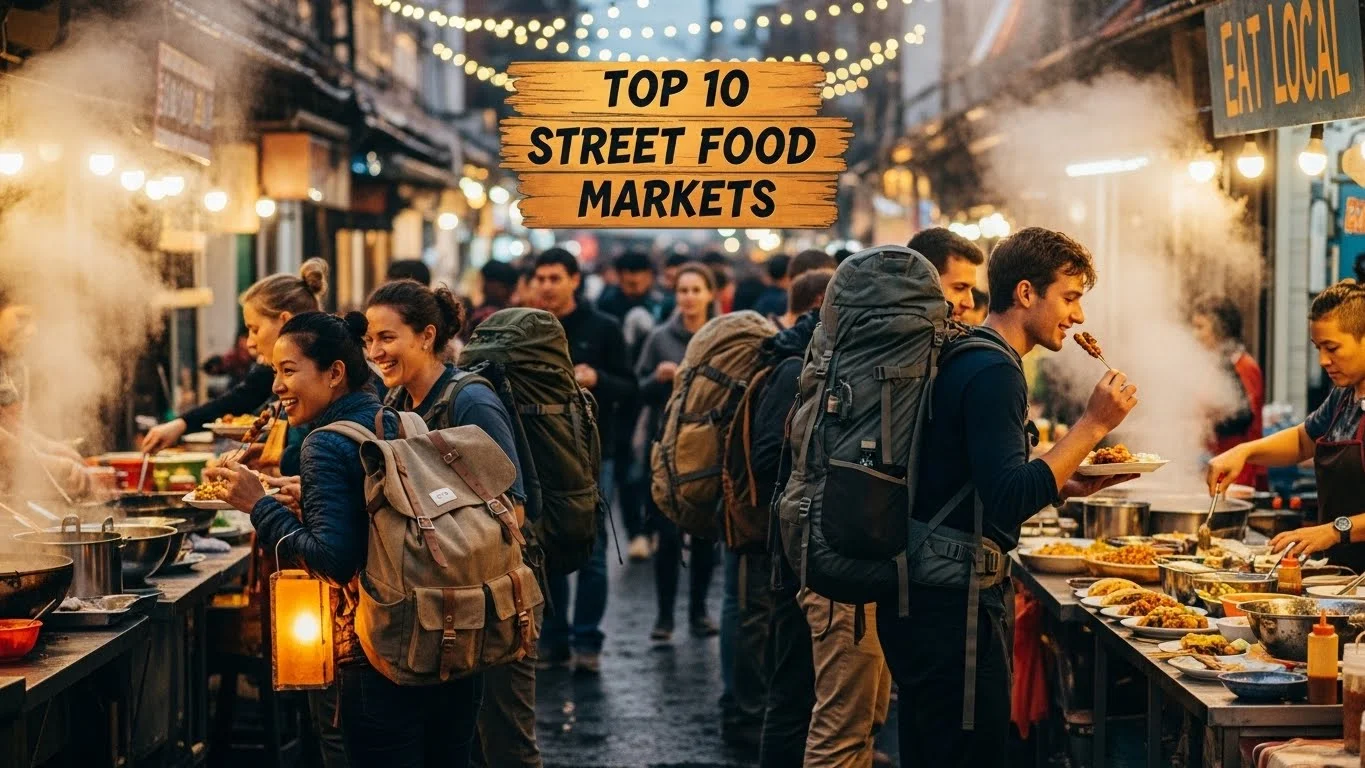
Street food markets are a treasure trove for backpackers seeking authentic local flavors and vibrant cultural experiences. Join me on this culinary journey as we explore the top 10 must-visit street food markets around the world! Read Interesting article: Discover the World’s Best Street Food Markets on a Budget

Top 10 Must-Visit Street Food Markets for Backpackers

Introduction to Street Food Markets

What is Street Food?

Street food, in my experience, is more than just quick bites on the go; it’s a celebration of local culture, history, and flavors. Whether it’s sizzling skewers, spicy noodles, or sweet desserts, street food represents the essence of a place. I’ve stood in long lines, eagerly waiting to sample dishes that are often passed down through generations. Each bite tells a story, and every market has its unique charm that makes it special.

Why Backpackers Love Street Food Markets

As a backpacker, I can wholeheartedly say street food markets are a fantastic way to stretch your budget while indulging in delicious local cuisine. I remember my first experience at a street food market; the vibrant colors, the tantalizing smells, and the sounds of sizzling pans were overwhelming in the best possible way! Not only do these markets offer affordable meals, but they also provide a unique opportunity to connect with locals. I found myself chatting with vendors and fellow travelers, exchanging tips and stories that enriched my journey. Read Interesting article: Stay Safe While Enjoying Street Food: Top Tips for Travelers

Top 10 Must-Visit Street Food Markets

1. Chatuchak Market, Bangkok, Thailand

Overview of Chatuchak Market

Chatuchak Market is a bustling paradise located in the heart of Bangkok. Spanning over 35 acres, it’s one of the largest markets in the world. It’s packed with over 15,000 stalls, selling everything from clothes and souvenirs to, of course, mouth-watering food. I remember getting lost in its maze-like alleys, discovering hidden gems along the way.

Must-Try Dishes

When in Chatuchak, you absolutely have to try the coconut ice cream served in a coconut shell. I found it refreshing and perfect for the hot Thai weather. The grilled pork skewers, known as ‘Moo Pad Krapow,’ were another highlight of my visit. The flavors were bold, and the smoky taste from the grill was unforgettable!

Best Time to Visit

The market is open on weekends, and I found the best time to visit was early in the morning. It gets super crowded as the day goes on, and you want to enjoy the food without feeling rushed. Plus, the morning sun is much more pleasant than the afternoon heat!

2. Mercato di Testaccio, Rome, Italy

Overview of Mercato di Testaccio

Mercato di Testaccio is a food lover’s dream. Located in a vibrant neighborhood, this market has an old-school charm that I absolutely adore. The atmosphere is lively, and the locals treat it as their go-to spot for fresh produce and delicious street food. Walking through the market, I felt like I was in the heart of Rome’s culinary scene.

Must-Try Dishes

One of my favorite dishes here was the Roman-style pizza al taglio, which is pizza sold by the slice. The crispy crust and rich toppings made it a delightful treat. I also recommend trying the supplì—fried rice balls stuffed with gooey mozzarella. They’re simply divine!

Best Time to Visit

The best time to visit Mercato di Testaccio is during lunch hours when the locals flock to the market for a quick bite. For me, it was a great chance to soak in the local vibe while enjoying delicious food.

3. Night Markets, Taipei, Taiwan

Overview of Night Markets

Taipei’s night markets are legendary, and I can see why! These vibrant markets come alive after sunset, offering a plethora of street food options. I was amazed by the variety of stalls, each showcasing the rich flavors of Taiwanese cuisine. The energy in the air was infectious!

Must-Try Dishes

You can’t visit a night market without trying stinky tofu. It might sound intimidating, but trust me—once you get past the smell, it’s actually quite delicious! I also loved the bubble tea, which originated in Taiwan. The chewy tapioca pearls combined with sweet milk tea made it a perfect treat!

Best Time to Visit

The night markets are best experienced in the evening when the atmosphere is buzzing with activity. I suggest arriving around 7 PM for the full experience, as the crowds grow and the food vendors start cooking up their best dishes.

4. La Boqueria, Barcelona, Spain

Overview of La Boqueria

La Boqueria is not just a market; it’s an iconic part of Barcelona’s culinary culture. Stepping into this market felt like entering a colorful food paradise. With its vibrant displays of fruits, meats, and seafood, I found myself mesmerized by the sheer variety of offerings.

Must-Try Dishes

One of my absolute favorites was the fresh seafood paella from one of the stalls. It was bursting with flavor and made me feel like I was eating right by the Mediterranean! I also indulged in some jamón ibérico, which is a must-try when in Spain. The rich, savory taste was something I still crave!

Best Time to Visit

The market opens early in the morning, and I recommend visiting in the late morning when the vendors are busy preparing their goods. It’s a great time to sample fresh juices and pastries while avoiding the biggest crowds.

5. Jalan Alor, Kuala Lumpur, Malaysia

Overview of Jalan Alor

Jalan Alor is a street food haven in Kuala Lumpur. This bustling street transforms into a vibrant food court in the evening, filled with sizzling grills and inviting aromas. I loved the atmosphere—locals and tourists alike gathered around tables, savoring their meals together.

Must-Try Dishes

During my visit, I couldn’t resist the char kway teow, a flavorful stir-fried noodle dish packed with shrimp, eggs, and beansprouts. I also tried the satay skewers, marinated in a delicious peanut sauce. Each bite was a burst of flavor that left me wanting more!

Best Time to Visit

Jalan Alor really comes to life after dark, so I recommend heading there around 7 PM. The street fills with energy, and the lights make it even more inviting. Plus, you’ll have the chance to enjoy a variety of dishes as vendors set up for the night!

6. Borough Market, London, England

Overview of Borough Market

Borough Market is a historic food market that I absolutely fell in love with. Tucked away near London Bridge, it’s one of the oldest markets in the city, dating back to the 12th century. As I wandered through the stalls, I was struck by the mix of traditional British fare and international flavors. The market has a vibrant atmosphere, with foodies, chefs, and locals all buzzing around. The smell of freshly baked bread and roasting meats filled the air, making it hard to resist stopping at every stall!

Must-Try Dishes

During my visit, I discovered the classic British sausage roll, which was flaky and packed with flavor. I also indulged in a delicious artisanal cheese platter that paired perfectly with some homemade chutney. One of my personal favorites was the paella, served right from a massive pan, overflowing with seafood and spices. Each dish I tried felt like a little piece of culinary art!

Best Time to Visit

I found that Borough Market is best visited on a weekday, especially if you want to avoid the weekend crowds. I enjoyed going around lunchtime when the market was bustling with office workers grabbing a quick bite. The energy was palpable, and I loved seeing the locals enjoying their lunch while chatting with friends.

7. Nishiki Market, Kyoto, Japan

Overview of Nishiki Market

Nishiki Market, known as “Kyoto’s Kitchen,” was a sensory overload in the best way. Stretching for several blocks, this market is where I truly experienced the heart of Japanese cuisine. The narrow lanes are lined with shops selling everything from pickled vegetables to fresh seafood, and I felt like I was exploring a culinary treasure chest. Each stall was bursting with color and character!

Must-Try Dishes

I couldn’t resist the famous yudofu, which is a simple yet delicious tofu dish served with dipping sauces. It was incredibly fresh and showcased the quality of local ingredients. Another highlight for me was the matcha-flavored sweets; I savored a matcha mochi that was both chewy and sweet. I also recommend trying the grilled fish skewers – the smoky flavor combined with the delicate fish was divine!

Best Time to Visit

Nishiki Market opens early in the morning, making it a great place to start your day. I recommend visiting around 9 AM when you can enjoy a quieter atmosphere and sample breakfast items. It’s also a fantastic time to engage with vendors and learn about their crafts without the larger crowds.

8. Mercado de San Miguel, Madrid, Spain

Overview of Mercado de San Miguel

Mercado de San Miguel feels like a culinary art gallery. Nestled in the heart of Madrid, this market is a feast for the eyes and the taste buds. The architecture is stunning, and as I walked in, I was instantly drawn to the vibrant displays of food and drink. It’s an upscale market where I found locals and tourists mingling, sampling everything from tapas to wine.

Must-Try Dishes

One of my top recommendations is the jamón ibérico, which simply melted in my mouth. I also enjoyed trying a variety of tapas, including patatas bravas—crispy potatoes served with a spicy sauce. The fresh seafood options were another highlight; the grilled octopus was a standout dish that left me wanting more!

Best Time to Visit

I suggest visiting Mercado de San Miguel in the evening. The atmosphere transforms as the market fills with laughter and chatter, and you can sip on wine while sampling different dishes. It’s the perfect way to wind down after a day of exploring the city.

9. Souk Al-Mubarakiya, Kuwait City, Kuwait

Overview of Souk Al-Mubarakiya

Souk Al-Mubarakiya is a vibrant marketplace that offers a glimpse into the rich culture of Kuwait. As I strolled through this bustling bazaar, I was captivated by the mix of traditional and modern elements. The market is filled with spices, textiles, and, of course, incredible food stalls. The atmosphere is lively, and I enjoyed the hustle and bustle of local shoppers and vendors.

Must-Try Dishes

One of my favorite dishes here was the shawarma, wrapped in warm pita bread and bursting with flavor. I also recommend trying the falafel, which was crispy on the outside and soft on the inside. For something sweet, don’t miss out on the dates stuffed with nuts—these were a delightful treat that perfectly complemented my savory meals!

Best Time to Visit

I found that the best time to visit Souk Al-Mubarakiya is in the evening when the weather is cooler and the market comes alive with energy. The vibrant lights and the sounds of vendors calling out their specialties create an unforgettable experience.

10. Donghuamen Night Market, Beijing, China

Overview of Donghuamen Night Market

Donghuamen Night Market is a place where culinary adventure awaits. I was excited to dive into the eclectic offerings, from the familiar to the bizarre. The market is known for its wide variety of street foods, showcasing the diversity of Chinese cuisine. Walking through the stalls, I felt a mix of excitement and curiosity at the different food options available!

Must-Try Dishes

During my visit, I had to try the famous scorpions on a stick—an experience I won’t forget! They were surprisingly crunchy and flavorful. I also enjoyed the lamb skewers, marinated in spices and grilled to perfection. For dessert, I couldn’t resist trying the candied fruit; the sweetness was a perfect finish to a unique meal!

Best Time to Visit

The night market truly comes alive after dark, so I recommend visiting around 6 PM. The vibrant lights and the tantalizing smells create an inviting atmosphere, and you’ll have plenty of time to explore the various stalls at your leisure.

What to Expect at Street Food Markets

What to Expect at Street Food Markets

Atmosphere and Vibe

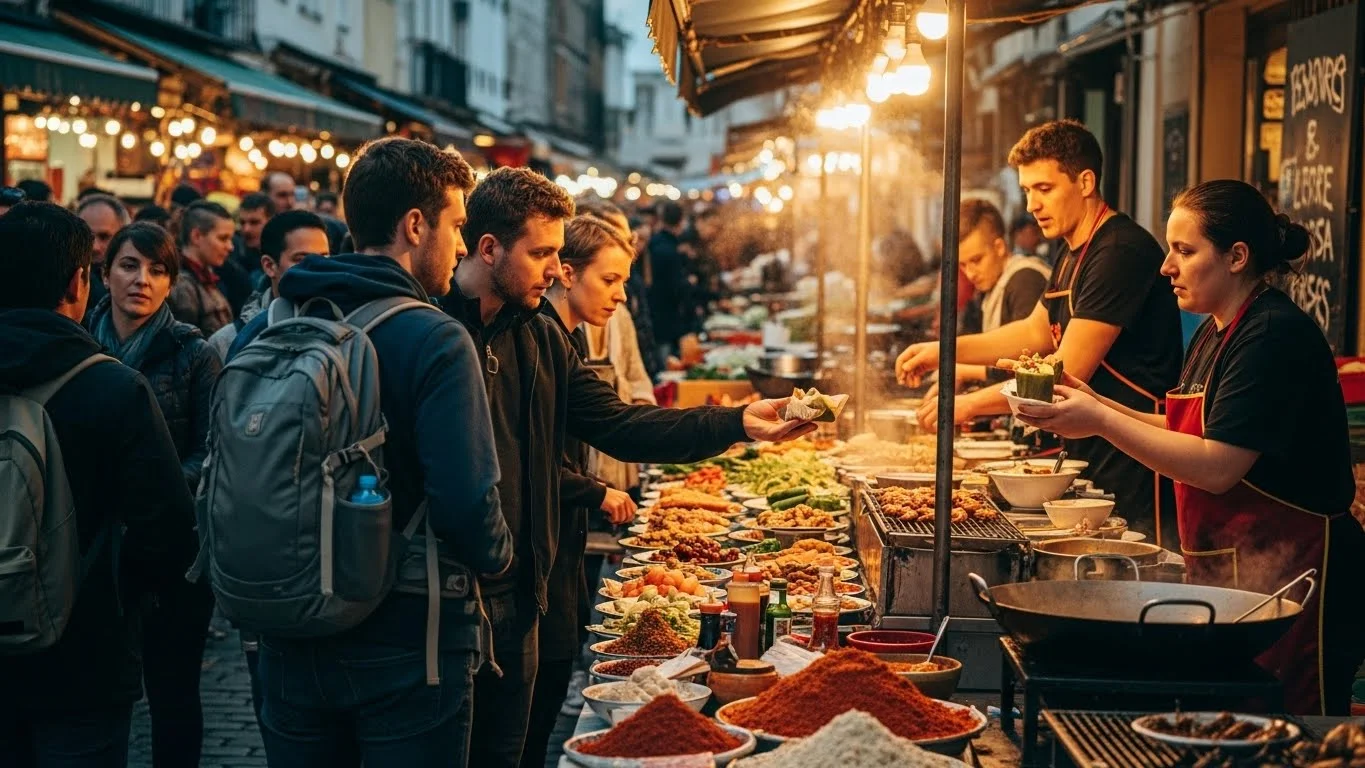
Walking into a street food market is like stepping into a world of vibrant energy. I’ve always been struck by the chaos and charm that fills the air. The sounds of sizzling grills, laughter, and chatter create a symphony that beckons you closer. I remember my first visit to a night market; the vivid colors of food stalls, the tantalizing aromas wafting through the air, and the sight of locals enjoying their meals made my heart race with excitement. Each market has its own unique vibe—some feel like bustling festivals while others can be more laid-back and intimate. Regardless of the atmosphere, there’s a sense of community that’s hard to replicate elsewhere. You can see families dining together, friends sharing dishes, and travelers like myself enjoying the experience as we connect over food.

Prices and Budgeting Tips

One of the best parts about street food markets is the affordability. I’ve found that you can enjoy a hearty meal for just a few dollars, which makes them perfect for budget-conscious travelers. In many markets, prices are clearly displayed, but don’t hesitate to ask vendors about the cost if you’re unsure. I often recommend setting a budget before diving into the feast; it helps to avoid overspending when everything looks so enticing! Another tip I learned is to sample smaller portions from different stalls. This way, you can try a variety of dishes without breaking the bank. Plus, sharing with friends or fellow travelers can turn your culinary adventure into a fun social experience! Read Interesting article: Traveling on a Budget? Essential Street Food Safety Tips

Safety and Hygiene Considerations

While street food can be delicious, it’s important to keep safety and hygiene in mind. I’ve always made it a point to observe the cleanliness of the stalls before making my choice. A busy vendor can often be a good sign, as it indicates that the food is fresh and popular. I also look for vendors who are preparing food on the spot rather than pre-packaged items sitting out for long periods. Drinking plenty of bottled water and avoiding ice (unless you’re sure it’s made from purified water) has been a smart practice for me. It’s always best to listen to your gut—if something seems off, don’t hesitate to pass on it. After all, the goal is to enjoy the amazing flavors without any unpleasant surprises!

How to Navigate Street Food Markets

Learning Local Etiquette

Each culture has its own set of rules when it comes to dining, and street food markets are no exception. I’ve learned that taking a moment to observe and pick up on local etiquette can enhance the experience significantly. For example, in some places, it’s customary to greet the vendors as you approach their stalls, while in others, you might wait to be served. I remember my first experience in a market where I awkwardly stood at a stall, not knowing whether to wait for a menu or just jump in. After a few visits, I picked up on the flow, and it made all the difference in making connections with the vendors and other diners.

Tips for Ordering Food

When it comes to ordering food, I often find that being adventurous pays off. If you’re unsure what to get, I recommend asking the vendor for their specialties or what’s popular at the moment. They are usually more than happy to guide you! I also like to point to dishes that catch my eye; many vendors are accustomed to this and will understand your enthusiasm. If the menu is in a language I don’t speak, using translation apps on my phone can be a lifesaver. It’s also helpful to have some cash on hand, as many street vendors prefer cash to card payments.

Using Local Language and Phrases

Learning a few local phrases can go a long way in enhancing your street food experience. I’ve found that even a simple “hello,” “thank you,” or “delicious” in the local language can bring big smiles from vendors and help break the ice. It shows respect for their culture and often leads to a warmer interaction. I once learned how to say “spicy” in Thai before heading to a market, and it opened up a great conversation with a vendor, who then pointed me toward some of the spiciest dishes they offered! Plus, it’s a fun way to engage with locals and immerse yourself in their culinary world.

Frequently Asked Questions

What is street food?

Street food is more than just quick bites on the go; it’s a celebration of local culture, history, and flavors. It represents the essence of a place, with each dish often telling a story and showcasing unique local charm.

Why do backpackers love street food markets?

Backpackers love street food markets because they offer affordable meals and a fantastic way to connect with locals. These markets provide vibrant experiences filled with enticing smells, colors, and the opportunity to share stories with vendors and fellow travelers.

What are some must-try dishes at Chatuchak Market in Bangkok?

At Chatuchak Market, you must try the coconut ice cream served in a coconut shell and the grilled pork skewers, known as ‘Moo Pad Krapow,’ both of which are highlights of the market.

When is the best time to visit Mercato di Testaccio in Rome?

The best time to visit Mercato di Testaccio is during lunch hours when locals flock to the market for a quick bite, allowing you to soak in the local vibe while enjoying delicious food.

What unique dish should I try at Taipei’s night markets?

You should try stinky tofu, which may sound intimidating but is quite delicious once you get past the smell. Bubble tea, which originated in Taiwan, is also highly recommended.

What dishes should I look for at Borough Market in London?

At Borough Market, look for classic British sausage rolls, artisanal cheese platters, and seafood paella, all of which are delicious and representative of the market’s offerings.

What is a popular dish at Nishiki Market in Kyoto?

A popular dish at Nishiki Market is yudofu, a simple yet delicious tofu dish served with dipping sauces. Additionally, matcha-flavored sweets, especially matcha mochi, are also highly recommended.

What is the atmosphere like at Souk Al-Mubarakiya in Kuwait City?

The atmosphere at Souk Al-Mubarakiya is vibrant and lively, providing a glimpse into Kuwait’s rich culture with a mix of traditional and modern elements, bustling with local shoppers and vendors.

What should I expect when visiting street food markets?

When visiting street food markets, expect a lively atmosphere filled with the sounds of sizzling grills and chatter. You’ll find a sense of community, affordable prices, and a variety of delicious food options to explore.

How can I enhance my experience at street food markets?

You can enhance your experience by learning local etiquette, being adventurous with your food choices, and using simple local phrases to engage with vendors. Observing the flow of the market can also help you connect better with locals and vendors.

Discover the World’s Best Street Food Markets on a Budget

Exploring street food markets around the world is a delicious way to experience local cultures without breaking the bank. From savory snacks to sweet treats, these markets offer a taste of authenticity that’s hard to find anywhere else.

Discover the World's Best Street Food Markets on a Budget

Understanding Street Food Culture

What is Street Food?

Street food is one of the most accessible and vibrant aspects of food culture in many countries. It ranges from quick bites sold by vendors on bustling sidewalks to elaborate meals served from food trucks. I remember my first experience with street food; I was in Thailand, and the smell of grilled meat and fresh herbs filled the air. It was a sensory overload, a blend of aromas that immediately drew me in. I quickly learned that street food isn’t just about convenience; it embodies the heart of local culinary traditions, flavors, and techniques passed down through generations.

Importance of Street Food Markets in Local Economies

Street food markets play a crucial role in local economies. They support small businesses and provide job opportunities for countless vendors. I often think about how a single food stall can offer a family a livelihood, allowing them to share their heritage through food. In many places, these markets also attract tourists, which boosts the local economy. For a traveler like me, visiting a street food market is like getting a glimpse into the everyday lives of locals. I’ve learned that these markets not only fuel our stomachs but also our connections to the communities we visit.

Street Food vs. Restaurant Dining

When I consider the differences between street food and restaurant dining, the contrast becomes clear. While restaurants often focus on presentation and a more formal dining experience, street food celebrates simplicity and flavor. I remember trying tacos from a street cart in Mexico City; they were served on paper plates, bursting with flavor and authenticity. It felt personal and intimate, as if I was sharing a meal with the city itself. Street food allows us to interact with vendors, hear their stories, and truly experience the local culture. In my opinion, the energy and excitement found at a bustling market can’t be matched by a sit-down meal.

Top Street Food Markets Around the World

Bangkok’s Chatuchak Market

Chatuchak Market in Bangkok is a must-visit for any food lover. It’s one of the largest markets in the world, and its street food section is nothing short of legendary. I spent hours wandering through the stalls, trying everything from coconut ice cream to spicy papaya salad. The vibrant colors and lively atmosphere made it a feast for the senses. I learned to embrace the chaos, and I found that the best stalls often had long lines—always a good sign of quality!

Mexico City’s Mercado de San Juan

Mercado de San Juan is another gem I stumbled upon during my travels. Known for its high-quality ingredients and exotic food offerings, this market showcases the best that Mexico has to offer. I can’t forget the time I tried tacos with grasshoppers—an experience that was both thrilling and delicious! The market is not only a place to eat but also to explore unique local produce and meats. I felt like I was diving into the culinary depths of Mexican culture, right in the heart of the city.

Barcelona’s La Boqueria

La Boqueria in Barcelona is a feast for the eyes as much as it is for the stomach. As I walked through the market, I was captivated by the vibrant displays of fresh fruits, cured meats, and seafood. I remember stopping at a small tapas stall, where I tried patatas bravas and jamón ibérico. The atmosphere is lively, and it’s a perfect spot to mingle with locals and fellow travelers. I found that sampling various dishes here not only filled my belly but also enriched my understanding of Spanish cuisine.

Singapore’s Lau Pa Sat

In Singapore, I was lucky enough to visit Lau Pa Sat, a historic hawker center that offers a wide range of local delicacies. I tried satay skewers grilled right in front of me, a dish that quickly became one of my favorites. The combination of spices and flavors was incredible. What I love most about Lau Pa Sat is the communal dining experience; sharing tables with strangers creates a sense of community that I found really special.

Istanbul’s Kadikoy Market

Kadikoy Market in Istanbul showcases the rich and diverse flavors of Turkish cuisine. I’ll never forget the aroma of freshly baked simit and the colorful stalls filled with olives and cheeses. The market has a lively atmosphere, and I enjoyed sitting at a small café, sipping Turkish tea while people-watching. Each bite was a taste of history, and I felt a deep connection to the culture with every morsel.

Bangladesh’s Dhaka Street Food Scene

Bangladesh may not be the first place that comes to mind for street food, but Dhaka has an incredible array of local dishes. I tried fuchka, a delightful crispy snack filled with spiced potatoes and tamarind water. The flavors were bright and refreshing. I found that exploring the streets of Dhaka felt like an adventure as I discovered new tastes at every corner. It was a reminder that street food can be found in the most unexpected places.

Lisbon’s Time Out Market

Last but not least, Time Out Market in Lisbon is a food lover’s paradise. I was amazed by the variety of options available, from traditional Portuguese dishes to modern culinary interpretations. I remember indulging in pastéis de nata, a beloved local custard tart, and it was heavenly. The market has a laid-back vibe, making it a perfect place to relax and savor the flavors of Portugal. I discovered that the blend of traditional and contemporary styles is what makes this market stand out.

New York City’s Smorgasburg

Smorgasburg in New York City is a weekend food market that brings together some of the best food vendors in the city. I found everything from artisanal ice cream to unique takes on classic dishes. The energy of the crowd and the variety of food options made for an unforgettable experience. I felt like I was part of a vibrant food community, exploring the melting pot of flavors that New York has to offer.

Budget-Friendly Tips for Enjoying Street Food

How to Find the Best Stalls

Finding the best street food stalls can feel like a treasure hunt, and I love every minute of it! One of my go-to strategies is to look for where the locals are eating. If a stall has a long line, that’s usually a great sign that the food is worth the wait. I remember wandering through the streets of Bangkok, watching local families and workers grabbing their lunches from a small cart. It made me curious, so I decided to join the line. The dish I ended up trying was a spicy noodle soup that was bursting with flavor and cost less than a dollar. It taught me that sometimes the most unassuming stalls serve the best food!

Understanding Local Currency and Prices

Before diving into street food adventures, I found it helpful to familiarize myself with the local currency and typical prices. This knowledge can help me avoid being overcharged and make it easier to budget my food explorations. I like to keep a currency converter app handy on my phone. For instance, in Mexico City, I learned that a taco could cost anywhere from 10 to 30 pesos, depending on the filling and the stall. Understanding these price ranges has helped me feel more confident while navigating street food markets.

Sampling vs. Full Meals

One of my favorite things about street food is the opportunity to sample a variety of dishes without overspending. I often opt for smaller portions or a few different items instead of a full meal. This way, I can savor more flavors and experience a wider range of what each market has to offer. In Barcelona’s La Boqueria, I remember trying a few different tapas, from olives to anchovies, which allowed me to enjoy a mini feast while mingling with other food lovers. It felt like a celebration of flavors, and I didn’t leave feeling overly stuffed!

Timing Your Visits for Deals

Timing can make a huge difference when it comes to enjoying street food without breaking the bank. I’ve noticed that some vendors offer discounts or special deals during off-peak hours. For example, in Istanbul, I found that many stalls offered reduced prices on simit and other snacks in the late afternoon when they were trying to clear out inventory. Planning my visits around these times has always been a win-win; I get delicious food at a lower price and avoid the busiest crowds!

Must-Try Street Foods in Each Market

Signature Dishes in Bangkok

Bangkok is a treasure trove of flavors, and there are some must-try dishes that I’ve come to adore. One of my absolute favorites is Pad Thai, often served by cheerful vendors who whip it up right before your eyes. The combination of stir-fried noodles, fresh vegetables, peanuts, and lime is simply unforgettable. Another dish I recommend is Som Tum, a spicy green papaya salad that balances sweetness, heat, and crunch beautifully. Every bite takes me back to those bustling streets filled with energy and excitement!

Classic Street Foods in Mexico City

In Mexico City, street food is an art form, and I think you can’t miss out on tacos al pastor. These tacos, filled with marinated pork and topped with pineapple, are an explosion of flavor. I still remember the first time I had one; the savory, sweet, and spicy notes danced on my palate. Another dish worth trying is elote, grilled corn on the cob slathered with mayonnaise, cheese, and chili powder. It’s messy, but so worth it! These classics truly embody the spirit of Mexican cuisine.

Popular Tapas in Barcelona

Barcelona’s street food scene is vibrant, and the tapas are to die for! I always gravitate towards patatas bravas, which are crispy potatoes served with a spicy tomato sauce. Each bite offers a delightful crunch followed by a burst of flavor. I also recommend trying the chorizo al vino, which is chorizo cooked in red wine, giving it a rich, savory taste. Sampling these small plates while chatting with locals has brought me closer to understanding the heart of Spanish culture.

Iconic Dishes in Singapore

Singapore is a melting pot of flavors, and the street food reflects that diversity. One iconic dish I fell in love with is Hainanese chicken rice, served with tender poached chicken and fragrant rice. The combination of chili sauce and soy sauce adds the perfect kick. Another must-try is laksa, a spicy noodle soup that combines rich coconut milk with shrimp or chicken. Each bowl is a burst of flavor that keeps you coming back for more!

Traditional Foods in Istanbul

Istanbul’s street food options are nothing short of amazing, and I can’t recommend trying döner kebab enough. The succulent meat carved from a rotating spit, served in warm pita with fresh veggies, is pure satisfaction. I also enjoyed a classic baklava for dessert, which is a sweet pastry filled with nuts and drenched in syrup. The layers of flavor and texture are heaven on a plate!

Unique Flavors of Bangladesh

Bangladesh’s street food is an adventure waiting to be experienced. I found fuchka to be an absolute delight—these crispy hollow balls are filled with spiced potatoes and tangy tamarind water, creating a burst of flavor in every bite. I also discovered chotpoti, a spicy chickpea dish that’s hearty and satisfying. Exploring these flavors has expanded my palate and deepened my appreciation for Bangladeshi cuisine.

Delicious Options in Lisbon

Lisbon’s street food is a mix of traditional and modern styles. I couldn’t resist trying bacalhau à brás, a comforting dish made with shredded cod, potatoes, and eggs. It’s a perfect representation of Portuguese cuisine. And, of course, no visit is complete without indulging in pastéis de nata. These little custard tarts are creamy and flaky, and they are simply irresistible. In Lisbon, each bite tells a story of its rich culinary heritage.

American Street Food Staples in NYC

In New York City, street food is diverse and reflects the city’s melting pot nature. I highly recommend trying a classic hot dog from a street vendor; it’s a quintessential NYC experience. I also discovered the joy of food trucks, offering everything from gourmet tacos to artisanal pizza. Each visit to Smorgasburg introduced me to unique dishes that I never knew existed, reminding me that American street food is anything but boring!

Safety Tips for Eating Street Food

Choosing Clean and Safe Vendors

One of my biggest concerns when diving into street food is safety. I’ve learned that it’s crucial to choose vendors who prioritize cleanliness. I always keep an eye out for stalls that have a steady stream of customers, as that often indicates fresh food being prepared regularly. I remember standing in front of a vibrant street cart in Vietnam, watching the vendor diligently clean his utensils and chop fresh vegetables. This gave me confidence in what I was about to eat. I recommend checking for signs of cleanliness, like properly covered food and clean cooking areas. If I see the vendor wearing gloves and a clean apron, I feel even better about my choice! Read Interesting article: Stay Safe While Enjoying Street Food: Top Tips for Travelers

Understanding Food Allergies and Dietary Restrictions

As someone who has experienced food allergies, I know how important it is to communicate dietary restrictions clearly. Language barriers can make this tricky, but I’ve found that learning a few key phrases in the local language can go a long way. When I was in Thailand, I learned how to say “no peanuts” in Thai, which was essential for me. I also carry a small card that outlines my allergies, just in case I need to show it to a vendor. It’s a great way to ensure I avoid any unwanted surprises while exploring delicious street food. I encourage others to be proactive and don’t hesitate to speak up about your dietary needs; most vendors are happy to accommodate if they can.

Staying Hydrated and Healthy While Traveling

Staying hydrated while enjoying street food is something I can’t stress enough. I’ve had my share of long days spent wandering markets, and without proper hydration, my energy levels can dip quickly. I always make sure to drink plenty of water—especially in hot climates like Bangkok. When possible, I opt for bottled water to ensure it’s safe, and I avoid ice unless I know it’s made from purified water. Additionally, I try to balance indulgent street food with lighter, healthier options. For example, after enjoying a rich, fried dish, I often seek out a fresh fruit stall to refresh myself. It’s all about finding that balance to keep my energy up while exploring the culinary wonders of each place! Read Interesting article: Traveling on a Budget? Essential Street Food Safety Tips

When to Visit Street Food Markets

Best Times of Year for Each Location

Timing my visits to street food markets can significantly enhance my experience. Each city has its own peak seasons, and I’ve found that visiting during off-peak times can lead to better food and fewer crowds. For instance, I learned that Bangkok is most vibrant during the cool season from November to February, where the weather is pleasant for exploring. On the other hand, Mexico City’s food scene shines during the Día de los Muertos festival in late October, offering unique street food that celebrates the holiday. I recommend researching local festivals or events that highlight street food; they often provide the best culinary experiences and a chance to engage with local traditions.

Peak vs. Off-Peak Hours for Less Crowded Experiences

In my travels, I’ve discovered that certain times of the day can make a difference in how crowded street food markets become. For example, visiting during lunch hours can be exhilarating yet chaotic. I remember standing in line at a popular taco stand in Mexico City during the lunch rush, surrounded by locals enjoying their midday meals. It was a lively atmosphere, but I also noticed that earlier in the morning or later in the afternoon, I could chat with the vendor without a long wait and take my time savoring the food. I’ve found that late afternoon or early evening visits often lead to a more relaxed experience, allowing me to engage with the food and the people around me fully.

How to Immerse Yourself in Local Street Food Culture

Engaging with Vendors and Locals

One of my favorite ways to immerse myself in street food culture is to engage with the vendors and locals. I’ve discovered that striking up conversations can lead to unforgettable experiences. I remember a time in Istanbul when I chatted with a simit vendor, who shared stories about the history of his family’s recipe. His pride in what he was serving made the warm bread taste even better! Being open and friendly can create connections that enrich my travel experience. I encourage others to ask questions about the food, share a smile, and show genuine interest; it often leads to recommendations of must-try dishes or insider tips that you won’t find in guidebooks.

Taking a Street Food Tour

If you’re feeling adventurous but a bit overwhelmed, taking a street food tour can be a fantastic option. I’ve found these tours not only introduce me to the best dishes but also provide insights into the local culture and food history. In Bangkok, I joined a guided tour that took us through hidden alleyways, sampling dishes I might have overlooked on my own. The guide shared stories about each dish, which deepened my appreciation for the flavors. I highly recommend this route for anyone looking to navigate a new city’s street food scene confidently and learn more about the culinary traditions that make it special.

Learning to Cook Local Street Food Dishes

Another way to dive deeper into street food culture is by taking a cooking class. I’ve had the opportunity to learn how to make some of my favorite dishes, and it’s a rewarding experience. In Singapore, I took a class focused on making Hainanese chicken rice, and not only did I have a blast, but I also gained a whole new appreciation for the dish. Being able to replicate the flavors at home helps keep the memories alive long after I’ve returned from my travels. I encourage anyone who has the chance to find a local cooking class; it’s a delicious way to connect with the culture!

Frequently Asked Questions

What is street food?

Street food is a vibrant part of food culture in many countries, ranging from quick bites sold by vendors on sidewalks to meals served from food trucks. It embodies local culinary traditions and flavors, often representing techniques passed down through generations.

Why are street food markets important to local economies?

Street food markets support small businesses and provide job opportunities for vendors. They attract tourists, which boosts the local economy and allow travelers to connect with local communities through their culinary traditions.

How does street food differ from restaurant dining?

While restaurants focus on presentation and formal dining experiences, street food celebrates simplicity and flavor. Street food allows for personal interaction with vendors and offers a more intimate experience of local culture.

What are some must-try street foods in Bangkok?

In Bangkok, must-try street foods include Pad Thai, which features stir-fried noodles, fresh vegetables, peanuts, and lime, and Som Tum, a spicy green papaya salad that balances sweetness, heat, and crunch.

What unique dishes can you find at Mercado de San Juan in Mexico City?

Mercado de San Juan is known for its high-quality ingredients and exotic offerings. Notable dishes include tacos with grasshoppers and other unique local produce and meats that showcase the depths of Mexican cuisine.

What is a signature dish in Singapore’s street food scene?

A signature dish in Singapore is Hainanese chicken rice, featuring tender poached chicken served with fragrant rice. Another must-try is laksa, a spicy noodle soup that combines rich coconut milk with shrimp or chicken.

What safety tips should you keep in mind when eating street food?

Choose vendors who prioritize cleanliness, look for signs of fresh food preparation, and communicate any dietary restrictions clearly. It’s also important to stay hydrated, especially in hot climates, and balance indulgent meals with lighter options. Read Interesting article: Street Food Safety Tips: Eat Well While Traveling Smart

When is the best time to visit street food markets?

Visiting during off-peak times can enhance your experience by reducing crowds. Each city has peak seasons; for example, Bangkok is vibrant during the cool season from November to February, while Mexico City shines during the Día de los Muertos festival in late October.

How can you immerse yourself in local street food culture?

Engaging with vendors and locals, taking a street food tour, and participating in cooking classes are great ways to immerse yourself in street food culture and gain a deeper appreciation for local culinary traditions.

What is a popular dish to try in New York City’s street food scene?

A classic hot dog from a street vendor is a quintessential NYC experience, along with diverse offerings from food trucks, including gourmet tacos and artisanal pizza, showcasing the city’s melting pot of flavors.

Stay Safe While Enjoying Street Food: Top Tips for Travelers

Street food has a unique way of bringing people together, offering mouthwatering flavors and a glimpse into local culture. As a traveler, I find myself drawn to these bustling stalls, eager to taste the best dishes while staying safe. Read Interesting article: Traveling on a Budget? Essential Street Food Safety Tips

Stay Safe While Enjoying Street Food: Top Tips for Travelers

Understanding Street Food: A Global Perspective

What is Street Food?

Street food refers to ready-to-eat food sold by vendors on the street or other public places. It typically showcases local cuisine and is often both affordable and convenient. I remember my first encounter with street food in Bangkok; the vibrant colors and sizzling sounds drew me in. From skewered meats to steaming bowls of noodles, each dish felt like a delicious adventure waiting to unfold. Street food is not just a meal; it’s an experience that immerses you in the heart of a culture.

Popular Street Food Destinations

Some cities are famous for their street food, and visiting them is often a highlight of many travelers’ journeys. For instance, in Mexico City, I couldn’t resist the allure of tacos al pastor, freshly made and bursting with flavor. In Hanoi, Vietnam, I enjoyed a bowl of pho from a sidewalk vendor while watching the world go by. Then there’s Mumbai, where vada pav stands line the streets, each one beckoning with the promise of spicy goodness. Each destination offers its own unique flavors and dishes that reflect the local culture. Read Interesting article: Street Food Safety Tips: Eat Well While Traveling Smart

Cultural Significance of Street Food

Street food often embodies the heart and soul of a city. It’s a reflection of community, tradition, and even history. In many cultures, these vendors are pivotal in maintaining culinary heritage, passing down recipes from generation to generation. I’ve often found that sharing a meal from a street vendor creates a bond, not only with the locals who prepare it but also with fellow travelers seeking the same authentic experience. Street food can tell stories of a place, its people, and their way of life, making it a vital part of the travel experience.

Health and Safety Considerations

Common Foodborne Illnesses

While the temptation of street food is hard to resist, it’s important to be aware of potential health risks. Foodborne illnesses are a concern, especially when traveling. Common culprits include bacteria like Salmonella and E. coli, which can cause stomach cramps, diarrhea, and vomiting. I learned this the hard way during a trip when I didn’t pay attention to food safety and ended up with a nasty case of food poisoning. I now understand the importance of being cautious about what I eat, especially when it comes to street vendors.

Signs of Safe Street Food

To enjoy street food safely, there are certain signs to look for. Freshly cooked food is often a good indicator that a vendor practices safe food handling. I always pay attention to the crowd around a stall; if it’s busy, it usually means the food is popular and fresh. I also look for vendors who use gloves while serving food, as this shows they take hygiene seriously. Cleanliness of the stall and the vendor’s appearance can also provide clues about their food safety practices.

Food Handling Practices to Look For

Being observant can save you from a bad experience. For me, it’s crucial to see how the vendor prepares the food. Are they using clean utensils? Do they keep raw and cooked foods separate? I’ve found that when vendors take pride in their work, they often maintain high standards. If I see them regularly washing their hands and maintaining cleanliness around their cooking area, I feel much more comfortable trying their food.

Top Tips for Staying Safe While Enjoying Street Food

Choose Busy Vendors

One of the first things I’ve learned about street food safety is to follow the crowds. Busy vendors usually indicate that their food is fresh and popular among locals. When I’m in a new city, I make it a point to check out the stalls that have a line of eager customers. It’s a simple yet effective strategy. I remember standing in line for tacos at a small stand in Mexico City, and while I waited, I could see the vendor prepping fresh ingredients and serving each order with care. That moment reassured me that I was making a good choice.

Observe the Cooking Process

Watching the cooking process can provide peace of mind. I always take a moment to observe how the food is being prepared. If I see a vendor grilling meat over an open flame or frying up fresh vegetables right in front of me, I feel much more confident. It shows that they’re cooking food to proper temperatures. I once visited a stall in Thailand where the vendor was making pad thai in front of my eyes, and I could smell the delicious aroma as she tossed the ingredients in the sizzling wok. The whole experience was not only appetizing but also comforting in terms of safety.

Check Food Temperature

Temperature is crucial when it comes to food safety. I’ve learned that hot foods should be served at steaming temperatures, while cold items need to be chilled. If I notice that food is lukewarm or sitting out for too long, I steer clear. I remember trying fried dough balls at a festival, and while they looked tempting, they were not steaming hot and had been sitting on the counter for a while. I decided to pass and find something freshly made instead. It’s always better to be safe than sorry.

Be Mindful of Ingredients

Knowing what goes into my food is another aspect I focus on. I try to familiarize myself with local dishes before arriving at a destination. This way, I can ask questions about ingredients if something seems off. For instance, in India, I learned to recognize common spices and vegetables used in street food. When I visited a chaat stand, I could ask the vendor about the chutneys and whether they were made fresh daily. This extra step not only enhances my experience but also helps me avoid potential allergens or ingredients I might not want to consume.

Avoid Raw Foods

Raw foods can be a gamble, especially when it comes to street food. I’ve made it a point to avoid salads and raw vegetables from street vendors. While I love a good salad, I’ve seen firsthand how washing methods can vary from vendor to vendor. I recall enjoying a delicious fresh fruit cup on the streets of Rio de Janeiro, but I was careful to choose a vendor who peeled the fruits right in front of me. This way, I felt more secure about the cleanliness of the food.

Drink Bottled or Filtered Water

Staying hydrated is important, especially in hot climates, but I’ve learned to be cautious about my water choices. I always opt for bottled or filtered water when I’m on the go. Local tap water can sometimes lead to unpleasant surprises. I remember a time in Cairo when I mistakenly drank tap water while brushing my teeth. It wasn’t a pleasant experience, and it taught me the importance of being vigilant. Now, I always carry a reusable water bottle and refill it with safe, filtered water whenever possible.

Regional Differences in Street Food Safety

Street Food in Southeast Asia

Southeast Asia is a street food paradise, but it comes with its own set of safety considerations. Countries like Thailand and Vietnam are known for their vibrant food scenes, yet it’s vital to be cautious about freshness and hygiene practices. I’ve found that many vendors in tourist areas often have higher standards, but it’s still wise to be observant. I once enjoyed a delicious bowl of noodle soup from a vendor in Vietnam who had a reputation for cleanliness, and I felt confident trying it.

Street Food in Latin America

In Latin America, street food varies widely from region to region, and so do safety practices. In cities like Mexico City, the street food scene is bustling, but I always check for busy vendors and fresh ingredients. I remember trying tamales from a vendor in Oaxaca who had a huge pot of steaming hot tamales. The aroma was irresistible, and I felt good knowing they were freshly made. However, I’ve also noticed that in some rural areas, it can be less predictable, so I stay cautious.

Street Food in Europe

European street food is often more regulated, but that doesn’t mean I let my guard down. Countries like Italy and Spain have fantastic food markets full of delicious options. I love grabbing a slice of pizza from a bustling pizzeria in Naples, but I still look for signs of cleanliness and fresh ingredients. I remember indulging in a crepe in Paris, and as I watched the vendor prepare it, I felt reassured by their professionalism and attention to detail.

How to Prepare for Street Food Adventures

Research Local Food Culture

Before embarking on my street food adventures, I always spend some time researching the local food culture. This has become a sort of ritual for me, and I absolutely love diving into the history and significance of various dishes. For instance, when I traveled to Thailand, I learned about the different types of street food, from spicy som tum (papaya salad) to sweet mango sticky rice. Understanding these cultural nuances not only enhances my appreciation for the food but also helps me engage with vendors more meaningfully. I remember asking a vendor in Chiang Mai about the ingredients in his khao soi, and he was thrilled to share the story behind it. Taking the time to learn about local cuisine has transformed my travel experiences into something richer and more rewarding. Read Interesting article: A Backpacker’s Guide to Unique Street Foods Worldwide

Learn Basic Food Safety Vocabulary

In many countries, knowing a few key phrases in the local language can make a huge difference in ensuring food safety. I’ve found that learning basic food safety vocabulary allows me to communicate better with vendors and ask about how the food is prepared. Simple phrases like “Is this fresh?” or “Do you use clean water?” can go a long way. When I visited Mexico, I picked up phrases like “¿Está caliente?” (Is it hot?) and “¿Es fresco?” (Is it fresh?), which helped me navigate the street food scene with more confidence. Plus, the vendors usually appreciate the effort, and it often leads to friendly conversations about their food.

Know the Local Health Regulations

Understanding the local health regulations is another important facet of preparing for street food. Each country has its own rules about food safety, and being informed can help me make safer choices. I’ve learned that some places may have stricter regulations than others, and this can affect everything from food preparation to stall cleanliness. For example, in countries like Japan, where food safety is taken very seriously, I often feel more at ease trying various street foods. In contrast, in some developing regions, I tend to be more cautious. I remember reading up on health regulations in India before I indulged in street chaat, which helped me feel more secure in my choices.

What to Do If You Experience Foodborne Illness

Recognizing Symptoms

Despite our best efforts, sometimes foodborne illness can still strike. I’ve had my share of unfortunate experiences, so knowing how to recognize symptoms is vital. Common signs include stomach cramps, nausea, vomiting, and diarrhea. I remember one time after enjoying some delicious street tacos in Mexico City; I felt great at first but later experienced intense stomach discomfort. Recognizing those early symptoms helped me take action quickly. It’s essential to listen to our bodies; if something feels off, it’s better to be cautious.

When to Seek Medical Attention

If the symptoms persist or worsen, seeking medical attention is crucial. I’ve learned that it’s better not to brush off ongoing issues, especially if they interfere with my travel plans. I remember when a minor case of food poisoning turned into a serious situation during a trip to Vietnam. I hesitated to get help, thinking it would pass, but it didn’t. Getting to a doctor sooner would have made a world of difference. It’s always wise to know where the nearest medical facilities are when traveling, just in case. I’ve found that many hotels and hostels can provide recommendations, and having this information handy can offer peace of mind.

Staying Hydrated and Managing Symptoms

Staying hydrated is crucial if you experience foodborne illness. I remember feeling completely drained after a bout of stomach issues, and it was easy to forget about drinking water. I’ve made it a habit to carry rehydration salts or electrolyte packets, which can help restore balance. When I was in Thailand and faced some stomach troubles, I made sure to sip on safe, bottled water and take small sips of the rehydration solution. It was a game-changer in helping me feel better faster. Additionally, sticking to bland foods like toast or rice can help settle an upset stomach.

Resources for Travelers

Mobile Apps for Food Safety

In this digital age, I can’t stress enough how helpful mobile apps can be for food safety while traveling. There are apps designed to help travelers understand local health regulations, find safe places to eat, and even check the hygiene ratings of food vendors. I remember using one such app during my travels in Southeast Asia, which provided real-time updates on the cleanliness of various food stalls. It’s a handy tool that gives me extra confidence when I’m exploring street food options.

Travel Health Insurance Options

Having the right travel health insurance can make a big difference if I ever find myself needing medical attention while abroad. I’ve learned the importance of thoroughly researching health insurance options before my trips. Some plans cover foodborne illnesses and related medical expenses, which can provide peace of mind. I remember when I had a sudden health issue during a trip to Brazil, and I was grateful for my insurance, which helped cover the medical costs. Knowing I had that safety net allowed me to focus more on my recovery rather than worrying about expenses.

Local Food Safety Guidelines

Finally, familiarizing myself with local food safety guidelines can be incredibly beneficial. Many countries have resources available online or through local tourism boards that outline safe eating practices. I once found a pamphlet about food safety while visiting a tourist information center in Peru. It went over what to look for in street food, which helped me make informed choices while enjoying the local cuisine. Understanding these guidelines can empower us as travelers to savor street food while minimizing health risks.

Final Thoughts

Exploring street food is one of my favorite ways to connect with different cultures. The blend of flavors, aromas, and stories makes each bite a unique adventure. However, my experiences have taught me that enjoying street food comes with its share of responsibilities and precautions. It’s not just about diving into a new dish; it’s about making informed choices that keep us healthy and safe.

I believe that the joy of street food is amplified when we know what to look for and how to navigate the landscape of food safety. Each destination offers its own set of flavors and culinary traditions, and being aware of local practices can enhance our experience. I remember savoring a mouthwatering kebab in Istanbul, and it tasted even better knowing I had chosen a vendor who prioritized cleanliness and freshness. This mindful approach makes the experience not just satisfying but also immensely rewarding.

Using mobile apps to keep track of food safety ratings and guidelines has empowered me to make smarter choices. The digital age has made it easier than ever to find reliable information, and I can’t stress enough how beneficial this can be for travelers. I often share my findings with friends and fellow travelers, encouraging them to embrace the vibrant world of street food while being cautious.

Travel health insurance has also been a safety net for me. Knowing that I had coverage during a health scare allowed me to focus on recovery rather than financial worries. It’s a small investment that can save us a lot of trouble down the line. I recommend that everyone looks into suitable options before heading out on their adventures.

Ultimately, street food is a celebration of local culture, community, and creativity. I cherish the moments spent sharing meals with locals, learning about their traditions, and immersing myself in the culinary tapestry that each country offers. Whether it’s a spicy curry in India or a savory crepe in France, every dish has a story behind it, waiting to be discovered.

So, the next time you find yourself in a new city, don’t hesitate to explore the street food scene. With a little preparation and mindfulness, you can enjoy all the deliciousness that comes your way while staying safe and healthy. Let’s embrace the adventure together and savor every bite, one street stall at a time.

Frequently Asked Questions

What is street food?

Street food refers to ready-to-eat food sold by vendors on the street or in public places, showcasing local cuisine that is often affordable and convenient.

Why is street food culturally significant?

Street food embodies the heart and soul of a city, reflecting community, tradition, and history. It is crucial for maintaining culinary heritage and often creates bonds between locals and travelers.

What are common foodborne illnesses associated with street food?

Common foodborne illnesses include bacteria like Salmonella and E. coli, which can cause symptoms such as stomach cramps, diarrhea, and vomiting.

What signs indicate safe street food?

Signs of safe street food include freshly cooked food, busy stalls with lots of customers, vendors using gloves, and overall cleanliness of the stall and vendor.

What should I observe during the cooking process of street food?

It’s important to observe whether the vendor uses clean utensils, keeps raw and cooked foods separate, and maintains cleanliness around their cooking area.

How can I stay safe while enjoying street food?

To stay safe, choose busy vendors, observe the cooking process, check food temperature, be mindful of ingredients, avoid raw foods, and drink bottled or filtered water.

What regional differences exist in street food safety?

Street food safety practices vary by region; for example, Southeast Asia may have less predictable hygiene standards compared to Europe, where regulations are often stricter.

What should I do if I experience foodborne illness?

If you experience symptoms like stomach cramps or vomiting, it’s crucial to seek medical attention if the symptoms persist or worsen, and stay hydrated while managing symptoms.

How can mobile apps assist with food safety while traveling?

Mobile apps can help travelers understand local health regulations, find safe places to eat, and check hygiene ratings of food vendors, providing extra confidence in choosing street food.

What steps can I take to prepare for street food adventures?

Preparing for street food adventures includes researching local food culture, learning basic food safety vocabulary, and understanding local health regulations to make informed choices.

Traveling on a Budget? Essential Street Food Safety Tips

Traveling on a budget can sometimes feel like a daunting task, but one of the best ways to experience local culture is through street food. Let’s dive into how to enjoy delicious street eats safely and affordably! Read Interesting article: Street Food Safety Tips: Eat Well While Traveling Smart

Traveling on a Budget? Essential Street Food Safety Tips

Understanding Street Food Culture

What is Street Food?

Street food, in my opinion, is one of the most authentic ways to taste a country’s cuisine. It often consists of ready-to-eat meals and snacks sold by vendors on the street or in public places. I remember my first encounter with street food during a trip to Thailand. The vibrant stalls, the sizzling sounds of food being cooked, and the enticing aromas filled the air. It was a feast for the senses! Street food can range from savory to sweet and is usually served quickly at a low cost. This makes it a popular choice for travelers like us who want to enjoy local flavors without breaking the bank.

Popular Street Food Destinations

When I think about the best street food destinations, a few places come to mind that are absolute must-visits. For instance, I’ve experienced the bustling night markets in Taipei, where you can find everything from stinky tofu to bubble tea. Another favorite of mine is Mexico City, where the streets are lined with vendors selling tacos, tamales, and elotes. I’ve also heard incredible things about the street food in Marrakech, with its vibrant market stalls offering delicious tagines and freshly squeezed juices. Each destination has its unique offerings, and the thrill of discovering local favorites makes your travels even more special. Read Interesting article: A Backpacker’s Guide to Unique Street Foods Worldwide

Cultural Significance of Street Food

Street food isn’t just about convenience or affordability; it carries deep cultural significance. I’ve noticed that it often reflects the history and traditions of a place. For many communities, street food is a way of life, showing off regional ingredients and culinary techniques passed down through generations. I remember chatting with a vendor in India who told me about the recipes his family had been using for over a century. Street food also brings people together, creating a communal atmosphere where locals and visitors share a meal and stories. Whether it’s at a crowded food stall in Jakarta or a quiet corner in Rome, street food connects us to the heart of a culture.

Budget-Friendly Street Food Options

Top Affordable Street Foods Around the World

When I travel, I always seek out budget-friendly street foods. It’s amazing how many delicious options are available without spending a lot. For instance, in Vietnam, I’ve indulged in a bowl of pho for just a couple of dollars. In addition, I’ve enjoyed the delightful banh mi sandwiches stuffed with various fillings. If you’re in India, I highly recommend trying pani puri or chaat – they’re both tasty and budget-friendly. Street food in South America, like empanadas in Argentina or arepas in Colombia, can also be both cheap and filling. It’s exciting to think about all the flavors waiting to be discovered!

How to Find Local Street Food Markets

Finding the best street food can sometimes feel overwhelming, especially in a new city. My go-to strategy is to ask locals for recommendations. I’ve found that chatting with people at cafes or shops often leads me to hidden gems. Additionally, I love using travel apps that highlight street food spots. Websites and social media platforms are also handy resources for discovering local favorites. In some cities, I’ve stumbled upon street food tours, which not only guide you to good vendors but also provide insight into the culinary culture. Trust me, nothing beats the thrill of following your nose to a delicious food cart!

Essential Street Food Safety Tips

Choosing the Right Vendor

One of the most important aspects of enjoying street food is knowing how to pick the right vendor. I learned early on that busy stalls are usually a good sign. If you see a long line of locals waiting patiently, it often means the food is fresh and tasty. I remember standing in line at a taco stand in Mexico City, and while I was waiting, I noticed how the vendor worked quickly and efficiently. Watching how the food was prepared can be quite telling. If the vendor is clean and organized, that’s a good indicator. I also recommend looking for vendors who have a steady turnover of customers, as this suggests that the food is being made fresh rather than sitting out for too long.

Signs of Freshness and Quality

When I’m exploring street food options, I always keep an eye out for certain signs of freshness. For example, I look for vibrant colors and fresh ingredients. If a vendor’s produce looks wilted or old, I tend to walk away. I also pay attention to how the food is stored. Is it kept in clean containers or under protective coverings? I once visited a food cart in Thailand where the vendor had a glass case showcasing freshly made spring rolls. They looked so tempting, and I felt confident about trying them. A fresh, inviting display can make all the difference!

Understanding Food Handling Practices

Another key consideration is food handling practices. It’s worth taking note of how the vendors prepare and serve the food. I’ve found that many vendors use gloves or utensils to handle food, which is a good sign. However, I also look for how often they change their gloves or if they take breaks to attend to hygiene. For instance, during one of my trips to a street market in Singapore, I watched a vendor meticulously clean their workspace between orders. It gave me peace of mind that they cared about food safety. Remember, if something doesn’t feel right, it’s always okay to pass on a dish.

Local Health Regulations to Consider

Being aware of local health regulations can also play a role in ensuring a safe street food experience. Some countries have strict health codes that vendors must adhere to, while others may be less regulated. I’ve visited places where street vendors proudly display health inspection certificates, giving me confidence in their practices. It’s good to do a little research before your trip to understand what to look for in the particular region you’re visiting. In some cities, there are even apps that provide information on vendors’ health ratings, which can be incredibly helpful!

What to Avoid When Eating Street Food

Common Street Food Dangers

While I love indulging in street food, I’ve also learned to be cautious and aware of potential dangers. One thing I avoid is food that has been sitting out for too long. I remember trying a delicious-looking pastry in a market, but I hesitated when I saw it had been out for a while. Trusting my instincts, I chose something freshly made instead. Another common danger is undercooked food. I tend to steer clear of raw seafood or meats unless I’m sure they’re sourced from reputable vendors. There’s nothing worse than getting sick while traveling, so I prefer to play it safe!

Avoiding Food Allergens and Contaminants

If you have food allergies, it’s crucial to communicate clearly with vendors. I’ve had experiences where language barriers made it difficult to explain what I couldn’t eat. I found it helpful to learn a few key phrases in the local language or even carry a translation app on my phone. In addition, I always look out for cross-contamination, especially in busy markets. If I see a vendor using the same utensils for different types of food, I might think twice before ordering. Being proactive about allergens not only helps me enjoy my meal but also keeps me safe.

When to Say No: Red Flags in Food Preparation

Over the years, I’ve developed a keen eye for red flags during food preparation. For example, if I see a vendor using dirty utensils or not washing their hands before handling food, I typically walk away. I’ve also learned to be cautious of overly complex dishes that involve many ingredients. Sometimes, simpler is better, especially when it comes to street food. I remember once passing by a stall with an elaborate menu; it just felt like it was too much for street food. A good rule of thumb is to stick with dishes that are well-known in the area and have fewer ingredients, as they’re often the most authentic and safest options.

Health Precautions for Street Food Travelers

Vaccinations and Health Preparations

When I’m planning a trip that includes indulging in street food, I always consider my health precautions first. Depending on where I’m traveling, some vaccinations can be really important. For example, when I went to Southeast Asia, I made sure to get vaccinated for Hepatitis A and Typhoid. I remember chatting with a fellow traveler who didn’t take these precautions and ended up regretting it after getting sick. I think it’s crucial to consult with a healthcare provider or travel clinic a few weeks before your trip to ensure you’re up to date on any necessary vaccinations. It gives me peace of mind knowing that I’ve taken steps to protect myself while enjoying the local cuisine!

Travel Insurance for Food-Related Illnesses

Travel insurance is something I never leave home without, and it’s especially important when traveling for street food adventures. I once had a friend who experienced a nasty bout of food poisoning during a trip, and having insurance saved him from a financial headache. I always opt for a plan that covers food-related illnesses and includes emergency medical assistance. It’s a small investment for the peace of mind it brings. If something does go wrong, knowing that I have coverage allows me to focus on recovery instead of worrying about the bills. I recommend checking the policy details thoroughly to ensure it covers the specific locations and activities you’ll be engaging in.

Keep Emergency Contacts Handy

In addition to health preparations and insurance, I find that keeping emergency contacts handy is vital. Before I travel, I make sure to have a list of local hospitals or clinics saved on my phone. I also recommend noting down the contact details of your country’s embassy or consulate in case of a serious emergency. During my travels, I once needed to visit a local clinic after an unfortunate encounter with street food that didn’t sit well with me. Having those contacts saved made the process much smoother. Plus, sharing your itinerary with a family member or friend back home can provide an extra layer of security, so someone knows where you are in case of an emergency.

Maximizing Your Street Food Experience on a Budget

How to Sample Multiple Dishes Economically

One of the best parts of street food is the variety, and I’ve learned that I can sample multiple dishes without draining my wallet. I often look for shared platters or small portions that allow me to try several different items. For instance, at a market in Bangkok, I found a vendor offering a selection of smaller dishes for a great price. I remember trying a few different curries and snacks, which gave me a wonderful taste of local flavors without spending too much. Another tip is to visit food stalls during lunch or happy hour times when prices can be lower. Being open to sharing dishes with friends can also help me enjoy a wider range of flavors while keeping costs down.

Engaging with Local Vendors for Insider Tips

Over the years, I’ve discovered that engaging with local vendors can enhance my street food experience significantly. Most vendors are incredibly passionate about their food and love sharing stories about their dishes. I once asked a friendly vendor in Mexico City about his favorite items, and he not only pointed me toward the best tacos but also shared a bit of history about the ingredients. Those personal touches always make the meal more memorable. I also recommend learning a few words in the local language; I’ve found that it often leads to better interactions and may even result in special recommendations. Building a rapport with the vendors can turn a simple meal into a delightful culinary adventure!

Understanding Portion Sizes and Pricing

When navigating street food, I’ve realized that understanding portion sizes and pricing can help manage my budget effectively. In some places, portions can be quite generous, while in others, they might be smaller and more snack-sized. For example, I once ordered a large plate of falafel in Cairo and was surprised by how much food I received for a low price. On the other hand, I’ve encountered smaller, pricier samples in trendy markets. I recommend always asking about portion sizes before ordering, and if you’re unsure, it’s okay to share with friends or fellow travelers to avoid overspending. Keeping track of how much I spend throughout the day also helps me stay within my budget while enjoying the local street food scene.

Resources for Street Food Enthusiasts

Mobile Apps for Finding Street Food

These days, there are so many mobile apps that can help enhance our street food adventures. I’ve found apps like “Street Food Finder” and “Yelp” incredibly useful for locating popular food stalls and reading reviews from fellow travelers. These apps often provide pictures and tips, which have helped me decide where to eat when exploring new cities. I remember using one of these apps in Ho Chi Minh City and discovering a hidden gem for banh xeo that I might have missed without it. Additionally, I recommend checking out local food blogs and websites, as they often highlight must-try vendors and dishes.

Online Communities and Guides

Being part of online communities has enriched my street food experiences immensely. Platforms like Reddit have dedicated travel and food forums where you can find firsthand recommendations and tips from fellow food lovers. I once posted about my upcoming trip to Lisbon and received an avalanche of suggestions for must-try street food spots. You can also find Facebook groups that focus on street food, where members share their experiences and favorite places. Connecting with others who share the same passion can lead to unforgettable culinary discoveries!

Recommended Books and Documentaries

If you’re like me and enjoy diving deeper into the world of street food, there are some fantastic books and documentaries that I highly recommend. “Street Food: A History of Taste” by David G. McCullough is a captivating read that explores the cultural significance of street food around the globe. I also loved watching the documentary series “Street Food” on Netflix, which showcases various vendors and their stories. It’s inspiring to see the dedication and creativity of street food chefs, and it often sparks my own culinary curiosity! Exploring these resources can provide new insights and inspire future travels focused on street food. Read Interesting article: Exploring Unique Street Foods: A Global Taste Adventure

Frequently Asked Questions

What is street food?

Street food is one of the most authentic ways to taste a country’s cuisine, consisting of ready-to-eat meals and snacks sold by vendors on the street or in public places. It is usually served quickly at a low cost, making it popular among travelers wanting to enjoy local flavors without spending much.

What are some popular street food destinations?

Some popular street food destinations include Taipei, known for its night markets offering stinky tofu and bubble tea; Mexico City, famous for tacos, tamales, and elotes; and Marrakech, which features vibrant market stalls with delicious tagines and fresh juices.

How can I find local street food markets?

To find the best street food, ask locals for recommendations, use travel apps that highlight street food spots, and check websites and social media for local favorites. Street food tours can also guide you to good vendors and provide insight into the culinary culture.

What should I look for when choosing a street food vendor?

When choosing a vendor, look for busy stalls with a long line of locals, as this often indicates fresh and tasty food. Additionally, observe the vendor’s cleanliness and organization, as well as the turnover of customers, to ensure the food is being made fresh.

What are some signs of freshness and quality in street food?

Signs of freshness include vibrant colors and fresh ingredients. Pay attention to how food is stored; it should be kept in clean containers or under protective coverings. A fresh, inviting display can make a significant difference in your choice.

What health precautions should I take before enjoying street food?

It’s important to consider vaccinations before traveling, especially for regions where diseases like Hepatitis A and Typhoid are prevalent. Consult with a healthcare provider to ensure you’re up to date on necessary vaccinations for your destination.

How can I sample multiple dishes without overspending?

To sample multiple dishes economically, look for shared platters or small portions. Visiting food stalls during lunch or happy hour times can also reduce costs. Sharing dishes with friends is another great way to enjoy a wider range of flavors while managing expenses.

What should I avoid when eating street food?

Avoid food that has been sitting out for too long and undercooked items, especially raw seafood or meats. Be proactive about food allergies and communicate clearly with vendors to avoid cross-contamination.

What resources are available for street food enthusiasts?

Mobile apps like “Street Food Finder” and “Yelp” can help locate popular food stalls. Online communities on platforms like Reddit and Facebook can provide recommendations. Additionally, there are books and documentaries that explore the cultural significance of street food, such as “Street Food: A History of Taste” and the Netflix series “Street Food.”

How important is travel insurance when trying street food?

Travel insurance is essential, especially for street food adventures, as it can cover food-related illnesses and provide emergency medical assistance. It gives peace of mind, allowing you to focus on recovery if something goes wrong.

Street Food Safety Tips: Eat Well While Traveling Smart

Street food offers a delicious glimpse into local culture, but it also comes with risks. Let’s explore how to enjoy these culinary delights while staying safe on our travels. Read Interesting article: A Backpacker’s Guide to Unique Street Foods Worldwide

Street Food Safety Tips: Eat Well While Traveling Smart

Understanding Street Food: A Global Perspective

What is Street Food?

Street food is not just a meal; it’s an experience. When I think of street food, I envision vibrant markets filled with the aroma of spices, sizzling meats, and sweet treats. It’s food sold by vendors on the streets, often prepared right in front of you. From tacos in Mexico to satay in Indonesia, street food allows us to taste the heart of local cuisine in a way that restaurants often can’t replicate. The charm lies in its accessibility, affordability, and the unique flavors that reflect the culture of the region. Exploring Unique Street Foods: A Global Taste Adventure can provide more insights into this culinary journey.

Popular Street Food Destinations

Throughout my travels, I’ve discovered some amazing street food hotspots. Cities like Bangkok, with its bustling night markets, and Istanbul, where kebab vendors line the streets, are pilgrimage sites for food lovers. I remember wandering through the streets of Hanoi, captivated by the sight of pho being expertly crafted. Each destination offers its own specialties and cooking styles. In Mexico City, I indulged in elotes, grilled corn slathered in creamy toppings, while in Mumbai, I couldn’t resist the spicy pav bhaji. Traveling to these places has enriched my understanding of global cuisine and the street food culture that thrives there.

Street Food vs. Restaurant Dining

When deciding between street food and dining at a restaurant, I often weigh my options. Restaurants can offer a more controlled environment, but street food has a certain magic that can’t be duplicated. Eating from a vendor can be a more authentic experience, allowing us to connect with locals and taste something truly unique. I’ve found that street food often represents the soul of a city, where flavors are bold and creativity shines. However, understanding the differences in preparation and serving is essential. Street food may be fresher because it’s made in smaller batches, but we must also be mindful of hygiene practices. Making informed choices can lead to memorable meals without compromising safety.

Health Risks Associated with Street Food

Common Foodborne Illnesses

As much as I love street food, I’ve learned to be cautious of potential health risks. Foodborne illnesses can happen anywhere, but they’re more common with street food due to various factors. Common illnesses include salmonella, E. coli, and norovirus. I remember hearing a story about a traveler who tried an exotic dish only to be sidelined by a severe stomach bug. This experience served as a wake-up call for me. It became clear that while the thrill of trying new foods is captivating, understanding these risks is crucial.

How Contamination Happens

Contamination can occur at multiple points in the food preparation process. I’ve seen vendors handling food without gloves or using the same utensils for raw and cooked ingredients. Bacteria can thrive in warm temperatures, especially in environments where food is left out for too long. I once witnessed a vendor in a humid market using the same cutting board for meats and vegetables, which made me realize that cross-contamination is a real concern. Being aware of how food can become contaminated is key to making safer choices.

At-Risk Populations

Some people are more susceptible to foodborne illnesses than others. In my travels, I’ve seen that children, the elderly, and those with compromised immune systems should take extra precautions. I remember a friend who, while traveling in Southeast Asia, chose to indulge in street food without hesitation. Unfortunately, his stomach didn’t handle it well, leading to a challenging few days. If you’re traveling with someone who falls into these categories, it’s best to opt for cooked foods from reputable vendors and prioritize safety over adventurous eating.

Essential Street Food Safety Tips

Choose Busy Vendors: A Sign of Freshness

One of the first things I look for when choosing a street food vendor is the crowd. A busy stall usually indicates that the food is fresh and popular among locals. I remember standing in line at a taco stand in Mexico City. The line was long, but I didn’t mind because I could see the vendor quickly preparing each order, ensuring the ingredients were hot and ready. A bustling vendor often means the food is being made in high turnover, which minimizes the risk of food sitting out too long. I’ve learned that if the locals are eating there, that’s a great sign that it’s safe and delicious!

Observe Food Preparation Practices

Watching how food is prepared can tell you a lot about safety. I’ve stood by street vendors, eyes peeled, as they slice, cook, and serve their dishes. It’s essential to see that they’re using different utensils for raw and cooked foods. I once watched as a vendor grilled skewers of meat and then immediately placed them on fresh tortillas. The care they took made me feel confident about my choice. If you notice a vendor who seems rushed or cuts corners in their prep work, it might be a good idea to keep walking.

Check for Cleanliness and Hygiene

Cleanliness is key when it comes to food safety. I make it a point to observe the stall itself. Is the area tidy? Are the utensils clean? I recall visiting a street food market in Thailand where the vendors had clean tables and fresh ingredients displayed neatly. It gave me peace of mind. Vendors who take pride in their space are more likely to care about the food they serve. If a vendor looks disorganized or if there’s a lack of basic hygiene practices, I tend to steer clear. My motto is, if it looks questionable, it’s probably best to avoid it.

Know Your Local Cuisine: Ingredients and Allergens

Understanding what goes into the dishes is crucial, especially if you have dietary restrictions or allergies. Before traveling, I like to read up on local cuisines and ingredients. For instance, while exploring the street food of India, I learned that many dishes contain various spices that may not sit well with everyone. I once had a friend who reacted badly to a dish heavily spiced with chili. Knowing what’s in the food not only helps in avoiding allergens but also enhances the experience. When I’m not sure about an ingredient, I ask the vendor for more information; most are happy to share and explain their dishes.

Opt for Cooked Foods Over Raw

Whenever I can, I choose cooked foods over raw ones. While raw dishes like salads or sushi can be tempting, I prefer the safety net that comes with food that has been prepared at high temperatures. During a trip to Vietnam, I was excited to try fresh spring rolls, but I opted for the grilled versions instead. The taste was incredible, and I felt more secure knowing the ingredients had been cooked. Cooking kills off many harmful bacteria, making it a safer choice when indulging in street food.

Stay Hydrated, But Choose Drinks Wisely

Staying hydrated is crucial, especially in warm climates where street food is often found. However, I’ve learned to be careful about what I drink. Bottled water is my go-to, as I’ve heard horror stories of contaminated tap water. I remember being in a bustling market in Morocco, where fresh juices were everywhere. While they looked delicious, I opted for bottled drinks instead. Always check the seal on the bottle to ensure it hasn’t been tampered with. I’ve found that being cautious with beverages can prevent a lot of troubles during my travels.

When and Where to Enjoy Street Food Safely

Best Times to Visit Street Food Markets

Timing can make a world of difference when it comes to enjoying street food. I’ve discovered that visiting markets during peak meal times often means fresher food. Vendors are busy serving customers, which means they’re constantly preparing new batches. I’ve had some of my best experiences in evening markets where the atmosphere is lively, and you can smell the aromas from every stall. Early evenings are typically when the food is freshest, and you can enjoy the vibrant energy of the crowd.

Recommended Street Food Markets Around the World

Some cities are renowned for their street food, and I’ve compiled a list of my favorites. In Bangkok, the Chatuchak Weekend Market is a must-visit, with endless stalls offering everything from Thai desserts to savory dishes. I remember being overwhelmed by the choices but loved every minute of it. In Mexico City, the Mercado de San Juan is a hidden gem, famous for its variety of local ingredients and street food. And let’s not forget the night markets in Taiwan, where I was introduced to the famous stinky tofu—definitely an experience! Each of these markets offers a unique taste of local culture and cuisine. You can also check out 10 Unique Street Foods You Must Try Around the World for more ideas.

Local Customs and Etiquette

Understanding local customs can enhance your street food experience. In many cultures, it’s common to eat with your hands, while in others, utensils are preferred. I’ve learned to adapt my eating habits based on the region. For example, when I was in India, I loved digging into my meals with my hands, savoring the flavors while respecting the tradition. Being mindful of local etiquette not only shows respect but also enriches the overall experience. I feel that embracing these customs helps me connect more deeply with the culture and the people I meet.

Travel Smart: Preparing for Street Food Experiences

Vaccinations and Health Precautions

Before I embark on a street food adventure, I make it a point to check if any vaccinations are recommended for my destination. It’s something I learned after a friend traveled to Southeast Asia and ended up needing a vaccine for typhoid. I remember him saying it was a small price to pay for peace of mind. Certain areas may have health risks that are easily preventable with the right immunizations. I usually consult with my healthcare provider a few months before I travel to ensure I get everything I need. It’s a step I highly recommend to anyone looking to enjoy street food safely, as it helps me focus on the delicious food rather than worrying about potential health risks.

Packing a Travel Health Kit

As someone who loves to travel and explore street food, I’ve learned that packing a travel health kit can make all the difference. I always include essentials like hand sanitizer, anti-nausea medication, and rehydration salts. Once, while traveling in South America, I had a minor upset stomach after trying some street tacos. Thankfully, I had some ginger chews and peppermint tea in my kit, which helped soothe my stomach. I also carry a basic first-aid kit, with band-aids and antiseptic wipes. Being prepared allows me to fully enjoy my culinary adventures without the worry of minor mishaps ruining my experience.

Using Apps and Resources for Safe Eating

In this digital age, I’ve discovered that there are numerous apps and websites dedicated to helping travelers find safe street food options. I often use local food apps that feature user reviews and ratings, which have guided me to some fantastic vendors. One time, in Mexico City, I stumbled upon an app that highlighted the best taco stands based on user experiences. The tacos I tried were out of this world and, best of all, the vendor had excellent hygiene practices, as noted in the reviews. I encourage everyone to take advantage of technology when planning their food adventures; it can make the experience smoother and more enjoyable.

Dealing with Foodborne Illness: What to Do

Recognizing Symptoms of Food Poisoning

Despite all the precautions I take, I know that foodborne illness can still happen. I’ve had a couple of close calls, and recognizing the symptoms early is crucial. Common signs include nausea, vomiting, diarrhea, and stomach cramps. The first time I experienced these symptoms, I immediately suspected the street food I had enjoyed the day before. I remember feeling so frustrated because I had been so careful! Understanding these symptoms helps in identifying the issue quickly, allowing me to take the necessary steps to recover.

When to Seek Medical Attention

During my travels, I’ve learned that knowing when to seek medical help is essential. If symptoms persist for more than 24 hours or if they’re accompanied by a high fever or severe dehydration, it’s time to find a doctor. I recall a friend who ignored her symptoms for too long while traveling in India, thinking they would pass. Unfortunately, she ended up needing medical attention, which could have been avoided with a quicker response. If you’re ever in doubt, don’t hesitate to reach out for help; it’s better to be safe than sorry.

Home Remedies and Treatments

While I always recommend seeking medical help when needed, I’ve also found that certain home remedies can help alleviate mild symptoms. Ginger tea has been a lifesaver for me during those tough stomach moments. I remember being in a bustling market in Thailand, feeling a bit off after trying too many spicy dishes. I found a vendor selling ginger tea and took a moment to sip it slowly. It worked wonders! I also keep electrolytes on hand to help recover from any dehydration. Knowing these simple remedies can really help make travel a lot more enjoyable, especially after indulging in street food.

Personal Stories: Travelers’ Experiences with Street Food

Positive Experiences: Delicious and Safe Meals

Some of my fondest travel memories revolve around street food. I remember a magical evening in Bangkok when I tried mango sticky rice from a vendor who had been in the same spot for years. As I savored each bite, I felt a sense of connection to the local culture that I hadn’t experienced before. The vibrant atmosphere, the chatter of locals, and the delicious flavors combined to create a moment I’ll never forget. Sharing meals with locals, laughing, and enjoying the food brought a sense of community that I cherish. Those positive experiences remind me why I love street food so much.

Negative Experiences: Lessons Learned

Of course, not every street food experience is perfect. I have my share of stories where things didn’t go as planned. One time, while in a small village in Vietnam, I decided to try a dish that looked appealing but I didn’t investigate enough. Within a few hours, I was regretting my decision. I learned the hard way to always prioritize safety and hygiene, no matter how tempting the food looks. This experience taught me to be more discerning and to ask questions before diving in. Each lesson learned has made me a more cautious and informed street food enthusiast.

Final Thoughts

Street food is more than just a quick meal; it’s a celebration of culture, history, and community. Each bite tells a story, and I believe that the experiences we gain while exploring street food can be some of the most enriching aspects of our travels. There’s something magical about the connection formed over a shared plate of food, whether it’s bonding with locals or fellow travelers at a bustling market. I remember a night in a street food market in Taiwan, where I struck up a conversation with a friendly vendor while trying some delicious dumplings. We laughed, shared stories, and I left with a full stomach and a new friend.

However, it’s essential to approach street food with a balance of excitement and caution. I’ve learned the importance of being aware of the risks involved, which has helped me enjoy the adventures without compromising my health. By choosing busy vendors, observing preparation practices, and staying informed about local customs, we can mitigate risks and embrace the flavorful side of travel. It’s all about preparation and being mindful of our choices.

If I can share one last piece of advice, it’s to remain open-minded and adventurous, while also staying smart about what we eat. Street food may come with its challenges, but the rewards—delicious food, vibrant experiences, and cultural connections—are worth it. So, the next time you find yourself wandering through a street market, take a deep breath, trust your instincts, and dive into the culinary delights that await. Happy eating, and may your travels be filled with amazing food experiences!

Frequently Asked Questions

What is street food?

Street food is food sold by vendors on the streets, often prepared right in front of you. It reflects the local culture and cuisine, offering unique flavors that restaurants may not replicate.

What are some popular street food destinations?

Some popular street food destinations include Bangkok, known for its bustling night markets, Istanbul with its kebab vendors, and cities like Hanoi, Mexico City, and Mumbai, each offering their own specialties.

What are the health risks associated with street food?

Common health risks include foodborne illnesses such as salmonella, E. coli, and norovirus. These can occur due to factors like cross-contamination and improper food handling.

How can I choose a safe street food vendor?

Look for busy vendors, as a crowd usually indicates fresh food. Observe food preparation practices, check for cleanliness and hygiene, and prioritize vendors who take care in their food handling.

What precautions should at-risk populations take when eating street food?

At-risk populations, such as children, the elderly, and those with compromised immune systems, should opt for cooked foods from reputable vendors and take extra precautions to ensure safety.

What are some essential street food safety tips?

Essential street food safety tips include choosing busy vendors, observing food preparation, checking for cleanliness, knowing local cuisine ingredients, opting for cooked foods, and staying hydrated with safe drinks.

What should I do if I experience symptoms of food poisoning?

Recognize symptoms like nausea, vomiting, diarrhea, and stomach cramps. If symptoms persist for more than 24 hours or are accompanied by a high fever or severe dehydration, seek medical attention.

What home remedies can help alleviate mild foodborne illness symptoms?

Home remedies for mild symptoms include ginger tea and rehydration solutions. These can help soothe an upset stomach and combat dehydration.

How can I prepare for street food experiences before traveling?

Ensure you have any recommended vaccinations, pack a travel health kit with essentials like hand sanitizer and anti-nausea medication, and use apps or resources to find safe street food options.

What is the significance of understanding local customs when enjoying street food?

Understanding local customs enhances the street food experience by showing respect for local traditions and allowing you to connect more deeply with the culture and people you meet.