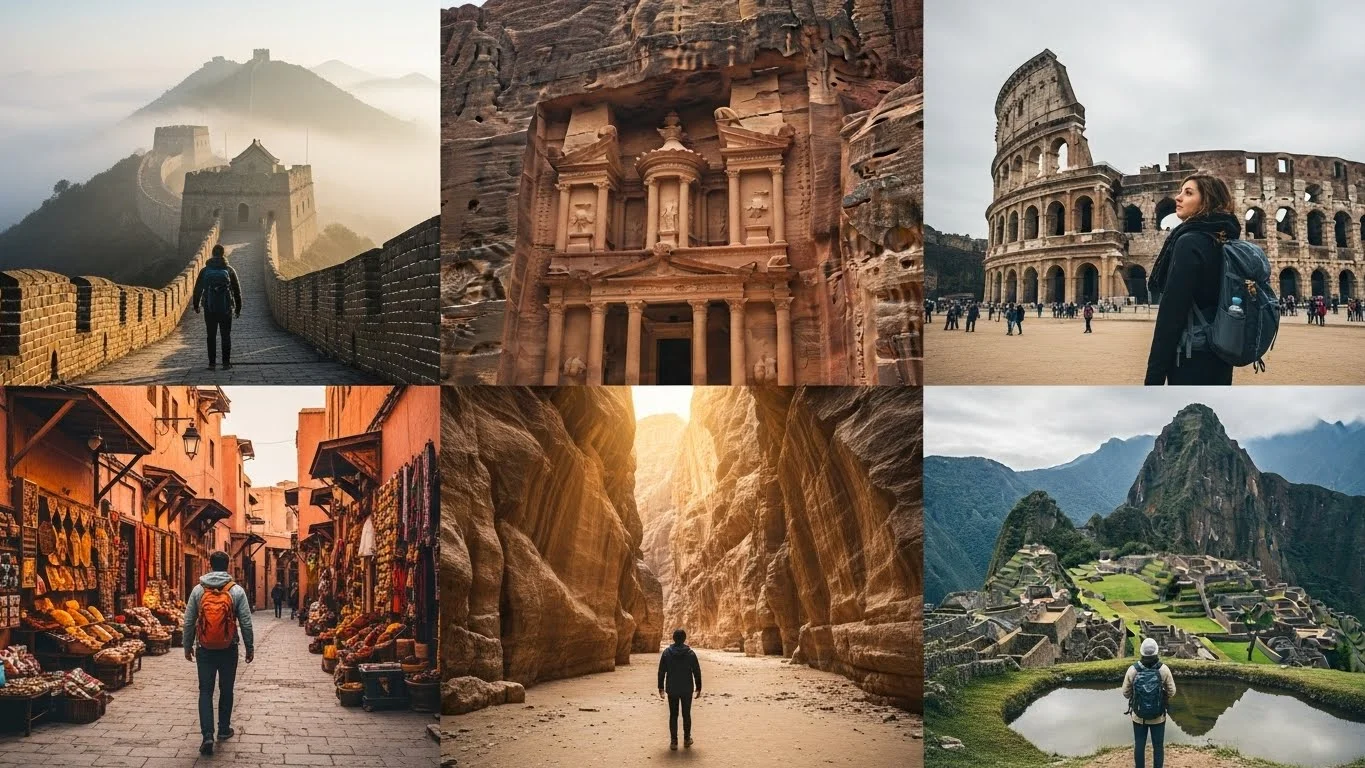
Embarking on a solo backpacking adventure can be one of the most liberating experiences of our lives. With the right tips, we can travel smart, save money, and create unforgettable memories. For those looking to save money, Backpacking on a Budget: Top Tips for Solo Travel Success is a great resource.
Solo Backpacking Tips: Travel Smart and Save Money
Understanding Solo Backpacking
What is Solo Backpacking?
Solo backpacking is more than just traveling alone with a backpack. It’s about immersing ourselves in new cultures, exploring beautiful landscapes, and connecting with ourselves on a deeper level. I remember my first solo trip; I felt a mix of excitement and anxiety. I was venturing into the unknown with just my gear and a desire for adventure. The freedom to choose my path, decide where to go, and how long to stay was exhilarating. Each day unfolded uniquely, shaping my journey in ways I never expected.
Benefits of Solo Backpacking
There are so many reasons to consider solo backpacking. For me, the biggest benefit is the freedom it provides. I can wake up in the morning and decide to hike up a mountain, lounge in a cafe, or explore a hidden market—all without having to coordinate with anyone else’s schedule. This kind of independence fosters personal growth and self-discovery. I’ve learned to trust my instincts, make quick decisions, and embrace spontaneity. Additionally, traveling solo often leads to deeper connections with locals and other travelers. When I wasn’t surrounded by friends, I found myself engaging more authentically with people along the way. Whether it’s sharing a meal with a local family or bonding with fellow backpackers over campfire stories, these connections have enriched my travels immensely. To enhance your experience, check out the Ultimate Guide to Budget Backpacking: Tips for Solo Adventurers.
Challenges of Solo Backpacking
However, solo backpacking isn’t without its challenges. I’ve faced moments of loneliness, especially during long stretches of travel. There were times when I wished for someone to share the breathtaking views or the quirky local experiences with. Safety can also be a concern, as traveling alone may expose us to risks. I remember feeling uneasy in unfamiliar places late at night. I’ve had to learn how to balance trust in others with a healthy sense of caution. Another challenge is managing everything on my own—from navigating public transportation to cooking meals or finding accommodations. Sometimes, it felt overwhelming. However, overcoming these hurdles has taught me resilience and adaptability. Each challenge faced became a story worth telling, making the journey even more rewarding.
Planning Your Solo Backpacking Trip
Choosing Your Destination
When planning my trips, choosing the right destination is crucial. I’ve learned that some places are more suited for solo travelers than others. For instance, countries with friendly locals and a strong backpacking culture, like Thailand or Portugal, felt welcoming and safe. I also consider accessibility, language barriers, and how easy it is to meet other travelers. I remember feeling a sense of relief when I found a vibrant backpacker community that made me feel at home.
Best Time to Travel
The timing of my travels has also significantly impacted my experiences. I try to avoid peak tourist seasons, as they tend to be crowded and expensive. Traveling during the shoulder season not only saves money but also allows for a more intimate experience with the destination. I’ve found that visiting places just before or after the high season often means better weather and fewer crowds. It gives me the chance to explore popular sites without the hustle and bustle, allowing for a more peaceful experience.
Creating a Flexible Itinerary
While I love having a plan, I’ve discovered that flexibility is key. I often start with a loose itinerary, outlining must-see spots and activities but leaving room for spontaneity. One of my most memorable experiences came from a last-minute decision to join a local festival I stumbled upon while wandering. That unplanned moment turned into a highlight of my trip, filled with laughter, music, and new friendships. I recommend having a few backup options in case something doesn’t go as planned. Being adaptable can lead to unexpected adventures!
Researching Local Culture and Customs
Understanding local culture and customs has always been important to me. Before traveling, I spend time researching the destination. I want to respect local traditions and avoid any unintentional faux pas. Simple things, like learning a few basic phrases in the local language or understanding dress codes for specific sites, can make a huge difference in how I’m perceived by locals. I remember visiting a temple in Thailand and feeling grateful for my research; it allowed me to connect with the community on a deeper level, enriching my overall experience. For more tips, check out 10 Essential Backpacking Tips for Budget Solo Travelers.
Frequently Asked Questions
What is solo backpacking?
Solo backpacking is about immersing oneself in new cultures, exploring beautiful landscapes, and connecting with oneself on a deeper level while traveling alone with a backpack.
What are the benefits of solo backpacking?
The biggest benefit of solo backpacking is the freedom it provides, allowing travelers to make independent decisions about their itinerary. It fosters personal growth, self-discovery, and often leads to deeper connections with locals and other travelers.
What challenges might one face while solo backpacking?
Challenges of solo backpacking include moments of loneliness, safety concerns, and the need to manage everything independently, such as navigating public transportation and finding accommodations.
How can someone choose the right destination for solo backpacking?
Choosing the right destination involves considering factors like friendliness of locals, the strength of the backpacking culture, accessibility, language barriers, and the presence of a vibrant backpacker community.
When is the best time to travel for solo backpacking?
The best time to travel is usually during the shoulder season, as it avoids peak tourist crowds and expenses, allowing for a more intimate experience with the destination.
How important is it to create a flexible itinerary?
Creating a flexible itinerary is crucial as it allows room for spontaneity and unexpected adventures, making the trip more memorable and enjoyable.
What role does researching local culture and customs play in solo backpacking?
Researching local culture and customs is important to respect local traditions and avoid faux pas, which can enhance interactions with locals and enrich the travel experience.
What is the impact of traveling solo on personal growth?
Traveling solo fosters independence, quick decision-making, and the ability to embrace spontaneity, all of which contribute to personal growth and self-discovery.
How can one manage safety concerns while solo backpacking?
Managing safety concerns involves balancing trust in others with a healthy sense of caution, especially in unfamiliar places, to navigate potential risks effectively.
What is a memorable experience one might have while solo backpacking?
A memorable experience can occur from spontaneous decisions, such as joining a local festival, which can lead to new friendships and unforgettable moments during the trip.
Backpacking on a Budget: Top Tips for Solo Travel Success
Backpacking on a budget opens up a world of adventure and self-discovery, especially when traveling solo. It’s about exploring new places without breaking the bank, allowing for unforgettable experiences without financial stress. For more insights, check out 10 Essential Backpacking Tips for Budget Solo Travelers.
Backpacking on a Budget: Top Tips for Solo Travel Success
Understanding Budget Backpacking
What is Backpacking?
When I first heard about backpacking, I imagined a rugged traveler roaming through remote landscapes with nothing but a small pack and a thirst for adventure. To me, backpacking is more than just a travel style; it’s a way of life. It’s about exploring the world at your own pace, embracing spontaneity, and often, traveling with limited resources. Unlike traditional vacations, backpacking encourages you to immerse yourself in the local culture, meet new people, and discover hidden gems that you might miss on a guided tour. My first backpacking trip took me to Southeast Asia, where I learned the true meaning of freedom and adventure.
Benefits of Solo Travel
Traveling solo is one of the most empowering experiences I’ve ever had. It allows you to connect with yourself and the world around you in a way that is often difficult when traveling with others. For me, the biggest benefit of solo travel is the freedom to do whatever I want, whenever I want. I can wake up at sunrise to catch a view, take a spontaneous detour, or spend hours conversing with locals. I also found that solo travel pushes you out of your comfort zone, helping you to develop confidence and independence. I remember standing at the foot of a beautiful mountain in Bhutan, feeling both small and immensely powerful, knowing that I made it there on my own terms.
Why Choose Budget Travel?
Choosing budget travel isn’t just about saving money; it’s about making travel accessible and enjoyable. When I decided to travel on a budget, I discovered a new way to experience the world. Budget travel forces you to be resourceful and creative. I learned how to find affordable places to stay, eat, and explore. Plus, traveling on a budget means I can extend my trips, allowing me to see more places and meet more people. I’ve found that the most memorable experiences come from unexpected adventures, like sharing a meal with locals or getting lost in a bustling market. This way of traveling has taught me that sometimes less is more.
Essential Budgeting Tips for Backpacking
Setting a Daily Budget
One of the first things I do before any trip is create a daily budget. This helps me track my spending and ensures I have enough for the entire journey. I usually start by estimating my costs for accommodation, food, transportation, and activities. For instance, in Thailand, I found that I could comfortably travel on $30 a day, which included a bed in a hostel, street food, and local transportation. By setting a daily budget, I can make choices that align with my financial goals while still enjoying my travels. I recommend keeping it flexible, too; sometimes, you might want to splurge on a unique experience, and that’s okay!
Tracking Expenses
Tracking expenses is crucial when backpacking on a budget. I used to rely on memory, but I quickly realized that it’s easy to lose track of spending when you’re on the go. I found that using a simple app on my phone makes this process a breeze. Every time I buy something—whether it’s a coffee or a ticket to a museum—I log it. This practice not only keeps me accountable but also helps me identify areas where I can save money. I remember one trip where I was surprised by how much I spent on drinks. By tracking my expenses, I could make adjustments and allocate more funds for experiences I really valued.
Finding Affordable Destinations
When planning my travels, I’ve learned to prioritize destinations that offer great value for money. Countries in Southeast Asia, Eastern Europe, and Central America often provide a rich travel experience without the hefty price tag. I remember landing in Vietnam, where I could stretch my budget further than I had anticipated. A delicious meal could cost just a couple of dollars, and the local transport was incredibly cheap. Researching affordable destinations can save you a lot while still allowing for unforgettable experiences. I recommend looking for countries that have favorable exchange rates and a lower cost of living. This way, you can enjoy your travels without constant worry about your finances. Also, consider checking out Top 10 Cultural Festivals for Solo Travelers on a Budget for unique experiences.
Choosing the Right Gear
Backpacks: Types and Features
Choosing the right backpack can make or break your backpacking experience. I remember when I first started; I didn’t realize how important it was to invest in a good backpack. There are two main types: internal frame and external frame backpacks. Internal frame backpacks are more popular among travelers because they’re designed to hug your body closely, providing better balance and comfort. I found that this made all the difference on long hikes. On the other hand, external frame backpacks are bulkier and offer more space, but they can feel awkward when navigating crowded areas.
When selecting a backpack, consider the size. I typically go for a pack that’s around 50-70 liters for longer trips, which gives me enough space for my essentials without overpacking. Features like adjustable straps, padded hip belts, and ventilation systems are also crucial for comfort. I once went on a multi-day trek with a poorly fitted backpack, and it was exhausting! My advice? Try on different packs in a store, load them up, and walk around to find the best fit for you.
Essential Packing List
Creating an essential packing list can help you avoid overpacking while ensuring you have everything you need. I learned this the hard way during my first backpacking trip, where I packed way too much and ended up carrying extra weight. I recommend sticking to the basics. Here’s what I typically include:
Clothing: A few versatile outfits that can be layered, a lightweight rain jacket, and a good pair of hiking shoes.
Toiletries: Travel-sized essentials like toothpaste, soap, and a quick-dry towel.
First Aid Kit: Basic medical supplies, including band-aids, antiseptic wipes, and any personal medications.
Tech Gear: A universal charger, portable power bank, and a small camera for capturing memories.
It’s also wise to consider the climate and activities you’ll be doing. I’ve found that rolling clothes instead of folding them saves space and minimizes wrinkles. Plus, packing cubes can help keep everything organized. Remember, you can always buy what you need on the road if you forget something!
Budget-Friendly Gear Options
When I first started backpacking, I thought I needed the most expensive gear to have a great experience. However, I quickly discovered that there are plenty of budget-friendly options that perform just as well. For backpacks, brands like Osprey and REI have great outlets where you can find last season’s models at a fraction of the price. I snagged a fantastic backpack during a sale, which became my trusty travel companion.
For sleeping gear, consider a lightweight sleeping bag and a compact sleeping pad. I found that brands like Therm-a-Rest offer affordable options without sacrificing comfort. Additionally, thrift stores can be treasure troves for outdoor gear. I once found a barely-used tent that served me well for several trips. Don’t underestimate the power of online marketplaces too; many travelers sell their gear at discounted prices after they return home. This way, you can get high-quality items without breaking the bank.
Accommodation Options for Budget Travelers
Hostels: Pros and Cons
Staying in hostels has become a staple for budget backpackers like myself. The first time I booked a hostel, I was a bit nervous, but it turned out to be one of the best decisions I made! Hostels offer affordable accommodation, often with shared rooms that can keep costs down. They also provide a fantastic opportunity to meet fellow travelers. I’ve made some great friends during late-night chats in common areas or shared kitchens.
However, there are some cons to consider. Not all hostels are created equal; some can be noisy or lack privacy. I usually read reviews on sites like Hostelworld to ensure I’m choosing a comfortable place. Also, it’s good to be aware that shared bathrooms can sometimes be less than ideal. Despite these drawbacks, the community atmosphere and affordability make hostels a top choice for me.
Couchsurfing and Homestays
Couchsurfing has been a game-changer for my travel experiences. It’s a platform that connects travelers with locals who offer free accommodation, allowing for a more authentic experience. I remember staying with a wonderful family in Turkey who not only provided a place to sleep but also introduced me to their culture and favorite local spots. It felt like being welcomed into someone’s home, and I learned so much from them.
Homestays are another great option, where you can stay with a family for a small fee. They often include meals, which can help save on food costs. I found this especially beneficial in countries like India, where the food was not only delicious but also gave me a taste of local life. The key to a successful couchsurfing or homestay experience is to communicate openly and respectfully with your host.
Camping and Outdoor Options
If you’re open to a bit of adventure, camping can be an incredible way to save money while experiencing nature up close. I’ve camped in national parks and even on beaches, where I enjoyed stunning sunrises and starry nights. All you need is a lightweight tent and some basic camping gear. Many campsites are budget-friendly, and some even offer free camping in designated areas.
Before heading out, I recommend checking local regulations regarding camping and any associated fees. I also found that some parks allow you to camp for free if you’re willing to hike in a bit. This adds an element of adventure and often leads to quieter, more secluded spots. Plus, cooking over a campfire while sharing stories with friends is an experience I cherish.
Transportation on a Budget
Public Transport Systems
One of the best ways to save money while traveling is to utilize public transport. I remember my first experience with the subway system in Tokyo. It was a little intimidating at first, but once I got the hang of it, I found it to be incredibly efficient and affordable. Public transport can take you almost anywhere you want to go, and it often provides a unique glimpse into daily life. I’ve learned to embrace buses, trams, and trains as my primary means of getting around. In many cities, the cost of a single ride is just a fraction of what you’d spend on a taxi. Plus, it’s a lot more fun to share a space with locals and fellow travelers. Just be sure to research the routes and schedules ahead of time, so you’re not caught off guard!
Budget Airlines and Train Travel
When planning my trips, I often look for budget airlines that can help me hop from one country to another without breaking the bank. I’ve flown with several budget carriers, and while they may not offer the same level of comfort as traditional airlines, the savings can be significant. I once booked a flight from Spain to Italy for just $30! I’ve also discovered that trains can be a fantastic option, especially in regions like Europe. Train travel allows you to see the countryside while getting to your next destination. Many countries offer rail passes that can save you money if you plan to travel extensively by train. I found the Eurail Pass to be a game-changer for my travels across Europe; it made hopping between cities so easy!
Walking and Biking as Alternatives
Walking and biking are two of my favorite ways to explore a new city. Not only are they budget-friendly, but they also allow for a more personal experience with the surroundings. I remember wandering through the streets of Amsterdam on a rented bike, feeling the wind on my face as I navigated the canals. It was exhilarating! Many cities are bike-friendly, with paths and rental programs widely available. Walking is equally rewarding; I often set out on foot to discover hidden cafes, street art, and local shops that I might have missed otherwise. I believe that some of my most memorable travel moments have happened during a simple stroll down an unfamiliar street.
Eating on a Budget While Traveling
Street Food vs. Restaurants
One of the joys of traveling is trying local cuisine, and I’ve found that street food often provides the most authentic and affordable options. I remember my first bite of pho from a street vendor in Vietnam; it was an explosion of flavor, and it only cost me a couple of dollars! Street food not only fills your stomach but also allows you to engage with local culture. That being said, I also enjoy dining in small local restaurants. These often offer more variety and the chance to try different dishes without a hefty price tag. It’s all about finding a balance—trying street food during the day and perhaps enjoying a sit-down meal in the evening.
Grocery Shopping Tips
Another way I’ve saved money while traveling is by shopping at local grocery stores. I’ve found that picking up snacks, fruits, and simple meals can cut costs significantly. In many countries, I’ve enjoyed fresh bread, cheese, and local meats for a picnic in the park. I love visiting markets and seeing what’s in season. Often, I’ll prepare my own meals when staying in hostels with kitchen facilities. This not only saves money but also allows me to experiment with local ingredients, making for a fun cooking adventure!
Cooking Your Own Meals
Cooking while traveling can be a rewarding experience. I remember staying at a hostel in Greece where I shared cooking duties with fellow travelers. We prepared a communal meal with fresh ingredients from a local market. It was a fantastic bonding experience, and we enjoyed delicious homemade dishes while sharing travel stories. If you have access to a kitchen, I recommend trying your hand at cooking some local favorites. Not only does it save money, but it also gives you a deeper appreciation for the culture. Plus, cooking can be a fun way to unwind after a long day of exploring!
Free and Low-Cost Activities
Exploring Nature and Parks
Nature has always been my go-to for free entertainment. I love hiking and exploring parks, whether it’s a national park or a local green space. I remember spending an entire day hiking in the mountains of Colombia, surrounded by stunning landscapes and vibrant wildlife. Many parks have free entry, and even those that charge a small fee are often worth the investment. Nature immerses you in beauty, and I feel more connected to the places I visit when I spend time outdoors.
Free Walking Tours
Free walking tours have become a favorite of mine in almost every city I visit. Most of the time, they operate on a tip-based system, which means you can pay what you feel the tour was worth. I’ve discovered amazing local insights and hidden gems through these tours. One of my best experiences was in Prague, where the guide shared fascinating stories and history I would never have learned on my own. Plus, it’s a great way to meet fellow travelers and make new friends!
Cultural Experiences and Festivals
Many cities host free cultural events and festivals, which can be an incredible way to immerse yourself in the local culture. I’ve attended street fairs, art exhibits, and music festivals that didn’t cost a dime. I remember wandering through a vibrant festival in Mexico, where I danced, sampled local delicacies, and learned traditional crafts. Checking local event calendars and forums can keep you informed about what’s happening during your travels. Engaging with the culture makes the journey more memorable and often leads to experiences you can’t put a price on. For more on this, see Solo Travel: Must-See Cultural Experiences on a Budget.
Frequently Asked Questions
What is budget backpacking?
Budget backpacking is a way of exploring new places without significant financial strain, allowing for unforgettable experiences and self-discovery while traveling, often solo.
What are the benefits of solo travel?
Solo travel offers the freedom to make your own choices, connect with yourself and the world, and develop confidence and independence by stepping out of your comfort zone.
How can I set a daily budget for backpacking?
To set a daily budget, estimate your costs for accommodation, food, transportation, and activities. Keeping it flexible allows for spontaneous splurges when desired.
Why is tracking expenses important while backpacking?
Tracking expenses helps you stay accountable for your spending and identify areas where you can save money, ensuring you can allocate funds for experiences that matter most to you.
What types of backpacks are recommended for backpacking?
Internal frame backpacks are popular for their balance and comfort, while external frame backpacks offer more space but can feel bulkier. Choosing the right size and features is crucial for comfort.
What essential items should I include in my packing list?
Your essential packing list should include versatile clothing, travel-sized toiletries, a basic first aid kit, and tech gear like a universal charger and portable power bank.
What are the pros and cons of staying in hostels?
Hostels are affordable and allow for social interaction with fellow travelers, but they may lack privacy and can be noisy. Reading reviews can help you find a suitable hostel.
How can I save money on transportation while traveling?
Utilizing public transport, looking for budget airlines, and considering train travel are great ways to save money while traveling. Walking and biking are also budget-friendly alternatives.
How can I eat on a budget while traveling?
Eating on a budget can be achieved through street food, grocery shopping for snacks and simple meals, and cooking your own meals when you have kitchen access in hostels.
What free or low-cost activities can I do while traveling?
Free activities include exploring nature and parks, participating in free walking tours, and attending cultural events and festivals, which offer a rich experience without a financial burden.
Ultimate Guide to Budget Backpacking: Tips for Solo Adventurers
Backpacking solo on a budget can be one of the most exhilarating adventures of your life. Imagine exploring new places, meeting diverse people, and creating unforgettable memories—all while being gentle on your wallet. Let’s dive into the essentials of budget backpacking!
Ultimate Guide to Budget Backpacking: Tips for Solo Adventurers
Understanding Budget Backpacking
What is Backpacking?
Backpacking, to me, is more than just carrying a pack and wandering around. It’s a lifestyle that combines travel with a sense of adventure and self-discovery. When I first tried it, I realized it’s about immersing yourself in new environments, cultures, and experiences. Whether you’re hiking through a national park or exploring a vibrant city, backpacking allows for a spontaneous style of travel where you can go wherever the road takes you.
Backpacking can be done in various ways, but the essence remains the same: you carry your belongings in a backpack, stay in budget accommodations, and often travel by public transport. This means you can experience destinations more authentically, meet locals, and, most importantly, do it all on a budget. Read Interesting article: Discovering Cultures Alone: Budget Backpacking Tips
Benefits of Budget Backpacking
When I decided to embrace budget backpacking, I noticed a shift in how I interacted with my surroundings. The benefits are numerous, and some of the most notable ones include:
Cost-Effectiveness: Saving money means you can stay longer and see more. I used to feel stressed about money, but with careful planning, I found ways to stretch my budget without sacrificing fun.
Flexibility: Traveling on a budget often means you’re more open to spontaneous decisions. I remember one time I found an amazing hiking trail just because I was chatting with a local. If I had stuck to a rigid itinerary, I would have missed out!
Meeting People: Budget accommodations and communal spaces foster connections. I’ve met some of my closest friends in hostels or while sharing meals in local eateries.
Self-Reliance: Solo backpacking teaches you to depend on yourself. I’ve learned problem-solving skills and how to navigate new environments, which has built my confidence immensely.
Solo vs. Group Backpacking
Deciding whether to backpack solo or in a group can significantly impact your experience. Personally, I’ve tried both and have my preferences. Solo backpacking gives you complete freedom. You can change your plans on a whim, explore places at your own pace, and indulge in your interests—like taking a longer route to catch that perfect sunset. I felt empowered and liberated, and it allowed for deep self-reflection.
However, I also appreciate the camaraderie of group backpacking. Traveling with friends or meeting new ones can make for shared experiences, laughter, and support. I recall one hiking trip with a group where we faced unexpected weather changes. We banded together to find shelter and ended up sharing stories that I still cherish. Each approach has its unique benefits, so it’s worth considering what kind of experience you want.
Ultimately, I think it depends on your personality and comfort level. If you’re someone who enjoys solitude, going solo might be your best choice. But if you thrive on social interactions, grouping up can enhance your adventure in ways you might not have imagined.
As I reflect on my own travels, I realize that both solo and group backpacking have enriched my life in different ways. Each has taught me valuable lessons about myself and the world around me. The beauty of budget backpacking lies in the freedom to choose your path, whether it’s alone or with others.
In the next sections, we’ll explore how to plan your adventure, from choosing the perfect destination to budgeting wisely. With these tips, I hope you’ll feel inspired to grab your backpack and set off on your own unforgettable journey!
Planning Your Backpacking Adventure
Choosing Your Destination
Choosing a destination is often the most exciting part of planning my backpacking adventure. I remember sitting with a map spread out in front of me, dreaming about all the places I wanted to explore. The world is full of incredible options, and it’s important to pick a spot that resonates with your interests. For me, I look for places that offer a mix of culture, nature, and adventure. I usually consider factors like safety, cost, and accessibility.
One of my favorite techniques is to look for destinations that are off the beaten path. I have discovered some hidden gems simply by researching lesser-known towns or regions. These places often provide a more authentic experience and are usually easier on the wallet. I suggest looking at travel blogs or forums to see what others recommend. Also, don’t hesitate to ask friends or family if they have any suggestions; sometimes, personal recommendations can lead to the best experiences.
Best Countries for Budget Backpacking
After years of traveling, I’ve found that some countries are particularly friendly for budget backpackers. Countries in Southeast Asia, like Thailand, Vietnam, and Cambodia, have amazing landscapes, rich cultures, and incredibly affordable food and accommodations. I remember savoring street food in Bangkok for just a couple of dollars, and it was some of the best I’ve ever tasted!
South America also has a lot to offer, with countries like Peru and Colombia boasting budget-friendly hostels and cheap public transportation. I’ll never forget my time in Peru, hiking the Inca Trail and meeting fellow travelers who shared tips on how to save money. Eastern Europe is another fantastic option; places like Hungary and Poland combine stunning historical sites with low costs. If you’re planning a family trip, be sure to check out Best Budget Backpacking Tips for Families with Kids.
When to Go: Seasonal Considerations
Timing your trip can make a huge difference in your experience. I’ve learned that going during the shoulder seasons—just before or after the peak tourist times—can save you money and allow you to enjoy popular attractions without the crowds. For instance, visiting Europe in late spring or early fall means you can enjoy pleasant weather without paying peak prices.
It’s also essential to research the climate of your chosen destination. I made the mistake of traveling to a tropical country during the rainy season, and let me tell you, it wasn’t ideal. Do your homework on seasonal weather patterns to ensure you’re fully prepared for your adventure.
Creating a Backpacking Itinerary
Creating an itinerary can feel overwhelming at first, but I’ve found it helps to have a rough outline of my plans. I usually start by listing the main places I want to visit and then figuring out how many days I’d like to spend in each spot. It’s important to strike a balance between having a plan and being flexible. I like to leave room for spontaneous detours and adventures.
When crafting my itinerary, I also consider travel time between locations. I once underestimated the time it would take to travel from one city to another and ended up feeling rushed. Taking the time to research transportation options can save you from unnecessary stress. I’ve found that using apps to plan my routes is incredibly helpful, especially when navigating public transport systems in a foreign country.
Lastly, I try to include local experiences in my itinerary, like trying a cooking class or joining a guided hike. These activities often lead to memorable interactions with locals and fellow travelers. I remember joining a small group for a cooking class in Italy, where the chef shared stories about the region’s culinary traditions, and I left with not just new recipes but also new friends.
As you plan your backpacking adventure, remember that it’s all about enjoying the journey. With careful planning and a bit of flexibility, you’ll have the opportunity to create unforgettable memories on a budget. I can’t wait for you to embark on your own adventure! In the next sections, we’ll dive into budgeting for your trip, ensuring you can make the most of your travel experience without breaking the bank.
Budgeting for Your Trip
Estimating Daily Costs
When I first started backpacking, I quickly realized that budgeting was key to having a successful trip. Estimating daily costs helped me understand what I could afford and how to allocate my funds. I usually break down my estimated costs into several categories: accommodation, food, transportation, activities, and a little extra for unexpected expenses. By keeping a daily budget, I can track my spending and adjust if I find I’m going overboard.
For example, I’ve found that in some countries, like Thailand, I can get away with as little as $30 per day if I stay in dorms, eat street food, and use public transport. In other places, like Scandinavia, I’ve had to budget closer to $100 daily because the costs are higher. To make it easier, I often use budgeting apps or keep a simple spreadsheet on my phone to help me stay on track. This practice not only keeps me accountable but also allows me to enjoy my trip without the nagging worry of those pesky budget blues.
Saving Money on Transportation
Transportation costs can add up quickly, but I’ve learned several strategies to save money while getting from one place to another. First, I always make use of public transportation, which is generally a fraction of the cost of taxis or rideshares. I remember hopping on local buses in Colombia and meeting some interesting locals who shared tips about the area. Not only was it cheaper, but it also enriched my travel experience.
Another tip is to book transportation in advance. I’ve found that purchasing train or bus tickets online before my trip can lead to significant savings. Plus, it gives me peace of mind knowing I have my travel sorted out ahead of time. If you’re flexible with your travel dates, you can often find cheaper options during off-peak times. And don’t forget to check for discounts—many countries offer special rates for students or young travelers!
Accommodation Options for Budget Travelers
Finding a place to stay that fits my budget has always been an adventure in itself. I’ve explored a variety of accommodation options, from hostels to guesthouses, and each has its pros and cons. Hostels are usually the go-to for budget travelers, and I’ve met some of my favorite people in those communal spaces. They often provide a kitchen, which is a great way to save on meals, and social areas for mingling.
On the other hand, I’ve also enjoyed guesthouses and budget hotels, especially when I want a bit more privacy or a unique local experience. I remember staying in a charming guesthouse in Vietnam where the owner cooked breakfast for all the guests. It was a fantastic way to start the day and gave me a taste of authentic Vietnamese hospitality.
If you’re up for something different, consider Couchsurfing or homestays. These options allow you to stay with locals, often for free, and can lead to meaningful connections. I once stayed with a family in Turkey who shared their meals and stories with me, creating a bond that I still cherish.
Dining on a Budget: Eating Cheap While Traveling
Food is one of the highlights of any trip, but it can also be a significant part of my budget. I’ve learned to embrace local street food, which is often not only economical but also delicious! In Thailand, I found that some of the best meals were served from small food stalls, and it became a favorite part of my daily routine to explore new dishes. Eating where the locals eat usually means fresher ingredients and more authentic flavors.
Another tip is to look for markets or grocery stores to buy snacks or prepare simple meals. I’ve saved a lot of money by making sandwiches or salads when I have access to a kitchen. Plus, it’s a fun way to try local ingredients and get a taste of daily life. When I traveled through Europe, I often visited local markets to pick up fresh produce, cheese, and bread, which made for great picnics in the parks.
Managing Unexpected Expenses
No matter how much I plan, unexpected expenses always seem to pop up during my travels. I learned to set aside a small emergency fund for these situations, usually around 10-15% of my overall budget. This cushion has saved me from stress on numerous occasions, whether it was a sudden need for a taxi or an unexpected entry fee to a site I couldn’t resist visiting.
I also recommend keeping an eye on your spending throughout the trip to avoid financial surprises at the end. I’ve avoided overspending by regularly reviewing my budget and making adjustments as needed. Sometimes, this means skipping that pricey tourist attraction to save for a special meal or an experience that truly excites me.
By keeping these budgeting strategies in mind, I’ve been able to travel longer and make the most of my adventures without feeling financially strained. With a solid budget plan in place, I feel more at ease exploring new destinations and indulging in the experiences that make backpacking so rewarding. Now, let’s move on to what gear I think is essential for a successful backpacking journey!
Essential Gear for Backpacking
Choosing the Right Backpack
Finding the right backpack is like choosing a trusty companion for your journey. I remember my first backpacking trip when I made the mistake of going for a stylish backpack that didn’t fit my needs. It was a disaster—I ended up with sore shoulders and a backache. Now, I always recommend trying on different packs and considering factors like size, weight, and comfort. A good rule of thumb is to find a backpack that is about 50-70 liters for longer trips, which offers ample space for essentials without being too bulky.
When selecting a backpack, consider the fit. I learned that the right one should feel snug but not constrictive, with adjustable straps and a supportive hip belt. Features like pockets for organization, a rain cover, and breathable fabric can also make a big difference. It’s worth investing in one that will last and keep you comfortable on your adventures. Take the time to test it out before you hit the road; your back will thank you!
Must-Have Gear for Solo Backpackers
There are some must-have items that every solo backpacker should consider. I’ve compiled a list that I always keep handy:
Sleeping Bag: A lightweight, packable sleeping bag can make all the difference when it comes to comfort at night. I’ve slept in some pretty chilly conditions, and having a good sleeping bag has helped me stay warm and cozy.
Portable Stove: Cooking your meals can save money and provide a warm meal when you need it. I’ve had great experiences cooking on camp stoves or portable cooking gear in hostels.
Water Filter: Staying hydrated is crucial. I often carry a water filter or purification tablets, which allow me to drink from streams or refill at various points without worrying about contaminants.
Portable Charger: Keeping devices charged is essential for navigation and safety. I’ve found that having a reliable power bank can keep my phone alive during long travel days.
Clothing Essentials for Different Climates
Your clothing choices can make or break your travel experience. I’ve learned to pack versatile clothing that can layer well. For instance, I usually bring a lightweight waterproof jacket, breathable shirts, and quick-drying pants. These have been lifesavers in unpredictable weather.
I also recommend packing a good pair of hiking shoes or boots. I made the mistake of wearing fashionable shoes on my first hike, which ended up causing blisters and discomfort. Investing in a comfortable, sturdy pair can enhance your hiking experience immensely. Don’t forget to include items like a hat, sunglasses, and warm layers if you’re traveling to cooler climates. Keeping comfortable and prepared for different weather conditions is key!
Safety Gear and First Aid Kits
Safety should always be a priority while backpacking. I carry a compact first aid kit with essentials like band-aids, antiseptic wipes, pain relievers, and any personal medications. It’s surprising how handy this can be, especially when you’re far from medical help. I once encountered a traveler who had a bad reaction to something they ate, and having a few basic supplies helped them manage the situation until they could get proper assistance.
I also recommend bringing a whistle and a small flashlight or headlamp. These items have been incredibly useful in low-light situations or if I’ve ever gotten lost while hiking. Having a reliable source of light and a means of signaling for help can add an extra layer of security, especially when exploring remote areas. Being prepared allows me to focus on enjoying my adventure rather than worrying about the unexpected.
Finding Accommodation
Hostels: Pros and Cons
Hostels have become somewhat of a second home for me while traveling. They’re often budget-friendly and provide the chance to meet fellow travelers. I love the communal atmosphere and the opportunity to share experiences and tips over a common kitchen table. However, it’s essential to note that not all hostels are created equal. Some can be noisy, while others may lack cleanliness.
Before booking, I always read reviews and check the amenities. I remember staying in a fantastic hostel in Barcelona that offered free walking tours, which not only saved me money but also introduced me to some amazing people. On the flip side, I’ve had experiences in others where the noise kept me up all night. Learning to choose wisely has made a world of difference in my stays.
Budget Hotels and Guesthouses
In my travels, I’ve found that budget hotels and guesthouses can offer a more personal touch. I enjoy the charm and warmth of a family-run guesthouse, especially when the owners go out of their way to share local insights. I remember staying at a quaint guesthouse in Turkey, where the owner treated us to homemade meals and gave us tips on the best local hidden gems. These experiences are often unforgettable and help me feel more connected to the culture.
Couchsurfing and Homestays
Couchsurfing and homestays have opened up an entirely new world of travel for me. Staying with locals can provide a richer experience than traditional accommodations. I’ve made lifelong friends through Couchsurfing, and I cherish the stories and insights they shared. It’s amazing how much you can learn about a place by living with someone who knows it intimately.
Camping and Outdoor Options
If you’re an outdoor enthusiast, camping can be one of the most affordable and rewarding options. I’ve spent many nights under the stars, which offered a different perspective of the places I visited. National parks often have campgrounds that are budget-friendly, and the experience of cooking over a campfire and enjoying nature is unmatched. Just remember to pack the right gear and plan ahead, especially if you’re camping in areas with wildlife.
Transportation Tips for Budget Backpackers
Public Transport vs. Private Options
Utilizing public transport is one of the best ways to save money while traveling. I’ve found that taking buses or trains often allows me to see more of the local landscape and interact with locals. For instance, I once took an overnight train in Vietnam, which not only saved me accommodation costs but also gave me a unique travel experience. While private transportation can be convenient, it’s usually more expensive and can limit your interactions.
Hitchhiking: Safety and Tips
Hitchhiking can be a viable option for budget travelers, but safety should always come first. I’ve tried hitchhiking a few times and had some great experiences, but I approached it with caution. It’s important to trust your instincts and choose safe locations to stand. I always made sure to dress neatly and hold a clear sign indicating my destination, which helped drivers feel more comfortable picking me up.
Using Budget Airlines and Train Passes
When it comes to covering longer distances, budget airlines can be a lifesaver for your wallet. I’ve scored some incredible deals by booking in advance and being flexible with my travel dates. Additionally, many countries offer train passes that allow unlimited travel for a set period. I took advantage of a Eurail pass during my trip in Europe, which not only saved me money but also made getting from one city to another a breeze.
Connecting with Other Travelers
Joining Backpacking Communities
Finding a sense of community while traveling has always enhanced my experience. I’ve joined various backpacking groups on social media, where I’ve met fellow travelers who share tips, advice, and sometimes even travel plans. Being part of these communities has allowed me to connect with people who understand the joys and challenges of budget backpacking.
Using Social Media and Travel Apps
Social media is a powerful tool for connecting with other travelers. I often use platforms like Instagram and Facebook to follow travel pages, which not only inspire my next destination but also lead me to local meetups. Apps like Meetup or Couchsurfing can also help you find events or gatherings wherever you are, allowing for spontaneous social interactions.
Finding Travel Buddies
Traveling with a buddy can enhance your experience, and I’ve found that connecting with others on the road can be easy. I often meet people in hostels or during tours, and some have turned into travel companions for a portion of my journey. I believe that sharing experiences with others can enrich my travels, making them even more memorable.
Staying Safe While Backpacking
Safety Tips for Solo Travelers
Safety is a top concern for solo travelers, and I’ve learned several strategies to keep myself secure. First, I always stay aware of my surroundings. It’s easy to get lost in the moment, especially when exploring new places, but I try to remain vigilant about my belongings and who’s around me. I also keep my valuables in a money belt or secure location to deter pickpockets.
Staying Connected: Communication Options
Staying connected while traveling is important for both safety and convenience. I often purchase a local SIM card upon arrival to have access to maps and communication. It’s helped me navigate new cities and stay in touch with fellow travelers, which can be comforting during solo trips.
Emergency Preparedness
No one wants to think about emergencies, but being prepared can make a significant difference. I always keep a list of local emergency numbers and the nearest embassy or consulate saved on my phone. Additionally, sharing my itinerary with friends or family back home gives me peace of mind, knowing someone knows where I am.
Health and Wellness on the Road
Staying Healthy While Traveling
Maintaining my health while traveling is a priority. I usually carry a reusable water bottle and ensure I drink plenty of water. I also try to eat fresh fruits and vegetables whenever possible, especially in destinations where street food is prevalent. It’s easy to indulge, but I’ve learned that balance is key to feeling my best on the road.
Accessing Medical Services Abroad
In case I need medical attention, I always research the healthcare options in my destination before I go. I’ve found that knowing where the nearest pharmacy or clinic is can alleviate stress if something goes wrong. Thankfully, I’ve only needed medical help once, and being prepared made the process smoother.
Managing Mental Health as a Solo Traveler
Traveling solo can sometimes feel isolating, so I make a conscious effort to prioritize my mental health. I take time to reflect and journal about my experiences, and I find joy in simple moments. I’ve learned that staying connected, whether through friends, family, or fellow travelers, is important for my well-being. I also allow myself time to recharge, whether that means relaxing in a park or enjoying a quiet moment with a good book.
Local Culture and Etiquette
Understanding Cultural Norms
Being aware of local customs has enriched my experiences while traveling. I’ve learned that respecting cultural norms can go a long way in building connections. For example, I remember visiting a temple in Thailand where I had to remove my shoes. Understanding these small gestures shows respect and helps me fit into the local environment.
Language Basics for Travelers
I’ve found that learning a few basic phrases in the local language can open doors and foster goodwill. Simple greetings or phrases like “thank you” can make a significant impact. I’ve had locals express appreciation when I attempted to speak their language, and it has led to some wonderful conversations.
Respecting Local Customs and Traditions
Each destination has its own customs, and taking the time to learn about them has been rewarding. I remember attending a festival in a small town, where I was welcomed to join in the celebrations. Understanding the significance of their traditions helped me appreciate the culture on a deeper level. Being respectful and open-minded can lead to meaningful interactions and experiences.
Tips for Solo Female Backpackers
Safety Precautions for Women
As a solo female traveler, I’ve taken extra precautions to ensure my safety. I often choose accommodations with good reviews from other women, and I’m mindful of my surroundings when out and about. I’ve learned to trust my instincts; if something feels off, I don’t hesitate to change my plans.
Choosing Female-Friendly Destinations
Some destinations are more welcoming for solo female travelers than others. I’ve found that countries with a strong emphasis on tourism often have resources and support for women. Researching beforehand has helped me choose places where I feel comfortable exploring alone.
Building Confidence as a Solo Female Traveler
Traveling solo has empowered me in many ways. I’ve learned to navigate new environments and make decisions independently. Embracing challenges and stepping out of my comfort zone has significantly boosted my confidence. I remember my first solo trip, where I felt nervous at first, but as I met people and explored, I gained a sense of independence that I truly cherish.
Documenting Your Journey
Travel Blogging and Vlogging
Documenting my travels through blogging and vlogging has been a fulfilling part of my journey. I find that sharing my experiences helps me reflect on my adventures and connect with others. I often share tips, stories, and photos that inspire fellow travelers. It’s also a great way to keep memories alive for myself.
Photography Tips for Backpackers
Capturing moments through photography is something I deeply enjoy. I’ve learned to be observant and take candid shots that reflect the essence of a place. I also recommend experimenting with different angles and lighting. I once took a sunset photo that turned out stunningly, and it captured the beauty of the moment perfectly. Remember, it’s about telling your story through images!
Keeping a Travel Journal
Writing in a travel journal has become a treasured habit for me. I jot down my thoughts, experiences, and even sketches of places I visit. It helps me process my adventures and allows me to relive those moments later. I find that reflecting on my journey through writing enhances my overall experience.
Final Thoughts
Backpacking solo on a budget is an adventure filled with growth, exploration, and connection. Every journey teaches us something new about the world and ourselves. As you embark on your own backpacking experience, remember to embrace the unexpected, stay open to new friendships, and savor each moment. With the right planning, budgeting, and gear, you can create memories that will last a lifetime. No matter where you wander, the beauty of budget backpacking lies in the journey itself. So grab your backpack and go explore; the world is waiting for you!
Frequently Asked Questions
What is budget backpacking?
Budget backpacking is a travel lifestyle that combines adventure and self-discovery while being cost-effective. It involves carrying your belongings in a backpack, staying in budget accommodations, and often using public transport to experience destinations authentically.
What are the benefits of budget backpacking?
The benefits of budget backpacking include cost-effectiveness, flexibility in travel plans, opportunities to meet people through communal spaces, and a sense of self-reliance that builds confidence and problem-solving skills.
What are some recommended countries for budget backpacking?
Some recommended countries for budget backpacking include Thailand, Vietnam, and Cambodia in Southeast Asia, Peru and Colombia in South America, and Hungary and Poland in Eastern Europe, all of which offer affordable food and accommodations.
How can I save money on transportation while backpacking?
To save money on transportation, utilize public transport, book tickets in advance, travel during off-peak times, and look for discounts that may be available for students or young travelers.
What accommodation options are available for budget travelers?
Budget travelers can choose from hostels, guesthouses, budget hotels, Couchsurfing, homestays, or camping, each offering different experiences and opportunities to connect with locals.
What essential gear should I have for solo backpacking?
Essential gear for solo backpackers includes a lightweight sleeping bag, a portable stove, a water filter, and a portable charger to ensure comfort, safety, and convenience while traveling.
What tips can help me stay safe while backpacking solo?
To stay safe while backpacking solo, remain aware of your surroundings, keep valuables secure, purchase a local SIM card for communication, and research emergency numbers and healthcare options in your destination.
How can I manage unexpected expenses during my trip?
Managing unexpected expenses can be achieved by setting aside a small emergency fund (10-15% of your overall budget) and regularly reviewing your spending to adjust your budget as needed throughout your trip.
What are some strategies for staying healthy while traveling?
To stay healthy while traveling, carry a reusable water bottle, eat fresh fruits and vegetables, and research local healthcare options to alleviate stress in case of medical need.
How can I document my travel experiences effectively?
Effective ways to document travel experiences include travel blogging or vlogging, capturing moments through photography, and keeping a travel journal to reflect on thoughts and experiences during the journey.
10 Essential Backpacking Tips for Budget Solo Travelers
Backpacking alone can be an exhilarating experience, especially when you’re on a budget. I’ve been there, wandering through vibrant streets and soaking up new cultures, all while keeping my wallet intact. Here are my top tips to make your solo journey unforgettable! Read Interesting article: Discovering Cultures Alone: Budget Backpacking Tips
10 Essential Backpacking Tips for Budget Solo Travelers
Understanding Solo Backpacking
What is Solo Backpacking?
Solo backpacking is an adventure where you travel alone, typically with just a backpack filled with essentials. I remember my first solo trip; it was both thrilling and a bit nerve-wracking. I realized that it’s about exploring new places at your own pace, diving into experiences that interest you, and meeting new people without the need for a travel companion. You’re in charge of your itinerary, your adventures, and your downtime. It’s a unique way to discover not just the world, but also yourself.
Benefits of Solo Travel
There are countless benefits to solo travel that I’ve come to appreciate. First, the freedom to do whatever you want is liberating. Want to spend an entire afternoon at a museum? Go for it! You don’t have to compromise on activities or timing. Secondly, solo travel often leads to profound personal growth. I’ve faced challenges that helped me build confidence and resilience. You learn to navigate unfamiliar places, handle unexpected situations, and trust your instincts.
Additionally, I’ve found that solo travel often allows for deeper connections with locals. When you’re alone, people seem to engage with you more. I’ve shared meals with families and enjoyed spontaneous conversations with fellow travelers, all because I was open to new experiences. Being alone doesn’t mean being lonely; it opens doors to meaningful interactions. Read Interesting article: Best Budget Backpacking Tips for Families with Kids
Common Misconceptions About Solo Backpacking
When I first mentioned my plan to backpack alone, I often encountered skepticism. Many people are concerned about safety. While it’s true that you need to stay alert and take precautions, I’ve discovered that most places are safe as long as you use common sense. I’ve traveled through bustling cities and remote villages, and I’ve learned to trust my gut. Researching the area beforehand and staying in well-known hostels helped me feel secure.
Another misconception is that solo backpacking can be isolating. I used to think I’d miss out on shared experiences, but I’ve found quite the opposite to be true. Traveling alone can actually foster connections with others, as I reached out to fellow travelers and locals more than I ever would have in a group. Plus, I had the freedom to change my plans on a whim, which often led to the most memorable moments of my trips.
Planning Your Backpacking Trip
Choosing Your Destination
Choosing where to go is a big part of the planning process. I’ve learned to consider factors like safety, cost, and personal interests. For instance, I love nature, so I often lean towards destinations with national parks or scenic landscapes. Others might prefer cultural hotspots or urban adventures. I recommend using travel blogs and forums to gather insights from those who’ve been there before, as their experiences can guide your choice.
It’s also wise to think about the season you’ll be traveling. I once traveled to Southeast Asia during the monsoon season, and while it was an adventure, it limited some activities. Researching the best times to visit can save you from unexpected rainouts and allow you to experience the destination at its best.
Researching Local Culture and Customs
Before I head to a new country, I always spend some time learning about its culture and customs. Understanding local etiquette can enhance your experience and help you avoid any faux pas. For example, in some cultures, dressing modestly is important, while in others, tipping might be expected. I remember feeling awkward when I didn’t know how to greet locals properly, but a little research went a long way in making me feel more comfortable and respectful.
Creating a Flexible Itinerary
One of the most valuable lessons I’ve learned is the importance of flexibility. While it’s great to have a rough itinerary, I often leave room for spontaneity. Sometimes, the best experiences happen when you least expect them. I’ve had days where I planned to visit a specific landmark, only to get sidetracked by a street festival or a cozy café. Allowing yourself to go with the flow can lead to unforgettable adventures.
When drafting my itinerary, I also consider travel times between destinations. I’ve learned from experience that spending too much time in transit can drain my energy and enthusiasm. I try to cluster nearby attractions to minimize travel. This way, I can fully immerse myself in each place without feeling rushed.
Budgeting for Your Adventure
Setting a Realistic Budget
Budgeting is one of the most crucial aspects of planning a backpacking trip. I’ve learned the hard way that a well-thought-out budget can make or break your experience. When I first started traveling, I underestimated how much money I would need. So, I recommend being realistic about your financial situation and what you can afford. Start by determining your overall budget and dividing it into daily expenses. This way, you can track your spending and adjust as necessary. I also like to set aside a little extra for unexpected costs, like an impromptu excursion or a meal that catches my eye.
Essential Expenses to Consider
As you plan your budget, there are a few essential expenses to consider. I usually break it down into categories: accommodation, food, transportation, activities, and insurance. Accommodation can vary widely depending on where you stay, but I find that hostels or budget hotels are often the best value. Food is another area where you can save—street food is usually both delicious and affordable. Transportation costs can sometimes surprise you, especially if you’re moving between cities or countries. I’ve learned to look for budget airlines, buses, or trains to keep those costs down. Lastly, I never skimp on travel insurance. It’s an expense that gives me peace of mind, knowing I’m covered in case of emergencies. Read Interesting article: Smart Backpacking Tips to Save Money on Your Next Trip
How to Save on Transportation
Transportation can eat up a significant part of your budget if you’re not careful. I’ve picked up a few tricks over the years to save money on getting around. First, I always compare different modes of transport. Sometimes a bus can be significantly cheaper than a train, and in some countries, ridesharing services are a wallet-friendly option. I also try to book my tickets in advance, as many companies offer discounts for early bookings. If you’re traveling within a city, I’ve found that public transport is often the most economical choice. I remember exploring cities by using their metro systems or buses, which not only saved money but also gave me a chance to see the local life up close.
Accommodation Options for Budget Travelers
Hostels: Pros and Cons
Hostels have become synonymous with budget travel, and for good reason. I’ve stayed in a variety of hostels, each with its own vibe. The pros include affordability, opportunities to meet other travelers, and often a kitchen where you can cook your own meals. However, they’re not without their downsides. Noise can be an issue—especially if you’re in a room with snorers—so I always pack earplugs. Also, shared bathrooms and mixed-gender dorms aren’t for everyone, so it’s worth considering your comfort level before booking.
Couchsurfing and Homestays
Another fantastic option I’ve explored is Couchsurfing. This platform connects travelers with locals who offer free places to stay. I’ve had some of my most memorable experiences through Couchsurfing, sharing meals and stories with my hosts. Homestays can also provide a deeper cultural experience, as you get to live with a local family. I’ve learned that this option can sometimes be more expensive than hostels, but the connections made and the insights gained are often worth it. Just be sure to read reviews and communicate clearly with your host beforehand.
Camping: Gear and Safety Tips
If you’re the adventurous type, camping can be a great way to save money while enjoying nature. I once camped in a national park, and it was a highlight of my trip. However, camping requires preparation. I recommend investing in a good-quality tent and sleeping bag. We also learned to pack lightweight cooking gear to make meals at our campsite. Safety is crucial—always be aware of your surroundings, and never camp alone in remote areas. Research local wildlife and follow guidelines to ensure a safe and enjoyable experience.
Packing Smart: Essential Gear for Backpackers
Choosing the Right Backpack
Choosing the right backpack can make a significant difference in your travel comfort. I remember the first time I bought a backpack; it was overwhelming! I recommend looking for one that fits your body well and has enough space for your needs. A good rule of thumb is to aim for a backpack that’s about 50-70 liters if you’re traveling for an extended period. It should also have adjustable straps and compartments to keep your gear organized. Make sure to try it on with weight before you buy it. I learned that a proper fit can save you back pain down the road!
Must-Have Items for Solo Travelers
As a solo traveler, there are a few must-have items that I never leave behind. First, a reliable power bank is essential for keeping my devices charged, as I often rely on my phone for navigation and communication. A good travel guidebook can also be invaluable, especially in areas with limited internet access. I also pack a first-aid kit and a small sewing kit, just in case. Lastly, packing a reusable water bottle has not only saved me money but also reduced my plastic waste.
Clothing Tips for Different Environments
Packing the right clothing is key to staying comfortable while backpacking. I always choose versatile pieces that can be layered and used for different occasions. Depending on your destination, you might need to prepare for various climates. I learned the hard way to check the weather before I pack. For warm destinations, lightweight, breathable fabrics are a must, while colder places require warmer layers. I also recommend packing a small, quick-dry towel; it’s a game changer when traveling and saves space in your bag!
Navigating New Places Alone
Using Maps and Navigation Apps
Navigating unfamiliar places can be daunting, but I’ve found that with the right tools, it can also be one of the most rewarding parts of solo travel. I really rely on a couple of navigation apps that have made my journeys a lot smoother. Google Maps is my go-to; it not only gives me directions but also helps me discover nearby attractions and restaurants. I remember wandering through the streets of Barcelona, using the map to find my way to a hidden tapas bar that I’d read about. It felt like a little adventure in itself!
Another app I’ve found useful is Maps.me, which allows me to download maps for offline use. This is especially handy when I’m in areas with limited internet access. I always make sure to download the map of my destination before I arrive. Trust me, having a reliable map at hand can prevent unnecessary stress and keep me from getting lost in translation or, worse, in the wrong part of town!
Staying Safe While Exploring
Safety is a priority when traveling alone. I’ve noticed that my instincts really kick in when I’m by myself; I tend to be more aware of my surroundings. I always take precautions that help me feel more secure. For instance, I try to blend in by dressing like a local and avoiding flashy accessories. At times, I even carry a small backpack that doesn’t draw too much attention.
Another tip I’ve picked up is to trust my gut. If a situation feels off, I don’t hesitate to remove myself from it. I remember one time in a bustling market where I felt a little overwhelmed. I decided to step away for a moment to gather myself, and that simple act made all the difference. I also make it a point to keep emergency contacts handy and share my plans with someone back home. Keeping a low profile can go a long way in ensuring a safe experience.
Finding Local Recommendations
One of the joys of solo backpacking is discovering hidden gems that aren’t typically on the tourist map. I’ve found that engaging with locals can lead to some of the best recommendations. I remember chatting with a barista in a quaint coffee shop in Lisbon, who pointed me to a little-known viewpoint that offered breathtaking views of the city. I would have never found it on my own!
Social media and travel forums are also great resources for finding local spots. I often browse platforms like Instagram or Facebook groups dedicated to travelers in specific regions. When I’ve shared my plans, I’ve received wonderful suggestions from others who have explored the area. I keep a little notebook to jot down these tips and sometimes even reach out to fellow travelers for advice. It creates a sense of community that I cherish while on the road.
Food and Dining on a Budget
Eating Street Food vs. Restaurants
Food plays a vital role in my travel experience, and I’ve found that street food is often the way to go for budget travelers like me. Not only is it usually much cheaper than dining in restaurants, but it also offers a more authentic taste of local culture. I remember enjoying delicious tacos from a street vendor in Mexico City for just a couple of dollars. It was one of the best meals I had during that trip, and I got to enjoy it while chatting with locals!
That said, I always keep an eye on cleanliness and vendor popularity. If a stand has a long line of locals waiting, it’s usually a good sign. I’ve also found that some restaurants offer lunch specials or happy hour deals that can be quite affordable. It’s all about being flexible with your food choices and trying to eat like a local!
Cooking Your Own Meals: Tips for Backpackers
One of the best ways to save money while traveling is to cook your own meals. Many hostels offer communal kitchens where you can whip up something delicious. I’ve enjoyed preparing simple dishes like pasta or stir-fry, which not only saves cash but also allows me to experiment with local ingredients. I always make a list of easy recipes before I go, so I have a few ideas in mind when I hit the grocery store.
Shopping at local markets is a fun experience, too. I love wandering through colorful markets, picking out fresh produce, and chatting with vendors. I once got a crash course in how to select ripe avocados in a market in Peru, which made my homemade guacamole taste even better. Plus, cooking also provides a nice break from eating out, allowing me to feel more at home while I’m away.
Finding Affordable Local Cuisine
When I’m looking for affordable local cuisine, I often head to areas off the beaten path. I’ve noticed that touristy spots tend to jack up prices, so venturing a bit further can yield delicious food at a fraction of the cost. I remember wandering into a small restaurant in Vietnam where the prices were incredibly cheap, and the pho was out of this world. It was a cozy, family-run place where I enjoyed a hearty meal while feeling the warmth of local hospitality.
Another strategy is to ask locals for their favorite dining spots. Most people love to share their go-to places, and I’ve found that these recommendations often lead to fantastic dining experiences. Eating where the locals eat not only allows me to save money but also helps me dive deeper into the culinary culture of the place I’m visiting.
Frequently Asked Questions
What is solo backpacking?
Solo backpacking is an adventure where you travel alone with just a backpack filled with essentials. It allows you to explore new places at your own pace, engage with experiences that interest you, and meet new people without needing a travel companion.
What are the benefits of solo travel?
Some benefits of solo travel include the freedom to do what you want, opportunities for personal growth, and the ability to form deeper connections with locals. Traveling alone often leads to meaningful interactions and allows for spontaneous adventures.
What are common misconceptions about solo backpacking?
Common misconceptions include concerns about safety and the belief that solo backpacking is isolating. While safety is important, most places can be safe with common sense. Additionally, traveling alone can actually foster connections with others rather than create isolation.
How should I choose my backpacking destination?
When choosing a destination, consider safety, cost, and your personal interests. Researching travel blogs and forums can provide insights, and it’s also important to think about the season you’ll be traveling to avoid unexpected weather issues.
Why is budgeting important for a backpacking trip?
Budgeting is crucial because it can make or break your experience. A well-thought-out budget helps you track spending and adjust as needed. It’s essential to be realistic about your financial situation and to account for daily expenses and unexpected costs.
What are essential expenses to consider while budgeting?
Essential expenses include accommodation, food, transportation, activities, and travel insurance. Understanding these categories can help you plan effectively and ensure you don’t run out of money during your trip.
What are some accommodation options for budget travelers?
Budget travelers can consider hostels, Couchsurfing, and homestays. Hostels are affordable and provide opportunities to meet other travelers, while Couchsurfing offers free places to stay with locals. Homestays can provide a deeper cultural experience.
What must-have items should solo travelers pack?
Solo travelers should pack a reliable power bank, a travel guidebook, a first-aid kit, a small sewing kit, and a reusable water bottle. These items enhance convenience and safety during your travels.
How can I navigate new places alone?
Using navigation apps like Google Maps and Maps.me can help you navigate unfamiliar places. It’s important to download maps for offline use and rely on local recommendations for discovering hidden gems.
What are some tips for eating on a budget while traveling?
Eating street food is often cheaper and offers an authentic taste of local culture. Cooking your own meals in hostel kitchens can also save money. Additionally, asking locals for affordable dining spots can lead to great culinary experiences.
Top Historical Destinations for the Solo Backpacker
Exploring the world alone can be one of the most liberating experiences. For those who crave adventure and history, solo backpacking through historical destinations can lead to unforgettable memories and self-discovery. Read Interesting article: Mastering New Languages: A Solo Traveler’s Guide
Top Historical Destinations for the Solo Backpacker
Introduction to Solo Backpacking and Historical Destinations
What is Solo Backpacking?
Solo backpacking involves traveling independently with just a backpack filled with essentials. It’s about immersing yourself in new environments, cultures, and experiences without the influence of a travel companion. I’ve found that this approach allows for more spontaneity and freedom. You can wander the streets of a foreign city, stop to chat with locals, and change your plans on a whim without worrying about anyone else’s preferences.
Benefits of Solo Travel
Traveling solo has transformed the way I view the world. One of the biggest benefits is the opportunity for personal growth. I remember my first solo trip; I was nervous but excited to step out of my comfort zone. Each destination became a chance to learn more about myself. You face challenges head-on, whether it’s navigating public transport or figuring out where to eat. Additionally, solo travel fosters a sense of independence. You get to make all the decisions, from what to see to how long to stay. I believe it can be incredibly empowering.
Another benefit is the flexibility it offers. If you’re like me and love to explore at your own pace, this is a game-changer. You can spend hours at a historical site that captures your interest without feeling rushed. Plus, meeting fellow travelers along the way often leads to meaningful connections. I’ve struck up conversations with strangers who later became friends, sharing stories and recommendations that enriched my journey. There’s a unique camaraderie among solo travelers, and I cherish those moments of connection. Read Interesting article: Explore the World’s Best Cultural Events for Solo Backpackers
Top Historical Destinations for Solo Backpackers
1. Rome, Italy
Key Historical Sites
When I think of historical destinations, Rome immediately comes to mind. The city is practically a living museum, filled with awe-inspiring sites. The Colosseum, for instance, is a magnificent structure that speaks volumes about ancient Roman culture. I remember standing there, imagining the gladiators and the roaring crowds. It truly felt like stepping back in time.
The Colosseum
The Colosseum is iconic, and for good reason. I recommend visiting early in the day to avoid the crowds. You can take a guided tour to learn about its history and significance, or simply roam around and soak in the atmosphere. The stories of the past echo through its arches, and I found myself marveling at its grand architecture.
The Roman Forum
Just a short walk from the Colosseum, the Roman Forum is another site I found fascinating. It’s where the heart of ancient Rome once beat. Walking through the ruins, I could almost feel the energy of political discussions and social gatherings that took place centuries ago. I spent hours exploring the area, and I encourage you to take your time and let the ruins tell their tales.
The Pantheon
The Pantheon is yet another must-see. Its massive dome and oculus are awe-inspiring. I was struck by its architectural brilliance and the way light streamed through the oculus, creating a serene atmosphere inside. It’s a great place to reflect and appreciate the artistry of the ancients. Don’t forget to visit the nearby gelato shops afterward—trust me, you’ll want to treat yourself!
When to Visit
Rome is lovely year-round, but I found that visiting in the spring or fall offers the best weather and fewer tourists. The crowds can be overwhelming in the summer, and navigating the city becomes more challenging. If you can manage it, aim for shoulder seasons. It’s when the city feels more alive and accessible, in my opinion.
Where to Stay
When it comes to accommodation, I recommend staying in the Trastevere neighborhood. It has a charming, local vibe with plenty of cafes and shops. I felt safe wandering the narrow streets at night, soaking in the atmosphere. There are also many hostels and budget-friendly hotels that cater to solo travelers, making it easy to meet others.
Getting Around
Rome’s public transport system is quite efficient. I found the metro and buses easy to navigate, but many of the historical sites are within walking distance of each other. Walking around the city not only helps you discover hidden gems but also allows you to appreciate the beautiful streets and architecture. I loved getting lost in the alleys, stumbling upon quaint piazzas and vibrant street art.
2. Athens, Greece
Key Historical Sites
Then there’s Athens, a city that’s steeped in history and mythology. The Acropolis is a sight that I think every traveler should experience. It stands as a testament to ancient Greek civilization. I remember hiking up to it and feeling a rush of excitement as I approached the Parthenon.
The Acropolis
The Acropolis is breathtaking, especially as the sun begins to set. I recommend visiting in the early morning to avoid the heat and the crowds. Standing atop the hill, the panoramic view of Athens is stunning. It’s a moment that truly captures the essence of being a solo traveler; just you and the history of a civilization that shaped the world.
The Parthenon
The Parthenon itself is an architectural wonder. I spent hours admiring its details and learning about its significance. It’s hard not to feel a sense of awe when you consider the dedication and artistry that went into its creation. For me, it was a highlight of my trip.
The Ancient Agora
Exploring the Ancient Agora was another experience I cherished. It’s where ancient Athenians gathered to discuss philosophy, politics, and daily life. Walking among the ruins, I felt connected to the past, as if I could hear the echoes of important conversations. I recommend taking some time to sit and reflect in this historical space.
When to Visit
Like Rome, I think the best time to visit Athens is during the spring or fall. The weather is pleasant, and the tourist influx is manageable. If you can, try to plan your trip around cultural festivals for an even richer experience.
Where to Stay
For accommodations, I found the Plaka neighborhood to be delightful. It’s close to the major sites and has a vibrant atmosphere. There are many hostels and boutique hotels that cater to solo backpackers, making it easy to strike up conversations with fellow travelers.
Getting Around
Athens has a reliable metro system that can take you to most historical sites. I enjoyed walking between places, as the city is full of surprises. Whether it’s a cozy cafe or a street artist showcasing their talent, I discovered something new around every corner.
3. Cairo, Egypt
Key Historical Sites
Cairo has always fascinated me with its rich tapestry of history. When I first stepped foot in the city, I felt like I was walking into a living history book. The sheer magnitude and beauty of the historical sites left me in awe. The Pyramids of Giza were at the top of my must-see list, and they did not disappoint.
The Pyramids of Giza
The Pyramids of Giza are undoubtedly one of the most iconic symbols of ancient civilization. Standing before these colossal structures, I couldn’t help but wonder about the people who built them. I took a guided tour, which I highly recommend, as it provides fascinating insights into their history and construction. As I stood there, I felt a sense of wonder and humility. I also suggest taking the time to walk around the area and explore the lesser-known spots nearby—it adds a layer of depth to the experience.
The Sphinx
Just a stone’s throw from the pyramids, the Sphinx is another must-see. Its enigmatic expression captivated me, and I found myself pondering the mysteries that have surrounded it for centuries. I remember sitting on a nearby bench, soaking in the view and letting my imagination run wild. The stories of ancient Egypt came alive in that moment. If you can, try to visit during the early morning or late afternoon when the light makes for stunning photographs.
The Egyptian Museum
No visit to Cairo would be complete without exploring the Egyptian Museum. It’s a treasure trove of artifacts that tell the story of ancient Egypt. I was particularly drawn to the Tutankhamun exhibit, where I marveled at the golden mask and other exquisite treasures. I spent hours wandering through the halls, taking in the history that surrounded me. I recommend setting aside enough time to fully enjoy the museum; there’s so much to see!
When to Visit
From my experience, the best time to visit Cairo is during the cooler months, from October to April. The weather is much more pleasant, making it easier to explore the outdoor sites. I went in November, and I found the temperatures to be just right for roaming around. Summer can be scorching, and I learned the hard way that it’s best to avoid the peak heat if you can.
Where to Stay
For accommodations, I suggest looking into hostels or budget hotels in the downtown area. I stayed at a quaint hostel that had a fantastic rooftop terrace overlooking the city. It was a great place to meet other travelers and share stories over a cup of mint tea. There are plenty of options that cater to solo backpackers, so you’ll have no trouble finding a comfortable place to rest after a day of exploring.
Getting Around
Cairo’s public transport system can be a bit chaotic, but I found it to be an adventure in itself. The metro is quite efficient, and I often used it to get to various sites. However, I also enjoyed taking taxis or ride-sharing services for convenience. One tip I picked up was to negotiate the fare before getting into a taxi, as it helped avoid any surprises. Walking can also be a delightful way to experience the city; you never know what hidden gems you might stumble upon!
4. Cusco, Peru
Key Historical Sites
Moving on to South America, Cusco is another historical destination that captivated me. This city is a mix of Incan history and colonial influence, making it a fascinating place to explore. I remember the first time I arrived; the vibrant culture and stunning architecture immediately engulfed me.
Macchu Picchu
While in Cusco, a trip to Machu Picchu is essential. I booked a guided tour that included the scenic train ride, and it was worth every penny. As we approached the ancient site, excitement bubbled within me. Standing there surrounded by the Andes, I felt a sense of accomplishment and wonder. The energy of the place is palpable, and I suggest taking your time to soak it all in—whether you hike or take the bus up, it’s an experience you won’t soon forget.
Sacsayhuamán
Back in Cusco, Sacsayhuamán is another historical gem. The impressive stone walls are a testament to Incan engineering. I spent an afternoon wandering the site, imagining the ceremonies that once took place there. The views of Cusco from this vantage point are breathtaking, especially at sunset. It’s a great spot for reflection and photography!
The Sacred Valley
The Sacred Valley is a must-see when you’re in Cusco. I took a day trip there and was blown away by the stunning landscapes and traditional villages. Visiting local markets and interacting with the residents enriched my understanding of Peruvian culture. I recommend taking your time to explore and perhaps even join a sustainable tour that gives back to the community.
When to Visit
The best time to visit Cusco is during the dry season, which runs from May to September. The weather is usually sunny and pleasant, perfect for hiking and exploring. I visited in August, and although it was busy with tourists, the atmosphere was vibrant and exciting.
Where to Stay
For accommodations, I found many hostels in Cusco that were perfect for solo travelers. I chose one that offered group tours, which made it easy to connect with others. Staying in the San Blas neighborhood is a great choice; it’s charming, lively, and close to many attractions.
Getting Around
Cusco is a compact city, making it easy to explore on foot. I loved wandering through the cobblestone streets, soaking in the architecture and local life. For longer distances, I used taxis or local buses, which were both affordable and convenient. Just be sure to negotiate the fare beforehand!
5. Jerusalem, Israel
Key Historical Sites
Jerusalem is a city that’s rich in religious and historical significance. From the moment I arrived, I felt an overwhelming sense of history and spirituality in the air. My time there was filled with exploration and reflection.
The Western Wall
The Western Wall is one of the most sacred sites, and visiting it was a profound experience for me. Standing there, surrounded by visitors and worshippers, I felt a deep connection to history and faith. I recommend taking some time to sit and reflect; it’s a space that invites contemplation.
The Dome of the Rock
The Dome of the Rock is another must-see. Its stunning architecture and intricate mosaics left me in awe. I enjoyed walking around the compound, taking in the views. Just be mindful of the cultural norms when visiting religious sites; it’s essential to respect local customs.
The Church of the Holy Sepulchre
Exploring the Church of the Holy Sepulchre was another highlight of my trip. The church is believed to be the site of Jesus’ crucifixion and burial. I found the atmosphere to be both solemn and vibrant, with pilgrims from all over the world gathering to pay their respects. It’s a place where history and faith intertwine, and I recommend taking a guided tour to fully appreciate its significance.
When to Visit
I think the best time to visit Jerusalem is during the spring or fall when the weather is mild. I went in late October, and it was perfect for wandering around the city. Summers can be hot, and I found that exploring historical sites was much more enjoyable in cooler weather.
Where to Stay
For accommodations, I suggest looking for hostels or guesthouses in the Old City or nearby neighborhoods. I found a lovely hostel that offered insights into local culture and was a great place to meet other travelers. Staying close to the action means you can easily explore on foot, which I found very convenient.
Getting Around
Getting around Jerusalem is relatively easy. The Old City is pedestrian-friendly, and I enjoyed walking through its narrow streets. For longer distances, I used public buses, which are affordable and efficient. Just be sure to check the routes and schedules, as they can change frequently!
Planning Your Trip
Budgeting for Historical Destinations
When I first started planning my solo backpacking trips, budgeting was one of my biggest challenges. I realized early on that knowing how to allocate my funds could make or break my travel experience. I typically start by setting a daily budget that includes accommodation, food, activities, and transportation. For me, it’s helpful to break it down into categories. I remember calculating my expenses for a trip to Rome and discovered that choosing to stay in a hostel instead of a hotel saved me a significant amount of money. This way, I had more to spend on experiences, like guided tours of the Colosseum or indulging in authentic Italian cuisine at local trattorias.
I also keep an eye on flight deals and accommodation discounts, which can drastically cut costs. Websites like Skyscanner and Booking.com have become my go-to platforms for finding the best rates. Sometimes, I’ve even found that being flexible with my travel dates allows me to snag better deals. For instance, traveling mid-week instead of on weekends often yields lower flight prices. I also recommend considering alternative accommodations, like hostels or guesthouses, which can provide not only savings but also opportunities to meet fellow travelers. Read Interesting article: Mastering Solo Travel Etiquette: A Cultural Guide
Travel Insurance Considerations
Another vital aspect of planning for a solo trip is travel insurance. I learned this the hard way on my first trip when a minor mishap turned into a hassle due to lack of coverage. Travel insurance gives you peace of mind, especially when visiting historical destinations where anything can happen—from losing your belongings to needing medical assistance. I always take the time to research different insurance providers and compare their policies to find one that fits my needs.
When evaluating options, I look for coverage that includes trip cancellation, lost luggage, and medical emergencies. I remember being in Athens, where I met a fellow traveler who had to cancel their trip due to unforeseen circumstances. Having travel insurance saved them a lot of financial stress. It’s better to be safe than sorry, and knowing that you’re covered can help you fully enjoy your adventure without worrying about what-ifs.
Packing Essentials for Solo Backpackers
Packing for a solo trip can feel daunting, but I’ve figured out a few essentials that make all the difference. My approach is to pack light but smart. I start with a solid backpack that fits comfortably; I’ve learned that carrying a heavy bag can be exhausting, especially when navigating cobblestone streets in places like Rome or Cusco. I typically bring versatile clothing that can be layered, allowing me to adapt to different climates easily.
One of my favorite packing hacks is rolling my clothes instead of folding them. It saves space and helps prevent wrinkles. I also include a small daypack for daily excursions; it’s perfect for carrying snacks, water, and a camera for those spontaneous photo opportunities. Another essential is a portable charger; I can’t tell you how many times it saved me when I was out exploring and needed to navigate my way back using my phone’s GPS.
Additionally, I always pack a small first aid kit with basic medications. On one trip, I ended up with a headache while wandering around the Ancient Agora in Athens. Having my go-to pain reliever handy made a world of difference and allowed me to continue my exploration without missing a beat. I recommend taking the time to create a packing list tailored to your destination’s climate, activities, and duration—this way, you’ll ensure you have everything you need without overpacking.
Frequently Asked Questions
What is solo backpacking?
Solo backpacking involves traveling independently with just a backpack filled with essentials. It allows for immersion in new environments, cultures, and experiences without the influence of a travel companion.
What are the benefits of solo travel?
Some benefits of solo travel include personal growth, a sense of independence, flexibility in exploring at your own pace, and the opportunity to meet fellow travelers and form meaningful connections.
What are some top historical destinations for solo backpackers?
Top historical destinations for solo backpackers include Rome, Athens, Cairo, Cusco, and Jerusalem, each offering unique historical sites and experiences.
When is the best time to visit Rome?
The best time to visit Rome is during the spring or fall when the weather is pleasant and there are fewer tourists. Summer crowds can make navigation challenging.
What accommodation options are recommended for solo travelers in Rome?
In Rome, staying in the Trastevere neighborhood is recommended due to its local vibe, safety, and availability of hostels and budget-friendly hotels that cater to solo travelers.
What are key historical sites to visit in Athens?
Key historical sites in Athens include the Acropolis, the Parthenon, and the Ancient Agora, each offering rich insights into ancient Greek civilization.
What is a must-see in Cairo?
A must-see in Cairo is the Pyramids of Giza, along with the Sphinx and the Egyptian Museum, which showcase the city’s rich historical significance.
What is the best way to get around Cusco?
Cusco is a compact city that is easy to explore on foot. For longer distances, taxis or local buses are affordable and convenient options.
What should a solo backpacker consider when planning their trip?
Solo backpackers should consider budgeting for accommodation, food, activities, and transportation, as well as getting travel insurance for peace of mind during their travels.
What packing essentials should solo backpackers include?
Essentials for solo backpackers include a comfortable backpack, versatile clothing, a small daypack, a portable charger, and a basic first aid kit to handle minor health issues during travels.
Exploring historical sites can be a thrilling solo adventure. Whether you’re wandering through ancient ruins or marveling at architectural wonders, each journey invites us to step back in time and embrace the stories of our past. For more tips on solo travel, check out the Ultimate Guide to Solo Adventure Travel Destinations.
Explore Historical Sites: A Solo Traveler's Guide
Understanding Historical Sites
Definition of Historical Sites
When I think of historical sites, I picture places that have witnessed significant events or changes over time. These locations can range from ancient ruins and monuments to battlefields and preserved buildings. Essentially, a historical site is any place that carries value due to its past, often providing insight into the culture, heritage, and everyday lives of people who came before us. I remember visiting a small, lesser-known archaeological site in Greece, where ancient pottery shards lay scattered on the ground. Each piece told a story about daily life thousands of years ago, making the experience incredibly personal and intimate.
Importance of Historical Sites in Culture and Education
Exploring historical sites offers us more than just a glimpse into the past; it connects us to our shared history. These places serve as tangible reminders of our cultural heritage, allowing us to understand and appreciate the struggles and triumphs of those who came before us. I’ve always believed that history is best learned outside of a textbook. Walking through the ruins of Pompeii, for instance, I felt a deep sense of connection. The preserved remains of homes, streets, and even graffiti from ancient Romans brought their world to life in a way that words alone could never achieve.
Moreover, visiting historical sites can foster a sense of respect and appreciation for different cultures. I’ve witnessed how engaging with diverse histories can bridge gaps and promote understanding among people. When we travel to these locations, we’re not just spectators; we become part of a story that spans generations. I often find myself pondering what life was like in a site’s heyday. What dreams and aspirations did the people who lived there have? How did they overcome challenges? These reflections deepen my understanding of humanity as a whole.
Preparing for Your Solo Adventure
Researching Historical Sites
Before embarking on any trip, I believe that research is key. Understanding the history and significance of the sites I plan to visit enriches my experience. I usually start by reading travel blogs, watching documentaries, or browsing historical databases. For instance, I once spent hours researching the history of the Acropolis before my trip to Athens. Knowing about its architectural evolution and the myths surrounding it made my visit so much more meaningful. Additionally, I recommend checking out the Ultimate Guide to Budget Backpacking for Solo Adventurers for great budgeting tips.
Another helpful tip is to check if there are any guided tours available. I’ve found that joining a small group can enhance my understanding of complex histories. Plus, guides often share fascinating anecdotes that you won’t find in books. Websites like TripAdvisor or local tourism boards can provide insights into the best tours available, allowing me to compare options and find what suits my interests and budget.
Essential Gear for Solo Travelers
Traveling solo means being self-sufficient, so I always pack wisely. A reliable backpack is my go-to. It holds all my essentials, whether I’m exploring the ancient sites of Rome or the historical landscapes of Peru. I usually include a water bottle, snacks, and a portable charger for my phone. Good walking shoes are a must, as I’ve spent hours wandering cobblestone streets and uneven terrain. Trust me; the right footwear can make all the difference!
Additionally, I always carry a journal. There’s something magical about writing down my thoughts and experiences as I visit each site. It allows me to reflect on what I’ve learned and how it resonates with me. I’ve often flipped through these pages months later, reliving the excitement and wonder I felt during my travels.
Travel Insurance and Safety Precautions
As a solo traveler, safety is always on my mind. I can’t stress enough how important it is to invest in travel insurance. It offers peace of mind, especially when exploring unfamiliar places. I remember a trip to Egypt where my insurance came in handy after a minor mishap. Having that safety net allowed me to focus on enjoying my adventure without worrying excessively about potential risks.
Beyond insurance, I’ve learned to stay aware of my surroundings. At historical sites, it’s easy to get lost in the beauty and forget to pay attention. I always make a mental note of emergency contacts and local laws, which can differ significantly from what I’m used to. Researching the local customs not only keeps me safe but also helps me show respect to the cultures I’m immersing myself in. On one occasion, while visiting a sacred site, I was reminded to dress modestly. Being aware of cultural expectations made my experience all the more meaningful.
Traveling solo offers a unique opportunity to connect with history and culture on a personal level. By preparing thoughtfully, we can ensure that our adventures are enriching, safe, and memorable.
Top Historical Sites to Explore Alone
Ancient Wonders
The Colosseum, Rome
The Colosseum is a place that never fails to amaze me. When I first stepped through its ancient arches, I felt like I was transported back to a time when gladiators fought for their lives in front of roaring crowds. What struck me most was the sheer scale of the structure. Standing in the middle of that colossal arena, I could almost hear the echoes of history—the cheers, the drama, the excitement. I recommend taking a guided tour, as the insights provided by knowledgeable guides can enrich your visit tremendously. They share stories about the emperors, the engineering marvels of the time, and even the darker sides of entertainment in ancient Rome. Visiting the Colosseum alone allowed me to soak in every detail and reflect on the incredible history surrounding me.
The Great Wall, China
Walking along the Great Wall of China is an experience that feels almost surreal. I remember hiking a less-crowded section, where the wall snaked over the mountains, surrounded by breathtaking views. It’s hard to believe that something so monumental was built by hand over centuries. As I walked, I felt a deep sense of connection to the countless workers who toiled to create this architectural wonder. I took the time to pause, reflect, and take in the expansive landscape. When you’re alone on the Great Wall, every step becomes a meditative experience, allowing you to appreciate not only the beauty of the world around you but also the perseverance of the human spirit.
Medieval Marvels
Stonehenge, England
Stonehenge has always intrigued me. The first time I saw it, I was struck by its mystery and the questions it raises. How did they transport those massive stones? What did this site mean to the people who built it? Standing in that circle of ancient stones, I felt a strange sense of reverence. It’s a peaceful place, perfect for solo travelers looking for contemplation. I recommend visiting early in the morning or close to sunset when the crowds are thinner and the light is magical. I spent some time just sitting on the grass, letting my imagination wander through time, contemplating the rituals that may have taken place there.
Neuschwanstein Castle, Germany
This fairy tale castle nestled in the Bavarian Alps blew me away. When I arrived, the castle looked like something out of a storybook, perched dramatically against the backdrop of the mountains. I took the time to explore the interiors, which are just as enchanting as the outside. Each room tells a story of King Ludwig II’s vision and dreams. I found myself lost in the opulence and artistry, pondering the life of its creator. Solo exploration allowed me to linger in my favorite spots, like the ornate music room, without feeling rushed. The surrounding landscape is perfect for hiking, offering stunning views of the castle and the Alps.
Significant Civilizations
Machu Picchu, Peru
Machu Picchu was one of those places I had always dreamed of visiting, and it didn’t disappoint. The moment I stepped onto the site, I felt a connection to the Incan civilization that built this incredible city in the clouds. I opted for an early morning hike to catch the sunrise, and the sight of the sun illuminating the ruins was nothing short of magical. I remember sitting quietly, soaking in the atmosphere, and reflecting on the ingenuity of the Incans. Exploring Machu Picchu solo gave me the freedom to wander at my own pace, discover hidden paths, and connect with the history all around me.
Petra, Jordan
The first glimpse of Petra’s Treasury emerging from the sandstone cliffs is a moment I will never forget. It felt like stepping into a movie set. I spent hours exploring the ancient city—walking through the Siq, marveling at the intricate carvings, and imagining the vibrant life that once thrived there. Traveling alone allowed me to savor the experience without distraction. I found a quiet spot to reflect on the Nabateans, their trading routes, and the significance of Petra in history. I learned the importance of taking time to just be present in these magnificent sites, letting the stories and energies of the past wash over me.
Modern Historical Sites
The Berlin Wall, Germany
Visiting the Berlin Wall was a profound experience for me. Standing at the East Side Gallery, I was struck by the contrast between the vibrant murals and the somber history that the wall represents. I felt a deep sense of connection to the stories of those who lived through the division of Berlin. Taking my time to read the messages and appreciate the art, I reflected on themes of freedom and unity. Solo travel allowed me to process my thoughts and feelings fully, making it a deeply personal journey.
The 9/11 Memorial, USA
The 9/11 Memorial in New York City is another site that left a lasting impact on me. The immense reflecting pools set in the footprints of the Twin Towers evoke both sadness and resilience. Walking around the memorial, I took the time to read the names inscribed and reflect on the lives lost that day. I felt a sense of solidarity with other visitors who were also there to pay their respects. Exploring this site alone allowed me to connect with my emotions and the memories of that day on a deeper level. It serves as a powerful reminder of the importance of community, healing, and moving forward together.
When to Visit Historical Sites
Best Seasons for Solo Travelers
Timing can make all the difference when visiting historical sites. I’ve learned that the best seasons to explore often depend on the specific location and climate. For example, spring and fall are usually ideal for many destinations, as the weather tends to be mild, and crowds are often smaller compared to the summer months. I remember visiting the ruins of Angkor Wat in Cambodia during the dry season. The cooler temperatures made it much easier to wander around and soak in the beauty of the temples without the sweltering heat. Plus, the clear skies offered stunning photography opportunities!
In my experience, visiting during shoulder seasons—just before or after peak tourist times—can also lead to a more enriching experience. You can often explore sites at a leisurely pace, allowing for moments of reflection and connection with the history around you. Just make sure to check local calendars for any major holidays or festivals that could affect your visit. I once arrived at a historical site only to find it closed for a national holiday, so a little forethought goes a long way!
Local Festivals and Events
Attending local festivals or events can enhance your experience at historical sites. I’ve found that these celebrations often showcase the culture and traditions tied to a location’s history. For instance, I was lucky enough to stumble upon a reenactment of a medieval festival while visiting a castle in France. The atmosphere was electric, with traditional music, costumes, and local foods that brought the history to life in a way that a standard visit could not. I felt like I was part of the living history, rather than just an observer.
To find out about such events, I recommend checking local tourism websites or social media pages. Engaging with locals can also provide insights into unique happenings. I once chatted with a shopkeeper near a historical site who informed me about a festival that celebrated the area’s past, which I would have missed otherwise. These spontaneous discoveries can create lasting memories during your travels!
Weather Considerations
No one enjoys being caught in bad weather while exploring a historical site. I’ve learned to always check the forecast before my trips. For instance, I visited the ancient city of Petra in Jordan during the rainy season, and while it was beautiful, the paths became muddy and slippery, which made my exploration challenging. I ended up having to cut my day short due to the conditions. Now, I always pack accordingly based on the weather forecast, whether that means bringing an umbrella or wearing sturdy, waterproof shoes.
Additionally, I recommend keeping an eye out for seasonal weather patterns. Some destinations may be prone to extreme temperatures or storms during certain months. I’ve found that early mornings often provide the best weather and fewer crowds at outdoor sites, allowing me to enjoy the experience more fully. A little planning in advance can turn your visit into a more pleasant adventure!
Where to Stay Near Historical Sites
Hostels and Budget Accommodations
Finding the right place to stay is crucial when exploring historical sites, especially if you’re traveling solo. I’ve discovered that hostels often provide not only affordable lodging but also opportunities to meet fellow travelers. Many hostels offer tours or group activities, making it easier to connect with others while sharing stories about our adventures. I remember staying in a cozy hostel near the Acropolis in Athens, which allowed me to easily walk to the site each morning. The communal atmosphere made it feel less lonely, and I ended up making friends with other solo travelers who shared my passion for history.
In addition to hostels, I often look for budget accommodations like guesthouses or B&Bs. These places frequently have local charm that adds to the experience. I once stayed in a family-run guesthouse in Italy, where the owners shared stories about their town’s history over breakfast. It was like getting a personal tour, and I felt more connected to the culture as a result.
Hotels with Historical Significance
If you’re looking for something a bit more upscale, consider staying in a hotel that has historical significance. I find that these kinds of places often have rich stories and unique architecture that enhance the travel experience. For example, I splurged on a night at a historic hotel in Istanbul that formerly served as a palace. The luxurious atmosphere and glimpses of the past made my stay unforgettable. Plus, being able to explore the nearby historical sites was a bonus!
Tips for Choosing Safe Lodging
Safety is always a priority for me, especially when I’m traveling alone. I make it a habit to read reviews on various travel websites before booking accommodation. I pay particular attention to comments about safety, cleanliness, and hospitality. I remember once staying at a place that seemed cozy but had several reviews mentioning safety concerns. I quickly changed my plans to ensure a more secure experience.
When I arrive at my accommodation, I also trust my instincts. If something feels off, I won’t hesitate to ask for a different room or even find another place to stay. I find it helpful to let someone know where I am staying, too—whether it’s a friend back home or the hostel staff. This way, I feel more secure knowing someone is aware of my whereabouts. It’s all about creating a comfortable environment so that I can focus on enjoying my historical adventures!
Frequently Asked Questions
What are historical sites?
Historical sites are places that have witnessed significant events or changes over time, ranging from ancient ruins and monuments to battlefields and preserved buildings. They carry value due to their past and provide insight into the culture, heritage, and everyday lives of people who came before us.
Why are historical sites important in culture and education?
Exploring historical sites connects us to our shared history, serving as tangible reminders of our cultural heritage. They allow us to understand and appreciate the struggles and triumphs of those who came before us, fostering respect for different cultures and promoting understanding among people.
What should I research before visiting a historical site?
Before visiting a historical site, it’s important to research its history and significance. This can include reading travel blogs, watching documentaries, or checking historical databases. Guided tours can also enhance your understanding by providing insights and anecdotes that you may not find in books.
What essential gear should I pack for a solo trip to historical sites?
For a solo trip, pack a reliable backpack, a water bottle, snacks, a portable charger, and good walking shoes. Additionally, carrying a journal to write down your thoughts and experiences can enrich your travel experience.
Why is travel insurance important for solo travelers?
Travel insurance is important for solo travelers as it offers peace of mind and a safety net in case of emergencies. It allows travelers to focus on enjoying their adventure without worrying excessively about potential risks.
What are some recommended historical sites to explore alone?
Some recommended historical sites for solo exploration include The Colosseum in Rome, The Great Wall of China, Stonehenge in England, Neuschwanstein Castle in Germany, Machu Picchu in Peru, Petra in Jordan, The Berlin Wall in Germany, and The 9/11 Memorial in the USA.
When is the best time to visit historical sites?
The best time to visit historical sites often depends on the specific location and climate, with spring and fall typically being ideal due to mild weather and smaller crowds. Visiting during shoulder seasons can also provide a more enriching experience.
How can local festivals enhance the experience at historical sites?
Attending local festivals or events can enhance the experience at historical sites by showcasing the culture and traditions tied to a location’s history, creating a more immersive and memorable visit.
What types of accommodations are best for solo travelers near historical sites?
Hostels, budget accommodations like guesthouses or B&Bs, and hotels with historical significance are great options for solo travelers. Hostels offer affordable lodging and opportunities to meet fellow travelers, while guesthouses provide local charm and personal stories.
What safety tips should solo travelers consider when choosing lodging?
Solo travelers should read reviews about safety, cleanliness, and hospitality before booking accommodations. It’s also important to trust your instincts upon arrival and let someone know your whereabouts for added security.