Web Analytics

Recent Posts

Mastering New Languages: A Solo Traveler’s Guide

Mastering a new language can transform your solo travels from ordinary to extraordinary. In this guide, I’ll share my insights and experiences to help you navigate the world of language learning while on the road.

Mastering New Languages: A Solo Traveler's Guide

The Importance of Language Mastery for Solo Travelers

As a solo traveler, I’ve often found myself in situations where knowing the local language made all the difference. It’s not just about being able to ask for directions; it’s about diving deeper into the culture and connecting with people on a meaningful level. Here’s why I believe language mastery is crucial for anyone embarking on solo adventures.

Enhancing Travel Experiences

Imagine stepping off a plane in a bustling market in Bangkok, the scent of street food wafting through the air. You want to try everything, but the menu is in Thai, and the vendors speak little English. This was my reality during my first solo trip abroad. I felt isolated and hesitant to explore. It was only after I started learning some basic phrases that I truly began to enjoy my travels. I could ask about the dishes, understand cultural references, and even share a laugh with locals. Language mastery opens doors that otherwise remain shut, allowing travelers to engage more fully with their surroundings. Read Interesting article: Cultural Festivals: A Solo Traveler’s Guide to Adventure

Building Connections with Locals

One of the most rewarding aspects of traveling solo is the opportunity to meet new people. I’ve had countless memorable conversations with locals that started simply because I could speak a few words in their language. From sharing stories with a friendly barista in Lisbon to discussing art with a shop owner in Florence, these interactions have enriched my travel experiences. When locals see that you’re making an effort to communicate in their language, they often respond with warmth and openness, making it easier to forge connections that can last a lifetime.

Improving Safety and Navigation

Let’s face it: navigating a new city can be daunting. During my travels, there have been times when I got lost or needed help, but knowing the local language helped me feel more secure. The ability to ask for directions or understand public transport signs can significantly enhance your feeling of safety. For example, in Tokyo, I was able to navigate the metro system with confidence after learning key phrases. I no longer felt like a lost tourist; instead, I felt like an explorer ready to discover the city. Language can be a powerful tool for ensuring you stay safe and find your way.

In summary, investing time in mastering a language can significantly enhance your travel experiences. The ability to engage with locals, navigate unfamiliar cities, and immerse yourself in the culture can transform the way you travel. I’ve learned that language isn’t just a tool; it’s a bridge to understanding the world and the people in it.

Choosing the Right Language to Learn

Now that we’ve established the importance of language mastery, the next step is determining which language to learn. This decision can shape your travel experiences, so it’s essential to consider a few key factors.

Factors to Consider: Destination and Culture

When deciding on a language, I always think about where I want to travel. For instance, if you dream of exploring the vibrant streets of Latin America, Spanish would be an excellent choice. On the other hand, if your heart is set on a trip to Japan, then learning Japanese will not only be practical but also immensely rewarding. Consider the culture surrounding the language, too. I’ve found that understanding a culture’s language can deepen my appreciation for its history, music, and traditions.

Popular Languages for Travelers

Some languages have become staples for travelers. Spanish, French, and Mandarin are among the most spoken languages in the world, making them valuable for connecting with a wide range of people. In my experience, I’ve found that even a few phrases can go a long way in places like Spain or France, where locals appreciate the effort. If you’re unsure where to start, think about the countries you’re most interested in visiting. Choosing a language that aligns with your travel goals can motivate you to learn. Read Interesting article: Solo Travel: Unmissable Cultural Festivals Around the Globe

Assessing Your Language Learning Goals

Before diving into learning a new language, I recommend taking a moment to assess your goals. Are you looking to master conversational skills for travel, or do you want to achieve fluency for professional purposes? For instance, if your primary goal is to navigate through your travels, focusing on practical phrases and vocabulary will be more beneficial than delving into complex grammar rules. In my own journey, I’ve found that setting clear, attainable goals has kept me motivated and focused. Whether it’s learning ten new phrases a week or practicing speaking with a local, establish what you want to achieve, and let that guide your learning process.

As we journey through mastering a new language, remember that it’s not just about the destination; it’s about the experiences, connections, and growth along the way. I’m excited to share more language learning strategies to help you thrive on your travels! Stay tuned for the next part where we dive into effective language learning techniques.

Effective Language Learning Strategies

Immersive Learning Techniques

One of the most powerful ways I’ve learned a language is through immersion. When I first traveled to Spain, I decided to dive headfirst into the experience. I would spend my mornings at local cafes, sipping coffee and listening to conversations around me. At first, I could barely catch a word, but over time, I began to pick up phrases and even the rhythm of the language. I remember sitting in a bustling plaza, watching people interact, and feeling a growing desire to join in. Immersive experiences like this can significantly enhance your learning. Whether it’s attending a local festival, joining a cooking class, or simply chatting with fellow travelers and locals, immersing yourself in the language and culture allows you to learn in a natural, engaging way.

Utilizing Language Learning Apps

In today’s digital age, language learning apps have become an essential tool for travelers like us. I can’t count the number of times I’ve opened an app during my travels to practice vocabulary or learn phrases on the go. Apps like Duolingo, Babbel, and Memrise have been my go-to resources. They offer bite-sized lessons that fit easily into my daily routine. I’ve found that setting aside just ten minutes a day to practice can lead to significant progress over time. Plus, the gamification aspect keeps me motivated! I think it’s also helpful to explore features like speech recognition to practice pronunciation. It’s all about finding what works best for you and making language practice a fun part of your journey.

Engaging with Language Exchange Communities

Connecting with others who are also learning a language can be incredibly beneficial. I discovered language exchange communities through platforms like Tandem and HelloTalk, where I could chat with native speakers and fellow learners. I remember meeting a local in Portugal who wanted to improve his English while helping me with my Portuguese. We would meet weekly for coffee, and those conversations turned into some of my most cherished memories. Not only did I practice speaking in a relaxed environment, but I also gained insights into the local culture. I highly recommend seeking out language exchange meetups or online communities to practice speaking and make friends across the globe.

Incorporating Media: Books, Music, and Movies

Another fun way to enhance language learning is through media. I’ve found that listening to music, watching movies, or reading books in my target language makes learning enjoyable and relatable. When I first started learning Italian, I immersed myself in Italian films. I remember watching “La Vita è Bella” and trying to follow the dialogue without subtitles. It was challenging at first, but I found myself picking up phrases and expressions that I could later use in conversations. Music is another great tool; I created playlists of my favorite songs in Spanish and would sing along, trying to grasp the lyrics. This not only helped with language acquisition but also made the process feel less like studying and more like a cultural exploration.

All of these strategies have contributed to my growth as a language learner. By integrating these methods into my daily life, I’ve been able to strengthen my skills while enjoying the journey. Remember, language learning is a marathon, not a sprint. Embrace the process, and enjoy the little victories along the way!

Practical Tips for Traveling While Learning a Language

Setting Realistic Language Goals

Before embarking on my travels, I learned the importance of setting realistic language goals. I realized that aiming for fluency in just a few weeks is impractical, especially when you’re juggling travel plans. Instead, I focused on mastering a handful of essential phrases that would help me navigate my experiences. For example, I made a list of greetings, common questions, and polite expressions. This approach not only built my confidence but also gave me tangible skills to use right away. I recommend breaking your goals down into smaller, manageable achievements. Celebrate each milestone—whether it’s ordering a meal in a restaurant or having a short conversation with a local!

Daily Practice: Incorporating Language Learning into Travel Routines

While traveling, I found that incorporating language practice into my daily routine made a significant difference. I would dedicate a few minutes each morning to review vocabulary or practice speaking before heading out for the day. I remember sitting in a park, rehearsing phrases I planned to use at a nearby market. By the time I arrived, I could confidently greet vendors and ask about their products. Even if it’s just a few minutes a day, consistency is key. Try to find opportunities during your travels to practice—whether it’s labeling items in your hotel room in the local language or practicing with fellow travelers. The more you immerse yourself in the language, the more natural it will become.

Making the Most of Conversations with Locals

I’ve always believed that engaging in conversations with locals is one of the most effective ways to learn. During my travels, I made it a point to strike up conversations wherever I went. From chatting with taxi drivers to asking locals for recommendations, these interactions not only improved my language skills but also connected me with the heart of the culture. I remember asking a waiter in Barcelona for his favorite tapas, and that led to a delightful discussion about the local food scene. The locals appreciate your effort to communicate, and they’re often eager to help you learn. Don’t be afraid to make mistakes; it’s all part of the process!

Using Language in Real-Life Situations: Dining, Shopping, and Asking for Directions

Lastly, I found that actively using the language in real-life situations has been incredibly beneficial. Whether it’s ordering food, bargaining at a market, or asking for directions, these moments present invaluable opportunities to practice. I vividly remember my first time ordering a meal in a small café in Paris. My heart raced as I placed my order in French, but the smile from the server made it all worthwhile. It’s these small victories that build confidence. I encourage you to seize every opportunity to use the language around you. The more you practice, the more comfortable you’ll become in real-world situations.

These practical tips have shaped my approach to language learning while traveling. It’s about embracing the journey, setting realistic goals, and finding joy in the process. Every step forward, no matter how small, is a step toward mastering a new language and enriching our travel experiences. Read Interesting article: Explore the World’s Best Cultural Events for Solo Backpackers

Overcoming Language Barriers

Common Challenges Faced by Solo Travelers

As I embarked on my solo travel adventures, I quickly learned that overcoming language barriers can be one of the most daunting challenges. I remember standing in line at a bakery in Paris, excited to order a croissant, but when it was my turn, my mind went blank. The words seemed to slip away, leaving me feeling frustrated and embarrassed. This experience taught me that many travelers face similar hurdles, whether it’s mispronouncing words, struggling with accents, or feeling shy about speaking in a foreign language. I’ve found that acknowledging these challenges is the first step toward overcoming them. It’s natural to feel anxious, but embracing the discomfort and pushing through it can lead to incredible growth and memorable experiences.

Techniques to Boost Confidence in Speaking

Building confidence in speaking a new language takes practice and patience. I discovered that one of the best ways to boost my confidence was to engage in low-pressure environments. For instance, I would practice speaking with fellow travelers who were also learning the language. I remember having a casual chat with a fellow backpacker in a hostel lounge; we both attempted to converse in Spanish, laughing at our mistakes. This not only lightened the mood but also created a supportive environment where we could learn from each other without fear of judgment. I recommend seeking out similar situations—find a travel buddy, join a local meet-up, or participate in group classes. The more you practice, the more comfortable you’ll become.

Another technique I found effective was using positive affirmations. Before stepping into a new situation, I would remind myself that making mistakes is a part of the learning process. I often told myself, “I’m here to learn and grow,” which helped ease my nerves. Celebrate small victories, like successfully asking for directions or ordering a meal. Each achievement builds your confidence and encourages you to take the next step.

Handling Miscommunication: Tips and Tricks

Miscommunication is an inevitable part of language learning, and I’ve had my fair share of amusing misunderstandings. I remember once trying to compliment a local in Italy on his delicious pizza, only to accidentally say that it was “ugly” instead of “beautiful.” We both burst into laughter, and it became a lighthearted moment that broke the ice. Through experiences like this, I learned that approaching miscommunication with humor can turn awkward situations into memorable ones.

To handle miscommunication effectively, I recommend several strategies. First, if you don’t understand something, don’t hesitate to ask for clarification. Phrases like “Can you say that again?” or “I’m sorry, I didn’t understand” can go a long way. Often, locals appreciate your effort to communicate and are more than willing to help you out. Secondly, use non-verbal communication to your advantage. Gestures, facial expressions, and even drawing can help convey your message when words fail. I’ve found that pointing to items, using a translation app, or mimicking actions can bridge the gap when language falls short.

Finally, staying calm and composed is vital. If you feel flustered during a conversation, take a deep breath and remind yourself that everyone has been a beginner at some point. Embracing the journey, including the miscommunications, is all part of the adventure of learning a language while traveling solo.

Frequently Asked Questions

Why is language mastery important for solo travelers?

Language mastery is crucial for solo travelers as it enhances travel experiences, allows for deeper cultural engagement, and helps in building connections with locals. It also improves safety and navigation, making travelers feel more secure in unfamiliar environments.

How can learning a local language enhance travel experiences?

Learning a local language allows travelers to engage more fully with their surroundings, ask about local dishes, understand cultural references, and share laughs with locals, which significantly enriches their travel experiences.

What factors should I consider when choosing a language to learn?

When choosing a language, consider your travel destinations and the culture surrounding the language. For instance, if you plan to visit Latin America, Spanish would be practical, while Japanese is ideal for a trip to Japan.

What are some popular languages for travelers to learn?

Popular languages for travelers include Spanish, French, and Mandarin, as they are widely spoken and valuable for connecting with a diverse range of people across different countries.

What are some effective language learning strategies while traveling?

Effective language learning strategies include immersive learning techniques, utilizing language learning apps, engaging with language exchange communities, and incorporating media like books, music, and movies in the target language.

How can I set realistic language goals while traveling?

Set realistic language goals by focusing on mastering essential phrases rather than aiming for fluency in a short time. Break your goals into smaller, manageable achievements, and celebrate each milestone as you progress.

What tips can help me practice language daily while traveling?

Incorporate language practice into your daily routine by dedicating a few minutes each day to review vocabulary or practice speaking. Look for opportunities to use the language in real-life situations, like ordering food or asking for directions.

How can I overcome language barriers while traveling solo?

Overcoming language barriers involves acknowledging common challenges, practicing in low-pressure environments, and using positive affirmations. Engaging in conversations with locals and practicing with fellow travelers can also boost confidence.

What should I do if I experience miscommunication while speaking a foreign language?

If you experience miscommunication, ask for clarification, use non-verbal communication, and stay calm. Approaching the situation with humor can also turn awkward moments into memorable experiences.

What role does media play in language learning?

Engaging with media such as music, books, and movies in your target language makes learning enjoyable and relatable. It helps with language acquisition and allows for cultural exploration while practicing listening and comprehension skills.
Cultural Festivals: A Solo Traveler’s Guide to Adventure

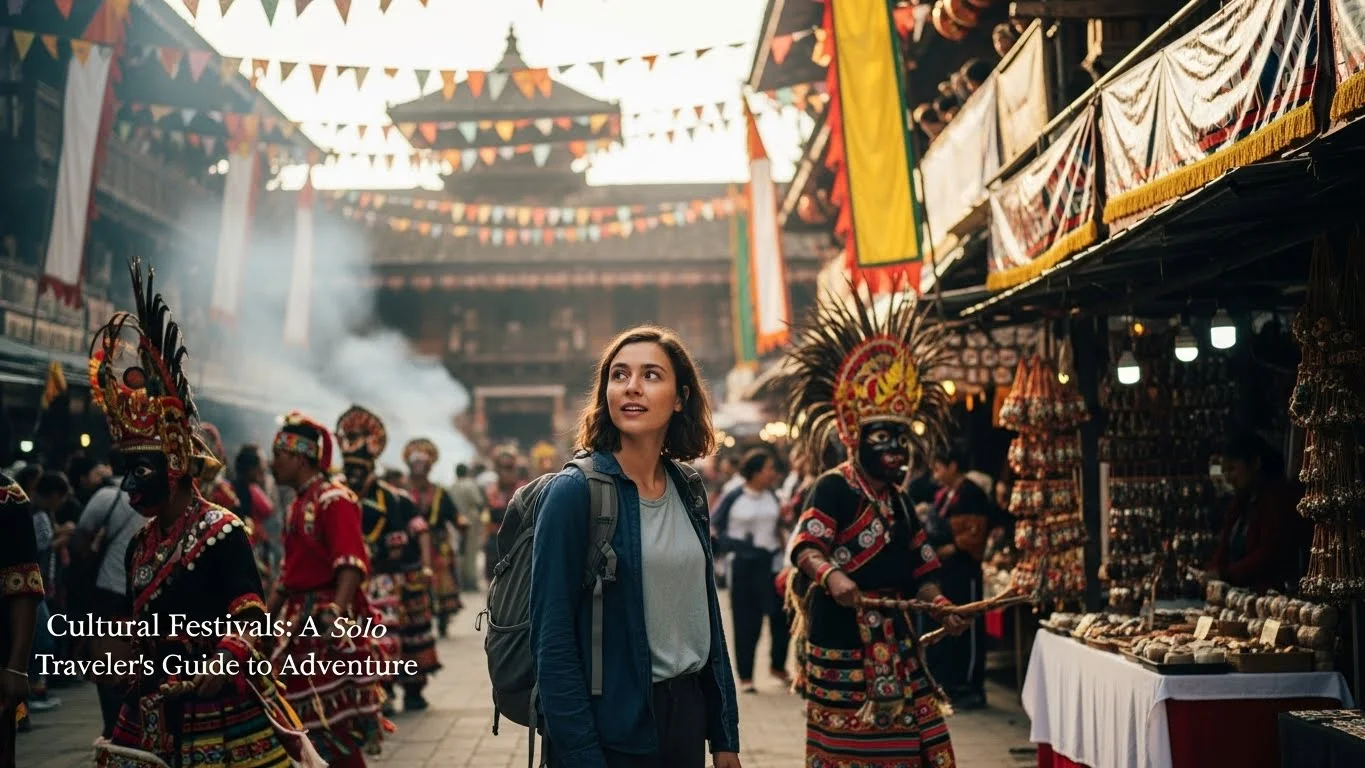
Cultural festivals can transform a solo travel experience into an unforgettable adventure. From vibrant colors to rich traditions, these events offer a unique glimpse into the heart of a culture. If you’re interested in exploring more about these unique experiences, check out Solo Travel: Unmissable Cultural Festivals Around the Globe.

Cultural Festivals: A Solo Traveler's Guide to Adventure

Understanding Cultural Festivals

Definition and Significance of Cultural Festivals

Cultural festivals are celebrations that showcase the traditions, art, and heritage of a particular community or region. These events often include music, dance, food, and various forms of artistic expression. I’ve found that attending a cultural festival is like stepping into a living museum where the exhibits are alive with energy and excitement. They provide an opportunity to witness local customs up close and to engage with people in a way that standard tourism often doesn’t allow.

The significance of these festivals can’t be overstated. They are a time for communities to come together, celebrate their identity, and share their culture with others. I remember attending a small local festival where the entire town participated, from the youngest children to the oldest residents. It was a heartwarming sight, and it made me feel like a part of something much bigger than myself. Festivals foster a sense of belonging and pride within communities, making them essential in preserving cultural heritage.

Types of Cultural Festivals

When it comes to cultural festivals, the variety is endless! There are religious festivals, art fairs, music festivals, food celebrations, and more. Each type has its own unique flavor and vibe. For instance, religious festivals often center around rituals and ceremonies, like Diwali in India, which lights up the night with festivities and prayers. On the other hand, art festivals, like the Edinburgh Festival Fringe, celebrate creativity and talent with performances and exhibitions from around the world.

Food festivals are another exciting type that I personally enjoy. I remember attending a culinary festival where local chefs showcased their best dishes. The aromas were tantalizing, and I ended up trying foods I had never experienced before. Each bite told a story about the local culture, and it was a delightful way to explore a place’s culinary heritage. If you’re looking for budget-friendly options, consider checking out Budget-Friendly Cultural Festivals to Experience Alone.

Benefits of Attending Cultural Festivals as a Solo Traveler

Going to cultural festivals as a solo traveler offers so many benefits. First and foremost, it’s a fantastic way to meet new people. I’ve met fellow travelers, locals, and artists at festivals who have enriched my experience. When you’re surrounded by people celebrating, it’s easier to strike up conversations and forge connections.

Additionally, cultural festivals often have a warm, inviting atmosphere that encourages camaraderie. I recall one festival where I joined a group of dancers during a traditional performance. Though I was initially shy, the infectious energy of the crowd made it easy to let loose and join in the fun. This experience not only boosted my confidence but also allowed me to immerse myself in the local culture deeply.

Another benefit is the opportunity to learn. Festivals usually include workshops and demonstrations, where attendees can participate in traditional crafts or cooking classes. I once took part in a pottery workshop during a festival in Italy, and it was a memorable experience that gave me insight into the local craft. These hands-on experiences are invaluable for a solo traveler wanting to dive deeper into a culture.

Lastly, attending festivals gives you a chance to break out of your comfort zone. As solo travelers, we sometimes feel a bit out of place. However, I’ve found that festivals level the playing field. Everyone is there to enjoy themselves, and the shared excitement can help ease any feelings of solitude. It’s a reminder that adventure often lies in the unexpected moments and spontaneous decisions.

In my experience, cultural festivals can transform a regular trip into an extraordinary journey filled with vibrant memories and personal connections. Each festival I’ve attended has left me with stories to tell, friendships to cherish, and a deeper appreciation for the diverse tapestry of human cultures. So, if you’re thinking about embarking on a solo adventure, consider immersing yourself in the world of cultural festivals. The experiences you gain will be worth every moment spent exploring. For more tips, check out Top 10 Cultural Festivals for Solo Travelers on a Budget.

Popular Cultural Festivals Around the World

Holi Festival in India

I remember my first experience at the Holi Festival in India, and it felt like stepping into a rainbow. Celebrated in March, Holi is known as the Festival of Colors, where people throw colored powders at each other, dance, and enjoy festive foods. The atmosphere is electrifying, filled with laughter and joy. I had never experienced anything like it before! Everyone, regardless of age or background, comes together to celebrate the arrival of spring.

What struck me the most was the sense of unity and acceptance. I found myself dancing with strangers, sharing sweets, and even getting covered in colors I never thought I would wear. It was as if the colors washed away not just the winter but also barriers between people. If you ever get the chance to attend Holi, just let go and embrace the joy of the moment—it’s an experience that stays with you long after the colors fade.

Oktoberfest in Germany

Oktoberfest in Munich is another festival I hold dear to my heart. This 16- to 18-day folk festival usually begins in late September and runs into the first weekend of October. It’s a celebration of Bavarian culture, with mouthwatering sausages, giant pretzels, and, of course, beer! I remember stepping into the massive beer tents filled with laughter, traditional music, and people singing together. It felt like a scene straight out of a movie!

What I loved most was the communal spirit. You sit at long tables, and it’s common to share your table with strangers. I met locals and travelers alike, and we quickly bonded over our favorite brews and shared plates of food. The atmosphere was so warm and welcoming, making it easy to make new friends. If you’re a fan of good food and even better company, Oktoberfest should definitely be on your list!

La Tomatina in Spain

Then there’s La Tomatina, held in the small town of Buñol in Spain. This festival is a massive tomato fight that takes place on the last Wednesday of August. I’ll never forget my first time attending; I was a bit apprehensive at first, but the sheer excitement in the air was contagious. Thousands of participants gather to throw ripe tomatoes at each other, creating a sea of red chaos.

While it sounds messy (and it is!), the experience was exhilarating. Everyone laughed, posed for photos, and embraced the silliness of the moment. After the battle, the town comes together to clean up and enjoy the festivities. It’s a unique way to let go of inhibitions and join in a playful spirit. Just be sure to wear clothes you don’t mind getting ruined, and bring a waterproof camera if you want to capture those crazy moments!

Mardi Gras in New Orleans, USA

Mardi Gras in New Orleans is another festival that holds a special place in my heart. Celebrated before Lent, this festival is famous for its vibrant parades, elaborate masks, and rich traditions. I remember wandering through the streets, feeling the energy pulse around me. The floats adorned with incredible designs and the sounds of jazz music filled the air. It felt like the city itself was alive!

One of my favorite moments was catching beads thrown from the floats. I found myself cheering alongside locals and fellow travelers, all wrapped up in the excitement. The food is also outstanding; be sure to try gumbo and king cake while you’re there. Mardi Gras is not just a party; it’s a celebration of culture, and being part of it was an unforgettable experience.

Day of the Dead in Mexico

Day of the Dead, or Día de los Muertos, is a deeply meaningful festival celebrated in Mexico, usually from October 31st to November 2nd. The festival honors deceased loved ones with colorful altars, marigold flowers, and sugar skulls. I was lucky enough to experience this festival in Oaxaca, and it profoundly impacted me. The streets were filled with vibrant decorations and the fragrance of incense and food.

What struck me was the beauty of remembering those who have passed while celebrating life. People gather to share stories, food, and laughter as they honor their ancestors. I joined a local family as they prepared their altar, and the warmth of their hospitality made me feel like part of their tradition. Day of the Dead is a touching reminder of love, loss, and the importance of community.

Edinburgh Festival Fringe in Scotland

Lastly, the Edinburgh Festival Fringe is a feast for the senses and a haven for performers and audiences alike. Held every August, it’s the largest arts festival in the world, showcasing everything from comedy and theater to music and dance. I remember walking through the streets of Edinburgh, where every corner seemed to host a performance. It was like being in a creative wonderland!

The diversity of talent was astonishing. I found myself watching a street magician one moment and a heartfelt theatrical performance the next. I even tried my hand at stand-up comedy during an open mic night! Though I was nervous, the supportive audience made it an enjoyable experience. The festival atmosphere is so encouraging; it truly celebrates the arts in all forms. If you’re passionate about creativity, the Fringe is a must-visit!

Planning Your Festival Adventure

When to Visit: Best Times for Cultural Festivals

Timing is everything, especially when it comes to cultural festivals. I’ve learned that each festival has its own schedule, often tied to the seasons or significant dates in the local culture. For example, I remember planning my trip to Japan around cherry blossom season to experience Hanami, the celebration of blooming cherry trees. The beauty of the flowers coupled with local festivities was breathtaking, and the timing made all the difference.

Many festivals occur during specific months, like the vibrant Carnival in Brazil, celebrated before Lent every year. Others may be less predictable, relying on lunar calendars like Diwali in India or Eid celebrations. I’ve also found that researching local weather patterns is wise; you wouldn’t want to be caught in the rain during a festival like Oktoberfest! Overall, planning ahead and knowing when festivals take place will ensure you don’t miss out on these incredible experiences.

How to Choose the Right Festival for You

Choosing the right festival can be a delightful challenge! I often start by considering my interests. Do I want to indulge in delicious food? Attend art events? Or perhaps dive into a vibrant local tradition? For instance, if you’re a music lover, festivals like Coachella in California or the Montreux Jazz Festival in Switzerland are must-visits. On the other hand, if you’re looking for something more unique, something like the Burning Man festival in Nevada might pique your interest.

Another important factor is the location. I’ve found that combining a festival with sightseeing can enhance my travel experience. For example, attending the Venice Carnival allowed me to explore the city’s stunning canals and architecture while enjoying the festive atmosphere. I recommend browsing festival calendars online or using travel forums to gather insights from fellow travelers about what they loved most about various festivals.

Essential Items to Pack for Festival Travel

Packing for a festival can be quite different from your standard travel checklist. I’ve learned through experience that comfort and practicality should be top priorities. Comfortable shoes are a must, especially if you plan to be on your feet all day. I remember a festival where I underestimated the amount of walking involved; my feet were sore by the end of the day! I now always pack a pair of supportive shoes that I can rely on.

Another essential is a lightweight backpack. I love bringing one that’s easy to carry and can hold my essentials: water, snacks, a portable charger for my phone, and a light jacket for when the temperature drops in the evening. I also recommend packing a reusable water bottle to stay hydrated, especially during outdoor festivals. Lastly, don’t forget your camera or smartphone for capturing those special moments—trust me, you’ll want to have photos to look back on!

Budgeting for Cultural Festivals

Festivals can range from free entry to pricey experiences, so budgeting is crucial. I’ve had festivals where I spent very little, especially if I focused on free events and local street food. On the flip side, I’ve also attended high-profile festivals that required tickets and accommodations, which added up quickly. Setting a budget beforehand helps me prioritize my spending on experiences that matter most to me.

When planning my budget, I consider various factors: ticket prices, food and drink costs, transportation, and lodging. I’ve found that researching ahead of time can reveal many affordable options, such as local eateries instead of tourist traps. Additionally, I always set aside a little extra for unexpected experiences or spontaneous adventures that may come my way during the festival. Being flexible with your budget can lead to some incredible memories!

Accommodation Options Near Festivals

Finding Budget-Friendly Lodging

When I travel to festivals, finding good accommodation without breaking the bank is essential. I’ve discovered that many cities have a range of budget-friendly options that cater to festival-goers. One of my favorite tips is to look for hotels or hostels that offer early bird discounts or special rates during festival times. For example, I once snagged a great deal on a hotel within walking distance of a music festival by booking several months in advance. This saved me both time and money, allowing me to focus on enjoying the festival!

Another option is to explore Airbnb or vacation rentals. I’ve found that sometimes you can score a room in a local’s home for a fraction of the cost of a hotel. Plus, staying in a residential area often gives you a more authentic experience and insights from your host about the festival and local culture.

Hostels and Guesthouses for Solo Travelers

Staying in hostels or guesthouses has been one of my best decisions as a solo traveler. Not only are they budget-friendly, but they also provide a fantastic opportunity to meet fellow travelers. I remember staying at a lively hostel during a festival in Europe, where everyone shared stories and tips about the best festival experiences. The communal atmosphere made it easy to connect with others, and I even found a festival buddy to explore with!

Many hostels offer organized activities or group outings during festivals, which can be a great way to meet new people. If you’re open to it, don’t hesitate to join a group tour or activity organized by your hostel. It can lead to unforgettable memories and new friendships.

Staying with Locals: Homestays and Couchsurfing

If you’re looking for something different, I highly recommend considering homestays or Couchsurfing. Staying with locals can offer you a unique perspective on the festival and the culture surrounding it. I once used Couchsurfing while attending a cultural festival in South America, and my host invited me to join their family’s festivities. It was an enriching experience that allowed me to dive deeper into the local traditions.

Just be sure to communicate clearly with your host about your expectations. I’ve learned that being open and respectful makes the experience enjoyable for both parties. Plus, you might make a lifelong friend in the process!

Safety Tips for Solo Travelers When Booking Accommodation

Safety is always a top priority for me when booking accommodation. I’ve learned some valuable tips to ensure I find a safe and comfortable place to stay. First, I always read reviews from other travelers. Websites like TripAdvisor or hostel booking platforms often provide genuine feedback that can help you gauge the safety and quality of the accommodations.

Additionally, I prefer booking places in well-lit, populated areas, especially if I’ll be returning late after festival events. It’s always a good idea to have a backup plan, like knowing where the nearest public transport or taxi services are, in case you need to get back to your accommodation quickly and safely.

Navigating the Festival Experience

Getting There: Transportation Options

Navigating to a festival can sometimes be a bit tricky, depending on the location. I’ve found that researching transportation options ahead of time can save a lot of stress. For many festivals, local public transport can be a convenient choice. I remember using the subway system in a big city to reach a festival, and it was straightforward and quick. Plus, it gave me a chance to chat with locals and fellow festival-goers along the way!

Alternatively, consider rideshare apps or renting a bike if the festival is in an area that supports cycling. I’ve had some of my most memorable moments biking through a city to reach a festival, taking in the sights and sounds along the way.

Understanding Local Customs and Etiquette

Every culture has its own customs and etiquette, especially during festivals. I always try to familiarize myself with the local norms before attending. For example, I once attended a festival in a country where it was customary to greet everyone with a kiss on the cheek. Knowing this ahead of time made it much easier to navigate social interactions. I recommend doing a little research or asking locals about any specific behaviors that are appreciated or frowned upon.

Meeting People: Making Friends as a Solo Traveler

Making friends while attending a festival as a solo traveler can be one of the most rewarding aspects of the experience. I’ve found that participating in group activities or joining in on games can break the ice quickly. There have been countless times I struck up conversations while waiting in line for food or sharing a table with someone. Being approachable and friendly goes a long way, and I often leave festivals with new friends from around the world!

Solo Safety Tips During Festivals

Staying safe while enjoying the festival atmosphere is crucial, especially when you’re on your own. I always keep my belongings close, opting for a crossbody bag that I can easily monitor. Additionally, I’ve learned to trust my instincts; if something doesn’t feel right, I’ll move away or seek help. It’s also smart to have a plan for emergencies, such as knowing the location of the nearest medical facility or police station. Being prepared helps me enjoy the festivities without unnecessary worry.

What to Expect: Festival Activities and Attractions

Traditional Performances and Entertainment

Cultural festivals are often rich in traditional performances, and I’ve been lucky to experience some truly breathtaking shows. From musicians playing folk songs to dancers performing age-old rituals, each act tells a story about the culture. I remember watching a traditional dance performance in a small village; the passion and pride of the performers were captivating. It’s moments like these that give me a deeper understanding of the culture behind the festival.

Food and Drink: Local Delicacies at Festivals

One of my favorite parts of attending a cultural festival is indulging in local food and drink. I’ve tasted some of the most delicious dishes that reflect the region’s culinary heritage. At one festival, I tried a dish that I later learned had been passed down through generations. The taste was unforgettable, and I felt privileged to have experienced it. Always be on the lookout for food stalls that offer authentic local dishes; they often provide the most memorable culinary experiences!

Art and Craft Markets

Many festivals include art and craft markets where local artisans display their work. I love wandering through these markets, as they give me a chance to appreciate local craftsmanship while picking up unique souvenirs. I remember finding a beautifully handcrafted bracelet that not only served as a reminder of my travels but also supported local artists. These markets are perfect for connecting with the culture and taking a piece of it home with you.

Workshops and Interactive Experiences

Participating in workshops during festivals has been one of the most enriching experiences for me. I’ve learned traditional crafts, cooking techniques, and local dances that I otherwise wouldn’t have had the chance to try. These hands-on experiences not only deepen my connection to the culture but also create lasting memories. I encourage everyone to take advantage of these opportunities; they can be the highlight of your festival adventure!

Documenting Your Festival Experience

Photography Tips for Solo Travelers

Capturing memories at festivals is so important! I’ve learned that bringing a good camera or even using my smartphone effectively can make a big difference. I always try to take candid shots that reflect the atmosphere and energy of the festival. A tip I can share is to focus on capturing the little details, like close-ups of food or expressions of joy on people’s faces. Those images often tell a more compelling story than posed photos.

Journaling Your Adventures

After attending a festival, I like to sit down and journal about my experiences. Writing helps me reflect on what I learned and the connections I made. I often jot down interesting conversations I had or moments that stood out to me. This practice enriches my travel experience and allows me to look back fondly on my adventures. Plus, it’s a great way to keep track of all the festivals I’ve attended!

Sharing Your Experience on Social Media

Social media is a fantastic way to share your festival experiences with friends and family. I enjoy posting photos and short stories from my travels, allowing others to join in on the adventure. Using relevant hashtags can also help you connect with fellow festival-goers online. I remember connecting with other travelers who attended the same festival just by sharing my experiences on Instagram!

Solo Travel Community and Resources

Online Forums and Groups for Solo Travelers

The solo travel community is vibrant and supportive, and I’ve found that joining online forums can provide a wealth of information. Websites like Reddit and dedicated travel forums offer spaces to ask questions, share experiences, and connect with other solo travelers. I’ve gained invaluable tips just from browsing these discussions, and sometimes even found travel partners for festivals!

Apps and Websites for Finding Festivals and Events

There are numerous apps and websites dedicated to helping travelers find festivals and events worldwide. I often use platforms like Eventbrite or Facebook Events to discover local happenings. These resources can keep you updated about festivals happening during your travels, ensuring you don’t miss out on any exciting experiences.

Travel Blogs and Guides Focused on Cultural Festivals

Reading travel blogs focused on cultural festivals has also been a great source of inspiration for me. Many bloggers share their personal experiences, tips, and even itineraries, which can be incredibly helpful when planning my own festival adventures. I appreciate the firsthand accounts, as they often highlight hidden gems that typical tourist guides might overlook.

Final Thoughts

Embracing cultural festivals as part of your solo travel journey can lead to some of the most enriching and unforgettable experiences. Each festival offers a unique opportunity to immerse yourself in local traditions, meet new people, and create lasting memories. Whether it’s the vibrant colors of Holi, the communal spirit of Oktoberfest, or the eccentricity of La Tomatina, every festival is a chance to broaden your horizons and connect with the world around you.

As I reflect on my own adventures, I feel grateful for the moments I’ve shared with strangers who became friends and the stories I’ve collected along the way. If you’re considering stepping out on your own to explore the world of cultural festivals, I encourage you to dive in wholeheartedly. The memories you create will be invaluable, and the connections you make will enrich your life in ways you might not have imagined.

So, pack your bags, grab your camera, and get ready for the adventure of a lifetime—one festival at a time!

Frequently Asked Questions

What are cultural festivals?

Cultural festivals are celebrations that showcase the traditions, art, and heritage of a particular community or region. They often include music, dance, food, and various forms of artistic expression, providing a unique glimpse into the heart of a culture.

Why are cultural festivals significant?

Cultural festivals foster a sense of belonging and pride within communities. They serve as a time for communities to come together, celebrate their identity, and share their culture with others, helping to preserve cultural heritage.

What types of cultural festivals exist?

There are various types of cultural festivals, including religious festivals, art fairs, music festivals, and food celebrations. Each type has its unique flavor, such as Diwali in India for religious festivities or the Edinburgh Festival Fringe for artistic showcases.

What are the benefits of attending cultural festivals as a solo traveler?

Attending cultural festivals as a solo traveler allows for meeting new people, engaging in a warm atmosphere, learning through workshops, and breaking out of one’s comfort zone, leading to enriching experiences and personal connections.

Can you name some popular cultural festivals around the world?

Some popular cultural festivals include the Holi Festival in India, Oktoberfest in Germany, La Tomatina in Spain, Mardi Gras in New Orleans, the Day of the Dead in Mexico, and the Edinburgh Festival Fringe in Scotland.

How should I plan my festival adventure?

When planning your festival adventure, consider when to visit based on festival schedules, choose festivals that align with your interests, and pack essential items for comfort and practicality.

What should I pack for a cultural festival?

Essential items to pack include comfortable shoes, a lightweight backpack, a reusable water bottle, a portable charger, and a camera or smartphone for capturing memories.

How can I find budget-friendly accommodation near festivals?

Look for hotels or hostels that offer early bird discounts, explore Airbnb or vacation rentals, and consider staying in hostels or guesthouses, which provide a communal atmosphere and opportunities to meet fellow travelers.

What safety tips should solo travelers consider when attending festivals?

Solo travelers should prioritize safety by reading reviews of accommodations, staying in well-lit areas, keeping belongings close, trusting their instincts, and having a plan for emergencies.

How can I document my festival experience?

Documenting your festival experience can be done through photography, journaling about your adventures, and sharing your experiences on social media to connect with others and preserve memories.

Solo Travel: Unmissable Cultural Festivals Around the Globe

Traveling solo can be an exhilarating journey of self-discovery, and there’s no better way to immerse yourself in a new culture than by attending its vibrant festivals. From colorful parades to traditional ceremonies, these events offer unique experiences that are simply unmissable. For those looking to explore without breaking the bank, consider checking out budget-friendly cultural festivals to experience alone.

Solo Travel: Unmissable Cultural Festivals Around the Globe

Understanding Cultural Festivals

Definition and Importance of Cultural Festivals

Cultural festivals are celebrations that showcase the traditions, customs, and artistic expressions of a community. They often involve music, dance, food, and spiritual rituals, allowing participants to connect with the local culture on a deeper level. I remember my first experience at a cultural festival; the energy was palpable, and I felt a sense of belonging even as a solo traveler. These festivals are important not just for preserving cultural heritage but also for fostering community and understanding among diverse groups of people.

Benefits of Attending Cultural Festivals as a Solo Traveler

Traveling solo to cultural festivals offers a unique set of advantages. First and foremost, you have the freedom to explore at your own pace. You can wake up when you want, choose which events to attend, and even change your plans on a whim. I’ve found that being alone allows for deeper engagement with the festival atmosphere; you may find yourself striking up conversations with locals and fellow travelers, sharing experiences and stories that you wouldn’t have if you were in a group. Additionally, solo travel can push you out of your comfort zone. You might try new foods, dance with strangers, or participate in activities that you wouldn’t usually consider if you were with friends. It’s a chance for personal growth and creating memories that are entirely your own. For more insights, check out top 10 cultural festivals for solo travelers on a budget.

Top Cultural Festivals to Experience Solo

Carnival in Rio de Janeiro, Brazil

One of the most famous festivals in the world, Carnival in Rio de Janeiro is a feast for the senses. The vibrant parades, dazzling costumes, and samba music create an electrifying atmosphere. As I navigated through the streets filled with joyous revelers, I felt the infectious energy all around me. Dancing with locals in the streets, even as a solo traveler, made me feel part of something bigger. The spirit of Carnival is about celebration and unity, and it’s an experience I would recommend to anyone.

Diwali in India

Diwali, the Festival of Lights, is a beautiful celebration that signifies the victory of light over darkness. Visiting India during Diwali was one of the most magical experiences of my life. I remember walking through the streets of Jaipur, where homes were adorned with colorful rangoli and lights. The atmosphere was filled with laughter, fireworks, and the aroma of delicious sweets. I joined in on the festivities, lighting diyas and sharing sweets with locals. It was a wonderful way to connect with the culture and learn about the significance of the festival.

La Tomatina in Buñol, Spain

If you’re looking for something completely different, La Tomatina is the world’s biggest food fight, held annually in Buñol. I remember the excitement building up as I joined thousands of others, armed with ripe tomatoes. The sheer joy of throwing tomatoes at each other created an incredible atmosphere of camaraderie. It’s a fantastic way to meet fellow travelers and locals alike, all while indulging in a bit of playful chaos.

Oktoberfest in Munich, Germany

Oktoberfest is not just about beer; it’s a celebration of Bavarian culture. When I attended, I was amazed by the beautifully decorated tents filled with laughter and music. Each tent has its unique vibe, and I enjoyed sampling various traditional foods like pretzels and sausages. I made friends with fellow festival-goers, sharing stories and toasting to the experience. The sense of community at Oktoberfest is something every solo traveler should experience. As you plan your visit, remember to check out travel tips for enjoying cultural festivals on a budget.

Chinese New Year Celebrations

Chinese New Year is a time of renewal and celebration, with festivities that last for weeks. I experienced this in Beijing, where the streets were filled with lion dances, fireworks, and vibrant parades. I remember the feeling of excitement as I released lanterns into the sky, symbolizing letting go of the past. The warmth of the community made it easy to connect with others, even as a solo traveler.

Holi Festival in India

Holi, the Festival of Colors, is a joyous celebration where people throw colored powders and water at each other. I felt truly alive during this festival, surrounded by a kaleidoscope of colors and laughter. It was an incredible way to break the ice with strangers; everyone was there to have fun and celebrate together. I found myself dancing in the streets, completely lost in the moment.

Edinburgh Festival Fringe, Scotland

The Edinburgh Festival Fringe is the largest arts festival in the world, showcasing everything from theater to comedy. I remember wandering the streets, discovering performances on every corner. As a solo traveler, I had the freedom to explore various shows, meet artists, and enjoy the vibrant atmosphere. There’s something for everyone, and the creativity on display is truly inspiring.

Mardi Gras in New Orleans, USA

Mardi Gras in New Orleans is a colorful explosion of parades, music, and delicious food. The energy is contagious, and I found myself swept up in the festivities, dancing in the streets alongside locals and fellow travelers. The sense of community was strong, and as a solo traveler, I felt welcomed and included in the celebration.

Coachella Music Festival, California, USA

For music lovers, Coachella offers a diverse lineup of artists and a vibrant atmosphere. I attended this festival and was delighted by the creativity and fashion on display. While it can be overwhelming, I found it easy to connect with others who shared my love for music. Whether it was sharing a meal or discovering new artists together, the experience was unforgettable.

Gion Matsuri in Kyoto, Japan

Gion Matsuri is one of Japan’s most famous festivals, celebrated with stunning floats and traditional clothing. I remember being mesmerized by the beauty of the floats and the grace of the participants. As I wandered the streets of Kyoto, I felt a deep connection to the culture and history of Japan. The festival is a perfect blend of tradition and celebration, making it an ideal choice for solo travelers.

When to Attend These Festivals

Seasonal Considerations

When planning a solo trip around cultural festivals, the season can play a significant role in your experience. I learned this firsthand through my travels. For example, attending festivals during the spring or fall often means milder weather, making it comfortable to explore and participate in outdoor events. However, summer festivals can offer a lively atmosphere with longer days, though they may also come with larger crowds. I often check the climate of a destination, as it can greatly affect my enjoyment. If you’re sensitive to heat or cold, consider timing your visit to align with comfortable weather. In my experience, enjoying festivals in early autumn, like Oktoberfest, offers not just pleasant temperatures but also stunning fall foliage.

Festival Dates and Timings

It’s essential to research the specific dates and timings of festivals since they can vary year to year. I remember planning my trip to Diwali well in advance because one year, it fell on a different date than I expected. Each festival has its own unique schedule of events, so knowing when the main celebrations occur can help you maximize your experience. I’ve found some festivals, like the Edinburgh Festival Fringe, span an entire month, allowing for flexibility in travel plans. Checking official festival websites or local tourism boards can provide the most accurate information, ensuring you don’t miss out on those must-see moments.

How to Plan Your Solo Trip Around Festival Dates

Planning your solo trip around festival dates can be an exciting puzzle to solve. I often start by listing the festivals I want to experience and then mapping them out on a calendar. I recommend choosing festivals that coincide not just with your interests but also with potential travel routes. For instance, if you’re in Europe for La Tomatina, you can easily transition to Oktoberfest without straying too far from your budget and travel time. I’ve also found it helpful to book accommodation early. Festivals attract many visitors, and finding a good place to stay at the last minute can be a challenge. I usually aim to secure my lodging as soon as I finalize my travel dates. This way, I can focus on packing and planning how to immerse myself into the festival atmosphere once I arrive.

Where to Stay While Attending Festivals

Recommended Accommodations for Solo Travelers

Finding the right place to stay can enhance your festival experience. I’ve tried various accommodations, from hostels to boutique hotels, and I believe it truly depends on what you’re looking for. Hostels are great for meeting other travelers and often have social activities that can help you connect with others. I remember making friends in a hostel during Carnival in Rio, and we ended up exploring the festival together. On the other hand, if you prefer a bit more privacy, consider booking a small hotel or an Airbnb. I once stayed in a cozy apartment during the Edinburgh Festival Fringe that allowed me to rest and recharge before diving back into the vibrant arts scene.

Hostels vs. Hotels: Best Options for Budget Travelers

When it comes to budgeting, hostels often win out for solo travelers. They can be much more affordable, especially if you’re planning to stay for several nights. I’ve found that many hostels offer shared rooms where you can meet fellow festival-goers, which adds to the experience. However, I won’t deny that sometimes a hotel can be worth the extra expense, particularly if you want a good night’s sleep after a long day of festivities. I’ve had nights where I returned to a hotel after a festival, and the comfort made all the difference. Ultimately, it’s about what you prioritize during your travels—social interaction or comfort.

Safety Tips for Solo Travelers in Accommodations

Staying safe while traveling solo should always be a priority. I make it a point to choose accommodations with good reviews, especially regarding safety. When I arrive, I check that the locks work properly and that my belongings are secure. I’ve also learned to keep my valuables in a safe place—sometimes, I’ll even use a money belt or a hidden pouch for important items. If you’re staying in a hostel, don’t hesitate to ask the staff about safety tips in the area. They usually have excellent advice on avoiding common pitfalls and ensuring you enjoy the festival without worry. It’s also wise to keep emergency contact numbers handy, just in case.

Getting Around During Festivals

Transportation Options for Solo Travelers

Navigating a new city during a festival can be part of the adventure. I prefer using public transportation when I can, as it often immerses me more into local culture. I’ve hopped on buses, trams, and trains in cities like Munich and New Orleans, where the excitement in the air is contagious. Many festivals have maps available or apps that help you find your way around, which is super handy for solo travelers. Just remember to stay aware of your surroundings, especially in crowded areas.

Public Transport vs. Rideshares

Rideshare services can be a great option if public transport feels overwhelming. I’ve used rideshares during festivals when I was too tired to navigate public transport after a long day of festivities. While they can be pricier, they offer the convenience of getting directly to your accommodation. I usually check local regulations about rideshare services prior to my trip, as they can vary by city.

Walking Tours and Group Activities

One of my favorite ways to explore during festivals is through walking tours. I’ve joined numerous guided tours, which not only help me learn more about the culture but also allow me to meet other travelers. The energy of a group exploring the sights together creates a sense of camaraderie, which is especially nice when you’re traveling solo. Many festivals also offer special events or activities—like workshops or classes—that are perfect for meeting people while diving deeper into the local culture.

Local Cuisine to Try at Festivals

Popular Street Foods at Festivals

One of the highlights of attending cultural festivals is the opportunity to indulge in local cuisine. Food has a way of bringing people together, and I’ve always found that trying street food can be one of the most authentic experiences a solo traveler can have. At Carnival in Rio, I couldn’t resist sampling the delicious acarajé, a deep-fried ball made from black-eyed peas filled with shrimp. The flavors exploded in my mouth, and sharing a plate with locals helped me feel a sense of camaraderie. Similarly, at Oktoberfest, I enjoyed freshly made pretzels and bratwurst, which were not only tasty but also part of the festive atmosphere. Each bite was a reminder of the culture and traditions that shaped these dishes.

Dining Alone: Best Practices and Recommendations

Dining alone at festivals can be a delightful experience if approached with the right mindset. I’ve learned to embrace the solitude and turn it into an opportunity for people-watching. When I attended the Edinburgh Festival Fringe, I often found myself at small cafes or food stalls, enjoying a meal while soaking in the vibrant atmosphere around me. I recommend bringing a book or journal to keep you company, or even striking up a conversation with fellow diners. Many people are open to chatting, especially in festival settings where everyone is in a celebratory mood. If you’re feeling adventurous, consider joining a communal table; it’s a great way to meet fellow festival-goers and share experiences over a meal.

Food Safety Tips for Solo Travelers

While indulging in local cuisine is an exciting part of the festival experience, it’s essential to keep food safety in mind. I always trust my instincts when it comes to choosing where to eat. I tend to opt for food stalls that have a queue—usually a good sign that the food is fresh and popular. Additionally, I pay attention to how the food is prepared and stored. I remember one time at a street fair, I avoided a stall that didn’t seem to keep their ingredients properly chilled. I also make sure to stay hydrated and wash my hands regularly, especially when sampling from various food vendors. Knowing that I’m taking care of my health allows me to fully enjoy the flavors that each festival offers.

Safety and Solo Travel Tips for Festival Goers

Staying Safe in Crowded Environments

Festivals can draw large crowds, which can be both exhilarating and overwhelming. I’ve found that staying aware of my surroundings is key to enjoying the experience. When I attended Mardi Gras in New Orleans, I made it a point to identify safe meeting spots in case I got separated from others. I also kept my belongings close, opting for a crossbody bag that I could easily monitor. Additionally, I tried to avoid consuming too much alcohol, as it can make you more susceptible to losing track of your personal space and belongings. Trusting my instincts helped me navigate through the throngs of people without feeling anxious.

Emergency Contacts and Resources

As a solo traveler, having emergency contacts readily accessible is crucial. Before heading to any festival, I always make a list of important phone numbers—like local emergency services, my country’s embassy, and my accommodation. I also download useful apps, such as maps and translation tools, to help me if I find myself in a tough spot. I remember a time during the Chinese New Year celebrations in Beijing when I got separated from my group. Thanks to a local app, I was able to find my way back to my hotel without any issues. It’s a good practice to keep these resources handy, so you can focus on enjoying the festival rather than worrying about potential mishaps.

Solo Female Traveler Safety Tips

For female solo travelers, safety can sometimes feel like a bigger concern, especially in crowded places. From my experience, I always dress comfortably but conservatively, which helps me blend in with the crowd. I’ve found that being aware of local customs can also provide some security, as it shows respect for the culture. When I attended Holi in India, I made sure to learn about the festival’s customs before jumping in. Having a backup plan, like knowing the locations of nearby police stations or safe zones, can also be beneficial. Most importantly, I maintain a confident demeanor; walking with purpose and staying alert has always served me well during my travels.

Budgeting for Cultural Festivals

Estimated Costs of Attending Major Festivals

Understanding the costs associated with attending festivals helps me plan better and avoid any financial surprises. I’ve found that major festivals can vary widely in expense. For example, attending Coachella can be quite pricey with ticket costs, accommodation, and food expenses adding up quickly. Meanwhile, festivals like La Tomatina are generally more budget-friendly, especially if you’re willing to stay in a hostel and eat street food. I usually create a rough budget that includes all potential costs, from transportation to festival tickets, so I can enjoy the experience without constantly worrying about money.

How to Save Money While Traveling Solo

There are many ways to save money while traveling solo to festivals. I’ve discovered that booking flights and accommodations early can lead to significant savings. Additionally, I often look for festival packages that bundle tickets and lodging, which can be more economical. Using public transport instead of taxis or rideshare services also helps keep my budget in check. I try to eat like a local by opting for street food instead of dining at restaurants, allowing me to enjoy delicious meals without breaking the bank. Planning my activities in advance has also helped me maximize my experience while being mindful of my spending.

Finding Affordable Activities Beyond Festivals

While festivals are the main attraction, I’ve enjoyed discovering other affordable activities in the area. Many cities host free walking tours, cultural exhibitions, or community events that coincide with the festival season. During my time at the Edinburgh Festival Fringe, I stumbled upon local art installations and free performances, which enriched my experience without adding to my expenses. I often check local tourism websites or social media groups to find out what’s happening around the festival dates. Exploring beyond the festival can lead to unexpected adventures and deeper connections with the culture.

Frequently Asked Questions

What are cultural festivals?

Cultural festivals are celebrations that showcase the traditions, customs, and artistic expressions of a community. They often involve music, dance, food, and spiritual rituals, allowing participants to connect with the local culture on a deeper level.

Why should I attend cultural festivals as a solo traveler?

Attending cultural festivals as a solo traveler offers freedom to explore at your own pace, deeper engagement with the atmosphere, and opportunities to try new things. It can also lead to personal growth and unique memories that you create for yourself.

What is Carnival in Rio de Janeiro known for?

Carnival in Rio de Janeiro is famous for its vibrant parades, dazzling costumes, and samba music, creating an electrifying atmosphere that celebrates unity and joy.

What is Diwali and what makes it special?

Diwali, known as the Festival of Lights, signifies the victory of light over darkness. It’s celebrated with colorful decorations, laughter, fireworks, and the sharing of sweets, creating a magical atmosphere for participants.

What is La Tomatina?

La Tomatina is the world’s biggest food fight, held annually in Buñol, Spain, where participants throw tomatoes at each other, creating an atmosphere of camaraderie and playful chaos.

What should I consider when planning a solo trip around festival dates?

When planning a solo trip around festival dates, research the specific dates and timings of the festivals, check seasonal weather, and map out your travel routes to make the most of your experience.

What types of accommodations are recommended for solo travelers at festivals?

Hostels are great for meeting other travelers and often have social activities, while small hotels or Airbnbs offer more privacy. The choice depends on whether you prefer social interaction or comfort.

How can I stay safe while attending festivals as a solo traveler?

To stay safe while attending festivals, choose accommodations with good reviews, keep your belongings secure, and be aware of your surroundings. It’s also wise to have emergency contact numbers handy.

What are some popular street foods to try at cultural festivals?

Popular street foods at cultural festivals include acarajé in Rio, pretzels and bratwurst at Oktoberfest, and various local delicacies that reflect the culture and traditions of the festival location.

What budgeting tips should I keep in mind for attending festivals?

When budgeting for festivals, estimate costs for tickets, accommodations, and food. Booking early, using public transport, and opting for street food can help save money while still enjoying the experience.

Budget-Friendly Cultural Festivals to Experience Alone

Experiencing a cultural festival alone can be a thrilling adventure! It’s not just about the music or art; it’s a chance to dive into new traditions, meet interesting people, and discover more about yourself. For those looking for budget-friendly options, check out the Top 10 Cultural Festivals for Solo Travelers on a Budget.

Budget-Friendly Cultural Festivals to Experience Alone

Understanding Cultural Festivals

Definition of Cultural Festivals

Cultural festivals are vibrant celebrations that showcase the arts, traditions, and heritage of a specific community or culture. They often include music, dance, food, and art displays, creating an immersive experience that allows attendees to engage with diverse customs. For me, attending a cultural festival feels like stepping into a different world, where every corner has a story to tell. I remember my first festival; the sounds, colors, and smells were overwhelming in the best possible way. It was a mix of emotions that left me wanting more.

The Importance of Cultural Festivals in Society

Cultural festivals play a crucial role in building community and fostering understanding among different cultures. They provide a platform for artists and performers to share their work, allowing people to appreciate the richness of various traditions. I’ve seen firsthand how festivals can bring together folks from all walks of life, creating a sense of unity. It’s fascinating to witness how these events can spark conversations and friendships that might not have happened otherwise. It’s a reminder of our shared humanity and the beauty of our differences.

Benefits of Attending Festivals Alone

Personal Growth and Self-Discovery

When I decided to attend festivals alone, I found it to be a significant step in my journey of self-discovery. Solo experiences push us out of our comfort zones. I remember feeling a bit nervous at first, but that quickly turned into excitement. Attending a festival alone allows me to make my own choices—where to go, what to see, and when to take a break. I’ve learned to trust my instincts and navigate my own path, which has been incredibly empowering. Each festival has helped me uncover new interests and passions that I didn’t know existed. If you’re interested in learning more about the etiquette of solo travel, check out Mastering Solo Travel Etiquette: A Cultural Guide.

Flexibility in Travel Plans

One of the joys of attending a festival alone is the freedom to create my own schedule. There’s no need to coordinate with others or compromise on what to do next. I remember arriving at a festival and being able to change my plans on a whim, whether it was staying longer at a food stall that caught my eye or hopping on a spontaneous workshop. This flexibility makes the experience feel more personal and enjoyable. I think we often forget how liberating it can be to simply do what we want, when we want.

Meeting New People and Making Connections

Although it might seem intimidating to attend a festival solo, I’ve found it to be a fantastic opportunity to meet new people. I’ve struck up conversations with fellow attendees while waiting in line for food or sitting on the grass during a concert. Festivals are filled with others who are also eager to connect, and it’s a natural environment for making new friends. I remember one festival where I met a group of artists who invited me to join them for a painting workshop. That chance meeting turned into a lasting friendship, and we continue to share our creative journeys online.

Top Budget-Friendly Cultural Festivals in the US

New Orleans Jazz & Heritage Festival

The New Orleans Jazz & Heritage Festival is a must-visit for music lovers. Held annually, this festival celebrates the rich musical heritage of New Orleans and showcases local artists. I was amazed by the variety of performances spread across multiple stages. Plus, the food vendors serve up delicious Creole and Cajun dishes—an experience for both your ears and your taste buds! Best of all, there are often free events leading up to the festival, making it a budget-friendly option.

Santa Fe Indian Market

The Santa Fe Indian Market is another gem. It features authentic Native American art, crafts, and performances. I was blown away by the creativity and talent on display. The market is free to enter and provides a unique opportunity to learn about Native cultures directly from the artists. For me, it felt like stepping into a gallery where each piece told a story, and I found myself captivated by the narratives behind the art.

Chicago Blues Festival

If you’re into blues music, the Chicago Blues Festival is one you shouldn’t miss. It’s the largest free blues festival in the world, held in Grant Park. I remember attending with just my blanket and some snacks, soaking in the talent of legendary musicians. The atmosphere is electric, and it’s a great opportunity to experience the heart of Chicago’s music scene without spending much.

Washington, D.C. Cherry Blossom Festival

The Cherry Blossom Festival in Washington, D.C. is a stunning celebration of spring. While the main events may have a fee, many activities are free to the public. I loved walking among the blooming cherry trees, taking in the beauty of nature and the various cultural activities. It’s a perfect blend of nature and culture, and the photography opportunities are endless!

Portland Rose Festival

The Portland Rose Festival is a colorful celebration that takes place every June. It features parades, concerts, and a waterfront fair. I had a blast wandering through the rose gardens and enjoying the festive atmosphere. Many events are free or low-cost, making it accessible for solo travelers on a budget.

Albuquerque International Balloon Fiesta

Finally, the Albuquerque International Balloon Fiesta is an awe-inspiring sight. It’s one of the largest ballooning festivals in the world, and attending this event alone can be magical. I was mesmerized by the sight of hundreds of balloons lifting off into the sky. While there is an entry fee, the experience is well worth it, and there are often discounts available for tickets if you plan ahead. The camaraderie among attendees is infectious, and it’s a great place to meet fellow balloon enthusiasts.

Regional Festivals Worth Exploring

California’s Dia de los Muertos Celebrations

One festival that truly left a mark on me was California’s Dia de los Muertos, or Day of the Dead. As someone who appreciates rich traditions, this celebration was a beautiful reminder of how we honor our loved ones. I wandered through vibrant altars adorned with flowers, photographs, and favorite foods of those who have passed. The atmosphere was filled with joy rather than sorrow, as families came together to celebrate lives lived. I remember tasting delicious pan de muerto, a sweet bread made for this occasion, while listening to live music that echoed the spirit of the event. It felt like a warm hug from the community, inviting me to share in their memories and traditions.

Florida’s Calle Ocho Festival

If you’re looking for an explosion of color and culture, Florida’s Calle Ocho Festival in Little Havana is a must-see. This street festival celebrates Latin culture with music, dance, and food. I had an amazing time sampling authentic Cuban cuisine, from tostones to empanadas, while dancing to the infectious rhythms of salsa. The energy was palpable, and every corner was filled with laughter and excitement. I felt like I was part of a huge family reunion, surrounded by people who shared the same passion for their heritage. This festival not only showcased the vibrant Latin culture but also made me appreciate the diversity that shapes our communities.

Texas Renaissance Festival

The Texas Renaissance Festival is another unique experience I had to mention. The moment I stepped into the festival grounds, I was transported back to the 16th century. I saw people dressed in elaborate costumes, artisans demonstrating their crafts, and lively performances everywhere I turned. I particularly enjoyed the jousting events, which were thrilling to watch. The food was equally impressive, offering everything from turkey legs to mead. I remember chatting with a blacksmith who shared stories about his craft, and I left feeling inspired by the passion of those who dedicate their lives to preserving history. It’s not just a festival; it’s a vibrant celebration of creativity and craftsmanship.

When to Plan Your Festival Visits

Seasonal Considerations

When it comes to planning my festival visits, I’ve learned that timing can make all the difference. Seasons can greatly influence the types of festivals available, as well as the atmosphere. For instance, summer often brings outdoor festivals filled with music and arts, while fall is perfect for harvest celebrations and Halloween-themed events. I find that attending festivals during these peak seasons enhances the experience, with lively crowds and exciting activities. I also love the feel of spring festivals, especially those that celebrate nature and renewal, like the Cherry Blossom Festival.

Best Months for Budget Travel

If you’re trying to stick to a budget, I’ve discovered that certain months offer more affordable festival options. For instance, late summer and early fall often have festivals that are less crowded and more budget-friendly. I remember attending a small-town fair in September that had minimal entry fees, allowing me to enjoy the festivities without breaking the bank. Plus, many festivals offer early bird tickets or discounts for groups, so I always keep an eye out for those deals when planning my adventures. You can also explore Cultural Solo Travel: Affordable Ways to Dive Deep for more tips.

Local Climate and Weather Patterns

Another thing to consider is the local climate and weather patterns. I’ve made the mistake of attending a festival in the middle of summer only to find myself dealing with sweltering heat. Researching the average temperatures and potential weather conditions can save you from discomfort. For instance, spring and fall festivals often have milder weather, making it more enjoyable to explore. I’ve learned to pack accordingly, bringing layers for cooler evenings or sunscreen for those sunny afternoons. It’s all part of making the most of my festival experience!

Tips for Budget Travel to Festivals

Finding Affordable Accommodation

When I travel to festivals, finding affordable accommodation is always a priority. I’ve had great luck using platforms like Airbnb or hostels, which often provide budget-friendly options. Sometimes, staying a little further from the festival site can save a good amount of money, especially if public transport is available. I also like to check if there are any local camping facilities, as this can add to the adventure and often comes at a fraction of the cost. I remember camping at a festival once, and it created a community vibe that made the experience even more special.

Transportation Options for Solo Travelers

Getting to and from festivals can add up, but I’ve found several ways to keep costs low. For local festivals, public transportation is often the best option. I’ve taken buses and trains that drop me right at the festival entrance. Ridesharing apps can also be a good choice if I’m planning to stay out late. If I’m traveling a bit further, I love carpooling with fellow festival-goers. Not only does it save money, but it’s a great way to meet new friends before the festival even starts!

Eating on a Budget at Festivals

Festival food can be tempting, but it can also be pricey! I’ve learned to plan ahead when it comes to meals. I often bring snacks or a packed lunch, especially if the festival allows it. It’s helpful to have something on hand for those moments when I need a quick energy boost. When I do splurge on food, I like to share dishes with friends or fellow festival-goers to try more options while keeping costs low. That way, I can enjoy a variety of culinary delights without emptying my wallet.

Safety Tips for Attending Festivals Alone

Staying Aware of Your Surroundings

When I first started attending festivals alone, I quickly realized how important it is to stay aware of my surroundings. It’s easy to get lost in the music or the vibrant atmosphere, but keeping an eye on what’s happening around me adds a layer of safety. I’ve found that being mindful of my environment helps me spot potential risks and allows me to enjoy the festivities without worry. For instance, I always make a mental note of exits and the locations of first aid stations. I also try to avoid overly crowded areas when possible, especially if I’m feeling a bit overwhelmed. Trusting my instincts has become second nature, and it makes the experience far more enjoyable knowing that I’m taking precautions.

Emergency Contacts and Resources

Before heading to a festival, I make sure I have a list of emergency contacts ready. I save important numbers in my phone, including local emergency services and a few friends or family members I can reach out to if needed. It might sound a bit paranoid, but having this information at my fingertips gives me peace of mind. I also like to familiarize myself with the festival’s official website or app, which often contains details about security personnel and lost and found services. One time, I misplaced my wallet, and knowing where to report it made a stressful situation much easier to handle. I can’t stress enough how essential it is to have a plan in case something goes awry.

Health and Safety Considerations

From my experience, taking care of my health while enjoying a festival is crucial. I always stay hydrated, especially if I’m out in the sun all day. I remember one festival where I didn’t drink enough water, and by the afternoon, I was feeling faint. It was a wake-up call! Now, I carry a reusable water bottle and refill it whenever I can. I also pack some basic health items, like hand sanitizer, sunscreen, and any personal medications I might need. Festivals can be bustling with people, so I take care to avoid getting sick by washing my hands regularly and steering clear of overly crowded areas if someone near me seems unwell. It’s about enjoying the experience while being mindful of my well-being.

What to Pack for a Festival

Essential Clothing and Accessories

Packing for a festival can feel like a balancing act, but I’ve learned a few essential items that help me stay comfortable and stylish. First, I always check the weather forecast before I pack. This helps me choose the right clothing layers. I often opt for breathable fabrics, like cotton or linen, to keep cool during the day. Comfortable shoes are a must, too, as I tend to do a lot of walking and dancing. I remember one festival where I wore cute but painful shoes, and by the end of the day, my feet were screaming! Now, I stick to sneakers or sandals that I know will keep me going. I also pack a light jacket or poncho, just in case the weather takes a turn.

Technology and Devices for Solo Travelers

I’m a big fan of using technology to enhance my festival experience. I always bring my smartphone for taking photos and staying connected. I find it helpful to download the festival’s app if available, as it often includes schedules, maps, and updates that can be really useful. A portable charger is also a game-changer, especially when I’m out all day. I can’t tell you how many times I’ve been saved by a little extra battery! I usually pack a small power bank to keep my phone charged up for any last-minute plans or to contact friends. Additionally, I bring my headphones for downtime; sometimes I just need a moment to recharge away from the crowd.

Health and Hygiene Items

Staying fresh and healthy is a priority for me at festivals. I always pack a small toiletry kit that includes travel-sized items like deodorant, face wipes, and hand sanitizer. I’ve found that these little comforts can make a big difference, especially when I’m spending long hours outside. A few years back, I learned the importance of bringing along a small first-aid kit too. It’s handy for dealing with minor scrapes or headaches that might pop up. I remember a time when a friend got a blister from walking too much, and having band-aids on hand made all the difference. Keeping these essentials with me allows me to focus on enjoying the festival rather than worrying about discomfort.

How to Connect with Others at Festivals

Using Social Media to Meet Fellow Attendees

Social media has been a fantastic tool for connecting with others at festivals. I often check event-specific hashtags before I go, as it helps me find fellow attendees who are also looking to meet new people. I remember a festival where I engaged with someone on Instagram who posted about the event. We ended up meeting up, and it turned into a fun day of exploring together. I’ve also seen people create Facebook groups for specific festivals, which can be a great way to share tips and make plans. It’s all about putting myself out there and being open to new connections!

Participating in Workshops and Activities

Another way I’ve found to meet people is by participating in workshops and activities offered at festivals. Many festivals host hands-on sessions, whether it’s dance classes, art workshops, or cooking demonstrations. I jumped into a pottery class at one festival and made some incredible friends while learning a new skill. Engaging in these activities not only enriches my experience but also provides a natural setting for bonding with others. We often end up chatting, sharing stories, and even exchanging social media information afterward!

Joining Festival Tours or Groups

Lastly, I’ve discovered that joining festival tours or groups can be an excellent way to connect with fellow festival-goers. Many festivals offer guided tours of the area or special events for solo travelers. I attended a walking tour at a cultural festival once, and it was a wonderful opportunity to meet others who shared my interest in the culture. We explored together, learned from each other, and shared recommendations for other local events. It’s amazing how a simple group activity can lead to lasting friendships and the chance to share experiences.

Frequently Asked Questions

What are cultural festivals?

Cultural festivals are vibrant celebrations that showcase the arts, traditions, and heritage of a specific community or culture. They often include music, dance, food, and art displays, creating an immersive experience that allows attendees to engage with diverse customs.

Why are cultural festivals important in society?

Cultural festivals play a crucial role in building community and fostering understanding among different cultures. They provide a platform for artists and performers to share their work, allowing people to appreciate the richness of various traditions and create a sense of unity.

What are the benefits of attending festivals alone?

Attending festivals alone allows for personal growth and self-discovery, flexibility in travel plans, and opportunities to meet new people and make connections. Solo experiences push individuals out of their comfort zones and provide the freedom to make personal choices.

Can you name some budget-friendly cultural festivals in the US?

Some budget-friendly cultural festivals in the US include the New Orleans Jazz & Heritage Festival, Santa Fe Indian Market, Chicago Blues Festival, Washington, D.C. Cherry Blossom Festival, Portland Rose Festival, and the Albuquerque International Balloon Fiesta.

What should I consider when planning to visit a festival?

Consider seasonal influences, the best months for budget travel, and the local climate and weather patterns. These factors can greatly enhance your festival experience and help you prepare accordingly.

How can I find affordable accommodation for festivals?

Affordable accommodation can be found through platforms like Airbnb or hostels. Staying a bit further from the festival site can also save money, and local camping facilities often provide budget-friendly options and a community vibe.

What safety tips should I follow when attending festivals alone?

Stay aware of your surroundings, have a list of emergency contacts ready, and familiarize yourself with the festival’s layout, including exits and first aid stations. Trusting your instincts and being mindful of your environment can enhance your safety.

What should I pack for a festival?

Pack essential clothing and accessories suitable for the weather, technology like smartphones and portable chargers, and health and hygiene items including deodorant, hand sanitizer, and a small first-aid kit. Comfortable shoes are also crucial.

How can I connect with others at festivals?

Connect with others at festivals by using social media to meet fellow attendees, participating in workshops and activities, or joining festival tours or groups. These avenues provide natural settings for bonding and sharing experiences.

What are some memorable experiences mentioned about cultural festivals?

Memorable experiences include the vibrant atmosphere of California’s Dia de los Muertos, the color and energy of Florida’s Calle Ocho Festival, and the historical immersion at the Texas Renaissance Festival, showcasing the richness of different cultures.

Explore the World’s Best Cultural Events for Solo Backpackers

As a solo backpacker, nothing beats the thrill of discovering vibrant cultural events that connect us to the world. Let’s explore some of the best cultural experiences you can dive into while wandering solo. For more insights, check out Mastering Solo Travel Etiquette: A Cultural Guide.

Explore the World's Best Cultural Events for Solo Backpackers

Understanding Cultural Events for Solo Backpackers

When I think of cultural events, I envision colorful parades, soul-stirring music, and the delicious aroma of local food wafting through the air. For me, a cultural event is more than just a celebration; it’s a unique opportunity to immerse myself in a community’s traditions, art, and history. Whether it’s a festival, a concert, or a local fair, these events are a window into the heart of a place and its people.

What Constitutes a Cultural Event?

Cultural events can come in many forms. They can be religious festivals, artistic showcases, food fairs, or even historical reenactments. I remember attending a local music festival in a small town while backpacking through Europe, and it was incredible to see how music brought everyone together, regardless of language or background. Each type of event offers something different, whether it’s the vibrant colors of a parade, the intense flavors of street food, or the passion of a live performance. For a solo traveler like me, these events are a chance to connect with locals and fellow travelers alike, creating memories that last a lifetime.

The Importance of Cultural Events in Travel

Attending cultural events has profoundly transformed my travel experiences. They have allowed me to step beyond the typical tourist attractions and engage with local customs in meaningful ways. I’ve found that these events often lead to serendipitous moments—like striking up a conversation with a friendly local who shared their favorite hidden gem in the city. Additionally, participating in cultural events can also provide a sense of belonging, even when traveling solo. It’s a reminder that we’re all part of a larger world, connected by shared experiences and celebrations. I truly believe that attending cultural events is essential for any solo backpacker seeking a richer understanding of the places they visit. For more tips on enriching your travel experiences, read Cultural Solo Travel: Affordable Ways to Dive Deep.

Top Cultural Events Around the World

Carnival in Rio de Janeiro, Brazil

One of my favorite cultural events is the Carnival in Rio de Janeiro. This vibrant festival happens every February and lasts for five days. Picture this: the streets filled with samba music, extravagant costumes, and thousands of people dancing in joyous celebration. I remember being swept up in the energy, surrounded by locals and tourists alike, all celebrating life. The parades are spectacular, but what I loved most were the street parties—blocos—where you can join in on the fun without any entry fees. It’s an experience I highly recommend for any solo traveler looking for excitement and connection.

Diwali Festival in India

Another unforgettable event is Diwali, the Festival of Lights, celebrated throughout India. I had the chance to experience this festival in Jaipur, and it was nothing short of magical. Streets are illuminated with diyas (oil lamps) and rangoli (colorful patterns made from colored powders) adorn homes. The spirit of the festival is about joy, love, and new beginnings. I remember joining a local family for a traditional dinner, which was a highlight of my trip. Experiencing Diwali not only introduced me to the rich culture of India but also allowed me to create lasting friendships.

Oktoberfest in Munich, Germany

If you enjoy beer and good company, Oktoberfest in Munich should be on your list. Held from late September to the first weekend in October, this famous beer festival attracts millions of visitors. I found it to be a perfect mix of tradition and fun. The massive beer tents, lively music, and delicious German food made it a delightful experience. As a solo traveler, it was easy to meet new friends, share laughter, and enjoy the festive atmosphere. I learned to appreciate the local culture while indulging in pretzels and sausages, and even tried my hand at traditional dancing!

The Edinburgh Festival Fringe in Scotland

The Edinburgh Festival Fringe is the largest arts festival in the world, held every August. As a lover of theater and performance, I was in my element. There’s such a diverse range of shows, from comedy to drama, and it’s exciting to discover up-and-coming artists. I spent days wandering the streets, popping into venues, and chatting with performers. What I loved most was the sense of community; even as a solo traveler, I felt part of something bigger. Plus, the city itself is stunning, and exploring the historic architecture in between shows was an added bonus.

La Tomatina in Buñol, Spain

La Tomatina, the world-famous tomato-throwing festival, takes place in Buñol every last Wednesday of August. I decided to join this messy celebration, and it was one of the most fun experiences I’ve had as a solo traveler. Picture thousands of people pelting each other with tomatoes in a euphoric free-for-all. I remember laughing so hard, covered in red pulp, as I made new friends from different countries. This event is not just about the tomatoes; it’s about the joy of letting loose and celebrating life, making it an unforgettable cultural experience.

The Lantern Festival in Taiwan

The Lantern Festival, celebrated on the 15th day of the first month of the lunar calendar, is another beautiful event, especially in Taiwan. I was lucky enough to witness the stunning sight of thousands of lanterns lighting up the night sky in Pingxi. The festival symbolizes the end of the lunar new year celebrations and is a time for families to reunite. For me, releasing a lantern while making a wish was a touching moment that connected me to the local culture on a deeper level. The beauty of the illuminated skies is something I’ll always remember.

When to Attend These Events

Seasonal Considerations

I’ve learned that timing can make all the difference when it comes to cultural events. For instance, some festivals are tied to specific seasons, and experiencing them can enhance your overall adventure. I remember traveling to Japan during cherry blossom season, known as hanami. The beauty of the sakura trees in full bloom added an extra layer of magic to my experience at local festivals celebrating this natural wonder. In my travels, I’ve noticed that spring and summer months often host vibrant events filled with outdoor activities, while autumn and winter can bring unique traditions tied to harvest and holidays. For example, attending a harvest festival in fall can provide insights into local agricultural practices, which I found fascinating. I think about how the weather can influence these festivities, too; I loved the energy during summer events when people were more willing to gather in the sun. On the flip side, winter events, like Christmas markets in Europe, created a cozy, festive atmosphere that was equally enchanting. I recommend checking the weather patterns of your destination and aligning them with the events happening during your visit. This way, you can pack accordingly and fully enjoy what each season has to offer.

Event-Specific Dates and Timings

Finding the right dates for events is crucial. Some festivals span several days or even weeks, while others are just one-day affairs. I once miscalculated the timing for a festival in Thailand, arriving a day late for the water festival, Songkran. It was disheartening to see remnants of the celebrations, realizing I’d missed out on all the fun. When planning, I always make it a point to research specific dates and times. Some events even have different activities scheduled throughout the day, so I try to prioritize which experiences I want to catch. For example, at the Edinburgh Festival Fringe, I learned that some performances sell out quickly, while others are free or pay-what-you-can. I found it helpful to create a rough itinerary and keep an eye on any changes or updates regarding the events. I also recommend setting reminders for ticket sales or registration dates, especially for popular events. This can save you a lot of hassle and ensure you don’t miss out on must-see performances or activities.

How to Prepare as a Solo Backpacker

Researching Events and Destinations

Preparation is key for a successful cultural experience as a solo backpacker. I typically start by diving deep into research about the events I plan to attend. I look at travel blogs, social media, and local tourism websites to gather information about what’s happening and what to expect. I find that reading personal accounts of other travelers can provide insights that official guides often miss. For instance, I once discovered an obscure but fascinating local festival while browsing through a travel forum. This not only added a unique experience to my trip but also helped me connect with locals who were eager to share their culture. Additionally, I make sure to understand the historical and cultural significance of the events. Knowing a bit about the background can enrich my experience and help me engage in conversations with locals and fellow travelers.

Packing Essentials for Cultural Events

When it comes to packing for cultural events, I’ve learned to be strategic. Comfortable clothing is a must, especially if I’ll be standing for long periods or dancing. I often opt for lightweight fabrics that are both breathable and easy to move in. I also pack a pair of sturdy shoes, as I usually find myself walking a lot—whether exploring the site or joining in on activities. Another essential is a reusable water bottle. Staying hydrated is crucial, especially during festivals when the weather can be hot and crowded. I also carry a small backpack or crossbody bag for my essentials, like my camera, sunscreen, and some snacks for those long festival days. Lastly, I always make sure to check if there are any specific customs or dress codes for the events I’m attending. I’ve found that blending in with the locals not only enhances my experience but also shows respect for their culture.

Safety Tips for Solo Travelers

Safety is a top priority for any solo backpacker, especially when attending large cultural events. I always research the safety reputation of the area and the event itself. I remember being in a bustling festival in a major city and felt more at ease after familiarizing myself with the layout and identifying areas that felt safe and those that didn’t. I also recommend staying aware of my surroundings and keeping an eye on my belongings. I’ve found that wearing a money belt or a secure crossbody bag helps alleviate concerns about pickpockets. Additionally, I trust my instincts; if something feels off, I don’t hesitate to move to a different area or ask a local for advice. Connecting with fellow travelers can also provide an extra layer of security. During festivals, I often meet others exploring solo, and we sometimes stick together, making the experience more enjoyable and safer. A sense of camaraderie can make navigating new environments much easier. By planning ahead and being mindful of my surroundings, I feel more empowered to enjoy the cultural events I attend, creating unforgettable memories without unnecessary worries. For comprehensive advice on safety, check out Essential Solo Travel Safety Tips for Adventurous Backpackers.

Accommodation Options Near Cultural Events

Hostels vs. Hotels

Finding the right place to stay can really enhance your experience as a solo backpacker attending cultural events. I often lean toward hostels, not just because they are budget-friendly, but because they offer a unique social atmosphere. I remember checking into a hostel before an art festival in Berlin, and it was a great decision. The communal spaces were buzzing with fellow travelers, and I quickly made friends who shared my excitement about the upcoming events. Hostels often organize group outings too, making it easy to explore with new friends. On the other hand, hotels can offer more privacy and comfort, especially if you’re looking for a bit of downtime after a long day of festivities. I’ve had my fair share of hotel stays, particularly when I wanted to treat myself after an exhausting travel leg. They often provide amenities like breakfast and Wi-Fi, which can be a plus. However, I find that hotels tend to be more isolating, so if you’re traveling solo, consider how much you value social interaction versus personal space when choosing your accommodation. In my experience, balancing both options is key. I sometimes split my stay between a hostel and a hotel, allowing me to enjoy the social vibes of hostels while also indulging in some hotel comfort after a few days of adventure.

Staying with Locals: Couchsurfing and Homestays

Staying with locals through platforms like Couchsurfing or opting for homestays is another fantastic way to immerse yourself in the culture surrounding the events you’re attending. I’ve used Couchsurfing several times, and each experience has been enriching. Once, I stayed with a family in Mexico City during a vibrant Day of the Dead celebration. They welcomed me into their home, shared their traditions, and even included me in their family festivities. This not only gave me a deeper understanding of the culture but also created friendships that I continue to cherish. Homestays can also offer a more structured environment while still allowing for cultural exchange. Many homestay hosts are eager to share their knowledge about local customs and traditions, making it easier for solo travelers like us to connect with our surroundings. I’ve learned local phrases, tried authentic dishes, and even participated in family activities, all of which added layers to my travel experiences. Choosing to stay with locals can sometimes feel intimidating, but I’ve found that most people are genuinely friendly and eager to help. Just be sure to read reviews and select hosts with positive feedback to ensure a good match.

Transportation Tips for Solo Backpackers

Getting to the Event Location

Navigating a new city can be daunting, especially when you’re heading to a cultural event. I’ve often relied on local transportation systems, and I’ve found that public transport can be surprisingly user-friendly. In cities like Paris or Tokyo, systems are usually well-marked and efficient, making it easy to get to festivals or events. I recommend downloading local transportation apps or maps before you arrive. During my trip to Barcelona for a music festival, I used a transport app that provided real-time updates, which made getting to the venue a breeze. I also appreciate how many cities offer discounts on transportation for festival-goers, so keep an eye out for those options. Sometimes, though, walking is the best way to soak in the atmosphere. I vividly remember strolling through the streets of Edinburgh on my way to the Fringe Festival, enjoying the street performers and the buzz of excitement all around me. Walking allows for spontaneous discoveries, whether it’s stopping for a local snack or chatting with a street artist.

Public Transport vs. Walking

Deciding between public transport and walking really boils down to personal preference and the nature of the event. For larger festivals, like Carnival in Rio, I found that public transport is often the fastest way to dodge crowds. But, once I arrived, I preferred to walk, taking in the vibrant atmosphere and stopping to snap pictures along the way. In contrast, smaller events might be more enjoyable with a leisurely stroll through the streets. I remember attending a local food festival in a quaint town in Italy. The size of the event made it easy to wander from stall to stall on foot, chatting with vendors and sampling treats without feeling rushed. Whatever you choose, I always recommend keeping an eye on the time, especially for events with scheduled performances or activities. It’s easy to get caught up in the moment, but missing a key part of the event can be disappointing. With a little planning, you can make the most of your transportation choices and fully enjoy the cultural experiences waiting for you.

Frequently Asked Questions

What are cultural events, and how do they benefit solo backpackers?

Cultural events are celebrations that allow individuals to immerse themselves in a community’s traditions, art, and history. For solo backpackers, these events provide unique opportunities to connect with locals, create lasting memories, and engage with the local culture beyond typical tourist attractions.

Can you name some popular cultural events around the world?

Some popular cultural events include the Carnival in Rio de Janeiro, Diwali Festival in India, Oktoberfest in Munich, the Edinburgh Festival Fringe in Scotland, La Tomatina in Buñol, and the Lantern Festival in Taiwan.

When does the Carnival in Rio de Janeiro take place?

The Carnival in Rio de Janeiro occurs every February and lasts for five days, featuring samba music, extravagant costumes, and street parties.

What is the significance of the Diwali Festival in India?

Diwali, known as the Festival of Lights, symbolizes joy, love, and new beginnings. It is celebrated throughout India and includes traditions like illuminating streets with diyas and creating rangoli patterns.

How can solo backpackers prepare for cultural events?

Solo backpackers can prepare by researching events and destinations, packing comfortable clothing and essentials, understanding event-specific customs, and being aware of safety tips to enhance their experience.

What are some safety tips for solo travelers attending cultural events?

Safety tips include researching the safety reputation of the area, staying aware of surroundings, using secure bags for belongings, trusting instincts, and connecting with fellow travelers for added security.

What should solo backpackers consider when choosing accommodations for cultural events?

Solo backpackers should consider the social atmosphere of hostels versus the privacy of hotels. Staying with locals through Couchsurfing or homestays can also enhance cultural immersion and provide unique experiences.

How do transportation options vary for attending cultural events?

Transportation options include public transport, which is often efficient, and walking, which allows for spontaneous exploration. The choice depends on personal preference and the nature of the event.

What are some packing essentials for attending cultural events?

Essentials include comfortable clothing, sturdy shoes, a reusable water bottle, a small backpack for personal items, and checking for any specific customs or dress codes related to the events.

How important is timing when attending cultural events?

Timing is crucial as some events are tied to specific seasons or dates. Solo backpackers should research event schedules and local weather patterns to maximize their experience and avoid missing out on key activities.

Top 10 Cultural Festivals for Solo Travelers on a Budget

Cultural festivals are a treasure trove of experiences, especially for solo travelers on a budget. They offer a unique chance to dive into local traditions while meeting new people, all without breaking the bank. Read Interesting article: Travel Tips: Enjoying Cultural Festivals on a Budget

Top 10 Cultural Festivals for Solo Travelers on a Budget

Understanding Cultural Festivals

Definition of Cultural Festivals

I’ve always been drawn to the vibrant atmosphere of cultural festivals. Essentially, a cultural festival is an event that celebrates the traditions, arts, and customs of a specific community or country. These gatherings can range from music and dance performances to food fairs and parades. They allow us to connect with the essence of a place, often showcasing its history, values, and artistic expressions. I remember attending a small local festival in my town, where the streets were filled with colorful decorations, lively music, and mouthwatering food stalls. It opened my eyes to the rich tapestry of my own culture, and I craved to explore more around the world.

Importance for Solo Travelers

For those of us traveling alone, cultural festivals can be a lifeline. They not only provide a packed agenda of activities but also create a communal vibe that naturally encourages interaction. I found that festivals attract people from all walks of life, making it easier to strike up conversations and forge connections. At a Holi festival in India, I was embraced by locals and fellow travelers alike, all united by the joy of throwing colors at each other. It was in those vibrant moments that I realized being solo doesn’t mean you have to feel alone.

Budget Considerations

Traveling can be expensive, but cultural festivals often offer budget-friendly options for solo adventurers. Many festivals have free entry or low-cost tickets, and I’ve learned that local food stalls are not only delicious but also much more affordable than touristy restaurants. Additionally, I’ve found that festivals often feature free entertainment, like parades or performances, which keeps costs down while providing endless enjoyment. The trick is to plan wisely; I usually set aside a budget for transportation and accommodation, allowing me to fully indulge in the festival atmosphere without worrying about finances. Read Interesting article: Discover Budget-Friendly Cultural Festivals Around the World

Top 10 Cultural Festivals for Solo Travelers

1. La Tomatina – Spain

Overview of the Festival

La Tomatina is probably one of the wackiest festivals I’ve heard about, and I can’t help but feel it’s a must-see for any solo traveler. Held in Buñol, Spain, this festival involves a massive tomato fight that leaves participants soaked and laughing. It’s a playful celebration that attracts thousands of people from around the globe, all ready to throw and get thrown at!

When to Visit

This festival occurs on the last Wednesday of August, so mark your calendars! I remember the buzz leading up to the event, and the energy in the town was infectious. Arriving a day early can help you get settled and meet other attendees.

Budget Tips

To keep costs low, consider staying in nearby Valencia, where accommodations can be cheaper. Use public transport to reach Buñol, and don’t forget to wear old clothes that you don’t mind getting ruined. Bring along a water bottle and snacks to save on food expenses during the festival.

2. Holi Festival – India

Overview of the Festival

Holi, the festival of colors, is one of the most joyous celebrations I’ve ever experienced. It takes place in March and marks the arrival of spring. During Holi, participants throw colored powders at each other, dance, and enjoy festive foods. The sheer joy and laughter of the participants truly make it a unique cultural experience.

When to Visit

Holi usually takes place in March, but the date varies each year based on the lunar calendar. I suggest checking the specific dates ahead of time and planning to be in India at least a few days before the festival to immerse yourself in the local culture.

Budget Tips

Most cities host public celebrations that are free to join. I found that buying colors from local vendors is inexpensive and haggling can save you even more. For accommodation, try to book a hostel or guesthouse to meet fellow travelers.

3. Oktoberfest – Germany

Overview of the Festival

Oktoberfest in Munich is the world’s largest beer festival, and it’s not just about beer! This festival celebrates Bavarian culture with traditional music, food, and parades. I remember stepping into the massive beer tents and being surrounded by laughter and festive cheer.

When to Visit

Oktoberfest runs from late September through the first weekend in October. Arriving early in the festival can help you snag a good spot in the beer tents without needing a reservation.

Budget Tips

To save money, I recommend enjoying the festival’s free entertainment and sampling street food instead of dining in the beer tents. Also, consider staying in a nearby town and taking public transport into Munich to cut down on accommodation costs.

4. Carnival – Brazil

Overview of the Festival

Carnival is a spectacular festival that celebrates Brazilian culture through samba music, parades, and elaborate costumes. I was captivated by the energy in Rio de Janeiro during this time, where the streets pulsated with music and dance. It’s a feast for the senses!

When to Visit

Carnival typically takes place in February or early March, just before Lent. Planning ahead is essential since the city fills up quickly.

Budget Tips

Many Carnival events are free or low-cost. I found that joining street parties, known as “blocos,” is an affordable way to participate. Opt for budget accommodations like hostels or shared rooms to keep expenses down.

5. Edinburgh Festival Fringe – Scotland

Overview of the Festival

The Edinburgh Festival Fringe is the world’s largest arts festival, showcasing everything from theater to comedy. I was mesmerized by the variety of performances and the creative energy that filled the city. Every street corner had something happening!

When to Visit

This festival takes place every August, and it’s best to arrive early to snag good accommodations and tickets for popular shows.

Budget Tips

Many shows offer “pay what you can” pricing, making it accessible for those on a budget. I enjoyed wandering around the city and catching free street performances, which were just as entertaining as the ticketed events.

6. Diwali – India

Overview of the Festival

Diwali, known as the Festival of Lights, is one of the most significant and joyous festivals in India. I was fortunate enough to experience it firsthand, and it was nothing short of magical. Celebrated by millions, Diwali symbolizes the victory of light over darkness and good over evil. During this time, families decorate their homes with colorful rangoli designs, light oil lamps, and burst fireworks. The air is filled with the aroma of delicious sweets and savory snacks, and the atmosphere is vibrant with music and laughter. I remember wandering through the streets, enchanted by the dazzling lights and the sounds of celebration all around me.

When to Visit

Diwali usually falls between October and November, depending on the lunar calendar. I recommend planning your trip well in advance, as accommodations can fill up quickly. Arriving a few days early allows you to soak in the pre-festival preparations and get a taste of the local customs. It’s also a great opportunity to learn about the stories and traditions behind the festival from the locals.

Budget Tips

While Diwali can be a busy time, there are still ways to enjoy it on a budget. Many public celebrations are free, and you can easily find local food stalls offering delicious treats at reasonable prices. I found that joining community celebrations is a wonderful way to connect with others while keeping costs low. For accommodation, consider staying in a homestay or budget-friendly guesthouse to immerse yourself in the local culture while meeting other travelers.

7. Songkran – Thailand

Overview of the Festival

Songkran, the Thai New Year, is a festival that I was excited to experience, and it surpassed all my expectations. It’s essentially a massive water fight that takes place every April, symbolizing the washing away of sins and bad luck. During Songkran, people of all ages take to the streets armed with water guns, buckets, and hoses, splashing water on each other in a joyful celebration. The energy is contagious, and I felt an exhilarating sense of freedom as I joined in the festivities, drenched but laughing.

When to Visit

Songkran typically occurs from April 13th to 15th, but festivities can last longer in some areas. I suggest arriving in Thailand a few days before the official dates to witness the buildup and participate in local traditions, such as visiting temples and pouring water over Buddha statues.

Budget Tips

One of the best parts about Songkran is that it’s mostly free! While you can purchase water guns and accessories, many locals provide free water supplies. I found street food vendors selling delicious meals at very low prices, making it easy to refuel between water fights. Staying in hostels or budget hotels can also help keep your expenses down while allowing you to meet fellow travelers eager to join the fun.

8. Mardi Gras – USA

Overview of the Festival

Mardi Gras is a vibrant festival that takes place primarily in New Orleans, and it’s an experience I highly recommend. Known for its lively parades, intricate floats, and lively music, Mardi Gras is a culmination of celebration before Lent. I was swept away by the colorful beads, the energetic atmosphere, and the delicious creole cuisine that filled the air. The sense of community during this festival is palpable, and I loved mingling with locals and other travelers as we all celebrated together.

When to Visit

Mardi Gras season typically begins on January 6th and culminates on Fat Tuesday, which can fall anytime between February 3rd and March 9th. I recommend checking the specific dates for the year you plan to visit. Arriving a few days early allows you to enjoy smaller parades and local events leading up to the main celebrations.

Budget Tips

While Mardi Gras can get pricey, there are plenty of budget-friendly options. Many of the parades and street festivities are free to join. I found that enjoying street food from local vendors is not only a great way to save money but also a must-try experience. Opting for budget accommodations, like shared hostels, can also help you stretch your dollars further while connecting with other festival-goers.

9. Lantern Festival – Taiwan

Overview of the Festival

The Lantern Festival in Taiwan is a breathtaking sight that left me in awe. Celebrated on the 15th day of the Lunar New Year, this festival marks the end of the New Year celebrations. I was enchanted by the beautiful lanterns that lit up the night sky, each one representing hopes and wishes for the year ahead. The festival combines stunning displays, traditional performances, and delicious local food that makes for an unforgettable experience.

When to Visit

The Lantern Festival usually occurs in February or March, depending on the lunar calendar. I recommend checking the exact dates for the year you plan to visit, as different cities may host their own celebrations. Arriving a few days early allows you to explore the local culture and engage with the community before the festivities begin.

Budget Tips

Many activities during the Lantern Festival are free, including the breathtaking lantern displays. Street food is plentiful and affordable, making it easy to try a variety of local delicacies without breaking the bank. Consider staying in guesthouses or budget hotels to keep your travel costs low while enjoying the festival atmosphere.

10. Running of the Bulls – Spain

Overview of the Festival

The Running of the Bulls in Pamplona is an adrenaline-packed experience that I knew I had to try. Part of the San Fermín festival, this event involves participants running in front of a group of bulls down the streets of the city. While it can be thrilling, it’s essential to prioritize safety. I remember the mix of excitement and nervousness as I joined other brave souls in the narrow streets, all of us adrenaline junkies eager for adventure.

When to Visit

This festival takes place from July 6th to July 14th, and I advise planning your trip well in advance. The atmosphere during this time is electric, and being there a few days early allows you to soak in the pre-festival excitement and connect with locals.

Budget Tips

While some aspects of the festival can be pricey—like accommodations and special events—I found that staying in hostels and eating at local eateries can help keep costs down. Watching the Running of the Bulls is free, as is the festive atmosphere throughout the city. Participating in local celebrations, like parades and concerts, can be done without spending much at all.

Travel Tips for Solo Travelers

Finding Affordable Accommodation

When I travel solo, one of the biggest challenges I face is finding a place to stay that doesn’t drain my wallet. I’ve learned a few tricks over the years that really help me secure budget-friendly accommodations. Hostels are often the first option I consider. They not only offer lower prices but also a chance to meet fellow travelers. I remember my stay at a vibrant hostel in Berlin where I quickly made friends over shared dinners and late-night chats in the common room. Websites like Hostelworld and Booking.com allow you to filter by price and amenities, making it easier to find a place that suits your needs.

Another option I’ve enjoyed is Airbnb, which often has unique listings that can provide a more local experience. I’ve stayed in everything from cozy rooms in people’s homes to entire apartments. It’s also worth checking out guesthouses, as they tend to be affordable and can give you a more personal touch. Staying with locals is a great way to gain insights into the culture and perhaps even get tips on lesser-known attractions.

Transportation Options

Getting around while traveling solo can be daunting, but I’ve found several transportation options that make it easier and more enjoyable. Public transport is usually my go-to. In many cities, you can buy day passes for buses and trains, which can save you money if you plan to explore different areas. I’ve taken metro systems in cities like Paris and Tokyo, and they are often user-friendly and efficient.

For shorter distances, I love using ride-share apps like Uber or local equivalents, especially when I’m tired or have luggage. Walking is also a fantastic way to soak up the local atmosphere. I often find that some of the best experiences happen when I take a stroll through a neighborhood, discovering hidden gems like street art or charming cafes. I remember wandering through the narrow streets of Lisbon, letting my curiosity lead me, which resulted in an unforgettable afternoon!

Safety Considerations

As a solo traveler, safety is always a priority for me. I take a few simple steps to ensure I stay safe while enjoying my adventures. First and foremost, I always keep my belongings close and secure. A crossbody bag or a money belt can be helpful to avoid pickpockets, especially in crowded places like festivals. I also try to blend in with the locals by dressing like them, which can reduce the chances of standing out as a tourist.

Before heading out, I make it a habit to research the area I’ll be visiting, including any specific neighborhoods to avoid. I’ve had great experiences asking locals for safety tips, and I’ve found them to be more than willing to help. I also trust my instincts; if something feels off, I’ll change my plans or head back to a more populated area. Having emergency contact numbers saved on my phone always gives me peace of mind, just in case.

Making Connections with Other Travelers

One of the best parts about traveling solo is the opportunity to meet new people. I’ve found that cultural festivals are a fantastic way to connect with fellow travelers and locals. If you’re staying in hostels or guesthouses, don’t hesitate to join group activities or communal meals. I remember one evening in a hostel where we all gathered for a cooking class, and I ended up making friends from different parts of the world. It turned into an unforgettable night filled with laughter and shared stories!

Social media and travel apps also play a crucial role in making connections. I’ve used platforms like Meetup and Couchsurfing to find local events or gatherings. Attending these events has led to some wonderful friendships and unforgettable experiences. Plus, it’s a great way to get insider tips about the area from those who know it best. Read Interesting article: Budget-Friendly Guide to Global Cultural Festivals

Local Cuisine on a Budget

Food is such a huge part of experiencing a culture, and I always try to enjoy local cuisine without overspending. Street food markets are often my favorite places to eat; they offer authentic flavors at a fraction of the price of sit-down restaurants. I’ve had the best meals from food stalls, like a delicious taco in Mexico City or a savory curry in Thailand, and the atmosphere in these markets is always so lively.

Cooking for myself is another way I save money while enjoying the local cuisine. When I stay in accommodations with kitchen facilities, I love visiting local grocery stores or markets to shop for fresh ingredients. I remember making a simple pasta dish with ingredients from a local market in Italy, and it became one of my more memorable meals! Plus, cooking can be a fun way to unwind after a day of exploring.

Frequently Asked Questions

What is a cultural festival?

A cultural festival is an event that celebrates the traditions, arts, and customs of a specific community or country. These gatherings can include music and dance performances, food fairs, and parades, allowing attendees to connect with the essence of a place.

Why are cultural festivals important for solo travelers?

Cultural festivals provide a packed agenda of activities and create a communal vibe that encourages interaction. They attract people from diverse backgrounds, making it easier for solo travelers to strike up conversations and forge connections.

How can solo travelers budget for cultural festivals?

Solo travelers can budget for cultural festivals by taking advantage of free entry or low-cost tickets, opting for local food stalls instead of touristy restaurants, and enjoying free entertainment like parades and performances. Planning ahead and setting aside a budget for transportation and accommodation is also recommended.

When does La Tomatina take place?

La Tomatina occurs on the last Wednesday of August. It is advisable to arrive a day early to get settled and meet other attendees.

What is Holi, and when does it occur?

Holi, known as the festival of colors, is celebrated in March and marks the arrival of spring. The exact date varies each year based on the lunar calendar.

What are some budget tips for attending the Oktoberfest?

To save money at Oktoberfest, enjoy the festival’s free entertainment, sample street food instead of dining in beer tents, and consider staying in a nearby town to reduce accommodation costs.

What is the significance of Diwali?

Diwali, the Festival of Lights, symbolizes the victory of light over darkness and good over evil. It involves decorating homes, lighting oil lamps, and celebrating with family and friends.

How does Songkran celebrate the Thai New Year?

Songkran is celebrated with a massive water fight, symbolizing the washing away of sins and bad luck. It typically occurs from April 13th to 15th, with festivities that may last longer in some areas.

What are some ways to make connections with other travelers while attending festivals?

Travelers can connect with others by staying in hostels or guesthouses, joining group activities or communal meals, and using social media and travel apps like Meetup and Couchsurfing to find local events and gatherings.

How can solo travelers enjoy local cuisine on a budget?

Solo travelers can enjoy local cuisine on a budget by eating at street food markets, which offer authentic flavors at lower prices, and by cooking for themselves when staying in accommodations with kitchen facilities.