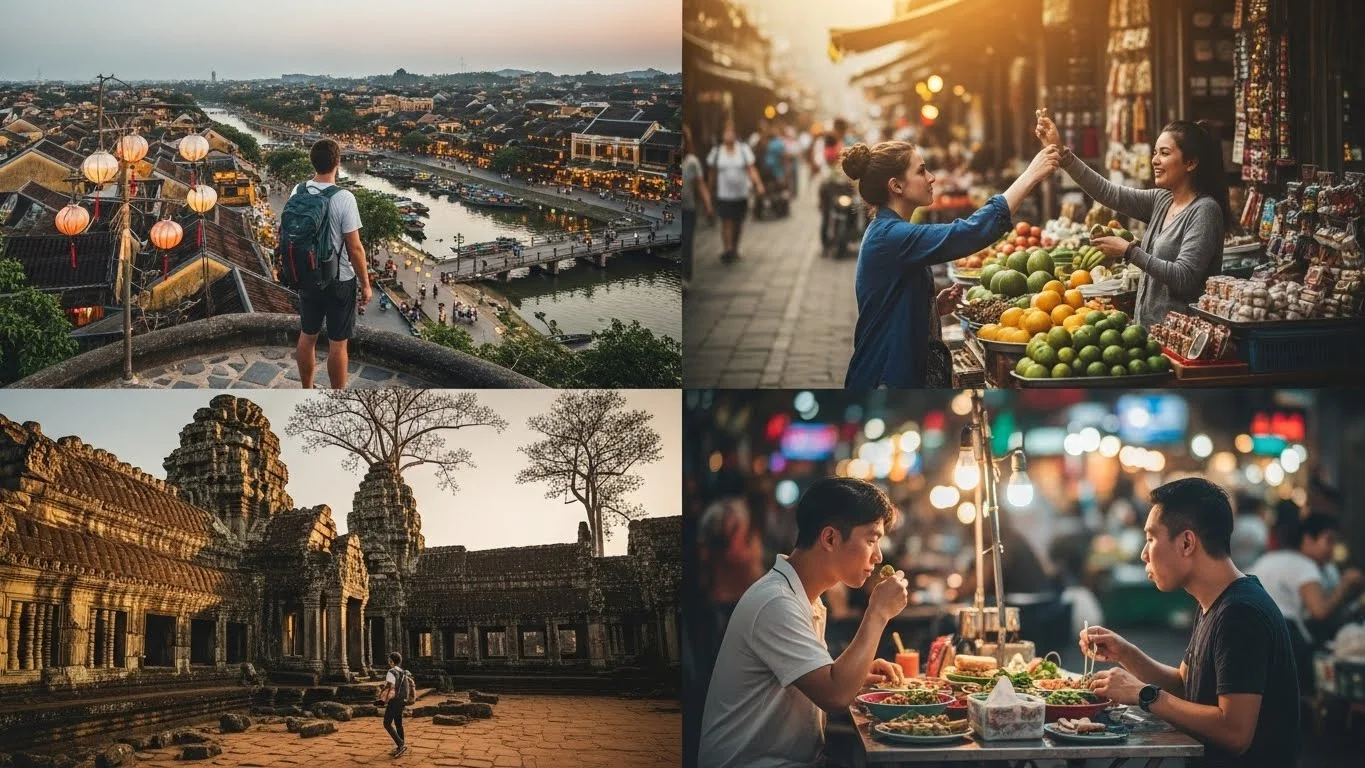
Web Analytics

Recent Posts

Essential Solo Travel Safety Tips for Budget Backpackers

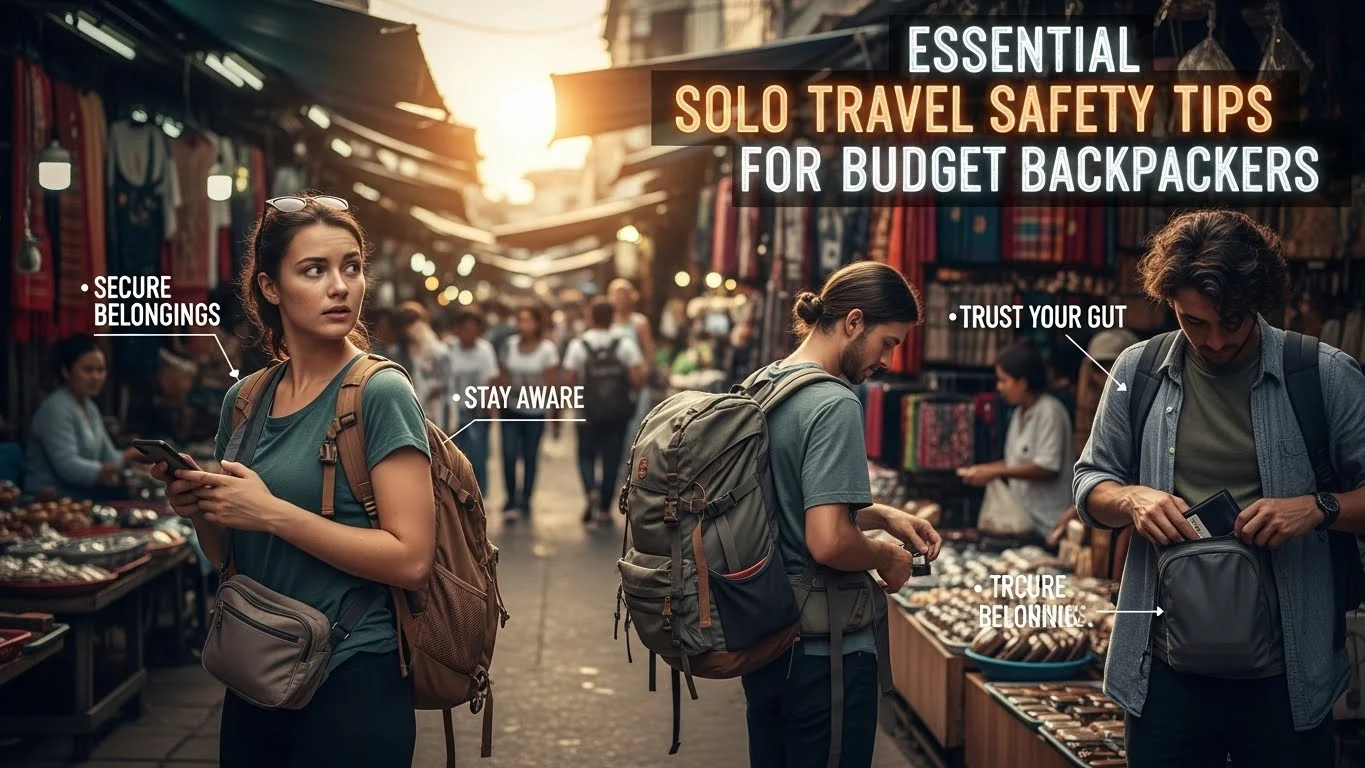
Solo travel can be one of the most rewarding experiences, allowing you to explore the world on your own terms. However, as a budget backpacker, ensuring your safety while on the road is crucial for a memorable journey. For more insights, check out Solo Travel Safety: How to Stay Secure on Your Adventures.
Essential Solo Travel Safety Tips for Budget Backpackers

Understanding Solo Travel Safety

The Importance of Safety for Backpackers

When I first decided to embark on a solo backpacking adventure, safety was at the forefront of my mind. I remember the excitement of planning my route and picking out the perfect destinations, but I quickly realized that understanding safety was just as essential as choosing where to go. Backpackers, especially those traveling alone, can be vulnerable to various risks, so it’s important to prioritize safety to truly enjoy the freedom of solo travel.

For me, traveling solo meant I could immerse myself in new cultures, meet interesting people, and embrace spontaneity without worrying about others’ preferences. But with that freedom came the responsibility of ensuring my well-being. I learned that a little preparation goes a long way in helping you feel secure and confident on your journey.

Common Risks Faced by Solo Travelers

As solo travelers, we face unique challenges. One obvious risk is theft, whether it’s losing your wallet while out exploring or having your backpack snatched in a crowded market. I remember walking through a bustling street in a foreign city, and I had my bag slung over my shoulder, feeling invincible. That’s when I noticed someone eyeing my backpack. It was a sharp reminder to stay vigilant.

Then there are health risks. We often underestimate how important it is to stay healthy while on the road. I’ve had my share of food poisoning incidents that left me regretting my culinary choices. It reinforced the need to be cautious about what I eat and drink, especially in places where hygiene standards might be different from what I’m used to.

Additionally, solo travelers can sometimes feel lonely or isolated, which can lead to poor decision-making. I’ve found myself in situations where, feeling lonely, I let my guard down and got into uncomfortable situations. The key is to prepare yourself mentally, so you know how to handle those emotions while staying safe.

Pre-Travel Safety Preparations

Researching Your Destination

Before I travel, I make it a habit to research my destination thoroughly. I dive into the culture, the local customs, and even the common scams that other travelers have faced. Websites, travel blogs, and forums are all valuable resources. My favorite part is reading firsthand accounts from other solo travelers; their experiences often provide insights that you won’t find in guidebooks. For comprehensive insights, refer to Essential Solo Travel Safety Tips for Adventurous Backpackers.

Understanding the areas that are considered safe versus those that aren’t can help you plan your itinerary better. I’ve found that knowing when and where to explore can make all the difference in having a great experience versus finding yourself in a tough spot. Also, don’t forget to check if there are any travel advisories in place before you leave.

Travel Insurance: Why It’s Essential

I can’t emphasize enough how important travel insurance is. On my last trip, I was fortunate enough to avoid any major mishaps, but I still had peace of mind knowing I was covered in case of emergencies. Travel insurance is like a safety net; it protects you against unforeseen circumstances like cancellations, medical emergencies, or theft.

When selecting a policy, I recommend looking for one that covers medical emergencies, trip cancellations, and personal liability. I learned the hard way that not all insurance is created equal, so take the time to read the fine print. It’s worth the investment when you consider the potential costs of an unexpected situation abroad.

Emergency Contacts and Local Laws

Having a list of emergency contacts saved on my phone is something I never travel without. I make sure to include local emergency numbers, my country’s embassy or consulate, and perhaps even a few friends or family members back home. I remember once needing help during a minor incident, and having that contact list ready made the process so much easier.

Understanding the local laws is also crucial. Every country has different regulations, and what might be acceptable in one place could land you in trouble in another. I always take a moment to familiarize myself with the basics, like traffic laws or cultural etiquette. It’s a small effort that can prevent misunderstandings and ensure a smoother experience.

Health Precautions: Vaccinations and Medications

Last but certainly not least, I never overlook vaccinations and health precautions. Depending on where I’m traveling, I make sure I’m up to date on necessary vaccines. For instance, when I traveled to Southeast Asia, I learned about the importance of getting vaccinated for things like typhoid and hepatitis A. It’s not just about protecting myself; it’s about being responsible and considerate of others around me.

I also carry a small health kit with basic medications and any prescription meds I need. Having these on hand can save you from a lot of stress, especially if you fall ill in a place where pharmacies may not have what you need. Trust me, having that kit ready has come in handy more times than I can count.

Packing Smart for Safety

Choosing the Right Backpack

When I first started solo backpacking, I didn’t think much about my backpack choice, but I’ve learned the hard way how crucial it is. My backpack is like my home away from home, so I always make sure it’s lightweight, comfortable, and secure. I prefer a backpack that has multiple compartments; this way, I can keep my valuables closer to my body and accessible only when I need them. I also look for features like lockable zippers and a rain cover, as these add an extra layer of security and protection.

Another tip I’ve discovered is to choose a color that doesn’t scream “tourist.” Bright colors can attract unwanted attention, while neutral tones help me blend in better. I remember one time in a crowded market, a traveler nearby had a flashy backpack that drew all sorts of curious eyes. I felt relieved that mine was less noticeable, allowing me to navigate the area with more confidence.

Essential Safety Gear

Over the years, I’ve accumulated a list of essential safety gear that I never leave home without. A good travel lock is indispensable, especially for securing my backpack while traveling on public transport or in hostels. I also carry a personal alarm, which can be a lifesaver in a tight situation. I once tested it out during a solo trip, and the loud sound definitely caught the attention of nearby people, making me feel safer.

Another item that has proven invaluable is a portable charger. I rely on my phone for navigation and emergency contacts, so keeping it charged is essential. I’ve found myself in places where I couldn’t easily find an outlet, and having that backup power source has come to my rescue more than once. Don’t forget a good quality flashlight; it’s handy not just for camping but also for navigating dark streets or dimly lit areas.

Documents and Money Management

Managing my documents and money while traveling is something I take very seriously. I make photocopies of my passport, ID, and any essential documents, storing them both digitally and physically. I keep one set of copies in a separate spot from the originals, just in case something goes missing. I remember one trip when I lost my wallet; having those copies made the replacement process much smoother.

When it comes to money, I often split my cash and cards between my main backpack and a smaller daypack. This way, if something happens and I lose one, I still have access to funds. I also rely on a money belt or hidden pouch under my clothing for my most important items. It might feel a little awkward at first, but the peace of mind it brings is worth it. I’ve seen too many travelers regret not being more careful with their money, and I always want to learn from others’ experiences.

Technology for Safety: Apps and Devices

In today’s digital age, technology can be a fantastic ally for solo travelers. I love using safety apps that share my location with trusted friends or family. For instance, I often use apps that allow me to send alerts if I’m feeling unsafe or need assistance. I remember using one during a solo hike when I decided to explore a less-traveled path. It gave my family peace of mind knowing they could track my route.

I also recommend downloading maps and travel guides offline. Wi-Fi can be spotty in some areas, and having access to crucial information without needing an internet connection is a game changer. Additionally, I find it helpful to keep a list of local emergency numbers on my phone, so I can quickly access them if needed. I learned from experience that being prepared can make all the difference when things take an unexpected turn.

Staying Safe During Your Journey

Transportation Safety Tips

Navigating foreign transportation systems can be daunting, but I’ve picked up some tips along the way. I usually opt for well-reviewed transport options, whether it’s a bus, train, or taxi. For local taxis, I recommend using rideshare apps where available, as it adds an extra layer of safety. I remember once hailing a taxi in a busy city, and when I saw the driver’s rating was low, I immediately canceled and waited for a better option.

When using public transportation, I stay alert and keep my belongings secure. During one crowded bus ride, I felt someone brush against me, and I quickly tightened my grip on my backpack. It’s those little instincts that can help avert larger problems. If I ever feel uncomfortable, I don’t hesitate to move to another area or even get off at the next stop to regain my composure.

Choosing Safe Accommodations

Finding safe places to stay is key for peace of mind while traveling solo. I usually rely on well-known booking sites and read reviews from fellow travelers. I’ve found that hostels and guesthouses often have a more social atmosphere, which can provide a sense of security. However, I always check if they have lockers available for my belongings. I learned the hard way during my first trip when I left my important items out in the open and felt anxious all night.

When I arrive at my accommodation, I take a moment to familiarize myself with the layout and any emergency exits. I also try to chat with the staff about the area and get their recommendations for safe places to explore nearby. This not only helps me stay informed but also builds a rapport that can be beneficial later on.

Connecting with Other Travelers

While solo travel can sometimes feel isolating, I’ve found that connecting with other travelers can enhance my experience and provide an added layer of safety. I often join group tours or attend local meet-ups, which can be a great way to meet like-minded adventurers. I remember joining a cooking class abroad, and not only did I learn a new dish, but I also made friends who became my travel buddies for a few days.

These connections can provide a sense of security, as it’s comforting to have someone else with you in unfamiliar places. Plus, sharing tips and experiences with fellow travelers can lead to discovering hidden gems in the area that I might not have found on my own. I’ve found that the travel community is often very supportive, and I’ve met some incredible people along the way.

Maintaining Your Privacy

In this age of social media, it’s easy to share our travels online, but I’ve learned the importance of maintaining privacy while on the road. I try to avoid posting my location in real-time, as it can attract unwanted attention. Sharing my experiences after I’ve left a location helps keep my adventures safer. I remember a friend who had her accommodations compromised because she was sharing her whereabouts too openly. It was a wake-up call for me.

When meeting new people, I also tend to keep personal details to a minimum. It’s tempting to share everything when you’re excited, but being cautious about what you disclose can prevent potential risks. I’ve found that keeping the conversation light and casual while gauging the other person’s intentions goes a long way in ensuring my safety.

On-the-Ground Safety Tips

Staying Aware of Your Surroundings

One of the best pieces of advice I’ve ever received is to stay aware of my surroundings. This might sound basic, but it’s made a huge difference in my travel experiences. I often find myself in vibrant, bustling environments, and it’s easy to get lost in the sights and sounds. I remember wandering through a local market, fascinated by the colorful stalls and the aromatic food. But I made sure to keep a mental note of my surroundings so that I wouldn’t inadvertently wander into a less safe area.

I try to avoid looking too much like a tourist, constantly checking maps or my phone. Instead, I glance at my route discreetly or ask locals for directions. I’ve found that engaging with locals not only provides helpful tips but also helps me blend in, making me less of a target. Plus, it can lead to meaningful interactions that enrich my travel experience.

Recognizing and Avoiding Scams

During my travels, I’ve encountered a variety of scams, and learning to recognize them has been invaluable. One of my first trips was in a city known for its vibrant street performances, and I was so enthralled that I didn’t notice when someone tried to pickpocket me. Thankfully, I felt the tug on my bag and turned just in time. Since then, I’ve become more cautious, listening to the experiences of fellow travelers and doing my own research on common scams in the areas I visit.

One scam I often hear about is the “friendly local” who offers to show you around or guide you to a popular attraction, only to lead you to a shop where they earn a commission. I’ve learned to politely decline unsolicited offers and trust my instincts. If something feels off, it probably is. Being aware of the common tricks can save you a lot of headaches down the line.

Managing Personal Belongings

Managing my belongings while traveling is crucial for peace of mind. I’ve developed a system over the years that works for me. I always keep my valuables—like my passport, money, and electronics—in a money belt or a secure pouch that I wear under my clothes. This way, even in crowded situations, I can feel more at ease knowing they’re safely tucked away.

When I’m out and about, I try to use a daypack that closes securely and can be easily accessed. I’ve seen too many travelers leave their bags unzipped or hanging loosely, which can be an open invitation for thieves. Whenever I sit down, whether it’s at a café or on public transport, I make sure my bag is secured in front of me or attached to my body. I learned this the hard way after almost losing my bag during a moment of distraction.

Using Public Wi-Fi Safely

In our tech-savvy world, I often find myself relying on public Wi-Fi, especially when I need to stay connected or access important information. However, I’ve learned to be cautious about using unsecured networks. Public Wi-Fi can be a hacker’s playground, and I’ve heard too many horror stories about travelers having their personal information compromised.

To stay safe, I always use a VPN (Virtual Private Network) when connecting to public Wi-Fi. It adds an extra layer of security by encrypting my data. Additionally, I avoid accessing sensitive accounts, like online banking, while on public networks. This simple practice has given me peace of mind while I enjoy my travels without worrying about my online security.

Emergency Situations: What to Do

Recognizing Signs of Trouble

Despite my best efforts to stay safe, I know that emergencies can happen. One of the most important skills I’ve developed is recognizing signs of trouble. If I ever feel uneasy in a situation, whether it’s a group of people acting suspiciously or a sudden change in the atmosphere around me, I’ve learned to trust my gut instinct. It’s better to be overly cautious than to find myself in a situation that could escalate.

In crowded places, I sometimes spot individuals who seem to be watching me a bit too closely. In these instances, I calmly change my path or move to a more populated area. I’ve also learned to keep my phone handy, not just for navigation but also as a tool for contacting someone if I need help. It’s empowering to have a plan in place for potential trouble.

How to Handle Theft or Loss

If the worst happens and I find myself dealing with theft or loss, I’ve learned how to handle it calmly. First and foremost, I take a deep breath and remind myself to stay composed. I recall one experience when my wallet was stolen; instead of panicking, I retraced my steps mentally and reported the loss to local authorities. Having the contact details of my embassy or consulate saved me a lot of trouble during that time.

I also make sure to have a backup plan in place for my finances. I often keep a small amount of emergency cash hidden separately, and I’ve set up a way to access funds from home if I ever find myself in a pinch. This preparation has come in handy more than once, allowing me to feel more secure while traveling.

Finding Help: Local Authorities and Services

Knowing how to find help in an emergency is vital. I always familiarize myself with local emergency services and have a list of important contacts saved on my phone. If I ever need assistance, whether it’s for theft, health issues, or any other troubles, I know where to turn. During one trip, I had to seek help from the local police for a minor issue, and being aware of their location made the process much smoother.

Emergency Numbers by Country

Before heading to a new destination, I make sure to research the emergency numbers relevant to that country. With a quick search, I can find the local numbers for police, medical emergencies, and fire services. I also recommend saving these numbers in your phone, or even carrying a small card with them written down. This simple step has proven invaluable during my travels, allowing me to feel more prepared for any situation that may arise.

Frequently Asked Questions

What are the common risks faced by solo travelers?

Common risks faced by solo travelers include theft, health risks such as food poisoning, and feelings of loneliness or isolation, which can lead to poor decision-making.

Why is travel insurance important for solo travelers?

Travel insurance is essential because it acts as a safety net, protecting against unforeseen circumstances like cancellations, medical emergencies, or theft, providing peace of mind while traveling.

What should I research before traveling to a new destination?

Before traveling, it’s important to research the culture, local customs, common scams, safe areas versus unsafe areas, and any travel advisories in place.

How can I ensure my safety while using public transportation?

To ensure safety while using public transportation, opt for well-reviewed options, stay alert, keep your belongings secure, and if you ever feel uncomfortable, don’t hesitate to move to another area or get off at the next stop.

What are some essential safety gear items for solo travelers?

Essential safety gear for solo travelers includes a good travel lock, personal alarm, portable charger, and a high-quality flashlight.

How can I maintain my privacy while traveling?

Maintain privacy by avoiding real-time location sharing on social media and being cautious about personal details when meeting new people, sharing only what is necessary.

What actions should I take if I experience theft or loss while traveling?

If you experience theft or loss, stay calm, retrace your steps, report the loss to local authorities, and have a backup plan for accessing funds if necessary.

How can I recognize signs of trouble while traveling?

Recognizing signs of trouble involves trusting your instincts; if you feel uneasy about a situation or notice suspicious behavior, it’s wise to change your path or seek a more populated area.

What should I do in case of an emergency while abroad?

In case of an emergency, familiarize yourself with local emergency services, keep a list of important contacts on your phone, and know where to turn for assistance.

How can I manage my documents and money safely while traveling?

Manage documents and money safely by making photocopies of important documents, keeping them stored separately from the originals, and using a money belt or hidden pouch for valuable items.
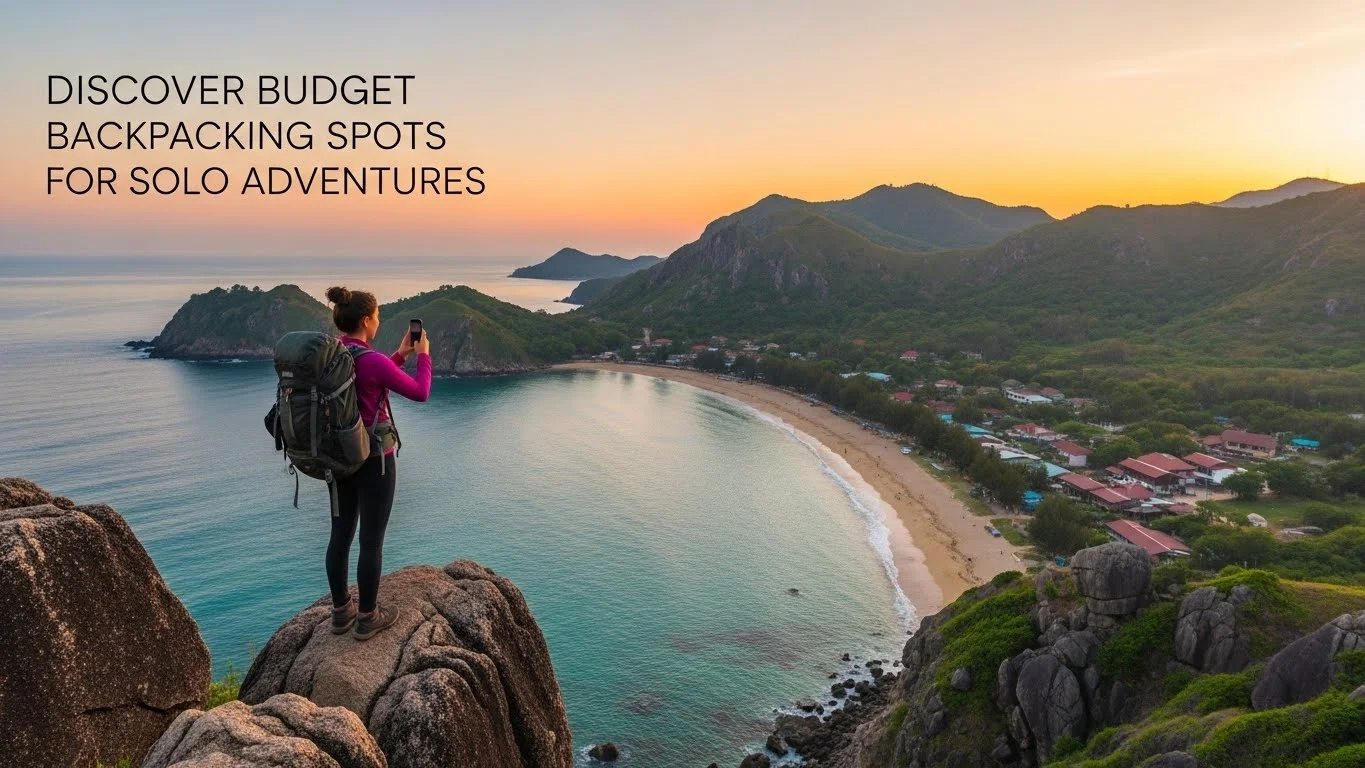
Discover Budget Backpacking Spots for Solo Adventures

Backpacking alone can be one of the most thrilling ways to explore the world. If you’re itching for adventure without breaking the bank, let’s dive into some budget-friendly backpacking spots that are perfect for solo travelers like us. For more insights, check out Top Budget-Friendly Solo Travel Destinations to Discover.

Discover Budget Backpacking Spots for Solo Adventures

Why Choose Backpacking for Solo Adventures?

The Freedom of Solo Travel

When I first decided to go backpacking solo, freedom was the biggest draw for me. There’s something incredibly liberating about not having to check in with anyone but yourself. You can wake up when you want, wander where your heart desires, and change your plans on a whim. I remember one morning in Thailand, I woke up feeling adventurous and decided to skip my planned temple visit. Instead, I spent the day lounging on the beach, soaking in the sun and the sound of the waves. That day became one of my favorite memories!

Benefits of Backpacking

Backpacking offers a unique blend of adventure, spontaneity, and connection with nature. For me, it’s not just about the destination; it’s about the journey. I’ve hiked through lush forests, climbed mountains, and navigated bustling markets, all while meeting fascinating people along the way. Backpacking allows you to connect with your surroundings in a way that traditional travel often doesn’t. Plus, it challenges you and pushes you out of your comfort zone, which is something I’ve truly cherished in my travel experiences.

Budget-Friendly Travel Options

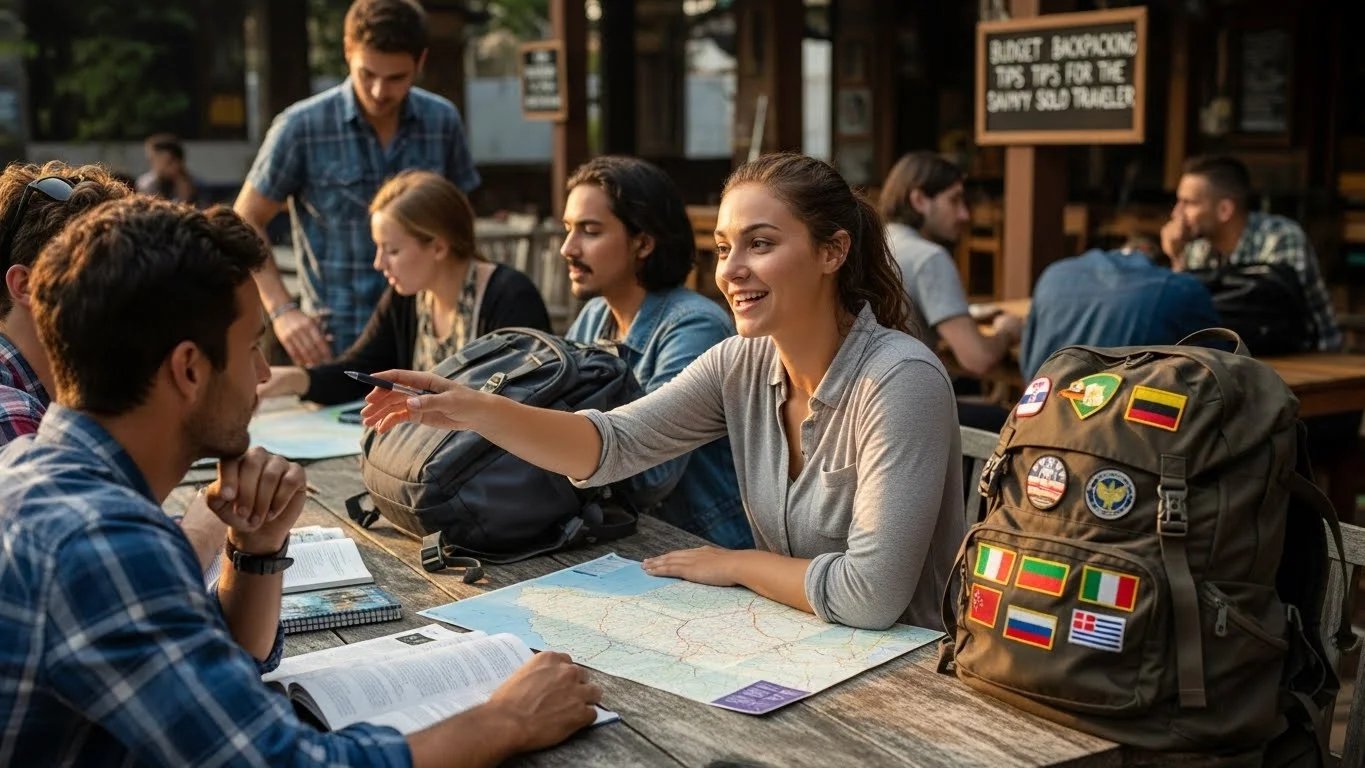
One of the best parts about backpacking is that it can be incredibly budget-friendly. I’ve learned to travel on a shoestring by seeking out affordable accommodation, local eateries, and free activities. For example, I often stay in hostels or even camp, which cuts costs significantly. I’ve found that street food not only saves money but also gives me a taste of authentic local cuisine. The thrill of exploring new places while keeping my expenses low has made every trip feel like a victory. For more tips, check out Budget Backpacking Tips for the Savvy Solo Traveler.

Top Budget Backpacking Destinations

South-East Asia

Thailand: Islands and Temples

Thailand is a paradise for solo backpackers. I remember arriving in Bangkok and being instantly captivated by its vibrant energy. The mix of ancient temples and bustling markets was a feast for the senses. I spent days exploring the Grand Palace and lounging on beautiful islands like Koh Phi Phi. The affordability of accommodation and food allows you to stretch your budget while experiencing rich culture. Plus, meeting fellow travelers in hostels made it easy to forge friendships that enriched my adventures.

Vietnam: Culture and Cuisine

Vietnam holds a special place in my heart. I wandered through the streets of Hanoi, savoring the fragrant pho and the bustling street life. The scenery is stunning, from the haunting beauty of Ha Long Bay to the terraced rice fields of Sapa. Traveling by bus or train is affordable and allows you to soak in the landscape. I loved taking my time to appreciate the local culture, and chatting with locals over a cup of Vietnamese coffee has given me insights into their daily lives that I cherish.

Eastern Europe

Budapest: Thermal Baths and Ruin Bars

Budapest was another highlight for me. The city’s architecture is breathtaking, and the thermal baths are a unique experience. I remember soaking in the Széchenyi Baths, surrounded by locals and tourists alike. The ruin bars, with their eclectic decor and vibrant atmosphere, are perfect for meeting fellow travelers. Dining out here is surprisingly affordable, making it easy to indulge in Hungary’s delicious cuisine without overspending.

Krakow: History and Nightlife

Krakow’s rich history and nightlife make it a top destination for solo travelers. Wandering through the historic Old Town, I felt transported back in time. The stunning architecture and the haunting stories from Auschwitz’s nearby location left a lasting impression on me. At night, I explored the lively Jewish quarter, where the bars are filled with warmth and music. It’s a city that welcomes solo backpackers with open arms, and I felt safe and connected throughout my stay.

Central America

Guatemala: Mayan Ruins and Natural Beauty

Guatemala was an unexpected gem for me. I hiked to the ancient Mayan ruins of Tikal, surrounded by lush jungle and wildlife. The feeling of standing amidst history was surreal. The vibrant markets in towns like Chichicastenango offered a glimpse into local life, with colorful textiles and handicrafts all around. The cost of living here is low, making it easy to explore without worrying about my budget.

Costa Rica: Eco-Tourism and Beaches

Costa Rica is perfect for nature lovers and adventure seekers. I hiked through cloud forests and explored stunning beaches, all while enjoying the country’s incredible biodiversity. Whether zip-lining through the canopy or relaxing on the shore, every moment was a thrill. I found that hostels and eco-lodges were not only affordable but also fostered a community atmosphere where I could share experiences with other travelers.

South America

Peru: Inca Trail and Machu Picchu

Peru has been one of the most transformative places I’ve visited. Trekking the Inca Trail to Machu Picchu was a life-changing experience. The views were breathtaking, and the sense of accomplishment after completing the trek was incredible. I loved learning about the history of the Incas and connecting with fellow hikers along the way. It’s a popular route, but even on a budget, it’s accessible, especially if you plan in advance.

Colombia: Coffee Regions and Caribbean Coast

Colombia surprised me with its beauty and warmth. I spent time in the coffee region, where I learned about the coffee-making process and enjoyed the stunning landscapes. Later, I traveled to the Caribbean coast, where I relaxed on beautiful beaches and explored vibrant towns. The affordability of food and activities made it easy to enjoy everything without stressing over my finances. I felt welcomed by the locals, who were always eager to share their culture.

Planning Your Budget Backpacking Trip

When to Go: Best Times for Solo Travelers

Choosing the right time for your backpacking adventure can make a world of difference. From my experience, traveling during the shoulder seasons—those bits of time between peak and off-peak seasons—can be a game-changer. I’ve found that prices are often lower, and popular spots are less crowded. For instance, when I visited Europe in early spring, I enjoyed beautiful weather without the summer tourist rush. Plus, it gave me more opportunities to connect with locals, who were more relaxed without throngs of tourists around.

How to Create a Backpacking Itinerary

Creating an itinerary for a backpacking trip can feel overwhelming at first, but I’ve learned to keep it flexible. I usually jot down the places I want to visit and the experiences I hope to have, but I also leave room for spontaneity. For example, when I was in Vietnam, I planned to spend three days in Hanoi, but after making friends in a local café, I extended my stay. It was those unplanned moments that turned out to be the most memorable! I recommend researching activities and sights beforehand but remember to embrace the unexpected.

Essential Gear for Backpacking

Backpacks: What to Look For

Choosing the right backpack is crucial. I learned the hard way that not all backpacks are created equal. When I first started backpacking, I went for a cheaper option that ended up being uncomfortable and cumbersome. Now, I always look for a backpack with good support, enough space for my essentials, and compartments for organization. I’ve found that a 50 to 70-liter pack works well for me, striking the right balance between capacity and manageability.

Clothing and Footwear Essentials

When it comes to clothing, I opt for layers. I remember hiking in Peru, and the weather changed from sunny to chilly in a heartbeat. Packing lightweight, quick-drying clothing has saved me from discomfort more times than I can count. I also invest in a good pair of hiking boots—they’ve been my trusty companions on countless trails. I always carry a light rain jacket too, just in case Mother Nature decides to surprise me!

Budgeting for Your Trip

Daily Expenses: Accommodation, Food, Activities

Budgeting can seem daunting, but it’s really about tracking your expenses and knowing where your money goes. I usually allocate my budget into three main categories: accommodation, food, and activities. For accommodation, I aim for around $15-$30 per night in hostels. Food is often where I save the most; I love eating street food or cooking in hostel kitchens. Activities can vary widely, but I prioritize free or low-cost experiences like hiking, walking tours, or visiting local markets. This way, I can enjoy my travels without constantly worrying about my bank account. Additionally, check out Solo Backpacking Tips: Travel Smart and Save Money for more budgeting strategies.

Saving Tips for Solo Travelers

One of my favorite saving tips is to take advantage of free walking tours available in many cities. These tours often operate on a “pay what you feel” basis, meaning you can tip your guide according to your budget. I’ve met some amazing people and learned so much from these tours. Additionally, I always keep an eye out for local discounts, especially for transportation or entrance fees at attractions. It’s incredible how much you can save with just a little research!

Finding Affordable Accommodation

Hostels: The Backpacker’s Best Friend

Hostels have been my go-to accommodation choice while traveling. I love the community vibe they offer. I remember my stay in a hostel in Budapest, where I met travelers from all over the world. We bonded over shared dinners, exploring the city together, and swapping travel stories. Plus, hostels are budget-friendly, often offering dormitory-style rooms for a fraction of the price of hotels. Many also host events or tours, making it easy to meet new friends.

Couchsurfing: Staying with Locals

Couchsurfing was initially intimidating for me, but it quickly became one of my favorite ways to travel. I remember my first Couchsurfing experience in Colombia; my host not only provided me with a place to stay, but also showed me around his neighborhood. Staying with locals offers deep insights into the culture and customs of a place. It’s also often free, allowing me to allocate more funds for experiences rather than accommodation.

Camping: Embracing Nature

Camping has added a whole new dimension to my backpacking adventures. On my trip to Costa Rica, I camped near the beaches and even in national parks. Waking up to the sound of waves or birds singing in the trees is an experience that can’t be beaten. Plus, it’s an affordable option that allows you to immerse yourself in nature. I always make sure to pack a lightweight tent and sleeping bag to keep my gear manageable.

Transportation Options for Backpackers

Public Transport: Buses and Trains

One of the things I’ve come to love about backpacking is the adventure of using public transport. It’s often the most affordable way to get around, and it allows you to see a lot more of the local culture. I remember taking a bus from Bangkok to Chiang Mai in Thailand, and it was such an experience! The bus was packed, the scenery was beautiful, and I had the chance to chat with local people. I learned so much about their lives during the ride. Trains can be just as enriching; I took a sleeper train in Vietnam that turned out to be one of the highlights of my trip. Watching the countryside roll by at night was magical! Just make sure to check schedules and book tickets in advance when necessary, especially during peak travel times.

Ridesharing and Hitchhiking

Ridesharing apps have become a lifesaver for many backpackers, including myself. They’re usually cheaper than taxis and can be a fun way to meet locals. I’ve had some great conversations with drivers who shared tips on where to go and what to see. Hitchhiking is also a popular option in some areas, and while it may feel daunting at first, it can lead to some unforgettable experiences. I tried hitchhiking in Colombia, and a friendly family picked me up, inviting me to share a meal with them. It was a fantastic way to connect with locals and get a glimpse into their daily lives. Just remember to trust your instincts and be cautious—safety is always a priority!

Budget Airlines for Longer Distances

For longer distances, budget airlines can be a great way to save money. I’ve flown with several low-cost carriers throughout my travels, and while the experience can be different from traditional airlines, it’s often worth it for the price. I remember booking a flight from Budapest to Krakow for just a few bucks, which allowed me to explore more destinations without straining my budget. Just be sure to read the fine print about baggage fees and other charges that can add up quickly. Planning ahead and being flexible with your travel dates can help you snag the best deals!

Safety Tips for Solo Backpackers

Staying Safe While Traveling

Safety is something I always keep in mind when I’m traveling solo. I’ve learned to trust my instincts and stay aware of my surroundings. In busy markets or on public transport, I keep my belongings secure and close to me. I also try to avoid flashing valuables like expensive cameras or jewelry. When I was in Vietnam, I found that sticking to well-lit and populated areas during the night helped me feel more secure. Sharing your travel plans with a trusted friend or family member can also give you peace of mind.

Emergency Contacts and Resources

It’s smart to have a list of emergency contacts and resources handy. I usually save important phone numbers, like the local embassy or consulate, in my phone and write them down in my travel journal. Knowing how to contact local authorities in case of an emergency is essential. I also recommend having a backup of important documents, like your passport and travel insurance information. I once misplaced my passport in a busy city, and having a copy made it much easier to handle the situation.

Travel Insurance: Is It Necessary?

From my experience, travel insurance is a worthwhile investment. While I’ve been lucky not to have faced serious issues, I’ve heard stories from fellow travelers about lost luggage or unexpected medical emergencies that made insurance invaluable. I once sprained my ankle hiking in Costa Rica, and having insurance helped cover the medical costs. It gave me peace of mind knowing I was protected during my adventures. I recommend shopping around for policies that suit your needs—look for ones that cover medical emergencies, trip cancellations, and personal belongings.

Meeting Other Travelers and Locals

Joining Group Tours and Activities

One of the best ways to meet fellow travelers is by joining group tours or activities. I discovered this when I participated in a cooking class in Thailand. Not only did I learn to whip up some delicious dishes, but I also bonded with other travelers, sharing our stories and tips. Group activities can range from hiking trips to cultural experiences. They’re an excellent way to immerse yourself in the local culture while making new friends along the way. I’ve found that these connections often lead to shared adventures, making my travels even more memorable!

Using Social Media and Travel Apps

In today’s digital world, social media and travel apps can be fantastic tools for connecting with other travelers. I often use platforms like Instagram and Facebook to find local meetups or events while I’m traveling. There are also dedicated travel apps that help you find like-minded adventurers. I remember using one of these apps to join a group of backpackers for a sunset hike in Colombia, and it turned into one of the best nights of my trip! Social media can also help you stay in touch with the friends you meet on the road, keeping those connections alive long after your travels.

Engaging with Local Communities

One of the most rewarding aspects of backpacking is connecting with local communities. I’ve found that engaging in community events or volunteering can create meaningful experiences. In Guatemala, I volunteered at a local school, and it allowed me to immerse myself in the culture while giving back. I learned so much from the locals, and the friendships I formed were incredibly enriching. Even just chatting with shopkeepers or fellow diners can lead to fascinating insights about their lives and culture. I believe these interactions are what make our travels truly special!

Frequently Asked Questions

Why is backpacking a good option for solo travelers?

Backpacking offers a sense of freedom, allowing travelers to explore at their own pace, change plans spontaneously, and connect with nature and fellow travelers in a unique way.

What are some budget-friendly backpacking destinations?

Some budget-friendly backpacking destinations include Thailand, Vietnam, Budapest, Krakow, Guatemala, Costa Rica, Peru, and Colombia, each offering rich culture, affordable accommodation, and memorable experiences.

How can solo travelers save money while backpacking?

Solo travelers can save money by staying in hostels, eating street food, participating in free activities, and using public transport. Budgeting daily expenses into accommodation, food, and activities is also essential.

What should I consider when choosing a backpack?

When choosing a backpack, look for good support, enough capacity (50 to 70 liters is recommended), and compartments for organization to ensure comfort and manageability during your travels.

What are some essential clothing items for backpacking?

Essential clothing items for backpacking include lightweight, quick-drying layers, a good pair of hiking boots, and a light rain jacket to prepare for changing weather conditions.

What safety tips should solo backpackers keep in mind?

Solo backpackers should trust their instincts, stay aware of their surroundings, keep belongings secure, avoid displaying valuables, and share travel plans with a trusted friend or family member for added safety.

How can I meet other travelers while backpacking?

Meeting other travelers can be accomplished by joining group tours and activities, using social media and travel apps to connect with like-minded adventurers, and engaging with local communities through events or volunteering.

Is travel insurance necessary for backpackers?

Travel insurance is recommended for backpackers as it provides peace of mind and protection against potential issues like lost luggage or medical emergencies during trips.

What are some affordable accommodation options for backpackers?

Affordable accommodation options for backpackers include hostels, Couchsurfing with locals, and camping, each providing opportunities to save money and connect with others.

What transportation options are available for backpackers?

Backpackers can use public transport such as buses and trains for affordable travel, ridesharing apps for cost-effective rides, and budget airlines for longer distances, while being mindful of safety and costs.

Ultimate Guide to Affordable Solo Travel Hotspots

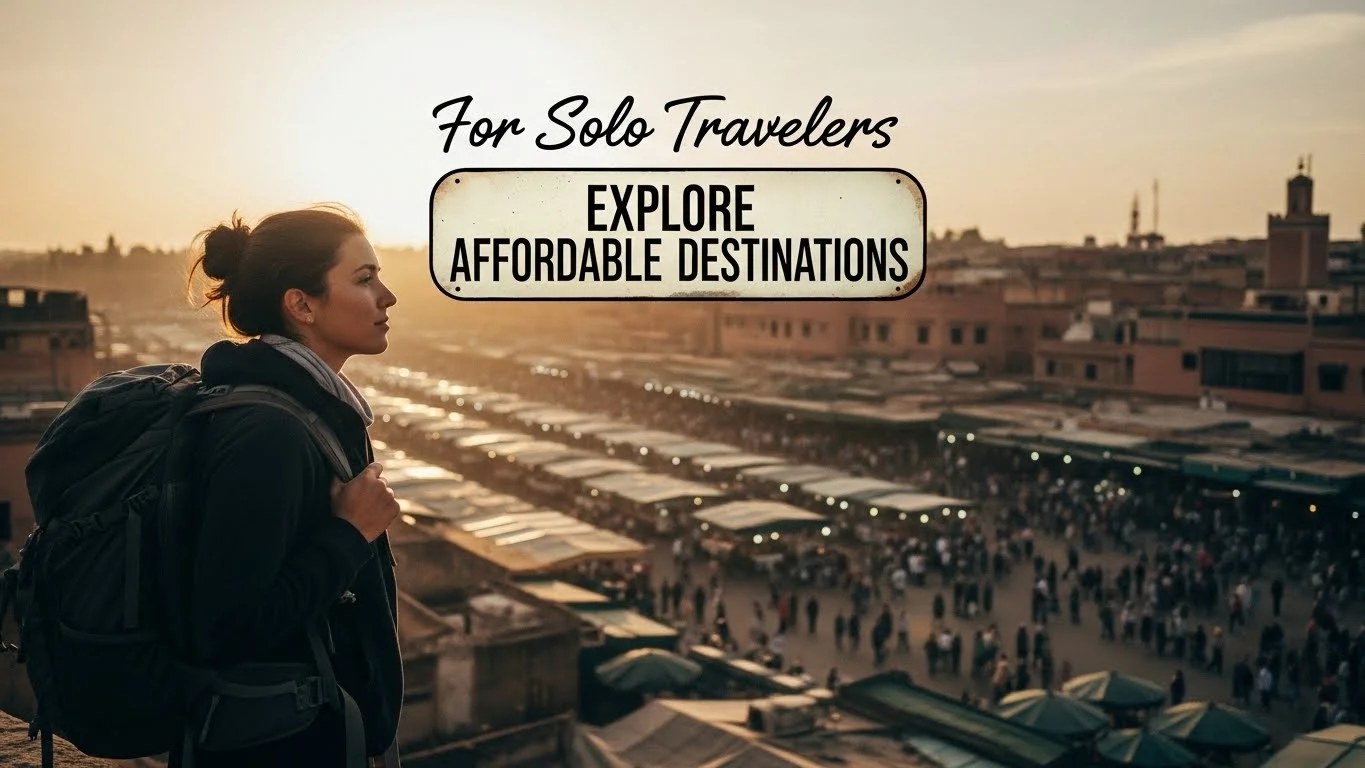
Traveling alone can be one of the most liberating experiences. With the right destinations, you can explore the world without breaking the bank. Let’s dive into how to make solo travel affordable and enjoyable! Read Interesting article: Explore Affordable Destinations for Solo Travelers

Ultimate Guide to Affordable Solo Travel Hotspots

Understanding Affordable Solo Travel

When I first started my solo travel journey, I was overwhelmed by the choices. But I quickly learned that affordable travel is about more than just cheap flights and budget accommodations. It’s about understanding what solo travel truly means and how to embrace it fully. For me, the best part of traveling alone is the freedom to explore at my own pace. There’s no need to compromise on where to go or what to do. But, of course, it comes with its own set of challenges. Let’s break it down.

Benefits of Solo Travel

One of the biggest benefits of solo travel is the opportunity for self-discovery. I remember the first time I wandered the streets of a foreign city by myself; I felt a thrill of independence that was intoxicating. You can wake up and make spontaneous decisions without having to check in with anyone else. Want to spend an entire day at a museum? Go for it! Feel like taking an unplanned detour to a local café? Absolutely! This kind of freedom allows for a deeper connection with the places you visit.

Another amazing aspect is meeting new people. I’ve had some of the best conversations with locals and fellow travelers while dining alone. Dining solo can be daunting at first, but I quickly found that it often opens the door to new friendships. Sharing a table at a buzzing eatery or sitting at a bar can lead to unexpected connections, and I’ve learned to cherish those moments. Read Interesting article: Cultural Solo Travel: Affordable Ways to Dive Deep

Challenges of Traveling Alone

Of course, traveling alone isn’t always smooth sailing. I’ve faced challenges like loneliness and the occasional feeling of vulnerability. It can be tough during those quiet moments when you wish you could share the view with someone or have someone to reminisce about the day’s adventures with. It’s important to acknowledge these feelings; they’re a natural part of the solo experience. I learned that it’s okay to take a break and recharge. I often find a cozy café or park to sit down and reflect on my day.

Safety is another concern when traveling alone. I’ve had to navigate unfamiliar environments, which can sometimes be daunting. I’ve learned to trust my instincts but also to take precautions, like keeping my belongings secure and avoiding risky areas at night. It’s all part of the adventure, but it does require a bit of extra planning and awareness.

Top Affordable Solo Travel Hotspots Worldwide

Now that we’ve touched on the benefits and challenges, let’s explore some of the most affordable solo travel hotspots around the globe. I have personally visited several of these places and can confidently say they offer incredible experiences without emptying your wallet.

Asia

Thailand

Bangkok

Bangkok is a vibrant city that stole my heart. The street food is delicious and incredibly cheap. I found myself indulging in mouthwatering Pad Thai for just a couple of dollars. The city is filled with temples, markets, and parks where I could spend hours exploring. The public transportation system is extensive, making it easy to navigate.

Chiang Mai

Then there’s Chiang Mai, known for its laid-back vibe and friendly locals. I spent my days wandering through old temples and night markets. The cost of living here is low, so I could afford to stay in charming guesthouses that felt like home. Plus, the surrounding nature offers stunning hiking opportunities, which I took full advantage of!

Vietnam

Hanoi

Next up is Hanoi, a city rich in culture and history. I loved exploring the streets filled with scooters, and I found the coffee scene to be vibrant and affordable. You can sip a cup of traditional Vietnamese coffee for just a dollar! The museums and historical sites were incredibly affordable, and I felt like I was getting a deep dive into the rich heritage of the country.

Ho Chi Minh City

Ho Chi Minh City, or Saigon, is another gem. The energy here is palpable! I spent my evenings enjoying street food and chatting with locals. The historical sites, like the War Remnants Museum, are budget-friendly and thought-provoking. I appreciated how easy it was to meet fellow travelers in hostels and cafes.

Europe

Portugal

Lisbon

In Europe, Lisbon stands out as a fantastic solo travel destination. The colorful streets and friendly atmosphere made me feel right at home. I found that public transportation was easy to use and inexpensive. The local food is delicious and affordable, especially if you enjoy pastries. I often indulged in pastéis de nata while people-watching.

Porto

Porto, with its stunning river views and rich culture, also captured my heart. The city is small enough to explore on foot, and the wine culture is something I didn’t want to miss. I joined a few affordable wine tours, connecting with other travelers while learning about the significance of port wine.

Eastern Europe

Bulgaria

Bulgaria is often overlooked, but it has so much to offer! I visited Sofia, where the blend of history and modernity amazed me. The food prices are low, and the welcoming locals made it easy to strike up conversations. I spent my evenings enjoying traditional Bulgarian meals without worrying about the bill.

Budapest

Finally, Budapest is a must-visit. The architecture is breathtaking, and the thermal baths are a unique experience that I highly recommend. I found many free walking tours that helped me understand the history of the city while meeting other travelers.

These hotspots are just the beginning of discovering solo travel opportunities that won’t break the bank. The world is full of affordable adventures waiting for us to dive in! Read Interesting article: Embrace Solo Travel: Affordable Cultural Experiences Await

Top Affordable Solo Travel Hotspots Worldwide

Central and South America

Mexico

Mexico City

Mexico City holds a special place in my heart. As one of the largest cities in the world, it offers an endless array of sights, sounds, and flavors. I found that the cost of living here is incredibly low, making it easy to enjoy street tacos for just a couple of dollars. I spent my days wandering through historic neighborhoods like Coyoacán, where I could feel the artistic vibe that Frida Kahlo once embodied. The museums are fantastic, and many are free on certain days. If you love history as much as I do, you’ll appreciate the rich culture that envelops you everywhere you go.

Colombia

Bogotá

Bogotá was another delightful surprise. I remember arriving and feeling a mix of excitement and nerves, but I quickly fell in love with the city’s energy. The public transport is well-organized, and I was able to explore neighborhoods like La Candelaria at my own pace. The street art is vibrant and tells stories that you just have to see. I also enjoyed trying arepas at local joints, which are both tasty and budget-friendly. If you’re into museums, don’t miss the Gold Museum—it’s a treasure trove of history!

Medellín

Medellín, known for its transformation over the years, is a city that never ceased to amaze me. The climate is perfect, and I loved exploring the botanical gardens and riding the cable cars to get stunning views of the city. The locals were warm and welcoming, which made it easy to strike up conversations. I recommend taking a walking tour to dive deep into the city’s fascinating history and innovations. Plus, the nightlife here is lively and safe—perfect for meeting fellow travelers!

Africa

Morocco

Marrakech

Marrakech is like stepping into a vibrant tapestry of culture and tradition. The souks filled with colorful spices, textiles, and handmade goods felt like a treasure hunt. While navigating the bustling streets, I enjoyed sampling traditional Moroccan dishes like tagine. What struck me the most was the hospitality of the locals. Sitting with a Moroccan family over mint tea is an experience I cherish. The beauty of the Atlas Mountains is just a short trip away, providing a perfect escape for nature lovers.

Oceania

New Zealand

Queenstown

Queenstown is often dubbed the adventure capital of New Zealand, and after visiting, I can see why! The stunning landscapes left me breathless, and I found plenty of affordable activities. I went hiking on the numerous trails, which are free and offer spectacular views. I also splurged a bit on a bungee jump—an exhilarating experience I’ll never forget. The town itself is charming, with a great nightlife scene, perfect for unwinding after a day filled with adventures. I met fellow travelers at cozy hostels, sharing stories over local wines.

Planning Your Solo Adventure

When to Visit

Planning the timing of your solo adventure can genuinely enhance your experience. I’ve found that traveling during the shoulder seasons—spring and fall—can be ideal. Not only are the crowds thinner, making it easier to navigate, but prices for flights and accommodations are often much lower. I remember visiting Thailand in late April when the weather was warm, but the tourist rush hadn’t set in yet. It gave me the perfect balance of comfort and exploration without breaking the bank.

Budgeting for Solo Travel

Daily Expenses

Budgeting is crucial for keeping solo travel affordable. I usually begin by estimating my daily expenses, including food, transportation, activities, and accommodations. I tend to keep a journal where I jot down my spending, which helps me stay on track. For instance, in cities like Lisbon, I discovered that I could enjoy a hearty meal for under $10, leaving plenty of room in my budget for other experiences. I also always keep an emergency fund aside, which gives me peace of mind when exploring new places.

Accommodation Options

Finding the right accommodation can make a huge difference in my travel budget. I’ve learned that hostels, guesthouses, and even Airbnb options can provide comfortable stays without costing a fortune. In Chiang Mai, I found a beautiful guesthouse for less than $20 a night, complete with a friendly host who shared great local tips. I always recommend looking for places that offer kitchen facilities, as cooking some of my meals has saved me a lot of money on longer trips.

Finding Affordable Accommodation

Hostels

Hostels are often my go-to for solo travel. Not only are they budget-friendly, but they also provide a great opportunity to meet other travelers. I’ve had some of my best experiences in hostels, sharing stories and making plans to explore together. Many hostels also organize group activities, which can help you connect with others and make the most of your stay.

Airbnb

Airbnb is another excellent option. I appreciate the ability to have my own space while still being able to interact with locals if I choose to stay in an area with a host. Some of my favorite stays have been in unique locations, like a tiny home in the woods or a loft in a bustling city center. Plus, I can often find affordable options that fit my budget perfectly.

Guesthouses

Guesthouses hold a nostalgic charm for me. They often offer a more personal touch, with owners who are eager to share their knowledge of the area. I remember staying at a guesthouse in Portugal where the owners treated me like family, making my trip feel even more special. These cozy spots can often be found at reasonable prices, making them a great choice for solo travelers.

Getting Around Solo

Public Transportation

One of the best parts about traveling solo is figuring out how to navigate a new city on your own. When I was in Europe, I relied heavily on public transportation, and I learned that it’s often the most affordable way to get around. For example, in cities like Lisbon and Budapest, the public transport systems were efficient and easy to understand. I purchased day passes that allowed me unlimited travel on buses, trams, and subways. This not only saved me money but also gave me the chance to see more of the city without the stress of finding parking or navigating traffic.

In my experience, it’s always a good idea to download a transportation app relevant to the city you’re visiting. I found myself using Google Maps regularly, which helped me navigate public transit routes seamlessly. I remember feeling a little lost at first, but soon, I was hopping on and off trains and buses like a local!

Walking and Biking

Walking is another fantastic way to explore a city, especially when you’re solo. There’s something incredibly satisfying about wandering through the streets, absorbing the atmosphere. I recall taking long walks in cities like Bangkok and Paris, discovering hidden gems that I might have missed if I’d been zipping around on public transport. Plus, it’s free! In my opinion, walking adds a personal touch to the travel experience, allowing for spontaneous detours into shops, cafes, or parks.

If you’re feeling adventurous, renting a bike can be an excellent option too. I’ve tried this in cities that are known for being bike-friendly, like Amsterdam and Copenhagen. Riding through the streets gave me a unique perspective, and I found it exhilarating to breeze by the canals or historic buildings while getting a bit of exercise. Just be sure to familiarize yourself with local biking rules to stay safe on the roads.

Ridesharing and Taxis

While I prefer public transport and walking, there are times when a rideshare or taxi is the best option, especially late at night or in areas where public transport isn’t readily available. Apps like Uber or Lyft have made getting around so much easier and often more affordable than traditional taxis. I remember using ridesharing in Mexico City after a long day of exploring when I was too tired to navigate the metro. It felt safe and convenient, allowing me to rest while getting back to my accommodation.

Just a tip: always check the estimated fare before accepting a ride. I’ve found that fares can vary significantly based on time of day or demand. And if you’re in a taxi, make sure it’s a licensed cab to avoid any issues. Overall, ridesharing can be a great tool for solo travelers looking for convenience and safety.

Top Attractions for Solo Travelers

Must-See Landmarks

When you’re traveling alone, visiting iconic landmarks can offer a sense of connection to the place you’re exploring. I’ve always made it a point to check out the must-see attractions in each city. For instance, standing in front of the Eiffel Tower took my breath away. I was lucky enough to spend a sunny afternoon there, people-watching and enjoying a baguette while soaking in the atmosphere.

Another unforgettable experience was visiting the Colosseum in Rome. I opted for a guided tour, which not only provided me with fascinating historical context but also allowed me to meet fellow travelers who were just as eager to explore. I’ve found that joining a tour is a great way to see popular sites while making connections with others.

Unique Experiences

Beyond the well-known landmarks, I love seeking out unique experiences that make my solo travels memorable. In Bali, for instance, I took a traditional cooking class where I learned to make authentic Indonesian dishes. I felt a sense of accomplishment when I savored the fruits of my labor while chatting with other travelers in the class. It’s these kinds of experiences that allow me to immerse myself in the culture of the destination.

In my travels, I’ve also discovered that participating in local festivals or events can be a fantastic way to connect with the local community. When I was in Thailand during Songkran, the water festival, I joined in on the celebrations and ended up making friends with both locals and fellow tourists. Those moments of joy and shared laughter became some of my favorite travel memories.

Local Tours and Activities

Local tours can also enhance your solo travel experience. I’ve often booked walking tours, food tours, or even bike tours that not only introduce you to the best spots in a city but also provide opportunities to meet other travelers. In Barcelona, I booked a tapas tour that led me through some of the city’s hidden culinary gems. Sharing small plates with others while discussing our travel stories made me feel a sense of camaraderie that I truly cherished.

Additionally, look for unique activities that cater to solo travelers, like art classes, yoga retreats, or guided hikes. I participated in a sunrise hike in New Zealand, which not only gave me stunning views but also allowed me to bond with fellow hikers. These activities can create lasting memories and friendships, adding depth to your solo journey.

Frequently Asked Questions

What are the benefits of solo travel?

One of the biggest benefits of solo travel is the opportunity for self-discovery. It allows for spontaneity in decision-making, such as spending an entire day at a museum or taking an unplanned detour to a local café. Additionally, solo travel provides chances to meet new people, as dining alone can often lead to unexpected friendships with locals and fellow travelers.

What challenges might I face when traveling alone?

Challenges of traveling alone include feelings of loneliness and vulnerability, especially during quiet moments. It’s important to acknowledge these feelings and take breaks to recharge. Additionally, safety can be a concern, requiring extra planning and awareness when navigating unfamiliar environments.

What are some affordable solo travel hotspots in Asia?

Some affordable solo travel hotspots in Asia include Bangkok and Chiang Mai in Thailand, as well as Hanoi and Ho Chi Minh City in Vietnam. These cities offer low-cost food, accommodations, and activities that cater to solo travelers.

Which European destinations are recommended for solo travelers?

In Europe, Lisbon and Porto in Portugal are highlighted as fantastic destinations for solo travelers. Bulgaria, particularly Sofia, and Budapest are also recommended for their affordable food and rich culture.

What budgeting tips can help keep solo travel affordable?

Budgeting for solo travel involves estimating daily expenses for food, transportation, activities, and accommodations. Keeping a spending journal can help track expenses and stay on budget. It’s also wise to keep an emergency fund for peace of mind while exploring.

What types of accommodations are best for solo travelers?

Hostels, guesthouses, and Airbnb options are great for solo travelers. Hostels are budget-friendly and provide opportunities to meet other travelers. Guesthouses often offer a personal touch, whereas Airbnbs can provide privacy while still allowing interaction with locals.

How can I get around a new city when traveling alone?

Using public transportation is often the most affordable way to get around, as seen in cities like Lisbon and Budapest. Walking is also a fantastic and free way to explore, allowing for spontaneous discoveries. Renting a bike is another option in bike-friendly cities.

What attractions should solo travelers prioritize?

Solo travelers should prioritize iconic landmarks and must-see attractions, such as the Eiffel Tower or the Colosseum. Joining guided tours can enhance the experience and provide opportunities to meet other travelers.

Are there unique experiences that solo travelers can enjoy?

Yes, solo travelers can seek out unique experiences such as local cooking classes, art classes, or participating in local festivals. These activities allow for cultural immersion and the chance to bond with fellow travelers.

How can local tours enhance the solo travel experience?

Local tours, such as walking or food tours, can introduce solo travelers to the best spots in a city while providing opportunities to meet others. Engaging in these activities fosters camaraderie and enriches the overall travel experience.

Top Budget-Friendly Solo Travel Destinations to Discover

Traveling solo can be one of the most rewarding experiences, especially when you can do it on a budget. Let’s explore some incredible destinations that won’t break the bank and offer unforgettable adventures. Read Interesting article: 10 Essential Backpacking Tips for Budget Solo Travelers

Top Budget-Friendly Solo Travel Destinations to Discover

Overview of Budget-Friendly Solo Travel

Why Choose Solo Travel?

Before diving into the best budget-friendly destinations, I want to share why I believe solo travel is a fantastic choice. For me, traveling alone means complete freedom. I can create my own itinerary, change plans on a whim, and connect with locals in a way that feels more genuine. There’s something magical about discovering new places by myself; every moment is my own, allowing me to truly immerse myself in the culture and experiences around me.

Benefits of Traveling on a Budget

Traveling on a budget might seem limiting at first, but I’ve learned that it actually opens up a world of possibilities. When I focus on finding affordable options, I often stumble upon hidden gems that typical tourists might overlook. Budget travel forces me to be creative, whether that’s finding local eateries instead of expensive restaurants or using public transport instead of taxis. Plus, it allows me to stretch my travel funds further, making it possible to explore more destinations or extend my trip. I feel like every dollar saved is a step toward another adventure! Read Interesting article: Budget Backpacking Tips for the Savvy Solo Traveler

Top Budget-Friendly Solo Travel Destinations

1. Southeast Asia

Thailand

Bangkok’s Affordable Hostels

Bangkok is a hotspot for budget travelers, and I can see why. The city is packed with affordable hostels and guesthouses that cater to solo adventurers. I remember staying at a cozy little hostel in the Khao San Road area that cost me less than $10 a night! It was clean, had friendly staff, and was close to everything I wanted to see. If you’re looking to meet other travelers, hostels are a great way to connect with like-minded individuals.

Street Food Culture

One of my favorite things about Bangkok is the street food. I could eat my way through the city without spending much at all. I was amazed to find delicious meals for just a couple of dollars. From pad thai to mango sticky rice, the flavors are incredible, and eating at street stalls allows you to experience the local culture firsthand. I recommend just wandering down a street and trying whatever catches your eye!

Vietnam

Hanoi’s Budget Attractions

Moving on to Vietnam, Hanoi is another fantastic destination for solo travelers on a budget. I found that many of the city’s attractions, like the Hoan Kiem Lake and the Old Quarter, are either free or very inexpensive. Walking around the vibrant streets, I felt the buzz of the city and found countless photo opportunities. The people were warm and welcoming, which made my exploration even more enjoyable.

Ho Chi Minh City’s Night Markets

Ho Chi Minh City is a must-visit for its vibrant night markets. I loved wandering through these markets, soaking in the sights and sounds while trying delicious snacks. The prices were so low that I never felt guilty about indulging in a few extra treats. Plus, the atmosphere is electric, making it a memorable experience to share with fellow travelers I met along the way.

2. Eastern Europe

Budapest, Hungary

Affordable Accommodation Options

Next on my list is Budapest, a city that blends history and culture beautifully. I was pleasantly surprised by the affordable accommodation options available, from hostels to budget hotels. I found a lovely hostel that offered free breakfast, which was a nice perk. The city is compact, so getting around was easy and didn’t cost much.

Free Walking Tours

One of the best ways to explore Budapest is by joining a free walking tour. I did this when I was there, and it was an excellent way to learn about the city’s history from passionate guides. They work on a tips-only basis, so you can give what you feel is fair. It’s a great way to meet other travelers and gain valuable insights into the city.

Krakow, Poland

Cultural Sites on a Budget

Krakow captured my heart with its beautiful architecture and rich history. Many of the cultural sites are low-cost or even free to visit. I spent hours wandering around the Main Market Square and visiting the stunning Wawel Castle without spending a fortune. There’s something about strolling through these historical places that makes you appreciate the journey even more.

Local Cuisine

Eating out in Krakow also won’t break the bank. I discovered many local eateries offering traditional Polish dishes at great prices. My favorite was a tiny pierogi shop where I could fill up on delicious dumplings for just a few dollars. It was the perfect way to fuel my adventures while staying within budget.

3. Central America

Guatemala

Antigua’s Historic Charm

Traveling to Central America, I found Guatemala to be a fantastic choice. Antigua, in particular, is a charming town filled with colorful buildings and cobblestone streets. I loved exploring the markets and historic sites, all while enjoying some of the best coffee I’ve ever tasted. The prices were incredibly reasonable, making it easy to enjoy my time there without worrying about money.

Volcano Hiking Adventures

One of the highlights of my trip was hiking one of the nearby volcanoes. The guides were affordable, and the views from the top were breathtaking. I felt a sense of accomplishment standing at the summit, taking in the scenery. It’s a great way to meet other travelers too, as many solo adventurers join these tours.

Costa Rica

Affordable Eco-Lodges

Costa Rica is known for its stunning landscapes and wildlife, and it’s also very budget-friendly. I stayed in eco-lodges that were surprisingly affordable, especially considering the unique experiences they offered. Waking up to the sounds of nature was a refreshing change from city life.

Backpacking Trails

The backpacking trails throughout Costa Rica are perfect for solo travelers. I found it easy to navigate, and the locals were friendly and helpful. Each day brought a new adventure, from hiking to waterfalls to soaking in hot springs—all of which fit nicely within my budget. Read Interesting article: Backpacking on a Budget: Top Tips for Solo Travel Success

Top Budget-Friendly Solo Travel Destinations

4. South America

Peru

Inexpensive Trekking Options

When I think of South America, Peru immediately comes to mind, especially for those looking for a budget-friendly adventure. The trekking options are incredible, and many of them are surprisingly affordable. I remember embarking on a multi-day trek on the Inca Trail that didn’t cost me an arm and a leg. The guides were knowledgeable and engaging, adding so much to the experience. Being surrounded by breathtaking mountains and lush scenery was a dream come true. I felt a deep sense of connection to nature and history as I hiked along the ancient pathways.

Cusco and Machu Picchu

Cusco, the gateway to Machu Picchu, is another highlight for solo travelers. I found that many hostels offered great rates, and being in a dorm allowed me to meet fellow adventurers. Exploring Cusco’s charming streets and vibrant markets was an adventure in itself. The best part? Taking the train to Machu Picchu was a budget-friendly option if you book in advance. Standing at the ruins, I felt a mix of excitement and awe. It’s an experience I’ll cherish forever, and I loved knowing I could do it all without breaking the bank.

Colombia

Bogotá’s Cultural Experiences

Colombia was a pleasant surprise for me. Bogotá, the capital, is a city full of culture and history. I was amazed at how many free museums and galleries were available. I spent hours wandering through the streets, enjoying the street art and local music. The vibe of the city is electric, and I found that many locals were eager to share their culture and stories, making my experience even richer. I also enjoyed the local markets where I could taste traditional dishes without spending much at all.

Medellín’s Affordable Living

Medellín has a reputation for being both affordable and welcoming. I remember staying in a lovely hostel in the El Poblado neighborhood, where I made friends with other travelers. The city has an excellent public transport system, making it easy to explore places like the Comuna 13. The vibrant street art and the transformation of this area were truly inspiring. There are free walking tours available, which I highly recommend if you want to learn more about the city’s history. I loved participating in local festivals and events, which were often free and full of life.

5. Portugal

Lisbon

Budget-Friendly Attractions

Portugal is often overlooked, but I found Lisbon to be an incredible destination for solo travelers. The city is steeped in history, with its charming streets and picturesque views. Many of the attractions are either free or very cheap to enter. I remember visiting the beautiful Belém Tower and the Jerónimos Monastery without spending much at all. Strolling through the Alfama district, I felt like I was stepping back in time, and the views from the Miradouros (viewpoints) were breathtaking.

Public Transportation Tips

Getting around Lisbon is a breeze, especially with the affordable public transport options. I loved using the trams to navigate the hilly streets; it felt like part of the adventure. Plus, I discovered that buying a day pass allowed me unlimited access to trams, buses, and the metro, which saved me a lot of money. I recommend checking out the 28 Tram route for a scenic overview of the city!

Porto

Wine Tasting on a Budget

Porto is famous for its port wine, and I couldn’t resist taking part in a few tastings. What I loved was that many of the wine cellars offered affordable tours that included tastings. I remember visiting one that charged just a few euros and provided an informative tour about the wine-making process. Sipping wine while overlooking the Douro River was an experience I won’t soon forget. Plus, enjoying the local cuisine, like francesinha, was budget-friendly and absolutely delicious.

Walking Tours

Walking tours in Porto are another great way to experience the city without spending much. I joined one that focused on the history and culture of the area, and it was so rewarding. The guides were passionate and had a wealth of knowledge to share. I met other solo travelers, and we bonded over our shared experiences in this beautiful city. I recommend taking advantage of these tours—they’re often donation-based, so you can pay what you can afford.

Planning Your Solo Trip

When to Visit These Destinations

Timing can make a huge difference in your travel experience, especially when you’re trying to stick to a budget. From my experience, the off-peak seasons are often the best times to visit many of the destinations I’ve mentioned. For instance, if you consider traveling to Southeast Asia, the months from May to October are generally less crowded and cheaper, although you might encounter a bit of rain. I remember visiting Thailand during the shoulder season, and while there were some showers, the lower prices on accommodations and flights made it worthwhile.

In Eastern Europe, spring and fall are ideal times to explore. I found that the weather was pleasant, and attractions were less crowded. Plus, many local festivals happen during these seasons, offering rich cultural experiences at no extra cost. In South America, visiting in the dry season (May to September) can also help you avoid the rainy weather while still finding budget-friendly options for accommodations and excursions.

How to Find Budget Accommodation

Finding affordable places to stay can be a game changer for solo travelers. I’ve discovered that using platforms like Hostelworld or Airbnb can lead to some fantastic deals. I remember searching for accommodations in Lisbon and stumbling upon a charming hostel that had not only good reviews but also a fantastic location. It was a little hidden gem, and I was able to score a dorm bed for under $20 a night!

Another strategy I’ve found effective is to look for accommodations that offer amenities like free breakfast or kitchen facilities. I’ve saved a lot of money by preparing my own meals or enjoying the breakfast spread before heading out for the day. Additionally, consider staying in local guesthouses or family-run inns, as they often provide more personal service and insight into the area.

Transportation Options for Solo Travelers

Navigating a new city can be daunting, but I’ve learned that using public transportation is often the best way to go. It’s not only economical but also gives you a taste of daily life in the place you’re visiting. For example, when I was in Budapest, I used the metro system, which was easy to navigate and affordable. I even bought a travel pass that allowed unlimited rides for three days, which helped me save money while exploring the city at my own pace.

In places like Vietnam, I took advantage of local buses and motorbike taxis (Grab is a popular app there). Not only was it cheap, but it also allowed me to see more of the city than I would have by walking. Plus, I often met locals who shared their favorite spots, making my experience even richer. I highly recommend downloading local transportation apps to help you get from point A to point B without the stress of language barriers.

Safety Tips for Solo Travelers

Safety is a priority for anyone traveling alone, and I’ve picked up a few tips along the way that helped me feel more secure. First, I always keep my belongings close and be aware of my surroundings. I remember one evening in a crowded market in Ho Chi Minh City, and I felt a tap on my shoulder. I turned to find a friendly local wanting to chat, but I instinctively checked my bag to ensure everything was secure. It’s essential to trust your instincts; if a situation doesn’t feel right, don’t hesitate to leave.

Connecting with fellow travelers can also enhance your safety. I often found that staying in hostels made it easy to meet others and share plans, whether it was joining a tour or exploring the city together. Additionally, I recommend keeping a copy of essential documents, like your passport and travel insurance, stored somewhere safe and accessible. This way, if anything goes wrong, you can quickly get assistance without too much hassle.

Local Experiences to Consider

Engaging with Local Cultures

One of the best parts of traveling solo is the chance to engage deeply with local cultures. I’ve found that immersing myself in the local way of life can lead to memorable experiences. For instance, during my time in Thailand, I took part in a traditional cooking class in Chiang Mai. Not only did I learn how to make authentic Thai dishes, but I also got to connect with locals who shared stories about their lives and customs. It’s fascinating how food can bridge cultural gaps and create bonds.

In Portugal, I participated in a fado music night in Lisbon. The heartfelt performances filled the small tavern with emotion, and I felt privileged to witness such a vital part of Portuguese culture. These experiences allowed me to leave my comfort zone, and I always felt welcomed, even as a solo traveler.

Free or Low-Cost Activities

Finding free or low-cost activities is essential for budget travelers, and I’ve discovered countless options over the years. In Budapest, I stumbled upon the thermal baths, which had a small entrance fee but offered an incredible experience. Soaking in the warm waters while chatting with fellow travelers was a perfect way to relax and unwind. I’ve learned that many cities offer a wealth of free activities, from outdoor festivals to art exhibits. You just need to keep an open mind and explore a bit!

In Colombia, I joined a free walking tour in Bogotá that took me through the city’s historical districts. The guides were passionate locals who provided insight that I couldn’t have found in any guidebook. Plus, I met other solo travelers, and we ended up exploring the vibrant street art scene together. These shared experiences can lead to lasting friendships and unforgettable memories.

Budgeting for Your Trip

Daily Budget Breakdown

Budgeting is crucial for solo travelers, and I’ve found that having a clear daily budget helps me stay on track. I usually break it down into categories: accommodation, food, activities, and transportation. For example, when I was in Vietnam, I aimed for around $30 a day. I typically spent about $10 on accommodation, $10 on food, and the rest on activities and transportation. By keeping an eye on my spending, I could enjoy spontaneous experiences without worrying too much about my finances.

I’ve also learned to adjust my budget based on the destination. In places like Southeast Asia, I found I could stretch my money further, while in Europe, I needed to be a bit more careful. It’s all about finding that balance and making the most of what you have!

Saving Tips for Solo Travelers

Saving money while traveling solo is an art I’ve mastered over time. One of my top tips is to avoid tourist traps. I remember being tempted by popular restaurants close to major attractions, but I often found better meals at local spots a bit further away. Eating where the locals go is usually cheaper and more authentic.

I also recommend using travel apps to find deals on attractions. Many cities offer discounts for booking in advance or have special days when entrance fees are waived. Additionally, I’ve made a habit of carrying a reusable water bottle. In many destinations, you can refill it with tap water, saving money and reducing plastic waste.

Final Thoughts

Traveling solo on a budget is not just about saving money; it’s about creating enriching experiences that last a lifetime. I’ve discovered that the world is filled with incredible destinations that cater to solo adventurers without breaking the bank. From engaging with local cultures to finding hidden gems, every trip has taught me something new. As you plan your own solo journey, remember to embrace the freedom that comes with it, keep an open mind, and don’t shy away from connecting with others along the way. I truly believe that the world is meant to be explored, and your next adventure awaits!

Frequently Asked Questions

1. What are the benefits of traveling solo on a budget?

Traveling solo on a budget offers complete freedom to create your own itinerary and connect with locals in a genuine way. It encourages creativity in finding affordable options, allowing for the discovery of hidden gems that typical tourists might overlook. Additionally, it helps stretch travel funds further, enabling exploration of more destinations or extending trips.

2. What are some budget-friendly destinations for solo travelers?

Some of the top budget-friendly destinations for solo travelers include Southeast Asia (Thailand and Vietnam), Eastern Europe (Budapest and Krakow), Central America (Guatemala and Costa Rica), South America (Peru and Colombia), and Portugal (Lisbon and Porto).

3. How can I save money on accommodation while traveling solo?

To save money on accommodation, consider using platforms like Hostelworld or Airbnb to find great deals. Look for places that offer free breakfast or kitchen facilities, and consider staying in local guesthouses or family-run inns for a more personal service and better rates.

4. What are some transportation options for solo travelers?

Public transportation is often the best option for solo travelers as it is economical and provides a glimpse into daily life. Using local buses, subways, or taxis (like Grab in Vietnam) can help you navigate cities easily and affordably.

5. What safety tips should I keep in mind when traveling alone?

To stay safe while traveling alone, keep your belongings close and be aware of your surroundings. Trust your instincts, connect with fellow travelers, and keep copies of essential documents stored safely. Engaging with locals and fellow travelers can also enhance your safety.

6. How can I engage with local cultures while traveling solo?

Engaging with local cultures can be achieved by participating in activities such as cooking classes, local music nights, or free walking tours. These experiences allow for meaningful connections with locals and create lasting memories.

7. What are some free or low-cost activities to consider while traveling?

Many cities offer free or low-cost activities, such as walking tours, outdoor festivals, or visiting free attractions. Engaging in local experiences and exploring public spaces can lead to memorable adventures without spending much money.

8. How should I budget for my solo trip?

Having a clear daily budget is essential for solo travelers. Break it down into categories like accommodation, food, activities, and transportation. Adjust your budget based on the destination to make the most of your finances while allowing for spontaneous experiences.

9. What are some tips for saving money while traveling solo?

To save money while traveling solo, avoid tourist traps and eat where locals go. Use travel apps to find deals on attractions and carry a reusable water bottle to save on drinks. Look for discounts for booking in advance or special days with waived entrance fees.

10. When is the best time to visit budget-friendly destinations?

Visiting during the off-peak seasons is often the best time to find budget-friendly options. For Southeast Asia, the months from May to October are cheaper but may have rain. In Eastern Europe, spring and fall are ideal, while in South America, the dry season from May to September helps avoid rain and offers budget options.

Explore Affordable Destinations for Solo Travelers

Solo travel opens up a world of adventure and self-discovery. If you’re looking to explore new places without breaking the bank, there are countless affordable destinations waiting for you! Read Interesting article: Cultural Solo Travel: Affordable Ways to Dive Deep

Explore Affordable Destinations for Solo Travelers

Understanding Solo Travel

When I first decided to travel alone, I was both excited and a little apprehensive. The idea of setting off on my own, without the comfort of a travel buddy, was a mix of thrilling and daunting. I learned quickly that solo travel is a journey not just through new landscapes but also into oneself. It’s about finding freedom, gaining confidence, and sometimes confronting unexpected challenges. Understanding these aspects of solo travel can truly enhance your experience.

Benefits of Traveling Alone

Traveling solo offers a unique sense of freedom that’s hard to match. You get to make all the decisions without having to compromise with anyone else. Want to spend an entire day at a museum? Go for it! Feeling spontaneous and want to try that local dish? It’s all up to you. I found that this independence allowed me to connect more deeply with the places I visited and the people I met. When you’re alone, you’re more likely to strike up conversations with locals and make new friends along the way. Plus, traveling solo often pushes you out of your comfort zone, leading to personal growth and unforgettable memories. Read Interesting article: Embrace Solo Travel: Affordable Cultural Experiences Await

Challenges Faced by Solo Travelers

Of course, solo travel isn’t always sunshine and rainbows. One of the biggest challenges I faced was loneliness. There were moments when I craved the company of friends or family, especially during meals or while exploring. I learned that it’s okay to feel this way, and it often helps to immerse yourself in local culture or engage with other travelers. Another challenge is safety. Being alone can sometimes make you feel more vulnerable, especially in unfamiliar places. I quickly realized that being aware of my surroundings and planning my itinerary carefully were essential to enjoy my travels worry-free.

Safety Considerations

Speaking of safety, this is something I take very seriously when I travel alone. I’ve read countless tips and tricks, and I always make sure to keep my valuables close. It’s important to research the safety of your destination beforehand. I also found it helpful to share my travel itinerary with someone at home. Knowing that someone knows where I am gives me a sense of security. When I’m out exploring, I often keep my phone charged and have important contacts saved for emergencies. All of these precautions have allowed me to enjoy my solo adventures with more peace of mind.

Top Affordable Destinations for Solo Travelers

Now that we’ve covered the basics of solo travel, let’s dive into some amazing destinations that are not only affordable but also perfect for those of us venturing out on our own.

Lisbon, Portugal

Why Lisbon is Ideal for Solo Travelers

Lisbon has a unique charm that makes it a perfect solo travel destination. The vibrant neighborhoods, friendly locals, and stunning viewpoints give it a welcoming vibe. I felt at ease wandering through the streets of Alfama, soaking up the culture and finding hidden gems at every turn.

Must-See Attractions

Don’t miss the iconic Belém Tower and the stunning Jerónimos Monastery—both are not only beautiful but rich in history. I also recommend taking a tram ride through the city; it’s a great way to see the sights while mingling with other tourists and locals. The city’s vibrant nightlife, especially in the Bairro Alto district, is also an experience I cherished.

Budget Accommodation Options

There are plenty of affordable hostels and guesthouses in Lisbon. I found one that had a great atmosphere and even organized group activities, making it easy to meet fellow travelers. Websites like Hostelworld or Airbnb can help you find perfect budget stays that match your style.

Bali, Indonesia

Solo-Friendly Activities

Bali is often hailed as a paradise for solo travelers, and I couldn’t agree more. The culture, the beaches, and the breathtaking landscapes make it an ideal setting for self-exploration. I spent my days practicing yoga, lounging at coffee shops, and exploring stunning temples.

Where to Stay on a Budget

There are numerous affordable hostels and villas in Bali. I loved staying in Ubud, where I found a cozy hostel that offered both a chance to socialize and some serene spaces for reflection. Many places also provide guided tours, which can be a great way to connect with other solo travelers.

Budapest, Hungary

Exploring the Thermal Baths

Budapest is a stunning mix of history and modernity. One of my favorite experiences was visiting the famous thermal baths. Locals and travelers alike come here to relax and socialize, making it a great spot to meet new people.

Inexpensive Dining Options

This city is full of affordable dining options, from street food stalls to charming cafes. I remember indulging in delicious goulash and pastries without spending a fortune. It’s a foodie paradise, and trying local dishes adds another layer to your travel experience.

Mexico City, Mexico

Cultural Experiences for Solo Travelers

Mexico City is packed with rich culture and history. I found museums, art galleries, and vibrant markets around every corner. Exploring the historic center was one of my highlights. There’s so much to learn and discover, and I often felt inspired by the art and creativity surrounding me.

Affordable Lodging Choices

There are many budget-friendly accommodations in Mexico City, from hostels to boutique hotels. I stayed in a lovely hostel that offered organized tours, helping me connect with fellow travelers while exploring the city.

Chiang Mai, Thailand

Top Attractions for Solo Travelers

Chiang Mai is a delightful blend of tradition and modernity. The temples are breathtaking, and I found the people to be incredibly hospitable. One of my favorite experiences was the Yi Peng Lantern Festival—it was magical and something I’ll never forget.

Budget-Friendly Food Options

The food scene here is incredible, and you can eat well without spending much. Street food is not only delicious but also a great way to immerse yourself in the local culture. I loved sampling different dishes and chatting with local vendors.

Prague, Czech Republic

Solo-Friendly Tours and Activities

Prague is a city where I felt completely at home while wandering around. The beautiful architecture and vibrant culture were captivating. I joined a few walking tours, which were a great way to meet other solo travelers and learn about the city’s history.

Where to Find Affordable Stays

Hostels in Prague are plentiful and affordable. I was able to find a great option that was centrally located, making it easy to explore the city on foot. Many hostels also organize group outings, providing a chance for solo travelers to connect.

Planning Your Solo Trip

Best Times to Visit Popular Destinations

When I plan a solo trip, timing can make all the difference. I’ve learned that some destinations are best visited during the off-peak seasons. For example, traveling to Bali during the shoulder seasons of April to June or September to November often means fewer crowds and lower prices. I remember visiting Europe in late September; the weather was still warm, but the summer tourists had mostly gone home, which allowed me to enjoy the sights more peacefully. It’s worth checking local festivals or events too, as experiencing these can add a unique flavor to your travels, but it can also mean larger crowds. Balancing these factors based on what you want to experience can help create the best trip possible.

How to Create a Budget for Solo Travel

Creating a budget for solo travel was one of the most important steps I took. I recall sitting down with a notepad and mapping out all potential expenses, from flights and accommodations to daily meals and excursions. I often recommend using budgeting apps to keep track of my spending while I’m on the road. I found that setting daily limits helped me stay on track, especially when I was tempted by street food or spontaneous activities. If you’re flexible with your plans, consider using tools like Skyscanner or Kayak to find the best flight deals. I also try to set aside some money for unexpected adventures; you never know when a local tour or attraction might pique your interest! Read Interesting article: Budget Backpacking Tips for the Savvy Solo Traveler

Packing Tips for Solo Travelers

Packing wisely is key for a smooth solo trip. I remember packing way too much for my first solo adventure, and it felt overwhelming. Now, I focus on versatility. I choose clothing that can be mixed and matched, making it easy to create different outfits without overloading my suitcase. I also recommend packing a small day pack for excursions. It’s great for carrying essentials when exploring a city on foot. Since I often travel to warmer destinations, I pay close attention to lightweight fabrics and quick-drying materials. Lastly, I always keep a small first aid kit and a portable phone charger handy; these little things can save a lot of hassles while traveling alone.

Connecting with Other Travelers

Using Social Media and Apps

Connecting with fellow travelers has enriched my solo journeys in ways I never expected. Social media platforms like Instagram and Facebook have communities dedicated to solo travel where you can find tips, inspiration, and even travel buddies. I’ve met amazing people through groups dedicated to specific destinations or solo travel experiences. Another tool I found helpful is Meetup, which allows you to find local events or groups based on your interests. Whether it’s a hiking group or a language exchange, these connections can lead to memorable experiences and friendships.

Hostels and Co-Working Spaces

Staying in hostels is one of my favorite ways to meet other travelers. Hostels often have communal areas where people hang out, and they frequently organize events like pub crawls or group dinners. I remember a night in a hostel in Prague where I ended up chatting with a group of travelers over dinner, and we decided to explore the nightlife together. Co-working spaces are also great for connecting with like-minded individuals, especially if you’re a digital nomad or just need to get some work done while on the road. I found working alongside other remote workers can lead to new friendships and collaborations.

Solo Travel Meetups and Events

Participating in solo travel meetups can be a game-changer. I often check platforms like Eventbrite or local tourism websites to see if there are any events during my stay. Whether it’s a cooking class, a guided tour, or even a local festival, I’ve found that these gatherings are fantastic for meeting other travelers. I remember attending a photography workshop in Bali that not only improved my skills but also connected me with a group of fellow explorers. Even if I went alone, I ended up making friends with whom I shared meals and explored the island. These experiences have made my travels far more enjoyable and less solitary.

Staying Safe While Traveling Alone

General Safety Tips

Safety is always a top priority for me when I travel alone. I’ve learned to stay aware of my surroundings and trust my instincts. One of my go-to strategies is to research the areas I plan to visit ahead of time. Knowing which neighborhoods are safe and which ones to avoid can significantly reduce anxiety. I also make it a habit to keep emergency contacts handy, whether it’s a local embassy or friends back home. Additionally, having a portable charger ensures that my phone remains operational; it’s my lifeline for maps and communication.

Emergency Contacts and Resources

Before I leave for a trip, I always compile a list of emergency contacts. I include the local embassy or consulate, local emergency services, and my accommodation details. It’s reassuring to have this information at my fingertips should anything unexpected happen. I also recommend downloading apps that can provide quick access to emergency numbers in different countries. Having a plan can give you peace of mind, allowing you to focus more on enjoying your travels.

Staying Connected with Family and Friends

Maintaining contact with family and friends while I’m on the road is something I prioritize. I often set a routine for check-ins, whether it’s a quick message or a video call. This not only keeps my loved ones informed but also gives me an added sense of security. Plus, sharing my adventures with them often feels like they’re right there with me. I also use social media to update my journey, which helps me feel connected while exploring new places. Knowing my family is following along adds a layer of comfort during my solo adventures.

Exploring Local Cuisine on a Budget

Affordable Eating Options

One of the most enjoyable parts of traveling solo is diving into the local cuisine. I remember my time in Chiang Mai, where I discovered that street food is not only delicious but also budget-friendly. I often seek out local markets or food stalls to taste authentic dishes without overspending. I’ve found that asking locals for recommendations can lead to some of the best meals. In Mexico City, I stumbled upon a small taco stand that became my go-to spot for late-night bites, all while chatting with the friendly vendor.

Local Street Food Recommendations

Street food is a must-try when traveling solo. Each destination has its specialties, and I make it a point to sample as many as I can. For instance, in Budapest, I couldn’t resist trying lángos, a deep-fried flatbread topped with sour cream and cheese from a local vendor. In Bali, I enjoyed delicious satays from food carts set up along the beach. Not only is street food an affordable option, but it also allows me to experience the local culture and flavors firsthand.

Cooking Classes for Solo Travelers

Taking a cooking class is an excellent way to immerse myself in local cuisine while meeting fellow travelers. I’ve taken classes in various countries, and it’s always a fun experience. In Italy, I learned to make fresh pasta, and in Thailand, I discovered the secrets of balancing flavors in traditional dishes. These classes not only provide practical cooking skills but also create lasting memories and connections. Plus, I get to enjoy the food I’ve prepared, which feels like a rewarding accomplishment after a day of exploration.

Transportation Tips for Solo Travelers

Public Transport Options

Getting around a new city can be daunting, but I’ve found that public transportation is often the best way to explore. I usually research the local transport system beforehand to familiarize myself with routes and schedules. In cities like Budapest and Prague, I relied on trams and buses, which were not only affordable but also convenient. I remember my first ride on a tram in Lisbon; it was a fun way to see the city while meeting locals and other travelers. Plus, using public transport helps me feel more connected to the daily life of the place I’m visiting.

Ridesharing and Taxis

In situations where public transport isn’t an option, I turn to ridesharing apps like Uber or Lyft, which I’ve found to be reliable and safe. I prefer these services over hailing a taxi, as they offer a clear fare estimate and driver information. However, I always pay attention to my surroundings and trust my instincts. If something feels off, I’ll wait for another ride. I’ve also used taxis occasionally, especially late at night, and I make sure to confirm the driver’s identity before getting in.

Walking and Biking in New Cities

Walking or biking around a new city is one of my favorite ways to explore. It allows me to discover hidden gems that I might miss while riding in a car or on public transport. I often use walking apps to guide me and help plan my routes. In cities like Amsterdam, I rented a bike for the day, which was not only fun but also allowed me to see more in a shorter time. I encourage anyone traveling solo to embrace the beauty of wandering; getting lost can sometimes lead to the most memorable experiences.

Frequently Asked Questions

What is solo travel?

Solo travel is the act of exploring new places alone, which often leads to adventure and self-discovery. It involves gaining freedom, confidence, and sometimes facing unexpected challenges.

What are some benefits of traveling alone?

Traveling solo offers a unique sense of freedom and independence, allowing you to make decisions without compromise. It often leads to deeper connections with locals and other travelers, as well as personal growth through new experiences.

What challenges do solo travelers face?

Some common challenges include feelings of loneliness and safety concerns. Travelers may miss the company of friends or family and need to be more aware of their surroundings in unfamiliar places.

What safety tips should solo travelers keep in mind?

Solo travelers should research the safety of their destination, keep valuables close, share their itinerary with someone at home, stay aware of their surroundings, and have emergency contacts readily available.

What are some affordable destinations for solo travelers?

Affordable destinations for solo travelers include Lisbon, Bali, Budapest, Mexico City, Chiang Mai, and Prague, each offering unique experiences and budget-friendly accommodations.

How can solo travelers connect with others during their trips?

Travelers can connect with others through social media platforms, staying in hostels, participating in co-working spaces, and attending solo travel meetups or events.

What are some packing tips for solo travelers?

Pack versatile clothing that can be mixed and matched, include a small day pack for excursions, focus on lightweight fabrics, and always carry a small first aid kit and portable phone charger.

How can solo travelers enjoy local cuisine on a budget?

Travelers can enjoy local cuisine affordably by seeking out street food, asking locals for recommendations, and taking cooking classes to learn about local dishes and meet fellow travelers.

What transportation options do solo travelers have in new cities?

Public transportation is often the best way to explore a new city. Solo travelers can also use ridesharing apps, taxis, or enjoy walking and biking to discover hidden gems.

What are the best times to visit popular destinations for solo travel?

Traveling during off-peak seasons can lead to fewer crowds and lower prices. Researching local festivals or events can also enhance the travel experience, although it may attract larger crowds.

Budget Backpacking Tips for the Savvy Solo Traveler

Embarking on a solo backpacking adventure can be exhilarating and liberating. With the right planning and tips, you can explore the world without breaking the bank. Let’s dive into how to make your journey both budget-friendly and unforgettable! Read Interesting article: Discovering Cultures Alone: Budget Backpacking Tips

Budget Backpacking Tips for the Savvy Solo Traveler

Understanding Budget Backpacking

What is Budget Backpacking?

Budget backpacking is all about traveling on a limited budget while still maximizing your experiences. I remember my first solo trip where I decided to explore Southeast Asia. I didn’t want to spend a fortune, but I was eager to soak in the sights, sounds, and cultures of the places I visited. Budget backpacking allowed me to stay flexible, meet new people, and truly immerse myself in each destination. It’s not about luxury; it’s about adventure, discovery, and making memories that last a lifetime.

Benefits of Solo Travel

Traveling solo comes with its own set of perks. For starters, you have the freedom to create your itinerary without needing to compromise. I loved waking up and deciding to head to a local market one day and a national park the next without having to check in with anyone else. Plus, solo travel pushes you out of your comfort zone, helping you build confidence and independence. You meet fellow travelers more organically, as you’re often more approachable when you’re on your own. I made some of my closest friends on the road simply by striking up conversations with fellow backpackers in hostels.

Essential Gear for Backpacking

Having the right gear can make or break your backpacking experience. When I first started, I realized that packing light was key. I invested in a good quality backpack that fit comfortably, as I would be carrying it around for hours on end. My favorites include a lightweight sleeping bag, a portable stove, and durable shoes that could handle various terrains. I also strongly recommend a water bottle with a built-in filter; staying hydrated is essential, and this can save you money on buying bottled water. Remember, it’s not just about what you pack, but how you pack it. I learned the hard way to roll my clothes instead of folding them to save space!

Planning Your Backpacking Trip

Choosing Your Destination

Choosing the right destination can be both exciting and overwhelming. I remember flipping through travel blogs and guidebooks, dreaming of places like Peru, Thailand, or Portugal. Each place has its unique charm and experiences to offer, but I also wanted to ensure I could travel there on a budget. My advice is to consider your interests—do you prefer mountains, beaches, or vibrant cities? Think about the culture you want to immerse yourself in, and don’t shy away from lesser-known spots. I found that some of the most memorable experiences were in smaller towns where I could connect with locals. Read Interesting article: Best Budget Backpacking Tips for Families with Kids

Researching Budget-Friendly Locations

Once I had a destination in mind, I started researching budget-friendly locations. Websites like Hostelworld and Booking.com were my go-tos for finding cheap accommodations. I also discovered several blogs that focus on budget travel tips. They provided insights into the best neighborhoods to stay in and hidden gems that didn’t cost a fortune. For instance, I found a quaint little guesthouse in a small town in Vietnam that cost less than $10 a night, and it came with breakfast! Traveling during the shoulder season often means fewer tourists and lower prices, which was a game changer for me.

Seasonality and Weather Considerations

Weather can significantly affect your backpacking experience. I learned this the hard way when I traveled to Europe in the winter, thinking I could handle the cold. Researching seasonality for your chosen destination is crucial. For me, visiting countries like Thailand during the dry season ensured I could explore without the hassle of monsoon rains. I recommend checking online resources or asking locals about the best times to visit. Also, packing layers can help you adapt to changing weather conditions, especially if you’re moving between different climates.

Setting a Realistic Budget

Before I set off on my adventures, I found it essential to create a realistic budget. I calculated my expected expenses, including accommodations, food, transportation, and activities, then added a bit more for unexpected costs. It was eye-opening to see how much I could save by prioritizing hostels and street food. I often set a daily limit for myself, which helped me keep track of my spending while still allowing for spontaneous experiences. I recommend using budgeting apps to keep everything organized and to ensure you’re staying on track.

Budget Accommodation Options

Hostels: The Affordable Choice

Hostels hold a special place in my heart. They were my first foray into budget accommodation, and they allowed me to travel without worrying too much about where I’d lay my head at night. I remember my first night in a bustling hostel in Barcelona; it was full of energy, laughter, and travelers from all corners of the world. Hostels are not just cheap; they often provide great opportunities for socializing. Many offer communal kitchens, where I enjoyed cooking with others or sharing meals. Plus, the staff usually have invaluable tips and tricks to help you navigate the area as a budget traveler. I can’t recommend checking out the ratings and reviews on sites like Hostelworld or Booking.com enough, as they can lead you to some real gems.

Couchsurfing: Staying with Locals

Couchsurfing was something I was initially hesitant about, but it turned out to be one of my favorite experiences. The idea of staying with locals for free sounded too good to be true, but I found that it offers an authentic glimpse into the culture of a place. I remember my first Couchsurfing experience in Istanbul. My host was a local artist who took me to hidden spots in the city that I would never have found on my own. It felt like I was truly part of the community. Of course, I learned to read profiles carefully and communicate openly with my potential hosts. Couchsurfing is about mutual respect and connection, and it definitely enriched my travels.

Camping: Embracing the Outdoors

Camping might not have been my first thought when I planned my backpacking adventures, but it quickly became one of my favorite ways to save money. I discovered that nature has its own kind of magic. A night spent under the stars in the national parks of Canada was simply breathtaking. I bought a lightweight tent and learned to pack all the essentials for camping. I remember sitting around a campfire, swapping stories with fellow backpackers, and cooking my meals over an open flame. Camping not only saved me money, but it also connected me more deeply to the places I visited. Just be sure to research local camping regulations and pack out what you pack in to help preserve these beautiful areas!

Airbnb and Vacation Rentals

While my heart leans towards hostels and Couchsurfing, I also found Airbnb and vacation rentals to be a fantastic option, especially when traveling in groups or needing a bit more space. I once booked a cozy apartment in Lisbon, which turned out to be a perfect home base. It was affordable, and having a kitchen allowed me to prepare some meals, saving even more money. I felt like a local, waking up in a residential neighborhood, grabbing coffee from a nearby café, and exploring the city at my own pace. When choosing an Airbnb, I recommend looking for places with excellent reviews and considering the location—it can make a huge difference in your experience.

Transportation on a Budget

Finding Cheap Flights

Finding cheap flights can feel like searching for a needle in a haystack, but I discovered a few tricks along the way. I remember booking a flight to Bangkok and feeling like I’d won the travel lottery. I always keep an eye on flight comparison sites like Skyscanner and Google Flights. Setting up alerts for specific routes was a game changer for me; I’d receive notifications when prices dropped. Flexibility is key here—if you can be flexible with your departure dates, you’ll often find better deals. I also learned to consider alternative airports, which sometimes offer significantly lower fares.

Using Public Transportation

Once I arrived at my destination, public transportation became my best friend. I found that using buses, trams, and trains not only saved money but also provided a unique way to see the city. I recall hopping on a local bus in Prague, and instead of taking the tourist tram, I got to see everyday life unfold around me. Many cities offer transportation passes for visitors, which can save you a lot on individual ticket prices. It’s always worth researching the local transit system before heading out; it can open up a whole new world of exploration!

Hitchhiking and Rideshares

Hitchhiking might sound a bit daunting, but I decided to give it a shot during my travels in Eastern Europe. I was pleasantly surprised by how friendly and welcoming people were. I remember standing by the roadside in Hungary, and within minutes, a kind couple picked me up. It’s a great way to meet locals and travelers while saving money. If hitchhiking isn’t your thing, rideshare apps can also be a budget-friendly and safe alternative, especially in cities where public transport isn’t as reliable.

Renting Bicycles or Motorbikes

Renting a bicycle was one of the best decisions I made while exploring Amsterdam. Biking allows you to cover more ground and see the city from a different perspective. I loved pedaling along the canals, stopping at little cafes that I wouldn’t have found otherwise. In places like Southeast Asia, where motorbikes are popular, renting one can be an affordable way to explore the countryside. Just make sure to check the rental requirements and understand the local traffic rules. I found that having a map (or using an offline app) was super helpful in navigating new areas.

Food and Dining Tips

Eating Local: Street Food and Markets

When it comes to food while traveling, I always encourage embracing local cuisine through street food and markets. There’s something magical about trying a dish prepared right in front of you, often for just a couple of bucks! I vividly recall my time in Thailand, where I discovered the wonders of pad thai served from a street vendor. The flavors were incredible, and it was a fraction of the cost of dining in a restaurant. Plus, street food offers a glimpse into everyday life. I’ve even made friends while waiting in line for some delicious dumplings or tacos! Keep an eye out for busy stalls—if locals are eating there, it’s usually a good sign.

Cooking Your Own Meals

One of the best ways to save money while backpacking is by cooking your own meals. Many hostels and guesthouses come equipped with kitchens, which I found incredibly handy. I remember staying in a hostel in Berlin where I shared cooking duties with fellow travelers. We’d hit up local markets, stock up on fresh ingredients, and whip up some international dishes together. Not only did this help stretch my budget, but it also turned into a fun social activity. I recommend planning a few meals ahead of time and keeping it simple—pasta, stir-fries, or salads are always crowd-pleasers, and you can often make enough for leftovers!

Finding Budget Restaurants

While street food and cooking are fantastic options, I also enjoyed exploring budget restaurants. I discovered that some of the best meals were found in local diners or family-run establishments. I remember stumbling upon a tiny Lebanese restaurant in a back alley of Barcelona where the owner greeted me like family. The food was authentic and incredibly cheap. I suggest using apps like Yelp or TripAdvisor to read reviews and find hidden gems in the area. Look for lunch specials, which are typically more affordable, and always ask locals for their recommendations—they often know where to find the best deals!

Using Apps for Dining Discounts

With technology at our fingertips, I found several apps helpful for scoring dining discounts. Apps like TheFork and Groupon often feature deals at local restaurants. I used one while in Paris that offered a substantial discount on a lovely bistro, allowing me to enjoy a delightful meal without blowing my budget. It’s worth checking these apps before heading out for the night. I also recommend following restaurants on social media; many offer exclusive deals or promotions to their followers. It’s an easy way to indulge in local cuisine while keeping your wallet happy!

Activities and Attractions

Free and Low-Cost Activities

One of the greatest joys of budget backpacking is discovering all the free or low-cost activities available. I remember walking through the vibrant streets of Lisbon, where I stumbled upon beautiful street art, parks, and historic sites that didn’t cost a dime to enjoy. Many cities have free attractions like museums on certain days or outdoor concerts that are perfect for soaking up local culture. I often spent my days wandering, taking in the sights, and capturing photos without ever needing to spend much. I recommend checking local tourism sites or community boards for free events happening during your stay.

Exploring Nature and National Parks

Nature has a way of refreshing the soul, and I found that exploring national parks was an incredible and affordable way to spend my time. I’ve had unforgettable experiences hiking through the stunning landscapes of Banff National Park in Canada, where the only cost was the entrance fee. I always carry a reusable water bottle and some snacks, which helps keep my expenses down while enjoying a scenic picnic. National parks often have trails for various skill levels, making it accessible for everyone. Just ensure you check the rules and pack out any trash to keep these natural wonders pristine!

Joining Free Walking Tours

Free walking tours became one of my favorite ways to discover a new city. I joined a few during my travels, and each guide shared fascinating stories and insights about the culture and history of the place. It’s a great way to get oriented and learn about must-see attractions and hidden gems. I remember a fantastic walking tour in Edinburgh that led me through cobblestone streets, ending at a cozy pub where I shared drinks with fellow travelers. While the tours are technically free, it’s customary to tip your guide at the end based on what you can afford, which I always felt was worth it.

Discount Passes for Attractions

Many cities offer discount passes that provide access to several attractions at a reduced rate. I found this particularly handy during my time in London, where the tourist pass allowed me to visit multiple museums and landmarks for one flat fee. It helped me budget better and encouraged me to explore sites I might have skipped otherwise. I recommend researching these passes ahead of time and calculating if they’ll save you money based on your itinerary. They often include public transport options too, making it even more convenient to get around! Read Interesting article: Explore Heritage Sites: Budget Backpacking Tips & Tricks

Frequently Asked Questions

What is budget backpacking?

Budget backpacking is about traveling on a limited budget while maximizing experiences. It allows travelers to stay flexible, meet new people, and immerse themselves in different cultures without spending a fortune.

What are the benefits of solo travel?

Solo travel offers the freedom to create your own itinerary without compromise, helps build confidence and independence, and allows for more organic interactions with fellow travelers, enhancing the overall experience.

What essential gear should I pack for backpacking?

Essential gear for backpacking includes a comfortable and lightweight backpack, a good sleeping bag, a portable stove, durable shoes, and a water bottle with a built-in filter. Packing light and rolling clothes instead of folding them can also save space.

How can I choose a budget-friendly destination?

To choose a budget-friendly destination, consider your interests, such as mountains, beaches, or cities, and research lesser-known spots. Check travel blogs and guidebooks for insights into affordable locations that offer unique experiences.

What are some budget accommodation options for backpackers?

Budget accommodation options include hostels, Couchsurfing, camping, and vacation rentals like Airbnb. Each offers unique experiences, from socializing in hostels to staying with locals or enjoying the outdoors while saving money.

How can I find cheap flights for my travels?

Finding cheap flights can be done by using flight comparison sites like Skyscanner and Google Flights, setting up alerts for price drops, and being flexible with departure dates and alternative airports.

What are some tips for saving money on food while traveling?

To save money on food, embrace local street food, cook your own meals in hostel kitchens, explore budget restaurants, and use apps for dining discounts. This allows you to enjoy local cuisine without overspending.

What activities can I do that are free or low-cost?

Free or low-cost activities include exploring nature and national parks, joining free walking tours, and taking advantage of free attractions like museums on specific days. These options help you experience local culture without spending much.

How can I budget for my backpacking trip?

Setting a realistic budget involves calculating expected expenses such as accommodations, food, transportation, and activities. It’s helpful to set a daily spending limit and use budgeting apps to keep track of expenses.

What are discount passes for attractions, and how can they help?

Discount passes for attractions allow access to multiple sites at a reduced rate, which can save money during your trip. They often include public transport options, making it convenient to explore various attractions.