Web Analytics

Recent Posts

Navigating Cultural Norms: Solo Travel Etiquette Essentials

Solo travel is an exhilarating adventure, but it comes with its own set of challenges—especially when it comes to understanding cultural norms. Knowing how to navigate these customs can enhance your experience and foster genuine connections. To help you along the way, here are some Essential Solo Travel Etiquette Tips for Cultural Adventures.
Navigating Cultural Norms: Solo Travel Etiquette Essentials

Understanding Cultural Norms in Solo Travel

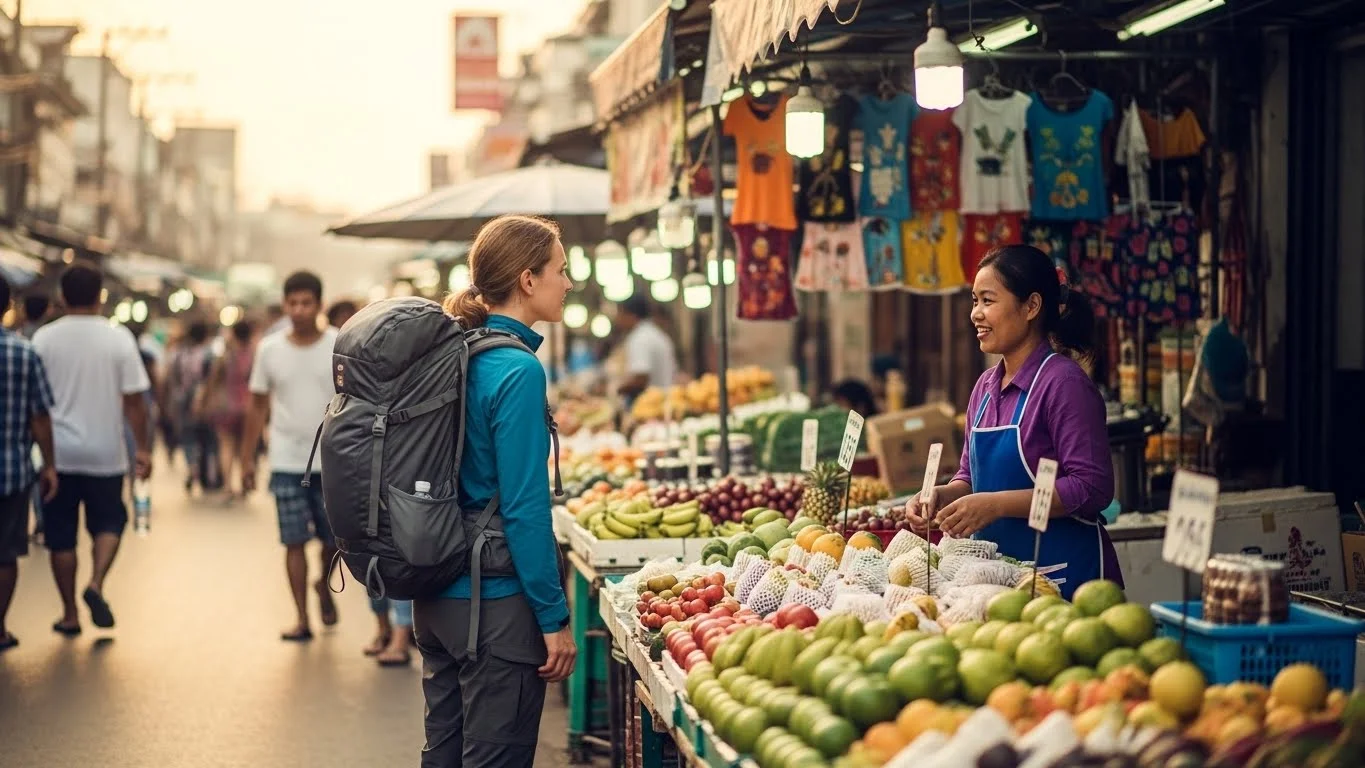
When I first embarked on my solo travel journey, I quickly realized that cultural norms vary widely from one destination to another. Understanding these norms is not just important; it’s essential for a smooth and enriching experience. I remember standing in a bustling market in Thailand, feeling slightly overwhelmed. The colorful stalls were vibrant, but I was unsure of how to interact with the locals respectfully. This experience taught me that cultural awareness is a key ingredient to successful solo travel.

The Importance of Cultural Awareness

Cultural awareness is more than knowing a few phrases in the local language or recognizing popular tourist spots. It’s about immersing yourself in the local way of life and understanding the values, traditions, and customs that shape a community. I learned that when I approached locals with respect and an open mind, they were often eager to share their stories and traditions with me.

Embracing cultural awareness makes us more than just travelers; it turns us into participants in the vibrant tapestry of life around the world. For instance, in Japan, I discovered the significance of bowing as a greeting. Initially, I felt awkward, but after a few attempts, I found joy in the practice, connecting me with locals in a meaningful way. The more I learned, the more I felt a sense of belonging.

Common Cultural Misconceptions

As I traveled, I encountered several misconceptions about different cultures. One common belief is that everyone speaks English, especially in touristy areas. While I found that many people do, assuming this can lead to frustration. In Italy, for example, I faced challenges when trying to communicate with older generations, who often preferred to speak in Italian. This pushed me to learn basic phrases, something I found incredibly rewarding.

Another misconception I observed is the idea that all countries have similar social customs. In reality, what is acceptable in one place might be frowned upon in another. I learned this the hard way during a visit to the Middle East, where gestures that I considered friendly—like a thumbs-up—were deemed offensive. It’s a stark reminder that while we may share humanity, our customs can be as diverse as the landscapes we travel through.

My experiences have shown me that understanding these cultural nuances not only helps avoid awkward or disrespectful situations but also enriches my travel experience. When I respect local customs, I often find myself embraced by the community, leading to friendships and unforgettable memories.

Essential Etiquette Tips for Solo Travelers

Now that we’ve covered the importance of cultural awareness, let’s dive into some essential etiquette tips that every solo traveler should keep in mind. These simple guidelines can help us navigate different cultures with grace and respect. For more detailed insights, check out Mastering Solo Travel Etiquette: A Cultural Guide.

Greeting Customs Around the World

Greeting customs can vary dramatically from one culture to another. In some places, a firm handshake is the norm, while in others, a light bow or a kiss on the cheeks is more appropriate. I remember arriving in France and being unsure whether to greet with a kiss or a handshake. After observing the locals, I realized that a simple “bonjour” accompanied by a friendly smile went a long way. It’s all about reading the room and adapting to the local customs.

Dining Etiquette: From Table Manners to Tipping

Dining etiquette is another crucial aspect of cultural norms. In some cultures, it’s common to eat with your hands, while in others, using cutlery is a must. I once made a mistake in India, where I eagerly dug into a delicious meal with my right hand, only to realize that using only the fingertips was the proper way to eat. Not only did I adjust, but I also found it to be a more enjoyable experience.

When it comes to tipping, practices vary widely. In the United States, tipping is expected, while in Japan, it can be seen as rude. I learned to research tipping customs beforehand; it’s a small gesture that shows respect for the local culture.

Dress Code: What to Wear in Different Cultures

What we wear can speak volumes about our respect for a culture. In many conservative countries, dressing modestly is essential. During my travels in Morocco, I made sure to wear loose-fitting clothing that covered my arms and legs, which was welcomed by the locals. It’s not just about fashion; it’s about honoring the customs and sensibilities of the people we visit.

Public Behavior: Dos and Don’ts

Public behavior is another critical area for solo travelers. I learned that what might be considered friendly behavior in one culture could be offensive in another. For example, in some Asian cultures, maintaining a calm demeanor is important, while expressing loud excitement can be frowned upon. I found myself adjusting my tone and volume, which not only helped me fit in but also allowed me to connect with the locals on a deeper level.

Photography Etiquette: When to Ask for Permission

We all love capturing memories through photographs, but it’s vital to ask for permission in many cultures, especially when photographing people. I remember walking through a village in Vietnam and wanting to take photos of the locals. I asked a friendly woman if I could take her picture, and she smiled brightly. The joy on her face was far more rewarding than the photo itself. This simple act of respect opened doors to more conversations and connections.

Understanding and adhering to cultural norms can transform your solo travel experience from mere sightseeing into authentic engagement with the world around you. By being mindful of etiquette, we not only enhance our own journey but also show respect to the cultures we encounter. As I continue to navigate the globe, I carry these lessons with me, reminding myself that every interaction is an opportunity to learn, grow, and connect.

Country-Specific Etiquette Guidelines

Solo Travel Etiquette in Asia

Traveling through Asia, I was constantly amazed by the variety of cultures and traditions. Each country has its unique etiquette that can significantly enhance your experience. For instance, in Thailand, I learned the importance of the “wai” greeting, where you press your palms together and bow slightly. I remember feeling awkward at first, but after some practice, it became a beautiful way to connect with locals. In contrast, in Japan, I found that removing your shoes before entering homes and certain temples is a sign of respect. This simple act made me feel more welcomed and grounded in their customs.

When it came to dining in Asia, I quickly discovered that sharing food is often a communal experience. In places like China, it’s common to order several dishes for the table, and I felt a genuine sense of connection when sharing meals with new friends. However, I also learned that finishing all the food on your plate can signify that you were not offered enough, so I made it a point to leave a little behind to show appreciation for the meal.

Solo Travel Etiquette in Europe

Europe is a patchwork of cultures, and each country has its own set of social norms. I recall my first experience in Spain, where I was surprised by the late dining hours. I learned that dinner typically starts after 9 PM, and I found myself swept up in the lively atmosphere of tapas bars. I also noticed that being informal is often appreciated; in Italy, for example, a friendly “ciao” and a smile were the best ways to start a conversation. However, in places like Germany, I learned that punctuality is highly valued, and being late can be seen as disrespectful.

While traveling through France, I paid close attention to the dining etiquette. I learned that it’s polite to keep your hands on the table (but not your elbows!), and saying “bon appétit” before starting a meal is customary. These small gestures helped me blend in and fostered warm interactions with locals.

Solo Travel Etiquette in Africa

Africa is a continent rich in diversity, and I found that each country offers unique customs and traditions. During my time in Morocco, I learned that greeting with a handshake is common among men, while a light touch of the forearm or a nod is more appropriate between men and women. I remember participating in a traditional tea ceremony, which is a deeply embedded cultural practice that symbolizes hospitality. Being invited to share this experience made me feel honored and connected.

In Southern Africa, I discovered the significance of “ubuntu,” which emphasizes communal respect and interconnectedness. When I volunteered at a local school in South Africa, I learned to interact with the children in a way that showed genuine interest and care, which created bonds that still resonate with me today.

Solo Travel Etiquette in South America

As I traveled through South America, I embraced the vibrant cultures and friendly interactions. In countries like Brazil, I learned that physical touch, such as hugs and cheek kisses, is common when greeting friends. I remember my first encounter, feeling a bit shy, but the warmth of the locals made me quickly feel at home. In contrast, in Argentina, I found that the tradition of sharing mate (a herbal tea) is a social ritual that fosters connection. I was delighted to be included in this ceremony, which made me feel like part of the family.

However, I also had to navigate some cultural sensitivities, such as avoiding discussions about politics or personal income, which can be seen as rude. Being aware of these nuances not only helped me avoid awkward situations but also deepened my relationships with the locals.

Solo Travel Etiquette in the Middle East

The Middle East is a region filled with rich history and diverse cultures, each with its own etiquette. I remember visiting Jordan and being welcomed into a family’s home, where I learned that offering food and drink is a sign of hospitality. Refusing the first offer can be polite, as it’s often expected to insist a bit before accepting. This small dance made me appreciate the depth of their traditions.

In places like Iran, I found that maintaining eye contact is important, especially during conversations, as it shows attentiveness and respect. However, it’s essential to be aware of gender norms; for instance, I learned that physical contact between men and women who are not family members is typically avoided. By understanding these customs, I felt more at ease and was able to build respectful relationships with the people I met.

As I navigated through these diverse regions, I realized that understanding country-specific etiquette is crucial for solo travelers. By embracing the customs, I not only enriched my experiences but also fostered genuine connections with the wonderful people I encountered along the way. For those looking for affordable ways to immerse themselves in different cultures, I recommend checking out Cultural Solo Travel: Affordable Ways to Dive Deep.

Safety and Respect: Protecting Yourself and Others

Understanding Local Laws and Regulations

One of the most critical aspects of traveling solo is understanding the local laws and regulations of the countries we visit. I remember my trip to Singapore, where I was amazed by how clean and orderly everything was. It wasn’t until I learned that strict regulations enforce these norms that I truly appreciated the environment. For instance, littering comes with hefty fines, and smoking is only allowed in designated areas. This taught me to be more aware of my surroundings and the local laws that govern daily life.

In more conservative countries, like Saudi Arabia, I discovered that cultural laws are deeply intertwined with local customs. For example, public displays of affection are frowned upon, and it’s essential to dress modestly. Understanding these laws not only kept me safe but also showed my respect for the culture. I believe that taking the time to research these regulations before arriving at a destination can alleviate unnecessary stress and enhance our travel experience.

How to Respect Local Traditions and Customs

Respecting local traditions and customs can significantly affect how we are perceived as travelers. I learned this during my visit to India, where I participated in a local festival. Adhering to the customs of the festival, such as dressing appropriately and participating in traditional rituals, deepened my connection with the community. I felt honored to be included, and it provided me with a real sense of belonging.

One of the most notable experiences was when I was invited to a family wedding. I made sure to observe the customs surrounding the event, including the attire and the traditional greetings. This not only made the hosts feel appreciated, but it also allowed me to engage in a personal and cultural exchange that I will never forget. I think showing genuine interest in local traditions is one of the best ways to connect with people and create lasting memories.

Staying Safe While Engaging with Locals

While it’s important to immerse ourselves in local cultures, safety should always be a priority. I remember meeting a group of locals in a bustling market in Marrakech, and while they were friendly and welcoming, I felt a twinge of caution. I decided to engage with them but kept my belongings close and remained aware of my surroundings. It’s a balancing act; we want to connect with people, but we must do so wisely.

In many places, it’s advisable to avoid discussing sensitive topics, such as politics or religion, until you understand the local context. I learned this the hard way during a conversation with a local in Egypt, where I accidentally touched on a controversial issue. The shift in their demeanor was immediate, and it reminded me of the importance of being sensitive to the local climate. By approaching conversations with care and respect, we can enjoy meaningful interactions without compromising our safety.

Making Connections: Engaging with Local Cultures

Participating in Local Events and Festivals

One of the best ways to immerse ourselves in a new culture is by participating in local events and festivals. I vividly remember my experience at the Holi Festival in India. The joy and vibrancy of the celebration were infectious! As I joined the locals in throwing colored powders and dancing to traditional music, I felt an exhilarating sense of unity and happiness. It was more than just an event; it was a communal celebration that transcended language barriers.

Attending local festivals also allowed me to learn about the customs and traditions that are significant to the community. I found that being a part of these experiences created a bridge that helped me connect with locals on a deeper level. There is something truly special about celebrating life together, and I believe it fosters a shared sense of humanity that enriches our travels.

Joining Tours and Activities: How to Choose the Right Ones

When looking to engage with local cultures, I recommend choosing tours and activities thoughtfully. I’ve found that local guides often offer unique insights and perspectives that enhance the experience. On a trip to Bali, I joined a cooking class led by a local chef. Not only did I learn how to prepare traditional dishes, but I also gained a deeper understanding of Balinese culture, including the significance of certain ingredients and cooking methods.

When selecting tours, I always look for small group experiences or those that prioritize sustainability and cultural respect. I’ve discovered that these types of activities often allow for more authentic interactions and provide opportunities to support local economies. By engaging in responsible tourism, we can leave a positive impact on the communities we visit.

Volunteering: A Deeper Dive into Local Communities

Volunteering during my travels has been one of the most rewarding experiences. I remember volunteering at a community center in Guatemala, where I helped with educational programs for children. This experience allowed me to connect with the community in a meaningful way, and I learned so much from the locals. I felt like I was contributing to something larger than myself, and it provided a unique lens through which to view the culture.

Volunteering can also help break down barriers and create lasting friendships. I found that working alongside locals fostered mutual respect and understanding. As we collaborated on projects, we shared stories about our lives, which created bonds that continued long after the experience ended. I believe that volunteering is a powerful way to engage with local cultures and leave a positive legacy behind.

Frequently Asked Questions

What is the importance of understanding cultural norms in solo travel?

Understanding cultural norms is essential for a smooth and enriching travel experience. It helps travelers interact respectfully with locals and immerse themselves in the local way of life.

How can cultural awareness enhance my solo travel experience?

Cultural awareness allows travelers to connect genuinely with locals, fostering friendships and creating unforgettable memories by understanding the values, traditions, and customs that shape a community.

What are some common cultural misconceptions travelers may have?

A common misconception is that everyone speaks English, particularly in touristy areas, which can lead to frustration. Another misconception is that social customs are similar across all cultures, which can result in unintentional offenses.

What are some essential etiquette tips for solo travelers?

Essential etiquette tips include understanding greeting customs, dining etiquette, dress codes, public behavior, and photography etiquette, all of which vary greatly across different cultures.

How should one approach greeting customs in different cultures?

Greeting customs vary; some cultures prefer a handshake, while others may use a light bow or cheek kisses. Observing locals can help determine the appropriate greeting.

What dining etiquette should solo travelers be aware of?

Dining etiquette includes knowing whether to eat with hands or cutlery, understanding tipping practices, and respecting communal dining customs, which can vary significantly between cultures.

Why is it important to dress appropriately while traveling?

Dressing appropriately shows respect for the local culture, especially in conservative countries where modest attire is essential. Proper dress can foster positive interactions with locals.

What should travelers know about public behavior in different cultures?

Public behavior expectations can differ; what is considered friendly in one culture may be offensive in another. Being mindful of local customs regarding demeanor and volume is crucial.

When is it necessary to ask for permission when taking photographs?

It is important to ask for permission before photographing people in many cultures, as this shows respect and can lead to deeper connections with locals.

How can participating in local events enhance cultural understanding?

Participating in local events and festivals allows travelers to immerse themselves in the culture, learn about community traditions, and create shared experiences that foster a sense of unity and connection.
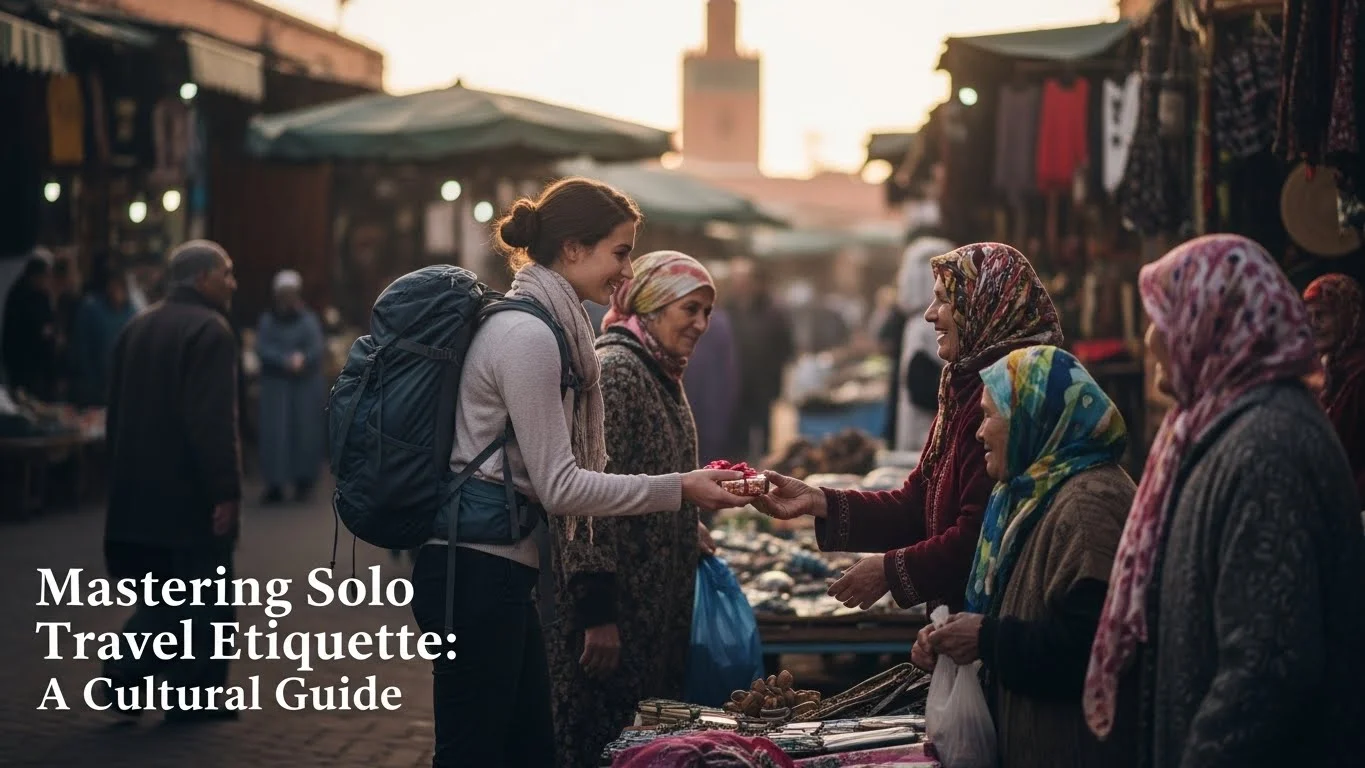
Essential Solo Travel Etiquette Tips for Cultural Adventures

Solo travel opens the door to unique experiences and cultural discoveries. To make the most of these adventures, understanding and respecting local customs is essential. Read Interesting article: Mastering Solo Travel Etiquette: A Cultural Guide

Essential Solo Travel Etiquette Tips for Cultural Adventures

Understanding Cultural Etiquette

Defining Cultural Etiquette

Cultural etiquette encompasses the rules and conventions that govern behavior in different societies. These guidelines can vary widely depending on the region, community, and even specific cultural groups. For me, learning about cultural etiquette feels like opening a window into the soul of a place. It’s about understanding the unspoken rules that shape interactions. Whether it’s knowing how to greet someone, what gestures are appropriate, or how to behave during meals, cultural etiquette is vital in fostering respect and understanding. I remember when I traveled to Japan, learning to bow instead of shaking hands was a small but significant detail that helped me connect better with locals.

Importance of Respecting Local Customs

Respecting local customs is crucial for several reasons. First, it shows that you value the culture you’re exploring. When we travel, we become ambassadors of our own culture, but we also represent tourists in general. I’ve noticed that when I make an effort to follow local customs, I receive warmer welcomes. People appreciate when visitors show a genuine interest in their way of life. This can lead to meaningful interactions, friendships, and deeper insights into the culture. I believe that by respecting local customs, we can create positive experiences for ourselves and those we meet. Read Interesting article: Cultural Solo Travel: Affordable Ways to Dive Deep

Preparing for Your Solo Trip

Researching Destination-Specific Etiquette

Before embarking on a solo adventure, I always spend some time researching the specific etiquette of my destination. This isn’t just about meeting basic social norms; it’s about immersing myself in the culture. Websites, travel blogs, and even social media can be incredible resources. I recall reading about the importance of tipping in various countries; in some places, it’s customary, while in others, it can be seen as rude. By understanding these nuances, I feel more confident and prepared to navigate social situations. I often jot down key points in my travel journal, so I have quick references on hand.

Understanding Local Laws and Regulations

Along with etiquette, knowing the local laws is essential. I’ve found that every country has its own set of rules, some of which may be surprising to travelers. For example, I learned that chewing gum is banned in Singapore; knowing this beforehand saved me from an embarrassing situation. It’s also important to be aware of laws regarding alcohol consumption, photography, and behavior in public spaces. I recommend reviewing government travel advisories and guides specific to your destination. This knowledge helps us avoid unintentional disrespect and ensures we remain safe.

Learning Basic Local Language Phrases

Learning a few basic phrases in the local language can go a long way in showing respect. I’ve found that even simple greetings or “thank you” can open doors and create connections. When I traveled to Italy, I made a point to learn how to say “hello” and “please” in Italian. The smiles I received from locals made my efforts worthwhile. Not only does it demonstrate respect for the culture, but it also shows that you’re willing to engage. Plus, it can enhance your experiences by allowing you to communicate more effectively. I often practice with language apps before my trips, making it a fun part of my preparation.

Social Interactions and Communication

Greetings and Introductions

The way people greet each other varies significantly across cultures. In some places, a firm handshake is standard, while in others, a light touch or even a nod might be more appropriate. I remember visiting Brazil, where I learned that cheek-kissing is a common greeting. Initially, I was unsure, but once I got comfortable with it, I felt more connected to the people I met. Observing how locals greet one another can provide valuable cues on how to interact with them. I often watch and follow their lead, which helps me feel more at ease in social situations.

Body Language and Personal Space

Body language is another critical aspect of cultural interactions. I’ve realized that what feels comfortable in one culture may be inappropriate in another. For instance, personal space varies widely; in some cultures, being close during conversations is normal, while in others, it can be perceived as invasive. During my travels in Southeast Asia, I learned to be mindful of my gestures and proximity to others. It’s fascinating how much can be communicated without words, and by being aware of these differences, we can engage more respectfully.

Dining Etiquette: Table Manners Around the World

Dining etiquette can be a complex aspect of cultural interactions. I’ve discovered that table manners differ greatly from one country to another. For example, in some cultures, finishing everything on your plate is a compliment to the host, while in others, leaving food can signal satisfaction. I remember dining in Thailand, where I learned to use my fork and spoon correctly, with the fork serving primarily as a tool to push food onto the spoon. Understanding and adapting to these dining customs not only ensures a pleasant dining experience but also shows respect for the culture and its traditions.

Acceptable Topics of Conversation

When it comes to conversation, I’ve learned that some topics are better left untouched, while others can spark engaging discussions. For instance, topics like politics or religion can be sensitive in certain cultures. I usually start with neutral subjects, such as food, local customs, or shared travel experiences. This approach allows me to gauge the comfort level of the person I’m speaking with. I remember chatting with a local in Morocco about traditional foods, and it led to a wonderful exchange of recipes and cooking tips. It’s all about being sensitive and respectful while finding common ground.

Dress Codes and Personal Presentation

Understanding Local Dress Norms

When I travel, I’ve learned that paying attention to local dress norms is just as important as understanding etiquette. Each culture has its own expectations regarding how people should present themselves. For instance, I remember visiting a Buddhist temple in Thailand, where I was required to cover my shoulders and knees. It wasn’t just about being modest; it was about showing respect for the sacred space. I quickly adapted by wearing lightweight, long-sleeved tops and loose-fitting pants, which also kept me cool in the tropical heat. Observing how locals dress not only helps me blend in but also shows that I honor their customs.

Modesty and Cultural Sensitivity in Clothing Choices

Modesty can mean different things depending on where you are. In some places, casual beachwear is perfectly acceptable, while in others, it might be seen as disrespectful. I’ve found it helpful to pack versatile clothing that I can layer or accessorize to fit various settings. For example, when I traveled to Morocco, I opted for long skirts and light scarves to cover my arms and hair when visiting more conservative areas. I think it’s a small effort that goes a long way in fostering positive interactions with locals. Additionally, I always recommend checking the weather and local customs before packing, so you can feel comfortable and confident wherever you go.

Engaging with Local Communities

Participating in Cultural Events and Festivals

One of my favorite ways to immerse myself in a new culture is by participating in local events and festivals. I’ve experienced some unforgettable moments by joining in celebrations, from traditional dance performances to food festivals. For example, attending the Diwali festival in India was a breathtaking experience. The vibrant colors, music, and sense of community made me feel welcome and connected. I learned that engaging in these events shows respect for local traditions and allows us to create genuine memories. I often check local calendars for events happening during my visit, as they are perfect opportunities to interact with locals and learn more about their culture.

Supporting Local Businesses and Artisans

Another way to connect with the community is by supporting local businesses and artisans. I’ve enjoyed wandering through markets and shops, where I found unique handmade crafts that tell a story of the place. In Bali, I stumbled upon a small workshop where artisans were creating beautiful batik fabrics. I took the time to chat with them and learn about their craft, which made purchasing a few pieces even more meaningful. I believe that spending money in local businesses not only helps the economy but also fosters relationships. When we invest in local artisans, we help preserve their culture and support their livelihoods.

Volunteering and Giving Back to the Community

During my travels, I’ve found volunteering as a fantastic way to give back to the communities I visit. Whether it’s participating in beach clean-ups or helping at local schools, these experiences have enriched my travels immensely. I remember volunteering in a small village in Guatemala, where I assisted in teaching English to children. It was incredibly rewarding to share knowledge and make a difference, even if it was just a small one. Volunteering not only allows me to contribute but also helps build connections with locals. I’ve learned that giving back can lead to deeper insights into the culture and create lasting friendships. Read Interesting article: Ultimate Guide to Solo Adventure Travel Destinations

Responsible Photography Practices

Asking for Permission Before Taking Photos

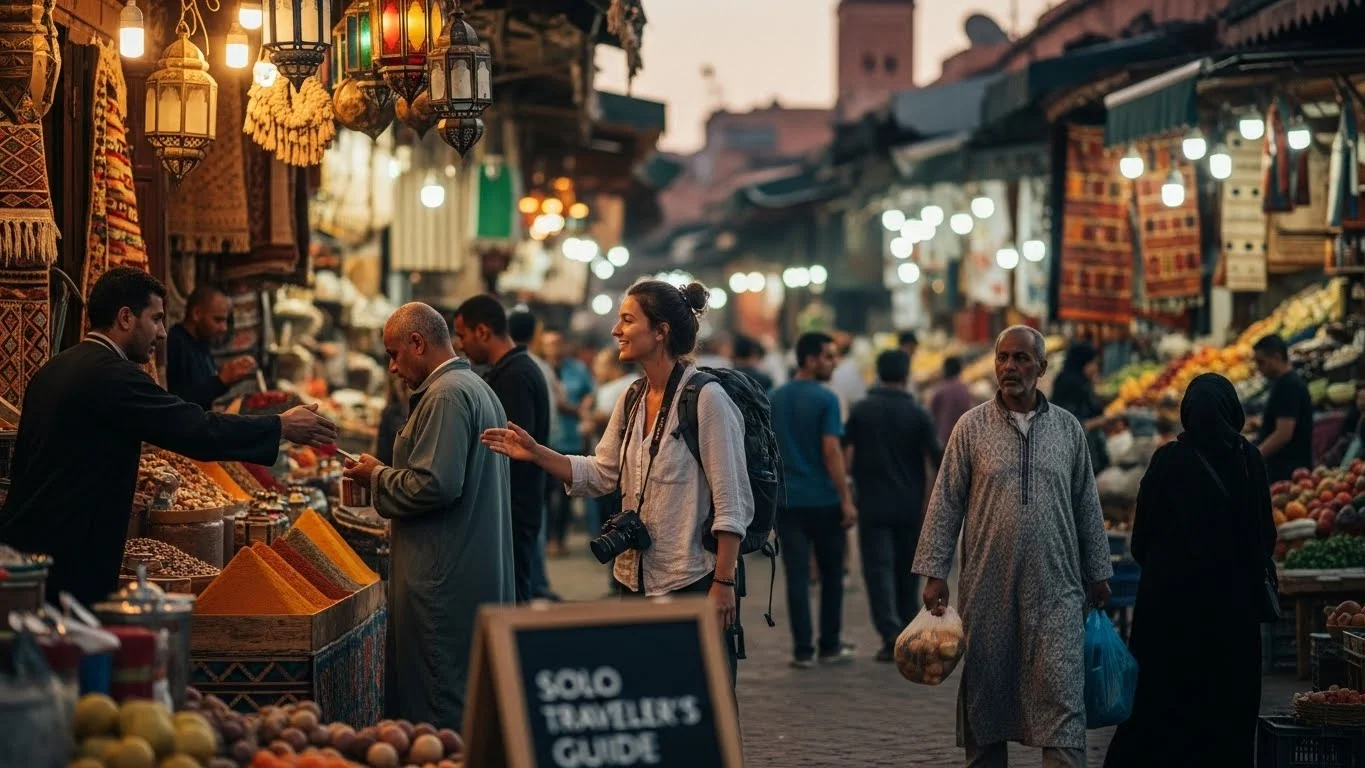
As a traveler, I always carry my camera, ready to capture breathtaking moments. However, I’ve learned the importance of asking for permission before taking photos of people, especially in culturally rich environments. I remember visiting a market in Morocco where the colorful stalls were bustling with life. Rather than snapping away, I approached a few locals and asked if I could take their photos. The smiles and warm nods I received transformed my experience, as many were happy to share a moment with me. This practice not only respects their privacy but often leads to engaging conversations and connections.

Understanding Restrictions on Photography

Some places have strict rules about photography, especially in religious or sacred sites. I’ve encountered signs prohibiting photography in various temples and museums, and I always make sure to adhere to these regulations. During my visit to the Vatican, I was amazed by the breathtaking art but was also mindful of the no-photo policy in certain areas. Understanding these restrictions helps us show respect for the significance of these places and avoids putting ourselves in uncomfortable situations. I also recommend checking online resources or asking locals about any photography guidelines before capturing those stunning shots.

Handling Conflicts and Misunderstandings

Staying Calm and Respectful During Cultural Differences

Even with the best intentions, misunderstandings can happen while traveling. During my trip to India, I accidentally offended someone by not using my right hand to pass something. I felt embarrassed and didn’t know how to rectify the situation. However, I learned that staying calm, apologizing sincerely, and acknowledging the cultural difference went a long way in smoothing things over. I believe that approaching these moments with an open heart and mind can transform conflicts into opportunities for learning and connection.

Seeking Help When Needed

There may be times when we feel lost or unsure while traveling, and that’s okay. I’ve learned that asking for help is not a sign of weakness but rather a way to connect with locals. I remember getting lost in the streets of Barcelona and approached a friendly shopkeeper for directions. Not only did he help me find my way, but he also shared some local tips about restaurants to try. Seeking assistance can lead to unexpected friendships and enrich our travel experiences. I encourage travelers to embrace these moments; they often turn into the highlight of our journeys.

Solo Travel Safety Tips

Trusting Your Instincts

One of the most important lessons I’ve learned while traveling solo is to trust my instincts. There have been times when I felt uneasy about a situation or a place, and I always listened to that inner voice. I remember walking through a quiet alley in a foreign city and felt a sudden urge to turn back. I followed that instinct, and it later turned out that there was a festival happening just a few blocks away, which was so much more enjoyable! Trusting our gut feelings can help us stay safe and navigate new environments confidently.

Staying Aware of Your Surroundings

Staying aware of my surroundings has become second nature while traveling. I try to keep my phone tucked away, especially in crowded places, to stay focused. I often scan my environment for exits, nearby shops, and even potential friends. I’ve found that being present in the moment not only keeps me safe but also allows me to catch small details that make travel special. For instance, I once noticed a street performer in Paris that I would have missed if I had been glued to my phone. Engaging with our surroundings can lead to delightful surprises.

Emergency Contacts and Resources

Before heading out on any trip, I always make sure to have a list of emergency contacts and resources. I store important numbers, like the local embassy and local emergency services, in my phone and keep a physical copy in my wallet. I also familiarize myself with the nearest hospital and police station, just in case. I feel more secure knowing that I’m prepared for any situation. Additionally, I always share my itinerary with a trusted friend or family member so they know where I am. This simple step can provide peace of mind for both me and my loved ones.

Reflection and Learning

Journaling Your Experiences

Journaling has been one of my favorite ways to reflect on my travels. I try to jot down my thoughts and experiences each day, capturing the little moments that might otherwise fade from memory. I remember writing about my experience at a local festival in Peru, detailing how the vibrant colors and music made me feel alive. Going back and reading those entries allows me to relive those moments and learn from them. It’s a great way to process my journey and think about what I’ve learned about myself and the world around me.

Sharing Your Stories: Social Media Etiquette

In our digital age, sharing travel experiences on social media has become a common practice. I’ve enjoyed posting my adventures, but I’ve also learned to be mindful of how I share. Respecting local customs is vital, especially when it comes to posting images of people or sacred sites. I always ask for permission before posting photos of locals and take care to avoid sharing sensitive topics. I think it’s essential to promote positivity and respect in our online presence, as it reflects our travels and the cultures we engage with. My goal is to inspire others to travel thoughtfully and with an open heart.

Understanding Cultural Etiquette

Defining Cultural Etiquette

Cultural etiquette is a fascinating subject that reveals so much about a society’s values and traditions. It encompasses the unwritten rules that guide our interactions and behaviors in different social settings. I often find myself diving into this topic before I travel, eager to learn how to navigate the intricacies of a new culture. For instance, I remember visiting a Moroccan home where I was greeted with warm hospitality. I quickly learned that eating with my right hand was a sign of respect and appreciation. It’s these little nuances that make cultural etiquette feel like a treasure map, leading us to meaningful connections and understanding.

Importance of Respecting Local Customs

Respecting local customs goes beyond mere politeness; it’s a way to show genuine interest in the culture you’re experiencing. I’ve seen firsthand how this respect can create bonds and open doors. For example, when I traveled to Taiwan, I was invited to a family dinner. By adhering to their customs, like waiting for the elders to start eating, I felt honored and accepted. It reminded me that these practices aren’t just rituals; they carry deep meanings and histories. I believe that embracing local customs helps us engage with the community in a more profound way, enriching our travel experiences.

Preparing for Your Solo Trip

Researching Destination-Specific Etiquette

Researching destination-specific etiquette is something I consider essential before any trip. I enjoy reading travel books, blogs, and forums to gather insights about the local customs of the places I plan to visit. For instance, I learned that in some Middle Eastern cultures, it’s polite to refuse an offer of food or drink a few times before accepting. Knowing this beforehand made me feel more at ease during my visits. I often create a list of dos and don’ts that I can refer to during my travels. This preparation empowers me to interact confidently and respectfully with locals.

Understanding Local Laws and Regulations

Understanding local laws and regulations is another critical aspect of preparing for a trip. I’ve encountered some surprising rules that I wish I’d known ahead of time. For example, during a visit to Dubai, I learned about the strict laws regarding public behavior and dress codes. Being aware of these regulations not only keeps us safe but also helps avoid any unintentional disrespect. I recommend checking online resources or travel guides that cover legal aspects in detail before setting off. This preparation makes the travel experience smoother and more enjoyable.

Learning Basic Local Language Phrases

Learning a few basic phrases in the local language can significantly enhance our travel experiences. I remember when I traveled to Thailand, taking the time to learn how to say “thank you” in Thai opened so many doors for me. The locals appreciated my efforts, and it led to warm smiles and friendly conversations. I often use language apps to practice before my trips, making it a fun part of my preparation. Knowing just a few essential words can help break the ice and show that we respect and value the culture we’re engaging with.

Social Interactions and Communication

Greetings and Introductions

When it comes to greetings, I’ve noticed that each culture has its unique way of welcoming someone. I remember traveling to Japan, where a simple bow was customary instead of a handshake. Initially, I felt awkward, but once I embraced this practice, I felt a deeper connection with the people I met. It’s interesting how a simple gesture can convey so much respect and understanding. I make it a point to observe how locals greet each other and adapt my approach accordingly. This practice not only helps me fit in but also enriches my interactions.

Body Language and Personal Space

Body language and personal space are also vital components of communication. I’ve realized that what feels comfortable in my culture may not be the same for others. For instance, during my travels in Latin America, I discovered that people often stand closer during conversations than I was used to. At first, it felt a bit overwhelming, but I learned to adapt and appreciate the warmth behind it. Being mindful of body language and personal space helps foster respectful interactions, allowing us to connect with others in a way that feels comfortable for everyone involved.

Dining Etiquette: Table Manners Around the World

Dining etiquette varies greatly across the globe, and I’ve found that being aware of these differences can enhance the experience. In some cultures, it’s considered disrespectful to start eating before everyone is served, while in others, it’s polite to finish everything on your plate. I remember enjoying a meal in Ethiopia, where sharing food from a common plate was the norm. It was a beautiful way to bond with my fellow diners. Understanding these customs not only ensures a pleasant dining experience but also shows our respect for the culture and its traditions.

Acceptable Topics of Conversation

When engaging in conversation, I’ve learned that some subjects can be sensitive, while others are safe bets. I often start with neutral topics, like local cuisine or travel experiences, to gauge the comfort level of those I’m speaking with. I remember having a delightful conversation with a local in Italy about our favorite pasta dishes. It led to sharing tips and even a few laughs! By being mindful of acceptable topics, we can foster enjoyable interactions and create meaningful connections with the people we meet.

Frequently Asked Questions

What is cultural etiquette?

Cultural etiquette encompasses the rules and conventions that govern behavior in different societies. It includes understanding how to greet others, appropriate gestures, and behavior during meals, which fosters respect and understanding.

Why is it important to respect local customs while traveling?

Respecting local customs shows that you value the culture you are exploring. It enhances the travel experience by leading to warmer welcomes and meaningful interactions with locals.

How can I prepare for solo travel regarding cultural etiquette?

Preparing for solo travel involves researching destination-specific etiquette, understanding local laws and regulations, and learning a few basic phrases in the local language to navigate social situations confidently.

What should I know about greetings and introductions in different cultures?

Greetings vary significantly across cultures; for example, a firm handshake might be standard in some places, while cheek-kissing or bowing might be common in others. Observing how locals greet each other can provide valuable cues.

How does body language affect social interactions in different cultures?

Body language is crucial, as comfort levels regarding personal space and gestures can differ widely. Being aware of these cultural differences helps foster respectful interactions and connection with others.

What dining etiquette should I be aware of while traveling?

Dining etiquette varies globally; for instance, in some cultures, finishing everything on your plate is a compliment, while in others, leaving food may indicate satisfaction. Understanding these customs is essential for a pleasant dining experience.

What topics of conversation are generally acceptable while traveling?

Neutral topics such as local cuisine, customs, or shared travel experiences are safe to discuss. Sensitive subjects like politics or religion should be approached cautiously to avoid discomfort.

How can I engage with local communities while traveling?

Engaging with local communities can be achieved by participating in cultural events, supporting local businesses and artisans, or volunteering. These activities foster connections and enrich the travel experience.

What are responsible photography practices when traveling?

Responsible photography practices include asking for permission before taking photos of people and adhering to any restrictions on photography in sacred or culturally significant sites to respect privacy and cultural norms.

What should I do if I encounter a misunderstanding due to cultural differences?

If a misunderstanding occurs, staying calm and respectfully acknowledging the cultural difference is key. Apologizing sincerely can help smooth over the situation and transform conflicts into learning opportunities.

Mastering Solo Travel Etiquette: A Cultural Guide

Embarking on a solo travel adventure is thrilling, but it comes with its own set of unwritten rules. Mastering travel etiquette can enhance your experience and deepen your connections with locals and cultures. To dive deeper into cultural experiences, check out Cultural Solo Travel: Affordable Ways to Dive Deep.

Mastering Solo Travel Etiquette: A Cultural Guide

Understanding Solo Travel Etiquette

What is Solo Travel Etiquette?

Solo travel etiquette refers to the set of behaviors and practices that are considered polite and respectful in various cultures while traveling alone. As someone who has ventured out on my own, I’ve learned that understanding these nuances can make a world of difference. It’s not just about knowing what to do, but also appreciating the local customs that shape interactions. For instance, in some places, greeting locals with a warm smile is customary, while in others, a more reserved approach is preferred. By familiarizing myself with these etiquettes, I’ve often found that locals are more welcoming and open to interaction, enriching my travel experience.

Why is Etiquette Important for Solo Travelers?

Practicing good etiquette while traveling alone is crucial for multiple reasons. First and foremost, it fosters respect between travelers and locals. I remember my first solo trip to Italy, where I made an effort to greet shop owners in Italian. The smiles on their faces taught me that such small gestures can create a bond. Secondly, adhering to local customs helps in keeping oneself safe. In some cultures, ignoring social norms can lead to misunderstandings or even conflict. I think of instances where I observed locals engaging in specific gestures or behaviors; imitating these respectful practices often helped me blend in and receive kindness in return.

Preparing for Your Solo Journey

Researching Cultural Norms and Customs

Before I embark on any solo journey, I dedicate time to researching the cultural norms and customs of my destination. Websites, travel blogs, and even forums have been invaluable in this. For example, I learned that in Thailand, it’s essential to be respectful of the monarchy, which is deeply revered. This knowledge helped me avoid any potential faux pas during my travels. I also discovered that in countries like India, greeting with “Namaste” instead of a handshake is often more appreciated, especially among older generations. Taking the time to understand these customs not only prepares us for respectful interactions but also enhances our overall experience. You can find more tips in the Ultimate Guide to Solo Adventure Travel Destinations.

Understanding Local Laws and Regulations

It’s vital to familiarize ourselves with local laws and regulations, especially when traveling solo. I admit, I used to overlook this aspect, but after a few close calls, I learned my lesson. For instance, in some countries, taking photographs in certain areas is prohibited, and ignorance can lead to hefty fines or worse. I remember being in a beautiful temple and almost snapping a photo, but a friendly local reminded me of the rules. This simple act of caution allowed me to enjoy the moment without any worries. Always check the local laws, and ensure you respect them to keep your travels smooth and enjoyable.

Travel Documents and Safety Protocols

When preparing for a solo trip, organizing travel documents is crucial. I recommend making copies of your passport, visa, and any other important documents. This practice has saved me multiple times. For example, during a trip to Spain, I misplaced my wallet, and having copies of my documents made it easier to report the loss. Additionally, understanding safety protocols in the area you’re visiting is key. Researching local emergency numbers and familiarizing yourself with safe neighborhoods can provide peace of mind. In my case, I found that downloading offline maps and learning about the local emergency services helped me navigate new cities confidently. For more safety tips, check out Navigating Solo Travel: Essential Safety Tips for Backpackers.

Social Etiquette in Different Cultures

Dining Etiquette Across Cultures

Dining is one of the most enjoyable ways to immerse ourselves in a new culture, but it’s essential to know the dining etiquette specific to each place. During my travels, I’ve encountered unique dining customs that have enriched my experiences.

Table Manners in Japan

In Japan, I learned that table manners are taken very seriously. For example, I was surprised to discover that making noise while eating noodles is not only acceptable but encouraged! It shows appreciation for the meal. However, I also learned that it’s disrespectful to stick chopsticks upright in a bowl of rice, as this resembles a funeral ritual. Observing and mimicking local dining norms not only showed my respect but also allowed me to enjoy my meals in a way that was culturally appropriate.

Tipping Practices in the USA

On the flip side, in the USA, tipping is a big part of dining etiquette. I remember being confused about how much to tip when I first traveled there. After asking locals, I learned that a 15-20% tip is standard in restaurants. This practice not only reflects appreciation for service but also supports many service industry workers. Understanding these practices helped me connect with the locals and made my dining experiences more enjoyable.

Communication Styles and Body Language

How we communicate often varies dramatically across cultures. I’ve noticed that understanding these differences can help avoid misunderstandings and build rapport.

Understanding Personal Space in Europe

In many European countries, personal space can be quite different from what I’m used to. For instance, I found that people in southern Europe tend to stand closer during conversations, while in northern regions like Scandinavia, a bit more distance is typical. I learned to adapt my personal space expectations accordingly, which made my interactions smoother and more enjoyable.

Gesture Interpretations in the Middle East

I’ve also discovered that gestures can have different meanings in various cultures. In the Middle East, using your left hand for eating or greeting is considered disrespectful. During my travels there, I made a conscious effort to use my right hand, which was met with smiles and warmth from locals. Understanding these subtle cues can significantly enhance our interactions with people from different backgrounds.

Dress Codes and Appearance Expectations

What we wear while traveling can speak volumes about our respect for local customs. I’ve learned that dressing appropriately can lead to more positive experiences.

Modesty in Islamic Countries

In many Islamic countries, modesty in clothing is highly valued. I remember my visit to Morocco, where I opted for longer dresses and more conservative attire. The locals appreciated my effort to blend in, and it made my experience more enriching. I felt more comfortable exploring the markets and interacting with the community.

Fashion Norms in Urban vs. Rural Areas

Similarly, I noticed that fashion norms can change dramatically between urban and rural areas. In bustling cities, such as Bangkok, more modern fashion is embraced, while in rural areas, traditional attire may still be the norm. I’ve found that adapting my wardrobe to fit the local culture not only shows respect but also helps me feel more at home in new environments.

Interacting with Locals

How to Approach Conversations

Engaging in conversations with locals can be one of the most rewarding aspects of solo travel. I’ve found that the key is to approach these interactions with genuine curiosity and an open heart. For instance, I remember walking through a bustling market in Istanbul, feeling a bit shy. I decided to strike up a conversation with a vendor selling beautiful handcrafted pottery. I began by complimenting his work, which opened the door for a friendly exchange. He shared stories about his craft, and I learned a lot about the history behind the art. This taught me that starting with a compliment or a question can break the ice and lead to meaningful connections. I suggest asking about local favorites, like places to eat or hidden gems to visit; it shows interest in their culture and can lead to exciting recommendations.

Respecting Local Traditions and Festivals

Experiencing local traditions and festivals can provide a deep dive into a culture. I’ve had my share of unforgettable moments at these events. For example, during a trip to Thailand, I was fortunate enough to witness the Loy Krathong festival, where people release beautiful lotus-shaped floats into the water. I felt a little out of place at first, but the locals welcomed me with open arms. They encouraged me to join in and even helped me make my own krathong. I realized that by respecting and participating in their traditions, I was not just an observer but a part of their celebration. So, when you find yourself in such situations, embrace the moment and ask how you can join in. It’s a wonderful way to connect with people and learn more about their cultural heritage.

Participating in Local Activities and Events

Another great way to interact with locals is by participating in activities or events they host. During my travels in Peru, I joined a cooking class that focused on traditional Peruvian cuisine. It was such a fun experience! Not only did I learn how to make ceviche and lomo saltado, but I also met wonderful locals who shared their family recipes and stories. Engaging in a local activity can create a relaxed atmosphere where conversations flow naturally. I recommend looking for community events, workshops, or classes wherever you go. Whether it’s a dance class, art workshop, or cooking session, these experiences allow you to bond with locals over shared interests, while also learning something new.

Solo Travel Safety and Etiquette

Staying Aware of Your Surroundings

Safety is a crucial aspect of solo travel, and I can’t stress enough how important it is to remain aware of your surroundings. I’ve had moments when I felt a bit lost in a new city, and the hustle and bustle around me made it easy to get distracted. I learned to stay vigilant, keeping an eye on my belongings and being mindful of my surroundings. I also found that engaging with locals can help; they often provide valuable insights on which areas to avoid or where to be extra cautious. When I was in Barcelona, for instance, I learned from a local that certain tourist spots can be hotspots for pickpockets. By staying aware and asking locals for advice, I felt more secure and confident during my adventures.

Handling Unwanted Attention or Harassment

As a solo traveler, I’ve faced my share of unwanted attention. It can be uncomfortable, but I’ve learned how to handle these situations with grace. When I was in Morocco, I encountered some persistent salespeople who wouldn’t take no for an answer. Initially, I felt overwhelmed, but I quickly realized that being firm yet polite worked best. I learned to use body language—standing tall and maintaining eye contact—to express confidence. If a situation escalates, it’s perfectly okay to walk away or seek help from locals or fellow travelers. They’re often more than willing to assist, as I found when I sought help from a nearby café owner during a tough moment. Knowing how to address unwanted attention is essential, as it allows us to enjoy our travels without feeling anxious.

Emergency Protocols and Local Resources

Preparing for emergencies while traveling solo is something I’ve come to take very seriously. I’ve experienced a few close calls that taught me the value of knowing local emergency protocols. Before any trip, I research local hospitals, police stations, and emergency numbers. During my travels in Thailand, I found myself needing medical assistance after a minor accident. Because I had familiarized myself with local emergency numbers, I was able to quickly call for help and receive the care I needed. Additionally, I always recommend keeping a list of important contacts, like the nearest embassy or consulate, in case things go awry. Being prepared not only makes you feel safer but also gives you peace of mind, allowing you to focus on enjoying your adventure.

Digital Etiquette for Solo Travelers

Using Social Media Responsibly

In our digital age, sharing our travel experiences on social media has become second nature. I enjoy documenting my journey, but I’ve learned that it’s important to use social media responsibly. While it’s tempting to post every moment, I try to be mindful of how it affects my interactions with locals. For instance, during a visit to a small village in Vietnam, I noticed that many locals were hesitant to engage with me when I was glued to my phone. I decided to put my device away and focus on the people and surroundings. This choice led to deeper conversations and connections. I think it’s crucial to strike a balance between sharing experiences and being present in the moment. Engaging with locals in real-time can lead to more enriching experiences than simply capturing them for social media.

Respecting Privacy and Photography Norms

Photography can be a beautiful way to capture memories, but I’ve realized that respecting privacy and local photography norms is essential. During a trip to Nepal, I was fascinated by the vibrant culture and wanted to take photos of the people I met. However, I quickly learned that in some communities, asking permission is not just polite but necessary. I always make it a point to ask before snapping a photo, and I’ve found that most people appreciate the respect. One time, a woman in a local market smiled brightly when I asked if I could take her picture, leading to a lovely exchange and a memorable moment. Understanding when and how to take photos can foster goodwill and often leads to unexpected friendships.

Solo Travel Challenges and How to Overcome Them

Dealing with Loneliness and Isolation

Traveling solo is an incredible adventure, but I won’t lie—there are moments when loneliness can creep in. There have been times, especially during long trips, when I found myself missing the comfort of familiar faces and conversations. I remember sitting in a café in Paris, enjoying a croissant, but feeling a pang of isolation as I watched groups of friends laughing together. It was a reminder that while solitude can be empowering, it can also be challenging.

To combat loneliness, I learned to embrace the moments of quiet reflection but also sought out social opportunities. I started joining group tours or classes, which opened doors to meeting fellow travelers. I recall participating in a painting class in Florence, where I not only learned something new but also struck up conversations with people from different backgrounds. Engaging with others in a shared activity can break the ice and create instant connections. I suggest looking for local meetups or joining guided tours, as these can provide both companionship and a chance to explore new interests.

Making Friends While Traveling Alone

Making friends while traveling alone is one of the most rewarding experiences I’ve encountered. It can feel daunting, especially when you’re in a foreign place and don’t know anyone. However, I found that being open and approachable can lead to unexpected friendships. On a trip to Bali, I stayed at a hostel and decided to join a group for a day trip. I started chatting with a fellow traveler from Australia, and before we knew it, we were sharing laughs and stories.

To foster connections, I recommend being proactive. Initiate conversations with those around you. Whether it’s at a café, on a tour, or at an event, simply saying “Hi” can lead to deeper interactions. I’ve learned that most people are willing to chat, especially fellow solo travelers who might be looking for company too. Social platforms and travel apps can also help connect solo travelers. I’ve had great success finding travel buddies through these platforms, and they often lead to meaningful travel experiences.

Finding Supportive Travel Communities

Having a supportive travel community can make a significant difference when navigating the challenges of solo travel. I discovered that online forums and social media groups are fantastic resources for finding like-minded travelers. Websites like Meetup or Facebook groups dedicated to solo travelers can lead to local meetups, coffee chats, or even group excursions.

During my travels in South America, I joined a Facebook group focused on solo female travelers. Through this group, I connected with several women who were exploring the same region. We organized a hiking trip together, and the shared experience not only made the journey more enjoyable but also fostered lasting friendships. If you’re feeling uncertain about navigating a new place alone, reaching out to these communities can provide reassurance and camaraderie.

Post-Travel Reflection and Etiquette

Sharing Your Experiences Respectfully

After returning from a solo trip, I always find it valuable to reflect on my experiences. It’s easy to get caught up in the excitement of sharing photos and stories, but I’ve learned the importance of doing so respectfully. When recounting my adventures, I focus on the positive interactions I had with locals and how their culture influenced my journey. I remember a time in Mexico when I shared stories about the warmth of the people I met and the customs I embraced rather than just highlighting tourist attractions.

Being mindful of how I share my experiences can help promote cultural appreciation rather than perpetuating stereotypes. I encourage fellow travelers to emphasize personal growth, insights, and the connections made during their travels. This approach not only pays homage to the places visited but also encourages others to explore with an open heart.

Expressing Gratitude to Hosts and Locals

Whether it’s a hotel staff member, a host in a homestay, or locals who helped along the way, expressing gratitude is a crucial part of solo travel etiquette. I always make it a point to thank those who have made my journey smoother. A simple “Thank you” can go a long way, but I’ve found that going the extra mile, like leaving a heartfelt note or a small gift, can leave a lasting impression.

During my stay with a family in rural Thailand, I made sure to express my gratitude for their hospitality by cooking a meal with local ingredients as a thank-you gesture. They appreciated my effort, and it turned into a beautiful evening of sharing stories and laughter. I encourage others to find ways to show appreciation, as this fosters goodwill and strengthens connections between travelers and the communities they visit.

Frequently Asked Questions

What is solo travel etiquette?

Solo travel etiquette refers to the set of behaviors and practices that are considered polite and respectful in various cultures while traveling alone. Understanding these nuances can enhance interactions with locals and enrich the travel experience.

Why is it important for solo travelers to practice good etiquette?

Practicing good etiquette fosters respect between travelers and locals, helps keep travelers safe, and can lead to more welcoming interactions. Small gestures, like greeting locals in their language, can create bonds and enhance the overall travel experience.

How can I prepare for my solo journey regarding cultural norms?

Researching cultural norms and customs of your destination is crucial. This can be done through websites, travel blogs, and forums, helping you avoid faux pas and preparing for respectful interactions.

What should I know about local laws and regulations when traveling solo?

Familiarizing yourself with local laws and regulations is vital to avoid misunderstandings or conflicts. This includes knowing photography restrictions and other rules that may be in place at certain locations.

What dining etiquette should I be aware of when traveling?

Dining etiquette varies by culture. For example, in Japan, making noise while eating noodles is encouraged, while in the USA, a tip of 15-20% is standard in restaurants. Understanding these customs enhances dining experiences.

How can I approach conversations with locals as a solo traveler?

Approach conversations with genuine curiosity and an open heart. Starting with a compliment or a question can break the ice and lead to meaningful connections with locals.

What should I do if I experience unwanted attention or harassment while traveling alone?

Handle unwanted attention with grace by being firm yet polite. Use body language to express confidence, and if necessary, walk away or seek help from locals or fellow travelers.

How can I deal with loneliness while traveling solo?

To combat loneliness, seek social opportunities by joining group tours or classes. Engaging in shared activities can create instant connections and provide companionship during travels.

What are some ways to express gratitude to hosts and locals during my travels?

Expressing gratitude is important. Simple gestures like saying “Thank you,” leaving a heartfelt note, or cooking a meal can leave a lasting impression and strengthen connections with locals.

How can I share my travel experiences respectfully after returning home?

Reflect on your experiences by focusing on positive interactions with locals and cultural insights rather than just tourist attractions. This approach promotes cultural appreciation and encourages others to explore with an open heart.

Cultural Solo Travel: Affordable Ways to Dive Deep

Embarking on a cultural solo travel adventure opens up a world of discoveries. It’s a chance to embrace new experiences, meet fascinating people, and connect with diverse cultures—all on your own terms. For those seeking to maximize their journey, consider exploring Solo Travel: Must-See Cultural Experiences on a Budget.

Cultural Solo Travel: Affordable Ways to Dive Deep

Understanding Cultural Solo Travel

Defining Cultural Solo Travel

When I think of cultural solo travel, I envision a journey where I can immerse myself in the heartbeat of a place. It’s not just about visiting tourist attractions; it’s about engaging with the local culture, traditions, and people. This type of travel encourages a deeper understanding of a destination’s heritage, art, and customs. For me, it’s a unique experience that goes beyond the surface-level sightseeing that often defines travel.

The Benefits of Traveling Solo

Traveling solo has been one of the most liberating experiences of my life. I remember the first time I ventured alone; it felt daunting yet exhilarating. Some of the benefits I’ve discovered along the way include:

  • Freedom and Flexibility: I can create my own itinerary without compromising with anyone else. If I want to spend an extra hour in a museum or change my plans on a whim, I can do just that.
  • Self-Discovery: Traveling alone has taught me a lot about myself. I’ve learned to navigate unfamiliar environments, face challenges, and embrace solitude in a positive way. Each destination has helped me grow.
  • Meeting New People: Contrary to popular belief, solo travel doesn’t mean being lonely. I’ve found that when I travel alone, I’m more approachable and open to meeting locals and fellow travelers. Some of my most memorable interactions have occurred when I stepped out of my comfort zone.

Why Culture Matters in Travel

Culture matters in travel because it enriches our experiences. When I engage with local customs, I feel a sense of connection to the place and its people. I believe that understanding different cultures helps us break down barriers and fosters empathy. By immersing ourselves in local traditions, art, and cuisine, we create meaningful memories that last a lifetime. I’ve seen how a simple conversation about a local festival can lead to insights I would have never discovered otherwise.

In my travels, I’ve made it a point to explore cultural landmarks, participate in local events, and try cooking local dishes. Each experience has added layers to my understanding of the world. It’s about learning to appreciate the differences that make each culture unique and, in many ways, similar to our own.

As I’d explore markets and museums, I realized how culture weaves together stories of history, identity, and human connection. It’s a tapestry I couldn’t wait to unravel in each new destination. I encourage everyone to consider cultural solo travel as a way to experience the world in a more profound way. It offers the chance not only to see new places but also to understand them on a deeper level.

Ultimately, cultural solo travel is about embracing curiosity and allowing yourself to be a part of the world around you. Whether it’s the rhythm of a local dance, the flavors of traditional dishes, or the stories shared by locals, each element is a thread that connects us all. For me, it’s these experiences that truly define my travels.

Planning Your Cultural Solo Trip

Choosing Your Destination

Choosing the right destination can make all the difference in your cultural solo travel experience. I often find myself daydreaming about the places I want to explore, and it’s exciting to think about all the cultures waiting to be discovered. When selecting a destination, I consider factors like the local culture, language, and even the type of experiences I want to have. For instance, if I’m craving vibrant street art and music, I might think about heading to a city like Berlin or Buenos Aires. On the other hand, if I’m drawn to ancient history and architecture, places like Athens or Cairo might call to me.

Another thing I’ve learned is to pay attention to seasonal festivals or events in potential destinations. I remember planning a trip to India during Diwali, the Festival of Lights. Experiencing the country’s culture during such a significant celebration was unforgettable. I felt like I was part of something much larger than myself. To find more about exciting destinations, check out Top Destinations for Cultural Experiences Solo Travelers.

Researching Local Culture and Traditions

Once I’ve chosen my destination, I dive into researching its local culture and traditions. I love to browse travel blogs, watch documentaries, or read books about the place. It’s fascinating to learn about the customs, art forms, and even the local etiquette before I go. This preparation not only enriches my trip but also helps me feel more connected to the community when I arrive.

I’ve discovered that understanding a few key phrases in the local language can go a long way. I remember when I learned to say “thank you” and “hello” in Thai during my trip to Thailand. The smiles I received from locals were priceless—these small gestures made me feel like I was already part of their world.

Creating a Flexible Itinerary

While it’s important to have a plan, I’ve found that flexibility is key to enjoying cultural solo travel. I usually create a rough itinerary that includes must-see landmarks and activities, but I leave plenty of room for spontaneity. After all, some of my most memorable experiences have come from unplanned moments. For example, while wandering the streets of Lisbon, I stumbled upon a local Fado performance in a small neighborhood bar. I had no idea what I would find when I set out that day, but it turned into one of the highlights of my trip.

I recommend using apps to help you stay organized, but don’t be afraid to stray from your plan. Embrace the unexpected, and you might just discover hidden gems that guidebooks won’t tell you about.

Affordable Travel Options

Budget Airlines and Transportation

One of the best parts about planning my cultural solo trips is finding affordable travel options. I’ve become quite adept at hunting down budget airlines. Websites and apps like Skyscanner or Google Flights have been lifesavers for me. I can easily compare prices and find great deals on flights. I remember booking a round-trip flight to Barcelona for barely the cost of a fancy dinner—what a steal!

When I arrive at my destination, I tend to use public transportation or budget-friendly services to get around. I’ve found that riding local buses or trains allows me to see the city more authentically. Plus, it’s a fantastic way to meet fellow travelers or friendly locals along the way.

Affordable Accommodation Choices

Finding the right place to stay can also make a big impact on my travel budget. I often weigh my options between hostels, guesthouses, and even alternative lodging like Couchsurfing or homestays. Each choice has its own charm and experience to offer. If I’m feeling social, I lean towards hostels. I’ve made some incredible friends during my stays, and the communal atmosphere often leads to shared adventures.

Hostels vs. Guesthouses

Staying in hostels has its perks, especially if you’re looking to connect with other travelers. I remember sharing stories with fellow backpackers while cooking dinner in the hostel kitchen. It felt like a mini family gathering! Guesthouses, on the other hand, can provide a more intimate and quiet environment. They often have local owners who can share invaluable tips about the area.

Couchsurfing and Homestays

Couchsurfing and homestays have been wonderful experiences for me as well. Staying with locals allows me to gain insights into their daily lives and culture. I recall a heartwarming experience with a family in Vietnam who welcomed me into their home. They taught me how to make traditional dishes and shared stories about their lives. It was a beautiful way to connect on a personal level that I wouldn’t have had in a hotel.

Public Transportation Tips

Using public transportation can be a cost-effective way to navigate a new city. I always check if cities have transportation passes or cards—these usually offer unlimited rides for a day or week, which can save me a lot of money. I’ve learned to embrace the challenge of figuring out public transport systems, as it often leads to unexpected adventures. For example, while riding a tram in Prague, I ended up in a charming neighborhood that I wouldn’t have visited otherwise. The locals I met there even pointed me to a hidden café that served the best pastries!

Diving Deep into Local Culture

Participating in Cultural Events

One of the most enriching aspects of cultural solo travel is getting involved in local events. I’ve discovered that these experiences not only immerse me in the culture but also offer a genuine way to connect with the locals. I remember attending a traditional tea ceremony in Japan; it was a serene experience that taught me about mindfulness and the importance of hospitality in Japanese culture.

Festivals and Local Celebrations

Festivals are an incredible way to witness the vibrancy of a culture. I always try to plan my trips around local celebrations. For instance, during my visit to Spain, I was fortunate enough to experience La Tomatina, the famous tomato fight in Buñol. It was chaotic and joyful, with people from all over the world coming together to share in the fun. I felt a sense of camaraderie that transcended language and cultural differences. It’s moments like these that make travel unforgettable.

Workshops and Classes

Engaging in workshops or classes can also deepen my understanding of local culture. I participated in a pottery class in Morocco where I learned traditional techniques from a local artisan. It was fascinating to see how much history and skill went into each piece. Plus, I left with a handmade souvenir that I cherish and a newfound appreciation for the craft. I encourage everyone to seek out similar opportunities whenever possible; they can lead to unexpected friendships and memories.

Exploring Local Cuisine

Food is such a vital part of culture, and I find that exploring local cuisine is one of the best ways to connect with a place. I’ve always believed that every meal tells a story, and trying local dishes has introduced me to flavors, ingredients, and cooking techniques that are unique to each region.

Street Food vs. Fine Dining

I personally love street food. It’s often where I can discover the authentic tastes of a culture. I remember strolling through the night markets in Bangkok, sampling everything from spicy papaya salad to sweet mango sticky rice. Each bite felt like an adventure, and I loved chatting with the vendors about their dishes. On the flip side, I’ve also enjoyed fine dining experiences that celebrate local ingredients and culinary traditions. Dining at a Michelin-starred restaurant in Italy was a highlight of my trip. The chef even shared stories about how each dish was inspired by his childhood memories, making the meal even more special.

Food Tours and Cooking Classes

Food tours and cooking classes are fantastic ways to delve deeper into a culture’s culinary landscape. I once took a cooking class in Italy where I learned how to make pasta from scratch. The joy of kneading the dough and sharing a meal with the other participants was a highlight of my travels. I believe that food has a way of bringing people together, and these experiences often lead to meaningful connections with others. For more affordable options, explore Embrace Solo Travel: Affordable Cultural Experiences Await.

Engaging with Locals

Connecting with locals can significantly enhance my travel experience. I’ve found that engaging with the people who call a place home often leads to the most valuable insights and friendships. I always try to be open and approachable, and I’m amazed at how welcoming people can be.

Volunteer Opportunities

One of the best ways to engage with locals is through volunteer opportunities. I volunteered at a community garden in Costa Rica, which allowed me to work alongside locals and learn about sustainable farming practices. This experience not only helped me understand their way of life but also fostered a sense of belonging and purpose during my stay. I recommend looking for local initiatives where you can lend a hand; it’s incredibly rewarding and often leads to lasting connections.

Joining Local Groups or Clubs

Another great way to meet locals is by joining clubs or groups that align with your interests. Whether it’s a hiking group, a language exchange, or a local art club, participating in these activities can provide a sense of community. I joined a photography club during my stay in Paris, and it was a fantastic way to see the city through the eyes of others, share experiences, and make friends. I realized that there’s a good chance others are looking to connect, too, and these shared interests can spark wonderful conversations.

Free and Low-Cost Activities

Visiting Museums and Galleries

When I travel, I always make it a point to immerse myself in the local art scene. Visiting museums and galleries not only gives me a glimpse into the culture but also allows me to appreciate the creativity of the inhabitants. I’ve discovered that many cities have incredible museums that often charge little to no admission fees. For instance, during my time in Paris, I was thrilled to find out that the Musée d’Orsay offers free admission on the first Sunday of each month. I jumped at the chance to see Monet and Van Gogh without spending a dime!

Free Admission Days

Many museums around the world have designated days where they offer free admission. I remember planning my visit to the Tate Modern in London specifically for their free entry days. It was a great way to enjoy world-class art while sticking to my budget. I recommend checking each museum’s website for information on these special days; it can really enhance your cultural experience without breaking the bank.

Local Art Installations

Besides the traditional museums, I love exploring local art installations and galleries. I’ve wandered through neighborhoods where street art tells the stories of the community. In neighborhoods like Wynwood in Miami, vibrant murals cover the walls, each one more captivating than the last. These areas often have no entry fee, and I find myself inspired by the creativity and passion of local artists.

Exploring Nature and Parks

Naturally, I also enjoy spending time in local parks and natural reserves. Parks often serve as cultural hubs where locals gather, and I’ve had some of my best experiences just sitting on a bench, soaking in the atmosphere. In Central Park, New York, I remember listening to a group of musicians playing on the lawn while people of all ages danced around. It was the essence of community and joy, and it didn’t cost me a cent!

Walking Tours and Cultural Experiences

Walking tours are another fantastic way to learn about a city’s culture and history without spending much. I’ve taken numerous free walking tours where local guides share their knowledge and passion for their city. It’s amazing how much I can learn from someone who lives and breathes the culture every day. I recall a walking tour in Lisbon that led me through hidden alleyways, revealing the city’s history, and I felt like I had uncovered secrets that guidebooks wouldn’t tell me.

Safety Tips for Solo Travelers

Staying Safe in Foreign Environments

Safety is always a priority when I travel solo. I’ve learned to trust my instincts and take precautions to ensure I stay safe. Before heading out, I research common scams in the area and familiarize myself with the local customs. For instance, I always keep my belongings close and avoid displaying valuables in crowded places. Staying aware of my surroundings has helped me feel more secure during my adventures.

Emergency Contacts and Local Laws

Before I travel, I make it a habit to note down important emergency contacts, such as the local embassy and local emergency services. Knowing who to contact in case of an emergency gives me peace of mind. I also take the time to read up on the local laws and customs, which helps me avoid inadvertently offending anyone or getting into trouble.

Health Precautions and Travel Insurance

Health precautions are crucial, especially when traveling to different climates and regions. I always check if I need any vaccinations or medications before visiting a new country. Travel insurance is also a must-have for me. I once had a minor injury while hiking in the mountains of Peru, and having insurance saved me from hefty medical bills. It’s a small investment for the peace of mind it provides!

Busting Myths About Solo Travel

Solo Travel is Lonely

One common myth I’ve encountered is that solo travel is lonely. I can assure you that it’s quite the opposite! Traveling alone has allowed me to meet more people than I ever did while traveling with friends. I’ve made beautiful friendships with fellow travelers and locals who have shared their stories with me, proving that you can find companionship wherever you go.

It’s Too Expensive

Another misconception is that solo travel is too expensive. While it can be if you’re not careful, I’ve learned many tricks to keep my budget in check. I prioritize affordable accommodations, explore low-cost activities, and take advantage of public transportation. With a little planning, solo travel can be just as budget-friendly as traveling with a group.

It’s Not Safe

Finally, many people think solo travel is unsafe. While it’s essential to be cautious, I’ve experienced numerous destinations where I felt completely at ease. It’s all about doing research, staying aware, and trusting your gut. I’ve found that most places are welcoming, and many locals are eager to help if you ever find yourself in a bind.

Resources for Cultural Solo Travelers

Travel Apps and Websites

There are fantastic travel apps and websites that have become my go-to resources. From finding the best local eateries to checking public transportation schedules, these tools make my travels smoother. For instance, I often use apps like Airbnb and Hostelworld to find accommodations that suit my style and budget.

Books and Guides on Cultural Travel

I also love reading books and guides that focus on cultural travel. They provide insights and tips I might not find elsewhere. I remember reading a book about the hidden gems of Italy, which led me to some lesser-known towns that turned out to be the highlights of my trip.

Online Communities and Forums

Lastly, I enjoy participating in online communities and forums dedicated to cultural travel. These platforms have been invaluable for sharing experiences and getting recommendations from other travelers. I’ve gained so much inspiration and practical advice from fellow solo travelers who understand the thrill of exploring new cultures.

Final Thoughts

Cultural solo travel has been one of the most transformative journeys of my life. I cherish the memories I’ve made and the lessons I’ve learned while wandering through diverse cultures and connecting with incredible individuals. Each trip has opened my eyes to the richness of our world, reminding me that we are all part of a larger tapestry woven together by our shared humanity. So, if you’re contemplating embarking on your own cultural solo adventure, I wholeheartedly encourage you to take that leap. Embrace the unknown, allow yourself to be curious, and dive deep into the experiences that await you. You might just discover something about the world—and yourself—that you never expected. Safe travels!

Frequently Asked Questions

What is cultural solo travel?

Cultural solo travel is a journey that emphasizes immersion in the local culture, traditions, and people of a destination rather than just visiting tourist attractions. It encourages a deeper understanding of a place’s heritage, art, and customs.

What are the benefits of traveling solo?

Traveling solo offers freedom and flexibility to create your own itinerary, opportunities for self-discovery, and chances to meet new people. Travelers often find they are more approachable and open to interactions with locals and fellow travelers.

Why is culture important in travel?

Culture enriches travel experiences by fostering connections with local customs and people. Understanding different cultures helps break down barriers and creates meaningful memories, allowing for a deeper appreciation of the uniqueness and similarities among cultures.

How can I choose the right destination for cultural solo travel?

Choosing the right destination involves considering the local culture, language, and desired experiences. Look for places with vibrant street art, history, or seasonal festivals that align with your interests, such as visiting India during Diwali.

What are some affordable travel options for solo travelers?

Affordable travel options include budget airlines, public transportation, and various accommodation choices such as hostels, guesthouses, and platforms like Couchsurfing. Researching and comparing prices can help keep travel costs low.

How can I participate in local culture while traveling?

Engaging in local events, attending festivals, participating in workshops, and exploring local cuisine are great ways to immerse yourself in the culture. These experiences often lead to deeper connections with locals and unforgettable memories.

What are some tips for using public transportation in a new city?

Check if the city offers transportation passes for unlimited rides, research the local transport system in advance, and embrace the challenge. Using public transportation can provide authentic experiences and opportunities to meet locals.

How can I stay safe while traveling solo?

Staying safe involves trusting your instincts, researching common scams, keeping belongings secure, and knowing emergency contacts and local laws. It’s also important to be aware of your surroundings while exploring.

What are some myths about solo travel?

Common myths include the belief that solo travel is lonely, too expensive, or unsafe. In reality, solo travelers often meet more people, can travel on a budget, and can feel safe by being cautious and informed.

What resources can help with cultural solo travel planning?

Useful resources include travel apps and websites for accommodations and local tips, books and guides focusing on cultural travel, and online communities or forums where travelers can share experiences and advice.

Solo Travel: Must-See Cultural Experiences on a Budget

Solo travel opens up a world of adventure, allowing us to connect with diverse cultures and discover new experiences on a budget. Let’s explore the essentials to make the most of our journey. Read Interesting article: Embrace Solo Travel: Affordable Cultural Experiences Await

Solo Travel: Must-See Cultural Experiences on a Budget

Understanding Solo Travel

When I first ventured into solo travel, I was both excited and nervous. The idea of exploring new places on my own was exhilarating, yet I had to confront the reality of being alone in unfamiliar environments. Over time, I came to understand the beauty and complexities of traveling solo. It’s a unique experience that teaches us so much about ourselves and the world around us.

Benefits of Solo Travel

One of the most significant benefits of solo travel is the freedom it provides. We get to choose our itinerary, sleep in, or wake up early without having to coordinate with anyone else’s schedule. I remember wandering through the streets of Paris at dawn, sipping coffee and reveling in the tranquility of the city. Those moments are precious when you’re on your own!

Additionally, solo travel often leads to deeper connections with locals. Without the comfort of a travel companion, I found myself striking up conversations with strangers. From my experience, locals are often more than willing to share their stories and insights, enriching my journey in ways I never expected.

Solo travel also promotes personal growth. Facing challenges alone, whether it’s navigating public transport in a foreign city or trying to communicate in a different language, builds resilience and confidence. I learned to trust my instincts, and each trip made me feel a bit braver.

Challenges of Traveling Alone

Of course, traveling solo isn’t without its challenges. Loneliness can creep in, especially during longer trips. I’ve had moments where I longed for someone to share a breathtaking sunset with. To combat this, I discovered the importance of engaging with the local culture and connecting with fellow travelers. Both can provide a sense of community and shared experience.

Safety can also be a concern for solo travelers. I’ve experienced the jitters of walking through unfamiliar streets at night. It’s crucial to stay aware of our surroundings and trust our instincts. I always advise others to research safe neighborhoods and have a plan for getting back to accommodations after dark.

Budgeting for Solo Travel

Once I decided to embrace solo travel, figuring out how to keep my budget in check became my next priority. Traveling on a budget doesn’t mean sacrificing experiences; it’s about making smarter choices to stretch every dollar further. Read Interesting article: Budget-Friendly Solo Adventure Travel Destinations to Explore

How to Create a Travel Budget

Creating a travel budget starts with determining how much money I had available for my trip. I typically break down my expenses into key categories: flights, accommodations, food, activities, and transportation. By estimating how much I’d likely spend in each category, I can plan accordingly.

I often use budgeting apps to track my spending on the go. It helps me stay accountable and adjust my plans if I’m overspending in one area. For instance, if I splurge on a fancy dinner, I might opt for street food the next day to balance things out.

Cost-Saving Tips for Solo Travelers

One of my favorite cost-saving tips is to embrace public transportation. It’s not only budget-friendly but also an opportunity to see a city from a local’s perspective. I remember navigating the metro in Tokyo, watching the hustle and bustle around me while I savored the thrill of being in such a vibrant city.

I also recommend searching for free or low-cost activities. Many cities offer free walking tours, which are a fantastic way to learn about the local culture while meeting fellow travelers. I’ve joined several of these tours and often left with new friends and great memories.

Another strategy I use is to eat where the locals eat. Instead of dining in tourist traps, I seek out small, local eateries. Not only is the food usually more authentic and delicious, but the prices are often much more reasonable, too. I remember discovering a tiny café in Rome that served the best pasta I’ve ever tasted at a fraction of the cost of more touristy spots.

Solo travel is a journey filled with discoveries, challenges, and memorable experiences. As I continue to explore the world on my own, I cherish the moments that shape my understanding of different cultures and strengthen my sense of self. There’s a wealth of experiences waiting, and with a little planning and an adventurous spirit, we can all embark on our own unique journeys.

Must-See Cultural Experiences Worldwide

As I’ve traveled solo, I quickly realized that immersing myself in the local culture is one of the most rewarding aspects of any trip. Each destination offers unique experiences that allow us to connect with the heart and soul of a place. Here are some of the must-see cultural experiences I’ve discovered around the world. Read Interesting article: Top Destinations for Cultural Experiences Solo Travelers

Exploring Local Markets

One of my favorite ways to dive into a new culture is by visiting local markets. There’s something magical about the sights, sounds, and smells that fill the air. I remember wandering through the Grand Bazaar in Istanbul, surrounded by vibrant colors and the scent of spices wafting through the stalls. Each vendor had a story to tell, and I loved bargaining for souvenirs while learning about traditional crafts.

Markets can also be a great place to sample local cuisine. I often find myself trying street food that I might not have tasted otherwise. In Bangkok, I stumbled upon a night market where I savored mouthwatering pad thai and fresh fruit smoothies. It was an experience that felt authentic and truly connected me with the local flavor.

Participating in Festivals and Events

Traveling solo allows us the freedom to participate in local festivals and events without worrying about fitting anyone else’s schedule. I’ve been fortunate enough to attend a few incredible celebrations during my travels. For instance, experiencing the vibrant colors of Holi in India was unforgettable. I joined locals in throwing colored powders and dancing to joyous music, creating a sense of unity and happiness.

Festivals are perfect opportunities to learn about traditions and customs. I made some lifelong friends while attending a traditional music festival in Ireland. We bonded over our love for folk music and spent the night sharing stories and laughter. These are the moments that make traveling solo so special.

Visiting Museums and Art Galleries

I believe museums and art galleries are windows into the history and culture of a place. I always make it a point to visit at least one museum in each city I explore. For example, the Louvre in Paris was an awe-inspiring experience. I spent hours wandering through the halls, captivated by the art and history surrounding me.

Smaller, local galleries can also offer a fresh perspective. In Mexico City, I stumbled upon a quaint gallery featuring contemporary Mexican artists. The passion and creativity on display were incredible, and I enjoyed chatting with the artists about their work. It’s moments like these that remind me how art can connect people across cultures.

Taking Part in Traditional Cooking Classes

Food has a language of its own, and I’ve found that taking cooking classes is a fantastic way to connect with a culture. I remember attending a cooking class in Florence, where I learned to make authentic pasta from scratch. The chef was passionate, and his enthusiasm was contagious. As we chopped vegetables and stirred sauces, I felt like I was part of the family.

Not only did I gain cooking skills, but I also left with recipes and stories to share back home. It’s a delicious way to bring a piece of the culture back with us, and I often recreate those dishes to relive the experience.

Attending Local Music and Dance Performances

Music and dance are essential parts of any culture, and experiencing them live is something I highly recommend. I recall attending a flamenco show in Spain that left me breathless. The passion and intensity of the dancers were mesmerizing, and I felt so lucky to witness such raw talent.

Whether it’s a local band playing in a bar or a grand theater performance, immersing myself in the local music scene has always enriched my travels. I’ve discovered new genres and artists that I’ve come to love, and those experiences often linger in my heart long after the trip is over.

Exploring these cultural experiences while traveling solo has transformed the way I view the world. Each interaction and new experience not only deepened my understanding of different cultures but also helped me grow as a person. I encourage you to seek out these moments during your travels—they are what truly make each journey unforgettable.

Top Destinations for Budget-Friendly Cultural Experiences

As I’ve journeyed through various countries, I’ve stumbled upon some truly remarkable destinations that offer rich cultural experiences without breaking the bank. I believe that the world is filled with hidden gems, and with a little research and planning, we can explore them affordably. Here are some top destinations that I’ve found to be perfect for budget-friendly cultural experiences.

Europe

Prague, Czech Republic

When I visited Prague, I was captivated by its stunning architecture and vibrant history. The city is not only beautiful, but it also offers a variety of free or low-cost activities. I recall wandering through the charming streets of Old Town, admiring the astronomical clock and enjoying the atmosphere of street performers. The best part? Many of the city’s iconic sights, like the Charles Bridge and the Prague Castle, are either free to enter or have minimal entrance fees.

I also found that enjoying traditional Czech cuisine didn’t have to be expensive. Small, local eateries served hearty meals that were both delicious and affordable. I remember indulging in a bowl of goulash paired with a fresh bread roll, all while soaking in the local ambiance. Exploring this enchanting city truly felt like stepping back in time without the hefty price tag.

Lisbon, Portugal

Lisbon is another destination I can’t recommend enough. The city is filled with colorful tiles, stunning viewpoints, and a laid-back vibe that makes solo travel enjoyable. One of my favorite experiences was riding the iconic Tram 28, which winds through the historic neighborhoods. The ride itself is inexpensive and offers a unique way to see the city’s highlights.

During my stay, I discovered that many of Lisbon’s attractions, like the Belem Tower and Jerónimos Monastery, offer free admission on certain days. Additionally, I indulged in the local pastéis de nata (custard tarts) from small bakeries that were both delightful and easy on my wallet. The combination of rich history, vibrant culture, and budget-friendly options made Lisbon a standout on my travels.

Asia

Chiang Mai, Thailand

Chiang Mai holds a special place in my heart. This northern Thai city is a haven for solo travelers looking to immerse themselves in culture without spending much. The atmosphere is relaxed, and there are countless temples to explore. I remember visiting Wat Phra That Doi Suthep, where the views of the city were breathtaking, and the entrance fee was a mere fraction of what I expected.

The local markets are a must-visit, especially the Sunday Walking Street Market. I enjoyed sampling delicious street food, from pad thai to mango sticky rice, at prices that were incredibly affordable. Chiang Mai also offers various workshops, like traditional Thai cooking classes and handicraft sessions, which allow us to connect with the culture while creating lasting memories.

Hanoi, Vietnam

Hanoi is a city where history and modernity coexist beautifully. My time spent wandering the Old Quarter was unforgettable, with its bustling streets filled with vendors selling everything from banh mi to vibrant silk scarves. I was pleasantly surprised by how inexpensive it was to enjoy local cuisine. For just a few dollars, I could indulge in a steaming bowl of pho, made fresh on the streets.

The rich history of Hanoi is evident in its many museums and historical sites, many of which have low entrance fees. I remember visiting the Ho Chi Minh Mausoleum and learning about the country’s past. Engaging with locals at the markets and exploring the city’s parks provided an authentic experience that was both enriching and budget-friendly.

South America

Buenos Aires, Argentina

Buenos Aires is a city that pulses with energy, and it’s surprisingly affordable for solo travelers. The blend of European architecture and Latin culture creates a unique atmosphere. I spent hours wandering through neighborhoods like San Telmo, famous for its tango culture, and La Boca, known for its colorful buildings. Street performances were common, and I enjoyed watching dancers showcase their skills without any cost.

Dining in Buenos Aires can also be done on a budget. I discovered delightful parrillas (steakhouses) where I could enjoy a hearty meal of asado without emptying my wallet. The vibrant nightlife, from live music to tango shows, offers a chance to experience the local culture up close, often with reasonably priced entry fees.

La Paz, Bolivia

La Paz is a fascinating city that offers a completely different cultural experience. While it’s known for its altitude, it’s also a place rich in tradition and history. I loved exploring the Witches’ Market, where local vendors sell herbs, potions, and traditional crafts. The vibrant colors and unique items made it a photographer’s paradise.

The city is also home to stunning viewpoints like El Alto, where I enjoyed panoramic views of the mountains surrounding La Paz. I found that many museums and cultural sites had low entrance fees, allowing me to learn about Bolivia’s rich heritage without spending much. Each experience deepened my appreciation for the diverse cultures that thrive in this beautiful country.

These destinations are just a glimpse into the world of budget-friendly cultural experiences. With an adventurous spirit and a willingness to explore, we can uncover hidden treasures that enrich our travels and broaden our understanding of the world. Whether it’s through food, local customs, or genuine interactions, the memories we create abroad will last a lifetime.

Accommodations for Solo Travelers

Hostels vs. Hotels

When it comes to finding a place to stay while traveling solo, I’ve often found myself weighing the pros and cons of hostels versus hotels. Hostels, for me, are a fantastic option. They’re usually much more budget-friendly, and I love the communal vibe they offer. I’ve met some incredible people in hostels, bonding over shared experiences and travel stories. There’s something special about sitting in a common area, swapping tips and recommendations with fellow travelers from around the globe.

On the other hand, hotels can provide a level of comfort and privacy that hostels often lack. I remember treating myself to a hotel stay after a long week of backpacking through Southeast Asia. It felt luxurious to have a quiet room all to myself, where I could unwind and recharge. I think choosing between the two really depends on my mood and the type of experience I’m after during a particular trip.

Homestays and Guesthouses

Homestays and guesthouses have become another favorite of mine. Staying with a local family not only offers a more authentic experience, but it also allows us to connect with the culture on a deeper level. I recall my stay in a homestay in Bali, where the family welcomed me with open arms. They shared stories about their traditions, taught me about their daily lives, and even included me in local ceremonies. It felt less like a tourist experience and more like being part of a community.

Guesthouses can also be a fantastic option, often blending the comfort of a hotel with the friendliness of a hostel. I’ve found that many guesthouses offer private rooms at reasonable prices, allowing for a bit of tranquility while still having the chance to meet other travelers during breakfast or in common areas.

Finding Budget-Friendly Lodging

Finding the right place to stay can be a game changer for solo travel. I’ve learned to use various booking platforms to compare prices and read reviews. Flexibility with my travel dates often leads to better deals, so I try to keep that in mind when planning. In my experience, booking in advance can sometimes save money, but occasionally waiting until the last minute can lead to unexpected bargains, especially in less touristy areas.

Another tip I’ve picked up is to look for accommodations that offer free breakfast. This small perk can save a lot on food costs, and it’s a wonderful way to start the day while meeting fellow travelers. I remember enjoying a simple but delightful breakfast of fresh fruit and local pastries at a guesthouse in Thailand, which fueled my adventures for the day.

Transportation Tips for Solo Travelers

Public Transport vs. Rideshares

Getting around in a new city can feel daunting at first, but I’ve discovered that public transportation is often the most economical and enriching option. Buses and trains can provide a unique glimpse into daily life, and I’ve found myself enjoying the local scenery while traveling from one place to another. I remember taking a train from Budapest to Vienna, where I marveled at the beautiful countryside rolling by.

However, rideshare apps can be useful too, especially late at night or in areas with less reliable public transport. They offer convenience and can be a safer option when I’m feeling uneasy about navigating unfamiliar streets after dark. I usually keep both options in mind and choose based on the situation.

Walking and Biking for Local Exploration

One of my favorite ways to explore a new place is on foot or by bike. Walking allows me to take in the details that I might miss while zooming by in a vehicle. I remember strolling through the cobblestone streets of Florence, stopping to admire the art and architecture that seemed to spring up around every corner. There’s something magical about discovering hidden gems that aren’t listed in travel guides.

Biking can also be a fantastic way to cover more ground without feeling rushed. I often rent bikes in cities that are bike-friendly, like Amsterdam. Riding along the canals while soaking in the atmosphere is something I highly recommend. It’s a fun and active way to get to know a city, and it often leads to unexpected encounters and discoveries.

Safety Tips for Solo Travelers

Staying Safe While Exploring

Safety is always on my mind when I travel solo. I’ve learned to trust my instincts and avoid situations that don’t feel right. Researching the areas I’ll be visiting helps me understand the local customs and any potential risks. I often make a mental note of safe routes and landmarks, especially when exploring new cities. Having a plan in place gives me peace of mind and allows me to enjoy my adventures more fully.

It’s also wise to keep my belongings secure. I usually carry a crossbody bag that I can easily access, and I make sure to keep my valuables close. I remember a time when I was in a crowded market, and I was extra cautious about my phone and wallet. Staying alert and aware of my surroundings has helped me avoid any major mishaps.

Connecting with Other Travelers

Connecting with other travelers can enhance the safety of solo travel. I’ve found that joining group tours or activities is a great way to meet people. I often strike up conversations with fellow travelers in hostels or while waiting for transport. Sharing experiences and tips creates a sense of camaraderie that can be very comforting while exploring alone.

Social media groups and travel forums can also be beneficial for finding travel buddies or getting advice about destinations. I’ve made some wonderful friends through these connections, turning solo trips into memorable adventures shared with new pals.

Making the Most of Your Cultural Experience

Engaging with Locals

One of the highlights of my travels has been engaging with locals. I believe that true cultural immersion happens when we step outside our comfort zones and initiate conversations. I’ve spent afternoons chatting with artisans in markets, learning about their crafts and the significance behind them. It’s heartwarming to share stories and gain insights that I wouldn’t find in a guidebook.

Learning Basic Local Phrases

Another way I’ve enhanced my cultural experience is by learning a few basic phrases in the local language. Even simple greetings can go a long way in building rapport with locals. I remember attempting to speak Thai while ordering food, and the smiles I received were priceless. It’s a small effort that’s often met with warmth and appreciation.

Documenting Your Journey

Lastly, documenting my journey helps me reflect on my experiences and captures the essence of each destination. I often jot down my thoughts in a travel journal and take plenty of photos. Looking back at those memories allows me to relive the moments and share them with others. Plus, it’s a lovely way to keep track of all the incredible people I’ve met along the way.

Final Thoughts

Solo travel has transformed my life in ways I never imagined possible. The freedom to explore at my own pace, connect with diverse cultures, and embrace challenges has filled my heart with joy and gratitude. I’ve learned to appreciate the little moments, whether it’s sharing a meal with a local family or discovering a hidden gem in a bustling city. Each journey is a unique chapter in my story, and I encourage everyone to take the plunge into solo adventure. With the right mindset, a bit of planning, and an open heart, the world is truly ours to explore.

Frequently Asked Questions

What are the main benefits of solo travel?

The main benefits of solo travel include the freedom to create your own itinerary, deeper connections with locals, and opportunities for personal growth. Traveling alone allows you to choose when to wake up or sleep in, and it often leads to engaging conversations with strangers that enrich your experience.

What challenges might one face while traveling alone?

Challenges of traveling alone can include feelings of loneliness, especially during longer trips, and safety concerns when navigating unfamiliar areas. It’s essential to engage with local cultures and fellow travelers to combat loneliness and stay aware of your surroundings for safety.

How can I budget effectively for solo travel?

To budget effectively for solo travel, start by determining how much money you have available and break down expenses into categories such as flights, accommodations, food, activities, and transportation. Using budgeting apps can help track spending and adjust plans as needed.

What are some cost-saving tips for solo travelers?

Cost-saving tips for solo travelers include using public transportation, seeking free or low-cost activities, and dining where locals eat. Engaging in free walking tours and trying street food are great ways to save money while experiencing local culture.

What are some must-see cultural experiences when traveling solo?

Must-see cultural experiences include exploring local markets, participating in festivals and events, visiting museums and art galleries, taking part in traditional cooking classes, and attending local music and dance performances. These experiences help connect with the culture and create lasting memories.

Which destinations are recommended for budget-friendly cultural experiences?

Recommended destinations for budget-friendly cultural experiences include Prague, Czech Republic; Lisbon, Portugal; Chiang Mai, Thailand; Hanoi, Vietnam; Buenos Aires, Argentina; and La Paz, Bolivia. Each offers unique cultural experiences without breaking the bank.

What types of accommodations are suitable for solo travelers?

Accommodations suitable for solo travelers include hostels, hotels, homestays, and guesthouses. Hostels provide a communal vibe and budget-friendly options, while hotels offer comfort and privacy. Homestays and guesthouses can provide authentic local experiences and opportunities for interaction.

What transportation options are available for solo travelers?

Transportation options for solo travelers include public transport, rideshares, walking, and biking. Public transportation is economical and offers local insights, while rideshares can provide convenience in certain situations. Walking and biking are great ways to explore a city more intimately.

How can solo travelers stay safe while exploring?

Solo travelers can stay safe by trusting their instincts, researching local customs, and keeping belongings secure. It’s essential to have a plan for navigating new areas and to connect with other travelers for support and camaraderie.

What are some ways to enhance cultural experiences while traveling?

Enhancing cultural experiences can be achieved by engaging with locals, learning basic local phrases, and documenting your journey through journaling or photography. These actions help foster connections and create lasting memories of your travels.

Experience Local Life: Budget Cultural Immersion Ideas

Immersing yourself in local culture can transform any trip into a memorable experience. I’ve discovered that diving into everyday life not only enriches my travels but also helps me connect with the heart of a place. For those looking to explore more, check out Top Heritage Sites for Cultural Immersion on a Budget.

Experience Local Life: Budget Cultural Immersion Ideas

Understanding Cultural Immersion

Definition of Cultural Immersion

Cultural immersion involves fully engaging with the local way of life in a destination. It means stepping beyond tourist attractions and really experiencing the customs, traditions, and daily routines of the people who live there. I remember my own journey in a small town in Italy, where I spent my days wandering through local streets, chatting with shopkeepers, and participating in community events. Those experiences opened my eyes to a world beyond the travel brochures.

Benefits of Experiencing Local Life

Engaging with local culture offers many benefits. For one, it fosters a sense of connection and belonging in unfamiliar places. I’ve felt more like a resident than a visitor during my travels when I made an effort to learn the language and customs. This not only enriched my experience but also helped me make meaningful friendships. Moreover, cultural immersion can lead to a greater appreciation of the diversity in our world. It challenges our preconceived notions and encourages us to embrace new perspectives. I’ve learned to savor unique culinary delights, engage in traditional dances, and even adapt to different social norms. The more I immersed myself, the more I felt a part of the fabric of the community.

Budget-Friendly Cultural Experiences

Community Events and Festivals

One of the most joyful ways to experience local culture is by attending community events and festivals. I’ve found that many towns host celebrations that are free or low-cost, offering a glimpse into their heritage. For example, during my visit to a coastal town, I stumbled upon a local seafood festival. The streets were lined with vendors serving fresh catches, and there were music performances that celebrated the town’s maritime history. I joined in the festivities, danced with locals, and even participated in a cooking demonstration. These events are often filled with vibrant energy and showcase the unique aspects of each culture, making them a perfect way to immerse yourself without breaking the bank. You can also explore Cultural Immersion on a Budget: Top Community Tours for more ideas.

Local Markets and Street Fairs

Exploring local markets is another fantastic way to dive into a culture. I always seek out farmers’ markets or artisan fairs when I travel. Not only do they offer fresh, local produce and handmade crafts, but they also provide a glimpse into the daily lives of residents. I remember visiting a vibrant market in Thailand, where I savored delightful street food, chatted with friendly vendors, and even picked up a few cooking tips. Markets are often the heartbeat of a community, and by spending time there, you can engage in conversations, learn about local customs, and even pick up unique souvenirs.

Free Walking Tours

Another budget-friendly cultural immersion idea is joining free walking tours. Many cities offer these, where knowledgeable locals lead you through their favorite spots while sharing stories and history. I’ve taken several of these tours, and they have been some of my favorite experiences. The guides often know hidden gems that tourists usually miss. One time in Lisbon, I joined a walking tour that took us through narrow alleyways filled with colorful street art and fascinating history. It felt like I was getting a backstage pass to the city. Plus, I always make sure to tip my guides, as they often provide invaluable insights.

Volunteering Opportunities

Volunteering is a meaningful way to immerse yourself in local culture while giving back. I’ve volunteered at various organizations during my travels, from teaching English to helping with community clean-ups. Not only does this allow you to meet locals and make friends, but it also gives you a unique perspective on the challenges and joys they face. I remember volunteering at a children’s center in a small village, where I not only learned about their educational system but also formed lasting friendships with the staff and children. Volunteering fosters a sense of community and belonging, making it one of my favorite ways to experience local life.

Exploring Local Cuisine on a Budget

Street Food Adventures

One of my favorite ways to connect with a culture is through its food, especially street food. There’s something magical about wandering the streets and discovering vibrant stalls filled with delicious offerings. I remember my trip to Mexico City, where I stumbled upon a bustling street lined with vendors selling tacos al pastor. The aroma was irresistible, and I couldn’t resist joining the line. Each bite was a burst of flavor, and I felt like I was tasting the heart of the city. Street food not only satisfies your hunger but also offers an authentic culinary experience without straining your wallet. I encourage everyone to embrace street food; it’s often where the locals eat and where you’ll find some of the best flavors around.

Community Cooking Classes

Another enriching way to explore local cuisine is by taking part in community cooking classes. I’ve joined a few during my travels, and they’ve been highlights of my trips. One memorable experience was in a small village in Thailand where I learned to cook traditional dishes using fresh ingredients from the local market. The class was held in a family’s home, and we not only cooked but also shared stories over the meal we prepared together. It was a beautiful way to learn about local customs and cooking techniques, and I walked away with new recipes and lasting memories. If you have the chance, I highly recommend finding a local cooking class to dive deeper into the culinary traditions of the area.

Farmers’ Markets and Local Ingredients

Farmers’ markets are another great spot to explore local cuisine on a budget. I’ve found that visiting these markets gives me insight into what ingredients are seasonal and popular in the region. For instance, during my visit to a market in Italy, I discovered an array of fresh tomatoes, basil, and mozzarella that inspired me to whip up a Caprese salad back at my accommodation. Not only do these markets offer great products, but they also allow for interaction with local farmers and artisans. I love chatting with them about their produce and sometimes even picking up cooking tips. This experience not only enhances my meals but also deepens my understanding of the local agricultural practices.

Budget Dining: Affordable Restaurants and Cafés

Finding hidden gem restaurants is like a treasure hunt for me. I often ask locals for their recommendations, and I’ve been amazed by the delicious meals I’ve discovered at small, affordable eateries. I recall a charming little café in Lisbon where I enjoyed traditional Portuguese dishes at a fraction of the price of touristy spots. The owner was incredibly welcoming and shared stories about the recipes passed down through generations. Dining at these local spots not only saves money but also provides a chance to connect with the culture through authentic flavors. I believe it’s worth seeking out these places, as they often serve the most genuine dishes.

Getting Around: Affordable Transportation Options

Public Transportation Systems

When traveling, getting around can sometimes be a challenge, but I’ve found that utilizing public transportation is one of the most budget-friendly and immersive ways to explore a city. I feel like I get a real sense of the local rhythm when I ride buses or trains. For example, during my time in Tokyo, I was amazed by the efficiency of the subway system. I loved how I could hop on a train and find myself in a completely different neighborhood within minutes. Not only did it save me money, but it also allowed me to see the city from a local’s perspective. I recommend getting a transportation pass; it often saves money and makes traveling easier.

Biking and Walking Tours

Biking and walking are also fantastic ways to explore a new destination while saving money. I’ve taken several biking tours that let me see more of a city than I ever could by foot. In Amsterdam, for instance, I rented a bike and rode along the canals, feeling the breeze as I took in the beautiful architecture and lively atmosphere. Walking tours are equally rewarding; they allow for spontaneous discoveries. I remember wandering through the historic streets of Prague, stumbling upon quaint shops and local artists. Both biking and walking provide such an intimate connection with the environment, making every turn a potential adventure.

Ride-Sharing and Local Taxis

When public transport just doesn’t cut it, I’ve turned to ride-sharing apps and local taxis. While they can be more expensive than public transport, they are often still affordable, especially if you’re traveling with a group. I used a ride-sharing service in Buenos Aires to reach a restaurant in a more remote area. The convenience was worth the cost, and the driver shared some fascinating stories about local life. I’ve found that ride-sharing can also be a great way to meet locals and hear about hidden spots you might want to explore. Just be sure to check reviews and prices to ensure you’re getting a fair deal.

Authentic Local Experiences

Staying with Locals: Homestays and Couchsurfing

I’ve found that one of the best ways to truly immerse myself in a culture is by staying with locals. Homestays and Couchsurfing experiences have opened up my travels in unexpected ways. When I stayed with a family in a rural village in Peru, I not only got to enjoy home-cooked meals but also learned about their daily routines and traditions. They welcomed me into their world, sharing stories about their lives and teaching me a few words in Quechua. This kind of experience creates a bond that goes beyond typical tourism. Couchsurfing also offers a chance to connect with locals, and I’ve met some wonderful people who were eager to show me their city from a local’s perspective. I believe these experiences allow us to see the heart of a place, making every trip feel incredibly personal.

Participating in Traditional Crafts or Workshops

Engaging in traditional crafts or workshops is another fantastic way to dive into local culture. I remember my time in Bali, where I joined a batik workshop. It was a hands-on experience that taught me not only the technique but also the cultural significance behind the art. As I painted, I chatted with the instructor about the history and symbolism behind the patterns. It made me appreciate the artistry and heritage in a way I never would have if I had just bought a souvenir. Whether it’s pottery, weaving, or painting, participating in local crafts allows us to connect with the community and create lasting memories. I encourage anyone to seek out these workshops; they are often hosted by passionate artisans eager to share their knowledge.

Joining Local Clubs or Groups

Finding local clubs or groups can provide an authentic glimpse into the social fabric of a community. When I was in Barcelona, I joined a salsa dancing club for a few nights. What started as a simple desire to learn some new moves turned into a whirlwind of joy and camaraderie. I met people from all walks of life, and we bonded over our shared love for dance. It was a beautiful way to engage with the local culture, and the friendships that emerged made my trip even more memorable. I’ve discovered that many cities have clubs for sports, arts, or language exchange, making it easy to find something that interests you. Participating in these activities not only enriches our travel experiences but also helps us forge connections that last beyond our trips.

Safety Tips for Cultural Immersion

Staying Aware in Crowded Places

While immersing ourselves in local culture is exciting, it’s essential to stay aware of our surroundings, especially in crowded places. I’ve learned to be mindful of my belongings and always keep an eye on my purse or backpack. One time in a busy market in Marrakech, I got so wrapped up in the vibrant atmosphere that I nearly lost track of my bag. Thankfully, I realized just in time! It’s wise to take precautions, like using a money belt or keeping valuables close. Also, being aware of cultural norms can help us blend in better, making us less of a target for potential theft. I believe that enjoying local culture doesn’t have to compromise our safety; it’s about being smart and prepared.

Understanding Local Customs and Etiquette

Every culture has its customs and etiquette, and I’ve found that taking the time to understand them can greatly enhance my experience. For instance, during my travels in Japan, I learned about the importance of bowing and removing shoes before entering homes. These small gestures showed respect and helped me connect with the locals. I often do a little research before I travel, looking up basic phrases and key customs. It’s amazing how a simple “thank you” in the local language can open doors and create goodwill. I believe that respecting local customs is not only courteous but also enriches our travel experiences, making them more authentic and rewarding.

Emergency Contacts and Resources

While I hope to never need them, having a list of emergency contacts and resources can provide peace of mind while traveling. I always make sure to have the local emergency numbers saved on my phone, along with the address and contact information for my country’s embassy. It’s also a good idea to have a few trusted local contacts in case I need help or advice. I once found myself in a situation where I lost my wallet in a foreign city, and having the number of a local friend made a world of difference. They helped me navigate the situation and feel safe again. I think it’s crucial to prepare for the unexpected, ensuring that our adventures are memorable for all the right reasons.

Planning Your Cultural Immersion Experience

Timing: Best Seasons for Cultural Activities

Timing can play a huge role in your cultural immersion experience. I’ve learned that certain festivals and events only happen during specific seasons, which can be a fantastic way to dive deeper into local traditions. For example, I visited Japan during cherry blossom season, and the beauty of the blossoms was only half the experience. The festivals that celebrated the arrival of spring were filled with traditional music, dance, and food, creating a vibrant atmosphere. I recommend researching the best times to visit a destination to coincide with these events. This way, you can immerse yourself in the local culture while enjoying the unique seasonal offerings.

Setting a Budget: How Much to Allocate

Budgeting for cultural immersion can be tricky, but I’ve found that it’s essential to allocate funds wisely. I like to start by determining how much I can spend overall and then breaking it down into categories like food, transportation, and experiences. For instance, I often set aside a good portion of my budget for unique local activities, such as cooking classes or guided tours. I’ve found that these experiences often become the highlights of my travels, so they’re worth the investment. Additionally, I always keep a little buffer for spontaneous activities that might catch my eye while exploring. Balancing your budget between planned experiences and spontaneous adventures can lead to an enriching journey. You can also check out Unlock Authenticity: Top 10 Cultural Immersion Tips for more insights.

Researching Local Customs and Cultures

Before heading to a new destination, I take the time to learn about local customs and cultures. I find that understanding the social norms can make my experience much more rewarding. For example, during my visit to Morocco, I learned about the significance of traditional tea ceremonies. Knowing how to participate respectfully allowed me to connect with locals on a deeper level. I often read travel blogs, watch videos, and even join online forums to gather insights from those who have been there. This preparation helps me to be more aware and respectful, enhancing my interactions and making me feel more at home.

Creating an Itinerary that Balances Experience and Budget

When planning my travels, I like to create an itinerary that balances cultural experiences with budget-friendly options. I usually outline must-see attractions alongside local events that are free or low-cost. For instance, in Greece, I planned visits to historical sites but made sure to include time for local markets and community festivals. This blend allows me to experience the rich history while also engaging with modern local life. I always leave room for flexibility, too; some of my best experiences have come from unplanned moments! A well-rounded itinerary helps me get the most out of my travels without overspending.

Final Thoughts

Engaging in cultural immersion has truly transformed my travel experiences. It’s about more than just seeing new places; it’s about connecting with people, understanding their stories, and embracing their way of life. I believe that when we take the time to immerse ourselves in the local culture, we not only enrich our own lives but also foster a greater appreciation for the world around us. Each trip becomes a journey of discovery, and the connections made along the way become cherished memories. So, whether you’re wandering through a bustling market, joining a local dance, or sharing a meal with a family, remember that every experience is an opportunity to learn and grow. Let’s embrace the adventure together, for in these moments, we truly find the heart of a place.

Frequently Asked Questions

What is cultural immersion?

Cultural immersion involves fully engaging with the local way of life in a destination, stepping beyond tourist attractions to experience the customs, traditions, and daily routines of the people who live there.

How can attending community events enhance my travel experience?

Attending community events and festivals provides a joyful way to experience local culture, often at little to no cost, and offers a glimpse into the heritage and traditions of the area.

What are some budget-friendly ways to immerse myself in local culture?

Budget-friendly ways to immerse yourself include attending community events, exploring local markets, joining free walking tours, and volunteering for local organizations.

How can I explore local cuisine on a budget?

You can explore local cuisine on a budget by trying street food, participating in community cooking classes, visiting farmers’ markets, and dining at affordable local restaurants and cafés.

What transportation options are recommended for budget travel?

Public transportation systems, biking, walking tours, and ride-sharing services are recommended as budget-friendly transportation options for exploring a new city.

How can staying with locals enhance cultural immersion?

Staying with locals through homestays or Couchsurfing allows you to experience home-cooked meals and learn about daily routines and traditions, creating a deeper connection with the culture.

What safety tips should I keep in mind while immersing in local culture?

It’s important to stay aware of your surroundings, especially in crowded places, and to understand local customs and etiquette to blend in better and enhance your experience.

Why is timing important for cultural immersion?

Timing is important because certain festivals and events only happen during specific seasons, which can offer unique opportunities to dive deeper into local traditions.

How should I allocate my budget for cultural experiences?

Start by determining your overall budget and breaking it down into categories like food, transportation, and unique local experiences, ensuring to leave room for spontaneous activities.

What should I research before traveling to a new destination?

Researching local customs and cultures can greatly enhance your travel experience, helping you understand social norms and participate respectfully in local traditions.