Web Analytics

Recent Posts

Unlock Authenticity: Top 10 Cultural Immersion Tips

Experiencing a new culture can be incredibly transformative. When we immerse ourselves in a different way of life, we unlock a deeper understanding of the world around us and ourselves. Read Interesting article: Embrace Solo Travel: Affordable Cultural Experiences Await
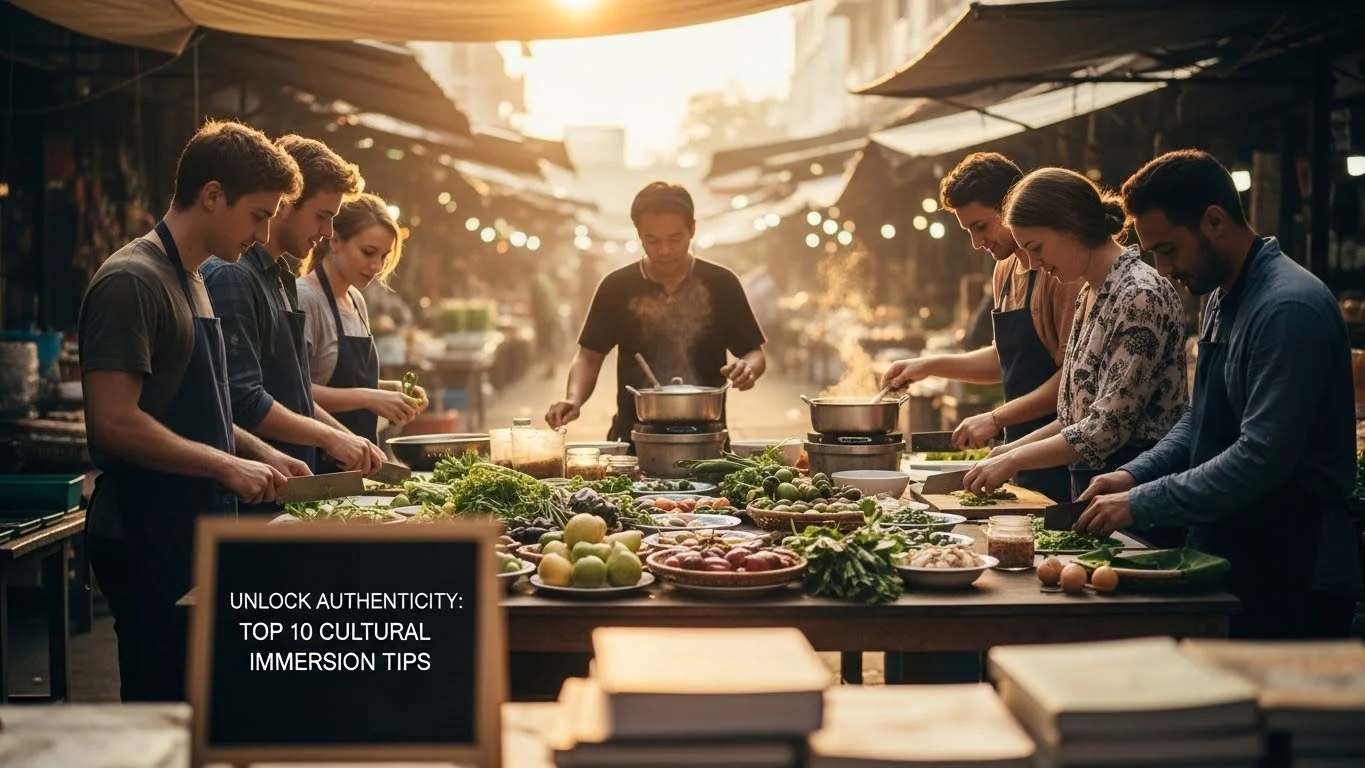
Unlock Authenticity: Top 10 Cultural Immersion Tips

Understanding Cultural Immersion

Definition of Cultural Immersion

Cultural immersion is more than just visiting a new place; it’s about diving into the everyday life of a community. I remember my first trip abroad, stepping off the plane and feeling like I was in a different universe. To me, cultural immersion means living like a local, engaging with traditions, and embracing new experiences. It involves not only observing but participating actively in cultural practices, from sharing meals to partaking in community rituals. It’s about shedding the tourist label and becoming part of the fabric of the community.

Importance of Authenticity in Travel

Authenticity in travel is something I hold dear. Many times, I’ve wandered through bustling markets or serene villages, and I’ve noticed how much richer my experiences became when I engaged genuinely with the culture. Authenticity is what makes travel memorable. It’s about creating real connections with people, understanding their stories, and appreciating their way of life. I believe that when we approach travel with an open heart and mind, we can break down barriers and build bridges of understanding across cultures. This, in turn, leads to personal growth and a broader perspective on life.

Preparing for Cultural Immersion

Researching Local Customs and Traditions

Before embarking on my adventures, I always take time to research the local customs and traditions. It’s amazing how much you can learn from reading blogs, watching documentaries, or even joining online forums. I remember reading about the unique customs surrounding tea ceremonies in Japan, which made my experience there so much more meaningful. By understanding what to expect, I felt more comfortable and respectful when participating in local practices. I encourage everyone to invest some time in this research. It shows respect and helps you connect better with locals. Read Interesting article: Top Destinations for Cultural Experiences Solo Travelers

Learning Basic Language Skills

One of the most rewarding parts of cultural immersion is attempting to communicate in the local language. I’m not fluent in many languages, but I always try to learn a few key phrases. Simple greetings or ‘thank you’ can go a long way in bridging gaps. I’ve had locals light up when I’ve attempted to speak their language, and in those moments, I felt an instant connection. Plus, it’s fun! I recommend using language apps or online courses to pick up basics before you go. You’ll be amazed at how much more you can enjoy your experience once you start chatting with locals.

Understanding Cultural Sensitivities

As I’ve traveled, I’ve come to appreciate the nuances of cultural sensitivities. Each culture has its own set of values and taboos. For instance, in some countries, it’s considered rude to show the soles of your feet or to engage in direct eye contact. By understanding these sensitivities, we can avoid unintentional disrespect. I’ve learned from personal experience that observing how locals interact and following their lead can be incredibly enlightening. A little awareness goes a long way in making sure we engage positively and respectfully.

Top 10 Cultural Immersion Tips

1. Engage with Local Communities

One of the best ways to immerse yourself in a culture is by engaging with the locals. I’ve had some of my most memorable experiences just by striking up conversations with people in cafes or at parks. Whether it’s sharing a meal or attending a community event, being open to meeting new people can lead to unexpected friendships and insights about their lives and traditions.

2. Participate in Traditional Festivals

Festivals are a vibrant display of culture that brings communities together. I remember planning my trip to coincide with a local festival in Mexico, and I was blown away by the energy and joy. Participating in these events allows you to experience the culture firsthand, from music to dance to food. It’s a celebration that often unites both locals and visitors, making it an unforgettable experience.

3. Stay with Local Hosts (Homestays)

Homestays have been a game changer for me. Instead of staying in a generic hotel, I’ve chosen to stay with local families through platforms like Airbnb or local homestay services. This gives you a real glimpse into their daily lives, customs, and cooking. I’ve shared countless meals and stories with my hosts, and these interactions have enriched my travels immensely.

4. Take Part in Cultural Workshops

Participating in workshops is another fantastic way to dive deeper into a culture. I’ve taken cooking classes, pottery workshops, and even dance lessons while traveling. Not only do you learn a new skill, but you also connect with locals who are passionate about sharing their culture. These experiences often lead to lasting memories and friendships.

5. Explore Local Markets and Food Culture

Food is an essential part of any culture. I love wandering through local markets, trying street food, and learning about traditional dishes. Markets are often the heart of a community, bustling with life and flavors. I can recall the delight of tasting fresh spices and local delicacies while chatting with vendors. It’s a sensory experience that brings you closer to the culture.

6. Use Public Transportation

Public transportation is an adventure in itself! I often opt for buses or trains instead of tourist taxis. It’s a great way to see how locals travel and to experience the daily rhythm of life. I’ve had some fascinating conversations with fellow passengers and discovered hidden gems along the way that I wouldn’t have found otherwise.

7. Volunteer for Community Projects

Volunteering can be a deeply rewarding way to connect with a culture. I’ve spent time working with local organizations, whether it was teaching English or helping with environmental projects. This not only allows you to give back but also fosters connections with the community. You realize that you’re part of something bigger, and it’s humbling and inspiring. Read Interesting article: Discovering Cultures Alone: Budget Backpacking Tips

8. Attend Local Performances and Arts

Art and performances are windows into the soul of a culture. I make it a point to attend local theater, music performances, or art exhibitions whenever I can. These events often reflect the history and values of the community. Plus, it’s a fun way to enjoy the local talent and immerse yourself in the creative scene.

9. Visit Historical Sites and Museums

Historical sites tell the story of a place. I love exploring museums and landmarks to understand the cultural and historical context of where I am. It’s fascinating to see how history shapes contemporary societies. I’ve learned so much from guided tours and exhibits that have opened my eyes to aspects of culture I never considered.

10. Respect Local Etiquette and Norms

Finally, respecting local etiquette is crucial. I’ve learned a lot just from observing how locals behave and adjusting my actions accordingly. Whether it’s dress codes, dining etiquette, or gestures, showing respect for local norms shows that you value the culture. It can lead to better interactions and a more enriching experience overall.

Overcoming Challenges in Cultural Immersion

Dealing with Language Barriers

Language barriers can be one of the most daunting challenges we face during cultural immersion. I remember my trip to Italy, where I was eager to order authentic pasta but struggled to communicate effectively at a small, family-run trattoria. At first, it was intimidating. I felt like I was stumbling over every word. But instead of getting frustrated, I decided to embrace the challenge. I pointed to items on the menu and used hand gestures to get my point across. To my surprise, the owner chuckled and joined in, making the experience fun and lighthearted. I realized that many locals appreciate when you try, even if it’s not perfect. I recommend carrying a small phrasebook or using translation apps on your phone. It really helps to ease those moments of confusion, and you might even find that humor and gestures can bridge communication gaps better than any app!

Managing Cultural Shock

Cultural shock is another hurdle that can catch us off guard. I vividly recall arriving in India, where the sights, sounds, and smells were overwhelming. I felt a mix of excitement and anxiety as I navigated the bustling streets. At times, I found myself feeling disoriented and out of my comfort zone. It dawned on me that this was all part of the journey, so I decided to take a step back and breathe. I learned to give myself grace and take things one day at a time. I found it helpful to journal my experiences and feelings. Writing down my thoughts allowed me to process the whirlwind of emotions and observations. I also made it a point to connect with other travelers who were going through similar feelings. Sharing those moments really helped ease the cultural shock. I believe embracing discomfort can lead to growth, and with time, what once felt strange can become familiar and beautiful.

Tools and Resources for Cultural Immersion

Apps for Language Learning

When it comes to learning a new language for cultural immersion, I’ve found that various apps can be a game changer. My go-to app is Duolingo, which made learning phrases feel like a fun game with its engaging challenges. I also enjoyed using Babbel, as it offers lessons focused on practical conversation skills. While on my travels, I would practice during downtime or while waiting for a bus. It’s amazing how much confidence you gain when you can exchange a few words with locals! I also discovered HelloTalk, which connects you with native speakers for language exchange. I’ve made friends this way, and practicing real conversations helped me grasp the nuances of the language better.

Websites for Local Experiences

To truly immerse myself in a culture, I’ve relied on websites that offer local experiences. Platforms like Airbnb Experiences or Meetup have allowed me to find unique activities hosted by locals. For instance, I once joined a photography tour in Barcelona led by a local artist. It wasn’t just about snapping photos; we shared stories and learned about the city from a local’s perspective. I believe these experiences enrich our travels and create lasting connections. I also recommend checking out Couchsurfing, where you can find locals willing to share their favorite spots or show you around, often leading to incredible adventures that aren’t found in guidebooks.

Books on Cultural Understanding

Books can be invaluable tools for preparing for cultural immersion. I love picking up travel memoirs or books about cultural history before heading to a new destination. One book that had a profound impact on me was “The Geography of Bliss” by Eric Weiner. It explores various cultures and what makes people happy in different places. It opened my eyes to how diverse perspectives on happiness could be and helped me approach my travels with curiosity and respect. I also recommend looking for guides that focus on cultural etiquette. Knowing what to expect can alleviate anxiety and make interactions smoother. These books not only prepare us but also inspire us to see the beauty in our differences.

Measuring the Impact of Cultural Immersion

Personal Growth and Development

Cultural immersion has a profound impact on personal growth. I’ve noticed that every trip has transformed me in some way. Whether it’s learning to adapt to new situations or gaining confidence in navigating unfamiliar environments, I come home with a renewed sense of self. I remember returning from a solo trip to Thailand feeling empowered. I had stepped out of my comfort zone and faced challenges head-on, which helped me develop resilience. I believe that every experience, good or bad, contributes to our growth. Reflecting on these experiences can help us understand our journey and the lessons we’ve learned.

Building Cross-Cultural Relationships

One of the most rewarding aspects of cultural immersion is the relationships we build. I’ve made friendships with people from all walks of life, whether it was sharing a meal with a family in Peru or laughing with fellow travelers in a hostel. These connections often transcend language and cultural barriers. I’ve found that kindness and curiosity are universal languages. Keeping in touch with these friends has enriched my life and provided me with different perspectives. I often think back to the people I’ve met and how they’ve shaped my understanding of the world. These relationships remind me that, despite our differences, we all share a common humanity.

Contributing to Sustainable Tourism

Lastly, I believe cultural immersion promotes sustainable tourism. When we engage deeply with a culture, we’re often more conscious of our impact on the environment and local communities. I’ve learned to support local businesses, choose eco-friendly options, and participate in community initiatives. For instance, while in Costa Rica, I volunteered for a conservation project that focused on protecting sea turtles. Not only did I contribute to a cause I cared about, but I also learned about the significance of the local ecosystem. I think that by immersing ourselves thoughtfully, we can help preserve the cultures and environments we love to explore.

Understanding Cultural Immersion

Definition of Cultural Immersion

Cultural immersion is a journey that transcends mere travel; it’s about diving headfirst into the daily rhythms and practices of a community. I remember my first experience of true cultural immersion when I lived with a family in Thailand. The vibrant colors, sounds, and smells felt like a dream, and I quickly learned that being a tourist is one thing, but living among the locals is a whole new adventure. It’s about engaging with everyday life, from sharing meals to participating in local traditions. This deeper level of connection opens doors to experiences that most tourists never encounter.

Importance of Authenticity in Travel

Authenticity in travel is not just a buzzword; it’s a guiding principle for me. I’ve often found that the most memorable experiences come from genuine interactions with the people I meet along the way. For example, during a trip to Morocco, I was invited to a local family’s home for dinner. The warmth of their hospitality and the stories they shared not only enriched my understanding of their culture but also left a lasting impression on my heart. I believe that when we travel authentically, we create meaningful connections that leave us forever changed.

Preparing for Cultural Immersion

Researching Local Customs and Traditions

Preparation plays a crucial role in cultural immersion. I often spend hours researching local customs and traditions before my trips. Just recently, I was fascinated to learn about the significance of the Day of the Dead in Mexico. Understanding this tradition beforehand allowed me to appreciate the colorful altars and festivities when I arrived. It’s amazing how a little knowledge can transform your perspective and make you feel more connected to the culture. I encourage everyone to dive into blogs, documentaries, and even social media to find out what local customs to expect. It not only enhances your experience but shows respect for the culture you’re stepping into.

Learning Basic Language Skills

Language has always been a bridge for me. Even though I’m not fluent in many languages, I make it a point to learn a few essential phrases before I travel. I remember how nervous I was trying to say “hello” and “thank you” in Vietnamese, but the smiles I received in return were worth every awkward attempt. It’s those little efforts that can lead to delightful connections. I recommend practicing with language apps or online tools to build your confidence. The reward of being able to communicate, even in small ways, is incredibly fulfilling.

Understanding Cultural Sensitivities

As I’ve traveled more, I’ve grown to appreciate the importance of cultural sensitivities. Each culture has its own unique customs, and what might seem normal to me could be offensive to someone else. For instance, I learned that in many Asian cultures, it’s considered impolite to point at someone. By being aware of these nuances, I’ve been able to navigate interactions more smoothly. I’ve found that observing local behavior often provides invaluable lessons. So, keep your eyes and ears open; you’ll learn a lot just by watching!

Top 10 Cultural Immersion Tips

1. Engage with Local Communities

Engaging with locals has been one of the most rewarding aspects of my travels. I’ve had countless enriching conversations simply by striking up a chat at a local café or market. These interactions often lead to unexpected friendships and invaluable insights into the culture. I remember in Greece, a local shared his favorite spots away from the tourist trails that allowed me to experience the true essence of the island. The connections we form with locals can lead to unforgettable experiences that go far beyond typical tourist attractions.

2. Participate in Traditional Festivals

Attending traditional festivals is like stepping into a vibrant tapestry of a culture. I recall my experience during the Lantern Festival in Taiwan, where the streets were filled with beautiful lanterns and laughter. The energy was palpable, and joining in the festivities made me feel part of something larger than myself. Festivals provide a unique opportunity to witness cultural expressions through music, dance, and food, making it a must for anyone looking to immerse themselves.

3. Stay with Local Hosts (Homestays)

Choosing homestays over hotels has transformed my travel experiences. Staying with local families has allowed me to gain insights into their daily lives, customs, and cooking styles. I vividly remember a homestay in Peru, where I had the chance to learn how to make traditional dishes alongside my host. These moments create bonds that turn a simple stay into a cherished memory, and I always leave feeling like I have new friends.

4. Take Part in Cultural Workshops

Cultural workshops have been a fantastic way for me to dive deeper into the local culture. Whether it’s learning to cook traditional dishes, trying my hand at pottery, or even joining a dance class, these experiences have enriched my travels. I remember taking a salsa dancing class in Cuba, where the passion and rhythm of the music made me feel alive. It’s not just about the skill; it’s about connecting with locals who are passionate about sharing their culture, leading to friendships that can last a lifetime.

5. Explore Local Markets and Food Culture

The heart of a culture often beats strongest in its local markets. I love spending time wandering through vibrant stalls, trying new foods, and chatting with vendors. There’s something special about tasting local delicacies and learning the stories behind them. I’ll never forget the spicy street tacos I had in Mexico City, where the vendor shared the history of the dish as he prepared it. Exploring food culture not only satisfies the taste buds but also provides a glimpse into the community’s traditions and values.

6. Use Public Transportation

Using public transportation is one of my favorite ways to immerse myself in the local culture. Riding buses or trains allows me to see how locals navigate their cities and experience the daily rhythm of life. I’ve had some engaging conversations with fellow passengers and discovered hidden gems along my journeys that I wouldn’t have found otherwise. It’s an adventure that makes me feel more connected to the place I’m visiting.

7. Volunteer for Community Projects

Volunteering has been a deeply fulfilling way for me to connect with local cultures. I’ve had the privilege of working with various organizations, from teaching English to participating in eco-friendly initiatives. This not only allows me to give back but also fosters connections with the community. I remember volunteering for a wildlife conservation project in South Africa, where I learned about the local ecosystem while making a positive impact. It’s a reminder that travel can be meaningful and responsible.

8. Attend Local Performances and Arts

Art and performances provide a window into the soul of a culture. I always try to attend local theater productions, concerts, or art exhibitions wherever I travel. I remember a traditional dance performance in Bali that left me in awe of the rich storytelling and cultural significance behind each movement. These events often reflect the history and values of the community, and attending them allows me to appreciate local talent while immersing myself in the creative scene.

9. Visit Historical Sites and Museums

Historical sites and museums tell the stories of a place and its people. I love exploring these spaces, as they provide context for the culture I’m experiencing. Each museum visit has deepened my understanding of the historical events that shaped the community. I remember visiting the Anne Frank House in Amsterdam, where I was profoundly moved by the history and resilience. These moments remind me of the importance of understanding the past to appreciate the present.

10. Respect Local Etiquette and Norms

Respecting local etiquette is crucial in any travel experience. I’ve learned a great deal just by observing how locals behave and adjusting my own actions accordingly. Whether it’s knowing when to take off your shoes before entering a home or understanding dining customs, showing respect for local norms fosters better interactions. I believe that a little awareness and consideration can go a long way in creating meaningful connections with the people we meet.

Frequently Asked Questions

“`html

What is cultural immersion?

Cultural immersion is the experience of diving headfirst into the daily life and practices of a community, engaging actively in local traditions and customs rather than merely observing them as a tourist.

Why is authenticity important in travel?

Authenticity is important in travel because it enriches experiences and fosters genuine connections with locals, leading to a deeper understanding of their culture and way of life.

How can I prepare for cultural immersion?

You can prepare for cultural immersion by researching local customs and traditions, learning basic language skills, and understanding cultural sensitivities before your trip.

What are some tips for engaging with local communities?

To engage with local communities, strike up conversations in cafes or parks, attend community events, and be open to forming friendships that provide insights into their lives and traditions.

How can I participate in traditional festivals?

Participating in traditional festivals allows you to experience the culture firsthand through music, dance, and food, making it an unforgettable experience that connects you to the local community.

What are the benefits of staying with local hosts?

Staying with local hosts through homestays provides a real glimpse into their daily lives and customs, enriching your travel experience by creating bonds and sharing meals.

How can volunteering enhance cultural immersion?

Volunteering allows you to connect deeply with a culture by giving back to the community, fostering connections with locals, and experiencing life from their perspective.

Why is exploring local markets important?

Exploring local markets is important because it immerses you in the food culture of a place, allowing you to try traditional dishes and learn about the community’s values and traditions.

What are some effective tools for language learning during travel?

Effective tools for language learning include using apps like Duolingo and Babbel for practical conversation skills, as well as carrying a phrasebook or using translation apps to ease communication barriers.

How does cultural immersion contribute to personal growth?

Cultural immersion contributes to personal growth by helping travelers adapt to new situations, gain confidence, and reflect on their experiences, leading to a broader understanding of the world.

“`
Budget-Friendly Solo Adventure Travel Destinations to Explore

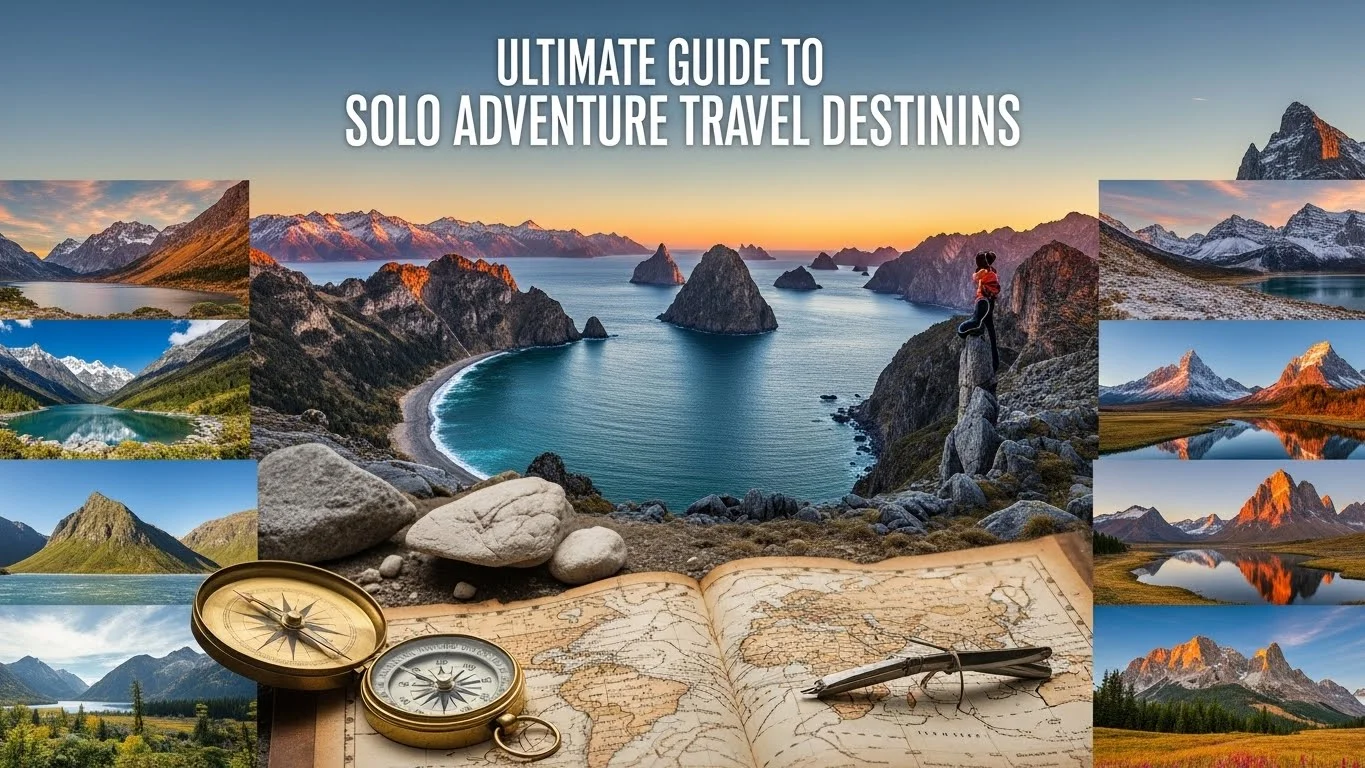
Exploring the world on a budget solo is not just possible; it can be thrilling! Let’s dive into why budget-friendly solo adventure travel is a fantastic way to experience new cultures without breaking the bank. For more insights, check out our Ultimate Guide to Solo Adventure Travel Destinations.

Budget-Friendly Solo Adventure Travel Destinations to Explore

Why Choose Budget-Friendly Solo Adventure Travel?

The Benefits of Solo Travel

Choosing to embark on a solo adventure is one of the most liberating experiences I’ve ever had. There’s something incredibly empowering about setting out on my own. I can decide my itinerary, change plans on a whim, and fully immerse myself in every moment without the need to coordinate with others. It’s like the world is my playground!

One of the major benefits of solo travel is the opportunity for self-discovery. I’ve found that traveling alone allows me to reflect, rethink my priorities, and gain a deeper understanding of myself. Whether it’s taking a quiet moment to watch the sunset or chatting with locals, I often find that these experiences resonate within me long after the trip is over.

Plus, there’s a sense of freedom that comes with it. When I travel solo, I can wake up early to catch the sunrise or stay out late to experience the nightlife. The best part? I don’t need to check in with anyone else; I’m free to follow my own desires!

How to Save Money While Traveling Alone

Now, let’s talk about the elephant in the room: budget. I used to think that traveling solo was more expensive, but I’ve learned many tricks to make it affordable. One of the first things I do is set a clear travel budget. This helps me prioritize my spending, ensuring I can enjoy experiences without overspending.

For instance, booking flights in advance can lead to significant savings. I try to use budget airlines whenever possible and keep an eye on flight comparison websites to snag the best deals. Also, being flexible with travel dates can save me a lot of money. I remember one time I saved almost $150 just by pushing my departure date by a day!

Accommodation is another area where I’ve found great deals. Staying in hostels or budget hotels not only saves money but also offers opportunities to meet fellow travelers. Sometimes, I prefer platforms like Airbnb, where I can rent a room or even an entire apartment for a fraction of a hotel’s cost. I’ve made some incredible friends this way, sharing meals and stories with people from all over the world.

Eating out can also add up quickly, but I’ve discovered that street food is often delicious and affordable. I love trying local dishes from street vendors. Not only do I save money, but I also get a taste of authentic local culture. I’ll always remember the mouthwatering pad thai I had from a street vendor in Thailand—it was cheap and unforgettable!

Another tip I’ve learned is to take advantage of free walking tours that many cities offer. These tours are a fantastic way to explore new places while learning about their history. I’ve experienced some amazing tours; just remember to tip your guide if you enjoyed the experience! For more on traveling safely, see Top Safety Tips for Solo Adventure Travelers on a Budget.

Lastly, I like to use travel apps that help me manage my budget. There are several great tools out there that can help track spending, find discounts, and even locate free events happening in the area. Being organized has made my adventures much smoother and cost-effective.

Top Budget-Friendly Solo Adventure Destinations

1. Southeast Asia

Southeast Asia is one of my absolute favorite regions for budget travel. The combination of stunning landscapes, rich cultures, and unbelievably low prices makes it a must-visit. I remember the first time I stepped off the plane in Bali, Indonesia. The vibrant atmosphere and breathtaking views instantly captivated me.

Bali, Indonesia

Bali is a haven for solo travelers. You can explore stunning temples, relax on beautiful beaches, and try yoga retreats—all while sticking to a budget. I found that accommodation can be incredibly cheap, with many guesthouses offering rooms for under $20 a night. Plus, the food is delicious and affordable.

Chiang Mai, Thailand

Chiang Mai stole my heart with its laid-back vibe. This city is not only beautiful but also budget-friendly. I enjoyed countless street food finds and visiting local markets. The best part? You can take part in cooking classes for a reasonable price, which I found to be a fun way to connect with local culture.

Siem Reap, Cambodia

Visiting Siem Reap to explore the magnificent Angkor Wat was an unforgettable experience. I was amazed by how affordable everything was—from entrance fees to food. I decided to rent a bike one day and explore the temples at my own pace, which allowed me to soak in the history without feeling rushed.

2. Eastern Europe

If you’re looking for rich history combined with affordability, Eastern Europe is a fantastic choice. I was pleasantly surprised by how much I could experience without spending a fortune.

Bucharest, Romania

Bucharest may not be the first destination that comes to mind, but I found it to be fascinating! There are beautiful parks, unique architecture, and vibrant nightlife, all at a fraction of the cost of Western European cities. Plus, the local food is both hearty and cheap!

Krakow, Poland

Krakow is a charming city filled with history. The cost of living is low, making it easy to explore on a budget. I remember wandering around the Old Town, grabbing a pierogi or two, and feeling completely at home. The people are welcoming, and there’s so much to discover.

Budapest, Hungary

Budapest is another gem in Eastern Europe. I loved soaking in the thermal baths and exploring the quirky ruin bars. It’s easy to find affordable accommodations, and the public transport system is efficient. One of my favorite things to do was enjoying a picnic along the Danube River.

Top Budget-Friendly Solo Adventure Destinations

3. Central America

Central America is another fantastic region that I’ve explored on a budget. The diversity in culture, landscapes, and activities is incredible, and the costs are still reasonable. It truly feels like an undiscovered paradise for many solo travelers.

San Juan, Puerto Rico

San Juan quickly became one of my favorite spots. The vibrant culture and beautiful beaches are complemented by the affordability of the local experience. I loved wandering through Old San Juan, with its colorful buildings and cobblestone streets. Plus, I found plenty of budget-friendly accommodations and delicious food options. The local mofongo is a must-try, and I remember enjoying it at a small, family-run restaurant that didn’t break the bank.

Granada, Nicaragua

Granada is another hidden gem that I stumbled upon. This charming city is rich in colonial architecture and offers a laid-back atmosphere. I was thrilled to discover that many of the cultural sites and activities were either free or very affordable. I spent a day exploring the beautiful Islets of Granada, and the boat tour was surprisingly inexpensive. I also enjoyed visiting the local markets, where I found unique crafts and tasty snacks at great prices.

Tamarindo, Costa Rica

Tamarindo is a beach town that has something for everyone. I went there with a budget in mind, and I was pleasantly surprised by how much I could experience without overspending. The beaches are stunning, and I spent my days surfing or lounging by the ocean. I found reasonably priced hostels and local eateries that kept my expenses low. Plus, I loved joining in on community events, which often showcased local music and dance—absolutely free!

4. South America

South America has captivated me in many ways. The stunning landscapes, rich cultures, and overall affordability make it a top choice for budget-conscious solo travelers.

Cusco, Peru

Cusco was one of the highlights of my travels. This city is often the starting point for visits to Machu Picchu, but I found plenty to love right in Cusco itself. I enjoyed wandering around the historic center, where I could admire the architecture and soak in the local culture. The food in Cusco is incredibly affordable, especially in local markets where I feasted on delicious ceviche and hearty soups. I even took a day trip to the Sacred Valley without spending a lot, thanks to the affordable local tours.

La Paz, Bolivia

La Paz is a city like no other—it’s the highest capital in the world! I remember feeling the altitude right away, but it only added to the adventure. The vibrant markets filled with colorful textiles and local crafts were a delight to explore. I found that getting around La Paz was easy and cheap with the local minibuses. I also experienced the surreal Moon Valley, which had stunning landscapes and required a minimal entrance fee. The views left me in awe!

Medellín, Colombia

Medellín surprised me in so many ways. It’s known for its transformation and innovation, and I was impressed by how welcoming the locals were. The best part? I found it to be incredibly budget-friendly. I enjoyed taking advantage of the metro system, which is not only affordable but also a great way to get around. Plus, I had the chance to participate in free walking tours that introduced me to the rich history and culture of the city. I still remember the lively atmosphere during the Feria de las Flores—it was a free festival filled with music, flowers, and dance!

5. Western U.S.

If you’re in the United States and want to travel solo on a budget, the Western U.S. has some fantastic options. I’ve explored several cities in this region and found that they offer unique experiences without the hefty price tag.

Salt Lake City, Utah

Salt Lake City was a delightful surprise for me. The blend of outdoor activities and city life is perfect for those who love adventure. I discovered many free hiking trails in the nearby mountains, which allowed me to take in breathtaking views without spending a dime. The city itself has a rich history, and I enjoyed visiting the iconic Temple Square, where I learned a lot about the area’s culture.

Portland, Oregon

Portland is known for its laid-back vibe and quirky culture. I loved exploring the food trucks, which offer delicious and affordable meals. The city also has a lot of green spaces, where I could relax and enjoy nature without spending anything. I found that public transportation was budget-friendly and efficient, making it easy to navigate the city and discover local breweries and coffee shops.

Santa Fe, New Mexico

Santa Fe is unique with its rich Native American and Hispanic cultures. I was thrilled to find that many of the art galleries and museums had free admission or suggested donations. The local cuisine is another highlight, and I tasted some incredible green chile dishes that were both budget-friendly and mouthwatering. I also enjoyed exploring the stunning adobe architecture and participating in local festivals, which were often free to attend.

When to Visit These Destinations

Best Times for Budget Travel

Timing can make a huge difference in how much we spend on our adventures. From my experience, visiting popular destinations during the off-peak season often leads to significant savings. For example, I learned that traveling to Southeast Asia from May to October—when the weather can be a bit unpredictable—means fewer crowds and lower prices on flights and accommodations. I remember exploring the vibrant streets of Bangkok during the rainy season, and while I did get caught in a downpour, it was a small price to pay for enjoying the city with minimal tourists around!

In Eastern Europe, I found that late spring and early fall are ideal. The weather is pleasant, and prices are still reasonable compared to the peak summer months. I visited Budapest in September, and the charm of the city was palpable; plus, I was able to enjoy the famous thermal baths without the huge summer crowds. Just imagine soaking in those warm waters with a beautiful view, all while saving a bunch of money!

Seasonal Considerations

We also need to consider seasonal activities when planning our solo trips. In places like Costa Rica, the dry season from December to April is popular among travelers, but I discovered that visiting during the “green season” (May to November) can be much more budget-friendly. The lush landscapes and fewer tourists create an enchanting atmosphere! I remember hiking through the rainforest after a refreshing rain, and the colors were simply breathtaking.

For cities in the Western U.S., like Santa Fe, visiting in late spring or early fall is often ideal. The weather is mild, and the local festivals are plentiful. I timed my visit to coincide with a local arts festival, which was a delightful surprise, and I got to experience the culture without the summer price hikes.

How to Get Around on a Budget

Public Transportation Options

Getting around on a budget is crucial when traveling solo. I’ve found that public transportation is often the most cost-effective way to explore a new city or region. For instance, in Budapest, I relied heavily on the metro and trams, which were not only affordable but super efficient. I remember hopping on and off, feeling like a local as I explored different neighborhoods. It was a great way to connect with the city without emptying my wallet!

Many cities also offer transportation passes that can be a great deal. I once bought a multi-day pass in Prague that allowed unlimited rides on buses and trams. It was perfect for my explorations, and I loved how easy it was to navigate the historic city.

Walking and Biking

Walking is another budget-friendly way to take in the sights. I often find that some of my best memories come from simply wandering the streets on foot. In cities like Chiang Mai, I was amazed at how much I discovered just by strolling through local neighborhoods. I stumbled upon hidden temples and charming cafes that I might have missed if I had been on a bus or taxi.

Biking is also a fantastic option in many destinations. I remember renting a bike in San Juan, Puerto Rico, and cruising along the coastline was one of the highlights of my trip. It was an affordable way to cover more ground, and I felt the ocean breeze as I pedaled past stunning views.

Ridesharing Services

When public transport isn’t an option, ridesharing services like Uber or Lyft can be a great alternative. I’ve used ridesharing in cities like Portland, where public transport was limited to certain areas. It was often cheaper than taking a taxi, especially when I was traveling late at night or to spots that weren’t easy to reach by bus. I remember one night after a long day of exploring, I was so grateful to hop in a rideshare and head back to my hostel without any hassle.

Where to Stay: Affordable Accommodation Options

Hostels

Hostels have become my go-to accommodation when traveling solo. Not only are they budget-friendly, but they also provide a fantastic opportunity to meet fellow travelers. I’ve shared dorm rooms with people from all over the world, and some of my best friendships stemmed from those shared experiences. I remember one night in a hostel in Bali where we all gathered in the common area, sharing stories and travel tips—it was such a vibrant atmosphere!

Budget Hotels

If hostels aren’t my style, I often look for budget hotels. I’ve found that many offer clean, comfortable rooms without the hefty price tag. In Krakow, I stayed in a budget hotel that was just a short walk from the Old Town. I appreciated having my own space to unwind after a day of exploring, and the savings allowed me to splurge on local cuisine!

Airbnb and Alternative Lodgings

Airbnb has also been a game changer for me. Renting a room or an entire apartment can sometimes be cheaper than traditional hotels, especially when traveling with a flexible schedule. I remember staying in a cozy Airbnb in Siem Reap, where I had my own little oasis after long days exploring the temples. Plus, I loved being able to cook a few meals, which also helped keep my expenses down.

Frequently Asked Questions

What are the benefits of solo adventure travel?

Solo adventure travel offers liberation and empowerment, allowing travelers to set their own itineraries and immerse themselves in experiences without coordinating with others. It also provides opportunities for self-discovery and personal reflection.

How can I save money while traveling alone?

To save money while traveling solo, set a clear travel budget, book flights in advance, stay in hostels or budget hotels, eat street food, take free walking tours, and use travel apps to manage your budget and find discounts.

What are some top budget-friendly solo adventure destinations?

Some top budget-friendly solo adventure destinations include Southeast Asia (Bali, Chiang Mai, Siem Reap), Eastern Europe (Bucharest, Krakow, Budapest), Central America (San Juan, Granada, Tamarindo), South America (Cusco, La Paz, Medellín), and the Western U.S. (Salt Lake City, Portland, Santa Fe). For more thrilling spots, check out Discover Thrilling Solo Travel Spots for Your Next Adventure.

When is the best time to visit budget-friendly destinations?

Visiting popular destinations during the off-peak season can lead to significant savings. For example, Southeast Asia is best visited from May to October, while late spring and early fall are ideal for Eastern Europe.

What are some budget transportation options while traveling?

Public transportation is often the most cost-effective way to explore cities. Walking and biking are also budget-friendly options. Ridesharing services like Uber or Lyft can be a cheaper alternative when public transport isn’t available.

What types of accommodation are recommended for budget travelers?

Budget travelers can consider hostels, budget hotels, and Airbnb as affordable accommodation options. Hostels provide opportunities to meet fellow travelers, while budget hotels offer comfort without high costs, and Airbnb can be a cheaper alternative to traditional hotels.

What are some tips for enjoying local cuisine on a budget?

Trying street food is a great way to enjoy authentic local cuisine at affordable prices. Additionally, cooking in Airbnb accommodations can help keep food costs down while allowing travelers to experience local flavors.

How can I make the most of my solo travel experience?

To enhance your solo travel experience, embrace opportunities for self-discovery, engage with locals, and be flexible with your plans. Take the time to reflect on your experiences and savor the moments.

What are free walking tours and how can they benefit solo travelers?

Free walking tours are guided tours offered in many cities, allowing travelers to explore new places while learning about their history. They are budget-friendly and provide a chance to meet other travelers, though it’s customary to tip the guide if you enjoyed the experience.

How can flexibility with travel dates help save money?

Being flexible with travel dates can lead to significant savings on flights and accommodations. For instance, changing your departure date by just one day can result in substantial discounts, as seen in the example of saving nearly $150.

Ultimate Guide to Solo Adventure Travel Destinations

Solo adventure travel is a thrilling way to explore the world on your own terms. Imagine discovering hidden gems, meeting new people, and creating unforgettable memories—all while enjoying your own company. If you’re looking for inspiration, check out Discover Thrilling Solo Travel Spots for Your Next Adventure.

Ultimate Guide to Solo Adventure Travel Destinations

Why Choose Solo Adventure Travel?

Choosing to travel alone can be one of the most empowering decisions you’ll ever make. I remember my first solo trip vividly; it was both exhilarating and daunting. The feeling of independence and freedom to explore at my own pace was something I had never experienced before. But why should you consider solo adventure travel? Let’s dive deeper into the benefits.

The Benefits of Traveling Alone

Traveling alone offers a unique set of benefits that can enrich your journey in ways you might not expect. For starters, you have the freedom to craft your itinerary without needing to compromise with others. Want to spend an extra hour at that stunning waterfall? Go for it! The world is your oyster, and you get to decide how to explore it.

Another incredible benefit is the opportunity for self-reflection. I’ve often found that when you’re alone, you can truly connect with your thoughts and feelings. I’ve had moments of clarity while sitting in a café or hiking a solitary trail, which I believe has helped me grow as a person. Plus, solo travel encourages you to step out of your comfort zone, leading to personal growth and newfound confidence.

How Solo Travel Can Boost Your Confidence

There’s something about navigating unfamiliar places on your own that builds confidence. I still recall my first time getting lost in a foreign city. Instead of panicking, I embraced the adventure. I stopped to ask locals for directions, which led to unexpected conversations and even friendships. Each challenge I faced, whether it was ordering food in a different language or figuring out public transportation, made me feel more capable and self-reliant.

Over time, I noticed a significant boost in my self-esteem. I became more assertive, more willing to take risks, and more comfortable in my skin. Solo travel taught me to trust my instincts and make decisions on the fly, which is an invaluable skill in all areas of life. For more tips on staying safe while traveling alone, see Top Safety Tips for Solo Adventure Travelers on a Budget.

Connecting with Other Travelers

One common misconception about solo travel is that it’s a lonely experience. In my travels, I found that being on my own often made it easier to connect with others. When I wasn’t distracted by friends or family, I became more open to conversations with fellow travelers and locals alike.

Hostels, group tours, and local events are excellent places to meet like-minded adventurers. I’ve shared meals, stories, and experiences with people from all over the world, which has enriched my travels and broadened my perspective. I believe these connections are often some of the most rewarding aspects of solo travel. You never know who you might meet or what stories they’ll bring to your journey.

Top Solo Adventure Travel Destinations

When it comes to choosing a destination for your solo adventure, some places truly shine. I’ve traveled to several locations that cater wonderfully to solo adventurers, each offering unique experiences and opportunities for exploration. Here are a few of my favorites, including those highlighted in Top 10 Solo Travel Destinations for Adventure Seekers.

1. Iceland

Natural Wonders: Geysers, Glaciers, and Waterfalls

Iceland is like stepping into another world. The dramatic landscapes—complete with geysers, glaciers, and stunning waterfalls—are breathtaking. I remember standing in front of Gullfoss, the “Golden Falls,” feeling utterly small yet incredibly alive. The natural beauty inspires adventure, whether you want to hike, soak in a natural hot spring, or chase the Northern Lights.

Best Time to Visit

While summer offers long daylight hours and milder weather, winter is magical for those wanting to see the Northern Lights. I found each season has its charm, making Iceland a year-round destination.

Accommodation Options

From cozy hostels to guesthouses, Iceland has plenty of options for solo travelers. I personally loved staying in hostels, where I met fellow adventurers and shared stories over breakfast.

Safety Tips for Solo Travelers

Iceland is considered one of the safest countries in the world. However, I always recommend sticking to well-marked paths and keeping an eye on the weather, especially when exploring the wild landscapes.

2. New Zealand

Adventure Activities: Bungee Jumping and Hiking

If you’re an adrenaline junkie like me, New Zealand is heaven on earth. From bungee jumping in Queenstown to the breathtaking hikes of the Tongariro Alpine Crossing, adventure is around every corner. I tried bungee jumping for the first time there, and it was both terrifying and exhilarating!

Must-Visit Cities: Auckland and Queenstown

Auckland offers a vibrant city vibe, while Queenstown is the adventure capital of the world. I loved how each city had its unique character, making it easy to switch from urban exploration to nature escapades.

Transportation Options for Solo Travelers

Getting around is relatively easy, thanks to a reliable bus system and rental options. I found road-tripping to be a fantastic way to see the breathtaking landscapes at my own pace.

Local Culture and Cuisine

Don’t miss out on trying local dishes! I enjoyed fresh seafood and traditional Māori cuisine, which added a significant cultural aspect to my stay.

3. Costa Rica

Wildlife and Nature Experiences

Costa Rica is a paradise for nature lovers. The biodiversity is astounding! I spent days exploring the rainforests, spotting sloths, toucans, and even a few monkeys. Each encounter with wildlife felt like a precious gift.

Surfing and Beach Activities

The beaches are magnificent, with plenty of opportunities for surfing or simply soaking up the sun. I remember my first time trying to surf; it was a hilarious disaster, but the locals were supportive and made it a fun experience.

When to Visit for Ideal Weather

The dry season, from December to April, offers the best weather for exploring the outdoors. However, I found the rainy season has its charm, with fewer tourists and lush, vibrant landscapes.

Health and Safety Considerations

Costa Rica is generally safe for solo travelers, but it’s wise to stay aware of your surroundings and follow local advice, especially when it comes to wildlife encounters.

4. Japan

Unique Cultural Experiences

Japan is a tapestry of tradition and modernity. I was amazed by how seamlessly the old and new coexist. Visiting ancient temples in Kyoto and then exploring the bustling streets of Tokyo made for an unforgettable cultural journey.

Top Cities for Solo Adventurers: Tokyo and Kyoto

Tokyo is a vibrant hub with endless activities, while Kyoto offers a more serene experience with its beautiful gardens and historic sites. I loved taking part in a tea ceremony in Kyoto; it felt like stepping back in time.

Transportation Tips: Trains and Public Transport

Japan’s public transportation is among the best in the world. I highly recommend getting a Japan Rail Pass to explore multiple cities efficiently. Navigating the trains felt like an adventure in itself!

Local Etiquette and Customs

Japan has specific customs that are important to respect. I learned to bow as a sign of respect and to be mindful of my noise level in public places. These small gestures enhanced my interactions with locals.

5. Peru

Highlights: Machu Picchu and the Sacred Valley

Machu Picchu is a bucket-list destination for many, and for a good reason. The ancient ruins surrounded by stunning mountains are awe-inspiring. I still feel a rush of excitement thinking about the moment I first saw the site at sunrise.

Best Hiking Trails for Solo Travelers

There are many trails for all skill levels, but the Inca Trail is a must for its historical significance and breathtaking views. I recommend taking your time to immerse yourself in the experience.

Local Cuisine and Food Experiences

Peruvian cuisine is diverse and delicious. I fell in love with ceviche and tried local dishes that opened my taste buds to new flavors. Don’t be afraid to ask locals for their recommendations!

Cultural Tips for Solo Adventurers

Respecting local customs is essential in Peru. I learned to greet locals warmly and show appreciation for their culture, which made my interactions much more meaningful.

Planning Your Solo Adventure

How to Choose the Right Destination

Choosing the right destination is one of the most exciting parts of planning a solo adventure. I often find that my choice depends on what I’m seeking at the moment—whether it’s relaxation, adventure, or cultural immersion. I recommend considering factors like safety, ease of navigation, and the availability of activities that interest you. For example, if you love nature, a place like Costa Rica with its lush rainforests and wildlife may be ideal. If you’re more into urban experiences, cities like Tokyo or New York can offer endless exploration opportunities.

Another tip is to think about the language barrier. I feel more confident traveling to places where I speak the language or where English is widely understood. This can ease communication, help me connect with locals, and enhance my overall experience. Doing a bit of research can also reveal the best times to visit for a particular destination, which can influence your decision significantly.

Creating an Itinerary: Must-See Attractions

Building an itinerary is like creating a roadmap for your adventure. I usually start by listing the must-see attractions and activities for each day. It’s easy to get carried away, so I try to balance iconic sites with some spontaneous exploration. I’ve learned that having a few key places in mind is great, but leaving room for unexpected adventures is even better.

For instance, when I visited Japan, I made sure to see the famous cherry blossoms in Kyoto, but I also left time to wander the streets and stumble upon hidden temples and local festivals. I find that this blend of planning and flexibility leads to some of the best experiences. Don’t forget to include downtime in your itinerary too. Traveling can be tiring, and I often need to recharge with a good book in a local café or a quiet spot in a park.

Budgeting for Your Trip

Budgeting is another crucial aspect of planning a solo adventure. I’ve learned that creating a realistic budget can make or break my trip. I usually start by listing all possible expenses, including flights, accommodation, food, activities, and transportation. I find it helpful to look at the average costs in my chosen destination. For instance, if I’m heading to Europe, I know that some cities can be pricier than others. I always allocate a little extra for unexpected expenses, which can pop up during my travels.

One of my favorite budgeting tips is to keep track of my spending while I’m on the road. I use apps that help me log my expenses daily. This habit not only keeps me from overspending but also gives me a clearer picture of where I might want to cut back or splurge on a special experience, like a unique dining experience or a guided tour.

Packing Essentials for Solo Travelers

Packing for a solo adventure can be a bit challenging, but I’ve found that a well-thought-out packing list makes all the difference. I usually start with the essentials: a versatile wardrobe, comfortable shoes, and travel-sized toiletries. I’ve learned to pack light, which helps me feel more mobile and less burdened by my belongings. I still remember the time I overpacked for a trip to Peru, struggling with my heavy backpack as I navigated the trails. Now, I stick to a capsule wardrobe that can mix and match easily.

Additionally, I always include a few personal items that make me feel at home, like a journal or my favorite book. I also carry a small first-aid kit and a reusable water bottle, which come in handy more often than I anticipated. And of course, don’t forget your tech essentials! I always have a portable charger and adaptors for my devices to stay connected on the go.

Safety Tips for Solo Travelers

Staying Safe While Traveling Alone

Safety is an important consideration when traveling solo. I remember feeling a mix of excitement and apprehension during my first solo trip. Over time, I’ve come to understand that being aware of my surroundings and taking precautions is essential. I always research the local customs and safety tips for my destination before I go. This knowledge helps me blend in and avoid drawing unnecessary attention.

One practice I’ve adopted is to keep my important documents, like my passport and travel insurance, in a secure location. I often use a money belt or a hidden pouch. I also make copies of my documents just in case, and I share my itinerary with a trusted friend or family member. This gives me peace of mind, knowing someone knows where I am if anything goes awry.

Emergency Contacts and Resources

It’s wise to familiarize yourself with emergency contacts and resources at your destination. I always have local emergency numbers saved on my phone and a list of nearby hospitals or embassies. I also look for local apps that provide travel information or safety updates. In some places, I even found traveler insurance apps that offer support in case of emergencies, which can really ease my mind while I enjoy my adventure.

Staying Connected: Communication Tips

Staying in touch with family and friends while I’m traveling solo is important for my well-being. I use messaging apps like WhatsApp or Skype to keep connected without racking up huge phone bills. I often schedule regular check-ins with my loved ones, which not only reassures them but also makes me feel grounded while I’m away. Plus, sharing my experiences with them enhances the joy of my adventure and keeps them involved in my journey.

Community and Resources for Solo Travelers

Online Forums and Groups

Connecting with other solo travelers before and during your trip can be incredibly beneficial. I’ve found that online forums and groups dedicated to solo travel are great places to share experiences and gather tips. Websites like Lonely Planet’s Thorn Tree forum and Facebook groups for solo travelers offer a wealth of information. I remember asking for advice about safety in a particular country I was planning to visit, and I received a flood of responses—from personal experiences to practical tips that eased my worries.

These communities can also lead to meetups and social gatherings. I’ve met fellow solo adventurers in these forums who planned to be in the same area as me, leading to spontaneous adventures together. It’s amazing how a shared interest can forge new friendships, even if it’s just for a few days.

Apps and Tools for Solo Travelers

Technology has made solo travel much easier and safer. I rely on various apps, not just for navigation, but also for discovering new experiences. Apps like Meetup help you find local events or activities where you can meet others, while travel-specific apps like Hostelworld or Couchsurfing can help you find accommodation options that fit your style and budget.

One of my favorite apps is Google Maps. I love how it allows me to download maps for offline use, which is a lifesaver when I’m in an area with limited internet access. Additionally, I use translation apps like Google Translate, which have saved me from awkward situations and helped me connect with locals, breaking down language barriers and fostering genuine interactions.

Travel Blogs and Influencers to Follow

Following travel bloggers and influencers who focus on solo travel can be both inspiring and informative. I’ve learned so much from their stories, tips, and recommendations. Blogs like The Blonde Abroad and Solo Traveler offer insights into different destinations, along with practical advice that I’ve found invaluable. I often bookmark posts on packing lists and safety tips that I can refer back to when planning my next adventure.

Social media platforms, especially Instagram and Pinterest, are filled with beautiful travel imagery and ideas. I love scrolling through feeds dedicated to solo travel, discovering hidden gems and unique experiences that I might not have considered otherwise. Some influencers host live Q&A sessions or provide real-time updates from their travels, which can be a great resource for anyone planning a trip.

Personal Growth Through Solo Adventure Travel

How Solo Travel Enhances Self-Discovery

Solo travel is not just about the places you visit; it’s also about the person you become along the way. I’ve found that being alone in a new environment pushes you to dig deep into your own thoughts and feelings. It’s in these moments of solitude that I’ve uncovered my passions and interests, often discovering things about myself that I never knew existed. Whether it’s the thrill of trying new foods or the joy of taking a solo hike, each experience has contributed to a greater understanding of who I am.

During a trip to Thailand, I spent a day exploring an island on my own. I found a secluded beach, sat down with a book, and realized just how much I cherished those peaceful moments. It was a reminder that I didn’t need to be surrounded by others to feel content. This kind of self-discovery has made me more confident and secure in my identity, which I carry with me even after the trip ends.

Building Resilience and Independence

Every challenge I faced while traveling solo—be it a missed bus, a language barrier, or navigating unfamiliar streets—has taught me resilience. I remember feeling overwhelmed in a bustling market in Marrakech, but instead of retreating, I embraced the chaos. I learned to adapt, think on my feet, and find solutions. This ability to handle unexpected situations has been incredibly empowering.

Moreover, solo travel cultivates independence. I’ve found myself making decisions without consulting anyone else, which can be both liberating and exhilarating. Whether it’s choosing which trail to hike or deciding to change my plans last minute, these experiences have reinforced my ability to trust my instincts. I believe this newfound independence translates to my everyday life, where I feel more capable of tackling challenges and pursuing my goals.

Reflection and Journaling Tips for Your Journey

Journaling during my travels has become a cherished ritual. I find that writing down my thoughts and experiences enhances my journey and allows me to reflect on what I’ve learned. I usually carry a small notebook with me, jotting down everything from daily highlights to personal insights. It’s a way for me to capture the essence of my adventure and process my emotions.

When I look back at my travel journals, I’m often reminded of moments that I might have forgotten. I recommend dedicating a few minutes each day to write about your experiences, feelings, and any lessons learned. It can be as simple as noting down the names of new friends you’ve made or describing a beautiful sunset you witnessed. This practice not only helps you cherish your memories but also encourages self-reflection, allowing you to see how you’ve grown throughout your solo adventure.

Frequently Asked Questions

What are the benefits of solo adventure travel?

Solo adventure travel offers the freedom to create your own itinerary without compromise, opportunities for self-reflection, personal growth, and a boost in confidence as you navigate unfamiliar places independently.

How can solo travel boost my confidence?

Solo travel builds confidence by encouraging you to face challenges, navigate new environments, and engage with locals, which reinforces self-reliance and decision-making skills.

Is solo travel a lonely experience?

No, solo travel can actually enhance your ability to connect with others. Being alone often makes you more open to conversations with fellow travelers and locals, leading to meaningful connections.

What are some top destinations for solo adventure travel?

Some recommended destinations for solo adventurers include Iceland, New Zealand, Costa Rica, Japan, and Peru, each offering unique experiences and opportunities for exploration.

What safety tips should solo travelers consider?

Solo travelers should stay aware of their surroundings, research local customs and safety tips, secure important documents, and keep emergency contacts handy.

How can I choose the right destination for my solo adventure?

Consider what you seek from your trip, such as relaxation, adventure, or cultural immersion, along with factors like safety, ease of navigation, and language barriers before selecting a destination.

What should I include in my packing list for a solo adventure?

A packing list for solo travel should include a versatile wardrobe, comfortable shoes, travel-sized toiletries, personal items for comfort, a first-aid kit, and tech essentials like a portable charger.

How does solo travel lead to personal growth?

Solo travel enhances self-discovery by pushing you to reflect on your thoughts and feelings in new environments, leading to increased confidence, resilience, and independence.

What are some useful apps for solo travelers?

Useful apps for solo travelers include Google Maps for navigation, Meetup for finding local events, and translation apps like Google Translate to help break down language barriers.

How can journaling enhance my solo travel experience?

Journaling during your travels allows you to capture thoughts and experiences, fostering self-reflection and helping you remember and process your journey more deeply.

Discover Thrilling Solo Travel Spots for Your Next Adventure

Are you ready to embrace the thrill of solo travel? There’s a world out there waiting for you, filled with adventures, self-discovery, and unforgettable experiences! If you’re looking for inspiration, check out our Top 10 Solo Travel Destinations for Adventure Seekers.

Discover Thrilling Solo Travel Spots for Your Next Adventure

Understanding Solo Travel

Solo travel has become increasingly popular, and for good reason. When I first decided to venture out on my own, I was both excited and a bit apprehensive. The idea of exploring new places, meeting new people, and challenging myself was thrilling. I quickly learned that solo travel is not just about visiting new countries; it’s about discovering myself and my place in the world.

Benefits of Solo Travel

Traveling alone offers a unique set of benefits that can be incredibly rewarding. One of the most significant advantages I found was the freedom to create my own itinerary. There’s a certain joy in waking up without any plans and deciding on a whim what to see or do. I could spend an entire day in a museum, enjoy a long lunch at a café, or take a spontaneous detour to a hidden gem. This flexibility allowed me to truly soak in the culture and atmosphere of each new place.

Another benefit is the opportunity for personal growth. I remember my first solo trip to Barcelona. I learned to navigate the city using just a map and my instincts, which boosted my confidence immensely. Solo travel encourages you to step outside your comfort zone, meet new people, and face challenges head-on. I felt empowered every time I successfully communicated with locals or found my way around without relying on anyone else.

Moreover, when you travel solo, you’re more likely to connect with fellow travelers. I found that being alone often sparked conversations with others who were intrigued by my solo status. From shared meals to exploring attractions together, I made friendships that enriched my journey and expanded my perspective.

Challenges Faced by Solo Travelers

Of course, solo travel isn’t without its challenges. I faced loneliness at times, especially during long stretches without interaction. I remember sitting alone at a beautiful seaside restaurant in Bali, surrounded by couples and groups of friends. It made me realize the importance of finding balance; sometimes, I would seek out group activities or connect with fellow travelers in hostels to combat that feeling of isolation. It’s also crucial to consider safety concerns, which I completely understand why many travelers worry about.

Safety is another concern for many solo travelers, and I completely understand why. I took extra precautions, like researching areas before visiting and keeping my belongings secure. I’ve learned to trust my instincts; if a situation feels off, I would leave. It’s essential to stay aware of your surroundings and plan your trips carefully. Following local advice about safe routes and neighborhoods helped me feel more secure during my adventures.

Budgeting can also be tricky. Traveling alone often means taking on costs that might be shared in a group, like lodging or transportation. I found that planning ahead, using budget-friendly accommodations, and taking advantage of free activities helped me maintain my budget while still enjoying my trips. With a little creativity, I learned that solo travel can be affordable!

Top Solo Travel Destinations Around the World

Now that we’ve explored the essence of solo travel, let’s dive into some of the top destinations that are perfect for solo adventurers. Each place offers unique experiences, friendly locals, and opportunities to connect with other travelers.

Europe

Barcelona, Spain

Barcelona is a vibrant city that captures the imagination with its stunning architecture, rich history, and lively atmosphere. When I visited, I was amazed by the works of Antoni Gaudí, especially the breathtaking Sagrada Familia. The city is also filled with parks and beaches, perfect for relaxing solo. The tapas bars are an excellent place to meet fellow travelers and locals alike, creating a warm and welcoming environment.

Prague, Czech Republic

Prague is a city that feels like stepping into a fairy tale. The stunning architecture and charming streets make it easy to explore on foot. I loved wandering through the Old Town Square, soaking in the atmosphere, and enjoying street performances. It’s also budget-friendly, with plenty of affordable places to eat and stay. The local hostels have a friendly vibe, making it easy to meet others and share travel stories.

Asia

Tokyo, Japan

Tokyo is an exhilarating city that fuses traditional culture with modern technology. I was fascinated by the blend of ancient shrines and futuristic skyscrapers. The public transportation system is incredibly efficient, allowing for easy navigation. I found that the locals were friendly and eager to help, even with the language barrier. Joining a guided tour or attending a cooking class can also provide great opportunities to connect with others.

Bali, Indonesia

Bali is known for its stunning landscapes, spiritual atmosphere, and friendly locals. When I traveled there, I was captivated by the lush rice terraces and serene beaches. Many solo travelers flock to Bali for wellness retreats and yoga classes, which provide an excellent way to meet like-minded individuals. Exploring the island on a scooter is a liberating experience, and you’ll find plenty of beautiful spots to enjoy on your own or with new friends.

North America

New York City, USA

New York City is a bustling metropolis filled with endless possibilities. I loved exploring its diverse neighborhoods, each with its unique charm. The public transport system made it easy to navigate, and I found myself jumping from one iconic landmark to another. Whether it was taking a solo stroll in Central Park or catching a Broadway show, there was always something exciting to do. Plus, it’s a great city to meet other travelers, especially in hostels or social events.

Vancouver, Canada

Vancouver is a haven for nature lovers and urban explorers alike. The stunning backdrop of mountains and ocean creates a unique setting. I enjoyed hiking in nearby parks, visiting local markets, and discovering the vibrant arts scene. The city’s laid-back atmosphere made it easy to connect with locals and other travelers, whether at coffee shops or community events.

Top Solo Travel Destinations Around the World

South America

Rio de Janeiro, Brazil

Rio de Janeiro is a place that radiates vibrancy and energy. I remember my first sight of the iconic Christ the Redeemer statue towering over the city – it was truly breathtaking. The beaches, such as Copacabana and Ipanema, are not just stunning but also filled with life. I often found myself lounging on the sand, striking up conversations with both locals and fellow travelers. One of my favorite experiences was joining a samba class; it was a fantastic way to immerse myself in the culture and meet new people who shared my love for adventure.

While exploring the city, I discovered the lush Tijuca National Park, which offers incredible hiking trails. I really enjoyed the thrill of getting lost in nature, completely surrounded by the sounds of the rainforest. Plus, the views from the top of Sugarloaf Mountain are unforgettable. Solo travel in Rio felt exhilarating, and I found that the locals were incredibly welcoming, always eager to show off their beautiful city.

Lima, Peru

Lima is often seen as just a stopover before heading to Machu Picchu, but my time there was full of unexpected delights. The culinary scene is incredible, and as a solo traveler, I took advantage of many food tours. I found myself savoring ceviche at delightful little eateries and even took a cooking class where I learned to make traditional Peruvian dishes. The connections I made with other food enthusiasts made the experience even more enjoyable.

I also loved wandering through the historic center of Lima, admiring the colonial architecture and vibrant street art. It was a safe and easy city to explore on foot, and I often found hidden gems in the neighborhoods. The local parks, like Parque Kennedy, were perfect spots to relax and meet other travelers. I felt that Lima offered a wonderful blend of exploration and culinary adventure, perfect for anyone traveling alone.

Africa

Cape Town, South Africa

Cape Town is one of those destinations that truly captured my heart. The stunning backdrop of Table Mountain is simply mesmerizing. I remember hiking to the top and feeling a sense of accomplishment when I reached the summit. The panoramic views were worth every step. I also spent time at the V&A Waterfront, where I enjoyed the lively atmosphere, local shops, and delicious food stalls. Meeting other travelers here was easy, and I often found myself joining new friends for sunset drinks.

The beaches in Cape Town are beautiful and perfect for unwinding after a day of exploring. One of my favorite days was spent at Camps Bay, where I enjoyed sunbathing and swimming. Visiting the Cape of Good Hope was another highlight, where I encountered breathtaking scenery and unique wildlife. Traveling solo in Cape Town felt safe and empowering, and I appreciated the friendly locals who were always willing to share tips and recommendations.

Marrakech, Morocco

Marrakech is a feast for the senses, and I was instantly enchanted by its vibrant markets and rich culture. Walking through the medina felt like stepping into another world. I loved haggling for spices and textiles at the souks, where I often engaged in friendly banter with local vendors. It was a thrilling experience that made shopping a lot more fun. I remember sitting in a local café, sipping mint tea and soaking in the atmosphere, feeling grateful for the opportunity to be there.

One highlight of my trip was visiting the beautiful Jardin Majorelle, which offered a serene escape from the bustling marketplace. I joined a guided tour that provided insight into the history and culture of Marrakech, and I met some wonderful fellow travelers along the way. The city is rich in cultural experiences, from traditional Moroccan dinners to mesmerizing performances in Jemaa el-Fnaa square. Traveling solo in Marrakech was both exciting and enriching, and I found that the city had a way of bringing people together.

Oceania

Sydney, Australia

Sydney is a vibrant city that I felt instantly at home in. The iconic Sydney Opera House and the stunning Harbour Bridge were highlights during my visit. I made a point to take a ferry ride across the harbor; the views were simply breathtaking. I also loved wandering around Bondi Beach, where I tried my hand at surfing for the first time. Although I didn’t ride any massive waves, it was a fun experience that made me feel alive and connected with the ocean.

The city has a fantastic café culture, and I enjoyed spending time in trendy coffee shops, chatting with baristas, and meeting other travelers. I also joined a walking tour of the city’s neighborhoods, which led to some great conversations and new friendships. Sydney is perfect for solo travelers, as there are so many opportunities to explore and connect with others while enjoying the beautiful surroundings.

Auckland, New Zealand

Auckland has a laid-back vibe that I immediately loved. The city is surrounded by stunning landscapes, including beaches and volcanic cones. I remember hiking up to Mount Eden for sunrise and feeling a sense of peace and gratitude. The panoramic views of the city and harbor were stunning and made the early wake-up call worth it. Auckland is also a great place for outdoor adventures, from sailing to hiking.

One of my favorite experiences was visiting the vibrant waterfront and enjoying the local cuisine at the markets. I also met fellow travelers who shared my passion for adventure, and we ended up exploring the nearby islands together. The friendly locals made it easy to feel comfortable, and I was always greeted with a smile. Traveling solo in Auckland was a fantastic experience, and I found it to be a great destination for anyone looking to connect with nature and new friends.

When to Visit These Destinations

Seasonal Considerations

When planning a solo trip, timing can make all the difference in your experience. I remember choosing the right season for my travels and how it impacted everything from the weather to the crowds. For instance, visiting Barcelona in the spring was a delightful experience. The weather was warm enough to enjoy the beaches, but the summer tourist rush hadn’t hit yet, allowing me to explore without feeling overwhelmed. I found that the flowers blooming in parks added a lovely touch to my daily walks.

In contrast, my trip to Tokyo was in late autumn, and I was mesmerized by the beautiful fall foliage. The parks were awash with reds and yellows, creating a picturesque backdrop for my explorations. I learned that each destination has its peak and off-peak seasons, so researching these can help you avoid crowds and save on costs. For example, traveling to Bali during the rainy season can sometimes mean fewer tourists and lower prices, although you’ll need to be prepared for occasional downpours.

So, I recommend checking seasonal weather patterns and crowd levels for each destination. This way, you can choose the best time to travel that aligns with your preferences and desired activities.

Local Events and Festivals

Attending local events and festivals can truly enhance your solo travel experience. I’ve found that these occasions offer a unique insight into the culture, and they’re great for meeting new people. For instance, I planned my trip to Rio de Janeiro to coincide with Carnival. The energy in the city was electric! I joined in on the parades and danced along the streets, making friends from all over the world. The shared excitement created bonds that made my solo experience feel less lonely.

Similarly, while in Marrakech, I stumbled upon the annual International Film Festival. Attending screenings and mingling with fellow film enthusiasts allowed me to connect with locals and other travelers who shared my interests. I learned that festivals can be found in almost every destination, celebrating everything from food and music to art and sports. I suggest researching local calendars to see what’s happening during your visit. You might just discover a festival that draws you in and brings your travel experience to life!

Where to Stay as a Solo Traveler

Hostels vs. Hotels

Choosing the right accommodation can set the tone for your solo travel experience. I’ve stayed in both hostels and hotels, and each has its pros and cons. Hostels are often my go-to choice because they’re budget-friendly and provide a sense of community. I remember arriving in a Barcelona hostel and immediately feeling welcomed by the friendly atmosphere. It wasn’t long before I was sharing travel stories with fellow backpackers over a communal breakfast.

On the other hand, hotels can offer more privacy and comfort, which can be nice after a long day of exploring. During my stay in Tokyo, I opted for a quaint hotel that allowed me to recharge in peace. It had a lovely garden where I could unwind after busy days. I find that combining both options can also work well; perhaps start with a hostel to meet people, then treat myself to a hotel for a few nights of relaxation.

Co-Living Spaces

Another option that I’ve recently discovered is co-living spaces. These are becoming increasingly popular among solo travelers. I had the pleasure of staying at a co-living space in Vancouver where I had my own room but shared common areas with other like-minded travelers. This setup fostered a sense of community, and I enjoyed cooking meals together or joining group outings. It felt like living with friends while still having my own space to retreat to after a long day. I encourage you to explore co-living options in your chosen destinations, as they can be a fantastic way to meet others while traveling solo.

Airbnb Options

Airbnb is another great alternative for solo travelers. I remember booking a charming apartment in Lima, which gave me the freedom to cook my meals and enjoy the city at my own pace. Staying in a local neighborhood allowed me to experience the culture more intimately. I loved waking up to the sounds of the city and enjoying my morning coffee on the balcony.

When using Airbnb, I recommend looking for hosts with high ratings and positive reviews, as they can often provide valuable local tips and tricks. Plus, many hosts enjoy connecting with their guests, which can lead to great conversations and making new friends. Whether you choose a private room or an entire place, Airbnb can offer unique accommodations that enhance your solo travel experience.

Frequently Asked Questions

What is solo travel?

Solo travel is the experience of traveling alone, which allows individuals to explore new places, meet new people, and engage in self-discovery. It is an opportunity to create personal itineraries and challenges oneself in unfamiliar environments.

What are the benefits of traveling solo?

Traveling alone offers several benefits, including the freedom to create your own itinerary, opportunities for personal growth, and a higher likelihood of connecting with fellow travelers. Solo travelers can enjoy flexibility in their plans and often find it empowering to navigate new environments independently.

What challenges do solo travelers face?

Some challenges faced by solo travelers include feelings of loneliness, safety concerns, and budgeting difficulties. It’s important for solo travelers to find ways to connect with others and take precautions while exploring new locations. For essential advice on safety, consider reading Essential Solo Travel Safety Tips for Adventurous Backpackers.

What are some recommended solo travel destinations?

Top solo travel destinations include Barcelona, Prague, Tokyo, Bali, New York City, Vancouver, Rio de Janeiro, Lima, Cape Town, and Marrakech. Each of these places offers unique experiences, friendly locals, and opportunities to meet other travelers.

When is the best time to visit these destinations?

The best time to visit destinations can vary based on seasonal weather patterns and crowd levels. Researching peak and off-peak seasons can help solo travelers avoid crowds and potentially save on costs, enhancing their overall experience.

How can local events and festivals enhance a solo travel experience?

Local events and festivals provide insight into the culture of a destination and create opportunities for meeting new people. Participating in festivals, such as Rio’s Carnival or Marrakech’s International Film Festival, can make solo travel feel less lonely and more enriching.

What types of accommodation are suitable for solo travelers?

Solo travelers can choose from various accommodation types, including hostels, hotels, co-living spaces, and Airbnb options. Hostels often provide a sense of community, while hotels offer privacy. Co-living spaces and Airbnb can also facilitate connections with other travelers.

What are the advantages of staying in a hostel?

Hostels are budget-friendly and foster a sense of community among travelers. They often provide opportunities to share stories and experiences with fellow guests, making them a popular choice for solo travelers looking to connect.

What should be considered when choosing Airbnb for solo travel?

When choosing Airbnb for solo travel, it’s important to look for hosts with high ratings and positive reviews, as they can offer valuable local tips. Staying in a local neighborhood can enhance the cultural experience and provide a more intimate connection to the city.

How can solo travelers ensure their safety while traveling?

Solo travelers can ensure their safety by researching areas before visiting, keeping their belongings secure, trusting their instincts, and staying aware of their surroundings. It’s also beneficial to follow local advice regarding safe routes and neighborhoods.

Top 10 Solo Travel Destinations for Adventure Seekers

Embarking on a solo adventure is an exhilarating experience that opens a world of possibilities. Whether you crave the thrill of new challenges or the serenity of nature, the right destination can make all the difference. For those interested in cultural immersion, exploring the top destinations for cultural experiences solo travelers should be on your list.

Top 10 Solo Travel Destinations for Adventure Seekers

Why Solo Travel for Adventure Seekers?

The Benefits of Solo Travel

There’s something incredibly liberating about solo travel. I remember my first solo trip vividly; it was a mix of excitement and nervousness. Traveling alone allows you to set your own pace, choose your own path, and fully immerse yourself in new experiences without the influence of others. You can wake up whenever you want, explore at your leisure, and truly connect with the places you visit. In my experience, this freedom often leads to spontaneous adventures and unforgettable memories.

Another benefit is the opportunity for self-discovery. When we travel alone, we are faced with new challenges that push us out of our comfort zones. I’ve found that these experiences help build confidence and resilience. Plus, you meet new people along the way who can enrich your journey, whether it’s fellow travelers or locals sharing their stories. I’ve had some of the most meaningful conversations with strangers while wandering through markets or sitting in a café by myself.

Understanding Adventure Travel

Adventure travel is not just about extreme sports or rugged terrains; it’s about pushing boundaries and seeking experiences that invigorate the spirit. For me, adventure travel means exploring the unknown, whether that’s hiking in the mountains, kayaking in a serene lake, or discovering hidden gems in a bustling city. It’s a chance to take risks and step outside of your daily routine.

When it comes to choosing a destination for an adventure, I look for places that offer a mix of natural beauty, cultural richness, and activities that spark my interest. I’ve learned that each destination has its own unique flavor of adventure. Some places might be known for their breathtaking landscapes, while others offer thrilling outdoor activities or intriguing cultural experiences. Understanding what excites you most about adventure travel is key to selecting the right destination. If you’re looking for budget-friendly options, check out the top 10 backpacking destinations for solo travelers on a budget.

Top 10 Solo Travel Destinations for Adventure Seekers

1. Patagonia, Chile & Argentina

Overview of Patagonia

Patagonia is a region that feels almost otherworldly. I remember standing in front of the jagged peaks of the Andes, surrounded by glacial lakes and sprawling national parks. This remote area offers breathtaking landscapes that seem to stretch forever. The blend of vivid blues from the glaciers and the greens from the forests creates a mesmerizing backdrop for any adventurer.

Best Time to Visit

The best time to explore Patagonia is during its summer months, from December to March. I visited in January, and the weather was perfect for hiking, with long daylight hours and mild temperatures.

Top Attractions

Don’t miss Torres del Paine National Park, where you can hike to stunning viewpoints like the base of the Torres. I also found the Perito Moreno Glacier to be awe-inspiring; witnessing chunks of ice calving into the water was a highlight of my trip.

Outdoor Activities

There’s no shortage of outdoor activities in Patagonia. From trekking the W Circuit to kayaking on turquoise lakes, I felt like an adventurer in a dream. Birdwatching, horseback riding, and even glacier trekking are all fantastic ways to explore this beautiful region.

Safety Tips

While Patagonia is generally safe, I recommend staying aware of your surroundings, especially in busy tourist areas. I also found it helpful to have a reliable map or a GPS device, as cell service can be spotty in remote areas. For more advice on staying safe while traveling, see my tips in the article on top safety tips for solo adventure travelers on a budget.

Where to Stay

Accommodations range from luxury lodges to budget hostels. I opted for a cozy cabin near the park, which allowed me to connect with other travelers and share stories over warm meals after our daily adventures.

2. Queenstown, New Zealand

Overview of Queenstown

Queenstown is often referred to as the adventure capital of the world, and for good reason. The landscape, with its stunning lakes and towering mountains, is simply breathtaking. I felt immediately drawn to its vibrant atmosphere, packed with friendly locals and fellow travelers.

Best Time to Visit

The best time to visit Queenstown is during the spring (September to November) and summer (December to February) months when outdoor activities are in full swing.

Top Attractions

Don’t miss the breathtaking views from the Skyline Gondola. I took a ride up the mountain, and the panoramic views were worth every penny. Also, be sure to explore the charming town filled with shops and restaurants.

Outdoor Activities

Adventure seekers will find plenty to do, from bungee jumping to skiing, depending on the season. I particularly enjoyed a thrilling jet boat ride on the Shotover River—adrenaline-pumping fun!

Safety Tips

As with any adventure destination, it’s essential to prioritize safety. I always checked weather conditions before heading out and made sure to book activities with reputable companies.

Where to Stay

Queenstown offers a variety of accommodations, from luxury hotels to backpacker hostels. I chose a hostel that was centrally located, making it easy to meet other travelers and organize group activities.

3. Costa Rica

Overview of Costa Rica

Costa Rica is a paradise for nature lovers and thrill-seekers alike. I remember my first sight of its lush rainforests, vibrant wildlife, and stunning beaches. The country is a perfect blend of adventure and relaxation, and every corner offers something exciting. Whether you’re trekking through the jungles or lounging on the beach, the beauty of Costa Rica is simply captivating.

Best Time to Visit

The dry season from December to April is the best time to visit Costa Rica. I traveled there in February, and the weather was ideal for exploring the outdoors without worrying about rain interruptions. The lush landscapes were vibrant, and the wildlife was active—perfect for spotting sloths and toucans.

Top Attractions

One of my favorite spots in Costa Rica was Arenal Volcano National Park. The sight of the perfectly symmetrical volcano against the backdrop of the rainforest left me in awe. I also loved visiting Monteverde Cloud Forest Reserve, where I walked among the treetops on suspension bridges, feeling like a character in a nature documentary. And, of course, the breathtaking beaches of Manuel Antonio should not be missed!

Outdoor Activities

Costa Rica is renowned for its extensive range of outdoor activities. I zip-lined through the canopy, experiencing the thrill of flying above the treetops. I also went white-water rafting on the Pacuare River, which was an adrenaline rush with its wild rapids. If you’re into surfing, the beaches of Tamarindo are perfect for catching some waves. With so much to choose from, I felt like there was an adventure waiting around every corner.

Safety Tips

While Costa Rica is generally safe, it’s wise to keep an eye on your belongings, especially in crowded areas. I made it a point to secure my things while exploring and avoided carrying too much cash. Familiarizing myself with local customs and having some basic Spanish phrases handy made my interactions with locals more enjoyable and less daunting.

Where to Stay

From eco-lodges nestled in the jungle to beachfront hostels, Costa Rica offers various accommodations for every budget. I opted for a hostel near La Fortuna, which had a friendly atmosphere and allowed me to connect with other travelers. Sharing stories over breakfast often led to spontaneous group outings, which made my solo journey feel less solitary.

4. Iceland

Overview of Iceland

Iceland is like stepping into a land of wonders. I was absolutely enchanted by its stunning landscapes—think glaciers, geysers, and waterfalls all in one place. The stark beauty of this island is something I had never experienced before. The unique geological features and dramatic scenery can make any adventure feel epic.

Best Time to Visit

The summer months from June to August are the best time to visit Iceland, with nearly 24 hours of daylight, allowing for endless exploration. I traveled in July, and the mild weather made it perfect for hiking and camping under the midnight sun.

Top Attractions

Don’t miss the famous Golden Circle route, which includes Þingvellir National Park, the Geysir geothermal area, and Gullfoss waterfall. I was blown away by the power of Gullfoss, where you can feel the mist on your face as the water cascades down. The Blue Lagoon is also a must-visit; soaking in its warm, mineral-rich waters is a surreal experience.

Outdoor Activities

Iceland is an adventure lover’s dream. I went glacier hiking on Sólheimajökull, which felt like walking on another planet. There’s also the chance to go whale watching in Reykjavik or explore the rugged terrain on a super jeep tour. I felt so alive in the fresh, crisp air, and each activity made me appreciate the raw beauty of the island even more.

Safety Tips

Iceland is one of the safest countries in the world, but it’s essential to be cautious, especially when exploring nature. I always checked weather conditions before setting out and made sure to stay on marked paths to protect both myself and the fragile ecosystems. It’s also a good idea to let someone know your plans for the day if you’re venturing into the wilderness.

Where to Stay

Accommodation options in Iceland range from cozy guesthouses to more luxurious hotels. I stayed at a charming guesthouse in a small village, which gave me the opportunity to meet locals and learn about their culture. This homey atmosphere made my solo experience even more rewarding.

5. Thailand

Overview of Thailand

Thailand is a vibrant blend of culture, food, and adventure. I remember arriving in Bangkok and being immediately swept away by the energy of the city. From bustling markets to serene temples, there’s a bit of everything here, making it a perfect destination for solo travelers seeking adventure.

Best Time to Visit

The best time to visit Thailand is during the cool and dry season from November to February. I visited in December, and the weather was just right for exploring the streets and soaking up the sun on the beautiful beaches of the south.

Top Attractions

One of my favorite experiences was visiting the ancient city of Ayutthaya, with its impressive ruins and temples. I also fell in love with the stunning beaches of Krabi and the vibrant nightlife in Bangkok. Each destination offered a unique perspective on Thai culture and history.

Outdoor Activities

From island hopping in the Andaman Sea to trekking in the northern jungles, Thailand is full of outdoor adventures. I particularly enjoyed a cooking class in Chiang Mai, where I learned how to make traditional Thai dishes using fresh ingredients from a local market. It was an experience that combined culture with a culinary adventure.

Safety Tips

Thailand is generally safe for travelers, but I always exercised caution, especially in busy areas. I kept my belongings secure and stayed alert in crowded markets. Learning a few basic Thai phrases helped me connect with the locals and made me feel more comfortable navigating the country.

Where to Stay

Thailand offers a wide range of accommodations, from budget hostels to luxurious resorts. I stayed in a quaint guesthouse in Bangkok that was not only affordable but also provided a great chance to meet other solo travelers. Sharing experiences with them added a delightful social aspect to my trip.

6. Bali, Indonesia

Overview of Bali

Bali is often described as paradise on Earth, and I couldn’t agree more. The island is a vibrant tapestry of lush rice terraces, stunning beaches, and rich cultural experiences. When I first arrived in Bali, I was immediately captivated by the warm smiles of the locals and the aroma of incense wafting through the air. Every corner of the island seemed to offer something beautiful, from ancient temples to lively markets. It’s a place that nurtures both adventure and relaxation, making it a perfect spot for solo travelers.

Best Time to Visit

The best time to visit Bali is during the dry season, which runs from May to September. I traveled there in late June, and the weather was beautiful; sunny days with just the right amount of breeze made my days of exploration even more enjoyable.

Top Attractions

Bali is filled with must-see attractions. I loved visiting the iconic Uluwatu Temple, perched on a cliff overlooking the ocean. Watching the sunset there was an experience I’ll never forget. Another highlight was the Sacred Monkey Forest Sanctuary in Ubud, where I had some unexpected encounters with playful monkeys. The vibrant arts scene in Ubud also captured my heart, with its numerous galleries and artisanal shops.

Outdoor Activities

Adventure is around every corner in Bali. I decided to take a surf lesson at Kuta Beach, and while I wiped out more times than I can count, the thrill of riding my first wave was worth it! I also trekked up Mount Batur for a sunrise hike, which was an incredible experience. Standing at the top, watching the sun rise over the misty landscape, was like being on top of the world. And of course, I spent time relaxing on the pristine beaches, which felt like a little piece of heaven.

Safety Tips

While Bali is generally safe, I learned to be mindful of my belongings, especially in crowded areas. I made it a point to stay hydrated and apply sunscreen regularly, as the sun can be intense. Additionally, I took care when navigating the local traffic, as driving in Bali can be chaotic with scooters everywhere!

Where to Stay

Bali offers a range of accommodations. I opted for a charming guesthouse in Ubud, where I could connect with other travelers and enjoy homemade breakfast each morning. The communal atmosphere made it easy to meet fellow adventurers, and we often shared tips about our favorite spots on the island.

7. South Island, New Zealand

Overview of South Island

The South Island of New Zealand is an adventurer’s playground, filled with dramatic landscapes and outdoor activities. I was absolutely mesmerized by the stunning fjords, majestic mountains, and crystal-clear lakes. Every turn in the road revealed a new breathtaking view, making it hard to believe that such beauty exists in the world.

Best Time to Visit

The best time to visit the South Island is during the summer months, from December to February. I went in January, which offered warm weather perfect for hiking and exploring the great outdoors.

Top Attractions

One of the highlights of my trip was visiting Fiordland National Park, home to the famous Milford Sound. I took a boat cruise through the fjord, surrounded by towering cliffs and cascading waterfalls. Another must-see is Queenstown, known for its adventure sports, which I found to be a hub of excitement and energy.

Outdoor Activities

Outdoor enthusiasts will never run out of options on the South Island. I went bungee jumping in Queenstown, which was both terrifying and exhilarating. I also enjoyed hiking the Routeburn Track, where the scenery was nothing short of magical. Each step brought new vistas of mountains and valleys, making every moment feel like a postcard.

Safety Tips

As with any adventure destination, it’s important to stay safe. I always made sure to inform someone of my plans for the day, especially when hiking solo. Carrying a first-aid kit and checking weather conditions before heading out became essential parts of my routine.

Where to Stay

The South Island offers a variety of accommodation options, from campervans to cozy lodges. I chose a hostel in Queenstown that had a great vibe, and I loved meeting fellow travelers who shared my passion for adventure. Sharing stories and experiences over drinks in the common area was a highlight of my stay.

8. The Canadian Rockies, Canada

Overview of the Canadian Rockies

The Canadian Rockies are a breathtaking destination that stole my heart. The towering peaks, turquoise lakes, and vast forests create a stunning backdrop for adventure. When I first laid eyes on Lake Louise, I felt like I had stepped into a painting—its vibrant colors were unlike anything I had ever seen.

Best Time to Visit

The best time to explore the Canadian Rockies is during the summer months, from June to September. I visited in August, which was perfect for hiking and enjoying the natural beauty without worrying about snow.

Top Attractions

Banff National Park is a must-visit. I loved wandering through the charming town of Banff and exploring the breathtaking views from the Banff Gondola. Jasper National Park is another gem, where I hiked in stunning scenery and enjoyed the night sky, which was spectacular for stargazing.

Outdoor Activities

The outdoor activities in the Canadian Rockies are endless. I went hiking on various trails, and I even tried my hand at canoeing on Lake Minnewanka. Each experience allowed me to connect with the stunning wilderness around me, making the adventure feel all the more rewarding.

Safety Tips

It’s crucial to be prepared when exploring the Rockies. I made sure to carry bear spray and familiarize myself with wildlife safety tips. Additionally, keeping my hiking routes well-planned and never hiking alone in remote areas helped ensure a safe experience.

Where to Stay

Accommodations range from luxurious hotels to budget-friendly hostels. I opted for a hostel in Banff, which allowed me to meet fellow adventurers and swap stories over breakfast. The communal kitchen made it easy to cook meals together and share travel tips.

Frequently Asked Questions

What are the benefits of solo travel?

Solo travel offers a sense of liberation, allowing travelers to set their own pace, choose their own paths, and immerse themselves in new experiences. It provides opportunities for self-discovery, confidence-building, and connecting with new people.

What is adventure travel?

Adventure travel is about pushing boundaries and seeking invigorating experiences, which can include activities like hiking, kayaking, and exploring new cultures. It encompasses both extreme sports and more accessible adventures that inspire a sense of discovery.

What is the best time to visit Patagonia?

The best time to explore Patagonia is during the summer months, from December to March, when the weather is ideal for hiking and outdoor activities.

What outdoor activities are popular in Queenstown, New Zealand?

Queenstown offers various outdoor activities, including bungee jumping, skiing, and thrilling jet boat rides on the Shotover River.

What is the ideal time to visit Costa Rica?

The dry season from December to April is the best time to visit Costa Rica, offering perfect weather for outdoor exploration.

What attractions should I not miss in Iceland?

In Iceland, be sure to visit the Golden Circle route, which includes Þingvellir National Park, the Geysir geothermal area, and Gullfoss waterfall, as well as the famous Blue Lagoon for a unique soaking experience.

What outdoor activities can I do in Thailand?

In Thailand, you can enjoy outdoor adventures such as island hopping, trekking in the northern jungles, and participating in cultural experiences like cooking classes.

When is the best time to visit Bali?

The best time to visit Bali is during the dry season, which runs from May to September, providing beautiful weather for exploration.

What safety tips are recommended for traveling in the Canadian Rockies?

When exploring the Canadian Rockies, it’s important to carry bear spray, familiarize yourself with wildlife safety tips, and plan hiking routes carefully. Never hike alone in remote areas for safety.

What types of accommodations are available for solo travelers in these destinations?

Accommodations in these destinations range from luxury hotels to budget-friendly hostels and guesthouses. Many options foster a communal atmosphere, allowing solo travelers to connect with others.

Navigating Solo Travel: Essential Safety Tips for Backpackers

Solo travel can be one of the most liberating and enriching experiences of your life. As a backpacker, it’s important to navigate this adventure with safety in mind. Here’s a guide to help you embark on your journey confidently. Read Interesting article: Solo Travel Safety: How to Stay Secure on Your Adventures

Navigating Solo Travel: Essential Safety Tips for Backpackers

Understanding Solo Travel

Benefits of Solo Travel for Backpackers

When I first decided to travel solo, I didn’t realize the profound benefits it would bring me. There’s something incredibly freeing about being on your own schedule, exploring at your own pace. For me, solo travel meant I could wake up at sunrise to capture the perfect photo or linger in a café, sipping coffee while people-watching, without having to check in with anyone else.

One of the biggest benefits I’ve experienced is the opportunity for self-discovery. Traveling alone allows us to confront our fears, push our limits, and develop a deeper understanding of ourselves. I’ve learned to navigate unfamiliar streets, chat with locals, and find joy in solitude. Plus, it often opens doors to new friendships. On many occasions, I’ve met fellow travelers who became friends for life.

Another perk is the flexibility it provides. I can change my plans on a whim, which is something I cherish. If I stumble upon a hidden gem or a local festival, I can simply go—no need to compromise with travel companions. This spontaneity has led to some of my most memorable adventures and experiences.

Common Misconceptions about Solo Travel

While the idea of traveling alone sounds exciting, there are many misconceptions that can hold people back. One major myth I often hear is that solo travelers are lonely. In fact, I’ve found just the opposite to be true. Being alone doesn’t mean being lonely; it often allows for deeper connections with others. I’ve met so many amazing people while traveling solo, from fellow backpackers to locals who shared their stories with me.

Another common misconception is that solo travel is dangerous. While safety is certainly a concern, I believe that with the right precautions and awareness, solo travel can be just as safe—if not safer—than traveling with a group. I recall a time when I was in a bustling market, and while I was cautious, I felt completely at ease navigating the crowd and engaging with local vendors. Read Interesting article: Stay Safe While Exploring: Solo Travel Safety for Adventurers

Lastly, some people think that solo travel is only for young adventurers. In my experience, people of all ages can enjoy the thrill of exploring the world alone. It’s about having the right mindset and being open to new experiences, which anyone can embrace, regardless of age.

Essential Safety Tips for Backpackers

Research Your Destination

Before I set out on any trip, I always do my homework. Researching my destination is crucial for understanding the culture, local customs, and potential safety concerns. I like to check travel forums, read blogs, and watch vlogs about the places I plan to visit. This background knowledge not only helps me feel more prepared, but it also allows me to blend in more with the locals.

For instance, when I traveled to Thailand, I learned about the dress code for visiting temples and the importance of showing respect to the local culture. This research helped me avoid any awkward situations and allowed me to immerse myself in the experience fully.

Stay Aware of Your Surroundings

Being aware of my surroundings has been one of the best habits I developed while traveling solo. I remember walking through the bustling streets of Istanbul, and while I was taking in the sights, I made it a point to stay vigilant. Simple actions like keeping my bag secure and being mindful of who was around me made a big difference.

I also try to avoid distractions, like constantly checking my phone or wearing headphones, especially in crowded places. By staying present and alert, I can enjoy my surroundings while also being conscious of any potential risks. This practice has helped me feel more confident as a solo traveler.

Emergency Contact Information

Before I leave for any trip, I ensure that I have essential emergency contact information saved on my phone and written down in my travel journal. This includes local emergency numbers, the address of my accommodation, and the contact details of my country’s embassy. I’ve learned from experience how helpful this can be when things don’t go as planned.

For example, during a trip to Barcelona, I lost my wallet in a crowded area. Having the local emergency contact saved me a lot of hassle. I was able to quickly reach out to my bank and report the lost cards, which eased my stress during the situation.

Understand Local Laws and Customs

Every country has its unique laws and customs, and understanding them can help avoid misunderstandings. For me, it’s important to respect the local rules and adapt my behavior accordingly. For instance, in some countries, it’s considered rude to take photos without permission, while in others, certain gestures may have different meanings.

During my travels in Japan, I was amazed by the etiquette surrounding public transportation. People were generally quiet and respectful on trains, which I made sure to follow. This not only helped me blend in, but it also enriched my travel experience.

By following these safety tips and keeping an open mind, I’ve found that solo travel can be both thrilling and secure. As I continue to explore new places, I always remind myself that staying safe enhances my journey and allows me to focus on the wonders of the world around me. Read Interesting article: Essential Solo Travel Safety Tips for Adventurous Backpackers

Preparing for Your Solo Trip

Packing Smart: Travel Essentials

Packing for a solo trip can feel daunting, but I’ve learned over the years that being strategic makes all the difference. My goal is to travel light while ensuring I have everything I need. I usually start by making a list of essentials that I can’t live without, which helps me stay organized and reduces the chances of overpacking.

One of my top packing tips is to choose versatile clothing. I often pick items that can be mixed and matched easily. This way, I can create different outfits without taking up too much space in my backpack. I also recommend packing layers, as weather can be unpredictable. For instance, during a trip to Europe, I found myself in a warm climate one day and chilly rain the next. Layering allowed me to adapt without lugging around a heavy coat.

In terms of gear, I consider packing a portable charger invaluable. It keeps my devices powered up, especially when I’m relying on my phone for navigation. I also never forget a reusable water bottle, which not only saves money but also helps me stay hydrated.

Choosing the Right Backpack

Finding the perfect backpack has been a journey in itself! After experimenting with different sizes and styles, I’ve discovered that a good backpack should feel like an extension of yourself. For me, comfort is key. I prefer a backpack with padded straps and a hip belt, as they distribute weight more evenly, which is crucial when I’m trekking through cobblestone streets.

I also look for a backpack with multiple compartments. This makes it easier to access my essentials without having to dig through everything. When I traveled to South America, I appreciated having separate sections for my clothes, tech gear, and personal items. Additionally, I recommend considering security features, like lockable zippers or anti-theft designs, which can provide peace of mind in crowded places.

Travel Insurance: What You Need to Know

Travel insurance might not be the most exciting topic, but I can’t stress enough how important it is. I learned the hard way after an unexpected trip to the doctor while traveling. Having insurance saved me from a hefty bill that would’ve been tough to handle without coverage.

When choosing a policy, I always make sure it covers medical emergencies, trip cancellations, and theft or loss of personal belongings. I recommend reading reviews and comparing different providers. I once chose a plan based on a friend’s recommendation, and it turned out to be a lifesaver when I had to change my travel plans unexpectedly. Knowing I was protected let me focus more on enjoying my journey.

Staying Connected

Mobile Data vs. Wi-Fi: Best Options

Staying connected while traveling solo is crucial for safety and convenience. I’ve experimented with both mobile data plans and Wi-Fi, and my experience has shown that the best option can vary by destination. In some countries, purchasing a local SIM card was the way to go. It was affordable and gave me the freedom to navigate without relying on Wi-Fi. I remember being in Vietnam and finding a great SIM deal that allowed me to stay connected throughout my trip.

However, in cities with good free Wi-Fi, like in many European capitals, I often relied on that instead. I’d usually find coffee shops or libraries with reliable connections. I’ve also discovered that having a plan for both options is smart. That way, I can switch to mobile data if Wi-Fi isn’t available or secure.

Using Offline Maps and Apps

One of my favorite travel hacks is downloading offline maps before I set out for a new city. I’ve used apps like Google Maps and Maps.me, which have made navigating unfamiliar places so much easier. I remember wandering through the narrow streets of Paris with an offline map that guided me to hidden gems I would’ve missed otherwise.

Downloading travel apps for language translation has been another game-changer. I’ve found that even a simple “hello” or “thank you” in the local language can go a long way in connecting with people. Plus, these tools come in handy when I need to ask for directions or help.

In my experience, planning ahead and using technology smartly has made solo travel not only easier but also more enjoyable. By staying connected and prepared, I can focus on making the most of each adventure.

Accommodation Safety

Choosing Safe Places to Stay

Finding the right place to stay during my travels has always been a priority for me. I remember when I first started backpacking solo; I was overwhelmed by the sheer number of accommodation options. After some trial and error, I learned that safety should always come first. I usually opt for hostels or guesthouses that are well-reviewed and located in safe neighborhoods. It’s worth doing a bit of research to find places that have good security measures, like 24-hour reception and lockers for my valuables.

On one trip to Lisbon, I chose a hostel that was highly recommended by fellow travelers. It turned out to be a fantastic decision. Not only was the area safe, but the staff was incredibly welcoming, and they provided tips on where to explore while keeping my safety in mind. I also found that staying in communal spaces encouraged socializing, which made my solo adventure feel less isolating.

Checking Reviews and Ratings

Before booking any accommodation, I always check reviews and ratings on platforms like Hostelworld, Booking.com, or Airbnb. My motto is: if something seems too good to be true, it probably is. In my experience, genuine reviews from fellow travelers can reveal important details about a place that may not be immediately obvious. I learned this the hard way when I booked a budget hotel based solely on price, only to find it lacked basic safety features and had a sketchy location.

For example, during a trip to Budapest, I carefully read through the reviews and chose a hostel that had security features like keypad entry and personal lockers. This not only gave me peace of mind but also made my stay more enjoyable, as I could focus on exploring the city without worrying about my belongings. I’ve found that good reviews often mention helpful staff, cleanliness, and the overall vibe of the place, which are all things I value when traveling solo.

Meeting Other Travelers Securely

As a solo traveler, I love meeting new people, but I’ve learned to do so in a secure manner. Many hostels and guesthouses offer communal activities or tours, which can be a great way to connect with fellow travelers. I often join group outings organized by the hostel, like food tours or pub crawls, where I feel safer meeting people in a guided setting. It also allows me to share experiences and tips with others who are on the same journey.

I remember attending a cooking class in Italy that was organized by my hostel. Not only did I learn how to make traditional pasta, but I also formed friendships with other travelers who I ended up exploring the city with afterward. This approach not only enhances the travel experience but also helps me feel more secure knowing I’m part of a group.

Transportation Safety

Using Public Transport Wisely

Navigating a new city can be an adventure in itself, and I’ve found that public transport is often the best way to get around. I always make sure to familiarize myself with the public transport system before I arrive. For instance, in cities like Tokyo, understanding the subway system ahead of time saved me a lot of confusion and stress. I usually download transit apps that provide maps and directions to help me get from point A to point B smoothly.

When using public transport, I keep my belongings close to me, especially during peak hours. I’ve learned to avoid standing with my back to the crowd and instead position myself in a way that I can keep an eye on my bag. I remember being on a busy bus in Barcelona, and while it was chaotic, I felt secure knowing I was aware of my surroundings. Staying alert has always kept me one step ahead and has prevented any potential mishaps.

Best Practices for Ridesharing

Ridesharing apps like Uber or Lyft have become my go-to for safe transportation, especially late at night. I feel more comfortable knowing there’s a record of my ride, and I can easily share my trip details with a friend or family member. Before I request a ride, I always verify the driver’s details and the car’s license plate to ensure I’m getting into the right vehicle. I’ve learned the importance of never rushing into a ride, even if I’m tired or in a hurry.

I can’t stress enough how vital it is to trust your instincts. There was a time in Bangkok when I felt uneasy about the driver’s behavior, and I decided not to get in. Instead, I waited for another ride, which turned out to be a much more pleasant experience. Listening to that gut feeling has always served me well while traveling.

Renting Vehicles: What to Consider

Renting a vehicle can offer incredible freedom during my travels, but I’ve learned that it comes with its own set of safety considerations. When I rented a scooter in Bali, I made sure to wear a helmet, stay aware of local traffic rules, and only rent from reputable companies. I’ve seen so many travelers get into trouble simply by ignoring safety protocols, so I always prioritize safety over convenience.

Before hitting the road, I check the rental’s insurance coverage and make sure I understand what’s included. During a road trip in New Zealand, this knowledge came in handy when I encountered some unexpected bumps on the road. I also recommend familiarizing myself with the area I plan to drive in, as well as keeping a physical map handy in case my GPS fails. This way, I can confidently explore without too much worry.

By keeping these safety tips in mind while choosing accommodations and navigating transportation, I’ve found that solo travel becomes not only more secure but also a lot more enjoyable. Each trip has taught me valuable lessons about safety that I carry into my future adventures.

Frequently Asked Questions

What are the benefits of solo travel for backpackers?

Solo travel offers several benefits, including the freedom to explore at your own pace, opportunities for self-discovery, and the flexibility to change plans spontaneously. It also allows for deeper connections with locals and other travelers, enriching the overall experience.

Is solo travel lonely?

No, solo travel is not inherently lonely. Many travelers find that being alone allows for deeper connections with others, leading to friendships and meaningful interactions with locals and fellow travelers.

Is solo travel safe?

While safety is a concern, solo travel can be just as safe—if not safer—than traveling with a group when the right precautions and awareness are taken. Staying vigilant and being aware of your surroundings are key components of safe solo travel.

What should I research before traveling solo?

Researching your destination is crucial for understanding local customs, culture, and potential safety concerns. This preparation helps you blend in with locals and avoid awkward situations.

What are some essential safety tips for solo travelers?

Some essential safety tips for solo travelers include staying aware of your surroundings, having emergency contact information handy, and understanding local laws and customs. These practices help enhance safety while traveling.

What should I consider when packing for a solo trip?

When packing, aim to travel light by choosing versatile clothing that can be mixed and matched. Also, consider packing layers for unpredictable weather and including essentials like a portable charger and a reusable water bottle.

How can I choose a safe place to stay while traveling solo?

To choose a safe place to stay, opt for well-reviewed hostels or guesthouses located in safe neighborhoods. Look for accommodations with good security measures, such as 24-hour reception and lockers for valuables.

What should I do to stay connected while traveling?

Staying connected can involve using mobile data plans, purchasing a local SIM card, or relying on free Wi-Fi in cafes and libraries. Planning for both options helps ensure you stay connected throughout your travels.

How can I safely meet other travelers while backpacking?

Join communal activities or group outings organized by hostels, such as tours or classes. This approach allows you to meet other travelers in a guided setting, enhancing your experience while maintaining a sense of security.

What are some best practices for using public transport as a solo traveler?

Familiarize yourself with the public transport system before your trip, keep your belongings close, and stay alert during peak hours. It’s also wise to download transit apps for easy navigation.