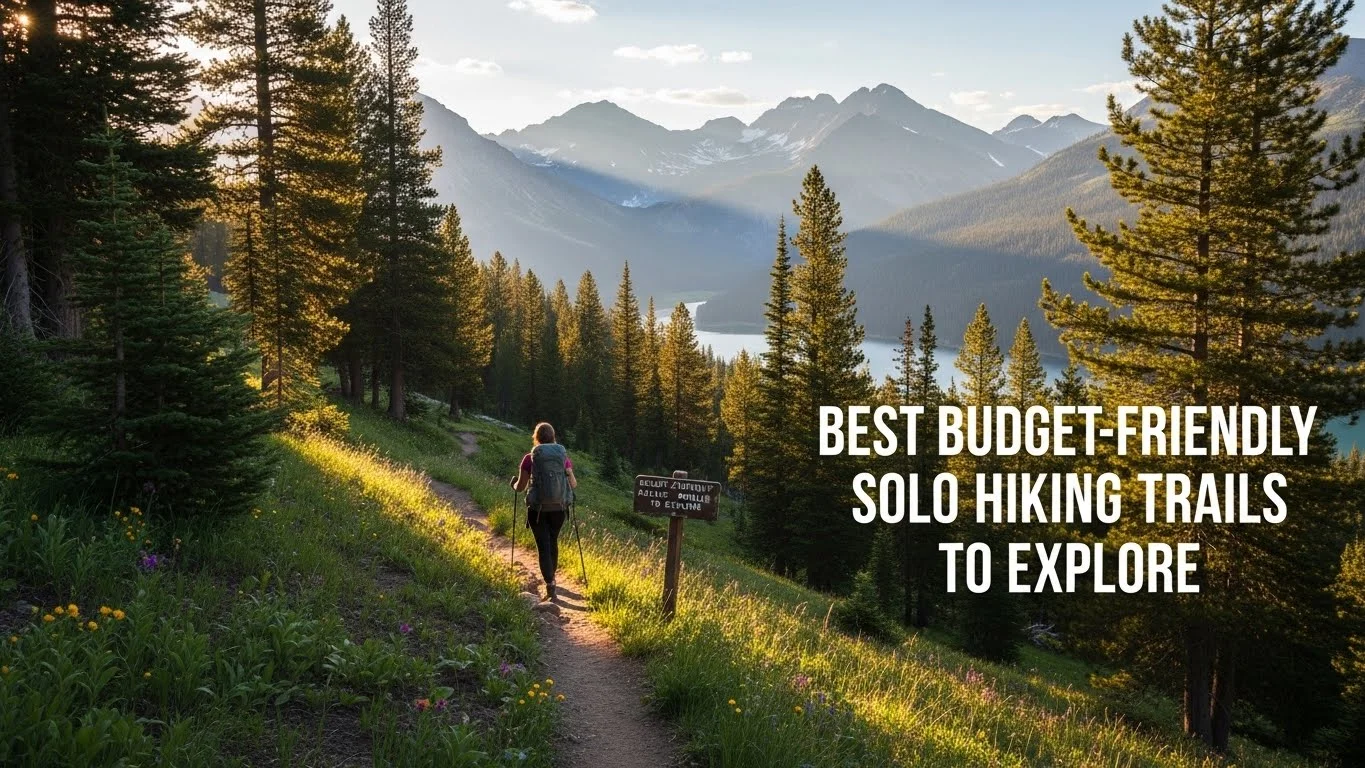
Imagine stepping away from the chaos of daily life, surrounded by nature’s beauty, and enjoying the thrill of exploring solo. Epic solo hiking trails offer adventure without breaking the bank! If you’re looking for more options, check out Best Budget-Friendly Solo Hiking Trails to Explore.

Understanding Solo Hiking
When I first decided to go hiking alone, I felt both excited and apprehensive. The idea of exploring trails without a companion was liberating yet daunting. However, as I learned more about solo hiking, I discovered that it’s an experience that can deepen your appreciation for nature and yourself. Solo hiking opens up a world of possibilities, allowing you to choose your path, set your pace, and immerse yourself fully in the environment around you.
Benefits of Solo Hiking
There’s something magical about being on the trail by yourself. Here are some benefits I found from my own experiences:
- Self-Discovery: Solo hiking pushes you to confront your fears and insecurities. I learned so much about my own resilience and capabilities while navigating unfamiliar paths.
- Freedom to Explore: Without a companion, you can change your plans on a whim. I once stumbled upon a hidden waterfall because I decided to take a different route. Those spontaneous moments can be the most memorable!
- Mindfulness and Peace: Being alone in nature allows for reflection. I’ve spent countless hours just listening to the rustling leaves or watching the clouds float by. It’s a calming experience that stays with you long after the hike.
- Physical Fitness: Hiking solo is an excellent way to stay active. I’ve improved my stamina and strength, and the sense of accomplishment after a tough hike is truly rewarding.
Safety Tips for Solo Hikers
While solo hiking can be incredibly rewarding, it’s essential to prioritize safety. Here are some tips I always keep in mind:
- Inform Someone: Before heading out, I always let a friend or family member know my plans. This simple act ensures someone is aware of my whereabouts.
- Stay on Marked Trails: It’s tempting to wander off the beaten path, but staying on marked trails minimizes the risk of getting lost. I always make it a point to familiarize myself with the trail map beforehand.
- Trust Your Instincts: If something doesn’t feel right, I listen to my gut. Whether it’s turning back or changing my route, my safety comes first.
- Pack a First-Aid Kit: Accidents happen. I always carry a small first-aid kit with essentials like band-aids, antiseptics, and pain relievers.
Essential Gear for Solo Hiking
The right gear can make or break your solo hiking experience. From my trips, I’ve compiled a list of essentials that I never venture out without:
- Backpack: A comfortable, lightweight backpack is crucial. I personally love a pack that fits snugly and has enough room for my gear without being cumbersome.
- Water Supply: Staying hydrated is vital. I always carry a reusable water bottle or hydration bladder and a portable filter for longer hikes.
- Navigation Tools: A good map and compass or a reliable GPS device can prevent you from getting lost. I often download offline maps on my phone as a backup.
- Appropriate Clothing: Dressing in layers helps me adjust to changing weather conditions. I always opt for moisture-wicking fabrics and sturdy hiking boots.
- Food and Snacks: I pack energy bars, nuts, and fruit for quick snacks along the way—fueling up keeps my energy levels high.
Before I set off on my solo adventures, I make sure to double-check my gear. Having the right equipment not only boosts my confidence but also enhances my overall hiking experience.
As I immerse myself in the beauty of nature, I often reflect on how fortunate I am to have these adventures. Solo hiking has taught me so much, and I hope my insights inspire you to lace up your hiking boots and hit the trails. Adventure awaits, and it doesn’t have to cost a fortune! Each trail holds a story, and I can’t wait for you to discover yours.
Planning Your Solo Hiking Adventure
When I first started planning my solo hikes, I realized that a bit of preparation goes a long way. You can’t just throw on your boots and head out without considering a few key elements. Planning your solo hiking adventure can make the experience more enjoyable and less stressful. Here’s what I’ve learned through my own adventures.
Choosing the Right Trail
Choosing the right trail can be a game-changer. I often find myself scrolling through countless options, trying to determine which one resonates with my mood and skill level. When I select a trail, I think about a few factors:
- Skill Level: I always assess my own ability before picking a trail. If I’m feeling adventurous, I might opt for a more challenging route, but there are times when I just crave a peaceful stroll. Knowing my limits has kept me safe and allowed me to enjoy my hikes more.
- Scenery: I love trails that promise stunning views or unique features. Whether it’s a mountain vista, a serene lake, or a vibrant forest, the scenery is a huge part of the experience for me. I usually read blogs or check social media for photos to help in my decision-making.
- Trail Conditions: Before heading out, I check recent trail reports. Weather can change rapidly, and I’ve learned the hard way that muddy or icy trails can be hazardous. Websites that offer real-time updates have become my go-to resources.
Once I find a trail I like, I make sure to note its distance, elevation gain, and any points of interest along the way. This helps me set realistic expectations for my hike. For more trail ideas, you can also explore Top 10 Solo Hiking Trails for Budget Backpackers.
Best Times to Hike Solo
Timing can significantly affect your hiking experience. I’ve discovered that different seasons and times of day bring unique atmospheres to the trails. Here’s what I’ve found works best for me:
- Early Mornings: There’s something magical about hitting the trail at dawn. The air is fresh, and the tranquility is unmatched. I often see wildlife waking up, and the sun rising over the horizon is a sight I never get tired of.
- Weekdays vs. Weekends: If I want solitude, I prefer hiking on weekdays. Many trails can get crowded on weekends, which can detract from the peaceful experience I seek. Less foot traffic allows me to connect more deeply with nature.
- Seasonal Considerations: I love hiking in the fall for the stunning foliage, but I also enjoy summer for the vibrant wildflowers. Winter hikes are a different beast altogether, offering a quiet beauty, but I make sure to dress appropriately. Knowing the best time to hike based on my preferences has made my adventures even more enjoyable.
How to Prepare a Hiking Budget
Budgeting for my hikes has become an essential part of my planning. I’ve learned that even outdoor adventures can add up quickly if I’m not careful. Here’s how I manage my hiking budget:
- Transportation: I usually start by calculating the cost of getting to and from the trailhead. Whether I’m driving or taking public transportation, I factor in gas, tolls, or fares. I’ve learned to carpool with friends when possible, which cuts costs and adds to the fun!
- Permits and Fees: Some trails require permits or have entrance fees, so I always check ahead. I’ve been caught off guard a couple of times when I arrived at a national park only to find out I needed a permit.
- Food and Water: I prepare my own snacks and meals for the trail. Packing my favorite energy bars, nuts, and fruits not only saves money but also ensures I have what I enjoy on hand. I also budget for hydration; sometimes, I’ll fill up water at a nearby stream using my portable filter, which saves on bottled water costs.
- Gear Maintenance: I try to set aside a little money for gear maintenance or replacements. Properly caring for my equipment has saved me money in the long run, allowing me to enjoy my hikes without worrying about gear failures.
Preparing a budget might seem tedious, but it has helped me make the most of my solo hiking adventures without worrying about overspending. Each hike can be an investment in my well-being and happiness.
Top Epic Solo Hiking Trails in the U.S.
As I ventured into the world of solo hiking, I quickly discovered that the United States is filled with jaw-dropping trails perfect for exploring on your own. Each trail offers its unique charm and challenges, and I’ve found that they can evoke a range of emotions—from exhilaration to sheer tranquility. Here are some of my favorite epic solo hiking trails that I believe every solo hiker should consider:
Appalachian Trail
The Appalachian Trail (AT) is one of the most iconic long-distance hikes in the world, stretching over 2,190 miles from Georgia to Maine. What I love about the AT is its diversity—it passes through lush forests, rugged mountains, and even quaint towns. For those new to solo hiking, I recommend starting with shorter sections, like the Virginia or North Carolina stretches. These sections not only offer beautiful scenery but also a chance to meet fellow hikers. I’ve formed some great connections while sharing stories around the campfire!
Pacific Crest Trail
The Pacific Crest Trail (PCT) runs from Mexico to Canada, covering about 2,650 miles. This trail is known for its breathtaking views of the Sierra Nevada and the Cascade Range. I remember hiking a section in California, where I was surrounded by towering trees and stunning vistas. The solitude allowed me to connect deeply with nature, and I often found myself in awe of the beauty around me. If you plan to hike the PCT, be prepared for diverse weather conditions and varied terrain. It’s a challenge, but the rewards are beyond worth it!
John Muir Trail
Nestled in the Sierra Nevada, the John Muir Trail (JMT) is a 211-mile trail that showcases some of the most stunning scenery in the U.S. It passes through Yosemite, Kings Canyon, and Sequoia National Parks. I hiked a portion of the JMT last summer, and the experience was nothing short of magical. The towering granite cliffs and crystal-clear lakes made me feel like I was in a postcard. As I trekked alone, I had the time to soak in each moment, capturing the beauty with my camera and in my heart.
Grand Canyon Rim Trail
For those seeking a unique perspective of one of the natural wonders of the world, the Grand Canyon Rim Trail offers awe-inspiring views without the strenuous descent into the canyon. The trail spans about 13 miles along the South Rim, and there are many viewpoints where you can stop and take it all in. I loved watching the sun set over the canyon. The vibrant colors that painted the sky were beyond anything I had imagined. It was a moment of pure serenity that I cherish to this day.
Mount Rainier National Park Trails
Mount Rainier is an iconic peak in Washington State, and the trails around it provide a variety of hiking experiences. I particularly enjoyed the Skyline Trail, which features stunning views of the mountain and wildflower-filled meadows. This 5.5-mile loop is manageable for solo hikers and allows for plenty of opportunities to stop and take photos. The park is also known for its diverse wildlife, and I’ve spotted deer and various birds along the way. It’s a reminder of the beauty that surrounds us when we take the time to explore.
Zion National Park’s Angels Landing
If you’re searching for an adrenaline rush, the Angels Landing trail in Zion National Park is a must-try. This challenging 5.0-mile hike features steep switchbacks and narrow ridges, but the views from the top are absolutely worth it. I remember feeling a mix of fear and excitement as I navigated the chains on the final ascent. Once I reached the summit, the panoramic views of the canyon were breathtaking. It’s a popular trail, so I recommend starting early in the morning to enjoy some solitude and experience the magic of the sunrise.
Each of these trails has its unique story to tell, and I’ve found that solo hiking on them has allowed me to connect with nature in profound ways. Whether you’re looking for a leisurely stroll or an adventurous climb, these epic solo hiking trails in the U.S. offer something for everyone. I encourage you to lace up those hiking boots, pack your gear, and dive into the beauty that awaits you on these incredible paths. For additional inspiration, check out Discover Stunning Solo Hiking Trails on a Budget.
Affordable Hiking Destinations
State and National Parks
I’ve found that state and national parks often provide some of the best hiking experiences without breaking the bank. Each park has its unique charm, and many offer free or low-cost entry. I remember visiting Shenandoah National Park, where I spent a weekend exploring stunning vistas, waterfalls, and diverse wildlife. The park’s entrance fee was minimal, and I was amazed by the beauty I discovered. Parks like these often have well-maintained trails and facilities that make solo hiking not only safe but also enjoyable. Plus, the natural beauty surrounding you makes every penny worth it!
Local Hiking Trails
Sometimes, the best hikes are right in our backyards. I started exploring local trails and was surprised by how many hidden gems I found. Many towns have parks or nature reserves with hiking paths that are perfect for a quick escape from daily life. For example, I discovered a small nature preserve near my home that offered a serene walking path through the woods. It was a great way to enjoy nature without the need for extensive travel. I’ve learned that local trails can be just as rewarding as distant, famous hikes, providing opportunities for reflection and peace.
Hidden Gems for Budget-Friendly Hikes
Every now and then, I stumble across hidden gems that aren’t on most hikers’ radar, often because they are less promoted. These trails may not have the same level of popularity as the well-known ones, but they can offer breathtaking views and a sense of adventure that feels all your own. One of my favorite off-the-beaten-path hikes was in the Ozark National Forest, where I found a trail that led to a stunning overlook of the mountains. It was quiet, serene, and absolutely beautiful, with no distractions from other hikers. I always recommend keeping an eye out for local hiking blogs and forums where fellow hikers share their favorite lesser-known spots.
Budgeting for Your Solo Hiking Trip
Cost of Transportation to Trails
Whenever I plan a hiking trip, the cost of getting to the trailhead is always a consideration. I’ve learned to calculate the distance and factor in fuel costs, especially for longer drives. For me, carpooling with fellow hiking enthusiasts can help save on gas and turn into an enjoyable road trip experience. I also keep an eye on public transportation options, which can sometimes be an affordable alternative. Checking for discounts on transportation can also help stretch the budget, especially if I’m exploring trails that are farther from home.
Affordable Accommodations Near Hiking Trails
When it comes to accommodations, I often look for budget-friendly options like campgrounds or hostels. Camping has become one of my favorite ways to save money while fully immersing myself in nature. I remember a trip to the Rocky Mountain National Park, where I camped under the stars after a day of hiking. It was a magical experience, and the campground fees were incredibly reasonable. If camping isn’t your thing, hostels or budget motels can be excellent alternatives, offering a place to rest without the hefty price tag of a hotel. I always check for deals and reviews to find the best options!
Food and Water Budgeting Tips
Food can quickly add up during hiking trips, so I’ve adopted a few strategies to keep costs down. Preparing my own meals and snacks is key. I love packing energy-dense foods like trail mix, jerky, and homemade sandwiches. Not only does this save money, but it also ensures I have my favorite foods on hand. I also make it a point to bring a reusable water bottle, and if I’m hiking for an extended period, I’ll use my portable water filter to refill from streams. This way, I stay hydrated without spending lots on bottled water.
Resources for Solo Hikers
Hiking Apps and Websites
In today’s digital age, I’ve found that several hiking apps and websites can be invaluable for solo hikers. Apps like AllTrails or Hiking Project have become staples on my phone, helping me find trails, read reviews, and even track my route. They often include information on trail conditions, difficulty levels, and even user-uploaded photos, which help me prepare better. I recommend downloading a couple of these apps before heading out, as they can enhance your hiking experience.
Local Hiking Groups and Communities
Connecting with local hiking groups has enriched my solo hiking journey. I’ve found that joining organized hikes or community events is a fantastic way to meet fellow outdoor enthusiasts. Many local groups offer guided hikes for different skill levels, which can be a great confidence booster for someone new to solo hiking. Even if I’m not hiking with others, these connections often lead to shared advice and tips that make my adventures more enjoyable.
Books and Guides for Solo Hiking
Books and guides have played a crucial role in my solo hiking journey. I’ve read several that delve into the essentials of hiking safety, navigation, and skills. Titles like “Wild” by Cheryl Strayed and “A Walk in the Woods” by Bill Bryson have not only inspired me but also provided practical advice. I recommend checking out your local library or bookstore for resources that can help you prepare for your own adventures.
Common Challenges in Solo Hiking
Dealing with Loneliness
As much as I love solo hiking, I’ve occasionally faced feelings of loneliness on the trail. There’s something about being surrounded by nature that can make me feel small and isolated. I’ve learned to embrace these moments, using them as opportunities for reflection. Bringing along a journal has helped me process my thoughts and feelings, turning potentially lonely moments into a time of introspection.
Navigation and Getting Lost
Getting lost is a legitimate concern for solo hikers, and I’ve had my share of close calls. To combat this, I always familiarize myself with the trail and carry a physical map as a backup. I’ve learned that it’s important to stop and take a breath if I feel disoriented. Often, retracing my steps or taking a moment to assess my surroundings helps me find my way again.
Weather Preparedness
Weather can change in an instant, and I’ve had hikes turned upside down by unexpected rain or temperature drops. I’ve learned to check the forecast before I head out and to pack layers to prepare for varying conditions. Keeping a lightweight rain jacket and extra clothing in my pack has saved me from many uncomfortable situations. Also, I’ve become adept at recognizing the signs of approaching storms, which allows me to make informed decisions about whether to continue or turn back.
Success Stories from Solo Hikers
Inspirational Solo Hiking Experiences
Over the years, I’ve come across countless stories from other solo hikers that inspire me. Hearing about their adventures, the challenges they faced, and the lessons learned fuels my passion for hiking. One story that stands out is of a woman who hiked the entire Pacific Crest Trail alone. She spoke about how the journey transformed her life, helping her overcome personal struggles and find clarity. These stories remind me that solo hiking is not just about the trails we walk but the personal journeys we embark on.
Lessons Learned from Solo Adventures
My own solo hiking experiences have taught me invaluable lessons about resilience, self-reliance, and the beauty of solitude. I’ve learned to trust myself more, to embrace uncertainty, and to enjoy the journey as much as the destination. Each hike has brought its own challenges, but overcoming them has deepened my appreciation for nature and my capabilities. I believe that every solo adventure holds the potential for growth and discovery, and I encourage you to seek out those lessons on your own hikes.
Final Thoughts
Embarking on a solo hiking adventure is one of the most empowering experiences I’ve ever encountered. It offers the chance to connect deeply with nature while simultaneously discovering more about myself. I encourage you to embrace the trails, whether they’re well-known or hidden gems, and to find joy in every step of your journey. Remember, each hike is not just a physical challenge; it’s an opportunity for personal growth and reflection. So lace up those boots, pack your gear, and let the adventure unfold. The trails are waiting for you!
Frequently Asked Questions
What are the benefits of solo hiking?
Solo hiking offers several benefits, including self-discovery, the freedom to explore without a companion, mindfulness and peace through reflection in nature, and physical fitness through staying active.
What safety tips should solo hikers keep in mind?
Safety tips for solo hikers include informing someone about your plans, staying on marked trails, trusting your instincts, and packing a first-aid kit for emergencies.
What essential gear should I bring for solo hiking?
Essential gear for solo hiking includes a comfortable backpack, a reliable water supply, navigation tools like a map and compass or GPS, appropriate clothing, and food and snacks for energy.
How can I choose the right trail for solo hiking?
Choosing the right trail involves assessing your skill level, considering the scenery and trail conditions, and checking recent trail reports to ensure safety and enjoyment.
What are the best times to hike solo?
The best times to hike solo are early mornings for tranquility, weekdays for less crowded trails, and seasons that match your preferences, such as fall for foliage or summer for wildflowers.
How can I budget for a solo hiking trip?
Budgeting for a solo hiking trip involves calculating transportation costs, checking for permits and fees, preparing your own food, and setting aside money for gear maintenance.
What are some top solo hiking trails in the U.S.?
Top solo hiking trails in the U.S. include the Appalachian Trail, Pacific Crest Trail, John Muir Trail, Grand Canyon Rim Trail, Mount Rainier National Park Trails, and Zion National Park’s Angels Landing.
How can I find affordable hiking destinations?
Affordable hiking destinations can be found in state and national parks with low entry fees, local hiking trails in your area, and hidden gems that are lesser-known but offer beautiful views.
What are some common challenges solo hikers face?
Common challenges for solo hikers include dealing with feelings of loneliness, navigation issues and the risk of getting lost, and weather preparedness to handle unexpected changes in conditions.
What inspirational stories can motivate solo hikers?
Inspirational stories from solo hikers, such as those who have completed long-distance trails like the Pacific Crest Trail, highlight personal transformations and lessons learned through their journeys.