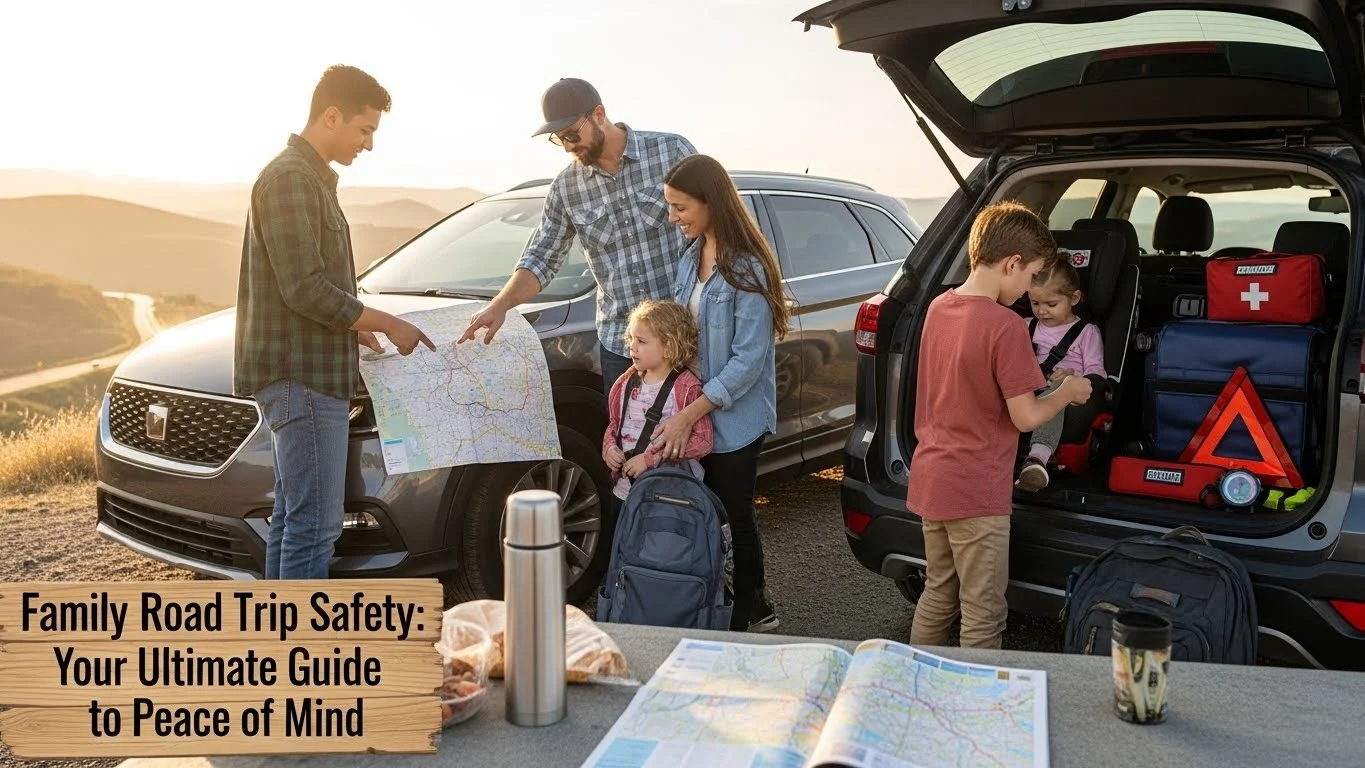
Planning a family road trip can be one of the most exciting adventures we embark on together. But, just as thrilling as the journey can be, keeping our loved ones safe is always our top priority. For more insights, check out Family Road Trip Safety: Your Ultimate Guide to Peace of Mind.
Understanding Road Trip Safety
The Importance of Planning Ahead
Every time I prepare for a family road trip, I realize that planning ahead can make all the difference. It’s not just about packing snacks or picking out playlists; it’s about ensuring our safety on the road. I’ve learned that taking the time to plan can help us avoid mishaps and make our journey smoother. We often discuss our route, making sure to factor in rest stops and the distance we want to cover each day. I remember one trip where we didn’t plan properly and ended up driving too long without breaks. It taught us the importance of pacing ourselves and being aware of our limits.
Common Road Trip Risks
On the road, there are various risks we should be aware of. For instance, I’ve seen how quickly weather conditions can change. One minute it’s clear, and the next, we’re navigating through heavy rain. That’s why I always check the weather forecast before we hit the road. Another common risk is driver fatigue. I’ve been there, feeling my eyes get heavy as I drive late into the night. It’s crucial to recognize the signs of tiredness and have a plan for taking breaks. I also think about distractions, like kids arguing in the backseat or trying to adjust the GPS. These seem small but can lead to big problems if not managed properly.
Pre-Road Trip Preparations
Vehicle Maintenance Checklist
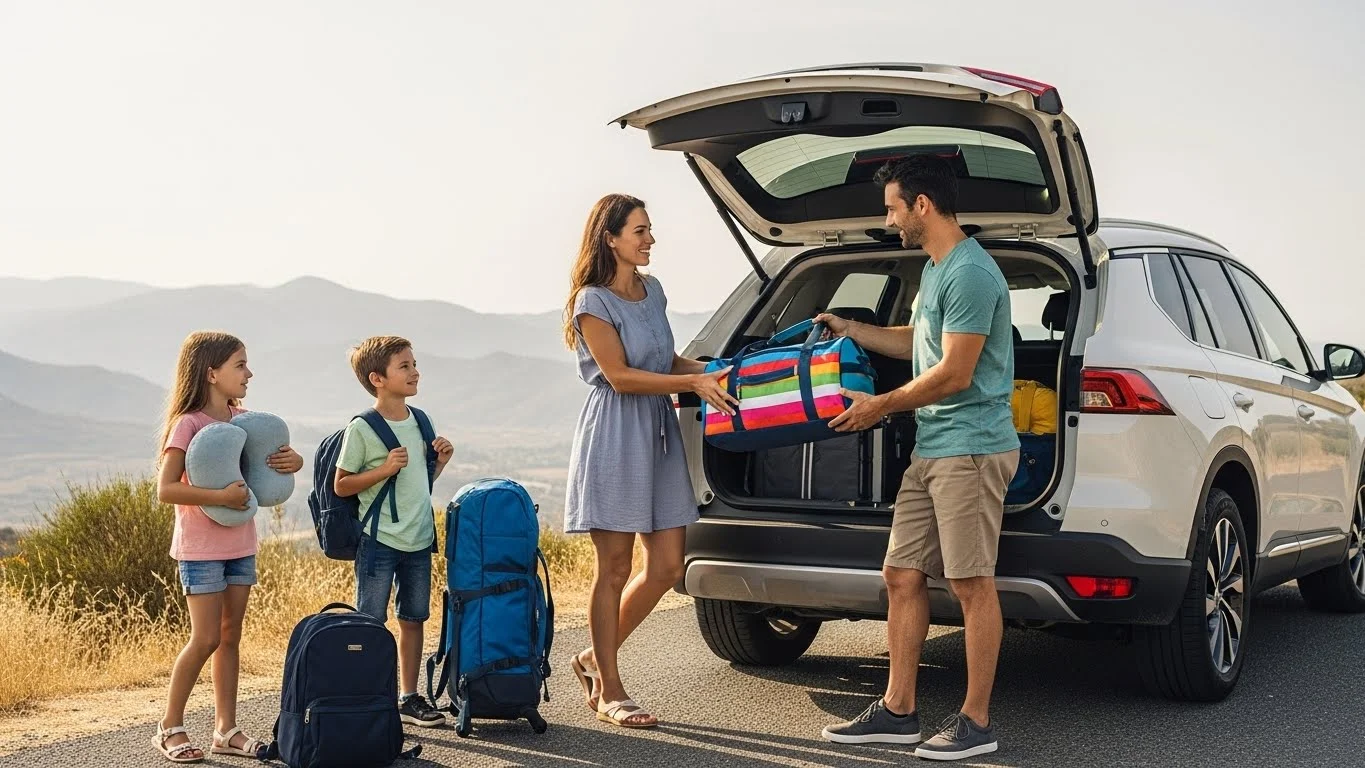
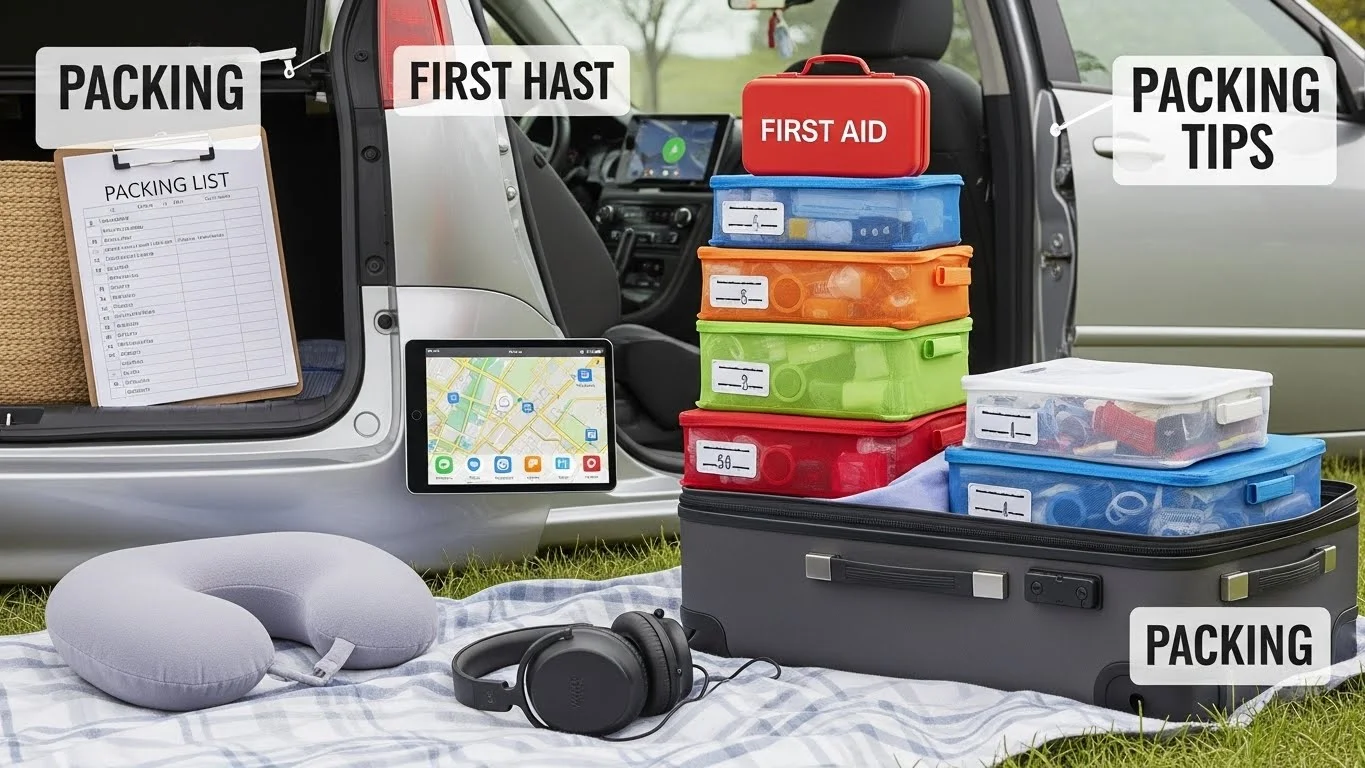
Before any road trip, I make it a rule to conduct a thorough vehicle maintenance check. This step is not just a suggestion; it’s essential for safety. I remember a time when we skipped this step, only to face car troubles halfway through our journey. It was a lesson learned the hard way! For more tips on preparing for your trip, consider reading Essential Packing Tips for Stress-Free Family Road Trips.
Checking Tires and Brakes
The first thing I always check is the tires. I make sure they are properly inflated and have enough tread. I’ve learned that a flat or worn-out tire can lead to serious accidents. Additionally, I take a good look at the brakes. They must be in excellent working condition. I often think back to a trip where I had to slam on the brakes to avoid an unexpected obstacle. It reinforced the idea that my family’s safety depends on these components working well.
Fluid Levels and Engine Health
Next, I check the fluid levels—engine oil, coolant, windshield washer fluid, and brake fluid. I’ve experienced the frustration of a car overheating because I didn’t keep an eye on the coolant levels. This might seem like a tedious task, but spending a few minutes ensuring everything is topped off can save us a lot of trouble on the road. And of course, I make sure the engine is in tip-top shape. I often schedule a tune-up before long trips, just to be safe.
Emergency Kit Essentials
Having an emergency kit in the car is something I can’t stress enough. I remember hearing about a family that got stuck on a deserted road and wished they had prepared better. Since then, I’ve made it a priority to pack an emergency kit to ensure we’re ready for anything.
First Aid Supplies
My emergency kit includes first aid supplies. I always pack band-aids, antiseptic wipes, pain relievers, and any personal medications we might need. It’s a comforting feeling knowing that we have the essentials in case of minor injuries or illnesses. I’ve had moments where a simple headache or a scraped knee could have turned into a big problem if we hadn’t been prepared.
Roadside Assistance Tools
In addition to first aid items, I’ve included tools for roadside assistance, like a flashlight, jumper cables, and a basic toolset. I’ve learned the hard way that not having these tools can make a bad situation worse. It’s often those unexpected breakdowns that remind us how important it is to be ready for anything.
Safe Driving Practices
Once we hit the road, I remind myself and my family about safe driving practices. I’ve realized that it’s not just about reaching our destination; it’s also about enjoying the journey safely.
Understanding Safe Speed Limits
Speed limits can vary greatly depending on the area we’re driving through. I’ve found it helpful to stay within these limits and even a little below when conditions aren’t ideal. It allows for better reaction times and keeps us safe. I often remind my kids that speeding can lead to accidents, and it’s simply not worth the risk.
Avoiding Distractions While Driving
Distractions can come from anywhere—our phones, the kids in the backseat, or even the scenery. I’ve made it a point to minimize distractions by keeping my phone on ‘Do Not Disturb’ while driving. I encourage my family to speak up if they see something that could divert my attention. It’s essential that we all work together to keep our focus on the road.
Importance of Seat Belts for All Passengers
Lastly, I always emphasize the importance of seat belts. I make it a rule that everyone buckles up before we start moving. I remember a family member who survived a severe accident thanks to their seat belt. It’s a small action that can make a huge difference in keeping us safe.
Planning Your Route
Choosing Safe Roads and Highways
When I sit down to plan our route, one of my top priorities is choosing safe roads and highways. I remember a trip where we opted for a scenic route, which turned out to be beautiful but also full of winding roads and limited visibility. While the views were stunning, I realized that safety should always come first. I’ve learned to stick to well-maintained highways whenever possible. These roads typically have better lighting and are designed for higher traffic, which generally means a lower risk of accidents.
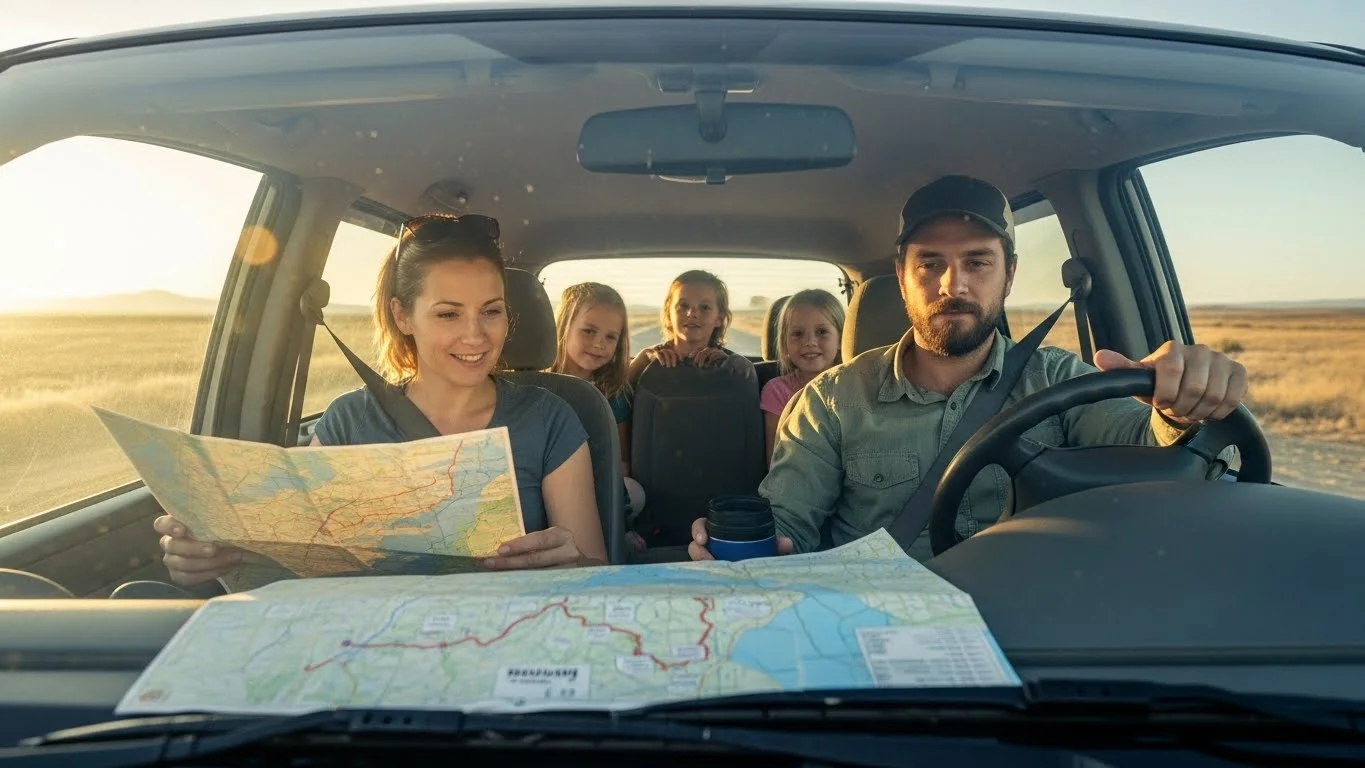
Using GPS apps helps a lot too. They not only provide real-time traffic updates but also highlight construction zones and road closures. I often check user reviews or local forums to get a sense of road conditions. It’s just one more way to ensure that we’re on the safest path possible. Plus, I like to map out alternate routes in case we encounter unexpected delays or hazards. It gives me peace of mind knowing we have options if things don’t go as planned.
Identifying Rest Stops and Emergency Services
Another important part of our route planning involves identifying rest stops and emergency services along the way. I can’t stress enough how crucial it is to know where we can take breaks, refuel, or get help if needed. I’ve found that planning our stops helps prevent fatigue and keeps everyone in good spirits.
Before we head out, I check for rest areas, gas stations, and restaurants on our route. I also like to familiarize myself with the locations of nearby hospitals or urgent care centers, just in case something unforeseen happens. I remember a trip where one of my kids felt unwell, and having a nearby medical facility already pinpointed made a stressful situation much more manageable.
Managing Travel Fatigue
Recognizing Signs of Driver Fatigue
Managing travel fatigue is another critical aspect of our road trip safety plan. I’ve experienced that heavy feeling in my eyelids, especially during long stretches of driving. Recognizing the signs of fatigue can mean the difference between a safe journey and a dangerous one. I always remind myself and my family that it’s okay to admit when I’m tired. I’ve learned that pushing through fatigue often leads to poor decision-making.
Some signs I look out for include difficulty focusing, frequent yawning, and even daydreaming. When I notice these signs, I know it’s time for a break. It’s important to listen to our bodies and not ignore these signals, even if we’re eager to reach our destination.
Strategies for Staying Alert
To help combat fatigue while driving, I’ve developed some strategies that work well for us. One of my favorites is to switch drivers whenever possible. If I’m feeling drowsy, I’ll hand the wheel over to someone else, or we’ll take turns. This way, we all stay fresh and alert.
Another method I use is taking short, active breaks every couple of hours. I encourage everyone to stretch and get some fresh air, which really helps rejuvenate us. I remember during one trip, we stopped for a quick game of tag at a rest area. It was a fun way to shake off the road weariness and bond as a family.
Importance of Taking Breaks
Taking breaks is not just a good practice; it’s essential for our safety. I often schedule intentional stops, not just for meals but also for little breaks to walk around. I recall one trip where we planned a longer break at a park. It was a chance to unwind, let the kids play, and recharge before hitting the road again. It made the second leg of our journey so much more pleasant and manageable.
In my experience, the longer we drive without breaks, the more fatigued we become, which increases the risk of accidents. I’ve found that regular stops make the journey enjoyable rather than just a means to an end. When everyone is well-rested, we can truly appreciate the adventure we’re on together.
Family Safety During the Trip
Keeping Children Secure in the Vehicle
When it comes to family safety, keeping children secure in the vehicle is non-negotiable for me. I’ve learned that ensuring kids are properly buckled up is one of the simplest yet most effective ways to protect them. I often think about how vulnerable they are, especially during sudden stops or accidents.
Car Seat Guidelines
Following car seat guidelines is something I take very seriously. Depending on their age and size, I make sure they’re in the right type of seat—whether it’s an infant seat, convertible seat, or booster seat. I remember the first time I installed a car seat; it felt overwhelming, but I took the time to read the manual and follow the instructions carefully. I even had a friend who’s a police officer double-check my installation. It’s all about ensuring our little ones are as safe as possible.
Importance of Child Safety Locks
I also make it a habit to engage the child safety locks on our doors. I can’t tell you how many times I’ve been reminded of their importance. Kids can be curious and sometimes overzealous, and I want to prevent any chance of them accidentally opening a door while we’re moving. It’s a small detail but one that gives me peace of mind while we’re on the road.
Staying Connected
In this digital age, staying connected while on the road has become easier and more important than ever. I’ve found that having a reliable way to communicate with others can be a lifesaver in emergencies.
Using Mobile Apps for Safety
I like using mobile apps that help us stay safe and connected. For example, I have a weather app that sends alerts for sudden storms or hazardous conditions. During one trip, we were able to reroute to avoid a severe thunderstorm because the app alerted us in time. Plus, I always keep the roadside assistance app handy, just in case we run into trouble.
Sharing Your Location with Family
Finally, I make it a point to share our location with family or friends who aren’t on the trip with us. It’s comforting for them to know where we are, especially during long drives. I remember a time when we were stuck in traffic for hours, and my sister appreciated being able to see our location and estimated arrival time. It’s a simple step that adds an extra layer of security and reassurance for everyone involved.
Handling Emergencies on the Road
What to Do in Case of a Breakdown
Experiencing a breakdown on the road can be a stressful situation, but I’ve learned that staying calm and knowing what to do can really help. The first thing I do is safely pull over to the side of the road as soon as I can. I remember one time when we had a flat tire on a busy highway. I was so grateful we could get to a safe spot where we weren’t in any danger. I always make sure to turn on the hazard lights to alert other drivers that we’re stopped.
After ensuring everyone is safe, I assess the situation. If I can identify the problem, like a flat tire, I’ll start taking the necessary steps to fix it. However, if it’s something more serious, I don’t hesitate to call for roadside assistance. I make sure to have a contact number saved on my phone so I can reach out quickly if needed. It gives me peace of mind knowing that help is just a call away.
While waiting for assistance, I keep my family safe inside the vehicle if we’re on a busy road. I’ve found that it’s best to stay inside, especially with kids, until help arrives. We use that time to play games or share stories to keep our spirits up. I’ve learned that it’s important to stay positive even in challenging situations.
Emergency Contact List
Having an emergency contact list is something I consider essential for any road trip. I always make a point to write down important numbers, including family members, roadside assistance, and insurance contacts. I remember a trip where my phone died, and having a physical list saved us from a lot of worry. It’s small but can be incredibly helpful in emergencies.
I keep this list visible in the car, so it’s easy to access when needed. I also share this information with my family members, so everyone knows who to call in case something happens. It’s reassuring to have this plan in place, and it helps create a sense of security while we’re on the road.
Dealing with Adverse Weather Conditions
Weather can be unpredictable, and I’ve learned to prepare for various conditions before we start our journey. I always check the weather forecast leading up to our trip, but I also keep an eye on it during our travels. One time, we encountered a sudden snowstorm while driving through the mountains. It was terrifying, but being prepared made all the difference.
When bad weather hits, I adjust my driving accordingly. For instance, I reduce my speed and increase the distance between my vehicle and others. I also use the headlights to improve visibility. I remember feeling the tension in the car during that snowstorm, but I talked to my family about what we were doing to stay safe. It helped ease their worries and kept everyone calm.
If conditions become too severe, I won’t hesitate to pull over and wait it out. I’ve learned that it’s better to be safe than sorry. Once, we waited out a rainstorm in a cozy diner, enjoying hot cocoa and playing card games. It turned a potentially stressful situation into a fun family memory.
Post-Road Trip Safety Checks
Reviewing the Trip for Any Issues
After returning home from a road trip, I take some time to review our experience. I think it’s important to discuss any issues we faced, whether it was a breakdown or a moment of panic. This reflection helps us learn and improve for our next adventure. I often ask my family what they enjoyed and what we could do better next time.
Not only does this help us bond as a family, but it also allows us to be better prepared. I remember on one trip, we had some trouble with our GPS, and discussing it afterward led us to try out a new navigation app on our next trip. I think sharing these experiences with each other reinforces the importance of communication and teamwork while traveling.
Maintaining Your Vehicle After Long Trips
Once we’ve returned from a long road trip, I make it a point to perform some post-trip maintenance checks on our vehicle. I’ve learned that it’s just as important to take care of our car after a journey as it is before. I start by checking the tires, ensuring they’re still in good condition and properly inflated. I remember a time when I neglected this step, only to find that my tires were wearing unevenly after a long trip.
Next, I check the fluid levels again—engine oil, coolant, and windshield washer fluid—to make sure everything is topped off. It’s a simple task, but it helps keep our vehicle running smoothly. I also schedule a follow-up tune-up if we’ve driven a considerable distance. My mechanic appreciates that I’m proactive about vehicle care, and it saves us from potential issues down the line.
Ultimately, my goal is to ensure that our car is ready for the next adventure. Taking these steps not only keeps us safe but also makes our future travels more enjoyable. By being thorough and reflective, I know we’re setting ourselves up for success on the road ahead.
Frequently Asked Questions
What is the importance of planning ahead for a family road trip?
Planning ahead is crucial as it helps ensure safety on the road. It involves discussing the route, factoring in rest stops, and being aware of driving limits to avoid mishaps and make the journey smoother.
What are some common risks associated with road trips?
Common risks include changing weather conditions, driver fatigue, and distractions such as arguments among kids or adjusting the GPS while driving. Recognizing these risks is essential for maintaining safety.
What should be included in a vehicle maintenance checklist before a road trip?
A vehicle maintenance checklist should include checking tire pressure and tread, ensuring brakes are in good condition, monitoring fluid levels (engine oil, coolant, etc.), and scheduling a tune-up if needed.
What essential items should be included in an emergency kit for road trips?
An emergency kit should include first aid supplies, such as band-aids and pain relievers, as well as roadside assistance tools like a flashlight, jumper cables, and a basic toolset.
How can families manage travel fatigue during long drives?
Families can manage travel fatigue by recognizing signs of tiredness, switching drivers if possible, taking short breaks every couple of hours, and engaging in activities like stretching or playing games during breaks.
What is the significance of following car seat guidelines for children?
Following car seat guidelines is vital for keeping children safe. Children must be in the appropriate type of seat based on their age and size, and proper installation should be ensured for maximum protection.
How can families stay connected and safe while on the road?
Families can stay connected by using mobile apps for safety alerts and sharing their location with family or friends who are not on the trip, providing reassurance during long drives.
What should you do in case of a breakdown while driving?
In case of a breakdown, safely pull over to the side of the road, turn on hazard lights, assess the situation, and call for roadside assistance if needed. It’s also important to keep the family safe inside the vehicle.
How can adverse weather conditions affect road trip safety?
Adverse weather conditions can impact visibility and road traction. Drivers should adjust their speed, increase following distance, and may need to pull over if conditions become too severe to drive safely.
What post-trip checks should be done on the vehicle after a long road trip?
Post-trip checks should include inspecting the tires for wear, checking fluid levels (engine oil, coolant, etc.), and scheduling a follow-up tune-up if a considerable distance has been driven to ensure the vehicle remains in good condition.