Web Analytics

Recent Posts

Top 10 Backpacking Destinations for Solo Travelers on a Budget

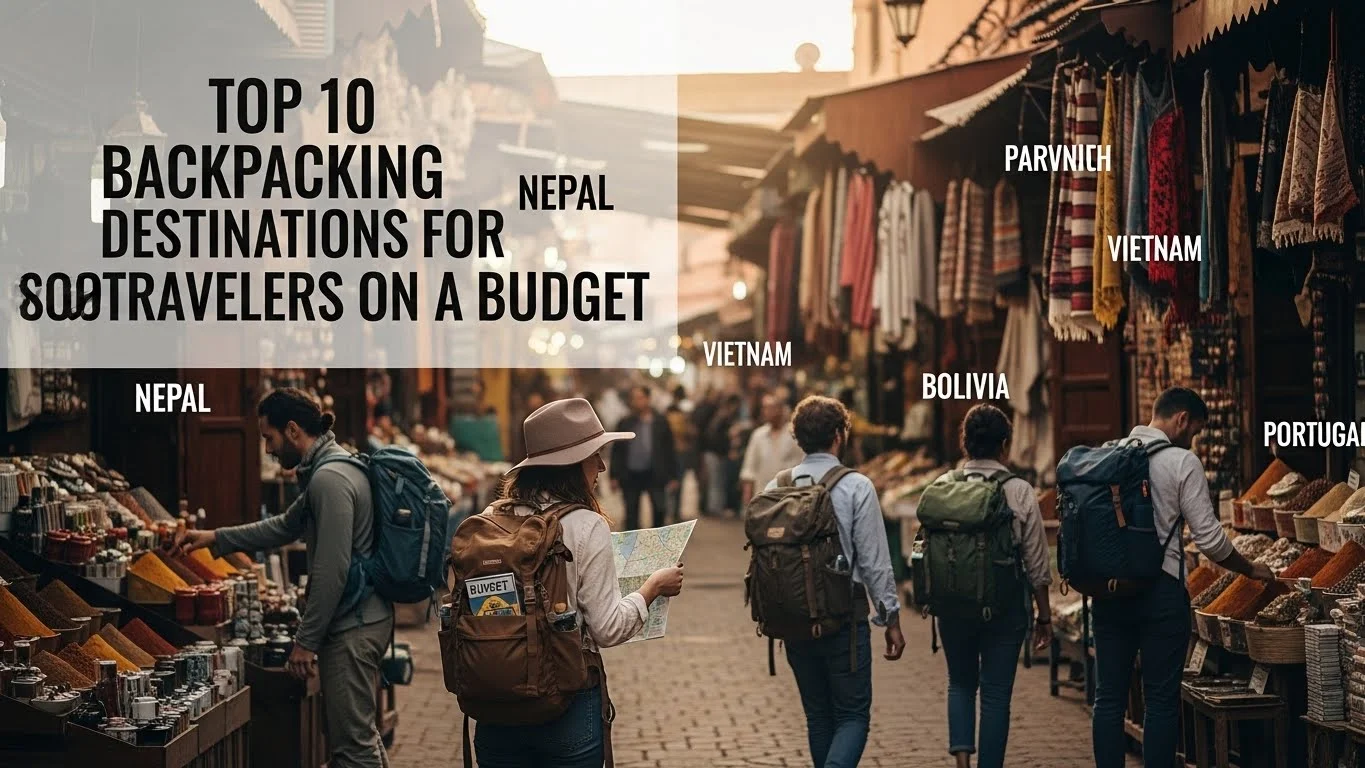
Exploring the world on your own is a thrilling adventure. For solo travelers on a budget, backpacking offers unmatched freedom and unforgettable experiences. Here are some insights into the joys and challenges of solo backpacking, along with top destinations that won’t break the bank. Read Interesting article: Explore Ancient Ruins: Top Budget Backpacking Destinations
Top 10 Backpacking Destinations for Solo Travelers on a Budget

Overview of Backpacking for Solo Travelers

Backpacking alone can be one of the most rewarding experiences imaginable. There’s something liberating about wandering through new places, meeting new people, and immersing yourself in different cultures. Traveling solo allows you to set your own pace, choose your own adventures, and truly connect with the environment around you. I’ve found that it often leads to moments of reflection and personal growth that are hard to replicate when traveling with others.

Benefits of Solo Backpacking

One of the biggest benefits of solo backpacking is the opportunity for independence. You have the freedom to explore at your own pace—whether that means spending extra time at a breathtaking viewpoint or skipping a tourist trap for a hidden gem. I remember when I was in Thailand, I stumbled upon a quiet beach that wasn’t on any map. If I had been with others, I might have rushed past it, but alone, I lingered, soaked in the sun, and enjoyed the tranquility.

Another significant advantage is the chance to meet people from all walks of life. When I travel alone, I often find myself more open to striking up conversations with fellow travelers and locals. I’ve learned so much from these interactions, which have enriched my journey in ways I never expected. Whether it’s sharing a meal with a stranger or joining a group of backpackers for a trek, these moments can become some of the best memories.

Lastly, solo backpacking can enhance your problem-solving skills. From navigating unknown cities to handling unexpected challenges, every experience teaches you something new about yourself. I’ve had my share of mishaps, but each one has built my confidence and resourcefulness.

Challenges Faced by Solo Travelers

Of course, solo backpacking isn’t without its challenges. Safety is often a primary concern. There were times when I felt uneasy in unfamiliar surroundings, and it reminded me to trust my instincts and stay alert. I learned to research my destinations thoroughly and keep emergency contacts handy, which eased my anxiety. Additionally, many solo travelers may experience loneliness, especially during long trips. I’ve found that scheduling activities or staying in social hostels can help mitigate that feeling. Being around other travelers can make all the difference.

Finances can also be a challenge, especially if you’re trying to stick to a budget. While backpacking is generally cost-effective, unexpected expenses can pop up. I’ve learned the importance of budgeting and finding free or low-cost activities, like hiking or exploring local markets, to keep my expenses in check.

Despite these challenges, the rewards of solo backpacking far outweigh the difficulties. Each trip has taught me perseverance and adaptability, shaping me into a more confident traveler. For anyone considering embarking on this journey, I encourage you to embrace both the joys and the hurdles. They are all part of the adventure!

Top 10 Budget-Friendly Backpacking Destinations

1. Thailand

Best Areas for Solo Travelers

Thailand is a haven for solo backpackers, and it’s easy to see why. From the bustling streets of Bangkok to the serene beaches of Koh Samui, there’s something for everyone. I absolutely loved exploring Chiang Mai, where I found an incredible mix of culture, nature, and friendly locals. The old city is perfect for wandering on foot, and I spent hours getting lost in its temples and markets. Another fantastic spot is Pai, a small mountain town where the vibe is laid-back, and you can easily meet fellow travelers.

Local Cuisine and Street Food

One of my favorite things about Thailand is the food. Street food is not just affordable; it’s an adventure in itself. I remember trying pad thai from a vendor in Bangkok—so delicious and fresh! Don’t miss out on local specialties like som tam (spicy papaya salad) and mango sticky rice, which I found to be a delightful treat after a long day of exploring. You can eat well without spending much, which makes it even more appealing for solo travelers on a budget.

Budget Accommodation Options

When it comes to budget accommodations, Thailand has plenty to offer. Hostels are widely available, and many have great communal areas for meeting others. I stayed in a cozy place in Chiang Mai that organized group activities, which was a fantastic way to bond with fellow travelers. Booking platforms like Hostelworld and Airbnb can help you find budget-friendly options that fit your needs. Read Interesting article: Backpacking Through History: Art & Architecture Destinations

2. Portugal

Popular Cities for Backpackers

Portugal has quickly become one of my favorite backpacking destinations. Lisbon’s vibrant neighborhoods, like Alfama and Bairro Alto, are filled with colorful architecture and lively music. I spent hours wandering the narrow streets and soaking in the local culture. Porto is another gem—famous for its wine and stunning riverside views. Each city has its own unique charm, making it perfect for solo exploration.

Transportation Tips

Getting around Portugal is relatively easy and affordable. I took advantage of the train system, which connected me to various cities without breaking the bank. The trains were comfortable, and I enjoyed watching the beautiful landscapes pass by. I also discovered that walking is one of the best ways to explore. Many neighborhoods are walkable, and I stumbled upon hidden cafes and shops that I might have missed otherwise.

Must-Try Local Dishes

Portuguese cuisine is a delightful experience for any solo traveler. I still crave pastéis de nata, the creamy custard tart that’s a must-try in Lisbon. I also enjoyed hearty dishes like bacalhau à brás (codfish) and caldo verde (green soup). Eating alone at local eateries allowed me to savor my meals at my own pace while chatting with friendly locals.

3. Colombia

Safety Tips for Solo Travelers

Colombia is an incredible destination that has undergone a transformation, making it safer for solo travelers. While I traveled there, I found that staying aware of my surroundings and avoiding risky areas was key. I often used ride-sharing apps to move around cities safely, which gave me peace of mind. It’s always wise to connect with locals or fellow travelers to get the latest safety tips.

Best Activities and Attractions

Colombia offers a wealth of activities. I absolutely loved exploring the colorful streets of Cartagena and hiking in the Cocora Valley, known for its towering wax palms. Medellín’s transformation is inspiring, and visiting its innovation parks and learning about its history made my trip even more enriching. I found that participating in local tours was a great way to meet others while discovering the culture.

Affordable Places to Stay

There are numerous budget-friendly hostels and guesthouses throughout Colombia. I stayed in some vibrant hostels that offered not only a place to rest but also organized events and outings. These experiences made it easy to connect with other travelers and share stories, which I found to be an important part of my journey.

4. Vietnam

Top Backpacking Routes

Vietnam is another destination that completely captivated me. The classic route from Ho Chi Minh City to Hanoi allowed me to experience the stunning diversity of the country. I traveled up the coast, stopping at places like Nha Trang and Hoi An, where I was enchanted by the ancient town’s lantern-lit streets. I also ventured into the mountains of Sapa, where the scenery took my breath away.

Cultural Experiences

The cultural experiences in Vietnam are abundant. I participated in a cooking class in Hoi An, where I learned to make traditional dishes. This not only filled my belly but also connected me with other travelers who shared their stories. Visiting local markets and interacting with vendors gave me deeper insights into the daily lives of Vietnamese people.

Dining on a Budget

Vietnam is famous for its street food, and I found it to be both affordable and delicious. Pho, banh mi, and fresh spring rolls quickly became staples during my travels. Eating at local stalls is a fantastic way to experience authentic flavors while keeping my budget in check. I remember sharing a meal with a local family, and it turned into an unforgettable evening filled with laughter and new friendships.

5. Greece

Best Islands for Solo Exploration

Greece was a dream destination for me, especially the islands. I loved spending time in places like Santorini and Naxos. While Santorini is known for its stunning sunsets and beautiful architecture, Naxos offers a more laid-back vibe with picturesque beaches. I found both islands to be welcoming to solo travelers, with plenty of opportunities to mingle with fellow adventurers.

Local Festivals and Events

One of the highlights of my trip was experiencing local festivals. I stumbled upon a small festival in a village on Naxos, where I was invited to join in the celebrations. From traditional music to delicious food, it was a unique way to immerse myself in the local culture. I recommend checking out local events wherever you go, as they can lead to unexpected and enriching experiences.

Cost-Effective Accommodation

Greece offers a range of accommodation options for budget travelers. I found charming hostels and guesthouses that provided a comfortable stay without breaking the bank. Staying in a shared dorm was an excellent way to meet other solo travelers, and I often ended up exploring the islands with new friends.

6. Mexico

Popular Destinations for Solo Travelers

Mexico is filled with vibrant culture and stunning landscapes, making it a fantastic choice for solo backpackers. Cities like Mexico City, Oaxaca, and Tulum are rich in history and offer plenty of activities. I found Mexico City to be a treasure trove of museums and street art, while Tulum’s beaches provided a much-needed escape.

Local Markets and Street Food

Mexican cuisine is a culinary adventure, and I loved exploring local markets. Street tacos became my go-to meal, and I tried different varieties from various vendors. Each bite was bursting with flavor, and it was a delightful way to experience the local culture. I also found that eating at markets allowed me to stretch my budget while enjoying authentic dishes.

Travel Safety Tips

Safety is always a concern for solo travelers, and in Mexico, I learned a few tips along the way. Staying in well-reviewed hostels and using trusted transportation options helped me feel more secure. I also made an effort to blend in and avoid drawing attention to myself, which made a noticeable difference in my comfort level. Connecting with locals or fellow travelers can provide valuable insights into safe places to visit.

7. India

Must-Visit Cities

India is a destination that offers a truly unique experience for solo backpackers. I found that cities like Jaipur and Varanasi are must-visit places. Jaipur, with its stunning forts and rich history, felt like stepping back in time. Meanwhile, Varanasi’s spiritual atmosphere left a lasting impression on me, and I will never forget witnessing the Ganga Aarti ceremony along the river.

Cultural Insights

Traveling through India provided me with countless cultural insights. I participated in local festivals and ceremonies, which helped me understand the significance of traditions and customs. I also enjoyed trying my hand at meditation in Rishikesh, where the peaceful surroundings were perfect for self-reflection.

Budget Travel Tips

India is known for being budget-friendly, and I found that my money went a long way. Staying in guesthouses and using public transportation kept my expenses low. Additionally, I discovered that eating at local dhabas (roadside eateries) not only filled my stomach but also gave me a taste of authentic Indian cuisine at incredibly low prices.

8. Indonesia

Best Islands and Regions

Indonesia is an archipelago filled with diverse landscapes and cultures. Bali is, of course, the most famous destination, but I also loved exploring lesser-known islands like Nusa Penida and Gili Trawangan. Each island had its own unique charm, from stunning beaches to lush jungles, providing endless options for exploration.

Activities for Solo Backpackers

Indonesia offers a plethora of activities suitable for solo travelers. I went snorkeling in the crystal-clear waters of the Gili Islands and trekked up Mount Batur to catch the sunrise. These experiences allowed me to connect with nature and meet other travelers who shared my love for adventure. I often found that outdoor activities were a great way to bond with others.

Where to Find Affordable Food

Indonesian cuisine is flavorful and diverse, and I enjoyed trying various dishes. Warungs (local eateries) offered delicious meals at budget-friendly prices. I particularly loved nasi goreng (fried rice) and satay skewers. Eating at warungs not only kept my costs down but also provided a chance to interact with locals and learn more about their culture.

9. Hungary

Top Attractions in Budapest

Budapest is a beautiful city that stole my heart. From the stunning Parliament building to the historic thermal baths, it’s filled with attractions that are both affordable and captivating. I loved wandering along the Danube River, taking in the views of the Buda and Pest sides of the city. A visit to the ruin bars offered a unique nightlife experience that was perfect for solo travelers.

Public Transportation Guide

Getting around Budapest is a breeze, thanks to its efficient public transportation system. I used trams and the metro to navigate the city easily, which saved me both time and money. Purchasing a travel card made it easy to hop on and off without worrying about individual tickets.

Hostels and Budget Stays

Budapest has a variety of budget accommodations, including hostels that cater to solo travelers. I stayed in a fun hostel that organized group activities and outings, making it easy to meet new friends. The communal atmosphere was perfect for sharing travel stories and planning adventures together.

10. South Africa

Best Cities for Solo Travelers

South Africa is a fantastic destination for those seeking adventure and stunning landscapes. Cape Town is a favorite among backpackers, with its breathtaking views from Table Mountain and vibrant culture. I also enjoyed exploring Johannesburg, where I learned about the country’s history and visited the Apartheid Museum.

Outdoor Activities and Adventures

South Africa is known for its outdoor adventures, and I took full advantage. I went on a safari in Kruger National Park, where I had the chance to see incredible wildlife up close. Hiking in the Drakensberg Mountains was another highlight of my trip, offering breathtaking views and opportunities to connect with nature.

Local Cuisine on a Budget

The food scene in South Africa is diverse and delicious. I tried local dishes like boerewors (sausage) and bunny chow (a curry served in a bread bowl). Eating at local markets allowed me to sample different foods while keeping my costs low. I found that sharing meals with fellow travelers often led to great conversations and newfound friendships.

Planning Your Solo Backpacking Trip

Planning Your Solo Backpacking Trip

When to Travel: Seasonal Considerations

Choosing the right time to travel can significantly enhance your solo backpacking experience. From my travels, I’ve learned that each destination has its own best seasons to visit. For example, I found that visiting Thailand during the cool dry season from November to February was ideal. The weather was pleasant, and I could enjoy outdoor activities without melting in the heat. Conversely, I discovered that Vietnam’s rainy season, which spans from May to October, often brings fewer tourists, making it easier to explore popular spots without the crowds. In my experience, traveling during the shoulder seasons—just before or after peak tourist times—can be a sweet spot. You get to enjoy good weather while benefiting from lower prices and fewer people around.

Essential Packing Tips for Solo Travelers

Packing for a solo trip can be a bit daunting, especially when trying to keep things light and functional. I remember my first backpacking trip, I overpacked and ended up lugging around a heavy bag that made navigating train stations a workout! Since then, I’ve learned to pack smart. Here are a few tips that have worked wonders for me:

  • Choose versatile clothing: I always opt for clothes that can be mixed and matched. Lightweight, breathable fabrics are a must, and I find that layering works best for varying climates.
  • Don’t forget the essentials: I always bring a first-aid kit, a reusable water bottle, and portable phone chargers. These items have proven invaluable on my adventures.
  • Leave space for souvenirs: If there’s one thing I regret, it’s not leaving space in my bag for local finds. I try to pack a little lighter so I can bring home memories.

Lastly, I recommend checking the weather forecast before you go, as it can help fine-tune what to pack. It’s all about being prepared but not overloaded!

Budgeting for Your Trip

Budgeting is key to enjoying a solo backpacking adventure without financial stress. When I started my travels, I would quickly run out of money because I didn’t keep track of my expenses. Now, I set a daily budget that includes accommodation, food, activities, and a little extra for unexpected splurges. I’ve found that writing down my daily expenses in a small notebook or using budgeting apps can help maintain my budget while still allowing for flexible spending.

One thing I love to do is prioritize experiences over material goods. For instance, I’d rather spend my money on a local cooking class or a guided hike than on fancy dinners. Many countries also offer free walking tours, which are not only budget-friendly but also a great way to meet other travelers. I remember joining a free walking tour in Lisbon, and it turned out to be one of the highlights of my trip! I met some amazing people and learned so much about the city.

Lastly, I make a habit of looking for discounts and free activities in each location I visit. Many museums have free entry days or discounted tickets for students or young travelers, which can help stretch my budget even further. Read Interesting article: Backpacking to Ancient Ruins: Must-Visit Destinations

Safety Tips for Solo Backpackers

Staying Safe While Traveling Alone

Safety is always at the forefront of my mind when I travel solo. I learned early on that taking precautions goes a long way. One of the first things I do is research the areas I’ll be visiting. Understanding local customs and being aware of any safety concerns can help me blend in and avoid drawing unnecessary attention. I also tend to keep my belongings secure and travel with a money belt or hidden pouch for important items.

While I’ve had amazing experiences, there have been moments where I felt uneasy. During those times, I trust my instincts. If something feels off, I don’t hesitate to change my plans. I remember being in a crowded market in India, and I felt a little uncomfortable with the crowd. So, I stepped into a nearby café to regroup and reassess my surroundings. It turned out to be a good decision, as I met some friendly locals there who shared their recommendations for safer areas to explore.

In my experience, it’s also helpful to keep friends or family updated about my whereabouts. I usually share my itinerary and check in regularly, which gives both me and my loved ones peace of mind.

Emergency Contacts and Resources

No one likes to think about emergencies while traveling, but it’s wise to be prepared. I always compile a list of emergency contacts before I leave home, including local emergency numbers, the nearest embassy, and contact information for where I’m staying. Having these numbers saved on my phone, as well as written down in my travel journal, has proven invaluable.

I recommend downloading travel apps that can help in case of emergencies. For example, maps that work offline can be a lifesaver if you find yourself lost without Wi-Fi. Additionally, knowing where hospitals or clinics are located in advance can give you peace of mind.

Lastly, I’ve learned the importance of having travel insurance. It may seem like an extra expense, but it has saved me on several occasions. From lost luggage to unexpected medical issues, I’ve appreciated having that safety net while exploring the world on my own.

Frequently Asked Questions

What are the benefits of solo backpacking?

Solo backpacking offers independence, the opportunity to meet new people, and enhances problem-solving skills. Travelers can explore at their own pace, engage in meaningful interactions, and learn more about themselves through various experiences.

What challenges do solo travelers face?

Solo travelers often encounter challenges such as safety concerns, feelings of loneliness, and budget management. It’s important to stay alert in unfamiliar places, find social environments, and budget wisely to avoid unexpected expenses.

What are some budget-friendly backpacking destinations mentioned in the article?

The article highlights several budget-friendly destinations for solo travelers, including Thailand, Portugal, Colombia, Vietnam, Greece, Mexico, India, Indonesia, Hungary, and South Africa.

What are some recommended activities in Thailand for solo travelers?

In Thailand, solo travelers can explore vibrant cities like Bangkok and Chiang Mai, enjoy local cuisine from street food vendors, and find budget accommodations in hostels that foster social interaction.

How can solo travelers stay safe in Colombia?

To stay safe in Colombia, solo travelers should remain aware of their surroundings, avoid risky areas, use ride-sharing apps for transportation, and connect with locals or fellow travelers for safety tips.

What are some must-try local dishes in Portugal?

Travelers in Portugal should try pastéis de nata (custard tarts), bacalhau à brás (codfish), and caldo verde (green soup). Eating at local eateries allows for a leisurely experience while enjoying the local cuisine.

What is a unique cultural experience offered in Vietnam?

In Vietnam, travelers can participate in cooking classes, visit local markets, and interact with vendors, which provides deeper insights into the culture and daily life of the Vietnamese people.

What tips are provided for packing for a solo trip?

Essential packing tips include choosing versatile clothing, bringing a first-aid kit and reusable water bottle, and leaving space for souvenirs. It’s also advisable to check the weather forecast before packing.

How can solo travelers manage their budget effectively?

Travelers can manage their budget by setting a daily spending limit, prioritizing experiences over material goods, tracking expenses with a notebook or app, and seeking discounts or free activities.

What emergency preparations are suggested for solo travelers?

It is recommended to compile a list of emergency contacts, download helpful travel apps, know local medical facilities, and consider obtaining travel insurance for added safety and peace of mind.
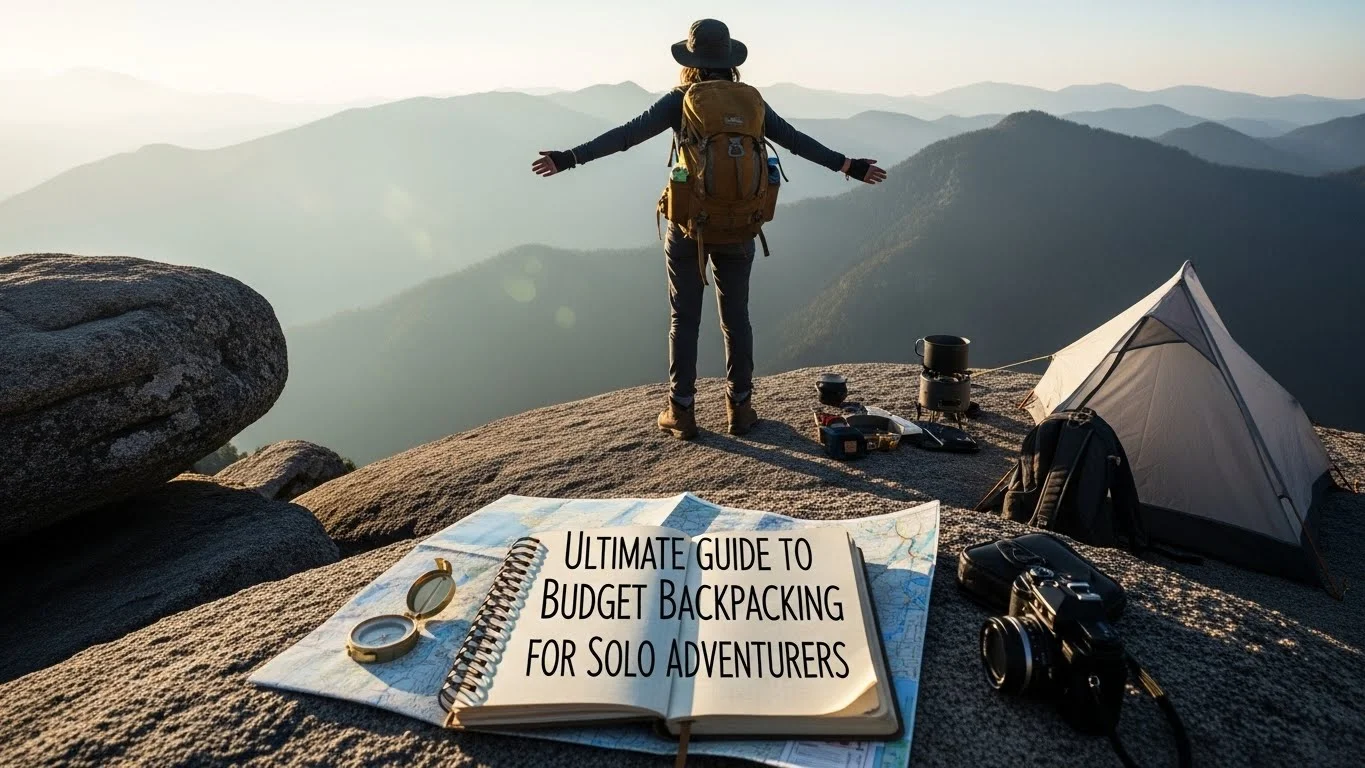
Ultimate Guide to Budget Backpacking for Solo Adventurers

Budget backpacking is an exciting opportunity for solo adventurers to explore the world without breaking the bank. In this ultimate guide, I’ll share personal insights and practical tips to make your journey memorable and affordable. Read Interesting article: Budget Backpacking: Family Packing Tips for Every Trip

Ultimate Guide to Budget Backpacking for Solo Adventurers

Understanding Budget Backpacking

What is Budget Backpacking?

When I first heard the term “budget backpacking,” I envisioned a group of carefree travelers, hiking through stunning landscapes with everything they needed on their backs. Budget backpacking is about traveling economically while immersing yourself in new experiences, cultures, and adventures. It typically involves staying in affordable accommodations, eating local food, and using public transport. The aim is to stretch your dollar as far as it can go, allowing you to see more while spending less.

For me, budget backpacking isn’t just about saving money; it’s about the freedom to explore. I remember setting off on my first solo backpacking trip with just a small backpack filled with essentials. That feeling of independence and the thrill of discovering new places fueled my passion for this style of travel.

Benefits of Solo Backpacking

There’s something incredibly empowering about traveling solo. I’ve experienced it firsthand—being able to set my own schedule, choose my own destinations, and meet new people without worrying about someone else’s preferences. Solo backpacking offers several benefits:

  • Self-Discovery: Traveling alone gives you the chance to learn more about yourself. It’s a journey of self-discovery, where you can reflect on your life and find clarity.
  • Flexibility: You can change your plans on a whim. If you hear about a hidden gem, you can go there without needing to consult anyone else.
  • Meeting New People: Solo travelers often find it easier to connect with locals and fellow travelers. I’ve made incredible friendships simply by striking up conversations in hostels or at cafes.
  • Building Confidence: Navigating new cultures and environments alone can be challenging, but it builds confidence and independence. Each challenge I faced made me stronger.

How to Prepare for Your Backpacking Journey

Preparation is key to a successful backpacking trip. I learned this the hard way on my first solo adventure, where I forgot essential items and faced unexpected challenges. Here are some important steps to consider:

  • Research Your Destination: Understanding the culture, customs, and local laws can make a huge difference. I always read travel blogs and watch videos to get a feel for the place I’m heading to.
  • Pack Light: Overpacking is a common mistake. I used to bring way too much stuff, which made traveling cumbersome. Now, I stick to the essentials: a few versatile clothing items, toiletries, and important documents.
  • Get Travel Insurance: This is something I didn’t prioritize early on, but it’s crucial. It provides peace of mind knowing that you’re covered in case of emergencies, like medical issues or lost belongings.
  • Plan Your Budget: Create a rough budget that includes accommodation, food, transportation, and activities. I like to have a bit of extra cash for unexpected expenses, too.
  • Stay Healthy: I always pack a small first-aid kit and keep up with vaccinations. Staying healthy on the road is vital to enjoying your adventure.

With these preparations, I’ve set myself up for success on each trip. The more I prepare, the more I can focus on enjoying the journey and the experiences that come with it.

Budget backpacking is an adventure that allows us to explore the world while keeping our finances in check. As I’ve learned, taking the time to understand what budget backpacking really entails, the benefits of traveling solo, and how to prepare for the journey can lead to unforgettable experiences and personal growth. Each trip is a chapter in our own travel story, and I can’t wait to share more about choosing destinations and planning the perfect backpacking trip in the upcoming sections. Read Interesting article: Ultimate Family Packing Guide for Budget Backpacking Trips

Choosing Your Destination

Best Countries for Budget Backpacking

When it comes to choosing a destination for budget backpacking, I’ve found that some countries are just more accommodating to our wallets than others. Countries like Thailand, Vietnam, and India stand out to me as top picks. They offer stunning landscapes, rich cultures, and delicious food, all at a fraction of what you might pay elsewhere.

For example, I discovered Thailand during my first solo trip. The cost of living is low, and I could enjoy incredible street food for just a couple of dollars. I remember trying Pad Thai from a street vendor, sitting on a plastic stool, and feeling completely immersed in the local culture. It’s experiences like these that make budget traveling worthwhile.

Other great options include countries in Central America, like Nicaragua and Guatemala, where you can find beautiful scenery and friendly locals. Eastern European countries like Hungary and Poland also offer affordable travel experiences with rich history and unique architecture. I’ve had memorable adventures wandering through the streets of Budapest, where I could enjoy a meal and a drink without putting a strain on my budget.

Backpacking in Southeast Asia

Southeast Asia has become a haven for backpackers, and I completely understand why. The combination of affordability, breathtaking landscapes, and vibrant cultures makes it irresistible. I spent a month exploring Cambodia and Thailand, hopping from one island to another, and every stop was filled with adventure.

In places like Bali, I indulged in yoga sessions and enjoyed the beach life, while in Vietnam, I navigated through bustling markets and tranquil rice fields. The ease of finding affordable hostels and cheap transportation made moving from place to place a breeze. I even joined a cooking class in Thailand for a very reasonable price, which turned out to be one of the highlights of my trip!

Plus, the community of other backpackers is incredible. You always find someone willing to share tips or join you for an excursion. I remember connecting with fellow travelers over a shared meal, swapping stories and recommendations that shaped the rest of my journey.

Exploring Eastern Europe

Eastern Europe is often overlooked, but I’ve found it to be a treasure trove of history and culture. Countries like Poland, Romania, and the Czech Republic offer a mix of stunning architecture, rich histories, and low costs. I was amazed by how affordable everything was in cities like Krakow and Prague, from accommodation to dining out.

I recall wandering through the charming streets of Prague, admiring the beautiful architecture, and enjoying a hearty meal for less than what I’d pay for a coffee in some cities back home. Each country has its unique charm, and the locals are usually welcoming and eager to share their culture.

Transportation between cities is often quite cheap as well. I took a night train from Budapest to Krakow, which saved me on accommodation costs and gave me a chance to meet locals on the journey. It was a unique experience that added depth to my travels.

South America: A Backpacker’s Paradise

South America holds a special place in my heart as a backpacker’s paradise. I’ve ventured through countries like Peru and Colombia, where the landscapes are as diverse as the cultures. Hiking the Inca Trail to Machu Picchu was one of those bucket-list experiences that I’ll never forget. Despite the costs associated with the trek, I found ways to save throughout the rest of my trip, allowing me to indulge in such an amazing adventure.

In Colombia, I enjoyed the vibrant street art in Medellín and the beautiful beaches in Cartagena. The low prices for food and accommodations made it easy to travel without worrying too much about my bank account. I remember enjoying fresh seafood from a local vendor for just a few dollars, while soaking in the sun on the beach.

South America is rich in culture and adventure, and I highly recommend it for anyone considering budget backpacking. The warmth and hospitality of the locals made my experience even more enriching, and I found myself immersed in their stories and traditions. Read Interesting article: Best Budget Backpacking Tips for Families with Kids

Considerations for Choosing a Destination

When choosing a destination for budget backpacking, there are a few factors I always consider. First, I think about the cost of living in that country. It’s essential to have a rough idea of what I’ll be spending on food, accommodations, and activities. I love using travel blogs and forums to get a sense of current prices and recommendations.

Another important aspect is the safety of the destination. I tend to research travel advisories and read about other travelers’ experiences. It’s crucial to feel secure while exploring new places. I remember feeling a bit nervous before heading to certain areas, but reading about other backpackers’ experiences gave me the confidence to go.

Lastly, I consider the culture and activities available. I like to ensure that there are plenty of things to see and do that align with my interests. Whether it’s hiking, historical sites, or meeting locals, I want to make the most of my journey. By taking these factors into account, I feel more prepared and excited about the adventures that await me.

Planning Your Trip

How to Create a Backpacking Itinerary

Creating a backpacking itinerary might sound daunting, but I’ve found it to be one of the most enjoyable parts of the planning process. For me, it’s like piecing together a puzzle of adventure. I start by listing the places I want to visit, considering the time I have available. I remember my first trip to Southeast Asia, where I used a simple spreadsheet to map out where I wanted to go and how long I planned to stay in each place.

As I build my itinerary, I try to keep it flexible. I usually highlight a few must-see sites or experiences, but I leave room for spontaneity. This approach has led me to some of my favorite moments—like stumbling across a local festival in a small town or taking an unexpected detour to explore a hidden beach. I think it’s crucial to balance planning with the freedom to explore at your own pace.

Another tip I’ve found helpful is to check travel times between destinations. Websites and apps like Rome2rio can give you a good idea of how long it will take to get from one place to another, which has saved me from overestimating my travel days. The last thing I want is to spend half my trip on buses or trains!

Budgeting for Your Trip

Budgeting is one of those things that can make or break a trip. I’ve made my share of mistakes in this area, but I learned that a well-planned budget can lead to a more enjoyable experience. I usually start by estimating my daily expenses based on the cost of living in the places I’m visiting. I’ve found blogs and forums to be invaluable resources here.

My budget typically includes accommodation, food, transportation, and activities. I also like to set aside some extra cash for unexpected expenses or splurges, like a special meal or a guided tour. For me, it’s all about balancing frugality with the occasional treat. I remember a day in Thailand when I splurged on a cooking class; it was worth every baht! I keep track of my spending using a simple app, which helps me stay within my budget as I go.

One important aspect of budgeting that I’ve learned is to be aware of exchange rates if traveling internationally. I always check the current rates before leaving, and I try to use local currency when I can. It helps avoid those sneaky conversion fees and ensures I’m getting the best deal possible.

Finding Affordable Flights

Finding affordable flights can feel like a game of chance, but I’ve picked up a few strategies that have worked well for me. First, I recommend using flight comparison websites like Skyscanner or Google Flights. I love how they let you search by flexible dates, helping me find the cheapest options. I often start my search months in advance, but I keep an eye out for flash sales and special promotions.

Another tip is to fly mid-week if you can. I’ve noticed that flights tend to be cheaper on Tuesdays and Wednesdays compared to weekend departures. I also recommend considering nearby airports; sometimes a short bus ride can save a significant amount on airfare. For instance, when I was traveling to Barcelona, I found a cheaper flight into Girona and took a scenic bus ride into the city.

Lastly, signing up for fare alert emails from various airlines can keep you in the loop on any deals. I’ve snagged some incredible discounts this way. Just remember to book as soon as you find a good deal, as prices can fluctuate quickly!

Transport Options: Buses, Trains, and Rideshares

Transportation is a vital part of budget backpacking, and I’ve discovered that there are plenty of affordable options out there. Depending on the country, I often opt for buses or trains, as they can be both cheap and a great way to see the scenery. I remember traveling through Europe and hopping on an overnight train; not only did it save me a night’s accommodation, but I also woke up in a new city!

In Southeast Asia, I’ve used a mix of local buses and tuk-tuks, which can be a fun way to experience the culture firsthand. I usually try to ask locals for recommendations on the best transport options, as they often have insider tips on the most reliable and budget-friendly services. I recall one instance in Vietnam where a local helped me find a bus that wasn’t listed online, and it turned out to be much cheaper than the tourist options.

Rideshare apps like Uber or local equivalents can also be a good option, especially if you’re traveling in a group. They tend to be affordable and can be more convenient for short distances. Just be sure to check the local regulations regarding rideshares, as they can vary by country.

Essential Gear for Backpackers

Backpacks: Choosing the Right Size and Style

Choosing the right backpack is a crucial step in preparing for your trip. I remember when I first started backpacking; I had no idea what to look for. After some trial and error, I found that a backpack between 40 to 60 liters works well for me. This size strikes a balance; it’s big enough to hold everything I need while still being manageable to carry around. I often recommend trying on several styles and brands before deciding. Comfort is key because you’ll be wearing it for hours on end!

Additionally, I learned that features like padded shoulder straps, hip belts, and multiple compartments make a big difference. They help distribute weight evenly and keep my gear organized. I often find myself reaching for a water bottle or my camera on the go, so having easy access pockets is a huge plus!

Must-Have Gear for Solo Travelers

When packing for a solo backpacking journey, there are a few must-have items that I can’t live without. First on my list is a good quality sleeping bag. I’ve stayed in a variety of places, from hostels to campsites, and having my own sleeping bag has always provided me with comfort and warmth. I also recommend a compact camping pillow—it makes a world of difference after a long day of travel.

A multi-tool is another essential item I never leave home without. It’s handy for opening cans, fixing gear, or even making small repairs. I also found that a lightweight, portable charger is a lifesaver. Staying connected is important, especially when I’m navigating new places or keeping in touch with family back home.

Clothing Tips for Different Climates

Packing the right clothing is essential, especially since I often find myself in various climates throughout my travels. I’ve learned to layer my clothes for flexibility. A good base layer, an insulating layer, and a waterproof outer layer have served me well in different weather conditions. I also prioritize quick-dry fabrics; they allow me to wash clothes on the go and have them ready to wear the next day.

While packing, I always keep in mind the cultural norms of the countries I’m visiting. I remember feeling a bit out of place in certain areas because I didn’t dress appropriately, so I try to research local customs beforehand. Being respectful while still being comfortable is something I strive for during my travels.

Technology and Gadgets for Backpacking

In today’s world, I’ve found that technology can greatly enhance my backpacking experience. A smartphone equipped with essential apps is invaluable. I always download maps, translation apps, and local transport schedules before I get to my destination. These tools have saved me more than once from getting lost or confused.

I also recommend carrying a small power bank for charging devices on the go. I remember being in remote areas where power outlets were scarce, and having a portable charger meant I could still capture all my adventures. Plus, a good camera or even a smartphone with a decent camera can help preserve my memories in stunning detail.

Accommodation Options

Hostels: The Best Budget-Friendly Choices

Hostels have become my go-to accommodation option while backpacking. They offer affordable rates, and I’ve had some of my best travel experiences staying in them. The communal atmosphere fosters connections with other travelers, and I’ve made friends from all over the world. I remember chatting over breakfast with fellow backpackers and discovering new travel tips that completely changed my itinerary.

When choosing a hostel, I usually look for ones with good reviews, free breakfast, and a central location. I also appreciate hostels that organize activities or tours, as it’s a fantastic way to meet others and explore local attractions together.

Couchsurfing and Staying with Locals

Couchsurfing is another amazing option that I’ve tried. It’s a unique way to meet locals, and it’s completely free! I remember my first experience; I was welcomed into a local family’s home in Italy. They showed me around their neighborhood, introduced me to their favorite cafes, and shared stories about the culture. It was such an enriching experience that I wouldn’t trade for a hotel stay.

When using Couchsurfing, I always read the hosts’ reviews and look for profiles that resonate with me. Safety is key, and I’ve found that clear communication helps establish a good rapport before arriving.

Camping and Alternative Lodging

If you’re feeling adventurous, camping can be a fantastic budget option! I’ve camped in some breathtaking locations, from national parks to scenic beaches. It allows me to connect with nature while keeping costs down. I usually pack a lightweight tent that sets up easily, which has made my camping experiences enjoyable.

Additionally, I’ve discovered alternatives like glamping (glamorous camping) or staying in yurts and cabins. They’re often a bit pricier than traditional camping but can be worth it for the experience. I remember sleeping in a cozy yurt in the mountains—it felt like a dream!

How to Find Cheap Accommodation

Finding cheap accommodation has become easier over the years with the rise of various online platforms. I often use websites like Hostelworld, Booking.com, or even Airbnb to compare prices and find deals. I’ve learned to book in advance when I can, especially during peak seasons, to secure the best rates.

Another tip is to look for last-minute deals. Sometimes, I’ve found incredible discounts just a few days before my arrival. Flexibility in my travel dates has frequently led to savings on accommodation. Plus, I always keep an eye on local community boards for unique lodging opportunities that might not be listed online.

Navigating New Places

Understanding Local Transportation Systems

Navigating new places can be overwhelming, but I’ve found that understanding the local transportation systems can make a huge difference. I usually spend some time researching how public transport works in the cities I’ll be visiting. Many cities offer tourist passes that provide unlimited travel for a set period, which can save money and make getting around easy.

In some countries, I’ve found that walking can be the best way to explore. I love wandering through neighborhoods, discovering hidden gems, and immersing myself in local life. I always keep a map or a navigation app handy, just in case I need to find my way back!

Safety Tips for Solo Travelers

Safety is always on my mind when I’m traveling alone. I’ve learned a few tips that help me feel more secure. First, I always keep my belongings close, especially in crowded areas. I’ve invested in a good daypack that has zippers and compartments to deter pickpockets.

Additionally, I try to blend in with the locals. I avoid flashy clothing and accessories that might draw attention. I’ve found that researching the local customs and norms helps me navigate my surroundings more comfortably. Trusting my instincts has also been crucial; if something feels off, I don’t hesitate to change my plans.

Language Barriers: Tips for Communication

Language barriers can feel intimidating, but I’ve learned that a smile and a few basic phrases can go a long way. I usually download translation apps on my phone, which have been invaluable in various situations. I’ve also found that many locals appreciate the effort when I attempt to speak their language, even if it’s just a simple “hello” or “thank you.”

When all else fails, I rely on gestures and expressions. I remember needing directions once, and with a little charade, we ended up laughing and pointing until I understood. It’s amazing how communication can transcend language!

Food on a Budget

Eating Cheap: Local Markets and Street Food

Food is one of my favorite aspects of traveling, and I’ve discovered that eating cheap doesn’t mean sacrificing flavor. Local markets and street food stalls are often my go-to choices. I love browsing stalls, sampling small bites, and chatting with vendors. It’s an excellent way to connect with the local culture.

I remember indulging in a variety of street foods in Bangkok, where I tried everything from fresh spring rolls to delicious mango sticky rice—all for just a couple of dollars! Each bite felt like an adventure in itself.

Cooking Your Own Meals: Tips for Backpackers

Cooking my own meals is another way I save money while traveling. I usually stay in places with kitchen facilities, allowing me to prepare simple meals. I love visiting local grocery stores to pick up fresh ingredients and trying my hand at cooking local dishes. It’s a fun way to immerse myself in the culture, and I often share cooking experiences with newfound friends.

Additionally, I’ve learned to plan meals that are easy to make and require minimal ingredients. Pasta, stir-fries, and salads are staples in my backpacking diet, and they keep me fueled for my adventures.

Dining Etiquette in Different Cultures

Dining etiquette can vary significantly from one culture to another, so I always take a moment to research customs before I go. I remember feeling a bit embarrassed at a local restaurant in Japan when I didn’t know how to use chopsticks properly. However, the locals were patient and even offered tips, which made for a memorable experience.

Being respectful of local customs is essential, whether it’s waiting for everyone to be served before starting to eat or learning how to say “thank you” in the local language. These small gestures not only show appreciation but also enhance my overall travel experience.

Staying Connected and Safe

Using Technology for Safety

Staying connected while traveling solo is vital for my peace of mind. I always keep my phone charged and have multiple ways to communicate, whether through social media, messaging apps, or even a local SIM card. I’ve used apps that share my location with family back home, allowing them to track my journey while ensuring I feel safe.

Additionally, I often look for Wi-Fi hotspots in cafes or libraries, which helps me stay connected without incurring hefty roaming fees. I’ve found that being able to check in with friends and family makes my solo travels feel less isolating.

Travel Insurance: Do You Really Need It?

Travel insurance is something I didn’t think much about in the beginning, but I’ve learned the hard way how essential it can be. I always purchase insurance before my trips now, as it covers everything from medical emergencies to trip cancellations. I remember being grateful for my insurance when I had to seek medical attention during a trip; it made a stressful situation much easier to handle.

While it may seem like an extra cost, the peace of mind it provides is worth it. I make sure to read the policy details thoroughly, so I know what’s covered and what isn’t.

Emergency Contacts and Resources

It’s a good idea to have emergency contacts and resources handy while traveling. I usually save important numbers on my phone, including local emergency services and the nearest embassies. It’s also smart to have a physical copy of my documents, like my passport and travel insurance policy, stored in a safe place.

Before heading out, I familiarize myself with the local emergency numbers and have a plan in case something goes wrong. Knowing that I have these resources available gives me confidence as I explore new places.

Connecting with Other Travelers

Finding Travel Buddies and Groups

Connecting with other travelers has been one of the most rewarding aspects of my backpacking experiences. I often use social media platforms or travel forums to find travel buddies who are heading to the same destination. I remember joining a Facebook group for solo travelers before a trip, and it led me to a fantastic travel companion who shared my interests!

Additionally, many hostels offer group activities or tours, making it easy to meet fellow backpackers. I’ve found that joining a group hike or a city tour can spark friendships that last beyond the trip.

Meeting Locals: Cultural Exchange Opportunities

Meeting locals is an enriching part of my travels. I’ve found that engaging with residents often leads to the best experiences and insights into the culture. I make it a point to strike up conversations in cafes or markets. I remember visiting a small village where the locals invited me to their home for dinner—it was one of the highlights of my trip!

Through cultural exchange programs or volunteer opportunities, I’ve had the chance to immerse myself fully in the local way of life. These experiences have helped me see the world from a different perspective and have often led to lasting friendships.

Social Media and Travel Apps

Social media has become an invaluable tool for connecting with other travelers. I often share my experiences on platforms like Instagram, and I’ve found that many people reach out with tips or offers to meet up. Travel apps also play a significant role; I’ve used platforms like Meetup to find local events and gatherings that allow me to connect with others who share my interests.

Creating a travel blog or joining travel-related forums can also help you connect with like-minded people. I’ve enjoyed sharing my stories and hearing about others’ adventures, which often inspire my future trips!

Post-Trip Reflections

How to Share Your Travel Experiences

After returning from a trip, I love sharing my experiences with others. Whether it’s through social media posts, a blog, or even casual conversations with friends, I find that reflecting on my travels helps me appreciate the experiences even more. I often share tips and stories that I think will inspire others to embark on their own adventures.

Creating a digital scrapbook or photo album is also a fun way to relive my memories. I usually include captions with stories behind the pictures, which helps keep the experiences alive.

Staying Connected with Fellow Travelers

After meeting so many amazing people on my travels, I always make an effort to stay connected. Social media makes it easy to keep in touch with friends I’ve made on the road. I’ve found that checking in with them every few months leads to meaningful conversations and the potential for future meet-ups.

Additionally, I often exchange contact information with fellow travelers and make plans to visit each other in our respective countries. I remember meeting someone in South America, and a year later, I visited them in their home country. It’s incredible how travel can create lifelong friendships!

Planning Your Next Adventure

Finally, I always start planning my next adventure as soon as I return home. I find that having something to look forward to keeps my travel spirit alive. Whether it’s jotting down destination ideas, researching new cultures, or saving up, the anticipation adds excitement to my everyday life.

I often reflect on what I loved and what I’d like to do differently in future trips. Each journey brings new lessons and experiences, and I can’t wait to see where my next adventure will take me!

Final Thoughts

Embarking on a budget backpacking journey is one of the most rewarding experiences one can have. It has taught me so much about the world, myself, and the incredible connections we can make along the way. My adventures have been filled with unexpected surprises, friendships, and personal growth. I can wholeheartedly recommend giving it a try. No matter where you go or how much you spend, it’s the memories and stories that truly enrich our lives. So grab your backpack, set your sights on the horizon, and let the adventure begin!

Frequently Asked Questions

What is budget backpacking?

Budget backpacking is about traveling economically while immersing yourself in new experiences, cultures, and adventures. It typically involves staying in affordable accommodations, eating local food, and using public transport to stretch your dollar further, allowing you to see more while spending less.

What are the benefits of solo backpacking?

Solo backpacking offers several benefits, including self-discovery, flexibility in travel plans, the opportunity to meet new people, and building confidence as you navigate new cultures and environments alone.

How should I prepare for a backpacking journey?

Preparation for a backpacking journey involves researching your destination, packing light, getting travel insurance, planning your budget, and staying healthy by packing a first-aid kit and keeping up with vaccinations.

Which countries are best for budget backpacking?

Some of the best countries for budget backpacking include Thailand, Vietnam, India, Nicaragua, Guatemala, Hungary, and Poland. These countries offer stunning landscapes, rich cultures, and delicious food at affordable prices.

What are some tips for budgeting on a backpacking trip?

To budget effectively, estimate your daily expenses based on the cost of living in the places you’re visiting, include accommodation, food, transportation, and activities in your budget, and set aside extra cash for unexpected expenses or splurges.

How can I find affordable flights for my backpacking trip?

Finding affordable flights can be done by using flight comparison websites like Skyscanner or Google Flights, flying mid-week, considering nearby airports for savings, and signing up for fare alert emails from airlines.

What types of transportation are best for budget backpacking?

Affordable transportation options for budget backpacking include buses and trains, as they are often cheap and provide scenic views. Rideshare apps can also be a good option, especially for short distances when traveling in a group.

What essential gear should I pack for backpacking?

Essential gear for backpacking includes a good quality sleeping bag, a compact camping pillow, a multi-tool, a lightweight portable charger, and clothing that can be layered for different climates.

How can I find cheap accommodation while traveling?

To find cheap accommodation, use websites like Hostelworld, Booking.com, or Airbnb, look for last-minute deals, and check local community boards for unique lodging opportunities that may not be listed online.

What are some tips for staying safe while backpacking alone?

To stay safe while backpacking alone, keep your belongings close, blend in with locals, research local customs, trust your instincts, and familiarize yourself with emergency contacts and resources in the area.

Budget-Friendly Family Road Trip Planning Made Easy

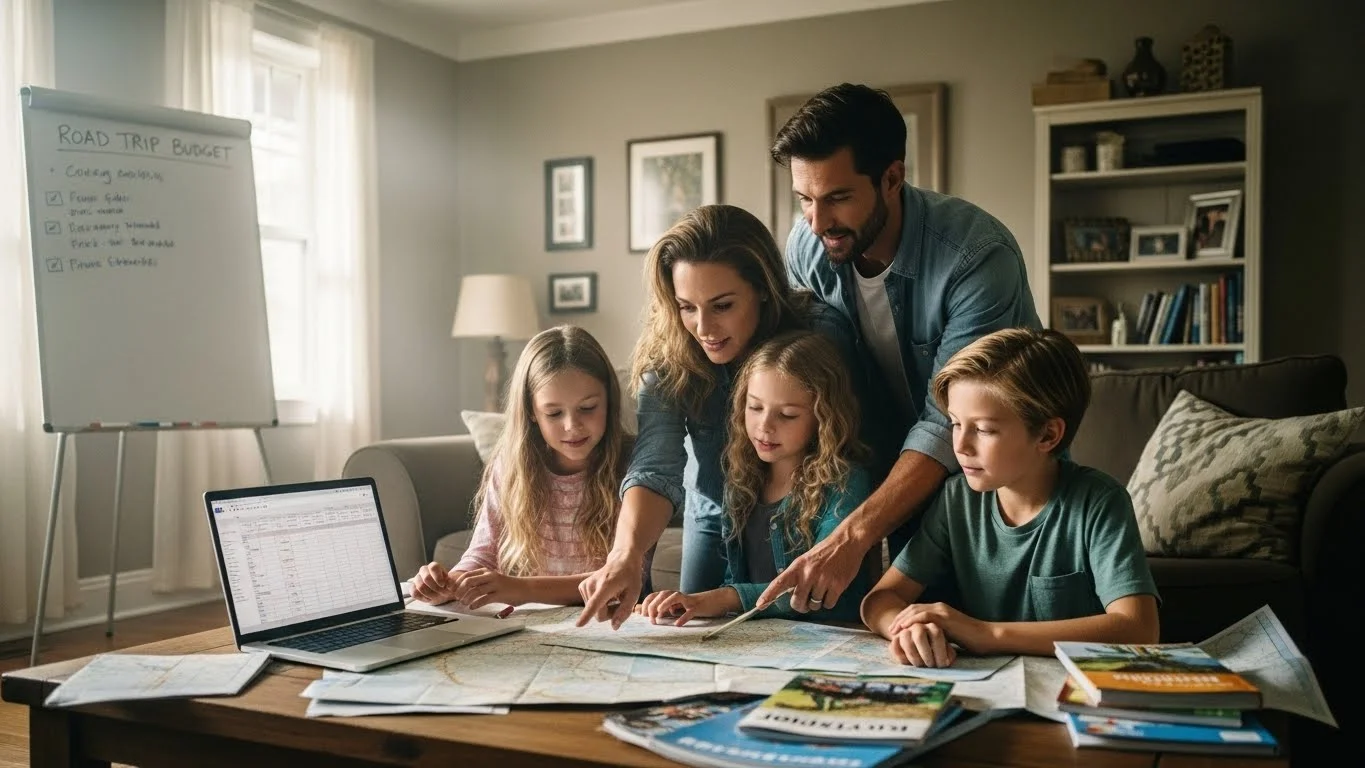
Planning a family road trip on a budget can be both exciting and a bit daunting. With careful preparation, we can create lasting memories without breaking the bank. To help with this, check out our How to Create a Budget for Family Road Trips.

Budget-Friendly Family Road Trip Planning Made Easy

Understanding Budget-Friendly Family Road Trips

What is a Budget-Friendly Family Road Trip?

A budget-friendly family road trip is all about enjoying the journey without overspending. It involves careful planning to ensure that your family can explore new destinations while keeping costs manageable. I’ve learned the hard way that it’s easy to let expenses spiral out of control, but with a little foresight, we can keep our trips enjoyable and affordable. Think about it as a mini-adventure—one that prioritizes experiences over extravagant expenses.

Benefits of Family Road Trips

Family road trips offer a unique opportunity to bond and create memories. I remember the laughter we shared during long car rides, the silly songs we sang, and the conversations that flowed freely. Road trips allow families to disconnect from their daily routines and reconnect with one another. Additionally, they often encourage exploration off the beaten path. Many times, we discovered hidden gems—small towns, local diners, and scenic views—that we wouldn’t have found flying or rushing through busy airports. These experiences are what make family road trips so special.

Planning Your Route

Choosing the Right Destination

Choosing a destination is one of the most thrilling parts of planning a road trip. I’ve often found that the best destinations aren’t always the most popular. Instead, consider places that offer family-friendly activities and affordable attractions. We once decided to visit a national park, and it turned out to be a fantastic choice. Not only did we hike and explore beautiful landscapes, but we also learned a lot about nature together. When selecting a destination, think about your family’s interests, whether it’s outdoor adventures, historical sites, or quirky roadside attractions.

Mapping Your Journey

Once we have a destination in mind, mapping the journey becomes crucial. I usually start by using a combination of online maps and GPS apps, which help us visualize the route and breakdown travel times. I also enjoy sketching out potential stops along the way. This way, we can break the drive into manageable segments and allow for spontaneous detours. There’s something liberating about sticking a pin in a map and saying, “Let’s check that out!” It also adds an element of excitement to the trip.

Scenic Routes vs. Direct Routes

Deciding between scenic routes and direct routes can be tough. I’ve personally leaned towards scenic routes on many occasions, and I must say, it often pays off. Sure, they might take longer, but the views can be downright breathtaking. On one trip, we took a longer path along the coast, and the stunning ocean views left us in awe. I believe the journey is just as important as the destination. However, if time is limited, a direct route can still be enjoyable if you plan for a few interesting stops. It’s all about what works best for your family.

Budgeting for Your Road Trip

Estimating Fuel Costs

Fuel costs can take a big bite out of our road trip budget if we’re not careful. I like to estimate fuel expenses based on the distance of our trip and our vehicle’s fuel efficiency. There are many online calculators that help with this. Just input your route and vehicle details, and you’ll get a rough idea of what to expect. We’ve also found that using apps to track fuel prices along the route can save us a few bucks. Every little bit helps when you’re trying to stick to a budget.

Food Expenses on the Road

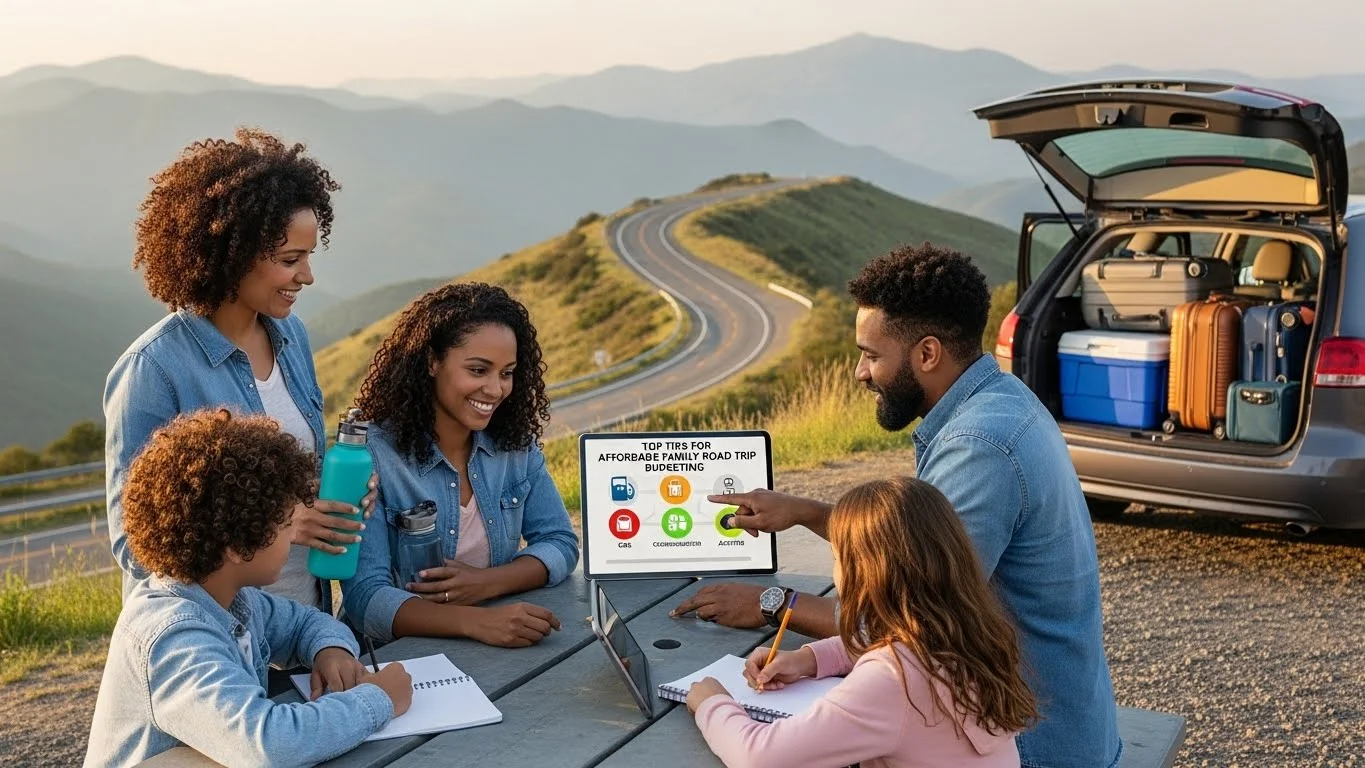
Food expenses can add up quickly during road trips, especially when we rely on convenience stops. I’ve learned that planning meals ahead of time can save us money and keep our energy up. Packing snacks, sandwiches, and drinks not only cuts costs but also allows us to eat healthier. I remember one trip where we had a picnic at a rest stop, complete with homemade sandwiches and fresh fruit. It turned an ordinary lunch into a fun family moment. We also make sure to budget for a few special meals out, so we can enjoy the local cuisine wherever we go. For more insights on budgeting, check out our Top Tips for Affordable Family Road Trip Budgeting.

Accommodation Options for Families

When it comes to lodging, we have several budget-friendly options at our disposal. I’ve found that booking ahead can often save us money, especially during peak travel seasons. Family-friendly motels or campgrounds can provide affordable stays. We’ve even tried camping a few times, which was both fun and economical. It’s amazing how a cozy campfire and sleeping under the stars can bring everyone closer together. I also recommend looking into vacation rentals, which can be affordable and provide more space for families.

Entertainment and Activity Costs

Planning for entertainment and activities is another key aspect of budgeting. I often look for free or low-cost attractions along our route. Many state parks, museums, and even local festivals offer affordable family activities. I remember one trip where we planned our stop around a small-town fair. It was a highlight of our journey! We also set a budget for activities we really want to do, like visiting an amusement park or going on a guided tour. Having a balance between free fun and paid experiences keeps everyone happy without overspending.

Packing Essentials for a Family Road Trip

Clothing and Personal Items

Packing the right clothing and personal items can make a world of difference during our road trips. I’ve learned to check the weather forecast for our destination and plan accordingly, ensuring we have everything from warm layers to swimwear, depending on where we’re headed. I remember one trip where I packed a sweater, thinking it might be cooler, but I ended up needing shorts instead! It’s also crucial to consider the activities we’ll be doing. If we’re hiking, I pack sturdy shoes and comfortable clothing. I recommend making a checklist of essentials like toiletries, sunscreen, and any medications we might need. Keeping a small bag with personal items handy in the car makes it easier to access what we need without having to dig through the whole trunk.

Snacks and Meals

Let’s talk about snacks—one of my favorite parts of road trips! I usually spend time before our trips preparing a mix of healthy and fun snacks to keep everyone satisfied on the road. We’ve tried everything from homemade trail mix to fruit cups and veggie sticks. I find that packing snacks helps us avoid those tempting fast-food stops, which can really add up. I also like to bring a cooler filled with drinks and easy-to-eat items like yogurt or sandwiches. It not only saves money but also allows us to enjoy meals at scenic rest areas. I remember one road trip where we stopped at a beautiful overlook, and having our packed lunch turned into an impromptu picnic. Those moments are often the most memorable!

Entertainment for Kids

Keeping kids entertained during long stretches of driving can be a challenge, but I’ve found a few tricks that work wonders. I like to prepare a travel kit for each child, filled with their favorite games, books, or coloring supplies. Audiobooks and podcasts are also great for passing the time; we’ve enjoyed listening to family-friendly stories together. I think it’s important to mix things up to keep everyone engaged. We often play classic road trip games like “I Spy” or “20 Questions,” which not only make the time fly but also lead to lots of laughs. I’ve noticed that involving the kids in planning some of the entertainment can make them more excited about the trip.

Finding Family-Friendly Accommodations

Hotels with Family Suites

When it comes to accommodations, finding family-friendly options can significantly enhance our road trip experience. I love looking for hotels that offer family suites or adjoining rooms, which provide more space for everyone to spread out. Sometimes, I check for amenities like free breakfast or pools, which can be a hit with the kids. I remember staying at a hotel that had a complimentary breakfast buffet, and it was such a relief not to worry about finding a place to eat first thing in the morning. It’s a good idea to read reviews from other families to find out what works best for us.

Camping vs. Hotels

Camping is another fantastic option that I highly recommend for families on a budget. We’ve had some of our best adventures at campgrounds, where we could enjoy nature and bond around a campfire. I remember one trip where we camped by a lake, and the kids spent hours fishing and playing in the water. Camping can be less expensive than hotels, and it allows us to create a unique experience. However, I also understand that camping isn’t for everyone. I try to weigh the comfort of a hotel versus the adventure of camping based on our trip’s goals and the kids’ preferences.

Using Budget Travel Apps

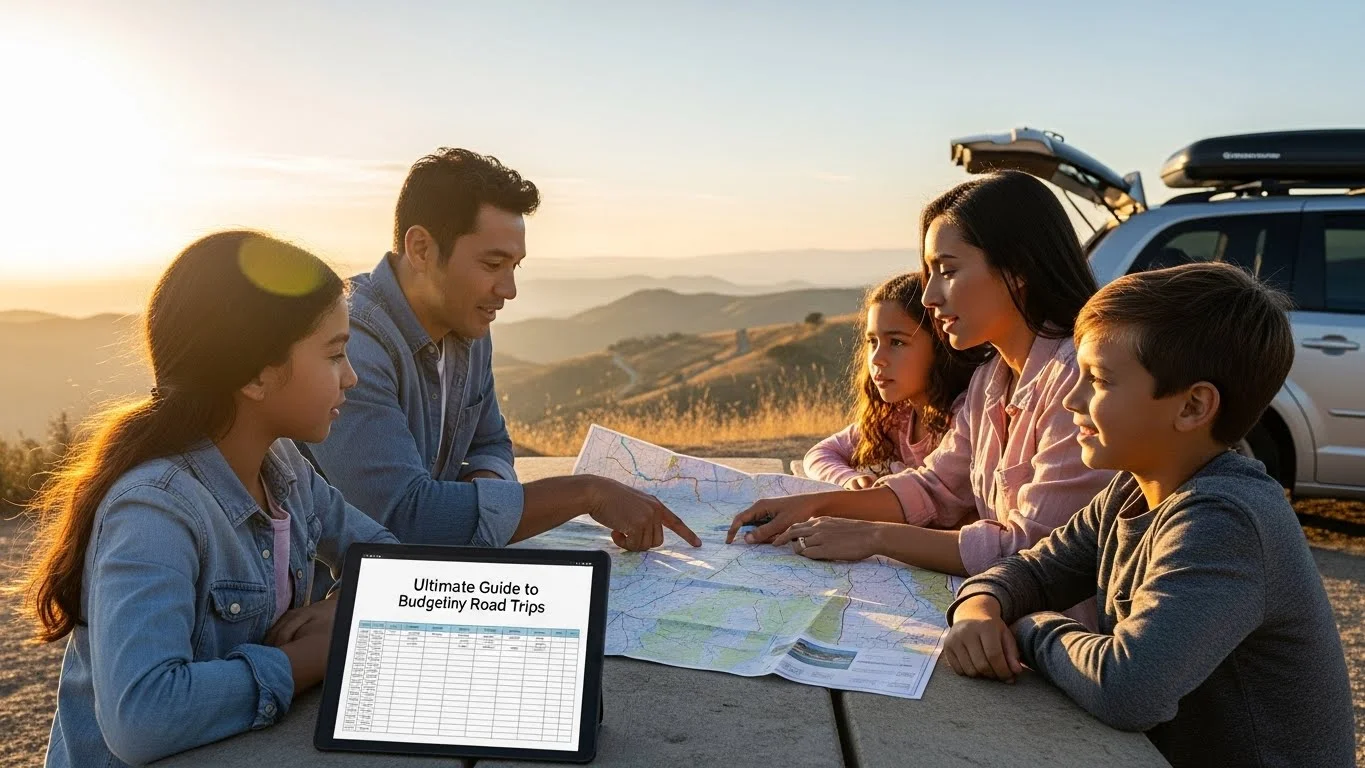
Technology has made finding affordable accommodations easier than ever. I’ve discovered several budget travel apps that help us search for deals on hotels and campgrounds. Apps like HotelTonight or Airbnb can offer last-minute discounts that fit our budget. I often check prices and book on the go, which gives us flexibility. It’s also helpful to sign up for alerts for deals, especially during peak travel times. I’ve managed to score some great rates by booking through these apps, allowing us to allocate more of our budget towards activities and fun experiences instead. If you’d like a comprehensive guide on budgeting, refer to our Ultimate Guide to Budgeting for Family Road Trips.

Planning Activities Along the Way

Free and Low-Cost Attractions

One of the joys of road-tripping is discovering free or low-cost attractions along the way. I always do some research ahead of time to find interesting stops that fit within our budget. For us, state parks, community events, or local festivals have provided countless memorable experiences. I remember one road trip where we stumbled upon a small-town fair that had free live music and fun games for the kids. It became one of the highlights of our journey! I recommend checking local tourism websites or social media pages to find out what’s happening wherever we’re headed.

Kid-Friendly Stops and Breaks

Planning kid-friendly stops is essential to keep our journey enjoyable. I’ve learned to build in breaks where the kids can stretch their legs, run around, and blow off some steam. Playgrounds, rest areas with picnic spots, or even a quick visit to a quirky roadside attraction can break up the monotony of a long drive. I think these small breaks make the travel experience more enjoyable for everyone. On one trip, we found a giant roadside dinosaur statue that turned into a fun photo op and a chance to explore. It’s all about making the journey as fun as the destination!

Outdoor Activities for Families

There’s nothing quite like getting outdoors as a family. I love planning for activities that let us connect with nature, whether it’s hiking, biking, or even just walking along a scenic trail. We’ve found that many parks have free or low-cost outdoor activities available. I remember one summer trip when we rented bikes at a national park and explored the trails together. It was not only a great workout but also a fantastic way to bond. I encourage families to look for opportunities to get outside and enjoy the beauty of nature during their trips.

Safety Considerations for Family Road Trips

Vehicle Maintenance and Safety Checks

Before heading out on a road trip, I always make it a priority to ensure our vehicle is in tip-top shape. Trust me, there’s nothing worse than breaking down in the middle of nowhere with the whole family on board. I usually start with a basic checklist: checking the oil, tire pressure, and coolant levels, as well as making sure the brakes and lights are functioning properly. Taking the time for these checks not only gives me peace of mind but also helps avoid unexpected expenses down the road. I remember one trip where I neglected to check the tire pressure, and we ended up with a flat tire halfway through our journey. We learned that lesson the hard way, and now I’m diligent about vehicle maintenance before every trip!

Emergency Preparedness

I believe being prepared for emergencies gives us the confidence to hit the road. I always pack an emergency kit in the car that includes basic first aid supplies, a flashlight, extra batteries, and non-perishable snacks. It’s also wise to have a blanket and a few bottles of water handy. In our family, we have a little routine of discussing what to do in case of various emergencies, like a flat tire or getting lost. This way, the kids know they have a part to play, making them feel involved and less anxious. I also make sure to have a roadside assistance plan, just in case we need help on the road. Knowing we have that safety net makes the adventure much more enjoyable.

Health and Hygiene on the Road

Staying healthy and hygienic during a road trip is something I take seriously, especially when traveling with kids. I pack hand sanitizers, disinfecting wipes, and snacks that are both nutritious and easy to eat in the car. It’s amazing how quickly germs can spread, and I want our family to stay healthy throughout the trip. I also like to remind everyone to wash their hands whenever we stop for breaks or meals. During one trip, we made a habit of using wipes to clean surfaces in rest areas before eating, and it became a fun ritual. Keeping up with our hygiene helps us avoid pesky colds or illnesses that can put a damper on our travels.

Tips for a Smooth Road Trip Experience

Creating a Flexible Itinerary

While planning is essential, I’ve learned that having a flexible itinerary can really enhance our road trip experience. I usually jot down a list of must-see attractions and activities, but I also leave room for spontaneity. There have been times when we stumbled upon a charming little town or a roadside stand selling delicious treats, and having that flexibility allowed us to stop and enjoy those moments. I remember one trip where we decided to take a detour to a quirky museum we found on the map, and it turned out to be one of the highlights of our adventure. Flexibility allows us to embrace the unexpected, which can lead to some of the best family memories.

Managing Expectations with Kids

I think it’s important to set realistic expectations with kids before embarking on a long drive. I often have conversations with my children about what to anticipate: the length of the journey, the types of activities we’ll do, and any potential boredom during long stretches. We discuss how there might be times when they need to be patient, and I encourage them to come up with ideas for entertainment. This helps manage their expectations and keeps everyone on the same page. I also remind them that the journey is just as important as the destination, which makes the trip feel more like a shared adventure rather than just a long drive.

Staying Connected and Entertained

To keep the fun alive during our travels, I always have a few tricks up my sleeve. I love incorporating technology for entertainment, like downloading audiobooks or family-friendly podcasts that everyone can enjoy. We’ve gotten hooked on some great stories that kept us entertained for hours. Additionally, I make sure to pack a few traditional games, like road trip bingo or a scavenger hunt list, which keeps us engaged without screens. I think it’s important to find a balance between tech and good old-fashioned fun, allowing us to bond as a family while keeping the travel experience enjoyable.

Frequently Asked Questions

What is a budget-friendly family road trip?

A budget-friendly family road trip is about enjoying the journey without overspending. It involves careful planning to ensure that families can explore new destinations while keeping costs manageable, prioritizing experiences over extravagant expenses.

What are the benefits of family road trips?

Family road trips provide a unique opportunity to bond and create memorable experiences. They allow families to disconnect from daily routines and discover hidden gems like small towns and local attractions that are often missed when traveling by air.

How can I choose the right destination for a road trip?

When choosing a destination, consider places that offer family-friendly activities and affordable attractions. It’s essential to think about your family’s interests, whether they involve outdoor adventures, historical sites, or quirky roadside attractions.

What should I consider when mapping my journey?

Mapping your journey involves using a combination of online maps and GPS apps to visualize your route and travel times. It’s also beneficial to sketch out potential stops along the way for breaks or spontaneous detours, adding excitement to the trip.

How can I estimate fuel costs for my road trip?

Estimate fuel costs by considering the distance of your trip and your vehicle’s fuel efficiency. Online calculators can help provide a rough idea of expected expenses, and using apps to track fuel prices along your route can save money.

What are some budget-friendly food options during a road trip?

Planning meals ahead of time can save money and keep energy levels up. Packing snacks, sandwiches, and drinks reduces costs and allows for healthier eating. Budgeting for a few special meals out to enjoy local cuisine is also recommended.

What accommodation options are available for families on a budget?

Budget-friendly accommodation options include family-friendly motels, campgrounds, and vacation rentals. Booking ahead can often save money, and camping can provide a fun and economical experience for families.

How can I keep kids entertained during long drives?

Prepare a travel kit for each child with games, books, or coloring supplies. Audiobooks and family-friendly podcasts are also great for entertainment. Engaging kids in planning some activities can increase their excitement about the trip.

What safety considerations should I keep in mind for family road trips?

Ensure your vehicle is well-maintained with checks on oil, tire pressure, and brakes before the trip. Packing an emergency kit and discussing emergency plans with kids can provide peace of mind during your travels.

How can I create a flexible itinerary for a road trip?

While planning is important, leaving room for spontaneity enhances the road trip experience. By jotting down must-see attractions but allowing for unexpected stops, families can embrace moments that create lasting memories.

How to Create a Budget for Family Road Trips

Planning a family road trip can be thrilling yet daunting, especially when it comes to budgeting. Understanding how to create a budget can make your adventure enjoyable and stress-free. For more insights, check out our Top Tips for Affordable Family Road Trip Budgeting.

How to Create a Budget for Family Road Trips

Understanding the Importance of a Road Trip Budget

When I think about road trips, the first thing that comes to mind is the sense of freedom on the open road. But let’s be real: without a good budget, that freedom can quickly turn into a financial nightmare. Having a budget in place not only helps us keep our spending in check, but it also allows us to enjoy our trip without constantly worrying about money. I remember our last road trip, where we learned just how crucial budgeting can be.

Benefits of Budgeting for Family Road Trips

Creating a budget for family road trips has many benefits. To start, it provides clarity on how much we can spend on different aspects of the trip. For me, knowing exactly what I can allocate for fuel, food, and activities gives me peace of mind. Plus, it allows for better planning, ensuring that we won’t run out of funds halfway through our journey.

Another huge benefit is that it encourages us to prioritize what we really want to do. When I budget for my family, I often find it helpful to list out our must-see attractions and must-do activities. This way, we can make informed decisions on where to cut costs if necessary, making the trip more enjoyable without feeling deprived. It’s all about getting that balance right. For a comprehensive overview, refer to our Ultimate Guide to Budgeting for Family Road Trips.

Common Expenses to Consider

When budgeting for a road trip, I’ve found that it’s essential to consider all the potential expenses. Here are the main categories I think about:

  • Fuel: This can vary widely depending on how far we plan to go and the vehicle we’re using.
  • Accommodation: Where we’ll sleep each night can significantly impact our budget. We have options ranging from hotels to camping.
  • Food: Dining out can add up quickly, so I try to find a balance between eating out and preparing some meals ourselves.
  • Activities: Entrance fees for parks, museums, or attractions can be a hidden cost if we’re not careful.
  • Emergency funds: Life happens, and it’s good to have a cushion for unexpected expenses.

Setting Up Your Road Trip Budget

Once I understand the importance of budgeting, the next step is setting it up. It can be a fun process as we gather our ideas and numbers together as a family.

Estimating Overall Trip Costs

The first thing I do is estimate the overall cost of the trip. This starts with researching the driving distance and the approximate cost of fuel. I usually check gas prices in the areas we plan to travel through. After that, I add the expected costs of accommodations and food. I like to jot everything down in a notebook or on my phone. It helps to see the numbers all laid out in front of me.

Breaking Down Expenses

Breaking down our expenses helps us get into the nitty-gritty of budgeting. I often divide it into categories so we can track where our money is going.

Fuel Costs

Fuel costs can be unpredictable. I recommend calculating your vehicle’s miles per gallon (MPG) and estimating the total distance to get a rough idea of how much you’ll spend on gas. I use fuel calculators online to help with this. It’s also wise to consider that prices fluctuate, so I like to add a little extra to our budget just in case.

Accommodation Options

When it comes to accommodations, I’ve learned that flexibility can save us money. I love exploring different types of places to stay. Whether it’s a cozy motel, a campsite under the stars, or a vacation rental, each option has its pros and cons. I usually research options ahead of time and book in advance when possible to get the best deals.

Food and Dining

Food can be one of the largest expenses on a road trip. I find it helpful to plan meals in advance. For example, we might decide to pack a cooler with snacks and lunch items to save money during the day. When we do eat out, I try to find family-friendly restaurants that offer good value.

Activities and Attractions

Planning activities can be exciting, but it’s crucial to keep an eye on costs. I often look for free or low-cost attractions that everyone will enjoy. National parks, local festivals, and community events can be great options. Some of my best travel memories come from these unexpected experiences!

Emergency Funds

Finally, I can’t stress enough the importance of setting aside some funds for emergencies. Whether it’s a flat tire or a sudden need for a hotel stay, having some extra cash gives me peace of mind. I usually aim for about 10-15% of our total budget for emergencies.

Fueling Your Journey: Calculating Fuel Costs

Understanding Fuel Efficiency

One of the first things I learned on our road trips is the importance of understanding fuel efficiency. It can really make or break your budget. I’ve noticed that different vehicles have varying miles per gallon (MPG) ratings, and knowing how my car performs can help me estimate fuel costs better. I remember a trip where I didn’t pay attention to our car’s MPG, and boy, was I shocked at the pump! So now, I always check the manufacturer’s specifications or use apps to calculate our vehicle’s efficiency.

Additionally, I’ve found that driving habits can significantly affect fuel economy. For instance, rapid acceleration and hard braking can lower MPG, so I try to drive smoothly and maintain a consistent speed. Little changes, like keeping the tires properly inflated, can also help maximize fuel efficiency. These small adjustments not only save money but also make me feel more in control of our travel expenses.

Using Fuel Cost Estimators

To get a realistic idea of our potential fuel costs, I love using fuel cost estimators available online. They allow me to input the distance we plan to travel, our vehicle’s MPG, and the current gas prices. I remember the first time I used one of these estimators; I was amazed at how much more accurate my budget became. It’s a simple tool that can highlight how much we should allocate for gas, helping us stay on track financially.

When using these estimators, I also like to factor in a little cushion for fluctuating gas prices. Gas stations can vary their prices day by day, and I’ve experienced the frustration of unexpected price hikes on the road. By budgeting slightly more than the estimate, I feel more at ease knowing we have enough funds set aside for fuel.

Tips for Reducing Fuel Expenses

Over the years, I’ve picked up several tricks to help reduce fuel expenses on our road trips. One of my favorites is planning our route wisely. Avoiding heavy traffic and construction zones not only saves time but also helps us save on fuel. I often use navigation apps that provide real-time traffic updates, allowing us to take alternate routes when necessary.

Another tip is to avoid idling whenever possible. I’ve learned that turning off the engine while waiting can help conserve fuel. If we’re taking a break at a rest stop or waiting for someone, I just switch off the car. It’s a small change that adds up over time!

Packing light is also key. I used to throw in everything but the kitchen sink, but I realized that the heavier the vehicle, the more fuel it consumes. Now, I focus on bringing only the essentials, which not only saves fuel but also makes our travels more comfortable. These little strategies have helped me keep our road trip budget in check while still having a fantastic time exploring new places.

Choosing Accommodations Within Your Budget

Types of Accommodations

Accommodations can eat up a big chunk of our budget, but I’ve discovered a variety of options that can help us stick to our financial plan. I generally weigh the pros and cons of each type to find what works best for our family.

Hotels vs. Motels

Hotels are often my go-to option, especially if we want a bit more comfort after a long day on the road. That said, I’ve found that motels can provide great value too. They’re usually more affordable and can be conveniently located right off the highway. I remember one trip where we stayed at a quaint motel with a pool, and the kids loved it. It turned out to be a fun little getaway without breaking the bank!

Camping and RV Options

Camping is another fantastic option for budget-conscious travelers. I love the idea of being surrounded by nature, and it’s a great way to bond as a family. We’ve camped in national parks and found that it’s often much cheaper than hotels. If you’re considering this route, just make sure to factor in the costs of gear and campsite fees.

Renting an RV has also crossed my mind. While initially it can seem pricey, it offers a unique experience and combines accommodation and transportation in one. I’ve chatted with friends who’ve taken RV trips and swear by the flexibility it provides. Plus, cooking meals on the road can save us a lot of money.

Vacation Rentals

Vacation rentals have become a popular choice in recent years. I love browsing platforms to find unique homes or cabins that fit our budget. The added bonus is usually having access to a kitchen, which allows us to prepare meals and save on dining costs. I remember a time when we found a charming cabin near a lake— it was a bit more than a motel, but the experience was priceless.

Finding Deals and Discounts

Finding deals on accommodations can be a game-changer for our budget. I often keep an eye out for promotions on travel websites or apps, especially last-minute deals. Signing up for newsletters can also provide exclusive discounts. I remember snagging a fantastic deal on a hotel just by being patient and watching for the right moment to book.

Additionally, I’ve learned that being flexible with our travel dates can lead to significant savings. Sometimes adjusting our departure or return by just a day or two can unlock lower rates. These little strategies have helped us stretch our budget further, allowing us to enjoy more of our favorite activities without financial stress hanging over us.

Food and Dining Budgeting Strategies

Grocery Shopping vs. Dining Out

Food can be a significant part of our overall travel budget, and I’ve found that balancing grocery shopping with dining out is key. When we hit the road, I usually plan to prepare some meals myself, which is not only budget-friendly but also allows us to eat healthier. I remember on one trip, we stopped at a grocery store right after we arrived at our destination. We stocked up on breakfast items, snacks, and lunch supplies. This way, we saved a lot compared to eating every meal at restaurants, and it became a fun part of our travel routine—eating breakfast together before heading out for the day’s adventures!

Dining out is part of the experience, and I don’t want to completely cut it out. I often set a limit on how many meals we’ll eat at restaurants and make those meals special. This could mean treating ourselves to a nice dinner at a local diner or enjoying ice cream from a popular spot. The key is finding a balance that keeps our budget on track while still allowing us to indulge a little.

Meal Planning for Road Trips

Meal planning for our road trips has been a game-changer. Before we leave, I like to sit down with my family and brainstorm meal ideas. I find that having a simple plan helps us avoid the temptation to stop at fast-food places along the way, which can quickly drain our budget. For instance, I usually make a list of easy-to-prepare meals that we can assemble in our hotel or campsite. Think sandwiches, wraps, and salads.

We also bring along some snacks to keep everyone satisfied during long stretches of driving. I make sure to pack items like granola bars, fresh fruit, and trail mix. Not only does this save money, but it’s also healthier than constantly grabbing junk food on the road. During our last trip, having our “road trip snack stash” became a fun tradition, and my kids enjoyed picking out their favorites for the journey!

Finding Affordable Restaurants

When we do decide to dine out, I’ve developed a strategy for finding affordable restaurants. I like to do a little research ahead of time. Websites and apps like Yelp or TripAdvisor can be lifesavers. I look for places with good reviews that also fit our budget. It’s always a win when we can enjoy a local favorite without overspending.

Another tip I’ve learned is to eat where the locals go. When I ask for recommendations from people who live in the area, I often discover hidden gems that aren’t tourist traps. I remember a trip where we found a small family-owned restaurant that served the best homemade pizza for half the price of the chain places. Sharing meals can also help keep costs down, and my kids love family-style dining where we can all try a bit of everything.

Planning Activities and Attractions

Free and Low-Cost Attractions

Planning our activities is one of the most exciting parts of a road trip, but it can also be tricky when trying to manage costs. I’ve found that many destinations have free or low-cost attractions that can provide a full day of fun without breaking the bank. For example, visiting national parks, hiking trails, or even local beaches can be incredibly rewarding. I cherish the moments spent exploring nature with my family, taking pictures, and just enjoying each other’s company.

Sometimes, I also look for local festivals or events happening during our trip. These community gatherings often feature free entertainment, crafts, and food. I remember stumbling upon a small-town fair once, and it turned out to be one of the highlights of our trip. The kids loved the all-day activities, and we got to experience local culture in a way that we would have missed if we stuck to the standard tourist attractions.

Budgeting for Entry Fees

While many attractions are low-cost or free, some do have entry fees that can add up. In these cases, I make sure to include them in our budget ahead of time. I often check online for discounts or family passes that offer a better deal. Sites like Groupon or local tourism websites can be great resources for finding deals on popular attractions. I learned the hard way to plan for these expenses, so we’re not caught off guard at the ticket booth.

Family-Friendly Activities

Finding family-friendly activities is important to keep everyone happy during our trip. I usually make a list of activities that cater to different interests, from historical sites to interactive museums or outdoor adventures. I’ve found that involving my kids in the planning process makes it more exciting for them. They often have great ideas about what they want to see or do, and this helps us create a balanced itinerary that meets everyone’s expectations.

Additionally, I keep an eye out for any discounts for families or kids. Many attractions have special pricing for children, and some even offer free entry for younger kids. By doing a bit of research ahead of time, I can ensure we enjoy a range of activities while staying within our budget. For safety tips on traveling with family, check out Essential Safety Tips for Family Road Trips on a Budget.

Frequently Asked Questions

Why is it important to create a budget for a family road trip?

Creating a budget for a family road trip helps keep spending in check and allows for better planning, ensuring that funds won’t run out halfway through the journey. It also provides peace of mind, enabling families to enjoy their trip without constantly worrying about money.

What are some common expenses to consider when budgeting for a road trip?

Common expenses to consider include fuel, accommodation, food, activities, and emergency funds. Each of these categories can significantly impact the overall budget for the trip.

How can I estimate the overall cost of my road trip?

To estimate the overall cost, research the driving distance and approximate fuel costs, then add expected costs of accommodations and food. Keeping a written record of these figures helps visualize the budget effectively.

What strategies can help reduce fuel expenses during a road trip?

To reduce fuel expenses, plan routes wisely to avoid heavy traffic, avoid idling, and pack light to minimize vehicle weight. Using navigation apps for real-time updates can also help in choosing more fuel-efficient routes.

What types of accommodations can I consider for a road trip?

Types of accommodations include hotels, motels, camping, RV options, and vacation rentals. Each option has different pros and cons, and researching ahead can help find the best deals.

How can meal planning help with budgeting for food on a road trip?

Meal planning helps avoid the temptation to stop at fast-food places and allows families to prepare meals themselves, which is often healthier and more budget-friendly. It involves brainstorming meal ideas before leaving and packing snacks for the journey.

What are some tips for finding affordable restaurants while traveling?

To find affordable restaurants, research ahead using websites and apps like Yelp or TripAdvisor, ask locals for recommendations, and consider sharing meals to keep costs down. Eating where the locals go often reveals hidden gems that are not tourist traps.

What should I do about entry fees for attractions when budgeting?

Include potential entry fees in the budget ahead of time and check online for discounts or family passes that may offer better deals. Websites like Groupon can be useful for finding discounts on popular attractions.

How can I prioritize activities when budgeting for a road trip?

Prioritize activities by listing must-see attractions and must-do activities. This helps make informed decisions on where to cut costs if necessary, ensuring a balanced itinerary that caters to everyone’s interests.

Why is it important to set aside emergency funds for a road trip?

Setting aside emergency funds is crucial for unexpected expenses such as a flat tire or a sudden need for a hotel stay. Having extra cash provides peace of mind, allowing families to travel without added financial stress.

Top Tips for Affordable Family Road Trip Budgeting

Planning a family road trip can be thrilling yet challenging, especially when it comes to budgeting. I’ve learned that with the right strategies, we can explore new places without breaking the bank! For great ideas, check out our Best Family Road Trips: Affordable Destinations to Explore.

Top Tips for Affordable Family Road Trip Budgeting

Understanding Family Road Trip Budgeting

What is a Road Trip Budget?

A road trip budget is essentially a financial plan that helps you track your anticipated expenses before and during your journey. When I first started planning road trips with my family, I remember feeling overwhelmed by the costs. I quickly realized that having a clear budget helped me visualize where our money was going. It usually includes expenses like fuel, accommodation, food, activities, and a bit of a cushion for unexpected costs. By defining what a road trip budget means to us, we can allocate funds more effectively and enjoy our adventure without financial stress. For more tips, see our Ultimate Guide to Budgeting for Family Road Trips.

Benefits of Budgeting for a Family Road Trip

Budgeting for our family road trips has transformed our travel experiences. I’ve found that there are several key benefits:

  • Control Over Expenses: Knowing how much we can spend allows us to make informed choices about where to stay and what to do. I remember a trip where we splurged a little on a nicer hotel because we had saved on meals.
  • Reduced Stress: With a budget in place, I feel less anxious about overspending. When we hit the road, I can focus on making memories rather than worrying about our finances.
  • Flexibility: A budget gives us the freedom to adjust as needed. If we find a great deal on a fun activity, we can shift funds around without panic.
  • Teaches Valuable Lessons: Budgeting has been an eye-opener for my kids. They’ve learned how to prioritize wants versus needs and the importance of financial planning.

Key Budgeting Categories

Fuel Costs

Fuel is often one of the largest expenses on any road trip. I remember a family trip where gas prices fluctuated wildly, and I had to keep a close eye on our fuel budget. To save money, I recommend planning your route carefully and using apps to find the cheapest gas along the way. Sometimes, driving a little out of the way can lead to significant savings. I’ve also found that filling up at specific times of the week can help—like midweek when prices tend to dip.

Accommodation Expenses

Finding the right place to stay is crucial for our budget. In the past, I’ve spent too much on hotels, but I’ve learned to be creative. Booking ahead can save money, and I often explore camping options if the weather permits. I’ve discovered that camping not only cuts costs but also creates bonding experiences for the family. We’ve also found that vacation rentals can be a great way to save, especially for a larger family, as they often come with kitchens that allow us to cook meals instead of eating out.

Food and Dining Budget

Food expenses can add up quickly, so I’ve developed strategies to keep them in check. Meal planning is key; I sometimes prepare easy snacks and meals before we hit the road. This way, we have nutritious options on hand when hunger strikes. I also encourage my family to pick one or two special dining experiences during our trip, which makes eating out feel like a treat rather than a routine expense. I’ve learned that local markets can be a great source of affordable meals, plus they offer a taste of the regional culture!

Entertainment and Activities

When it comes to entertainment, I’ve found that there are countless free or low-cost options. National parks are an excellent choice for nature lovers, and many have minimal entry fees. I also look for local festivals or community events happening during our travels. These experiences are often rich in culture and fun, and they don’t cost much. It’s amazing how much joy we can find in outdoor activities or visiting historical sites, all while sticking to our budget.

Emergency and Miscellaneous Funds

Having a little extra cash set aside for emergencies is essential. I’ve learned that no matter how well we plan, unexpected expenses can pop up, whether it’s a car issue or an unplanned attraction that catches our eye. I usually recommend setting aside at least 10% of our total budget for these surprises. This cushion allows us to enjoy our trip with peace of mind, knowing that we’re prepared for any bumps in the road.

Planning Your Route and Destinations

Choosing Affordable Destinations

One of the first things I do when planning a road trip is to choose destinations that are not only appealing but also budget-friendly. I’ve learned that some places can be surprisingly expensive while others offer incredible experiences without a hefty price tag. For instance, instead of heading to popular tourist traps, I often look for hidden gems where we can enjoy nature, culture, and history for a fraction of the cost. National parks, local beaches, and small towns often have free activities, stunning views, and unique local experiences that we cherish. Each time we venture off the beaten path, I feel like we discover a new layer of adventure and often save money in the process. If you’re looking for inspiration, check out our Epic Family Road Trips: Affordable Adventures Await!.

Using Route Planning Apps

In our tech-savvy world, route planning apps have become invaluable tools during our road trips. I remember a trip where I used a route planning app to map out our journey, and it made a huge difference in not just saving time but also money. These apps help us find the most efficient routes, avoid traffic, and even locate gas stations with the cheapest prices along the way. Some apps allow us to input our budget and preferences, suggesting stops that align with our interests. Utilizing these tools adds an element of excitement to our planning, and I feel like I’m setting us up for a smoother, more enjoyable experience.

Finding Free or Low-Cost Attractions

One of my favorite aspects of road trips is exploring attractions that don’t cost a dime! I’ve made it a habit to research free or low-cost attractions in each destination we visit. This could be anything from walking tours in historical districts to local parks with beautiful scenery. I often check community calendars for events, as many towns host free concerts, art shows, or farmers’ markets. These outings not only allow us to soak in the local culture but also create lasting memories. I remember one trip where we stumbled upon a free outdoor movie night in a park, and it ended up being one of the highlights of our journey!

Tips for Saving on Accommodation

Camping vs. Hotels

When it comes to accommodation, I’ve found that camping can be a game-changer for our budget. I never thought I’d enjoy camping as much as I do, but it’s become a favorite option for our family. Not only is it economical, but it also brings us closer to nature. I recall a trip where we set up camp near a beautiful lake; the kids spent hours swimming and fishing while my partner and I relaxed by the fire. Camping not only saves money but also creates unforgettable moments. That said, I still enjoy the occasional hotel stay, especially if we’ve had a long day of driving. Finding a good deal on a hotel can also provide a refreshing break from the tent, and I always look for places that offer family-friendly amenities.

Using Vacation Rentals and Hostels

Another great way we save on lodging is by exploring vacation rentals or hostels, especially if we’re traveling with a larger group. I remember booking a cozy cabin through a rental site that fit our entire family comfortably. It featured a kitchen, which allowed us to cook meals instead of eating out. Staying in a vacation rental not only provides space but also a home-like atmosphere that makes the trip more enjoyable. For those times when we travel just the two of us or with a couple of friends, hostels can be a fun and affordable option. They often have shared spaces where we can meet other travelers and exchange tips, making our travel experience richer.

Taking Advantage of Discounts and Deals

As we plan our trips, I always keep an eye out for discounts and deals on accommodations. I’ve signed up for alerts from various travel websites and apps that notify me of sales on lodging. Many hotels and vacation rental companies offer special promotions during certain seasons, and I’ve snagged some fantastic deals this way. Additionally, I try to book directly through the hotel’s website whenever possible, as they sometimes provide better rates or perks for direct bookings. These little savings add up, and I feel a sense of accomplishment every time we manage to find a bargain!

Food Budgeting Strategies

Meal Planning for the Road

Meal planning has become one of my favorite parts of preparing for a road trip. I’ve learned that taking the time to plan our meals not only saves money but also ensures we’re eating healthier options. Before we leave, I create a list of simple, easy-to-make meals that we can prepare while on the road. We often pack things like sandwiches, wraps, and salads that are easy to eat in the car. I also make sure to include a few fun treats to keep the trip exciting. It’s amazing how even a well-planned picnic can turn a regular stop into a memorable family moment!

Pack Snacks and Drinks

Snacks are a must-have for us during road trips; I can’t stress this enough! I’ve found that packing a variety of snacks helps keep everyone happy and energized. We load up on fruits, nuts, granola bars, and sometimes even homemade trail mix. This way, we avoid the temptation of stopping at convenience stores or fast-food places for overpriced snacks. I also keep a cooler packed with drinks to save money on beverages. Having everything readily available helps maintain our budget and keeps the kids satisfied during long stretches of driving.

Finding Affordable Dining Options

When we do decide to eat out, I’ve learned to search for affordable dining options that can provide a taste of the local cuisine without draining our budget. I often look for diners, local cafés, or food trucks that offer delicious meals at reasonable prices. I’ve discovered that some of the best meals come from these small, local spots where we can interact with the community. We also like to do a little research ahead of time to find any family-friendly restaurants that offer discounts or specials. I remember a trip where we found a place with “kids eat free” nights, which was a delightful surprise!

Entertainment on a Budget

Free Activities for Kids

When it comes to keeping the kids entertained on a family road trip, I’ve discovered that there are plenty of free activities that can make our journey both fun and memorable. I remember one trip where we decided to explore the many state and national parks along our route. Not only do these places offer breathtaking views and educational experiences, but they also often have free programs for children. From ranger-led activities to scavenger hunts, the kids had a blast learning about nature while I enjoyed the scenery.

Another favorite of ours is visiting local playgrounds or splash pads. I’ve found that these spots are great for letting the kids burn off some energy during long drives. Plus, they often provide an opportunity for us to meet locals and learn more about the area. I try to incorporate these breaks into our travel schedule, which keeps everyone happy and refreshed!

In-Car Entertainment Ideas

Long stretches of driving can sometimes feel monotonous, so I’ve learned to get creative with in-car entertainment. One of my go-to strategies is to create a playlist of our favorite songs or audiobooks. We’ve listened to some incredible stories together, which not only keeps the kids engaged but also sparks discussions about the themes and characters. I often find that these shared experiences create lasting memories.

Additionally, I’ve introduced some classic road trip games, like “I Spy” or the license plate game. These simple games do wonders for keeping the kids entertained and can even turn into a friendly competition. I feel like it’s a great way to bond as a family while making the miles feel shorter.

Local Events and Festivals

As I plan our trips, I always check for any local events or festivals happening during our visit. Many towns have seasonal festivals that celebrate everything from food to music, and they often include free activities for families. I remember one summer when we stumbled upon a local blueberry festival that had free live music, games for the kids, and plenty of delicious treats to sample. It felt like we were part of the community, and the experience enriched our trip immensely.

Community events not only provide entertainment but also give us a chance to immerse ourselves in the local culture. I’ve found that checking community calendars ahead of time can lead to some fantastic discoveries that don’t cost a dime and create truly unique experiences for our family.

Using Technology to Manage Your Budget

Budgeting Apps and Tools

In our digital age, using budgeting apps has transformed how I manage our road trip finances. I’ve tried several apps over the years, and I’ve found that they can simplify everything from tracking expenses to planning our budget. One app I particularly love allows us to set budget categories and monitor our spending in real time. This way, we can see how much we’ve spent on fuel, food, and activities at a glance.

Using these tools has helped me feel more in control of our finances while traveling. I can easily adjust our budget if needed, like if we decide to splurge on a special dinner or an unexpected attraction. The convenience of having everything in one place makes planning and managing our budget so much easier.

Tracking Expenses in Real-Time

Another great feature of these budgeting apps is the ability to track expenses in real-time. I’ve made it a habit to input expenses as we go, whether it’s a quick snack stop or a hotel bill. This practice has been invaluable because it allows me to see how our spending aligns with our budget. I often sit down with my family in the evenings to review what we’ve spent. This way, everyone is aware of how much we have left in our budget, and it creates a sense of accountability.

By tracking expenses as we travel, I can make informed decisions about any adjustments needed to stay within our budget. It’s also a great teaching moment for my kids, showing them the importance of managing finances responsibly while enjoying our adventures together.

Final Tips for Affordable Family Road Trip Budgeting

Setting a Daily Spending Limit

One practice that has really helped us stay on track is setting a daily spending limit for our road trips. Before we hit the road, I decide how much we can afford to spend each day, taking into consideration our overall budget. This limit helps guide our choices, whether it’s deciding on meals, activities, or souvenirs. I remember during one trip when the kids wanted to visit an amusement park; because we had a daily spending limit, we could plan accordingly and make it happen without guilt.

Adjusting Your Budget on the Go

Flexibility is vital when it comes to road trip budgeting. I’ve learned to embrace the unexpected and adjust our budget as needed. If we find an amazing deal or an unplanned opportunity arises, I can shift funds around without stress. For instance, if we save money on accommodations one night, I might allow for a special treat like dessert or an extra activity the next day. This approach keeps us within our budget while still enjoying the adventure!

Involving the Family in Budget Decisions

I’ve found that including my family in budget discussions makes a significant difference in our overall experience. From the planning stages to daily decisions, involving everyone allows for a sense of shared responsibility. My kids have taken an interest in budgeting, helping me decide which activities to prioritize or where to save money. This teamwork not only makes our trips more enjoyable but also teaches valuable lessons about financial planning and decision-making.

Frequently Asked Questions

What is a road trip budget?

A road trip budget is a financial plan that helps track anticipated expenses before and during the journey, including costs for fuel, accommodation, food, activities, and unexpected expenses.

What are the benefits of budgeting for a family road trip?

Budgeting provides control over expenses, reduces stress, offers flexibility for adjustments, and teaches valuable financial lessons to family members.

How can I save on fuel costs during a road trip?

To save on fuel costs, plan your route carefully, use apps to find the cheapest gas, and consider filling up at specific times of the week when prices tend to dip.

What are some affordable accommodation options for a road trip?

Affordable accommodation options include camping, vacation rentals, and hostels. Booking ahead and exploring camping can provide significant savings and create memorable experiences.

How can I manage food expenses on a family road trip?

Managing food expenses can be done through meal planning, packing snacks and drinks, and seeking affordable dining options like local diners or food trucks.

What types of entertainment can families enjoy on a budget during a road trip?

Families can enjoy free activities like exploring state and national parks, visiting local playgrounds, and attending community events or festivals that often have free activities.

How can technology assist in managing a road trip budget?

Technology can help manage a road trip budget through budgeting apps that track expenses in real-time and allow for easy adjustments to spending as needed.

What is a good strategy for setting a daily spending limit on a road trip?

Setting a daily spending limit involves deciding how much can be spent each day based on the overall budget, guiding choices for meals, activities, and souvenirs throughout the trip.

How can families stay flexible with their budget during a road trip?

Families can stay flexible by adjusting their budget as needed, allowing for unexpected opportunities or savings on accommodations to be redirected to other activities or treats.

Why is it important to involve the family in budget decisions for a road trip?

Involving the family in budget discussions fosters a sense of shared responsibility, makes the trip more enjoyable, and teaches valuable lessons about financial planning and decision-making.

Ultimate Guide to Budgeting for Family Road Trips

Planning a family road trip can be thrilling, but figuring out the budget can feel daunting. With the right budgeting strategies, we can ensure our adventure is fun and financially manageable! Read Interesting article: Essential Safety Tips for Family Road Trips on a Budget

Ultimate Guide to Budgeting for Family Road Trips

Understanding Family Road Trip Budgeting

Importance of Budgeting for Road Trips

When my family and I decided to hit the road for a week-long adventure, I quickly learned that budgeting was essential. I remember how excited we were, but as the trip approached, I realized we had to keep our finances in check. Budgeting helps avoid surprises, ensuring we can enjoy our trip without stressing about money. In my experience, having a clear budget sets expectations, allows us to prioritize our spending, and helps us make the most of our time together. It also gives us peace of mind, knowing we won’t overspend or run into financial trouble while we’re away.

Overview of Typical Expenses

Budgeting for a family road trip involves several key expenses that I’ve found can stack up quickly if we’re not careful. Here’s a breakdown of typical costs we should consider:

  • Transportation: Fuel, car maintenance, and any potential rental car fees.
  • Accommodation: Whether we’re camping, staying in hotels, or renting a cabin.
  • Food: Groceries for meals on the road versus dining out.
  • Entertainment: Entrance fees for parks, attractions, and activities.
  • Miscellaneous: Souvenirs, emergency funds, and other unexpected expenses.

By mapping out these expenses ahead of time, we can get a clearer picture of what our overall budget should look like. During my own road trips, I found that this breakdown allowed us to prioritize our spending based on what we really wanted to experience. Read Interesting article: Top 10 Fun Activities for Family Road Trips

Setting a Realistic Budget

Creating a realistic budget starts with knowing our limits. I like to begin by assessing our total travel budget, and then I break it down into each category. Here’s how I typically approach it:

  1. Determine Total Budget: First, I gather our savings and any potential income that might contribute to our travel fund. It’s essential to have a clear idea of how much we can realistically spend without feeling the pinch later.
  2. Allocate Funds by Category: I divide our total budget into categories based on the breakdown we discussed earlier. For example, if we have a $2,000 budget, I might set aside $600 for gas, $800 for accommodation, and $400 for food, leaving room for entertainment and miscellaneous expenses.
  3. Factor in Extra Costs: I’ve learned to include a buffer for unexpected expenses. This means adding about 10-15% to each category. It might seem excessive, but during one trip, we had to deal with a flat tire, and that little buffer saved us from panic.

As I set our budget, I also consider our family’s preferences. For instance, do we prefer a few nice dinners out, or are we more comfortable cooking in? I ask everyone for their input, and this helps ensure that everyone feels included in the planning process.

Pre-Trip Planning

Choosing Your Destination

Choosing a destination can be both exciting and challenging. I remember when we decided to explore national parks; it opened up a world of adventure. It’s crucial to pick a spot that everyone in the family is eager about. Sometimes, I sit down with my family to brainstorm ideas, and we make a list of places we want to visit. We look at factors like travel distance, activities, and what we’d like to see along the way. In our case, the kids love the idea of hiking and wildlife, while I enjoy the scenic drives and cultural stops.

Mapping Your Route

Once we have our destination, I turn to mapping tools to plan our route. I find it helpful to take into account scenic byways, interesting landmarks, and even quirky roadside attractions to break up the drive. We often use apps that allow us to chart our course, ensuring we minimize backtracking and maximize fun stops. I once made the mistake of not planning our route well, which led to us missing out on a beautiful waterfall that was just a short detour from our path!

Estimating Travel Time and Distance

Estimating how long it will take to reach our destination is another critical step. I usually check the distance and factor in rest stops, meal breaks, and potential traffic. On our last trip, I learned the hard way that long stretches without breaks can lead to cranky kids and tired parents. I tend to plan for at least one break every two to three hours, allowing us to stretch, grab snacks, and recharge. This not only makes the trip more pleasant, but it also keeps the excitement alive as we look forward to the next stop!

Transportation Costs

Fuel Expenses

Fuel expenses can be one of the most significant costs during a road trip, and I’ve learned that it’s essential to plan for them ahead of time. I usually start by checking the fuel efficiency of our vehicle to estimate how much we’ll need. For instance, if our car gets 25 miles per gallon and we’re planning a trip of 1,000 miles, I calculate that we’ll need about 40 gallons of gas. With gas prices fluctuating, I keep an eye on the current rates in the areas we’ll be traveling through. This helps me allocate a realistic budget for fuel. In my experience, apps like GasBuddy have been lifesavers in finding the cheapest gas stations along our route, which definitely helps us save a few bucks!

Car Maintenance and Preparation

Before hitting the road, I always make sure our car is in tip-top shape. I learned this the hard way when we encountered a minor issue on a previous trip. I recommend setting aside some funds for car maintenance, such as an oil change, tire rotation, and checking the brakes and fluids. Creating a checklist of things to inspect before we leave has been helpful, as it keeps me organized and ensures we don’t miss anything crucial. I also like to pack a basic roadside emergency kit just in case. It not only gives me peace of mind but also saves us in unexpected situations.

Rental Car Options (if applicable)

If we’re flying to our starting destination or if our vehicle isn’t road trip-ready, renting a car can be a great option. I’ve found that it’s essential to shop around for the best rental deals, especially if we plan to drive long distances. Websites like Kayak or Rentalcars.com let me compare prices easily. It’s also worth considering whether we need a larger vehicle for the family or if a compact car will suffice. I learned that factoring in mileage limits and fuel policies when renting is crucial. Some companies offer unlimited mileage, which can be a blessing for road trips, while others may charge extra for going over a specific limit. Knowing these details helps to avoid unexpected charges on our final bill.

Toll Roads and Fees

Toll roads can sneak up on you, and I’ve had my share of surprises on trips. I usually research our route to identify any toll roads we might encounter. Many states have toll calculators online, allowing us to estimate those costs in advance. I remember one trip where we took a toll road without realizing it, and we ended up spending more than we anticipated. To save on toll costs, I sometimes look for alternative routes that might be longer but avoid the tolls. Additionally, I’ve found it helpful to bring cash or a prepaid toll pass, as some places don’t accept cards. It’s a small detail, but it can make our journey smoother.

Accommodation Budgeting

Types of Accommodations

When it comes to accommodation, we have a few options to consider. I’ve experienced everything from camping to hotels, and each has its pros and cons. For families, hotels can provide convenience and amenities like breakfast and pools, which my kids love. On the other hand, camping offers a unique experience, especially when exploring nature. I enjoy sitting around a campfire at night, sharing stories under the stars. Recently, we discovered vacation rentals through platforms like Airbnb and Vrbo, which can be budget-friendly, especially for larger families. They give us the chance to cook our own meals and feel a bit more at home during our travels.

Average Costs by Location

Accommodation costs can vary widely based on where we’re traveling. I’ve learned that urban areas tend to be pricier, while rural spots often have more budget-friendly options. When planning our trip, I always check the average rates for hotels and rentals in our destination. Websites like Expedia help me compare prices, and I also like to read reviews to find a balance between cost and quality. I remember one trip where we splurged on a nice hotel because it was a special occasion, but I made sure to balance it by choosing a budget option for the next few nights.

Budget-Friendly Accommodation Options

There are several strategies I use to find budget-friendly accommodations. I often look for off-season travel deals or mid-week stays, which can be significantly cheaper than weekend nights. I’ve also found that using loyalty programs or credit card points can save us a lot. Sometimes, we even opt for hostels or motels, especially if they’re well-rated and have family rooms. I think it’s essential to keep an open mind and be flexible with our accommodations since sometimes the hidden gems are the most memorable experiences!

Camping vs. Hotels

Camping has become one of my family’s favorite ways to travel. It allows us to immerse ourselves in nature and bond in a way that hotels just can’t replicate. I enjoy the simplicity of camping, but I also recognize that it comes with its challenges. Planning ahead is key—making sure we have the right gear and knowing how to set up camp. I’ve learned to budget for campsite fees, which can be very reasonable, especially in national parks. On the flip side, hotels can provide comfort and convenience when we need a break from the outdoors. I think it all comes down to what kind of experience we’re looking for on our trip.

Food and Dining Expenses

Eating Out vs. Cooking Meals

Food is one of those expenses that can really add up on a road trip if we’re not careful. I’ve had trips where we dined out for almost every meal, and while it was delicious, it left our budget in shambles. I found that mixing it up between eating out and cooking meals is a great way to keep costs down while still enjoying the experience. When we stay at vacation rentals, we often make breakfast and dinner ourselves. It’s a fun way to involve the kids in meal prep, and we save money too. I remember one trip where we had pancake breakfasts, and those moments became some of our favorite family memories.

Budget-Friendly Restaurants

When we do decide to eat out, I like to look for budget-friendly restaurants in the area. Before our trips, I browse online reviews and check out food blogs or local guides to find hidden gems that won’t break the bank. I’ve discovered that many local diners or food trucks offer delicious meals at a fraction of the price of touristy spots. On one road trip, we stumbled upon a small barbecue joint that had some of the best ribs I’ve ever tasted—definitely a highlight of our trip! I also recommend looking for kids-eat-free nights or family meal deals, which can make dining out much more affordable.

Snacks and Groceries for the Road

Packing snacks is another crucial part of our road trip food strategy. I typically go to the grocery store before we leave and stock up on things like fruits, nuts, granola bars, and crackers. Having these on hand not only saves money but also keeps everyone satisfied between meals. I remember times when we had a cooler filled with sandwiches and drinks, making it easy to pull over for a picnic at a scenic spot. It’s a cost-effective way to enjoy a meal while soaking in the beauty of the locations we pass through. Plus, it helps us avoid those overpriced convenience store snacks that can add up quickly!

Entertainment and Activities

Free and Low-Cost Attractions

One of the best parts of road tripping is exploring new places, and thankfully, there are tons of free or low-cost attractions to enjoy. I often do some research before our trip to find parks, hiking trails, and historical sites that we can visit without spending much. Many national parks offer free entry days, and I’ve found that local festivals or community events can be a great way to experience the culture without spending a lot. During our last trip, we discovered a local art fair that not only had free admission but also showcased some amazing talents from the area.

National Parks and Entry Fees

If we choose to visit national parks, I’ve learned that entry fees vary, but there are often options for annual passes or family passes that can save us money if we plan to visit multiple parks. I recommend checking the National Park Service website for information on park fees and any special programs they might have. During our last trip to a national park, we opted for a week-long pass, which allowed us to explore multiple areas at our leisure. It was worth every penny as we enjoyed breathtaking views and endless hiking opportunities.

Family-Friendly Activities and Experiences

Finding family-friendly activities is essential for keeping everyone entertained without straining our budget. I often look for local attractions with group discounts or combo tickets. For example, we once visited a science museum that offered a family combo deal, making it more affordable for us to enjoy a day of learning and fun. In addition, I’ve found that many cities have free concerts or movie nights in the park during the summer months. These activities allow us to experience the local vibe while enjoying quality time together without spending too much! Read Interesting article: Family Road Trips: Discover Budget-Friendly Destinations

Miscellaneous Costs

Travel Insurance

While it might seem like an extra expense, I always recommend considering travel insurance. It’s something we started doing after hearing about friends facing unexpected cancellations and medical emergencies during their trips. Travel insurance can provide peace of mind, especially for larger families. I’ve learned that the cost is usually quite reasonable compared to the potential expenses that could arise from unforeseen circumstances. Whether it’s a canceled flight or medical needs, having that safety net makes the journey feel a lot smoother.

Emergency Funds

Setting aside some funds for emergencies is another practice I’ve found invaluable. I make it a habit to keep a small amount of cash on hand for unexpected expenses, like car troubles or an impromptu stop at a roadside attraction. I like to think of it as a little safety net that allows us to handle surprises without derailing our budget. On one trip, we ended up needing to replace a tire, and having that emergency fund helped us deal with the situation without stress.

Souvenirs and Unexpected Expenses

Souvenirs are a fun part of any trip, but they can easily add up if we’re not careful. I usually set a small budget for souvenirs, encouraging the kids to pick one meaningful item rather than several. I’ve found that often, the best souvenirs are the memories we create rather than the physical items we buy. However, I also recognize that unexpected expenses can pop up, so it’s good to have some wiggle room in our budget. For instance, we once discovered an exciting attraction that wasn’t on our original itinerary, and having some extra funds allowed us to enjoy that experience without guilt.

Frequently Asked Questions

Why is budgeting important for family road trips?

Budgeting is essential for family road trips as it helps avoid financial surprises, sets expectations, and allows for prioritization of spending. It provides peace of mind, ensuring that families can enjoy their trip without stressing about money.

What are some typical expenses to consider when planning a road trip?

Typical expenses include transportation (fuel, car maintenance, rental car fees), accommodation (camping, hotels, or cabins), food (groceries versus dining out), entertainment (entrance fees for parks and attractions), and miscellaneous costs (souvenirs and emergency funds).

How can I set a realistic budget for a road trip?

To set a realistic budget, begin by determining your total budget, allocating funds by category based on expenses, and factoring in extra costs for unexpected expenses. It’s also helpful to consider family preferences when budgeting for activities and meals.

What should I consider when choosing a road trip destination?

When choosing a destination, consider factors like travel distance, activities available, and what everyone in the family is eager to see. Brainstorming together can help in making a decision that excites everyone.

How can I estimate travel time and distance for my road trip?

Estimate travel time and distance by checking the distance to your destination and factoring in rest stops, meal breaks, and potential traffic. Planning for breaks every two to three hours can help keep the trip pleasant and everyone refreshed.

What strategies can I use to find budget-friendly accommodations?

To find budget-friendly accommodations, consider off-season travel deals, mid-week stays, using loyalty programs or credit card points, and being flexible with options like hostels or motels. Checking reviews can also help balance cost and quality.

How can I manage food expenses during a road trip?

Managing food expenses can be done by mixing cooking meals with dining out, looking for budget-friendly restaurants, and packing snacks and groceries for the road. This approach not only saves money but also creates enjoyable family moments.

What types of entertainment and activities can families enjoy on a budget?

Families can enjoy free or low-cost attractions like parks, hiking trails, and local festivals. Many national parks offer free entry days, and looking for group discounts or free community events can also provide affordable entertainment options.

Why is it important to have emergency funds during a road trip?

Having emergency funds is important as it allows families to handle unexpected expenses, like car troubles or spontaneous stops, without derailing their budget. It provides a safety net that reduces stress during the trip.

How can I budget for souvenirs and unexpected expenses?

To budget for souvenirs, set a small limit and encourage choosing meaningful items over several small ones. Additionally, having some wiggle room in the budget for unexpected expenses can allow for spontaneous experiences without guilt.