Web Analytics

Recent Posts

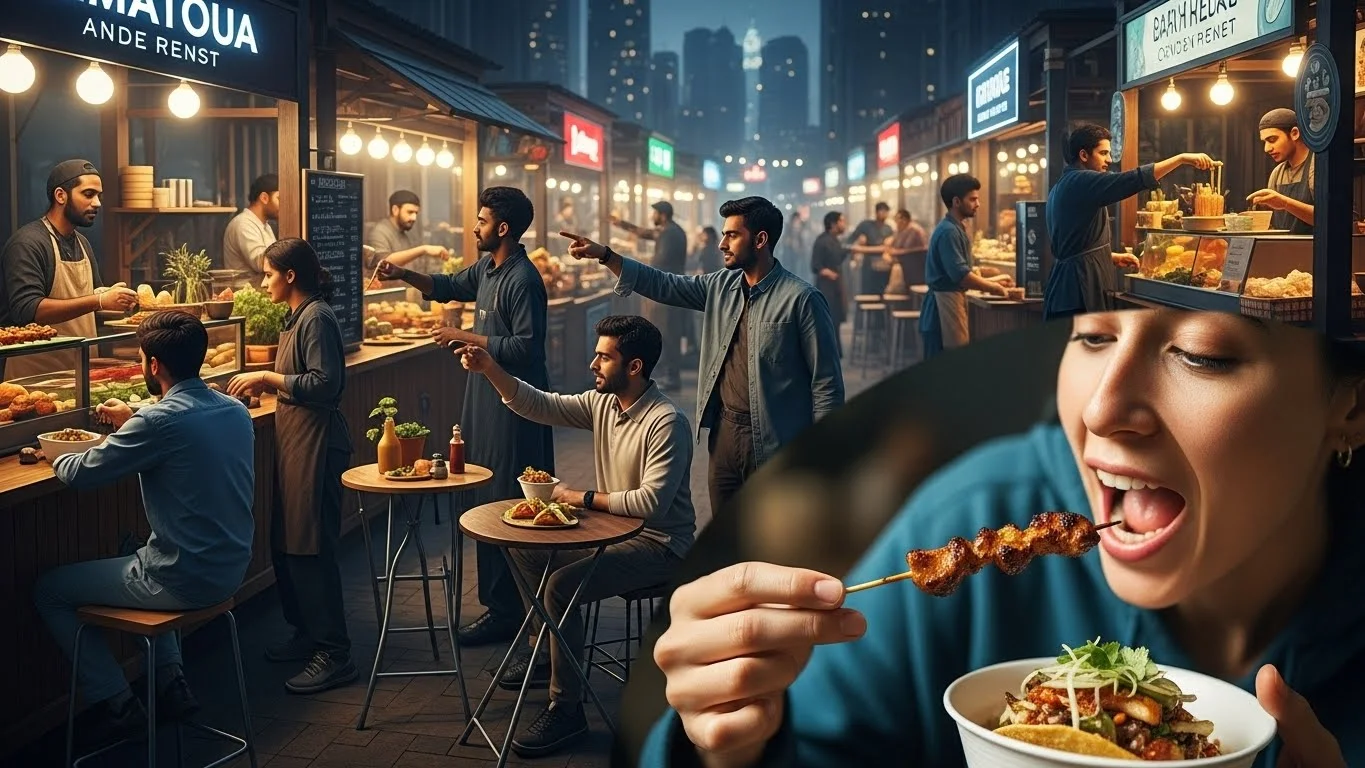
Culinary Delights: Unique Street Foods from Every Continent

Culinary delights await as we explore unique street foods from every continent. From sizzling snacks to savory meals, street food reflects the heart and soul of each culture. Let’s dive into the world of street food culture! Read Interesting article: Savor the World: Unique Street Foods You Can’t Miss
Culinary Delights: Unique Street Foods from Every Continent

Understanding Street Food Culture

Street food is more than just a quick meal; it’s a vibrant part of our global culture. Every country has its own flavors and traditions, often passed down through generations. I’ve always been fascinated by how street food connects us to local communities and offers a taste of everyday life.

The History of Street Food

The roots of street food can be traced back to ancient civilizations. I remember learning about how vendors in cities like Rome offered ready-to-eat meals to busy citizens. Fast forward to today, and street food has evolved while retaining its traditional essence. Each region has its unique story, whether it’s a taco cart in Mexico City or a bánh mì stall in Hanoi. These foods tell the tales of their origins, shaped by the people and the land.

In many ways, I feel that street food is a reflection of its locale. It showcases the ingredients that are readily available and highlights regional cooking techniques. As I traveled, I noticed that street food stalls often serve dishes that are deeply connected to their cultural heritage, making each bite a journey through history. Read Interesting article: A Backpacker’s Guide to Unique Street Foods Worldwide

Importance of Street Food in Local Economies

Street food plays a crucial role in local economies. For many, it’s a source of livelihood, providing income and opportunities to countless vendors around the world. I’ve spoken to several street food sellers who shared that this was their best chance to support their families. The bustling markets and lively street corners create an atmosphere of camaraderie, where customers and vendors interact and share stories.

From my experience, street food can also stimulate tourism. When I visited a new city, I often sought out local street foods as my first taste of the culture. Tourists flock to famous food stalls and markets, contributing to the economy while enjoying unique flavors. This intermingling of locals and visitors creates a rich tapestry of experiences, uniting people through their love of food.

Cultural Significance of Street Food

Street food holds a mirror to society. It often reflects social norms, traditions, and even political climates. I’ve seen how certain dishes are celebrated during festivals or how street vendors adapt to changing tastes and trends. For example, in India, I’ve tried chaat from roadside stalls, a dish that brings people together during festive gatherings. The joy of sharing food is universal, transcending language and cultural barriers.

Moreover, street food is a source of pride for many nations. It celebrates local ingredients, recipes, and culinary creativity. I discovered this firsthand during a trip to Thailand, where the variety of street food was astounding. Each dish, from pad thai to mango sticky rice, not only satisfied my taste buds but also told a story about the Thai way of life. This connection to culture is something I cherish and carry with me long after my travels.

North America: Flavors of the Street

In North America, the street food scene is as diverse as its population. From food trucks serving gourmet dishes to traditional carts offering classic fare, the continent has something for everyone. I remember the first time I bit into a warm pretzel from a street vendor in New York City; it was that moment I realized just how much street food can encapsulate a city’s spirit.

Iconic Street Foods in the USA

The USA boasts some iconic street foods, each with its own unique flair. For instance, hot dogs are a quintessential treat, often enjoyed during summer ball games or city strolls. I can still recall the smell of grilled sausages wafting through the air on a sunny afternoon in Chicago. It’s a moment that captures the essence of street food: simple, delicious, and full of character.

Another favorite of mine is the food truck phenomenon, which has exploded in recent years. I’ve seen trucks serving everything from gourmet tacos to artisanal burgers. These mobile kitchens not only provide a feast for the senses but also foster a sense of community among food lovers. People gather around, sharing their experiences and recommendations, which I find to be one of the most delightful aspects of street food culture.

Popular Street Food Festivals

Street food festivals are another way to experience the culinary landscape of North America. I’ve attended several, and they never fail to impress. These events gather diverse vendors under one roof, showcasing their culinary talents. It’s an opportunity for me to sample a variety of dishes from different cultures all in one place. The energy is electric, with live music and happy crowds enjoying the festive atmosphere.

Regional Variations in Street Food

Each region in the USA has its own street food specialties. I found that in New Orleans, for instance, beignets are the sweet treat of choice, while in Los Angeles, you can’t miss the vibrant taco trucks. When I traveled to the Pacific Northwest, I discovered seafood shacks serving fresh fish and chips. Every bite tells a story and showcases the local ingredients and traditions that define the area.

Street food is not just a meal; it’s an experience that connects us to the places we visit. As I continue my culinary journey, I’m excited to discover even more street foods from other continents. Stay tuned as we explore the delicious offerings from South America next!

South America: A Taste of Tradition

South America is a treasure trove of flavors and culinary traditions, and its street food scene truly captivates the heart of the continent. Each country offers unique dishes that reflect its history and culture, making it an exciting adventure for food lovers. I remember my first experience with South American street food; it felt like a warm hug, a comforting embrace of spices and stories that lingered long after the meal.

Must-Try Street Foods in Brazil

Brazilian street food is vibrant and diverse, showcasing the country’s rich cultural heritage. One of my favorite treats is the classic coxinha, a deep-fried dough filled with shredded chicken and a creamy blend of spices. When I first tried it from a street vendor in São Paulo, the crispy outer layer and savory filling were unlike anything I had ever tasted. It’s a popular snack enjoyed by locals, perfect for sharing during lively gatherings.

Another delicious option is pão de queijo, a cheese bread that’s chewy on the inside and crispy on the outside. I remember indulging in these warm, cheesy delights at a local market, and I couldn’t resist going back for seconds. The joy of street food in Brazil is that it’s often served alongside refreshing drinks like fresh coconut water, which balances the richness of the food beautifully.

Unique Flavors from Argentina

Argentina’s street food scene is heavily influenced by its European immigrant history, especially Italian and Spanish cuisines. I had the pleasure of savoring empanadas, which are pastry pockets filled with a variety of ingredients, from beef to cheese and spinach. The moment I took a bite of a freshly baked empanada from a street vendor in Buenos Aires, I was hooked. The flaky crust and flavorful filling made it a perfect snack to enjoy while wandering the city.

Asado, or barbecue, is another iconic aspect of Argentine culture, and it often spills into the street food scene. I was fortunate to witness street vendors grilling succulent cuts of meat over open flames. The aroma wafting through the air was intoxicating, and I couldn’t resist trying a choripan, a chorizo sausage served in crusty bread, topped with chimichurri sauce. It’s simple yet packed with flavor, making it a must-try for anyone visiting Argentina.

Street Food in Peru: Ceviche and More

Peruvian street food is a culinary wonder, with ceviche being a standout dish. Made from fresh, raw fish marinated in citrus juices and spiced with chili peppers, it’s a refreshing treat that transports you to the ocean with every bite. I still remember my first encounter with ceviche from a street vendor in Lima. The fish was tender and zesty, bursting with flavors that danced on my palate.

Another delightful dish to try is anticuchos, skewered beef hearts marinated in a blend of spices and grilled to perfection. I was surprised by how tender and flavorful they were, and they quickly became one of my favorites. Eating these dishes on the bustling streets of Peru made me appreciate the rich traditions and fresh ingredients that contribute to the country’s culinary identity.

As I explored South America, I realized that street food is more than just a meal; it’s an experience that tells the story of a place and its people. Each bite I took was infused with history and culture, leaving lasting memories and a desire to return to discover even more. Our journey through the world of street food continues as we venture into Europe, where culinary diversity awaits on every corner.

Europe: Culinary Diversity on the Streets

Europe is a remarkable continent, rich in history and culture, and its street food scene reflects this diversity beautifully. Walking through the cobblestone streets, I’ve experienced a tapestry of flavors that range from hearty meals to sweet treats. Each country offers its own unique twist on street food, making it an adventure for my taste buds. Read Interesting article: Exploring Unique Street Foods: A Global Taste Adventure

Classic Street Foods of Italy

When I think of Italian street food, my mind immediately goes to pizza. But not just any pizza; I’m talking about the mouth-watering slices sold by street vendors that are often cooked in wood-fired ovens. I remember standing in Naples, where the aroma of freshly baked Margherita pizza filled the air. The combination of simple ingredients—tomatoes, mozzarella, basil—creates a slice that is both humble and extraordinary. The crust was crispy, the cheese melted just right, and each bite was a piece of heaven.

Another classic Italian street food that I adore is arancini, which are fried rice balls stuffed with various fillings like meat or cheese. I had the pleasure of trying these in Sicily, where they are a local staple. The crispy outer layer gives way to a creamy interior, and the flavors are simply delightful. Whether I was enjoying them as a snack or a light meal, arancini never failed to satisfy my cravings.

Street Food in Eastern Europe

Traveling through Eastern Europe introduced me to a whole new array of street foods that I hadn’t encountered before. One of my favorites is the savory pastry known as pirozhki, which I tasted in Russia. These delightful buns are often filled with meat, potatoes, or cabbage, making them a hearty option for those on the go. I remember biting into a warm, freshly baked pirozhki from a street vendor in Moscow, and the delicious filling spilling out was a comforting reminder of home-cooked meals.

In Poland, I discovered zapiekanka, a type of open-faced sandwich topped with mushrooms, cheese, and various toppings. It’s a popular street food that I found particularly enjoyable at night markets. The combination of crunchy bread and melty toppings was irresistible, and I loved how it brought people together as we shared tables and stories while savoring our meals.

Food Markets and Street Vendors in France

France is renowned for its culinary excellence, and the street food scene is no exception. I was lucky enough to explore the bustling food markets in Paris, where I found an array of delicious options. One standout for me was the crêpe, a thin pancake that can be filled with sweet or savory ingredients. I distinctly remember standing at a small stall, watching the vendor skillfully spread the batter and fill it with Nutella and fresh strawberries. The warm crêpe, folded neatly, was a delightful treat that I couldn’t resist.

In addition to crêpes, I also indulged in the classic jambon-beurre, a simple yet satisfying sandwich made with ham and butter on a fresh baguette. This was a staple for locals, and I loved how it encapsulated the French philosophy of using high-quality ingredients to create something beautiful. Enjoying it while sitting on a park bench, I felt the essence of Parisian life all around me.

The charm of European street food lies not just in the flavors, but also in the vibrant atmosphere of food markets and street vendors. I’ve found that these places are more than just spots to grab a quick bite; they’re communities where people come together to celebrate food. The joy of sharing meals with strangers, laughing over a shared experience, is something I cherish deeply.

As I delve deeper into the world of street food, my heart races with excitement at the thought of exploring even more culinary delights. With every region I visit, I’m reminded that there’s a story behind every dish. Our next stop takes us to Africa, where rich tastes and textures await. I can’t wait to share those experiences with you!

Africa: Rich Tastes and Textures

Africa is a continent bursting with flavor, and its street food scene is a testament to the rich cultural diversity found in its many countries. From savory snacks to hearty meals, street food in Africa often reflects the local traditions and ingredients. I remember my first taste of African street food; it was an eye-opening experience that expanded my palate and deepened my appreciation for the continent’s culinary heritage.

Popular Street Foods in Nigeria

Nigeria’s street food scene is vibrant and colorful, offering an array of delicious options that cater to different tastes. One dish that stands out for me is suya, a spicy skewered meat that is grilled to perfection. I vividly recall the first time I tried it from a street vendor in Lagos; the smoky flavor combined with the spiciness was an explosion of taste that I couldn’t get enough of. Served with sliced onions and tomatoes, it’s a simple yet satisfying meal that you can’t help but love.

Another favorite of mine is puff-puff, a sweet, deep-fried dough ball that is a popular snack across Nigeria. The first bite reveals a fluffy interior with a hint of sweetness that makes it hard to stop at just one. I enjoyed these treats while mingling with locals at a bustling market, and I could feel the sense of community that street food fosters. Sharing food and stories with new friends is something I always treasure.

Street Food Culture in Morocco

Morocco’s street food culture is steeped in tradition and flavors that reflect its rich history. The bustling markets, or souks, are alive with food stalls offering everything from grilled meats to aromatic tagines. I remember wandering through the streets of Marrakech, where the enticing scent of spices wafted through the air. One dish I couldn’t resist was the famous Moroccan tagine, a slow-cooked stew that is packed with flavors. When I finally tasted it, the tender meat paired with the fragrant spices was a revelation.

Additionally, I was captivated by the street vendors selling fresh mint tea, a staple in Moroccan culture. Watching the preparation process, with vendors skillfully pouring tea from a height, made it feel like a performance. Enjoying a cup of this refreshing drink while sitting at a street-side café was a highlight of my Moroccan adventure, embodying the hospitality and warmth of the local people.

Unique Dishes from South Africa

In South Africa, the street food scene is an exciting blend of flavors influenced by various cultures. One dish that I absolutely loved was bunny chow, a hollowed-out loaf of bread filled with spicy curry. I had my first bunny chow in Durban, and the combination of soft bread and flavorful curry was unforgettable. It’s a perfect example of how street food can be both comforting and adventurous.

Another must-try is biltong, a type of dried, cured meat that’s similar to jerky. I remember snacking on biltong while exploring the markets in Cape Town; its rich flavor made it a satisfying treat. Each bite tells a story of the land and the people, making it more than just food—it’s a connection to South African culture.

As I experienced the diverse street foods across Africa, I realized that each dish is a reflection of the culture and history of its people. The flavors and interactions I encountered created a tapestry of culinary experiences that I will cherish forever. Our journey through street food continues as we head into Asia, where the fusion of flavors is sure to amaze!

Asia: A Melting Pot of Flavors

Street Food Wonders in Thailand

Thailand is often hailed as a street food paradise, and for good reason. The streets are filled with vendors cooking up aromatic dishes that tantalize the senses. I can still remember the first time I encountered pad thai sizzling on a hot griddle, the sweet and savory aroma drawing me in. The combination of rice noodles, stir-fried shrimp, and crunchy peanuts created a delicious harmony of flavors that left me craving more.

Another favorite dish is som tam, a spicy green papaya salad that packs a punch. I learned to appreciate the balance of flavors in Thai cuisine, where spicy, sour, sweet, and salty come together in perfect harmony. Eating som tam while sitting on a street corner, surrounded by the lively atmosphere of Bangkok, was an experience I’ll never forget.

Exploring Indian Street Food

India’s street food scene is a vibrant explosion of flavors and spices, offering a myriad of options that cater to every palate. I remember my first bite of pani puri, a popular snack made of crispy shells filled with spiced water, tamarind, and potatoes. The burst of flavors in my mouth was exhilarating! Each vendor had their unique twist on the dish, which made every experience special.

Another standout for me was vada pav, a spicy potato fritter served in a bun. The first time I tried it from a street stall in Mumbai, I was amazed at how such simple ingredients could create something so satisfying. The combination of textures and flavors made it a delightful street food staple.

Japan’s Unique Street Food Scene

Japan offers a distinctive take on street food that reflects its culture and culinary artistry. I was captivated by the variety of options available at festivals and night markets. Takoyaki, a popular street snack, consists of batter filled with chunks of octopus, cooked in a special mold until golden brown. I can still recall the excitement of watching the vendor skillfully flip the balls as they cooked, and tasting them warm, topped with tangy sauce and bonito flakes was an unforgettable experience.

Another highlight was yakitori, grilled chicken skewers that are seasoned to perfection. Enjoying these at an outdoor market while mingling with locals gave me a sense of how food can create connections and friendships. The atmosphere was lively, filled with laughter and the sizzling sounds of grilling, making it a perfect setting to savor the delicious food.

Final Thoughts

My journey through the world of street food has been nothing short of incredible. Each dish I’ve tasted has told a story, connecting me to different cultures and communities in ways I never imagined. Street food is more than a meal; it’s an experience that brings people together, creating bonds through shared flavors and memories. I believe that every bite can transport us to a new place, allowing us to appreciate the beauty of diversity in our world. So, whether you’re exploring your own city’s street food scene or traveling to far-off places, I encourage you to embrace these culinary adventures. You never know what flavors and friendships await you!

Frequently Asked Questions

What is street food and why is it important?

Street food is more than just a quick meal; it reflects the heart and soul of each culture. It connects us to local communities and offers a taste of everyday life, often highlighting regional cooking techniques and ingredients.

How has street food evolved over time?

The roots of street food can be traced back to ancient civilizations, where vendors offered ready-to-eat meals. Today, it has evolved while retaining its traditional essence, showcasing unique stories and flavors from each region.

What role does street food play in local economies?

Street food provides a source of livelihood for countless vendors around the world, creating income and opportunities. It also stimulates tourism, as visitors often seek out local street foods to experience the culture.

How does street food reflect cultural significance?

Street food often mirrors social norms, traditions, and political climates, and it can be celebrated during festivals. It showcases local ingredients and recipes, celebrating culinary creativity and the shared joy of food.

What are some iconic street foods in North America?

In North America, iconic street foods include hot dogs, gourmet tacos, and artisanal burgers. Food trucks have become popular, serving a wide variety of dishes that foster community among food lovers.

What are some must-try street foods in South America?

In South America, must-try street foods include the Brazilian coxinha, pão de queijo, Argentine empanadas, and Peruvian ceviche. Each dish reflects the country’s rich cultural heritage and culinary traditions.

What are popular street foods in Europe?

European street foods include Italian pizza and arancini, Eastern European pirozhki and zapiekanka, and French crêpes and jambon-beurre. Each country offers unique flavors and experiences that reflect its culture.

What is unique about street food in Africa?

African street food is vibrant and diverse, with popular dishes like Nigerian suya, puff-puff, Moroccan tagine, and South African bunny chow. These foods often reflect local traditions and ingredients, creating a rich culinary tapestry.

What are some notable street foods in Asia?

Asia boasts a melting pot of flavors in its street food, with highlights such as Thai pad thai and som tam, Indian pani puri and vada pav, and Japanese takoyaki and yakitori. These dishes offer unique tastes and experiences that connect people.

What is the overall message about street food culture?

The overall message is that street food is more than just a meal; it is an experience that brings people together, creating bonds through shared flavors and memories. It allows us to appreciate the beauty of diversity in our world.
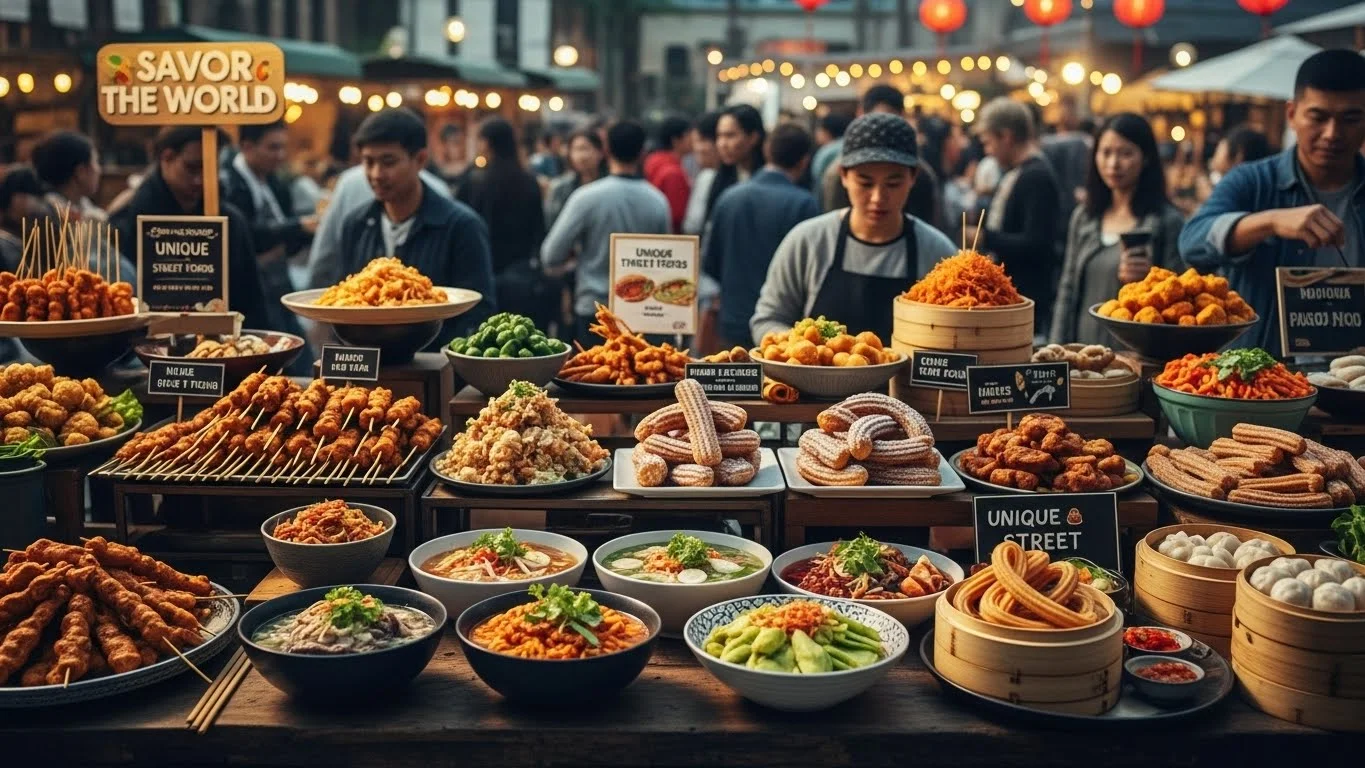
Savor the World: Unique Street Foods You Can’t Miss

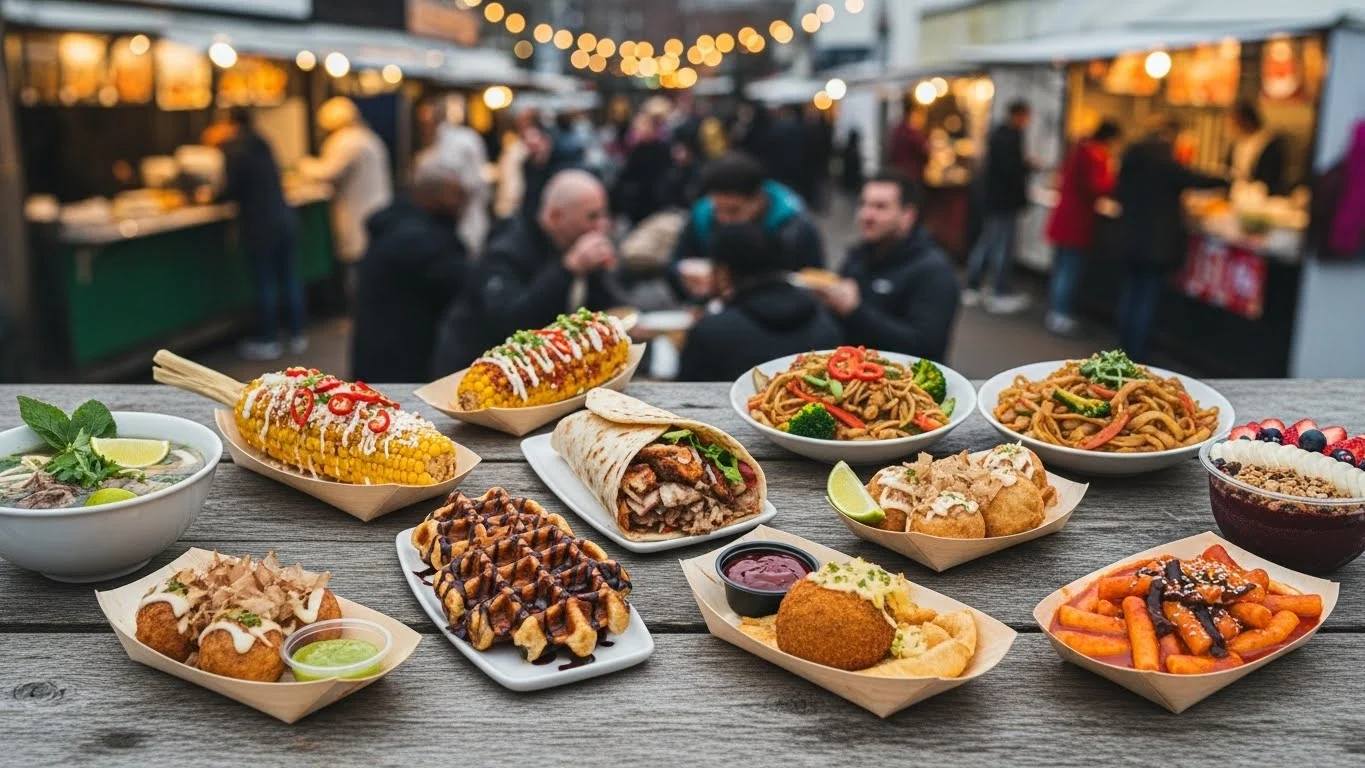
Street food is more than just a quick bite; it’s a delicious entryway into the culture and heart of a city. Join me as we explore the vibrant world of street food, where every dish tells a story waiting to be savored. Read Interesting article: A Backpacker’s Guide to Unique Street Foods Worldwide

Savor the World: Unique Street Foods You Can't Miss

Understanding Street Food Culture Around the World

Street food has a unique charm that connects us with local traditions, flavors, and communities. It’s not just about eating; it’s about experiencing a place through its culinary offerings. I remember my first encounter with street food in a bustling market, overwhelmed by the myriad of aromas and flavors. It felt like a celebration, a festival of life unfolding right before my eyes. The excitement of discovering local delicacies made each bite a little adventure. So, let’s dive deeper into this fascinating cultural phenomenon.

The Origins of Street Food

Street food has ancient roots, dating back to when people began to trade and gather in marketplaces. I’ve learned that the convenience of grabbing food on the go became essential as urban areas expanded. Every region has its own unique history regarding street food, often reflecting agricultural practices and local ingredients. For example, in Asia, street vendors have been around for centuries, serving meals to busy workers and travelers. When I traveled to Thailand, I discovered that the origin of dishes like Pad Thai and Som Tum stemmed from the need for quick, affordable meals that also showcased local flavors.

Why Street Food is Important to Local Economies

Street food plays a significant role in local economies. It provides affordable meal options for many people, creating jobs and fostering entrepreneurship. I’ve seen firsthand how small vendors can thrive in crowded markets, offering unique dishes that attract both locals and tourists. The ripple effect is incredible: a thriving street food scene can boost tourism, create jobs, and even help preserve traditional cooking methods. In my experience, when I visit a new place, trying the street food often leads me to discover hidden gems and meet some of the most passionate cooks. Read Interesting article: Exploring Unique Street Foods: A Global Taste Adventure

Street Food Etiquette in Different Cultures

Eating street food can be a bit different depending on where you are in the world. I’ve learned that understanding local etiquette can enhance the experience. For instance, in some Asian countries, it’s polite to eat quickly and move on, while in others, lingering is encouraged to enjoy the atmosphere. In countries like Mexico, sharing food is a sign of hospitality, and you might find yourself in a conversation with a vendor about their cooking techniques. I remember savoring tacos in a bustling Mexico City market and being invited to try different salsas. It felt more like a communal feast than just a meal. Adapting to these social norms can make your street food experience even richer.

Street food is a gateway to understanding culture, history, and community. Whether indulging in crispy samosas in India or savoring fresh crepes in France, each bite offers a glimpse into the heart of the place. I encourage you to explore the street food scene in your travels, as it’s often one of the most authentic ways to connect with a culture. What unique street foods have you experienced? I’d love to hear your stories and recommendations!

Must-Try Street Foods by Region

Asia

Thailand: Pad Thai and Som Tum

When I think of Thailand, my mind immediately races to the vibrant street stalls wafting with the aromas of sizzling Pad Thai. This dish has become a staple for both locals and tourists, and for good reason. It’s a perfect blend of flavors—from the tangy tamarind to the crunch of peanuts. I remember sitting on a tiny plastic stool, watching the cook skillfully toss the ingredients in a wok over a roaring flame. Each bite was a delightful dance of sweet, sour, and salty notes that left me craving more. Som Tum, the famous green papaya salad, is another must-try. The spicy kick from the chilies combined with the freshness of lime and the crunch of the papaya makes it a refreshing choice, especially on a hot day.

India: Pani Puri and Vada Pav

In India, street food is a culinary adventure that is hard to resist. Pani Puri is a fun snack that I absolutely adore. It consists of hollow, crispy puris filled with a spicy mixture of tamarind water, chickpeas, and potatoes. The first time I tried it, I was instructed to pop the whole puri in my mouth in one go. The burst of flavors was exhilarating! Then there’s Vada Pav, often dubbed the Indian burger. It’s a spicy potato fritter sandwiched between bread, often accompanied by chutneys and fried green chilies. I remember some of my friends and I had a Vada Pav eating contest; it was messy, spicy, and so much fun!

Japan: Takoyaki and Okonomiyaki

Japan’s street food scene is equally captivating. I’ll never forget the first time I tried Takoyaki—small, round balls filled with diced octopus, tempura scraps, and green onion, cooked to perfection. Watching vendors expertly flip these golden bites was mesmerizing. Each ball was topped with a drizzle of savory sauce and bonito flakes, which danced in the heat. Okonomiyaki, on the other hand, is like a savory pancake filled with various ingredients like cabbage and meat. I found myself at a small stall in Osaka where I could customize my toppings. The combination of flavors and textures was unlike anything I had tasted before.

Africa

Morocco: Tagine and Harira

In Morocco, street food is a feast for the senses. Tagine, the iconic slow-cooked stew, comes in various flavors, from lamb with apricots to chicken with olives. I recall visiting a bustling market in Marrakech, where vendors displayed their colorful tagines, steaming and ready for serving. The spices—cumin, coriander, and saffron—filled the air and made the wait worthwhile. Harira, a traditional soup, is another favorite, especially during Ramadan. Rich and hearty, it’s packed with lentils, chickpeas, and spices. I once had it from a street vendor, and it warmed me right up on a chilly evening.

Nigeria: Suya and Puff Puff

Nigeria’s street food is vibrant and full of flavor. Suya, spicy skewered meat, is a must-try. I remember biting into the tender, juicy meat, which was seasoned with a fiery blend of spices and served with sliced onions and tomatoes. It had just the right amount of kick! Puff Puff, on the other hand, is a delightful sweet treat—fried dough balls that are fluffy on the inside and slightly crisp on the outside. I often sought them out as a snack during my travels; they were simply irresistible!

Europe

Italy: Arancini and Porchetta

Italy’s street food has a way of making you feel right at home. Arancini, or stuffed rice balls, are a delicious snack that I couldn’t get enough of. The crispy outer layer gives way to a creamy risotto filling, often with a surprise of cheese or meat. I remember biting into one in Sicily, and the cheese oozed out, leaving me in food heaven. Then there’s Porchetta, a savory, roasted pork dish that is often served in a sandwich. The aroma of the herbs and spices used to season the pork is simply intoxicating. It’s one of those foods that makes you want to savor every last bite!

Spain: Tapas and Churros

Spain is famous for its tapas culture, where sharing small plates is part of the experience. I recall enjoying a variety of tapas, from patatas bravas to jamón ibérico, with friends over a glass of sangria. It was a wonderful way to try many different flavors in one sitting. And let’s not forget churros! These fried dough pastries, often served with thick hot chocolate for dipping, are a sweet indulgence that I couldn’t resist. Each bite was a delightful crunch followed by a soft, warm center.

North America

Mexico: Tacos and Elote

No discussion of street food would be complete without mentioning Mexico. Tacos are perhaps the most iconic street food there. I remember standing in line at a bustling taco stand, watching as the vendor assembled each taco with precision. The combination of grilled meat, fresh cilantro, onions, and a squeeze of lime made each taco a flavor explosion. Elote, or street corn, is another favorite. Slathered in mayonnaise, cheese, and chili powder, it’s a messy but delicious experience. I tried one at a local festival, and it was a revelation!

USA: Hot Dogs and Food Trucks

In the United States, food trucks have revolutionized street food. I’ve enjoyed everything from gourmet tacos to fusion culinary creations. But classic hot dogs still hold a special place in my heart. There’s something about grabbing a hot dog from a street vendor, packed with toppings, that feels quintessentially American. I remember visiting New York City and indulging in a hot dog from a vendor in Central Park—simple, yet satisfying.

South America

Brazil: Acarajé and Coxinha

Brazilian street food is a celebration of flavors! Acarajé, a deep-fried ball made from black-eyed peas and filled with spicy shrimp, is an experience I won’t forget. I tried it from a street vendor in Salvador, and the combination of textures and flavors was incredible. Another favorite is Coxinha, a savory snack made of shredded chicken wrapped in dough and fried until golden brown. Every bite was crispy and comforting.

Argentina: Empanadas and Choripán

In Argentina, empanadas reign supreme as a street food staple, with fillings ranging from beef to cheese. I remember stopping at a local stall and ordering a couple—each one was flaky and packed with flavor. Choripán, a delicious sausage sandwich, is another must-try. It’s often served with chimichurri sauce, which adds a fresh and zesty kick. I enjoyed it at a street fair, and it was the perfect handheld treat!

Street Food Festivals Worth Visiting

International Street Food Festival Highlights

One of the most exhilarating ways to dive into street food culture is by visiting festivals dedicated to this culinary art form. I’ve had the pleasure of experiencing several street food festivals around the world, and each one is a celebration of flavors, creativity, and community. The atmosphere is electric, with vendors from various regions showcasing their best dishes. For instance, the World Street Food Congress in Singapore is a must-visit. It brings together street food legends from every corner of the globe, allowing attendees to sample everything from Indian street snacks to Southeast Asian desserts. I remember being overwhelmed by choices, standing in line to try dishes while chatting with fellow food lovers.

Another highlight is the San Francisco Street Food Festival, which beautifully combines food and local culture. The festival features not only delicious bites but also live music and local artisans. I was particularly enchanted by the way it celebrated the city’s diversity through food. Each stall told a story, whether it was a family recipe passed down through generations or a modern twist on classic flavors. Experiencing the festival was like taking a culinary trip around the world without leaving the city!

Local Street Food Markets to Explore

Local markets are treasure troves of authentic street food experiences. I remember wandering through the Mercado de San Miguel in Madrid, where I was greeted by an array of tapas, cheeses, and fresh seafood. Each stall offered a taste of the region’s specialties, making it the perfect place to spend an afternoon sampling different delights. I found myself trying everything from patatas bravas to artisan chocolates. It was an informal yet vibrant culinary classroom!

Another market that left a lasting impression on me was Jemaa el-Fnaa in Marrakech, Morocco. It’s more than just a market; it’s an experience that engages all the senses. As the sun sets, the square transforms into a food paradise, with stalls serving aromatic tagines, freshly squeezed juices, and sweet pastries. I recall sitting on a low bench, surrounded by the sights and sounds of the market, savoring a plate of delicious couscous while watching the world go by. The energy there is contagious!

Also, if you find yourself in Bangkok, don’t miss the chance to visit Chatuchak Weekend Market. With over 15,000 stalls, it’s one of the largest markets in the world. Street food is abundant here, from grilled satay to coconut ice cream served in a coconut shell. I was amazed by the variety and freshness of the food. Each bite was a testament to the skill and passion of the vendors. Read Interesting article: 10 Unique Street Foods You Must Try Around the World

How to Find the Best Street Food

Using Online Resources and Apps

In today’s digital age, finding the best street food has become easier than ever. I often rely on food blogs, social media, and dedicated street food apps to guide my culinary adventures. One of my favorite resources is Instagram, where I follow local food influencers who share hidden gems in their cities. The vibrant photos and stories not only whet my appetite but also give me a sense of where the food scene is thriving.

Another helpful tool is the Google Maps app. I like to search for street food vendors near my location, and the reviews can be quite telling. It’s fun to plot a little food tour based on recommendations from fellow travelers and locals. I remember stumbling upon a tiny taco stand in Mexico City that had only a few reviews, but every one of them praised its authenticity. That spontaneous discovery turned out to be one of my favorite meals!

Asking Locals for Recommendations

Nothing beats the thrill of asking locals for their favorite street food spots. I’ve found that locals often have the best insights into where to find delicious food that might not be listed online. During one trip, I struck up a conversation with a friendly vendor in Vietnam, who not only served me a fantastic bowl of pho but also pointed me to a nearby stall famous for its banh mi. It felt like I had been let in on a local secret, and that’s one of the joys of street food—finding those hidden treasures!

Spotting Clean and Popular Stalls

When it comes to street food, cleanliness is vital. I’ve learned to trust my instincts when choosing which stalls to approach. A busy stall often indicates good food; locals flock to places that they trust. I usually look for vendors who are regularly replenishing their ingredients and maintaining a clean workspace. I remember one time in Thailand, I hesitated in front of a bustling stall that was consistently busy. I decided to take the plunge, and I was rewarded with some of the best spring rolls I’ve ever had. Fresh, crispy, and bursting with flavor!

In my experience, the best street food stalls are not only about great taste but also about the story behind the food. They reflect the heart and soul of the community, and the connections made over a shared meal create lasting memories. So next time you’re out exploring, take a moment to appreciate the flavors and stories that street food has to offer! What hidden gems have you discovered in your travels? Let’s keep the conversation going!

Frequently Asked Questions

What is street food?

Street food is a culinary offering that connects people with local traditions, flavors, and communities, providing a unique way to experience the culture of a city through its food.

What are some popular street foods in Thailand?

In Thailand, popular street foods include Pad Thai, a dish made from rice noodles with tamarind and peanuts, and Som Tum, a spicy green papaya salad.

How does street food impact local economies?

Street food plays a significant role in local economies by providing affordable meal options, creating jobs, fostering entrepreneurship, and boosting tourism while helping preserve traditional cooking methods.

What etiquette should I follow when eating street food in different cultures?

Street food etiquette varies by culture; for instance, in some Asian countries, it’s polite to eat quickly and move on, while in others, lingering is encouraged. In Mexico, sharing food is a sign of hospitality.

What street foods should I try in India?

In India, must-try street foods include Pani Puri, a snack of crispy puris filled with a spicy mixture, and Vada Pav, a spicy potato fritter sandwich.

What are the highlights of street food festivals?

Street food festivals, such as the World Street Food Congress in Singapore and the San Francisco Street Food Festival, celebrate diverse culinary offerings, with vendors showcasing their best dishes in a vibrant atmosphere.

What local street food markets are recommended to explore?

Recommended local street food markets include Mercado de San Miguel in Madrid, Jemaa el-Fnaa in Marrakech, and Chatuchak Weekend Market in Bangkok, each offering a variety of authentic street food experiences.

How can I find the best street food?

To find the best street food, use online resources like food blogs and social media, ask locals for recommendations, and look for clean, popular stalls that are frequently busy.

What are some popular street foods in Brazil?

In Brazil, popular street foods include Acarajé, a deep-fried ball filled with spicy shrimp, and Coxinha, a savory snack made of shredded chicken wrapped in dough and fried.

What should I look for when choosing a street food stall?

When choosing a street food stall, look for cleanliness, busy stalls, and vendors who regularly replenish their ingredients, as these factors often indicate good food quality.

A Backpacker’s Guide to Unique Street Foods Worldwide

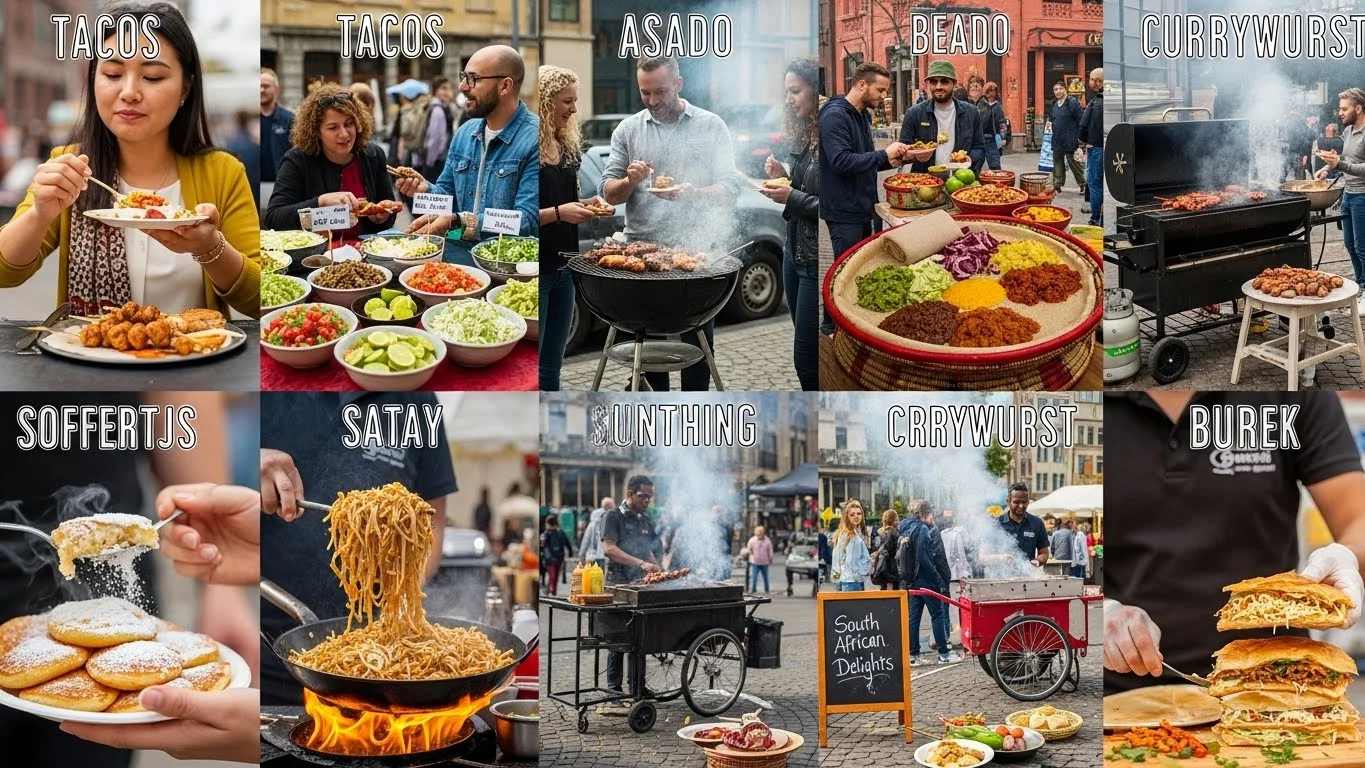
Street food offers a delicious glimpse into local culture, inviting travelers to explore vibrant flavors on the go. Join me as we uncover the rich tapestry of street food around the world, from bustling markets to hidden gems. Read Interesting article: Exploring Unique Street Foods: A Global Taste Adventure

A Backpacker's Guide to Unique Street Foods Worldwide

Understanding Street Food Culture

When I first set out on my backpacking adventures, I quickly learned that street food is more than just a quick bite; it’s a cultural experience. Each dish tells a story, reflecting the history, traditions, and daily lives of the people who create it. Whether you’re grabbing a taco in Mexico City or savoring a bowl of pho in Hanoi, street food offers a unique connection to the heart of a destination.

The History of Street Food

Street food has a long and colorful history, dating back centuries. I remember wandering through ancient markets in Istanbul, where vendors sold freshly baked bread and meats. These traditions have roots that reach deep into different cultures. In many cities, street food became a necessity, providing affordable and accessible meals for workers and travelers alike. Over time, these humble offerings evolved into culinary art forms, showcasing regional ingredients and techniques.

In places like India, street food has become almost as essential as the home-cooked meals. From my experience, each stall often has a specialty, passed down through generations. I’ve met vendors who take immense pride in their recipes, sharing tales of how they learned to cook from their parents or grandparents. It’s a beautiful reminder of how food can connect us across time and space.

Street Food vs. Restaurant Dining

One of the biggest differences I’ve noticed between street food and dining in a restaurant is the atmosphere. Street food is vibrant, alive with the sounds of sizzling pans and the chatter of patrons. I often find myself seated on a small stool, surrounded by locals, sharing a meal that feels more like a communal experience than just dining. It’s refreshing to see how food can bring people together, even in the busiest of urban settings.

In contrast, restaurants tend to offer a more formal environment, often with a focus on presentation. While I appreciate the artistry of a beautifully plated meal in a restaurant, there’s something uniquely satisfying about enjoying a messy but delicious dish straight from a street vendor. Plus, street food is usually more affordable, allowing me to try a variety of dishes without breaking the bank. I’ve had meals that cost less than a couple of dollars, giving me the freedom to explore more flavors. Read Interesting article: 10 Unique Street Foods You Must Try Around the World

Health and Safety Considerations

Of course, enjoying street food also comes with its own set of challenges, particularly around health and safety. I’ve learned a few guidelines that have helped me feel more confident while indulging in local fare. First and foremost, I always look for busy stalls. When a vendor has a long line of customers, it’s usually a good sign that the food is fresh and safe to eat.

I also pay attention to how the food is prepared and served. For instance, I prefer to see hot foods being cooked in front of me, as this indicates they’ve been kept at the proper temperatures. I’ve made it a habit to avoid raw foods, especially in places where I’m unsure about the water quality. It’s a small compromise that has saved me from potential stomach issues on my travels.

Lastly, I think it’s essential to trust your instincts. If something doesn’t look or smell right, I’ve learned it’s best to skip it. I once passed on a dubious-looking dish in a crowded market and ended up finding an amazing, bustling stall just a few steps away. Listening to my gut has always led me to memorable meals!

In my travels, I’ve discovered that street food is not just a meal; it’s an adventure in itself. Each bite is a chance to experience local culture, connect with people, and create lasting memories. So, as you plan your next backpacking journey, remember to embrace the world of street food—it’s waiting for you with open arms and enticing aromas.

Top Countries for Unique Street Foods

As I traveled from one country to another, I discovered that each place had its own distinct flavor and style when it came to street food. It’s like each nation had a culinary personality that expressed itself through its stalls and vendors. Here are some of my favorites that I think every food lover should explore.

Thailand: A Culinary Paradise

When I think of Thailand, my mouth waters at the thought of the incredible street food scene. From the bustling streets of Bangkok to the night markets in Chiang Mai, the variety is mind-boggling. I remember trying pad thai from a street vendor who claimed his family had been making it for generations. The balance of sweet, salty, and tangy flavors was something I’d never experienced before. I also fell in love with som tum, a spicy green papaya salad bursting with freshness. Watching it being prepared right in front of me as the vendor pounded the ingredients together was mesmerizing. Street food in Thailand is not just about eating; it’s a sensory experience that immerses you in the local culture.

Mexico: Bursting with Flavor

Mexico is another country where street food reigns supreme. I can still recall the first time I had a taco al pastor from a little stand in Mexico City. The vendor sliced the marinated pork right off the spit, topped it with fresh pineapple, onion, and cilantro, and handed it to me with a grin. The explosion of flavors was incredible! I also enjoyed elote, grilled corn slathered with creamy mayo and sprinkled with cheese and chili powder. There’s something truly special about sharing these delicious meals amidst the lively streets, where the sounds of mariachi music and laughter fill the air.

India: A Spicy Adventure

My journey through India was a whirlwind of spices and aromas. Street food here is vibrant and diverse, with each region offering its own specialties. I’ll never forget my first taste of chaat in Delhi; it was a medley of flavors and textures that danced on my palate. I also ventured to Mumbai and tried vada pav, a spicy potato fritter served in a soft bun. The vendors were always bustling, and I loved how friendly they were, often eager to share the story behind their recipes. Eating street food in India is like being part of a grand celebration of flavors, and I felt so lucky to experience it.

Japan: Tradition Meets Innovation

Japan was a delightful surprise when it came to street food. I had the opportunity to wander through the streets of Osaka, renowned for its food culture. I tried takoyaki, these delightful octopus balls cooked to perfection and served hot. Watching the vendor expertly flip them made it an art form! Yakitori was another favorite of mine; the skewered chicken grilled over charcoal was juicy and packed with flavor. I loved how Japan’s street food blends tradition with innovation, creating dishes that are both comforting and exciting.

Vietnam: Fresh and Flavorful

Vietnam holds a special place in my heart for its fresh and flavorful street food. The first time I slurped up a bowl of pho on the bustling streets of Hanoi, I knew I had found something extraordinary. The fragrant broth, combined with fresh herbs and rice noodles, was like a warm hug. I also enjoyed banh mi, a delicious sandwich that combines Vietnamese ingredients with French influences. Strolling through the streets while munching on banh mi under the shade of a tree was a simple pleasure that I cherished. The freshness of the ingredients truly sets Vietnamese street food apart!

Peru: A Fusion of Cultures

Finally, my adventure in Peru introduced me to a fusion of flavors that reflect its rich history. I remember discovering ceviche at a local stall in Lima, where the fish was marinated in lime juice and mixed with onions and chili. It was refreshing and vibrant, perfect for the warm weather. I also tried anticuchos, skewered beef heart marinated in spices, which was surprisingly delicious. The street food scene here is a beautiful blend of indigenous ingredients and immigrant influences, and I found joy in each bite.

These countries have shown me that street food is a universal language of flavor and culture. Each dish I tried told a story, connecting me to the people and places in ways I never expected. As I continue my travels, I find myself excited about the next street corner and what culinary delights might await me there.

Must-Try Street Foods by Region

As I traveled through various countries, I discovered that street food not only highlights local flavors but also varies significantly by region. Each place I visited had its own specialties that spoke to its culture and traditions. Here’s a breakdown of some must-try street foods by region that I believe everyone should experience.

Asia

Asia is a treasure trove of street food delights, with each country offering its own unique dishes that are often more than just food—they’re a reflection of the local lifestyle.

Thailand: Pad Thai and Som Tum

In Thailand, I found myself craving pad thai and som tum on multiple occasions. Pad thai, with its stir-fried rice noodles, shrimp, tofu, and crunchy peanuts, is a dish that balances sweet and savory perfectly. Watching it come together in a sizzling wok was a highlight of my street food adventures. Som tum, a Thai green papaya salad, is a refreshing contrast with its spicy flavors and zesty dressing. Vendors often make it right in front of you, and there’s something captivating about that process, from the pounding of the ingredients to the colorful presentation.

India: Chaat and Vada Pav

India’s street food scene is incredibly diverse. Chaat, a term that encompasses various savory snacks, is something I could eat every day. Each region has its own twist, but I was especially taken with the aloo chaat I tried in Delhi, topped with tangy tamarind sauce. Vada pav, a spicy potato fritter served in a soft bun, was another star of my street food journey. The vendors were always full of energy, and the flavors were a perfect burst of excitement on my taste buds!

Japan: Takoyaki and Yakitori

In Japan, my taste buds were delighted by takoyaki—small savory balls filled with minced or diced octopus, which are cooked in a special molded pan. I watched as they were flipped expertly by street vendors, a true display of culinary skill. Yakitori, skewered and grilled chicken, is another must-try. The smoky, char-grilled flavor was comforting and delicious, especially enjoyed with a side of cold beer as I sat in a lively street market.

North America

North America has its own vibrant street food culture that varies from city to city. I loved discovering the local favorites that often reflect the area’s history.

Mexico: Tacos and Elote

Mexico, as I mentioned before, is a paradise for street food lovers. The street tacos, particularly the tacos al pastor, are an absolute must. The way the marinated pork is sliced from the spit and served with fresh toppings is an experience in itself. Elote, grilled corn on the cob slathered in mayonnaise, cheese, and chili powder is another favorite of mine. Enjoying it from a street vendor while strolling through a bustling market felt so authentic and joyful.

USA: Hot Dogs and Food Trucks

In the USA, street food often comes in the form of food trucks. I remember trying gourmet hot dogs topped with unexpected ingredients, like kimchi and sriracha mayo, while exploring city streets. The variety found in food trucks is fantastic, as they often serve dishes inspired by different world cuisines, making each visit exciting and new.

South America

Traveling through South America introduced me to flavors that beautifully fuse indigenous and immigrant culinary traditions.

Peru: Ceviche and Anticuchos

In Peru, ceviche became one of my favorite dishes. Fresh fish marinated in lime juice, mixed with onions and cilantro, is a dish that’s refreshing and bursting with flavor—perfect for the warm weather. Anticuchos, marinated skewers of beef heart, were surprisingly delicious and a great representation of Peru’s unique culinary landscape. Eating these dishes at local stalls while chatting with friendly vendors made for unforgettable meals!

Europe

Europe’s street food scene often combines tradition with modern culinary techniques, making it a delightful experience for food lovers.

Italy: Arancini and Pizza al Taglio

In Italy, I was captivated by arancini, which are crispy rice balls filled with savory ingredients. Finding them at street stalls was a treat, especially when they were served hot and golden. Pizza al taglio, or pizza by the slice, was another favorite. The toppings were fresh and creative, and enjoying a slice while wandering through the cobblestone streets made me truly appreciate Italian street culture.

Spain: Tapas and Churros

Spain’s vibrant tapas scene is an adventure in itself. I remember trying various small dishes at a bustling market, each one a little bite of heaven. Churros, dusted with sugar and served with thick chocolate sauce for dipping, were the perfect sweet ending to my street food journey in Spain. Sharing these dishes with friends over laughter made it even more special.

Africa

African street food is equally as exciting, with flavors that tell stories of history and culture.

Morocco: Tagine and Harira

In Morocco, I enjoyed tagine—a slow-cooked stew made with meat and vegetables, often served with bread. The spices used were intoxicating and brought the dish to life. Harira, a hearty soup made with tomatoes and lentils, was another highlight, particularly comforting after a long day of exploring.

South Africa: Bunny Chow

Bunny chow, a unique South African dish consisting of a hollowed-out loaf of bread filled with curry, was a delightful surprise. The combination of flavors and textures was incredible, and I loved how it reflected the country’s rich history.

Exploring street food across these regions has not only satisfied my taste buds but also enriched my understanding of different cultures. Each unique dish I tried was a reminder of the connections we share through food and the stories that come with it. Read Interesting article: Street Food Secrets: Explore Global Cuisines on a Budget

How to Find the Best Street Food

Finding the best street food can feel like a treasure hunt, and I’ve discovered some effective strategies along the way. Each city has its hidden gems, and with a little effort, you can uncover the most delicious bites that locals love.

Local Recommendations and Reviews

One of my favorite ways to find street food is to ask locals for their recommendations. I’ve had incredible conversations with shop owners, taxi drivers, and even strangers on the street, all eager to share their favorite spots. I remember in Vietnam, a kind woman running a tiny café pointed me toward a bustling stall just around the corner, where I had the best banh xeo (Vietnamese pancakes) of my life. Engaging with locals not only leads to great food but also enriches the travel experience.

Social Media and Food Apps

In today’s digital age, social media is a fantastic resource for food lovers. I often browse Instagram to find mouth-watering street food photos and hashtags specific to the area I’m visiting. Food apps like Yelp and TripAdvisor can also help me pinpoint popular stalls and dishes. I’ve discovered some amazing places by simply scrolling through my feed and seeing what others rave about. It’s a great way to tap into the latest trends and hidden culinary delights.

Food Markets vs. Street Vendors

Food markets are another exciting avenue for street food exploration. I’ve spent hours wandering through vibrant markets, where multiple vendors showcase their specialties. The atmosphere is electric, filled with the aromas of cooking food and the sounds of sizzling pans. While street vendors often focus on one or two dishes, markets provide an array of options, allowing me to sample a little bit of everything. I love the communal feeling that comes from sharing space with other food enthusiasts, all eager to try the same delicious bites.

Street Food Etiquette and Tips

When diving into the world of street food, having a few tips in mind can make the experience more enjoyable and respectful.

How to Order Like a Local

Each culture has its own way of ordering food, and I’ve found that observing what locals do can be incredibly helpful. For instance, in Thailand, I noticed that ordering is often done by pointing at what you want or using numbers on a menu. I’ve had my best experiences when I embraced these local customs, and it made me feel more connected to the food and the people serving it.

Understanding Portion Sizes

Street food portions can vary widely from one place to another. I’ve learned to gauge how much food to order based on the local dining culture. In some regions, a single serving is enough for a meal, while in others, I might order several dishes to share with friends. I love the communal aspect of sharing multiple flavors, and it allows me to try more of what the area has to offer!

Respecting Local Customs

Every culture has its own dining etiquette, and I’ve made it a point to educate myself about these customs before indulging in street food. For example, in some countries, it’s customary to eat with your hands, while in others, chopsticks or forks might be more appropriate. I’ve found that showing respect for local customs not only enhances my experience but also builds a better rapport with vendors and locals.

Budgeting for Street Food Adventures

Street food is often a budget-friendly way to experience a destination’s culinary scene. I’ve found that planning ahead can help me make the most of my food adventures without overspending.

Cost Comparison: Street Food vs. Restaurants

In my travels, I’ve consistently noticed that street food is more affordable than dining in restaurants. While a meal at a local eatery might cost several times more, I’ve had delicious street food meals for just a few dollars. This allows me to explore more flavors and try new dishes without worrying about my budget.

Estimating Daily Food Budget

I usually set a daily food budget that includes street food as my primary source of meals. I’ve found that spending around $10 to $20 a day on street food can lead to a satisfying and diverse culinary experience. This budget allows me to enjoy multiple dishes, whether I’m grabbing a quick bite or sitting at a bustling market. Plus, it leaves room for the occasional splurge on a special meal!

Documenting Your Food Journey

One of the joys of traveling is capturing those delicious moments. I believe documenting my food journey makes the experience even more memorable.

Photography Tips for Foodies

Taking photos of my meals has become a passion of mine. I’ve learned a few tricks for capturing mouth-watering shots. Natural light is my best friend, so I try to shoot during the day or near windows. I also focus on getting close to the food to capture the textures and colors that make each dish unique. After all, a picture is worth a thousand words!

Keeping a Food Journal

Along with photography, I keep a food journal where I jot down my thoughts and experiences about each dish I try. I find that writing about the flavors, the setting, and even the conversations I have with vendors helps me relive those moments. It’s a wonderful way to reflect on my travels and share recommendations with friends later on.

Sharing Your Experiences Online

Finally, sharing my culinary adventures online has been a rewarding experience. I often post about my favorite street food spots on social media and write blog posts detailing my journeys. Not only does this allow me to connect with fellow food enthusiasts, but it also encourages others to explore the world of street food.

Final Thoughts

Reflecting on my adventures, I can confidently say that street food is more than just sustenance; it’s a gateway into the heart of each culture I’ve encountered. The flavors, the stories, and the connections I’ve made have enriched my travel experiences in ways I never imagined. Whether you’re a seasoned traveler or planning your first trip, I wholeheartedly encourage you to embrace the street food scene. There’s a world of flavor waiting for you, and every bite tells a story worth savoring. So, grab your appetite and dive into the vibrant experience that street food has to offer. You might just find some of your most cherished memories along the way!

Frequently Asked Questions

What is street food?

Street food is more than just a quick bite; it’s a cultural experience that reflects the history, traditions, and daily lives of the people who create it.

Why is street food important to local culture?

Street food offers a unique connection to the heart of a destination, allowing travelers to explore vibrant flavors and experience the local culture in a communal setting.

What are some popular street foods in Thailand?

In Thailand, popular street foods include pad thai, which consists of stir-fried rice noodles, and som tum, a spicy green papaya salad that is often prepared in front of you.

How does street food differ from restaurant dining?

Street food is typically more vibrant and communal compared to restaurant dining, which tends to be more formal and focused on presentation. Street food is also usually more affordable.

What health and safety tips should I consider when trying street food?

Look for busy stalls, pay attention to how food is prepared and served, avoid raw foods in uncertain areas, and trust your instincts if something doesn’t look or smell right.

Which countries are known for their unique street foods?

Countries known for unique street foods include Thailand, Mexico, India, Japan, Vietnam, and Peru, each offering distinct flavors and culinary experiences.

What must-try street foods are recommended in India?

In India, must-try street foods include chaat, which features various savory snacks, and vada pav, a spicy potato fritter served in a bun.

How can I find the best street food while traveling?

Ask locals for recommendations, utilize social media and food apps, and explore food markets where multiple vendors showcase their specialties.

What are some street food etiquette tips?

Learn how to order like a local, understand portion sizes, and respect local customs when enjoying street food to enhance your experience.

How can I document my street food experiences?

You can document your street food journey through photography, keeping a food journal to jot down your experiences, and sharing your culinary adventures online.

Exploring Unique Street Foods: A Global Taste Adventure

Street food is more than just a meal; it’s a vibrant expression of culture, flavor, and community. Join me as we embark on a global taste adventure, exploring the unique and mouthwatering offerings from bustling streets around the world. Read Interesting article: 10 Unique Street Foods You Must Try Around the World

Exploring Unique Street Foods: A Global Taste Adventure

Understanding Street Food Culture

What is Street Food?

Street food refers to ready-to-eat food and beverages sold by vendors in public places. I remember my first encounter with street food in Thailand, where the aroma of grilled meats and spices wafted through the air, beckoning me to try everything in sight. These foods are often sold from stalls, carts, or trucks, and they reflect local culinary traditions and flavors. Each bite tells a story, revealing the essence of the region it comes from. Street food is typically affordable, making it accessible to everyone, and it often comes with a side of excitement as you enjoy your meal surrounded by the hustle and bustle of city life. Read Interesting article: Street Food Secrets: Explore Global Cuisines on a Budget

The Significance of Street Food in Different Cultures

Street food is much more than just a quick meal; it’s a cultural staple that brings people together. I’ve experienced this firsthand in various countries, where locals gather around street vendors not just to eat, but to socialize and celebrate their culinary heritage. In India, for instance, street food is a way of life. Vendors whip up delicious snacks like pani puri and vada pav, which are enjoyed by people from all walks of life. In many cultures, these foods are often tied to festivals and community events, highlighting their importance in everyday life.

Another aspect that fascinates me is the way street food evolves with the community. In bustling cities like Mexico City, taco stands adapt their offerings based on local traditions and seasonal ingredients. This creates a dynamic food scene, where what’s available can change from week to week, or even day to day. Street food reflects the creativity and resourcefulness of local cooks, and I believe it’s a testament to the power of food in bringing communities together.

Health and Safety Considerations

While indulging in street food is thrilling, it’s essential to keep health and safety in mind. I’ve learned that choosing vendors who maintain cleanliness and have a steady stream of customers can significantly reduce the risk of foodborne illnesses. It’s always wise to observe how vendors prepare their food. If they’re using fresh ingredients and cooking items in front of you, that’s usually a good sign.

In some countries, health regulations can be less stringent, but many vendors prioritize their reputation and the health of their customers. I can’t count how many times I’ve struck up a conversation with a vendor who proudly shares their cooking methods and ingredient sources. You’ll often find that locals have their favorite spots and know which vendors have the best reputation for hygiene. Trusting the locals can lead you to some of the most unforgettable meals. Always pay attention to the food’s appearance and smell; if something seems off, it’s best to opt for another choice.

Regions Famous for Unique Street Foods

Asia

Thailand: The Vibrant Markets of Bangkok

When I think of street food in Thailand, the bustling markets of Bangkok come to mind. The energy is contagious, with vendors shouting out their specialties while the sizzle of food cooking fills the air. I was amazed by the variety available—everything from spicy papaya salad (som tum) to sweet mango sticky rice. Each dish is a burst of flavor, and the best part? You can easily hop from one stall to another, sampling a little bit of everything!

India: Flavorful Snacks and Sweets

In India, street food is a culinary adventure on its own. The colorful stalls line the streets, offering an array of snacks that tantalize your taste buds. From the tangy and spicy pani puri to the crispy samosas, each bite is an explosion of flavor. And let’s not forget about the sweets! I still dream of the warm jalebi dripping with syrup that I enjoyed during a festival. Each region in India has its own specialties, and I found that exploring local street food is an excellent way to experience the diverse culture of the country.

Japan: Takoyaki and Street-Style Ramen

When I visited Japan, street food took on a whole new meaning. The bustling alleyways of Osaka were filled with vendors selling takoyaki—delicious balls of batter filled with octopus and topped with savory sauces. I can still remember the delightful sensation of biting into those warm, gooey treats. And who could forget the street-style ramen? Sipping on rich, steaming broth while standing at a counter surrounded by locals made the experience all the more authentic.

Africa

Morocco: Spicy Harira and Grilled Meats

Morocco’s street food scene is a feast for the senses. I was enchanted by the vibrant colors and aromas of spices wafting from stalls. Trying harira, a traditional soup, was one of my highlights. It’s rich, hearty, and packed with flavor. The grilled meats, served with fresh bread, created a perfect meal after a long day of exploring the markets.

South Africa: Bunny Chow and Boerewors

In South Africa, I discovered bunny chow—a hollowed-out loaf of bread filled with spicy curry. The combination of flavors was incredible, and I loved the fact that it’s a dish born from street culture. Boerewors, a type of sausage, is another street food staple that can be found sizzling on grills at roadside stands. Each bite was a reminder of the country’s diverse culinary influences.

Regions Famous for Unique Street Foods

Europe

Italy: Arancini and Gelato

Italy has a way of captivating your senses, and the street food is no exception. When I strolled through the streets of Palermo, I stumbled upon stands selling arancini—golden, crispy rice balls stuffed with gooey cheese or savory meat. The first bite was pure bliss; the outside was crunchy, while the inside melted in my mouth. I remember sharing a few with friends, each of us trying to decide which filling was our favorite. It turned into a delightful debate as we savored each arancini! And of course, I couldn’t leave without trying gelato. The rich, creamy texture and bold flavors were unlike any ice cream I’d ever had. Stand after stand offered creative combinations, and I found myself indulging in a scoop of pistachio and another of dark chocolate—heavenly!

Germany: Currywurst and Pretzels

In Germany, street food embodies a blend of convenience and comfort. I’ll never forget the first time I tried currywurst in Berlin. The sausage, smothered in a tangy tomato-curry sauce, was served with a side of crispy fries. Eating it from a paper cone while standing on a busy street corner felt so authentic. The combination of spicy and savory flavors left me wanting more. Then there are the pretzels, which I often found being sold fresh from ovens. Soft and warm, they’re best enjoyed with a sprinkle of coarse salt. I remember one chilly afternoon, taking a bite of a pretzel as I wandered through a Christmas market, feeling completely immersed in the festive atmosphere.

North America

Mexico: Tacos and Elote

Traveling through Mexico, I realized that tacos are an art form. I vividly recall standing at a street cart in Mexico City, watching the vendor expertly grill corn tortillas and fill them with mouthwatering ingredients—everything from marinated pork (carnitas) to spicy fish. Each taco was topped with fresh salsa, cilantro, and a squeeze of lime, creating a burst of flavors in every bite. And then there was elote, grilled corn on the cob slathered in mayonnaise, cheese, and chili powder. I tried it for the first time at a local festival, and it was a game changer. The combination of sweet corn and spicy toppings was addictive!

United States: Food Trucks and Regional Favorites

The food truck scene in the United States has exploded in recent years, and I’ve had some of my best culinary experiences at these mobile eateries. I remember visiting a food truck festival in Austin, Texas, where I sampled everything from gourmet tacos to fusion sushi. Each truck had its own unique flair, and the camaraderie among vendors created a lively atmosphere. I also discovered regional favorites like Chicago deep-dish pizza, which I had to try. The first slice was a revelation—a hearty, cheesy pie that was more like a casserole than a traditional pizza. I was pleasantly surprised by how filling and flavorful it was! Read Interesting article: Budget-Friendly Street Food: A Backpacker’s Culinary Guide

South America

Brazil: Acarajé and Coxinha

In Brazil, street food is a celebration of flavors. I’ll never forget my first taste of acarajé, a deep-fried ball made from black-eyed peas, filled with spicy shrimp and served with a zesty sauce. I found it at a lively street fair in Salvador, surrounded by music and dancers. Each bite was a delightful explosion of spices that danced on my palate. Coxinha, another favorite, is a savory dough filled with shredded chicken. I remember grabbing one from a street vendor and being pleasantly surprised by the flaky exterior and the moist filling. It quickly became a go-to snack during my travels through Brazil!

Peru: Ceviche and Anticuchos

Peruvian street food is a true testament to the country’s rich culinary heritage. I was lucky enough to try ceviche from a local vendor in Lima, where the fish was fresh and tangy, marinated in lime juice with onions and cilantro. It was refreshing and packed with flavor, especially on a sunny day by the coast. I also encountered anticuchos, skewers of marinated meat, often made with beef heart. The smoky, grilled flavor was absolutely divine. Each bite reminded me of the passion and creativity that goes into Peruvian cuisine, making it a must-try for any food lover.

Top Unique Street Foods to Try Around the World

Asia

Som Tum (Green Papaya Salad) – Thailand

One of my absolute favorite street foods from Thailand has to be som tum, or green papaya salad. The first time I tried it, I was captivated by the crunchiness of the papaya mixed with the zest of lime and the spiciness of chilies. Watching the vendor prepare it right in front of me was quite a show—the way they pounded the ingredients together in a mortar and pestle created an exhilarating atmosphere. I remember the first bite hit all the right notes: tangy, sweet, and spicy all at once. This dish is a perfect representation of Thai cuisine’s balance of flavors, and I still crave it whenever I think back on my travels there!

Pani Puri – India

Pani puri is another gem that I stumbled upon during my adventures in India. These little crispy puris filled with spiced water and mashed potatoes are a joy to eat, especially when shared with friends. I remember standing in line at a bustling stall, my heart racing with anticipation. When I finally got my hands on a plate, I popped one in my mouth and felt the explosion of flavors—spicy, tangy, and utterly refreshing. The way the vendor skillfully assembled each puri right before my eyes made the experience even more special. I learned that each region has its own variation of pani puri, and trying them all was a delightful challenge!

Takoyaki – Japan

During my trip to Japan, I became completely enchanted by takoyaki. These little round balls, filled with diced octopus and drizzled with savory sauces, were absolutely irresistible. I remember the thrill of watching the vendor expertly flip them on the hot grill, creating those perfectly round bites. Each takoyaki was topped with bonito flakes and a drizzle of mayonnaise, adding an extra layer of flavor that made my taste buds sing. I often found myself wandering the streets of Osaka, seeking out the best stalls to indulge in more of these delicious treats. It was hard to stop at just one!

Africa

Bunny Chow – South Africa

Bunny chow was another unforgettable dish that I had the pleasure of trying in South Africa. This unique meal, consisting of a hollowed-out loaf of bread filled with spicy curry, was both comforting and delicious. I remember sitting at a lively outdoor market, savoring each bite while soaking in the vibrant atmosphere. The combination of spices in the curry made each mouthful flavorful and satisfying, and I loved how the bread soaked up all the deliciousness. It was a true reflection of South African street food culture, blending influences from Indian cuisine with local ingredients.

Jollof Rice – West Africa

Jollof rice holds a special place in the hearts of many West Africans, and trying it for the first time was an experience I’ll never forget. The aromatic blend of spices and tomatoes creates a rich, flavorful dish that captures the essence of the region. I remember visiting a street vendor in Nigeria, where the vibrant colors of the rice made it impossible to resist. Paired with fried plantains and a side of spicy chicken, it was a meal that left me feeling warm and satisfied. The communal aspect of sharing jollof rice with fellow travelers and locals made it even more meaningful.

Europe

Churros – Spain

No visit to Spain would be complete without indulging in churros. I remember wandering through a charming plaza in Madrid, where the scent of freshly fried churros filled the air. The crispy exterior, combined with the soft, doughy interior, was heavenly, especially when dipped in rich chocolate sauce. I can still picture the delight on my face as I took that first bite, savoring the sweetness. It was a simple pleasure that encapsulated the joy of street food—a treat meant to be enjoyed while soaking in the vibrant atmosphere of the city.

Frites (French Fries) – Belgium

In Belgium, I discovered that frites (French fries) are more than just a side dish; they are a beloved street food. I vividly recall standing in line at a busy friterie, eagerly awaiting my order. When I finally got my paper cone filled with crispy fries, I was overwhelmed by the choice of dipping sauces. I opted for a tangy mayonnaise and a spicy ketchup, which perfectly complemented the fries’ crunch. Each bite reminded me of the care and pride that goes into this simple yet delicious snack. Eating frites while strolling along the cobblestone streets of Brussels was an experience I cherish.

North America

Fish Tacos – Mexico

Mexican street food is a world of its own, and fish tacos are a must-try. I had the pleasure of enjoying these delights in Baja California. The way the vendor prepared the fish right in front of me, grilling it to perfection, was mesmerizing. The tacos were topped with fresh salsa, creamy sauce, and crunchy cabbage, creating a mouthwatering combination. Each bite transported me to the coast, with the flavors of the sea shining through. I remember feeling so satisfied that I couldn’t resist going back for seconds!

Chicago Deep-Dish Pizza – United States

When I visited Chicago, I knew I had to try the famed deep-dish pizza. It’s nothing like traditional pizza; it’s more like a savory pie. I remember the moment I took my first slice, pulling it away from the pan and watching the cheese stretch. The combination of layers—the thick crust, rich tomato sauce, and gooey cheese—was a delightful experience. While it’s not exactly street food in the traditional sense, grabbing a slice from a bustling pizzeria and enjoying it on the go felt like the perfect way to immerse myself in Chicago’s food scene. It was hearty, comforting, and utterly satisfying!

South America

Pão de Queijo – Brazil

Pão de queijo, or cheese bread, is one of Brazil’s most delightful street foods. The first time I tried it, I was captivated by its golden crust and soft, cheesy interior. I remember visiting a local market where vendors would serve them hot and fresh. The aroma was intoxicating! I could hardly wait to sink my teeth into one. Each bite was a little piece of heaven, and I loved how they paired perfectly with a cup of coffee. It was a snack I could enjoy any time of the day, and I found myself grabbing a few to take on my adventures!

Causa – Peru

Causa is another Peruvian street food that left a lasting impression on me. This dish features layers of mashed yellow potatoes filled with various ingredients like chicken, avocado, and spicy mayonnaise. I remember tasting my first causa from a street vendor in Lima, and I was fascinated by the beautiful presentation. The fusion of flavors was incredible, and I appreciated how versatile it could be. Each vendor had their own twist on the classic, making it fun to sample different versions. Causa truly reflects the creativity and culinary passion of Peru’s street food scene!

Frequently Asked Questions

What is street food?

Street food refers to ready-to-eat food and beverages sold by vendors in public places. It is often sold from stalls, carts, or trucks and reflects local culinary traditions and flavors.

Why is street food significant in different cultures?

Street food is a cultural staple that brings people together, allowing locals to socialize and celebrate their culinary heritage. It is often tied to festivals and community events, highlighting its importance in everyday life.

What are some health and safety considerations when eating street food?

It is essential to choose vendors who maintain cleanliness and have a steady stream of customers. Observing how vendors prepare food and ensuring fresh ingredients are used can significantly reduce the risk of foodborne illnesses.

What are some popular street foods in Thailand?

In Thailand, popular street foods include spicy papaya salad (som tum) and sweet mango sticky rice, both of which are widely available in bustling markets like those in Bangkok.

What street food dishes are commonly found in India?

India offers a rich variety of street foods, including pani puri, vada pav, and crispy samosas, each providing an explosion of flavors and reflecting the country’s diverse culinary landscape.

What unique street foods can be found in South Africa?

In South Africa, bunny chow, a hollowed-out loaf of bread filled with spicy curry, and boerewors, a type of sausage, are popular street food staples.

What is a signature street food in Brazil?

Acarajé, a deep-fried ball made from black-eyed peas and filled with spicy shrimp, is a signature street food in Brazil, often found at lively street fairs.

What are some street foods you can try in Japan?

In Japan, takoyaki, which are balls of batter filled with octopus, and street-style ramen are popular street food choices, especially in cities like Osaka.

What makes Chicago deep-dish pizza unique?

Chicago deep-dish pizza is unique because it resembles a savory pie rather than traditional pizza, featuring thick crust, rich tomato sauce, and gooey cheese.

What are some notable street foods from Peru?

In Peru, notable street foods include ceviche, a fresh fish dish marinated in lime juice, and causa, which consists of layers of mashed yellow potatoes filled with various ingredients.

10 Unique Street Foods You Must Try Around the World

Street food is more than just a meal; it’s a cultural experience that brings people together. From vibrant markets to bustling city streets, these unique dishes tell the story of the places they come from. Let’s dive into the world of street food! Read Interesting article: Street Food Secrets: Explore Global Cuisines on a Budget

10 Unique Street Foods You Must Try Around the World

What is Street Food?

Definition and Characteristics

Street food is typically prepared and sold by vendors in public spaces. It is often affordable, convenient, and reflects the local culture and culinary traditions. I’ve found that street food varies immensely from one region to another, showcasing a vibrant mix of flavors, ingredients, and cooking techniques. One of the best things about street food is that it often represents the true essence of a place, with recipes passed down through generations. The diversity within street food is astonishing; from skewered meats to spicy snacks, there’s always something new to try.

The Global Appeal of Street Food

What draws me to street food is its universal appeal. No matter where I travel, I can always find a local food stall that captures the heart of the city. Street food transcends borders and connects people through shared flavors and experiences. I remember wandering through the streets of Bangkok, drawn in by the scent of sizzling Pad Thai, and feeling an immediate connection to the vibrant street culture around me. It’s this communal aspect that makes street food so special; you’re not just eating a meal; you’re participating in a tradition, a celebration of local ingredients and culinary creativity.

Top 10 Unique Street Foods to Try

1. Tacos al Pastor (Mexico)

Ingredients and Preparation

Tacos al Pastor are a quintessential street food in Mexico. They’re made with marinated pork, cooked on a vertical spit, and served in warm corn tortillas. The flavor is incredible, with a balance of spices, pineapple sweetness, and fresh toppings like onion and cilantro. I remember biting into one for the first time and being blown away by how each ingredient complemented the others perfectly. It’s a taste explosion that’s hard to forget!

Where to Find the Best Tacos al Pastor

For the best tacos al pastor, I highly recommend visiting the taquerías in Mexico City. Places like El Huequito and Taquería Los Cocuyos are famous for their delicious offerings. The atmosphere is lively, and you can often enjoy your tacos with a refreshing drink while absorbing the vibrant energy of the city. Read Interesting article: Top 10 Must-Try Street Foods for Every Backpacker’s Journey

2. Pad Thai (Thailand)

Traditional Ingredients and Variations

Pad Thai is one of those dishes that I could eat every day. This stir-fried noodle dish typically includes rice noodles, shrimp or chicken, eggs, tofu, and a medley of fresh vegetables, all tossed in a savory tamarind sauce. The combination of sweet, sour, and salty flavors is simply mouthwatering. I’ve tried various variations, including vegetarian and seafood options, and each time, I discover something new to love.

Best Locations for Authentic Pad Thai

When in Thailand, you can’t miss visiting the street stalls in Bangkok, especially around Khao San Road. Vendors like Thip Samai are famous for their Pad Thai, and the atmosphere is always buzzing with excitement. Eating Pad Thai from a street vendor feels like a rite of passage, and I can assure you, it’s worth it!

3. Banh Mi (Vietnam)

History and Cultural Significance

Banh Mi is more than just a sandwich; it’s a symbol of Vietnam’s culinary history, blending French and Vietnamese influences. A typical Banh Mi consists of a crispy baguette filled with various meats, pickled vegetables, fresh herbs, and spicy sauces. I love the crunch of the bread combined with the savory filling. It’s a perfect snack or meal on the go!

Must-Try Banh Mi Vendors

If you find yourself in Ho Chi Minh City, make sure to stop by Bahn Mi Huynh Hoa. This spot is famous for its generous portions and rich flavors. The locals flock there, and it’s easy to see why—it’s simply delicious! Exploring the bustling streets while munching on a Banh Mi is a delightful experience I cherish.

4. Arepas (Venezuela/Colombia)

Types of Arepas and Fillings

Arepas are versatile cornmeal patties that can be grilled, baked, or fried. In my experience, they can be filled with a variety of ingredients, from cheese and avocado to shredded meat and beans. The possibilities are endless! I love how each region has its own twist on this dish, making it a unique culinary experience no matter where you are.

Popular Arepa Stands

In Bogotá, Colombia, I recommend visiting La Arepería to savor some of the best arepas. The vibrant colors and flavors at each stand are captivating, and every bite transports you to the heart of Latin American cuisine.

Top 10 Unique Street Foods to Try

5. Poutine (Canada)

Ingredients and Regional Variations

Poutine is a dish that really embodies comfort food for me. Originating from Quebec, it consists of french fries topped with cheese curds and smothered in gravy. I remember the first time I tried it; the warmth and richness of the gravy combined with the squeaky cheese curds created a sensation that was both indulgent and satisfying. There are countless variations across Canada, with some adding toppings like pulled pork, sautéed mushrooms, or even lobster! These variations can turn a simple plate of fries into a gourmet experience. I often find myself craving a classic poutine, but I’m always excited to try a new twist whenever I see it on a menu.

Where to Get the Best Poutine

If you’re in Montreal, La Banquise is a must-visit spot for poutine lovers. They offer a staggering variety of poutines, and I can personally vouch for their ‘La Classique’—it’s everything you want in a traditional poutine. The atmosphere is casual and welcoming, making it the perfect place to dive into this Canadian favorite. Every bite is a reminder of just how comforting this dish can be!

6. Chaat (India)

Types of Chaat and Their Flavors

Chaat is one of those street foods that leaves a lasting impression. It’s a playful, spicy, and tangy assortment of snacks that I often crave when I think of my travels in India. There are so many types of chaat, from the crispy Pani Puri to the savory Aloo Tikki Chaat, each bursting with flavors and textures. I love how chaat is often garnished with fresh coriander, yogurt, and chutneys, creating a beautiful explosion of taste in every bite. The variety is incredible, and every vendor seems to have their own special twist. I’ve found that trying chaat is like uncovering a new layer of India’s culinary heritage.

Top Places to Experience Chaat

In Delhi, you can’t go wrong with a visit to Chandni Chowk. The street food scene here is vibrant, and I found myself wandering from stall to stall, sampling different types of chaat. The Aloo Tikki Chaat at Sharma Chaat Bhandar is a standout. The combination of flavors and the hustle and bustle of the market create an experience that’s both exciting and delicious. It’s the perfect place to immerse yourself in the local food culture!

7. Falafel (Middle East)

Ingredients and Cooking Methods

Falafel is one of my go-to street food options, especially when I’m looking for something hearty yet vegetarian. These deep-fried balls made from ground chickpeas or fava beans are often mixed with herbs and spices, creating a vibrant and flavorful snack. I love how they’re typically served in a pita with fresh vegetables, tahini sauce, and pickles. The first time I tried falafel, I was amazed at how crispy the outside was, while the inside remained soft and flavorful. It’s a delightful contrast that keeps me coming back for more!

Best Spots for Falafel

In Jerusalem, I discovered some of the best falafel at a small stall called Abu Shukri. The locals swear by it, and after my first bite, I understood why. The falafel was fresh, perfectly spiced, and the pita was warm and fluffy. Sitting down with a plate of falafel amidst the vibrant market atmosphere was a memory I cherish. If you ever find yourself in the area, definitely make this stop!

8. Jerk Chicken (Jamaica)

Marinade and Cooking Techniques

Jerk chicken is another street food that speaks to my soul. This dish is marinated with a mix of spices, including allspice, thyme, and Scotch bonnet peppers, making it incredibly flavorful and spicy. The chicken is traditionally cooked over pimento wood, giving it that smoky flavor that’s truly irresistible. I remember my first experience with jerk chicken—a local vendor grilled it right in front of me, and the aroma wafting through the air was enough to draw anyone in. Biting into the juicy meat, with that perfect char on the outside, was unforgettable!

Where to Find Authentic Jerk Chicken

When in Jamaica, you must try the jerk chicken at Scotchies in Montego Bay. It’s a casual spot with a vibrant atmosphere. The chicken is cooked to perfection, and I loved that they serve it with traditional sides like festival and rice and peas. Eating jerk chicken in Jamaica, surrounded by the sounds of reggae music, was a whole experience of its own.

9. Currywurst (Germany)

History of Currywurst

Currywurst is a popular street food in Germany that has a fascinating history. I learned that it was invented in Berlin after World War II, when a woman named Herta Heuwer served the first sausage with curry ketchup to soldiers. Since then, it has become a beloved fast food staple across the country. The dish consists of steamed then fried pork sausage, cut into pieces and served with a special curry ketchup and often sprinkled with curry powder. It’s a simple yet incredibly satisfying meal!

Best Places to Enjoy Currywurst

If you’re in Berlin, you must visit Konnopke’s Imbiss, a well-known currywurst stand located under the U-Bahn tracks. The atmosphere is casual, and you can enjoy your currywurst with fries while soaking in the city’s vibrant energy. I remember how the combination of flavors was not only delicious but also a reflection of Germany’s culinary evolution.

10. Takoyaki (Japan)

Preparation and Ingredients

Takoyaki is a street food I fell in love with during my trip to Japan. These little octopus balls are made from a batter of flour, eggs, and dashi, cooked in a special molded pan. I was fascinated by the preparation, as the vendors skillfully turned the balls to create a perfectly crispy exterior. Each bite reveals tender pieces of octopus, topped with takoyaki sauce, bonito flakes, and green onions. It’s a delightful treat that’s both savory and fun to eat!

Top Takoyaki Stalls in Japan

In Osaka, you can find some of the best takoyaki at a popular stall called Kukuru. The bustling atmosphere, combined with the delicious smell of cooking takoyaki, makes it a must-visit. Enjoying this dish while walking through the Dotonbori area was one of the highlights of my trip to Japan. It’s a street food experience that captures the essence of the local cuisine.

Why You Should Try Street Food

Cultural Experience

One of the main reasons I love street food is that it offers a genuine glimpse into the local culture. Each dish tells a story about the people, their traditions, and their history. When I bite into a flavorful taco in Mexico City or a steaming bowl of pho in Vietnam, I feel like I’m not just tasting food—I’m tasting the culture itself. Street food often reflects the blend of influences that shape a region’s identity, from indigenous ingredients to colonial impacts. It’s fascinating to see how these elements come together on a plate. I believe that trying street food is an essential part of understanding a place and its people.

Affordability

For many travelers, budget is a key consideration, and this is where street food shines. I’ve found that street food is often much more affordable than dining in restaurants, allowing us to try a wider variety of dishes without breaking the bank. I remember enjoying a delicious meal of chaat for just a couple of dollars in India, and it was as satisfying as any fine dining experience I’ve had. It’s a win-win situation: you get to indulge in authentic flavors while keeping your wallet happy. I often think of street food as a way to experience luxury on a budget! Read Interesting article: Budget-Friendly Street Food: A Backpacker’s Culinary Guide

Variety and Flavor

The variety of street food is simply incredible. Every corner of the world has its own unique offerings, and I love how each region has its signature flavors. From the spicy and tangy flavors of Indian chaat to the rich and savory taste of Vietnamese banh mi, there’s always something new to explore. I have a habit of trying to discover the local specialties wherever I go, and I can honestly say that my palate has expanded dramatically because of this adventurous approach to eating. When I think of how many different street foods I’ve enjoyed, it makes me excited for the next culinary adventure. The flavors, textures, and aromas create a sensory experience I can’t get enough of!

Tips for Eating Street Food Safely

Choosing Clean Vendors

While the thrill of street food is undeniable, it’s important to prioritize safety. I’ve learned that a good rule of thumb is to look for vendors with a high turnover of food. If you see a long line of locals, that’s usually a good sign that the food is fresh and the vendor practices proper hygiene. I remember seeing a busy taco stand in Mexico City; the sight of so many happy customers reassured me that I was in the right place. Trust your instincts—if something looks off or unclean, it’s best to pass. I’ve also found that vendors who take pride in their setup and presentation often serve better food.

Understanding Local Hygiene Standards

Every country has different standards when it comes to food hygiene. It’s helpful to familiarize yourself with what’s considered acceptable in the places you’re visiting. I try to observe how the vendors handle food, whether they’re using gloves, and if they keep their stalls clean. In some countries, food safety practices might be more relaxed than what I’m used to, so it’s good to be aware. For example, in many Asian countries, it’s common to see vendors preparing food right in front of you, which can be a bit different than what I’m accustomed to back home. Embracing these local norms has enhanced my experience, but I always keep an eye out for cleanliness.

Allergies and Dietary Restrictions

If you have food allergies or dietary restrictions, street food can present some challenges. I’ve had to navigate this a few times while traveling. Before trying a new dish, I make it a priority to ask the vendor about the ingredients. Many street food vendors are happy to accommodate requests, but sometimes language barriers can make it tricky. I’ve found that learning a few key phrases in the local language can be incredibly helpful. For instance, knowing how to say “I’m allergic to…” in the local tongue opens up communication and helps ensure a safer dining experience. I’ve learned that being proactive about my dietary needs allows me to enjoy street food without worry.

When to Experience Street Food

Best Times of Year for Street Food Festivals

Street food festivals are one of my favorite ways to indulge in a variety of dishes at once. They often showcase a region’s culinary diversity, bringing together various vendors and their specialties. I remember attending a food festival in Bangkok where I was able to taste everything from spicy curries to sweet desserts in one vibrant location. It’s a fantastic opportunity to expand your palate and learn about different cuisines. Many cities have annual street food events, so I always check local calendars before I travel to see if there are any festivals happening during my visit. It’s a great way to experience the local food scene and meet fellow food lovers!

Local Events and Market Days

Timing your street food adventures around local events can also enhance your experience. Many regions have specific days for market fairs or street food nights where vendors gather to showcase their best dishes. I found that Sundays in many places offer a vibrant market atmosphere, with local food stalls and entertainment. During my travels in South America, I was lucky enough to stumble upon a local market day in a small town. The energy was infectious, and sampling the homemade street food from different vendors gave me a sense of community I didn’t expect. Planning your street food experiences around these events can lead to unforgettable memories.

Frequently Asked Questions

What is street food?

Street food is typically prepared and sold by vendors in public spaces. It is affordable, convenient, and reflects the local culture and culinary traditions, showcasing a vibrant mix of flavors, ingredients, and cooking techniques.

Why is street food culturally significant?

Street food offers a genuine glimpse into the local culture, as each dish tells a story about the people, their traditions, and their history. It reflects the blend of influences that shape a region’s identity through its ingredients and preparation methods.

What are some popular street foods to try around the world?

Some popular street foods include Tacos al Pastor from Mexico, Pad Thai from Thailand, Banh Mi from Vietnam, Arepas from Venezuela/Colombia, Poutine from Canada, Chaat from India, Falafel from the Middle East, Jerk Chicken from Jamaica, Currywurst from Germany, and Takoyaki from Japan.

Where can I find the best Tacos al Pastor?

For the best Tacos al Pastor, visit taquerías in Mexico City, such as El Huequito and Taquería Los Cocuyos, which are famous for their delicious offerings.

What are some tips for eating street food safely?

To eat street food safely, choose vendors with a high turnover of food, observe their hygiene practices, and familiarize yourself with local food safety standards. Additionally, if you have allergies or dietary restrictions, ask about the ingredients before trying a dish.

When is the best time to experience street food festivals?

Street food festivals are great opportunities to indulge in a variety of dishes and learn about different cuisines. Many cities have annual street food events, so checking local calendars before traveling can enhance your experience.

What makes street food affordable?

Street food is often much more affordable than dining in restaurants, allowing travelers to try a wider variety of dishes without overspending. This makes it possible to experience authentic flavors on a budget.

How does street food vary by region?

Street food varies immensely from one region to another, showcasing unique local flavors and cooking techniques. Each area often has its signature dishes, influenced by local ingredients and cultural traditions.

What is the history of Currywurst?

Currywurst originated in Berlin after World War II when Herta Heuwer served the first sausage with curry ketchup to soldiers. It has since become a beloved fast food staple across Germany.

Where can I find authentic Jerk Chicken in Jamaica?

For authentic Jerk Chicken, you must try Scotchies in Montego Bay. It’s known for its perfectly cooked chicken served with traditional sides like festival and rice and peas.

Savor the World: Budget-Friendly Culinary Cruise Adventures

Imagine sailing through turquoise waters, indulging in diverse cuisines while exploring vibrant cultures. Culinary cruises offer a unique blend of adventure and flavor that won’t break the bank. Let’s dive into the world of budget-friendly culinary cruise adventures!

Savor the World: Budget-Friendly Culinary Cruise Adventures

Understanding Culinary Cruises

What is a Culinary Cruise?

A culinary cruise is more than just a voyage; it’s a delightful journey centered around food. On these cruises, guests get the chance to savor local dishes, learn cooking techniques, and enjoy wine tastings, all while visiting beautiful ports. I remember my first culinary cruise—every meal was an experience! From cooking classes led by renowned chefs to exploring local markets, each day unfolded delicious surprises. Culinary cruises cater to food lovers, making them ideal for anyone who enjoys trying new flavors and immersing themselves in different cultures. Top Culinary Cruises for Budget Backpackers in 2023 is a great resource for those looking to explore these amazing experiences.

Benefits of Culinary Cruises

The perks of culinary cruises are numerous and can truly enhance your travel experience. Firstly, you get to sample authentic dishes from various regions without the stress of planning separate meals. I found that onboard dining options often included everything from casual eateries to fine dining restaurants, each offering a unique take on local cuisine. Secondly, the opportunity to participate in culinary workshops or cooking demonstrations is invaluable. These experiences not only deepen our understanding of the food but also allow us to take home new skills and recipes.

Another benefit is meeting like-minded travelers. Sharing meals with others who appreciate good food creates instant connections. I’ve made friends from all over the world during my culinary adventures, and we often exchange tips and stories about our favorite dishes. Lastly, culinary cruises can be a fantastic way to explore new destinations. Each port of call offers unique food experiences, from street food to gourmet dining, making the journey as delicious as the destination. Solo Culinary Journeys: Taste the Culture Around the Globe can provide insights into traveling alone on these adventures.

How Culinary Cruises Differ from Regular Cruises

While regular cruises focus primarily on relaxation and entertainment, culinary cruises put food at the forefront. On a typical cruise, you might find a buffet and a couple of themed dining venues. In contrast, culinary cruises offer a more immersive experience. For instance, I’ve sailed with cruise lines that feature guest chefs, specialized cooking classes, and curated food and wine pairings. It’s like a floating food festival that invites you to explore the culinary arts in-depth.

Moreover, the itineraries for culinary cruises are often specifically designed to include ports known for their food culture. Whether it’s a market visit in Italy or a street food tour in Thailand, each stop is tailored to enhance the gastronomic experience. This focus on food makes every moment special, and I often find myself looking forward to what’s next on the menu!

Top Budget-Friendly Culinary Cruise Options

Popular Cruise Lines Offering Culinary Experiences

When it comes to finding budget-friendly culinary cruises, several cruise lines stand out. Companies like Norwegian Cruise Line and Princess Cruises have earned reputations for their immersive food experiences at reasonable prices. I remember booking a cruise with Norwegian that offered a variety of dining options, from casual to upscale, all included in the fare. Their partnership with celebrity chefs added an extra layer of excitement.

Another great option is Holland America Line. They have culinary arts centers onboard where guests can participate in hands-on cooking classes. This line is known for its focus on food and wine, and I’ve found their culinary experiences to be both educational and enjoyable. Additionally, various smaller cruise lines, like Uniworld and Avalon Waterways, offer themed culinary cruises that explore local foods in a more intimate setting, often at competitive prices compared to larger lines.

Best Affordable Culinary Destinations

While planning a culinary cruise, it’s essential to consider destinations that not only excite your palate but also fit your budget. I’ve discovered some fantastic destinations that offer rich culinary experiences without breaking the bank.

Caribbean Culinary Cruises

The Caribbean is a treasure trove of flavors, with each island boasting unique dishes influenced by a mix of cultures. I took a culinary cruise around the Caribbean, where I enjoyed fresh seafood, jerk chicken, and tropical fruits. Many cruise lines offer affordable packages to this region, making it an excellent choice for food-loving travelers. Plus, the beautiful beaches add to the appeal!

European Culinary Cruises

Europe is another fantastic destination for culinary cruises, with its diverse cuisines and rich culinary traditions. I’ve sailed along the rivers of France, sampling local cheeses and wines. Cities like Barcelona and Rome are not only stunning but also serve up some incredible food experiences. Many cruise lines offer budget-friendly options to explore Europe’s gastronomic delights, ensuring that you can enjoy fine dining without overspending.

Asian Culinary Cruises

Asia is a vibrant culinary landscape, and cruising through countries like Thailand and Vietnam offers an array of flavors that are both affordable and unforgettable. I remember munching on street food in Bangkok and enjoying traditional Vietnamese dishes as we sailed through the Mekong Delta. The cost of living in these countries often means that you can indulge in delicious meals without worrying about your wallet.

Planning Your Culinary Cruise Adventure

When to Book Your Culinary Cruise

Timing is everything when it comes to booking a culinary cruise. From my experience, booking early can often lead to the best deals. Many cruise lines offer early-bird discounts that can save you a significant amount. I remember planning a culinary cruise to the Mediterranean and booking it nearly a year in advance. This not only secured a better price but also allowed me to choose the best cabin available.

Another consideration is the season. Certain destinations are more appealing at specific times of the year. For instance, I’ve found that spring and fall are often ideal for European culinary cruises because the weather is pleasant, and local harvests are at their peak. Plus, you’ll encounter fewer crowds compared to the summer months. If you’re flexible with your travel dates, you might want to consider shoulder seasons for the best combination of good weather and lower prices.

How to Find Deals and Discounts

Finding discounts for culinary cruises can be a fun part of the planning process. I often start by checking the cruise line’s official website, as they frequently post special offers and last-minute deals. Signing up for newsletters can also be a great way to stay informed about promotions. I once stumbled upon a fantastic deal through a newsletter that offered 50% off the second passenger fare!

Travel agencies can also be a valuable resource. Many agencies specialize in cruises and can provide insights on the best deals. I’ve worked with travel agents who have access to exclusive offers that I wouldn’t have found on my own. Additionally, consider using discount websites that aggregate deals from various cruise lines. It’s a great way to compare options and find the best price for your desired itinerary. If you’re interested in luxury experiences, check out Luxury Cruise Entertainment: What to Expect Onboard.

What to Look for in a Culinary Cruise Package

When evaluating culinary cruise packages, I believe it’s essential to look beyond just the price. While affordability is important, the quality of the culinary experiences offered should also be a priority. I always check if the cruise includes cooking classes, wine tastings, or special dining experiences. The more immersive the culinary offerings, the more I feel I can learn and enjoy.

Also, pay attention to the dining options available. I prefer cruises that provide a variety of restaurants, allowing me to experience different cuisines each night. I once chose a cruise that had a fantastic mix of casual and fine dining, and it made every meal an adventure. Additionally, look at the itinerary—make sure it includes ports known for their culinary scenes. This can significantly enhance your experience, as I’ve found that exploring local food markets is one of the highlights of a culinary cruise.

Culinary Experiences Onboard

Cooking Classes and Workshops

One of my favorite parts of any culinary cruise is the cooking classes and workshops. These sessions are often led by talented chefs who share their expertise and passion for food. On my last cruise, I participated in a pasta-making class in Italy, and it was a hands-on experience I’ll never forget. The joy of kneading dough and crafting my own pasta from scratch was incredibly fulfilling, and I learned techniques that I’ve carried back to my kitchen at home.

Some cruise lines offer specialized classes that focus on local cuisines, which I find incredibly beneficial. Whether it’s mastering the art of sushi in Japan or learning to make paella in Spain, these workshops allow us to connect with the culture in a meaningful way. Plus, it’s a fantastic opportunity to meet fellow travelers who share the same love for food!

Wine and Food Pairing Events

Wine and food pairing events are another highlight of culinary cruises. I’ve attended several tastings where expert sommeliers guided us through the intricacies of pairing regional wines with local dishes. The experience of sipping a perfectly paired wine while indulging in a delicious meal is something I cherish. It enhances the flavors of both the food and the wine, creating a truly memorable dining experience.

Often, these events also include informative sessions about the wine-making process, which I found fascinating. I remember one particular evening on a cruise through the Bordeaux region, where we learned about the terroir and the grape varieties unique to that area. These events not only enhance our palates but also deepen our appreciation for the culinary arts.

Guest Chefs and Culinary Experts

Having guest chefs onboard can elevate the culinary experience to a new level. I’ve had the pleasure of dining with renowned chefs who shared their culinary journeys and provided exclusive insights into their cooking styles. Imagine enjoying a meal prepared by a Michelin-starred chef while sailing the open seas! That was a highlight of my last cruise.

Many cruise lines invite guest chefs to host special dinners or workshops, where they showcase their signature dishes. Participating in these events often feels like a behind-the-scenes pass to the world of culinary excellence. I remember engaging in a Q&A session with a celebrity chef, who shared tips on how to elevate everyday meals. It felt inspiring and gave me ideas I still use today!

Exploring Local Cuisines at Ports of Call

Must-Try Dishes in Each Destination

One of the most thrilling aspects of a culinary cruise is the opportunity to explore local cuisines at each port of call. I remember stepping off the ship in various countries, ready to indulge in the flavors unique to each destination. Each culinary adventure felt like a mini-vacation within the main voyage! Here are some unforgettable must-try dishes I encountered during my travels.

Caribbean Port Highlights

In the Caribbean, the vibrant and diverse food scene is a feast for the senses. Every island has its own specialties, and I found it hard to resist trying everything. In Jamaica, I savored jerk chicken, with its spicy marinade and smoky flavor, paired with rice and peas. In Barbados, flying fish and cou-cou became a favorite—this dish is both hearty and representative of the island’s culture. Each bite transported me to sun-soaked beaches and warm, inviting communities.

European Port Highlights

Europe is a treasure trove of culinary delights. I’ll never forget my time in Italy, where I relished authentic Neapolitan pizza, cooked in a traditional wood-fired oven. In France, I explored the aromatic world of cheeses and charcuterie while sipping on local wines in quaint bistros. I also had the chance to enjoy tapas in Spain, sampling everything from patatas bravas to jamón ibérico. Each dish was not just food; it was a story of tradition and culture, and it deepened my appreciation for European gastronomy.

Asian Port Highlights

Asia, with its myriad flavors and textures, offered a culinary journey like no other. In Thailand, I became enamored with pad Thai and tom yum soup. The balance of sweet, sour, and spicy was a revelation to my taste buds. In Vietnam, I inhaled the scent of pho wafting through the streets, and slurping up the flavorful broth was an experience I would cherish. Street food became a highlight for me; I discovered that some of the best meals could be enjoyed right from a bustling market stall.

Food Tours and Local Markets

I’ve found that participating in food tours and visiting local markets is one of the best ways to connect with the culture of a destination. During a culinary cruise, there’s often a chance to join guided food tours that take you off the beaten path. I remember one tour in Barcelona, where we roamed through La Boqueria market, tasting fresh produce, cured meats, and artisan cheeses along the way. It was like diving headfirst into a food lover’s paradise!

At each port, I made it a point to explore local markets. These vibrant places are often filled with the sights and sounds of daily life. I loved mingling with locals, picking up tips on how to prepare traditional dishes at home. I recall visiting a market in Bangkok, where I sampled fresh mango sticky rice and spicy papaya salad while chatting with the vendors. The sense of community and the joy of sharing food made these experiences unforgettable!

Food tours also often include cooking demonstrations or tastings with local chefs, providing insight into regional cooking techniques. I remember watching a chef in Sicily prepare arancini, those delightful stuffed rice balls, and it inspired me to try making them myself when I returned home.

Budgeting for Your Culinary Cruise

Estimating Total Costs

Budgeting for a culinary cruise can seem daunting, but I’ve learned that with a little planning, it can be manageable. The key is to break down the costs into different categories. First, consider the cruise fare itself, which typically includes accommodations, meals, and some onboard activities. I remember when I planned my first culinary cruise, I did a rough estimate of all the expenses, which made it easier to save up.

Next, think about excursions. Each port will likely offer various food-related activities, and while some might be included in the cruise package, others may come with an extra fee. It’s helpful to prioritize which tours matter most to you, as I’ve found that some of the best experiences come from local food tours.

Lastly, don’t forget about onboard expenses. While many meals are included, specialty dining options or drinks might not be. I always set aside a budget for these extras, so I can indulge when the moment strikes without worrying about overspending.

Dining Options: Included vs. Extra Costs

Understanding what dining options are included in your cruise fare can make a big difference in your overall experience. I’ve been on cruises where buffet meals and casual eateries were included, but specialty restaurants required an additional fee. I believe it’s worth it to explore these unique dining experiences, as they often feature exquisite dishes crafted by talented chefs.

For instance, I once dined at a specialty restaurant on a cruise that featured a multi-course tasting menu paired with wines. Even though it cost extra, the meal was worth every penny. I always recommend checking your cruise itinerary for dining options, as some lines offer complimentary meals at top-notch restaurants on select nights.

Tips for Saving Money on Shore Excursions

When it comes to shore excursions, I’ve found that there are plenty of ways to save money and still have a fantastic time. First, consider planning your own excursions instead of booking through the cruise line. Research local food tours or cooking classes that you can join independently. I remember finding a local market tour in Santorini that was significantly cheaper than the cruise line’s offerings, and it ended up being one of my favorite experiences!

Another option is to share excursions with fellow travelers. Often, groups of cruisers will organize to hire private guides, which can be more affordable than individual bookings. I’ve met wonderful people on my cruises, and teaming up for excursions has led to some great shared adventures. Lastly, keep an eye out for local promotions or discounts that may be available when you arrive at a port; I’ve discovered some fantastic deals that way.

Frequently Asked Questions

What is a culinary cruise?

A culinary cruise is a journey centered around food, where guests can savor local dishes, learn cooking techniques, and enjoy wine tastings while visiting beautiful ports.

What are the benefits of culinary cruises?

Culinary cruises offer the chance to sample authentic dishes, participate in culinary workshops, meet like-minded travelers, and explore new destinations with unique food experiences.

How do culinary cruises differ from regular cruises?

Culinary cruises focus primarily on food and immersive experiences, such as cooking classes and guest chefs, whereas regular cruises typically emphasize relaxation and entertainment.

Which cruise lines are known for budget-friendly culinary experiences?

Popular cruise lines offering culinary experiences at reasonable prices include Norwegian Cruise Line, Princess Cruises, and Holland America Line, along with smaller lines like Uniworld and Avalon Waterways.

What are some budget-friendly culinary destinations?

Budget-friendly culinary destinations include the Caribbean, Europe, and Asia, each offering rich culinary experiences that are often affordable.

When is the best time to book a culinary cruise?

Booking early can lead to the best deals, and traveling during shoulder seasons, like spring and fall, can provide pleasant weather and fewer crowds.

How can I find deals and discounts on culinary cruises?

Deals can often be found by checking cruise line websites, signing up for newsletters, working with travel agencies, and using discount websites that aggregate offers.

What should I look for in a culinary cruise package?

Look for packages that include cooking classes, wine tastings, and diverse dining options, as well as itineraries that feature ports known for their culinary scenes.

What types of culinary experiences can I expect onboard a culinary cruise?

Onboard experiences often include cooking classes, wine and food pairing events, and special dinners hosted by guest chefs.

How can I budget for a culinary cruise?

Estimate total costs by considering the cruise fare, excursions, and onboard expenses, and prioritize which food-related activities matter most to you.