Web Analytics

Recent Posts

Family-Friendly Educational Destinations on a Budget

Exploring family-friendly educational destinations can be both fun and affordable! Join me as we dive into budget-friendly options that offer enriching experiences for all ages. Explore the World: Affordable Educational Travel for Families
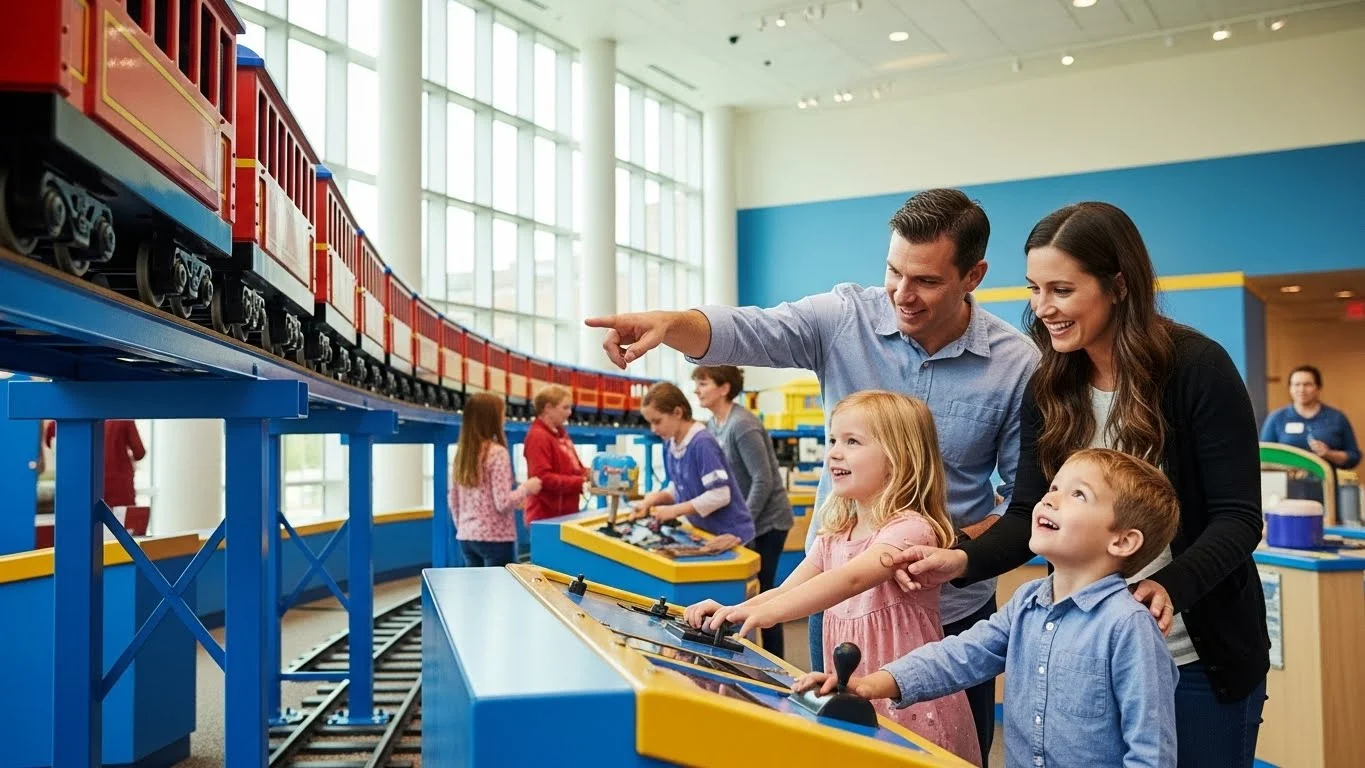
Family-Friendly Educational Destinations on a Budget

Overview of Family-Friendly Educational Destinations

Importance of Educational Travel for Families

Traveling as a family opens up a world of learning opportunities. I remember our first family trip, where we explored a historic site together. It wasn’t just about the destination; it was about the conversations we had and the memories we created along the way. Educational travel nurtures curiosity and encourages children to ask questions, engage with their surroundings, and develop a love for learning that lasts a lifetime. In my experience, when kids see things in person, it brings history and science to life in a way that textbooks simply can’t match. Plus, it fosters a sense of togetherness and teamwork as we navigate new places and experiences, which is priceless.

Benefits of Budget-Friendly Options

Budget-friendly educational destinations make it easier for families to embark on these enriching journeys without breaking the bank. I know how daunting it can feel to plan a family trip when you’re watching your budget. However, many amazing places offer free or low-cost entry, making it accessible for everyone. We discovered that some of the best educational experiences don’t have to come with a hefty price tag. By choosing budget-friendly options, families can travel more often and explore various subjects like history, science, and art in an engaging way. I believe that every family should have the chance to learn and grow together, regardless of their financial situation. Top 10 Budget Educational Trips for Family Adventures

Top Budget-Friendly Educational Destinations in the U.S.

Washington, D.C.

Washington, D.C., stands out as a premier destination for families looking to learn while they explore. The nation’s capital is rich in history and culture, and many of its attractions are free!

Smithsonian Museums

The Smithsonian Museums are a treasure trove of knowledge. They cover everything from natural history to air and space, and the best part? Admission is free! I remember spending a whole day at the National Air and Space Museum, where my kids marveled at the aircraft and space artifacts. They even got to see a real moon rock! These museums are not only educational but also interactive, which keeps everyone engaged.

National Mall

Strolling down the National Mall offers a unique way to learn about American history. The monuments and memorials, such as the Lincoln Memorial and the Washington Monument, tell stories of our past. I found it fascinating to see my children connect with history as they walked the same paths that historical figures once did. Plus, there are often free tours available that enhance the experience.

Philadelphia, Pennsylvania

Philadelphia is another fantastic destination for budget-conscious families. Its rich historical significance makes it an educational hotspot.

Independence Hall

Visiting Independence Hall is like stepping back in time. Here, the Declaration of Independence and the U.S. Constitution were debated and adopted. The guided tours are free, and they do an excellent job of bringing the history to life. I remember the awe in my children’s eyes as they learned about the birth of our nation.

Philadelphia Museum of Art

While some museums charge admission, the Philadelphia Museum of Art offers a “pay what you wish” admission policy on certain days. We took advantage of this and had a wonderful time exploring the exhibits. My kids loved the interactive art stations, which allowed them to express their creativity.

Boston, Massachusetts

Boston is steeped in history and is perfect for families looking to combine learning with fun.

Freedom Trail

The Freedom Trail is a 2.5-mile walk that takes you through 16 historical sites. Walking the trail gave us a sense of the city’s past, and I loved how my kids were excited to discover sites like Paul Revere’s House and the Old North Church. It’s an engaging way to learn about the American Revolution.

Boston Children’s Museum

The Boston Children’s Museum is another gem. With its hands-on exhibits, my children were able to learn through play. The museum offers discounts for families, making it a budget-friendly option.

Chicago, Illinois

Chicago boasts a variety of educational experiences that won’t empty your wallet.

Field Museum

The Field Museum is home to fascinating exhibits like Sue, the famous T. rex skeleton. They offer free days throughout the year, which is an excellent opportunity for families to visit without spending much. I can’t tell you how much my kids loved learning about dinosaurs and ancient cultures!

Lincoln Park Zoo

If your family loves animals, the Lincoln Park Zoo is a must-visit. Best of all, it’s free! Watching my kids learn about wildlife conservation while observing animals up close was truly rewarding.

San Francisco, California

Finally, San Francisco provides a vibrant setting for educational adventures.

California Academy of Sciences

The California Academy of Sciences is a fantastic place for families to explore everything from a planetarium to an aquarium. They have discounted tickets available on certain days, which is perfect for budget travelers. My children were in awe of the rainforest dome, and it sparked numerous questions about ecosystems and conservation.

Exploratorium

The Exploratorium is another interactive science museum that encourages curiosity through hands-on exhibits. It’s ideal for kids who love to tinker and experiment. I cherish the memories we made there, and the admission fees are reasonable, especially considering the value of the experience. Explore Cultures: Budget-Friendly Family Travel Tips

Budget Travel Tips for Families

Finding Affordable Accommodation

When planning a budget-friendly trip, finding the right place to stay can make all the difference. I remember when we took a family trip to Washington, D.C., and I was determined to keep our lodging costs low without sacrificing comfort. After some research, I found several affordable options that catered to families.

Family-Friendly Hotels

There are plenty of budget hotels that offer amenities like complimentary breakfast, free Wi-Fi, and pools. These features can help save money while providing entertainment for the kids. For instance, during our stay, we chose a hotel that had a pool, which was perfect for winding down after a busy day of exploring. I also recommend checking for family packages, as many hotels offer discounts on stays that include attractions or meals. Websites like Expedia and Booking.com often highlight family-friendly options that can fit various budgets.

Vacation Rentals

Another great alternative is vacation rentals. I recall using platforms like Airbnb and Vrbo for our trips, and it’s been a game-changer. Renting an apartment or house allowed us to prepare our meals, which cut down on costs significantly. Plus, having a little extra space meant the kids could play and relax after a long day of sightseeing. I found that staying in a residential neighborhood rather than a tourist area also provided a more authentic experience, letting us immerse ourselves in local culture.

Transportation on a Budget

Getting around can be one of the more challenging aspects of traveling as a family, especially when trying to stick to a budget. However, I’ve learned a few tricks that make it easier and more economical.

Public Transportation Options

Most major cities have public transportation systems that are not only affordable but also efficient. In cities like New York and Chicago, we opted for subway and bus passes that allowed us unlimited rides for a set number of days. This not only saved us money but also gave my kids a chance to experience the city like locals. I remember the excitement on their faces as we navigated the subway system, learning how to read maps and schedules together.

Discounted Family Passes

Some cities offer family passes for public transport that can save you even more money. I discovered this while exploring San Francisco, where we purchased a Muni pass that covered buses, trolleys, and cable cars. It allowed us flexibility to hop on and off while visiting attractions without worrying about individual fares. I highly recommend checking local transit websites for family deals before you arrive.

Eating Out on a Budget

Food is one aspect of travel that can quickly add up, but I’ve found ways to enjoy delicious meals without spending a fortune.

Picnicking in Parks

One of my favorite memories is from a picnic we had at Boston Common. We packed a simple lunch with sandwiches, snacks, and drinks, and it turned out to be a highlight of our trip. The kids loved running around in the park, and we enjoyed the beautiful scenery while saving money. I recommend visiting local grocery stores or farmers’ markets to pick up fresh, local ingredients for a picnic. It’s not only budget-friendly but also a fun way to experience the local culture.

Affordable Family-Friendly Restaurants

Dining out can be enjoyable without breaking the bank. I’ve found that many cities have family-friendly restaurants that offer kids’ menus at reasonable prices. Additionally, some places offer early bird specials or discounts for families. Apps like Yelp and TripAdvisor can help you find reviews on budget-friendly dining options, and I often look for places that have community boards or local events, as they tend to be more affordable. On our last trip to Chicago, we stumbled upon a cozy diner that had massive portions at a great price, and it quickly became a family favorite!

Free and Low-Cost Educational Activities

Local Parks and Nature Reserves

Exploring local parks and nature reserves has been one of our favorite ways to enjoy educational experiences without spending much. I remember visiting a beautiful national park where we went on a nature hike. The kids learned about local flora and fauna, and we even spotted some wildlife! Many parks offer free guided tours or educational programs that can enhance your family’s knowledge while enjoying the great outdoors. It’s a fantastic way to teach kids about the environment while engaging in physical activity.

Community Events and Workshops

Many communities host free or low-cost events, workshops, and festivals throughout the year. We discovered this during our trip to Philadelphia when we stumbled upon a local historical reenactment in a park. It was an interactive experience that brought history to life for my kids. I recommend checking local tourism websites or community boards for upcoming events during your visit. You never know what unique experiences await!

Libraries and Educational Programs

Don’t overlook local libraries! They often offer free educational programs, including story hours, STEM workshops, and even summer reading challenges. I remember visiting a library in San Francisco that had a fantastic children’s section, complete with interactive exhibits. My kids loved participating in a science workshop there, and it was a great break from traditional sightseeing. Libraries are a treasure trove of resources and activities that can enrich your family’s travel experience without costing a dime.

Planning Your Trip

When to Visit: Best Times for Family Travel

Deciding when to travel can really make a difference in both the experience and the budget. From my experience, I’ve found that timing can affect everything from crowds to costs. For instance, traveling during the off-peak season, like early spring or late fall, often leads to lower hotel prices and less crowded attractions. I remember visiting Washington, D.C., in late September when the weather was still warm, but the summer tourists had thinned out. We enjoyed the sights without the hassle of long lines.

Additionally, keeping an eye on local events can also guide your travel plans. For example, some cities host free festivals or educational events during certain times of the year. I once planned a trip to Philadelphia to coincide with a local history festival, which not only enriched our experience but also allowed us to engage with the community in a meaningful way.

Creating a Family Itinerary

Having a solid itinerary can help ensure that you make the most of your time while keeping everyone happy and engaged. I’ve learned that involving the kids in the planning process can make a world of difference. During our trips, I often ask my children what they’d like to see or do. This not only gives them a sense of ownership but also helps us discover places that might not be on the typical tourist radar.

When crafting our itinerary, I like to balance educational activities with downtime. For instance, after a morning of museum visits in Chicago, we would often find a nearby park to relax and let the kids play. I also recommend being flexible. Sometimes, the best memories come from unplanned adventures, like stumbling upon a street performer or a local art fair. We always made sure to leave some free time in our schedule for those spontaneous moments.

Safety Tips for Families Traveling on a Budget

Traveling with kids can be a bit daunting, especially when trying to stick to a budget. I’ve learned a few safety tips that make our trips more secure while keeping costs low. First and foremost, I always ensure that we have a family meeting spot in case we get separated, especially in crowded areas. I remember the panic when my youngest wandered off at a busy street fair, but thankfully, he knew to return to our designated spot.

It’s also important to keep an eye on our belongings. While exploring places like the National Mall, I made it a habit to keep our backpacks close and always be aware of our surroundings. Using a money belt for important documents and a small backpack for daily outings helped us stay organized and secure. Additionally, I recommend downloading local apps for safety tips or emergency contacts before traveling to a new city.

Resources for Further Exploration

Websites for Budget Travel Deals

When it comes to planning our trips, I often turn to a few reliable websites for budget travel deals. Sites like Skyscanner, Kayak, and Google Flights help in comparing airline prices to find the best deals. I also love checking out Groupon for discounted family activities and dining options in our destination. On our last trip to San Francisco, we scored half-off tickets to a fun bus tour through Groupon, which turned out to be a highlight of our visit.

For accommodations, I usually check both Airbnb and Booking.com for family-friendly options. I’ve found that sometimes Airbnb offers unique places to stay that cater to families, including homes with kitchens where we can prepare meals. Websites like Hostelworld can also provide budget-friendly options for families willing to share space in a hostel setting, which can be a fantastic way to meet other travelers.

Books and Guides for Family Travel

I love having a few travel books handy while planning our trips. They not only provide great insights into destinations but also often include tips for traveling with kids. “The Family Vacation Guidebook” series has been particularly helpful for us, offering practical advice on family-friendly activities, safety tips, and budgeting strategies. I also find it useful to read through travel blogs that focus on family adventures; there’s a wealth of information from personal experiences that really resonate with us.

Travel Blogs Focused on Educational Destinations

In my own journey as a traveling family, I’ve discovered numerous travel blogs that focus on educational destinations that cater specifically to families. For example, “Family Travel Forum” is a fantastic resource, providing reviews and insights on various family-friendly sites and activities. I also enjoy “TravelingMom,” which focuses on tips and itineraries that help families make the most of their travels.

Another blog that I frequently refer to is “Kids Are A Trip.” Their posts often feature educational travel experiences and practical tips for making family travel enjoyable and affordable. I appreciate hearing about other families’ adventures; it inspires my own planning and helps me discover hidden gems that I might not have considered otherwise.

Frequently Asked Questions

1. What are some benefits of educational travel for families?

Educational travel nurtures curiosity and encourages children to ask questions, engage with their surroundings, and develop a lifelong love for learning. It also fosters a sense of togetherness and teamwork as families navigate new places and experiences together.

2. What are some budget-friendly educational destinations in the U.S.?

Some budget-friendly educational destinations include Washington, D.C.; Philadelphia, Pennsylvania; Boston, Massachusetts; Chicago, Illinois; and San Francisco, California. Many of these locations offer free or low-cost attractions such as museums, historical sites, and parks.

3. What are the Smithsonian Museums known for?

The Smithsonian Museums are known for covering a wide range of topics from natural history to air and space. Admission is free, making it a great educational experience for families.

4. How can families save on accommodation while traveling?

Families can save on accommodation by choosing budget hotels that offer family-friendly amenities or renting vacation homes through platforms like Airbnb or Vrbo. These options allow families to prepare their meals, reducing costs significantly.

5. What are some affordable transportation options for families?

Public transportation options, such as subways and buses, are often affordable and efficient. Some cities also offer discounted family passes for public transport, making it easier to explore attractions without worrying about individual fares.

6. What dining options are suggested for budget-conscious families?

Families can enjoy budget-friendly dining by picnicking in parks or finding family-friendly restaurants that offer reasonable kids’ menus and early bird specials. Grocery stores or farmers’ markets can provide fresh ingredients for a picnic, which is a fun and cost-effective way to enjoy meals.

7. How can families find free or low-cost educational activities?

Families can explore local parks and nature reserves, which often offer free guided tours or educational programs. Additionally, local libraries frequently host free educational programs and community events that can enrich the travel experience.

8. When is the best time for families to travel?

Traveling during the off-peak season, such as early spring or late fall, often leads to lower hotel prices and less crowded attractions. Families should also keep an eye on local events that coincide with their travel plans to enhance their experience.

9. How can families create an effective travel itinerary?

Creating a travel itinerary involves balancing educational activities with downtime and involving children in the planning process to ensure everyone stays engaged. It’s also important to remain flexible to allow for spontaneous adventures.

10. What resources are available for planning budget-friendly family travel?

Families can use websites like Skyscanner, Kayak, and Groupon for budget travel deals, and consult travel books and blogs focused on family adventures for practical tips, safety advice, and recommendations on educational destinations.
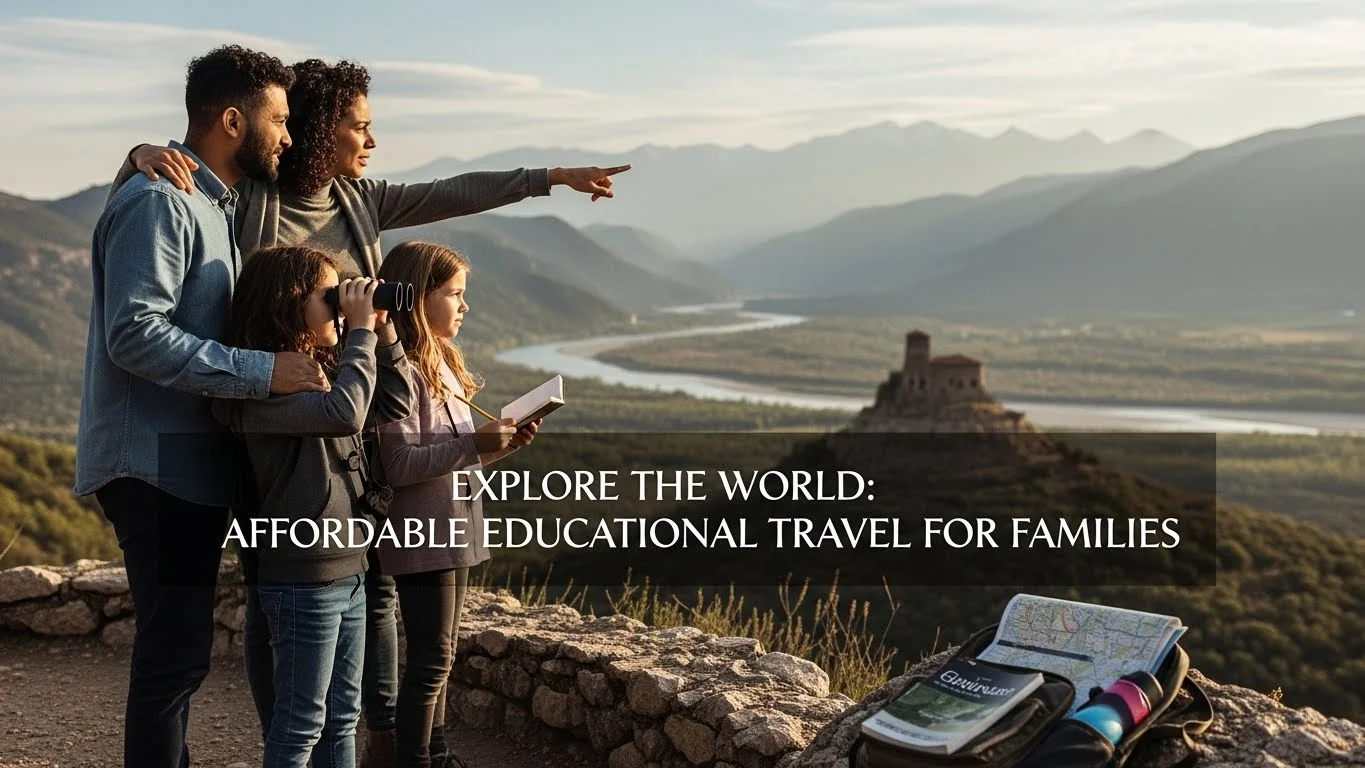
Explore the World: Affordable Educational Travel for Families

Traveling with family can be an incredible way to learn about the world. Affordable educational trips create lasting memories while expanding our children’s horizons. Let’s dive into how we can make these experiences both enriching and budget-friendly! Read Interesting article: Top 10 Budget Educational Trips for Family Adventures

Explore the World: Affordable Educational Travel for Families

Understanding Educational Travel for Families

Definition and Benefits of Educational Travel

When I think of educational travel, I envision family adventures that transform ordinary vacations into extraordinary learning experiences. Educational travel is about exploring places with a purpose, whether it’s visiting historical sites, national parks, museums, or even cultural festivals. For me, it’s not just about sightseeing; it’s about immersing ourselves in the history, culture, and nature of the places we visit. We learn through hands-on experiences and real-life interactions, which is far more impactful than reading about them in a textbook.

The benefits of educational travel are endless. I’ve seen my kids light up when they realize that they can touch ancient artifacts at a museum or hike through nature while learning about ecosystems. They gain a deeper understanding of the world around them, develop critical thinking skills, and build confidence as they navigate new environments. Plus, these trips foster family bonding as we share stories, challenges, and discoveries together.

Why Choose Affordable Options?

Now, while the idea of educational travel sounds amazing, I understand that it can sometimes feel out of reach financially. That’s why I believe it’s essential to explore affordable options. Traveling on a budget doesn’t mean sacrificing quality or experiences. In fact, some of my most memorable trips were the ones where we planned wisely, found deals, and embraced local culture without overspending.

Choosing affordable educational travel can open up more opportunities for families. By being mindful of our expenses, we can take more trips, explore diverse destinations, and expose our children to different cultures and experiences. I remember a family road trip we took to several national parks, which turned out to be far more enriching than a luxury vacation. We camped under the stars, hiked trails, and learned about wildlife—all while keeping our costs low. The joys of budget travel can lead to unexpected discoveries and adventures that we might not have experienced otherwise. Read Interesting article: Explore Cultures: Budget-Friendly Family Travel Tips

Planning Your Affordable Educational Trip

Setting a Budget for Family Travel

Before embarking on our adventurous journey, I’ve learned that setting a budget is crucial. It helps us prioritize our spending and ensures that we won’t overspend during our travels. I often sit down with my family to discuss how much we can afford to spend on transportation, accommodation, food, and activities. We look at our finances and determine what feels comfortable for us.

One thing that has worked well for us is breaking down our budget into categories. For example, if we allocate a specific amount for food, we can explore local markets, try street food, and enjoy dining experiences that fit within that budget. This practice allows us to indulge in the local culture while being mindful of our spending.

Choosing the Right Destination

Once we have a budget in place, the fun part begins: choosing the right destination! I always encourage my family to brainstorm places they find interesting. Sometimes it’s a historical city, other times it’s a natural wonder. The key is to find locations that align with our educational goals. For instance, if we want to learn about American history, we might consider visiting Washington D.C. If we’re interested in science, a trip to a space center or a national park can offer incredible educational opportunities.

I’ve also found that less-visited destinations can provide just as much educational value as popular tourist spots, often at a lower cost. Exploring smaller towns or regions can lead to unique experiences off the beaten path. I remember visiting a quaint town known for its historical significance, where we learned about local traditions and even participated in a small festival, making it one of our favorite trips.

Best Times to Travel for Educational Experiences

Timing can make a significant difference in our travel experience. I’ve noticed that traveling during the shoulder seasons—just before or after peak tourist times—can offer better prices and fewer crowds. We can enjoy popular attractions without the hassle of long lines. Plus, educational programs at many sites are often more readily available during these times, allowing us to engage with guides and participate in workshops.

For example, spring is a fantastic time to visit national parks, as we can witness blooming flowers and wildlife emerging from winter. In the fall, we’ve enjoyed cultural festivals that provide insights into local customs and traditions. I believe that aligning our travel plans with local events or seasonal activities can enhance our educational experience while providing a unique perspective on the places we visit.

Top Affordable Educational Destinations

National Parks: Nature and Learning Combined

Exploring national parks has always been one of my family’s favorite ways to combine adventure and education. These natural wonders not only offer breathtaking views but also serve as incredible classrooms. When we visited Yellowstone, for example, we learned about geothermal features, the importance of conservation, and even the various wildlife that calls the park home. I remember standing by Old Faithful, waiting for it to erupt, while our ranger guide shared fascinating facts about the geology surrounding us. It was a moment where learning felt alive and tangible.

National parks often provide free educational programs for families, including guided hikes, ranger talks, and interactive exhibits. By taking advantage of these offerings, we not only save money but also enrich our experience with insights that we might miss on our own. Plus, many parks allow for family camping, which can significantly cut down costs while creating unforgettable memories around the campfire at night.

Historical Cities: Learning Through History

There’s something magical about walking through historical cities, and I can’t recommend them enough for educational travel. Cities like Philadelphia, Boston, or even New Orleans have rich histories that come alive when you walk their streets. I recall our trip to Philadelphia, where we visited Independence Hall and the Liberty Bell. My kids could see where history was made, and it sparked conversations about the founding of our nation and the importance of civic engagement. It was a living history lesson that no textbook could replicate.

Many historical cities also have free walking tours or low-cost museum days. We often check local tourism websites to find these opportunities. These experiences allow us to dive deeper into the stories that shape our culture, often led by enthusiastic locals who share their personal insights and anecdotes. It’s a fantastic way to connect with the past while creating lasting family memories.

Cultural Hotspots: Immersive Educational Experiences

Cultural hotspots are another fantastic option for affordable educational travel. Cities like San Francisco, New York, and Chicago offer a diverse tapestry of cultures, and every corner can be a new learning opportunity. I remember our visit to San Francisco’s Chinatown, where we not only enjoyed delicious dim sum but also learned about the history of Chinese immigrants in America. Participating in a traditional tea ceremony opened our eyes to cultural practices we had never encountered before.

Many cultural hotspots also host free festivals and events throughout the year. These celebrations provide immersive experiences that teach us about different customs, art forms, and languages. We’ve attended street fairs where local artists showcased their crafts, and we even joined in on dance performances. These moments made our travels feel vibrant and full of life, and they often come at little to no cost. Read Interesting article: Affordable Cultural Activities for Families on the Go

Science Centers and Museums: Hands-On Learning

Science centers and museums are treasure troves of knowledge, and I’ve found them to be perfect for families looking to learn in an interactive way. Visiting places like the Smithsonian in Washington D.C. or the California Science Center in Los Angeles has been a highlight for us. These institutions often feature hands-on exhibits that encourage kids to engage with science and technology actively.

One of my favorite memories was at the Kennedy Space Center, where we watched a rocket launch simulation and learned about space exploration. The excitement in my children’s faces was priceless, and it sparked a discussion about careers in science and engineering. Many science centers offer free admission days, which we always keep an eye out for, making it easier to incorporate these educational experiences into our travel plans.

Overall, I believe that choosing the right destination is a significant step in making our educational travel both enriching and budget-friendly. Whether we’re hiking through a national park, exploring a historical city, diving into a new culture, or engaging with science, each experience offers a unique opportunity to learn and grow together as a family.

Types of Educational Travel Experiences

Field Trips and Guided Tours

One of the most enriching ways to experience educational travel is through field trips and guided tours. I remember taking my kids on a guided tour of a local historical site. The guide, a passionate historian, brought the place to life with stories and anecdotes that textbooks simply can’t capture. It was fascinating to see my children engaged and asking questions, completely absorbed in the narratives of the past.

Field trips can be found in almost every destination and often include visits to museums, battlefields, or even farms where kids can learn about agriculture. I’ve found that these hands-on experiences are incredibly valuable. For instance, during a visit to a living history museum, my children got to dress in period costumes and participate in old-time crafts. It was a memorable way to learn, and they still talk about it today. I recommend checking local tourism websites or educational organizations to find these kinds of opportunities near your chosen destination.

Workshops and Interactive Classes

Another fantastic way to enhance educational travel is by participating in workshops and interactive classes. I’ve discovered that many destinations offer unique learning experiences, from art and cooking classes to science experiments and historical reenactments. For example, during a trip to Italy, my family took a pasta-making class in a local kitchen. Not only did we learn how to make traditional Italian pasta, but we also immersed ourselves in the local culture and cuisine.

These workshops often allow families to engage directly with local experts, providing insight into the community’s traditions and practices. I cherish the moments when my family and I could learn something new together, like the time we attended a pottery class in a small town. The experience was not only educational but also fostered creativity and teamwork among us. I believe that looking for these workshops can add a memorable layer to our travels and can often be found at affordable prices.

Volunteer Programs for Families

Volunteering while traveling can be a profoundly rewarding experience for families. I’ve seen how giving back can create stronger connections to the places we visit and instill a sense of responsibility in our children. There are numerous volunteer programs tailored for families, ranging from environmental conservation to helping in local schools.

During a trip to Costa Rica, we participated in a sea turtle conservation project. My kids were thrilled to help with the nesting process and learn about the importance of protecting these incredible creatures. It was heartwarming to see their excitement and compassion grow as they actively contributed to the local ecosystem. Volunteering also gives families a chance to meet locals and engage with their community, which I believe enriches the travel experience significantly. I recommend researching organizations that allow family-friendly volunteering opportunities in your destination; it’s a beautiful way to learn while making a positive impact.

Accommodation Options for Families on a Budget

Family-Friendly Hotels and Hostels

When it comes to accommodation, I’ve found that family-friendly hotels and hostels can provide great value without compromising comfort. Many hotels offer family suites, which are perfect for keeping everyone together, and often include amenities like complimentary breakfast or pools, which can save us money on meals and entertainment. I remember staying at a hotel that had a kid’s club, where my children could engage in supervised activities while my partner and I enjoyed some time to ourselves. It’s important to look for places that cater specifically to families, as they often have features designed to make our stay more enjoyable.

Hostels are another option I’ve explored, and they can be surprisingly family-friendly. Many hostels now offer private family rooms along with communal spaces where kids can socialize. I was pleasantly surprised by how clean and welcoming the hostels were. Plus, they usually come at a fraction of the cost of hotels, allowing us to allocate more of our budget to activities and experiences.

Vacation Rentals and Home Exchanges

Vacation rentals are another fantastic way to accommodate our family on a budget. I love the idea of having a home base during our travels, where we can cook our meals and enjoy a bit of home comfort. Websites like Airbnb and Vrbo offer a wide range of options, from cozy apartments to spacious homes. Last summer, we rented a house near the beach, which gave us plenty of space to spread out and made it easy to prepare family dinners together.

Home exchanges are also an exciting option. We’ve considered swapping homes with friends or family who live in different regions. It’s a great way to stay somewhere new without the financial burden of accommodation costs. Plus, it encourages us to explore different places, and it can feel like a true local experience.

Camping and Outdoor Lodging Options

Camping is another fantastic, affordable option for families who love the outdoors. I can’t tell you how many incredible memories we’ve made camping in national parks. There’s something magical about roasting marshmallows under the stars and waking up to the sounds of nature. It’s also one of the most cost-effective ways to travel, as campsites are often significantly cheaper than hotels.

Additionally, many parks offer educational programs for kids, such as nature walks and ranger-led activities, which add even more value to our camping experience. I remember one trip where my kids learned to identify different types of plants and animals while hiking. It was a perfect blend of education and adventure, and I’d recommend it to any family looking to embrace the great outdoors.

Transportation Tips for Affordable Travel

Finding Budget Airlines and Train Services

When planning our travel, I’ve found that transportation can take up a large chunk of our budget, so finding budget airlines and train services is key. I remember a family trip where we scored incredibly low fares on a budget airline by booking several months in advance. It felt like a little victory! We used flight comparison websites to check for the best deals and set alerts for price drops, which helped us snag the lowest fares.

For train travel, I’ve discovered that many regions offer significant discounts for families or children, especially if you book early. Trains can be a fantastic way to see the countryside while traveling to our destination. I still recall our scenic train ride through the mountains—it was breathtaking and made the journey as enjoyable as the destination itself. I recommend checking local rail services for family passes or special promotions; it can save us a lot while adding an element of adventure to our travels.

Public Transportation: Cost-Effective Ways to Get Around

Once we arrive at our destination, I’ve learned that utilizing public transportation can be both economical and educational. Buses and subways are often much cheaper than renting a car. I remember using the subway system in New York City, which not only saved us money but also gave my kids a chance to experience the city like a local. They enjoyed figuring out the routes and navigating the transit maps, which turned into a fun learning experience in itself!

Additionally, many cities offer day passes for unlimited travel on public transport, which can really help us maximize our exploration while sticking to our budget. It’s always helpful to plan ahead and familiarize ourselves with the local transit options. I believe that these experiences help us connect with the culture of the places we visit.

Car Rentals and Road Trips: Pros and Cons

While public transportation is great, there are times when renting a car makes sense, especially if we want to visit more remote areas or national parks. I’ve found that renting a car gives us the freedom to explore at our own pace. However, I make sure to weigh the costs carefully, as rental fees, insurance, gas, and parking can add up quickly. On a road trip to the Grand Canyon, we found that splitting costs among family friends made it more feasible, and it turned into a wonderful bonding experience.

Road trips also offer the chance to explore along the way, stopping at small towns and attractions that we might miss when flying. I remember discovering a quirky roadside museum during one of our trips that turned into an unexpected highlight of our journey. I recommend planning a flexible itinerary that allows for spontaneous detours—sometimes those unplanned moments create the best memories!

Budget-Friendly Meals and Dining Options

Local Markets and Street Food Experiences

When it comes to meals, I’ve learned that local markets and street food can be a delightful and affordable way to experience the flavors of a destination. I remember visiting a vibrant market in Mexico, where we sampled fresh tacos and fruits, all while soaking in the lively atmosphere. It was a wonderful educational experience, as my kids got to see how locals shop and prepare their meals.

Street food is often not only budget-friendly but also delicious and authentic. I encourage my family to try local specialties; it’s a fun way to learn about the culture through its cuisine. Plus, eating at food stalls or markets usually means we can spend less on meals, allowing us to allocate more of our budget to activities. We often save our restaurant dining for special occasions or when we find a highly recommended spot to try.

Cooking Classes as Educational Dining Experiences

Another fantastic dining option is participating in cooking classes. I find that these experiences are not only fun but also educational for the whole family. We’ve taken classes in various countries, from making pasta in Italy to learning about spices in India. These classes often provide a unique insight into the local culture and cuisine.

During a cooking class in Thailand, we not only learned how to prepare traditional dishes but also about the ingredients used and their cultural significance. The experience brought our family closer together, and we still recreate those recipes at home! I believe that looking for cooking classes can be a wonderful way to make our travel experience richer and more memorable.

Grocery Shopping Tips for Families on the Road

I can’t emphasize enough how grocery shopping can be a game-changer for families on a budget while traveling. We often choose to prepare some of our meals, especially breakfast and lunch, which helps save money. I remember stopping at a local grocery store during one trip and discovering fresh produce and local snacks that we wouldn’t have tried otherwise. It became part of our adventure!

When shopping, I recommend looking for local grocery stores rather than touristy convenience stores. We often compile a list of easy meals we can make with minimal ingredients, like sandwiches or salads. This not only helps us save money but also allows us to enjoy the local flavor in a different way. Plus, cooking together as a family can be a bonding experience, making our travel feel more like home.

Safety and Health Considerations for Family Travel

Travel Insurance: Why It’s Essential

One thing I’ve learned through our travels is the importance of travel insurance. It may seem like an extra expense, but it can save us from significant costs in case of unexpected events, like trip cancellations or medical emergencies. I remember a family trip where one of us fell ill, and having travel insurance made the whole process of seeking medical help much less stressful. It’s comforting to know we’re covered, and I always recommend shopping around for the best policy that fits our needs.

Health Precautions and Vaccinations

Before traveling, I make it a priority to check if there are any recommended vaccinations or health precautions for our destination. I’ve found that this research not only helps keep us safe but also prepares my kids for the experience. There have been times when we’ve encountered different health guidelines, and being informed made a huge difference in our planning and peace of mind.

Emergency Contacts and Safety Tips

No matter where we travel, I believe it’s crucial to have a list of emergency contacts, including local emergency services and our country’s embassy or consulate. I always keep this information accessible, both in physical form and saved on my phone. Additionally, I make sure my kids know basic safety tips, such as staying close in crowded places and how to ask for help if needed. Our travel experiences are often about exploration, but it’s essential to prioritize safety too.

Making the Most of Your Educational Travel Experience

Creating a Family Travel Itinerary

As we plan our trips, I’ve found that creating a family travel itinerary can help us make the most of our time together. We sit down as a family and brainstorm what we want to see and do, making sure to balance educational activities with some downtime. I’ve learned that having a loose structure keeps us organized while also allowing for spontaneity—after all, some of the best moments happen when we go off script!

Incorporating Learning Activities During Travel

During our travels, I try to incorporate learning activities that align with our destination. For example, if we’re visiting a historical city, I’ll plan visits to museums or local landmarks and encourage my kids to keep a travel journal. This not only enhances their understanding of what they’re experiencing but also helps them reflect on their adventures. We often discuss what they’ve learned at the end of each day, reinforcing their experiences.

Documenting the Journey: Tips for Family Journals

I believe documenting our travel journey is a wonderful way to preserve memories. We encourage our kids to keep journals where they can write about their experiences, sketch what they see, or even collect small souvenirs. I remember how much my children enjoyed looking back at their journals from past trips, sharing their favorite moments and what they learned. It’s a beautiful way to encourage creativity and reflection while making our travels even more meaningful.

Final Thoughts

Traveling educationally as a family has enriched our lives in countless ways. By planning thoughtfully and focusing on affordable options, we’ve created lasting memories that inspire curiosity and learning. Each trip has taught us something new—about the world and about each other. I believe that the adventures we embark on together not only broaden our horizons but also strengthen our family bond. So, whether we’re hiking in a national park or exploring a bustling city, each experience becomes a chapter in our family’s story, filled with laughter, discovery, and growth.

Frequently Asked Questions

What is educational travel for families?

Educational travel for families involves exploring places with a purpose, such as historical sites, national parks, museums, or cultural festivals, to create enriching learning experiences that go beyond traditional sightseeing.

What are the benefits of educational travel?

The benefits of educational travel include gaining a deeper understanding of the world, developing critical thinking skills, building confidence, and fostering family bonding through shared experiences and discoveries.

How can families travel affordably?

Families can travel affordably by setting a budget, choosing less-visited destinations, looking for deals, and planning trips during shoulder seasons to take advantage of lower costs and fewer crowds.

What are some recommended types of educational experiences during travel?

Recommended types of educational experiences include field trips and guided tours, workshops and interactive classes, and participating in volunteer programs tailored for families.

What accommodation options are available for families on a budget?

Budget-friendly accommodation options for families include family-friendly hotels, hostels, vacation rentals, home exchanges, and camping, all of which can provide comfort while saving money.

What transportation tips can help families save money while traveling?

Families can save money on transportation by finding budget airlines and train services, utilizing public transportation, and considering car rentals for more remote areas or road trips.

What dining options are recommended for families traveling on a budget?

Recommended budget-friendly dining options include exploring local markets and street food, participating in cooking classes, and grocery shopping to prepare meals, especially breakfast and lunch.

Why is travel insurance important for families?

Travel insurance is important because it can protect families from unexpected costs related to trip cancellations or medical emergencies, providing peace of mind during travels.

How can families document their travel experiences?

Families can document their travel experiences by encouraging children to keep journals where they write about their adventures, sketch what they see, and collect small souvenirs, preserving memories and enhancing creativity.

What is the significance of planning a family travel itinerary?

Creating a family travel itinerary helps to organize the trip, balancing educational activities with downtime, and allows for spontaneity, ensuring that families make the most of their time together.

Top 10 Budget Educational Trips for Family Adventures

Planning a family trip that’s both fun and educational doesn’t have to break the bank. I’ve discovered that budget-friendly adventures can create lasting memories while providing valuable learning experiences for everyone. Read Interesting article: Explore Cultures: Budget-Friendly Family Travel Tips

Top 10 Budget Educational Trips for Family Adventures

Why Choose Budget Educational Trips for Families?

When I think about family vacations, I realize how important it is to combine fun with learning. Budget educational trips can be an incredible way to explore new places without overspending. These trips not only keep our finances in check but also enrich our children’s understanding of the world around them. I remember my own childhood trips that sparked my curiosity and love for history, science, and culture. Let me share some insights on why these trips can be so beneficial.

Benefits of Educational Travel for Kids

From my experience, educational travel has immense benefits for children. When we step outside of our usual environment, kids get the opportunity to see, hear, and feel history and science in action. It’s not just about reading from a textbook anymore. For instance, walking through a national monument or a historical site allows kids to connect emotionally with what they are learning. I’ve seen firsthand how fascinated my kids became when they visited museums and learned about their country’s history through interactive exhibits. They became more curious and asked questions that I never expected!

Moreover, these trips foster family bonding. Exploring together creates shared experiences that we can reminisce about for years to come. I find that when we travel, we learn to work together and problem-solve as a family. Whether it’s figuring out directions or deciding what to do next, those moments strengthen our connection. I believe that these experiences are just as valuable as any classroom lesson.

Cost-Effectiveness of Budget Trips

Budget educational trips offer a chance to discover new places without spending a fortune. I’ve learned that many destinations provide free or discounted admission for families, especially to museums, parks, and historical sites. For example, some cities have “free museum days” or discounted entry for children under a certain age. This makes it easier to plan an enriching experience without stressing about the budget. In our case, choosing destinations closer to home also helped save on transportation costs, allowing us to allocate more funds towards activities and food.

Additionally, we’ve discovered that planning meals and accommodations in advance can lead to significant savings. I often look for family-friendly lodging options, such as motels with breakfast included or even vacation rentals that allow us to cook our own meals. This not only saves money but also gives us the chance to try local ingredients and cuisines, which I believe adds another layer of education to our trip. Read Interesting article: Ultimate Guide to Family-Friendly Outdoor Adventures on a Budget

Criteria for Selecting Budget Educational Trips

As I tackled planning our family trips, I realized that there are some key criteria to keep in mind when selecting budget educational trips. Making thoughtful choices helps ensure that we maximize our experience while still being kind to our wallets.

Distance and Travel Costs

First, I consider the distance and travel costs to our destination. I found that driving instead of flying can save a significant amount of money, especially for larger families. We often explore locations within a day’s drive to minimize expenses. It’s amazing what you can find when exploring nearby cities or state parks. I remember one trip where we discovered a hidden gem just a couple of hours away, complete with a fascinating historical site and beautiful nature trails!

Accommodation Options

Next comes accommodation. I learned early on that staying in hotels can add up quickly. Instead, we often look for budget-friendly options like hostels, campgrounds, or vacation rentals. Websites that compare prices helped us find great deals. Plus, having access to a kitchen in a rental allows us to prepare some meals, cutting down on dining expenses.

Activities and Learning Opportunities

When selecting a destination, I focus on the range of activities and learning opportunities available. I prefer places that offer educational experiences, like hands-on science centers or historical reenactments. For example, when we visited a national park, we participated in a ranger-led program that taught us about local wildlife. It was both fun and informative, making the trip truly memorable. Read Interesting article: Explore Nature: Budget Outdoor Activities for Families

Food and Dining Options

Lastly, food options play a crucial role in our planning. I usually look for destinations with a variety of dining choices, from local markets to family-friendly restaurants. We often pack snacks for the road, which helps keep everyone happy and avoids expensive stops. I’ve found that exploring local cuisine can also be a fantastic learning experience. Trying new foods and learning about their cultural significance is something my kids and I always enjoy.

Top 10 Budget Educational Trips

1. Washington, D.C.

Key Attractions: Museums, National Monuments

Washington, D.C. is one of my favorite places to explore with the family. From the awe-inspiring monuments to the wealth of museums, there’s something for everyone. The best part? Most of the major attractions, like the Smithsonian museums, are free! I remember the first time my kids laid eyes on the Lincoln Memorial; their faces lit up with curiosity. Walking around the National Mall, we learned about the history of our nation in a way that no textbook could ever capture.

Educational Value: History and Government

Visiting D.C. offers a unique opportunity to learn about American history and government firsthand. The guided tours of the Capitol and the Supreme Court provided insights that my kids still talk about. I think it’s essential for them to see where decisions are made and understand the importance of civic engagement.

2. Philadelphia, Pennsylvania

Key Attractions: Independence Hall, The Liberty Bell

Philadelphia is another incredible destination that merges fun with education. Independence Hall is a must-see, and standing where the Founding Fathers once debated is such a powerful experience. My kids were fascinated by the story of how our nation was born. Plus, the Liberty Bell is an iconic symbol of freedom that really brings history to life.

Educational Value: American History

In my opinion, visiting Philadelphia helps kids appreciate the sacrifices made for our freedoms. I remember discussing the significance of the Declaration of Independence while standing in the very room where it was debated. It sparked a lively family conversation that continued long after we left!

3. Boston, Massachusetts

Key Attractions: Freedom Trail, Boston Tea Party Ships

Boston is filled with rich history, making it an ideal spot for educational trips. The Freedom Trail takes you on a journey through pivotal sites that shaped our nation. Walking this trail was like stepping back in time. I loved how my kids engaged with the historical reenactors at the Boston Tea Party Ships; they even got to throw tea overboard, which made the history lesson unforgettable!

Educational Value: Revolutionary History

For us, Boston felt like an outdoor classroom. Learning about the American Revolution in a city where it all happened was a thrilling experience. It ignited my kids’ passion for history, and I believe it was a trip that will leave a lasting impact on their education.

4. San Diego, California

Key Attractions: Balboa Park, USS Midway Museum

San Diego is not just about beaches; it’s a fantastic educational destination as well. Balboa Park is home to numerous museums and gardens, and we spent a full day exploring everything it had to offer. The USS Midway Museum was another highlight, where my children learned about naval history in an interactive way. They even got to explore a real aircraft carrier!

Educational Value: Science and Military History

In my experience, San Diego combines fun with learning seamlessly. The science centers in Balboa Park provided hands-on experiences that fueled my kids’ curiosity about the world. I think this trip illustrated the importance of science and history in a way that made them eager to learn more.

5. New Orleans, Louisiana

Key Attractions: French Quarter, National WWII Museum

New Orleans is a vibrant city rich in culture and history. The French Quarter is full of life, and we loved sampling local cuisine while learning about the city’s diverse cultural influences. The National WWII Museum was a powerful experience, offering insights into history through immersive exhibits.

Educational Value: Cultural Diversity and History

Exploring New Orleans opened my kids’ eyes to different cultures and traditions. I believe understanding cultural diversity is vital, and this trip provided an engaging way to learn about it. The stories shared at the museum sparked important conversations about history and its impact on society today.

6. Chicago, Illinois

Key Attractions: Field Museum, Shedd Aquarium

Chicago is another destination that offers a wealth of educational opportunities. The Field Museum is a treasure trove of knowledge, and my kids were particularly fascinated by the dinosaur exhibits. The Shedd Aquarium was equally impressive, where we learned about marine life and conservation efforts.

Educational Value: Natural History and Science

In my opinion, Chicago’s museums are perfectly designed to engage children. They blend education with entertainment, making learning fun. Our visit to the aquarium sparked an interest in marine biology for my kids, and I think it’s essential to expose them to different fields of science.

7. Williamsburg, Virginia

Key Attractions: Colonial Williamsburg, Jamestown Settlement

Williamsburg is a living history museum that transports you back to colonial America. Walking through Colonial Williamsburg felt like stepping back in time. My kids were enamored by the reenactors and the period architecture. We also loved exploring Jamestown, where we learned about early American settlers.

Educational Value: Colonial American History

This trip was so valuable for understanding our country’s roots. I believe it’s important for kids to know where we came from, and experiencing it firsthand left a lasting impression. The interactive nature of these historical sites made learning engaging and memorable.

8. The Grand Canyon, Arizona

Key Attractions: National Park, Visitor Center

The Grand Canyon is a natural wonder that provides an educational experience like no other. The vastness and beauty of the canyon are awe-inspiring. Visiting the National Park and its visitor center helped us learn about geology and the natural history of the area.

Educational Value: Geology and Natural Science

In my experience, the Grand Canyon offers a unique opportunity to learn about the earth’s formation. My kids could see the layers of rock and understand how they were formed over millions of years. This trip made science come alive in a way that was both exciting and informative.

9. Yosemite National Park, California

Key Attractions: Giant Sequoias, Yosemite Falls

Yosemite is another breathtaking destination that combines natural beauty with educational experiences. Hiking among the giant sequoias was a highlight for our family. We also learned about conservation efforts and the importance of preserving our national parks.

Educational Value: Environmental Science and Conservation

Connecting with nature in Yosemite made my kids appreciate the environment more. I believe it’s crucial for them to understand their role in protecting our planet. This trip sparked discussions about conservation, and I think it’s a lesson that will resonate with them for years to come.

10. St. Augustine, Florida

Key Attractions: Castillo de San Marcos, Historic District

St. Augustine is the oldest city in the U.S., and exploring its historic sites was both fun and educational. The Castillo de San Marcos is a stunning fort that tells the story of Spanish colonial history. We enjoyed wandering through the historic district, soaking in the unique architecture and rich history.

Educational Value: Spanish Colonial History

This trip helped my kids understand the multicultural influences that shaped our country. I think it’s vital for them to learn about different perspectives in history, and St. Augustine provided a wonderful backdrop for those lessons.

Additional Budget-Friendly Educational Destinations

Exploring Local Museums and Historical Sites

Sometimes the best educational experiences are right in our own backyards. I’ve noticed that local museums and historical sites often have a wealth of information and activities that can surprise us. On a recent weekend, my family and I decided to visit a small history museum just a few towns over. I didn’t expect much, but we ended up learning about our region’s early settlers and even participated in a hands-on exhibit about traditional crafts. It was incredible to see my kids engaged and excited about history, even in a place we had overlooked for so long.

Many local museums have free or reduced admission days, which makes them even more appealing for budget-conscious families. I recommend checking their websites for special events or programs tailored for children. I’ve seen firsthand how local museums often host workshops and interactive sessions that can make learning come alive. It’s worth exploring what’s available in your area; you might be surprised at the hidden gems waiting to be discovered!

Nature Centers and Science Centers

Nature centers and science centers are fantastic options for budget-friendly educational trips. They often focus on hands-on learning experiences that cater to kids’ natural curiosity. I remember visiting a nearby nature center with my family where we participated in a guided hike. The ranger shared fascinating facts about local ecosystems, and my kids were thrilled to spot various wildlife along the way. It was an adventure, and they learned so much without even realizing it!

Science centers can also be a treasure trove of fun. Many have interactive exhibits, planetarium shows, and even live demonstrations. I love how they encourage kids to ask questions and explore concepts in a playful environment. I suggest looking for any science festival or family days hosted by these centers, which often come with discounted or free admission. These experiences can inspire a love for science in ways that traditional classrooms sometimes cannot.

Tips for Planning a Budget Educational Trip

How to Save on Transportation

Transportation costs can quickly add up, but I’ve found several ways to keep them manageable. First, I always consider driving instead of flying, especially with the whole family. Not only does it cut down on expenses, but it also gives us the chance to see more along the way. I remember one trip where we took a scenic route and stumbled upon a charming small town that we would have never seen if we had flown. It turned into a mini-adventure, complete with a local diner and an impromptu picnic!

Carpooling with friends or family can also be a cost-effective option. We’ve teamed up with another family for trips, sharing the ride and expenses. Plus, it creates a fun environment for the kids during the journey. I usually make playlists together or bring games to keep everyone entertained. Trust me, laughter and music make even the longest rides enjoyable!

Finding Affordable Accommodations

Finding the right place to stay can be a challenge, but I’ve discovered some great strategies for snagging affordable accommodations. I tend to use comparison websites to look for the best deals, but I also love checking out vacation rentals. They often provide more space for families and the option to cook meals, which can save a ton of money. I learned that staying just outside popular tourist areas can lead to more budget-friendly options, too.

When planning our trips, I also keep an eye out for last-minute deals or special offers. Sometimes hotels will run discounts for last-minute bookings, and apps can be a convenient way to snag these deals. I’ve been pleasantly surprised at how much we can save with a little research!

Planning Low-Cost Meals

Food is often one of the biggest expenses on family trips. To keep costs down, I like to plan meals ahead of time. I usually research local grocery stores or markets where we can buy supplies for breakfasts and snacks. Packing a cooler with sandwiches and fruits for our outings has saved us a lot over the years. I also remember a time when we made a simple picnic at a park, which turned out to be a highlight of the trip. Eating outdoors with local treats was a much-loved experience for us!

Dining out can be fun, but I often look for family-friendly restaurants that offer good deals or specials. I’ve noticed that many places have “kids eat free” nights, which can be a fantastic way to save. Exploring local food trucks or casual eateries is another option that gives us a taste of the local culture without breaking the bank.

Free or Discounted Admission Days

Many museums, zoos, and attractions have free or discounted admission days, which can be a game-changer for families on a budget. I always make it a point to check the calendars of the places we plan to visit. For instance, we once visited a science museum on a free admission day, and it turned into one of our best experiences. There were so many activities and exhibits to explore, and seeing my kids so engaged made it worth it.

Additionally, some institutions offer memberships that can pay for themselves in just a couple of visits. If you plan to go to a particular museum or zoo multiple times in a year, investing in a membership might be worthwhile. This not only supports the organization but also allows us to enjoy educational outings without the stress of entry fees. It’s a win-win!

Frequently Asked Questions

Why should families choose budget educational trips?

Budget educational trips allow families to explore new places without overspending while enriching children’s understanding of the world through fun and learning experiences.

What are some benefits of educational travel for kids?

Educational travel provides children with hands-on experiences, fosters family bonding, and encourages curiosity by allowing them to connect emotionally with history and science.

How can families save money on educational trips?

Families can save money by choosing destinations with free or discounted admission, planning meals in advance, and selecting budget-friendly accommodations like motels or vacation rentals.

What criteria should families consider when selecting budget educational trips?

Families should consider distance and travel costs, accommodation options, available activities and learning opportunities, and food and dining choices when planning budget educational trips.

What are some top budget educational trip destinations?

Some top destinations include Washington, D.C., Philadelphia, Boston, San Diego, New Orleans, Chicago, Williamsburg, the Grand Canyon, Yosemite, and St. Augustine, each offering unique educational experiences.

How can local museums and historical sites provide educational experiences?

Local museums and historical sites often have free or reduced admission days and engaging activities that can surprise families, making them great budget-friendly educational options.

What role do nature centers and science centers play in educational trips?

Nature centers and science centers provide hands-on learning experiences that cater to kids’ curiosity, often featuring interactive exhibits and guided activities that inspire a love for science and nature.

What tips are there for saving on transportation costs during family trips?

Driving instead of flying, carpooling with friends or family, and exploring scenic routes can help keep transportation costs manageable while providing additional experiences along the way.

How can families find affordable accommodations while traveling?

Families can use comparison websites to find deals, consider vacation rentals for more space and kitchen access, and look for last-minute deals or discounts when booking accommodations.

What are some strategies for keeping food costs down on trips?

Planning meals ahead, researching local grocery stores, packing a cooler for outings, and seeking family-friendly restaurants with specials can help minimize dining expenses during trips.

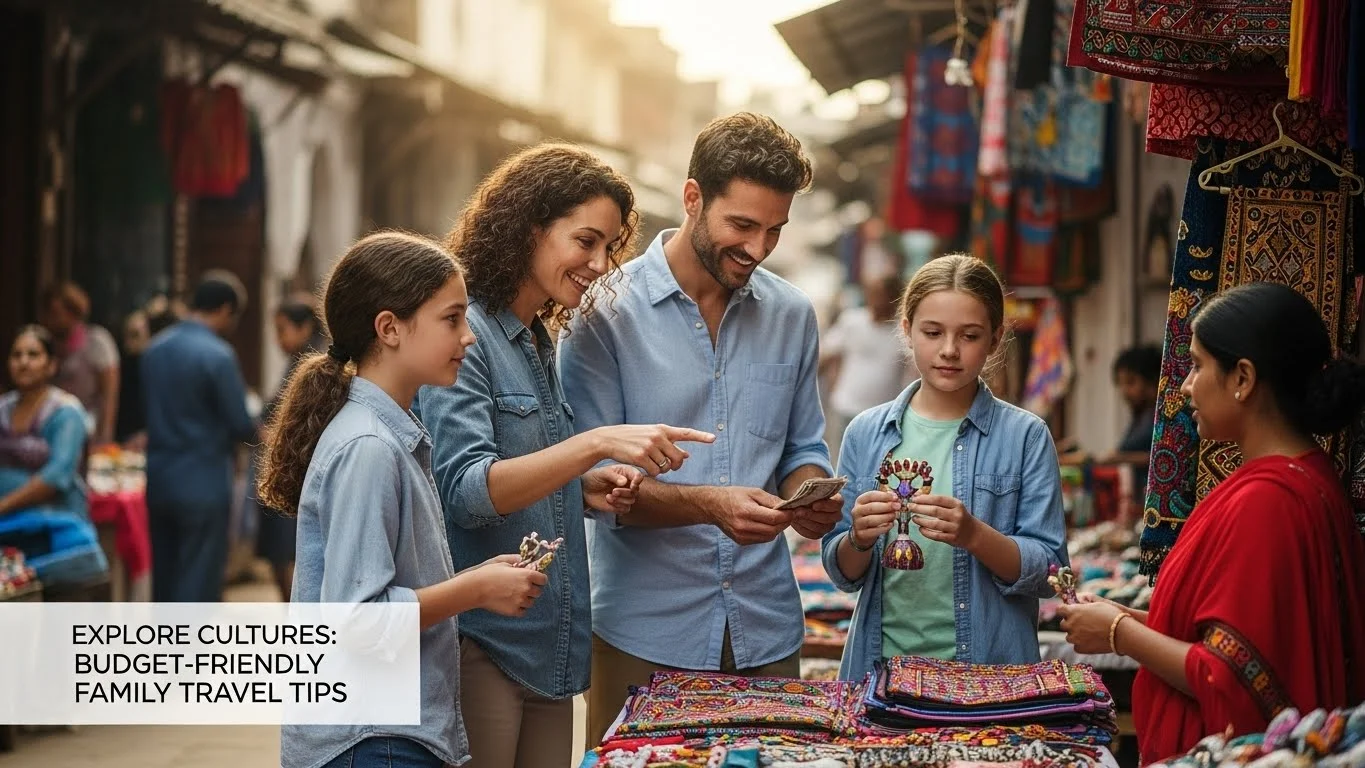
Explore Cultures: Budget-Friendly Family Travel Tips

Traveling with family doesn’t have to break the bank. I’ve discovered that exploring new cultures on a budget can lead to unforgettable experiences and cherished memories. Let’s dive into how we can make family travel both enriching and affordable. For more ideas, check out our Top 10 Cultural Experiences for Budget Family Travel.

Explore Cultures: Budget-Friendly Family Travel Tips

Understanding Family Travel on a Budget

The Importance of Budget-Friendly Travel

When I first started traveling with my family, I realized that sticking to a budget was crucial. It wasn’t just about saving money; it was about making our trips accessible and enjoyable. By being mindful of our expenses, we could explore more places, try out different activities, and embrace spontaneous adventures without the stress of overspending. Budget-friendly travel allows families to prioritize experiences over extravagant luxuries. I’ve found that some of the best memories come from simple moments, like picnicking in a park or wandering through local markets.

Benefits of Traveling with Family

Traveling as a family has unique advantages that go beyond just the destination. First, it strengthens our bonds. I remember one trip where we all got lost in a foreign city. Instead of panicking, we laughed it off, created a new adventure, and discovered hidden gems we never would have found otherwise. Family travel also teaches valuable life skills. My kids have learned to navigate new environments, communicate with people from different backgrounds, and adapt to unexpected situations. Plus, it opens up conversations about cultures, traditions, and histories that we might not explore at home.

Planning Your Trip: Budget Considerations

Setting a Travel Budget

One of the first steps I take when planning a trip is to set a realistic travel budget. This means sitting down with my family and discussing what we can afford without compromising our experience. We typically consider costs like transportation, accommodation, food, activities, and even souvenirs. I recommend creating a spreadsheet or using budgeting apps to keep track of our expenses. This way, we can identify areas where we might save money and ensure we stick to our budget throughout the trip.

Choosing Affordable Destinations

Not all destinations are created equal when it comes to affordability. I’ve learned that researching potential locations can save a lot of money. Some places, like Southeast Asia or Eastern Europe, tend to be more budget-friendly than others. I often look for destinations that offer a lot of free or low-cost activities. For instance, national parks, beaches, or historic towns can provide endless entertainment without the hefty price tag. Whenever we plan a trip, I make it a point to consider the cost of living in the area, as it can significantly impact our overall expenses. You can find great options in our article Family Travel on a Budget: Must-Visit Destinations.

When to Travel for the Best Deals

Timing can make all the difference in finding deals. I’ve discovered that traveling during the off-peak season not only means fewer crowds but also lower prices for flights and accommodations. For instance, visiting Europe in the fall or spring can be a lot cheaper than during the summer rush. We also try to avoid holiday periods when prices soar. Flexibility with our travel dates has allowed us to snag better deals. I often use fare comparison websites to keep an eye on flight prices, which helps us choose the best time to book.

Traveling Smart: Cost-Effective Tips

Finding Budget-Friendly Transportation

Transportation can eat up a big chunk of our travel budget, but I’ve learned some tricks to keep costs down. One of my favorite methods is using public transport. It’s often cheaper than taxis or rental cars, and it gives us a chance to experience the local culture more authentically. I remember hopping on a bus in Barcelona, where we got to see the city from a local’s perspective. Plus, it helped us save money for other fun activities.

Using Public Transport

Public transport can be a game changer for families. I always check if cities offer tourist passes that include unlimited access to buses and trains. In many cases, these passes are reasonably priced and can save us a lot of money, especially when traveling with kids. I also find that planning our daily itinerary around public transport routes helps us maximize our time and minimize travel costs.

Finding Family Discounts

Many transportation companies offer family discounts, so I make it a point to ask about them. Whether it’s a train, bus, or even a ferry, I’ve found that companies often have reduced rates for families traveling together. This small step can lead to significant savings when we’re on the move. Additionally, I look for travel packages that bundle transportation with attractions, which often come at a discounted rate.

Accommodation Options for Families

Finding a place to stay that fits our budget can be a challenge, but it also opens up a world of possibilities. I’ve experimented with various accommodation types, from hotels to hostels, and even vacation rentals. Each option has its pros and cons, but I usually lean towards places that offer kitchens, allowing us to save money on meals.

Staying in Hostels vs. Hotels

While many people think of hostels as just for backpackers, they can be a budget-friendly option for families too. I’ve discovered family rooms in hostels that are both comfortable and affordable. Plus, hostels often have communal kitchens where we can prepare our meals, which is a great way to save money and bond as a family. On the other hand, hotels can provide more privacy and amenities, so it’s all about what fits our family’s needs best.

Vacation Rentals and Home Exchanges

Vacation rentals can be a fantastic option for families. Websites like Airbnb and Vrbo have listings that cater specifically to families, offering space to spread out and often kitchens to cook in. I remember our stay in a cozy apartment in Paris, where we could whip up breakfast before heading out to explore. Home exchanges are another option I’ve considered. By swapping homes with another family, we save on accommodation costs while experiencing life in a different part of the world.

Exploring Cultures on a Budget

Free and Low-Cost Local Attractions

One of the best parts of traveling is immersing ourselves in the local culture, and I’ve found that there are plenty of ways to do this without spending a fortune. When we visit a new place, I make a point to research free or low-cost attractions. These experiences often turn out to be the most memorable. For example, while in Lisbon, we stumbled upon a beautiful viewpoint that overlooked the city, where we spent hours enjoying the sunset without spending a dime.

Parks and Nature Reserves

National parks and nature reserves are often free or have a minimal entrance fee. I remember one family trip to the Grand Canyon, where we spent an entire day hiking and exploring the breathtaking views. Not only was it an affordable outing, but it also allowed us to connect with nature and each other. Look for local parks that offer walking trails, picnic areas, and playgrounds for the kids. These spaces can provide a much-needed break from the hustle and bustle of travel.

Museums with Family Discounts

Museums can be a great way to learn about a new culture, and many offer family discounts or free admission on certain days. I’ve found that it’s often worth checking the museum’s website ahead of time to see if there are any special promotions. For instance, during our trip to Washington, D.C., we visited the Smithsonian museums, which are free to enter. The kids loved exploring the exhibits, and we left with a deeper understanding of American history without spending a cent.

Participating in Local Festivals and Events

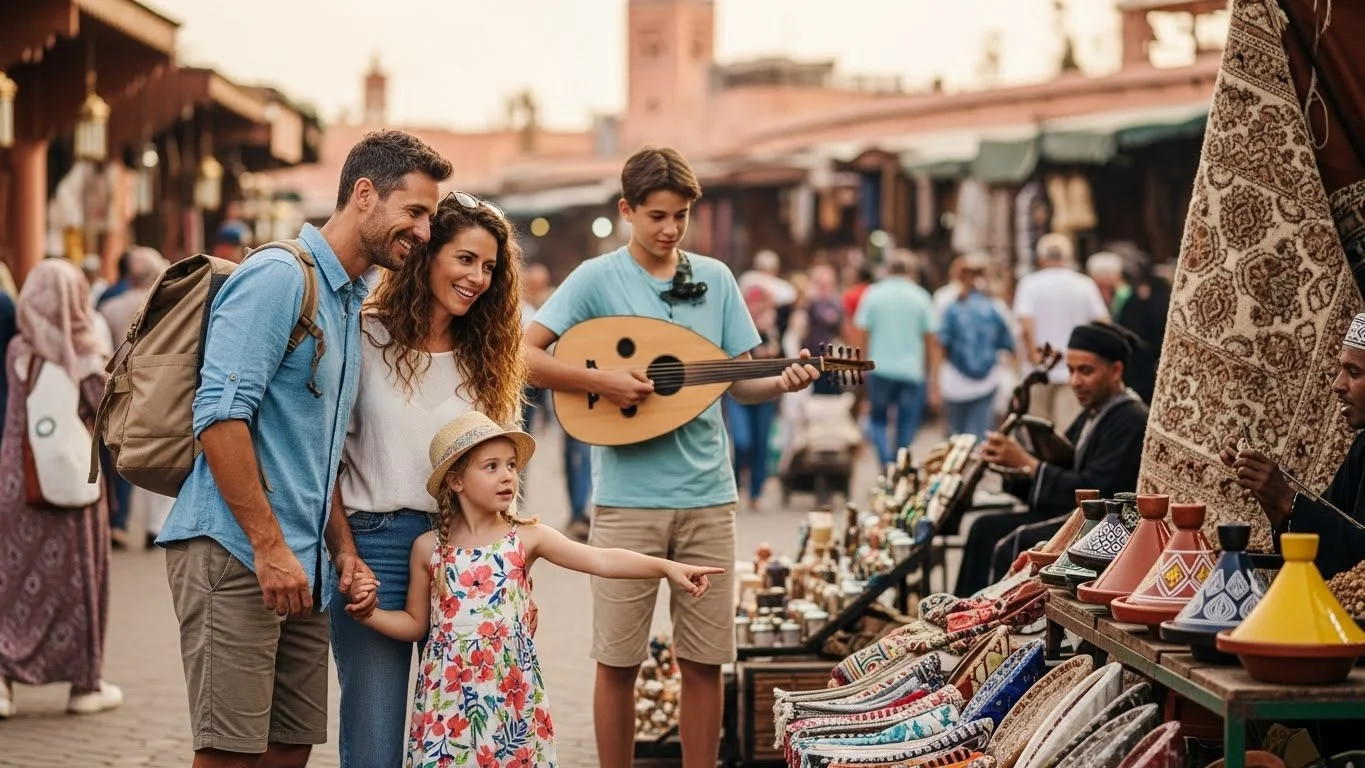
One of my favorite ways to experience a new culture is by participating in local festivals and events. These gatherings can offer a unique glimpse into the traditions and customs of a place. I remember attending a local food festival in a small town in Italy, where we tasted homemade pasta and listened to live music. Not only were the food samples often affordable, but the sense of community was palpable. I recommend checking local tourism websites or social media pages to find out what’s happening during your visit. For more tips on budget-friendly travel, refer to Affordable Family Adventures: Tips for Budget Travelers.

Food and Dining on a Budget

Eating Like a Local: Affordable Cuisine

Food is one of the highlights of travel, but it can also be one of the biggest expenses. I’ve learned that eating like a local often leads to the best and most affordable dining experiences. I like to ask locals for their recommendations on where to find great food without breaking the bank. Street vendors and neighborhood cafes can be treasure troves of delicious and inexpensive meals. For instance, I once tried authentic tacos from a stand in Mexico City that cost just a few dollars, and they were some of the best I’ve ever had.

Street Food and Local Markets

Street food is not only a budget-friendly option but also a fun way to taste the local cuisine. I love exploring food markets where the atmosphere is vibrant, and the variety is endless. In Bangkok, we spent a day wandering through the street food stalls, sampling everything from pad thai to mango sticky rice. It was an adventure in itself, and we enjoyed meals that were far cheaper than dining in a restaurant. Plus, it’s an opportunity to engage with local vendors and learn about their dishes.

Family-Friendly Restaurants with Deals

When we do choose to dine in restaurants, I always look for family-friendly places that offer deals. Many restaurants provide discounts for kids or have special family meal deals. I remember a lovely Italian family restaurant we found in Florence that offered a “kids eat free” night. It allowed us to enjoy a nice meal out without stressing our budget. Additionally, we often seek out places that feature local cuisine, which tends to be more affordable than upscale dining options.

Cooking as a Family Activity

One of the best ways to save money and bond as a family is by cooking together. If we’re staying in a vacation rental or a place with a kitchen, I love planning a few meals that we can prepare as a family. It not only saves money but also allows us to experience local ingredients. I remember shopping at a local market in Spain, picking out fresh produce, and making a simple paella together. The experience of cooking and then enjoying the meal we made was both fun and fulfilling.

Safety and Comfort While Traveling with Family

Safety Tips for Budget Travelers

Traveling on a budget doesn’t mean compromising safety. I always prioritize our family’s safety while ensuring we don’t overspend. I recommend researching the areas we’ll be visiting to understand any safety concerns. For instance, I usually check for local travel advisories or forums where other travelers share their experiences. When we’re out exploring, I keep an eye on our belongings, especially in crowded places, and remind the kids about staying close to us.

Health Considerations for Family Travel

Health is another important aspect of traveling, especially with kids. I always pack a basic first-aid kit with essentials like band-aids, pain relievers, and any necessary medications. Additionally, I make sure to research any health considerations for our destination, such as required vaccinations or food safety tips. I remember a family trip where we made sure to drink bottled water to avoid any stomach issues. Keeping our health in check means we can fully enjoy our travels without worry.

Engaging Activities for Families

Fun and Educational Experiences

One of the joys of traveling with my family is discovering activities that are both fun and educational. I believe that learning doesn’t have to stop just because we’re on vacation. I always look for opportunities that allow my kids to engage with the local culture in meaningful ways. For instance, we once took a cooking class in Thailand, where we learned to make traditional dishes from scratch. It was not just about the food; it was a hands-on way to understand the culture and customs surrounding Thai cuisine. The kids loved every minute, especially when they got to taste their creations!

Workshops and Classes

Workshops can be an amazing way for families to bond and learn something new together. I’ve found that many destinations offer classes in local crafts, music, or cooking. For example, during a trip to Italy, we enrolled in a pottery-making class. We spent the afternoon shaping clay while laughing and talking. It was a great way to immerse ourselves in the local art scene and create a unique souvenir to bring home. Plus, it was often more affordable than other tourist activities and provided a deeper connection to the place we were visiting.

Volunteering Opportunities

Another rewarding experience is volunteering together as a family. Not only does it allow us to give back to the community we’re visiting, but it also opens our eyes to local challenges and ways of life. I remember volunteering at an animal rescue in Costa Rica, where we helped care for local wildlife. It was a fantastic way to teach my kids about conservation and responsibility towards animals while also connecting with other travelers and locals who shared our passion. Volunteering can be a free or low-cost way to make a positive impact and enhance our travel experience.

Finding Kid-Friendly Attractions

When traveling with kids, finding attractions that cater to their interests is key. I’ve learned that many places have kid-friendly options that combine fun with learning. For example, during our visit to Washington, D.C., we took the kids to the National Air and Space Museum. They were fascinated by the aircraft and space exhibits, and it didn’t cost us a dime! I always check online for attractions that offer free admission for children or have special family days with reduced prices.

Zoos and aquariums are also excellent choices for family outings. They offer a chance to learn about animals and conservation efforts in an engaging environment. I recall visiting a zoo in San Diego where my kids participated in a behind-the-scenes tour. They loved getting up close to the animals and learning how the zookeepers cared for them. Plus, many zoos offer discounted tickets on certain days or family packages that can help us save money.

Maximizing Your Travel Experience

Creating Memorable Family Experiences

Travel is about making memories, and I strive to create experiences that my family will cherish long after the trip is over. One way we do this is by planning special activities or surprise excursions throughout our travels. For example, while in Hawaii, I surprised my family with a snorkeling trip to see the vibrant underwater world. The excitement on their faces as we swam alongside colorful fish and sea turtles was priceless. It’s those little moments of joy that often become our favorite stories to share.

Every year, we choose one unique activity that challenges us or takes us out of our comfort zone. Whether it’s zip-lining through a rainforest or hiking to a breathtaking waterfall, these experiences become the highlights of our trips. I always encourage my kids to step out of their comfort zones, and it’s rewarding to see them grow more confident with each adventure we undertake.

Documenting Your Journey: Budget-Friendly Tips

Keeping a travel journal or scrapbook can be an enjoyable way to capture our experiences without spending a lot of money. I often encourage my kids to document their favorite memories through drawings, ticket stubs, and photos. It’s a creative outlet that allows them to reflect on our travels, and it’s something we can look back on together as a family. I’ve found that adding little notes about what we learned or loved about each place makes it even more special.

We also use our smartphones to take pictures and create digital albums. I love the idea of having a shared family album where everyone contributes their favorite shots. It doesn’t cost anything, and it’s a great way to relive our adventures whenever we want. Plus, with so many apps available, it’s easy to create a slideshow or video montage that captures the essence of our trip.

Frequently Asked Questions

What is the importance of budget-friendly travel for families?

Budget-friendly travel allows families to prioritize experiences over extravagant luxuries, making trips accessible and enjoyable. It enables families to explore more places, try different activities, and embrace spontaneous adventures without the stress of overspending.

How can traveling with family strengthen relationships?

Traveling together strengthens family bonds through shared experiences and challenges. For instance, getting lost in a foreign city can turn into a memorable adventure, fostering laughter and teamwork among family members.

What are some tips for setting a travel budget?

To set a travel budget, it’s important to discuss with family what can be afforded without compromising the experience. Consider costs like transportation, accommodation, food, activities, and souvenirs, and keep track of expenses using spreadsheets or budgeting apps.

Which destinations are typically more budget-friendly for families?

Destinations like Southeast Asia and Eastern Europe tend to be more budget-friendly. It’s beneficial to research locations that offer free or low-cost activities, such as national parks, beaches, or historic towns.

When is the best time to travel for lower costs?

Traveling during the off-peak season can lead to lower prices for flights and accommodations. Flexibility with travel dates and avoiding holiday periods can help families find better deals.

What transportation options can help families save money while traveling?

Using public transport is often cheaper than taxis or rental cars and provides a more authentic experience. Cities may also offer tourist passes for unlimited access to transport, which can save money for families traveling together.

What accommodation options are available for family travelers on a budget?

Families can choose from various accommodation types, such as hotels, hostels, and vacation rentals. Hostels can provide family rooms and communal kitchens, while vacation rentals often offer space and amenities for cooking meals.

How can families find affordable dining options while traveling?

Eating like a local often leads to affordable dining experiences. Families can explore street food and local markets for inexpensive meals, and look for family-friendly restaurants that offer discounts or special deals.

What engaging activities can families participate in while traveling?

Families can enjoy fun and educational experiences like cooking classes, workshops, and volunteering opportunities. These activities not only offer bonding time but also allow families to immerse themselves in local culture.

How can families document their travel experiences in a budget-friendly way?

Keeping a travel journal or scrapbook allows families to capture their experiences creatively without spending much. Using smartphones to take photos and create digital albums can also help families relive their adventures at no extra cost.

Affordable Cultural Activities for Families on the Go

Exploring cultural activities as a family can be both enriching and affordable. With countless options available, you don’t have to break the bank to create lasting memories and foster a love for learning in your children. For more ideas, check out Top 10 Cultural Experiences for Budget Family Travel.

Affordable Cultural Activities for Families on the Go

Understanding Cultural Activities for Families

Definition of Cultural Activities

When I think of cultural activities, I picture experiences that connect us to history, art, and the diverse perspectives of our communities. These activities can range from visiting museums and attending local festivals to exploring historical landmarks and participating in art workshops. Essentially, they are experiences that help us understand the world around us, deepening our appreciation for different cultures and traditions.

Importance of Cultural Engagement for Families

Engaging in cultural activities as a family has been an eye-opening journey for me. When my family and I attend an art show or visit a historical site, I notice the conversations that arise. We share thoughts, ask questions, and learn together. This shared experience strengthens our bonds and cultivates curiosity in the kids. I believe that these outings teach valuable life lessons—about empathy, creativity, and the importance of community. Plus, they expose children to different viewpoints, which is essential in today’s diverse world.

Types of Affordable Cultural Activities

Free Museums and Art Galleries

One of my favorite ways to dive into culture without spending a dime is by visiting free museums and art galleries. Many cities have museums that offer free admission on specific days or times. I remember visiting the local art museum with my kids, marveling at the incredible artwork while talking about the different styles and artists. It was a fantastic way to spark their creativity and get them thinking critically about art. If you plan ahead, you can take full advantage of these opportunities. Many museums also offer free family days, where they host special activities tailored for kids!

Community Festivals and Events

Community festivals have a special place in my heart. From food fairs to cultural parades, these events often showcase the richness of local traditions. I love taking my family to these festivals because they provide a fun atmosphere filled with music, dance, and delicious food. At a recent cultural festival, my kids tried foods from different countries and learned traditional dances. These experiences are not only enjoyable but also serve as a platform for discussing the significance of cultural diversity. Plus, they often come at little to no cost, making them perfect for families on a budget. For more affordable options, consider Engaging Travel Activities for Kids: Explore on a Budget.

Outdoor Cultural Performances

There’s something magical about outdoor performances—whether it’s a concert in the park or a community theater show. My family loves attending these events during the summer months. We pack a picnic and head to a local park where musicians or actors bring stories to life. I remember a night when we watched a Shakespeare play under the stars. My kids were enthralled, and it led to a fantastic discussion about the play’s themes and characters afterward. Many community centers and parks host free or low-cost performances, making it easy to enjoy a night out without spending a fortune.

Historical Sites and Landmarks

Exploring historical sites can be an adventure for the whole family. I’ve taken my kids to various landmarks, from battlefields to old forts, and these visits have always sparked their curiosity. During one visit to a historic village, my children dressed in period costumes and participated in old-time games. It was a fun way to learn about history while feeling like they were part of it. Many of these sites offer free admission or discounted rates for families, making them accessible for everyone. I find that walking through history helps my kids appreciate their roots and understand the sacrifices made by those who came before us.

Workshops and Classes

Hands-on workshops can be a fantastic way to immerse yourselves in a culture. From pottery classes to cooking workshops, I’ve found that these activities allow my children to express themselves creatively while learning about different traditions. I remember enrolling in a family cooking class where we learned to make traditional dishes from different cultures. Not only did we have a blast cooking together, but we also got to enjoy the fruits of our labor. Many community centers and local art studios offer affordable classes designed for families, so keep an eye out for opportunities in your area. For more ideas, check out the Ultimate Guide to Budget-Friendly Kids’ Travel Activities.

Top Affordable Cultural Activities by City

New York City

Free Museum Days

New York City is a treasure trove of cultural experiences, and one of my favorite ways to explore it is through its many museums offering free admission days. Institutions like the American Museum of Natural History and the Museum of Modern Art have specific days or suggested donation policies that make it accessible for families. I remember taking my kids to the MET on a free admission day. We wandered through the vast galleries, and I could see their eyes light up as they encountered ancient artifacts and stunning paintings. It sparked their interest in history and art, and we spent the day exploring without worrying about the cost.

Street Performances in Central Park

Another highlight of our NYC adventures has been the street performances in Central Park. There’s always something happening—from musicians to dancers, and even magicians. I love how these performances create a lively atmosphere. One sunny afternoon, we stumbled upon a group of dancers showcasing traditional cultural dances. My kids were mesmerized, and we ended up dancing along with them! It’s moments like these that remind me of the beauty of spontaneous cultural engagements, and the best part? It’s all free!

Los Angeles

Hollywood Walk of Fame

In Los Angeles, the Hollywood Walk of Fame is a must-see. This iconic attraction is free to visit, and it’s a fun way to introduce kids to the world of cinema and entertainment. My family and I took a stroll down the boulevard, searching for stars of our favorite actors and actresses. We turned it into a little game, and my kids even pretended to be movie stars as they posed for photos. It was a lighthearted and enjoyable way to connect with the rich cultural history of Hollywood.

Art Walks in Downtown

Another fantastic cultural experience in Los Angeles is the art walks held in downtown neighborhoods. Many galleries open their doors to the public for free events during these walks, allowing families to explore local art firsthand. I remember attending one with my family where we got to meet some of the artists and learn about their creative processes. My kids enjoyed creating their mini masterpieces during a hands-on activity offered at one of the galleries. These events not only showcase creativity but also foster an appreciation for the arts in our children.

Chicago

Lincoln Park Free Events

Chicago is filled with cultural gems, particularly in Lincoln Park. There’s a variety of free events throughout the summer, including outdoor movies and concerts. My family and I made it a tradition to attend the summer movie nights in the park. We would pack a picnic and spread out our blanket, enjoying the film under the stars. It was a beautiful way to unwind as a family, and we often talked about the movie themes and characters afterward. Plus, it didn’t cost us anything more than a few snacks!

Chicago Cultural Center

The Chicago Cultural Center is another gem that often gets overlooked. Admission is always free, and the building itself is a work of art! I took my kids there to marvel at the stunning Tiffany stained-glass dome. They were captivated by the beauty and grandeur of the space, and we spent hours wandering through the various exhibitions. It was a perfect blend of education and fun, and my kids came away with a newfound appreciation for architecture and design.

Washington, D.C.

National Mall Museums

In Washington, D.C., the National Mall is home to numerous museums that offer free entry, including the Smithsonian Institution. I’ve taken my family to the National Air and Space Museum and the National Museum of American History, and both experiences were unforgettable. We spent an entire day exploring the exhibits, and my kids loved the interactive displays. It’s incredible to see their faces light up as they learned about space travel and American history. The best part is that these museums encourage curiosity and inquiry, making learning feel like an adventure.

Outdoor Concerts

Washington, D.C. also hosts free outdoor concerts throughout the summer in various parks. When we attended one of these concerts, it was fantastic to see families gathering to enjoy music together. The atmosphere was electric, and my kids bounced to the rhythm, soaking up the experience. I believe these events not only provide entertainment but also foster a sense of community. Sharing music with others is a beautiful cultural experience that my family cherishes.

Planning Your Cultural Activities

Budgeting for Cultural Experiences

When it comes to planning cultural activities, I’ve learned that budgeting is key. I remember when my family and I first started exploring cultural events; I was a bit overwhelmed by how quickly costs could add up if I wasn’t careful. To avoid overspending, I typically set a monthly budget for our cultural outings. This includes admission fees, food, and any special activities we want to try. I also factor in transportation costs, which can be easy to overlook. By sticking to a budget, we can enjoy experiences without that nagging worry about finances. Plus, it forces me to be creative—sometimes the best experiences are the ones that don’t cost much at all!

Finding Local Resources and Guides

Another great tip I’ve discovered is to tap into local resources and guides. Many cities have websites or community centers that list upcoming cultural events. I often visit these sites to find family-friendly activities or festivals happening in our area. I remember stumbling upon a local arts festival through a community newsletter. It turned out to be one of our favorite outings! These resources not only provide information about events but also often include tips on getting the most out of your visit, like parking options or what to bring. I recommend checking out social media groups or local parenting forums too—people often share hidden gems that aren’t widely advertised.

Utilizing Online Platforms and Apps

I can’t stress enough how helpful online platforms and apps have been in planning our cultural adventures. There are several apps designed specifically for finding local events based on your interests. I found one that lets you filter activities by age group and cost, which has made planning outings with my kids so much easier. I particularly enjoy using event platforms that send reminders for free days at museums or upcoming festivals. I’ve ended up discovering events I wouldn’t have known about otherwise. Plus, it’s fun to browse through photos and reviews from other families; it gives me a sense of what to expect and helps me get my kids excited about the adventures ahead!

Tips for Enjoying Cultural Activities with Kids

Engaging Children with Interactive Experiences

One of the best parts of cultural activities is how interactive they can be. I’ve noticed that when my kids are actively involved, they are much more engaged and enjoy the experience more. For instance, at a recent science fair, there were hands-on exhibits where my children could experiment with different scientific concepts. They were thrilled to be part of the action rather than just observing. I always look for activities where they can touch, create, or participate, such as workshops or demonstrations. I feel that these interactive experiences not only make learning fun but also help them retain information better.

Choosing Age-Appropriate Activities

It’s important to consider the age of your children when planning cultural outings. Some experiences may be too advanced or not engaging enough for younger kids. I remember taking my preschooler to an art exhibition that was more suited for older kids. While the art was beautiful, he lost interest quickly. Now, I make it a point to research activities beforehand to ensure they are age-appropriate. There are often family days or children’s events specifically tailored for younger audiences. By choosing the right activities, I ensure that everyone in the family has a good time and walks away with something meaningful.

Incorporating Learning into Fun

One thing I love to do is connect what we see and do during our cultural outings to lessons at home. I believe that learning should be fun, and I try to weave in educational elements into our experiences. For instance, after visiting a historical site, we might sit down and read a book related to what we learned or watch a documentary. I’ve found that this enhances their understanding and keeps the conversation going long after we leave. We also play games like trivia or scavenger hunts based on our experiences, which makes it exciting to revisit what we’ve learned. I truly think these connections help reinforce knowledge while keeping our family engaged in a playful way.

Safety and Accessibility Considerations

Understanding Venue Policies

As a parent, I’ve learned that being informed about venue policies can make our cultural experiences more enjoyable. Before we head out, I always check the venue’s website for any specific guidelines, especially regarding children. Some places have age restrictions, while others offer special accommodations for families. I remember once arriving at a venue only to find out they had a strict no-food policy, which was a bit of a challenge with hungry kids! Knowing these details in advance helps me prepare better and avoids any surprises that could dampen the day.

Transportation Options for Families

Transportation can be a big part of our outings, and I’ve realized how essential it is to plan this ahead of time. Depending on where we’re going, we might take public transit, drive, or even walk. I’ve found that using public transport can be a fun adventure for the kids, plus it often saves on parking costs. I usually check transit schedules and routes to ensure a smooth journey. If we decide to drive, I look for nearby parking options that are convenient but affordable. Planning transportation helps us avoid unnecessary stress and allows us to focus on enjoying our day together.

Accessibility for Kids and Strollers

Accessibility is something I always consider, especially when planning outings with younger children. I’ve learned that some venues are more stroller-friendly than others. Before we go, I make sure to check if they provide stroller rentals or have designated areas for families. There have been times when I’ve had to carry a tired child or navigate through crowded areas with a stroller, which can be challenging. Knowing the layout of the venue and any potential accessibility issues helps ensure that our family can enjoy the experience without unnecessary hassle. It’s all about making our cultural outings enjoyable and stress-free!

Frequently Asked Questions

What are cultural activities for families?

Cultural activities for families are experiences that connect them to history, art, and the diverse perspectives of their communities. These can include visiting museums, attending local festivals, exploring historical landmarks, and participating in art workshops.

Why is engaging in cultural activities important for families?

Engaging in cultural activities strengthens family bonds, cultivates curiosity, and teaches valuable life lessons about empathy, creativity, and the importance of community. It also exposes children to different viewpoints, which is essential in a diverse world.

What types of affordable cultural activities can families enjoy?

Families can enjoy free museums and art galleries, community festivals and events, outdoor cultural performances, historical sites and landmarks, and hands-on workshops and classes, many of which are low-cost or free.

How can families find free museum days in New York City?

Many museums in New York City, such as the American Museum of Natural History and the Museum of Modern Art, offer specific days with free admission or suggested donation policies, making them accessible for families.

What cultural experiences can families have in Los Angeles?

In Los Angeles, families can visit the Hollywood Walk of Fame for free and participate in art walks in downtown neighborhoods where galleries open their doors for free events.

What are some cultural activities in Chicago?

In Chicago, families can enjoy free events in Lincoln Park, such as outdoor movies and concerts, as well as visit the Chicago Cultural Center, which offers free admission to explore its stunning architecture and exhibitions.

What cultural experiences are available in Washington, D.C.?

Washington, D.C. offers numerous free museums on the National Mall, including the Smithsonian Institution, as well as outdoor concerts in various parks during the summer.

What tips can help families budget for cultural experiences?

Families should set a monthly budget for cultural outings, including admission fees, food, and transportation costs. Sticking to a budget allows families to enjoy experiences without financial worries.

How can families utilize online resources to find cultural activities?

Families can tap into local resources and guides, visit community websites, and use online platforms and apps designed for finding local events based on interests, which can simplify planning outings.

What considerations should families keep in mind regarding accessibility and safety?

Families should understand venue policies, plan transportation options, and ensure that locations are suitable for strollers and children. Checking the venue’s guidelines in advance helps avoid any surprises during their outings.

Top 10 Cultural Experiences for Budget Family Travel

Traveling with family doesn’t have to break the bank. Exploring cultural experiences can be a delightful way to bond while learning about new places and traditions. Here are some insights to help you plan an unforgettable adventure. Read Interesting article: Family Travel on a Budget: Must-Visit Destinations

Top 10 Cultural Experiences for Budget Family Travel

Understanding Cultural Experiences

What Are Cultural Experiences?

Cultural experiences are activities that allow travelers to engage with the traditions, customs, and practices of a community. From enjoying local music and dance to participating in traditional crafts, these experiences offer a window into the soul of a place. When I think of cultural experiences, I remember the vibrant street performers in New Orleans or the bustling markets of Marrakech. Each moment is a chance to connect deeply with the local culture.

Importance of Cultural Experiences for Families

For families, cultural experiences provide an opportunity to learn together and create lasting memories. They foster understanding and appreciation of diversity, which I believe is essential in today’s world. I can still recall the joy my family felt while participating in a local festival in a small Italian town. We danced, tasted unique foods, and met locals who shared stories of their heritage. These experiences not only bring us closer but also enrich our understanding of different ways of life.

Top 10 Budget-Friendly Cultural Experiences

1. Local Festivals and Events

One of my favorite ways to dive into a culture is to attend local festivals. These events often showcase music, dance, and food specific to that area. Many festivals are free or have a low entry fee, making them budget-friendly. I remember attending a cherry blossom festival in Washington, D.C., where we enjoyed live performances, art displays, and, of course, the stunning cherry blossoms. It felt like a celebration of life and community.

2. Community Art Projects and Workshops

Getting hands-on with art can be a fantastic way to engage with a culture. Many communities offer workshops where families can learn about local crafts, painting techniques, or pottery. I once took my kids to a pottery workshop in Mexico, where we learned from a local artist. It was affordable, and my kids left with their own creations, not to mention a newfound appreciation for the craft!

3. Free Museums and Cultural Institutions

Museums can be treasure troves of knowledge, and many offer free entry or discounted family tickets. During one family trip, we visited a local history museum that allowed us to explore the region’s past through interactive exhibits. It was both educational and fun, and we spent hours wandering through the displays. Always check museum websites for free entry days, as it can make a significant difference in your budget.

4. Street Markets and Food Festivals

Street markets are perfect for experiencing local cuisine without spending a fortune. They often feature food stalls run by local vendors, showcasing traditional dishes. I love the thrill of trying new foods, and my children are the same way. At a night market in Thailand, we sampled everything from spicy noodles to sweet desserts, all while enjoying the lively atmosphere. It was a feast for our senses and a great way to bond as a family.

5. Historic Landmarks and Their Significance

Visiting historic landmarks can be both educational and inspiring for families. Many of these sites offer free or low-cost admission. I remember exploring the ruins of an ancient castle with my family. As we walked through the old stone walls, we imagined what life was like centuries ago. The kids were fascinated, and it sparked great conversations about history. Always look for guided tours, as they often provide valuable insights that enhance the experience.

6. Nature and Outdoor Cultural Activities

Exploring the natural beauty of a region often reveals aspects of its culture. Activities like hiking, kayaking, or visiting local parks can provide insight into how the environment shapes the lifestyle of its people. On a trip to the Pacific Northwest, we joined a guided nature walk that highlighted the indigenous culture and their connection to the land. It was an enlightening experience that we all cherished.

7. Local Cuisine Cooking Classes

Taking a cooking class can be a fun way to immerse your family in a culture. Many destinations offer classes where you can learn to prepare traditional dishes. I remember taking a pasta-making class in Italy, where we not only learned how to make fresh pasta but also connected with local chefs who shared their culinary secrets. It was a delightful way to bring a piece of that culture back home.

8. Cultural Exchange Programs

Some communities offer cultural exchange programs that allow families to host locals or participate in immersive experiences. I once had the chance to host a family from another country, and it was a beautiful exchange of cultures. We shared meals, traditions, and stories, creating a bond that transcended borders. It’s a fantastic way to learn directly from someone who lives the culture every day.

9. Volunteer Opportunities for Families

Volunteering while traveling connects you with the community in a meaningful way. Many organizations welcome families to help with local projects, from environmental clean-ups to tutoring children. My family once volunteered at a community garden, and it was a rewarding experience that allowed us to meet locals and contribute positively. It was a beautiful reminder of how giving back can enrich our travels.

10. Traditional Music and Dance Performances

Experiencing traditional music and dance performances can be captivating. Many communities hold free events in public spaces or cultural centers. I fondly recall attending a folk dance performance in a town square, where my kids were invited to join in. It was a joyful experience, filled with laughter and rhythm, and it helped us appreciate the importance of music and dance in cultural expression.

Planning Your Cultural Experience

Choosing the Right Destinations

When it comes to planning a cultural experience, choosing the right destination is vital. I’ve found that some places are simply brimming with rich cultural offerings. Think about what interests your family the most. Are you drawn to art and history, or perhaps food and music? For example, I remember my family’s trip to Oaxaca, Mexico. The vibrant art scene, stunning architecture, and delicious cuisine made it a perfect spot to soak in the culture. I suggest looking for destinations known for their festivals, historical sites, and local traditions. It can also be helpful to read travel blogs or watch vlogs to get a sense of the atmosphere and what to expect.

Best Times to Experience Local Culture

Timing can make all the difference in your cultural exploration. Many destinations have specific seasons when local events or festivals take place. I learned this firsthand when we traveled to Edinburgh during the Fringe Festival. The city was alive with performers, street artists, and a buzzing atmosphere that was unmatched. I recommend checking event calendars and planning your trip around major local celebrations or seasonal activities. That way, you can immerse your family in the local culture and enjoy experiences that wouldn’t be available at other times of the year. Additionally, visiting during the off-peak season can often lead to more authentic and less crowded experiences.

Budget Considerations: What to Expect

Understanding the budget for cultural experiences is essential, especially when traveling with family. I remember planning a trip to Thailand where we had to balance activities that were on our must-do list with our budget. It’s important to research not only the costs of admission for museums or events but also consider transportation and dining expenses. Many cultural experiences can be low-cost or even free, but others might require a bit of splurging. I recommend creating a budget breakdown so you know what to expect. It can help you make informed choices. For instance, we decided to prepare some of our meals in our rental to save money, allowing us to splurge on a cooking class that we would remember forever. Read Interesting article: Top Family-Friendly Luxury Resorts for Budget Travelers

Family-Friendly Tips for Cultural Exploration

Involving Kids in Cultural Activities

Getting kids involved in cultural activities can turn a simple trip into an enriching adventure. I’ve noticed that when my kids helped choose activities, they were much more engaged. Finding ways to involve them in the process can be as simple as letting them pick a local dish they want to try or a museum they want to visit. On our last trip, we visited a market where the kids selected various ingredients for a meal we later cooked. Their excitement was contagious, and it made the experience feel more personal. Consider introducing games or challenges during your outings, like a scavenger hunt to encourage them to observe and appreciate their surroundings.

Safety Tips for Family Travel

Safety is paramount while traveling, especially with children. I’ve learned that it’s best to be prepared. Before heading out, I like to familiarize myself with the area, including local customs and any safety concerns. For instance, when we traveled to a bustling city, we made it a point to stay in well-populated areas and keep our belongings close. Having a plan for emergencies, like knowing where to find the nearest hospital or police station, can provide peace of mind. Additionally, I recommend discussing safety tips with the kids, like staying close and using landmarks to navigate back if they get separated. This not only keeps everyone safe but helps them feel empowered during our adventures.

Making the Most of Your Cultural Experience

To truly make the most of your cultural experiences, being open-minded is key. I’ve found that sometimes the best moments come from unexpected situations. For example, while visiting a small village, we stumbled upon a gathering that wasn’t on any itinerary. The locals welcomed us with open arms, and we ended up dancing and sharing stories. Embrace spontaneity and take the time to connect with the locals. Ask questions, participate in conversations, and try to understand their way of life. I also suggest keeping a travel journal. Not only is it a great way to document your experiences, but it can help you reflect on what you learned during your journey. Sharing those experiences later with friends or family can turn into cherished memories.

Resources for Budget Family Travel

Websites and Apps for Finding Events

When it comes to finding cultural events, there are so many resources available that can help ease the planning process. Websites like Eventbrite and Meetup can provide a wealth of information about local happenings. I often discover free concerts, art exhibitions, and community gatherings through these platforms. Additionally, social media can serve as a great tool; local tourism boards often post about upcoming events on their pages. There are also apps like Culture Trip and Roadtrippers that can help you uncover hidden gems in your destination, making it easier to plan an itinerary full of cultural experiences.

Community Resources and Local Guides

Engaging with local resources can significantly enhance your cultural experience. Many cities have visitor centers offering maps, brochures, and recommendations from locals. I’ve found that talking to local guides can also provide insights that you won’t find in guidebooks. On my last trip, we hired a local guide who not only showed us the main attractions but also took us to lesser-known spots that were rich in culture. This interaction not only supported the local economy but also allowed us to connect with the community on a deeper level.

Budget Accommodation Options Near Cultural Sites

Finding the right place to stay can make a big difference in your travel experience. I always look for budget accommodation options that are close to cultural sites. Staying in a local guesthouse or a rental apartment can often provide a more authentic experience than a hotel. Websites like Airbnb or Hostelworld can help you find affordable options that fit your family’s needs. Being centrally located can save you on transport costs and allow you to explore more leisurely. I remember staying in a cozy apartment in a historic area that allowed us to walk to nearby markets and museums, creating a richer experience without breaking the bank.

Understanding Cultural Experiences

What Are Cultural Experiences?

Cultural experiences are opportunities to engage with the traditions, customs, and lifestyles of communities around the world. They can take many forms, such as local music performances, traditional dance, festivals, or culinary experiences. I’ve found that these experiences often reveal the heart and soul of a place, creating lasting memories that go beyond the typical tourist attractions. For instance, my family and I once stumbled upon a local dance-off in a park in Barcelona. It was spontaneous and vibrant, with people of all ages participating. That moment encapsulated the joy and togetherness that cultural experiences can bring.

Importance of Cultural Experiences for Families

For families, cultural experiences are vital in promoting understanding and appreciation of diversity. They provide a chance to learn together in an engaging environment. I’ve seen firsthand how my children’s perspectives broaden after participating in activities that expose them to different cultures. During a family trip to Peru, we worked alongside local artisans in a weaving workshop. The kids not only learned about the craft but also about the significance of textiles in Peruvian culture. It was a meaningful way to connect with the community and each other, fostering a sense of empathy and curiosity.

Top 10 Budget-Friendly Cultural Experiences

1. Local Festivals and Events

Attending local festivals is one of my top recommendations for cultural immersion. These celebrations often highlight the unique traditions of a community, including music, food, and art. I remember a vibrant street fair in San Francisco that featured performances by local artists, delicious food stalls, and crafts for sale. These events are often free or have a nominal entry fee, making them perfect for families on a budget.

2. Community Art Projects and Workshops

Engaging in community art projects provides a fantastic way to create lasting memories while connecting with local culture. Many places offer workshops where you can learn traditional crafts. I once took my children to a community mural painting project in a small town in Mexico. It was affordable, and we left not only with paint-splattered clothes but also with a deeper appreciation for the local history and community pride.

3. Free Museums and Cultural Institutions

Museums can serve as windows into a location’s history and culture, and many offer free admission days or family discounts. On a trip to Chicago, we explored the Field Museum on a free admission day. The interactive exhibits captivated my kids, and we spent hours learning about ancient civilizations. Always check the museum’s website for special offers; these can significantly enhance your experience without straining your budget.

4. Street Markets and Food Festivals

Street markets are a treasure trove of flavors and local delicacies. They allow families to sample various dishes without overspending. I love the energy of bustling markets, like the night market in Taiwan, where we sampled dumplings, bubble tea, and sweets. The experience was not just about the food; it was about the lively environment and the chance to interact with local vendors, making it a culinary adventure.

5. Historic Landmarks and Their Significance

Exploring historic landmarks can be both educational and inspiring. Many sites offer free or low-cost admission. For instance, visiting the ancient ruins of Pompeii in Italy was a highlight for my family. Walking through the preserved streets brought history to life, sparking our imaginations and conversations about ancient cultures. Guided tours often enhance these visits, providing context and stories that deepen our understanding of the site’s significance.

6. Nature and Outdoor Cultural Activities

Nature activities often provide insight into the relationship between the community and its environment. I’ve found that hiking or participating in outdoor workshops can reveal cultural practices tied to the land. During a family trip to Costa Rica, we participated in a local tour that focused on eco-tourism and conservation efforts. It was enlightening to learn how local communities are working to preserve their natural heritage while sharing it with visitors.

7. Local Cuisine Cooking Classes

Cooking classes are a delicious way to learn about a culture. I remember taking a cooking class in Thailand, where we not only learned to make traditional dishes but also explored the local markets to gather ingredients. The interaction with the chef and other participants created a sense of community and connection to the culture we were experiencing.

8. Cultural Exchange Programs

Cultural exchange programs offer a unique opportunity to connect with locals. I once hosted a family from overseas, and it was a wonderful experience of sharing meals, stories, and cultural traditions. These exchanges can lead to lifelong friendships and provide a deeper understanding of different lifestyles.

9. Volunteer Opportunities for Families

Volunteering while traveling allows families to engage meaningfully with the community. I remember the time my family helped at a local school in Guatemala. It was rewarding to contribute while learning about the local education system. These experiences not only foster connections but also instill a sense of gratitude and awareness in children.

10. Traditional Music and Dance Performances

Experiencing traditional music and dance can be a joyful way to engage with a culture. I’ve enjoyed attending performances in town squares, where locals often invite visitors to join in. It’s a fun way to break the ice and immerse ourselves in the rhythms and movements that are integral to the culture.

Planning Your Cultural Experience

Choosing the Right Destinations

When planning a cultural experience, selecting the right destination is crucial. Some regions are rich in cultural offerings, while others may be more focused on natural beauty. I always consider my family’s interests. For instance, when we visited Kyoto, Japan, the blend of traditional temples, gardens, and vibrant street life captivated us all. Researching destinations known for their cultural festivals, local traditions, and historical significance can help ensure a fulfilling trip.

Best Times to Experience Local Culture

Timing your travels can significantly impact your cultural experience. Many places host unique events during specific seasons. I learned this when we visited Oaxaca during the Day of the Dead celebrations. The atmosphere was electric, with colorful altars, parades, and local customs that would have been missed at any other time of year. Always check local calendars to plan your trip around major festivals or seasonal activities.

Budget Considerations: What to Expect

Understanding your budget for cultural experiences is essential. I’ve learned to prioritize activities based on our interests and budget. Some experiences might be free, while others could require a bit of splurging. For example, we once opted for a free local concert over a pricey event, allowing us to enjoy authentic music without breaking the bank. Creating a budget breakdown can provide clarity and help you allocate funds for the experiences that matter most.

Frequently Asked Questions

What are cultural experiences?

Cultural experiences are activities that allow travelers to engage with the traditions, customs, and practices of a community. They can include local music performances, traditional dance, festivals, or culinary experiences, providing a deeper connection to the local culture.

Why are cultural experiences important for families?

Cultural experiences promote understanding and appreciation of diversity among family members. They provide opportunities to learn together in engaging environments, helping to broaden perspectives and create lasting memories.

What are some budget-friendly cultural experiences?

Some budget-friendly cultural experiences include attending local festivals, participating in community art projects, visiting free museums, exploring street markets, and attending traditional music and dance performances. Many of these activities are either free or have low entry fees.

How can families choose the right destinations for cultural experiences?

When choosing destinations, families should consider what interests them the most, such as art, history, food, or music. Researching locations known for their festivals, historical sites, and local traditions can enhance the cultural experience.

What are the best times to experience local culture?

Timing can significantly impact cultural exploration. Many destinations have specific seasons for local events or festivals. Planning a trip around these celebrations can provide a richer cultural experience, as well as visiting during off-peak seasons for more authentic interactions.

What budget considerations should families keep in mind?

Families should understand the costs associated with cultural experiences, including admission fees, transportation, and dining. Creating a budget breakdown can help prioritize activities that align with their financial plans, ensuring they enjoy memorable experiences without overspending.

How can kids be involved in cultural activities?

Involving kids in cultural activities can enhance their engagement. Parents can let children choose dishes to try or museums to visit, and introducing games or challenges, like scavenger hunts, can make the experience more interactive and personal.

What safety tips should families consider while traveling?

Families should familiarize themselves with local customs and safety concerns before traveling. It’s important to stay in well-populated areas, keep belongings close, and have a plan for emergencies. Discussing safety tips with children can help ensure their safety and empower them during the trip.

How can families make the most of their cultural experiences?

To maximize cultural experiences, families should remain open-minded and embrace spontaneity. Connecting with locals, participating in conversations, and keeping a travel journal can enrich the journey and create cherished memories to share later.

What resources are available for finding cultural events?

Families can utilize websites like Eventbrite and Meetup for local happenings. Social media and tourism boards can also provide information about upcoming events, while community resources and local guides can offer valuable insights into cultural experiences in the area.