Web Analytics

Recent Posts

Ultimate Guide to Family-Friendly Outdoor Adventures on a Budget

Family adventures don’t have to break the bank! With a little creativity and planning, we can explore the great outdoors while keeping our budget in check. Let’s dive into the world of family-friendly outdoor adventures!
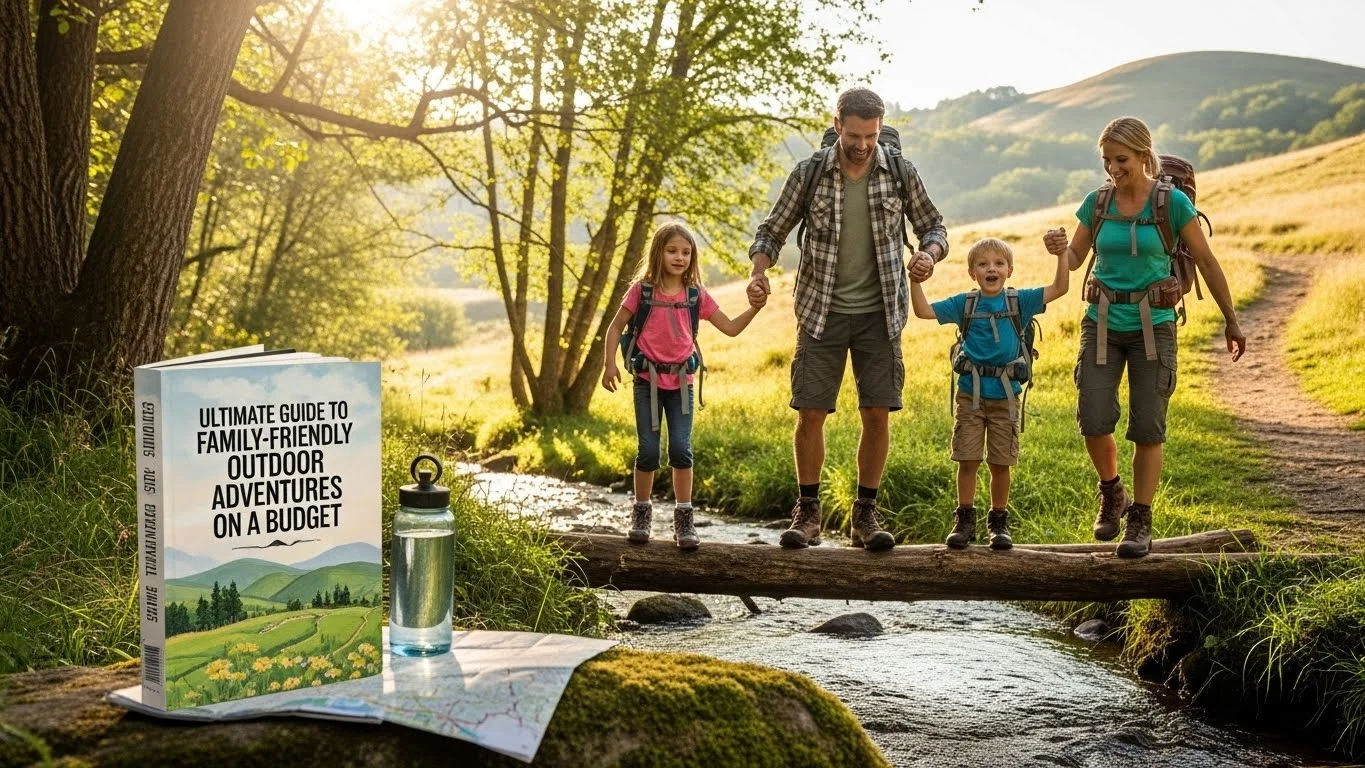
Ultimate Guide to Family-Friendly Outdoor Adventures on a Budget

Understanding Family-Friendly Outdoor Adventures

What Are Family-Friendly Outdoor Adventures?

When I think of family-friendly outdoor adventures, I envision activities that bring my loved ones closer while allowing us to explore nature together. These adventures can include everything from hiking beautiful trails to camping under the stars. They’re designed to be enjoyable for all ages, making sure even the youngest family members can participate and have fun. I believe that the best family moments happen outdoors, whether it’s a simple picnic in the park or a weekend camping trip in a national forest.

Benefits of Outdoor Activities for Families

Engaging in outdoor activities offers numerous benefits that go beyond just having fun. For one, it provides a perfect opportunity to spend quality time together, strengthening our family bonds. I’ve noticed that when we’re outside, everyone seems more relaxed and connected. Nature has a way of bringing out the best in us. Plus, outdoor activities encourage physical fitness. Hiking, biking, or even playing catch can be a great way to get our hearts pumping and enjoy some fresh air. It’s also an excellent way to teach children about teamwork and cooperation, whether they’re working together to set up a tent or navigating a new trail.

Additionally, being outdoors allows us to unplug from our screens and enjoy the beauty around us. I often feel rejuvenated after spending time outside, and I’ve seen my kids gain a newfound appreciation for nature. They learn to observe wildlife, appreciate different plants, and understand the importance of preserving our environment. These experiences feed their curiosity and foster a sense of adventure, which I think is vital for their growth.

Planning Your Budget-Friendly Outdoor Adventure

How to Create a Family Adventure Budget

Before we embark on our outdoor adventures, I find it helpful to create a budget. I usually start by sitting down with my family and discussing what activities we want to do. We’ll list possible expenses like travel, food, entrance fees, and gear. By establishing a budget, we can prioritize what’s most important for our trip. For instance, if we want to stay at a national park, we might allocate more funds for that while choosing to prepare our meals instead of dining out. A clear budget helps us stay on track and enjoy our adventure without financial stress.

Finding Affordable Transportation Options

Transportation can often be one of the biggest expenses when planning our outdoor excursions. I remember one trip where we decided to drive instead of flying, which saved us a lot of money. Carpooling with friends or family can also reduce costs and make the trip more fun. If we need to rent a vehicle, I always shop around for the best deals and look for discounts. Sometimes, local rental companies or even community boards can have great offers.

Choosing Budget-Friendly Destinations

When deciding where to go, I’ve found that exploring local parks and nature reserves can be just as exciting as traveling to distant locations. Many areas have beautiful hiking trails, lakes, and picnic spots right in our own backyard. I recommend researching local attractions or visiting state parks, which often have lower entrance fees than national parks. This way, we can enjoy a day of adventure without spending a fortune. Plus, it’s often easier to plan shorter trips, which means we can explore more frequently!

When planning our trip, I also check for any community events such as outdoor movie nights or nature walks offered for free. It’s amazing how many resources are available right around us. We’ve discovered hidden gems by simply asking locals or checking community boards for events. Sometimes, spontaneity leads to the most memorable adventures!

Best Outdoor Activities for Families

Hiking Trails Suitable for Kids

Hiking has become one of my family’s favorite outdoor activities. There’s something magical about walking together on a trail, surrounded by nature. I’ve learned to look for kid-friendly trails, which are usually shorter and less strenuous. These trails often have interesting features like streams, wildlife, or unique rock formations that keep my children engaged. I always pack a small backpack with snacks and water to keep our energy up during our hikes. And I’ve discovered that making a game out of spotting different plants or animals can make the hike even more enjoyable for everyone!

Camping: Tips for a Family-Friendly Experience

Camping as a family is an experience I cherish. Setting up a tent, roasting marshmallows, and telling stories around the campfire creates lasting memories. To ensure a fun experience, I recommend choosing campgrounds that cater to families, with amenities like restrooms and picnic areas. Preparing for the trip is key; I like to involve my kids in the packing process, letting them choose their favorite snacks and activities. I also ensure we have all the essentials—like sleeping bags, first aid kits, and cooking supplies—before we hit the road.

Picnicking in the Great Outdoors

There’s something special about enjoying a meal outside. I love packing a picnic basket filled with our favorite foods and heading to a local park. We often spread out a blanket, enjoy our meal, and play games afterward. I remember one picnic where we brought along a frisbee, and we ended up having a blast playing catch. Picnicking is an affordable way to make the most of a sunny day while enjoying delicious food and each other’s company.

Exploring Nature Reserves and National Parks

Visiting nature reserves and national parks has always been a highlight for my family. These areas are often rich in biodiversity and provide endless opportunities for exploration. I recommend checking for any free admission days or discounts available for families. It’s worth planning our trips around those dates to save some money! We love going on ranger-led programs, which are not only informative but also free. It’s a fantastic way for my kids to learn while having fun. Top 10 Budget-Friendly Outdoor Adventures for Families can also provide great ideas for our next outing.

Outdoor Sports and Games for All Ages

Outdoor games are a great way to keep everyone active and entertained. I remember organizing a mini-Olympics during one of our family outings. We set up different stations for activities like sack races, tug-of-war, and frisbee. It was easy to organize and required minimal equipment. I found that these games brought out everyone’s competitive spirit while also allowing us to laugh and bond. No matter the age, there’s always a fun game to play that everyone can enjoy! When we’re outdoors, I think it’s crucial to embrace spontaneity and just have a good time together.

Affordable Locations for Family Outdoor Adventures

Top National Parks for Families

When it comes to memorable family experiences, national parks hold a special place in my heart. They offer stunning landscapes, abundant wildlife, and countless opportunities for adventure—all while being family-friendly. I’ve visited a few parks that are particularly great for families, such as Yellowstone, where we marveled at geysers and saw bison roaming freely. It was incredible to witness nature in such an untouched form. Another favorite of ours is Yosemite, with its breathtaking waterfalls and easy access to trails that are perfect for kids. Many national parks also have educational programs tailored for children, making the experience even more enriching.

To save on costs, I recommend looking into annual passes if you plan to visit several parks. It can be a worthwhile investment! Additionally, some parks offer free admission days throughout the year, which is a fantastic way to explore without breaking the bank.

State Parks with Family-Friendly Amenities

State parks are often overlooked gems that provide just as much beauty and adventure as national parks, but usually at a lower cost. I’ve found that many state parks have well-maintained facilities, including picnic areas, playgrounds, and designated hiking trails suitable for families. One of our local favorites is a state park that features a lovely lake for swimming, along with trails that wind through lush forests. It’s a perfect spot for a day trip!

Many state parks also host special events, such as guided nature walks or educational workshops, which can be both fun and informative for the whole family. It’s worth checking their websites or social media pages for upcoming activities. Plus, state parks often have lower parking fees and are less crowded than national parks, making them a comfortable option for families.

Local Nature Trails and Community Parks

Don’t underestimate the beauty of your local parks and trails! Some of my fondest family memories come from exploring nearby nature trails that I didn’t even know existed. I recommend taking a little time to research local parks in your area. They can offer hidden treasures like scenic views, picnic spots, or even playgrounds. We often load up our bikes and head to a community park that has a nice bike path. It’s a great way to enjoy the fresh air while getting some exercise.

Community parks and nature trails can also provide an excellent opportunity for kids to connect with nature. I’ve seen my children become fascinated by the different plants and animals we encounter, and they love to share what they learn with each other. Making family outings to these local spots can be a fun way to unwind without spending a lot. Read Interesting article: Explore Nature: Budget Outdoor Activities for Families

Beaches and Lakes: Budget-Friendly Options

One of my favorite summer activities is heading to the beach or a nearby lake. There’s something so refreshing about being near the water! Beaches often have free or low-cost access, especially if you go to less commercialized areas. I remember one beach trip where we packed a cooler filled with snacks and spent the entire day building sandcastles and splashing in the waves. It was simple but so much fun!

Lakes are another fantastic option, especially for families who want to try out activities like swimming, kayaking, or fishing. I’ve found that many lakes have picnic areas, making it easy to stay for several hours without feeling rushed. Just remember to check if there are any fees or permits required for certain activities, like fishing. A day by the water can be a lovely way to bond and create lasting memories without spending a fortune.

In our experience, the best adventures often don’t require extensive travel or expensive tickets. By exploring affordable locations like national and state parks, local trails, and beaches, we can make the most of our family time outdoors while keeping our budget in check. The key is to be open to discovery and embrace the moments we share together in nature!

Essential Gear and Supplies on a Budget

Must-Have Outdoor Gear for Families

When gearing up for our outdoor adventures, I’ve learned that having the right equipment can make a huge difference, but it doesn’t have to cost a fortune. For me, the essentials include good-quality backpacks, sturdy shoes, and weather-appropriate clothing. I vividly remember a hike where I packed everything into a small, flimsy bag—what a mistake that turned out to be! Since then, I’ve invested in a durable, spacious backpack that comfortably fits all our supplies.

Another must-have is a reliable water bottle for each family member. Staying hydrated is key during outdoor activities. I personally prefer reusable bottles because they’re eco-friendly and save money in the long run. I also recommend packing a first-aid kit, as it’s always better to be prepared for minor injuries or scrapes that can happen while exploring. Lastly, don’t forget about sun protection! A good sunscreen, hats, and sunglasses are essentials for us, especially during those long days in the sun.

Where to Find Affordable Outdoor Equipment

Finding budget-friendly outdoor gear can be a bit of a treasure hunt, but it’s worth it. I often check out local thrift stores or consignment shops, where I’ve stumbled upon gently used items at a fraction of the price. In fact, I once found an almost-new camping stove for half the retail price! Online marketplaces like Craigslist or Facebook Marketplace can also yield great deals if you’re willing to take the time to look.

Another option is to rent equipment for specific activities. Many outdoor stores offer rental services, which can save us from spending money on gear we might only use once or twice. If we plan a camping trip, I’ve found that renting a tent or sleeping bags is cheaper than buying them outright. Plus, I love supporting local businesses when I can!

DIY Outdoor Gear and Supplies

Sometimes, creating our own gear can be both fun and budget-friendly. I remember making a DIY first-aid kit with my kids, letting them choose items they thought would be useful. It turned into a fun learning experience about safety and preparedness! We also crafted our own picnic blanket by sewing together some old fabric scraps, and it’s become a family favorite. Not only does it save money, but it adds a personal touch to our outings.

For those who enjoy crafting, there are plenty of tutorials online for making things like portable fire pits, hiking sticks, or even simple bird feeders to use during our adventures. I’ve found that involving my kids in these projects not only teaches them valuable skills but also creates excitement for our upcoming trips. Every time we use something we made together, it brings back sweet memories of how we created it.

Overall, having the right gear doesn’t have to mean spending a lot of money. By prioritizing essentials, finding affordable options, and even making our own supplies, we can ensure that our outdoor adventures are both enjoyable and budget-friendly!

Safety Tips for Family Outdoor Adventures

Basic First Aid for Outdoor Activities

No one wants to think about accidents happening during family adventures, but being prepared is essential. I always pack a basic first-aid kit that includes band-aids, antiseptic wipes, and pain relievers. I’ve learned that it’s helpful to refresh our first-aid knowledge every so often. Simple things like knowing how to treat a bee sting or a scraped knee can make a big difference. We’ve had our fair share of tumbles on hikes, and having the right supplies at hand helps us handle these situations calmly.

Understanding Weather Conditions Before You Go

Weather can change quickly when you’re outdoors, and I’ve learned this the hard way! Checking the forecast before we head out is a must. I remember one camping trip where we were surprised by unexpected rain. Thankfully, we had packed ponchos, but I wish we had brought more waterproof gear. Now, I always encourage my family to pack layers and rain gear, just in case. Embracing flexibility is also important; if the weather doesn’t cooperate, sometimes it’s best to change our plans and explore a nearby indoor activity instead.

Staying Safe in Wildlife Areas

Encounters with wildlife can be thrilling, but it’s crucial to know how to stay safe. I often remind my kids to admire animals from a distance and to never feed them. We’ve seen deer, squirrels, and even bears on our adventures, and it’s incredible to observe them in their natural habitats. However, respecting their space is key. I’ve found that teaching my kids about local wildlife, including what to do in case of an encounter, makes them feel empowered and aware of their surroundings. It adds an element of respect for nature that I think is important for their growth.

Incorporating safety into our outdoor adventures is essential, but it doesn’t have to take away from the fun. By being prepared, understanding our environment, and educating ourselves and our kids, we can enjoy our time outdoors while staying safe and secure.

Frequently Asked Questions

What are family-friendly outdoor adventures?

Family-friendly outdoor adventures are activities that allow families to explore nature together while enjoying quality time. These activities can include hiking, camping, picnicking, and more, and are designed to be enjoyable for all ages.

What are the benefits of outdoor activities for families?

Outdoor activities strengthen family bonds, encourage physical fitness, and help families unplug from screens. They also teach teamwork and foster a sense of adventure and curiosity in children, enhancing their appreciation for nature.

How can I create a budget for a family adventure?

To create a budget, discuss activities with your family and list possible expenses like travel, food, entrance fees, and gear. Prioritizing what’s most important for the trip helps manage costs effectively.

What are some affordable transportation options for outdoor excursions?

Consider driving instead of flying, carpooling with friends or family, and shopping around for rental deals. Local rental companies and community boards may offer discounts that can help reduce transportation costs.

Where can I find budget-friendly outdoor destinations?

Local parks and nature reserves can be exciting alternatives to distant locations. State parks often have lower entrance fees than national parks, and community events can provide free outdoor experiences.

What are some kid-friendly hiking tips?

Look for shorter and less strenuous trails that feature interesting aspects like streams and wildlife. Packing snacks and water, and making games out of spotting plants or animals can also enhance the hiking experience for kids.

What essentials should I pack for a family camping trip?

Pack a tent, sleeping bags, a first-aid kit, cooking supplies, and weather-appropriate clothing. Involving kids in the packing process can enhance their excitement for the trip.

What should I include in a basic first-aid kit for outdoor activities?

A basic first-aid kit should include band-aids, antiseptic wipes, and pain relievers. Refreshing first-aid knowledge regularly can also be beneficial for handling minor injuries during adventures.

How can I find affordable outdoor gear?

Check local thrift stores or consignment shops for gently used items, explore online marketplaces, or consider renting equipment from outdoor stores to save money on gear.

What safety tips should families keep in mind during outdoor adventures?

Be prepared for accidents with a first-aid kit, check weather conditions before heading out, and educate family members on how to safely observe wildlife from a distance without feeding them.
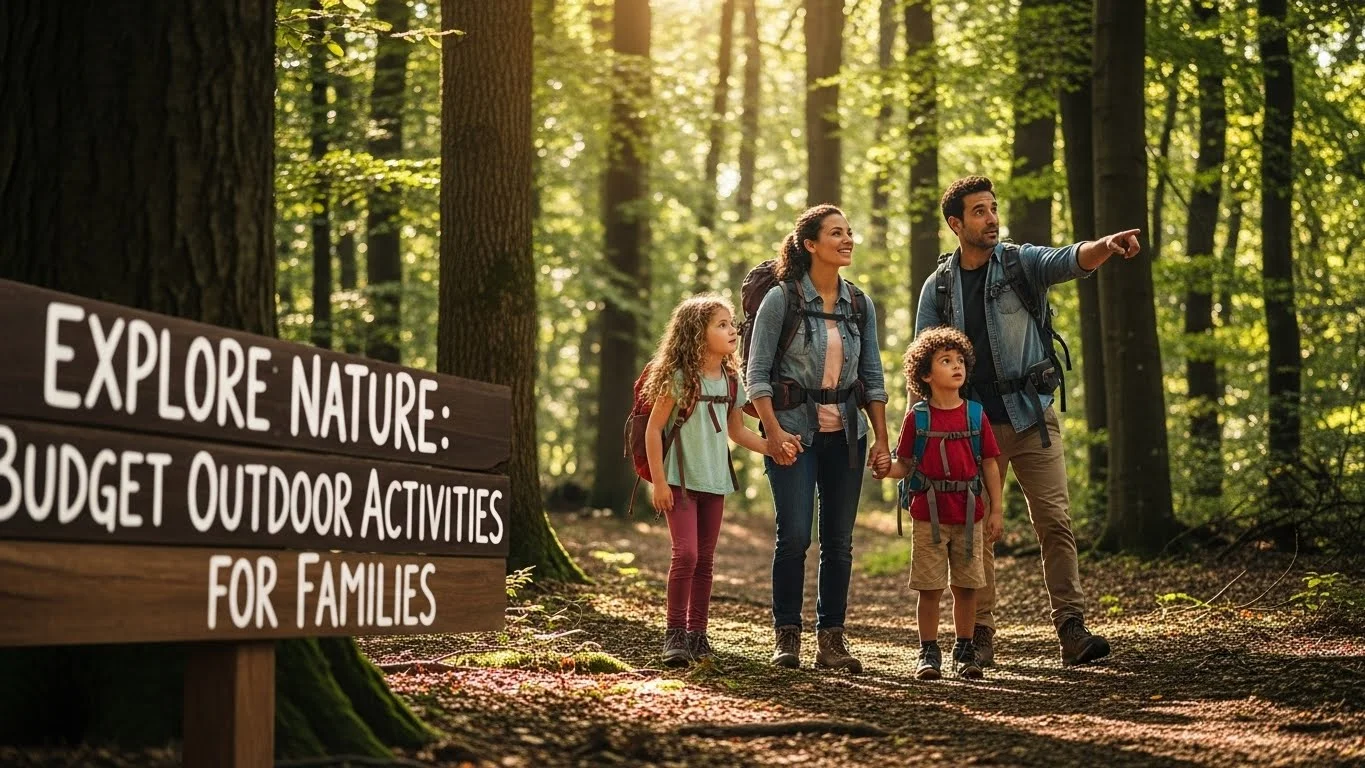
Explore Nature: Budget Outdoor Activities for Families

Embarking on outdoor adventures with family doesn’t have to break the bank. Exploring nature can be both enriching and budget-friendly, creating unforgettable memories while promoting health and togetherness. Read Interesting article: Explore Nature on a Budget: Top Outdoor Activities

Explore Nature: Budget Outdoor Activities for Families

Understanding the Benefits of Outdoor Activities for Families

Spending time outdoors offers a treasure trove of benefits for families. I’ve always found that when we venture outside, whether it’s for a quick walk or a day-long hike, there’s a noticeable shift in our mood and energy levels. Let me share some key advantages of engaging in outdoor activities together.

Physical Health Benefits

First and foremost, outdoor activities are fantastic for our physical health. I’ve seen firsthand how a simple family hike can turn into a full workout. Walking, climbing, and even just playing outside can improve cardiovascular health, strengthen muscles, and boost endurance. When we choose to hike, we often end up walking several miles without even realizing it! I remember one summer, we decided to explore local trails every weekend, and not only did we get fitter, but we also felt more energized throughout the week.

Moreover, being outside encourages us to engage in activities that promote physical fitness. Whether it’s playing frisbee in the park or biking through the neighborhood, there are countless ways to get moving. I believe that these activities help keep us active without the monotony of a gym. Plus, the fresh air and sunshine can elevate our vitamin D levels, which is a bonus for our overall health.

Mental Health Benefits

The mental health benefits of spending time outdoors are just as significant. I’ve found that being in nature tends to reduce stress and anxiety. On days when life feels overwhelming, I often take my family for a nature walk. It’s amazing how the sights and sounds of the outdoors can calm our minds. According to studies, being in green spaces can lower cortisol levels, which is our body’s stress hormone. When we come back from our outings, I notice a marked improvement in our mood.

Moreover, outdoor activities can spark creativity and boost mood. I remember a day when my kids were feeling a bit down; we decided to go to a nearby park with a beautiful lake. After some time spent skipping stones and watching the ducks, their laughter returned, and they started talking about their dreams and ideas. Nature has this magical way of unlocking conversations and helping us connect in ways we sometimes can’t indoors.

Strengthening Family Bonds

One of the best things about outdoor adventures is how they strengthen family bonds. As a family, we’ve created countless cherished memories, from camping trips to day hikes. The shared experiences of tackling a challenging trail or roasting marshmallows around a campfire help us bond in ways that sitting inside cannot. I’ve learned that these moments of teamwork and shared laughter nurture our relationships.

Every time we embark on an adventure, there’s an opportunity to communicate and support each other. When my kids face a steep climb, I’m there to encourage them, and they return the favor when I need a little motivation. It’s a beautiful cycle of support that grows stronger with every outing we take together.

Educational Opportunities

Outdoor activities are also a fantastic way to provide educational experiences for our children. I remember a family hike where we stumbled upon a group of excited kids learning about different plant species. It sparked my own kids’ curiosity, leading us to research local flora and fauna when we got home. Nature is a classroom filled with lessons on biology, ecology, and geography, waiting to be explored.

During our outings, we often take the opportunity to talk about the environment and the importance of conservation. I think it’s vital for our children to understand their connection to nature and how they can help protect it. Whether it’s identifying bird species or learning to spot animal tracks, every outdoor experience becomes a lesson in itself.

In my experience, combining family time with learning can make both more enjoyable. When kids see learning as an adventure rather than a chore, it fosters a love for the outdoors and encourages them to be lifelong learners. I’ve noticed that by engaging them in educational activities during our outdoor time, I’m also nurturing their curiosity about the world around them.

As we dive into these outdoor experiences, I’m constantly reminded of the invaluable benefits they provide. The combination of physical activity, mental rejuvenation, family bonding, and educational opportunities makes spending time in nature a win-win for us all. I encourage every family to embrace the great outdoors; it’s not just about the activities but creating lasting memories together.

Top Budget-Friendly Outdoor Activities

When it comes to enjoying the great outdoors, the good news is that there’s a wealth of fun activities that won’t cost a fortune. I’ve discovered that spending quality time with my family doesn’t require expensive outings. Here are some of my favorite budget-friendly outdoor activities that have brought us joy and adventure without stretching our wallets. Read Interesting article: Top 10 Budget-Friendly Outdoor Adventures for Families

Hiking Trails

One of the most accessible outdoor activities is hiking. I remember the first time we explored a local trail; it was free, and the only investment was our time. We often pack a snack or two, and it feels like a mini-adventure just to find a new path to explore. There are usually trails suitable for all skill levels, which makes hiking a great option for families with young kids or those who may not be as physically fit. I’ve found that the thrill of discovering a new viewpoint or waterfall makes the hike worthwhile, and the kids absolutely love the sense of adventure.

Parks and Playgrounds

Parks and playgrounds are fantastic places to spend the day without spending a dime. They often have picnic areas where we can enjoy a homemade lunch while watching my kids play. I’ve noticed that when we go to the park, my children engage in imaginative play that they wouldn’t experience indoors. Whether they’re climbing on play structures or running around, it’s a joy to see them use their creativity and physical energy. We also like to bring along a frisbee or a ball for some extra fun and exercise.

Beach Days

If you live near a coast or a lake, beach days can be an exciting and budget-friendly option. I remember our last trip to the beach; we packed a cooler with sandwiches and drinks, grabbed some beach toys, and spent hours building sandcastles and splashing in the waves. The best part is, many beaches don’t charge for entry or have minimal fees that still keep it affordable. Plus, being near water is always refreshing, and it gives us a perfect opportunity to bond as we relax and enjoy the sun.

Camping on a Budget

Camping can feel like it requires a lot of gear and expense, but it doesn’t have to. I’ve discovered that even a backyard campout can be a fantastic adventure! We set up our tent in the yard, roast marshmallows over an open fire (or even a portable grill), and tell stories under the stars. If we venture away from home, many state parks have campsites that are reasonably priced. It’s a great way to unplug and reconnect as a family, and I can always count on my kids to be thrilled about sleeping in a tent.

Nature Walks and Wildlife Observation

Taking a nature walk is another simple yet rewarding activity. I love going to nearby nature reserves or walking trails to observe local wildlife. Armed with a pair of binoculars and a guidebook, my kids turn into mini-explorers, eagerly searching for birds, insects, and plants. The excitement in their voices when they spot something new is priceless. Plus, these walks can easily morph into educational experiences as we discuss the different species we encounter along the way.

Community Events and Festivals

Lastly, don’t overlook local community events! Many towns host outdoor festivals, farmers’ markets, and fairs that are either free or have a low entrance fee. I’ve taken my family to several seasonal events, where we enjoy live music, crafts, and sometimes even free activities for kids. These gatherings not only provide entertainment but also foster a sense of community. They’re perfect opportunities for my family to connect with others and create shared memories in a festive atmosphere.

Engaging in these budget-friendly outdoor activities has allowed my family to explore, bond, and have fun without worrying about financial strain. I’ve found that the most meaningful moments often come from simple experiences shared in nature. So, gear up for your next outdoor adventure, and remember that the best memories are often the ones that cost the least!

Planning Your Outdoor Adventure

Choosing the Right Location

When planning an outdoor adventure, the first step is deciding where to go. I’ve learned that choosing the right location can make or break our experience. There are so many beautiful parks, trails, and natural areas to explore, but what works best for my family isn’t always the same for others. I like to consider the ages and activity levels of my kids, as well as the type of adventure we’re seeking—whether it’s a leisurely nature walk or a more challenging hike.

We often start by researching local parks and nature reserves. Websites and apps dedicated to outdoor activities can give us insights into trails, amenities, and even user reviews. I remember one time when we decided to explore a new state park that had been recommended to us. It turned out to be a hidden gem with stunning views and a variety of trails. The excitement of discovering a new spot together added to the adventure!

Also, I try to think about what we want to experience during our outing. If my kids are in the mood for wildlife observation, I’ll look for locations known for their rich biodiversity. Alternatively, if we’re craving a fun day under the sun, a beach or lake might be our destination. In my opinion, the right location sets the tone for the entire day and can enhance our enjoyment.

What to Pack for a Family Outing

Over the years, I’ve perfected my packing list for outdoor excursions. It’s amazing how a well-thought-out bag can prevent chaos and make our time together more enjoyable. I usually start with the basics: water bottles, snacks, and sun protection. Hydration is key, especially on warmer days, and I’ve learned that having a variety of snacks on hand keeps everyone’s energy up and spirits high.

I also make sure to pack a first aid kit, just in case of any scrapes or allergies. I remember one outing when my son tripped while running, and having those basic supplies on hand made all the difference. Additionally, bringing along a small backpack for each child can encourage them to carry their own essentials, making them feel responsible and part of the adventure.

Weather-appropriate clothing is another important consideration. I’ve learned to dress my family in layers, as the weather can change quickly. A light rain jacket or an extra layer can keep us comfortable, whether we’re hiking in the sun or enjoying a picnic in the shade. Comfortable footwear is a must, too; I can’t tell you how many times we’ve had to cut a trip short because someone’s shoes weren’t up to the task!

Safety Tips for Outdoor Activities

Safety is always at the forefront of my mind when we head outdoors. I think it’s crucial to establish some ground rules with my kids before we embark on any adventure. One of our family rules is to always stay within sight of each other. This guideline helps give me peace of mind while allowing my children to explore their surroundings without losing track of them.

Teaching my kids about the environment is also part of our safety routine. I often explain the importance of not disturbing wildlife or plants we encounter. It’s important for them to understand that nature is a delicate balance, and we have to respect it. We talk about staying on marked trails and keeping a safe distance from animals. I’ve seen how these lessons instill a sense of responsibility in them, which adds to their enjoyment of nature.

Additionally, I always check the local regulations and guidelines for the area we’re visiting. Some parks have specific rules regarding fire safety, for example, which we need to follow. Knowing what to expect helps us stay safe and have a great time together.

Weather Considerations

Weather can greatly influence our outdoor plans, and I’ve learned to be flexible. I always check the forecast before we head out, but I also remind myself that weather can change unexpectedly. I remember a family hike that started off sunny but ended with a surprise downpour. Thankfully, we had our rain jackets, and we made it an adventure—splashing in puddles and laughing all the way back to the car!

Planning around the weather means considering not just the temperature but also potential storms or heat advisories. On particularly hot days, I’ve found that starting our adventures earlier in the morning or later in the afternoon makes a big difference. We also look for shaded areas and plan frequent breaks to keep everyone comfortable.

Ultimately, being prepared for the weather makes our adventures more enjoyable and safe. I often remind my family that a little rain doesn’t have to ruin our fun; it can just add an unexpected twist to our day. Embracing the elements is part of the joy of outdoor adventures!

Cost-Saving Tips for Outdoor Family Activities

Utilizing Local Resources

One of the best discoveries I’ve made while planning outdoor adventures is how many local resources are available. Many cities and towns have parks departments that offer free or low-cost programs for families. I remember stumbling upon a community center that had a list of free outdoor events, like guided nature walks and family-friendly yoga sessions in the park. It was a fantastic way to try something new without spending money.

Local libraries can also be a goldmine for outdoor lovers. Many have passes for state parks or museums that families can borrow for free. We’ve taken advantage of these passes several times, allowing us to explore places that we might not have visited otherwise. I believe that tapping into these local resources not only saves money but also helps us connect with our community.

Finding Free or Low-Cost Events

In my experience, keeping an eye out for free or low-cost events has opened up a world of opportunities for our family. I often check community bulletin boards, social media pages, and local news websites for happenings in our area. From outdoor movie nights to seasonal festivals, these events often provide entertainment and family fun without the hefty price tag.

One summer, we attended a free outdoor concert series in the park. We packed a picnic, spread out a blanket, and enjoyed live music under the stars. It was a simple evening, but the joy of sharing that experience together made it one of our favorite memories. I recommend keeping a calendar of events so you can plan ahead and take full advantage of what your community has to offer.

DIY Outdoor Activities

Sometimes, the best outdoor adventures come from creativity rather than expense. I’ve found that many DIY activities can be incredibly rewarding and entertaining. For instance, we often create our own obstacle courses in the backyard using household items. My kids love racing against each other, and it brings out their competitive spirit.

Another favorite of ours is organizing a “nature art day.” We gather leaves, twigs, and flowers during our walks and then use them to create beautiful art pieces at home. It’s amazing how these simple activities allow us to connect with nature while also encouraging creativity. Plus, they’re free, which makes them perfect for budget-conscious families like ours!

Using Apps and Websites for Deals

Technology can be a great ally in finding budget-friendly outdoor activities. I regularly use apps and websites that offer discounts on family outings. For example, I’ve found deals on family camping trips, entrance fees for state parks, and even local attractions. Websites that aggregate deals often have special promotions, which can significantly cut costs.

Additionally, I keep an eye on “free days” at national parks or local attractions. Many places offer specific days of the month with no entry fees, and planning our outings around these days allows us to explore without the cost. With a little research, we can enjoy enriching experiences together while keeping our budget intact.

Engaging Children in Nature

Fun Educational Activities

Getting kids engaged in outdoor activities doesn’t have to be a struggle. I’ve learned that incorporating fun educational activities can spark their interest in nature. For example, we’ve done simple things like birdwatching with a book to identify the species we see. My children get so excited when they can spot a bird and then learn something new about it.

We’ve also enjoyed planting a small garden together. It’s been a great way to teach them about responsibility, biology, and the importance of ecology. Watching the plants grow has sparked conversations about where our food comes from and the environment, making our outdoor time both fun and educational.

Scavenger Hunts and Nature Games

One of my kids’ all-time favorite activities has been scavenger hunts. We create lists of items to find in our local park or during hikes—like pinecones, specific leaves, or even certain types of rocks. It turns a simple walk into an exciting treasure hunt! The kids love racing to see who can find everything first, and it fosters a sense of teamwork.

We also enjoy playing games like “I Spy” or “20 Questions” while we’re out exploring. These games not only entertain but also help them engage with their surroundings in a fun way. I think these playful interactions enhance their appreciation for nature and make our outings even more memorable.

Creative Nature Crafts

After a day outside, we often bring our nature finds home and use them for creative crafts. My kids love to make leaf rubbings, paint rocks, or create collages using the leaves and petals we’ve collected. It’s a wonderful way to continue our outdoor experience indoors, and it gives them a sense of accomplishment when they see their creations displayed around the house.

These crafts also serve as a great reminder of our adventures together. I’ve noticed that when they see their artwork, it sparks stories and conversations about our time spent outdoors, further solidifying those memories. Nature crafts have become an integral part of our family tradition, allowing creativity to flourish while connecting us to the environment.

Accessibility and Inclusivity in Outdoor Activities

Family-Friendly Locations

Finding family-friendly locations is essential for ensuring everyone has a good time outdoors. I’ve discovered that many parks and nature reserves have accessible trails, restrooms, and facilities that cater to families. When we choose destinations that are easy to navigate, it allows us to focus on enjoying our time together rather than worrying about logistics.

Checking out local resources also helps us find places that are inclusive for children of all abilities. I believe it’s important for every family member to feel comfortable and engaged during outdoor activities. By choosing the right locations, we can create positive experiences for everyone, no matter their age or ability.

Adaptive Outdoor Activities

Another aspect I value is the availability of adaptive outdoor activities. I’ve seen how initiatives in various communities offer programs for families with special needs, allowing everyone to partake in the joys of nature. Whether it’s adaptive kayaking or accessible hiking trails, these options ensure that outdoor adventures are inclusive. I think it’s inspiring to see how many families can enjoy the outdoors together, regardless of individual challenges.

In my experience, being mindful of accessibility has enriched our adventures, making them more inclusive and enjoyable for all. It’s wonderful to know that nature is a space for everyone, and we should all be able to partake in the beauty it offers.

Final Thoughts

As we embrace the great outdoors as a family, I’ve come to realize that the experiences we share in nature are invaluable. These moments not only strengthen our bonds but also enrich our lives in countless ways. Whether we’re hiking a new trail, enjoying a picnic in the park, or simply exploring our backyard, the memories created during these outings become the stories we cherish for years to come. I encourage every family to step outside, discover new adventures, and create lasting memories together. Nature awaits, and it’s ready to welcome you with open arms!

Frequently Asked Questions

What are some physical health benefits of outdoor activities for families?

Outdoor activities improve cardiovascular health, strengthen muscles, and boost endurance. Engaging in activities like hiking, biking, or playing outside can turn into a full workout while promoting fitness without the monotony of a gym.

How do outdoor activities benefit mental health?

Spending time outdoors can reduce stress and anxiety, lower cortisol levels, and enhance mood. Nature’s sights and sounds often lead to improved mental well-being and can spark creativity in family members.

In what ways do outdoor adventures strengthen family bonds?

Outdoor adventures create shared experiences and opportunities for teamwork, communication, and support, which nurture relationships within the family. Activities like hiking and camping foster cherished memories and enhance connections.

What educational opportunities do outdoor activities provide for children?

Outdoor activities can spark curiosity and provide lessons in biology, ecology, and geography. Engaging in nature can lead to discussions about the environment and conservation, making learning enjoyable and adventurous.

What are some budget-friendly outdoor activities for families?

Budget-friendly outdoor activities include hiking, visiting parks and playgrounds, beach days, camping, nature walks, and attending community events or festivals that are free or low-cost.

How should families plan their outdoor adventures?

Families should consider the ages and activity levels of their children when choosing a location, research local parks and nature reserves, and decide on the type of experience they want, whether leisurely or challenging.

What items should families pack for a successful outdoor outing?

Families should pack essentials like water bottles, snacks, sun protection, a first aid kit, weather-appropriate clothing, and comfortable footwear to ensure a smooth and enjoyable outing.

What safety tips should families keep in mind during outdoor activities?

Establish ground rules, stay within sight of each other, respect the environment, follow local regulations, and teach children about safety and responsibility in nature to enhance their outdoor experiences.

How can families find local resources for outdoor activities?

Local parks departments often offer free or low-cost programs, and libraries may provide passes for state parks or museums. Checking community bulletin boards and social media can also reveal free or low-cost events.

What inclusive outdoor activities are available for families with special needs?

Many communities offer adaptive outdoor activities such as accessible hiking trails and adaptive kayaking, ensuring that families with special needs can enjoy outdoor adventures together.

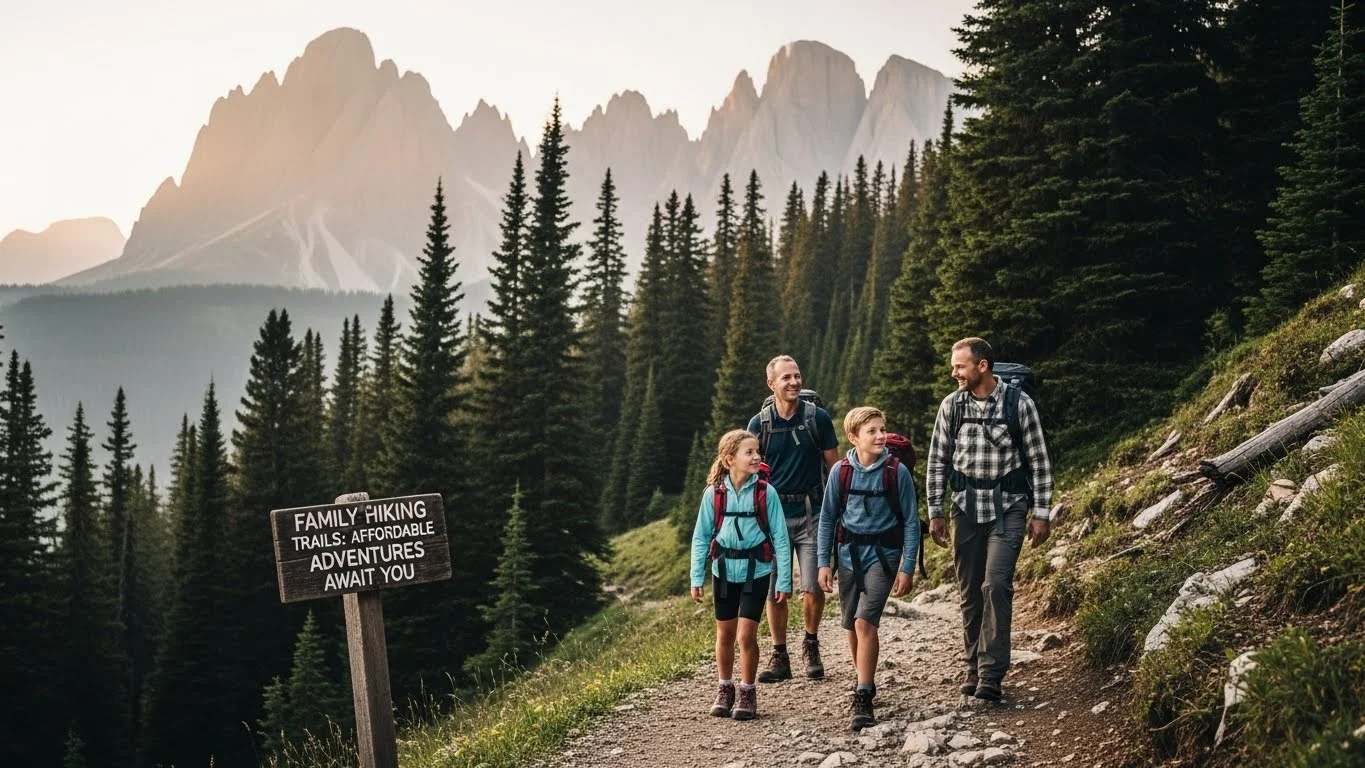
Family Hiking Trails: Affordable Adventures Await You

Family hiking trails offer the perfect blend of adventure and bonding time, making them an affordable way to explore the great outdoors. Let’s pack our bags and hit the trails!

Family Hiking Trails: Affordable Adventures Await You

Overview of Family Hiking Trails

When I think about family activities that bring us closer together without breaking the bank, hiking always comes to mind. Family hiking trails provide a wonderful opportunity for us to connect, explore nature, and create lasting memories. There’s something magical about walking through the woods, breathing in fresh air, and sharing experiences as we navigate different trails. Whether you’re seasoned hikers or just starting out, there’s a trail for every family. From majestic national parks to local community trails, the options are plentiful and often affordable. Read Interesting article: Top Affordable Travel Activities for Family Adventures

Benefits of Hiking for Families

Hiking is more than just a way to get exercise; it’s a chance to unplug from technology and reconnect with each other. I’ve found that when we’re out on the trail, my kids are more engaged and curious about their surroundings. They ask questions, point out wildlife, and share their thoughts about the beauty around us. This shared experience fosters communication and strengthens our family bonds.

Moreover, hiking offers numerous health benefits. It’s a fantastic way to improve cardiovascular fitness, build strength, and boost mood. I noticed that after a day on the trail, everyone feels more relaxed and happy. It’s as if the stresses of daily life melt away with each step we take. Plus, being in nature helps teach kids about environmental stewardship and the importance of preserving our planet.

What to Expect on Family Hiking Trails

Family hiking trails vary widely, so it’s essential to know what to expect. Typically, these trails are designed to accommodate a range of skill levels, making them perfect for families. I often look for trails that are well-marked and offer scenic views, as my kids love spotting interesting plants, animals, and landmarks along the way.

Many family-friendly trails have amenities such as picnic areas, restrooms, and even educational signs that tell about the local ecosystem. I appreciate these features because they make the hike more enjoyable and accessible for everyone. Having spots to rest and eat keeps the kids energized and happy, which is key for a successful outing! I remember one hike where we stumbled upon a beautiful waterfall; we spent hours playing and exploring—definitely a highlight of our family adventures.

Choosing the Right Trail

Factors to Consider When Selecting a Trail

Choosing the right trail can make or break the hiking experience. I’ve learned to consider various factors when selecting a trail for my family. First, think about the distance and duration of the hike. For younger kids, I usually try to stick to shorter trails—around 2 to 5 miles—is ideal. It’s important to consider their energy levels and attention spans. If the hike is too long, it can lead to meltdowns, which we’ve experienced more times than I’d like to admit!

Another factor is the terrain. Some trails can be rocky or steep, which might be challenging for little legs. I always check the trail description beforehand and even look for photos online to gauge how manageable it will be for my family. Also, consider the accessibility of the trailhead—having a nearby parking lot or public transport options can save a lot of hassle.

Difficulty Levels and Trail Ratings

Understanding trail ratings is crucial when planning a hike. Trails are often rated as easy, moderate, or difficult based on their length, terrain, and elevation. I’ve found that it’s helpful to stick to easy or moderate trails when hiking with kids. This way, we can enjoy the hike without feeling rushed or overwhelmed. It’s also a good idea to read reviews from other families. I often find that personal experiences shared in hiking forums give great insights into what to expect.

Age Appropriateness for Kids

Age appropriateness is something I take seriously when planning family hikes. For toddlers, I look for really easy, flat trails, and I always bring a stroller just in case. As my kids have grown, I’ve started introducing them to slightly more challenging hikes, which has been a rewarding experience. I’ve noticed that older kids appreciate the challenge and love the sense of accomplishment they feel when they reach the summit or see a beautiful viewpoint.

In our case, involving our kids in the planning process has made hikes more exciting for them. I often ask them which trails they want to explore or what they hope to see. Their enthusiasm makes the adventure even more special.

Top Family-Friendly Hiking Trails in the U.S.

National Parks with Family Trails

When it comes to family hiking, national parks are often at the top of the list for good reason. They offer stunning landscapes, well-maintained trails, and a plethora of activities for families. I’ve had the chance to explore several parks, and each one has its unique charm and adventure to offer. Here are two parks that are particularly family-friendly.

Yosemite National Park

Yosemite National Park is a treasure trove for families looking to hike together. I remember my first visit there; it felt like walking into a postcard. The iconic views of El Capitan and Half Dome are breathtaking, but what I love most is the range of trails suitable for kids. The easy trails, like the Mirror Lake Trail, are perfect for younger hikers. It’s a flat 2-mile round trip, and the reflections in the water are something kids enjoy immensely. Plus, there are plenty of spots to stop and have a picnic while soaking in that unbeatable scenery.

Yellowstone National Park

Yellowstone is another fantastic destination for family hikes. The park is massive and packed with natural wonders. My family and I particularly enjoyed the Fairy Falls Trail, which is about 5 miles round trip. The waterfall at the end is simply stunning, and the excitement of reaching it kept my kids motivated the entire hike. Along the way, we encountered various wildlife, which is a thrilling experience for kids and adults alike. Remember to keep a safe distance, though! The variety of trails in Yellowstone means there’s something for everyone, regardless of age or skill level.

State Parks with Affordable Options

State parks often offer incredible hiking opportunities without the crowds of national parks, making them a great choice for families seeking adventure. I’ve found that these parks usually have affordable entrance fees and sometimes even free entry days. Here are a couple of my favorites.

Red Rock Canyon National Conservation Area

Located just outside Las Vegas, the Red Rock Canyon is a gem for families who enjoy unique landscapes. The Calico Hills Trail is relatively easy and provides stunning views of the red rock formations. We took our time exploring the area, allowing the kids to climb on rocks and play hide-and-seek among the boulders. It was a day filled with laughter and awe, and the kids loved the change of scenery, especially when they got to see desert flora and fauna up close.

Great Smoky Mountains National Park

The Great Smoky Mountains is another must-visit for families. The park boasts over 800 miles of hiking trails, and many of them are perfect for little feet. One of my favorites is the Laurel Falls Trail, which is 2.6 miles round trip and leads to a beautiful waterfall. The kids loved the sound of the water cascading down and the mist that blew their way. It’s a great way to keep them engaged and enthusiastic about hiking. Plus, the diverse wildlife in the park makes every hike an educational experience.

Local Trails to Explore

Not every family hike needs to be at a national or state park. I’ve discovered that many communities have hidden gems right in their backyards. Local trails can offer the same excitement without requiring a long drive. Here are two suggestions for local hikes that can lead to wonderful family experiences.

Community Parks

Many community parks have established trails that are perfect for short family hikes. I often check our local park listings, and we’ve found some surprisingly beautiful paths close to home. These trails are typically well-maintained and easy to navigate. I like to pack a simple lunch, and we make it an event to explore our local nature. Sometimes, the kids even spot local wildlife, like squirrels or birds, which can turn into an impromptu educational moment about nature.

Regional Hiking Clubs’ Recommendations

Joining a local hiking club has opened up a world of new trails for my family. Many clubs offer family-friendly hikes and organize group outings, which can be a great way to meet other families while exploring new areas. We’ve found that the camaraderie adds to the experience, as our kids make new friends while hiking. Plus, these clubs usually have knowledge about hidden trails that are off the beaten path but still accessible for families. Read Interesting article: Must-Know Travel Safety Tips for Family Backpacking Trips

Planning Your Hiking Trip

Essential Gear for Family Hiking

Planning a hiking trip with the family means thinking about the gear we’ll need to ensure everyone has a safe and enjoyable experience. I’ve learned that having the right essentials can really make a difference in how much we enjoy our time on the trail. It’s not just about the destination; it’s about the journey, and being prepared helps us focus on having fun rather than worrying about discomfort or safety issues.

Footwear and Clothing

When it comes to footwear, I can’t stress enough how important it is to wear the right shoes. I’ve made the mistake of wearing sneakers on rocky trails, and let me tell you, it wasn’t fun! I recommend sturdy hiking shoes or boots for everyone, including kids. They provide the necessary support and grip we need on uneven terrain. For clothing, layering is key. I often dress my kids in moisture-wicking shirts and breathable pants, which help keep them comfortable as temperatures fluctuate during the day. A good hat and sunscreen are also essentials to protect against sun exposure.

Backpacks and Supplies

Each family member should have a comfortable backpack that fits well. I usually pack a small daypack for my kids with their water bottles, a light jacket, and a few snacks. I find that giving them responsibilities makes them feel more involved in the adventure. For myself, I carry a larger pack that includes a first aid kit, extra layers, and a couple of fun surprises for the kids. It’s amazing how a simple treat can boost their spirits on a long hike! I always make sure we have a map or a downloaded trail app, so we know where we’re headed and can keep track of our progress.

Safety Tips for Hiking with Kids

Safety is always a top priority when we hit the trails. There are a few precautions I’ve learned to take, which give me peace of mind and help keep everyone safe.

First Aid and Emergency Preparedness

I never leave home without a well-stocked first aid kit. It’s usually just a small one with band-aids, antiseptic wipes, and some basic medications, but it’s worth the space in my pack. I also like to prepare my kids for potential bumps or scrapes by teaching them how to be careful on the trail. We talk about what to do if they feel unwell or if someone gets separated, which helps them feel more secure. Knowing we have a plan in place makes our hikes more enjoyable.

Wildlife Safety Guidelines

Encountering wildlife is one of the perks of hiking, but it’s essential to respect animals and know how to react. I always remind my kids to keep a safe distance from any wildlife we see—whether it’s a deer, a bear, or even just a curious squirrel. We’ve discussed the importance of not feeding animals, as it can harm them and cause dangerous situations. I often share stories about how wildlife can be unpredictable, and it’s fun to turn this into a learning moment about respecting nature.

What to Pack for a Family Hike

Packing for a family hike can feel overwhelming, but I’ve learned to keep it simple and efficient. I like to make a checklist, which helps ensure we don’t forget anything important!

Snacks and Hydration

Snacks are a must-have for our hikes. I usually pack a variety of healthy options like granola bars, trail mix, or fruit. I’ve found that having something to nibble on can keep our energy levels up and spirits high. I also make sure to bring plenty of water—hydration is crucial, especially on warmer days. I’ve seen how easily kids can get tired if they’re not properly hydrated, so I remind them to take sips regularly.

Entertainment for Kids

To keep everyone engaged on the trail, I often bring along a few small games or activities. Simple things like scavenger hunt lists to spot different plants or animals can turn a regular hike into an exciting adventure. I remember one time, we made a bingo card with items we might see, and the kids loved checking things off as we went along. It created a fun atmosphere and helped them stay focused on the beauty around us.

Budget-Friendly Hiking Tips

Finding Free or Low-Cost Trails

When it comes to enjoying the great outdoors with my family, I’ve always been on the lookout for ways to keep our adventures budget-friendly. One of the best parts about hiking is that there are often many free or low-cost trails available. I’ve discovered that a quick online search or a local hiking app can help pinpoint nearby trails that won’t cost a dime. Many parks and nature reserves offer free entry on certain days, which is an excellent opportunity for families to get outside without spending much. I also keep an eye out for community events that may include guided hikes, which can be a fun way to explore new areas while learning from local experts at no extra cost. Read Interesting article: Family Travel Tips: Top Affordable Destinations to Visit

How to Save on Gear and Supplies

Hiking gear can sometimes seem expensive, but I’ve learned some tricks to save money while still being prepared. First, I recommend checking out second-hand stores or online marketplaces for gently used hiking gear. You’d be surprised at the quality items you can find for a fraction of the original price. Additionally, I like to look for sales at outdoor retailers, especially during off-seasons, where I can snag great deals on backpacks, clothing, and footwear. For smaller supplies, I often repurpose items we already have at home—like using old t-shirts as bandanas or snacks from the pantry for our hiking pack!

Transportation Options for Hiking Trips

Getting to the trailhead can sometimes add to the cost of hiking, but we’ve found a few budget-friendly transportation options. Carpooling with friends or family who share our love for hiking is one of my favorites. It not only reduces gas expenses but also adds to the fun! If we’re heading to a popular destination, I also make sure to check if there are any public transport options available, which can be a cheaper alternative to driving. I’ve even seen local hiking clubs organize group trips, making it easy for everyone to enjoy a hike without the stress of planning transportation.

When to Go Hiking with Family

Seasonal Considerations

Choosing the right season for our hikes can significantly impact our experience. I’ve noticed that spring and fall tend to be the most comfortable times for family hikes. The weather is mild, and the scenery is often stunning with blooming flowers or vibrant fall colors. Summer hikes can be enjoyable too, but I prefer to go early in the morning when it’s cooler and there are fewer crowds on the trails. Winter hikes bring their own charm, but we need to be cautious about icy conditions and ensure we dress warmly. Each season offers unique experiences, and I love that we can explore our surroundings throughout the year.

Weather Preparedness

Weather can be unpredictable, so I always check the forecast before heading out. I remember a hike where we didn’t anticipate a sudden rainstorm—it turned into a wet adventure, and while we had fun, it taught me the importance of being prepared. I make sure to pack an extra layer or a light rain jacket for everyone in case the weather turns. It’s also a good idea to watch for any weather warnings, especially if we’re hiking in more remote areas, where conditions can change quickly.

Best Times of Day for Family Hikes

Timing our hikes can make a big difference in our enjoyment. I’ve found that early morning hikes help us beat the heat and the crowds, allowing us to connect with nature in a peaceful setting. Plus, my kids tend to have more energy in the morning! Late afternoon hikes can be lovely too, especially during the golden hour when the sunlight creates a beautiful atmosphere. However, I always keep an eye on the time to ensure we finish before it gets dark, as it’s much easier to navigate familiar trails during daylight.

Engaging Kids on the Trail

Fun Activities to Do While Hiking

Keeping my kids engaged during hikes is key to having a great experience. I’ve found that introducing games can make the journey more exciting. Simple activities like “I Spy” or nature scavenger hunts keep their minds active and make them look for interesting things along the way. Sometimes, we’ll take breaks to play games like tag or rock skipping by a creek, which helps break up the hike and keeps the energy levels high.

Learning Opportunities in Nature

I love using our hikes as a chance to teach my kids about nature. We often stop to examine interesting plants or insects, and I encourage them to ask questions about what they see. I’ve found that integrating fun facts about the environment or discussing animal habitats can make the hike both educational and enjoyable. This hands-on learning helps them appreciate nature even more and instills a sense of curiosity about the world around them.

Creating a Hiking Journal

One of my favorite ways to document our hiking adventures is by keeping a family hiking journal. After each hike, we take a few moments to write down what we saw, any fun experiences, and even draw pictures. It’s a lovely way to reflect on our time together and creates a treasured keepsake we can look back on. The kids love revisiting their entries, and it sparks conversations about our favorite moments and the trails we want to explore next.

Final Thoughts

Hiking with family is more than just an outdoor activity; it’s an opportunity to bond, learn, and create lasting memories together. By being mindful of our planning and preparation, we can enjoy countless adventures in nature without overspending or feeling overwhelmed. Whether we’re exploring local trails or venturing into national parks, each hike brings new challenges and joys. I hope you find the same excitement and connection on the trails as we do, and I encourage you to get out there and discover the beauty that awaits. Happy hiking!

Frequently Asked Questions

What are family hiking trails?

Family hiking trails are paths designed for families to explore together, providing opportunities for adventure and bonding time in nature. They are often affordable and suitable for various skill levels, making them accessible for families with kids.

What are the benefits of hiking for families?

Hiking allows families to unplug from technology, reconnect with each other, and engage with nature. It promotes communication, strengthens family bonds, improves cardiovascular fitness, builds strength, and boosts mood, while also teaching kids about environmental stewardship.

What should families expect on family hiking trails?

Families can expect trails that accommodate different skill levels, often with amenities like picnic areas, restrooms, and educational signs. These features enhance the hiking experience and make it enjoyable and accessible for everyone.

How do I choose the right hiking trail for my family?

When selecting a trail, consider the distance and duration suited for your kids, the terrain’s difficulty, and the accessibility of the trailhead. Shorter, easier trails are typically better for younger children to avoid fatigue and meltdowns.

What are some recommended family-friendly hiking trails in the U.S.?

Some top family-friendly hiking trails include the Mirror Lake Trail in Yosemite National Park, which is a flat 2-mile round trip, and the Fairy Falls Trail in Yellowstone, which is about 5 miles round trip leading to a stunning waterfall.

What essential gear should families pack for hiking?

Families should pack sturdy hiking shoes, moisture-wicking clothing, comfortable backpacks, water bottles, snacks, a first aid kit, and a map or trail app. Layering clothing is also important to adapt to changing temperatures.

What safety tips should families consider when hiking with kids?

Families should carry a well-stocked first aid kit, prepare kids for potential bumps or scrapes, and teach them wildlife safety guidelines, including keeping a safe distance from animals and not feeding them.

How can families keep kids engaged during hikes?

Families can keep kids engaged by introducing games like “I Spy” or nature scavenger hunts, taking breaks for fun activities, and using hikes as an opportunity for hands-on learning about plants and animals.

What are some budget-friendly tips for hiking?

To keep hiking affordable, families can look for free or low-cost trails, check for second-hand hiking gear, and consider carpooling or using public transportation to save on travel costs.

What is a family hiking journal?

A family hiking journal is a keepsake where families can document their hiking adventures by writing down experiences, drawing pictures, and reflecting on their time in nature. It can help spark conversations about favorite moments and future hikes.

Top 10 Budget-Friendly Outdoor Adventures for Families

Exploring the great outdoors doesn’t have to break the bank! Families can create unforgettable memories without spending a fortune. Let’s dive into why budget-friendly outdoor adventures are perfect for us and how we can plan them effectively.

Top 10 Budget-Friendly Outdoor Adventures for Families

Why Choose Budget-Friendly Outdoor Adventures?

The Benefits of Outdoor Activities for Families

When I think about the time I spent outdoors with my family, I can’t help but smile. From hiking in the woods to simply having fun at the park, outdoor adventures have a unique way of bringing us closer together. I believe that spending time outside not only strengthens family bonds but also promotes physical health and mental well-being. The fresh air, beautiful scenery, and the chance to unplug from technology are all benefits that we’ve experienced firsthand.

Outdoor activities provide an excellent opportunity for families to connect. I remember one summer, my kids and I decided to go on a camping trip. We spent hours by the campfire, sharing stories and roasting marshmallows. Those moments created lasting memories that we still cherish. Plus, engaging in physical activities like hiking or biking helps keep us fit and energized. It’s so much better than being cooped up inside, right?

How to Plan a Budget-Friendly Adventure

Planning a budget-friendly adventure can seem daunting at first, but I’ve found it to be quite simple with a bit of organization. First, I always start by setting a budget. Knowing how much we can spend helps narrow down our options. Whether it’s gas for a road trip, park entry fees, or food, having a clear budget in mind makes the planning process smoother.

Next, I look for free or low-cost activities in our area. Many local parks, nature reserves, and community centers offer events and activities at little to no cost. Websites like Meetup or local Facebook groups can also be great resources for discovering family-friendly events. I remember finding a nearby nature trail that had a free guided tour, which turned out to be a fantastic experience for us. Top Affordable Travel Activities for Family Adventures can also provide great ideas.

Another tip is to pack your own meals and snacks. Eating out can quickly eat into our budget, so I often prepare sandwiches, fruits, and snacks before heading out. Not only does this save money, but it allows us to enjoy a picnic-style meal in a beautiful setting. I’ve found that my kids are much more excited to eat when we’re surrounded by nature!

Lastly, I recommend involving the whole family in the planning process. When my kids help choose the activities or locations, they feel more invested in the adventure. It’s a great way to teach them about budgeting and planning, and it makes the trip even more exciting for everyone involved.

Top 10 Budget-Friendly Outdoor Adventures

1. National Parks: Exploring Nature’s Beauty

Visiting a national park is one of my favorite ways to enjoy the great outdoors without spending a fortune. The entrance fees are usually quite reasonable, especially considering the breathtaking views and unique experiences that await us. I remember my first trip to a national park; we hiked through stunning landscapes, saw incredible wildlife, and even enjoyed a picnic in a picturesque setting. National parks also offer ranger-led programs, many of which are free, allowing us to learn more about the environment while making memories together.

2. Beach Days: Affordable Fun by the Water

Who doesn’t love a day at the beach? It’s one of the most budget-friendly ways to enjoy a sunny day. I often pack our beach gear, snacks, and a cooler full of drinks and head to the coast. Sunbathing, building sandcastles, or splashing in the waves creates endless fun without the need for expensive entertainment. Plus, many beaches offer free events during the summer, like beach volleyball tournaments or movie nights, which adds a little extra excitement to our day.

3. Hiking Trails: Adventure in Your Own Backyard

Hiking has become a passion of mine and my family’s. We’ve discovered countless trails close to home that offer a range of difficulty levels, making it easy for everyone to join in. Whether it’s a short, scenic trail or a longer, more challenging hike, exploring nature on foot is an excellent way to bond with my family while staying active. I often research local hiking spots and print out maps ahead of time, ensuring we’re well-prepped for our adventures.

4. Camping: A Family Bonding Experience

Camping is not just a budget-friendly adventure; it’s a chance to reconnect with nature and each other. I remember the excitement in my kids’ eyes as we set up our tent and gathered firewood. Sharing stories around the campfire and roasting marshmallows is something we always look forward to. Plus, camping encourages us to unplug from our devices and enjoy the simplicity of nature. Many campgrounds offer reasonable rates, and some even allow us to camp for free in designated areas.

5. Biking: Explore on Two Wheels

Biking is another fantastic way to explore the outdoors while getting some exercise. I love how we can ride our bikes through local parks or along scenic trails, discovering new areas together. It’s an adventure that keeps us active and engaged. I’ve found that many cities have bike-sharing programs, which can be an affordable option if we don’t own bikes. Just pack some snacks and a water bottle, and we’re all set for a fun day out!

6. Picnics in the Park: Simple and Enjoyable

There’s something special about a picnic in the park. I often gather a basket full of homemade goodies, grab a blanket, and head to our favorite park. Whether it’s just my family or we invite friends along, sharing a meal outdoors brings everyone together. I’ve learned that simple sandwiches, fresh fruit, and some treats make for an enjoyable afternoon. Plus, kids love the idea of eating outside—it feels like an adventure in itself!

7. Community Events: Free Outdoor Festivals

Keeping an eye out for community events is a great way to enjoy outdoor activities without spending a dime. I’ve attended numerous free festivals, outdoor movie nights, and concerts that local organizations put on. These events often feature food trucks, local artisans, and entertainment for kids. Participating in the community creates a sense of belonging while enjoying the outdoors, and it’s an excellent way for us to meet new people and discover hidden talents!

8. Wildlife Watching: Nature’s Spectacle

Wildlife watching can be an awe-inspiring adventure that doesn’t cost much at all. I remember taking my kids to a local nature reserve where we spotted deer, birds, and even a family of foxes. Many nature reserves and parks offer free entry and guided tours, providing us with valuable insights into the local ecosystem. This experience not only brings us closer to nature but also teaches the kids about the importance of conservation.

9. State Parks: Hidden Gems to Discover

State parks are often overlooked but can be fantastic budget-friendly options for outdoor adventures. They typically have lower entrance fees compared to national parks and offer beautiful scenery and activities like hiking, fishing, and swimming. I’ve discovered some stunning hidden gems in state parks, from peaceful lakes to majestic forests. It’s always an adventure to explore a new park and see what it has to offer!

10. Volunteer Opportunities: Give Back While Exploring

Volunteering for outdoor conservation projects is a unique way to spend time outside while giving back to the community. I’ve participated in local clean-up days and tree planting events, which are not only fulfilling but also a great way to meet like-minded individuals. These opportunities often take place in beautiful outdoor settings, making it a win-win for everyone involved. Plus, it teaches my kids the importance of caring for our environment. Top 10 Budget-Friendly Destinations for Family Adventures can also inspire new volunteer ideas.

Tips for Making the Most of Your Outdoor Adventure

Planning Your Itinerary: What to Consider

When I set out to plan an outdoor adventure, I’ve learned that having a solid itinerary can make all the difference. It’s not just about packing our bags and hitting the road; it’s about knowing what to expect and making the most out of our time together. I usually start by researching the destination and identifying the key activities we want to do. For example, if we’re heading to a national park, I check the park’s website for maps, trail difficulty, and any special events happening during our visit.

Timing is also crucial. I’ve found that arriving early can help us beat the crowds and enjoy activities without feeling rushed. If we’re planning to hike, I like to map out our route and estimate how long each part will take. This way, we can enjoy ourselves without the pressure of time. Plus, I always make sure to have a backup plan in case of unexpected changes, like bad weather or closed trails. Flexibility is key in outdoor adventures! I remember a time when we had to pivot from our planned hike to an explore-the-local-town day when rain hit, and it turned out to be a delightful detour.

Essential Gear for Budget-Friendly Adventures

Having the right gear can enhance our outdoor adventures without breaking the bank. I always start with the basics: comfortable clothing appropriate for the weather, sturdy shoes, and a reliable backpack. I also recommend bringing a reusable water bottle to stay hydrated. I’ve learned that it’s important to pack smartly—no one wants to carry extra weight! For our camping trips, I invested in some multi-purpose gear, like a cooking stove that also doubles as a fire pit. It was a bit of an upfront cost, but it has paid off in the long run by saving us money on meals and giving us the ability to cook outdoors.

Also, consider borrowing or renting equipment if you’re trying something new, like kayaking or mountain biking. I’ve found several local shops that offer affordable rentals, which is a great way to try out gear before committing to a purchase. I remember when my family and I decided to go kayaking. Instead of buying our own kayaks right away, we rented them for the day, allowing us to test the waters—literally!—without a big investment.

Food and Snacks: Budget-Friendly Meal Ideas

Food can really add up during our outdoor adventures, but I’ve discovered some budget-friendly meal ideas that keep us fueled without spending a fortune. Meal prepping is key. Before we head out, I often make a big batch of pasta salad or chili that can be easily packed in containers. These meals are hearty, filling, and can be eaten cold or heated up over a campfire.

Snacks are just as important. I like to pack a variety of healthy snacks to keep everyone energized. Trail mix, granola bars, and fresh fruit like apples or bananas are some of my go-to options. I also love preparing homemade energy balls with oats, peanut butter, and honey. They’re easy to pack and provide a quick energy boost when we’re on the move.

For lunch or dinner, I’ve found that sandwiches are a classic choice. We can mix it up by using different breads and fillings—like turkey and cheese or hummus and veggies—to keep things interesting. Plus, when we eat outside, even the simplest meal can feel like a feast! I remember one picnic where we laid out our spread on a beautiful grassy patch, and it felt like we were dining in a fancy restaurant, simply because we were surrounded by nature.

Safety Tips for Outdoor Adventures with Families

Understanding Weather Conditions

When it comes to outdoor adventures, I’ve learned that understanding the weather can make or break our experience. I always check the forecast before heading out, as weather conditions can change rapidly. For instance, I remember planning a day of hiking, only to find out that rain was expected in the afternoon. We adjusted our plans by leaving earlier, which allowed us to enjoy the trails before the downpour—but it was a lesson learned! I recommend keeping an eye on weather apps and alerts, as they provide real-time updates that can help us stay safe.

In addition to checking the forecast, it’s important to dress in layers. I always pack enough clothing to adapt to changing temperatures. A sunny morning can quickly turn chilly, especially in the mountains. I also like bringing a lightweight rain jacket, just in case. It’s all about being prepared so we can focus on having fun without worrying about getting too hot or cold.

First Aid Essentials for Outdoor Activities

No one wants to think about accidents while enjoying the great outdoors, but being prepared is key. I always carry a small first aid kit with essentials like band-aids, antiseptic wipes, and pain relievers. It’s amazing how a little prep can save the day! I remember one hiking trip when my son stumbled and scraped his knee. Having that first aid kit on hand allowed us to clean the wound and get him back on his feet quickly, which kept our spirits high.

I also suggest familiarizing ourselves with basic first aid procedures, especially if we’re venturing into remote areas. Knowing how to treat minor injuries can make a big difference in our outdoor experience. We can even turn this into a fun family activity by learning together! It’s a valuable skill that ensures we’re ready for anything that comes our way.

When to Go: Seasonal Considerations for Outdoor Adventures

Best Seasons for Each Adventure Type

Choosing the right season for our outdoor adventures can enhance our experience tremendously. I’ve found that each season offers unique opportunities. For instance, spring is perfect for wildflower hikes and blooming nature trails. Summer brings long days ideal for beach outings and camping trips. I remember one summer when we camped under the stars and enjoyed the warm evenings, making it a memorable trip for my family.

Fall is absolutely magical with its vibrant foliage—perfect for hiking and nature walks. I love taking the family to nearby parks to see the leaves change color; it feels like we’re walking through a painting. Winter, on the other hand, opens up a whole new world of outdoor activities like sledding, snowshoeing, or even winter hiking. I’ve discovered that bundling up and exploring snowy landscapes can be just as thrilling as summer adventures. Each season allows us to experience nature in a different light; we just need to be ready for whatever comes our way!

Holiday and Weekend Getaway Ideas

Holidays and long weekends are ideal for planning outdoor adventures, and I’ve found that they can create some of our best family memories. For example, around the Fourth of July, we often visit local parks for picnics and fireworks. It’s a simple way to enjoy the holiday while soaking up the outdoors. Additionally, Memorial Day or Labor Day weekends are great for quick camping trips or beach days. I love how these holiday weekends provide a chance to escape the hustle and bustle of daily life and reconnect with nature.

We also take advantage of school breaks to plan longer adventures. Traveling to a national park or a scenic area can be a refreshing change of pace. I remember one spring break when we took a road trip to explore several state parks. The spontaneity of our plans made it feel like an adventure, and we discovered so many hidden gems along the way. By planning around holidays and school breaks, we can maximize our outdoor experiences and create lasting memories as a family.

Resources for Planning Your Outdoor Adventures

Websites and Apps for Family-Friendly Activities

Utilizing online resources can make planning our outdoor adventures so much easier! I often turn to websites like AllTrails for finding hiking trails and reviews. It’s been a lifesaver in discovering new spots and checking trail conditions before we go. There are also great apps like Komoot that help us plan our biking routes or discover local parks we might not have known about. I love how technology can connect us with nature while keeping our planning efficient.

Social media is another fantastic way to find family-friendly activities. I often come across local events or outdoor gatherings through family-oriented Facebook groups and Instagram pages. These platforms can introduce us to new communities and activities that enrich our outdoor experiences. Plus, seeing pictures from other families makes me excited to explore new places! Ultimate Guide to Budget-Friendly Kids’ Travel Activities is a great resource to check out.

Local Tourism Boards: Finding Hidden Treasures

Local tourism boards are often gold mines for discovering budget-friendly adventures. I’ve reached out to them for information on parks, festivals, and events happening in our area. They frequently have brochures, maps, and even special promotions that can help us save money. I remember visiting a tourism office while on vacation and learning about a free guided nature walk that turned into one of our trip highlights. It’s always worth checking out what’s available in the regions we plan to visit!

Final Thoughts

Embarking on budget-friendly outdoor adventures has truly enriched my family’s life. From exploring nature’s beauty in national parks to enjoying simple picnics in the park, we’ve discovered that the best memories often come from the experiences we share together. Planning our outings with a bit of foresight and creativity allows us to make the most of our time without breaking the bank. Whether it’s the thrill of spotting wildlife, the joy of camping under the stars, or the simple pleasure of biking through our neighborhood, I believe that outdoor adventures can bring us closer and create lasting memories. So let’s grab our gear, pack our snacks, and head out into the great outdoors—it’s waiting for us!

Frequently Asked Questions

What are the benefits of outdoor activities for families?

Outdoor activities strengthen family bonds, promote physical health, and enhance mental well-being. They allow families to connect in nature, enjoy fresh air, and unplug from technology, creating lasting memories together.

How can I plan a budget-friendly outdoor adventure?

To plan a budget-friendly adventure, start by setting a budget. Look for free or low-cost activities in your area, pack your own meals and snacks, and involve the whole family in the planning process to make the trip more exciting.

What are some examples of budget-friendly outdoor adventures?

Some budget-friendly outdoor adventures include visiting national parks, going to the beach, hiking local trails, camping, biking, having picnics in the park, attending community events, wildlife watching, exploring state parks, and participating in volunteer opportunities.

What should I consider when planning my outdoor adventure itinerary?

When planning an itinerary, research your destination, identify key activities, and check the timing to avoid crowds. It’s also important to have a backup plan in case of unexpected changes like bad weather.

What essential gear do I need for budget-friendly outdoor adventures?

Essential gear includes comfortable clothing, sturdy shoes, a reliable backpack, and a reusable water bottle. Consider borrowing or renting equipment for new activities to save money.

What are some budget-friendly meal ideas for outdoor adventures?

Budget-friendly meal ideas include meal prepping pasta salad or chili, packing healthy snacks like trail mix and granola bars, and making sandwiches with various fillings. Eating outside can make even simple meals feel special.

How can I ensure safety during outdoor adventures with my family?

To ensure safety, check the weather forecast before heading out, dress in layers to adapt to changing temperatures, and carry a small first aid kit with essentials for minor injuries. Familiarizing yourself with basic first aid procedures is also beneficial.

What are the best seasons for different types of outdoor adventures?

Spring is great for wildflower hikes, summer for beach outings and camping, fall for vibrant foliage hikes, and winter for sledding and snowshoeing. Each season offers unique opportunities to experience nature.

How can I find family-friendly outdoor activities?

Utilize websites like AllTrails for hiking trails and apps like Komoot for biking routes. Social media platforms and local tourism boards are also excellent resources for discovering family-friendly activities and events.

What is the importance of involving the family in the planning process?

Involving the family in the planning process makes everyone feel more invested in the adventure. It teaches kids about budgeting and planning while increasing excitement for the trip.

Stress-Free Airport Travel: A Family Guide

Traveling with family can be daunting, especially when it comes to navigating airports. But with the right approach, we can turn stress into excitement and make our journey a breeze! Read Interesting article: Essential Tips for Navigating Airports with Kids

Stress-Free Airport Travel: A Family Guide

Understanding Airport Travel for Families

When I first began traveling with my family, I quickly realized that understanding airport travel is crucial for a smooth experience. Airports can feel overwhelming, especially with little ones in tow. However, I found that taking the time to educate myself about the process made all the difference. From knowing what to expect to anticipating challenges, a little foresight goes a long way in creating a stress-free travel experience.

The Importance of Planning Ahead

Planning ahead is something I can’t stress enough. I remember my first family trip where I underestimated how much preparation was necessary. I learned that mapping out our itinerary, including flight times, layovers, and transportation options, helped us avoid last-minute chaos. I suggest sitting down with your family a few days before your trip. Together, you can discuss your travel plans, set expectations, and maybe even get everyone excited about the adventure ahead. This not only eases anxiety but also helps kids feel involved in the process.

Choosing the Right Airport

Not all airports are created equal. I’ve noticed that some airports are much more family-friendly than others. When booking flights, I now consider which airports are involved. Some offer better amenities for families, such as play areas or family lounges. It’s worth checking online reviews or travel blogs to gauge the overall experience at each airport. For instance, larger airports may have more dining options, while smaller ones might be easier to navigate. I personally prefer airports where I can easily find family restrooms and kid-friendly dining options. Read Interesting article: Explore Family-Friendly Destinations Without Breaking the Bank

Understanding Airport Layouts

Once I started traveling more with my family, I learned the importance of understanding airport layouts. Familiarizing ourselves with the airport’s layout before we arrive has saved us so much time and stress. I usually take a few minutes to look up the terminal maps online. This way, we know where to go for check-in, security, and our departure gate. I also make it a point to locate amenities like restrooms, dining, and play areas. I found that having a basic understanding of the airport layout allows us to navigate confidently, which is especially important when traveling with kids who may get restless or anxious.

Pre-Travel Preparations

Documents and Identification

One thing I’ve learned the hard way is that having all necessary documents in order is critical. Before each trip, I create a checklist of essential documents, including passports, boarding passes, and any necessary identification for the kids. I find it helpful to gather everything in one place, like a travel folder or a designated spot in my carry-on bag. This way, I don’t have to rummage through bags at the airport. I also make copies of our documents just in case. It’s a small step that gives me peace of mind.

Packing Essentials for Families

Packing can be a daunting task, but I’ve figured out that packing strategically makes a huge difference. I create a packing list tailored for my family’s needs. For me, this includes snacks, entertainment options, and comfort items like pillows or blankets for the kids. I also try to pack light, focusing on essential items to avoid lugging around heavy bags. A tip I’ve picked up is to let each child have a small backpack with their personal items. This way, they feel responsible, and it helps keep things organized.

Travel Insurance for Family Trips

Travel insurance is something I can’t recommend enough. I remember the time our flight was delayed, and we had to book an unexpected hotel stay. Thankfully, we had travel insurance, which covered our expenses. I recommend looking into travel insurance that specifically covers family trips. It can provide peace of mind knowing that in case of unexpected events, whether it’s a missed flight or a medical emergency, you’re protected. We usually purchase insurance as soon as we book our flights to ensure we’re covered for anything that might come up. Read Interesting article: Affordable Family Adventures: Tips for Budget Travelers

Getting to the Airport

Choosing Transportation: Car, Taxi, or Shuttle

Deciding how to get to the airport is another crucial step I’ve learned to plan in advance. Depending on our travel location, we usually weigh the options between driving, taking a taxi, or using a shuttle service. When I drive, I make sure to check the parking options beforehand. I prefer to avoid the stress of finding parking on the day of travel. If we take a taxi or shuttle, I always book in advance to avoid last-minute scrambles. For us, it’s all about what makes the most sense for our budget and convenience.

Parking Options at the Airport

If driving is the best option, understanding parking options at the airport is key. I typically look into long-term parking, as it’s usually more affordable. Some airports even have family-friendly parking zones that are closer to the entrance. I always check for any online discounts for pre-booking parking. This way, I save a little money and ensure that we have a spot waiting for us when we arrive. I remember once how relieved I felt knowing our parking was secured in advance, allowing us to focus on our trip instead of parking stress.

Public Transport Options for Families

For families, public transport can be a great way to get to the airport, especially in larger cities. I often explore options like trains or buses that service the airport. It’s usually more economical and can be a fun adventure for the kids, too. When we’ve taken the train, I’ve found it helpful to check the schedule and plan our departure times accordingly. I also make sure to leave plenty of time, just in case of unexpected delays. This way, we avoid rushing and can enjoy the journey together.

Arriving at the Airport

Timing: When to Arrive

One of the most important lessons I’ve learned about traveling with family is that timing is everything. I remember one trip where I underestimated how long everything would take and we ended up rushing through the airport, which was stressful for all of us. Now, I always aim to arrive at the airport at least two to three hours before our flight, especially for international travel. This gives us ample time for check-in, security, and any unexpected hiccups. I’ve found that arriving early not only reduces stress but allows us to take our time and enjoy the airport experience. We can grab a bite to eat, let the kids stretch their legs, and simply soak in the excitement of the journey ahead.

Check-In Processes

When it comes to check-in, I’ve discovered that there are a few options to consider. Many airlines now offer online check-in, which I always take advantage of. This way, I can select our seats and print our boarding passes from the comfort of home. If we’re checking bags, I usually plan to arrive at the airport early enough to drop them off without feeling rushed. It’s also useful to familiarize ourselves with the check-in procedures specific to our airline. Some airports have designated family check-in counters that can make the process smoother. I’ve found that knowing what to expect at check-in helps set a positive tone for the rest of our journey.

Security Screening Tips for Families

Security screening can be one of the trickiest parts of airport travel, especially with kids. I remember standing in line while my little ones were growing restless, and it wasn’t a pleasant experience. To make it easier, I always prepare the kids ahead of time about what to expect. We talk about removing shoes and belts, and I help them understand the importance of following instructions. I also recommend using a travel backpack that’s easy for them to handle. When we get to the security line, I make sure to take out all necessary items, like liquids and electronics, beforehand to streamline the process. If we have any special items, like strollers or car seats, I ensure to check the airline’s regulations in advance. This way, we can glide through security with minimal fuss.

Navigating the Airport

Family-Friendly Amenities to Look For

As I started traveling more with my family, I began to appreciate the importance of family-friendly amenities in airports. Some airports go above and beyond to cater to families, offering things like nursing rooms, family restrooms, and play areas. I always try to research the airports we’ll be visiting to find out what amenities are available. For instance, I’ve found that airports with kid zones allow our children to burn off some energy before the flight, which makes a huge difference in their mood. Plus, having a comfortable space to relax can really help everyone feel more at ease.

Play Areas and Relaxation Zones

Play areas are a lifesaver when traveling with kids. I remember one airport that had an amazing play zone complete with climbing structures and interactive games. It was a fantastic way for my kids to release some energy before boarding. I recommend looking for these play areas when planning your travel route. Even if your airport doesn’t have a dedicated play area, just walking around and exploring can be a great way to pass the time. Finding a quiet relaxation zone is also beneficial; I often locate a quieter corner away from the hustle and bustle where we can regroup and recharge before our flight.

Dining Options That Cater to Kids

Food options can be a challenge at airports, especially when you’re traveling with picky eaters. Over the years, I’ve learned to seek out dining options that cater to kids. Some airports have family-friendly restaurants with menus designed for younger palates. I enjoy researching dining options ahead of time, so I know where to grab a quick bite that everyone will enjoy. I also keep snacks handy in our carry-on for those moments when hunger strikes unexpectedly. Having familiar snacks can help ease any anxiety and keep the kids content while we wait.

Managing Layovers and Delays

What to Do During Layovers

Layovers can be a bit tricky, especially if they’re longer than anticipated. I’ve found that planning activities during layovers can turn what could be a frustrating wait into an enjoyable experience. Many airports have amenities such as lounges, shops, or even small museums. I make it a point to explore our options so the kids can stretch their legs and have a little fun. If we have a longer layover, we sometimes even seek out a nearby hotel where we can rest and recharge for a bit.

Keeping Kids Entertained at the Airport

Keeping kids entertained during flight delays or layovers is essential. I always pack some travel games, coloring books, or even a tablet loaded with their favorite shows and movies. I find that a little bit of planning goes a long way to ensure they’re engaged. I also like to include them in the airport experience—pointing out planes taking off, spotting different destinations, or discussing our travel itinerary can keep their minds active and excited.

Emergency Contacts and Solutions for Delays

It’s crucial to have a plan in case of unexpected delays. I always ensure that we have a list of emergency contacts with us, just in case we need to reach someone. Keeping this information in an easily accessible spot is wise. I also try to have backup solutions in mind, like knowing alternative flights or nearby accommodations if delays extend significantly. We once faced a long delay, and having a game plan helped me manage the situation calmly, which in turn kept the kids reassured.

Boarding the Flight

Family Boarding Benefits

When it comes to boarding the flight, I’ve found that many airlines offer family boarding benefits, and I think it’s an absolute game-changer. Being able to board early allows us to settle in without the rush of the crowd. I remember one time when we were able to board early; it made the whole experience less stressful. We had time to store our bags, get the kids situated, and ensure we had everything we needed for the flight. I recommend checking the airline’s policy on family boarding when booking your tickets. It can really help make the boarding process smoother and give you a little extra time to breathe before takeoff.

Choosing Seats: Proximity and Comfort

Choosing the right seats is another aspect I’ve learned to prioritize. When I book our flights, I consider factors like proximity to the front of the plane, which can make a big difference when it comes to boarding and exiting. I also try to select seats that are comfortable for the kids. For example, sitting near the aisle allows my little ones to get up and stretch during the flight, which they often need. I usually discuss seating preferences with my family to ensure everyone’s on the same page. The last thing I want is for someone to feel cramped or uncomfortable, especially on longer flights.

Tips for a Smooth Boarding Process

To make the boarding process as smooth as possible, I follow a few simple steps. First, I ensure we’re organized and ready to go as our boarding group is called. I make sure the kids know what to expect and keep our travel essentials handy—like boarding passes and identification—so we don’t fumble at the gate. I also advise against bringing too many carry-on items. Fewer bags mean less hassle, and it’s easier to manage everything as we board. Once we’re on the plane, I encourage the kids to help out by finding our seats and storing their little backpacks. This not only keeps them engaged but also helps them feel like part of the process.

In-Flight Tips for Families

What to Pack in Your Carry-On

When it comes to packing my carry-on bag, I’ve learned that being strategic is key. I make sure to include all the essentials that will keep the kids happy and comfortable during the flight. Snacks are a must! I usually pack a variety of healthy options along with a few treats to keep their spirits up. I also bring a refillable water bottle, which I fill up after passing through security. Entertainment is another crucial element; I load up our tablets with games, movies, and audiobooks. I remember when we took a long flight, and the kids were so engaged with their tablets that the time flew by. I also pack a small bag of travel-friendly toys or coloring books to keep them entertained without creating a mess. Having these items readily available helps us avoid those “I’m bored!” moments.

Entertainment Options for Kids

Speaking of entertainment, I’ve found that having a mix of activities is the best way to keep kids engaged. I like to bring along their favorite storybooks, as reading can be a calming activity. I also encourage them to draw or color during the flight, which can be a fun way to express their creativity. If the airline has in-flight entertainment, I make sure to check it out beforehand so we know what options are available. Sometimes, I even create a little bingo game related to flying—like spotting certain aircraft or counting how many times the flight attendants walk by. It’s a simple activity, but it keeps their minds active and makes the journey more enjoyable.

Managing Ear Pressure and Motion Sickness

One of the challenges of flying, especially for kids, is dealing with ear pressure during takeoff and landing. I’ve learned that encouraging them to chew gum or suck on candy can be really helpful. For younger children, I have them sip on water or nurse during these times, which seems to ease the discomfort. I also keep motion sickness remedies handy, just in case. There have been flights where my kids have felt queasy, and having something prepared made all the difference. I recommend discussing any concerns with your pediatrician before traveling, as they can provide helpful advice tailored to your family’s needs.

Arriving at Your Destination

Understanding Customs and Immigration

Once we land, I make it a point to prepare myself and the kids for customs and immigration, especially when traveling internationally. I remember our first trip abroad, and I was surprised at how overwhelming the customs process could be. Now, I explain the process to my children ahead of time, so they know what to expect. We keep our passports and any necessary paperwork easily accessible to avoid any last-minute scrambling. I find that this preparation helps reduce anxiety and makes the transition smoother as we head into the next stage of our adventure.

Transportation from the Airport to Your Accommodation

After clearing customs, the next step is figuring out how to get to our accommodation. I usually research transportation options beforehand, whether it’s a shuttle service, taxi, or public transport. I want to avoid the chaos of trying to figure it out on the spot. If we’re using a ride-sharing app, I often have the app downloaded and ready to go. I also double-check the pick-up location so we don’t end up wandering around the airport. If we’re taking public transport, I like to familiarize myself with the route and schedule. This way, we can navigate confidently and start our trip on the right foot.

First Steps Upon Arrival: Safety Tips

Once we arrive at our destination, I always remind my kids about safety. I make sure they know to stay close to me, especially in busy areas like airports or train stations. I also encourage them to recognize local landmarks or signs, which helps them feel more at ease in unfamiliar surroundings. Before we embark on our adventure, I take a moment to discuss what we’ll be doing and where we’ll be going. This helps set expectations and makes the transition into our trip feel more exciting and less daunting. My goal is to ensure that our arrival is not just the end of our journey but the exciting start of our adventure together.

Frequently Asked Questions

What is the most important factor for a smooth family travel experience at the airport?

Understanding airport travel is crucial for a smooth experience. Educating yourself about the process and anticipating challenges can make a significant difference in creating a stress-free travel experience.

How can families prepare ahead of time for traveling?

Planning ahead is essential. Discuss your travel plans with your family a few days before the trip to set expectations and get everyone excited about the adventure, which can ease anxiety and make kids feel involved.

What should families consider when selecting an airport?

Families should look for airports that are more family-friendly, offering amenities like play areas and family lounges. It’s helpful to check online reviews or travel blogs to gauge each airport’s overall experience.

How can families understand airport layouts before arriving?

Familiarizing yourself with the airport’s layout by looking up terminal maps online can save time and stress. Knowing where to go for check-in, security, and amenities allows for confident navigation, especially with kids.

What documents are essential to prepare before traveling?

Creating a checklist of essential documents, including passports, boarding passes, and necessary identification for kids, is critical. Keeping everything organized in one place, like a travel folder, helps avoid last-minute chaos.

What packing strategies can families use for air travel?

Packing strategically by creating a tailored packing list that includes snacks, entertainment options, and comfort items can make a huge difference. Allowing each child to carry a small backpack with personal items can help keep things organized.

What transportation options should families consider when getting to the airport?

Families should weigh options like driving, taking a taxi, or using a shuttle service. It’s advisable to check parking options in advance if driving or to book taxis or shuttles ahead of time to avoid last-minute scrambles.

How early should families arrive at the airport before their flight?

It’s recommended to arrive at the airport at least two to three hours before the flight, especially for international travel. This allows ample time for check-in, security, and any unexpected hiccups.

What tips can help families during the security screening process?

Preparing kids for what to expect, using easy-to-handle travel backpacks, and organizing necessary items beforehand can streamline the security process. Familiarizing yourself with airline regulations for special items is also important.

How can families manage layovers effectively?

Planning activities during layovers, such as exploring airport amenities or finding a nearby hotel for rest, can turn frustrating waits into enjoyable experiences. Keeping kids entertained with games or activities is also crucial during delays.

Essential Tips for Navigating Airports with Kids

Traveling with kids can feel overwhelming, especially in bustling airports. With a bit of preparation and the right mindset, we can turn this challenge into an enjoyable adventure for the whole family. For more tips on budget-friendly family travel, check out Affordable Family Adventures: Tips for Budget Travelers.

Essential Tips for Navigating Airports with Kids

Preparing for Your Airport Journey

The key to a smooth airport experience with children lies in the preparation. From choosing the right flight times to understanding airport layouts, I’ve learned that little steps can make a big difference in our travel experience. Here’s what I’ve discovered along the way.

Choosing the Right Flight Times

One of the first things I consider when planning a trip is the timing of our flights. I’ve found that flying during non-peak hours can reduce stress levels significantly. Early morning flights work for us, as kids are often more energetic and excited about travel. Plus, the airports tend to be less crowded, making the whole process feel less chaotic.

On the flip side, if your children are not morning people, a midday flight might be better. I remember a trip where we booked a late afternoon flight only to find our little ones cranky and tired by the time we boarded. It’s crucial to align flight times with your kids’ natural rhythms. If naps are part of their daily routine, try to book flights that coincide with their nap times. This way, I could enjoy some quiet time on the plane while they snoozed peacefully.

Booking Family-Friendly Airlines

Not all airlines are created equal when it comes to family travel. I’ve learned that some airlines go the extra mile to accommodate families. When booking, I do a bit of research to see which airlines offer amenities like early boarding for families, in-flight entertainment for kids, and even child-friendly meals. It makes a big difference in our overall comfort and enjoyment.

Also, I look for airlines that provide additional assistance, such as stroller rentals or family restrooms. Knowing that we have support available can ease my mind and help us navigate the airport more smoothly. I’ve had great experiences with airlines that focus on making family travel easier, and I always recommend checking reviews and family travel forums for the latest tips. For more travel tips, you can read about Top Tips for Scoring Cheap Car Rentals on a Budget.

Understanding Airport Layouts

Every airport is different, and I’ve found that familiarizing myself with the layout before we arrive can save a lot of time and frustration. Most airports have maps available online, which I review ahead of time. This way, I know where to find family services, play areas, and our gates. I’ve sometimes arrived at an airport only to realize we had to traverse a long distance to get to our departure gate. Knowing the layout helps avoid last-minute dashes.

Some airports even have apps that can guide you through the terminals. I appreciate these tools, especially when I’m juggling luggage and kids. Plus, finding out if there are any fun attractions in the airport can turn waiting time into a mini-adventure. I remember one airport that had an aquarium; it captivated my kids and made the wait feel much shorter.

Another tip I’ve picked up is keeping an eye on the airport signage. They usually provide clear directions, and using them can guide us to kid-friendly amenities like play areas or nursing rooms. Having that knowledge ahead of time lets me feel more prepared and confident as we navigate through the airport.

As we get closer to our travel date, I also make a checklist of items we’ll need to bring. It’s easy to forget essential things in the rush of packing and preparing. I find that having a list helps keep me organized and ensures that my kids are comfortable during the trip. This preparation pays off in smoother airport experiences, leaving us with more time to enjoy our travel adventures together.

In my experience, taking these steps to prepare for our airport journey makes a world of difference. By choosing the right flight times, booking family-friendly airlines, and understanding the airport layout, we can make our travels more enjoyable. With a little planning, we can turn what could be a stressful experience into a fun adventure for our family.

Packing Essentials for Traveling with Kids

Packing for a trip with kids can sometimes feel like an expedition in itself. Over the years, I’ve learned that having the right essentials on hand can make all the difference during our travels. I’ve compiled a list of must-haves that ensure we’re prepared for anything that may come our way during our airport journey.

Must-Have Items in Your Carry-On

When it comes to our carry-on bags, I always make sure to pack a few crucial items. First and foremost, I include a change of clothes for each child. You never know when a spill or an unexpected mess will happen, and having fresh clothes on hand can save us from a potential meltdown. I also pack a light blanket or a small travel pillow. These items make the journey more comfortable and cozy for the kids, especially during long waits or flights.

Another essential is a small first-aid kit. I’ve had moments when a scraped knee or a sudden headache occurred, and having band-aids and pain relievers on hand has made a stressful situation much easier to handle. Don’t forget to include any personal items your kids may need, like their favorite stuffed animal or a comforting toy. Bringing something familiar can help them feel secure and relaxed amid the chaos of traveling.

Snacks and Entertainment Options

For me, snacks are a game changer when traveling with kids. I always pack a variety of healthy snacks like granola bars, dried fruit, and nuts, along with a few treats for good measure. Having snacks readily available keeps the kids happy and avoids those dreaded hunger meltdowns. I’ve found that bringing reusable snack bags is both eco-friendly and practical.

As for entertainment, I’ve tried a variety of options over the years, and I’ve learned what works best for our family. I usually download a few movies or shows on our tablet, but I also bring along coloring books, puzzles, or small toys to keep the kids engaged. I often let them choose a few items to bring along, which helps them feel involved in the packing process and gives them something to look forward to during the trip.

Travel Documents and Identification

One area I never overlook is ensuring that we have all our travel documents in order. I keep all important documents like boarding passes, identification, and travel itineraries organized in a dedicated travel wallet. I’ve learned that having everything in one place makes it easier to grab when we need it and reduces the stress of digging through bags.

In addition to our IDs, I always pack copies of important documents, like passports or medical information, just in case. It’s a precaution I started after a trip where we faced unexpected delays. Having backup information provided me with peace of mind. If you’re traveling internationally, ensure your child’s passport is valid and double-check any visa requirements for your destination.

Arriving at the Airport

Once we’ve packed everything and are ready to head to the airport, there are a few more things to consider for a smooth start to our journey. The airport experience can be hectic, and I’ve found that timing and preparation are crucial.

Timing Your Arrival: How Early to Get There

I always aim to arrive at the airport early—usually around two to three hours before our flight. This gives us ample time to check in, go through security, and find our gate without feeling rushed. I remember a time when we arrived too close to our flight and ended up in a last-minute scramble. That experience taught me the importance of a stress-free start to our journey.

Arriving early also allows us to take our time exploring the airport. I’ve found that giving the kids a chance to walk around and stretch their legs before the flight helps them burn off excess energy. It makes the overall experience more enjoyable for everyone.

Parking Options and Transportation to the Airport

Depending on the trip, I often consider the parking options at the airport. I’ve used both short-term and long-term parking, and I usually weigh the convenience against costs. For shorter trips, I prefer short-term parking. It’s a bit pricier, but it’s usually just a quick walk to the terminal, which makes it easier with kids in tow.

If we’re taking a longer trip, I look into off-site parking services that offer shuttle rides to the airport. I’ve also found ride-sharing apps to be a great option when we want to avoid the hassle of parking completely. This way, we can focus on our kids and enjoy the journey without worrying about our car.

Checking In: Tips for Smooth Processing

When it comes to checking in, I’ve learned several tips that can streamline the process. I always check in online ahead of time if possible. This saves us time at the airport and allows us to choose our seats, which is essential for our family’s comfort. If we need to check bags, I make sure to have those packed and ready to go.

Once we’re at the airport, I’ve noticed that utilizing family check-in lines can expedite the process. Many airlines offer special lines for families that help us avoid long waits. I’ve found that the staff is often more understanding and accommodating when they see we have little ones with us.

By staying organized and prepared, I can ensure that our arrival at the airport is smooth and sets a positive tone for our entire trip. With these strategies in place, we can focus on the adventure ahead instead of feeling overwhelmed at the start of our journey.

Navigating Security with Children

Security checks at the airport can feel daunting, especially when traveling with kids. I’ve been through my fair share of these experiences, and I’ve learned a few strategies that can help make the process smoother. It’s all about understanding the guidelines and preparing the little ones to ensure everything goes as seamlessly as possible.

Understanding TSA Guidelines for Families

First off, I take the time to familiarize myself with the Transportation Security Administration (TSA) guidelines. Knowing what to expect helps alleviate any anxiety I might have. For families, there are specific rules that apply, like how liquids must be in containers of 3.4 ounces or less and packed in a single quart-sized bag. I make sure to have this bag easily accessible in my carry-on, so we can whip it out quickly when it’s our turn at the checkpoint.

Additionally, I’ve learned that kids under 12 can leave their shoes on during the security screening, which saves time and keeps the process moving. It’s also important to know that if you or your child has a medical device or needs to carry certain items, such as formula or breast milk, these are allowed and should be declared to the TSA agents. I always have a conversation with my kids about these rules, so they know what to expect and can help me prepare.

Preparing Kids for Security Checks

Before we arrive at security, I talk to my kids about the process in a way that’s fun and engaging. I explain that we’ll be going through a special “magic door” that helps keep everyone safe, and they’ll get to walk through it without any shoes. This way, they feel involved and less apprehensive. I even practice a little mock security check at home, which includes taking off shoes and placing items in a pretend bin. This practice has worked wonders in reducing anxiety when we actually go through security.

When we reach the screening area, I make it a team effort. I have one child hold onto important documents while the other helps me gather our bags. This not only keeps them occupied but also teaches them the importance of teamwork. Plus, I find that when they have a role to play, they are less likely to become restless or frustrated.

Managing Special Needs or Medical Devices

If you’re traveling with a child who has special needs or uses medical devices, it’s crucial to prepare ahead of time. I remember traveling with my son, who wears hearing aids. I made sure to bring along a letter from our doctor explaining his condition and the necessity of his devices. This letter can be helpful if TSA agents need any clarification.

When passing through security, I always inform the agents about any special items we have, such as his hearing aids or any necessary medical supplies. TSA has procedures in place for these situations, and I find that being proactive helps make the process more streamlined. It’s also good to have everything organized, so if they need to inspect any items, it’s easy for them to do so without causing delays.

By preparing ourselves for security checks and understanding the guidelines, we can navigate this part of our airport journey with more confidence. It’s all about making the experience as stress-free as possible for both us and our kids. With the right mindset and a bit of preparation, we can tackle this necessary part of our travel adventure without feeling overwhelmed.

Keeping Kids Entertained During Layovers

Layovers can sometimes feel like the longest part of our journey, especially with restless kids in tow. I’ve been there, and I know how important it is to keep them entertained. Over the years, I’ve discovered some fantastic ways to turn layover time into an enjoyable experience for everyone.

Exploring Airport Play Areas

Many airports now have designated play areas for kids, which I always seek out. I remember a time at an airport that had a mini playground with climbing structures and slides. My kids were able to burn off some energy while I relaxed nearby. Before we travel, I usually check the airport website to find out if they have play areas. It’s a great way for them to stretch their legs and have fun during a layover.

Finding Kid-Friendly Dining Options

I’ve also learned to look for kid-friendly dining options, making meal times less of a hassle. Some airports offer family-style restaurants with menus that cater to children. I often let my kids help choose where to eat, which gives them a sense of control and makes them excited about mealtime. Plus, I find that a little treat, like ice cream or a special snack, can go a long way in keeping their spirits up during a layover.

Engaging in Airport Activities

Another way to keep kids entertained is by engaging them in airport activities. Some airports have interactive exhibits or art installations that can capture their attention. I remember one airport with a large, colorful mural that invited kids to contribute their own drawings. It was a hit with my children and turned waiting time into a creative adventure. I always keep an eye out for any special events or activities for families that may be happening during our layover.

With a little planning and creativity, layovers can become an enjoyable part of our travel experience rather than a frustrating delay. By utilizing play areas, finding tasty dining options, and engaging in fun activities, we can keep our kids entertained and make the most of our time at the airport. It’s all about making the journey as exciting as the destination! If you’re looking for family-friendly accommodations, consider checking out Experience Luxury on a Budget: Family Resorts to Visit.

Frequently Asked Questions

What are some tips for choosing the right flight times when traveling with kids?

Choosing flight times that align with your children’s natural rhythms is essential. Early morning flights can be ideal for energetic kids, while midday flights may suit those who are not morning people. It’s also beneficial to book flights that coincide with nap times to ensure a more peaceful journey.

How can I find family-friendly airlines?

Research airlines that offer amenities for families, such as early boarding, in-flight entertainment for kids, and child-friendly meals. Look for additional assistance options like stroller rentals or family restrooms. Checking reviews and family travel forums can also provide helpful insights.

Why is it important to understand airport layouts?

Familiarizing yourself with the airport layout can save time and reduce frustration. Knowing where family services, play areas, and gates are located helps avoid last-minute dashes. Many airports provide maps online or have apps that assist in navigating terminals.

What essential items should be packed in a carry-on for kids?

Must-have items include a change of clothes for each child, a light blanket or small travel pillow, a small first-aid kit, familiar toys or stuffed animals, as well as snacks and entertainment options to keep them occupied during the journey.

How can snacks help during travel with kids?

Packing a variety of healthy snacks and a few treats can prevent hunger meltdowns and keep kids happy during the journey. Reusable snack bags are both eco-friendly and practical for organizing snacks.

What travel documents should I prepare before heading to the airport?

Ensure all travel documents, such as boarding passes, identification, and itineraries, are organized in a dedicated travel wallet. It’s also wise to carry copies of important documents like passports or medical information, especially when traveling internationally.

How early should we arrive at the airport?

It’s recommended to arrive at the airport two to three hours before your flight. This allows ample time for check-in, security, and exploring the airport without feeling rushed, which helps create a stress-free start to your journey.

What strategies can help when navigating security checks with kids?

Familiarize yourself with TSA guidelines and prepare your kids by discussing the security process in a fun way. Involve them in gathering bags and holding important documents to keep them engaged and reduce restlessness.

How can I keep kids entertained during layovers?

Look for airport play areas, kid-friendly dining options, and engaging airport activities. Many airports offer interactive exhibits or art installations that can turn waiting time into a fun experience for children.

What should I do if my child has special needs or medical devices when traveling?

Prepare ahead of time by bringing documentation from your doctor if necessary. Inform TSA agents about any special items during security checks to streamline the process. Being organized and proactive can help reduce potential delays.