Web Analytics

Recent Posts

Top Affordable Travel Activities for Family Adventures

Planning a family adventure on a budget can be both exciting and rewarding. Affordable travel activities allow us to explore new places while creating unforgettable memories together. To help you plan, here are some family travel tips that highlight top affordable destinations to visit.

Top Affordable Travel Activities for Family Adventures

Understanding Affordable Travel for Families

When I think about family travel, I remember those moments filled with laughter, discovery, and joy. However, I also know that budgeting can be a major concern, especially for families. Understanding affordable travel opens up a world of opportunities for adventures that won’t break the bank.

The Importance of Budget-Friendly Activities

Budget-friendly activities are crucial for families looking to enjoy new experiences without worrying about finances. I’ve found that when we focus on low-cost or free activities, we not only save money but also enhance our family bonding. It’s incredible how a simple hike or a day at the beach can be as fulfilling as an expensive theme park visit. I remember taking my kids to a local hiking trail; they were thrilled to explore nature, and it didn’t cost us a dime! We created memories that were just as valuable as any pricey outing.

Benefits of Family Travel

Traveling together as a family brings countless benefits. From my experience, engaging in new environments helps build stronger relationships. We learn to work as a team, whether navigating directions or setting up camp. Plus, traveling exposes kids to diverse cultures and perspectives. I noticed that my children became more open-minded and curious about the world around them whenever we ventured out of our comfort zone. It’s about creating shared stories, fostering communication, and instilling a sense of adventure in their lives.

Another benefit I appreciate is the opportunity for learning outside the classroom. Exploring historical sites, engaging in local traditions, or even just interacting with local families can teach valuable life lessons. I once took my son to a small town festival where he learned about local crafts and even got to participate in a traditional dance. Those experiences create connections that textbooks simply can’t provide.

Finally, I believe that travel can serve as a reset button for families. Day-to-day life can be hectic, and carving out time for an adventure—no matter how small—can help us reconnect. I’ve noticed that after we return from a trip, we feel refreshed and more in sync as a family. In my opinion, that’s worth every penny we spend.

Top Affordable Destinations for Family Adventures

Now that we understand the importance of affordable travel, let’s explore some of the top destinations that cater to families seeking adventures without the hefty price tag. From stunning national parks to urban getaways, there’s something for everyone. For more ideas, check out Affordable Family Adventures: Tips for Budget Travelers.

National Parks (e.g., Yellowstone, Yosemite)

National parks are a treasure trove of adventures waiting to be discovered. I remember visiting Yellowstone with my family; the sights were breathtaking and the entrance fee was minimal compared to what we gained in experiences. From hiking to wildlife watching, there’s so much to do. Plus, many parks offer free admission days throughout the year, making it even more budget-friendly. I loved that we could spend the day exploring, and in the evening, we gathered around the campfire, sharing stories under the stars.

Beaches (e.g., Outer Banks, Gulf Coast)

Beaches are another fantastic option for family adventures. I’ve spent countless summer days at the Outer Banks, where the sun, sand, and surf created the perfect backdrop for fun. Building sandcastles, swimming, and collecting seashells are activities that provide endless entertainment for kids. What I’ve found is that even a simple beach picnic can turn into a cherished memory. The best part? Many beaches offer free access, so it’s easy to have a full day of fun without spending a fortune.

Urban Adventures (e.g., Washington D.C., New York City)

Urban adventures can be just as thrilling! During a trip to Washington D.C., we explored numerous free attractions, including the National Mall and the Smithsonian museums. I remember standing in awe at the Lincoln Memorial with my kids, discussing history and its significance. Many cities also host free events and festivals, which can be a great way to immerse ourselves in local culture. I found that exploring cities on foot or via public transportation not only saves money but also provides unique perspectives that we often miss when driving.

Rural Getaways (e.g., Appalachian Mountains, Midwest Farms)

Rural getaways can be a breath of fresh air, both literally and figuratively. The Appalachian Mountains offer stunning scenery and many hiking trails suited for families. I once planned a weekend trip to a charming farm in the Midwest, where my kids got to interact with animals and learn about farm life. It was such an enriching experience, one that we still talk about. Rural areas often have lower accommodation costs, plus the activities are typically more affordable, allowing for a fun-filled adventure without the high price tag.

Affordable Outdoor Activities for Families

As we dive into the world of outdoor adventures, I can’t help but get excited about the countless activities that are not only fun but also budget-friendly. My family has embraced the great outdoors, and I’ve found that there’s something for everyone. Whether you’re a nature enthusiast or just looking for a way to enjoy time outside, these activities can create lasting memories without emptying your wallet.

Hiking Trails for All Skill Levels

Hiking is one of my family’s favorite outdoor activities. There’s something about being surrounded by nature that makes us feel alive. I remember our first family hike; we chose an easy trail that led us to a stunning waterfall. The kids were so excited to explore, and it was a bonding experience unlike any other. What I love most about hiking is that there are trails for all skill levels. Whether you’re taking little ones on a short, flat path or tackling a more challenging route, there’s always something to discover. Plus, the best part is that hiking is completely free! We often pack a lunch and enjoy a picnic in the great outdoors, which makes for an affordable and delightful day out.

Camping Tips for Families

Camping is another fantastic way to enjoy the outdoors without breaking the bank. I remember our first family camping trip; we borrowed a tent from friends and set off to a nearby campground. The excitement of sleeping under the stars was thrilling for my kids. I discovered some tips along the way that made our experience even better. First, plan your meals ahead of time—simple meals like hot dogs, s’mores, and sandwiches are easy to prepare and always a hit. We also brought along games and books for downtime. To save money, we found campgrounds that offered free or low-cost sites, which allowed us to focus on spending time together rather than worrying about costs. Camping has taught my family to appreciate the little things, like the warmth of a campfire and the beauty of a night sky filled with stars.

Free or Low-Cost Wildlife Watching

Wildlife watching has been a surprisingly enriching activity for my family. I never realized how much we could see and learn just by visiting local parks and natural reserves. We once went to a nearby nature preserve that had a free admission policy. Armed with binoculars and a field guide from the library, we set out to see what we could find. Watching birds, deer, and other wildlife in their natural habitat was awe-inspiring. I’ve found that these experiences can be educational and engaging, especially for kids. They become little naturalists, asking questions and observing everything around them. There’s something magical about connecting with nature, and it’s an inexpensive way to spend a day together.

Beach Activities (e.g., Sandcastle Building, Snorkeling)

Whenever we hit the beach, I find that the possibilities for fun are endless. I remember a trip to the Gulf Coast where my kids spent hours building the most elaborate sandcastle. It was a simple yet fulfilling experience, and I could see their creativity come alive. Beyond sandcastle building, we love to collect seashells and explore tidal pools. Snorkeling is also an exciting option and can be affordable if you rent equipment instead of buying it. We look for local spots offering rentals at a reasonable price, and diving into the underwater world is like discovering a new planet. Beach days can be filled with adventure without needing to spend much; it’s all about making the most of what nature provides.

Cost-Effective Indoor Activities for Families

Sometimes the weather doesn’t cooperate, or maybe we just need a break from the sun. That’s when I turn to indoor activities that are both fun and budget-friendly. There’s a wide array of options that can keep the whole family entertained without the hefty price tag.

Museum Visits with Free Admission Days

Museums have become a staple in our family adventures, especially those that offer free admission days. I remember visiting a science museum on a special free day; the kids were fascinated by the exhibits, and we spent hours learning together. I’ve found that many local museums have community days or nights with reduced or no entry fees, so it’s worth checking their websites ahead of time. Educational and fun, museums can spark curiosity and create memorable family experiences.

Community Events and Festivals

Local community events and festivals are fantastic ways to immerse ourselves in our surroundings without spending a dime. I recall attending a summer street fair in our town where there were free activities such as live music, art displays, and food tastings. It was a perfect opportunity to explore local culture, meet new people, and enjoy entertainment together. These events often have activities specifically geared toward families, making them a great choice for a budget-friendly outing.

Indoor Playgrounds and Activity Centers

When we need to burn off some energy indoors, I love taking my kids to local indoor playgrounds. Many of these places offer affordable entry fees, and they can easily spend a few hours climbing, sliding, and playing. I’ve noticed that some centers even have special deals on certain days, so I always check their schedules. Indoor play is a great way for kids to socialize and stay active when outdoor options are limited.

Local Libraries and Educational Programs

Libraries are one of my favorite resources for cost-effective family activities. They often host free story times, workshops, and special events. I remember taking my kids to a summer reading program where they could earn prizes for reading books. It inspired a love for reading and learning, all while being free! Libraries also offer access to educational materials, which are perfect for a rainy day. We often check out books, movies, and even museum passes, making it a treasure trove of opportunities without spending a penny.

Creative and Fun Family Activities on a Budget

As I reflect on our family adventures, I realize that some of the most memorable experiences come from creative and fun activities that don’t require a big budget. We’ve discovered so many unique ways to bond as a family while staying within our means. Here are some ideas that have worked well for us and might inspire your next family outing.

DIY Scavenger Hunts in Your Destination

One of my favorite activities we’ve done while traveling is creating our own scavenger hunts. I remember our trip to a new city; instead of just wandering around, I took some time to make a list of things for my kids to find—like specific statues, park benches, or local landmarks. We turned it into a friendly competition, and the kids were excited to spot each item on the list. What I love about this activity is that it encourages us to explore and discover things we might otherwise overlook. Plus, it’s completely free and can be tailored to any location or age group!

Cooking Classes Featuring Local Cuisine

Food is an essential part of our family’s travel experience, and I’ve found that taking cooking classes can be a fantastic way to connect with local culture. On our last trip, we joined a cooking class that focused on traditional dishes from the region. Not only did we learn how to prepare the meal together, but we also got to taste what we made afterward. It was a wonderful bonding experience, and we even brought some of the recipes home to recreate as a family. While some cooking classes can be pricey, I’ve discovered that local community centers often offer classes at a fraction of the cost.

Art and Craft Workshops

Art and craft workshops can be a delightful way to spend time together as a family. I remember taking my children to a local pottery studio during one of our trips. They were able to create their own pieces, and it turned into a memorable day filled with laughter and creativity. Many cities have art studios that offer affordable workshops, especially for families. This not only allows us to make something tangible to remember our trip by but also encourages our kids to express their creativity. We’ve also done simple crafts at home, inspired by what we learned during our travels, which keeps the memories alive.

Volunteering Opportunities for Families

Volunteering during our travels has offered a different perspective on the places we visit. I once found an opportunity for my family to help out at a local animal shelter in a town we were visiting. It was an incredibly rewarding experience; we spent the day caring for animals and learned about the challenges facing the local community. I’ve found that volunteering not only allows us to give back but also helps us connect with the locals in a meaningful way. It’s a unique way to immerse ourselves in a new environment while teaching our kids the value of service.

Tips for Saving Money While Traveling with Family

As much as I love all these activities, I know that keeping costs down is essential for family travel. Over the years, I’ve picked up plenty of tips and tricks that have helped us save money while still having an amazing time. Here are some strategies that have worked well for my family.

Finding Affordable Accommodations (e.g., Vacation Rentals, Hostels)

When it comes to accommodations, I’ve found that looking for vacation rentals can often be more cost-effective than hotels, especially for families. We’ve enjoyed staying in homes or apartments where we can cook our meals, saving money on dining out. Websites that specialize in vacation rentals frequently offer deals, especially for longer stays. I also keep an eye out for hostels that offer family rooms; they can be a great budget-friendly option and often provide a unique atmosphere for meeting other travelers.

Saving on Transportation (e.g., Public Transit, Car Rentals)

Transportation can add up quickly when traveling with a family, but I’ve learned that using public transit is usually the best way to save money. We’ve navigated cities by buses and trains, which not only saves money but also allows us to experience the local way of life. I remember one trip where we bought a family transit pass; it was economical and made exploring the city so much easier. For road trips, we plan our routes ahead of time to find the best gas prices, and I make sure to pack snacks and drinks to avoid expensive roadside stops.

Eating on a Budget (e.g., Picnics, Street Food)

Food costs can really add up during travel, but I’ve found ways to enjoy delicious meals without breaking the bank. One of our favorite things to do is have picnics. We often stop at local markets to buy fresh produce and snacks and then enjoy them at a nearby park. It’s a great way to experience local flavors while keeping costs down. I’ve also discovered that street food can be both delicious and affordable. Trying different street vendors has allowed us to enjoy meals that reflect the local culture without overspending. For more ideas on where to find budget-friendly fun, check out Affordable Theme Parks: Fun Family Travel Destinations Revealed.

Frequently Asked Questions

What are some benefits of family travel?

Family travel helps build stronger relationships, fosters communication, and exposes children to diverse cultures and perspectives. It allows families to create shared stories and memories while learning valuable life lessons outside the classroom.

How can families enjoy outdoor activities on a budget?

Families can enjoy outdoor activities such as hiking, camping, and wildlife watching, which often come at little to no cost. Hiking trails are available for all skill levels, and camping can be done affordably by choosing low-cost campgrounds. Wildlife watching at local parks and nature reserves can also be free and educational.

What are some affordable destinations for family adventures?

Affordable destinations include national parks like Yellowstone and Yosemite, which offer low entrance fees and free admission days, beaches like the Outer Banks and Gulf Coast, urban adventures in cities like Washington D.C. and New York City that feature free attractions, and rural getaways in areas like the Appalachian Mountains.

What are some indoor activities families can enjoy on a budget?

Indoor activities include visiting museums on free admission days, attending local community events and festivals, exploring indoor playgrounds with affordable entry fees, and utilizing local libraries for free story times and educational programs.

How can families create memorable experiences without spending much?

Families can create memorable experiences through DIY scavenger hunts, participating in local cooking classes, taking part in art and craft workshops, and finding volunteering opportunities that help them connect with the local community.

What tips can help families save money while traveling?

Families can save money by finding affordable accommodations like vacation rentals and hostels, using public transportation for cheaper travel, enjoying picnics and street food to keep food costs down, and utilizing travel apps and websites to find deals on attractions and activities.

What should families consider when planning a camping trip?

Families should plan meals ahead of time, choose simple food options, bring games and books for downtime, and look for campgrounds that offer free or low-cost sites to save money while enjoying the camping experience.

How can families make the most of their beach days?

Families can enjoy beach days by building sandcastles, snorkeling with rented equipment, and having picnics. Many beaches offer free access, allowing families to have a full day of fun without spending much.

What are some examples of budget-friendly family activities?

Budget-friendly family activities include hiking, visiting local parks, attending free community events, exploring educational programs at libraries, and participating in workshops that focus on local culture and crafts.

What are some creative ways to bond as a family while traveling?

Creative ways to bond include making DIY scavenger hunts tailored to the destination, taking cooking classes to learn about local cuisine, engaging in art workshops, and volunteering together to connect with the community.
Engaging Travel Activities for Kids: Explore on a Budget

Traveling with kids can be a joyful adventure without breaking the bank. With some creativity and planning, you can discover engaging activities that your whole family will love while keeping costs low. Read Interesting article: 10 Fun Travel Activities for Kids on a Budget

Engaging Travel Activities for Kids: Explore on a Budget

Understanding Budget Travel with Kids

When I first considered traveling with my kids, I was overwhelmed by the expenses. I remember thinking that a family vacation was far out of our reach. However, as I started researching, I learned that budget travel with kids is not only possible but can also be incredibly rewarding. Understanding how to navigate this can open up a world of exploration for you and your family.

Benefits of Traveling on a Budget

Traveling on a budget has its perks. For starters, it encourages creativity. I’ve found that when you’re working with a limited budget, you become more resourceful. My family discovered unique local experiences that we wouldn’t have considered otherwise. Additionally, traveling on a budget often means exploring lesser-known attractions, which can be less crowded and more enjoyable for kids.

Budget travel also teaches your children valuable lessons about money management and making choices. When we plan our trips, I involve my kids in the decision-making process, and it’s fascinating to see them learn the importance of prioritizing experiences over material things. They start to understand the value of what we see and do together instead of just focusing on the price tag. Read Interesting article: Ultimate Guide to Budget-Friendly Kids’ Travel Activities

How to Plan a Budget-Friendly Family Trip

Planning a budget-friendly trip requires some effort, but the rewards are well worth it. I’ve developed a few strategies that have consistently worked for our family. First, I start by setting a budget. I look at our overall finances and decide how much we can comfortably spend on transportation, accommodation, food, and activities. Once we have a clear budget, I involve my kids in choosing the destination. This makes them feel invested in the trip and excited about what’s to come.

Next, I focus on the timing of our trip. Traveling during off-peak seasons can save you a lot of money on flights and accommodations. I remember one summer when we decided to visit a popular beach destination in early June instead of July. We enjoyed lower prices and fewer crowds, which made our experience much more enjoyable.

Another tip is to look for free or low-cost activities. Many cities offer free museum days or community events that can provide hours of fun without costing a dime. I often check local tourism websites or social media groups for families to find these hidden gems. Planning a flexible itinerary means we can adapt based on local happenings, which makes our travels even more exciting.

Lastly, I find it helpful to pack snacks and meals when possible. Eating out can quickly eat into your budget, especially when dining with kids. I often prepare sandwiches or snacks for our day trips, which keeps us fueled without the hefty price tag of restaurant meals.

Choosing the Right Destination

Choosing the right destination can make or break your budget travel experience. I’ve learned that not all places are created equal when it comes to family-friendly activities and affordability. By focusing on destinations that cater to families, we can maximize our enjoyment without overspending.

Family-Friendly Travel Destinations

When I think of family-friendly travel destinations, places like national parks, beach towns, and cities with rich histories come to mind. For instance, we had a fantastic time visiting Yellowstone National Park, where my kids were in awe of the geysers and wildlife. The entrance fee was reasonable, and many of the hiking trails were free. We spent hours exploring nature and bonding as a family.

Another memorable trip was to San Diego, California. The beaches were free, and we discovered so many fun activities, like visiting the tide pools and exploring Balboa Park’s gardens and playgrounds. I believe finding a destination with a mix of free activities and affordable attractions is key to a successful family trip.

Best Budget Destinations for Kids

Some of my favorite budget-friendly destinations include cities like Memphis, Tennessee, where you can visit historical sites and enjoy live music without spending much. I also recommend checking out places like New Orleans, where you can enjoy free festivals with live music and street performances. Each of these destinations has its unique charm and offers a variety of free or low-cost activities for families.

Local Attractions and Activities

Once you’ve chosen your destination, it’s essential to research what local attractions are available. I often browse online guides or social media groups to find family-friendly activities that don’t require a hefty admission fee. Parks, community events, and local festivals are often overlooked but can provide rich experiences for kids.

For instance, during one of our trips to a small town, we stumbled upon a local fair. It was full of games, food, and live entertainment—all free to attend! My kids had an unforgettable day, and we spent little to no money while creating lasting memories. I’ve learned that sometimes, the best experiences come from the unexpected moments we seize along the way.

Engaging Activities for Kids

Outdoor Adventures

One of the best ways to bond with my kids while traveling is through outdoor adventures. I’ve found that nature offers countless opportunities for fun, exploration, and exercise, which is a win-win for everyone! Whether it’s hiking, swimming, or simply enjoying a picnic in the park, these activities can create some of our most cherished memories.

Hiking Trails for Families

Hiking has become a favorite pastime for my family. I remember one trip where we explored the trails of the Great Smoky Mountains. The fresh air, stunning views, and the thrill of spotting wildlife kept my kids engaged and excited. I recommend looking for family-friendly trails that are not too strenuous and have plenty of rest areas along the way. Websites like AllTrails can help you find suitable hikes, complete with difficulty ratings and reviews from other families. Plus, the satisfaction of reaching a summit or a beautiful waterfall makes for a fantastic family photo opportunity!

Beach Days on a Budget

Spending a day at the beach is another budget-friendly activity we often enjoy. I love finding local beaches that don’t charge for parking or entrance. We pack a cooler with our favorite snacks, beach toys, and sunscreen, and set off for a day of sun and surf. In my experience, the best beach days are the ones where we simply build sandcastles, play in the waves, and enjoy a picnic together. I also recommend checking for any nearby free beach events, like movie nights or sand sculpting contests, which can add even more fun to our day!

Cultural Experiences

Another way to engage my kids while traveling is through cultural experiences. These activities not only expose them to new ideas and traditions but also encourage curiosity and learning.

Museums with Free Admission

I’ve discovered that many cities have museums that offer free admission days or special programs for families. For example, during our visit to Washington, D.C., we took advantage of the free Smithsonian museums. The kids were fascinated by the dinosaur exhibits and the history of space exploration. I’ve learned that involving them in choosing which exhibits to visit can make the experience even more enjoyable. They feel empowered and are more likely to remember what they learned.

Local Festivals and Events

Attending local festivals and events is another great way to immerse ourselves in a culture without spending much. I remember being in a small town during their annual apple festival. The atmosphere was vibrant with live music, arts and crafts, and, of course, delicious apple treats! My kids enjoyed participating in games and activities while learning about the community’s traditions. I recommend checking local event calendars to see what’s happening during your visit—these experiences often lead to the most memorable moments!

Nature-Based Activities

Nature-based activities are a fantastic way to keep kids entertained and engaged. There’s something magical about being outdoors and exploring the natural world together.

National Parks and State Parks

Visiting national and state parks is one of my favorite ways to provide my kids with a hands-on learning experience about nature. Parks often have ranger-led programs specifically designed for families, where kids can learn about wildlife, plants, and conservation efforts. Our trip to Acadia National Park was unforgettable. We hiked, explored tide pools, and my kids even participated in a Junior Ranger program, where they earned badges for completing various tasks. It’s a great way for them to connect with nature while having fun!

Botanical Gardens

Another delightful nature-related activity is visiting botanical gardens. I didn’t realize how engaging these places could be until I took my kids to one during a trip. The colorful flowers, unique plants, and themed gardens captured their attention completely. Many gardens also host family programs, like scavenger hunts or garden workshops, which can turn a simple visit into an educational adventure. I’ve found that these experiences can spark a love for nature and gardening in my kids, which can last a lifetime.

Overall, the key to finding engaging activities for kids while traveling is to mix adventure, culture, and nature. Each of these experiences contributes to their growth and creates lasting memories for our family. I encourage you to explore the outdoors, embrace local culture, and take advantage of what nature has to offer on your next family trip! Read Interesting article: Must-Know Travel Safety Tips for Family Backpacking Trips

Affordable Transportation Options

When planning a family trip, transportation can sometimes feel like the biggest hurdle. I’ve had my fair share of experiences navigating this aspect of travel with my kids, and I’ve learned that there are plenty of affordable options available if you do a bit of research and planning.

Public Transport for Families

Using public transport can be a fantastic way to explore a new city, especially when traveling with kids. In my experience, cities that have reliable public transportation systems, like buses and trains, can save us a lot of money compared to renting a car. I remember our trip to New York City, where we used the subway to get around. It was not only budget-friendly but also a fun adventure for my children! They loved the excitement of riding the subway and watching the city go by through the windows.

Many cities offer family passes or discounts for public transport, which can make travel even cheaper. I recommend looking into these before your trip. It’s also a great opportunity to teach kids about navigation and planning routes, which can feel like a treasure hunt as you explore together!

Budget Airlines and Train Travel

When flying is necessary, I’ve found that budget airlines can be a lifesaver. It’s amazing how many great deals you can find if you’re flexible with your travel dates. I once snagged a round-trip flight for our family to Florida for less than the cost of a single ticket on a traditional airline! Just be cautious of extra fees that budget airlines often charge for baggage and seat selection. I always check the airline’s policies to avoid any surprises.

Train travel can also be a fun and scenic way to get from one place to another. I remember taking a train from Chicago to Minneapolis, and it was an incredible experience. The kids could move around, look out the window, and even play games in the dining car. Plus, train travel often doesn’t require the same level of security and waiting as flying, which can make the journey smoother for families.

Car Rentals vs. Public Transport

Renting a car can sometimes seem like the most convenient option, especially if you’re traveling to remote areas. However, I’ve learned that it’s crucial to weigh the costs against the benefits. For our family, I often compare the price of renting a car with using public transport and rideshares. In many urban areas, using public transport or rideshares can be more economical than paying for gas, parking, and insurance for a rental car.

If you do decide to rent a car, I recommend booking in advance and checking for discounts. Some credit cards offer rental car insurance, which can save you extra money. I usually keep an eye out for special deals, especially if I’m traveling during off-peak seasons when prices tend to drop.

Budget-Friendly Accommodations

Finding a place to stay that fits your budget is essential for any family trip. I’ve discovered various types of accommodations that cater to families, allowing us to save money while still having a comfortable place to rest our heads.

Family-Friendly Hotels and Motels

Many hotels and motels provide family packages or discounts. I love looking for accommodations that offer free breakfast or have kitchenettes, as this can save us money on meals. During our trip to the Grand Canyon, we stayed at a motel that included breakfast, which was a huge help in keeping costs down. The kids enjoyed picking out their favorite cereals, and it gave us more time to explore rather than hunting for breakfast elsewhere.

Another tip I’ve found useful is to check for hotels that offer amenities like pools or playgrounds. After a long day of sightseeing, having a place for the kids to play can be a lifesaver for everyone. Plus, it can be a great chance to relax as parents while the kids burn off some energy!

Vacation Rentals for Larger Families

For larger families or if we’re traveling with friends, vacation rentals can be an excellent option. I love using platforms like Airbnb or Vrbo to find homes that accommodate our whole crew. Staying in a rental gives us more space and the ability to cook meals together, which can be both fun and cost-effective.

During one of our trips to the beach, we rented a house with a full kitchen and a grill. We enjoyed cooking our meals and having family barbecues, which felt like a mini-vacation within our vacation! It’s a fantastic way to create memories, and it often turns out to be cheaper than dining out for every meal.

Campsites and Glamping Options

If you’re feeling adventurous, camping can be an incredible way to connect with nature while keeping costs low. I remember our family camping trip to a state park, where we pitched our tent and spent nights under the stars. The kids loved roasting marshmallows and telling stories around the campfire. It was a bonding experience that brought us closer together.

For those who may not be ready to rough it entirely, glamping is a great alternative. Glamping sites often offer more comfortable accommodations while still immersing you in nature. I’ve seen options ranging from yurts to treehouses, which can be a fun way to experience the great outdoors without sacrificing comfort.

Overall, finding budget-friendly accommodations is all about understanding your family’s needs and being open to different types of lodging. With a little creativity and planning, you can find the perfect place to stay without putting a strain on your wallet!

Frequently Asked Questions

1. Is it possible to travel with kids on a budget?

Yes, traveling with kids on a budget is possible and can be incredibly rewarding. With creativity and planning, families can discover engaging activities without breaking the bank.

2. What are some benefits of budget travel for families?

Budget travel encourages creativity and resourcefulness, teaches children valuable lessons about money management, and allows families to prioritize experiences over material things.

3. How can I plan a budget-friendly family trip?

Start by setting a clear budget, involve your kids in choosing the destination, travel during off-peak seasons, look for free or low-cost activities, and pack snacks and meals to save on food costs.

4. What are some family-friendly travel destinations?

Family-friendly travel destinations include national parks, beach towns, and cities with rich histories. Notable examples are Yellowstone National Park and San Diego, California.

5. How can I find local attractions and activities that are budget-friendly?

Research online guides or social media groups for family-friendly activities, and consider visiting parks, community events, and local festivals that often provide free experiences.

6. What outdoor activities can I do with kids while traveling?

Outdoor activities like hiking, beach days, and nature exploration are great for bonding with kids. Look for family-friendly hiking trails and local beaches that don’t charge for parking or entrance.

7. What are some affordable transportation options for family trips?

Public transport, budget airlines, and train travel can save money. Compare the costs of renting a car with using public transport, and consider family passes for added savings.

8. What types of accommodations are budget-friendly for families?

Family-friendly hotels, motels with breakfast options, vacation rentals, and campsites are all budget-friendly accommodation choices. Look for amenities that cater to families to enhance your stay.

9. How can I make the most of cultural experiences while traveling?

Engage in local festivals, events, and museums that offer free admission days. Involve your kids in choosing which exhibits to visit to make the experience more enjoyable and memorable.

10. What is glamping and how can it be a budget-friendly option for families?

Glamping is a more comfortable form of camping that immerses you in nature without sacrificing comfort. It can be a fun way to experience the outdoors while still being budget-friendly.

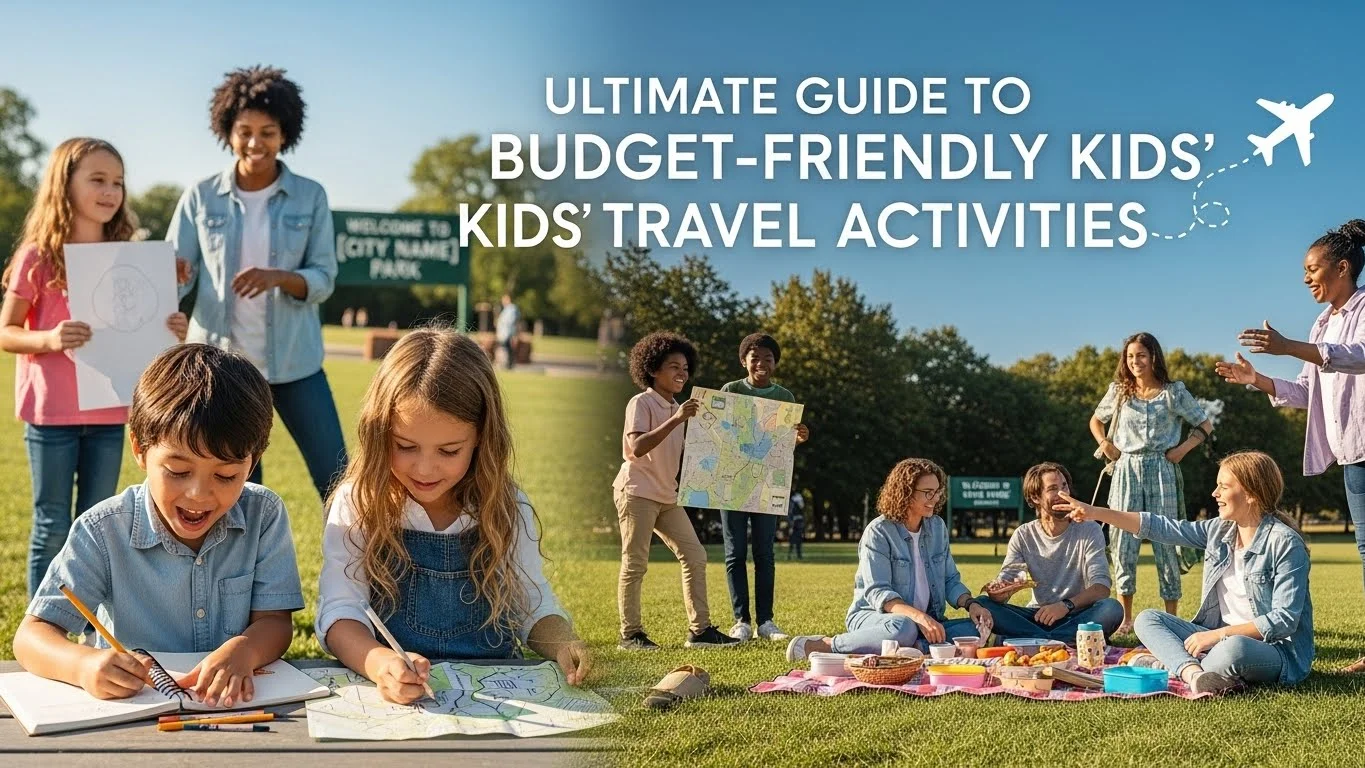
Ultimate Guide to Budget-Friendly Kids’ Travel Activities

Traveling with kids doesn’t have to break the bank! Discover enjoyable, budget-friendly activities that will keep your little ones engaged and create lasting memories for the whole family. Read Interesting article: 10 Fun Travel Activities for Kids on a Budget

Ultimate Guide to Budget-Friendly Kids' Travel Activities

Understanding Budget-Friendly Travel with Kids

When I first started planning trips with my kids, I felt overwhelmed by the costs. I remember scrolling through countless travel blogs, eyeing beautiful destinations while worrying about my budget. However, I soon realized that budget-friendly travel with kids is not only possible but can also be incredibly rewarding. The key is to embrace activities that enrich our experience without emptying our wallets.

The Importance of Travel Activities for Children

Traveling isn’t just about visiting new places; it’s also about learning and growing. I’ve found that travel activities are crucial for kids, as they help them understand different cultures, histories, and environments. Engaging in activities—whether it’s exploring a national park or visiting a local museum—fuels their curiosity and makes the world feel more expansive. I remember seeing my children’s eyes light up when they discovered something new, sparking conversations that lasted for hours!

Benefits of Budget-Friendly Travel

Budget-friendly travel can be a fantastic way to teach kids the value of money and resourcefulness. I’ve learned that when we focus on affordable options, we tend to explore more local experiences. We’ve had some of our best family moments at free community events, parks, and festivals that we stumbled across along the way. Plus, saving money on activities allows us to allocate our budget to experiences like trying local foods or extending our trip. It’s a win-win!

Planning Your Trip

Before we hit the road, I always spend some time planning our trips carefully. This preparation helps us maximize our fun while keeping our budget in check.

Choosing Kid-Friendly Destinations

Finding the right destination is crucial, especially when considering kids’ interests. I’ve learned to look for places that offer plenty of activities suitable for children of all ages. National parks, beaches, and cities with rich histories often provide a variety of options. For example, our trip to Washington D.C. was filled with free museums and outdoor spaces that kept my kids entertained. I recommend doing some research ahead of time to find spots that align with your family’s interests. Read Interesting article: Family Travel Tips: Top Affordable Destinations to Visit

Setting a Travel Budget

Setting a budget is another essential step. I find it helpful to break it down into categories: accommodation, food, activities, and transportation. This way, I can allocate our funds wisely. When we went to Disney on a budget, I created spreadsheets to track our costs and found discounts that made our experience more enjoyable without overspending. I believe that sticking to a budget can enhance the adventure, as it encourages us to get creative with our choices.

Traveling Off-Peak: When to Go

Traveling during off-peak seasons is one of my favorite tips for saving money. For instance, we discovered that visiting popular destinations like the beach or amusement parks in early spring or late fall can lead to significant savings. Not only do we enjoy lower prices, but the crowds are also much smaller, which makes for a more relaxed experience. I remember our trip to a local theme park in the fall; the shorter lines allowed us to enjoy more rides, creating wonderful memories together.

Free and Low-Cost Activities

One of the best parts of budget-friendly travel is discovering free or low-cost activities that create unforgettable experiences. I can’t emphasize enough how many wonderful adventures we’ve had without spending a fortune!

Nature-Based Activities

Nature offers endless opportunities for fun and exploration. My kids love spending time outdoors, and we’ve found that hiking trails and beach days are not only affordable but also incredibly enjoyable.

Hiking Trails for Families

Finding hiking trails that are suitable for families has become one of our favorite pastimes. Whether we’re in a national park or just exploring a local trail, I love seeing my kids connect with nature. We pack snacks and water, making a day of it. Some of our best family conversations have happened on these hikes, where we bond over beautiful scenery and the excitement of spotting wildlife.

Beach Days and Picnics

If you’re near the coast, beach days are an excellent way to spend time together without spending much. I often pack a picnic and beach toys, allowing my kids to enjoy hours of fun digging in the sand and splashing in the waves. I remember once we found an isolated beach where we could set up our picnic and felt like we had a slice of paradise all to ourselves!

Cultural and Educational Experiences

Exploring cultural and educational activities can be done without draining your wallet. I’ve discovered so many local gems that are either free or very low-cost.

Museums with Free Admission Days

Many museums offer free admission days or discounted rates for families. I always check their websites ahead of time to see if we can plan our visit around these days. Our experience at the science museum was fascinating, and my kids adored the hands-on exhibits!

Local Festivals and Events

Community festivals often feature free entertainment, games, and cultural experiences. I love attending these events, where we get to immerse ourselves in local culture, try new foods, and even meet new friends. Last summer, we attended a local arts festival where my kids made art with local artists, creating memories that will last a lifetime.

Community Parks and Playgrounds

Don’t overlook community parks and playgrounds during your travels. They’re an excellent way for kids to burn off energy and connect with other children. I’ve found that spending a few hours at a local park can lead to spontaneous adventures, like discovering nature trails or having an impromptu picnic.

Organized Activities and Events

Sometimes, parks host organized activities like nature walks or family movie nights. We’ve joined in on a few of these, and they were fantastic! It’s a great way to meet locals and learn more about the area while keeping costs low.

Affordable Attractions and Experiences

When we travel, I always look for attractions that won’t break the bank while still providing a fun experience for my kids. There are numerous options out there that offer both excitement and educational value without costing a fortune.

Theme Parks and Amusement Parks

Theme parks are often seen as pricey destinations, but I’ve found ways to enjoy them without overspending. There are various strategies to make visiting these parks more affordable, and they often lead to unforgettable family memories.

Discount Tickets and Packages

I started researching discount tickets and package deals before our trips to amusement parks. Many parks offer online discounts or special promotions for families. I remember when we visited a nearby amusement park; I bought tickets in advance through a deal that included a meal voucher. This not only saved us money but also simplified our day, as we didn’t have to worry about where to eat. I recommend checking multiple sources, including the park’s official website, local travel agencies, and discount sites like Groupon. You’d be surprised at what you can find!

Zoos and Aquariums

We’ve always enjoyed visiting zoos and aquariums, which can be budget-friendly if you know where to look. These places offer a great combination of education and entertainment for kids.

Membership Benefits and Free Days

Many zoos and aquariums offer family memberships that, if you plan to visit multiple times, can save you money in the long run. We once bought a family membership at our local zoo, which allowed us to visit other zoos across the country for free or at a discounted rate. Additionally, I always check for free admission days or community days when planning our trips. On one of these occasions, we visited a fantastic aquarium with no admission fee, and my kids were captivated by the sea life exhibits. It was a delightful day filled with learning and wonder!

Historical Sites and Landmarks

Exploring historical sites can be both fun and educational. I love taking my kids to places that tell a story about the history of an area.

Exploring Local History

Many historical sites have low admission fees or are entirely free to visit. I’ve taken my family to various landmarks, such as old forts, battlefields, and historic towns, where we’ve learned about local history firsthand. One memorable experience was visiting a historic plantation, where the guided tour was surprisingly affordable and provided fascinating insights into the past. My children asked so many questions and were engaged throughout the tour, which made me realize how impactful these experiences can be for their understanding of history.

DIY Travel Activities

Sometimes, the best activities are the ones we create ourselves. I’ve learned that DIY travel activities can not only save money but also enhance our travel experiences.

DIY Travel Games for Kids

Before we head out on a trip, I love preparing some travel games that keep my kids entertained during long drives or flights. I remember when we took a road trip across several states; I created a bingo game with items we might see along the way—like cows, bridges, and water towers. The kids had a blast checking things off their bingo cards, and it sparked conversations about what we were seeing out the window. It made the journey just as fun as the destination!

Scavenger Hunts in New Locations

Scavenger hunts are another fantastic way to engage my kids while exploring new places. I’ve often created simple lists of things to find, like certain landmarks, animals, or even types of food unique to the area. On one trip, we visited a vibrant city and had a blast hunting for specific street art and local dishes. It turned our sightseeing into an exciting adventure that kept everyone involved and excited.

Travel Journals for Kids

Encouraging my kids to keep travel journals has been a rewarding experience. I give them little notebooks and colorful pens to document our travels, drawing pictures and writing down their thoughts. They love looking back at what they’ve experienced, and it often leads to deeper discussions about our adventures. I’ve noticed that it helps them pay more attention to their surroundings, and I believe it enhances their overall travel experience. Plus, it’s a beautiful keepsake to look back on in the years to come.

Budget-Friendly Accommodation Options

Finding the right place to stay can make a huge difference in our travel budget. I’ve discovered several affordable accommodation options that fit our family’s needs while keeping costs low.

Family-Friendly Hotels and Hostels

I often search for family-friendly hotels that offer amenities like free breakfasts or swimming pools. They can make our stay more enjoyable without extra costs. On one trip, we found a hotel that included a complimentary breakfast, which saved us time and money. The kids loved the variety of options, and we could fuel up for our adventures ahead. Additionally, hostels (which I used to think were just for backpackers) often have family rooms and communal kitchens, making them an affordable choice for families traveling on a budget.

Vacation Rentals vs. Hotels

Vacation rentals have become a favorite option for us. They often provide more space and the convenience of a kitchen, allowing us to prepare some meals. I remember when we rented a cozy cabin during a family getaway; we could cook together and enjoy family meals around the table, which felt special. Plus, it felt like a home away from home, giving us a comfortable base to explore the area.

Campsites and RV Parks

If we’re feeling adventurous, campsites and RV parks can be fantastic options. I’ve taken my kids camping a few times, and it has been an incredible bonding experience. We’ve spent evenings around the campfire sharing stories and roasting marshmallows. Not to mention, the cost is usually much lower than hotels. There’s something about being in nature that brings us closer together and creates memorable moments that we cherish long after the trip is over.

Tips for Saving on Food while Traveling

Food can quickly become one of the most significant expenses while traveling, but I’ve learned some clever ways to save on meals without sacrificing quality.

Eating Like a Local: Street Food and Markets

One of my favorite ways to experience a new place is through its food. I love seeking out local street food and markets, which are often affordable and delicious. I remember when we visited a city known for its food stalls; we tried everything from tacos to fresh fruit smoothies. Not only was it cheaper than dining in restaurants, but we also got to taste authentic local flavors while mingling with the locals. It’s a win-win!

Grocery Shopping for Family Meals

When we have access to a kitchen, I often take the kids grocery shopping to pick out ingredients for simple meals. It’s a fun way for them to learn about budgeting and making healthy choices. On one of our trips, we bought fresh ingredients to make pasta and a salad; it was not only affordable but brought us together for a lovely family dinner. Plus, cooking together becomes an enjoyable part of our travel experience.

Packable Snacks for Kids

I never travel without a stash of packable snacks. I find that keeping my kids fueled with healthy snacks can save us from impulse buys at convenience stores or overpriced snacks at attractions. I usually pack nuts, dried fruit, and granola bars, which are easy to throw in a bag and keep everyone happy during long outings. It’s a little preparation that pays off big time during our travels!

Traveling Smart with Kids

When exploring new places with kids, being smart about our travel plans is essential. I’ve picked up several tips over the years that help us navigate our adventures with ease.

Safety Tips for Family Travel

Ensuring my kids’ safety while traveling is always a top priority. I’ve learned to establish some ground rules, like staying together in crowded places and creating a simple family plan in case anyone gets lost. We often choose to wear matching shirts on busy days so that it’s easier to spot each other. Plus, teaching my kids to recognize landmarks or our meeting point helps them feel more secure while exploring new areas. Read Interesting article: Essential Travel Safety Tips for Families on a Budget

Travel Insurance: Is It Worth It?

Travel insurance is something I consider before embarking on any trip. While it may seem like an added expense, I’ve found that having it can provide peace of mind, especially when traveling with kids. There have been times when we faced unexpected cancellations or medical issues while away, and having insurance eased a lot of stress. I think it’s worth looking into, especially if you’re traveling far from home or taking part in activities that could increase risks.

Keeping Kids Entertained During Travel

Long hours of travel can be challenging, but I’ve discovered several ways to keep my kids entertained on the go. I always bring along a mix of activities, like coloring books, puzzles, and audiobooks. On long drives, we often listen to family-friendly podcasts or audiobooks, which keeps everyone engaged and entertained. I remember one particularly long trip where we listened to a fun story that sparked discussions about its themes, making the journey feel more enriching.

Resources for Budget-Friendly Kids’ Travel

Finding the right resources can enhance our travel experience while keeping costs down. I’ve compiled a list of tools and platforms that have helped us along the way.

Online Tools and Apps for Planning

There are countless online tools and apps that can make travel planning easier and more budget-friendly. I love using websites like Kayak or Skyscanner to compare flight prices, and I often rely on apps like TripIt to keep our travel itinerary organized. These tools help us find the best deals and keep everything in one place, which is a lifesaver when traveling with kids.

Family Travel Blogs and Forums

I’ve found that connecting with other families through travel blogs and forums can provide invaluable insights. I often read personal experiences and tips from other parents who have traveled to similar destinations. These resources help me discover hidden gems and budget-friendly options that I might have otherwise missed.

Local Tourism Websites and Guides

Before heading to a new location, I always check the local tourism websites. They provide information about free events, attractions, and family-friendly activities. I once found a fantastic local festival through a tourism site, which turned out to be a highlight of our trip. Plus, these resources often feature maps and guides that can help us navigate the area efficiently.

Frequently Asked Questions

1. What are some budget-friendly travel activities for kids?

Some budget-friendly travel activities for kids include exploring national parks, visiting local museums on free admission days, attending community festivals, and enjoying beach days or picnics.

2. How can I choose kid-friendly destinations?

When choosing kid-friendly destinations, look for places that offer a variety of activities suitable for children of all ages, such as national parks, beaches, and cities with rich histories.

3. What are some tips for saving on food while traveling?

To save on food while traveling, consider eating local street food, grocery shopping for family meals, and packing snacks to avoid impulse buys at convenience stores.

4. How can I keep my kids entertained during long travels?

To keep kids entertained during long travels, bring along activities like coloring books, puzzles, and audiobooks. Listening to family-friendly podcasts can also engage them during long drives.

5. What are some affordable accommodation options for families?

Affordable accommodation options for families include family-friendly hotels with free breakfasts, vacation rentals that provide kitchens, and campsites or RV parks for a more adventurous stay.

6. Why is budget-friendly travel beneficial for children?

Budget-friendly travel teaches kids the value of money and resourcefulness, encourages local experiences, and allows families to allocate funds for memorable activities, like trying local foods.

7. How can I find free or low-cost activities in a new location?

To find free or low-cost activities, check local tourism websites for events, explore community parks, and look for museums that offer free admission days.

8. What should I consider when setting a travel budget?

When setting a travel budget, break it down into categories such as accommodation, food, activities, and transportation to allocate funds wisely and avoid overspending.

9. How can DIY activities enhance our travel experience?

DIY activities, such as travel games, scavenger hunts, and keeping travel journals, can enhance the travel experience by encouraging engagement and creating lasting memories.

10. Is travel insurance necessary when traveling with kids?

Travel insurance is worth considering when traveling with kids, as it can provide peace of mind in case of unexpected cancellations or medical issues during your trip.

10 Fun Travel Activities for Kids on a Budget

Traveling with kids can be a thrilling adventure, but it doesn’t have to break the bank. Discovering budget-friendly options can lead to unforgettable memories for the whole family!

10 Fun Travel Activities for Kids on a Budget

Overview of Budget-Friendly Family Travel

Importance of Traveling with Kids

When I think back to my childhood, some of my fondest memories are of family trips. Traveling with kids opens up a world of learning and exploration that can shape their perspectives. I believe that experiencing new cultures, foods, and environments fosters curiosity and resilience in children. Each journey teaches them valuable lessons and helps create a bond that lasts a lifetime. I remember how excited my kids were when we visited a different city, each moment filled with wonder. It’s not just about visiting new places; it’s about the stories we share and the relationships we build along the way.

Benefits of Budget Travel

Traveling on a budget allows us to explore without the pressure of overspending. I’ve learned that it encourages creativity in planning our adventures. Instead of fancy hotels or expensive attractions, we find joy in simple pleasures, like picnics in the park or spontaneous road trips. Budget travel also often leads to unexpected experiences. For example, during one of our trips, we stumbled upon a local festival that wasn’t in any guidebook, and it turned out to be the highlight of our vacation! Plus, by prioritizing budget-friendly options, we can travel more often, giving our kids the chance to experience diverse environments and cultures throughout the year. Read Interesting article: Essential Travel Safety Tips for Families on a Budget

Planning Your Trip

Choosing a Budget Destination

Deciding where to go is often the first hurdle. I’ve found that some destinations are naturally more budget-friendly than others. Consider places that are known for their affordability, such as national parks or small towns. For us, choosing a location that isn’t a major tourist hub has led to more authentic experiences. I once took my family to a quaint little town where we explored local shops and met friendly residents, making the trip feel special without the high price tag. Researching destinations with free attractions or lower costs of living can significantly impact your travel budget.

Finding Affordable Accommodations

Accommodations can be a significant part of travel expenses. I’ve had great success with options like vacation rentals, hostels, or even camping. Websites like Airbnb have allowed us to find great deals, sometimes even with kitchens, which helps save on meals. I remember one trip where we rented a cozy cabin near a lake; the kids spent hours playing outside and exploring, while we enjoyed family dinners around a campfire. Additionally, consider booking accommodations with family-friendly amenities, like pools or game rooms, which can keep the kids entertained without extra costs.

Transportation Options for Families

Getting to your destination and moving around can also eat up a budget. For us, driving can be a fun bonding experience. I’ve always enjoyed road trips; they allow for flexibility and spontaneity. I remember one trip where we stopped at quirky roadside attractions, creating memories that were just as valuable as the destination itself. If flying is necessary, I recommend booking tickets in advance and being flexible with travel dates. Public transportation is often a great way to explore a city, and I’ve found it can be both economical and fun for kids. Riding buses or trains can be an adventure in itself!

10 Fun Travel Activities for Kids on a Budget

1. Nature Hikes and Outdoor Exploration

Nature hikes are one of my family’s favorite activities. They offer a chance to connect with the outdoors without spending a dime. I remember taking my kids on a local trail where we spotted colorful birds and even a family of deer. Nature teaches kids about ecosystems, and they learn the importance of preserving the environment. Plus, there’s something therapeutic about being surrounded by nature that I think we all need.

2. Free Local Museums and Cultural Centers

Many cities have free or low-cost museums that can be both educational and entertaining. I’ve taken my kids to art galleries and science centers where they could touch and interact with exhibits. Each visit sparks their curiosity and creativity. I find that these experiences often inspire my kids to ask questions and learn more about the world around them.

3. Community Events and Festivals

Checking out community events can lead to unexpected adventures! I often browse local event calendars and have found everything from farmers’ markets to cultural festivals. These events are usually free and provide an opportunity to immerse ourselves in local culture. I remember attending a small-town fair where my kids enjoyed free crafts, games, and live music, making it a memorable day without costing a dime.

4. Beach Days and Water Activities

If you’re near a beach or lake, spending a day splashing in the water can be one of the best activities. Pack a picnic and spend the day swimming, building sandcastles, or just relaxing by the shore. I’ve found that beach days often lead to the most relaxed and carefree family experiences. Just don’t forget the sunscreen!

5. Parks and Playgrounds

Visiting local parks can be a great way to let kids burn off some energy. I enjoy finding parks with unique play structures or natural elements like trails or water features. On several trips, we’ve discovered beautiful playgrounds where my kids made friends with local children, creating connections that extended beyond our travels.

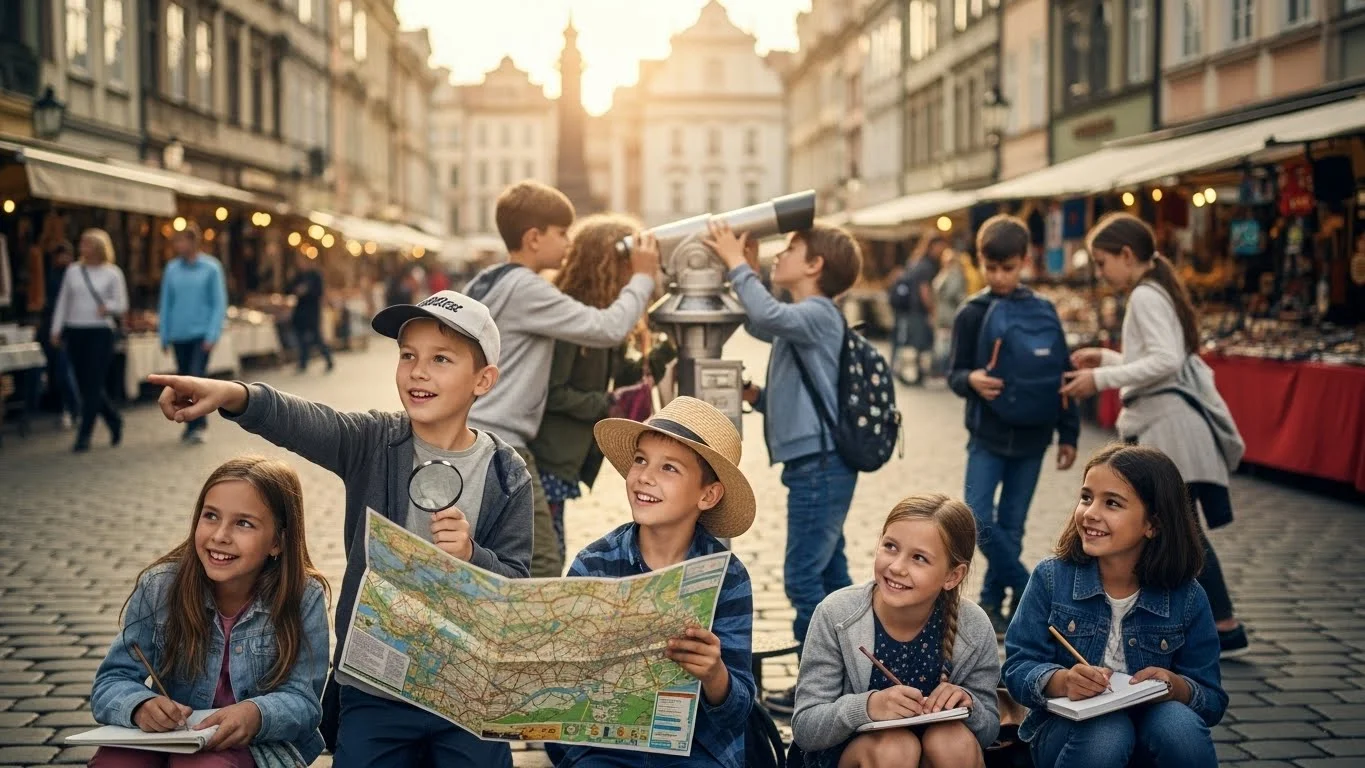
6. DIY Scavenger Hunts

Creating a scavenger hunt can transform any outing into an adventure. I often prepare a simple list of items for my kids to find, whether it’s specific leaves, landmarks, or even colors. It keeps them engaged and excited about exploring their surroundings. I’ve seen how motivated they become when they’re on a mission!

7. Visiting Historic Landmarks

Many historic landmarks are free to visit and offer a glimpse into the past. I’ve taken my kids to local monuments and historic sites, where they can learn about history in an engaging way. We often discuss what life was like during different times, which I feel helps them connect with the stories of our past.

8. Free or Discounted Zoo Days

Zoos often have special days where admission is free or discounted. I always check their websites beforehand. We once went on a free day and spent hours marveling at the animals. It was a fantastic educational experience, and my kids loved learning about different species.

9. Local Farmers’ Markets

Farmers’ markets are not just about fresh produce; they offer a chance to meet local farmers and artisans. I enjoy taking my kids to these markets, where they can learn about food sources and even taste samples. It’s a fun way to support the local economy while enjoying delicious, fresh snacks.

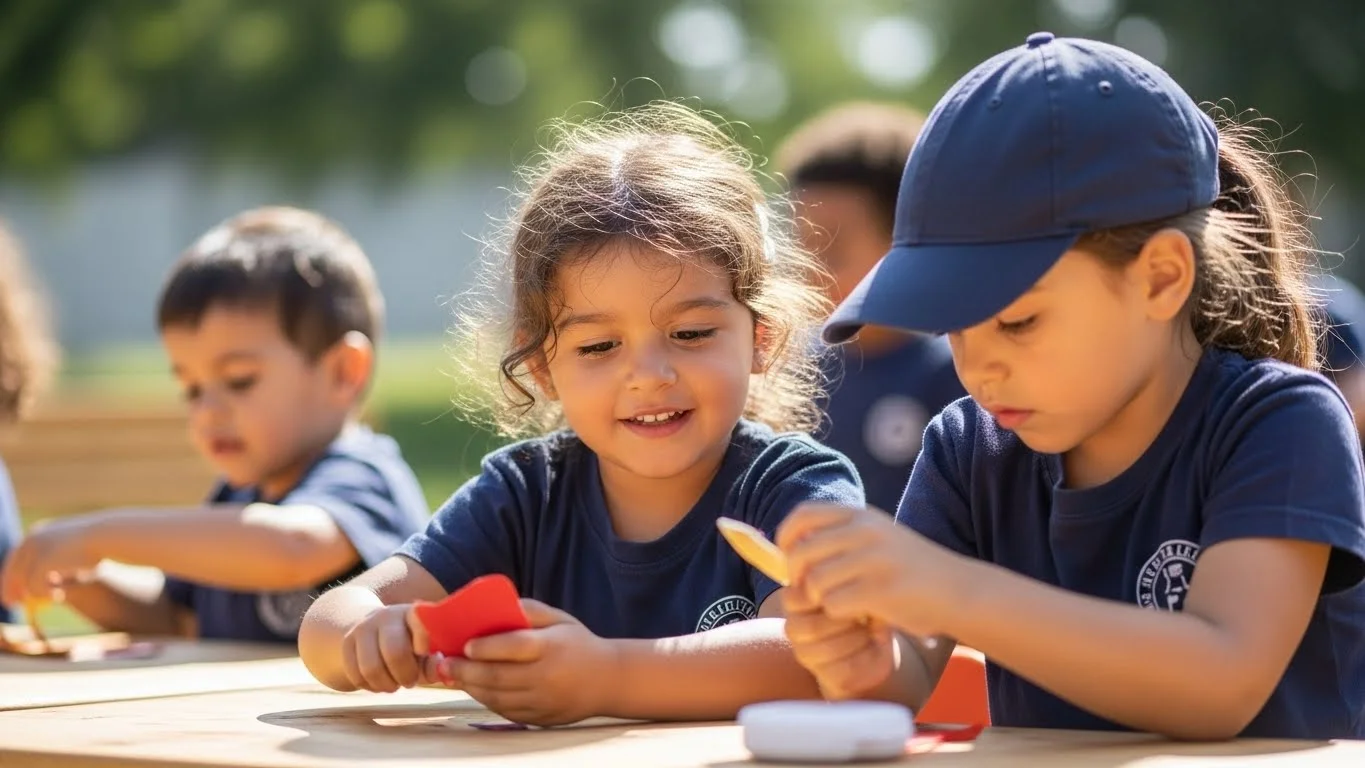
10. Art and Craft Workshops

Many community centers and libraries offer free or low-cost art and craft workshops for kids. I’ve taken my children to a few, and they enjoyed expressing their creativity while also making something to take home. It’s a wonderful way to explore their artistic sides without spending a fortune.

Tips for Saving Money While Traveling with Kids

Pack Your Own Snacks and Meals

One of the best ways I’ve found to save money while traveling is by packing our own snacks and meals. Eating out can add up quickly, especially with kids who seem to have an endless appetite! I remember one trip where we packed a cooler with sandwiches, fruits, and snacks. Not only did it save us money, but it also allowed us to enjoy a picnic at a beautiful park. My kids loved helping to prepare the food, and it made mealtime feel like part of the adventure. I always recommend making a list of easy-to-pack snacks, like granola bars, nuts, and veggies, to keep everyone satisfied on the go.

Look for Family Discounts

When planning activities, I always keep an eye out for family discounts. Many attractions, museums, and even restaurants offer special rates for families. I’ve often found that purchasing tickets online in advance can save us a chunk of change. One time, we visited an amusement park where they had a family pass that allowed us to enter at a reduced rate. It felt great to know we were getting a good deal while still enjoying a fun day! I suggest checking websites or calling ahead to inquire about any available family packages.

Utilize Public Transportation

Using public transportation can be an economical and exciting way to explore a new city with kids. I’ve found that riding buses or trains often adds an element of adventure to our travels. On our last trip, we took a city bus to various attractions, which turned out to be a hit with the kids. They loved looking out the windows and spotting different neighborhoods. Plus, it saved us from the costs of parking and gas. I recommend checking local transit maps and schedules ahead of time—it can be a great way to learn about the city and save money at the same time!

Take Advantage of Free Days or Evenings

Many attractions have specific days or times when admission is free or discounted. I always check the calendar of events for our destination to see if any free days line up with our travel plans. For instance, we once visited a museum that offered free entry on the first Saturday of the month. It was a fantastic opportunity for my family to enjoy an enriching experience without spending a dime. I also suggest looking for community events that may not be heavily advertised; these often provide great entertainment at little or no cost.

Safety and Health Considerations

Travel Insurance for Families

Traveling with kids can sometimes come with unexpected surprises, so I always recommend considering travel insurance. It gives me peace of mind knowing that we’re covered in case of cancellations, medical emergencies, or lost belongings. I remember a time when my daughter got a cold while we were away, and having insurance allowed us to seek care without worrying about the costs. It’s a small price to pay for the security it brings, especially when you have little ones to look out for. Read Interesting article: Must-Know Travel Safety Tips for Family Backpacking Trips

Keeping Kids Safe While Traveling

Safety is a top priority for me when we travel. I always make sure to discuss basic safety rules with my kids before we head out. For example, we practice what to do if we get separated or how to approach a trusted adult if they need help. I also keep a close eye on them in crowded places and have a designated meeting spot in case we lose each other. I find that these conversations build their confidence and help them feel more secure while exploring new environments. Read Interesting article: Top Travel Safety Tips for Stress-Free Family Adventures

Health Tips for Travel with Children

Traveling can sometimes throw off our routine, especially when it comes to meals and sleep. I’ve learned the importance of maintaining some semblance of our regular schedule while we’re away. I try to ensure my kids are eating healthy meals, staying hydrated, and getting enough rest. Packing a small first-aid kit with essentials like band-aids, hand sanitizer, and any necessary medications has proven to be a lifesaver. I also suggest researching the local healthcare facilities ahead of time, just in case we need assistance. Ultimately, a little preparation goes a long way in ensuring our travels remain enjoyable and safe.

Making Memories on a Budget

Emphasizing Experiences Over Material Goods

One of the lessons I’ve learned over the years is the importance of emphasizing experiences over material goods. When I think about the trips we’ve taken, it’s the laughter, the shared moments, and the little adventures that stand out much more than any souvenir. I remember one time we went to a local fair, and instead of spending money on expensive rides, we created fun memories by participating in free games and enjoying cotton candy together. Those moments brought us closer and made for stories we’ll tell for years to come. I believe that investing in experiences rather than things is what makes travel with kids truly special.

Encouraging Kids to Document Their Travels

Another way to make the most of our family trips is by encouraging the kids to document their experiences. I’ve provided my children with simple journals and disposable cameras during our travels. It’s amazing to see their perspectives come alive through their drawings and photos! On one trip, my son took a series of pictures of different trees, and now he loves identifying them in our local parks. Not only does this activity engage them more deeply with their surroundings, but it also creates keepsakes that they cherish long after the trip ends. I feel that giving them the opportunity to express their creativity enhances their travel experience and helps them reflect on what they’ve learned.

Creating a Family Travel Tradition

Over the years, our family has developed a travel tradition that I think has added a special touch to our adventures. Every summer, we choose a new destination to explore together, and each family member gets to pick one activity they really want to do. I remember one year, my daughter chose to visit a butterfly conservatory, while my son wanted to hike a specific trail. By including everyone in the planning process, we’ve created a sense of ownership over our journeys, making each trip feel unique and tailored to our family’s interests. I believe these traditions help strengthen our family bond and create lasting memories that we’ll cherish forever.

Using Technology Wisely

In today’s digital age, technology can either be a distraction or a helpful tool during our travels. I often use apps and websites to find budget-friendly activities and attractions, which can save us time and money. I remember discovering a travel app that provided information about free events happening in the area we were visiting; it turned out to be a fantastic resource! However, I also make it a point to monitor screen time during our trips to encourage more face-to-face interactions. Balancing technology with hands-on experiences allows us to stay connected while still enjoying the adventure together.

Engaging in Local Culture

Engaging in local culture has always been a highlight of our trips. I’ve found that immersing ourselves in the community can teach my kids valuable lessons that they wouldn’t learn in a classroom. For instance, we once participated in a traditional cooking class while visiting a new city. It was an incredible experience as we learned about local ingredients and dishes, all while making new friends in the process. Exploring local markets and trying different foods has become a fun family activity, and it often leads to conversations about cultural differences and similarities. I think these experiences not only broaden their horizons but also instill a sense of respect and appreciation for diversity.

Staying Flexible and Open-Minded

Travel plans don’t always go as expected, and I’ve learned that remaining flexible and open-minded can lead to some of the best memories. There was a time when we planned a beach day but were met with unexpected rain. Instead of letting it ruin our day, we decided to explore a nearby town. It turned out to be one of the most enjoyable days of our trip, filled with laughter and discovery. I find that the best travel stories often come from the unexpected moments, so I always encourage my family to go with the flow and embrace whatever comes our way.

Building a Travel Budget Together

Finally, I’ve included my kids in creating our travel budget. I feel that involving them in budgeting helps them understand the value of money and the importance of saving. We sit down together before our trips and discuss how much we can spend on activities, food, and souvenirs. My kids often come up with creative ways to save money, like choosing free attractions or finding deals. This not only teaches them about financial responsibility but also makes them feel like an integral part of our travel planning. I’ve seen how this approach fosters their excitement and gives them a sense of accomplishment.

Frequently Asked Questions

What are the benefits of traveling with kids?

Traveling with kids opens a world of learning and exploration that shapes their perspectives, fosters curiosity and resilience, and strengthens family bonds through shared experiences.

How can budget travel enhance family experiences?

Budget travel encourages creativity in planning adventures, allows families to enjoy simple pleasures, leads to unexpected experiences, and enables families to travel more often, exposing kids to diverse environments and cultures.

What are some tips for choosing a budget-friendly destination?

Look for destinations known for affordability, such as national parks or small towns, and consider locations that are not major tourist hubs to have more authentic experiences with lower costs.

What types of accommodations are recommended for budget family travel?

Consider vacation rentals, hostels, or camping as affordable accommodation options. Websites like Airbnb can offer great deals, especially those with family-friendly amenities like kitchens.

What are some fun travel activities for kids that are budget-friendly?

Fun activities include nature hikes, visiting free local museums, attending community events and festivals, enjoying beach days, and creating DIY scavenger hunts.

How can families save money on food while traveling?

Packing your own snacks and meals is an effective way to save money. Preparing easy-to-pack snacks can keep everyone satisfied and reduce the cost of eating out.

What safety considerations should families keep in mind while traveling?

Discuss basic safety rules with kids, keep a close eye on them in crowded places, and have a designated meeting spot in case of separation to ensure their safety while traveling.

How can families document their travel experiences?

Encouraging kids to keep journals and use disposable cameras allows them to express their creativity and reflect on their travel experiences, creating cherished keepsakes.

What is a family travel tradition that can enhance bonding?

Creating a travel tradition, such as choosing a new destination each summer and involving family members in the planning process, helps strengthen family bonds and makes trips feel unique.

How can families engage with local culture while traveling?

Participating in local cooking classes, exploring markets, and trying different foods can help families engage with the local culture, teaching kids valuable lessons about diversity and community.

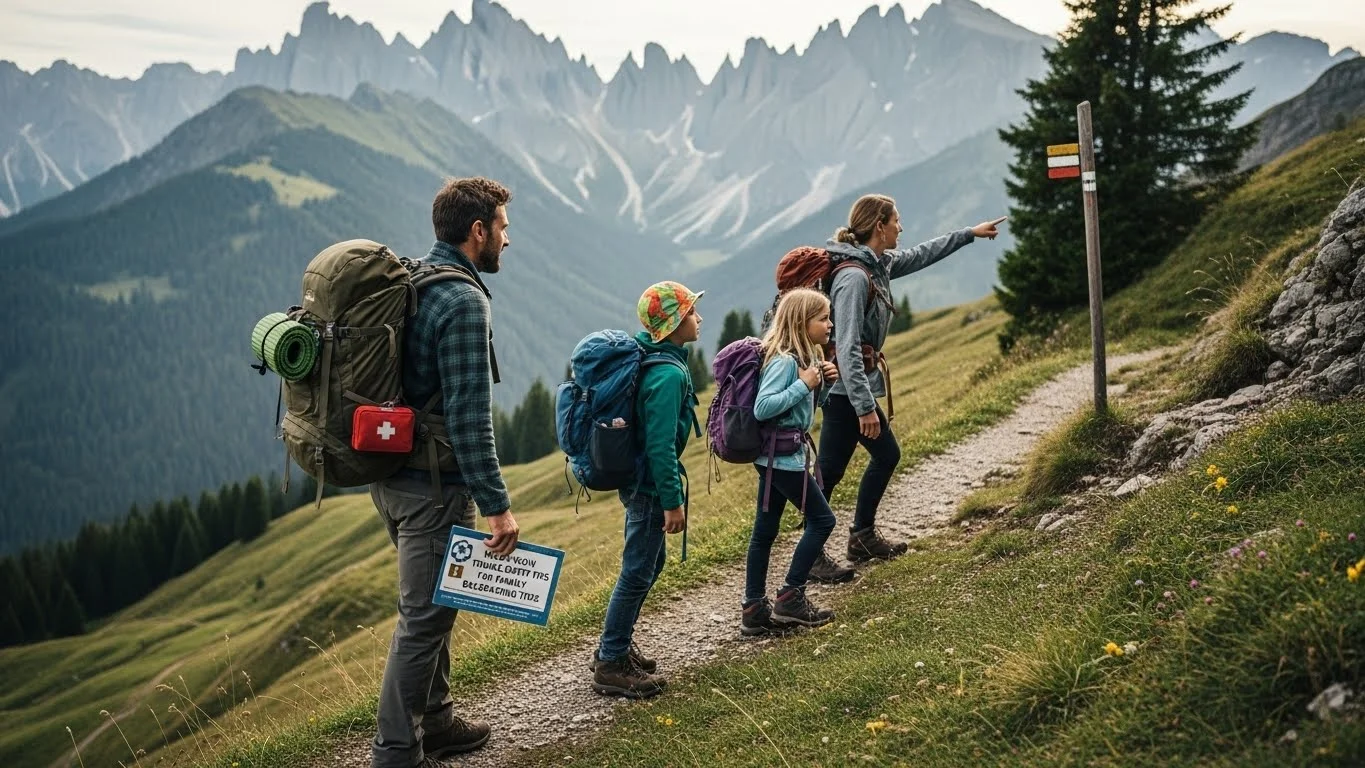
Must-Know Travel Safety Tips for Family Backpacking Trips

Family backpacking trips can be exhilarating adventures, but safety should always be our top priority. With the right knowledge and preparation, we can create unforgettable experiences while keeping everyone safe and sound. For more tips, check out our Top Travel Safety Tips for Stress-Free Family Adventures.

Must-Know Travel Safety Tips for Family Backpacking Trips

Understanding Travel Safety for Family Backpacking

The Importance of Safety in Family Backpacking

When I first started planning family backpacking trips, I quickly realized that safety is a cornerstone of any successful adventure. It’s not just about being cautious; it’s about ensuring that every member of the family, from the youngest to the oldest, feels secure and confident. In my experience, when we prioritize safety, we can fully enjoy the journey, explore new places, and create lasting memories together. I believe that a well-prepared family is a happy family, especially when exploring the unknown.

Common Risks and Challenges for Families on the Road

Traveling with family, especially kids, brings its own set of challenges. One of the most common risks we encounter is becoming lost or separated, which can be frightening for both parents and children. I remember a time when my son wandered off while I was setting up camp. The panic I felt was indescribable. Through that experience, I learned the importance of having a plan and communicating with each other. Other risks include minor accidents like slips and falls, food-related illnesses, and even dealing with unexpected weather changes.

Additionally, cultural differences and language barriers can pose challenges. When we traveled to a foreign country, I found it helpful to learn a few basic phrases in the local language. It not only made navigating easier but also helped us connect with locals, enhancing our overall experience. Also, understanding local customs can prevent misunderstandings that could lead to uncomfortable situations.

Another thing to consider is the physical demands of backpacking. Carrying heavy packs over uneven terrain can be tough, especially for little ones. It’s essential to be realistic about our family’s abilities and to take frequent breaks. I learned this the hard way when we tried to push through a long hike—everyone ended up exhausted and grumpy! Planning our routes carefully and factoring in rest stops can make a significant difference.

In essence, being aware of these common risks helps us prepare better. By discussing potential challenges before we set out, we can ensure that everyone knows what to expect, which builds confidence and a sense of teamwork. For more insights on managing travel safety, consider reading Essential Travel Safety Tips for Families on a Budget.

Preparation Before You Go

Choosing the Right Destination

Choosing a destination is often the most exciting part of planning a trip, but it comes with its own set of responsibilities. I believe the right destination can significantly enhance our family’s safety and enjoyment. For instance, we tend to select places that are known for their family-friendly amenities and safety records. Researching destinations that offer well-marked trails, accessible facilities, and good weather patterns is crucial. I remember picking a location based on its beautiful scenery, only to realize too late that the trails were too rugged for my kids. That taught me to prioritize our family’s needs over picturesque views.

Researching Local Laws and Customs

Understanding the local laws and customs can prevent many headaches down the road. I always take time to look into important regulations regarding camping, hiking, or even swimming in local water bodies. For example, some places have strict rules about campfire safety or wildlife interactions. I once made the mistake of not researching fire regulations at a national park, and we were almost fined for having a campfire in a restricted area. This was a valuable lesson—it’s always better to be informed.

Creating a Family Safety Plan

Creating a family safety plan is another vital step I can’t stress enough. This plan should include emergency contacts, meeting points, and a communication strategy. For example, if we get separated, we agree to meet at a specific landmark. We also practice what to do if someone gets lost, which helps the kids feel empowered rather than fearful. I remember doing a mock drill with my children, and it gave them the confidence to handle a potentially stressful situation.

Health Precautions and Vaccinations

Health precautions are a significant part of our travel planning. I always check in with our family doctor for necessary vaccinations and health advice for our destination. For instance, when we planned a trip to a tropical area, we were advised to get vaccinations for diseases that were prevalent there. Additionally, I pack a health kit that includes any prescription medications, basic first-aid supplies, and over-the-counter medications for common ailments. Having this kit on hand gives me peace of mind during our adventures.

Essential Gear for Safe Backpacking

Choosing the Right Backpack

When it comes to backpacking, I’ve learned that choosing the right backpack is crucial for comfort and safety. I remember my first backpacking trip where I used a bag that was way too heavy and not ergonomically designed for my back. By the end of the hike, I was in so much pain that I couldn’t enjoy the beautiful surroundings. Now, I always look for a pack that fits my body size and has adjustable straps. It should also have enough compartments to keep our gear organized. For families, it’s essential to consider the weight and size of the backpacks for kids as well. I recommend involving the kids in the selection process to ensure they feel comfortable carrying their own gear, which boosts their confidence on the trail.

First Aid Kits: What to Include

Having a well-stocked first aid kit has always been a non-negotiable for me. I cannot stress enough how essential it is to be prepared for minor injuries or illnesses when we’re out in the wild. Over the years, I’ve learned what to include in our kit. It typically contains adhesive bandages, antiseptic wipes, gauze pads, tweezers, and pain relievers. I always pack any necessary prescription medications, too. I remember a time when one of my children got a nasty scrape while climbing over rocks. Thanks to our first aid kit, we were able to clean and dress the wound quickly, which prevented any further issues. I recommend checking the kit before every trip and replacing any expired items.

Essential Safety Gear: Flashlights, Whistles, and More

In my experience, having the right safety gear can make all the difference. I always pack a reliable flashlight or headlamp for each family member. This way, if we end up hiking later than expected, we’re prepared. I also include whistles in our gear. They’re lightweight and can be invaluable in case someone gets lost or separated from the group. I remember a time when we got caught in a sudden downpour, and our planned route became muddier and more challenging. We used our flashlights to navigate through the darkness safely. It’s the little things, like ensuring everyone has a whistle, that keep us connected and secure, even if we’re spread out.

Technology for Safety: GPS and Emergency Apps

While I love the idea of disconnecting from technology while backpacking, I also recognize its importance for safety. I’ve found that having a GPS device or a reliable app on my phone is a lifesaver. Knowing our exact location can bring peace of mind, especially when we find ourselves on unfamiliar trails. Additionally, there are emergency apps that can help in case something goes wrong. One of my favorites provides tips on what to do in emergencies, such as if someone gets hurt or lost. I encourage fellow travelers to download these apps before heading out, as having this information at our fingertips can be incredibly reassuring.

Travel Safety Tips While on the Road

Staying Aware of Your Surroundings

During our travels, I’ve learned that staying aware of our surroundings is one of the best ways to ensure safety. I often remind my family to take note of their environment, whether we’re hiking a trail or walking through a bustling market. I remember a moment when we were exploring a quaint town, and I noticed a few suspicious characters hanging around. I quietly led my family away to a safer area. By staying alert, we can spot potential dangers early and avoid them altogether. I also encourage the kids to do the same; it empowers them to be more mindful and aware of their space.

Managing Money and Valuables

Managing our money and valuables wisely is another lesson I’ve learned from experience. I always carry a small amount of cash for easy purchases, but I also keep our larger sums in a secure place. Using a money belt or keeping valuables hidden in our packs can help deter theft while we’re out exploring. I remember a time when we were in a crowded area, and I saw someone trying to pickpocket a tourist. It made me realize how important it is to stay vigilant and secure our belongings. I also advise using credit cards with low foreign transaction fees when traveling abroad, as it can be safer than carrying too much cash.

Transportation Safety: Public Transport and Vehicles

Transportation safety is something we never take lightly. Whether we’re renting a car or using public transport, I always ensure that we’re knowledgeable about local transportation options. I’ve had experiences where we took public transport in unfamiliar areas, and I made sure to plan our routes ahead of time. I also remind my family to stay close together and keep an eye on their belongings. For car rentals, I thoroughly inspect the vehicle before driving off and ensure we all wear our seatbelts. Safety on the road is a shared responsibility, and I believe that discussing our plans and safety measures as a family enhances our travel experience.

Food and Water Safety Tips

Food and water safety are crucial aspects of our travel planning. When we’re backpacking, I always ensure that we have a reliable source of clean water, whether it’s a water filter or purification tablets. I remember a trip when we relied on untreated water from a stream; it led to a rough night for one of my kids. Now, I always err on the side of caution. We also pay attention to food safety; I make sure to pack perishable items in insulated bags and eat them first. I’ve learned that proper food storage can prevent foodborne illnesses, which can quickly derail our adventures. By being mindful of what we consume, we can keep our energy levels high and enjoy our time together without worry.

Staying Safe While Camping or Hiking

Choosing Safe Campsites

Choosing a safe campsite is one of the most critical steps in ensuring our family’s safety during backpacking trips. I remember one of our earlier camping experiences where we pitched our tent too close to a river. That night, heavy rain caused the river to rise, and we had to move our gear in the middle of the night. Since then, I’ve learned to look for designated camping areas that are away from potential hazards, like unstable ground, cliffs, or water sources that could flood. I always scout for flat, dry ground for our tent, and I prefer spots that are sheltered from high winds and away from dead trees that could fall. Making these choices can prevent unnecessary stress and keep our family safe while we enjoy the great outdoors.

Wildlife Safety: What Families Should Know

Wildlife encounters can be one of the most exciting aspects of camping, but they also come with their own safety concerns. I’ve had my fair share of close encounters with curious animals, like raccoons rummaging through our food. To keep our family safe, we always follow strict food storage guidelines by using bear-proof containers or hanging our food high in a tree if we’re in bear country. It’s important to educate ourselves about the local wildlife and their behaviors. For instance, I learned that making noise while hiking can help prevent surprising animals, which could lead to dangerous situations. We also teach our kids to respect wildlife by observing from a distance and not feeding animals, as this can lead to aggressive behavior. By creating awareness and following best practices, we can appreciate nature without putting ourselves at risk.

Fire Safety and Cooking Tips

Cooking while camping is one of my favorite activities, but it’s essential to practice fire safety to prevent accidents. I remember a time when we got a bit careless with our campfire, and it spread to some nearby brush. Thankfully, we caught it in time, but it was a wake-up call about how quickly things can escalate. I always ensure we have a designated fire pit and follow local regulations regarding campfires. Keeping a bucket of water or sand nearby is a great precaution. When it comes to cooking, I prefer using a portable stove instead of open flames, especially with kids around. It’s easier to control and reduces the risk of accidents. We also teach our children about the importance of keeping a safe distance from the fire and how to safely handle cooking equipment. This knowledge empowers them to be responsible and keeps everyone safe while we enjoy delicious meals in the great outdoors.

Emergency Preparedness

What to Do in Case of an Emergency

No one wants to think about emergencies while camping, but I’ve learned that being prepared can make all the difference. I always have a clear plan in place for various scenarios, whether it’s a medical emergency or getting lost. I remember a time when my daughter sprained her ankle during a hike. We quickly assessed the situation, applied first aid, and had a plan for getting her back to our campsite safely. I recommend we all discuss emergency procedures with our families before heading out. Knowing how to signal for help or perform basic first aid can empower us and reduce panic in stressful situations. Additionally, having a whistle and a map of the area can be incredibly helpful if we need to signal for help or find our way back.

Contacting Local Authorities and Embassies

In the event of a serious incident, knowing how to contact local authorities or embassies is crucial. I can’t stress enough the importance of having this information readily available. I always make sure to write down emergency numbers for local services and the nearest hospital before we leave home. When we traveled abroad, having the contact information for the nearest embassy was also reassuring. I remember a situation where we encountered a minor theft while visiting a market. Knowing who to contact and how to report the incident made the situation much easier to handle. With our family, I like to make it a habit to review these contacts before each trip, ensuring everyone knows where to find them in case of an emergency.

Keeping a List of Emergency Contacts

Having a list of emergency contacts is something I consider essential for any family trip. I always make sure to have a printed copy along with our first aid kit. This list includes family members, close friends, and our healthcare provider’s contact information. I also have the contact details of local emergency services marked on the list. In our experience, having this information on hand has helped us remain calm and focused during unexpected situations. I also encourage my kids to memorize a few important numbers, which helps them feel more secure and prepared. By taking these simple steps, we can navigate any unexpected challenges more effectively and keep our family safe.

Frequently Asked Questions

What is the most important aspect of family backpacking trips?

Safety is the cornerstone of any successful family backpacking adventure. Prioritizing safety helps ensure that every family member feels secure and confident, allowing everyone to fully enjoy the journey.

What are some common risks families face while backpacking?

Common risks include becoming lost or separated, minor accidents like slips and falls, food-related illnesses, and unexpected weather changes. Cultural differences and language barriers can also pose challenges during travel.

How can families prepare for emergencies while backpacking?

Creating a family safety plan is essential. This plan should include emergency contacts, meeting points, and a communication strategy in case family members get separated. Practicing what to do if someone gets lost can also help empower children.

What should be included in a family first aid kit for backpacking?

A well-stocked first aid kit should contain adhesive bandages, antiseptic wipes, gauze pads, tweezers, pain relievers, and any necessary prescription medications. It’s important to check the kit before each trip and replace any expired items.

What safety gear is essential to bring on a family backpacking trip?

Essential safety gear includes reliable flashlights or headlamps for each family member, whistles for signaling in case someone gets lost, and a GPS device or emergency apps for navigation and safety tips. Additionally, reading articles like Hitchhiking Safety Tips: Travel Smart on a Budget can provide valuable insights.

How can families ensure food and water safety while backpacking?

Families should ensure a reliable source of clean water, such as water filters or purification tablets, and pack perishable items in insulated bags. Proper food storage can help prevent foodborne illnesses during the trip.

What should families consider when choosing a campsite?

Families should choose campsites away from potential hazards like unstable ground, cliffs, or water sources that could flood. It’s important to scout for flat, dry ground and avoid pitches near dead trees that could fall.

What precautions should families take regarding wildlife safety?

Families should follow strict food storage guidelines, such as using bear-proof containers or hanging food high in trees in bear country. It’s also important to educate children about local wildlife behaviors and to observe animals from a distance without feeding them.

How can families stay safe while managing money and valuables?

Families should carry a small amount of cash for easy purchases while keeping larger sums secured, such as in a money belt or hidden in packs. Staying vigilant in crowded areas helps deter theft and keeps valuables safe.

What steps should families take to contact local authorities in case of an emergency?

Families should write down emergency numbers for local services and the nearest hospital before leaving home. Having contact information for the nearest embassy can also provide reassurance when traveling abroad.

Top Travel Safety Tips for Stress-Free Family Adventures

Traveling with family can be one of life’s greatest joys, but it also comes with its own set of challenges. To ensure a stress-free adventure, embracing safety tips is essential for peace of mind. For those looking to save while ensuring safety, I recommend checking out Essential Travel Safety Tips for Families on a Budget.

Top Travel Safety Tips for Stress-Free Family Adventures

Understanding Travel Safety for Families

The Importance of Travel Safety

When I think back to my family travels, I realize how vital safety is. Every time we packed our bags, a flurry of excitement filled the air, but lurking beneath was always a hint of anxiety about what might go wrong. I’ve learned that prioritizing travel safety transforms a potentially chaotic experience into one filled with fun and exploration. By taking the necessary precautions, we can focus on bonding and making memories instead of worrying about mishaps.

Travel safety isn’t just a set of guidelines; it’s a mindset. It’s understanding that we are responsible for our own safety and well-being, as well as that of our loved ones. With the right approach, we can navigate through unfamiliar territories confidently, allowing us to soak in the beauty of new cultures and environments without unnecessary fear. Think of it as preparing for an adventure by equipping yourself with knowledge and tools that keep everyone secure.

Common Family Travel Risks

In my experience, being aware of potential risks is half the battle. Families face various travel-related dangers, and recognizing them can help us avoid pitfalls. One common risk involves health issues. Traveling to different climates can expose us to illnesses, from food poisoning to insect bites. I remember our trip to Southeast Asia when my kids fell ill due to local street food that looked tempting but didn’t sit right with their stomachs. This experience taught me the importance of being cautious about what we eat while abroad.

Another risk is the sheer volume of people in touristy areas. Crowded places can make it easy for someone to get lost or for valuables to go missing. On one trip, I turned around for just a second, and my youngest was nowhere to be found. Thankfully, we had a plan, which I’ll touch on later, but that moment was a wake-up call about how the busyness of travel can lead to unforeseen situations.

Let’s not forget about transportation safety, either. Whether it’s riding in a taxi, taking a bus, or renting a car, every mode of transport comes with its own set of challenges. I’ve had my fair share of harrowing taxi rides, where I realized that not all drivers are as cautious as I would hope. That’s why I always recommend doing some research ahead of time about the safest ways to get around your destination. For more tips on safe travel, you can read Hitchhiking Safety Tips: Travel Smart on a Budget.

Pre-Trip Preparations

Researching Your Destination

Before we embark on any journey, I spend time researching our destination. This step is crucial and often overlooked. Knowing about the local customs, language, and culture helps in two ways: it prepares us for what to expect and helps us blend in as respectful travelers. I remember when we traveled to Japan, and I was amazed by how much smoother our experience was after learning a few basic phrases and customs. This preparation not only made our interactions more pleasant but also made me feel more secure navigating through the country.

Understanding Local Laws and Customs

Every destination has its own set of laws that may be different from what we’re used to. I’ve found that understanding these nuances not only keeps us safe but also avoids any embarrassing situations. For example, I once made a faux pas in a European country by not knowing that it’s illegal to eat or drink on public transportation. A simple bit of research could have saved me from feeling awkward and exposed. When we plan our trips, we always jot down essential local customs and regulations, so everyone in the family is informed.

Health Precautions and Vaccinations

Health precautions are another essential aspect of our pre-trip checklist. Depending on where we’re headed, I’ve learned to check if vaccinations are required or recommended. For instance, heading to certain tropical areas might mean getting vaccinated against diseases like yellow fever or hepatitis A. When we planned our trip to Central America, I made a list of all the necessary vaccinations and scheduled appointments with our pediatrician months in advance. It felt reassuring to know we were taking steps to protect our health before we even boarded the plane.

Travel Insurance: What You Need to Know

One of my favorite pieces of advice is to invest in travel insurance. I’ve seen how this can be a lifesaver in emergencies. On a family trip to Europe a few years back, my husband fell ill and needed medical attention. Luckily, our travel insurance covered the expenses, and we didn’t have to worry about the financial burden. Before any trip, I make it a point to thoroughly read the insurance policy and understand what is covered. Knowing that we have that safety net allows us to relax and enjoy our travels without the constant worry of unforeseen costs.

Packing Essentials for Safety

First Aid Kit Essentials

Packing a well-stocked first aid kit is something I never overlook when getting ready for a trip. It’s amazing how many little mishaps can happen while traveling, especially with kids in tow. Over the years, I’ve learned to include a variety of items to cover basic medical needs. My kit usually contains adhesive bandages of different sizes, antiseptic wipes, gauze pads, and medical tape. I also pack a digital thermometer and children’s pain reliever. One time, my daughter scraped her knee while we were exploring a park, and I was so grateful for that first aid kit. It felt good to be prepared, and it saved us from having to find a pharmacy in an unfamiliar area.

Beyond the basics, I also include any prescription medications that my family needs, along with a list of allergies and medical conditions. It’s been a lifesaver to have this information handy, especially in case of an emergency. I remember one trip when my husband forgot his daily medication; luckily, I had packed extra just in case. I believe that being prepared can turn a potentially stressful situation into a manageable one.

Emergency Contact Information

Having emergency contact information on hand is crucial. I always make sure to create a document listing our insurance details, emergency contacts, and the nearest hospital or clinic at our destination. I keep a copy in our travel documents and give a digital copy to my husband and older kids. It’s a simple step, but it brings me peace of mind knowing that we have crucial information at our fingertips.

I also make it a habit to teach my kids how to reach us or a trusted adult if they ever get separated from us. When we traveled to a busy amusement park, I had a little chat with them about knowing my phone number and what to do if they felt lost. It’s a lesson I hope they never have to use, but I feel reassured knowing they’re prepared just in case.

Travel Safety Gadgets and Apps

In this age of technology, I find that having the right gadgets and apps can significantly enhance our travel safety. One gadget that I swear by is a portable charger. There’s nothing worse than your phone dying when you need it the most. I always carry a power bank to ensure we can stay connected, especially for navigation and emergency calls.

In terms of apps, I’ve downloaded a few that help with safety. For instance, I use a travel safety app that provides real-time alerts about any incidents in the area we are visiting. I also love using language translation apps, which have helped us communicate better and avoid misunderstandings. One time, we were in a restaurant in Spain, and the app assisted us in translating the menu, which made ordering a breeze and kept us from accidentally ordering something we didn’t want.

During Your Trip: Safety Practices

Staying Aware of Your Surroundings

Once we’re on the road, staying aware of our surroundings becomes even more important. I’ve found that maintaining an alert mindset helps us notice anything unusual or suspicious. For example, while exploring a crowded market, I always keep an eye on where my children are, even if they’re just a few feet away. I remind myself to be present and engaged with our environment instead of getting lost in my phone or daydreams.

One thing I’ve learned is to trust my instincts. If something feels off, I don’t hesitate to move to a different location, whether it’s a quieter spot in a park or a different side of the street. This has helped me feel more secure and has kept my family safe during our travels.

Keeping Valuables Secure

Keeping our belongings safe while traveling is another priority. I’ve always been cautious about where I store our valuables. I use a crossbody bag that I can easily keep in front of me, and I encourage my family to do the same. It’s surprising how many people forget to secure their bags, especially in crowded places. I remember a moment in a busy train station when a stranger brushed past me, and I instantly checked my bag. It was a good reminder to always be vigilant.

I also recommend using hotel safes for our passports and expensive items. On one trip, we learned the hard way that leaving things out in the open can lead to trouble. After that experience, I became much more diligent about securing our belongings whenever we left the room, even for a quick trip down to the lobby.

Using Transportation Safely

Transportation safety is something I take very seriously. Whether we’re taking public transit, taxis, or rental cars, I always ensure that we’re following safety guidelines. For public transportation, I make sure we’re aware of the stops and our route. When we took the subway in New York City, I had my kids practice our route before we left. This not only kept them engaged but also made them feel more confident navigating the city.

When using taxis or rideshare services, I check the driver’s information before getting in. It’s a simple step, but it provides an extra layer of comfort. I’ve found that sharing our ride details with a family member also adds a level of security. On more than one occasion, my husband and I would share our ride status with each other, just to keep tabs on where we were and to have an extra set of eyes looking out for us.

Choosing Family-Friendly Accommodations

When selecting accommodations, I always consider safety features. Family-friendly hotels often have measures in place that cater to our needs, like childproofing and secure entrances. I remember the time we stayed at a resort that had a gated entrance and staff who monitored who came in and out. It gave me peace of mind, knowing that my kids could roam a little more freely without the constant worry of safety.

Additionally, I check online reviews and ratings to ensure that other families have had positive experiences. There’s something reassuring about knowing that other parents felt their children were safe in the same place. It’s all about creating a comfortable environment where we can relax and enjoy our family time together.

Family-Specific Safety Tips

Traveling with Children: Extra Precautions

Traveling with kids always brings an extra layer of excitement and, let’s face it, a bit of stress. I’ve learned that taking a few extra precautions can make all the difference. One of the first things I do is ensure my kids have identification on them. Whether it’s a simple wristband with our contact information or a card in their pocket, it provides peace of mind. I remember one trip when my son accidentally wandered off during a busy festival. Thankfully, he had a little card with my phone number, and a kind stranger was able to help him reach me quickly.

Another precaution I take is to ensure they know basic safety rules, like staying close in crowded places and never accepting gifts or food from strangers. It can be a tough conversation, but I find that it helps them feel empowered and aware. Teaching them about potential dangers in a way that’s age-appropriate helps them understand without instilling fear. We often role-play scenarios, practicing what they should do if they get lost. It’s a fun way to prepare them while also making it memorable.

Keeping Kids Engaged and Safe

One of the best ways to enhance safety while traveling is to keep kids engaged. When they’re busy and entertained, they’re less likely to wander off or get distracted. I’ve found that having a travel bag filled with activities—like coloring books, travel games, or even a tablet loaded with their favorite shows—helps keep them occupied during long waits or rides. During our road trip last summer, these little distractions turned potentially stressful moments into opportunities for bonding and fun.

Additionally, I encourage my kids to participate in planning some of our activities. Whether it’s choosing a restaurant or picking a museum to visit, they feel more invested in the trip. This engagement not only keeps them interested but also helps them take ownership of their safety since they’re more aware of their surroundings. I’ve noticed that when they feel involved, they’re more likely to stick close to the family and be mindful of their environment.

Establishing Meeting Points

It’s always a good idea to establish meeting points, especially in crowded areas. I like to choose easily identifiable landmarks, like a specific statue, a famous store, or even a food stall. Before we head out, we have a family huddle where we discuss where to meet if anyone gets separated. This practice has come in handy numerous times, particularly during busy events or when exploring a new city.

On one occasion, at a bustling market, my daughter and I got separated from my husband and son. Because we had previously established a meeting point near a large fountain, I felt a sense of calm knowing where to go. Within minutes, we were reunited, and it reinforced the importance of having a plan. I always recommend discussing and practicing this with kids so they know it’s not just a precaution but a fun way to ensure everyone stays safe.

Emergency Procedures While Traveling

What to Do in Case of an Emergency

No one wants to think about emergencies when they travel, but it’s essential to be prepared. When we were in a foreign country and my husband experienced a sudden allergic reaction, I was grateful that I had a plan in mind. The first step is to stay calm, which is easier said than done. I learned that taking a deep breath and assessing the situation helps. I always remind myself that panicking won’t help anyone.

Having a checklist of emergency contacts and procedures makes it easier to act quickly. I always keep the contact information for local emergency services handy. This includes the nearest hospital, police station, and the embassy or consulate’s number. I remember vividly looking up the nearest hospital during that incident and feeling relieved that I had that information readily available. It allowed us to act swiftly, ensuring my husband received the care he needed.

Finding Local Help and Resources

When traveling, knowing how to find local help is crucial. I often download maps of the area to help navigate, especially for locating hospitals or clinics. Additionally, many cities have tourist information centers that can provide valuable assistance. I recall being in a city where my phone lost service, and I was able to find directions and assistance at one of these centers. They even gave me a local map, which was incredibly helpful.

It’s also important to communicate with your kids about who to approach if they need help. We often discuss it and even practice asking for help from a police officer or a store employee. This way, they know who to look for in unfamiliar places, which empowers them to take action if needed.

Handling Lost Passports and Documents

One of my biggest fears while traveling is losing important documents like passports. To prepare for this, I always carry photocopies of our passports and important documents separately from the originals. I’ve found that having those copies can be a lifesaver if anything goes missing. On one trip, my daughter accidentally spilled juice on my husband’s passport, and we were worried about the damage. Thankfully, we had the photocopy and could resolve the issue without too much hassle.

If a passport is lost or stolen, I always recommend contacting the nearest embassy or consulate as soon as possible. They can provide guidance on how to obtain a replacement. I remember when we met a family who had to navigate this process, and they shared how crucial it was to remain calm and patient. It was a great reminder that while these situations are stressful, they can be managed effectively with the right resources and mindset.

Frequently Asked Questions

What is the importance of travel safety for families?

Travel safety is vital for transforming potentially chaotic experiences into fun and exploration. By prioritizing safety, families can bond and make memories without worrying about mishaps.

What are some common risks families face while traveling?

Common risks include health issues from different climates, getting lost in crowded places, and transportation safety challenges. Being aware of these risks can help families avoid pitfalls.

What should families research before traveling?

Families should research local customs, language, culture, laws, and health precautions, including necessary vaccinations, to prepare for their destination and avoid embarrassing situations.

Why is travel insurance recommended?

Travel insurance is recommended because it provides coverage for emergencies, such as medical expenses. Knowing that there is a safety net allows families to relax and enjoy their travels.

What essentials should be included in a first aid kit for travel?

A first aid kit should include adhesive bandages, antiseptic wipes, gauze pads, medical tape, a digital thermometer, children’s pain reliever, and any necessary prescription medications.

How can families keep their valuables secure while traveling?

Families can keep valuables secure by using crossbody bags that can be kept in front, utilizing hotel safes for passports and expensive items, and remaining vigilant in crowded places.

What extra precautions should be taken when traveling with children?

When traveling with children, parents should ensure kids have identification, teach them basic safety rules, and establish meeting points in crowded areas to enhance their safety.

What should families do in case of an emergency while traveling?

In case of an emergency, families should remain calm, assess the situation, and have a checklist of emergency contacts and procedures, including local emergency services and the nearest hospital.

How can families find local help and resources when needed?

Families can find local help by downloading maps, visiting tourist information centers, and teaching children who to approach for help, such as police officers or store employees.

What steps should be taken if a passport is lost or stolen while traveling?

If a passport is lost or stolen, families should contact the nearest embassy or consulate immediately and have photocopies of important documents stored separately from the originals for emergencies.