Web Analytics

Recent Posts

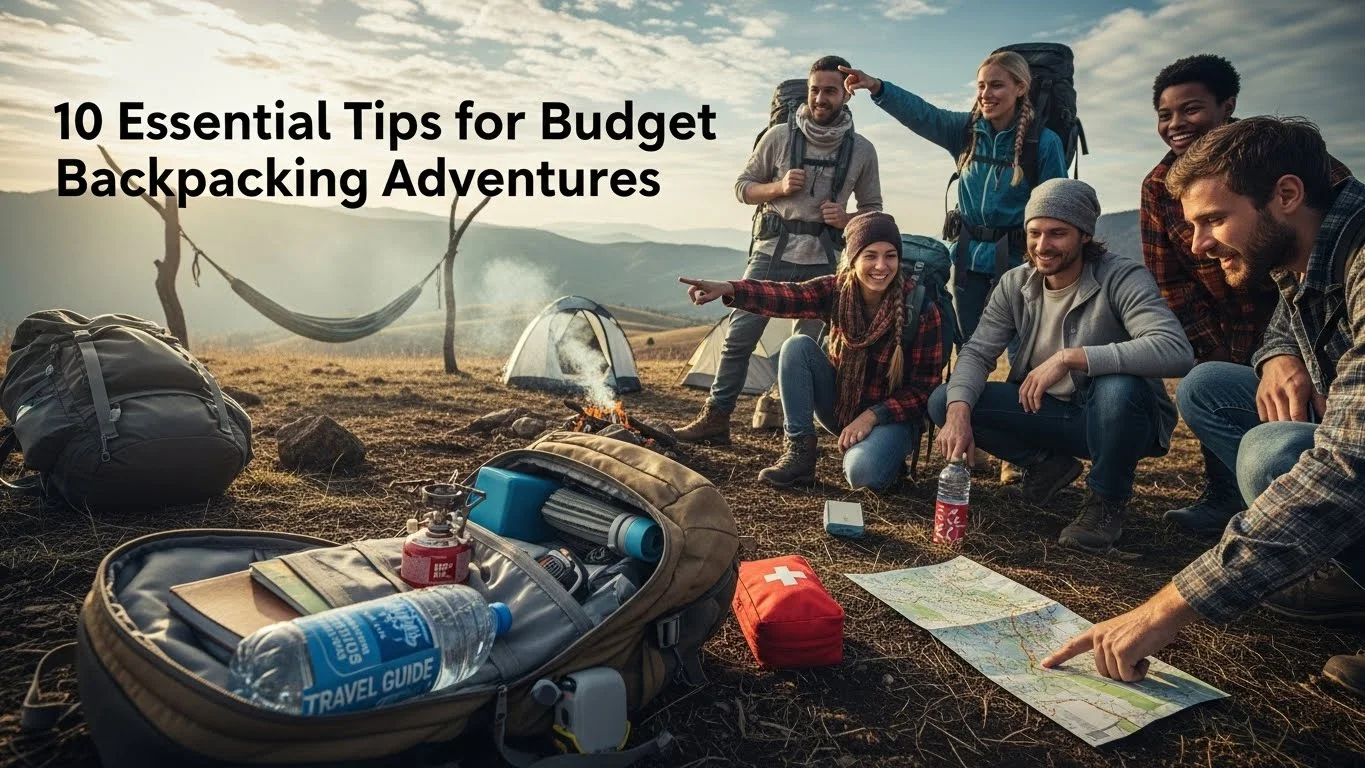
10 Essential Tips for Budget Backpacking Adventures

Ready to embark on an unforgettable adventure without breaking the bank? Budget backpacking is an exciting way to explore the world, and with a little planning, you can make the most of your experience while keeping your finances in check. Read Interesting article: Explore Heritage Sites: Budget Backpacking Tips & Tricks
10 Essential Tips for Budget Backpacking Adventures

Understanding Budget Backpacking

What is Backpacking?

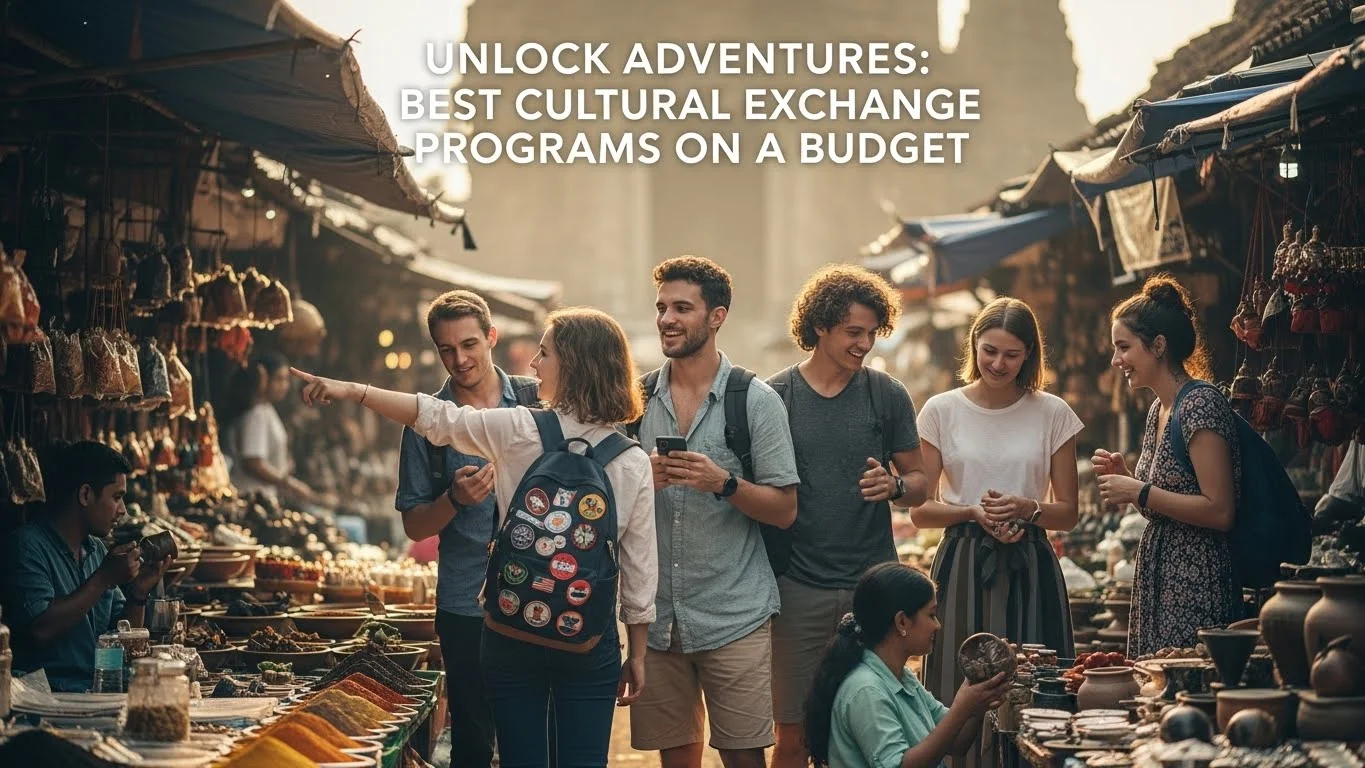
Backpacking, in its essence, is about traveling with just the essentials, often on foot, and staying in budget-friendly accommodations. I remember my first backpacking trip; it was a spontaneous decision that turned into a life-changing experience. I set off with a small backpack, a map, and an eagerness to explore. Backpacking isn’t just about the destinations; it’s about the journey, the people you meet, and the stories you collect along the way. Whether hiking through lush mountains, wandering through bustling markets, or lounging on a beach, backpacking offers an incredible sense of freedom and adventure.

The Appeal of Budget Travel

Budget travel appeals to many of us. I’ve always believed that exploring new places shouldn’t be limited by how much money you have. The thrill of finding hidden gems, negotiating prices, and sharing a meal with fellow travelers creates unforgettable memories. Plus, budget backpacking often allows for longer trips, which means more experiences to cherish. We often discover that some of the best moments happen when we least expect them, like when I stumbled upon a local festival in a small town that wasn’t even on my itinerary. Budget travel encourages flexibility and spontaneity, making every trip unique.

Planning Your Backpacking Trip

Choosing Your Destination

When it comes to choosing a destination, I think it’s essential to consider both your interests and your budget. Some places are notoriously expensive, while others offer incredible value for money. For instance, Southeast Asia is a favorite among many budget travelers, including myself, for its affordable food, accommodations, and transportation. I recommend browsing travel forums and blogs to gather ideas about where to go. Think about what experiences you want to have—do you want to hike in the mountains, explore ancient ruins, or relax on a beach? Once you have a list of potential destinations, research the costs associated with each to help narrow it down. Read Interesting article: Explore Local Cultures: Budget Backpacking Tips & Tours

Best Times to Travel on a Budget

Timing can make a significant difference in your budget. Traveling during the off-peak season can save you a lot of money. I’ve learned that flights and accommodations are typically cheaper when fewer tourists are around. For instance, if you’re considering Europe, I’ve found that traveling in late fall or early spring often results in lower prices and fewer crowds. Don’t forget to check local events or festivals that might affect prices, as these can lead to higher costs in popular areas. Flexibility in your travel dates can be a game-changer.

Creating a Budget Travel Itinerary

Once you’ve chosen your destination and timing, it’s time to create a budget travel itinerary. I usually start by listing all the attractions or activities I want to experience. Then, I do a bit of research on their costs. I found that having a rough daily budget helps me keep track of my spending. For example, I allocate a specific amount for accommodation, food, activities, and transportation. I also like to leave a little wiggle room for unexpected adventures. My motto: if I see something intriguing, I should be able to budget for it without guilt. I also recommend checking forums and travel blogs for tips on budget-friendly activities or must-see spots that won’t dent your wallet.

Packing Essentials for Budget Backpacking

Choosing the Right Backpack

The right backpack can make or break your trip. I remember when I first started backpacking; I went for a flashy backpack that looked cool but wasn’t practical. After a few days of hiking, I quickly realized my mistake. A good backpack should fit comfortably, have enough space for your essentials, and include various compartments for organization. I recommend spending some time trying on different styles and sizes to find one that feels right for you. Look for features like adjustable straps, breathable materials, and rain covers. Your backpack will be your constant companion, so it’s worth investing the time to find one you love.

Essential Gear for Budget Travelers

When it comes to packing gear, I’ve learned to prioritize versatility and practicality. A lightweight tent, sleeping bag, and cooking gear can save a lot on accommodation and food costs. I often carry a portable stove and some basic utensils, which allow me to prepare meals in my tent or at hostels. This not only saves money but also allows me to cook up some of my favorite meals. Don’t forget to pack a first-aid kit and any essential medications. I’ve been grateful for my kit more than once on my travels!

Clothing Tips for Versatility and Comfort

Packing clothes can be tricky, but I’ve found that sticking to a mix-and-match wardrobe keeps my pack light and my style versatile. I typically go for breathable, quick-drying fabrics that can handle various weather conditions. Layering is key—having a good waterproof jacket and thermals can make a big difference in comfort. I also recommend packing a pair of sturdy, comfortable shoes, as you’ll likely do a lot of walking. And, of course, don’t forget a hat and sunscreen to protect yourself from the sun!

Finding Affordable Accommodation

Hostels vs. Hotels: Which to Choose?

One of the biggest decisions I face when planning a trip is choosing where to stay. Hostels have been my go-to option for years, and for good reason. They are usually much cheaper than hotels and offer a unique opportunity to meet fellow travelers. I remember my stay in a lively hostel in Barcelona where I made friends from all over the world. Sharing stories and tips with other backpackers made my experience richer and more enjoyable.

While hostels often provide dormitory-style rooms, many also offer private rooms at a reasonable price. This can be a great compromise if I want a bit more privacy while still enjoying the hostel atmosphere. On the other hand, hotels can be pricier, but sometimes they offer deals that make them worth considering, especially if I’m traveling with a group. I’ve found that checking for last-minute deals can result in some pleasant surprises, like getting a hotel room for the price of a hostel.

Alternative Accommodation Options

If you’re looking to save even more money, exploring alternative accommodation options can be a game-changer. I’ve had great experiences using platforms like Airbnb or Couchsurfing. Staying with locals through Couchsurfing not only saves money but also gives you a glimpse into everyday life in a new place. I remember couchsurfing in Istanbul, where my host took me to the best local eateries and hidden gems that I would have never found on my own.

Camping is another fantastic option, especially in places with stunning natural beauty. I’ve camped in national parks and found it to be a rewarding experience that connects me to nature. Just remember to check local regulations and weather conditions before you set up your tent. For those who prefer a bit more structure, checking out guesthouses or homestays can offer both affordability and a taste of local culture.

How to Use Booking Websites Effectively

Using booking websites can save a lot of time and money if you know how to navigate them. I often start my search on popular sites like Booking.com or Hostelworld, but I also like to compare prices across multiple platforms. Sometimes, I find that the same accommodation is listed at different rates on various websites. Signing up for price alerts can also help me snag deals as they arise.

Another tip I’ve learned is to read reviews carefully. I look for comments about cleanliness, safety, and the overall atmosphere. It’s important to find a place that aligns with my travel style. I also keep an eye out for any hidden fees, as some sites might have extra charges that can add up quickly. Finally, I try to book directly through the accommodation’s website when possible, as they sometimes offer better rates or perks for direct bookings.

Transportation Tips for Budget Backpackers

Finding Cheap Flights

Finding affordable flights can feel like a daunting task, but I’ve developed some strategies that help. First, I always start my search early. I’ve noticed that booking flights several months in advance often yields the best prices. Additionally, being flexible with my travel dates can make a big difference. I typically use fare comparison websites like Skyscanner or Google Flights, which allow me to see prices over a range of dates.

Another trick I’ve discovered is to set up fare alerts for specific routes I’m interested in. This way, I get notified when prices drop or when there are special offers. I also keep an eye out for budget airlines, which often provide cheaper options than their full-service counterparts. Just remember to check baggage policies, as many budget airlines charge extra for checked luggage.

Using Public Transport vs. Private Transfers

When I arrive in a new city, I usually opt for public transportation whenever possible. It’s not only cost-effective but also a great way to immerse myself in the local culture. I’ve taken trains, buses, and even trams in cities like Tokyo and Prague, and it was fascinating to see how locals navigate their daily lives. Plus, I often meet interesting people along the way.

However, there are times when private transfers can be beneficial, especially if I’m traveling late at night or to a remote location. In those cases, I try to book in advance and compare rates from different providers. Ridesharing apps like Uber or Lyft can also be a convenient option in many places, just be sure to check the local regulations and availability.

Ridesharing and Hitchhiking Safety

Ridesharing has become a popular option for budget travelers, and I’ve had mixed experiences. While it can be a convenient way to get from point A to B, I always prioritize safety. I typically check the driver’s profile and ratings before getting in. I also share my location with a friend or family member, just for peace of mind.

On the other hand, hitchhiking is an adventure I’ve embraced in some countries. I remember hitching a ride in New Zealand; it was exhilarating and led to some amazing conversations. However, it’s essential to be cautious. I always trust my instincts, and if a driver makes me uncomfortable, I don’t hesitate to decline the ride. It’s important to be aware of the cultural norms regarding hitchhiking in each country, as they can vary widely.

Eating on a Budget While Traveling

Cooking Your Own Meals

One of the best ways to save money while traveling is by cooking your own meals. I’ve found that many hostels offer kitchen facilities, which can be a game-changer for budget backpackers. When I first discovered this, I was thrilled! I could whip up a simple pasta dish or a hearty breakfast without spending a fortune on meals out. Plus, it allows me to experiment with local ingredients, giving me a taste of the culture in a new way.

Before heading out, I usually make a quick grocery list to help me stick to my budget. I often start my meals with a few staple items like rice, pasta, and canned goods, which are usually affordable and can be used in various dishes. I’ve had fun creating meals from just a few local ingredients, and sometimes I even invite fellow travelers to join me for a communal dinner. It’s a great way to bond and share travel stories!

Finding Local Street Food

Street food is one of my favorite parts of traveling on a budget. It’s often delicious, authentic, and much cheaper than dining in a restaurant. I remember my time in Thailand, where I could grab a tasty pad thai or mango sticky rice from a local vendor for just a couple of bucks! I always try to find stalls that are busy with locals, as this often indicates the food is fresh and tasty.

When enjoying street food, I’ve learned a few tips to avoid any potential issues. First, I recommend paying attention to cleanliness. If a vendor has a clean setup and plenty of customers, that’s usually a good sign. I also try to ask locals for recommendations—often, they know the best spots that aren’t in the guidebooks. Street food tours can also be a fun way to sample a variety of local dishes while guided by someone who knows where to go.

Budget-Friendly Restaurants and Cafés

While I love cooking and street food, sometimes I want to experience local restaurants. I’ve discovered that there are often hidden gems that offer great meals at a reasonable price. I usually ask locals for their recommendations or check review websites for popular budget eateries. One trick I’ve used is to look for places that cater to locals rather than tourists, as they often provide better value.

During my travels, I found that many countries offer lunch specials at restaurants, which can be a great way to enjoy a nice meal without going over budget. I remember dining at a small café in Portugal that had an incredible lunch menu for just a few euros. Eating during off-peak hours can also save money, and it’s often a more relaxed experience without the crowds.

Maximizing Experiences on a Budget

Free Activities and Attractions

One of the best parts about budget backpacking is discovering free activities. I’ve learned that many cities have free walking tours, which are not only informative but also a great way to meet fellow travelers. On my last trip to Barcelona, I joined a free tour and ended up making friends with a group from Canada. We spent the rest of the day exploring together, and it turned into one of the highlights of my trip.

Additionally, many museums have free admission days or discounted rates for students and backpackers. I always check online before my trip to see if there are any special events or free attractions available. Parks, public squares, and even local festivals can provide endless enjoyment without costing a dime—just wandering around and taking in the atmosphere is often enough.

Finding Discounts and Passes

I’ve discovered that many cities offer tourist passes that provide access to multiple attractions at a discounted rate. While I usually weigh the cost against the places I want to visit, I’ve found that these passes can be worth it if I plan to hit several popular spots. For example, in London, I bought a pass that allowed me to visit a range of attractions at a fraction of the cost, which saved me quite a bit of money.

Using apps and websites that offer discounts is another great strategy. I’ve found deals for activities, dining, and even transportation. I always keep an eye out for local coupon books or visitor information centers where I can snag a few discounts. It’s amazing how much I can save by doing a little research and planning ahead!

Connecting with Locals for Unique Experiences

One of the joys of budget backpacking is connecting with locals. I’ve had the chance to experience destinations in a way that goes beyond the typical tourist path. By using platforms like Meetup or Couchsurfing, I’ve joined local events or meetups, which often lead to unique experiences. I remember being invited to a family dinner in Italy through a local connection, and it was an unforgettable evening filled with laughter and homemade pasta!

Volunteering is another fantastic way to meet locals and immerse myself in the culture. Many organizations welcome travelers to lend a hand in exchange for meals or accommodation. I volunteered at a community garden in Mexico once, and not only did I learn about local farming practices, but I also made friends and gained insights into the community that I would have missed otherwise. Read Interesting article: Maximize Your Savings: Budget Travel Tips for Backpacking

Frequently Asked Questions

What is budget backpacking?

Budget backpacking is an exciting way to explore the world by traveling with just the essentials and staying in budget-friendly accommodations. It emphasizes the journey, the people you meet, and the experiences you collect along the way.

How can I choose a budget-friendly destination?

When choosing a destination, consider both your interests and your budget. Research places known for affordability, like Southeast Asia, and investigate the costs associated with each potential location to help narrow down your choices.

What are the best times to travel on a budget?

Traveling during the off-peak season can save you money, as flights and accommodations are typically cheaper when fewer tourists are around. For example, traveling in late fall or early spring in Europe often results in lower prices and fewer crowds.

What should I pack for budget backpacking?

Prioritize versatility and practicality by packing a lightweight tent, sleeping bag, and cooking gear. Choose breathable, quick-drying clothing that can handle various weather conditions, and ensure you have sturdy shoes for walking.

Are hostels or hotels better for budget travelers?

Hostels are usually cheaper than hotels and offer opportunities to meet fellow travelers. While many hostels provide dormitory-style rooms, some offer private rooms at reasonable prices, making them a great option for budget travelers.

What alternative accommodation options can I consider?

Alternative options include platforms like Airbnb and Couchsurfing, which allow you to stay with locals. Camping is also a fantastic choice in nature-rich areas, and guesthouses or homestays can provide an affordable and cultural experience.

How can I find cheap flights?

Start your flight search early and be flexible with your travel dates to find better prices. Use fare comparison websites like Skyscanner or Google Flights, and set up fare alerts for specific routes to catch price drops.

What are some tips for eating on a budget while traveling?

Cooking your own meals can save money, especially if your accommodation has kitchen facilities. Additionally, enjoy local street food for affordable and authentic meals, and look for budget-friendly restaurants that cater to locals.

How can I maximize my experience on a budget?

Discover free activities like walking tours and local festivals. Look for tourist passes that offer access to multiple attractions at a discounted rate, and connect with locals through platforms like Meetup or Couchsurfing for unique experiences.

What safety precautions should I take when ridesharing or hitchhiking?

For ridesharing, check the driver’s profile and ratings, and share your location with someone for safety. When hitchhiking, trust your instincts and be aware of local cultural norms regarding the practice to ensure a safe experience.
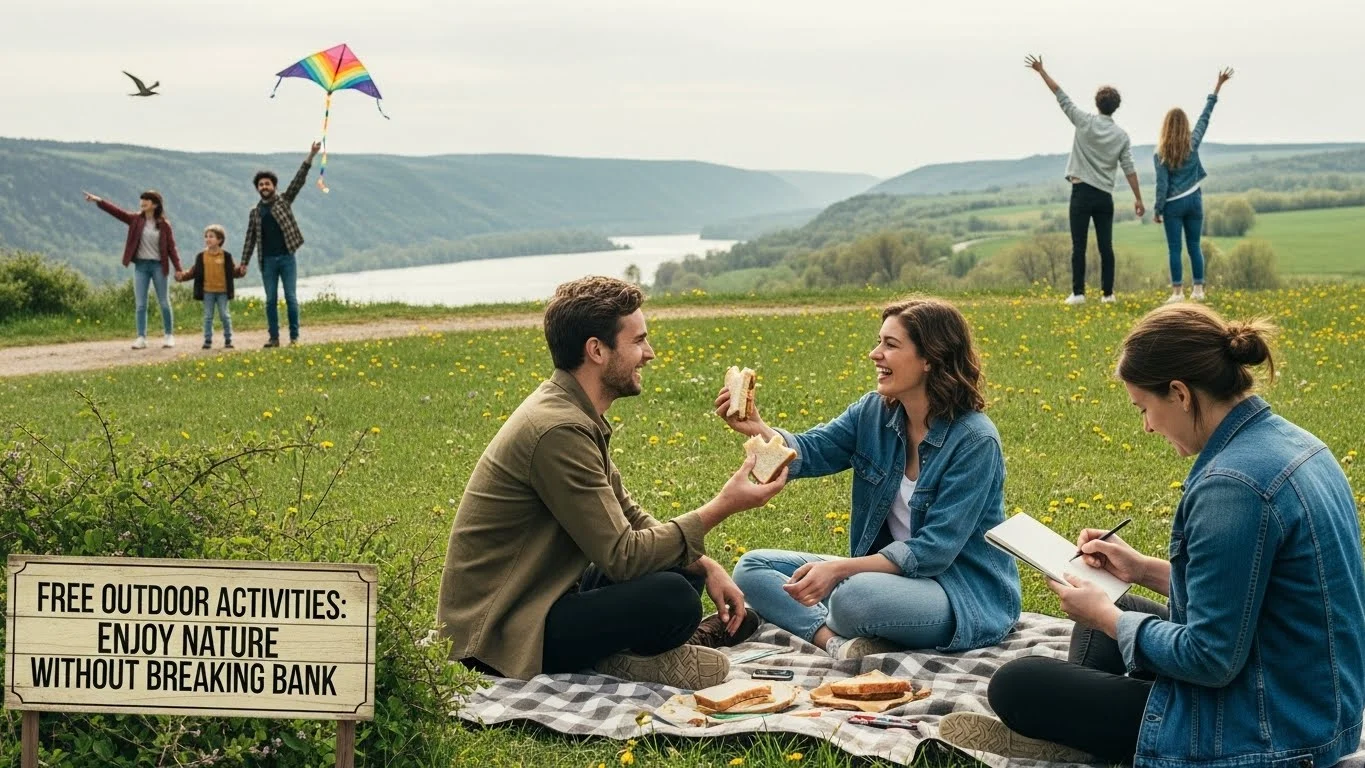
Free Outdoor Activities: Enjoy Nature Without Breaking Bank

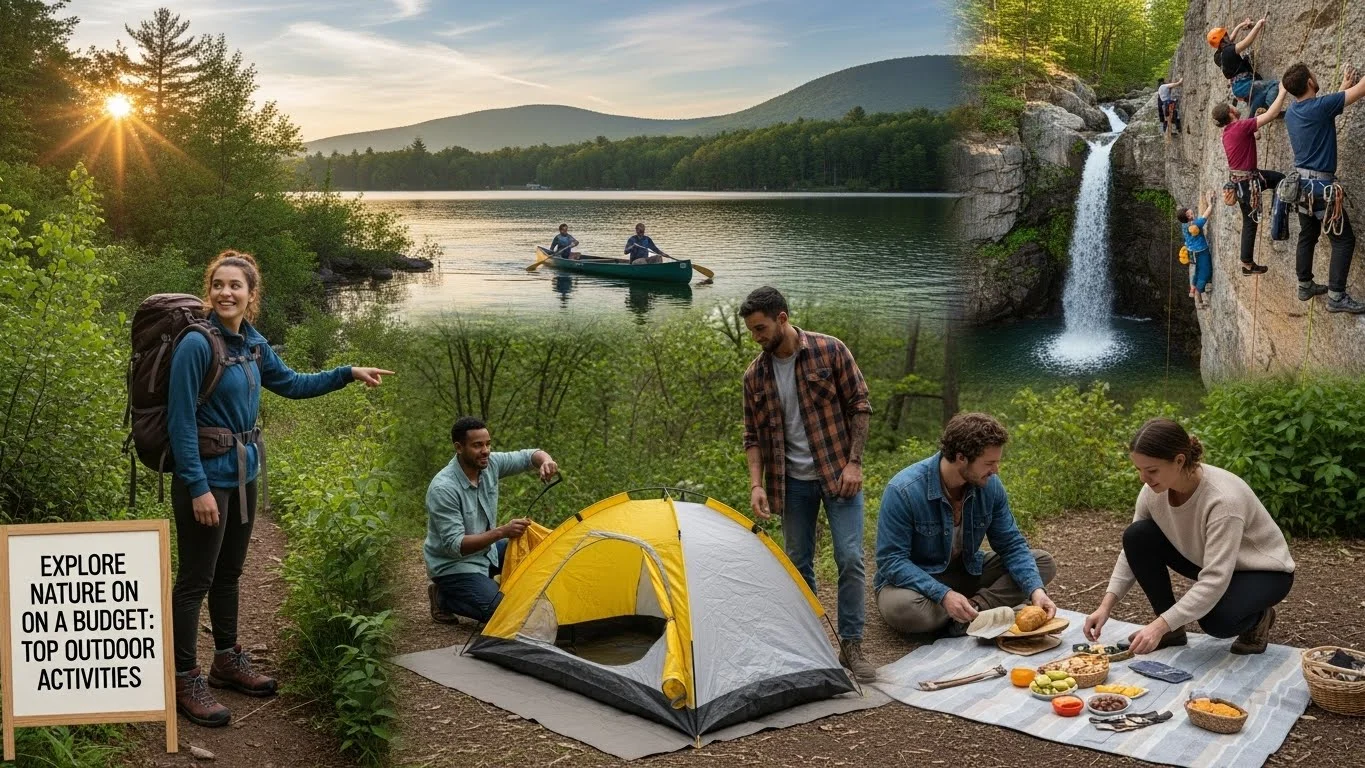
Exploring nature doesn’t have to cost a fortune. There are countless free outdoor activities that let us connect with the great outdoors while saving our hard-earned cash. Let’s dive into how we can enjoy these experiences together! Read Interesting article: Explore Nature on a Budget: Top Outdoor Activities

Free Outdoor Activities: Enjoy Nature Without Breaking Bank

Understanding Free Outdoor Activities

Definition of Free Outdoor Activities

When I think about free outdoor activities, I picture everything from leisurely strolls in parks to invigorating hikes in the woods. Essentially, these activities include any engagement with nature that doesn’t require an entrance fee or a hefty price tag. This can encompass a range of experiences, such as walking, biking, birdwatching, or simply enjoying a picnic in a local green space. The beauty of these activities lies not only in their affordability but also in the diverse experiences they offer us in the great outdoors.

Benefits of Spending Time in Nature

Spending time outside can be a game-changer for our mental and physical health. Personally, I’ve found that even a short walk in a park can lift my spirits and clear my mind. Research shows that being in nature can reduce stress, improve mood, and enhance creativity. I remember a time when I felt overwhelmed with work and decided to take a quick hike nearby. The fresh air, the rustling leaves, and the beautiful scenery made all my worries fade away. It’s incredible how even a brief interaction with nature can recharge us and improve our overall well-being.

Additionally, outdoor activities are a fantastic way to connect with others. I’ve had some of my most memorable moments bonding with friends and family during hikes or picnics. Sharing these moments in nature creates lasting memories and strengthens our relationships. Whether you’re with a partner, friends, or family, outdoor activities can provide the backdrop for meaningful conversations and laughter.

Environmental Impact of Outdoor Activities

Engaging in outdoor activities isn’t just beneficial for us; it can also positively impact the environment. When we spend time in nature, we often become more aware of our surroundings and the importance of preserving them. I remember visiting a local nature reserve, and the beauty of the area inspired me to get involved in conservation efforts. Spending time outdoors can ignite our passion for protecting our planet. The more we explore, the more we realize that we have a responsibility to care for these spaces.

Moreover, outdoor activities can promote sustainability. Activities like hiking or biking reduce our carbon footprint compared to driving. I’ve often opted for biking around my neighborhood instead of taking the car, which not only keeps me fit but also helps reduce pollution. When we choose to enjoy nature over urban conveniences, we contribute to a healthier environment. Read Interesting article: DIY Travel Hacks: Affordable Activities for Your Next Adventure

Types of Free Outdoor Activities

Hiking and Nature Trails

Hiking is one of my absolute favorite outdoor activities. There’s something magical about hitting the trails, discovering new paths, and soaking in breathtaking views. Most communities have local trails, often maintained by parks or conservation groups, that are free to use. I love to explore scenic hikes that lead to stunning overlooks or hidden waterfalls. These adventures allow me to connect with nature while getting some exercise. Plus, it’s a wonderful way to escape the hustle and bustle of daily life.

Parks and Green Spaces

Local parks are a treasure trove of free outdoor activities. I often spend weekends at nearby parks, enjoying picnics, playing frisbee, or just lounging on the grass with a good book. Parks provide a great space for families and friends to gather without spending a dime. Many parks also offer free activities, like concerts or movie nights in the summer. I’ve loved attending these events, where I’ve met new people and enjoyed community spirit.

Beaches and Waterfronts

If you’re near a beach or lake, take advantage of the beautiful waterfronts! Swimming, sunbathing, or simply walking along the shore can be incredibly refreshing. I remember spending a summer day at a nearby lake, swimming and playing beach volleyball with friends. The sound of the waves and the warmth of the sun made it a perfect day. Many waterfront areas also have trails for walking or biking, so you can enjoy the scenery while getting some exercise.

Camping in Public Lands

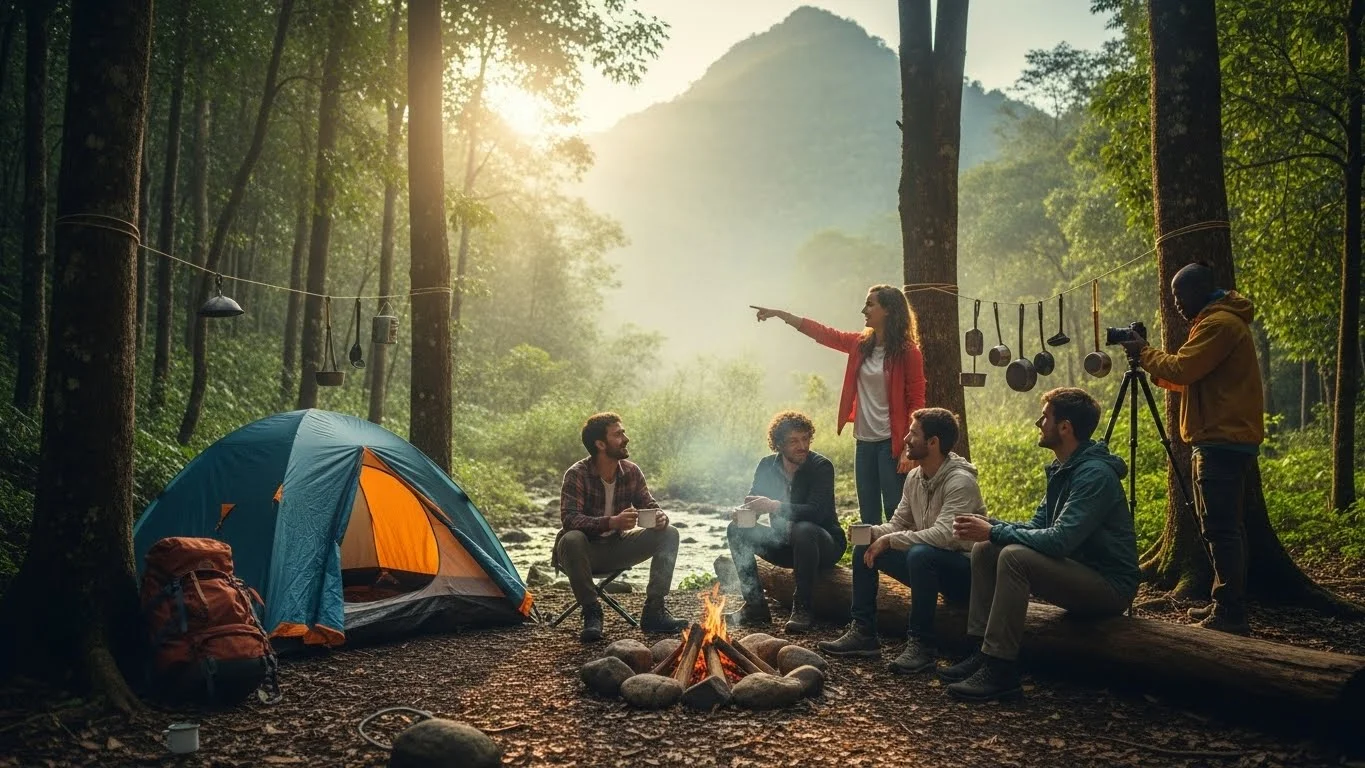
Camping can be an incredible way to immerse yourself in nature, and many public lands offer free or low-cost camping opportunities. I’ve had some unforgettable camping experiences where I’ve slept under the stars, cooked over a campfire, and enjoyed the peace of nature. Public lands often have designated camping areas that are free to use. Just be sure to check local regulations and practice Leave No Trace principles to protect the environment.

Biking on Trails and Paths

Biking is another fantastic way to explore the outdoors at no cost. Many cities have bike paths or trails that are perfect for cycling. I love riding my bike through scenic routes, discovering hidden gems in the area. It’s a fun way to cover more ground and see diverse landscapes. Whether you’re biking on a quiet country road or a bustling urban path, it’s an exhilarating experience that combines exercise and adventure.

Community Gardens and Urban Farming

Community gardens are a wonderful way to connect with nature and your neighbors. These gardens often welcome volunteers, allowing you to participate in planting and harvesting. I’ve enjoyed volunteering at local community gardens, where I’ve learned about growing vegetables and the importance of sustainable practices. It’s a fulfilling way to spend time outdoors and contribute to your community while connecting with nature.

Birdwatching and Wildlife Observation

Birdwatching is an exciting way to observe wildlife in its natural habitat. I’ve found that just sitting quietly in a park or forest, watching birds and other animals, can be incredibly peaceful. It encourages patience and mindfulness, as you have to be still and aware of your surroundings. Plus, you don’t need any special equipment—just your eyes and a willingness to explore. There are plenty of resources online to help you identify local species and make the experience even more rewarding.

Planning Your Outdoor Adventures

Finding Local Resources and Guides

One of the best parts about planning outdoor adventures is discovering what’s available in our local areas. I remember when I first moved to a new city and wanted to explore its natural beauty. I started by checking out local tourism websites and outdoor forums. These resources often list parks, trails, and community events happening nearby. I also found that local libraries have guides and maps that can help us navigate the best spots for hiking, biking, or even birdwatching. It’s amazing how much information is at our fingertips, and just a little research can open up a world of exploration!

Choosing the Right Gear for Free Activities

When it comes to outdoor activities, having the right gear can enhance our experience, but it doesn’t have to break the bank. I’ve learned that many activities require minimal equipment. For hiking, a good pair of shoes is essential, but you don’t need to spend a fortune. I often see great deals at thrift stores or online marketplaces. For biking, just make sure your bike is in good condition, and you’re set to go! A reusable water bottle and a small backpack for snacks can make a big difference too. Remember, it’s not about having the latest gear; it’s about enjoying the great outdoors!

Safety Precautions for Outdoor Activities

Safety should always be a priority when we’re out exploring nature. I’ve had my fair share of experiences where I learned this the hard way. Before heading out, I make sure to tell someone where I’m going and what time I plan to be back. Always having a basic first aid kit handy is a smart move, too. It’s also crucial to stay aware of the weather conditions. I once set out for a hike without checking the forecast and ended up caught in a sudden rainstorm. Carrying a small poncho or rain jacket can really save the day. Being prepared means we can focus on enjoying our time outdoors without unnecessary worries.

Time of Year: Best Seasons for Outdoor Fun

Every season offers something unique when it comes to outdoor activities. I absolutely love the fall, with its vibrant foliage. It’s the perfect time for hikes, as the cooler temperatures make it comfortable to explore. Spring brings blooming flowers and the chance to see baby wildlife, which always warms my heart. Summer, of course, is ideal for beach days and picnics, but don’t forget about hydration and taking breaks in the shade! Winter, while it may seem less inviting, opens up opportunities for snowshoeing or even winter hiking if you’re dressed appropriately. Each season has its charm, and I believe it’s worth exploring the outdoors year-round.

Popular Destinations for Free Outdoor Activities

National Parks and Monuments

National parks are like nature’s playground, and many of them offer free admission days throughout the year. I’ve had the pleasure of visiting several national parks, and the landscapes are simply breathtaking. I remember standing at the rim of the Grand Canyon, staring in awe at the vastness before me. These parks often have extensive trail systems, educational programs, and ranger-led activities that are free of charge. It’s a wonderful way to connect with nature and learn more about our environment while enjoying a day out.

State Parks and Recreation Areas

State parks are another fantastic option for free outdoor activities. I’ve discovered countless gems tucked away in state parks, from serene lakes to rugged mountains. Many state parks offer free entrance on certain days or discounted passes for residents. I often find myself packing a picnic and spending the entire day hiking and exploring. The best part is that state parks usually have well-maintained trails and facilities that make the experience enjoyable and accessible for everyone.

Urban Parks and City Green Spaces

Even in cities, there are lovely green spaces where we can escape the concrete jungle. Urban parks provide a refreshing break from the hustle and bustle, and I’ve found that many cities have beautiful botanical gardens, community parks, or riverwalks. These spaces often host free events, like yoga classes or music performances, which can make for a fun day out. I love taking a stroll through my city’s park, soaking in the sights and sounds, and enjoying a little slice of nature right in the heart of the urban landscape.

Waterfronts and Nature Reserves

Waterfronts, whether they are lakes, rivers, or oceans, offer endless opportunities for outdoor fun. I’ve spent countless weekends by the water, whether it’s kayaking, fishing, or just relaxing on the shore. Many waterfront areas have public access points, and you can often find nature reserves nearby that provide trails and wildlife viewing opportunities. I remember spotting a family of ducks while walking along a nature trail by a lake; it felt like a little gift from nature. These spots not only provide beautiful scenery but also serve as vital habitats for wildlife.

Community Involvement and Free Events

Volunteer Opportunities in Nature Conservation

Getting involved in community conservation efforts is a rewarding way to spend time outdoors while giving back. I’ve volunteered for local clean-up events in parks and along rivers, and it’s been a fulfilling experience. Not only do we get to beautify our environment, but we also meet like-minded people who share a passion for nature. There are often organizations looking for help with planting trees or maintaining trails, and getting involved can deepen our appreciation for the spaces we cherish.

Local Outdoor Festivals and Events

Many communities host outdoor festivals that celebrate nature and promote free activities. I’ve loved attending these events, where I can discover local artisans, enjoy live music, and participate in workshops. These festivals often include hiking or biking challenges, and they can be a great way to engage with the community while having fun. I remember one festival that included guided nature walks led by knowledgeable locals, which turned out to be both entertaining and informative.

Group Activities and Meetups

Joining group activities or meetups can also enrich our outdoor experiences. I’ve often found hiking or biking groups through social media platforms, which is a great way to meet new friends who enjoy the same activities. These groups can offer a sense of camaraderie and make outdoor adventures even more enjoyable. I’ve had so much fun exploring new trails and sharing laughter with others who appreciate the beauty of nature just as much as I do. It’s amazing how these connections can enhance our experiences and foster a sense of community!

Tips for Enjoying Outdoor Activities on a Budget

How to Find Free Events and Activities

Finding free outdoor events and activities can be easier than you might think. I usually start by checking local community boards, both online and in person. Websites like Eventbrite or Meetup often list free activities happening in our area. Social media platforms can also be a treasure trove of information. I’ve joined local Facebook groups dedicated to outdoor enthusiasts, where members share upcoming events like group hikes, park clean-ups, or nature workshops. Just a quick scan can yield a wealth of opportunities that won’t cost us a penny!

Another great resource is local libraries. They often have bulletin boards or flyers for free events in the community, including nature walks and outdoor classes. I remember finding a fantastic guided birdwatching event hosted by the local wildlife center through my library, and it turned out to be an enriching experience without costing a dime.

Utilizing Outdoor Apps and Websites

In today’s tech-savvy world, many apps and websites can help us discover outdoor activities. I’ve found great success using apps like AllTrails, which not only lists hiking trails but also includes user reviews and photos. This helps me choose trails that suit my skill level and interests. Additionally, websites like Recreation.gov provide comprehensive information about free activities in public lands, including maps and facility details. These tools have made planning outdoor adventures so much easier and more enjoyable!

Moreover, I like to use apps like Meetup or Nextdoor to connect with local groups that share my interests. I’ve joined hiking and biking groups that often organize free outings, and it’s a fantastic way to explore new trails and meet new people—all while keeping my budget intact!

DIY Outdoor Experiences

Creating your own outdoor experiences can be a fun and budget-friendly way to enjoy nature. I often organize my own picnics with friends or family at local parks. We each bring a dish to share, and it turns into a delightful day filled with good food and laughter. Sometimes, I even pack a craft project or a book to enjoy while soaking up the sun. It’s amazing how a simple gathering can become a cherished memory without spending much money.

Another DIY idea is to plan a nature scavenger hunt. I’ve done this with my kids, where we create a list of items to find, like specific leaves, rocks, or even certain birds. It adds an element of fun and exploration to our outdoor adventures, and it costs nothing but a little creativity and time. Read Interesting article: Explore the World: DIY Budget Activities for Every Traveler

Pack Your Own Snacks and Meals

Food can be one of the sneakiest expenses when we’re out enjoying nature, but it doesn’t have to be! I’ve learned that packing my own snacks and meals can make a huge difference. I usually prepare simple sandwiches, trail mix, and fresh fruit to take along on hikes or to the beach. Not only does this help me save money, but it also allows me to control what I eat while enjoying the great outdoors.

On a recent camping trip, I made a meal plan and brought all my ingredients from home. We made tacos over the campfire one night, and it turned into a fun cooking experience, complete with s’mores for dessert! Sharing a meal outdoors, under the stars, adds a special touch that dining out simply can’t replicate. Plus, it feels good to enjoy a tasty meal without breaking the bank!

Engaging with Nature: Educational Opportunities

Nature Walks and Guided Tours

Participating in nature walks and guided tours can be both educational and free, and they’re some of my favorite ways to deepen my understanding of the natural world. Many local parks and wildlife organizations offer free guided walks led by knowledgeable volunteers or park rangers. I recall joining a guided nature walk at a nearby reserve, where the guide shared fascinating insights about the local ecosystem. It turned what could have been a simple stroll into a learning experience that enriched my appreciation for nature.

These tours often cater to all skill levels, making them accessible whether you’re a seasoned outdoor enthusiast or just starting. I’ve gained valuable knowledge about local flora and fauna, and I’ve even picked up some helpful tips for birdwatching along the way!

Workshops and Classes in Nature

Many nature centers and community organizations offer free workshops and classes that cover a range of topics, from gardening to wildlife photography. I once attended a free workshop on native plants, which opened my eyes to the importance of planting species that support local wildlife. It was a fun and engaging way to learn, plus it allowed me to meet others who share similar interests.

I suggest checking out local nature centers or community websites for upcoming events. You might be surprised by the variety of opportunities available to learn something new while enjoying the great outdoors!

Learning About Local Flora and Fauna

One of the most rewarding aspects of spending time outdoors is learning about the plants and animals that inhabit our surroundings. I’ve found that taking the time to observe and research the local flora and fauna can enhance our outdoor experiences significantly. There are plenty of apps available, like iNaturalist, which help us identify plants and animals we encounter. I remember being thrilled when I identified a rare flower on one of my hikes using the app!

Additionally, many local libraries carry field guides that can help us learn more about the species native to our area. I often carry a small notebook to jot down interesting observations or sketch what I see. This not only allows me to connect with nature on a deeper level but also makes my outdoor adventures even more meaningful.

Frequently Asked Questions

What are some examples of free outdoor activities?

Free outdoor activities include leisurely strolls in parks, invigorating hikes in the woods, biking, birdwatching, and enjoying picnics in local green spaces.

How does spending time in nature benefit our health?

Spending time outside can reduce stress, improve mood, and enhance creativity. It also provides a way to connect with others, creating lasting memories and strengthening relationships.

What is the environmental impact of engaging in outdoor activities?

Engaging in outdoor activities raises awareness about the importance of preserving nature and can inspire individuals to get involved in conservation efforts. Activities like hiking and biking also help reduce our carbon footprint.

What types of outdoor activities can be enjoyed in parks and green spaces?

In parks and green spaces, people can enjoy picnics, play frisbee, attend free concerts or movie nights, and simply relax on the grass with a good book.

What precautions should be taken for outdoor activities?

Safety precautions include informing someone about your plans, carrying a basic first aid kit, checking weather conditions, and being prepared with appropriate clothing and gear.

How can I find local resources for outdoor adventures?

Local tourism websites, outdoor forums, and libraries often provide information about parks, trails, and community events. Guides and maps are also available at local libraries to help navigate the best spots for outdoor activities.

What are some popular destinations for free outdoor activities?

Popular destinations include national parks, state parks, urban parks, city green spaces, and waterfronts, many of which offer free admission days or events.

How can I get involved in community conservation efforts?

Getting involved in community conservation can include participating in local clean-up events, volunteering for tree planting, or maintaining trails, which also helps meet others who share a passion for nature.

What DIY outdoor experiences can I create?

DIY outdoor experiences can include organizing picnics with friends, planning nature scavenger hunts, or simply enjoying a day at the park with crafts or books.

What educational opportunities can enhance outdoor experiences?

Educational opportunities include participating in nature walks and guided tours, attending workshops and classes offered by nature centers, and learning about local flora and fauna through apps and field guides.

Budget-Friendly Camping Spots: Connect with Nature

Camping is one of the best ways to escape the hustle and bustle of daily life, especially when you can enjoy it without breaking the bank. Let’s explore budget-friendly camping spots that will help you connect with nature and refresh your spirit. Read Interesting article: Explore Nature on a Budget: Top Outdoor Activities

Budget-Friendly Camping Spots: Connect with Nature

Understanding Budget-Friendly Camping

What is Budget Camping?

Budget camping means enjoying the great outdoors while keeping expenses low. It’s about finding places that offer beautiful scenery, fun activities, and a chance to unwind without spending a fortune. I remember my first budget camping trip; I was surprised to find that I could immerse myself in nature and still stick to my wallet. With the right planning, we can all enjoy camping without the hefty price tag.

Benefits of Camping on a Budget

Camping on a budget offers a multitude of benefits. First of all, it allows for more frequent trips. Instead of saving for that extravagant vacation, we can take shorter, more spontaneous getaways. I’ve found that some of my best memories come from weekend camping trips rather than expensive vacations.

Another benefit is the opportunity to connect with like-minded individuals. When you’re camping in budget-friendly areas, you’ll often meet other campers who share your passion for the outdoors. This creates a sense of community, which enhances the overall experience. I remember striking up conversations with fellow campers who shared tips, stories, and even meals around the campfire.

Budget camping also encourages us to be resourceful. Whether it’s cooking meals over an open fire or making DIY gear, I’ve learned to appreciate the simple joys of outdoor living. Plus, when you’re not focused on luxury, you can truly immerse yourself in nature, which is, in my opinion, the ultimate goal of camping. Read Interesting article: Explore the World: DIY Budget Activities for Every Traveler

Connecting with Nature through Camping

One of the most beautiful aspects of camping is the chance to connect with nature. I believe that stepping away from our screens and into the wilderness can have a profound effect on our wellbeing. When I’m out in the woods, I can hear the rustling leaves, spot wildlife, and breathe in the fresh air. It’s a refreshing reminder of how calming and grounding nature can be.

Camping offers countless opportunities for exploration. I often find myself hiking along trails, discovering hidden waterfalls, or simply sitting by a lake, soaking in the stunning views. These experiences can be so much richer when they come at a lower cost. It’s about appreciating the world around us and finding joy in the little things.

In my experience, I’ve realized that even the simplest camping trips can lead to profound connections with nature. I remember one particular night when I sat by the campfire, gazing up at the stars. Without the distractions of city lights, I was amazed by how many constellations I could see. That moment made me feel small yet incredibly connected to something much bigger than myself.

Moreover, camping provides an excellent opportunity for engaging with our surroundings. I’ve enjoyed birdwatching, identifying plants, and even trying my hand at fishing. Each of these activities has given me a deeper appreciation for nature and its delicate ecosystems. I encourage you to explore your surroundings while camping; you might discover something new about the world—and yourself.

In essence, budget-friendly camping is about embracing simplicity and enjoying the natural world. It’s a chance to break away from our routines and find peace in the wilderness. The memories I’ve created during these trips are priceless, reminding me that connecting with nature doesn’t have to come with a hefty price tag.

So, as we journey through this article exploring various budget-friendly camping spots, think about how you can prioritize connecting with nature. Each location has its own unique charm and offers countless opportunities to recharge and rejuvenate. Together, let’s dive into some amazing, cost-effective camping destinations in the U.S. that allow us to enjoy the great outdoors without the financial burden.

Top Budget-Friendly Camping Spots in the U.S.

National Parks

Yosemite National Park

Yosemite National Park is one of the most iconic camping destinations in the U.S. I still remember the first time I laid eyes on El Capitan and Half Dome. The breathtaking views and diverse landscape make it a must-visit for any camping enthusiast. While some campgrounds can get crowded, I recommend booking ahead for spots like Yosemite Valley, where you can find affordable rates amidst towering trees and stunning vistas. Plus, the park offers free shuttle services, so you can explore without the hassle of driving around.

Grand Canyon National Park

The Grand Canyon is another jewel of our national parks. I was blown away by the sheer size and beauty of this natural wonder. Campgrounds like Mather Campground on the South Rim offer reasonably priced sites, allowing for easy access to incredible viewpoints. I loved waking up early to catch the sunrise over the canyon; it was a moment I’ll cherish forever. Just remember to bring plenty of water and snacks, as options can be limited once you’re in the park.

Zion National Park

Zion National Park, with its stunning red rock formations and lush canyons, is perfect for budget camping. I often think back to my hikes through Zion and how awe-inspiring the scenery was. South Campground is a great spot to pitch a tent at a low rate, and it’s close to the park’s shuttle system. This means you can easily access popular trails like Angels Landing and The Narrows without spending much. The experience of walking through the canyon with the sun setting behind those high cliffs is something I’ll never forget!

State Parks

Red River Gorge, Kentucky

If you enjoy rock climbing or scenic hikes, Red River Gorge is a hidden treasure. This state park offers affordable camping spots surrounded by breathtaking natural arches and towering cliffs. I spent a weekend here once, and I was amazed at how vibrant the trails were. The campgrounds are well-maintained, making them an excellent budget option for families or groups. I recommend bringing a hammock to lounge in while soaking up the stunning views.

Big Sur, California

Big Sur is renowned for its dramatic coastline and serene landscapes. While some campgrounds can be pricey, I’ve discovered gems like Pfeiffer Big Sur State Park, which offers reasonably priced campsites nestled among redwoods. The sound of the creek nearby made for an unforgettable camping experience. I remember spending my days exploring the stunning trails and my evenings watching the sunset over the Pacific Ocean. It’s an experience you won’t want to miss!

Acadia National Park, Maine

Acadia National Park is a wonderful option for those on the East Coast. The park has several campgrounds that provide easy access to rugged coastlines and beautiful hiking trails. I visited Acadia during the fall, and the foliage was simply breathtaking. The Blackwoods Campground offers affordable sites, and I loved being able to explore the park’s diverse landscapes, from rocky shorelines to lush forests. Make sure to bring your bike; the carriage roads are perfect for biking and enjoying the scenery!

Forest Service Campgrounds

Green Mountain National Forest, Vermont

Green Mountain National Forest is perfect for those looking to unwind in a peaceful setting. The forest has numerous campgrounds, many of which are budget-friendly. I remember camping here during the summer, surrounded by lush greenery and beautiful mountain views. It was the perfect backdrop for hiking, fishing, and exploring the charming towns nearby. Plus, the lack of crowds made for a more intimate experience with nature.

Okanogan-Wenatchee National Forest, Washington

If you’re looking for a diverse landscape, Okanogan-Wenatchee National Forest is fantastic. From lush valleys to rugged mountains, this forest offers plenty of low-cost camping options. I spent a few nights at one of the campgrounds, and I was amazed at how quiet and serene it was compared to more popular locations. The trails here are less traveled, allowing for a more personal experience with nature. I recommend bringing a camera—you’ll want to capture the stunning views!

Local Wildlife Refuges

San Juan Islands, Washington

The San Juan Islands are not only beautiful but also offer unique camping opportunities. I had a delightful experience camping at the local wildlife refuge, where I could observe diverse marine life and stunning sunsets. The campgrounds are often less crowded than national parks, making it a perfect spot for a peaceful getaway. I found myself kayaking and enjoying the local wildlife, such as seals and eagles. It was a magical experience that felt truly special!

Monteverde Cloud Forest Reserve, Costa Rica

Okay, let’s step outside the U.S. for a moment! While not exactly a budget camping spot, the Monteverde Cloud Forest Reserve offers affordable lodging options that immerse you in nature. I visited this stunning area and was blown away by the biodiversity. The cool climate and mist-covered trees created an enchanting atmosphere. Although the camping itself is not cheap, the experience of trekking through the cloud forest and the incredible wildlife make it worth every penny.

Beach Camping

Assateague Island, Maryland

If you love beach vibes, Assateague Island is an incredible spot for budget camping. Famous for its wild horses, this island offers campsites right next to the beach. I remember falling asleep to the sound of waves crashing and waking up to a beautiful sunrise over the ocean. It felt like paradise! The campground is affordable, and you can enjoy various activities like swimming, fishing, and hiking along the shoreline.

Point Reyes National Seashore, California

Point Reyes National Seashore is another beautiful place to experience beach camping. I had a fantastic time exploring the coastal trails and enjoying the fresh ocean air. The campgrounds here are well-maintained and fairly priced. Waking up to the sound of sea lions and the salty breeze was invigorating. I highly recommend taking a hike to the lighthouse—it’s a stunning spot and a perfect place to enjoy a sunset!

Planning Your Camping Trip

When to Visit: Seasonal Considerations

Choosing the right time for your camping trip can really enhance the experience. I’ve learned that each season offers something unique. For instance, summer is perfect for warm-weather camping, with longer days allowing for more activities. I remember my first summer trip; the evenings were filled with laughter and stories around the campfire, and the days were all about hiking and exploring. However, summer can also mean crowded campgrounds, especially in popular areas.

Fall is another fantastic time to camp, in my opinion. The changing leaves create a stunning backdrop, and the cooler temperatures make for cozy nights. I’ve had some of my most serene camping moments in October when the air is crisp, and the crowds have thinned out. Winter camping can be a real adventure if you’re prepared for it. I once went winter camping, and waking up to a snowy landscape was magical. Just remember, safety is key in colder months.

Spring brings blooming flowers and rejuvenated wildlife. I’ve enjoyed many hikes during this time, often spotting new life in the forests and meadows. Choosing your camping season based on what you want to experience can greatly enhance your overall adventure.

Essential Packing List for Budget Camping

Packing wisely is crucial for a successful camping trip. Over the years, I’ve learned to prioritize what truly matters. Here’s my essential packing list that keeps things budget-friendly while ensuring I have everything I need:

  • Tent: A good quality, budget-friendly tent is essential. I usually opt for a lightweight model that’s easy to set up.
  • Sleeping Bag: Look for sleeping bags that are rated for the temperatures you might encounter. I love my three-season bag that keeps me warm without taking up too much space.
  • Cooking Supplies: A portable stove, cooking pot, and utensils are great for meal prep. I like to bring a compact stove that fits easily into my bag.
  • Food and Snacks: I recommend planning meals ahead. Packing non-perishable items can save a lot of money and hassle at the campsite.
  • First Aid Kit: Always essential for any trip. I usually pack a small kit with basic supplies.
  • Clothing: Layering is key! I pack quick-dry clothes and a waterproof jacket, especially for unpredictable weather.
  • Flashlight or Headlamp: These are lifesavers at night. I’ve learned not to skimp on batteries either!

Remember, packing efficiently not only saves space but also keeps your camping costs down. I’ve often found myself rethinking what I really need versus what I want, leading to more enjoyable trips.

Camping Gear on a Budget

Tents and Sleeping Bags

It’s easy to get overwhelmed by the options when looking for camping gear. I’ve spent years honing my choices to find budget-friendly yet reliable items. When it comes to tents, I recommend looking for sales or even exploring second-hand options. I once found a gently used tent at a thrift store, and it served me well on multiple trips!

As for sleeping bags, investing in one that fits your needs can make a huge difference in comfort. I always look for sleeping bags that are lightweight and packable but still provide warmth. There are many brands that offer budget options without sacrificing quality. After all, a good night’s sleep can make or break your camping experience!

Cooking Equipment

Cooking while camping doesn’t have to be complicated or expensive. I’ve learned to simplify my cooking gear down to the basics. A small camping stove, a lightweight pot, and reusable utensils are my go-tos. I also like to bring along a portable cooler for perishables. Sometimes I even rely on a simple campfire for cooking—there’s something magical about grilling over an open flame. I remember a night when I cooked hot dogs and roasted marshmallows; it was simple, yet the meal tasted extraordinary under the stars.

Safety Gear

Safety should always be a priority while camping. I never leave home without a first aid kit, and I recommend keeping it stocked with essentials like band-aids, antiseptics, and pain relievers. Additionally, having a whistle and a map of the area can be lifesavers if you find yourself lost. I once had a minor scare during a hike and was grateful for my safety gear, which gave me peace of mind. Always better to be prepared!

By planning carefully and being budget-conscious, I’ve enjoyed many successful trips in the great outdoors. With the right gear and preparation, we can create unforgettable memories without emptying our wallets. Let’s continue to explore how to connect even more with nature while camping, enhancing our experiences further! Read Interesting article: 10 Amazing DIY Travel Experiences for the Budget Backpacker

Connecting with Nature While Camping

Activities to Enhance Your Nature Experience

Hiking Trails

One of my favorite things about camping is the chance to hit the trails. I’ve always felt that hiking is a perfect way to immerse myself in nature. Whether it’s a short walk or a challenging trek, there’s something magical about moving through the forest or up a mountain. I remember discovering a hidden waterfall on a relatively unknown trail in a state park; it was such a rewarding surprise! I recommend researching the area before you go to find trails that suit your skill level. Many parks have maps that highlight scenic routes and interesting points of interest, which can make your hike even more enjoyable.

Wildlife Watching

Another activity that brings me joy while camping is wildlife watching. I’ve always been fascinated by animals, and camping provides the perfect opportunity to observe them in their natural habitats. From spotting deer grazing in the early morning to watching birds build their nests, each encounter feels special. I’ve learned to be patient and quiet, allowing me to enjoy these moments fully. Bringing a pair of binoculars can enhance the experience, letting you see animals up close without disturbing them. I once spent an entire afternoon sitting quietly by a river, watching otters play. It was a gentle reminder of the beauty that surrounds us.

Photography Opportunities

Capturing the beauty of nature through photography has become a passion of mine during camping trips. Whether it’s the golden hour light filtering through the trees or the star-filled sky at night, I’ve found that being in nature inspires creativity. I always carry my camera with me, ready to document the stunning landscapes and wildlife encounters. Each photo serves as a memory of the experiences I’ve had. I suggest taking your time to find unique perspectives and compositions—sometimes the most unexpected shots turn out to be the most rewarding!

Mindfulness and Meditation in Nature

Camping also offers a perfect setting for mindfulness and meditation. I’ve discovered that taking a moment to breathe deeply and appreciate my surroundings can significantly enhance my camping experience. Sitting quietly by a campfire or nestled in a peaceful spot can provide a sense of calm that’s hard to find in the everyday rush. I often practice meditation under the open sky, allowing the sounds of nature to guide my focus. It’s incredible how just a few minutes of mindfulness can refresh my spirit and help me connect more deeply with the environment around me.

Safety and Regulations

Understanding Camping Regulations

When camping, it’s essential to be aware of the regulations in each area. I’ve found that following these rules not only keeps us safe but also protects the beautiful landscapes we enjoy. For instance, many parks require permits for certain activities, and it’s important to know the rules regarding campfires, wildlife interactions, and trail use. I recommend checking the official website of the park or campground before your trip; they often provide helpful guidelines that can enhance your experience.

Wildlife Safety Tips

While connecting with wildlife can be a highlight of camping, safety should always come first. I learned this the hard way when I didn’t respect the distance between myself and a bear I spotted one time. It’s crucial to keep food stored securely and maintain distance from wild animals. I’ve found that following wildlife safety tips can prevent dangerous encounters and ensure that both campers and animals stay safe. Always educate yourself about the specific wildlife you might encounter in the area you’re visiting.

Leave No Trace Principles

One of the most important aspects of camping is respecting the environment. I’ve always adhered to the Leave No Trace principles, which emphasize the importance of minimizing our impact while enjoying nature. This includes packing out all trash, staying on designated trails, and avoiding the picking of plants. I feel a deep responsibility to preserve the beauty of the places I visit for future generations. Every time I see a clean campsite or trail, it reminds me of the impact we can have and inspires me to do my part.

Budgeting for Your Camping Trip

Cost Breakdown: Camping Expenses

Planning a budget for your camping trip is essential to ensure you don’t overspend. I typically break down my expenses into categories such as transportation, campsite fees, food, and gear rental if needed. This helps me stay organized and aware of where my money is going. I’ve found that setting a budget keeps my camping trips affordable and enjoyable. It’s all about knowing what you can spend while still experiencing the thrill of the outdoors!

Ways to Save on Camping Costs

Carpooling and Shared Expenses

One of the best ways to save money while camping is by carpooling with friends. I often invite friends along for camping adventures, and we split costs like gas and campsite fees. It not only makes the trip more affordable but also adds to the fun of sharing the experience together. Plus, having friends along means more stories and laughter around the campfire!

Choosing Off-Peak Times

Another strategy I’ve employed is planning my trips during off-peak times. I’ve noticed that campgrounds tend to be less crowded and cheaper during weekdays or shoulder seasons. Not only does this save money, but it also allows for a more peaceful experience in nature. I cherish those quieter moments when I can fully appreciate my surroundings without the hustle and bustle of large crowds.

Finding Free or Low-Cost Campsites

Lastly, I’ve discovered that there are plenty of free or low-cost campsites available if you do a little research. Websites and apps dedicated to camping often list hidden gems that don’t have the high fees of commercial campgrounds. I’ve stumbled upon some amazing spots that have given me some of my best camping memories, all without breaking the bank. It’s about being resourceful and open to exploring lesser-known areas.

Final Thoughts

Camping doesn’t have to be an expensive getaway. I’ve shared my experiences and tips to help you make the most of your adventures while staying budget-friendly. Embracing the beauty of nature, exploring new destinations, and connecting with fellow campers can create unforgettable memories without straining your wallet. I hope you feel inspired to pack your bags and venture into the great outdoors, knowing that amazing experiences await you at an affordable price!

Frequently Asked Questions

What is budget camping?

Budget camping means enjoying the great outdoors while keeping expenses low. It’s about finding places that offer beautiful scenery, fun activities, and a chance to unwind without spending a fortune.

What are the benefits of camping on a budget?

Camping on a budget allows for more frequent trips, encourages connections with like-minded individuals, fosters resourcefulness, and helps immerse oneself in nature without the focus on luxury.

What are some top budget-friendly camping spots in the U.S.?

Some top budget-friendly camping spots include Yosemite National Park, Grand Canyon National Park, Zion National Park, Red River Gorge in Kentucky, Big Sur in California, Acadia National Park in Maine, Green Mountain National Forest in Vermont, Okanogan-Wenatchee National Forest in Washington, and Assateague Island in Maryland.

When is the best time to go camping?

The best time to go camping varies by season. Summer offers warm weather and longer days, fall provides stunning foliage and cooler temperatures, winter can be magical if prepared for cold, and spring brings blooming flowers and rejuvenated wildlife.

What should be included in an essential packing list for budget camping?

An essential packing list for budget camping should include a tent, sleeping bag, cooking supplies, food and snacks, a first aid kit, clothing, and a flashlight or headlamp.

How can I save on camping costs?

You can save on camping costs by carpooling with friends, choosing to go during off-peak times, and finding free or low-cost campsites through research.

What activities can enhance my experience while camping?

Activities that can enhance your camping experience include hiking trails, wildlife watching, photography, and practicing mindfulness and meditation in nature.

What are Leave No Trace principles?

Leave No Trace principles emphasize minimizing our impact on the environment while camping, which includes packing out all trash, staying on designated trails, and avoiding the picking of plants.

How important is safety while camping?

Safety is crucial while camping. This includes understanding camping regulations, following wildlife safety tips, and keeping a well-stocked first aid kit to prevent dangerous encounters and ensure a secure experience.

What should I consider when choosing a campsite?

When choosing a campsite, consider factors like location, available amenities, nearby activities, seasonal considerations, and any specific regulations or permit requirements for the area.

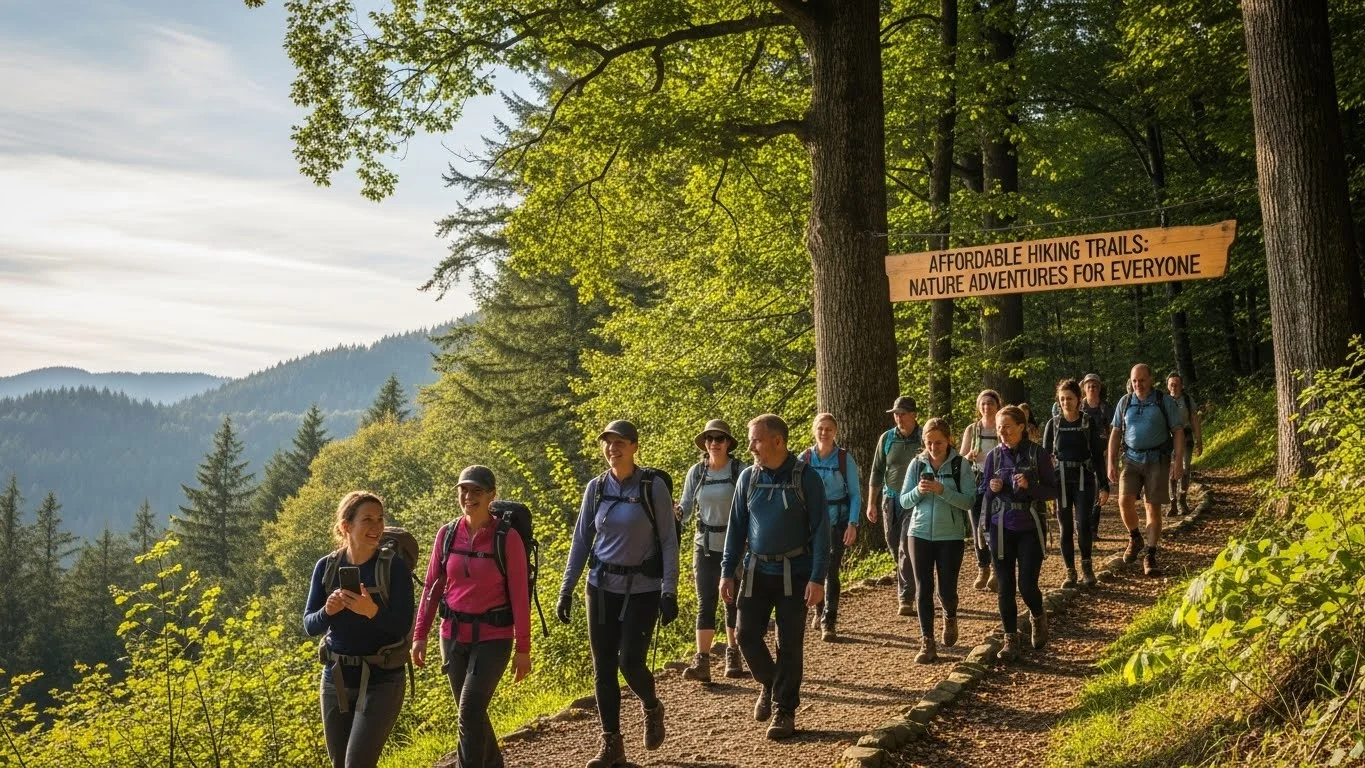
Affordable Hiking Trails: Nature Adventures for Everyone

Hiking is one of the most fulfilling ways to connect with nature, and it doesn’t have to cost a fortune. Discovering affordable hiking trails can open up a world of adventure for everyone, whether you’re an experienced hiker or just starting out. Read Interesting article: Affordable Adventures: Best Low-Cost Attractions to Visit

Affordable Hiking Trails: Nature Adventures for Everyone

Understanding Affordable Hiking Trails

What Defines an Affordable Hiking Trail?

When I think about affordable hiking trails, I picture paths that are both budget-friendly and accessible to a wide range of skill levels. An affordable hiking trail often comes with little to no entrance fee, and many are located in public parks or natural reserves. This means you can explore beautiful landscapes without breaking the bank.

Affordable trails can be found in a variety of environments—from lush forests and rolling hills to breathtaking coastlines and serene lakes. I’ve always appreciated trails that offer a stunning view without requiring expensive gear or a costly guide. Whether you’re looking for a short day hike or a longer trek, there are plenty of options available that won’t empty your wallet.

Benefits of Hiking on a Budget

Hiking is not just about the beautiful views; it’s also a fantastic way to maintain physical and mental well-being. I’ve experienced firsthand how hitting the trails can relieve stress and improve my mood. Here are some benefits of hiking on a budget that I’ve personally valued:

  • Connection with Nature: There’s something magical about being outdoors, breathing in fresh air, and immersing myself in the sights and sounds of nature. Affordable trails allow us to enjoy this experience frequently without worrying about the cost.
  • Physical Exercise: Hiking is a great workout. It strengthens your legs and core, and gets your heart pumping. I always feel accomplished after finishing a hike, knowing I’ve done something good for my body.
  • Quality Time with Loved Ones: Some of my favorite memories are those made on hiking trips with family and friends. Affordable hiking trails provide a perfect setting for bonding, sharing stories, and enjoying each other’s company.
  • Learning Opportunities: Nature has so much to teach us! On a hike, I’ve learned about local flora and fauna, geology, and even the history of the area. Budget-friendly trails often come with informational signs or guides that enhance the experience.
  • Accessibility: Many affordable hiking trails are designed for all skill levels and ages, making them perfect for families or groups. My friends and I have found that we can choose trails that match our abilities, allowing everyone to participate and enjoy the adventure.

Another thing I’ve noticed is that hiking on a budget can encourage creativity. When we want to save money, we become resourceful. I’ve learned to pack my own snacks, find carpool options, and even create our own hiking routes when needed. This sense of adventure and problem-solving adds an extra layer of fun to our outings.

In my experience, the joy of hiking is not tied to the cost but rather the experiences we create along the way. I remember one time my friends and I decided to explore a local trail that we heard was beautiful and completely free. Not only was the scenery awe-inspiring, but we also stumbled upon a hidden waterfall! These moments can’t be bought—they’re earned through exploration and a little bit of effort.

As I’ve ventured out on various trails, I’ve also found that connecting with local hiking communities can lead to discovering even more affordable options. Many local groups organize hikes or share trail information that isn’t widely known. We’ve joined community hiking clubs that welcome everyone, regardless of skill level, promoting a sense of inclusion and camaraderie.

Hiking on a budget doesn’t mean compromising on quality or enjoyment. Instead, it opens up a world where everyone can take part in the adventure, explore nature, and enjoy the great outdoors. I truly believe that hiking should be accessible to all, and finding affordable trails is the first step in making that happen.

In the next sections, we’ll explore some of the top affordable hiking trails across the U.S., from national parks to urban trails, demonstrating that nature adventures can truly be for everyone. So, lace up your hiking boots, and let’s dive into the incredible trails waiting for us out there!

Top Affordable Hiking Trails Across the U.S.

National Parks with Free or Low-Cost Trails

Great Smoky Mountains National Park

One of my favorite places to hike is the Great Smoky Mountains National Park. It’s a treasure trove of stunning landscapes, and the best part? Entrance is completely free! I remember my first visit; I was blown away by the rolling hills, vibrant wildflowers, and the chance to encounter wildlife like deer and even black bears. The park offers over 800 miles of trails, ranging from easy walks to challenging hikes. One trail I particularly enjoyed was the Kephart Prong Trail, which takes you through beautiful, shaded forests and along a bubbling stream. It’s an ideal spot for both solitude and reflection, and I often find myself returning to soak in the tranquility of nature.

Yosemite National Park

Yosemite National Park is another gem that offers incredible hiking opportunities at a reasonable cost. While there is an entrance fee, you can often find discounts or free days throughout the year, making it easier for budget-conscious adventurers like us. The park features iconic landmarks like El Capitan and Half Dome, and the hiking trails here boast breathtaking views that are worth every step. I’ll never forget hiking to the base of Yosemite Falls. The trail was easy to navigate, and the sound of the cascading water was music to my ears. Plus, the scenery made for some unforgettable photographs!

State Parks Offering Budget Hiking Options

Red Rock Canyon State Park

If you’re in California, Red Rock Canyon State Park is a must-visit for its striking rock formations and diverse trails. The park has a modest entrance fee, but it’s well worth it considering the unique landscape you’ll experience. I found myself captivated by the vibrant colors of the rock formations as I hiked the 1.5-mile round trip to the Hagen Canyon Interpretive Trail. It’s an easy hike that leads you through stunning scenery, and I discovered some fascinating geological features along the way. It feels great knowing I can explore such beauty without straining my budget!

New River Gorge State Park

Another fantastic option is New River Gorge State Park in West Virginia. This park is known for its stunning river views and thrilling white-water rafting experiences. The best part? There are numerous trails for hiking that cater to various skill levels, with many of them being free to access. I remember hiking the Long Point Trail, which offers incredible views of the gorge. The trail is moderately challenging, and when I reached the overlook, the vista took my breath away. It’s a great reminder that budget hiking can also lead to some of the most memorable moments in nature.

Urban Hiking Trails in Major Cities

Central Park, New York City

Even in a bustling metropolis like New York City, you can find affordable hiking opportunities. Central Park is a perfect example. While it’s not a traditional hiking destination, exploring its many paths and trails feels like an escape from the city’s hustle and bustle. I often wander through the park, enjoying the lush greenery and beautiful landscapes. It’s an easy way to feel connected to nature without leaving the city, and I always leave feeling refreshed. The park’s diverse areas, like the Ramble or the Lake, provide a variety of experiences, making each visit unique.

Griffith Park, Los Angeles

For those on the West Coast, Griffith Park in Los Angeles is another fantastic urban hiking spot. With miles of trails that wind through the hills, I’ve found it to be an excellent way to get some exercise and enjoy sweeping views of the city and the iconic Hollywood Sign. The park is free to enter, and I love spending weekends there with friends, exploring different trails. One of my favorite hikes is to the Griffith Observatory, where I can take in both the views and some interesting astronomy exhibits. It’s a win-win for anyone looking to combine culture and nature!

These trails demonstrate that you don’t have to travel far or spend a lot to experience the beauty of nature. Whether it’s a national park, a state park, or an urban oasis, there are countless affordable hiking options just waiting to be explored. Each adventure brings new sights, sounds, and memories, making hiking an ever-enriching experience. So grab your gear, hit the trails, and let’s see what amazing places we can discover together!

Planning Your Affordable Hiking Adventure

Best Seasons for Hiking on a Budget

When I think about planning a hiking adventure, one of the first things that comes to mind is timing. Each season offers a unique experience, and I’ve learned that some seasons are more favorable for budget hikers than others. For instance, spring and fall are my personal favorites. During these seasons, the weather is typically mild, and the landscapes are bursting with color. I remember hiking in the spring, surrounded by blooming wildflowers and the sweet scent of fresh earth—it was truly magical.

Summer can be delightful as well, especially if you’re near water or shaded areas. However, it can also bring higher temperatures and larger crowds. I’ve found that if I start my hikes early in the morning or later in the afternoon, I can avoid the heat and the rush. On the flip side, winter hiking has its own charm, especially in areas where snow creates a beautiful winter wonderland. Just make sure to dress warmly and check trail conditions, as some paths may be less accessible during this time.

Ultimately, I believe the best season for hiking on a budget is one that aligns with your preferences and comfort level. Just remember that planning around off-peak seasons can lead to fewer crowds and potentially even lower entrance fees, making it a win-win situation!

Essential Gear for Budget Hikers

Having the right gear can make all the difference in your hiking experience, but it doesn’t have to be expensive. Over the years, I’ve learned to prioritize what I truly need versus what I think I want. For me, comfort and safety are key, so I focus on the essentials without overspending.

Low-Cost Hiking Gear Options

When I first started hiking, I didn’t want to invest a ton of money into gear. I discovered that many outdoor retailers offer sales and discounts, especially during the off-season. I’ve managed to find great deals on hiking boots, backpacks, and clothing by keeping an eye out for clearance sales. Thrift stores and online marketplaces can also be treasure troves for gently-used gear. I once found a pair of high-quality hiking boots for half the retail price! They became my go-to for countless trails.

Another tip is to look for multi-use items. For example, a good pair of moisture-wicking socks can be worn for hiking, running, or even just casual outings. I find that investing in versatile pieces saves money in the long run.

DIY Hiking Essentials

One of the best parts of hiking on a budget is the creativity it sparks. I’ve come up with several DIY solutions that have saved me money. For instance, I learned how to make my own trail mix using bulk nuts, dried fruits, and a little bit of chocolate. It’s not only affordable but also delicious and packed with energy for those long hikes. Read Interesting article: DIY Travel Hacks: Affordable Activities for Your Next Adventure

Another DIY favorite of mine is creating my own first aid kit. I gathered basic supplies like band-aids, antiseptic wipes, and pain relievers and put them in a small pouch, which I always carry in my backpack. This way, I’m prepared for any minor scrapes or injuries without spending a fortune on pre-packaged kits.

How to Find Free or Low-Cost Trails

Finding affordable hiking trails doesn’t have to be a daunting task. I’ve discovered a few tricks that can lead to unexpected adventures. One of my go-to resources is local hiking websites and forums. Many hiking enthusiasts share their favorite trails, often highlighting hidden gems that aren’t well-known. I remember stumbling upon a stunning trail with a beautiful overlook purely by following recommendations from fellow hikers online.

Additionally, I often check social media platforms for local hiking groups. These communities frequently organize group hikes or trail clean-up events, which can be a great way to explore new places while meeting fellow nature lovers. I’ve made some wonderful friends this way, and we often share tips on where to find the best budget trails.

Don’t forget about local parks and nature reserves! Many cities have wonderful parks that offer well-maintained trails at no cost. I’ve enjoyed countless afternoons exploring these spots right in my backyard. Plus, they’re often less crowded than popular tourist destinations, allowing for a peaceful experience in nature.

With all these strategies in mind, planning an affordable hiking adventure can be both exciting and fulfilling. The trails await us, and I can’t wait to explore more budget-friendly options together!

Safety Tips for Budget Hiking

Essential Safety Gear for Hikers

As I’ve ventured out on various trails, I realized that safety should never be compromised, regardless of the budget. I’ve gathered a few essential pieces of gear that I believe every hiker should consider, especially when hiking on a budget. First and foremost, a good pair of hiking boots can make a world of difference. I remember when I tried hiking in regular sneakers; my feet were sore by the end of the trail. Investing in a pair of sturdy, comfortable boots not only enhances your hiking experience but also protects your feet from rough terrain.

Another must-have is a reliable backpack. I’ve found that it’s worth spending a little more on a backpack that offers good support and enough space for all my essentials. Inside, I always pack a first aid kit, hydration system or water bottles, snacks, and a flashlight. I’ve learned the hard way that you never know when you might need extra supplies or a light source, especially if your hike runs longer than expected.

In my experience, a map or GPS device is crucial. While I love disconnecting from technology, having a physical map or a downloaded app on my phone helps me stay on track. I’ve had moments when I took a wrong turn, and having a map to guide me back was a lifesaver. Lastly, I always carry a whistle—just in case I need to signal for help. It’s a small, inexpensive item that can provide peace of mind on any hiking adventure.

Understanding Trail Ratings and Difficulty Levels

One thing I’ve learned about hiking is that not all trails are created equal, especially when it comes to difficulty. Understanding trail ratings has been invaluable for planning my hikes. Most trails are rated as easy, moderate, or strenuous, and I’ve found that it’s essential to choose trails that match my fitness level and experience. For example, when I was a beginner, I stuck to easier trails until I built up my confidence and stamina.

Reading trail descriptions can also help gauge what to expect. I remember tackling a moderate trail thinking I’d be fine, only to find myself scrambling up steep inclines! It taught me the importance of researching trails ahead of time. I also like to check reviews from other hikers. Their insights often offer helpful tips and can clarify whether a particular trail is truly family-friendly or if it’s better suited for seasoned hikers.

Hiking with Family and Friends on a Budget

Family-Friendly Trails That Won’t Break the Bank

When I think about hiking with my family, I always aim for trails that everyone can enjoy, especially the kids. Some of my favorite family-friendly trails not only provide ease of access but also engaging experiences. For instance, I’ve found that many state parks have short, scenic trails that feature educational signs along the way. These trails often highlight local wildlife or plant life, making the hike both fun and informative for the little ones.

One memorable hike was at a local nature reserve where the trail was lined with interactive exhibits. The kids loved it! They were so engaged that they barely noticed how far we’d gone. Plus, many parks offer picnic areas where we can relax and refuel after our adventures. I believe that creating these shared experiences strengthens our family bond while enjoying the great outdoors.

Group Hiking Discounts and Passes

If you’re planning a group hike with friends, many parks offer discounts for larger groups. I’ve taken advantage of this on several occasions, and it’s a fantastic way to enjoy nature together while saving money. Some parks even have yearly passes that allow unlimited entry for a flat fee, which can be a great investment if you plan to hike regularly. I remember the thrill of finding out that we could all enter a national park for a single fee—it made our adventure even sweeter!

Combining Hiking with Other Affordable Outdoor Activities

Camping Near Hiking Trails

One of the best ways to extend a hiking adventure is to combine it with camping. I’ve found that camping near hiking trails allows for a more immersive experience in nature. It eliminates the need for long drives back and forth and gives you more time to explore. I remember one trip where we camped by a beautiful lake, and we could wake up to the sound of birds and the gentle lapping of water. Mornings like that make it easy to lace up my boots and hit the trails!

Nature Photography Opportunities Along the Trails

Hiking also presents an amazing opportunity for nature photography. I’ve discovered that capturing the beauty around me enhances my experience and lets me relive those moments later. I often carry my camera or phone to document stunning vistas, wildflowers, or wildlife encounters. Plus, sharing those photos with friends and family is a wonderful way to inspire them to join in on future hiking adventures. I believe that photography not only helps preserve memories but also encourages us to look more closely at the world around us.

Final Thoughts

Hiking on a budget opens a world of adventure without the hefty price tag. From exploring national parks to wandering urban trails, the opportunities are endless. I’ve learned that with a little creativity and planning, everyone can experience the beauty of nature and create cherished memories. Whether you’re hiking solo, with family, or with friends, the trails are waiting for us, ready to provide a refreshing escape and countless stories to tell. So grab your gear, embrace the adventure, and let’s hit the trails together!

Frequently Asked Questions

What defines an affordable hiking trail?

An affordable hiking trail is typically budget-friendly, accessible to various skill levels, often has little to no entrance fee, and is located in public parks or natural reserves, allowing for exploration of beautiful landscapes without significant costs.

What are some benefits of hiking on a budget?

Benefits of hiking on a budget include a strong connection with nature, physical exercise, quality time with loved ones, learning opportunities about the environment, and accessibility for all skill levels and ages.

What are some popular affordable hiking trails in the U.S.?

Some popular affordable hiking trails include Great Smoky Mountains National Park, Yosemite National Park, Red Rock Canyon State Park, and New River Gorge State Park, as well as urban trails like Central Park in New York City and Griffith Park in Los Angeles.

What should I consider when planning a hiking trip on a budget?

When planning a budget hiking trip, consider the best seasons for hiking, the essential gear you need, and how to find free or low-cost trails in your area to enhance your experience without overspending.

What is the best time of year for budget hiking?

The best times for budget hiking are typically spring and fall due to mild weather and vibrant landscapes. Summer can also be enjoyable if you start early or late to avoid crowds, while winter offers a unique experience but may require more preparation for cold conditions.

What essential gear do budget hikers need?

Essential gear for budget hikers includes sturdy hiking boots, a reliable backpack, a first aid kit, hydration supplies, snacks, a flashlight, and a map or GPS device for navigation.

How can I find affordable hiking trails?

Affordable hiking trails can be found through local hiking websites, social media platforms for hiking groups, and exploring local parks and nature reserves that often offer well-maintained, low-cost trails.

Are there family-friendly hiking trails available?

Yes, many state parks offer family-friendly trails that feature engaging experiences and educational signs about local wildlife and plant life, making them enjoyable for children and adults alike.

Can I save money by hiking in groups?

Yes, many parks offer discounts for larger groups, and some have yearly passes that allow unlimited entry for a flat fee, making it an economical choice for group hikes.

How can hiking be combined with other outdoor activities?

Hiking can be combined with camping near trails for an immersive nature experience, and it also provides opportunities for nature photography, allowing hikers to capture and share their experiences.

Explore Nature on a Budget: Top Outdoor Activities

Exploring the great outdoors doesn’t have to break the bank. There are endless opportunities to enjoy nature while keeping your wallet happy. Let’s dive into how we can make the most of our outdoor adventures without spending a fortune. Read Interesting article: Explore Local Festivals on a Budget: Ultimate Guide for Travelers

Explore Nature on a Budget: Top Outdoor Activities

Understanding Budget-Friendly Outdoor Activities

When I first started going on outdoor adventures, I was surprised to find how many activities I could enjoy without spending a lot of money. Exploring nature on a budget isn’t just about saving money; it’s about embracing the beauty around us and discovering what makes the outdoors so special. I believe that anyone can enjoy these experiences, regardless of their financial situation. Whether you’re hiking, camping, or simply enjoying a picnic, there are plenty of ways to connect with nature without emptying your pockets. DIY Travel Hacks: Affordable Activities for Your Next Adventure

Benefits of Exploring Nature on a Budget

Exploring nature on a budget has numerous benefits that go beyond just saving money. For one, it encourages us to be more creative with our plans. I’ve learned to appreciate the small things, like discovering a hidden trail or finding a beautiful spot to have lunch. Additionally, spending time outside boosts our mental health and helps us feel more connected to the world around us. Nature has a way of grounding us and bringing a sense of peace, which I think is incredibly valuable in our fast-paced lives.

Moreover, budget-friendly activities often lead to developing new skills. For instance, when I started hiking, I not only improved my physical fitness but also learned about navigation and wildlife. The more I explored, the more I wanted to learn, and that curiosity turned my outdoor experiences into lifelong adventures. Plus, when you save money, you might find yourself enjoying more frequent outings, which is a win-win situation!

Types of Outdoor Activities

With so many outdoor activities to choose from, it’s easy to get overwhelmed. However, I’ve found that focusing on a few key areas can really enhance my nature experience. Here’s a look at some popular types of budget-friendly outdoor activities that we can enjoy:

  • Hiking: One of the most accessible ways to explore nature, hiking can be done almost anywhere. I love the thrill of discovering new trails and the sense of accomplishment that comes with reaching the summit.
  • Camping: Camping allows us to immerse ourselves in nature overnight. Whether it’s in a state park or a national forest, I’ve spent some of my best nights under the stars, all while keeping costs low.
  • Picnicking: There’s something so relaxing about enjoying a meal outdoors. I often pack a simple lunch and head to a nearby park for a little escape from daily life.
  • Birdwatching: This hobby requires little more than a pair of binoculars and a willingness to sit quietly in nature. I’ve discovered so much about local wildlife just by taking a moment to observe.
  • Outdoor Sports: Activities like frisbee, soccer, or just tossing a ball around with friends can be a lot of fun and don’t have to cost anything.

Each of these activities offers unique experiences and opportunities to connect with nature. I’ve noticed that trying a variety of outdoor activities not only keeps things fresh but also helps us appreciate the beauty of our environment in different ways. It’s all about getting out there and enjoying what nature has to offer! Travel Smart: Top DIY Experiences for Budget Travelers

Top Outdoor Activities to Explore on a Budget

Hiking and Nature Trails

I can’t emphasize enough how thrilling it is to lace up my hiking boots and hit the trails. Hiking is not just an activity; it’s an adventure that invites us to explore the beauty of nature. Whether you’re a beginner or an experienced hiker, there’s always a trail waiting for you. From gentle walks to challenging climbs, hiking provides a wonderful way to unwind and appreciate our surroundings.

Popular Hiking Trails in the U.S.

Over the years, I’ve had the pleasure of exploring some incredible hiking trails across the country. Here are a few that stand out:

  • Appalachian Trail: Stretching over 2,190 miles, this iconic trail runs from Georgia to Maine. I’ve hiked various sections, and each offers its own unique scenery.
  • Yosemite National Park: With breathtaking views and diverse landscapes, Yosemite has trails suitable for everyone. I remember hiking the Mist Trail, which leads to the stunning Vernal Fall.
  • Grand Canyon: Hiking into the Grand Canyon is an experience like no other. The views are surreal, and I always recommend taking the Bright Angel Trail for its accessible routes.
  • Pacific Crest Trail: This trail runs from Mexico to Canada and showcases stunning vistas and diverse ecosystems. I’ve only tackled parts of it, but even a day hike can leave you in awe.

Essential Hiking Gear and Tips

When it comes to hiking, having the right gear can make a world of difference. I remember my first hike where I didn’t dress appropriately, and it turned into a less-than-pleasant experience! Here’s what I’ve learned about essential gear:

  • Footwear: Invest in a good pair of hiking boots. They provide support and keep your feet comfortable. I can’t stress enough how much this has improved my hiking experiences.
  • Backpack: A lightweight backpack is a must. I use mine to carry water, snacks, and a first-aid kit.
  • Clothing: Dress in layers. I usually start with a moisture-wicking base layer, add an insulating layer, and finish with a waterproof jacket.
  • Navigational Tools: Even if you think you know the trail, carrying a map or using a GPS app on your phone can save you from getting lost.

Camping Adventures

Camping holds a special place in my heart. There’s something magical about spending a night under the stars, surrounded by nature. I’ve learned that camping doesn’t have to be expensive, and with a little planning, it can be one of the most fulfilling outdoor experiences.

Best Budget Camping Sites

Finding affordable camping sites can turn a simple getaway into a memorable escape. Here are a few budget-friendly camping sites I’ve enjoyed:

  • State Parks: Many state parks offer affordable camping spots. I’ve often found beautiful locations that are just a short drive from home.
  • National Forests: Dispersed camping in national forests can be free or very low-cost. It gives you the chance to find a secluded spot, just like I did at the Mark Twain National Forest.
  • Local Campgrounds: Sometimes, local campgrounds have great facilities and lower fees than bigger sites. I found a gem of a campground near my town that’s perfect for quick weekend trips.

Camping Gear Essentials

Over time, I’ve gathered a list of camping gear essentials that make my trips enjoyable:

  • Tent: A good-quality tent is crucial. I’ve had my fair share of tents, and investing in a reliable one makes all the difference.
  • Sleeping Bag: Choose a sleeping bag that suits the season. I always check the temperature rating to ensure I stay warm at night.
  • Cooking Equipment: A portable stove or campfire setup is essential for cooking meals. I’ve had some of my best meals cooked over an open fire!
  • Cooler: Keeping food fresh is important. A sturdy cooler can save your snacks and drinks, especially in warm weather.

Picnicking in Parks

Picnicking is one of my favorite budget-friendly outdoor activities. It’s simple, relaxing, and a wonderful way to spend time with family and friends. I love to pack a basket and head to a local park for a day of good food and great company.

Top Picnic Spots by Region

Across the U.S., there are numerous picturesque spots perfect for a picnic. Here are a few I’ve enjoyed:

  • Central Park, New York: The iconic scenery makes it a classic picnic destination. I love finding a quiet spot near the lake.
  • Balboa Park, San Diego: With beautiful gardens and museums, this park offers a serene environment for a picnic.
  • Golden Gate Park, San Francisco: I’ve spent many afternoons here, enjoying the expansive green spaces and stunning views of the Golden Gate Bridge.

Budget-Friendly Picnic Ideas

When it comes to packing the perfect picnic, simplicity is key. Here are some of my favorite budget-friendly picnic ideas:

  • Sandwiches: They’re easy to make and can be as fancy or simple as you want. I love a classic turkey and cheese sandwich.
  • Fruits and Vegetables: Fresh fruits like apples and grapes make great snacks, while carrot sticks and hummus are healthy and tasty.
  • Snacks: Chips, popcorn, or trail mix are always crowd-pleasers. I never leave home without a bag of trail mix!

Birdwatching and Wildlife Observation

Birdwatching has become a surprisingly rewarding hobby for me. It’s a peaceful way to connect with nature and observe wildlife without spending a lot. I can easily grab my binoculars and head to a nearby park or nature reserve.

Best Locations for Birdwatching

Over time, I’ve discovered several excellent birdwatching locations:

  • Everglades National Park, Florida: This park is home to a wide variety of bird species. I was thrilled to spot roseate spoonbills on my last visit.
  • Point Reyes National Seashore, California: This coastal area offers stunning views and diverse birdlife. I always bring my camera here!
  • Montezuma National Wildlife Refuge, New York: This refuge is a great spot for seeing migratory birds, which I found fascinating during the spring.

Essential Gear for Wildlife Observation

If you’re interested in birdwatching, here’s some gear I recommend:

  • Binoculars: A good pair of binoculars is essential for observing birds up close. I invested in a pair that offers a clear view and is easy to carry.
  • Field Guide: Having a field guide or a bird identification app can enhance your experience. It’s fun to learn about the different species you encounter.
  • Notebook: I like to keep a journal of the birds I see. It helps me remember their characteristics and improve my skills over time.

Outdoor Sports and Activities

Outdoor sports are another fantastic way to enjoy nature without spending much. Whether you’re playing a casual game or trying something new, I’ve found that being active outdoors adds to the joy of the experience.

Free or Low-Cost Sports Options

Many outdoor sports can be enjoyed at little to no cost:

  • Frisbee: All you need is a frisbee and some open space. I enjoy playing with friends at the park, and it always leads to laughter!
  • Soccer or Football: Grab a ball and a few friends for a friendly match. These games can be played in any open area.
  • Running or Biking: Exploring local trails by running or biking is a great way to enjoy the outdoors while staying fit.

Community Events and Group Activities

Many communities offer free or low-cost outdoor events. I’ve participated in organized hikes, sports tournaments, and community picnics. These gatherings not only provide great opportunities to meet people but also enhance the experience of being outdoors.

As I reflect on all these activities, I realize that exploring the great outdoors doesn’t need to be an expensive endeavor. With a little creativity and an adventurous spirit, we can enjoy nature in so many wonderful ways. Let’s keep discovering the beauty around us while being mindful of our budgets!

Seasonal Outdoor Activities

Spring Activities

Spring is one of my favorite seasons to enjoy the outdoors. As the snow melts away and flowers begin to bloom, it feels like nature is coming back to life. During this season, I often find myself drawn to activities that celebrate the fresh air and vibrant scenery. One of the best parts about spring is the chance to go hiking and see the wildflowers in full bloom. I remember one hike I took in a local state park, where I was surrounded by colorful blossoms and the sweet scent of fresh grass. It was breathtaking.

Another great spring activity is visiting local farmers’ markets. I love supporting local growers and getting fresh produce. It’s a fantastic way to spend a weekend morning. Plus, some markets often have live music or community events, so it’s an enjoyable experience all around. And let’s not forget about birdwatching! Spring is migration season, and I’ve spotted so many different species returning to our area. It’s like a mini-celebration of nature!

Summer Adventures

When summer arrives, my outdoor activity list expands dramatically. Longer days mean more time to explore! I often pack my days with activities like swimming, kayaking, or simply lounging by a lake. I remember a particular summer where we rented kayaks at a nearby river. It was a budget-friendly way to spend the day, paddling through the cool water and soaking up the sun. Each turn of the river seemed to reveal new wildlife, and the experience was priceless.

Camping trips are also a summer staple for me. There’s nothing quite like gathering around a campfire with friends, roasting marshmallows, and sharing stories under the stars. I’ve learned that summer nights can be magical, especially when you’re surrounded by nature. And if you’re not into camping, having a backyard barbecue or a bonfire with friends is just as fun and economical!

Fall Experiences

As the leaves change color, fall brings its own unique charm. I find myself taking a lot of nature walks to admire the stunning foliage. There’s something so calming about walking through a forest of reds, oranges, and yellows. I often go apple picking during this time of year too. It’s a wonderful way to embrace the season, and I can’t resist the delicious fresh apples afterward! Plus, many orchards host family-friendly activities like hayrides and corn mazes, making it a fun outing for everyone.

Fall is also a great time for photography. I’ve spent hours capturing the beauty of autumn landscapes, and it’s a fantastic way to preserve those memories. If you’re into hiking, I’d highly recommend finding trails that offer scenic views during fall. The sight of vibrant leaves against a clear blue sky can be breathtaking.

Winter Fun

Winter can be a wonderful time for outdoor adventures, even if it’s a bit chilly. I’ve discovered that there are plenty of budget-friendly activities to enjoy in the colder months. Snowshoeing and cross-country skiing are two of my favorites. They allow you to explore snowy trails while getting a great workout. I remember my first time snowshoeing; it was challenging but incredibly fun to trudge through the snow while soaking in the winter wonderland around me.

Building a snowman or having a snowball fight is always a hit too, especially with family and friends. And let’s not forget about cozying up by a fire after a day in the snow. Hot chocolate tastes best after a chilly day outdoors! If you live near a place that offers ice skating, that can be a delightful way to enjoy the season as well. I’ve spent many evenings skating under the stars, and it’s such a whimsical experience.

For those who enjoy winter sports, many locations offer discounted lift tickets for skiing or snowboarding. I’ve found that checking local websites or social media pages can lead to some fantastic deals. Winter may seem like a time to retreat indoors, but with a little creativity, it can turn into a season filled with memorable adventures.

Frequently Asked Questions

What are some budget-friendly outdoor activities?

Some budget-friendly outdoor activities include hiking, camping, picnicking, birdwatching, and playing outdoor sports like frisbee or soccer.

Why is exploring nature on a budget beneficial?

Exploring nature on a budget encourages creativity, enhances mental health, allows for skill development, and enables more frequent outings without financial strain.

What are some popular hiking trails in the U.S.?

Popular hiking trails include the Appalachian Trail, Yosemite National Park, the Grand Canyon, and the Pacific Crest Trail.

What essentials should I pack for a hiking trip?

Essential hiking gear includes good footwear, a lightweight backpack, layered clothing, and navigational tools like a map or GPS app.

What are some recommended budget camping sites?

Budget camping sites can be found in state parks, national forests (including dispersed camping), and local campgrounds that offer lower fees.

What items are essential for a successful camping trip?

Essential camping gear includes a good-quality tent, a suitable sleeping bag, cooking equipment, and a cooler for food preservation.

What are some top picnic spots in the U.S.?

Top picnic spots include Central Park in New York, Balboa Park in San Diego, and Golden Gate Park in San Francisco.

What are some budget-friendly picnic ideas?

Budget-friendly picnic ideas include sandwiches, fresh fruits and vegetables, and snacks like chips, popcorn, or trail mix.

What gear is recommended for birdwatching?

Recommended gear for birdwatching includes binoculars, a field guide or bird identification app, and a notebook to record observations.

What outdoor sports can be enjoyed at little to no cost?

Outdoor sports that can be enjoyed at little to no cost include frisbee, soccer, running, and biking.

Unlock Adventures: Best Cultural Exchange Programs on a Budget

Are you yearning for adventure but worried about your budget? Cultural exchange programs offer an incredible opportunity to explore new places while connecting with different cultures—all without breaking the bank! If you’re interested in budget-friendly options, check out Budget-Friendly Cultural Exchange Programs You Can’t Miss.

Unlock Adventures: Best Cultural Exchange Programs on a Budget

Overview of Cultural Exchange Programs

What is a Cultural Exchange Program?

Cultural exchange programs are designed to foster understanding and appreciation between different cultures. They allow participants to immerse themselves in a new environment, learn from local communities, and share their own culture in return. I remember the first time I heard about these programs. I was fascinated by the idea of living in a different country, experiencing daily life, and building friendships with locals. It felt like opening a door to a whole new world.

Benefits of Participating in Cultural Exchange

The benefits of cultural exchange programs are numerous and impactful. Personally, I found that my perspective on the world expanded significantly after my first experience. Here are some of the key benefits:

  • Personal Growth: Stepping out of your comfort zone can be transformative. I learned to adapt, be resourceful, and embrace uncertainty.
  • Language Skills: Immersing yourself in a new culture often means picking up a new language. I found that learning Spanish while living in Mexico opened up so many doors for communication and connection.
  • Global Networking: The relationships I built during my travels have continued to enrich my life. I now have friends around the world, and we share stories, experiences, and cultures.
  • Career Opportunities: Many employers value international experience. My time abroad helped me develop skills that set me apart in the job market.
  • Contribution to Communities: Many programs focus on volunteering, allowing you to give back while learning. I was able to teach English to children, which was one of the most rewarding experiences of my life.

Types of Cultural Exchange Programs

Volunteering Abroad

Volunteering abroad is one of the most fulfilling ways to engage in cultural exchange. Programs often focus on areas like education, conservation, or community development. I volunteered at a local school in Thailand, and the experience was eye-opening. I met inspiring locals and gained a deeper understanding of their daily lives. Plus, I felt like I was genuinely making a difference.

Work Exchange Programs

Work exchange programs allow you to work in exchange for food and accommodation. I discovered platforms like Workaway and HelpX that connect travelers with hosts who need help on farms, in hostels, or with various projects. My experience working on an organic farm in Italy was unforgettable. I learned about sustainable farming while enjoying home-cooked meals with my host family. It was a perfect blend of work and cultural immersion!

Study Abroad Opportunities

For students, study abroad programs can be a fantastic way to earn credits while experiencing a new culture. I remember my semester in France, where I took classes in French literature. The best part was living with a local family, which helped me improve my language skills and understand French customs firsthand. Plus, the adventures in Paris were just the cherry on top!

Language Immersion Programs

If language learning excites you, consider a language immersion program. These programs often combine classes with cultural activities, helping you learn while having fun. I took part in a Spanish immersion program in Costa Rica, where I practiced speaking with locals every day. I felt my confidence grow as I navigated the markets and chatted with my new friends. It was an exhilarating experience!

How to Choose the Right Program

Assessing Your Interests and Goals

Choosing the right cultural exchange program can feel overwhelming with so many options available. I recommend starting by assessing your interests and what you hope to achieve. Are you looking to volunteer, work, or study? Understanding your goals will help narrow down your choices.

Understanding Program Duration and Location

Next, consider the duration and location of the programs that catch your eye. I found that some programs are short-term, while others last several months. Think about how much time you can realistically commit. Additionally, consider the culture and climate of the destination. I personally prefer warm climates, which influenced my choices in the past.

Researching Program Providers

Lastly, thoroughly research different program providers. Look for reviews, testimonials, and any information about the organization’s reputation. I learned the hard way that not all programs are created equal. A little due diligence can save you from potential pitfalls and ensure you have a positive experience.

Budget-Friendly Cultural Exchange Programs

Top Affordable Programs to Consider

When it comes to cultural exchange programs, the thought of expenses can be daunting. However, there are numerous budget-friendly options that allow us to travel and immerse ourselves in new cultures without emptying our wallets. I remember feeling a sense of relief when I discovered some fantastic programs that fit my budget perfectly. Here are a few options worth considering:

Workaway

Workaway is a popular platform that connects travelers with hosts who need help in exchange for food and accommodation. I’ve used Workaway for several trips, and I found it to be a great way to meet locals while saving money. The variety of projects is impressive, from helping on farms to assisting in hostels. I remember staying with a family in Portugal, where I helped in their garden and learned about traditional cooking. The experience was not only budget-friendly but incredibly enriching!

HelpX

Similar to Workaway, HelpX offers a network of hosts looking for help in exchange for meals and a place to stay. I stumbled upon a charming eco-village in New Zealand through HelpX, where I spent my days gardening and learning about sustainable living. What I loved most was the sense of community, as volunteers from all over the world gathered to work together. It made for lasting friendships and unforgettable memories—all while sticking to a budget.

WWOOF (World Wide Opportunities on Organic Farms)

WWOOF is another fantastic option for budget travelers. It focuses specifically on organic farming, allowing you to work on farms around the world in exchange for food and accommodation. I’ve always had a passion for nature, so my time on a biodynamic farm in France was a dream come true. I learned so much about sustainable practices, and the hosts treated us like family. Plus, I was able to enjoy fresh produce every day, which added to the experience without costing me a dime.

Teach English Abroad Programs

If you have a knack for teaching, consider participating in a teach English abroad program. Many of these programs are low-cost, and some even cover your living expenses. I taught English in Vietnam for a year, and the connections I made with my students and fellow teachers were life-changing. Not only did I get to immerse myself in the culture, but I also made a meaningful impact in the community. Plus, many schools offer housing or housing stipends, making it a budget-friendly option. You can find more on this topic in the article Your Guide to Personalized Cultural Experiences Without Breaking the Bank.

Funding Your Cultural Exchange Experience

Scholarships and Grants

Finding the right program is only part of the journey; funding it can be another challenge altogether. I realized that several organizations offer scholarships and grants specifically for cultural exchange participants. For example, some study abroad programs provide financial assistance to students, while other nonprofits offer grants for volunteer work. I applied to a few scholarships during my travels, which helped alleviate some of the financial pressure. I recommend researching your options early, as there are often deadlines to keep in mind!

Crowdfunding Options

Crowdfunding has become increasingly popular for financing travel experiences. Platforms like GoFundMe and Kickstarter allow you to create a campaign and share your story with friends, family, and even strangers who might want to support your journey. I’ve seen friends successfully fund their volunteer trips this way. It’s a great way to engage your community and share your passion for cultural exchange. Just be sure to explain your goals clearly and provide updates during your experience to keep your supporters engaged!

Saving Tips for Your Trip

Before embarking on your cultural exchange adventure, saving money is key. I’ve picked up a few tips along the way that helped me fund my travels. First, I started budgeting months in advance. I tracked my spending and cut back on non-essential expenses, like dining out and shopping. Secondly, I picked up a side gig to earn extra cash. Whether it was freelance writing or tutoring, every little bit helped! I also recommend looking for discounts on flights or accommodations—as I found, booking in advance can lead to significant savings.

Preparing for Your Cultural Exchange

Essential Documents and Visas

Once you’ve chosen a program and secured funding, it’s time to prepare for your adventure by getting your documents in order. I can’t stress enough how important it is to check visa requirements for your destination country. Some programs may require specific visas, while others allow you to enter on a tourist visa. During my travels, I learned that having the correct documentation can save you a lot of headaches, so make sure to research what you’ll need well in advance.

Health and Safety Considerations

Your health and safety should always be a priority. Before my trips, I made sure to visit my doctor to discuss necessary vaccinations or medications. I also researched the healthcare facilities in the area I was visiting, just in case of emergencies. Additionally, I invested in travel insurance to cover any unexpected incidents. It gave me peace of mind, knowing that I was protected while I embraced new experiences.

Packing Tips for Different Destinations

Packing can often feel daunting, especially when preparing for a cultural exchange. I learned to pack light, focusing on essentials that could work for multiple occasions. For warmer climates, breathable clothing and comfortable shoes were a must. I also made sure to bring a reusable water bottle and a small backpack for day trips. In colder locations, layering became my best friend! I found that being prepared for the climate not only made my travels more enjoyable but also saved me money on buying unnecessary items abroad.

Making the Most of Your Experience

Cultural Sensitivity and Engagement

Once you arrive at your destination, embracing cultural sensitivity becomes crucial. I vividly remember my first days in a new country, feeling a mix of excitement and nervousness. I learned to approach each interaction with an open mind and a genuine desire to understand. It’s important to be aware of local customs and traditions, as what might seem normal to us could be offensive to someone else. For instance, I discovered that in some cultures, a simple gesture like pointing with your finger can be considered rude. I made it a point to observe how locals interacted and adjusted my behavior accordingly. This not only helped me connect better with the community but also enriched my overall experience.

Building Connections and Networking

One of the best parts of cultural exchange is the people you meet along the way. I found that engaging with locals and fellow travelers added a layer of depth to my adventures. I remember attending a local festival in a small town, where I met other travelers as well as residents. We shared stories, laughter, and even meals, which created lasting friendships. Networking can also open doors for future opportunities, whether personal or professional. I recommend making an effort to attend community events, join local clubs, or even participate in group activities related to your interests. The connections you build may lead to future travels, collaborations, or simply lifelong friendships.

Documenting Your Journey

Keeping a record of your cultural exchange experience can be incredibly rewarding. I’ve always kept a travel journal, and it’s become one of my most cherished possessions. Documenting my thoughts, feelings, and experiences helped me process everything I was going through. I also took countless photos, capturing moments that I can revisit and share with friends and family. I found that combining writing with photography created a lovely narrative of my journey. Additionally, blogging or sharing your experiences on social media can inspire others to embark on similar adventures. It’s a wonderful way to reflect on your growth and encourage others to step outside their comfort zones, just as I did.

Post-Exchange Opportunities

Staying Connected with Hosts and Friends

After your cultural exchange, maintaining connections with the friends you made and the hosts who welcomed you can be invaluable. I’ve kept in touch with several of my hosts through social media and occasional video calls. It’s incredible how these relationships have enriched my life long after I returned home. I recommend sending thank-you notes or small tokens of appreciation, as a gesture of gratitude for their hospitality. Furthermore, planning future visits or inviting them to your home can turn a temporary connection into a lasting friendship.

Leveraging Experience for Career Growth

Your cultural exchange experience can be a powerful addition to your resume or career portfolio. I remember feeling a sense of pride when I listed my international experiences on my CV. Employers often seek candidates with diverse backgrounds, adaptability, and cultural awareness. I’ve shared stories from my travels in interviews, highlighting the skills I gained, such as problem-solving, communication, and teamwork. I encourage you to reflect on what you learned and how it applies to your career goals. Consider adding new skills to your LinkedIn profile or discussing your experiences in networking events; it can set you apart from other candidates.

Sharing Your Experience with Others

Lastly, don’t underestimate the impact of sharing your journey with others. I found that speaking about my experiences at local community centers or schools was incredibly rewarding. It not only allowed me to reflect on my adventures but also inspired others to consider cultural exchange programs. I often encourage friends and family to explore their interests in travel and cultural immersion. You can also join or create online forums or groups where you can share tips, stories, and advice. The more we talk about our experiences, the more we can foster a sense of community and encourage others to embark on their own adventures.

Final Thoughts

Reflecting on my cultural exchange experiences, I realize how transformative they have been in shaping who I am today. Each journey brought unique lessons, friendships, and memories that I cherish deeply. I believe that stepping out of our comfort zones can lead to incredible personal growth, and cultural exchange programs are a beautiful way to do just that.

As I share my stories and insights, I encourage anyone considering this path to embrace the adventure. The world is vast and full of opportunities for connection and learning. Whether you’re interested in volunteering, working, or studying abroad, the experiences you gain will enrich your life in ways you might not imagine. I remember the excitement of trying new foods, participating in local festivals, and even the challenges of navigating a new language. Each moment added a layer to my understanding of the world.

In my opinion, cultural exchange programs are not just about travel; they are about building bridges between people. They open up conversations, foster empathy, and create friendships that span the globe. I’ve seen firsthand how these connections can last a lifetime. So, if you’re on the fence about participating in a cultural exchange program, I wholeheartedly recommend taking the leap. It might just be the adventure of a lifetime, filled with personal discoveries and unforgettable experiences.

As you embark on your journey, remember to keep an open heart and mind. The world is waiting for you to explore, and who knows what amazing connections you’ll make along the way? Here’s to new adventures and the cultures we’ll embrace!

Frequently Asked Questions

What is a Cultural Exchange Program?

Cultural exchange programs are designed to foster understanding and appreciation between different cultures. They allow participants to immerse themselves in a new environment, learn from local communities, and share their own culture in return.

What are some benefits of participating in cultural exchange programs?

Benefits include personal growth, improved language skills, global networking, enhanced career opportunities, and the chance to contribute to communities through volunteering.

What types of cultural exchange programs are available?

Types of cultural exchange programs include volunteering abroad, work exchange programs, study abroad opportunities, and language immersion programs.

How can I choose the right cultural exchange program for me?

Start by assessing your interests and goals, consider the program duration and location, and research different program providers to find the best fit for you.

What are some budget-friendly cultural exchange programs?

Affordable options include Workaway, HelpX, WWOOF (World Wide Opportunities on Organic Farms), and teach English abroad programs, which often cover living expenses.

How can I fund my cultural exchange experience?

You can seek scholarships and grants, explore crowdfunding options through platforms like GoFundMe or Kickstarter, and implement saving tips to fund your travels.

What essential documents should I prepare for my cultural exchange?

Make sure to check visa requirements for your destination country and have all necessary documents in order, as some programs may require specific visas.

What health and safety considerations should I keep in mind?

Prioritize your health by consulting a doctor about vaccinations or medications, researching healthcare facilities in the area, and investing in travel insurance.

How can I make the most of my cultural exchange experience?

Embrace cultural sensitivity, engage with locals and fellow travelers, and document your journey through journaling or photography to enrich your experience.

What should I do after my cultural exchange program ends?

Stay connected with hosts and friends, leverage your experience for career growth, and share your journey with others to inspire them to consider cultural exchange programs.