
Web Analytics

Recent Posts

Savor the Streets: Ultimate Guide to Street Food Adventures

Street food is more than just a meal; it’s an adventure waiting to happen! Join me as we explore the vibrant world of street food, where every bite tells a story and every vendor has something unique to offer. Read Interesting article: Street Food Adventures: Explore Local Flavors on a Budget
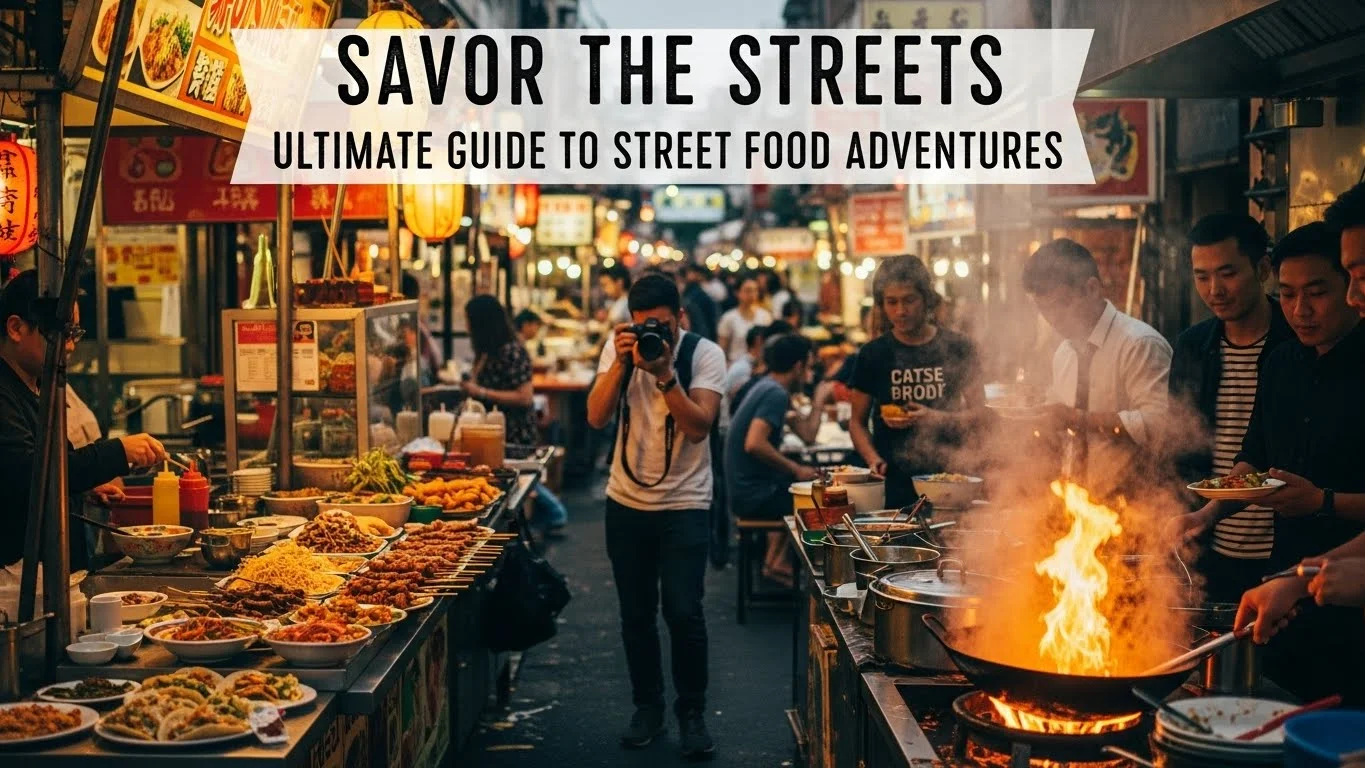
Savor the Streets: Ultimate Guide to Street Food Adventures

Understanding Street Food Culture

What is Street Food?

When I think of street food, I picture bustling markets, sizzling grills, and tantalizing aromas wafting through the air. Street food refers to ready-to-eat food sold by vendors in public places. It’s often prepared and sold on the streets, in food trucks, or at local markets. The beauty of street food lies in its accessibility; it’s often affordable and provides a taste of local culture, traditions, and flavors. I remember my first encounter with street food in a vibrant night market, where I was overwhelmed by the choices and the lively atmosphere. It’s a culinary experience that feels both personal and communal.

History of Street Food Around the World

Street food has a long and rich history that dates back centuries. I learned that ancient civilizations, like the Romans and Greeks, sold food on the streets. In my travels, I discovered that each region has its unique take on street food, influenced by local ingredients and cultural practices. For instance, in Asia, street food is often centered around quick, flavorful dishes, like dumplings and noodles, while in Europe, vendors might offer crepes or sausages. It’s fascinating to see how street food has evolved over time, adapting to the needs of busy city dwellers who crave convenience without sacrificing flavor.

The Role of Street Food in Local Economies

Street food plays a significant role in local economies, often providing livelihoods for many families. I’ve seen how street vendors can serve as the backbone of a community, offering not just food but also jobs and economic opportunities. In many places, such as India and Thailand, street food is an essential part of the local economy, providing affordable meals for those in need. I remember chatting with a vendor in Bangkok who shared how his business supported his family and allowed him to contribute to local festivities. This personal connection to street food really highlights its importance beyond just a meal; it’s about community and culture.

Top Destinations for Street Food Adventures

Bangkok: A Street Food Paradise

Bangkok is often hailed as the ultimate street food destination, and I wholeheartedly agree. The city bursts with food stalls and vendors at every corner, serving everything from pad thai to mango sticky rice. I’ll never forget wandering through the bustling streets of Chinatown, where the neon lights flickered above and the aromas of fried foods and spices filled the air. It’s a sensory overload in the best way possible. I recommend starting your adventure at Yaowarat Road, where you can indulge in delicious dishes while soaking up the vibrant atmosphere.

Mexico City: Tacos and Tamales

Mexico City is another gem for street food lovers. As I wandered through its colorful neighborhoods, I discovered the magic of tacos al pastor, served fresh off the spit with a sprinkle of cilantro and a squeeze of lime. The street vendors here are incredibly friendly, and I always felt welcomed when I approached their stalls. Don’t miss trying tamales, which are a must-have, especially during breakfast. One of my favorite moments was sitting on a sidewalk, enjoying my food while chatting with locals, and I realized that street food creates a communal experience that transcends language and culture.

Tokyo: From Takoyaki to Ramen

In Tokyo, street food takes on an art form. I found myself enchanted by the variety—everything from takoyaki (octopus balls) to yakitori (grilled chicken skewers) could be found at stalls lining busy streets. The care and precision that the vendors put into their food really stood out to me. I remember savoring a bowl of ramen at a tiny stall, and it felt like a warm hug on a chilly evening. Tokyo’s street food scene is a beautiful blend of traditional and modern, and it’s a place where you can truly eat your way through the city.

Istanbul: The Flavors of the Bazaar

Istanbul’s street food is a delightful mix of flavors, influenced by its rich history. I experienced the city’s bustling bazaars, where the scent of spices and grilled meats wafted through the air. Trying a simit, a sesame-covered bread, while exploring the streets was a highlight for me. The vendors are often eager to share their stories and recommendations, making every meal feel personal. Plus, indulging in a plate of döner kebab while watching the world go by is an unforgettable experience that I highly recommend.

New York City: A Melting Pot of Street Eats

New York City is truly a melting pot of cultures, and its street food reflects that diversity. From food trucks serving gourmet tacos to halal carts dishing out savory platters, I’ve found that NYC offers something for everyone. One of my favorite memories was trying a hot dog from a street vendor in Central Park, a classic NYC experience that felt quintessentially American. The city’s fast-paced energy combined with the myriad of food options makes for an exciting street food adventure.

Must-Try Street Food Dishes

Popular Street Food Dishes by Region

Every region I’ve visited has its own unique street food dishes that are not to be missed. For example, in Southeast Asia, I fell in love with banh mi, a Vietnamese sandwich filled with meats, fresh vegetables, and a drizzle of spicy sauce. The crunch of the baguette paired with the vibrant flavors inside was a true delight. In South America, I was introduced to arepas in Colombia, which are cornmeal cakes filled with anything from cheese to avocado. Each bite was a burst of flavor that made me wish I could eat them every day.

In the Middle East, I can’t recommend shawarma enough. Watching the vendor slice off thin pieces of marinated meat from a rotating spit while it sizzles in its juices is a sight to behold. Wrapping it in pita bread with fresh vegetables and tahini sauce is a heavenly experience. I remember trying it for the first time in a street market in Beirut, and it was love at first bite. In my experience, street food often represents the essence of a culture, and these dishes are a delicious way to explore that.

Vegetarian and Vegan Options

For those of us who are vegetarian or vegan, street food still offers an abundance of options. I’ve found that many street vendors are quite accommodating when it comes to dietary preferences. In India, I enjoyed pani puri, a popular street snack made of hollow puris filled with spicy water, tamarind, and chickpeas. The explosion of flavors in your mouth is something I’ll never forget. In Thailand, I’ve savored pad thai made with tofu, bursting with fresh veggies and topped with crushed peanuts.

In Mexico City, I discovered elote, grilled corn on the cob slathered in lime, mayonnaise, cheese, and chili powder—a perfect street food treat that caters to everyone. I also learned that many cities have dedicated vegetarian or vegan street food stalls, which makes it easier to find delicious meals that align with my lifestyle. I believe that street food should be accessible to all, and it’s heartening to see that many vendors are embracing this diversity. Read Interesting article: Street Food Adventures: Tasty Delights on a Budget

Sweet Treats to Savor

No street food adventure is complete without indulging in sweet treats. In Bangkok, I couldn’t resist trying mango sticky rice, a simple yet heavenly dish of sweet coconut rice topped with ripe mango slices. The combination of flavors and textures felt like a celebration of dessert. I also remember the joy of walking through the streets of Istanbul and discovering a vendor selling lokma, deep-fried dough balls drenched in syrup, which made for a perfect late-night snack.

In Mexico, churros are a must-try. I loved watching the vendor expertly fry them to golden perfection and then coat them in sugar. Dipping them in rich chocolate sauce was the cherry on top of an already perfect treat. I believe that sweet treats are a universal language of happiness in street food culture, and every region offers its delicious interpretations.

How to Navigate Street Food Markets

Finding the Best Vendors

Finding the best street food vendors can be an adventure in itself. I often find that following the locals is the best strategy. When I see a long line of hungry customers, I know I’m onto something good. It’s incredible how word-of-mouth can lead to discovering hidden gems that I might have missed otherwise. In many cities, some vendors specialize in just one dish, and their passion shines through in the quality of their food. I remember stumbling upon a tiny stall in Ho Chi Minh City that only sold pho, and it was the best bowl I’ve ever had.

Another tip I’ve learned is to check for cleanliness. While it’s not always possible to gauge a vendor’s hygiene practices, I often look for those with a clean setup and fresh ingredients. I once visited a night market in Taiwan where the vendors proudly displayed their ingredients, and it gave me confidence in the food I was about to enjoy.

Understanding Hygiene and Safety Standards

Navigating street food markets can be a bit daunting, especially when it comes to hygiene and safety. I’ve made it a habit to observe how the vendors handle food. If they’re wearing gloves and have proper food storage, I feel more at ease. In some countries, street food regulations are strict, and vendors must adhere to safety standards. In my travels, I’ve found that in many popular street food destinations, authorities often conduct regular inspections to ensure vendors maintain clean practices. This can give you peace of mind as you indulge in delicious bites.

How to Order Like a Local

Ordering street food can sometimes feel intimidating, especially in a foreign language. I’ve learned to pick up a few key phrases, which can go a long way. For instance, I remember being in Thailand and practicing how to say “one, please” in Thai, which made the vendor smile and feel more welcoming. I also recommend watching what others order and mimicking them. It’s a simple way to get a feel for what’s popular. In many cases, street food vendors are more than happy to explain their menu, and I’ve enjoyed chatting with them about their specialties. This interaction not only enhances the experience but also creates a connection that makes the food taste even better.

When to Visit for the Best Street Food Experiences

Seasonal Street Food Festivals

One of the most exciting ways to dive into street food culture is by timing your visit with local festivals. I’ve had the pleasure of experiencing several seasonal street food festivals that celebrate culinary traditions and local ingredients. For example, during the Lunar New Year in Vietnam, the streets are lined with vendors selling special dishes like bánh chưng, a traditional rice cake. The festive atmosphere adds an extra layer of excitement, and there’s something special about sharing these moments with locals who hold their food traditions dear.

In Thailand, I remember attending the Songkran festival, where food stalls offer refreshing treats like coconut ice cream and spicy salads to celebrate the Thai New Year. The energy was contagious, and it was a fantastic opportunity to try various dishes in one go. These festivals not only showcase the best of street food but also allow you to engage with the local culture on a deeper level. I’ve found that planning my travels around these events has led to some of my most memorable food experiences.

Time of Day: Best Hours for Street Food

When it comes to street food, timing can make a big difference. I’ve learned that some vendors only operate at specific times, and that’s often when they serve their freshest and best dishes. For example, in many Asian cities, the evening is prime time for street food. I remember strolling through the night markets of Taipei around 6 PM, where the stalls were just beginning to set up, and the smell of grilled meats and fried snacks filled the air. It felt like the city was coming alive with flavor.

Early mornings can also be a hidden gem for street food lovers. In Mexico City, I found that breakfast street food stalls offer delicious options like tamales and fresh fruit juices. Starting my day with these local delicacies made for a great morning adventure. I recommend checking out local customs about meal times, as this can lead you to discover the best bites at just the right moment!

Budgeting for Your Street Food Adventure

Cost of Street Food in Different Cities

One of the best things about street food is that it can be incredibly budget-friendly. I’ve experienced this firsthand across various cities. For instance, in Bangkok, I could grab a delicious meal for as little as a dollar! It felt amazing to indulge in flavors that were both authentic and affordable. In contrast, New York City can be a bit pricier, where a gourmet taco might set you back around $5 to $10. However, the diversity of options means that there’s usually something available for every budget.

In my travels, I’ve discovered that street food can often be a great way to enjoy a hearty meal without breaking the bank. It’s also a wonderful opportunity to try a variety of dishes without the commitment of a full restaurant meal. I remember one evening in Ho Chi Minh City, where I spent less than $10 and tasted several different street foods. It felt like I was on a culinary treasure hunt! Read Interesting article: Ultimate Guide to Street Food Tours: Savory Adventures Await

How to Save Money While Sampling Street Food

While enjoying street food is generally affordable, there are still ways to stretch your budget even further. I’ve found that sharing dishes with friends or family not only allows you to try more flavors but also keeps costs down. For example, when I traveled with friends in Mexico City, we bought a variety of tacos and shared them, allowing us to sample different fillings without overspending.

Another tip is to look for local specialties that might be cheaper than the more touristy options. I remember discovering a small stall in Istanbul that offered gözleme, a traditional stuffed flatbread, at a fraction of the price compared to other places. It was a satisfying meal that didn’t hurt my wallet. Lastly, many street vendors offer “happy hour” deals or discounts during slower hours, so keep an eye out for those opportunities to save a little extra.

Safety Tips for Eating Street Food

Identifying Clean and Safe Vendors

As much as I love street food, I’ve learned to be mindful about where I eat. One of the first things I do when approaching a vendor is to observe the cleanliness of their setup. I look for stalls that appear well-maintained and have a steady stream of customers. A long line of locals usually means the food is not only popular but also likely safe to eat. I’ve found that vendors who take pride in their presentation and cleanliness often care about the quality of the food they serve.

In some countries, health ratings are displayed prominently, giving you a quick visual reference for safety. I remember being in Bangkok and noticing which stalls had high hygiene ratings prominently featured. It was reassuring to see that the vendors were conscious of food safety standards, which made my street food experience that much more enjoyable.

Common Food Safety Risks to Be Aware Of

While street food can be delicious and safe, there are a few common risks to keep in mind. I’ve learned to be cautious about raw or undercooked food, especially in places where food safety practices may vary. For example, while I love fresh salads, I tend to steer clear of them from street vendors, as the water used to wash them may not always be clean. Cooked foods, on the other hand, are typically safer, as the cooking process kills most harmful bacteria.

Another tip is to be mindful of how food is displayed. If it’s been sitting out for a while without proper heating or cooling, I usually opt for something fresher. Trusting my instincts and paying attention to how food is prepared has helped me stay safe while indulging in all the incredible flavors street food has to offer.

Frequently Asked Questions

What is street food?

Street food refers to ready-to-eat food sold by vendors in public places, often prepared and sold on the streets, in food trucks, or at local markets. It is accessible, affordable, and provides a taste of local culture, traditions, and flavors.

What are some popular street food dishes around the world?

Popular street food dishes vary by region. In Southeast Asia, banh mi is a must-try, while in South America, arepas are popular. The Middle East offers shawarma, and in Mexico, tacos al pastor is a favorite. Each dish represents cultural essences and flavors unique to its region.

How does street food contribute to local economies?

Street food plays a significant role in local economies by providing livelihoods for many families. Vendors often serve as the backbone of their communities, offering jobs and affordable meals, which contribute to local festivities and economic opportunities.

What are some safety tips for eating street food?

To ensure safety when eating street food, look for vendors with clean setups, a steady stream of customers, and proper food handling practices. Be cautious with raw or undercooked food, and opt for freshly cooked items to minimize food safety risks.

What are the best times to enjoy street food?

The best times for street food often vary by location. In many Asian cities, evenings are prime for street food, while in places like Mexico City, early mornings can offer delicious breakfast options. Timing your visit can lead to the freshest dishes.

Are there vegetarian and vegan options available in street food?

Yes, many street vendors offer vegetarian and vegan options. For example, in India, pani puri is a popular street snack, while in Thailand, pad thai can be made with tofu. Many cities also have dedicated vegetarian or vegan stalls.

What is a good strategy for finding the best street food vendors?

A good strategy for finding the best vendors is to follow the locals. A long line of customers usually indicates quality food. Additionally, checking for cleanliness and the vendor’s specialization in a particular dish can guide you to hidden gems.

What sweet treats should I try when exploring street food?

Some must-try sweet treats include mango sticky rice in Bangkok, lokma (deep-fried dough balls drenched in syrup) in Istanbul, and churros in Mexico, which are often served with chocolate sauce for dipping.

How can I save money while sampling street food?

To save money while enjoying street food, consider sharing dishes with friends to try more flavors without overspending. Look for local specialties that are cheaper than tourist options and watch for “happy hour” deals from vendors.

What is the role of seasonal street food festivals?

Seasonal street food festivals are exciting opportunities to explore local culinary traditions and ingredients. They often showcase special dishes during events like the Lunar New Year in Vietnam or the Songkran festival in Thailand, providing a deeper cultural experience.

Affordable Wine and Cheese Tours: Taste on a Budget

Wine and cheese tours can be an unforgettable experience, even on a budget. With the right planning, you can savor delightful flavors without breaking the bank. Let’s explore how to enjoy these tasty adventures affordably!

Affordable Wine and Cheese Tours: Taste on a Budget

Understanding Wine and Cheese Tours

What is a Wine and Cheese Tour?

A wine and cheese tour is a delightful journey that combines the enjoyment of local wines with paired cheeses. I remember my first tour vividly; we visited several vineyards and cheese producers, learning about their craft while tasting a variety of flavors. These tours are often set in beautiful locations where the scenery is just as captivating as the food and drink. For me, it felt like a mini-vacation, even if I was just spending a day exploring local treasures.

Typically, a guided wine and cheese tour includes visits to wineries and cheese makers where you can participate in tastings. Some tours offer immersive experiences, allowing you to watch the cheese being made or learn about the winemaking process directly from the experts. I find that these personal touches really enhance the experience, making it feel special and unique. If you are looking for ideas on how to explore further, check out Top Wine and Cheese Experiences for Budget Backpackers.

Benefits of Wine and Cheese Tours

There are numerous benefits to embarking on a wine and cheese tour. Firstly, it’s an excellent way to expand your palate. I’ve discovered so many new flavors and combinations that I wouldn’t have tried on my own. Each tasting offers a chance to learn about the regional specialties and how they’re crafted.

Another significant benefit is the social aspect. I’ve met wonderful people on these tours, from fellow foodies to local artisans. Sharing a tasting experience with others can lead to delightful conversations and new friendships. Plus, it’s a fantastic way to support local businesses and artisans who pour their heart and soul into their products.

Lastly, wine and cheese tours often provide educational insights. I’ve learned about the importance of terroir, the science behind wine pairings, and even the best cheese storage practices. These tours have made me feel more connected to the food I enjoy, turning each meal into a rich experience.

Types of Wine and Cheese Tours

Guided Tours vs. Self-Guided Tours

When considering a wine and cheese tour, you’ll encounter two primary options: guided and self-guided tours. Guided tours are typically led by knowledgeable hosts who share their expertise, which I find incredibly helpful. They often take care of all the logistics, letting you relax and enjoy the experience without the stress of planning.

On the other hand, self-guided tours offer flexibility. If you prefer to explore at your own pace, this might be the better option. I’ve enjoyed creating my own itinerary and discovering hidden gems that aren’t part of the standard tour. However, I recommend doing a bit of research beforehand to ensure you don’t miss out on must-visit spots. You might want to consider some of the options available in Europe; for more details, see Discover Budget-Friendly Wine and Cheese Tours in Europe.

Private Tours vs. Group Tours

Deciding between private and group tours can also impact your experience. Private tours are great if you’re looking for a more personalized experience. I once took a private tour with just a few friends, and it felt like we had the whole vineyard to ourselves. The guide tailored the tastings to our preferences, making it a memorable day.

Group tours, while less intimate, can be a lot of fun, especially if you enjoy meeting new people. I’ve joined group tours where we all bonded over our love for wine and cheese, sharing laughs and stories as we tasted our way through the day. Sometimes, the camaraderie can enhance the whole experience.

Virtual Wine and Cheese Tasting Tours

In recent times, virtual wine and cheese tasting tours have gained popularity. I was skeptical at first, but I joined a few online tastings during the pandemic, and I was pleasantly surprised. These tours allow you to enjoy the experience from the comfort of your home.

Typically, you receive a selection of wines and cheeses in advance, along with a link to join the virtual event. The hosts walk you through the tastings, sharing fun facts and answering questions. I loved being able to invite friends over and make it a little gathering, even if we were all in our own homes. It’s a unique way to connect with others and explore new flavors without travel expenses.

As we dive deeper into the world of wine and cheese tours, I can’t wait to share more insights on how to find affordable options and exciting destinations. Whether you’re a seasoned enthusiast or a curious beginner, there’s something for everyone in this delightful culinary adventure!

Destinations for Affordable Wine and Cheese Tours

Top Wine Regions for Budget Tours

Napa Valley

Napa Valley is often the first place that comes to mind when I think of wine tours. While it can be pricey, there are plenty of affordable options if you know where to look. I discovered that some lesser-known wineries offer tastings for a fraction of the cost of the big names. Plus, the scenery is absolutely stunning! A leisurely picnic with a bottle of local wine paired with artisan cheese can make for an unforgettable day. I remember sipping a lovely Sauvignon Blanc while sitting under an oak tree, and the cheese was a perfect match. It was a blissful moment that didn’t cost a fortune!

Bordeaux

Bordeaux is another fantastic region that delivers both quality and affordability. I’ve found that many châteaux offer free or low-cost tours and tastings. It’s a great way to immerse myself in the culture and history of French winemaking. The beautiful vineyards and charming villages add to the experience, making it feel like I was living a dream. When visiting Bordeaux, I highly recommend trying the local cheese, like Brie de Meaux or Roquefort, alongside their exquisite wines. The combination is simply divine!

Tuscany

Tuscany is known for its breathtaking landscapes and delicious food, and it’s also a treasure trove for wine and cheese lovers. I stumbled upon several family-run wineries that provided incredible tours without the hefty price tag. The rustic charm of these places really drew me in. I recall standing in the vineyard, surrounded by rolling hills, enjoying a Chianti paired with Pecorino cheese. It felt like an authentic Italian experience that was both enriching and budget-friendly. I think Tuscany is perfect for those who want to sip and savor in a stunning setting!

Best Cities for Wine and Cheese Experiences

San Francisco

San Francisco is not only famous for its iconic Golden Gate Bridge but also for its vibrant food scene, including wine and cheese. I’ve wandered through the Ferry Building Marketplace, where local vendors offer a variety of wines and artisanal cheeses. I found some great wine tasting rooms nearby, which often feature wines from California’s best regions. Whether you join a guided tour or map out your own adventure, San Francisco has so much to offer without emptying your wallet.

Portland

Portland’s laid-back vibe makes it a great destination for wine and cheese enthusiasts. I’ve enjoyed visiting local wineries and cheese makers in the nearby Willamette Valley, where the tastings are typically affordable. The city itself is filled with cozy wine bars that feature local selections paired with delicious cheeses. I remember an evening spent at one such bar, where we shared a flight of wines accompanied by a charming cheese platter. The atmosphere was warm and inviting, making it a memorable experience.

New York City

New York City might seem like a pricey destination, but I’ve discovered countless opportunities for affordable wine and cheese experiences. Many neighborhoods host wine and cheese tastings, often at attractive prices. I found a lovely little wine shop in the West Village that offered weekly tastings for a modest fee. Plus, there are numerous cheese shops that host their own events. The best part? Exploring the vibrant food scene while enjoying these tastings made for an exciting day in the city! For those interested in more culinary adventures, check out Top 5 Budget-Friendly Culinary City Tours to Experience.

Planning Your Budget-Friendly Wine and Cheese Tour

Choosing the Right Time to Visit

Timing is everything when it comes to planning a wine and cheese tour on a budget. I’ve noticed that visiting during the shoulder season—right before or after peak tourist season—can lead to significant savings. This is when the crowds are thinner, and many wineries offer discounts to attract visitors. Personally, I love the experience of having a vineyard almost to myself, allowing for a more intimate exploration of the wines and cheeses.

How to Find Affordable Tours

Discount Websites and Coupons

Another strategy I’ve used is checking discount websites and finding coupons for tours. Sites like Groupon or local tourism boards often have deals that can save you a lot of money. I remember one time I scored a fantastic deal for a wine and cheese tour that included tastings and a gourmet picnic for half the usual price. It’s worth spending a little time searching before you book!

Off-Peak vs. Peak Season

As I mentioned, visiting during off-peak times can make a huge difference. Not only are prices lower, but you also get a more relaxed experience. I love visiting wineries during the fall, when the leaves change color and the harvest is in full swing. The tours are often less crowded, which means more personal attention from the staff. Plus, there’s something magical about tasting fresh wines right as they’re being produced.

Budgeting for Wine and Cheese Tours

Cost Breakdown: Tours, Tastings, and Transportation

When planning my budget, I like to break down the costs into categories: tours, tastings, and transportation. I’ve found that many tours include a few tastings in their price, which can help me save some cash. When figuring out transportation, I often opt for carpooling with friends or using public transport to keep expenses low. Planning this out ahead of time really helps me stay within my budget while still enjoying everything wine and cheese tours have to offer.

Tips for Saving Money

One of my favorite tips for saving money on wine and cheese tours is to eat a hearty meal before heading out. Many tours offer tastings that may not fill you up, so having a good meal beforehand allows you to enjoy the experience without worrying about extra food costs. Also, consider bringing your own water bottle to stay hydrated without spending extra on drinks. These small changes can make a big difference in keeping my overall costs down while still having a blast!

What to Expect on a Wine and Cheese Tour

Typical Itinerary of a Tour

When I sign up for a wine and cheese tour, I always look forward to what the itinerary has in store. Typically, the day starts with a warm welcome from our guide, who introduces us to the day’s adventure. I remember one tour where we kicked things off with a quick briefing on the history of the region and the unique characteristics of the wines and cheeses we would be tasting. It set the tone for the day and built excitement!

As we moved from one vineyard to another, I appreciated how the itinerary often included a mix of activities. For instance, we’d start with a vineyard tour, learning about the grape varieties and the winemaking process. Then, we would head to the cheese maker, where we could witness the cheese being crafted. Each stop featured tastings, of course, and I found that the pacing was just right. We had enough time to savor the flavors without feeling rushed. I’ve left these tours feeling educated and satisfied, with a new appreciation for the artistry behind wine and cheese.

What’s Included in the Tour Price

Understanding what’s included in the tour price is crucial for planning. I’ve noticed that most wine and cheese tours typically cover the cost of tastings at each stop, which can be a significant bonus since some tasting fees can add up quickly. In my experience, a good tour often includes a light meal or snacks, which I love. It’s an excellent way to enhance the tasting experience and ensure that I’m not sampling on an empty stomach.

Some tours even throw in extras like souvenir glasses or discounts on purchases made at the wineries. I remember one tour where I received a lovely wine glass as a memento, which I still use today. It’s these little touches that elevate the experience and make it memorable. Before booking, I always check to see what’s included, so I know what to expect and can plan accordingly.

Common Wine and Cheese Pairings

One of the most delightful parts of any wine and cheese tour is discovering the perfect pairings. I’ve tasted so many incredible combinations that I never would have thought to try on my own. Typically, tours introduce you to classic pairings like robust reds with sharp cheddar or crisp whites with creamy brie. I remember a particularly memorable pairing of a fruity Pinot Noir with a nutty Gruyère that danced on my palate.

There’s also a lot of fun in experimenting with less conventional pairings. I once tried a sweet dessert wine paired with a tangy blue cheese, and the explosion of flavors was simply fantastic. These experiences have taught me that the right wine can enhance a cheese’s flavors and vice versa. I’ve taken this knowledge home, and now I love hosting my own cheese and wine tastings, trying to recreate some of those magical moments from my tours.

Tips for an Enjoyable Experience

Best Practices for Tasting

When it comes to wine and cheese tasting, I’ve picked up a few best practices that have enhanced my experience. First, I always take my time to savor each sip and bite. It can be tempting to rush through tastings, especially if you’re excited about trying different flavors, but slowing down allows me to appreciate the nuances of each selection. I’ve learned to pay attention to the aroma, texture, and finish of the wine before moving on to the cheese.

Another tip is to cleanse the palate between tastings. I usually take a sip of water or a small bite of bread before trying something new. This simple practice helps me reset my taste buds and ensures that I can fully enjoy each pairing. Lastly, I’ve found that asking questions during the tour can add depth to the experience. The guides are usually more than happy to share their knowledge, and I’ve gained so much insight from engaging with them directly.

Staying Safe and Responsible

Safety is always a priority when enjoying wine and cheese tours. I’ve learned to pace myself and know my limits, especially with alcohol involved. Many tours provide transportation, which I find incredibly helpful. If you’re driving, consider having a designated driver or opting for rideshare services to ensure everyone gets home safely. I always plan ahead, so I can relax and have fun without worrying about how I’ll get back.

It’s also important to hydrate! I make it a point to drink water throughout the day, especially since tastings can dehydrate you. Staying hydrated not only keeps me feeling better but also enhances my tasting experience. I’ve noticed that when I’m well-hydrated, I can appreciate the flavors much more deeply.

Meeting Local Producers and Artisans

One of the highlights of wine and cheese tours for me has been the opportunity to meet local producers and artisans. I love hearing their stories and learning about their passion for their craft. During one tour, I had the chance to chat with a cheese maker who shared his journey of perfecting a unique recipe that had been passed down for generations. These personal connections make the experience feel richer and more authentic.

When I engage with the producers, it not only enhances my appreciation for their products but also supports local businesses. I often end up purchasing some of their wines or cheeses to take home, feeling like I am contributing to their success. In my opinion, these human connections are what truly elevate the wine and cheese tour experience and create lasting memories.

Frequently Asked Questions

What is a Wine and Cheese Tour?

A wine and cheese tour is a journey that combines the enjoyment of local wines with paired cheeses. Participants visit vineyards and cheese producers, learning about their craft while tasting a variety of flavors in beautiful locations.

What are the benefits of going on a wine and cheese tour?

Benefits include expanding your palate, meeting new people, supporting local businesses, and gaining educational insights about wine and cheese production.

What is the difference between guided and self-guided tours?

Guided tours are led by knowledgeable hosts who handle logistics, while self-guided tours offer flexibility for exploring at your own pace, allowing you to create your own itinerary.

What are private tours compared to group tours?

Private tours provide a more personalized experience, often tailored to your preferences, while group tours can be more social and fun, allowing you to meet other wine and cheese enthusiasts.

What are virtual wine and cheese tasting tours?

Virtual tours allow participants to enjoy tastings from home, with a selection of wines and cheeses sent in advance, and hosts guiding the tasting experience online.

Which wine regions are recommended for budget tours?

Recommended regions include Napa Valley, Bordeaux, and Tuscany, where lesser-known wineries and family-run producers offer affordable options without compromising quality.

What are some cities known for affordable wine and cheese experiences?

Some cities include San Francisco, Portland, and New York City, each offering a vibrant food scene with numerous opportunities for affordable wine and cheese tastings.

How can I find affordable wine and cheese tours?

Look for discounts on websites like Groupon, visit during the shoulder season, and research off-peak times to find lower prices and better experiences.

What should I expect on a typical wine and cheese tour?

A typical tour includes a welcome from the guide, a mix of vineyard and cheese maker visits, tastings, and possibly a light meal or snacks included in the tour price.

What are some best practices for enjoying wine and cheese tastings?

Take your time to savor flavors, cleanse your palate between tastings, and engage with guides by asking questions to enrich your experience.

Top Wine and Cheese Experiences for Budget Backpackers

If you’re a budget backpacker like me, you know that wine and cheese can make any trip feel luxurious. Exploring local flavors without breaking the bank is the ultimate goal. Let’s dive into some of the best ways to savor wine and cheese on a budget!

Top Wine and Cheese Experiences for Budget Backpackers

Understanding Wine and Cheese: A Budget Backpacker’s Guide

As I’ve wandered through vineyards and cheese dairies across Europe, I’ve learned that wine and cheese are not just food; they’re part of the culture and history of a region. Whether you’re in a bustling market in Barcelona or a quiet vineyard in Tuscany, understanding the basics of wine and cheese can enhance your experience immensely. Let’s break this down.

The Art of Wine and Cheese Pairing

Pairing wine with cheese can seem daunting at first, but I found that it’s all about balancing flavors. Each type of cheese has unique tastes and textures that can complement different wines. For example, I remember tasting a creamy Brie with a crisp Chardonnay, which was a match made in heaven. Here are a few classic pairings to consider:

  • Soft Cheeses: Pair with light, fruity wines like Sauvignon Blanc or sparkling wines.
  • Hard Cheeses: Look for robust reds like Cabernet Sauvignon or Malbec.
  • Blue Cheeses: Sweet wines like Port or Sauternes can really enhance the flavor.

Experimenting is part of the fun! I often tried local wines with various cheeses during my travels; sometimes, the unexpected combinations turned out to be my favorites. Discover Budget-Friendly Wine and Cheese Tours in Europe for more tips on how to make the most of your journey!

Regional Varieties of Wine and Cheese

One of the joys of traveling is discovering the regional specialties. Each country has its unique offerings that tell a story of the land and its traditions. I found that exploring local wines and cheeses really added depth to my travels.

In France, for example, I was amazed by the variety of cheeses. Each region boasts its own specialties, such as creamy Camembert from Normandy or tangy Roquefort from the south. Pairing these with a glass of Bordeaux or a light Beaujolais made my meals unforgettable. I remember sitting in a small café in Paris, nibbling on a cheese platter while sipping a delightful red wine. It was a moment of pure bliss.

Italy, on the other hand, offers a different experience. The rich, hearty cheeses like Parmigiano-Reggiano or Gorgonzola paired perfectly with the bold Chianti wines. I loved taking leisurely strolls through vineyards in Tuscany, tasting wines right where they were made. The views were breathtaking, and the experience felt so authentic.

Spain introduced me to a whole new world of flavors. I learned about Manchego cheese and the delicious Tempranillo wines from La Rioja. Attending local wine and cheese festivals allowed me to taste these incredible pairings while mingling with locals who shared their insights and stories.

And let’s not forget Portugal! I fell in love with the rich Port wines, and trying them alongside local cheeses in Porto was a highlight of my trip. Each sip and bite transported me deeper into the culture, and I cherished every moment.

Top Destinations for Budget Wine and Cheese Experiences

While exploring the world of wine and cheese, I discovered some amazing destinations that cater perfectly to budget travelers. Here are a few of my favorites:

France: The Heart of Wine and Cheese

France is often considered the birthplace of wine and cheese, and for a good reason. I loved how each region has its unique offerings, making it a paradise for food lovers. Here’s where I found some budget-friendly experiences:

Bordeaux: Wine Tasting on a Budget

Bordeaux is famous for its exquisite wines, but you can enjoy tastings without spending a fortune. I discovered several small wineries offering affordable tastings, sometimes even for free! Joining a group tour can also bring down costs while providing a chance to meet fellow travelers.

Cheese Tours in Normandy

Normandy is renowned for its rich cheeses, especially Camembert. I took part in a cheese tour that included visits to local farms, where I watched the cheese-making process and tasted fresh products. It was surprisingly affordable and left me with a deeper appreciation for the craft.

Italy: A Culinary Adventure

Italy is a dream for any foodie. I found that participating in wine tours and local cheese tastings was not only delicious but also budget-friendly.

Tuscany Wine Trails

In Tuscany, I hopped on a bike and explored the scenic wine trails. Many vineyards offer tastings for a reasonable price, and I found that the more I explored, the more deals I stumbled upon. Plus, the views made every moment worth it!

Cheese Sampling in Emilia-Romagna

This region is home to some of Italy’s best cheeses. I found local markets where you could sample Parmigiano-Reggiano and other delights at very low prices. It’s an experience I highly recommend!

Spain: A Flavorful Journey

Spain is bursting with flavor and affordability. I loved how vibrant the food scene was, especially when it came to wine and cheese.

Wine and Cheese Festivals in La Rioja

Attending a wine and cheese festival in La Rioja was one of the highlights of my trip. I tasted various wines and cheeses for a small entry fee, mingling with locals and other travelers. It felt like a giant celebration of flavor!

Tapas and Cheese in Barcelona

Barcelona’s tapas scene is incredible, and I found that many bars offered cheese plates paired with local wines at reasonable prices. I enjoyed hopping from bar to bar, sampling different combinations of flavors and soaking in the lively atmosphere.

These experiences opened my eyes to the incredible world of wine and cheese, and I couldn’t have been happier to savor every moment without breaking the bank. Each destination offered its unique twist, making them unforgettable stops on my journey. If you’re interested in learning more about budget wine regions, check out Your Guide to Budget Wine Regions Around the Globe.

Portugal: Hidden Gems

Port Wine Tasting in Porto

Visiting Portugal was a delightful surprise for me. When I think of wine and cheese, I often picture France or Italy, but Portugal holds its own special place in my heart. My journey led me to Porto, where I experienced the magic of Port wine. I remember wandering through the narrow streets, each corner seeming to beckon me to a new wine cellar. Many of the cellars along the Douro River offer tastings at reasonable prices, sometimes even including a tour of the facility. I found that learning about the history and production of Port made each sip even more enjoyable. The rich, sweet flavors of the wine paired beautifully with local cheeses, especially the creamy Queijo da Serra. It felt like I was indulging in hidden treasures that many travelers might overlook!

Cheese Markets in Lisbon

Then there’s Lisbon, a city bursting with life, culture, and, of course, fantastic food. I stumbled upon the Mercado da Ribeira, a vibrant market filled with local vendors selling everything from fresh produce to artisanal cheeses. Sampling various cheeses while chatting with the vendors allowed me to discover unique local varieties. I remember one vendor who recommended a tangy Azeitão cheese, which I paired with a crisp, refreshing vinho verde. The experience was not only delicious but also budget-friendly; I loved how I could create my own little cheese and wine picnic for a fraction of what I’d spend at a restaurant!

Budget-Friendly Wine and Cheese Experiences

Wine Tastings: How to Save Money

Throughout my travels, I’ve learned a few tricks to enjoy wine tastings without emptying my wallet. One of the biggest tips I can share is to look for wine tasting events or festivals. These gatherings often feature multiple wineries and allow you to sample a variety of wines for a small entry fee. I remember attending a local wine festival in Tuscany where I paid a nominal fee for a wristband that granted me access to tastings from several vineyards. Not only did I get to taste phenomenal wines, but I also made connections with winemakers who were eager to share their stories and knowledge.

Cheese Workshops and Classes

If you have the chance, I highly recommend signing up for cheese workshops or classes. I took a cheese-making class in a small village in France, and it turned out to be one of the highlights of my trip. Not only did I learn how to make cheese from scratch, but I also got to sample various types while mingling with fellow enthusiasts. The cost was surprisingly affordable, and I left with newfound skills, delicious cheese, and a sense of accomplishment. Plus, there’s something incredibly satisfying about enjoying a dish you created yourself, paired with a lovely glass of wine.

Local Markets: Finding Deals on Wine and Cheese

Local markets have been my secret weapon for finding the best deals on wine and cheese. I’ve wandered through bustling markets in various cities, discovering fresh local products at unbeatable prices. One of my favorite experiences was in a market in Barcelona, where I found a vendor selling artisan cheeses for a fraction of the price I’d seen elsewhere. By shopping at these markets, I was able to create my own cheese and wine picnics, enjoying the local flavors while keeping my budget in check. I recommend asking locals for their favorite market spots; they often know the best hidden gems!

Tips for Enjoying Wine and Cheese on a Budget

Timing Your Visits

Timing can make a significant difference in your budget when it comes to wine and cheese experiences. I’ve found that visiting wineries and cheese makers during off-peak times can lead to lower prices or even discounts. Many places offer special deals on weekdays or during slower seasons. Also, if you plan to attend a tasting or workshop, try to book in advance; you might snag an early bird discount. I’ve learned that a little planning can go a long way in stretching my travel budget!

Group Discounts and Happy Hours

Another great way to save is by taking advantage of group discounts. If you’re traveling with friends or fellow backpackers, consider booking tours or tastings together. I’ve noticed that many wineries offer reduced rates for groups. Plus, happy hour specials can be a lifesaver. In cities like Barcelona or Lisbon, many bars and restaurants have early evening deals that include wine and cheese platters. I remember sitting outside a cozy wine bar in Lisbon during happy hour, enjoying a delightful spread of local cheeses paired with regional wines at a price that felt like a steal.

Staying in Hostels with Wine and Cheese Events

Lastly, consider staying in hostels that focus on communal experiences. Some hostels host wine and cheese nights, which not only save you money but also provide a great opportunity to meet fellow travelers. I’ve made some wonderful friendships over shared cheese plates and wine tastings, often exchanging tips and stories from our journeys. These events created a warm, social atmosphere that enhanced my travel experience and saved me from dining alone.

Essential Gear for Wine and Cheese Backpacking

When I first started my wine and cheese adventures, I quickly realized that having the right gear could make all the difference. Packing light is essential for backpackers, but there are a few items I believe are worth making room for. Let me share some of my must-haves that have enhanced my experiences on the road.

Portable Wine Glasses

One item I never travel without is a set of portable wine glasses. I remember the first time I tried to enjoy a bottle of local wine sans glasses; I ended up sipping from a water bottle, and let me tell you, it just didn’t have the same charm! There are various options available, from collapsible silicone glasses to lightweight plastic ones. I prefer the silicone kind because they’re durable and easy to pack. Just pop them in your bag, and you’re ready for an impromptu picnic with cheese and wine, whether it’s in a park or on a rooftop terrace overlooking the city.

Cheese Knives and Storage Solutions

When it comes to cheese, having a good knife is crucial. I found a compact cheese knife that fits perfectly in my backpack, allowing me to slice through everything from soft Brie to hard Parmigiano-Reggiano. It’s been a game-changer during my travels. I also recommend a small, airtight container for storing any leftover cheese. I learned the hard way that not all cheese holds up well if left wrapped in plastic; I once opened a container to find a rather sad, moldy mess! Keeping cheese fresh allows you to enjoy it longer, especially if you’re exploring multiple cheese shops on a single trip.

Safety and Etiquette When Enjoying Wine and Cheese

While indulging in wine and cheese is a delightful experience, it’s essential to keep safety and local etiquette in mind. I’ve had my share of learning moments, and I’d like to share some tips to ensure that your experiences are enjoyable and respectful.

Understanding Local Drinking Laws

Each country has its own drinking laws, and I’ve found it crucial to familiarize myself with them before indulging. For instance, in some places, it’s illegal to drink in public spaces, which can put a damper on those picturesque picnics. I remember a lovely afternoon in a public park in Spain, only to realize that open alcohol was prohibited. I had to pack up my cheese and wine quickly! Checking local regulations beforehand can save you from unexpected fines or awkward moments.

Respecting Local Customs and Traditions

Wine and cheese are deeply rooted in the culture and traditions of many regions, so approaching these experiences with respect is important. When I visited France, I noticed that many locals take their wine and cheese rituals seriously. I learned to savor my wine slowly, appreciating the flavors and aromas, rather than gulping it down. During my cheese tastings, I observed the way locals engaged with vendors, often asking questions about the cheese-making process. This respect for the craft made my experiences richer. I recommend taking the time to observe and engage in the local customs; it not only enhances your experience but also shows respect for the culture you’re visiting.

Online Resources and Apps for Wine and Cheese Enthusiasts

In this digital age, having access to the right online resources and apps can elevate your wine and cheese adventures significantly. I’ve found a few that I think every budget backpacker should consider using.

Wine and Cheese Pairing Apps

There are fantastic apps out there that help you pair wine and cheese effortlessly. I often refer to an app that allows me to input the type of cheese I’m enjoying, and it suggests complementary wines. This feature has saved me from awkward pairings and has led to delightful discoveries. I remember one evening in a cozy bistro when I had a lovely aged Gouda. The app recommended a spicy Zinfandel, which turned out to be a perfect match! These apps can also provide information about the regions where your favorite types of wine and cheese originate, adding an educational twist to your experience.

Budget Travel Apps for Wine Regions

Travel apps focusing on budget-friendly options in wine regions are invaluable. I found one that offers discounts on wine tastings, tours, and even cheese workshops. By using these deals, I was able to stretch my budget further, allowing me to enjoy more experiences. I recall using the app during a trip to Tuscany, where I discovered a hidden vineyard offering a fantastic tasting for half the price. It felt like finding a secret treasure! These apps not only save you money but also help you uncover hidden gems that might not be on your radar otherwise. For more insights on affordable regions, check out Wine Travel on a Budget: Discover Affordable Regions.

Frequently Asked Questions

What are some classic wine and cheese pairings recommended for budget travelers?

For soft cheeses, pair with light, fruity wines like Sauvignon Blanc or sparkling wines. Hard cheeses go well with robust reds like Cabernet Sauvignon or Malbec. Blue cheeses are best complemented by sweet wines like Port or Sauternes.

Which countries are highlighted for their wine and cheese experiences?

The article highlights France, Italy, Spain, and Portugal as key countries for enjoyable wine and cheese experiences on a budget.

What budget-friendly wine tasting options are available in Bordeaux?

Bordeaux offers small wineries that provide affordable tastings, sometimes even for free. Joining a group tour can also help reduce costs.

How can travelers find affordable cheese tours in Normandy?

Travelers can participate in cheese tours in Normandy that include visits to local farms where they can watch the cheese-making process and taste fresh products at reasonable prices.

What unique cheese and wine combinations can be found in Italy?

In Italy, Parmigiano-Reggiano and Gorgonzola cheeses pair perfectly with bold Chianti wines. Tuscany’s scenic wine trails also offer affordable tastings.

What is a notable activity for experiencing wine and cheese in Spain?

Attending wine and cheese festivals in La Rioja allows travelers to taste various wines and cheeses for a small entry fee while mingling with locals.

How can travelers save money on wine tastings during their journeys?

Travelers can look for wine tasting events or festivals that feature multiple wineries for a small entry fee. Booking in advance can also lead to discounts.

What essential gear should budget backpackers bring for wine and cheese adventures?

Portable wine glasses and a compact cheese knife are essential. Additionally, a small, airtight container for leftover cheese can help keep it fresh.

What should travelers know about local customs related to wine and cheese?

Travelers should familiarize themselves with local drinking laws and respect customs, such as savoring wine slowly and engaging with vendors during tastings.

What online resources are recommended for wine and cheese enthusiasts?

There are apps available that assist with wine and cheese pairings and budget travel options in wine regions, helping travelers find discounts on tastings and workshops.

Discover Budget-Friendly Wine and Cheese Tours in Europe

Exploring Europe’s finest wine and cheese doesn’t have to break the bank. Join me as we uncover budget-friendly tours that offer unforgettable experiences without the hefty price tag!

Discover Budget-Friendly Wine and Cheese Tours in Europe

Understanding Wine and Cheese Tours in Europe

When I first dipped my toes into the world of wine and cheese tours, I was excited yet a bit intimidated. The thought of savoring exquisite flavors while learning about the rich history behind them felt like something only the elite could enjoy. However, as I delved deeper, I realized that these tours are not only accessible but also an incredible way to connect with local culture. The blend of regional wines and artisanal cheeses is a celebration of craftsmanship, history, and community. I discovered that each sip and bite tells a story, and I wanted to share that journey with fellow travelers. Read Interesting article: Top 5 Budget-Friendly Culinary City Tours to Experience

The Cultural Significance of Wine and Cheese

Wine and cheese are more than just delicious pairings; they are integral parts of European heritage. Walking through the vineyards of Tuscany or the cheese shops of Paris, I felt the passion and tradition that have been passed down through generations. Each region has its unique flavors influenced by local agriculture and climate. For instance, during my visit to Bordeaux, I learned that the region’s unique terroir gives its wines distinct characteristics that reflect the land’s history and culture.

Furthermore, cheese-making is an art in itself. Artisan cheesemakers often use time-honored techniques that have been refined over centuries. I remember tasting a creamy Brie in Normandy while hearing tales of how the cheese was crafted using methods passed down through families. It was humbling to realize that every experience I enjoyed was rooted in a deep cultural significance. This connection to tradition made each tasting even more special for me.

Regions Famous for Wine and Cheese

Europe is dotted with regions renowned for their wine and cheese. Each area offers something unique, which makes planning a tour both exciting and sometimes overwhelming. I’ve discovered that a few standout regions are particularly celebrated for their offerings:

  • Bordeaux, France: Famed for its red wines, Bordeaux also boasts a variety of local cheeses that pair beautifully with the region’s offerings.
  • Tuscany, Italy: Known for its Chianti, this area is equally famous for Pecorino cheese, making it a perfect spot for tasting tours.
  • La Rioja, Spain: This region is rich in red wines and local sheep’s milk cheeses, creating a delightful combination for any traveler.
  • Alentejo, Portugal: With its robust wines and rich cheese varieties, Alentejo offers a less-traveled but equally rewarding experience.

During my travels, I found that each of these regions has its own vibe and charm. For instance, Tuscany felt warm and inviting, with rolling hills and cozy vineyards, while Bordeaux was more sophisticated, with its grand châteaux and elegant wine cellars. Each stop on my journey allowed me to explore not only the tastes but also the landscapes and cultures that shaped them.

Why Choose Budget-Friendly Tours?

As I ventured into the world of wine and cheese tours, I quickly realized that you don’t need to spend a fortune to enjoy these experiences. In fact, opting for budget-friendly tours can enhance your journey in ways I hadn’t anticipated. For me, saving money meant I could invest in more experiences, from trying new dishes to visits to smaller, family-owned vineyards.

Benefits of Budget Travel

Choosing budget-friendly options allows a deeper connection with the local culture. With the money I saved, I could explore hidden gems, like small cheese shops and local markets, rather than just the high-end venues that attract large crowds. I remember stumbling upon a quaint little cheese shop in the heart of Bordeaux, where the owner shared stories about his family’s cheesemaking tradition. It felt more authentic than any touristic attraction I could have chosen. Budget travel also encourages a more immersive experience; I learned to seek out local eateries, participate in community events, and meet fellow travelers who shared my passion for good food and wine. Read Interesting article: Affordable Gastronomic Tours: Savor Cities on a Budget

How to Find Affordable Options

Finding budget-friendly tours is easier than I initially thought. I recommend exploring online platforms that offer tour comparisons. Websites like Viator and GetYourGuide often list affordable options alongside more luxurious experiences, allowing you to choose what suits your budget. Additionally, during my travels, I found that visiting during the shoulder season—late spring or early fall—can bring lower prices for tours and accommodations. Many vineyards offer special discounts during these times to attract visitors, making it a win-win for us travelers.

Moreover, I learned that local tourism offices often have brochures or websites dedicated to affordable tours. They can provide insights on free events or festivals that celebrate wine and cheese, offering a chance to indulge without overspending. From my experience, it’s all about being open to discovering what’s around you and embracing the journey.

Top Budget-Friendly Wine and Cheese Tour Destinations

When it comes to exploring wine and cheese in Europe, I’ve found that certain destinations stand out for their affordability and authentic experiences. Each place I visited had its unique charm, and trust me, they didn’t burn a hole in my wallet. Here are some of my favorite budget-friendly destinations that offer fantastic wine and cheese tours:

France: Bordeaux and Burgundy

Bordeaux is often the first name that comes to mind when thinking of French wine. I was amazed at how many affordable wine tours were available there. Small-group tours often included visits to family-run vineyards where I enjoyed tastings without the touristy fluff. Burgundy, on the other hand, stole my heart with its rich tradition of cheese-making. I remember indulging in creamy Époisses cheese paired with a glass of local Pinot Noir, all while enjoying the picturesque countryside. Both regions offer budget options that don’t skimp on quality, making for an incredible experience.

Italy: Tuscany and Piedmont

Tuscany is synonymous with Chianti, and while I was there, I stumbled upon numerous budget-friendly tasting tours. Some vineyards even allowed me to try their wines for free if I purchased a small cheese plate. It felt like a win-win! Meanwhile, in Piedmont, I discovered the world of Barolo wine and Castelmagno cheese. I remember sitting at a rustic trattoria, and the owner shared how they paired the cheese with their rich wines. The prices were reasonable, and the experiences felt so genuine.

Spain: La Rioja and Catalonia

La Rioja was a revelation for me. The region is famous for its red wines and offers plenty of affordable tours that include tastings right in the vineyards. I found it fascinating to learn about the local grape varieties while sipping wine among the vines. Catalonia, particularly the Penedès region, is also a fantastic place for budget travelers. I tried some sparkling Cava, and to my delight, the tours often came with cheese pairings that showcased local artisan products—all at prices that didn’t make my heart race.

Portugal: Douro Valley and Alentejo

The Douro Valley is breathtaking, with its terraced vineyards lining the riverbank. I discovered that many wineries offered great deals on tours, often including cheese tastings. The view alone was worth the price! Alentejo also emerged as a hidden gem for those seeking authentic experiences. The region’s rich cheeses paired wonderfully with robust wines, and I found that local family-run wineries frequently offered discounts for tastings, which made enjoying them that much easier.

Germany: Mosel Valley and Baden

I was pleasantly surprised by Germany’s wine scene. The Mosel Valley, with its steep vineyards along the river, offered charming and affordable wine tours. I enjoyed Riesling tastings with local cheeses, and it was refreshing to see how welcoming the vineyard owners were. In Baden, I found that many wineries had affordable options, and I learned about pairing their fruity wines with traditional cheeses. The entire experience felt laid-back and approachable, making it a perfect choice for budget-conscious travelers.

In exploring these regions, I realized that wine and cheese tours can be both enriching and easy on the wallet. It’s about seeking out the quieter paths where locals thrive and sharing their stories over a glass of wine and a piece of cheese. Each destination offered me not just tastings but also a deeper understanding of the culture behind them. I encourage you to consider these regions as you plan your next adventure! Read Interesting article: Discover Hidden Gems: Budget Religious Monuments to Visit

What to Expect on a Wine and Cheese Tour

Tours: Types and Formats

When I first began exploring wine and cheese tours, I was surprised by the variety of formats available. Depending on what you’re looking for, there’s something for everyone. I’ve experienced everything from intimate small-group tours to larger bus excursions. Small-group tours often felt more personal; being with a handful of fellow enthusiasts created a warm, friendly atmosphere. I remember one particular small tour in Tuscany where the guide not only introduced us to different wines but also shared stories about the families behind the vineyards, making the experience richer. In contrast, larger group tours provided a more structured itinerary. While they were less personal, they often included visits to several wineries in one day, which I found to be a great way to cover more ground. I once took a bus tour through the Mosel Valley that allowed us to visit three different vineyards, each showcasing their unique styles. I appreciated the convenience, and the bus ride gave us a chance to rest between tastings. Some tours also offer themed experiences, such as chocolate and wine pairings or cheese-making classes. I took a delightful class in Burgundy that allowed me to roll up my sleeves and create my cheese while sipping on local wines. I found that these hands-on experiences made the tours even more enjoyable.

Tastings: What to Taste and Pair

Tastings are, of course, the highlight of any wine and cheese tour, and I learned that there’s an art to pairing these two beloved delicacies. I remember my first tasting in Bordeaux, where I was introduced to the concept of terroir—the idea that the land influences the flavor of the wine. This became apparent as I sampled different reds alongside local cheeses, discovering how a robust, fruit-forward wine could elevate a creamy goat cheese to new heights. During my travels, I’ve come across some classic pairings that I can’t recommend enough. For instance, a sharp cheddar with a full-bodied Cabernet Sauvignon is a match made in heaven. I also loved the combination of tangy blue cheese with a sweet dessert wine; it created a perfect balance. When tasting wines, I learned to take my time—savoring the aroma, swirling the glass, and allowing the wine to linger on my palate made all the difference. As for cheese, each region I visited had its specialties. In Spain’s La Rioja, I tasted aged Manchego that paired beautifully with a Tempranillo. The rich flavors of both the cheese and the wine danced on my tongue, creating a memorable moment I still cherish.

Guided vs. Self-Guided Tours

Choosing between guided and self-guided tours can be a tough decision. Guided tours offer the expertise of knowledgeable hosts who can explain the intricacies of wine-making and cheese production. I’ve found that having a local guide enriches the experience by providing context and storytelling that you might miss on your own. For instance, during a guided tour in Piedmont, our guide shared insights about the Barolo wine region and its unique microclimates that shape the flavors of the wine. On the other hand, self-guided tours can be incredibly rewarding. They allow for a personal pace and the freedom to explore at your leisure. I remember one day in Provence when I decided to create my own itinerary. I visited a couple of vineyards and a local cheese shop, and I even stumbled upon a charming farmer’s market. The joy of discovering hidden gems made me feel like a true local. Ultimately, the choice depends on your travel style. If you’re eager to learn and enjoy the company of others, a guided tour is the way to go. But if you prefer wandering and exploring on your own, a self-guided experience can be just as fulfilling.

When to Go: Best Times for Wine and Cheese Tours

Seasonal Considerations

Timing can really enhance your wine and cheese tour experience. I’ve discovered that each season offers something unique, and knowing when to go can make all the difference. Spring is a magical time for winery visits; the vineyards are lush and green, and there’s a sense of renewal in the air. I visited Bordeaux in May, and the blooming vines created a picturesque backdrop for tastings. Fall is another fantastic time to explore wine regions, especially during the harvest season. I had the chance to experience grape picking in Tuscany, which was both fun and educational. The energy in the vineyards was palpable, and I loved seeing the local community come together to celebrate the harvest. Summer can be busy, with tourists flocking to wine regions, but it also means outdoor festivals and events. I remember attending a wine and cheese festival in Catalonia, where local producers showcased their best offerings. It was a vibrant gathering that immersed me in the culture.

Festivals and Events to Consider

Many regions host wine and cheese festivals throughout the year, and these events can be a highlight of your trip. I highly recommend checking local calendars before your visit. For instance, the Fête de la Gastronomie in France celebrates the country’s culinary heritage, featuring wine and cheese pairings across many regions. In Spain, the Haro Wine Festival is a must-see for wine lovers. The excitement of the festivities, combined with the chance to taste local wines and cheeses, created unforgettable memories for me. Participating in these events not only enriches your experience but also connects you with locals who share your passion for food and drink. As you plan your tour, consider aligning your visit with one of these festivals. It’s an opportunity to immerse yourself in the culture and enjoy the best of what each region has to offer!

How to Save Money on Your Wine and Cheese Tour

Booking Early vs. Last-Minute Deals

One thing I’ve learned from my travels is the timing of your booking can significantly impact the cost of your wine and cheese tours. When I started planning my trips, I often overlooked the benefits of booking early. Many tour companies offer early-bird discounts that can save you a good chunk of change. I remember booking a wine tour in Bordeaux months in advance, and I was thrilled to find a 20% discount just for planning ahead! On the flip side, I’ve also experienced the thrill of snagging last-minute deals. Sometimes, if you’re flexible with your schedule, you can find great offers that pop up a few days before the tour. I did this while in Tuscany, where I found a spontaneous wine tasting that had just opened up due to a cancellation. It was a delightful surprise that added an unexpected twist to my trip! In my experience, it’s best to keep an eye on both options. If there’s a specific tour you have your heart set on, I recommend booking early. But if you’re open to exploring, last-minute deals can lead to some exciting discoveries.

Group Discounts and Packages

Traveling with friends or family can be a wonderful way to enhance your wine and cheese experience, and it often comes with group discounts. I remember traveling to La Rioja with a group of friends, and we discovered that several tour companies offered significant savings for groups of six or more. Not only did this reduce our individual costs, but it also made the experience more enjoyable to share with people I care about. Additionally, many companies offer packages that bundle tours, tastings, and even meals. I stumbled upon a fantastic deal that included a cheese-making class, a vineyard tour, and a picnic lunch. The price was much lower than if we had booked each separately, and the entire day felt like a celebration of local culture. If you’re planning to visit multiple regions, consider looking for multi-day packages that offer tours at a discounted rate. It can be a win-win situation where you save money and immerse yourself deeper into the wine and cheese culture of each area.

Using Local Transportation

Using local transportation instead of renting a car or relying on taxis can also save you a lot of money during your wine and cheese tour. In many regions, I found that public transport or local shuttles could take me directly to vineyards and cheese shops at a fraction of the cost. For example, while exploring the Mosel Valley, I used the local train system to hop between vineyards. It was not only affordable, but it also allowed me to sit back and enjoy the stunning scenery without the stress of driving. Plus, using local transport means I could enjoy a glass (or two) of wine without worrying about how to get back! I’ve also discovered that some wine tour companies offer shuttle services from major towns or cities to the vineyards, making it easy and economical to participate without the hassle of arranging transportation myself.

What to Pack for Your Tour

Essential Items for Wine and Cheese Lovers

Packing for a wine and cheese tour is part of the fun! I always make sure to include a few essentials that enhance my experience. A good-quality reusable water bottle is a must. Staying hydrated is essential, especially if you’re tasting multiple wines. It’s surprising how easy it is to forget to drink water when you’re surrounded by delicious food and drink. I also recommend packing a notebook or journal. I love jotting down my thoughts, tasting notes, and any interesting stories I hear from local producers. It’s nice to have a record of all the amazing experiences, and it makes for a great keepsake once the trip is over. Lastly, I always bring along a small portable wine tote. If you find a bottle of wine you love, having a safe way to carry it back home can be a game changer!

Clothing Considerations for Wine Regions

When it comes to choosing what to wear, comfort is key. I’ve learned that wine tours often involve walking and exploring, so I always opt for comfortable shoes. A pair of stylish yet practical shoes can enhance your experience, especially when navigating cobblestone streets or vineyard paths. Weather can be unpredictable, so layering is a smart choice. I often pack a light jacket or sweater, as evenings can get chilly even in the warmer months. And if you’re visiting during the harvest season, expect some muddy paths—so a pair of waterproof shoes can save your feet from discomfort. Lastly, I like to choose breathable fabrics that keep me comfortable while I savor every sip and bite. Look good, feel good, and you’ll enjoy the experience even more!

Local Customs and Etiquette

Understanding Wine and Cheese Pairing Etiquette

Wine and cheese pairings come with their own set of customs and etiquette that can enhance your overall experience. I remember feeling a bit unsure at my first tasting, but I quickly learned a few key tips. For instance, it’s common to taste the wine before trying the cheese, allowing the wine to set the stage for the flavors to come. When at a tasting, I’ve found it’s polite to wait for the host to pour your wine rather than pouring your own. This small gesture shows respect for the person guiding you through the experience. Also, don’t be afraid to ask questions—most hosts are more than happy to share their knowledge and insights. Another tip I picked up along the way is to take small bites of cheese and sip the wine in between. This practice helps to cleanse the palate and allows you to appreciate the nuances of each pairing.

Respecting Local Traditions

Every region has its own customs and traditions around wine and cheese, and respecting these is essential. In some places, I learned it’s customary to clink glasses and make eye contact while toasting. Other regions might have specific rituals when it comes to serving or enjoying wine. I remember being in Tuscany when my guide explained the importance of savoring the moment—taking the time to appreciate not just the flavors, but the company and the culture surrounding the experience. Engaging with locals and learning about their traditions is a rewarding part of the journey.

Safety Tips for Wine and Cheese Tours

Travel Insurance and Health Precautions

Traveling, especially for food and drink, can come with its risks. I always make sure to have travel insurance that covers medical emergencies, cancellations, and lost belongings. It’s a small price to pay for the peace of mind it provides. Additionally, I recommend checking for any local health guidelines or precautions, especially if you’re traveling during uncertain times. Knowing what to expect can help you enjoy your trip without a hitch.

Staying Safe While Tasting

When it comes to wine tasting, responsible consumption is vital. I always pace myself, especially on tours where multiple tastings are involved. Tasting doesn’t mean finishing every glass; it’s perfectly acceptable to enjoy just a small sip. If you’re in a group, look out for each other. I love that camaraderie that comes with a group of friends sharing delicious experiences. And of course, always arrange safe transportation if you plan on indulging in a few too many tastings.

Recommended Tour Companies and Resources

Top Budget-Friendly Tour Operators

As I explored Europe’s wine and cheese regions, I came across several budget-friendly tour operators that I highly recommend. I found that local, smaller companies often provide more intimate experiences at reasonable prices. Companies like Wine Paths and Local Wine Tours have excellent reputations for offering affordable, authentic experiences. They focus on connecting travelers with local producers, which makes for a more enriching journey.

Online Resources for Planning Your Trip

When planning your next adventure, don’t underestimate the power of online resources. Websites like TripAdvisor and Yelp are fantastic for finding reviews on tours, restaurants, and local attractions. I’ve also found social media platforms like Instagram and Pinterest to be great sources of inspiration. Travelers often share their experiences and recommendations, giving you a real feel for what to expect. And don’t forget to check local tourism websites for the regions you’re visiting. They often have up-to-date information on events, festivals, and special promotions that can help make your journey even better.

Final Thoughts

As I reflect on my travels through Europe’s wine and cheese regions, I feel incredibly grateful for the experiences I’ve had and the knowledge I’ve gained. Wine and cheese tours have opened my eyes to the rich tapestry of culture, tradition, and community that each region offers. I’ve learned that exploring doesn’t have to be expensive and that the most memorable moments often come from the simplest of experiences. Whether it’s discovering a family-owned vineyard, sharing a laugh with fellow travelers, or savoring a perfectly paired bite, these are the moments that truly enrich our journeys. I hope this guide inspires you to embark on your own adventure through the beautiful landscapes and flavors of Europe. Cheers to discovering the world of wine and cheese on a budget!

Frequently Asked Questions

What are budget-friendly wine and cheese tours in Europe?

Budget-friendly wine and cheese tours offer travelers the chance to explore exquisite flavors and local culture without spending a fortune. These tours provide unforgettable experiences while connecting visitors with the craftsmanship and history behind regional wines and artisanal cheeses.

Which regions in Europe are famous for their wine and cheese?

Regions renowned for their wine and cheese include Bordeaux and Burgundy in France, Tuscany and Piedmont in Italy, La Rioja and Catalonia in Spain, and Alentejo and the Douro Valley in Portugal. Each area boasts unique flavors and experiences that reflect local heritage.

How can I find affordable wine and cheese tours?

Affordable wine and cheese tours can be found through online platforms such as Viator and GetYourGuide, which list budget options alongside luxury experiences. Additionally, visiting during the shoulder season and checking local tourism offices for brochures can lead to discovering cost-effective tours and free events.

What types of wine and cheese tour formats are available?

Wine and cheese tours come in various formats, including small-group tours for a more personal experience and larger bus excursions for structured itineraries. Some tours also offer themed experiences, such as cheese-making classes or special pairings with chocolate.

When is the best time to go on wine and cheese tours?

The best times for wine and cheese tours are during the spring and fall seasons. Spring offers lush vineyards and a sense of renewal, while fall presents opportunities for grape picking and harvest celebrations. Additionally, many regions host wine and cheese festivals throughout the year.

What should I pack for a wine and cheese tour?

Essential items to pack include a reusable water bottle to stay hydrated, a notebook for tasting notes, and a portable wine tote for bringing home any favorite wines. Comfortable clothing and shoes are also important for walking and exploring vineyard paths.

What are some etiquette tips for wine and cheese tastings?

When tasting, it’s polite to wait for the host to pour your wine and to taste the wine before trying the cheese. Taking small bites of cheese and sipping wine in between helps cleanse the palate. Engaging with hosts and asking questions can also enhance the experience.

How can I save money on wine and cheese tours?

To save money on tours, consider booking early for discounts, traveling in groups to take advantage of group rates, and using local transportation instead of taxis or rental cars. Many tour companies also offer bundled packages that provide more value.

What are some recommended budget-friendly tour companies?

Recommended budget-friendly tour operators include Wine Paths and Local Wine Tours, which focus on connecting travelers with local producers for authentic experiences. Additionally, online resources like TripAdvisor and Yelp can provide reviews and recommendations for tours.

What safety tips should I keep in mind while on wine and cheese tours?

Ensure you have travel insurance that covers emergencies and stay informed about local health guidelines. Practice responsible consumption by pacing yourself during tastings, and always arrange safe transportation if you plan to indulge in multiple tastings.

Discover Budget Gastronomic Tours in Iconic Cities

Embarking on a culinary adventure doesn’t have to break the bank. Budget gastronomic tours open the door to delicious experiences in iconic cities around the world, combining travel, culture, and mouthwatering food.

Discover Budget Gastronomic Tours in Iconic Cities

Overview of Budget Gastronomic Tours

What are Gastronomic Tours?

Gastronomic tours are a delightful way to explore a city’s culture through its food. They often include visits to local markets, cooking classes, and tastings at various eateries. I remember my first gastronomic tour in a new city; it felt like I was uncovering hidden gems with each bite. You get to sample authentic dishes, learn about local ingredients, and often meet the chefs behind the magic. It’s a feast for all the senses and a wonderful way to connect with the local culture.

Benefits of Budget Gastronomic Tours

One of the most appealing aspects of budget gastronomic tours is that they allow you to experience a city’s culinary highlights without spending a fortune. When I started looking into budget options, I was pleasantly surprised by how many affordable tours offered incredible experiences. Here are some key benefits I found:

  • Cost-Effective: Exploring food scenes through budget tours often costs less than dining at upscale restaurants. You can taste a variety of foods at a fraction of the price.
  • Local Insights: Many budget tours are led by local guides who are passionate about their city’s cuisine. They share stories, tips, and insights that you wouldn’t find in a typical guidebook.
  • Diverse Experiences: Budget tours often include street food tastings, market visits, and even cooking classes, providing a well-rounded culinary experience.
  • Social Opportunities: Joining a group tour can be a great way to meet fellow travelers who share your love for food. I remember bonding with a group over our shared excitement for the dishes we were tasting.

Top Iconic Cities for Gastronomic Tours

Paris: A Culinary Capital

Paris is undoubtedly a dream destination for food lovers. While famous for its Michelin-starred restaurants, I found that some of the best meals came from small bistros and street vendors. Consider joining a budget tour that takes you through neighborhoods like Le Marais, where you can taste everything from fresh baguettes to delectable pastries. I once took a walking tour that included sampling cheese and charcuterie, and it was a highlight of my trip!

Rome: The Heart of Italian Cuisine

When I think of Rome, I think of pasta and pizza – and for good reason! The city is rich in culinary traditions. On a budget tour, you can explore the Trastevere district, where local eateries serve up traditional dishes like cacio e pepe and suppli. I remember trying a family-run trattoria that offered incredible food at a fraction of the price I expected. It’s all about knowing where to look!

Barcelona: A Flavorful Journey

Barcelona’s food scene is as vibrant as its architecture. A budget gastronomic tour often introduces you to tapas culture, where you can sample a variety of small dishes. I particularly enjoyed a tour that included a stop at the Mercat de Sant Josep de la Boqueria, one of the most famous markets. In my experience, the best way to explore Barcelona’s flavors is to dive into the local food markets and try the fresh ingredients used in traditional dishes.

Bangkok: Street Food Paradise

Bangkok is often referred to as a street food paradise, and for a good reason. The city’s vibrant street vendors offer dishes like pad thai and mango sticky rice at unbeatable prices. I took a budget tour that guided us through the bustling streets, and it was an exhilarating experience. The energy, the smells, and the flavors were overwhelming in the best way possible. Plus, learning about the ingredients and cooking techniques from local vendors made the experience even richer.

Mexico City: A Taste of Tradition

Mexico City is a treasure trove of culinary delights. From street tacos to tamales, the city offers a wide range of flavors. What I love about budget tours here is that they often focus on traditional recipes passed down through generations. I once joined a tour that highlighted local markets, where I tasted homemade mole and fresh tortillas. It felt like a celebration of culture on every plate!

Planning Your Budget Gastronomic Tour

When to Visit Iconic Cities for Food Tours

Timing can make all the difference when planning a budget gastronomic tour. I learned this firsthand during my travels. Each city has its peak seasons, and visiting during off-peak times can lead to amazing experiences at lower prices. For example, I found that traveling to Rome in the early spring meant fewer crowds and the chance to enjoy more intimate dining experiences. Additionally, many cities host food festivals that showcase local cuisine, which can be a fantastic way to dive deeper into the culinary scene. I remember stumbling upon a street food festival in Bangkok during my visit, which offered a perfect opportunity to taste dishes I had never tried before. So, keep an eye out for local events and visit during shoulder seasons if you want to save some cash while indulging in delicious food. Explore culinary delights that await you!

Budgeting for Food Tours

Budgeting for a food tour involves more than just the cost of the tour itself. I found that taking a holistic approach helped me enjoy my culinary adventures without stressing about finances. First, consider how much you are willing to spend on food each day. I usually set aside a specific amount for meals, including snacks in between. Keep in mind that some tours may include tastings that can replace a meal. It’s also wise to look for deals and discounts online. Websites like Groupon often have offers for food tours, which can save you a significant amount. Lastly, factor in transportation and tips for your guides, which can enhance your overall experience. By planning ahead, I felt more relaxed and able to fully immerse myself in the flavors I was tasting.

Finding Affordable Accommodations

Finding a place to stay can significantly impact your budget. I’ve discovered that the best accommodations for budget gastronomic tours are often located in neighborhoods known for their food scenes. Areas with local markets or food stalls make it easy to grab breakfast or snacks without breaking the bank. Websites like Airbnb can be a great resource for finding affordable and unique stays. During my last trip to Mexico City, I stayed in a charming apartment just steps away from street taco vendors. It was not only affordable but also gave me a taste of life like a local. Also, consider hostels or guesthouses, which often offer shared kitchens where you can prepare your own meals, saving you even more money for those special culinary experiences.

Types of Budget Gastronomic Tours

Walking Food Tours

Walking food tours are one of my favorite ways to explore a city’s culinary landscape. They allow you to cover more ground while indulging in local flavors. I remember joining a walking tour in Barcelona that took us through vibrant neighborhoods, stopping at various eateries to sample everything from jamón ibérico to churros. The guides were incredibly knowledgeable, sharing the history of each dish and its significance in the local culture. Plus, walking between stops gave us a chance to digest and soak in the sights! These tours usually last a few hours and can be very affordable, especially compared to other tour types.

Street Food Tours

If you want to eat like a local, street food tours are the way to go. I’ve had some of my most memorable meals from street vendors. In Bangkok, I took a street food tour that was a feast for the senses. We navigated bustling streets filled with sizzling woks and fragrant stalls, tasting dishes I’d never heard of before. The prices were incredibly low, making it easy to fill my belly without emptying my wallet. Street food tours are not only a budget-friendly option but also a great way to discover hidden culinary gems that you might miss otherwise.

Culinary Classes on a Budget

Participating in a cooking class can be one of the best ways to learn about a city’s cuisine while keeping it budget-friendly. I signed up for a culinary class in Rome that focused on making traditional pasta. It was not only fun but also educational. We used fresh ingredients sourced from a local market, and I got to take home recipes to recreate the dishes later. Many classes cater to different budgets, so it’s worth searching for those that offer good deals or group discounts. I believe this is a great investment, as you gain skills and knowledge to take home with you.

Food Markets and Local Eateries

Visiting food markets should be on everyone’s culinary bucket list. They are a treasure trove of local flavors and a fantastic way to sample a variety of dishes without breaking the bank. I remember wandering through the Mercado de San Miguel in Madrid, excitedly trying everything from fresh seafood to delectable pastries. Many markets also have small eateries where you can enjoy a meal at a fraction of the cost of a sit-down restaurant. I’ve found that spending a few hours at a market can be more rewarding than any formal dining experience, as you get to interact with vendors and learn about the ingredients used in the dishes.

Local Cuisines to Explore

French Cuisine in Paris

Exploring French cuisine in Paris can be a delightful experience without the hefty price tag. I recommend trying crepes from a street vendor – they are delicious and budget-friendly. Additionally, visiting local bakeries for fresh baguettes and pastries can be a treat. I remember having a buttery croissant and coffee for breakfast one morning that cost less than five euros!

Italian Dishes in Rome

In Rome, don’t miss out on sampling traditional Roman dishes like pizza al taglio, a delicious pizza sold by the slice. My favorite place was a little pizzeria where I could choose toppings and enjoy it while walking to my next destination. Another must-try is gelato; I found a fantastic shop that served unique flavors, and it quickly became one of the highlights of my day.

Spanish Tapas in Barcelona

Barcelona is famous for its tapas culture, and it’s easy to explore it on a budget. I loved hopping from bar to bar, trying small plates like patatas bravas and gambas al ajillo. It creates a casual and fun dining experience, and you can share different dishes with friends or fellow travelers. Plus, many bars have happy hour specials that make it even more affordable!

Thai Street Food in Bangkok

In Bangkok, the street food scene is a feast for the senses. I ventured into small alleyways where vendors served up steaming bowls of boat noodles and spicy papaya salad. The prices are incredibly low, allowing you to try multiple dishes in one outing. I vividly remember sitting on a small plastic stool, enjoying my meal while soaking in the bustling atmosphere around me.

Mexican Street Tacos in Mexico City

When in Mexico City, street tacos are an absolute must. I found it exhilarating to walk through neighborhoods filled with taco stalls. The variety was astonishing, and I loved trying different salsas and toppings. What made it even better was chatting with the friendly vendors, who offered tips on how to enjoy the tacos the traditional way. Each bite was a flavor explosion! Savor the world through these must-visit gastronomic cities.

Tips for Enjoying Budget Gastronomic Tours

Researching Local Food Trends

To truly make the most of any budget gastronomic tour, I found that doing a little homework on local food trends can be immensely helpful. Each city has its unique culinary innovations and specialties that might not be immediately obvious to a visitor. For instance, before my trip to Barcelona, I researched the rising popularity of “pintxos,” which are small snacks typically served on a skewer. This knowledge allowed me to seek out specific bars that specialized in these delicious bites, enhancing my culinary experience. I recommend checking food blogs, local websites, or social media platforms to get a sense of what’s currently popular. It’s like having a local guide before you even arrive!

Using Public Transportation for Tours

One of the best ways to save money while exploring a city’s food scene is by utilizing public transportation. I remember hopping on the metro in Paris and being amazed at how quick and affordable it was to get from one neighborhood to another. This not only saved me money on cabs but also gave me a chance to see more of the city. Many cities have day passes that allow unlimited travel, which can help keep costs down while you explore culinary hotspots. Plus, riding on public transport allows you to mingle with locals and get a feel for everyday life in the city.

Connecting with Local Foodies and Guides

Connecting with locals can provide insights that are not available in any guidebook. I’ve had some memorable experiences by reaching out to local foodies or joining groups on social media platforms. They often share hidden gems or recommend budget-friendly spots that tourists might overlook. During my time in Mexico City, I joined a local food group on Facebook, and one of the members suggested an underground taco spot that was absolutely amazing. Engaging with locals not only enriched my food adventure but also made me feel more connected to the culture. So, don’t hesitate to ask for recommendations or even join food-related events and meetups while you’re traveling!

Safety Considerations While Touring

Food Safety Tips

While indulging in local street food and dishes, I’ve learned that being mindful of food safety is crucial. One of my go-to rules is to observe the cleanliness of the vendor and their cooking area. If the stall is busy with locals, that’s usually a good sign that the food is fresh and well-loved. I also try to eat foods that are cooked to order, as they tend to be safer than those that have been sitting out. Drinking bottled water instead of tap water is another tip I followed, especially in cities where the water quality might be questionable. By taking these precautions, I felt more at ease enjoying all the delicious offerings without worrying about potential stomach issues.

Staying Safe in Busy Markets

Markets can be bustling hubs of activity, and while they’re a fantastic place to sample local flavors, they can also be overwhelming at times. I remember feeling a bit lost in the busy Mercado de San Miguel in Madrid, but I quickly learned some tips to navigate safely. First, I always kept my belongings secure and close to me, avoiding any distractions from pickpockets. Staying aware of my surroundings made a significant difference. Secondly, I chose to explore during the day, when the market was lively and well-lit. This added to my overall experience, and I felt more secure while tasting various dishes. Markets are where the heart of local cuisine beats, but a little caution goes a long way in ensuring a safe and enjoyable adventure.

Frequently Asked Questions

What are budget gastronomic tours?

Budget gastronomic tours are affordable travel experiences that allow individuals to explore a city’s culture through its food. These tours often include visits to local markets, cooking classes, and tastings at various eateries.

What are some benefits of taking budget gastronomic tours?

Key benefits of budget gastronomic tours include cost-effectiveness, insights from local guides, diverse culinary experiences, and social opportunities to meet fellow travelers who share a love for food.

Which cities are recommended for budget gastronomic tours?

Recommended cities for budget gastronomic tours include Paris, Rome, Barcelona, Bangkok, and Mexico City, each offering unique culinary experiences and local flavors.

What should I budget for when planning a food tour?

When budgeting for a food tour, consider daily food expenses, potential tour costs, transportation, and tips for guides. It’s also wise to look for online deals and discounts for tours.

What types of budget gastronomic tours can I participate in?

Types of budget gastronomic tours include walking food tours, street food tours, culinary classes, and visits to food markets and local eateries, each providing a unique way to enjoy local cuisine.

How can I save money while exploring a city’s food scene?

To save money while exploring food scenes, utilize public transportation, research local food trends ahead of time, and connect with local foodies for recommendations on budget-friendly spots.

What are some safety tips for enjoying street food?

When enjoying street food, observe the cleanliness of the vendor, prefer foods that are cooked to order, and drink bottled water instead of tap water to avoid potential health issues.

How can I ensure my safety while visiting busy markets?

To stay safe in busy markets, keep your belongings secure, be aware of your surroundings, and explore during the day when the market is lively and well-lit.

What local cuisines should I try in Paris?

In Paris, try budget-friendly options like crepes from street vendors, fresh baguettes from local bakeries, and pastries. These options offer a delightful way to experience French cuisine without breaking the bank.

What is a memorable dish to try in Mexico City?

In Mexico City, street tacos are a must-try. Exploring neighborhoods filled with taco stalls allows you to enjoy a variety of flavors and engage with friendly vendors who can provide traditional tips on enjoying the tacos.

Explore Culinary Delights: Budget City Tours Await You

Embarking on a culinary adventure doesn’t have to break the bank. Join me as we explore budget city tours that celebrate the rich tapestry of flavors in various cities around the world. Let’s discover how to indulge in delicious food without overspending!

Explore Culinary Delights: Budget City Tours Await You

Understanding Budget City Tours

What Are Budget City Tours?

Budget city tours are organized excursions that allow travelers to explore urban areas without spending a fortune. These tours focus on affordable experiences, showcasing the local culture, history, and, most importantly, the food. I remember my first budget city tour in New Orleans; it was a delightful introduction to both the city and its incredible culinary scene. While traditional tours often feature pricier attractions, budget tours emphasize local eateries, street food, and markets, making them accessible for everyone.

These tours can vary widely in format. Some might be guided, leading you through the streets and explaining the significance of each dish you try. Others might be self-guided, allowing you to explore at your own pace. I find self-guided tours particularly exciting because they let me interact with locals and discover hidden gems off the beaten path. On my last trip, I stumbled upon a tiny taco stand that changed my perspective on street food forever!

Benefits of Exploring Culinary Delights on a Budget

When we choose to explore culinary delights on a budget, we unlock a world of benefits. First and foremost, it allows us to try various dishes without the guilt of overspending. I’ve experienced firsthand how sampling smaller portions from several places not only fills my belly but also gives me a broader taste of the city’s cuisine. It’s like a mini food festival every time I step out!

Another benefit is the opportunity to connect with locals. I remember chatting with a street vendor in Bangkok who shared the story behind his famous Pad Thai recipe. These interactions made my trip feel more authentic and personal. Eating at local joints, rather than tourist traps, also supports the community, which feels rewarding. Plus, let’s face it—often, the best food is found in the most unassuming places!

Lastly, budget tours can often be more flexible. If you’re like me and prefer to go with the flow, having a set itinerary can feel limiting. Budget city tours allow for spontaneous decisions—if I hear about an amazing bakery nearby, I can just hop over and check it out without feeling like I’m straying from a planned route. This flexibility enhances the adventure, making every moment a chance to discover something new.

How to Choose the Right Tour for You

Selecting the right budget city tour is crucial to ensure you get the most out of your experience. I’ve found that the first step is to consider what type of food you enjoy. Are you a fan of street food, or do you prefer more formal dining experiences? Some tours focus exclusively on local street markets, while others might include a mix of casual and sit-down meals. Knowing what excites your taste buds will help narrow down your options.

Next, I recommend checking reviews and recommendations online. Websites like TripAdvisor or Yelp often provide insights from fellow travelers who’ve participated in these tours. I usually look for tours with consistent positive feedback, particularly regarding the quality of food and the knowledge of the tour guide. A passionate guide can transform a good tour into an unforgettable experience.

Don’t forget to compare prices and what’s included in the tour. Some tours might seem cheaper but may not cover enough food or experiences, while others might offer a full culinary adventure for just a bit more. I once paid a little extra for a tour that included a cooking class, and it was one of the highlights of my trip!

Lastly, consider the size of the group. Smaller groups often feel more intimate, allowing for better interaction with the guide and fellow participants. I’ve had the pleasure of sharing meals with only a handful of people, which made it feel more like a gathering of friends rather than a large tourist group. This can really enhance the overall experience.

Top Cities for Culinary Budget Tours

New Orleans: A Melting Pot of Flavors

New Orleans holds a special place in my heart, especially when it comes to food. The city’s vibrant culture is reflected in its diverse culinary scene, making it a prime destination for budget tours. One of my favorite memories was wandering through the French Quarter, where the tantalizing aromas of gumbo and jambalaya beckoned me from every corner. The best part? I could easily sample a variety of dishes without spending a fortune.

Barcelona: Tapas and Tradition

Barcelona is another city where budget culinary tours shine. I remember my first tapas experience here, hopping from one bar to another, trying small plates filled with flavors that danced on my palate. From patatas bravas to pan con tomate, each bite was a celebration of Spanish culture. It’s worth noting that many budget tours incorporate visits to traditional markets, like Mercat de Sant Josep de la Boqueria, where you can taste fresh produce and local delicacies without breaking the bank.

Mexico City: Street Food Adventures

Ah, Mexico City—where street food is an art form! I still think back to the time I joined a budget food tour that led us through bustling markets and street stalls. The tour guide was a local who shared stories while we munched on elote (grilled corn) and tacos al pastor. The energy of the city combined with delicious food made for an unforgettable experience. Plus, the prices were ridiculously low, allowing us to indulge without guilt!

Bangkok: A Culinary Paradise

Bangkok is often hailed as a paradise for food lovers, and I couldn’t agree more. During my visit, I decided to join a budget culinary tour that focused on the street food scene. I was amazed by how much variety was available at every corner! From the spicy flavors of Tom Yum Goong to the sweet delight of mango sticky rice, each dish was a new adventure. One of my favorite moments was sitting on a small stool at a street vendor’s stall, sharing food with locals and fellow travelers. It felt so genuine!

Lisbon: Vibrant Markets and Local Cuisine

Lisbon’s culinary scene is as colorful as its streets. After exploring several budget tours in the city, I found the food markets to be the highlights. Mercado da Ribeira was a feast for the senses, with vendors showcasing everything from grilled sardines to the famous pastéis de nata. I loved how the tour allowed us to taste a variety of dishes while learning about Portuguese culinary traditions. It’s a perfect way to indulge without emptying your wallet.

Essential Culinary Highlights by City

New Orleans Culinary Delights

Must-Try Dishes: Gumbo, Jambalaya, Beignets

If there’s one thing you can’t miss in New Orleans, it’s gumbo. This hearty stew, rich with spices and flavor, often features seafood or chicken. Jambalaya is another must-try—it’s a delicious mix of rice, meat, and vegetables that reflects the city’s Creole influences. And let’s not forget about beignets! These fluffy, powdered-sugar-covered pastries are best enjoyed fresh from Café du Monde. Trust me; they are worth every calorie!

Popular Food Markets: French Market, St. Roch Market

The French Market is a great place to sample local cuisine and shop for handmade crafts. I loved wandering through the stalls, tasting everything from pralines to po’boys. St. Roch Market is another gem where you can find local vendors serving up fresh, creative dishes. It’s a delightful way to experience the city’s culinary diversity.

Barcelona Culinary Experiences

Must-Try Dishes: Paella, Tapas, Churros

In Barcelona, paella is a classic dish that you simply must try. While traditionally from Valencia, you can find some delicious variations here. Pair it with tapas for a true culinary journey—small plates of various dishes that allow for lots of sampling. And if you have a sweet tooth, churros dipped in hot chocolate are a delightful treat to end any meal!

Popular Food Markets: Mercat de Sant Josep de la Boqueria

This bustling market is a feast for the eyes and the stomach. I enjoyed strolling through the vibrant stalls filled with fresh fruits, cured meats, and artisan cheeses. It’s the perfect place to grab a quick bite or sit down for a leisurely meal while soaking in the lively atmosphere.

Mexico City Culinary Experiences

Must-Try Dishes: Tacos, Elote, Mole

Mexico City is a taco lover’s dream come true. Each taco stall offers unique fillings, and I couldn’t resist trying as many as I could! Don’t forget to taste elote, a delicious grilled corn on the cob slathered in mayo and cheese. And for something rich and complex, mole is a must-try—it’s a sauce that incorporates chocolate and spices, typically served over chicken.

Popular Food Markets: Mercado de San Juan, La Merced

Both Mercado de San Juan and La Merced provide incredible insights into Mexican culinary culture. At these markets, I discovered a variety of exotic ingredients and local delicacies. Sampling local snacks while chatting with vendors made for a memorable experience.

Bangkok Culinary Experiences

Must-Try Dishes: Pad Thai, Tom Yum Goong, Mango Sticky Rice

Pad Thai is a staple that I think every traveler should try. It’s a stir-fried noodle dish that’s both comforting and flavorful. Tom Yum Goong, a spicy shrimp soup, is a perfect introduction to Thai flavors. And for dessert, mango sticky rice is a sweet dish that captures the essence of Thai cuisine with its simple yet delightful combination of flavors.

Popular Food Markets: Chatuchak Weekend Market, Or Tor Kor Market

Chatuchak Weekend Market is a must-visit for food enthusiasts, as it offers a wide range of street food options. I remember trying different dishes, from grilled meat skewers to coconut pancakes. Or Tor Kor Market is another favorite of mine, especially for fresh produce and ready-to-eat meals. The vibrant atmosphere makes it a great place to spend an afternoon.

Lisbon Culinary Experiences

Must-Try Dishes: Bacalhau à Brás, Pastéis de Nata

Bacalhau à Brás is a classic Portuguese dish made with shredded cod, potatoes, and eggs. It’s a hearty meal that I found incredibly satisfying. And of course, no trip to Lisbon would be complete without indulging in pastéis de nata—these creamy custard tarts are simply irresistible!

Popular Food Markets: Mercado da Ribeira, Time Out Market

Mercado da Ribeira is a vibrant spot where you can find a mix of traditional and modern Portuguese cuisine. I loved sampling regional dishes while soaking up the lively atmosphere. Time Out Market is another highlight, featuring various food stalls run by top chefs in the city. It’s a great place to experience Lisbon’s culinary creativity.

Budget Tips for Culinary City Tours

Finding Affordable Tour Options

When it comes to finding affordable tour options, I’ve learned a few tricks that can make a big difference. First, I recommend checking out local tourism websites or social media pages. Often, these outlets will promote discounts or special offers for budget tours that you might not find elsewhere. For me, this was how I ended up on a fantastic walking food tour in Lisbon that offered a fun mix of local eats at a fraction of the regular price!

Another strategy is to book tours during the off-peak season. Traveling during less busy months not only saves you money but also allows you to enjoy the sights without the crowds. I once visited Bangkok during the rainy season, and while it drizzled a bit, I found that many tours offered discounts. I ended up tasting some of the best street food without the usual hustle and bustle.

Additionally, I’ve found that using mobile apps dedicated to travel deals can help. Apps like Groupon or Viator often have great discounts on tours. Before my last trip to Mexico City, I found a street food tour that was half the price through one of these apps, and it turned out to be one of the best decisions I made! You can also check out Affordable Gastronomic Tours: Savor Cities on a Budget for more tips.

Best Times to Visit for Budget Deals

Timing can truly be everything when it comes to budget culinary tours. I discovered that weekdays tend to be less expensive than weekends, as many people prefer to tour during their days off. If you’re flexible with your schedule, setting out on a Tuesday or Wednesday can open up great deals!

Moreover, I’ve noticed that certain cities have annual food festivals or events that might coincide with budget tours. For instance, during the annual “Taste of Barcelona” event, many local tours offered discounted rates to draw in visitors. This was an amazing way for me to experience local flavors while enjoying a festive atmosphere filled with food stalls and cooking demonstrations.

Also, look for tours that offer “pay what you want” pricing models. I participated in a tour like this in New Orleans, where the guide encouraged us to pay based on our experience rather than a fixed price. Not only did I enjoy incredible food, but I felt good about supporting a passionate local guide.

How to Save on Food While Touring

Saving on food while enjoying budget city tours is all about smart choices. I’ve learned to keep an eye out for “plat du jour” or daily specials at local eateries. These often provide a great value for a full meal, and they give you a taste of what the chef is excited to serve that day. During my travels, I found some of the best meals came from a simple chalkboard special that was both delicious and affordable.

Another tip I swear by is to share dishes when dining with friends or fellow travelers. I remember dining in Barcelona with a couple of friends, and we decided to order a variety of tapas to share. Not only did we get to sample more of the local flavors, but it also kept our individual costs down. Plus, sharing meals often leads to lively conversations about our favorites!

Don’t forget to bring along a reusable water bottle. Staying hydrated is essential, especially while wandering through bustling markets. I’ve saved quite a bit by refilling my bottle instead of purchasing expensive bottled water everywhere. Some cities even have free water refill stations, which is a perk I love to take advantage of!

Lastly, I think it’s wise to explore local bakeries or snack stands for a quick bite. In Bangkok, I found a small bakery that sold incredibly cheap but delicious coconut cakes. They were perfect for a light snack while I continued my culinary exploration. Seeking out these hidden gems can make your budget stretch even further.

Cultural Insights into Local Cuisines

The Role of Food in Local Culture

Food is often considered the heart of a culture, and I’ve come to appreciate just how deeply it connects people. During my travels, I’ve witnessed how meals are more than just sustenance; they are a way to celebrate community, tradition, and identity. For instance, in New Orleans, I learned that sharing a bowl of gumbo is not just about the dish itself but about the stories and laughter exchanged over it. This sense of togetherness is what makes food experiences so rich and meaningful.

In Barcelona, I noticed that tapas are more than just small plates; they’re a social event. Families and friends gather to eat, share, and connect over a variety of flavors. This cultural approach to dining encourages a relaxed atmosphere, where savoring each bite becomes a leisurely affair rather than a rushed meal. I’ve found that understanding the cultural significance of food can enhance our appreciation for what we’re eating, making every bite feel like a link to the past and present.

Food Etiquette Around the World

Every country has its own customs and etiquette when it comes to food, and I think it’s important to respect these traditions. For example, while traveling in Japan, I learned that slurping noodles is not only acceptable but a sign of enjoyment! Conversely, in many Western cultures, being polite at the table is crucial, which often includes keeping elbows off the table and using utensils correctly.

In my experience, asking locals for dining etiquette tips can be a fun way to engage and learn. During a meal in Thailand, I was advised to use my right hand for eating, as the left hand is considered impolite. Little insights like these not only show respect for the culture but also enhance the overall dining experience. I believe that being mindful of local customs can create a deeper connection with the people and the food.

How to Engage with Local Chefs and Foodies

Connecting with local chefs and food enthusiasts has been one of the most rewarding aspects of my culinary travels. I remember joining a cooking class in Mexico City, where the chef not only taught us how to make authentic tacos but also shared personal stories about her family’s recipes. This interaction made the experience feel intimate and special, as I learned the history behind each dish. I recommend seeking out cooking classes or food workshops during your travels; they often provide a unique glimpse into local culinary traditions.

Additionally, I’ve found that visiting local markets can be a fantastic way to meet foodies and chefs alike. Engaging with vendors at the market can lead to delightful conversations about ingredients, cooking methods, and even personal anecdotes about food. I once struck up a conversation with a cheese vendor in Barcelona who was passionate about his craft. He ended up recommending a local restaurant that became one of my favorites. These kinds of connections often lead to unforgettable experiences!

Safety and Health Considerations

Staying Safe While Exploring

Safety should always be a priority when exploring new cities, especially when it comes to food. I make it a habit to research the areas I’ll be visiting and stay in well-traveled neighborhoods. It’s also wise to be aware of your surroundings, especially in crowded markets where pickpocketing can occur. I’ve always felt more secure when I travel with a buddy, so if you can, bring a friend along on your culinary adventures!

Food Safety Tips for Street Food

Street food can be some of the best and most affordable eats, but it’s essential to practice food safety. I always look for vendors with a high turnover of food, as fresh ingredients are less likely to cause any issues. Observing how clean the stall is and whether the vendor is wearing gloves can also be telling signs. I’ve enjoyed many delicious street foods, but I always approach them with a bit of caution!

Health Considerations for Travelers

Health considerations are key to enjoying your culinary tour. I’ve learned to take precautions like drinking bottled water in places where tap water may not be safe. Also, consider any food allergies or intolerances you might have before indulging in local cuisine. In my case, I’m allergic to shellfish, so I always communicate this clearly when ordering food. It’s all about using common sense and ensuring that you can savor every bite without worry.

Making the Most of Your Culinary Tour Experience

Essential Packing Tips for Food Tours

Packing smart can make a big difference in your culinary tour experience. I always bring a few essentials, like a reusable shopping bag, which is handy for carrying snacks or food souvenirs. A small notebook can also be useful for jotting down favorite dishes or recipes I want to recreate at home. I’ve also found that lightweight, comfortable shoes are crucial for long days of walking and exploring!

Documenting Your Culinary Journey

Documenting your culinary journey can be so rewarding. I love taking photos of the dishes I try, the markets I visit, and the people I meet along the way. It’s like creating a visual diary of my food adventures! I also keep a travel journal where I write about my experiences and the flavors that stood out. This can be a great way to reflect on your journey and share with friends later.

Connecting with Fellow Food Enthusiasts

Finally, connecting with fellow food enthusiasts can enhance your culinary experience. Whether it’s through social media groups, travel forums, or classes, sharing your love for food can lead to new friendships and exciting recommendations. I remember meeting a fellow traveler in a cooking class, and we ended up exploring the local food scene together for the rest of the week. Those shared moments made my trip all the more memorable!

Final Thoughts

Exploring culinary delights through budget city tours has opened my eyes to the rich tapestry of flavors and cultures around the world. From the vibrant streets of Bangkok to the charming markets of Lisbon, each bite tells a story waiting to be discovered. I believe that food is a universal language that connects us all, and I hope you find as much joy in these experiences as I have. So grab your fork and your sense of adventure—there’s a world of flavors waiting for you!

Frequently Asked Questions

What are budget city tours?

Budget city tours are organized excursions that allow travelers to explore urban areas without spending a fortune. These tours focus on affordable experiences, showcasing local culture, history, and food, often emphasizing local eateries, street food, and markets.

What are the benefits of exploring culinary delights on a budget?

Exploring culinary delights on a budget allows travelers to try various dishes without overspending, connect with locals, and experience more flexible itineraries. It often leads to discovering hidden gems and supports the local community.

How can I choose the right budget city tour for me?

To choose the right budget city tour, consider the type of food you enjoy, check reviews and recommendations online, compare prices and what’s included in the tour, and think about the size of the group for a more intimate experience.

Which cities are recommended for culinary budget tours?

Some recommended cities for culinary budget tours include New Orleans, Barcelona, Mexico City, Bangkok, and Lisbon, each offering unique culinary experiences and local markets to explore.

What must-try dishes are recommended in New Orleans?

In New Orleans, must-try dishes include gumbo, jambalaya, and beignets. These dishes reflect the city’s rich culinary heritage and should not be missed.

What popular food markets can I visit in Barcelona?

In Barcelona, the Mercat de Sant Josep de la Boqueria is a popular food market where visitors can taste fresh produce and local delicacies while experiencing the vibrant atmosphere of the market.

What are some budget tips for culinary city tours?

To find affordable tour options, check local tourism websites, book during off-peak seasons, and use mobile apps for travel deals. Additionally, consider dining specials, sharing dishes, and exploring local bakeries for budget-friendly food options.

What health considerations should I keep in mind while traveling?

When traveling, it’s important to drink bottled water in areas where tap water may not be safe, communicate any food allergies clearly, and practice common sense to ensure a safe culinary experience.

How can I document my culinary journey?

You can document your culinary journey by taking photos of dishes, markets, and people you meet, as well as keeping a travel journal to reflect on your experiences and favorite flavors.

Why is food considered an important part of local culture?

Food is often seen as the heart of a culture because it connects people and reflects community, tradition, and identity. Meals are opportunities for sharing stories and building connections, enhancing the overall dining experience.