Web Analytics

Recent Posts

Top 5 Budget-Friendly Culinary City Tours to Experience

Searching for a delightful way to explore a city’s culture? Culinary city tours offer an unforgettable experience, combining local flavors with rich stories. If you’re on a budget, I’ve got you covered with some fantastic options! Read Interesting article: Explore Flavor: Best Budget Culinary Tours for Travelers

Top 5 Budget-Friendly Culinary City Tours to Experience

Understanding Culinary City Tours

What are Culinary City Tours?

Culinary city tours are guided experiences that allow you to explore a city through its food. They often feature visits to local restaurants, markets, and food stalls, where you can taste signature dishes and learn about their history and preparation. I remember my first culinary tour; it felt like I was tasting the very essence of the city, with each bite revealing something new about its culture and people.

The Benefits of Culinary Tours

One of the best things about culinary tours is that they are not just about eating—though that is a huge part of it! They offer a unique way to connect with the locals and really immerse yourself in the lifestyle of the city. On these tours, I’ve met chefs who share their passion and stories, which adds a personal touch to the experience. Plus, you often discover hidden gems that you wouldn’t find in a typical travel guide. Whether it’s a cozy café tucked away in a narrow alley or a bustling street food vendor, these culinary adventures can lead to unforgettable memories.

Budget-Friendly Options: Why They Matter

Traveling can get expensive quickly, especially if you’re keen on trying out all the local cuisine. That’s why budget-friendly culinary tours are such a treasure. They allow us to indulge our taste buds without breaking the bank. I’ve found that many of these tours offer significant value, combining multiple tastings and experiences in one package. It’s a great way to sample a variety of dishes, often at a lower cost than dining out at each spot individually. Plus, they can help you plan your meals effectively for the duration of your stay, making sure you don’t miss out on must-try dishes! Read Interesting article: Taste the World: Budget-Friendly High-End Culinary Tours

Top 5 Budget-Friendly Culinary City Tours

1. New Orleans, Louisiana

Overview of Culinary Scene

New Orleans is renowned for its vibrant culinary scene, influenced by Creole, Cajun, and French cuisines. The rich history of the city is reflected in its food, making it a prime destination for culinary tours. I remember being swept away by the sounds of jazz while savoring a bowl of gumbo—truly an experience unlike any other!

Must-Try Dishes

  • Gumbo: A hearty stew that embodies the spirit of the city.
  • Jambalaya: A flavorful mix of rice, meat, and vegetables.
  • Beignets: Delicious fried pastries dusted with powdered sugar, best enjoyed with café au lait.

Popular Tour Operators

Some of my favorites include “New Orleans Culinary History Tours” and “Tastebud Tours.” Both offer a variety of experiences, from walking tours to cooking classes, making it easy to find something that suits your taste and budget.

Cost Breakdown

Prices for culinary tours in New Orleans typically range from $50 to $100 per person, depending on the length and inclusions. I’ve found that the tours often include multiple tastings, which can make it a cost-effective way to enjoy the local cuisine.

2. Mexico City, Mexico

Overview of Culinary Scene

Mexico City is a food lover’s paradise, rich with flavors and diverse culinary traditions. From street tacos to gourmet dining, the city offers something for every palate. During my visit, I was amazed at how a simple taco could be an explosion of flavors.

Must-Try Dishes

  • Tacos al Pastor: Marinated pork served in a corn tortilla, topped with pineapple.
  • Mole: A complex sauce made with chili peppers, spices, and chocolate.
  • Churros: Fried dough pastries, often enjoyed with hot chocolate.

Popular Tour Operators

“Mexico Culinary Tours” and “Eat Mexico” are excellent choices for exploring the city’s culinary delights. They focus on authentic experiences that showcase the local food culture.

Cost Breakdown

Most culinary tours in Mexico City range between $50 and $75, offering a chance to taste several dishes and learn about their origins. I found these tours to be a worthwhile investment, considering the quality of food and the knowledge shared by the guides.

3. Bangkok, Thailand

Overview of Culinary Scene

Bangkok is a bustling hub of flavors, where street food is as celebrated as fine dining. The city’s culinary scene is a mix of traditional Thai dishes and modern interpretations. I remember wandering through the night markets, where the aroma of grilled meats and fresh herbs wafted through the air, making it impossible to resist sampling everything!

Must-Try Dishes

  • Pad Thai: Stir-fried noodles with shrimp, peanuts, and bean sprouts.
  • Som Tum: A spicy green papaya salad that packs a punch.
  • Mango Sticky Rice: A delightful dessert combining sweet mango with sticky rice.

Popular Tour Operators

“Bangkok Food Tours” and “A Chef’s Tour” offer a variety of experiences, from street food adventures to market tours. They often include personal stories from local vendors, which adds immense value to the experience.

Cost Breakdown

Prices for culinary tours in Bangkok generally fall between $30 and $60. I found that these tours often lasted several hours and included multiple tastings, making them a fantastic way to explore the city on a budget.

4. Barcelona, Spain

Overview of Culinary Scene

Barcelona’s culinary scene is a beautiful blend of traditional Catalan flavors and innovative cuisine. The city is famous for its tapas culture, where sharing small plates enhances the dining experience. I distinctly remember enjoying a leisurely meal with friends, sampling various dishes while sipping on local wine—a perfect way to soak in the atmosphere!

Must-Try Dishes

  • Patatas Bravas: Crispy potatoes served with a spicy sauce.
  • Jamón Ibérico: Cured ham that is a staple in Spanish cuisine.
  • Cream Catalana: A traditional dessert similar to crème brûlée.

Popular Tour Operators

“Barcelona Eat Local” and “Devour Tours” are fantastic options that offer immersive culinary experiences. They focus on local markets and hidden gems, ensuring you get a true taste of the city.

Cost Breakdown

Expect to pay between $60 and $100 for a culinary tour in Barcelona, which often includes multiple tastings and drinks. I felt that the experience was well worth the price, especially for the quality of food and the local insights gained.

5. Florence, Italy

Overview of Culinary Scene

Florence is the heart of Tuscan cuisine, known for its simple yet flavorful dishes. The city’s culinary tours often highlight local ingredients like olive oil, fresh herbs, and cheeses. I remember wandering through the cobblestone streets, savoring gelato while taking in the stunning architecture—an experience that combined the best of both worlds!

Must-Try Dishes

  • Bistecca alla Fiorentina: A thick, juicy steak that’s a local specialty.
  • Pici: Handmade pasta that pairs beautifully with a variety of sauces.
  • Gelato: A must-try dessert, especially on a hot day!

Popular Tour Operators

“Florence Food Tours” and “Eating Europe” provide a great way to experience the city’s culinary delights. They often include visits to local markets and artisan shops, adding depth to the experience.

Cost Breakdown

Prices for tours in Florence typically range from $70 to $120. Given the quality of the food and the expert guidance, I found these tours to be a delightful way to indulge in Tuscan cuisine. Read Interesting article: Affordable Indulgence: Culinary Tours for Budget Travelers

Tips for Enjoying Budget Culinary Tours

Research and Plan Ahead

When it comes to enjoying budget-friendly culinary tours, a little research goes a long way. I’ve learned that spending some time online to read reviews and compare different tours can help you find the best options. Websites like TripAdvisor or Yelp are great for getting insights from fellow travelers. I always check for photos and comments about the food quality and overall experience. Once, I found a tour that not only had great reviews but also included a special tasting event for local wines at no extra cost. Planning ahead helped me not only save money but also ensured I didn’t miss out on those unique experiences!

Look for Discounts and Passes

Many cities offer tourist passes that include discounts for culinary tours, which can be a fantastic way to save money. I remember when I was in Barcelona and discovered a city pass that gave me discounts on multiple tours and even some restaurants. Using this pass allowed me to enjoy more culinary delights without stretching my budget. Plus, keep an eye out for seasonal promotions or group discounts. Sometimes, if you can gather a few friends, you might score a better deal together!

Travel Off-Peak Seasons

If you have a flexible schedule, consider traveling during the off-peak seasons. I’ve found that many culinary tours offer lower prices during these times. For instance, when I visited Florence in early spring, not only were the crowds thinner, but I also found that tour operators were running special promotions. This meant I could enjoy the same delicious foods and experiences without the heavy price tag. Plus, experiencing a city in a quieter season can lead to more personal interactions with guides and locals.

Engage with Local Guides

One of my favorite parts of culinary tours is getting to know the local guides. They often have a wealth of knowledge about the food, culture, and hidden gems of their city. I remember chatting with a guide in Mexico City who was passionate about the history of street food. His stories made the experience come alive for me. I always try to ask questions and engage with them—they sometimes share tips on where to eat beyond the tour. This personal connection enhances the experience and can lead to recommendations for must-try dishes that may not be on the tour itinerary.

Frequently Asked Questions (FAQs)

What is the average cost of a culinary city tour?

The average cost can vary significantly based on the city and the type of tour. From my experience, most culinary tours range from $30 to $120 per person. I’ve found that in cities known for their food culture, like New Orleans or Mexico City, you can expect to pay around $50 to $75 for a great experience. Always check what’s included in the price, as some tours offer multiple tastings or even cooking classes, which can add to the value.

Are culinary tours suitable for dietary restrictions?

This is an important question! Most culinary tour operators are quite accommodating when it comes to dietary restrictions. When I booked a tour in Bangkok, I made sure to mention my preference for vegetarian options. The guide was incredibly helpful and arranged for tastings that met my needs without compromising the experience. Always communicate your restrictions when booking, and don’t hesitate to ask if they can cater to your specific diet. It can make the experience even more enjoyable!

How do I choose the right culinary tour for me?

Choosing the right culinary tour comes down to your interests and budget. I like to think about what I want to experience. Do you want to focus on street food, or are you more interested in fine dining? I usually read the tour descriptions carefully and also check reviews for insights on what others enjoyed. If you’re looking for a specific cuisine or style, make sure the tour aligns with that. For me, knowing whether a tour includes cooking classes or market visits can make all the difference in the experience.

What should I bring on a culinary tour?

When heading out on a culinary tour, I recommend bringing a few essentials. First, a reusable water bottle is a must—staying hydrated while sampling delicious foods is key! I also like to carry a small notepad or use my phone to jot down my favorite dishes or places for future reference. Comfortable walking shoes are a must, especially if you’ll be exploring markets or walking between stops. Lastly, don’t forget your camera or smartphone for capturing those mouthwatering moments—you’ll want to remember these tasty adventures!

Affordable Gastronomic Tours: Savor Cities on a Budget

Exploring the culinary delights of a city doesn’t have to drain your wallet. Affordable gastronomic tours allow us to savor local flavors while sticking to a budget, making food travel more accessible than ever. To learn more about how food can connect us to culture, you might want to explore heritage through food.

Affordable Gastronomic Tours: Savor Cities on a Budget

Understanding Gastronomic Tours

What is a Gastronomic Tour?

When I first stumbled upon the concept of gastronomic tours, I was instantly intrigued. At its core, a gastronomic tour is a unique travel experience focused on exploring a region’s food culture. It often involves guided tastings, cooking classes, and visits to local markets or restaurants. These tours can be led by local chefs, food enthusiasts, or knowledgeable guides who share their passion for the region’s culinary heritage. Personally, I’ve found that these tours often provide a chance to dive deeper into a culture through its flavors, helping me understand the story behind a dish or a drink.

Benefits of Gastronomic Tours

There’s so much to love about gastronomic tours. For one, they offer a curated experience that usually features some of the best local eats, which can be overwhelming to navigate on your own. During my travels, I’ve noticed that being guided to hidden gems makes the experience feel special. You get to taste authentic dishes that might not be on the typical tourist track. Plus, these tours often introduce us to local cooks who are passionate about their craft. Chatting with them and learning their stories has always enriched my culinary adventures.

Another benefit is the social aspect. Sharing food experiences with fellow travelers creates bonds over flavors and shared discoveries. I remember joining a small group in a bustling market, everyone eagerly sampling spicy street tacos and sharing laughs. It was a memorable experience that felt like a celebration of food and culture.

The educational component is also significant. Many tours include cooking demonstrations or workshops, giving us hands-on experience. I once took a pasta-making class in Italy, and it turned out to be one of my highlights. Learning how to make fresh pasta from scratch was both fun and rewarding, and I ended up bringing some of those skills back home, impressing my friends at dinner parties! I believe that gastronomic tours can be a great way to not only taste but also learn about the ingredients and techniques that define a region’s cuisine.

Top Affordable Gastronomic Destinations

Street Food Tours in Bangkok

Bangkok is a paradise for food lovers, and the street food scene is truly incredible. I remember wandering through the vibrant streets filled with the tempting aroma of grilled meats, fresh herbs, and spicy curries. A street food tour here often costs less than a fancy meal back home. You can sample everything from pad thai to mango sticky rice at various stalls. The thrill of tasting local dishes right where they are made is something I cherish. I highly recommend taking a guided tour to discover the best spots that you might miss otherwise.

Wine and Cheese Tours in Bordeaux

If you’re a fan of wine, Bordeaux is a dream destination. I found that joining a wine and cheese tour was not only affordable but also a delightful way to explore the region’s famous vineyards. Many tours offer tastings paired with local cheeses, allowing us to savor the flavors together. I remember sitting in a picturesque vineyard, sipping a glass of red while enjoying a local cheese. The scenery, the food, and the company made it a memorable experience. Plus, it’s an opportunity to learn about wine-making techniques directly from the experts.

Local Markets and Food Trails in Mexico City

Mexico City is bursting with flavors, and its local markets are the heartbeat of its culinary scene. I’ve spent hours wandering through bustling mercados, sampling authentic street tacos, tamales, and fresh juices. A food trail tour in this vibrant city often costs very little and is loaded with tastings that showcase the rich flavors of Mexican cuisine. I loved how each bite told a story about the local culture and traditions. Plus, interacting with the vendors added to the experience. They’re often eager to share their recipes and cooking tips.

Budget-Friendly Culinary Experiences in Lisbon

Lisbon is another gem for those seeking affordable gastronomic experiences. I discovered that many local restaurants offer delicious meals at reasonable prices, especially if you choose to dine away from the tourist hotspots. One of my favorite experiences was joining a local cooking class that focused on traditional Portuguese dishes. Not only did I learn how to prepare bacalhau à brás, but I also enjoyed a feast of my creations alongside new friends. I believe Lisbon’s culinary scene is inviting and provides an excellent opportunity for budget-conscious travelers to indulge without breaking the bank.

Food Truck Tours in Austin

Austin is known for its food truck culture, and I can honestly say it’s one of the best ways to explore this city’s diverse culinary offerings. I remember hopping from one food truck to another, sampling everything from Tex-Mex to barbecue. Food truck tours are generally affordable, and they allow you to taste a variety of dishes without spending much. I loved how each food truck had its unique flair, and chatting with the owners added a personal touch to the experience. It felt like a community celebration of food.

Planning Your Gastronomic Tour on a Budget

Best Times to Visit for Food Festivals

One of the things I’ve learned over the years is that timing can make all the difference when planning a gastronomic tour. Food festivals are not just great fun; they often feature local specialties that you might not find elsewhere. I remember visiting a seafood festival in Seattle, where I got to sample fresh catches prepared by local chefs. The energy was contagious, and the variety of flavors was incredible. You can also check out heritage tours that highlight the best festivals for backpackers.

In my experience, many cities host seasonal food festivals that showcase local ingredients. For instance, visiting Barcelona during the La Mercè festival allows you to taste everything from tapas to traditional Catalan desserts. I recommend checking local calendars before you travel to align your visit with these events. Not only will you get to enjoy delicious food, but you can often find budget-friendly options since many vendors offer samples or small plates at lower prices during these festivals.

Finding Affordable Accommodation

Finding a comfortable place to stay that won’t break the bank can be a challenge, but it’s entirely possible with a little planning. I’ve had great luck using platforms like Airbnb and Booking.com, where you can find unique accommodations that fit your budget. In cities where I’ve traveled, I often seek out places that offer kitchen facilities. Being able to prepare a few meals myself saves money and allows me to shop at local markets, which is an experience in itself.

Hostels can also be a great option, especially those with communal kitchens. I remember staying in a hostel in Lisbon where I bonded with fellow travelers over shared meals cooked from our market finds. Additionally, consider booking accommodations slightly outside the main tourist areas. You can often find better deals and enjoy a more authentic experience in local neighborhoods, which is just another layer of the adventure.

Using Public Transportation for Cost Savings

Transportation can take a significant chunk out of your travel budget, but utilizing public transport can really help ease that burden. I’ve found that most cities I’ve visited have reliable and affordable public transport options, from buses to subways. For example, when I was in Tokyo, navigating the city via trains was not only cost-effective, but it also allowed me to explore neighborhoods that I might have missed otherwise.

Another perk of using public transport is that it offers a glimpse into everyday life in the city. Watching locals go about their routines adds to the cultural experience. I also recommend looking into city travel passes that offer unlimited travel for a set period. This way, you can hop on and off as many times as you like, which is perfect for food tours that might take you to various neighborhoods throughout the day.

Leveraging Local Guides and Apps for Discounts

In my travels, I’ve found that connecting with local guides can unlock a wealth of knowledge and often lead to exclusive deals. Many cities have guides who offer free walking tours, which can be a great first step to understanding the area before diving into its culinary scene. I remember joining a free walking tour in Prague that ended in a delightful little café, where we sampled traditional pastries.

Additionally, technology can be your friend when it comes to finding discounts. Apps like Yelp, TripAdvisor, or even local food blogs can lead you to budget-friendly dining options and sometimes offer coupons or special deals. I always check these resources before heading out to eat. Once, I found a deal on an app that allowed me to enjoy a three-course meal for the price of a single entrée. It felt like a little victory in my culinary adventures!

Must-Try Local Dishes and Drinks

Signature Dishes to Sample in Each City

Every city has its signature dishes that you simply cannot miss. For me, trying local cuisine is one of the highlights of travel. In Bangkok, I fell in love with the spicy and sweet flavors of som tam, or green papaya salad. The crunchiness combined with the heat was exhilarating. In Mexico City, you have to try the pozole, a comforting soup that warms the heart, especially when garnished with fresh ingredients.

I remember my first bite of piri-piri chicken in Lisbon — the marinated chicken was grilled to perfection and packed with flavor. Each destination offers a unique culinary identity, and I believe it’s important to embrace it fully. Researching the must-try dishes before you go can help you prioritize your tastings and ensure you don’t miss out on anything special.

Local Drinks and Beverages to Experience

Pairing local drinks with food is another fantastic way to deepen your culinary experience. While in Bordeaux, I discovered the joy of sipping on a glass of rosé while enjoying a charcuterie board. The pairing was heavenly and made me appreciate the region’s offerings even more. In Mexico City, I learned to appreciate mezcal and its complex flavors, often enjoyed with a slice of orange and a sprinkle of salt — a simple yet delightful experience.

When I was in Austin, I found the craft beer scene to be vibrant and diverse. Sampling local brews while tasting food truck delicacies turned out to be one of my favorite experiences. I recommend asking locals for their favorite drink pairings, as they often have the best suggestions that might not be in any travel guide.

Street Food vs. Fine Dining: Making the Right Choice

Choosing between street food and fine dining can sometimes be tricky, especially when both options are available in abundance. Personally, I love the thrill of street food. It’s often where you’ll find the most authentic flavors and culinary creativity. Plus, it’s budget-friendly! I still reminisce about the mouthwatering banh mi I had on the streets of Ho Chi Minh City — it was a simple sandwich, yet bursting with flavor.

However, there are moments when indulging in fine dining is worth it. I remember treating myself to a Michelin-starred restaurant in San Francisco, where every course was an artful presentation of local ingredients. It was a memorable experience that left me with both satisfaction and a lighter wallet. I think it’s all about balance; mixing in some splurges with everyday eats is a great way to experience a city’s culinary landscape.

Tips for Enjoying Gastronomic Tours on a Budget

How to Choose Budget-Friendly Restaurants

When it comes to finding budget-friendly restaurants, I’ve learned that a little research goes a long way. A good starting point is to ask locals for their recommendations. I remember exploring a neighborhood in Paris where I stumbled upon a cozy bistro, only because the waiter at my hotel suggested it. The meal was not only affordable but also one of the best I had during my trip! I always keep an eye out for places that are crowded with locals; this is often a sign of good food at reasonable prices.

Another tip is to look for lunch specials or set menus. Many restaurants offer these at a fraction of the dinner price, allowing you to enjoy a full meal without overspending. I’ve taken advantage of these deals in various cities, and it often led to discovering some delightful dishes I wouldn’t have tried otherwise. For me, exploring the local dining scene is just as exciting as trying the food itself!

Taking Advantage of Happy Hours and Specials

Happy hours can be a fantastic way to enjoy a culinary experience without breaking the bank. In my travels, I’ve found that many bars and restaurants offer discounted drinks and appetizers at specific times. I recall having a blast in Barcelona, where I joined friends for tapas during the happy hour at a local bar. The atmosphere was lively, and we indulged in a variety of small plates for a fraction of the usual price.

Additionally, keep an eye out for weekly specials or themed nights. I once visited a taco restaurant in Austin that had “Taco Tuesday,” where tacos were only $1 each. It was an excellent opportunity for me to try different flavors without spending a lot. I believe that being flexible with your dining schedule can lead to delicious savings!

Participating in Free Food Events and Tastings

One of the best-kept secrets in food travel is participating in free food events and tastings. I’ve come across various local food festivals, community tastings, and open-air markets that offered samples without any cost. I recall attending a food festival in New Orleans, where I sampled everything from gumbo to beignets, all without spending a dime. It was a wonderful way to experience the local food culture.

Visiting local farmers’ markets can also yield tasty results. I’ve enjoyed chatting with vendors and often received free samples of their produce or homemade products. It’s a great way to learn about the local ingredients while indulging in some free bites. Just remember to keep your eyes peeled for flyers or community boards showcasing upcoming events. I always check local tourism websites or social media pages for announcements about free tasting events. You never know what culinary treasures you might discover!

Safety and Health Considerations

Staying Safe While Sampling Street Food

Street food is one of my favorite parts of traveling, but safety is always a priority for me. I’ve learned to look for vendors that have a high turnover of customers, as this usually indicates that the food is fresh. I remember wandering through a night market in Taiwan and being cautious at first, but the long line at a particular stall drew me in. The dumplings I tasted were heavenly and absolutely worth the wait!

It’s also essential to pay attention to cleanliness. I often look at how the food is stored and prepared. If the vendor seems to take pride in their stand, it’s a good sign they care about food safety. I also recommend drinking bottled water and avoiding ice in drinks unless I’m confident about its source. It might seem like a hassle, but it’s all part of making sure I stay healthy while indulging in delicious eats.

Understanding Food Safety Standards Abroad

Every country has its food safety standards, and I’ve learned that being aware of these can enhance my culinary adventures. I remember visiting a market in Thailand where I noticed that some vendors didn’t have the same refrigeration practices I was used to back home. Understanding the local practices helped me choose wisely and enjoy the experience without worry. I’ve found that doing a bit of research before traveling helps me understand what to expect and how to navigate different food environments safely.

If you’re ever in doubt, I recommend trusting your instincts. If something looks or smells off, it’s okay to skip it! I’ve learned that there are always plenty of delicious options available, so there’s no harm in being cautious.

Allergies and Dietary Restrictions: Planning Ahead

Traveling with allergies or dietary restrictions can be challenging, but I believe that planning ahead can make all the difference. I’ve had experiences where I’ve communicated my dietary needs in advance, and the chefs or restaurant owners have been accommodating. I remember dining in a small Italian restaurant where I mentioned my gluten intolerance; the chef went out of their way to prepare a delightful gluten-free pasta dish just for me!

It’s also helpful to learn a few key phrases in the local language regarding your dietary restrictions. This can help bridge the gap and ensure you’re understood, especially in countries where English isn’t prevalent. In my experience, being open and honest about my food needs often leads to fantastic recommendations from local chefs and restaurant staff.

Frequently Asked Questions

What is a gastronomic tour?

A gastronomic tour is a unique travel experience focused on exploring a region’s food culture, often involving guided tastings, cooking classes, and visits to local markets or restaurants.

What are the benefits of gastronomic tours?

Gastronomic tours offer a curated experience of local eats, social bonding with fellow travelers, and educational components through cooking demonstrations and workshops.

What are some affordable gastronomic destinations mentioned in the article?

Some affordable gastronomic destinations include Bangkok for street food tours, Bordeaux for wine and cheese tours, Mexico City for local markets and food trails, Lisbon for budget-friendly culinary experiences, and Austin for food truck tours.

How can I find budget-friendly accommodations while on a gastronomic tour?

Budget-friendly accommodations can be found through platforms like Airbnb and Booking.com, or by choosing hostels with communal kitchens, and considering places slightly outside of tourist areas for better deals.

What are some tips for using public transportation to save money while traveling?

Utilizing public transportation can ease travel costs, as most cities have reliable options. Look into city travel passes for unlimited travel, which is ideal for food tours that visit various neighborhoods.

How can I find discounts for dining options while traveling?

Connecting with local guides can lead to exclusive deals, and using apps like Yelp and TripAdvisor can help find budget-friendly dining options and sometimes offer coupons or special deals.

What should I do to enjoy local dishes and drinks while on a budget?

Research must-try local dishes before traveling, ask locals for their favorite drink pairings, and look for lunch specials or set menus to enjoy full meals at lower prices.

How can I participate in free food events while traveling?

Look for local food festivals, community tastings, or farmers’ markets that offer free samples. Checking local tourism websites or social media for announcements about free tasting events is also recommended.

What safety precautions should I take when sampling street food?

Look for vendors with a high turnover of customers, check for cleanliness in food preparation, and drink bottled water while avoiding ice in drinks unless confident about its source.

How can I plan ahead for allergies or dietary restrictions while traveling?

Communicate dietary needs in advance to chefs or restaurant owners, learn key phrases in the local language regarding dietary restrictions, and be open about food needs to receive helpful recommendations.

Budget Backpacking: How to Connect with Locals for Portraits

Budget backpacking is an incredible way to explore the world while connecting with unique cultures. One of the most enriching experiences is capturing portraits of locals, sharing their stories through your lens. Read Interesting article: Backpacking Your Way to Stunning Cultural Photos: A Guide

Budget Backpacking: How to Connect with Locals for Portraits

Understanding Budget Backpacking

Definition and Overview of Budget Backpacking

When I think of budget backpacking, I picture a journey fueled by curiosity rather than a hefty bank account. It’s about seeking adventure, making memories, and exploring places without breaking the bank. Budget backpacking typically means traveling with a focus on affordability, whether by choosing hostels over hotels or local eateries over fine dining. For me, it’s about embracing the essence of a destination and finding joy in the little things. I remember my first backpacking trip; I was nervous yet excited, armed with only a small pack and a camera. The freedom to roam was intoxicating, and I quickly learned that the world was full of hidden treasures waiting to be uncovered.

Benefits of Budget Backpacking for Photographers

As a photographer, budget backpacking opens up a multitude of opportunities. Not only do you get to experience diverse cultures firsthand, but you also gain access to authentic moments that can’t be staged. I’ve discovered that when I travel on a budget, I’m more inclined to engage with locals, which often leads to stunning portraits filled with character and depth. Through budget travel, I’ve learned that the best shots often come from spontaneous encounters—like the time I met a fisherman by a riverbank in Vietnam, who shared his story as I captured his portrait. Each connection is a story waiting to be told, and budget backpacking gives you the time and freedom to find them. Read Interesting article: Budget Backpacking: Tips for Stunning Cultural Photography

Essential Gear for Budget Backpacking

Choosing the right gear is crucial for a successful budget backpacking trip. I learned this the hard way on my first journey when I lugged around a heavy DSLR without realizing that a lighter camera could serve me well. Here’s what I carry now:

  • Lightweight Camera: I opt for a mirrorless camera or a high-quality compact camera. They’re lightweight and versatile, perfect for capturing spontaneous moments.
  • Prime Lens: A good prime lens (like a 50mm) is great for portraits. It allows for beautiful depth of field and works well in low light.
  • Travel Tripod: A small, portable tripod can be a game-changer for low-light situations or for taking self-portraits.
  • Comfortable Backpack: I recommend a backpack with padded straps and compartments for organization. I’ve learned the hard way that comfort is key when you’re on the move.
  • Extra Batteries and Memory Cards: Always have backups! I once missed a beautiful sunset because my battery was dead, and it still stings.

In my experience, simplicity is the key. The less gear you have, the more you can focus on storytelling through your photography. I often remind myself that the camera doesn’t make the photographer; it’s the vision and connection that do. Read Interesting article: Essential Gear for Capturing Cultural Festivals on a Budget

Connecting with Locals: The Importance of Cultural Exchange

The Value of Portraits in Storytelling

Portraits can tell powerful stories. Each face has a narrative, and I believe it’s our job as photographers to bring those stories to life. When I approach a local for a portrait, I think of it as an opportunity not just to capture an image but to share a moment and their story with the world. I remember a time in a bustling market in Marrakech, where I met an elderly woman selling spices. Her weathered face was a canvas of experiences, and as I took her portrait, she shared tales of her youth. That moment transformed into a beautiful exchange, capturing not just her image but her history as well.

Understanding Local Culture and Customs

To truly connect with locals, understanding their culture and customs is vital. I’ve often found that a little research goes a long way. For instance, learning a few phrases in the local language can break down barriers and show respect. I still remember how a simple “hello” in Thai brought smiles and opened doors for me. I also learned that some cultures value personal space more than others, so being mindful of that can help in making connections. By immersing ourselves in local customs, we not only enrich our travels but also create a more authentic experience for everyone involved.

Building Rapport: Tips for Connecting with Locals

Building rapport with locals can sometimes feel daunting, but I’ve discovered some effective strategies along the way. Here are my top tips:

  • Be Genuine: People can sense authenticity. When I approach someone, I aim to be sincere in my interest in their story.
  • Listen Actively: I’ve learned that listening is just as important as talking. When locals share their stories, I make it a point to engage and respond thoughtfully.
  • Offer Something in Return: Whether it’s sharing a photo with them or offering to buy a small item, reciprocity builds trust.
  • Participate in Local Activities: Joining community events or festivals is a great way to meet people and immerse yourself in their culture.

From my experience, the more open and friendly I am, the more likely locals will reciprocate. Each encounter has the potential to lead to beautiful portraits and lasting memories.

Where to Backpack: Top Budget-Friendly Destinations

South-East Asia: Thailand, Vietnam, and Cambodia

South-East Asia holds a special place in my heart, especially when it comes to budget backpacking. I remember stepping off the plane in Bangkok, the air thick with the scent of street food and the sounds of bustling markets. Thailand offers an incredible mix of culture, stunning landscapes, and some of the friendliest locals I’ve ever encountered. I found that hostels are not only affordable but also a fantastic way to meet fellow travelers.

Vietnam was another highlight of my travels. From the breathtaking views in Ha Long Bay to the chaos of Ho Chi Minh City, I felt like every corner turned was a new adventure. The food was unbelievably cheap and delicious, which meant I could indulge in local delicacies without worrying about my wallet. Plus, the vibrant street scenes provided endless opportunities for capturing candid portraits. I recall photographing a young woman selling flowers on the street, her smile radiant as she shared her hopes for the future.

Then there’s Cambodia, where the ancient temples of Angkor Wat left me in awe. The affordability of accommodation and transport made it easy to explore at my own pace. I learned about the rich history and resilience of the Cambodian people through my interactions, which enriched not only my experience but also my photography.

Eastern Europe: Poland, Hungary, and Romania

When I think of Eastern Europe, I think of hidden gems and vibrant cultures, all waiting to be explored without stretching my budget. Poland was a revelation for me. Cities like Kraków and Warsaw are steeped in history and offer incredible architecture. I remember sitting in a café, chatting with a local artist who shared fascinating stories about Polish folklore. His passion and creativity inspired me and added depth to my portraits.

Hungary is another country that took my breath away. Budapest, with its stunning thermal baths and the grandeur of the Danube, felt magical. I was able to connect with locals at street fairs and cultural festivals, where I snapped candid shots of dancers twirling in traditional costumes. The warmth of the Hungarian people made it easy to strike up conversations and learn about their traditions.

Romania, with its fairytale castles and charming villages, is often overlooked but is a fantastic budget destination. I ventured into Transylvania and was captivated by the landscapes and the stories surrounding Dracula’s castle. I met local shepherds who shared their lives and customs, giving me a glimpse into a world that felt both timeless and enchanting.

Central and South America: Peru, Colombia, and Brazil

Traveling through Central and South America was one of the most exhilarating experiences of my life. Peru’s breathtaking landscapes, particularly around Machu Picchu, left me in awe. I felt privileged to photograph the indigenous people who call these lands home. Their traditional clothing and rich cultural heritage made for striking portraits, and I remember one woman in particular, her colorful attire vibrant against the backdrop of the mountains. She shared her story of resilience and tradition, creating a connection that made my photograph all the more meaningful.

Colombia is a country that surprised me with its beauty and diversity. From the vibrant streets of Cartagena to the lush coffee regions, every location offered something new. I loved how welcoming Colombians were, often inviting me to local celebrations. At one festival, I captured the joyful energy of dancers and musicians, creating imagery that truly reflected the spirit of the culture.

Brazil, with its lively atmosphere and stunning landscapes, provided countless opportunities for adventure. I wandered through local markets in Rio de Janeiro, where I met artisans showcasing their crafts. The stories they shared about their work and community added depth to my photography, and I remember feeling grateful for each connection made.

Budget Destinations in Africa: Morocco and Kenya

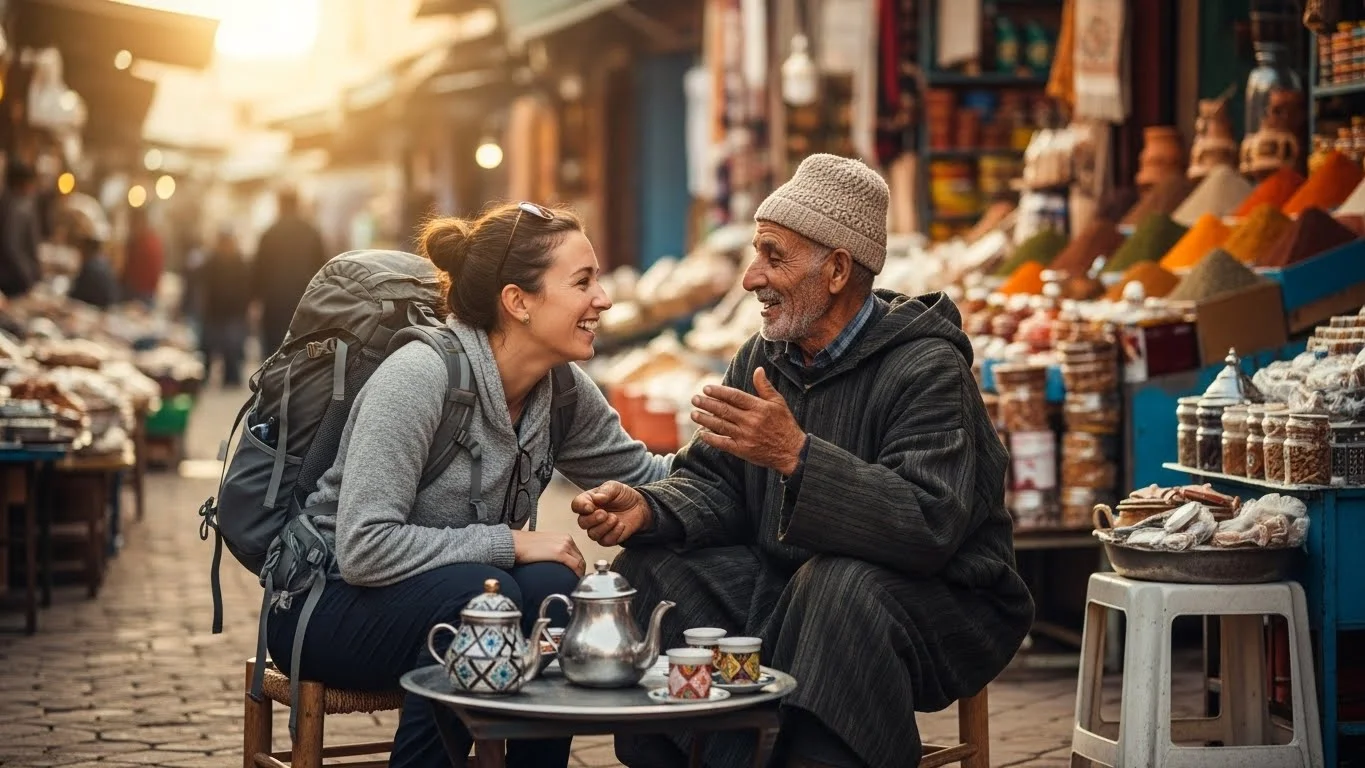
Africa was a continent that both challenged and inspired me. Morocco, with its rich colors and bustling souks, was a feast for the senses. I loved wandering through Marrakech, where the vibrant culture and friendly locals created an inviting atmosphere. I struck up conversations with artisans and street vendors, which often led to incredible portraits that captured their character. I remember the warmth of a shopkeeper who invited me in for mint tea, sharing stories of his family’s craft while I took his portrait surrounded by beautiful textiles.

Kenya offered a different kind of adventure. The vast landscapes and wildlife were breathtaking, but it was the people who left a lasting impression on me. I had the chance to visit local villages and participate in traditional ceremonies, giving me a deeper understanding of their way of life. I felt honored to photograph the Maasai, with their striking attire and rich cultural traditions. Their stories added layers to my portraits, making each image feel like a piece of their history.

In my experience, these destinations are not just budget-friendly; they’re places where you can truly connect with locals and capture their stories through your lens. Each trip has taught me something new, and I can’t wait to share more stories and tips on how to approach locals for portraits in the upcoming sections!

How to Approach Locals for Portraits

Finding Local Events and Gatherings

One of the best ways to meet locals for portraits is by attending community events and gatherings. I remember arriving in a small town during a local festival, where the streets were alive with music, dance, and laughter. Being part of that vibrant atmosphere made it easy to strike up conversations and connect with people. I found that events like markets, fairs, and cultural festivals offer a unique glimpse into local life and provide a fantastic backdrop for portraits. It’s a natural setting where people are more open and willing to share their stories. I recommend checking local calendars, social media pages, or even asking at your hostel for upcoming events. The more you immerse yourself in the local culture, the more opportunities you’ll have to capture meaningful portraits.

Using Social Media to Connect with Locals

In today’s digital age, social media can be a powerful tool for connecting with locals before and during your travels. I’ve found platforms like Instagram and Facebook invaluable for this purpose. I often search for hashtags related to my destination or join local groups where residents share events and happenings. One time, I reached out to a local photographer in Colombia through Instagram, and we ended up meeting for coffee. Not only did he introduce me to some incredible street art, but he also connected me with other locals who were eager to share their stories. By leveraging social media, I’ve been able to build relationships and gain insights into places I might not have discovered otherwise. Plus, it’s a great way to find people who share your passion for photography!

Etiquette for Asking to Take Portraits

When it comes to asking someone for a portrait, etiquette plays a crucial role in making the interaction comfortable for both parties. I’ve learned that a polite and respectful approach goes a long way. Start by greeting the person with a smile and introducing yourself. I usually explain why I want to take their portrait and how much I appreciate their culture. For example, I once approached a street vendor in Thailand and expressed my admiration for their craft while asking if I could take a photo. They were flattered and happily obliged. Always be aware of the local customs regarding photography; in some cultures, asking directly is welcomed, while in others, it may be seen as intrusive. Being mindful of these nuances helps create a positive experience for everyone involved.

How to Make Your Request More Appealing

To make your request for a portrait more appealing, I’ve found that offering something in return can create a friendly rapport. It could be as simple as showing them the photo you just took or offering to send them a digital copy later. I remember asking a fisherman for a portrait while he was repairing his nets. After capturing the shot, I showed him the image on my camera, and he was thrilled to see how it turned out. This small gesture helped to build trust and made the interaction more meaningful. Additionally, if you’re able to speak even a few words of the local language, it can break down barriers and show your genuine interest in their culture. A kind approach coupled with a willingness to share can make your request not only more appealing but also foster a lasting connection.

Techniques for Capturing Portraits

Understanding Natural Light and Composition

Capturing stunning portraits is heavily dependent on the quality of light and composition. I’ve learned that natural light is often the most flattering, especially during the golden hour—just before sunset or after sunrise. I try to position my subjects so that the light enhances their features without causing harsh shadows. For instance, I often look for shaded areas or soft, diffused light to create a warm and inviting atmosphere in my portraits. Additionally, understanding composition can elevate your photography significantly. I like to use the rule of thirds, positioning my subject off-center to create a more dynamic image. Sometimes, simple adjustments in framing can transform a good portrait into a great one.

Using Available Props and Backgrounds

Props and backgrounds can add depth and context to your portraits. I’ve often found that incorporating elements of the local environment can tell a richer story. For example, while photographing an artisan in Morocco, I had them hold a piece of their craft amidst the vibrant colors of their shop. The background not only added interest but also provided context about their work and passion. When scouting for backgrounds, I look for locations that reflect the culture or vibe of the area—like a bustling market, a serene park, or even colorful street art. Using these elements creatively can enhance the storytelling aspect of your portraits.

Candid vs. Posed Portraits: Which to Choose?

Choosing between candid and posed portraits depends on the story you want to tell. I often lean towards candid shots, as they capture genuine emotions and moments that reflect the personality of my subjects. I’ve had incredible luck capturing spontaneous laughter, thoughtful gazes, and everyday activities that showcase a slice of life. However, posed portraits can also be powerful, especially when you want to highlight a specific trait or story of the individual. I’ve found that a blend of both styles can create a well-rounded collection. When I approach someone, I usually start with candid shots to make them feel comfortable, then transition into a few posed portraits once they feel relaxed. It’s all about building a connection and capturing the essence of the person in front of me.

Frequently Asked Questions

What is budget backpacking?

Budget backpacking is a way to explore the world fueled by curiosity rather than a large budget. It focuses on affordability, adventure, and making memories by choosing economical accommodations and dining options.

What are the benefits of budget backpacking for photographers?

Budget backpacking provides photographers with opportunities to experience diverse cultures and capture authentic moments. Engaging with locals often leads to stunning portraits filled with character and depth.

What essential gear should I bring for budget backpacking?

Essential gear includes a lightweight camera (like a mirrorless or high-quality compact camera), a good prime lens (such as a 50mm), a portable tripod, a comfortable backpack, and extra batteries and memory cards.

How can I connect with locals while traveling?

To connect with locals, it’s important to understand their culture and customs, be genuine in your interactions, listen actively, and participate in local activities or events.

What are some top budget-friendly destinations for backpacking?

Top budget-friendly destinations include Southeast Asia (Thailand, Vietnam, Cambodia), Eastern Europe (Poland, Hungary, Romania), Central and South America (Peru, Colombia, Brazil), and Africa (Morocco, Kenya).

How can attending local events help with photography?

Attending local events and gatherings allows photographers to meet locals in a lively atmosphere, making it easier to strike up conversations and capture meaningful portraits against a natural backdrop.

How can social media be used to connect with locals?

Social media platforms like Instagram and Facebook can help travelers connect with locals by searching for hashtags related to their destination or joining local groups to learn about events and meet residents.

What etiquette should I follow when asking to take portraits?

When asking for a portrait, approach the person with a smile, introduce yourself, explain your interest, and be aware of local customs regarding photography to ensure a respectful interaction.

How can I make my request for a portrait more appealing?

To make your request more appealing, consider offering something in return, such as showing them the photo you took or speaking a few words in their local language to show genuine interest.

What techniques can enhance portrait photography?

Understanding natural light and composition is crucial for portrait photography. Using available props and backgrounds can add depth, and choosing between candid or posed portraits depends on the story you wish to tell.

The Art of Connection: Travel Portraits with Locals

There’s something magical about capturing the essence of a place through the people who call it home. Travel portraits with locals can transform a simple photo into a story that resonates deeply. To enhance these stories, you might consider enhancing your travel portraits with simple editing tricks.

The Art of Connection: Travel Portraits with Locals

Understanding Travel Portraits

Definition of Travel Portraits

Travel portraits are more than just images; they are a window into the lives of the people we meet along our journeys. When I think about travel portraits, I envision a moment frozen in time, a glimpse of a person’s personality, culture, and story. To me, these portraits serve as a bridge between travelers and locals, revealing the authentic spirit of a destination. Whether it’s a street vendor in a bustling market or an artist in a quaint village, each portrait tells a unique story that goes beyond the surface. It captures emotions, traditions, and the everyday life of a place, often evoking a sense of connection that is hard to put into words.

The Importance of Capturing Local Connections

Connecting with locals is one of the most rewarding aspects of travel, and capturing these connections through portraiture elevates the experience even further. I remember a time in Morocco when I met a charming elderly man in a vibrant souk. His weathered face told tales of his years, the twinkle in his eye reflected his love for life, and through a simple photograph, I was able to share that joy with others. This is the essence of travel portraits: they help us break down barriers and foster a sense of understanding between different cultures.

By photographing locals, we not only preserve their stories but also honor their existence. Each portrait can spark conversations and inspire others to explore beyond the typical tourist experience. I believe that when we take the time to understand the lives of those we meet, our travel experiences become richer and more meaningful.

The Benefits of Connecting with Locals

Authenticity in Travel Experiences

One of the greatest benefits of connecting with locals is the authenticity it brings to our travels. I’ve often found that the most memorable experiences come from stepping off the beaten path and engaging with the people who truly know a place. For example, during a trip to Vietnam, I decided to join a cooking class led by a local family. Not only did I learn how to cook traditional dishes, but I also got to know the family’s history and their daily lives. It was in these moments that I felt like I was part of something real, something that most travelers miss. Authentic experiences like this often lead to the best stories and the most cherished memories.

Cultural Exchange and Learning

Engaging with locals opens the door to cultural exchange that enriches our understanding of the world. I remember sitting down with a group of artisans in India who shared their craft of pottery with me. Through our conversations, I learned about their traditions, the significance of their work, and even some local dialects. It was a beautiful exchange—my curiosity met their generosity. This kind of interaction not only enhances my travel experience but also encourages mutual respect and appreciation between cultures.

Building Lasting Friendships

Some of my fondest memories from traveling have come from unexpected friendships formed with locals. On a trip to Peru, I met a wonderful woman named Elena who ran a small guesthouse. We quickly bonded over our shared love for storytelling. What began as a casual encounter evolved into a deep friendship. We exchanged emails, stayed in touch, and I even had the pleasure of hosting her when she visited my home country. These connections remind me that travel is not just about exploring new places; it’s also about the relationships we forge along the way. Through travel portraits, we can capture the spirit of these friendships, preserving the joy and camaraderie that comes from meeting new people.

How to Approach Locals for Portraits

Finding the Right Opportunities

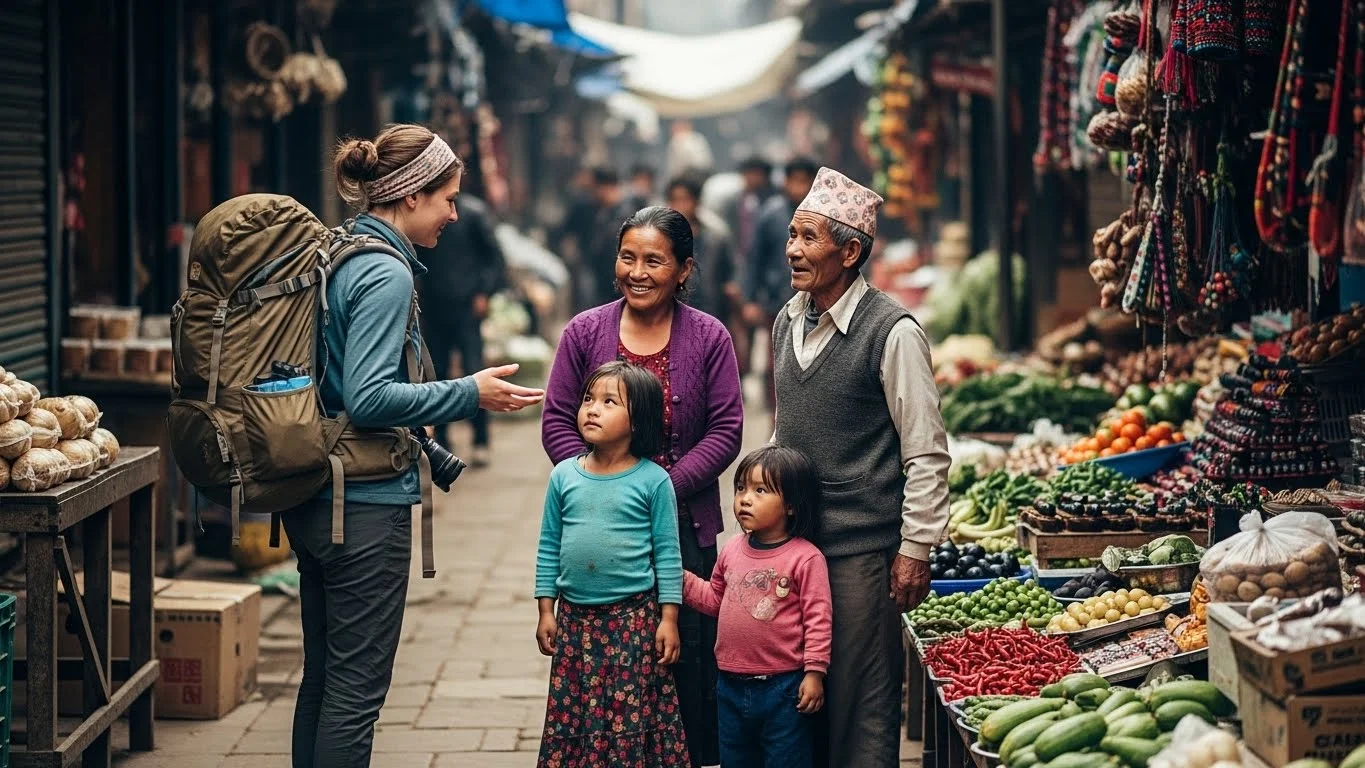
When it comes to capturing travel portraits, finding the right opportunities is key. I’ve learned that the best moments often happen when I least expect them. Whether it’s wandering through a local market or participating in a community event, keeping an open mind and being present can lead to meaningful encounters. I often start by engaging in casual conversations with locals, asking questions about their lives or their craft. This approach not only opens the door to potential portraits but also helps establish trust. Whenever possible, I recommend spending time in less touristy areas where you can immerse yourself in the local culture, which usually leads to organic interactions.

Respecting Cultural Norms

Respecting cultural norms is crucial when approaching locals for portraits. Before I take a photo, I always try to understand the local customs and traditions concerning photography. In some cultures, asking permission before taking a portrait is essential, while in others, it may not be as crucial. I always strive to be polite and considerate, making sure to ask for permission, especially if the person is engaged in their work or if there are children involved. Expressing genuine interest in their story often makes them more receptive to my request, and I find that most people are happy to share a moment with a traveler who respects their culture.

Effective Communication Techniques

Effective communication can make all the difference when connecting with locals. I’ve often found that a simple smile and a friendly greeting can break the ice. If there’s a language barrier, I use gestures or even translation apps to bridge the gap. Showing enthusiasm and respect for their language can also go a long way. I often try to learn a few basic phrases in the local dialect, and the effort is usually appreciated. It’s amazing how a few words can turn a stranger into a friend. I believe that being open, approachable, and genuinely interested in their story fosters a positive experience for both of us.

Equipment and Techniques for Capturing Portraits

Essential Photography Gear for Travel

When it comes to capturing those stunning travel portraits, the right gear can make all the difference. I’ve learned that you don’t need the most expensive equipment to take beautiful photos. My go-to setup usually includes a DSLR or mirrorless camera, a versatile zoom lens, and a sturdy but lightweight tripod. The zoom lens allows me to capture portraits from various distances without invading the subject’s personal space. But I also carry a prime lens for those moments when I want to create a soft background blur, which really helps the subject stand out.

In addition to the camera and lenses, I always pack extra batteries and memory cards. There’s nothing worse than missing a perfect shot because I ran out of storage or power! For me, a good camera bag is essential as well, something that can handle rough travel conditions while keeping my gear safe. Lastly, I find that having a portable reflector can help in those tricky lighting situations, bouncing light back onto my subject’s face and making them glow.

Understanding Lighting and Composition

Lighting can be a game-changer in photography, especially for portraits. I remember during a sunrise shoot in Bali, the golden hour created a magical glow that made my subjects look ethereal. Learning to recognize the best times of day for natural light has been a huge part of my journey in photography. I often aim to shoot early in the morning or late in the afternoon when the light is soft and flattering.

Composition plays a crucial role too. I like to think about the rule of thirds, which helps me create balanced and visually appealing images. Sometimes, I experiment with different angles—shooting from above, below, or even at eye level—to see how it impacts the mood of the portrait. I’ve found that framing my subjects within their environment adds context to the photo, telling more of their story. It’s all about finding that sweet spot where the subject and the surrounding elements work together harmoniously.

Tips for Natural Posing and Interaction

Getting a great portrait goes beyond just the technical aspects; it’s also about how comfortable your subject feels in front of the camera. I’ve discovered that the best portraits often come from candid moments rather than forced poses. To achieve this, I start by engaging in light conversation, making jokes, or asking open-ended questions. This not only helps me learn more about them but also eases any tension they might feel about being photographed.

Encouraging natural interaction can result in genuine expressions. I love to capture laughter, smiles, or even contemplative looks that reflect the person’s personality. I often ask my subjects to interact with their environment, like picking up a tool they use or doing something they enjoy. This creates a more dynamic portrait that feels alive. I’ve noticed that the more relaxed the atmosphere, the more authentic the portrait becomes.

Showcasing Your Travel Portraits

Creating a Travel Photography Portfolio

Once I’ve captured those beautiful travel portraits, the next step is showcasing them. I believe that having a well-curated photography portfolio is essential for any aspiring travel photographer. I started by selecting my favorite images, focusing on those that tell a story or evoke emotion. It’s important to present a cohesive collection that reflects my style and the essence of the places I’ve visited.

I often organize my portfolio by themes or locations, allowing viewers to experience the journey as I did. I’ve found that a simple, clean layout works best, letting the images speak for themselves. Online platforms like Adobe Portfolio or even personal websites created through WordPress or Squarespace can be great options to display my work professionally.

Sharing on Social Media Platforms

Social media has become an incredible tool for sharing my travel portraits with a wider audience. Platforms like Instagram and Pinterest allow me to connect with fellow travelers and photographers around the world. I make it a point to use relevant hashtags to reach people who might be interested in my work. Additionally, I enjoy telling the stories behind each portrait in the captions, which helps viewers connect on a deeper level.

I’ve also found that engaging with my audience is crucial. I respond to comments and messages, and I often ask questions to encourage conversations. This not only builds a community but also helps others find inspiration in my travels. It’s amazing to see how a single portrait can spark interest, encourage travel, or even inspire someone to learn more about another culture.

Blogging about Your Experiences

For me, blogging has been a wonderful way to share not just my travel portraits, but the stories and experiences behind them. I love writing about the people I’ve met, the cultures I’ve experienced, and what I’ve learned along the way. Each post is an opportunity to reflect on my journey and to inspire others to embark on their own adventures.

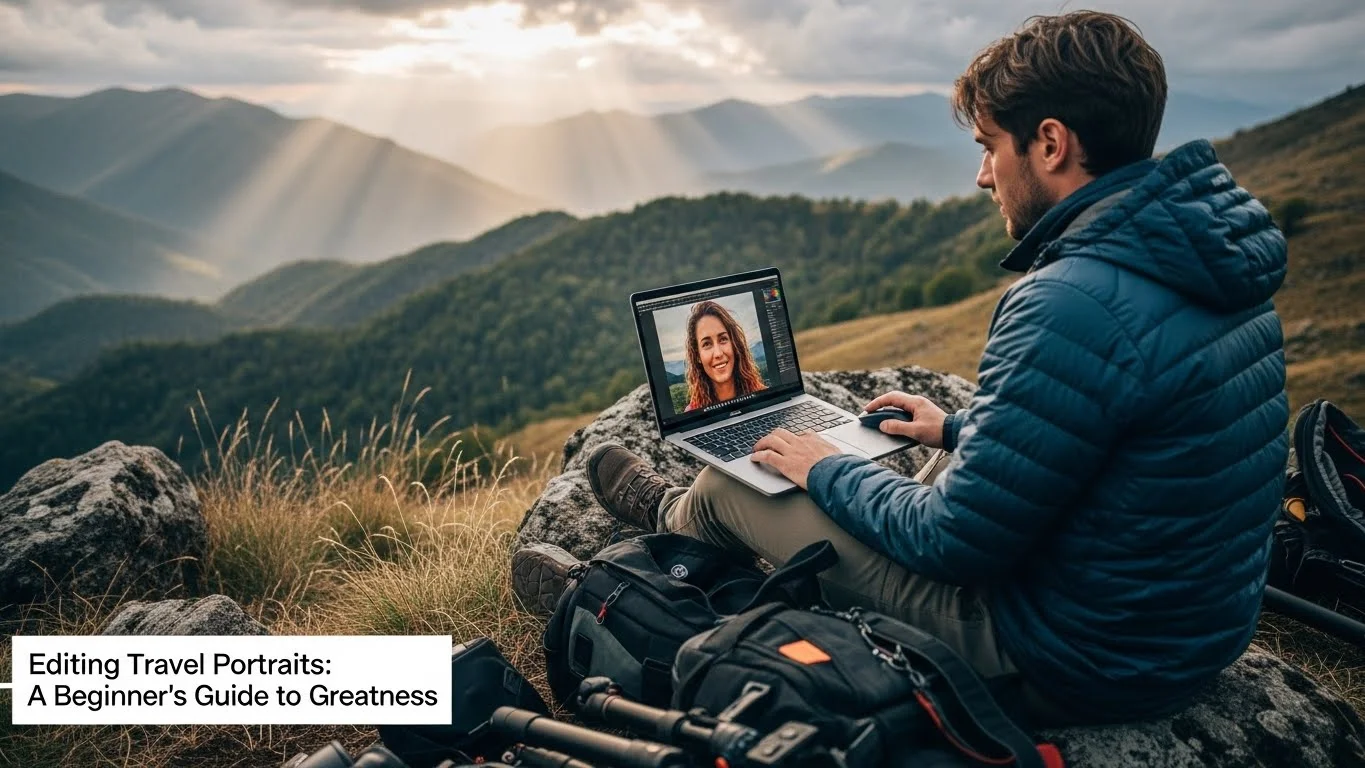
In my blog, I include not only photographs but also tips on how to approach locals, respect cultural norms, and engage meaningfully. I’ve found that this combination of visuals and storytelling makes for a compelling narrative that resonates with readers. Plus, it allows me to connect with other like-minded individuals who share the same passion for travel and photography. If you’re looking for more insights, check out Editing Travel Portraits: A Beginner’s Guide to Greatness.

Ethics of Photographing Locals

Consent and Privacy Considerations

When it comes to photographing locals, understanding the ethics surrounding consent and privacy is paramount. I’ve always believed that asking for permission is not just a courtesy; it shows respect for the person’s dignity. I remember being in a small village in Guatemala, where I spotted a woman weaving traditional textiles. Her work was mesmerizing, and I wanted to capture that moment. Before taking out my camera, I approached her with a smile and asked if I could take her portrait. To my joy, she agreed, and we exchanged a few words that made the photo all the more meaningful.

Consent varies from culture to culture, and I’ve learned to be aware of the different norms surrounding photography. In some places, people might be more open to having their photo taken, while in others, they might prefer to maintain their privacy. I always try to gauge the situation and respect the wishes of my subjects. If someone seems hesitant or declines, I completely understand and move on. This approach not only feels right to me but ultimately leads to more genuine interactions.

Reciprocity in Cultural Exchanges

Reciprocity is an essential concept when engaging with locals and capturing their portraits. I believe that if I’m taking the time to document someone’s life, I should also be willing to share a piece of mine. For instance, on my trip to Japan, I met a young artist who was excited to show me his work. In return for his openness, I invited him to look at my travel photos on my camera. He was thrilled to see how I had captured the vibrancy of his city, and this exchange created a bond between us. It felt like a fair trade—his trust for my storytelling.

Reciprocity can take many forms, whether it’s sharing your contact information, sending them a copy of the portrait, or even offering to take them out for a meal. I’ve found that these gestures cultivate relationships built on mutual respect and understanding. It’s a small way to show appreciation for their time and willingness to share a part of their world with you.

Understanding the Impact of Your Work

As photographers, we have a responsibility to consider the impact our work has on the communities we depict. I’ve thought about this a lot, especially when sharing my portraits online. It’s important to reflect on what a photograph might convey about a person or their culture. I often remind myself that every image I post has the potential to tell a story that can influence how others view that community.

For instance, while traveling in Africa, I took a portrait of a young boy selling handmade crafts. I realized that if I shared this photo, it could either highlight the beauty of his culture or reduce him to merely a subject for a travel story. I try to focus on the positive aspects of the culture and the resilience of the people, ensuring that my captions reflect their strength and individuality. This shift in perspective is vital; it reminds us that we are not just observers but storytellers who can help shape perceptions.

Additionally, I’ve come to understand that we should be mindful of how we represent people in vulnerable situations. There’s a fine line between capturing reality and exploiting it. I take great care to ensure that my portraits portray the subjects with dignity and respect, allowing their stories to shine through rather than focusing solely on their hardships. This approach has helped me build deeper connections with my subjects and has led to more authentic portrayals, which I think resonates more with viewers.

Inspiring Examples of Travel Portraits with Locals

Notable Travel Photographers and Their Work

Throughout my photography journey, I’ve drawn inspiration from many talented travel photographers who excel at capturing the essence of local cultures. One of my favorites is Steve McCurry, known for his iconic portrait of the Afghan Girl. His ability to convey emotion through the lens has always amazed me. He spends time with his subjects, allowing them to reveal their stories, which creates powerful images that resonate across cultures. I admire how he emphasizes the humanity behind each photograph, reminding us of the common threads that unite us all.

Another photographer who has deeply influenced my work is National Geographic’s Ami Vitale. Her portraits often reflect the beauty of diverse cultures while addressing important social issues. I remember watching her talk about her experiences with local communities and how she approaches each shoot with sensitivity and respect. It’s a true testament to how photography can be a tool for positive change, and that inspires me to strive for similar authenticity in my portraits.

Case Studies of Successful Local Portrait Projects

Many projects have showcased travel portraits that have made a lasting impact. One such project is Humans of New York, which started as a simple photo series and has grown into a global phenomenon. This initiative highlights the stories of individuals from various walks of life, emphasizing the importance of connection and empathy. I often find myself lost in the tales shared on that platform, and it reminds me of the power of storytelling in photography.

Another inspiring example is the work of the nonprofit organization, PhotoVoice, which empowers local communities by allowing them to share their stories through photography. Participants are trained in photography, and their work often leads to greater awareness of social issues. I’ve read about how this project transforms not just the lives of the photographers but also how it changes perceptions within their communities. It underscores the idea that travel portraits can serve a greater purpose, going beyond mere aesthetics to spark conversations and inspire change. If you’re interested in perfecting your skills, check out Top Tips for Perfectly Editing Your Travel Portraits.

Frequently Asked Questions

What are travel portraits?

Travel portraits are more than just images; they provide a glimpse into the lives of the people we meet during our journeys, capturing their personality, culture, and story.

Why is capturing local connections important in travel photography?

Capturing local connections through portraiture enhances the travel experience by helping break down barriers and fostering understanding between different cultures.

How can connecting with locals enhance the authenticity of travel experiences?

Connecting with locals often leads to memorable experiences that go beyond typical tourist activities, allowing travelers to engage with the true essence of a place.

What should a traveler consider when approaching locals for portraits?

Travelers should be mindful of cultural norms, seek permission before taking portraits, and engage in casual conversations to build trust and rapport with their subjects.

What equipment is recommended for capturing travel portraits?

A good setup typically includes a DSLR or mirrorless camera, a versatile zoom lens, extra batteries, and memory cards. A portable reflector can also be helpful for lighting.

How can lighting affect travel portraits?

Proper lighting can enhance the mood of a portrait, with natural light during the golden hour often creating a flattering and ethereal effect.

What techniques can help create natural poses in travel portraits?

Engaging in light conversation, making jokes, and encouraging subjects to interact with their environment can help create a relaxed atmosphere, resulting in candid and authentic portraits.

How can photographers ethically approach the subject of consent in travel portraits?

Photographers should always ask for permission before taking portraits, respecting the subject’s privacy and cultural norms regarding photography.

What is the significance of reciprocity in cultural exchanges during travel photography?

Reciprocity involves sharing a piece of oneself with the subject, which can help cultivate relationships built on mutual respect and understanding between the photographer and the local.

Can travel portraits serve a greater purpose beyond aesthetics?

Yes, travel portraits can inspire conversations and raise awareness about social issues, showcasing the humanity of individuals and fostering empathy among viewers.

Capturing Cultures: Engaging Locals for Stunning Portraits

Capturing cultures through portraits is not just about photography; it’s about storytelling. Engaging with locals transforms mere images into powerful narratives that celebrate diversity. Read Interesting article: Backpacking Etiquette: Communicating with Locals Effectively

Capturing Cultures: Engaging Locals for Stunning Portraits

Understanding Cultural Portrait Photography

When I first dived into cultural portrait photography, I quickly realized that it’s more than just snapping pictures. It’s about understanding the essence of the culture you are aiming to capture. That’s why I believe grasping the cultural context is crucial in creating portraits that resonate with viewers.

The Importance of Cultural Context in Portraits

Every photograph tells a story, but without cultural context, it can fall flat. I learned this the hard way when I took a portrait of a local artisan during my travels. At first glance, the image was beautiful, but it lacked depth. After spending time talking to her about her craft and her community, I realized that her story was intricately woven into her identity. The tools she used, the colors she wore, and even her expressions were all reflections of her cultural background.

By immersing myself in her world, I was able to capture more than just her likeness. I captured her spirit and the essence of her culture. This experience taught me that cultural context enriches portraits, making them more meaningful not just for the photographer, but also for those who view the images. Read Interesting article: Top Tips for Engaging in Community-Based Tourism Responsibly

What Makes a Portrait Culturally Significant?

Culturally significant portraits often reflect the customs, traditions, and emotions that are unique to a particular group. I remember visiting a small village where the locals were preparing for a festival. The vibrancy of their attire, the intricate body art, and the excitement in their eyes told stories of generations. My goal was to capture not just their faces but the very essence of what made them who they are.

To me, a culturally significant portrait combines elements like clothing, gestures, and backgrounds that represent the subject’s heritage. When I photograph someone, I often ask about their favorite traditions or any special items they own. For example, when photographing a musician, I would focus on their instrument, as it often carries a rich history and emotional weight. This approach has helped me create images that resonate on a deeper level.

Engaging with Locals: Building Trust and Rapport

Building trust with locals is essential for capturing authentic portraits. I can’t stress enough how meaningful it is to establish a genuine connection before raising your camera. People can sense when you’re interested in them beyond the lens, and that can lead to some of your best shots.

Techniques for Approaching Locals

When I approach someone for a portrait, I always start by smiling and greeting them. It sounds simple, but a warm introduction can set the tone for the entire experience. I often share a little about myself and express my admiration for their culture. This opens the door for conversation and makes them feel more comfortable. I’ve found that it’s also helpful to ask for permission and explain why I want to take their portrait. People appreciate honesty, and many are flattered by the interest in their story.

Establishing a Connection: Conversation Starters

One of my favorite conversation starters is asking about local traditions or their family history. I remember chatting with a grandmother in a small town who began recounting stories of her youth and how certain traditions were passed down through generations. Her eyes sparkled with pride, and I could see that she felt valued. Not only did this enhance our rapport, but it also allowed me to capture her essence in a way that felt authentic and respectful.

Respecting Cultural Norms and Traditions

Respect is at the heart of cultural portrait photography. I’ve learned to be mindful of cultural norms and traditions, which can vary widely from place to place. For instance, in some cultures, it’s customary to ask permission before taking photographs, while in others, it’s a private affair. I always do my research ahead of time to understand these nuances. This consideration goes a long way in making the locals feel respected, and it often results in more intimate and compelling portraits.

Each time I engage with a community, I remind myself to approach with an open heart and mind. By doing so, I find that I not only grow as a photographer but as a human being, learning to appreciate the rich tapestry of cultures around me. Engaging authentically with locals has led me to some of my most cherished portraits, each with its own unique story waiting to be told. Read Interesting article: Cultural Journeys: Engaging Family Experiences Abroad

Tips for Capturing Stunning Portraits

Choosing the Right Location

When it comes to capturing stunning portraits, choosing the right location is key. I’ve found that the setting can dramatically influence the mood and story of a portrait. For instance, I once photographed a dancer in a vibrant urban area filled with graffiti and street art. The location added an energetic backdrop that enhanced her dynamic movements. On the other hand, a serene landscape with rolling hills and soft sunlight worked perfectly for a portrait of a farmer, as it mirrored his peaceful, grounded nature.

In my experience, I try to scout locations that resonate with the subject’s story. Are they connected to their environment? Do they have a favorite spot that holds meaning for them? Asking these questions often leads to discovering hidden gems that enrich the portrait. I remember wandering through a local market, and when I stumbled upon a stall selling traditional crafts, I instantly felt it would be the perfect place to photograph a local artisan. The vibrant colors and textures around her highlighted the beauty of her work.

Understanding Lighting and Its Effects

Lighting plays a crucial role in photography, and I’ve learned to respect its power. Natural light is often my go-to, especially during the golden hour—just before sunset or after sunrise—when the light is soft and warm. I remember a time when I was photographing a woman in a traditional dress during sunset. The way the light wrapped around her created a magical glow that highlighted her features and the intricate patterns of her attire.

However, I’ve also experimented with different lighting techniques. For instance, when shooting indoors, I pay attention to windows and how the light filters in. I’ve set up portraits near large windows, using the soft, diffused light to my advantage. Sometimes, I even use reflectors to bounce light back onto my subject, which can eliminate harsh shadows and create a more flattering look. Understanding how light interacts with your subject can truly elevate your portraits.

Utilizing Natural Expressions and Poses

Capturing genuine expressions is one of the most rewarding aspects of portrait photography for me. I’ve noticed that the more relaxed my subjects feel, the more authentic their expressions become. I often use humor or light conversation to break the ice, which helps ease any tension. I remember photographing a group of children at a festival. Instead of posing them formally, I engaged them in a game, encouraging them to laugh and play. The resulting images were filled with joy and spontaneity, perfectly embodying the spirit of the event.

When it comes to posing, I prefer to keep it natural and fluid. Instead of rigid poses, I might ask my subjects to move around, shift their weight, or even interact with their environment. This approach not only results in more dynamic images but also allows their personality to shine through. I’ve found that small gestures, like a fleeting smile or a relaxed hand movement, can convey a world of emotion in a single frame.

Essential Equipment for Cultural Portrait Photography

Camera Options for Portrait Photography

Choosing the right camera can significantly impact the quality of your portraits. I’ve used various cameras over the years, and I can say that having a reliable one is essential. For me, a DSLR or mirrorless camera with a good sensor size is preferable, as it allows for better low-light performance and detail capture. I’ve used both Canon and Nikon systems, and I appreciate the versatility they offer. However, I also believe that great portraits can be captured with a smartphone, especially with the advancements in mobile photography.

Recommended Lenses for Various Settings

The lens you choose can make a world of difference in how your portraits turn out. I often reach for a prime lens, typically a 50mm or 85mm, because they produce sharp images with beautiful bokeh. The depth of field these lenses provide helps to isolate the subject from the background, creating a more intimate feel. During one of my trips, I used an 85mm lens while photographing a musician at a local festival, and the resulting portraits captured not only his expressions but also the vibrant atmosphere around him.

For wider shots or group photography, I sometimes switch to a 24-70mm lens. This flexibility allows me to adapt to different scenes without having to change lenses frequently. I’ve learned that having a variety of lenses can help me tell a more comprehensive story through my portraits.

Accessories: Tripods, Reflectors, and More

While I try to keep my gear lightweight, there are a few accessories I find invaluable. A sturdy tripod is essential, especially for long exposure shots or when I need to use slower shutter speeds. I’ve often set up my tripod in busy markets to capture candid moments without worrying about camera shake.

Reflectors are another tool I swear by. When I’m outdoors and the sunlight is harsh, I can use a reflector to bounce light onto my subject, softening shadows and adding a flattering glow. I once used a reflector during a portrait session with a local chef, and it helped highlight the intricate details of his culinary attire, making the portrait feel alive. Investing in a few key accessories can enhance not only the quality of your portraits but also your overall experience as a photographer.

Editing and Post-Processing Techniques

Choosing the Right Editing Software

Editing is a vital part of the photography process that I’ve come to appreciate deeply. When I first started out, I stuck to basic editing tools, but over time, I realized how much the right software can enhance my portraits. I often use Adobe Lightroom as my primary editing tool because it allows for detailed adjustments without overwhelming me with options. I love how I can tweak everything from exposure to contrast and colors while keeping my workflow efficient.

Another software I enjoy is Adobe Photoshop, particularly for more intricate edits. I remember once trying to remove an unwanted object from a background that distracted from the subject. With Photoshop, I was able to achieve a seamless look that elevated the overall composition. I recommend exploring trial versions of these programs to see which one feels most intuitive for your style. The right editing software can transform your portraits, bringing out the stories and emotions you’ve worked so hard to capture.

Enhancing Colors and Textures

One of my favorite aspects of editing is enhancing colors and textures. I believe that the vibrancy of a portrait can tell as much of a story as the subject itself. While editing, I often adjust the saturation and vibrance to bring out the rich hues of traditional attire or the warm tones of a sunset. I remember editing a portrait of a woman in a bright, colorful dress at a festival. By enhancing the colors slightly, I was able to reflect the joyful atmosphere of that day, making the portrait feel alive and engaging.

Textures also play an important role in my editing process. I often use sharpening tools to highlight the intricate details of fabrics or patterns that my subjects wear. This not only adds depth but also invites viewers to connect with the cultural significance behind those elements. I find that a careful balance of enhancement, without making the image feel artificial, is key to maintaining authenticity in my portraits.

Maintaining Authenticity in Post-Processing

While editing is essential, I’ve learned the importance of maintaining the authenticity of my portraits. Sometimes, it’s tempting to over-edit a photo, making it look almost unreal. I believe that each portrait should retain the essence of the subject and their environment. I often remind myself of this principle when I’m tempted to apply heavy filters or drastic changes. It’s crucial for me to stay true to the culture I’m representing.

I remember a particular portrait of a young boy in a traditional village. I was tempted to brighten the colors excessively to make it pop, but I chose instead to maintain the natural look of the scene. The boy’s expression, coupled with the authentic colors of his surroundings, told a more powerful story. I feel that post-processing should enhance the narrative, not overshadow it. In my experience, the most compelling portraits are those that feel genuine and true to the moment.

Showcasing Your Cultural Portraits

Creating an Online Portfolio

As I’ve built my portfolio over the years, I’ve realized how important it is to showcase my cultural portraits effectively. Creating an online portfolio has been an excellent way for me to display my work. I’ve used platforms like Squarespace and Wix, which allow for beautiful layouts that can highlight the stories behind each image. It’s important for me to not just present the photos but to also share the narratives attached to them.

I recommend including a brief description of each portrait in my portfolio, detailing the cultural context and the story behind the subject. This approach has resonated with viewers, as they feel more connected to the images when they understand the background. I remember receiving messages from people who appreciated not just the visuals but the stories I shared alongside them. It reinforces my belief that photography is a medium to tell stories, and my portfolio should reflect that mission.

Sharing on Social Media Platforms

Social media has become a powerful tool for showcasing my work and connecting with a broader audience. I’ve found platforms like Instagram to be particularly effective for sharing my cultural portraits. I often post not just the images but also snippets of the stories behind them. I love engaging with people through comments and messages, learning about their perspectives on the cultures I’ve captured. It creates a sense of community, where we can share our experiences and celebrate diversity together.

When sharing my work, I pay attention to the hashtags I use, as they can help my portraits reach those who might appreciate them. I often include tags related to cultural photography, storytelling, and even specific cultural communities. I’ve noticed that this approach not only attracts followers but also sparks meaningful conversations about the subjects of my portraits.

Participating in Cultural Exhibitions and Galleries

Another effective way I’ve showcased my cultural portraits is by participating in exhibitions and galleries. I remember my first gallery show, where I displayed a series of portraits capturing various aspects of a local festival. It was an incredible experience to see my work hanging on the walls and to engage with visitors who were curious about the stories behind each image. The feedback I received was invaluable, as it opened my eyes to how others interpret my work.

Participating in cultural exhibitions allows me to connect with other artists and photographers, fostering a sense of community. I’ve learned so much from my peers and have even collaborated on projects that celebrate cultural diversity. I recommend reaching out to local galleries or cultural centers to explore opportunities for showcasing your work. These experiences not only elevate your profile as a photographer but also allow you to contribute to the cultural dialogue in your community.

Frequently Asked Questions

What is cultural portrait photography?

Cultural portrait photography is more than just taking pictures; it involves understanding the essence of the culture being captured and creating portraits that resonate with viewers by telling powerful stories.

Why is cultural context important in portrait photography?

Cultural context enriches portraits, making them more meaningful by reflecting the subject’s identity, community, and background, which can create a deeper connection for both the photographer and the viewers.

What elements contribute to a culturally significant portrait?

Culturally significant portraits often include elements such as clothing, gestures, and backgrounds that reflect the subject’s heritage, customs, and emotions unique to their culture.

How can photographers build trust with locals when taking portraits?

Photographers can build trust by establishing a genuine connection before taking photos, smiling, greeting individuals warmly, sharing a bit about themselves, and asking for permission to take their portrait.

What are some effective conversation starters for engaging with subjects?

Effective conversation starters include asking about local traditions, family history, or favorite customs, which can help create a rapport and allow subjects to feel valued and comfortable.

How does the choice of location impact cultural portraits?

The choice of location can dramatically influence the mood and story of a portrait, as settings can resonate with the subject’s narrative and enhance the overall composition.

What role does lighting play in capturing portraits?

Lighting is crucial in photography; natural light, especially during the golden hour, can create a soft, warm effect that enhances the subject’s features and the overall ambiance of the portrait.

What types of cameras and lenses are recommended for portrait photography?

A DSLR or mirrorless camera with a good sensor size is preferable for better quality, and prime lenses like 50mm or 85mm are recommended for their sharpness and beautiful bokeh effects.

How important is editing in the portrait photography process?

Editing is vital as it can enhance portraits significantly. The right software allows for detailed adjustments to colors, exposure, and textures, helping to tell a more compelling story while maintaining authenticity.

What are some ways to showcase cultural portraits effectively?

Photography can be showcased through creating an online portfolio with narratives, sharing on social media with engaging stories, and participating in cultural exhibitions and galleries to connect with a broader audience.

Editing Travel Portraits: A Beginner’s Guide to Greatness

Editing travel portraits can transform a simple snapshot into a stunning piece of art. Whether you’re capturing a bustling market in Marrakech or a serene sunset in Bali, I believe the editing process is where the magic truly happens. Read Interesting article: Enhance Your Travel Portraits with Simple Editing Tricks

Editing Travel Portraits: A Beginner's Guide to Greatness

Understanding Travel Portraits

What are Travel Portraits?

Travel portraits are more than just pictures of people in exotic locations; they tell a story. When I travel, I find myself seeking moments that capture the essence of a place and its people. These portraits can range from candid shots of locals going about their day to posed pictures of friends or family at iconic landmarks. What makes travel portraits special is their ability to convey emotions and experiences unique to each destination. Through the eyes of the subject, we glimpse a culture, an emotion, or a fleeting moment that might otherwise be lost.

The Importance of Portraits in Travel Photography

In my experience, portraits play a crucial role in travel photography. They add a human element that landscapes alone can’t provide. They allow viewers to connect with the narrative of the location, grounding it in realism. I once took a trip to Italy and captured a portrait of an elderly woman selling flowers in a small piazza. That image, more than any landscape shot I got, resonated with friends and family when I shared my travel album. It sparked conversations about her life and the stories she might have had. This connection is what makes travel portraits invaluable—they invite others into our experiences, evoking empathy and curiosity. I’ve learned that every face has a story, and capturing that story is what makes travel photography so rewarding.

Essential Tools for Editing Travel Portraits

Software Options: Lightroom vs. Photoshop

When it comes to editing travel portraits, choosing the right software is essential. Personally, I started with Adobe Lightroom because it’s user-friendly and perfect for beginners. I appreciated how I could make bulk edits to multiple photos quickly, which is a lifesaver when you return from a trip with hundreds of images. Lightroom excels in organizing photos and offers powerful tools for adjusting exposure, contrast, and color. However, there are times when I find myself needing more advanced features, and that’s when I turn to Photoshop. Its layer-based editing allows for detailed work on specific areas of the image, which is fantastic for retouching skin or enhancing backgrounds. For anyone serious about portrait editing, I recommend getting familiar with both. They complement each other beautifully. Read Interesting article: Top Tips for Perfectly Editing Your Travel Portraits

Must-Have Plugins and Presets

Using plugins and presets can speed up your editing process and keep your images consistent. I often use presets in Lightroom to establish a particular mood for my travel portraits. There are countless free and paid options available, and I’ve found that experimenting with them can yield fantastic results. One of my favorites is a natural light preset that enhances skin tones without making them look overly processed. As for plugins, I swear by Portraiture for skin retouching in Photoshop, which allows for quick, seamless adjustments that keep the natural look intact. These tools have become staples in my editing workflow, and I believe they can elevate anyone’s portrait editing game.

Hardware Requirements: The Right Computer and Monitor

Having the right hardware is just as important as software. I remember the frustration of editing on my old laptop; it was slow and the screen wasn’t calibrated well, which made color correction a challenge. Investing in a good computer that can handle photo editing software is crucial. I recommend a machine with a strong processor and plenty of RAM, as this will significantly reduce lag during the editing process. Additionally, a high-quality monitor is essential for accurate color grading. I now use a calibrated monitor, which has made a world of difference. I no longer second-guess my color choices, and I can confidently share my images with others.

Basic Editing Techniques

Understanding Exposure and Contrast

Once I dive into editing, my first steps always involve exposure and contrast adjustments. I remember the first time I realized how much these elements could change a photo. I had a fantastic portrait taken at dusk, but it felt flat when I viewed it on my computer. By adjusting the exposure, I was able to brighten the image without losing the magical evening light that bathed everything in warmth. Increasing the contrast added depth and drama, making the subject pop against the background. I’ve learned that a little adjustment can go a long way in creating an impactful portrait.

Color Correction: White Balance and Saturation

Color correction is another critical step that I prioritize. I often find that the colors in my travel portraits can be a bit off due to varying lighting conditions. Adjusting the white balance can dramatically improve the overall tone of the image. For instance, in a portrait taken under harsh midday sun, the skin tones can look washed out or too yellow. I adjust the temperature slider to add warmth or coolness as needed. Additionally, I pay attention to saturation; too much can look unnatural, but a subtle boost can enhance the vibrancy of the scene. I believe striking the right balance is key to making the portrait feel alive.

Crop and Composition Adjustments

Finally, I often revisit the composition of my portraits during the editing phase. Cropping can help eliminate distractions and focus attention on the subject. I remember one travel portrait where I initially included too much background. Later, I cropped it down, and it transformed the image into a compelling close-up that really showcased the subject’s expression. I recommend using the rule of thirds as a guideline to position your subject within the frame for a more dynamic look. It’s a simple technique, but it can make a significant difference in how the portrait reads.

Advanced Editing Techniques

Using Layers and Masks in Photoshop

When I delved deeper into photo editing, I discovered the power of layers and masks in Photoshop. This technique opened up a whole new world of possibilities for my travel portraits. By using layers, I could apply adjustments without affecting the entire image, allowing for more targeted edits. For instance, I remember editing a portrait taken in a vibrant market in India. I wanted to enhance the colors of the background while keeping the subject’s skin tones natural. By creating a separate layer for the background and applying a color boost, I achieved the desired effect without compromising the integrity of the person in the foreground. Masks allowed me to blend adjustments seamlessly, revealing only the parts of the image I wanted to enhance. This technique has become one of my go-to methods for creating striking portraits that tell a story.

Creating Depth with Blurring Techniques

One of the most impactful techniques I’ve learned for adding depth to my travel portraits is the use of blur. I often find that a slight blur on the background can create an impressive depth-of-field effect, which draws attention to the subject. For example, during a visit to a colorful festival, I took a portrait of a dancer amidst the bustling crowd. The background was chaotic and vibrant, but it distracted from her expression. By applying a Gaussian blur to the background, I could maintain the festival’s essence while keeping the dancer the focal point of the image. It’s like adding a three-dimensional quality to my portraits that makes them more engaging. I recommend experimenting with different levels of blur until you find what works best for your style.

Enhancing Facial Features: Retouching Basics

Retouching is another advanced technique that can significantly enhance travel portraits. I used to be intimidated by the idea of retouching, fearing I would lose the natural look of my subjects. However, I learned that subtle adjustments can make a huge difference. For instance, I often use the healing brush to remove minor blemishes or distractions from a subject’s face without making them look overly polished. In a portrait I took in Thailand, I noticed a small blemish on a child’s cheek. A quick retouch made the image cleaner without compromising the child’s innocence. Additionally, I like to enhance the eyes slightly by brightening and sharpening them, which can bring a portrait to life. The key is to keep the edits minimal and natural, ensuring that the essence of the person shines through. Read Interesting article: Master Editing Travel Portraits for Stunning Memories

Styling Your Travel Portraits

Choosing the Right Color Palette

Color can dramatically change the mood of a portrait. I’ve discovered that selecting a cohesive color palette is crucial when editing my travel portraits. During a recent trip to Morocco, I was captivated by the rich blues and earthy tones of the markets. When editing those portraits, I decided to enhance those colors while muting others, creating a harmonious blend that felt true to the location. I often refer to color theory when I edit, ensuring that my portraits evoke the right emotion. For example, warm tones can create a sense of comfort and happiness, while cooler tones might evoke calmness or serenity. By being intentional about my color choices, I can ensure that my portraits reflect the atmosphere of the places I visit.

Applying Filters and Effects for Mood

Filters can be a fun way to stylize travel portraits, but I’ve learned to use them sparingly. There’s a fine line between enhancing an image and overpowering it with effects. I often start with subtle filters to add a hint of warmth or a vintage feel. I remember editing a portrait taken at a coastal village in Greece where the sun was setting. Applying a warm filter made the scene feel more inviting, capturing the essence of that magical hour. However, I always take the time to adjust the intensity of the filter to ensure it complements, rather than overwhelms, the portrait. It’s all about enhancing the narrative of the photo without distracting from the subject.

Consistent Editing Style for Travel Series

As I’ve continued to develop my photography skills, I’ve found that maintaining a consistent editing style across a series of portraits can elevate my work. When I create a photo album from a single trip, I aim for a cohesive look that ties the images together. This might involve using similar color palettes, effects, and even cropping styles. For instance, during my travels in Southeast Asia, I edited my portraits to have a light, airy feel, which matched the bright and lively atmosphere of the region. By keeping a consistent style, I not only create a better visual flow but also convey a stronger narrative about my journey. It’s something I now prioritize in my editing process, and it’s made my travel photography feel more professional and polished.

Common Mistakes to Avoid

Over-Editing: Finding the Balance

As I’ve spent more time editing my travel portraits, one of the biggest lessons I’ve learned is the importance of balance. It’s easy to get carried away with editing tools, especially when you’re trying to enhance an image. I remember one particular portrait where I adjusted the colors and contrast to the point where the subject looked almost cartoonish. While I was excited about my newfound editing skills, I quickly realized that over-editing can detract from the natural beauty of the subject. I recommend always stepping back and reviewing your edits with fresh eyes or asking a friend for their honest opinion. Finding that sweet spot where the portrait looks vibrant but still authentic is crucial in maintaining the integrity of the image.

Ignoring the Original Image Quality

Another mistake I’ve made in the past is ignoring the quality of the original image. I often felt that I could fix everything in post-processing, but that’s not always the case. For example, I once had a fantastic idea for a portrait, but the original photo was blurry due to camera shake. No amount of editing could salvage that image. This experience taught me that good editing starts with good photography. I’ve made it a point to focus on getting the best shot I can at the moment rather than relying solely on post-processing to fix issues. This means paying attention to my camera settings, composition, and lighting while shooting, ensuring that I have a solid base to work with when I get to the editing stage.

Neglecting to Back Up Your Edits

In the excitement of editing and sharing my travel portraits, I’ve made the mistake of neglecting to back up my edits. I once lost a whole series of portraits after a hard drive crash, including hours of painstaking edits that I had been proud of. It was a gut-wrenching experience, and I learned the hard way that data loss can happen to anyone. Now, I always make it a point to back up my files in multiple locations, whether it’s an external hard drive or a cloud storage service. I recommend creating a backup routine to ensure your original images and edited versions are safe. It’s a small step that can save a lot of heartache down the line.

Sharing and Showcasing Your Edited Portraits

Best Platforms for Displaying Travel Portraits

Once I’ve polished my travel portraits, I love sharing them with the world. Choosing the right platforms to showcase my work has been a journey in itself. I’ve experimented with various social media sites, and I’ve found that Instagram is a fantastic platform for photographers. Its visual nature allows my portraits to shine, and the community is incredibly supportive. I enjoy using relevant hashtags to reach a broader audience and connect with other photographers. Additionally, I’ve found that creating a dedicated Facebook album for my travels helps me share experiences with family and friends who might not be on Instagram. Each platform has its strengths, so I recommend finding the one that aligns best with your style and audience.

Creating a Portfolio Website

Having a personal portfolio website has been a game-changer for me in showcasing my travel portraits. I realized that social media can be fleeting, but a well-curated website gives my work a more permanent home. Setting up my website allowed me to create a cohesive narrative of my travels, presenting my best work in an organized manner. I used platforms like WordPress and Squarespace, which offer user-friendly templates specifically designed for photographers. I recommend including a blog section to share stories behind the portraits, as it adds a personal touch and engages visitors. A portfolio website not only showcases my work but also serves as a professional platform that potential clients can view. It’s an investment that has paid off in numerous ways.

Social Media Tips for Photographers

When it comes to social media, I’ve learned that engagement is key. Sharing my travel portraits is great, but I’ve found that interacting with my audience can make a big difference. I try to respond to comments and messages promptly, building a sense of community around my work. I also enjoy sharing behind-the-scenes shots, editing tips, or stories from my travels, as it invites followers into my creative process. I’ve noticed that my audience appreciates this authenticity, and it helps to create a loyal following. Another tip is to collaborate with other photographers or brands. This can introduce my work to new audiences and foster relationships within the photography community. Overall, being genuine and engaging helps me share my art more effectively.

Resources for Further Learning

Online Courses and Tutorials

To continue improving my photography and editing skills, I’ve turned to online courses and tutorials. Platforms like Skillshare and Udemy have a plethora of courses tailored to different skill levels. I remember taking a course on portrait editing that introduced me to new techniques I hadn’t considered before. I believe that ongoing education is essential for any photographer, as it keeps me inspired and informed about the latest trends. Additionally, YouTube is an excellent resource for finding free tutorials that can break down complex editing techniques. I often find myself getting lost in hours of video content, discovering tips that I can apply to my own work.

Books and Guides on Photography and Editing

Books have also been a fantastic resource in my photography journey. I’ve picked up several guides on travel photography and portrait editing that provide valuable insights and techniques. One book that really resonated with me was “Understanding Exposure” by Bryan Peterson. It completely changed my approach to capturing light and composition. I recommend finding books that resonate with your personal style and goals. They can offer perspectives and ideas that might not be covered in online courses.

Photography Communities and Forums

Finally, joining photography communities and forums has been incredibly beneficial for my growth as a photographer. I’ve found that connecting with like-minded individuals allows for the sharing of ideas, critiques, and encouragement. Websites like Flickr and various Facebook groups focused on travel photography have become invaluable resources for me. I enjoy participating in discussions and sharing my work for feedback. These communities often host challenges or contests that motivate me to push my creative boundaries. I believe that being part of a community can significantly enhance your skills and keep you inspired.

Frequently Asked Questions

What are travel portraits?

Travel portraits are images that capture the essence of a place and its people, telling a story through the subject’s emotions and experiences. They can include candid shots of locals or posed pictures of travelers at famous locations.

Why are portraits important in travel photography?

Portraits add a human element to travel photography that landscapes alone cannot provide. They help viewers connect with the narrative of a location and evoke empathy and curiosity about the subjects’ lives and stories.

What software is recommended for editing travel portraits?

Adobe Lightroom is recommended for beginners due to its user-friendly interface and bulk editing capabilities. Photoshop is also suggested for more advanced features like layer-based editing, which is useful for detailed adjustments.

What are some must-have plugins for editing travel portraits?

Presets in Lightroom can help establish a specific mood for portraits, while the Portraiture plugin in Photoshop is excellent for skin retouching, allowing for natural-looking adjustments.

What basic editing techniques should I know?

Basic techniques include adjusting exposure and contrast to enhance depth, correcting color balance using white balance and saturation adjustments, and cropping to improve composition and focus on the subject.

How can I create depth in my travel portraits?

Using blurring techniques, such as applying a Gaussian blur to the background, can create a depth-of-field effect that draws attention to the subject while maintaining the essence of the scene.

What common mistakes should I avoid when editing portraits?

Common mistakes include over-editing, which can detract from the subject’s natural beauty, ignoring the quality of the original image, and neglecting to back up edits to prevent data loss.

What are some effective platforms for showcasing travel portraits?

Instagram is an excellent platform for photographers due to its visual nature and supportive community. Creating a dedicated Facebook album can also help share experiences with friends and family.

How can I maintain a consistent editing style across a series of portraits?

To achieve a consistent editing style, aim for similar color palettes, effects, and cropping styles throughout a series. This approach creates a cohesive look and strengthens the narrative of your travel experiences.

Where can I find resources for further learning about photography and editing?

Online courses on platforms like Skillshare and Udemy, books on photography and editing, as well as joining photography communities and forums can provide valuable insights and inspiration for improving your skills.