Web Analytics

Recent Posts

Ultimate Guide to Budget-Friendly Hostels for Travelers

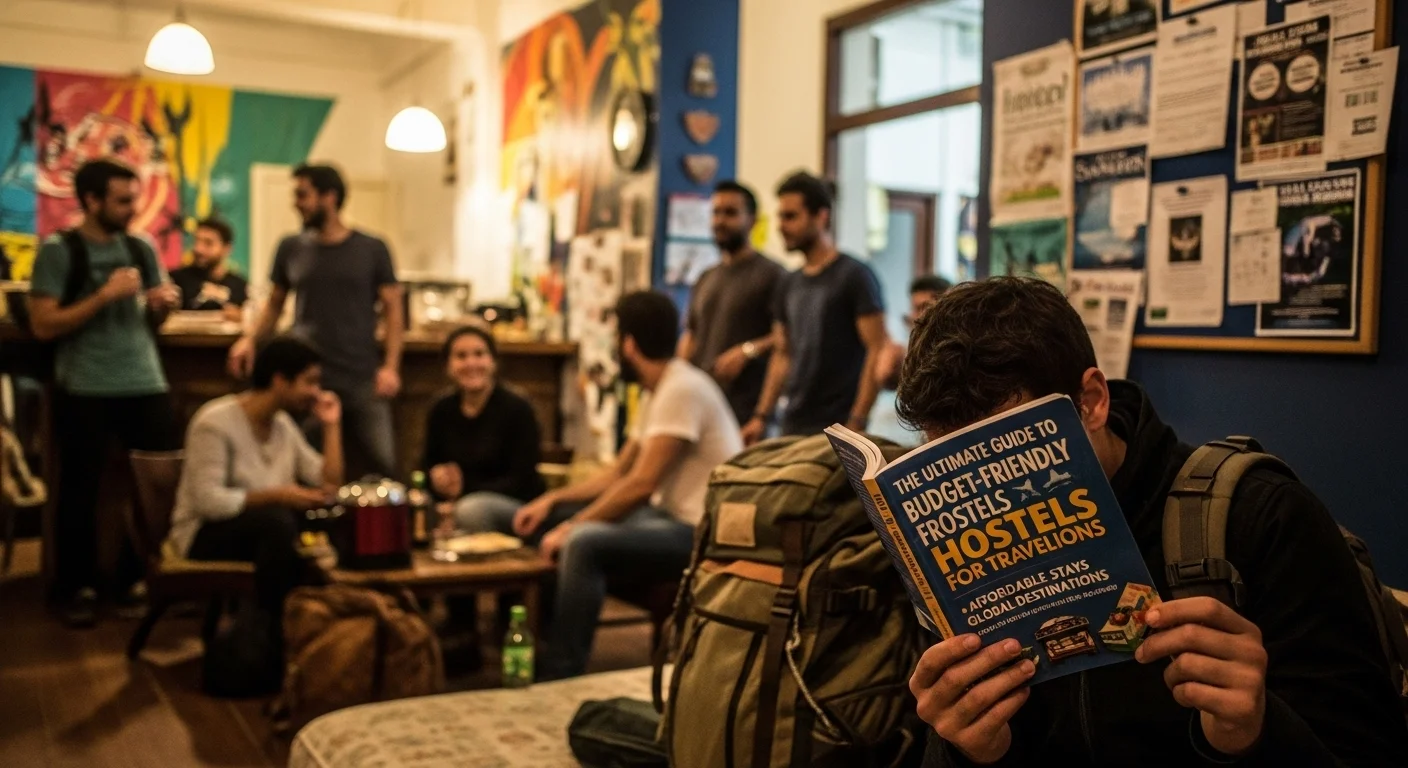
Traveling on a budget doesn’t mean sacrificing comfort and fun. Budget-friendly hostels offer a unique opportunity to explore new places while meeting fellow adventurers. Let’s dive into the ultimate guide to budget-friendly hostels and discover how they can enhance your travel experience.
Ultimate Guide to Budget-Friendly Hostels for Travelers

Understanding Budget Hostels

What is a Budget Hostel?

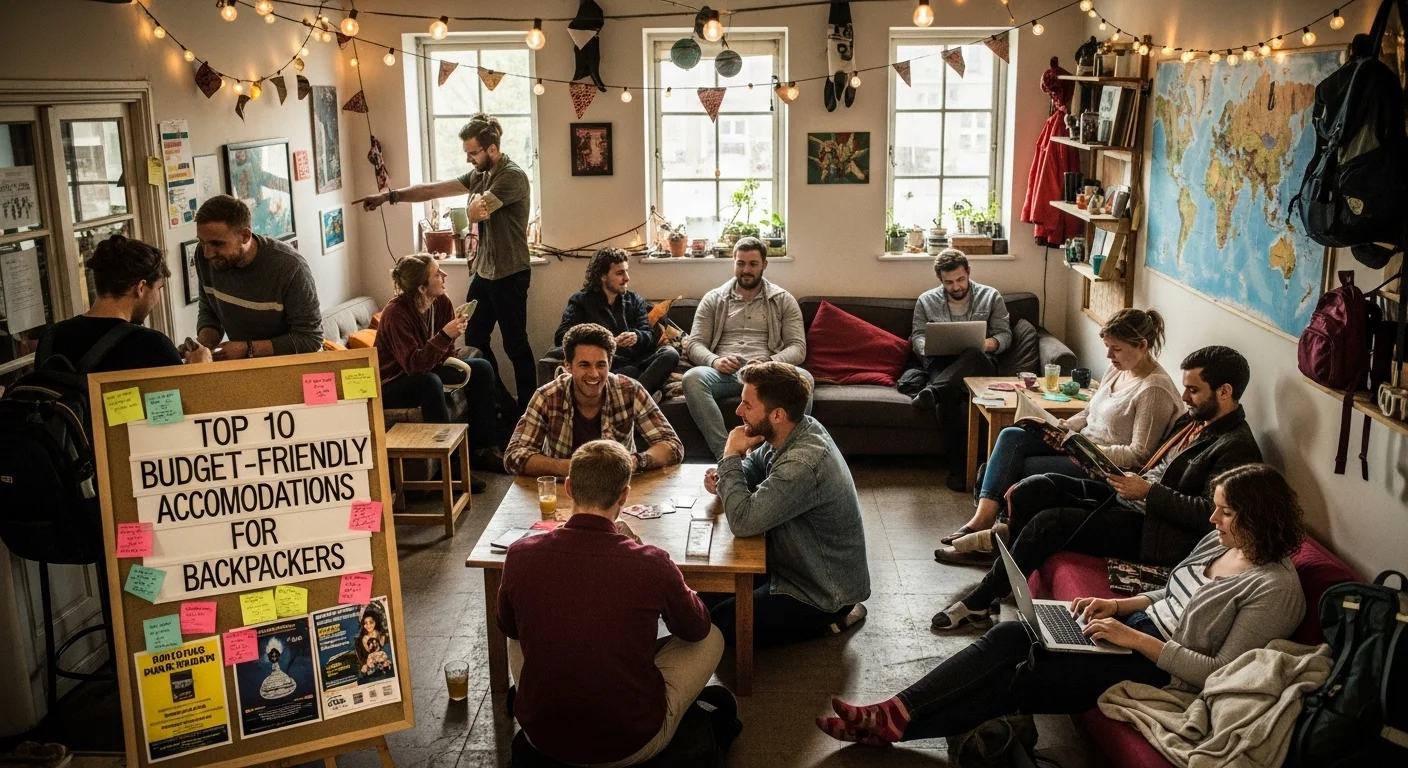
I remember the first time I stayed in a hostel; I wasn’t quite sure what to expect. A budget hostel is more than just a low-cost place to sleep; it’s a communal space designed for travelers seeking affordable accommodation without compromising on experience. Typically, hostels have shared dormitory-style rooms, but many also offer private rooms for those who prefer a bit more privacy. The key here is affordability while still providing a welcoming atmosphere for both locals and travelers alike. I’ve found that hostels can vary greatly in terms of quality and amenities, which is why it’s essential to do a bit of research before booking. Read the Ultimate Guide to Budget-Friendly Backpacker Hostels for more insights.

Benefits of Staying in Hostels

Staying in a hostel has opened up a world of benefits for me. One of the biggest advantages is the chance to meet like-minded travelers. I recall sitting in a common area, swapping stories with backpackers from different countries, which made my travel experience richer and more memorable. Hostels often organize social activities, such as pub crawls or group dinners, which foster a sense of community. Another perk is the affordability; I’ve saved so much on accommodation that I’ve been able to splurge on experiences like guided tours or local dining. Lastly, hostels often come with kitchen facilities, allowing travelers to prepare their own meals, which is a great way to save money.

Common Misconceptions About Hostels

There are quite a few misconceptions about hostels that I’ve encountered. Many people think hostels are dirty and unsafe, but my experiences have shown otherwise. Most hostels are cleaned regularly, and I’ve often found them to be more hygienic than budget hotels. Security is another concern; many hostels provide lockers and 24/7 access, which makes me feel secure about my belongings. Some also worry about noise and partying, assuming all hostels are wild party zones. While some hostels cater to this crowd, there are plenty that offer a quieter atmosphere, perfect for those who want to relax after a day of exploring. It’s all about choosing the right hostel that fits your vibe.

Choosing the Right Destination

Top Cities for Budget-Friendly Hostels

As I’ve traveled around the world, I’ve discovered some fantastic cities known for their budget-friendly hostels. Cities like Bangkok, Barcelona, and Lisbon are top picks for many budget travelers. In Bangkok, I found hostels that offered not just a place to sleep but also incredible rooftop views and vibrant social scenes. Barcelona amazed me with its blend of culture and affordability, especially in the El Raval and Gracia neighborhoods. Lisbon, with its warm weather and stunning architecture, has a plethora of hostels that welcomed me with open arms and friendly faces. Each city has its unique charm, and finding the right hostel can make all the difference in your travel experience. For more options, check out the Top 10 Budget-Friendly Accommodations for Backpackers.

Factors to Consider When Choosing a Destination

When it comes to choosing the right destination for a budget-friendly hostel experience, several factors come into play. First, think about your travel interests. Are you looking for a bustling urban environment, or do you prefer a laid-back beach vibe? I often consider the availability of activities and attractions that fit my budget. Another important factor is safety. I always research neighborhoods and read reviews to ensure I’m staying in a safe area. Transportation is key, too; I look for destinations with good public transport options to minimize travel costs. Lastly, I consider the time of year; some cities can be much cheaper during off-peak seasons, which can save me a lot of money.

Seasonal Travel: When to Visit for the Best Rates

From my experience, timing can significantly affect hostel rates. I’ve noticed that traveling during the shoulder seasons—spring and fall—often yields the best prices. During these times, I can avoid the crowds and enjoy a more authentic experience. For example, visiting Europe in late September allows me to enjoy pleasant weather without the summer tourist rush. Similarly, I found that hostels in Southeast Asia drop their prices during the rainy season, making it a great time for budget-conscious travelers. It’s worth doing a little research on the best times to visit your chosen destination, as this can lead to major savings on accommodation.

Finding Budget Hostels

Popular Hostel Booking Websites

When I first started my hostel adventures, finding the right place to stay felt overwhelming. There are so many options out there that it can be tough to know where to begin. I’ve had great success using popular hostel booking websites like Hostelworld, Booking.com, and Agoda. These platforms offer a wide array of choices, allowing me to filter by price, location, and amenities. I particularly love how they include user reviews and ratings, which have often guided me toward the best options. I’ve also discovered that some lesser-known sites, like Hostelbookers, can offer unique listings and sometimes lower rates, which is always a bonus!

Reading Reviews and Ratings

One of the most important steps for me in choosing a hostel is reading the reviews. I’ve learned that not all reviews are created equal; I tend to focus on those that provide detailed accounts of personal experiences rather than vague statements. If I see repeated mentions of cleanliness, helpful staff, or the atmosphere, it usually gives me confidence in my choice. However, I also keep an eye out for any red flags, like complaints about theft or unresponsive management. I remember a time when I dodged a bullet by noticing a pattern of negative feedback about a hostel’s security. It’s always worth taking the time to read through reviews before making a commitment.

How to Compare Prices and Amenities

Comparing prices can be a bit of a puzzle, but I’ve found that it’s all about knowing what to look for. When I search for hostels, I usually have a few key amenities in mind, such as free Wi-Fi, kitchen access, and breakfast options. I like to list these amenities side by side across various hostels to see which ones provide the best value for my money. I also check if there are any hidden fees, like additional charges for linens or city taxes. Sometimes, the cheapest option may not be the best when factoring in extra costs. I’ve had experiences where a slightly more expensive hostel offered way more perks, making my stay much more enjoyable overall.

Types of Hostels

Party Hostels: Socialize and Network

If you’re looking to meet people and enjoy a vibrant atmosphere, party hostels are the way to go. I’ve stayed in a few that had fantastic communal spaces and organized events that helped break the ice. One evening, I joined a pub crawl organized by my hostel in Budapest, and I ended up making friends from all over the world. It was a whirlwind of laughter, drinks, and unforgettable memories. I think these hostels are perfect for solo travelers or anyone looking to socialize, as they often foster a lively environment.

Quiet Hostels: Perfect for Relaxation

On the flip side, there are quiet hostels that cater to those of us who prefer a more tranquil experience. After a long day of sightseeing, I appreciate a peaceful place to unwind. I once stayed in a lovely quiet hostel in the countryside of Ireland, where the atmosphere was serene, and the views were stunning. I found myself enjoying evenings in the cozy common area, reading a book by the fireplace. These hostels usually have strict noise policies, making them ideal for travelers seeking rest and relaxation.

Family-Friendly Hostels: Options for All Ages

For families traveling together, family-friendly hostels can be a great option. I’ve seen hostels with family rooms and activities designed for children, which can make traveling with kids much easier. A few years back, I stayed in a family-friendly hostel in Canada that offered a playground and organized nature walks. It was comforting to see how the management created a welcoming environment for families, and the kids had a blast while the parents could enjoy their own downtime.

Unique Hostels: Themed and Boutique Options

For those who crave something different, unique hostels offer themed and boutique experiences that can be truly memorable. I recall staying at a retro-themed hostel in Berlin, complete with vintage decor and a funky vibe. It was unlike any place I’d ever stayed before, and I found that the unique atmosphere added an extra layer of enjoyment to my trip. These hostels often have character and charm, making them perfect for travelers looking to add a little flair to their journey.

Amenities to Look For

Free Wi-Fi and Charging Stations

One of the first things I look for when booking a hostel is free Wi-Fi. In today’s digital age, staying connected is crucial for travel planning, sharing experiences on social media, or even just catching up with family back home. I remember being in a hostel in Thailand that had excellent Wi-Fi, allowing me to video call friends while lounging by the pool. Charging stations are also a must. It’s inconvenient to have your phone die when you’re out exploring, so I appreciate when hostels have plenty of outlets available, especially in common areas. This way, I can charge my devices while meeting new friends or working on my travel blog.

Kitchen Facilities and Free Breakfast

Another big plus for me is access to kitchen facilities. I’ve stayed in hostels where I could prepare my own meals, which not only saves money but also allows me to experiment with local ingredients. Cooking with fellow travelers can turn into a fun group activity! I remember one night in a hostel in Italy when we all gathered in the kitchen to make homemade pasta. The laughter and shared recipes made for an unforgettable evening. Additionally, some hostels offer free breakfast, which I find incredibly helpful. Having a hearty meal in the morning means I can save on dining costs while fueling up for a day of adventures.

Common Areas and Social Activities

Common areas are the heart of a hostel. I love hostels that have cozy lounges or outdoor spaces that encourage interaction among guests. I’ve made some of my best travel friends while hanging out in these spaces, whether it’s sharing travel tips or simply enjoying a drink together. Many hostels also organize social activities, like movie nights or barbecues, which are great opportunities to connect with others. I recall a spontaneous trivia night in a hostel that turned into a friendly competition between guests from different countries. Those moments of laughter and camaraderie are what make hostel stays so special.

Security Features: Lockers and 24/7 Access

Feeling safe in a hostel is non-negotiable for me. I always look for hostels that provide secure lockers for my belongings. This feature gives me peace of mind, especially when I’m out exploring. I remember a time when I arrived at a hostel that had individual lockers, and it was such a relief to know I could leave my things behind without worry. Additionally, 24/7 access to the hostel is important; it allows me to come and go as I please, which is especially useful if I’m on a late-night adventure or an early morning trek. Being able to enter my hostel whenever I want makes the whole experience feel more comfortable and secure.

Staying Safe in Hostels

Tips for Personal Safety

Traveling can be unpredictable, so staying safe is always on my mind. When I’m in a hostel, I make sure to keep my personal safety a priority. One basic rule I follow is to always be aware of my surroundings. I’ve learned to trust my instincts; if something doesn’t feel right, I’ll remove myself from the situation. It’s also wise to avoid sharing too much personal information with strangers, even if they seem friendly. I try to keep my valuables close and avoid carrying everything with me. For me, a small crossbody bag works wonders for keeping my essentials safe while leaving my larger bag in the hostel.

How to Secure Your Belongings

I’ve found that being proactive about safeguarding my belongings makes a huge difference. In hostels, I always lock my backpack in a secure locker. If lockers aren’t available, I carry my valuables in a money belt or a secure pouch under my clothes. I remember a time when I was in a busy common area, and I kept my phone and wallet on me at all times. It’s essential to be mindful of pickpockets, especially in crowded places. When I’m out and about, I usually keep my backpack secured and my phone in a front pocket, making it harder for anyone to access my things unnoticed.

Choosing a Safe Location

Before booking a hostel, I always research the location. I prefer staying in neighborhoods that are known for being safe and welcoming to travelers. Reading reviews often helps me gauge the safety of an area. I remember booking a hostel in a vibrant neighborhood that was well-lit at night and had plenty of dining options nearby. This made returning to the hostel after a long day of exploring feel much safer. It’s also helpful to chat with other travelers about their experiences in the area, as they can provide valuable insights into the safest routes and local customs.

Budgeting for Your Hostel Stay

Average Costs of Hostels Around the World

Understanding the average costs of hostels in different regions has been key to my travel budgeting. While I’ve found that prices can vary widely depending on the location and season, I’ve generally noticed that hostels in Southeast Asia are some of the most affordable—often ranging from $5 to $15 a night. In contrast, I’ve seen prices in Western Europe hover around $20 to $50 per night, especially in major cities like Paris or London. By doing a bit of research ahead of time, I can plan my budget accordingly and allocate more funds for experiences rather than just accommodation.

How to Save Money on Extras

While staying in a hostel is generally cheaper, I’ve learned that there are still ways to save on extras. Some hostels charge for amenities like towels, linens, or even breakfast. I always check ahead to see if these items are included or if I should bring my own. For example, I’ve packed a lightweight travel towel that serves me well. Additionally, I’ve been able to save money by taking advantage of free events and activities organized by the hostel, like walking tours or game nights. Those experiences not only help keep costs down but also enrich my travels.

Using Discounts and Loyalty Programs

Over the years, I’ve discovered that many hostels offer discounts or loyalty programs. I often sign up for newsletters or loyalty programs through booking sites, which sometimes provide exclusive deals or first dibs on sales. I remember booking a stay in a popular hostel and getting a 10% discount because I was part of their loyalty program. It’s worth taking a bit of time to explore these options, especially if you plan on staying in multiple hostels during your travels. Saving on accommodation means more funds for exploring and enjoying the local culture! For more tips, check out Route Planning Secrets for Budget-Friendly Backpacking.

Frequently Asked Questions

What is a budget hostel?

A budget hostel is a communal space designed for travelers seeking affordable accommodation without compromising on experience. They typically have shared dormitory-style rooms and may also offer private rooms, focusing on affordability and a welcoming atmosphere.

What are the benefits of staying in hostels?

Staying in a hostel allows travelers to meet like-minded individuals, participate in social activities, save on accommodation costs, and often access kitchen facilities to prepare their own meals.

Are hostels safe and clean?

Contrary to misconceptions, most hostels are cleaned regularly and can be more hygienic than budget hotels. Many also provide security features like lockers and 24/7 access to ensure the safety of guests’ belongings.

Which cities are known for budget-friendly hostels?

Top cities for budget-friendly hostels include Bangkok, Barcelona, and Lisbon, each offering unique charm and affordable accommodations that enhance the travel experience.

What factors should I consider when choosing a hostel destination?

Consider your travel interests, safety of the neighborhood, availability of activities and attractions, transportation options, and the time of year, as some cities are cheaper during off-peak seasons.

How can I find budget hostels?

Popular hostel booking websites like Hostelworld, Booking.com, and Agoda are excellent resources for finding budget hostels. These platforms allow you to filter by price, location, and amenities, and often include user reviews and ratings.

What amenities should I look for in a hostel?

Look for hostels that offer free Wi-Fi, kitchen facilities, common areas for socializing, free breakfast, and security features like lockers and 24/7 access to ensure a comfortable and safe stay.

What are the different types of hostels available?

Hostels vary in type, including party hostels for socializing, quiet hostels for relaxation, family-friendly hostels with activities for children, and unique hostels that offer themed and boutique experiences.

How can I budget for my hostel stay?

Understand the average costs of hostels in different regions, save money on extras like linens or breakfast, and look for discounts or loyalty programs to make the most of your budget.

How can I stay safe while staying in a hostel?

Prioritize personal safety by being aware of your surroundings, securing your belongings in lockers, and researching the safety of the hostel’s location. Avoid sharing too much personal information with strangers.
Discover Affordable Stays: Budget Accommodations Worldwide

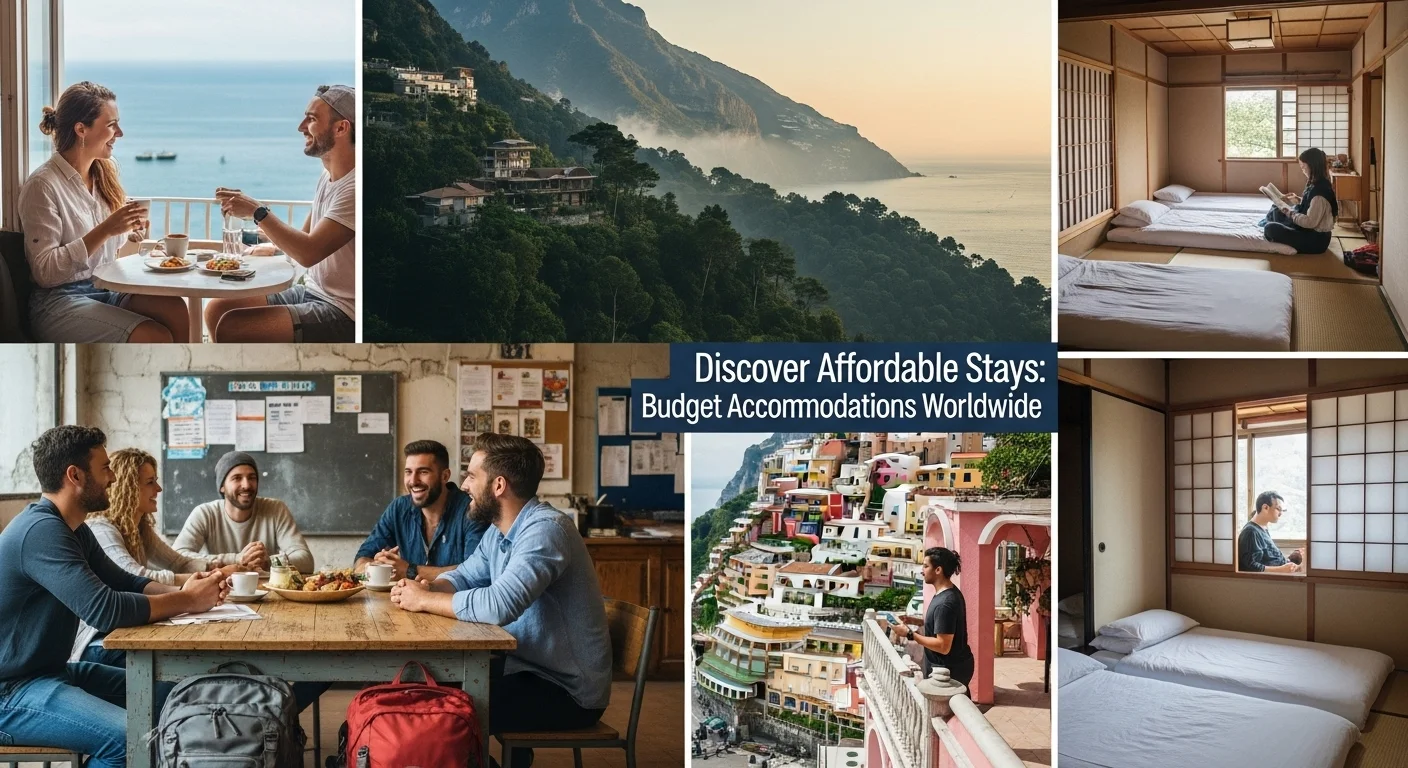
Traveling on a budget doesn’t mean sacrificing comfort or adventure. Exploring affordable accommodations worldwide can lead to unforgettable experiences without breaking the bank. Read Interesting article: Discover Sustainable Stays: Budget Accommodations for Eco-Trips

Discover Affordable Stays: Budget Accommodations Worldwide

Understanding Budget Accommodations

What are Budget Accommodations?

When I think of budget accommodations, I picture places that offer a roof over my head without the hefty price tag. These options are perfect for travelers like me, who want to explore the world without spending a fortune. Budget accommodations typically include hostels, motels, guesthouses, budget hotels, and vacation rentals. They vary in style and amenities but share a common goal: providing affordable lodging for travelers.

Benefits of Choosing Affordable Stays

Choosing budget accommodations comes with a plethora of benefits. For one, it saves money, allowing us to allocate more of our travel budget to experiences like food, activities, and attractions. I’ve found that staying in budget options often leads to unique interactions with fellow travelers and locals. These connections can enhance our travel experience and create lasting memories. Plus, many budget accommodations are located in vibrant neighborhoods, giving us a taste of local life that we might miss in pricier hotels.

Types of Budget Accommodations

As I started my travel adventures, I discovered various types of budget accommodations, each with its own charm and appeal. Here are some of my favorites:

Hostels

Hostels are a popular choice, especially among young travelers and backpackers. They typically offer dormitory-style rooms and shared facilities, making them a great way to meet people from around the world. I remember staying in a cozy hostel in Barcelona, where I made friends with fellow travelers over breakfast and shared stories of our adventures. Many hostels also have private rooms, which can be a nice compromise between affordability and privacy.

Motels

Motels are often found along highways and are known for their convenience and affordability. They usually offer basic amenities, including a parking spot right outside your door. I’ve stayed in several motels during road trips, and while they might not have the charm of other options, they provide a comfortable place to rest after a long day of driving.

Guesthouses

Guesthouses offer a more personalized experience compared to hotels. Often run by locals, these accommodations provide a homey feel and a chance to experience local culture. I recall staying in a guesthouse in Thailand where the owner cooked breakfast for us every morning. It was a delightful way to start the day, and I loved hearing her stories about the area.

Budget Hotels

Budget hotels can be found in cities around the world. They often provide essential amenities like free Wi-Fi, breakfast, and sometimes even swimming pools. While they’re typically more expensive than hostels, I’ve found them to offer a good balance of comfort and cost. When I traveled to New Orleans, I chose a budget hotel that was close to major attractions, allowing me to explore the city without overspending on accommodations.

Vacation Rentals

Vacation rentals have gained popularity in recent years, thanks to platforms like Airbnb and Vrbo. These options can range from entire apartments to private rooms in someone’s home. I’ve stayed in several vacation rentals and appreciated the extra space and kitchen facilities. Preparing meals can significantly cut costs, especially in destinations where dining out can be pricey. I remember making simple dinners with fresh ingredients from local markets, which felt like a fun part of the travel experience.

In summary, understanding the different types of budget accommodations can help us make informed choices when planning our travels. By exploring hostels, motels, guesthouses, budget hotels, and vacation rentals, we can find affordable stays that suit our style and needs. Embracing these options not only saves money but also opens up opportunities for unique experiences and connections with fellow travelers. It makes the journey all the more rewarding, and I can’t wait to share more about my favorite budget-friendly destinations in the next section.

Top Destinations for Affordable Stays

Asia

Asia has always been a treasure trove for budget travelers, offering a mix of culture, history, and stunning landscapes, all at wallet-friendly prices. I’ve visited a few places in Asia that left me in awe, not only for their beauty but also for the affordability of accommodations.

Thailand: Chiang Mai and Bangkok

Chiang Mai captured my heart with its serene temples and lush mountains. It’s one of those places where you can find a cozy guesthouse for just a few dollars a night. I remember sipping coffee while gazing at the stunning Doi Suthep, a mountain that overlooks the city. On the other hand, Bangkok is a bustling metropolis that never sleeps. The street food is delicious and incredibly cheap, and I found several budget hotels that were centrally located, making it easy for me to explore the vibrant nightlife and cultural sites. If you’re looking for a blend of adventure and relaxation, these cities are perfect for a budget-friendly getaway.

Vietnam: Ho Chi Minh City and Hanoi

Vietnam is another gem for the budget-conscious traveler. Ho Chi Minh City, with its rich history and energetic vibe, has numerous affordable hostels and hotels. I stayed in a lovely little hostel that offered free walking tours, which were a fantastic way to learn about the city’s history. In Hanoi, the Old Quarter is a maze of narrow streets filled with cafes, shops, and street vendors. I found a charming guesthouse where I could enjoy authentic Vietnamese breakfast before heading out to explore. Whether it’s the delicious pho or the rich history, Vietnam has something that keeps me coming back.

Europe

Europe can sometimes feel daunting when it comes to budget travel, but there are still plenty of affordable options, especially if you know where to go. I’ve discovered some wonderful cities that won’t leave your wallet empty.

Portugal: Lisbon and Porto

Portugal has become one of my favorite European destinations. Lisbon is not only beautiful but also offers budget accommodations, especially in the Alfama district, where I found a delightful hostel with stunning views over the river. The vibrant atmosphere and rich culture made my stay unforgettable. Porto, with its picturesque riverfront and famous port wine, also has numerous budget-friendly hotels and guesthouses. Wandering through its narrow streets filled with colorful buildings was an experience I’ll cherish forever.

Eastern Europe: Budapest and Krakow

Budapest has a unique charm with its thermal baths and stunning architecture. I found an affordable hotel near the city center, which allowed me to explore on foot. The city is known for its ruin bars, quirky spots created in abandoned buildings, where I had some of the best nights out. Krakow, on the other hand, is steeped in history. The market square is a must-visit, and I stayed in a charming guesthouse that provided a homely atmosphere. Both cities allow travelers to enjoy rich histories without a hefty price tag.

North America

When it comes to North America, I’ve uncovered some fantastic budget destinations that often fly under the radar. Here are a couple of places I recommend.

Mexico: Cancun and Tulum

Cancun is famous for its beaches, but it also offers plenty of affordable accommodations. I stayed in a budget hotel that was just a short walk from the beach, allowing me to soak up the sun without spending a fortune. Tulum, known for its bohemian vibe, has an array of hostels and eco-friendly guesthouses. I loved staying in a cozy beach hut, where I woke up to the sound of waves crashing. The local cenotes and Mayan ruins made for unforgettable day trips.

United States: New Orleans and Austin

New Orleans is a city like no other, with its rich culture and delicious food. I found a budget hotel in the French Quarter, giving me easy access to live jazz and incredible cuisine. The atmosphere was intoxicating! Austin is another great option, known for its music scene and outdoor activities. I stayed in a budget-friendly hostel that was not only affordable but also had a friendly vibe. Exploring the local food trucks and parks made my trip feel like a true Texas adventure.

South America

South America is a continent filled with incredible experiences and budget-friendly options. During my travels, I discovered some destinations that stood out for their affordability.

Colombia: Medellín and Bogotá

Medellín, once known for its troubles, has transformed into a vibrant city with a friendly atmosphere. I found a lovely guesthouse that offered free tours of the city, which helped me appreciate its rich history. The local food was delicious and affordable, making it easy to enjoy meals without overspending. Bogotá, with its incredible street art and museums, also has numerous budget hotels and hostels. I loved walking through La Candelaria and soaking it all in.

Peru: Lima and Cusco

Lima is a culinary hotspot, and I was thrilled to find affordable accommodations that allowed me to explore the city’s amazing food scene. I stayed in a vibrant hostel where I met other travelers who shared local recommendations. Cusco, the gateway to Machu Picchu, has a plethora of budget options, from hostels to guesthouses. I cherished my time there, soaking in the rich culture and history while staying within my budget.

Exploring these destinations not only allowed me to save money but also enriched my travel experiences. I can’t wait to share how to find affordable stays in the next section, as well as tips that have worked wonders for me throughout my travels.

How to Find Affordable Stays

Online Booking Platforms

I’ve always found that the internet is my best friend when it comes to finding budget accommodations. There are so many online booking platforms that help us compare prices and find the best deals. I remember spending hours on various sites, searching for the perfect place to stay at the right price. Websites like Booking.com, Expedia, and Agoda have comprehensive listings that allow me to filter options according to my budget, location, and preferred amenities.

Comparing Prices on Travel Websites

When I start looking for accommodations, I make it a point to compare prices across different travel websites. I’ve noticed that sometimes a hotel’s price varies significantly from one platform to another. Additionally, many websites offer exclusive deals or discounts for first-time users. I recently booked a stay using a promotional code I found on a travel blog, which saved me a nice chunk of change! Always remember to check the cancellation policies, though, as they can differ between sites.

Using Apps for Last-Minute Deals

If you’re like me and enjoy a spontaneous trip, using mobile apps can be a game changer. Apps like HotelTonight or Last Minute Travel specialize in offering last-minute deals on unsold rooms. I once found a fantastic deal on a budget hotel in San Francisco just a few hours before I arrived. It felt like a little adventure on its own! These apps usually provide user reviews, helping to ease any worries about quality while still letting us snag a bargain.

Local Recommendations

While online platforms are fantastic for finding options, I’ve learned that local recommendations can lead to hidden gems. Engaging with locals can provide insights that you won’t find in travel guides, which is why I always try to chat with residents when I arrive in a new place.

Travel Forums and Blogs

Travel forums like TripAdvisor and Lonely Planet’s Thorn Tree can be incredibly helpful. I often browse through threads to find recommendations for budget stays that fellow travelers have loved. Blogs written by other travelers share firsthand experiences that can guide my choices. I once found a quaint guesthouse in a small village in Italy through a blog, and it ended up being one of my favorite stays. The personal touch of these accounts often reveals the warmth and character of a place that standard listings might miss. Read Interesting article: Top 10 Budget-Friendly Accommodations for Backpackers

Social Media Groups

Social media has become another treasure trove for travel information. I joined several travel-related Facebook groups, where members share tips, experiences, and recommendations for budget accommodations. I remember reading a post about a hostel in Reykjavik that not only offered affordable rates but also hosted local events. These groups are usually filled with passionate travelers, and their insights can lead to amazing discoveries.

Timing Your Booking

Timing can be everything when trying to score a great deal on accommodations. I’ve learned that booking at the right time can lead to significant savings.

Off-Peak Seasons

Traveling during off-peak seasons is one of the best ways to find budget accommodations. I’ve traveled to places like Greece during the shoulder season, when the crowds are thinner and prices drop considerably. It allowed me to enjoy the beauty of the islands without the high season price tags. Plus, the locals seem more relaxed and willing to chat when it’s not packed with tourists!

Last-Minute Bookings vs. Early Bird Offers

In my experience, both last-minute bookings and early bird offers can be beneficial, depending on the destination. For popular spots, booking early ensures you get the best deals, especially during peak seasons. However, I’ve also had luck with last-minute bookings, especially in more remote areas where accommodations may have vacancies. I remember a trip to a small beach town where I booked a lovely beachfront bungalow just a few days before my arrival, and it turned out to be a fantastic surprise!

Finding affordable stays is all about doing a bit of research and being open to different options. With the right tools and a little flexibility, I believe we can all find budget accommodations that don’t compromise our travel experiences. I can’t wait to share some practical tips for ensuring comfort and safety while enjoying our budget stays in the next section!

Tips for a Comfortable Stay on a Budget

Essential Amenities to Look For

When I search for budget accommodations, I’ve learned that not all places are created equal. While price is important, I like to consider essential amenities that can greatly enhance my stay. Here are a couple of must-haves that I always look for.

Wi-Fi Access

In today’s digital world, reliable Wi-Fi is a necessity for me. Whether I need to stay connected with family back home, plan my next adventure, or simply scroll through social media, having Wi-Fi access is crucial. During my travels, I’ve stayed in places that advertised Wi-Fi but ended up being spotty at best. I recommend checking recent reviews to see if other travelers had a good experience with internet access. Some of my most enjoyable moments came from lounging in a café with a good connection, planning my day while enjoying local coffee.

Kitchen Facilities

Another amenity I highly value is kitchen facilities. Having access to a kitchen not only allows me to save money on meals but also gives me the chance to cook and experiment with local ingredients. I remember staying in a vacation rental in Italy, where I could whip up simple pasta dishes using fresh tomatoes and basil from the local market. It wasn’t just about saving money; it was a fun way to immerse myself in the culture. Plus, sharing meals with fellow travelers who also cooked in the common kitchen can lead to great conversations and friendships.

Staying Safe in Budget Accommodations

Staying on a budget doesn’t mean compromising on safety. I’ve had my share of experiences that taught me the importance of being cautious and informed when choosing accommodations.

Checking Reviews and Ratings

Before booking any accommodation, I always make it a point to check reviews and ratings on platforms like TripAdvisor or Booking.com. Reading about other travelers’ experiences can give me insight into the safety and cleanliness of a place. I remember once dismissing a low-rated hostel because of hygiene issues mentioned in the reviews, and I’ve never regretted that decision. It’s better to spend a little more on a place that has solid reviews than to risk discomfort or safety concerns.

Trustworthy Booking Platforms

Using reputable booking platforms is essential for ensuring safety. I prefer well-known sites that offer secure payment options and customer support. I once had a situation where I had to change my reservation last minute, and the customer service team was incredibly helpful in resolving the issue. Knowing that there’s support available gives me peace of mind, especially when I’m far from home.

Maximizing Your Experience

Staying on a budget can actually enhance your travel experience if you know how to make the most of it.

Getting Local Insights

When I stay in budget accommodations, I often find that the owners or staff are locals who have valuable insights into the area. I always make it a point to ask for recommendations—whether it’s the best local eateries or hidden attractions. I remember chatting with a guesthouse owner in Colombia who recommended a small café where I tried the best empanadas of my life. These personal tips can lead to experiences that guidebooks often overlook.

Exploring Free Activities

Many destinations offer free activities that can enrich your travel experience. I love wandering through local markets, visiting public parks, or checking out free walking tours. For instance, I stumbled upon a free art exhibit while exploring the streets of Berlin, which turned out to be one of my favorite memories. I encourage you to look up free or donation-based events in the area you’re visiting; they often provide a unique glimpse into local culture.

Common Misconceptions About Budget Stays

Quality Concerns

One of the biggest misconceptions about budget accommodations is that they’re synonymous with poor quality. I’ve stayed in budget-friendly places that were clean, comfortable, and even charming. A little research can go a long way, as I’ve often found hidden gems that rival pricier hotels.

Safety Issues

Safety is another common concern. While it’s true that some budget accommodations may not have the same security measures as upscale hotels, many hostels and guesthouses prioritize safety. I’ve found that reading reviews and choosing reputable locations mitigates most safety concerns, allowing me to travel confidently.

Accessibility Challenges

Many believe that budget options lack accessibility features. While it’s true that some older buildings may not be equipped with ramps or elevators, many new budget hotels and hostels cater to all travelers. I’ve often been pleasantly surprised by how accommodating some budget places can be regarding accessibility.

Budget Accommodation Trends to Watch

Eco-Friendly Budget Options

As I travel more, I’ve noticed a growing trend in eco-friendly budget accommodations. Many hostels and guesthouses are adopting sustainable practices, from using solar energy to offering recycling programs. Staying at these places not only feels good for my budget but also for the planet. Read Interesting article: Top 10 Eco-Friendly Accommodations for Budget Backpackers

Technology Integration in Budget Stays

Technology is also changing the budget accommodation landscape. I’ve seen more places offering mobile check-ins, smart room controls, and even apps that help guests navigate the local area. These tech-friendly options make my stay smoother and often more enjoyable.

Rise of Co-Living Spaces

The rise of co-living spaces is something I find particularly fascinating. These accommodations provide not just a place to sleep but also communal living areas where travelers can share experiences and ideas. I think it’s a brilliant way to foster community among travelers and make budget stays even more enriching.

Final Thoughts

Traveling on a budget opens up a world of possibilities for adventure, connection, and discovery. By understanding what to look for in budget accommodations, seeking local insights, and embracing the experience, we can create unforgettable memories without overspending. I truly believe that some of the best travel stories come from the unexpected moments we encounter along the way, and budget stays often lead to that. So, whether you’re planning your next getaway or simply dreaming about future travels, remember that the world is full of affordable options waiting to be explored.

Frequently Asked Questions

What are budget accommodations?

Budget accommodations are places that offer affordable lodging options for travelers, typically including hostels, motels, guesthouses, budget hotels, and vacation rentals. They provide a roof over your head without the hefty price tag, allowing you to explore the world without spending a fortune.

What are the benefits of choosing budget accommodations?

Choosing budget accommodations saves money, enabling you to allocate more of your travel budget to experiences like food, activities, and attractions. They often lead to unique interactions with fellow travelers and locals, enhancing your travel experience. Additionally, many budget options are located in vibrant neighborhoods, giving you a taste of local life.

What types of budget accommodations are available?

There are several types of budget accommodations, including hostels, motels, guesthouses, budget hotels, and vacation rentals. Each type offers its own charm and amenities, catering to different styles and needs of travelers.

How can I find affordable stays while traveling?

To find affordable stays, you can use online booking platforms like Booking.com, Expedia, and Agoda, compare prices across different travel websites, use apps for last-minute deals, seek local recommendations, and check travel forums and blogs for tips.

What essential amenities should I look for in budget accommodations?

When searching for budget accommodations, important amenities to consider include reliable Wi-Fi access and kitchen facilities. Wi-Fi helps you stay connected, while kitchen access allows you to save money on meals and immerse yourself in local culture through cooking.

How can I ensure my safety while staying in budget accommodations?

To ensure safety, always check reviews and ratings on reputable platforms, use trustworthy booking sites, and consider accommodations with solid feedback on safety and cleanliness. This helps mitigate risks and provides peace of mind during your travels.

What are some common misconceptions about budget accommodations?

Common misconceptions include the belief that budget accommodations are of poor quality, that they are unsafe, and that they lack accessibility features. In reality, many budget options can be clean, comfortable, safe, and accommodating for all travelers.

What trends are emerging in budget accommodations?

Emerging trends in budget accommodations include eco-friendly options that prioritize sustainability, technology integration such as mobile check-ins and smart room controls, and the rise of co-living spaces that foster community among travelers.

What are some recommended budget destinations?

Recommended budget destinations include Chiang Mai and Bangkok in Thailand, Ho Chi Minh City and Hanoi in Vietnam, Lisbon and Porto in Portugal, Budapest and Krakow in Eastern Europe, Cancun and Tulum in Mexico, and Medellín and Bogotá in Colombia.

How can budget accommodations enhance my travel experience?

Staying in budget accommodations can enhance your travel experience by providing opportunities for unique interactions with locals, insights into the area, and access to free activities. Engaging with the local culture often leads to memorable experiences and connections.

Top 10 Budget-Friendly Accommodations for Backpackers

Traveling on a budget doesn’t mean sacrificing comfort or adventure. For backpackers, finding affordable accommodations is key to exploring the world without breaking the bank. Here are some insights and options to help you make the most of your journey! Read Interesting article: Route Planning Secrets for Budget-Friendly Backpacking

Top 10 Budget-Friendly Accommodations for Backpackers

Understanding Budget Accommodations for Backpackers

What Defines Budget-Friendly Accommodations?

When I think about budget-friendly accommodations, I picture spaces that are not only affordable but also welcoming and practical. These places often prioritize value over luxury, making them perfect for backpackers like us who want to stretch our dollars. Typically, budget accommodations are those that cost around $20 to $50 per night, depending on the location and amenities offered. This might include hostels, guesthouses, or even campsites. I’ve found that it’s not just about how little you spend but also about the experiences you gain while staying at these places.

The Importance of Affordable Stays for Backpackers

In my travels, I’ve discovered that affordable accommodations are vital for a fulfilling backpacking experience. They allow us to allocate more of our budget towards activities, food, and exploring. For example, instead of spending a fortune on a hotel room, we can enjoy a cozy hostel where we can meet fellow travelers, exchange stories, and share tips on hidden gems. I remember staying in a quaint hostel in a bustling city, where the friendly atmosphere and communal spaces turned into one of my favorite memories of that trip. Affordable stays help cultivate a sense of community that is often missing in more expensive hotels.

Types of Budget Accommodations

Hostels: The Backpacker’s Haven

Hostels have been my go-to choice while traveling. They’re not just cheap; they’re social hubs where like-minded individuals come together. Most hostels offer dormitory-style rooms, which can significantly lower costs. I remember my first hostel experience in Paris, where I shared a room with people from all over the world. We bonded over our travel experiences and even teamed up for a sightseeing adventure the next day. Plus, many hostels provide kitchen facilities, allowing us to save money by cooking our meals. If you’re looking to meet new friends and enjoy a vibrant atmosphere, hostels are the way to go. Read Interesting article: Ultimate Guide to Budget-Friendly Backpacker Hostels

Guesthouses: A Homely Alternative

Guesthouses hold a special place in my heart. They often provide a more intimate setting compared to hostels. When I stayed in a guesthouse in Thailand, the owners treated me like family. They shared local recipes and gave me tips on the best places to visit. Guesthouses typically have fewer beds, which can make for a quieter stay. They also tend to have unique decor that reflects the local culture, offering a more authentic experience. If you’re seeking comfort and a personal touch, I highly recommend considering guesthouses.

Campsites: Embracing Nature on a Budget

If you love nature and adventure, campsites are an excellent budget option. I had an amazing experience camping in the national parks of the US, where I woke up to stunning views and the sounds of the wilderness. Campsites are usually very affordable, and many have facilities like restrooms and cooking areas. Plus, they often provide opportunities for hiking, swimming, or simply enjoying the outdoors. For those who want an unforgettable experience without spending much, camping can be a fantastic way to connect with nature and make lasting memories.

Airbnb and Vacation Rentals: Affordable Local Stays

Airbnb and vacation rentals can also be budget-friendly, especially if you’re traveling with a group. I’ve used Airbnb to find charming places that felt like home. I once booked a small apartment in Barcelona, which allowed me to cook meals and experience living like a local. The price was comparable to a hotel, but the experience was far richer. When searching for rentals, I always look for places that offer kitchen facilities, as this can save a lot on food costs. If you’re traveling to a popular destination, booking in advance can help you snag a great deal! Read Interesting article: Discover Affordable Luxury: Budget-Friendly Villa Rentals

Co-living Spaces: Modern and Cost-Effective Options

Co-living spaces are a newer trend that I’ve found to be a great option for budget travelers. These spaces typically offer private rooms with shared amenities, making them both affordable and modern. I recently stayed in a co-living space in Berlin, where I enjoyed my own room but had access to communal kitchens, lounges, and even co-working spaces. Meeting other travelers and locals in a shared environment helped me learn about the city in ways I never expected. If you’re looking for a blend of comfort and community, co-living spaces are definitely worth considering.

Criteria for Choosing Budget Accommodations

Location: Proximity to Attractions

One of the first things I consider when choosing budget accommodations is the location. I’ve learned that staying near the attractions I want to explore can save me both time and money. For example, during a trip to Rome, I opted for a hostel that was just a short walk from the Colosseum. Not only did this allow me to visit in the early morning when it was less crowded, but I also saved on transportation costs. A central location means I can often explore by foot, which adds to the adventure and helps me discover hidden gems along the way. When searching for a place to stay, I always use maps to check out nearby public transport options, restaurants, and must-see sights. This little step really enhances my travel experience.

Amenities: What to Look For

When I’m searching for budget accommodations, amenities play a crucial role in my decision-making. While I don’t need anything extravagant, I’ve found that certain features can really elevate my stay. For instance, having a kitchen is a huge plus for me since it allows me to prepare my own meals and save money on dining out. Wi-Fi is another essential—I like to stay connected and sometimes need to plan my next move or book activities. I also appreciate laundry facilities when I’m on the road for a while. In my experience, it’s worth taking the time to read through the amenities list to ensure I’m getting the best value for my money.

Reviews and Ratings: Trustworthy Sources

Reviews can be a goldmine when choosing budget accommodations. I’ve relied on them countless times, and they’ve helped me avoid some potential pitfalls. Websites like Hostelworld or Booking.com often feature user-generated reviews that provide insights into the experiences of past guests. I find it helpful to look for trends in the reviews—if several people mention cleanliness or the friendliness of the staff, I pay attention. I also take note of any red flags, like repeated complaints about noise or safety. The overall rating can guide me, but I think personal stories in reviews give a more nuanced view. It’s amazing how much people share about their experiences, and I’ve learned to trust my gut when a place sounds too good to be true.

Safety: Ensuring a Secure Stay

Safety is always at the forefront of my mind when I travel. I’ve had moments where I felt uneasy in unfamiliar places, so I make it a point to choose accommodations that prioritize safety. I usually look for features like 24-hour reception, secure lockers for my belongings, and good lighting in common areas. When I stayed in a hostel in Bangkok, I felt really secure knowing there were cameras in the hallways and a friendly staff member at the front desk at all hours. I also recommend checking if the area surrounding the accommodation is safe, particularly if I plan to return late at night. Trust me, feeling safe can make all the difference in how much you enjoy your travels!

Social Atmosphere: Meeting Fellow Travelers

For me, one of the best parts of budget accommodations is the chance to meet other travelers. A place with a vibrant social atmosphere can transform an ordinary trip into a memorable one. I remember staying at a hostel in Lisbon where every evening, they organized group dinners. That simple act opened the door for new friendships and spontaneous adventures. I learned about local spots to visit and even joined a few travel buddies for day trips. When looking for a place to stay, I often check for common areas, organized events, or communal kitchens, as these usually indicate a social environment. If you’re open to connecting with others, budget accommodations can be the perfect backdrop for new friendships and unforgettable experiences.

Top 10 Budget-Friendly Accommodations

1. The Green Tortoise Hostel, San Francisco

I had the pleasure of staying at The Green Tortoise Hostel during one of my trips to San Francisco, and it quickly became one of my favorites. This vibrant hostel is not only affordable but also offers a unique atmosphere, complete with fun events and activities. I remember joining a communal dinner that they organized, where we all shared stories over delicious food. The location is fantastic, just steps away from iconic spots like Fisherman’s Wharf and Chinatown. If you’re looking for a place that feels lively and welcoming, this hostel is a great choice.

2. HI Hostel, Vancouver

The HI Hostel in Vancouver is a gem nestled in the heart of the city. I found it to be an ideal base for exploring the beautiful parks and vibrant neighborhoods. The hostel offers clean and comfortable accommodations, along with a fantastic kitchen. I loved preparing meals and sharing them with travelers from around the world. With its focus on sustainability and community, it made me feel good about my stay. The staff was incredibly helpful, providing tips on local attractions and free activities.

3. Generator Hostel, Berlin

Generator Hostel in Berlin is a perfect blend of style and affordability. I was blown away by the modern design and chic vibe when I walked in. The common areas are perfect for meeting fellow travelers, and they often host events like movie nights and pub crawls. My stay was memorable, thanks to the friendly atmosphere and the convenience of being close to public transport. If you’re looking for a lively spot to stay while exploring Berlin, I highly recommend checking out Generator Hostel.

4. St. Christopher’s Inn, London

St. Christopher’s Inn in London stands out for its unbeatable location and social vibe. I stayed here during my first trip to the city, and it was a fantastic experience. The hostel features a bar that frequently hosts events, making it easy to meet new people. Plus, it’s situated near London Bridge, providing easy access to major attractions. I loved how the staff organized free walking tours, which made exploring the city both fun and budget-friendly. This place definitely feels like a home away from home.

5. YHA, Sydney

The YHA in Sydney is another incredible find for backpackers. I remember waking up to breathtaking views of the Sydney Opera House from the rooftop terrace. The hostel offers a variety of room types, including private rooms for those looking for a bit more comfort. The location is perfect, just a short walk from the harbor and the city’s bustling life. I appreciated the communal kitchen and the friendly staff who were always ready to help with recommendations. If you’re looking for a great location and friendly atmosphere, YHA is a solid choice.

6. The Backpack, Cape Town

The Backpack in Cape Town is so much more than just a place to stay; it’s a social enterprise that supports local communities. I felt good knowing that my stay was contributing to meaningful projects. The hostel has a relaxed and welcoming atmosphere, making it easy to connect with other travelers. Located near the city center, it’s perfect for exploring Cape Town’s vibrant culture. I joined a few fellow guests for a hike up Table Mountain, which was one of the highlights of my trip!

7. Wombat’s City Hostel, Budapest

I absolutely loved my time at Wombat’s City Hostel in Budapest. It has a lively and vibrant vibe that instantly makes you feel at home. The facilities are top-notch, with everything from comfy beds to a great bar and lounge area. I met a bunch of new friends here, and we explored the city together. The location is fantastic, right in the heart of the city, making it easy to visit nearby attractions. If you want a fun and social environment, this hostel is a must-visit!

8. The HI Hostel Network, New Zealand

The HI Hostel Network in New Zealand is a fantastic option for budget travelers. I had the chance to stay at a few different locations, and each one had its own unique charm. The staff were always helpful, and the hostels were clean and comfortable. I particularly enjoyed the stunning views from the hostel in Queenstown, where I could watch the sunrise over the mountains. With so many options available, you can easily find a HI Hostel that fits your travel itinerary.

9. Hostelling International, Chicago

Hostelling International in Chicago is a great place for anyone looking to explore the Windy City. I was impressed by the friendly atmosphere and the great location, just a short walk from downtown attractions. The hostel offers a variety of activities, including free walking tours that helped me discover the city’s rich history. The kitchen was well-equipped, which made cooking meals a breeze. If you’re planning a trip to Chicago, this hostel should definitely be on your list!

10. The Mad Monkey Hostel, Siem Reap

The Mad Monkey Hostel in Siem Reap is known for its fun and lively atmosphere. I stayed here while visiting the Angkor Wat temples, and it was the perfect base for my adventures. The hostel organizes various activities, from pub crawls to cultural tours, making it easy to meet other travelers. I loved lounging by the pool after a long day of exploring. The staff were super friendly and always ready with local tips. If you’re looking for a place that combines fun and affordability, The Mad Monkey is the way to go!

How to Book Budget Accommodations

Using Booking Platforms: Tips and Tricks

Booking platforms are my best friends when it comes to finding budget accommodations. I’ve used sites like Hostelworld, Booking.com, and Airbnb to search for places that fit my budget and preferences. One tip I’ve learned is to use filters wisely. For instance, I often filter results by price, ratings, and amenities, which narrows down my choices significantly. I also keep an eye out for last-minute deals, especially if my travel dates are flexible. Sometimes, the best offers pop up just before the check-in date! Another thing I do is read the descriptions carefully to ensure the place has everything I need. Each time I book through these platforms, I feel more confident that I’m making the right choice for my travels.

Direct Booking vs. Third-Party Sites

When booking accommodations, I sometimes wonder whether to go for direct booking or stick with third-party sites. From my experience, both have their pros and cons. Booking directly through the hostel or guesthouse can sometimes lead to better rates or even perks like free breakfast or room upgrades. I once booked directly with a guesthouse in Vietnam, and they threw in a free airport pick-up, which was a nice surprise! However, third-party sites usually provide a broader range of options and user reviews, which help me make informed decisions. I often compare prices on both before finalizing my bookings to ensure I’m getting the best deal.

Understanding Cancellation Policies

Cancellation policies can be a bit tricky, but I’ve learned the hard way to read the fine print. Some places offer free cancellation up until a few days before check-in, while others may charge a fee if you change your plans. I like to check the policy before booking, just in case my travel itinerary needs to change. Knowing the cancellation policy gives me peace of mind, especially when I’m juggling multiple trips or waiting for friends to confirm their plans. Taking this step can save me from unexpected charges and stress later on.

Tips for Staying on Budget While Traveling

Meal Planning: Cooking in Hostels

Cooking in hostels has been one of my favorite ways to save money while traveling. Many hostels have communal kitchens, and I try to take full advantage of them. I remember my time in Italy, where I would whip up simple pasta dishes with fresh ingredients from a local market. Not only did it save me cash, but I also got to enjoy a delicious meal while chatting with fellow travelers. I often plan my meals around local ingredients and try to cook in bulk so I can share with others. It’s a fun way to bond and explore culinary creativity on a budget!

Free Activities: Exploring Without Spending

I love discovering free activities when I travel. Many cities offer free walking tours, which are a fantastic way to learn about the area without spending a dime. I’ve joined these tours in cities like Prague and Berlin, where local guides share fascinating stories about the sights. Besides organized tours, I also explore parks, local markets, and festivals happening during my stay. These experiences often turn out to be the most memorable parts of my travels, and I believe that they don’t always have to come with a price tag!

Transportation: Getting Around on a Budget

Transportation can eat into a travel budget if you’re not careful. I make it a point to use public transport whenever possible. Buses and trains are often cheaper than taxis or rideshares, and they give me a chance to mingle with locals. I remember navigating the metro in Paris like a pro after a few days; it was thrilling! I also look for walking routes between attractions, as it allows me to soak in the scenery and discover hidden gems along the way. If I do need to use rideshares, I always compare prices and share rides with fellow travelers to split the cost.

Finding Local Discounts and Deals

One of my favorite tricks for saving money while traveling is hunting for local discounts and deals. Many cities have discount cards for tourists that offer reduced prices on attractions and public transportation. I’ve used these cards in places like Barcelona, where they not only saved me money but also helped me skip the lines at popular spots! Additionally, I love checking community boards or local tourism websites for free events, workshops, or festivals. You never know what amazing experiences you might find, and they often come with great stories!

Final Thoughts

Traveling on a budget doesn’t mean compromising on experience; in fact, it can enhance your journey in ways you may not expect. The connections I’ve made, the stories I’ve gathered, and the adventures I’ve embarked upon have all been shaped by my choice to seek budget accommodations. Whether it’s the warm embrace of a guesthouse, the vibrant energy of a hostel, or the tranquility of a campsite, each option offers unique opportunities to create lasting memories. As you venture into the world, I hope you embrace these budget-friendly options and discover the joy of traveling without financial stress. Here’s to many more adventures ahead!

Frequently Asked Questions

What defines budget-friendly accommodations?

Budget-friendly accommodations are spaces that prioritize value over luxury, typically costing around $20 to $50 per night. They may include hostels, guesthouses, or campsites and focus on providing a welcoming and practical experience for travelers.

Why are affordable stays important for backpackers?

Affordable accommodations are vital as they allow backpackers to allocate more of their budget towards activities, food, and exploration, fostering a sense of community and enhancing the overall travel experience.

What are hostels and why are they popular among backpackers?

Hostels are social hubs that offer dormitory-style rooms at low costs, making them a popular choice for backpackers. They provide opportunities to meet fellow travelers, share experiences, and often include kitchen facilities for cooking meals.

How do guesthouses differ from hostels?

Guesthouses offer a more intimate setting compared to hostels, with fewer beds and a personal touch from the owners. They often reflect local culture and provide a quieter experience, making them ideal for those seeking comfort and authenticity.

What are the benefits of staying at campsites?

Campsites are an excellent budget option for nature lovers, offering affordable stays with facilities like restrooms and cooking areas. They provide opportunities for outdoor activities and a chance to connect with nature.

How can Airbnb and vacation rentals be budget-friendly?

Airbnb and vacation rentals can be cost-effective, especially for groups, as they often provide a home-like experience and kitchen facilities for cooking. Booking in advance can also help secure better deals.

What are co-living spaces and how do they benefit budget travelers?

Co-living spaces offer private rooms with shared amenities, blending comfort with community. They provide modern accommodations and opportunities to meet other travelers and locals, enhancing the travel experience.

What criteria should you consider when choosing budget accommodations?

When choosing budget accommodations, consider location, amenities, reviews and ratings, safety features, and the social atmosphere, as these factors significantly affect the quality of your stay.

What are some popular budget-friendly accommodations?

Some popular budget-friendly accommodations include The Green Tortoise Hostel in San Francisco, HI Hostel in Vancouver, Generator Hostel in Berlin, and The Mad Monkey Hostel in Siem Reap, each offering unique experiences.

How can you save money while traveling on a budget?

To save money while traveling, consider cooking your meals in hostels, participating in free activities, using public transportation, and seeking local discounts or deals on attractions and events.

Smart Backpacking Tips to Save Money on Your Next Trip

Backpacking can be an incredible adventure, allowing us to explore new places while keeping costs down. With the right tips and tricks, we can stretch our dollars further and create unforgettable memories without breaking the bank. Read Interesting article: 10 Essential Backpacking Tips for Budget Travelers

Smart Backpacking Tips to Save Money on Your Next Trip

Understanding Backpacking and Budget Travel

What is Backpacking?

Backpacking is more than just traveling with a backpack; it’s a way of life for many adventurers. For me, it represents the freedom to roam without the constraints of rigid itineraries or expensive accommodations. When I think of backpacking, I picture myself exploring bustling markets, hiking through remote trails, and meeting other travelers who share the same passion for adventure. Backpacking allows us to embrace spontaneity and discover the world at our own pace.

Benefits of Backpacking

One of the biggest benefits of backpacking is the opportunity to save money. I realized early on that traveling on a budget doesn’t mean sacrificing experiences. In fact, it often opens up new avenues for exploration. We can choose affordable accommodations like hostels or campgrounds, eat at local eateries, and use public transportation. This way, we get to immerse ourselves in the culture and meet locals, which is often the highlight of any trip.

Additionally, backpacking encourages us to travel lighter. We learn to prioritize what we really need, which can lead to a more enjoyable experience. Instead of being weighed down by excess baggage, we can focus on the journey itself, taking in our surroundings and savoring every moment. I’ve found that when I pack light, I feel freer and more open to adventure.

Difference Between Backpacking and Traditional Travel

Backpacking differs significantly from traditional travel. When I think of traditional travel, I imagine luxury resorts, guided tours, and rigid schedules. While there’s nothing wrong with that approach, backpacking is about flexibility and exploration. We can choose to change our plans on a whim, stay longer in a place that captures our hearts, or skip a destination altogether if it doesn’t feel right.

Moreover, backpacking often fosters deeper connections with fellow travelers. I’ve met incredible people from all walks of life while staying in hostels or participating in group activities. Each encounter has enriched my travel experiences and broadened my perspective. It’s these authentic connections that remind me why I love to travel in the first place.

Essential Pre-Trip Planning

Choosing Your Destination Wisely

The first step in my travel planning is choosing the right destination. I consider factors like the cost of living, safety, and the types of experiences I want to have. Some destinations are more budget-friendly than others, and I’ve learned that off-the-beaten-path locations often offer incredible experiences at a fraction of the cost. For instance, instead of heading to popular European cities, I decided to explore Eastern Europe, where I found rich culture, stunning landscapes, and much lower prices. Read Interesting article: Backpacking Tips for Visiting Cultural Heritage Sites Cheaply

Best Times to Travel for Budget Savings

Timing can make a huge difference in our travel expenses. I’ve found that traveling during the shoulder seasons, just before or after peak tourist times, often leads to significant savings. Not only are flights and accommodations cheaper, but popular attractions are less crowded, allowing for a more enjoyable experience. For example, I traveled to Southeast Asia in November, just before the peak season, and enjoyed great weather and lower prices.

Researching Local Costs and Currency

Before heading out, I always research the local costs and currency of my destination. Understanding how much things typically cost helps me budget more effectively. I’ve learned to use apps that provide up-to-date information on food, transportation, and activities. This way, I can avoid any surprises and plan my daily expenses accordingly. Knowing the currency exchange rates also allows me to identify the best places to exchange money, saving even more on my trip.

Creating a Realistic Budget

Creating a budget is one of the most crucial steps in my pre-trip planning. I break it down into categories like accommodation, food, transportation, activities, and souvenirs. I’ve made the mistake of underestimating certain costs in the past, which led to some stressful moments. By being realistic about my budget, I can enjoy my trip without constantly worrying about money. I recommend tracking expenses through budgeting apps, which help keep everything organized and manageable throughout the journey.

Packing Smart: Gear and Essentials

Choosing the Right Backpack

When it comes to backpacking, selecting the right backpack can make all the difference. I remember my first backpack purchase; I was so excited but also overwhelmed by the options. I found that the size of the backpack matters a lot. For most trips, a backpack between 50 to 70 liters is ideal, allowing enough space for my essentials without being too bulky. I prefer a pack with adjustable straps and plenty of pockets for organization. Comfort is key—after all, I’ll be carrying it for hours! I recommend testing a few packs in-store to find one that feels right on my back. It’s like finding a good pair of shoes; if it doesn’t fit well, it can ruin my whole trip.

Essential Packing List for Backpackers

Creating an essential packing list has saved me countless headaches on the road. I’ve learned to pack versatile clothing that can be mixed and matched. My go-to items include a couple of quick-dry shirts, a lightweight jacket, and a pair of sturdy pants that convert to shorts. I also make sure to include a first aid kit, travel-sized toiletries, and a reusable water bottle. I never leave home without my travel guidebook—there’s something special about flipping through its pages, even in the digital age. A good sleeping bag and a compact sleeping pad are also essentials for camping or hostelling. Remember, less is more when it comes to packing; if I can’t wear it at least three different ways, it probably doesn’t make the cut.

Tips for Packing Light

Packing light can feel daunting, but I’ve found it incredibly liberating. One of the best tips I picked up is the rolling technique: rolling clothes instead of folding them saves space and helps minimize creases. I also pack my shoes in a separate cloth bag to keep them from dirtying my clothes. In my experience, I try to limit myself to two pairs of shoes: one for walking and another for nicer occasions. Another useful trick is to wear the bulkiest items, like jackets and heavy shoes, during travel to save space in my backpack. I’ve noticed that the less I carry, the more I’m inclined to explore without the burden of excess weight.

How to Save on Gear: Renting vs. Buying

Investing in gear can be pricey, but I’ve learned that renting can be a great way to save money, especially for items I may not use often, like hiking equipment or specialty gear. Many outdoor stores offer rental services, and I’ve taken advantage of these when I knew I’d only need something for a short period. For instance, I once rented a high-quality tent for a weekend camping trip, which was much cheaper than buying one. However, for gear I know I’ll use repeatedly, like a reliable backpack or a sleeping bag, I prefer to invest in quality items that will last me through many adventures. This balance has helped me stay within my budget while still being well-prepared for whatever my travels throw my way. Read Interesting article: Explore Heritage Sites: Budget Backpacking Tips & Tricks

Transportation Tips to Save Money

Finding Cheap Flights

Finding cheap flights has become somewhat of an art for me. I’ve learned to be flexible with my travel dates, as flights can vary dramatically in price. Using fare comparison websites and setting up price alerts has helped me snag great deals. I also try to book my flights several months in advance, especially when traveling during peak seasons. Additionally, I’ve found that flying into secondary airports rather than major hubs can save a significant amount of money. Once, I saved nearly $200 by flying into a smaller airport and taking a bus to my final destination.

Using Public Transportation vs. Taxis

Public transportation is my best friend when I’m traveling, especially in cities where taxis can be pricey. I remember navigating the metro system in Paris; it was not only affordable but also an experience in itself. Buses, trams, and trains often provide a more authentic glimpse into daily life in a city. I’ve found it helpful to download transportation apps that provide schedules and route information, making it easier to get around. In my experience, embracing public transport has led to unexpected adventures and interactions with locals, which is something I truly cherish.

Ridesharing and Carpooling Options

Ridesharing apps have become a reliable option for getting around, especially in areas where public transportation is limited. I’ve used rideshare services to explore cities at night or when I needed to travel a longer distance without renting a car. Additionally, I’ve discovered that carpooling with other travelers can be both cost-effective and fun. There are websites and apps dedicated to connecting people who are heading in the same direction, allowing us to share the costs of gas and tolls. This not only saves money but can also foster friendships with fellow adventurers.

Budget-Friendly Train and Bus Travel

Traveling by train or bus can be one of the most scenic and enjoyable ways to see a country. I’ve taken some unforgettable bus rides through the mountains in South America, where the views were breathtaking. I always check for discounts or passes that allow unlimited travel for a set period, as this can save a lot of money. Booking tickets in advance is another way I’ve managed to snag lower prices. I’ve learned that while flying can be quicker, the journey by land often leads to wonderful experiences and stories that I cherish long after the trip.

Affordable Accommodation Options

Hostels: Pros and Cons

Hostels have become my go-to accommodation choice while backpacking. They offer a unique blend of affordability and social atmosphere that I simply can’t resist. I remember my first hostel experience; I was nervous, but the moment I stepped into the common area and saw people from all over the world laughing and sharing stories, I knew I had made the right choice. Staying in a hostel not only saves money, but it also provides opportunities to meet fellow travelers.

However, hostels do come with their pros and cons. On the upside, they are often significantly cheaper than hotels, and many offer kitchen facilities, which is a great way to save on meals. Plus, the communal areas create a vibrant atmosphere perfect for making new friends. On the downside, sharing a room with others can sometimes lead to a lack of privacy, and noise levels can be higher than in a hotel. I’ve learned to pack earplugs just in case! Overall, I think the communal experience is well worth it, especially for those of us looking to connect with others on our journeys.

Camping and Outdoor Lodging

Camping is another fantastic way to save money while immersing myself in nature. There’s something magical about sleeping under the stars and waking up to the sounds of chirping birds. I discovered this during a trip to the national parks in the U.S. I found that campgrounds are often much cheaper than hotels and provide a unique experience that can’t be replicated. Plus, being close to nature is refreshing and revitalizing.

When choosing to camp, I always check for facilities like restrooms and showers. I’ve camped in some beautiful locations where I was able to hike directly from my campsite to breathtaking views. However, I’ve also learned the importance of being prepared. Packing the right gear, like a good tent, sleeping bag, and cooking supplies, is crucial. I recommend checking out national or state parks, as they often provide well-maintained camping areas at a fraction of the cost of hotels.

House Sitting and Couchsurfing

One of the most rewarding ways I’ve saved on accommodation is through house sitting and Couchsurfing. House sitting allows me to stay in someone’s home for free while taking care of their pets or plants. It’s a great way to live like a local and often provides a more comfortable space than hostels. I remember the thrill of receiving my first house sitting gig; it not only saved me money but also gave me the chance to experience life in a new city from a local’s perspective.

Couchsurfing, on the other hand, connects travelers with hosts willing to provide a free place to stay. I’ve met some incredible people through this platform, and it’s often led to lifelong friendships. While it can feel a bit daunting to stay with strangers, I’ve found that most hosts are genuinely welcoming and eager to share their culture. Just be sure to read reviews and communicate clearly with your host to ensure a positive experience.

Finding Deals on Hotels and Rentals

If hostels and camping aren’t always feasible, I’ve discovered some great strategies for finding affordable hotel options. I recommend using comparison websites to find the best deals. I often look for last-minute deals, as hotels may lower prices to fill empty rooms. It’s surprising how much I’ve saved by being flexible with my accommodation choices.

Another tip is to consider alternative lodging options like vacation rentals. I’ve used platforms like Airbnb to find cozy apartments or homes that offer a local experience at a fraction of the price of a hotel. When booking, I always check for hidden fees, as some listings may appear cheap initially but end up being more expensive after additional costs are added. Additionally, I love staying in neighborhoods outside the main tourist areas. This not only saves money but also allows me to explore parts of the city that I might not have otherwise seen.

In my travels, I’ve always been pleasantly surprised by how many affordable accommodation options are available if I take the time to research and plan ahead. Whether it’s staying in a lively hostel, camping under the stars, or finding a local’s home to crash in, there’s always a way to save on lodging while still enjoying the adventure of travel.

Saving Money on Food and Dining

Eating Like a Local: Street Food and Markets

One of the best parts of traveling for me is indulging in local cuisine, and I’ve found that street food is often the most delicious and affordable option. There’s something exciting about trying a dish from a food stall set up on the corner of a bustling street. I remember sampling fresh tacos from a vendor in Mexico City—each bite was bursting with flavor and cost less than a dollar! Street food not only satisfies my hunger but also gives me a taste of the local culture.

Visiting local markets is another way I save money while enjoying authentic food. I love wandering through vibrant markets, picking up fresh produce, and chatting with local vendors. In my experience, I’ve discovered that creating simple meals from ingredients I buy at these markets not only saves money but also allows me to connect with the place I’m visiting. Whether it’s a fresh baguette and cheese in France or local fruits in Southeast Asia, I always try to incorporate these finds into my meals.

Cooking Your Own Meals: Hostel Kitchens

Many hostels offer kitchen facilities, and I can’t recommend taking advantage of them enough. Cooking my meals allows me to stick to my budget while enjoying the satisfaction of preparing my own food. I remember my time in a hostel in New Zealand, where I shared a kitchen with fellow travelers. We all pitched in and made a communal meal one night, sharing recipes and stories about our adventures. It turned into a memorable evening, and I ended up learning how to make a delicious local dish!

Shopping for ingredients at local supermarkets can also be an adventure. I often find unique items that I can’t get back home, and it’s a fun way to experiment with cooking. Plus, making a few meals myself can help keep my daily expenses in check, especially if I’m in a destination where dining out can be pricey.

Budget-Friendly Restaurants and Cafés

While I love street food and cooking, there are times when I’m eager to dine out at a restaurant. When that happens, I look for budget-friendly options. I’ve discovered that many cities have affordable eateries where you can enjoy tasty meals without spending a fortune. I often ask locals for recommendations, as they usually know the hidden gems that offer great food at lower prices.

Another tip is to check out lunch menus. Many restaurants offer cheaper meals during lunch hours, and I’ve often had the same delicious dishes I would have ordered for dinner at a fraction of the cost. Dining early can be a great way to save money while still enjoying the experience of eating out!

Using Apps to Find Deals and Discounts

In the age of technology, I’ve found that many apps can help me find deals on food. There are apps that provide discounts at local restaurants or offer coupons for take-out. I’ve saved quite a bit during my travels by using these apps, allowing me to enjoy more meals out without overspending. Additionally, I’ve seen apps that highlight happy hours or special promotions, making it easier to enjoy a nice meal while sticking to my budget.

Activities and Entertainment on a Budget

Free and Low-Cost Attractions

When I travel, I’m always on the lookout for free or low-cost attractions. Many cities offer stunning parks, museums with free admission days, or historic sites that don’t charge an entry fee. I remember exploring a beautiful botanical garden in Sydney without spending a dime, and it was one of the highlights of my trip. I enjoy finding local parks where I can relax or have a picnic—it’s a great way to soak in the local atmosphere without spending much.

Discount Passes and City Cards

Many cities provide discount passes or city cards that offer entry to various attractions at a fraction of the cost. I’ve used these cards in places like London and Barcelona, allowing me to visit multiple museums and attractions without breaking the bank. Plus, they often include public transportation, making it easier to get around and explore. I always do my research ahead of time to see if these options are available at my destination.

Participating in Local Events and Festivals

Attending local events or festivals can be a fantastic way to experience the culture without spending a lot. I’ve stumbled upon street fairs, music festivals, and cultural celebrations that were free to attend. These experiences often come with live music, food stalls, and local crafts, providing a vibrant atmosphere that immerses me in the local culture. I love connecting with locals during these events, and it’s a wonderful way to create lasting memories.

Outdoor Activities: Hiking and Exploring Nature

One of my favorite budget-friendly activities is exploring nature. Hiking is often free and can lead to some of the most breathtaking views I’ve ever encountered. I remember hiking in national parks, where I was rewarded with stunning landscapes while spending nothing. I always make it a point to research trails and outdoor activities before my trips, as they provide an excellent opportunity to stay active while enjoying the beauty of the environment. It’s refreshing to disconnect from the hustle and bustle and spend time outdoors.

Smart Tips for Staying Safe and Healthy

Travel Insurance: Is it Worth It?

Travel insurance is something I often debate before a trip. In my experience, the peace of mind it provides is invaluable. I’ve encountered situations where I needed medical assistance or had to change my travel plans unexpectedly. Having insurance helped me navigate those hurdles without incurring significant costs. I believe it’s a small price to pay for the security it offers, especially when traveling in unfamiliar places.

Staying Safe While Traveling on a Budget

Staying safe while traveling is a top priority for me, especially on a budget. I’ve learned to keep my valuables secure and be aware of my surroundings. I often blend in with locals by dressing appropriately and avoiding flashy accessories. Additionally, I do my research on common scams in the area before arriving. This preparation has helped me feel more secure during my travels, allowing me to enjoy the adventure without constantly worrying.

Managing Health and Hygiene on the Road

Maintaining health and hygiene is essential while backpacking. I always carry a small first aid kit with basic supplies and any medications I might need. I’ve found that simple hygiene practices, like washing my hands frequently and staying hydrated, make a significant difference in how I feel on the road. I also pack travel-sized toiletries to keep things light but ensure I have what I need to stay fresh. Keeping healthy while traveling allows me to make the most of my adventures.

Maximizing Your Travel Experience

Connecting with Other Travelers

I’ve found that connecting with other travelers can enhance my experience considerably. Whether it’s striking up a conversation in a hostel common area or joining group tours, meeting others can lead to shared experiences and friendships. I’ve swapped stories and tips with fellow travelers, which has often led to discovering hidden gems or interesting activities I might not have found on my own.

Using Technology to Enhance Your Trip

Technology can be a great ally while traveling. I use various apps for navigation, language translation, and local recommendations. These tools make it easier to navigate unfamiliar places and connect with locals. I remember using a translation app to communicate with a vendor in Thailand, which led to a delightful exchange and some amazing street food!

Documenting Your Journey: Budget-Friendly Tips

I love capturing my travel memories, and I’ve found that documenting my journey doesn’t have to be expensive. I often rely on my smartphone for photos and journaling. I’ve started a travel blog where I share my experiences and tips, and it’s a great way to keep those memories alive. Plus, I’ve met fellow travelers through blogging, creating a wonderful community around our shared love for exploration.

Final Thoughts

Backpacking on a budget can be one of the most rewarding experiences in our lives. By embracing a flexible mindset, planning wisely, and being open to new adventures, we can explore the world without draining our wallets. From connecting with locals to finding affordable accommodations and delicious meals, every aspect of travel can enrich our journey. I believe that the memories we create, the people we meet, and the experiences we share are what truly define our adventures. So, as we pack our bags and set out on our next journey, let’s remember to savor every moment and make the most of our travels!

Frequently Asked Questions

What is backpacking?

Backpacking is a way of life for many adventurers, representing the freedom to roam without rigid itineraries or expensive accommodations. It allows individuals to explore new places at their own pace and embrace spontaneity.

What are the benefits of backpacking?

Backpacking offers the opportunity to save money, as it often involves affordable accommodations like hostels or campgrounds, eating at local eateries, and using public transportation. It also encourages travelers to pack lighter and prioritize essentials, enhancing the overall travel experience.

How does backpacking differ from traditional travel?

Backpacking differs from traditional travel in that it emphasizes flexibility and exploration rather than luxury resorts and guided tours. Backpackers can change their plans spontaneously, allowing for deeper connections with fellow travelers and a more immersive experience.

What should I consider when choosing a backpacking destination?

When choosing a destination, consider factors like cost of living, safety, and desired experiences. Off-the-beaten-path locations often provide rich cultural experiences at a lower cost compared to popular tourist spots.

What are some tips for packing light?

To pack light, use the rolling technique for clothes, limit yourself to two pairs of shoes, and wear bulkier items during travel. It’s important to prioritize versatile clothing that can be mixed and matched to save space.

How can I find affordable accommodation options while backpacking?

Affordable accommodation options include hostels, camping, house sitting, and Couchsurfing. Researching and using comparison websites can also help find deals on hotels and vacation rentals.

What are some budget-friendly ways to enjoy local food while traveling?

Indulging in street food and visiting local markets are great ways to enjoy local cuisine affordably. Cooking your own meals in hostel kitchens can also help save money while allowing for a local cooking experience.

How can I save money on transportation while backpacking?

To save money on transportation, use public transportation instead of taxis, be flexible with travel dates to find cheap flights, and consider ridesharing or carpooling options. Traveling by bus or train can also be scenic and economical.

What are some free or low-cost activities to enjoy while traveling?

Look for free attractions like parks and museums with free admission days. Participating in local events and festivals or exploring nature through hiking are also great budget-friendly activities.

Is travel insurance worth it for backpackers?

Travel insurance is considered worth it by many backpackers as it provides peace of mind and financial protection in case of unexpected events like medical emergencies or trip cancellations.

Unlock Budget Backpacking: Tips for Thriving on Less

Backpacking on a budget can be a thrilling adventure, allowing us to explore the world without breaking the bank. With a little creativity and planning, we can unlock unforgettable experiences without spending a fortune. Read Interesting article: Backpacking on a Budget: Top Tips for Affordable Adventures

Unlock Budget Backpacking: Tips for Thriving on Less

Understanding Budget Backpacking

Definition and Concept of Budget Backpacking

When I first heard about budget backpacking, it felt like a secret world waiting to be discovered. It’s not just about traveling cheaply; it’s about embracing a lifestyle that prioritizes experiences over luxuries. Budget backpacking means finding ways to explore new destinations while keeping costs low, often relying on hostels, public transportation, and local eateries. It’s a way to immerse ourselves in different cultures and meet fellow travelers, all while saving money. For those interested in enriching their travels, I recommend checking out tips on how to Explore Local Cultures: Budget Backpacking Tips & Tours.

Benefits of Backpacking on a Budget

Personally, I’ve found that budget backpacking offers numerous benefits. For one, it pushes us out of our comfort zones. We learn to navigate unfamiliar places, communicate with locals, and adapt to new situations. By spending less, we often have the freedom to extend our trips, allowing us to explore more destinations. Additionally, budget travel encourages a simpler lifestyle. We learn to appreciate what we have and the experiences we gain rather than material possessions. During my travels, I’ve met incredible people and created memories that I cherish, all because I chose to travel on a budget.

Common Misconceptions about Budget Travel

There are a few misconceptions about budget backpacking that I’ve encountered. Some people think it’s synonymous with sacrificing comfort or safety, but that’s not true! It’s entirely possible to travel on a budget while still having enjoyable and safe experiences. Another misconception is that budget travel means missing out on the best experiences. In my case, I’ve discovered that some of the most enriching experiences, like attending local festivals or staying with host families, often come at little to no cost. Lastly, many believe that budget backpackers can’t have fun, but I can assure you that the thrill of exploring new places without the pressure of spending is exhilarating. We’ve laughed, camped under the stars, and created unforgettable stories simply by being adventurous.

Planning Your Backpacking Journey

Setting a Realistic Budget

One of the first steps I take when planning a budget backpacking trip is setting a realistic budget. I start by outlining my expected expenses, including accommodations, food, transportation, and activities. I find it helpful to break down my budget into daily expenses, which gives me a clear picture of how much I can spend each day. I always leave some wiggle room for unexpected expenses or spontaneous adventures. The key is to be honest about my financial limits and plan accordingly. I once went on a trip where I didn’t budget properly, and it led to some stressful moments. Now I prioritize this step to ensure a smoother journey.

Choosing Your Backpacking Destinations

Next comes the exciting part of choosing destinations. I like to consider places that are known for being budget-friendly. Southeast Asia has been a favorite for me, offering stunning landscapes and rich cultures at low costs. I also recommend researching destinations during the off-peak seasons, as this can save money on flights and accommodations. I remember my trip to Thailand in the shoulder season, where I enjoyed fewer crowds and better prices. By doing a bit of research, we can find hidden gems that might not be on everyone’s radar but are perfect for budget backpackers. Additionally, don’t forget to Explore Heritage Sites: Budget Backpacking Tips & Tricks for a more enriching travel experience.

Best Times to Travel for Budget-Friendly Options

Timing plays a crucial role in budget backpacking. Flying during mid-week or off-peak times often leads to lower airfare. I’ve discovered that traveling during the shoulder season—just before or after the peak tourist season—can offer great deals. For instance, I traveled to Europe in late spring and found empty streets, affordable accommodations, and pleasant weather. It’s all about being flexible with our travel dates and keeping an eye out for deals.

Researching Accommodations

Accommodation can eat up a big chunk of our budget if we’re not careful. I’ve always found that hostels are a great way to save money and meet fellow travelers. Not only do they offer affordable rates, but they often feature communal kitchens where we can cook our meals. I remember my stay in a cozy hostel in Barcelona where I made friends from around the world while cooking pasta together. Beyond hostels, I also explore options like camping or staying with locals through platforms like Couchsurfing. These experiences not only save money but also immerse us in the local culture.

Transportation Options for Budget Travelers

Finally, let’s talk about getting around. Public transportation is my go-to option when traveling on a budget. Buses and trains are often much cheaper than taxis or rental cars. I’ve learned to navigate local transit systems and, in many cases, it’s an adventure on its own! I remember hopping on a train in Italy, surrounded by locals, and it felt like I was part of their everyday life. Additionally, walking or biking can be a great way to see a city while saving money on transport costs.

Essential Gear for Budget Backpacking

Choosing the Right Backpack

When it comes to budget backpacking, selecting the right backpack is crucial. I remember when I first started, I was overwhelmed by the different styles and sizes available. I finally settled on a medium-sized backpack that felt comfortable and spacious enough for all my essentials. I recommend looking for one that has good support and features like multiple compartments, which help keep everything organized. For me, a backpack that fits well makes all the difference, especially when I’m trekking through a city or hiking in the mountains. A good rule of thumb is to try on various backpacks and see what feels best for your body type—trust me, your back will thank you later!

Key Packing Essentials

Packing light is an art form I’ve come to appreciate. I used to overpack, thinking I needed every item I owned, but I learned that less is often more. I prioritize a few key essentials: a sleeping bag, quick-dry clothing, a portable charger, and a first-aid kit. These items have saved me on multiple occasions. I also find it helpful to pack versatile clothing that can be layered and mixed and matched easily. My favorite piece is a lightweight jacket that can be used as a windbreaker or a layer for warmth. I think this approach not only lightens my load but also keeps my travels hassle-free, allowing me to enjoy the journey without worrying about excess baggage.

Budget-Friendly Camping Gear

If you’re considering camping as part of your backpacking adventure, investing in budget-friendly camping gear is essential. I’ve camped in some breathtaking locations, and having the right gear makes all the difference. A compact tent and a sleeping pad are vital for comfort and warmth at night. I found a great deal on a lightweight tent online, and it has served me well on several trips. Additionally, a portable stove for cooking meals can be a game changer. I love preparing simple meals in nature, and it keeps food costs down. Plus, there’s something magical about cooking while surrounded by the great outdoors! Don’t forget to pack a reusable water bottle—it’s both eco-friendly and budget-friendly.

Clothing Tips for Versatile Travel

Clothing can eat up a large part of our budget if we’re not careful. I’ve learned to pack versatile items that can work for different occasions. For instance, I usually bring a couple of pairs of quick-dry pants that can double as swimwear or hiking gear. Layering is key, so I pack a mix of short and long-sleeved shirts to adapt to various climates. I also recommend choosing fabrics that resist wrinkles and dry quickly, minimizing the need for ironing or excessive washing. In my experience, investing in a few quality pieces is better than filling my bag with cheap clothes that fall apart after one trip. This way, I feel good in what I wear and can focus on enjoying my travels.

Finding Affordable Accommodations

Hostels vs. Hotels: Pros and Cons

When it comes to accommodations, I often find myself weighing the pros and cons of hostels versus hotels. Hostels are usually more budget-friendly and offer a chance to meet fellow travelers. I remember staying in a vibrant hostel in Amsterdam, where the communal atmosphere made it easy to strike up conversations with people from all over the globe. On the other hand, hotels can provide a bit more privacy and comfort, but they often come with a higher price tag. I believe the choice depends on what kind of experience we’re looking for. If we want to connect with others and save money, hostels are fantastic. But if we need a good night’s sleep in a private room, perhaps splurging on a hotel for one or two nights could be worth it.

Alternative Accommodation Options

Beyond hostels and hotels, there are plenty of alternative accommodation options that can save us money. I’ve had great experiences using platforms like Airbnb, where I found cozy rooms in local homes. It’s a wonderful way to experience a destination from a local’s perspective. Additionally, I’ve tried house sitting, which allowed me to stay in beautiful homes for free while taking care of pets. I also recommend checking out local guesthouses or inns, which often provide a more authentic experience compared to big hotel chains. These alternatives not only help my wallet but also allow me to immerse myself in the local culture.

How to Find Deals on Lodging

Finding great deals on lodging can be a fun challenge. I like to use different travel websites and apps to compare prices and find the best options. Setting up alerts for price drops has helped me snag some amazing deals. I also try to book accommodations in advance, especially during peak seasons. However, sometimes I find last-minute deals that can be even better! Flexibility is key—I’ve had success by being open to different neighborhoods or types of accommodations. In my travels, I’ve learned that a little research can go a long way in making our budget stretch further!

Food on a Budget

Grocery Shopping Tips for Backpackers

Food can be one of the biggest expenses while backpacking, but I’ve learned that with a little strategy, it doesn’t have to be. When I arrive in a new destination, my first stop is usually a local grocery store. I love wandering through the aisles, discovering local ingredients, and figuring out what I can whip up on a budget. One tip I’ve found helpful is to stick to the perimeter of the store, where fresh produce, dairy, and meats are often located. This not only helps in finding healthier options but can also save money compared to processed foods found in the center aisles. In my experience, buying fruits and snacks from local markets is a great way to sample the culture while keeping my costs down.

Eating Out without Breaking the Bank

While cooking for myself is a fantastic way to save, I also believe in treating myself to local cuisine. I’ve learned to look for places where the locals eat, as they often provide the best meals at reasonable prices. Street food is another favorite of mine; it’s not only budget-friendly but often showcases the heart of a culture. I remember indulging in delicious tacos from a food cart in Mexico City—absolutely amazing and so affordable! A great strategy is to ask locals or fellow travelers for recommendations on eateries to avoid tourist traps. Lunch menus are usually cheaper than dinner, so I often make that my main meal of the day. This approach allows me to experience the local flavor without feeling guilty about overspending.

Cooking Your Own Meals: Tips and Equipment

Cooking my own meals while traveling has become one of my favorite aspects of budget backpacking. It’s not just about saving money; it’s also about the experience of preparing food in a new environment. A portable stove is a game changer for me. I’ve found that even a small camp stove allows me to cook simple meals, and it can be a fun way to bond with other travelers. I always carry lightweight cookware and utensils, which don’t take much space in my backpack. When it comes to meal ideas, I stick to easy-to-cook items like pasta, rice, and seasonal vegetables. I’ve even made some fantastic stir-fries using fresh produce from local markets! One tip I recommend is to prepare meals that can be eaten over a few days, which not only saves money but also minimizes cooking time.

Budget-Friendly Activities and Attractions

Free and Low-Cost Attractions in Popular Destinations

When it comes to exploring new places, I’ve found that some of the best experiences can be free or very low-cost. Many cities offer free walking tours, which I highly recommend. I’ve participated in several, and they’ve given me incredible insights into the local culture and history while meeting fellow travelers along the way. Parks, museums, and public squares often have no entrance fees, and I love spending afternoons just wandering through them. I remember stumbling upon a stunning botanical garden in Sydney that was completely free to enter. These moments often turn into the highlights of my trips!

Utilizing Local Guides and Tours

While budget travel is about saving money, I’ve also discovered that sometimes spending a little can enhance my experience significantly. Local guides often provide unique perspectives on a destination that I wouldn’t get otherwise. I’ve taken part in affordable community-based tours that not only support local economies but also offer authentic experiences. For example, I once joined a cooking class in Vietnam that was reasonably priced and taught me how to make traditional dishes. It was an unforgettable way to connect with the culture while learning new skills!

Outdoor Activities and Nature Exploration

One of my favorite ways to explore while budget backpacking is to immerse myself in nature. Hiking, biking, and swimming are often free, and they allow me to appreciate the beauty of the locations I visit. I’ve hiked stunning trails in the national parks of the U.S. and enjoyed breathtaking views that were completely free. Additionally, many hostels offer guided outdoor adventures at lower prices than commercial tour companies. I remember a memorable day of kayaking in Croatia, where we explored hidden coves and enjoyed the stunning coastline, all arranged through my hostel for a fraction of the cost!

Staying Safe While Backpacking on a Budget

Travel Insurance: Is It Worth It?

Travel insurance is something I’ve come to see as a necessary expense, even when I’m on a tight budget. I once thought it was an unnecessary cost, but after a trip where I fell ill and had to seek medical attention abroad, I realized just how valuable it can be. It’s important to research and find a plan that covers the essentials without breaking the bank. I’ve opted for basic coverage that includes health emergencies and theft protection, which gives me peace of mind as I navigate new places.

Staying Healthy on the Road

Maintaining good health while traveling is crucial, and I’ve learned that a bit of preparation goes a long way. I always pack a small first-aid kit with essentials like band-aids, pain relievers, and any personal medications. Staying hydrated is key, especially when exploring in warmer climates, so I always carry a refillable water bottle. I also try to eat balanced meals and get enough rest to keep my energy levels up. I’ve found that a little self-care can prevent bigger health issues down the line.

Safety Tips for Solo Travelers

As someone who has traveled solo on several occasions, I understand the importance of safety. I make it a point to stay aware of my surroundings and trust my instincts. I often research areas I’ll be visiting to identify any potential risks. When I arrive at a new place, I share my itinerary with someone I trust back home. Additionally, I keep my valuables secure and opt for accommodations in safer neighborhoods. I also recommend blending in with the locals as much as possible; it not only helps in avoiding unwanted attention but also enhances the travel experience.

Frequently Asked Questions

What is budget backpacking?

Budget backpacking is a lifestyle that prioritizes experiences over luxuries, allowing travelers to explore new destinations while keeping costs low. It often involves staying in hostels, using public transportation, and eating at local eateries.

What are some benefits of backpacking on a budget?

Backpacking on a budget pushes travelers out of their comfort zones, encourages a simpler lifestyle, and allows for the freedom to extend trips. It also provides opportunities to meet fellow travelers and create cherished memories.

Are there misconceptions about budget travel?

Yes, common misconceptions include the belief that budget travel means sacrificing comfort or safety, missing out on the best experiences, and that budget travelers cannot have fun. In reality, budget backpacking can lead to enjoyable and enriching experiences.

How can I set a realistic budget for my backpacking trip?

Start by outlining expected expenses such as accommodations, food, transportation, and activities. Breaking down the budget into daily expenses helps to manage spending, and leaving wiggle room for unexpected costs is advisable.

What are some budget-friendly backpacking destinations?

Southeast Asia is highlighted as a budget-friendly region, offering stunning landscapes and rich cultures at low costs. Researching off-peak seasons can also lead to savings on flights and accommodations.

What are the best times to travel for budget-friendly options?

Traveling during mid-week or off-peak times generally results in lower airfare. The shoulder season, which is just before or after peak tourist times, also offers great deals and fewer crowds.

What types of accommodations are recommended for budget backpackers?

Hostels are a popular choice for budget backpackers due to their affordability and social atmosphere. Other options include camping, Couchsurfing, and local guesthouses, which can provide authentic experiences while saving money.

How can I save money on food while backpacking?

Shopping at local grocery stores for fresh ingredients, eating where locals dine, and trying street food are effective strategies to save money. Cooking meals with lightweight cookware can also help minimize food expenses.

What are some free or low-cost activities to enjoy while traveling?

Participating in free walking tours, visiting parks and museums with no entrance fees, and exploring nature through hiking or biking are great ways to enjoy budget-friendly activities while traveling.

Is travel insurance necessary for budget travelers?

Travel insurance is considered a necessary expense, even on a budget, as it provides coverage for health emergencies and theft protection, offering peace of mind while navigating new places.

Backpacking on a Budget: Top Tips for Affordable Adventures

Backpacking on a budget can open up a world of adventure without breaking the bank. With the right tips and tricks, you can explore new places, meet amazing people, and make memories that last a lifetime—all while keeping your expenses low. Read Interesting article: Explore Local Cultures: Budget Backpacking Tips & Tours

Backpacking on a Budget: Top Tips for Affordable Adventures

Understanding Backpacking on a Budget

What is Backpacking?

Backpacking is more than just a form of travel; it’s a lifestyle choice for many. It involves carrying your belongings in a backpack and traveling from place to place, often on foot or using public transportation. I remember my first backpacking trip; it was exhilarating to traverse unfamiliar paths and discover hidden gems along the way. The thrill of wandering without a strict itinerary made every day feel like an adventure.

At its core, backpacking embraces a sense of freedom. You have the flexibility to choose your route, the places you want to stay, and the experiences you wish to seek out. Unlike traditional vacations that often involve pre-planned itineraries and rigid schedules, backpacking invites spontaneity and exploration. I’ve found that some of the best memories come from unplanned detours and last-minute decisions.

Benefits of Backpacking

There are countless benefits to backpacking, especially on a budget. One of the most significant advantages is the opportunity to immerse yourself in different cultures. Traveling this way allows us to interact with locals, taste authentic cuisines, and learn about traditions that we may not encounter in a typical tourist setting. I’ve cherished the moments spent with locals, sharing stories that transcended language barriers. Read Interesting article: Explore Heritage Sites: Budget Backpacking Tips & Tricks

Backpacking also fosters a sense of self-reliance. Managing your own itinerary, navigating public transport, and budgeting your resources teach valuable life skills. Personally, I’ve learned to be more adaptable and resourceful, which has shaped the way I approach challenges even back home.

Additionally, backpacking offers a chance to experience nature. Whether hiking through lush forests, lounging on sandy beaches, or camping under a starry sky, being in nature is rejuvenating. I’ve found that some of my most peaceful moments have been spent sitting quietly by a river or watching a sunset from a mountain top.

Why Choose Budget Backpacking?

For many, budget backpacking isn’t just about saving money; it’s about making travel accessible. I believe that travel should be within reach for everyone, regardless of their financial status. Choosing to backpack on a budget allows us to stretch our travel funds, enabling us to visit more places or stay longer. I’ve often found that a little creativity can lead to extraordinary experiences without the hefty price tag.

Budget backpacking also encourages a simpler lifestyle. The less you spend, the fewer possessions you need to carry. This minimalistic approach has taught me to value experiences over things. I’ve realized that the best souvenirs are the stories we bring back home, not the trinkets we buy. Plus, being mindful of expenses gives us a greater appreciation for the places we explore.

Moreover, it allows for more meaningful connections with fellow travelers. There’s a unique camaraderie that forms among those of us who are navigating the roads less traveled. I remember sharing a hostel room with fellow backpackers and swapping stories about our adventures over a simple meal. Those connections have often led to lifelong friendships.

Ultimately, budget backpacking is about embracing the journey and making it work for us. It’s a reminder that adventures don’t have to be extravagant to be memorable. With a bit of planning, an open mind, and a spirit of adventure, we can explore the world without worrying about our finances.

As I dive deeper into the world of budget backpacking, I’ve learned that planning is key. Understanding how to prepare for an adventure can make all the difference. In the next section, I’ll share tips on how to plan your backpacking adventure, from choosing the right destination to budgeting effectively.

Planning Your Backpacking Adventure

Choosing Your Destination

Choosing where to go can be one of the most exciting parts of planning a backpacking adventure. I’ve found that my destination often dictates the type of experiences I’ll have. For instance, if I’m craving mountains, I might head to places like the Andes or the Rockies. But if I want to soak in vibrant cultures, cities like Bangkok or Lisbon have been unforgettable for me. I recommend considering what you hope to experience—whether it’s breathtaking nature, rich history, or lively street markets. When I was unsure about where to go, I created a list of places that intrigued me and prioritized them based on my interests and budget.

Another key factor is accessibility and safety. Some destinations are easier to navigate and are more backpacker-friendly than others. I remember feeling overwhelmed when I traveled to a new country where I didn’t speak the language. Researching destinations that have a good infrastructure for travelers can make your trip smoother. Plus, reading personal travel blogs or forums can give insight into what to expect and help narrow down your options.

Best Times to Travel for Budget-Friendly Prices

Timing can dramatically affect your backpacking experience, especially when it comes to costs. Traveling during the off-peak season can save us a significant amount of money. I’ve traveled to popular spots in the shoulder seasons—just before or after the peak times—and found that not only were prices lower, but places were less crowded, which made the experience feel more intimate. For example, visiting European cities in early spring has allowed me to enjoy beautiful weather without the summer tourist rush.

In addition, I’ve learned to keep an eye on events and holidays. While some festivals can be incredible to witness, they can also drive up prices. Understanding the local calendar can help you plan accordingly. Traveling mid-week rather than on weekends also tends to yield better prices for flights and accommodation. I once snagged a flight to Southeast Asia for a fraction of the usual cost just by being flexible with my departure day!

Researching Flight Deals and Transportation Options

Finding affordable flights has become almost like a hobby for me! I love using flight comparison websites to keep my options open. Setting up fare alerts for the destinations I’m interested in has led me to discover incredible deals. I remember when I found a round-trip flight to South America for less than half of what I expected. It felt like winning the travel lottery!

Once at your destination, think about how you’ll get around. I’ve often found that local transportation, like buses or trains, is not only budget-friendly but also a great way to meet locals. I recall taking a scenic train ride through the mountains in Italy, which was both a cost-effective choice and a breathtaking experience. If you’re in a city, consider walking or renting a bike; it’s a wonderful way to soak up the sights and sounds around you.

Creating a Realistic Budget

I can’t stress enough the importance of having a budget before setting off. I remember my early trips, where I didn’t properly track my expenses, and it led to some stressful moments. Now, I like to outline a daily budget that includes accommodation, food, transportation, and activities. I keep a small notebook or use a budgeting app to monitor my spending. This practice has helped me avoid overspending and allows me to make adjustments if needed.

When planning my budget, I also factor in a little cushion for unexpected expenses. Emergencies can happen, and I’ve learned it’s better to be prepared than to be caught off guard. Additionally, I always look for free or low-cost activities in the area I’m visiting. Many cities offer free walking tours, museum days, or community events that can enrich my experience without impacting my wallet. Budgeting helps me feel secure and allows me to enjoy my adventure without constantly worrying about money.

Planning your backpacking adventure doesn’t have to be overwhelming. With thoughtful choices about your destination, timing, transportation, and budget, you can create an itinerary that works for you. I’ve learned that the planning stage is just as thrilling as the adventure itself, and it sets the tone for unforgettable experiences ahead.

Essential Gear for Budget Backpacking

Backpacks: Choosing the Right One

When it comes to backpacking, I’ve learned that your backpack is essentially your home on the road. Choosing the right one is crucial. A good backpack should be comfortable, durable, and appropriately sized for your journey. I remember the first backpack I bought; it was more about appearance than function, and it quickly became a burden on my travels. I now prefer a pack that fits snugly and distributes weight evenly. As a rule of thumb, I aim for a size between 50 to 70 liters for longer trips, which typically allows enough space for essentials without being too cumbersome.

Also, features like adjustable straps and padded hip belts are game-changers for comfort. I once hiked for hours with a poorly fitted pack, and I can tell you that it was not a fun experience. Make sure to try on different backpacks with weight in them to see how they feel. Finding the right fit makes all the difference in how enjoyable your adventure will be!

Affordable Clothing and Footwear

Let’s talk about clothing and footwear. I’ve found that layering is key to staying comfortable no matter the climate. Packing lightweight, quick-drying clothes not only saves space but also helps when you find yourself in unexpected weather. I used to overpack and end up with several outfits that I never wore. Now, I stick to a mix of versatile pieces that can be easily mixed and matched.

Footwear is another critical element. Investing in a good pair of hiking shoes can prevent blisters and discomfort. I once chose style over comfort and ended up regretting it after a day of hiking. Now, I always prioritize comfort. A good pair of shoes can make or break your trip. I recommend breaking in your shoes before the journey to avoid any surprises on the trail.

Camping vs. Hostel Stay: What to Consider

Deciding between camping and staying in hostels can be a pivotal choice for budget backpackers. I’ve tried both, and they each have their perks. Camping can be significantly cheaper, especially in nature, and it offers a unique experience of sleeping under the stars. I’ll never forget the night I camped near a lake and was awakened by the sound of nature. However, camping requires some planning and gear, which can add to the initial cost.

On the other hand, hostels provide a social atmosphere where you can meet fellow travelers. I’ve had some of my best conversations over breakfast in a hostel kitchen. Plus, they often have kitchen facilities, which can help you save money on meals. Just keep in mind that hostels can vary greatly in quality, so I always check reviews before booking. Ultimately, the choice depends on what kind of experience you want—whether it’s connecting with others or enjoying solitude in nature.

Must-Have Gear for Budget Travelers

As I’ve traveled more, I’ve learned that certain gear is essential for budget backpacking. A good sleeping bag suited for the climate can make a huge difference in your comfort level. I remember a chilly night where I skimped on my sleeping bag, and I regretted it as I shivered through the night. I now choose a sleeping bag that packs well and keeps me warm.

A portable stove or a small cooking set can also be a lifesaver. I’ve saved a lot of money by preparing my own meals instead of dining out every day. Cooking can be a fun way to engage with other travelers, too. I love the camaraderie that comes from sharing a meal after a day of exploring. Don’t forget a good water bottle—hydration is key during adventures!

Lastly, I recommend carrying a first-aid kit. Accidents happen, and having basic supplies on hand can provide peace of mind. I experienced a minor scrape that turned into a bigger problem on a trip, simply because I didn’t have the supplies I needed. A little preparation goes a long way in ensuring that we can focus on the adventure ahead!

Accommodation Tips for Saving Money

Finding Budget Hostels and Guesthouses

Finding a great place to stay on a budget can feel like a treasure hunt. I’ve discovered that hostels and guesthouses are often the best options for backpackers looking to save money. Many hostels offer dormitory-style rooms, which can be extremely economical, and they usually have vibrant communal areas where you can meet fellow travelers. I remember my first hostel experience; the friendships I formed over shared meals and late-night conversations enriched my trip beyond measure.

When searching for budget accommodations, I often use websites that specialize in hostels or even apps that cater specifically to budget travelers. I recommend reading reviews on platforms like Hostelworld or Booking.com to get a sense of the atmosphere and cleanliness. In my experience, the best hostels often provide more than just a bed; they offer activities like tours, cooking classes, or free city walks, which can enhance our travel experience significantly.

Using Couchsurfing and Other Alternatives

If you’re feeling adventurous and open to meeting locals, Couchsurfing can be a fantastic option. I’ve had some of my most memorable stays through Couchsurfing, where I was welcomed into someone’s home and got to experience the culture in a way that’s simply not possible in a hotel. It’s all about building connections and sharing experiences. Just be sure to read reviews and communicate clearly with your host, as this sets the tone for a positive experience.

Another alternative is to look into house-sitting opportunities, where you can stay in someone’s home for free in exchange for taking care of their pets or plants. It can be a win-win situation! I once stayed at a lovely home in a quiet neighborhood while taking care of a friendly dog, and it felt like I was living like a local.

Camping: Pros and Cons

Camping is another viable option for budget backpackers, especially if you love nature. I’ve spent nights in various campsites, and while it requires more gear and planning, the experience of sleeping under the stars is unparalleled. It’s a chance to disconnect from the hustle of daily life and immerse yourself in the tranquility of nature. Just remember to check campsite regulations and whether they require reservations.

On the flip side, camping can come with challenges such as dealing with unpredictable weather or carrying all your gear. I’ve learned the hard way that a good tent and sleeping setup are non-negotiable for a comfortable night. It’s essential to weigh the pros and cons based on your comfort level and the environment you’ll be in.

Booking at the Right Time for Discounts

Timing your bookings can also lead to significant savings. From my experience, booking accommodations well in advance often offers lower rates, especially during peak travel seasons. I remember planning a trip to Europe and snagging a fantastic deal on a hostel by booking three months ahead. On the other hand, some places might offer last-minute deals if they have vacancies, so being flexible with your travel dates can really pay off.

Always be sure to check for special deals or promotions, as many hostels and guesthouses offer discounts for longer stays or during off-peak times. Signing up for newsletters from your favorite booking sites can keep you informed about sales and promotions.

Eating on a Budget While Traveling

Cooking Your Own Meals

One of the best ways to save money while traveling is by cooking your own meals. Many hostels provide kitchen facilities, and I’ve found this to be a great way to connect with other travelers. I remember one evening in a hostel where a group of us decided to prepare a communal dinner. We shared ingredients, cooked together, and enjoyed a meal that felt like a celebration of our travels. Not only was it cheaper than dining out, but it also became one of my favorite memories from that trip.

Finding Affordable Local Cuisine

When I do eat out, I always seek out local markets or food stalls where the locals eat. This not only gives me a taste of authentic cuisine but usually at a fraction of the cost of touristy restaurants. I’ve relished some of the best meals from street vendors, and it’s often where I’ve had the chance to chat with locals about their favorite dishes. It feels more like an adventure than just a meal!

Street Food: Safe and Economical Options

Street food can be a budget traveler’s best friend. I’ve learned to look for stalls that have long lines of locals, as this usually indicates fresh and delicious food. I remember indulging in a delightful pad thai from a street vendor in Thailand, and it cost less than a dollar! Of course, it’s crucial to use common sense and trust your instincts; if something looks off or unhygienic, it’s best to pass.

Grocery Shopping Tips for Backpackers

Grocery shopping is another fantastic way to keep food costs down while on the road. I always make it a point to visit local supermarkets or farmers’ markets to stock up on essentials. I find that buying things like bread, cheese, and fruits not only saves money but also provides a fun snack on the go. Plus, it’s a great way to try local ingredients and flavors. I’ve made simple meals with fresh produce, and it often turns into a delightful culinary experience.

Activities and Entertainment on a Budget

Free and Low-Cost Attractions

Exploring a new place doesn’t have to cost a fortune. I love seeking out free or low-cost attractions, such as parks, museums with free entry days, and local festivals. I once stumbled upon a free music festival in a park in Berlin, and it turned into a spontaneous day filled with laughter and great tunes. I always check local tourism sites or community boards for updated information on events that won’t break the bank.

Nature and Outdoor Activities

Nature offers countless opportunities for free entertainment. Hiking, swimming, or simply exploring local parks can provide some of the most rewarding experiences. I fondly recall hiking a scenic trail in New Zealand, where the views were breathtaking and the experience was entirely free! It felt amazing to be surrounded by nature’s beauty, proving that sometimes the simplest pleasures are the most fulfilling.

Finding Local Events and Festivals

Local events and festivals can provide a taste of the culture and are often either free or very affordable. I try to plan my trips around these events; they create a vibrant atmosphere and allow me to immerse myself in the local culture. Whether it’s a food festival or a cultural parade, these moments often become the highlights of my travels.

Discount Passes and City Cards

Many cities offer discount passes that can save you money on attractions and transport. I’ve used city cards that provided access to multiple museums, transportation, and discounts at local eateries. Not only did it save me money, but it also encouraged me to explore places I might not have visited otherwise. It’s worth researching these options before your trip to maximize your budget!

Staying Safe While Backpacking on a Budget

Understanding Safety in Different Regions

Safety should always be a priority while backpacking. I’ve made it a point to research the safety of my destination beforehand. Understanding the local customs, potential risks, and safe areas can help me feel more confident while exploring. I remember being in a bustling market in Marrakech and having a local guide point out areas to avoid; it was invaluable advice that kept me safe and aware.

Travel Insurance: Is It Worth It?

Investing in travel insurance is something I highly recommend. I once had my backpack stolen during a trip, and having insurance softened the blow. It’s comforting to know that you’re covered in case of emergencies, whether it’s a medical issue or lost belongings. While it feels like an additional expense, in my experience, it’s well worth the peace of mind it provides.

Tips for Avoiding Scams and Theft

Scams can happen anywhere, but being aware can protect you. I’ve learned to keep my belongings secure and stay vigilant, especially in crowded areas. Simple measures like using a money belt or keeping valuables close can go a long way. I also try to blend in with the locals, as it helps me avoid drawing attention as a tourist. I remember once being approached by someone trying to sell fake tickets, and being prepared allowed me to navigate the situation without hassle.

Connecting with Other Backpackers

Online Communities and Forums

Connecting with fellow backpackers can enhance your travel experience. I love engaging in online travel communities and forums where I can share tips, ask questions, and even find travel buddies. Platforms like Reddit and travel blogs often have sections dedicated to backpacking, and I’ve found some great advice there. Plus, it’s a wonderful way to meet like-minded individuals who share the same passion for adventure.

Meetup Groups and Social Media

Meetup groups can also be a fun way to connect with others in your destination. I’ve attended events through Meetup that have allowed me to meet locals and fellow travelers alike. Social media can be a powerful tool for finding groups or activities in the area. I once joined a walking tour through Instagram, and it turned out to be a fantastic way to explore the city with new friends.

Travel Buddies: Finding Companions on a Budget

Finding a travel buddy can be a great way to share experiences and reduce costs, especially when it comes to accommodation. I’ve met friends in hostels who ended up being travel partners for a while, and we shared costs on transport and meals. Websites and apps dedicated to finding travel partners can be useful, but I always recommend meeting in a public space to ensure comfort and safety.

Final Tips for Successful Budget Backpacking

Staying Flexible with Your Plans

Flexibility has been one of the greatest assets on my travels. While it’s good to have an itinerary, sometimes the best experiences come from spontaneous decisions. I remember a time when I changed my plans at the last minute and discovered a hidden gem of a village that wasn’t even on my radar. Embracing the unexpected can lead to unforgettable memories.

Documenting Your Adventure on a Budget

I find that documenting my travels through journaling or photography enhances the experience. I keep a travel diary where I jot down my thoughts, memories, and the people I meet along the way. Not only does it serve as a personal keepsake, but it also reminds me of the amazing adventures I’ve had without incurring additional costs.

Learning from Experience: Adapting for Future Trips

Every trip teaches me something new. I reflect on what worked and what didn’t, adapting my approach for future adventures. Whether it’s packing lighter or being more open to new experiences, each journey shapes me as a traveler. I encourage everyone to take notes on what you learn, as those insights can be invaluable for your next backpacking adventure.

Final Thoughts

Backpacking on a budget is not only feasible but incredibly rewarding. The experiences we gather, the friendships we forge, and the lessons we learn all contribute to a richer perspective on travel and life. With a little planning, creativity, and an open heart, we can explore the world and create lasting memories without stretching our wallets. I believe that every adventure—big or small—has the potential to teach us something new about ourselves and the world around us. So grab your backpack, embrace the journey, and let the adventures unfold!

Frequently Asked Questions

What is backpacking?

Backpacking is a form of travel where individuals carry their belongings in a backpack and travel from place to place, often using public transportation or on foot. It emphasizes spontaneity and exploration, allowing travelers the freedom to choose their routes and experiences.

What are some benefits of backpacking on a budget?

Backpacking on a budget allows travelers to immerse themselves in different cultures, foster self-reliance, experience nature, and create meaningful connections with fellow travelers. It also makes travel accessible and encourages a simpler lifestyle, valuing experiences over material possessions.

How can I choose the right destination for backpacking?

When choosing a destination, consider what experiences you hope to have, such as nature, culture, or history. Also, evaluate the accessibility and safety of the destination by researching local infrastructure and reading travel blogs or forums for insights.

Why is timing important for budget backpacking?

Timing can significantly affect costs; traveling during the off-peak season often results in lower prices and fewer crowds. Additionally, being flexible with travel dates and avoiding peak holidays can lead to better deals on flights and accommodations.

What should I include in my budget for backpacking?

A realistic budget should include daily expenses for accommodation, food, transportation, and activities. It’s also wise to set aside a cushion for unexpected expenses and to look for free or low-cost activities in the area you’re visiting.

What type of gear is essential for budget backpacking?

Essential gear for budget backpacking includes a comfortable and durable backpack, lightweight clothing for layering, good footwear, a suitable sleeping bag, a portable stove for cooking meals, and a first-aid kit for emergencies.

How can I find budget accommodation while backpacking?

Look for budget hostels or guesthouses that offer dormitory-style rooms and communal areas for socializing. Websites and apps that specialize in budget accommodations, along with reading reviews, can help you find suitable options.

What are some tips for eating on a budget while traveling?

Cooking your own meals in hostel kitchens, seeking affordable local cuisine at markets or food stalls, and grocery shopping for essentials can help keep food costs down while traveling.

How can I stay safe while backpacking on a budget?

Researching the safety of your destination, investing in travel insurance, and being aware of potential scams can enhance your safety while backpacking. Keeping belongings secure and blending in with locals can also help you avoid drawing unwanted attention.

What are some final tips for successful budget backpacking?

Staying flexible with your plans, documenting your adventures, and learning from each experience can enhance your journey. Embracing spontaneity may lead to unforgettable memories, while reflecting on past trips can help improve future travels.