
Web Analytics

Recent Posts

Top Tips for Planning Your Budget Backpacking Route

If you’re dreaming of exploring the world without breaking the bank, budget backpacking might be your ticket to adventure. With some careful planning and smart choices, you can experience unforgettable journeys while keeping your finances in check. Read Interesting article: Explore Local Cultures: Budget Backpacking Tips & Tours
Top Tips for Planning Your Budget Backpacking Route

Understanding Budget Backpacking

What is Budget Backpacking?

When I first heard the term “budget backpacking,” I pictured young adventurers with their oversized backpacks, roaming through foreign landscapes, seeking new experiences without spending a fortune. But it’s so much more than that! Budget backpacking is about traveling intelligently by stretching your dollar as far as it can go. It combines the thrill of exploration with the practicality of saving money. This means finding affordable accommodation, using public transportation, and eating like a local rather than dining in overpriced tourist traps. I’ve learned that it’s not just about where you go, but how you choose to travel that makes all the difference. Explore Heritage Sites: Budget Backpacking Tips & Tricks

Benefits of Backpacking on a Budget

Backpacking on a budget opens up a world of possibilities. For one, it allows you to travel longer. I remember planning a two-month trip across Southeast Asia where every dollar saved meant an extra day in paradise. When you save on accommodation and food, you can splurge a little more on experiences, like a cooking class or a guided tour through a national park. Plus, there’s something incredibly liberating about living simply and meeting fellow travelers along the way. I’ve met amazing people who shared stories and tips that enriched my journey far beyond any guidebook. Budget backpacking fosters a sense of community and adventure that I think is hard to find when you travel with a hefty budget.

Essential Pre-Trip Planning

Setting a Realistic Budget

The first step in planning your budget backpacking route is to set a realistic budget. I can’t stress enough how important it is to know what you can afford before you hit the road. Start by listing all potential expenses: flights, accommodation, food, activities, and transportation. I often use apps or spreadsheets to keep track of my estimated costs. You’ll want to consider both fixed expenses (like flights) and variable ones (like meals). Also, leave a little wiggle room for unexpected costs. I usually add about 10-20% extra to my budget for those “just in case” moments. Trust me, you’ll thank yourself later!

Choosing Your Destinations

Picking the right destinations is crucial for budget backpacking. Some places are just naturally more affordable than others. For example, I’ve found that countries in Southeast Asia or Central America tend to offer incredible experiences for very little money. Researching destinations is fun but also essential. I try to balance between places I’ve always wanted to visit and those that are less touristy but still rich in culture and beauty. I’ve discovered that smaller towns often have a lot to offer and are much cheaper than tourist hotspots. Make a list of your must-visit spots and then dive into researching the cost of living in each area. It’s also wise to check if there are any off-peak travel seasons, as these can significantly reduce costs.

Researching Visa Requirements

One aspect of pre-trip planning that I learned the hard way is to research visa requirements. I remember arriving at a border, only to find out I needed a visa I hadn’t prepared for. This not only cost me more money but also time and stress. Each country has its own rules, so it’s vital to check what you’ll need well in advance. Some countries offer visa-free travel for certain nationalities, while others have strict entry requirements. I often turn to official government websites or forums where travelers share their experiences. Knowing what to expect will save you from headaches and help you plan your route more effectively.

Creating Your Backpacking Route

Using Travel Apps and Tools

In today’s digital age, planning a trip has become so much easier, thanks to a plethora of travel apps and tools. I remember when I first started backpacking, I relied mostly on guidebooks and printed maps. While those are great, I’ve found that apps can make my travels smoother and more efficient. For instance, I love using Google Maps to navigate public transportation systems in unfamiliar cities. It’s not just about getting from point A to B; it helps me explore nearby attractions along the way.
Another tool I adore is TripIt, which keeps all my travel itineraries organized in one place. It saves me from sifting through countless emails to find flight confirmations or hotel bookings. And let’s not forget about travel forums like Lonely Planet’s Thorn Tree or Reddit’s travel subreddit, where I’ve gathered invaluable tips and advice from fellow travelers. I always recommend downloading a few essential apps before your trip; they can really enhance your experience!

Mapping Out Your Journey

Once I’ve gathered all the necessary information, I dive into mapping out my journey. I find it helpful to sketch out a rough route based on my destinations and the time I have. I usually start with a big picture view—like which countries or cities I want to visit—and then break it down into manageable segments.
For example, during my last trip to Europe, I planned a loop starting in Portugal, moving through Spain, and ending in France. I consider transportation times between cities, and I always leave room for spontaneity. Sometimes I’ve stumbled upon a local festival or a hidden gem that wasn’t in my original plan, and it ended up being the highlight of my trip! I’ve learned that the journey is just as important as the destination, and a little flexibility can lead to unforgettable experiences.

Flexibility in Your Itinerary

One of the most valuable lessons I’ve learned from backpacking is the importance of flexibility. No matter how meticulously I plan, things don’t always go as expected. I recall a time in Thailand when a last-minute rainstorm disrupted my travel plans, but instead of letting it ruin my day, I embraced it. I found a cozy café, struck up a conversation with a local, and learned about the best hidden spots in the city.
Being open to changes can lead to unexpected adventures. I’ve often met fellow travelers who’ve shared stories about changing their routes based on recommendations they received while on the road. This kind of flexibility not only makes the journey more enjoyable but also opens the door to new friendships and experiences that I might not have encountered otherwise. So, while it’s essential to have a plan, I truly believe that leaving room for spontaneity is part of the magic of backpacking.

Transportation Options for Budget Travelers

Public Transport vs. Private Transport

When it comes to getting around, I’ve always leaned toward public transport during my backpacking adventures. It’s often the most cost-effective option, and it gives me a feel for the local culture. I’ve taken countless buses, trains, and even ferries, and each ride has been an experience in itself. For instance, I’ll never forget the overnight train I took in Vietnam; it was a bit rough around the edges, but I met some amazing people, and the scenery was stunning!
On the flip side, there are times when private transport is worth the splurge. For example, I once took a shared taxi in Guatemala to reach a remote village. It was a bit pricier but saved me time and allowed me to see parts of the country that public transport wouldn’t have taken me to. My advice? Assess each situation individually and choose what works best for your budget and travel style.

Airfare Tips and Tricks

Airfare can often be one of the most significant expenses in a backpacking trip, but I’ve picked up a few tricks to find the best deals. Firstly, I always keep an eye on flight comparison websites like Skyscanner or Kayak. Setting up price alerts has saved me quite a bit of money. I’ve often waited a few weeks to see if prices drop before booking my flights.
Another strategy I use is being flexible with my travel dates. Flying midweek instead of on weekends can lead to significant savings. Plus, I’ve discovered that booking flights well in advance can help you snag those elusive budget fares. And if you’re feeling adventurous, consider flying into a nearby city and taking a bus or train to your final destination; it can often be cheaper!

Budget-Friendly Train and Bus Options

Train and bus travel can be incredibly affordable and enriching. I’ve traveled across Europe using budget train services like Ryanair and EasyJet, and while they’re often not the most luxurious rides, they get the job done. I also love using local bus services in countries like Bolivia, where you can explore the countryside while meeting locals.
In my experience, it’s essential to do some research on the available transport options in each country. Some places have excellent rail networks, while others rely heavily on buses. I’ve found that being aware of the schedules and booking in advance can help avoid surprises and ensure smooth travels.

Accommodation Choices

Hostels: Pros and Cons

When I think about budget accommodations, hostels immediately come to mind. They’ve become a staple in my backpacking adventures. I’ve stayed in hostels all over the world, and each experience has been different. The biggest advantage is, of course, the price. Hostels are generally much cheaper than hotels, which means I can allocate more of my budget to experiences and activities. Plus, most hostels have kitchens, which can help save money on meals.

However, there are some downsides. Dormitory-style rooms can mean sharing space with strangers, which isn’t always ideal for light sleepers. I’ve had nights where my roommates were quite the party animals, and I ended up with very little sleep. But I’ve also met some of my closest travel friends in those same dorm rooms. It’s a mixed bag of social opportunities and the occasional sleepless night! I always recommend checking reviews before booking to find a balance between a lively atmosphere and a decent night’s sleep.

Camping and Couchsurfing

For those who want to really stretch their budget, camping and couchsurfing are fantastic options. I remember my first time camping in the wilds of New Zealand; it was breathtaking. Not only did I save money, but I also got the chance to immerse myself in nature. Just make sure to research the rules and regulations for camping in your chosen destination, as not all areas allow it. Some campsites even offer amenities like bathrooms and kitchens, which can be a nice bonus.

Couchsurfing has also been a game-changer for me. This platform connects travelers with locals who are willing to offer a free place to stay. I’ve stayed with some incredible hosts who not only provided a bed but also shared their culture and showed me around their city. I remember one host in Turkey who took me to a local festival, something I would have never experienced had I opted for a hotel. The only downside I’ve encountered is the uncertainty; you’re relying on someone else’s hospitality. But in my experience, it’s been rewarding more often than not.

Budget Hotels and Guesthouses

If I’m looking for a bit more comfort than a hostel but still want to keep my costs down, budget hotels and guesthouses are my go-to. I’ve found that many guesthouses offer a cozy atmosphere and often include breakfast, which can be a great way to start the day without spending extra. I remember staying at a charming guesthouse in Sri Lanka where the owner went out of his way to help me plan my day trips.

When choosing budget hotels, I usually look for places that have good reviews on cleanliness and service. Sites like Booking.com or Agoda often have filters for budget options, which makes it easy to find something that fits my needs. I also love to compare prices and check for deals. Sometimes, booking directly through the hotel’s website can yield discounts or perks. For me, finding the right accommodation can significantly enhance my travel experience, allowing me to rest and recharge for the adventures ahead. Backpacking on a Budget: Top Affordable Stay Tips

Food and Dining on a Budget

Street Food vs. Restaurants

One of the highlights of traveling on a budget for me is the food! Street food is often the cheapest and tastiest way to experience local cuisine. I’ve tried everything from tacos in Mexico to dumplings in China, and I’ve rarely been disappointed. Street vendors usually serve up fresh and flavorful meals at a fraction of the cost of sit-down restaurants. Plus, there’s something exciting about eating where the locals do.

However, I do exercise some caution. I’ve learned to observe the crowds; if a vendor has a long line, it’s usually a good sign that the food is fresh and safe to eat. I remember enjoying a delicious bowl of pho in Vietnam from a bustling street stall, and it became one of my favorite meals of the trip. However, I’ve also been wary of vendors with a lack of foot traffic. It’s all about balancing the thrill of trying new things with a bit of common sense!

Cooking Your Own Meals

I’ve found that cooking my own meals is not only a fun way to save money but also a great way to connect with my travel companions. Many hostels and guesthouses provide kitchen facilities, so I often take advantage of that. I remember on a trip in Italy, my friends and I pooled our resources to make a homemade pasta dinner. Not only was it cheaper than eating out, but it also gave us a chance to bond over cooking, laughter, and some local wine.

Shopping at local markets to gather fresh ingredients can also be an adventure in itself. I love wandering through bustling markets, picking out fruits, veggies, and snacks I’ve never seen before. It’s a fun way to embrace the local culture and try my hand at cooking new dishes. Plus, preparing meals can really help stretch my budget further.

Finding Local Markets and Grocery Stores

In my experience, local markets and grocery stores are treasure troves for budget travelers. I often seek these out as they usually offer fresh produce, snacks, and meals at a fraction of the cost of restaurants. I’ve found that in many countries, you can buy delicious ready-to-eat meals or snacks that are way cheaper than dining out. For instance, in Thailand, I discovered a local market where I could grab a tasty mango sticky rice for just a few baht!

Shopping at grocery stores also allows me to stock up on travel-friendly snacks for the road, such as nuts or granola bars. I usually set aside some time during my travels to explore these local shops. Not only do I save money, but I also get to immerse myself in the daily life of the locals. Overall, it’s an experience that enhances my journey while keeping my budget intact.

Frequently Asked Questions

What is budget backpacking?

Budget backpacking is about traveling intelligently by stretching your dollar as far as it can go. It combines the thrill of exploration with the practicality of saving money, focusing on finding affordable accommodation, using public transportation, and eating like a local.

What are the benefits of backpacking on a budget?

Backpacking on a budget allows for longer travel, enables splurging on experiences, fosters a sense of community, and helps travelers meet fellow adventurers along the way, enriching their journeys beyond guidebooks.

How do I set a realistic budget for backpacking?

Start by listing all potential expenses, including flights, accommodation, food, activities, and transportation. It’s important to consider both fixed and variable expenses and add a cushion of 10-20% for unexpected costs.

How do I choose my travel destinations for budget backpacking?

Research destinations that are naturally more affordable, such as countries in Southeast Asia or Central America. Balance your list between must-visit spots and less touristy places that offer rich culture and beauty, and consider off-peak travel seasons to reduce costs.

Why is it important to research visa requirements before traveling?

Researching visa requirements is crucial to avoid unexpected expenses, time delays, and stress at borders. Each country has different entry rules, and knowing what you need in advance helps you plan effectively.

What travel apps and tools can help with backpacking?

Travel apps like Google Maps for navigation and TripIt for organizing itineraries can enhance your travel experience. Also, travel forums like Lonely Planet’s Thorn Tree and Reddit’s travel subreddit provide invaluable tips from fellow travelers.

How can I maintain flexibility in my backpacking itinerary?

Flexibility is key in backpacking as plans may not always go as expected. Being open to changes can lead to unexpected adventures and opportunities to meet new people, making the journey more enjoyable.

What are the advantages of using public transport while backpacking?

Public transport is often the most cost-effective option and provides a chance to experience local culture. It allows travelers to meet locals and enjoy unique experiences, although private transport can sometimes be worth the extra cost for convenience.

What are some budget-friendly accommodation options for backpackers?

Budget accommodations include hostels, camping, couchsurfing, and budget hotels or guesthouses. Each option has its pros and cons, but they generally provide affordable places to stay while allowing travelers to meet others and save money.

How can I save money on food while backpacking?

Street food is a great budget-friendly option that offers local cuisine at lower prices. Additionally, cooking your own meals in hostel kitchens and shopping at local markets or grocery stores can significantly reduce food expenses while enhancing your travel experience.
Master Route Planning: Budget Backpacking Made Easy

Mastering route planning can transform your backpacking adventures into something unforgettable. With a little strategy, you can explore the world without breaking the bank. For tips on essential gear, check out Budget Backpacking: Essential Gear for Your Next Adventure.

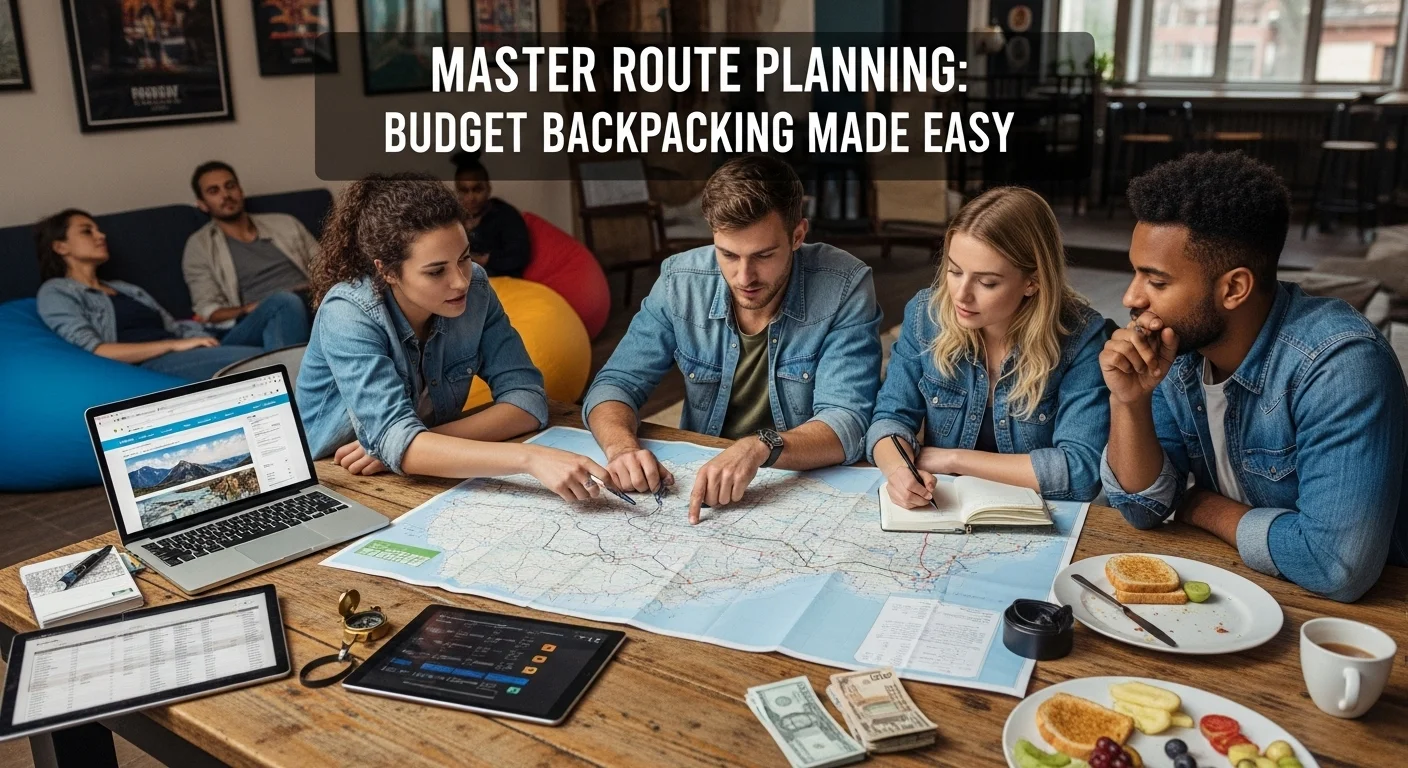
Master Route Planning: Budget Backpacking Made Easy

Understanding Route Planning Basics

What is Route Planning?

When I first got into backpacking, I quickly realized that route planning is more than just picking a destination and packing my bags. It’s about crafting a journey that flows smoothly, ensuring I can see as much as possible without feeling rushed or lost. Route planning involves mapping out your travel path, including the places you’ll visit, the means of transportation, and the duration of your stay at each spot. It’s essentially your roadmap to adventure.

Importance of Route Planning for Backpackers

From my experience, effective route planning can make a significant difference in how enjoyable a trip is. When I’ve taken the time to plan my routes carefully, I’ve had the chance to explore hidden gems and local attractions that I might have missed otherwise. Route planning helps to maximize my time, minimize costs, and reduce travel stress. Plus, knowing where I’m headed next gives me a sense of security and confidence, especially in unfamiliar places.

Common Route Planning Mistakes

Despite my best efforts, I’ve made my fair share of route planning mistakes along the way. One of the biggest blunders I’ve encountered is overpacking my itinerary. In the past, I crammed too many destinations into a short timeframe, which left me exhausted and unable to fully enjoy each location. Another mistake I made was neglecting to account for travel time between destinations—what seemed like a quick bus ride turned into a long, stressful day. I’ve also learned that not all popular tourist spots are worth the hype, and sometimes, it’s the lesser-known places that offer the best experiences. These missteps taught me to be more mindful and realistic about my plans.

Essential Tools and Resources for Route Planning

Mapping Apps and Software

In today’s digital age, I find mapping apps to be invaluable for route planning. I often use tools like Google Maps, which allows me to visualize my journey, check travel times, and find nearby attractions. But I also try out more specialized apps like Komoot or AllTrails, which cater specifically to outdoor enthusiasts. These apps help me discover hiking trails, biking routes, and scenic drives that can enhance my backpacking experience.

Offline Maps and Navigation

Sometimes, I venture into areas with limited internet access, so I always download offline maps before I leave. Apps like Maps.me have been lifesavers for me; they allow me to navigate without data, ensuring I don’t get lost in the wilderness or a bustling foreign city. I remember one trip in the mountains where my phone had no signal, and having those maps saved me from wandering aimlessly.

Travel Blogs and Forums

I love diving into travel blogs and forums for insights and tips from fellow backpackers. Websites like Lonely Planet and Reddit’s r/backpacking community have provided me with a wealth of information on routes, accommodations, and local customs. Reading personal stories and experiences helps me feel more connected to the places I plan to visit. Plus, I’ve often found off-the-beaten-path recommendations that have turned into my favorite travel moments. For example, I recommend checking out Budget Backpacking: Enjoy Exclusive Events Without Breaking the Bank for more ideas.

Backpacking Guidebooks

Even in the digital age, I still appreciate a good old-fashioned guidebook. I have a small collection of backpacking guidebooks that I refer to when planning my trips. They provide detailed information on transportation options, cultural insights, and must-see sights. I find that having a physical book in hand feels more personal, and I love flipping through the pages while dreaming about my next adventure.

Key Considerations for Budget Backpacking Routes

Travel Budgeting: Estimating Costs

One of the first things I learned when planning my backpacking journeys is the importance of budgeting. It can be overwhelming to think about all the potential expenses, but I’ve found that breaking it down helps. I start by estimating costs for transportation, accommodation, food, activities, and any unexpected expenses. I usually create a spreadsheet to keep track of everything.

For instance, on my last trip, I calculated my daily expenses for meals and transport based on the average costs in each country I planned to visit. I also set aside a little extra for souvenirs or special experiences, like a cooking class or a guided tour. This approach not only keeps my finances in check but also ensures I can enjoy my trip without constantly worrying about my wallet.

Choosing Budget-Friendly Destinations

In my experience, some destinations are much friendlier on the budget than others. I’ve found that Southeast Asia, Eastern Europe, and parts of Central America offer incredible experiences without making my bank account cry. When choosing where to go, I consider factors like local prices for food, accommodation, and transportation.

For example, when I traveled to Vietnam, I was amazed at how affordable everything was. Street food was not only delicious but also cost just a couple of dollars. Exploring local markets and using public transport helped me stretch my budget even further. I recommend looking up cost of living indexes for potential destinations to get a sense of what to expect.

Transportation Options: Cost vs. Convenience

Transportation can eat up a large chunk of my budget if I’m not careful. Over the years, I’ve learned to weigh the pros and cons of different transportation methods. While flying might seem fast, I’ve often found that taking trains or buses can be much cheaper, and sometimes even more enjoyable. I remember a scenic train ride through the mountains in Peru that was not only budget-friendly but also breathtaking.

Public transport is also a great way to immerse myself in the local culture. I always scout out the best options before I go, checking if there are any discount passes or travel cards available. And let’s not forget about ridesharing apps, which can be a budget-friendly alternative when public transport isn’t available.

Accommodation: Finding Budget Stays

Accommodation can often take a large bite out of my budget, but I’ve discovered several strategies to find great places to stay without blowing my budget. Hostels have been my go-to option for affordable lodging, and I’ve met some incredible people along the way. Many hostels offer private rooms, which can be a nice option if I’m traveling with a partner or just want a little more privacy.

I also love using platforms like Airbnb or Couchsurfing to find budget stays. Sometimes, I prefer staying with locals, which adds a unique dimension to my travels. I remember one time in Barcelona when I stayed with a lovely couple who not only gave me a place to sleep but also shared local tips that made my trip unforgettable.

Additionally, I always check if my accommodation offers free breakfast or kitchen facilities. This can save a lot of money on meals, allowing me to spend more on experiences or attractions.

By considering these key aspects of budgeting and planning, I’ve found that I can explore more while spending less. It’s all about making informed choices and being open to alternative options that align with my travel style and budget.

Creating Your Ideal Backpacking Route

Setting Travel Goals and Priorities

When I start planning a new backpacking adventure, one of the first things I do is set clear travel goals. I ask myself what I really want to get out of this trip. Is it relaxation, adventure, cultural experiences, or maybe a mix of everything? For instance, on my last journey to Japan, I aimed to immerse myself in the culture and history, so I prioritized visiting ancient temples and local festivals. I remember that feeling of excitement as I mapped out my itinerary, knowing that each stop was aligned with my goals.

Having specific priorities helps me focus my route planning. If I wanted to hike in the mountains, I’d look for trails and accommodations near those areas. Or if food experiences are my aim, I’d pinpoint cities renowned for their culinary delights. I believe that by setting these goals, I create a more meaningful and fulfilling travel experience. It’s like having a compass guiding me through my adventure.

Deciding on Duration and Pace

Another key aspect of route planning is determining how long I want to spend in each location. I’ve learned the hard way that trying to rush through multiple destinations can lead to burnout. On one trip, I attempted to see five cities in a week, and I ended up feeling more like a tourist on a checklist than an explorer. Now, I prefer a slower pace, allowing myself to soak in the atmosphere and truly connect with each place.

In deciding on duration, I often consider how much time I realistically need to explore a destination. For example, if I’m in a large city, I might spend three to four days to really dive into the local culture. But in smaller towns or rural areas, a day or two can be sufficient. I try to strike a balance between visiting new places and having enough downtime to recharge, which is so important during long trips.

Incorporating Must-See Attractions

While it’s essential to have flexibility in my plans, I also make sure to include some must-see attractions that excite me. I often create a wishlist of top sights in each city I’m visiting. For instance, during my trip to Italy, I was determined to see the Colosseum and the Vatican. I made sure they were at the top of my list, but I also left room for spontaneous detours or local recommendations.

One of my favorite experiences was stumbling upon a small, local art gallery in Florence that wasn’t on my radar. I had just finished visiting the Uffizi Gallery and was wandering the streets when I discovered it. It turned out to be one of the highlights of my trip, proving that while I have my must-sees, I should always keep my eyes open for hidden treasures.

Exploring Off-the-Beaten-Path Locations

Over the years, I’ve grown to appreciate the beauty of off-the-beaten-path destinations. They often offer a more authentic experience, away from the crowds. I make it a point to include lesser-known sites in my route planning. For example, instead of just visiting the popular beaches in Thailand, I sought out smaller islands where I could enjoy pristine beaches without the hustle and bustle.

I also love connecting with locals and hearing their suggestions for unique spots. During one trip to Greece, a local recommended a tiny taverna on a secluded beach where I had the best seafood of my life. Not only did I avoid the tourist traps, but I also had a chance to experience the genuine hospitality of the local people.

Incorporating these hidden gems into my itineraries has not only enriched my travels but also provided me with stories and memories that I cherish. I always remind myself that sometimes the best adventures lie beyond the popular attractions, waiting to be uncovered.

Safety and Health Considerations

Safety and Health Considerations

Travel Insurance: Why It Matters

One lesson I’ve learned the hard way is the importance of travel insurance. I used to think it was an unnecessary expense until I faced a situation where I needed it. On a trip to South America, I fell ill and had to visit a hospital. Thankfully, I had insurance that covered my medical expenses, which relieved a huge burden. It’s easy to overlook, but having insurance provides peace of mind, allowing me to explore confidently, knowing that I’m protected against unexpected events.

When selecting travel insurance, I recommend looking for a policy that covers medical emergencies, trip cancellations, and lost belongings. I often compare different providers to find the best coverage for my needs. It’s worth investing a little time upfront to ensure I’m prepared for any surprises during my travels.

Health Precautions while Backpacking

Staying healthy while backpacking is crucial, and I’ve discovered a few essential practices that help. First, I always make sure to pack a basic first aid kit. It’s saved me from minor scrapes and stomach issues on more than one occasion. I include band-aids, antiseptic wipes, pain relievers, and any personal medications I might need. I’ve learned that being prepared for small health issues can make a big difference in my travel experience.

Additionally, I pay attention to local health advisories. Before heading to a new country, I research any necessary vaccinations or health precautions. For example, on a trip to Southeast Asia, I got vaccinated for typhoid and hepatitis A, which gave me peace of mind while sampling street food. I also make it a point to stay hydrated and eat well, especially during long days of hiking or wandering around new cities.

Staying Safe on the Road

Safety is always at the forefront of my mind when traveling. I’ve picked up a few tips over the years that I find helpful. First, I try to blend in as much as possible, avoiding flashy clothing or expensive gear that could attract unwanted attention. I’ve also learned to trust my instincts; if something feels off, I don’t hesitate to change my plans. For example, if I find myself in a sketchy neighborhood, I’ll quickly move to a busier area.

Keeping my belongings secure is another priority. I use a money belt or a hidden pouch to store my passport and cash. I’ve had my fair share of close calls with pickpockets, so I’m always vigilant, especially in crowded places. Before I travel, I also share my itinerary with family or friends, so someone knows where I am at all times. This small step adds an extra layer of safety to my adventures.

Tips for Efficient Route Planning

Flexibility vs. Structure in Itineraries

Finding a balance between flexibility and structure in my itinerary has been key to enjoying my travels. I like to have a rough outline of my route, including key destinations and activities, but I also leave room for spontaneity. There have been times when I’ve met fellow travelers who suggested alternative plans, and I’m so glad I was open to it. For example, I once changed my course in Colombia to join a group for a trek to a hidden waterfall, which turned out to be one of the highlights of my trip.

Having a structured plan can help prevent feeling lost, but being flexible allows me to embrace unexpected adventures. I think it’s important to remember that sometimes the best experiences come from unplanned moments, so I try to keep an open mind.

Using Technology to Optimize Routes

Technology is my best friend when it comes to route planning. I utilize various apps that help optimize my travel routes. For instance, I use route optimization apps to minimize travel time between destinations. They can suggest the most efficient paths, which is incredibly helpful when I’m juggling multiple locations. I also rely on public transport apps that inform me of the best routes and schedules, saving me a lot of time and frustration.

Additionally, I keep a digital document with all my travel confirmations, itineraries, and important contacts. This way, I have everything I need at my fingertips, reducing the risk of losing paper documents, which I learned the hard way during one trip.

Backup Plans: What to Do When Things Go Wrong

No matter how well I plan, things can still go awry. That’s why I always have a backup plan in place. I remember a time when a bus I was supposed to take was canceled unexpectedly. Thankfully, I had researched alternative transport options ahead of time and was able to hop on a train instead. It wasn’t part of my original plan, but it turned out to be a scenic ride I never would have experienced otherwise.

I also try to keep a list of important contacts—like local embassies or travel agencies—handy in case I run into serious issues. Knowing who to reach out to can alleviate a lot of stress if something goes wrong during my travels. By staying prepared for unexpected events, I can enjoy my journey with confidence.

Final Thoughts

Through my adventures, I’ve learned that route planning is both an art and a science. It’s about crafting a personalized journey that reflects our interests while also being adaptable to the unexpected. By understanding the basics, leveraging essential tools, budgeting wisely, and prioritizing safety and health, we can create unforgettable backpacking experiences. Each trip offers a chance to learn more about ourselves and the world, and I believe that with thoughtful planning, our adventures can be even more enriching. So, let’s pack our bags, map our routes, and set off to discover the beauty that awaits us out there! Don’t forget to explore Budget Backpacking: Cultural Experiences on Safari Trips for more enriching experiences.

Frequently Asked Questions

What is route planning in backpacking?

Route planning in backpacking is the process of mapping out your travel path, including destinations, means of transportation, and the duration of stay at each location. It ensures a smooth journey and helps maximize the experience without feeling rushed or lost.

Why is route planning important for backpackers?

Effective route planning enhances the enjoyment of a trip by allowing backpackers to explore hidden gems and local attractions. It maximizes time, minimizes costs, and reduces travel stress, providing a sense of security and confidence, especially in unfamiliar places.

What are common mistakes made during route planning?

Common mistakes include overpacking the itinerary, neglecting to account for travel time between destinations, and visiting popular tourist spots that may not be worth the hype. These missteps can lead to exhaustion and a less enjoyable experience.

What tools are recommended for route planning?

Recommended tools for route planning include mapping apps like Google Maps, specialized apps like Komoot and AllTrails, offline map apps like Maps.me, travel blogs, forums, and traditional backpacking guidebooks.

How can budget backpackers estimate their travel costs?

Budget backpackers can estimate costs by breaking down expenses for transportation, accommodation, food, activities, and unexpected expenses. Creating a spreadsheet to track daily expenses and setting aside extra for special experiences can help maintain financial control during the trip.

What are some budget-friendly destinations for backpacking?

Destinations that are budget-friendly include Southeast Asia, Eastern Europe, and parts of Central America. These regions often offer affordable experiences, local prices for food, accommodation, and transportation, making them great options for budget travelers.

What are the best transportation options for budget backpackers?

Budget backpackers should weigh the pros and cons of different transportation methods. While flying may be faster, trains and buses can be much cheaper and more enjoyable. Public transport is also a great way to immerse oneself in local culture.

How can backpackers ensure their safety while traveling?

Backpackers can ensure safety by blending in with locals, trusting their instincts, keeping belongings secure, and sharing their itinerary with family or friends. Being aware of surroundings and avoiding flashy clothing can also help prevent unwanted attention.

What is the importance of travel insurance for backpackers?

Travel insurance is important as it provides peace of mind against unexpected events, such as medical emergencies or trip cancellations. It’s advisable to select a policy that covers these aspects to ensure preparedness during travels.

How can backpackers maintain flexibility in their travel itineraries?

Backpackers can maintain flexibility by having a rough outline of their route while leaving room for spontaneity. This allows them to embrace unexpected adventures and make the most of their travel experiences.

Backpacking Safety: How to Protect Yourself on a Budget

Backpacking can be one of the most exhilarating experiences, but safety should always come first. Let’s explore how we can keep ourselves safe while enjoying the great outdoors without breaking the bank. For more information, check out our guide on Backpacker Safety Essentials.

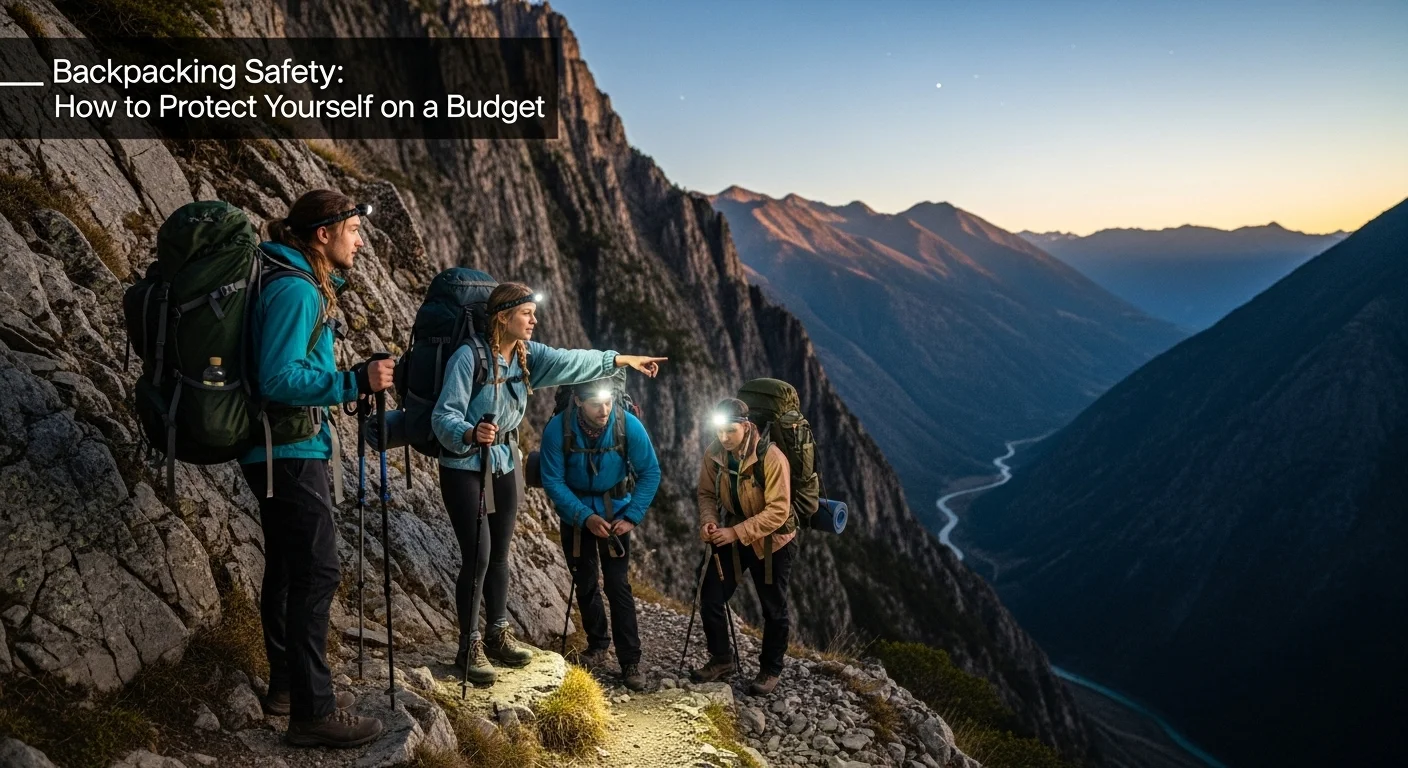
Backpacking Safety: How to Protect Yourself on a Budget

Understanding Backpacking Safety

Importance of Safety While Backpacking

When I first decided to go backpacking, I was all about the adventure. I wanted to explore lush forests, climb breathtaking mountains, and sleep under a blanket of stars. But what I quickly learned is that while the thrill of adventure is intoxicating, safety is paramount. Backpacking safety isn’t just about avoiding physical harm; it’s about ensuring that our experiences are joyful and worry-free. Being prepared and informed can greatly reduce risks and enhance our journey. I always remind myself that a little caution can go a long way in making the trip memorable for all the right reasons.

Common Risks and Challenges in Backpacking

As I chatted with fellow backpackers and scoured forums, I discovered an array of risks that can come with our beloved outdoor adventures. Some of the most common include:

  • Getting Lost: It’s easy to take a wrong turn, especially when the trails look similar. I remember a time when I strayed from the marked path and ended up wandering for hours, my heart racing as the sun began to set.
  • Weather Changes: Nature can be unpredictable. I once packed for a sunny day only to be caught in a sudden downpour. Having the right gear and knowledge about the weather can save you from discomfort and potential danger.
  • Wildlife Encounters: While spotting wildlife can be thrilling, it also poses risks. I’ve encountered bears and snakes, which reminded me to always respect their space and know how to react.
  • Injuries: Whether it’s a twisted ankle or a cut, injuries can happen. Having a basic understanding of first aid can make all the difference in those critical moments.

Understanding these risks allows us to prepare better. It’s not about letting fear control our adventures; it’s about being smart and taking proactive steps to mitigate those risks. For more tips, check out Essential Safety Measures for Budget Backpackers.

Essential Safety Gear for Budget Backpackers

Backpacking Backpack: Features to Look For

Choosing the right backpack can be a game changer. I remember my first backpack—it was too heavy and had no proper support. Now, I look for a few essential features: a comfortable harness, sufficient storage, and weather-resistant materials. It’s worth investing in a good backpack that fits well; it can prevent back pain and fatigue on long hikes.

First Aid Kit: What to Include

No one wants to imagine getting hurt while out in the wild, but I’ve learned the hard way that having a well-stocked first aid kit is essential. Here’s what I always include:

  • Adhesive bandages of various sizes
  • Antiseptic wipes or cream
  • Pain relievers like ibuprofen or acetaminophen
  • Gauze pads and medical tape
  • Antihistamines for allergic reactions
  • A small pair of scissors and tweezers

It’s easy to find compact first aid kits online that won’t break the bank, and I always add personal items like any necessary medications. This small investment brings peace of mind on the trails.

Personal Safety Devices: Budget-Friendly Options

In my experience, it’s always wise to carry personal safety devices. I’ve found that even simple items can make a big difference. A whistle can attract attention in emergencies, and a durable flashlight is indispensable for navigating dark areas. I always carry a small pocket knife for various tasks—it’s versatile and can come in handy. Another option I’ve seen is personal alarms that can emit a loud sound to deter unwanted attention. These devices don’t have to be expensive to be effective.

Clothing and Footwear for Safety

The right clothing and footwear can significantly impact our safety and comfort on the trail. I learned early on that wearing layers is crucial. They can keep us warm when it’s chilly and can easily be removed when the sun shines down. Breathable, moisture-wicking fabrics are a must, and I’ve discovered that a good pair of hiking boots is worth the investment. They provide support and protection against uneven terrain and prevent injuries. For me, I always recommend breaking in new footwear before hitting the trails to avoid blisters.

Backpacking safety isn’t just about having the right gear; it’s about being informed and prepared. I’ve found that taking these steps not only protects us but also allows us to fully enjoy the beauty of nature without constant worry. So, let’s get out there and make some amazing memories, safely! For essential tips, don’t forget to read Top 10 Safety Tips Every Backpacker Must Know.

Planning Your Backpacking Trip Safely

Researching Your Destination

Before I set foot on the trail, I always make it a point to research my destination thoroughly. I can’t stress how much this has helped me avoid potentially dangerous situations. I look into the terrain, weather patterns, and any specific wildlife in the area. Websites, blogs, and local park ranger stations often provide valuable insights. I remember planning a trip to a national park and discovering that certain trails were closed due to recent landslides. Had I not done my homework, I might have ended up on a closed path, putting myself in danger. Taking the time to research not only keeps us safe but also enhances our experience by allowing us to anticipate the beauty and challenges ahead.

Choosing Safe Routes and Trails

When it comes to selecting a trail, I always consider my skill level and physical fitness. I’ve learned the hard way that just because a trail looks enticing doesn’t mean it’s suitable for everyone. I once decided to tackle a more challenging hike than I was prepared for, and let’s just say, it wasn’t my finest moment. I felt overwhelmed, and it dampened my enjoyment. Now, I always choose routes that match my abilities and those of my companions. Checking trail reviews and maps has become an essential part of my planning process. I also pay attention to warnings about steep terrain or areas prone to rockslides or flooding.

Understanding Local Laws and Customs

Understanding the local laws and customs of the area I’m visiting is something I’ve come to prioritize. Each place has its own regulations regarding camping, fires, and even wildlife interactions. I remember going to a national forest where campfires were strictly prohibited due to fire hazards. Had I ignored that rule, I could have faced hefty fines and, more importantly, have put the forest at risk. It’s also good to familiarize myself with any cultural customs that may apply, especially in areas with indigenous communities. Respecting local cultures not only shows appreciation but also contributes to a safer and more enriching experience.

Creating a Backpacking Itinerary

One of the best habits I’ve adopted is creating a detailed itinerary before heading out. This isn’t just a checklist; it’s a way to ensure that my friends and I stay on track and can share our plans with someone back home. I include start and end points, estimated hiking times, and any notable landmarks along the way. I learned this the hard way during a trip when I didn’t inform anyone of my plans. After a long day on the trail, I got back late, and it was a stressful moment for my family who hadn’t heard from me. Now, I always leave my itinerary with a trusted friend or family member. It’s a simple step that offers peace of mind for everyone involved.

Travel Insurance: Is It Worth It?

Types of Travel Insurance for Backpackers

When I first started backpacking, I didn’t think much about travel insurance. I figured I was young and healthy; what could possibly go wrong? But after hearing stories from fellow travelers about unexpected medical emergencies and trip cancellations, I changed my perspective. Now, I always look into different types of travel insurance. There are plans that cover everything from medical emergencies to lost equipment. I learned that some policies even include coverage for adventure activities like hiking, which is essential for us outdoor enthusiasts. It’s comforting to know that I’m protected, no matter what the trail throws my way.

How to Choose Affordable Travel Insurance

Finding affordable travel insurance can seem daunting, but I’ve found that shopping around really pays off. There are numerous comparison websites that help me evaluate different options. I always read the fine print, looking for hidden fees or exclusions. For me, it’s essential to balance cost and coverage—there’s no point in saving a few bucks if I’m not adequately protected. I also keep an eye out for plans that cater specifically to backpackers, as they often understand our unique needs better.

What to Look for in a Policy

Choosing the right travel insurance policy can be overwhelming, but I focus on a few key elements. First, I check the medical coverage limits—this is crucial if I find myself in an emergency. Next, I look for trip cancellation coverage in case I have to reschedule my plans unexpectedly. It’s also essential to know what activities are covered under the policy. I’ve learned that some insurers have specific exclusions for high-risk activities, so it’s crucial to ensure that my adventurous spirit is protected. Finally, I always read reviews to see what others have experienced with the insurance provider to ensure they are reliable and responsive in emergencies.

Staying Safe While on the Trail

Group Hiking vs. Solo Backpacking

As someone who has ventured out both solo and in groups, I can tell you that each has its own set of joys and challenges. Hiking in a group can be a wonderful experience; there’s something about sharing the beauty of nature with others that enhances the adventure. However, it comes with its own safety dynamics. I’ve found that communication is key when hiking with a group. It’s essential to keep everyone informed about the plan, pace, and any concerns along the way. I remember one trip where we lost track of a member who lagged behind to take photos. Thankfully, we regrouped, but it highlighted the importance of staying connected. On the other hand, solo backpacking can be incredibly freeing, allowing for a personal connection with nature. Yet, I’ve learned to be extra cautious in this scenario. When I’m alone, I make sure to stick to well-traveled paths and inform someone about my itinerary. I also carry a whistle and a personal alarm for emergencies, just in case I need to attract attention. Ultimately, whether I’m with a group or solo, I make sure to be mindful of my surroundings and prepared for anything that comes my way.

Staying Aware of Your Surroundings

Staying aware of my surroundings has become second nature during my hikes. I make it a point to look up from my trail map and take in the sights around me. I’ve realized that being present can help me notice changes in the environment, such as shifting weather patterns or unusual noises that might signal wildlife nearby. I remember one hike where I spotted a mother deer and her fawn because I was tuned in to my surroundings. It was a moment of sheer joy that I might’ve missed had I been lost in my thoughts. Additionally, I think it’s important to take breaks to assess my surroundings. When I rest, I often scan for landmarks or trails that can guide me back if I get turned around. I carry a lightweight compass as a backup, even if I primarily rely on my phone’s GPS. It’s a simple reminder that sometimes technology can fail us, and knowing how to navigate traditionally can be a lifesaver.

Wildlife Safety Tips

Encountering wildlife can be one of the most thrilling aspects of backpacking, but it also demands respect and caution. I remember my first close encounter with a bear. I was hiking along a serene trail when I spotted one rummaging through some bushes. I froze, my heart racing. What I learned that day was invaluable: it’s crucial to make noise while hiking to avoid surprising wildlife. I’ve since adopted the habit of talking or singing softly, which can help alert animals to my presence without startling them. I’ve also learned the importance of food storage. Keeping food properly sealed and away from camping areas is vital. I once camped near a site with inadequate food storage, and I woke up to a raccoon rummaging through my gear. Now, I always use bear canisters or hang my food in a tree, ensuring it’s at least 10 feet off the ground and 4 feet from the tree trunk. Respecting wildlife and understanding how to coexist is essential for a safe and enjoyable trip.

Emergency Procedures: What to Do in Case of an Incident

Despite our best efforts, emergencies can happen, so being prepared is key. I’ve found that knowing basic emergency procedures can make a world of difference. During one hike, a friend twisted her ankle, and I was grateful I had taken a wilderness first aid course. I quickly assessed her injury, applied a splint, and we were able to make our way back to the trailhead with my help. I always carry a small emergency kit that includes a flashlight, a multi-tool, and extra food and water. It’s a comfort to know that I’m ready for unexpected situations. Additionally, I familiarize myself with the route to the nearest help center or ranger station before I set out. I also keep a list of emergency contacts saved on my phone, just in case I need to reach someone for help. Having a plan and being equipped to handle emergencies not only keeps me safe but also eases my mind during hikes.

Communicating and Navigating on a Budget

Using Smartphone Apps for Safety

Smartphone apps have become my best friends in the backcountry. I rely on several apps to enhance my hiking experience and keep me safe. One of my favorites is a GPS navigation app that works offline. I remember getting lost on a trail once, and having that app available saved me from wandering too far off course. These apps often include trail maps, elevation profiles, and even user reviews, which can be incredibly useful. I also like to use weather apps to keep tabs on changing conditions, ensuring I’m not caught unprepared.

Offline Navigation Tools and Maps

While I love tech, I also believe in old-school navigation skills. Maps and compasses are essential tools that I always carry, especially when I’m heading into remote areas. I’ve learned that relying solely on my phone can be a mistake; batteries die, and signals can drop unexpectedly. I remember one hike where my phone lost charge, and I was grateful I had a physical map to guide me. Plus, studying the map before the trip helps me familiarize myself with the area, making me feel more confident and prepared.

Staying Connected: Budget-Friendly Communication Options

Staying connected with loved ones while backpacking is important, especially in case of emergencies. I’ve found that simple text messages can often go through even when cell service is spotty. I usually send a quick message to my family or friends when I start a hike and when I finish. Additionally, investing in a portable charger has been a game-changer for me. It allows me to keep my devices charged without needing a power outlet. For those planning multi-day trips, satellite phones or personal locator beacons can be worth considering, although they can be pricier. It’s all about finding the right balance for your budget and peace of mind.

Safe Accommodation Options for Backpackers

Choosing Budget Hostels and Campsites

Finding safe accommodation is crucial for backpackers like us. I’ve had some great experiences staying in budget hostels, especially those that cater to outdoor enthusiasts. They often provide useful amenities like gear storage and local advice. When selecting a hostel, I look for reviews that mention safety and cleanliness. I remember one hostel where the staff was incredibly helpful, providing tips on local trails and ensuring I felt secure during my stay. When camping, I opt for designated campsites that have good reviews and are known for being safe. These sites usually have established protocols for managing wildlife, adding an extra layer of security.

Reading Reviews and Recommendations

Reading reviews has become a habit of mine. I rely heavily on platforms like TripAdvisor or travel blogs to gauge the safety of accommodations. I often look for comments about the area surrounding the hostel or campsite, as a good neighborhood can make a huge difference. A few years ago, I almost booked a campsite that had great amenities but was located in a sketchy area. Thankfully, a quick read-through of the reviews opened my eyes to the potential risks, and I chose a safer option instead. Trusting the experiences of fellow travelers is an invaluable resource.

Safety Tips for Staying in Shared Accommodations

Staying in shared accommodations can be a fantastic way to meet fellow travelers, but it does come with its own set of safety considerations. I always lock up my belongings and use a travel lock for my backpack. It’s also wise to keep important items like my passport and wallet close. I’ve found that getting to know my roommates can be a good way to gauge the atmosphere. I remember one time sharing a room with a group of friendly hikers, and we felt much safer sticking together. Additionally, I make it a point to have an emergency plan in mind, just in case something unexpected happens during my stay.

Food Safety While Backpacking

Keeping Your Food Safe on the Trail

Food safety is often overlooked when backpacking, but it’s something I take seriously. I always pack my food in airtight containers to minimize contamination and keep critters away. I recall a trip where I had some snacks poorly stored, and I ended up sharing them with some ants. It’s crucial to keep everything organized and clean. I’ve found that using bear-proof canisters not only keeps my food safe from animals but ensures that I don’t attract unwanted attention while camping.

Water Purification Methods

Staying hydrated is essential, but I’ve learned the importance of water purification. I always carry a reliable water filter or purification tablets. There was a time when I relied on boiling water, which took longer than expected, especially when I was thirsty after a long hike. Now, I prefer using a portable filter; it’s quicker and simpler. I make sure to fill my water bottles at natural sources and keep an eye out for signs of contamination, such as dead animals or muddy water. Having clean water has made my trips much more enjoyable and safe.

Dealing with Food Allergies or Restrictions

Food allergies or restrictions can complicate backpacking, but I know how to navigate them. I always pack my own meals to ensure I have safe options that meet my dietary needs. When planning meals, I try to include lightweight, non-perishable items that are easy to prepare. On one trip, I forgot to check the ingredients of a pre-packaged meal and ended up with a reaction. Since then, I’ve made it a rule to read labels thoroughly and even bring snacks that are naturally allergen-free. It’s essential to prioritize our health, especially while adventuring.

Emergency Preparedness for Backpackers

Creating an Emergency Contact Plan

Having an emergency contact plan is crucial for any backpacking trip. I always share my itinerary with a trusted friend or family member, including my planned route and expected return time. This way, if something goes wrong, they know where to start looking for me. I remember a hike where my friend and I got separated during a storm. Luckily, we had shared our plans, and our friends knew where to send help. Clear communication can really make a difference in emergencies.

Essential Items for Emergency Situations

Besides a basic first aid kit, I carry a few essential items that can make a huge impact during emergencies. I always have a whistle, signaling for help if needed. I also pack extra food and water, a multi-tool, and a lightweight blanket for warmth. I remember a chilly night when I lost my way, and having that blanket was a lifesaver. I’ve found that being prepared can turn a potentially dangerous situation into a manageable one.

Knowing Local Emergency Numbers

Before setting off on a trip, I make it a point to know local emergency numbers. I usually jot them down in my notebook or keep them saved on my phone. This became especially relevant during a trip in a remote area where cell service was spotty. Knowing who to contact in case of an emergency gives me peace of mind. I always recommend checking with local authorities about what numbers to call for various emergencies, as they can differ from place to place.

Final Thoughts

Backpacking is one of the most rewarding experiences, and with the right preparation, we can enjoy it safely and affordably. I’ve learned that being informed and taking proactive steps can turn potential risks into manageable challenges. From understanding safety gear to planning our trips thoughtfully, every detail counts. Whether exploring solo or with friends, embracing the beauty of nature while respecting our limits will lead to unforgettable memories. So, let’s strap on our packs, keep safety in mind, and hit the trails!

Frequently Asked Questions

What is the importance of safety while backpacking?

Safety is paramount in backpacking as it ensures that our experiences are joyful and worry-free. Being prepared and informed can greatly reduce risks and enhance the journey, allowing us to focus on enjoying nature without constant worry.

What are common risks and challenges in backpacking?

Common risks include getting lost, weather changes, wildlife encounters, and injuries. Understanding these risks helps in preparation and mitigates potential dangers during the adventure.

What essential safety gear should budget backpackers consider?

Budget backpackers should consider a comfortable backpack, a well-stocked first aid kit, personal safety devices like whistles and flashlights, and appropriate clothing and footwear for safety and comfort on the trail.

How can I research my backpacking destination safely?

Before heading out, research the terrain, weather patterns, and local wildlife. Use resources like websites, blogs, and local park ranger stations to gather information and avoid potentially dangerous situations.

What should I include in a backpacking itinerary?

A backpacking itinerary should include start and end points, estimated hiking times, notable landmarks, and be shared with someone back home for safety. This ensures that plans are clear and can help in emergencies.

Is travel insurance necessary for backpackers?

Travel insurance is recommended as it covers unexpected medical emergencies, trip cancellations, and lost equipment. It provides peace of mind while enjoying outdoor activities.

What are the safety considerations for group hiking versus solo backpacking?

Group hiking requires good communication to keep everyone informed and safe, while solo backpacking demands extra caution, such as sticking to well-traveled paths and informing someone of your plans.

How can I keep my food safe while backpacking?

Pack food in airtight containers to minimize contamination and use bear-proof canisters to prevent wildlife encounters. Keeping everything organized and clean is essential for food safety on the trail.

What should I include in my emergency kit while backpacking?

Your emergency kit should contain a basic first aid kit, a whistle, extra food and water, a multi-tool, and a lightweight blanket for warmth. Being prepared can help manage unexpected situations effectively.

How can I ensure safety when staying in shared accommodations?

Lock up your belongings, use a travel lock for your backpack, and keep important items close. Getting to know your roommates can help gauge safety, and having an emergency plan is wise.

Stay Safe While Traveling: Backpacker Safety Essentials

Traveling as a backpacker can be one of the most exhilarating experiences, but it also comes with its own set of challenges. Staying safe while exploring new places is essential for enjoying your adventure fully. For those looking for guidance, you can find essential safety measures for budget backpackers that can help enhance your experience.

Understanding Backpacker Safety

Why Safety is Crucial for Backpackers

As someone who has traveled extensively as a backpacker, I can’t stress enough the importance of safety. When you’re on the road, especially in unfamiliar places, you can encounter situations that could easily spiral out of control. I’ve learned that being proactive about safety not only protects you from harm but also enhances your overall travel experience. When you feel secure, you can focus more on enjoying your journey rather than worrying about what might go wrong.

Stay Safe While Traveling: Backpacker Safety Essentials

Common Risks Faced by Backpackers

Backpackers often face unique risks that can vary depending on their destinations. For example, petty theft is a common issue in busy tourist areas. I remember visiting a popular market where I was so engrossed in the vibrant stalls that I didn’t notice someone trying to unzip my backpack. Thankfully, I caught them in time, but it was a stark reminder to stay vigilant.

Natural hazards can also pose risks, especially for those who venture into remote areas. I experienced this firsthand while hiking in the mountains. The terrain was rugged, and I quickly realized how important it was to be prepared for sudden changes in weather or navigation challenges. Additionally, health risks can arise, from foodborne illnesses to injuries from activities like hiking or biking. To learn more about food safety while traveling, check out the top 10 budget-friendly foods for backpackers.

Furthermore, cultural misunderstandings can lead to uncomfortable situations. I recall a time when I inadvertently offended a local by not following a customary greeting. It was embarrassing, and it made me realize the importance of understanding local customs and etiquette to avoid such pitfalls.

Essential Safety Gear for Backpackers

Travel Insurance: Why You Need It

One of the first things I always do before any trip is to secure travel insurance. It may seem like an extra expense, but the peace of mind it offers is invaluable. I’ve heard countless stories of travelers who faced unexpected medical emergencies or lost their belongings, and the costs can be astronomical without coverage. If you’re backpacking through multiple countries, insurance also protects you from cancellations or delays, which I learned the hard way after a flight was canceled last minute.

First Aid Kits: What to Include

A well-stocked first aid kit can be a lifesaver while traveling. I always carry a small kit with essentials like band-aids, antiseptic wipes, pain relievers, and any personal medications I might need. It’s surprising how often I’ve had to use it, whether for a scraped knee from a hiking fall or a headache after a long travel day. I suggest including some basic medical supplies, such as blister pads and allergy medication, too. You never know when you might need them!

Portable Safety Devices: Personal Alarms and Whistles

In my experience, having a portable safety device can provide an extra layer of security. I often carry a personal alarm or whistle when I’m traveling, especially in crowded places. These devices can be a deterrent to potential threats and can attract attention in case of an emergency. I remember one time in a bustling city, I felt uneasy when someone started following me. I quickly activated my alarm, and the noise startled them away, allowing me to escape the situation safely.

Secure Backpack Features: Lockable Zippers and Anti-Theft Designs

Your backpack is your lifeline while traveling, so investing in one with security features is crucial. I’ve always opted for backpacks with lockable zippers and anti-theft designs. These features provide a sense of security, knowing that my belongings are less likely to be tampered with. During my travels, I’ve found that simply being able to lock my bag while I take a break at a café or on public transport helps me relax and enjoy my surroundings more. Additionally, a backpack that has hidden compartments can add another layer of protection for your valuables.

Planning Your Trip with Safety in Mind

Researching Your Destination: Safety Ratings and Travel Advisories

Before any trip, I make sure to do thorough research on my destination. I look up safety ratings, read travel advisories, and check local news to be aware of any current issues. This preparation helps me feel more prepared and informed about what to expect. For instance, I once found out there were protests occurring during my visit to a city. Understanding this ahead of time allowed me to plan my days accordingly and avoid potentially dangerous areas. For more tips, I recommend reading about the top 10 safety tips every backpacker must know.

Choosing Safe Accommodations: Hostels vs. Hotels

When it comes to accommodations, safety should be a top priority. I’ve stayed in both hostels and hotels, and each has its pros and cons. While hostels can be a great way to meet fellow travelers, I always read reviews to ensure they have good security measures in place, such as lockers for valuables and 24-hour reception. On the other hand, hotels often provide more security, but they can be pricier. I try to find a balance that fits my budget while ensuring I feel safe where I’m staying.

Understanding Local Laws and Customs

Before I travel to a new country, I make it a point to learn about the local laws and customs. This understanding can prevent misunderstandings and potential legal issues. For example, in some countries, taking photos in certain locations is strictly prohibited. I once almost took a picture in a sacred site without realizing it was against the law. Thankfully, I was informed in time, and I learned to always double-check before snapping away.

Staying Safe While on the Road

Transport Safety: Public Transit vs. Rideshares

When I’m traveling, getting from one place to another safely is always on my mind. I’ve used a variety of transport options, from public transit to rideshare services, and I’ve learned a few tips along the way. Public transit can be an adventure in itself, but I always make sure to stay alert. I remember one time on a crowded bus in a foreign city; I was so absorbed in the scenery that I nearly missed my stop. I’ve found it helpful to keep my belongings close and be aware of my surroundings, especially during rush hour when it’s easy to get distracted.

On the other hand, rideshare services can be a great way to navigate a city, especially at night or in areas I’m unfamiliar with. I always check the driver’s details before getting in and confirm the car’s license plate matches what I see in the app. I also prefer to sit in the back seat, which gives me a better view and makes me feel a bit more secure. It’s all about trusting your instincts—if something feels off, I don’t hesitate to cancel the ride.

Walking and Biking: Best Practices for Safety

Exploring a new place on foot or by bike can be one of the most enjoyable experiences. I love discovering hidden gems that you might miss while in a vehicle. However, I’ve learned that being mindful of safety is essential, especially when navigating busy streets. I always stick to well-lit paths and avoid isolated areas, particularly after dark. I remember walking back to my hostel one evening and chose a well-populated route, even if it took a bit longer. It was worth it for the extra peace of mind.

When biking, wearing a helmet is non-negotiable for me. I also make sure to familiarize myself with the local traffic rules, as they can differ significantly from what I’m used to. I had a close call once when I didn’t realize bikes had to yield to pedestrians in a European city. Thankfully, I was able to brake in time, but it reinforced how crucial it is to stay alert and informed.

Using GPS and Offline Maps

Getting lost can be part of the adventure, but I prefer to have a plan to avoid unnecessary stress. I rely heavily on GPS apps to find my way around, but I’ve also learned the importance of having offline maps handy. There were times when I found myself in a spot with little to no cell service, and my GPS was useless. I now download maps of my destination before I head out, which has saved me from wandering aimlessly. I remember one trip where I had a downloaded map of a hiking trail—without it, I might have ended up lost in the woods!

Additionally, I always mark important locations on my map, like my accommodation, nearby hospitals, and police stations. It’s a simple step, but knowing where help is available can be incredibly reassuring when exploring a new area. I’ve also found that asking locals for directions or tips can lead to some interesting conversations and insights about the area.

Personal Safety Tips for Backpackers

Staying Aware of Your Surroundings

I can’t emphasize enough how crucial it is to stay aware of your surroundings while traveling. I’ve been in situations where distractions could have led to problems. For instance, during a scenic walk, I was so focused on taking pictures that I didn’t realize how crowded it had become. I’ve learned to take a mental note of the people around me and the general vibe of the area. If something feels off, I trust that gut feeling and relocate to a more comfortable spot.

Using a buddy system can also be helpful. When I’m traveling with friends, we always check in with each other, especially if we decide to split up for a bit. I’ve noticed that even just having someone else around can make us more aware of our surroundings and less likely to be caught off guard.

Traveling in Groups vs. Solo Travel

Traveling solo has its unique charm, but I’ve found that there’s strength in numbers. When I venture out alone, I take extra precautions. I tend to stick to more populated areas and avoid late-night outings unless I’m certain I can get back safely. On the flip side, when I’m with a group, we always discuss our plans and look out for one another. We’ve had some unforgettable experiences where we all felt secure and supported, which enhanced our overall enjoyment. I think it’s essential to find a balance that works for you, whether you prefer solo adventures or group travel.

How to Handle Uncomfortable Situations

Despite all precautions, there are times when things can get uncomfortable. I’ve faced a few situations that caught me off guard, like when someone approached me in a way that made me uneasy. In those moments, I remind myself to trust my instincts. If I feel threatened, I don’t hesitate to walk away or seek help from a nearby vendor or local. I also learned that keeping a confident demeanor can deter unwanted attention. I try to walk with purpose and not appear lost, which often helps in avoiding uncomfortable encounters.

If I ever feel like something is off, I don’t hesitate to change my plans. It’s better to miss out on an experience than to compromise my safety. I remember one occasion when I decided to leave a bar early because I felt uncomfortable with the crowd. It turned out to be a wise decision, as I later learned about some incidents that had occurred there that night. Prioritizing safety over social expectations is something I fully support.

Emergency Preparedness

Creating an Emergency Plan

While I hope for the best during my travels, I always prepare for the worst. Having an emergency plan in place gives me a sense of control and peace of mind. I usually start by identifying potential risks related to my destination, such as natural disasters, political unrest, or health advisories. I remember a trip to Southeast Asia where I researched what to do in case of a monsoon. Knowing the local emergency numbers and having a plan for where to go in case of heavy rains helped ease my worries.

Another essential aspect is to have a list of emergency contacts readily available. I make sure to save important phone numbers in my phone and write them down in my travel journal. This includes contacts for my accommodation, local authorities, and even family back home. I think it’s also worth sharing this information with someone back home, so they know how to help if something goes wrong.

How to Contact Authorities Abroad

Understanding how to reach authorities in a foreign country can be crucial. I learned this firsthand when I misplaced my passport in a bustling city. I immediately looked up the nearest embassy and contacted them for guidance. It’s helpful to have the local emergency numbers saved in your phone before you arrive. I always note down the police, fire department, and medical emergency contacts for each destination. This little step can make a significant difference when you’re in a stressful situation.

Additionally, I recommend familiarizing yourself with the local language or having a translation app handy. Sometimes, all it takes is a simple phrase to get assistance. During my travels in non-English speaking countries, I found it extremely useful to know how to say “help” or “emergency” in the local language. It made interactions smoother and helped me feel more connected to the culture.

Finding Local Emergency Services

Knowing where local emergency services are located can provide a great sense of security while traveling. I always take the time to research nearby hospitals, police stations, and pharmacies. This information comes in handy if I ever need help. On one occasion, I had a friend who sprained their ankle while hiking. Thankfully, I had done my homework and knew the closest hospital’s location. We were able to get there quickly and efficiently.

I suggest marking these locations on your offline maps, similar to how you would mark your accommodation. That way, if an emergency arises, I can quickly navigate to the nearest service without wasting time searching. I also find it comforting to know that I’m taking proactive steps to ensure my safety and the safety of my travel companions.

Health and Safety Precautions

Staying Hydrated and Healthy While Traveling

Staying hydrated is one of those things I used to overlook when I first started backpacking. I learned the hard way how important it is to drink enough water, especially in hotter climates or during physical activities. I always carry a reusable water bottle with a built-in filter. This allows me to refill it safely, even from questionable water sources. I remember hiking in a remote area and being so thankful I brought my bottle. It kept me hydrated, and I didn’t have to worry about buying overpriced bottled water at every turn.

Eating healthy is another challenge when traveling, but I’ve found ways to make it work. I try to incorporate fruits and vegetables into my meals whenever possible. Street food is tempting, and I indulge now and then, but I also look for local markets where I can buy fresh produce. I recall visiting a market in Thailand and discovering the variety of fruits I had never tried before. Not only did it keep me healthy, but it also added a fun aspect to my meals.

Food and Water Safety Tips

I can’t stress enough how crucial food and water safety is while traveling. I’ve encountered stomach issues that put a damper on my adventures, so I’ve made it a point to be cautious. One of my go-to tips is to eat where the locals eat. Generally, busy places with a lot of customers indicate fresher food. I remember enjoying a delicious meal at a busy street vendor’s stall in Mexico, which turned out to be one of the best decisions I made on that trip!

When it comes to water, I avoid ice in drinks unless I’m sure it’s made from purified water. I’ve learned to trust my instincts; if something looks questionable, it’s better to be safe than sorry. A few days of illness can ruin an entire trip, and I’ve seen it happen to fellow travelers.

Vaccinations and Health Insurance Considerations

Before any trip, I make sure to check if any vaccinations are recommended or required for my destination. I remember my trip to South America, where I had to get a yellow fever vaccine. While it was an extra step, it gave me peace of mind knowing I was protected. I usually consult my healthcare provider or visit travel clinics to get the most accurate information.

Having health insurance while traveling is equally important. I always opt for a plan that covers overseas medical emergencies, including medical evacuation if needed. I’ve heard stories of travelers facing hefty bills after accidents, and I want to avoid that at all costs. I keep a copy of my insurance policy and emergency contacts in my bag, so I know where to find it if necessary. This way, I can focus on enjoying my travels without the nagging worry of what might happen if I fall ill or get injured.

Maintaining Digital Safety While Traveling

Protecting Your Devices and Personal Information

In today’s world, our digital devices are almost like an extension of ourselves. I’ve learned that keeping them secure while traveling is just as important as my physical belongings. I always use strong, unique passwords for my devices and accounts. Whenever possible, I enable two-factor authentication for an extra layer of security. This was especially helpful during a trip when I realized I had to access my bank account while connected to public Wi-Fi; I felt much safer knowing I had that added protection.

Another tip that has served me well is to keep my devices close. I use a small, crossbody bag that allows me to keep my phone and camera secure while I explore. I once had a near-miss when someone tried to snatch my phone from my hand while I was taking pictures in a crowded market. Thankfully, I was aware and pulled it back quickly. It reminded me that being vigilant is essential, even in seemingly safe environments.

Using VPNs and Secure Wi-Fi Practices

Using public Wi-Fi can be a double-edged sword. While it’s convenient, I know it can expose me to potential threats. That’s why I always use a Virtual Private Network (VPN) when connecting to public networks. A VPN encrypts my data, making it harder for anyone to access my information. I’ve made it a habit to download a reliable VPN app before I travel, ensuring I can stay connected securely.

Additionally, I only connect to networks I trust and avoid entering sensitive information, like banking details, when using public Wi-Fi. I remember once sitting in a café and hesitating to log in to my bank account. Trusting my gut, I waited until I got back to my accommodation with a private connection. It’s always better to err on the side of caution when it comes to digital safety.

Connecting with Other Travelers for Safety

Joining Backpacker Communities and Forums

Connecting with other travelers can enhance my journey in so many ways. I love tapping into backpacker communities and forums to share experiences and gather safety tips. I often find valuable insights about destinations, including which areas to avoid or local scams to be aware of. One time, I joined a Facebook group dedicated to travelers in Southeast Asia, and through it, I learned about a particular region that had been experiencing unrest. This information allowed me to adjust my itinerary and stay safe.

Another benefit of these communities is the chance to meet fellow backpackers. I’ve made some great friends who have shared their travel stories and safety tips with me. Whether it’s through local meetups or online discussions, building connections with other travelers adds depth to my experiences and often leads to new adventures.

Sharing Your Itinerary with Friends and Family

Before I embark on any trip, I always share my itinerary with friends or family back home. This simple act can be a lifesaver in case of emergencies. I let them know where I’ll be staying, my planned activities, and how to reach me. I remember one trip where I had limited internet access, and knowing my loved ones had my itinerary gave me peace of mind. If anything went wrong, they would know where to look for me.

Additionally, I encourage my travel companions to do the same. It’s a small step that can significantly enhance our safety while also building a support system. We often check in with each other, especially if we split up for a day of exploration. This practice has helped me feel more connected and secure during my travels, knowing that someone knows where I am and that I have support if I need it.

Frequently Asked Questions

Why is safety crucial for backpackers?

Safety is essential for backpackers as it protects them from harm and enhances their overall travel experience. When backpackers feel secure, they can focus on enjoying their journey instead of worrying about potential dangers.

What are some common risks faced by backpackers?

Backpackers often encounter risks such as petty theft in crowded tourist areas, natural hazards in remote locations, health risks from foodborne illnesses, and cultural misunderstandings that can lead to uncomfortable situations.

What essential safety gear should backpackers carry?

Backpackers should consider carrying travel insurance, a well-stocked first aid kit, portable safety devices like personal alarms or whistles, and a secure backpack with lockable zippers and anti-theft designs.

How can I research the safety of my travel destination?

Before traveling, it’s important to research safety ratings, read travel advisories, and check local news to stay informed about any current issues in your destination. This preparation helps you plan accordingly and avoid potential dangers.

What should I consider when choosing accommodations?

When selecting accommodations, prioritize safety by reading reviews to ensure they have good security measures, such as lockers for valuables and 24-hour reception. Balance safety with your budget while making sure you feel secure in your lodging choice.

What are best practices for staying safe while using public transport?

Stay alert while using public transit and keep your belongings close. If using rideshare services, verify the driver’s details, confirm the car’s license plate, and trust your instincts. If something feels off, don’t hesitate to cancel the ride.

How can I maintain my health and safety while traveling?

Stay hydrated by carrying a reusable water bottle with a built-in filter, and eat healthily by incorporating fruits and vegetables into your meals. Avoid questionable food and water sources to prevent illness while traveling.

What should I do in case of an emergency abroad?

Having an emergency plan is crucial. Identify potential risks, save important contacts in your phone, and know how to reach local authorities. Familiarize yourself with the local emergency numbers before arriving at your destination.

How can I protect my digital devices while traveling?

Keep your devices secure by using strong passwords and enabling two-factor authentication. Use a Virtual Private Network (VPN) when connecting to public Wi-Fi and avoid entering sensitive information on unsecured networks.

Why is it helpful to connect with other travelers?

Connecting with other travelers through backpacker communities and forums provides valuable insights about destinations, such as safety tips and potential scams. It also offers opportunities to meet fellow backpackers and share experiences, enhancing your travel journey.

Essential Safety Measures for Budget Backpackers

Backpacking on a budget can be one of the most rewarding adventures, but safety should always be a top priority. Understanding how to protect ourselves allows us to focus on the journey while making unforgettable memories. For those interested in more detailed strategies, check out Top 10 Safety Tips Every Backpacker Must Know.

Understanding Safety Risks for Budget Backpackers

Common Risks and Threats

From my own experience, one of the first things I noticed as a budget backpacker is how different environments come with their own unique risks. Petty crime, such as pickpocketing, is often prevalent in busy tourist areas, particularly in cities. I remember being in a crowded market once, and I felt a sudden jolt of panic when I noticed someone brushing too close to me. Thankfully, I had my bag securely zipped, but it made me realize how important it is to be vigilant.

Essential Safety Measures for Budget Backpackers

Another risk I encountered was health-related. When I traveled to Southeast Asia, I encountered unexpected foodborne illnesses. I had to adjust my eating habits to avoid street food at certain places, even though it looked tempting! It’s crucial to know which areas to be cautious in and what food practices to follow to minimize health risks. For more tips on food safety while traveling, read Savvy Tips for Eating Cheap While Traveling on a Budget.

Natural disasters are another threat that can affect backpackers. I’ll never forget the unease I felt during the rainy season in Thailand. Floods can occur unexpectedly, and I learned to monitor weather reports closely during my travels. Understanding the risks specific to each region can help us stay safe and prepared.

Regional Safety Variations

When I travel, I always try to understand the safety dynamics of each region. For instance, Europe might boast a different set of challenges compared to South America or Africa. In Europe, scams are more common, especially in tourist hotspots. I found that keeping my belongings close and being cautious around overly friendly strangers helped me avoid any unpleasant encounters.

In contrast, while traveling through parts of South America, I learned that some areas have more significant crime issues. I remember chatting with locals who advised me on which neighborhoods to avoid after dark. It showed me the importance of listening to those who know the area best. Local insights can often provide a clearer picture of the safety landscape than any guidebook.

Pre-Trip Safety Preparations

Research Your Destination

Before embarking on any trip, I make it a point to research my destination thoroughly. I often look up travel forums, blogs, and even social media groups to gather firsthand experiences from other travelers. This helps me identify any potential safety issues I might face, whether that’s a specific area known for crime or a place that’s prone to natural disasters.

I also consider cultural norms and local laws. For example, in some countries, certain gestures or clothing choices can be considered disrespectful or even illegal. I remember feeling a bit overwhelmed while preparing for a trip to Morocco, but the more I learned about the culture, the more confident I felt in navigating my travels respectfully.

Travel Insurance Essentials

One of my must-haves for any trip is travel insurance. I learned the hard way when I sprained my ankle on a hiking trail in Costa Rica and ended up needing medical attention. Thankfully, my insurance covered the costs, which would have been overwhelming without it. I always recommend that fellow travelers look into comprehensive insurance that covers not just medical emergencies, but also theft and trip cancellations.

It’s also essential to read the fine print and understand what’s covered. Some policies might have exclusions that could leave you in a tough spot, so being well-informed is key. I always make sure to keep a copy of my insurance policy and emergency contacts handy while traveling.

Health Precautions and Vaccinations

Health precautions are a huge part of my pre-trip preparations. I remember before heading to South America, I made a checklist of necessary vaccinations, including those for yellow fever and hepatitis. It felt reassuring to know that I was taking steps to protect my health. I usually consult with a travel clinic to get personalized advice based on my destinations.

Aside from vaccinations, I also carry a small supply of medications for common issues like headaches, stomachaches, and allergies. It’s a simple precaution that has saved me a lot of discomfort during my travels. I’ve learned that being proactive about health can make a big difference in my overall experience.

Packing Smart for Safety

Essential Safety Gear

Packing smart is essential when it comes to staying safe on a budget backpacking trip. I’ve learned that certain items can make a world of difference in protecting myself and my belongings. For starters, a good quality lock can be a lifesaver. I always carry a small, lightweight lock that I can use to secure my backpack to a fixed object when I’m out and about. It gives me peace of mind when I need to step away for a moment, like grabbing a bite to eat or using the restroom.

Another essential item I always pack is a money belt or hidden pouch. I’ve tried various types, and my favorite is one that I can wear under my clothes. When I’m in crowded areas, I keep my cash, credit cards, and important documents close to my body. This way, I feel more secure knowing my valuables are less accessible to pickpockets.

Additionally, I never leave for a trip without a portable charger. Keeping my phone charged is crucial not just for navigation but also for safety apps and emergency contacts. I remember a time in a remote area when my phone died, and I was left without a way to contact anyone or find my way back. A portable charger has since become a non-negotiable part of my packing list.

First Aid Kit Must-Haves

Having a well-stocked first aid kit is another critical aspect of my travel preparations. Based on my experiences, I’ve tailored my first aid kit to include items that address common travel-related injuries and ailments. I always include adhesive bandages, antiseptic wipes, and gauze for cuts and scrapes. I remember hiking in a national park and getting a nasty scratch from a branch; having those supplies right in my bag made a huge difference.

In addition to the basics, I pack over-the-counter medications for headaches, stomachaches, and allergies. I also carry something for insect bites, like an antihistamine cream, which I found to be invaluable during my time in tropical regions. The last thing I want is to be sidelined by a minor health issue when I’m trying to explore a new place!

It’s also wise to keep any personal medications in my first aid kit. I make sure to have them clearly labeled and stored in a waterproof pouch. This organization has saved me the stress of digging through my bag during an emergency.

Document Safety: Copies and Digital Backups

One of the most crucial lessons I’ve learned is the importance of keeping my important documents safe. I always make photocopies of my passport, travel insurance, and any essential identification. I keep one set in a separate part of my backpack and another in my accommodation. This way, if something happens to my original documents, I have backups. I once misplaced my passport while traveling and was so relieved to have a copy to show the authorities while I sorted things out.

In addition to physical copies, I recommend taking digital backups. I use cloud storage to upload copies of my documents, making them accessible from anywhere as long as I have internet. I also store emergency contact information and a copy of my travel itinerary in my phone. It’s comforting to know that if I lose my phone, I have the details saved online.

Lastly, I think it’s wise to keep all of this information organized. I use a dedicated travel folder or digital app to manage my documents, making it easy to find what I need quickly. Having this system in place not only keeps me organized but also greatly reduces stress during my travels.

Staying Safe During Your Trip

Choosing Safe Accommodations

When it comes to safety, choosing the right accommodation is crucial. I’ve made it a habit to research hostels and hotels thoroughly before booking. I often check reviews on multiple sites, looking for comments specifically about safety. I remember booking a hostel in a bustling city only to find out later that guests had experienced thefts. Now, I always look for places that have good security measures, like 24-hour reception and lockers.

Location matters too. I prefer staying in areas that are well-lit and busy but still affordable. I once found a charming little hostel in a quieter neighborhood, but I quickly realized I felt uncomfortable walking back at night. After that experience, I made it a priority to stay near public transportation and main attractions, which not only felt safer but also more convenient.

Transportation Safety Tips

Transportation safety is often overlooked, but I’ve learned it’s vital to keep safety in mind while on the move. When using public transport, I always stay alert and keep my belongings close. I’ve seen too many travelers lose their things on crowded trains or buses. When I ride the subway, I choose to stand near the doors where there’s a bit more space, making it easier to keep an eye on my bag.

If I’m planning to use rideshare services, I make sure to verify the driver’s details before hopping in. I always check the license plate and confirm the driver’s name through the app. I once took an unmarked taxi, and it made me feel uneasy during the ride. Since then, I’ve vowed to stick to reputable services that I can trust.

Staying Aware of Your Surroundings

Being aware of my surroundings is something I prioritize during my travels. I’ve had moments when I was too focused on my phone or the sights around me, which made me vulnerable. Now, I make a conscious effort to stay present, especially in crowded areas. I often remind myself to take a step back and observe what’s happening around me. This not only helps me stay safe but also allows me to appreciate the beauty of my surroundings even more.

When I’m in a new place, I try to blend in as much as possible. I avoid flaunting expensive gear or gadgets and aim for a more casual look. This has helped me avoid unwanted attention. I also make it a point to trust my instincts; if something doesn’t feel right, I don’t hesitate to leave the area or seek help. I’ve learned that listening to my gut can often be my best safety strategy.

Emergency Protocols for Backpackers

What to Do in Case of Theft

Experiencing theft while traveling can be one of the most distressing events. I remember the sinking feeling I had when I realized my wallet was missing while exploring a busy market. In the moment, it was hard to think clearly, but I had a plan in place that made a difference. First, I took a deep breath and assessed the situation. I retraced my steps and asked local vendors if they had seen anything, which, to my surprise, resulted in some helpful information.

If you ever find yourself in a similar situation, here’s what I recommend: stay calm and report the theft to the local authorities as soon as possible. Having a police report can be essential for your insurance claims. I also suggest that you contact your bank and credit card companies immediately to freeze any accounts. They often have measures in place to help you recover your funds and prevent further loss. Keeping a list of important contacts handy, including your bank’s customer service numbers, can save you valuable time in these moments.

Emergency Contacts and Resources

Having a reliable list of emergency contacts is something I’ve learned to prioritize. I keep a note on my phone with important numbers, including my country’s embassy or consulate, local emergency services, and friends or family back home who can assist if needed. I also make sure to share my itinerary with someone I trust. Knowing that someone is aware of my plans adds an extra layer of security.

While traveling, I often rely on apps that can help connect me to local resources. For instance, I have a few downloaded that provide quick access to emergency numbers, medical facilities, and even nearby embassies. On one trip, I found myself in a remote area with limited internet access, but having these apps preloaded made it easier to find help when I needed it. I recommend doing a little research beforehand to identify local emergency numbers, as they can differ from what you might be used to.

Local Laws and Customs to Be Aware Of

Understanding local laws and customs is crucial for a safe and enjoyable trip. I learned this firsthand while visiting Japan, where certain behaviors that I thought were harmless could actually be seen as disrespectful. For example, it’s important to know that tipping is not customary and can even be considered rude. I made a point to read up on cultural norms before my trip, which helped me navigate social situations more comfortably.

Additionally, being aware of local laws can prevent unintentional trouble. For instance, in some countries, possession of certain medications, even those prescribed at home, can lead to serious legal issues. I always check the regulations for any substances I’m carrying. I’ve also learned about photography restrictions in certain places—like avoiding pictures of government buildings or military installations. Observing these laws not only keeps us safe but also shows respect for the host country.

Health and Hygiene Safety Measures

Safe Eating and Drinking Practices

Eating while traveling can be one of the best parts of the experience, but I’ve learned that it’s important to be cautious, especially when it comes to food and water. I remember a time in Thailand when I tried street food that looked delicious but left me feeling very unwell afterward. Since then, I’ve adopted a few practices to help minimize the risk of foodborne illnesses.

For starters, I always look for busy stalls where the food is freshly prepared. A bustling vendor usually indicates that their food is popular and safe to eat. I also make it a habit to drink bottled water and verify that the seal is intact before purchasing. When it comes to fruits and vegetables, I stick to those I can peel myself, like bananas or oranges, to avoid any contamination.

Maintaining Personal Hygiene on a Budget

Maintaining hygiene while backpacking doesn’t have to be expensive or complicated. I carry a compact pack of hand sanitizer and antibacterial wipes with me everywhere I go. These little items have saved me from countless situations where soap and water weren’t available. I remember being in a remote village where the only restroom option was quite basic, and having my sanitizer made me feel a lot more comfortable.

Another practice I’ve adopted is to carry a small travel-sized bar of soap and a quick-dry towel. I’ve found that many hostels might not provide soap in their shared bathrooms, so having my own ensures I can keep clean. It’s also wise to keep a spare toothbrush and toothpaste handy, as freshening up can make a significant difference in how I feel during my travels.

Building a Safety Network

Connecting with Other Travelers

One of the best aspects of backpacking is meeting fellow travelers. I’ve made some amazing friends on the road, and many of them have shared tips and experiences that helped me stay safe. Joining travel forums, social media groups, or simply striking up conversations at hostels can connect us to a network of safety resources. I remember meeting a group of travelers in South America, and they shared insights about local scams and areas to avoid, which proved invaluable.

Using Technology for Safety

Technology plays a significant role in enhancing our travel safety. I’ve discovered several apps that not only provide maps and guides but also offer safety features like location sharing. I’ve used apps that allow me to share my location with friends or family back home, giving them peace of mind about where I am. It’s comforting to know that someone knows my whereabouts, especially if I’m heading into a new area.

Additionally, I keep a few emergency apps on my phone that provide information on local hospitals, emergency service numbers, and travel advisories. Having these resources readily accessible helps me feel more secure, knowing that I can quickly find assistance if needed. I think staying connected and using technology wisely can enhance our overall travel experience and safety.

Frequently Asked Questions

What are some common safety risks for budget backpackers?

Common safety risks for budget backpackers include petty crime such as pickpocketing, health-related issues like foodborne illnesses, and natural disasters that can unexpectedly affect travel plans.

How can I prepare for safety before my trip?

To prepare for safety before your trip, research your destination thoroughly, understand local cultural norms and laws, and obtain comprehensive travel insurance that covers medical emergencies, theft, and trip cancellations.

What health precautions should I take before traveling?

Before traveling, it is important to consult a travel clinic for necessary vaccinations, carry a small supply of medications for common ailments, and create a checklist to ensure you have all health precautions in place.

What essential safety gear should I pack for backpacking?

Essential safety gear for backpacking includes a good quality lock for securing your backpack, a money belt or hidden pouch for valuables, and a portable charger to keep your phone powered for navigation and emergency contacts.

What should I include in my first aid kit when traveling?

Your first aid kit should include adhesive bandages, antiseptic wipes, gauze, over-the-counter medications for headaches, stomachaches, allergies, and personal medications stored in a waterproof pouch.

How can I keep my important documents safe while traveling?

To keep your important documents safe, make photocopies of your passport and insurance, store them in separate parts of your backpack, and create digital backups in cloud storage for easy access in case of loss.

What should I consider when choosing accommodations for safety?

When choosing accommodations, research hostels and hotels for safety reviews, look for places with good security measures, and select locations that are well-lit and near public transportation and main attractions.

How can I stay safe while using public transportation?

To stay safe while using public transportation, remain alert, keep your belongings close, and if using rideshare services, verify the driver’s details before getting in.

What actions should I take if I experience theft while traveling?

If you experience theft, stay calm, retrace your steps, report the incident to local authorities, and contact your bank and credit card companies to freeze accounts and prevent further loss.

Why is it important to understand local laws and customs while traveling?

Understanding local laws and customs is crucial to avoid unintentional disrespect or legal issues, ensuring a more enjoyable and safe travel experience by adhering to cultural norms.

Top 10 Safety Tips Every Backpacker Must Know

Backpacking is an exhilarating way to explore the world, but safety should always come first. Here are essential tips to ensure your adventures are both thrilling and safe. Additionally, you might want to check out Top Cycling Safety Tips for Budget Backpackers Abroad for more insights.

Understanding Backpacking Safety

The Importance of Safety While Backpacking

When I first started backpacking, I was more focused on the thrill of exploring new landscapes than on the potential risks involved. It wasn’t until a few hiccups on my early trips that I realized just how crucial safety is while wandering off the beaten path. Safety isn’t just an afterthought; it’s a fundamental part of every adventure. Ensuring we’re prepared allows us to fully enjoy the journey without worrying about unforeseen dangers. I believe that understanding safety can make our experiences not only enjoyable but also enriching.

Top 10 Safety Tips Every Backpacker Must Know

Common Risks Faced by Backpackers

Each trip I’ve taken has come with its own set of challenges. Weather changes, wildlife encounters, and even petty theft are just a few of the risks that can arise when backpacking. I’ve learned that being aware of these risks helps us be prepared for them. For instance, I remember hiking in a remote area when the weather turned unexpectedly. Many backpackers aren’t aware of how quickly conditions can shift, especially in mountainous regions. Likewise, I’ve heard stories of friends who lost their gear to thieves in busy tourist areas. The moment we recognize these potential dangers, we can take steps to mitigate them.

Preparing for Your Trip

Choosing the Right Gear

The gear we carry can make or break our trip. I’ve made the mistake of packing too light, thinking it would make my journey easier. However, I quickly learned that having the right gear is essential for comfort and safety. Choosing a sturdy backpack, reliable tent, and weather-appropriate clothing can significantly improve our experience. I recommend investing in quality gear that suits your specific needs. For example, if you’re heading to a wet region, waterproof clothing and gear is a must. I’ve found that a good pair of hiking boots is worth its weight in gold. Comfortable footwear can mean the difference between a pleasant trek and a painful one.

Researching Your Destination

Before heading out, I always take time to research my destination. This means not just looking at guidebooks, but also reading recent blogs and checking travel forums for up-to-date information. Knowing the local culture, customs, and potential challenges can help me navigate new environments more smoothly. For instance, I once traveled to a country with strict laws regarding photography. Having that knowledge kept me out of trouble! I also recommend learning about the local climate, as it can influence what gear to pack and what activities to plan. If you’re looking for budget-friendly food options while traveling, check out Top 10 Budget-Friendly Foods for Backpackers.

Travel Insurance: Why It Matters

I can’t stress enough the importance of travel insurance. On a trip to South America, a friend of mine fell ill and had to seek medical attention far from home. Thankfully, he had travel insurance, which covered a significant portion of his medical expenses. I’ve learned that accidents can happen anywhere, and having that safety net is crucial. Whether it’s for medical emergencies or losing your belongings, travel insurance provides peace of mind. It’s something I now consider a non-negotiable part of my travel planning.

Top 10 Safety Tips Every Backpacker Must Know

1. Keep Your Valuables Secure

One of the first lessons I learned was to keep my valuables secure. I always use a money belt or a hidden pouch for my passport, cash, and cards. When exploring, I keep my backpack close and never leave it unattended. I’ve seen too many travelers lose their belongings because they let their guard down for just a moment.

2. Stay Aware of Your Surroundings

During one of my trips, I made it a point to remain aware of my surroundings, especially in crowded areas. I found that being present not only made me feel safer but also allowed me to enjoy the sights more fully. I try to avoid distractions like staring at my phone while on the move. Instead, I focus on the people around me and the vibe of the environment. This practice has saved me from some sticky situations.

3. Trust Your Instincts

There have been moments on my travels when my gut feeling told me something wasn’t right. I once decided to skip a hike when I felt uneasy about the weather despite my plans. Later, a sudden storm hit the area. I’ve learned that trusting my instincts is vital. If something feels off, it’s okay to change plans. I often remind myself that it’s better to be safe than sorry.

4. Use Technology Wisely

In this digital age, technology can be both a friend and a foe. I’ve found that using maps and travel apps can enhance my journey, but I also emphasize the importance of not relying solely on them. There’s something comforting about knowing how to read a physical map, especially in areas with poor signal. I make sure to have both options available, just in case.

5. Stick to Well-Traveled Paths

While venturing off the beaten path can be appealing, I’ve learned that it comes with risks. I prefer to stick to well-traveled trails where I’m more likely to encounter other hikers. This not only offers a sense of security but also makes it easier to get help if needed. I remember hiking in a secluded area and feeling uneasy without other travelers around me. It’s a good reminder that safety in numbers is real.

6. Avoid Flashy Clothing and Accessories

When I first started backpacking, I didn’t think much about what I wore. I remember donning my favorite brightly colored jacket, thinking it would help me stand out on the trail. However, I quickly realized that flashy clothing and accessories can attract unwanted attention. Now, I prefer neutral colors and simple attire that blends in with the environment. Dressing modestly not only keeps me off the radar of potential thieves but also allows me to respect the culture of the places I visit. I’ve found that this mindset helps me feel more comfortable and less conspicuous in unfamiliar settings.

7. Learn Basic Local Language Phrases

One of the most enriching aspects of my travels has been connecting with locals. I’ve discovered that learning a few key phrases in the local language can go a long way. Simple greetings or phrases like “thank you” or “help” have opened doors to meaningful interactions. I remember being in a small village where English wasn’t widely spoken. When I attempted to communicate in their language, I could see the locals light up with appreciation. It not only made my experience more enjoyable but also helped me navigate tricky situations. Plus, it’s a great way to show respect for the culture and people.

8. Have an Emergency Plan

Having a solid emergency plan is something I consider essential before every trip. I like to think about what I would do in various scenarios—whether it’s getting lost, facing a medical emergency, or dealing with theft. For instance, I always make a note of the location of the nearest hospital or police station when I arrive in a new area. I also recommend having a backup plan for your route, whether that means knowing alternate trails or having emergency contacts on speed dial. I once had a friend sprain her ankle on a hike, and we were grateful to have a plan in place for getting help quickly. It’s all about giving ourselves peace of mind so we can focus on enjoying the adventure.

9. Stay Hydrated and Nourished

I can’t emphasize enough how vital it is to stay hydrated while backpacking. Early on, I made the mistake of not drinking enough water during a long hike, and it really took a toll on my energy levels. I now carry a refillable water bottle and make a point to drink regularly, even when I don’t feel thirsty. Alongside hydration, I’ve learned that maintaining proper nutrition fuels my adventures. I pack lightweight, high-energy snacks like nuts, dried fruits, and energy bars. During one particularly challenging trek, having a good snack made all the difference in keeping my spirits high and my body energized. For more tips on budget-friendly eating while traveling, see Savvy Tips for Eating Cheap While Traveling on a Budget.

10. Share Your Itinerary with Someone

Before heading out on any trip, I always make it a practice to share my itinerary with a trusted friend or family member. This includes my planned routes, destinations, and expected return time. During one of my solo trips, I felt a sense of comfort knowing that someone was aware of my whereabouts. In the rare event that something goes wrong, having someone who knows my plans can be a lifesaver. I recommend checking in with them occasionally, especially if my plans change while I’m on the road. It’s a small step that adds an extra layer of safety to our adventures.

Health and Safety Precautions

Vaccinations and Health Risks

Before embarking on my journeys, I’ve learned to research necessary vaccinations and health precautions specific to my destination. For example, when I traveled to Southeast Asia, I found out that certain vaccinations were recommended to protect against diseases prevalent in the area. I remember feeling a bit overwhelmed with the information but made it a priority to consult with my healthcare provider. It’s essential to stay updated on health risks, as they can change based on the region. I’ve also learned to carry a small first-aid kit with essentials like band-aids, antiseptic wipes, and any medications I might need. Being prepared health-wise allows me to focus more on the adventure ahead, rather than worrying about what could go wrong.

Staying Safe from Wildlife and Insects

Encounters with wildlife can be thrilling but also pose risks. I’ve had my fair share of close calls with curious animals while hiking. I remember one instance where I stumbled upon a family of deer. Instead of approaching them, I stayed at a safe distance, respecting their space. Similarly, I’ve learned to be cautious about insects, especially in areas where diseases like Lyme disease or malaria are prevalent. I now carry insect repellent and wear protective clothing as needed. It’s all about being smart and respectful toward nature while keeping myself safe. I believe that with the right precautions, we can enjoy the beauty of the wild without putting ourselves at risk.

Navigating Cultural Differences

Understanding Local Laws and Customs

One of the most eye-opening experiences I’ve had while backpacking was realizing how different laws and customs can be from one country to another. I remember being in a country where jaywalking was strictly enforced, and I learned that even something as simple as crossing the street could lead to a hefty fine. Before visiting a new destination, I always spend some time researching local laws to avoid any unintentional faux pas. This includes understanding expectations about photography, public behavior, and even how to dress. I’ve found that a little knowledge goes a long way in helping me feel more comfortable and confident. It’s amazing how being informed can open up new experiences rather than limit them.

Respecting Cultural Norms

Cultural norms can be fascinating and sometimes perplexing. I vividly recall visiting a temple in Thailand. I was taken aback by the dress code—no shorts, and shoulders had to be covered. Adhering to these norms not only showed respect but also enhanced my experience, allowing me to engage more deeply with the local culture. I believe that immersing ourselves in the customs of a place enriches our travels. I always try to learn about local etiquette, greetings, and dining customs. For instance, knowing how to properly greet someone or what to say when eating can create a connection that goes beyond mere tourism. It’s all about being open-minded and adaptable while being mindful of the culture around us.

Resources for Backpackers

Useful Apps and Websites

In today’s digital age, technology can be a backpacker’s best friend. I’ve come to rely on several apps and websites that have made my travels smoother. For navigation, I often use Google Maps, but I also keep offline maps handy just in case of poor connectivity. Language translation apps like Google Translate have been lifesavers, especially when I find myself in a place where English isn’t widely spoken. I remember being in a small village where the locals spoke little English, and using the app helped me order food and ask for directions. Additionally, I love using travel planning websites like Couchsurfing and Hostelworld, which allow me to connect with other travelers and find budget-friendly accommodations. By leveraging these resources, I feel more prepared and less stressed during my adventures.

Travel Forums and Community Support

One of the best parts of backpacking is the sense of community you can find among fellow travelers. I’ve gained invaluable insights from travel forums like Lonely Planet’s Thorn Tree or Reddit’s travel threads. These platforms allow us to share experiences, ask for advice, and even find travel buddies. I remember posting about a hiking route I was considering, and a fellow traveler shared their firsthand experience, complete with tips on what to pack. I’ve also found Facebook groups dedicated to specific destinations or backpacking in general, which can be a goldmine for up-to-date information. Engaging with these communities not only helps in planning but also fosters friendships that can last beyond the trip.

Maintaining Your Mental Well-being

Managing Stress and Anxiety

Traveling can sometimes be overwhelming, and I’ve had my share of moments where I felt anxious or stressed. Whether it’s navigating a busy city or dealing with unexpected changes in plans, I’ve learned the importance of taking care of my mental health while backpacking. Breathing exercises or simple mindfulness techniques have helped me stay grounded during hectic moments. I also prioritize downtime, allowing myself to relax and recharge. I find that taking a moment to sit in a park or enjoy a cup of coffee can make a world of difference. Setting realistic expectations for my travels has been crucial; it’s okay to take things slow and savor the experience instead of rushing from one sight to another.

Connecting with Fellow Travelers

One of the most fulfilling aspects of my travels has been connecting with fellow backpackers. Whether through hostels, group tours, or even shared rides, I’ve found that these connections not only enrich my journey but also provide a support system. I remember meeting a couple of travelers on a bus ride, and we ended up exploring a city together. Sharing stories and experiences not only lightens the journey but also creates bonds that can last a lifetime. I recommend reaching out to others and being open to meeting new people, as they can offer support and companionship, especially in unfamiliar places.

Health and Safety Precautions

Vaccinations and Health Risks

I’ve come to realize that staying healthy while backpacking is as important as ensuring my safety. Before any trip, I make it a point to research the necessary vaccinations and health precautions specific to the region I’m visiting. For instance, during my travels in Southeast Asia, I learned about various diseases that could be transmitted through mosquitoes. It was a bit overwhelming, but consulting with my healthcare provider helped me understand what I needed. I always carry a small first-aid kit filled with basic essentials like pain relievers, band-aids, and any personal medications. I believe that being prepared health-wise allows us to focus on the adventure ahead, rather than worrying about potential health issues that could arise.

Staying Safe from Wildlife and Insects

There’s something magical about encountering wildlife in their natural habitat, but I’ve learned that these moments can come with risks. I remember hiking through a national park when I came across a curious bear cub. Instead of getting closer for a photo, I kept my distance and quietly moved along the trail. Respecting wildlife not only keeps us safe but also ensures that we don’t disturb their natural behaviors. Additionally, I’ve found that carrying insect repellent is essential, especially in regions where diseases like Lyme disease or malaria are concerns. Wearing long sleeves and pants when hiking in dense areas has become a habit for me. It’s all about being smart and respectful toward nature while enjoying its beauty.

Navigating Cultural Differences

Understanding Local Laws and Customs

One of my most eye-opening experiences while backpacking was discovering just how different laws and customs can be from one country to another. I remember visiting a country where even jaywalking could lead to a hefty fine. This experience taught me the importance of researching local laws before arriving. Understanding expectations about photography, public behavior, and even dress codes can save us from unintentional faux pas. I’ve found that a little knowledge goes a long way in helping me feel more comfortable and confident in new environments. It’s incredible how being informed can enhance our experiences rather than limit them.

Respecting Cultural Norms

Respecting cultural norms is something I deeply value during my travels. I vividly recall visiting a temple in Thailand and being taken aback by the strict dress code—no shorts and shoulders had to be covered. Adhering to these norms not only showed respect but also enriched my experience, allowing me to engage more meaningfully with the local culture. I always make an effort to learn about local etiquette, greetings, and dining customs before traveling. For example, knowing how to greet someone properly or how to behave during meals can create connections that go beyond mere tourism. It’s about being open-minded and adaptable while being mindful of the cultures we encounter.

Resources for Backpackers

Useful Apps and Websites

In this digital age, technology can be a backpacker’s best companion. I’ve come to rely on several apps and websites that have made my travels smoother and more enjoyable. For navigation, Google Maps is my go-to, but I always download offline maps just in case I find myself in an area with poor signal. Language translation apps like Google Translate have been lifesavers, especially when I’m in places where English isn’t widely spoken. I fondly recall being in a small village where the locals spoke little English. Using the app helped me order food and ask for directions without feeling lost or frustrated. Additionally, I love using platforms like Couchsurfing and Hostelworld to connect with other travelers and find budget-friendly accommodations. Leveraging these resources makes me feel more prepared and less stressed as I embark on my adventures.

Travel Forums and Community Support

One of the best parts of backpacking is the sense of community we can find among fellow travelers. I’ve gained invaluable insights from travel forums like Lonely Planet’s Thorn Tree and Reddit’s travel threads. These platforms allow us to share experiences, ask for advice, and even find travel buddies. I remember posting about a hiking route I was considering, and a fellow traveler generously shared their firsthand experience, complete with tips on what to pack. I’ve also found Facebook groups dedicated to specific destinations or backpacking in general, which can be a goldmine for up-to-date information. Engaging with these communities not only helps in planning but also fosters friendships that can last beyond the trip.

Final Thoughts

Backpacking is such a rewarding experience, but I’ve learned that a focus on safety enhances that reward. By being prepared, staying informed, and respecting the places we visit, we can embark on adventures that are not only thrilling but also enriching. I encourage everyone to embrace the journey, learn from every experience, and, most importantly, stay safe while exploring the world. Traveling has taught me so much about myself and the beautiful diversity of our planet, and I hope it does the same for you!

Frequently Asked Questions

What is the significance of safety while backpacking?

Safety is a fundamental part of every backpacking adventure. Being prepared allows travelers to fully enjoy their journey without worrying about unforeseen dangers.

What are some common risks faced by backpackers?

Common risks include unexpected weather changes, wildlife encounters, and petty theft. Being aware of these risks helps backpackers prepare and mitigate potential dangers.

Why is it important to have travel insurance?

Travel insurance provides peace of mind by covering medical emergencies, lost belongings, and other unforeseen incidents. It is considered a non-negotiable part of travel planning.

What should backpackers do to secure their valuables?

Backpackers should keep valuables secure by using a money belt or hidden pouch for important items like passports, cash, and cards, and by never leaving their backpacks unattended.

How can backpackers prepare for their trips effectively?

Effective preparation includes choosing the right gear, researching the destination, and understanding local customs and laws to navigate new environments smoothly.

What are some key safety tips for backpackers?

Key safety tips include staying aware of surroundings, trusting instincts, using technology wisely, sticking to well-traveled paths, avoiding flashy clothing, and sharing itineraries with someone.

What health precautions should backpackers take before traveling?

Backpackers should research necessary vaccinations specific to their destination and carry a small first-aid kit with essentials to stay prepared for health-related issues.

How can backpackers stay safe from wildlife and insects?

Backpackers should keep a safe distance from wildlife, respect their space, and carry insect repellent while wearing protective clothing in areas with prevalent insect-borne diseases.

What role do apps and websites play in backpacking?

Apps and websites can enhance the backpacking experience by providing navigation tools, language translation, and connections to other travelers for accommodations and advice.

How can connecting with fellow travelers benefit backpackers?

Connecting with fellow travelers can enrich the journey by providing companionship, insights, and support, creating bonds that can last beyond the trip.