Web Analytics

Recent Posts

10 Essential Backpacking Tips for Budget Travelers

Backpacking on a budget can be one of the most thrilling adventures of your life. It allows you to explore new places, meet incredible people, and create unforgettable memories without breaking the bank. For more insights, check out Backpacking Tips for Visiting Cultural Heritage Sites Cheaply.
10 Essential Backpacking Tips for Budget Travelers

Understanding Backpacking and Budget Travel

What is Backpacking?

When I think about backpacking, I picture the freedom of the open road, the thrill of discovering hidden gems, and the simplicity of carrying everything I need on my back. Backpacking is not just about traveling; it’s about immersing yourself in different cultures, exploring nature, and experiencing life in a more raw and authentic way. It often involves using public transportation, staying in budget accommodations, and opting for local eateries, allowing for a deeper connection with the environment and the people you meet along the way.

My first backpacking trip was a mix of excitement and nerves. I remember packing my backpack with essentials, unsure of what I truly needed. I learned that backpacking is about flexibility and adaptability. It’s not just about the destination; it’s about the journey, the stories you gather, and the lessons you learn along the way.

Why Choose Budget Travel?

Choosing budget travel has transformed my approach to exploring the world. Initially, I thought that to really experience a place, I needed to spend more. However, I found that traveling on a budget opens up opportunities I never expected. It allows me to extend my trips, explore more destinations, and meet other like-minded travelers who are often just as adventurous.

Budget travel encourages creativity. I learned to find ways to save money, whether through cooking meals in hostels, hitchhiking, or seeking out free activities. These experiences not only stretch your dollar but also lead to spontaneous adventures. For instance, I once stumbled upon a local festival just by wandering the streets of a small town. It became one of the highlights of my trip, and it happened because I was open to exploring without a strict plan. If you’re interested in more tips, check out Explore Local Cultures: Budget Backpacking Tips & Tours.

Essential Gear for Budget Backpacking

Choosing the Right Backpack

Your backpack is your most important piece of gear. I can’t stress enough how crucial it is to choose one that fits comfortably and has enough space for your essentials. I remember when I first picked out my backpack; I went for style over comfort. Big mistake! I learned the hard way that a proper fit is essential for your overall experience. You want a backpack that distributes weight evenly, with straps that don’t dig into your shoulders.

When selecting a backpack, consider the size. I usually go for around 50-65 liters for my trips, which provides ample space for my gear while still being manageable. Features like multiple compartments, a rain cover, and adjustable straps can make your travels smoother. I recommend trying out a few options in-store, loading them with weight, and walking around to see what feels best. It’s worth the effort to find the right one!

Must-Have Gear for Budget Travelers

Aside from the backpack itself, there are a few essential items I always bring along. A good-quality sleeping bag and a lightweight tent can be lifesavers, especially if you plan on camping. I’ve spent many nights under the stars, and having a cozy sleeping bag made all the difference in my comfort level.

Another piece of gear I can’t live without is a portable water filter or purification tablets. Staying hydrated is vital, and I love being able to refill my water bottle from streams or taps, knowing it’s safe to drink. A compact stove or cooking system can also save you a lot of money on food. I’ve enjoyed some of my best meals cooking with fellow backpackers over a campfire or portable stove.

Essential Clothing for Various Climates

When it comes to clothing, layers are your best friend. I’ve learned the hard way that the weather can change unexpectedly, so I always pack a few lightweight, moisture-wicking layers. A good rain jacket is essential, especially if you’re traveling to areas known for unpredictable weather. I’ve been caught in downpours, and having a reliable rain jacket kept me dry and warm during those moments.

Comfortable walking shoes are also a must. Invest in a pair that you can wear all day and break them in before your trip. I once wore new shoes on a five-day hike, and my feet paid the price! Don’t forget to pack a hat, sunscreen, and maybe a scarf or buff for added warmth or sun protection. Packing versatile clothing that can mix and match will help you travel light and stay comfortable.

Planning Your Backpacking Trip

How to Choose Your Destination

Choosing where to go backpacking can be one of the most exciting parts of the journey. I remember when I was planning my first trip; I was torn between so many incredible destinations. I think the key is to consider what kind of experience you want. Are you looking for breathtaking nature, vibrant city life, or cultural immersion? For me, I often start by making a list of places I’ve always wanted to visit and then researching their accessibility, safety, and budget-friendliness.

Another tip I found helpful is to connect with fellow backpackers or look for online travel communities. Hearing about other people’s experiences can provide insights that guide your decision. I once chose a destination based on a friend’s recommendation, and it turned out to be one of the best trips I’ve ever taken! Plus, checking out travel blogs and forums can help you discover hidden gems that might not be on the typical tourist radar. You might want to explore Explore Heritage Sites: Budget Backpacking Tips & Tricks for more ideas.

Best Times to Travel on a Budget

Timing your trip can make a significant difference in your budget. I learned that traveling during the shoulder seasons—right before or after peak tourist times—can lead to lower prices and fewer crowds. For example, I’ve traveled to Europe in late spring and found that the weather was still lovely, but accommodations were much cheaper than in the summer months.

It’s also wise to keep an eye on local holidays or events that might drive up prices. I remember being in a city during a major festival and discovering that the accommodation prices skyrocketed. Planning around these factors can help you save a significant amount of money and ensure a more enjoyable experience.

Creating a Flexible Itinerary

One of the best pieces of advice I received before my first backpacking trip was to keep my itinerary flexible. While it’s essential to have a general plan, I found that some of my most memorable experiences happened when I deviated from that plan. For instance, I had scheduled a few days in a particular city but fell in love with the atmosphere and ended up extending my stay. I learned that being open to change can lead to unexpected adventures!

To create a flexible itinerary, I usually outline a few key destinations and activities but leave gaps for spontaneity. I often keep an eye on local events or recommendations from other travelers I meet along the way. This way, my trip feels more like an exploration rather than a checklist to tick off. Plus, it allows me to take a breather when needed, which is essential for enjoying the journey.

Budget Accommodation Options

Hostels: Pros and Cons

Hostels are often the go-to accommodation for budget travelers, and for good reason. I’ve stayed in my fair share of hostels, and I appreciate the community vibe they offer. Meeting fellow travelers in a communal kitchen or lounge can lead to fantastic conversations and, sometimes, lifelong friendships. Plus, hostels are usually located in prime areas, making it easier to explore the surroundings.

However, I’ve also encountered some downsides. Not all hostels are created equal. I’ve stayed in some that were noisy or not as clean as I’d hoped. I recommend reading reviews beforehand and checking for amenities that matter to you, like free Wi-Fi or breakfast. In my experience, spending a little more on a highly-rated hostel can make a world of difference in comfort and enjoyment.

Couchsurfing and Homestays

Couchsurfing and homestays can be some of the most enriching experiences while traveling. I tried Couchsurfing on my last trip, and it was a game changer. Staying with locals not only saved me money but allowed me to see the destination through their eyes. I remember cooking dinner with my host and learning about their life and culture—it was one of the highlights of my trip!

With Couchsurfing, I always make sure to read profiles thoroughly and communicate with potential hosts beforehand. Trust is key, and I want to ensure that I feel comfortable in their home. Homestays can sometimes provide a more structured experience, often including meals and insights into local customs, which I found to be incredibly valuable.

Camping and Outdoor Options

Camping is another fantastic way to save money and immerse yourself in nature. I’ve camped in some stunning locations, from national parks to quiet forests, and there’s something magical about sleeping under the stars. If you’re considering this option, I recommend researching the camping regulations and availability in advance, as some places require permits or reservations.

Additionally, I found that bringing my own camping gear can save costs in the long run. A lightweight tent and a good sleeping bag are worth the investment. On one trip, I camped near a beautiful lake and spent my days hiking and my evenings by the fire, sharing stories with friends. It was an experience that truly connected me to my surroundings and the people I met.

Transportation Tips for Budget Travelers

Public Transportation vs. Renting a Vehicle

When it comes to getting around on a budget, I’ve found that using public transportation is usually the best option. It’s affordable, often efficient, and can give you a real taste of local life. I remember hopping on a bus in a foreign city, and despite my initial hesitation, it turned out to be an adventure on its own. I met locals, navigated the routes, and even learned a few phrases in the local language along the way.

However, I do think there are times when renting a vehicle might make sense, especially if you’re traveling to remote areas or planning to visit multiple sites that are far apart. I once rented a car for a road trip along the coastline, and it allowed my friends and me to stop wherever we wanted, creating spontaneous memories. Just keep in mind the hidden costs of renting a vehicle, like insurance, fuel, and parking, which can quickly add up. When considering your options, weigh the pros and cons based on your destination and travel style.

Finding Cheap Flights and Buses

Finding cheap flights can feel like a game at times. I’ve learned to be flexible with my travel dates and to use flight comparison websites to spot the best deals. Setting up fare alerts has saved me money more times than I can count. I remember booking a last-minute flight by being patient and waiting for the right price to drop. It felt amazing to snag a deal that allowed me to allocate more of my budget towards experiences rather than transportation.

Buses can also be an incredible budget-friendly alternative. I’ve traveled across countries on long-distance buses, and while it may take longer than flying, the scenic routes were often breathtaking. Companies like FlixBus or Greyhound offer affordable fares, and you can usually book online ahead of time for even better deals. Plus, the chance to meet fellow travelers on long bus rides has led to some memorable conversations and friendships.

Using Rideshares and Carpooling

Rideshare apps can be a great way to save on transportation costs while traveling. I’ve used them in cities where public transport was limited and found them to be convenient and relatively inexpensive. Not only do they save you time, but they also allow you to connect with locals who can share tips about the area. Just last summer, I jumped into a rideshare with a local who ended up giving me an impromptu tour on the way to my destination!

Carpooling is another fantastic option that I stumbled upon when I was traveling between cities. I found a carpooling website where travelers share rides, which not only cuts costs but also makes the journey more fun. I met a fellow backpacker, and we ended up sharing stories and travel tips for hours. It made the trip fly by, and I felt good knowing I was saving money while being environmentally friendly.

Food on a Budget While Backpacking

Cooking Your Own Meals

One of my favorite ways to save money while backpacking is by cooking my own meals. I usually look for accommodations that have a kitchen available, like hostels or homestays. There’s something rewarding about preparing a meal after a long day of exploring. I remember one night in a hostel kitchen, I teamed up with other travelers to whip up a feast. We combined our ingredients and ended up with an incredible meal that was not only delicious but also a fraction of the price of eating out.

Shopping at local markets for fresh produce and staples can also be a fun experience. I’ve learned to embrace the challenge of creating meals with limited ingredients. Plus, it’s a great way to immerse yourself in local culture. I’ve had some delightful conversations with vendors while picking out fruits or vegetables, which added an extra layer to my travels.

Finding Affordable Local Cuisine

Eating out doesn’t always have to be a budget buster. I’ve discovered that some of the best food comes from local street vendors or small family-run restaurants. Not only are the prices usually lower, but you also get a taste of authentic local flavor. I remember finding a tiny noodle shop in a back alley during one of my trips. It was bustling with locals, and the meal I had there is still one of my all-time favorites. I always make it a point to ask locals for their recommendations on where to eat; they often know the hidden gems that aren’t in the travel guides.

Street Food: Safety Tips and Recommendations

Street food can be a highlight of any trip, but I’ve learned a few safety tips along the way to ensure a good experience. First, I always look for busy stalls. If locals are eating there, it’s usually a good sign that the food is both delicious and safe. I also pay attention to how the food is prepared and served, opting for hot meals that are freshly made.

One of my favorite street food experiences was trying delicious tacos in Mexico. They were made right in front of me, and I could see the fresh ingredients being used. I remember savoring each bite while chatting with the vendor, who shared stories about the local culture. Just keep your wits about you, and enjoy the vibrant street food scene that many places have to offer!

Frequently Asked Questions

What is backpacking?

Backpacking is about immersing yourself in different cultures, exploring nature, and experiencing life in a more raw and authentic way. It often involves using public transportation, staying in budget accommodations, and opting for local eateries to connect with the environment and the people.

Why is budget travel a good choice?

Choosing budget travel opens up unexpected opportunities, allows for longer trips, and helps meet like-minded travelers. It encourages creativity in saving money through cooking, hitchhiking, and engaging in free activities, leading to spontaneous adventures.

What should I look for when choosing a backpack?

When choosing a backpack, it’s essential to find one that fits comfortably and has enough space for your essentials. A size of around 50-65 liters is recommended, along with features like multiple compartments, a rain cover, and adjustable straps for better comfort.

What essential gear should I bring for budget backpacking?

Must-have gear includes a good-quality sleeping bag, a lightweight tent, a portable water filter or purification tablets, and a compact stove or cooking system. These items enhance comfort and help save money during your travels.

How should I plan my backpacking trip?

To plan your trip, consider your desired experience and research destinations for accessibility, safety, and budget-friendliness. Connecting with fellow backpackers and checking travel blogs can help discover hidden gems and inform your choices.

What are the best times to travel on a budget?

Traveling during shoulder seasons—before or after peak tourist times—can lead to lower prices and fewer crowds. It’s also important to avoid local holidays or events that may drive up accommodation prices.

What are the pros and cons of staying in hostels?

Hostels offer a community vibe and are often located in prime areas, which makes exploring easier. However, not all hostels are equal; some may be noisy or less clean, so it’s advisable to read reviews beforehand.

What are Couchsurfing and homestays?

Couchsurfing and homestays allow travelers to stay with locals, providing a unique cultural experience and saving money. It’s important to communicate with hosts beforehand to ensure a comfortable stay.

How can I save money on food while backpacking?

You can save money by cooking your own meals in accommodations with kitchens and shopping at local markets. Eating at local street vendors or small family-run restaurants can also provide affordable, authentic cuisine.

What safety tips should I follow when trying street food?

When trying street food, look for busy stalls frequented by locals, as this indicates the food is likely safe and delicious. Choose freshly made hot meals, and observe how the food is prepared and served for added safety.
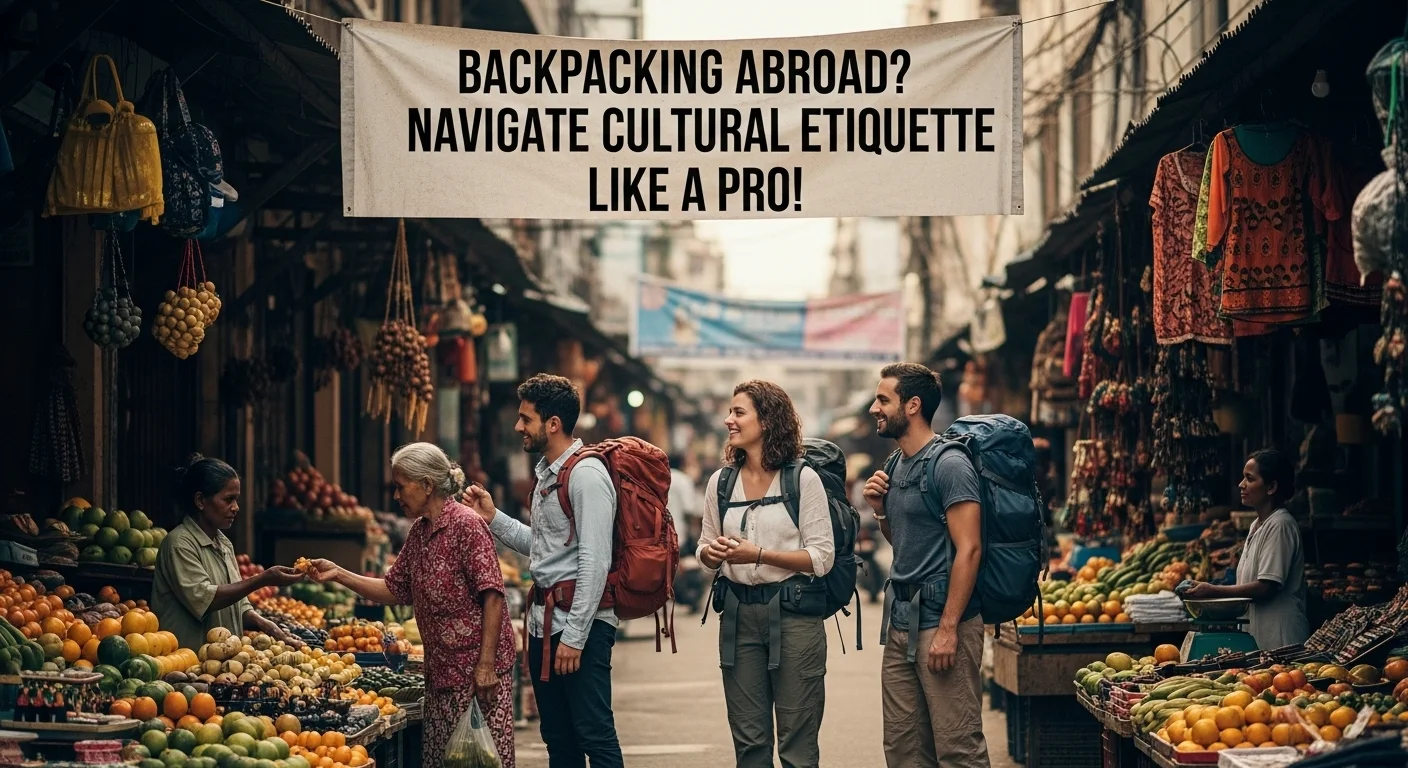
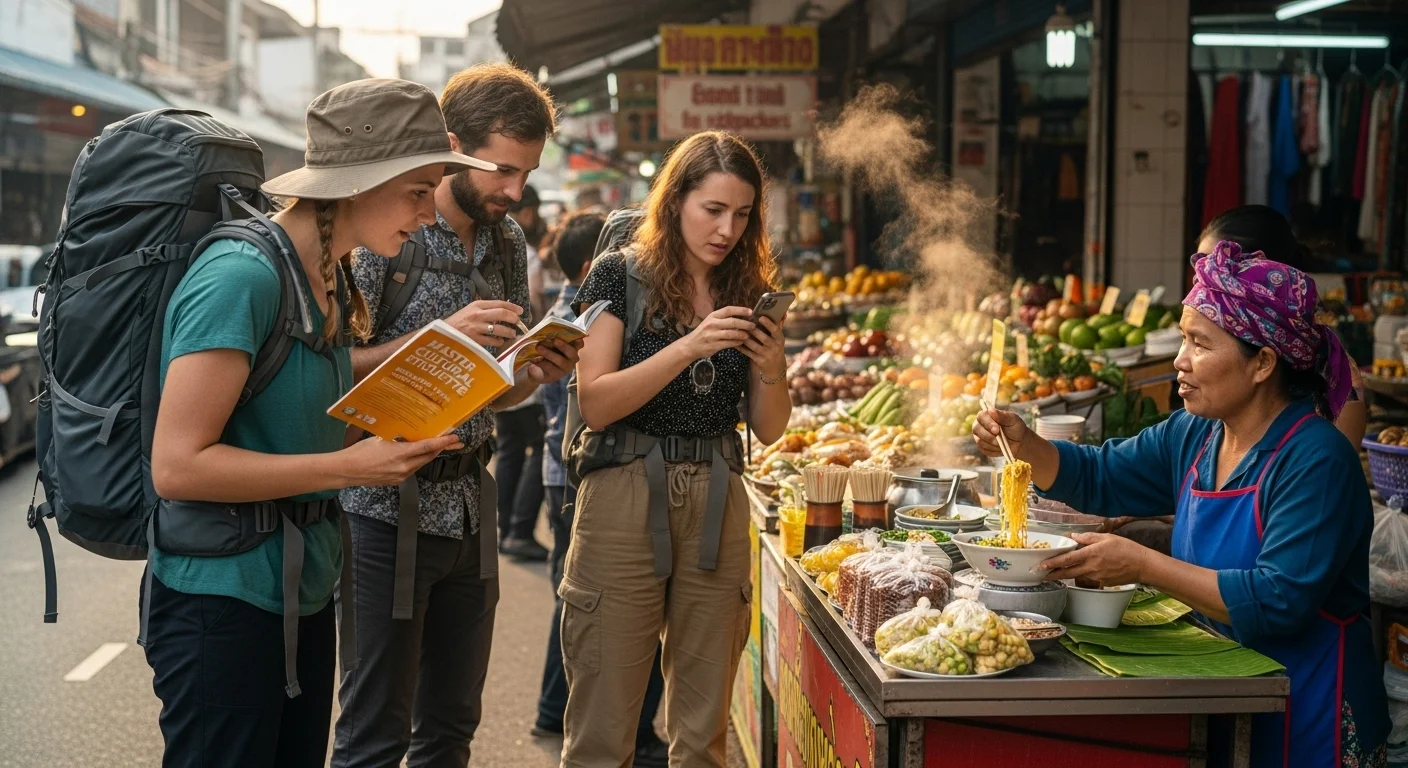
Backpacking Abroad? Navigate Cultural Etiquette Like a Pro!

Backpacking abroad is an exhilarating adventure, but it comes with the responsibility of understanding cultural etiquette. Navigating local customs can turn your trip from ordinary to extraordinary! For those looking to enhance their travel experiences, I recommend checking out Master Cultural Etiquette: Essential Tips for Backpackers.

Backpacking Abroad? Navigate Cultural Etiquette Like a Pro!

Understanding Cultural Etiquette: Why It Matters

When I first began my journey as a backpacker, I quickly realized that understanding cultural etiquette was essential. It’s not just about knowing the dos and don’ts; it’s about showing respect and appreciation for the diverse cultures we encounter. Each place we visit has its own set of customs, traditions, and social norms. By embracing these, we not only enhance our travel experiences but also create meaningful connections with the locals.

The Role of Cultural Etiquette in Travel

Cultural etiquette plays a significant role in how we interact with people from different backgrounds. I remember my first trip to Thailand, where I learned the importance of the “wai” greeting—a slight bow with hands pressed together. It was a small gesture, but it opened doors to genuine conversations with the locals. Understanding the nuances of greeting customs can create a welcoming atmosphere and foster mutual respect. In my experience, when you show that you care about local customs, it often leads to a warmer reception and a deeper understanding of the culture.

Consequences of Ignoring Local Customs

Ignoring cultural etiquette can lead to misunderstandings and uncomfortable situations. I once witnessed a fellow traveler inadvertently offend a shop owner in Morocco by pointing with a finger instead of using the whole hand. The look of surprise and disapproval on the owner’s face was a stark reminder of how small actions can have big consequences. I’ve learned that being aware of local customs not only helps avoid faux pas but also enriches our experiences. When we respect traditions, we pave the way for authentic interactions and often find ourselves invited into the lives of locals in ways we never expected.

Preparing for Your Trip: Research and Resources

Preparation is key to ensuring a smooth and enriching travel experience. Before I embark on any trip, I dive into research about the cultural norms of my destination. It’s fascinating how much you can learn with just a little effort! To further assist in your journey, you might want to explore Your Guide to Personalized Cultural Experiences Without Breaking the Bank.

Identifying Cultural Norms of Your Destination

One of the first things I do is research the specific customs of the country I’m visiting. I like to look for information on social norms, religious practices, and cultural taboos. For instance, in some cultures, maintaining eye contact is a sign of confidence, while in others, it might be considered disrespectful. I’ve found online resources, travel blogs, and forums to be incredibly helpful in gathering this information. Knowing what to expect can greatly enhance our interactions and help us navigate complex social situations.

Useful Apps and Guides for Cultural Awareness

In today’s digital age, there’s an app for just about everything, including cultural etiquette! I recommend using apps like Culture Trip or TripAdvisor, which offer insights into local customs and etiquettes. These apps are great because they’re easy to navigate and often provide tips specific to different regions. Additionally, I like to download language translation apps, which can come in handy when I’m trying to communicate basic phrases or understand local signs. Having these tools at my fingertips has made my travels smoother and more rewarding.

Reading Local Literature and Viewing Media

Another fantastic way to learn about a culture is through its literature and media. I make it a point to read books, watch films, or listen to music from the destination I plan to visit. This not only gives me a sense of the cultural landscape, but it also helps me understand the values and beliefs of the people. For example, after reading Khaled Hosseini’s “The Kite Runner,” I felt a deeper connection when I visited Afghanistan. I appreciated the nuances of their culture, which led to more meaningful conversations with locals. Exploring local literature and media can truly open our eyes and hearts to the world around us.

General Cultural Etiquette Tips for Backpackers

While each culture has its unique customs, there are some general tips that apply almost universally. I’ve picked up a few of these along my travels, and they have served me well. Additionally, if you’re interested in exploring cultural heritage sites, I suggest checking out Top 10 Must-Visit Cultural Heritage Sites for Backpackers.

Greetings and Communication Styles

In many cultures, greetings can set the tone for an interaction. I’ve learned that a simple smile goes a long way. It’s often the first step to breaking the ice. In some countries, proper greetings involve more than just saying hello; they may require a handshake, hug, or even a bow. I remember being in Japan and feeling a bit out of place at first, but once I learned to bow slightly during greetings, I felt more comfortable and accepted. Always pay attention to the local customs surrounding greetings, as they can vary widely.

Body Language and Non-Verbal Cues

Body language can also differ greatly across cultures. I once made the mistake of standing too close to someone in a conversation while in Italy, only to realize later that personal space is highly valued there. I’ve learned to observe how locals interact with each other, which has helped me adjust my own body language accordingly. Being mindful of non-verbal cues can really enhance our understanding and connection with others.

Personal Space and Touching Norms

Understanding personal space is crucial when traveling. In some cultures, people may stand closer together during conversations, while in others, maintaining a certain distance is the norm. On one occasion, I was in Brazil, where I noticed that people were very tactile, often touching each other during conversations. It felt strange at first, but I soon embraced it and realized it was part of their warm and friendly nature. Being adaptable to these differences has made my experiences richer.

Dining Etiquette Across Cultures

Dining customs can also vary widely around the world. I’ve experienced everything from the formality of a French dinner to the casual style of sharing meals in India. In France, I learned the importance of saying “bon appétit” before eating, while in India, I discovered that accepting food with both hands is a sign of respect. Each culture has its unique dining rituals, and embracing these can lead to unforgettable culinary experiences.

Country-Specific Cultural Etiquette

While general cultural etiquette tips are helpful, diving deeper into specific regions can truly enhance our travel experiences. Each country has its own unique customs that can sometimes surprise us. I’ve found that understanding these nuances can significantly improve our interactions with locals and enrich our journey.

Backpacking in Asia

Asia is a vast continent with diverse cultures, and it’s fascinating to explore the varying customs you’ll encounter. I’ve traveled through different countries in Asia, and each one has taught me invaluable lessons about cultural respect.

Japan: Bowing and Gift Giving

In Japan, bowing is a traditional greeting that shows respect. I remember the first time I visited, feeling a bit awkward, but I soon learned that the depth of the bow can signify the level of respect you are showing. A slight bow is sufficient for casual greetings, while a deeper bow is reserved for more formal situations. Another important aspect of Japanese culture is gift giving. When presented with a gift, it’s customary to receive it with both hands, which I found incredibly respectful. I once gave a small souvenir to a host, and I was touched by the gracious way it was accepted, reinforcing the value of thoughtfulness in their culture.

India: Accepting Food and Hospitality

India’s rich tapestry of customs is mesmerizing. I remember being invited to a local home, and I was initially unsure about how to accept food graciously. I learned that accepting food with both hands is a sign of respect, and refusing food can be seen as impolite. I wanted to honor their hospitality, so I eagerly accepted, and it turned into one of the most memorable meals of my travels. Sharing food is a significant part of social interaction, and I found that being open to trying local dishes helped forge strong connections with the people I met.

Backpacking in Europe

Europe is a blend of history, art, and diverse cultural practices. Each country offers its own unique customs that are worthwhile to understand.

France: Dining Customs and Politeness

Dining in France is an experience in itself. From my observations, meals are often leisurely and social. I learned that it’s polite to greet the staff when entering a restaurant, and saying “bonjour” goes a long way. One thing that struck me was the emphasis on manners; I remember the first time I forgot to say “merci” after a meal, and the server’s reaction reminded me of how crucial politeness is in French culture. Also, never rush through a meal—taking your time shows appreciation for the food and company, which I found to be a refreshing change from the fast-paced dining back home.

Germany: Punctuality and Formality

Punctuality in Germany is almost sacred. I discovered this the hard way when I arrived late to a gathering. The surprised looks I received made me realize how significant time is in their culture. I quickly adjusted my schedule to be on time for everything. Additionally, I noticed that Germans appreciate formalities, especially when meeting someone for the first time. A firm handshake and direct eye contact are expected, and it’s a simple way to show respect. Learning these small details has greatly improved my interactions in Germany and made me feel more at ease during my trips.

Backpacking in South America

South America is vibrant and full of life, with customs that reflect the warmth of its people. My time there was filled with colorful experiences and valuable lessons.

Brazil: Greetings and Personal Interactions

In Brazil, greetings are exuberant and often involve hugs and kisses on the cheek, which took me by surprise. Initially, I felt hesitant, but once I embraced the customs, I felt instantly welcomed. I recall meeting locals who greeted me with such warmth; it made me feel like part of the community. It’s also common for conversations to be animated, with lots of gestures and laughter. I found this engaging and enjoyable, and it taught me that being open and expressive can enhance our travel experiences.

Argentina: Dinner Etiquette and Time Expectations

Argentinians have a unique approach to dining. I learned that dinners often start late, around 9 PM or even later, which was quite different from what I was used to. At first, I struggled with the late dining culture, but I soon found that it allowed more time for socializing. Sharing meals with locals was a highlight of my trip; I was often invited to join family dinners, which were filled with laughter and stories. It felt like an honor to partake in their traditions, and I came away with a deeper appreciation for their approach to life and community.

Backpacking in Africa

Africa is rich in culture and diversity, with each country showcasing unique traditions. Understanding local customs can truly enhance the experience of exploring this beautiful continent.

Morocco: Dress Codes and Hospitality

In Morocco, dressing modestly is essential, especially in rural areas. I remember packing a variety of clothing but realized that wearing long pants and sleeves was not just a personal choice but a sign of respect. The locals were welcoming, and I appreciated how my efforts to blend in were noticed. Moroccan hospitality is also remarkable; being offered mint tea is a universal gesture of welcome. I embraced these customs and felt a deep connection with the people I met, making my time there unforgettable.

Kenya: Greetings and Respect for Elders

In Kenya, I learned that greetings are an essential part of daily life. A simple “Jambo” (hello) can open doors to friendly conversations. I also noticed the profound respect given to elders; it’s customary to address older people first. I took care to observe these customs when interacting with locals, which helped me forge connections and gain insights into their way of life. Embracing these practices allowed me to appreciate the depth of their culture, and it made my travels feel even more rewarding.

Common Cultural Faux Pas to Avoid

As I’ve traveled, I’ve made a few mistakes along the way, and I’ve seen others do the same. These cultural faux pas can lead to awkward situations or even offend the locals. Understanding what to avoid can truly enhance our travels and help us connect better with the people we meet.

Mistakes in Dining Etiquette

Dining etiquette varies widely around the world, and making a mistake can sometimes feel embarrassing. I recall a time dining in China where I unknowingly stuck my chopsticks upright in my rice. A local friend quickly told me that this resembles incense used at funerals, which is a big no-no! I learned to rest my chopsticks on the side of the bowl instead. It’s essential to familiarize ourselves with the dining customs of each culture, whether it’s knowing how to properly use utensils or understanding expectations around sharing food. I’ve found that asking locals for advice can clear up any confusion and lead to a more enjoyable meal.

Inappropriate Clothing Choices

Clothing is another area where I’ve seen travelers stumble. I remember a trip to Thailand where I saw someone wearing shorts at a temple. The locals were not only surprised but also quite offended. Each culture has its own dress codes, especially in religious or sacred spaces. I’ve learned to dress modestly in such situations, ensuring I cover my shoulders and knees. Before traveling, I always check the local customs regarding clothing to avoid any unintended disrespect. This not only helps me fit in but also shows that I care about the culture I’m visiting.

Using Offensive Gestures

Gestures can be tricky since what seems innocent to us can mean something completely different in another culture. I once made a thumbs-up gesture in a Middle Eastern country, only to find out it can be considered offensive. It was a wake-up call for me to be mindful of my body language and gestures. I recommend doing a bit of research beforehand to understand common gestures and their meanings. This small step can prevent misunderstandings and help foster more positive interactions.

Misunderstanding Local Laws and Customs

Every country has its laws and customs, and not knowing them can lead to serious trouble. I vividly recall a friend who unknowingly took photos of military installations in a country where it was strictly prohibited. Thankfully, nothing happened, but it highlighted the need to be aware of local laws. I always make it a point to read up on the legalities of the places I visit, especially regarding photography, alcohol consumption, and public behavior. This not only keeps us safe but also shows respect for the host country’s regulations.

Building Cultural Sensitivity as a Backpacker

As backpackers, we often find ourselves in situations where cultural sensitivity is essential. I’ve learned that being open-minded and respectful goes a long way in building connections with locals. Here are some strategies that have helped me foster cultural sensitivity during my travels.

Engaging with Locals Respectfully

Engagement is key to understanding a culture. I love to strike up conversations with locals, whether at a market or a café. I’ve found that approaching people with genuine curiosity and respect often leads to meaningful interactions. When I traveled to Vietnam, I made an effort to learn a few basic phrases in Vietnamese. This not only impressed the locals, but it also opened doors to deeper conversations. I recommend taking the time to listen and learn about their experiences—people often appreciate when we take an interest in their lives.

Participating in Cultural Activities

One of the best ways to immerse ourselves in a culture is by participating in local activities. I’ve joined cooking classes, traditional dance lessons, and even community festivals during my travels. For example, in Peru, I took part in a local festival where I learned traditional dances and customs. These experiences are not only fun but also enrich our understanding of the culture. I encourage fellow travelers to seek out these opportunities; they often lead to unforgettable memories and friendships!

Learning Key Phrases in the Local Language

Language can be a bridge or a barrier during our travels. I’ve experienced firsthand how learning a few key phrases can create a sense of connection. Simple greetings, “thank you,” and “please” can go a long way in showing respect. I remember when I was in Greece; I learned how to say “Kalimera” (good morning), and the locals responded with huge smiles. It broke the ice and made my interactions much warmer. I always try to learn a few basic phrases before visiting a new country, and it’s a habit I believe every traveler should adopt. It not only helps with communication but also demonstrates a willingness to engage with the culture on a deeper level.

Frequently Asked Questions

Why is understanding cultural etiquette important when backpacking abroad?

Understanding cultural etiquette is essential because it shows respect and appreciation for the diverse cultures encountered during travel. Embracing local customs enhances travel experiences and creates meaningful connections with locals.

What role does cultural etiquette play in interactions with locals?

Cultural etiquette significantly influences how we interact with people from different backgrounds. For example, learning specific greeting customs, like the “wai” in Thailand, can foster mutual respect and lead to genuine conversations.

What are the consequences of ignoring local customs?

Ignoring local customs can lead to misunderstandings and uncomfortable situations. Small actions, like pointing with a finger instead of using the whole hand in Morocco, can unintentionally offend locals and create awkward encounters.

How can I prepare for understanding cultural norms before traveling?

Preparation involves researching the specific customs of the destination, including social norms, religious practices, and cultural taboos. Online resources, travel blogs, and forums can provide valuable insights to enhance interactions.

Are there any useful apps for learning about cultural etiquette?

Yes, apps like Culture Trip and TripAdvisor offer insights into local customs and etiquettes. Additionally, language translation apps can help communicate basic phrases or understand local signs, making travels smoother.

How can local literature and media help with cultural understanding?

Reading books, watching films, or listening to music from a destination can provide a sense of the cultural landscape and help understand the values and beliefs of the people, leading to more meaningful conversations with locals.

What are some general cultural etiquette tips for backpackers?

General tips include being mindful of greetings and communication styles, observing body language and non-verbal cues, understanding personal space, and being aware of dining etiquette across cultures.

Can you give examples of country-specific cultural etiquette?

In Japan, bowing is a traditional greeting that shows respect, while in India, accepting food with both hands is a sign of respect. In France, it is polite to greet the staff when entering a restaurant and to take time while dining.

What common cultural faux pas should I avoid?

Common faux pas include mistakes in dining etiquette, inappropriate clothing choices, using offensive gestures, and misunderstanding local laws and customs. Being aware of these can help avoid awkward situations and foster better connections.

How can I build cultural sensitivity as a backpacker?

Building cultural sensitivity involves engaging with locals respectfully, participating in cultural activities, and learning key phrases in the local language. These practices enhance understanding and create memorable experiences during travels.

Master Cultural Etiquette: Essential Tips for Backpackers

Traveling opens doors to new worlds, but understanding cultural etiquette can turn an ordinary trip into an unforgettable adventure. Mastering these nuances will enrich your experiences and deepen connections with locals. Read Interesting article: Top 10 Safety Tips Every Backpacker Must Know

Master Cultural Etiquette: Essential Tips for Backpackers

Understanding Cultural Etiquette

Definition and Importance of Cultural Etiquette

Cultural etiquette refers to the accepted social behavior within a specific culture, shaping how we interact with others. I remember my first trip abroad; I was excited yet a bit nervous about how to act. Little did I know that understanding the local customs would significantly affect my travel experience. It’s more than just knowing the rules; it’s about showing respect and appreciation for the culture you’re immersing yourself in. Proper etiquette can open doors, build friendships, and create lasting memories. When I respected local customs, I noticed people were more willing to engage with me, share their stories, and invite me into their lives.

How Cultural Etiquette Influences Travel Experiences

Every culture has its unique set of rules, and these can vary widely from one place to another. For example, in some countries, maintaining eye contact is seen as a sign of confidence and openness, while in others, it might be considered disrespectful. I learned this the hard way during a trip to Japan when I inadvertently made eye contact during a formal meeting. The discomfort was palpable, and it hit me just how crucial it is to adapt to the local ways. By embracing cultural etiquette, we not only show respect but also enhance our travel experiences. It allows us to communicate better, avoid misunderstandings, and genuinely connect with the places we visit. Each interaction becomes a piece of the larger puzzle of our journey, enriching our understanding of the world.

Essential Etiquette Tips for Backpackers

Greeting Locals: Handshakes, Bows, and More

One of the first things I learned while backpacking is how different cultures greet one another. For instance, in many Western countries, a firm handshake is standard. However, in places like Japan, bowing is the norm. I remember feeling awkward during my first bow; I wasn’t sure how low to go! Understanding these differences can set the tone for your interactions. A simple smile and respectful greeting can go a long way. When I traveled to Thailand, I learned the traditional “Wai” gesture, where you place your palms together in a prayer-like position. It felt special to share in a local tradition, and I could sense that my effort to adapt was appreciated. Read Interesting article: Savvy Tips for Eating Cheap While Traveling on a Budget

Table Manners Around the World

Dining etiquette is another area where cultural differences can be striking. In some cultures, finishing your plate is a compliment to the host, while in others, it can be seen as greedy. When I visited Italy, I discovered that asking for cheese on my pasta was a major faux pas! Each meal became an adventure in learning. I found that asking locals about their dining customs often led to delightful conversations. From using chopsticks properly in China to enjoying a traditional Moroccan meal with my hands, I learned that these practices are not just about food; they are an important part of cultural identity. Observing how locals eat and mimicking their behavior can enhance your dining experience and deepen your connection to the culture.

Dressing Appropriately: Cultural Norms and Expectations

What to wear can be a tricky subject, and it varies greatly from one destination to another. During a trip to India, I quickly learned the value of dressing modestly in certain areas. I felt more at ease blending in with the locals rather than standing out as a tourist. In many cultures, clothing is a reflection of respect—both for the culture and for the occasion. I remember visiting a temple where I was required to cover my shoulders and knees. Not only did I feel more comfortable, but it also allowed me to experience the site without drawing unnecessary attention. Researching local dress codes before you travel can help you avoid unintentional faux pas and show that you honor local customs.

Respecting Local Customs and Traditions

Every culture has its own set of customs and traditions that are deeply valued. I experienced this firsthand during a festival in Peru, where I was invited to partake in local rituals. At first, I felt hesitant, not wanting to impose, but I quickly learned that participating was a way to show respect and appreciation. Understanding and respecting these customs can lead to extraordinary experiences. I believe it’s essential to approach such opportunities with an open mind. When I took the time to learn about local traditions, I found myself welcomed in ways I never expected, creating bonds that transcended language and cultural barriers.

Understanding Body Language and Gestures

Body language and gestures can vary dramatically around the world. I’ve found that what is acceptable in one culture might be completely offensive in another. For example, while a thumbs-up is a positive gesture in the West, it can be considered rude in some Middle Eastern countries. I sometimes caught myself using hand gestures unconsciously while chatting with locals, and I felt a wave of relief every time I remembered to adapt my actions. It’s fascinating how non-verbal communication plays such an important role in how we connect. Being observant and adapting to the local way of communicating can help you navigate social situations more smoothly.

Country-Specific Etiquette Guides

Europe: Navigating Cultural Differences

Traveling through Europe has opened my eyes to the rich tapestry of cultural nuances that vary from country to country. In Italy, for instance, I learned that it’s polite to keep your hands above the table during meals, unlike in some other places where resting them in your lap is acceptable. I remember dining with locals who were a bit taken aback when they noticed my hands hidden. In contrast, when I visited Spain, I found that mealtimes were relaxed, and it was perfectly normal for dinner to start late, often around 9 PM! Understanding these regional differences has not only helped me blend in but also enriched my travel experience in ways I never anticipated.

Asia: Respect and Hierarchy in Interactions

Asia is a continent where respect and hierarchy play vital roles in social interactions. I noticed this during my time in South Korea, where bowing is a common greeting and the order of introductions matters. The eldest person in the group is always greeted first, which I found to be a beautiful way of honoring traditions. In Japan, I was surprised to learn that it’s customary to exchange business cards with both hands while bowing slightly. This attention to detail made me appreciate the thoughtfulness woven into their culture. I think understanding these customs makes it easier to connect with locals, as they see our efforts to respect their ways.

Africa: Community and Family Involvement

In Africa, I discovered that community and family are at the heart of social interaction. My travels took me to Kenya, where I was invited to a family gathering. It was heartwarming to witness how everyone contributed to the meal and shared stories. I learned that it’s essential to greet everyone present, even if I had never met them before—a sign of respect and inclusion. I found this sense of togetherness incredibly inspiring. Simple gestures, like asking about family or sharing a meal, opened doors and built bonds that transcended cultural barriers.

South America: Warmth and Personal Connections

South America is known for its vibrant cultures and warm-hearted people. When I visited Brazil, I experienced the importance of personal space and touch. It’s common for people to greet each other with a hug or a kiss on the cheek, and I initially felt a little taken aback but soon learned to embrace this affectionate custom. I remember joining a local celebration where I was quickly drawn into a dance circle—it was a delightful way to connect with the community. In Argentina, I found that sharing mate, a traditional herbal drink, is a sign of friendship, and I felt honored when I was included in this ritual.

Oceania: Indigenous Cultures and Traditions

My experiences in Oceania, particularly with Indigenous cultures in Australia and New Zealand, were eye-opening. I learned that it’s essential to approach these cultures with respect and humility. During my visit to New Zealand, I was fortunate enough to participate in a traditional Maori welcome ceremony. I found it fascinating how the customs emphasized storytelling and connection with the land. I was reminded of the importance of acknowledging the history and struggles of Indigenous peoples. This respect for their traditions not only enriched my understanding but also deepened my appreciation for the land and its people.

Common Cultural Faux Pas to Avoid

Inappropriate Behavior in Different Settings

As I traveled, I quickly learned that what might seem harmless in one culture can be deeply offensive in another. For instance, I once accidentally placed my feet on a table in a Thai home, not realizing that it was considered rude. The host smiled politely, but I could tell I had crossed a line. Another faux pas I encountered was when I forgot to take off my shoes before entering a friend’s home in Japan. These experiences taught me the importance of being aware of my surroundings and respecting local customs, especially in private settings. I recommend taking a moment to observe how locals behave and following their lead to avoid any unintentional disrespect.

Taboo Topics and Conversations

During my travels, I made it a point to learn about topics that are considered taboo in various cultures. I found that discussing politics or religion can be sensitive in many places. I remember a dinner in Turkey where I inadvertently brought up a political issue, and the tension in the room was palpable. Instead, I learned that it’s often better to steer conversations toward neutral topics like food or local traditions. Having an awareness of these conversational boundaries not only helps maintain harmony but also shows that we respect their culture and values.

Photography Etiquette: When to Ask for Permission

Grabbing a photo to capture memories is something we all love, but I’ve learned that photography etiquette varies widely across cultures. In some places, taking pictures of people without permission can be considered intrusive. I discovered this in Morocco when I attempted to snap a photo of a local market scene, only to be met with stern looks. I quickly learned to approach locals and ask for permission, which often led to friendly interactions. In some cultures, there are sacred sites where photography is forbidden, so being aware of these rules is crucial. Respecting these guidelines not only honors the local customs but also enriches our travel experiences.

Tips for Engaging with Locals

Language Barriers: Simple Phrases to Know

One of the most enriching aspects of traveling is connecting with locals, and language plays a huge role in that connection. I remember my trip to France, where I made an effort to learn a few key phrases in French. Simple greetings like “Bonjour” (hello) and “Merci” (thank you) opened doors that I didn’t expect. I found that locals appreciated my efforts, even when my pronunciation wasn’t perfect. It often led to smiles, laughter, and more engaging conversations. I believe that learning a few phrases in the local language not only shows respect but also fosters a sense of camaraderie. Even if it feels daunting, I recommend starting with the basics—hello, please, thank you, and goodbye. These small gestures can create a warm atmosphere and make locals more willing to interact with you.

Participating in Local Events and Festivals

There’s something magical about immersing yourself in a culture during its celebrations. I had the pleasure of attending a Diwali festival in India, and it was a truly eye-opening experience. The vibrant colors, the sounds of laughter, and the delicious food created an atmosphere of joy that I’ll never forget. I felt a bit hesitant at first, unsure if I should join in, but the locals were incredibly welcoming. They encouraged me to participate in the rituals and share in the festivities. I learned that being a part of local events not only enriches your travel experience but also allows you to connect with people in a meaningful way. I recommend looking up local festivals or events happening during your travels; they are often the highlight of the trip and provide a unique insight into the culture.

Offering Help and Receiving Hospitality

One of the most beautiful aspects of travel is the hospitality of locals. During my travels, I found that offering help—whether it was carrying groceries for someone or assisting a lost traveler—often created bonds that transcended language barriers. I remember in Morocco, I helped a local woman with her heavy bags, and in return, she invited me to her home for tea. This gesture of kindness opened up a world of stories and connections I wouldn’t have experienced otherwise. When receiving hospitality, it’s essential to express gratitude genuinely. I learned that accepting an invitation to join a meal or a gathering is not just about the food; it’s about forming connections and showing appreciation for being welcomed. I believe these moments of human connection are what travel is all about, and they can create lasting memories that enrich our journeys.

Resources for Learning Cultural Etiquette

Books and Guides on Cultural Norms

If you’re serious about understanding cultural etiquette, I found that investing in a good guidebook can be incredibly helpful. There are many books dedicated to travel etiquette that cover a range of cultures and countries. One of my favorites is “Culture Shock!” series, which provides insights and tips for navigating social interactions in various countries. I remember flipping through the pages before my trip to Japan and learning about the importance of gift-giving, which made my interactions with locals much more meaningful. I recommend checking out guidebooks that focus specifically on the regions you plan to visit. They can provide invaluable information that enhances your understanding and respect for local customs.

Online Courses and Workshops

With the rise of technology, there are now many online resources available for learning about cultural etiquette. I recently came across a series of online courses that focus on intercultural communication and etiquette. Participating in these workshops helped me grasp the subtleties of cultural interactions. They often include real-life scenarios and role-playing, which can prepare you for actual situations you might face while traveling. I think engaging in these courses can be a fantastic way to learn and feel more confident before embarking on international adventures.

Travel Blogs and Forums for Backpackers

Another great resource for learning about cultural etiquette is travel blogs and forums. I’ve spent countless hours reading blogs where fellow travelers share their experiences and tips regarding local customs. Websites like Lonely Planet’s Thorn Tree forum or Reddit’s travel community provide a platform for exchanging tips and advice from people who have been there. I remember reading about someone’s experience in Indonesia, where they explained the importance of showing respect to elders. These real-life accounts helped me navigate my travels more smoothly and avoid common pitfalls. I highly recommend connecting with other travelers online; it can be a treasure trove of information that enriches your journey.

Preparing for Your Trip: Research and Respect

How to Research Cultural Etiquette Before Traveling

Preparing for a trip can be overwhelming, but dedicating time to research cultural etiquette is a game-changer. I typically start by reading articles and watching videos about the country I’m visiting. Websites like TripAdvisor and travel blogs often provide insights into local customs and practices. I also find it helpful to check out social media platforms, where locals may share their experiences and tips. I remember one trip where I learned about the Japanese custom of removing shoes before entering a home, which proved invaluable. Investing time in research not only helps avoid faux pas but also shows respect for the culture and people you’ll encounter.

Utilizing Social Media for Insights

Social media has changed the way we gather information about travel. Platforms like Instagram and Facebook offer a glimpse into local customs and cultures directly from the people who live there. I’ve followed travel influencers who specialize in cultural experiences, and their insights have been eye-opening. They often share tips on what to do—and what not to do—while traveling in their countries. I also recommend joining travel groups where people share their experiences, advice, and even answer specific questions you might have. It’s a great way to connect with fellow travelers and locals, and it adds another layer of preparation for your journey.

Connecting with Travelers and Locals Online

Before traveling to a new destination, I’ve found it helpful to connect with locals through platforms like Couchsurfing or Meetup. These platforms allow you to engage with residents who can offer unique insights into cultural etiquette. I remember arranging to meet a local through Meetup in Barcelona, and she shared everything from dining customs to social norms. This kind of connection not only enhances your understanding but can also lead to friendships that last beyond your travels. I believe that these interactions can significantly enrich our experiences and provide a deeper appreciation of the cultures we visit.

Frequently Asked Questions

What is cultural etiquette and why is it important?

Cultural etiquette refers to the accepted social behavior within a specific culture, shaping how we interact with others. It is important because understanding local customs can significantly affect travel experiences, showing respect and appreciation for the culture, which can lead to building friendships and creating lasting memories.

How does cultural etiquette influence travel experiences?

Cultural etiquette influences travel experiences by allowing travelers to communicate better, avoid misunderstandings, and genuinely connect with the places they visit. By adapting to local customs, travelers can enrich their interactions and enhance their overall experience.

What are some essential etiquette tips for greeting locals?

Greeting locals varies by culture. In many Western countries, a firm handshake is standard, while in places like Japan, bowing is the norm. Understanding these differences can set a positive tone for interactions and show respect for local traditions.

How do dining etiquette practices differ around the world?

Dining etiquette practices can vary widely; for example, finishing your plate may be a compliment in some cultures but seen as greedy in others. Observing how locals eat and mimicking their behavior can enhance your dining experience and deepen connections to the culture.

What should travelers consider regarding dress codes in different cultures?

Travelers should research local dress codes before visiting to avoid unintentional faux pas. Dressing appropriately reflects respect for the culture and occasion, and can help travelers blend in with locals rather than stand out as tourists.

Why is it important to respect local customs and traditions?

Respecting local customs and traditions is essential as it can lead to extraordinary experiences and create bonds with the local community. Participating in local rituals or celebrations can show appreciation and build connections that transcend language barriers.

What are common cultural faux pas to avoid while traveling?

Common cultural faux pas include inappropriate behavior in different settings, such as placing feet on tables in Thai homes or forgetting to remove shoes before entering a Japanese home. It’s important to observe local behaviors to avoid disrespecting customs.

How can language barriers be overcome when traveling?

Language barriers can be overcome by learning a few key phrases in the local language, such as greetings and expressions of gratitude. This effort shows respect and can foster a sense of camaraderie, making interactions with locals more engaging.

What resources can travelers use to learn about cultural etiquette?

Travelers can use a variety of resources to learn about cultural etiquette, including guidebooks like the “Culture Shock!” series, online courses on intercultural communication, and travel blogs or forums where fellow travelers share their experiences and tips.

How can social media assist in understanding cultural etiquette before traveling?

Social media platforms like Instagram and Facebook can provide insights into local customs and cultures directly from residents. Following travel influencers and joining travel groups can offer valuable tips on what to do—and what not to do—when traveling to specific countries.

Budget Backpacking Routes: Plan Your Journey Smartly

Ready to explore the world without breaking the bank? Budget backpacking opens doors to incredible experiences, allowing us to travel farther, meet new people, and create unforgettable memories while staying within our means.

Budget Backpacking Routes: Plan Your Journey Smartly

Understanding Budget Backpacking

What is Budget Backpacking?

When I first heard the term “budget backpacking,” I immediately pictured adventurous souls roaming through foreign lands with nothing but a backpack and a dream. But it’s so much more than that! Budget backpacking is all about traveling light, spending less, and maximizing experiences without draining your bank account. It means choosing affordable accommodations, using public transportation, and embracing local food options. This style of travel allows us to stretch our dollars further, making it possible to explore multiple destinations on a single trip.

Benefits of Budget Backpacking

The benefits of budget backpacking are numerous and varied. For one, it offers the thrill of adventure at a fraction of the cost of traditional travel. I remember my first backpacking trip; I spent far less than I would have on a typical vacation, yet I gained so much more in experiences. Traveling on a budget often leads to deeper interactions with locals and fellow travelers, as we navigate our way through unfamiliar territories together. Plus, it encourages creativity in planning and spontaneity in our travels. We can find hidden gems and unique experiences that many tourists miss, all while keeping our spending in check.

Common Misconceptions

Despite the many advantages, I’ve noticed some common misconceptions about budget backpacking. One of the biggest myths is that traveling on a budget means sacrificing comfort or safety. In my experience, this isn’t true at all! Budget accommodations like hostels can be clean, safe, and even social hubs for meeting other travelers. Another misconception is that you can’t experience luxury or stunning locations on a budget. I’ve discovered breathtaking places that didn’t cost a fortune, simply by doing a little research and being flexible with my plans. With the right mindset and a bit of effort, we can enjoy incredible adventures without the hefty price tag.

Choosing Your Backpacking Destination

Top Budget-Friendly Countries for Backpacking

Picking the right destination is crucial for budget backpacking. Some countries are renowned for being wallet-friendly, and I’ve found that Southeast Asia, Eastern Europe, and Central America top the list. For example, traveling through Thailand or Vietnam offers stunning landscapes, rich culture, and delicious street food at incredibly low prices. Eastern Europe, with its charming cities like Budapest and Prague, allows us to experience history and beauty without the crowds and costs of Western Europe. In Central America, countries like Nicaragua and Guatemala provide breathtaking nature and vibrant cultures without breaking the bank.

Off-the-Beaten-Path Locations

While popular destinations are great, I also believe that off-the-beaten-path locations can offer some of the best experiences. For instance, instead of heading to the crowded beaches of Bali, why not explore the lesser-known island of Nusa Penida? I remember stumbling upon a tiny village in Portugal that was untouched by mass tourism, allowing me to connect with locals and savor authentic experiences. These hidden gems often provide a more intimate glimpse into the culture and lifestyle of the region, and they tend to be much more budget-friendly.

Seasonal Considerations

Timing your trip can make a significant difference in budget backpacking. Traveling during the off-peak season can save us a ton of money on flights and accommodations. I’ve learned that visiting popular destinations just before or after the high season can allow us to avoid crowds while still enjoying pleasant weather. For example, exploring Greece in late September instead of July means fewer tourists and lower prices. Plus, we can often find more opportunities to connect with locals, who are less overwhelmed by tourist traffic.

Local Culture and Language

Engaging with the local culture can enhance our backpacking experience. I’ve found that learning a few phrases in the local language can go a long way in making connections and navigating new environments. Whether it’s ordering food, asking for directions, or simply greeting people, it shows respect for the culture and often leads to warmer interactions. Moreover, immersing ourselves in local customs and traditions can turn an ordinary trip into something truly unforgettable. I remember partaking in a local festival in Peru, which enriched my experience beyond measure and allowed me to understand the culture on a deeper level.

Planning Your Route Efficiently

How to Research Your Route

When it comes to planning a backpacking route, I’ve learned that a bit of research goes a long way. I start by identifying my must-see destinations and then exploring how to connect them. Websites like Wikivoyage or Lonely Planet are great resources for discovering routes that other travelers have taken. I often find myself diving into travel forums and blogs to read personal experiences and tips from fellow backpackers. It’s amazing how many hidden gems you can uncover just by reading someone else’s story. For instance, I once read about a lesser-known hiking trail in Slovenia that took me away from the crowds and straight into nature’s embrace. Having a clear idea of my route helps me stay organized and ensures that I make the most of my time on the road. Read Interesting article: Navigate Your Adventure: Budget Route Planning Tips

Using Travel Apps and Websites

In my backpacking adventures, I’ve found that technology can be a true ally. Several travel apps have become staples on my phone. Google Maps is invaluable for navigating unfamiliar cities, while apps like Hostelworld help me find affordable places to stay. I also love using Rome2rio, which shows various transportation options between destinations. It’s like having a travel planner in my pocket! Additionally, I’ve discovered that using social media platforms, especially Instagram, can inspire my travel route. I often look for hashtags related to my destinations to find unique spots that aren’t in the guidebooks. This blend of technology and creativity has transformed how I plan my trips.

Creating a Flexible Itinerary

One of the best pieces of advice I can share is to keep my itinerary flexible. I remember the time I had a solid plan for a week in Spain, but I met some fellow travelers who convinced me to join them in a spontaneous adventure to a nearby town. That detour turned out to be one of the highlights of my trip! Allowing some wiggle room in my schedule means I can seize unexpected opportunities and adjust to local events or recommendations I receive along the way. I usually outline a loose structure with key activities and accommodations but always leave space for spontaneity. After all, some of the best travel stories come from unplanned moments!

Popular Backpacking Routes Around the World

When it comes to backpacking, certain routes have gained popularity for good reason. I’ve had the pleasure of exploring a few of these renowned paths, and each offers a unique flavor of adventure.

Europe: Interrail and Eurotrip

Traveling through Europe is a rite of passage for many backpackers. The Interrail pass allows us to hop on and off trains across multiple countries, making it easy to explore fascinating cities like Amsterdam, Paris, and Berlin. I remember my Eurotrip vividly; I started in Barcelona, soaking up the sun and culture, then hopped on a train to Paris, indulging in croissants and the breathtaking sights. Each city had its own vibe and charm, and the train journeys were just as memorable as the destinations.

Asia: Southeast Asia Loop

In Southeast Asia, the well-trodden loop connecting Thailand, Laos, Vietnam, and Cambodia is a classic for a reason. I’ve spent weeks exploring this route, from the bustling streets of Bangkok to the serene beaches of Vietnam. Each stop along the way introduced me to diverse cultures, mouthwatering foods, and breathtaking landscapes. Traveling by bus or boat between countries not only saves money but also immerses us in the local way of life. I learned to appreciate the rhythm of the region, from morning markets to sunset rituals.

South America: The Gringo Trail

The Gringo Trail in South America is another iconic backpacking route. This path usually starts in Colombia and winds through Ecuador, Peru, and Bolivia, ending in Chile or Argentina. I had an incredible time hiking the Inca Trail to Machu Picchu, surrounded by stunning mountain vistas and ancient ruins. Each country along the trail offers its own set of adventures, from the Amazon rainforest to the vibrant streets of Buenos Aires. Traveling this route not only connects us with incredible scenery but also with fellow backpackers who become lifelong friends.

Budgeting for Your Journey

Estimating Daily Costs

Budgeting is a crucial part of backpacking, and I’ve learned that estimating daily costs can help us keep our finances in check. I usually break down my expenses into accommodation, food, transportation, activities, and a little extra for unexpected costs. For example, I find that Southeast Asia allows for a comfortable daily budget of around $30 to $50, including hostels, street food, and transportation. I remember being surprised at how far my money stretched in places like Vietnam, where a delicious meal could cost just a couple of dollars!

Transportation Options and Costs

Transportation can easily eat into our budget, but there are always ways to save. I’ve found that using public transport, like buses and trains, is often the most cost-effective option. In many countries, I’ve used local transport apps to find routes and prices. Ridesharing and hitchhiking are also viable in some regions, which can add an adventurous twist to my journey. If I’m traveling between countries, I often compare flight prices with bus or train fares to see which option fits my budget best.

Accommodation: Hostels vs. Camping vs. Homestays

Finding the right place to stay can make all the difference. Hostels have been my go-to for affordable accommodations, but I’ve also enjoyed camping when the opportunity arises. There’s something special about sleeping under the stars after a day of hiking! Homestays offer a unique experience as well, allowing us to connect with locals and learn about their culture. I remember staying with a family in rural Thailand, where I helped cook traditional meals and learned about their way of life. Each type of accommodation has its perks, and I often mix and match based on what I’m feeling for that particular trip.

Food: Eating on a Budget

Food can be one of the most enjoyable parts of travel, but it can also add up quickly if we’re not careful. I’ve found that eating where the locals eat is a smart way to save money and enjoy authentic flavors. Street food has led me to some of the best meals I’ve ever had. In cities like Bangkok or Mexico City, I often indulge in delicious tacos or pad thai for just a few bucks. Cooking for myself when possible is another great strategy, especially if I’m staying in a hostel with a kitchen. This not only saves money but also allows me to experiment with local ingredients.

Activities and Attractions: Free vs. Paid Options

One of the joys of budget backpacking is discovering free or low-cost activities. I’ve spent countless afternoons wandering through local markets, hiking scenic trails, or enjoying free walking tours. Many cities offer such tours on a tip-only basis, which is a fantastic way to learn about the area without spending much. On the other hand, I’ve also splurged occasionally on special experiences, like entry to an iconic museum or a guided adventure. Balancing free and paid activities allows me to enjoy the best of both worlds while keeping my budget intact.

Packing Smart for Budget Backpacking

Essential Gear for Backpackers

Packing for a backpacking trip can be a bit overwhelming at first. I remember standing in my room, staring at a pile of gear and trying to figure out what I actually needed. The key is to prioritize essentials while keeping your pack light. For me, a high-quality backpack is non-negotiable. I’ve learned that a comfortable, well-fitted pack makes all the difference on long treks. I also make sure to include a good sleeping bag, a portable water filter, and a compact cooking system if I’m planning to prepare meals. Additionally, a lightweight tent can come in handy for camping nights under the stars. I try to carry versatile clothing that can mix and match, reducing the number of items I need while still keeping me comfortable in various conditions.

Clothing Considerations Based on Climate

Choosing the right clothing based on the climate of your destination is crucial. I’ve found that layering is my best friend. In colder regions, I pack thermal base layers, a warm fleece, and a waterproof jacket. On the other hand, when heading to tropical destinations, lightweight and breathable fabrics are a must. I remember my trip to Thailand, where I packed quick-dry clothes that made it easy to wash and wear again. Also, I always carry a pair of sturdy sandals alongside my hiking shoes; they are perfect for both beach days and casual strolls through town. The goal is to be prepared for unexpected weather while staying comfortable.

Tech Gadgets to Bring

In today’s world, some tech gadgets can enhance our backpacking experience while keeping us connected. I never leave home without my smartphone, as it serves multiple purposes: a camera, GPS, and a travel guide all in one. A lightweight power bank is also essential; it ensures my devices stay charged while I’m on the move. I’ve found that a compact travel adapter is a lifesaver, especially when hopping between countries with different outlets. Additionally, noise-canceling headphones have been a game changer for long bus rides or hostel stays, helping me zone out and relax whenever I need a moment of peace.

How to Pack Light

Packing light can be a challenge, especially when you’re tempted to bring just one more pair of shoes or that extra jacket “just in case.” I’ve learned a few tricks that have made packing lighter easier. First, I roll my clothes instead of folding them; this not only saves space but also helps reduce wrinkles. I also use packing cubes to keep everything organized, which helps me avoid overpacking. I like to set out everything I think I’ll need and then cut that list in half. Trust me, you won’t miss the items that you leave behind! Finally, I always wear my heaviest shoes and jacket when traveling, which frees up space in my pack.

Safety and Health Tips

Staying Safe While Backpacking

Safety is paramount when traveling, and I’ve learned to be vigilant, especially in unfamiliar places. I usually keep my valuables in a money belt or a hidden pouch. When I’m out and about, I make sure to stay aware of my surroundings and avoid poorly lit areas at night. I also trust my gut—if a situation feels off, I’ll remove myself from it. Connecting with fellow travelers in hostels has been invaluable for sharing safety tips specific to the area. I remember when I traveled through South America, I made it a point to stay in well-reviewed hostels and always asked staff about safe routes and areas to avoid.

Health Precautions and Vaccinations

Before embarking on my trips, I always check if any vaccinations are required or recommended for my destination. I remember the time I traveled to Southeast Asia and made sure to get vaccinations for Hepatitis A and Typhoid. Carrying a small first aid kit is also a good idea; I include essentials like band-aids, pain relievers, and any personal medications. Staying hydrated is crucial, especially in hot climates, so I always carry a reusable water bottle with a built-in filter. Additionally, I’ve learned to be careful about what I eat and drink, opting for bottled water and freshly cooked meals to avoid any stomach issues.

Travel Insurance: Is It Necessary?

Travel insurance might feel like an extra expense, but I’ve come to see it as a necessary investment. On my first solo trip, I didn’t get insurance, and I ended up losing my luggage. The hassle and stress it caused made me realize how important it is to protect myself against unforeseen circumstances. I’ve since always opted for comprehensive travel insurance that covers health emergencies, trip cancellations, and even lost belongings. It gives me peace of mind, allowing me to focus on enjoying my travels without constantly worrying about what might go wrong.

Connecting with Other Backpackers

Hostel Life: Making Friends on the Road

One of the best parts of backpacking is the opportunity to meet fellow travelers. Hostels have been my social lifeline on the road. I remember my first night in a hostel in Barcelona; I was nervous but quickly found a group of friendly travelers willing to share their experiences. Common areas in hostels are great for striking up conversations, and I’ve made lifelong friends over shared meals and late-night discussions. Engaging in group activities, like tours or pub crawls organized by the hostel, has also been a fantastic way to bond with others and even explore the local area together.

Joining Backpacker Networks and Communities

In addition to hostel life, I’ve found that joining backpacker networks can enhance my travel experience. Websites and apps like Couchsurfing and Meetup allow me to connect with locals and other travelers. I remember using Couchsurfing in Berlin, where I met a local who showed me around the city and shared hidden gems I wouldn’t have discovered otherwise. These connections not only enrich my travels but often lead to friendships that last long after the trip ends.

Using Social Media for Connections

Social media has opened up a whole new world for backpackers. I often use platforms like Instagram and Facebook to connect with others who share my travel interests. Joining travel groups allows me to ask questions about destinations, get recommendations, and even arrange meet-ups. I’ve discovered that many travel bloggers are open to connecting with their followers, and I’ve found inspiration and tips from their stories. Using hashtags related to my destination has also helped me find fellow travelers, and sometimes even join them for adventures.

Frequently Asked Questions

What is budget backpacking?

Budget backpacking is a travel style that focuses on traveling light, spending less, and maximizing experiences without draining your bank account. It involves choosing affordable accommodations, using public transportation, and embracing local food options to stretch your budget further.

What are the benefits of budget backpacking?

The benefits include the thrill of adventure at a lower cost, deeper interactions with locals and fellow travelers, and the encouragement of creativity and spontaneity in travel planning. It allows travelers to discover hidden gems and unique experiences while keeping spending in check.

Which countries are considered budget-friendly for backpacking?

Some of the top budget-friendly countries for backpacking include Southeast Asia, Eastern Europe, and Central America. Notable examples are Thailand, Vietnam, Budapest, and Nicaragua, which offer rich culture and stunning landscapes at low prices.

How can travelers engage with local culture while backpacking?

Travelers can engage with local culture by learning a few phrases in the local language, participating in local customs and traditions, and immersing themselves in local experiences, such as festivals or community events.

What are some popular backpacking routes around the world?

Popular backpacking routes include the Interrail and Eurotrip in Europe, the Southeast Asia Loop connecting Thailand, Laos, Vietnam, and Cambodia, and the Gringo Trail in South America, which spans Colombia, Ecuador, Peru, and Bolivia.

What should backpackers consider when budgeting for their journey?

Backpackers should estimate daily costs for accommodation, food, transportation, activities, and unexpected expenses. Southeast Asia, for example, can allow for a daily budget of around $30 to $50, including hostels and street food.

What types of accommodations are recommended for budget backpacking?

Recommended accommodations include hostels, camping, and homestays. Hostels are popular for affordability, while camping offers a unique experience, and homestays allow for cultural connections with locals.

How can backpackers pack smart for their trips?

Backpackers should prioritize essentials, pack versatile clothing, and use packing cubes for organization. Rolling clothes instead of folding them can save space, and wearing heavier items during travel can free up pack space.

What safety tips should backpackers keep in mind?

Backpackers should keep valuables secure, stay aware of their surroundings, and trust their instincts. It’s also helpful to connect with fellow travelers for safety tips specific to the area being visited.

How can backpackers connect with others while traveling?

Backpackers can connect with others through hostel life, joining backpacker networks like Couchsurfing and Meetup, and using social media platforms to find travel groups and meet-ups with fellow travelers.

Navigate Your Adventure: Budget Route Planning Tips

Embarking on a new adventure is exhilarating, but managing your budget can make or break the experience. Let’s explore tips for effective budget route planning to keep your travel dreams alive without breaking the bank. Read Interesting article: Route Planning Secrets for Budget-Friendly Backpacking

Navigate Your Adventure: Budget Route Planning Tips

Understanding Budget Route Planning

What is Budget Route Planning?

When I first started traveling, I didn’t realize how crucial budget route planning would be. It’s all about mapping out your journey while keeping costs in check. Budget route planning involves choosing the most economical routes, selecting affordable accommodations, and finding ways to enjoy your destination without overspending. It’s not just about getting from point A to point B; it’s about maximizing your experience while minimizing your expenses.

Benefits of Budget Route Planning

From my experience, the benefits of budget route planning are countless. First, it allows us to travel more frequently. By keeping our costs low, we can squeeze in extra trips throughout the year. Secondly, it encourages creativity. I’ve learned to seek out local experiences and hidden gems that I might have otherwise overlooked. Budget route planning also helps reduce stress. Knowing where I’m going and how much I’m spending gives me peace of mind, allowing me to focus on enjoying the journey. Plus, it fosters a sense of accomplishment when I find ways to explore on a shoestring budget. Read Interesting article: Top Tips for Planning Your Budget Backpacking Route

Essential Tools for Route Planning

Mapping Applications (Google Maps, Waze)

One of the first tools I turn to is mapping applications. Google Maps has been my go-to for years. Not only does it show the quickest routes, but it also helps me discover alternative paths that may be more budget-friendly. Waze is another fantastic app that offers real-time traffic updates, which has saved me from unexpected tolls and detours. These applications can help us plan our routes efficiently, ensuring we don’t waste time or money stuck in traffic.

Budget Travel Apps (Skyscanner, Hopper)

When it comes to booking flights and accommodations, budget travel apps are lifesavers. Skyscanner has helped me find the cheapest flights by comparing prices across various airlines. I remember booking a last-minute trip to Europe and saving hundreds because of it. Hopper, on the other hand, predicts the best time to buy flights and accommodations. I’ve saved quite a bit by following its suggestions, allowing me to allocate more funds for experiences at my destination.

Offline Navigation Options

There have been times when I found myself in areas with limited internet access. That’s when offline navigation options come into play. I recommend downloading maps or using apps like Maps.me that allow offline access. It’s comforting to know that even without a data connection, I can still navigate my way through new cities without incurring roaming charges. Plus, it feels like an adventure, relying on paper maps or downloaded maps just like travelers did before smartphones!

Key Considerations for Budget Route Planning

Transportation Options (Public Transit, Car Rentals)

Getting around on a budget can be tricky, but I’ve found that public transportation is often the best option. Cities like London and New York have extensive subway systems that are efficient and cost-effective. I often look into transportation passes, which can save a significant amount of money. In some destinations, renting a car might be necessary, but I always compare prices from different rental companies and consider additional fees like insurance and fuel costs. Walking or biking are also fantastic ways to explore and save money, plus you get to experience the local culture up close!

Accommodation Choices (Hostels, Budget Hotels)

Accommodation can eat up a large chunk of our travel budget. I’ve stayed in hostels on numerous occasions and discovered that they’re not just affordable, but they also provide a great opportunity to meet fellow travelers. Websites like Hostelworld and Booking.com allow us to read reviews and find budget-friendly options. Sometimes, I even opt for budget hotels or guesthouses, which can be more comfortable than hostels while still being easy on the wallet. I also love using platforms like Airbnb, where I can find unique stays at various price points.

Meal Planning on a Budget

Food is another significant expense, but it doesn’t have to be. I’ve learned to embrace local street food and markets, which not only saves money but also gives me a taste of authentic cuisine. I remember my trip to Bangkok, where I spent just a few dollars on delicious meals from street vendors! It’s also helpful to plan ahead; if I know I’ll be in a city for a few days, I’ll often look for grocery stores to stock up on snacks and quick meals. Cooking when I can, even just for breakfast or lunch, helps keep costs down while enjoying the comforts of home.

Factors Affecting Your Budget

Travel Seasons and Pricing Trends

One thing I’ve noticed throughout my travels is how much the time of year can affect our overall budget. Traveling during peak seasons can be a real wallet-buster. I remember planning a trip to Bali during the summer months, and the prices for flights and accommodations skyrocketed. It taught me the importance of researching travel seasons. I now try to plan my trips during shoulder seasons—those periods just before or after peak times. Not only do I find better deals, but the destinations are often less crowded, allowing for a more enjoyable experience. For instance, visiting Europe in late spring or early fall means pleasant weather and fewer tourists, plus the prices are significantly lower.

Destination Popularity and Cost

Another factor that influences my travel budget is the popularity of the destination. I’ve seen firsthand how traveling to lesser-known places can be a game-changer for my wallet. While iconic cities like Paris and Tokyo are stunning, they often come with hefty price tags. I’ve found hidden gems in countries like Portugal and Vietnam, where the cost of living is lower, allowing me to stretch my dollars further. When I decided to explore the lesser-known towns of Italy instead of the usual tourist traps, I discovered amazing local cuisine and beautiful sights without the overwhelming crowds or high prices. It’s all about finding that balance between experience and affordability.

Local Events and Festivals

Local events and festivals can also affect your budget in unexpected ways. On one trip to Mexico, I stumbled upon a local fiesta that was happening during my stay. It was a fantastic experience filled with vibrant culture, music, and food. However, I also realized that prices for accommodations and transportation surged due to the influx of visitors. While attending local events can enrich our travel experience, I’ve learned to check local calendars before booking my trip. Sometimes, it’s worth timing my visit to coincide with these events, especially if they offer free festivities, but other times, I prefer to avoid them to keep costs down.

Creating Your Budget Route Plan

Setting a Realistic Budget

When it comes to setting a budget, I’ve learned that it’s essential to be realistic. I start by listing all potential expenses, including flights, accommodations, meals, transportation, and activities. It’s easy to get carried away with excitement and forget the little things that add up. For instance, I once planned a budget for a week-long trip but didn’t account for the cost of museum entries and local transportation. Once I realized my mistake, I adjusted my budget accordingly. I also make sure to set aside a small buffer for unexpected expenses. Trust me, it’s always better to have a little extra on hand!

Estimating Transportation Costs

Estimating transportation costs can be tricky, but I try to break it down into categories. I consider how I’ll get to my destination first. For long-haul flights, I use apps like Skyscanner to track prices. Once I arrive, I look at local transit options. I remember a trip to Japan where I opted for a Japan Rail Pass, which saved me a ton of money on train rides between cities. I also calculate costs for local transportation based on the places I plan to visit. It’s worth researching local transport options ahead of time to avoid any surprises.

Accommodations and Daily Expenses

Next up is accommodations, which can take a big chunk of our budget. I make it a point to set a daily limit on what I’m willing to spend. I’ve found that using a mix of accommodations—staying in hostels or budget hotels for a few nights and splurging for one or two nights in a nicer place—can balance comfort and cost. Daily expenses like meals and activities also need to be accounted for. I often plan my meals around breakfast and lunch deals and allocate a bit more for dinner, especially if I want to treat myself to a nice restaurant. I’ve discovered that local eateries often offer great value, so it’s a win-win!

Tips for Saving Money on Your Adventure

Using Loyalty Programs and Discounts

Over the years, I’ve become a fan of loyalty programs. Signing up for airline and hotel loyalty programs has helped me rack up points that I can use toward future travels. I remember booking a flight to New York City and realizing I had enough points to cover half of the ticket price! It’s also worth checking for discounts on travel websites or through memberships, like AAA or AARP, which can provide additional savings on various services.

Traveling Off-Peak

Traveling off-peak is another strategy I’ve adopted. Not only does it save money, but it also enhances the experience. I once visited a popular island in the Caribbean in late September, and while the weather was warm, the beaches were nearly empty. I felt like I had the place to myself, and the savings on accommodations were substantial. Plus, I avoided long lines and tourist congestion.

Exploring Free Attractions and Activities

Lastly, I always look for free attractions and activities in my destination. Many cities offer free walking tours, public parks, or even free admission days to museums. During a recent trip to Washington D.C., I took advantage of the free Smithsonian museums, which were not only informative but also enjoyable. Exploring local markets or festivals can also be a great way to soak in the culture without spending a dime. I’ve learned that the best moments often come from the simplest experiences.

Advice for International Budget Travel

Currency Conversion and Handling Money

One of the biggest lessons I’ve learned while traveling internationally is about currency conversion and handling money. I used to rely solely on my credit card, but I quickly realized that there are better ways to manage local currencies. I recommend checking the exchange rates before you go and using a reliable currency converter app to avoid getting shortchanged. Additionally, it’s often cheaper to withdraw cash from local ATMs rather than exchanging large sums at the airport. I remember withdrawing cash in Thailand, and it saved me a few dollars compared to the rates offered at the airport. However, I always make sure to inform my bank about my travel plans to avoid any issues with my cards while I’m abroad.

Understanding Local Customs and Tipping

Understanding local customs and tipping practices can make a huge difference in how I interact with locals and manage my budget. For instance, in some countries, tipping is expected and can be an essential part of workers’ incomes, while in others, it may not be customary at all. I recall dining in a restaurant in Italy where I was unsure whether to leave a tip. After observing that many diners left a small amount, I decided to follow suit. This not only showed appreciation for their service but also helped me blend in with the local culture. I find that researching these customs ahead of time not only saves me from awkward situations but also enriches my travel experience by showing respect for local traditions.

Safety Tips for Budget Travelers

Staying safe while traveling on a budget is a priority for me. I’ve learned that being aware of my surroundings and sticking to well-lit areas can help avoid potential problems. I tend to keep my valuables secure and use a money belt or a crossbody bag to deter pickpockets. Another important tip is to always have a backup plan for accessing funds. On a trip to Brazil, I lost my wallet, and it was stressful to navigate my way back to safety. Thankfully, I had a backup credit card stored separately, which helped me manage expenses until I could get everything sorted. I always recommend having a list of emergency contacts and knowing where the nearest embassy is, just in case. Taking these precautions can make a world of difference in ensuring a smooth journey.

Case Studies: Successful Budget Route Plans

Backpacking Through Europe

One of my most memorable adventures was backpacking through Europe on a tight budget. I started in Spain and made my way through countries like France, Italy, and Germany. The key to my success was planning my route carefully based on budget airlines and train passes. I used a Eurail pass to travel between cities cheaply, which allowed me to hop on and off trains as I pleased. I stayed in hostels to meet fellow travelers and shared tips on saving money at each destination. Plus, I often cooked meals with friends in the hostel kitchen instead of eating out. This experience not only stretched my budget but also created lasting friendships and unforgettable memories. Read Interesting article: Master Route Planning: Budget Backpacking Made Easy

Road Tripping Across the USA

Another adventure that stands out was a road trip across the USA with a couple of friends. We mapped out a route that included national parks and quirky roadside attractions. To save on gas, we dove into carpooling apps and shared the costs equally. I remember stopping at local diners instead of chain restaurants, which not only saved money but also offered delicious local cuisine. Camping in national parks was another fantastic way to keep costs down while immersing ourselves in nature. The experience was full of laughter, stunning landscapes, and a few unexpected detours that turned into the best stories.

Exploring Southeast Asia on a Budget

Exploring Southeast Asia was an eye-opening experience for me. I traveled through countries like Vietnam, Thailand, and Indonesia, where my budget stretched farther than I ever expected. I remember riding scooters in Vietnam, which was both thrilling and economical. Street food became my go-to option, and I savored some of the best meals at a fraction of the cost of dining in restaurants. I also made use of local transportation like buses and trains, which added to the adventure. Each country had its unique charm, and I found that by planning ahead and embracing the local culture, I could enjoy rich experiences without overspending.

Common Mistakes in Budget Route Planning

Overlooking Hidden Costs

One mistake I’ve made—and I know I’m not alone in this—is overlooking hidden costs. It’s easy to focus on the big expenses, like flights and accommodations, but I’ve learned to pay attention to those little things that can add up quickly. For example, fees for checked bags or tourist taxes can sneak up on you if you’re not careful. I remember booking a cheap flight, only to find out later that the baggage fees nearly canceled out my savings. Now, I always read the fine print when I book anything, and I try to account for potential extras like tips, local transport, or entrance fees to attractions. Being aware of these costs ahead of time helps me stick to my budget without any unwelcome surprises.

Underestimating Travel Time

Another common pitfall is underestimating travel time. I once planned an ambitious itinerary, thinking I could easily hop from one city to another in a day, only to find out that travel times were much longer than I anticipated. I learned that not all transportation is created equal—trains might take longer than flights or vice versa, depending on the route. Now, I make it a point to research travel times thoroughly and add some buffer time to my plans. This helps me avoid cramming too much into one day, allowing for a more enjoyable and relaxed experience.

Failing to Research Local Transportation

Failing to research local transportation options is another mistake that can throw my budget off course. I used to assume that I could just figure things out on the fly, but I quickly discovered that not knowing how to get around a new city can lead to overspending. I remember a trip to Barcelona where I didn’t look into the metro system beforehand and ended up relying on taxis. This not only ate into my budget but also took away valuable time that could have been spent exploring. Now, I always familiarize myself with local transit options like buses, trains, or trams before I arrive, which helps me navigate my way around without breaking the bank.

Final Thoughts

Budget route planning has transformed the way I travel. It’s not just about saving money; it’s about enriching my experiences and making the most out of every adventure. Whether I’m backpacking through Europe, road-tripping across the USA, or exploring new cultures in Southeast Asia, I’ve learned that a little planning goes a long way. I feel more empowered and confident when I know I have a solid plan in place. As we’ve discussed, the key is to be mindful of all aspects of travel—from setting a realistic budget to finding the best local deals. By avoiding common mistakes and being open to new experiences, I believe we can all travel sustainably and joyfully without stretching our finances. So, let’s get out there, explore the world, and make unforgettable memories!

Frequently Asked Questions

“`html

What is budget route planning?

Budget route planning involves mapping out your journey while keeping costs in check. It includes choosing economical routes, selecting affordable accommodations, and finding ways to enjoy your destination without overspending.

What are the benefits of budget route planning?

Benefits of budget route planning include the ability to travel more frequently, encouraging creativity in seeking local experiences, reducing stress by knowing your spending, and fostering a sense of accomplishment when exploring on a budget.

What tools can assist with budget route planning?

Essential tools for budget route planning include mapping applications like Google Maps and Waze for route efficiency, budget travel apps like Skyscanner and Hopper for finding cheap flights, and offline navigation options like Maps.me for areas with limited internet access.

How can I save money on transportation while traveling?

To save money on transportation, consider using public transit, which is often cost-effective. Look for transportation passes, compare rental car prices, and explore walking or biking to experience local culture up close.

What are some budget-friendly accommodation options?

Budget-friendly accommodation options include hostels, budget hotels, guesthouses, and platforms like Airbnb. These alternatives can provide unique stays while keeping costs low.

How can I manage my food expenses while traveling?

To manage food expenses, embrace local street food and markets, plan ahead for grocery store visits, and consider cooking meals when possible. This approach saves money and allows you to enjoy authentic cuisine.

How does travel season affect my budget?

Traveling during peak seasons can significantly increase costs for flights and accommodations. Planning trips during shoulder seasons can lead to better deals and fewer crowds, enhancing the overall experience.

What should I consider when estimating my budget?

When estimating your budget, list all potential expenses including flights, accommodations, meals, transportation, and activities. It’s important to set aside a small buffer for unexpected costs as well.

How can I save money on attractions and activities?

Look for free attractions and activities, such as free walking tours, public parks, or free admission days at museums. Exploring local markets or festivals can also provide cultural experiences without extra costs.

What safety tips should budget travelers keep in mind?

Budget travelers should stay aware of their surroundings, secure their valuables, have a backup plan for accessing funds, and know local emergency contacts and the nearest embassy to ensure a safe journey.

“`

Route Planning Secrets for Budget-Friendly Backpacking

Backpacking on a budget can feel like a daunting challenge, but with the right route planning, it transforms into an exciting adventure. Let’s dive into some key secrets that can help us explore the world without breaking the bank.

Route Planning Secrets for Budget-Friendly Backpacking

Understanding the Basics of Route Planning

What is Route Planning?

Route planning is essentially the art of mapping out your journey before you hit the road. When I first started backpacking, I remember feeling overwhelmed by all the choices. Route planning involves deciding which destinations to visit, how to get there, and what to see along the way. It’s about creating a roadmap that maximizes our experience while minimizing costs. This process not only helps you save money but also allows you to discover hidden gems that might not be on the typical tourist trail.

Importance of Route Planning for Backpackers

For backpackers, route planning is crucial. I learned this the hard way during my first trip when I ended up spending extra on accommodation and transport because I hadn’t planned well. A well-thought-out route can prevent wasted time and unexpected expenses. It allows us to focus on enjoying the journey rather than scrambling for last-minute accommodations or missing out on must-see sites. And let’s be honest; when we’re on a budget, every dollar counts.

Key Considerations for Budget Travelers

When planning our routes, especially as budget travelers, there are several key considerations to keep in mind. First, we need to think about travel distances. I remember my first long trek where I underestimated how much time it would take to get from one city to another. Planning our travel distances realistically ensures we have enough time to explore each destination without feeling rushed.

Next, consider the time of year. Traveling during the off-peak season can significantly reduce costs. I’ve found that fewer crowds and lower prices make for a more enjoyable experience. Always check local events or holidays, as they can either enhance or hinder our travel plans. For instance, visiting a city during a festival can be amazing, but it can also mean higher prices and crowded spaces.

It’s also essential to research transportation options. Sometimes, taking a bus instead of a train can save a considerable amount of money. I’ve often discovered that local transport is not just cheaper but also a more authentic way to experience a place. Always look for discounts or passes that might be available for the duration of our stay.

Lastly, accommodation plays a vital role in our route planning. I’ve found that balancing between hostels, budget hotels, and even camping can stretch my budget further. Each option offers a unique experience, and sometimes the most memorable nights come from staying in a cozy dorm with fellow travelers.

Essential Tools for Route Planning

Mobile Apps for Backpacking

In today’s tech-savvy world, I can’t stress enough how useful mobile apps are for route planning. Apps like Google Maps and Citymapper have been lifesavers during my travels. They help me navigate new cities and find the best public transportation routes. Another app I’ve found particularly helpful is Hostelworld, which allows me to compare prices and book budget accommodations on the go.

Maps and Navigation Resources

While digital tools are fantastic, I still believe in the power of good old-fashioned maps. I often carry a physical map of the area I’m exploring, just in case my phone dies or I find myself in a remote location with no signal. Local tourist offices usually have free maps that highlight key attractions, which can be a great resource when planning our routes.

Budgeting Tools for Travel Costs

Budgeting tools have become my best friends when planning trips. I use apps like Trail Wallet to track my expenses daily, which helps me stay on top of my budget. I also recommend creating a simple spreadsheet to estimate costs for accommodation, food, and transportation before the trip. Having a visual breakdown of expenses helps me identify where I can cut costs and save for experiences that truly matter.

In my experience, good route planning is the cornerstone of a successful and budget-friendly backpacking trip. By understanding the basics and utilizing the right tools, we set ourselves up for a journey filled with adventure and discovery without the stress of overspending. I can’t wait to share more secrets on how to choose destinations wisely and create the perfect itinerary! Stay tuned for the next part of our journey together.

Choosing Your Destination Wisely

Popular Budget-Friendly Backpacking Destinations

When it comes to backpacking on a budget, choosing the right destination can make all the difference. I’ve traveled to some incredible places that are not only affordable but also packed with experiences. For me, Southeast Asia has always been a top choice. Countries like Thailand, Vietnam, and Indonesia offer stunning landscapes, rich cultures, and delicious street food at prices that are easy on the wallet. I remember savoring street pad thai in Bangkok for just a couple of dollars while soaking up the vibrant atmosphere.

Eastern Europe is another gem for budget travelers. Cities like Budapest, Prague, and Krakow are filled with history and charm, yet they remain surprisingly inexpensive compared to Western Europe. I found that a good meal could cost me less than what I’d spend on a coffee in Paris. Plus, the stunning architecture made every outing feel like a new adventure.

  • Thailand: Beautiful beaches, rich culture, and affordable accommodations.
  • Vietnam: Delicious food and stunning landscapes at low prices.
  • Eastern Europe: Historical cities with a fraction of the cost of Western Europe.

Off-the-Beaten-Path Locations

If you’re like me and love to explore lesser-known places, there are plenty of off-the-beaten-path destinations that offer unique experiences without the crowds. One of my favorite discoveries was the small town of Luang Prabang in Laos. Nestled between mountains and rivers, it’s a UNESCO World Heritage site that feels like a step back in time. I found it to be much cheaper than more touristy spots, and the serene atmosphere was a welcome change.

Another hidden treasure is the region of Albania. I had a fantastic time in places like Berat and Gjirokastër, where I marveled at the ancient architecture and enjoyed stunning views without paying the typical tourist prices. Plus, the locals were incredibly welcoming, making my experience even more special.

  • Luang Prabang, Laos: A peaceful town with rich history and culture.
  • Albania: Beautiful landscapes and warm hospitality at a fraction of the cost.

Evaluating Travel Costs by Destination

Before I head to a new destination, I always take the time to evaluate the overall travel costs. This includes not just accommodation and meals, but also transportation, activities, and any entry fees for attractions. I remember planning a trip to Spain, and while I was excited about the sights, I quickly realized that some cities were much more expensive than others. For instance, Barcelona has beautiful attractions, but it can drain your wallet fast if you’re not careful.

I recommend creating a cost comparison chart. This helps us visualize which destinations align with our budget. Sites like Numbeo can provide insights into the cost of living in various cities, which can be incredibly helpful. In my case, I found that spending a few extra hours researching could save me a lot of money in the long run.

Additionally, reading travel blogs and forums can give us a clearer picture of what to expect in terms of costs at different places. Fellow travelers often share their experiences and tips for saving money, which has been invaluable for my trips.

In my experience, choosing the right destination wisely not only helps keep the budget in check but also enhances our overall travel experience. When we explore places that resonate with us and fit our financial plans, we create lasting memories without the stress of overspending. As we move forward, let’s dive into how we can create the perfect itinerary that balances travel time and exploration, ensuring we make the most of our adventure! Stay tuned!

Creating Your Itinerary

How to Balance Travel Time and Exploration

Creating an itinerary can be one of the most exciting yet challenging parts of travel planning. I’ve found that striking the right balance between travel time and exploration is key to enjoying every moment. One tactic that has worked for me is to allocate a specific amount of time to each destination based on its significance to me. For example, when I visited Italy, I made sure to spend more time in Florence and Rome, whereas I just had a quick stop in Venice. This way, I could fully immerse myself in the places that mattered most.

To help with this, I recommend using a visual tool like a calendar or timeline. I often write down the must-see attractions and activities, then group them by location. This not only helps me prioritize what I want to do but also minimizes backtracking. I remember one trip where I made the mistake of hopping back and forth between cities, which added unnecessary travel time and drained my energy.

Another tip is to consider the length of travel times between locations. I like to map out my journey beforehand to see how long each leg will take. Apps like Rome2rio have been incredibly useful for this, as they show various transportation options and their durations. This way, I can plan my days more effectively, ensuring I have ample time for exploration without feeling rushed.

Suggested Itinerary Templates for Different Durations

Having a template can make it easier to plan a trip, especially when we have a limited amount of time. I’ve created a few simple itineraries based on different durations that might help you. For a long weekend trip (3-4 days), I focus on one city, ensuring I experience its highlights without overwhelming myself. Here’s a rough idea of how I might layout my itinerary:

  1. Day 1: Arrival, check-in, and evening exploration of the local area.
  2. Day 2: Full day of sightseeing, visiting key attractions and trying local cuisine.
  3. Day 3: Take a day trip to a nearby town or national park.
  4. Day 4: Leisurely morning, last-minute shopping, and departure.

For a week-long adventure, I like to split my time between two or three cities. This allows me to dive deeper into each place while still discovering new environments. Here’s a basic template I often use:

  1. Days 1-3: City A: Explore cultural sites, enjoy local food, and connect with locals.
  2. Days 4-5: City B: Try to visit historical landmarks and partake in guided tours.
  3. Days 6-7: City C: Relax, possibly do a nature excursion, and reflect on the trip.

Flexibility vs. Structure in Backpacking Plans

One thing I’ve learned over the years is that while having a plan is essential, flexibility can often lead to the best experiences. I remember a trip in Spain where my original plans fell through due to a train strike. Instead of panicking, I took the opportunity to explore the local area and stumbled upon a hidden market. This spontaneous adventure ended up being one of the highlights of my trip!

To keep that balance, I usually outline my must-do activities but leave some open time slots. This allows for spontaneity while ensuring I don’t miss out on my top priorities. I also recommend checking local events while traveling; sometimes, a local festival or concert can add an unexpected twist to our itinerary. Apps and websites like Meetup or local tourism boards can point us in the right direction.

In my opinion, the journey is just as important as the destination. By allowing ourselves the freedom to explore, we can create wonderful memories that might not have been part of our original plan. The best stories often come from those unplanned moments, and I’ve learned to embrace them wholeheartedly. As we continue this adventure into budgeting your trip, let’s explore how to ensure our finances align with our dreams!

Budgeting Your Trip

Estimating Daily Expenses

One of the first things I do when budgeting for a trip is estimate my daily expenses. This helps me figure out how much I need to save before I go. I like to break down my costs into categories: accommodation, food, transportation, activities, and a little extra for unexpected expenses. I remember my trip to Southeast Asia, where I realized that food and transportation were significantly cheaper than I anticipated. I found that I could enjoy amazing meals for just a few dollars, which allowed me to allocate more funds for experiences like tours and activities.

To estimate my daily expenses realistically, I often consult travel blogs and forums. Fellow travelers share their budgets and tips, which can give us a better idea of what to expect. Additionally, I’ve learned to keep a little cushion in my budget for those spontaneous adventures that pop up along the way. You never know when a unique opportunity will present itself!

Finding Affordable Accommodation Options

Accommodation can eat up a large portion of our travel budget, but there are plenty of ways to find affordable options. I used to think that hostels were the only budget choice, but I’ve since discovered various alternatives. Websites like Airbnb and Booking.com offer great deals on budget hotels and private rooms, often at prices comparable to hostels. I remember booking a cozy little apartment in Lisbon that provided me with a kitchen, allowing me to save even more by cooking some of my meals.

Another tip I stumbled upon is looking for accommodations that offer free breakfast. This not only helps me save money but also gives me a hearty start to my day. I also try to stay in neighborhoods a bit outside the main tourist areas, as they often have lower prices and give me a chance to experience local life. Plus, walking through less touristy neighborhoods has led to some of my favorite memories, like discovering hidden cafes and local markets.

Transportation Costs: Buses, Trains, and Rideshares

Transportation can also be a significant expense, so I always research my options carefully. In my experience, buses tend to be the most budget-friendly choice in many countries. I once took a long-distance bus in Mexico that was comfortable and cost me a fraction of what a train ticket would have. Also, don’t forget to check if there are any discounts for booking in advance or for longer journeys!

In addition to buses, trains can be a fantastic way to travel, especially in regions like Europe, where they are efficient and often offer scenic views. I remember taking a scenic train ride through the Swiss Alps, which was worth every penny. For shorter distances within cities, I’ve found rideshare apps like Uber or Lyft to be cost-effective alternatives, especially when splitting the fare with other travelers. Using local public transportation is another excellent way to save money and connect with the community.

Maximizing Your Experience on a Budget

Free and Low-Cost Activities

One of my favorite ways to experience a destination without draining my budget is by seeking out free and low-cost activities. I’ve found that many cities offer free walking tours, which not only provide valuable insights into the area but are also a great way to meet fellow travelers. I remember joining a free tour in Prague and ended up having lunch with some new friends afterward—an unexpected highlight of my trip!

Local parks, museums with free admission days, and community events are also fantastic opportunities to immerse ourselves in the local culture. I always check local tourism boards for calendars of events or free attractions. There’s something special about exploring a destination through its free offerings, and I’ve often found that these experiences make the most lasting memories.

Local Food Experiences without Breaking the Bank

Food is a huge part of traveling, and I believe that enjoying local cuisine doesn’t have to come with a hefty price tag. I’ve discovered that street food often provides some of the best flavors at affordable prices. In Vietnam, I relished a bowl of pho from a street vendor for just a couple of dollars. It was delicious, and the experience felt authentic.

Cooking classes are another fun way to dive into local cuisine while meeting other travelers. I once took a cooking class in Thailand where we visited a local market to buy ingredients. Not only did we learn how to make traditional dishes, but we also got to enjoy the fruits of our labor together afterward. Plus, I came home with new recipes to share with my friends!

Connecting with Other Travelers for Shared Costs

One of the best parts of backpacking is meeting other travelers. I’ve often found that sharing costs can significantly reduce our expenses. Whether it’s splitting the cost of a taxi, sharing a large meal, or even splitting accommodation, these shared experiences can enhance our journeys. I remember staying in a hostel where I connected with a few travelers, and we decided to rent a car to explore nearby attractions together. Not only did we save money, but we also created unforgettable memories along the way.

Final Thoughts

Backpacking on a budget doesn’t mean sacrificing experiences. By planning wisely and remaining flexible, we can explore incredible destinations while staying within our means. I’ve learned that the journey is just as important as the destination, filled with new friends, unexpected adventures, and priceless memories. Embrace the spontaneity, cherish the moments, and let your travels shape you in ways you never imagined. I can’t wait to hear about your adventures as you put these tips into practice. Happy travels!

Frequently Asked Questions

What is route planning in backpacking?

Route planning is the process of mapping out your journey before you start traveling. It involves deciding which destinations to visit, how to get there, and what to see along the way, maximizing experiences while minimizing costs.

Why is route planning important for backpackers?

Route planning is crucial for backpackers as it helps prevent unexpected expenses and wasted time. A well-thought-out route allows travelers to enjoy their journey without scrambling for last-minute accommodations or missing must-see sites.

What key considerations should budget travelers keep in mind when planning routes?

Budget travelers should consider travel distances, the time of year, transportation options, and accommodation types. Realistic planning helps ensure enough time to explore without feeling rushed, while off-peak travel can reduce costs.

What are some essential tools for route planning?

Essential tools for route planning include mobile apps like Google Maps and Hostelworld for navigation and accommodation booking. Physical maps and budgeting tools like Trail Wallet also help manage expenses effectively.

What are some popular budget-friendly backpacking destinations?

Popular budget-friendly backpacking destinations include Southeast Asia (Thailand, Vietnam, Indonesia) and Eastern Europe (Budapest, Prague, Krakow), known for their affordability and rich cultural experiences.

Can you recommend off-the-beaten-path locations for budget travelers?

Off-the-beaten-path locations include Luang Prabang in Laos, known for its serene atmosphere and rich history, and Albania, which offers stunning landscapes and warm hospitality at lower prices.

How can travelers evaluate overall travel costs by destination?

Travelers can evaluate overall costs by considering accommodation, meals, transportation, activities, and entry fees. Creating a cost comparison chart and consulting travel blogs can provide valuable insights into expected expenses.

What tips do you have for estimating daily expenses when budgeting for a trip?

When estimating daily expenses, break down costs into categories like accommodation, food, and transportation. It’s also helpful to consult travel blogs for budget insights and to keep a cushion for unexpected expenses.

What are some strategies for finding affordable accommodation options?

To find affordable accommodation, consider using websites like Airbnb and Booking.com, look for places that offer free breakfast, and stay in neighborhoods outside the main tourist areas for lower prices.

How can travelers maximize their experience on a budget?

Travelers can maximize their experience by seeking out free and low-cost activities, enjoying local food experiences like street food, and connecting with other travelers to share costs on transportation and meals.