Web Analytics

Recent Posts

Affordable Stays: Best Budget Accommodation for Travelers

Traveling on a budget doesn’t mean sacrificing comfort. In fact, affordable stays can lead to some of the best experiences. Let’s explore the world of budget accommodation and discover exciting options that won’t break the bank!
Affordable Stays: Best Budget Accommodation for Travelers

Understanding Budget Accommodation

What is Budget Accommodation?

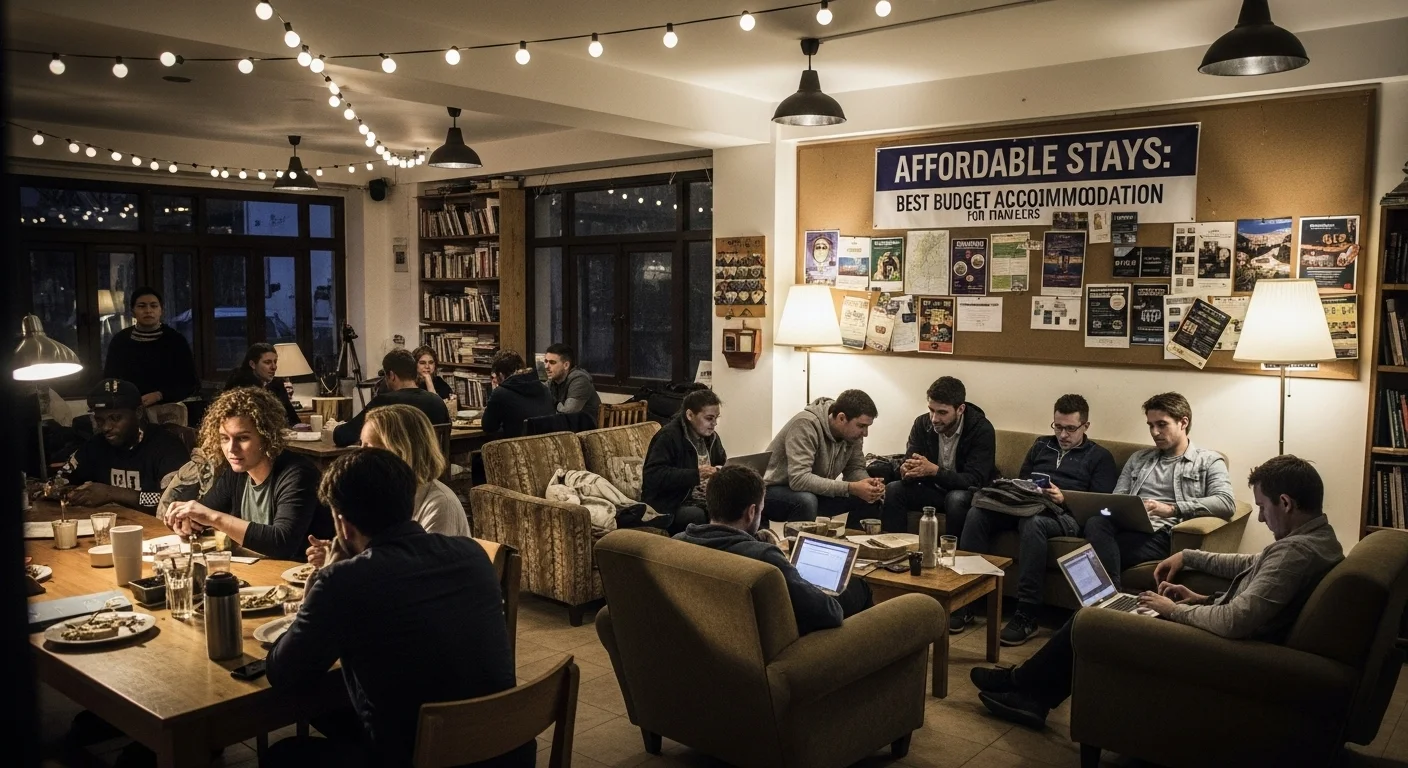
When I think of budget accommodation, I picture cozy places that offer a comfortable night’s sleep without the hefty price tag. Budget accommodations are typically places where you can stay for less than the average hotel rate. This includes hostels, motels, guesthouses, and even short-term rentals. Each type has its unique charm and can cater to different travel styles and needs. I remember the thrill of finding a charming little guesthouse in a bustling city, where I spent less but gained so much more in local culture.

Benefits of Choosing Affordable Stays

There’s something wonderfully liberating about choosing budget accommodation. For me, it opens up more opportunities to explore and spend on experiences rather than just a place to rest my head. Here are some benefits I’ve discovered along the way:

  • More Money for Experiences: Staying in affordable accommodations means you have extra cash to enjoy local attractions, meals, and activities. I’ve found that those unforgettable experiences often come from exploring local markets or taking guided tours.
  • Meeting Fellow Travelers: Budget places often attract a diverse crowd. I’ve met incredible people from all over the world in hostels and guesthouses, sharing stories over breakfast or in common areas.
  • Unique Local Experiences: Many budget accommodations are locally owned, providing insights into the culture and lifestyle of the area. I recall staying in a guesthouse where the owner cooked traditional meals for guests—it was a delightful way to learn about local cuisine!

Types of Budget Accommodation

Now that we’ve talked about what budget accommodation is and its benefits, let’s dive into the different types available. Each one offers its flavor of hospitality, and I’ve had my fair share of experiences with each type!

Hostels

Hostels have become synonymous with budget travel. They often feature shared rooms, which can be a fun way to meet other travelers. I remember my first hostel experience in Barcelona, sharing a room with five others from different countries. We bonded over our travel stories and even explored the city together! Many hostels also have kitchens where you can prepare your meals, saving money on dining out. For more options, check out Top 10 Budget Accommodation Options for Backpackers.

Motels

Motels are those budget-friendly roadside accommodations that are perfect for road trips. They’re usually simple, offering basic amenities like a bed, bathroom, and sometimes a small fridge. I’ve pulled over at motels countless times, especially in the Midwest, where they provide a much-needed rest after a long day of driving. The convenience of parking right outside your room is a huge plus!

Guesthouses

Guesthouses are often family-run and provide a homier atmosphere. I love staying in guesthouses because they often offer unique rooms and personalized service. The owners usually have great tips for local attractions, and I’ve enjoyed many delicious homemade breakfasts in these cozy settings. Every guesthouse has its personality, making each stay a new adventure.

Short-term Rentals

Platforms like Airbnb have made short-term rentals a popular choice among budget travelers. Renting an apartment or room can sometimes be cheaper than a hotel, especially for longer stays. I remember finding a charming studio in Paris for a fraction of the price of a hotel. It felt like a home away from home, allowing me to cook and enjoy my morning coffee while soaking in the local vibe.

Couchsurfing

Couchsurfing is a unique way to travel on a budget by staying with locals for free. It’s about cultural exchange and making connections. I’ve had incredible experiences using this platform, from staying with a family in Turkey to crashing on a friend’s couch in Brazil. It’s not just about saving money; it’s about building friendships and gaining insights into the local culture.

Choosing budget accommodation can significantly enhance our travel experiences. Whether we prefer the social atmosphere of hostels or the homeliness of guesthouses, there’s something out there for everyone. I’m excited to share more about the best budget accommodations in various regions in the upcoming sections. Stay tuned for tips and insights that will help you find the perfect affordable stay for your next adventure!

Best Budget Accommodation by Region

Affordable Stays in North America

Top Hostels in New York City

When I think of New York City, I picture the bright lights, bustling streets, and endless possibilities. Staying in a hostel here can be a fantastic way to immerse yourself in the city’s energy without overspending. One of my favorite hostels, HI New York City Hostel, offers dorm-style accommodations with a vibrant atmosphere. The common areas are lively, making it easy to meet fellow travelers. Plus, the location on the Upper West Side is perfect for exploring Central Park and other attractions!

Budget Hotels in Los Angeles

Los Angeles can be a pricey destination, but I’ve found hidden gems when looking for budget hotels. The Hollywood Inn Express North was a pleasant surprise for me. It’s not a luxury hotel, but it’s clean, comfortable, and conveniently located near Hollywood Boulevard. After a day of exploring the Walk of Fame and checking out the iconic Hollywood sign, returning to a cozy room here felt like home. Plus, the affordable price left more room in my budget for tacos!

Cheap Motels Across the Midwest

Driving through the Midwest, I’ve discovered that motels often offer the best value. Places like the Super 8 or Days Inn are not just affordable; they also provide a decent stay with necessary amenities. I remember a long road trip where I stayed at a Super 8 in Missouri. The motel was clean, and I appreciated the breakfast to kick-start my day. The best part? The friendly staff always had recommendations for local diners and attractions.

Best Budget Accommodation in Europe

Hostels in Barcelona

Barcelona is one of those cities that feels alive with culture, and hostels are a great way to connect with that energy. I had a wonderful experience at Generator Barcelona, which combines trendy design with affordability. The rooftop terrace was my favorite spot, perfect for enjoying the sunset after a day of wandering around Gaudí’s masterpieces. Plus, the social vibe makes it easy to meet fellow travelers, and I ended up joining a pub crawl that was a blast!

Affordable Hotels in London

London can be a bit overwhelming when it comes to accommodation costs, but there are affordable hotels that don’t skimp on comfort. I stumbled upon the Tune Hotel in Paddington, which offered compact yet stylish rooms at a reasonable rate. The location is fantastic, just a short walk from the tube, making it easy to explore the city. I loved coming back after a long day of sightseeing, knowing I had a cozy room waiting for me.

Guesthouses in Eastern Europe

Eastern Europe is a treasure trove of budget-friendly guesthouses, and I can’t recommend them enough! During my travels in Budapest, I found a charming guesthouse that felt like a home away from home. The owners were incredibly welcoming, offering tips on local spots to visit and even serving homemade breakfast every morning. It’s those personal touches that really made my stay special and memorable. For more on budget-friendly options, don’t miss Discover Sustainable Stays: Budget Accommodations for Eco-Trips.

Affordable Stays in Asia

Hostels in Bangkok

Bangkok is a city that never sleeps, and it’s also a haven for budget travelers. During my visit, I stayed at a hostel called The Yard, which had a laid-back vibe and a lovely garden area. Not only was it affordable, but it also had a community feel, making it easy to meet fellow backpackers. I remember joining a cooking class organized by the hostel, which was an unforgettable experience filled with laughter and delicious food!

Cheap Ryokans in Japan

Japan offers a unique experience with its traditional ryokans, some of which are surprisingly budget-friendly. I had the opportunity to stay at a modest ryokan in Kyoto, where I enjoyed tatami mats and a futon bed. The hospitality was incredible, and I loved soaking in the onsen after a long day of exploring temples. Staying in a ryokan added a cultural layer to my trip that I cherished.

Budget Guesthouses in Vietnam

Vietnam is renowned for its affordability, and I found some amazing guesthouses during my travels. In Hoi An, I stayed at a quaint guesthouse that offered not only comfortable accommodations but also bike rentals to explore the scenic countryside. I remember cycling through rice paddies and discovering hidden gems along the way. The owners shared their local knowledge, which made my experience even more enriching.

Best Budget Accommodation in Australia and Oceania

Affordable Hostels in Sydney

Sydney is a stunning city, and I was pleasantly surprised to find great hostels that fit my budget. One standout was the Sydney Harbour YHA, which boasts beautiful views of the Opera House. It’s clean, social, and the rooftop terrace is a fantastic place to unwind after a day of exploring. I met some amazing people here, and we even ventured out together to see the famous landmarks.

Budget Motels in New Zealand

New Zealand is a dream for nature lovers, and while motels are a common choice for accommodation, they often exceed expectations. I found an affordable motel in Rotorua that was clean and had stunning views of the surrounding mountains. After a day of hiking, it was perfect to come back and relax in a comfortable room. Plus, I loved being able to prepare my own meals in the kitchenette!

Affordable Stays in South America

Budget Hotels in Brazil

Brazil is vibrant and diverse, and I was amazed at how many budget hotels are available without sacrificing quality. I remember staying at a budget hotel in Rio de Janeiro that was just a few blocks away from Copacabana Beach. The rooms were basic, but it was a great deal for the location. I spent my days lounging on the beach and my nights enjoying the lively nightlife.

Hostels in Argentina

Argentina is another fantastic destination for budget travelers, especially in cities like Buenos Aires. I enjoyed my stay at a hostel called Milhouse, which had a party atmosphere and organized events for guests. It was a great way to meet new people and explore the city together. I loved joining the tango nights and learning more about the culture while having a blast! If you’re looking for a more luxurious experience without the hefty price tag, consider checking out Budget-Friendly Luxury Safari: Best Accommodation Picks.

How to Find Affordable Accommodations

Using Online Booking Platforms

I’ve found that using online booking platforms can be a game changer when searching for budget accommodations. These websites not only allow us to compare prices but also provide valuable information about different stays. I often start my search on platforms like Booking.com or Hostelworld. I love how they allow me to filter by price, amenities, and guest reviews, making it easier to find the best deals that fit my travel style.

Comparison Websites

Comparison websites are my go-to tools for ensuring I get the best price possible. I remember planning a trip to Italy and using a comparison site to find the best rates for hostels in Rome. It’s fascinating how prices can vary from one platform to another. By checking multiple sites, I managed to snag a great deal on a centrally-located hostel that would have otherwise been out of my budget on a single platform. I recommend taking the time to compare and see what’s available; it can lead to some fantastic finds!

Last-Minute Deals

Sometimes, spontaneity pays off in travel! I’ve had great luck with last-minute deals, especially when I’m flexible with my plans. Apps like HotelTonight specialize in offering discounted rates for same-day bookings. I remember one time in San Francisco, I decided to stay an extra night. I quickly scanned the app and found a great rate for a hotel that was normally out of my price range. It was such a thrill to extend my adventure, and I saved money while doing it!

Tips for Booking Budget Stays

Over the years, I’ve learned a few tricks that have helped me save even more on budget accommodation. Here are some tips I swear by:

Flexible Travel Dates

Being flexible with my travel dates has saved me a significant amount of money. I’ve noticed that prices can fluctuate wildly based on the day of the week or time of year. For instance, I once planned a trip to New Orleans and shifted my dates slightly to avoid the weekend rush. The difference in accommodation costs was astonishing! If you can travel during the shoulder season or midweek, you’ll often find better rates and fewer crowds.

Direct Booking Benefits

I’ve discovered that sometimes the best deals come directly from the accommodation’s website. Many hostels and hotels offer exclusive discounts for booking directly. I remember when I stayed at a guesthouse in Thailand; I called them directly to inquire about rates and ended up getting a lower price than what was listed online. Plus, direct bookings often come with perks like free breakfast or complimentary upgrades, which can enhance our stay even further!

Loyalty Programs and Discounts

For frequent travelers like us, loyalty programs can be a great way to score discounts or free nights. I signed up for a few hotel rewards programs and have reaped the benefits. Recently, I stayed at a well-known budget chain and accumulated enough points for a free night on my next trip. It felt like a little victory, knowing that my previous stays were paying off. If you often find yourself returning to certain brands or chains, it’s worth looking into their loyalty programs!

Essential Tips for Budget Travelers

How to Save on Accommodation

When traveling on a budget, every little bit counts. I’ve picked up several strategies over the years that help me save money on accommodation without sacrificing too much comfort.

Traveling Off-Peak

One of my favorite strategies is to travel during off-peak times. I’ve found that prices drop significantly outside of peak tourism seasons. For instance, I took a trip to Europe in early spring instead of summer, and the savings on accommodation were substantial. Not only did I enjoy lower rates, but the attractions were also less crowded, making the experience even more enjoyable.

Group Bookings

If you’re traveling with friends or family, consider group bookings. I remember planning a trip with a few friends to Canada, and we booked a large Airbnb together. Not only did we get a fantastic place with more space, but splitting the cost made it incredibly affordable. Plus, it was a blast hanging out together in a cozy setting, cooking meals, and sharing travel stories!

Staying Safe in Budget Accommodation

While saving money is essential, safety should always be a top priority. I’ve learned a few practices that help ensure a safe and comfortable stay in budget accommodations.

Checking Reviews and Ratings

Before booking any accommodation, I always take the time to read reviews and ratings. Websites like TripAdvisor or Google Reviews offer insights from other travelers that can be incredibly helpful. I remember when I was considering a budget hostel in Berlin; the reviews mentioned cleanliness and a friendly staff, which reassured me before I booked. It’s a small step that can make a big difference in our overall experience.

Understanding Booking Policies

Finally, understanding the booking policies is crucial to avoid surprises. I’ve faced a few situations where I didn’t fully grasp cancellation policies, only to find myself stuck with non-refundable bookings. Before I confirm any reservation, I always take a few minutes to read through the terms and conditions. It helps me travel with peace of mind, knowing I won’t face unexpected charges if plans change.

Frequently Asked Questions

What is budget accommodation?

Budget accommodation refers to cozy places that offer a comfortable night’s sleep at a lower price than average hotels. This includes hostels, motels, guesthouses, and short-term rentals, each catering to different travel styles and needs.

What are the benefits of choosing budget accommodation?

Choosing budget accommodation allows for more spending on experiences rather than just a place to stay. Benefits include having extra money for local attractions, meeting fellow travelers, and gaining unique local experiences through interactions with locally owned accommodations.

What types of budget accommodations are available?

Types of budget accommodations include hostels, motels, guesthouses, short-term rentals, and Couchsurfing. Each type offers a different atmosphere and level of hospitality, catering to various preferences and travel styles.

How can I find affordable accommodations?

Affordable accommodations can be found using online booking platforms like Booking.com or Hostelworld for comparisons, utilizing comparison websites for the best rates, and looking for last-minute deals on apps like HotelTonight.

What tips can help me save on budget accommodation?

To save on budget accommodation, be flexible with your travel dates, book directly through the accommodation’s website for potential discounts, and consider joining loyalty programs for future discounts or free nights.

How can traveling off-peak help save on accommodation costs?

Traveling off-peak times can significantly lower accommodation prices. Visiting destinations outside of peak tourism seasons often results in reduced rates and less crowded attractions, enhancing the overall experience.

What should I consider when booking budget accommodation for safety?

When booking budget accommodation, it’s crucial to check reviews and ratings from other travelers, and to understand the booking policies to avoid surprises like non-refundable bookings.

What are some recommended budget accommodations in North America?

In North America, recommended budget accommodations include HI New York City Hostel in New York City, Hollywood Inn Express North in Los Angeles, and Super 8 or Days Inn motels across the Midwest.

Can you provide examples of budget accommodations in Europe?

Examples of budget accommodations in Europe include Generator Barcelona hostels in Barcelona, Tune Hotel in Paddington, London, and charming guesthouses in Eastern Europe, like those in Budapest.

What are some affordable accommodation options in Asia?

In Asia, affordable accommodation options include hostels like The Yard in Bangkok, traditional ryokans in Japan, and budget guesthouses in Vietnam, such as those in Hoi An that offer bike rentals for exploration.
Top 10 Budget Accommodation Options for Backpackers

Budget accommodation opens up a world of possibilities for backpackers, making travel more accessible and enjoyable. Let’s dive into understanding what budget accommodation is and explore its benefits. Read Interesting article: Discover Sustainable Stays: Budget Accommodations for Eco-Trips

Top 10 Budget Accommodation Options for Backpackers

Understanding Budget Accommodation

What is Budget Accommodation?

Budget accommodation refers to affordable lodging options that cater to travelers looking to save money while exploring new places. This type of accommodation is perfect for backpackers who often prioritize experiences over luxury. Whether it’s a shared room in a hostel or a cozy guesthouse, budget accommodations provide essential amenities without breaking the bank. I remember my first backpacking trip when I relied on budget accommodations; it was a game changer for my travel experience.

Benefits of Budget Accommodation for Backpackers

Choosing budget accommodation comes with a myriad of benefits. For starters, it allows us to stretch our travel budget further. I’ve found that the money saved on lodging can be redirected to adventures, local cuisine, or unique experiences. Additionally, budget accommodations often foster a sense of community among travelers. I’ve met some incredible people in hostels and guesthouses, sharing stories, tips, and even planning adventures together. These connections have enriched my travel experiences immensely.

Furthermore, many budget options offer unique experiences that hotels simply can’t match. Staying in a local homestay, for instance, gave me a glimpse into daily life in a different culture that I would have missed in a traditional hotel setting. I believe that immersing ourselves in the local environment can truly enhance our travels.

Common Features of Budget Accommodation

When exploring budget accommodations, you’ll notice several common features. Most offer basic amenities like shared bathrooms, kitchen facilities, and free Wi-Fi. I’ve often relied on communal kitchens, where I could prepare a simple meal and connect with fellow travelers. Some places even provide organized activities or tours, which can be a great way to explore the area while meeting others.

Another important aspect is the flexibility often found in these accommodations. Many hostels and guesthouses offer no or low cancellation fees, making it easier for us to adjust our travel plans as needed. Plus, budget accommodations are usually situated in prime locations, allowing easy access to attractions, public transport, and local eateries. This accessibility has made my adventures more spontaneous and enjoyable.

Top 10 Budget Accommodation Options for Backpackers

Hostels

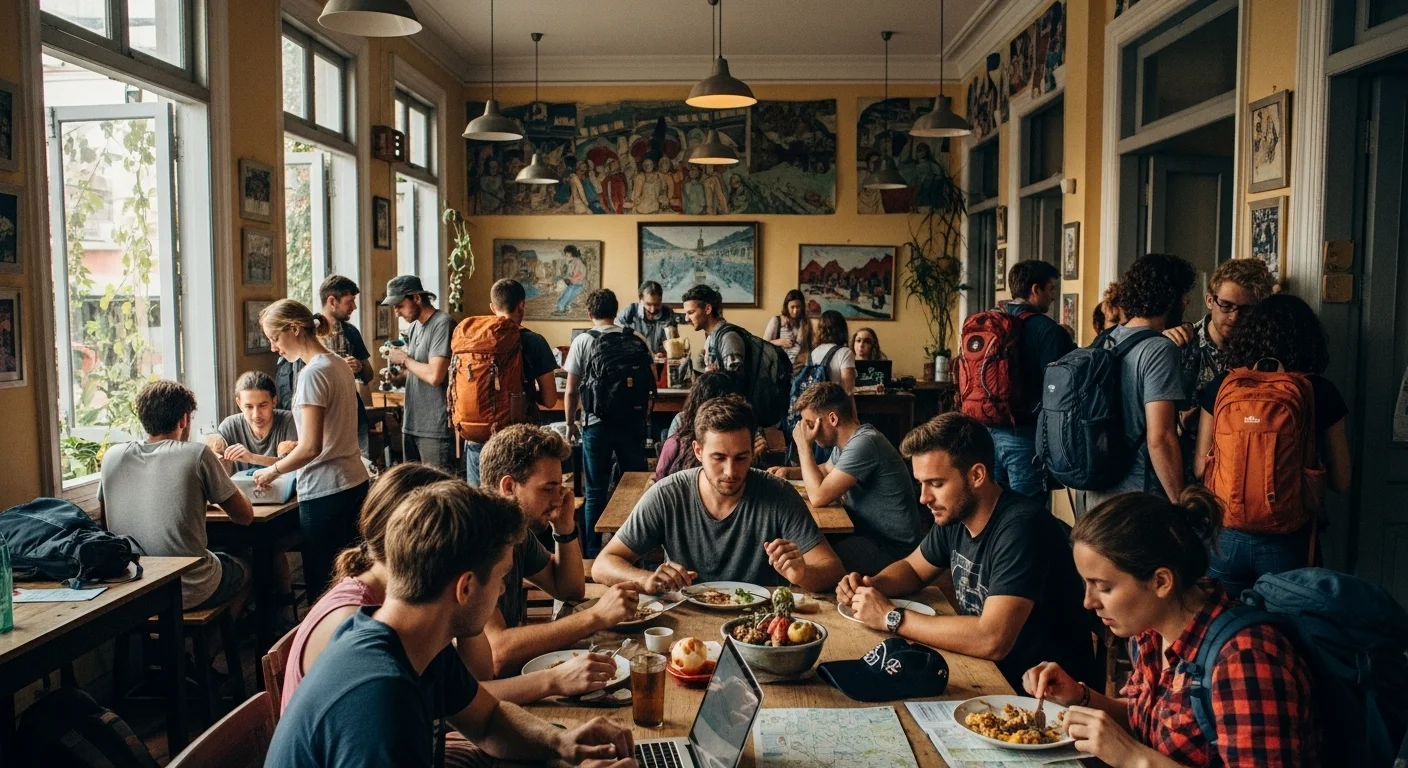
Hostels are perhaps the most popular choice among backpackers. They provide a lively atmosphere, often filled with fellow travelers who share similar stories and experiences. I love the social aspect of hostels—common areas where we can exchange travel tips and plan outings together make for unforgettable moments.

Benefits of Staying in Hostels

One of the main benefits of hostels is affordability. Dormitory-style rooms allow us to save money while still having a safe place to sleep. I’ve found that many hostels also offer private rooms for those seeking a bit more privacy, which can be a great option for couples. Moreover, hostels often organize events like pub crawls, city tours, and game nights, fostering a sense of community that I’ve cherished during my travels.

Popular Hostel Chains

Several hostel chains stand out for their consistent quality and affordability. Hostelling International (HI) and Generator Hostels are two of my favorites. They have locations in many major cities worldwide, making them a reliable choice for budget travelers. Plus, I often find that they maintain a clean and welcoming atmosphere.

Guesthouses

Guesthouses provide a more intimate experience compared to hostels. They typically have fewer rooms and are often run by local families, which adds a personal touch. I remember staying in a guesthouse in Vietnam where the owner offered cooking classes, and it was one of the highlights of my trip.

Differences Between Guesthouses and Hostels

The main difference between guesthouses and hostels lies in the atmosphere and level of privacy. While hostels are usually bustling with shared spaces and social events, guesthouses tend to be quieter, making them ideal for those looking for a more relaxing environment. For someone like me, who enjoys both lively evenings and peaceful downtime, guesthouses offer the best of both worlds.

Top Guesthouses Around the World

Some guesthouses have gained popularity for providing exceptional experiences. For example, the Cozy Guesthouse in the heart of Budapest has earned rave reviews for its hospitality and location. I also loved staying at the Vang Vieng Backpackers Hoem in Laos, where the owners made us feel like part of the family. Finding such gems can truly elevate our travel experience. Read Interesting article: Budget-Friendly Luxury Safari: Best Accommodation Picks

Camping and Campsites

Camping is another fantastic budget accommodation option, especially for nature lovers. Setting up camp in stunning locations allows us to connect with the great outdoors. I’ve had some of my most memorable nights under the stars, cooking over a campfire and sharing stories with friends.

Essential Gear for Camping

If you’re considering camping, having the right gear is crucial. A good tent, sleeping bag, and portable cooking equipment are essentials. I’ve learned that investing in quality gear can make a world of difference in comfort. Plus, packing light is key; I often roll my clothes in a way that maximizes space in my backpack, allowing room for my camping essentials.

Best Camping Locations for Backpackers

There are countless breathtaking camping spots around the world. National parks like Yosemite in the United States and Banff in Canada are popular among backpackers. I’ve found that camping in these stunning environments has provided me with a deeper appreciation for nature and adventure. Just don’t forget to check local regulations and safety tips before heading out!

Top 10 Budget Accommodation Options for Backpackers

Homestays

Homestays are a fantastic way to immerse ourselves in the local culture while still enjoying budget-friendly lodging. I remember my stay with a family in rural Thailand, where they shared their customs and daily routines with me. It felt like I was experiencing life as a local, rather than just a tourist passing through.

Benefits of Staying with Locals

One of the biggest perks of homestays is the personal connection we get with our hosts. They often share valuable insights about the area, including hidden gems that aren’t in the guidebooks. I found that my host offered to take me to the local market, and I ended up trying foods I had never even heard of! This real-life interaction can provide a richer experience than staying in conventional accommodations.

Additionally, homestays can be quite affordable, allowing us to save money while enjoying home-cooked meals. I’ve realized that sharing meals with my hosts often turned into some of my fondest memories, filled with laughter and storytelling. It’s a wonderful way to bond while learning about different cultures.

Finding Reliable Homestay Options

When searching for reliable homestays, websites like Airbnb and Workaway can be great starting points. I always look for places with high ratings and positive reviews to ensure a pleasant stay. Another tip I’ve found helpful is to communicate with the host beforehand. This allows me to gauge their responsiveness and friendliness, which often reflects the kind of experience I can expect.

Local tourism websites are also excellent resources. They often list vetted homestays and can provide peace of mind when planning our travels. I once stumbled upon a local site while researching my trip to Colombia, and it led me to a delightful family that offered an unforgettable experience in the heart of the city.

Budget Hotels

For those who prefer a more traditional lodging option, budget hotels can be a solid choice. They provide a comfortable environment without stretching our finances too thin. I remember staying at a budget hotel in Spain that had all the essentials: a cozy bed, a clean bathroom, and even a little breakfast included!

Characteristics of Budget Hotels

Budget hotels typically offer basic amenities, such as free Wi-Fi, breakfast, and sometimes even a small kitchenette. They may not have all the frills of luxury hotels, but I’ve found that they often prioritize cleanliness and comfort. Many also have a convenient location, making it easy to explore nearby attractions without the hassle of long commutes.

One thing I appreciate about budget hotels is the consistency. I know what to expect regarding service and amenities, which can be comforting, especially in unfamiliar places. I often look for hotels with flexible check-in and check-out times, as this can make my travel schedule more manageable.

Top Budget Hotel Chains

There are several budget hotel chains that stand out for their affordability and quality. I’ve had great experiences with Ibis Budget, Motel 6, and Travelodge. Each chain has locations across various regions, so finding one that fits my travel plans has rarely been an issue. Read Interesting article: Experience Luxury on a Budget: Safari Accommodation Tips

Airbnb and Short-Term Rentals

Airbnb and other short-term rental platforms have revolutionized the way we find budget accommodation. They provide unique lodging options, from entire homes to quirky single rooms. I remember booking an Airbnb in New Orleans that was not only budget-friendly but also had a charming balcony overlooking the bustling streets.

How to Find Affordable Airbnb Listings

Finding affordable options on Airbnb is all about strategy. I always start by filtering the price range to fit my budget, and then I look for listings that have plenty of positive reviews. It’s also worth checking for last-minute deals, as hosts often lower prices to fill vacancies. I’ve snagged some amazing stays this way!

Additionally, I look for listings that offer discounts for longer stays. If I plan to spend a week in one place, those savings can really add up. I also make it a point to read the host’s description carefully; sometimes, they mention things like free bikes or kitchen access that can enhance my experience without extra cost.

Tips for Booking Short-Term Rentals

When booking short-term rentals, communication is key. I always reach out to my potential hosts with any questions or special requests before confirming. This not only helps me feel more comfortable but also gives me a sense of the host’s hospitality. I’ve had some great conversations that made me excited about my upcoming stay.

Another important tip is to check the cancellation policy before booking. Sometimes, life throws curveballs, and knowing I can adjust my plans without losing money is a relief. I’ve often chosen flexible options, just in case plans change during my adventures.

University Dorms

Staying in university dorms can be an underrated option for budget travelers. They often provide very affordable rates, especially during off-peak times when students are away. I remember finding a dorm in a university close to a major city, which allowed me to explore the area without the hefty price tag.

Seasonal Availability and Pricing

University dorms are usually available during summer break or holiday seasons when students are off campus. I’ve found that rates can drastically drop during these times, making it an excellent opportunity for budget-conscious travelers. Just be sure to book well in advance, as these spots can fill up quickly!

Benefits of Staying in University Dorms

One of the biggest perks of staying in university dorms is the vibrant atmosphere. I’ve met fellow travelers and even students from different countries, which made for interesting conversations and friendships. Plus, many dorms are situated near popular attractions or public transport, making it easy to get around without spending much.

Work Exchange Programs

Work exchange programs can be an incredible way to secure accommodation while traveling on a budget. By offering a few hours of work each day, I’ve stayed in beautiful places without paying for lodging. My experience in a vineyard in Italy was unforgettable, as I got to learn about winemaking while enjoying the stunning scenery.

Popular Work Exchange Platforms

Platforms like Workaway and HelpX connect travelers with hosts seeking assistance. I’ve found these sites to be user-friendly and full of diverse opportunities. I always take the time to read reviews from previous volunteers to ensure a good match.

Types of Work Exchange Opportunities

The types of work exchange can vary greatly. From farming to teaching English, there are options for everyone. I once helped out in a hostel, which allowed me to meet travelers from all over the world while staying in a vibrant environment. It’s a win-win situation when you can save money and gain valuable experiences at the same time!

Couchsurfing

Couchsurfing has become a favorite among budget travelers looking for authentic experiences. This platform allows us to stay with locals for free, creating a unique opportunity to connect with people from different cultures. I’ve had some of my most memorable nights couchsurfing, sharing meals and stories with my hosts.

How Couchsurfing Works

The concept is simple: travelers create profiles and can browse hosts in their desired destination. I make it a point to read hosts’ profiles and reviews carefully, ensuring they align with my travel style. Once I find a host I like, I send a personalized request explaining why I’d love to stay with them.

Safety Tips for Couchsurfing

While Couchsurfing can be a rewarding experience, safety should always be a priority. I always trust my instincts; if something feels off, I won’t hesitate to look for alternative options. It’s also wise to have a backup plan in case the host situation changes. I’ve carried my own sleeping bag just in case I needed to camp out in a park for the night!

Volunteer Accommodation

Lastly, volunteer accommodation offers a unique mix of lodging and impactful work. By volunteering with organizations, I’ve been able to stay in beautiful places while contributing to meaningful projects. My experience volunteering in a wildlife rescue center was not only fulfilling, but it also allowed me to learn so much about animal care.

Organizations Offering Volunteer Accommodation

There are numerous organizations that provide volunteer accommodation opportunities, such as WWOOF (World Wide Opportunities on Organic Farms) and various conservation projects. I always research the organization to ensure it aligns with my values and provides a positive experience for both volunteers and the communities served.

Benefits Beyond Accommodation

One of the greatest benefits of volunteer accommodation is the chance to make a difference. I’ve met incredible people who share my passion for making the world a better place, and the friendships formed during these experiences have often lasted beyond our travels. Plus, the skills and knowledge I’ve gained have enriched my life in ways I hadn’t anticipated.

How to Choose the Right Accommodation

Factors to Consider

Choosing the right accommodation can significantly impact our travel experience. From my own travels, I’ve learned that there are several key factors to keep in mind when making this decision. First and foremost is the location. I often prioritize staying close to major attractions or public transport options. This not only saves time but also helps in cutting down transportation costs. I remember a time when I booked a place just a few blocks from the city center, and it made exploring so much easier!

Location

Location is everything in travel. If I’m in a bustling city, I want to be able to walk to cafes, museums, and local markets. I’ve found that accommodations in quieter neighborhoods can be cheaper, but they may also mean longer commutes to the vibrant areas I want to explore. It’s a balance I always try to strike. Additionally, I check how safe the neighborhood is, especially if I plan to be out late. I’ve learned to trust my instincts about safety based on my surroundings and the vibe of the area.

Price

Budget is obviously a significant consideration for us backpackers. I always set a clear budget for accommodation, so I don’t overspend and compromise other parts of my trip. It’s amazing how many options are available even within a limited budget! I often use filters on booking sites to narrow down my choices, ensuring that I find places that fit my financial plan. I’ve also found that prices can vary dramatically depending on the season, so flexibility with dates can lead to better deals. For example, traveling during the shoulder season can save us a lot!

Facilities and Amenities

Different types of accommodations come with varying amenities. I often look for places that offer free Wi-Fi, especially since I like to share my travel experiences online. Kitchen access is another massive plus for me; being able to cook my meals not only saves money but also allows me to enjoy healthier options. When researching, I make a list of must-have amenities, like breakfast included or laundry facilities, and I prioritize accommodations that meet those needs. I once stayed at a place with a rooftop terrace that became my favorite hangout spot in the evenings!

Reading Reviews and Recommendations

Before booking, I always dive into reviews from other travelers. Websites and platforms like TripAdvisor, Hostelworld, or even social media can provide valuable insights. I pay attention to both positive and negative reviews; they often highlight what to expect in terms of service, cleanliness, and the overall vibe of the place. I remember reading a review about a hostel that mentioned a fantastic communal dinner every week. That tipped my decision in favor of that particular place, and it turned out to be a highlight of my stay!

Booking Tips for Budget Accommodation

When it comes to booking, I’ve found a few strategies that can really help. First, I always book in advance, especially during peak travel seasons. This not only secures my spot but often ensures I get better rates. If I’m planning a trip to a popular destination, I try to finalize my accommodation at least a few weeks ahead of time.

Another tip is to sign up for alerts from booking platforms. Many of them offer notifications for price drops or last-minute deals. I’ve snagged some incredible rates this way! Additionally, I sometimes reach out directly to the accommodation’s management. I’ve found that asking for special rates or mentioning that I’m a backpacker can sometimes lead to unexpected discounts or upgrades.

Lastly, I keep my options open with flexible booking policies. I always check the cancellation policy before booking. Life can be unpredictable when you’re on the road, and having the option to change my plans without financial penalties gives me peace of mind. I’ve had to shift travel plans last minute a few times, and being able to do so without stress was a lifesaver.

Frequently Asked Questions

What is budget accommodation?

Budget accommodation refers to affordable lodging options that cater to travelers looking to save money while exploring new places. It is ideal for backpackers who prioritize experiences over luxury and includes options like hostels and guesthouses.

What are the benefits of choosing budget accommodation for backpackers?

Choosing budget accommodation allows travelers to stretch their budget further, redirecting savings towards adventures and local experiences. It also fosters a sense of community among travelers and provides unique cultural immersion that traditional hotels may not offer.

What common features can be found in budget accommodations?

Common features of budget accommodations include basic amenities like shared bathrooms, kitchen facilities, free Wi-Fi, and organized activities or tours. They also tend to have flexible cancellation policies and are often located in prime areas for easy access to attractions.

What are the differences between hostels and guesthouses?

Hostels typically have a lively atmosphere with shared spaces and social events, while guesthouses provide a more intimate and quieter experience, often run by local families. Hostels are ideal for social interactions, whereas guesthouses cater to those seeking relaxation.

What are some popular hostel chains for budget travelers?

Popular hostel chains that are known for their affordability and quality include Hostelling International (HI) and Generator Hostels, which have locations in many major cities worldwide.

How can travelers find reliable homestays?

Travelers can find reliable homestays through platforms like Airbnb and Workaway, as well as local tourism websites. High ratings and positive reviews are important indicators of a pleasant stay.

What should travelers consider when booking budget hotels?

When booking budget hotels, travelers should consider the location, price, facilities and amenities, and read reviews from other travelers. Key amenities include free Wi-Fi and breakfast options.

What are work exchange programs and how can they benefit travelers?

Work exchange programs allow travelers to secure accommodation in exchange for a few hours of work each day. This can lead to unique experiences and the opportunity to save money while traveling.

What is Couchsurfing, and what are its benefits?

Couchsurfing is a platform that allows travelers to stay with locals for free, fostering authentic cultural exchanges. It provides a unique opportunity to connect with different cultures and meet new people.

What factors should travelers consider when choosing accommodation?

Travelers should consider location, price, facilities and amenities, and reviews from other travelers when choosing accommodation. Prioritizing these factors can significantly enhance the travel experience.

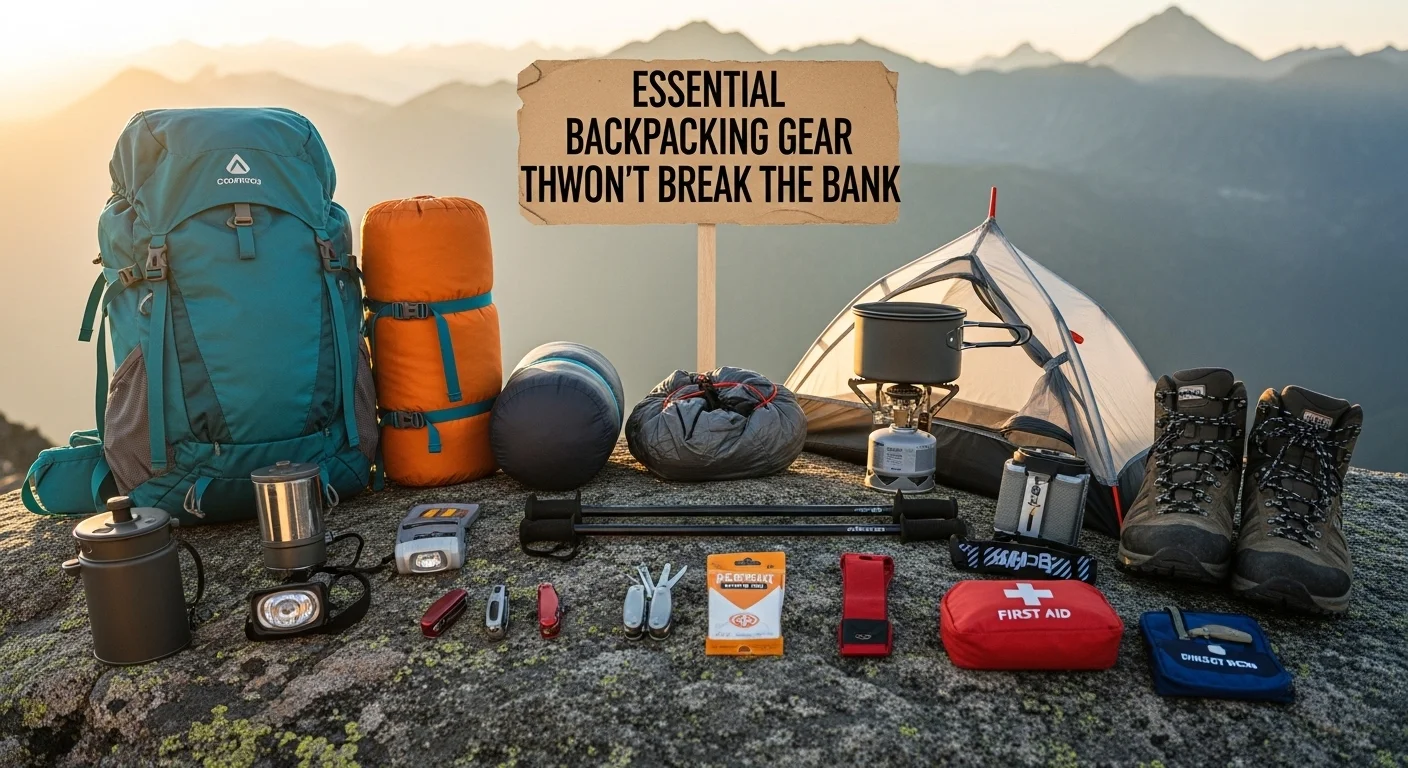
Essential Backpacking Gear That Won’t Break the Bank

Backpacking is an adventure that doesn’t have to drain your wallet. With the right gear, you can explore the great outdoors without breaking the bank. Let’s dive into what you really need to pack for your next journey. Read Interesting article: Budget Backpacking: Essential Gear for Your Next Adventure

Essential Backpacking Gear That Won't Break the Bank

Understanding Backpacking Gear Basics

What is Backpacking Gear?

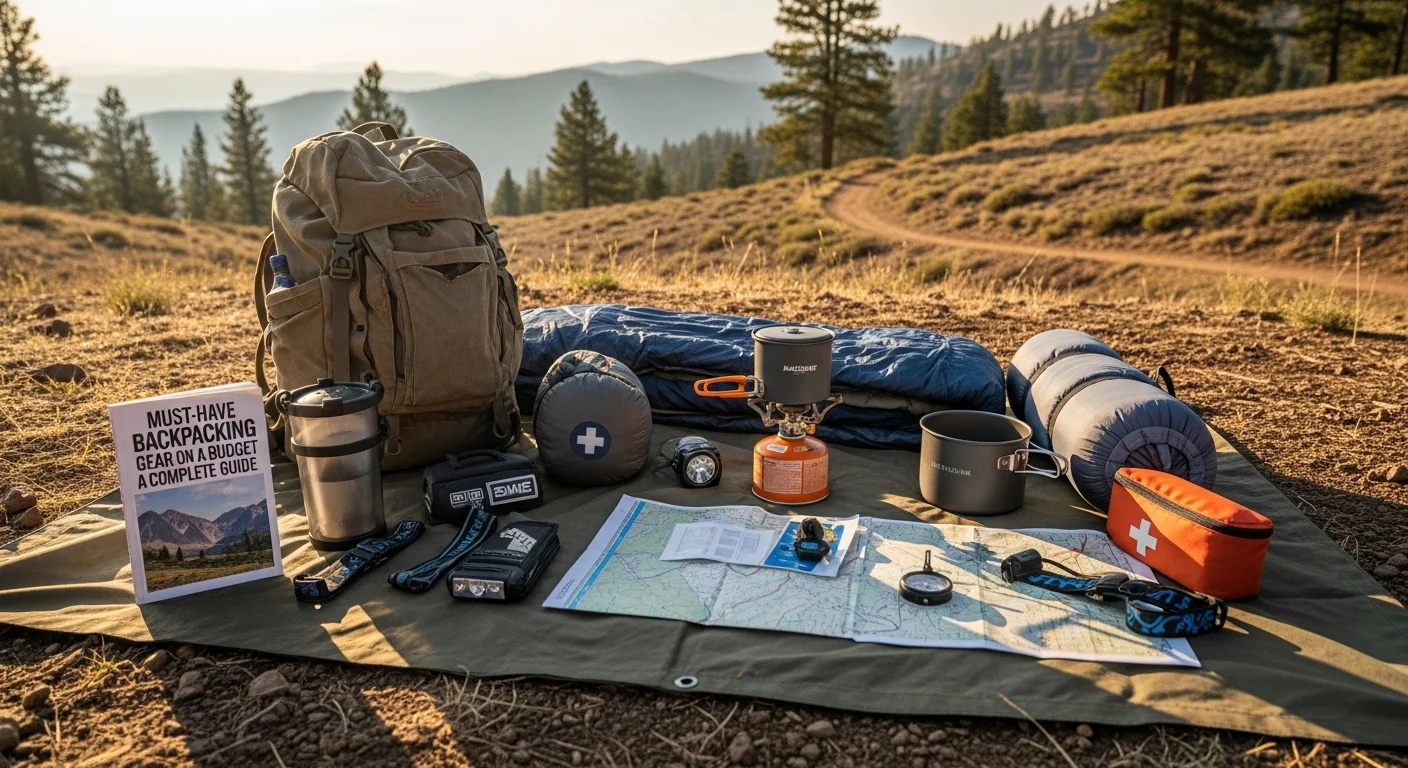
When I think about backpacking gear, I picture everything I need to survive and thrive in the wilderness, all packed into a single backpack. It’s more than just items; it’s about the experience and comfort they provide during your journey. Backpacking gear includes essentials like tents, sleeping bags, cooking equipment, and navigation tools. Each piece plays a vital role in ensuring our adventure is enjoyable and safe. Over the years, I’ve learned that having the right gear can make or break a trip.

Importance of Choosing Budget-Friendly Options

As someone who loves to explore but also values a good deal, I know how crucial it is to find budget-friendly gear. When I started backpacking, I was overwhelmed by the costs associated with high-end equipment. I quickly realized that there are plenty of affordable options that don’t compromise on quality. Choosing budget-friendly gear allows us to invest in experiences rather than just equipment. Plus, saving money enables us to plan more trips! In my opinion, the right balance between quality and cost can lead to countless adventures without the burden of financial stress. Read Interesting article: Must-Have Backpacking Gear on a Budget: A Complete Guide

Essential Backpacking Gear List

Backpacks

The backpack is the heart of your gear collection. It’s where you’ll store everything, so finding one that fits well and suits your needs is essential. I remember my first backpack was too big and awkward, making it a struggle to hike. A good backpack should fit your torso length and have adequate support. I recommend looking for packs between 50-70 liters for multi-day trips. They often come with features like adjustable straps, pockets, and hydration reservoirs. Don’t hesitate to try different packs in-store to find your perfect fit!

Tents

Your shelter is your refuge from the elements, so investing in a quality tent is non-negotiable. However, “quality” doesn’t have to mean “expensive.” I found that lightweight options made from durable materials can often be found at reasonable prices. A good two-person tent is great for sharing space and warmth. Look for features like easy setup, waterproof fabric, and ventilation. I’ve had experiences where a cheap tent leaked during rain, so I always prioritize quality in this area, even if it means saving a bit longer for the right one.

Sleeping Bags

Choosing a sleeping bag can be quite personal. Everyone has different preferences regarding warmth, weight, and size. I’ve experienced nights of discomfort in poorly rated sleeping bags, so I learned to check temperature ratings carefully. A three-season sleeping bag is often a versatile choice for most backpackers. Look for options that use synthetic materials for affordability and ease of care. I’ve found that a good sleeping bag can make a huge difference in how well I sleep in the wild.

Sleeping Pads

Sleeping pads are often overlooked, but they can significantly improve your comfort while camping. When I first started, I used a cheap foam pad, and I regretted it after a night of tossing and turning on hard ground. I now swear by inflatable pads that provide extra cushioning and insulation. These can often be found at various price points, so it’s worth shopping around. A good sleeping pad can save you from a sore back and a less enjoyable experience overall.

Cooking Equipment

Cooking on the trail can be one of the most rewarding parts of backpacking. I’ve had some fantastic meals after a long day of hiking, but I learned quickly that I didn’t need to carry a full kitchen. I recommend investing in a compact camp stove, lightweight cookware, and reusable utensils. I’ve found that simple meals like pasta or rice are easy to prepare and satisfying after a day outdoors. Plus, looking for multi-functional items can help save space and weight in your pack.

Water Filtration Systems

Staying hydrated is crucial. I used to carry all my water, which added significant weight to my pack. Then I discovered water filtration systems, which transformed how I backpacked. There are many affordable options, from filter pumps to purification tablets. It’s essential to choose a system that suits your trip’s needs and the water sources you’ll encounter. This not only lightens your load but also allows you to explore areas without worrying about running out of water.

Clothing and Footwear

The right clothing and footwear can make all the difference on the trail. I learned that layering is key; it allows for adaptations to changing weather. Investing in moisture-wicking base layers, breathable mid-layers, and waterproof outer layers can keep you comfortable in various conditions. As for footwear, a good pair of hiking boots is worth every penny. I’ve tried to cut costs and ended up with blisters, which ruined my hikes. Comfort and fit should always be your priority.

Navigation Tools

Even with modern technology, having reliable navigation tools is essential. I always carry a map and compass as a backup to my GPS. There’s something reassuring about knowing how to read a map, and I believe it’s a skill every backpacker should have. Look for lightweight options, and don’t forget to familiarize yourself with how to use them before hitting the trail.

Budget-Friendly Options for Key Gear

Affordable Backpack Recommendations

Finding a good backpack doesn’t have to cost a fortune. I remember spending hours researching options, and I stumbled upon some amazing budget-friendly brands. For instance, I found that brands like REI Co-op and Kelty offer great backpacks that are both affordable and functional. I love the REI Co-op Flash pack because it’s lightweight and versatile, perfect for weekend trips. If you’re looking for something even more budget-friendly, I suggest checking out the Amazon Basics line, which surprisingly has some decent options. It’s a great way to get started without investing too much upfront.

Cost-Effective Tent Choices

When I first started camping, I was shocked by how much tents could cost. However, after some searching, I found several affordable yet reliable options. One of my favorites is the Coleman Sundome tent, which provides excellent value for money. It’s durable, easy to set up, and handles various weather conditions well. Another option I recommend is the Alps Mountaineering Lynx tent, which offers good quality at a lower price point. I think it’s important to read reviews and check for sales, as tents often go on clearance at the end of the camping season.

Best Budget Sleeping Bags

Sleeping bags can also be surprisingly expensive, but I’ve found that you can score a great deal without sacrificing comfort. Brands like Teton Sports offer budget-friendly sleeping bags that are both warm and lightweight. I’ve used their Celsius bag on several trips, and I was impressed with how cozy it kept me during chilly nights. Another brand I recommend is Coleman, which has solid options that won’t break the bank. Just remember to check the temperature ratings to ensure you’re getting one suitable for the conditions you’ll face.

Inexpensive Cooking Gear

Cooking gear can be pricey, but it doesn’t have to be. I’ve discovered that you can find compact stoves and cook sets that are both affordable and efficient. For instance, the Jetboil Flash is a bit of an investment, but it boils water really fast and is super convenient. If you’re looking for something cheaper, a simple camp stove from brands like Etekcity or a basic cooking pot from Walmart can work just as well for simple meals. I always bring along a lightweight, collapsible stove, which saves space and weight in my pack. I also recommend looking for budget-friendly multi-tools as they can serve multiple purposes while being light on your wallet.

Where to Buy Affordable Backpacking Gear

Online Retailers

Shopping online has become my go-to for finding affordable backpacking gear. Websites like REI, Backcountry, and Amazon often have clearance sections where you can find great deals. I’ve also had luck with websites like CampSaver, which specializes in discounted outdoor gear. Another tip is to subscribe to their newsletters to get notified about sales and special promotions. I’ve landed some amazing discounts just by keeping an eye on email alerts. Read Interesting article: Top 10 Essential Gear Items for Budget Backpackers

Local Outdoor Stores

Don’t underestimate your local outdoor stores! While they may have some higher-end gear, many also carry budget-friendly options. I enjoy visiting local shops because the staff often know their products well and can help you find what you need within your budget. Plus, sometimes you can find used gear or seasonal sales that aren’t advertised online. I’ve made some lasting connections with local shop owners who have pointed me toward the best deals.

Second-Hand Gear Shops

Second-hand shops can be a treasure trove for backpacking gear. I’ve found some fantastic deals at thrift stores and places like Play It Again Sports. They often have lightly used items at a fraction of the original price. I’ve even scored a nearly new sleeping bag and a tent for less than half of what they cost new. Just make sure to inspect items thoroughly and ask about their history before purchasing. You never know what gems you might find!

Tips for Saving Money on Backpacking Gear

Sales and Clearance Events

Timing is everything when it comes to saving money on gear. I’ve learned to keep track of sales and clearance events, especially during the off-season. Retailers often clear out inventory after summer, so I make a point to shop in late fall or winter. I’ve snagged some fantastic deals during holiday sales, too. Black Friday and Cyber Monday are great times to score discounts on outdoor gear!

Using Coupons and Discount Codes

Before making a purchase, I always search for online coupons or discount codes. A quick Google search can yield some great results, and I’ve found that websites like RetailMeNot often have updated codes for many outdoor retailers. Sometimes, simply signing up for a store’s newsletter can get you a discount on your first order. It’s a simple step that can save you a good chunk of change!

Seasonal Buying Strategies

Another strategy I recommend is to buy seasonal gear during the off-season. For example, purchasing winter gear in spring or summer equipment during fall often leads to major discounts. I’ve taken advantage of this strategy myself and have saved quite a bit. It’s smart to plan ahead, so you’re ready for your next adventure without overspending.

Gear Maintenance to Extend Lifespan

Cleaning and Care Tips

Taking care of your gear is just as important as buying it. I’ve learned that regularly cleaning my equipment can extend its lifespan significantly. For instance, I always make sure to clean my tent after each trip. I use a gentle soap and water solution, avoiding harsh chemicals that might damage the fabric. After washing, I let it air dry completely before packing it away. I also pay attention to my sleeping bag, washing it according to the manufacturer’s instructions and storing it loosely to maintain its loft and warmth.

Repairing Minor Damage

Accidents happen, and I’ve had my share of tears and scratches on my gear. Whenever possible, I try to repair minor damage myself rather than investing in new gear. For tents, I always carry a repair kit with patches and seam sealer. I’ve successfully fixed small tears and leaks, which saved me from having to purchase a new tent. For my sleeping bag, I keep a needle and thread handy for any loose seams. Taking a little time for maintenance can go a long way in keeping our gear in top shape.

Common Mistakes to Avoid When Buying Gear

Overpacking and Extra Weight

One of the biggest mistakes I see beginners make is overpacking. I remember my first few trips, where I carried way too much gear, which made hiking a chore. I’ve learned to prioritize essentials and focus on lightweight options. Think critically about what you actually need, and remember that you can often find creative ways to use your gear. For example, I now use my sleeping bag as a pillow when I’m not using it for sleeping!

Ignoring Reviews and Ratings

It’s easy to get caught up in the excitement of buying new gear, but I’ve learned the hard way that I need to read reviews and ratings before making a purchase. Reviews from fellow backpackers offer invaluable insights into a product’s performance and durability. I often check multiple sources, including outdoor forums and YouTube reviews, to get a well-rounded understanding.

Not Testing Gear Before Purchase

Lastly, I can’t stress enough the importance of testing gear before buying it. If possible, I always try to visit stores and physically try on backpacks and footwear. This way, I can ensure the fit is right and comfortable. For sleeping bags and pads, I recommend lying down in them if the store allows it. It’s worth making sure that what we invest in will serve us well on the trail.

Frequently Asked Questions

What is backpacking gear?

Backpacking gear includes everything you need to survive and thrive in the wilderness, packed into a single backpack. This gear comprises essentials like tents, sleeping bags, cooking equipment, and navigation tools, all of which play a vital role in ensuring an enjoyable and safe adventure.

Why is it important to choose budget-friendly options for backpacking gear?

Choosing budget-friendly gear allows you to invest in experiences rather than just equipment. Affordable options are often available that don’t compromise on quality, enabling you to save money and plan more trips without the burden of financial stress.

What should I look for in a backpack for multi-day trips?

A good backpack for multi-day trips should fit your torso length and provide adequate support. Packs between 50-70 liters are recommended and often come with features like adjustable straps, pockets, and hydration reservoirs. It’s advisable to try different packs in-store to find the perfect fit.

What features should I consider when buying a tent?

When buying a tent, look for features such as easy setup, waterproof fabric, and good ventilation. A quality tent is crucial for shelter from the elements, and lightweight options made from durable materials can often be found at reasonable prices.

How do I choose a sleeping bag for backpacking?

Choosing a sleeping bag involves considering factors like warmth, weight, and size. A three-season sleeping bag is typically a versatile choice for most backpackers. It’s important to check temperature ratings and look for options that use synthetic materials for affordability and ease of care.

What are some tips for saving money on backpacking gear?

To save money on backpacking gear, keep track of sales and clearance events, especially during the off-season. You can also search for online coupons or discount codes, and consider buying seasonal gear during the off-season for major discounts.

Where can I find affordable backpacking gear?

You can find affordable backpacking gear through online retailers like REI, Backcountry, and Amazon, which often have clearance sections. Local outdoor stores may also carry budget-friendly options, and second-hand shops can offer lightly used items at a fraction of the original price.

What should I do to maintain my backpacking gear?

To maintain your backpacking gear, regularly clean your equipment according to the manufacturer’s instructions. For tents, use a gentle soap and let them air dry. Additionally, carry a repair kit for minor damage, allowing you to fix small tears and leaks instead of replacing gear.

What common mistakes should I avoid when buying gear?

Common mistakes to avoid when buying gear include overpacking, ignoring reviews and ratings, and not testing gear before purchase. It’s essential to prioritize essentials, read reviews for insights into product performance, and physically try on backpacks and footwear to ensure a good fit.

How can clothing and footwear impact my backpacking experience?

The right clothing and footwear are crucial for comfort on the trail. Layering is key for adapting to changing weather, and investing in moisture-wicking base layers, breathable mid-layers, and waterproof outer layers can keep you comfortable. A good pair of hiking boots is also worth the investment to prevent discomfort and blisters.

Budget Backpacking: Essential Gear for Your Next Adventure

Budget backpacking opens up a world of adventure without breaking the bank. With the right gear and planning, you can explore stunning landscapes and experience new cultures while keeping your expenses low. To ensure you have a successful trip, it’s essential to know about must-have backpacking gear on a budget.

Budget Backpacking: Essential Gear for Your Next Adventure

Understanding Budget Backpacking

What is Budget Backpacking?

When I first heard the term “budget backpacking,” I thought it was just a fancy way of saying “cheap travel.” But as I delved deeper, I realized there’s so much more to it. Budget backpacking is about exploring the world in a way that’s affordable yet enriching. It means choosing destinations that allow you to stretch your dollar while still having incredible experiences. Instead of staying in fancy hotels or dining at upscale restaurants, budget backpackers often opt for hostels, camping, or staying with locals, which can lead to some unforgettable stories and friendships.

Benefits of Budget Backpacking

Over the years, I’ve discovered several benefits to budget backpacking that go beyond mere financial savings. Here are a few that stand out:

  • Increased Flexibility: When you’re not tied down by a lavish itinerary, you can change plans on a whim. I remember deciding to stay an extra day in a small town because I found a local festival. Those spontaneous choices often lead to the best adventures.
  • Deeper Connections: Staying in hostels or sharing meals with locals fosters connections that you might miss in a hotel. I’ve shared stories and meals with people from all over the world, and those memories are some of my favorites.
  • Learning Opportunities: Traveling on a budget often forces you to immerse yourself in local cultures. I’ve learned to cook local dishes, navigate public transportation, and even pick up a few phrases in different languages because of my budget-conscious choices.
  • Environmental Awareness: Budget backpackers tend to be more mindful of their impact on the environment. I find that this leads to a greater appreciation for nature and a desire to protect it.

Popular Destinations for Budget Backpacking

One of the joys of budget backpacking is discovering destinations that offer great experiences without high costs. Here are some of my favorite budget-friendly spots:

  • Thailand: From stunning beaches to vibrant street markets, Thailand is a backpacker’s paradise. I’ve spent days exploring islands and temples without spending much at all.
  • Portugal: With its rich history and beautiful landscapes, Portugal offers affordable accommodations and delicious food. I remember indulging in mouthwatering pastries that didn’t hurt my wallet.
  • Mexico: The diversity of Mexico—from bustling cities to serene beaches—means you can find something for every budget. I’ve enjoyed delicious street tacos for just a couple of dollars!
  • Eastern Europe: Countries like Poland, Hungary, and Romania provide rich history and culture at a fraction of the price of Western Europe. I was amazed at how much I could see and do without emptying my pockets.

These destinations have become more than just places on a map for me; they’ve become cherished memories filled with laughter, learning, and incredible experiences. The beauty of budget backpacking is that you don’t need a fortune to explore the world—you just need curiosity and a sense of adventure.

As I continue my journey in budget backpacking, I’ve learned that the right mindset and preparation can lead to amazing experiences. It’s about embracing the journey and the people you meet along the way. Each trip reminds me that the world is vast, and there are countless stories waiting to be uncovered, all while keeping my budget in check.

Essential Backpacking Gear

Backpacks

Choosing the right backpack is crucial for a successful budget backpacking trip. I remember when I first began, I was overwhelmed by the options. After some research and personal trial and error, I learned that a good backpack should fit comfortably and have enough space for all your essentials without being too heavy. Look for adjustable straps and a hip belt for added support. I found that a 50 to 70-liter backpack works well for most trips, giving me enough room for gear and supplies without feeling like I’m lugging around a boulder. For more tips, check out the top 10 essential gear items for budget backpackers.

Tents

Having a reliable tent can make or break your outdoor experience. I’ve camped in some beautiful spots, and knowing my tent would keep me dry and safe was invaluable. When selecting a tent, consider the weight, size, and weather resistance. I’ve used lightweight, two-person tents that are easy to set up and pack away. They fit snugly in my backpack, and I’ve found that a good tent can also double as a social space during downtime, providing a cozy spot to hang out with friends or meet fellow travelers.

Sleeping Bags

A comfortable sleeping bag is another essential. After a long day of hiking, I cherish the feeling of crawling into a warm sleeping bag at night. I recommend checking the temperature rating of the bag to ensure it suits the climates you’ll encounter. I’ve used both synthetic and down sleeping bags, and while down is lighter, synthetic bags can handle moisture better. My favorite has a built-in compression sack, making packing a breeze!

Sleeping Pads

Investing in a good sleeping pad is something I wish I had done early on. Sleeping on the ground can be tough, and a pad provides insulation and comfort. I found that self-inflating pads work well for me because they offer cushioning without taking up much pack space. It’s amazing how much better I sleep on a trip when my back isn’t pressed against the hard ground!

Cooking Gear

Cooking your meals can save money and is often a fun way to experience local flavors. I carry a lightweight camping stove and a compact cooking pot. I remember one evening in the mountains, whipping up pasta while my friends shared stories around the fire. We all learned to appreciate the simple act of cooking together. Don’t forget utensils and a portable food container. For me, packing easy-to-cook items like instant rice and dehydrated vegetables has been a game-changer for quick meals on the go.

Clothing Essentials

When it comes to clothing, layering is key. I always pack moisture-wicking base layers, a warm mid-layer, and a waterproof outer layer. I’ve learned the hard way that staying dry and warm can make all the difference in enjoying the trip. I also recommend quick-dry fabrics; they save time on laundry and are perfect for unexpected weather changes. And let’s not forget about a good hat and gloves if you’re heading to cooler areas!

Footwear

Comfortable footwear is a must. I used to think any old shoes would do, but investing in a decent pair of hiking boots changed my experience completely. I now opt for boots with good ankle support and tread, ensuring I can tackle various terrains confidently. I also pack a pair of lightweight sandals or camp shoes to let my feet breathe after a long day on the trails. Trust me, your feet will thank you!

Water Purification Systems

Staying hydrated is vital, especially when you’re out exploring. I’ve used various water purification systems, from filters to tablets, and each has its pros and cons. My go-to is a portable water filter that’s easy to use and doesn’t require cumbersome batteries. Knowing I can safely drink from rivers and streams takes a load off my mind. I keep a collapsible water bottle handy, too, making it easy to refill and stay hydrated throughout my adventures.

First Aid Kits

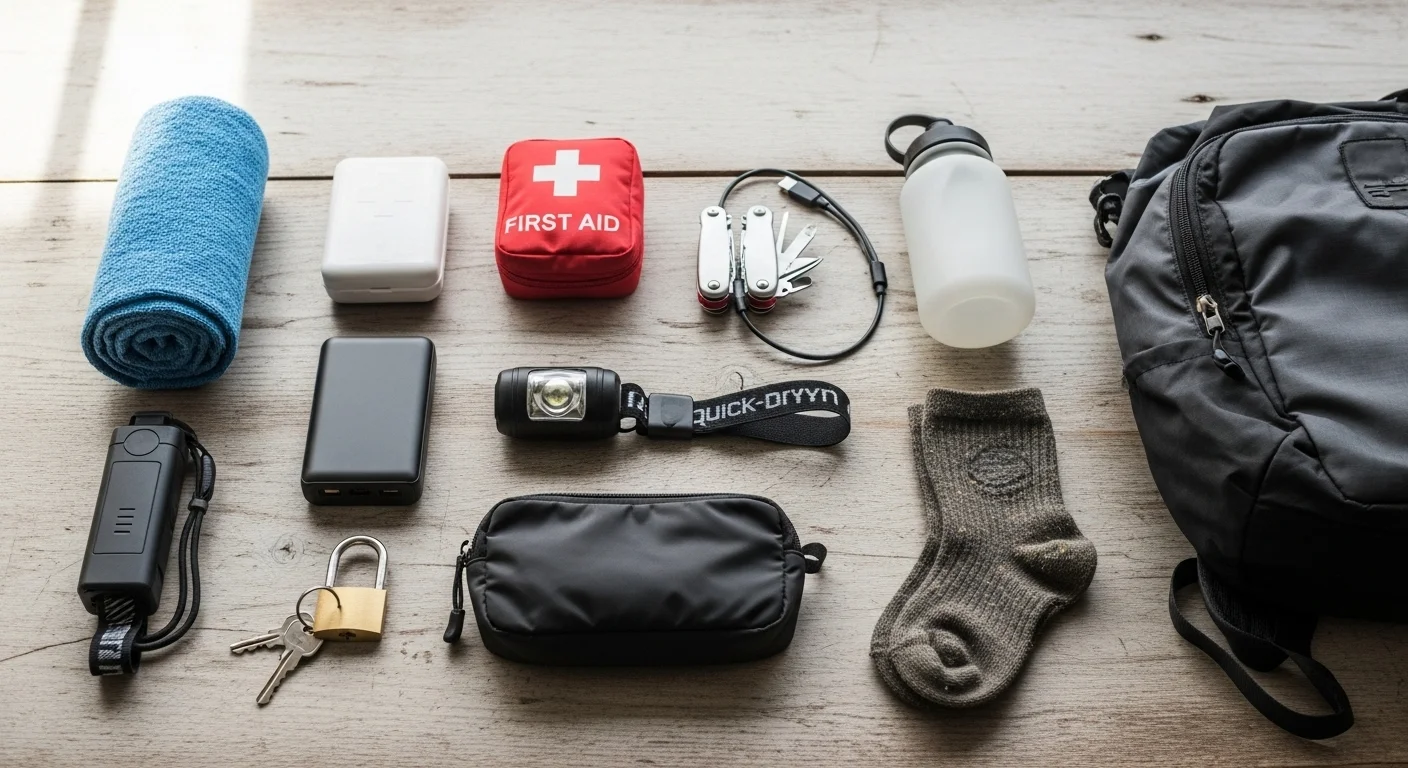
Safety shouldn’t be overlooked while backpacking. I always carry a compact first aid kit that includes band-aids, antiseptic wipes, pain relievers, and any personal medications. I’ve had my share of scrapes and blisters, and being prepared has saved me a lot of discomfort. Plus, I’ve found that it’s not just for me—having extra supplies on hand can help fellow travelers in need, and that feels good too!

Budgeting for Your Backpacking Trip

Setting a Daily Budget

When I first started backpacking, I quickly realized that having a daily budget was crucial. It’s not just about having a set amount to spend; it’s about making choices that align with my travel goals. I remember sitting down before a trip and figuring out how much I could realistically spend each day. This process helped me prioritize experiences over extravagances. I’d often set aside a certain amount for accommodation, food, activities, and a little extra for souvenirs or spontaneous adventures. Keeping track of my expenses daily helped me stay within my budget, and I found it incredibly satisfying to see how far my money could stretch while still having an amazing time. For more tips on managing your budget, check out Budget Backpacking: Enjoy Exclusive Events Without Breaking the Bank.

Cost-Effective Gear Options

Choosing gear doesn’t have to break the bank. I’ve learned that sometimes the best options come from smaller, lesser-known brands. I remember purchasing a sleeping bag from a local outdoor store that was considerably cheaper than the big-name brands but performed just as well. Thrift stores can also be gold mines for finding used gear in good condition. I’ve picked up a couple of jackets and even a sturdy pair of hiking pants for a fraction of the cost. Additionally, borrowing gear from friends or renting equipment can save you money and lighten your load.

Finding Affordable Accommodations

Accommodations can be a significant part of any travel budget, but I’ve found plenty of ways to keep costs down. Hostels are often the go-to option for backpackers, and I’ve had some of my best experiences in them! Not only are they budget-friendly, but they also offer a chance to meet fellow travelers. I often look for hostels with kitchen facilities, which allows me to save even more by cooking my meals. Another option I’ve explored is Couchsurfing, where I could stay with locals for free. It’s a fantastic way to make new friends and gain insights into the culture. I remember one time staying with a family in Spain who showed me around their town and introduced me to local cuisine—an experience I wouldn’t trade for a fancy hotel room.

Food and Cooking on a Budget

Food is one area where I’ve learned to save a considerable amount of money while traveling. Eating out can add up quickly, especially in popular tourist areas. To stay within budget, I often shop at local markets for fresh produce, bread, and cheese. I remember one day in Italy, I bought a few ingredients for a picnic lunch and enjoyed it by a beautiful river. Cooking my meals not only saved money but also allowed me to experiment with local ingredients. I recommend investing in a portable stove and some basic cooking gear—you’ll be amazed at how much money you can save while enjoying delicious meals. Plus, there’s something incredibly rewarding about cooking in the great outdoors!

Planning Your Backpacking Route

Choosing Destinations

When it comes to planning my backpacking route, I’ve learned that choosing the right destinations is key. I often start by looking at countries or regions that are known for being budget-friendly. For me, destinations like Southeast Asia or Central America have provided endless opportunities for exploration without the hefty price tag. I also consider the activities I want to do—some places offer free or low-cost attractions that can fill my days without emptying my wallet. I remember stumbling upon a national park in Slovenia where I could hike and enjoy breathtaking views without any entrance fee, which turned out to be one of the highlights of my trip.

Mapping Your Journey

I can’t stress enough how helpful it is to map out my journey before hitting the road. I usually use a combination of online maps and travel guides to pinpoint must-see spots and hidden gems. I find it useful to draw out a rough itinerary, but I also leave room for flexibility. There have been times I was inspired to take a detour after chatting with fellow travelers or locals. I remember a spontaneous decision to visit a small village known for its pottery after meeting a couple of backpackers who raved about it. That unplanned visit ended up being a cherished memory!

Transportation Options

Getting around can be one of the more significant expenses, but with some research, it can also be a chance to save some money. I always look into public transportation options first—buses and trains can be much cheaper than rental cars or taxis. I’ve found that many cities have affordable transport passes for tourists, which can make traveling around easier and more cost-effective. I also enjoy using rideshare apps when public transport isn’t an option; they can sometimes be cheaper than traditional taxis. I remember taking a shared van in Vietnam for a fraction of the price of a taxi, which allowed me to meet other travelers along the way!

Time Management on the Trail

Time management is something that became more important as I gained experience in backpacking. I learned quickly that it’s easy to underestimate how long hikes or travel times would take. I always make a rough estimate of how long each segment of my journey will take, factoring in breaks, meals, and unexpected delays. I remember one hike that took longer than anticipated, and I ended up hiking in the dark to reach my campsite. It was a bit stressful, but I learned from that experience to plan my daily activities more realistically. Giving myself extra time not only reduces stress but also allows me to enjoy spontaneous stops along the way.

Safety and Preparedness

Basic Safety Tips for Backpackers

As much as I love the thrill of adventure, I’ve learned that safety should always be a priority when backpacking. One of my first lessons was the importance of telling someone my plans. Before heading out, I usually share my itinerary with a friend or family member, so they know where I’ll be. I also make it a habit to carry a charged phone, a map, and a compass—technology can fail, but having traditional navigation tools has saved me more than once.

I’ve discovered that staying aware of my surroundings is crucial. Whether I’m hiking through a dense forest or wandering through a bustling market, I try to stay alert and trust my instincts. If something feels off, I don’t hesitate to change my plans. Also, I keep an eye on the weather, as it can change rapidly. I remember a time when I got caught in an unexpected rainstorm in the mountains, and having an emergency poncho in my pack was a lifesaver.

Emergency Preparedness

No one wants to think about emergencies while traveling, but being unprepared can lead to serious trouble. I’ve learned to carry a small emergency kit that includes essentials like a whistle, flashlight, and multi-tool. In my experience, a whistle can be a great way to signal for help if I find myself in a bind. I also make sure to have a basic knowledge of first aid, which has come in handy more than once—like when I helped a fellow traveler with a sprained ankle on a hiking trail.

In addition to my emergency kit, I always keep a list of local emergency numbers handy, just in case I need them. Knowing the location of the nearest hospital or emergency services before I set out gives me peace of mind. It’s a simple step, but it’s one that can make a world of difference in a stressful situation.

Staying Healthy While Backpacking

While backpacking can be incredibly rewarding, it’s important to take care of our health on the road. I’ve learned the hard way that staying hydrated is essential, especially during long hikes. I carry a reusable water bottle and refill it whenever I can. It not only helps me save money but also reduces plastic waste—something I’m passionate about.

Eating healthy on the road can be a bit of a challenge, but I try to make mindful choices. I enjoy visiting local markets and trying fresh fruits and vegetables. I remember a vibrant market in Thailand where I munched on sweet mangoes and spicy papayas; it was such a refreshing treat after a long day of exploring! I also pack snacks like nuts and energy bars to keep my energy up during hikes.

Another tip I’ve picked up is to listen to my body. If I feel tired or run down, I take a break. It’s tempting to push through, especially when there’s so much to see, but I’ve learned that rest is just as important as adventure. There have been times I’ve camped early to catch the sunset or simply enjoyed some quiet time by a river, and those moments have often turned out to be the highlights of my trips.

Backpacking Community and Resources

Online Forums and Groups

The backpacking community is vast and welcoming. I’ve found that joining online forums has been incredibly helpful. Websites like Reddit have various threads where travelers share experiences, advice, and support. I remember posting a question about a particular trail and received a wealth of information from seasoned backpackers, which made my experience so much smoother. Connecting with others who share the same passion for travel and adventure has enriched my journey.

Backpacking Apps and Tools

In this digital age, there are countless apps designed to enhance the backpacking experience. I rely on apps like AllTrails for hiking trail information and maps, which has kept me on the right path more than once. I also use budgeting apps to track my expenses while on the road. They help me stay organized and ensure I’m sticking to my budget. Plus, it’s satisfying to see how much I can do without spending too much!

Blogs and YouTube Channels for Inspiration

One of my favorite ways to get inspired is through travel blogs and YouTube channels. I love watching fellow backpackers share their adventures and tips. It feels like I’m getting a sneak peek into different cultures and experiences. I remember discovering a YouTube channel dedicated to solo female travelers; it motivated me to venture out on my own, and I found it liberating! Reading blogs also helps me find unique destinations and hidden gems that I might not come across in traditional travel guides.

Environmental Considerations

Leave No Trace Principles

As I’ve spent more time in nature, I’ve become increasingly aware of my impact on the environment. Following the Leave No Trace principles has become a core part of my backpacking philosophy. I make it a point to pack out what I pack in, and I always camp at least 200 feet away from water sources to protect delicate ecosystems. I’ve seen firsthand how beautiful nature can be when we treat it with respect.

Eco-friendly Gear Options

When it comes to gear selection, I’ve made a conscious effort to choose eco-friendly options whenever possible. Brands that prioritize sustainability, use recycled materials, and minimize waste resonate with me. I remember buying a biodegradable soap for my camping trips, which allowed me to clean up without harming the environment. It feels good to know that my gear choices reflect my values.

Sustainable Travel Practices

Sustainable travel practices extend beyond gear. I’ve learned to support local communities by shopping at local markets and eating at family-owned restaurants rather than big chains. This not only enriches my experience but also helps boost the local economy. I remember dining at a small eatery in Vietnam where the food was incredible, and the owners shared their story with me—it was a magical experience that a tourist trap could never replicate.

FAQs About Budget Backpacking

What is the best time to go backpacking?

The best time to go backpacking often depends on the destination and the type of experience you’re looking for. In my experience, shoulder seasons—spring and fall—tend to offer mild weather and fewer crowds.

How much does a budget backpacking trip cost?

The cost of a budget backpacking trip varies widely based on destinations, duration, and personal spending habits. I’ve managed to travel for as little as $30-$50 a day in some countries, while other places might require a bit more.

Can I backpack solo?

Absolutely! I’ve had some of my most rewarding experiences traveling solo. It allows for greater flexibility and self-discovery. Just remember to stay safe and trust your instincts.

What should I do if I get lost?

If you find yourself lost, remain calm. Retrace your steps if you can and refer to your map or compass. If you have a way to contact someone, do so. And always remember, a little preparation can go a long way in preventing such situations.

Final Thoughts

Backpacking on a budget has not only allowed me to explore the world but has also taught me valuable lessons about resourcefulness, connection, and appreciation for the beauty around us. Each adventure has shaped my perspective, reminding me that the journey is just as important as the destination. I encourage anyone with a sense of wanderlust to embrace budget backpacking. It’s a path filled with discovery, growth, and unforgettable memories, proving that we don’t need a lavish budget to have extraordinary experiences. With the right mindset, a spirit of adventure, and a bit of planning, the world is your oyster—ready to be explored and cherished.

Frequently Asked Questions

What is budget backpacking?

Budget backpacking is about exploring the world in an affordable yet enriching way. It involves choosing destinations that allow you to stretch your dollar while having incredible experiences, often opting for hostels, camping, or staying with locals instead of fancy hotels and upscale restaurants.

What are some benefits of budget backpacking?

Some benefits of budget backpacking include increased flexibility in travel plans, deeper connections with locals and fellow travelers, learning opportunities through immersion in local cultures, and greater environmental awareness.

What are popular destinations for budget backpacking?

Popular budget backpacking destinations include Thailand, Portugal, Mexico, and Eastern Europe (such as Poland, Hungary, and Romania), all of which offer rich experiences at lower costs compared to more expensive regions.

What essential gear is recommended for budget backpacking?

Essential gear for budget backpacking includes a comfortable backpack, a reliable tent, a comfortable sleeping bag and pad, cooking gear, appropriate clothing, comfortable footwear, a water purification system, and a first aid kit.

How can I set a daily budget for my backpacking trip?

Setting a daily budget involves determining a realistic spending limit for accommodations, food, activities, and extras. Keeping track of daily expenses helps you stay within budget and prioritize experiences over extravagances.

What are some cost-effective gear options?

Cost-effective gear options can be found by exploring lesser-known brands, shopping at thrift stores for used gear, or borrowing from friends. Sometimes, local outdoor stores offer affordable alternatives to big-name brands.

How can I find affordable accommodations while backpacking?

Affordable accommodations can be found in hostels, which are budget-friendly and provide opportunities to meet other travelers. Additionally, Couchsurfing allows you to stay with locals for free, enriching the travel experience.

What should I do if I get lost while backpacking?

If you get lost, remain calm and try to retrace your steps. Use your map or compass to help you navigate, and if you can, contact someone for assistance. Preparation and having navigation tools can help prevent such situations.

How can I stay healthy while backpacking?

Staying healthy while backpacking involves drinking plenty of water, eating nutritious foods from local markets, and listening to your body to take breaks when needed. Carrying snacks can help maintain energy levels during hikes.

What are the Leave No Trace principles?

The Leave No Trace principles involve minimizing your impact on the environment while camping and hiking. This includes packing out what you pack in, camping away from water sources, and treating natural areas with respect.

Must-Have Backpacking Gear on a Budget: A Complete Guide

Backpacking doesn’t have to break the bank! With the right gear and a little planning, you can explore the great outdoors without overspending. Let’s dive into the essentials you need for an incredible adventure on a budget. Read Interesting article: Top 10 Essential Gear Items for Budget Backpackers

Must-Have Backpacking Gear on a Budget: A Complete Guide

Understanding Backpacking Gear Basics

What is Backpacking Gear?

Backpacking gear is essentially the equipment you need to carry with you while hiking and camping. This includes everything from your backpack, tent, and sleeping bag to cooking gear and clothing. Each item has a specific purpose, making it crucial for a successful and enjoyable trip. I remember when I first started backpacking; I was overwhelmed by the choices! But once I got a grasp of the essentials, it became much easier to choose what I needed.

Importance of Choosing Budget-Friendly Options

Choosing budget-friendly options is key for many of us who love hiking but don’t want to spend a fortune. I’ve felt the pressure of wanting the latest and greatest gear, but I’ve learned that you can find great quality without the hefty price tag. Budget-friendly gear allows us to invest in experiences rather than just equipment. Plus, it gives us the freedom to replace or upgrade gear as we grow in our backpacking journey, without feeling guilty about the cost! For more insights, check out Budget Backpacking: Enjoy Exclusive Events Without Breaking the Bank.

Essential Backpacking Gear Categories

Backpacks

The backpack is your home away from home on the trail. It needs to be comfortable, durable, and spacious enough for your gear. I once made the mistake of choosing a cheap backpack that didn’t fit well, and it made my hike miserable! Look for packs around 50-70 liters for multi-day trips, with features like adjustable straps and good ventilation. There are lots of affordable options that don’t skimp on quality.

Tents

A reliable tent is essential for a good night’s sleep in the wilderness. I remember my first camping trip with a budget tent that leaked—needless to say, it was a soggy experience! When selecting a tent, consider weight, ease of setup, and weather resistance. Many reputable brands offer budget-friendly tents that can withstand the elements without costing an arm and a leg.

Sleeping Bags

Your sleeping bag can make or break your camping experience. A warm, comfortable bag is worth its weight in gold, especially on chilly nights. I’ve found that synthetic bags are often more affordable and easier to care for than down bags. Make sure to choose one rated for the temperatures you expect to encounter. For budget options, look for sales or consider last season’s models; they can be significantly discounted!

Cooking Equipment

Cooking equipment is often overlooked but is vital for enjoying good meals in the wild. From camp stoves to pots and utensils, keeping it lightweight and compact is key. I’ve tried cooking over a campfire, but I found a small, portable camping stove made my meals easier and faster to prepare. Look for affordable options that include everything you need without compromising on weight or size.

Clothing

Choosing the right clothing can be tricky on a budget. I used to think I needed the most expensive gear to stay warm and dry, but I learned that layers are the way to go. Base layers, insulating layers, and waterproof outer layers can be found without spending a fortune. Look for moisture-wicking fabrics and breathable materials. Thrift stores can also be treasure troves for affordable outdoor clothing!

Footwear

Comfortable shoes are crucial for any backpacking trip. I can’t stress enough how important it is to invest in a good pair of hiking boots or shoes. On my first hike, I wore sneakers and ended up with sore feet. Look for footwear that offers support, traction, and durability. There are plenty of budget-friendly options that still provide the comfort and support you need on the trail.

Navigation Tools

Even if you think you know the trail, having navigation tools is essential. I used to rely solely on my phone for directions, but I quickly learned that a physical map and compass are invaluable. They don’t run out of battery and can help you find your way in case of emergencies. You can find affordable maps at outdoor stores or even online.

First Aid Kits

No one wants to think about injuries while out hiking, but having a first aid kit is a must. I once tripped and scraped my knee, and having a kit made all the difference. You don’t need an elaborate kit; just the basics like band-aids, antiseptic wipes, and pain relievers will do. Many budget-friendly options are available that come pre-packed, making it easy to grab one before you head out.

Budget-Friendly Backpacking Gear Recommendations

Best Affordable Backpacks

Finding a good backpack on a budget is like discovering hidden treasure. I remember the joy of stumbling upon a lightweight backpack that fit me perfectly and didn’t cost a fortune. Look for brands that offer quality at lower prices, such as REI Co-op or Kelty. They often have solid options around $100 or even less during sales. I’ve found that features like hydration reservoir sleeves, multiple compartments, and padded hip belts can be really helpful without stretching your wallet. I recommend checking out online reviews to find the best fit for your needs before making a purchase.

Cost-Effective Tent Options

When I was on a budget, I turned to brands like Coleman and MSR for affordable tents that still hold up against the elements. You can find good two-person tents for under $150 that are lightweight and easy to set up. I’ve had a great experience with a tent from REI Co-op that’s not only budget-friendly but also has excellent weather resistance. It’s always worth looking at user reviews to see how they perform in real-world conditions. Don’t forget to check if the tent comes with a footprint, as that can save you a bit more in the long run.

Top Budget Sleeping Bags

Finding a warm, reliable sleeping bag doesn’t have to mean emptying your bank account. I’ve had great experiences with sleeping bags from brands like Teton Sports and Coleman, which often cost less than $100. These bags provide warmth and comfort, and they’re often rated for various temperatures. I particularly love synthetic sleeping bags since they dry quickly and are less expensive than down. Keep an eye on clearance sales; I’ve scored some fantastic deals on last year’s models that perform just as well!

Inexpensive Cooking Gear

Cooking gear doesn’t need to be costly to be effective. I started with a basic camp stove from a budget brand and a lightweight pot set that didn’t break the bank. Brands like GSI Outdoors and MSR offer affordable utensils and cook sets that pack nicely. I also recommend getting a simple lighter and a few reusable containers to make meal prep easier. When I first started, I thought I needed a full kitchen, but I learned that a few quality pieces can go a long way. Look for multi-functional tools to save space and money!

Affordable Clothing Essentials

When it comes to clothing, I’ve found that layering is key. I often shop at places like Patagonia’s Worn Wear or even thrift stores for deals on outdoor clothing. Brands like Columbia and North Face frequently have sales on their older models, which can save you a lot. I focus on breathable base layers and insulating fleeces, which can all be found reasonably priced. Just remember to check the fabric—moisture-wicking and quick-drying materials are worth the extra effort to find, as they make a big difference in comfort.

Value Footwear for Backpacking

Good footwear is one area I won’t skimp on. I learned the hard way that uncomfortable shoes can ruin a trip. Brands like Merrell and Salomon offer budget-friendly hiking shoes and boots that provide excellent support. I recommend trying them on and taking a few laps in the store to ensure they fit well. Look for sales or clearance sections, as you can often find great deals on last season’s models. Investing a little more here can make all the difference in comfort during your hikes.

Budget Navigation Tools

For navigation, I love the simplicity of a good map and compass. I’ve found that printed maps from local ranger stations or parks are often free or very cheap. Pair that with a basic compass, which can usually be found for around $20, and you’re set. I also keep a portable GPS device handy, but I make sure it’s loaded with offline maps. The key is to be prepared—having both digital and physical navigation tools ensures I’m ready for anything while hiking.

Affordable First Aid Solutions

Creating a first aid kit on a budget is easier than I thought. I’ve built my kit over time, starting with a basic pre-packed option that cost around $20. I added personal items like specific medications and a few additional bandages. Many local outdoor stores offer affordable first aid kits that cover the essentials. I like to keep my kit lightweight and compact, ensuring it fits easily in my backpack. It’s comforting to know I’m prepared without spending a fortune!

Where to Buy Budget Backpacking Gear

Online Retailers

Shopping online for backpacking gear has become one of my favorite ways to discover budget-friendly options. I love browsing websites like Amazon, REI, and Backcountry, where I can compare prices and read user reviews. One trick I’ve learned is to use price tracking tools or browser extensions that notify me when prices drop. It’s like having my own personal shopper! Also, don’t forget to check out clearance sections on these sites; I’ve found some amazing deals there. Just make sure to read the return policy, just in case the gear doesn’t meet your expectations.

Local Outdoor Stores

There’s something special about walking into a local outdoor store. I find that chatting with the staff can be incredibly helpful. They often have insights on which products are worth the investment and which ones to avoid. Plus, many local shops offer discounts for first-time customers or have membership programs with benefits. I’ve also encountered some great deals during their seasonal sales. Supporting local businesses while getting quality gear feels good, and I love the sense of community it fosters.

Second-Hand Marketplaces

Buying second-hand gear has saved me a significant amount of money over the years. I’ve found some excellent hiking boots and tents through apps like OfferUp, Facebook Marketplace, and even eBay. When buying used, I always check the item thoroughly in person or ask for detailed photos and descriptions if it’s online. I remember scoring a nearly-new sleeping bag for half the retail price simply because someone was upgrading. Just be cautious and trust your instincts—if something doesn’t feel right, it’s okay to walk away!

Seasonal Sales and Discounts

Timing can make all the difference when it comes to buying gear. I’ve learned to keep an eye on seasonal sales, which typically happen at the end of summer or winter. Major retailers often have clearance events to make way for new inventory. I also subscribe to newsletters from my favorite outdoor brands to stay informed about upcoming promotions. One year, I snagged a high-quality tent for 40% off during a spring sale, and it felt like winning the lottery! Sales events like Black Friday or Prime Day can also be great opportunities to save.

Tips for Backpacking on a Budget

Prioritizing Gear for Your Needs

When I first started backpacking, I felt the urge to buy everything on the market. But over time, I learned to prioritize what I truly needed. I recommend making a list of essential gear based on the type of trips you plan to take. For instance, if you’re just starting, focus on the basics like a good backpack, shelter, and sleeping gear. As I became more experienced, I was able to invest in specialized gear based on my needs, like lightweight cooking equipment for longer treks. This approach not only saves money but also prevents clutter in your gear collection!

Maintaining and Repairing Gear

Taking care of my gear has been a game changer for extending its lifespan. I’ve learned a few simple maintenance tips that keep my items in good shape. For example, washing my sleeping bag according to the manufacturer’s instructions and regularly checking my tent for leaks can save me from costly replacements. There have been times when I found a small tear in my backpack; instead of replacing it, I was able to patch it up with some fabric glue. Investing a bit of time in maintenance can go a long way in preserving the gear we’ve chosen to invest in.

Renting vs. Buying Gear

If you’re just dipping your toes into backpacking, renting gear can be an excellent way to save money. I’ve rented tents and backpacks from outdoor stores before committing to a purchase, and it helped me figure out what I really liked. Many local outdoor shops offer rental programs that allow you to test out high-quality gear without the hefty price tag. Plus, if you decide that backpacking isn’t for you, you won’t be stuck with expensive equipment gathering dust in your closet!

Utilizing Gear Swaps and Community Resources

Gear swaps are a fantastic way to acquire budget-friendly items and connect with fellow outdoor enthusiasts. I’ve attended local gear swaps where people trade or sell their gently-used items. It’s a great way to find unique pieces while sharing stories with other backpackers. Additionally, many communities have groups focused on outdoor activities where members lend or share gear. Joining these communities has not only saved me money but also enriched my backpacking experience through shared knowledge and camaraderie.

Planning Your Backpacking Trip on a Budget

Choosing Budget-Friendly Destinations

When it comes to backpacking, the destination can greatly impact your budget. I’ve discovered that some of my best trips were to lesser-known trails or national parks that don’t charge entrance fees. Researching local terrain or state parks often reveals hidden gems that offer stunning views without the crowds and costs associated with popular spots. I also love taking advantage of “shoulder season” times, which are right before or after peak seasons, to find lower accommodation and permit fees.

Planning Meals and Food Costs

Food is one area where it’s easy to overspend when planning a backpacking trip. What I’ve found helpful is meal prepping before the trip. I usually make a list of simple, lightweight meals that are easy to cook on the trail. Dehydrated or freeze-dried meals can be a bit pricey, so I often prepare my own at home. I’ve discovered that packing items like oatmeal, rice, and nuts can keep costs low while still providing plenty of energy for the hike ahead. Plus, cooking in the wilderness can be a fun experience that enhances the overall adventure!

Transportation Options

Getting to your destination can also add up quickly. I’ve used carpooling with friends to split gas costs, making it cheaper for everyone involved. If you’re going solo, consider public transportation options that can take you close to your hiking destination. I’ve even used ride-sharing apps to find rides to trailheads for a fraction of the cost of renting a car. Being flexible with timing and routes can help you save money while still getting to enjoy the great outdoors.

Free Activities and Attractions

Once I’m at my destination, I love exploring free activities around the area. Many national and state parks offer free ranger-led programs or guided hikes that can enrich your experience without costing a dime. I’ve also found amazing viewpoints and hidden trails that don’t require permits. Taking the time to explore these free attractions has led me to some of the most memorable moments on my trips. It’s a reminder that nature itself offers countless opportunities for adventure—all we need to do is show up!

Backpacking Gear Safety and Maintenance

Gear Care Tips

Proper maintenance of your gear is essential for ensuring safety and longevity. I always clean my cooking equipment after each trip to prevent any leftover food from attracting pests. It’s also a good idea to check zippers and seams on my tent and backpack before hitting the trail. I’ve learned that taking a few minutes to inspect my gear can make a huge difference in avoiding issues while out in the wilderness. Additionally, storing gear in a cool, dry place helps maintain its integrity and performance.

Safety Equipment Essentials

Having the right safety equipment is crucial for any backpacking trip. I always pack a multi-tool, headlamp, and extra batteries. These small items can make a big difference in emergencies. I also keep a whistle and a mirror in my pack, which are lightweight and can be lifesavers in case I need to signal for help. Over the years, I’ve learned that being prepared can enhance my peace of mind while exploring, allowing me to fully enjoy the experience.

Emergency Preparedness on a Budget

Preparing for emergencies doesn’t have to mean spending a fortune. I’ve created a compact emergency kit that includes essentials like a first aid manual, emergency blanket, and a small fire starter—all for under $30. Additionally, I always let someone know my planned route and expected return time. In my experience, staying informed and prepared is the best way to ensure a safe and enjoyable adventure.

Frequently Asked Questions

What is backpacking gear?

Backpacking gear is the equipment needed to carry while hiking and camping, including items like a backpack, tent, sleeping bag, cooking gear, and clothing. Each item serves a specific purpose, making it essential for a successful trip.

Why is it important to choose budget-friendly options for backpacking gear?

Choosing budget-friendly options allows backpackers to enjoy the outdoors without overspending. It enables investment in experiences rather than just equipment and provides the freedom to replace or upgrade gear as one progresses in their backpacking journey.

What should I look for when choosing a backpack for backpacking?

When choosing a backpack, look for comfort, durability, and adequate space for your gear. Packs between 50-70 liters are typically suitable for multi-day trips, and features such as adjustable straps and good ventilation are also important.

How can I find reliable and affordable tents for backpacking?

Look for reputable brands like Coleman and MSR that offer good quality budget tents. Consider factors like weight, ease of setup, and weather resistance, and check for user reviews to ensure they meet your needs.

What type of sleeping bag is recommended for budget backpacking?

Synthetic sleeping bags are often more affordable and easier to care for than down bags. Choose one rated for the expected temperatures and consider looking for sales or last season’s models for better prices.

What cooking equipment is essential for a budget backpacking trip?

Essential cooking equipment includes a lightweight camp stove, pots, and utensils. Brands like GSI Outdoors and MSR offer affordable options that pack easily. Multi-functional tools can also help save money and space.

How can I find affordable outdoor clothing for backpacking?

Look for moisture-wicking and breathable fabrics from brands like Columbia and North Face, especially during sales. Thrift stores can also provide great deals on outdoor clothing. Layering is key for staying warm and dry on a budget.

What are some budget-friendly navigation tools I should consider?

A physical map and compass are crucial navigation tools. Printed maps can often be obtained for free at local ranger stations, and a basic compass usually costs around $20. Having both digital and physical navigation tools is recommended.

What items should be included in a budget-friendly first aid kit for backpacking?

A basic first aid kit should include essentials like band-aids, antiseptic wipes, and pain relievers. Many budget-friendly options are available that come pre-packed, making it easy to grab one before heading out.

Where can I find budget backpacking gear?

You can find budget backpacking gear online from retailers like Amazon, REI, and Backcountry, as well as local outdoor stores. Additionally, second-hand marketplaces, seasonal sales, and gear swaps are great options for saving money.

What cultural experiences can I enjoy during budget backpacking trips?

To explore cultural experiences while backpacking, consider local events and activities that highlight the region’s heritage. For more ideas, check out Budget Backpacking: Cultural Experiences on Safari Trips.

Top 10 Essential Gear Items for Budget Backpackers

Backpacking on a budget can feel daunting, but the right gear can make all the difference. I’ve learned through experience that you don’t need to break the bank to enjoy the great outdoors. Here are some essential items I believe every budget backpacker should consider. Read Interesting article: Budget Backpacking: Enjoy Exclusive Events Without Breaking the Bank

Top 10 Essential Gear Items for Budget Backpackers

Understanding the Needs of Budget Backpackers

Importance of Lightweight Gear

As a backpacker, I quickly realized that every ounce matters. Carrying a heavy load can turn a beautiful hike into a grueling chore. I remember my first trip, where I packed way too much gear. I learned the hard way that lightweight gear not only enhances my experience but also keeps me energized on the trail. It’s crucial to choose items that are functional yet light. Lightweight gear often means durable materials, which can withstand the elements while keeping your pack manageable. I always prioritize items that serve multiple purposes, which helps minimize weight without sacrificing functionality.

Balancing Cost and Quality

When I first started backpacking, I thought I needed the best of the best to have a good experience. However, I soon discovered that balancing cost and quality is essential. I’ve found that many budget-friendly items perform just as well as their pricier counterparts when researched and chosen wisely. Quality doesn’t always come with a high price tag, but it’s important to read reviews and do some homework. I often visit forums and outdoor gear sites to gauge what others have found useful and affordable. I’ve been pleasantly surprised by how many brands offer quality gear without the hefty price. The best approach is to invest in gear that will last, rather than skimping and needing to replace items after just a few trips.

Top 10 Essential Gear Items for Budget Backpackers

1. Backpack

Choosing the Right Size and Fit

The backpack is your home on the trail, so it’s important to choose wisely. I’ve made the mistake of opting for style over comfort and paid for it dearly on long hikes. You want a backpack that fits well and distributes weight evenly across your body. A good rule of thumb is to aim for a pack that is about 20-30% of your body weight. I found that adjustable straps and hip belts are non-negotiables for a comfortable fit. It’s worth taking the time to try on several packs before making a decision, especially if you can load them up with weight to see how they feel.

Brands to Consider

When it comes to brands, I’ve had great experiences with Osprey, REI, and Kelty. These brands often have budget-friendly options without compromising on comfort and durability. I also recommend checking out seasonal sales, as you can sometimes snag quality backpacks for a fraction of the price. I’ve also found great deals on last season’s models that are still top-notch.

2. Sleeping Bag

Temperature Ratings and Insulation Types

Choosing the right sleeping bag can make or break your camping experience. I’ve spent nights freezing because I didn’t check the temperature rating! It’s essential to know the climate you’ll be camping in and choose a bag that can handle those temperatures. Sleeping bags come in different insulation types, like down and synthetic. I personally prefer synthetic for budget backpacking because it’s often more affordable and continues to insulate when wet. I’ve had my share of soggy nights, and a synthetic bag saved me from shivering uncontrollably.

Affordable Options

Some great budget options I’ve used include the REI Co-op Flash and the Teton Sports Celsius. Both are lightweight, compressible, and provide good insulation without costing a fortune. I’ve found that it’s worth spending a little more on a sleeping bag, as it can last for many trips if cared for properly.

3. Tent

Types of Tents for Backpacking

Tents are another area where I learned to value quality. A good tent can protect you from the elements and keep you comfortable. There are various types of tents, including freestanding, semi-freestanding, and non-freestanding. I prefer freestanding tents because they’re easier to set up and can be pitched on various terrains. Weight is also a significant factor since I usually hike for miles before setting up camp.

Best Budget-Friendly Tents

Some budget-friendly tents I’ve had great experiences with are the REI Co-op Quarter Dome and the Big Agnes Copper Spur. Both are lightweight, easy to pitch, and reasonably priced. I’ve found that you can often find good deals on tents during clearance sales at outdoor retailers, so it’s worth keeping an eye out.

4. Cooking Gear

Portable Stoves and Cookware

Cooking gear is essential for those long nights at camp. I started with a simple camp stove and a few pots, which served me well. I recommend looking for portable stoves that are easy to set up and use. My favorite is a canister stove because it’s lightweight and efficient. I usually carry a small pot and a lightweight pan for cooking up meals.

Budget Food Options for Backpackers

When it comes to food, I’ve learned that planning ahead can save both money and effort. I often pack instant rice, dehydrated meals, and snacks like nuts or granola bars. I’ve found that bulk food stores often have great deals on these items, allowing me to eat well without spending too much. Read Interesting article: Budget Backpacking: Cultural Experiences on Safari Trips

5. Water Filtration System

Importance of Clean Drinking Water

Having access to clean drinking water is crucial while backpacking. I’ve carried heavy water bottles before, and let me tell you, it’s not fun! Investing in a good water filtration system has changed my experience completely. I can filter water from nearby streams or lakes with ease, which saves weight and space in my pack.

Cost-Effective Filtration Solutions

I’ve had great success with affordable filters like the Sawyer Mini and the Katadyn BeFree. Both are compact, lightweight, and easy to use. They’ve saved me money in the long run, as I no longer need to buy bottled water during my trips.

Top 10 Essential Gear Items for Budget Backpackers

6. Clothing Layering System

Essential Clothing Items

When I first got into backpacking, I didn’t fully grasp the importance of a good clothing layering system. I remember feeling either too hot or too cold, and it made hikes less enjoyable. The key is to have layers that you can add or remove depending on the weather conditions. I always start with a moisture-wicking base layer to keep sweat away from my skin. On top of that, I layer with an insulating mid-layer, like a fleece, for warmth. Lastly, I make sure to have a waterproof and breathable outer layer, especially if there’s a chance of rain or wind.

One of my favorite tricks is to pack a lightweight beanie and gloves, even in warmer months, as temperatures can drop significantly at night. I’ve learned that investing in quality socks is just as important; a good pair can prevent blisters and keep my feet comfortable. I usually opt for wool or synthetic blends, which tend to be more durable and moisture-wicking.

Affordable Brands for Backpacking Apparel

There are several brands I trust when it comes to budget-friendly outdoor clothing. I’ve had good luck with Patagonia’s Worn Wear program, which offers gently used items at a fraction of the cost. Columbia and The North Face also produce affordable gear that stands the test of time. I often check clearance sections or outlet stores to find quality clothing without paying full price. I’ve even stumbled upon great options at big box stores like Target or Walmart, especially for basic layering pieces.

7. First Aid Kit

Must-Have Items in a Budget Kit

Accidents can happen anywhere, and I can’t stress enough how important it is to have a first aid kit while backpacking. I’ve encountered my fair share of scrapes and minor injuries, so having a kit that covers the essentials is a must. My first aid kit includes adhesive bandages, antiseptic wipes, gauze, and some pain relief medication. I’ve also added blister pads because, trust me, they can save a hike when your feet start to hurt.

In my experience, it’s also handy to carry a few items specific to my needs, like allergy medications or any personal prescriptions. I recommend tailoring your first aid kit to your individual requirements and the type of trips you’ll be taking.

DIY First Aid Kit Options

Creating your own first aid kit can be an affordable option. I started by purchasing a small waterproof pouch and filling it with essentials from the pharmacy. This way, I only bought what I needed, and it turned out to be much cheaper than pre-packaged kits. I found that you can often find first aid supplies at dollar stores, which helped me save even more. Plus, I had the peace of mind knowing exactly what was in my kit and that it was customized to my needs.

8. Navigation Tools

Maps vs. GPS Devices

Understanding where you’re going is essential, especially when exploring new trails. I’ve relied on both maps and GPS devices for navigation, and each has its benefits. Printed maps are often more reliable in remote areas where signal can be spotty. I’ve learned to carry a detailed map of the area I’m hiking in, along with a compass. It’s a great way to stay oriented, and I’ve found that practicing with a map and compass can be a rewarding experience.

On the other hand, GPS devices or smartphone apps provide convenience. I’ve used apps like Gaia GPS and AllTrails, which offer offline maps that are incredibly useful when I’m deep in the wilderness. I generally download maps ahead of time to avoid any connectivity issues.

Budget-Friendly Apps for Navigation

Speaking of apps, there are plenty of free or low-cost options out there for navigation. I’ve had success with both Komoot and MapMyHike, which help track my routes and offer topographic maps. I always check reviews and see what other backpackers are saying about navigation tools before I hit the trail. It’s essential to ensure the app works for my area, especially since I often hike in remote locations.

9. Multi-Tool or Knife

Essential Functions for Backpacking

A multi-tool or knife is one piece of gear I never leave home without. I remember my first trip where I wished I had a knife to slice through some rope or cut open a package. Multi-tools are incredibly handy—they can serve as a knife, screwdriver, bottle opener, and more! I’ve found that having one can save time and effort when setting up camp or preparing food.

Affordable Multi-Tool Options

When it comes to affordability, I’ve discovered some great multi-tools that don’t break the bank. Brands like Gerber and Leatherman offer budget-friendly models that are durable and functional. I often search for deals online, and I’ve found that local outdoor shops sometimes have clearance items. I recommend checking reviews to ensure any tool I buy is reliable and meets my needs.

10. Dry Bags or Stuff Sacks

Importance of Keeping Gear Dry

Keeping my gear dry is crucial, especially when I’m out in unpredictable weather. I can’t tell you how many times I’ve been grateful for my dry bag on rainy trips. I learned early on that wet gear can ruin a trip, so I always pack my clothes and sleeping bag in waterproof stuff sacks. It’s a simple way to protect my essentials and ensure I stay comfortable at night.

Cost-Effective Dry Bag Options

There are plenty of budget-friendly options for dry bags. I’ve found that brands like Sea to Summit and Outdoor Research offer great products at reasonable prices. I’ve also repurposed old stuff sacks I had lying around; they work well for keeping things dry and organized. Shopping during sales or checking out discount outdoor gear stores can lead to some fantastic deals, and I’ve often left with more than I planned for!

Additional Tips for Budget Backpackers

How to Save on Gear Without Sacrificing Quality

Throughout my backpacking journey, I’ve discovered numerous ways to save money while still getting quality gear. One of my go-to strategies is to wait for off-season sales. Retailers often discount items significantly after peak seasons, so I’ve snagged some amazing deals on camping gear in late summer or early fall. I also make it a point to sign up for newsletters from outdoor gear companies. They frequently send out exclusive discounts and alerts for sales, which has saved me quite a bit over the years.

Another tip I’ve found helpful is to borrow gear from friends or family members when just starting out. This way, I could test different types of gear without any initial investment. I often learned exactly what I liked and needed before committing to a purchase. It’s a great way to save money and figure out your preferences without feeling pressured to buy everything at once.

Also, consider reaching out to local outdoor clubs or community groups. They sometimes organize gear swaps or lend gear to members. I participated in a local swap a few years back and ended up trading some old hiking boots for a high-quality tent. It was a win-win situation that brought new adventures without the added cost!

Second-Hand Gear: Pros and Cons

Buying second-hand gear has become one of my favorite budget-saving techniques. I’ve found some incredible items at thrift stores, garage sales, and online marketplaces. The thrill of discovering a barely-used backpack or sleeping bag at a fraction of the original price feels like finding treasure! However, buying used gear does come with its own set of pros and cons.

The biggest advantage is, of course, the cost savings. I’ve scored high-quality gear that would have been out of my budget if bought new. Plus, I love the idea of recycling and giving gear a second life, which aligns with my values of sustainability. However, I’ve also learned to be cautious. It’s important to thoroughly inspect any used gear for damage, wear, or defects. I remember purchasing a sleeping bag that looked fine, but upon further inspection, I noticed some stitching was coming undone. Thankfully, I was able to sew it up, but it taught me to be more diligent next time.

In my experience, it’s best to stick to reputable brands when buying used. Some brands are known for their durability, and I’ve found that they often hold up well even after several adventures. Researching the specific model before buying can also help me make an informed decision.

Where to Shop for Budget Gear

Finding the right places to shop for budget gear has been key to my backpacking success. I often start at local outdoor retailers, which sometimes offer incredible sales or clearance sections. I’ve made it a habit to check out thrift shops, consignment stores, and even local classified ads. You never know what hidden gems you might find! I remember stumbling across a barely-used tent at a local pawn shop, which I snatched up for a steal.

Online marketplaces like eBay and Facebook Marketplace can also be goldmines for budget backpackers. I’ve successfully purchased several items from other backpackers looking to sell their gear. Just make sure to communicate clearly with the seller and ask for specific details about the item’s condition before making a purchase.

Another tip is to explore outdoor gear rental services. This option can be especially helpful for those who don’t hike frequently. I’ve rented high-quality gear for a weekend trip, which allowed me to try out equipment without making a permanent investment. It’s a great way to test gear before committing to purchase, especially for items like tents and backpacks.

Finally, I can’t stress the importance of community. Connecting with fellow backpackers through social media or local forums can lead to fantastic recommendations on where to find budget gear. I often find that sharing tips and experiences leads to better deals and opportunities than I might stumble across on my own. Read Interesting article: Top 7 Premium Travel Gadgets for Budget Backpackers

Frequently Asked Questions

What is the importance of lightweight gear for budget backpackers?

Lightweight gear is crucial for budget backpackers because every ounce matters. Carrying a heavy load can make hiking difficult, so choosing functional yet light items enhances the experience and keeps backpackers energized on the trail.

How can budget backpackers balance cost and quality when choosing gear?

Budget backpackers can balance cost and quality by researching and reading reviews. Many budget-friendly items perform just as well as pricier counterparts, so it’s important to invest in durable gear that will last, rather than skimping and needing to replace items frequently.

What are some recommended brands for backpacks?

Some recommended brands for budget-friendly backpacks include Osprey, REI, and Kelty. These brands often offer options that do not compromise on comfort and durability, especially during seasonal sales.

What type of sleeping bag is best for budget backpacking?

Synthetic sleeping bags are often the best choice for budget backpacking because they are more affordable and continue to insulate even when wet. It’s important to choose a sleeping bag based on the temperature rating appropriate for the camping climate.

What are some budget-friendly cooking gear options for backpackers?

Budget backpackers can opt for portable stoves, such as canister stoves, which are lightweight and efficient. Simple pots and pans can also be effective for cooking meals while camping.

Why is a water filtration system essential for backpacking?

A water filtration system is essential for backpacking as it provides access to clean drinking water, allowing backpackers to filter water from nearby sources instead of carrying heavy water bottles.

What should a first aid kit for budget backpackers include?

A first aid kit for budget backpackers should include adhesive bandages, antiseptic wipes, gauze, pain relief medication, and blister pads. It can be tailored to individual needs and the type of trips planned.

What are some affordable navigation tools for backpackers?

Affordable navigation tools for backpackers include printed maps and GPS apps like Gaia GPS, AllTrails, Komoot, and MapMyHike. These tools can help track routes and provide topographic information, especially in remote areas.

How can backpackers keep their gear dry?

Backpackers can keep their gear dry by using dry bags or waterproof stuff sacks. This helps protect clothes and sleeping bags from getting wet, which is crucial in unpredictable weather conditions.

What are some tips for saving money on backpacking gear?

To save money on backpacking gear, consider waiting for off-season sales, borrowing gear from friends, checking local outdoor clubs for gear swaps, and buying second-hand gear from thrift stores or online marketplaces.