Web Analytics

Recent Posts

Affordable Local Eats: Backpacking Food Guide

Backpacking is about adventure, exploration, and connecting with local cultures. One of the best ways to do this? Through affordable local eats that tantalize your taste buds and keep your budget intact! If you’re looking for more tips on saving while traveling, check out Backpacking on a Budget: Top Affordable Stay Tips.
Affordable Local Eats: Backpacking Food Guide

Understanding Backpacking Food Culture

The Importance of Local Cuisine on a Budget

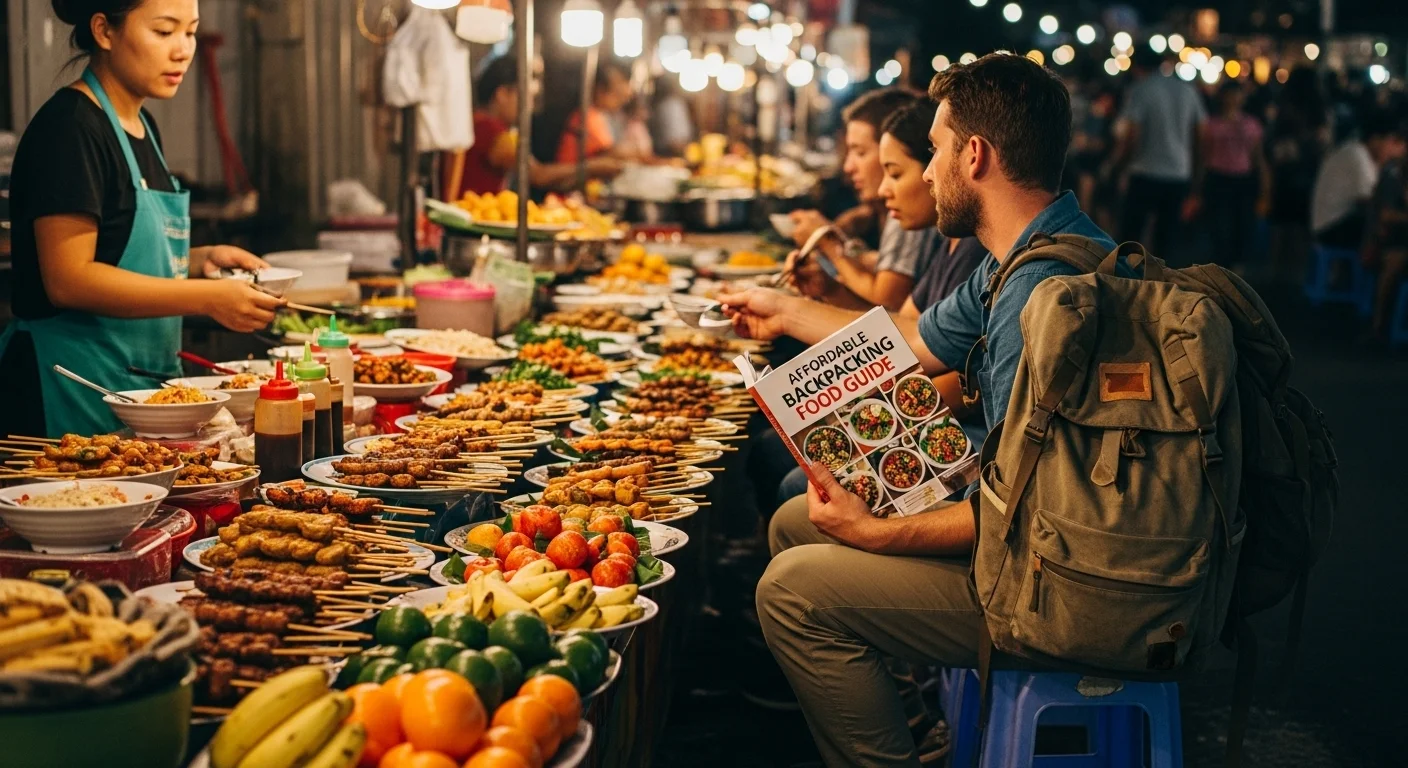
When I first started backpacking, I quickly discovered that local cuisine is the heart and soul of any travel experience. I remember walking through the bustling streets of Bangkok, the aroma of street food wafting through the air, making my stomach rumble. Eating local food not only satisfies hunger but also immerses you in the culture of the place you’re visiting. Plus, it’s often much cheaper than dining in touristy restaurants. I’ve spent mere dollars on a filling meal that was bursting with flavor, while my friends who opted for Western-style meals often paid triple! This taught me the invaluable lesson that to truly experience a place, I needed to embrace its local food culture.

How Food Enhances Travel Experiences

Food has this magical way of connecting us. I remember sitting on a tiny plastic stool at a street vendor in Mexico City, enjoying tacos al pastor. The vendor shared his family’s secret recipe while I savored each bite. It created a bond—an authentic experience I couldn’t have replicated in a fancy restaurant. Eating local food enhances travel experiences by giving you stories to tell, people to meet, and flavors to savor. Each meal becomes a memory that we carry with us long after the trip is over. When I reflect on my travels, it’s often the meals I shared and the food I tasted that stand out most vividly.

Planning Your Backpacking Food Strategy

Setting a Food Budget

One of the first things I do when planning a backpacking trip is to set a food budget. It’s easy to underestimate how much you’ll spend on meals, especially if you’re not familiar with local prices. I usually allocate about 30% of my total budget to food. This includes street food, restaurants, and snacks. By keeping track of my spending during the trip, I can adjust as needed—if I find myself indulging in more expensive meals, I simply cut back on snacks or opt for cheaper lunch options. Trust me, having a budget keeps my wallet happy and allows me to enjoy more meals without the stress of overspending. For additional tips on budget-friendly options, consider exploring Discover Affordable Luxury: Budget-Friendly Villa Rentals.

Researching Local Cuisine Before You Go

Before I embark on any adventure, I love researching the local cuisine of my destination. Websites, travel blogs, and even YouTube videos can provide insight into what to expect. For instance, I remember learning about the famous pho in Vietnam and the exciting variety of spices used in Indian cuisine. I’ll jot down must-try dishes and make a list of local eateries that come highly recommended. This preparation makes me feel more connected to the culture and helps me make informed decisions once I arrive. I often find that locals appreciate it when travelers show an interest in their food heritage!

Essential Cooking Gear for Backpackers

If you’re planning to cook while backpacking, having the right gear can make a world of difference. I’ve learned that packing light is key, so I focus on essentials. A portable stove, a compact pot, and a lightweight pan are must-haves. I also carry a multi-tool, which has proven invaluable for everything from opening cans to cutting veggies. I often bring a small container of my favorite spices, too—it’s amazing how a pinch of seasoning can elevate a simple meal. When we camp, gathering fresh ingredients from local markets adds excitement to the cooking process. Plus, it’s fun to share meals with fellow backpackers and swap recipes!

Backpacking food culture isn’t just about what we eat; it’s about the connections we make and the experiences we gather along the way. By planning ahead and immersing ourselves in local cuisine, we can enjoy delicious meals that won’t break the bank, creating lasting memories in the process. So, let’s dive deeper into the world of affordable eats and discover how we can savor every bite on our next adventure! If you’re looking for unique experiences, check out Affordable Luxury Safari Stays: A Budget Traveler’s Guide.

Top Affordable Eats Around the World

Street Food Delights

I’ve often found that the most memorable meals come from the streets. Street food has a unique charm; it’s not just about the food itself but also the experience that surrounds it. When I think of street food, I envision colorful stalls, sizzling sounds, and the laughter of locals enjoying their meals. Each region has its own specialties, and here are some of my favorite discoveries.

Asia: Must-Try Street Foods

Asia is a street food lover’s paradise. In Thailand, I couldn’t resist the mouthwatering pad thai from a street vendor in Chiang Mai. Watching the vendor expertly toss the noodles and ingredients together was an art form in itself. I also fell in love with the soft, fluffy bao buns filled with savory pork in Taiwan—each bite was like a warm hug! Then there’s India, where I found myself devouring crispy samosas from a roadside stand in Delhi. They were perfectly spiced and paired with a tangy tamarind chutney that made my taste buds dance.

Latin America: Street Vendors to Seek Out

In Latin America, street food is often where you’ll find the heart of the culture. I remember standing in a vibrant plaza in Mexico City, savoring elote—grilled corn on the cob slathered with lime juice, mayonnaise, cheese, and chili powder. It’s a flavor explosion! In Colombia, I discovered arepas, which are these delightful corn cakes that can be filled with anything from cheese to avocado. Each vendor had their own twist, making it a fun culinary adventure. On my travels, I’ve learned that street food is not just filling; it’s a dive into the local lifestyle.

Africa: Local Markets and Street Fare

Exploring the street food scene in Africa has also been an eye-opening experience. In Marrakech, I wandered through the bustling Jemaa el-Fnaa square, where food stalls come alive in the evening. The aroma of tagines, grilled meats, and fresh bread filled the air. I remember trying a spicy harira soup that warmed me up on a chilly night, while locals gathered around to share stories and laughter. In South Africa, biltong (dried cured meat) became my go-to snack while hiking. It’s high in protein and perfect for keeping my energy up on the trails. Each meal I had in Africa was a reminder of the continent’s rich traditions and flavors.

Budget-Friendly Restaurants

While street food is fantastic, I’ve also stumbled across some incredible budget-friendly restaurants that serve up local favorites. It’s always a thrill to find a hidden gem where you can enjoy a hearty meal at a fraction of the price of tourist spots.

Europe: Affordable Eateries

In Europe, I’ve found that small family-run restaurants often offer the best value. In Italy, a charming trattoria in Florence served up delicious pasta at prices that won’t make your wallet cry. I remember indulging in a plate of cacio e pepe that was so simple yet bursting with flavor. In Spain, I discovered tapas bars where I could sample a variety of dishes without breaking the bank. Sharing plates with friends made for a lively experience, and it felt like a true celebration of food.

North America: Hidden Gems

Back in North America, I’ve also uncovered some hidden gems that serve fantastic meals on a budget. In New Orleans, I found a local po’ boy shop that served up massive sandwiches filled with crispy fried shrimp. I couldn’t believe how affordable it was, and every bite transported me to the heart of the city. In Canada, I’ve enjoyed poutine from roadside food trucks—fries topped with cheese curds and gravy. It’s a heartwarming dish, perfect for late-night cravings after a long day of exploration.

Supermarkets and Grocery Shopping Tips

Sometimes, the best meals come from simply spending a little time in a local supermarket. I’ve often done my grocery shopping while traveling, and it’s a great way to save money while sampling local ingredients.

Finding Fresh Ingredients

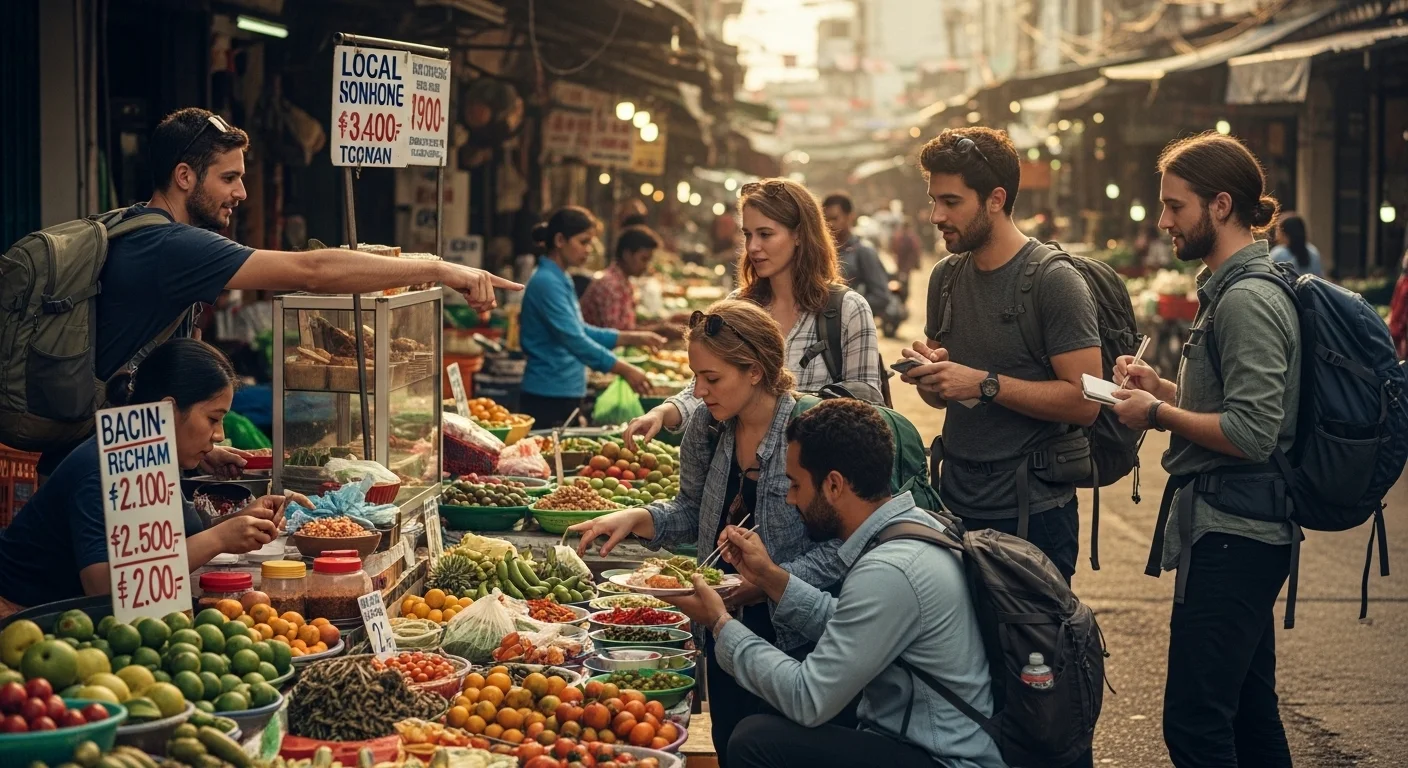
When I visit a new place, I love wandering through local markets. I’m always on the lookout for fresh fruits and vegetables that are in season. In Southeast Asia, I’ve found vibrant markets filled with tropical fruits like mangosteen and rambutan, which make for refreshing snacks. In Europe, I’ve often picked up fresh bread, cheese, and cured meats to create my own picnics. There’s something delightful about gathering fresh ingredients and creating delicious meals on the go.

Budget Meals and Snacks

Buying groceries can also help stretch my food budget. I’ve learned to cook simple meals like stir-fries or pasta dishes using local produce and pantry staples. I remember picking up a few ingredients in Vietnam and making a delightful banh mi at my hostel. Buying snacks like nuts, yogurt, or local pastries at the supermarket has become a ritual for me, ensuring I have fuel for my adventures without overspending. Plus, it’s a fun way to experiment with different flavors and ingredients!

Local Food Etiquette and Customs

Dining Etiquette by Region

When it comes to enjoying local cuisine, understanding dining etiquette is just as important as knowing what to eat. I remember my first meal in Japan, where I nervously navigated the rules of chopstick use and proper greetings. Each region I’ve traveled to has its own unique customs that reflect its culture. For example, in Thailand, I learned that it’s polite to eat with a fork and spoon, while in Italy, I discovered that it’s frowned upon to ask for extra cheese on your pasta. I recommend doing a little research beforehand to avoid any cultural faux pas. It not only shows respect but also enhances your dining experience, allowing you to connect more deeply with the locals.

Understanding Portion Sizes and Sharing

Another interesting aspect of food culture is portion sizes and the practice of sharing meals. I’ve found that in many countries, sharing is a common practice and a wonderful way to connect with others. In Spain, for instance, tapas are meant to be shared among friends, encouraging conversations and interactions. I remember one evening in Barcelona, sitting at a table filled with small plates, laughter filling the air as we passed around delicious bites. In contrast, I noticed that in some places, like the United States, individual servings can be quite large. Understanding these differences can help us better appreciate the dining experience, and it’s a great way to try a variety of dishes without overindulging.

How to Interact with Local Food Vendors

Interacting with local food vendors can be one of the most rewarding aspects of travel. I often find myself engaging in conversations with street vendors, asking about their recipes or the history behind their dishes. I remember standing at a food stall in Bangkok, where the vendor not only served me the most delicious pad thai but also shared stories of his family’s cooking traditions. Approaching vendors with genuine curiosity can lead to memorable exchanges and even recommendations for hidden gems. Plus, it creates a personal connection to the food you’re enjoying. I always try to learn a few phrases in the local language; a friendly “thank you” or “this is delicious” can go a long way.

Food Safety Tips for Backpackers

Identifying Safe Eating Places

Food safety is crucial when we’re exploring new cuisines. I’ve learned to trust my instincts when it comes to choosing where to eat. Look for places that are busy with locals—this usually indicates that the food is fresh and safe. I remember wandering through the streets of Hanoi and spotting a bustling pho stall surrounded by local patrons. I decided to give it a try, and it turned out to be one of the best meals of my life! Additionally, I always keep an eye out for cleanliness and food handling practices. If a place looks unkempt or if the vendor isn’t following basic hygiene practices, I skip it and look for somewhere else.

Handling Food Allergies and Dietary Restrictions

As someone who has a few food sensitivities, I understand how important it is to communicate dietary needs clearly while traveling. I recommend carrying a card that lists your allergies or restrictions in the local language. This has saved me from some awkward situations. For example, in a small restaurant in Italy, I managed to avoid gluten by showing the waiter my card, which led to a delicious gluten-free risotto recommendation. Many vendors are happy to accommodate, but it’s essential to be clear and polite when communicating your needs.

Staying Healthy While Traveling

Staying healthy while indulging in local cuisine can be a balancing act. I’ve learned to incorporate fruits and vegetables into my meals whenever possible. While I love street food, I also make a point to visit local markets where I can pick up fresh produce. In Mexico, I discovered that fresh juices are not only refreshing but also packed with nutrients. It’s all about finding that balance between treating myself to delicious food and ensuring I’m nourishing my body. I’ve also found that drinking plenty of water is essential, especially in hotter climates. Carrying a reusable water bottle has been a game-changer for keeping hydrated and reducing plastic waste.

Creating Your Own Meals on a Budget

Easy Recipes for Backpackers

When it comes to creating meals on the road, I’ve found that simplicity is key. One of my go-to recipes is a one-pot pasta dish, which requires minimal ingredients and can be whipped up in no time. I simply boil some pasta, toss in a handful of fresh vegetables, and add a splash of olive oil and seasoning. It’s quick, nutritious, and a great way to use up any leftover ingredients I have on hand. I’ve also enjoyed making wraps with tortillas, local veggies, and proteins; they’re easy to carry and perfect for picnics during my adventures.

Cooking with Limited Resources

Cooking while backpacking often means working with limited resources, but that doesn’t have to compromise flavor. I remember a time in a hostel kitchen where the only cooking equipment available was a single burner and a pan. I decided to make a simple stir-fry using leftover rice and whatever vegetables I found at a nearby market. The result was delicious! I’ve learned to be resourceful and creative, often transforming what seems like meager ingredients into satisfying meals. Embracing this mindset has turned cooking into a fun challenge rather than a chore.

Meal Prepping for Longer Trips

For longer trips, meal prepping can help save time and money. I often dedicate a day before my journey to prepare snacks and easy meals. I’ll bake energy bars or pack nuts and dried fruits for hiking days. When I was in Southeast Asia, I prepped rice and veggies to carry with me for lunches. This not only kept my budget in check but also ensured I had healthy options on hand. I’ve found that a little planning goes a long way in enhancing my travel experience, allowing me to focus on exploring rather than worrying about what to eat.

Frequently Asked Questions

What is the significance of local cuisine while backpacking?

Local cuisine is considered the heart and soul of any travel experience. It immerses travelers in the local culture and is often more affordable compared to dining in touristy restaurants.

How can food enhance travel experiences?

Food creates authentic experiences and connections with locals. Each meal can become a memorable story, enriching the travel experience beyond just sightseeing.

What is a recommended food budget for backpacking trips?

It’s suggested to allocate about 30% of your total budget to food, which includes street food, restaurants, and snacks. Tracking spending can help adjust the budget as needed.

Why is it important to research local cuisine before traveling?

Researching local cuisine helps travelers understand what to expect, allows them to list must-try dishes, and shows locals that travelers appreciate their food heritage.

What essential cooking gear should backpackers consider bringing?

Backpackers should consider packing a portable stove, a compact pot, a lightweight pan, a multi-tool, and perhaps a small container of favorite spices to enhance cooking while on the road.

What are some must-try street foods in Asia?

In Asia, popular street foods include pad thai from Thailand, bao buns from Taiwan, and crispy samosas from India, each offering unique flavors and experiences.

What types of budget-friendly restaurants can travelers look for in Europe?

Travelers can find great value in small family-run restaurants, such as trattorias in Italy serving delicious pasta or tapas bars in Spain offering a variety of dishes to share.

How can grocery shopping help backpackers save money on food?

Grocery shopping allows travelers to buy fresh local produce, cook simple meals, and create snacks, helping stretch their food budget and enjoy local flavors without overspending.

What dining etiquette should backpackers be aware of when traveling?

Dining etiquette varies by region; for instance, in Japan, proper chopstick use is important, while in Italy, asking for extra cheese on pasta can be frowned upon. Researching these customs can enhance the dining experience.

How can travelers ensure food safety while enjoying local cuisine?

Travelers should look for busy eateries frequented by locals, observe cleanliness, and trust their instincts. It’s also advisable to communicate dietary restrictions clearly to avoid potential issues.
Savvy Tips for Eating Cheap While Traveling on a Budget

Traveling on a budget doesn’t mean sacrificing delicious meals. With a bit of planning and savvy choices, we can enjoy great food without breaking the bank. Let’s dive into how we can eat cheap while exploring new places!

Savvy Tips for Eating Cheap While Traveling on a Budget

Understanding the Importance of Budget Eating While Traveling

When we hit the road, one of the biggest expenses we face is food. It’s easy to let dining out take a huge chunk out of our travel budget, especially in popular tourist spots where prices can skyrocket. I learned early on that understanding food costs is crucial to maintaining a healthy budget while still enjoying local flavors. Not only does this help us save money, but it also opens up opportunities to experience the local culture in a more authentic way. Read Interesting article: Travel Smarter: Discover How to Access Exclusive Events Cheaply

The Impact of Food Costs on Travel Budgets

During my travels, I’ve noticed that food costs can vary dramatically from one destination to another. For instance, in some countries, a meal at a quality restaurant can cost less than a cup of coffee back home. I remember visiting Thailand and finding myself indulging in street food for just a couple of dollars! It was delicious, satisfying, and left me plenty of room in my budget for other adventures.

On the flip side, in some cities, especially in Western countries, it can be easy to spend way too much on food without even realizing it. I found that being aware of where my money was going helped me make smarter choices. Tracking food costs allowed me to enjoy my trip without the stress of financial strain, which is something I believe is vital for anyone traveling on a budget. Read Interesting article: A Backpacker’s Guide to Tasting Indigenous Dishes Cheaply

Benefits of Eating Cheap While Traveling

Eating cheaply while traveling offers a variety of benefits beyond just saving money. For one, it encourages us to explore local markets and street vendors, which can lead to some of the best culinary experiences. I’ve had incredible meals that I wouldn’t have found in a fancy restaurant, simply because I chose to wander into a small café or food stall. These experiences are often richer and more memorable.

Moreover, I’ve discovered that eating cheap allows us to try more dishes. Instead of spending a chunk of our budget on one meal, we can sample several different foods. This not only satisfies our taste buds but also gives us a deeper understanding of the local cuisine. I remember in Vietnam, I tried pho, banh mi, and spring rolls, all in one day, simply because I chose cheaper options!

Planning Ahead: Research and Preparation

Before embarking on our journey, planning is essential. I can’t stress enough how much research can enhance our travel experience, especially when it comes to budgeting for food. The more we know before we go, the more we can stretch our dollars.

Identifying Affordable Destinations

Some places are inherently more budget-friendly than others. I’ve learned that Southeast Asia is a treasure trove for budget travelers, with street food and local markets offering delicious meals at unbeatable prices. On the other hand, destinations in Western Europe can be more challenging for budget eaters. Before we plan a trip, I always look into which destinations offer affordable food options, ensuring we can enjoy local cuisine without spending a fortune.

Understanding Local Cuisine and Prices

Getting to know the local cuisine can also help us find the best budget eats. For instance, knowing that pasta in Italy can be very affordable helps when we’re planning our meals. I remember perusing menus online before a trip to Spain and discovering that tapas are not only cheap but also a fantastic way to sample various dishes. Understanding what to expect in terms of pricing allows us to budget more accurately.

Setting a Daily Food Budget

Setting a daily food budget was a game-changer for me. I started by estimating how much I could spend each day based on my overall travel budget. This helped me make decisions on where to eat without feeling guilty. I’ve found that a budget of around $20 to $30 per day is often sufficient in many countries, depending on where I’m traveling. This way, I could enjoy a mix of street food, local cafés, and sometimes even a sit-down meal, all while keeping track of my spending.

By planning ahead, we not only save money but also enhance our travel experience. We can focus on exploring new places and immersing ourselves in different cultures, all while enjoying delicious food without the guilt of overspending. Each trip has taught me more about the art of eating cheap, and I can’t wait to share more tips and tricks to keep our travel budgets intact!

Where to Eat: Finding Budget-Friendly Options

Street Food: A Delicious and Affordable Choice

One of my favorite parts of traveling is immersing myself in the local food culture, and street food is often where the magic happens. I can’t tell you how many times I’ve stumbled upon a street vendor with a line of locals waiting patiently, and I knew I had to join in. Whether it’s the sizzling sound of fresh skewers on a grill or the tantalizing aroma of spices wafting through the air, street food offers an authentic taste of a region’s cuisine. I remember in Mexico City, guacamole and tacos from a roadside stand were not only delicious but also incredibly cheap, costing just a few pesos.

Street food often comes with the added benefit of being freshly prepared right in front of you. I’ve found that small vendors often have a few signature dishes that they do exceptionally well. So, if something looks popular, don’t hesitate to try it! The experience is usually fast and allows me to grab a bite while exploring, keeping my energy up without breaking my budget.

Local Markets and Grocery Stores

Markets can often be like treasure troves for budget-friendly meals. I’ve discovered that exploring local markets can yield some of the freshest and most affordable produce. For instance, during my visit to a bustling market in Barcelona, I found a variety of fresh fruits, cheeses, and cured meats that made for a perfect picnic lunch in one of the city’s beautiful parks. Plus, supporting local farmers and vendors always feels good!

Don’t overlook grocery stores either. In many countries, they offer ready-to-eat meals that are delicious and a fraction of the price of dining out. I remember walking into a grocery store in Paris and finding baguettes, cheese, and some charcuterie that made for a delightful, budget-friendly meal while I sat by the Seine River. It was a simple yet memorable experience.

Cheap Eats: Cafés, Diners, and Local Joints

When I’m looking for budget-friendly dining options, I like to seek out local cafés and diners. These places often have lunch specials and daily deals that provide excellent value. I’ve found that small local joints can serve up some of the best meals at prices that won’t make my wallet cringe. For instance, I remember a charming little diner in a small town in Italy where I enjoyed a hearty pasta dish for under 10 euros, and it was made with love. The atmosphere was relaxed, and I felt like I was part of the community.

As a tip, I recommend checking out the daily specials or asking locals for their favorite spots. They often know where to find the best food at the best prices. I always make it a point to chat with locals; they have a wealth of knowledge that can lead to hidden gems.

How to Find Food Deals and Discounts

Finding deals doesn’t have to be a Herculean task. In my experience, a little effort can lead to significant savings. I often use apps and websites that highlight local deals, discounts, or happy hour specials. For example, during my travels in Thailand, I utilized a local food app that pointed me toward restaurants with discounted meals during certain hours. I ended up enjoying a delightful dinner while saving money, which felt like winning the travel lottery!

Also, it’s worth keeping an eye on social media. Many restaurants announce special promotions or discounts on their pages, and by following them, I’ve snagged some great deals. If you’re flexible with your dining time, going for lunch instead of dinner can also help cut costs, as many places offer cheaper lunch menus. Read Interesting article: Backpacking Tips for Visiting Cultural Heritage Sites Cheaply

Finally, never hesitate to ask locals about any “locals-only” places or secret discounts that might not be widely advertised. They often have the best insights and can steer you toward budget-friendly options that are off the beaten path.

What to Order: Eating Smart

Choosing Local Dishes Over Tourist Traps

One of the best ways to eat well on a budget is to embrace the local cuisine. I’ve learned that tourist traps often serve overpriced, generic dishes that don’t do justice to the local food culture. I remember visiting a popular tourist area in Rome, where the prices were high, and the pasta just didn’t taste right. It was a disappointing experience that made me realize the importance of steering clear of those flashy restaurants that cater to tourists.

Instead, I started seeking out places where locals eat. I’ve had some of my most memorable meals in small, unassuming trattorias or family-run diners, where the prices are not only reasonable but the food is authentic and delicious. For example, in a little café tucked away in a quiet street in Florence, I enjoyed a traditional ribollita soup that was both hearty and affordable. Choosing local dishes not only saves money but also allows us to experience the true flavors of the area, making our travel experience richer.

Utilizing Combo Meals and Specials

Another great strategy I’ve adopted is to look for combo meals or lunch specials. Many restaurants offer these deals, which can be a perfect way to try multiple dishes without overspending. I remember in a bustling market in Bangkok, there was a vendor offering a combo of pad Thai with a spring roll and a drink for just a few dollars. It was a complete meal that filled me up and provided a variety of flavors, all at an unbeatable price.

Don’t be afraid to ask about any special deals when you sit down to eat. Many places might not advertise their specials, but the staff is usually happy to share if you inquire. I found this to be particularly true in cafes in Lisbon, where I enjoyed a delightful meal of bacalhau à brás along with a drink for a fraction of what I would have paid elsewhere. It’s a great way to maximize both your budget and your culinary experience.

Sharing Portions to Save Money

Eating out can sometimes lead to larger portions than we expect, which can be a blessing in disguise. One tip I’ve found helpful is sharing meals with travel companions. Not only does this help cut costs, but it also allows us to sample a wider variety of dishes. I remember traveling with friends in Istanbul, where we ordered different kebabs and shared them among ourselves. This way, we enjoyed a feast of flavors without each of us having to commit to a single, potentially pricey dish.

Sharing also creates a social dining experience that adds to the fun of traveling. We laughed, swapped bites, and discovered new favorite dishes together. In many cultures, sharing food is a traditional practice, so it felt right to engage in this way. I highly recommend this approach; it’s budget-friendly and encourages a communal atmosphere that adds to the joy of traveling.

Cooking Your Own Meals: When and How to Do It

Choosing Accommodations with Kitchen Facilities

Sometimes, the best way to save money on food while traveling is to prepare our own meals. When I started looking for accommodations, I made it a priority to choose places with kitchen facilities. Whether it was a hostel with a communal kitchen or a rental apartment with a full kitchen, being able to cook allowed me to significantly cut down on food expenses.

Having a kitchen at our disposal means we can prepare simple breakfasts or pack lunches for our day’s adventures. I remember staying in an apartment in Barcelona and enjoying fresh bread, cheese, and local olives for breakfast every morning. It felt luxurious to enjoy a leisurely meal before heading out, and we saved a ton compared to eating out every morning.

Essential Grocery Shopping Tips for Travelers

When it comes to grocery shopping in a foreign country, I’ve learned a few tricks to make the most out of it. First, I always try to shop at local markets or supermarkets rather than touristy shops. Not only do they often have better prices, but they also allow me to experience everyday life in that location. I’ve had fun exploring the aisles, discovering new ingredients, and picking up snacks to enjoy on the go.

Another tip is to keep an eye out for seasonal produce. Often, fruits and vegetables that are in season will be cheaper and fresher. During my trip to France, I found that strawberries were incredibly cheap and bursting with flavor, so I bought a bunch and snacked on them throughout the day. Always be on the lookout for what’s locally available; it can help both your wallet and your palate.

Easy and Budget-Friendly Meal Ideas

Cooking doesn’t have to be complicated, and I’ve learned to keep it simple. Some of my go-to meals while traveling include pasta with fresh vegetables, rice bowls with local proteins, and hearty soups made from whatever ingredients I could find. I remember whipping up a delicious vegetable stir-fry with rice in Thailand using fresh herbs and veggies from a local market. It was not only healthy but also cost-effective.

Another favorite is the classic sandwich. With fresh bread, cheese, and local meats, I’ve had some of the best sandwiches while traveling. In Italy, I made myself a simple panini with mozzarella and tomatoes, drizzled with local olive oil, and it was a delightful and budget-friendly meal. These kinds of meals are quick to prepare and often require minimal cooking, making them perfect for travelers.

By embracing cooking during my travels, I’ve not only saved money but also had fun experimenting with local ingredients. It adds a new layer to the adventure and often leads to delicious discoveries.

Staying Healthy on a Budget

Finding Nutritious Options Without Breaking the Bank

Traveling on a budget often leads us to think about how to save money, but I believe it’s equally important to consider our health while we explore new cuisines. I’ve learned that finding nutritious meals doesn’t have to be a challenge, even when money is tight. I often seek out local fruits and vegetables, as they are typically fresh and affordable. For example, during my travels in Mexico, I discovered that local markets offered an array of fresh produce at great prices. I remember enjoying juicy mangoes and avocados that not only tasted amazing but were also healthy options that kept my energy up.

Another strategy I use is choosing meals that include whole ingredients. Dishes with grains, legumes, and seasonal vegetables tend to be not only filling but also budget-friendly. I’ve found that many local dishes are prepared with these ingredients, so I can eat healthily while still experiencing local flavors. In India, for instance, I enjoyed a delicious plate of lentil curry served with rice, which was both nutritious and economical.

Avoiding Common Pitfalls: Processed vs. Fresh Foods

While it’s tempting to grab quick snacks or processed foods to save time and money, I’ve learned that this approach can sometimes backfire. Processed options can be less nutritious and may leave us feeling sluggish. I remember a time when I opted for convenience and purchased packaged snacks while exploring a city, only to feel tired and unsatisfied shortly after. Since then, I’ve made it a point to seek out fresh foods, even if it means spending a little extra time in local markets. Not only do I feel better physically, but I also enjoy the experience of interacting with local vendors.

In my experience, striking a balance between convenience and nutrition is key. When I’m pressed for time, I look for quick yet healthy options, like salads or grain bowls, which are often available at local cafés. These meals keep me energized for a day of exploring without weighing heavily on my budget.

Maximizing Your Experience: Cultural Considerations

Engaging with Locals for Food Recommendations

One of the best ways to enhance our culinary experiences while traveling is to engage with locals. I can’t emphasize enough how taking a moment to chat with residents can lead to incredible food discoveries. Locals often know hidden gems that aren’t in guidebooks. I remember striking up conversations with shopkeepers in a small town in Greece, and they directed me to a family-run taverna that served the most authentic moussaka I’ve ever had. Connecting with locals not only helps us find great food but also enriches our understanding of their culture.

Participating in Food Tours and Cooking Classes

Food tours and cooking classes are another fantastic way to dive deeper into the local cuisine. While they may require an upfront investment, I’ve found that they offer tremendous value. Participating in a cooking class in Thailand allowed me to learn how to make my favorite dishes, and I returned home with new skills and insights. Additionally, food tours often include tastings of local specialties, which means I get to sample a variety of dishes in one outing. I remember a tour in Istanbul where I tasted everything from baklava to kebabs, all while learning about the city’s rich culinary history.

Tips for Specific Destinations

Eating Cheap in Europe: A Guide

In Europe, there are plenty of ways to eat well on a budget. I’ve found that street markets and bakeries often offer delicious, affordable meals. For instance, grabbing a fresh baguette and some cheese from a local market in France can create a perfect picnic. Additionally, lunchtime in many European cities is when restaurants offer their best deals, making it an excellent time to explore local eateries.

Budget Eating in Southeast Asia

Southeast Asia, in my opinion, is a paradise for budget eaters. Street vendors serve incredible meals at rock-bottom prices, and the variety is endless! I’ve enjoyed everything from pho in Vietnam to curry in Thailand, all while spending just a few dollars. I’ve also learned to be adventurous and try whatever looks good, as the flavors are often mind-blowing.

Affordable Food Options in North America

In North America, food trucks and casual eateries are fantastic options for budget-conscious travelers. I’ve had amazing burritos from food trucks in California and delicious poutine in Canada, all without spending a fortune. Many cities also host food festivals where local vendors offer samples at a low price, which is a great way to try various dishes.

Exploring South American Cuisine on a Budget

South America is another region where I’ve found budget eating to be delicious and fulfilling. From empanadas in Argentina to ceviche in Peru, the local food is often both affordable and incredibly satisfying. I remember enjoying hearty meals in family-run restaurants where the prices were surprisingly low and the atmosphere inviting. Exploring local markets to find fresh ingredients for picnics is also a favorite activity of mine.

Common Mistakes to Avoid When Eating Cheap While Traveling

Overlooking Local Food Etiquette

While we’re on the quest for budget eats, it’s crucial to respect local food etiquette. I once made the mistake of eating while walking in a culture where it was considered impolite. Taking the time to learn about dining customs can enhance our experience and show respect for the local culture.

Ignoring Health and Safety Standards

In my eagerness to try local street food, I learned the hard way that not all vendors maintain high hygiene standards. It’s important to look for busy stalls with a line of locals—usually a good sign of quality and safety. I also stick to freshly cooked items, as they are less likely to cause any health issues.

Falling for Tourist Traps

Finally, I’ve learned to avoid tourist traps that often offer overpriced and mediocre food. By stepping off the beaten path and seeking where the locals eat, we not only save money but also enjoy a more authentic dining experience. I remember being lured into a flashy restaurant near a major landmark, only to be disappointed by the bland food and high prices. Since then, I’ve made it a practice to research and ask locals where they go to eat.

Final Thoughts

Eating on a budget while traveling can truly enhance our experiences if we approach it with an open mind and a little creativity. The world is filled with delicious, affordable food just waiting for us to discover. By planning ahead, seeking out local options, and being mindful of our choices, we can indulge in the rich culinary experiences that each destination has to offer without straining our wallets. I’ve loved every moment spent exploring local flavors, and I hope these tips inspire you to embark on your own delicious journey without breaking the bank!

Frequently Asked Questions

What is the importance of budget eating while traveling?

Budget eating is crucial for maintaining a healthy travel budget, allowing travelers to enjoy local flavors without overspending. It also opens up opportunities to experience local culture more authentically.

How can food costs impact a travel budget?

Food costs can vary dramatically between destinations, with some places offering meals at very low prices while others may be much more expensive. Being aware of food costs helps travelers make smarter choices and enjoy their trips without financial stress.

What are the benefits of eating cheaply while traveling?

Eating cheaply encourages exploration of local markets and street vendors, often resulting in richer culinary experiences. It also allows travelers to try multiple dishes instead of spending a large sum on a single meal.

What strategies can help in planning budget meals before traveling?

Researching destinations for affordable food options, understanding local cuisine and typical prices, and setting a daily food budget are essential strategies for planning budget meals while traveling.

Where can travelers find budget-friendly eating options?

Travelers can find affordable meals at street food vendors, local markets, grocery stores, and small local cafés or diners that often offer lunch specials and daily deals.

What are some tips for finding food deals and discounts?

Using apps and websites that highlight local deals, following restaurants on social media for promotions, and asking locals for recommendations can help travelers find food deals and discounts.

How can travelers make smart food choices to save money?

Travelers should opt for local dishes over tourist traps, look for combo meals or lunch specials, and consider sharing portions with travel companions to maximize their culinary experience without overspending.

What are some easy meal ideas for travelers who want to cook?

Simple meal ideas include pasta with fresh vegetables, rice bowls, hearty soups, and classic sandwiches made with local ingredients, which are quick to prepare and budget-friendly.

How can travelers maintain a healthy diet on a budget?

Travelers can find nutritious options by seeking out local fruits and vegetables, choosing meals with whole ingredients, and avoiding processed foods to ensure they stay energized while exploring.

What common mistakes should travelers avoid when eating cheaply?

Travelers should avoid overlooking local food etiquette, ignoring health and safety standards at food vendors, and falling for tourist traps that offer overpriced and mediocre food.

Top 10 Budget-Friendly Foods for Backpackers

When you’re out exploring the world, keeping your food budget in check can be as important as planning your itinerary. Here are some budget-friendly foods that will keep you fueled without draining your wallet! Read Interesting article: Savor the Streets: Top Budget-Friendly Street Foods Worldwide

Top 10 Budget-Friendly Foods for Backpackers

Understanding Backpacker Nutrition

The Importance of Budget-Friendly Foods

As a backpacker, I quickly learned that food expenses can add up faster than I expected. The thrill of exploring new places often clashes with the reality of my wallet’s limitations. That’s where budget-friendly foods come into play. They help us save money while still enjoying tasty meals on the go. I remember my first backpacking trip; I thought I needed fancy meals to feel satisfied. But soon, I realized that simplicity often leads to the best experiences. By choosing the right foods, we can maintain our energy levels, stay healthy, and make our adventures more enjoyable.

Nutritional Needs for Travelers

When I’m traveling, I find that my body has different nutritional needs compared to my usual routine. I need foods that provide energy, are easy to carry, and require minimal preparation. It’s essential to strike a balance between carbs, proteins, and fats to keep my energy levels stable. I often look for foods that offer a good mix of these macronutrients. For example, on longer hikes, I rely on complex carbohydrates for sustained energy, while protein helps with muscle recovery after a long day on the trail. I’ve learned that my meals should not only satisfy my hunger but also support my overall health and keep me feeling good throughout my journey.

Top 10 Budget-Friendly Foods for Backpackers

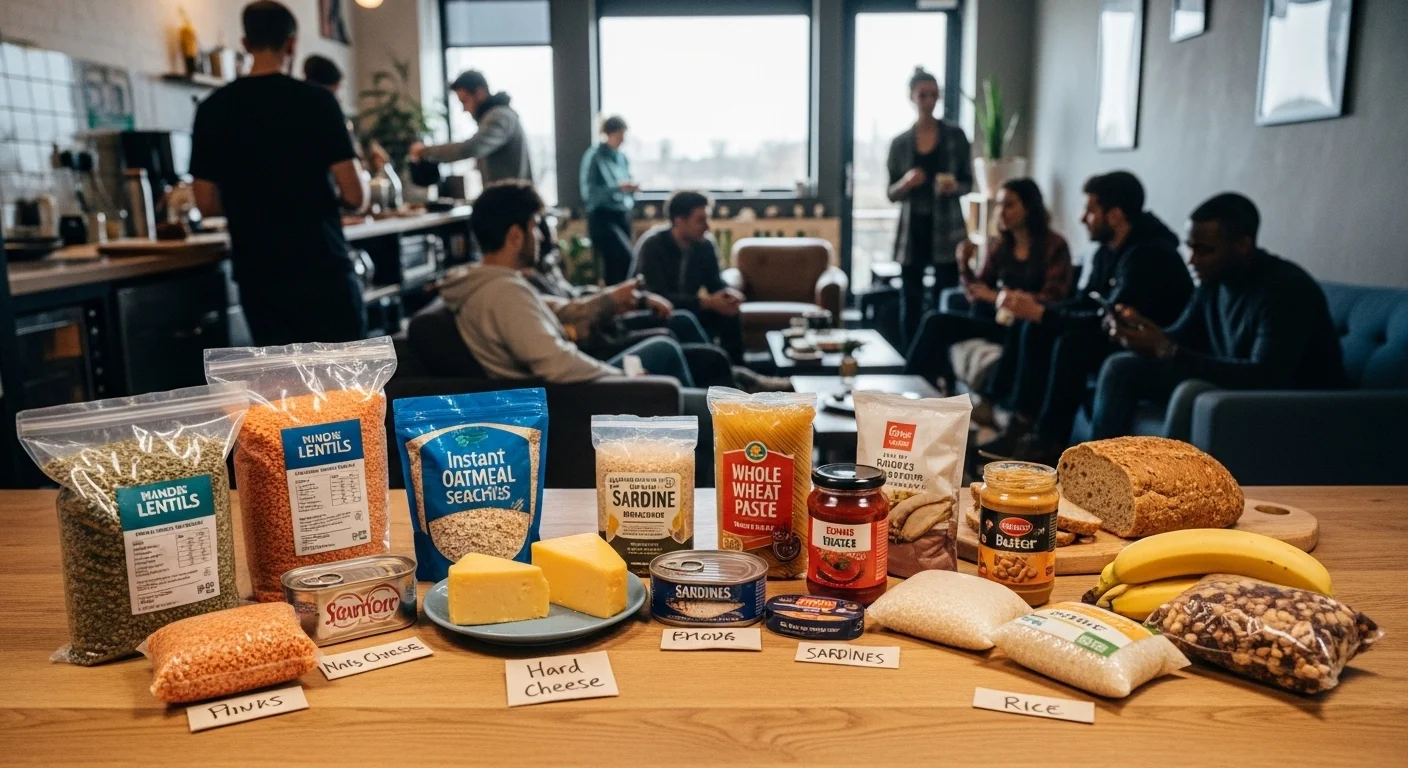
1. Instant Oatmeal

Instant oatmeal has become one of my go-to breakfast options. It’s lightweight, easy to prepare, and packed with energy. I often carry different flavors to keep things interesting. Just add hot water, and it’s ready in minutes! Plus, I can toss in nuts or dried fruits for an extra nutritional boost.

2. Rice and Lentils

Rice and lentils are staples in my backpacking pantry. They’re not only budget-friendly but also incredibly nutritious. This combo provides a complete protein source, which is crucial for muscle repair after a day of hiking. I often cook a big batch at the beginning of my trip and use it as a base for various meals. Adding spices or a splash of hot sauce makes it even better!

3. Canned Tuna or Salmon

Canned fish is another easy and affordable protein source. I love how convenient it is—just pop the lid, and it’s ready to go! Tuna or salmon can be mixed with some rice, or I can eat it right from the can. When I’m craving something tasty, I sometimes add a little mayonnaise or mustard, making it feel like a real meal.

4. Peanut Butter

Peanut butter is a backpacker’s best friend. It’s rich in healthy fats and protein, making it a filling option. I often take mini packets or a small jar with me. Spreading it on crackers or eating it with an apple is my favorite way to snack. Plus, it packs a lot of energy into a small serving, which is perfect for long hikes.

5. Dried Fruits and Nuts

Dried fruits and nuts are perfect trail snacks. I usually mix them together in a ziplock bag for easy access. The nuts provide healthy fats and protein, while the dried fruits give me a quick sugar boost when I need it most. I find that having a variety of flavors keeps me from getting bored and helps me maintain my energy on the trail.

6. Instant Noodles

Instant noodles are a classic for a reason. They’re cheap, lightweight, and super easy to prepare. I boil some water, add the noodles, and in just a few minutes, I have a warm meal. Sometimes, I add in some veggies or leftover proteins to make it more nutritious. It’s comforting after a long day of exploration.

7. Granola Bars

Granola bars are a convenient and portable snack that I almost always have on hand. They’re great for a quick energy boost during the day or as a dessert after dinner. I love trying different brands and flavors, and they’re easy to find in grocery stores. They fit perfectly in my backpack and help curb my hunger without a lot of fuss.

8. Dehydrated Meals

Dehydrated meals have come a long way since I first tried them. They’re lightweight and only require hot water, making them perfect for camping or backpacking. I usually choose meals that are high in calories and protein. It’s amazing how satisfying they can be after a long day outdoors, and I love the variety available these days.

9. Fresh Fruits and Vegetables

While fresh produce can be a bit heavier to carry, I find that picking up some fruits and veggies at local markets adds freshness to my diet. Apples, carrots, and bell peppers are my favorites because they hold up well during travel. They’re great for snacking and add essential vitamins to my meals.

10. Tortillas

Lastly, tortillas are versatile and affordable. I often use them as a wrap for all sorts of fillings—peanut butter and banana, tuna salad, or even just some cheese. They’re lightweight, easy to pack, and can be a meal in themselves or a great addition to whatever I’m making. I love how they can adapt to whatever ingredients I have on hand.

Where to Buy Budget-Friendly Foods

Local Markets vs. Supermarkets

When it comes to stocking up on budget-friendly foods while backpacking, I’ve found that local markets often have the best deals. There’s something special about wandering through vibrant markets filled with fresh produce, spices, and local specialties. I remember a trip to Thailand where I stumbled upon a bustling market. I was able to buy fresh fruits and vegetables at a fraction of the price I would have paid in a supermarket. The experience was not just economical; it also connected me with the local culture. We got to chat with vendors and learn about the foods they offered. For me, that made the meals I prepared even more meaningful. Read Interesting article: Discover Affordable Luxury: Budget-Friendly Villa Rentals

On the flip side, supermarkets can be great for stocking up on essentials, especially in more remote areas where local markets might not be available. I appreciate the convenience of larger stores, where I can find a wider range of packaged items like instant noodles and granola bars. I usually compare prices between the two options, considering not just cost but also freshness. In my experience, it’s often worth the extra effort to seek out local markets for the freshest options and better prices.

Best Stores for Backpackers

As I’ve traveled, I’ve discovered that certain stores cater well to backpackers looking for budget-friendly options. Discount grocery chains often have great deals on bulk items, which can save money in the long run. I’ve found stores like Aldi and Lidl in Europe or WinCo in the U.S. to be fantastic for stocking up without breaking the bank.

In addition, health food stores can offer affordable organic options, especially for things like nuts, seeds, and dried fruits. I’ve made it a point to check out local health food stores when I’m in a new area. They often have bulk bins where I can scoop my own portions, saving money while allowing me to try a variety of snacks. Plus, many of these stores are committed to using sustainable practices, which I appreciate.

Tips for Finding Deals

Over the years, I’ve picked up a few tricks for finding the best deals on food while backpacking. First and foremost, always look for sales and promotions. Many grocery stores have loyalty programs or apps that offer discounts. I usually download the store’s app before I arrive, allowing me to easily browse deals and digital coupons.

Another tip is to shop during off-peak hours. I’ve noticed that stores sometimes mark down items that are close to their expiration date, and these can often be perfectly fine for a few days. If you’re flexible with your meal planning, this can be an excellent way to score some delicious and fresh foods at a reduced price.

Also, consider purchasing items in larger quantities when it makes sense. For example, buying a big bag of rice or a bulk pack of granola bars can be cheaper than purchasing smaller packages. I often find that it pays off in the long run, especially for foods that I know I’ll use throughout my trip.

Meal Prep Tips for Backpackers

Simple Recipes Using Budget Foods

Meal prepping can seem daunting while traveling, but I’ve found it to be a game-changer for staying organized and on budget. One of my favorite simple recipes is a rice and lentil salad. I cook a big batch of rice and lentils at the start of my trip and mix them with whatever fresh veggies I find at the market. A splash of olive oil and some spices makes it a filling meal that I can enjoy cold or warm.

Another quick recipe that’s become a staple for me is a peanut butter wrap. I spread peanut butter on a tortilla, add sliced banana, and roll it up. It’s nutritious, delicious, and perfect for on-the-go eating. I often prepare a few of these wraps in advance to grab when I’m in a hurry.

How to Store Food Effectively

Proper storage is key to keeping food fresh while backpacking. I’ve invested in reusable containers and ziplock bags, which I find super handy. I typically divide my meals into portions and store them separately to keep everything organized. This method also helps me avoid any spoilage, which can be a headache when hiking in remote areas.

For fresh fruits and vegetables, I’ve learned that keeping them in breathable bags helps them last longer. I remember throwing an apple in my backpack once without any protection, and by the end of the day, it was bruised and mushy. Now, I always carry a small mesh bag or something similar to protect my produce.

Cooking Equipment for Backpackers

When it comes to cooking while on the go, I’ve discovered that less is often more. I pack a lightweight camp stove because it allows me to heat water quickly for meals like instant noodles or oatmeal. A small pot and a spatula are my essential cooking tools. I often bring a collapsible bowl for mixing my ingredients when I’m preparing meals.

I also make sure to pack a good knife for slicing fruits and vegetables. It’s surprising how handy it can be, especially when you want to whip up a quick meal. In my experience, having the right cooking gear not only makes meal prep easier but also adds to the joy of cooking outdoors.

Health and Safety Considerations

Food Safety Tips While Traveling

When I’m out on the road or hiking through beautiful landscapes, food safety is always on my mind. I’ve had my share of experiences, and I’ve learned that taking a few precautions can go a long way in keeping my meals safe and enjoyable. One of the first things I always do is ensure that I wash my hands before handling food. Simple, right? But it’s surprising how easy it is to forget when you’re excited about the next adventure.

I also make it a point to check the expiration dates on packaged foods. While it may seem tedious, I’ve learned the hard way that eating expired food can lead to unpleasant surprises. I remember once grabbing an energy bar from my stash that had been forgotten at the bottom of my backpack—it was several months past its prime! Now, I make it a habit to rotate my supplies and consume items that are nearing their expiration first.

When it comes to fresh produce, I’ve developed a little routine. If I buy fruits or vegetables from local markets, I always wash them thoroughly before eating. I like to carry a compact vegetable brush to help clean them, especially for items like carrots or apples. It gives me peace of mind knowing that I’m reducing the risk of any contaminants.

Storing food correctly is also crucial. I always keep perishable items in a cooler or insulated bag, especially if I’m out for an extended period. Ice packs can help keep things fresh longer, and I’ve discovered that wrapping my fruits in paper towels can help absorb excess moisture, preventing spoilage. Using airtight containers for snacks not only keeps them fresh but also prevents any unwanted critters from getting into my food.

Dealing with Dietary Restrictions

I’ve had friends who travel with specific dietary restrictions, and it’s something I’ve become more aware of over time. If you find yourself in a similar situation, it’s important to plan ahead. I remember traveling with a friend who is gluten-sensitive. We made it a point to research local grocery stores and markets in advance that offered gluten-free options. This way, she felt at ease knowing she would find foods that fit her needs.

When it comes to vegetarian or vegan diets, I’ve discovered that many local markets offer a variety of plant-based options. Even in more remote places, I often find lentils, beans, and an array of vegetables that can easily be incorporated into meals. I think it’s all about being flexible and open to trying new things. I also recommend carrying some staple items, like vegan protein bars or nut butter packets, which can serve as a quick source of energy while on the go.

Another tip is to communicate your dietary needs clearly when dining out or staying with locals. I’ve found that most people are more than willing to accommodate special requests, especially if it means sharing a meal together. A little politeness goes a long way in these situations, and it can lead to delightful food discoveries that fit your dietary preferences.

Additional Resources for Backpackers

Online Communities and Forums

Being part of the backpacking community has been incredibly rewarding. I love connecting with fellow travelers who share tips and experiences about food and nutrition on the road. Online forums, like those on Reddit or dedicated backpacking websites, are goldmines for advice. I often find threads where people share their favorite budget meals, storage tips, and even local food sources in specific regions.

Social media platforms are also fantastic for connecting with other backpackers. I follow several travel bloggers who specialize in budget travel, and they often post about their favorite budget-friendly foods and where to find them. It’s like having a travel guide at my fingertips! I’ve even joined Facebook groups dedicated to budget travel, where members share their meal prep ideas and experiences.

Apps for Food and Budget Management

Technology has made it easier than ever to manage food and expenses while traveling. I’ve downloaded a few apps that help me track my spending and find budget-friendly options nearby. One of my favorites is an expense tracker app that allows me to categorize my spending, so I know exactly how much I’ve spent on food versus other activities.

Another useful app is a grocery list app, which I use to keep track of what I need as I travel. It’s so convenient to check it while I’m out shopping, ensuring I don’t forget anything essential. Some apps even feature price comparisons, helping me find the best deals in local stores. These digital tools have definitely simplified my travel experience.

Books and Guides on Backpacking Nutrition

Over the years, I’ve collected a handful of books and guides focused on backpacking nutrition. One book that stands out is “The Ultimate Guide to Backpacking Food,” which is filled with recipes, meal plans, and tips on how to pack efficiently. I often refer to it when planning my trips, as it provides insights into what foods are best suited for different types of adventures. Read Interesting article: Taste the World: Budget-Friendly High-End Culinary Tours

Additionally, I’ve found online resources, like blogs and YouTube channels, dedicated to backpacking nutrition. These platforms often provide fresh ideas and real-life experiences from seasoned travelers. I’ve learned about new foods, cooking methods, and even storage solutions that I might not have considered before. It’s a joy to dive into these resources, knowing they enhance my adventures and keep me nourished and satisfied on the road.

Frequently Asked Questions

What are some budget-friendly foods recommended for backpackers?

Some budget-friendly foods for backpackers include instant oatmeal, rice and lentils, canned tuna or salmon, peanut butter, dried fruits and nuts, instant noodles, granola bars, dehydrated meals, fresh fruits and vegetables, and tortillas.

Why is it important to choose budget-friendly foods while backpacking?

Choosing budget-friendly foods helps backpackers save money while still enjoying tasty meals. It allows for maintaining energy levels, staying healthy, and enhancing the overall adventure experience without straining the wallet.

How can backpackers meet their nutritional needs on the road?

Backpackers can meet their nutritional needs by consuming foods that provide energy, are easy to carry, and require minimal preparation, ensuring a balance of carbohydrates, proteins, and fats for sustained energy and muscle recovery.

Where is the best place to buy budget-friendly foods while traveling?

Local markets often provide the best deals on budget-friendly foods, offering fresh produce and local specialties at lower prices than supermarkets. However, supermarkets are also convenient for stocking up on essentials, especially in remote areas.

What are some tips for finding deals on food while backpacking?

To find the best deals, backpackers should look for sales and promotions, shop during off-peak hours for markdowns on items near expiration, and consider purchasing in larger quantities for cost savings on frequently used items.

What are some simple meal prep ideas for backpackers?

Simple meal prep ideas include a rice and lentil salad made with cooked rice and lentils mixed with fresh veggies, and peanut butter wraps with sliced banana rolled in a tortilla, both of which are nutritious and easy to prepare.

How can backpackers store food effectively to prevent spoilage?

Backpackers can store food effectively by using reusable containers and ziplock bags for portioning meals, keeping fresh produce in breathable bags, and using airtight containers for snacks to prevent spoilage and keep food fresh.

What cooking equipment is recommended for backpackers?

Recommended cooking equipment for backpackers includes a lightweight camp stove, a small pot, a spatula, a collapsible bowl for mixing, and a good knife for slicing fruits and vegetables.

What food safety tips should backpackers keep in mind while traveling?

Backpackers should wash their hands before handling food, check expiration dates on packaged foods, wash fresh produce thoroughly, store perishable items properly, and use ice packs to keep items fresh during extended periods outdoors.

How can travelers manage dietary restrictions while backpacking?

Travelers with dietary restrictions should plan ahead by researching local grocery stores for suitable options, being flexible with meal choices, carrying staple items like protein bars, and communicating dietary needs clearly when dining out.

Backpacking on a Budget: Top Affordable Stay Tips

Backpacking on a budget opens up a world of adventure without emptying your wallet. With the right tips, you can explore new places and create unforgettable memories, all while keeping your finances in check. You can also explore heritage sites that offer unique experiences without breaking the bank.

Backpacking on a Budget: Top Affordable Stay Tips

Understanding Backpacking on a Budget

What is Backpacking?

Backpacking, in my experience, is more than just traveling with a backpack. It’s a way of exploring the world, embracing spontaneity, and immersing oneself in different cultures. When I first tried backpacking, I loved how it forced me to step out of my comfort zone. The thrill of navigating public transportation, meeting fellow travelers, and discovering hidden gems was exhilarating. It’s about the journey, not just the destination, and I’ve learned that the less I have, the more I experience. Backpacking on a budget simply means doing all of this while being mindful of my spending. It’s about maximizing experiences without breaking the bank.

Benefits of Backpacking on a Budget

Choosing to travel on a budget has its perks, and I’ve come to appreciate them immensely. For starters, it encourages creativity. You find ways to enjoy a destination without spending a fortune. I’ve learned to seek out local eateries instead of tourist traps, often leading to some of the most memorable meals. Plus, there’s a sense of camaraderie among budget travelers. I remember bonding over shared experiences in hostels, swapping stories, and even tips on the best places to visit. Traveling on a budget also means I’m often more engaged with locals and their cultures. It pushes me into areas where tourists rarely go, giving me a richer, more authentic experience. I always look for ways to explore local cultures during my travels.

Essential Budgeting Tips for Backpackers

Setting a Daily Budget

When I started backpacking, setting a daily budget was a game changer. It helped me stay accountable and plan my spending wisely. I typically break down my budget into categories: accommodation, food, activities, and transportation. For example, if I allocate $40 a day, I might decide to spend $15 on lodging, $10 on meals, and save the rest for activities or a little treat for myself. Sticking to this daily budget keeps me grounded, and I often feel a sense of accomplishment when I do. I usually check in with myself every few days to see if I’m on track or if I need to adjust my spending in areas.

Tracking Expenses

Tracking expenses might sound tedious, but I’ve discovered it to be incredibly useful. I use simple apps on my phone to log my daily expenses. It allows me to visualize where my money is going. I recall a trip where I was shocked to find that I spent more on coffee than I had intended. By keeping track, I can quickly spot any spending leaks and adjust accordingly. Plus, it’s satisfying to look back at my trip and see where I made smart choices!

Finding Affordable Destinations

Some places are inherently more budget-friendly than others. I’ve learned to do my research before heading out. Countries in Southeast Asia, for instance, offer a wealth of experiences for a fraction of the cost compared to Western Europe. I remember wandering through the markets in Vietnam, where I could have a delicious meal for under $2. To find affordable destinations, I often look for travel blogs and forums where fellow backpackers share their experiences. There are also budget travel websites that highlight cheap flights and accommodation options. If you’re flexible with your travel dates, you can snag great deals!

Accommodation Options for Budget Backpackers

Hostels: The Backpacker’s Haven

Hostels are often seen as the go-to accommodation for budget travelers, and for good reason. My first hostel experience was eye-opening. I loved the social atmosphere and the opportunity to meet travelers from all walks of life. Many hostels offer dormitory-style accommodations, which are typically much cheaper than hotels. I often choose hostels with kitchens so I can save money on food by cooking some of my meals. Plus, hostels frequently organize events or excursions, which can be a fun way to explore the area without spending a lot.

Couchsurfing: Free Lodging with Locals

Couchsurfing was something I was initially hesitant about, but it turned out to be one of my favorite ways to find accommodation. It’s a platform that connects travelers with locals who are willing to offer a free place to stay. I remember my first couchsurfing experience in Spain, where my host took me to local spots and introduced me to his friends. It wasn’t just a place to sleep; it was a cultural exchange. I feel that couchsurfing not only saves money but enriches the travel experience in unexpected ways.

Camping: Embracing Nature

If you’re a nature lover, camping can be a fantastic option. I’ve spent many nights under the stars, and it’s an experience like no other. National parks often have campgrounds that are budget-friendly. I find that camping allows me to disconnect from the hustle and bustle and connect with nature. It also gives me the chance to explore hiking trails and wildlife. Just make sure to check regulations about camping in certain areas.

Budget Hotels and Motels

Sometimes, you may want a bit more privacy than hostels or couchsurfing provide. In those cases, I recommend looking for budget hotels or motels. I often check sites that compare prices to find the best deals. While I usually prefer hostels, I’ve had some great stays at budget hotels that offered comfortable beds and essential amenities. I’ve found that reading reviews helps ensure that I’m choosing a place that meets my needs without overspending.

Booking Accommodation: Timing and Strategies

Best Time to Book for Discounts

From my experience, timing can make a huge difference when it comes to booking accommodation. I’ve discovered that booking your stay well in advance often leads to the best deals. For example, planning my trips several months ahead allowed me to take advantage of early bird discounts and promotional offers. However, I’ve also learned that waiting until the last minute can sometimes yield surprising bargains, especially if you’re flexible about where you stay. I remember a time in Barcelona when I found a last-minute deal on a great hostel simply because I was willing to accept a shared room. It’s all about finding that sweet spot and being open to different options.

Using Booking Platforms Effectively

There are so many booking platforms out there that I sometimes feel overwhelmed by the choices. However, I’ve found that using a few trusted sites can streamline the process. Websites like Hostelworld, Booking.com, and Airbnb have been my go-tos. I like to filter the results based on my budget and read reviews from other travelers. One trick I’ve learned is to use incognito mode when searching; sometimes, prices can fluctuate based on your browsing history. It’s a small tip, but it has saved me a few bucks here and there!

Comparing Prices and Reviews

Once I’ve found a couple of options that look promising, I always take the time to compare prices and read reviews. I’ve learned that some places may look great in photos but don’t always live up to expectations. I often check multiple sites and cross-reference reviews to ensure I’m making an informed decision. For me, reading about other travelers’ experiences can highlight potential red flags or confirm that I’m making the right choice. I remember staying at a hostel that was lauded for its friendly staff and clean facilities, and it truly lived up to the hype. Taking the time to compare pays off, making my trips more enjoyable.

Tips for Saving on Accommodation

Staying Longer for Discounts

One strategy I’ve adopted is to stay longer in one place whenever possible. Many hostels and budget hotels offer discounts for extended stays. I remember booking a week in a cozy hostel in Thailand, and not only did I save money, but it also allowed me to immerse myself in the local culture. I had more time to explore, meet people, and even participate in a cooking class. Plus, the staff often became familiar faces, making my stay even more enjoyable.

Utilizing Loyalty Programs and Rewards

If you tend to use the same booking platforms or hotel chains, signing up for loyalty programs can be really beneficial. I’ve signed up for a few programs and have earned points that I can redeem for free nights or discounts on future stays. It’s a simple way to make my travel budget stretch further. I once booked a couple of nights in a budget hotel and ended up with enough points for a free night during my next trip. It felt like a little bonus that I didn’t see coming!

Finding Special Offers and Promotions

Every now and then, I come across special promotions or flash sales that can significantly reduce my accommodation costs. I regularly check my favorite booking sites for any ongoing deals. Sometimes, I’ve found last-minute deals that pop up for specific dates or locations. Signing up for newsletters from these platforms can also keep you in the loop about upcoming sales. I once scored an amazing deal on a boutique hotel in Portugal because I was subscribed to their newsletter. It felt great to treat myself without overspending.

Essential Gear for Backpacking on a Budget

Choosing the Right Backpack

Your backpack is your lifeline when traveling, and choosing the right one is essential. I learned this the hard way during my first trip when I picked a stylish but impractical backpack. It was uncomfortable and didn’t have enough compartments for organization. Now, I always go for a backpack with good support, ample storage, and easy access. I remember investing in a 50-liter backpack that served me well on multiple trips. It’s spacious enough for all my gear but compact enough to carry easily. Finding the right backpack can make a world of difference in how enjoyable my travels are.

Budget-Friendly Sleeping Gear

Comfort is key when you’re on the road, and I’ve found that investing in budget-friendly sleeping gear is worth it. A lightweight sleeping bag and a travel pillow can make all the difference, especially in hostels or when camping. I often carry a compact sleeping bag that’s suitable for various climates. I also bring along a travel pillow that rolls up into a tiny bundle. These items not only provide comfort but also save me on accommodation costs by allowing me to camp or find budget options.

Multi-functional Clothing and Accessories

When it comes to packing clothes, I’ve discovered that multi-functional items are my best friends. I tend to bring clothing that can serve multiple purposes, like a dress that can double as a beach cover-up. Layering is also a great strategy I’ve adopted, allowing me to adjust to different weather conditions without overpacking. I always remember to pack a lightweight rain jacket, as it has saved me from getting soaked more than once. By choosing versatile clothing, I can travel lighter and save space for souvenirs!

Making the Most of Your Stay

Cooking Your Own Meals

One of the greatest joys of backpacking on a budget is the ability to cook my own meals. Hostels with kitchens have become my best allies during my travels. I remember my stay in Budapest, where I shared a spacious kitchen with fellow travelers. We took turns cooking meals, and it became a delightful social experience. Not only did I save money, but I also got to taste different home-cooked dishes from around the world. I often plan my meals based on local ingredients from nearby markets, which not only keeps costs down but also makes the food fresh and delicious. Plus, nothing beats the satisfaction of sitting down to a meal I prepared myself after a day of exploring!

Free Activities and Sightseeing

Exploring a new city doesn’t have to cost a fortune. I’ve learned that many cities offer free or low-cost activities that provide rich experiences. Walking tours, for instance, have been a favorite of mine. I remember joining a free walking tour in Lisbon, where I not only learned about the city’s history but also met some amazing people. Many museums have free entry days or discounted rates during certain hours, so I always check their websites in advance. Additionally, exploring parks, hiking trails, and local neighborhoods is a fantastic way to immerse myself in the culture without spending a dime. I find that sometimes the best experiences come from simply wandering and getting lost in a new place.

Networking with Other Travelers

Connecting with other travelers has enriched my backpacking experience tremendously. I often find that sharing tips and advice with fellow backpackers leads to discovering hidden gems and unique experiences. From hostel common areas to cafes, I’ve met some amazing people who have shared their stories and travel hacks with me. I remember a night in a hostel in Berlin when a group of us gathered to share our travel plans and recommendations. Someone suggested a local beer garden that turned out to be one of the highlights of my trip. Networking not only helps in discovering great places but also opens doors to friendships that can last a lifetime! If you’re considering climbing during your travels, check out essential training tips for budget backpacking climbers to prepare.

Safety Tips for Budget Backpackers

Staying Safe in Hostels

While hostels are a great way to save money, I’ve realized that staying safe is paramount. I always choose hostels that have good security measures in place, like lockers for my belongings and 24/7 front desk service. When I check in, I make it a point to familiarize myself with the layout and the emergency exits. I also try to secure my valuables, like my phone and passport, in a locked drawer or in a money belt when I’m not in my room. I’ve learned that being aware of my surroundings and trusting my instincts is crucial. If something doesn’t feel right, I don’t hesitate to seek help or move to another place.

Managing Your Belongings

Keeping track of my belongings while traveling can be a challenge, but I’ve developed some handy strategies. I often use packing cubes to keep my clothes organized and easy to access. When I’m out and about, I carry a smaller daypack with essentials like my wallet, phone, and a water bottle. I’m cautious about how I carry my bag, often opting for a crossbody style that allows me to keep one hand on it at all times. I also make it a habit to take inventory of my belongings before I leave a place, ensuring I haven’t left anything behind. It may sound simple, but these little checks can prevent a lot of stress!

Emergency Contacts and Resources

Having a plan in case of emergencies is something I’ve learned to prioritize. I always keep a list of important contacts, such as local emergency services, my country’s embassy, and any contacts I might need in the area. I recommend downloading helpful apps that can assist with translations or finding nearby hospitals. I’ve found that knowing how to reach out for help can make a significant difference if something goes wrong. Additionally, I always share my travel itinerary with a family member or a close friend back home, so someone knows where I am in case of an emergency.

Final Thoughts on Budget Backpacking

Frequently Asked Questions

What is backpacking on a budget?

Backpacking on a budget involves exploring the world with a focus on maximizing experiences while being mindful of spending. It allows travelers to create unforgettable memories without breaking the bank.

What are the benefits of backpacking on a budget?

Backpacking on a budget encourages creativity in finding affordable ways to enjoy destinations, fosters camaraderie among budget travelers, and leads to more authentic cultural experiences by engaging with locals.

How can I set a daily budget for backpacking?

Setting a daily budget involves breaking down your spending into categories like accommodation, food, activities, and transportation. For example, if you allocate $40 a day, you might spend $15 on lodging and $10 on meals, adjusting as necessary.

What are some affordable accommodation options for budget backpackers?

Affordable accommodation options include hostels, couchsurfing, camping, and budget hotels or motels. Hostels often provide social atmospheres and kitchen facilities, while couchsurfing allows for free stays with locals.

When is the best time to book accommodation for discounts?

Booking accommodation well in advance often leads to the best deals due to early bird discounts. However, last-minute bookings can also yield surprising bargains if you are flexible with your options.

How can I effectively use booking platforms for finding accommodation?

Using trusted booking platforms like Hostelworld, Booking.com, and Airbnb can streamline the accommodation search. Filtering results based on budget and reading reviews can help ensure you make informed decisions.

What tips can help save on accommodation costs?

To save on accommodation costs, consider staying longer in one place to receive discounts, utilizing loyalty programs for points and rewards, and keeping an eye out for special offers and promotions.

What essential gear should I consider for budget backpacking?

Essential gear for budget backpacking includes a practical backpack with good support, budget-friendly sleeping gear like a lightweight sleeping bag and travel pillow, and multi-functional clothing that allows for versatile packing.

How can I make the most of my stay while backpacking?

Making the most of your stay can involve cooking your own meals in hostel kitchens, participating in free activities like walking tours, and networking with other travelers to discover hidden gems.

What safety tips should I follow while backpacking on a budget?

Safety tips for budget backpackers include choosing hostels with good security measures, managing belongings carefully, and having a list of emergency contacts and resources readily available.

How to Find Cheap Accommodation While Backpacking

Finding cheap accommodation while backpacking can be a thrilling adventure in itself. It’s not just about saving money; it’s about the experiences and stories you gather along the way. For more tips on finding budget-friendly places to stay, check out Affordable Stays: Best Budget Accommodation for Travelers.

How to Find Cheap Accommodation While Backpacking

Understanding the Backpacking Accommodation Landscape

When I first started backpacking, I quickly realized that accommodation choices could make or break my experience. The vast array of options available to travelers today can be overwhelming, but understanding the landscape is half the battle. There are numerous types of accommodations, each with its own unique charm and price range, so let’s dive into what’s out there and how they can benefit us as budget travelers.

Types of Accommodation for Backpackers

Backpackers often opt for budget accommodations, and here are some of the most common types I’ve encountered:

  • Hostels: These are the go-to choice for many backpackers. Hostels offer dormitory-style rooms, which can be very affordable. I love the social atmosphere in hostels, where I’ve met fellow travelers from all corners of the globe. Plus, most hostels provide communal kitchens, allowing you to save even more by cooking your meals.
  • Guesthouses: Guesthouses are typically family-run and offer a more homey feel. They can be slightly more expensive than hostels but often come with extra benefits like homemade meals or local tips from the owners. I’ve stayed in a guesthouse where the owner even offered to take me to a local market!
  • Camping: If you’re feeling adventurous, camping is a fantastic option. I remember setting up my tent by a beautiful lake and waking up to stunning sunrises. Many national parks offer campsites at low prices, and it’s a great way to immerse yourself in nature.
  • Airbnb: While not always the cheapest option, Airbnb can be great for groups or longer stays. I’ve found some hidden gems that provided a unique experience, like staying in a traditional yurt or a cozy cabin in the woods.

Benefits of Budget Accommodation

Staying in budget accommodations has numerous perks beyond the savings. For me, one of the biggest benefits is the opportunity to meet new people. In hostels, you’re often sharing space with fellow travelers, which leads to unforgettable conversations and friendships. From sharing travel tips to planning spontaneous adventures, I’ve made connections that lasted well beyond my trips.

Additionally, budget accommodations allow you to extend your travel. By saving on where you sleep, you can allocate more of your budget to experiences, whether it’s trying local cuisine or participating in activities. I’ve found that sometimes, the best memories come from the most spontaneous adventures, like hopping on a bus with newfound friends to explore a nearby town. For more ideas on budget options, refer to Top 10 Budget Accommodation Options for Backpackers.

Another significant advantage is the authenticity of the experience. Many budget accommodations are located in residential neighborhoods rather than tourist hotspots, allowing you to experience a destination like a local. I’ve often stumbled upon charming cafes or markets that I might have missed if I’d stayed in a more commercial area.

Where to Look for Cheap Accommodation

Now that we have a grasp on the types and benefits of budget accommodations, let’s explore where to find them. Over the years, I’ve discovered several effective methods that have made my search much easier and more fruitful.

Online Booking Platforms

Online platforms like Hostelworld, Booking.com, and Agoda have become my best friends while searching for cheap accommodation. They offer a range of filtering options, so you can find exactly what you need, whether it’s a quiet place to rest or a lively environment to meet fellow travelers. I often compare prices across several sites to ensure I’m getting the best deal, and I love how user-friendly these platforms have become. I remember finding a fantastic hostel last minute during a trip to Southeast Asia, simply because I kept checking the platforms for last-minute deals!

Hostels vs. Hotels vs. Guesthouses

While this might seem obvious, it’s worth emphasizing: knowing the difference between hostels, hotels, and guesthouses is crucial in your search for budget accommodation. Hostels are generally the cheapest, but if you’re looking for a bit more comfort, guesthouses can be a great middle ground. Hotels might seem like a safer bet, but they can quickly drain your wallet. I’ve found that with a little research and flexibility, I can often find affordable guesthouses that provide a better experience than budget hotels.

Local Resources and Networks

Don’t underestimate the power of local resources! I’ve often found cheap accommodation options through local bulletin boards, community centers, or even asking locals for recommendations. When I was in a small town in Europe, I approached a friendly cafe owner, and they directed me to a family-run guesthouse that wasn’t listed on any of the booking platforms. It turned out to be one of the highlights of my trip!

Utilizing social media and travel forums can also be incredibly helpful. Websites like Couchsurfing allow you to connect with locals who offer a free place to stay. The connections I’ve made through Couchsurfing have led to incredible cultural exchanges and friendships.

With these insights, I hope you feel more prepared to tackle the accommodation landscape while backpacking. The journey is just as important as the destination, and the places we choose to stay can shape our experiences along the way. Let’s keep exploring!

How to Use Price Comparison Tools Effectively

Top Websites and Apps for Finding Deals

When I first started backpacking, I had no idea how much I could save just by using the right tools. Price comparison websites and apps have become essential in my travel toolkit. Some of my favorites are Kayak, Trivago, and Skyscanner. They allow you to search across multiple platforms all at once, saving you both time and money.

For instance, when I was planning a trip to South America, I used Kayak to compare prices for hostels and guesthouses in various cities. It was eye-opening! I discovered that some platforms listed the same accommodation at significantly different prices. This saved me a good chunk of change, which I could then use for local experiences. I’ve also started using apps like HotelTonight for last-minute bookings; they often have great deals on unsold rooms.

Setting Up Alerts for Price Drops

One of my favorite tricks for scoring budget accommodation is setting up price alerts. Most of the major booking platforms allow you to create alerts for specific locations and dates. I remember planning a trip to Japan and setting alerts for hostels in Tokyo. I received notifications when prices dropped, which helped me land a fantastic place at a fraction of the expected cost.

Not only does this save you money, but it also takes some of the stress out of the planning process. I found that I could just go about my day, knowing I’d be alerted if a good deal popped up. It’s like having your own personal travel assistant looking out for you!

Timing Your Booking for the Best Rates

Off-Peak Travel Seasons

Timing is everything when it comes to finding cheap accommodation. I’ve learned that traveling during off-peak seasons can lead to substantial savings. For instance, I visited Europe in the fall rather than the summer, and not only did I avoid the massive crowds, but I also found that many hostels and guesthouses offered lower rates. It felt like I had the whole place to myself!

When planning your trip, consider the destination’s peak tourist seasons. If you can travel when fewer people are visiting, you’re likely to snag better deals. Plus, you get to experience the destination in a more relaxed atmosphere. I believe that some of my best trips happened when I ventured out of season, allowing me to explore at my own pace.

Last-Minute Deals vs. Early Bookings

Another strategy I’ve experimented with is balancing last-minute deals and early bookings. While early booking can secure you a great rate, I’ve found that waiting until the last minute can yield incredible bargains, especially if you’re flexible with your plans. I remember a spontaneous trip to Thailand where I landed a bed in a beautiful beachfront hostel just a day before arriving. The savings were fantastic, and the thrill of last-minute travel added an extra layer of excitement.

However, there’s a catch: this approach works best if you’re not tied to specific dates or locations. It’s more of a gamble, but the potential rewards can be worth it. Ultimately, I think it comes down to your travel style and how much flexibility you can afford. Having a mix of both strategies in your back pocket can be a powerful way to navigate accommodations.

Strategies for Getting the Best Prices

Negotiating Rates with Hosts

One of the lesser-known strategies I’ve discovered is the art of negotiation. It might sound daunting, but many hosts are open to discussing rates, especially for longer stays. I recall a time in Central America when I needed a place for a week. I approached the owner of a guesthouse and asked if they could offer a discount for my extended stay. To my surprise, they agreed, dropping the price significantly! It never hurts to ask, and sometimes you can end up with a better deal than you imagined.

Just remember to be polite and respectful when negotiating. I’ve found that building a rapport with the host can often lead to better deals and even insider tips about the area. Also, if you’re traveling during a less busy time, hosts may be more willing to negotiate to fill their rooms.

Using Loyalty Programs and Discounts

Lastly, I can’t stress enough how beneficial loyalty programs can be. Many booking platforms and hostels offer loyalty points that can lead to discounts or free nights. I signed up for a few loyalty programs during my travels, and they’ve rewarded me with some amazing deals. I remember using points I’d accrued from various stays to score a free night in a phenomenal hostel in Barcelona. It felt like a win-win situation!

Don’t overlook discounts that may be available to you, whether you’re a student, a member of a travel organization, or even a senior citizen. I’ve found that just by asking about available discounts at check-in can sometimes yield unexpected savings. Being aware of these options can really stretch your travel budget even further.

Alternative Accommodation Options

Couchsurfing and Hospitality Networks

Couchsurfing is one of the most exciting alternatives I’ve discovered while backpacking. Not only does it save money, but it also connects you directly with locals. I remember my first experience with Couchsurfing was in Lisbon. I stayed with a wonderful host who not only provided me with a place to sleep but also shared his favorite local spots, which were far from the usual tourist traps. We ended up exploring the city together, and the personal connection added a unique flavor to my travels.

Couchsurfing allows you to stay with locals for free, but it’s important to approach this option with an open mind and a respectful attitude. You’re not just a guest; you’re a participant in their lives. I’ve made some lasting friendships through this network, and I often keep in touch with my hosts. It’s rewarding to see how these connections can lead to future travels, where I can host them in my home city or meet up again elsewhere in the world.

Besides Couchsurfing, platforms like Warmshowers cater specifically to cyclists, offering a similar hospitality exchange. If you’re cycling through a region, this can be an incredible way to meet fellow travelers and locals who share a passion for adventure.

Camping and Outdoor Options

Camping is another fantastic alternative, especially if you love nature. There’s something incredibly liberating about sleeping under the stars, listening to the sounds of the wilderness. I’ve camped in national parks, forests, and even on beaches, each experience providing its own charm. I remember one night camping on a beach in Thailand, where I could hear the waves crashing while falling asleep. The next morning, I woke up to a breathtaking sunrise that felt like my own private show.

Many national and state parks offer low-cost campsites, and some even allow for free camping in designated areas. I’ve found that this not only saves money but also allows for deeper immersion in the local environment. If you’re planning to camp, make sure to pack the essential gear, like a good quality tent, sleeping bag, and cooking supplies. I always bring my portable stove for cooking up quick meals, which saves money compared to dining out.

For those who are less inclined to rough it, glamping (glamorous camping) has become increasingly popular. This option provides a more comfortable camping experience, with amenities like proper beds and electricity. I tried glamping once in a safari tent in Kenya, and it was such a unique experience! It combined the beauty of nature with the comforts of home.

Safety Considerations When Choosing Budget Accommodation

Researching Hostels and Guesthouses

While budget accommodations can enhance our experiences, safety should always be a top priority. I’ve learned that taking a little time to research places before booking can go a long way in ensuring a safe stay. I usually start by checking the location of the accommodation; I prefer places that are close to public transport and away from high-crime areas.

When booking hostels or guesthouses, I look for places that have good security measures in place, like lockers for valuables and 24-hour reception. I once stayed in a hostel that had a strict keycard system. It gave me peace of mind knowing that only guests had access to the rooms. It’s also helpful to pay attention to the overall cleanliness and maintenance of the property, as it can be an indicator of how well it’s managed.

Reading Reviews and Ratings

Reading reviews is another essential step in my accommodation research. I often refer to sites like Hostelworld and TripAdvisor to get a sense of the experiences others have had. Genuine feedback can reveal a lot about the atmosphere, staff, and cleanliness of a place. I remember booking a hostel in Budapest based on glowing reviews, and it turned out to be one of the best stays I’ve ever had! The friendly staff and vibrant community made my trip unforgettable.

However, I also learned to approach reviews with a critical eye. Sometimes, a few negative reviews can be outliers, while a majority might have had positive experiences. I look for patterns in the feedback rather than getting swayed by a single comment. This approach helps me make more informed choices and avoid potential pitfalls.

Tips for a Comfortable Stay on a Budget

Essential Packing List for Backpackers

To enhance my comfort while staying in budget accommodations, I’ve developed an essential packing list that I carry on every trip. First and foremost, I make sure to pack a good-quality sleeping bag, as it can make a world of difference, especially in shared dorms or camping situations. A lightweight travel pillow also adds a touch of home to a hostel bed.

I also recommend packing a travel-sized toiletries kit and some quick-dry towels. Having these essentials on hand can make shared bathrooms much more bearable. I’ve also found that bringing a pair of flip-flops is a lifesaver for communal showers!

Another tip is to bring some snacks and a reusable water bottle. I always pack energy bars and nuts for long travel days, and having my water bottle means I can fill up wherever I go. It not only saves money but also helps me stay hydrated.

Making the Most of Shared Spaces

Shared spaces in hostels or guesthouses can be a fantastic opportunity to meet fellow travelers and exchange stories. I always try to take advantage of the communal kitchen, where I enjoy cooking meals with others. It’s a great way to bond and share culinary traditions. I remember one night in Barcelona, I teamed up with travelers from three different countries to make a massive pasta dinner. The laughter and camaraderie that night are still some of my fondest memories.

When it comes to common areas, I try to be open and friendly. I’ve found that striking up conversations in lounges or during group activities can lead to new friendships and unforgettable adventures. Sometimes, the most memorable moments happen when you least expect them, so I always keep my mind open to spontaneous plans with new friends.

Frequently Asked Questions

What are some common types of accommodation for backpackers?

Backpackers often choose from several types of accommodation, including hostels, guesthouses, camping, and Airbnb. Hostels offer affordable dormitory-style rooms and a social atmosphere. Guesthouses provide a homey feel and often include local tips from owners. Camping allows for immersion in nature, while Airbnb can be suitable for groups or longer stays.

What are the benefits of staying in budget accommodations?

Staying in budget accommodations allows travelers to meet new people, extend their travel budget for experiences, and enjoy more authentic local experiences. Budget accommodations often provide opportunities for spontaneous adventures and connections with fellow travelers.

Where can I find cheap accommodation?

Cheap accommodation can be found through online booking platforms like Hostelworld, Booking.com, and Agoda. Additionally, local resources, networks, and social media platforms like Couchsurfing can yield great options. It’s also beneficial to ask locals for recommendations.

How can I use price comparison tools effectively?

Using price comparison websites and apps like Kayak, Trivago, and Skyscanner can help travelers save time and money by searching across multiple platforms at once. Setting up price alerts on major booking platforms can notify travelers of price drops for specific locations and dates.

What is the best time to book accommodations for the best rates?

Booking during off-peak travel seasons often leads to better rates. Additionally, balancing last-minute deals with early bookings can yield significant savings, depending on the traveler’s flexibility with plans.

Can I negotiate rates with hosts for budget accommodation?

Yes, many hosts are open to negotiating rates, especially for longer stays. Building rapport with the host and approaching the request politely can lead to better deals.

What is Couchsurfing and how can it benefit travelers?

Couchsurfing is a hospitality exchange platform that allows travelers to stay with locals for free. It not only saves money but also offers cultural exchanges and the chance to connect with locals, enhancing the travel experience.

What should I consider for safety when choosing budget accommodation?

Safety considerations include researching the location of accommodations, looking for good security measures (like lockers and 24-hour reception), and checking reviews for insights about the property’s safety and cleanliness.

What essential items should I pack for staying in budget accommodations?

Essential items for budget travelers include a good-quality sleeping bag, a lightweight travel pillow, toiletries, quick-dry towels, flip-flops for communal showers, snacks, and a reusable water bottle to save money and stay hydrated.

How can I make the most of shared spaces in hostels or guesthouses?

Travelers can maximize shared spaces by cooking meals in communal kitchens, participating in group activities, and striking up conversations with fellow guests. These interactions can lead to new friendships and memorable experiences.

Ultimate Guide to Budget-Friendly Backpacker Hostels

Traveling on a budget doesn’t mean sacrificing comfort and adventure. Backpacker hostels are the perfect solution for those who want to explore the world without breaking the bank. Let’s dive into everything you need to know about these vibrant hubs for travelers! Read Interesting article: Explore the World: Budget-Friendly Custom Travel Itineraries

Ultimate Guide to Budget-Friendly Backpacker Hostels

Understanding Backpacker Hostels

What is a Backpacker Hostel?

Backpacker hostels are budget-friendly accommodations that cater primarily to travelers seeking an affordable place to stay. They offer dormitory-style rooms with shared facilities, making them perfect for meeting new people. I remember my first stay in a hostel; I was a bit nervous at first but quickly found myself chatting with fellow travelers from all corners of the globe. The vibe is usually relaxed and communal, which adds to the experience of traveling.

Difference Between Hostels and Hotels

One of the main differences between hostels and hotels is the level of privacy and amenities. Hotels typically offer private rooms with en-suite bathrooms, room service, and more personalized service. In contrast, hostels provide shared rooms and communal bathrooms, which can significantly cut costs. I’ve found that this shared aspect fosters a unique camaraderie among guests. You end up sharing stories, tips, and sometimes even meals, creating memories I cherish.

Benefits of Staying in Hostels

Choosing to stay in a hostel comes with several perks. Firstly, they are budget-friendly, allowing us to stretch our travel funds further. Secondly, hostels often have a lively atmosphere, making it easier to meet other travelers and make new friends. I’ve met some amazing people in hostels who I still keep in touch with to this day. Additionally, many hostels provide organized activities, tours, and events, giving us a chance to explore the local culture in a way that feels more authentic. Lastly, the communal kitchens are a great way to save money on meals while still enjoying the experience of cooking with others. I remember whipping up a pasta dinner with my new friends in a hostel kitchen; it was one of the best meals of my trip! Read Interesting article: Budget-Friendly Wildlife Photography Tips for Backpackers

Choosing the Right Hostel

Factors to Consider When Selecting a Hostel

When it comes to picking the right hostel, a few factors can make a world of difference. First, think about your travel style. Are you looking for a party atmosphere, or do you prefer a quieter, more laid-back environment? For me, it’s important to select a hostel that matches my vibe. I’ve learned that checking the hostel’s website or social media pages can give me a sense of the atmosphere.

Location: Proximity to Attractions and Transport

The location of the hostel can greatly impact your experience. I always look for hostels that are close to public transport or the main attractions I want to visit. This not only saves money on transport but also makes it easier to explore. I remember staying at a hostel in Paris that was just a short walk from the Eiffel Tower. It was so convenient to pop back for a quick rest before heading out again!

Amenities to Look For

Not all hostels are created equal, and the amenities they offer can vary widely. I usually look for hostels that provide free Wi-Fi, breakfast, and lockers for my belongings. A comfortable common area is also essential, as it’s where I’ve spent countless hours meeting other travelers and sharing stories. Additionally, some hostels offer laundry facilities, kitchen access, and even organized events, which can enhance the overall experience.

Room Types: Dorms vs. Private Rooms

Deciding between a dorm and a private room can be a tough one. Dorms are usually more affordable and provide great social opportunities. I often opt for a dorm when I’m feeling social and want to meet new people. However, if I’m looking for some quiet time or traveling with a friend or partner, I prefer a private room. It’s all about what you’re comfortable with at the moment.

Reviews and Ratings: How to Use Them Effectively

Before booking, I always check reviews on popular travel websites like Hostelworld or Booking.com. Reviews can provide insights into the hostel’s atmosphere, cleanliness, and staff friendliness. I’ve found that reading recent reviews is crucial since things can change quickly. Pay attention to comments about noise levels, as this can significantly affect your stay, especially in dorms. Using this information wisely can lead to a much better experience.

Top Budget-Friendly Hostels Around the World

North America

Best Hostels in New York City

New York City is a dream destination for many, and staying in a hostel can help you make the most of your trip while keeping your budget intact. One of my favorites is HI New York City Hostel. It’s located on the Upper West Side, just a short subway ride away from Central Park and Times Square. The atmosphere is vibrant, and they host events like movie nights and barbecues in the summer. I remember joining a walking tour organized by the hostel that took us through some hidden gems of the city—definitely a highlight of my trip!

Best Hostels in San Francisco

If you find yourself in the Golden City, consider staying at HI San Francisco Downtown Hostel. This hostel is conveniently located near Union Square, making it easy to explore the city. I loved the spacious common areas, where I could relax and meet fellow travelers. Plus, their free breakfast was a great way to start the day. I particularly enjoyed a group outing to see the Golden Gate Bridge organized by the staff. It was a fantastic way to see the city with new friends!

Europe

Best Hostels in Barcelona

Barcelona is known for its stunning architecture and vibrant culture, and staying at St. Christopher’s Inn can enhance your experience. Located near La Rambla, it offers a lively atmosphere with nightly events and a great bar on-site. I appreciated the free dinner they provided on certain nights, which made it easy to socialize without spending extra cash. I found that exploring the city with other travelers from the hostel created so many wonderful memories, especially those late-night strolls along the beach.

Best Hostels in Berlin

Berlin has a rich history and a cool, artistic vibe. One of the top hostels is Circus Hostel, situated in the Mitte district. The hostel has a relaxed atmosphere, with a cozy bar where travelers gather to share stories over drinks. I remember joining a pub crawl organized by the hostel, which gave me a chance to experience the nightlife and meet some amazing people. The hostel also offers free walking tours, which were a fantastic way for me to learn about the history of Berlin from a local perspective.

Asia

Best Hostels in Bangkok

Bangkok is a bustling city with so much to offer, and staying at NapPark Hostel is a great choice for budget travelers. It’s located near Khao San Road, making it easy to access the city’s vibrant nightlife. I loved the cozy common area that encouraged mingling among guests. One evening, I joined a cooking class organized by the hostel, where we learned to make authentic Thai dishes. It was not only delicious but also a fun way to connect with others who shared a love for food!

Best Hostels in Tokyo

Tokyo can be an expensive city, but staying at K’s House Tokyo is a budget-friendly option that doesn’t skimp on quality. This hostel is in the historic Yanaka district, which has a unique atmosphere. I appreciated the clean and comfortable rooms, as well as the friendly staff who provided excellent recommendations. I particularly enjoyed the communal kitchen, where I could prepare meals and share them with fellow travelers. We even had a sushi-making night that turned out to be one of the highlights of my stay.

South America

Best Hostels in Rio de Janeiro

Rio de Janeiro is famous for its beaches and vibrant culture, and I highly recommend staying at The Lemon Spirit Hostel. It’s located in the lively Copacabana neighborhood, just a short walk from the beach. The hostel has a friendly and relaxed atmosphere, perfect for meeting fellow travelers. I remember joining a samba class organized by the hostel, which was a blast! Dancing and laughing with new friends under the Brazilian sun was truly unforgettable.

Best Hostels in Buenos Aires

Buenos Aires is known for its rich culture and vibrant nightlife, and staying at Milhouse Hostel can enhance your experience. This hostel is located in the heart of the city and offers a mix of fun and relaxation. I loved their cultural activities, like tango lessons and wine tastings. The social atmosphere made it easy to meet people from all over the world, and I still cherish the friendships I made during my stay. Plus, the rooftop terrace is the perfect spot to unwind after a day of exploring the city!

Cost-Saving Tips for Backpackers

How to Find the Best Hostel Deals

Finding great deals on hostels can be a fun part of the travel planning process. I usually start by comparing prices across different booking sites. Sometimes, hostels offer discounts directly on their websites, so I always check there too. I’ve found that booking a few weeks in advance often yields better prices, especially during peak travel seasons. Additionally, I keep an eye out for last-minute deals, as some hostels lower prices to fill empty beds. I once snagged a fantastic deal in Lisbon just by being flexible with my travel dates!

Using Hostel Booking Websites

Using the right booking websites can also make a huge difference. Websites like Hostelworld and Booking.com specialize in hostel accommodations, allowing me to filter options based on price, location, and guest reviews. I appreciate how these platforms often have user-generated photos, giving me a better idea of what to expect. I can also read detailed reviews from fellow travelers, which helps me avoid any unpleasant surprises. I’ve even found that some websites have exclusive deals or promo codes, which can save a few extra bucks on my stay. Read Interesting article: Experience Luxury Travel: Budget-Friendly Bespoke Plans

Timing Your Stay for Lower Prices

Timing is everything when it comes to booking hostels. I’ve learned that prices can fluctuate based on the season, day of the week, and local events. For example, staying in a city during a major festival can significantly increase rates. I usually try to travel during the shoulder seasons when prices are lower, and the crowds are thinner. I remember visiting Prague in early spring, and not only was the weather perfect, but I also scored an amazing deal on a charming hostel right in the city center.

Membership Discounts and Loyalty Programs

Joining hostel membership programs can be a smart way to save money. Many hostel chains offer loyalty programs where I can earn points for every stay, which can be redeemed for discounts or free nights. I signed up for a membership with a well-known hostel chain, and after just a few stays, I had enough points to enjoy a free night in Barcelona! Additionally, some travel organizations offer discounts for students, youth, or members of specific clubs. It’s always worth checking if I qualify for any discounts before booking my stay.

Hostel Etiquette and Safety Tips

Common Hostel Etiquette Rules

Understanding hostel etiquette can help ensure a pleasant experience for everyone. One of the first things I learned is to be mindful of noise levels, especially when coming back late at night or waking up early. I try to keep my voice down in common areas and avoid slamming doors. Also, respecting shared spaces is crucial. I always clean up after myself in the kitchen or lounge areas, so others can enjoy them too. I remember once using a common fridge, and it was nice to see everyone keeping their items organized and labeled—made it easy to find my snacks!

How to Stay Safe in Hostels

Safety is always a priority when I’m traveling, and hostels are no exception. I’ve found that choosing a hostel with good reviews regarding safety can make a big difference. Always check if they have security measures like keycard access and 24-hour reception. I also recommend getting travel insurance, just in case anything unexpected happens. I remember feeling much more at ease knowing I was covered during my trips, especially when staying in busy cities.

Lockers and Personal Security

Most hostels provide lockers for securing valuables, and I never miss the chance to use them. I make it a habit to store my passport, extra cash, and electronics in the locker whenever I’m out exploring. It gives me peace of mind. I also carry a small, portable lock for my backpack when I’m in common areas or on public transport. It’s a simple step, but it helps me feel more secure with my belongings while on the go.

Dealing with Noisy Roommates

Sharing a room with others can sometimes lead to noisy situations. I’ve had my fair share of experiences, and I’ve learned a few strategies. If someone is being particularly loud, I try to approach them politely and ask if they could keep it down. Most people are understanding and will appreciate the gentle reminder. If the noise persists, I use earplugs or a sleep mask to help me drift off. I’ve also found that having a good pair of noise-canceling headphones can be a game-changer, especially when I want to tune out the world after a long day of sightseeing.

Local Experiences and Activities from Hostels

Organized Tours and Events

One of the best aspects of staying in a hostel is the opportunity to join organized tours and events. Many hostels offer free walking tours, pub crawls, or group activities that help us explore the local area together. I remember joining a food tour in Bangkok that was arranged by my hostel. It was a fantastic way to taste local delicacies while meeting other travelers. Plus, having a local guide made the experience even more enriching. I enjoy learning about the history and culture through these activities, and it often leads to new friendships!

Meeting Other Travelers: Social Spaces

Hostels usually have common areas designed for socializing, and I’ve found that these spaces are key to meeting fellow travelers. Whether it’s lounging on a comfy couch or sitting down for a meal, these interactions can lead to lasting connections. I recall one evening in a hostel in Budapest where a group of us gathered in the lounge to share travel stories over a few drinks. It turned into an impromptu game night, and by the end of the evening, we had plans to explore the city together the next day. Those spontaneous moments often become the highlight of my travels!

Cooking Classes and Cultural Experiences

Participating in cooking classes or cultural experiences offered by hostels can be incredibly rewarding. I’ve taken cooking classes in several countries, from making pasta in Italy to learning how to prepare traditional dishes in Thailand. It’s a fun way to immerse myself in the local culture while meeting others who share similar interests. I remember the laughter and camaraderie that filled the air during a cooking night in a hostel kitchen; it was not just about the food, but the connections we made while creating something delicious together!

Frequently Asked Questions

What is a backpacker hostel?

Backpacker hostels are budget-friendly accommodations that cater primarily to travelers seeking an affordable place to stay. They offer dormitory-style rooms with shared facilities, creating a relaxed and communal vibe that allows guests to meet new people.

What are the main differences between hostels and hotels?

One of the main differences is the level of privacy and amenities. Hotels typically offer private rooms with en-suite bathrooms and personalized service, while hostels provide shared rooms and communal bathrooms, which significantly reduce costs.

What are the benefits of staying in hostels?

Hostels are budget-friendly, have a lively atmosphere for meeting other travelers, offer organized activities and tours, and often include communal kitchens for cooking. This fosters a sense of community and provides a chance to explore local cultures authentically.

What factors should I consider when selecting a hostel?

Consider your travel style (party atmosphere vs. laid-back environment), the hostel’s location (proximity to attractions and transport), the amenities offered (like Wi-Fi and breakfast), and the type of room you prefer (dorm vs. private).

How can I find the best hostel deals?

Start by comparing prices across different booking sites, checking hostel websites for direct discounts, booking in advance, and looking for last-minute deals to get the best prices.

What should I know about hostel etiquette?

Be mindful of noise levels, respect shared spaces by cleaning up after yourself, and keep your belongings organized in shared areas. This ensures a pleasant experience for everyone in the hostel.

How can I stay safe in hostels?

Choose a hostel with good safety reviews, check for security measures like keycard access and 24-hour reception, and consider getting travel insurance for added peace of mind.

What types of organized activities do hostels offer?

Hostels often offer free walking tours, pub crawls, cooking classes, and other group activities that allow travelers to explore the local area while meeting new people.

How important are reviews when choosing a hostel?

Reviews provide insights into the hostel’s atmosphere, cleanliness, and staff friendliness. Checking recent reviews is crucial, as they can reveal information about noise levels and overall experience.

What can I do if I have noisy roommates in a hostel?

If someone is being loud, politely ask them to keep it down. If the noise persists, consider using earplugs or a sleep mask. Noise-canceling headphones can also help you relax after a long day of sightseeing.