Web Analytics

Recent Posts

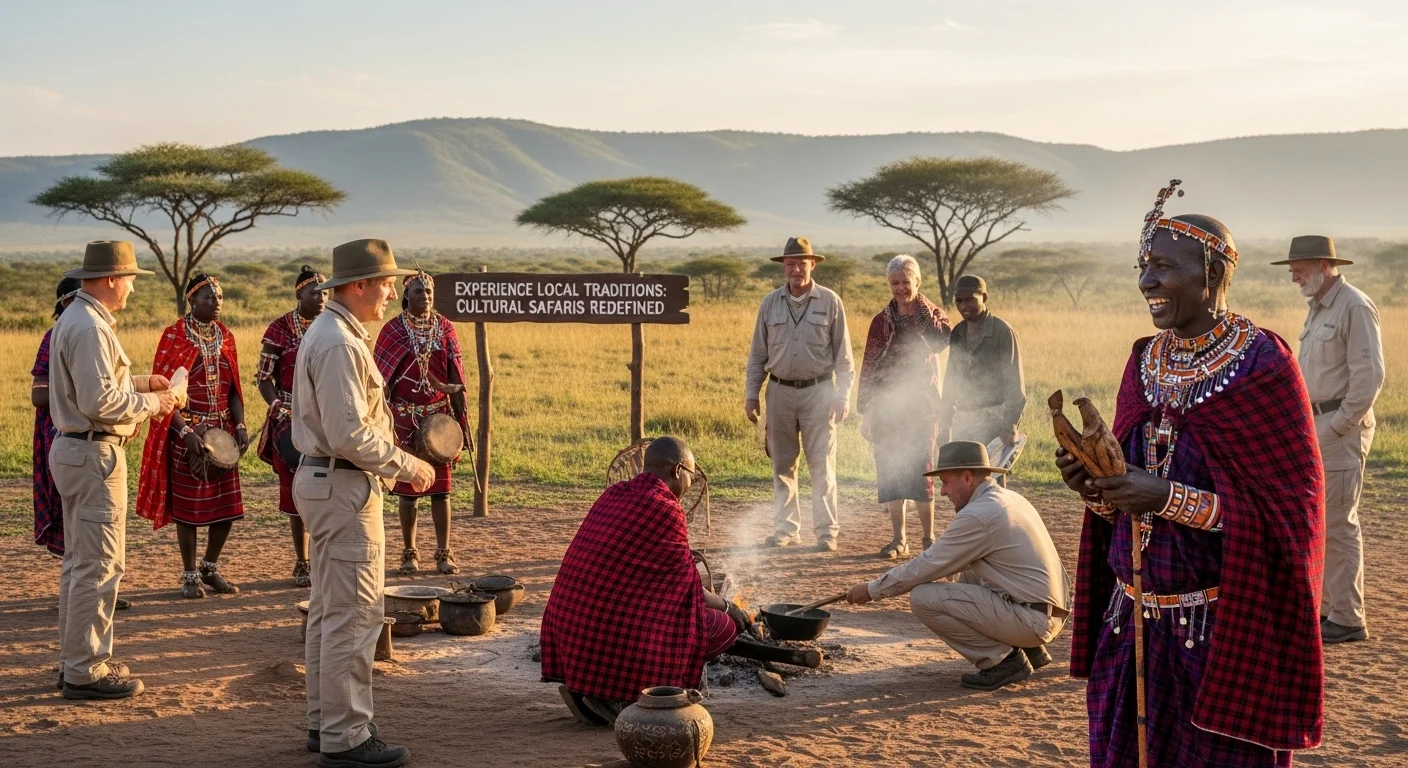
Experience Local Traditions: Cultural Safaris Redefined

Imagine stepping into a world where traditions breathe life into every moment. Cultural safaris redefine our travel experiences, allowing us to immerse ourselves in local customs and stories that resonate with the heart. To get the most out of your experience, consider the differences between group and private safaris.
Experience Local Traditions: Cultural Safaris Redefined

Understanding Cultural Safaris

Definition of Cultural Safaris

Cultural safaris are unique travel experiences designed to immerse travelers in the local traditions, customs, and daily lives of communities around the world. Unlike conventional wildlife safaris that focus primarily on observing animals in their natural habitats, cultural safaris offer an opportunity to connect with people, learn about their heritage, and understand the cultural nuances that shape their existence. For me, this kind of travel isn’t just about visiting a place; it’s about truly experiencing it through the eyes of its inhabitants.

Difference Between Traditional and Modern Cultural Safaris

Traditional cultural safaris often followed a more passive approach, where tourists would observe local cultures from a distance, sometimes even inadvertently perpetuating stereotypes. I’ve seen this firsthand in some destinations where locals are treated more like attractions than individuals with rich stories and lives. In contrast, modern cultural safaris emphasize active engagement and interaction with local communities. They focus on building genuine connections rather than just ticking off a list of sights. This shift has allowed travelers like us to participate in authentic experiences, whether it’s learning a traditional dance or cooking a local dish together.

Importance of Local Traditions in Travel

Traveling is about broadening our horizons and gaining new perspectives. Engaging with local traditions enhances our understanding of the world and fosters empathy. I believe that when we embrace the customs and heritage of the places we visit, we not only enrich our own lives but also contribute to the preservation of those cultures. It’s a two-way street; we learn from them, and they gain recognition and respect for their lifestyles. This connection can lead to long-lasting memories, friendships, and even a deeper sense of purpose in our travels. I recall a time when I participated in a traditional weaving workshop in a small village; the intricate patterns told stories of generations, and I felt honored to be a part of that legacy, even if just for a moment.

Top Destinations for Cultural Safaris

Africa: The Heart of Cultural Safaris

Africa has long been considered the quintessential destination for cultural safaris, with its diverse range of tribes, languages, and traditions. Each region offers a unique glimpse into the rich tapestry of African cultures.

Maasai Mara, Kenya

The Maasai Mara is not just famous for its wildlife but also for its vibrant Maasai culture. Visiting this region, I was struck by the vibrant attire of the Maasai people and the way their traditions are intricately woven into their daily lives. I participated in a traditional dance and learned about their customs surrounding cattle, which holds significant value in their society. It’s incredible how much you can learn about respect for nature and community in just a short visit.

Serengeti, Tanzania

Similarly, the Serengeti offers a connection to the local tribes, particularly the Datoga and Hadzabe. I found the opportunity to learn about their hunting and gathering practices fascinating. By engaging with these communities, I understood the delicate balance between wildlife conservation and cultural preservation. It made my experience much richer, knowing I was learning from people who have called this land home for generations.

Asia: Diverse Cultural Experiences

Asia, with its vast diversity, presents countless opportunities for cultural safaris. Each country has its own unique traditions waiting to be explored.

Varanasi, India

Varanasi is a spiritual hub where traditions flow as freely as the Ganges River. I was mesmerized by the daily rituals at the ghats, where locals perform their prayers and ceremonies. Participating in a sunrise boat ride along the river was transformative; it was a moment where I felt deeply connected to something greater than myself. The stories shared by locals about their heritage made me appreciate the layered history of this ancient city.

Kyoto, Japan

Kyoto is another captivating destination where tradition thrives. The tea ceremonies, temple visits, and seasonal festivals create a beautiful mosaic of cultural experiences. I joined a tea ceremony and learned about the mindfulness involved in the ritual. It reminded me of the importance of slowing down and appreciating the little things in life. Each moment shared with the locals felt like a gentle reminder of the values embedded in their culture.

South America: Rich Heritage and Traditions

South America is a treasure trove of cultural experiences, with rich histories and vibrant traditions that continue to thrive.

Incan Culture in Peru

In Peru, the echoes of Incan culture can be felt in every corner. Visiting Machu Picchu was a dream come true, but what truly moved me was engaging with the local Quechua communities. They shared stories of their ancestors and their deep connection to the Andean mountains. Participating in traditional ceremonies helped me understand their reverence for nature and the land.

Amazonian Tribes in Brazil

The Amazon rainforest is home to many indigenous tribes, each with its own unique customs and practices. My experience visiting a tribe in Brazil was eye-opening. I learned about their sustainable way of life and the vital role they play in preserving the rainforest. This experience taught me how interconnected we all are and highlighted the importance of protecting these communities and their environment.

Experiencing Local Traditions

Engaging with Indigenous Communities

One of the most profound aspects of cultural safaris is the chance to engage directly with indigenous communities. I’ve had the privilege of meeting people whose lives are deeply intertwined with their land and traditions. For instance, when I visited the Himba tribe in Namibia, I was welcomed into their village with open arms. The women, adorned with beautiful ochre-colored skin and intricate jewelry, shared their daily routines and rituals. I remember sitting with them as they explained their unique way of life, which revolves around livestock and communal living. It was astonishing to witness their vibrant culture firsthand, and I left feeling like I had gained a deeper understanding of their values and resilience.

Participating in Traditional Festivals

Participating in local festivals is another unforgettable way to dive into a culture. I recall being in Madagascar during the Famadihana, or the “Turning of the Bones” ceremony. This festival celebrates ancestors by exhuming their remains, wrapping them in fresh shrouds, and dancing with them. The atmosphere was filled with joy and music, a celebration of life rather than a mourning of death. I felt honored to be invited to witness such a sacred event. These festivals not only allowed me to experience the local traditions but also to connect with the community on a deeper level. We laughed, danced, and shared stories, creating bonds that transcended language and cultural barriers.

Learning Local Crafts and Skills

Another enriching experience during my travels was learning local crafts and skills. I remember visiting artisans in a small village in Bali, where I was taught the intricate art of batik. The process of creating these beautiful fabric designs involves wax resist dyeing, and it was a delight to get my hands dirty and immerse myself in the craft. The artisan who taught me shared the history behind each pattern and symbol, which added a layer of meaning to my creation. This hands-on experience not only brought me closer to the culture but also sparked a newfound appreciation for traditional craftsmanship. It’s moments like these that remind us of the value of preserving skills passed down through generations.

Traditional Culinary Experiences

Food is often the heart of every culture, and indulging in traditional culinary experiences is a must during a cultural safari. I still savor the memory of a cooking class I took in a quaint village in Tuscany, Italy. Under the guidance of a local chef, I learned how to make fresh pasta from scratch. As we rolled the dough and crafted the perfect shapes, she shared family recipes and stories that had been passed down for generations. The meal we prepared together was more than just food; it was a labor of love, a connection to her heritage. Eating that homemade pasta was a celebration of the culture, and it made me appreciate the role of food in bringing people together. For more budget-friendly culinary experiences, explore budget tours that cater to unique cultural moments.

Planning Your Cultural Safari

Best Time to Visit Cultural Safari Destinations

When planning your cultural safari, timing can significantly impact your experience. I’ve noticed that visiting during local festivals or harvest seasons can enhance your journey. For example, if you’re visiting India, experiencing Diwali or Holi can be magical. Researching the best times to visit specific regions based on cultural events can help you immerse yourself more deeply in the traditions. I’ve found that shoulder seasons—just before or after peak tourist times—often offer a balance of good weather and fewer crowds, allowing for more genuine interactions with locals.

Choosing the Right Tour Operators

Selecting the right tour operator can make or break your cultural safari experience. I’ve learned to look for companies that prioritize sustainable tourism and community engagement. Reading reviews and seeking recommendations from fellow travelers can help. One of my most rewarding experiences was with a small, locally-owned company that partnered with indigenous communities. They provided authentic experiences and ensured that a portion of the profits went back to the communities we visited. It made me feel good knowing that my travel choices were directly benefiting the people I was learning from. If you’re considering luxury options, check out how to navigate luxury safaris on a budget.

What to Pack for a Cultural Safari

Packing for a cultural safari requires some thought. Comfort and respect for local customs should be top of mind. I remember packing lightweight clothing that was both respectful and suitable for the climates I would encounter. Depending on where you go, it might be essential to include items like a shawl or scarf, which can be useful in conservative areas or during temple visits. Additionally, having a small notebook can be invaluable for jotting down stories or lessons learned from conversations with locals. I’ve found that being prepared leads to more fulfilling experiences.

Safety Tips for Travelers

Safety is always a concern when traveling, especially in unfamiliar environments. I’ve learned to stay aware of my surroundings and keep copies of important documents in a safe place. It’s also wise to research any travel advisories for your destination. Moreover, I always make it a point to respect local customs and traditions, as this not only ensures my safety but also fosters goodwill with the communities I visit. Engaging with locals and building rapport can often create a protective network around you, enhancing both your safety and your experience.

Budgeting for Your Cultural Safari

Cost of Cultural Safari Tours

Budgeting for a cultural safari can feel daunting, but it’s essential to plan wisely. I’ve discovered that the cost of these tours can vary widely depending on the destination, duration, and level of luxury you choose. Typically, I’ve seen cultural safaris that range from modestly priced group tours to more personalized, high-end experiences. When I was planning my trip to the Maasai Mara, I found that costs were influenced by the activities included, such as cultural visits, workshops, and meals. I recommend considering what you truly want to experience; this will help you find a tour that fits your budget while still offering the authentic experiences you’re after.

Accommodation Options

Finding the right place to stay is another crucial aspect of budgeting for your cultural safari. I’ve stayed in everything from cozy guesthouses run by local families to luxurious lodges that overlook stunning landscapes. It’s important to consider what type of experience you want. In some cases, I opted for homestays, which allowed me to connect more deeply with the local culture and understand daily life. These accommodations often come at a lower cost and provide a more intimate setting. I’ve found that supporting locally-owned lodgings not only enhances my experience but also contributes to the local economy.

Local Transportation Costs

Getting around can also impact your budget. Depending on where you travel, local transportation can range from inexpensive public transit to more costly private hires. During my travels in India, for instance, I used trains to connect between cities, which was not only cost-effective but also a cultural experience in itself. I learned that negotiating with local taxi drivers or using ride-sharing apps can help keep transportation costs down. Always factor in the distances between destinations and how you plan to travel; this can make a big difference in your overall budget.

Dining and Activity Expenses

Food is a significant part of any cultural experience, and budgeting for meals can be tricky. I’ve enjoyed everything from street food to fine dining, but I’ve noticed that sticking to local eateries not only saves money but also offers the most authentic taste of the culture. In many countries, dining at local markets can be an adventure in itself, with vibrant flavors and bustling atmospheres. Additionally, when planning your budget, consider any extra activities or experiences you want to include, like cooking classes or guided tours. I’ve found that these add-ons can sometimes lead to unforgettable memories, so I try to allocate a portion of my budget specifically for them.

Environmental and Ethical Considerations

Responsible Tourism Practices

As travelers, I believe we have a responsibility to leave the places we visit better than we found them. It’s something I always keep in mind while planning my cultural safaris. I’ve learned that choosing eco-friendly tour operators who prioritize sustainability can significantly impact local environments. Simple practices like minimizing waste, using refillable water bottles, and respecting wildlife can contribute to preserving the beauty of the destinations we love. During my last trip, I participated in a tree-planting initiative and felt a sense of purpose, knowing I was giving back to the land that welcomed me.

Supporting Local Economies

Supporting local economies is another vital part of responsible tourism. When I choose to shop at local markets, dine in family-owned restaurants, or stay at locally-run accommodations, I know my money is directly benefiting the community. I remember visiting a small village in Peru where the artisans showcased their crafts. Purchasing handmade goods not only allowed me to take a piece of the culture home but also helped sustain their livelihoods. I’ve seen firsthand how mindful spending can uplift communities and create a positive impact long after I’ve left.

Conservation Efforts and Cultural Preservation

Engaging in conservation efforts is crucial in many of the destinations we explore. I’ve often taken part in programs aimed at protecting wildlife and their habitats. For example, in Tanzania, I joined a conservation project that focused on the balance between wildlife and local communities. It was eye-opening to see how cultural practices and conservation efforts can coexist. Supporting initiatives that protect both natural and cultural heritage ensures that future generations will have the opportunity to experience these wonders as we have. I believe that by being conscious of our choices, we can travel in a way that honors both the people and the land.

Frequently Asked Questions

What are cultural safaris?

Cultural safaris are unique travel experiences designed to immerse travelers in the local traditions, customs, and daily lives of communities around the world, allowing for genuine connections and understanding of cultural nuances.

How do traditional and modern cultural safaris differ?

Traditional cultural safaris often involve passive observation of local cultures, while modern cultural safaris emphasize active engagement and interaction with communities to foster genuine connections and authentic experiences.

Why are local traditions important in travel?

Engaging with local traditions enhances our understanding of the world, fosters empathy, and contributes to the preservation of those cultures, leading to long-lasting memories and deeper connections with the places we visit.

What are some top destinations for cultural safaris?

Top destinations for cultural safaris include the Maasai Mara in Kenya, the Serengeti in Tanzania, Varanasi in India, Kyoto in Japan, Peru for Incan culture, and the Amazon in Brazil, each offering unique cultural experiences.

What should travelers consider when planning their cultural safari?

Travelers should consider the best time to visit based on local festivals, choose the right tour operators that prioritize sustainable tourism, and pack respectfully while being prepared for local customs.

How can travelers budget for a cultural safari?

Travelers can budget for a cultural safari by considering the cost of tours, accommodation options, local transportation, and dining expenses, ensuring they allocate funds for authentic experiences.

What safety tips should travelers keep in mind?

Travelers should stay aware of their surroundings, keep copies of important documents, research travel advisories, respect local customs, and engage with locals to enhance their safety and experience.

How can travelers practice responsible tourism?

Travelers can practice responsible tourism by choosing eco-friendly tour operators, supporting local economies through mindful spending, and participating in conservation efforts that protect both natural and cultural heritage.

What types of experiences can travelers expect on cultural safaris?

Travelers can expect a variety of experiences, including engaging with indigenous communities, participating in traditional festivals, learning local crafts and skills, and indulging in traditional culinary experiences.

What role does food play in cultural safaris?

Food is central to cultural experiences during safaris, as it allows travelers to connect with local traditions and flavors, often leading to memorable meals and cultural understanding through shared culinary practices.
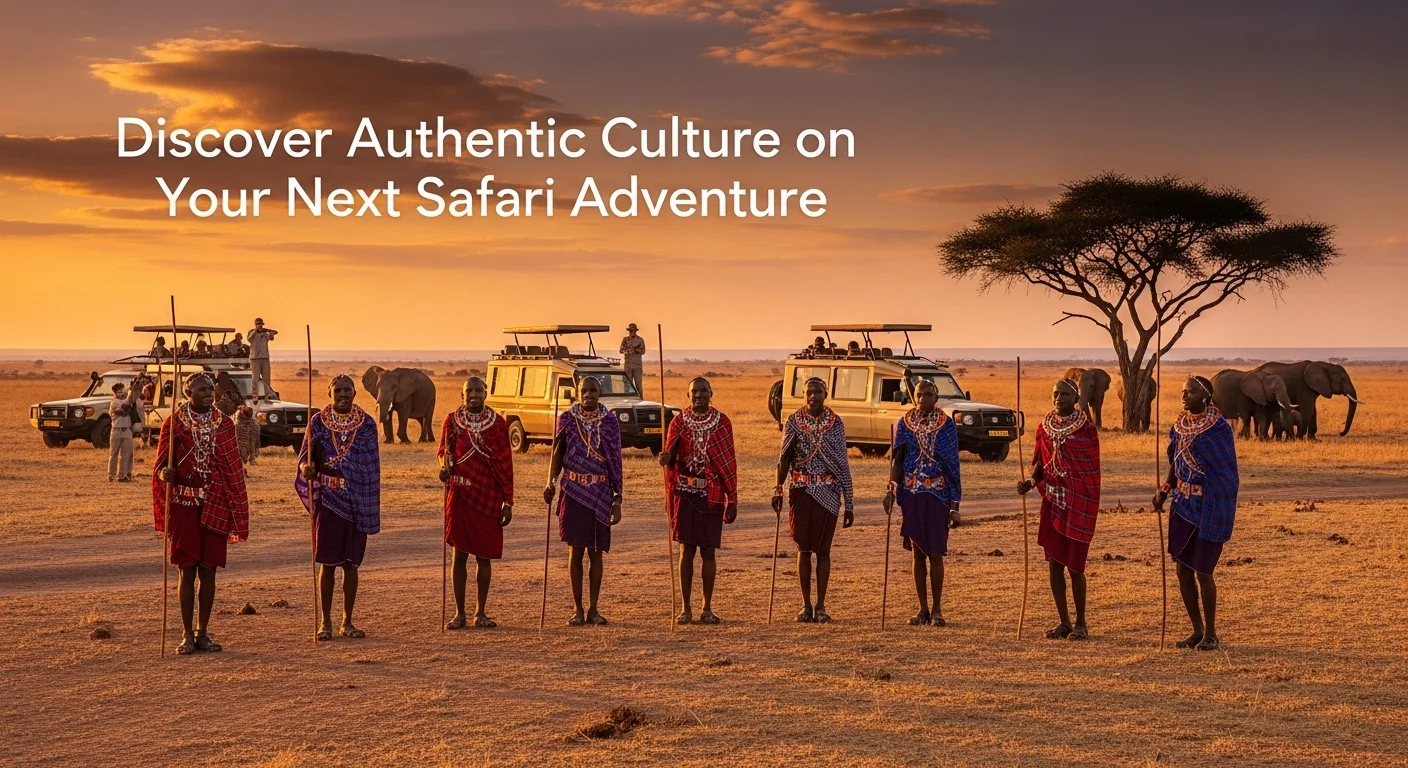
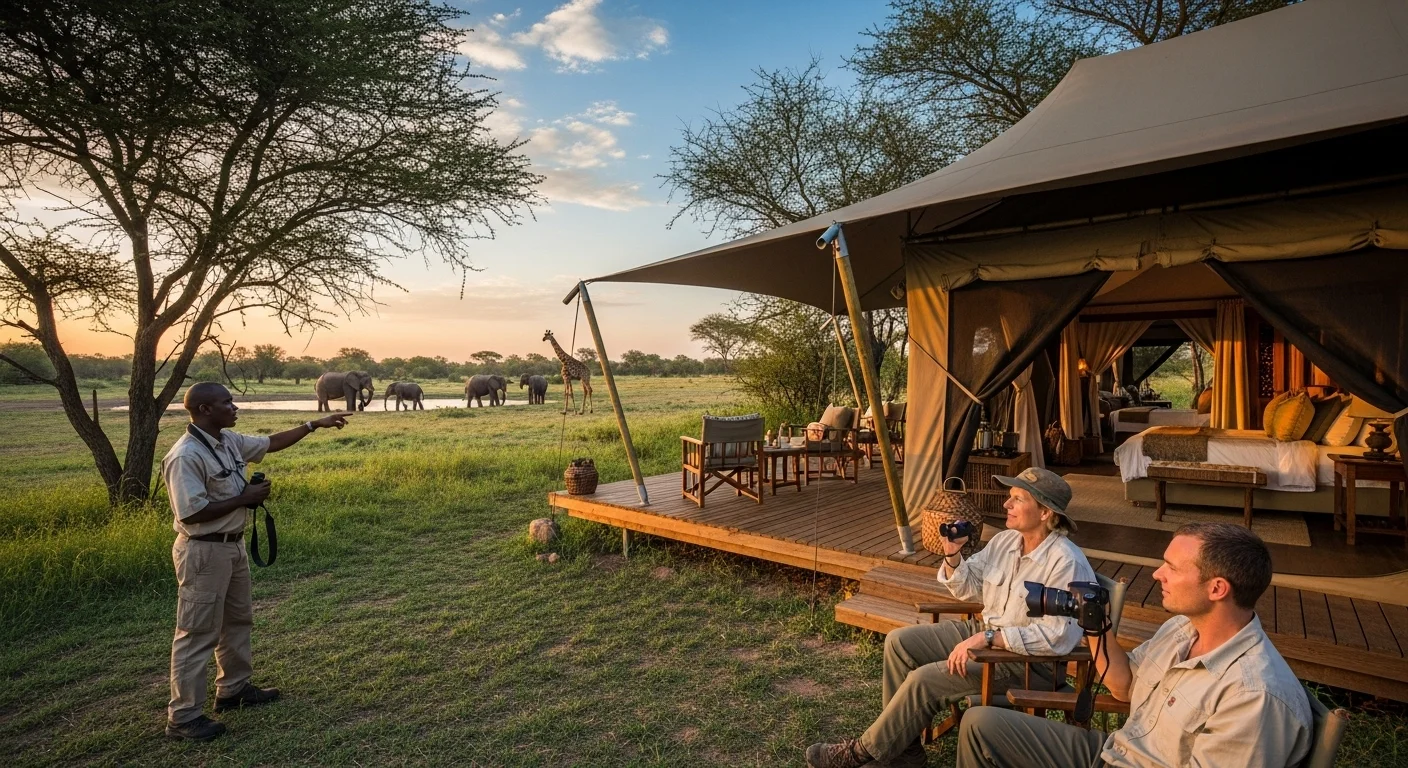
Discover Authentic Culture on Your Next Safari Adventure

Are you ready to embark on a safari adventure that goes beyond just spotting wildlife? Discovering authentic culture during your journey can add an enriching layer to your experience, making it truly unforgettable. To enhance your safari experience, consider exploring budget-friendly luxury safari accommodations that allow for cultural immersion without breaking the bank.

Discover Authentic Culture on Your Next Safari Adventure

Understanding Safari Culture

What is Safari Culture?

When I think about safari culture, I envision vibrant colors, rich traditions, and the rhythm of life that pulses through the heart of Africa. Safari culture is not just about the majestic animals we hope to see; it’s about the people, their customs, and the stories that have been passed down through generations. It’s an intricate tapestry woven from the diverse ethnic groups, their languages, and their unique ways of life. Engaging with local communities during a safari allows us to see the world through their eyes, giving us a deeper appreciation of the land and its inhabitants.

Historical Background of Safari

The concept of safari has its roots in the Swahili word “safari,” which means “journey.” Historically, safaris were primarily hunting expeditions for explorers and colonial powers in the 19th century. However, as I learned from my own travels, the modern safari has evolved into a wildlife conservation and eco-tourism adventure that emphasizes ethical wildlife viewing. The history behind safaris is complex, often reflecting the colonial past, yet it has transformed into a celebration of nature and culture. For many local communities, safaris now serve as a source of income and a way to promote conservation efforts. By understanding this background, we can appreciate how far we’ve come and the importance of preserving these cultures.

Importance of Cultural Experiences in Safari

In my opinion, cultural experiences are the soul of any safari. We might go for the thrilling game drives and the chance to see the “Big Five,” but the true magic happens when we connect with the local people and immerse ourselves in their traditions. I remember my first encounter with a Maasai tribe in Kenya. It was on a dusty path leading us to their village, and I felt a mix of excitement and nervousness. The warm smiles and welcoming gestures immediately put me at ease. We were invited to participate in their daily activities, from traditional dances to learning about their unique way of herding cattle. These moments opened my eyes to their rich culture and history, and I realized that these experiences added depth to my safari adventures.

Moreover, engaging with local cultures allows us to understand the challenges they face in today’s world. Many communities are working hard to preserve their traditions amidst the pressures of modernization. By sharing their stories, we can foster respect and appreciation for their way of life. I believe that by supporting cultural experiences, we contribute to the sustainability of these communities and their traditions for future generations. So, when planning your safari, consider how you can incorporate cultural engagement into your itinerary. It can be as simple as visiting a local market or participating in a community event. To make your journey even more enjoyable, check out luxury accommodation tips that help you balance comfort and cultural experiences.

When to Go on Safari

Best Seasons for Wildlife Viewing

Choosing the right time to go on safari is crucial for maximizing your experience. Typically, the dry season, which runs from June to October in many regions, is the best time for wildlife viewing. I’ve found that this is when animals congregate around waterholes, making them easier to spot. The weather is usually cooler and more pleasant, allowing for more enjoyable days in the bush. However, I also appreciate the magic of the wet season, especially from November to May. The landscape bursts into life with vibrant greenery, and it’s a fantastic time for birdwatching, as migratory birds flock to the area.

Local Festivals and Cultural Events

One of the best ways to experience authentic culture is to align your safari with local festivals or cultural events. For instance, I was fortunate enough to attend the Maasai Mara Festival in Kenya, where I witnessed traditional dances, crafts, and food. The energy was palpable, and it felt like a celebration of life and heritage. Understanding when these events take place can enhance your safari experience immensely, allowing you to connect with local traditions and customs on a deeper level.

Climate Considerations

Weather can greatly impact your safari adventure. I’ve learned the hard way that packing for varying climates is essential. The mornings can be chilly, while afternoons can get hot. It’s important to dress in layers to adapt to these changes. Additionally, knowing the climate of your chosen destination can help you better plan your activities. Rainy season might make some areas more challenging to access, but it also offers stunning scenery and a different kind of wildlife experience. Being prepared for the climate ensures you have a comfortable and enjoyable safari.

Top Safari Destinations for Cultural Immersion

Kenya: Maasai Mara and Local Tribes

When I think of Kenya, the first place that comes to my mind is the Maasai Mara. This stunning destination is not just famous for its wildlife but also for its rich Maasai culture. I remember my visit to a Maasai village where I was welcomed with traditional songs and dances. The Maasai people are known for their striking attire, and seeing them in their vibrant shuka (cloaks) and adorned with intricate beadwork was mesmerizing. I learned about their customs, such as the significance of cattle in their society, and even tried my hand at traditional jumping dances. These interactions really made me appreciate the depth of their culture and the pride they take in their heritage.

Tanzania: Serengeti and the Maasai People

Just a short distance from the Maasai Mara lies Tanzania’s Serengeti, which is equally rich in wildlife and culture. While on safari here, I had the chance to visit a Maasai village where the community shared their daily lives with us. They offered insights into their traditional rituals, such as the importance of age-sets and how they affect social structure. Observing their way of life firsthand was a powerful reminder of the connection between culture and the land. I found myself captivated by their storytelling; each tale was filled with lessons about nature, respect, and survival, reminding me of how intertwined their lives are with the Serengeti’s rhythms.

South Africa: Kruger National Park and Zulu Culture

South Africa is another gem for cultural immersion, especially when visiting Kruger National Park. I was fortunate to partake in an experience that combined safari wildlife viewing with Zulu culture. After a thrilling day of spotting elephants and lions, I attended a cultural evening where Zulu dancers performed traditional songs and dances. The energy was infectious, and I felt connected to their history and struggles. Learning about their customs, such as traditional healing practices and the significance of their vibrant art, was enlightening. It made me reflect on the resilience of their culture and the importance of preserving it amidst modern challenges.

Namibia: Himba People and Unique Landscapes

Namibia is often celebrated for its breathtaking landscapes, but it’s also home to the Himba people, a community I was eager to learn about. Traveling to the remote areas of the country, I found a unique opportunity to engage with the Himba. Their distinct red ochre body paint and ornate jewelry caught my attention immediately. Visiting a Himba village offered me a glimpse into their nomadic lifestyle and traditions, which are deeply connected to the land and livestock. I remember sitting with the women as they shared stories about their customs, family structures, and the challenges they face in a changing world. This experience was a perfect blend of adventure and cultural discovery, leaving me with a newfound respect for their way of life.

Engaging with Local Communities

Visiting Traditional Villages

One of the highlights of any safari for me has been visiting traditional villages. These experiences allow us to step into the daily lives of local communities. I remember walking through the dusty paths of a village, greeted by curious children and warm smiles. The genuine hospitality I received made me feel like I was part of their family, even if just for a short while. Engaging in their daily activities, such as cooking meals or participating in their traditional crafts, helped me understand their values and lifestyle. I found that these visits are not just about observation; they require respect and openness. We must approach these communities with humility, ready to learn and listen.

Participating in Cultural Workshops

Cultural workshops are another fantastic way to connect with local traditions. I took part in a pottery workshop with a community of artisans in Tanzania, where I learned the intricate techniques they use to create beautiful, functional art. Working alongside them gave me an appreciation for their craftsmanship and the stories each piece tells. I felt a sense of pride as I crafted my own small pot, knowing that I was immersing myself in their culture. Workshops like these are not only about learning new skills; they’re also about fostering relationships and understanding the significance of these crafts in their daily lives.

Guided Tours with Local Experts

Having a local guide can transform your safari experience. On one of my trips, I was lucky enough to have a guide who was deeply rooted in his culture. He shared stories about his ancestors and the traditional practices of his people as we drove through the landscape. His insights brought the environment to life, making each sighting more meaningful. By choosing guided tours with local experts, we gain access to a wealth of knowledge that enriches our understanding of the land and its people. I learned that these guides often share their experiences and love for their culture, helping us to appreciate the intricacies of their traditions.

Wildlife and Cultural Experiences

Wildlife Conservation and Indigenous Practices

Wildlife conservation and cultural practices often go hand in hand. I’ve seen how indigenous communities play a vital role in protecting wildlife through their traditional knowledge. For example, in some areas of Kenya, local pastoralists have developed sustainable grazing practices that benefit both their cattle and the wildlife. This symbiotic relationship helps maintain the delicate balance of the ecosystem. I believe that by supporting these communities and their practices, we can contribute to effective conservation efforts while respecting their traditions.

Storytelling and Oral Traditions Related to Wildlife

Storytelling is a powerful way to transmit knowledge about wildlife and nature. During my travels, I encountered various tribes who shared fascinating tales that explained the behavior of animals and the importance of preserving their habitats. Listening to these stories around a fire, under the starry sky, felt magical. It was a reminder of how oral traditions can teach us not only about wildlife but also about the interconnectedness of all living beings. These narratives often highlight the community’s values and their relationship with the land, making them essential to understanding their culture.

Cultural Significance of Local Flora and Fauna

Throughout my journeys, I’ve learned that local flora and fauna often hold significant cultural meanings. In many communities, plants have medicinal properties or are used in rituals. I was fascinated by the way the indigenous people of the Amazon, for example, utilize various plants for healing and spiritual practices. Each species has a story, and learning about these connections has deepened my respect for the natural world. Recognizing the cultural significance of these plants can enhance our appreciation for the environment and the wisdom that comes from living in harmony with it.

Local Cuisine: A Culinary Safari

Traditional Dishes to Try

Food is such an integral part of any culture, and my safari experiences have taught me that tasting local dishes is like tasting the very essence of a place. I remember my first taste of ugali in Kenya, a simple yet delicious staple made from maize flour. This dish is often served with meat or vegetables, and it was delightful to learn how families gather around it, sharing stories and laughter. Another favorite of mine is biltong from South Africa—a dried meat snack that’s perfect for those long days of game viewing. Each bite was a reminder of the flavors and techniques passed down through generations. I’ve also enjoyed the spiced stews of Tanzania, where the use of local ingredients highlights the region’s bounty. I highly recommend seeking out these traditional meals; they offer not just nourishment but also a window into the heart of the culture.

Food Markets and Street Food Experiences

Exploring local food markets is one of my favorite activities when on safari. The vibrant colors, enticing aromas, and lively atmosphere create a sensory feast. I remember wandering through a market in Dar es Salaam, surrounded by stalls overflowing with fresh fruits, vegetables, and spices. I was drawn to a vendor selling samosas, which I eagerly tried. The crispy pastry with its spicy filling was an explosion of flavor that I will never forget. Street food is often where the locals eat, and it’s a fantastic way to sample authentic flavors while mingling with the community. I encourage you to be adventurous—try something new and engage with the vendors; their stories can be just as satisfying as the food itself.

Dining with Local Families

One of the most memorable dining experiences I’ve had was being invited into a local family’s home for dinner. The warmth and hospitality I received were heartwarming. I joined them in preparing the meal, chopping vegetables, and stirring pots, all while learning about their culinary traditions. Sharing a meal with them was a profound experience; it felt like a celebration of community and culture. The food was delicious, but it was the conversations, laughter, and stories exchanged over the dinner table that left a lasting impression on me. If you get the chance, I highly recommend seeking out opportunities to dine with local families. It’s a unique way to connect on a deeper level. For further insights into accommodations that support such experiences, check out affordable luxury safari stays that enhance your overall journey.

Responsible Travel and Cultural Sensitivity

Ethical Guidelines for Interacting with Local Cultures

As travelers, we carry the responsibility of ensuring that our presence is respectful and positive. I’ve learned that it’s essential to approach local cultures with an open heart and a willingness to learn. This means asking permission before taking photographs, particularly of people or sacred sites, and being mindful of local customs and traditions. I remember visiting a community where traditional dress held significant meaning. I was careful to ask about the appropriate attire and customs before joining in on their celebrations. Respect goes a long way in building relationships and fostering mutual understanding, and I believe that every interaction we have is an opportunity to create a positive impact.

Supporting Local Economies through Tourism

Tourism can be a powerful force for good when done responsibly. I’ve seen firsthand how supporting local businesses can uplift communities and promote cultural preservation. Whether it’s purchasing handmade crafts, dining at local eateries, or choosing to stay in family-run lodges, these choices contribute to the local economy. I remember buying a beautifully woven basket from a local artisan in Namibia. Not only did it make for a perfect souvenir, but it also provided income for her family. By being conscious of where we spend our money, we can help ensure that communities thrive and their cultures continue to flourish.

Environmental Conservation Efforts

In my travels, I’ve come to understand that cultural preservation goes hand in hand with environmental conservation. Many local communities depend on their natural surroundings for their way of life. I’ve had the privilege of witnessing conservation projects that involve local residents, blending traditional knowledge with modern practices. For instance, in some areas of Botswana, communities engage in eco-tourism projects that educate visitors while supporting wildlife conservation. These initiatives not only protect the environment but also empower communities to take an active role in preserving their heritage. I feel passionately about supporting such efforts, as they foster a sense of pride and ownership in preserving both culture and nature.

What to Pack for a Cultural Safari

Clothing Considerations for Cultural Sensitivity

Packing for a cultural safari requires a bit of thoughtfulness. I’ve learned that clothing can greatly influence how we are perceived in local communities. When visiting traditional villages or participating in cultural events, I recommend bringing modest clothing that respects local customs. I often opt for lightweight, breathable fabrics that are comfortable for warm weather but also cover my shoulders and knees. It’s also wise to research the cultural norms of the region you’re visiting, as some communities may have specific dress codes. Being culturally sensitive in our attire shows respect and willingness to engage genuinely.

Photography Tips for Capturing Cultural Moments

Photography is a powerful tool for storytelling, but it’s crucial to approach it with care. I always carry my camera, eager to capture the stunning landscapes and vibrant cultures I encounter. However, before snapping a photo of people, I always ask for permission. There’s something magical about capturing candid moments, but I’ve learned that ensuring comfort and respect is paramount. I also try to engage with my subjects, asking them about their stories and experiences. This not only enriches my understanding but often leads to more meaningful photos. I recommend taking time to appreciate the scene before reaching for your camera; the memories will be just as vivid in your mind as in your photographs.

Essential Gear for a Memorable Experience

Having the right gear can make all the difference in your safari experience. I find that a good pair of binoculars is essential for spotting wildlife, especially during game drives. A reusable water bottle is also a must; staying hydrated is crucial, especially in the heat. I always bring a journal to document my experiences, reflections, and the lessons I’ve learned along the way. These notes add depth to my travels and help me remember the stories I want to share. Finally, don’t forget a good pair of sturdy shoes for exploring local markets and villages. Being prepared ensures that we can fully embrace the adventure that awaits us.

Frequently Asked Questions

What is safari culture?

Safari culture encompasses the vibrant colors, rich traditions, and stories of the people and ethnic groups in Africa. It goes beyond wildlife viewing to include the customs and ways of life of local communities.

What historical changes have safaris undergone?

Originally, safaris were hunting expeditions for explorers and colonial powers in the 19th century. Today, they have evolved into wildlife conservation and eco-tourism adventures that emphasize ethical wildlife viewing and cultural engagement.

Why are cultural experiences important during a safari?

Cultural experiences add depth to a safari adventure, allowing travelers to connect with local people and immerse themselves in their traditions, which enhances appreciation for the land and its inhabitants.

When is the best time to go on a safari for wildlife viewing?

The dry season, from June to October, is typically the best time for wildlife viewing as animals congregate around waterholes. However, the wet season from November to May offers vibrant landscapes and excellent birdwatching opportunities.

What are some top destinations for cultural immersion during a safari?

Top destinations include Kenya’s Maasai Mara, Tanzania’s Serengeti, South Africa’s Kruger National Park, and Namibia, home to the Himba people, each offering unique cultural experiences alongside wildlife viewing.

How can travelers engage with local communities during a safari?

Travelers can engage with local communities by visiting traditional villages, participating in cultural workshops, and taking guided tours with local experts to learn about their customs and lifestyles.

What role do indigenous practices play in wildlife conservation?

Indigenous communities often play a vital role in wildlife conservation through traditional knowledge and sustainable practices, helping maintain ecological balance while preserving their cultural practices.

What traditional dishes should travelers try on safari?

Travelers should try traditional dishes such as ugali in Kenya, biltong in South Africa, and spiced stews in Tanzania, which reflect the local culture and culinary heritage.

What ethical guidelines should travelers follow when interacting with local cultures?

Travelers should approach local cultures with respect, asking permission before taking photographs and being mindful of local customs and traditions to foster mutual understanding.

What essential gear should one pack for a cultural safari?

Essential gear includes binoculars for wildlife spotting, a reusable water bottle for hydration, a journal for documenting experiences, and sturdy shoes for exploring local markets and villages.

Budget-Friendly Luxury Safari: Best Accommodation Picks

Dreaming of an unforgettable safari experience without breaking the bank? A budget-friendly luxury safari can offer you the adventure of a lifetime, blending comfort with the thrill of the wild.

Budget-Friendly Luxury Safari: Best Accommodation Picks

Understanding Budget-Friendly Luxury Safaris

Definition of a Luxury Safari

When I think of a luxury safari, I picture stunning landscapes, diverse wildlife, and a comfortable place to rest after a day of exploration. A luxury safari typically includes high-quality accommodations, personalized service, and exclusive access to some of the best wildlife viewing spots. It’s about immersing yourself in nature while enjoying a touch of elegance. You can expect gourmet meals, knowledgeable guides, and experiences that make you feel truly pampered. It’s not just a trip; it’s an experience that stays with you for life.

Key Features of Budget-Friendly Options

So, what exactly makes a luxury safari budget-friendly? From my experience, it’s about finding the right balance between cost and comfort. Budget-friendly luxury safaris often feature the same stunning locations as their pricier counterparts but at a fraction of the cost. Here are some key features to look for:

  • Affordable Accommodations: Look for luxury tented camps and lodges that offer a more rustic yet comfortable experience. They often provide unique amenities without the hefty price tag.
  • Off-Peak Travel: Visiting during the shoulder seasons can save you a lot. Fewer tourists mean lower rates and a more intimate experience with nature.
  • Package Deals: Many safari companies offer great deals that include meals, game drives, and accommodations all in one price. This can be a real money-saver.
  • Flexible Itineraries: Being open to adjusting your travel plans can lead to better deals and unique experiences that aren’t available during peak times.

Benefits of Choosing a Budget-Friendly Luxury Safari

Choosing a budget-friendly luxury safari comes with a plethora of benefits that I’ve come to appreciate over the years. First, you get to enjoy high-quality experiences without feeling guilty about overspending. I remember my first safari, where I was surprised by how much I could enjoy without the luxury price tag. Some of the main benefits include:

  • Unique Experiences: Budget-friendly options often lead to discovering hidden gems, local guides, and authentic experiences that you might miss in more commercial settings.
  • Greater Flexibility: When you’re not tied down by a hefty budget, you have the freedom to customize your itinerary. I found that spontaneity led to some of my favorite adventures!
  • Connection with Nature: Lower-cost accommodations often mean you’re closer to nature and away from the tourist crowds. Imagine falling asleep to the sounds of the African savannah!
  • Supporting Local Communities: Choosing budget-friendly accommodations can often mean supporting local businesses, which helps the community thrive.

In my opinion, a budget-friendly luxury safari isn’t just about saving money—it’s about enriching your travel experience. Each trip is an opportunity to connect more deeply with the environment and the people who offer these experiences. The thrill of spotting a lion on the prowl or watching a herd of elephants at a watering hole feels even more special when you know you’re doing it in a way that’s sustainable and respectful of the local culture.

Top Destinations for Budget-Friendly Luxury Safaris

Tanzania

Tanzania is one of my absolute favorite places for a budget-friendly luxury safari. The Serengeti National Park is world-renowned for its breathtaking landscapes and the Great Migration, where millions of wildebeest and zebras move across the plains. I remember standing on a hilltop, watching the sun set over the savannah, feeling the magic in the air. While some lodges can be pricey, I discovered that there are charming tented camps that offer quality service and stunning views without the hefty price tag. Plus, visiting during the shoulder season can help you snag some amazing deals! Experience Luxury on a Budget: Safari Accommodation Tips

Kenya

Kenya is another incredible destination that balances luxury and affordability beautifully. The Maasai Mara is famous for its wildlife and vibrant culture. I had the chance to interact with local Maasai people, which made my experience truly unique. There are plenty of budget-friendly safari lodges and tented camps that provide a touch of luxury and immerse you in the natural beauty of the area. I felt that staying in a tented camp, with the sounds of the wild just outside, was an experience I wouldn’t trade for anything.

South Africa

South Africa offers a diverse range of safari experiences without breaking the bank. Kruger National Park is a must-visit, and I was amazed at how accessible it is. Self-drive safaris can be an affordable option, allowing you to explore at your own pace. I also loved staying in budget-friendly lodges that provided great service and comfort. The landscapes are stunning, and the wildlife encounters can be just as thrilling as in more expensive parks. Plus, the food and wine in South Africa are phenomenal!

Namibia

Namibia might not be the first place that pops into your mind when you think of safaris, but it offers a unique blend of adventure and affordability. I was captivated by the otherworldly landscapes of the Namib Desert and the wildlife in Etosha National Park. I found some fantastic budget-friendly lodges and camps that offered a luxury experience without the luxury price. Watching the sunset over the desert dunes while sipping a local wine is an experience I will never forget.

Botswana

Botswana is known for its pristine wilderness and exclusive experiences, but you can also find budget-friendly options. The Okavango Delta is a breathtakingly beautiful area that is perfect for a unique safari experience. I had the opportunity to stay at a budget tented camp that felt luxurious with its attentive service and gourmet meals. Exploring the delta by mokoro (traditional canoe) was an unforgettable adventure that allowed me to connect with nature in a deeper way. It’s a hidden gem for those seeking both luxury and affordability!

Best Accommodation Picks for Luxury Safaris

Luxury Tented Camps

Overview of Tented Camps

Luxury tented camps are a fantastic option for those looking to combine adventure with comfort. I love the idea of waking up in a canvas tent that feels like a five-star hotel while being surrounded by the sights and sounds of the wild. These camps often provide a more intimate experience with nature, allowing you to fully immerse yourself in the safari environment. They typically have spacious tents with en-suite bathrooms, comfortable beds, and often even private decks to enjoy the views.

Recommended Budget-Friendly Tented Camps

  • Serengeti Kati Kati Tented Camp: Located in the heart of Serengeti, this camp offers a wonderful blend of comfort and authentic safari experience.
  • Olakira Camp: A mobile camp that moves with the Great Migration, offering stunning views and comfortable accommodations.
  • Kalahari Tented Camp: Situated in the Kalahari Desert, it provides a unique experience at an affordable rate, with beautiful surroundings.

Luxury Lodges

Overview of Lodges

Lodges are typically more permanent structures that often offer more facilities than tented camps. They can range from rustic to ultra-modern, and I’ve found many that offer amazing deals. Staying in a lodge means you get to enjoy amenities like swimming pools, spas, and gourmet dining. I remember enjoying a sunset dinner at one of these lodges, surrounded by breathtaking views and the sounds of nature.

Recommended Budget-Friendly Luxury Lodges

  • Shamwari Game Reserve: Located in South Africa, this lodge is known for its conservation efforts and offers luxurious accommodations at reasonable prices.
  • Ngorongoro Farm House: A beautiful lodge in Tanzania that provides comfort and incredible views at an affordable rate.
  • Mara Ngenche Safari Camp: A stunning lodge in the Maasai Mara that blends luxury and a genuine safari experience.

Mobile Camps

Overview of Mobile Camps

Mobile camps are an exciting choice for those looking for adventure. These camps move locations based on wildlife migration patterns, giving you the chance to see different landscapes and animals. I found the experience exhilarating, as each night you set up camp in a new place. The staff handles all the logistics, allowing you to relax and enjoy the adventure.

Recommended Budget-Friendly Mobile Camps

  • Nomad Tanzania: Known for its mobile camping options that provide a unique experience while maintaining a high level of comfort.
  • Wilderness Safaris Mobile Camps: Offers a range of mobile camps that focus on sustainability and immersive experiences.

Safari Hotels

Overview of Safari Hotels

Safari hotels provide a different kind of experience, often located in or near game reserves. They usually offer more amenities than camps, such as pools, spas, and fine dining. I enjoy the luxury and comfort of hotels, and they can often be found at great rates, especially during the off-peak season.

Recommended Budget-Friendly Safari Hotels

  • Elewana Tarangire Treetops: A beautiful hotel in Tanzania that offers treehouse accommodations and stunning views.
  • Protea Hotel by Marriott Kruger Gate: Located near Kruger National Park, it provides excellent access to wildlife while being budget-friendly.
  • Sanctuary Swala Camp: A luxurious yet affordable option in Tanzania, offering an intimate safari experience with excellent service.

What to Expect from Budget-Friendly Luxury Accommodation

Quality of Service

One of the things I love about budget-friendly luxury accommodations is that the service can be exceptional. Staff at these places often go above and beyond to ensure you have a memorable experience. I’ve noticed that smaller camps and lodges tend to have a more personal touch, making you feel like part of the family. Whether it’s the chef remembering your favorite meal or the guide sharing stories about the local wildlife, it adds to the overall experience.

Dining Options

The dining experiences at budget-friendly luxury accommodations can be surprisingly delightful. I remember indulging in gourmet meals that featured local ingredients and flavors, all while dining under the stars. Many places provide a mix of buffet-style options and à la carte meals. I’ve found that meals can be an adventure themselves, with unique dishes that reflect the culture of the area. It’s truly a part of the safari experience!

Unique Experiences Offered

Budget-friendly luxury accommodations often offer unique experiences that you might not expect. I’ve participated in cooking classes, guided nature walks, and even cultural exchanges with local communities during my stays. These experiences allow you to connect with the region on a deeper level, making your trip even more special. From my perspective, it’s these unique moments that create lasting memories.

Planning Your Budget-Friendly Luxury Safari

When to Book for the Best Deals

Timing can play a crucial role in securing the best deals for your budget-friendly luxury safari. From my experience, booking during the shoulder seasons—not the peak or off-peak times—can yield significant savings. For many destinations, this means planning your trip just before or after the high tourist season. For instance, if you’re eyeing Tanzania, consider visiting from late March to early June or October to November. I remember planning my trip to Kenya for late January, and it turned out to be perfect; the weather was pleasant, and there weren’t many tourists around, which allowed for a more intimate experience with the wildlife.

Moreover, keep an eye out for flash sales or promotions offered by safari companies. Signing up for newsletters or following them on social media can help you stay informed about discounts. I’ve snagged some amazing last-minute deals just by staying connected and being flexible with my travel plans. Sometimes, waiting for the right moment can pay off beautifully!

How to Compare Accommodation Prices

Finding the best accommodation deals can feel overwhelming, but I’ve discovered some strategies that make the process easier. First, I recommend using comparison websites to get an overview of prices across different platforms. Websites like Booking.com, Expedia, or TripAdvisor can provide insights into various options, but don’t forget that sometimes, booking directly through the lodge or camp’s website can yield better rates or exclusive offers. I’ve had good luck with this method, especially when they offer special promotions for direct bookings. Affordable Luxury Safari Stays: A Budget Traveler’s Guide

Another tip is to read reviews from fellow travelers. I often refer to platforms like TripAdvisor to see what other guests have said about their experiences. These reviews can help you gauge whether a place truly offers the luxury it promises at a budget-friendly price. I once chose a tented camp based on a glowing review, and it turned out to be one of the highlights of my safari!

Tips for Saving on Safari Costs

Saving on safari costs doesn’t mean sacrificing quality or experience. I’ve learned several tips that can help stretch your budget while still enjoying a luxurious adventure:

  • Group Travel: If you can, travel with friends or family. Many lodges and safari companies offer group discounts, which can significantly lower costs. I organized a trip with my friends, and we managed to secure a great deal at a lovely lodge just by booking as a group!
  • Consider Self-Drive: In places like South Africa, self-drive safaris can be an affordable option. You get the freedom to explore at your own pace while saving on guided tour costs. I found it exhilarating to navigate Kruger National Park myself, spotting wildlife along the way.
  • Pack Smart: Many safari accommodations provide essentials, but packing your own snacks and drinks can save you money, especially for game drives. I’ve saved a lot by bringing along some local treats to enjoy while watching the sunset.
  • Limit Extras: While some activities may be tempting, they can add up quickly. I’ve learned to prioritize the experiences I truly want to enjoy, like guided game drives or cultural visits, while skipping others that I’m less interested in.

By using these tips, I’ve managed to keep my safari costs in check while still indulging in the luxury components that make the experience feel special. It’s all about finding that sweet spot between adventure and comfort!

Additional Considerations

Travel Insurance for Safaris

Travel insurance might not be the first thing on your mind while planning a safari, but I can’t stress enough how important it is. Safaris come with their own set of risks, from unexpected health issues to travel delays. I’ve learned the hard way how crucial it is to be covered, especially when venturing into remote areas where medical facilities may not be readily available. Look for insurance that covers not only trip cancellations but also medical emergencies and evacuation, particularly in wilderness settings.

Researching different insurance policies can help you find one tailored to adventure travel. I once opted for a plan that covered my safari activities, and it gave me peace of mind knowing I was protected in case of the unexpected.

Health and Safety Tips

Staying healthy and safe during your safari is essential for enjoying your adventure. I always carry a basic first-aid kit, including essentials like antiseptic wipes, band-aids, and any personal medication I might need. Additionally, I consult with my doctor about recommended vaccinations and preventative medications, especially for malaria in certain regions. It’s always best to be prepared!

When it comes to wildlife encounters, respecting the animals is crucial. I remember the thrill of spotting elephants up close, but I also kept a safe distance and followed my guide’s instructions. They know how to navigate these situations safely, and it’s always better to err on the side of caution. Plus, being respectful of wildlife not only ensures your safety but also contributes to a more genuine safari experience.

What to Pack for a Luxury Safari

Packing for a luxury safari can be a bit of an art. I’ve learned that while comfort is key, there’s also a need for practicality and a touch of style. Breathable, lightweight clothing is essential, especially in warmer climates. I often opt for neutral colors to blend in with the environment and avoid startling the animals. A good pair of binoculars is a must for wildlife viewing, and I never leave home without my camera to capture those unforgettable moments.

Additionally, I always bring along a hat, sunscreen, and insect repellent—trust me, these are lifesavers! While some lodges provide laundry services, I pack clothes that can be easily washed and dried. It’s all about being prepared while keeping my luggage light, which allows me to focus on enjoying the adventure ahead.

Frequently Asked Questions

What is a budget-friendly luxury safari?

A budget-friendly luxury safari offers high-quality experiences with comfort at a lower price point, featuring affordable accommodations, stunning locations, and personalized service while providing access to wildlife viewing spots.

What are some key features of budget-friendly luxury safaris?

Key features include affordable accommodations, off-peak travel to save costs, package deals that cover multiple services, and flexible itineraries that can lead to unique experiences.

What benefits come from choosing a budget-friendly luxury safari?

Benefits include unique experiences with local guides, greater flexibility in itineraries, a closer connection to nature, and support for local communities through the choice of accommodations.

Which destinations are recommended for budget-friendly luxury safaris?

Recommended destinations include Tanzania (Serengeti National Park), Kenya (Maasai Mara), South Africa (Kruger National Park), Namibia (Etosha National Park), and Botswana (Okavango Delta).

What types of accommodations are available for luxury safaris?

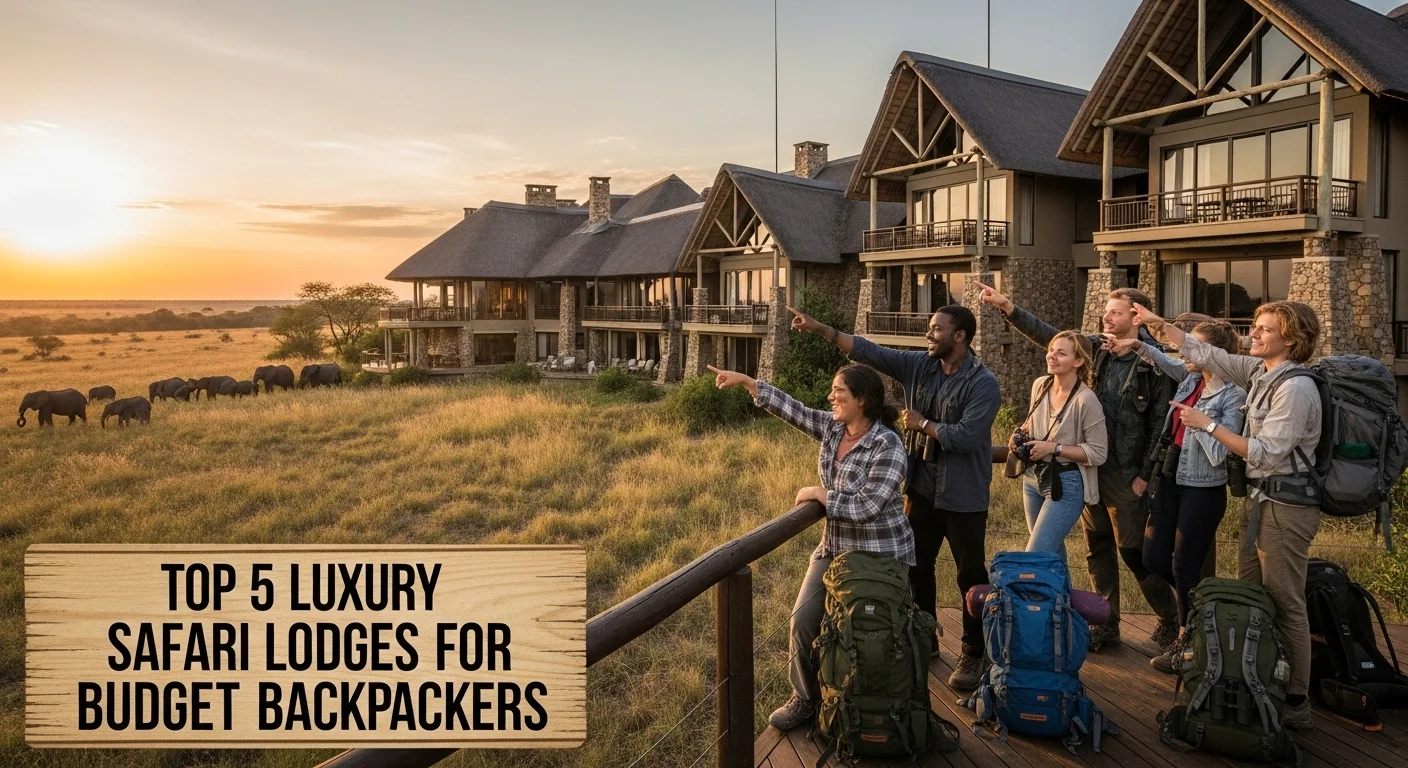
Accommodations include luxury tented camps, luxury lodges, mobile camps, and safari hotels, each offering different experiences and amenities while still being budget-friendly. Top 5 Luxury Safari Lodges for Budget Backpackers

How can I save on costs while planning a safari?

To save on costs, consider group travel for discounts, self-drive options, packing your own snacks, and prioritizing experiences to limit extras that can add up quickly.

When is the best time to book a budget-friendly luxury safari?

The best time to book is during the shoulder seasons, just before or after peak tourist times, to secure significant savings while enjoying pleasant weather and fewer tourists.

What should I pack for a luxury safari?

Packing should include breathable, lightweight clothing in neutral colors, binoculars for wildlife viewing, a camera, a hat, sunscreen, insect repellent, and a basic first-aid kit.

Why is travel insurance important for safaris?

Travel insurance is crucial for covering unexpected health issues, travel delays, and medical emergencies, especially in remote areas where facilities may not be readily available.

What health and safety tips should I consider during a safari?

Health and safety tips include carrying a basic first-aid kit, consulting with a doctor about vaccinations, respecting wildlife by maintaining a safe distance, and following guide instructions for safer encounters.

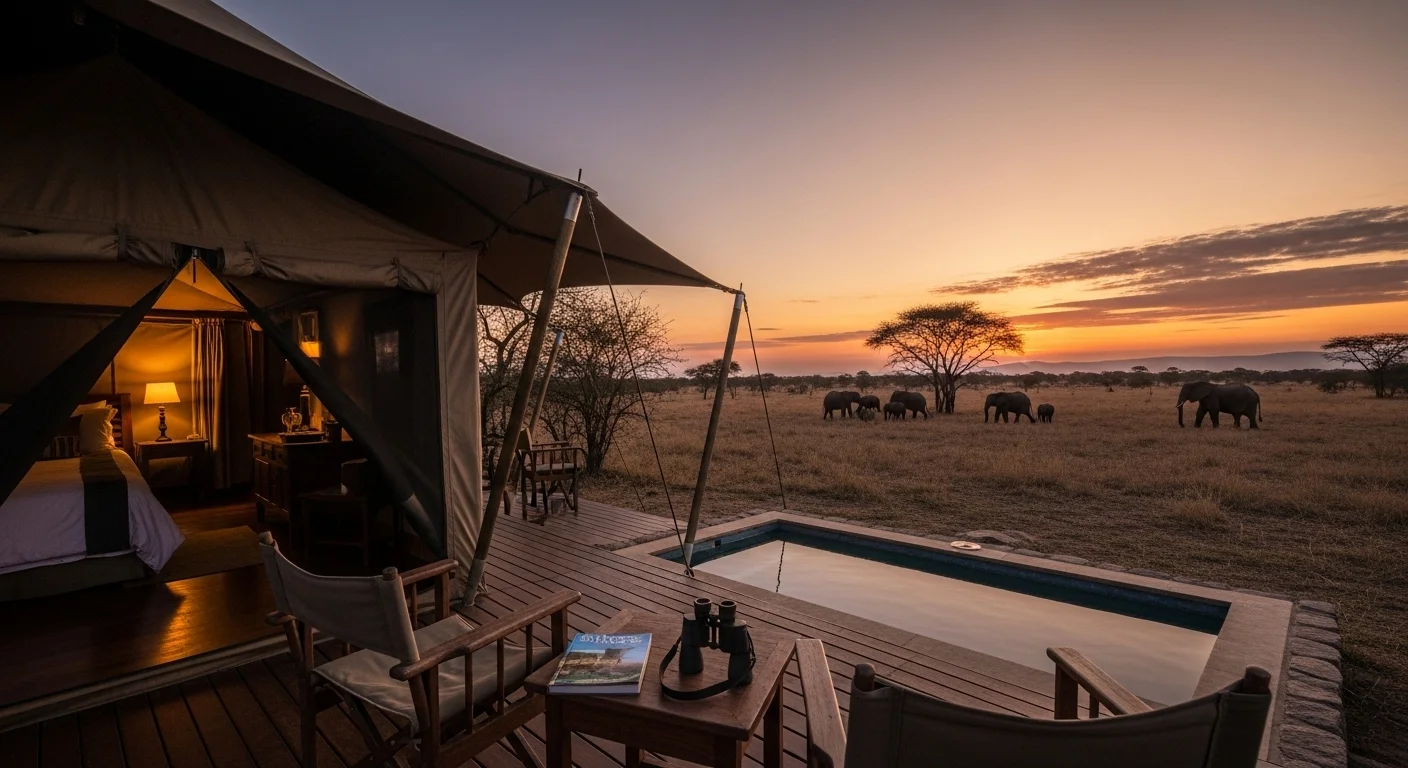
Experience Luxury on a Budget: Safari Accommodation Tips

Imagine immersing yourself in the wild beauty of Africa without breaking the bank. Experience unforgettable safaris with stunning scenery, exotic wildlife, and incredible accommodations—all while staying within your budget! For tips on finding the right places to stay, check out Affordable Luxury Safari Stays: A Budget Traveler’s Guide.

Experience Luxury on a Budget: Safari Accommodation Tips

Understanding Safari Accommodation

What is Safari Accommodation?

When I first thought about going on a safari, I pictured lavish lodges nestled in the heart of the wilderness, complete with all the luxuries one could imagine. However, I quickly learned that safari accommodation is much more diverse than that. It’s about finding the right place to rest after a day of thrilling adventures—places that cater to various budgets while offering unique experiences close to nature. Essentially, safari accommodation includes a range of options, from upscale lodges to budget-friendly tented camps, all designed to enhance your wildlife experience while providing comfort and safety.

Types of Safari Accommodation

Choosing the right type of accommodation can dramatically affect your safari experience. Here’s what I discovered about the different types of safari accommodations available:

Lodges

Lodges are often the first choice for those seeking a bit of luxury without going overboard. Many lodges offer spacious rooms, fine dining, and organized safari tours. I remember staying in a lodge in South Africa that had stunning views of the surrounding landscape. We even had a private balcony where we could sip coffee while watching wildlife in the distance. Lodges provide an excellent mix of comfort and adventure, making them a popular choice for many travelers.

Tented Camps

If you want to feel closer to nature, tented camps might be the perfect option. These camps can range from basic camping setups to luxurious tented lodges that feature en-suite bathrooms and gourmet meals. During my travels, I stayed at a tented camp in Kenya that was surrounded by nothing but the sounds of the wild. It felt incredible to wake up to the sounds of lions roaring and birds chirping outside my tent. Tented camps often offer a more immersive experience, as they allow you to connect with nature while providing a comfortable place to sleep.

Luxury Camps

For those who want to experience high-end luxury without the hefty price tag, luxury camps are an excellent option. They typically offer personalized services, high-quality amenities, and unique experiences like private dinners under the stars. I recall dining in a luxury camp where chefs prepared local dishes while we enjoyed a view of the sunset over the savanna. It was a magical experience that added a touch of elegance to our adventure.

Self-Catering Options

Self-catering accommodations are ideal for those who prefer a more hands-on approach to their safari experience. These options usually come with kitchen facilities, allowing you to prepare your meals. I once opted for a self-catering lodge, and it was wonderful to cook with local ingredients and share meals with my travel companions. This option can also save you money, as dining out in tourist areas can sometimes be pricey.

Budget-Friendly Luxury: How to Experience it

Defining Luxury on a Budget

When I think of luxury on a budget, I imagine experiences that are special but don’t necessarily come with a hefty price tag. It’s about finding accommodations that offer comfort and unique experiences without the luxury price tag. I’ve learned that luxury doesn’t always mean opulence; it can also mean personalized service, stunning views, and unforgettable moments in nature. For instance, staying at a cozy lodge with knowledgeable guides can be just as luxurious as being at a five-star hotel.

Why Choose Affordable Luxury for Your Safari?

Choosing affordable luxury for your safari allows you to enjoy the best of both worlds. You can experience incredible wildlife, scenic landscapes, and cultural encounters without spending a fortune. I believe that finding budget-friendly luxury accommodations opens up opportunities for more experiences. With the money saved on lodging, you can invest in additional activities like guided tours, cultural experiences, or even hot air balloon rides over the savanna. Personally, I found that balancing comfort and affordability made my safari much more enjoyable, allowing me to focus on the adventure rather than my wallet.

Best Destinations for Budget Luxury Safaris

Tanzania

Tanzania holds a special place in my heart when it comes to budget luxury safaris. The country’s stunning landscapes and rich wildlife create a perfect backdrop for unforgettable adventures. I remember my time in Tanzania as a beautiful mix of thrill and serenity, and I want to share a couple of highlights that made it truly special.

Serengeti National Park

Serengeti National Park is perhaps one of the most iconic safari destinations in the world. When I visited, I was amazed by the vast plains dotted with acacia trees, and the sheer number of animals. Witnessing the Great Migration was a dream come true! Despite its popularity, I found affordable luxury options like tented camps that offered incredible views of the wildlife without breaking the bank. The intimate atmosphere and knowledgeable guides made my experience feel exclusive and special.

Ngorongoro Crater

Next on my list was the Ngorongoro Crater, a UNESCO World Heritage site. The crater is home to a variety of wildlife and breathtaking views. I discovered that some lodges around the crater provided budget-friendly luxury accommodations. I remember waking up early to catch the sunrise over the crater, and it felt like a scene from a movie. Staying at a nearby lodge allowed me to explore the area comfortably while enjoying the beauty of nature at my fingertips.

South Africa

South Africa is another fantastic destination for budget luxury safaris. The country is known for its diverse landscapes and incredible wildlife. I found that there were numerous options that provided a mix of comfort and adventure without the hefty price tag.

Kruger National Park

Kruger National Park is a must-visit for any safari enthusiast. I remember the excitement of driving through the park, spotting elephants, lions, and even leopards all in one day! There are many affordable lodges and camps around Kruger that offer great amenities. I stayed at a comfortable lodge where I could hear the sounds of the bush at night, adding to the overall experience. Plus, the proximity to the park meant I could maximize my game drives without spending a fortune on accommodation.

Garden Route

If you want to combine a safari experience with stunning coastal views, the Garden Route is the place to be. It’s a beautiful stretch of coastline filled with charming towns and wildlife parks. I found a few guesthouses that offered a cozy atmosphere and served local cuisine. One evening, I shared a meal with my hosts, who told fascinating stories about the area. The blend of nature and culture made my stay memorable and enjoyable. For more recommendations, check out Top 5 Luxury Safari Lodges for Budget Backpackers.

Kenya

Kenya is another amazing country that offers budget-friendly luxury safaris. The landscapes are diverse, ranging from savannahs to mountains, and the wildlife is nothing short of spectacular. I felt that every corner of Kenya had something unique to offer.

Masai Mara

Masai Mara is famous for its rich wildlife and breathtaking landscapes. I was fortunate enough to witness the Great Migration here as well. There are many mid-range lodges and tented camps that give you the luxury experience you crave without the high costs. I found that many of these camps included guided tours, which made it easy to explore the area while enjoying all the comforts of home.

Amboseli National Park

Amboseli National Park is known for its stunning views of Mount Kilimanjaro and its large elephant herds. I stayed at a camp that was both affordable and luxurious, with the added bonus of being able to see elephants roaming nearby. I remember spending evenings by the campfire, sharing stories with fellow travelers and the staff. It was these moments that truly made my safari a luxurious experience, even on a budget.

Exploring these incredible destinations has shown me that luxury and affordability can go hand in hand. Each location offers its own unique flavor of adventure, and I can’t recommend them enough. With a little research and planning, you can find the right accommodations that fit your budget while still allowing you to experience the magic of an African safari.

Tips for Finding Affordable Luxury Safari Accommodation

Timing Your Visit

One of the first things I learned about planning a budget-friendly safari is the importance of timing. When you visit can make a significant difference in your overall experience and expenses. I’ve noticed that certain times of the year can offer better deals on accommodations while still providing an excellent safari experience.

Off-Peak Seasons

Traveling during the off-peak season is one of my favorite strategies for saving money. In many popular safari destinations, the peak season coincides with when wildlife is most active and visible. However, visiting during the shoulder or off-peak seasons can still provide amazing wildlife sightings without the crowds and high prices. During my trip to Tanzania, I went in late November, and I found that the prices for lodges dropped significantly while still allowing me to witness the beautiful scenery and wildlife. The fewer tourists made the experience feel more personal and intimate, which I truly appreciated.

Last-Minute Deals

If you’re flexible with your travel plans, keeping an eye out for last-minute deals can lead to fantastic savings. I’ve stumbled upon some incredible offers simply by checking various travel websites and booking platforms a few days before my departure. Once, I found a stunning tented camp in Kenya that had slashed prices by 30% just a week before my arrival! It felt like a lucky break, and I think that being open to spontaneous adventures can lead to memorable experiences.

Booking Strategies

Understanding how to book your accommodations can greatly affect your budget. I’ve tried several strategies over the years, and some have proven to be more beneficial than others.

Direct vs. Third-Party Booking

Initially, I thought that third-party booking websites always offered the best deals. However, I discovered that booking directly through the lodge or camp’s website often provides better rates and exclusive offers. Many accommodations offer perks like complimentary meals or guided tours if you book directly. For example, I once booked a lodge directly and received a free night’s stay, which allowed me to spend more time enjoying the area. This approach has become my go-to, and I highly recommend checking both options before making a decision.

Package Deals

Another fantastic way to save money is by looking for package deals that bundle accommodations, meals, and activities together. I remember booking a safari package in South Africa that included not only lodging but also guided game drives and meals. It turned out to be a great value and made my trip planning much simpler. Plus, having everything organized meant I could focus on enjoying my adventure without worrying about logistics. I encourage you to explore these packages as they can offer significant savings while still providing a luxurious experience.

Location Considerations

The location of your accommodation plays a big role in your safari experience and costs. I learned that being strategic about where I stayed could lead to both savings and unforgettable moments.

Proximity to National Parks

Choosing a place close to national parks can save you both time and money on transportation. I once stayed at a lodge just outside Kruger National Park, which allowed me to maximize my game drives without spending a fortune on travel. Being a short drive from the park entrance meant I could easily go on early morning and late afternoon drives to see wildlife when they were most active. Plus, returning to my cozy lodge after a long day in the bush felt incredibly rewarding.

Hidden Gems Off the Beaten Path

While popular destinations have their charm, I’ve often found that hidden gems can provide equally amazing experiences at a fraction of the cost. On my recent trip to Kenya, I stumbled upon a lesser-known reserve that offered stunning landscapes and wildlife sightings without the bustling crowds. The accommodations were affordable yet comfortable, and the local guides provided rich insights into the area’s ecology and culture. Don’t be afraid to venture off the beaten path; you might discover a treasure that makes your safari even more special.

Essential Amenities to Look For

Private Safari Guides

Having a private safari guide can elevate your experience significantly. I remember the first time I had a dedicated guide during a safari in Tanzania. They not only shared fascinating stories about the wildlife but also tailored the experience to my interests. I felt like I was getting the insider scoop on the best spots to view animals. A knowledgeable guide can make all the difference, helping you understand the nuances of animal behavior and the ecosystem. For more insights, check out Choosing Between Private and Group Safaris: A Complete Guide.

Food and Dining Options

Food plays a huge role in any travel experience, and safaris are no exception. I often look for accommodations that offer delightful dining options. I’ve been impressed by some camps and lodges that serve meals using fresh, local ingredients, which made each meal feel like a culinary adventure. It’s also nice to enjoy a meal while taking in breathtaking views of the savanna. I found that many places offered outdoor dining experiences, which were a highlight of my trips.

Exclusive Experiences (e.g., Night Drives, Walking Safaris)

When searching for accommodation, I always look for places that offer unique experiences like night drives or walking safaris. These activities provide a different perspective of the wildlife and landscapes. I remember going on a walking safari in South Africa that allowed me to get up close to nature in a way I never expected. It was thrilling to learn about animal tracks and local flora while being guided by an expert. I believe these exclusive experiences can truly enhance your safari adventure.

Facilities and Comforts

Finally, the overall facilities and comforts available at your accommodation can greatly impact your experience. I prefer places that strike a balance between luxury and rustic charm. Clean, comfortable rooms, well-maintained bathrooms, and a friendly atmosphere can make your stay enjoyable after long days of adventure. I’ve learned that little touches, like welcoming drinks or cozy lounges, can go a long way in making a safari feel luxurious, even on a budget.

How to Enhance Your Safari Experience on a Budget

Local Culture and Community Engagement

One of the most enriching parts of my safari experience was engaging with the local culture. I discovered that many safari lodges offer opportunities to interact with local communities. I remember visiting a Maasai village in Kenya, where we were welcomed with open arms. The vibrant colors of their traditional attire and the warmth of their smiles made me feel at home. Participating in their daily activities, like learning their dances and listening to their stories, added a layer of depth to my adventure. I believe that immersing ourselves in local culture not only enhances our understanding of the area but also supports the communities we visit.

Self-Guided Tours vs. Organized Tours

Deciding between self-guided and organized tours can significantly impact your safari experience. I’ve tried both and found that each has its own perks. Organized tours often come with knowledgeable guides who can provide insights I might miss on my own, which is invaluable in a place as rich in wildlife as Africa. However, self-guided tours allow for flexibility. I recall a day in Tanzania when I opted to drive myself through a national park. It felt liberating to stop when I wanted and explore at my own pace. I spotted a pride of lions lounging in the shade, and being able to linger was a moment I’ll never forget. If you have a sense of adventure and a good map, self-guided tours can be truly rewarding.

Pack Your Own Supplies

When I first went on safari, I underestimated the value of bringing my own supplies. Packing snacks, reusable water bottles, and even binoculars can save you money and enhance your experience. I remember how great it felt to pull out a homemade sandwich during a picnic in the bush, surrounded by nature. It’s these little comforts that can make a safari feel even more special. Additionally, bringing essentials like sunscreen and bug spray can help you avoid unnecessary expenses at tourist shops, where prices tend to be inflated. I always make a checklist before my trip now, so I don’t forget anything important.

Safety and Health Considerations

Travel Insurance

One essential aspect of traveling that I learned the hard way is the importance of travel insurance. It’s something I never thought I’d need, but after experiencing a minor mishap during my first safari, I realized its value. Having insurance means peace of mind, knowing that you’re covered for unexpected incidents, whether it’s a medical emergency or trip cancellation. I recommend researching options that specifically cater to adventure travel and safaris to ensure you’re adequately protected.

Health Precautions (e.g., Vaccinations, Malaria Prevention)

Before heading out on my safari, I made it a priority to understand the health precautions necessary for the regions I was visiting. Consultations with travel clinics allowed me to get the vaccinations I needed, like those for yellow fever and typhoid. Additionally, I learned about malaria prevention, which is crucial in many safari areas. I remember packing my anti-malarial medication and a good supply of bug spray, which kept me safe and worry-free during my adventures. Taking these precautions helped me focus on enjoying the experience rather than stressing about potential health issues.

Safety Tips for Safari Adventures

Safety is paramount when you’re out in the wild. I always carry a first-aid kit and make sure to stay with my group during game drives and walks. Listening to the guides is essential; they have invaluable knowledge about animal behavior and the environment. I recall one instance when we were advised to stay in the vehicle while observing a herd of elephants. Following their guidance ensured our safety and allowed us to enjoy the moment without any worries. Always be aware of your surroundings, and don’t hesitate to ask your guide for advice on how to stay safe while exploring the beautiful wilderness.

Traveler Experiences and Reviews

Guest Testimonials on Budget Luxury Safaris

Hearing about others’ experiences can add insight when planning your own safari. I often look for reviews on travel blogs and websites to see what other travelers have to say about their accommodations. I remember reading a glowing review about a cozy lodge in South Africa that highlighted not just the comfortable rooms but also the personalized service. When I finally visited, I found that the experience lived up to its reputation, making me realize the value of these testimonials.

Comparative Reviews of Different Accommodations

It can be helpful to compare different options before making your final decision. I once spent hours reading comparisons of lodges and tented camps. Each had its unique charm, but seeing side-by-side reviews helped me understand what amenities were important for my trip. I found that places offering a blend of comfort and local experiences often received the best feedback. This research led me to a fantastic spot that became the highlight of my trip, proving that a bit of effort can go a long way.

Final Thoughts

My safari experiences have taught me that exploring Africa doesn’t have to come with a hefty price tag. With the right planning, research, and a spirit of adventure, we can all enjoy the beauty of the wild while staying within our budgets. From choosing the right accommodations to engaging with local cultures and being mindful of health and safety, every detail contributes to an unforgettable journey. I feel incredibly grateful for the adventures I’ve had, and I hope my insights inspire you to embark on your own safari adventure. Remember, the magic of Africa awaits, and it’s more accessible than you might think!

Frequently Asked Questions

What is safari accommodation?

Safari accommodation refers to a variety of lodging options available for travelers on safari, ranging from upscale lodges to budget-friendly tented camps. These accommodations are designed to enhance the wildlife experience while ensuring comfort and safety.

What types of safari accommodations are available?

There are several types of safari accommodations including lodges, tented camps, luxury camps, and self-catering options. Lodges offer a mix of luxury and adventure, tented camps provide a closer-to-nature experience, luxury camps offer high-end services, while self-catering options allow guests to prepare their own meals.

How can I experience luxury on a budget during a safari?

Experiencing luxury on a budget is about finding accommodations that offer comfort and unique experiences without the high price tag. This can include personalized services, stunning views, and memorable moments in nature, allowing travelers to enjoy their safari without overspending.

What are some recommended destinations for budget luxury safaris?

Some recommended destinations for budget luxury safaris include Tanzania, South Africa, and Kenya. Specific highlights are Serengeti National Park and Ngorongoro Crater in Tanzania, Kruger National Park and the Garden Route in South Africa, and Masai Mara and Amboseli National Park in Kenya.

What strategies can help in finding affordable luxury safari accommodation?

Strategies for finding affordable luxury safari accommodation include timing your visit during off-peak seasons, looking for last-minute deals, booking directly with lodges, and seeking out package deals that include meals and activities.

What essential amenities should I look for in safari accommodation?

Essential amenities to look for include private safari guides, delightful food and dining options, unique experiences like night drives or walking safaris, and overall facilities that provide comfort and a welcoming atmosphere.

How can I enhance my safari experience on a budget?

You can enhance your safari experience on a budget by engaging with local cultures, choosing between self-guided and organized tours based on your preferences, and packing your own supplies to save money on snacks and essentials.

What health precautions should I take before going on a safari?

Health precautions include obtaining necessary vaccinations, such as those for yellow fever and typhoid, and taking measures against malaria, such as using anti-malarial medication and bug spray to ensure a safe and enjoyable experience.

Why is travel insurance important for a safari?

Travel insurance is important for a safari as it provides peace of mind in case of unexpected incidents, such as medical emergencies or trip cancellations. It is advisable to choose insurance that caters specifically to adventure travel and safaris.

How can traveler experiences and reviews help in planning a safari?

Reading traveler experiences and reviews can provide valuable insights into accommodations and their services. This information can help you compare different options and make informed decisions, ensuring a more enjoyable safari experience.

Affordable Luxury Safari Stays: A Budget Traveler’s Guide

Imagine waking up to the distant roar of lions and the soft rustle of elephants just outside your tent. Affordable luxury safaris make this dream accessible, blending adventure and comfort without breaking the bank.

Affordable Luxury Safari Stays: A Budget Traveler's Guide

Understanding Affordable Luxury Safari Stays

Definition of Affordable Luxury in Safari Context

When I first heard the term “affordable luxury safari,” I was intrigued. To me, it meant experiencing the wild beauty of Africa without the hefty price tag often associated with such adventures. Affordable luxury in this context refers to safari experiences that provide comfort and unique touches—like gourmet meals, stylish lodgings, and immersive wildlife encounters—while remaining budget-friendly. It’s about striking a balance between adventure and indulgence, allowing us to explore the stunning landscapes and wildlife of Africa without draining our savings.

Benefits of Choosing Affordable Luxury Safaris

As someone who loves to travel but also keeps an eye on my budget, I quickly discovered the many benefits of choosing affordable luxury safaris. First off, you get to enjoy the thrill of a safari without sacrificing comfort. I remember my first night in a luxury tented camp, where I could listen to the sounds of nature while nestled in a cozy bed. It was the perfect blend of adventure and relaxation.

Another benefit is personalized service. Many affordable luxury lodges focus on providing a unique experience for their guests. Whether it’s a dedicated guide or tailored meal options, I found that the attention to detail made my safari feel special. Plus, with fewer guests than larger resorts, there’s often a more intimate atmosphere that enhances the experience.

Also, I appreciate how affordable luxury safaris often prioritize sustainability. Many lodges I came across are eco-friendly and support local communities. This means that not only am I enjoying a beautiful experience, but I’m also contributing to the preservation of the environment and the well-being of local people. It’s a win-win situation that made my travels feel even more meaningful.

Last but not least, affordability doesn’t mean compromising on quality. I’ve seen stunning lodges with beautiful designs, world-class cuisine, and exceptional guides—all at prices that don’t require a second mortgage. I learned that with a bit of research and planning, it’s entirely possible to enjoy the beauty of Africa without spending a fortune. For more options, check out Top 5 Luxury Safari Lodges for Budget Backpackers.

When to Go on a Safari

Best Seasons for Safari Experiences

Timing your safari can greatly affect your experience. I’ve found that the dry season, typically from June to October, is often the best time to visit. During these months, animals are easier to spot as they gather around water sources. I remember watching elephants play in a waterhole, a sight I’ll never forget. However, the wet season, from November to March, has its own charm with lush landscapes and fewer tourists. If you’re looking for a more tranquil experience, this could be the time for you.

Weather Considerations

Weather plays a significant role in your safari experience. When I went during the dry season, the skies were mostly clear, and temperatures were warm during the day but cooler at night. Packing layers was essential, as the evenings could get quite chilly. I learned to check the average temperatures for my chosen destination to ensure I was prepared for anything.

Wildlife Migration Patterns

One of the most awe-inspiring events in the safari world is the Great Migration in East Africa. Each year, millions of wildebeest and zebras trek across the Serengeti and Masai Mara in search of fresh grazing. I made sure to plan my trip around this migration, as witnessing it was on my bucket list. Understanding wildlife patterns not only enhances your experience but also increases your chances of unforgettable sightings.

Overall, planning the timing of your safari involves considering seasonal weather, wildlife movements, and personal preferences. I encourage you to think about what you want to experience most and choose your dates accordingly. Whether it’s seeing the migration or enjoying a quieter atmosphere, timing can truly make or break your adventure.

Top Affordable Luxury Safari Destinations

Kenya: Masai Mara and Beyond

Kenya holds a special place in my heart. The Masai Mara is often the first destination people think of when imagining a safari, and for good reason. I remember my first game drive here, the vast savannah stretching endlessly, dotted with acacia trees, and the thrill of spotting a lion lounging in the grass. The combination of stunning landscapes and rich wildlife makes it an iconic choice for any safari lover.

What I particularly love about the Masai Mara is its accessibility. There are numerous affordable luxury lodges that cater to different budgets, providing a range of options without skimping on comfort. The lodges often offer unique experiences, such as hot air balloon rides at sunrise, which allow you to see the landscape from a whole new perspective. I highly recommend taking that flight—floating above the plains with the sun rising in the distance is truly magical!

Tanzania: Serengeti and Ngorongoro Crater

Tanzania was another incredible destination I had the pleasure of visiting. The Serengeti’s endless plains are home to the Great Migration, and witnessing this natural wonder was a highlight of my travels. I remember being surrounded by thousands of wildebeests and zebras, all moving as one. It felt like a scene straight out of a nature documentary.

The Ngorongoro Crater, often referred to as a “Garden of Eden,” is another must-see. This UNESCO World Heritage site is a volcanic caldera filled with wildlife and stunning views. I found several affordable luxury accommodations near the crater, which provided the perfect base for exploring. The chance to see such diverse wildlife in one location was unforgettable. Plus, the lodges offered fabulous dining experiences, combining local flavors with a touch of luxury.

South Africa: Kruger National Park

South Africa’s Kruger National Park is a fantastic option if you’re looking for a mix of adventure and relaxation. I was pleasantly surprised by the range of affordable luxury lodges available. Many of them are situated just outside the park, providing easy access to the incredible wildlife within. I remember one lodge where I could enjoy a glass of wine on the deck while watching elephants stroll by—what a way to unwind after a day of game drives!

Kruger is known for its biodiversity, and I was fortunate to see the Big Five during my visit. The knowledgeable guides at my lodge made all the difference, sharing insights about the animals and their behaviors. With so many options available, you can find lodges that cater to different tastes and budgets, ensuring a memorable experience without breaking the bank.

Botswana: Okavango Delta

Botswana is often hailed as one of the best safari destinations, and the Okavango Delta is a true gem. I have to say, exploring the delta by mokoro (a traditional canoe) was one of the highlights of my trip. Gliding silently through the waterways, I felt completely immersed in nature. The delta is home to an abundance of wildlife, and I saw everything from hippos to colorful birds.

While some lodges in Botswana can be pricey, I found several affordable luxury options that allowed me to experience the delta without overspending. The lodges often emphasize eco-friendly practices, which I appreciate. Staying in a place that prioritizes sustainability made my experience feel even more rewarding. Plus, the intimate setting of these lodges allows for personalized service that enhances the safari experience.

In my opinion, the beauty of affordable luxury safaris is that they allow us to explore some of the most breathtaking landscapes and diverse wildlife on the planet while providing comfort and unique experiences. Whether it’s the vast plains of the Masai Mara, the vibrant ecosystems of the Serengeti, the diverse wildlife of Kruger, or the tranquil waterways of the Okavango Delta, each destination offers something special. Each place I’ve visited has left me with memories that I cherish and stories that I love to share.

Where to Stay: Affordable Luxury Lodges and Camps

Eco-Lodges and Sustainable Options

One of my favorite discoveries during my safari travels was the rise of eco-lodges. I appreciate how these lodges prioritize both comfort and sustainability. During my stay at an eco-lodge in Tanzania, I was amazed by how seamlessly it blended into the surrounding landscape. The walls were made from local materials, and the design emphasized natural light and open spaces, allowing the stunning views to take center stage.

Staying at an eco-lodge made me feel like I was truly part of the environment. I remember sitting on my private deck, sipping coffee, and watching a family of giraffes graze nearby. Many eco-lodges also focus on community involvement, employing local staff and supporting conservation efforts. This made my experience feel even more enriching, knowing that my stay was helping the local community and environment.

Tented Camps with Luxury Amenities

Tented camps are another fantastic option for those seeking affordable luxury. I was a bit skeptical at first, thinking tents might mean roughing it, but I was pleasantly surprised. Many of these camps offer plush beds, en-suite bathrooms, and even gourmet dining—all while maintaining a cozy, intimate atmosphere. I still fondly recall a night spent at a tented camp where I could hear the sounds of the bush all around me, yet felt completely safe and comfortable.

What I loved most was the immersive experience that tented camps provide. You’re closer to nature, hearing the rustling of the leaves and the calls of wildlife just outside your tent. It’s a unique way to experience the wilderness. Plus, many tented camps offer guided night walks, giving you a chance to see nocturnal creatures in their natural habitat. To me, this mix of adventure and comfort is what makes tented camps a top choice for safari-goers.

Budget-Friendly Private Lodges

If you’re looking for something a bit more exclusive without the hefty price tag, budget-friendly private lodges might be the way to go. I had the pleasure of staying in a lovely private lodge in South Africa that offered all the luxuries of a larger resort without the crowds. The lodge had a beautiful pool, a fantastic restaurant, and spacious rooms, all set in a stunning landscape.

One evening, after a long day of game drives, I enjoyed a candlelit dinner prepared with local ingredients. The intimate atmosphere made it feel special. I found that budget-friendly private lodges often provide personalized services too, like private guides who can tailor your safari experience to your interests. This level of attention truly enhances your adventure, making it memorable without breaking the bank.

Comparison of Price Ranges

When it comes to choosing where to stay, understanding the price ranges can help you find the best fit for your budget. From my experience, eco-lodges typically range from $150 to $600 per night, depending on their amenities and location. Tented camps vary similarly, with prices usually between $200 and $500 per night. Meanwhile, budget-friendly private lodges can be found for around $250 to $700, depending on the luxury level and services offered.

It’s important to remember that prices can fluctuate based on the season. I noticed that booking during the shoulder seasons often yielded better rates. I recommend comparing options and reading reviews to ensure you’re getting a quality experience for your investment. With a little research, you can find the perfect place that fits your budget and gives you an unforgettable safari experience.

Ultimately, the beauty of the affordable luxury safari experience lies in the variety of accommodations available. Whether you choose an eco-lodge, a tented camp, or a private lodge, each stay has the potential to create lasting memories and deepen your connection with the breathtaking landscapes and wildlife of Africa. My adventures have taught me that the right place to stay can enhance the magic of the safari, making each moment even more special.

How to Book Your Safari Stay

Finding Deals and Discounts

When it comes to booking an affordable luxury safari, I’ve learned that hunting for deals can make a huge difference in your overall experience. One of my favorite strategies is to sign up for travel deal newsletters. They often feature exclusive discounts and flash sales that can lead to significant savings. I remember stumbling upon a last-minute deal that offered 40% off at a lodge I had been eyeing for months. It felt like winning the travel lottery!

Additionally, I recommend checking websites that specialize in safari experiences. They frequently provide bundled packages, including accommodations, meals, and excursions, which can save you both time and money. I also found that following lodges on social media can be beneficial, as they sometimes announce special promotions or seasonal offers. Being proactive about finding these deals definitely paid off during my travels.

Best Times to Book for Savings

From my experience, timing is everything when it comes to booking your safari stay. The shoulder seasons—just before and after the peak tourist times—often yield the best rates. I’ve noticed that if I booked my trips in the off-peak months, like late April or early November, I scored better prices and a more tranquil environment. Many lodges are more willing to negotiate rates during these times, which can lead to some fantastic bargains.

For longer trips, booking your stay several months in advance is a smart move. I often check for flight deals at the same time, as these prices can fluctuate. It’s like piecing together a puzzle where every piece contributes to the bigger picture of an incredible safari adventure.

Using Travel Agents vs. DIY Booking

Choosing between a travel agent and DIY booking can be a personal decision. I’ve had positive experiences with both, but I lean slightly towards DIY booking for safaris. I enjoy the freedom of crafting my itinerary, selecting lodges that resonate with my vision of an ideal safari. Plus, researching online allows me to read reviews and gather insights from fellow travelers.

However, I also recognize the value of travel agents, especially for first-time safari-goers. They often have access to exclusive deals and can provide personalized recommendations based on your preferences. I learned that if you go this route, it’s essential to communicate your budget and interests clearly so that the agent can find the perfect options for you. Ultimately, the choice depends on how comfortable you feel navigating the booking process.

What to Expect from Your Safari Experience

Daily Itinerary: What a Typical Day Looks Like

During my safaris, I’ve come to love the rhythm of a typical day. Most mornings start early, often around 5:30 AM, to catch the sunrise and see the animals at their most active. I remember the thrill of waking up to the sound of birds and the anticipation of what awaited us on the morning game drive. After a hearty breakfast, guided excursions would lead us through the bush, revealing the beauty of the wilderness.

Afternoons usually offered a chance to relax, either by enjoying a dip in the lodge’s pool or indulging in a spa treatment. I found that this downtime was crucial for recharging before the evening game drive, where the chance of encountering nocturnal wildlife added an extra layer of excitement. Dinner was often a communal affair, allowing us to share stories with fellow travelers. These moments created connections that made each trip even more memorable.

Game Drives: What You Need to Know

Game drives are the heart of any safari, and I’ve learned a few tips along the way to enhance this experience. First, be prepared for bumpy rides; the terrain can be rugged, so wearing comfortable clothing and sturdy shoes is essential. I always pack a light jacket as it can get chilly during the evening drives. Remember to bring a good camera and binoculars—capturing those close-up moments with wildlife is a must!

Also, I’ve found that listening to your guide is vital. They have a wealth of knowledge about animal behavior and the ecosystem, which enriches the experience. On one memorable game drive, our guide spotted a leopard resting in a tree. The excitement in the vehicle was palpable as we all held our breath, hoping to witness the magnificent creature in action. It’s these moments that can leave an imprint on your heart.

Guided Tours vs. Self-Drive Safaris

Choosing between guided tours and self-drive safaris is another key decision. I personally prefer guided tours for their convenience and expertise. Having a knowledgeable guide made my safari experience much richer. They know where to find the animals and can share fascinating insights about the wildlife and landscapes we encountered. Plus, it allows me to relax and enjoy the scenery without worrying about navigation.

Self-drive safaris can be appealing for those who crave independence. I had friends who loved the thrill of exploring at their own pace, stopping whenever they wanted to take photos or soak in the views. If you choose this route, make sure to familiarize yourself with the local rules and regulations, and always prioritize safety. Whichever option you decide, both can lead to unforgettable adventures. For a more in-depth look at this, check out Choosing Between Private and Group Safaris: A Complete Guide.

Local Cuisine and Dining Options

Traditional Dishes to Try

One of my favorite aspects of traveling is indulging in local cuisine, and safari destinations are no exception. I’ve had the pleasure of trying traditional dishes that reflect the rich culture of the regions I visited. In Kenya, I became a fan of ugali, a staple made from maize, often served with stews or grilled meats. The flavors were simple yet comforting, and I loved savoring each bite while soaking in the scenery.

In Tanzania, I was introduced to nyama choma, which is grilled meat served with a side of kachumbari, a fresh tomato and onion salad. Dining under the stars with the sounds of the bush was an experience I’ll never forget. I recommend asking your lodge about local specialties—they often have a way of highlighting the flavors of the region while providing a unique dining experience.

Dining Experiences at Safari Lodges

The dining experiences at safari lodges can be quite special. Many lodges offer bush dinners, where you can enjoy a meal surrounded by nature. I still remember the evening when our lodge set up a beautiful table outside, complete with twinkling lights and lanterns. The atmosphere was magical, and the food was exquisite. Sharing a meal with fellow travelers while listening to the sounds of the wild created a sense of camaraderie that made the experience even more memorable.

Additionally, some lodges offer cooking classes, allowing guests to learn about local ingredients and dishes. I participated in one such class and loved creating a Tanzanian dish from scratch. It was a fun way to connect with the culture and take a piece of my safari experience home with me.

Food Safety Tips While Traveling

While enjoying local cuisine is part of the adventure, it’s important to take some precautions. I always make sure to drink bottled water and avoid ice, as it can be made from tap water. When trying street food or unfamiliar dishes, I recommend starting small to see how your body reacts. I’ve been lucky so far, but I’ve heard stories of travelers who weren’t as fortunate. Always trust your instincts about what feels safe to eat.

Safety Tips for Safari Travelers

Health Precautions and Vaccinations

Staying healthy while traveling is crucial, especially on a safari. Before my trips, I always consult with a travel doctor to ensure I have the necessary vaccinations, such as yellow fever and typhoid. I also pack a basic first-aid kit with essentials like band-aids, antiseptic wipes, and medications for common ailments. This preparation helped me feel more at ease during my travels.

Wildlife Safety Guidelines

Respecting wildlife is essential for both our safety and theirs. I’ve learned to keep a safe distance from animals during game drives and to follow my guide’s instructions. When on foot, I always stay close together and remain quiet. I remember an instance where we encountered a herd of elephants, and our guide calmly guided us to a safe vantage point while explaining their behavior. It was a reminder of how much wisdom guides bring to the experience.

Travel Insurance Recommendations

Travel insurance is something I never travel without. It provides peace of mind in case of unforeseen circumstances, like trip cancellations or medical emergencies. I recommend looking for policies that cover specific needs for safari travelers, such as emergency evacuation. I found that having this coverage made me feel secure and allowed me to fully enjoy my adventure without worry.

Budgeting for Your Safari Adventure

Estimating Total Costs: What to Include

When planning a safari, it’s essential to have a clear budget. I often start by estimating the total costs, including flights, accommodations, daily expenses like meals and activities, and additional costs like tips for guides and staff. I like to create a spreadsheet to keep everything organized and ensure I’m not overlooking any expenses. This way, I can enjoy my trip without the stress of overspending.

Money-Saving Tips for Safari Travel

I’ve discovered several money-saving tips along my safari journeys. One of my favorites is to book packaged deals that include accommodations, meals, and some activities. This not only simplifies planning but can also save money compared to booking everything separately. Additionally, I’ve found that traveling with friends or family can help split costs, making the experience more affordable and enjoyable.

Hidden Costs to Be Aware Of

While budgeting, it’s crucial to be aware of hidden costs that can sneak up on you. For instance, some lodges charge extra for certain activities, like guided walks or cultural visits. I always check to see what’s included in the price and if there are any additional fees. Also, consider the cost of tips for guides and staff, which can add up quickly. By planning for these extras, I’ve managed to keep my budget in check throughout my travels.

Essential Packing List for Safari Travelers

Clothing Recommendations

Packing for a safari can be a bit tricky, but I’ve learned a few key tips to help me out. Neutral-colored clothing is a must as it helps blend in with the surroundings and is less likely to attract insects. I usually bring lightweight, breathable fabrics for the day and warmer layers for the evenings, as temperatures can drop significantly. A wide-brimmed hat and good sunglasses are also essential for protecting myself from the sun.

Gear and Equipment to Bring

In terms of gear, I always make sure to pack binoculars for spotting wildlife and a good camera for capturing those unforgettable moments. I’ve found that a zoom lens can really enhance my photography, allowing me to get close-ups of animals without disturbing them. A small backpack is also handy for carrying snacks, water, and other essentials during game drives.

Photography Tips for Capturing Memories

Speaking of photography, I’ve learned a few tricks to enhance my safari shots. Early mornings and late afternoons provide the best lighting, so I try to plan my photography around these times. I also recommend practicing patience—sometimes, the best shots come when you least expect them. I remember waiting quietly as a pride of lions approached our vehicle; the anticipation made the moment even more special. Lastly, don’t forget to enjoy the view through your eyes first, and then through the lens!

Personal Experiences and Testimonials

Budget Travelers Share Their Safari Stories

One of the most enriching aspects of traveling is hearing the stories of fellow adventurers. I’ve met numerous budget travelers who shared their incredible experiences on safari. Their tales of encountering wildlife and exploring diverse landscapes inspired me to seek out unique adventures of my own. It reminded me that we all have different perspectives on what makes a safari memorable, and hearing these stories can deepen our appreciation for the journey.

What to Learn from Others’ Experiences

Listening to others’ experiences also teaches valuable lessons. I’ve learned about the importance of flexibility, as plans can change unexpectedly while on safari. Some travelers emphasized the significance of keeping an open mind, as the most memorable moments often arise from unplanned experiences. I encourage everyone to connect with fellow travelers, whether through online forums or in person at lodges, to enrich their own journeys and share insights.

Final Thoughts

When I reflect on my adventures through Africa, I realize that affordable luxury safaris offer an exceptional way to connect with nature while enjoying comfort. From the breathtaking landscapes and diverse wildlife to the unique lodges and dining experiences, each moment provides a chance to create lasting memories. By planning wisely, being open to new experiences, and finding the right accommodations, I believe anyone can embark on a safari adventure that fits their budget. I hope my experiences inspire you to take the leap and explore the wild beauty of Africa for yourself!

Frequently Asked Questions

What is an affordable luxury safari?

An affordable luxury safari refers to safari experiences that provide comfort and unique touches—like gourmet meals, stylish lodgings, and immersive wildlife encounters—while remaining budget-friendly. It allows travelers to explore the stunning landscapes and wildlife of Africa without draining their savings.

When is the best time to go on a safari?

The best time to visit for safari experiences is typically during the dry season, from June to October, when animals are easier to spot. However, the wet season, from November to March, also offers lush landscapes and fewer tourists for a more tranquil experience.

What are some top affordable luxury safari destinations?

Some top affordable luxury safari destinations include Kenya’s Masai Mara, Tanzania’s Serengeti and Ngorongoro Crater, South Africa’s Kruger National Park, and Botswana’s Okavango Delta, each offering unique experiences and diverse wildlife.

What types of accommodations are available for affordable luxury safaris?

Accommodations for affordable luxury safaris include eco-lodges, tented camps with luxury amenities, and budget-friendly private lodges. Each type offers a unique experience while maintaining comfort and a connection to nature.

How can I find deals and discounts for safari bookings?

To find deals and discounts, travelers can sign up for travel deal newsletters, check websites specializing in safari experiences, and follow lodges on social media for special promotions. Booking during the shoulder seasons can also yield better rates.

What should I expect from a typical day on safari?

A typical day on safari usually starts early in the morning with a game drive, followed by breakfast and relaxation in the afternoon. Evening game drives offer chances to see nocturnal wildlife, and communal dinners with fellow travelers create a sense of camaraderie.

What health precautions should I take before going on a safari?

Before going on a safari, it’s essential to consult with a travel doctor for necessary vaccinations, pack a basic first-aid kit, and ensure proper health preparations to stay safe during the trip.

What traditional dishes should I try while on safari?

Travelers should try traditional dishes like ugali in Kenya, which is made from maize and served with stews, and nyama choma in Tanzania, grilled meat served with kachumbari. Many lodges also offer unique dining experiences highlighting local flavors.

What are some money-saving tips for safari travel?

Money-saving tips include booking packaged deals that cover accommodations and activities, traveling with friends or family to split costs, and being aware of hidden costs such as additional fees for activities or tips for guides and staff.

What should I pack for a safari trip?

When packing for a safari, travelers should bring neutral-colored clothing, layers for varying temperatures, binoculars for wildlife spotting, a good camera, snacks, and a small backpack for game drives. It’s also recommended to pack a wide-brimmed hat and sunglasses for sun protection.

Top 5 Luxury Safari Lodges for Budget Backpackers

Imagine waking up to the sounds of nature, surrounded by stunning landscapes and wildlife, all without breaking the bank. Luxury safari lodges offer a unique experience for budget backpackers, blending comfort with adventure.

Top 5 Luxury Safari Lodges for Budget Backpackers

Understanding Luxury Safari Lodges

What Defines a Luxury Safari Lodge?

When I think of luxury safari lodges, the first image that comes to mind is a blend of comfort, style, and an immersive experience in the wild. These lodges often feature spacious accommodations with beautiful views, exquisite dining, and personalized services. What sets them apart is the unique experience they offer, allowing guests to connect with nature while enjoying modern amenities. From my experience, luxury doesn’t always mean extravagant prices; many lodges cater to budget-conscious travelers without compromising on quality.

Why Choose a Lodge Over Other Accommodation?

Choosing to stay in a lodge rather than a tent or hostel can significantly enhance your safari experience. I remember when I first ventured into the wild, I opted for a more traditional camping experience, thinking it would be adventurous. While it was fun, I missed out on the comfort and the unique experiences that lodges can provide. Lodges often offer guided tours led by knowledgeable guides, gourmet meals, and opportunities to connect with local culture. They can be a great starting point for those who want both adventure and comfort. Choosing between private and group safaris can also impact your overall experience.

Key Features to Look for in Budget Luxury Safari Lodges

Affordability vs. Luxury

Finding that perfect balance between affordability and luxury can be a challenge. I’ve spent hours searching for lodges that don’t compromise on the luxury experience but still fit a backpacker’s budget. It’s crucial to define what luxury means to you. For some, it might mean a comfortable bed and hot showers, while for others, it could be gourmet meals or spa services. In my experience, many lodges offer off-peak rates, making it easier to enjoy luxury without the hefty price tag.

Location and Accessibility

The location of the lodge can make or break your safari experience. I once booked a lovely lodge that was far from the main attractions, which meant long and sometimes bumpy rides just to reach the animals. It’s essential to choose a lodge that is conveniently located near game reserves or national parks. Always check online maps and reviews to ensure you’re not wasting time on the road. I recommend finding a lodge that offers easy access to multiple safari routes, giving you the best chance to see wildlife without exhausting your travel budget on transport.

Included Amenities and Services

When I plan my trips, I look for what’s included in the price. Many budget-friendly luxury lodges provide great amenities like meals, guided safaris, and sometimes even airport transfers. I remember staying at a lodge that included daily game drives, which saved me money while maximizing my wildlife experience. Always read the fine print to know what’s included and what you might have to pay extra for. This can help you avoid any unexpected expenses during your stay. If you’re considering different formats, you might want to check out private vs. group safari tours to see what suits your needs best.

Environmental Sustainability

In today’s world, I believe it’s essential to consider the environmental impact of our travels. Many luxury lodges focus on sustainable practices, such as using solar power, sourcing local materials, and supporting community projects. I’ve found that staying at eco-friendly lodges not only makes me feel good about my choices but also enhances my safari experience. These lodges often have a strong connection to the local environment and wildlife, and the staff can share valuable insights about conservation efforts in the area. Choosing a lodge that prioritizes sustainability can add a meaningful layer to your trip.

Top 5 Luxury Safari Lodges for Budget Backpackers

1. Lodge Name #1

Overview and Location

One of my favorite lodges is the Olakira Camp located in Tanzania’s Serengeti National Park. This mobile camp moves with the wildebeest migration, giving guests a front-row seat to one of nature’s most spectacular events. I remember waking up to the sounds of distant roars and the rustling of grass, feeling completely immersed in the wild. The location is just perfect, with easy access to prime game-viewing areas.

Amenities and Services

Olakira Camp offers spacious canvas tents with en-suite bathrooms, ensuring you stay comfortable while enjoying the thrill of being in the wilderness. The camp provides all meals, which are beautifully prepared with local ingredients. I loved the evening sundowners, where we gathered around a campfire, sharing stories under a starlit sky. The knowledgeable guides are a highlight, too; they made sure we got the most out of each game drive.

Price Range

Prices typically range from $350 to $600 per night, depending on the season. I found that booking during the off-peak months can really help save some cash while still enjoying a luxury experience.

Guest Reviews and Experiences

Many guests have praised the personal touch of the staff and the immersive experience of being close to wildlife. I remember reading a review from a family who spotted a pride of lions just a few meters from their tent. It’s stories like these that made me excited to plan my own visit!

2. Lodge Name #2

Overview and Location

The second lodge on my list is the Bushwise Safari Lodge in South Africa. Nestled in the Timbavati Game Reserve, this lodge offers an intimate feel with a maximum of just 12 guests. I loved the cozy atmosphere and the chance to meet fellow travelers. Its location is ideal for spotting the Big Five.

Amenities and Services

Bushwise is known for its luxurious, tented accommodations, complete with private decks overlooking the bush. The lodge also offers guided walks and game drives led by passionate guides. I appreciated that all meals are included, and they even catered to my dietary restrictions without any hassle.

Price Range

Prices range from $250 to $500 per night, making it a fantastic value for the services provided. I found that booking directly with the lodge can sometimes yield discounts as well.

Guest Reviews and Experiences

Guests often rave about the warm hospitality and the incredible wildlife sightings. I remember one couple sharing a moment when they spotted elephants bathing in the nearby river while enjoying their breakfast on the patio. It’s those little experiences that make a trip unforgettable.

3. Lodge Name #3

Overview and Location

Next up is the Chobe Safari Lodge in Botswana. Situated on the banks of the Chobe River, this lodge offers stunning views and easy access to Chobe National Park. I was amazed at how vibrant the wildlife was; during my stay, I saw elephants and hippos right from the lodge!

Amenities and Services

The lodge features comfortable chalets with en-suite bathrooms. I particularly loved the infinity pool overlooking the river; it was the perfect spot to relax after a day of exploring. The lodge also offers boat cruises along the river, providing a unique perspective on the wildlife. I highly recommend taking one; watching elephants swim was a highlight of my trip!

Price Range

Prices at Chobe Safari Lodge usually range from $300 to $450 per night. It’s a great option for travelers looking for a mix of luxury and adventure without a hefty price tag.

Guest Reviews and Experiences

Many reviews mention the breathtaking sunsets over the river, which I can vouch for. The lodge’s staff also received high marks for their friendliness and attentiveness, making guests feel right at home.

4. Lodge Name #4

Overview and Location

The fourth lodge I want to highlight is the Sabi Sabi Bush Lodge in South Africa. Located near Kruger National Park, this lodge offers a blend of luxury and an authentic African safari experience. I loved the rustic charm mixed with modern comforts, creating a cozy yet stylish atmosphere.

Amenities and Services

Sabi Sabi features beautiful chalets equipped with outdoor showers, which I found thrilling. The lodge offers all-inclusive packages, including meals and twice-daily game drives. The guides are incredibly knowledgeable, and I learned so much about the ecosystem during my stay.

Price Range

Prices tend to be around $400 to $700 per night, but they often run special promotions, so it’s worth keeping an eye out for deals.

Guest Reviews and Experiences

Guests rave about the friendly staff and the incredible wildlife sightings, with many commenting on the unique experiences they had during their game drives. I remember reading about a guest who got to witness a rare leopard sighting at dusk, which was magical!

5. Lodge Name #5

Overview and Location

Finally, I want to mention the Elephant Bedroom Camp in Kenya, located in the Samburu National Reserve. This camp is unique because it’s known for its elephant sightings right near the river. I was amazed at how close we were to these magnificent creatures!

Amenities and Services

The camp offers luxurious tents with private verandas where I could relax and listen to the sounds of nature. Meals are served al fresco, allowing you to enjoy the scenery while dining. I also loved the guided night drives, offering a completely different perspective on the wildlife.

Price Range

The price range for Elephant Bedroom Camp is around $300 to $600 per night. It’s perfect for travelers who want an unforgettable experience without breaking the bank.

Guest Reviews and Experiences

Guests often highlight the incredible service and the intimate feel of the camp. Many have shared stories about elephants wandering through the camp, creating a once-in-a-lifetime experience. I felt that this camp was perfect for anyone looking for adventure and luxury in one package!

Planning Your Safari Experience

Best Times to Visit

When it comes to planning a safari, timing can be everything. I’ve learned that the best times to visit often depend on the wildlife you want to see and the weather conditions. For example, the dry season, from June to October, is fantastic for spotting animals, as they congregate around water sources. I remember my visit during this period; the game drives were filled with thrilling moments as we encountered elephants and lions in their natural habitats. However, the wet season, from November to April, has its own charm, with lush landscapes and baby animals. I found that visiting during the shoulder seasons, either at the start or end of the rainy season, often means fewer crowds and better deals on accommodations.

Essential Packing Tips for Backpackers

Packing for a safari can be a bit tricky, but I’ve got some tips that really helped me. First, I recommend lightweight, breathable clothing in neutral colors like beige or olive. This way, you blend in with the environment and keep cool. I remember wearing a light long-sleeve shirt and cargo pants that were perfect for both comfort and sun protection.

Don’t forget a good pair of binoculars; they can make a huge difference when spotting wildlife from a distance. I also always pack a reusable water bottle to stay hydrated and reduce plastic waste. Sunscreen and insect repellent are must-haves, especially during dusk when the mosquitoes come out. Lastly, I suggest a small daypack for your essentials during game drives. It’s convenient to have everything you need within reach!

Transport Options to the Lodges

Getting to your lodge can vary significantly depending on the location. I’ve experienced both self-driving and using guided transfers. For some remote lodges, I found that booking a transfer through the lodge was the most stress-free option. The drivers are often knowledgeable and can share insights about the area along the way. I once took a scenic drive through the countryside that was just as enjoyable as the safari itself.

If you’re feeling adventurous and the roads are accessible, renting a car can give you more freedom to explore at your own pace. I remember stopping at local markets and small towns, which added to the richness of my trip. Just make sure to check if your lodge provides parking or if you need to leave your vehicle at a designated spot. Whichever option you choose, planning ahead can save you time and make the journey smoother.

Additional Considerations for Budget Backpackers

How to Save on Safari Costs

As a budget traveler, I’m always on the lookout for ways to save money while still having an amazing experience. One strategy I’ve found effective is to book activities in advance when possible. Many lodges offer packages that include multiple game drives or excursions at a discounted rate. I remember booking a package that included a night drive, and it was one of the highlights of my trip!

Also, consider traveling in a group. Splitting costs for transportation and activities can significantly reduce expenses. If you meet fellow travelers at your lodge, you can coordinate group outings, creating lasting friendships while saving money. Finally, keep an eye out for special promotions or last-minute deals, which can open up opportunities for luxury experiences at a fraction of the price. For more insights on this, explore group vs. private safaris to find what suits your travel style.

Budgeting for Activities and Excursions

When planning your budget, I recommend setting aside a specific amount for activities and excursions. While some lodges include game drives and meals in their packages, others may charge extra for specific activities like guided walks or cultural experiences. I’ve often found that these additional excursions can be worth the splurge, especially if they enhance my understanding of the local culture or wildlife.

It helps to research beforehand to know which activities interest you the most. For instance, I was thrilled to join a guided walking tour that provided a different perspective on the ecosystem. It was fascinating to learn about the plants and smaller creatures that I would have missed on a vehicle safari. I suggest keeping a flexible budget so you can take advantage of spontaneous opportunities that arise during your trip.

Safety Tips While Traveling

Safety is always a priority when traveling, especially in remote areas. I’ve learned a few tips that I think can help anyone venturing into the wild. First, always listen to your guides; they know the terrain and animal behavior better than anyone. I remember feeling more secure knowing I was with experienced guides during game drives.

Also, securing your belongings is crucial. I often use a money belt for important documents and cash, keeping them close to me at all times. Being aware of my surroundings, especially at night, has always helped me feel more at ease. Finally, ensure you have travel insurance that covers medical emergencies and unexpected cancellations—trust me, it’s a relief to have that safety net!

Frequently Asked Questions

Are Luxury Safari Lodges Worth the Investment?

I often find myself pondering whether the price tag for luxury safari lodges is truly justified. From my experience, the answer is a resounding yes! The blend of comfort, personalized service, and immersive wildlife experiences makes it worthwhile. Many budget-friendly lodges offer an incredible level of service that can enhance your adventure. I remember staying at a lodge where the staff not only catered to our needs but also shared their local knowledge, making each game drive more enriching. In my opinion, investing in a luxury lodge can be a transformative part of your safari journey.

What Should I Expect in Terms of Service?

When I think about the service at luxury safari lodges, I recall the warm welcomes and the attention to detail that made me feel special. Many lodges pride themselves on personalized service, and I often found that staff members would remember my name and preferences. Guided safari experiences are usually led by knowledgeable rangers who share insights about the wildlife and environment. I’ve been fortunate to have guides who not only knew their stuff but also made the experience fun and engaging. Expect a blend of friendliness and professionalism that enhances your time spent in the wild.

How to Choose the Right Lodge for My Needs?

Selecting the right lodge can be daunting, but I’ve learned a few tips that helped me narrow down my options. First, consider what type of experience you’re after. Do you want a more intimate setting or a larger lodge with more amenities? Next, think about what wildlife you’d like to see and choose a lodge that’s located near those areas. I also recommend reading guest reviews to get a sense of what previous visitors have experienced. Lastly, don’t hesitate to reach out to the lodge staff with questions; their responses can give you insight into the level of service you can expect.

Final Thoughts

Reflecting on my experiences at various luxury safari lodges, I can confidently say that they offer an extraordinary way to connect with nature without sacrificing comfort. I think the key is to find a balance that suits your budget while allowing you to enjoy the wildest moments that a safari can offer. Each lodge has its own charm and unique offerings, and it’s exciting to discover what resonates with you personally. By being mindful of your needs and preferences, you can create unforgettable memories that will stay with you long after the journey ends. So, whether you’re looking to experience the thrill of a lion’s roar or simply relax under a starry sky, I hope you find the perfect lodge that captures your heart and soul.

Frequently Asked Questions

What defines a luxury safari lodge?

A luxury safari lodge is characterized by a blend of comfort, style, and an immersive experience in the wild, featuring spacious accommodations, exquisite dining, and personalized services. They cater to budget-conscious travelers without compromising on quality.

Why should I choose a lodge over other accommodations?

Staying in a lodge enhances your safari experience by offering comfort, guided tours led by knowledgeable guides, gourmet meals, and opportunities to connect with local culture, making it a better choice than traditional camping or hostels.

What should I consider when looking for budget luxury safari lodges?

Key considerations include finding a balance between affordability and luxury, the lodge’s location and accessibility to attractions, included amenities and services, and the lodge’s commitment to environmental sustainability.

How can I save on safari costs?

You can save on safari costs by booking activities in advance, traveling in a group to split expenses, and keeping an eye out for special promotions or last-minute deals that can make luxury experiences more affordable.

What amenities are typically included in budget luxury safari lodges?

Many budget-friendly luxury lodges offer amenities such as meals, guided safaris, and sometimes even airport transfers. It’s important to read the fine print to understand what’s included in the price.

What are the best times to visit for a safari?

The best times to visit often depend on wildlife and weather conditions. The dry season (June to October) is great for spotting animals, while the wet season (November to April) has its charm with lush landscapes and baby animals. Shoulder seasons can offer fewer crowds and better deals.

How can I choose the right lodge for my needs?

To choose the right lodge, consider the type of experience you want (intimate vs. larger), the wildlife you’d like to see, read guest reviews, and reach out to lodge staff with any questions for insight into their service.

What should I pack for a safari?

Pack lightweight, breathable clothing in neutral colors, binoculars for wildlife spotting, a reusable water bottle, sunscreen, insect repellent, and a small daypack for essentials during game drives.

Are luxury safari lodges worth the investment?

Yes, luxury safari lodges offer a blend of comfort, personalized service, and immersive wildlife experiences that can enhance your adventure, making the investment worthwhile.

What can I expect in terms of service at luxury safari lodges?

Expect warm welcomes, personalized service, and knowledgeable guides who share insights about wildlife and the environment, enhancing your overall safari experience.