Web Analytics

Recent Posts

Experience the Best Luxury Safari Destinations Worldwide

Embarking on a luxury safari is more than just a trip; it’s an adventure filled with breathtaking wildlife, stunning landscapes, and unforgettable experiences. Let’s dive into the world of luxury safaris and discover what makes these journeys so special. Read Interesting article: Unforgettable Luxury Safari Destinations You Must Visit
Experience the Best Luxury Safari Destinations Worldwide

Understanding Luxury Safaris

What is a Luxury Safari?

When I first thought about a safari, my mind conjured images of rugged jeeps bouncing over dusty trails, with the thrill of spotting wildlife just around the corner. However, the concept of a luxury safari takes that experience and elevates it to something truly extraordinary. A luxury safari combines the excitement of wildlife viewing with top-notch accommodations, gourmet dining, and personalized service. It’s about immersing yourself in nature while enjoying the finer things in life.

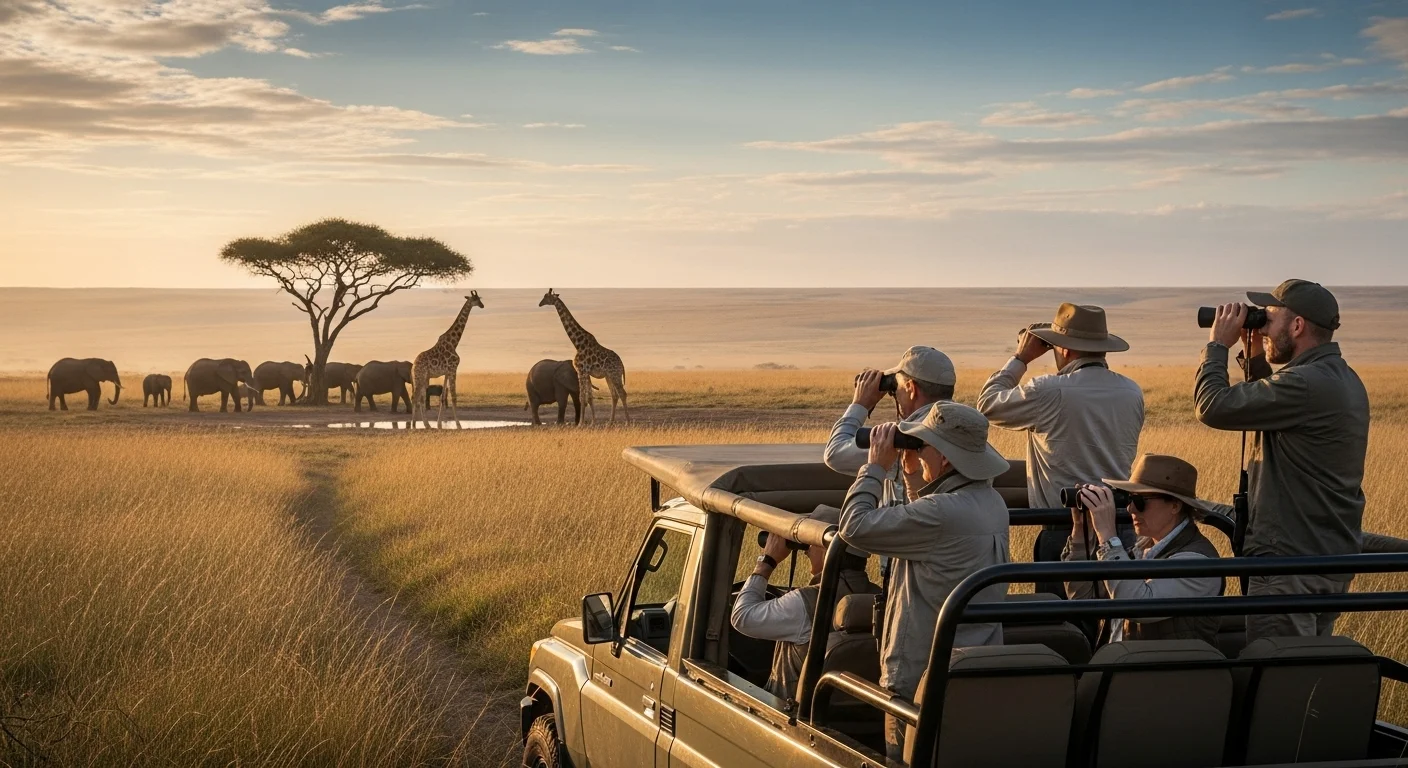
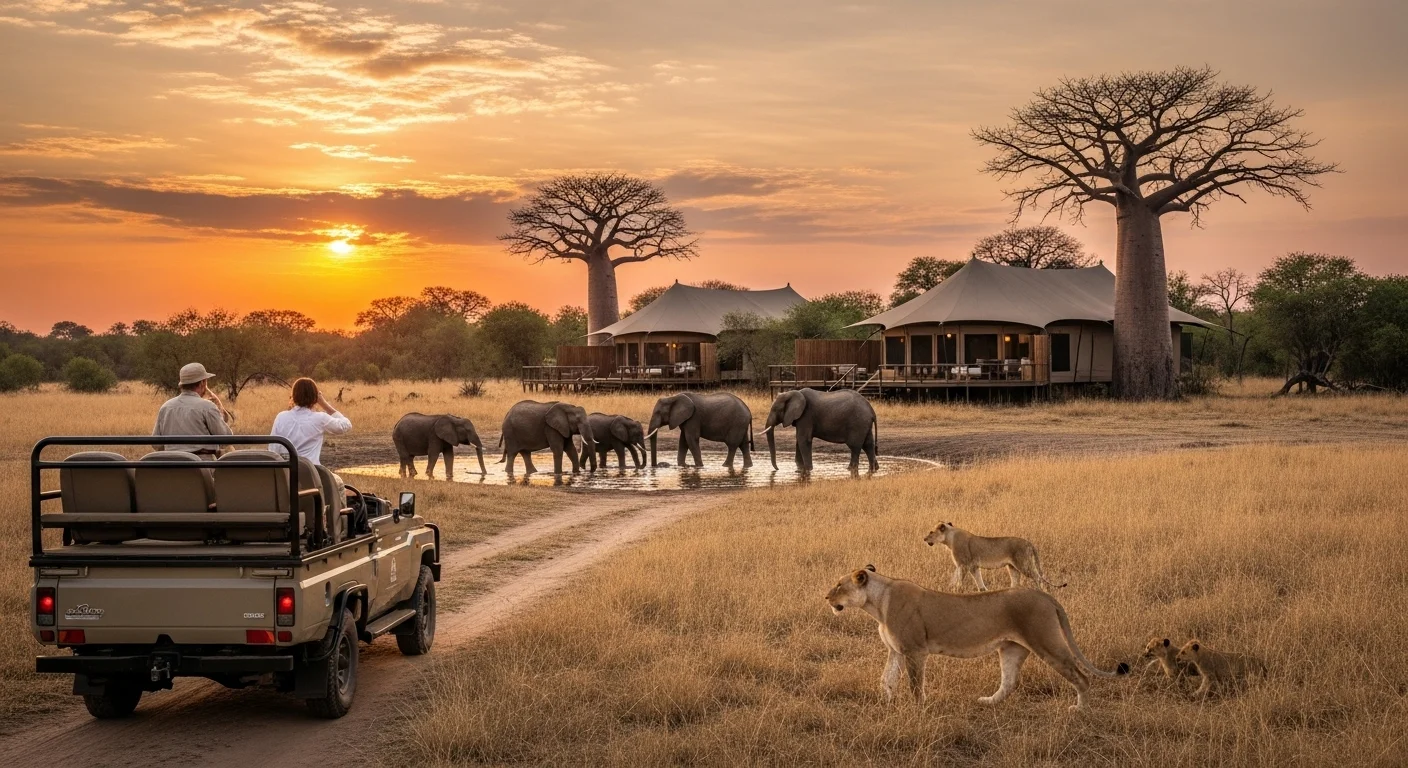
On a luxury safari, you are not just a spectator; you become part of the beautiful tapestry of the African wilderness. You might find yourself sipping a fine wine while watching elephants graze against a stunning sunset or enjoying a private guided walk through a game reserve with a knowledgeable ranger who can share insights about the ecosystem. This blend of adventure and comfort is what sets luxury safaris apart.

Key Features of Luxury Safaris

As I explored the world of luxury safaris, I noticed several key features that make these trips stand out:

  • Exclusive Accommodations: Think luxurious lodges, private villas, and well-appointed tented camps with stunning views and personal service. Many of these places are situated in prime game-viewing areas, allowing you to wake up to the sounds of nature right outside your door.
  • Personalized Experiences: Luxury safaris often include private guides and customized itineraries tailored to your interests, whether that’s photography, birdwatching, or simply relaxing in nature.
  • Gourmet Dining: Dining on a luxury safari can be an experience in itself, with chefs preparing exquisite meals using fresh local ingredients. I remember enjoying a bush dinner under the stars, complete with a multi-course meal and fine wines.
  • Access to Exclusive Areas: Many luxury safari operators have access to private concessions and reserves, allowing for a more intimate and less crowded experience with wildlife.

Benefits of Choosing a Luxury Safari Experience

Why splurge on a luxury safari? From my perspective, the benefits are numerous. First and foremost, the level of comfort and service makes a significant difference. After a day of exploring, returning to a luxurious lodge where you can unwind in a spa or enjoy a refreshing dip in a private pool is something I cherish. It’s a way to recharge for the next day’s adventures.

Moreover, the knowledgeable guides I’ve encountered on luxury safaris have made all the difference in my experience. They not only help me spot elusive wildlife but also share fascinating insights into animal behavior and conservation efforts. I found myself learning so much more than I ever expected.

Another benefit is the chance to connect with the local culture. Many luxury safari operators engage with local communities, offering opportunities to learn about their traditions and way of life. I remember visiting a village where I was welcomed with open arms and experienced their vibrant customs firsthand. It added a layer of richness to my journey that I’ll never forget.

Finally, the sense of exclusivity and privacy cannot be overstated. On a luxury safari, you often find yourself in a small group or even solo, allowing for a more personalized experience. I felt that this intimacy helped me connect more deeply with the environment and the animals around me.

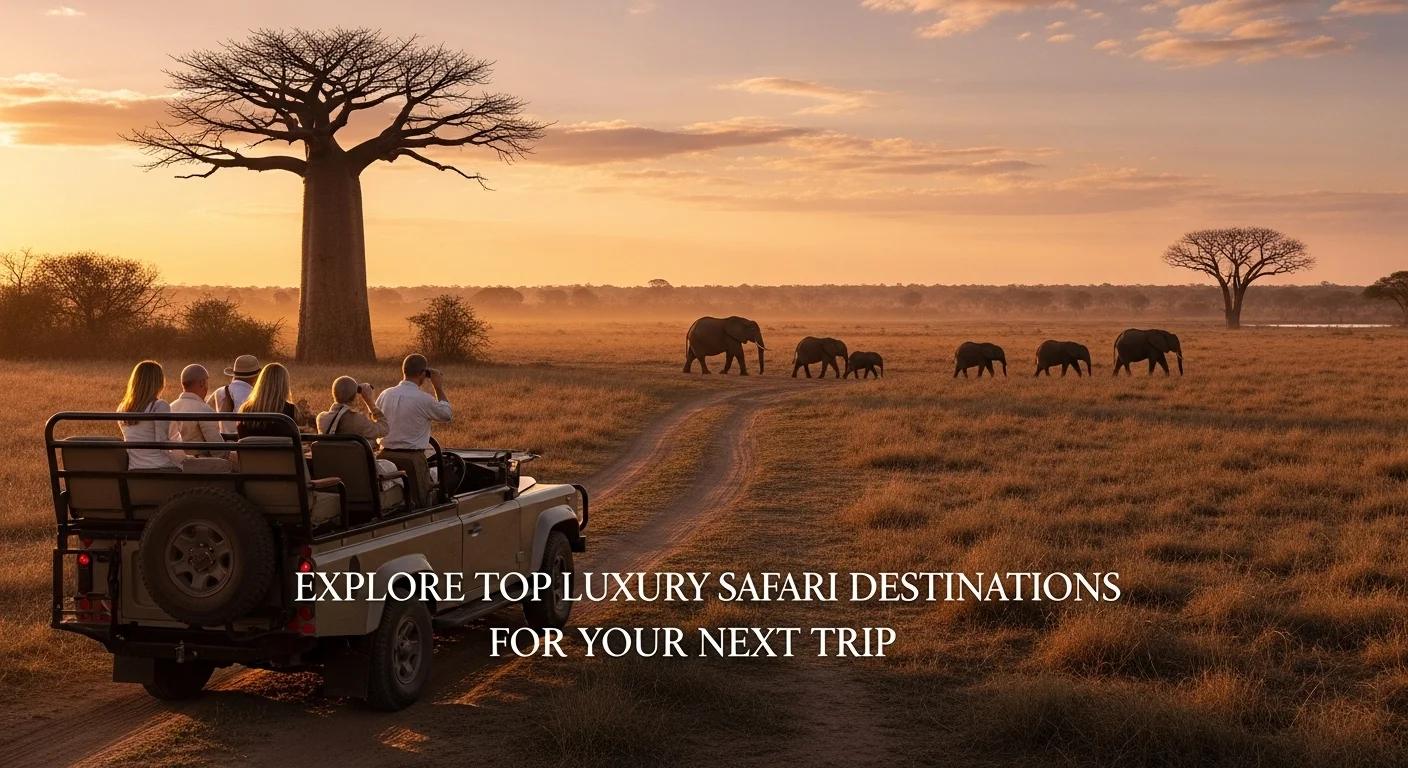
In summary, a luxury safari offers a unique blend of adventure, comfort, and personal enrichment that truly sets it apart from a standard safari experience. Whether you’re a seasoned traveler or trying something new, I believe it’s an adventure worth considering. Read Interesting article: Explore Top Luxury Safari Destinations for Your Next Trip

Top Luxury Safari Destinations Worldwide

African Safari Destinations

When it comes to luxury safaris, Africa is undoubtedly the crown jewel. The continent boasts some of the most iconic wildlife and landscapes on the planet. I’ve had the chance to visit a few incredible destinations, and each one offered a unique experience that I still treasure today.

Maasai Mara, Kenya

The Maasai Mara is a must-visit for anyone seeking a luxury safari experience. This expansive reserve is famous for the Great Migration, where millions of wildebeests and zebras cross the plains in search of greener pastures. I remember sitting in a private vehicle with a glass of champagne as we watched this spectacular natural event unfold before our eyes. The luxury lodges here often provide stunning views of the savannah, and the service is impeccable. I felt like royalty as I relaxed in my tented suite, surrounded by the sounds of the wild.

Serengeti National Park, Tanzania

Just a stone’s throw away from the Maasai Mara is the Serengeti, another iconic safari destination. The vast landscapes and diverse wildlife make it a photographer’s paradise. I took part in a hot air balloon safari over the Serengeti at sunrise, and it was, without a doubt, one of the most breathtaking experiences of my life. After floating above the Serengeti’s vast plains, we landed for a gourmet breakfast in the middle of the wild, which was the cherry on top of an unforgettable morning.

Kruger National Park, South Africa

Kruger National Park is one of the largest game reserves in Africa and is renowned for its incredible biodiversity. The luxury lodges here often include private game drives, allowing for a more personalized experience. I’ll never forget my first night drive, where we spotted a pride of lions enjoying their dinner under the stars. The knowledgeable guides not only helped us find wildlife but also shared fascinating stories about the park’s history and conservation efforts, which added depth to the experience.

Okavango Delta, Botswana

The Okavango Delta is a UNESCO World Heritage Site and offers a different kind of luxury safari experience. Instead of traditional game drives, we explored the delta by canoe, gliding silently along the waterways. The serenity of this environment was something I had never experienced before. I recall watching elephants and hippos from a safe distance, feeling completely at peace. Staying in a luxury camp in the delta meant that I could fall asleep to the sounds of the wild, a true connection to nature that I cherished.

Luxury Safari Experiences in Asia

While Africa is often the first place that comes to mind for safaris, Asia also offers unique luxury wildlife experiences that are worth exploring.

Ranthambore National Park, India

Ranthambore is famous for its tiger population, and experiencing a luxury safari here was on my bucket list for a long time. The thrill of spotting a majestic Bengal tiger in its natural habitat was an adrenaline rush like no other. The luxury resorts in Ranthambore provide fantastic hospitality and often have knowledgeable guides who share insights into the park’s ecology. I remember one morning’s safari where we encountered a tiger lounging by a waterhole, and it felt surreal to witness such beauty up close.

Yala National Park, Sri Lanka

Yala National Park offers a different flavor of luxury safari, where you can witness leopards, elephants, and a variety of birds. The experience here felt more intimate, with fewer crowds compared to some of the more famous African reserves. I loved the combination of beautiful landscapes and rich cultural history in the area. I went on a guided tour that included not just wildlife viewing but also visits to ancient temples nearby, making my trip feel both adventurous and culturally enriching.

Exclusive Safari Options in South America

South America might not be the first continent that pops into mind when thinking about safaris, but it has some extraordinary options worth considering.

Pantanal, Brazil

The Pantanal is the world’s largest tropical wetland and is a haven for diverse wildlife, including jaguars, capybaras, and a variety of birds. I was amazed by the lush landscape and the vibrant wildlife. Staying in luxury lodges here provided me with an opportunity to explore the Pantanal’s waterways, either by boat or on horseback. I remember one day when we encountered a family of capybaras lounging in the sun—such a delightful sight! The guides were incredibly knowledgeable and shared insights on the importance of this unique ecosystem.

Los Glaciares National Park, Argentina

While not a traditional safari, the experience in Los Glaciares National Park is unforgettable. The stunning landscapes, including the iconic Perito Moreno Glacier, provide a backdrop for stunning wildlife encounters. I found myself hiking through the rugged terrain, and I was privileged to see condors soaring above. Exploring this park felt like stepping into another world, and I loved the contrast of the icy landscape with the rich wildlife. A luxury lodge here offered exquisite meals and relaxation after a day of adventure.

When to Visit Luxury Safari Destinations

Best Times of Year for African Safaris

Timing is everything when it comes to planning a luxury safari. From my experience, the best time to visit many African destinations is during the dry season, typically from June to October. During this time, animals congregate around water sources, making wildlife spotting significantly easier. I recall a trip I took to the Maasai Mara in July, and it was incredible how many animals we saw. The landscapes were vibrant, and the wildlife was abundant, making every game drive feel like an exhilarating adventure.

Some regions, like Namibia or South Africa’s Kruger National Park, also have their unique peak seasons, often depending on climate and wildlife patterns. For instance, visiting Kruger during the winter months (June to September) provides cooler temperatures and clearer skies, perfect for spotting wildlife. I remember watching elephants playfully splashing in a waterhole while the sun dipped below the horizon, painting the sky with hues of orange and pink. It was a moment I’ll cherish forever.

Seasonal Wildlife Migration Patterns

One of the most thrilling aspects of a luxury safari experience is the chance to witness the great migration. I learned that this spectacular event occurs between Kenya and Tanzania, with wildebeests and zebras traversing the plains in search of greener pastures. The migration typically peaks from July to September, and seeing thousands of these majestic creatures moving across the landscape is truly a sight to behold. I was fortunate enough to witness this firsthand in the Serengeti, where the sheer number of animals was staggering. It felt like nature’s grand parade, and I was lucky to be in the front row!

Besides the great migration, other seasonal patterns can affect wildlife viewing. For example, during the rainy season from November to March, many animals give birth, leading to adorable sightings of young wildlife. While the landscapes might be lush and beautiful during this time, I’ve noticed that some roads can become challenging to navigate, and wildlife can be more dispersed, making spotting trickier. However, if you’re up for a bit of adventure, visiting during this period can still provide unique experiences and fewer crowds.

Weather Considerations for Safari Travels

The weather can significantly impact your safari experience. I’ve discovered that different countries and regions can have vastly different climates, so it’s essential to research before you go. For instance, in East Africa, the climate can be characterized by wet and dry seasons, while Southern Africa may experience a more temperate climate with minimal fluctuations throughout the year.

During my travels, I found that packing appropriately for the weather is crucial. The daytime can be hot, but evenings may require warmer clothing. I remember being on a night drive and wishing I had brought a warmer jacket, as the temperatures dropped significantly after sunset. Layering is always a good strategy, and I’ve learned to pack light but smart, including lightweight fabrics for the day and a warm layer for the evenings.

Lastly, it’s good to keep in mind that the rainy seasons can lead to sudden downpours. I experienced this in Botswana’s Okavango Delta, where a sudden rainstorm made for a beautiful and refreshing change in the atmosphere, but it also meant we had to be flexible and adapt our plans. Being open to changing your itinerary can lead to unexpected and delightful discoveries!

Accommodations: Where to Stay on a Luxury Safari

Luxury Lodges and Camps

Choosing the right accommodation is just as important as selecting your safari destination. I’ve stayed in some of the most luxurious lodges and camps, and each one offered a unique experience. These lodges often boast stunning views, private balconies, and exceptional service that truly elevate the safari experience. I remember spending my evenings at a lodge in Kruger, where I could hear the sounds of wildlife just beyond my room as I enjoyed a delightful dinner overlooking the bush.

Many luxury lodges also focus on sustainability and local culture, which I find incredibly appealing. They often employ local staff and use locally sourced materials, allowing guests to connect more deeply with the environment. I always recommend researching lodges that align with your values—this personal touch can make your stay even more meaningful.

Unique Safari Experiences: Treehouses and Tented Camps

For those looking for something a bit more adventurous, treehouses and tented camps offer a unique way to immerse yourself in nature. I had an unforgettable experience staying in a tented camp in the Okavango Delta, where I could hear the sounds of nature as I drifted off to sleep. Waking up to the sounds of birds chirping and hippos grunting was invigorating and made me feel truly connected to the wild.

Treehouses, on the other hand, offer an incredible vantage point to observe wildlife from above. I’ve had the chance to enjoy a night in one, and it felt magical to be surrounded by the canopy of trees, listening to the night sounds. These accommodations often provide a unique blend of adventure and comfort, making them a memorable part of the safari experience.

All-Inclusive vs. Customized Safari Packages

When planning a luxury safari, you’ll encounter various options for packages, and choosing between all-inclusive and customized experiences can be a personal decision. In my travels, I’ve found that all-inclusive packages often take the guesswork out of planning. Everything from meals to game drives is included, allowing you to relax and fully immerse yourself in the experience without worrying about logistics.

However, customized packages can also offer a fantastic opportunity to tailor your safari to your interests. I once opted for a customized itinerary that included specific activities like a photography workshop and cultural visits to local villages. It was an enriching experience that allowed me to engage with the environment on a deeper level. I believe that the key is to find a balance that suits your travel style and desires. Read Interesting article: Affordable Private Excursions: Explore Luxury on a Budget

Top Activities and Experiences on Luxury Safaris

Guided Game Drives and Walks

One of the highlights of my luxury safari adventures has been the guided game drives and walks. There’s something incredibly exhilarating about setting out early in the morning, the sun just beginning to rise, and the world around you coming to life. Each drive felt like a treasure hunt, with our guide sharing stories about the landscape and wildlife we encountered. I recall a particularly magical morning when we were fortunate enough to witness a cheetah sprinting across the plains. The thrill of that moment is etched in my memory.

Guided walks, on the other hand, offer a more intimate way to engage with nature. Walking through the bush with a knowledgeable ranger allows you to notice details you might miss from a vehicle. I remember one walk where we discovered animal tracks and droppings, which provided insight into the movements of wildlife in the area. It was a deeply enriching experience that made me feel connected to the land.

Hot Air Balloon Safaris

If you’re looking for a unique perspective, I highly recommend a hot air balloon safari. Floating silently over the vast landscapes of the Serengeti at dawn is something I’ll never forget. The breathtaking views, with the sun rising over the horizon and casting golden light on the wildlife below, were nothing short of magical. Once we landed, we were treated to a champagne breakfast in the middle of the savannah, which felt like a scene from a movie. It’s an experience that perfectly combines adventure with luxury, and I believe everyone should try it at least once.

Cultural Experiences with Local Communities

One of the most impactful aspects of my luxury safari was the opportunity to connect with local communities. Many safari operators offer cultural experiences that allow you to engage with the traditions and lifestyles of local tribes. I remember visiting a Maasai village, where I was welcomed with open arms. They shared their stories, music, and even taught me a few traditional dances. It was a beautiful reminder of the rich heritage that exists alongside the wildlife we so often focus on during safaris.

These encounters provide a deeper understanding of the region’s culture and the challenges faced by local communities. I came away feeling inspired and grateful for the opportunity to learn from people whose lives are intricately linked to the land and its wildlife.

Photography Safaris

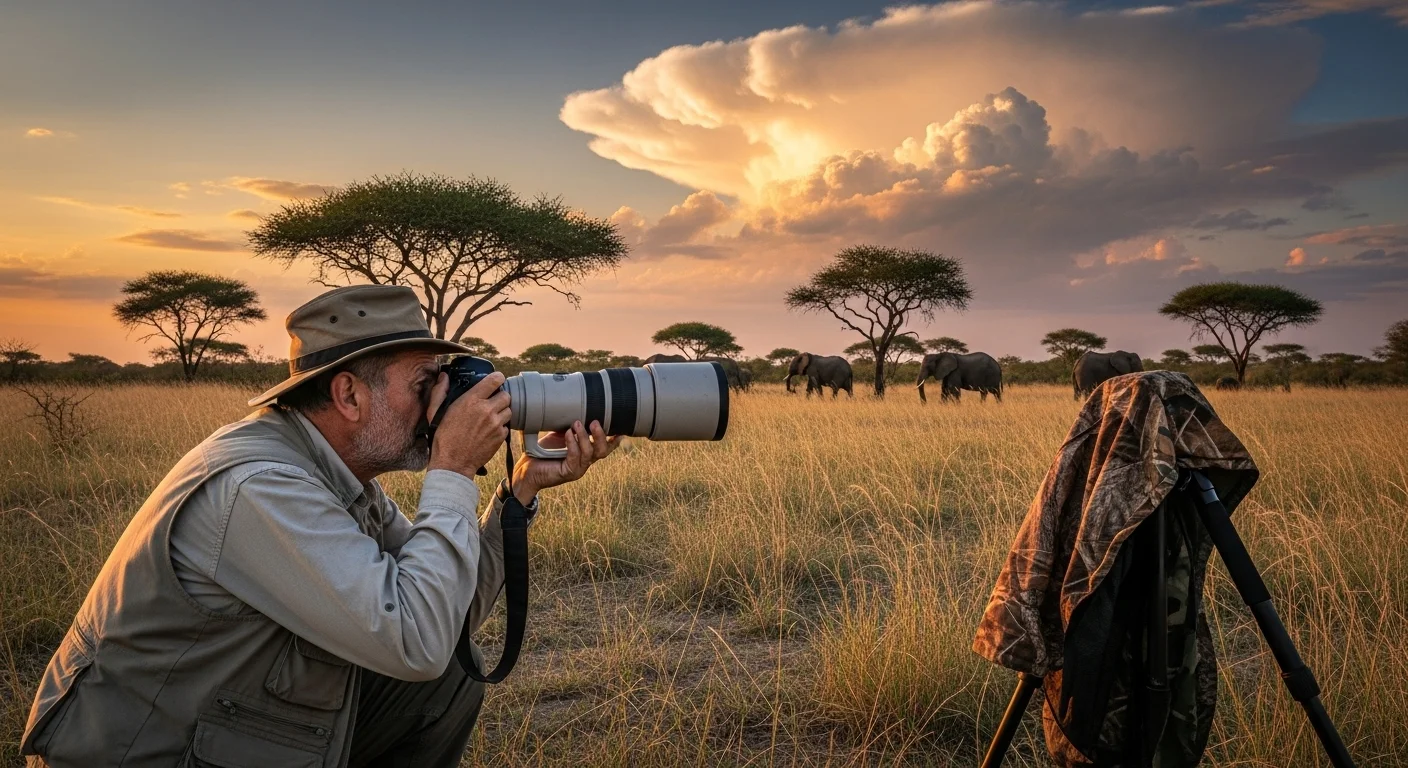
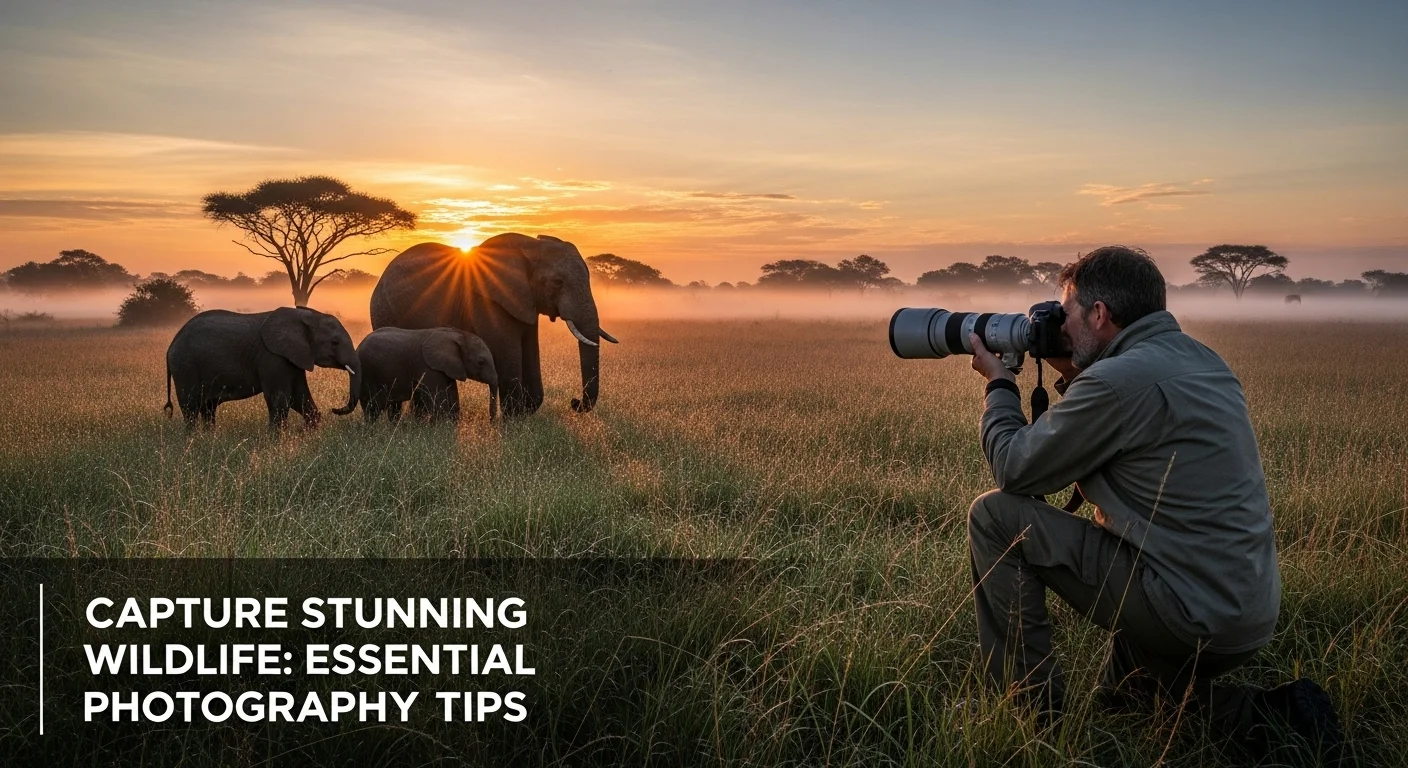
For those interested in photography, luxury safaris often offer specialized photography tours. I’ve always had a passion for capturing moments, so when I learned about these options, I jumped at the chance. With a professional photographer guiding us, I received valuable tips on composition and lighting while we sought out stunning shots of wildlife in their natural habitat. I remember the adrenaline rush of capturing a family of elephants walking gracefully against a sunset backdrop.

These experiences not only enhance your skills but also allow you to create lasting memories through your lens. I highly recommend investing in a photography safari if you have a love for capturing the beauty of nature.

Local Cuisine and Dining Options on Safari

Traditional African Dishes

One of the joys of going on a luxury safari is indulging in the local cuisine. I’ve been fortunate enough to savor a variety of traditional African dishes that reflect the rich culinary heritage of the continent. From succulent game meats to flavorful stews, each meal was an adventure in itself. I particularly enjoyed trying biltong, a type of dried meat, and pap, a staple dish similar to polenta, which was often served with rich sauces and vegetables.

Dining in the bush is an experience that I found to be incredibly special. The combination of delicious food and stunning surroundings made for unforgettable meals, filled with laughter and stories around the table.

Gourmet Dining in the Wild

Luxury safaris take dining to the next level, with gourmet meals prepared by talented chefs. I was amazed by the creativity and attention to detail in each dish. One evening, I dined under a canopy of stars, enjoying a multi-course meal that showcased local ingredients. The flavors were outstanding, and I felt like I was partaking in a culinary journey. The service was impeccable, making every meal a lavish experience.

Bush Breakfasts and Sundowners

Bush breakfasts and sundowners are two dining experiences that I absolutely loved. Imagine waking up early to enjoy a hearty breakfast in the wild, surrounded by the sounds of nature. One of my most cherished mornings was spent dining on a scenic overlook, sipping coffee while watching a herd of wildebeest grazing below. It was such a peaceful start to the day.

Sundowners, typically served at sunset, offer a chance to relax and reflect on the day’s adventures. I remember clinking glasses with my travel companions as we watched the sky transform into a canvas of colors. It’s these moments of connection, both with nature and with others, that made my safari experience truly unforgettable.

Safety and Health Considerations

Wildlife Safety Tips

Your safety should always be a top priority while on safari. I learned early on the importance of following my guide’s instructions, especially when it comes to wildlife interactions. Staying inside the vehicle during game drives, maintaining a respectful distance from animals, and being aware of your surroundings are all crucial for a safe experience. It’s exciting to see wildlife up close, but respect for their space is essential.

Health Precautions and Vaccinations

Before my first safari, I made sure to consult with my doctor about necessary vaccinations. Depending on the region, you might need vaccinations for diseases like yellow fever or malaria preventative medication. I found it helpful to research the health requirements for the specific countries I was visiting to ensure I was well-prepared.

Travel Insurance for Safaris

Travel insurance is something I can’t emphasize enough. When planning my trips, I always look for a policy that covers adventure activities, including safaris. It gives me peace of mind knowing I’m protected against unexpected events, whether it’s a sudden illness or a canceled flight. I recommend reading the fine print and ensuring the policy meets your travel needs.

Budgeting for a Luxury Safari

Average Costs of Luxury Safari Packages

When considering a luxury safari, it’s important to understand the costs involved. From my experience, luxury safari packages can vary widely depending on the destination, duration, and level of service. While they may seem expensive, I believe the investment is worth it for the unique experiences and memories created.

Hidden Costs to Consider

In addition to the package price, I learned about some hidden costs that can add up. Things like park entrance fees, tips for guides and staff, and optional activities (like hot air balloon rides) can increase your overall budget. It’s wise to factor these into your planning to avoid surprises.

Tips for Saving on Luxury Safaris

If you’re looking to save while enjoying a luxury safari, consider traveling during the shoulder season when prices may be lower. Also, booking in advance can sometimes yield discounts. I’ve found that being flexible with travel dates and destinations can lead to unexpected deals without sacrificing quality.

Planning Your Luxury Safari

Choosing the Right Safari Operator

Selecting the right safari operator is crucial for a successful experience. I’ve learned that researching various companies, reading reviews, and even reaching out to past travelers can provide valuable insights. It’s essential to find a company that aligns with your values and offers the types of experiences you’re looking for.

Essential Packing Tips for Safari Travelers

Packing for a luxury safari requires a bit of thought. I always bring lightweight, neutral-colored clothing to blend in with the environment and stay comfortable. A good pair of binoculars and a quality camera are must-haves for wildlife viewing. I also recommend packing a light jacket for evening game drives, as temperatures can drop after sunset.

Travel Documentation and Visa Requirements

Before heading off on a safari adventure, make sure your travel documentation is in order. Depending on your destination, you may need a visa, and it’s wise to check the requirements well in advance. I found it helpful to keep digital copies of important documents, just in case.

Final Thoughts

My journey into the world of luxury safaris has been nothing short of transformative. Each trip has taught me about wildlife, cultures, and the beauty of our planet. The combination of adventure, luxury, and personal connection makes these experiences unique, and I believe everyone should consider embarking on a luxury safari at least once in their lifetime. Whether you’re a seasoned traveler or a first-timer, the memories created on a safari will stay with you forever. Embrace the adventure, soak in the beauty, and allow yourself to be captivated by the wonders of the wilderness.

Frequently Asked Questions

“`html

What is a luxury safari?

A luxury safari combines the excitement of wildlife viewing with top-notch accommodations, gourmet dining, and personalized service, allowing you to immerse yourself in nature while enjoying the finer things in life.

What are the key features of luxury safaris?

Key features of luxury safaris include exclusive accommodations, personalized experiences, gourmet dining, and access to exclusive areas for a more intimate wildlife experience.

Why should I choose a luxury safari experience?

The benefits of a luxury safari include high levels of comfort and service, knowledgeable guides, opportunities to connect with local culture, and a sense of exclusivity and privacy.

What are some top luxury safari destinations in Africa?

Some top luxury safari destinations in Africa include the Maasai Mara in Kenya, Serengeti National Park in Tanzania, Kruger National Park in South Africa, and the Okavango Delta in Botswana.

When is the best time to visit luxury safari destinations?

The best time to visit many African destinations is during the dry season, typically from June to October, when animals congregate around water sources, making wildlife spotting easier.

What accommodations can I expect on a luxury safari?

On a luxury safari, you can expect to stay in luxurious lodges, private villas, and well-appointed tented camps that offer stunning views and exceptional service.

What activities can I enjoy on a luxury safari?

Activities on a luxury safari may include guided game drives and walks, hot air balloon safaris, cultural experiences with local communities, and specialized photography tours.

What types of dining experiences can I expect during a luxury safari?

Dining experiences on a luxury safari often include traditional African dishes, gourmet meals prepared by talented chefs, bush breakfasts, and sundowners in scenic locations.

What safety and health precautions should I take on a safari?

Important safety precautions include following your guide’s instructions, staying inside vehicles during game drives, and being aware of your surroundings. Health precautions may involve getting necessary vaccinations and considering travel insurance.

How can I save on a luxury safari?

You can save on a luxury safari by traveling during the shoulder season, booking in advance for potential discounts, and being flexible with travel dates and destinations to find unexpected deals.

“`
Unforgettable Luxury Safari Destinations You Must Visit

Luxury safaris offer an unforgettable adventure, providing a unique blend of breathtaking wildlife encounters and lavish accommodations. Imagine witnessing Africa’s majestic creatures while indulging in five-star comfort—it’s an experience like no other. Read Interesting article: Explore Top Luxury Safari Destinations for Your Next Trip

Unforgettable Luxury Safari Destinations You Must Visit

Overview of Luxury Safaris

What is a Luxury Safari?

A luxury safari is more than just a trip to see wildlife; it’s a carefully curated experience that combines adventure with comfort. When I first heard the term, I thought it meant simply being in a fancy lodge while on a traditional safari. But luxury safaris are so much more. They often include personalized itineraries, private guides, and exclusive access to remote areas. I found that these experiences are designed for travelers who want to immerse themselves in nature without sacrificing comfort. Whether it’s enjoying gourmet meals prepared by renowned chefs or relaxing in a private plunge pool while watching animals roam nearby, a luxury safari elevates the experience to something truly special.

Why Choose a Luxury Safari Experience?

Choosing a luxury safari is about embracing the finest aspects of travel. From my experience, there are several reasons why you might consider this type of adventure. First, the level of service is typically exceptional. You have dedicated staff who cater to your every need, making you feel like royalty. I remember one instance where my private guide went above and beyond, sharing stories and insights about the wildlife that made the experience unforgettable. Affordable Private Excursions: Explore Luxury on a Budget

Secondly, luxury safaris often take you to the most exclusive locations. I felt fortunate to explore areas that aren’t accessible to the average tourist, allowing for a more intimate connection with nature. Additionally, the accommodations are often breathtaking. Think luxurious tents with en-suite bathrooms, stunning views, and even personal butlers. Each night, I would drift off to sleep listening to the sounds of the African wilderness, a comforting reminder of the adventure that awaited me in the morning.

Lastly, luxury safaris often incorporate unique experiences. For example, I participated in a hot air balloon ride over the Serengeti at sunrise, watching the landscape wake up beneath me. These moments are tailored to create a deeper appreciation for the beauty around us.

Top Luxury Safari Destinations

1. Maasai Mara, Kenya

Wildlife Highlights

The Maasai Mara is one of the most famous safari destinations in the world, and it’s easy to see why. During my visit, I was lucky enough to witness the Great Migration, where millions of wildebeest and zebras traverse the plains. The sight of these animals crossing the river, with crocodiles lurking below, is something I will never forget. In addition, the Maasai Mara is home to the Big Five—lion, leopard, elephant, buffalo, and rhinoceros. I felt a thrill every time we spotted one of these magnificent creatures on our game drives.

Best Luxury Lodges

There’s no shortage of luxurious accommodations in the Maasai Mara. I stayed at a lodge where each tent had its own private deck overlooking the savanna, allowing me to enjoy the views in peace. Some top choices include the Mara Serena Safari Lodge and the luxurious Angama Mara, which provide exceptional service and stunning surroundings. Both places have renowned chefs who prepare delicious meals, making dining an experience to remember.

When to Visit

While the Maasai Mara is beautiful year-round, I found that the best time to visit is during the dry season from July to October. This is when the Great Migration usually occurs, and the wildlife viewing is optimal. The landscape is less lush, making animals easier to spot. I recommend planning your trip during these months to maximize your experience.

2. Serengeti National Park, Tanzania

Signature Experiences

The Serengeti is iconic, and for good reason. One of my favorite experiences was participating in a night safari. It felt magical to see the park under the stars, hearing the sounds of the night and knowing that the wildlife was all around us. Additionally, witnessing a cheetah hunt was a heart-pounding moment that I still think about. The Serengeti’s vastness and diversity make it an unforgettable destination.

Luxury Accommodations

For luxury, I highly recommend staying at the Four Seasons Safari Lodge, which combines opulence with stunning views of the wildlife. The lodge features a massive infinity pool and spa services, perfect for unwinding after a day of adventure. Another incredible option is the iconic Serengeti Under Canvas, where you can enjoy a glamping experience without sacrificing comfort.

When to Visit

The best time to visit the Serengeti is also during the dry season, particularly from June to October. This is prime time for wildlife viewing, especially if you want to catch the migration. However, visiting in the green season (November to May) offers a different experience, with fewer tourists and lush landscapes. I loved seeing the park transform during the wet months.

3. Kruger National Park, South Africa

Wildlife Viewing Opportunities

Kruger National Park is a fantastic destination for those who want to see a wide variety of wildlife. I was amazed at how many different species we encountered in just a few days. From elephants to lions and even rare birds, every game drive yielded something new. The sheer size of the park means that there’s always something to discover.

Top Luxury Camps

In Kruger, I had the pleasure of staying at Singita Lebombo Lodge, where luxury meets authentic safari experiences. The lodge boasts spacious suites with breathtaking views, and the food was exquisite. Another great option is the Lion Sands Private Game Reserve, which offers unique treehouse accommodations—an experience I can’t recommend highly enough.

When to Visit

The best time to visit Kruger is during the dry season from May to September. Wildlife sightings are more frequent as animals gather around water sources. I found that early morning and late afternoon game drives offered the best opportunities for spotting animals.

4. Okavango Delta, Botswana

Unique Ecosystem Features

The Okavango Delta is unlike any other place I’ve visited. It’s a UNESCO World Heritage site and one of the largest inland deltas in the world. I was thrilled to explore the waterways by mokoro (dugout canoe), gliding silently through the reeds and spotting animals from a unique perspective. The diversity of wildlife and plant life here is astounding, making every moment feel like a new adventure.

Exclusive Lodging Options

For a true luxury experience, I recommend staying at the Mombo Camp. It’s known for its high wildlife concentrations and plush accommodations. Another fantastic option is the Vumbura Plains Camp, where you can enjoy both land and water activities. Each camp offers an intimate experience with nature while keeping comfort in mind.

When to Visit

The best time to visit the Okavango Delta is during the dry season, from June to October. This is when the water levels are highest, and wildlife viewing is at its peak. I found that the delta’s beauty is truly spectacular during this time, with lush landscapes and vibrant wildlife.

5. Victoria Falls, Zambia/Zimbabwe

Activities Beyond Safari

While Victoria Falls is primarily known for its stunning waterfalls, it also offers incredible safari experiences. During my visit, I explored the surrounding wildlife reserves and found that the combination of breathtaking scenery and wildlife made for an extraordinary trip. I also enjoyed activities like white-water rafting and helicopter tours over the falls, which added an extra thrill to my visit.

Luxury Hotels and Lodges

For a luxurious stay, I recommend the Royal Livingstone Hotel in Zambia, which provides stunning views of the Zambezi River and easy access to the falls. Another fantastic option is the Victoria Falls Hotel in Zimbabwe, which is steeped in history and offers top-notch service.

When to Visit

The best time to visit Victoria Falls is during the dry season from May to October. This is when the water flow is more manageable, allowing for better views of the falls. I found that visiting during this time made for a perfect blend of adventure and relaxation.

Experiencing Luxury on Safari

Private Game Drives vs. Group Tours

One of the most significant differences I noticed when embarking on a luxury safari is the option for private game drives versus group tours. During my travels, I opted for private game drives, and it truly transformed my experience. Imagine having your own guide who knows your preferences, takes you to the best spots, and ensures you have the most intimate wildlife encounters possible. For me, this personalized attention made every moment feel special. I remember sitting silently in the jeep, watching a pride of lions from just a few feet away, and knowing we could stay as long as we wanted without anyone else around was incredible.

Group tours can be enjoyable too, and they often provide a chance to meet fellow travelers and share stories. However, I felt that the flexibility and tailored experiences of private drives made for a more enriching adventure. With private drives, you can adjust your schedule based on wildlife activity, and if a sighting captures your attention, you can linger a little longer without feeling rushed. This kind of freedom is something I truly appreciated during my safari.

Gourmet Dining in the Wild

One of my favorite aspects of luxury safaris has to be the dining experiences. I never imagined I could enjoy gourmet meals in the middle of the African wilderness. I remember one evening, my guides set up a beautiful dining table under the stars after a day of exploring. We had a chef prepare a multi-course dinner featuring local flavors, and I tasted dishes I had never encountered before. The combination of exquisite food and the natural beauty surrounding us created a magical atmosphere.

Many luxury lodges and camps have renowned chefs who emphasize locally sourced ingredients and traditional cooking techniques. I found that meals not only satisfied my taste buds but also allowed me to connect with the culture of the region. From fresh game meat to delightful vegetarian options, each meal felt like a celebration of the land. Breakfasts often included freshly baked pastries and tropical fruits, and I cherished those mornings spent outside, watching the sun rise over the savanna while sipping on freshly brewed coffee.

Exclusive Cultural Experiences

Another unique aspect of luxury safaris is the opportunity to engage in exclusive cultural experiences. I remember visiting a local village during one of my trips, where the community welcomed us with open arms. We were invited to participate in traditional dances, hear stories about their way of life, and learn about their deep connection to the land. This experience opened my eyes to the rich cultures that exist alongside the wildlife. I felt grateful for the chance to connect with the people who inhabit these beautiful areas.

Many luxury safari operators offer tailored experiences that include community visits, art workshops, or even conservation projects. For me, these activities added depth to my journey. They reminded me that a safari is not just about wildlife but also about understanding the intricate relationships between people and nature. I believe that embracing these cultural aspects enriches the overall safari experience and allows us to appreciate the destination in a whole new light. Affordable Luxury: Exclusive Adventure Tours for Thrill Seekers

Planning Your Luxury Safari

Best Time to Go

When it comes to planning a luxury safari, timing is everything. I learned firsthand that the best time to go can vary depending on the specific destination and what you hope to see. Generally, the dry season, which varies by region, is considered the prime time for wildlife viewing. For instance, visiting the Maasai Mara during the Great Migration from July to October is a must for any wildlife enthusiast.

However, I also discovered that the green season, from November to May, offers its own unique benefits. Fewer tourists, lush landscapes, and the chance to witness animal births make this time special. I found that each season has something unique to offer, and I think it’s worth considering what aspects of the safari experience are most important to you when planning your trip.

What to Pack for a Luxury Safari

Packing for a luxury safari can be a delightful task, but it’s essential to strike the right balance between comfort and practicality. I remember feeling overwhelmed at first, but as I began to create my list, I focused on items that would enhance my experience. Lightweight, breathable clothing in neutral colors is a must, as it helps you blend in with the surroundings and stay comfortable in the African heat. I also packed a light jacket for cooler evenings and mornings.

Don’t forget essentials like sunscreen, a wide-brimmed hat, and binoculars for those incredible wildlife sightings. I also recommend bringing a good camera to capture the stunning landscapes and unforgettable moments. Surprisingly, some lodges provide laundry services, which made packing lighter a more manageable task.

Health and Safety Considerations

Your health and safety should always be a priority when planning a safari. I found it helpful to consult with my doctor about vaccinations and preventative medications for malaria, depending on the areas I planned to visit. I also made sure to carry a basic first aid kit and any personal medications I might need during my travels.

Staying hydrated is crucial, especially in the heat, so I always kept a refillable water bottle with me. Most luxury camps and lodges provide safe drinking water, so it’s easy to stay refreshed throughout the day. Lastly, familiarizing yourself with the local customs and safety tips can enhance your experience and ensure you feel comfortable during your travels.

Budgeting for a Luxury Safari

Budgeting for a luxury safari can seem daunting, but understanding where your money goes can help ease the process. I learned that the cost of a safari often includes accommodations, meals, and guided tours, but there might also be additional expenses like park entry fees and optional activities.

It’s essential to research and set a budget that aligns with your travel style and preferences. I found that splurging on unique experiences, like hot air balloon rides or private guides, can create lifelong memories. However, there are also ways to find deals or travel during off-peak times to save money without sacrificing quality. Ultimately, it’s about finding the right balance that allows us to enjoy the adventure while being mindful of our budget.

Frequently Asked Questions

What is included in a luxury safari package?

When I first planned my luxury safari, I was curious about everything that would be included in the package. Typically, a luxury safari package encompasses a range of amenities designed to enhance your experience. Most packages include accommodations in upscale lodges or camps, where comfort is prioritized. Meals, guided game drives, and sometimes even special activities like cultural visits or hot air balloon rides are often part of the deal.

From my experience, it’s essential to check what’s specifically included in your package. Some lodges offer all-inclusive options, covering everything from drinks to excursions, while others may charge extra for certain activities or beverages. I remember booking a package that included a private guide, which added immense value to my trip. Having that personal touch made all the difference, allowing me to customize my itinerary based on what I wanted to see and experience. It’s all about finding a package that aligns with your preferences.

Are luxury safaris family-friendly?

Absolutely! During my travels, I met families who enjoyed luxury safaris together, and I can see why they are a fantastic option for family vacations. Many luxury lodges and camps cater specifically to families, offering tailored programs and activities that engage children while keeping the experience enjoyable for adults. I witnessed firsthand how kids could participate in educational programs that teach them about wildlife and conservation, which I found inspiring.

Some lodges even offer family suites or interconnected rooms, making it comfortable for everyone to stay together. I remember seeing families bond over evening storytelling around the campfire, sharing experiences and adventures of the day. If you’re considering a luxury safari with your family, look for lodges that provide kid-friendly options, like game drives designed for younger audiences or special children’s menus. This way, everyone can create lasting memories together while exploring the beauty of Africa.

How do I choose the right destination?

Choosing the right destination for a luxury safari can feel overwhelming with so many incredible options. From my experience, the best approach is to start by identifying what you’re most interested in. Are you eager to see the Great Migration, or do you want a more diverse range of wildlife? I found that discussing my specific interests with a travel expert who specializes in safaris helped narrow down the options significantly.

Consider factors like the type of wildlife you want to see, the kind of accommodations you prefer, and the experiences you don’t want to miss. For instance, if you’re after a romantic getaway, you might prefer the more secluded lodges in the Okavango Delta. On the other hand, if you’re an adventure seeker, the Maasai Mara during the migration offers thrilling sights. Researching different parks and their unique offerings can help you find the ideal match for your safari adventure.

What are the best wildlife viewing seasons?

Timing your trip for optimal wildlife viewing can significantly enhance your safari experience. I learned that the dry season, which varies by region, is often the best time to see animals. During this period, water becomes scarce, drawing animals to the remaining water sources, making them easier to spot. For example, I visited Kruger National Park during the dry season and was amazed by how many animals we encountered at the waterholes.

However, the green season also has its advantages. While it can be more challenging to spot wildlife due to the dense vegetation, this time of year brings vibrant landscapes and the spectacle of animal births. I found that visiting during the green season provided a unique perspective on the ecosystem and the animals’ behaviors. Ultimately, the best season for viewing wildlife depends on your preferences and what aspects of nature you want to experience. Being flexible with your travel dates can lead to unforgettable encounters no matter when you go.

Frequently Asked Questions

What is a luxury safari?

A luxury safari is a carefully curated experience that combines adventure with comfort, going beyond just staying in fancy lodges. It often includes personalized itineraries, private guides, and exclusive access to remote areas, allowing travelers to immerse themselves in nature without sacrificing comfort.

Why should I choose a luxury safari experience?

Choosing a luxury safari allows you to enjoy exceptional service, exclusive locations, and breathtaking accommodations. This type of adventure often includes unique experiences like hot air balloon rides, gourmet meals prepared by renowned chefs, and more intimate connections with nature.

What are the top luxury safari destinations mentioned?

The top luxury safari destinations mentioned are the Maasai Mara in Kenya, Serengeti National Park in Tanzania, Kruger National Park in South Africa, Okavango Delta in Botswana, and Victoria Falls in Zambia/Zimbabwe.

When is the best time to visit the Maasai Mara?

The best time to visit the Maasai Mara is during the dry season from July to October, which is when the Great Migration occurs and wildlife viewing is optimal.

What unique experiences can I find in the Serengeti?

Unique experiences in the Serengeti include participating in night safaris and witnessing thrilling events like a cheetah hunt, as well as enjoying the vastness and diversity of the park.

What health and safety considerations should I keep in mind?

Health and safety considerations include consulting with a doctor about vaccinations and preventative medications for malaria, carrying a basic first aid kit, staying hydrated, and familiarizing yourself with local customs and safety tips.

What should I pack for a luxury safari?

For a luxury safari, pack lightweight, breathable clothing in neutral colors, a light jacket for cooler evenings, sunscreen, a wide-brimmed hat, binoculars, and a good camera. Some lodges also provide laundry services, making packing lighter easier.

Are luxury safaris family-friendly?

Yes, luxury safaris can be family-friendly, with many lodges offering tailored programs and activities for children, including educational programs about wildlife and conservation. Family suites or interconnected rooms are often available to accommodate families comfortably.

How can I choose the right destination for my safari?

To choose the right destination for your safari, identify your interests, such as specific wildlife you want to see or types of accommodations you prefer. Consulting with a travel expert can help narrow down options based on your preferences and desired experiences.

What are the best wildlife viewing seasons?

The best wildlife viewing seasons are typically during the dry season when animals congregate around water sources, making them easier to spot. However, the green season offers lush landscapes and the spectacle of animal births, providing a different but equally enriching experience.

Explore Top Luxury Safari Destinations for Your Next Trip

Luxury safaris offer an extraordinary way to explore the breathtaking beauty of nature while indulging in comfort and style. If you’re dreaming of an unforgettable adventure, you’re in the right place!

Explore Top Luxury Safari Destinations for Your Next Trip

Understanding Luxury Safaris

When I first heard about luxury safaris, I imagined endless stretches of savannah, stunning wildlife, and five-star accommodations. Little did I know that a luxury safari experience goes beyond just lavish lodges and gourmet meals. It’s about immersing oneself in nature while enjoying personalized service and exclusive access to some of the most beautiful places on Earth. Over time, I learned that luxury safaris redefine the way we connect with wildlife and the environment.

What Defines a Luxury Safari Experience?

A luxury safari is centered around comfort, exclusivity, and tailored experiences. From the moment you arrive, every detail is designed to make your trip as enjoyable and seamless as possible. Think of private game drives, where you can take your time observing the animals without the crowds. Imagine exquisite dining under the stars, with expertly prepared meals featuring local ingredients, all while surrounded by the sounds of the African night. For me, the best part is the exceptional service—staff members often remember your name and preferences, making you feel like the only guest in the wilderness. Read Interesting article: Savor Luxury: High-End Culinary Tours on a Budget

Key Differences Between Luxury and Traditional Safaris

While traditional safaris can offer thrilling wildlife encounters, they often lack the personalized attention that luxury safaris provide. In my experience, luxury safaris tend to focus on smaller group sizes, which means you have more opportunities for intimate wildlife experiences. Additionally, luxury lodges usually come equipped with top-notch amenities, such as private plunge pools, spa services, and fine dining options. The key difference lies in the level of comfort and exclusivity; it’s about pampering yourself while still being immersed in the wild.

Benefits of Choosing a Luxury Safari

Choosing a luxury safari comes with numerous benefits that enhance the overall experience. For starters, the accommodations are often situated in prime locations, offering spectacular views and easy access to wildlife hotspots. I remember waking up to the sounds of elephants trumpeting just outside my luxury tent—an experience I’ll never forget! Plus, many luxury lodges prioritize sustainability and conservation, giving you peace of mind knowing your trip supports local communities and wildlife preservation efforts.

Another aspect that makes luxury safaris so appealing is the unique experiences they offer. From hot air balloon rides at sunrise to private guided tours with knowledgeable rangers, the opportunities for adventure are endless. I vividly recall a private dinner set up in the bush, complete with candles and an incredible meal prepared by a talented chef. It was magical, and those are the moments that truly define a luxury safari. Read Interesting article: Affordable Private Excursions: Explore Luxury on a Budget

Ultimately, the goal of a luxury safari is to create memorable experiences that connect you deeply to nature while ensuring your comfort. Whether it’s relaxing in a lavish lodge after a day of game viewing or partaking in exclusive activities, luxury safaris allow you to enjoy the great outdoors without sacrificing comfort.

Top Luxury Safari Destinations Around the World

With so many incredible destinations to choose from, planning a luxury safari can be both exciting and overwhelming. I’ve found that each location offers its own unique charm and unforgettable experiences. Here are some of my top picks for luxury safari destinations that you should consider for your next trip.

1. Serengeti National Park, Tanzania

Best Luxury Lodges and Camps

The Serengeti is perhaps the most iconic safari destination in the world. I stayed at a stunning lodge that provided breathtaking views of the vast plains. Some of the top luxury lodges include the Four Seasons Safari Lodge and Singita Grumeti. These lodges offer exceptional service and luxurious amenities, making your stay unforgettable.

Best Time to Visit

The best time to visit the Serengeti is during the Great Migration, typically from June to October. Witnessing millions of wildebeests and zebras crossing the plains is an awe-inspiring sight that I recommend to everyone. However, the park is beautiful year-round, with lush landscapes and abundant wildlife.

Wildlife Viewing Highlights

While in the Serengeti, be prepared to see the “Big Five”—lions, leopards, elephants, buffalo, and rhinos. I was lucky enough to witness a lion pride feasting on a recent kill, a moment that left me in sheer awe of nature’s raw beauty. The park also hosts a variety of other species, including cheetahs, giraffes, and hippos, making it a wildlife enthusiast’s paradise.

2. Maasai Mara, Kenya

Renowned Luxury Accommodations

The Maasai Mara is famous for its rich wildlife and stunning landscapes. Luxury accommodations like the Mara Serena Safari Lodge and Cottar’s 1920s Camp provide an incredible blend of comfort and adventure. I loved the blend of traditional Maasai culture with modern luxury.

When to Experience the Great Migration

The Great Migration typically occurs between July and October, when thousands of wildebeests traverse the Mara River. Experiencing this natural spectacle was one of the highlights of my trip, and I felt a deep connection to the rhythm of the wild.

Unique Cultural Experiences with Maasai Tribes

One of the most rewarding aspects of visiting the Maasai Mara is the opportunity to engage with the local Maasai tribes. I participated in a cultural visit where I learned about their customs, traditions, and way of life. It was an eye-opening experience that enriched my understanding of the region.

As we continue to explore luxury safari destinations, the excitement only builds, and I can’t wait to share more! Each location offers its unique charm, and I hope you feel inspired to embark on this incredible adventure.

3. Kruger National Park, South Africa

Exclusive Safari Lodges and Private Reserves

Kruger National Park holds a special place in my heart. It’s one of those destinations that truly feels like the essence of Africa. I had the chance to stay at some exclusive lodges within the park, like the luxurious Singita Lebombo Lodge and the stunning Lion Sands Game Reserve. These lodges are not just places to sleep; they are experiences in themselves, offering breathtaking views, private plunge pools, and even spa services right on the property. The staff were incredibly attentive, making my stay feel personalized and special.

Wildlife Diversity and Big Five Sightings

One of the biggest draws of Kruger National Park is its incredible wildlife diversity. I remember going on a morning game drive where we spotted all of the Big Five—lions, elephants, leopards, buffalo, and rhinos—all within a few hours. Each sighting was thrilling, but the moment that stood out the most was when a family of elephants crossed our path. I felt so fortunate to witness such majestic creatures in their natural habitat. The park is also home to many other species, from playful meerkats to beautiful birds, making it an ideal destination for any wildlife lover.

Seasonal Highlights for Visitors

The best time to visit Kruger is during the dry winter months, from May to September. This is when the vegetation thins out, making it easier to spot animals near water sources. I experienced the magic of early morning drives, when the air is crisp and the wildlife is most active. However, I’ve also learned that visiting during the wet season, from October to April, has its own charm—lush landscapes and baby animals make for a different but equally captivating experience.

4. Okavango Delta, Botswana

Luxury Safari Camps on Water

The Okavango Delta is unlike any place I’ve visited before. Known as a UNESCO World Heritage site, this sprawling inland delta offers a unique safari experience. I stayed in a beautiful camp called Little Vumbura, where my accommodations were luxurious tents set on stilts overlooking the water. The idea of sleeping surrounded by nature, lulled to sleep by the sounds of the Delta, was invigorating and calming at the same time. The camp offered a perfect blend of comfort and adventure.

Best Time for Mokoro and Walking Safaris

Visiting the Delta is best from June to August, during the dry season when the waters are high, allowing for mokoro (dugout canoe) excursions. I’ll never forget the serenity of gliding silently through the waterways, watching hippos and birds go about their day. Walking safaris are also a highlight here, giving you the chance to explore the bush on foot with knowledgeable guides. This immersive experience changed my perspective on wildlife and nature in a way that I had never anticipated.

Unique Flora and Fauna of the Delta

One of the most fascinating aspects of the Okavango Delta is its unique ecosystem. From vibrant water lilies to the occasional sighting of the rare sitatunga antelope, the flora and fauna are incredibly diverse. I found myself captivated by the different species of birds—there are over 400 kinds! The guides shared so much knowledge about the local ecosystems and how each creature plays a role in the balance of life in the Delta. It felt like being part of a living, breathing masterpiece.

5. Chobe National Park, Botswana

Top Luxury River Cruises

Chobe National Park is renowned for its elephant population, and I couldn’t resist taking a luxury river cruise on the Chobe River. The experience was unlike any other. We boarded a beautifully appointed boat, and as we drifted along the river, we were treated to breathtaking views of elephants bathing and drinking at the water’s edge. I felt so connected to the wildlife as we floated silently, camera in hand, soaking in the beauty of the moment. There’s something magical about observing animals from the water’s perspective.

Best Time for Elephant Sightings

The best time to see elephants is during the dry season, from May to October. I saw massive herds of elephants during this time, all congregating around the river. It was a sight to behold—mothers nurturing their young, playful calves splashing in the water, and majestic bulls standing proudly. The sheer number of elephants was overwhelming, and I felt grateful to witness such a spectacular natural phenomenon.

Combining Water and Land Safari Experiences

Chobe is unique in that it offers the opportunity to combine both water and land safari experiences. After my river cruise, I joined a game drive to explore the park on land. The contrast between the two experiences was eye-opening. I encountered animals up close, and the guides shared fascinating insights about their behavior and habitat. Being able to experience Chobe from both the river and the land was truly unforgettable, and I highly recommend this combination for a well-rounded safari adventure.

6. Hwange National Park, Zimbabwe

Luxury Lodging Options

Hwange National Park is often overlooked but is a hidden gem for luxury safari enthusiasts. I had the pleasure of staying at the magnificent Somalisa Camp, which is set amidst the iconic teak forests. The camp blends effortlessly with its surroundings, providing a sense of tranquility and seclusion. The staff there made my experience unforgettable, treating me like family while ensuring every detail was taken care of.

Unique Wildlife Experiences

Hwange is known for its large elephant herds and diverse wildlife. During my visit, I was lucky enough to witness a spectacular sight: a herd of elephants gathering around a waterhole at sunset. The golden light reflecting off their skin created a magical atmosphere. I discovered that Hwange is also home to the endangered African wild dog, and I felt incredibly privileged to spot a pack during a game drive.

Best Viewing Seasons

For the best wildlife viewing, I recommend visiting between July and October during the dry season. As water sources dwindle, animals flock to the few remaining waterholes, making it easier to spot them. The park’s vastness means you’ll often have the wildlife to yourself, which added to the intimacy of my experience.

7. Sabi Sand Game Reserve, South Africa

Exclusive Safari Lodges and Personal Guides

Sabi Sand Game Reserve is known for its luxurious lodges and exceptional game viewing. I had the chance to stay at the opulent Sabi Sabi Earth Lodge, which is built into the earth and blends seamlessly into the landscape. The level of service here was unparalleled; my personal guide was passionate and knowledgeable, and he made every game drive an incredible learning experience. It felt like having a front-row seat to nature’s greatest show.

Best Times for Sightings

For those seeking the best wildlife sightings, visiting during the dry winter months is ideal. I experienced phenomenal leopard sightings, which are more common during this time as they are more active. The guides have an impressive understanding of the animals’ habits, making it easier to track them down. I remember one evening drive where we spotted two leopards lounging in a tree—it was a moment that felt surreal.

Private Game Drives and Bush Walks

One of the highlights of my stay was the opportunity to go on private game drives and bush walks. Being out in the wild on foot was exhilarating, and my guide provided insights I never would have gathered from a vehicle. We learned about different animal tracks, plants, and the ecosystem as a whole. It was a thrilling way to connect with nature on a deeper level. The intimacy of a private experience truly transformed my understanding of the wildlife around me.

Planning Your Luxury Safari

When to Book Your Safari

When it comes to planning a luxury safari, timing can make all the difference. I’ve found that booking well in advance, ideally 6 to 12 months ahead of your desired travel dates, is the best approach. This gives you the widest selection of accommodations and allows you to secure those sought-after luxury lodges that can fill up quickly. For instance, I remember trying to book a last-minute trip during the Great Migration season and quickly realizing that many lodges were already fully booked. If you have specific dates in mind, especially during peak seasons, I highly recommend locking in your reservations as early as possible.

Additionally, each destination has its own ideal travel season. For example, I learned that while the dry season is fantastic for wildlife viewing in places like Kruger and Chobe, the wet season offers unique experiences, too—like lush landscapes and the birth of baby animals. Understanding these seasonal patterns can help you tailor your safari experience to your preferences. Read Interesting article: Affordable Luxury: Exclusive Adventure Tours for Thrill Seekers

How to Choose the Right Safari Package

Choosing the right safari package can feel overwhelming, especially with so many options available. I’ve discovered that the key is to think about what you truly want from your experience. Do you prioritize luxury accommodations, or is it more important to have exclusive guided experiences? Personally, I look for packages that balance both comfort and adventure.

When comparing packages, pay close attention to what’s included. Some packages may offer all-inclusive options, covering meals, drinks, and activities, while others might charge extra for certain experiences. I found that an all-inclusive package can often provide better value, allowing you to fully immerse yourself without worrying about hidden costs.

Also, consider the size of the group. Smaller groups often lead to more personalized experiences, which is something I always seek out. Some providers focus on intimate settings with private guides, which can elevate the experience significantly. I remember feeling like a VIP during a private game drive, where our guide tailored the journey to our interests, allowing for more spontaneous wildlife encounters.

What to Pack for a Luxury Safari

Packing for a luxury safari is a blend of practicality and a touch of elegance. I’ve learned that comfort is key, especially when it comes to clothing. Lightweight, breathable fabric that can handle varying temperatures is essential. I typically pack neutral-colored clothing, which not only blends into the environment but also helps avoid attracting unwanted attention from wildlife. A wide-brimmed hat and polarized sunglasses are also must-haves for sunny days spent in the bush.

Don’t forget your camera! Capturing those once-in-a-lifetime moments is something I always prioritize. I recommend bringing a good zoom lens, as it allows you to get up close with wildlife without disturbing them. A sturdy pair of binoculars is also handy for spotting animals from a distance.

As for the luxury aspect, I like to carry a few nice outfits for dining experiences. Many lodges offer gourmet meals under the stars, and it’s wonderful to dress up a bit for those magical evenings. I usually pack a light jacket for cooler nights, especially when dining outdoors.

Finally, it’s wise to bring along a good insect repellent and any personal health items you may need. Most lodges provide basic amenities, but having your preferred products can make your stay even more comfortable.

Experiencing Local Culture and Cuisine

Dining Options: Gourmet African Cuisine

One of the highlights of my luxury safari experiences has been the incredible dining options. I was pleasantly surprised to discover that many lodges emphasize gourmet African cuisine prepared by talented chefs. Each meal often showcases local ingredients, which allows you to taste the essence of the region.

During my stay at one lodge, I was treated to an unforgettable dinner featuring a fusion of African flavors. From succulent game meat to locally sourced vegetables, every dish was a culinary delight. I remember savoring a dish that combined traditional spices with modern cooking techniques, and it made for an unforgettable dining experience. Many lodges also offer outdoor dining, where you can enjoy your meals surrounded by the sounds of nature—there’s something magical about sharing a meal while listening to the calls of the wild.

Community Visits and Cultural Experiences

Engaging with local communities adds another layer of richness to your safari experience. I had the opportunity to visit a nearby village during one of my trips, and it was enlightening. These visits often offer insights into the culture, traditions, and daily lives of the people who live alongside the wildlife we come to admire.

During my visit, I learned about traditional crafts, music, and dances, and even participated in a local ceremony. It was heartwarming to see how the community welcomed us and shared their stories. I felt a deeper connection to the land and its people, which enriched my overall safari experience. Many luxury safari operators collaborate with local communities as part of their commitment to ethical travel, ensuring that your visit positively impacts the lives of those who call these beautiful places home.

Frequently Asked Questions

What is a luxury safari?

A luxury safari is an experience that combines comfort, exclusivity, and personalized service while exploring nature and wildlife. It includes lavish accommodations, gourmet meals, and tailored experiences that allow guests to immerse themselves in the wilderness.

How does a luxury safari differ from a traditional safari?

Luxury safaris focus on smaller group sizes and provide personalized attention, which often leads to more intimate wildlife encounters. In addition, luxury lodges offer superior amenities, such as private plunge pools and fine dining options, distinguishing them from traditional safaris.

What are the benefits of choosing a luxury safari?

Benefits of a luxury safari include accommodations in prime locations with spectacular views, unique experiences like hot air balloon rides, and a commitment to sustainability and conservation, enhancing the overall trip while supporting local communities.

What are some top luxury safari destinations?

Top luxury safari destinations include Serengeti National Park in Tanzania, Maasai Mara in Kenya, Kruger National Park in South Africa, Okavango Delta in Botswana, Chobe National Park in Botswana, Hwange National Park in Zimbabwe, and Sabi Sand Game Reserve in South Africa.

When is the best time to visit the Serengeti?

The best time to visit the Serengeti is during the Great Migration, typically from June to October, although the park is beautiful year-round with lush landscapes and abundant wildlife.

What should I consider when planning a luxury safari?

When planning a luxury safari, consider booking 6 to 12 months in advance for the best selection of accommodations and understanding the ideal travel season for your chosen destination, which can enhance your wildlife viewing experience.

What should I pack for a luxury safari?

Pack lightweight, breathable clothing in neutral colors, a wide-brimmed hat, polarized sunglasses, a good camera with a zoom lens, binoculars, and a few nice outfits for dining experiences. Also, don’t forget insect repellent and personal health items.

What type of dining experiences can I expect on a luxury safari?

Luxury safaris often feature gourmet African cuisine prepared by talented chefs, showcasing local ingredients. Many lodges offer outdoor dining, allowing guests to enjoy meals while surrounded by the sounds of nature.

Are there opportunities to engage with local cultures during a luxury safari?

Yes, many luxury safari operators provide opportunities to visit local communities, offering insights into their culture, traditions, and daily lives. These experiences enrich the safari by fostering a deeper connection to the land and its people.

What unique experiences are offered during a luxury safari?

Unique experiences during a luxury safari can include private game drives, hot air balloon rides at sunrise, private dinners in the bush, and guided tours with knowledgeable rangers, all designed to create memorable moments in nature.

Budget-Friendly Wildlife Photography Tips for Backpackers

Wildlife photography can feel like an expensive endeavor, but it doesn’t have to be. As a backpacker, I’ve discovered ways to capture stunning images of wildlife without breaking the bank. Let’s explore how you can embrace this adventure!

Budget-Friendly Wildlife Photography Tips for Backpackers

Understanding Wildlife Photography

What is Wildlife Photography?

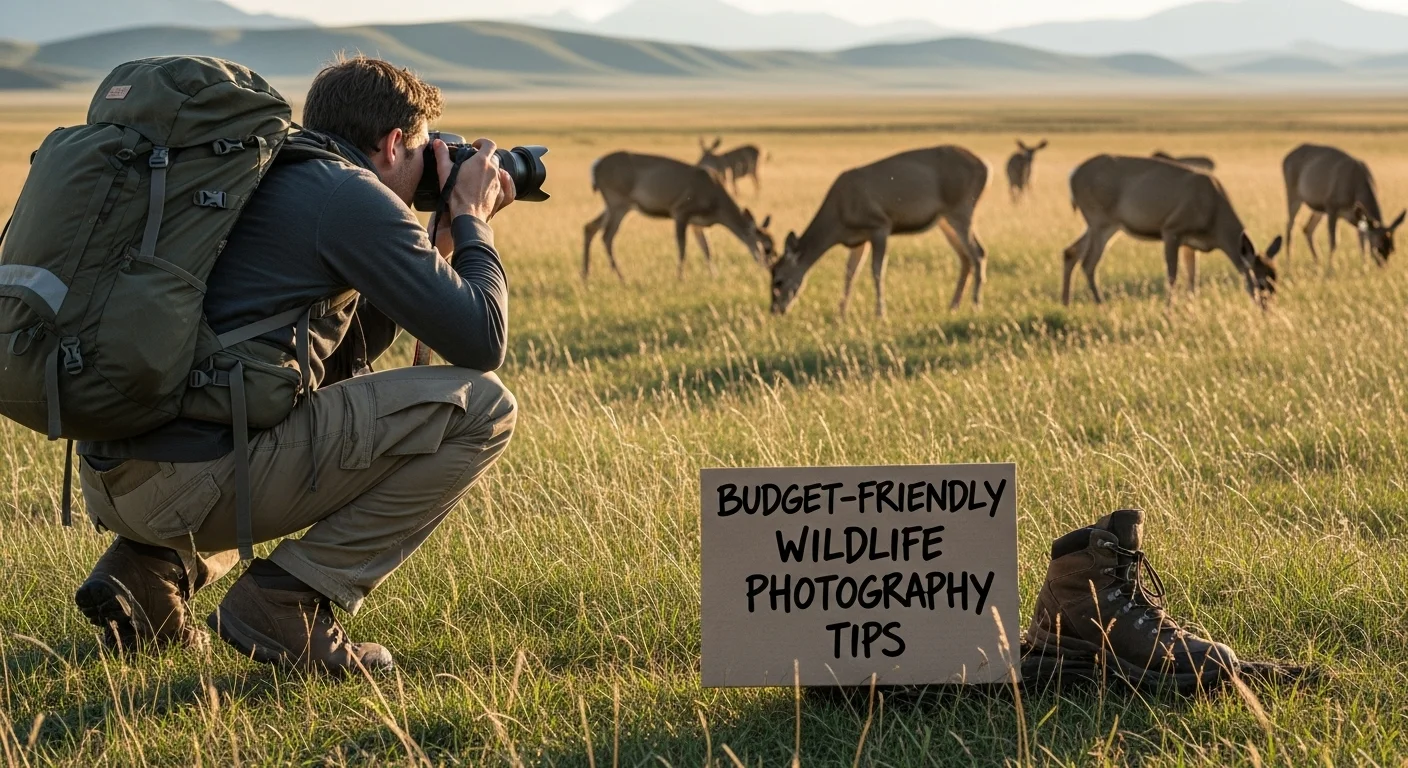
Wildlife photography is all about capturing animals in their natural habitats. This genre goes beyond just taking pictures; it’s about telling a story through your lens. I remember my first trip to a national park where I was mesmerized by the deer grazing at dawn. It wasn’t just the animals that caught my eye, but the entire ecosystem around them. Every shot I took filled me with excitement and a sense of purpose. I believe wildlife photography is about connecting with nature and appreciating its beauty, which I’ve found incredibly rewarding. For more insights, check out Essential Wildlife Photography Tips for Budget Safari Travelers.

The Importance of Ethical Wildlife Photography

As I delved deeper into wildlife photography, I realized the significance of ethical practices. It’s essential to respect the animals and their habitats. I learned never to disturb wildlife for a better shot; this means keeping a safe distance and observing their behavior. I remember a time when I spotted a mother bear with her cubs. Instead of rushing in for a close-up, I stayed back, using my zoom lens to capture the moment without intruding. Respecting wildlife not only protects the animals but also allows us to enjoy their natural behaviors. By doing so, we become better photographers and stewards of the environment.

Essential Gear for Budget Backpackers

Camera Options on a Budget

When I started out, I didn’t have the latest DSLR. Instead, I used a budget-friendly mirrorless camera that I found for a great deal. I recommend looking for options that are lightweight and versatile. Brands like Canon and Nikon have entry-level models that perform well without costing a fortune. I’ve even seen some fantastic deals on used cameras at local shops or online marketplaces. Don’t be afraid to try these options; I found my first camera by simply asking around!

Lenses for Wildlife Photography

Choosing the right lens is crucial for wildlife photography. A good zoom lens can make a world of difference. I started with a 70-300mm lens, which allowed me to capture animals from a distance without disturbing them. I’ve learned that investing in a decent lens can elevate your shots significantly. If you’re on a tight budget, consider renting lenses for specific trips. This way, you can access high-quality glass without a hefty price tag.

Accessories: Tripods, Filters, and More

While essential gear is important, don’t overlook the accessories. A sturdy tripod is a must-have for those early morning shots when the light is low. I can’t tell you how many blurry shots I’ve avoided by using one! Additionally, UV filters can protect your lens from scratches and dust, which is particularly useful when you’re out in the elements. I’ve found that carrying a small cleaning kit is also beneficial; keeping your gear clean makes a big difference in image quality.

Smartphone Photography: A Viable Alternative

If you’re really strapped for cash, don’t underestimate the power of your smartphone. I’ve captured some of my favorite wildlife shots with just my phone. Many smartphones now come equipped with impressive cameras, and there are numerous apps available that can help enhance your images. Remember to use proper techniques, like ensuring good lighting and focusing on composition. I’ve even experimented with various editing apps that are free or low-cost, allowing me to refine my photos before sharing them.

Budget-Friendly Photography Techniques

Using Natural Light to Your Advantage

One of the best things I’ve learned is to embrace natural light. I often wake up before dawn to catch those magical morning hours where the light is soft and warm. It’s a game changer! I remember hiking to a viewpoint early one morning and being rewarded with stunning golden rays illuminating the landscape, and the wildlife was just waking up, too. I’ve found that experimenting with light can add depth and emotion to my photos.

Composition Tips for Stunning Shots

Composition can elevate an ordinary shot to something spectacular. I’ve learned to use the rule of thirds, which suggests placing points of interest along the lines or intersections of a grid. This simple technique has transformed my images. I also try to incorporate leading lines and natural frames, like branches or rocks, to guide the viewer’s eye. It’s amazing how taking a moment to consider composition can lead to striking results!

Understanding Wildlife Behavior for Better Shots

Taking the time to learn about wildlife behavior has improved my photography immensely. I’ve spent hours observing animals, which has taught me when and where to find them. For instance, I noticed that foxes are most active at dawn and dusk. This knowledge has helped me plan my outings better. Understanding their habits and movements allows me to anticipate their actions and capture those spontaneous moments. Trust me, it’s worth the effort! For more tips, you can read Capture the Wild: Top Wildlife Photography Tips for Safaris.

Best Locations for Wildlife Photography on a Budget

National Parks and Reserves

National parks are often the first places that come to mind when I think about wildlife photography. I’ve been fortunate enough to visit several, and each has its unique charm and wildlife. For example, Yellowstone National Park is famous for its diverse ecosystems, where I’ve seen bison, elk, and even wolves. The best part? Many parks offer free or low-cost entry during certain seasons. I usually plan my trips around these times to save some cash. Exploring lesser-known parks can be equally rewarding; they often have fewer crowds and great opportunities for intimate wildlife photography. I once visited a smaller park where I captured incredible shots of a nesting heron without the hustle and bustle of tourists around me.

Local Wildlife Sanctuaries

Don’t overlook local wildlife sanctuaries! I discovered a nearby sanctuary that has become one of my favorite spots for photography. These places often have trails specifically designed for wildlife watching, which makes it easier to get up close without disturbing the animals. The entry fees are typically very reasonable, and your contributions help with conservation efforts. I’ve been able to photograph various species, from songbirds to deer, all in a couple of hours on a weekend morning. Plus, I’ve found that the staff are usually super knowledgeable and can point me in the direction of the best spots to capture incredible shots.

Urban Wildlife Opportunities

You might be surprised to learn that wildlife photography isn’t limited to remote locations. I’ve found that cities can have rich wildlife, too. Parks, green spaces, and even gardens are fantastic places to spot animals. For instance, I often take my camera for walks in city parks, and I’ve captured everything from squirrels to hawks in flight. I remember one afternoon in a local park where I happened upon a family of raccoons rummaging through the underbrush. It was a spontaneous moment that led to some of my favorite photos. Urban wildlife is often less skittish than their rural counterparts, making it easier to get those close-up shots. Plus, it’s a great way to explore your own city while fine-tuning your skills!

Timing Your Photography for the Best Results

Golden Hour: The Best Time for Photography

When I think about the best times for photography, the golden hour immediately springs to mind. This magical period just after sunrise or before sunset bathes everything in a warm, soft light that can make even the simplest scene look stunning. I make it a point to plan my outings around these times. I’ve had some of my most breathtaking wildlife shots during the golden hour, like a deer standing majestically against the backdrop of a rising sun. The lighting adds a touch of warmth and drama that brings my photos to life. I recommend checking the local sunrise and sunset times when planning your trips to ensure you’re ready to capture that perfect moment.

Seasonal Considerations in Wildlife Photography

Understanding the seasons can drastically improve your wildlife photography. Each season offers unique opportunities and challenges. I remember visiting a wetland in the spring, where I witnessed migratory birds returning. The vibrant colors and lively activity made for fantastic photos. In contrast, winter can offer a different beauty; snow-covered landscapes can create a magical backdrop for wildlife like foxes and owls. I’ve learned that planning my trips with the seasons in mind can help me capture those special moments that are only available at certain times of the year. So, whether it’s the lush greenery of summer or the stark beauty of winter, each season offers its own set of photographic possibilities. For expert insights, check out Expert Tips for Perfect Wildlife Photography on Safari.

Budget Travel Tips for Backpackers

Finding Affordable Accommodations

When I travel for wildlife photography, finding affordable accommodations can make a significant difference in my overall budget. I often use platforms like Airbnb or hostels, which can save me a lot compared to hotels. I’ve had great experiences staying with local hosts who can offer insider tips on good photography spots. Sometimes I even camp to save money and immerse myself in nature. There’s something magical about waking up in the wild, ready to explore and capture the day’s first light. I also recommend looking for deals on last-minute bookings or off-season rates; I’ve consistently saved money this way.

Transportation Options for Budget Travelers

Transportation can eat up a significant chunk of your budget, so I always look for ways to minimize costs. Carpooling with fellow photographers or using public transportation can be great options, especially if you’re heading to a popular national park or wildlife sanctuary. I’ve shared rides with friends and met some amazing people along the way! For road trips, I suggest planning routes that allow for stops at multiple photography locations, making the most of your time and gas. Sometimes, I even choose to bike or hike to my photography spots; it keeps me fit and provides a unique perspective on the landscape.

Eating on a Budget While Traveling

Food can also be a big expense while traveling, but I’ve learned some tricks to eat well without breaking the bank. I usually pack snacks and easy meals, like sandwiches or trail mix, to keep me fueled during long days of shooting. When I do eat out, I look for local diners or food trucks, which often offer delicious meals at a fraction of the cost of fancier restaurants. I’ve discovered some of the best local cuisines this way! Plus, if I can find a place with a view, it makes for a perfect dining experience as I reflect on the day’s photography adventures.

Post-Processing Tips on a Budget

Free Editing Software for Wildlife Photos

Once I’ve captured my wildlife shots, the fun continues with editing. I know many photographers feel overwhelmed by the thought of post-processing, but I’ve found some fantastic free software that makes it accessible and easy. One of my favorites is GIMP. It’s a powerful tool that offers many features similar to Adobe Photoshop, but without the price tag. I remember when I first started using it; I was amazed at how I could adjust colors and sharpen images to really bring out the details in my photos. Another great option is Lightroom’s mobile app, which is also free. It allows for quick edits on the go and has a user-friendly interface that I found intuitive. These tools have helped me enhance my images without spending a dime, and I think they can help you too!

Basic Editing Techniques to Enhance Your Images

In my experience, there are a few basic editing techniques that can significantly enhance wildlife photos. The first thing I often do is adjust the exposure and contrast. This can bring out the details in shadows and highlights, making the image pop. I remember a photo of an owl I took at dusk; tweaking the exposure brought out the rich browns and whites of its feathers that I hadn’t noticed before. Another technique I swear by is cropping. Sometimes, I find that a simple crop can improve the composition dramatically. It allows me to focus on the subject and eliminate distractions. I also like to play around with color balance. Adjusting the temperature can give the photo a warm or cool feel, which can be perfect for setting the mood. Lastly, sharpening the image can help make the details crisp, especially for subjects like animal fur or feathers. I’ve learned that even small adjustments can turn a good photo into a great one!

Sharing Your Wildlife Photography

Building an Online Portfolio

After putting in all that effort to capture and edit my wildlife photos, I wanted to share my work with the world. Building an online portfolio was one of the best decisions I made. I chose to create a simple website using platforms like Wix or WordPress. These services allow you to showcase your best images without needing technical skills. I remember spending hours curating my favorite shots and writing descriptions for each one. It felt rewarding to present my work in a way that reflected my personality and passion for wildlife photography. I found that having a dedicated space for my photos not only helps me track my progress but also attracts potential clients or collaborators. It’s a great way to document my journey and share my love for nature with others!

Using Social Media to Showcase Your Work

Social media has become an essential tool for photographers like me. Platforms like Instagram and Facebook allow me to reach a broader audience and connect with fellow wildlife enthusiasts. I often share my latest shots and engage with followers who share my passion. I remember posting a picture of a majestic eagle soaring through the sky, and the response was overwhelming. People loved the image, and it led to some meaningful conversations about our experiences in nature. Using relevant hashtags is key to getting noticed. I’ve learned that tagging photos with terms like #WildlifePhotography or #NatureLovers can expose my work to a wider community. Plus, I enjoy discovering other photographers’ work this way and finding inspiration for my next adventures!

Engaging with the Wildlife Photography Community

Engaging with the wildlife photography community has been one of the most rewarding aspects of my journey. I’ve joined online forums and groups where photographers share tips, critiques, and their experiences. It’s incredible to connect with people from different backgrounds who share the same passion. I remember joining a Facebook group dedicated to wildlife photography; through it, I found inspiration and learned new techniques that improved my own work. Participating in challenges and contests organized by these communities has also pushed me to step out of my comfort zone. I’ve submitted my photos to local contests and even received recognition, which boosted my confidence. I believe that being part of this community not only enhances my skills but also fosters a sense of camaraderie among nature lovers. Sharing our experiences and supporting each other makes this journey even more fulfilling!

Frequently Asked Questions

What is wildlife photography?

Wildlife photography is about capturing animals in their natural habitats and telling a story through your lens. It involves connecting with nature and appreciating its beauty, which can be incredibly rewarding.

Why is ethical wildlife photography important?

Ethical wildlife photography is important because it respects animals and their habitats. It involves observing wildlife from a safe distance without disturbing them, allowing for better photography and protection of the environment.

What type of camera is recommended for budget wildlife photographers?

A budget-friendly mirrorless camera or entry-level DSLRs from brands like Canon and Nikon are recommended for budget wildlife photographers. Used cameras can also be a good option to save money.

What lens should I use for wildlife photography?

A good zoom lens, such as a 70-300mm lens, is recommended for wildlife photography as it allows you to capture animals from a distance without disturbing them.

How can I use natural light to improve my wildlife photography?

Embracing natural light, especially during the golden hour just after sunrise or before sunset, can significantly enhance wildlife photography by providing soft and warm lighting for stunning images.

What are some budget-friendly photography techniques?

Using the rule of thirds for composition, understanding wildlife behavior to anticipate actions, and experimenting with light are all budget-friendly techniques that can enhance wildlife photography.

Where are some good locations for budget wildlife photography?

National parks and reserves, local wildlife sanctuaries, and urban parks are excellent locations for budget wildlife photography, offering diverse opportunities to capture wildlife without high costs.

How can I find affordable accommodations while traveling for wildlife photography?

You can find affordable accommodations by using platforms like Airbnb or hostels, camping, or looking for last-minute deals and off-season rates to save money while traveling.

What free editing software is recommended for wildlife photography?

GIMP and Lightroom’s mobile app are recommended as free editing software options for wildlife photographers, providing powerful features to enhance images without any cost.

How can I share my wildlife photography with others?

You can share your wildlife photography by building an online portfolio using platforms like Wix or WordPress, utilizing social media to showcase your work, and engaging with the wildlife photography community through forums and contests.

Expert Tips for Perfect Wildlife Photography on Safari

Embarking on a safari adventure is thrilling, and capturing stunning wildlife photographs can enhance that experience. I’ve learned that with the right tips and techniques, we can turn fleeting moments into lasting memories. Read Interesting article: Essential Wildlife Photography Tips for Budget Safari Travelers

Expert Tips for Perfect Wildlife Photography on Safari

Understanding Wildlife Photography

The Art of Capturing Nature

Wildlife photography is more than just taking pictures of animals; it’s about telling a story through images. I remember my first safari, feeling overwhelmed by the beauty around me. I realized that each shot is an opportunity to share the essence of nature. We’re not just photographing animals; we’re capturing their behaviors, interactions, and the environment they inhabit. The art lies in observing and anticipating moments, which requires a keen eye and a deep appreciation for wildlife.

For me, engaging with the environment and understanding animal behavior is crucial. I’ve found that spending time watching animals before I take out my camera allows me to predict their movements. Whether it’s the graceful leap of a gazelle or the playful antics of a young elephant, knowing what to expect helps me capture those perfect shots. I also recommend studying the animals you want to photograph ahead of time. Understanding their habits and habitats can significantly enhance your ability to get that perfect shot.

Importance of Patience and Timing

One of the biggest lessons I’ve learned on my photography journeys is the value of patience. Wildlife photography often requires long hours of waiting for the right moment. I remember sitting quietly in a vehicle, watching a pride of lions rest under a tree. I had to remind myself that great shots don’t always happen instantly. Instead, they often come after long periods of observation, where you become part of the environment.

Timing also plays a critical role. I’ve discovered that early mornings and late afternoons provide the best light for photography, often referred to as the “golden hour.” During these times, the soft light enhances colors and textures, making images pop. I try to plan my safari trips to coincide with these times, as they yield the most stunning and dramatic photographs. The thrill of finally capturing that elusive shot after waiting patiently is unmatched. Read Interesting article: Capture the Wild: Top Wildlife Photography Tips for Safaris

Essential Gear for Wildlife Photography

Cameras: DSLR vs. Mirrorless

When it comes to gear, choosing the right camera can make a significant difference. I’ve used both DSLR and mirrorless cameras, and while both have their advantages, I personally prefer mirrorless for wildlife photography. They’re typically lighter and more compact, which is essential when you’re out all day. The silent shooting feature is another game-changer, allowing for discreet photography without startling the animals.

However, I also appreciate the robustness of DSLRs, especially when it comes to battery life and lens compatibility. In my experience, it’s best to choose a camera that you’re comfortable with and that suits your shooting style. Make sure to test it out before you head out on safari, so you’re familiar with its features and settings.

Lens Selection: Telephoto vs. Wide Angle

Lens selection is equally important in wildlife photography. I often reach for my telephoto lens, which allows me to capture animals from a distance without disturbing them. Telephoto lenses bring the subject closer and can create beautiful background blur, making the subject stand out. I remember one particular moment when I captured a cheetah poised for a hunt across the savannah, and the detail in the shot was breathtaking.

While telephoto lenses are essential, I also advise keeping a wide-angle lens in your bag for landscape shots. Including the environment in your photos can add context and depth to the story you want to tell. I’ve found that sometimes, the best shots combine both wildlife and their habitat, showcasing their surroundings.

Tripods and Stabilizers

A sturdy tripod or stabilizer is a must-have for wildlife photography, especially if you’re using heavier lenses. I can’t count how many times I’ve been grateful for my tripod when capturing images during low light. It helps reduce camera shake, ensuring sharp pictures. There are also monopods, which I find useful when I need to be more mobile while still keeping my camera steady. A little stability can go a long way in wildlife photography.

Accessories: Filters, Batteries, and Memory Cards

Don’t forget the accessories! I always pack extra batteries and memory cards, as you never know when you’ll encounter a once-in-a-lifetime shot. There’s nothing worse than running out of battery just as you’re about to photograph a lion on the hunt or a herd of elephants crossing a river. Additionally, using polarizing filters can help reduce glare and enhance colors, especially when shooting in bright light. These little tools have made a significant difference in the quality of my photos. Read Interesting article: Capture Stunning Wildlife: Essential Photography Tips

Choosing the Right Safari Destination

Top Safari Locations for Wildlife Photography

Choosing the right destination for your safari can make all the difference in your wildlife photography experience. I’ve been fortunate enough to explore a few iconic spots, and each one brought its unique charm and opportunities. For me, the Serengeti in Tanzania stands out as a top choice. The sheer diversity of wildlife, especially during the Great Migration, is breath-taking. Watching thousands of wildebeest and zebras cross the plains is a sight I’ll never forget, and it provided some of my most memorable photographs.

Another favorite of mine is Kruger National Park in South Africa. It’s one of the largest game reserves in Africa and offers a fantastic chance to see the Big Five. I remember a morning spent watching a pride of lions resting in the shade, and I was able to capture incredible close-up shots with my telephoto lens. The park is well maintained, and the roads make it accessible for self-drive safaris, which I found quite liberating.

If you’re looking for something less crowded, consider Botswana’s Okavango Delta. The combination of water and land ecosystems allows for unique wildlife interactions. I found that photographing animals from a mokoro (a traditional canoe) gave me a different perspective. The tranquility of gliding through the water while capturing images of elephants bathing was pure magic.

Seasonal Considerations for Wildlife Sightings

Understanding the seasons can significantly impact your safari experience. I’ve learned that timing my trips according to seasonal patterns can lead to more successful wildlife sightings. For instance, in East Africa, the dry season, usually from June to October, is ideal for spotting animals as they gather around water sources. I vividly recall visiting during this time and seeing a variety of animals congregated around a watering hole, which made for stunning photos.

On the flip side, the wet season, from November to May, can be great for birdwatching and capturing lush landscapes. I remember one trip during this season when the rains transformed the savannah into a vibrant tapestry of greens and colors. Although the wildlife may be more dispersed, the sheer beauty of the scenery made it worth it. Plus, baby animals are often born during this time, providing opportunities for heartwarming shots.

Additionally, different locations may have unique wildlife migration patterns. Researching these can help you plan your safari to coincide with peak activity periods. I once adjusted my plans to follow the migration of elephants in a specific area, and it turned out to be one of the highlights of my photography journey.

Planning Your Safari Photography Expedition

Time of Day: Best Lighting Conditions

Planning the timing of your safari is essential for capturing the best photographs. I’ve found that early mornings and late afternoons provide the most flattering light for wildlife photography. The soft golden hues during these hours can transform an ordinary scene into something extraordinary. I remember waking up at dawn, the air crisp and cool, and heading out to a waterhole, where I was met with the sight of elephants silhouetted against the rising sun. It was magical!

Midday light can be harsh and less forgiving, often leading to overexposed images or deep shadows. However, I’ve learned that this time can also be used creatively. Some photographers take advantage of the bright light to capture animals in their natural behavior, but for me, I prefer to take a break during the heat of the day and relax, waiting for the light to soften again.

Duration of Safari: Day Trips vs. Extended Tours

Deciding on the duration of your safari can also influence your photography adventure. I’ve experienced both day trips and extended tours, and each has its advantages. Day trips are great if you’re short on time and want a taste of wildlife photography. However, I found that extended tours allow for deeper immersion in the environment. Spending more time at a location lets you develop a bond with your surroundings and increases your chances of capturing unique moments.

On a multi-day safari, I’ve had the chance to revisit certain spots and observe animal behavior over time. One memorable experience was camping in the heart of the Serengeti for three nights. I was able to capture the changing light at different times of day and witness the dynamic interactions of wildlife, leading to some of my best shots. I recommend considering your photography goals when deciding how long to spend on a safari trip.

Techniques for Capturing Stunning Wildlife Images

Understanding Animal Behavior

To truly excel in wildlife photography, understanding animal behavior is vital. Each species has its unique traits, and I’ve found that by observing them closely, I can anticipate their movements. For instance, I noticed that certain birds would only take flight when they sensed danger, so I learned to be patient and wait for the perfect moment when they took off. This understanding has led to some stunning action shots that tell a compelling story.

Composition Techniques: Rule of Thirds and Leading Lines

Composition is another crucial element in wildlife photography. I often use the rule of thirds to create more dynamic images. By positioning my subjects off-center, I find that it draws the viewer’s eye and creates a more engaging photograph. Additionally, I love incorporating leading lines, whether they’re natural pathways or riverbanks, to guide the viewer’s gaze toward the subject. This technique has helped me create a sense of depth in my photos.

Utilizing Natural Light Effectively

Natural light is one of the most powerful tools in photography. I strive to work with the available light rather than against it. I’ve often experimented with backlighting, which can create a beautiful halo effect around animals and add a sense of drama to the image. I remember capturing a lion’s mane lit by the setting sun, and the result was simply stunning.

Focus and Depth of Field Settings

Getting the right focus and depth of field can make or break a wildlife shot. I usually set my camera to a wide aperture to create a shallow depth of field, which helps isolate the subject from the background. I’ve learned that having the background softly blurred enhances the focus on the animal, making the photo more impactful. In my experience, experimenting with different focus points can lead to surprising and beautiful results.

Ethics in Wildlife Photography

Respecting Animal Habitats

As I’ve delved deeper into wildlife photography, I’ve come to recognize the importance of ethics in our craft. Respecting animal habitats is paramount. I remember a time when I was photographing a herd of elephants. Instead of getting too close, I made a conscious decision to stay at a distance, allowing them to go about their natural behavior without feeling threatened. I believe that we have a responsibility to ensure that our presence doesn’t disrupt their lives. Each time we enter their world, we should be mindful of the impact we could have.

Understanding the ecosystems we’re photographing is also essential. Every animal plays a role in its habitat, and by respecting their space, we contribute to the preservation of these beautiful environments. I often remind myself that the goal of wildlife photography is not just to capture stunning images but also to promote awareness of wildlife conservation. By sharing these images, we can inspire others to appreciate and protect these magnificent creatures and their homes.

Minimizing Disturbance to Wildlife

Minimizing disturbance to wildlife has been a lesson learned through experience. I’ve seen many photographers rush into a scene, eager to get the shot, often overlooking the stress they might be causing. For me, the best moments come from being patient and allowing animals to feel at ease. I remember one afternoon in the Maasai Mara, where I sat quietly watching a mother cheetah and her cubs. Instead of intruding, I allowed them to approach me, and it resulted in some of my most cherished photographs. The interaction was authentic, and I truly felt like a part of their world.

One technique I’ve adopted is to observe from a distance before deciding to move in closer. I’ve found that this allows me to gauge the animal’s behavior and comfort level. If they seem agitated or curious, I’ll back off and wait until they are more settled. This approach not only benefits the animals but also enriches my photography by capturing genuine moments that unfold naturally.

Post-Processing Tips for Wildlife Photos

Editing Software: Lightroom vs. Photoshop

After a long day of shooting, the editing process is where I really get to enhance my wildlife photographs. I’ve tried various software, but I often find myself leaning towards Lightroom for my basic adjustments. It’s user-friendly and perfect for organizing my images. I can quickly adjust exposure, contrast, and color balance, giving my photos that extra pop. I remember the first time I enhanced a photo of a lion against a sunset; it felt like I was bringing the image to life.

Photoshop, on the other hand, is my go-to for more complex edits. I love using it to remove distractions or to fine-tune details in the image. For instance, I once had a stunning shot of a giraffe but noticed a branch that drew attention away from the subject. Using Photoshop, I was able to carefully remove it, allowing the giraffe to take center stage. Both programs have their strengths, and I’ve learned that a combination of both often yields the best results.

Enhancing Color and Contrast

Color and contrast can dramatically change the mood of a photograph. I’ve discovered that enhancing these elements can make a significant difference. When I edit, I often play with the saturation and vibrance settings. For example, I remember a moment capturing a vibrant flock of flamingos at sunrise. By slightly increasing the vibrancy, I was able to emphasize their brilliant pink hues against the soft pastel sky. It’s amazing how a little adjustment can transform an already beautiful shot into something breathtaking.

Contrast is also crucial in wildlife photography. It helps to define the subject and can add depth to the image. I often experiment with the contrast slider, ensuring that the details in the shadows and highlights are well balanced. I’ve found that too much contrast can sometimes lead to loss of detail, so I prefer subtle enhancements that maintain the natural feel of the photograph.

Crop and Resize for Impact

Cropping is a powerful tool I use to enhance the impact of my images. Sometimes, a photograph might include unnecessary elements that distract from the main subject. By cropping, I can narrow the focus and create a more effective composition. I recall a time when I shot a wide landscape of elephants. After reviewing the image, I decided to crop it to focus solely on a mother and her calf. The result was a much more intimate and engaging photograph.

Resizing images is also important, especially when preparing them for different platforms. I’ve learned to save high-resolution files for printing and lower-resolution versions for sharing online. Each platform has its specific requirements, and tailoring images to fit can make a significant impact on their presentation. I recommend always keeping the original files safe while experimenting with different formats.

Frequently Asked Questions

What is the importance of understanding animal behavior in wildlife photography?

Understanding animal behavior is crucial as it allows photographers to anticipate movements and capture genuine moments. By observing animals, photographers can predict actions that lead to stunning shots.

What are the best times of day for wildlife photography?

Early mornings and late afternoons, often referred to as the “golden hour,” provide the best lighting for wildlife photography. The soft light during these times enhances colors and textures in images.

What type of camera is recommended for wildlife photography?

Both DSLR and mirrorless cameras can be used for wildlife photography, but mirrorless cameras are often preferred due to their lighter weight and silent shooting features. It’s essential to choose a camera that suits your comfort and shooting style.

What lens should I use for wildlife photography?

Telephoto lenses are recommended for capturing animals from a distance without disturbing them, while wide-angle lenses can be useful for landscape shots that include the animal’s habitat. Having both types of lenses can enhance your photography.

Why is patience important in wildlife photography?

Patience is vital as wildlife photography often requires long periods of waiting to capture the right moment. Great shots typically come after extensive observation, allowing photographers to become part of the environment.

What are some essential accessories for wildlife photography?

Essential accessories include extra batteries and memory cards, polarizing filters to reduce glare, and a sturdy tripod or stabilizer to ensure sharp images, especially in low light conditions.

How does the season affect wildlife photography opportunities?

The season can significantly impact wildlife sightings; for example, the dry season in East Africa is ideal for spotting animals at water sources, while the wet season is great for birdwatching and capturing lush landscapes.

What techniques can enhance wildlife photography composition?

Using the rule of thirds to position subjects off-center creates dynamic images, while leading lines can guide the viewer’s gaze toward the subject. Both techniques add depth and interest to photographs.

What is the role of ethical considerations in wildlife photography?

Ethical considerations are essential to ensure that photographers respect animal habitats and minimize disturbance. Photographers should be mindful of their presence to avoid disrupting wildlife behavior and promote conservation awareness.

Which software is recommended for editing wildlife photographs?

Lightroom is recommended for basic adjustments due to its user-friendly interface, while Photoshop is ideal for more complex edits. A combination of both can yield the best results in enhancing wildlife photographs.

Capture Stunning Wildlife: Essential Photography Tips

Wildlife photography can be one of the most exhilarating and fulfilling experiences for any photographer. The thrill of capturing animals in their natural habitat not only hones your skills but also connects you with nature in a profound way. Read Interesting article: Essential Wildlife Photography Tips for Budget Safari Travelers

Capture Stunning Wildlife: Essential Photography Tips

Understanding Wildlife Photography

What is Wildlife Photography?

Wildlife photography, at its core, is about capturing animals in their natural environments. It’s more than just snapping pictures; it’s a form of storytelling that reveals the beauty and complexities of wildlife. When I first ventured into this field, I quickly learned that patience is key. Sometimes, I would spend hours waiting quietly in one spot, hoping to catch a glimpse of a deer or a soaring eagle. Each moment spent was worth it when I finally got that perfect shot. Wildlife photography allows us to freeze a moment in time, showcasing the grace, ferocity, and tenderness of animals that often go unnoticed.

Importance of Wildlife Photography

Wildlife photography plays a crucial role in conservation efforts and education. When I share my photos, I often hear from people who feel inspired to learn more about wildlife and the environments they inhabit. This connection can foster a deeper appreciation for nature and motivate individuals to support conservation initiatives. For instance, a striking image of an endangered species can evoke emotion and raise awareness, pushing people to advocate for change. In my experience, it’s amazing how a single photograph can spark a conversation about biodiversity and the importance of protecting our planet. Capture the Wild: Top Wildlife Photography Tips for Safaris can also enhance your understanding of this art form.

Different Styles of Wildlife Photography

There are several styles of wildlife photography, each offering a unique perspective and challenge. Here are a few that I’ve explored:

  • Documentary Style: This style focuses on capturing wildlife behaviors and interactions. I love this approach because it tells a story beyond just a pretty picture.
  • Portraits: Here, the focus is on the details of the animal, often isolating them against a soft background. I remember taking a close-up of a fox; the intensity in its eyes was mesmerizing.
  • Action Shots: These aim to capture animals in motion, showcasing their agility and strength. It can be tricky, but the thrill of capturing a bird in flight or a cheetah sprinting is unbeatable.
  • Environmental Portraits: This style integrates the animal’s habitat into the shot, giving context to the wildlife. I find that these images tell a broader story about the ecosystem.

Essential Gear for Wildlife Photography

Camera Types: DSLRs vs. Mirrorless

Choosing the right camera is essential for wildlife photography. I started with a DSLR, which offers excellent image quality and a vast selection of lenses. However, I eventually switched to a mirrorless camera, and I haven’t looked back. The compact size and lighter weight made it easier to carry on long hikes. Both types have their pros and cons, but I think it ultimately comes down to personal preference and shooting style.

Choosing the Right Lenses

Lenses are crucial in wildlife photography, as they can make or break your shot. I recommend investing in a good telephoto lens, as it allows you to capture distant animals without disturbing them. A lens with a focal length of at least 300mm is ideal. Additionally, I’ve found zoom lenses to be versatile, letting me adjust my framing quickly in dynamic situations, like when a herd of elephants wanders closer than expected. Wildlife Photography on a Budget: Safari Tips You Need can help you make the most of your gear choices.

Tripods and Stabilization Equipment

Stability is vital for sharp images, especially in low light or when using long lenses. I always carry a sturdy tripod with me. It might seem cumbersome at times, but it’s worth it for those crisp shots. I’ve also experimented with monopods, which are lightweight and easier to maneuver. If you’re on the move, consider investing in a gimbal head for your tripod; it makes tracking moving subjects much smoother.

Accessories: Filters, Flash, and More

There are various accessories that can enhance your wildlife photography experience. Polarizing filters can help reduce glare from water or wet fur, enriching the colors in your images. I’ve found that a good UV filter can protect my lens from dust and scratches, which is essential when shooting in rugged environments. While flash isn’t often used in wildlife photography due to the potential disturbance, I’ve occasionally utilized it for fill light in dense forests during the golden hour.

Techniques for Capturing Stunning Wildlife Photos

Understanding Animal Behavior

One of the most rewarding aspects of wildlife photography is the opportunity to observe and understand animal behavior. I remember my first time in a national park, watching a family of wolves. As I sat quietly, I noticed their interactions: the way they played, groomed each other, and communicated through body language. This experience taught me that knowing when and how animals behave helps me anticipate their movements, leading to better photographs. For instance, if I know that a particular species is more active during dawn or dusk, I make sure to be in the right spot at the right time. I’ve found that spending time researching the species I’m photographing dramatically improves my chances of capturing those intimate moments that tell a compelling story.

Composition Tips for Wildlife Shots

Composition is critical in wildlife photography. Early on, I learned about the rule of thirds, which encourages placing the subject off-center to create a more engaging image. I often experiment with different angles and perspectives. Sometimes lying on the ground gives me a unique view that elevates an ordinary shot. I also try to include elements of the environment to provide context, such as framing an animal with the branches of a tree or capturing a lion on the savanna. I’ve found that leading lines can draw the viewer’s eye straight to the subject, which can make a photograph much more engaging. Remember, each composition tells a different story, so it’s worth taking the time to find the best perspective.

Lighting Techniques for Outdoor Photography

Lighting can make or break a wildlife photograph. I’ve learned to pay attention to the quality of light throughout the day. The golden hour, shortly after sunrise and before sunset, provides soft, warm light that adds a magical quality to images. When I shoot during these times, I often find that colors pop, and shadows create depth. However, midday light can be harsh, so I try to find shaded areas or use the shadows creatively. For backlit shots, I aim to capture the glow of an animal’s fur or feathers against a bright background, creating a stunning silhouette. Experimenting with different lighting conditions has helped me create a diverse portfolio of wildlife images.

Using Depth of Field Effectively

Depth of field is a powerful tool in wildlife photography. I’ve found that using a shallow depth of field can help isolate the subject and blur the background. This technique draws attention to the animal, eliminating distractions and creating a more striking image. When photographing birds, for instance, I often open my aperture wide to capture just the bird in focus, while the branches behind it fade away. Conversely, I might choose a deeper depth of field when I want to include more of the habitat in my shot. Finding the right balance has taken practice, but I believe it’s one of the skills that can significantly enhance the narrative of my photographs.

Best Locations for Wildlife Photography

National Parks and Reserves

National parks and reserves are often the first places that come to mind for wildlife photography, and for good reason. I’ve had some of my most memorable experiences in places like Yellowstone and Yosemite. These parks provide diverse ecosystems and a variety of species to photograph. What I love about national parks is the commitment to conservation and the opportunities they offer for wildlife viewing. Every time I visit, I discover something new—be it a hidden trail or a different vantage point for capturing the landscape. If you plan to visit a national park, it’s worth checking out ranger-led programs or workshops. They often provide insights into the best spots for photography and can help you understand the local wildlife better.

Wildlife Sanctuaries

Wildlife sanctuaries are another excellent option for photographers. I’ve found that these places often have fewer crowds than national parks, allowing for a more intimate experience. Sanctuaries focus on rehabilitation and conservation, which means you can get up-close views of animals that may not be easily spotted in the wild. I remember visiting a sanctuary dedicated to birds of prey, where I was fortunate enough to capture stunning images of owls and falcons in their natural habitats. Additionally, many sanctuaries offer guided tours or photography workshops, which can be incredibly beneficial for honing your skills.

Exotic Locations Around the World

For those willing to travel, exotic locations can provide breathtaking opportunities for wildlife photography. I’ve dreamt of going to places like the Serengeti in Tanzania or the Galápagos Islands. Each location offers unique wildlife and scenery that can elevate your photography to a new level. I’ve heard stories of photographers capturing the Great Migration or the fascinating behaviors of marine iguanas. Planning a trip to these destinations often requires more effort, but the rewards can be monumental. Exploring different cultures while photographing wildlife is a fulfilling experience that combines adventure with artistry.

Timing Your Wildlife Photography Sessions

Seasonal Considerations

Timing is everything in wildlife photography, and understanding the seasons can greatly enhance your experience. I’ve noticed that different animals are more active during specific times of the year. For example, spring is often a fantastic season for wildlife enthusiasts, as many animals are in their mating season or busy raising their young. I remember visiting a wetland during spring and being captivated by the numerous birds nesting and displaying their vibrant plumage. Conversely, winter can offer unique opportunities as well; animals like deer are easier to spot against the stark white landscape. Each season brings its own charm and challenges, and I’ve found that being flexible and adapting my plans based on seasonal changes can lead to some of the most rewarding shoots.

Golden Hours: Best Times for Shooting

Ah, the golden hours! These magical moments just after sunrise and just before sunset are when I feel my photography truly comes alive. The soft, warm light creates a stunning backdrop that enhances colors and highlights textures, making every image feel more vibrant. I often find myself setting an alarm to wake up before dawn, knowing that the effort will be worth it. On one memorable morning, I was at a lake just as the sun peeked over the horizon, illuminating a family of swans gliding across the water. The light was so perfect, it felt like I was in a dream. While shooting during these times, I pay attention to the direction of the light and how it interacts with my subject. Experimenting with backlighting or side lighting during these hours can yield breathtaking results.

Understanding Animal Activity Patterns

Every wildlife photographer should familiarize themselves with the activity patterns of the animals they wish to capture. I’ve found that many species have peak times for activity, often governed by their natural instincts. For example, many mammals are crepuscular, meaning they are most active during dawn and dusk. I’ve spent countless hours learning about the habits of various animals, and it has made a significant difference in my success rate. I remember planning a trip to a national park to photograph elk at sunrise. Arriving early, I set up my gear and waited quietly. When the sun rose, the park came alive with the sounds and movements of elk, and it was one of the most exhilarating experiences of my life. Knowing when animals are likely to be active allows us to position ourselves accordingly, increasing the chances of capturing those stunning moments.

Ethics in Wildlife Photography

Respecting Wildlife and Their Habitats

As much as I love photography, I believe it’s crucial to respect wildlife and their habitats. I’ve seen firsthand how human presence can disrupt the natural behavior of animals. When I’m out in the field, I make a conscious effort to keep a safe distance and remain as quiet as possible. This respect not only ensures the safety of the animals but also allows me to capture more authentic moments. I remember a time when I was photographing a family of foxes. I kept my distance, using a long lens to get close-ups without disturbing them. The result was a series of beautiful images that depicted their playful interactions, and I felt fulfilled knowing I hadn’t interfered with their lives.

Legal Considerations and Permits

Before heading out to shoot, I always do my homework on any legalities concerning wildlife photography. Many national parks and wildlife reserves require permits for professional photography, and it’s essential to respect these regulations. I once traveled to a location that required a photography permit, and I was grateful I took the time to secure one. It not only kept me within the legal boundaries but also ensured that I was contributing to conservation efforts. Knowing the rules and regulations helps foster a healthy relationship between photographers and wildlife, allowing us to coexist and enjoy these beautiful creatures.

Promoting Conservation Through Photography

One of my favorite aspects of wildlife photography is the opportunity it gives me to promote conservation. I’ve often used my images to raise awareness about endangered species and the importance of protecting their habitats. Sharing these stories, whether on social media or through exhibitions, can inspire others to take action. I once created a photo series on local wildlife facing threats from habitat loss. The response was overwhelming; it sparked conversations and even led to fundraising efforts for local conservation projects. I believe that every photograph has the potential to make a difference, and this motivates me to continue capturing the beauty of wildlife while advocating for their protection.

Post-Processing Wildlife Photos

Basic Editing Techniques

Once I’ve returned from a shoot, the editing process begins, and it’s a crucial part of my workflow. I believe that post-processing can elevate a good photo to a great one. I typically start with basic adjustments: cropping for better composition, adjusting exposure to bring out details, and fine-tuning color balance to ensure the image reflects what my eyes saw in the field. I remember editing a shot of a lion basking in the sun, and with just a few tweaks, the colors came alive, making the image pop with vibrancy. Basic editing techniques can help refine our work and bring out the beauty captured in the moment.

Advanced Editing Tips

As I’ve grown more comfortable with editing software, I’ve started diving into more advanced techniques. This includes working with layers, masks, and selective adjustments. For instance, I often use masks to enhance the sky in my landscape photos or to draw attention to my subject without altering the entire image. I recall editing a photograph of a snowy owl against a winter backdrop; by subtly enhancing the contrast and sharpening the feathers, the owl seemed to come alive. These advanced techniques can truly transform an image and tell a more compelling story.

Best Software for Wildlife Photography

When it comes to editing, choosing the right software can make all the difference. I’ve tried several programs, but I always come back to Adobe Lightroom for its user-friendly interface and powerful tools. It allows me to manage my photo library efficiently while also giving me the editing capabilities I need. For more in-depth retouching, I often turn to Photoshop. I love how versatile it is, especially for detailed adjustments and creative projects. Whatever software you choose, I recommend taking the time to learn its features—it can significantly enhance your post-processing workflow and ultimately improve your final images.

Sharing Your Wildlife Photography

Creating an Online Portfolio

Once I’ve edited my photos, the next step is sharing them with the world. I’ve found that creating an online portfolio is an excellent way to showcase my work and connect with others who share the same passion. I use platforms like Squarespace or Wix, where I can easily design a user-friendly website that reflects my style. Having a dedicated portfolio not only helps me present my best work but also provides potential clients and collaborators a way to see what I can offer. It’s a rewarding feeling to see my images displayed in a cohesive manner, and I often update my portfolio with new projects and themes.

Social Media Strategies for Photographers

Social media has been a game changer for photographers, allowing us to reach a broader audience. I’ve had great success sharing my wildlife photography on platforms like Instagram and Facebook. I focus on posting high-quality images while also sharing stories behind the shots. This personal touch resonates with viewers and invites them into my world. I’ve also learned the importance of engaging with my audience; responding to comments and connecting with other photographers has enriched my experience. Using relevant hashtags can further increase my visibility, helping my work reach enthusiasts and conservationists alike.

Entering Wildlife Photography Competitions

Participating in photography competitions has been both challenging and rewarding for me. I remember entering a local wildlife photography contest and being thrilled to receive an honorable mention. It pushed me to refine my skills and strive for better shots. These competitions often offer valuable feedback from judges and can open doors for future opportunities. I recommend researching competitions that align with your style and subject matter. Not only can winning bring recognition, but the experience itself can be a great motivator to keep improving your craft.

Frequently Asked Questions

What is wildlife photography?

Wildlife photography is about capturing animals in their natural environments, telling a story that reveals the beauty and complexities of wildlife. It requires patience and skill, as photographers often wait for hours to get the perfect shot.

Why is wildlife photography important?

Wildlife photography plays a crucial role in conservation and education by inspiring people to learn more about wildlife and the environments they inhabit. Striking images can evoke emotion, raise awareness about endangered species, and motivate individuals to support conservation initiatives.

What are some different styles of wildlife photography?

Different styles include documentary style, which captures wildlife behaviors; portraits that focus on the details of the animal; action shots that showcase animals in motion; and environmental portraits that integrate the animal’s habitat into the shot.

What type of camera is recommended for wildlife photography?

Both DSLRs and mirrorless cameras can be used for wildlife photography. DSLRs offer excellent image quality and a wide selection of lenses, while mirrorless cameras are compact and lightweight, making them easier to carry on long hikes. The choice depends on personal preference and shooting style.

What lens is best for wildlife photography?

A good telephoto lens with a focal length of at least 300mm is ideal for capturing distant animals without disturbing them. Zoom lenses are also versatile for adjusting framing quickly in dynamic situations.

Why is understanding animal behavior important in wildlife photography?

Understanding animal behavior helps photographers anticipate movements and increases the chances of capturing compelling moments. Knowing when animals are most active allows photographers to position themselves accordingly for better shots.

What are the best times for shooting wildlife photography?

The golden hours, shortly after sunrise and before sunset, provide soft, warm light that enhances colors and textures in photographs. These times are considered the best for capturing vibrant and engaging wildlife images.

What ethical considerations should photographers keep in mind?

Photographers should respect wildlife and their habitats by maintaining a safe distance and minimizing disturbance. It is also important to understand any legal requirements, such as permits needed for photography in national parks and wildlife reserves.

What basic editing techniques are recommended for wildlife photos?

Basic editing techniques include cropping for better composition, adjusting exposure for detail, and fine-tuning color balance to reflect the true colors seen in the field. These adjustments can elevate a good photo to a great one.

How can photographers share their wildlife photography effectively?

Creating an online portfolio is an excellent way to showcase work, while social media platforms like Instagram and Facebook can help reach a broader audience. Engaging with viewers and sharing stories behind the photos also strengthens connections.