
Web Analytics

Recent Posts

Choosing Between Private and Group Safaris: A Complete Guide

Choosing between a private and a group safari is a thrilling decision that can shape your entire experience in the wild. Both options offer unique advantages, but which one suits you best? Group vs. Private Safaris: Discover Your Ideal Adventure can help you weigh your options.
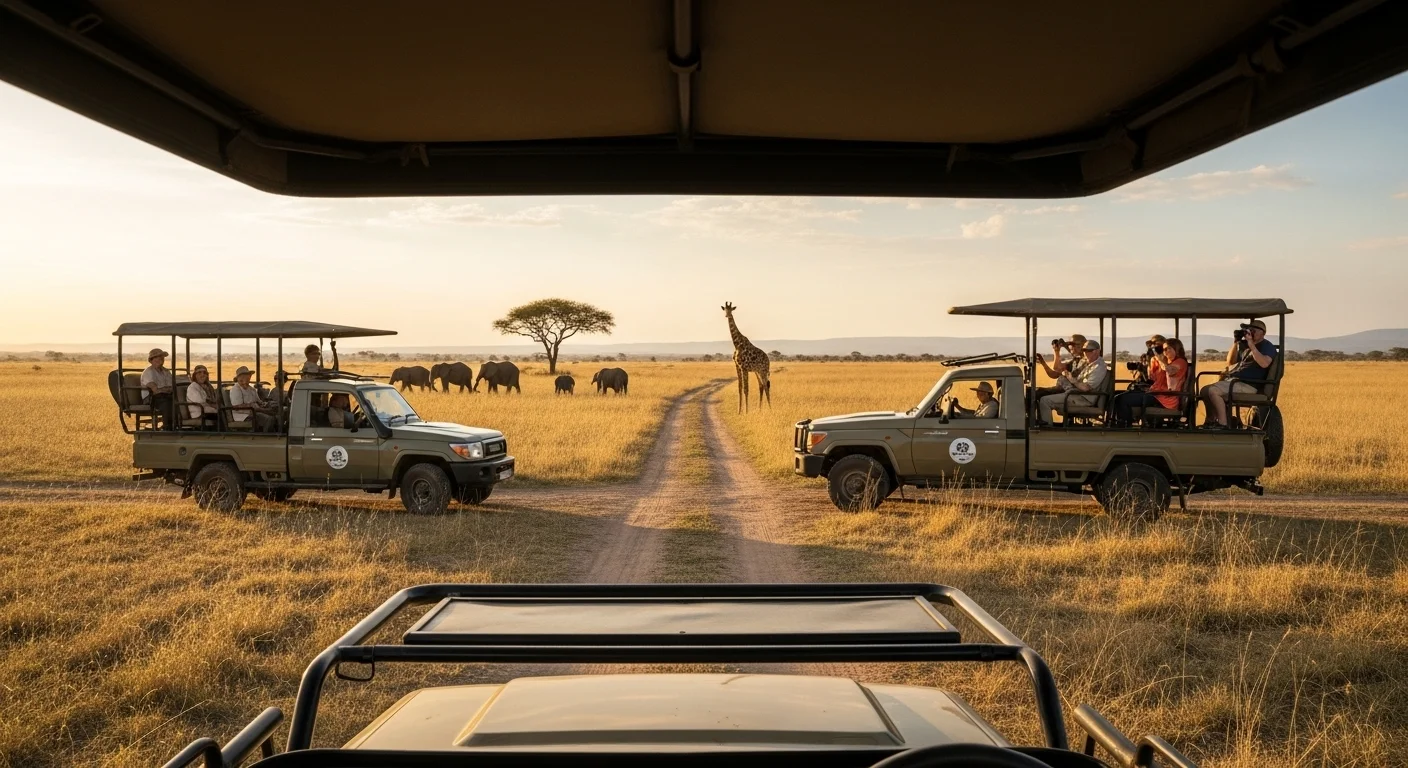
Choosing Between Private and Group Safaris: A Complete Guide

Understanding Safari Types

What is a Private Safari?

When I think of a private safari, I picture an intimate experience tailored just for me and my companions. In a private safari, you have exclusive access to your own guide and vehicle. This means you can set your own pace, stop wherever you want, and focus on the wildlife and scenery that captivates your interests. For instance, if I’m keen on spotting elephants, my guide can adjust the itinerary to increase our chances. I’ve found that this personalized approach can lead to incredible moments—like when we stumbled upon a pride of lions lounging under a tree, all because we decided to take a different route.

What is a Group Safari?

On the other hand, a group safari often involves sharing the adventure with fellow travelers. This type of safari can be a wonderful way to meet new people and share experiences. Typically, you join a scheduled tour with a set itinerary, which can be a great option for those who enjoy the social aspect of travel. I remember my first group safari vividly; we were a mixed bunch from different parts of the world, and it was fascinating to hear everyone’s stories during our meals around the campfire. The shared excitement over a leopard sighting or a breathtaking sunset added to the magic of the experience. For a deeper understanding of the distinctions, check out Private vs. Group Safari Tours: Pros and Cons Explored.

Key Differences Between Private and Group Safaris

Cost Comparison

One of the first things I consider when comparing private and group safaris is the cost. Private safaris tend to be more expensive since you’re paying for the entire vehicle and guide. However, if you’re traveling with a group of friends or family, sharing those costs can make it more affordable. In contrast, group safaris are usually priced per person, making them a budget-friendly option for solo travelers or couples looking to save a bit. I’ve seen some amazing deals for group trips that include meals and accommodations, which can really help stretch your travel budget.

Flexibility and Customization

Flexibility is another area where private safaris shine. When my partner and I went on a private safari, we had the freedom to change our plans on a whim. If we wanted to linger at a watering hole to watch a herd of zebras, we could do that without worrying about keeping up with a larger group. Conversely, group safaris often have set itineraries, which can be less accommodating for spontaneous adventures. Still, I’ve found that the structure of a group safari can be comforting, especially if you’re not sure where to start planning your trip.

Group Dynamics and Social Interaction

One of the best parts of a group safari, for me, is the chance to bond with fellow travelers. Sharing a vehicle with people from different backgrounds can lead to unexpected friendships. I’ve laughed, shared meals, and exchanged travel tips with amazing individuals while on group safaris. However, the dynamics can vary; sometimes, large groups can feel overwhelming, especially if you’re looking for a more serene experience. With a private safari, it’s just you and your chosen companions, allowing for deeper connections and conversations without outside distractions.

Guide-to-Guest Ratio

The guide-to-guest ratio is another important factor. Private safaris typically offer a one-on-one experience with your guide, which can enhance the learning aspect of your trip. I’ve found that having a personal guide means you get to ask questions on the go and receive tailored insights based on your interests. In contrast, group safaris usually have one guide for multiple guests, which can mean less personalized attention. While the guide’s expertise often shines through, I’ve noticed that sometimes questions can get lost in the crowd, and you might not get the detailed explanations you desire.

Accommodation and Amenities

When it comes to accommodation, private safaris often provide options for luxury lodges or exclusive camps, which can significantly enhance the overall experience. I remember staying at a beautiful lodge with breathtaking views of the savanna during one of my private trips. The comfort and attention to detail made it feel like a true getaway. Group safaris, on the other hand, may include shared accommodation, which can be a fun experience but may lack the privacy some travelers prefer. Depending on your style, the choice here can be quite significant in shaping your safari experience. If you’re looking for ways to enjoy luxury while being mindful of costs, consider reading Navigate Luxury Safaris on a Budget: Your Ultimate Guide.

Benefits of Private Safaris

Personalized Itineraries

One of the standout perks of a private safari is the ability to create a personalized itinerary that truly reflects your interests. I recall a trip where my partner and I expressed our love for birdwatching. Our guide, knowing this, tailored our days to include special stops at known birdwatching hotspots. This flexibility allowed us to spend hours observing rare species and capturing stunning photographs. It felt so rewarding to have our preferences at the forefront, making every moment feel special and unique to us.

Exclusive Experiences

With a private safari, you often get access to exclusive experiences that aren’t available on group tours. I remember visiting a private conservancy where we were the only ones exploring the area. The lack of crowds made it feel like we had the whole place to ourselves. We were able to enjoy thrilling activities like night drives and guided bush walks, which are sometimes restricted to private guests. This opportunity to engage with the environment more intimately made it a trip I still talk about.

Privacy and Comfort

Privacy is another significant benefit of a private safari. After a day filled with adventure, returning to a comfortable lodge or camp without having to share communal spaces is a true luxury. I’ve found that this aspect is particularly valuable when traveling with family or friends. Having a space to unwind, reflect on the day, and share our experiences without the hustle and bustle of a larger group creates a more intimate atmosphere. For me, this privacy allows for deeper connections and more meaningful conversations.

Control Over Schedule

Control over your schedule is something I cherish during my travels. On a private safari, if I wake up feeling energized and want to start the day early to catch the sunrise, I can do so without worrying about other guests. I remember one morning when we opted for an early start. The sunrise over the savanna was breathtaking, and we were able to take our time enjoying it. In contrast, group safaris often have set times for meals and activities, which can be limiting for those of us who prefer a more fluid approach to our adventures.

Benefits of Group Safaris

Cost-Effectiveness

Group safaris are often much more budget-friendly compared to their private counterparts. I’ve experienced firsthand how much I saved on a group safari, especially when considering shared costs for transportation and accommodations. When you travel solo or as a couple, the per-person price of a private safari can be daunting. I’ve seen some incredible group packages that include meals, lodging, and activities for a fraction of the price, allowing us to experience the safari without breaking the bank.

Meeting Like-Minded Travelers

A significant advantage of group safaris is the opportunity to meet like-minded travelers. I’ve forged lasting friendships during my group safaris, sharing experiences with people from different parts of the world. There’s something special about bonding over shared experiences, whether it’s spotting wildlife or enjoying a sunset. These connections often lead to enriching conversations and even future travel plans together, which adds an unexpected layer of joy to the journey.

Shared Experiences

There’s a unique charm in sharing the safari experience with others. I remember a group trip where we all cheered and celebrated when we spotted a rare animal. The collective excitement amplified the moment, making it unforgettable. Being part of a group often means that the thrill of wildlife sightings is shared, creating a sense of camaraderie that enhances the adventure. It’s a joy to share those moments, as they often become cherished stories that everyone recounts long after the trip is over.

Access to Group Discounts

Another practical benefit of group safaris is access to group discounts. Many tour operators offer lower rates for larger groups, which can significantly reduce costs. I once participated in a group safari with a few friends, and by booking together, we managed to secure a discount that allowed us to enjoy more luxurious accommodations than we initially planned. This access to better options while traveling with others is a great way to experience more for less, making group safaris an attractive choice for many travelers.

Choosing the Right Safari for You

Assessing Your Travel Style

When deciding between a private or group safari, assessing your travel style is essential. If you thrive on flexibility and spontaneity, a private safari might be the way to go. But if you enjoy structure and meeting new people, a group safari could be more appealing. I’ve learned that understanding what I value most in my travel experiences helps me make the best choice for each adventure.

Considering Your Budget

Your budget is another crucial factor in this decision. If money is tight, group safaris often provide excellent value without sacrificing the experience. However, if you can stretch your budget a little further, the personalized experience of a private safari might just be worth it for those once-in-a-lifetime moments. I’ve found that setting a budget and comparing options helps me feel confident in my choice.

Traveling with Family or Friends

Traveling with family or friends can greatly influence your decision. A private safari often allows for shared experiences in a more intimate setting, while a group safari can introduce a fun dynamic of meeting other travelers. I’ve taken both types of safaris with friends, and each has its charm. When we went private, we created our own adventures, but in a group, we enjoyed the energy of having more people around us.

What to Expect in Terms of Wildlife Viewing

Finally, think about what you want to get out of your wildlife viewing experience. Private safaris can lead to more tailored wildlife experiences based on your interests, while group safaris may provide unique chances to share sightings and discussions about what we see. I’ve found that focusing on wildlife viewing preferences helps me choose the right safari that meets my expectations and enhances my overall experience.

Popular Safari Destinations

Serengeti National Park

One of the most iconic destinations for any safari lover is the Serengeti National Park in Tanzania. I remember my first visit there; the vastness of the plains just took my breath away. The park is famous for its annual wildebeest migration, where millions of animals traverse the landscape in search of greener pastures. Witnessing this natural spectacle felt like stepping into a wildlife documentary. The sheer number of animals and the dramatic landscapes made it an unforgettable experience. Plus, the opportunities to spot the Big Five—lions, elephants, buffalos, leopards, and rhinos—are exceptional here. I highly recommend planning your safari during the migration season for the best chances of witnessing this incredible journey.

Masai Mara National Reserve

Just across the border in Kenya lies the Masai Mara National Reserve, another must-visit destination. I’ve had some of my most thrilling wildlife encounters here, including a close-up view of a cheetah hunting. The reserve is also well-known for its rich Maasai culture, which adds an extra layer to your experience. I remember visiting a Maasai village and learning about their traditions and way of life. It was fascinating to see how they coexist with the wildlife around them. The Mara offers excellent opportunities for both private and group safaris, making it versatile for all types of travelers.

Kruger National Park

In South Africa, Kruger National Park stands out as one of the largest game reserves in Africa. What I love about Kruger is its accessibility and variety of wildlife. Whether you opt for a self-drive safari or join a guided tour, there’s something for everyone. I remember driving through the park at sunrise, the golden light casting a magical glow on the animals. The park is home to a wide range of species, from elephants and lions to more elusive creatures like leopards. I found the mix of different ecosystems—savanna, woodland, and riverine—made each day feel like a new adventure.

Ngorongoro Crater

Another breathtaking destination is the Ngorongoro Crater, often referred to as a “Garden of Eden.” The crater is a UNESCO World Heritage site and is known for its stunning landscapes and rich wildlife. I was amazed by the diversity of animals that thrive in such a unique environment, all within the crater’s walls. The steep sides provide a natural habitat for many species, and I was lucky enough to spot a black rhino there, which is quite rare. The views from the rim are simply spectacular as well, giving you a bird’s eye perspective of the vibrant ecosystem below. This destination is perfect for a private safari, allowing for a more leisurely exploration of the crater’s wonders.

Tips for Planning Your Safari

When to Book Your Safari

Timing can make a huge difference in your safari experience. I learned that the best time to book your safari often depends on the region and the wildlife you hope to see. Generally, the dry season, from June to October, is the most popular time for safaris because animals congregate around water sources, making them easier to spot. However, I’ve also enjoyed safaris in the green season, when the landscapes are lush and the young animals are more active. If you’re flexible, consider booking during shoulder seasons for fewer crowds and potentially better prices.

What to Pack for a Safari

Packing the right gear can enhance your safari experience immensely. I remember my first safari; I overpacked with clothes I never wore! Lightweight, breathable clothing in neutral colors is essential to stay comfortable and blend into the environment. I also recommend packing a good pair of binoculars for wildlife viewing, a camera with a zoom lens for capturing those close-up moments, and a hat to shield yourself from the sun. Don’t forget sunscreen and insect repellent! Having the right gear made my experience so much more enjoyable.

Choosing the Right Tour Operator

Choosing a reputable tour operator is crucial for a successful safari. I’ve learned through experience that a good operator can make all the difference in your trip. Take your time researching different companies, reading reviews, and asking for recommendations. I found that speaking directly with the operators helped me gauge their knowledge and commitment to responsible tourism. Look for operators that prioritize conservation and support local communities. A great operator will not only provide a memorable experience but also ensure the wildlife and ecosystems are respected during your visit.

FAQs About Private vs. Group Safaris

Are private safaris worth the extra cost?

In my opinion, private safaris can be worth the extra cost if you value personalized experiences and flexibility. The ability to tailor your itinerary and have exclusive access to a guide can lead to unique adventures. However, if budget constraints are a concern, group safaris can still provide remarkable wildlife experiences without sacrificing enjoyment.

How can I find a reputable safari operator?

Finding a reputable safari operator involves doing thorough research. I recommend checking online reviews, asking for recommendations from friends, and looking for operators that are members of recognized tourism associations. A good operator will be transparent about their practices and prioritize the well-being of both guests and wildlife.

What should I consider if traveling solo?

If you’re traveling solo, safety and social interaction are key factors to consider. Group safaris can be an excellent option for solo travelers, as they provide an opportunity to meet new people and share experiences. Additionally, I’ve found that some operators offer special rates for solo travelers, making it more affordable.

Can I switch from a group to a private safari?

Switching from a group to a private safari is often possible, depending on the operator’s policies and availability. I’ve experienced this myself when my travel companions had to change plans. It’s best to communicate your needs with the operator as soon as possible to explore your options.

Frequently Asked Questions

What is a private safari?

A private safari is an intimate experience tailored exclusively for you and your companions, providing access to your own guide and vehicle, allowing for a personalized itinerary and the freedom to stop wherever you wish.

What is a group safari?

A group safari involves sharing the adventure with fellow travelers, typically on a scheduled tour with a set itinerary, making it a great option for those who enjoy the social aspect of travel.

What are the cost differences between private and group safaris?

Private safaris tend to be more expensive since you pay for the entire vehicle and guide. Group safaris are usually priced per person, making them a more budget-friendly option for solo travelers or couples.

How does flexibility differ between private and group safaris?

Private safaris offer greater flexibility, allowing you to change plans on a whim, while group safaris typically follow a set itinerary, which can be less accommodating for spontaneous adventures.

What are the benefits of having a personal guide on a private safari?

Private safaris provide a one-on-one experience with your guide, enhancing the learning aspect of your trip and allowing you to ask questions on the go, receiving tailored insights based on your interests.

What type of accommodations can I expect on a private safari?

Private safaris often provide options for luxury lodges or exclusive camps, significantly enhancing the overall experience, whereas group safaris may include shared accommodations.

What are the social benefits of a group safari?

Group safaris offer the chance to bond with fellow travelers, share experiences, and create lasting friendships, enhancing the adventure through shared excitement and camaraderie.

How does the wildlife viewing experience compare between private and group safaris?

Private safaris can lead to more tailored wildlife experiences based on your interests, while group safaris provide chances to share sightings and discussions about what you see.

What should I consider when choosing between a private and group safari?

Consider your travel style, budget, and whether you are traveling with family or friends. Private safaris offer flexibility and intimacy, while group safaris provide structure and social interaction.

How can I find a reputable safari operator?

Research different companies, read online reviews, ask for recommendations, and look for operators that prioritize conservation and responsible tourism to ensure a memorable experience.

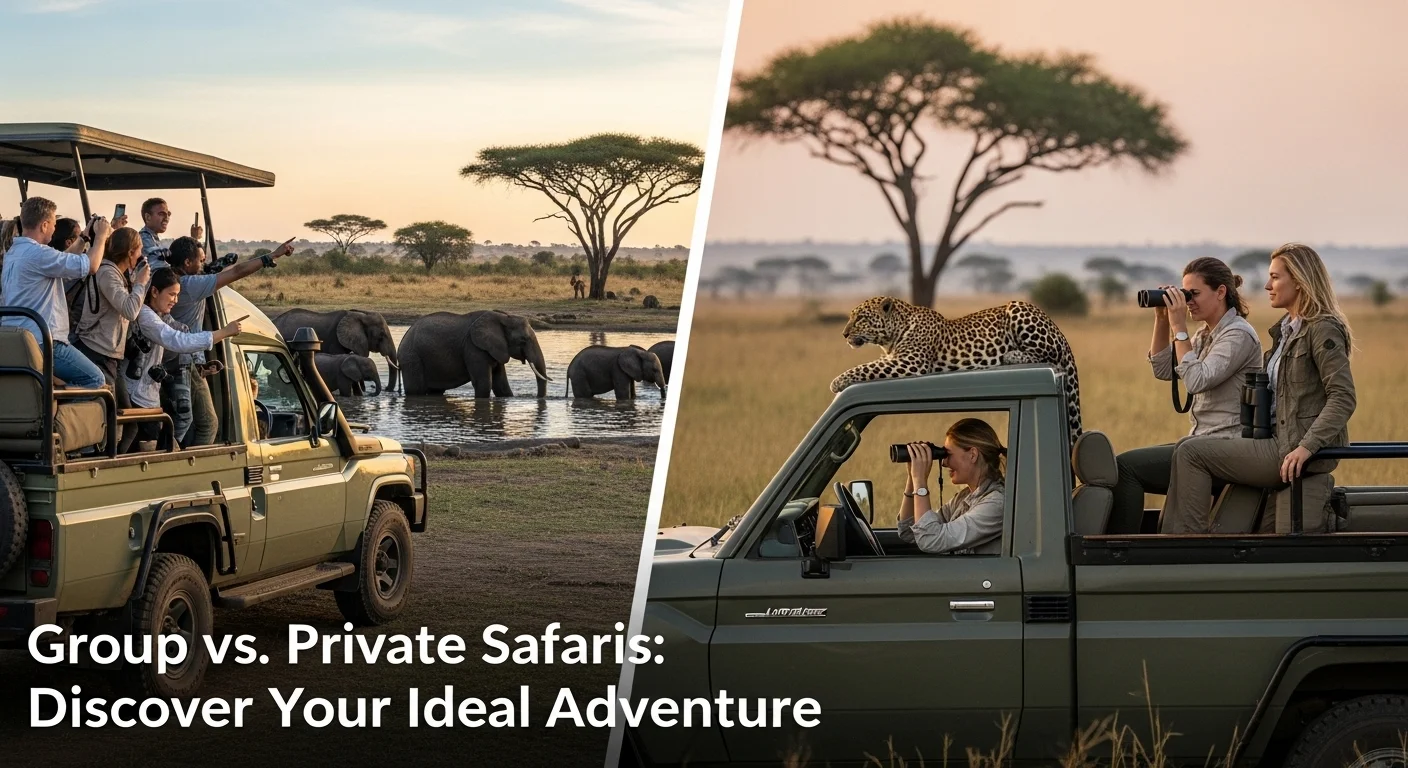
Private vs. Group Safari Tours: Pros and Cons Explored

Deciding between a private or group safari tour can feel overwhelming. Each option offers unique experiences, and understanding their differences can help you choose the adventure that fits you best. Read Interesting article: Private Safari Tours vs. Group Tours: Which Is Best for You?

Private vs. Group Safari Tours: Pros and Cons Explored

Understanding Safari Tours

What is a Safari Tour?

A safari tour is an exciting journey into the wild, typically in Africa, where you can observe wildlife in their natural habitat. The word “safari” comes from the Swahili word meaning “journey.” For many, it’s more than just a trip; it’s a thrilling experience filled with unforgettable moments. I remember my first safari; the anticipation built as we drove through the savannah, eyes peeled for the Big Five.

Types of Safari Tours

There are several types of safari tours to consider, each tailored to different tastes and preferences. You can choose from game drives, walking safaris, or even luxury camping experiences. Game drives are what most people picture: riding in a 4×4 vehicle, exploring vast landscapes while looking for animals. Walking safaris are an incredible way to connect with nature, providing a chance to observe smaller wildlife and learn about the ecosystem up close. Then there’s the option of luxury safaris, where comfort meets adventure with lavish lodges and gourmet meals. I’ve tried various types, but each offers something special that keeps me wanting more.

Popular Safari Destinations

When it comes to safari destinations, a few places stand out. Kenya, Tanzania, South Africa, and Botswana are some of the most popular. Each location has its own charm and unique wildlife. For example, the Serengeti in Tanzania is famous for the Great Migration, while the Kruger National Park in South Africa is renowned for its diverse ecosystems. I’ve traveled to a couple of these spots, and each time felt like I was stepping into a different world. The landscapes, the sounds, and the wildlife all create an experience that’s hard to put into words.

Private Safari Tours

Definition and Overview

Private safari tours allow you to tailor your experience to your preferences. This means you can create an itinerary that fits your interests, whether you want to focus on wildlife photography, birdwatching, or cultural experiences. Booking a private tour often means you’ll have a dedicated guide and vehicle, making it a more personalized adventure. I recall taking a private tour where we could linger longer at certain spots and even change our route based on what we spotted. It felt more like a journey for us, rather than just following a preset schedule.

Benefits of Private Safari Tours

Personalized Itinerary

One of the biggest advantages of private safari tours is the ability to create a personalized itinerary. You can prioritize what interests you most. I remember wanting to spend an extra hour at a watering hole because I was captivated by a family of elephants. With a private tour, that was possible!

Exclusive Experience

Having an exclusive experience is another perk. With fewer people, you often have a more intimate connection with nature. The memories of watching a lioness with her cubs in silence are ones I cherish. It felt special to share that moment with just my guide.

Flexible Scheduling

Flexibility is a huge bonus. If you’re not an early riser, you can start your day whenever you like. Or if you find a great spot to watch wildlife, you can stay longer without feeling rushed. I discovered that this flexibility allowed for some of the most spontaneous adventures I’ve had.

Enhanced Comfort and Privacy

Lastly, comfort and privacy play significant roles in the appeal of private tours. With a dedicated vehicle, you can enjoy a spacious setting without the crowds. I’ve found that this made the experience feel more luxurious and relaxing, which is something I truly valued after long days of exploring.

Drawbacks of Private Safari Tours

Higher Costs

On the flip side, private safari tours often come with a higher price tag. They can be a significant investment, and for some, this can be a limiting factor. I’ve had to weigh the costs against the experiences I desired, and while I loved the flexibility, I also had to be mindful of my budget.

Limited Social Interaction

Another consideration is that you might miss out on social interactions. While the private experience is exclusive, it can sometimes feel a bit isolating if you’re used to traveling with others. I’ve realized that part of the joy of travel for me is meeting new people, and this can be less prevalent in a private setting.

Potential for Isolation

Lastly, there can be a feeling of isolation in a private tour. If you’re traveling solo, the experience may feel less vibrant without the shared excitement of a group. I’ve found that while the privacy can be nice, I sometimes crave the camaraderie of fellow adventurers.

Group Safari Tours

Definition and Overview

Group safari tours are an organized way to explore the wilderness with a set itinerary and a group of fellow travelers. These tours often come with a guide who leads the way, sharing insights about the landscape and wildlife along the journey. When I joined a group safari for the first time, I was a bit nervous about being around strangers, but I quickly realized it could be an incredibly enriching experience. It’s like going on an adventure with a bunch of new friends who share a common goal: to witness the beauty of nature together.

Benefits of Group Safari Tours

Cost-Effectiveness

One of the most appealing aspects of group safari tours is their cost-effectiveness. By sharing the expenses, such as transportation and accommodations, you often save a good amount of money. I remember my first group safari, where my travel buddies and I split costs for our safari vehicle and lodging. This made it possible for me to experience wildlife in a way I might not have been able to on a private tour. It felt great to stretch my travel budget while still enjoying the adventure! Read Interesting article: Explore the World: Budget Tours for Unique Cultural Moments

Social Interaction and New Friends

Another advantage is the opportunity for social interaction. I’ve met some of the most interesting people during group safaris. Sharing stories around a campfire or during meals helped create bonds that made the experiences even richer. I remember laughing with my group as we shared our favorite animal sightings and stories from previous trips. Those connections often turn into lasting friendships, and knowing that we were all experiencing the same thrills together made everything feel more vibrant.

Shared Experiences

There’s a unique magic in shared experiences. Watching a pride of lions from a vehicle surrounded by a group of excited travelers amplifies the joy of the moment. I felt this sense of collective awe when we all gasped and pointed at a leopard lounging in a tree. The shared reactions and excitement made the experience more thrilling and memorable. It’s something I cherish and think about often, reminding me of those exhilarating moments we shared.

Drawbacks of Group Safari Tours

Less Flexibility

One downside of group tours is the lack of flexibility. With a set itinerary, you might find yourself wanting to spend more time at a particular location, but the schedule won’t allow it. I remember a day when we spotted a beautiful herd of elephants, and I wished we could linger a little longer. However, the group was on a tight timeline, and we had to move on. This can be frustrating, especially for someone like me who enjoys soaking in the moments and taking my time with photography.

Potential for Crowding

Another drawback is the potential for crowding at popular viewing spots. During my travels, I’ve been in situations where multiple safari vehicles converged on a sighting. While it was thrilling to see wildlife, the experience sometimes felt a bit chaotic. I’ve learned that witnessing wildlife in a more intimate setting can be much more rewarding than sharing the experience with a dozen other cars. It’s a balance, and while I value the shared excitement, I also appreciate quiet moments in nature.

Variable Group Dynamics

The dynamics of the group can also impact your experience. Sometimes, you might find yourself paired with fellow travelers who have different interests or travel styles, which can lead to some tension. I remember being on a group safari where some people were eager to rush from one sighting to the next, while I wanted to slow down and appreciate the details. It taught me that group tours can be hit-or-miss depending on the mix of personalities involved. I learned to adapt and find common ground, but it’s something to keep in mind when considering a group safari.

Comparing Private and Group Safari Tours

Cost Comparison

When it comes to cost, I’ve found that private tours generally require a bigger investment. Sure, the tailored experience is fantastic, but my wallet definitely felt the difference! On the other hand, group tours often allow you to share costs, making it a more budget-friendly option. For instance, I remember one group safari where we split accommodation and vehicle costs, which made the entire trip much more manageable for our budgets. If you’re keen on experiencing a safari without breaking the bank, group tours are definitely worth considering. It’s all about finding a balance that works for your finances and your travel desires. Read Interesting article: Affordable Wildlife Tours: Adventure Awaits You

Experience Comparison

The experiences on private and group safaris can feel worlds apart. With a private tour, I loved the way I could customize every aspect. It truly felt like a personal adventure, as I could linger at a breathtaking sunset or switch up the itinerary based on my whims. In contrast, group safaris offered a different kind of excitement. The shared experiences with fellow travelers, exchanging stories and marveling at wildlife together, brought a lively energy that’s hard to replicate alone. I remember the sheer joy of watching a herd of wildebeests cross the plains with my group, our collective gasps echoing through the air. Both experiences are unique, and it really depends on what kind of adventure you’re seeking.

Wildlife Viewing Opportunities

Wildlife viewing can also vary significantly between private and group tours. On one occasion, during a private tour, we were fortunate enough to follow a leopard as it stealthily made its way through the grass. We could take our time, capturing photos and soaking it all in without feeling rushed. Conversely, on a group tour, I experienced the thrill of spotting a pride of lions with fellow safari-goers, everyone excitedly pointing and photographing. While the private tour allowed for deeper exploration, the group setting brought a shared sense of wonder and camaraderie. I’ve realized that depending on how I want to experience wildlife—whether with a personal touch or in a communal setting—can heavily influence my choice.

Guided Tours vs. Self-Exploration

Another aspect to consider is the difference between guided tours and self-exploration. On my private tours, having a knowledgeable guide meant I learned so much about the ecosystem and behaviors of the animals. I remember a guide explaining the significance of animal tracks, which added layers to my understanding of the environment. In a group setting, the guide still provides invaluable insights, but sometimes conversations can get a bit diluted with so many people asking questions. It’s a mixed bag—while I appreciated the expertise in both settings, I often found that the personalized attention on a private tour made the information feel more tailored and impactful for me. However, there’s something special about the diversity of questions in a group that can spark unexpected discussions and insights.

Choosing the Right Safari Tour for You

Factors to Consider

Choosing between a private or group safari tour can be a deeply personal decision. I think it’s essential to reflect on what truly matters to you in the experience. For me, I often consider several factors before making a decision.

Your Budget

Your budget is perhaps one of the first things to evaluate. As I mentioned, private tours are usually more expensive, so if you’re working with a tighter budget, group tours might be the way to go. I’ve learned to balance my desire for unique experiences with what I can realistically afford, and sometimes that means opting for a group tour to allow for more adventures down the line.

Your Travel Style

Your travel style also plays a significant role in your decision. If you enjoy having control over your schedule and crave personalized experiences, a private tour may resonate more with you. Personally, I cherish those moments where I can change plans on a whim, especially when something fascinating catches my eye. On the flip side, if you thrive in social settings and love meeting new people, the group safari experience may feel more fulfilling.

Group Size Preferences

Consider how comfortable you are in different group sizes. I’ve been on both small group safaris and larger ones, and the dynamics can shift dramatically. A smaller group often feels more intimate, allowing for easier conversations and connections. Larger groups can be fun but may come with some chaotic moments. Reflecting on what feels right for you can help guide your choice.

Desired Level of Comfort

Finally, think about the level of comfort you desire. Private tours often provide a more luxurious experience, especially in terms of vehicle space and accommodations. I’ve enjoyed the plush settings of some private tours, where every detail is catered to make the experience as comfortable as possible. Group tours, while often more economical, may not always offer the same level of comfort. It’s a vital consideration, especially after long days of exploring.

Questions to Ask Before Booking

Before you make a booking, it’s essential to ask the right questions to ensure you’re choosing the best option for your needs.

What is Included in the Tour Package?

Understanding what’s included in your tour package can help you avoid any surprises later on. I always make it a point to clarify what accommodations, meals, and activities are part of the package. This way, I can budget accordingly and ensure I’m getting the experience I’m looking for.

Who Will Be Your Guide?

The guide can make a significant difference in your safari experience. I’ve had guides who were incredibly knowledgeable and passionate about wildlife, which enhanced my understanding and enjoyment. I recommend asking about the guide’s experience and background to make sure you’ll be in good hands.

What Are the Group Dynamics Like?

If you’re choosing a group tour, it helps to know the dynamics of the group. Are there age limits or specific interests? Understanding who you’ll be traveling with can help you envision the experience you’ll have. I’ve personally found that knowing a bit about my fellow travelers can elevate the excitement, making the experience more enjoyable.

Final Thoughts

As I reflect on my experiences with both private and group safari tours, I realize that each option has its own special charm. It’s not just about the wildlife or the beautiful landscapes; it’s about how you connect with those experiences. I’ve had moments of pure joy in both settings—whether it was sharing laughter with new friends on a group safari or savoring a quiet moment with a private guide as we watched a sunset over the savannah.

When I think about my adventures, I can’t help but feel grateful for the memories I’ve created. Each safari has taught me something different, whether it was the thrill of spotting a rare animal or the warmth of camaraderie among fellow travelers. I’ve found that the key is to choose what resonates with my personality and travel goals at that moment. Sometimes I crave solitude and personalized experiences; other times, I yearn for the excitement of shared adventures.

If you’re at the crossroads of deciding between a private or group safari, I encourage you to think about what matters most to you. A safari is more than just a trip; it’s an opportunity to immerse yourself in nature and create lasting memories. I’ve learned that whether I’m in a private vehicle or a group, the essence of adventure remains the same—it’s about discovery, connection, and the joy of being in the wild.

I hope my insights help you as you embark on your own safari journey. No matter which type of tour you choose, I believe you’ll find something magical waiting for you in the heart of the wilderness. So pack your bags, bring your camera, and get ready to create your own unforgettable adventure!

Frequently Asked Questions

What is a safari tour?

A safari tour is an exciting journey into the wild, typically in Africa, where you can observe wildlife in their natural habitat. The word “safari” comes from the Swahili word meaning “journey.” It is often filled with unforgettable moments.

What are the different types of safari tours available?

There are several types of safari tours, including game drives, walking safaris, and luxury camping experiences. Game drives involve riding in a vehicle to explore landscapes, while walking safaris allow for a close connection with nature. Luxury safaris combine adventure with comfort.

What are the benefits of private safari tours?

Private safari tours offer personalized itineraries, exclusive experiences, flexible scheduling, and enhanced comfort and privacy. They allow travelers to tailor their adventures according to their interests and preferences.

What are the drawbacks of private safari tours?

Private safari tours can be more expensive, which may be a limiting factor for some travelers. Additionally, there may be limited social interaction and potential feelings of isolation for those who enjoy traveling with others.

What are the benefits of group safari tours?

Group safari tours are cost-effective, as expenses are shared among travelers. They also provide opportunities for social interaction and create shared experiences that can enhance the adventure.

What are the drawbacks of group safari tours?

Group tours may lack flexibility due to a set itinerary, which can be frustrating for those who prefer to linger at certain locations. There is also the potential for crowding at popular viewing spots and varying group dynamics that can affect the overall experience.

How do private and group safari tours compare in terms of cost?

Private tours generally require a larger financial investment, while group tours allow for shared costs, making them more budget-friendly. Travelers should consider their financial situation when choosing between the two.

What factors should be considered when choosing a safari tour?

Factors to consider include your budget, travel style, group size preferences, and desired level of comfort. Reflecting on these aspects can help you make a more informed decision on the type of safari experience you want.

What questions should I ask before booking a safari tour?

It’s important to ask about what is included in the tour package, who will be your guide, and what the group dynamics are like if you are choosing a group tour. Understanding these details can help ensure a fulfilling experience.

What should I keep in mind when deciding between a private or group safari?

Consider what resonates with your personality and travel goals. Both private and group safaris offer unique experiences, and the key is to choose based on what matters most to you at that moment.

Group vs. Private Safaris: Discover Your Ideal Adventure

Choosing between a group safari and a private safari can be a thrilling yet challenging decision. Both options offer unique experiences, and finding the right fit can make all the difference in your adventure. For tips on making the most of your safari experience, check out our guide on navigating luxury safaris on a budget.

Group vs. Private Safaris: Discover Your Ideal Adventure

Understanding Safari Types

What is a Group Safari?

When I first heard about group safaris, I imagined a lively adventure with fellow travelers sharing the thrill of spotting wildlife. Group safaris typically consist of a larger number of participants, usually ranging from 6 to 20 people. These safaris are often pre-planned and follow a fixed itinerary, making them an excellent option for those who want to experience the wild without having to plan every detail themselves.

On my first group safari, I was pleasantly surprised by the camaraderie among the participants. We shared stories around the campfire, excitedly compared photos from our daily excursions, and enjoyed the thrill of wildlife sightings together. I learned so much from my fellow travelers, each with unique perspectives and stories to tell. This shared experience created lasting memories and friendships, making the journey even more unforgettable.

What is a Private Safari?

A private safari, on the other hand, offers a more personalized experience. If you desire flexibility and exclusivity, this is the option for you. Private safaris are tailored to your specific preferences—whether it’s the pace of the trip, the types of wildlife you want to see, or even where you choose to stay. It’s just you, your chosen companions, and your guide, creating an intimate atmosphere that’s hard to beat.

I remember planning a private safari for my family, and it was one of the best travel decisions I’ve ever made. We could dictate our schedule, spend as much time at each sighting as we wanted, and even take breaks when the kids needed them. Our guide was incredibly knowledgeable and tailored the experience to our interests, which made the adventure feel special and personal. We even had the chance to revisit a favorite spot to watch a pride of lions at sunset, something I doubt would have been possible on a group safari.

Key Differences Between Group and Private Safaris

Cost Comparison

One of the first questions many people ask when considering a safari is about the cost. Group safaris generally tend to be more budget-friendly. Since the expenses are shared among the participants, it’s often a more economical option. This was one of the reasons I chose a group safari for my first trip; I was eager to explore the wilderness without breaking the bank. For those looking to maximize their experience without overspending, I recommend checking out luxury safaris without breaking the bank.

However, private safaris come at a premium. The costs can be higher because you’re paying for the exclusivity and personalized service. I’ve found that for special occasions, like a milestone birthday or anniversary, splurging on a private safari can be worth every penny. It really depends on your budget and what experience you’re seeking.

Flexibility and Customization

Flexibility is another significant difference. With a group safari, the itinerary is usually set, so you’ll need to go with the flow. There’s something liberating about not having to make decisions, but I also found myself wishing we could linger a bit longer at certain spots or skip others that didn’t interest me. On the flip side, private safaris allow for complete customization. You can create your itinerary to fit your interests and schedule, offering a chance for more spontaneous adventures.

Group Size and Social Experience

The size of the group can greatly influence your safari experience. Group safaris can range from small to quite large, with each size offering a different social dynamic. I enjoyed the larger group atmosphere as it fostered a sense of community, but I did notice that it could sometimes feel a bit chaotic, especially during meal times or when everyone was eager to hop on the vehicle for a game drive.

In contrast, private safaris let you travel with just your chosen companions. This intimate setting can make for a more personal experience, allowing for deeper conversations and shared moments with those you care about most. I remember feeling a special bond with my family during our private safari, as we experienced the wonders of nature together without outside distractions.

Guide Expertise and Interaction

Another aspect I found fascinating was the interaction with guides. In group safaris, guides often have to cater to a diverse audience, which can limit the depth of information they provide. While they are usually knowledgeable, the experience may feel a bit generalized. During my group safari, I often found myself wanting to ask more detailed questions that couldn’t be addressed in a large setting.

Conversely, private safari guides can offer tailored insights and engage in meaningful conversations about wildlife behavior, conservation, and the local culture. I noticed that the guide we had during our private safari shared personal anecdotes and insights that enriched our understanding of the ecosystem, making the experience feel much more immersive.

Itinerary Structure

The structure of the itinerary can also set the two types of safaris apart. Group safaris usually have a fixed schedule that includes set stops and activities, which can be exciting but may limit your ability to explore at your own pace. I often found myself appreciating the set structure, especially when I was new to the safari experience and didn’t know what to expect.

On the other hand, private safaris allow for a more fluid itinerary. If you spot something particularly exciting, you can adjust your plans to spend more time there. I loved this flexibility during our private safari, as it allowed us to fully embrace the moments that captivated us the most.

Accommodation Options

Finally, let’s talk about accommodations. Group safaris often offer a range of lodges or tented camps that cater to larger groups, which can sometimes mean less luxurious options. I’ve stayed in some lovely lodges during group safaris, but I also encountered a few that were quite basic.

With private safaris, you typically have the freedom to choose your accommodation based on your preferences, whether you prefer luxury lodges, tented camps, or even a unique glamping experience. During our private safari, we opted for a beautiful lodge that overlooked a watering hole. The experience of sipping coffee while watching elephants bathe was something I will never forget.

Pros and Cons of Group Safaris

Advantages of Group Safaris

Group safaris come with a host of benefits that can make them an appealing choice for many travelers. For one, the shared experience can enhance the enjoyment of the trip. I remember laughing and bonding with my fellow travelers over our shared excitement as we spotted a herd of elephants. These moments of collective awe can create a unique sense of community.

Another significant advantage is the cost-effectiveness. Because expenses are split among the group, I found that I could experience a safari without overstretching my budget. This aspect is especially appealing for those of us who want to explore without sacrificing other travel experiences. I’ve often seen group safaris tailored to various interests, such as photography or birdwatching, which can further enhance the experience.

Additionally, the social aspect of group safaris can lead to lasting friendships. I’ve kept in touch with a few people I met on my group safari. Sharing stories, tips, and photos long after the trip has ended has enriched my travel experiences tremendously. I’ve found that group safaris often attract like-minded individuals, making it easier to connect and share interests.

Disadvantages of Group Safaris

While group safaris can be a lot of fun, there are some downsides to consider. One of the biggest challenges I faced was the lack of flexibility. Group itineraries are set, which sometimes meant that I had to skip places I was really excited about or spend less time at a sighting. I’ll never forget the day we spotted a cheetah on the hunt; we had to leave just as it began to stalk its prey, and I felt a pang of disappointment.

Another issue is the potential for varying interests among participants. What excites one person may not engage another. During my group safari, I noticed that some travelers were interested in specific wildlife, while others were more focused on photography or cultural experiences. This difference in priorities sometimes led to frustration over the pace of the trip or the types of activities scheduled.

Finally, group dynamics can sometimes be unpredictable. While I enjoyed the camaraderie, I also encountered a few people whose traveling styles clashed with mine. It’s easy to forget that not everyone travels the same way, and at times, I felt the pressure to conform to the group, which wasn’t always comfortable for me.

Pros and Cons of Private Safaris

Advantages of Private Safaris

Private safaris offer a variety of perks that can make them incredibly appealing. The most significant advantage for me was the level of customization available. I could completely tailor the itinerary to fit our interests. Whether we wanted to spend hours watching a pride of lions or take a detour to explore a local village, the choice was ours. This level of flexibility allowed us to create a unique journey that felt personal and meaningful.

Another bonus is the intimate experience with the guides. During our private safari, I noticed how our guide adjusted the conversation based on our interests, sharing fascinating stories and insights about the wildlife and ecosystem. I felt like we were on a journey together, rather than as part of a larger group. This connection added depth to our experience and made it feel richer and more engaging.

Moreover, private safaris can provide a more comfortable atmosphere. Without the hustle and bustle of a larger group, there’s less waiting around and more opportunities to relax and enjoy the surroundings. I appreciated the peaceful moments when we could simply bask in the beauty of nature without distractions. There’s something special about those quiet times, just soaking in the sights and sounds of the wilderness.

Disadvantages of Private Safaris

While private safaris have many advantages, they also come with some downsides. The most glaring one is cost. Private safaris can be significantly more expensive, which isn’t feasible for everyone. I’ve talked to friends who were blown away by the price tags attached to private options, and I completely understand why it might not be the best choice for budget-conscious travelers.

Another consideration is that the experience can feel a bit isolated, especially if you’re someone who thrives on social interaction. During my private safari, I sometimes missed the lively discussions and shared moments that I had experienced on my group safari. Even though my family enjoyed our time together, I wondered if we would have benefited from the diverse perspectives of other travelers.

Finally, organizing a private safari requires more planning. When I planned ours, I had to do a fair bit of research to find the right operators, accommodations, and routes. While I enjoyed the process, I know it can be overwhelming for those who prefer a more laid-back approach to travel. If you’re not up for that level of effort, a group safari might be the way to go.

Popular Safari Destinations for Group and Private Options

Kenya: Masai Mara and Beyond

Kenya has always held a special place in my heart, and the Masai Mara is a highlight that stands out. This region is famous for its incredible wildlife and the Great Migration, where millions of wildebeest traverse the plains. On my group safari here, the atmosphere was electric as we witnessed this natural spectacle alongside other travelers who were just as awestruck as I was. Sharing the experience with a diverse group added depth to our daily adventures, as we all had different perspectives on what we were witnessing.

However, if you opt for a private safari in Kenya, you can customize your experience to focus on specific wildlife or activities. I remember a friend who chose a private experience in the Mara and spent extra time with local Masai communities, learning about their culture firsthand. This personal touch can make the trip feel much more intimate and fulfilling.

Tanzania: Serengeti and Ngorongoro Crater

The Serengeti is another must-visit destination for any safari enthusiast. I recall my time there fondly, feeling the vastness of the plains stretch out before me. In a group setting, we had the chance to share our excitement as we spotted leopard cubs lounging in a tree, and those shared moments were priceless. I loved how everyone’s enthusiasm was infectious, creating a buzz that filled the air.

If I were to revisit Tanzania on a private safari, I’d relish the chance to linger at specific spots, perhaps revisiting areas where I’ve had unforgettable wildlife encounters. The Ngorongoro Crater, with its unique ecosystem, is another special location I’d love to explore at my own pace. The ability to customize your game drives would allow for deeper immersion in such extraordinary settings. For more information on unique safari experiences, consider reading about affordable wildlife safaris.

South Africa: Kruger National Park

Kruger National Park is one of the most renowned safari destinations in South Africa. My experiences there were incredible, especially during a group safari where we often shared our sightings over dinner. I remember one night, gathering around the fire, excitedly swapping stories about our day’s adventures. It was a great way to build connections and learn from others, especially as we all had different interests in wildlife.

When considering a private safari in Kruger, I imagine the ability to explore lesser-known areas or go on specialized drives, like a birdwatching tour. I’ve heard friends rave about their tailored experiences, where they focused on specific wildlife photography, capturing stunning images without the rush of a group.

Namibia: Etosha National Park

Etosha National Park is unique with its salt pans and diverse wildlife. I was amazed at how different it felt compared to the lush landscapes of Kenya and Tanzania. During my group safari, I found joy in spotting various animals at the waterholes, and the excitement was contagious as we cheered when someone saw a rare sighting. The camaraderie created an atmosphere of shared wonder, making those moments unforgettable.

On a private safari in Namibia, I’d love to have the freedom to explore the park at my own pace, especially during sunrise or sunset when the light is magical for photography. I believe having a knowledgeable guide dedicated to our interests would provide richer insights into the unique flora and fauna of the region.

Botswana: Okavango Delta

Botswana’s Okavango Delta is a true gem, and I’ve always dreamed of experiencing it on a mokoro, a traditional canoe. Group safaris often include this unique experience, where I enjoyed being surrounded by fellow adventurers as we glided quietly through the waterways, taking in the sights and sounds of nature. The excitement of sharing our encounters with hippos and elephants made it a highlight of the trip.

If I were to visit on a private safari, the allure of having my own mokoro to explore the delta would be incredible. I could venture off the beaten path, discovering hidden gems with a guide who could tailor the experience to my interests, whether that’s focusing on birdwatching or learning about the intricate ecosystems of the delta.

Each of these destinations offers something unique for both group and private safaris. Whether it’s the shared excitement of a group or the personalized touch of a private experience, I believe there’s a safari adventure out there for everyone, tailored to their preferences and desires.

Frequently Asked Questions

What is a group safari?

A group safari typically consists of a larger number of participants, usually ranging from 6 to 20 people. These safaris follow a fixed itinerary and offer a shared experience, allowing travelers to bond over wildlife sightings and create lasting memories together.

What is a private safari?

A private safari offers a more personalized experience tailored to specific preferences, including pace, types of wildlife, and accommodation choices. It provides exclusivity and flexibility, allowing travelers to enjoy an intimate adventure with chosen companions and their guide.

How do group and private safaris differ in cost?

Group safaris are generally more budget-friendly as costs are shared among participants. In contrast, private safaris tend to be more expensive due to the personalized service and exclusivity, making them suitable for special occasions or travelers willing to splurge.

What are the flexibility differences between group and private safaris?

Group safaris usually have a set itinerary, which can limit flexibility. Travelers must go with the flow, while private safaris allow for complete customization, enabling participants to adjust plans according to their interests and schedule.

How does group size affect the safari experience?

The size of the group can influence the safari experience significantly. Group safaris foster a sense of community but can feel chaotic at times. In contrast, private safaris provide an intimate setting that allows for deeper conversations and shared moments with closer companions.

How does the expertise of guides differ in group and private safaris?

In group safaris, guides cater to a diverse audience, which may limit the depth of information they provide. Private safari guides can offer tailored insights and engage in more meaningful conversations about wildlife behavior and local culture, enriching the overall experience.

What are the accommodation options like for group and private safaris?

Group safaris often offer a range of lodges or tented camps that cater to larger groups, sometimes leading to less luxurious options. Private safaris allow travelers to choose accommodations based on their preferences, whether luxury lodges or unique glamping experiences.

What are the advantages of group safaris?

Group safaris offer benefits such as cost-effectiveness, shared experiences that enhance enjoyment, and opportunities for social interactions that can lead to lasting friendships. They often attract like-minded individuals, making it easier to connect and share interests.

What are the disadvantages of private safaris?

Private safaris can be significantly more expensive, which may not be feasible for everyone. Additionally, the experience can feel isolated for those who enjoy social interaction, and organizing a private safari requires more planning and research.

What are some popular destinations for group and private safaris?

Popular safari destinations include Kenya’s Masai Mara, Tanzania’s Serengeti and Ngorongoro Crater, South Africa’s Kruger National Park, Namibia’s Etosha National Park, and Botswana’s Okavango Delta. Each destination offers unique experiences tailored to both group and private safari options.

Private Safari Tours vs. Group Tours: Which Is Best for You?

Choosing between a private safari tour and a group safari tour can feel overwhelming. Each option offers unique experiences that cater to different preferences and budgets, so let’s explore what each type has to offer. Read Interesting article: Experience the Best Luxury Safari Destinations Worldwide

Private Safari Tours vs. Group Tours: Which Is Best for You?

Understanding Safari Tours

What is a Private Safari Tour?

A private safari tour is tailored just for you and your companions. Imagine having the entire vehicle, guide, and itinerary focused solely on your interests. I remember booking my first private safari, and it felt like having a personal adventure crafted just for us. We could choose our destinations, set our pace, and linger longer at the spots that captured our hearts. This level of customization is a significant draw for many travelers who seek a more intimate experience with nature.

In a private safari, the guide is there to share their knowledge and passion about the wildlife and landscapes we encountered. We had the freedom to ask questions and learn about the animals we spotted, enhancing our experience. If we wanted to take a detour for a rare bird sighting or spend an extra hour at a watering hole, we could. This flexibility was one of the best parts of our trip, allowing us to create lasting memories at our own pace.

What is a Group Safari Tour?

On the other hand, a group safari tour brings together like-minded travelers, forming a community of sorts. I joined a group tour once, and while it had its challenges, it was also filled with camaraderie. Sharing the experience with others can be delightful, especially when you bond over the excitement of spotting a lion or the awe of witnessing a migration. There’s something magical about having conversations about the day’s adventures with people from different parts of the world.

Group tours usually come with a set itinerary, which means every day is planned out. I found that this structure can help those who prefer not to worry about logistics. Everything is taken care of, from transportation to accommodations, and meals are often included. However, it can sometimes feel rushed—not having the freedom to linger at a favorite spot can be disappointing for some. Yet, for those who enjoy the social aspect and meeting new friends, group tours can be a fantastic option. Read Interesting article: Unforgettable Luxury Safari Destinations You Must Visit

Key Differences Between Private and Group Safari Tours

Flexibility and Itinerary Customization

One of the most significant differences I noticed between private and group safari tours is flexibility. In a private tour, you can customize your itinerary based on your interests. If you’ve always dreamed of spending more time observing elephants at a specific reserve, you can do that. In our case, we extended our visit to a particular waterhole because we heard a pride of lions might come by. The thrill of waiting and eventually seeing them was unforgettable.

Group tours, however, stick to a set schedule. You might find that the group wants to move on just as you’re getting into the wildlife viewing. This can be frustrating if you’re passionate about photography or just want to soak in the moment. The camaraderie can be enjoyable, but the lack of flexibility can be a downside for those who prefer a slower pace.

Group Size and Social Experience

When deciding between these two types of tours, think about how social you want your experience to be. Private tours involve just you and your companions, which means you can share your thoughts and experiences intimately. I’ve enjoyed quiet moments with friends where we could reflect on our adventure without interruptions.

Conversely, group tours can provide a vibrant social atmosphere. You meet different people, share stories, and perhaps even form friendships that last beyond the trip. It’s a unique experience to bond over similar interests while watching wildlife. However, a larger group can also mean less personal attention from the guide, which is something to consider if you prefer a more hands-on experience.

Cost Comparison

Cost is another crucial factor. From my experience, private tours tend to be more expensive. They offer a premium product, with personalized service and the flexibility to create your own itinerary. This can be worth it if you’re looking for a one-of-a-kind experience, but it might strain the budget for some travelers.

On the flip side, group tours are generally more affordable. The costs are shared among all participants, making it an excellent choice for those traveling on a budget. Moreover, group tours often include transportation, meals, and accommodations in their packages, so you can plan your finances more effectively. I remember feeling relieved to not have to worry about extra expenses on my group tour as everything was pre-arranged. Read Interesting article: Explore Top Luxury Safari Destinations for Your Next Trip

Guide-to-Tourist Ratio

The guide-to-tourist ratio also plays a significant role in the overall experience. With private tours, you usually have one guide for your group, which means more personalized attention. Our guide on the private tour shared insights tailored specifically to our interests, making the experience even richer. It felt like having a knowledgeable friend along for the ride.

In contrast, group tours may have one guide for a larger group. This can lead to a less personal experience, as the guide might not be able to focus on everyone’s interests equally. While I’ve enjoyed the group dynamic, I sometimes wished for more interaction with the guide to dive deeper into specific topics or questions. Understanding this difference can help you decide which type of safari tour aligns better with your preferences.

Pros and Cons of Private Safari Tours

Advantages of Private Safari Tours

One of the most appealing aspects of private safari tours is the level of personalization they offer. Having the freedom to tailor every aspect of the trip to my interests was incredible. I remember deciding to focus on birdwatching one day, and our guide was more than happy to take us to spots rich with avian life. I felt like I was in my own world, surrounded by nature and the sounds of chirping birds. This ability to cater the experience to our preferences is something I truly cherish.

Another significant advantage is the exclusive attention from the guide. In a private tour, I found our guide was completely focused on us, ready to answer every question I had and share fascinating insights. It’s like having a personal mentor in the wild, enriching the experience with stories and knowledge that deepened my understanding of the ecosystem. This connection can lead to a more profound appreciation for the wildlife and environment we were exploring.

In terms of comfort, private tours often provide a more relaxed atmosphere. I didn’t have to worry about sharing space with strangers or adjusting to the group’s needs. We could take our time during meals and breaks, enjoying the surroundings without feeling rushed. I remember lingering over a beautiful sunset, soaking in the moment while enjoying a glass of wine. Those peaceful moments were unforgettable and made the trip feel even more special.

Disadvantages of Private Safari Tours

However, private safari tours aren’t without their downsides. For one, the cost can be a significant factor. From my experience, the exclusivity and customization come at a price, which can be a barrier for many travelers. While I valued the personalized experience, I realized that not everyone has the budget to afford such luxury. It’s essential to weigh the costs against the benefits when planning your safari.

Another consideration is the potential for isolation. On my private tour, I sometimes missed the energy and camaraderie that comes with a group. Sharing the experience with fellow travelers can create a vibrant atmosphere, and there were moments when I wished I had someone to share my excitement with. It’s easy to get caught up in the beauty of nature but having someone to marvel at it with can enhance the experience.

Lastly, planning a private safari can require more effort. Unlike group tours where everything is pre-arranged, I found that organizing a private tour meant more research and decision-making on my part. I had to ensure that we chose the right accommodations, schedules, and highlights. Though I enjoyed the planning process, I know it can feel overwhelming for others who prefer a more laid-back approach.

Pros and Cons of Group Safari Tours

Advantages of Group Safari Tours

Group safari tours offer a unique opportunity to connect with diverse individuals who share similar interests. I found that sharing the experience with fellow travelers can create a sense of community that enhances the adventure. I’ve made friends from all over the world during my group tours, and it was heartwarming to share laughs and stories as we spotted wildlife together. Those moments of bonding can turn into lasting memories and sometimes even lifelong friendships.

The affordability of group tours is another significant advantage. The costs are shared across the group, making it a more budget-friendly option for those who want to experience a safari without breaking the bank. I remember feeling relieved knowing that my trip included transportation, meals, and accommodations, allowing me to focus solely on enjoying the adventure without worrying about extra expenses.

Additionally, the structured itineraries can be a blessing for travelers who prefer a well-organized trip. Everything is taken care of, from logistics to meals, and if you’re someone who enjoys having plans laid out, group tours can be a perfect fit. I appreciated the ease of not having to worry about the details and just enjoying the ride.

Disadvantages of Group Safari Tours

On the flip side, group tours come with their challenges. The fixed itinerary can sometimes feel limiting. I recall a time when the group decided to move on just as we stumbled upon a herd of elephants, and I wished we could stay longer to appreciate the moment. For someone passionate about wildlife viewing or photography, this lack of flexibility can be frustrating.

Moreover, larger groups can mean less individual attention from the guide. I’ve had experiences where the guide was stretched thin, juggling questions and interests from multiple people. While I enjoyed the group dynamic, I sometimes felt like my inquiries weren’t given the attention they deserved. I believe that a more intimate setting can lead to a deeper understanding of the wildlife and landscape.

Lastly, the social aspect can be a double-edged sword. While I loved meeting new people, I also noticed that not everyone may mesh well together. Conflicting personalities can create tension, and I’ve seen instances where disagreements happened over how to approach certain activities. Finding common ground among diverse individuals can be tricky, and it’s something to think about when choosing a group tour.

Which Safari Tour is Right for You?

Consider Your Travel Goals

When it comes to choosing between a private and group safari tour, one of the first things to think about are your travel goals. I remember sitting down before planning my safari, trying to clarify what I truly wanted from the experience. Were we looking for adventure, relaxation, or perhaps a bit of both? If your goal is to immerse yourself in the wild and learn as much as possible, a private tour could be more suited to your needs. It allows you to focus on specific interests, be it photography, bird watching, or simply soaking in the landscape at your own pace.

On the other hand, if your aim is to meet new people while enjoying the thrill of wildlife sightings, a group tour can be perfect. I found that sharing these experiences with others not only enriched the adventure but also led to some great conversations about travel and life that I’ll cherish forever. Reflecting on what you want out of your safari will help you find the right fit.

Budget Considerations

Budget is often a deciding factor for many travelers. I’ve been in situations where I had to weigh the cost against the experience I wanted. Private tours can be more expensive due to their exclusive nature. If you have a specific budget, it might be worth checking out various options to see what experiences you can get for your money. Sometimes, splurging on a private tour can be justified for that once-in-a-lifetime experience.

In contrast, as I mentioned earlier, group tours allow costs to be shared among all participants, making them generally more affordable. I found it comforting to know that all my needs were covered in the package price, from accommodation to meals. If you’re traveling on a tighter budget, group tours can provide a fantastic experience without stretching your finances too thin.

Desired Level of Comfort and Privacy

When I think about comfort and privacy, it becomes clear that these are personal preferences that can heavily influence your choice. I enjoyed the intimate setting of a private tour, where it felt like we had our own little bubble in the heart of the wilderness. We could choose where to stop, when to eat, and how long to linger at each sighting without feeling rushed. This level of comfort really enhances the overall experience, allowing for quiet moments of reflection surrounded by nature.

However, if you thrive in social settings and prefer a more dynamic environment, a group tour might be more your style. I’ve found that the laughter and excitement shared with others can create a cozy atmosphere despite being in a larger group. The energy is contagious, and it can be rewarding to navigate the safari experience together. Understanding how much comfort and privacy you desire will play a significant role in your decision.

Travel Companions and Social Preferences

Your travel companions can also influence whether a private or group safari is better for you. I’ve traveled with friends and family, and I noticed that our dynamic greatly affected our experience. If you’re traveling with a close-knit group, a private tour could elevate the experience, allowing for fun inside jokes and shared moments of awe without the distraction of strangers. This was especially true for me when I went with my family; we could share our thoughts and observations without any interruptions.

Conversely, if you’re a solo traveler or someone who enjoys meeting new people, a group tour might be the better choice. I’ve made some wonderful friends on group tours, bonding over our shared love for nature and adventure. It can be comforting to know that everyone around you is there for the same reason, creating an engaging atmosphere where stories are shared and friendships are formed. Reflecting on who you’ll be traveling with can help clarify which style suits you best.

Popular Destinations for Safari Tours

Kenya: The Maasai Mara

Kenya’s Maasai Mara is often at the top of many safari enthusiasts’ lists, and for good reason. I remember my first glimpse of the Mara’s sweeping savannahs, where the wildlife roams freely. It’s famous for its incredible biodiversity and the Great Migration, where millions of wildebeest and zebras traverse the plains. The sight of this natural phenomenon is something I will never forget, as it brought the circle of life to life right before my eyes.

Tanzania: Serengeti National Park

Just a stone’s throw away from Kenya is Tanzania’s Serengeti National Park, another iconic safari destination. The vast landscapes and rich wildlife make it a must-visit. I experienced the thrill of spotting the “Big Five” here, and the excitement was palpable. The Serengeti is also known for its stunning sunsets, which painted the sky in hues of orange and pink—a perfect end to an adventurous day.

South Africa: Kruger National Park

Kruger National Park in South Africa offers an excellent blend of wildlife viewing and accessibility. I found the network of roads made it easy to explore at my own pace, whether in a rental car or on a guided tour. The abundance of lodges and accommodations means that you can tailor your experience to your comfort level. Plus, the park has impressive wildlife sightings, which can provide an unforgettable experience.

Namibia: Etosha National Park

For a unique safari experience, I would recommend Namibia’s Etosha National Park. Its vast salt pans and dramatic landscapes set it apart from other safari locations. I was fascinated by the waterholes, where animals come to drink, providing fantastic viewing opportunities. The stark beauty of the landscape combined with the diverse wildlife made it a memorable destination for me, and I left feeling like I had truly experienced something special.

Frequently Asked Questions

What is a private safari tour?

A private safari tour is tailored just for you and your companions, allowing for a customized experience focused on your interests, including choice of destinations and pace.

What are the benefits of a private safari tour?

Advantages of private safari tours include personalized attention from the guide, the ability to customize the itinerary, and a more relaxed atmosphere without the need to share space with strangers.

What is a group safari tour?

A group safari tour brings together like-minded travelers, creating a community atmosphere where participants can bond over shared experiences and wildlife sightings.

What are the advantages of group safari tours?

Group safari tours offer affordability as costs are shared among participants, the opportunity to meet diverse individuals, and structured itineraries that take care of logistics, meals, and accommodations.

What is the key difference between private and group safari tours in terms of flexibility?

Private tours offer flexibility in customizing the itinerary based on personal interests, whereas group tours follow a set schedule that may limit the time spent at specific wildlife viewing spots.

How does the guide-to-tourist ratio differ between private and group safari tours?

In private tours, there is usually one guide for the group, providing more personalized attention, while group tours may have one guide for a larger number of participants, leading to less individual focus.

What factors should be considered when choosing between a private and group safari tour?

Consider your travel goals, budget, desired level of comfort and privacy, and the dynamics of your travel companions to determine which type of safari tour is best for you.

What challenges are associated with private safari tours?

Challenges of private safari tours include higher costs, potential feelings of isolation due to lack of social interaction, and the need for more effort in planning and organizing the trip.

What challenges are associated with group safari tours?

Group tours can feel limiting due to fixed itineraries, provide less individual attention from the guide, and may have social dynamics that could lead to conflicting personalities among participants.

What are popular destinations for safari tours?

Popular safari destinations include Kenya’s Maasai Mara, Tanzania’s Serengeti National Park, South Africa’s Kruger National Park, and Namibia’s Etosha National Park, each offering unique wildlife experiences and landscapes.

Discover Exclusive Luxury Safari Destinations Today

Luxury safaris offer an unforgettable blend of adventure and comfort, allowing us to connect with nature in the most exquisite way. Let’s embark on a journey to explore exclusive luxury safari destinations that promise unique experiences and breathtaking wildlife encounters. For more insights on amazing locations, check out Top 5 Luxury Safari Destinations for Adventurous Travelers.

Discover Exclusive Luxury Safari Destinations Today

Understanding Luxury Safaris

What is a Luxury Safari?

When I first heard the term “luxury safari,” I imagined opulent tents scattered in the wilderness, gourmet meals served under the stars, and the thrill of encountering majestic wildlife—all while enjoying the utmost comfort. A luxury safari is essentially a high-end travel experience that combines the thrill of wildlife observation with lavish accommodations and exceptional services.

These safaris can vary widely, from private game drives in spacious 4×4 vehicles to serene evenings spent in luxury lodges. The core idea is to immerse ourselves in the beauty of nature without sacrificing the comforts we cherish. I’ve learned that a luxury safari is not just about seeing animals; it’s about experiencing the wild in a way that makes us feel pampered and special.

Key Features of Luxury Safari Experiences

Luxury safaris come with a host of features that set them apart from traditional safaris. Let me share a few that stood out during my own experiences:

  • Private Guides: Having a personal guide can transform the whole safari experience. I’ve found that these experts not only have extensive knowledge of the wildlife but can also tailor the experience to my interests.
  • Exclusive Access: Many luxury safari lodges offer access to private reserves or areas where general tourists aren’t allowed. This means fewer crowds and more intimate wildlife encounters. I remember watching elephants at sunset, completely undisturbed.
  • Gourmet Dining: Forget about basic camp food; luxury safaris often include fine dining experiences with top chefs preparing local delicacies. I’ve savored meals that included fresh, locally-sourced ingredients, all while enjoying stunning views.
  • High-End Accommodations: From luxurious lodges with infinity pools overlooking the savannah to tented camps with en-suite bathrooms and plush furnishings, the accommodations are designed to provide comfort and elegance.
  • Wellness Amenities: Some luxury safari destinations even offer spa services and wellness activities, which is a lovely way to unwind after a day of adventure.

Benefits of Choosing Luxury Over Traditional Safaris

I’ve often been asked why I prefer luxury safaris over traditional ones, and it’s really about the depth of experience and comfort. Here are a few benefits I’ve noticed:

  • Enhanced Comfort: After a long day of exploration, returning to a luxurious lodge with a plush bed and hot showers is a game changer. It helps me recharge for the next day’s adventures.
  • Personalized Experiences: The attention to detail in luxury safaris allows for personalized itineraries. I remember requesting specific wildlife to see, and my guide skillfully made it happen. That level of care made the trip unforgettable.
  • Better Wildlife Viewing: With smaller groups and exclusive access to certain areas, luxury safari experiences often yield more wildlife sightings. I’ve had some of my most memorable encounters because of this.
  • Connection with Nature: Each luxury safari I’ve been on has fostered a deeper connection with the environment. The guides are not just knowledgeable; they are passionate about conservation and wildlife, and their enthusiasm is contagious.
  • Support for Local Communities: Many luxury safari operators are committed to sustainable practices that benefit local communities and wildlife conservation efforts. I feel good knowing that my travel choices support both nature and local economies.

When I reflect on my own luxury safari experiences, I realize that they have been transformative. They’ve not only allowed me to witness the splendor of the African wilderness but have also deepened my appreciation for the natural world. The combination of comfort and adventure makes for a truly unique journey that I believe everyone should experience at least once in their lifetime.

Top Exclusive Luxury Safari Destinations

South Africa

South Africa has been one of my favorite destinations for luxury safaris. The country offers an incredible variety of landscapes and wildlife, making it a fantastic place to explore. Every time I visit, I find something new that captures my heart.

Kruger National Park

Kruger National Park is one of the most iconic safari destinations in the world. I remember the first time I entered the park; the sheer size and diversity of wildlife took my breath away. Luxury lodges like Singita and Sabi Sabi offer exceptional accommodations and expertly guided game drives. One memorable evening, I witnessed the most spectacular sunset, with giraffes silhouetted against the horizon. It felt like a dream.

Sabi Sand Game Reserve

Next to Kruger, the Sabi Sand Game Reserve is renowned for its high concentration of leopards and exquisite lodges. I had the chance to stay at a lodge with floor-to-ceiling windows that opened up to the bush. Waking up to the sounds of nature—lions roaring in the distance and birds chirping—was an experience I’ll never forget. The guides here are exceptional. They have an intuitive understanding of the animals and can take us to the best spots for sighting them.

Tanzania

Tanzania holds a special place in my heart, particularly for the unforgettable experiences it offers in its national parks. For a broader perspective on amazing destinations, you can Experience the Best Luxury Safari Destinations Worldwide.

Serengeti National Park

The Serengeti is where I first experienced the Great Migration, and it was nothing short of magical. I remember standing on a hilltop, watching thousands of wildebeests cross the plains—an awe-inspiring sight. Luxury lodges like Four Seasons and Singita operate in the area, providing lavish accommodations and gourmet dining experiences that make every moment special. The excitement of being so close to nature while enjoying such luxury is something I cherish.

Ngorongoro Crater

The Ngorongoro Crater is often referred to as one of the natural wonders of the world. The contrast between the lush green crater floor and the surrounding highlands is striking. Staying at a luxury lodge on the crater rim, I felt like I was living in a postcard. The wildlife here is abundant, and I was lucky enough to see the Big Five in one day. Each game drive felt like an adventure, and I loved learning about the unique ecology of the area from our knowledgeable guide.

Kenya

Kenya is known as the birthplace of safari, and I can see why. The landscapes are diverse, and the wildlife is rich and vibrant.

Mara North Conservancy

The Mara North Conservancy is a hidden gem. I was blown away by the sense of exclusivity and privacy here. Luxury camps like Richard’s River Camp offer intimate experiences, allowing us to connect with nature and the animals around us. One night, I enjoyed a candlelit dinner under the stars, surrounded by the sounds of the African night. It was absolutely enchanting.

Amboseli National Park

Amboseli National Park is famous for its breathtaking views of Mount Kilimanjaro. During my visit, I had the chance to see elephants up close against the backdrop of the mountain. The luxurious lodges here, like the Amboseli Serena Safari Lodge, provide a perfect combination of comfort and wildlife experiences. I found myself reflecting on the beauty of nature, feeling grateful for every moment spent in this stunning location.

Botswana

Botswana has captured my heart with its pristine wilderness and commitment to conservation.

Okavango Delta

The Okavango Delta is unlike any place I’ve ever been. It’s a lush oasis teeming with wildlife and stunning landscapes. The luxury lodges here, like Camp Okavango and Xugana Island Lodge, offer unique experiences, including mokoro (dugout canoe) excursions to explore the waterways. I remember gliding silently through the reeds, spotting hippos and colorful birds. It felt like stepping into a different world.

Chobe National Park

Chobe National Park is renowned for its elephant population. I was fortunate enough to go on a river cruise, and watching elephants play in the water was a highlight of my safari. The luxurious Chobe Game Lodge allowed me to experience this incredible setting while enjoying exquisite meals and exceptional service. Each evening, I’d reminisce about the day over a glass of wine, soaking in the serene atmosphere.

Zambia

Zambia is a destination that surprised me with its unspoiled beauty and incredible wildlife.

South Luangwa National Park

South Luangwa National Park is known for its walking safaris, and I found this experience to be incredibly immersive. Staying at luxury lodges like Luangwa River Camp, I felt a deep connection to the land as I explored on foot. I remember coming across a pride of lions resting in the shade—an exhilarating moment! The guides here are passionate and knowledgeable, making the experience even more enriching.

Lower Zambezi National Park

The Lower Zambezi National Park is breathtaking, with its stunning river views and wildlife. Luxury camps like Chongwe River Camp offer beautifully designed accommodations and incredible game-viewing opportunities. One evening, I took a sunset cruise and felt a sense of peace wash over me as I watched the sun dip below the horizon, painting the sky in vibrant colors. It was a moment of pure bliss.

Namibia

Namibia’s dramatic landscapes and unique wildlife experiences make it a remarkable destination for luxury safaris.

Sossusvlei

The iconic red dunes of Sossusvlei are a sight to behold. I remember climbing Dune 45 to watch the sunrise, and the view was worth every step. Staying at the luxurious Sossusvlei Desert Lodge, I enjoyed breathtaking views of the desert while indulging in gourmet meals. The contrast of luxury against such raw beauty was a highlight of my travels.

Etosha National Park

Etosha National Park is home to a diverse range of wildlife, and I loved exploring its unique salt pans and waterholes. The luxurious Onguma Game Reserve provided a stunning base for my safari adventures. I felt exhilarated watching animals come to drink at the waterhole from my private deck. Each evening, we shared stories around the campfire, making for a perfect end to the day.

When to Visit Luxury Safari Destinations

Best Seasons for Safari in Africa

Deciding when to embark on a luxury safari can greatly influence our experience, and I’ve learned that the best time often depends on the specific destination and the type of wildlife we want to see. Generally, the dry season, which runs from May to October in most African countries, is when we’re more likely to spot animals congregating around water sources. I remember my visit to Kruger National Park during this period; the wildlife was active, and every game drive felt like an adventure filled with sights and sounds. The cooler weather also made it more comfortable to explore the bush.

However, visiting during the wet season, from November to April, has its perks too. I found that this time brings lush landscapes and fewer tourists, making the experience more intimate. Plus, it’s the season for baby animals, which can be delightful to witness. I remember seeing tiny elephants stumbling behind their mothers in the Okavango Delta—it was a heartwarming sight that added to the magic of the safari.

Wildlife Migration Patterns

For those of us interested in witnessing the Great Migration, timing is everything. This natural spectacle occurs in Tanzania’s Serengeti and Kenya’s Maasai Mara and is usually best observed between June and September. I got to experience this firsthand, standing on a hilltop as thousands of wildebeests thundered across the plains. It was a moment that I’ll never forget, filled with raw emotion and the thrill of nature’s unstoppable forces.

In addition to the wildebeests, I’ve also enjoyed spotting predators like lions and cheetahs during this migration, as they follow the herds to hunt. Thus, if seeing these magnificent animals in action is on your bucket list, planning our safari around the migration dates is essential.

Weather Considerations for Luxury Travel

Weather plays a significant role in our safari experience, and being prepared can enhance our journey. I’ve found that early mornings and late afternoons typically offer the best weather for game drives, as the animals are more active during these cooler parts of the day. However, I’ve also enjoyed the serenity of a midday rest, sipping on a cool drink at the lodge while the heat of the day settles in.

Rain can be a concern during the wet season, but I’ve learned to embrace it. The dramatic sky, the smell of wet earth, and the vibrant colors that emerge afterward are worth it. Just make sure to pack appropriate clothing, including waterproof gear and sturdy shoes. I remember one afternoon in Zambia, getting caught in a sudden downpour while on a walking safari. It was a thrilling moment that made the experience even more memorable!

Types of Luxury Safari Accommodations

Luxury Lodges

One of my favorite aspects of luxury safaris is the stunning accommodations. Luxury lodges offer a perfect blend of comfort and immersion in nature. I remember staying at a lodge in the Sabi Sand Game Reserve that had breathtaking views of the bush, with floor-to-ceiling windows that made me feel one with the environment. These lodges often feature fantastic amenities, like infinity pools, spa services, and gourmet restaurants, which allow us to relax after a day of adventure.

Many lodges also prioritize sustainability, using eco-friendly practices to minimize their impact on the environment. It makes me feel good knowing that my stay supports conservation efforts while allowing me to enjoy the beauty of the surroundings.

Exclusive Tented Camps

Tented camps have a charm of their own. There’s something magical about being in a canvas tent, surrounded by nature while still enjoying luxury amenities. I’ve stayed at a few exclusive tented camps in the Masai Mara, and the experience was enchanting. The sounds of the night, from rustling leaves to distant animal calls, made me feel more connected to the wilderness. Waking up to the sunrise with a cup of coffee on my private deck was simply unforgettable.

These camps often provide a more intimate safari experience, with fewer guests and personalized service. I remember sharing stories around the campfire with fellow travelers, creating bonds over our shared love for adventure.

Private Villas and Estates

If you’re seeking exclusivity, private villas and estates are the way to go. I’ve had the pleasure of staying in a private villa in Botswana that came with its own chef and guide. It was like having a home in the bush. We could customize our itinerary, exploring at our own pace. The freedom to enjoy meals on our terrace while watching elephants stroll by was an experience that felt tailor-made just for us.

These accommodations often come with luxurious amenities, such as private pools, expansive living areas, and stunning views. For those seeking a truly exclusive adventure, I would highly recommend this option. You can also explore some Unforgettable Luxury Safari Destinations You Must Visit.

Mobile Safari Options

Mobile safaris offer a unique way to explore different regions while experiencing the best of both luxury and adventure. I once joined a mobile safari in Zambia, where we traveled from one stunning location to another, staying in comfortable tents that were set up for us. Each day brought a new adventure, from game drives to walking safaris, all while enjoying gourmet meals prepared by our talented chef.

This type of safari allows for a more immersive experience, as we truly felt like we were living in the heart of the wilderness. The joy of setting up camp in a new location each day was exhilarating, and I loved the camaraderie that developed among our small group. Whether it’s a remote area of Botswana or a stunning spot in Tanzania, mobile safaris let us explore the beauty of Africa in an unforgettable way.

Frequently Asked Questions

What is a luxury safari?

A luxury safari is a high-end travel experience that combines wildlife observation with lavish accommodations and exceptional services. It allows travelers to immerse themselves in nature while enjoying comfort, such as gourmet meals and private guides.

What are some key features of luxury safari experiences?

Key features include private guides, exclusive access to certain wildlife areas, gourmet dining, high-end accommodations, and wellness amenities like spa services.

What are the benefits of choosing a luxury safari over a traditional one?

Benefits include enhanced comfort, personalized experiences, better wildlife viewing due to smaller groups, a deeper connection with nature, and support for local communities through sustainable practices.

What are some exclusive luxury safari destinations mentioned in the article?

Exclusive luxury safari destinations include South Africa (Kruger National Park and Sabi Sand Game Reserve), Tanzania (Serengeti National Park and Ngorongoro Crater), Kenya (Mara North Conservancy and Amboseli National Park), Botswana (Okavango Delta and Chobe National Park), Zambia (South Luangwa National Park and Lower Zambezi National Park), and Namibia (Sossusvlei and Etosha National Park).

When is the best time to visit luxury safari destinations?

The best time to visit generally depends on the specific destination and wildlife interests, but the dry season from May to October is often recommended for more active wildlife sightings. The wet season from November to April offers lush landscapes and fewer tourists.

What is the Great Migration and when can it be witnessed?

The Great Migration is a natural spectacle involving thousands of wildebeests crossing the plains in Tanzania’s Serengeti and Kenya’s Maasai Mara, best observed between June and September.

What types of luxury safari accommodations are available?

Types of luxury safari accommodations include luxury lodges, exclusive tented camps, private villas and estates, and mobile safari options, each offering unique experiences and amenities.

What can guests expect from luxury lodges during a safari?

Guests can expect stunning views, fantastic amenities such as infinity pools and gourmet restaurants, and a focus on sustainability that supports conservation efforts while providing comfort.

How do exclusive tented camps enhance the safari experience?

Exclusive tented camps provide an intimate experience with nature, allowing guests to enjoy luxury amenities while being surrounded by the wilderness, creating a unique connection to their environment.

What are mobile safari options, and what experience do they offer?

Mobile safari options allow travelers to explore different regions while experiencing luxury and adventure. Guests stay in comfortable tents that are set up for them, providing an immersive experience as they move from one stunning location to another.

Top 5 Luxury Safari Destinations for Adventurous Travelers

Luxury safaris offer an exhilarating way to explore the wild, combining adventure with comfort. If you’re seeking breathtaking landscapes and unforgettable wildlife encounters, these five destinations will ignite your wanderlust. Read Interesting article: Experience the Best Luxury Safari Destinations Worldwide

Top 5 Luxury Safari Destinations for Adventurous Travelers

Understanding Luxury Safaris

What is a Luxury Safari?

A luxury safari is more than just a trip to see animals in their natural habitat; it’s an immersive experience that blends the thrill of adventure with high-end accommodations and personalized services. When I first ventured into the world of luxury safaris, I discovered that it meant enjoying gourmet meals under a starlit sky, relaxing in a plush tent with all the comforts of home, and having expert guides share their deep knowledge of the ecosystem. It was a far cry from the rough-and-tumble camping I had imagined. Luxury safaris cater to those who wish to indulge while still experiencing the raw beauty of nature.

Why Choose a Luxury Safari Experience?

Choosing a luxury safari can enhance your travel experience in several ways. For me, the blend of adventure and comfort was a game changer. I found that having a private guide made every moment more enriching. They shared fascinating stories about the wildlife and culture, making my adventure feel personal and special. Additionally, the convenience of luxury accommodations meant that after a long day of game drives, I could unwind in a lavish lodge or tent, complete with a spa or infinity pool. This combination of comfort and exploration is what makes a luxury safari so appealing. Unforgettable Luxury Safari Destinations You Must Visit

Key Features of Luxury Safari Accommodations

Luxury safari lodges and camps are designed to provide an unforgettable experience. When I stayed at one of the top lodges, I was amazed by the thoughtful design that blends seamlessly with the environment. Spacious rooms with elegant furnishings, en-suite bathrooms, and private decks with spectacular views are common features. Many accommodations offer unique touches like outdoor showers, personal butlers, and spa services. I remember lounging by the pool, sipping on a cocktail while watching elephants drink from the nearby waterhole. These features elevate the entire experience, allowing us to relax and enjoy the beauty around us without sacrificing comfort.

Top 5 Luxury Safari Destinations

1. Serengeti National Park, Tanzania

Overview of the Serengeti

The Serengeti is one of the most famous safari destinations in the world, known for its vast plains and incredible wildlife. I remember the first time I set my eyes on the endless horizon dotted with acacia trees; it took my breath away. This park is home to the Great Migration, where millions of wildebeest and zebras traverse the landscape in search of greener pastures. It’s a sight that every traveler should experience at least once in their lifetime.

Best Time to Visit

The best time to visit the Serengeti largely depends on what you want to see. I found that the wildebeest migration typically occurs from June to October, making it a prime time for wildlife viewing. However, the wet season from November to May also has its charms: the landscape is lush and vibrant, perfect for photography. I personally loved visiting in April, when the rains are tapering off and everything is blooming.

Luxury Lodges and Tented Camps

When it comes to luxury accommodations, the Serengeti offers a plethora of options. I had the pleasure of staying at a tented camp that provided an authentic yet lavish experience. Imagine falling asleep to the sounds of lions roaring nearby! Camps like these often include private tents with en-suite bathrooms, gourmet dining, and attentive staff who cater to your every need. I would recommend doing a bit of research to find a lodge that resonates with your preferences, whether that’s a traditional lodge or an exclusive tented experience.

Wildlife and Attractions

The Serengeti is teeming with wildlife. During my visit, I witnessed not only the Great Migration but also lions lounging under trees, cheetahs sprinting across the plains, and elephants gathering near watering holes. Beyond the wildlife, the stunning landscapes and breathtaking sunsets make for unforgettable memories. I often found myself sitting quietly, soaking in the beauty of the Serengeti, feeling a deep connection to nature.

2. Maasai Mara National Reserve, Kenya

Overview of Maasai Mara

The Maasai Mara is often considered the crown jewel of Kenya’s safari destinations. It’s famous for its dramatic landscapes, rich wildlife, and the Maasai culture that thrives in the area. I remember being captivated by the vibrant colors of the Maasai shuka (traditional blanket) worn by the local people, which contrasted beautifully with the golden savannah grass. This reserve is also part of the Great Migration route, making it a hotspot for wildlife enthusiasts.

Best Time to Visit

For an exceptional experience, I suggest visiting the Maasai Mara between July and October. This is when the migration crosses the Mara River, and the spectacle of wildebeest and zebras braving the waters is nothing short of epic. If you prefer fewer crowds and a more tranquil experience, the shoulder seasons of late January to early March can also be rewarding.

Luxury Accommodations

Luxury lodges in the Maasai Mara offer unique and exquisite experiences. I stayed at a lodge perched on a hillside, providing panoramic views of the plains below. Many lodges feature private decks, infinity pools, and fine dining that highlights local ingredients. The attention to detail and the level of service made my stay truly memorable. I recommend looking for accommodations that also provide cultural interactions with the Maasai people to enrich your experience.

Unique Experiences and Activities

In addition to game drives, the Maasai Mara offers unique activities like hot air balloon safaris, where you can witness the sunrise over the savannah while drifting above the wildlife. I took a ride one morning, and the feeling of floating above the landscape was surreal. Once we landed, we enjoyed a wonderful champagne breakfast in the middle of the bush—an experience I’ll never forget. Exploring the local Maasai villages is also a highlight, where you can learn about their ancient customs and traditions.

3. Kruger National Park, South Africa

Overview of Kruger National Park

Kruger National Park is a true gem in South Africa and one of the largest game reserves on the continent. When I first arrived, I was struck by its vastness and diversity. Covering nearly 7,500 square miles, this park is home to an incredible variety of wildlife, including the Big Five: lions, leopards, rhinoceroses, elephants, and buffalo. I remember driving along the park’s well-maintained roads, observing animals roaming freely in their natural habitat. The sense of adventure mixed with the beauty of the landscape is something truly special. The park is divided into various ecosystems, from savannahs to forests, which adds to the richness of the safari experience.

Best Time to Visit

The best time to visit Kruger National Park is during the dry winter months from May to September. I experienced my visit in September and was amazed at how easy it was to spot wildlife, as animals gathered around waterholes. The foliage is less dense, making game viewing much more rewarding. However, the rainy season from October to April also has its perks, with lush landscapes and an array of migratory birds. I found the park to be stunning in December, when the rains transformed the scenery into a vibrant green paradise.

Luxury Lodging Options

Kruger offers an impressive selection of luxury lodges that cater to various tastes. I chose to stay at a lodge that provided an intimate experience, complete with personalized service and exquisite amenities. The lodges often feature spacious suites, private pools, and gourmet dining options that highlight local flavors. I remember one evening enjoying a candlelit dinner under the stars, with the sounds of the African bush surrounding us. There are also exclusive private villas if you’re looking for something more secluded. Each accommodation has its unique charm, so I recommend researching a bit to find the one that aligns with your desires.

Top Wildlife Viewing Opportunities

One of the highlights of my visit was the incredible wildlife encounters. Kruger is known for its diverse animal population, and during my time there, I was fortunate to see a pride of lions lounging in the shade, a leopard stealthily climbing a tree, and a herd of elephants interacting by a waterhole. The guided game drives are a must-do; having a knowledgeable ranger made all the difference. They shared insights into animal behaviors and the ecosystem, which deepened my appreciation for the wildlife. I also took part in a night drive, which was an exhilarating experience, as the nocturnal creatures come alive. The thrill of spotting a bush baby or a porcupine in the dark is something I’ll cherish forever.

4. Okavango Delta, Botswana

Overview of the Okavango Delta

The Okavango Delta is a UNESCO World Heritage Site and one of the most unique ecosystems I’ve ever encountered. This inland delta is formed by seasonal flooding, creating a lush paradise filled with wildlife. I found myself mesmerized by the waterways, lagoons, and islands teeming with life. From elephants bathing in the water to hippos basking on the banks, it felt like stepping into a natural wonderland. The delta is also home to diverse bird species, making it a paradise for bird watchers.

Best Time to Visit

The best time to visit the Okavango Delta is during the dry season, from May to October. I visited in July, and the conditions were perfect for wildlife viewing. The water levels are high, drawing animals to the banks, which makes for spectacular sightings. However, if you’re interested in seeing the delta in full bloom, the wet season from November to March offers a different kind of beauty, with vibrant vegetation and migratory bird species. I remember the contrasting landscapes from one season to the next, each offering its unique charm.

Luxury Camps and Lodges

Luxury accommodations in the Okavango Delta often come in the form of intimate tented camps that blend seamlessly with nature. I had the pleasure of staying in a camp that offered an authentic safari experience while still providing all the luxuries I could ask for. These camps typically feature elegant tents with en-suite bathrooms and private decks where you can sip coffee while overlooking the delta. Dining was another highlight; I enjoyed delicious meals prepared by talented chefs using fresh, local ingredients. The experience of dining under the stars, surrounded by the sounds of the wild, is something I’ll never forget.

Unique Safari Experiences

What sets a safari in the Okavango Delta apart is the variety of experiences available. In addition to traditional game drives, I went on a mokoro (traditional canoe) trip, navigating the waterways and getting up close to the flora and fauna. The calmness of gliding through the water, surrounded by reeds and wildlife, was surreal. I also participated in guided walking safaris, which allowed me to connect more deeply with the environment, learning about tracks, plants, and animal behaviors. These unique experiences made my time in the Okavango truly unforgettable.

5. Chobe National Park, Botswana

Overview of Chobe National Park

Chobe National Park is renowned for its large elephant population and is one of the first national parks in Botswana. As I approached the park, I was immediately struck by the sight of elephants grazing along the Chobe River. It’s hard to explain the sheer joy of witnessing these magnificent creatures up close. The park covers various ecosystems, from floodplains to woodlands, allowing for a diverse array of wildlife. The riverfront area is particularly famous for its spectacular views and abundant wildlife.

Best Time to Visit

The best time to visit Chobe is during the dry season from May to October, when wildlife congregates around the river. I visited in September, and the sightings were incredible. The heat drives animals to the water, making it easier to see elephants, buffalo, and a variety of bird species. If you’re looking for a quieter experience, the shoulder months of November and April can also be rewarding, offering the chance to see the park in its lush, post-rain bloom.

Luxury Accommodation Choices

When it comes to luxury accommodation, Chobe boasts several stunning lodges and tented camps. I chose a lodge that provided breathtaking views of the river, and I was delighted by the level of service and comfort. Many lodges offer private balconies, infinity pools, and gourmet dining experiences. I remember enjoying dinner as the sun set over the river, painting the sky with hues of orange and pink. It felt like a scene from a movie, and every moment was magical.

Highlights of Wildlife and Scenic Views

Chobe is famous for its elephant population, and during my visit, I was lucky enough to witness large herds crossing the river. Seeing mothers guiding their young ones was an emotional experience. The park is also home to lions, leopards, and various antelope species, making it a prime location for wildlife viewing. Taking a boat cruise along the Chobe River was another highlight; I saw crocodiles basking on the banks, hippos surfacing, and countless birds swooping overhead. I felt so alive watching nature unfold around me.

What to Expect on a Luxury Safari

Types of Safari Experiences

When I think about the different types of safari experiences, I realize that luxury safaris cater to a variety of tastes and preferences. There are classic game drives that take you through the heart of the wilderness, offering the chance to see iconic animals like lions, elephants, and rhinos. However, I’ve also discovered that there are so many more options available. For instance, river safaris provide a unique perspective, allowing you to glide along waterways while spotting wildlife on the banks. I remember one unforgettable moment when I spotted a family of hippos lounging in the sun as we drifted quietly by.

Then there are walking safaris, which immerse you fully in the environment. I took part in one where our guide taught us about the tracks and signs of wildlife. It was fascinating to learn how to identify which animals had passed through the area. There’s something deeply satisfying about connecting with nature on foot, and I felt a sense of empowerment as I walked through the bush, guided by an expert.

Additionally, hot air balloon safaris offer a breathtaking view of the landscape. Floating above the plains at sunrise, I was spellbound by the golden light illuminating the savannah. The tranquility of being up in the air, watching the wildlife below, was a surreal experience that I’ll cherish forever. Each type of safari has its own charm, and I recommend considering what resonates most with you when planning your adventure. Explore Top Luxury Safari Destinations for Your Next Trip

Activities Beyond Game Drives

While game drives are a highlight of any luxury safari, there are numerous activities that enhance the experience. I found that many lodges offer cultural interactions with local communities, like the Maasai people in Kenya. Participating in traditional dance ceremonies and learning about their customs was eye-opening. It gave me a deeper understanding of the culture surrounding the wildlife, which enriched my safari experience.

Photography is another passion I pursued during my safari. Many lodges hold workshops or have professional photographers who can guide you in capturing the beauty of the landscapes and wildlife. I recall spending afternoons learning about composition and lighting, which allowed me to take some of my favorite travel photos. The thrill of capturing a cheetah mid-sprint or a sunset over the horizon is something I will always treasure.

Don’t forget about relaxation, too! Many luxury lodges have spa facilities where you can unwind after a day of adventure. I treated myself to a massage one evening, surrounded by the sounds of the African bush. It was the perfect way to rejuvenate and reflect on all I had experienced that day.

Dining and Culinary Experiences

Dining on a luxury safari is an experience in itself. I never imagined that I could enjoy gourmet meals in the middle of the wilderness. Many lodges pride themselves on offering an array of culinary delights, often featuring local ingredients. I remember one evening, dining al fresco under a canopy of stars, with a chef preparing a delicious multi-course meal right in front of us. The combination of exquisite food, stunning views, and the sounds of nature created a magical atmosphere.

For me, breakfast was always a highlight. I loved the idea of having breakfast in the bush, often set up in a picturesque spot with panoramic views. Eating fresh fruits and pastries while watching wildlife in the distance is a memory I’ll carry with me forever. Some lodges even offer bush dinners or picnics, where you can enjoy a meal in a unique setting, surrounded by the sights and sounds of the wild.

Wine pairings and local beverages are typically offered, providing a delightful way to experience the region’s flavors. I enjoyed sampling South African wines, which added a special touch to our evenings. The dining experiences on a luxury safari truly elevate your journey, making every meal an occasion to remember.

Planning Your Luxury Safari

Budget Considerations

When it comes to planning a luxury safari, budgeting is key. I quickly learned that the costs can vary significantly depending on the destination, time of year, and level of luxury you desire. For me, determining my budget upfront helped narrow down my options and set realistic expectations. Luxury lodges can range from moderately priced to ultra-exclusive, so it’s crucial to research what fits within your financial plan.

It’s worth noting that some lodges include all meals, drinks, and activities in their rates, which can help with budgeting as well. I appreciated having a clear understanding of what was included, as it allowed me to enjoy my time without worrying about unexpected expenses. Additionally, I recommend considering travel insurance, especially when planning an adventure trip. It provides peace of mind and protection against unforeseen circumstances.

Best Times to Book

Timing can greatly affect your experience and budget. I discovered that booking a luxury safari well in advance is wise, especially if you’re eyeing a specific lodge or travel during peak seasons. High season typically aligns with the Great Migration or dry months, so I found that flexibility can be beneficial if you want to save on costs. Traveling during the shoulder seasons often provided excellent wildlife viewing opportunities without the crowds.

In my experience, planning my trip during the off-peak months offered a more intimate experience. I visited during a less busy time and found the wildlife was still abundant, and I had many moments of solitude in the bush, which deepened my connection to the environment.

Travel Tips for Adventurous Travelers

For anyone considering a luxury safari, I’d recommend a few essential travel tips. First, pack light but wisely. I found that neutral-colored clothing not only keeps you cool but also helps you blend into the surroundings, enhancing the safari experience. Comfortable shoes are a must for walking safaris or exploring the lodge.

Staying hydrated is crucial. I always kept a reusable water bottle handy, especially during hot days. I also recommend bringing binoculars for wildlife viewing, as they enhance the experience immensely. And don’t forget a good camera to capture those unforgettable moments! I made sure to pack extra batteries and memory cards, as I didn’t want to miss a single shot.

Finally, keep an open mind and be prepared for the unexpected. Nature can be unpredictable, and some of my best memories came from spontaneous encounters or changes in plans. Embrace the journey; every moment is part of the adventure!

Frequently Asked Questions

What is a luxury safari?

A luxury safari is an immersive experience that blends adventure with high-end accommodations and personalized services, allowing travelers to enjoy gourmet meals, plush accommodations, and expert guides while exploring wildlife in their natural habitat.

Why should I choose a luxury safari experience?

Choosing a luxury safari enhances the travel experience by combining adventure with comfort, offering personalized guides, and allowing relaxation in lavish accommodations after a day of exploration.

What are the key features of luxury safari accommodations?

Luxury safari accommodations often include spacious rooms with elegant furnishings, en-suite bathrooms, private decks with spectacular views, outdoor showers, personal butlers, and spa services.

What is the best time to visit Serengeti National Park?

The best time to visit Serengeti National Park is from June to October for wildlife viewing during the wildebeest migration, though the wet season from November to May offers lush landscapes ideal for photography.

When should I visit the Maasai Mara National Reserve?

The ideal time to visit the Maasai Mara is between July and October when the migration crosses the Mara River, but the shoulder seasons from late January to early March can also be rewarding with fewer crowds.

What unique experiences can I have in the Okavango Delta?

In the Okavango Delta, visitors can enjoy mokoro canoe trips, guided walking safaris, and traditional game drives, allowing for a deep connection with the environment and its wildlife.

What are the highlights of Chobe National Park?

Chobe National Park is renowned for its large elephant population and offers diverse ecosystems along the riverfront, making it an excellent location for wildlife viewing, especially during the dry season.

What types of safari experiences are available?

Luxury safaris offer various experiences, including classic game drives, river safaris, walking safaris, and hot air balloon safaris, each providing a unique perspective of the wildlife and landscapes.

How can I enhance my dining experience on a luxury safari?

Dining on a luxury safari often includes gourmet meals prepared with local ingredients, bush dinners, and breakfast in picturesque spots, creating memorable culinary experiences amidst nature.

What travel tips should I consider for a luxury safari?

For a luxury safari, pack light with neutral-colored clothing, stay hydrated, bring binoculars and a good camera, and be open to unexpected experiences to fully embrace the adventure.