Web Analytics

Recent Posts

A Backpacker’s Guide to Tasting Indigenous Dishes Cheaply

Embarking on a journey through indigenous cuisines is like opening a treasure chest of flavors and traditions. It’s a delicious way to connect with culture while staying budget-friendly! Read Interesting article: Explore Indigenous Flavors: Affordable Culinary Adventures
A Backpacker's Guide to Tasting Indigenous Dishes Cheaply

Understanding Indigenous Cuisine

Defining Indigenous Dishes

When I think about indigenous cuisine, I am reminded of the rich stories behind each dish. Indigenous dishes are foods that are deeply rooted in the traditions and practices of indigenous peoples. These meals often utilize local ingredients and cooking methods that have been passed down through generations. For example, in North America, you’ll find dishes that feature corn, beans, and squash, while in Australia, native bush foods like kangaroo and wattleseed are prominent. What I’ve learned is that every dish tells a story of the land, the people, and their history.

Importance of Indigenous Food Culture

Indigenous food culture is not just about sustenance; it’s a reflection of identity and community. Through my travels, I’ve noticed how food brings people together, whether it’s at a family gathering or a communal feast. Indigenous cuisines often emphasize the connection between people and the environment, highlighting the importance of sustainability and respect for nature. In many cultures, food is celebrated through rituals and ceremonies. By tasting these dishes, we honor the traditions and histories of the people who created them. I believe that embracing indigenous food culture enriches our understanding of the world and fosters appreciation for diversity.

Best Regions for Indigenous Cuisine

North America

Exploring the diverse culinary landscape of North America has been a highlight of my adventures. From the rich flavors of Native American dishes to the vibrant fusion of cultures in urban areas, there’s so much to discover. In places like New Mexico, I’ve savored traditional dishes like blue corn tamales and fry bread. I’ve found that local cuisine showcases unique ingredients such as game, wild herbs, and native grains, making it a must-try for any backpacker eager to experience the essence of the land.

South America

South America is a feast for the senses! I remember wandering through the markets of Peru, where I tasted ceviche made with freshly caught fish and marinated in zesty lime. Each region boasts its own specialties, such as the hearty stews in Argentina or the Amazonian dishes that feature exotic fruits and ingredients. The diversity in flavors across South America is incredible, and it’s a joy to explore how indigenous cultures have influenced contemporary cuisine. Read Interesting article: Savor Authentic Indigenous Cuisine on a Budget

Australia and Oceania

During my travels in Australia, I was fascinated by the indigenous food culture known as “bush tucker.” I tried dishes that used native ingredients, like finger lime and bush tomatoes, which opened my eyes to an entirely new world of flavors. The emphasis on seasonal and local produce made each meal a unique experience. In the Pacific Islands, I discovered the significance of communal feasts, where food is prepared and shared together, creating bonds between families and communities. There’s a sense of connection that comes from sharing these meals, something I’ve truly cherished.

Africa

Africa’s culinary landscape is as vast as its cultures. While exploring different regions, I found myself tasting dishes that use ingredients like millet, sorghum, and various spices. In East Africa, I enjoyed ugali, a staple made from maize, while in West Africa, jollof rice became one of my favorite meals. Each dish reflects the history and traditions of the people, and I’ve often felt welcomed by locals who are eager to share their food stories with me. It’s a unique experience that fosters a deeper understanding of their way of life.

Asia

Asia is a tapestry of flavors, and it’s where I’ve had some of my most memorable culinary experiences. The range of indigenous dishes is mind-boggling, from the rice and fish dishes of Southeast Asia to the hearty stews of the Himalayas. I’ve loved exploring local markets, where I could taste freshly made dumplings or street food that reflects the cultures of the regions. The communal aspect of dining in many Asian cultures is something I’ve enjoyed, as it creates a sense of belonging and warmth, no matter where I am.

How to Find Affordable Indigenous Dishes

Local Markets and Food Stalls

One of my favorite places to discover affordable indigenous dishes is at local markets and food stalls. There’s something magical about the hustle and bustle of a market, where the air is filled with tantalizing aromas and the sounds of vendors calling out to passersby. I remember wandering through a vibrant market in Mexico, where I stumbled upon a stall selling freshly made tamales. The vendor, an elderly woman with a warm smile, shared the secret of her family recipe, and I couldn’t resist trying a few. Local markets not only offer delicious meals at budget-friendly prices, but they also provide a chance to connect with the community and learn about the culinary traditions directly from the people who create them.

Community Events and Festivals

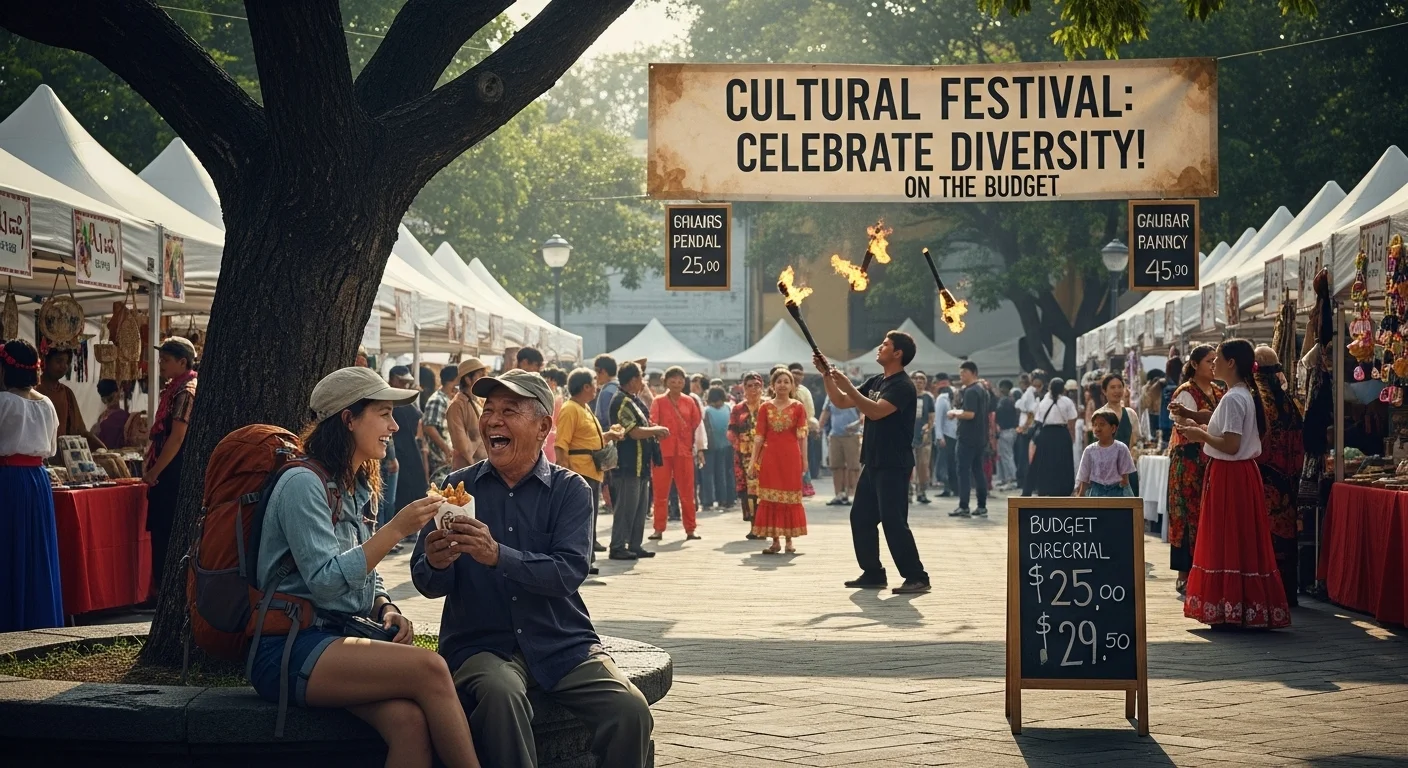
Community events and festivals are another fantastic way to experience indigenous cuisine without breaking the bank. I’ve attended numerous cultural festivals that celebrate food, music, and art, where local chefs showcase their specialties. At these gatherings, you can often find small food booths offering traditional dishes at reasonable prices. For instance, at a powwow I attended, there were stands where I tasted fry bread topped with savory stews and sweet toppings. It was an incredible way to immerse myself in the culture while enjoying a hearty meal. Plus, the lively atmosphere made the experience even more memorable! Read Interesting article: Your Guide to Affordable Indigenous Festivals This Year

Street Food Options

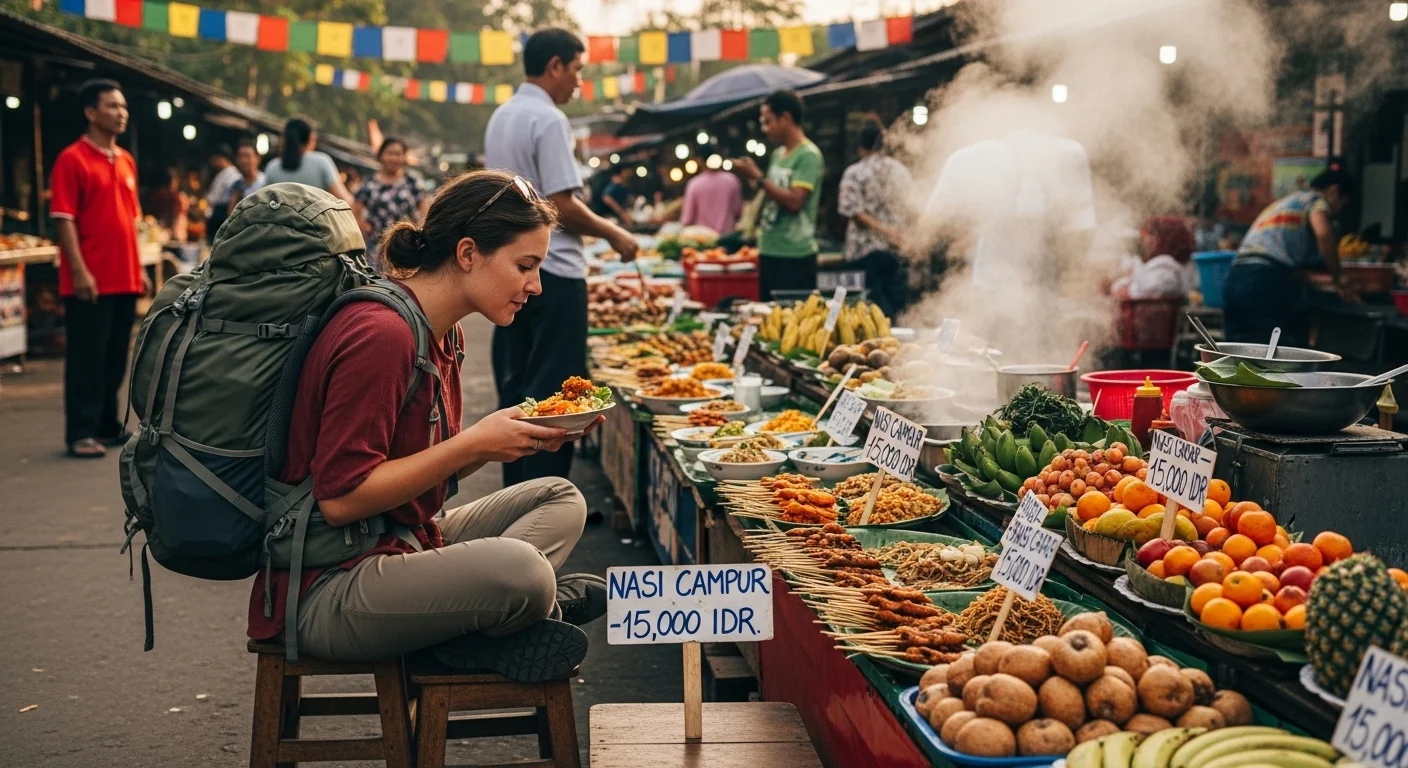
Street food has a special place in my heart when it comes to exploring indigenous cuisines. It’s often where I’ve found some of the most authentic and affordable meals. I recall my visit to Thailand, where I wandered through night markets filled with sizzling skewers and aromatic curries. One evening, I tried a local dish called som tam, a spicy papaya salad, served fresh from a street vendor. Each bite was a burst of flavor and a glimpse into the local lifestyle. Many street food vendors are proud of their heritage and often share stories about their dishes, making it an enriching culinary adventure.

Indigenous Restaurants and Cafés

As I traveled, I also sought out indigenous restaurants and cafés that celebrate their heritage through food. These establishments often serve traditional dishes with a modern twist, and many are run by indigenous chefs passionate about their culture. I remember dining at a café in Canada that specialized in dishes made from locally sourced ingredients, like bison burgers and wild rice salads. The ambiance was warm and inviting, and I felt a deep connection to the food and its origins. While these places can be slightly pricier than markets or street stalls, they often offer unique dishes that are well worth the splurge. I recommend checking for lunch specials or deals that many places offer, which can help keep costs down while allowing you to indulge in authentic flavors.

Top Indigenous Dishes to Try

North American Dishes

When it comes to North American indigenous dishes, I wholeheartedly believe that no trip is complete without trying a classic like fry bread. This versatile dish can be enjoyed sweet or savory, and I often found myself devouring it topped with chili or honey. Another must-try is the Three Sisters stew, which features corn, beans, and squash, representing the trio of sacred crops nurtured by many Native American cultures. Each bite of these dishes connects me to the land and its rich history.

South American Dishes

In South America, I was blown away by the variety of indigenous dishes. One standout for me was the traditional dish called pachamanca, which is a meat and vegetable feast cooked underground with hot stones. The flavors were incredible, and I loved learning about the communal aspect of this meal. Additionally, I can’t forget about the delicious quinoa dishes that are staples in many Andean communities. Quinoa, often praised for its nutritional value, became a favorite of mine, especially when prepared with local herbs and spices!

Australian Dishes

During my time in Australia, I was eager to try kangaroo meat, which is not only a staple for many indigenous communities but also an environmentally friendly option. I enjoyed it grilled, seasoned simply to highlight its natural flavors. I also discovered damper, a traditional bread that’s perfect for soaking up rich bush tucker stews. The combination of flavors and the cultural significance of these dishes made each meal a learning experience.

African Dishes

African cuisine is incredibly diverse, and I found myself captivated by dishes like injera, a tangy flatbread from Ethiopia, served with a variety of stews. The communal style of eating, where everyone shares from the same platter, made it a delightful experience. I also loved jollof rice from West Africa, which is a spicy, flavorful dish that often brings families together. The vibrant colors and aromas of these meals are something I will never forget.

Asian Dishes

In Asia, I was fascinated by the indigenous flavors of dishes like pho in Vietnam and thukpa in Tibet. Pho, a fragrant noodle soup, is a staple that tells the story of the country’s culinary evolution. I remember slurping up the rich broth and savoring the harmony of fresh herbs and spices. Thukpa, a comforting noodle soup, was a blessing in the chilly Himalayan air. Both are examples of how indigenous foods reflect the geography and climate of their regions.

Tips for Budget-Friendly Eating

Meal Planning and Preparation

When I embarked on my culinary adventures, I quickly learned that meal planning can significantly enhance my experience without emptying my wallet. Before heading to a new region, I would research local ingredients and traditional dishes. This not only helped me understand the cuisine better but also allowed me to shop wisely at local markets. For instance, I remember planning a week in Peru, where I focused on meals that highlighted the abundance of fresh produce and grains. By preparing my own meals using local ingredients, I could savor the flavors while keeping costs low. I found that engaging in the cooking process itself deepened my appreciation for the food. Plus, it’s a fantastic way to meet locals who might offer tips or share their favorite recipes!

Eating Like a Local

One of the best strategies I discovered for budget-friendly eating was to embrace the local lifestyle. By eating where the locals dine, I often stumbled upon hidden gems that offered delicious dishes at reasonable prices. I recall sitting in a small diner in a rural part of Mexico, surrounded by families enjoying their meals. The menu featured local specialties, and the prices were incredibly affordable! I tried a homemade mole that was heavenly. Eating like a local not only filled my belly but also gave me a genuine taste of the culture. I think it’s essential to be open to trying new places and foods, as some of the best meals are found off the beaten path.

Using Public Transportation to Access Distant Areas

I’ve always been a fan of using public transportation when exploring new places. It’s not only economical but also provides a unique perspective of the region. On one of my trips to Thailand, I took a bus to a small town known for its traditional markets. The journey itself was an adventure, filled with vibrant sights and sounds. Once I arrived, I found stalls boasting local delicacies at prices far lower than in tourist hotspots. Traveling this way opened my eyes to the beautiful connection between food and community. I learned that sometimes the best meals come from restaurants and stalls that are a bit further away from the main attractions. This method of travel not only saves money but also allows us to explore the heart and soul of a region’s cuisine.

Taking Advantage of Happy Hours and Specials

Local restaurants and eateries often have specials, and I’ve learned that these can be golden opportunities to enjoy indigenous dishes without breaking the bank. I remember visiting a café in Australia that offered a “Bush Tucker Happy Hour,” featuring discounts on traditional meals made with native ingredients. I indulged in kangaroo sliders and damper at a fraction of the usual price! By keeping an eye out for these specials, I’ve not only saved money but also expanded my culinary repertoire. I recommend asking locals or checking online for any promotions or events happening during your visit. Many places showcase their culture through food during these special times, making it a win-win situation.

Health and Safety Considerations

Understanding Food Safety and Hygiene

When traveling and indulging in different cuisines, I’ve realized that food safety is paramount. It’s important to pay attention to hygiene practices, especially when sampling street food or dining at local eateries. I always look for stalls where I see a steady stream of locals, as this usually indicates fresh food that’s prepared properly. During my travels in Southeast Asia, I made it a habit to observe how food was handled. If something didn’t seem right, I’d opt for a different vendor. I’ve found that being mindful of food safety not only protects my health but also enhances the overall experience. I feel better knowing I’m choosing meals that are not only delicious but safe to eat!

Allergies and Dietary Restrictions

As someone who has a few dietary restrictions, I learned early on that communication is key. I always try to learn a few essential phrases in the local language, especially when it comes to allergies or dietary preferences. For example, during my time in Morocco, I communicated my nut allergy to local chefs, who were incredibly accommodating and ensured my meals were safe. I’ve also found that many indigenous cuisines are naturally accommodating to various diets, as they often prioritize fresh, whole ingredients. It’s helpful to know beforehand which dishes to look out for and which to avoid, ensuring a smoother and safer dining experience.

Staying Safe While Traveling

Safety is a huge concern while exploring new culinary delights. I always make sure to stay aware of my surroundings, especially when trying out local street food. It’s important to trust your instincts; if something feels off, it’s okay to walk away. I remember being in a bustling market in India, where the energy was vibrant and exhilarating, but I also made sure to keep my valuables close and be cautious about where I was eating. Additionally, I often check in with locals about safe dining spots or areas to avoid, as they can provide invaluable insights. Traveling with a friend or in a group can also enhance safety while allowing for shared culinary experiences.

Resources for Further Exploration

Books on Indigenous Cuisine

If you’re as passionate about indigenous food as I am, I highly recommend diving into some books that explore these culinary traditions. There’s something magical about reading stories that connect food to culture. I’ve found books that not only provide recipes but also share the histories behind them, which adds layers of meaning to what we eat. For example, “The Sioux Chef’s Indigenous Kitchen” by Sean Sherman has opened my eyes to the beauty of Native American cuisine. These resources can inspire our own cooking while deepening our understanding of the cultures from which these dishes originate.

Online Communities and Forums

Engaging with online communities and forums can also be a treasure trove of information. I’ve joined several groups on social media where food enthusiasts share their experiences with indigenous cuisines. The tips and recommendations I’ve received from fellow travelers have often led me to fantastic eateries and hidden gems. These platforms also allow us to ask questions and connect with people who share our passion for food and culture, making the journey even more enriching.

Documentaries and Cooking Shows

Lastly, I love watching documentaries and cooking shows that explore indigenous cuisines from around the world. They not only entertain but also educate us about the significance of food in various cultures. Shows like “Chef’s Table” have featured chefs who focus on indigenous ingredients and traditions, revealing the stories behind their creations. These visual experiences inspire me to try new dishes and learn more about the culinary practices that shape our world.

Frequently Asked Questions

What is indigenous cuisine?

Indigenous cuisine refers to foods that are deeply rooted in the traditions and practices of indigenous peoples, often utilizing local ingredients and cooking methods passed down through generations.

Why is indigenous food culture important?

Indigenous food culture reflects identity and community, emphasizing the connection between people and the environment. It highlights sustainability, respect for nature, and is often celebrated through rituals and ceremonies.

What are some popular indigenous dishes from North America?

Popular indigenous dishes from North America include fry bread and Three Sisters stew, which features corn, beans, and squash, representing sacred crops in many Native American cultures.

What unique ingredients are found in Australian indigenous cuisine?

Australian indigenous cuisine often features native ingredients such as kangaroo meat, finger lime, and bush tomatoes, highlighting seasonal and local produce.

How can I find affordable indigenous dishes?

Affordable indigenous dishes can be found at local markets, food stalls, community events, festivals, and street food options. These venues often offer delicious meals at budget-friendly prices.

What is a notable dish from South America?

A notable dish from South America is pachamanca, which is a meat and vegetable feast cooked underground with hot stones, showcasing the communal aspect of dining.

What tips can help with budget-friendly eating while traveling?

Tips for budget-friendly eating include meal planning and preparation, eating like a local, using public transportation to access distant areas, and taking advantage of happy hours and specials at local restaurants.

What should I consider regarding food safety while traveling?

When traveling, pay attention to food safety by observing hygiene practices, choosing vendors with a steady stream of locals, and being mindful of how food is handled to ensure it is safe to eat.

How can I further explore indigenous cuisines?

You can explore indigenous cuisines through books on the subject, engaging with online communities and forums, and watching documentaries and cooking shows that highlight these culinary traditions.

What dietary considerations should I keep in mind when trying indigenous foods?

When trying indigenous foods, it’s important to communicate any allergies or dietary restrictions clearly, as many indigenous cuisines prioritize fresh, whole ingredients that may naturally accommodate various diets.

Explore Indigenous Flavors: Affordable Culinary Adventures

Embark on a flavorful journey that dives deep into the rich tapestry of Indigenous cuisine. Discover how these culinary adventures can be both affordable and unforgettable, highlighting the connection between food and culture. Read Interesting article: Savor Authentic Indigenous Cuisine on a Budget

Explore Indigenous Flavors: Affordable Culinary Adventures

Understanding Indigenous Cuisine

Definition of Indigenous Flavors

Indigenous flavors are rooted in the traditional cooking practices and ingredients of Native peoples. Each region boasts its own unique tastes, influenced by local environments, seasons, and the cultural practices of the communities. I remember my first encounter with Indigenous cuisine; it was like tasting history, with every bite telling a story of resilience, tradition, and connection to the land. From the earthy tones of wild rice to the rich flavors of smoked salmon, Indigenous foods celebrate the natural bounty of their surroundings.

Importance of Culinary Heritage

Food is more than just sustenance; it’s a bridge to the past and a means of cultural expression. When we explore Indigenous cuisine, we’re not just tasting food; we’re experiencing a living heritage that has survived generations. I’ve learned that many Indigenous dishes have been passed down through oral traditions, connecting families and communities. For me, discovering these flavors is a way to honor the deep knowledge and practices of Indigenous peoples, reminding us that food is intertwined with identity and community. Understanding this heritage can deepen our appreciation for the culinary arts and inspire us to preserve these traditions for future generations.

Key Ingredients in Indigenous Cooking

Indigenous cooking utilizes a variety of ingredients that are native to specific regions, and I’ve found that these ingredients often reflect the environment and available resources. Staples like corn, beans, and squash, known as the “Three Sisters,” represent a sustainable farming practice that has been used for centuries. I remember visiting a local farm where they grew these crops together, and it was fascinating to see how they complemented each other both in the garden and on the plate.

Another essential ingredient I’ve encountered is wild game, such as bison and deer, which are central to many Indigenous diets. These meats are not only rich in flavor but also carry cultural significance. Seafood, particularly in coastal regions, plays a crucial role as well, with fish like salmon and shellfish being staples in many communities. I’ve enjoyed learning about traditional preparation methods, such as smoking and drying, which are not only practical but also enhance flavor and preserve these ingredients for longer periods.

Herbs and spices also make their mark in Indigenous cooking, with plants like wild garlic, juniper berries, and various native herbs adding depth to dishes. I’ve seen how these ingredients are often foraged, connecting people to their land and history. This aspect of Indigenous cuisine encourages us to explore what’s available locally, appreciating the flavors that define a specific region.

Regional Indigenous Flavors Across the US

Native American Cuisine

Traditional Dishes and Ingredients

Native American cuisine varies widely across the country, reflecting the diverse cultures and environments of Indigenous peoples. When I think of Native American dishes, I immediately picture frybread, a simple yet delicious staple that has a fascinating history. It’s often served with savory meats or sweet toppings, making it a versatile dish that I enjoy in various forms.

Another traditional dish that stands out is the Three Sisters stew, combining corn, beans, and squash. I’ve tried making this dish at home, and it’s not only a comforting meal but also a beautiful representation of how these ingredients work together. The balance of flavors and textures is something I always look forward to when I prepare it.

Modern Interpretations

In recent years, there has been a resurgence in interest surrounding Native American cuisine, with chefs reimagining traditional dishes. I’ve visited restaurants where chefs blend Indigenous ingredients with contemporary cooking techniques, creating innovative dishes that respect tradition while embracing modern culinary trends. This fusion was eye-opening for me, as it highlighted how the past can coexist with the present in delicious ways. Read Interesting article: Your Guide to Affordable Indigenous Festivals This Year

Indigenous Foods from Alaska

Seafood and Foraged Ingredients

Alaska’s Indigenous cuisine is heavily influenced by its coastal geography. I’ve had the pleasure of trying fresh Alaskan salmon, which is often caught and prepared using traditional methods. The flavor is unlike anything I’ve experienced; it’s rich and buttery, reminding me of the connection between the land and sea.

Foraging also plays a significant role in Alaskan Indigenous cooking, with ingredients like berries and wild greens being integral to many dishes. I once joined a foraging tour, and it was amazing to see how many edible plants were hidden in plain sight. The experience opened my eyes to the abundance of nature and the importance of using local resources in cooking.

Traditional Preservation Techniques

Preservation methods like drying and smoking are common in Alaskan Indigenous cuisine, allowing communities to enjoy their harvest throughout the year. I’ve learned that these techniques not only enhance flavors but also respect the rhythm of nature, ensuring that nothing goes to waste. It’s inspiring to see how these methods reflect a deep understanding of the environment.

Southern Indigenous Flavors

Cajun and Creole Influences

The Southern United States is rich in Indigenous culinary traditions, particularly within Cajun and Creole cooking. I’ve had the chance to savor gumbo, which often incorporates local seafood, game, and the “Holy Trinity” of vegetables: onions, bell peppers, and celery. Each bite is a celebration of the region’s diverse cultural influences, and it’s a dish I find myself craving often.

Staples like Corn and Beans

In this region, corn and beans are crucial components of many meals. I’ve experimented with cornbread, which is a delightful addition to any Southern meal. It’s fascinating how these staples have been woven into the fabric of Southern cooking, showcasing the resilience and creativity of Indigenous peoples.

Northwest Coast Indigenous Cuisine

Salmon and Shellfish Dishes

In the Northwest, Indigenous cuisine is heavily focused on the ocean’s bounty. Salmon is a revered fish, and I’ve had the chance to enjoy it in various forms, from grilled to smoked. The way it’s prepared often reflects the cultural significance it holds within Indigenous communities, and it’s always a highlight of my culinary adventures.

Seasonal Harvesting Practices

Seasonal harvesting is a vital practice in Northwest Indigenous foodways, and I’ve come to appreciate the timing and care involved in gathering ingredients. Whether it’s picking berries or harvesting seaweed, there’s a deep respect for the land that has been passed down through generations. This connection to nature resonates with me, reminding me to celebrate the seasons in my cooking.

Affordable Ways to Experience Indigenous Flavors

Local Food Festivals Celebrating Indigenous Cuisine

One of my favorite ways to dive into Indigenous flavors is by attending local food festivals. These events often showcase traditional dishes and ingredients, giving participants a chance to taste authentic foods while learning about their cultural significance. I’ll never forget the vibrant atmosphere at a recent Indigenous food festival I attended. The air was filled with the scent of grilled meats, fresh herbs, and sweet desserts, and the excitement was palpable. I sampled everything from frybread topped with savory stews to wild game dishes that opened my eyes to flavors I had never experienced before.

Food festivals also often feature cooking demonstrations, where chefs explain their techniques and share stories about the dishes’ origins. I found this incredibly enriching; it’s one thing to taste the food, but hearing the stories behind it makes every bite more meaningful. For anyone looking to explore Indigenous cuisine without breaking the bank, these festivals are a fantastic option. You get to enjoy diverse offerings while supporting local Indigenous communities and artisans. Read Interesting article: Top 10 Indigenous Cultural Festivals You Can’t Miss

Community Gatherings and Potlucks

Another great way to experience Indigenous flavors is through community gatherings and potlucks. I’ve attended several events in my area where community members come together to share traditional dishes. It’s an opportunity to connect with others who share a passion for food and culture. At these potlucks, I’ve tried dishes I had never heard of before, made by people who take pride in their heritage. I remember one gathering where a woman brought a dish made with wild rice and mushrooms, and it was simply divine. Every bite felt like a warm hug from the community.

These gatherings often foster a sense of belonging and allow for the sharing of stories and laughter. I’ve learned so much just by engaging with others and asking questions about their recipes and traditions. If you’re looking to try Indigenous flavors, checking for community events or potluck invitations can lead to some delightful culinary adventures.

Cooking Classes Featuring Indigenous Recipes

Culinary classes focused on Indigenous recipes are another enjoyable way to immerse yourself in these flavors. I recently took a class where we made a traditional salmon dish using techniques passed down through generations. The instructor shared stories and insights into the cultural significance of the ingredients, and it made the cooking experience richer. I’ve always believed that cooking is as much about the process as it is about the end product, and this class reinforced that idea for me.

In these workshops, you get hands-on experience with local ingredients and learn not only the ‘how’ but also the ‘why’ behind each dish. Plus, there’s something special about cooking alongside others who share your enthusiasm for food. I recommend looking for classes offered by local Indigenous chefs or cultural centers, as they often provide authentic recipes and insights into the culinary practices of their communities.

Farmers’ Markets and Local Sourcing

Shopping at farmers’ markets is another affordable way to explore Indigenous flavors. I love browsing the stalls, where local farmers and artisans often sell traditional ingredients that I might not find at a regular grocery store. For instance, I stumbled upon a vendor selling heirloom varieties of corn that are indigenous to the area. I bought some to make cornbread, and the flavor was so much richer than what I usually find. It was a reminder of the connection between food and the land.

These markets also provide an opportunity to meet the people who grow and harvest the food. I enjoy chatting with the farmers about their practices and the history of the crops they grow. It’s a way to support local economies while also learning about Indigenous agricultural practices. By sourcing ingredients locally, I feel a sense of connection to the meals I prepare. Each dish becomes a celebration of the region’s culture and history.

Popular Indigenous Dishes to Try

Frybread: A Versatile Staple

Frybread is one of those dishes that I think everyone should try at least once. This simple yet delicious bread has a fascinating history rooted in Indigenous communities. I’ve enjoyed it in various ways, whether topped with savory chili or drizzled with honey for a sweet treat. Frybread’s versatility is what I love most; it can be a side, a main dish, or even a dessert. I remember making frybread at a community gathering, and it was such a fun experience to shape the dough and watch it puff up in the hot oil.

Three Sisters Stew: Corn, Beans, and Squash

Three Sisters stew is another dish that holds a special place in my heart. It beautifully showcases the harmonious relationship between corn, beans, and squash—ingredients that have been cultivated together for centuries. I’ve cooked this dish many times, and each time I tweak it slightly based on what’s fresh and in season. It’s a comforting stew, full of flavor and nutrition, and it always reminds me of the importance of sustainable practices in our cooking.

Salmon Roe and Traditional Fish Dishes

Salmon roe, or fish eggs, is something I initially hesitated to try, but I’m so glad I did! The burst of flavor is unlike anything else. I’ve had it served alongside traditional salmon dishes, and the combination is incredible. Learning about the significance of salmon in Indigenous cultures made me appreciate these meals even more. It’s a reminder of the deep connection between food and identity.

Wild Game: Bison and Elk Preparations

Finally, wild game like bison and elk is a staple in many Indigenous diets, and I’ve come to enjoy it immensely. The flavors are rich and unique, especially when prepared using traditional methods like smoking or stewing. I remember trying bison burgers at a local restaurant that specializes in Indigenous cuisine, and they were some of the best burgers I’ve ever had. There’s something so rewarding about knowing where your food comes from and the care that goes into its preparation.

Where to Find Indigenous Cuisine

Restaurants Highlighting Indigenous Chefs

One of the best ways I’ve discovered Indigenous cuisine is through restaurants that showcase Indigenous chefs. I’ve had the pleasure of dining at places where the menu reflects not only the creativity of the chefs but also the deep-rooted traditions of their cultures. These restaurants often highlight seasonal and local ingredients, giving a fresh twist to traditional recipes. I remember visiting a restaurant that specializes in dishes using wild game and foraged ingredients. Each dish was an adventure, inviting me to taste flavors that were both familiar and entirely new.

Many of these restaurants also take time to educate their diners about the origins of the dishes. The chefs often share stories about their family recipes or the significance of certain ingredients. This experience has made my meals much more meaningful. It feels like I’m not just eating; I’m partaking in a cultural exchange, which is something I truly cherish. If you’re looking to explore Indigenous cuisine, I highly recommend seeking out restaurants that prioritize Indigenous chefs and their culinary stories.

Food Trucks and Pop-Ups with Indigenous Menus

Food trucks and pop-up dining events have gained popularity, and they can be fantastic for sampling Indigenous cuisine in a more casual setting. I’ve found that these mobile eateries often offer delicious, innovative takes on traditional dishes. At a recent food truck festival, I stumbled upon a vendor serving Indigenous-inspired tacos with bison and wild rice. Each bite was bursting with flavor, and I loved how they combined traditional elements with street food culture.

These pop-ups are not only great for trying unique dishes but also for supporting local Indigenous entrepreneurs. It’s exciting to see how they bring their heritage to life through food, often in ways that attract a younger audience. I’ve learned that following these food trucks on social media is a great way to keep updated on their locations and special offerings. If you’re looking for a culinary adventure, keep an eye out for food trucks and pop-up events that feature Indigenous menus—you might just discover your new favorite dish!

Online Resources for Indigenous Recipes

For those of us who love to experiment in the kitchen, online resources can be a treasure trove of Indigenous recipes. I’ve come across various websites and social media accounts dedicated to sharing traditional dishes and cooking techniques. These resources often include not just the recipes but also the background and cultural significance of the food, which adds another layer of appreciation.

I remember stumbling upon a blog run by an Indigenous chef who shares seasonal recipes that highlight local ingredients. The step-by-step guides and personal anecdotes made it feel like I was cooking alongside a friend. I’ve tried my hand at making traditional dishes from her site, and it has been a rewarding experience. Using these online resources can be a fun way to bring Indigenous flavors into your home kitchen while honoring the culture behind the food. Plus, many chefs and home cooks are now sharing their stories through platforms like Instagram and YouTube, which enhances the connection we feel to the food we prepare.

Tips for Cooking Indigenous Dishes at Home

Essential Ingredients to Stock

When I decided to start cooking more Indigenous dishes at home, I realized that having the right ingredients is key. I recommend stocking up on staples like corn, beans, and squash, as they can form the base of many traditional recipes. I’ve also found that having a variety of herbs, such as wild garlic and sage, can elevate the flavors of your meals.

Another essential ingredient is wild rice, which I absolutely love. It adds a nutty flavor and a delightful texture to dishes. I also make sure to keep some types of game meat in my freezer, like bison or elk, when possible, as they bring unique flavors to my cooking. By sourcing these ingredients locally or from farmers’ markets, I feel even more connected to my meals, knowing I’m using foods that have been part of Indigenous diets for generations.

Cooking Techniques and Traditions

Cooking techniques play a significant role in Indigenous cuisine, and I’ve enjoyed learning about traditional practices that enhance flavors and honor the ingredients. For example, smoking meats or drying fish are techniques I’ve tried at home, and they add a depth of flavor that’s hard to replicate with modern methods. I remember experimenting with a simple cold-smoked salmon recipe, and the result was delicious!

Another technique I’ve found valuable is making use of seasonal ingredients. This approach not only respects the natural cycles of food but also allows for a fresh take on dishes throughout the year. I often adjust my recipes based on what I find at the market, which adds an element of excitement and creativity to my cooking. Understanding and employing these traditional techniques can transform your home meals into a more authentic Indigenous culinary experience.

Respecting Cultural Significance in Cooking

As I delved deeper into Indigenous cooking, I learned the importance of respecting the cultural significance behind the dishes. Every recipe has a story, and taking the time to understand these stories has enriched my cooking experience. I’ve come to appreciate how food serves as a cultural connection and a way to honor those who came before us.

When preparing Indigenous dishes, I strive to be mindful of the traditions and history associated with them. For instance, I make an effort to understand the significance of the ingredients I’m using and the methods I’m applying. It’s important to me that I’m not just cooking but also celebrating the rich heritage of Indigenous communities. This perspective has transformed my approach to cooking and made every meal feel like a celebration of culture and connection. Whether I’m sharing a meal with friends or preparing a dish for myself, I carry that respect into my kitchen, making each cooking experience meaningful.

Exploring Indigenous Foodways: A Cultural Perspective

Connection to Land and Environment

Frequently Asked Questions

“`html

What are Indigenous flavors?

Indigenous flavors are rooted in the traditional cooking practices and ingredients of Native peoples, influenced by local environments, seasons, and cultural practices. Each region has unique tastes that celebrate the natural bounty of their surroundings.

Why is culinary heritage important in Indigenous cuisine?

Culinary heritage is important because food serves as a bridge to the past and a means of cultural expression. Exploring Indigenous cuisine allows us to experience a living heritage that has survived generations, connecting families and communities.

What are the “Three Sisters” in Indigenous cooking?

The “Three Sisters” refers to a sustainable farming practice involving the cultivation of corn, beans, and squash together. These staples represent a harmonious relationship and are crucial components of many Indigenous diets.

How does Alaskan Indigenous cuisine differ from other regions?

Alaskan Indigenous cuisine is heavily influenced by its coastal geography, focusing on seafood, particularly fresh salmon, and foraged ingredients like berries and wild greens. Traditional preservation methods like drying and smoking are also common in this region.

What is frybread and why is it significant?

Frybread is a versatile staple in Indigenous cuisine, known for its fascinating history. It can be served in various ways, making it a popular dish that represents resilience and adaptability in cooking traditions.

How can someone experience Indigenous flavors affordably?

Affordable ways to experience Indigenous flavors include attending local food festivals, participating in community gatherings and potlucks, taking cooking classes featuring Indigenous recipes, and shopping at farmers’ markets for traditional ingredients.

What role do herbs and spices play in Indigenous cooking?

Herbs and spices like wild garlic, juniper berries, and various native herbs add depth to Indigenous dishes. Many of these ingredients are foraged, connecting people to their land and history while encouraging local exploration in cooking.

What modern interpretations of Native American cuisine are being explored?

Modern interpretations often involve chefs reimagining traditional dishes by blending Indigenous ingredients with contemporary cooking techniques. This fusion respects tradition while embracing modern culinary trends.

How can someone find Indigenous cuisine?

One can find Indigenous cuisine by visiting restaurants that highlight Indigenous chefs, exploring food trucks and pop-ups with Indigenous menus, and utilizing online resources that share traditional recipes and cooking techniques.

What should one consider when cooking Indigenous dishes at home?

When cooking Indigenous dishes at home, it’s important to stock essential ingredients, learn traditional cooking techniques, and respect the cultural significance of the recipes. Understanding the stories behind the dishes enhances the cooking experience.

“`

Savor Authentic Indigenous Cuisine on a Budget

Indigenous cuisine offers a rich tapestry of flavors that tell stories of heritage and tradition. Savoring these dishes doesn’t have to break the bank; let’s explore how to enjoy authentic indigenous food on a budget.

Savor Authentic Indigenous Cuisine on a Budget

Understanding Indigenous Cuisine

Definition of Indigenous Cuisine

Indigenous cuisine refers to the traditional foods and cooking practices of the native peoples of a region. Each dish is a reflection of the land, climate, and cultural practices passed down through generations. I remember my first taste of indigenous cuisine at a local festival, where I discovered how closely food is intertwined with identity and tradition. It’s more than just a meal; it’s a connection to history, family, and the environment.

Importance of Cultural Heritage in Food

Food is an essential part of cultural identity for many indigenous peoples. It tells stories of resilience, adaptation, and survival. When I learned about the different dishes of indigenous cultures, I realized that each recipe often has a deeper meaning, linked to the community’s way of life. For example, certain ingredients are not just food; they symbolize the relationship with nature and the seasons. This cultural backdrop makes the experience of enjoying indigenous cuisine even more special. I feel that when we eat these foods, we are participating in a living history.

Key Ingredients in Indigenous Dishes

Indigenous cuisines are vibrant and diverse, with a variety of key ingredients that differ by region. When I explored these flavors, I noticed staples like corn, beans, and squash in many dishes, particularly among Native American communities. These “Three Sisters,” as they are often called, are fundamental to many indigenous diets. They are not only nutritious but also hold cultural significance. Other common ingredients include wild game, fish, herbs, and berries, all sourced from the local environment. For me, it’s fascinating to see how these ingredients shape the dishes and reflect the availability of resources in different areas.

Regional Variations of Indigenous Cuisine

Northern Indigenous Foods

Northern indigenous foods are heavily influenced by the cold climate and include ingredients like caribou, seal, and various types of fish. I once tried a traditional dish made from smoked fish paired with wild rice, which was both hearty and delicious. The emphasis on protein-rich foods in these regions speaks to the lifestyle and needs of the communities. Many dishes are also prepared with foraged ingredients like berries and medicinal herbs, highlighting the resourcefulness of northern indigenous peoples.

Southern Indigenous Foods

In the southern regions, indigenous cuisine often features a blend of fresh vegetables and meats, showcasing the agricultural richness of the land. I discovered how important ingredients like okra, sweet potatoes, and various spices are in southern dishes. The flavors are vibrant and often reflect the influences of both indigenous and colonial histories. When I attended a cooking workshop, I learned to prepare a classic gumbo that incorporated traditional indigenous methods—this experience really opened my eyes to the fusion of cultures in food.

Western Indigenous Foods

Western indigenous foods can be quite diverse, including everything from rice and beans to wild game and seasonal vegetables. I remember enjoying a dish made with bison, which taught me about the traditional hunting practices that are still relevant today. The focus on sustainable sourcing in the west is evident, as many indigenous communities prioritize the health of the land and their people. Being involved in a community meal where everyone contributed dishes was a lovely way to connect over shared heritage.

Eastern Indigenous Foods

In the eastern regions, seafood plays a significant role in indigenous cuisine. From clams to lobster, the coastal communities have a rich tradition of fishing that influences their meals. During a visit to a coastal tribe, I was invited to try a clam bake, which was both a communal and delicious experience. The use of local seafood, combined with foraged plants and berries, creates a fascinating array of flavors that connect the people to their environment. I find it incredible how each region’s foods tell a story of adaptation and culture.

Where to Find Authentic Indigenous Cuisine

Local Restaurants and Eateries

Finding authentic indigenous cuisine can be a delightful adventure. I remember the thrill of discovering a small restaurant in my town that specializes in indigenous dishes. The warm atmosphere made me feel right at home, and the menu was filled with traditional favorites. Supporting local restaurants not only allows you to savor delicious food but also helps sustain indigenous communities. I recommend checking out community bulletins or social media pages dedicated to local food scenes; there are often hidden gems that serve up authentic dishes. Just last week, I had a mouthwatering plate of frybread topped with homemade chili, and I was instantly transported to a cultural experience that felt so genuine.

Indigenous Food Festivals and Markets

Food festivals are a fantastic way to experience indigenous cuisine and culture all in one place. I once attended a weekend festival that celebrated local indigenous foods, where I could sample everything from traditional stews to unique desserts made with seasonal fruits. The atmosphere was electric, filled with laughter, storytelling, and, of course, food! These events often feature local chefs showcasing their culinary skills, which gives you a chance to learn directly from the source. I found that talking to the vendors not only enriched my understanding of the dishes but also opened my eyes to the stories behind each recipe. Keep an eye on local event calendars; these festivals can be a great way to engage with the community and enjoy delicious food.

Community Pop-Ups and Food Trucks

In recent years, community pop-ups and food trucks have become popular venues for enjoying indigenous cuisine. These setups are often run by passionate chefs who want to share their culture through food. I remember stumbling upon a food truck at a local park that served traditional tacos made with bison meat and topped with a spicy corn salsa. It was an unexpected treat! The beauty of food trucks is their mobility—they can pop up at different locations and events, making it easier to find indigenous flavors in your area. Social media is a great tool for tracking these food trucks, as many of them post their schedules online. I highly recommend seeking them out; you might just discover your new favorite dish!

Cooking Indigenous Dishes at Home

Essential Cooking Techniques

Cooking indigenous dishes at home can be an incredibly rewarding experience. I’ve learned that many traditional cooking techniques are centered around simplicity and respect for ingredients. For instance, smoking or drying meats and fish is a common practice that not only preserves food but also enhances its flavor. I once tried my hand at making a simple fish stew using the ‘one-pot’ method, which is a staple in many indigenous kitchens. This technique allows the flavors to meld beautifully, and it’s a great way to bring a taste of indigenous cuisine into your home. Additionally, using fresh, seasonal produce not only elevates the dish but also honors the traditional practices of using what the land provides.

Budget-Friendly Recipes

One of my favorite ways to enjoy indigenous cuisine on a budget is by making simple yet flavorful recipes. I’ve found that many indigenous dishes use affordable ingredients that are easily accessible. For instance, a hearty corn soup can be made with just a few ingredients: corn, potatoes, and some herbs. It’s nutritious, filling, and incredibly easy to prepare. Another dish I love is a bean stew, which can be crafted from dried beans, tomatoes, and spices. I usually make a big batch and freeze portions for later, which is a great way to save both time and money. I think that exploring indigenous recipes can be a delightful journey, and it’s a wonderful way to connect with the culture while being mindful of my budget.

Where to Source Ingredients

Finding the right ingredients is key to replicating authentic indigenous dishes at home. I’ve discovered that local farmers’ markets are fantastic places to source fresh, seasonal ingredients. Not only do you support local farmers, but you can also find unique varieties of vegetables and herbs that may not be available in grocery stores. Additionally, some specialty stores focus on indigenous ingredients, such as heirloom corn or traditional spices. I also recommend exploring online shops that focus on indigenous foods, where you can find everything from dried herbs to traditional cooking tools. Each time I cook with these ingredients, I feel like I’m honoring the traditions and stories behind them.

Tips for Enjoying Indigenous Cuisine on a Budget

Dining Deals and Discounts

Eating out can sometimes feel like a luxury, but I’ve learned that there are plenty of ways to enjoy indigenous cuisine without emptying my wallet. One of my favorite strategies is to look for dining deals and discounts. Many local restaurants offer special promotions during certain days of the week, like “Taco Tuesdays” or “Family Meal Nights.” I remember discovering a cozy eatery that had a “buy one, get one half off” deal on traditional dishes every Thursday. It was a perfect way to sample different items on the menu without breaking the bank. I also recommend signing up for newsletters or following your favorite restaurants on social media; you might be surprised by the exclusive offers that pop up. These small savings really add up over time!

Meal Prepping and Bulk Cooking

If you’re interested in cooking indigenous dishes at home, meal prepping can be a game changer. I find that setting aside a few hours on the weekend to prepare meals for the week ahead not only saves time but also helps me stick to my budget. I often make large batches of hearty soups or stews that use affordable ingredients like beans, corn, and seasonal vegetables. For example, I recently made a big pot of wild rice and mushroom soup, which I divided into individual servings for the week. Not only did it keep my meals varied and interesting, but it also reduced my grocery expenses significantly. I recommend investing in some good-quality containers to store your meals; they make it easy to grab and go during busy weekdays.

Exploring Free or Low-Cost Food Events

One of the best ways I’ve found to experience indigenous cuisine while keeping my expenses low is by attending free or low-cost food events. Many communities host cultural celebrations, potlucks, or farmers’ markets where local chefs showcase their culinary talents. I remember attending a seasonal harvest festival where I enjoyed free samples of indigenous-inspired dishes made with locally sourced ingredients. It was not only a delicious experience but also a chance to learn from local cooks and connect with the community. Keep an eye on community calendars or social media groups focused on local events; you might find a hidden gem right in your neighborhood!

Understanding the Cultural Significance

Storytelling and Food Traditions

Food is much more than sustenance; it’s a medium for storytelling and sharing traditions. Each dish often comes with a narrative that reflects the culture from which it originates. I remember sitting around a fire with a group of friends at an indigenous cultural event, where we listened to stories about the foods being shared. It struck me how these narratives provide context to the ingredients and recipes, linking them to historical events and personal experiences. I believe that when we take the time to understand the stories behind the food, we not only deepen our appreciation but also honor the cultures that created these dishes.

Seasonality and Indigenous Food Practices

Indigenous cuisines are often closely tied to the seasons and the natural environment. I’ve learned that respecting the cycles of nature is essential when it comes to sourcing and preparing food. Many indigenous communities have practices that celebrate seasonal harvesting—like gathering wild berries in the summer or hunting game in the fall. I once participated in a foraging workshop where we learned how to identify and harvest edible plants. It was an eye-opening experience that highlighted the importance of being in tune with the land. When cooking indigenous dishes at home, I try to mirror these practices by using ingredients that are in season, which not only enhances the flavors but also connects me to the rhythms of nature.

Respecting Indigenous Cooking Methods

Learning about traditional cooking methods has enriched my culinary adventures. I’ve found that many indigenous techniques prioritize simplicity and sustainability, focusing on enhancing the natural flavors of the ingredients. For instance, I’ve experimented with cooking methods like steaming, roasting, and smoking, which are often used in indigenous cuisines. I remember trying my hand at smoking fish for the first time; it was a simple process that transformed the flavor into something truly special. Respecting these cooking methods is not just about technique; it’s also about honoring the cultural heritage behind each practice. I believe that when we embrace these traditions in our cooking, we contribute to the preservation of indigenous culinary arts.

Challenges in Accessing Indigenous Cuisine

Rising Costs of Ingredients

While I love exploring indigenous cuisine, I’ve noticed that the rising costs of ingredients can sometimes be a barrier. Many traditional ingredients, like heirloom grains or specialty meats, can be pricier than what we find in mainstream grocery stores. This was evident to me when I tried to source some traditional corn for a recipe—its price was significantly higher than the regular varieties. I believe that it’s essential to support local farmers or indigenous producers when possible, but I also understand that affordability can be a challenge for many. I think this issue highlights the need for broader accessibility and education about the value of indigenous foods.

Lack of Representation in Mainstream Food Culture

Another challenge I’ve observed is the lack of representation of indigenous cuisine in mainstream food culture. While there’s a growing interest in diverse culinary traditions, indigenous foods often remain on the sidelines. I remember feeling frustrated when I couldn’t find indigenous dishes on many local restaurant menus, despite the rich heritage of flavors available. This lack of visibility means that many people miss out on experiencing these vibrant cuisines. I believe that increasing representation can help bridge the gap and foster greater appreciation for indigenous culinary practices.

Preserving Authenticity in Modern Cooking

As I delve deeper into indigenous cuisine, I’ve also come across the challenge of maintaining authenticity in a modern context. With many chefs putting their spin on traditional dishes, it can be difficult to discern what is genuine and what is adapted. I experienced this firsthand at a fusion restaurant that claimed to serve indigenous-inspired dishes. While they were delicious, I felt a sense of disconnect from the traditions they were meant to represent. I think it’s essential for chefs and home cooks alike to approach this cuisine with respect and understanding, ensuring that the stories and traditions behind the food are honored.

Resources for Learning More

Cookbooks and Culinary Guides

For anyone wanting to dive deeper into indigenous cuisine, I highly recommend exploring cookbooks and culinary guides that focus on traditional recipes. I’ve found that these resources often provide not only recipes but also cultural context, which is invaluable. One of my favorites is a book that compiles traditional recipes from various indigenous tribes, complete with stories from the cooks themselves. It’s a great way to connect with the culture while learning new dishes to try at home. I think having these resources on hand can help anyone appreciate the depth and richness of indigenous culinary traditions.

Documentaries and Online Courses

Another fantastic way to learn about indigenous cuisine is through documentaries and online courses. I’ve spent many evenings watching films that explore the history and significance of indigenous foods, and they have greatly expanded my understanding. I remember being particularly moved by a documentary that followed chefs from indigenous communities as they worked to revitalize traditional cooking practices. Online platforms also offer courses that delve into indigenous culinary techniques and the philosophies behind them. These resources have not only inspired my cooking but have also deepened my connection to the cultures behind the food.

Indigenous Chefs and Influencers to Follow

Following indigenous chefs and food influencers on social media has been another enlightening experience. I’ve come across a variety of talented individuals who share their culinary creations, stories, and traditions. I remember discovering a chef who specializes in using foraged ingredients, and her posts inspired me to explore my local environment for cooking. By connecting with these chefs, I’ve gained new insights into indigenous cuisine and its relevance today. Their passion and creativity shine through their work, making them an invaluable resource for anyone interested in this culinary journey.

Frequently Asked Questions

“`html

What is Indigenous Cuisine?

Indigenous cuisine refers to the traditional foods and cooking practices of the native peoples of a region. Each dish reflects the land, climate, and cultural practices passed down through generations, serving as a connection to history, family, and the environment.

Why is cultural heritage important in Indigenous food?

Food is an essential part of cultural identity for many indigenous peoples. It tells stories of resilience, adaptation, and survival, with each recipe often linked to the community’s way of life and symbolizing the relationship with nature and the seasons.

What are some key ingredients in Indigenous dishes?

Key ingredients in indigenous dishes vary by region, but staples like corn, beans, and squash, known as the “Three Sisters,” are fundamental. Other common ingredients include wild game, fish, herbs, and berries, all sourced from the local environment.

How do Indigenous foods differ by region?

Northern indigenous foods are influenced by cold climates with ingredients like caribou and fish. Southern foods feature fresh vegetables and meats, while western foods include rice, beans, and wild game. Eastern foods often emphasize seafood, showcasing the diverse culinary practices across regions.

Where can I find authentic Indigenous cuisine?

Authentic indigenous cuisine can be found at local restaurants, food festivals, and markets. Community pop-ups and food trucks also offer opportunities to enjoy these dishes, often run by passionate chefs sharing their culture through food.

What are some budget-friendly ways to enjoy Indigenous cuisine?

To enjoy indigenous cuisine on a budget, look for dining deals and discounts at local restaurants, meal prep and cook in bulk, and attend free or low-cost food events in your community. These strategies can help you savor traditional dishes without overspending.

What cooking techniques are commonly used in Indigenous cuisines?

Many traditional cooking techniques in indigenous cuisines emphasize simplicity and respect for ingredients, including methods like smoking, drying, steaming, and roasting. These techniques enhance the natural flavors of the food and reflect cultural heritage.

What challenges exist in accessing Indigenous cuisine?

Challenges in accessing indigenous cuisine include rising costs of ingredients, lack of representation in mainstream food culture, and difficulties in maintaining authenticity in modern cooking. These issues can create barriers for those wanting to experience these culinary traditions.

What resources are available for learning more about Indigenous cuisine?

Resources for learning more about indigenous cuisine include cookbooks and culinary guides that provide recipes and cultural context, documentaries that explore the history of indigenous foods, and online courses that delve into culinary techniques and philosophies.

How can I connect with Indigenous chefs and food influencers?

Connecting with indigenous chefs and food influencers can be done through social media, where many share their culinary creations, stories, and traditions. Following these individuals can offer insights and inspiration related to indigenous cuisine and its relevance today.

“`

Preserving Indigenous Languages: Travel Tips for Explorers

Exploring the beauty of Indigenous cultures is a journey that goes beyond just visiting new places; it’s about understanding and preserving the languages that define these rich traditions. As travelers, we have a unique opportunity to contribute to this preservation. Read Interesting article: Discovering Indigenous Languages: A Guide for Backpackers

Preserving Indigenous Languages: Travel Tips for Explorers

Understanding Indigenous Languages

The Importance of Language Preservation

Language is so much more than mere words; it’s a vessel of culture, history, and identity. I’ve always believed that when a language fades, a piece of its culture disappears with it. That’s why preserving Indigenous languages is crucial. Each language carries stories, traditions, and worldviews that are irreplaceable. During my travels, I learned that many Indigenous communities see their languages as keys to their cultural heritage and identity. For them, language is intertwined with their relationship to the land, their ancestors, and their community. When we support the preservation of these languages, we’re helping to uphold their traditions for future generations.

Key Indigenous Languages Around the World

There are over 7,000 languages spoken globally, but many are facing critical endangerment. In my journey to learn about Indigenous languages, I discovered a few that stood out due to their unique characteristics and cultural significance. For instance, the Navajo language, spoken in the United States, is known for its complex verb structure and was famously used as a code by U.S. forces during World War II. Another example is the Maori language in New Zealand, which has been revitalized in recent years and is now taught in schools, helping a new generation connect with their roots.

In Australia, languages like Yolŋu Matha are crucial for understanding the diverse cultures of the Indigenous peoples there. I remember a local elder explaining to me how each word in their language could carry multiple meanings depending on context, reflecting the deep connection between language and their worldview. Similarly, languages like Quechua in the Andes and the various Indigenous languages of Canada illustrate the diversity of thought and culture encapsulated within them. These languages are not just means of communication; they embody a wealth of knowledge about the environment, history, and community life.

Threats to Indigenous Languages

Despite their importance, Indigenous languages face numerous threats. I saw firsthand how globalization, urbanization, and cultural assimilation contribute to language decline. In many cases, younger generations are encouraged to adopt dominant languages like English, Spanish, or Mandarin, leading to a gradual loss of their native tongues. I met a young Indigenous woman who shared her story of growing up speaking her native language at home but felt pressure to switch to English when she started school. This experience is not unique; it reflects a global trend where languages are at risk of extinction.

Another challenge is the lack of resources for teaching and learning these languages. I’ve encountered many communities that are making incredible efforts to document their languages but face obstacles due to limited funding and support. These efforts often rely on passionate individuals who dedicate their time and energy to keeping their languages alive, but without broader support, their work can feel like an uphill battle.

Moreover, the impact of technology is a double-edged sword. While digital tools can help in language preservation, they can also lead to oversimplification or misrepresentation of complex linguistic structures. I’ve seen well-meaning apps that aim to teach Indigenous languages but miss the cultural nuances that are vital to truly understanding them. This highlights the importance of approaching language preservation with respect and contextual knowledge.

Understanding these threats has shaped my perspective as a traveler. I recognize the responsibility we carry when visiting Indigenous lands and the opportunities we have to support language preservation efforts. By being mindful of these challenges, we can approach our travels with the intention of making a positive impact.

Traveling to Indigenous Regions

Choosing Destinations with Rich Linguistic Heritage

When I plan my travels, one of my favorite aspects is choosing destinations that have a rich linguistic heritage. I’ve found that these places often carry a deeper connection to their history and culture, making the experience all the more fulfilling. For instance, visiting the Andes region in Peru allowed me to immerse myself in the Quechua language and its vibrant culture. I remember hiking the Inca Trail and having conversations with local guides, who proudly spoke about their heritage and traditions. Choosing such destinations not only enriches my travels but also supports the communities that strive to keep their languages alive.

Another remarkable place I explored was the Australian Outback. Here, I discovered the Yolŋu people and their languages, which are deeply connected to the land and their way of life. The diversity of Indigenous languages in Australia is astounding, and I learned that each language reflects unique cultural practices and beliefs. When we select destinations with a strong linguistic presence, we open ourselves to a world of stories and experiences that transcend mere sightseeing. Read Interesting article: Top 10 Indigenous Cultural Festivals You Can’t Miss

Respectful Travel Practices

As travelers, it’s essential to adopt respectful practices when visiting Indigenous regions. I’ve learned that my presence in these communities should be approached with humility and openness. One of the most impactful decisions I made during my travels was to learn a few basic phrases in the local language. Even simple greetings or expressions of gratitude can bridge the gap between cultures and show respect for their heritage. I vividly recall the smile on a local elder’s face when I greeted him in his language; it felt like an instant connection.

Moreover, I’ve found that taking the time to understand the customs and protocols of Indigenous communities can significantly enhance the travel experience. For example, during my visit to a Maori cultural site in New Zealand, I learned about the importance of the manaakitanga, or hospitality, which emphasizes respect and care for others. By participating in the local customs, whether it be through sharing meals or engaging in ceremonies, I felt a genuine sense of belonging and mutual respect.

Engaging with Indigenous Communities

One of the most rewarding aspects of my travels has been actively engaging with Indigenous communities. I remember a trip to a remote village in Canada, where I had the opportunity to participate in a language revitalization program. The community members were passionate about teaching their language to younger generations, and I felt honored to be a part of that effort. I learned not only the language but also the stories and traditions behind it. This experience opened my eyes to the importance of community involvement in language preservation.

Additionally, I have discovered that participating in community-led initiatives, such as workshops or cultural exchange programs, can lead to meaningful relationships and insights. I once took part in a weaving workshop with a group of Indigenous women in Bolivia, where we learned about the symbolism of different patterns in their textiles. This not only deepened my appreciation for their artistry but also highlighted the importance of passing down skills and knowledge through generations.

Language Learning Resources

Apps and Online Courses for Indigenous Languages

In my quest to learn more about Indigenous languages, I’ve come across several amazing resources that make language learning accessible and engaging. There are a variety of apps available that focus on Indigenous languages, such as Duolingo and Memrise, which offer courses in languages like Navajo and Maori. I often use these apps when I have a few spare minutes or while waiting in line. They make it easy to practice vocabulary and pronunciation in a fun way.

Online courses are another fantastic resource. Websites like the First Peoples’ Cultural Council offer structured learning for several Indigenous languages. I remember taking a beginner course in the Salish language and was amazed at how much I learned in just a few weeks. The interactive nature of these courses helped me practice speaking and listening skills, giving me a better grasp of the language’s nuances. Read Interesting article: Experience Authenticity: Indigenous Cultures and Their Practices

Books and Audio Resources

Books and audio resources have also played a significant role in my language learning journey. I’ve found that bilingual books help me understand not only the language but also the cultural context. For example, I picked up a beautiful book of traditional stories in the Cree language, which had English translations alongside. This format allowed me to immerse myself in the language while appreciating the storytelling tradition.

Podcasts and audio recordings are invaluable for honing listening skills. I often listen to language learning podcasts that feature Indigenous speakers, which helps me get accustomed to different accents and dialects. It’s a more dynamic way to learn, and I find myself picking up phrases and pronunciations more effectively than just reading alone.

Local Language Classes and Workshops

Whenever I travel, I seek out local language classes or workshops to enhance my learning experience. I discovered a remarkable workshop in Hawaii that focused on the Hawaiian language, where I had the chance to learn from fluent speakers. The hands-on experience was incredibly rewarding, and I loved being in a setting where everyone was eager to learn and share their knowledge. These classes often provide insights into cultural practices and histories that you wouldn’t get from textbooks alone.

Participating in local events, such as language festivals or community gatherings, allows me to practice my skills in a supportive environment. I remember attending a language immersion weekend in a small community, where we communicated solely in the Indigenous language. It was challenging but exhilarating, and it reinforced my understanding of the language’s beauty and complexity.

Connecting with Indigenous Cultures

Participating in Cultural Events and Festivals

One of the most enriching experiences I’ve had while traveling was attending cultural events and festivals in Indigenous communities. These events are not just celebrations; they are vibrant expressions of identity and heritage. I remember visiting a powwow in the United States, where dancers adorned in colorful regalia shared stories through their movements. The energy was infectious, and I felt honored to witness such a profound connection to their traditions. It’s during these moments that I truly grasped the significance of community and the role it plays in keeping languages and cultures alive.

Festivals often provide opportunities to learn about traditional practices, including music, dance, and food. I once joined a celebration in New Zealand that highlighted Maori culture, complete with traditional songs and a hangi feast. Participating in these events allowed me to connect with local people and gain insight into their worldviews. I believe that engaging with the community during these cultural gatherings fosters mutual respect and understanding, bridging the gap between travelers and Indigenous cultures.

Traditional Storytelling and Oral Histories

Storytelling is a powerful tool in Indigenous cultures, serving as a means of passing down knowledge, values, and history. I vividly remember sitting around a fire in a remote Australian community, captivated by an elder sharing Dreamtime stories in the Yolŋu language. The way he wove narratives about creation and the land was so mesmerizing that I felt transported into another world. I realized that these stories were not just entertainment; they encapsulated the essence of their culture and language.

Through storytelling, I learned about the significance of dreams, nature, and the relationship between people and the environment. It made me appreciate the role of oral histories in preserving languages and cultures that might not have written records. I’ve found that engaging with Indigenous storytelling not only enhances my understanding of their languages but also allows me to connect on a deeper, more emotional level. Listening to these stories reminds us of the shared human experience, bridging gaps across time and culture.

Indigenous Arts and Crafts

When I think about connecting with Indigenous cultures, arts and crafts immediately come to mind. Each piece of art tells a story and often reflects the language and culture of the people who created it. During my travels, I explored various art forms, from intricate beadwork to traditional weaving, and I was always amazed by the skill and thoughtfulness that went into each creation. In a small community in Peru, I had the chance to learn about textile weaving from local artisans who spoke about the meanings behind different patterns and colors. It was fascinating to see how their craft was intertwined with their language, as many terms were specific to their cultural practices.

I also visited galleries showcasing Indigenous art, where I discovered that many artists incorporate their native languages into their work. This bridge between language and art deepens my appreciation for both mediums. I believe that by supporting Indigenous artists, we contribute to the preservation of their language and culture. Purchasing handmade crafts or artworks serves as a tangible reminder of their heritage and helps sustain the livelihoods of these talented individuals.

By engaging with Indigenous arts and crafts, I found a new appreciation for the stories they tell and the voices they carry. It’s a beautiful reminder of the rich tapestry of cultures that exist around the world and how language plays a crucial role in keeping those narratives alive.

Practical Tips for Language Preservation While Traveling

Documenting Languages and Dialects

One of the most impactful ways to contribute to language preservation during travel is by documenting the languages and dialects I encounter. I remember visiting a small Indigenous community in Canada where I was encouraged to take notes of the words I learned. The elders shared stories about their language’s history and how it has evolved over time. I began to realize that documenting these languages isn’t just about writing down vocabulary; it’s about capturing the essence of their cultural significance. I found joy in creating a small personal dictionary, which became a cherished keepsake that I still refer to today.

Bringing along a voice recorder or a smartphone can also be incredibly useful. I recorded conversations with speakers, which helped me remember pronunciation and context. These recordings serve as a valuable resource for language learning and preservation, allowing me to revisit those moments and share them with others who are interested in the language.

Using Language in Daily Interactions

Integrating the local language into everyday interactions can be a powerful way to show respect and contribute to language preservation. I’ve made it a habit to greet people in their language, ask for directions, or even order food in local dialects during my travels. I recall a delightful moment in a small market in New Zealand when I ordered lunch in Maori, and the vendor broke into a smile, thrilled that I made the effort. It felt like a bridge was built between us, and I realized how much a simple phrase could mean in fostering connection.

Moreover, using the language in various settings not only helps me learn but also encourages others to engage in conversations. When people see that I’m making an effort to speak their language, they often respond positively, making it a more enriching experience for both of us. This practice helps keep the language alive, as it shows that there are people outside the community who care about its preservation.

Supporting Local Language Initiatives

Another way to contribute meaningfully is by supporting local language initiatives. During my travels, I discovered various programs focused on revitalizing Indigenous languages. I made it a point to attend community events, fundraisers, or workshops geared towards language education. I remember one particular fundraising event in a coastal village where all proceeds went towards creating a language app for the youth. By participating and contributing, I felt like I was playing a small part in a larger movement to preserve their linguistic heritage.

Additionally, I recommend seeking out local artisans and authors who are passionate about promoting their language through art and literature. Purchasing their works not only supports their initiatives but also helps circulate their language in broader contexts. Each purchase felt like a way to keep their stories alive and connect their language with my own experiences.

Responsible Tourism and Ethical Considerations

Understanding Cultural Sensitivity

As travelers, it’s vital to approach Indigenous cultures with a sense of cultural sensitivity. I’ve learned that understanding the historical context and current issues facing these communities can enhance my travel experience and ensure that I’m engaging respectfully. I remember feeling overwhelmed initially when exploring some communities, but taking the time to learn about their customs and significance helped me navigate my interactions more thoughtfully. It’s about creating a respectful dialogue, one where I listen and learn rather than impose my own views.

Whenever possible, I try to engage in conversations with community leaders or local guides who can provide insights into their culture and traditions. This practice not only deepens my understanding but also fosters relationships built on trust and respect.

Supporting Indigenous Economies

Responsible tourism also means supporting Indigenous economies. I’ve made it a priority to shop at local markets, dine in locally-owned restaurants, and choose Indigenous-led tours. By doing so, I contribute to the livelihoods of the community, ensuring that tourism benefits those who have preserved the land and culture for generations. I remember purchasing handmade crafts from artisans in Peru, knowing that my support would help sustain their families and traditions. It felt rewarding to know that my travel choices could make a positive impact.

Avoiding Exploitation of Cultural Resources

It’s essential to be vigilant about avoiding the exploitation of cultural resources. I’ve seen firsthand how tourism can sometimes commodify Indigenous cultures in ways that disregard their significance. Being mindful of how I engage with cultural practices is crucial. For example, I always ask permission before taking photos during ceremonies or performances. I’ve learned that consent and respect are key components in ensuring that cultural expressions are not misrepresented or exploited for tourism gain.

By being conscious of these factors, I believe we can foster a more respectful and enriching travel experience for ourselves and the communities we visit. This approach allows us to celebrate Indigenous cultures while contributing to their preservation and sustainability.

Resources for Further Learning

Organizations Dedicated to Language Preservation

There are numerous organizations dedicated to the preservation of Indigenous languages and cultures. I’ve discovered that many of these groups offer resources, workshops, and volunteer opportunities. Organizations like the Endangered Language Fund and the First Peoples’ Cultural Council actively work towards revitalizing languages and can provide valuable information for anyone looking to get involved.

Online Communities and Forums

Online communities and forums have also enriched my understanding of Indigenous languages and cultures. Platforms such as Reddit and Facebook host groups where language learners and cultural enthusiasts share resources, stories, and advice. I’ve found these spaces to be incredibly supportive and informative, and they often lead to new friendships and collaborations in language preservation efforts.

Recommended Readings and Documentaries

Lastly, there are many recommended readings and documentaries that delve into Indigenous languages and cultures. Books like “Braiding Sweetgrass” by Robin Wall Kimmerer and documentaries such as “In the Language of Others” offer profound insights into the connection between language and identity. These resources have not only educated me but have also inspired me to continue my journey in learning and supporting Indigenous languages.

Final Thoughts

Reflecting on my experiences with Indigenous cultures and languages, I feel a deep sense of gratitude for the lessons learned and the connections made. Each journey has reinforced my belief that as travelers, we have a unique role in supporting the preservation of these languages and cultures. By being intentional in our actions, choosing respectful practices, and engaging with communities, we can contribute to the vibrant tapestry of human experience. I encourage everyone to embrace the opportunity to learn and connect with Indigenous peoples, for their languages and cultures enrich our world in immeasurable ways. Together, we can play a part in ensuring that these languages thrive for generations to come.

Frequently Asked Questions

What is the significance of Indigenous languages?

Indigenous languages are vital as they are vessels of culture, history, and identity. When a language fades, a piece of its culture disappears, making preservation crucial for maintaining traditions for future generations.

What are some examples of key Indigenous languages?

Key Indigenous languages include Navajo in the United States, which has a complex verb structure, Maori in New Zealand, which has been revitalized and taught in schools, Yolŋu Matha in Australia, Quechua in the Andes, and various Indigenous languages in Canada.

What threats do Indigenous languages face?

Indigenous languages face threats from globalization, urbanization, cultural assimilation, lack of resources for teaching, and the potential misrepresentation or oversimplification of languages through technology.

How can travelers support language preservation?

Travelers can support language preservation by choosing destinations with rich linguistic heritage, learning basic phrases in local languages, engaging with Indigenous communities, and participating in cultural events and workshops.

What resources are available for learning Indigenous languages?

Resources for learning Indigenous languages include language learning apps like Duolingo and Memrise, online courses from organizations like the First Peoples’ Cultural Council, bilingual books, podcasts, and local language classes or workshops.

Why is cultural sensitivity important for travelers?

Cultural sensitivity is crucial for ensuring respectful engagement with Indigenous communities. Understanding historical contexts and current issues enhances the travel experience and fosters meaningful interactions.

How can travelers avoid exploiting Indigenous cultures?

Travelers can avoid exploitation by seeking permission before taking photos during cultural events, being mindful of how they engage with cultural practices, and recognizing the significance of those practices to the community.

What role do cultural events and festivals play in understanding Indigenous cultures?

Cultural events and festivals serve as vibrant expressions of identity and heritage, allowing travelers to witness traditions, learn about practices, and connect with community members on a deeper level.

What are some recommended readings for further learning about Indigenous cultures?

Recommended readings include “Braiding Sweetgrass” by Robin Wall Kimmerer, which provides insights into the connection between language and identity, as well as various documentaries that explore Indigenous languages and cultures.

How can documenting languages contribute to preservation efforts?

Documenting languages helps capture vocabulary and cultural significance, allowing travelers to create personal resources that contribute to the understanding and preservation of Indigenous languages.

Discovering Indigenous Languages: A Guide for Backpackers

Venturing into the world of Indigenous languages is like opening a treasure chest filled with culture, history, and connection. For backpackers like us, it’s a chance to dive deeper into the heart of the communities we visit. Read Interesting article: Top 10 Indigenous Cultural Festivals You Can’t Miss

Discovering Indigenous Languages: A Guide for Backpackers

Understanding Indigenous Languages

Definition of Indigenous Languages

Indigenous languages are the native tongues of the original inhabitants of a region. These languages are not just means of communication; they are vessels of culture, history, and identity. I remember the first time I encountered an Indigenous language while traveling through South America. The rhythmic sounds of Quechua were so different from what I was used to, yet they felt alive, echoing stories of the land and its people. Understanding these languages gives us a glimpse into the worldview of their speakers, enriching our journey in unimaginable ways.

Importance of Indigenous Languages in Cultural Identity

For many communities, their language is intertwined with their cultural identity. It carries the beliefs, traditions, and values that have been passed down through generations. I’ve found that when I make an effort to learn just a few words or phrases, it opens doors to deeper connections with locals. It’s like saying, “I see you and respect your culture.” Many Indigenous people express pride in their languages, and when we engage with them, we are not just tourists; we become part of their story. This connection is incredibly fulfilling and can transform our travel experience. Read Interesting article: Experience Authenticity: Indigenous Cultures and Their Practices

Global Distribution of Indigenous Languages

Indigenous languages are found all over the globe, from the Arctic to the Amazon. Did you know there are over 7,000 languages spoken worldwide, and a significant portion of them is Indigenous? In my travels, I’ve encountered languages like Navajo in the United States and Maori in New Zealand. Each language carries unique sounds and structures, reflecting the environment and culture of its speakers. I’ve often been amazed at how a language can shape the way its speakers perceive the world. For instance, in some Indigenous languages, there are words that describe specific phenomena that don’t exist in English, highlighting the deep connection to their environment.

Popular Indigenous Languages to Explore

Quechua (South America)

Quechua is one of the most widely spoken Indigenous languages in South America, primarily in Peru, Ecuador, and Bolivia. Learning a few Quechua phrases was one of the most rewarding parts of my trip to the Andes. The locals appreciated my efforts, and it made every interaction more meaningful. I remember asking for directions in Quechua, and not only did I get where I needed to go, but I also received a smile and a story about the place I was visiting.

Maori (New Zealand)

In New Zealand, Maori holds a special place in the hearts of the locals. I was fortunate to attend a cultural performance where the beauty of the Maori language shone through in songs and chants. The passion of the performers was infectious, and I left wanting to learn more. Maori is not just a language; it’s a celebration of identity, and there’s a growing movement to revive it, making it an exciting time for travelers to engage with.

Navajo (United States)

Navajo is another fascinating Indigenous language that I learned about during my visit to the American Southwest. It’s a complex language with a rich history, often tied to the land and the Navajo people’s way of life. I remember visiting a Navajo reservation and being welcomed by a family who taught me simple phrases. It was heartwarming to connect over shared stories and laughter, bridging the gap between cultures.

Inuktitut (Canada)

Inuktitut is the language of the Inuit people in Canada. The first time I heard it was during a trip to the Arctic. The sounds were unlike anything I’ve ever encountered. I found that learning about Inuktitut opened my eyes to the challenges faced by its speakers, especially with climate change impacting their environment. Engaging with this language gave me a deeper appreciation for their resilience and connection to the land.

Ainu (Japan)

Ainu is a critically endangered language spoken by the Ainu people in Japan. My interest piqued when I discovered that the Ainu language is deeply connected to their way of life, focusing on nature and spirituality. Although I haven’t had the chance to learn it yet, I’ve read about efforts to revitalize this language, and I feel inspired to support such movements. There’s something magical about hearing a language that carries the essence of a people’s identity.

Why Backpackers Should Learn Indigenous Languages

Cultural Immersion

Learning an Indigenous language can truly elevate our travel experience from mere sightseeing to genuine cultural immersion. I’ve found that speaking even a few words can change the dynamics of interactions. During my trip to Peru, I tried to learn some Quechua phrases before visiting local markets. When I greeted vendors in their language, their faces lit up with surprise and joy. It felt like I was not just a tourist passing through, but someone who valued their culture. This sense of connection is something I cherish, and it makes every moment more vibrant and meaningful.

Enhancing Travel Experiences

There’s something magical about using the local language that gives us a unique perspective on the places we visit. I remember traveling through the lush landscapes of New Zealand and hearing Maori spoken in everyday conversations. It made me more aware of the stories behind the places I was exploring. For instance, understanding a few Maori words deepened my appreciation during a guided tour of the Waitangi Treaty Grounds. The guide shared anecdotes that were rich with cultural significance, and I felt like I was truly part of the narrative. Learning Indigenous languages, therefore, allows us to dive deeper into the local culture and history, making our travels much more enriching. Read Interesting article: A Guide to Indigenous Traditional Practices While Traveling

Building Relationships with Local Communities

When we make an effort to learn Indigenous languages, we pave the way for building relationships with local communities. I’ve seen firsthand how this effort creates a bridge of trust and openness. During a visit to a Navajo reservation, I took the time to learn a few simple phrases. When I used them while interacting with the locals, it opened up conversations that were full of warmth and sharing. A grandmother shared stories of her youth, and I listened, captivated by her wisdom. It’s these personal connections that make travel unforgettable, turning fleeting moments into life lessons. The language becomes a tool for connection, creating bonds that transcend cultural barriers.

How to Start Learning Indigenous Languages

Language Learning Apps and Resources

In today’s digital age, there are so many resources available to help us learn Indigenous languages. I’ve found language learning apps to be incredibly useful. Apps like Duolingo and Memrise have expanded their offerings to include some Indigenous languages, making learning accessible and fun. I started with a few minutes each day, practicing vocabulary and pronunciation. It felt both challenging and rewarding as I slowly began to form sentences. Plus, it’s a great way to prepare for a trip, allowing us to learn at our own pace.

Online Courses and Tutorials

For those who want a structured approach, online courses provide a fantastic option. Websites like Udemy and Coursera offer courses in languages like Maori and Navajo. I took a short course on Maori culture and language that included video lessons and interactive quizzes. It made the learning process engaging and immersive. It’s amazing how much I learned in just a few weeks, and I felt more confident using the language when I arrived in New Zealand.

Community Language Programs

Many communities have programs designed to teach their Indigenous languages, often led by native speakers. I remember visiting a cultural center in the American Southwest where they offered language classes. Engaging in a classroom setting not only provided language skills but also fostered a deeper understanding of the culture. Plus, it was a chance to meet others interested in learning and preserving these languages. I believe supporting these programs is essential, as it helps keep the language alive for future generations.

Practical Tips for Communicating in Indigenous Languages

Common Phrases and Greetings

Starting with common phrases can significantly boost our confidence when using an Indigenous language. I’ve learned that simple greetings or expressions of thanks can go a long way. For example, saying “Kia ora” in Maori or “Yá’át’ééh” in Navajo when meeting locals instantly breaks the ice. I always carry a small notebook with basic phrases that I can practice, and it’s become a fun way to connect with new friends along the way.

Respectful Language Practices

When engaging with Indigenous languages, it’s vital to approach them with respect and mindfulness. I’ve learned that pronunciation can be crucial, and making an effort to say words correctly shows genuine appreciation for the culture. I remember struggling with certain sounds in Maori, but the locals were patient and encouraging. They seemed to appreciate my attempts, which motivated me to keep learning. It’s important to remain aware of the significance behind the words we use, as they often carry deep cultural meanings.

Understanding Dialects and Variations

Many Indigenous languages have dialects or regional variations, which can be fascinating yet challenging. During my travels, I noticed that even within the same language, words and phrases could differ from one community to another. I learned this firsthand while journeying through the different regions of the Andes. I made a point to ask locals about their dialect and what was unique to their area. This not only enriched my understanding but also showed my willingness to learn and respect their heritage.

Where to Experience Indigenous Languages

Regions with Rich Indigenous Cultures

Traveling to regions rich in Indigenous cultures is one of the best ways to immerse ourselves in the languages and traditions of these communities. I remember my trip to the Andes, where I was surrounded by Quechua speakers. The vibrant culture, intricate textiles, and stunning landscapes were just a backdrop to the language that flowed through the towns and villages. Similarly, visiting the Maori heartland in New Zealand was an eye-opening experience. The North Island’s cultural hubs, like Rotorua, were filled with opportunities to hear and practice Maori, as well as witness the language’s integration into everyday life. These regions are alive with stories waiting to be told, and engaging with the language adds depth to our understanding of the people who call these places home.

Language Festivals and Cultural Events

One of my favorite experiences was attending a language festival dedicated to Indigenous languages. These events often showcase traditional music, dance, and storytelling, all while emphasizing language preservation. I remember being at a festival in New Zealand, where various Maori dialects were spoken, and the energy in the air was contagious. Workshops were offered, allowing attendees to learn basic phrases and cultural nuances. Festivals like these not only celebrate the beauty of the language but also create a community atmosphere where everyone, regardless of their background, is encouraged to participate. It’s a fantastic way to dive deeper into the language and meet others who share similar interests.

Local Tours and Guided Experiences

Opting for local tours led by Indigenous guides can significantly enhance our understanding of the language and its cultural context. I took a guided tour in the American Southwest, where the guide shared Navajo stories in their native tongue. It was incredible to hear how the language intertwines with the history of the land. The guide’s explanations in Navajo, followed by English translations, helped me appreciate the nuances and imagery that only the original language could convey. Local tours often provide insights that books or videos simply can’t capture. Engaging with the community through guided experiences opens up pathways to understanding their language in a way that feels authentic and personal.

Challenges of Learning and Using Indigenous Languages

Linguistic Diversity and Complexity

While diving into Indigenous languages is thrilling, it can also be quite challenging. Each language has its own complexities, and many are deeply tied to specific cultural concepts that may not translate well into English. During my attempts to learn Maori, I realized that the language is not just a set of vocabulary words; it embodies a worldview that reflects the people’s relationship with their land and heritage. Some Indigenous languages, like Navajo, have unique grammatical structures that can be tricky for newcomers. I found myself grappling with the nuances, but it was rewarding to see how each challenge brought me closer to understanding the culture.

Access to Learning Materials

Another hurdle I faced was finding accessible learning materials. Unlike more widely spoken languages, resources for Indigenous languages can be scarce. I’ve often found myself scouring the internet for videos, podcasts, and books. While some communities have made strides in creating educational content, it can still feel overwhelming. During my search for resources to learn Ainu, I came across a few online platforms that offered basic vocabulary and grammar, but they were limited. I believe it’s essential for us to support initiatives that create and promote quality learning materials for Indigenous languages, as it ensures their survival and makes them accessible for future learners.

Social Barriers and Prejudices

Engaging with Indigenous languages can sometimes bring about social barriers and prejudices. I remember feeling nervous the first time I spoke Navajo in front of locals. Would they appreciate my efforts, or would they see me as merely an outsider trying to appropriate their culture? In conversations, I learned that many Indigenous people are welcoming and appreciate any attempt to engage with their language. However, it’s crucial to approach these interactions with sensitivity and awareness of the historical contexts. I’ve come to understand that building trust takes time, and showing genuine respect for their language and culture is vital to overcoming these barriers.

Resources for Backpackers Interested in Indigenous Languages

Books and Documentaries

Books and documentaries are some of my favorite resources for exploring Indigenous languages. They offer valuable insights into the culture, history, and struggles associated with language preservation. I once picked up a book on the history of the Maori language, and it opened my eyes to the revival efforts taking place in New Zealand. Documentaries, too, can be powerful tools; I watched one about the revitalization of the Ainu language that moved me deeply. These resources can inspire us to learn more and can provide context for our language studies, making our experiences richer.

Online Communities and Forums

Joining online communities and forums dedicated to Indigenous languages has been a great way for me to connect with other learners and speakers. Platforms like Reddit and Facebook have groups specifically for language learners, where we share tips, resources, and experiences. I’ve found it incredibly helpful to engage with others who are on a similar journey. These communities often host language challenges, offer virtual meetups, and provide a supportive environment to practice our skills. Plus, being part of a community helps foster a sense of belonging, which I believe is crucial when learning a language.

Recommended Language Apps

In addition to the apps I mentioned earlier, there are some fantastic language apps specifically designed for Indigenous languages. I recently discovered an app focused on Navajo that incorporates audio pronunciations by native speakers. This was a game-changer for me in terms of improving pronunciation and confidence. I also came across apps aimed at teaching Quechua, which have interactive lessons and cultural notes. These tools make learning engaging and manageable, allowing us to practice on the go and truly integrate the language into our travels.

Frequently Asked Questions

What are Indigenous languages?

Indigenous languages are the native tongues of the original inhabitants of a region. They serve as vessels of culture, history, and identity, reflecting the worldview of their speakers.

Why are Indigenous languages important for cultural identity?

Indigenous languages are intertwined with cultural identity, carrying beliefs, traditions, and values passed down through generations. Learning these languages helps create deeper connections with local communities and shows respect for their culture.

How many Indigenous languages are spoken worldwide?

There are over 7,000 languages spoken worldwide, with a significant portion being Indigenous languages found across various regions, from the Arctic to the Amazon.

Can you name a few popular Indigenous languages to explore?

Some popular Indigenous languages include Quechua in South America, Maori in New Zealand, Navajo in the United States, Inuktitut in Canada, and Ainu in Japan.

What benefits do backpackers gain from learning Indigenous languages?

Learning Indigenous languages enhances cultural immersion, enriches travel experiences, and helps build relationships with local communities, fostering trust and openness during interactions.

What resources are available for learning Indigenous languages?

Resources for learning Indigenous languages include language learning apps like Duolingo and Memrise, online courses on platforms like Udemy and Coursera, and community language programs led by native speakers.

What are some practical tips for communicating in Indigenous languages?

Starting with common phrases and greetings, approaching the language with respect, and being aware of dialects and variations can boost confidence and improve communication when engaging with Indigenous languages.

Where can travelers experience Indigenous languages?

Travelers can experience Indigenous languages in regions rich in Indigenous cultures, during language festivals and cultural events, and through local tours led by Indigenous guides.

What challenges might one face when learning Indigenous languages?

Challenges include linguistic diversity and complexity, limited access to learning materials, and social barriers or prejudices that may arise when attempting to engage with Indigenous languages.

What additional resources can help backpackers interested in Indigenous languages?

Books and documentaries about Indigenous languages, online communities and forums for language learners, and recommended language apps specifically designed for Indigenous languages can provide valuable support and insights.

Travel Tips: Enjoying Cultural Festivals on a Budget

Experiencing cultural festivals can be one of the most enriching parts of travel. They offer a glimpse into the heart and soul of a community, showcasing traditions, food, and music, all while immersing us in unique experiences. But enjoying these vibrant celebrations doesn’t have to break the bank. Read Interesting article: Discover Budget-Friendly Cultural Festivals Around the World

Travel Tips: Enjoying Cultural Festivals on a Budget

Understanding Cultural Festivals

What Are Cultural Festivals?

Cultural festivals are events that celebrate the unique traditions, arts, and heritage of a community or culture. They can range from music and dance to food and art exhibitions, often featuring performances and activities that highlight the local way of life. I’ve attended several festivals that showcased everything from folk dances to traditional cooking, and each was a fascinating window into a different world. Whether it’s a small town gathering or a large international event, cultural festivals bring people together, creating a sense of community and belonging.

Importance of Cultural Festivals in Local Communities

These festivals play a crucial role in preserving cultural heritage. For many communities, they are a way to keep traditions alive and pass them on to younger generations. I remember visiting a small village in Mexico during their Día de los Muertos festival. The locals explained how the event helped them honor their ancestors while teaching children about their cultural roots. In addition to preserving culture, festivals often boost local economies by attracting tourists, which can provide much-needed income to small businesses. It’s incredible to see how a festival can breathe life into a community in both cultural and economic terms.

Top Cultural Festivals Around the World

Holi Festival in India

Holi, known as the Festival of Colors, is one of the most joyous celebrations in India. I’ve had the chance to participate in this exuberant festival, where people throw colored powders at each other, dance, and enjoy festive foods. It typically takes place in March and marks the arrival of spring. The atmosphere is electric, with music and laughter filling the air. It’s a celebration of love and the victory of good over evil. If you plan to attend, be ready to get messy and embrace the fun!

Oktoberfest in Germany

If you love beer, Oktoberfest in Munich is a must-visit! This 16- to 18-day festival, held from late September to the first weekend in October, attracts millions of visitors from around the world. I’ve enjoyed festive music, traditional Bavarian food, and, of course, a variety of local beers. It’s a fantastic way to experience German culture while mingling with locals and fellow travelers. Just be prepared for crowds and wear comfortable shoes!

La Tomatina in Spain

La Tomatina is a unique festival held in Buñol, Spain, where participants throw tomatoes at each other in a massive food fight. I’ve read about it and seen videos, and it looks like an absolute blast! It takes place on the last Wednesday of August, and while it may seem chaotic, it’s all in good fun. Attending La Tomatina can also be a budget-friendly option, as the entry fee is quite low, and the memories made are worth every cent! Read Interesting article: Cultural Food Festivals You Can’t Miss on a Budget

Rio Carnival in Brazil

The Rio Carnival is famous for its extravagant parades and vibrant samba music. While it can be pricey, there are ways to enjoy the festival on a budget. I learned that watching the parades from the street can be just as thrilling as purchasing a ticket to the grandstands. The energy is contagious, and the costumes are breathtaking. Participating in street parties, known as blocos, is also a fantastic way to experience the carnival atmosphere without spending a fortune.

Chinese New Year Celebrations

Chinese New Year is celebrated around the world with vibrant parades, traditional lion dances, and spectacular fireworks. I’ve had the pleasure of attending celebrations in various cities, and each one was filled with joy and excitement. The festivities can last for days, offering countless opportunities to savor delicious food and engage with cultural traditions. If you’re planning to attend, researching local events can help you find the best places to enjoy the celebrations without breaking your budget.

When to Attend Cultural Festivals

Seasonal Festivals: Timing Your Visit

Timing can make a huge difference in your festival experience. Many cultural festivals are tied to specific seasons, and I’ve learned that understanding the seasonal context can enhance my enjoyment. For example, attending a cherry blossom festival in Japan during spring is magical. The delicate pink blooms create a stunning backdrop for picnics and celebrations. Similarly, fall festivals often showcase harvest themes, like the Pumpkin Festival in the United States, where you can enjoy hayrides and seasonal treats. I suggest checking the seasonal highlights before planning your trip to ensure you’re there at the right time to soak in the full experience.

Local Calendar: Researching Festival Dates

Researching specific festival dates is an essential part of planning. I remember when I was eager to attend the Lantern Festival in Taiwan, but I almost missed it because it varies each year based on the lunar calendar. It’s helpful to look up local calendars or tourism websites for the festivals you want to experience. I often bookmark sites that provide updates on festival dates and any changes due to local circumstances. This way, I stay informed and can adjust my travel plans accordingly, ensuring I don’t miss out on any festivities.

Peak vs. Off-Peak Travel Considerations

Choosing between peak and off-peak travel can significantly affect your festival experience. I’ve found that attending festivals during peak times can lead to larger crowds, which means more energy and excitement, but it can also mean longer lines and higher prices. For instance, visiting the Edinburgh Festival Fringe in August is exhilarating, but it can be overwhelming. Conversely, if you choose to attend during off-peak times, you might find a more relaxed atmosphere and budget-friendly options, though some events may be less lively. I believe that striking a balance between these two can help shape the overall vibe of your trip.

Budgeting for Your Festival Experience

Estimating Travel Costs

Budgeting is key when attending cultural festivals. I usually start by estimating travel costs, including flights, train tickets, or gas if I’m driving. I’ve learned that comparison websites can be quite helpful in finding the best deals. Setting aside a specific budget for travel helps me feel more secure about my spending. For example, when I flew to Brazil for the Rio Carnival, I booked my flight months in advance, which saved me a good amount of money. Always remember to check for hidden fees, like baggage costs, which can sneak up on you!

Accommodation Options for Budget Travelers

Accommodation can take a big chunk out of your festival budget. I’ve explored various options, from budget hostels to hotels, but I’ve found that the right choice depends on my travel style. Hostels are often a great way to save money and meet other travelers, while local guesthouses can provide a more authentic experience. During festivals, I try to book early since places fill up fast. I also keep an eye on deals or promotions that pop up on travel websites. In my experience, staying slightly outside the main festival area can lead to more affordable lodging and a chance to see the local neighborhood.

Food and Drink Expenses at Festivals

Food and drink expenses can quickly add up at festivals, especially with all the tempting local cuisine available. I remember my first Oktoberfest; I was blown away by the variety of foods but also noticed how pricey they could be. To keep costs down, I typically allocate a budget for meals and snacks each day. I’ve found that eating at local food stalls can be a delightful experience without breaking the bank, and trying street food is often the best way to taste authentic flavors. Just be sure to check out reviews or ask locals for recommendations! Read Interesting article: Budget-Friendly Guide to Global Cultural Festivals

Transportation Costs: Getting Around

Transportation costs can vary widely depending on the festival location. I’ve experienced everything from convenient public transport systems to more remote areas where a car rental was necessary. I usually research public transportation options before my trip, as many cities offer discounted travel passes, which can be a real money-saver. If I’m in a walkable city, I often prefer walking or cycling to get a feel for the place and to stay active while enjoying the festival atmosphere. Plus, it’s a great way to stumble upon hidden gems that might not be on the main tourist path!

Finding Affordable Accommodations

Hostels vs. Hotels: Pros and Cons

When it comes to finding a place to stay, I often weigh the pros and cons of hostels versus hotels. Hostels are budget-friendly and offer opportunities to meet fellow travelers, which I love. I’ve made some great friends this way! However, they can sometimes be noisy, so if I’m looking for a good night’s sleep, I might opt for a budget hotel instead. These can be slightly pricier but often provide more privacy and comfort. I think the key is to consider what matters most for each trip—whether it’s socializing or a quiet retreat.

Airbnb and Vacation Rentals

Airbnb and vacation rentals have become go-to options for many travelers, including myself. I appreciate the chance to stay in a local neighborhood and sometimes even cook my own meals. This can save money while providing a homier feel compared to hotels. I’ve discovered some fantastic spots through Airbnb, often with unique character and charm. Just make sure to read reviews and check the location to ensure you’re close to the festival activities you want to attend.

Camping and Alternative Lodging Options

Camping can be another affordable alternative, especially if the festival allows it. I remember camping at a music festival and having a blast, with the added bonus of being right in the middle of the action. While it may not be for everyone, it’s worth considering if you’re looking to save on accommodation costs. Additionally, some festivals offer glamping options, where you can enjoy the great outdoors with a little more comfort. It’s a fun way to immerse yourself in the festival vibe while keeping expenses in check!

Saving Money on Festival Activities

Free Events and Activities at Festivals

One of the best parts about cultural festivals is that many of them offer free activities. I’ve discovered that these events can be just as enriching and fun as the ticketed ones. For instance, during the Edinburgh Festival Fringe, there are countless street performances and pop-up events that don’t cost a dime. I remember wandering through the streets, soaking in the atmosphere, and enjoying spontaneous acts from talented performers. It felt like stumbling upon hidden treasures! I recommend checking the festival’s schedule or official website to find free events and activities that highlight local talent and culture.

Discount Passes and Group Rates

If you’re planning to attend several ticketed events, consider looking into discount passes. I’ve found that many festivals offer all-access passes that allow you to attend multiple events at a reduced price. When I went to the New Orleans Jazz & Heritage Festival, I purchased a multi-day pass, which saved me a significant amount compared to buying individual tickets. Additionally, if you’re traveling with friends or family, many festivals offer group rates that can further reduce costs. It’s a great way to experience more while spending less!

Volunteer Opportunities for Free Entry

Volunteering can be a fantastic way to experience a festival while saving money. I’ve volunteered at a couple of festivals, and it was a win-win situation. Not only did I get free access to events, but I also had the chance to meet other festival-goers and locals while contributing to the community. Many festivals are always looking for helping hands, whether it’s setting up stages or assisting with activities. If you’re open to it, I recommend checking the festival’s website for volunteer opportunities. Just keep in mind that volunteering may require some time commitment, but the experience can be incredibly rewarding.

Eating on a Budget During Festivals

Local Street Food vs. Festival Vendors

When attending festivals, food is often a highlight, but it can also become one of the biggest expenses. I’ve learned that exploring local street food options can be a delicious and budget-friendly way to eat. For example, during the street fairs in Bangkok, I found that the street vendors offered amazing dishes at a fraction of the cost of festival vendors. The flavors were authentic, and I loved being able to try a variety of dishes without overspending. I recommend asking locals for their favorite spots or checking food blogs for tips on where to find the best street eats!

Grocery Stores and Markets for Budget Meals

Another great way to save on food is to visit local grocery stores or markets. I often stock up on snacks and essentials when I arrive at a festival location. When I attended the Austin City Limits Festival, I found a nearby grocery store where I could buy fresh fruits, sandwiches, and drinks. It not only helped me save money but also allowed me to enjoy a picnic in the park during the festival. Plus, it’s a great way to sample local products and support the community. Just remember to keep an eye out for special local delicacies you can bring back to share with friends!

Pack Your Own Meals: Tips and Ideas

Packing your own meals can be a game-changer when it comes to festival dining. I’ve had success preparing simple, portable meals that are easy to carry. For instance, I like to make sandwiches, wraps, or salads the night before. Packing snacks like nuts, granola bars, or fruit can help curb hunger while exploring the festival. I recommend investing in a good insulated bag to keep items fresh. This way, you can enjoy a picnic without worrying about expensive festival food prices. Plus, it allows for more flexibility in your schedule, giving you more time to enjoy the festivities!

Transportation Tips for Festival-Goers

Public Transportation Options

Using public transportation can be an affordable and efficient way to navigate your way to festivals. I’ve taken buses and trains in various cities during festival seasons, and it has saved me a lot of money. Many cities offer special festival transit passes, which you can use to travel easily to different events. It’s worth looking into local transit schedules and routes ahead of time. I remember using the metro to get to the Montreal International Jazz Festival, and it was not only cost-effective but also a great way to meet fellow festival-goers!

Walking and Cycling: Healthier Choices

Walking or cycling can be an excellent way to explore a festival destination while staying active. I’ve found that walking allows me to soak in the atmosphere and discover hidden gems that I might have missed if I were driving. Plus, many cities have bike rental programs that make it easy and affordable to cycle around. For instance, in Amsterdam, I rented a bike to get to the Tulip Festival, and it was a fun way to enjoy the scenery. I think it’s also a healthier choice, and you’ll feel good about staying active during your travels!

Car Rentals and Ride-Sharing Services

While public transport is great, sometimes having a car is necessary, especially if the festival is in a more remote area. I’ve rented cars for festivals that were outside city centers, which allowed for flexible travel. However, I always compare rental rates to find the best deals. Alternatively, ride-sharing services can be a convenient option if you’re not planning to drive much. When I attended the Coachella Valley Music and Arts Festival, I used a ride-sharing app to avoid parking hassles while still getting to and from the event easily. Just remember to check for surge pricing during peak hours!

Safety and Health Tips at Festivals

Staying Safe in Crowded Areas

Festivals can be crowded, and it’s essential to stay aware of your surroundings for your safety. I’ve learned to keep my belongings secure, especially in busy areas. Using a crossbody bag not only keeps my hands free but also ensures my valuables are close. When in a crowd, I also try to locate meeting points in case I get separated from my friends. It’s all about being smart and prepared, which allows me to enjoy the festivities without worry!

Health Precautions When Traveling

Taking care of my health while traveling is something I prioritize. I always pack a small first-aid kit with essentials like pain relievers, band-aids, and any medications I might need. Staying hydrated is crucial, especially during outdoor festivals, so I make sure to carry a refillable water bottle. I also keep hand sanitizer handy to wash my hands after eating or using public transportation. Your health is key to enjoying the full festival experience!

Emergency Contacts and Local Resources

Before attending a festival, I make sure to research local emergency contacts and resources. Knowing the location of nearby hospitals or urgent care centers is something I find reassuring. I also save important phone numbers on my phone, including local emergency services and the festival’s information hotline. This way, I can stay calm and prepared in case anything unexpected happens. It gives me peace of mind, allowing me to focus on enjoying the celebration!

Maximizing Your Experience at Cultural Festivals

Engaging with Locals and Other Travelers

One of the best ways to enhance my festival experience is by engaging with locals and fellow travelers. I’ve found that striking up conversations can lead to incredible recommendations and insights. During the Mardi Gras celebration in New Orleans, I met some locals who shared their favorite hidden spots for food and music. Chatting with others can also help you feel connected to the culture and community, making the experience even more memorable.

Participating in Traditions and Customs

Immersing myself in local traditions and customs is something I truly enjoy during festivals. Whether it’s learning a traditional dance or participating in a local ritual, I find it enriching and rewarding. I remember attending the Diwali festival in India and taking part in the lighting of diyas (lamps) with the locals. It was a beautiful way to celebrate the festival and truly connect with the culture. I suggest being open to participating in activities that come your way; it’s often the highlight of my festival experience!

Documenting Your Experience: Photography Tips

Capturing the essence of a festival through photography is something I love to do. I try to carry my camera or use my phone to take spontaneous pictures. To make the most of my photos, I focus on candid moments, vibrant colors, and unique traditions. I also like to ask people for permission before taking their pictures, as it shows respect and can lead to great interactions. When I look back at my festival photos, I’m always reminded of the joy and excitement of those moments!

Frequently Asked Questions

What are cultural festivals?

Cultural festivals are events that celebrate the unique traditions, arts, and heritage of a community or culture. They often feature performances and activities that highlight the local way of life, showcasing everything from music and dance to food and art exhibitions.

Why are cultural festivals important for local communities?

Cultural festivals play a crucial role in preserving cultural heritage, keeping traditions alive, and passing them on to younger generations. They also boost local economies by attracting tourists, providing income to small businesses and revitalizing the community.

What is the Holi Festival?

The Holi Festival, known as the Festival of Colors, is a joyous celebration in India where people throw colored powders at each other, dance, and enjoy festive foods. It typically takes place in March and marks the arrival of spring.

How long does Oktoberfest last?

Oktoberfest in Munich lasts for 16 to 18 days, starting from late September to the first weekend in October, attracting millions of visitors who enjoy festive music, traditional Bavarian food, and local beers.

What is La Tomatina?

La Tomatina is a unique festival held in Buñol, Spain, where participants throw tomatoes at each other in a massive food fight. It takes place on the last Wednesday of August and is known for its chaotic yet fun atmosphere.

How can one experience the Rio Carnival on a budget?

To experience the Rio Carnival on a budget, consider watching the parades from the street instead of purchasing grandstand tickets. Participating in street parties, known as blocos, is also a great way to enjoy the carnival atmosphere without spending a lot.

What should I research when planning to attend a cultural festival?

When planning to attend a cultural festival, it’s important to research specific festival dates, local calendars, and seasonal highlights to ensure you visit at the right time. This helps you maximize your experience and enjoy all the activities available.

What are some budget-friendly accommodation options during festivals?

Budget-friendly accommodation options during festivals include hostels, local guesthouses, and Airbnb rentals. Camping may also be an affordable alternative if the festival allows it, and booking early can help secure better deals.

How can I save money on food expenses at festivals?

To save money on food expenses at festivals, consider exploring local street food, visiting grocery stores for snacks and meals, and packing your own meals. Eating at local stalls is often cheaper and allows you to enjoy authentic flavors.

What are some safety tips for attending crowded festivals?

Staying safe in crowded areas involves keeping your belongings secure, using a crossbody bag, and knowing meeting points in case you get separated from friends. It’s essential to stay aware of your surroundings to enjoy the festivities without worry.