Web Analytics

Recent Posts

Experience Local Culture: Best Music and Dance Workshops

Experiencing local culture through music and dance workshops offers a unique way to connect with traditions, people, and places. These workshops ignite passion and creativity, making them unforgettable adventures. If you’re looking for budget-friendly options, discover unique music & dance workshops for budget travelers.

Experience Local Culture: Best Music and Dance Workshops

Understanding Local Music and Dance Cultures

The Importance of Music and Dance in Cultural Expression

Every time I step into a new place, I feel an irresistible pull towards its music and dance. These art forms have a special way of expressing the soul of a culture. They tell stories, convey emotions, and create bonds between people. For me, music is like the heartbeat of a community, while dance acts as its voice, allowing individuals to express their joy, struggles, and unique identities. In many cultures, music and dance are not just entertainment; they are vital traditions that have been passed down through generations. Participating in workshops allows us to dive deep into these expressions, understanding not just the rhythms or steps, but the stories behind them. Unleash your rhythm by exploring top music & dance workshops abroad.

How Music and Dance Reflect Local Traditions

When I think about the different places I’ve visited, I realize that each locale has its unique musical and dance styles that represent their traditions and history. For example, in New Orleans, jazz isn’t just a genre; it’s a way of life, filled with the influences of African, French, Spanish, and Caribbean cultures. I remember attending a jazz workshop there and feeling the energy of the city in every note. Similarly, the vibrant flamenco of Spain embodies the passionate spirit of its people, with each clap and stomp narrating tales of love and heartache. These art forms are often intertwined with local festivals and celebrations, making them not only an artistic expression but also a means of bringing communities together. In my experience, workshops that focus on local music and dance techniques often include discussions about their historical context, which enriches the learning experience. Understanding the roots of a dance or song gives me a greater appreciation and respect for the culture, something that just listening or watching cannot achieve.

Types of Music Workshops

Traditional Music Workshops

Traditional music workshops are a gateway to understanding the sounds that have shaped a culture’s identity. I remember my first traditional Irish music workshop. It felt like I was stepping into a living history, where fiddles, flutes, and bodhráns echoed tales of old. These workshops often focus on specific regional styles and instruments, giving participants a hands-on experience with authentic music-making. Plus, you often get to meet local musicians who generously share their skills, stories, and cultural insights. It’s a powerful way to connect with a place and its people.

Contemporary Music Workshops

On the flip side, contemporary music workshops explore modern styles and genres, often blending influences from around the world. I’ve attended several of these workshops, and one of my favorites was a pop music workshop in Nashville. It was enlightening to see how traditional country sounds meld with modern pop elements. These workshops encourage creativity and experimentation, allowing participants to write their own songs or reinterpret existing ones. I found it empowering to express my ideas and collaborate with others, sparking inspiration and joy.

Instrument-Specific Workshops

If you’re passionate about a particular instrument, instrument-specific workshops are a fantastic way to hone your skills. I’ve taken ukulele classes in Hawaii and guitar workshops in Spain, and each experience was unique. These workshops focus intensively on techniques, theory, and even improvisation, giving participants a chance to dive deep into their chosen instrument. I found that learning from skilled instructors who are passionate about their craft made all the difference, transforming my understanding and appreciation of the music I love.

Vocal Workshops

Vocal workshops can be an exciting experience for anyone looking to enhance their singing skills. I remember joining a vocal workshop focused on world music, and it opened my eyes to the diverse techniques and styles that exist. From throat singing to call-and-response, these workshops help participants explore their vocal range and learn about the cultural significance of different singing styles. The atmosphere is often supportive and encouraging, making it a wonderful space for shared learning and growth.

Types of Dance Workshops

Folk Dance Workshops

If you want to connect with local culture, folk dance workshops are the perfect starting point. I once attended a folk dance workshop in Romania, where I learned traditional dances that had been performed at celebrations for centuries. The joy of dancing in a circle with others, sharing smiles and laughter, was infectious. Folk dance workshops often emphasize community, so you can expect to see participants of all ages learning together, which creates a beautiful sense of unity.

Contemporary Dance Workshops

Contemporary dance workshops allow for a more expressive and innovative approach to movement. I was fortunate enough to attend a contemporary dance workshop that focused on improvisation, and it was liberating. The instructor encouraged us to find our own style, blending personal experiences with dance. It’s a fantastic way to connect with your body and emotions while also exploring the stories you want to tell through movement.

Ballet and Classical Dance Workshops

Ballet and classical dance workshops are perfect for those who appreciate grace, precision, and technique. I’ve always admired ballet dancers for their discipline and artistry, so attending a workshop helped me appreciate the hard work that goes into each performance. These workshops often cover foundational techniques, making them suitable for both beginners and experienced dancers looking to refine their skills. I found the environment to be inspiring, with passionate instructors who share their love for this timeless art form.

Street Dance and Hip-Hop Workshops

If you’re looking for something more urban and energetic, street dance and hip-hop workshops are where you can let loose. I had the chance to join a hip-hop workshop in Los Angeles, and it was exhilarating! The energy in the room was contagious, and it felt great to learn the latest moves while connecting with others who shared the same passion. These workshops often encourage creativity and self-expression, allowing participants to develop their own style within a vibrant community.

Top Destinations for Music and Dance Workshops

New Orleans: The Heart of Jazz and Cajun Music

New Orleans holds a special place in my heart. It’s a city where music is alive in every corner, and jazz flows through the streets like a river. Attending a workshop here was one of the most enriching experiences I’ve ever had. I remember walking into a small, vibrant studio filled with the sounds of trumpets and saxophones. The instructor, a local jazz musician, not only taught us about rhythm and improvisation but also shared personal stories about the city’s rich musical history. Participating in jam sessions with other workshop attendees felt magical, as we created spontaneous music together, embodying the spirit of New Orleans. I believe this city is a must-visit for anyone wanting to dive deep into the world of music.

Flamenco in Seville, Spain

Seville is a city that radiates passion, and flamenco is at the heart of it. I had the chance to attend a flamenco workshop in a cozy studio surrounded by fiery red walls and the aroma of Spanish cuisine wafting in from nearby cafés. The energy in the room was palpable as we learned the intricate footwork and expressive hand movements that define this dance. The instructor shared not just steps but also the emotions behind flamenco, explaining how the art form conveys deep feelings of love, loss, and joy. I felt a sense of connection to the culture and the people as we danced together, creating a beautiful tapestry of sound and movement.

Hula and Hawaiian Music in Hawaii

Hawaii is a paradise not just for its stunning landscapes but also for its rich cultural heritage. I remember my first hula workshop on the beach, where the sound of the ocean set the perfect backdrop. The instructor was a native Hawaiian who taught us the graceful movements of hula, emphasizing the importance of storytelling through dance. I found myself mesmerized by the way each gesture conveyed a story about nature, family, and tradition. Coupled with the melodic strumming of ukuleles, it was an experience that felt both serene and exhilarating. This workshop made me appreciate the connection between the music and the land, a bond that is central to Hawaiian culture.

Indian Classical Dance and Music in India

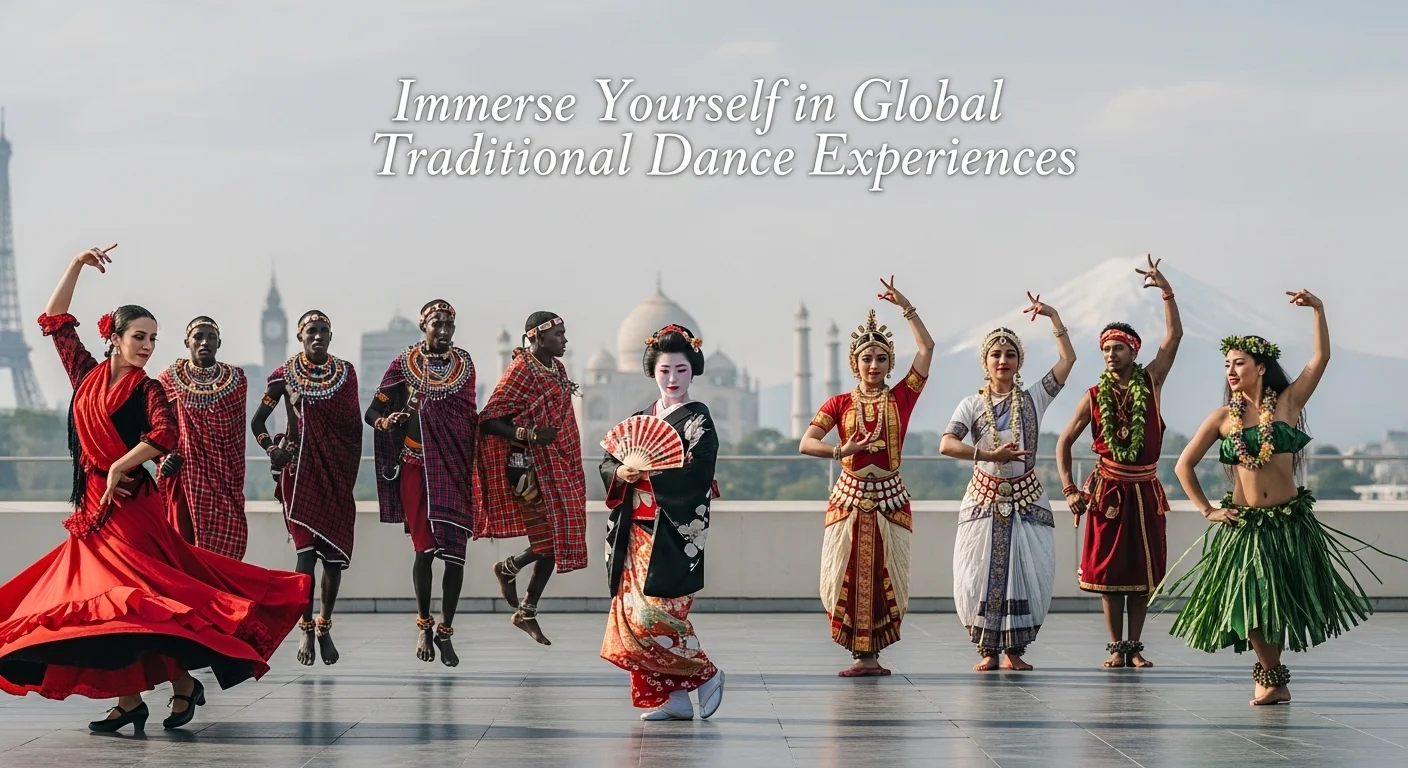
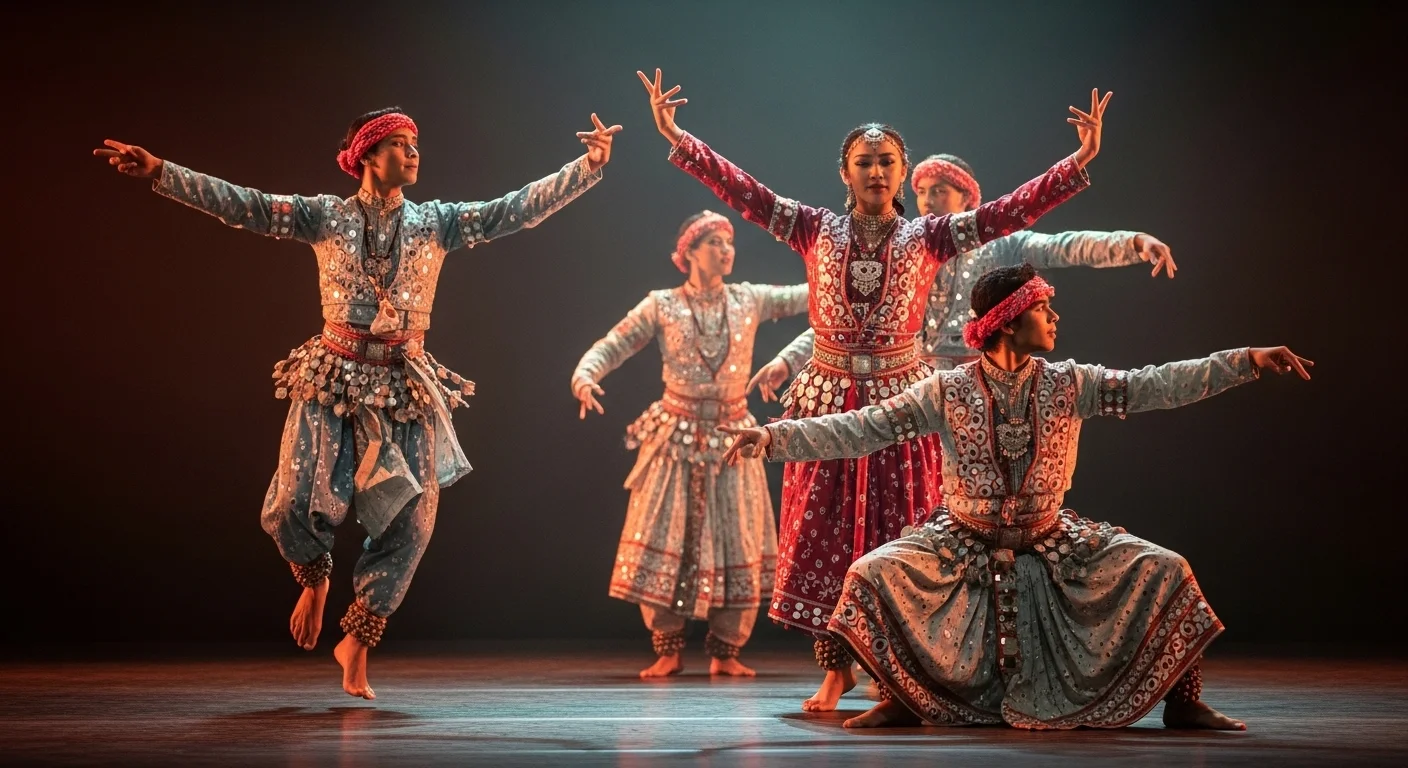
India is a tapestry of diverse cultures, and attending a workshop focused on classical dance and music was a dream come true. I participated in a Bharatanatyam workshop in Chennai, where the intricate movements and expressive facial expressions tell ancient stories. The teacher was incredibly knowledgeable, guiding us through the history and significance of each movement, which deepened my understanding of the art form. I also got to experience live music accompanying our dance, with traditional instruments like the mridangam and flute adding layers to our performance. I remember feeling a profound connection to the rich history of Indian culture during this workshop, and it inspired me to learn more about its various traditions. Immerse yourself in global traditional dance experiences.

Brazilian Samba in Rio de Janeiro

Rio de Janeiro is synonymous with samba, and I had the chance to dive into this vibrant world during a workshop just before Carnaval. The rhythm of the drums was infectious, and I could barely contain my excitement as I joined in. Our instructor was a charismatic samba dancer who taught us the basic steps and urged us to feel the music in our bodies. The workshop was filled with laughter and joy as we moved together, embracing the spirit of celebration that samba embodies. I loved how samba workshops not only teach you dance but also invite you to connect with the festive spirit of the city. Experiencing samba firsthand in Rio is a memory I hold dear, reminding me of the power of music and dance to bring people together.

How to Choose the Right Workshop

Assessing Your Skill Level

Choosing the right workshop often starts with understanding your skill level. I’ve made the mistake of jumping into advanced workshops without realizing I wasn’t quite ready, which can be discouraging. For me, it’s always helpful to assess whether I’m a beginner or have some experience. Most workshops have clear descriptions, and I recommend reaching out to instructors if you’re unsure. They can guide you to the right level so you can enjoy the learning process without feeling overwhelmed.

Defining Your Musical or Dance Interests

Next, think about what styles resonate with you. I’ve found that defining my interests makes a huge difference in my workshop experience. Whether it’s classical music, folk dance, or something contemporary, knowing what excites you helps narrow down your choices. I remember when I was exploring different workshops; I focused on those that offered the styles I love, which made my learning journey much more fulfilling.

Checking Instructor Credentials and Experience

Instructor credentials play a crucial role in the quality of the workshop. I’ve always felt more confident when I know my instructor has a solid background in what they’re teaching. Look for workshops led by professionals with real-life experience and accolades in their field. I’ve had the pleasure of learning from some incredible artists, and their passion for sharing knowledge truly elevates the experience.

Understanding Workshop Duration and Format

Lastly, consider the duration and format of the workshop. Some workshops are short, lasting just a few hours, while others might span several days. I’ve found that longer workshops allow for deeper learning and connection with the instructors and fellow participants. Additionally, understanding whether the workshop is hands-on or more theory-based can help set your expectations. I personally prefer a balance of both; learning the theory behind the art makes the practice even more meaningful.

What to Expect in a Workshop

Typical Structure of a Music Workshop

When I first started attending music workshops, I was curious about how they would be structured. I quickly realized that while each workshop has its unique flavor, there are common elements that I’ve come to expect. Typically, a music workshop begins with an introduction where the instructor outlines what we will learn. This is often followed by a warm-up session to get everyone in the groove. I’ve noticed that these warm-ups not only prepare us physically but also help to break the ice among participants.

Next, the instructor usually dives into specific techniques or songs. I remember at a guitar workshop in Austin, we spent time learning a classic folk song, breaking it down into manageable sections. This hands-on approach makes it easier to grasp new concepts without feeling overwhelmed. We would practice together, and then the instructor would provide feedback, which was invaluable. Many workshops also include some time for improvisation, allowing us to apply what we learned creatively. It’s a wonderful way to see how different interpretations can emerge even when we start from the same foundation.

Typical Structure of a Dance Workshop

Dance workshops share similar structures, although they may emphasize movement and choreography more. I’ve found that most dance workshops start with a warm-up to loosen the body and get everyone moving. This part is crucial, especially for someone like me, who can sometimes be a bit stiff! After warming up, the instructor usually introduces the dance style and its cultural significance. I appreciate how this context enriches the entire experience.

Once we dive into the choreography, the instructor often breaks down the movements step by step. I recall a hip-hop workshop where the instructor would teach a sequence, and we would practice it in small groups before coming together as a larger ensemble. The energy in the room is electric as we all aim to synchronize our movements. At the end of the workshop, there’s often a chance to perform what we’ve learned, which is both exhilarating and nerve-wracking. It’s a perfect opportunity to showcase our hard work and connect with fellow participants through shared accomplishment.

Materials and Equipment You May Need

Before attending a workshop, it’s helpful to know what materials or equipment you might need. For music workshops, I’ve found it’s essential to bring your instrument if it’s applicable. Most instructors will provide sheet music or materials, but having your own instrument helps you practice what you learn. In several workshops, I also carried a notebook to jot down tips or exercises that resonated with me. I remember being at a drumming workshop where we were encouraged to bring a recording device to capture the rhythms we learned; this became a valuable resource for practice later on.

For dance workshops, comfortable clothing and proper footwear are key. I’ve made the mistake of wearing the wrong shoes before, and it can really hinder your movements. It’s best to wear something that allows for freedom of movement. Additionally, I recommend bringing a water bottle to stay hydrated, as you’ll likely break a sweat! In some workshops, instructors may provide props or equipment, but checking ahead can save you from scrambling last minute.

Performance Opportunities Available

One aspect I always look forward to in workshops is the chance to perform. Many workshops culminate in a showcase where participants can demonstrate what they’ve learned. This is often a rewarding experience that builds confidence and creates a sense of community among attendees. I remember participating in a world music workshop that ended with a small concert. We were all a bit nervous but excited to share our progress with friends and family. The support in the room was palpable, and it felt amazing to celebrate our collective efforts.

Sometimes, workshops are part of larger events or festivals, which can provide even more performance opportunities. I’ve had the privilege of performing at local festivals after attending workshops, which allowed me to connect with the broader community. Whether it’s an open mic night or a dance showcase, these moments can be incredibly fulfilling, reinforcing the joy of sharing art with others. It’s a reminder that music and dance are not just solitary pursuits; they are a way to connect with people and build lasting memories.

Frequently Asked Questions

What is the significance of music and dance in cultural expression?

Music and dance serve as vital expressions of a culture’s soul, telling stories, conveying emotions, and creating bonds between people. They are not just entertainment but vital traditions passed down through generations.

How do local music and dance traditions reflect a culture’s history?

Each locale has unique musical and dance styles that represent their traditions and history. For instance, jazz in New Orleans embodies various cultural influences, while flamenco in Spain narrates tales of love and heartache, often intertwined with local festivals and celebrations.

What types of music workshops are available?

There are several types of music workshops, including traditional music workshops, contemporary music workshops, instrument-specific workshops, and vocal workshops. Each focuses on different aspects of music and offers various experiences for participants.

What can participants expect from a typical music workshop?

A typical music workshop usually begins with an introduction and a warm-up session, followed by learning specific techniques or songs. Participants often engage in hands-on practice and improvisation, with feedback from the instructor to enhance their learning experience.

What are folk dance workshops and their purpose?

Folk dance workshops provide a way to connect with local culture by teaching traditional dances that celebrate community and shared joy. They often involve participants of all ages, fostering a sense of unity through dance.

What is the structure of a typical dance workshop?

Dance workshops typically start with a warm-up, followed by an introduction to the dance style and its cultural significance. The instructor then breaks down choreography step by step, often culminating in a performance of what has been learned.

How can participants choose the right workshop for themselves?

To choose the right workshop, participants should assess their skill level, define their musical or dance interests, check instructor credentials, and understand the workshop’s duration and format to ensure it aligns with their goals.

What materials or equipment should participants bring to workshops?

For music workshops, participants should bring their instrument if applicable and a notebook for notes. For dance workshops, comfortable clothing, proper footwear, and a water bottle are essential to facilitate movement and hydration.

Are there performance opportunities available in workshops?

Many workshops culminate in showcase performances where participants can demonstrate what they’ve learned. This provides a rewarding experience that builds confidence and fosters a sense of community among attendees.

What are some top destinations for music and dance workshops?

Top destinations include New Orleans for jazz and Cajun music, Seville for flamenco, Hawaii for hula, India for classical dance and music, and Rio de Janeiro for samba. Each location offers unique cultural experiences through music and dance workshops.

Discover Unique Music & Dance Workshops for Budget Travelers

Are you ready to immerse yourself in vibrant cultures while traveling? Music and dance workshops offer a unique way to connect with locals, learn new skills, and create unforgettable memories—all without breaking the bank! Read Interesting article: Unleash Your Rhythm: Top Music & Dance Workshops Abroad

Discover Unique Music & Dance Workshops for Budget Travelers

Understanding the Appeal of Music and Dance Workshops

When I think about my travels, I often remember the moments when I stepped out of my comfort zone, particularly in music and dance workshops. These experiences have a way of opening up new worlds. They allow us to connect deeply with the local culture, meet new friends, and even challenge ourselves creatively. But what is it that makes these workshops so appealing for budget travelers like us?

Benefits of Participating in Workshops While Traveling

First off, participating in workshops while traveling offers a refreshing break from typical sightseeing. Rather than just observing, we engage actively with the culture. I remember taking a tango workshop in Buenos Aires, and it completely changed my perspective on the dance and the city itself. I wasn’t just watching the dancers; I was part of the rhythm, feeling the music in my bones.

Moreover, workshops often come at a fraction of the cost compared to other travel activities. Many are community-driven, which means they are designed to be affordable. This allows us to explore our creative sides without stretching our budgets. I’ve found that many workshops also provide materials and instruments, so there’s no need to invest in anything extra. For example, I once joined a drumming workshop in Ghana, and all I had to bring was my enthusiasm!

There’s also a social aspect to these workshops that can’t be overlooked. Meeting fellow travelers and locals creates a sense of camaraderie. I’ve made lifelong friends while dancing the night away or strumming guitars in a circle. Being part of a group, sharing laughter and stories, enriches the experience tenfold.

How Music and Dance Enhance Cultural Experiences

Music and dance are universal languages, and they can tell stories that words often cannot. When I attended a traditional Balinese dance workshop in Indonesia, I was not just learning movements; I was learning about the culture’s history and customs. Each gesture conveyed meaning, and every rhythm had a purpose. It was an enlightening experience that deepened my appreciation for the culture.

Moreover, these workshops often challenge us to step outside our comfort zones. I’ve noticed that trying something new, like learning to play a local instrument or taking up a dance style I’ve never done before, has been a great way to boost my confidence. It’s a reminder that we’re all capable of learning something new at any age. The thrill of mastering a new skill, however small, is incredibly rewarding. Read Interesting article: Immerse Yourself in Global Traditional Dance Experiences

Through music and dance, I feel we can also connect on a more emotional level. For instance, during a folk music class in Ireland, I was struck by the stories behind each song—the heartbreak, joy, and resilience embedded in the lyrics. It’s these emotional connections that make our travels more meaningful and memorable.

Types of Music Workshops for Budget Travelers

Now that we’ve covered why music and dance workshops are so appealing, let’s dive into the types of music workshops available for us budget travelers. There’s something out there for everyone, regardless of your musical background or experience.

Traditional Music Workshops

Traditional music workshops are a fantastic way to experience the local sounds and rhythms. I remember stumbling upon a traditional Maori music workshop in New Zealand. Not only did I learn about the flutes and chants, but I also discovered the significance behind them. Participating in these workshops allows us to understand and appreciate the cultural roots of the music.

Modern Music Production Classes

If you’re inclined towards more contemporary sounds, modern music production classes might be your jam. I attended a workshop in Berlin where I learned the basics of producing electronic music. The instructors were incredibly knowledgeable and patient, guiding us through the process of creating our tracks. It was not just about learning techniques; it was about expressing myself through sound, which was exhilarating!

Instrumental Music Sessions

For those who love playing instruments, look for instrumental music sessions. Whether it’s guitar, drums, or even local instruments like the sitar in India, these workshops offer hands-on experiences. I once took a ukulele class in Hawaii, and I found it so relaxing to strum away while sitting on the beach. It was a perfect reminder that music can be a form of therapy, too.

With so many options available, it’s clear that music workshops can cater to different tastes and interests. Whatever you choose, I believe you’ll find that each session offers not just skills but also unique memories that can last a lifetime.

Types of Dance Workshops for Budget Travelers

Just as there are numerous music workshops out there, the world of dance workshops is equally rich and varied. I’ve found that participating in dance classes while traveling not only helps me stay active but also allows me to absorb the local culture in a lively and energetic way. Here are some types of dance workshops that I highly recommend for budget travelers.

Folk Dance Classes

Folk dance classes are a wonderful way to dive into the traditions of a region. I remember attending a traditional Ukrainian folk dance workshop, and it was one of the most exhilarating experiences of my travels. The energy in the room was contagious, and I loved learning about the history behind each dance. The instructors were passionate and patient, guiding us through intricate footwork and lively movements that told stories of their culture.

What I found particularly fascinating was how these dances often involve group participation. We formed circles and pairs, creating a sense of community and joy. It reminded me that dance is not just about individual expression but also about coming together as a group. If you find a folk dance workshop during your travels, I highly recommend giving it a try. You might just find yourself dancing with locals at a festival by the end of your trip!

Contemporary Dance Workshops

If you’re drawn to more modern styles, contemporary dance workshops can be a great fit. While visiting Paris, I decided to join a contemporary dance class at a local studio. I was nervous at first, as I had little experience, but I was quickly welcomed by the group. The instructor was fantastic, encouraging us to express ourselves through movement and explore our creativity.

What struck me most was how contemporary dance often blends various styles, allowing for freedom and personal expression. I was amazed at how connected I felt to my body and the music, even though I was trying something completely new. It’s an empowering experience that can help you break free from inhibitions and truly connect with yourself and others.

Traditional Cultural Dance Sessions

Many cultures have their own traditional dances, and participating in these sessions can be eye-opening. During a trip to Bali, I sought out a traditional Balinese dance workshop. I was captivated by the intricate hand gestures and facial expressions that convey deep meaning. The session was not just about the dance; it was a complete cultural immersion.

Through this workshop, I learned about the significance of each movement and how it relates to Balinese rituals and beliefs. It was fascinating to see how dance plays a vital role in storytelling and cultural expression. Plus, the instructors were incredibly passionate and shared captivating stories that deepened my understanding of their cultural heritage. Read Interesting article: Budget Backpacking: Discovering Traditional Dance Cultures

Whether it’s a hula dance in Hawaii, a flamenco class in Spain, or a traditional Maori haka in New Zealand, these sessions allow us to experience the essence of a culture in a unique way. I’ve always felt that engaging in traditional dance helps create a lasting bond with the places we visit.

Popular Destinations for Affordable Music and Dance Workshops

Now that we’ve explored the different types of workshops available, let’s look at some popular destinations where you can find affordable music and dance workshops that cater to budget travelers. These places are not just rich in culture but also overflowing with opportunities to learn and connect.

Latin America: A Hub for Rhythm and Dance

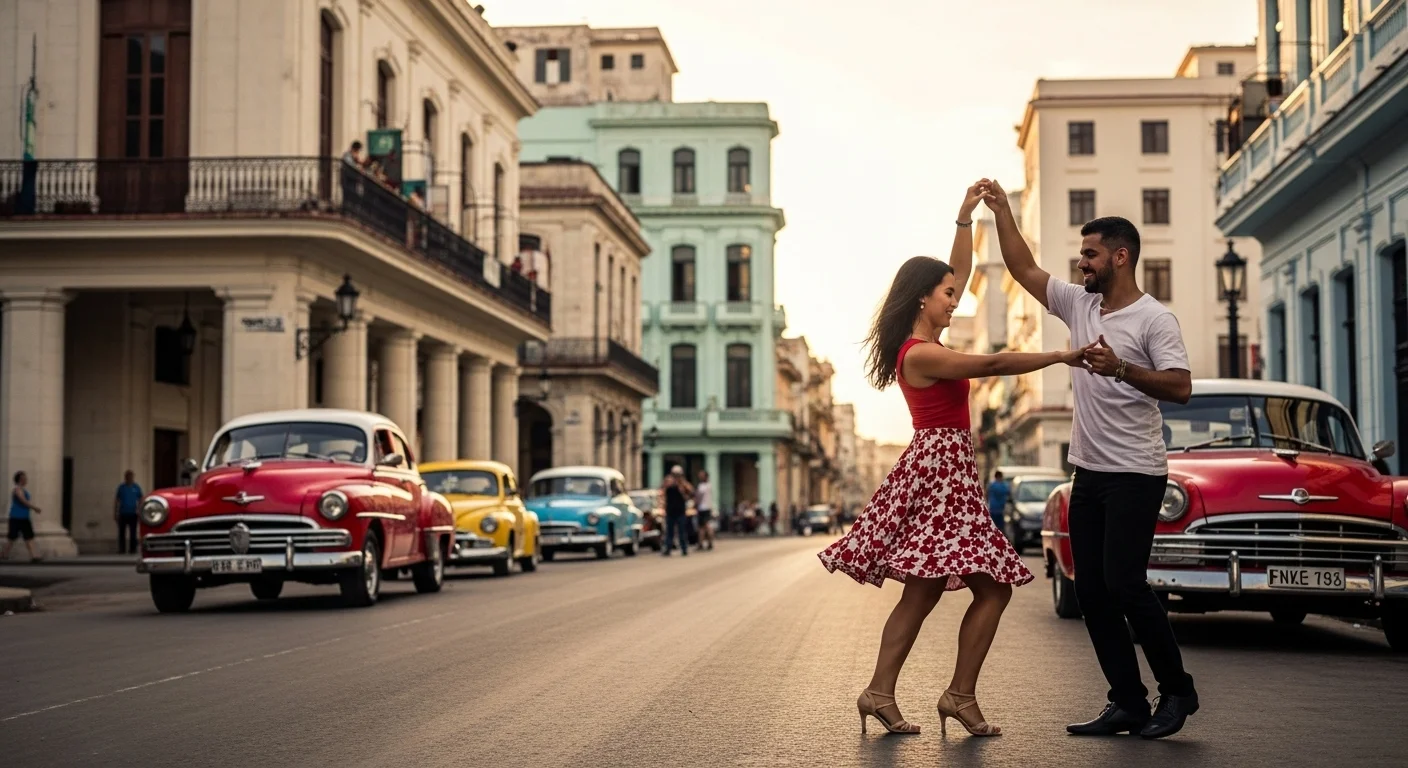
Latin America is undoubtedly a hotspot for vibrant music and dance workshops. From samba in Brazil to salsa in Cuba, there’s a rhythm for everyone. I once found myself in Rio de Janeiro, where I enrolled in a samba workshop. The instructors were full of energy, and the atmosphere was electric. Learning to samba in such a lively environment was a fantastic way to experience the culture first-hand.

Many cities in Latin America offer affordable workshops, often in community centers or local dance schools. These classes are perfect for all skill levels, and the instructors usually provide a warm welcome. You’ll find yourself dancing with locals who are more than happy to share their passion for rhythm and movement.

Europe: Cultural Melodies and Dance Traditions

Europe is a treasure trove of music and dance traditions. Whether it’s a traditional Irish jig in Dublin or a classical ballet class in Vienna, there’s something for everyone. I remember stumbling upon a folk music and dance festival in a small village in Spain. It was a delightful surprise that led to an impromptu dance workshop right in the town square. The best part? It was completely free!

In many European cities, cultural institutions often hold workshops that are budget-friendly. I’ve found that local community centers are also a great resource for discovering these opportunities. They typically offer classes taught by locals who are passionate about sharing their heritage.

Asia: Diverse Music and Dance Offerings

Asia offers an incredible array of music and dance workshops, reflecting its rich cultural tapestry. In India, for instance, you can find workshops on classical dance forms like Bharatanatyam or Kathak. I attended a Kathak workshop in Varanasi, and it was mesmerizing to learn about the intricate footwork and storytelling through dance.

In Japan, I discovered a workshop focusing on traditional Taiko drumming. The experience of learning to play the drums in such a dynamic environment was unforgettable. These workshops often provide an authentic connection to the local culture and can be much more affordable than one might expect. Exploring these opportunities can lead to experiences that enrich our travels and deepen our understanding of the world.

How to Find Budget-Friendly Workshops

Finding budget-friendly music and dance workshops can sometimes feel like a treasure hunt, but I’ve discovered a few reliable strategies that make the search a lot easier. Each experience not only enhances our travel but also keeps our wallets happy. Here’s how I navigate the world of workshops without overspending.

Online Platforms for Finding Workshops

One of the first things I do when planning a trip is to check online platforms dedicated to travel experiences. Websites like Airbnb Experiences, Viator, and Eventbrite have extensive listings of workshops across various destinations. I remember using Airbnb Experiences to find a flamenco dance workshop in Seville. The platform allowed me to read reviews from other travelers, which helped me feel confident about my choice.

Social media has also been a game changer for discovering workshops. I often browse Instagram and Facebook groups related to travel, music, and dance. Hashtags like #TravelWorkshops or #DanceClasses can lead to hidden gems that you might not find on traditional travel sites. Plus, these platforms often showcase local talent and unique experiences that might be off the beaten path. I once found a small, intimate drumming circle in a local park in Paris through an Instagram post, and it turned out to be one of my favorite experiences!

Local Community Centers and Cultural Institutions

When I arrive in a new place, I like to explore local community centers and cultural institutions. These venues often offer workshops at very reasonable prices, if not for free. I once stumbled upon a community arts center in Lisbon that held weekly traditional Fado music workshops. The instructors were passionate locals eager to share their culture, and the price was incredibly affordable.

Additionally, local universities and colleges frequently host workshops, particularly during the summer months or during cultural festivals. They’re often looking for participants and can offer high-quality instruction at a fraction of the cost. I took part in a folk dance workshop at a university in Prague, where students were eager to showcase their skills while sharing their love for their culture. It was a win-win!

Networking with Locals for Hidden Gems

Networking with locals has always led to some of the most memorable experiences during my travels. Engaging with residents not only helps me understand the culture better but also uncovers workshop opportunities that might not be widely advertised. I usually start conversations with people I meet at cafes, markets, or even while exploring tourist spots. I’ve often asked, “Are there any local music or dance workshops you’d recommend?”

On one trip to Mexico City, a friendly local I met in a taco stand told me about a weekly salsa night held in a local dance studio. I attended and ended up learning from incredible instructors who were just as eager to share their craft with newcomers as they were with seasoned dancers. These types of connections can lead to experiences that have a much deeper cultural resonance.

Another great approach is to check community bulletin boards or local event listings in neighborhoods you’re exploring. I once found a flyer for a community drum circle in a small town in Italy, which turned out to be an amazing experience with a diverse group of people. It’s these spontaneous moments that often make our travels unforgettable!

Planning Your Workshop Experience

Once you’ve found a workshop that piques your interest, it’s time to plan your experience to make the most of it. I’ve learned that a little preparation can go a long way in ensuring a fulfilling experience.

What to Consider Before Choosing a Workshop

Before I commit to a workshop, I like to consider a few factors. First, I evaluate my skill level and interests. Some workshops cater to absolute beginners, while others may require prior experience. I remember when I signed up for a hip-hop dance class in Los Angeles. I thought I could handle it since I had dance experience, but it turned out to be more advanced than I expected! It taught me to always check the skill level required.

Additionally, I consider the size of the class. Smaller groups often allow for more personalized attention and a better learning environment. I tend to gravitate toward workshops that offer intimate settings, as I find it easier to connect with both the instructor and other participants. Reading reviews can also provide insights into the dynamics of the class.

How to Prepare for Your Workshop

Preparation can also enhance your experience. I always check if there are any specific materials or attire needed for the workshop. For example, I learned the hard way during a yoga dance class in Bali when I brought the wrong shoes—I ended up slipping all over the place! It’s best to clarify what you should bring to avoid any surprises.

I also like to familiarize myself with the type of music or dance style I’ll be learning. Listening to music or watching videos related to the workshop beforehand helps me get in the right mindset. Plus, it can be a fun way to build excitement! I’ve often found that having even a basic understanding of the music or dance can make the learning process smoother and more enjoyable.

What to Bring to a Music or Dance Workshop

When packing for a workshop, I typically bring a water bottle to stay hydrated, especially if it’s an active class. Comfortable clothing is crucial as well; I like to wear something that allows me to move freely. I’ve also found that bringing a small notebook or journal can be helpful for jotting down tips and notes from the instructor. After all, each workshop is a chance to learn something new and valuable!

Lastly, don’t forget your enthusiasm! Approaching each workshop with an open mind and a positive attitude transforms the experience, making it enjoyable not just for you, but for everyone in the class. I always remind myself that it’s okay to make mistakes; they often lead to the best memories and laughter!

Frequently Asked Questions

What are the benefits of participating in music and dance workshops while traveling?

Participating in workshops offers a refreshing break from typical sightseeing, allows for active engagement with local culture, and often comes at a fraction of the cost compared to other activities. Workshops also provide materials and instruments, fostering creativity and social connections with fellow travelers and locals.

How do music and dance workshops enhance cultural experiences?

Music and dance are universal languages that convey stories and cultural significance. Workshops allow travelers to learn about the history and customs of a culture, boost confidence by stepping outside comfort zones, and create emotional connections through the narratives embedded in music and dance.

What types of music workshops are available for budget travelers?

Types of music workshops for budget travelers include traditional music workshops, modern music production classes, and instrumental music sessions. Each offers unique experiences and caters to different musical interests and skills.

What types of dance workshops can budget travelers expect?

Budget travelers can find folk dance classes, contemporary dance workshops, and traditional cultural dance sessions. Each type of workshop provides an opportunity to engage with local traditions and enhance physical activity while absorbing the culture.

Which destinations are popular for affordable music and dance workshops?

Popular destinations for affordable workshops include Latin America, known for vibrant rhythms, Europe with its rich traditions, and Asia, which offers diverse music and dance experiences. Each region provides unique opportunities for cultural immersion.

How can travelers find budget-friendly music and dance workshops?

Travelers can find budget-friendly workshops by using online platforms like Airbnb Experiences, Viator, and Eventbrite, exploring local community centers and cultural institutions, and networking with locals to uncover hidden gems.

What should travelers consider before choosing a workshop?

Travelers should evaluate their skill level and interests, consider the class size for personalized attention, and read reviews to understand the dynamics of the class before committing to a workshop.

How can participants prepare for a music or dance workshop?

Preparation for a workshop includes checking for specific materials or attire needed, familiarizing oneself with the music or dance style beforehand, and being mentally ready to engage in the learning process.

What items should participants bring to a music or dance workshop?

Participants should bring a water bottle for hydration, comfortable clothing that allows for movement, a notebook for jotting down tips, and, most importantly, enthusiasm for a positive experience.

Why is it important to approach workshops with an open mind?

Approaching workshops with an open mind and positive attitude transforms the experience, making it enjoyable for everyone involved. Embracing mistakes can lead to memorable moments and laughter, enhancing the overall learning experience.

Unleash Your Rhythm: Top Music & Dance Workshops Abroad

Imagine immersing yourself in music and dance, learning from masters in stunning locations around the world. Workshops abroad can ignite your passion and elevate your skills while providing unforgettable experiences. To enhance your journey, consider exploring traditional dance forms that reflect the local culture.

Unleash Your Rhythm: Top Music & Dance Workshops Abroad

Understanding Music and Dance Workshops Abroad

What Are Music and Dance Workshops?

Music and dance workshops are immersive experiences where individuals gather to learn and practice various forms of art. These workshops are typically led by experienced instructors or artists who specialize in a specific genre or technique. I’ve had the chance to attend a few workshops, and I can say the magic of being surrounded by like-minded people, all eager to learn, is truly inspiring. Every session often combines hands-on practice with theory, allowing participants to not only learn choreography or musical techniques but also understand the cultural significance behind them. Whether you’re a beginner or a seasoned performer, these workshops cater to all skill levels and provide a platform to enhance your abilities.

Benefits of Attending Workshops

Attending a music or dance workshop abroad comes with a multitude of benefits. First and foremost, it offers a chance to learn from the best in the industry. I remember attending a tango workshop in Argentina, and the instructor was not only a phenomenal dancer but also a passionate teacher. Learning directly from someone with such expertise made a huge difference in my understanding of the dance. Beyond skill development, workshops often create a sense of community. You meet people from all over the world, forming connections that can last a lifetime—something I cherish from my own experiences.

Additionally, these workshops provide a unique cultural immersion. While participating in a flamenco workshop in Spain, I found myself not only learning the dance but also diving into the music, the history, and the local traditions. It was an enriching experience that went beyond just steps and rhythms. I think workshops are also a great way to break out of your comfort zone. I’ve noticed that pushing myself to learn in a new environment helped build my confidence as a performer. If you are interested in exploring more about cultural immersion, check out budget backpacking options that allow you to discover traditional dance cultures.

Types of Workshops Available

When it comes to types of music and dance workshops, the options are nearly endless. From classical ballet to contemporary hip-hop, each workshop has its own unique flavor. For me, the diversity is what makes these workshops so exciting. You can find workshops focused on specific instruments, genres, or dance styles, such as traditional folk dance, jazz, or even modern electronic music. I once tried a workshop focusing on African drumming, and it opened my eyes to a different rhythm and technique that I had never explored before. Each type of workshop brings its own set of challenges and rewards, making it essential to choose one that resonates with your interests and goals.

Some workshops are intensive, lasting a few days to a week, while others might be spread out over several weeks or months. I’ve participated in both formats, and each has its own appeal. The intensive workshops often plunge you into a deep learning experience, while the longer ones provide time for reflection and practice between sessions. Whether you prefer a deep dive or a gradual approach, there’s a workshop out there that will fit your needs.

Lastly, many workshops also incorporate performance opportunities, allowing you to showcase what you’ve learned. I remember the excitement of performing at the end of a week-long workshop in Italy—it was nerve-wracking yet exhilarating. These experiences not only solidify your learning but also give you a taste of what it’s like to perform in front of an audience, which can be incredibly rewarding.

Top Destinations for Music and Dance Workshops

Europe

Spain: Flamenco Workshops

Spain is often the first place that comes to mind when I think of vibrant music and dance workshops, especially flamenco. The passionate rhythms and expressive movements of flamenco have a unique way of capturing the heart. I remember stepping into a quaint studio in Seville, surrounded by the sounds of clapping castanets and the strumming of guitars. The workshop wasn’t just about learning the footwork; it was an invitation to understand the culture behind the dance. The instructors shared stories that connected historical influences to modern interpretations, making every step feel like I was part of something much larger. If flamenco speaks to you, I wholeheartedly recommend seeking out workshops in Andalusia, where you can not only dance but also experience the local culture firsthand.

Italy: Opera and Classical Music Workshops

If you’re drawn to the beauty of classical music, Italy is a fantastic destination for workshops focused on opera and classical performance. I’ve attended a workshop in Florence that revolved around opera singing techniques. The ambiance of the historic city, with its stunning architecture, set the perfect backdrop. The instructors, often accomplished musicians themselves, offered invaluable insights into not just vocal techniques but also stage presence and emotional expression. The opportunity to perform in a historical venue was the cherry on top. For anyone passionate about singing or classical instruments, Italy is a place where you can refine your craft amidst rich musical heritage.

France: Ballet and Contemporary Dance Workshops

France, particularly Paris, is synonymous with elegance and artistry, making it an ideal spot for ballet and contemporary dance workshops. I once participated in a ballet workshop at a charming studio in Montmartre. The atmosphere was enchanting, and I found myself immersed in both technique and artistry. The instructors were incredibly knowledgeable, helping us explore the nuances of movement and expression. What I enjoyed most was the combination of ballet’s classic techniques with contemporary styles, allowing us to experiment and push our boundaries. If you have a passion for dance, experiencing it in the heart of France can be truly transformative.

North America

United States: Hip-Hop and Jazz Dance Workshops

The United States is a melting pot of dance styles, with hip-hop and jazz being at the forefront. I remember attending a hip-hop workshop in New York City, where the energy was contagious. The city’s pulse matched the rhythms we were learning, and every move felt electric. The instructors were not only talented dancers but also had a wealth of experience in the industry. Learning choreography that was fresh and relevant to today’s trends made the workshop feel alive. I also found that these workshops often foster a sense of community, where dancers support one another and share their stories, making each session feel like a family gathering.

Canada: Folk Music and Dance Workshops

Canada offers a rich tapestry of folk music and dance workshops, reflecting its multicultural heritage. I had the pleasure of attending a workshop in Toronto that focused on traditional Canadian folk dances. It was an incredible experience, learning steps that have been passed down through generations. The sense of community was palpable; everyone was eager to share their own stories and experiences tied to the dances. The workshops often incorporate live music, which adds to the authenticity and joy of learning. For anyone interested in folk traditions, Canada is a welcoming place to explore and celebrate diverse cultural expressions.

Asia

India: Traditional Music and Dance Workshops

India is a treasure trove of traditional music and dance, with countless workshops that celebrate its rich artistic heritage. I was fortunate enough to attend a Bharatanatyam workshop in Chennai, and it was nothing short of magical. The intricate footwork and expressive hand gestures, known as mudras, told stories that transcended language. The instructors were patient and passionate, guiding us through each movement while explaining their significance in Indian culture. The experience deepened my appreciation for the art form and left me with a desire to continue learning. If you have even a slight interest in Indian classical arts, attending a workshop here can be a life-changing experience.

Japan: Taiko Drumming and Dance Workshops

Japan offers something truly unique with its Taiko drumming workshops. I remember being blown away by the power and rhythm during my first workshop in Tokyo. The physicality involved was exhilarating, and each strike of the drum resonated deep within me. The instructors emphasized teamwork, as the drummers often perform in unison, creating a powerful collective sound. I found that Taiko isn’t just about drumming; it’s also about conveying emotions and storytelling through rhythm. For anyone looking to explore a different form of musical expression, I highly recommend trying a Taiko workshop. It’s an experience that brings both joy and a sense of community among participants.

South America

Brazil: Samba Dance Workshops

Brazil is famous for its lively samba, and attending a samba dance workshop in Rio de Janeiro is an unforgettable adventure. The vibrant colors and infectious energy of the city serve as the perfect backdrop for learning this rhythmic dance. I took part in a workshop just before Carnival, and the excitement in the air was palpable. The instructors were enthusiastic, teaching us how to embody the spirit of samba—joyful, free, and full of life. The workshops often culminate in performances, giving you a taste of what it feels like to dance in front of a crowd. If you love to move and celebrate life, samba workshops in Brazil should be at the top of your list.

Argentina: Tango Workshops

Lastly, Argentina is the home of tango, and attending a tango workshop there is like stepping into a romantic film. I found myself in Buenos Aires, captivated by the passionate music and the elegance of the dance. The instructors were deeply knowledgeable about tango’s history and nuances, and they guided us through the intricate footwork and connection with our partners. Each session felt intimate, as we learned not just the steps but also how to convey emotion through movement. If you have a yearning for connection and expression, you simply must experience tango in its birthplace—it’s a journey like no other.

Choosing the Right Workshop for You

Skill Level Considerations

One of the first things I think about when selecting a workshop is my skill level. It’s so important to choose a workshop that matches where you are in your journey. When I first started dancing, I was nervous about attending a workshop that might be too advanced for me. I remember being hesitant before a contemporary dance workshop that was labeled “intermediate.” But I decided to go for it, and I found that the instructors were incredibly accommodating. They tailored parts of the class to ensure everyone felt included, regardless of their skill level. So, whether you’re a beginner just dipping your toes into music or an advanced dancer looking to refine your craft, be sure to check if the workshop is suitable for your experience level. Most workshops will provide this information, but if you’re unsure, don’t hesitate to reach out to the organizers for guidance.

Workshop Duration and Format

Another key factor to consider is the duration and format of the workshop. I’ve participated in both short, intensive workshops and longer ones that stretched over several weeks. Each format has its unique advantages. For example, I took part in a week-long intensive jazz workshop that was packed with sessions every day. It was exhilarating to dive deep into the style and make significant progress in just a few days. However, I’ve also enjoyed workshops that met once a week for a couple of months. These longer formats allowed me to absorb the material at a more manageable pace and gave me time to practice in between sessions. Think about what would work best for your schedule and learning style. If you thrive on immersion, go for an intensive option. If you prefer a gradual pace, look for a longer workshop.

Instructor Credentials and Experience

The instructors can make or break your workshop experience, so I always look into their backgrounds before signing up. I’ve been fortunate to learn from some truly incredible teachers who brought their own unique flair and expertise to the table. I remember attending a workshop where the instructor had performed on Broadway, and her passion for the art was infectious. I learned so much just from her approach to movement and emotion. When researching a workshop, check the credentials of the instructors. What have they accomplished? Where have they performed? A teacher’s experience can greatly enhance your learning, and their insights might inspire you in ways you never expected.

Cost and Budgeting for Workshops

Let’s face it: costs can vary widely when it comes to workshops. I’ve seen some that are surprisingly affordable and others that are quite a bit pricier, especially those located in popular tourist destinations. It’s essential to budget accordingly. I’ve learned that quality often correlates with price, but that doesn’t mean you should break the bank. Look for early-bird discounts, scholarships, or even local workshops that may provide exceptional learning opportunities without the hefty price tag. It’s also worth considering what’s included in the fee—sometimes, meals, accommodation, or performance opportunities are part of the package, which can offer incredible value. I’ve found that being proactive about my budget leads to a more enjoyable experience without the stress of financial strain.

What to Expect at a Music or Dance Workshop

Daily Schedule and Structure

Walking into a workshop for the first time, I often find myself curious about what the daily schedule will look like. Most workshops have a structured format, with a mix of warm-ups, technique classes, and practice sessions. I recall a workshop I attended in Spain that started each day with a group warm-up to get everyone moving and connected. It was a fantastic way to build camaraderie among participants. Throughout the day, we would alternate between learning choreography and working on specific techniques. Knowing what to expect can help ease any nerves, so I recommend checking the itinerary beforehand to see how the day will unfold.

Learning Environment and Class Size

The learning environment plays a huge role in how effectively we absorb information. I’ve been in both large and small workshops, and each has its advantages. Smaller classes often allow for more personalized attention, which can be invaluable when you’re trying to master a specific technique. I once took part in a small group salsa workshop, and the instructor was able to give me direct feedback that was tailored to my needs. On the other hand, larger workshops can be incredibly energizing, with the buzz of many participants learning and moving together. It’s worth considering what kind of environment you thrive in when choosing your workshop.

Performance Opportunities

Finally, I’ve found that many workshops offer some sort of performance opportunity, and this aspect can be one of the highlights. I remember the thrill of showcasing what I had learned at the end of a week-long workshop in Italy. It was a chance to celebrate our hard work and share it with others, which felt incredibly rewarding. Performing in front of an audience, even if it’s just fellow workshop participants, can boost your confidence and provide valuable experience. If performance is important to you, look for workshops that emphasize this aspect, as it can enhance your overall learning experience.

Frequently Asked Questions

What are music and dance workshops?

Music and dance workshops are immersive experiences where individuals gather to learn and practice various forms of art, typically led by experienced instructors or artists specializing in specific genres or techniques. They combine hands-on practice with theory, catering to all skill levels.

What are the benefits of attending workshops abroad?

Attending workshops abroad offers the chance to learn from industry experts, build a sense of community with like-minded individuals, experience unique cultural immersion, and push personal boundaries, all of which contribute to skill development and personal growth.

What types of workshops are available?

The types of workshops available are diverse, ranging from classical ballet and contemporary hip-hop to traditional folk dance and modern electronic music. Workshops can vary in duration, format, and focus on specific instruments, genres, or dance styles.

What are some top destinations for music and dance workshops?

Top destinations include Spain for flamenco, Italy for opera and classical music, France for ballet and contemporary dance, the United States for hip-hop and jazz, Canada for folk music, India for traditional music and dance, Japan for Taiko drumming, and Brazil for samba.

How do I choose the right workshop for my skill level?

When selecting a workshop, it’s important to consider your skill level. Look for workshops that explicitly state their suitability for beginners or advanced participants. If in doubt, reach out to the organizers for guidance.

What factors should I consider regarding workshop duration and format?

Consider whether you prefer intensive workshops that last a few days or longer workshops that meet over several weeks. Intensive workshops provide deep learning experiences, while longer formats allow for reflection and practice between sessions.

Why is instructor experience important in workshops?

The quality of instruction can significantly impact your learning experience. Researching instructors’ backgrounds can help you find teachers who bring valuable insights and expertise, enhancing your understanding and appreciation of the art form.

How can I budget for workshops?

Costs for workshops can vary widely, so it’s essential to budget accordingly. Look for early-bird discounts, scholarships, and consider what is included in the fee, such as meals or accommodation, to maximize value without financial strain.

What can I expect from the daily schedule at a workshop?

Most workshops have a structured format that includes warm-ups, technique classes, and practice sessions. Reviewing the itinerary beforehand can help you understand the daily flow and ease any initial nerves.

Are performance opportunities typically available in workshops?

Many workshops offer performance opportunities, which can be a highlight of the experience. Performing showcases what you’ve learned and can boost confidence while providing valuable experience in front of an audience.

Immerse Yourself in Global Traditional Dance Experiences

Traditional dance is a vibrant expression of culture that transcends borders, inviting us to connect with diverse histories and communities. Immerse yourself in these global dance experiences and discover the stories they tell. Read Interesting article: Explore the World Through Traditional Dance Forms

Immerse Yourself in Global Traditional Dance Experiences

Understanding Traditional Dance

Definition and Significance of Traditional Dance

When I think of traditional dance, I see more than just movement; I see history, emotion, and identity. Traditional dance encompasses various styles that are deeply rooted in the cultural customs of a community. These dances often serve as a means of storytelling, celebration, and preservation of heritage. I’ve come to realize that each dance form carries its unique significance and reflects the values and beliefs of the people it represents. Whether it’s a ceremonial dance performed at a wedding or a seasonal celebration, traditional dance is a vital part of cultural identity and community bonding.

Global Diversity in Dance Forms

The beauty of traditional dance lies in its diversity. Traveling around the world, I’ve witnessed an incredible array of dance forms, each with its distinctive flair and rhythm. From the lively beats of African tribal dances to the elegant movements of Asian classical forms, there’s something captivating about each style. I remember attending a festival where dancers from different countries showcased their traditions. It was mesmerizing to see how different cultures interpret similar themes through movement. This global tapestry of dance not only enriches our understanding of various traditions but also fosters a sense of connection among us, regardless of our backgrounds. Read Interesting article: Budget Backpacking: Discovering Traditional Dance Cultures

Cultural Context and History

Diving deeper into the history of traditional dance, I discovered that many forms have evolved over centuries, adapting to changes in society, politics, and culture. For instance, I learned about how the Irish step dance originated in rural Ireland and became a symbol of national pride. Similarly, the origins of the tango in Argentina are rooted in the immigrant experience and social changes in the early 20th century. It fascinates me how traditional dance can serve as a mirror reflecting the societal shifts and challenges faced by a community. By understanding the historical context behind these dances, I gained a greater appreciation for their significance and the stories they convey.

Regions and Their Unique Dance Traditions

Africa

West African Dance

West African dance is vibrant, energetic, and often involves the entire community. During my travels, I had the pleasure of experiencing a West African dance workshop. The rhythm of the drums pulsated through my body, and I felt an overwhelming connection to the cultural roots. Each movement was not just a step but an expression of joy, resilience, and heritage. I learned that these dances are often performed during celebrations and rituals, each with its unique significance and meaning.

South African Zulu Dance

The Zulu dance, with its powerful stomps and intricate footwork, captivated me when I saw it performed live. It tells stories of warrior pride, love, and community. Participating in a Zulu dance circle was an unforgettable experience. The energy in the air was electric, and I felt the collective spirit of those around me, united by the rhythm and shared history.

Asia

Indian Classical Dance Forms

India boasts a rich tapestry of classical dance forms, each telling its own story. I attended a performance of Bharatanatyam, one of the oldest dance forms, and was amazed by its intricate gestures (called mudras) and expressive storytelling. The dancer’s ability to convey emotions through subtle movements was something I had never experienced before. I found myself completely absorbed in the performance, and it sparked a deep appreciation for the cultural heritage of India.

Chinese Folk Dances

Chinese folk dances, with their colorful costumes and lively music, transport you to ancient times. I remember watching a lion dance during a Chinese New Year celebration. The blend of acrobatics, rhythm, and artistry was mesmerizing. I learned that these dances are often performed to bring good luck and ward off evil spirits, making them an important part of cultural celebrations.

Europe

Irish Step Dance

The rhythmic tapping of Irish step dance creates an infectious energy that’s hard to resist. I had the chance to see a live performance and was struck by the dancers’ precision and athleticism. The connection between the music and movement is truly captivating, making it a joyous experience for everyone involved.

Ballet in France and Russia

Ballet, with its roots in the courts of Renaissance Italy and its flourishing in France and Russia, is a dance form that embodies grace and discipline. I took a beginner ballet class once, and while I stumbled through the positions, I gained an immense respect for the skill and dedication it requires. Ballet is not just about dance; it’s about storytelling through movement, and watching a performance can be a transformative experience.

North America

Native American Dance Ceremonies

Attending a Native American dance ceremony was one of the most profound experiences of my life. Each dance has its own purpose, whether it’s to celebrate a harvest or to honor ancestors. The deep spiritual connection and the stories told through movements left a lasting impression on me. It reminded me of the importance of respect and understanding in recognizing the significance of these traditions.

Appalachian Clogging

Appalachian clogging is a lively dance that reflects the joyful spirit of American folk culture. I remember joining a group of cloggers at a local festival. The infectious energy and community spirit made it an unforgettable experience. Every stomp and clap brought us closer together, embodying the essence of sharing joy through dance.

South America

Samba in Brazil

The samba is synonymous with Brazilian culture, characterized by its lively rhythms and vibrant costumes. Experiencing samba during Carnival was exhilarating! The street parades, the colors, and the music created an atmosphere of pure energy. I felt alive, surrounded by people dancing and celebrating life.

Tango in Argentina

Tango is more than just a dance; it’s a passionate expression of love and longing. I attended a tango show in Buenos Aires, and the intensity of the dancers left me in awe. The connection between partners is palpable, and each movement tells a story of romance and heartache. It truly embodies the spirit of Argentina.

Oceania

Hula in Hawaii

The hula dance is a beautiful expression of Hawaiian culture, connecting the dancer with nature and spirituality. I had the privilege of attending a hula performance, where the graceful movements and chants shared ancient stories of the islands. Participating in a hula class made me appreciate the deep connection to land and culture that the dance represents.

Maori Haka in New Zealand

The haka is a powerful war dance, rich in culture and history. When I witnessed a haka performed by Maori warriors, I felt a surge of energy and pride. The chants, facial expressions, and vigorous movements convey strength and unity, making it a profound experience that left a mark on my understanding of Maori culture.

How to Experience Traditional Dance

Attending Cultural Festivals

One of the most exhilarating ways to immerse yourself in traditional dance is by attending cultural festivals. These events are remarkable opportunities to witness the vibrancy and diversity of dance from all corners of the globe. I still remember the excitement I felt when I attended a local cultural festival. The air was filled with the sounds of drums, laughter, and chatter, creating an atmosphere that was both festive and welcoming.

Popular Festivals Around the World

There are countless festivals celebrating traditional dance worldwide. For instance, the Rio Carnival in Brazil is legendary for its samba parades, where dancers in stunning costumes fill the streets with rhythm and joy. The Edinburgh Festival in Scotland features a wide variety of performances, including traditional Scottish dances like ceilidh. I’ve also found that many regions have smaller, local festivals that showcase their unique heritage. Attending these events allows us to connect with the community and experience the dance culture firsthand.

What to Expect at a Festival

When you attend a cultural festival, expect a sensory overload. From the vibrant colors of costumes to the pulse of the music, every element is designed to engage and captivate. I’ve enjoyed watching performances that range from solo acts to large group dances. Often, festivals also include workshops where you can learn some of the dances yourself! I took part in a brief workshop at a festival, and it was a fantastic way to break the ice and meet new friends who shared my enthusiasm for dance.

Taking Dance Classes

If you want a more hands-on experience, taking dance classes is a wonderful option. Whether you’re a complete beginner or have some experience, there’s something rewarding about learning a traditional dance style. I’ve taken classes in various forms, and each has offered a unique perspective on the culture behind the dance.

Finding Local Dance Studios

Many cities have dance studios that offer classes in traditional dance forms. I found a local studio that teaches Brazilian samba, and it quickly became one of my favorite places to be. Not only did I learn the steps, but I also made new friends and learned about the cultural significance behind the movements. It’s amazing how a dance class can create a sense of community, bringing together people from different backgrounds who share a love for dance.

Online Dance Classes for Global Styles

In today’s digital age, online dance classes are a fantastic way to explore traditional dance from the comfort of your home. I’ve taken several classes on platforms that offer everything from African tribal dance to Appalachian clogging. These classes are often taught by experienced instructors who share their passion and knowledge of the dance form. I appreciate how online learning allows flexibility in scheduling and access to a broader range of styles that might not be available locally.

Visiting Cultural Institutions

Another way to experience traditional dance is by visiting cultural institutions such as museums and cultural centers. These places often host exhibitions and performances dedicated to various dance forms. I was fortunate enough to visit a cultural center that featured a dance exhibition, complete with videos, costumes, and live performances. It was enlightening to see the history of the dances in person and learn how they evolved over time.

Museums and Cultural Centers

Many museums have dedicated sections for performing arts, and they often highlight traditional dance. I enjoyed a visit to a museum that showcased Native American culture, where traditional dances were presented alongside artifacts. The experience deepened my understanding of the dances’ significance and the stories of the people behind them.

Performances at Theaters

Theater performances are another excellent opportunity to witness traditional dance. I’ve attended numerous performances, ranging from ballet to folk dances, and each one left me in awe of the talent and dedication of the dancers. Many theaters often feature cultural nights where they celebrate specific dance forms, allowing audiences to experience the art in a more formal setting. These performances offer a unique way to appreciate the storytelling aspect of dance, as the choreography often conveys deep emotions and narratives.

Participating in Dance Events

Joining Community Dance Groups

Joining a community dance group can be one of the most rewarding experiences for anyone interested in traditional dance. I discovered a local group that practices various folk dances, and it has become like a second family to me. Not only do I get to learn new dances, but I also build friendships with people who share my passion. Community groups often perform at local events, which gives us a chance to showcase our hard work and dedication.

Volunteering for Cultural Exchanges

Volunteering for cultural exchanges is another incredible way to engage with traditional dance. Through my volunteering efforts, I’ve met many international dancers and artists who share their traditions with us. Participating in these exchanges has taught me about the importance of cultural preservation and the joy that comes from sharing our heritage with others. I remember helping organize a cultural event where we brought traditional dancers from different countries together, and it was a beautiful experience to see the exchange of stories and techniques.

Traveling for Dance Retreats

For those of us who want to dive deeper into traditional dance, traveling for dance retreats can be life-changing. I attended a week-long retreat focused on African dance, and it was one of the most enriching experiences I’ve ever had. Surrounded by nature, we danced, learned, and reflected, all while connecting with others who shared our passion. These retreats often feature workshops with experienced instructors and give us a chance to practice in a supportive environment.

Learning About Dance Cultures

Books and Documentaries on Traditional Dance

One of the best ways to deepen our understanding of traditional dance is by diving into books and documentaries that explore various dance cultures. I’ve spent countless evenings curled up with a good book about dance history, and it has opened my eyes to the intricacies of different styles. For example, “Dancing Through History” offers a fascinating look at how dance has evolved across cultures and eras. I found it incredible how dance can be both a personal expression and a collective narrative of a people’s history.

Documentaries like “The Dance of the Spirits” have also been enlightening. Watching how traditional dancers prepare for ceremonies and the stories behind those movements made me appreciate the deep connection between dance and spirituality. I remember feeling a sense of reverence as I watched these films, realizing that each dance is a living history that continues to evolve while preserving its roots.

Influential Dancers and Choreographers

Another aspect that has enriched my perspective on traditional dance is learning about influential dancers and choreographers from around the world. I remember when I first came across the name Martha Graham. Her innovative approach to modern dance has inspired countless artists, and I admired how she blended traditional techniques with personal expression. Learning about her journey made me reflect on how individual experiences can shape the art form.

Similarly, I’ve been fascinated by figures like Misty Copeland, the first African American woman to be promoted to principal dancer in the American Ballet Theatre. Her story is a powerful reminder of how dance can break down barriers and challenge societal norms. I feel that knowing the stories of these remarkable individuals allows us to connect more deeply with the dances they represent and understand the cultural contexts they emerge from.

Dance and Its Relation to Cultural Identity

As I explored traditional dance, I began to notice a significant theme: the relationship between dance and cultural identity. Each dance form I learned about seemed to encapsulate the values, beliefs, and stories of the community it originates from. For example, I learned that the traditional dances of Indigenous peoples often convey respect for nature and ancestors, emphasizing a deep connection to their land and heritage.

This connection became even more evident during a workshop I attended on traditional Native American dance. The instructor spoke passionately about how each movement tells stories of their ancestors, and it struck me how critical dance is in preserving cultural identity. It made me realize that when we dance, we’re not just moving our bodies; we’re participating in a shared narrative that honors our history.

In my experience, exploring these themes has not only deepened my appreciation for traditional dance but has also encouraged me to reflect on my own cultural background. Understanding how dance reflects identity has inspired me to embrace my roots more fully and celebrate the stories that have shaped who I am.

Planning Your Dance Experience

When to Visit for Dance Events

Planning a trip to experience traditional dance can be thrilling, but knowing when to go can make all the difference. I’ve learned that many cultural festivals and dance events occur during specific seasons or months. For instance, the Rio Carnival in Brazil takes place just before Lent, and it’s an explosion of samba, music, and celebration. I remember planning my trip around the festival dates, which made the experience even more immersive.

Similarly, the Edinburgh Festival Fringe in Scotland takes place every August and showcases a multitude of performances, including traditional Scottish dances. I found that checking local calendars for events can help us time our visit perfectly. It’s worth doing a little research to find out when communities celebrate their heritage through dance, as it adds a unique layer to our travel experience.

Best Destinations for Dance Enthusiasts

If you’re a dance enthusiast like me, there are a few destinations that stand out for their rich dance cultures. One of my favorites is Bali, Indonesia, where traditional Balinese dance is deeply integrated into daily life and ceremonies. Experiencing a performance in a temple setting was nothing short of magical. The intricate costumes and the stories told through movement captivated me, and the island’s atmosphere only enhanced the experience.

Another must-visit location is Argentina, especially Buenos Aires, where tango thrives in the streets and dance halls. I remember stepping into a milonga, a traditional tango dance hall, and feeling the passion and energy surround me. It’s a place where dance isn’t just a performance; it’s a way of life. These destinations offer more than just dance; they provide an opportunity to connect with the culture and the people who keep these traditions alive.

Budgeting for Travel and Experiences

When planning a trip focused on traditional dance, budgeting is an essential aspect that we shouldn’t overlook. I’ve learned that costs can vary widely depending on the destination and the events we choose to attend. For example, large festivals like the Rio Carnival can be more expensive due to accommodation and ticket prices, while local cultural events may offer a more affordable option without skimping on authentic experiences.

To make the most of our budget, I recommend looking for package deals that include tickets to performances, workshops, and even accommodations. Additionally, I’ve found that staying in hostels or guesthouses can help keep costs down while allowing us to connect with fellow travelers who share similar interests. It’s all about striking a balance between experiencing the best of traditional dance and making sure it fits within our travel budgets. Read Interesting article: Explore Global Street Murals: A Backpacker’s Guide

Safety Tips When Attending Events

As with any travel experience, safety should always be a priority, especially when attending dance events in unfamiliar places. I remember feeling a mix of excitement and nervousness when I attended my first cultural festival in a different country. To ensure a smooth experience, I always research the local customs and safety practices beforehand. This preparation includes being aware of any cultural norms related to photography or dress codes during performances.

It’s also wise to stay in groups when attending events, especially at night, and to keep our belongings secure. I’ve found that connecting with locals or joining guided tours can enhance our experience while keeping us safe. By being mindful of our surroundings and respecting the culture we’re engaging with, we can fully immerse ourselves in the beauty of traditional dance without unnecessary worries.

Frequently Asked Questions

What is traditional dance and why is it significant?

Traditional dance is a vibrant expression of culture that encompasses various styles deeply rooted in the customs of a community. It serves as a means of storytelling, celebration, and preservation of heritage, reflecting the values and beliefs of the people it represents.

How does traditional dance vary around the world?

The beauty of traditional dance lies in its diversity, with different cultures showcasing unique dance forms. From African tribal dances to Asian classical forms, each style offers a distinctive flair and rhythm, enriching our understanding of various traditions and fostering connections among people from diverse backgrounds.

What are some examples of traditional dances from different regions?

Examples include West African dance, South African Zulu dance, Indian classical dance forms like Bharatanatyam, Chinese folk dances, Irish step dance, ballet, Native American dance ceremonies, Appalachian clogging, samba in Brazil, tango in Argentina, hula in Hawaii, and Maori haka in New Zealand.

What are some ways to experience traditional dance?

You can experience traditional dance by attending cultural festivals, taking dance classes, visiting cultural institutions, and participating in community dance groups. Engaging in these activities provides a deeper understanding of the cultural significance behind the dances.

What should one expect when attending a cultural festival?

When attending a cultural festival, expect a sensory overload with vibrant costumes, lively music, and engaging performances. Many festivals also offer workshops where attendees can learn traditional dances themselves, creating a festive and welcoming atmosphere.

How can one find local dance classes for traditional dance?

Many cities have dance studios that offer classes in traditional dance forms. You can search for local studios online or in community centers, where you can learn the steps and cultural significance behind various dance styles.

What resources are available for learning about traditional dance cultures?

Books and documentaries are excellent resources for learning about traditional dance cultures. They provide insights into dance history and the connections between dance and cultural identity, enhancing your appreciation of different styles.

What are some safety tips when attending dance events in unfamiliar places?

When attending dance events in unfamiliar places, it’s important to research local customs and safety practices, stay in groups, keep belongings secure, and connect with locals or guided tours to enhance your experience while staying safe.

How can dance reflect cultural identity?

Dance often encapsulates the values, beliefs, and stories of the community from which it originates. Traditional dances can convey respect for nature, honor ancestors, and reflect societal shifts, making them a vital part of cultural identity.

What destinations are recommended for dance enthusiasts?

Recommended destinations for dance enthusiasts include Bali, Indonesia, for its traditional Balinese dance, and Buenos Aires, Argentina, where tango thrives. These locations offer immersive experiences that connect you with the culture and people who keep these traditions alive.

Budget Backpacking: Discovering Traditional Dance Cultures

Budget backpacking offers an incredible opportunity to explore the world, especially when it comes to experiencing traditional dance cultures. Let’s dive into the vibrant world of dance that connects us to our roots! Read Interesting article: Budget Backpacking: Artisans and Workshops You Can’t Miss

Budget Backpacking: Discovering Traditional Dance Cultures

Understanding Traditional Dance Cultures

Definition of Traditional Dance

When I think of traditional dance, I imagine vibrant costumes, rhythmic beats, and stories being told through movement. Traditional dance encompasses a wide array of cultural expressions that have been passed down through generations. Each dance form reflects the history, beliefs, and values of the people it represents. For me, witnessing these dances is like peering into a cultural window, revealing the soul of a community. Whether it’s the graceful movements of ballet, the energetic steps of folk dances, or the ceremonial gestures found in indigenous dances, each carries a unique significance.

The Role of Dance in Cultural Identity

Dance plays a significant role in cultural identity, serving as a means for communities to express their heritage and maintain their traditions. I’ve seen firsthand how dance can unite people, fostering a sense of belonging and pride. For many cultures, dance is not just entertainment; it’s a vital part of rituals, celebrations, and storytelling. I remember attending a local festival where the community came together to celebrate their history through dance. The enthusiasm was palpable, and I could feel the pride radiate from the performers. It reminded me that through dance, we can share our stories and connect with each other on a deeper level.

Global Regions Known for Traditional Dance

As I began my adventures into traditional dance cultures, I discovered that certain regions of the world are particularly renowned for their unique dance forms. Each area has its own styles, rhythms, and stories to tell. Here are a few that stood out during my travels:

  • Latin America: The vibrant and passionate dances like Flamenco and Samba showcase the rich cultural fusion of this region.
  • Africa: With its diverse tribes, Africa is a treasure trove of traditional dances that often have deep spiritual meanings, such as the Ngoma dance.
  • Asia: The intricate and beautiful dance forms like Bharatanatyam in India and Kabuki in Japan reflect centuries of tradition.
  • Oceania: The Haka in New Zealand and Siva in Samoa are compelling examples of how dance can express pride, history, and community spirit.

During my travels, I found that each dance not only tells a story but also invites us to participate in the culture. These experiences are like stepping into living history, where I could feel the pulse of a community through their movements.

In exploring traditional dance, I’ve also learned that it’s not just about the performance; it’s about the context in which it happens. For example, attending a wedding where traditional dances are performed can be an entirely different experience than watching a show in a theater. The energy and connection are often much more palpable in intimate settings, where I felt I was not just a spectator but part of something bigger.

Traveling to experience these different dance cultures has been uniquely rewarding. Each encounter has opened my eyes and heart to the endless creativity and expression found in our world. I’ve walked through crowded marketplaces, where locals spontaneously break into dance, and I’ve joined in, sharing laughter and joy with strangers who soon felt like friends. These moments remind me that dance is a universal language, bridging gaps and creating bonds that transcend borders.

As I prepared for my next adventure, I realized that understanding traditional dance cultures is about more than just observing; it’s about immersing myself in the rhythm of life. I encourage anyone with a passion for travel and culture to embrace the dance experiences that await. You never know what stories you might uncover or what connections you might form along the way.

Budget Backpacking Essentials

What is Budget Backpacking?

Budget backpacking is all about traveling on a shoestring while still experiencing the richness of culture and adventure. I remember when I first ventured into this world; I was both excited and nervous. The idea of exploring new places without breaking the bank felt liberating. It’s a way to embrace spontaneity and connect with locals in authentic ways. We pack light, prioritize experiences over luxury, and often find the best stories in the smallest places. I’ve discovered that budget backpacking allows for a deeper immersion into the local culture, especially when it comes to traditional dance experiences. In my opinion, it’s this approach that helps us understand different ways of life more intimately.

Essential Gear for Backpacking

When I think about essential gear for backpacking, I can’t help but reflect on my own journey. Packing efficiently is crucial, and I’ve learned a few things along the way. Here’s a list that I believe everyone should consider:

  • Backpack: A comfortable, sturdy backpack is your best friend. I recommend one that fits well and has a good support system because you’ll be carrying it for hours on end.
  • Clothing: Pack lightweight, quick-dry clothes. I often bring layers, as climates can change unexpectedly. And don’t forget a pair of comfortable shoes; they make all the difference during long walks and dance festivals!
  • Sleeping Gear: A lightweight sleeping bag or sleeping liner is essential, especially if you plan to camp. I’ve spent some amazing nights under the stars that way.
  • First Aid Kit: Accidents happen, and having a basic kit can be a lifesaver. I always make sure to pack band-aids, antiseptic wipes, and any personal medications.
  • Travel Guide or App: Having a travel guidebook or a reliable travel app can help navigate through local dance venues and festivals. I often find hidden gems that aren’t on the usual tourist maps!

Every piece of gear I pack has a purpose, making my journey not only easier but also more enjoyable. I’ve often found that the less I carry, the more freedom I feel to explore and engage with the local culture.

Planning Your Backpacking Trip

Planning a backpacking trip can feel daunting, especially if you’re aiming to immerse yourself in traditional dances. I’ve learned that a good plan can help maximize your experience without being overwhelming. Here’s how I approach it:

  1. Research: Before I go anywhere, I immerse myself in research. I look up traditional dance events and festivals in the regions I plan to visit. Websites dedicated to cultural events have been goldmines for my past trips.
  2. Itinerary: While I love spontaneity, having a flexible itinerary is crucial. I sketch out a rough plan of where I want to go and what dances I want to see, ensuring I don’t miss any must-see performances.
  3. Accommodation: I usually opt for budget-friendly hostels or guesthouses close to the cultural hubs. This way, I can walk to dance events, and it’s easier to connect with fellow travelers and locals.
  4. Local Transport: Understanding the local transportation system is essential. I often rely on public transport or even bike rentals, which can be a fantastic way to explore at a leisurely pace while soaking in the local atmosphere.
  5. Engagement: I always reach out to locals or fellow backpackers for recommendations. Social media groups and travel forums are excellent resources for discovering dance workshops or impromptu performances.

Each step of planning adds to the excitement of the journey. I’ve found that being prepared opens up opportunities for unexpected adventures, where I might stumble upon a local celebration or dance class.

With the right mindset and preparation, budget backpacking can lead to unforgettable experiences, especially when it comes to engaging with traditional dance cultures. I know that whatever happens on my journey, I’m ready to embrace it all, dance included!

Top Destinations for Traditional Dance Experiences

Latin America

Flamenco in Spain

Flamenco has always captivated me with its emotional intensity and intricate rhythms. When I finally visited Spain, I made it a point to see it live in its birthplace, Andalusia. The moment the dancers stepped onto the stage, I felt a rush of energy. Their footwork was sharp, and the accompanying guitar was both haunting and exhilarating. I remember being spellbound by the way the dancers conveyed stories of love, pain, and passion through their movements. It wasn’t just a performance; it was a shared experience that connected me to the very heart of Spanish culture.

Samba in Brazil

Brazil is famous for its vibrant culture, and Samba is undoubtedly one of its highlights. I had the chance to experience this lively dance during Carnival in Rio de Janeiro. The streets were alive with music, colors, and exuberance. Joining in the parades, I found myself swept up in the rhythm, dancing alongside locals who welcomed me with open arms. I loved how Samba embodies joy and celebration, making it a powerful expression of Brazilian identity. I recommend planning your trip around Carnival if you want to immerse yourself in this dance culture fully. Read Interesting article: Budget Backpacking: Unveiling Modern Architectural Gems

Africa

Ngoma Dance in Uganda

During my travels in Uganda, I encountered the Ngoma dance, which is performed by various tribes and often tells stories of their ancestors. I found myself in a small village where the dance was performed during a community gathering. The energy was infectious, and I couldn’t help but join in. The drumbeats resonated through my body, urging me to move. I learned that Ngoma is not just about the dance but also about community and togetherness. It’s a celebration of heritage that brought everyone closer, including me, a newcomer.

Adumu (Warrior Dance) in Kenya

The Adumu, or warrior dance, left a lasting impression on me during my visit to Kenya. This dance is performed by the Maasai people as a rite of passage and often involves young men showcasing their jumping skills. I was fortunate enough to witness a group of Maasai warriors performing in their traditional attire. The energy and pride they exhibited were palpable, and I felt honored to be part of such a significant cultural moment. It was a reminder that dance often serves as a way to honor traditions and celebrate milestones.

Asia

Bharatanatyam in India

Bharatanatyam is one of the oldest classical dance forms in India, and experiencing it in its home state of Tamil Nadu was a dream come true. I attended a performance in a temple, and the intricate hand gestures and facial expressions told stories that transcended language. The dancers’ devotion was evident in every movement, and I was moved by the depth of emotion conveyed through this art form. It was a beautiful reminder of how dance can be a form of spiritual expression as well as cultural storytelling.

Traditional Kabuki in Japan

While in Japan, I made it a priority to see Kabuki, a traditional theater form that combines drama, music, and dance. Watching a performance in Tokyo was unlike anything I had ever experienced. The elaborate costumes and stylized movements were mesmerizing. I found it fascinating how Kabuki has adapted over centuries, yet it still retains its historical roots. Even though I didn’t understand all the dialogue, the visual storytelling was powerful, and I came away with a greater appreciation for Japanese culture.

Oceania

Haka in New Zealand

The Haka is perhaps one of the most famous traditional dances globally, and experiencing it in New Zealand was a highlight of my travels. I attended a cultural performance where the local Māori community showcased their heritage through this powerful dance. The strength and unity displayed by the performers were awe-inspiring. I felt the spirit of the land and its people in each chant and movement. The Haka is not just a dance; it’s an expression of identity and pride that I found deeply moving.

Siva in Samoa

In Samoa, I had the opportunity to learn about the Siva, a dance that celebrates beauty and grace. I remember being invited to a local gathering where the Siva was performed. The gentle flowing movements and expressive hand gestures conveyed stories of love and nature. I was struck by how the dance engaged everyone around me, inviting both participation and appreciation. It was a beautiful reminder of how dance can create bonds and foster understanding between cultures. Read Interesting article: Explore Indigenous Cultures: Budget Backpacking Guide

When to Experience Traditional Dance Festivals

Annual Festivals Around the World

One of the most exhilarating aspects of traveling for traditional dance is the incredible festivals that pop up around the globe. I’ve always found that timing my visits to coincide with these celebrations can completely enhance my experience. From my adventures, here are some annual festivals that truly stood out:

  • La Tomatina in Spain: While not solely a dance festival, the vibrant atmosphere of this tomato-throwing event is filled with local music and dance, making it a unique cultural experience.
  • Carnival in Rio de Janeiro, Brazil: An explosion of color, music, and Samba dancing that lasts for days. The energy is contagious, and I felt like part of a living, breathing celebration.
  • Diwali in India: This festival of lights is a celebration that includes traditional dance performances across the country. I loved witnessing the beautiful Bharatanatyam during this joyous occasion.
  • Holi in India: Known as the festival of colors, Holi is also a time to dance and celebrate. The lively atmosphere and vibrant music invite everyone to join in, creating a sense of community and joy.

Experiencing these annual festivals has been a highlight of my travels. They serve as a reminder of how dance is woven into the fabric of cultural celebrations, creating unforgettable memories.

Local Celebrations and Events

Beyond the big festivals, I’ve found that local celebrations often provide an authentic glimpse into a culture’s dance traditions. Whether it’s a village gathering or a small street performance, these events feel special and intimate. I remember stumbling upon a local harvest festival in a small town in Italy, where the townsfolk performed traditional folk dances. The sense of community and pride was palpable, and I felt honored to be welcomed into their celebration. I believe these local events can sometimes be even more impactful than the larger festivals because they reflect the everyday life and traditions of the people.

Where to Stay on a Budget

Hostels and Guesthouses

Finding comfortable yet affordable accommodation is essential for any backpacking adventure. Hostels have always been my go-to option. They not only save money but also offer a chance to meet fellow travelers. I remember staying in a cozy hostel in Barcelona, where I met other dance enthusiasts who shared their experiences from around the world. Many hostels also organize group outings to local dance events, which can be a great way to connect with others and discover hidden gems in the city.

Camping Options

If you’re a nature lover like me, camping can be an incredible option. I’ve camped in some stunning locations, from the beaches of Thailand to the mountains of Peru. Not only does camping save money, but it often puts you closer to nature and local communities. I recall camping near a village in Uganda, where the community invited us to join in their evening dance practice. The experience was magical, and I felt a deeper connection to the culture because of it.

Local Homestays

For those who want to dive even deeper into a culture, local homestays can offer a unique experience. Staying with a family allows you to immerse yourself in daily life, and often, you’ll get to learn traditional dances passed down through generations. I recently stayed with a family in Vietnam, where they taught me the basics of their traditional dance. It was a beautiful way to bond and share stories, and I left feeling like I had gained a second family.

Food and Local Cuisine

Street Food Options

One of the highlights of my travels has always been trying local street food. It’s not only affordable but also a delicious way to experience the culture. I’ve enjoyed everything from tacos in Mexico to pho in Vietnam. Each bite tells a story, just like dance. Eating at local food stalls often leads to spontaneous social interactions, which can sometimes turn into dance invitations!

Traditional Dishes to Try

When in a new country, I make it a point to seek out traditional dishes. In Spain, I savored paella, while in Kenya, I tried ugali. Each meal is like a dance of flavors, and it’s fascinating to see how food plays a role in cultural identity. I’ve discovered that sharing a meal often leads to sharing stories and, sometimes, sharing a dance! It’s a wonderful way to connect with locals.

Budget-Friendly Restaurants

While street food is great, I also love finding budget-friendly restaurants that serve authentic local cuisine. I remember dining at a small eatery in Bali where the locals gathered after work. The atmosphere was lively, and the food was simply amazing. It was a perfect blend of good food and cultural experience, and I left feeling fulfilled in more ways than one.

Safety Tips for Backpackers

General Safety Guidelines

Safety is a priority for any backpacker. I always ensure I have a basic first aid kit and keep copies of my important documents. Being aware of my surroundings and staying in well-lit areas at night has served me well. I’ve learned to trust my instincts; if something doesn’t feel right, I listen to that inner voice. Connecting with other travelers for advice and tips on safety is also a great idea!

How to Stay Safe During Dance Events

When attending dance events, especially in unfamiliar places, I take extra precautions. I try to go with a buddy whenever possible, and I keep my belongings secured. I’ve also learned to familiarize myself with the venue and the schedule of events beforehand. If the atmosphere feels too crowded or chaotic, I step back for a breather. It’s important to enjoy the experience while also being mindful of safety.

Budgeting Your Backpacking Trip

Estimating Costs for Transportation

One of the biggest expenses while traveling is transportation. I always research local transport options before I arrive to find the most cost-effective ways to get around. Sometimes, I’ve found that walking or cycling is the best way to explore a new place while also discovering hidden dance venues. Apps and websites that provide transport estimates have been incredibly helpful in my planning.

Daily Budgeting Tips

To keep my budget in check, I set a daily spending limit. I track my expenses using a simple notebook or an app, which helps me stay accountable. I’ve realized that prioritizing experiences, like attending a dance class, over material purchases has made my travels more fulfilling. Eating at local markets and avoiding tourist traps also helps stretch my budget.

How to Save Money While Traveling

There are many ways to save money while traveling. I recommend seeking out free events and activities, like community festivals or public dance performances. I’ve also found that volunteering in exchange for accommodation or meals can be a fantastic way to save money while immersing myself in local culture. Every little bit helps, and I always try to find creative ways to make my budget go further!

Connecting with Local Dance Communities

Finding Dance Workshops and Classes

One of the best ways to connect with local dance cultures is by taking workshops or classes. I’ve searched online platforms or local bulletin boards to find opportunities. Participating in a class not only teaches you about the dance but also creates connections with instructors and fellow participants. I remember taking a Flamenco class in Spain, where I bonded with others over our shared love of dance.

Volunteering Opportunities in Cultural Programs

If you have some time to spare, consider volunteering in cultural programs. I’ve volunteered at local dance schools and festivals, where I learned about the art form and met amazing people. It felt rewarding to contribute while also gaining a deeper understanding of the dance culture surrounding me.

Engaging with Local Artists and Dancers

I’ve found that reaching out to local artists and dancers can lead to unforgettable experiences. Social media platforms and community boards are great places to connect. I’ve met incredible individuals who shared their stories and invited me to join them for local events. These connections have enriched my travels in ways I never expected, turning simple trips into lifelong friendships.

Final Thoughts

Traveling to experience traditional dance cultures through budget backpacking has undoubtedly shaped my perspective on the world. The connections I’ve made, the stories I’ve heard, and the dances I’ve learned have all contributed to a richer understanding of our global community. I encourage anyone considering this journey to embrace the adventure with an open heart and mind. Dance is more than just movement; it’s a celebration of life, culture, and connection. So as you pack your bags and set off to explore, remember to let the rhythm guide you, and who knows what magical experiences await!

Frequently Asked Questions

What is traditional dance?

Traditional dance encompasses a wide array of cultural expressions passed down through generations. It includes various forms that reflect the history, beliefs, and values of the people it represents, showcasing vibrant costumes, rhythmic beats, and storytelling through movement.

How does dance contribute to cultural identity?

Dance plays a significant role in cultural identity by allowing communities to express their heritage and maintain traditions. It serves as a means of uniting people, fostering a sense of belonging and pride, and is often a vital part of rituals, celebrations, and storytelling.

Which regions are known for their traditional dance cultures?

Regions renowned for their traditional dance cultures include Latin America (e.g., Flamenco and Samba), Africa (e.g., Ngoma dance), Asia (e.g., Bharatanatyam and Kabuki), and Oceania (e.g., Haka and Siva).

What are some essentials for budget backpacking?

Essential gear for budget backpacking includes a comfortable backpack, lightweight clothing, sleeping gear, a first aid kit, and a travel guide or app to navigate local dance venues and festivals.

How can I plan a backpacking trip focused on traditional dance?

To plan a backpacking trip centered on traditional dance, research local dance events and festivals in advance, create a flexible itinerary, choose budget-friendly accommodations, understand local transport options, and engage with locals for recommendations.

What are some top destinations for experiencing traditional dance?

Top destinations for experiencing traditional dance include Spain for Flamenco, Brazil for Samba, Uganda for Ngoma dance, Kenya for Adumu (Warrior Dance), India for Bharatanatyam, Japan for Kabuki, New Zealand for Haka, and Samoa for Siva.

What annual festivals celebrate traditional dance?

Annual festivals that celebrate traditional dance include La Tomatina in Spain, Carnival in Rio de Janeiro, Diwali in India, and Holi in India, each offering vibrant cultural experiences with music and dance.

How can I find affordable accommodation while backpacking?

Affordable accommodation options include staying in hostels and guesthouses, camping, or opting for local homestays, which offer unique cultural experiences and opportunities for deeper engagement with the local community.

What are some safety tips for backpackers attending dance events?

Safety tips for backpackers include going with a buddy, keeping belongings secured, familiarizing oneself with the venue, and being mindful of the atmosphere. Trusting your instincts is crucial if something feels off.

How can I connect with local dance communities while traveling?

To connect with local dance communities, consider taking workshops or classes, volunteering in cultural programs, and reaching out to local artists and dancers through social media or community boards.

Top 5 Destinations to Experience Traditional Dance

Traditional dance is a vibrant expression of culture and heritage that connects us to our roots. If you’re a dance enthusiast, exploring destinations known for their traditional performances can be an unforgettable journey. Read Interesting article: Top 10 Community-Based Tourism Destinations for Budget Travelers

Top 5 Destinations to Experience Traditional Dance

Overview of Traditional Dance

Definition and Importance of Traditional Dance

When I think of traditional dance, I think of the stories, emotions, and histories that are woven into each movement. Traditional dance refers to styles that have been passed down through generations, often reflecting the cultural identity of a community or a nation. These dances serve not only as entertainment but also as a way to preserve traditions, celebrate life events, and educate younger generations about their heritage. I’ve seen firsthand how a single dance can evoke a profound sense of belonging and pride among performers and audiences alike.

Cultural Significance in Different Regions

Traveling to witness traditional dance can be a transformative experience. Each region offers distinct styles that showcase their unique cultures. For instance, in Bali, the intricate movements of traditional dances tell ancient myths and legends, while in Rajasthan, vibrant costumes and lively music bring the desert’s rich history to life. I remember attending a performance in Rajasthan, where the dancers’ energetic spins and colorful attire captivated everyone, blending music with storytelling in a way that felt deeply connected to the land.

Similarly, in Spain, flamenco is more than just a dance; it’s an expression of passion and community, deeply rooted in the struggles and triumphs of the Andalusian people. In South Africa, traditional dance forms like gumboot dancing highlight the resilience and creativity of its people, often rooted in historical contexts. I’ve come to realize that traditional dance is a universal language, transcending barriers and inviting us to witness the diverse tapestry of human experience.

Top 5 Destinations for Traditional Dance

1. Bali, Indonesia

Types of Traditional Dance in Bali

Bali is renowned for its captivating traditional dances that often depict stories from Hindu epics and local folklore. Among my favorites are the Barong and Kris Dance, which illustrate the battle between good and evil, and the Legong Dance, known for its intricate finger movements and graceful flow. Each dance is a feast for the senses, combining elaborate costumes, live music, and expressive storytelling. When I first saw the Legong Dance, the precision of the dancers’ movements, coupled with the haunting melodies, left a lasting impression on me.

Best Venues to Experience Balinese Dance

If you’re planning a trip to Bali, Ubud is the heart of traditional dance performances. The Ubud Palace is a popular venue where you can enjoy various dances almost every night. I personally loved the intimate setting, where the audience felt connected to the performers. Other venues, like the Batubulan village, also offer captivating dance shows, often paired with delicious local cuisine. I recommend checking the schedule ahead of time to ensure you catch a performance while you’re there.

When to Visit for Dance Performances

The best time to experience Balinese dance is during festivals, particularly the Bali Arts Festival held from June to July. This month-long celebration showcases various art forms, including dance. I remember being swept away by the vibrant atmosphere, filled with locals and visitors alike, all gathered to appreciate the rich cultural display. If you visit during this time, be prepared for an unforgettable experience that transcends mere performance.

2. Rajasthan, India

Popular Traditional Dances of Rajasthan

Rajasthan is a land of colors, and its traditional dances reflect that vibrancy. The Ghoomar dance, performed by women in traditional attire, is a sight to behold. I was captivated by the twirling skirts and rhythmic claps, all of which create a mesmerizing spectacle. Another popular dance is the Kalbeliya, performed by the snake charmer community, showcasing their connection to the serpents through captivating movements. Each dance tells its own story, often inspired by the region’s history and folklore.

Key Festivals Showcasing Rajasthani Dance

The Pushkar Camel Fair is one of the most famous events where traditional dance takes center stage. During my visit to the fair, I experienced a blend of music, dance, and cultural exhibitions that brought the spirit of Rajasthan to life. The festival attracts thousands of visitors, making it a vibrant hub for experiencing Rajasthani culture. I highly recommend planning your trip around such events for an immersive experience.

Where to Watch Live Performances

In Jaipur, the capital of Rajasthan, places like Chokhi Dhani offer a delightful evening filled with traditional dance performances, folk music, and local cuisine. I enjoyed the vibrant atmosphere and felt as though I was stepping back in time. Make sure to explore local villages as well, where impromptu performances often take place, offering a more authentic experience away from the tourist spots.

3. Flamenco in Seville, Spain

Understanding Flamenco Dance and Music

Flamenco is more than just dance; it’s a passionate expression of the soul. Originating from the Andalusian region, flamenco combines intricate footwork, hand clapping, and emotive music. I had the chance to take a flamenco class in Seville, which was both challenging and exhilarating. The intensity of the dance captured every emotion, and I left feeling a profound connection to its cultural roots.

Best Tablaos (Flamenco Venues) in Seville

For an authentic flamenco experience, visiting a tablao is essential. Places like Tablao El Arenal and Casa de la Memoria are known for their talented performers and intimate settings. I remember being completely entranced by the performers’ passion and energy; it was as if the entire room was alive with the rhythm of the dance. Be sure to book in advance, as these venues can fill up quickly!

When to Attend Flamenco Shows

The best time to experience flamenco is during the Seville Feria, typically held in April, when the city comes alive with vibrant festivities. I was fortunate enough to attend this celebration, where the streets were filled with music, laughter, and, of course, flamenco dancing. It’s an experience that truly encapsulates the spirit of Andalusia.

4. Cape Town, South Africa

Types of Traditional Dance in South Africa

South Africa is a melting pot of cultures, and its traditional dance reflects this rich diversity. From Zulu dances that celebrate warrior history to the energetic gumboot dancing that originated from laborers, each dance is a snapshot of the country’s vibrant heritage. I was particularly moved by the Zulu dances, which tell powerful stories of bravery and community. The intricate movements convey a deep sense of pride and culture.

Where to Experience Dance in Cape Town

If you find yourself in Cape Town, places like the Cape Town International Convention Centre often host performances showcasing traditional dances. Additionally, visiting local townships can provide opportunities to see authentic performances in a communal setting. I remember attending a local gathering where the energy of the dancers was infectious, and the entire audience was encouraged to join in—a true celebration of culture.

Connecting Dance with Local Culture

In South Africa, dance is not just a performance; it’s a way of life. During my visit, I discovered how dance is intertwined with rituals and celebrations, connecting people to their roots. I felt honored to witness this cultural expression and encourage you to engage with the local communities whenever possible for a deeper understanding.

5. Native American Powwows, USA

Overview of Native American Dance Traditions

Native American dance traditions are rich with history and significance, often performed during powwows to celebrate culture and community. Each dance tells a story, from the energetic fancy dance to the graceful jingle dance. I’ve attended a few powwows, and witnessing the pride and passion in every performance left a mark on my heart. The vibrant regalia worn by the dancers adds an extra layer of visual beauty to these events.

Major Powwow Events Across the USA

Throughout the United States, powwow events are held regularly, with some of the largest in places like Albuquerque, New Mexico. The Gathering of Nations, for instance, is a massive celebration that draws thousands. I remember being awed by the sense of unity and celebration among the diverse tribes represented there. It’s an experience that I cherish and recommend to anyone interested in Indigenous culture.

What to Expect at a Powwow

At a powwow, you can expect a vibrant atmosphere filled with music, dance, and community spirit. I was surprised by how welcoming everyone was, encouraging visitors to participate and learn. The food stalls also offer a taste of traditional Native American cuisine, making it a delightful sensory experience. I think attending a powwow is not just about watching; it’s about being part of a living culture.

Planning Your Trip to Experience Traditional Dance

Best Time to Visit Each Destination

Timing can make all the difference when it comes to experiencing traditional dance. I found that visiting during festivals or special events can enhance your experience tenfold. For Bali, try to plan your trip around the Bali Arts Festival in June or July, when the island is alive with cultural displays. In Rajasthan, the Pushkar Camel Fair usually takes place in November, offering a fantastic opportunity to see traditional dance amid the vibrant festivities.

In Seville, if you’re looking to immerse yourself in flamenco, aim for April during the Seville Feria. The atmosphere is electric, and you’ll find flamenco performances around every corner. Cape Town has a lively dance scene year-round, but summer (from December to February) presents more outdoor events and festivals, making it perfect for cultural exploration. For powwows in the USA, check local listings, as events vary; I’ve learned that attending a powwow in the summer often offers a more vibrant experience with larger crowds and more activities.

Accommodations: Where to Stay

Choosing the right place to stay can enhance your travel experience. In Bali, I highly recommend looking for accommodations in Ubud, where you can find charming guesthouses or luxury resorts that often host dance performances on-site. Staying close to the cultural heart of the island means you won’t miss out on any shows! In Rajasthan, Jaipur has plenty of options, from heritage hotels to boutique stays that reflect the region’s grandeur.

For Seville, consider booking a hotel in the Santa Cruz quarter, where you’ll be close to many tablaos and flamenco venues. The atmosphere is beautiful, with narrow streets and vibrant plazas. In Cape Town, the V&A Waterfront area offers stunning views and a lively atmosphere, with easy access to cultural events. If you’re attending a powwow in the USA, look for hotels or lodges near the event locations, as they often provide a unique opportunity to connect with the local community.

Budgeting for Your Dance Experience

Traveling to experience traditional dance can vary widely in cost, depending on the destination and your style of travel. I’ve learned that budgeting for cultural experiences requires consideration of performances, accommodations, food, and transportation. In Bali, for instance, while dance performances are often affordable, dining at local warungs can be a budget-friendly way to enjoy authentic cuisine.

In Rajasthan, attending festivals may come with ticket fees, but the experience is well worth it. I remember enjoying a magical evening at the Pushkar Fair without breaking the bank. Flamenco shows in Seville can be pricier, especially at renowned tablaos, but you can find more casual venues with cover charges that include a drink. In Cape Town, many dance performances in townships are donation-based, which allows for a more flexible budget. When it comes to powwows, many events are free, but be prepared to spend on food and crafts from local vendors. Read Interesting article: Best Cycling Destinations for Thrifty Travelers in 2023

Combining Dance with Local Cuisine

One of my favorite parts of traveling is indulging in local cuisine alongside cultural experiences. In Bali, I recommend enjoying a traditional dance performance followed by a meal of Nasi Goreng or Babi Guling at a nearby restaurant. The flavors of the dishes are as rich as the stories told through dance. In Rajasthan, after watching a Ghoomar performance, savor the tastes of dal baati churma, a delightful Rajasthani staple that complements the vibrant atmosphere perfectly.

In Seville, flamenco and tapas go hand in hand. After attending a show, treat yourself to some delicious jamón ibérico and patatas bravas at a nearby bar. Cape Town’s food scene is incredibly diverse, and I found that many local eateries serve traditional dishes like bobotie or braai, which enhanced my understanding of the culture. During powwows in the USA, the food stalls often offer traditional Native American dishes, allowing you to experience the full spectrum of culture through taste and rhythm. Read Interesting article: Top 10 Budget-Friendly Cycling Destinations for Adventurers

Safety Tips for Attending Dance Performances

While traveling and immersing ourselves in traditional dance, safety should always be a priority. I’ve picked up some valuable tips over the years. First, always research the venues and events in advance to ensure they are reputable. In areas where crowds gather, like festivals, keep your belongings close and be mindful of your surroundings.

When attending performances in urban settings, especially at night, I recommend sticking to well-lit areas and traveling in groups if possible. In more remote areas, such as villages in Rajasthan or townships in Cape Town, it’s best to go with a local guide or as part of a tour group to ensure a safe and enriching experience. Most importantly, trust your instincts. If something doesn’t feel right, don’t hesitate to remove yourself from the situation. Dance is meant to be a joyful experience, and ensuring our safety allows us to fully embrace it!

Planning Your Trip to Experience Traditional Dance

Best Time to Visit Each Destination

When planning a trip to experience traditional dance, timing is everything. I’ve learned that each destination has its own unique rhythm, and aligning your visit with local festivals or events can significantly enhance your experience. For Bali, the Bali Arts Festival, held from June to July, is an absolute must. The entire island comes alive with dance, music, and art, making it a perfect time to immerse yourself in the cultural tapestry of Bali.

In Rajasthan, the Pushkar Camel Fair in November is not just about camels; it’s a vibrant celebration of culture, with plenty of traditional dance performances sprinkled throughout the festivities. I remember how the air felt electric with excitement during my visit. In Seville, if you can, plan your trip around the Seville Feria in April. The city is bustling with flamenco dancers, and the atmosphere is magical. Cape Town has a lively dance scene year-round, but summer—from December to February—offers more outdoor events, making it a fantastic time for cultural exploration.

When it comes to Native American powwows, I’ve discovered that summer often brings larger gatherings with more activities. So, checking the local listings for powwow events before your visit is a good idea. Aligning your travel dates with these cultural highlights can create memories that last a lifetime.

Accommodations: Where to Stay

Finding the right place to stay can transform your travel experience. I always seek accommodations that not only offer comfort but also a connection to the local culture. In Bali, Ubud is a perfect choice. You’ll find a range of guesthouses and luxury resorts that often feature dance performances right on-site. Being close to the cultural heart of the island means you won’t miss out on any shows, plus the lush surroundings are a treat for the senses.

In Rajasthan, Jaipur stands out with its heritage hotels, allowing you to immerse yourself in the regal atmosphere of the region. I stayed in a beautiful haveli that had been converted into a hotel, and it felt like stepping back in time. In Seville, consider booking a hotel in the Santa Cruz quarter, where you’ll be surrounded by flamenco venues and vibrant streets teeming with life. The ambiance here is unforgettable, and every corner seems to resonate with music and dance.

In Cape Town, the V&A Waterfront is a great area to find accommodations with stunning views and easy access to cultural events. The lively atmosphere adds to the experience, and you’ll be just a stone’s throw away from the dance performances. If you’re attending a powwow in the USA, look for hotels or lodges near the event sites. Many offer unique experiences that connect you to the local community, enhancing your understanding of the culture.

Budgeting for Your Dance Experience

Traveling to experience traditional dance can vary widely in cost, depending on where you go and how you choose to spend your money. From my experience, it’s essential to budget wisely to enjoy all the cultural offerings without breaking the bank. In Bali, for instance, while many dance performances are affordable, dining at local warungs can provide a delicious and budget-friendly way to enjoy authentic cuisine. I often found meals for a fraction of what I would pay in a restaurant, and the flavors were just as vibrant!

In Rajasthan, attending festivals may involve ticket fees, but the experience you gain is priceless. I remember attending the Pushkar Fair and being able to enjoy an entire evening of dance, music, and culture for a reasonable price. Flamenco shows in Seville can range from budget-friendly to more expensive, especially at popular tablaos. If you’re keen on flamenco but want to save a bit, look for casual venues with cover charges that include a drink; I found those to be just as enjoyable.

In Cape Town, many performances in local townships are donation-based, which allows for a flexible budget. I appreciated how this model encourages participation and supports the local community. For powwows, many events are free to attend, but you might want to budget for food and crafts from local vendors to truly enjoy the experience. Overall, I believe that with careful planning, you can experience the richness of traditional dance without overspending.

Combining Dance with Local Cuisine

One of my favorite aspects of traveling is the chance to explore local cuisines while immersing myself in cultural experiences. In Bali, I suggest pairing a traditional dance performance with a meal of Nasi Goreng or Babi Guling at a nearby restaurant. The rich flavors of these dishes mirror the vibrant storytelling of the dances, creating a feast for both the palate and the eyes.

After watching a Ghoomar performance in Rajasthan, indulging in dal baati churma is a must. It’s a delightful Rajasthani staple that complements the energetic atmosphere perfectly. In Seville, flamenco and tapas are a match made in heaven. After enjoying a show, treat yourself to some jamón ibérico and patatas bravas at a nearby bar. Each bite of food enhances the flamenco experience, reminding you of the region’s rich flavors.

In Cape Town, the food scene is incredibly diverse, which adds another layer to the cultural experience. I discovered that many local eateries serve traditional dishes like bobotie or braai, allowing me to connect with the culture on a deeper level. And during powwows in the USA, sampling traditional Native American dishes from food stalls is a fantastic way to experience the full spectrum of culture through taste and rhythm. For me, combining dance with local cuisine has always deepened my appreciation for the places I visit, making my travels even more memorable.

Safety Tips for Attending Dance Performances

While traveling and diving into the world of traditional dance, prioritizing safety should always be top of mind. Over the years, I’ve picked up some valuable tips that can help ensure a smooth experience. First and foremost, research venues and events before you go to ensure they are reputable. This has saved me from potential pitfalls and allowed me to enjoy performances without worry.

In crowded areas, such as festivals, it’s essential to keep your belongings close and stay aware of your surroundings. I’ve found that when I’m mindful, I can focus on enjoying the cultural experience without distractions. When attending performances in urban settings, especially at night, I recommend sticking to well-lit areas and traveling in groups when possible. There’s safety in numbers, and it often adds to the fun!

In more remote areas, like villages in Rajasthan or townships in Cape Town, I suggest going with a local guide or joining a tour group. This not only enhances safety but also enriches your understanding of the culture. Most importantly, trust your instincts. If something doesn’t feel right or comfortable, don’t hesitate to remove yourself from the situation. Dance should be a joyful experience, and ensuring our safety allows us to embrace it fully!

Frequently Asked Questions

What is traditional dance and why is it important?

Traditional dance refers to styles that have been passed down through generations, reflecting the cultural identity of a community or nation. It serves as entertainment, preserves traditions, celebrates life events, and educates younger generations about their heritage.

What are some cultural significances of traditional dance in different regions?

Each region showcases distinct styles of traditional dance that reflect their unique cultures. For example, Bali’s dances tell ancient myths, Rajasthan’s dances celebrate rich history, Spain’s flamenco expresses passion and community struggles, and South Africa’s dances highlight resilience and creativity.

What are the top destinations to experience traditional dance?

The top destinations for traditional dance include Bali, Indonesia; Rajasthan, India; Seville, Spain; Cape Town, South Africa; and various Native American powwows in the USA.

When is the best time to visit Bali for traditional dance performances?

The best time to experience Balinese dance is during festivals, particularly the Bali Arts Festival held from June to July, when various art forms, including dance, are showcased.

What traditional dances are popular in Rajasthan?

Popular traditional dances in Rajasthan include the Ghoomar dance performed by women and the Kalbeliya dance performed by the snake charmer community, both telling stories inspired by the region’s history and folklore.

What is flamenco and where can I experience it in Seville?

Flamenco is a passionate dance that combines intricate footwork, hand clapping, and emotive music. In Seville, authentic flamenco can be experienced at venues known as tablaos, such as Tablao El Arenal and Casa de la Memoria.

What types of traditional dance can be found in South Africa?

South Africa features a variety of traditional dances, including Zulu dances that celebrate warrior history and gumboot dancing that originated from laborers, showcasing the country’s rich cultural diversity.

What should I expect at a Native American powwow?

At a powwow, you can expect a vibrant atmosphere filled with music, dance, and community spirit. Participants often encourage visitors to join in, making it a welcoming experience with opportunities to taste traditional Native American cuisine.

How can I budget for experiencing traditional dance while traveling?

Budgeting for traditional dance experiences varies by destination but typically includes costs for performances, accommodations, food, and transportation. Many performances in places like Cape Town are donation-based, allowing for flexible budgeting.

What safety tips should I consider when attending dance performances?

When attending dance performances, it’s important to research venues, keep belongings close in crowded areas, travel in groups at night, and consider going with a local guide in remote areas. Always trust your instincts to ensure a safe and enjoyable experience.