Web Analytics

Recent Posts

Top 10 Cities for Amazing Street Music and Dance Acts

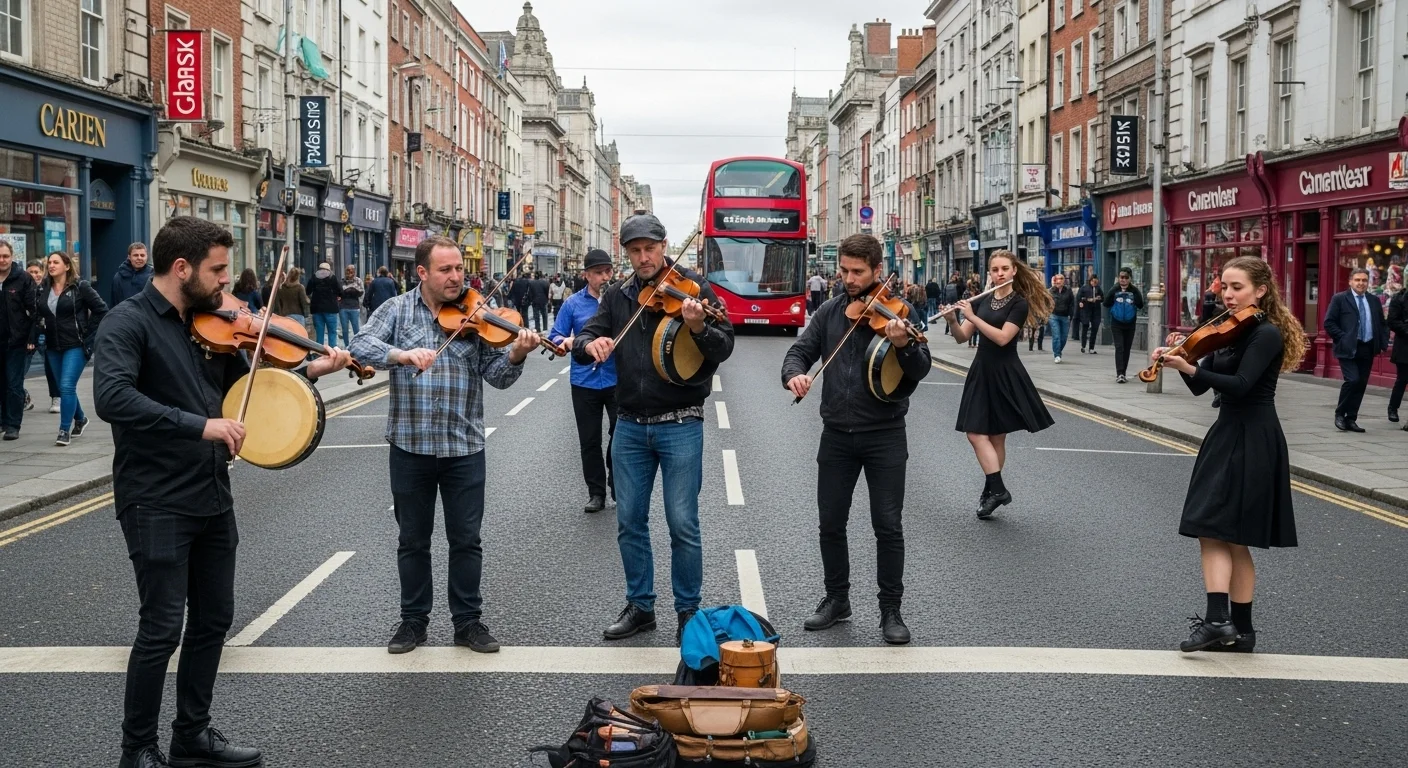
Street music and dance acts breathe life into our cities, filling the air with energy and creativity. From vibrant performances to soulful melodies, these art forms connect us through culture and expression. Read Interesting article: Unforgettable Street Performances: A Global Guide
Top 10 Cities for Amazing Street Music and Dance Acts

Understanding Street Music and Dance Culture

The Importance of Street Performance in Urban Life

From my experience, street performance is one of the most authentic forms of art. When I wander through a bustling city, it’s often the street musicians and dancers that capture my attention. They create a lively atmosphere, making urban spaces feel a bit more intimate and inviting. Street performers are like the heartbeat of a city, reflecting the spirit of the community and the vibrancy of everyday life. They offer a moment of pause in our busy routines, allowing us to connect with art in a spontaneous and accessible way.

One of the things I find fascinating is how these performances often occur in public spaces—parks, plazas, and busy streets—where anyone can stop, listen, and enjoy. In some cities, I’ve seen crowds gather around a single performer, their faces lighting up with joy. It reminds me that music and dance transcend language and cultural barriers, creating a universal bond among strangers. Whether it’s a soulful violinist, an energetic breakdancer, or a group of drummers, street acts invite us into a shared experience that can brighten our day. Music shapes cultural experiences in these moments, connecting people from all walks of life.

How Street Acts Reflect Local Culture

Street performances are often a mirror of the local culture and history. For instance, when I visited New Orleans, I was mesmerized by the brass bands and jazz musicians that fill the streets. Their music tells a story of the city’s rich history and celebrates its multicultural roots. In contrast, when I found myself in Barcelona, I was captivated by the flamenco dancers, whose passionate movements echoed the city’s vibrant Spanish heritage.

Each city has its unique flavor, and street performers embody that spirit. I’ve noticed that the styles of music and dance often reflect the local population’s influences and traditions. In Buenos Aires, tango dancers showcase their skills in the streets, inviting passersby to join in. Meanwhile, in Berlin, I encountered a mix of contemporary and traditional performances that highlight the city’s artistic diversity. Street acts can provide insight into the local way of life, making each city’s culture come alive through melody and movement. Read Interesting article: Discover the Cultural Significance of Music in Travel

Criteria for Ranking the Top Cities

Variety of Performances

When considering which cities truly shine in street performance, variety is key. I’ve seen that a city with a mix of genres, from classical music to hip-hop, creates a dynamic atmosphere. It’s exciting to stumble upon different styles and discover new artists. In some places, the diversity of performances encourages collaboration between artists, which truly enhances the street culture. For example, I once encountered a classical guitarist playing next to a breakdancer, and their impromptu collaboration left everyone around smiling.

Audience Engagement

Another vital aspect is how performers engage with their audience. Personally, I love when artists invite interaction. Whether it’s a musician asking the crowd to clap along or a dancer encouraging onlookers to join in, this engagement transforms a simple performance into a shared experience. I remember watching a street performer in London who turned a mundane afternoon into a lively dance party. The energy was infectious, and it felt like we were all part of something special.

Accessibility and Location

The location of street performances also plays a significant role. I’ve found that cities with open and accessible spaces tend to have more vibrant street acts. Areas where people naturally gather, like parks or popular shopping streets, create the perfect backdrop for performances. For instance, in Melbourne, Federation Square is always alive with talent, making it easy for anyone to stop and enjoy a show. Accessibility ensures that performances reach a wider audience, making art truly available to everyone.

Local Support for Artists

Finally, local support for street artists can make a world of difference. I’ve seen cities that actively promote street performances through festivals or designated performance areas. This support not only boosts the artists’ visibility but also enriches the local culture. In my travels, I’ve noticed that when cities recognize and celebrate their street performers, it fosters a sense of community and pride. I’ve chatted with artists who feel appreciated and inspired when they receive positive feedback from their audience.

Top 10 Cities for Amazing Street Music and Dance Acts

1. New Orleans, USA

New Orleans is the epitome of street culture, blending jazz, blues, and every beat in between. I remember strolling through the French Quarter, where the air was thick with the sounds of trumpets and saxophones. The musicians here don’t just play for tips; they play for the love of their art. The atmosphere is electric, and it feels like the city itself is dancing. I found myself stopping at nearly every corner to soak in the soulful rhythms. Street performers in New Orleans often invite passersby to join in, making it a lively and communal experience.

2. Barcelona, Spain

Barcelona’s La Rambla is a vibrant hub for street performers, where I’ve seen everything from living statues to flamenco dancers. The city’s artistic spirit shines through in each performance. What struck me most was how the performers here often incorporate local stories and traditions into their acts. I’ve witnessed a flamenco dancer passionately telling the story of her heritage through her movements, captivating the crowd. It’s a beautiful way to experience the passion of Spanish culture firsthand.

3. London, UK

London boasts a rich tapestry of street performances, especially along the South Bank. I’ve enjoyed watching everything from classical musicians to quirky circus acts. The diversity of talent in London is astounding. One afternoon, I stumbled upon a group of breakdancers putting on an impressive show, seamlessly blending styles and techniques. The audience was completely engaged, and there was a palpable sense of excitement in the air. London’s street performers often showcase their skills in creative ways, making each experience unique.

4. Buenos Aires, Argentina

Buenos Aires is undeniably the home of tango. While exploring the streets of San Telmo, I found myself swept up in the passion of the dancers. They’re not just performing; they’re sharing a piece of their culture. I remember watching a couple dance with such intensity that it felt like time stood still. The energy was infectious, and I couldn’t help but feel the pull of the music. Street performances here often invite audience participation, allowing anyone to join in on the dance, making it a truly immersive experience.

5. Berlin, Germany

Berlin is a city that thrives on creativity and innovation, and its street performances reflect that. I’ve seen everything from techno-infused dance acts to traditional folk music on the bustling streets, especially around Alexanderplatz. What I love about Berlin’s street culture is the way artists blend contemporary styles with traditional elements. It creates a diverse scene where every performance feels fresh and exciting. I once sat down at a cafe near a street act and felt completely absorbed in the atmosphere, surrounded by laughter and cheers.

6. Melbourne, Australia

In Melbourne, Federation Square feels like the heart of street performance. I spent an afternoon there, and it was a delight to see artists of all kinds showcasing their talents. From musicians to dancers, the variety is impressive. I was particularly struck by a group of young musicians playing a mix of indie and folk tunes. The crowd was singing along, creating a beautiful harmony. The sense of community in Melbourne’s street culture is palpable, and I felt connected to everyone around me as we enjoyed the performances together.

7. Tokyo, Japan

Tokyo’s Shibuya Crossing is not just a busy intersection; it’s also a bustling hub for street performers. I found that the blend of traditional and modern performances truly represents the city. I’ve seen everything from traditional taiko drumming to modern dance troupes, all vying for attention amid the hustle and bustle. What amazed me was how seamlessly these performers integrated into the fast-paced environment. I felt a sense of wonder, watching how art can emerge even in the most chaotic of places.

8. Rio de Janeiro, Brazil

Rio de Janeiro’s Copacabana Beach is a vibrant stage for street performers, especially during sunset. I’ve watched samba dancers move fluidly to the rhythm of the waves, and it felt like a celebration of life. The energy is contagious, and the performers often interact with the beachgoers, inviting them to dance along. I remember joining in, feeling the warmth of the sun and laughter around me. The street performances in Rio encapsulate the spirit of joy and community that defines Brazilian culture.

9. Paris, France

In Paris, Montmartre is a picturesque backdrop for street performances. I’ve enjoyed strolling through the cobblestone streets while listening to musicians play everything from classic French chansons to contemporary pop. The romance of Paris is palpable in these performances, and I often found myself sitting on a nearby bench, lost in the music. Street artists here not only entertain but also tell stories through their work, creating a unique connection with the audience that makes every performance special.

10. San Francisco, USA

San Francisco’s Fisherman’s Wharf is a lively place where street performers thrive. During my visit, I was captivated by the variety of acts, from magicians to jugglers and musicians. The atmosphere is relaxed, and people are often seen enjoying their meals while soaking in the talent around them. I remember a musician who played classic rock tunes that drew a crowd, inviting everyone to sing along. The sense of community here is strong, as locals and tourists alike come together to appreciate the art.

Top Performance Spots in Each City

New Orleans: French Quarter

The French Quarter in New Orleans is a magical place, especially when it comes to street performances. I remember wandering through the narrow, vibrant streets filled with music and laughter. The atmosphere is alive with the sounds of jazz, blues, and brass bands that spill out from every corner. One evening, I stumbled upon a group of musicians playing a lively rendition of “When the Saints Go Marching In.” The crowd was swaying and singing along, creating an impromptu party on the street. The French Quarter isn’t just a backdrop; it’s an essential part of the performance, with its historic architecture and lively ambiance that enhance the overall experience.

Barcelona: La Rambla

La Rambla in Barcelona is famous for its street performers. I found myself captivated by living statues, talented musicians, and passionate dancers. The energy here is contagious, and every visit feels like a celebration. I particularly enjoyed a performance by a flamenco dancer, whose vibrant dress swirled around her as she danced. The audience was spellbound, and I could feel the passion radiating from her movements. La Rambla is a perfect place to soak in the local culture while enjoying the artistry of the performers who often incorporate elements of Spanish history into their acts.

London: South Bank

The South Bank in London is another hotspot for street performances. I’ve spent many afternoons here, enjoying everything from classical musicians to circus acts. The vibrant riverside setting adds to the charm, with the iconic London Eye and the Houses of Parliament as a backdrop. One of my favorite memories is watching a group of acrobats perform death-defying stunts while balancing on a unicycle. The thrill of their performance, combined with the cheers of the crowd, created an unforgettable atmosphere. The South Bank is not only a beautiful place to visit but also a dynamic space where street performers can truly shine.

Buenos Aires: San Telmo Market

San Telmo Market in Buenos Aires is a treasure trove of culture and art. I loved wandering through the stalls filled with antiques and local crafts, but the real magic happened in the cobblestone streets outside. I encountered tango dancers showing off their skills, their passion palpable in every step. The market’s vibe—filled with the sounds of laughter, music, and clapping—made it a perfect setting for street performances. I even joined in on a tango lesson that broke out right in the middle of the street, connecting me to the heart of Argentine culture in a way that I never expected.

Berlin: Alexanderplatz

Alexanderplatz in Berlin is a bustling hub where creativity thrives. I discovered a mix of street performances that reflected the city’s multicultural spirit, from hip-hop dancers to folk musicians. The energy was electric, and one performance that stood out was a group of breakdancers who showcased their incredible moves, drawing a large crowd. Berlin’s street performers are often found mixing different styles, which creates a unique atmosphere. I loved how the city encourages this artistic experimentation, making each visit a new experience.

Melbourne: Federation Square

Federation Square in Melbourne is a vibrant hub that celebrates street art and performance. I spent an afternoon here, immersed in a variety of acts. Musicians, dancers, and even comedians filled the square, creating a lively atmosphere that felt welcoming and inclusive. One performance that left an impression on me was a group of musicians playing a fusion of jazz and modern pop. The crowd was dancing and singing along, and the sense of community was palpable. Federation Square is not just a place to watch performances; it’s a space where everyone can come together to enjoy art.

Tokyo: Shibuya Crossing

Shibuya Crossing is iconic for its bustling energy, and it’s also a fantastic spot for street performers. I remember being mesmerized by a traditional taiko drummer performing in sync with the rhythm of the crossing’s chaos. The blend of traditional and modern styles here is fascinating, with performers seamlessly fitting into the frenetic pace of the city. I was surprised by how the crowd stopped to appreciate the talent, even in the midst of their busy lives. Shibuya shows how art can emerge in unexpected places, making it one of my favorite spots for street performances.

Rio de Janeiro: Copacabana Beach

Copacabana Beach in Rio de Janeiro is a lively stage for street performers, especially as the sun begins to set. I remember sitting on the beach, watching samba dancers move to the rhythm of the waves. The combination of the ocean breeze, warm sand, and infectious energy made it a truly magical experience. The performers often invite beachgoers to join in, creating a sense of togetherness that encapsulates Brazilian culture. Participating in a spontaneous dance party amidst the beauty of Rio is a memory I’ll cherish forever.

Paris: Montmartre

Montmartre in Paris is a charming neighborhood that feels like stepping into a painting. The cobblestone streets and artistic vibe set the stage for street performances that are nothing short of enchanting. I’ve seen musicians playing classic French chansons while artists create stunning portraits of the scene. One evening, I was captivated by a street performer who sang beautifully, telling stories of love and life as the sun set behind the Sacré-Cœur. The ambiance here is romantic and filled with creativity, making Montmartre an unforgettable spot for street art.

San Francisco: Fisherman’s Wharf

Fisherman’s Wharf in San Francisco is a lively area where street performers can be found entertaining crowds of locals and tourists alike. I was charmed by the variety of acts, from musicians playing classic tunes to jugglers showcasing their incredible skills. The atmosphere is relaxed, and I enjoyed grabbing a bite to eat while soaking in the talent around me. One musician I remember played a beautiful rendition of “Hotel California,” which drew a crowd that sang along, creating a sense of unity. Fisherman’s Wharf is a great place to experience the joyful spirit of street performances in the heart of the city.

Frequently Asked Questions

What is the role of street music and dance in urban life?

Street music and dance acts create a lively atmosphere in cities, connecting people through culture and expression. They reflect the spirit of the community and offer a moment of pause in our busy routines, making art accessible to everyone.

How do street performances reflect local culture?

Street performances often mirror the local culture and history, showcasing unique musical and dance styles that embody the influences and traditions of the area. For example, New Orleans features jazz and brass bands, while Buenos Aires is known for its tango dancers.

What criteria are used to rank the top cities for street performances?

The top cities for street performances are ranked based on variety of performances, audience engagement, accessibility and location, and local support for artists. These factors contribute to the vibrancy and richness of street culture in each city.

Which city is known as the home of tango?

Buenos Aires, Argentina, is known as the home of tango, where street dancers often share their culture and invite audience participation in their performances.

What makes New Orleans a top city for street performances?

New Orleans is celebrated for its vibrant street culture, particularly in the French Quarter, where musicians play for the love of their art, creating an electric atmosphere filled with jazz and blues.

What types of performances can be found in Barcelona?

In Barcelona, especially along La Rambla, you can find a variety of street performers, including living statues, musicians, and flamenco dancers who incorporate local stories and traditions into their acts.

What is a notable performance spot in London?

The South Bank in London is a notable performance spot, where you can enjoy a diverse range of street acts, from classical musicians to circus performers, all set against a beautiful riverside backdrop.

How do street performers in Rio de Janeiro engage with their audience?

In Rio de Janeiro, particularly at Copacabana Beach, street performers often invite beachgoers to dance along with them, creating a sense of community and joy that reflects Brazilian culture.

What is the atmosphere like at Fisherman’s Wharf in San Francisco?

Fisherman’s Wharf in San Francisco has a relaxed atmosphere where street performers entertain crowds of locals and tourists. The variety of acts, from musicians to jugglers, creates a joyful environment for everyone to enjoy.

Why is Montmartre in Paris considered a charming place for street performances?

Montmartre in Paris is considered charming due to its picturesque cobblestone streets and artistic vibe, where street performances often tell stories and create a romantic ambiance that captivates the audience.
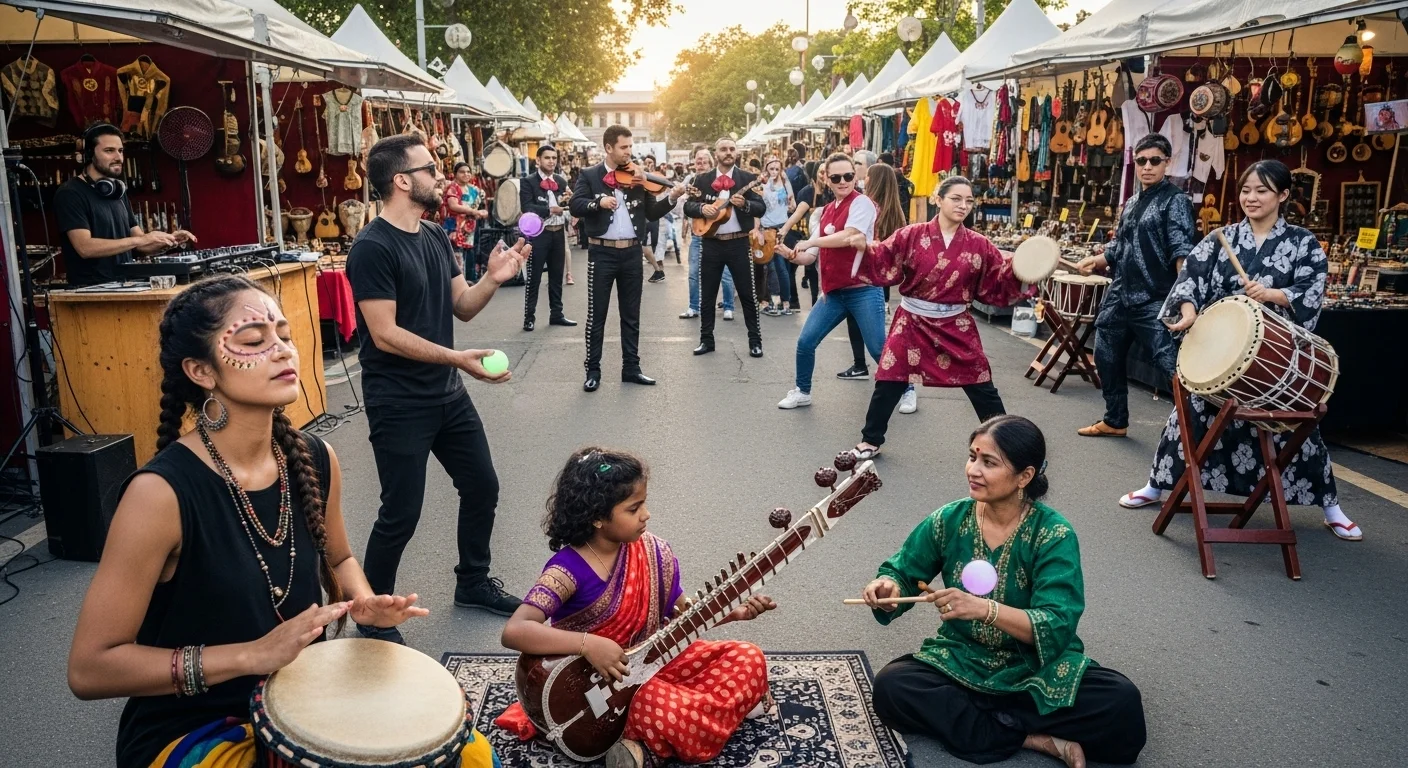
Unforgettable Street Performances: A Global Guide

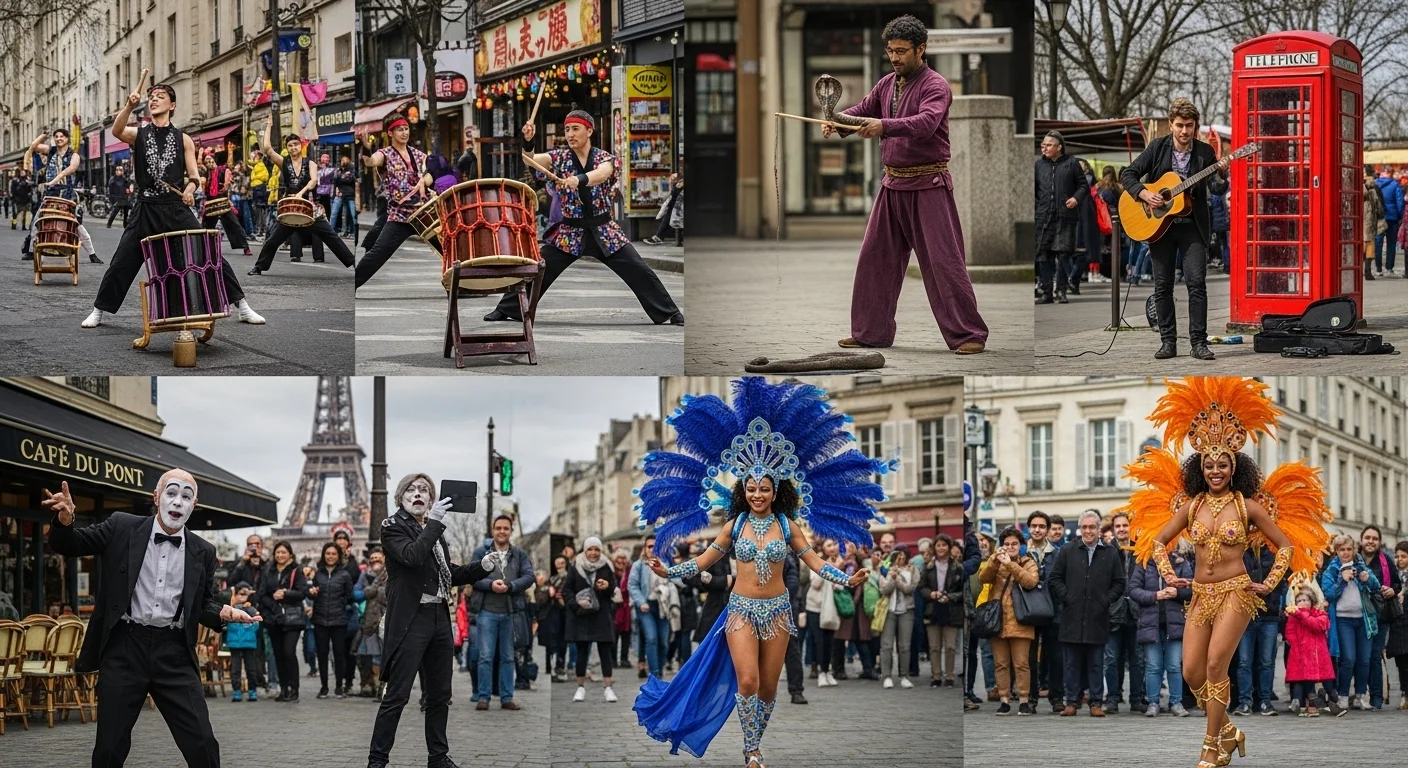
Street performances bring life to city corners and public spaces, captivating audiences with vibrant displays of talent and creativity. From musicians to magicians, these artists share their stories with the world, making every performance an unforgettable experience. If you’re interested in cultural experiences, Discover Historical Art Tours: A Budget Backpacker’s Guide can provide additional insights.

Unforgettable Street Performances: A Global Guide

Understanding Street Performances

Definition and History of Street Performance

Street performance, often referred to as busking, is an art form where performers entertain the public in outdoor spaces. This can range from musical acts to theatrical performances and everything in between. I’ve always been drawn to the spontaneity of street performances; they turn everyday streets into stages and make art accessible to everyone. The roots of street performance date back centuries. In ancient Greece and Rome, performers entertained crowds with music, acrobatics, and storytelling in public squares. Fast forward to the present day, and street performances have evolved into a global phenomenon, enriching urban landscapes and adding a unique flavor to city life.

Different Types of Street Performers

When I think of street performers, a colorful array of talents comes to mind. I’ve seen everything from living statues to high-energy dance troupes. Some of the most common types of street performers include:

  • Musicians: Whether it’s a solo guitarist strumming a heartfelt ballad or a full band rocking out, musicians are a staple of street performance. I remember stopping in my tracks when I heard a saxophonist playing smooth jazz in New Orleans; it was magical.
  • Dancers: Street dancers bring an incredible energy to the streets. Breakdancers, salsa dancers, and traditional folk dancers all have their place. I once stumbled upon a group of breakdancers in a park, and their moves left me in awe.
  • Magicians: Who doesn’t love a good magic trick? Street magicians captivate audiences with sleight of hand and mind-boggling illusions. I’ve seen kids’ eyes widen in disbelief when a magician made a coin disappear right before their eyes.
  • Living Statues: These performers transform into stunning human sculptures, prompting passersby to stop and stare. I can’t help but admire the dedication it takes to remain still while embodying a character.
  • Fire Performers: Fire performers add an exhilarating element to street performances. The sight of flames dancing through the air can be both thrilling and mesmerizing. I’ve watched a fire dancer twirl flaming poi, feeling the heat from a distance and holding my breath in anticipation.

Legal Considerations for Street Performers

As much as I love street performances, it’s important to understand the legal landscape surrounding them. Many cities have regulations that dictate where and when performers can showcase their talents. Some require permits, while others have designated busking areas. I learned this the hard way when I tried to perform my own music in a park without checking local rules; the friendly park ranger kindly informed me about the necessary permits. It’s crucial for performers to research local policies, as these rules help ensure that everyone can enjoy the art without disruption. Additionally, respecting local regulations can protect the integrity of street performance culture, keeping it vibrant and thriving. For those looking to explore more cultural experiences, check out the Budget-Friendly Guide to Global Cultural Festivals.

Top Global Destinations for Street Performances

New York City, USA

New York City is a vibrant hub for street performers, where talent is on display at nearly every corner. I remember walking through Central Park and stumbling upon a small jazz band. Their infectious energy and the sound of the saxophone blended perfectly with the chatter and laughter of the park-goers. From Times Square’s electric atmosphere to the charming streets of Greenwich Village, you can find everything from breakdancers to puppeteers. The city’s diverse culture is reflected in its street performances, making it a must-visit for anyone who loves live entertainment.

Paris, France

When I think of Paris, I envision artists painting at outdoor cafés and musicians serenading lovers along the Seine. Street performances blend seamlessly with the city’s romantic ambiance. I once watched an accordion player in Montmartre, and the haunting melodies transported me to another time. The artists here often showcase their talents at iconic locations like the Eiffel Tower and the steps of Sacré-Cœur. Parisian street performances are not just entertainment; they’re a celebration of culture and creativity that add to the city’s charm.

Barcelona, Spain

Barcelona is another city where street performance thrives. The bustling La Rambla is filled with performers who bring the streets to life. I was amazed by a group of traditional Flamenco dancers who captured the spirit of Spain with every passionate movement. The city’s unique blend of Catalan culture and artistic expression creates an inviting atmosphere for street performers. Whether it’s a mime in the Gothic Quarter or a live band near the beach, Barcelona offers an inspiring backdrop for artists and audiences alike.

London, England

London has a rich street performance scene that I find fascinating. Covent Garden is a popular spot where you can find everything from musicians to circus acts. I vividly recall a juggler who dazzled the crowd with tricks that made me gasp in amazement. The city’s diverse neighborhoods, like Camden and Southbank, also host a variety of performers who add their unique flair to the urban landscape. Londoners and tourists alike flock to these areas, making it a vibrant melting pot of talent.

Tokyo, Japan

Tokyo’s street performances are a delightful mix of tradition and modernity. I had the chance to see a traditional taiko drum performance in Shibuya, and the thunderous beats echoed through the streets. The artists poured their hearts into every strike, captivating everyone around. In contrast, I also marveled at contemporary dancers in Harajuku, showcasing the city’s innovative spirit. Tokyo’s unique blend of old and new creates a fascinating atmosphere for street performers that I believe is unmatched anywhere else.

Sydney, Australia

Sydney’s lively street performance scene is as diverse as its beautiful beaches. I remember watching a fire performer at Circular Quay, the flames reflecting off the Sydney Opera House, creating a stunning visual. The atmosphere was electric, with crowds gathering around to witness the spectacle. Street performers can be seen at various locations, including the famous Bondi Beach and Darling Harbour, where they share their craft with locals and visitors. The laid-back vibe of Sydney complements the creativity of its performers, making it a delightful experience.

Iconic Street Performances to Experience

Living Statues

Living statues are one of the most captivating types of street performances I’ve encountered. These artists can hold still for extended periods, transforming into incredible sculptures. I remember seeing one performer dressed as a silver knight, complete with an intricate costume. The way he moved ever so slightly to interact with children was heartwarming. Living statues often rely on their creativity and attention to detail, and witnessing their artistry is always a joy.

Musicians and Bands

Musicians are the backbone of street performance culture. I’ve experienced everything from solo guitarists to full-blown brass bands. One of my favorite memories is of a group in New Orleans, playing lively jazz tunes that made everyone want to dance. The connection that musicians create with their audience is truly special, and I think it’s what makes street performances feel so intimate.

Dancers and Acrobats

Dancers and acrobats bring excitement and energy that’s hard to match. I was once mesmerized by a group of acrobats performing flips and stunts in a public square. Their dedication and athleticism left me in awe. Whether it’s street dance battles or graceful ballet performances, these artists always manage to draw a crowd and keep us entertained.

Magicians and Illusionists

Street magicians have a unique way of captivating audiences with their tricks and illusions. I still remember how a magician made a spectator’s watch disappear and reappear, leaving everyone scratching their heads in disbelief. The interactive nature of their performances makes it an engaging experience, and I often find myself laughing and gasping along with other spectators.

Fire Performers

Fire performers are, without a doubt, the most thrilling acts I’ve watched. The combination of danger and artistry is both exhilarating and breathtaking. I’ve seen fire breathers and poi twirlers create mesmerizing patterns in the night sky, and the heat from the flames creates an electric atmosphere. There’s something magical about watching someone skillfully manipulate fire, and it always keeps you on the edge of your seat.

When and Where to Enjoy Street Performances

Best Times of Year for Street Performances

One of the best parts about street performances is that they happen all year round, but I’ve noticed certain times when the atmosphere is just a bit more electric. Summer, for instance, is a prime season for street performers. The warm weather and longer days encourage more people to venture outdoors, making it the perfect time for artists to showcase their talents. I remember wandering through a city during a summer festival and being amazed at how many performers had taken to the streets, their energy infectious. Holidays also bring out unique performances; I’ve seen everything from carolers in December to vibrant parades in the fall. The spirit of the season seems to ignite creativity, resulting in performances that are often more elaborate and joyful. If you’re planning to attend some festivals, consider checking the Ultimate Guide to Cheap Food Festivals Globally.

Popular Festivals Featuring Street Performers

Festivals are a fantastic way to experience street performances in full swing. One of my favorites is the Edinburgh Festival Fringe in Scotland. It’s the world’s largest arts festival, and the streets are alive with performers of all kinds. I remember standing in awe as a juggler effortlessly tossed flaming torches while a nearby musician played soulful tunes. Another event worth mentioning is the Melbourne International Comedy Festival, where comedians showcase their humor on the streets, leading to spontaneous laughter and joy. These festivals create an environment where art flourishes, and as an audience member, you can feel the energy and excitement in the air. If you ever get the chance to attend one, I highly recommend it!

Locations Known for Regular Performances

Some places are practically synonymous with street performances. For me, the National Mall in Washington, D.C., often offers a diverse array of entertainers. I’ve seen everything from a solo violinist to a group of breakdancers, all against the backdrop of iconic monuments. In my experience, certain cities like San Francisco have designated areas for buskers, such as Fisherman’s Wharf, where performers constantly draw crowds. And let’s not forget about iconic markets like Pike Place Market in Seattle, where you can enjoy spontaneous music while shopping or dining. I always make sure to keep an eye out for talent in places like these, as you never know what delightful surprise awaits you!

Tips for Enjoying Street Performances

What to Bring

If you’re planning to enjoy street performances, it’s helpful to come prepared. Personally, I always make sure to bring a few essentials. A portable chair or a blanket can be a lifesaver for longer performances, especially if you want to sit back and relax. I also like to have a water bottle on hand to stay hydrated, as I’ve often found myself getting lost in the moment and staying out longer than I planned. And don’t forget a small amount of cash to tip the performers! It’s a great way to show appreciation for their hard work.

How to Interact with Performers

Engaging with street performers can elevate the experience for both you and them. I love to cheer and clap after a particularly impressive act; it not only boosts the performer’s morale, but it also creates a sense of community among the audience. If a performer invites you to participate—like a magician asking for a volunteer—don’t hesitate to join in! It can be a fun and memorable experience. However, I always recommend being respectful; if a performer is in the middle of a routine, it’s best to wait until they finish before approaching them.

Respecting Rules and Regulations

While street performances are meant to be enjoyed, it’s essential to respect the boundaries set by local regulations. I’ve learned that some areas may have specific rules regarding noise levels or performance times, so it’s a good idea to be aware of your surroundings. Additionally, if the area is crowded, I try to keep a respectful distance so everyone can enjoy the show without obstruction. Adhering to these guidelines helps maintain a positive environment for both performers and audiences. It’s all about creating a harmonious experience!

Supporting Street Performers

How to Show Appreciation

There’s something special about showing appreciation for street performers. In my experience, a simple smile or a nod of approval can go a long way. I always make it a point to clap after a performance—or even shout a compliment if I genuinely enjoyed it! It’s nice to acknowledge their hard work, and it often encourages them to continue sharing their art.

Understanding the Economics of Street Performance

Street performers often rely on donations and tips as their primary source of income. I’ve come to realize that while they bring joy to our lives, it’s essential to recognize the economic challenges they face. Many of them invest their time, energy, and sometimes money into their craft. So when I enjoy a performance, I make it a point to contribute, understanding that my small donation can make a big difference for them.

Donations and Tipping Etiquette

When it comes to tipping street performers, I’ve learned that there’s no hard and fast rule, but a general guideline is to give what you can. A dollar or two can be a great way to show appreciation for a short performance, while larger acts might warrant a bigger tip. If you’re really enjoying what you see, don’t be shy about tossing a few bills into their hat or case! I find it’s all about being generous and recognizing the value of live entertainment. Supporting street performers not only helps them continue their craft but also enriches our communities.

Safety Considerations

Personal Safety Tips

When enjoying street performances, I think it’s important to keep safety in mind. I’ve found that being aware of my surroundings can greatly enhance my experience. For instance, I always try to keep my belongings close, especially in crowded areas where pickpockets might be lurking. I also prefer to stand back a bit from the performance area if it gets too crowded, as it creates a more comfortable experience for everyone. If I’m attending a night performance, I make sure to stick to well-lit areas and stay with friends whenever possible. It’s all about striking a balance between enjoying the show and being mindful of my personal safety.

Dealing with Crowds

Crowds can be a double-edged sword. On one hand, they create a vibrant atmosphere, but on the other, they can feel overwhelming. I’ve been in situations where I felt boxed in during a particularly popular performance. To manage this, I’ve learned to find a spot on the periphery where I can still see but feel a bit less cramped. If I notice the crowd getting too dense, I’ll step back and take a moment to breathe. It’s perfectly okay to take a break; sometimes, just stepping away for a moment can make re-engaging with the performance even more enjoyable.

Protecting Your Belongings

I’ve had my share of experiences where I almost lost my belongings in busy street performance settings. A cross-body bag has become my go-to for these occasions, as it keeps my items secure and easy to access. I also make sure to zip or button up my bag when I’m not actively using it. If I’m carrying a camera or my phone to capture memories, I try to use a strap for extra security. These simple precautions help me enjoy the show without the nagging worry about my things.

Street Performance Culture Around the World

Unique Traditions in Different Countries

Street performance culture varies wildly from one country to another, and that’s part of what makes it so fascinating. I’ve seen traditional dances in India that tell stories through movement, while in Brazil, capoeira combines martial arts and dance in a vibrant display. Each place I’ve visited has its own unique flair, shaped by local customs and history. I remember witnessing a traditional Spanish flamenco guitarist in Barcelona—his passionate strumming and clapping created a rhythm that felt like pure culture. It’s always a joy to see how different traditions manifest in street performances.

Influence of Local Culture on Performances

The influence of local culture on street performances is something that truly stands out to me. For instance, in New Orleans, jazz is a way of life, and you can feel the heartbeat of the city in every street musician’s notes. In contrast, Tokyo showcases a blend of pop culture and traditional art forms, as seen in their dynamic street dance performances. Every time I visit a new place, it’s like getting a glimpse into the soul of that culture, expressed through the creativity of street performers. It deepens my appreciation for the art form and the stories behind it.

Street Performance as a Form of Protest

Street performance can also serve as a powerful medium for protest and social commentary. I remember stumbling upon a performance in London that critiqued social issues through thought-provoking skits and songs. It was eye-opening to see how artists used their platform to raise awareness and provoke thought among the audience. In many cases, street performers become the voice of the community, sharing messages that resonate deeply. This aspect of street performance adds another layer of richness, reminding us that art can inspire change and foster dialogue.

Resources for Street Performers and Enthusiasts

Online Communities and Forums

For anyone interested in street performance, I’ve found that connecting with others through online communities can be incredibly rewarding. Platforms like Facebook and Reddit have groups dedicated to street performers where they share experiences, tips, and opportunities. I’ve learned so much from these communities, whether it’s about local regulations or performance techniques. Engaging with other performers often inspires me and helps me refine my craft.

Books and Documentaries on Street Performance

If you’re looking to dive deeper into the world of street performance, there are some fantastic books and documentaries out there. I recently read a book that highlighted the lives of various street performers around the globe, showcasing their struggles and successes. Documentaries can also provide a visual feast, capturing the essence of performances and the personalities behind them. These resources can be a great source of inspiration for both performers and enthusiasts alike.

Workshops and Events for Aspiring Performers

For those wanting to take the plunge into street performance, attending workshops can be invaluable. I’ve participated in a few where professionals offer guidance on everything from stage presence to skill development. These events often provide a supportive environment to practice and gain confidence. Additionally, local festivals sometimes host open mic nights or performance showcases that can be great stepping stones for aspiring artists. I can’t recommend these opportunities enough; they can truly transform your experience and understanding of street performance.

Final Thoughts

The world of street performance is rich with creativity, culture, and connection. Whether you’re an audience member or a performer, there’s a unique magic in these spontaneous acts that can transform everyday spaces into extraordinary experiences. My own journey through street performances has deepened my appreciation for the arts and the stories they tell. I encourage everyone to seek out these vibrant performances, engage with the artists, and perhaps even take a chance at sharing your own talent. Street performance is more than just entertainment; it’s a celebration of life, culture, and community that we can all enjoy and support.

Frequently Asked Questions

What is street performance?

Street performance, often referred to as busking, is an art form where performers entertain the public in outdoor spaces. This can include a variety of acts such as musical performances, theatrical displays, and more.

What are some common types of street performers?

Common types of street performers include musicians, dancers, magicians, living statues, and fire performers. Each type brings a unique flair and energy to the street performance scene.

Do street performers need permits to perform?

Yes, many cities have regulations that dictate where and when performers can showcase their talents. Some require permits, while others have designated busking areas, so it’s essential for performers to research local policies.

What are the best cities for street performances?

Notable cities known for vibrant street performances include New York City, Paris, Barcelona, London, Tokyo, and Sydney. Each city offers a unique blend of culture and talent that enhances the street performance experience.

How can one enjoy street performances effectively?

To enjoy street performances, it’s helpful to bring essentials like a portable chair or blanket, stay hydrated, and have cash on hand to tip performers. Engaging with the performers and respecting local regulations also enhances the experience.

What role do festivals play in street performances?

Festivals provide an excellent platform for street performances, showcasing a wide array of talents. Events like the Edinburgh Festival Fringe and the Melbourne International Comedy Festival create a vibrant atmosphere for artists and audiences alike.

How can one support street performers?

Supporting street performers can be done through gestures of appreciation, such as clapping or cheering, as well as making donations or tips. Recognizing their hard work and contributing financially helps sustain their craft.

What safety considerations should be taken into account when enjoying street performances?

Personal safety tips include being aware of your surroundings, securing your belongings, and maintaining a respectful distance from crowded performance areas. It’s also advisable to stick to well-lit areas during night performances.

How does local culture influence street performances?

Local culture greatly influences street performances, with each region showcasing its unique traditions and artistic expressions. This cultural backdrop adds depth and richness to the performances, reflecting the community’s identity.

What resources are available for aspiring street performers?

Aspiring street performers can benefit from online communities, books, documentaries, and workshops. Engaging with these resources can provide valuable insights, skills, and opportunities for growth in the street performance arena.

Unveiling the Deep Connections Between Music and Culture Globally

Music is a universal language that transcends borders, evoking emotions and connecting cultures. Exploring the deep ties between music and culture reveals a rich tapestry of human expression and identity. Read Interesting article: Experience Local Culture: Best Music and Dance Workshops

Unveiling the Deep Connections Between Music and Culture Globally

Understanding the Relationship Between Music and Culture

The Definition of Music and Culture

In my journey through various musical landscapes, I’ve come to realize that music and culture are intertwined in ways that go beyond mere sound. Music, in its simplest form, is an art of organized sound, a means of expressing feelings, stories, and experiences. When I listen to a song, I often connect not just with the melody or lyrics, but with the emotions and narratives behind them. Culture, on the other hand, encompasses the beliefs, customs, arts, and social behaviors of a particular group of people. It’s the backdrop against which music is created and appreciated. When we blend these two definitions, we see that music often serves as a mirror reflecting the values and experiences of a culture.

Historical Context of Music in Cultural Development

Diving into the history of music, I found that it’s been a part of human civilization for thousands of years. From ancient tribal rhythms used in ceremonies to the classical compositions that shaped the artistic movements of Europe, music has evolved alongside humanity. I remember reading about how ancient societies used music in rituals to connect with the divine, illustrating how integral it was to their cultural practices. Over time, as cultures interacted through trade and conquest, music evolved, borrowing elements from one another and creating new genres. This historical context shows us that music isn’t just an art form; it’s a historical record of cultural exchange and evolution.

For example, take the influence of African rhythms on jazz music in America. This fusion not only created a new genre but also highlighted the historical struggles and cultural expressions of African Americans. Similarly, I’ve noticed how traditional Irish music has spread across the globe, evolving while still retaining its cultural roots. Each genre carries stories and histories that reflect the changing dynamics of cultural identity.

Every time I visit a new place, I try to immerse myself in its music, and I often find it tells me more about the local culture than any guidebook could. In places like Brazil, where samba and bossa nova originated, the music brings together elements of African, Portuguese, and indigenous cultures, showcasing a rich tapestry of influences. The same goes for the music of India, which has classical forms deeply rooted in ancient traditions, yet has modern genres that speak to contemporary society.

Music also serves as a tool for preserving culture. I’ve seen how indigenous communities use music to pass down stories and knowledge from generation to generation. This oral tradition is vital for maintaining cultural identity, especially in the face of globalization. I remember attending a local festival where traditional songs were performed, and it struck me how powerful it was to witness the pride in the performers’ faces as they sang songs that had been passed down for centuries.

As I reflect on these experiences, I realize that music has always played a pivotal role in shaping cultural identity. It acts as a catalyst for social connection, a means of expression, and a way to celebrate who we are. Understanding this relationship between music and culture provides us with valuable insights into the human experience. Read Interesting article: Exploring Music’s Role in Cultural Identity Around the World

In the following sections, we will dive deeper into how music influences cultural identity, explores global music genres, and even examines music as a tool for social change. Each aspect reveals how music is not just a backdrop to our lives but a powerful force that shapes our world and our understanding of each other.

The Role of Music in Cultural Identity

Music as a Reflection of Cultural Heritage

When I think about the music that resonates with me the most, I often realize it’s tied to my cultural heritage. Music serves as a vessel carrying the essence of our past—stories, traditions, and values. I remember my grandmother playing folk songs from her childhood, songs that echoed the struggles and joys of her generation. Each note felt like a connection to my roots, an invitation to understand where I came from. In many cultures, traditional songs are not just entertainment; they are historical records, preserving the narratives of ancestors and the evolution of a community.

I’ve seen this firsthand during cultural festivals. For instance, at a local event celebrating our community’s heritage, performers shared songs that spoke of our history. As I joined in singing, I felt a sense of belonging, a shared identity that transcended individual experiences. The melodies were like threads weaving us together, reminding us of our collective journey. This reflection of cultural heritage through music allows us to celebrate our identities while fostering a deeper understanding of our shared humanity.

How Music Shapes National Identity

In my experience, music has a profound impact on national identity. It can evoke a sense of pride and unity among citizens. For example, I remember watching national celebrations in different countries, where music played a central role in bringing people together. The anthems, often filled with powerful lyrics and stirring melodies, can ignite feelings of patriotism and connection to a shared history. I believe that the way a nation expresses itself through music can reveal its values and aspirations.

Take the example of the United States; genres like jazz, blues, and rock not only narrate the struggles of its people but also celebrate the diversity that defines the nation. Each genre tells a story, reflecting the socio-political landscape of its time. I’ve often felt that when I listen to these genres, I’m not just enjoying the music; I’m tapping into the very heart of American culture. It’s fascinating how such a powerful expression of identity can resonate so deeply, binding people together under a common flag, even when they come from vastly different backgrounds.

Case Studies: National Anthems and Folk Songs

Let’s delve deeper into specific examples that illustrate this connection between music and cultural identity. National anthems, for instance, are a perfect representation of how music encapsulates national pride. I recall attending a sports event where the anthem was played. The crowd stood together, united in song, and I felt an overwhelming sense of camaraderie. It was a moment where individual differences faded, and we all shared in the spirit of our nation.

On the other side, folk songs often tell the stories of the land and its people. I remember discovering the folk songs of various regions during my travels. Each song I heard seemed to encapsulate the essence of that place—the landscapes, the struggles, and the everyday joys of life. For example, the haunting melodies of Scottish folk music spoke to the rugged beauty of the Highlands and the indomitable spirit of its people. I found myself drawn into the stories of love, loss, and resilience that these songs conveyed.

In many cases, folk songs also act as a bridge between generations. I’ve watched families gather around a fire, sharing these songs, where the older generation passes down the stories through music to the younger ones. It’s a beautiful way of ensuring that culture continues to thrive. This cyclical nature of music in preserving and transmitting cultural identity is something I cherish deeply.

As I reflect on these aspects of music and cultural identity, I am reminded of how powerful music can be in shaping our understanding of who we are. It’s not just the sound; it’s the stories, the emotions, and the connections that bind us to our heritage and to one another. Whether through anthems that inspire national pride or folk songs that tell the tales of our ancestors, music remains a vital part of our cultural identity, a melody that plays on through generations. Read Interesting article: How Music Shapes Cultural Experiences in Travel Destinations

Global Music Genres and Their Cultural Significance

Traditional Music Genres

As I dive deeper into the world of music, I find myself captivated by the diversity of traditional music genres around the globe. Each genre often tells a unique story, rooted in the history and practices of the people who created it. For instance, I’ve visited places where traditional instruments like the sitar in India or the didgeridoo in Australia carry not just melodies, but also the essence of cultural identity. I remember listening to a performance of traditional African drumming, where the rhythms seemed to pulse with life, reflecting the heartbeat of the community.

Traditional genres often involve communal participation, which I believe is vital in fostering a sense of belonging. I’ve experienced this firsthand at cultural gatherings, where everyone joins in singing or dancing, creating an atmosphere of unity. It’s amazing how these traditional forms of music can evoke a powerful sense of pride and heritage, reminding us of our roots even in our modern lives.

Modern Music Genres and Their Origins

Shifting to modern music genres, I’ve noticed how they often arise from a blend of various cultural influences. Genres like hip-hop, for example, have roots in African American culture but have also absorbed elements from other musical styles, creating a unique sound that resonates with many. I remember a time when I discovered the origins of reggae, which emerged from Jamaican folk music, rhythm and blues, and rocksteady. It was fascinating to learn how social and political struggles influenced the themes expressed in reggae music, giving voice to the marginalized.

Modern genres can often serve as a platform for addressing contemporary issues. I’ve found that the messages conveyed in songs can reflect societal changes, making them relevant to current events. For instance, the emergence of electronic dance music (EDM) has not only transformed the music scene but has also created a global culture centered around festivals and community gatherings. It’s interesting to see how modern music continues to evolve while still being deeply rooted in cultural narratives.

Regional Variations and Influences

Every time I travel, I’m amazed at how regional variations in music can tell distinct stories about a culture. For example, I remember attending a music festival in Spain where I was introduced to regional styles like flamenco. The passion and emotion conveyed through the guitar and dance were mesmerizing, transporting me to the heart of Andalusian culture. It made me realize how geographical locations can influence the sounds, instruments, and even the themes of music.

Similarly, I’ve noticed how the music of the Middle East, with its intricate rhythms and scales, reflects the rich history of the area. Each region has its unique flavors, making the exploration of global music genres an enriching experience. I believe these variations allow us to appreciate the depth and complexity of cultural identities worldwide. Music becomes a way to celebrate our differences while also highlighting our shared humanity.

Case Studies: Reggae, Flamenco, and K-Pop

Digging deeper into specific genres, let’s consider reggae, flamenco, and K-pop. I’ve always been drawn to reggae for its upbeat rhythms and powerful messages of social justice and love. The way Bob Marley used music to address issues of inequality and oppression resonated with me deeply, showing how music can be a vehicle for change. I remember listening to his songs during tough times, feeling empowered and connected to a larger struggle.

Flamenco, on the other hand, embodies the soul of Spanish culture. I had the chance to watch a live flamenco performance, and the energy in the room was electric. The dancers, with their vibrant costumes and intricate footwork, told stories of passion and heartache through movement. I felt as if I was witnessing a piece of history, alive and breathing through music and dance.

Then there’s K-pop, which has taken the world by storm in recent years. I’ve seen how groups like BTS and BLACKPINK have not only gained international fame but have also promoted Korean culture globally. The blend of catchy melodies, stunning choreography, and engaging visuals creates a phenomenon that transcends language barriers. I find it fascinating how K-pop artists often incorporate traditional Korean elements into their music, showcasing their heritage while embracing modernity.

These case studies highlight how music genres are not just entertainment but are intertwined with cultural significance. Each style serves as a portal into the values, histories, and identities of the people behind them. Music has this incredible ability to connect us, bridging gaps and fostering understanding across different cultures. I believe that by exploring these genres, we can better appreciate the rich tapestry of human experience that music offers.

Music as a Tool for Social Change

Protest Songs and Movements

Whenever I think about music’s power to instigate change, I can’t help but reminisce about the protest songs that have shaped social movements throughout history. These songs often encapsulate the frustrations, hopes, and determination of individuals who yearn for change. I remember listening to songs from the 1960s, like Bob Dylan’s “The Times They Are a-Changin’,” which resonated deeply during the civil rights and anti-war movements. The lyrics felt like a rallying cry, urging people to recognize the need for social justice and equality.

In my experience, these protest songs not only inspire but also unify people around a common cause. I can recall attending a rally where attendees sang songs of resistance, and the atmosphere was electric. Voices joined together, creating a powerful chorus that echoed the sentiments of the crowd. It was a reminder of how music can be a vehicle for expressing dissent and galvanizing action. Songs like “Fight the Power” by Public Enemy or “Alright” by Kendrick Lamar have similarly fueled movements, showing that music is an essential part of the fight for justice.

The Role of Music in Civil Rights Movements

The civil rights movements in various countries have often relied on music as a means of expression and mobilization. I’ve learned that songs like “We Shall Overcome” became anthems for change in the American civil rights movement. It’s fascinating how these songs encapsulated the hopes and struggles of countless individuals fighting against oppression. I’ve heard stories from activists who shared how the music provided solace and strength during difficult times, making it a crucial part of their toolkit for advocacy.

As I reflect on these movements, I feel that music has a unique ability to transcend barriers and connect people from diverse backgrounds. At marches and gatherings, I’ve witnessed how music can create solidarity among individuals who may not even speak the same language. The shared experience of listening to or performing these songs fosters a collective identity that strengthens the movement as a whole.

Global Examples: From Bob Marley to Beyoncé

Looking beyond borders, I find that artists like Bob Marley and Beyoncé have used their platforms to advocate for social change. Marley’s music, especially tracks like “Get Up, Stand Up,” served as a powerful call to action for many around the globe. I remember how his messages of hope and resilience resonated with people facing oppression, making his songs timeless anthems of liberation.

Beyoncé’s work also stands out to me, particularly in songs like “Formation,” which addresses issues of race, identity, and empowerment. I appreciate how she blends personal narratives with broader societal issues, creating music that inspires listeners to reflect on their own experiences and the world around them. In my view, artists like her continue the legacy of using music as a catalyst for social change, proving that the art form is just as relevant today as it was in the past.

The Influence of Technology on Music and Culture

The Rise of Digital Music Platforms

The way we consume music has dramatically changed with the advent of digital platforms. I remember the days of buying CDs and waiting for my favorite songs to come on the radio. Now, with platforms like Spotify and Apple Music, I can access an entire world of music at my fingertips. This shift has made it easier for artists to share their work and for listeners to discover new genres and cultures.

From my perspective, these platforms have democratized music, allowing artists from all backgrounds to reach global audiences. I’ve seen how independent musicians can thrive without the traditional gatekeepers of the music industry. This accessibility fosters cultural exchange, as listeners can explore music from different parts of the world without barriers.

Impact of Social Media on Music Distribution

Social media plays a pivotal role in how music is shared and promoted today. I’ve noticed how platforms like Instagram, TikTok, and Twitter can turn a song into a viral hit overnight. It’s incredible to see how artists engage with their fans directly, sharing behind-the-scenes glimpses of their lives and music-making processes. I feel that this interaction creates a sense of community, allowing fans to feel more connected to the music and the artists themselves.

Globalization of Music through Technology

The globalization of music is another fascinating aspect of this technological evolution. I’ve experienced how genres blend across borders, creating new sounds that reflect a mix of cultural influences. For instance, I’ve heard about Afrobeat merging with hip-hop, resulting in fresh, innovative music that speaks to younger generations. This fusion showcases the beauty of cultural exchange, reminding us that music has the power to unite us across distances and differences.

Music Festivals and Cultural Exchange

Major Global Music Festivals

Attending music festivals has been one of my favorite ways to experience cultural diversity through music. Festivals like Coachella, Glastonbury, and Tomorrowland bring together artists and fans from all over the world, creating a melting pot of sounds and cultures. I remember feeling overwhelmed by the sheer variety of music and performances at these events, each representing different traditions and contemporary styles.

Cultural Significance of Music Festivals

From my perspective, music festivals serve as a celebration of artistic expression and cultural exchange. They provide a platform for artists to showcase their talent and for fans to connect with one another and their favorite musicians. I’ve learned that these gatherings can also promote awareness of social issues, as many festivals incorporate themes of activism and community engagement.

Case Studies: Coachella, Glastonbury, and Tomorrowland

Reflecting on specific festivals, I recall my experience at Coachella, where I encountered artists from various genres and backgrounds. The atmosphere was electric, and I felt a powerful sense of unity among attendees. Similarly, Glastonbury’s rich history and commitment to social causes struck me. It’s amazing how this festival has not only showcased music but also contributed to charitable initiatives and environmental awareness.

Then, there’s Tomorrowland, which has gained a reputation for its immersive experiences and international appeal. I was in awe of how the festival brings together electronic music fans, creating a vibrant community that transcends language and cultural barriers. In my opinion, these festivals highlight the role of music as a unifying force, fostering understanding and appreciation of diverse cultures while providing unforgettable experiences.

The Psychological Effects of Music on Culture

Music and Emotional Connection

As I reflect on my relationship with music, I realize how deeply it impacts my emotions and well-being. There have been times when a certain song perfectly encapsulated my feelings, whether it was joy, sadness, or nostalgia. I’ve learned that music has the power to evoke strong emotional responses, connecting us to our memories and experiences. Research shows that our brains release dopamine when we listen to music we enjoy, reinforcing those positive feelings. I find this fascinating, as it illustrates how integral music is to our emotional lives.

How Music Influences Social Behavior

Music also plays a role in shaping our social behavior. I’ve noticed how certain songs can influence the mood of a gathering, whether it’s a party, wedding, or a quiet evening at home. The right playlist can transform the atmosphere and encourage connections among people. In my experience, I’ve seen how music encourages bonding, whether it’s through dancing together or sharing a favorite song. This shared experience fosters a sense of community, reinforcing social ties and creating lasting memories.

Case Studies: Music Therapy in Different Cultures

Exploring the concept of music therapy has opened my eyes to the healing potential of music. I’ve read about its use in various cultures to aid emotional and physical healing. For example, I learned about the role of music in Indigenous cultures, where songs are used in rituals to promote well-being and connection to the land. Similarly, in Western contexts, music therapy has been employed to help individuals cope with trauma and mental health issues. It’s heartening to see how music can foster healing and resilience, reinforcing its significance in our lives.

Exploring Cultural Diversity through Music

Understanding World Music and Its Variants

As I delve into world music, I find it enriching to explore the diverse sounds and styles that exist globally. I’ve discovered that each culture has its unique musical expressions that reflect its history, values, and identity. For instance, listening to traditional Japanese music with its distinct scales and instruments transports me to a different cultural landscape. I appreciate how these musical variants open a window into the lives of people around the world, offering insights into their experiences and traditions.

The Role of World Music in Cultural Awareness

World music plays a crucial role in fostering cultural awareness. I believe that by listening to music from other cultures, we can break down stereotypes and build empathy. I’ve attended concerts featuring international artists, and each performance has been a powerful reminder of how music transcends language and cultural barriers. It’s heartening to see artists from different backgrounds collaborating, creating a tapestry of sounds that celebrate diversity.

Case Studies: Indigenous Music and Global Fusion

Indigenous music offers a profound connection to cultural identity and heritage. I’ve had the privilege of experiencing Indigenous music firsthand, where songs tell stories of the land and the people. These performances often blend traditional elements with contemporary influences, showcasing the resilience and adaptability of Indigenous cultures. I’ve witnessed how these musical expressions foster pride and awareness, encouraging listeners to appreciate the richness of these traditions. Additionally, global fusion genres have emerged, bringing together diverse musical influences. I find it fascinating to see how artists creatively blend elements to create something entirely new while honoring their cultural roots.

Challenges Facing Music and Cultural Preservation

Commercialization of Music

As we navigate the evolving landscape of music, I can’t help but think about the challenges posed by commercialization. The music industry has become increasingly driven by profit, often overshadowing the artistry and cultural significance of music. I’ve noticed how mainstream success can lead to the dilution of cultural messages, as artists may feel pressured to conform to commercial expectations. This commercialization can sometimes strip away the authenticity that makes music so powerful and meaningful.

Impact of Globalization on Local Music Traditions

Globalization has brought both opportunities and challenges for local music traditions. While it allows for cultural exchange and collaboration, it can also threaten the survival of traditional forms. I’ve seen how younger generations may gravitate towards global music trends, potentially leading to the erasure of local sounds and practices. This dynamic raises important questions about how we can balance the celebration of global influences while preserving our cultural heritage.

Efforts for Preservation and Revitalization

Despite these challenges, I’m heartened by the efforts being made to preserve and revitalize music traditions. Organizations and communities are working diligently to document and promote local music, ensuring that future generations can connect with their cultural roots. I’ve encountered initiatives that provide platforms for traditional artists, allowing them to share their music with wider audiences. These efforts are essential in maintaining cultural diversity and ensuring that the rich tapestry of human expression continues to thrive.

Future Trends in Music and Cultural Interaction

The Evolution of Music Genres

Looking ahead, I believe we will continue to see the evolution of music genres as cultures interact and blend. I find it exciting to think about the potential for new sounds and styles to emerge, reflecting the ever-changing landscape of our global society. As artists draw from diverse influences, we can expect to hear innovative music that captures the essence of our shared experiences.

Emerging Technologies in Music Creation

Emerging technologies are also shaping the way music is created and experienced. I’ve witnessed the rise of artificial intelligence and virtual reality in music production, opening up new possibilities for artists. It’s fascinating to think about how these advancements can enhance creative expression and provide unique experiences for listeners. I feel that technology will continue to play a pivotal role in the music industry, transforming how we connect with music and each other.

Predictions for Global Music Culture

As I contemplate the future of global music culture, I envision a continued emphasis on collaboration and cultural exchange. I believe that as we embrace our differences, we can create a more inclusive and vibrant musical landscape. Artists will likely use their platforms to advocate for social change, fostering important conversations through their work. I’m excited to see how music will continue to evolve, serving as a bridge between cultures and a beacon of hope for future generations.

Final Thoughts

Reflecting on the profound relationship between music and culture, I’m reminded of the incredible power that music holds in our lives. From its role in shaping cultural identity to serving as a catalyst for social change, music connects us in ways that words alone cannot. It transcends boundaries, uniting us through shared experiences and emotions. As we continue to explore the diverse sounds of the world, I feel a sense of hope that music will remain a vital force in fostering understanding and appreciation of our rich cultural tapestry. It’s an art form that not only entertains but also educates and inspires, ultimately shaping the future of our global community.

Frequently Asked Questions

What is the relationship between music and culture?

Music and culture are intertwined, with music serving as a means of expressing feelings, stories, and experiences that reflect the values and practices of a particular group of people.

How has music historically contributed to cultural development?

Music has been an integral part of human civilization for thousands of years, evolving alongside humanity and serving as a historical record of cultural exchange and evolution, such as the influence of African rhythms on jazz music in America.

In what ways does music reflect cultural heritage?

Music carries the essence of cultural heritage, preserving the narratives of ancestors and allowing individuals to connect with their roots through traditional songs that tell the stories of their communities.

How does music shape national identity?

Music impacts national identity by evoking pride and unity among citizens, with genres telling stories that reflect the socio-political landscape and shared history of a nation.

What role do folk songs play in cultural identity?

Folk songs often encapsulate the essence of a place and its people, acting as historical records and bridging generations by passing down stories through music.

How do modern music genres differ from traditional ones?

Modern music genres often arise from a blend of various cultural influences, addressing contemporary issues while maintaining a connection to their cultural roots, unlike traditional genres that are more rooted in specific cultural practices.

What is the significance of music festivals in cultural exchange?

Music festivals serve as a celebration of artistic expression and cultural exchange, providing platforms for artists to showcase their talents and for fans to connect with diverse cultures and social issues.

How does music serve as a tool for social change?

Music functions as a vehicle for expressing dissent and galvanizing action, with protest songs often unifying people around common causes and providing anthems for movements advocating for social justice.

What challenges do traditional music forms face in the modern world?

Traditional music forms face challenges from commercialization and globalization, which can threaten their survival as younger generations may gravitate towards global music trends, overshadowing local sounds.

What predictions can be made about the future of global music culture?

The future of global music culture is expected to emphasize collaboration and cultural exchange, with artists likely using their platforms to advocate for social change and create innovative music that reflects shared human experiences.

Exploring Music’s Role in Cultural Identity Around the World

Music is a universal language that transcends borders, deeply intertwined with our cultural identities. Each note and rhythm tells a story of who we are, where we come from, and how we connect with the world around us. Read Interesting article: How Music Shapes Cultural Experiences in Travel Destinations

Exploring Music's Role in Cultural Identity Around the World

Understanding Cultural Identity and Music

Defining Cultural Identity

When I think about cultural identity, I picture a tapestry woven with threads of history, language, traditions, and experiences. It’s the essence of a group’s shared values and beliefs, reflecting who we are as individuals and as part of a larger community. For me, cultural identity is not just about where we were born, but also about the traditions we embrace and the stories we carry forward. It shapes our perspectives, influences our choices, and ultimately defines our sense of belonging.

Cultural identity can be influenced by various factors, including ethnicity, nationality, and community. I’ve noticed that even within a single nation, cultural identities can vary significantly from one region to another. For instance, my friends from different parts of the United States have different customs, cuisines, and even musical preferences that reflect their unique identities. This diversity is what makes cultural identity so rich and fascinating.

The Connection Between Music and Identity

Music, in my experience, serves as a powerful vessel for expressing and shaping cultural identity. It’s amazing how a song can evoke memories of family gatherings, celebrations, or even moments of sorrow. I remember the first time I heard traditional Irish folk music; it took me back to my childhood, listening to my grandmother’s stories, her Irish roots woven into every note. Music has a way of capturing the essence of cultural experiences, allowing us to relive them time and again.

Throughout history, music has played a critical role in uniting people and creating a sense of belonging. I’ve seen how different genres reflect the struggles and triumphs of specific cultures. For instance, blues music tells the stories of African American experiences, while flamenco captures the spirit of the Romani culture in Spain. Each genre carries with it a history, a set of emotions, and a profound connection to cultural identity. Read Interesting article: Discover the Cultural Significance of Music in Travel

Moreover, music is often a means of preserving cultural heritage. I recall visiting a small village where the locals performed traditional songs that had been passed down for generations. It struck me how these songs not only entertained but also educated younger generations about their history and values. In a world that is rapidly changing, music acts as a bridge between the past and the present, helping us remember our roots while navigating modernity.

As I delve deeper into this topic, I’ve come to realize that music can also serve as a form of resistance. For many marginalized communities, creating music is an act of reclaiming space and maintaining cultural identity. I’ve listened to powerful protest songs that address social injustices, and I felt a sense of solidarity with those voicing their struggles through melody and lyrics. It’s a reminder that music can empower us and give voice to the voiceless.

In exploring music’s connection to cultural identity, I’ve learned that it’s not just about the sounds we hear; it’s about the stories behind those sounds. Each time I hear a new piece of music, I try to understand the context and the culture it represents. This curiosity has led me to discover incredible diversity within musical traditions across the globe.

As we continue our exploration of music’s role in cultural identity, we’ll look into various global perspectives that highlight how different cultures uniquely express their identities through music. I find it fascinating to see the variety of influences and how each culture has its own distinct sound while still sharing common threads with others. Music truly is a reflection of our shared humanity, a celebration of our differences, and a testament to our interconnectedness.

Global Perspectives on Music and Cultural Identity

Western Music Traditions

When I think of Western music, I can’t help but remember the diverse sounds that have emerged throughout history. From classical symphonies to contemporary pop, each genre carries its own story. I’ve always found it fascinating how Western music has evolved, influenced by various cultural movements and historical events. For example, the birth of jazz in African American communities showcased a unique blend of influences, including blues, ragtime, and European music traditions. Listening to artists like Louis Armstrong and Ella Fitzgerald, I feel the spirit of resilience and creativity that defines that era.

Moreover, rock ‘n’ roll emerged as a rebellious expression of youth culture in the 1950s and 60s, intertwining elements of rhythm and blues with country music. I remember my first time hearing Chuck Berry’s electrifying guitar riffs; it felt like a celebration of freedom and individuality. Every listen transports me back to a time when music was a powerful tool for social change. This evolution in Western music reflects shifting cultural values and the ongoing dialogue between tradition and innovation.

Traditional African Music and Its Influence

Exploring traditional African music opened my eyes to a rich tapestry of sounds and rhythms that are deeply embedded in cultural practices. I recall attending a local cultural festival where I experienced drumming circles and vibrant dances that told stories of community and heritage. The use of instruments like the djembe and kora fascinated me, as each beat seemed to resonate with the heartbeat of the people.

Traditional African music often serves as a means of storytelling, conveying values and lessons from one generation to the next. I learned that these musical traditions are not just about entertainment; they play a vital role in ceremonies, rituals, and social gatherings. I’ve noticed how music becomes a powerful way to connect with ancestors, celebrating life events and marking important milestones. This deep connection between music and cultural identity is something I find incredibly moving.

Asian Music and Cultural Heritage

Delving into Asian music, I’ve discovered a vast array of traditions that are as diverse as the continent itself. From the serene sounds of Indian classical music to the intricate melodies of Chinese opera, each genre reflects a rich cultural heritage. I remember attending a performance of a traditional Indian raga, where the sitar’s enchanting tones transported me to another world. It struck me how this music is often tied to spirituality and meditation, creating a profound connection between the musician and the listener.

Moreover, I’ve learned about the significant role of music in rituals, festivals, and celebrations throughout Asia. The vibrant beats of a Japanese taiko drum during a festival create a sense of community and togetherness. I feel that these musical experiences allow us to understand and appreciate the cultural nuances and values that shape each tradition. This exploration of Asian music has truly enriched my perspective on cultural identity.

Indigenous Music and Cultural Identity

Indigenous music has a unique and powerful voice in expressing cultural identity. I remember attending a gathering where Indigenous musicians shared songs that echoed the stories of their ancestors. The use of traditional instruments, like flutes and drums, created an atmosphere that felt sacred and respectful. It was evident that these songs were more than just melodies; they were a means of preserving history and cultural practices.

Through my experiences, I’ve come to realize that Indigenous music often reflects a deep connection to the land and nature. The lyrics frequently speak of environmental stewardship and the importance of community, reminding us of the wisdom passed down through generations. I feel that this music is a vital part of cultural identity, offering a way for Indigenous peoples to assert their heritage and share their narratives with the world.

Latin American Music and Its Roots

Latin American music is a vibrant fusion of influences that tell the stories of resilience, struggle, and joy. I remember my first encounter with salsa music; the infectious rhythms and lively beats made it impossible not to dance! I’ve learned that genres like salsa, tango, and mariachi are deeply rooted in the histories of their respective cultures. Each style reflects the blending of Indigenous, African, and European influences, creating a rich musical landscape.

What I find particularly captivating is how Latin American music serves as a celebration of cultural identity. The lyrics often express themes of love, social justice, and the beauty of everyday life. I’ve noticed that during festivals, music becomes a unifying force, bringing people together to celebrate their heritage and community. This sense of belonging and pride in one’s roots resonates deeply with me, as I see how music can create a sense of identity that transcends borders. Read Interesting article: Experience Local Culture: Best Music and Dance Workshops

Music as a Reflection of Cultural Values

Lyricism and Storytelling in Music

One of the most powerful aspects of music, in my opinion, is its ability to tell stories. I’ve found that lyrics often reflect the values, struggles, and dreams of a culture. When I listen to a song, I pay close attention to the words because they can reveal so much about a community’s beliefs and experiences. For instance, I remember hearing a song by a contemporary folk artist that spoke about environmental issues and social justice. The lyrics resonated with me, highlighting the importance of caring for our planet while also addressing systemic inequalities. It felt like a mirror reflecting the shared values of those who fight for change.

In many traditions, storytelling through music serves to pass down folklore and history. I’ve listened to Native American singers who weave tales of creation and ancestral wisdom into their songs. These narratives not only entertain but also teach listeners about their cultural heritage. I believe this connection between lyricism and storytelling is what makes music such a significant part of cultural identity. Each song can encapsulate the essence of a community’s values, beliefs, and collective memory.

Instrumental Techniques and Cultural Significance

Beyond lyrics, the instrumental techniques used in music can also reflect cultural values. I’ve spent hours listening to the unique sounds of different instruments and how they contribute to a culture’s musical identity. For instance, the use of the sitar in Indian classical music creates a distinct sound that evokes a sense of spirituality and deep emotion. I recall sitting in a concert where the artist played a raga that intricately blended different scales and rhythms, transporting me to a meditative state. It struck me how the very techniques employed in playing these instruments can tell us about the cultural context from which they arise.

Similarly, the rhythms of African drumming, with their complex patterns and communal feel, often emphasize unity and collective participation. I remember being part of a drumming workshop where we learned traditional African rhythms. The experience of playing together created a sense of belonging that was palpable. In that moment, I understood how instrumental techniques not only shape the sound of music but also reinforce cultural connections and communal values.

Rituals and Ceremonies in Music

Music plays an integral role in rituals and ceremonies, serving to enhance the meaning of these significant moments. From weddings to funerals, I’ve witnessed how music can elevate emotional experiences. I’ll never forget attending a traditional wedding where live musicians played culturally significant songs throughout the ceremony. The music created an atmosphere of joy and reverence, highlighting the importance of the occasion. It was a perfect example of how music can be woven into the fabric of cultural practices, marking milestones in life.

I’ve also seen how music is used in spiritual rituals. For example, during my exploration of various cultures, I attended a Native American powwow where drumming and singing were central to the ceremonies. The music created a powerful connection between the participants and their ancestors, reinforcing their cultural identity and community bonds. This experience made me realize that music is not just an art form; it’s a vital part of how we celebrate, mourn, and connect with our heritage.

In my journey through these diverse musical landscapes, I have learned that music is deeply intertwined with cultural values. It reflects the stories, techniques, and rituals that are essential to a community’s identity. Each note, rhythm, and lyric serves as a testament to the rich tapestry of human experience, showcasing our shared struggles, celebrations, and aspirations.

Case Studies of Music Shaping Cultural Identity

Jazz and African American Identity

The journey into jazz music is like stepping into a living, breathing history of African American culture. I remember sitting in a small jazz club, the air thick with anticipation as the musicians tuned their instruments. The first notes floated through the room, and I felt an immediate connection to the struggles and triumphs of a community that shaped this genre. Jazz is not just music; it’s a testament to resilience, creativity, and the fight for recognition.

Jazz emerged from the rich traditions of African American spirituals, blues, and ragtime. I’ve learned how it became a voice for the oppressed, a way to express pain, joy, and everything in between. Artists like Miles Davis and Billie Holiday didn’t just play notes; they captured the essence of their experiences, transforming their pain into something beautiful. Each improvisation tells a story, and I feel that through jazz, we can hear the heartbeat of a vibrant culture.

Reggae and Jamaican Culture

Reggae music holds a special place in my heart. The first time I heard Bob Marley’s “One Love,” I was struck by its powerful message of unity and peace. Reggae is more than just music; it’s a cultural movement deeply rooted in the struggles for freedom and social justice in Jamaica. I remember attending a reggae festival, surrounded by people dancing and singing together, feeling a collective energy that was simply infectious.

This genre reflects the historical context of Jamaica, from colonialism to the Rastafarian movement, infusing spirituality and a sense of community. I’ve come to appreciate how reggae artists use their platform to address social issues, making it a pivotal part of Jamaican identity. The rhythms and lyrics resonate with a longing for equality and justice, allowing listeners to connect with the struggles faced by the Jamaican people throughout history.

Bollywood Music and Indian Identity

Exploring Bollywood music has been one of my most colorful experiences. The vibrancy of the songs and the visually stunning dance sequences in films captivated me from the first moment. I remember watching a Bollywood film for the first time and feeling overwhelmed by the emotions conveyed through the music; it was like a celebration of life itself. Bollywood music is a beautiful blend of traditional Indian sounds and contemporary influences, reflecting the country’s rich diversity.

This genre encapsulates the essence of Indian culture, often intertwining themes of love, family, and social issues. I’ve learned that Bollywood songs are not just catchy tunes; they often hold significant cultural meanings, serving as a narrative for both individual and collective identities. The music has the power to unite people across the vast spectrum of India’s cultural landscape, making it an essential part of how people connect with their heritage.

Folk Music and Regional Identity in Europe

Traveling through Europe, I’ve encountered a wealth of folk music traditions that showcase the rich history of each region. I recall stumbling upon a folk festival in a quaint village in Italy, where locals dressed in traditional costumes sang songs passed down through generations. The melodies echoed the stories of their ancestors, connecting the past to the present in a way that felt profoundly personal.

Folk music often reflects the struggles, joys, and daily life of a community. I’ve noticed how it serves to preserve local dialects and customs, creating a sense of pride in one’s heritage. Each region’s folk music is distinct, yet they all share common threads of human experience, illustrating the beauty of our interconnectedness. This exploration has deepened my appreciation for the role of music in shaping cultural identity across Europe.

Music in the Age of Globalization

Fusion Genres and Cultural Exchange

Globalization has created a fascinating landscape for music, where genres blend and cultural exchange flourishes. I’ve seen how artists from different backgrounds collaborate to create fusion genres that celebrate diversity. For example, I remember discovering a song that mixed traditional African rhythms with electronic beats, producing a sound that was fresh yet familiar. This cross-pollination of styles not only broadens our musical horizons but also fosters a deeper understanding of different cultures.

As I explore these fusion genres, I feel a sense of excitement about the possibilities they present. They challenge the notion of cultural boundaries, allowing us to appreciate the beauty of diversity. I believe that in this interconnected world, music can serve as a bridge that unites us, showcasing our shared humanity while celebrating our differences.

The Impact of Technology on Cultural Music

Technology has significantly transformed how we create, share, and experience music. I’ve noticed that platforms like Spotify and YouTube allow us to access music from all corners of the globe, enabling a new generation of listeners to discover diverse sounds. This accessibility can help preserve cultural traditions, as artists share their heritage with a wider audience.

However, I also feel a tension between the benefits of technology and the risk of diluting cultural identities. It’s a double-edged sword; while it brings artists to the forefront, it can also lead to oversimplification or commercialization of traditional music. I believe that as we navigate this digital age, we must remain mindful of the importance of cultural authenticity and respect the roots of the music we enjoy.

Preserving Cultural Identity Through Music in a Globalized World

In a rapidly changing world, preserving cultural identity through music is more important than ever. I’ve seen how local artists strive to maintain their traditions while also embracing contemporary influences. For me, the key lies in finding a balance between honoring the past and evolving with the times. I remember visiting a cultural center where young musicians were taught traditional instruments while also exploring modern genres. It was inspiring to see them embrace their heritage while also carving out new paths.

Music has the power to keep cultural identities alive, reminding us of our roots even as we adapt to modernity. I feel that supporting local artists and initiatives is essential in this endeavor, allowing us to celebrate the rich tapestry of global music while ensuring that diverse traditions continue to thrive.

Challenges and Opportunities

Commercialization of Music and Cultural Appropriation

As I reflect on the current music landscape, I’m struck by the challenges posed by commercialization and cultural appropriation. It pains me to see how some musical traditions are exploited for profit, often stripping away their cultural significance. I remember reading about how certain styles have been marketed without proper respect for their origins, leading to a superficial understanding of their meanings.

In my opinion, it’s crucial to approach music with cultural sensitivity and awareness. We must recognize the stories behind the sounds, understanding that each genre carries its own history and significance. I feel that artists and audiences alike have a responsibility to educate themselves and engage with music in a respectful manner.

The Role of Music Education in Cultural Preservation

Music education plays a vital role in preserving cultural identity. I’ve witnessed how teaching traditional music in schools can foster a sense of pride and belonging among young people. For instance, I remember attending a workshop where kids learned to play folk instruments and sing traditional songs. The joy on their faces as they connected with their heritage was truly heartwarming.

By incorporating music from various cultures into educational curricula, we can promote understanding and appreciation for diversity. I believe that when we learn about the music of our ancestors, we not only honor their legacy but also empower future generations to carry it forward.

Supporting Local Artists and Cultural Initiatives

Supporting local artists is essential for the preservation of cultural identity. I’ve made it a point to attend local music events and explore the work of emerging artists in my community. I feel that when we invest in local talent, we’re also investing in the stories, traditions, and values that shape our identities.

Furthermore, I’ve learned that cultural initiatives often rely on community support to thrive. By attending festivals, participating in workshops, and purchasing music directly from artists, we contribute to a vibrant cultural ecosystem. I believe that when we come together to celebrate our differences, we create a richer, more inclusive world for everyone.

Final Thoughts

Music is an extraordinary force that shapes our cultural identities, allowing us to connect with our past while navigating the complexities of the present. Through the diverse sounds and stories we encounter, we gain insight into the values, struggles, and triumphs that define us as individuals and communities. As we continue to explore this beautiful tapestry of sound, I feel a renewed sense of responsibility to honor and celebrate the rich heritage of music in all its forms.

In a world that is constantly changing, music remains a powerful reminder of who we are and where we come from. It is a vessel for cultural expression, a tool for unity, and a celebration of our shared humanity. I believe that as we move forward, we must actively engage with music, supporting local artists, preserving traditions, and fostering a deeper understanding of the diverse cultures that enrich our lives. Let us embrace the melodies that connect us, ensuring that music continues to be a vibrant reflection of our cultural identities for generations to come.

Frequently Asked Questions

What is cultural identity?

Cultural identity is defined as the essence of a group’s shared values and beliefs, reflecting who we are as individuals and as part of a larger community. It is influenced by various factors, including history, language, traditions, and experiences.

How does music relate to cultural identity?

Music serves as a powerful vessel for expressing and shaping cultural identity. It captures the essence of cultural experiences and can evoke memories of family gatherings, celebrations, and significant life events, allowing individuals to relive these moments.

Can music preserve cultural heritage?

Yes, music can preserve cultural heritage by passing down traditional songs and stories from generation to generation. It acts as a bridge between the past and the present, helping people remember their roots while navigating modernity.

What role does music play in social movements?

Music can serve as a form of resistance for marginalized communities, allowing them to reclaim space and express their struggles. Powerful protest songs address social injustices, providing solidarity and empowerment for those voicing their challenges through melody and lyrics.

How does globalization affect music and cultural identity?

Globalization has led to the blending of musical genres and cultural exchange, creating fusion genres that celebrate diversity. While it broadens musical horizons, it also poses risks of diluting cultural identities and oversimplifying traditional music.

What is the significance of music in rituals and ceremonies?

Music enhances the meaning of rituals and ceremonies, marking significant moments in life such as weddings, funerals, and spiritual practices. It creates emotional connections and reinforces cultural identity among participants.

How do lyrics reflect cultural values?

Lyrics in music often reflect the values, struggles, and dreams of a culture, serving as a mirror of community beliefs and experiences. They can convey important narratives and address social issues relevant to the cultural context.

What is the impact of technology on cultural music?

Technology has transformed how music is created, shared, and experienced, allowing greater access to diverse sounds. However, it also raises concerns about the commercialization and potential dilution of cultural identities.

Why is music education important for cultural preservation?

Music education is vital for preserving cultural identity as it fosters pride and belonging among young people. Teaching traditional music helps honor cultural legacies and empowers future generations to carry them forward.

How can individuals support local artists and cultural initiatives?

Individuals can support local artists by attending music events, purchasing music directly from artists, and participating in cultural initiatives. This support contributes to a vibrant cultural ecosystem and helps preserve the stories and traditions that shape cultural identities.

How Music Shapes Cultural Experiences in Travel Destinations

Music is a universal language that connects us to our experiences and surroundings, especially while traveling. It shapes our cultural understanding and enriches the destinations we explore. Discover the Cultural Significance of Music in Travel.

How Music Shapes Cultural Experiences in Travel Destinations

The Role of Music in Cultural Identity

Understanding Cultural Identity Through Music

From my own travels, I’ve seen how music serves as a powerful reflection of cultural identity. Each region I’ve visited has a unique sound that carries the history, struggles, and joys of its people. For instance, in New Orleans, jazz isn’t just a genre; it’s a way of life, an expression of the city’s African, French, and Spanish heritage. When I first heard a local jazz band play in a small café, I felt as if I was witnessing a living piece of history. Music helps us understand the essence of a place and its people more intimately than any guidebook ever could.

How Music Reflects Local Traditions and Heritage

Music often tells stories passed down through generations. I remember visiting a small village in the Andes, where local musicians played traditional folk music. The melodies were infused with tales of their ancestors, struggles, and triumphs. I felt lucky to be part of that moment, as if the music was inviting me into their world. It was more than just sound; it was a window into their traditions and heritage. In many cultures, music is used in rituals and celebrations, marking important life events and seasonal changes. These experiences taught me that every note and rhythm is steeped in meaning, creating a deeper connection to the land and its people.

Key Genres and Their Impact on Travel Destinations

Folk Music: The Soul of a Destination

Folk music is often considered the heartbeat of a culture. I’ve traveled to places where traditional folk songs are performed in public squares, gathering locals and travelers alike. In Ireland, for example, the lively tunes of a fiddle can turn an ordinary pub into a vibrant celebration. I remember being swept up in a traditional Irish music session, where strangers became friends, united by the rhythm and shared experience. Folk music provides travelers with a chance to connect with local communities and discover their stories in a way that feels authentic and personal. Experience Local Culture: Best Music and Dance Workshops.

Classical Music and Its Historical Significance

Then there are destinations rich in classical music heritage. Cities like Vienna or Salzburg have a storied relationship with composers like Mozart and Beethoven. During my visit to Vienna, I attended a concert at the famous Musikverein. The feeling of being surrounded by the very sounds that shaped an era was exhilarating. The historical significance of classical music in these cities is palpable, and it draws many music lovers from around the world. It’s fascinating how these musical legacies not only define the cultural landscape but also attract tourism, creating a symbiotic relationship between music and travel.

Popular Music Trends: Influencing Modern Travel

As I’ve explored various destinations, I’ve noticed how modern popular music trends can also shape travel. Cities like Nashville, known as Music City, draw visitors who want to experience the heart of country music. I once took a tour of the Grand Ole Opry, where the stories of famous artists echoed in the air. It was clear that the allure of contemporary music genres influences many travelers’ itineraries. This connection to popular culture not only informs our travel choices but also allows us to engage with destinations on a different level. The songs that dominate the charts often represent the lifestyle and attitudes of a place, inviting us to explore further.

World Music Festivals: Celebrating Diversity

One of the most enriching experiences I’ve had while traveling was attending a world music festival. These events are a melting pot of cultures, showcasing diverse musical traditions from around the globe. I recall my time at the Womad Festival in the UK, where I was surrounded by sounds from every corner of the planet. It was a celebration of cultural diversity, and each performance opened my eyes to new perspectives. Festivals like these not only entertain but also promote understanding and appreciation of different cultures through music, making them a vital part of the travel experience.

Immersive Musical Experiences in Travel

Live Music Venues: Where to Experience Local Talent

When I think about my travels, some of my fondest memories revolve around live music venues. There’s something magical about stepping into a small club or an open-air amphitheater, where the air is thick with anticipation and the sounds of instruments tuning up. I remember my night at a jazz club in Harlem, where the intimate setting allowed me to feel every note resonate within me. The musicians were not just performers; they were storytellers, sharing their lives and experiences through each song. It was a reminder that music is often best enjoyed in the company of others, where the energy of the crowd fuels the performance.

In cities like Austin, known for its live music scene, I’ve found that venues range from bustling bars to cozy cafés. Each place offers a different vibe and showcases local talent. I recommend checking out the local listings to discover hidden gems. These live performances often feature a mix of genres, reflecting the city’s diverse cultural tapestry. I’ve met incredible artists who I later followed online, and it feels special to support their journeys while enjoying their music in the environment that inspired it.

Street Performers and Busking Culture

Street music holds a special place in my heart. I’ve spent hours wandering through cobblestone streets, soaking in the sounds of buskers. In cities like Paris, street performers bring life to public squares, turning ordinary moments into extraordinary memories. I remember coming across a talented violinist playing on the banks of the Seine. The way the music floated above the hustle and bustle was captivating. I found myself drawn closer, completely immersed in the melodies that mingled with the sounds of the city.

Busking is more than just a way for artists to make a living; it’s a way for them to connect with people from all over the world. I’ve often joined small crowds gathered around singers, dancers, or even poets, sharing a moment of joy and spontaneity. These experiences remind us that music is everywhere, and it can be a bridge between cultures. I’ve learned to embrace these moments, as they often lead to unexpected connections and insights into the local way of life.

Music Tours: Exploring Destinations Through Sound

One of the most enriching ways to experience a destination is through music tours. These guided experiences allow travelers to dive deeper into the local music scene while learning about its history and significance. I once participated in a music tour in Nashville, where our guide shared fascinating anecdotes about the city’s iconic artists and their influence on the country music genre. We visited studios and venues that shaped the music landscape, and it felt like we were retracing the footsteps of legends.

These tours can provide context that enhances our understanding and appreciation of the music we hear. I remember standing in front of the Ryman Auditorium, feeling the weight of history in the air as our guide recounted stories of famous performances. Music tours not only educate us about the sounds of a place but also connect us to the emotions and stories behind them. Whether it’s a city steeped in rock history or a town famous for its folk traditions, these experiences can truly transform our travel narratives.

Music Festivals: A Gateway to Cultural Understanding

Top Music Festivals Around the World

There’s nothing quite like the energy of a music festival. I’ve had the pleasure of attending several around the globe, each offering a unique flavor of culture and sound. For me, festivals are a celebration of life, where diverse groups come together, united by a shared love of music. I recall my time at Coachella in California, where I was surrounded by people from all walks of life, each one bringing their own story to the experience. The festival featured artists from various genres, and it was incredible to see how music has the power to transcend language and cultural barriers.

Other festivals, like Glastonbury in the UK or the Montreux Jazz Festival in Switzerland, showcase a range of artists, making them a perfect opportunity to discover new favorites. These events not only provide fantastic entertainment but also foster connections between performers and audiences, creating a sense of community that can last well beyond the final encore.

The Role of Festivals in Community and Tourism

Festivals often serve as a cornerstone for local communities. I’ve witnessed firsthand how they can bring people together, fostering a sense of pride in their cultural heritage. In my visit to the New Orleans Jazz & Heritage Festival, the vibrant atmosphere was palpable. Local vendors showcased their art and food, while musicians celebrated the city’s rich musical legacy. It was a reminder that these festivals are not just about the music; they also support local economies and create lasting bonds among residents and visitors alike.

Communities come alive during these celebrations, and it’s heartwarming to see how the arts can thrive when supported by local passion. Many towns rely on annual festivals to draw tourists, and as travelers, we can contribute to this cultural exchange by participating and cherishing what makes each destination special. Discover Unique Music & Dance Workshops for Budget Travelers.

Cultural Exchange Through Music Festivals

In my experience, music festivals offer a unique platform for cultural exchange. They allow artists from various backgrounds to collaborate and share their sounds with audiences that may not be familiar with their music. At the Womad Festival, I found myself immersed in performances from artists across continents. Each act introduced me to new rhythms and styles, broadening my musical horizons. I realized that music can serve as a universal connector, bridging gaps between different cultures and fostering understanding.

Additionally, attending these festivals allows us to take part in the storytelling of diverse communities. I’ve often found myself captivated by the narratives woven into performances, each one a glimpse into the lives, struggles, and celebrations of different cultures. We come away from these experiences enriched, with a deeper appreciation for the tapestry of human expression through music.

Local Music and Food Pairings

How Music Enhances Culinary Experiences

I’ve always found that music and food go hand in hand, especially when traveling. Each time I sit down to enjoy a meal in a new place, I pay attention to the sounds around me. During my visit to Spain, for instance, I remember dining at a tapas bar in Seville. The lively flamenco music playing in the background added an electric energy to the atmosphere. As I savored the rich flavors of patatas bravas and chorizo, the rhythm of the music seemed to enhance each bite, making the experience more memorable. It’s fascinating how music can elevate our taste buds and create a deeper connection to the culture we are immersing ourselves in.

Dining and Live Music: A Cultural Feast

Nothing beats the joy of enjoying live music while dining. I recall a delightful evening in New Orleans, where my friends and I stumbled upon a restaurant that featured local musicians performing jazz classics. The combination of delicious gumbo and the smooth sounds of a saxophone created a magical evening. I felt like I was part of something special, where the flavors of the food blended seamlessly with the rhythm of the music. It’s moments like these that remind me of the power of combining culinary and musical experiences. They create a feast for the senses, making every bite and note resonate with the heart of the destination.

Regional Dishes Paired with Local Sounds

As I’ve traveled, I’ve taken note of how certain dishes are best enjoyed with specific types of music. In Italy, for example, I found that enjoying a plate of spaghetti while listening to traditional Neapolitan songs added another layer to the meal. The passionate vocals and classical guitar strumming seemed to mirror the flavors of the dish, enveloping me in a sensory experience that felt authentic and heartfelt. I even tried to learn a few Italian phrases to sing along, which made the whole experience even more personal.

Similarly, in the Caribbean, I discovered that the rhythmic beats of reggae music paired perfectly with the spicy jerk chicken I indulged in. The lively sounds of steel drums and the warmth of the sun made each bite feel like a celebration. It’s incredible how food and music can come together to tell a story about a culture, often enhancing our understanding of it. I’ve learned to seek out these culinary and musical pairings during my travels, as they often lead to some of the most enjoyable and enlightening experiences.

Music and Its Influence on Travel Mood and Experience

The Psychological Impact of Music on Travelers

One thing I’ve noticed is how music can significantly impact our mood and experiences while traveling. I remember feeling overwhelmed at a bustling market in Thailand, where the vibrant colors and sounds were almost too much to take in. But as soon as I heard a local musician playing a calming traditional tune, it felt like a wave of tranquility washed over me. It reminded me to slow down and savor the moment. Music has this unique ability to ground us, helping us to process our surroundings and emotions. It can create a backdrop that enhances our experiences, making every adventure feel richer and more profound.

Creating Memorable Moments Through Music

Some of my most cherished travel memories are tied to specific songs or musical moments. For example, during a sunset cruise in Santorini, the sound of a live guitar performance filled the air as the sun dipped below the horizon. The combination of the stunning view and the beautiful music created a moment I’ll never forget. I felt a deep connection to that place, as if the music resonated with my very being. I’ve learned that these moments can be powerful, often serving as bookmarks in our travel stories that we can revisit in our hearts and minds long after the trip is over.

Music as a Tool for Connection in Social Settings

Music also serves as a bridge for social connections while traveling. I remember attending a local music night in a small café in Prague, where everyone was invited to join in a sing-along. Even though I was surrounded by strangers, the shared love for music created an instant bond. We were all singing the same songs in different languages, yet the joy and energy were universal. It made me realize how music can break down barriers and foster connections among people from diverse backgrounds. I’ve come to appreciate these moments and actively seek opportunities to connect with locals and fellow travelers through music.

Exploring Music-Related Landmarks and Attractions

Iconic Music Venues and Their Historical Significance

As I’ve traveled, I’ve discovered that some of the most iconic music venues hold stories that resonate far beyond their walls. Take the Apollo Theater in Harlem, for example. This legendary venue has been the launching pad for countless artists, from Ella Fitzgerald to Stevie Wonder. When I finally stepped inside, I could feel the energy of those who had graced the stage before me. Attending a show there felt like participating in a long-standing tradition, connecting with the past while enjoying the present talent.

Another memorable venue was the Red Rocks Amphitheatre in Colorado. Nestled among stunning rock formations, this outdoor venue offers not just a fantastic acoustic experience but also breathtaking views. I remember watching a sunset concert there, where the natural beauty of the surroundings was just as captivating as the music itself. Venues like these remind us that music is often best experienced in places that inspire both the artists and the audience.

Music Museums: Preserving Cultural Heritage

Music museums serve as incredible repositories of cultural history. During my visit to the Country Music Hall of Fame in Nashville, I was amazed by the rich artifacts and exhibits that chronicled the evolution of country music. I found myself captivated by personal items from some of my favorite artists, and it was enlightening to learn about the genre’s roots and influences. Museums like this not only celebrate music but also preserve the stories that shape our understanding of cultural identity.

Similarly, the Rock and Roll Hall of Fame in Cleveland was a pilgrimage for me. Walking through the exhibits, I felt as if I was tracing the footsteps of rock legends. The artifacts, from handwritten lyrics to iconic costumes, offered a glimpse into the lives and inspirations of the artists. These museums are essential for appreciating the historical context of music genres and the cultural shifts that accompany them.

Famous Birthplaces of Renowned Musicians

Visiting the birthplaces of famous musicians has added a personal touch to my travels. For instance, I made a point to visit Bob Dylan’s childhood home in Hibbing, Minnesota. Standing in front of the modest house, I couldn’t help but reflect on how his upbringing shaped his artistry and the music that followed. It’s incredible to think that such influential figures began their journeys in everyday places.

Another highlight was visiting the birthplace of Elvis Presley in Tupelo, Mississippi. The little house where he was born holds a charm that connects visitors to the roots of rock and roll. Learning about his early life and influences made me appreciate his music on a deeper level. These sites are reminders that music often emerges from humble beginnings, and they allow us to connect with the artists on a more personal level.

Tips for Engaging with Music in Travel

How to Find Local Music Events

Finding local music events can truly enhance your travel experience. I’ve learned that checking community boards, social media, or local event listings can lead to some hidden gems. I recall discovering an impromptu jam session in a small bar in Lisbon just by asking locals for recommendations. They directed me to a cozy spot where I ended up enjoying an unforgettable night filled with traditional Fado music.

Also, don’t shy away from asking locals about their favorite music spots. They often have insider knowledge about up-and-coming artists or secret venues that aren’t on the typical tourist trail. This approach has led me to some of my most cherished musical experiences, connecting me to the heart of the local culture.

Respecting Local Music Traditions and Practices

As we immerse ourselves in different cultures, it’s vital to respect local music traditions and practices. I’ve learned to take a step back and observe how music is woven into the fabric of life in various places. In some cultures, music is an essential part of ceremonial events or religious practices. Understanding the significance behind these traditions can deepen our appreciation and connection to the music.

When attending performances, I make a conscious effort to engage respectfully, whether it’s through being mindful of the atmosphere or acknowledging the artists with gratitude. This respect fosters a positive relationship between travelers and local communities, enriching our experiences.

Incorporating Music into Your Travel Itinerary

To truly enjoy the musical landscape of a destination, I suggest incorporating music into your travel itinerary. Whether it’s scheduling a visit to a local music venue, mapping out music festivals, or even planning meals at restaurants with live performances, these experiences can bring a new dimension to your travels. I’ve often found that my best memories happen when I prioritize music as part of my journey.

Additionally, learning a bit about the music scene before you go can make all the difference. Familiarizing myself with local artists or genres has helped me connect more deeply with the sounds I encounter. This way, I’m not just a passive observer but an active participant in the musical narrative of a place.

The Future of Music in Cultural Travel Experiences

Emerging Trends in Global Music Scenes

As I look to the future of music in travel, I see exciting trends emerging across the globe. With technology making music more accessible, I believe we’ll continue to see a blending of genres and cultural influences. For instance, collaborations between artists from different backgrounds have become more common, creating hybrid sounds that reflect our interconnected world. I’ve experienced this firsthand at various festivals, where artists from diverse cultures unite to create something entirely new.

Moreover, I’ve noticed an increasing number of travelers seeking authentic experiences that go beyond traditional tourism. People are more interested in learning about local music forms, participating in workshops, and understanding the stories behind the sounds. This shift towards immersive experiences is something I think will continue to grow.

Technology and Its Role in Music Discovery While Traveling

Technology has revolutionized how we discover music while traveling. I often use apps and platforms to explore local artists and their sounds before arriving at a destination. Streaming services now feature curated playlists based on regions, allowing me to get a feel for the local music scene. This not only enhances my travel experience but also helps me connect with the culture on a deeper level.

Additionally, many cities have embraced technology through virtual music tours and online concert streaming. These innovations make music more accessible, allowing us to experience various performances, even if we can’t be there in person. I’ve found that even a virtual concert can transport me to another place, enriching my connection to the music.

Building Sustainable Music Tourism

Finally, as we move forward, I believe in the importance of building sustainable music tourism. Supporting local musicians and venues is crucial for preserving cultural heritage. I’ve seen how travelers can contribute positively by attending local shows, purchasing merchandise, and engaging with artists. This support can help sustain music scenes that might otherwise struggle against commercialization.

Furthermore, many festivals now prioritize sustainability practices, ensuring that music tourism benefits local communities. I think this is a step in the right direction, and I look forward to seeing more initiatives that promote ethical and responsible tourism in the music sector.

Final Thoughts

Reflecting on my experiences, I’ve come to realize that music is far more than just entertainment; it’s a vital thread that weaves through the fabric of our travel experiences. The way music connects us to the culture, history, and people of a place is profound. Every journey I take is enriched by the sounds that accompany it, whether it’s the melodies of street performers or the rhythms of a local festival. I encourage everyone to embrace music as a key element of their travels, to listen, to learn, and to connect. Ultimately, it’s about creating memories that resonate long after the final note fades.

Frequently Asked Questions

What role does music play in understanding cultural identity while traveling?

Music serves as a powerful reflection of cultural identity, carrying the history, struggles, and joys of a region’s people. It helps travelers understand the essence of a place more intimately than any guidebook could.

How does music reflect local traditions and heritage?

Music often tells stories passed down through generations, marking important life events and seasonal changes. It provides a window into local traditions and heritage, allowing travelers to connect deeply with the culture.

What is the significance of folk music in travel destinations?

Folk music is considered the heartbeat of a culture, often performed in public spaces where locals and travelers can gather. It offers a chance to connect with local communities and discover their stories in an authentic way.

How do classical music destinations attract tourists?

Destinations like Vienna and Salzburg have a rich classical music heritage, drawing music lovers to experience concerts in iconic venues. The historical significance of classical music in these cities enhances their cultural landscape and tourism appeal.

What impact do music festivals have on cultural understanding?

Music festivals serve as a melting pot of cultures, showcasing diverse musical traditions and promoting understanding and appreciation among attendees. They provide valuable experiences that enrich the travel journey.

How can travelers find local music events?

Travelers can find local music events by checking community boards, social media, or local event listings. Asking locals for recommendations can also lead to hidden gems and unique musical experiences.

What is the relationship between music and food while traveling?

Music enhances culinary experiences by creating an atmosphere that complements the meal. Specific types of music can elevate the enjoyment of regional dishes, making the dining experience more memorable and culturally connected.

How does music influence travelers’ moods and experiences?

Music can significantly impact travelers’ moods by grounding them in their surroundings. It can create a backdrop that enhances experiences, making adventures feel richer and more profound.

What are some iconic music venues that travelers should visit?

Iconic music venues like the Apollo Theater in Harlem and the Red Rocks Amphitheatre in Colorado hold historical significance and offer unique experiences that connect visitors to the rich musical heritage of the area.

What are some emerging trends in music and travel?

Emerging trends include a blending of genres due to collaborations between artists from different backgrounds, as well as travelers seeking immersive experiences that go beyond traditional tourism, such as learning about local music forms and participating in workshops.

Discover the Cultural Significance of Music in Travel

Music is a universal language that transcends borders, allowing us to connect with cultures in ways words often cannot. As we travel, we discover how music shapes the identity and experiences of the places we visit.

Discover the Cultural Significance of Music in Travel

Understanding the Role of Music in Different Cultures

When I think about the various places I’ve traveled, music is one of the first things that comes to mind. It’s fascinating how music is woven into the fabric of different cultures, shaping and reflecting their identities. Understanding the role music plays in these cultures can deeply enhance our travel experiences. Experience Local Culture: Best Music and Dance Workshops can provide valuable insights into how music is integrated into daily life.

The Historical Context of Music in Cultural Identity

From my experience, music often tells the story of a culture’s history. It carries the weight of traditions, celebrations, and struggles. In many societies, folk songs are passed down through generations, serving as a vessel for storytelling. For example, I remember visiting Ireland and hearing traditional Irish folk music in a cozy pub. The lively tunes told stories of love, loss, and resilience. This connection to history made me appreciate the music even more.

Moreover, music can be a powerful symbol of resistance and unity. During my travels in South Africa, I learned about how music played a vital role in the anti-apartheid movement. Songs like “Nkosi Sikelel’ iAfrika” became anthems of hope and solidarity. Recognizing music’s historical context helped me understand the struggles and triumphs of the people I met.

Traditional Music vs. Contemporary Music

As I explored different regions, I noticed a fascinating contrast between traditional and contemporary music. Traditional music often holds deep cultural significance, connecting people to their roots. However, contemporary music introduces new influences, blending different genres and reflecting evolving societal norms.

For instance, in Japan, I experienced the beauty of traditional Gagaku music, which has been around for over a thousand years. It was a mesmerizing experience that transported me to another era. On the other hand, I also enjoyed modern J-Pop, which showcases vibrant energy and innovation. Both forms of music have their own place in Japanese culture, and I felt fortunate to witness both sides of this musical spectrum.

Music as a Reflection of Societal Values

During my travels, I’ve seen how music mirrors societal values and challenges. In many cultures, music serves as a form of social commentary, addressing issues like inequality, love, and the human condition. I remember attending a concert in Brazil where the artist sang about social justice and the struggles faced by marginalized communities. The crowd was fully engaged, singing along passionately. It was a reminder of how music can be a powerful tool for change.

Additionally, music often reflects the values of a community. In places where family and togetherness are emphasized, the music tends to be more communal. I experienced this during a family gathering in a small village in Mexico. Everyone joined in to sing and dance to traditional mariachi music, creating a sense of unity and joy. It made me realize how deeply music is interwoven with cultural identity and values.

The more I explored the cultural significance of music, the more I understood its role in enhancing our travel experiences. When we listen to local music, we don’t just hear sounds; we engage with stories, emotions, and histories that shape the places we visit. This realization made me appreciate every beat and melody I encountered on my journeys.

How Music Enhances Travel Experiences

Creating Emotional Connections Through Music

One of the most magical aspects of music is its ability to evoke emotions and create connections. I remember sitting on a beach in Thailand, the sun setting in the background, as a local musician played his guitar. The melodies filled the air, and I felt an instant connection not just with the music, but with the people around me. Everyone seemed to share that moment, united by the rhythm and the gentle strumming of the guitar. It was as if the music captured our collective feelings of joy and relaxation, making a fleeting moment feel timeless.

In my travels, I’ve noticed that music can bridge gaps between people who might not share a common language. At a small gathering in Morocco, I found myself dancing with locals, even though we couldn’t communicate verbally. The beats of the drums and the lively tunes were enough to forge a bond. I believe there’s something inherently human about moving to the same rhythm, sharing smiles and laughter, even without words. These experiences remind me that music transcends barriers and fosters a sense of belonging.

Music as a Medium for Storytelling

Music often serves as a powerful storytelling tool, reflecting the narratives of a culture or community. During my time in India, I was captivated by the lyrics of traditional folk songs, which recounted tales of love, bravery, and folklore. Attending a local performance, I found myself drawn into the stories being told through the singers’ voices and the accompanying instruments. It was like stepping into a living history book, where each note and lyric painted a vivid picture of life in that region.

In my experience, the stories behind the songs can reveal so much about a culture’s values and struggles. When I listened to a powerful ballad in a small village in the Andes, it was not just music; it was a historical recounting of the community’s trials and triumphs. The musician’s passion brought the story to life, making me feel as if I were part of that narrative. This connection through storytelling is one of the reasons I cherish live music performances while traveling.

Exploring Local Sounds: A Journey Through Genres

Traveling has allowed me to explore a beautiful array of music genres, each with its own unique flavor and history. I often find myself seeking out local sounds wherever I go, eager to experience the musical landscape. For instance, while wandering through the streets of Istanbul, I discovered the enchanting world of Turkish classical music. The intricate melodies and rich instrumentation took me on a journey through centuries of cultural fusion.

In my adventures through the Caribbean, I encountered reggae music in Jamaica, where the infectious rhythms and messages of resilience spoke volumes. It was thrilling to see how these genres not only entertain but also reflect the spirit of the people. Each genre tells a story about its origins, and I find it rewarding to immerse myself in these sounds, understanding their roots and the people behind them.

Even in my hometown, I’ve made it a point to explore local music. Going to small gigs or open mic nights allows me to appreciate the talents of local artists and the stories they share. I’ve learned that even in familiar places, there’s always something new to discover if I keep my ears open and my heart receptive to the music around me.

Iconic Music Destinations Around the World

New Orleans: The Birthplace of Jazz

New Orleans has always held a special place in my heart, not just for its vibrant culture but for its rich musical history. Walking through the French Quarter, I was instantly captivated by the sounds of jazz spilling out from bars and street performers. It’s impossible not to feel the energy of a city that birthed such a profound genre. I remember sitting in a dimly lit club, surrounded by friendly faces, as a talented jazz ensemble played their hearts out. The improvisation and creativity of the musicians were mesmerizing, and it felt like I was witnessing a living, breathing piece of history.

Vienna: The Heart of Classical Music

Vienna is synonymous with classical music, and visiting this city felt like stepping into a grand symphony. I recall attending a concert at one of its historic concert halls, surrounded by the elegance of the architecture and the anticipation in the air. The moment the orchestra began to play, I was transported to another world, where each note resonated with emotion and depth. I’ve learned that attending a classical performance in Vienna is not just about the music; it’s about experiencing the city’s artistic soul.

Rio de Janeiro: The Vibrancy of Samba and Bossa Nova

Rio de Janeiro is a city that comes alive with music, especially during Carnival. I had the chance to immerse myself in the rhythms of samba and bossa nova, dancing alongside locals and feeling the infectious joy of the music. The energy during the samba parades is something I’ll never forget. It was here that I truly understood how music can bring people together, creating an electric atmosphere of celebration and unity.

Havana: The Rhythms of Son Cubano

The moment I arrived in Havana, I was enveloped by the sounds of son cubano. Walking through the colorful streets, I found musicians playing lively tunes that invited everyone to join in the fun. I remember sitting in a local café, sipping on a mojito while watching a group of musicians passionately perform. It was a celebration of culture, showcasing the rich heritage of Cuba. Experiencing the rhythms in such an authentic setting made me appreciate the depth of son cubano and its impact on Cuban identity.

Participating in Local Music Festivals

Top Music Festivals Worth Visiting

One of my favorite ways to immerse myself in a culture is by attending local music festivals. These events are like a celebration of life, bringing together communities and showcasing their musical heritage. I remember my first experience at the Montreux Jazz Festival in Switzerland. The picturesque setting along Lake Geneva was stunning, but what truly captivated me was the incredible lineup of artists from all over the world. I felt like I was part of a global celebration of music, where genres mingled and artists collaborated in ways I had never seen before.

Another unforgettable festival was the Gnaoua World Music Festival in Essaouira, Morocco. The blend of Gnaoua music with jazz, reggae, and other styles created an amazing atmosphere. The energy was palpable as locals and tourists danced together, sharing the vibrant experience. I found it fascinating to see how music can resonate with so many people, regardless of their backgrounds.

Then there’s the Sydney Festival in Australia, which I had the pleasure of attending. It’s not just about music; it’s a multi-arts festival that includes theater, dance, and visual arts. I remember enjoying an outdoor concert under the stars, surrounded by enthusiastic crowds. This kind of event allows you to appreciate not just the music but the arts as a whole, giving you a deeper understanding of the culture.

Understanding Cultural Significance of Festivals

As I delved deeper into various music festivals, I realized that they often hold significant cultural meaning. For instance, the Notting Hill Carnival in London is a vibrant celebration of Caribbean culture, showcasing the rich heritage of music, dance, and food. Participating in the parade and listening to calypso and reggae music made me feel connected to a community that celebrated its roots with pride. I learned that these festivals are not just entertainment; they are a way for communities to express their identity and heritage.

During my trip to India, I experienced the vibrant Holi Festival. While it’s primarily known for the colors and joyous celebrations, the music played a vital role in the festivities. Traditional folk songs filled the air, creating an atmosphere of unity and joy. Dancing and singing along with locals, I felt a sense of belonging that transcended language and cultural barriers. It dawned on me that music at these festivals serves as a powerful medium for sharing cultural narratives and creating collective memories.

How to Prepare for a Music Festival Abroad

When planning to attend a music festival abroad, I’ve learned that a little preparation goes a long way. First, I recommend researching the festival’s lineup and understanding the genres that will be featured. This helps you get a sense of what to expect and allows you to discover new artists beforehand. I remember stumbling upon a band I fell in love with at a festival in Barcelona simply because I took the time to explore the lineup.

It’s also essential to consider logistics, such as accommodations and transportation. I’ve had experiences where I booked my stay close to the festival grounds, which made it easy to come and go as I pleased. Plus, I always keep an eye out for local food options, as sampling regional cuisine is just as important as enjoying the music. I fondly recall indulging in delicious tapas while listening to live flamenco music in Spain, a highlight that enhanced my overall festival experience.

Don’t forget to pack wisely! Comfortable shoes are a must, especially when you’ll be dancing and walking around for hours. I’ve also found that bringing a portable phone charger helps capture those unforgettable moments without worrying about my battery dying. Lastly, embracing the local culture by dressing in traditional or festival attire can add to the fun and help you blend in with the crowd. It’s all about fully immersing yourself in the experience.

Read Interesting article: Discover Unique Music & Dance Workshops for Budget Travelers

Participating in local music festivals is a fantastic way to enrich our travels. Each festival tells a story, connecting us with the heart and soul of the places we visit. I’ve come to cherish these moments, realizing that they often create the most lasting memories of my journeys.

Local Instruments and Their Cultural Importance

Unique Instruments from Different Regions

One aspect of music that truly fascinates me is the variety of instruments used around the world. Each region has its own unique instruments that are often deeply tied to local traditions. For instance, I remember visiting India and being mesmerized by the sound of the sitar. The intricate melodies produced by this stringed instrument have a way of drawing you in, creating an ambiance that feels almost spiritual. I learned that the sitar is not just a musical instrument; it’s a symbol of Indian classical music, representing centuries of history and cultural significance.

In Peru, I had the opportunity to hear the haunting notes of the charango, a small Andean string instrument made from the shell of an armadillo. The first time I listened to someone play it, I was captivated by its unique sound. It perfectly complemented the folk tunes that tell stories of the mountains and the indigenous people. Through these instruments, I discovered that music is not just about the notes; it’s about the stories and traditions they carry with them.

Workshops and Classes for Travelers

As I traveled, I discovered that many cultures offer workshops and classes for travelers eager to learn about their local music traditions. I remember signing up for a drumming workshop in Ghana, where I was introduced to the djembe. The instructor was passionate, and I could feel the heartbeat of the community in the rhythms we played together. Participating in such experiences not only deepened my understanding of the music but also connected me with the locals in a way that mere listening couldn’t. I often recommend seeking out these opportunities; they can provide a hands-on appreciation for the culture. You can find some great options in Unleash Your Rhythm: Top Music & Dance Workshops Abroad.

Similarly, in Bali, I joined a gamelan class, where I learned how to play traditional Balinese instruments. The intricate coordination required in gamelan music is remarkable, and I left with a newfound respect for the musicians who dedicate their lives to this art form. These workshops create lasting memories and often lead to friendships that transcend language and culture.

Purchasing Authentic Instruments as Souvenirs

When I travel, I love to bring back souvenirs that hold meaning. One of my favorite finds has been local instruments. In Morocco, I stumbled upon a beautifully crafted oud, a traditional string instrument. It was a bit of a splurge, but I felt it captured the essence of my experience there. Owning the oud reminds me of the vibrant music I encountered and the warm people I met. I believe that purchasing authentic instruments not only supports local artisans but also allows us to take a piece of the culture home with us.

In Japan, I bought a shakuhachi, a bamboo flute that has a hauntingly beautiful sound. Each time I play it, I’m transported back to the serene landscapes I witnessed while in the mountains. These instruments become vessels of memories, making the experience of travel even richer.

The Impact of Music on Travel Socialization

Meeting Locals Through Music

One of the most rewarding aspects of my travels has been the opportunity to meet locals through music. I found that attending live music events is a great way to connect with people. For instance, at a folk music night in a cozy café in Lisbon, I struck up a conversation with a local musician who was eager to share stories about Portuguese fado music. It was through this shared love of music that we bonded, and I learned so much about the cultural significance of fado in expressing nostalgia and longing.

In many cultures, music acts as a bridge for conversation and friendship. I remember being invited to join a group of locals in a small village in Greece during their traditional music night. They welcomed me, handed me a tambourine, and suddenly, I was part of their celebration. The joy of music broke down barriers and created connections that I cherished long after the night ended.

Building Connections with Fellow Travelers

Music also has a way of connecting travelers with each other. I’ve met some of my closest friends during music festivals or jam sessions. At a reggae festival in Jamaica, I bonded over our shared excitement for the artists performing. The sense of community at these events is palpable, making it easy to strike up conversations and share experiences. I’ve found that music creates a common language among travelers, allowing us to connect regardless of our backgrounds.

The Role of Music in Cultural Exchange

Through my travels, I’ve seen how music fosters cultural exchange in incredible ways. When local musicians collaborate with international artists, it creates a beautiful fusion that celebrates both traditions. I experienced this during a music festival in Istanbul, where local and international artists came together to perform. The blend of sounds highlighted the interconnectedness of our experiences and showed how music can serve as a unifying force. It’s fascinating to see how different influences can come together, enriching the cultural tapestry of a place.

Music and Food: A Harmonious Experience

Music Styles That Pair Well with Local Cuisines

Food and music are two of my greatest passions, and I’ve discovered that they often go hand in hand. In many cultures, the style of music complements the local cuisine, creating a feast for the senses. For example, while enjoying authentic tapas in Spain, I was surrounded by the lively sounds of flamenco. The passionate guitar strumming and clapping added to the vibrant atmosphere, making the meal even more enjoyable. I felt like the music and food were in perfect harmony, enhancing the entire dining experience.

Dining Experiences That Feature Live Music

Some of my fondest memories come from dining experiences that featured live music. In Italy, I stumbled upon a small trattoria where a local musician serenaded diners with classic Italian songs while we savored delicious pasta. The ambiance was magical, and the music made the flavors of the food even more memorable. I often find that restaurants with live music create a sense of community, where everyone shares in the joy of the moment.

Documenting Your Musical Travels

Creating Travel Playlists

As I reflect on my journeys, I make it a point to create travel playlists that capture the essence of the places I’ve visited. Music has a way of evoking memories, and having a playlist of songs from my travels helps me relive those experiences. I often include local artists I discovered while exploring, allowing me to keep a piece of each culture with me. Listening to these playlists transports me back to the streets of Barcelona or the beaches of Thailand, reminding me of the emotions I felt in those moments.

Using Music to Capture Memories

I also love taking short videos of live performances during my travels. These clips not only serve as a great way to remember the music but also the atmosphere and people around me. I enjoy looking back at these moments, reminding me of the incredible experiences I had. Sometimes, I mix these videos into my travel vlogs, creating a narrative that captures the spirit of my adventures.

Sharing Your Musical Journey on Social Media

Social media has become an incredible platform for sharing my musical travels. I love posting snippets of performances or local music experiences, tagging the artists and venues. It’s a way to support the musicians I encountered and share the joy of their music with friends and followers. I’ve found that people appreciate these glimpses into different cultures and often reach out for recommendations, sparking conversations about music and travel.

Final Thoughts

Music has an incredible power to enhance our travel experiences, connecting us to the cultures we visit in profound ways. From the unique instruments that tell stories of heritage to the lively festivals that celebrate community, I’ve learned that immersing ourselves in local music can create lasting memories. Whether it’s through attending concerts, participating in workshops, or simply enjoying live performances, music enriches our journeys and fosters connections with both locals and fellow travelers. As I continue to wander the world, I know that music will always be a guiding force, leading me to discover the heart and soul of each place I visit.

Frequently Asked Questions

What role does music play in different cultures?

Music shapes and reflects the identity of various cultures, enhancing travel experiences by connecting travelers to the history, traditions, and emotions of the places they visit.

How does music serve as a form of storytelling?

Music often recounts tales of love, bravery, and folklore, allowing listeners to engage with the narratives of a culture or community through the lyrics and melodies of traditional songs.

What is the difference between traditional and contemporary music?

Traditional music holds deep cultural significance and connects people to their roots, while contemporary music blends different genres and reflects evolving societal norms.

How can music reflect societal values?

Music often serves as a form of social commentary, addressing issues like inequality and love, and can mirror the values of a community, emphasizing themes of family and togetherness.

What are some iconic music destinations around the world?

Some iconic music destinations include New Orleans for jazz, Vienna for classical music, Rio de Janeiro for samba and bossa nova, and Havana for son cubano.

How can attending local music festivals enhance travel experiences?

Attending local music festivals allows travelers to immerse themselves in the culture, connect with communities, and appreciate the musical heritage of the region, creating lasting memories.

What are some unique instruments associated with different cultures?

Unique instruments include the sitar from India, the charango from Peru, and the oud from Morocco, each carrying significant cultural and historical meanings.

How can travelers participate in local music traditions?

Travelers can participate in local music traditions by joining workshops or classes, which provide hands-on experiences and deeper connections to the culture.

What is the importance of music in socialization while traveling?

Music acts as a bridge for conversation and friendship, allowing travelers to connect with locals and fellow travelers through shared experiences and celebrations.

How can music and food be connected during travel?

Music often complements local cuisine, enhancing the dining experience by creating a vibrant atmosphere that brings together the flavors of food and the sounds of music.