Web Analytics

Recent Posts

Discover India’s Hidden Hindu Pilgrimages on a Budget

India is a land rich in spirituality, and its hidden Hindu pilgrimage sites offer profound experiences without breaking the bank. Join me as we explore these sacred journeys that promise both adventure and enlightenment. Read Interesting article: Essential Guide to Affordable Hindu Pilgrimages in India
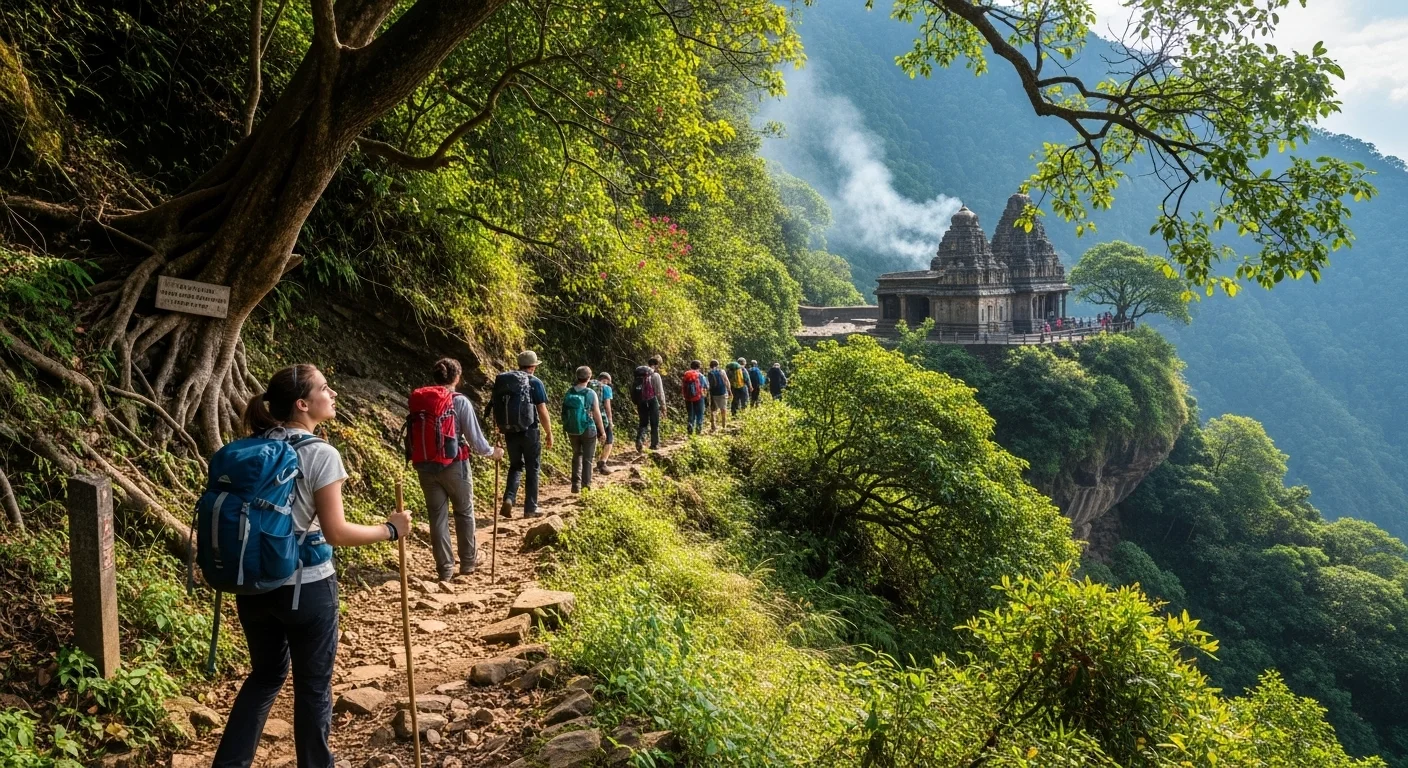
Discover India's Hidden Hindu Pilgrimages on a Budget

Overview of Hindu Pilgrimages in India

Hindu pilgrimages are more than just trips; they are journeys of the soul. When I first delved into the world of Hindu pilgrimages, I realized that each site carries a unique significance and a story that resonates with countless devotees. The vastness of India means there are many lesser-known places that are just as powerful as the more famous ones. I remember feeling overwhelmed by the options at first, but I quickly learned that every pilgrimage has its charm and purpose.

Significance of Hindu Pilgrimages

Hindu pilgrimages hold deep spiritual meaning for countless followers. They are seen as a way to cleanse one’s soul, seek blessings, and connect with the divine. Personally, I’ve felt a profound sense of peace and purpose when standing in these sacred spaces. Visiting a pilgrimage site is often viewed as an essential part of one’s spiritual journey, and many believe that the act of traveling to these sites carries its own merit. Each footstep taken on this journey can bring about a release from past sins and an opportunity for renewal.

Types of Pilgrimage Sites

There are various types of pilgrimage sites across India, each offering distinct experiences. Some are temples, others natural wonders, and some are even historical sites. For example, I’ve visited ancient temples nestled in the hills, where the architecture tells stories of devotion and sacrifice. Others might find solace in serene riverbanks where rituals and prayers are performed daily. Major pilgrimage destinations like Varanasi and Rishikesh attract crowds, but there are hidden gems that offer solitude and connection to nature. Each type of site can cater to different spiritual needs, making it easier for anyone to find a place that resonates with them.

Spiritual Benefits of Pilgrimages

Going on a pilgrimage can lead to significant spiritual benefits. During my own journeys, I’ve discovered that these experiences are transformative. Not only do they provide an opportunity for self-reflection, but they also allow for connections with fellow pilgrims who share similar beliefs and experiences. I’ve witnessed people helping one another, sharing stories, and building friendships that last beyond the pilgrimage itself. Moreover, many believe that visiting these sacred sites can bring about blessings, healing, and even miracles. Whether it’s a personal breakthrough or a newfound faith, the spiritual rewards often extend far beyond the journey itself.

Popular Hidden Hindu Pilgrimages to Explore

As we venture deeper into the world of Hindu pilgrimages, let’s uncover some of the lesser-known yet equally significant sites that I believe deserve our attention. These places may not be as crowded, but they offer a rich tapestry of spirituality and culture.

1. Kedarnath

Nestled in the Himalayas, Kedarnath is one of the Char Dham pilgrimage sites. The stunning backdrop of snow-capped peaks adds to its allure. I remember hiking to the temple, feeling the cool mountain air refreshing my spirit. The journey itself was as rewarding as the destination.

2. Badrinath

Another Char Dham site, Badrinath is known for its temple dedicated to Lord Vishnu. The vibrant landscape and the spiritual energy of the site are unmatched. I felt an overwhelming sense of tranquility as I stood before the idol, and the river Alaknanda nearby only enhanced the experience.

3. Gangotri

Gangotri is where the sacred river Ganges originates. The serene environment and the beauty of the surroundings create a perfect setting for prayer and reflection. I recall the feeling of awe I experienced when I first dipped my hands in the icy waters, a moment that felt both humbling and exhilarating.

4. Yamunotri

Yamunotri is often less visited than its counterparts, but it holds a special place in the hearts of many devotees. The trek to the temple is invigorating, and upon reaching it, the natural hot springs offer a rejuvenating experience. It’s a hidden treasure that I wholeheartedly recommend.

5. Kashi Vishwanath in Varanasi

While Varanasi is well-known, the Kashi Vishwanath temple often gets overshadowed by the city’s reputation. Standing at the banks of the Ganges, I felt an incredible connection to the rituals being performed around me. It’s a place where spirituality and life converge in the most beautiful way.

6. Rameshwaram

Rameshwaram, located on the southern tip of India, is another significant pilgrimage site. The serenity of the temple and the beach nearby create a unique atmosphere. I remember walking along the shore, feeling the cool sand beneath my feet as I reflected on the history of the place.

7. Dwaraka

Home to the legendary Lord Krishna, Dwaraka is a treasure trove of ancient stories and divine connections. Exploring the ruins of this ancient city gave me a glimpse into the past that felt both surreal and grounding.

8. Amarnath Cave

This pilgrimage is not for the faint of heart, but the breathtaking beauty of the Amarnath Cave and the ice Shiva Linga is worth every effort. I felt a rush of excitement and reverence when I finally reached the cave after the long trek through the mountains.

Budget Travel Tips for Pilgrimage Sites

Embarking on a pilgrimage doesn’t have to drain your wallet. During my travels, I discovered some effective budget travel tips that helped me maintain my finances while still enjoying rich experiences. Here, I’ll share what I learned so you can make the most of your pilgrimage without overspending. Read Interesting article: Cultural Trekking Adventures: Explore on a Budget Today

Transportation Options

Getting to pilgrimage sites can sometimes be the most expensive part of the journey, but there are ways to keep costs down. I found that using local buses or shared taxis was a great way to travel between cities. These options are often much cheaper than hiring a private vehicle. For instance, when I visited Kedarnath, I took a bus from Rishikesh, which not only saved me money but also gave me a chance to meet fellow pilgrims along the way. Don’t forget to check for train services, as they can be both affordable and a scenic way to travel. Booking in advance can help you secure the best fares.

Affordable Accommodation

Finding a place to stay doesn’t have to be a hassle or a significant expense. I discovered that many pilgrimage sites have dharamshalas (pilgrim rest houses) that offer basic accommodations at very low rates. These places often provide clean beds and sometimes even meals for a nominal fee. For example, while in Rameshwaram, I stayed at a dharamshala that not only kept my costs down but also had a community vibe where I could connect with other travelers. Additionally, consider homestays or guesthouses run by local families, as they can be budget-friendly and offer an authentic experience.

Local Dining on a Budget

Food is a huge part of any travel experience, and I’ve found that eating like a local can save you a lot of money. Street food is often delicious and budget-friendly. I remember enjoying some amazing chaat in Varanasi that cost me hardly anything and was one of the best meals I had there. Look for local eateries where pilgrims gather; these spots often serve hearty, traditional meals at affordable prices. Additionally, many temples offer free meals (langar), which is a wonderful way to experience community and spirituality while keeping your budget intact. Read Interesting article: Experience Local Culture: Best Music and Dance Workshops

Free and Low-Cost Activities

Many pilgrimage sites are rich in culture and spirituality, and you don’t need to spend a lot to enjoy these aspects. Walking around the temple complexes and participating in rituals is usually free. I cherished the quiet moments I spent by the Ganges River in Varanasi, watching the sunset and absorbing the spiritual atmosphere around me. Joining local festivals or celebrations can also be a fantastic way to engage with the culture without any cost. I vividly remember attending a small festival in Dwaraka, where I was welcomed warmly and experienced the local customs firsthand, all without spending a dime.

When to Visit: Seasons and Festivals

Timing your visit can significantly enhance your pilgrimage experience. I’ve learned that knowing when to go can help avoid crowds and enjoy the serene beauty of these sacred sites.

Best Times to Visit Each Pilgrimage Site

Different pilgrimage sites have their peak seasons, and visiting during the off-peak times can often lead to a more peaceful experience. For example, I noticed that Kedarnath is most crowded during the summer months when the weather is pleasant. However, visiting in early spring or late autumn can provide a quieter atmosphere and stunning natural beauty. Similarly, Badrinath can be packed during the monsoon season, so I recommend planning your trip around spring or early autumn to enjoy the lush landscape without the throngs of tourists. Each site has its unique charm in different seasons, so researching the best times to visit can be well worth it.

Important Festivals and Events

Attending festivals at pilgrimage sites can be a magical experience. For instance, I happened to be in Rameshwaram during Mahashivratri, and the energy in the air was palpable. Temples were beautifully decorated, and the rituals were something I’ll never forget. It’s essential to check the local festival calendar, as many sites have specific months filled with vibrant celebrations that can enhance your spiritual journey. The festivals not only offer a glimpse into the local culture but also a chance to participate in something greater than oneself.

Safety and Health Tips

When embarking on a pilgrimage, safety and health should be top priorities. I learned this firsthand during my travels, as the journey can sometimes present unexpected challenges. Here are some insights I gathered along the way to ensure a safe and healthy experience.

General Safety Precautions

While most pilgrimage sites are generally safe, it’s always wise to stay alert. I’ve found that sticking to well-trodden paths and avoiding isolated areas, especially after dark, helps in maintaining safety. Carrying a copy of my ID and important documents was a practice I adopted during my travels. I stored them in a secure pocket, just in case. Additionally, keeping my belongings close and being mindful of my surroundings made me feel more secure.

Before heading to a pilgrimage site, I recommend researching the local customs and any potential risks. For instance, some areas may have specific rules about photography or behavior that I wouldn’t want to inadvertently violate. Engaging with fellow pilgrims can also provide insights into safety practices and any local tips they may have gathered from their own experiences.

Health Tips for Pilgrims

Staying healthy is crucial, especially if your pilgrimage involves long treks or high altitudes. I found that drinking plenty of water was essential, particularly when hiking to higher elevation sites like Kedarnath. I made it a point to carry a reusable water bottle, which I could refill at various stops along the way. This not only kept me hydrated but also helped reduce plastic waste.

In addition to hydration, I discovered the importance of listening to my body. If I felt fatigued or unwell, I took breaks and didn’t hesitate to seek help if necessary. I noticed that many pilgrim rest stops offered friendly assistance, and locals were often eager to share advice or remedies for minor ailments. I also recommend bringing along some basic snacks, like nuts or dried fruits, to keep my energy levels up during long stretches without easy access to food.

Lastly, I made sure to carry any personal medications I might need, along with a note detailing any allergies or medical conditions. This helped me communicate effectively if I required assistance during my journey.

Emergency Contacts and Resources

It’s essential to be prepared for emergencies while on a pilgrimage. Before I embarked on my travels, I compiled a list of emergency contacts, including local authorities and nearby hospitals, which I kept handy on my phone. Not only did this provide peace of mind, but it also ensured I could respond quickly if an unexpected situation arose.

When visiting remote areas, I learned to check if the pilgrimage sites had any local health care facilities or emergency services. Knowing where to go for help made me feel more secure. I also made it a habit to inform someone of my travel plans, especially when venturing into less populated regions. This simple step allowed others to be aware of my whereabouts, which was comforting for both me and my loved ones.

In addition to local contacts, I found that many pilgrimage sites have dedicated helplines for pilgrims. These resources can be invaluable in case of emergencies, providing assistance or guidance when needed. I encourage anyone planning a pilgrimage to familiarize themselves with these contacts—it’s a small step that can make a big difference.

Essential Packing List for Pilgrimage Trips

Preparing for a pilgrimage involves more than just spiritual readiness; packing the right items is crucial for a comfortable journey. Through my experiences, I’ve compiled a list of essentials that I found particularly helpful, ensuring that I was well-equipped for the adventures ahead.

Clothing Recommendations

Clothing choices can significantly affect your pilgrimage experience. I always opted for lightweight, breathable fabrics that allowed me to stay comfortable during long walks. Layering is key, especially if you’re visiting sites with varying climates. I remember starting my day in the warm sun but needing a light jacket by the evening chill. Comfortable walking shoes are a must, as well. I learned the hard way that blisters can ruin a great pilgrimage, so investing in a good pair of shoes made a world of difference.

Additionally, I found that packing a scarf or shawl was particularly useful for visiting temples, as many require modest attire. It served not only as a way to cover up but also provided warmth during cooler evenings. Don’t forget to include a wide-brimmed hat and sunglasses to protect against the sun, especially during outdoor activities.

Essential Items to Carry

Aside from clothing, I discovered that certain items can enhance the pilgrimage experience. A sturdy backpack is essential for carrying everything comfortably. I packed a small first aid kit with band-aids, antiseptic wipes, and pain relievers—just in case. A portable charger for my phone was invaluable, too, as I relied on it for navigation and keeping in touch with fellow travelers.

Bringing along a journal became one of my favorite practices. Recording my thoughts and experiences not only allowed me to reflect on my journey but also created a beautiful keepsake to look back on. I also included a water purification tablet or portable filter; this gave me peace of mind when refilling my water bottle in remote areas.

First Aid Kit Essentials

Creating a well-stocked first aid kit is crucial when traveling, especially for pilgrimage sites. In my kit, I included the basics, such as adhesive bandages, gauze, and medical tape for any cuts or blisters. I also packed over-the-counter medications for headaches, allergies, and digestive issues, which can sometimes occur during travel. A small tube of antiseptic cream was also on my list, offering a quick solution for minor injuries.

In addition to those essentials, I found it helpful to have insect repellent and sunscreen on hand, particularly when visiting outdoor locations. Protecting myself from sunburn and insect bites allowed me to focus on my journey rather than discomfort. I believe that being prepared with these items ensured that I could fully embrace the spiritual experience without unnecessary interruptions.

Frequently Asked Questions

What is the significance of Hindu pilgrimages in India?

Hindu pilgrimages are deeply spiritual journeys that allow devotees to cleanse their souls, seek blessings, and connect with the divine. They are seen as essential parts of one’s spiritual journey, providing opportunities for renewal and release from past sins.

What types of pilgrimage sites can one find in India?

There are various types of pilgrimage sites in India, including temples, natural wonders, and historical sites. These locations cater to different spiritual needs, offering unique experiences such as ancient temples, serene riverbanks, and major destinations like Varanasi and Rishikesh.

What are some popular hidden Hindu pilgrimage sites to explore?

Some popular hidden Hindu pilgrimage sites include Kedarnath, Badrinath, Gangotri, Yamunotri, Kashi Vishwanath in Varanasi, Rameshwaram, Dwaraka, and Amarnath Cave. Each of these sites offers a rich tapestry of spirituality and culture.

How can one travel affordably to pilgrimage sites in India?

To travel affordably, consider using local buses or shared taxis instead of hiring private vehicles. Booking train services in advance can also help secure lower fares, and taking advantage of dharamshalas for basic accommodations can keep costs down.

What are some budget dining options while on pilgrimage?

Eating like a local can save money; try street food or local eateries where pilgrims gather for hearty traditional meals at affordable prices. Many temples also offer free meals (langar) that allow for community engagement while keeping costs low.

When is the best time to visit Hindu pilgrimage sites?

The best time to visit varies by site; for example, Kedarnath is most crowded in summer, so early spring or late autumn are ideal for a quieter experience. Researching specific peak seasons and local festivals can enhance your visit.

What safety precautions should be taken when on a pilgrimage?

Stay alert and stick to well-trodden paths, especially after dark. Carry copies of your ID and important documents, and research local customs and potential risks. Engaging with fellow pilgrims can also provide valuable safety insights.

What health tips should pilgrims keep in mind?

Stay hydrated, especially during long treks, and listen to your body. Carry a reusable water bottle, basic snacks for energy, and any personal medications. Familiarizing yourself with local health facilities can also be beneficial.

What essential items should one pack for a pilgrimage?

Pack lightweight, breathable clothing, comfortable walking shoes, a sturdy backpack, and a small first aid kit. Additional items like a journal for reflection, water purification tablets, and sun protection can enhance the experience.

How can one prepare for emergencies during a pilgrimage?

Compile a list of emergency contacts, including local authorities and nearby hospitals, and familiarize yourself with the local health care facilities. Inform someone about your travel plans, and be aware of any dedicated helplines for pilgrims at the sites.
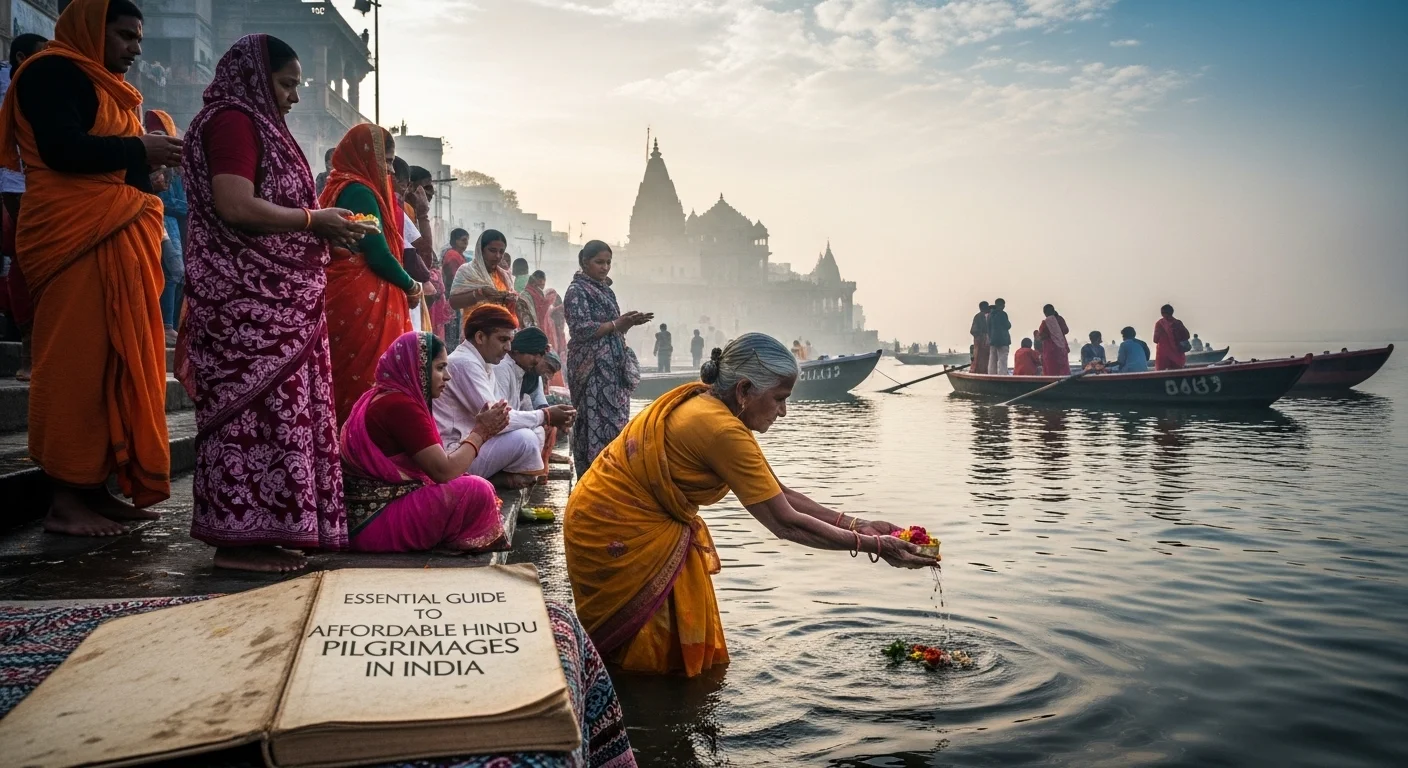
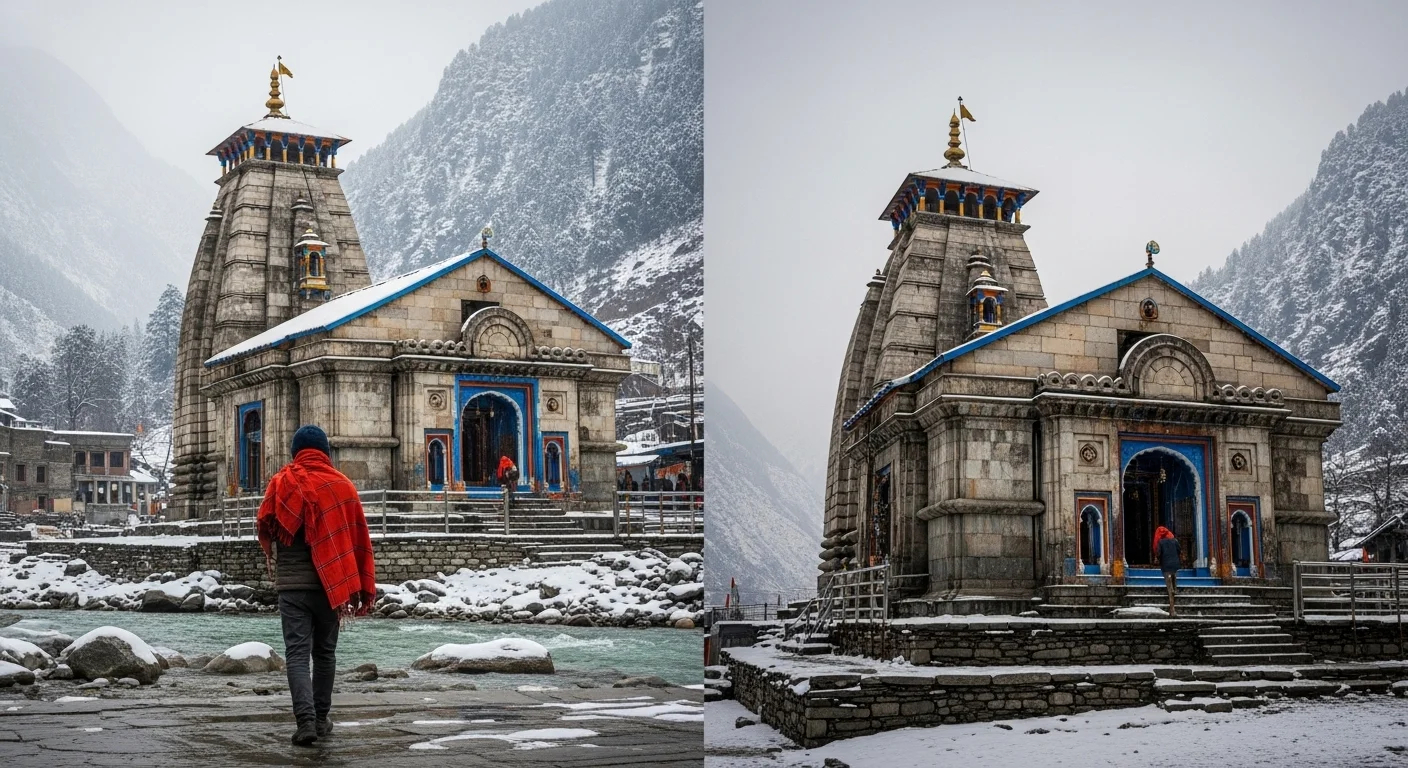
Essential Guide to Affordable Hindu Pilgrimages in India

Exploring the vibrant spiritual landscape of India through affordable Hindu pilgrimages can be an enriching experience. From the banks of sacred rivers to magnificent temples, every journey offers a unique connection to ancient traditions. For those looking for more options, check out the Top 7 Budget-Friendly Hindu Pilgrimages to Explore.

Essential Guide to Affordable Hindu Pilgrimages in India

Understanding Hindu Pilgrimages: An Overview

What is a Hindu Pilgrimage?

When I first learned about Hindu pilgrimages, I was fascinated by the depth and diversity they offer. A pilgrimage, or “Tirtha Yatra,” is a journey to sacred sites that hold immense spiritual significance in Hinduism. It’s not just a physical journey; it’s also a spiritual quest. Many Hindus believe that visiting these holy places helps purify the soul, brings blessings, and fulfills spiritual aspirations. I’ve realized that each destination carries stories that resonate with the rich tapestry of Hindu mythology, history, and philosophy.

Significance of Pilgrimages in Hindu Culture

The importance of pilgrimages in Hindu culture cannot be overstated. For centuries, these journeys have been a way for devotees to express their faith, seek solace, and connect with the divine. I remember my first pilgrimage to Varanasi; standing on the banks of the Ganges was like stepping into a living history. The rituals, prayers, and the spiritual energy surrounding me were overwhelming. In many ways, I was not just observing, but participating in a tradition that has shaped the lives of millions.

Moreover, I found that these journeys often lead to personal transformation. People from all walks of life come together, sharing experiences and forging connections. There’s a sense of community that transcends cultural and linguistic barriers, reminding us of our shared humanity. I believe this aspect of pilgrimage is what makes it so special—it’s not just about the destination, but the journey and the people we meet along the way. If you’re interested in eco-friendly options during your travels, consider reading about Affordable Eco-Lodges: Your Guide to Green Travel Stays.

Top Affordable Hindu Pilgrimage Destinations in India

Varanasi: The Spiritual Capital

Varanasi, known as Kashi, is often called the spiritual capital of India. This ancient city holds profound significance for Hindus, as it is believed that dying here allows one to break the cycle of rebirth. My visit to the ghats was surreal; the atmosphere was charged with devotion. The mesmerizing Ganga Aarti in the evening, with the sounds of chanting and the flickering lamps, is something I will never forget. The best part is that you can explore Varanasi on a budget, from affordable guesthouses to street food that’s not only delicious but also easy on the wallet.

Haridwar: Gateway to the Gods

Haridwar is another place that holds a special place in my heart. This town, located at the foothills of the Himalayas, is where the Ganges leaves the mountains and enters the plains. I was captivated by the Ganga Aarti held at Har Ki Pauri. The energy of the crowd, the scent of incense, and the sight of devotees immersing themselves in the holy waters is something you have to experience. Haridwar offers a range of affordable accommodations and is an excellent starting point for those wanting to explore the nearby Rishikesh.

Rishikesh: The Yoga Capital

Speaking of Rishikesh, if you’re into yoga or meditation, this is the place for you. I remember attending a sunrise yoga session by the river, which was incredibly rejuvenating. Beyond its spiritual significance, Rishikesh is also known for its scenic beauty. The best part? There are numerous budget-friendly ashrams and guesthouses where you can stay while soaking in the tranquil vibes of this serene town.

Amritsar: Home of the Golden Temple

Amritsar’s Golden Temple is a marvel that I believe everyone should see. The temple, with its stunning architecture and reflection in the surrounding pool, is a sight to behold. What struck me most was the community kitchen, or ‘Langar,’ that serves free meals to thousands daily, regardless of their background. Visiting Amritsar can be very affordable, with various options for budget accommodations and dining. The city’s rich history and vibrant culture are added bonuses that enhance the entire experience.

Ajmer: The Dargah of Khwaja Moinuddin Chishti

Ajmer is home to the revered Dargah of Khwaja Moinuddin Chishti, a Sufi saint. My visit there was a transformative experience. The atmosphere was filled with a deep sense of peace and devotion. The Dargah welcomes people of all faiths, making it a beautiful reminder of unity. The local markets offer a chance to buy inexpensive souvenirs, and you can find comfortable stays that won’t break the bank.

Tirupati: The Famous Venkateswara Temple

Tirupati is known for the Venkateswara Temple, one of the richest temples in the world. While it can get crowded, the experience of participating in the rituals and the sheer devotion of the pilgrims is awe-inspiring. There are plenty of budget options for food and lodging, allowing visitors to partake in this spiritual journey without overspending.

Ujjain: The City of Mahakaleshwar

Lastly, don’t miss Ujjain, home to the Mahakaleshwar Temple, one of the twelve Jyotirlingas. The Kumbh Mela, held here, attracts millions of devotees. Even if you visit outside the festival, the city has a timeless charm. It’s easy to explore Ujjain on a budget, with local eateries serving delicious vegetarian meals.

When to Visit: Best Times for Pilgrimages

Seasonal Considerations

Timing is everything when planning a pilgrimage in India. From my experience, understanding the climate and seasonal variations can significantly enhance your journey. Generally, the best time to visit most pilgrimage sites is during the cooler months, from October to March. The weather is pleasant, making long walks to temples and participation in rituals much more enjoyable.

In the summer months, especially in northern India, the heat can be intense. I remember visiting Varanasi in late April once, and the scorching sun made every step feel like a mini workout. If you can, I recommend avoiding the peak summer months of May and June. However, if you only have summer available, look for early morning or late evening activities to dodge the heat of the day.

Monsoon season, which typically runs from June to September, offers a unique and lush landscape. I found that the temples and ghats take on a mesmerizing beauty with the rain. However, some areas may experience flooding, so it’s essential to keep an eye on local weather forecasts and be prepared for sudden changes in plans.

Festivals and Special Events

Participating in festivals can add an exhilarating layer to your pilgrimage experience. Many Hindu festivals, like Diwali, Holi, or Kumbh Mela, draw enormous crowds and create vibrant atmospheres filled with prayers, music, and cultural celebrations. I had the opportunity to visit Haridwar during Kumbh Mela, and witnessing the sea of devotees bathing in the Ganges was both overwhelming and awe-inspiring. The energy was palpable, and I felt deeply connected to something much larger than myself.

Another special time to visit is during Navratri, a festival dedicated to the goddess Durga, celebrated with fervor across India. Temples come alive with festivities, and you can find colorful dances, music, and rituals taking place everywhere. I recall getting swept up in the Garba dances in Gujarat, and it was a joyful celebration that left lasting memories. If your schedule allows, aligning your pilgrimage with these festivals can make for a truly unforgettable experience.

Budgeting for Your Pilgrimage

Cost Breakdown: Transportation, Accommodation, and Food

When it comes to budgeting for a pilgrimage, being mindful of your expenses can help you make the most of your journey without breaking the bank. From my travels, I’ve learned to break down costs into three main categories: transportation, accommodation, and food.

Transportation can vary widely depending on the distance and the mode you choose. Trains in India are an affordable and scenic way to travel between pilgrimage sites. I’ve taken several overnight trains, and while the experience can be a bit quirky, it’s often cheaper than flying. Buses are another budget-friendly option, especially for shorter trips. Just make sure to book in advance during peak seasons to secure your seat.

Accommodation can range from budget hostels to mid-range hotels. I’ve often stayed in guesthouses or dharamshalas, which are usually quite affordable and provide a chance to meet fellow travelers. It’s wise to set aside a portion of your budget for unexpected expenses, like last-minute accommodations or special experiences, such as guided tours of temples.

Food is another area where you can save. Street food is not only delicious but also very affordable. I remember enjoying a plate of chaat in Varanasi for just a few rupees! Eating where the locals eat not only keeps costs down but also gives you a taste of the authentic cuisine. If you prefer dining at restaurants, look for thalis—fixed meals that offer a variety of dishes at a reasonable price.

Tips for Traveling on a Budget

Traveling on a budget doesn’t mean you have to sacrifice experiences. I’ve picked up a few tips over the years that I believe can help anyone looking to stretch their rupees further. First, always negotiate when using local taxis or auto-rickshaws. Agreeing on a fare before starting your journey can save you from any unexpected surprises. Also, consider using public transport whenever possible; it’s an adventure in itself!

Another tip is to travel in a group if you can. Sharing accommodations and transport costs can significantly reduce your expenses. I’ve traveled with friends on several occasions, and it not only made things cheaper but also added to the fun of the experience. Additionally, keep an eye out for discounts on entry fees for temples or attractions—many sites offer reduced rates for students or large groups.

Lastly, don’t hesitate to ask locals for recommendations. I’ve often found that some of the best experiences come from local advice, whether it’s a hidden temple, a scrumptious food stall, or a cheap place to stay. Embracing spontaneity can lead to delightful surprises, and that’s what makes the journey all the more rewarding. For those looking for adventurous gear, consider exploring Essential Gear for Budget Rock Climbing Adventures Abroad.

Where to Stay: Accommodation Options

Budget Hotels and Guesthouses

Finding a place to stay during your pilgrimage can be daunting, but it doesn’t have to be expensive. I’ve discovered that budget hotels and guesthouses are plentiful at most pilgrimage sites. These options not only cater to the wallet-conscious traveler but also provide a chance to connect with fellow pilgrims. I vividly remember staying in a cozy guesthouse in Varanasi, where the owner shared stories about the city and its spiritual significance over breakfast. It made my experience feel much more personal.

Many of these budget accommodations offer clean rooms, basic amenities, and sometimes even free breakfast, which can be a nice perk. I recommend checking online reviews before booking to ensure you pick a place that suits your needs. Websites like Booking.com or Hostelworld can be helpful in finding the right fit. In my experience, booking in advance is often wise, especially during busy pilgrimage seasons.

Dharamshalas and Ashrams

Dharamshalas and ashrams are another fantastic option for those looking to immerse themselves in the spiritual atmosphere. Staying in a dharamshala, which is often run by local religious organizations, can be incredibly affordable. I found that the simplicity of these accommodations allows for a more focused experience. Many dharamshalas offer dormitory-style rooms, which are perfect for meeting and connecting with other travelers who share a similar journey.

Ashrams, on the other hand, often provide a more structured experience. Many of them offer yoga and meditation classes, which can enhance your spiritual experience. During my visit to Rishikesh, I stayed at an ashram where I participated in daily yoga sessions and evening prayers. It was a beautiful way to deepen my connection to my surroundings and the spiritual practices of Hinduism. Plus, the communal meals at ashrams are a great way to enjoy healthy vegetarian food and connect with others.

Local Homestays

If you want to experience the local culture more intimately, consider staying at a homestay. This is a great way to support local families and get a taste of everyday life in India. I had the pleasure of staying with a family in Ujjain during my pilgrimage, and it was one of the highlights of my trip. They welcomed me with open arms and shared their customs, traditions, and, of course, delicious home-cooked meals!

Homestays often come with the added benefit of local insight. The hosts can provide invaluable tips about nearby attractions, dining options, and cultural practices. I found that these personal connections enriched my pilgrimage experience, making it feel more authentic and memorable. Websites like Airbnb or local travel agencies can help you find homestay options in the area you plan to visit.

Transportation: Getting Around

Public Transport Options

Navigating India’s vast landscape can be an adventure in itself. I’ve always preferred using public transport when exploring pilgrimage sites. It’s not only budget-friendly but also allows you to experience the local vibe. Trains are a popular choice for longer distances, and I’ve found them to be quite efficient. Just remember to book your tickets in advance, especially during peak pilgrimage season, as trains can fill up quickly.

Local buses are another excellent option for getting around, particularly for shorter trips. They can be a bit crowded, but that’s part of the experience! I recall taking a local bus from Haridwar to Rishikesh, and it was an exhilarating ride filled with laughter and chatter with fellow passengers. Plus, the scenery along the way was stunning.

Renting Vehicles vs. Using Local Taxis

For those who prefer more flexibility, renting a vehicle may be a good option. I’ve rented scooters and bikes in places like Rishikesh and found it to be a fun way to explore at my own pace. However, I recommend ensuring you have a valid license and are comfortable navigating local traffic, which can be quite chaotic!

Alternatively, using local taxis or auto-rickshaws can be a convenient way to get around, especially if you’re visiting multiple sites in one day. I often relied on app-based taxi services, which made it easy to find rides without the hassle of negotiating fares. Just ensure you confirm the driver’s identity before hopping in, as safety should always be a priority.

Top Attractions to Visit During Pilgrimages

Temples and Sacred Sites

When embarking on a pilgrimage, visiting temples and sacred sites is undoubtedly the highlight. Each temple carries its own unique story and spiritual significance. I remember standing before the intricate carvings of the Mahakaleshwar Temple in Ujjain, feeling a deep sense of reverence wash over me. It’s amazing how these spaces can evoke such powerful emotions.

In addition to the major temples, don’t overlook smaller, lesser-known sites. I’ve discovered that often, these hidden gems are where you can find a more peaceful atmosphere and connect more deeply with the local culture. Ask locals for recommendations on off-the-beaten-path temples; you might just stumble upon an experience that resonates with you.

Local Markets and Shopping Areas

Exploring local markets is another rewarding aspect of any pilgrimage. I love wandering through bustling bazaars, soaking in the colors, sounds, and aromas. In Varanasi, the market near the ghats is a treasure trove of handmade crafts, clothing, and spices. I found some beautiful scarves and religious artifacts to take home as souvenirs.

Shopping in local markets not only supports artisans but also allows for meaningful interactions with vendors. Don’t hesitate to strike up conversations; I’ve often learned fascinating stories about the products and the people behind them. Plus, bargaining can be a fun way to engage with the local culture and practice your haggling skills!

Cultural Experiences and Festivals

Finally, consider immersing yourself in local cultural experiences during your pilgrimage. Many towns offer traditional performances, workshops, and classes that provide insight into the local way of life. I took part in a cooking class in Amritsar that was not only fun but also delicious! Learning how to make local dishes and understanding their significance added a rich layer to my experience.

Attending local festivals, as mentioned earlier, can be incredibly rewarding. The energy, colors, and communal spirit of festivals like Diwali or Holi are unforgettable. I once participated in a Diwali celebration in a small village, and the warmth and joy shared among everyone present left a lasting impression on my heart.

Frequently Asked Questions

What is a Hindu pilgrimage?

A Hindu pilgrimage, or “Tirtha Yatra,” is a journey to sacred sites that hold immense spiritual significance in Hinduism. It is both a physical journey and a spiritual quest, believed to purify the soul and fulfill spiritual aspirations.

Why are pilgrimages important in Hindu culture?

Pilgrimages hold great importance in Hindu culture as they allow devotees to express their faith, seek solace, and connect with the divine. They often lead to personal transformation and foster a sense of community among diverse individuals.

What are some affordable Hindu pilgrimage destinations in India?

Some affordable Hindu pilgrimage destinations in India include Varanasi, Haridwar, Rishikesh, Amritsar, Ajmer, Tirupati, and Ujjain. Each of these places offers unique spiritual experiences at budget-friendly prices.

When is the best time to visit Hindu pilgrimage sites?

The best time to visit most pilgrimage sites in India is during the cooler months from October to March. This pleasant weather makes it easier to participate in rituals and explore the sites.

What budgeting tips can help during a pilgrimage?

To budget effectively for a pilgrimage, consider breaking down costs into transportation, accommodation, and food. Utilize affordable transportation options like trains and buses, stay in budget hotels or dharamshalas, and enjoy inexpensive street food.

What types of accommodations are available for pilgrims?

Accommodations for pilgrims include budget hotels, guesthouses, dharamshalas, ashrams, and local homestays. These options provide a range of experiences from simple and affordable to more immersive cultural stays.

How can I get around during my pilgrimage?

Public transport, including trains and local buses, is a budget-friendly way to navigate pilgrimage sites. Alternatively, renting a vehicle or using local taxis can offer more flexibility for exploring multiple sites.

What attractions should I visit during a pilgrimage?

During a pilgrimage, you should visit temples and sacred sites, explore local markets, and engage in cultural experiences. Smaller, lesser-known temples can provide a more peaceful atmosphere and deeper connections to local culture.

What role do festivals play in enhancing the pilgrimage experience?

Participating in festivals can add excitement to your pilgrimage experience, as they are filled with vibrant atmospheres, prayers, and cultural celebrations. Events like Diwali, Holi, and Kumbh Mela create a sense of communal spirit among devotees.

How can I save money while traveling on a pilgrimage?

To save money while traveling on a pilgrimage, negotiate fares for local transport, travel in groups to share expenses, and seek out discounts on entry fees for attractions. Asking locals for recommendations can also lead to affordable and authentic experiences.

Top 7 Budget-Friendly Hindu Pilgrimages to Explore

Exploring Hindu pilgrimages doesn’t have to break the bank. I’ve discovered some incredible budget-friendly options that allow us to connect with our spirituality while enjoying rich cultural experiences. Read Interesting article: Ultimate Guide to Eco-Trekking: Travel Sustainably on a Budget

Top 7 Budget-Friendly Hindu Pilgrimages to Explore

Overview of Hindu Pilgrimages

Importance of Pilgrimages in Hinduism

Hinduism places a significant emphasis on pilgrimages. Personally, I believe these journeys are more than just visits to sacred sites; they are a way to deepen our spiritual connection and find tranquility. Pilgrimages often allow us to reflect on our lives, seek blessings, and immerse ourselves in the vibrant traditions of our ancestors. Visiting holy places can be transformative, offering a sense of peace and belonging. It’s an opportunity to step away from the chaos of daily life and reconnect with our inner selves.

Types of Pilgrimages: Major vs. Minor

Hindu pilgrimages can be categorized as major and minor. Major pilgrimages, like the Kumbh Mela, draw millions and are often grand in scale, filled with elaborate rituals and festivities. I’ve seen firsthand how these events create a sense of community, as people from diverse backgrounds come together for a shared purpose. On the other hand, minor pilgrimages are often quieter and less crowded. These smaller journeys can lead to equally profound experiences, allowing for personal reflection and a deeper connection with the divine. I find that both types have their unique charms and rewards, depending on what we seek in our spiritual journey.

Top 7 Budget-Friendly Hindu Pilgrimages

1. Varanasi

Overview of Varanasi as a Pilgrimage Destination

Varanasi, often referred to as the spiritual capital of India, has always held a special place in my heart. I remember feeling a sense of awe as I walked along the banks of the Ganges River, witnessing the rituals and the life that unfolds there. The city is steeped in history, with its narrow winding lanes and ancient temples. Every corner seems to tell a story, and the atmosphere is charged with spirituality. Varanasi is a must-visit for anyone looking to experience the essence of Hindu culture.

Key Attractions: Ganges River, Kashi Vishwanath Temple

The Ganges River is undoubtedly the highlight of Varanasi. Watching the sunrise over the river is a magical experience that I will never forget. The Kashi Vishwanath Temple, dedicated to Lord Shiva, is another must-visit. The intricate architecture and the devotion of the pilgrims create an atmosphere that is both sacred and serene. I felt a profound sense of connection while offering my prayers inside the temple.

Budget Accommodations and Dining Options

One of the best things about Varanasi is that it caters to budget travelers. I found several affordable guesthouses along the river, offering stunning views without breaking the bank. For meals, the local cuisine is delicious and inexpensive; I loved savoring street food like chaat and lassi. Dining at small local eateries can be a delightful experience, allowing us to taste authentic flavors while saving money. Read Interesting article: Street Food Adventures: Tasty Delights on a Budget

Best Time to Visit

The best time to visit Varanasi is between October and March when the weather is pleasant. I recommend planning your trip around the Ganga Mahotsav, a festival that showcases the city’s culture and heritage through dance, music, and rituals. Experiencing this vibrant festival added a layer of richness to my pilgrimage.

2. Rishikesh

Spiritual Significance and Yoga Capital

Rishikesh, known as the “Yoga Capital of the World,” holds a unique charm for those seeking spiritual rejuvenation. I found solace here, surrounded by the stunning backdrop of the Himalayas and the sacred Ganges. The town’s tranquil ambiance makes it an ideal place for meditation and yoga, and I remember practicing asanas on the banks of the river as the sun rose. Those moments were truly transformative for me.

Top Attractions: Laxman Jhula, Ganga Aarti

Visiting Laxman Jhula, the iconic suspension bridge, felt like stepping into a different world. It provides stunning views of the Ganges and the surrounding hills. I also attended the evening Ganga Aarti, a mesmerizing ritual where lamps are floated on the river, accompanied by chanting and music. The experience was spiritual and uplifting, leaving me with a sense of peace.

Affordable Stay and Meals

Rishikesh has a plethora of budget-friendly accommodations, from hostels to guesthouses. I found a cozy place with a rooftop offering breathtaking views of the river. As for food, the town is dotted with cafes serving healthy vegetarian meals and local dishes at reasonable prices. I enjoyed trying different types of chai, which became my favorite ritual every morning.

When to Visit for Best Experience

Visiting between September and April is ideal, with pleasant weather and numerous yoga retreats. The International Yoga Festival in March is a highlight, attracting enthusiasts from around the world. I participated in workshops during my visit, which deepened my understanding of yoga and spirituality.

3. Haridwar

Cultural and Religious Importance

Haridwar is another gem that I cherished during my travels. Known as one of the seven holiest places in Hinduism, it feels like a vibrant tapestry of faith and culture. I was struck by the devotion of the people, and the air is filled with the sounds of bells and chanting. The sacred Ganges River flows through, making it a significant pilgrimage site.

Main Attractions: Har Ki Pauri, Ganga Aarti

Har Ki Pauri is a famous ghat where pilgrims gather for rituals. I remember taking part in the Ganga Aarti here, a breathtaking sight with thousands of candles illuminating the river. The energy and devotion during the ceremony were palpable, and it left a lasting impression on my heart.

Budget-Friendly Accommodation Options

Haridwar offers numerous budget accommodations, from dharamshalas to hostels. I found a simple yet comfortable place near the river, making it easy to explore the ghats. Staying close to the action truly enhanced my experience.

Best Time to Experience Haridwar

The best time to visit is from October to March when the weather is cooler. If you can, plan your visit during Kumbh Mela, which takes place every 12 years. Experiencing this grand festival was unforgettable, filled with devotion and spirituality.

4. Tirupati

Overview of Tirupati Temple

Tirupati is home to one of the most revered temples in India, the Tirumala Venkateswara Temple. It holds immense significance, especially for devotees of Lord Venkateswara, an incarnation of Vishnu. I remember my visit vividly—the long lines, the chants echoing through the air, and the sense of devotion that filled the atmosphere. The temple complex is perched atop the Tirumala hills, providing a breathtaking backdrop that enhances the spiritual experience. Being part of the throngs of pilgrims making their way to the temple felt like being part of something much larger than myself.

Important Festivals and Events

The temple hosts numerous festivals throughout the year, drawing millions of pilgrims. I was fortunate enough to witness the Brahmotsavam festival, a grand celebration marked by vibrant processions and elaborate rituals. The energy during this time is electric, and being surrounded by so many devotees expressing their faith profoundly impacted me. I highly recommend planning your visit around these festivals if you can, as they elevate the experience to a whole new level.

Budget-Friendly Stay and Local Cuisine

In Tirupati, budget accommodations are plentiful. I found several guesthouses and dharamshalas that cater to pilgrims looking for an economical stay. They often provide clean lodging and basic amenities at affordable rates. As for food, the local cuisine is delicious and incredibly budget-friendly. I enjoyed traditional meals at various eateries, especially the temple prasadam, which is often offered as a form of blessings. The simple yet flavorful dishes were a highlight of my stay, and I appreciated the communal dining atmosphere.

Ideal Visiting Times

The best time to visit Tirupati is during the cooler months from October to March. Visiting during this period not only ensures pleasant weather but also allows you to enjoy the temple’s bustling atmosphere without the sweltering heat. Also, I found that early mornings are the best time to avoid long queues, especially if you want to catch a glimpse of the deity during the morning rituals.

5. Ajmer Sharif Dargah

Significance of Ajmer Sharif in Hindu-Muslim Unity

Ajmer Sharif Dargah is a beautiful symbol of unity, attracting both Hindu and Muslim pilgrims. I was deeply moved by the sense of community and reverence present at this shrine dedicated to the Sufi saint Khwaja Moinuddin Chishti. The experience of witnessing devotees of different faiths coming together, sharing their hopes and prayers, reinforced my belief in the power of spirituality to transcend boundaries.

Key Attractions and Festivals

The Dargah itself is a stunning architectural marvel, with intricate designs and an atmosphere of tranquility. I particularly enjoyed the annual Urs festival, which celebrates the saint’s life. The festivities are filled with soulful qawwali performances, and the entire atmosphere turns electric with devotion. I felt a deep sense of connection and peace during my time there, and I believe anyone visiting Ajmer should experience this vibrant celebration.

Economical Places to Stay and Eat

Ajmer offers several budget accommodations, including hostels and guesthouses that are close to the Dargah. I found a charming little place that was both affordable and comfortable. For meals, the local cuisine is a treat. I recommend trying the famous Ajmer biryani and various street foods available near the Dargah. Eating at local eateries can be a delightful experience, and the prices are incredibly reasonable.

Best Time to Visit Ajmer

Visiting Ajmer from October to March is best due to the pleasant weather. If possible, try to align your visit with the Urs festival in the spring—it’s an unforgettable experience filled with devotion and culture.

6. Dwarka

Historical and Religious Context of Dwarka

Dwarka, known as the mythical city of Lord Krishna, is a place steeped in history and spirituality. I was captivated by the tales of Krishna’s life as I roamed through this ancient city. The significance of Dwarka in Hindu mythology adds layers to the experiences found here. I felt a sense of wonder as I explored its temples, especially the Dwarkadhish Temple, which is a must-visit for anyone coming to this area.

Main Attractions: Dwarkadhish Temple, Bet Dwarka

The Dwarkadhish Temple is a stunning example of intricate architecture and devotion. I remember being awestruck by its beauty and the fervor of the devotees. A short boat ride to Bet Dwarka, an island nearby, is another highlight. The serene beaches and the temple dedicated to Krishna there are both beautiful and peaceful. It was a fantastic way to connect with the natural beauty surrounding this sacred city.

Budget Accommodation and Dining Choices

Finding budget accommodations in Dwarka is quite simple. I discovered several guesthouses that offered clean, comfortable stays at affordable rates. Dining options also cater to budget travelers, with plenty of local eateries serving delicious vegetarian meals. I particularly enjoyed the local thali, which was not only filling but also allowed me to sample an array of flavors.

When to Plan Your Visit

The ideal time to visit Dwarka is between October and March when the weather is pleasant. I recommend visiting around festivals like Janmashtami, when the celebrations for Lord Krishna’s birthday create an incredible atmosphere filled with joy and devotion.

7. Ujjain

Importance of Ujjain in Hindu Mythology

Ujjain is another pilgrimage destination rich in religious significance, known for its connection to the Kumbh Mela and the Mahakaleshwar Temple. I felt a deep sense of spirituality as I walked through the streets of Ujjain, where every corner reflects the deep-rooted traditions of Hinduism. The temple, dedicated to Lord Shiva, is one of the twelve Jyotirlingas and is a must-visit for anyone wanting to understand the depth of Hindu beliefs.

Key Temples: Mahakaleshwar Temple

The Mahakaleshwar Temple itself is an architectural wonder. I was particularly moved by the evening aarti, where devotees gather in large numbers to witness the rituals performed with devotion and grace. The atmosphere is electrifying, and the sense of community among fellow pilgrims is something I cherished during my time there.

Budget-Friendly Options for Stay and Food

Ujjain has a variety of budget-friendly accommodations, including dharamshalas and small hotels. I found a lovely guesthouse that was not only affordable but also conveniently located near the temple. For food, Ujjain offers delectable vegetarian options that won’t hurt your wallet. I loved enjoying local snacks and meals from small eateries that added to the richness of my experience.

Best Time to Visit Ujjain

The best time to visit Ujjain is from October to March, when the weather is pleasant. If you can time your visit with the Kumbh Mela, it’s an experience unlike any other—full of spirituality, color, and vibrancy that left a lasting impression on my heart.

Practical Tips for Budget-Friendly Pilgrimages

Travel Tips: Transportation Options

When it comes to traveling to and within popular pilgrimage destinations, I’ve found that being smart about transportation can save a lot of money. Buses are often the most affordable option for getting to places like Varanasi or Rishikesh. I remember hopping on a local bus from Delhi to Haridwar, and while it took a bit longer than a taxi, the experience was truly part of the adventure. For shorter distances, auto-rickshaws or shared taxis are great for getting around towns while keeping costs low. Just be sure to negotiate your fare beforehand to avoid surprises.

How to Save on Accommodation

Finding budget accommodations can make a huge difference in your overall pilgrimage cost. I usually start by looking for dharamshalas, which are guesthouses that cater to pilgrims and are often quite affordable. In places like Tirupati and Ujjain, these options provide basic amenities at a fraction of hotel prices. I also recommend using online platforms that specialize in budget stays. You might be surprised at how many cozy places are available that don’t break the bank. I’ve also found that booking directly through the accommodation’s website can sometimes yield better rates than third-party sites.

Local Food Recommendations on a Budget

One of my favorite parts of traveling is enjoying local cuisine, and I’ve learned that you don’t have to spend a lot to eat well. Street food is often not only delicious but also incredibly cheap. In Varanasi, for example, I enjoyed chaat and kachoris from local stalls that were packed with flavor and cost just a few rupees. I also recommend trying the local thali in places like Dwarka or Ujjain, where you can sample various dishes at a reasonable price. Eating where the locals eat can enhance your experience and provide a taste of authentic flavors. Read Interesting article: Experience Culture: Budget Local Music Festivals to Attend

Safety Tips for Pilgrims

While most pilgrimage sites are quite safe, it’s always wise to stay aware of your surroundings. I remember feeling a bit overwhelmed in crowded places like the Kumbh Mela, but I made sure to stick with my group and keep my belongings secure. It’s a good idea to keep your valuables in a money belt or in a secure location at your accommodation. I also recommend familiarizing yourself with local emergency numbers before you travel. Additionally, staying hydrated and using sunscreen is essential, especially if you’re visiting during warmer months, as I learned the hard way on a long day in Haridwar.

Cultural Etiquette and Practices

Respecting local customs and traditions is crucial when visiting sacred sites. I’ve found that understanding the basic etiquette can enhance my experience significantly. For example, in many temples, it’s customary to remove your shoes before entering, and modest clothing is appreciated. I always carry a shawl or scarf to cover my shoulders when visiting temples. It’s also common to greet locals with a smile or a nod, which can create a welcoming environment. I remember being touched by the warmth of the people I met, and I believe that showing respect and kindness can go a long way in these spiritual journeys.

Frequently Asked Questions

What is the significance of pilgrimages in Hinduism?

Hinduism places a significant emphasis on pilgrimages as a way to deepen spiritual connection, seek blessings, and immerse oneself in the traditions of ancestors. These journeys are transformative, offering peace and a sense of belonging.

What are the major and minor types of Hindu pilgrimages?

Hindu pilgrimages can be categorized into major and minor types. Major pilgrimages, like the Kumbh Mela, are grand and filled with elaborate rituals, while minor pilgrimages are quieter and allow for personal reflection and deeper connections with the divine.

What are some budget-friendly accommodations in Varanasi?

In Varanasi, there are several affordable guesthouses along the river that offer stunning views without breaking the bank, as well as local eateries serving delicious and inexpensive meals.

When is the best time to visit Rishikesh?

The best time to visit Rishikesh is between September and April when the weather is pleasant and numerous yoga retreats take place. The International Yoga Festival in March is a highlight for visitors.

What can one expect during the Ganga Aarti in Haridwar?

The Ganga Aarti in Haridwar is a breathtaking sight where thousands of candles illuminate the river, creating an atmosphere filled with energy and devotion as pilgrims gather for rituals.

What are the budget-friendly dining options in Tirupati?

Tirupati offers budget accommodations and local cuisine that is delicious and economical, with options like temple prasadam being a highlight for visitors looking for affordable meals.

What is the significance of Ajmer Sharif Dargah?

Ajmer Sharif Dargah symbolizes unity, attracting both Hindu and Muslim pilgrims. The shrine is dedicated to Sufi saint Khwaja Moinuddin Chishti and is known for its annual Urs festival, which is filled with devotion and cultural celebrations.

What are the main attractions in Dwarka?

Main attractions in Dwarka include the Dwarkadhish Temple, known for its intricate architecture, and a boat ride to Bet Dwarka, which offers serene beaches and a temple dedicated to Lord Krishna.

What are practical tips for budget-friendly pilgrimages?

To save money during pilgrimages, consider using buses for transportation, staying in dharamshalas for budget accommodations, enjoying local street food, and being aware of safety measures and cultural etiquette at sacred sites.

When is the ideal time to visit Ujjain?

The best time to visit Ujjain is from October to March when the weather is pleasant. Timing your visit with the Kumbh Mela can provide a unique and vibrant spiritual experience.

Explore Destinations Through the Lens of Local Music

Music is the heartbeat of culture, a language that transcends borders. Exploring destinations through local music is one of the most enriching ways to experience a place and its people. Read Interesting article: The Impact of Music on Your Next Travel Adventure

Explore Destinations Through the Lens of Local Music

Understanding the Connection Between Music and Travel

When I travel, I always find myself drawn to the sounds that surround me. Whether it’s the strumming of a guitar in a bustling market or the rhythmic beats echoing from a nearby club, local music has a way of weaving itself into the fabric of a destination. I believe this connection is profound; music has the power to express emotions, tell stories, and unite communities. It reflects the identity of a place and its people, providing insight into their history and culture.

The Role of Local Music in Cultural Identity

From my experience, local music is a vital aspect of cultural identity. When I visited different cities, I noticed that the music often told tales of struggle, joy, and resilience. For example, in New Orleans, the vibrant jazz scene speaks volumes about the city’s complex history and cultural melting pot. Jazz isn’t just a genre; it’s an embodiment of the African American experience and the cultural exchanges that have shaped the city.

Similarly, when I wandered through the streets of Nashville, the country music played in honky-tonk bars captured the essence of Southern life. The lyrics often reflect personal stories and collective experiences, providing a window into the lives of those who inhabit the region. This connection between music and identity is something that can deeply resonate with travelers, making us feel more connected to the places we visit. Read Interesting article: Discover How Music Shapes Your Travel Destinations

How Music Influences Travel Experiences

Music has a unique ability to enhance our travel experiences. I’ve found that attending a local performance can transform a simple trip into an unforgettable adventure. For instance, while in Rio de Janeiro, I stumbled upon an impromptu samba gathering on the streets. The energy was infectious, and before I knew it, I was dancing alongside locals, soaking in the rhythms that made the city come alive. In moments like these, I felt a genuine connection to the culture, something that typical sightseeing could never provide.

Moreover, exploring local music can lead to unexpected discoveries. One evening in Berlin, I decided to check out a small electronic music venue tucked away in an alley. The atmosphere was electric, and I found myself surrounded by a diverse crowd, united by the pulsating beats. It was in that moment that I realized how music can break down barriers, allowing us to connect with people from different backgrounds over a shared appreciation for art. I think it’s this kind of experience that makes traveling truly special.

Key Global Music Destinations

There are certain cities around the world that are synonymous with specific music genres. Each destination has its own unique sound and story. Here are some key global music destinations that I believe every music lover should explore.

New Orleans: The Birthplace of Jazz

New Orleans holds a special place in my heart. This city is where jazz was born, and the spirit of this genre is palpable everywhere you go. I remember walking through the French Quarter, the sounds of trumpets and saxophones spilling out from every corner. The music here is alive, vibrant, and deeply rooted in the city’s history, reflecting its diverse cultural heritage. If you’re looking to experience jazz, I recommend visiting some of the renowned clubs like Preservation Hall, where you can truly feel the soul of the music.

Nashville: The Heart of Country Music

Nashville is another city that has captured my attention. Known as “Music City,” it’s a hub for country music. As I explored the streets, I found myself enchanted by the stories told through the lyrics of countless songs. The Grand Ole Opry is a must-visit for anyone wanting to experience the grandeur of country music, while the local bars and venues offer a more intimate setting to enjoy emerging artists. I’ve met some incredible local musicians there who shared their passion for songwriting and performing, making me appreciate the genre even more.

Rio de Janeiro: The Pulse of Samba and Bossa Nova

Rio de Janeiro is a city that dances to the rhythm of samba and bossa nova. My experience there was unforgettable, especially during Carnival, when the streets come alive with music, dance, and celebration. The energy is infectious, and I found myself swept away by the vibrant sounds. Exploring the local samba schools gave me insight into the rich traditions and the passion that fuels this music. For anyone visiting Rio, experiencing the local music scene is essential—it’s a celebration of life and culture like no other.

Berlin: The Hub of Electronic Music

Berlin has a reputation as a global center for electronic music, and my time there was filled with late-night adventures in clubs that pushed the boundaries of sound. The city is a canvas for creativity, where DJs and producers from all over the world come to share their art. I remember attending a techno party in an underground venue, surrounded by people fully immersed in the music. It was a transformative experience, showcasing how electronic music can create a sense of community and connection.

Accra: The Vibrancy of Highlife and Hiplife

Accra, the capital of Ghana, offers a unique mix of highlife and hiplife music that is both vibrant and captivating. During my visit, I found myself drawn to the local music scene, which beautifully blends traditional African rhythms with contemporary sounds. Attending a live performance in Accra was a highlight of my trip. The energy of the crowd, coupled with the catchy melodies, made it an unforgettable experience. This city truly exemplifies how music can bridge the gap between the past and the present.

Exploring Music Festivals Around the World

One of the most exhilarating ways to dive into local music culture is by attending music festivals. These events are like a celebration of life, where people from all walks of life come together to share their passion for music. I’ve attended a few festivals around the globe, and each one has left an indelible mark on my travel experiences. Here are some of my favorites that I think every music lover should consider adding to their travel plans.

Winter Music Conference in Miami

The Winter Music Conference in Miami is a haven for electronic music enthusiasts. I remember stepping into the warm Miami sun and feeling the electric energy in the air. The conference brings together DJs, producers, and fans from all over the world, making it a melting pot of creativity and innovation. Attending workshops during the day and then enjoying parties at night was a dream come true for me. I found it fascinating to hear industry leaders discuss the future of electronic music and the evolution of DJ culture. The vibrant nightlife in Miami only adds to the experience, making it a must-visit for anyone who loves electronic beats.

Glastonbury Festival in England

Glastonbury is perhaps one of the most iconic music festivals on the planet. I had the chance to attend once, and the sheer scale of it was overwhelming. The festival sprawls across fields and hills, filled with multiple stages featuring a diverse line-up of artists. From rock legends to emerging indie bands, there’s something for everyone. I remember waking up to the sound of music wafting through my tent and being swept away by the atmosphere. The sense of community among festival-goers is something I’ll never forget. It’s as if everyone is there for one purpose: to enjoy the music and celebrate life together.

Montreux Jazz Festival in Switzerland

Montreux Jazz Festival holds a special place in the heart of jazz lovers, and my visit there was nothing short of magical. Nestled on the shores of Lake Geneva, the festival features a stunning backdrop that enhances the experience. I was captivated by the variety of performances, from legendary jazz musicians to contemporary artists. The intimate venues allowed for a close connection with the artists, and I remember feeling a sense of awe listening to the improvisations that jazz is known for. The festival isn’t just about jazz; it embraces various genres, making it a celebration of music in all its forms.

La Patum de Berga in Spain

While not a music festival in the traditional sense, La Patum de Berga is a fascinating cultural event that incorporates music into its festivities. I stumbled upon it while exploring Spain, and the lively atmosphere was infectious. The event involves parades, fireworks, and an explosion of music and dance that celebrates local culture. I found myself dancing in the streets with locals, immersed in traditional Catalan music. It was a beautiful reminder of how music can create joyful moments that bring communities together.

Local Music Venues: Where to Experience Authentic Sounds

While festivals are a fantastic way to immerse yourself in music, local venues offer a more intimate experience. These spaces are often where the heart of a city’s music scene beats, and I’ve discovered some gems around the world that I can’t help but recommend.

Jazz Clubs in New Orleans

If you find yourself in New Orleans, the jazz clubs are a must. I remember stepping into The Spotted Cat Music Club, where the atmosphere was thick with anticipation. The musicians were incredibly talented, and the energy in the room was palpable. Listening to live jazz while sipping a Sazerac was an experience that encapsulated the essence of the city. Each club has its own unique charm, so exploring different venues is a delightful way to spend an evening.

Honky-Tonk Bars in Nashville

Nashville’s honky-tonk bars are where you can truly experience the soul of country music. I recall my nights spent hopping from one bar to another on Broadway, each offering live performances from talented local artists. The stories told in the songs often resonated with me, reflecting the struggles and triumphs of life in the South. Places like Tootsie’s Orchid Lounge and Layla’s are iconic spots where you can get lost in the music and the atmosphere.

Samba Schools in Rio de Janeiro

To truly appreciate the vibrant culture of samba, visiting a samba school in Rio de Janeiro is essential. I remember touring a school where the passion and dedication of the dancers and musicians were palpable. The rehearsals were open to the public, and I was swept away by the infectious rhythms and lively choreography. Participating in a samba class here not only taught me some moves but also gave me insight into the cultural significance of this music genre. It was a moment I cherish deeply.

Clubs and Raves in Berlin

Berlin’s nightlife is legendary, and the clubs are a testament to the city’s commitment to electronic music. I’ve spent countless nights dancing at venues like Berghain, where the atmosphere is electric and the beats pulsate through your entire being. The anonymity of the crowd creates a sense of unity, and the music serves as the heartbeat of the night. I remember losing myself in the rhythm, surrounded by people from all over the world, all celebrating the art of sound together. Read Interesting article: Top 10 Cities for Amazing Street Music and Dance Acts

Local Artists to Discover in Each Destination

Jazz Legends from New Orleans

New Orleans is truly a treasure trove of musical talent, especially when it comes to jazz. During my visits, I made it a point to learn about the legendary artists who shaped this genre. One of my favorites is Louis Armstrong, whose joyful spirit and innovative trumpet playing transcended generations. I remember visiting the Louis Armstrong House Museum and feeling a connection to the man behind the music. His ability to convey emotion through his trumpet is something that continues to inspire musicians worldwide.

Another remarkable figure is Wynton Marsalis, a contemporary jazz musician who embodies the essence of New Orleans jazz. I’ve had the pleasure of catching him perform at the Jazz at Lincoln Center, where he brings a modern twist to traditional jazz sounds. His commitment to preserving the genre while pushing its boundaries has made him a vital part of the city’s music scene.

Country Icons from Nashville

Nashville has produced a plethora of country music legends, each with their unique stories and sounds. One artist that stands out for me is Johnny Cash, the “Man in Black.” His music speaks to the heart of American life, capturing both the struggles and triumphs of everyday people. Visiting the Johnny Cash Museum was a poignant experience; I was moved by his life’s journey and the impact he had on the genre.

Another iconic figure is Dolly Parton, whose influence extends beyond music into philanthropy and pop culture. I’ve always admired her powerful voice and storytelling ability. Her songs, like “Jolene” and “9 to 5,” resonate deeply with listeners, showcasing her talent for weaving relatable narratives into her music. Attending her concert at the Grand Ole Opry was a highlight of my Nashville trip, where I witnessed firsthand her magnetic stage presence.

Samba Artists from Rio de Janeiro

Rio de Janeiro has a vibrant samba scene, and discovering local artists was a vital part of my experience. One of the most celebrated samba musicians is Jorge Ben Jor. His infectious rhythms and catchy melodies had me dancing in the streets. I remember listening to his classic songs, such as “Mas, Que Nada!” while soaking up the lively atmosphere during Carnival.

Another artist worth mentioning is Martinho da Vila, known for his soulful voice and captivating performances. Attending one of his shows in a local venue was a revelation. I found myself surrounded by passionate fans who sang along to every word, creating an electric atmosphere that exemplified the spirit of samba. It was a reminder of how music can unite people, transcending language and cultural barriers.

Electronic Music Producers from Berlin

Berlin’s electronic music scene is renowned worldwide, and during my time there, I had the chance to delve into the works of local producers who are pushing the boundaries of sound. One standout is Ellen Allien, a key figure in Berlin’s techno scene. Her unique blend of beats and melodies creates an immersive experience that resonates with listeners. I remember dancing at one of her sets in a club where the energy was palpable; it felt like we were all part of something bigger than ourselves.

Another notable producer is Ben Klock, known for his deep, driving techno sounds. I had the opportunity to see him perform at Berghain, and it was a night I’ll never forget. The way he crafts his sets, seamlessly blending tracks and building tension, showcases the artistry behind electronic music. Berlin’s music scene thrives on innovation, and artists like Klock keep it fresh and exciting.

How to Incorporate Local Music into Your Travel Itinerary

Finding Live Music Events and Concerts

Incorporating local music into your travel itinerary can be one of the most rewarding aspects of your journey. I’ve found that websites like Songkick and Bandsintown are fantastic resources for discovering live music events and concerts happening during your visit. Before heading to a new city, I usually check these platforms to find out who’s playing and what venues are hosting shows. It’s exciting to plan my evenings around live performances, and I often stumble upon incredible artists I may not have known before.

Social media is another great tool; following local artists and venues can keep you updated on gigs and pop-up events. I’ve had the chance to attend some impromptu shows just by keeping an eye on Instagram stories from local musicians. It’s all about being open to spontaneous opportunities!

Music-Themed Tours and Experiences

Many cities offer specialized music-themed tours that can help you dive deeper into the local scene. I remember taking a guided tour in Nashville that focused on the city’s songwriting history. The guide was not only knowledgeable but also a local songwriter, which added a personal touch to the experience. We visited iconic landmarks, got a glimpse into the creative process, and even had a chance to write a few lines ourselves!

In New Orleans, I joined a Second Line parading through the streets, where local musicians led the way with their lively brass instruments. This immersive experience was a celebration of culture, and it felt like being part of a community. I highly recommend seeking out similar experiences in whichever city you visit, as they often provide a unique perspective and insight into the local music scene.

Engaging with Local Musicians and Communities

Engaging with local musicians and communities has been one of the most fulfilling parts of my travels. I’ve found that many artists are open to sharing their stories and experiences, especially in informal settings like jam sessions or open mic nights. I remember sitting in a cozy bar in Berlin, where I met a local DJ who shared his passion for music and even gave me tips on the city’s best electronic music spots.

Participating in workshops or classes can also be a fantastic way to connect. I once took a samba class in Rio, where the instructor was not only skilled but also passionate about sharing the culture behind the music. It’s amazing how these interactions can foster a deeper appreciation for the local art scene and create lasting memories.

Frequently Asked Questions

What is the connection between music and travel?

Music serves as a language that transcends borders, allowing travelers to experience a place and its culture more deeply. It reflects the identity of a destination and provides insight into the history and emotions of its people.

How does local music contribute to cultural identity?

Local music is a vital aspect of cultural identity, often telling stories of struggle and resilience. For example, jazz in New Orleans embodies the African American experience, while country music in Nashville reflects Southern life and personal stories.

Can attending local music performances enhance travel experiences?

Yes, attending local performances can transform a trip into an unforgettable adventure by allowing travelers to connect with the culture in a way that typical sightseeing cannot provide.

What are some key global music destinations mentioned in the article?

Some key global music destinations include New Orleans (jazz), Nashville (country music), Rio de Janeiro (samba and bossa nova), Berlin (electronic music), and Accra (highlife and hiplife).

What is the Winter Music Conference in Miami?

The Winter Music Conference in Miami is an event for electronic music enthusiasts, bringing together DJs, producers, and fans. It features workshops and parties, making it a vibrant hub for creativity and innovation in electronic music.

What makes the Glastonbury Festival special?

The Glastonbury Festival is iconic for its scale and diverse lineup, featuring various artists from rock legends to emerging indie bands. It creates a sense of community among festival-goers, united by their love for music.

What should one expect at the Montreux Jazz Festival?

The Montreux Jazz Festival is known for its stunning setting by Lake Geneva and features a variety of performances from legendary jazz musicians to contemporary artists, making it a celebration of music in all its forms.

What are some local music venues to explore in different cities?

In New Orleans, jazz clubs like The Spotted Cat Music Club are recommended. Nashville’s honky-tonk bars, such as Tootsie’s Orchid Lounge, offer intimate country music experiences. Samba schools in Rio and clubs in Berlin are also great for experiencing local sounds.

How can travelers find live music events in new cities?

Travelers can use websites like Songkick and Bandsintown to discover live music events, and social media platforms can also keep them updated on local gigs and spontaneous shows.

What are some ways to engage with local musicians while traveling?

Travelers can engage with local musicians by participating in jam sessions, open mic nights, or workshops. These interactions often provide deeper insights into the local music scene and foster lasting memories.

The Impact of Music on Your Next Travel Adventure

Music has a remarkable ability to transform our travel experiences, making every adventure more memorable. From setting the mood to connecting us with destinations, the right soundtrack can elevate our journeys in unexpected ways. Discover How Music Shapes Your Travel Destinations

The Impact of Music on Your Next Travel Adventure

Understanding the Connection Between Music and Travel

When I think about my travels, I often recall the sounds that accompanied my adventures. Whether it was the gentle strumming of a guitar in a quaint café or the vibrant beats of street performers, music became the backdrop of my experiences. There’s something deeply intertwined between music and travel that I believe many of us can relate to.

The Psychological Effects of Music on Travel Experiences

Have you ever noticed how a particular song can transport you back to a specific moment in time? I certainly have! Our brains are wired to connect music with emotions and memories. This connection can profoundly influence our travel experiences. For me, listening to a song that was popular during my trip to Italy instantly recalls the laughter, the sights, and even the tastes I experienced there. This phenomenon is backed by research showing that music can evoke strong emotional responses and can even influence our perceptions of a place.

When we travel, our senses are heightened, and music can amplify that effect. It can create a sense of belonging, help ease anxiety, and enhance our overall enjoyment. I’ve found that when I hear local music, it instantly connects me to the culture and people of that place. It’s as if the music acts as a bridge between my experiences and the local lifestyle, making my travels more immersive. Top 10 Cities for Amazing Street Music and Dance Acts

How Music Influences Mood and Memory

Music has a unique ability to shape our mood. I remember sitting on a beach in Bali, listening to soothing acoustic melodies. It was a perfect match for the sunset, and I felt a wave of calm wash over me. On the flip side, I’ve also experienced the energizing power of upbeat tunes while hiking through the mountains. The right playlist can boost my energy levels and keep my spirits high during challenging excursions.

Moreover, music can be a powerful tool for enhancing our memories. I believe that when we associate certain songs with specific experiences, we create lasting impressions. For instance, I often find myself humming a song that was playing during a fantastic meal I had in Barcelona. That song brings back the flavors, sights, and joy of that moment, making it feel vivid even years later. In a way, music becomes a time capsule of our travel adventures, allowing us to relive those memories whenever we hear those tunes again.

There’s something magical about how music can shape our narratives. I’ve learned that the songs we choose to listen to while traveling can act as a soundtrack to our lives, giving rhythm to our adventures. This realization has encouraged me to be more intentional about the music I bring along on my journeys. It’s not just background noise; it’s an essential part of my travel experience.

As I explore new destinations, I’ve made it a point to curate playlists that reflect the local culture and vibe. I find that this practice not only enhances my experiences but also helps me connect deeper with the places I visit. For example, during a trip to New Orleans, I created a playlist filled with jazz and blues. Each time I played it, I felt the essence of the city come alive, and it deepened my appreciation for the rich musical history there.

Music also serves a practical purpose; it can set the mood for different parts of our travels. I’ve noticed that calming tunes work wonders when I need to unwind after a long day of sightseeing, while lively beats can get me pumped up for a night out. This versatility makes music a powerful ally in enhancing my travel experiences.

In my travels, I’ve found that being mindful of music’s influence can greatly impact how I engage with my surroundings. When I approach a new place with an open heart and a playlist that resonates with its culture, I find myself feeling more connected and alive. It’s almost as if I’m walking in rhythm with the locals, sharing in their stories through the universal language of music.

As I continue to explore the world, I keep discovering the profound impact of music on my adventures. It’s more than just sound; it’s a vital thread weaving through the fabric of travel, enhancing our memories, our emotions, and our connections with the world around us. I encourage you to embrace this connection on your next journey—let music be your guide, and you might find that it opens up new dimensions to your travel experiences. Read Interesting article: Unveiling the Deep Connections Between Music and Culture Globally

Incorporating Music into Your Travel Plans

Creating the Perfect Travel Playlist

When it comes to travel, I’ve learned that curating the perfect playlist can truly transform my journey. There’s something special about having a soundtrack that resonates with the vibe of where I’m going. I usually take some time before each trip to think about the places I’ll visit and the emotions I want to capture through music. I often start by reflecting on songs that remind me of the destination or artists who hail from that area.

For instance, before heading to Italy, I created a playlist filled with classic Italian songs and modern pop hits from local artists. I remember basking in the sun on a piazza in Florence, listening to Eros Ramazzotti, and feeling completely immersed in the culture. It was as if the music was a direct link to the heart of the city. I also recommend mixing in some instrumental tracks that evoke the feelings of your destination, like classical compositions while exploring historical sites. This combination not only keeps the spirit of the place alive but also allows me to experience it in a more profound way.

Another tip I have is to ensure that your playlist is versatile. Sometimes, I want something upbeat for a day of exploring, while other times, I crave something more mellow to unwind after a long day. By having a mix of tempos and genres, I can easily switch the mood according to the moment. I feel that this intentionality really enhances my travel experience.

Using Music Apps for Discovering Local Sounds

Music apps have become my go-to tools when traveling, especially for discovering local sounds. I remember wandering through the winding streets of Barcelona and stumbling upon a traditional flamenco performance. I had no idea it was happening until I was nearby, captivated by the vibrant rhythms. Since then, I’ve made it a point to use apps like Spotify and Apple Music to explore local playlists or stations that feature artists from the region I’m visiting.

One feature I love is the ability to discover music based on location. I often search for playlists curated by locals, which gives me a taste of what’s popular in that area. Spotify, for example, has a Discover Weekly feature that sometimes includes tracks from artists I’ve never heard of but end up loving. These new sounds often become part of my travels, adding layers to my memories. I feel that embracing local music helps me appreciate the culture even more. It’s like getting a sneak peek into the soul of the place.

Additionally, I’ve started using apps like Shazam to identify songs that catch my ear while exploring. I’ll hear something playing in a café or on the street and quickly record it, so I can look it up later. This way, I not only get to enjoy the moment but also create a tangible connection to it when I revisit those tracks back home. It’s like bringing a piece of my travels back with me.

Attending Local Concerts and Music Festivals

One of the most thrilling parts of my travels has been attending local concerts and music festivals. I can’t express how it feels to be part of a crowd, all sharing in the magic of live music. For me, these experiences are often the highlight of my trips. I remember attending a jazz festival in New Orleans, where the streets came alive with the sounds of trumpets and saxophones. I felt like I was a part of something bigger, deeply connected to the heart of the city.

These events not only introduce me to new music but also allow me to meet fellow travelers and locals who share my passion for music. I’ve made some amazing friends at these festivals, bonding over our favorite artists and discovering new sounds together. I’ve learned that music has a unique way of breaking down barriers, creating an instant connection among strangers.

Before attending a festival, I usually do some research to find out what artists will be performing. This helps me to familiarize myself with their music, so I can appreciate the live performances even more. Plus, if there’s an artist I really connect with, I often buy their album as a souvenir. It’s a beautiful reminder of the experience and keeps the memories alive long after the trip is over.

Incorporating music into my travel plans has become an essential part of how I experience new places. Whether it’s creating the perfect playlist, using apps to discover local sounds, or attending live events, music continuously enriches my journeys. I encourage everyone to embrace these opportunities, because the right music can make all the difference in how we connect with the world around us.

Exploring Music as a Cultural Experience

Traditional Music and Its Role in Local Culture

As I’ve traveled, I’ve become increasingly aware of how traditional music serves as a window into the soul of a culture. Each place I’ve visited has its unique melodies and rhythms that tell stories of its history, struggles, and celebrations. For example, during my time in Ireland, I stumbled upon a local pub where musicians gathered for a traditional Irish session. The lively jigs and heartfelt ballads immediately drew me in, making me feel like I was experiencing the very essence of Irish culture.

I remember sitting there, pint in hand, listening to the fiddles and bodhráns. Each note seemed to weave a narrative about the people and land. It reminded me that traditional music is not just entertainment; it’s a preservation of identity and heritage. I’ve learned that engaging with local music traditions allows me to connect deeply with the communities I visit. It’s an experience that transcends language and brings people together in a shared appreciation of art.

World Music Genres to Explore While Traveling

Exploring different music genres from around the globe has been one of the most rewarding parts of my travels. I’ve found that each genre carries its own flavor and history, reflecting the culture from which it originates. For instance, while in Africa, I experienced the powerful rhythms of tribal drumming, which felt primal and alive. It was fascinating to see how this music is not just for listening but often accompanies dance, storytelling, and important life events.

Similarly, during my travels through South America, I discovered the energetic sounds of Samba in Brazil. The rhythm was infectious, and I couldn’t help but join in the street celebrations during Carnival. Each genre I encounter becomes a new chapter in my travel story, enriching my understanding of the world. I encourage other travelers to take the time to explore local music genres and absorb their significance; it’s a fantastic way to immerse ourselves in the culture.

Music and Dance: A Cultural Connection

I’ve come to realize that music and dance often go hand in hand, creating a dynamic cultural experience. I vividly recall watching a Flamenco performance in Spain. The dancer’s movements were so expressive, complemented by the passionate guitar playing. It was mesmerizing to see how the music inspired the dance, forming a beautiful synergy that conveyed deep emotions.

In many cultures, dance is a vital expression of community and celebration, often performed during festivals or rituals. I remember participating in a traditional haka dance while visiting New Zealand, which was both exhilarating and humbling. It was my first experience of how music and dance can unite people, regardless of their backgrounds. The energy and spirit of the performance created a sense of togetherness that I’ll never forget.

As I continue to travel, I make it a point to seek out local dance performances or workshops. These experiences not only entertain but also provide a deeper understanding of the cultural significance behind the movements and music. I encourage fellow travelers to embrace these opportunities, as they can lead to unexpected connections and stories that enhance our journeys.

The Role of Music in Different Travel Destinations

Jazz in New Orleans

New Orleans holds a special place in my heart, especially when it comes to its vibrant jazz scene. I remember wandering through the French Quarter, where the sounds of live jazz floated through the air like a warm embrace. The musicians played with such passion, and I felt drawn to join the crowd, dancing along to the infectious rhythms. Jazz in New Orleans is more than just music; it’s a celebration of the city’s rich history and cultural diversity.

During my visit, I made it a mission to explore small clubs and street performances, soaking in the unique sounds of the city. Each performance told a story, often reflecting the struggles and triumphs of the community. I’ve learned that experiencing jazz in its birthplace offers an unparalleled understanding of its roots and evolution. I encourage anyone visiting New Orleans to immerse themselves in its music scene; it’s an experience that will stay with you forever.

Reggae in Jamaica

Jamaica is synonymous with reggae music, and my trip there was no exception. The laid-back vibe of the island perfectly complements the smooth rhythms of reggae. I remember lounging on the beach, surrounded by the sound of waves and the distant strum of a guitar playing Bob Marley’s classics. It felt magical, as if the music was a soundtrack to my relaxation.

One of my favorite experiences was attending a reggae night at a local venue. The atmosphere was electric, filled with laughter, dancing, and a shared love for the music. I noticed how reggae often carries messages of unity and empowerment, making it not just enjoyable but also meaningful. It’s a reminder of how music can inspire change and bring people together.

Flamenco in Spain

Spain’s Flamenco music captured my heart during my travels there. The intensity of the guitar, combined with the powerful vocals and rhythmic clapping, creates an experience that resonates deeply. I found myself captivated by the passion of the performers, especially during a live show in Seville. The dancers moved with such grace and fervor that it was impossible not to be swept away by the emotion of the moment.

Flamenco is more than just a performance; it’s a way for people to express their history and feelings. I learned that each performance tells a story, often reflecting the struggles and joys of life. Being part of that experience enriched my understanding of Spanish culture in a way that words alone couldn’t convey. I recommend seeking out Flamenco shows when visiting Spain; it’s an unforgettable experience that will stay with you long after you leave.

Classical Music in Vienna

Vienna, often hailed as the City of Music, was a dream destination for me as a lover of classical music. Walking the streets, I could feel the echoes of great composers like Mozart and Beethoven in the air. Attending a concert at the magnificent Vienna State Opera was a highlight of my trip. The elegance of the venue combined with the breathtaking performances made for a magical evening. I remember being swept away by the music, feeling as though I had traveled back in time.

In Vienna, I also discovered the beauty of chamber music in intimate settings. I attended several smaller concerts, where the musicians seemed almost within arm’s reach. Each note resonated with the rich history of the city, creating a profound connection between the music and its surroundings. I encourage anyone visiting Vienna to take the time to explore its classical music scene; it’s a cultural experience that embodies the heart and soul of the city.

Traveling through these diverse musical landscapes has enriched my experiences and broadened my understanding of different cultures. Each destination has its unique sounds that tell stories of its people, history, and identity. I urge you to dive into the music of each place you visit—let it guide you, inspire you, and enhance your journey in ways you can’t even imagine.

Frequently Asked Questions

How does music enhance travel experiences?

Music transforms travel experiences by setting the mood, connecting us with destinations, and evoking strong emotions and memories. It acts as a backdrop to adventures, making them more immersive and memorable.

What psychological effects does music have on travelers?

Music can evoke strong emotional responses and influence perceptions of a place. It heightens senses, creates a sense of belonging, eases anxiety, and enhances overall enjoyment during travel.

How can music influence mood while traveling?

Music has the ability to shape mood; calming tunes can help unwind, while upbeat songs can energize and uplift. A well-curated playlist can enhance energy levels and overall enjoyment during excursions.

What tips are there for creating a travel playlist?

When creating a travel playlist, consider reflecting on songs that remind you of the destination, mixing different tempos and genres for versatility, and incorporating local music to connect deeper with the culture.

How can music apps enhance travel experiences?

Music apps allow travelers to discover local sounds and playlists curated by locals, which enriches understanding of the culture. These apps can also help identify songs encountered during travels, creating lasting connections to those experiences.

What role do local concerts and music festivals play in travel?

Attending local concerts and music festivals provides immersive experiences, connects travelers with locals, and introduces them to new music, enhancing their understanding of the destination’s cultural significance.

How does traditional music reflect local culture?

Traditional music serves as a window into a culture’s identity, history, and celebrations. Engaging with local music traditions allows travelers to connect deeply with the communities they visit.

What are some world music genres worth exploring while traveling?

Different music genres reflect the culture from which they originate, such as tribal drumming in Africa and Samba in Brazil. Exploring these genres enriches the travel experience and deepens cultural understanding.

How are music and dance interconnected in cultural experiences?

Music and dance often go hand in hand, creating dynamic cultural experiences. Participating in local dance performances can enhance understanding of cultural significance and foster connections among people.

What is the significance of jazz in New Orleans?

Jazz in New Orleans is a celebration of the city’s rich history and cultural diversity. Experiencing jazz in its birthplace offers travelers a unique understanding of its roots and evolution, making it a must-see for visitors.

Discover How Music Shapes Your Travel Destinations

Music and travel are intertwined in ways that can transform our experiences and shape our memories. Let’s dive into how melodies can influence our travel choices and deepen our connection to the cultures we explore. Read Interesting article: Unveiling the Deep Connections Between Music and Culture Globally

Discover How Music Shapes Your Travel Destinations

The Connection Between Music and Travel

I’ve always believed that music has a unique power to evoke emotions and transport us to different places. It’s incredible how a simple melody can remind us of a specific moment in time, or even a destination we’ve visited. When we travel, music plays a crucial role in shaping our experiences, guiding our choices, and connecting us to the local culture. It’s like a soundtrack for our adventures, one that can help to define the very essence of a place.

How Music Influences Travel Choices

When I plan a trip, I often find myself creating playlists that reflect the places I want to visit. For example, when I was preparing for a trip to New Orleans, I filled my playlist with jazz and blues music. I wanted to immerse myself in the soundscapes of the city before even arriving. It was fascinating to realize how much this music influenced my choice to visit the French Quarter, where the rhythm of the streets is as vibrant as the culture itself. The music I listened to not only excited my anticipation but also shaped the activities I chose to partake in when I got there. I felt like I was living a part of the experience even before I got off the plane. Just like my experience, many travelers are drawn to destinations because of the music they love. Whether it’s a favorite song, a beloved artist, or a specific genre, these musical connections guide our travel plans. It’s not uncommon for people to embark on pilgrimages to iconic music cities, seeking to experience firsthand the places that inspired their favorite tunes. The music we cherish often reflects our identities and serves as a compass in our journey, pointing us toward places that resonate with our personal stories. Read Interesting article: Top 10 Cities for Amazing Street Music and Dance Acts

The Role of Music in Cultural Identity

Beyond personal choices, music plays a significant role in defining cultural identity. When we travel, we often encounter sounds that are deeply rooted in the local culture. I remember wandering through the streets of Havana, where vibrant Cuban rhythms filled the air. The lively sounds of salsa music were everywhere, from the bustling plazas to the small cafes. This experience opened my eyes to how music acts as a cultural ambassador, telling stories and sharing the essence of a place. It was as if I could feel the heartbeat of the city through its music. In many cultures, music is a medium for storytelling and expression. It reflects the history, struggles, and triumphs of the people. For instance, the haunting melodies of traditional Irish music I heard in Dublin told stories of love and loss, while the lively jigs invited everyone to dance. These experiences not only enriched my understanding of the culture but also made my travels feel more meaningful and authentic. Music has the power to connect people across borders, allowing us to appreciate the nuances of different cultures and fostering a sense of unity. Many travelers find that engaging with local music helps them forge deeper connections with the communities they visit. Participating in a traditional dance or attending a local concert can create memories that last a lifetime. I’ve found that these moments often lead to conversations with locals, enriching my travel experience even further. When we embrace the music of a destination, we embrace its culture and its people, making our journey all the more rewarding. As we explore iconic music cities around the globe, we can see how music not only shapes our travel choices but also enhances our appreciation of the cultures we encounter. From the jazz-filled streets of New Orleans to the soulful sounds of Nashville, each place has its unique musical identity that beckons us to explore. In the next sections, we will uncover some of these iconic music cities and delve into how music festivals can transform destinations. I can’t wait to share these experiences with you as we continue our journey through the world of music and travel.

Iconic Music Cities Around the World

New Orleans: The Birthplace of Jazz

New Orleans holds a special place in my heart as the birthplace of jazz. Every corner of the city seems to pulsate with music, and it feels like the very air is filled with rhythm. My first visit to the French Quarter was unforgettable; as I strolled along Bourbon Street, the sounds of trumpets and saxophones lured me into lively bars and street performances. I was captivated by the improvisation and energy that jazz brings to life. It felt as if each musician was sharing their story, and I knew then that I was witnessing a cultural phenomenon. During my time there, I learned that jazz is more than just a genre; it’s a way of life in New Orleans. I couldn’t help but join in on the spontaneous dance parties that popped up, where locals and visitors alike came together to celebrate. The annual Jazz & Heritage Festival truly embodies this spirit, showcasing not just jazz, but a range of musical styles that highlight the city’s diverse cultural roots. I remember feeling a deep connection to the community as we all shared in the joy of music. It’s experiences like these that deepen our appreciation for the places we visit, making New Orleans a must-experience destination for any music lover.

Nashville: The Heart of Country Music

Nashville, known as Music City, is another iconic destination that I couldn’t resist. The moment I arrived, I was greeted by the twang of guitars and the soulful sounds of country music. I remember my excitement as I walked down Broadway, where honky-tonks line the streets, each one filled with aspiring artists sharing their talents. I was struck by the authenticity of the performances—musicians pouring their hearts out for anyone willing to listen. It was such a unique experience to see both famous artists and emerging talents sharing the same stage. One of my favorite memories was visiting the Grand Ole Opry, where the history of country music comes alive. I felt a sense of awe as I stood on the same stage where legends have performed. Attending a live show there not only showcased incredible talent but also told stories of the artists’ lives and their journeys. Nashville’s music scene is a celebration of heritage, and I realized that country music is a profound reflection of the lives and struggles of its people, connecting generations through shared experiences. It’s a place that truly embodies the spirit of music, making every visit feel like a new adventure.

Vienna: Classical Music Capital

Vienna was a destination I had dreamed of visiting, especially as a lover of classical music. The moment I set foot in the city, I could feel its rich musical history surrounding me. I remember attending a concert at the stunning Vienna State Opera, where the performance transported me to another era. The elegance of the venue combined with the incredible talent of the musicians created an unforgettable atmosphere. I felt like I was part of something timeless, as if I was connecting with the great composers who once walked the same streets. Exploring the city, I discovered numerous museums dedicated to classical music, including the Haus der Musik. I learned about the lives of legends like Mozart, Beethoven, and Strauss, and how their music shaped not just Vienna, but the world. I’ve found that immersing myself in the local classical music scene allowed me to appreciate the nuances of the culture in a way that felt profound and enriching. Vienna is a place where music is celebrated in every corner, from street performances to grand concert halls, and I believe any traveler should experience its melodic magic firsthand.

Rio de Janeiro: The Pulse of Samba

My adventure in Rio de Janeiro was a whirlwind of color, culture, and samba. The lively rhythms of samba filled the air, especially during the famous Carnival, which I was fortunate enough to experience. The vibrant parades, dazzling costumes, and contagious energy of the music captivated me. I remember joining locals as we danced down the streets, feeling a rush of joy and liberation. It was exhilarating to be part of such a grand celebration, where music brought everyone together, regardless of background. Samba is more than just a dance; it’s a cultural expression that reflects the spirit of the Brazilian people. I learned about the history of samba and its roots in African traditions, and I found it fascinating how music can serve as a powerful form of resistance and unity. Attending a samba school rehearsal allowed me to see the dedication and passion that goes into the performances. I felt a sense of community as we all joined in the rhythm, celebrating life through music. Rio de Janeiro is a city that pulses with energy and creativity, reminding us that music can ignite our souls and bring us closer together. Each of these iconic music cities offers something unique, from the jazz of New Orleans to the samba in Rio. They remind us of the profound connection between music and travel, and how our experiences can be deeply enriched by the sounds that surround us. As we continue to explore the world of music and travel, let’s dive into how music festivals can transform destinations and create unforgettable memories.

Music Festivals That Transform Destinations

Music festivals have a unique way of breathing life into a destination, transforming it into a vibrant hub of energy, creativity, and connection. I’ve experienced firsthand how these events can change the atmosphere of a city and create unforgettable memories. Let me share some of my favorite festivals that bring people together through the power of music, as well as the magic they bring to the places that host them.

Coachella: A Musical Mecca in the Desert

Coachella is one of those festivals that I had always dreamed of attending. Nestled in the California desert, it’s a cultural phenomenon that attracts music lovers from all over the world. My experience there was nothing short of magical. As I walked through the festival grounds, I felt the palpable excitement in the air. The lineup included both established artists and fresh talent, and the diversity of genres made it an inclusive celebration of music. One of my favorite moments was watching a performance from a stage surrounded by palm trees, with the sun setting in the background. It felt surreal, as if I was part of an epic music video. Coachella isn’t just about the music; it’s about the entire experience. I loved exploring the art installations, sampling delicious food from various vendors, and meeting fellow festival-goers. We bonded over our shared love for music and the unique atmosphere that Coachella creates. This festival truly transforms the desert into a vibrant oasis, where friendships blossom and memories are made.

Glastonbury: A Cultural Phenomenon in the UK

Glastonbury is another festival that holds a special place in my heart. Known for its eclectic lineup and rich history, attending Glastonbury felt like stepping into a world where music and community intertwine. I remember arriving at the festival site, greeted by a sea of colorful tents and the sound of live music drifting through the air. It felt like a small city built around creativity and expression. One of the highlights for me was discovering new artists while wandering from stage to stage. I loved the surprise of stumbling upon an intimate acoustic set or a lively dance performance. Glastonbury is about more than just the music; it’s a celebration of culture, art, and activism. The festival emphasizes sustainability and social causes, encouraging attendees to engage with the world around them. I remember feeling inspired as I chatted with others about the importance of these issues and how music can bring change. It was an exhilarating experience that deepened my appreciation for the power of music in fostering a sense of community.

Tomorrowland: The EDM Experience in Belgium

Tomorrowland is a festival that transports you to a fantastical world filled with dazzling visuals and electronic beats. When I had the chance to attend, I was blown away by the sheer scale and creativity of the event. The elaborate stages, each with its unique theme, felt like stepping into a dream. The atmosphere was electric, and I felt a rush of excitement as I danced with thousands of others, all united by the love of music. For me, Tomorrowland was more than just a festival; it was an immersive experience. I remember the euphoric moments when the crowd erupted in cheers as the headliners took the stage. The energy was infectious, and I found myself lost in the music, dancing without a care in the world. The festival creates a sense of belonging, where everyone is free to express themselves. I made friends from all over, sharing stories and creating memories that I will cherish forever. Tomorrowland reminded me that music has the incredible ability to connect us, no matter where we come from. These festivals have left a lasting impression on me and have shown how music can truly transform a destination. Each event brings together people from diverse backgrounds, allowing us to celebrate our shared passion for music while exploring the unique culture of the places we visit. As I reflect on these experiences, I realize that music festivals are not just about the artists performing; they are about the moments we share, the connections we make, and the memories that last a lifetime. As we continue our journey through the world of music and travel, let’s explore how local sounds can enhance our travel experiences.

The Impact of Local Music on Travel Experiences

Exploring Regional Sounds and Genres

When I travel, one of my favorite things to do is to dive into the local music scene. Each region has its own unique sounds and genres that tell stories about its culture and history. I remember arriving in Mali, where I was immediately drawn to the soulful melodies of the griots. These traditional musicians weave tales of history and folklore through their captivating performances. I felt a connection to the land and its people as I listened to the intricate rhythms and harmonies. It made me realize how music serves as a bridge between the past and present, enriching my understanding of the world around me. Exploring regional sounds is like embarking on a journey within a journey. I’ve discovered that every corner of the globe has its own distinctive musical identity, from the flamenco guitar in Spain to the folk tunes of Scotland. These local sounds not only enhance the travel experience but also create a sense of place. I’ve found that listening to the music of a destination can deepen my appreciation for its culture and customs, making my travels feel more meaningful. It’s like each note carries the essence of that location, inviting me to explore further and immerse myself in the local way of life. Read Interesting article: Exploring Music’s Role in Cultural Identity Around the World

How Street Musicians Enhance Local Culture

Street musicians have a special way of bringing a city to life. During my travels, I often stumble upon talented buskers, and their performances can instantly change the atmosphere of a place. I remember wandering through the streets of Paris, where I encountered a talented violinist playing a hauntingly beautiful piece near the Seine. The melody mingled with the soft sounds of the water and the chatter of passersby, creating an experience I’ll never forget. It made me pause, take a breath, and appreciate the moment. Street musicians often embody the spirit of a city, showcasing its character and culture. They perform not just for tips, but to share their art with the world. I’ve seen how these artists create a sense of community among locals and tourists alike. Whether it’s the reggae beats in Jamaica or the lively mariachi in Mexico, street music adds vibrancy and authenticity to our travels. Engaging with these musicians can lead to spontaneous conversations and connections, reminding us that music is a universal language that transcends barriers.

Traveling Through Music: Soundtracks of Your Journey

Creating Personalized Travel Playlists

I’ve found that creating personalized travel playlists can significantly enhance my journey. Before any trip, I take the time to curate a selection of songs that resonate with the destination I’m heading to. For instance, before I traveled to Italy, I filled my playlist with classic Italian opera and upbeat tarantella tunes. Each time I listened, I could feel the excitement building, and it helped set the stage for what was to come. During my travels, I often play these playlists while exploring. It’s amazing how the right song can transform a moment. I remember walking through the cobblestone streets of Rome, the sun shining down, and the sweet notes of “Volare” playing in my ears. It felt as if the music was weaving itself into the fabric of my experience, making the sights and sounds of the city even more unforgettable. I recommend taking a few moments to think about the music that speaks to you and your travel destinations; it can truly enhance each moment of your journey.

How Music Enhances Memory and Experience

Listening to music while traveling doesn’t just create a pleasant atmosphere; it also enhances our memories. I’ve noticed that certain songs can instantly transport me back to a specific place and time. For example, every time I hear “Despacito,” I’m reminded of my trip to Puerto Rico, where I danced the night away with locals in a vibrant salsa club. The rhythm and lyrics encapsulated the energy of that evening, making it a permanent part of my memory. Studies have shown that music enhances our ability to remember experiences. I believe that the melodies and harmonies we encounter during our travels become embedded in our minds, enriching our recollections. The soundtrack of our journeys can elicit emotions and bring back feelings of joy, excitement, and nostalgia. I’ve found that reflecting on these musical moments can transport me back to those experiences, making them feel fresh and vivid even years later.

Music and Culinary Experiences in Travel

Dining with Live Music: A Unique Experience

One of my favorite ways to experience a destination is through its food, especially when it’s accompanied by live music. I remember dining in a small tavern in Greece, where a local band played traditional music while we enjoyed fresh seafood and savory meze. The combination of delightful flavors and uplifting melodies created an ambiance that was simply magical. It made the meal feel like a celebration of culture and community. Dining with live music adds an extra layer to the culinary experience. I’ve discovered that many places offer this unique combination, from jazz clubs in New Orleans to beach bars in Bali. The music complements the flavors and enhances the overall experience, making me feel like I’m part of something special. I recommend seeking out these dining experiences during your travels; they can create lasting memories that intertwine the joy of music with the pleasures of good food.

Exploring Local Cuisine Through Music

I’ve also found that music can serve as a guide to exploring local cuisine. Many cultures have songs that celebrate food, cooking, and community. For instance, during my time in Mexico, I learned about traditional songs that tell the stories of family gatherings around the dinner table. These melodies not only highlight the importance of food in their culture but also reflect the joy and connection that comes from sharing meals together. In many ways, music and food go hand in hand. I’ve experienced how certain dishes are often accompanied by specific songs, creating a sensory experience that’s both delightful and enlightening. I believe that understanding the connection between music and food can enrich our travel experiences, allowing us to appreciate the cultural significance behind the dishes we enjoy. It’s a reminder that every bite and every note contributes to the story of a place.

How to Incorporate Music into Your Travel Plans

Researching Local Music Scenes

Before I head to a new destination, I take the time to research the local music scene. I find that discovering local artists, venues, and music festivals enhances my travel plans significantly. Websites, social media, and local guides can provide great insights into what’s happening in the area. I remember planning a trip to Austin, Texas, and learning about its famous live music scene. I made it a point to visit some iconic venues and ended up discovering incredible new artists that I still listen to today. Being informed about local music can lead to spontaneous adventures. I’ve found that even a small bar or café can have an amazing lineup of performers just waiting to be discovered. By seeking out these local sounds, we enrich our travels and create unique experiences that are often off the beaten path.

Attending Live Performances and Events

Attending live performances is one of the best ways to connect with a destination through music. I’ve made it a priority to catch local shows, whether it’s a concert in a park or a small gig at a local club. I remember attending a folk festival in Ireland and being mesmerized by the atmosphere, the friendly faces, and the amazing talent on display. It felt like I was participating in a long-standing tradition, and it deepened my understanding of Irish culture. Live performances often provide an intimate glimpse into the local music scene, and I’ve found that being part of the audience creates a shared experience with fellow travelers and locals alike. It’s a beautiful way to bond over the universal language of music, and I believe that these moments can truly enhance our travel experiences, making them all the more memorable.

Final Thoughts

Reflecting on my journey through music and travel, I can’t help but feel grateful for the experiences that melodies have gifted me. Music has an incredible ability to bring people together, to tell stories, and to capture the essence of a culture. Whether it’s exploring iconic music cities, attending lively festivals, or simply enjoying local sounds, music enriches our travels in ways that go beyond mere enjoyment. As we venture out into the world, let’s remember to embrace the rhythms and melodies that surround us, for they can transform our experiences and leave lasting impressions in our hearts.

Frequently Asked Questions

How does music influence travel choices?

Music influences travel choices by evoking emotions and creating a connection to specific places. Travelers often create playlists that reflect the destinations they wish to visit, shaping their anticipation and guiding their activities once they arrive.

What role does music play in cultural identity during travel?

Music acts as a cultural ambassador, telling stories and sharing the essence of a place. It reflects the history, struggles, and triumphs of the people, enriching travelers’ understanding of the local culture and fostering connections with the community.

Can participating in local music experiences enhance travel connections?

Yes, engaging with local music, such as attending concerts or participating in traditional dances, can help travelers forge deeper connections with the communities they visit, creating lasting memories and enriching their travel experiences.

What are some iconic music cities mentioned in the article?

Some iconic music cities mentioned include New Orleans, known for jazz; Nashville, the heart of country music; Vienna, the classical music capital; and Rio de Janeiro, famous for samba.

How do music festivals transform destinations?

Music festivals breathe life into destinations by creating vibrant atmospheres that bring people together through shared experiences and connections. They can change the energy of a city and leave lasting impressions on attendees.

What is the significance of Coachella as a music festival?

Coachella is a cultural phenomenon that attracts music lovers worldwide, offering a diverse lineup of established and emerging artists. It creates a unique experience with art installations, food, and an inclusive celebration of music.

How does local music enhance travel experiences?

Local music enhances travel experiences by providing a deeper appreciation for the culture and customs of a destination. It allows travelers to connect with the essence of a place and enriches their overall journey.

What impact do street musicians have on a city?

Street musicians enhance the atmosphere of a city by showcasing its character and culture. Their performances create a sense of community and can lead to spontaneous connections among locals and tourists.

How can travelers incorporate music into their travel plans?

Travelers can incorporate music into their plans by researching local music scenes, attending live performances, and creating personalized travel playlists that resonate with their destinations.

Why is dining with live music considered a unique experience?

Dining with live music adds an extra layer to culinary experiences, creating a magical ambiance that celebrates culture and community. It enhances the enjoyment of food and creates lasting memories intertwined with music.