Web Analytics

Recent Posts

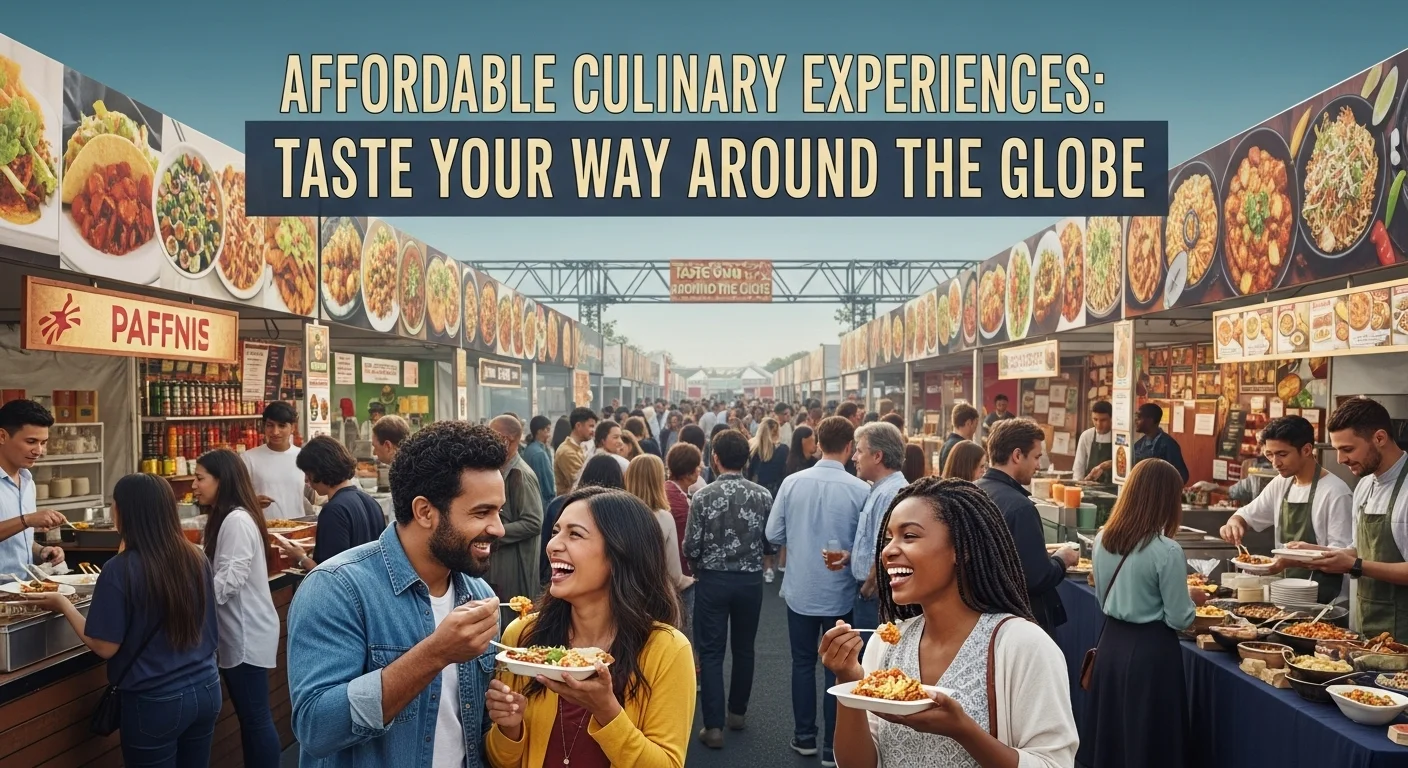
Affordable Culinary Experiences: Taste Your Way Around the Globe

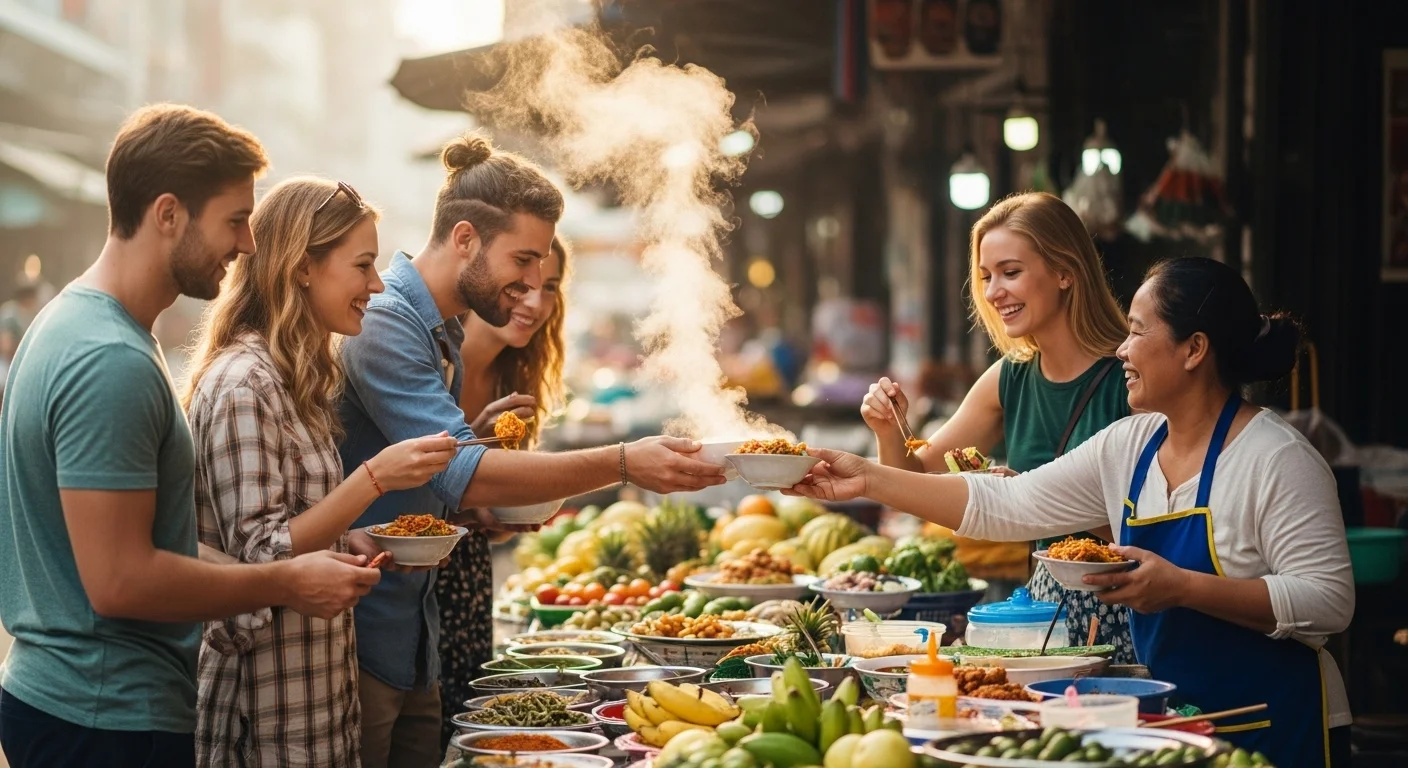
Exploring the world through its flavors doesn’t have to drain your wallet. Join me as we uncover affordable culinary experiences that let you taste your way around the globe, bringing you closer to the heart of each culture. Read Interesting article: Savor the World: Top Culinary Tours for Budget Travelers
Affordable Culinary Experiences: Taste Your Way Around the Globe

Understanding Affordable Culinary Experiences

Defining Culinary Experiences

Culinary experiences are more than just meals; they’re journeys that immerse us in the rich tapestry of a culture through its food. I’ve always believed that sharing a meal can be one of the most intimate ways to connect with a place and its people. From savoring street food to participating in local cooking classes, these experiences allow us to taste the traditions and stories that define a region. Culinary experiences can range from fine dining to casual street food, but what makes them unforgettable is the connection we make with the food and the people behind it.

The Importance of Affordability in Food Travel

When I think about food travel, affordability plays a crucial role. Traveling can be expensive, and I’ve often found myself stretching my budget just to enjoy a taste of local cuisine. The good news is that you don’t have to sacrifice quality for price. Affordable culinary experiences allow us to indulge in authentic flavors without feeling guilty about overspending. By seeking out budget-friendly options, we can enjoy more meals and discover even more about the culture. I remember a trip where I spent a fraction of what I would have at a restaurant, yet the street food I tried was bursting with flavors and stories. It opened my eyes to the reality that some of the best culinary adventures are waiting just outside the fancy dining establishments.

Global Culinary Destinations on a Budget

Street Food Adventures

Street food has a way of capturing the essence of a place, and it’s often where you’ll find the most authentic flavors. I’ve wandered through bustling markets and streets filled with the aroma of grilled meats, spices, and sweet treats. Here are a few regions where street food shines:

Asia: Thailand, Vietnam, and India

In Thailand, I fell in love with the vibrant street food scene. From pad thai to mango sticky rice, the flavors are unforgettable. Not to mention, I could grab a delicious meal for just a couple of dollars. Vietnam is another gem with its banh mi and pho available at every corner. I still remember the first time I tried pho from a street vendor—warm, flavorful, and incredibly satisfying. India offers a feast of street food, from spicy samosas to sweet jalebis. Each bite is an explosion of flavor, and the prices are definitely budget-friendly.

Latin America: Mexico and Peru

Mexico’s street food is a culinary adventure in itself. Tacos al pastor and elotes became my go-to meals, offering deliciousness wrapped in affordability. I loved sitting at a street stall, enjoying my food while watching locals go about their day. Then there’s Peru, where I discovered the incredible variety of ceviche available at local markets. Each region has its specialties, and trying them from the source is a delightful experience. Read Interesting article: Budget-Friendly Food Festivals: A Culinary Traveler’s Guide

Africa: Morocco and South Africa

Marrakech’s streets are a feast for the senses, with tagines and couscous served from bustling stalls. I was mesmerized by the vibrant colors and flavors, and the prices were surprisingly low. In South Africa, I found street food that mirrored its multicultural society. Biltong and bunny chow introduced me to new flavors while being easy on my wallet.

Local Markets and Food Halls

Visiting local markets and food halls is another fantastic way to dive deep into a culture without breaking the bank. I’ve strolled through markets filled with fresh produce, meats, and local specialties, each stall telling a different story.

Europe: Spain and Italy

In Spain, I loved visiting local markets like La Boqueria in Barcelona, where I could sample jamón ibérico, cheeses, and fresh seafood. It felt like a celebration of flavors. Italy’s Mercato Centrale in Florence was another highlight. The atmosphere, combined with the opportunity to taste regional dishes, made it a joyful experience.

North America: USA and Canada

In the US, I discovered great food halls in cities like New York and San Francisco. The variety of cuisines in a single place is astounding! In Canada, I found local markets in cities like Toronto where I could taste everything from poutine to artisanal cheeses, all at reasonable prices.

Culinary Festivals Around the World

Culinary festivals are a perfect way to sample a variety of dishes in one place. I’ve attended festivals where the food is as vibrant as the atmosphere, and the best part is that they often feature affordable tastings. Read Interesting article: Explore Global Culinary Delights at These Affordable Festivals

Asia: Street Food Festivals

Countries like Thailand host street food festivals that gather the best vendors in one spot. I’ve had the chance to try a multitude of dishes all in one evening, and it’s an experience I cherish.

Europe: Wine and Cheese Festivals

In Europe, I found wine and cheese festivals that celebrated local produce. Exploring different wines and cheeses while mingling with locals is a delightful way to learn about the culture. The affordability of tasting portions allowed me to indulge without any guilt.

Types of Affordable Culinary Experiences

Cooking Classes and Workshops

Cooking classes are one of my favorite ways to dive deep into a culture while keeping my budget intact. I’ve always felt that hands-on experiences stick with us longer than just tasting the finished product. In various countries, I’ve participated in cooking classes that not only taught me how to prepare local dishes but also shared the history and significance behind each ingredient.

Hands-On Culinary Experiences

When I enrolled in a cooking class in Italy, I remember feeling a mix of excitement and nervousness. We learned to make fresh pasta from scratch, and I was amazed by how simple ingredients could create such a rich dish. Working alongside locals and fellow travelers, we laughed, shared stories, and tasted our creations together. This experience made me appreciate the meal even more, knowing the effort and love that went into making it. Plus, it was budget-friendly compared to dining out at a restaurant, and I walked away with new skills to impress my friends back home.

Online Cooking Classes

If traveling isn’t in the cards, online cooking classes are a fantastic alternative. I’ve signed up for a few virtual sessions where chefs from around the world guided us through the preparation of local dishes. The convenience of learning from my own kitchen, while still connecting with people from different parts of the globe, made for a fun experience. I particularly enjoyed a class focused on Indian cuisine, where we made butter chicken and naan. The instructor shared tips about spices and techniques that I wouldn’t have learned otherwise. Best of all, I could enjoy the meal afterward without the usual restaurant price tag!

Food Tours and Tastings

Food tours offer another way to explore culinary delights without breaking the bank. I’ve found that joining a guided food tour not only allows you to taste a variety of dishes but also provides insight into local food culture, which I think is invaluable.

Walking Food Tours

One of my most memorable experiences was a walking food tour in Mexico City. We roamed the vibrant streets, stopping at various stalls to sample tacos, tamales, and even some delicious churros. Each stop came with a backstory that highlighted the cultural significance of the dish. I remember chatting with the vendors, who were always happy to explain their recipes and share their passion for food. The cost of the tour was reasonable, and I felt like I was getting a true taste of the city—literally and figuratively!

Wine and Beverage Tastings

Another aspect of food tours that I adore is the opportunity to learn about local beverages. I took part in a wine tasting in the Napa Valley, where I could sample various wines while learning about the winemaking process. It was incredible to see how geography and climate influence each wine’s unique flavor. The tastings were priced reasonably, and I loved the chance to savor different varieties without committing to a full bottle. This kind of experience not only broadens your palate but also deepens your connection to the region.

Community-Based Dining

Sharing a meal with locals can be one of the most rewarding culinary experiences. Community-based dining allows you to connect with people while enjoying authentic home-cooked meals, often at a fraction of the price of restaurants.

Home-Cooked Meals with Locals

During a visit to Thailand, I discovered a program that pairs travelers with local families for dinner. I was welcomed into a home where the family prepared a traditional feast. I still remember the flavors of the green curry and the lively conversations we had over dinner. Not only was the food incredible, but I also gained insights into daily life in Thailand that I wouldn’t have experienced otherwise. Plus, the cost was much lower than dining out at a restaurant, making it a win-win situation.

Couchsurfing Dinner Experiences

Another unique way to experience local cuisine is through Couchsurfing dinner experiences. I’ve met some wonderful hosts who invited me to share a meal with them. It felt like being part of a family gathering, and the food was often homemade and delicious. Not only did I get to savor traditional dishes, but I also formed friendships and learned about the culture in a way that no restaurant could replicate. This approach often comes with no cost or a small contribution to the meal, making it an incredibly affordable option.

Tips for Finding Affordable Culinary Experiences

Researching Local Cuisine and Costs

One of the first steps I take when planning a culinary adventure is to research the local cuisine and costs. I’ve learned that each destination has its own unique culinary landscape, and understanding what to expect can help me budget better. I often start by browsing food blogs, travel websites, and even social media platforms to get a sense of local favorites and hidden gems. For instance, I remember planning a trip to Lisbon and discovering that pastéis de nata and bifanas were must-try dishes that wouldn’t break the bank. Knowing in advance what to look for has saved me both time and money, allowing me to focus on enjoying the experience instead of stressing about overspending.

Using Apps and Websites for Food Deals

In today’s digital age, I find it very beneficial to use apps and websites to uncover food deals. Apps like Yelp, TripAdvisor, and even local dining apps can provide insights into where to eat affordably. I often check for happy hour specials or food deals that local restaurants might offer. For example, while in San Francisco, I stumbled upon a local app that listed restaurants with daily specials. I ended up trying a fantastic seafood place where I could enjoy a delicious meal at a fraction of the usual price. These resources not only help me find affordable options but also allow me to discover restaurants I might not have come across otherwise.

Timing Your Visits for Discounts

Timing is everything when it comes to finding affordable culinary experiences. I’ve noticed that visiting restaurants during off-peak hours can lead to not only better deals but also a more relaxed dining experience. Many places offer lunch specials or early bird discounts that can help me save money. For example, during a visit to Barcelona, I learned that many tapas bars had special pricing for lunchtime. I decided to go for a late lunch instead of dinner and ended up enjoying a delightful array of tapas without spending a fortune. Plus, I loved the lively atmosphere during the lunch rush, which added to the overall experience.

Budget-Friendly Culinary Experiences in Major Cities

New York City: Affordable Eats

New York City can be daunting when it comes to food costs, but I’ve discovered numerous affordable eats that truly showcase the city’s diverse culinary scene. One of my favorite finds was the plethora of food trucks and carts scattered throughout the city. Whether it’s a classic hot dog, falafel, or even gourmet tacos, I’ve often been able to grab a delicious meal for under $10. Plus, I love walking through neighborhoods like Chinatown, where I can sample dumplings and buns from local vendors. Exploring NYC’s hidden food treasures is not only budget-friendly but also a fantastic way to experience the city like a local.

Paris: Budget Bistro Finds

When I think of Paris, I picture elegant dining experiences, but I’ve learned that there are plenty of ways to enjoy delicious meals on a budget. I’ve fallen in love with the concept of bistros and cafés that offer prix fixe menus, especially during lunch. This allows me to enjoy a multi-course meal at a fraction of the dinner price. I remember savoring a delightful meal of coq au vin and crème brûlée at a charming bistro, all while staying within my budget. Plus, I’ve found that many bakeries offer delicious pastries and sandwiches perfect for a light, affordable lunch while I stroll through the city.

Tokyo: Cheap Eats in the City

Tokyo is a food lover’s paradise, and I’ve been amazed at how much I can eat without spending too much. One thing I appreciate is the abundance of convenience stores that offer ready-to-eat meals, like onigiri and bento boxes, at very reasonable prices. I often grab lunch from these stores and head to a nearby park to enjoy the atmosphere. Additionally, I love exploring the many small ramen shops scattered throughout the city where I can get a delicious bowl for under $10. The quality is incredible, and the experience feels authentically Japanese.

Bangkok: Street Food Hotspots

Bangkok’s street food scene is legendary, and I can’t help but rave about it! I’ve spent countless evenings wandering the streets, trying different dishes. From the rich flavors of pad see ew to the spicy kick of som tam, I’ve found that I can enjoy a full meal for just a few dollars. The energy of the street food markets is infectious, and I love sitting at a stall, chatting with the vendors while savoring my meal. I often make it a point to visit places like Yaowarat (Chinatown), where the food choices are abundant and budget-friendly.

Traveling on a Budget: How to Save Money on Food

Choosing Accommodations with Kitchen Facilities

One of my go-to strategies for saving money on food while traveling is choosing accommodations with kitchen facilities. Whenever I book a place that has a kitchen, I feel like I’m opening up a whole new world of culinary possibilities. I remember staying in a cozy Airbnb in Florence, and having a kitchen allowed me to prepare meals with fresh ingredients I picked up from the local market. It was such a rewarding experience to cook a traditional Italian dish after learning about it in a cooking class. Plus, it saved me quite a bit of money compared to dining out for every meal. I’ve found that even preparing simple breakfasts or snacks can reduce my food budget significantly and gives me the chance to enjoy a meal at my own pace.

Shopping for Local Ingredients

Shopping for local ingredients is another fantastic way to immerse myself in a destination’s culinary culture while saving money. I love wandering through local markets, not only to pick up fresh produce but also to learn about unique regional ingredients. During my visit to Thailand, I spent a morning at a vibrant market where I chatted with vendors about local herbs and spices. I picked up some ingredients to make a home-cooked meal, and the experience of cooking with local flavors was unforgettable. By opting for local ingredients, I not only saved money but also created delicious meals that reminded me of my travels long after I returned home.

Dining Etiquette to Save Costs

Understanding dining etiquette can also be a money-saver while traveling. I’ve learned that many cultures have specific dining customs that can lead to better deals. For instance, in some Asian countries, dining in groups can be more cost-effective since many restaurants offer sharing platters. I remember going out for dinner with new friends in Vietnam, and we ordered several dishes to share, which allowed us to taste a variety of flavors while keeping costs down. Additionally, I’ve found that asking locals for recommendations on where to eat can lead to discovering hidden gems that offer delicious food at lower prices than tourist hotspots. It’s always a good idea to be aware of how locals dine; their habits often come with the best deals!

Budget-Friendly Culinary Experiences in Major Cities

New York City: Affordable Eats

New York City can be daunting when it comes to food costs, but I’ve discovered numerous affordable eats that truly showcase the city’s diverse culinary scene. One of my favorite finds was the plethora of food trucks and carts scattered throughout the city. Whether it’s a classic hot dog, falafel, or even gourmet tacos, I’ve often been able to grab a delicious meal for under $10. Plus, I love walking through neighborhoods like Chinatown, where I can sample dumplings and buns from local vendors. Exploring NYC’s hidden food treasures is not only budget-friendly but also a fantastic way to experience the city like a local.

Paris: Budget Bistro Finds

When I think of Paris, I picture elegant dining experiences, but I’ve learned that there are plenty of ways to enjoy delicious meals on a budget. I’ve fallen in love with the concept of bistros and cafés that offer prix fixe menus, especially during lunch. This allows me to enjoy a multi-course meal at a fraction of the dinner price. I remember savoring a delightful meal of coq au vin and crème brûlée at a charming bistro, all while staying within my budget. Plus, I’ve found that many bakeries offer delicious pastries and sandwiches perfect for a light, affordable lunch while I stroll through the city.

Tokyo: Cheap Eats in the City

Tokyo is a food lover’s paradise, and I’ve been amazed at how much I can eat without spending too much. One thing I appreciate is the abundance of convenience stores that offer ready-to-eat meals, like onigiri and bento boxes, at very reasonable prices. I often grab lunch from these stores and head to a nearby park to enjoy the atmosphere. Additionally, I love exploring the many small ramen shops scattered throughout the city where I can get a delicious bowl for under $10. The quality is incredible, and the experience feels authentically Japanese.

Bangkok: Street Food Hotspots

Bangkok’s street food scene is legendary, and I can’t help but rave about it! I’ve spent countless evenings wandering the streets, trying different dishes. From the rich flavors of pad see ew to the spicy kick of som tam, I’ve found that I can enjoy a full meal for just a few dollars. The energy of the street food markets is infectious, and I love sitting at a stall, chatting with the vendors while savoring my meal. I often make it a point to visit places like Yaowarat (Chinatown), where the food choices are abundant and budget-friendly.

Final Thoughts

Exploring the world through its culinary treasures doesn’t have to come with a hefty price tag. By seeking out affordable culinary experiences, we enrich our travels and create lasting memories. Whether it’s through street food adventures, cooking classes, or community-based dining, I believe that food has the power to connect us to cultures and people in profound ways. So the next time you plan your travels, remember that every meal can be a delightful journey, and there are countless budget-friendly options waiting to be discovered. Let’s savor the world without breaking the bank!

Frequently Asked Questions

What are culinary experiences?

Culinary experiences are journeys that immerse individuals in the culture of a place through its food. They range from savoring street food to participating in local cooking classes, allowing people to connect with the traditions and stories behind a region’s cuisine.

Why is affordability important in food travel?

Affordability is crucial in food travel because it allows travelers to indulge in authentic flavors without overspending. By seeking budget-friendly culinary experiences, travelers can enjoy more meals and learn more about the culture without sacrificing quality.

What are some recommended street food destinations?

Some recommended street food destinations include Thailand, Vietnam, India, Mexico, Peru, Morocco, and South Africa, where travelers can find authentic and delicious meals at budget-friendly prices.

How can local markets enhance culinary experiences?

Local markets provide a fantastic way to dive deep into a culture by offering fresh produce, meats, and local specialties. They tell different stories and allow travelers to sample regional flavors without breaking the bank.

What types of culinary festivals can travelers attend?

Travelers can attend various culinary festivals, such as street food festivals in Asia and wine and cheese festivals in Europe, where they can sample a variety of dishes and local produce at affordable prices.

What are the benefits of taking cooking classes while traveling?

Cooking classes allow travelers to dive deep into a culture while learning to prepare local dishes. They provide hands-on experiences and often come at a budget-friendly price compared to dining out.

How can online cooking classes benefit those unable to travel?

Online cooking classes offer a convenient way to learn about local cuisines from home. They allow individuals to connect with chefs worldwide and prepare traditional dishes without the expense of traveling.

What strategies can help find affordable culinary experiences?

To find affordable culinary experiences, travelers can research local cuisine and costs, use apps and websites for food deals, and time their visits for discounts during off-peak hours.

What are some budget-friendly culinary options in major cities?

In major cities like New York City, travelers can find affordable eats at food trucks and local vendors. Paris offers budget bistros with prix fixe menus, while Tokyo features convenience stores with ready-to-eat meals and small ramen shops.

How can community-based dining enhance cultural experiences?

Community-based dining allows travelers to connect with locals while enjoying authentic home-cooked meals, often at lower prices than restaurants. This approach fosters friendships and provides deeper cultural insights.

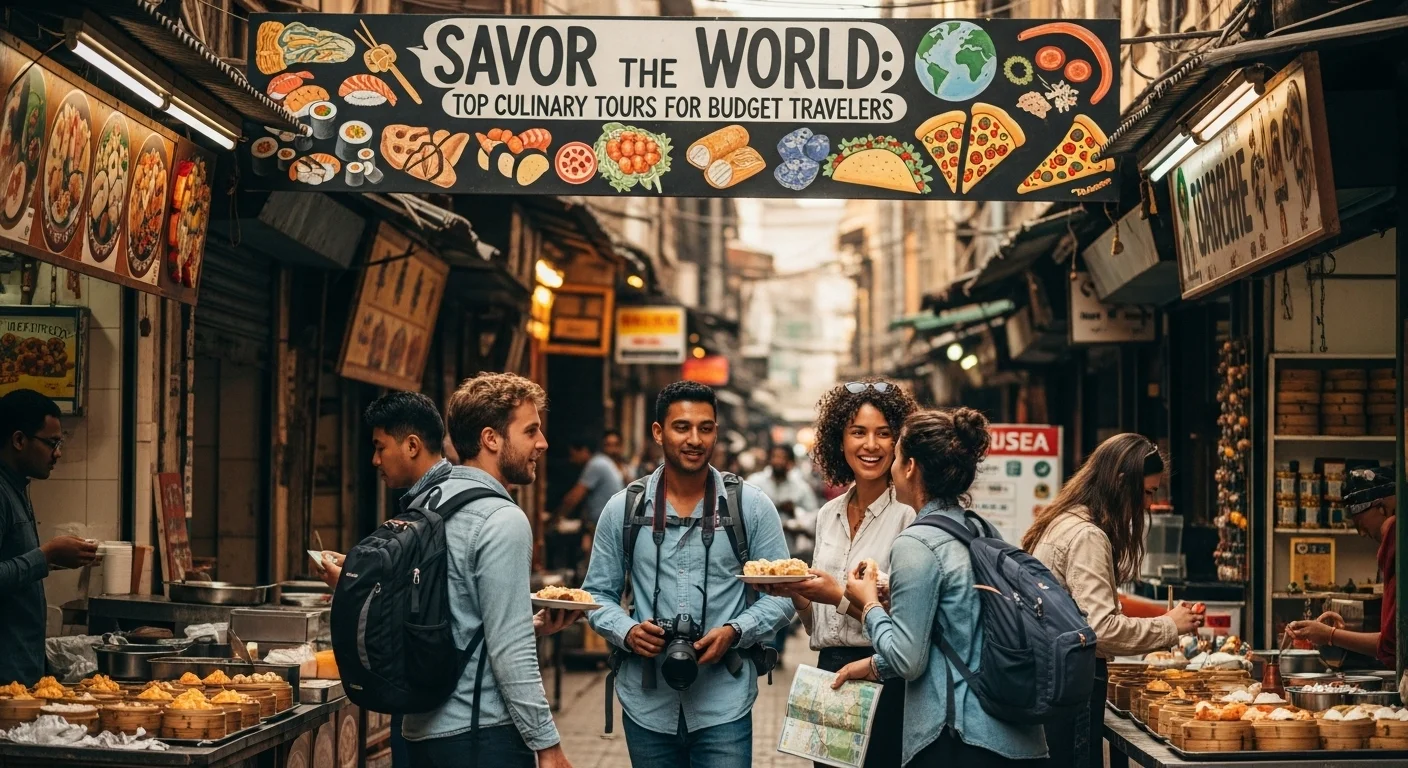
Savor the World: Top Culinary Tours for Budget Travelers

Embarking on a culinary tour is like taking a delicious journey through the heart of a culture. For budget travelers, these experiences can be both affordable and unforgettable, allowing us to savor local flavors without breaking the bank. Read Interesting article: Top 10 Affordable Culinary Tours for Budget Backpackers

Savor the World: Top Culinary Tours for Budget Travelers

Understanding Culinary Tours

What are Culinary Tours?

Culinary tours are immersive experiences that take us on a journey through the food culture of a specific region. They often include activities like tasting local dishes, visiting markets, and even cooking classes led by local chefs. I remember my first culinary tour in a small town in Italy, where I learned to make pasta from scratch. The joy of creating something delicious while learning about the local customs was truly unforgettable. Culinary tours can vary in focus, from street food adventures to wine tastings, catering to different tastes and preferences.

The Benefits of Culinary Tours for Travelers

Participating in a culinary tour offers numerous benefits that go beyond just eating. First and foremost, it provides us with an authentic connection to the culture we’re exploring. I’ve found that food is a universal language that often bridges gaps between people. Through these tours, I’ve met locals who shared fascinating stories about their culinary traditions, which deepened my appreciation for their way of life.

Additionally, culinary tours often take us to places we might not discover on our own—hidden gems that aren’t on the typical tourist path. For instance, during a trip to Southeast Asia, I joined a food tour that led us through bustling markets and family-run eateries. The guide’s insider knowledge made the experience much richer and more enjoyable. Read Interesting article: Budget Backpacking: Embrace Community-Based Eco-Tourism

Another perk is the opportunity to try a wide variety of dishes within a short period. I love how culinary tours often include multiple stops, allowing us to sample everything from street snacks to gourmet dishes. This way, we can savor a diverse palette of flavors that represent the region beautifully. Plus, it’s a fantastic way to meet fellow travelers who share a passion for food—my travel buddies often become lifelong friends after sharing a meal together.

Cost-wise, culinary tours can actually save us money in the long run. By exploring street food or local markets, we can enjoy delicious meals without the exorbitant prices of more touristy restaurants. I’ve learned to prioritize these experiences over fancy dining, as they often offer the most flavors and insights into the local culture.

Top Culinary Destinations for Budget Travelers

Street Food in Bangkok, Thailand

Bangkok is a paradise for food lovers, especially those on a budget. The street food scene is vibrant and diverse, with countless stalls offering everything from spicy noodles to sweet mango sticky rice. During my visit, I remember exploring the bustling streets of Chinatown, where the air was filled with mouthwatering aromas. I tried everything from crispy spring rolls to a delicious bowl of Pad Thai, all for just a couple of dollars. The best part? Eating on the street allows us to mingle with locals and see how they enjoy their meals.

Wine and Cheese in Bordeaux, France

If you’re a fan of wine, Bordeaux is the place to be. This region is known for its rich wine heritage and offers several budget-friendly tasting tours. I joined a group tour that took us to local vineyards, where we learned about the winemaking process and sampled exquisite wines paired with artisanal cheeses. The experience was not only educational but also a wonderful way to connect with fellow wine enthusiasts. I recommend looking for smaller, family-owned vineyards, as they often provide more affordable tasting options.

Tapas in Barcelona, Spain

Barcelona’s tapas culture is a must-experience for anyone who loves sharing delicious bites. I remember hopping from one tapas bar to another, indulging in a variety of small dishes like patatas bravas and jamón ibérico. This type of dining encourages conversation and camaraderie, making it an ideal way to enjoy meals with new friends. Opt for the local favorites, as they are often the most affordable. Plus, many bars offer special deals during certain hours, so keep an eye out for those to make the most of your budget.

Cooking Classes in Tuscany, Italy

Tuscany is a dream destination for food enthusiasts, and taking a cooking class there is an experience I highly recommend. I joined a local chef in her rustic kitchen, where we learned to prepare traditional Italian dishes using fresh, local ingredients. Not only did I get hands-on experience, but I also gained valuable insights into Italian culinary traditions. Classes can be surprisingly affordable, especially if you look for group sessions. The best part? You get to enjoy the meal you’ve created, often paired with a glass of local wine.

Local Markets in Mexico City, Mexico

Exploring the local markets in Mexico City is an adventure in itself. The vibrant colors, enticing smells, and friendly vendors make it a perfect spot for food lovers on a budget. I remember wandering through Mercado de San Juan, sampling fresh fruits, artisan cheeses, and mouthwatering tacos. This experience taught me the importance of shopping local and supporting small vendors. Plus, the prices are unbeatable compared to restaurants. I often suggest going with a local guide who can introduce you to the best stalls and dishes.

Types of Culinary Tours

Walking Food Tours

Walking food tours are one of my favorite ways to explore a city’s culinary scene. There’s something magical about discovering hidden eateries while wandering through vibrant neighborhoods. I remember joining a walking food tour in New Orleans, and it felt like stepping into a living cookbook. The guide was a local chef who not only introduced us to iconic dishes like gumbo and beignets but also shared the stories behind them. We walked from one food stop to another, tasting and learning, all while soaking in the unique atmosphere of the city. These tours often combine food tasting with local history, making it a wonderfully enriching experience.

Cooking Workshops

Cooking workshops are fantastic for anyone who wants to dive deeper into the local cuisine. During a trip to Thailand, I signed up for a cooking workshop in a traditional kitchen, and it was such a rewarding experience. Not only did I learn to prepare authentic Thai dishes, but I also got hands-on experience with unique ingredients. The instructor was passionate about her craft, and her enthusiasm was contagious. I think cooking workshops offer a perfect blend of fun and education, allowing us to take a piece of our journey back home with us through the recipes we learn.

Food Festivals

Food festivals are a celebration of culture and cuisine, and they can be a highlight of any culinary journey. I’ve attended a couple of local food festivals, and it’s amazing how they bring together a community and showcase regional specialties. For example, I went to the La Tomatina festival in Spain, where food was literally flying everywhere! While it was more of a playful event, the surrounding stalls offered incredible local dishes. I loved tasting artisanal cheeses, local wines, and handmade pastries all in one place. Festivals often feature various vendors and chefs, providing us with a chance to sample a wide variety of foods in a festive atmosphere.

Wine Tasting Tours

Wine tasting tours can be a delightful way to explore the culinary landscape of a region, especially if you enjoy sipping and savoring. I remember my trip to Napa Valley where I joined a guided wine tasting tour. The guide took us through several vineyards, sharing not just about the wines but also about the food pairings that enhance their flavors. I learned so much about the winemaking process and the importance of terroir. These tours usually include tastings of local cheeses and charcuterie, making it a complete sensory experience. Wine tasting tours can vary significantly in price, so it’s worth doing some research to find options that fit a budget.

Budget-Friendly Culinary Tour Options

Group Tours vs. Private Tours

When it comes to choosing between group tours and private tours, I often lean towards group tours for budget reasons. They tend to be more affordable and provide a chance to meet other food lovers. On a recent trip to Lisbon, I joined a group food tour where we explored several local eateries together. The camaraderie among participants made the experience even more enjoyable. However, private tours can offer a more tailored experience, which can be worth the extra cost if you’re looking for something specific or have dietary restrictions. I believe it ultimately depends on what you want from the experience.

Finding Free or Low-Cost Tours

Exploring free or low-cost culinary tours can be a game-changer for budget travelers. Many cities have free walking tours that include food stops, where local guides share their insights while allowing us to sample local eats. I’ve found that tourist information centers often have great resources for these types of tours. Additionally, some local organizations host food events that are either free or low-cost, giving us a taste of local culture without draining our wallets. Read Interesting article: Top 10 Community-Based Tourism Destinations for Budget Travelers

Discount Cards and Passes

Discount cards and passes can be a smart way to save money while enjoying culinary experiences. In cities like Paris, I used a food pass that provided discounts at various bistros and markets. It felt great to know I was saving money while indulging in delicious food. I recommend checking out local tourism websites for any available passes that can help us maximize our culinary adventures. These cards often include additional benefits, like discounted entry to attractions, which can enhance our overall experience.

Best Times to Book for Discounts

Timing can make a big difference when it comes to booking culinary tours. I’ve noticed that many tours offer discounts during the off-season or on weekdays. For instance, I once took a food tour in Florence during the shoulder season, and it was not only less crowded, but I also snagged a great deal. Additionally, booking in advance can sometimes yield lower prices, especially for popular tours that tend to fill up quickly. I’ve learned that being flexible with travel dates can lead to significant savings.

Essential Tips for Budget Culinary Travel

Researching Local Cuisine

Before heading off on a culinary adventure, I’ve learned that a little research goes a long way. Understanding the local cuisine not only enhances our experience but also helps us make informed choices about where to eat. I remember planning a trip to Vietnam; I dove into articles and blogs about traditional dishes like pho and banh mi. This research sparked my excitement and ensured I didn’t miss out on any must-try foods. I recommend checking local food blogs, watching travel vlogs, and even joining online food forums—these resources can provide insider tips that guide us to the best dining experiences.

How to Find Affordable Dining Options

Finding affordable dining options can sometimes feel like a treasure hunt, but I’ve discovered a few reliable strategies that work well. First, I always ask locals for recommendations. They often know the hidden gems that tourists overlook. I recall grabbing lunch in Istanbul, and a friendly shopkeeper pointed me to a small kebab joint that served the best meals at a fraction of the price of tourist spots. Additionally, I use apps like Yelp or Google Maps to filter for budget-friendly options and read reviews. Happy hours or daily specials at restaurants can also be great opportunities to enjoy delicious food without overspending.

Using Apps for Food Deals

In this digital age, apps can be our best friends when it comes to dining on a budget. During my travels, I’ve used various apps to snag deals and discounts on meals. For example, I’ve found that apps like Eat24 or Groupon often feature local restaurants offering significant discounts, especially during off-peak hours. I remember using one app in Barcelona that provided a buy-one-get-one-free deal at a tapas bar, allowing my friends and me to indulge without guilt. I think it’s worth downloading a few food-related apps before a trip to keep our options open!

Engaging with Local Food Communities

Connecting with local food communities can enhance our culinary travel experience while also introducing us to affordable options. I’ve signed up for cooking classes or food tours where I met passionate locals who shared their culinary secrets. These interactions often lead to recommendations for eateries that might not be on the tourist radar. Social media platforms like Instagram and Facebook can be excellent tools for finding local food groups or events. I once joined a foodie group in a city I was visiting, and it opened up a world of local food events and gatherings that I would have never discovered otherwise. Engaging with these communities not only enriches our travel experience but can also lead to lifelong friendships.

Safety and Health Considerations

Food Safety Practices to Consider

While indulging in culinary adventures, we must also keep food safety in mind. I always try to follow a few simple practices to ensure I’m eating safely. For instance, I pay attention to where the locals are dining; if a place is bustling with locals, it typically indicates the food is fresh and prepared safely. Additionally, I’ve learned to be cautious about street food—opting for vendors who cook food in front of us, ensuring it’s freshly made. I also carry hand sanitizer to use before eating, especially when I’m exploring markets where hygiene standards may vary. These small steps can help us enjoy our culinary experiences without worrying about foodborne illnesses.

Travel Insurance for Food Tours

Travel insurance might not be the first thing that comes to mind when planning a culinary tour, but I believe it’s essential. Accidents can happen, and food allergies or illnesses can arise unexpectedly. I once experienced mild food poisoning after trying a new dish, and thankfully, I had travel insurance that covered medical expenses. When choosing insurance, I recommend looking for a plan that includes coverage for food-related incidents. This way, we can indulge in new culinary experiences with peace of mind.

Understanding Dietary Restrictions Abroad

Traveling with dietary restrictions can be a challenge, but I’ve found that being proactive makes a big difference. Before my trips, I always research local cuisine to identify potential allergens or dishes I might need to avoid. In countries where language barriers exist, I create a small card with my dietary restrictions translated into the local language. This card has saved me from awkward situations and ensured I can still enjoy local cuisine without worry. I also recommend checking for local vegetarian or vegan eateries, which can often accommodate a variety of dietary needs. In many places, there are even gluten-free options popping up on menus, so it’s always worth asking!

Planning Your Culinary Tour Itinerary

Creating a Balanced Schedule

When planning my culinary itinerary, I find that balance is key. I try to mix food experiences with sightseeing to avoid feeling overwhelmed. For instance, on a recent trip to Japan, I scheduled visits to local markets and cooking classes alongside exploring cultural sites like temples and gardens. This approach allowed me to savor the culinary delights without feeling rushed. I suggest setting aside ample time for meals, as dining experiences in many cultures can be leisurely affairs. Allowing ourselves to slow down and truly immerse in the food can enhance our overall experience.

Integrating Food Experiences with Sightseeing

Integrating food experiences with sightseeing can be a delightful way to maximize our time. I often look for food-related tours that include prominent landmarks. During my time in Rome, I joined a food tour that took us to historic sites while sampling traditional dishes like gelato and pizza. This way, we explored the city’s rich history and culinary offerings simultaneously. I recommend planning our itinerary around food markets or festivals happening in the area, which can provide a unique backdrop to our culinary journey.

Staying Flexible in Your Plans

Flexibility in our plans can lead to unexpected culinary delights. I’ve learned to keep my schedule loose enough to accommodate spontaneous food finds. One of my favorite travel memories was stumbling upon a local food festival in a small town in Portugal. I had no idea it was happening, but my curiosity led me there, and I ended up tasting some of the best local dishes. I suggest leaving some open slots in our itinerary, allowing us to follow our cravings or local recommendations. These unplanned moments often become the highlights of our travels.

Frequently Asked Questions

What are culinary tours?

Culinary tours are immersive experiences that take travelers on a journey through the food culture of a specific region. They often include activities like tasting local dishes, visiting markets, and cooking classes led by local chefs.

What are the benefits of participating in culinary tours?

Participating in culinary tours offers an authentic connection to the culture, opportunities to discover hidden gems, a chance to try a variety of dishes, and can save money by exploring street food or local markets instead of more expensive restaurants.

What are some top culinary destinations for budget travelers?

Top culinary destinations for budget travelers include Bangkok, Thailand for street food, Bordeaux, France for wine and cheese, Barcelona, Spain for tapas, Tuscany, Italy for cooking classes, and local markets in Mexico City, Mexico.

What types of culinary tours are available?

Types of culinary tours include walking food tours, cooking workshops, food festivals, and wine tasting tours, each offering unique experiences and insights into local cuisines.

How can travelers save money on culinary tours?

Travelers can save money on culinary tours by choosing group tours over private tours, finding free or low-cost tours, using discount cards and passes, and booking during off-peak times for potential discounts.

What are some essential tips for budget culinary travel?

Essential tips include researching local cuisine before traveling, finding affordable dining options by asking locals, using apps for food deals, and engaging with local food communities to discover hidden gems.

What food safety practices should travelers consider?

Travelers should pay attention to where locals dine, opt for street food from vendors who cook food in front of them, and carry hand sanitizer to ensure food safety during culinary adventures.

How can travelers plan their culinary tour itinerary effectively?

Travelers can create a balanced schedule by mixing food experiences with sightseeing, integrating food experiences with sightseeing, and staying flexible in their plans to accommodate spontaneous culinary finds.

How can travelers handle dietary restrictions while abroad?

Travelers with dietary restrictions should research local cuisine, create a card with their dietary needs translated into the local language, and look for local vegetarian or vegan eateries that can accommodate their needs.

What is the importance of travel insurance for food tours?

Travel insurance is important for food tours as it covers unexpected incidents, such as food allergies or illnesses, ensuring travelers can enjoy new culinary experiences with peace of mind.

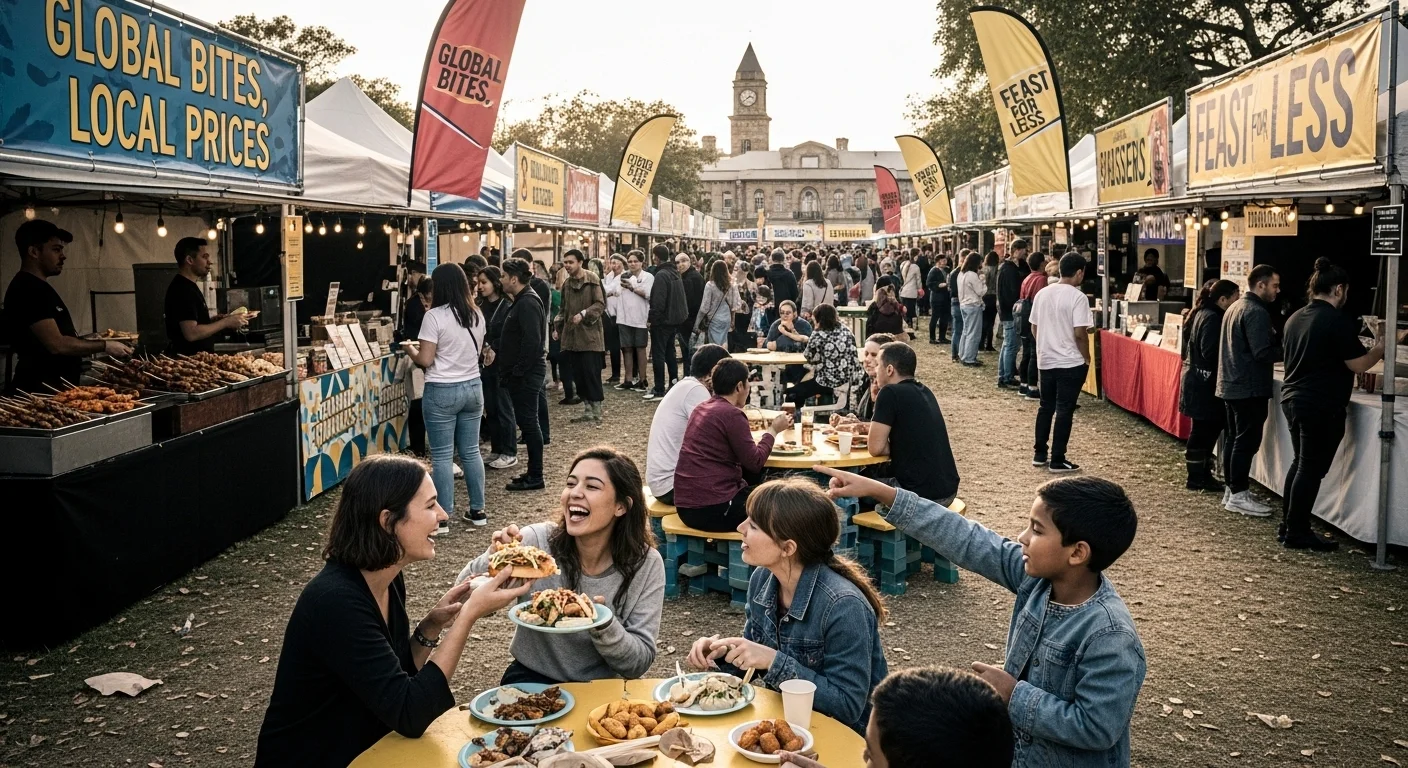
Budget-Friendly Food Festivals: A Culinary Traveler’s Guide

Exploring the world through food festivals can be a thrilling and affordable adventure. From tasting local delicacies to mingling with passionate chefs, budget-friendly food festivals offer a delightful experience for every culinary traveler.

Budget-Friendly Food Festivals: A Culinary Traveler's Guide

Understanding Budget-Friendly Food Festivals

Definition of Food Festivals

Food festivals are vibrant events that celebrate culinary arts, showcasing local and international cuisines. They typically feature a variety of food vendors, cooking demonstrations, workshops, and sometimes live entertainment. I remember my first food festival; it was like stepping into a world where food and culture danced together. Each booth offered a taste of something unique, from spicy street tacos to decadent desserts. Whether they focus on a specific theme like barbecue or feature a broad range of cuisines, food festivals serve as a fantastic platform for food lovers to explore and indulge. They can happen in parks, streets, or even large arenas, making them accessible to everyone.

Importance of Budget-Friendly Options

When I think about travel, I often consider how to make it enjoyable without breaking the bank. That’s where budget-friendly food festivals come into play. These events allow us to experience different cultures through their food without emptying our wallets. They often have lower entry fees and affordable food options, making them accessible for everyone, whether you’re a seasoned traveler or on your first adventure. I’ve learned that the best memories don’t always come from fancy dinners, but from sharing a plate of delicious food with friends under the stars. Plus, food festivals often have local vendors who provide authentic dishes at reasonable prices, helping us support small businesses while enjoying our culinary escapades.

Attending a budget-friendly food festival is like opening a treasure chest filled with culinary delights. Imagine wandering through rows of colorful stalls, aromas wafting through the air, and tasting everything from savory bites to sweet treats. Budget festivals often feature sample-sized portions, allowing us to try several dishes without spending too much. I remember one festival where I managed to taste foods from five different countries in a single day, all while keeping my budget intact. This not only satisfied my cravings but also expanded my culinary horizons.

Moreover, these festivals are often accompanied by live music, arts and crafts vendors, and cultural performances. This creates an atmosphere that feels like a community gathering. I found that mingling with locals and fellow travelers while trying out the food creates a sense of connection and shared experience. It’s a reminder that food can bring people together, regardless of where we come from.

As I plan my next culinary journey, I like to consider the various aspects that make a food festival budget-friendly. From choosing the right time to attend, to knowing how to navigate the festival, understanding these factors can enhance our experience while keeping costs down. I’ve discovered that doing a little research beforehand can lead to delightful surprises and unforgettable moments.

Every time I attend a food festival, I’m reminded of the joy that comes from discovering new flavors and traditions. It’s not just about the food; it’s about the stories behind each dish and the people who create them. If you’re a culinary traveler looking to explore new tastes without spending a fortune, budget-friendly food festivals are definitely worth adding to your travel itinerary.

Top Budget-Friendly Food Festivals Around the World

Fiesta San Antonio (Texas, USA)

One of my favorite adventures was attending the Fiesta San Antonio, an annual celebration that combines food, culture, and fun. This festival is a true reflection of the vibrant Texan spirit. With over 100 events, there’s a food stall for every taste bud. I remember indulging in mouth-watering tamales and sipping on refreshing aguas frescas while enjoying live music. What I appreciated most was the affordability; many events are free, and the food prices are budget-friendly, making it easy to sample a bit of everything. It felt like a community coming together to celebrate shared heritage, and I loved every moment of it.

Oregon Brewers Festival (Oregon, USA)

If you’re a beer lover like me, you can’t miss the Oregon Brewers Festival. Held in the summer, this festival showcases hundreds of craft beers from local breweries. I’ve spent hours tasting various brews, each with its unique flavor and style. The festival also features food vendors offering delicious eats that pair perfectly with the beers, like gourmet burgers and artisan pretzels. I found the atmosphere to be laid-back and welcoming, making it an ideal spot to relax and connect with fellow beer enthusiasts. Plus, the entry fee is quite reasonable, allowing for a fantastic experience without a hefty price tag.

Montreal en Lumière (Montreal, Canada)

Montreal en Lumière is a festival that truly captures the essence of winter in Canada. This festival celebrates gastronomy, art, and culture and features a plethora of food events, including tastings and cooking classes. I remember wandering through the festival’s outdoor site, where the shimmering lights illuminated food stalls offering everything from poutine to gourmet desserts. What stood out to me was the focus on local ingredients and culinary talent. Many events are free or low-cost, and you can often find budget-friendly food options that still allow you to experience the rich flavors of Montreal.

Food and Wine Festival (Melbourne, Australia)

For anyone venturing down under, the Food and Wine Festival in Melbourne is an absolute must. I was blown away by the diversity of cuisine on offer, from Italian to Thai, all celebrating local produce. This festival usually features masterclasses with renowned chefs and wine tastings, making it a fantastic educational experience as well. What I loved most was that many food stalls offered small portions, which meant I could taste a variety of dishes without overspending. It felt like a culinary journey through Melbourne, and the relaxed atmosphere allowed me to soak in the sights and flavors at my own pace.

Street Food Festival (Various Locations)

Street Food Festivals pop up all over the world, and they have a special place in my heart. I’ve had the chance to explore different street food festivals in cities like Los Angeles, Bangkok, and Barcelona. Each festival is a feast for the senses, with vibrant stalls offering everything from spicy noodles to sweet churros. The best part? The prices are usually super reasonable! I’ve discovered that street food often represents the authentic flavors of a region, and trying these dishes feels like a true adventure. I remember one festival where I tasted dumplings, tacos, and gelato all in one afternoon, each bite more delicious than the last.

When to Attend Food Festivals

Seasonal Considerations

Timing can make all the difference when it comes to food festivals. I’ve noticed that attending festivals in different seasons can lead to unique experiences. For instance, summer festivals often feature fresh, seasonal produce, while winter festivals might focus on hearty dishes and warm drinks. I remember visiting a fall festival where pumpkin-flavored everything was the star of the show, from pies to lattes. It’s worth checking local calendars to see when food festivals align with seasonal harvests, allowing us to enjoy the freshest ingredients.

Local Harvest Seasons

Understanding local harvest seasons is also key to maximizing our festival experience. I’ve learned that many food festivals celebrate local produce at its peak. For example, attending a berry festival in late spring or summer means enjoying the juiciest strawberries and blueberries. It’s not just about the flavors; it’s about supporting local farmers and experiencing the region’s agricultural bounty. I feel a deeper connection to the food when I know it’s freshly harvested and locally sourced.

Festival Dates and Duration

Lastly, the specific dates and duration of festivals can vary widely, so planning is essential. Some festivals last only a weekend, while others might stretch for a full week or more. I’ve made the mistake of showing up on the last day of a festival, missing out on some of the best events. It’s a good idea to check the festival’s schedule to find out what activities and tastings are happening on the days I plan to attend. I find that the more I plan, the more enjoyable and rewarding my experience tends to be.

How to Enjoy Food Festivals on a Budget

Planning Your Festival Itinerary

One of the keys to having a successful experience at food festivals is planning ahead. From my own experiences, I’ve learned that having a rough itinerary can help maximize my enjoyment while keeping expenses in check. I recommend checking the festival schedule ahead of time to pinpoint any must-try food vendors and events. I like to make a list of the dishes I’m most excited about trying, prioritizing those that are unique to the festival. This way, I ensure I don’t miss out on any hidden gems. It’s also helpful to map out the layout of the festival, as it can often get crowded, and knowing where to go saves time and energy.

Finding Free or Low-Cost Events

Many food festivals offer a variety of free or low-cost events that can enhance the experience without costing a fortune. I remember attending a festival where there were free cooking demonstrations and workshops that provided both entertainment and education. It was a joy to learn new recipes from local chefs while sampling their creations. I suggest keeping an eye out for these types of events, as they often feature local ingredients and traditional cooking methods. Sometimes, festivals will even have free tastings at certain times, so it pays to arrive early and check the schedule.

Sampling vs. Full Meals

When I attend food festivals, I always opt for sampling rather than committing to full meals. Most vendors offer smaller portions, which allows me to taste a variety of dishes without overindulging or overspending. I recall one festival where I spent an entire afternoon hopping from stall to stall, enjoying different flavors without feeling stuffed. This way, I could savor everything from savory bites to sweet desserts. It’s an excellent approach for anyone on a budget, as it not only satisfies cravings but also provides a well-rounded culinary experience. I usually set a limit for how much I want to spend and stick to sampling—this way, I get to enjoy all that the festival has to offer without going overboard.

Utilizing Coupons and Discounts

One of my best discoveries at food festivals was the availability of coupons and discounts. Many festivals partner with local businesses to offer special deals, and I’ve often found flyers or digital promotions that provide great savings. Before heading out, I check the festival’s website or social media pages for any promotions. I’ve also learned that some festivals offer discounts for purchasing tickets in advance, which is a win-win if you’re planning to attend. By keeping an eye out for these savings opportunities, I’ve been able to enjoy more while spending less.

Accommodation Options Near Food Festivals

Budget Hotels and Hostels

When planning to attend a food festival, finding affordable accommodation is essential. Budget hotels and hostels are often the most economical choices. I’ve had great experiences staying in hostels, where I met fellow foodies who shared their festival tips. The communal atmosphere made it easy to bond over our culinary adventures. I typically look for places that offer kitchen facilities, as cooking some meals can further save money. Plus, staying close to the festival venue reduces transportation costs, allowing for more time to enjoy the food!

Alternative Accommodations (Airbnb, Couchsurfing)

If hostels aren’t your style, exploring alternative accommodations like Airbnb or Couchsurfing can be a fantastic way to save money. I’ve used Airbnb several times, discovering cozy spaces and local experiences that made my festival trips more memorable. Couchsurfing adds a unique twist, as it allows one to stay with locals who often provide insights on the best food spots around the festival. It’s an excellent way to immerse myself in the local culture while saving on lodging expenses.

Camping and RV Options

For those who enjoy the outdoors, camping or renting an RV can be an exhilarating option when attending food festivals. I remember one festival where I camped nearby, and it turned out to be a perfect blend of nature and culinary delight. Waking up to the sounds of the festival and enjoying a morning coffee while preparing for the day was a delightful experience. Many festivals offer designated camping sites at reasonable rates, and it serves as a great way to connect with fellow festival-goers. If you’re adventurous and like the idea of combining food and nature, I highly recommend considering this option.

Transportation Tips for Culinary Travelers

Public Transportation Options

Getting to food festivals can sometimes be a challenge, especially in busy urban areas. I’ve found that utilizing public transportation is often the most cost-effective method. Most cities have reliable bus or train services that can take you right to the festival grounds. I remember using the subway in a big city to reach a festival, and it was both convenient and cheap. Plus, it allows you to avoid parking hassles and fees. I always recommend checking the festival’s website for information on public transport routes to make the journey smoother.

Car Rentals vs. Using Rideshares

While public transport is great, sometimes renting a car or using rideshare services can offer flexibility, especially if you plan to visit multiple festivals in a short period. I’ve used rideshare apps quite a bit, and they can be surprisingly affordable if you’re traveling with friends to split the cost. However, I suggest weighing your options based on the distance and convenience. If the festival is far from your accommodation, renting a car can give you the freedom to explore more of the area’s culinary delights.

Walking and Biking for Local Exploration

Once you’re at the festival, walking or biking is often the best way to explore. I’ve enjoyed many festivals on foot, soaking in the atmosphere and discovering local vendors that were slightly off the beaten path. Some festivals even provide bike parking, making it easy to ride in. I find that walking allows you to connect with the festival’s vibe and interact with local artisans and chefs. Plus, it’s a great way to build up an appetite for all the delicious food waiting to be tasted!

Local Cuisine to Try at Food Festivals

Regional Specialties

One of the most exciting parts of attending food festivals is diving into regional specialties. I love that each area has its own culinary identity, and festivals are a perfect way to experience that firsthand. For instance, at festivals in New Orleans, I’ve savored gumbo and jambalaya, each bursting with bold flavors and spices. In the Pacific Northwest, I’ve enjoyed fresh salmon dishes that highlight the region’s incredible seafood. It’s fascinating to see how local ingredients shape the dishes, and I always try to seek out those specialties that represent the culture and history of the area. I’ve come to believe that tasting local cuisine is like taking a bite out of the region’s story.

Street Food Favorites

Street food has a special charm that I can’t resist. At food festivals, the street food scene often steals the show. I remember one festival where I tasted everything from fragrant kebabs to fluffy crepes, all prepared right in front of my eyes. There’s something magical about watching a vendor skillfully flip pancakes or grill skewers while chatting with customers. Street food not only offers delicious options but also tends to be budget-friendly. I’ve found that these dishes are often made with love and passion, and trying them has always felt like a culinary adventure. I recommend keeping an eye out for street food vendors at any festival you attend; they’re usually the ones with long lines, which is a good sign of something special!

Vegan and Vegetarian Options

As someone who appreciates diverse diets, I always look for vegan and vegetarian options at food festivals. I’ve noticed that many festivals now celebrate plant-based cuisine, with vendors offering creative dishes that don’t compromise on flavor. From savory vegan tacos to delectable plant-based desserts, I’ve been pleasantly surprised by what I’ve found. At one festival, I had the opportunity to try a kale and quinoa salad that was so vibrant and flavorful, it made me rethink what I thought I knew about salads! I appreciate that these options cater to a wider audience and make the festival experience enjoyable for everyone, regardless of dietary preferences. It’s a reminder of how inclusive food can be.

Safety Tips for Attending Food Festivals

Staying Hydrated and Healthy

With all the excitement of food festivals, it’s easy to forget about hydration. I’ve learned the hard way that drinking enough water is crucial, especially if you’re spending hours walking around and sampling different foods. I recommend bringing a reusable water bottle to refill throughout the day. Some festivals even have hydration stations, which is a great resource. Staying hydrated not only keeps your energy levels up but also helps in enjoying all the delicious offerings without feeling sluggish. Plus, if you’re indulging in rich foods, balancing it out with water can make a big difference.

COVID-19 Considerations

Even as things return to normal, I think it’s important to be mindful of health and safety protocols when attending food festivals. During my recent visits, I’ve noticed that many festivals still encourage social distancing and provide hand sanitizers at various points. Wearing a mask when crowded is something I personally choose to do, especially in enclosed areas or when interacting closely with vendors. It’s always better to be cautious and considerate of those around you, ensuring that everyone can enjoy the festival safely.

Personal Safety Tips

Attending a festival is thrilling, but it’s wise to keep personal safety in mind. I’ve always made it a point to stay aware of my surroundings, especially in crowded spaces. I try to keep my belongings secure and close to me. If I’m at a festival alone, I often check in with someone about my plans. It’s also helpful to have a plan for getting back to my accommodation, whether it’s using public transport or rideshare services. Trusting your instincts is key; if something doesn’t feel right, it’s okay to step back and reassess the situation.

Budgeting for Food Festivals

Estimating Costs for Entry and Food

Before heading to a food festival, I like to estimate potential costs for entry and food. I usually check the festival website for ticket prices, as some have free entry while others may charge a nominal fee. Once I know the entry fee, I think about how much I plan to spend on food. I’ve found that setting a rough budget helps me make the most of the experience without overspending. Being mindful of how much I allocate for sampling various dishes can be a game-changer.

Setting a Daily Spending Limit

One of my best tips for enjoying food festivals is setting a daily spending limit. I typically decide on a figure that allows for ample sampling but keeps my budget in check. This way, I can enjoy myself without the stress of worrying about my finances. I often break my budget down into categories, like drinks, snacks, and main dishes. I’ve found that having this structure helps me prioritize what I really want to try while ensuring I don’t run out of funds before the day ends.

Saving on Travel Costs

Travel expenses can add up quickly, so I’m always on the lookout for ways to save. I try to book my travel in advance, as I’ve often snagged deals on flights or train tickets that way. If I’m traveling to a festival in a nearby city, I sometimes consider carpooling with friends to split costs. I also look for accommodations that offer discounts for extended stays, which can lead to significant savings. By planning ahead and being resourceful, I’ve managed to keep my travel costs down while still enjoying all the culinary experiences that festivals have to offer.

Food Festival Etiquette

Respecting Local Customs

Every culture has its own customs, especially when it comes to food. I’ve learned that being respectful of local traditions is essential while enjoying food festivals. For example, at some festivals, it’s customary to wait for the vendor to invite you to taste their food before jumping in. Observing how locals interact can provide insights into what’s expected. It’s all about embracing the experience and showing appreciation for the culture behind the food.

Engaging with Vendors and Locals

One of the most rewarding parts of attending food festivals is engaging with vendors and locals. I’ve found that vendors are often more than happy to share the stories behind their dishes, and I love learning about their culinary journeys. Asking questions or complimenting their food can lead to great conversations and even recommendations for other dishes to try. Building these connections enhances the festival experience and makes it more memorable.

Waste Management and Sustainability Practices

As food lovers, I think it’s crucial to be mindful of waste during festivals. I’ve noticed many festivals are increasingly focusing on sustainability. I always carry my reusable bags and utensils to minimize waste. Additionally, if I see recycling or compost bins, I make an effort to use them properly. Making small changes in our habits can contribute to a healthier planet, and it’s satisfying to know that we’re doing our part while enjoying delicious food.

Final Thoughts

Experiencing food festivals is one of the most delightful ways to explore new cultures and cuisines without breaking the bank. From discovering regional specialties to engaging with passionate vendors, the joy of tasting various dishes creates unforgettable memories. With careful planning and a little creativity, I believe we can maximize our enjoyment at these festivals while staying within budget. So as you embark on your culinary adventures, keep these tips in mind, and get ready for mouth-watering experiences that will linger long after the last bite.

Frequently Asked Questions

“`html

What are food festivals?

Food festivals are vibrant events that celebrate culinary arts, showcasing local and international cuisines. They typically feature a variety of food vendors, cooking demonstrations, workshops, and sometimes live entertainment, making them accessible to everyone.

Why are budget-friendly food festivals important?

Budget-friendly food festivals allow travelers to experience different cultures through food without spending too much money. They usually have lower entry fees and affordable food options, making them accessible for everyone, whether seasoned travelers or newcomers.

What types of food can be found at budget-friendly food festivals?

Budget-friendly food festivals often feature a wide range of local delicacies, including savory dishes, sweet treats, and sample-sized portions that allow attendees to try several dishes without overspending.

When is the best time to attend food festivals?

Timing can significantly affect the festival experience. Attending in different seasons can lead to unique offerings, such as fresh produce in summer or hearty dishes in winter. It’s also beneficial to check local harvest seasons to enjoy the freshest ingredients.

How can one enjoy food festivals on a budget?

To enjoy food festivals on a budget, it’s helpful to plan your itinerary, find free or low-cost events, opt for sampling instead of full meals, and utilize coupons and discounts provided by the festival.

What accommodation options are available near food festivals?

Accommodations near food festivals can include budget hotels and hostels, alternative options like Airbnb or Couchsurfing, and camping or RV rentals for those who enjoy the outdoors.

What transportation tips should culinary travelers consider?

Culinary travelers should consider using public transportation for cost-effective travel to festivals, car rentals for flexibility, and walking or biking for local exploration once at the event.

What local cuisines should one try at food festivals?

Attendees should seek out regional specialties that highlight local ingredients, street food favorites that offer budget-friendly options, and diverse vegan and vegetarian options that cater to various dietary preferences.

What safety tips should be followed while attending food festivals?

Safety tips include staying hydrated, being mindful of COVID-19 considerations, and maintaining personal safety by being aware of surroundings and keeping belongings secure.

How can one budget for food festivals?

To budget for food festivals, estimate costs for entry and food, set a daily spending limit to manage expenses, and save on travel costs by booking in advance or carpooling with friends.

“`

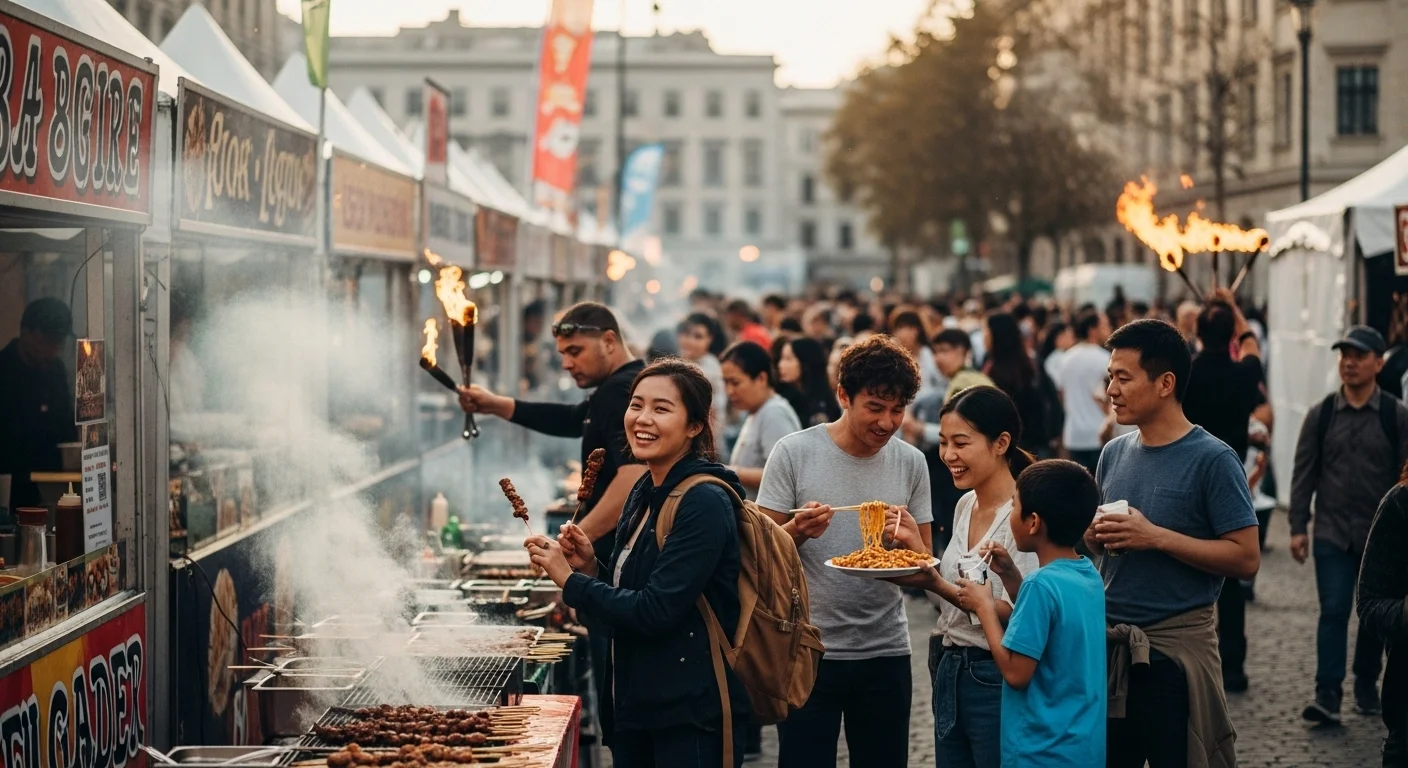
Explore Global Culinary Delights at These Affordable Festivals

Food has a magical way of bringing people together, and nowhere is this more evident than at culinary festivals. If you’re eager to explore global flavors without breaking the bank, these festivals are a feast for the senses and the wallet! Read Interesting article: Top 10 Food Festivals You Must Visit on a Budget

Explore Global Culinary Delights at These Affordable Festivals

Overview of Global Culinary Festivals

What Are Culinary Festivals?

Culinary festivals are vibrant celebrations dedicated to food and drink, showcasing local cuisine, culinary techniques, and cultural traditions. These festivals often feature a variety of events, including tastings, cooking demonstrations, competitions, and workshops. I remember the first time I attended a culinary festival; the atmosphere was electric, filled with aromas that danced in the air and the sounds of laughter and chatter. It felt like stepping into a world where food was not just sustenance but a way to connect with others and experience different cultures.

The Importance of Culinary Festivals in Global Culture

Culinary festivals play a crucial role in preserving and promoting cultural heritage. They serve as platforms for chefs, local producers, and artisans to share their culinary stories and traditions. Through these events, we can discover regional ingredients and cooking methods that may otherwise fade away. For instance, during a festival in Italy, I was amazed by how local farming practices and traditional recipes blended beautifully, creating flavors that told a story of their own. Festivals not only celebrate food; they foster community, encourage tourism, and promote sustainable practices. I believe that when we gather around food, we become part of something bigger—a shared experience that transcends borders. Read Interesting article: Explore Unique Festivals: Your Budget Backpacking Guide

Benefits of Attending Culinary Festivals

Attending culinary festivals offers numerous benefits that go beyond just tasting delicious food. First and foremost, you get to sample a wide variety of dishes, often prepared by renowned chefs. It’s a fantastic way to explore new flavors and culinary techniques without a hefty price tag. I remember sampling street food at a festival that introduced me to dishes I had never even heard of before, and it changed my perspective on cuisine entirely. Moreover, festivals provide opportunities to learn through interactive cooking classes and demonstrations. These experiences can inspire us to try new recipes at home. I found myself returning from a festival with a newfound passion for cooking, eager to recreate the dishes I had tasted. Networking with fellow food enthusiasts and meeting local chefs also adds a personal touch to the festival experience. Sharing stories and tips with like-minded individuals makes the culinary journey even more enriching.

Top Affordable Culinary Festivals Around the World

1. Taste of Chicago, USA

When to Visit

The Taste of Chicago usually takes place in July, transforming Grant Park into a bustling hub of food, music, and culture. The weather is warm, making it the perfect time to explore the city’s culinary landscape. I highly recommend checking the festival schedule in advance to plan which days to attend, as some events feature live music that enhances the experience.

Must-Try Dishes

Chicago is famous for its deep-dish pizza, and you can’t visit without trying a slice from one of the notable pizzerias. Another highlight is the Italian beef sandwich, a local favorite that I fell in love with during my visit. The diverse offerings range from gourmet tacos to classic Chicago-style hot dogs, ensuring there’s something for every palate. I remember feeling overwhelmed by the options, but that’s part of the fun—sampling a little bit of everything!

Budget Tips

One of the best parts of the Taste of Chicago is that you can enjoy it on a budget. I found that buying a Taste Ticket card allows you to sample smaller portions of dishes for a lower price. Also, many local vendors offer specials, so keep an eye out for discounts. Arriving early also helps avoid long lines and gives you the chance to explore more offerings before the crowds arrive.

2. Melbourne Food and Wine Festival, Australia

When to Visit

This festival typically occurs in March, making it a fantastic way to welcome the autumn season in Australia. The weather is pleasant, and the city buzzes with excitement as food lovers gather to celebrate. I attended a few years back, and the lively atmosphere was contagious!

Signature Events

The Melbourne Food and Wine Festival features a variety of events like pop-up restaurants, masterclasses, and wine tastings. I particularly enjoyed the “Dine with the Winemaker” events, where you can enjoy meals paired with local wines. The intimate setting allowed for meaningful conversations with both chefs and wine experts.

Affordable Dining Options

While some events can be pricey, there are plenty of affordable options to explore. I discovered that many local restaurants offer special festival menus at discounted prices. Also, keep an eye out for free events, such as cooking demonstrations and talks that provide valuable insights into the culinary scene.

3. Feria Gastronomica, Mexico

When to Visit

This vibrant festival typically takes place in late August, celebrating the rich culinary traditions of Mexico. The streets come alive with colorful decorations and the sounds of mariachi music, creating an unforgettable festival atmosphere. I still remember the warmth of the community and the delicious smells wafting through the air.

Traditional Mexican Cuisine Highlights

Feria Gastronomica is a feast for the senses, showcasing everything from street tacos to regional mole dishes. I was particularly taken by the variety of salsas, each with its unique flavor profile. The festival also features cooking demonstrations by local chefs, which I found incredibly insightful. I learned so much about the importance of fresh ingredients in Mexican cuisine during those sessions.

Cost-Saving Strategies

To save money, consider purchasing a festival pass, which often includes tastings at various booths. Additionally, many vendors offer smaller portions at lower prices, allowing you to sample several dishes without overspending. I made a point to ask vendors about their specials, and I was often rewarded with a delightful surprise! Read Interesting article: Unlock Local Culture: Top Festivals for Budget Backpackers

4. Street Food Festival, Singapore

When to Visit

The Street Food Festival in Singapore usually occurs in June, and it’s a culinary event I highly recommend. The city’s hawker culture shines during this festival, allowing visitors to experience authentic local flavors. I’ve found that the festival coincides with the city’s vibrant atmosphere, making it a perfect time to explore.

Popular Street Foods to Try

From Hainanese chicken rice to chili crab, Singapore offers a plethora of street food options. I remember indulging in satay skewers that were grilled to perfection, bursting with flavor. The best part is that these dishes are often available at very reasonable prices, allowing you to feast without breaking the bank.

Entry Fees and Budgeting

The festival usually has a minimal entry fee, and once inside, you can purchase food vouchers to try various dishes. I recommend arriving early to avoid long queues and to make the most of your tasting experience. Planning your budget ahead of time also helps ensure you can enjoy all the culinary delights without overspending.

5. Edinburgh Food Festival, Scotland

When to Visit

Held in August, the Edinburgh Food Festival coincides with the famous Edinburgh Festival Fringe, making it an ideal time to immerse yourself in the city’s culture. The atmosphere is electric, and I found it a perfect opportunity to explore Scotland’s culinary scene.

Local Scottish Specialties

You can expect to find traditional dishes like haggis, neeps, and tatties, as well as fresh seafood from the Scottish coast. I remember tasting artisan cheeses and local craft beers that perfectly complemented the food. The festival often features local producers, allowing attendees to learn about sourcing ingredients responsibly.

How to Save on Expenses

To keep costs down, consider attending free workshops and tastings that are available throughout the festival. I also found that many local restaurants offer special deals during the festival period, so it’s worth exploring the city for hidden gems. Arriving early can also help you snag the best dishes at the best prices!

Regional Highlights of Culinary Festivals

North America

Popular Festivals and Events

North America is a treasure trove of culinary festivals, each showcasing unique flavors and traditions. One festival that immediately comes to mind is the New Orleans Jazz & Heritage Festival, which beautifully blends music and food. The food stalls are filled with local delicacies like gumbo, jambalaya, and beignets. I remember feeling transported back in time as I savored a warm beignet dusted with powdered sugar while listening to the vibrant sounds of jazz. Another standout is the San Francisco Street Food Festival, where local vendors serve up everything from gourmet sandwiches to artisanal ice cream. It’s a wonderful way to support small businesses while enjoying the diverse food culture of the city.

Regional Cuisines to Explore

In North America, the regional cuisines are as diverse as the landscape. I was particularly taken with how each area has its signature dishes influenced by cultural backgrounds. For instance, I discovered that the Pacific Northwest is known for its fresh seafood, particularly salmon. At the Seattle Food & Wine Experience, I tasted a salmon dish that was grilled to perfection, paired with local wines that complemented the flavors beautifully. In the Southern states, comfort food reigns supreme, with festivals celebrating barbecue, fried chicken, and collard greens. Each festival is a chance to dive deeper into the culinary roots of the region, and I always leave feeling enriched by what I’ve learned.

Europe

Unique Culinary Experiences

Europe is a culinary wonderland, and its festivals are a testament to the continent’s rich gastronomic heritage. One of my favorites is the Taste of London, where I indulged in dishes from top restaurants and emerging chefs. It’s amazing how the festival allows you to sample a little bit of everything—the creativity and innovation in the food scene are inspiring. I also loved attending the Brussels Food Truck Festival, which brought together food trucks from all over Europe. It was an eclectic mix of flavors, from Belgian waffles to Mediterranean mezze. Each bite was like a passport stamp, leading me through different cultures right from my table.

Best Budget-Friendly Options

Traveling in Europe can sometimes be pricey, but many culinary festivals offer budget-friendly options for food lovers. I found that buying tickets for tasting sessions in advance often comes with discounts. Also, some festivals have “pay what you can” events, allowing you to enjoy local cuisine without straining your wallet. At the Ghent Festivities in Belgium, for example, I was pleasantly surprised by how many local vendors offered affordable dishes that allowed me to try a variety of flavors without overspending. It’s all about keeping an eye out for special deals and being open to exploring less touristy offerings!

Asia

Traditional Dishes and Their Origins

Asia’s culinary festivals are colorful and rich with history, bringing together traditional dishes that have been perfected over generations. At the Singapore Food Festival, I experienced the diversity of Asian cuisines firsthand—from fragrant biryanis to spicy Thai curries. I remember trying a dish called laksa, a spicy noodle soup that had me going back for seconds. Each dish has a story, often linked to cultural traditions that have been passed down through families. It’s fascinating to learn about the origins of these dishes and how they’ve evolved over time.

Affordable Food Experiences

When navigating culinary festivals in Asia, affordability is often key. Many festivals offer “taste tickets” that allow you to sample various dishes for a fraction of the regular price. At the Bangkok Street Food Festival, I discovered that a few dollars could get me a platter of different street foods, allowing me to indulge without guilt. I also recommend visiting local markets during these festivals, where you can find vendors selling freshly prepared meals at very reasonable prices. The atmosphere is lively, and the flavors are vibrant—it’s an experience I eagerly look forward to each time.

Africa

Local Ingredients and Dishes

African culinary festivals are a vibrant celebration of the continent’s rich agricultural traditions and culinary diversity. Attending the Cape Town Street Food Festival was a revelation for me. I was introduced to local ingredients like biltong and bobotie, which I had never tried before. The festival highlighted not only the flavors but also the stories behind each dish, often linked to the community and its history. It felt like taking a journey through the heart of Africa, one bite at a time.

Cost-Effective Festival Highlights

To enjoy African culinary festivals on a budget, I found that many events provide free admission, with food stalls offering affordable tasting portions. At the Zanzibar Food Festival, I was thrilled to sample various dishes for a small fee. Engaging with the local chefs and vendors also often led to discovering special deals and recommendations for what to try next. I loved how each vendor was eager to share their stories, making the experience not just about food but about community and culture as well.

South America

Culinary Traditions and Festivals

South America is bursting with culinary traditions that reflect its indigenous roots, colonial history, and immigrant influences. The Festival de la Gastronomía Peruana in Lima is a must-visit for anyone interested in unique flavors. I was amazed by how diverse Peru’s cuisine is, with dishes like ceviche and lomo saltado stealing the show. The festival was filled with cooking demonstrations that revealed the secrets behind these beloved dishes. I remember standing in awe as a chef skillfully prepared ceviche right before my eyes, explaining the importance of freshness and quality ingredients.

Dining on a Budget

In South America, enjoying culinary festivals doesn’t have to be expensive. Many festivals provide options for sampling smaller portions at lower prices. I discovered that diners could purchase a pass that allowed them to try multiple dishes at different stalls. This was perfect for someone like me, who wanted to taste everything! Also, keep an eye out for street vendors outside the festival; they often sell delicious food at even better prices. It’s a wonderful way to experience local flavors while staying within budget.

Planning Your Visit to Culinary Festivals

How to Choose the Right Festival for You

Choosing the right culinary festival can be both exciting and overwhelming, especially with so many amazing options out there. I’ve learned that it often comes down to what kind of food and cultural experiences I want to immerse myself in. For instance, if you’re a fan of street food, festivals like the Singapore Street Food Festival or the San Francisco Street Food Festival might be your best bet. On the other hand, if fine dining and wine pairings are more your style, then events like the Melbourne Food and Wine Festival could be a perfect match. I also think about the time of year and the location. I remember planning a trip around the Taste of Chicago because it aligned perfectly with my summer travel plans. It’s important to check the festival dates and see if they overlap with any other events or holidays in the area, as this can greatly enhance your experience. Ultimately, reflecting on your culinary interests and what you hope to gain from the festival can help narrow down your options.

Essential Packing Tips

Packing for a culinary festival is an art in itself. I’ve made my share of packing mistakes, but over the years, I’ve honed my list to include essentials that make the experience much more enjoyable. First on my list is comfortable footwear. I can’t stress this enough! You’ll likely be on your feet for hours, walking between stalls and trying different dishes. A good pair of shoes can make all the difference. I also recommend bringing a reusable water bottle. Staying hydrated is key, especially if you’re sampling rich foods and spending time outdoors. I often pack a small backpack to hold my purchases, any promotional material from vendors, and even a light jacket in case the weather turns. Lastly, don’t forget your phone or camera; documenting the adventure is always fun! I love looking back at the photos and memories from past festivals.

Transportation and Accommodation Options

Getting to and from a culinary festival can greatly impact your experience. I’ve discovered that planning transportation ahead of time not only saves money but also reduces stress. If the festival is in a city, public transport is often the most convenient option. I’ve found that many festivals are easily accessible via trains or buses, which can help avoid the hassle of parking. When it comes to accommodation, I prefer to find a place that’s within walking distance to the festival. On one trip, I stayed at a cozy Airbnb just a short stroll from the Melbourne Food and Wine Festival, which allowed me to maximize my time enjoying the events. Plus, being close to local restaurants and attractions makes it easier to explore the area after the festival is over. I also keep an eye on festival websites for any special deals on lodging or transportation packages that cater to festival-goers.

Health and Safety Considerations

Health and safety are crucial aspects to consider when attending any festival. From my experience, it’s always wise to check the festival’s website for any health guidelines or requirements, especially if you have food allergies or dietary restrictions. I remember one festival where they clearly labeled dishes for common allergens, which made it easier for me to enjoy the food worry-free. Additionally, staying aware of your surroundings is important in crowded environments. I’ve found it helpful to keep my belongings secure and to be mindful of personal space when sampling food. Don’t hesitate to ask vendors about their food preparation practices if you have concerns. Most are more than happy to share their processes. In the end, approaching these festivals with a little caution can help ensure a safe and enjoyable experience.

Frequently Asked Questions

What are culinary festivals?

Culinary festivals are vibrant celebrations dedicated to food and drink, showcasing local cuisine, culinary techniques, and cultural traditions. They often feature tastings, cooking demonstrations, competitions, and workshops.

Why are culinary festivals important in global culture?

Culinary festivals play a crucial role in preserving and promoting cultural heritage by serving as platforms for chefs, local producers, and artisans to share their culinary stories and traditions. They help discover regional ingredients and cooking methods, foster community, encourage tourism, and promote sustainable practices.

What are the benefits of attending culinary festivals?

Attending culinary festivals allows you to sample a variety of dishes, learn new culinary techniques through interactive classes, network with fellow food enthusiasts, and gain inspiration to try new recipes at home.

When does the Taste of Chicago festival take place?

The Taste of Chicago usually takes place in July, transforming Grant Park into a hub of food, music, and culture.

What are some must-try dishes at the Taste of Chicago?

Must-try dishes include deep-dish pizza, Italian beef sandwiches, gourmet tacos, and classic Chicago-style hot dogs.

What is the Melbourne Food and Wine Festival known for?

The Melbourne Food and Wine Festival, typically held in March, features pop-up restaurants, masterclasses, wine tastings, and special events like “Dine with the Winemaker.”

What traditional food can be found at the Feria Gastronomica in Mexico?

The Feria Gastronomica showcases traditional Mexican cuisine, including street tacos, regional mole dishes, and a variety of salsas.

How can attendees save money at culinary festivals?

Attendees can save money by purchasing festival passes, looking for vendor specials, sampling smaller portions, and attending free workshops and tastings.

What should you pack for attending a culinary festival?

Essential packing items include comfortable footwear, a reusable water bottle, a small backpack for purchases, a light jacket, and a phone or camera to document the experience.

What health and safety considerations should be taken when attending culinary festivals?

It’s important to check the festival’s website for health guidelines, be aware of food allergies, secure your belongings, and ask vendors about food preparation practices to ensure a safe experience.

Top 10 Food Festivals You Must Visit on a Budget

If you’re a food lover like me, food festivals are a delightful way to explore diverse cuisines without traveling the world. Join me as we uncover 10 amazing food festivals where you can indulge your taste buds without breaking the bank!

Top 10 Food Festivals You Must Visit on a Budget

Overview of Food Festivals

What Are Food Festivals?

Food festivals are vibrant celebrations of culinary arts where local chefs, food vendors, and restaurants come together to showcase their specialties. These events often feature a mix of food tastings, cooking demonstrations, and cultural performances, creating an exciting atmosphere that draws food enthusiasts from all over. I’ve attended my fair share of these festivals, and each one feels like stepping into a delicious wonderland filled with flavors, aromas, and creativity.

Why Visit Food Festivals on a Budget?

Visiting food festivals on a budget can be an incredibly rewarding experience. Not only do you get to sample various cuisines, but you also have the chance to discover new favorite dishes without spending a fortune. I remember my first food festival; I was amazed at how much delicious food I could try for a reasonable price. It’s all about being smart with your choices and taking advantage of the many budget-friendly options available. Plus, it’s a fantastic way to support local businesses and chefs who pour their hearts into their food. By planning ahead, you can enjoy a culinary adventure that fits your wallet. For more budget-friendly travel ideas, check out Top 10 Community-Based Tourism Destinations for Budget Travelers.

Top 10 Affordable Food Festivals

1. New Orleans Jazz & Heritage Festival

Location and Dates

The New Orleans Jazz & Heritage Festival takes place every spring, typically in late April to early May. Set against the vibrant backdrop of New Orleans, this festival is not only about great food but also about incredible music and culture.

Types of Cuisine

At this festival, you can indulge in everything from gumbo to po’ boys, jambalaya to beignets. Each bite tells a story of the rich cultural history of New Orleans, and I can’t emphasize enough how much I love exploring all the different dishes!

Budget Tips

To save some cash, consider purchasing a multi-day pass. This allows you to spread out your food sampling over several days without feeling rushed. Also, look for free music performances that take place throughout the festival; they’re just as entertaining as the paid ones! I found that sharing dishes with friends is another great way to maximize your experience without overspending.

2. Taste of Chicago

Location and Dates

Taste of Chicago is typically held in July at Grant Park. It’s one of the largest food festivals in the country and showcases the culinary diversity of this vibrant city.

Featured Local Foods

You can find everything from deep-dish pizza to Chicago-style hot dogs. I remember standing in line for the famous Italian beef sandwiches, and it was worth every minute. Each stall offers a taste of what Chicago has to offer.

Budget-Friendly Options

One of the best budget tips I learned is to purchase food tickets in advance. They often sell them at a discount before the festival starts. Also, keep an eye out for smaller vendors offering samples; they’re a great way to taste without commitment. I often left with a full belly and light wallet!

3. San Diego Bay Wine & Food Festival

Location and Dates

This festival usually takes place in November along the beautiful San Diego Bay. It’s a fantastic mix of gourmet food and exquisite wines.

Types of Wine and Food Pairings

Attendees can savor food from some of the best local chefs and artisanal producers, paired with wines from California’s finest vineyards. I’ve found that the unique pairings can elevate your tasting experience.

How to Save on Tickets

Look for early-bird ticket pricing and group discounts. Also, consider attending the festival during the weekday, as ticket prices can be lower compared to the weekend. I managed to snag a great deal on a weekday ticket, which allowed me to enjoy everything without feeling rushed.

4. Portland Food Festival

Location and Dates

Typically held in late summer, the Portland Food Festival is a celebration of local food and sustainability, showcasing the best of the Pacific Northwest’s culinary scene.

Signature Dishes to Try

From farm-to-table dishes to artisanal cheeses, every bite reflects the city’s commitment to local ingredients. I remember trying a seasonal berry dessert that was simply unforgettable.

Cost-Saving Strategies

Consider volunteering at the festival; many times, you can get free entry in exchange for a few hours of work. This way, I not only saved money but also got a behind-the-scenes look at the festival!

5. Los Angeles Street Food Fest

Location and Dates

Held in late summer, the Los Angeles Street Food Fest brings together some of the best food trucks and street vendors in the city.

Must-Try Street Foods

No trip here is complete without trying the tacos, gourmet burgers, and unique desserts offered by the various food trucks. The atmosphere is lively, and I love how each vendor showcases their unique take on street food.

Budget-Friendly Tips

Bring cash, as not all vendors accept cards, and look for vendors offering smaller portions or tasting menus. This way, you can sample a bit of everything! I often made a game out of trying to find the best bang-for-your-buck food items.

6. Austin Food + Wine Festival

Location and Dates

The Austin Food + Wine Festival typically takes place in late April, right in the heart of Texas. Set against the backdrop of the lively city known for its music and culture, this festival has become a staple for food and wine lovers alike.

Featured Chefs and Restaurants

This festival attracts top chefs from across the country, showcasing some of the best cuisines you’ll find in the region. I remember being blown away by the creativity at the various booths. From barbeque to Tex-Mex, every dish told a story of Texas’s rich culinary heritage. It’s a fantastic opportunity to taste unique dishes crafted by chefs who are passionate about their craft. You’ll find everything from spicy brisket tacos to decadent desserts that leave you wanting more!

How to Attend on a Budget

To enjoy the festival without emptying your wallet, consider buying tickets early. There are often early bird discounts that can significantly cut costs. I also recommend looking for volunteer opportunities; many times, you can get free access by helping out during the event. Plus, volunteering gives you a unique perspective on the festival and allows you to meet like-minded food enthusiasts!

7. Miami Culinary Institute Food Festival

Location and Dates

Usually held in the fall, the Miami Culinary Institute Food Festival takes place at the beautiful Miami Culinary Institute. The vibrant atmosphere of Miami complements the culinary delights featured at this festival.

Types of Cuisine

This festival offers a fantastic variety of dishes, reflecting the multicultural tapestry of Miami. You can find everything from Cuban sandwiches to fresh seafood, and I’ve even encountered some fusion dishes that are absolutely mind-blowing! The energy and flavors are infectious, making it a memorable experience for anyone who loves food.

Discounted Entry Options

To save on entry fees, keep an eye out for promotional codes or group deals. Additionally, arriving early can sometimes grant you a lower ticket price. I remember spotting a promotion on social media that saved me a good chunk of change. It never hurts to follow the festival’s accounts for updates!

8. Seattle Food Truck Festival

Location and Dates

The Seattle Food Truck Festival usually happens in the summer, with multiple locations throughout the city, providing a festive vibe that perfectly matches the Pacific Northwest’s charm.

Popular Food Trucks

Seattle’s food truck scene is vibrant and diverse. From gourmet grilled cheese to innovative Asian fusion, there’s something for everyone. I find it exhilarating to walk around and taste a variety of dishes from different trucks. Each vendor has their own unique style, and I often discover new favorite dishes I never expected to love!

Budget Tips for Eating

To make the most of your food truck festival experience, consider sharing dishes with friends. This way, you can sample multiple options without breaking the bank. I often make it a point to check out the “happy hour” specials that many trucks have, which offer great deals. Plus, keep an eye on social media for any pop-up deals or discounts offered by vendors during the event.

9. Philadelphia Food & Wine Festival

Location and Dates

Held in the spring, the Philadelphia Food & Wine Festival takes place at the renowned Valley Forge Casino Resort. It’s a delightful setting where food and wine enthusiasts come together to celebrate culinary excellence.

Local Specialties to Try

Don’t miss out on Philly cheesesteaks and soft pretzels—these local specialties are a must! I remember trying a cheesesteak that was loaded with all the traditional toppings, and it was heavenly. You’ll encounter various local wineries showcasing their best selections, making it a well-rounded experience for both food and wine lovers.

Cost-Effective Ways to Enjoy

Look for VIP ticket options that sometimes include tastings or exclusive access to special events at a reasonable price. Additionally, attending the festival with a group can help lower individual costs. We often split a few different dishes among friends, which not only saves money but also enhances the experience by allowing us to try even more dishes together!

10. Napa Valley Wine & Food Festival

Location and Dates

The Napa Valley Wine & Food Festival is typically held in November, set in the stunning landscape of California’s wine country. It’s a dream for wine lovers and foodies alike.

Signature Dishes and Wines

Here, you can indulge in gourmet meals paired with some of the best wines Napa has to offer. I remember savoring a perfectly paired wine with a sumptuous farm-to-table dish that just blew my mind. It’s a true celebration of what Napa is famous for, showcasing local ingredients and exquisite flavors.

Saving on Tickets and Tastings

To keep costs down, consider purchasing multi-day passes. This allows you to enjoy various events and tastings at a more relaxed pace. I also recommend checking for local accommodations that offer festival discounts; sometimes, staying a little outside the main area can lead to significant savings. Plus, it’s a wonderful way to experience the beautiful Napa Valley scenery!

Planning Your Visit

Best Time to Attend Food Festivals

Timing can make a huge difference in your festival experience. I’ve learned that attending during the first few hours when a festival opens can be a game-changer. The crowds are usually lighter, which means shorter lines and more opportunities to chat with vendors. Plus, the food is often fresher and the vendors are more eager to showcase their offerings. However, if you’re a night owl like me, some festivals have evening sessions that feature unique entertainment and a different atmosphere. It’s worth checking the schedule to see when the best times are for your preferences.

How to Prepare for a Food Festival

Preparation is key to maximizing your festival experience. First off, I recommend wearing comfortable shoes because you’ll likely be doing a lot of walking. I once made the mistake of wearing my favorite but least practical shoes, and by the end of the day, my feet were screaming! Also, consider bringing a reusable water bottle to stay hydrated. Many festivals have water stations, and it saves you from spending extra cash on drinks. I always make a list of dishes I want to try and set a budget for how much I want to spend. This way, I can prioritize my must-eats and avoid overspending on impulse buys.

Where to Stay on a Budget

If you’re traveling for a festival, finding budget-friendly accommodations can significantly enhance your experience. I’ve had great luck using platforms like Airbnb or booking budget motels slightly outside of the festival area. This not only saves money but also often provides a more local feel to your stay. When I visited a festival in a city I hadn’t been to before, I found a cozy little guesthouse a short drive away, which allowed me to explore the neighborhood. Additionally, some festivals offer camping options which can be a fun and economical way to immerse yourself in the event!

Tips for Enjoying Food Festivals on a Budget

Finding Discounts and Deals

If there’s one thing I’ve learned, it’s to keep an eye out for discounts! Many festivals offer early-bird tickets or group rates, which can make a big difference in your overall cost. I often follow festival social media accounts or subscribe to their newsletters to catch any promotional deals. I remember one time I snagged a 50% off ticket just by being one of the first to respond to a post! Another great strategy is to look for local coupons or deals that might be available closer to the festival date.

Sampling vs. Full Meals

One of my favorite parts about food festivals is the opportunity to sample a little bit of everything. Instead of committing to full meals, I usually opt for smaller servings or tasting portions. This way, I can try a variety of dishes without feeling overwhelmed or overstuffed. I’ve found that many vendors offer “taste” options at a lower price, which lets me explore more flavors while keeping my spending in check. Plus, sharing dishes with friends is a great way to expand your palate without breaking the bank!

Transportation Tips to Save Money

Getting to and from the festival can add up, but there are plenty of ways to save on transportation costs. If the festival is in a city, I recommend using public transportation or rideshare services instead of renting a car. I once took a bus to a festival, and not only did it save me money, but I also met some fellow food enthusiasts along the way! If you’re traveling in a group, carpooling can help share costs for gas and parking. Lastly, check if the festival offers shuttles from nearby hotels or transportation hubs; it can be a convenient and affordable option.

Final Thoughts

Attending food festivals has become one of my favorite ways to explore new culinary delights while enjoying the vibrant atmosphere that surrounds them. Each festival offers its own unique charm, and being able to taste locally crafted dishes from passionate chefs is a wonderful experience I truly cherish. I believe that food festivals are not just about eating; they are about connecting with the community, discovering regional flavors, and creating lasting memories with friends or family.

As I’ve discovered, enjoying these culinary adventures doesn’t have to stress your budget. With a little planning and smart choices, you can indulge in a feast of flavors without overspending. I often look for deals and early-bird tickets, and I can’t stress enough how sharing dishes with friends not only saves money but also enhances the experience. It’s like a mini culinary tour where you can sample a bit of everything!

Don’t forget to embrace the local culture at these festivals, too. Whether it’s listening to live music, watching cooking demonstrations, or participating in workshops, each moment adds to the rich tapestry of the festival experience. I still remember the joy of learning a new cooking technique from a local chef at one festival—it’s a memory that stays with me long after the last bite.

If you’re new to food festivals, I encourage you to step out of your comfort zone. Try something you wouldn’t normally order or take a chance on a food truck you’ve never seen before. You might just discover a new favorite dish. The excitement of food festivals lies not only in the food itself but also in the camaraderie and shared joy among fellow food lovers.

So, as you plan your next culinary adventure, keep these tips in mind and get ready for an unforgettable experience! There’s a whole world of flavors waiting for you, and I hope you find as much joy in exploring them as I have. Also, if you enjoy outdoor activities, consider reading about the Top 10 Eco-Trekking Adventures for Budget Travelers or the Top 10 Budget Mountain Biking Trails for Thrill Seekers.

Frequently Asked Questions

What are food festivals?

Food festivals are vibrant celebrations of culinary arts where local chefs, food vendors, and restaurants come together to showcase their specialties, often featuring food tastings, cooking demonstrations, and cultural performances.

Why should I visit food festivals on a budget?

Visiting food festivals on a budget allows you to sample various cuisines and discover new favorite dishes without spending a fortune. It also supports local businesses and chefs, making it a rewarding experience.

What is the New Orleans Jazz & Heritage Festival known for?

The New Orleans Jazz & Heritage Festival, held in spring, features a mix of food and music, showcasing local dishes like gumbo, po’ boys, jambalaya, and beignets.

How can I save money at the Taste of Chicago festival?

To save money at the Taste of Chicago, purchase food tickets in advance at a discount and look for smaller vendors offering samples to taste without commitment.

What can I expect at the San Diego Bay Wine & Food Festival?

The San Diego Bay Wine & Food Festival features gourmet food from local chefs paired with wines from California’s finest vineyards, usually taking place in November.

What are some budget-friendly tips for the Portland Food Festival?

Consider volunteering at the Portland Food Festival to gain free entry in exchange for a few hours of work, which also provides a behind-the-scenes look at the event.

What types of cuisine are featured at the Miami Culinary Institute Food Festival?

The Miami Culinary Institute Food Festival offers a fantastic variety of dishes reflecting Miami’s multicultural tapestry, including Cuban sandwiches and fresh seafood.

What should I do to prepare for a food festival?

To prepare for a food festival, wear comfortable shoes, bring a reusable water bottle, make a list of dishes you want to try, and set a budget to prioritize your must-eats.

How can I save on transportation costs when attending a food festival?

To save on transportation costs, consider using public transportation or rideshare services instead of renting a car. Carpooling with friends can also help share costs for gas and parking.

What are some advantages of attending food festivals?

Attending food festivals allows you to explore new culinary delights, connect with the community, discover regional flavors, and create lasting memories with friends or family.

How to Plan an Affordable Eco-Trekking Adventure

Planning an eco-trekking adventure doesn’t have to break the bank. With the right tips and a little creativity, you can explore nature while being kind to our planet and your wallet. For more insights, check out the Ultimate Guide to Eco-Trekking: Travel Sustainably on a Budget.

How to Plan an Affordable Eco-Trekking Adventure

Understanding Eco-Trekking

What is Eco-Trekking?

Eco-trekking is more than just a hike; it’s a way to connect with nature while minimizing your environmental impact. I remember my first eco-trek, where I learned to appreciate the beauty of untouched landscapes while being mindful of the surroundings. We focused on sustainable practices, such as sticking to marked trails and respecting wildlife. This approach not only enhances the experience but also helps in preserving these precious ecosystems for future generations.

The Benefits of Eco-Trekking

The benefits of eco-trekking are numerous, and I’ve found them to be both enriching and enjoyable. Firstly, it promotes physical health. Trekking through varied terrains challenges your body and improves overall fitness. I often return from an adventure feeling rejuvenated, both physically and mentally.

Secondly, eco-trekking fosters a deeper connection with nature. Each step amidst the trees, rivers, and mountains reminds me of the beauty and fragility of our environment. Moreover, it’s a fantastic opportunity to learn about local ecosystems and wildlife. I’ve encountered many unique species and gained insights from local guides, enriching my understanding of biodiversity.

Additionally, eco-trekking often involves engaging with local communities, which can be incredibly rewarding. I remember sharing meals and stories with a small village during one trip, creating memories that last a lifetime. Supporting local economies while exploring the great outdoors can make your journey even more meaningful. To discover more locations, visit Explore Nature: Budget-Friendly Eco-Trekking Destinations.

Differences Between Eco-Trekking and Traditional Trekking

While traditional trekking emphasizes adventure and endurance, eco-trekking is about harmony with nature. I’ve noticed that eco-trekking prioritizes sustainability over simply reaching a destination. For instance, while traditional treks might encourage off-trail exploration, eco-trekking emphasizes the importance of protecting habitats and following established paths to minimize damage.

Another difference is the focus on education and awareness. In many eco-trekking experiences I’ve had, guides highlight the significance of conservation and the delicate balance of ecosystems. This contrasts with traditional trekking, which may not emphasize the environmental aspect as much. For me, this educational component has transformed how I view outdoor adventures.

Choosing Your Destination

Top Affordable Eco-Trekking Locations

Choosing the right destination is crucial for a budget-friendly eco-trekking adventure. Some of my favorite affordable locations include the Appalachian Trail in the U.S. and the Torres del Paine in Chile. Both offer stunning landscapes without exorbitant costs. I’ve trekked parts of the Appalachian Trail, where the natural beauty and camaraderie among fellow hikers made the experience unforgettable.

Another favorite of mine is the Cinque Terre in Italy. While it’s well-known, there are hidden trails that provide breathtaking views without the hefty price tag. I’ve enjoyed local cuisine at small eateries along the way, making it a feast for both the eyes and the palate. For more inspiration, check out the Top 10 Eco-Trekking Adventures for Budget Travelers.

Factors to Consider When Selecting a Location

When picking a destination, a few key factors come into play. Firstly, consider the accessibility of the location. I prefer areas that are easy to reach via public transportation or car to save on travel costs. Next, think about the difficulty level of the trails. I’ve learned that choosing the right trail for my skill level ensures I have an enjoyable experience instead of pushing myself too hard.

Additionally, look at the time of year when planning your trek. Some locations are cheaper during the off-peak season, which can enhance your experience by providing a more serene atmosphere. I’ve trekked popular trails during quieter months and found that the absence of crowds allowed me to truly immerse myself in nature.

Researching Local Ecosystems and Wildlife

Understanding the local ecosystem is vital before setting off on your adventure. I often spend time reading up on the flora and fauna of the area I’m visiting. This knowledge not only enhances my trekking experience but also helps me appreciate the environment more deeply.

For example, during a trek in Costa Rica, I learned about the various species of birds and plants unique to that region. Spotting a rare bird in its natural habitat was an exhilarating moment that added a rich layer to my journey. I recommend using local resources or engaging with knowledgeable guides who can provide insights into the ecosystems you’ll be exploring.

When to Go Eco-Trekking

Best Seasons for Eco-Trekking

Timing your eco-trekking adventure can make all the difference. I’ve learned that each season offers its own unique beauty and challenges. For instance, spring is often my favorite time to trek because everything comes alive—the flowers bloom, the birds sing, and the weather is usually mild. On a spring trek in the Smoky Mountains, I was greeted by vibrant wildflowers and the sweet scent of new growth, which made each step feel like a celebration of life.

Summer can be great too, but I’ve found it’s essential to choose higher elevations or cooler regions to avoid the sweltering heat. I remember trekking in the Canadian Rockies during summer and being amazed at the stunning lakes and waterfalls, but I also had to plan my hikes for early morning or late afternoon to dodge the heat of the day.

Fall is another spectacular time to explore, with leaves changing color and cooler temperatures making the hikes more enjoyable. I took an unforgettable trek in New England during peak foliage season, where the vibrant hues of red, orange, and yellow created a breathtaking backdrop. It felt like walking through a living painting!

Winter trekking can be challenging, but if you’re prepared, the serene beauty of snow-covered landscapes is worth it. I once went on a winter trek in the Alps, where the silence was almost overwhelming, and every step crunched delightfully in the snow. Just remember to check trail conditions before heading out.

Weather Considerations

Checking the weather before embarking on a trek is crucial. I’ve found that weather can change quickly in the mountains, and being caught unprepared can turn a beautiful adventure into a stressful situation. For example, I once set out on a trek in the Pacific Northwest expecting a sunny day, only to be met with sudden rain and chilly winds. Luckily, I had packed a waterproof jacket, but it was a good lesson in always being prepared for the unexpected.

Also, consider the climate of the area you’re trekking in. If you’re exploring a tropical rainforest, for instance, you should be prepared for high humidity and potential rain. Conversely, in drier regions like the deserts, I’ve learned that early mornings or late evenings are the best times to hike to avoid the scorching sun. Always consult local weather forecasts and, if possible, talk to locals or guides who can offer insights on what to expect.

Local Events and Festivals

One of the joys of eco-trekking is immersing yourself in local culture. I’ve discovered that timing my treks to coincide with local events or festivals enhances the experience. For instance, I planned a trek in Peru during a local festival celebrating the Incan heritage. The vibrant colors, traditional music, and community spirit transformed my trek into an unforgettable cultural journey.

Researching festivals can also help you engage with local communities, which I find adds a rich layer to my adventures. I’ve attended harvest festivals in rural areas, where I got to taste fresh produce and interact with farmers, learning about their sustainable practices. Not only did I enjoy delicious food, but I also gained insights into local agriculture and traditions, making my trek all the more meaningful.

Be sure to look up any events happening in the area you plan to visit. I often check community boards or social media pages for local announcements. This way, I can align my trek with unique experiences that showcase the culture and environment of the region.

Planning Your Eco-Trekking Itinerary

Length of Trek

Deciding how long your trekking adventure will be is a key part of planning. I’ve found that this can depend on my fitness level, the terrain, and the time I want to dedicate to exploring. For instance, on a week-long trek in the Andes, I set aside ample time to acclimate to the altitude and to fully enjoy the breathtaking scenery. Each day was filled with new sights, and I loved having the flexibility to take breaks and soak it all in.

Shorter treks can also be rewarding. I often opt for weekend trips when I need a quick escape. A two-day trek through local parks can recharge my spirit without taking too much time. It’s a good reminder that you don’t need a long vacation to experience the joys of eco-trekking.

Daily Distance and Difficulty Levels

Understanding daily distances and difficulty levels is essential for planning a successful trek. I’ve made the mistake of underestimating how long a trail might take, only to find myself exhausted halfway through. It’s crucial to assess each day’s itinerary realistically based on my own fitness level. I’ve learned to consult trail guides and apps that provide insights on elevation changes, which can really affect the difficulty.

When planning my daily distances, I try to balance longer hiking days with easier ones. For example, on a trek through the Dolomites, I planned a challenging day of steep climbs, followed by a more leisurely day to relax and explore. This mix kept my energy up and made the trek enjoyable.

Must-See Natural Attractions

Identifying must-see natural attractions along your route can make your trek even more special. I often plan my itinerary around specific sights I want to experience. For instance, during a trek in the Lake District in England, I made sure to visit some iconic lakes and viewpoints that are famous for their beauty. Each destination not only served as a goal, but also added excitement and motivation to my hiking days.

Using guidebooks, blogs, and local tourism websites can help uncover hidden gems that might not be on the usual tourist path. I love the thrill of discovering a secluded waterfall or a breathtaking viewpoint that feels like a secret treasure. Planning these stops can turn an ordinary trek into an extraordinary adventure.

Budgeting for Your Adventure

Estimating Costs: Transportation, Accommodation, and Food

Budgeting for an eco-trekking adventure can seem daunting, but I’ve learned that breaking it down into categories makes it manageable. First, I look at transportation. Depending on where I’m trekking, I often opt for public transportation, which is usually more affordable and environmentally friendly. For example, when I visited the Cinque Terre, I took a train to the area, which not only saved money but also provided scenic views along the way.

Accommodation is another significant expense. I typically search for budget-friendly options like hostels, camping, or eco-lodges. Camping can be a fantastic way to immerse myself in nature, and I love falling asleep to the sounds of the wilderness. During one trip to the Appalachian Trail, I camped under the stars, and it was one of my favorite experiences. I recommend checking websites that offer deals or discounts on accommodations, as I’ve often found great last-minute offers.

Food costs can add up quickly, but I’ve discovered that cooking my meals or eating at local markets can keep expenses low. I usually pack lightweight cooking gear, allowing me to prepare simple meals. On a trek in New Zealand, I picked up fresh produce from local farmers’ markets, which was not only budget-friendly but also delicious. Eating local also adds to the experience, as I get to try regional dishes and support local farmers.

Affordable Eco-Friendly Accommodation Options

Finding eco-friendly accommodation doesn’t have to be expensive. Over the years, I’ve come across various options that are both budget-friendly and sustainable. Hostels are often a great choice, especially if they emphasize eco-friendly practices. I remember staying at a hostel in Costa Rica that had a strong commitment to sustainability, including solar panels and a community garden. It was a fun way to meet fellow travelers passionate about the environment.

Camping is another fantastic option that I often choose. Many national parks have campgrounds that are affordable and allow me to connect with nature more intimately. I once camped in a park in Utah, surrounded by stunning rock formations, and it felt like I was in a dream. If you’re not into traditional camping, I’ve found glamping sites that offer a more comfortable experience while still being eco-conscious. They can be a bit pricier, but the experience of sleeping in a cozy yurt surrounded by nature is worth it!

Additionally, I’ve discovered eco-lodges that focus on sustainability. These places often use local materials and practices that minimize their environmental impact. During my stay in an eco-lodge in Ecuador, I learned about their efforts to conserve water and energy. Supporting these establishments not only enhances my experience but also contributes to local conservation efforts.

Tips for Saving Money on Gear and Supplies

When it comes to gear and supplies for eco-trekking, I’ve learned that you don’t always need to buy the latest equipment. I often borrow or rent gear when possible, especially if I’m trying something new. For instance, I once rented a lightweight tent for a trekking trip in the Alps, which saved me money and space in my luggage.

I also recommend checking out second-hand stores or online marketplaces for gently used gear. I’ve found great deals on hiking boots and backpacks that still have plenty of life left in them. Plus, it’s a more sustainable option, as it reduces waste and promotes reusing items. I remember scoring an amazing deal on a high-quality backpack that served me well for several treks.

When it comes to food supplies, I usually buy in bulk or look for discounts at grocery stores. Preparing my meals not only saves money but also lets me control what I eat during my trips. I often pack snacks like nuts and dried fruit, which are lightweight and energy-boosting. I’ve learned the hard way that having enough snacks on hand can make all the difference during long hikes!

Lastly, I try to plan my treks during off-peak seasons. Many outdoor gear shops have sales at the end of the season, and I’ve snagged some fantastic deals on clothing and equipment that way. It’s a win-win: I save money while preparing for my next adventure!

Essential Gear for Eco-Trekking

Eco-Friendly Gear Recommendations

When it comes to eco-trekking, the gear you choose can make a big difference, not just for your comfort but also for the environment. I’ve found that opting for eco-friendly gear is not only good for Mother Nature but often enhances my trekking experience. For instance, I love using gear made from recycled materials. Brands are increasingly offering backpacks and tents crafted from repurposed plastics, which is a fantastic way to reduce waste while still enjoying quality products.

Another essential for me is a reusable water bottle. Staying hydrated is crucial, and I avoid single-use plastic bottles whenever possible. I remember when I switched to a stainless-steel bottle; it kept my water cool on hot days and saved me money too. There are also great water purification systems available for those planning longer treks, ensuring I can safely drink from natural sources without harming the environment.

Clothing and Footwear Considerations

Choosing the right clothing and footwear is crucial for a successful and enjoyable trek. I always opt for clothing made from natural fibers or recycled materials. Not only are they breathable and comfortable, but they also tend to have a lower environmental impact. I remember hiking in organic cotton shirts and merino wool base layers, which felt great against my skin and kept me warm without causing overheating.

Footwear is another area where I prioritize sustainability. I’ve invested in hiking boots from brands that emphasize eco-friendly manufacturing practices. A good pair of boots is essential for comfort and support, especially during long treks. I learned the hard way that wearing the wrong shoes can lead to blisters and discomfort, so I always make sure to break in new footwear before hitting the trails. Additionally, I find that waterproof options are invaluable for unexpected weather, keeping my feet dry and happy.

Safety Equipment and First Aid Kits

Safety is paramount during any outdoor adventure, and I never set off on a trek without my first aid kit. I’ve learned to pack a kit that includes essentials like band-aids, antiseptic wipes, and blister treatment. On one trek, I was able to help a fellow hiker with a small cut thanks to my kit, and it reminded me of the importance of being prepared.

Besides the first aid kit, I also carry a multi-tool or a small knife, which has come in handy for various tasks. A flashlight or headlamp is crucial for those early morning starts or evening hikes, and I always bring extra batteries. I’ve experienced situations where the sun set faster than I expected, and having a reliable light source made all the difference in making it safely back to camp.

Environmental Considerations

Leave No Trace Principles

Practicing the Leave No Trace principles is something I take to heart while eco-trekking. These guidelines serve as a reminder to respect nature and minimize our impact on the environment. For instance, I always pack out everything I bring in, including food scraps and trash. I remember hiking in a beautiful national park and being appalled by the litter I saw along the trail. This experience reaffirmed my commitment to leaving places better than I found them.

Additionally, I make it a point to stick to established trails and campsites. Wandering off-path might seem tempting, but it can lead to erosion and damage to fragile ecosystems. I’ve learned that the most beautiful sights are often right along the paths designed to protect nature while still allowing us to enjoy its wonders.

Supporting Local Communities and Conservation Efforts

One of the most rewarding aspects of eco-trekking is the opportunity to support local communities and conservation efforts. I’ve encountered many small villages where locals rely on tourism. I try to engage with them, whether it’s purchasing handmade crafts or enjoying meals at family-run restaurants. These interactions not only enrich my journey but also contribute to the local economy.

I also look for ways to give back to the environment. I’ve participated in tree-planting initiatives and local clean-up days during my travels. These experiences have deepened my connection to the places I visit and made me feel like I’m part of something bigger.

Choosing Eco-Friendly Products

Using eco-friendly products during my treks has become a priority for me. From biodegradable soaps to sustainable snacks, every little choice counts. I’ve discovered brands that offer organic trail mixes and energy bars, which not only taste great but are also made without harmful ingredients. I love how choosing these products aligns with my values and promotes a healthier planet.

Additionally, I carry a set of reusable utensils and a plate for meals, which helps reduce waste while dining on the trail. It’s a small adjustment, but it makes a significant difference over time.

Staying Safe While Eco-Trekking

Understanding Local Wildlife

Being aware of the local wildlife is essential for any eco-trekker. I’ve spent time researching the animals I might encounter, which helps me prepare for safe interactions. Whether it’s knowing how to keep a safe distance from bears or recognizing the signs of snake habitats, I feel empowered by understanding the ecosystem around me. I’ve even had moments where spotting wildlife, like a deer or an eagle, became the highlight of my trek.

Navigation and Communication Tips

In my experience, having reliable navigation tools is vital. I always carry a map and compass, as well as a GPS device or smartphone app. I remember a trek where my phone lost signal, and having that physical map saved me from getting lost. It’s also wise to inform someone about your trekking plans, including your expected return time. This simple step can provide peace of mind for both you and your loved ones.

Emergency Preparedness and Contacts

Emergency preparedness is something I take seriously. I make sure to have a list of emergency contacts saved on my phone and also carry a physical copy with me. I’ve learned that knowing the location of the nearest help or ranger station can make a world of difference if something goes wrong. Always be prepared for the unexpected, whether it’s a minor injury or an unplanned overnight stay.

Post-Trek Considerations

Sharing Your Experience and Photos

After my trekking adventures, I love to share my experiences and photos. It’s a way for me to relive the journey and inspire others to explore nature. I often post on social media or contribute to travel blogs, detailing my favorite moments and the lessons I learned. Sharing not only serves as a personal reflection but can also motivate others to venture out and embrace eco-trekking.

Contributing to Conservation Efforts

Once back from a trek, I consider how I can contribute to the conservation efforts of the places I visited. Whether it’s donating to local environmental organizations or participating in awareness campaigns, I believe that every little bit helps. I’ve found that staying connected with these communities can keep me informed on how to further support their efforts long after I’ve left.

Reflecting on Your Adventure and Planning the Next

Finally, I take time to reflect on my trekking experiences. I jot down my thoughts in a journal, noting what I loved and what I would do differently next time. This practice not only helps me appreciate the adventure but also aids in planning future eco-trekking trips. I’ve found that each trek is a stepping stone to the next, creating a beautiful mosaic of experiences that enrich my love for nature and adventure.

Final Thoughts

Embarking on an eco-trekking adventure has the potential to be one of the most fulfilling experiences of your life. By embracing sustainable practices, supporting local communities, and prioritizing safety, you can create memorable journeys that connect you deeply with nature. I believe that every trek is an opportunity to learn and grow, both personally and environmentally. So, whether you’re a seasoned trekker or just starting, I encourage you to lace up your shoes, grab your gear, and set off on an adventure that celebrates our planet.

Frequently Asked Questions

What is eco-trekking?

Eco-trekking is a way to connect with nature while minimizing environmental impact. It emphasizes sustainable practices, such as sticking to marked trails and respecting wildlife, enhancing the experience while preserving ecosystems for future generations.

What are the benefits of eco-trekking?

The benefits of eco-trekking include promoting physical health, fostering a deeper connection with nature, learning about local ecosystems, and engaging with local communities, which can make the journey more meaningful.

How does eco-trekking differ from traditional trekking?

Eco-trekking prioritizes harmony with nature and sustainability over simply reaching a destination, focusing on education and conservation. Traditional trekking may emphasize adventure and endurance without as much environmental consideration.

What are some affordable eco-trekking locations?

Some affordable eco-trekking locations include the Appalachian Trail in the U.S., Torres del Paine in Chile, and the Cinque Terre in Italy, which offer stunning landscapes without high costs.

What factors should I consider when selecting an eco-trekking location?

When selecting a location, consider accessibility, difficulty level of the trails, and the time of year, as some areas may be more affordable and enjoyable during off-peak seasons.

What should I know about the best seasons for eco-trekking?

Each season offers unique beauty and challenges. Spring is often favored for blooming flowers, summer for higher elevations to avoid heat, fall for colorful foliage, and winter for serene snow-covered landscapes.

How can I budget for an eco-trekking adventure?

Budgeting involves estimating costs for transportation, accommodation, and food. Utilizing public transportation, opting for budget-friendly lodging like camping or hostels, and preparing meals can help keep expenses manageable.

What essential gear should I consider for eco-trekking?

Essential gear includes eco-friendly items made from recycled materials, a reusable water bottle, appropriate clothing and footwear, and safety equipment like a first aid kit and navigation tools.

What are the Leave No Trace principles?

Leave No Trace principles encourage respecting nature by minimizing environmental impact, such as packing out all trash and sticking to established trails to protect fragile ecosystems.

How can I contribute to conservation efforts after my trek?

After trekking, consider donating to local environmental organizations, participating in awareness campaigns, or engaging in conservation initiatives to support the places you visited.