Web Analytics

Recent Posts

Taste the World: Best Cooking Classes for Budget Travelers

Embarking on a culinary journey while traveling can be one of the most rewarding experiences. Cooking classes allow us to dive into local cultures, learn unique recipes, and create lasting memories—without breaking the bank! Read Interesting article: Discover Culinary Delights: Cooking Classes Worldwide
Taste the World: Best Cooking Classes for Budget Travelers

Why Take a Cooking Class While Traveling?

When I first started traveling, I often found myself drawn to cooking classes, and for good reason. These classes not only offer a chance to learn about local cuisine, but they also provide a personal connection to the culture of the place I’m visiting. I believe that food is a universal language, and nothing speaks louder than the aromas and flavors of a dish. Let me share why I think cooking classes are an essential part of any travel experience.

Cultural Immersion Through Food

Every destination has its own story told through its food. I remember my first cooking class in Thailand; it felt like stepping into a world filled with vibrant colors and rich flavors. The ingredients, from fragrant herbs to exotic spices, all had their roots in local traditions. By learning to cook traditional Thai dishes, I was able to understand the culture on a deeper level. It’s more than just a meal; it’s a reflection of the people, their history, and their way of life.

Through cooking classes, we engage with local chefs and residents who share their passion and knowledge. I’ve had the pleasure of chatting with chefs who have been cooking their family recipes for generations. These stories add layers to the experience, making us appreciate the dish even more. For me, cooking classes have always been about creating connections—both with the food and the people.

Learning Local Techniques and Recipes

One of the best parts of taking a cooking class is the opportunity to learn techniques that are unique to each culture. I’ve tried my hand at rolling sushi in Japan, kneading pasta in Italy, and even mastering the art of making the perfect tajine in Morocco. Each class taught me skills that I could take back home and share with my friends and family.

When I learned to make pho in Vietnam, it wasn’t just about following a recipe. The instructor emphasized the importance of balancing flavors—a skill I now apply whenever I cook. I find that these techniques often become the foundation for my own cooking back home. Each class I’ve attended has offered me new tools to add to my culinary toolbox, enhancing my confidence in the kitchen.

Choosing the Right Cooking Class

With so many cooking classes available around the world, it can feel overwhelming to pick the right one. But I’ve found that a little research goes a long way. Here’s what I’ve learned about selecting the best cooking class for my travels.

Types of Cooking Classes

First, it’s essential to understand the different types of cooking classes out there. I’ve experienced both hands-on and demonstration classes, and each serves a different purpose.

Hands-On vs. Demonstration Classes

Hands-on classes are fantastic for those who really want to dive in. You get to chop, stir, and sauté your way through the class. I love these because they keep me engaged and allow me to ask questions as I work alongside other participants. On the other hand, demonstration classes are more about watching the chef create magic. While they can be less interactive, I’ve found them to be a great way to absorb techniques and tips, especially if the chef has a captivating way of teaching.

Group Classes vs. Private Lessons

Group classes can be a lot of fun, especially if you’re traveling with friends or family. I remember laughing and bonding over our shared experiences in a lively group class in Spain. However, a private lesson can offer a more tailored experience. I’ve opted for private lessons when I wanted to focus on specific cuisines or techniques. It really depends on what you’re looking for—both options have their merits!

Factors to Consider

There are several factors to consider when choosing a cooking class that suits your needs. I often take these into account before signing up.

Location

Where the class is held can make a big difference. I prefer classes that take place in local homes or small, intimate kitchens, as they often provide a more authentic experience. I once took a class in a cozy apartment in Paris, and it felt like cooking with a friend rather than in a commercial kitchen.

Duration and Schedule

Classes can vary in length, from a few hours to full-day experiences. I usually look for classes that fit into my travel itinerary without feeling rushed. The last thing I want is to feel like I’m packing too much into my schedule!

Instructor Experience

The instructor’s background can greatly influence your experience. I’ve enjoyed classes taught by professional chefs as well as passionate home cooks. Both can offer unique insights and perspectives, so I always check reviews and recommendations before making a decision.

Class Size

Smaller class sizes often yield a more personalized experience. I’ve found that with fewer participants, we get more direct interaction with the instructor. It’s easier to ask questions, and you’ll often get more hands-on time with the ingredients.

Best Budget-Friendly Cooking Classes Around the World

When I think about my travels, the cooking classes that stood out were the ones that not only enriched my culinary skills but also didn’t empty my wallet. I’ve scoured the globe and discovered incredible cooking classes that offer amazing experiences without the hefty price tag. Here are some of my favorite budget-friendly cooking classes from around the world. Read Interesting article: Savoring Local Flavors: Budget-Friendly Culinary Adventures

Asia

Thai Cooking Classes in Chiang Mai

Chiang Mai is a haven for food lovers, and I was lucky enough to stumble upon a fantastic cooking school that offered classes at a very reasonable price. The class included a tour of the local market where we picked out fresh ingredients, followed by a hands-on cooking session. I remember making my own Pad Thai and green curry, and the flavor was out of this world! The best part? The class was so affordable that I thought I was dreaming.

Japanese Cooking Classes in Tokyo

In Tokyo, I found a hidden gem that offered classes focusing on traditional Japanese home-cooking techniques. The instructor was incredibly warm and welcoming, making it feel like a cozy gathering rather than a formal class. We made sushi rolls and miso soup, and I was pleasantly surprised at how affordable the whole experience was. It gave me a true taste of Japanese culture, and I left feeling confident to recreate these dishes back home.

Europe

Italian Cooking Classes in Florence

Florence is known for its rich art and history, but let me tell you, the food is just as captivating. I took a cooking class in a rustic kitchen just outside the city, and it was a highlight of my trip. We made handmade pasta from scratch, and the instructor shared tips that only a local would know. The class was reasonably priced, and the best part was enjoying the delicious meal we prepared together at the end. I still dream of that fresh tagliatelle!

Spanish Cooking Classes in Barcelona

Spain’s vibrant culinary scene is something I wanted to dive into, so I signed up for a cooking class in Barcelona. The class was centered around making authentic paella and tapas. The cost was extremely budget-friendly, especially considering the amount of food we ended up with. I loved the atmosphere of the class, filled with laughter and shared stories over delicious food. It was a true taste of Spanish hospitality.

North America

Mexican Cooking Classes in Oaxaca

Oaxaca is famed for its rich culinary heritage, and taking a cooking class there was a dream come true for me. I found a local chef who taught us how to make mole from scratch. The class was very affordable, and it included a visit to the market to select our ingredients. I felt a sense of pride when I finally tasted the mole I had created, and I still think about that flavorful experience often!

American Southern Cooking Classes in New Orleans

New Orleans is bursting with flavor, and I wanted to learn about its unique cuisine. I discovered a cooking class that focused on traditional Southern dishes like gumbo and jambalaya. The price was very reasonable, and the instructor was a local chef who shared stories about the city’s food history. I loved every moment of chopping, stirring, and tasting. Plus, I left with recipes that have become staples in my own kitchen.

South America

Argentinian Cooking Classes in Buenos Aires

When I visited Buenos Aires, I couldn’t resist the opportunity to learn about Argentinian cuisine. I found an affordable class that centered around making empanadas and asado. The instructor was passionate and made the experience enjoyable. Not only did I learn new techniques, but I also made friends with fellow participants. It was a wonderful way to connect with the culture and the people.

Peruvian Cooking Classes in Lima

Lima is known as the gastronomic capital of South America, so I knew I had to take a cooking class there. I found one that taught us how to make ceviche and traditional Peruvian dishes. The class was surprisingly affordable, and we even got to enjoy a lovely meal together afterward. I was reminded of the importance of fresh ingredients, and I still try to incorporate those flavors into my cooking today.

Africa

Moroccan Cooking Classes in Marrakech

Marrakech is a feast for the senses, and I had to experience its culinary delights firsthand. I took a cooking class in a traditional riad, and it was one of the most memorable parts of my trip. We made tagine and Moroccan salads, and the cost was very budget-friendly. I loved the atmosphere, and the instructor was incredibly knowledgeable about the spices and techniques. It felt like a small family gathering, and I left with recipes that I cherish.

South African Cooking Classes in Cape Town

Cape Town’s culinary offerings are diverse, and I found a cooking class that focused on traditional South African dishes. The price was reasonable, and I enjoyed learning how to make bobotie and malva pudding. The instructor was not only a great chef but also a wonderful storyteller, sharing the history behind each dish. I left feeling inspired and ready to share my new knowledge with friends.

Australia and Oceania

Australian Barbecue Classes in Sydney

When I visited Sydney, I knew I had to immerse myself in the local barbecue culture. I found an affordable class that taught me the art of Australian grilling. The instructor had a wealth of knowledge about the best cuts of meat and marinades. It was a casual and fun atmosphere, and I loved the sense of community among the participants. I still use those grilling techniques whenever I host a barbecue at home!

Fijian Cooking Classes in Fiji

Fiji is not only a paradise for relaxation but also for culinary exploration. I discovered a cooking class that was budget-friendly and focused on traditional Fijian dishes, such as kokoda (a fish ceviche). The class was held outdoors, and I loved learning about the local ingredients while enjoying the beautiful scenery. The experience felt authentic, and I still try to recreate those flavors when I cook for friends.

How to Find Affordable Cooking Classes

Finding budget-friendly cooking classes can feel like searching for a needle in a haystack, but I’ve learned a few tricks along the way that can make this process so much easier. When I travel, I always want to immerse myself fully in the local cuisine without spending a fortune. Here’s how I’ve managed to discover affordable classes that don’t skimp on quality. Read Interesting article: Culinary Adventures on a Budget: Explore Local Flavors

Online Platforms and Resources

In today’s digital age, there are so many resources at our fingertips. I’ve relied on various online platforms to find cooking classes that fit my budget and schedule.

Airbnb Experiences

One of my favorite resources is Airbnb Experiences. I remember browsing through listings in a small town in Italy and discovering a cooking class hosted by a local chef. Not only was the price reasonable, but the experience felt authentic and personalized. The reviews from previous participants made me feel confident in my choice. Airbnb Experiences often features unique cooking classes that you won’t find in traditional tourist guides, so I recommend checking this out when planning your next trip.

Local Cooking Schools

Another great way to find affordable cooking classes is to research local cooking schools. I’ve found that many cities have culinary institutes that offer classes to the public, often at a fraction of the cost of private lessons. When I was in Mexico, I stumbled upon a local cooking school that provided a variety of courses at different price points. I ended up taking a class that not only taught me a lot but also connected me with other food enthusiasts. It was a win-win!

Discounts and Deals

Keep an eye out for discounts and deals, as they can significantly lower the cost of cooking classes. I’ve had great experiences by being proactive in my search for savings.

Group Discounts

If you’re traveling with friends or family, consider booking a group class. Many cooking schools offer discounts for larger groups, which can make the class more affordable for everyone. I remember attending a class in Spain with a group of friends, and we not only enjoyed a great meal together but also saved money in the process. Plus, sharing the experience with loved ones made it even more special.

Promotional Offers

Don’t hesitate to check for promotional offers or seasonal discounts. I’ve noticed that many cooking schools run promotions during certain times of the year, especially during off-peak travel seasons. I once snagged a fantastic deal for a class in Vietnam simply by subscribing to a local cooking school’s newsletter. They sent out discount codes, and I was able to book at a lower price. It never hurts to sign up for updates!

What to Expect from a Cooking Class

Stepping into a cooking class for the first time can be both exciting and a bit nerve-wracking. I’ve been there, and I can assure you that knowing what to expect can help ease those jitters.

Typical Class Structure

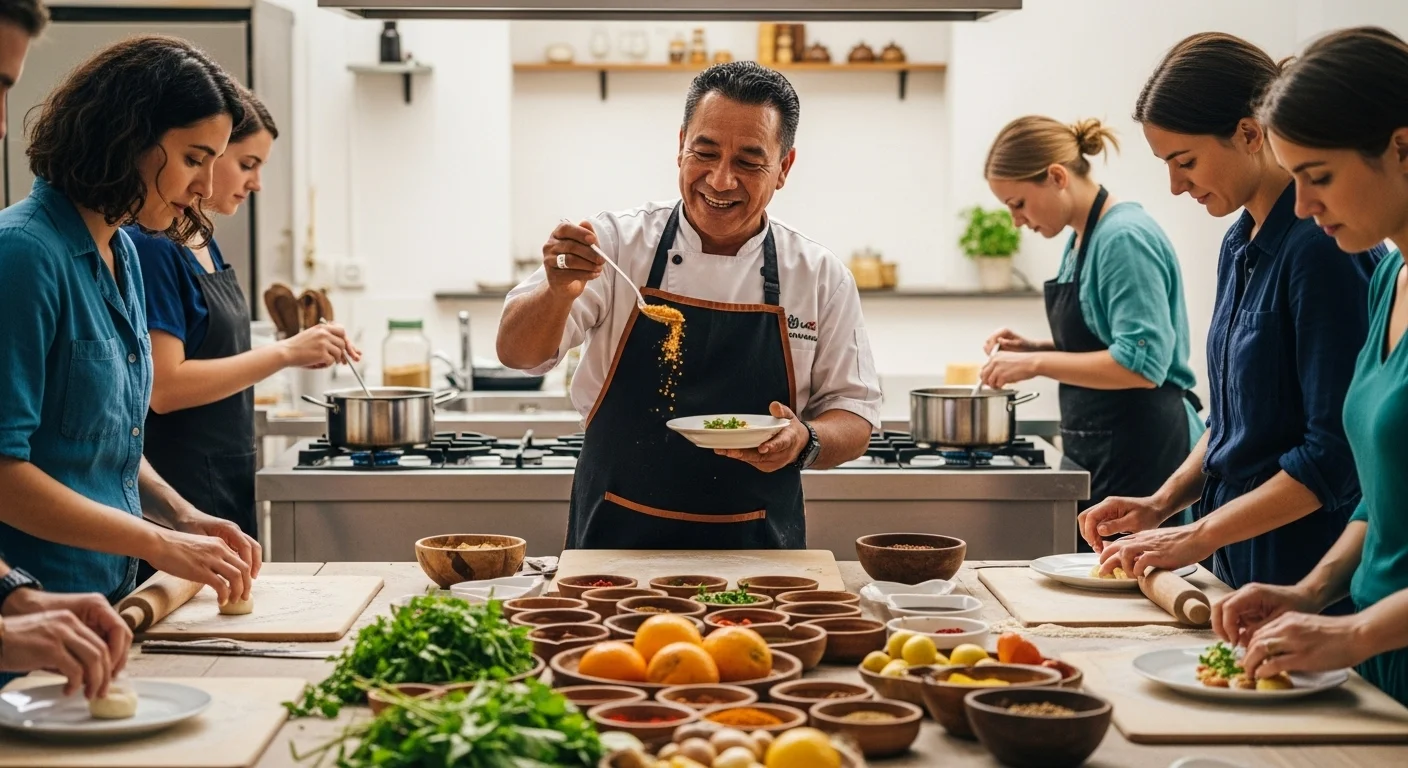
Most cooking classes I’ve attended follow a similar structure. Typically, you’ll start with a brief introduction to the instructor and the dishes you’ll be making. After that, you usually dive right into hands-on cooking. I love that part! It’s where the magic happens, and you get to put your skills to the test. Some classes may also include a tasting session at the end, where everyone gathers to enjoy the meal they’ve prepared. It’s a great way to celebrate your hard work!

Ingredients and Equipment Provided

Classes generally provide all the necessary ingredients and equipment, so you don’t need to worry about bringing anything. I remember feeling relieved when I realized I wouldn’t have to hunt down specific spices or tools. The instructors often set up everything in advance, making it easy to jump right in. Plus, they usually explain the significance of each ingredient, which adds another layer of understanding to the experience.

Language Barriers and Accessibility

If you’re traveling in a country where English isn’t the primary language, you might wonder about language barriers. From my experience, most cooking classes cater to international participants, and many instructors are fluent in English. Some classes even provide translation services. I once took a class in a small village in Italy, and the chef’s enthusiasm for cooking transcended any language barriers. It was heartwarming to see how food can connect us, regardless of the words spoken. If you have any concerns, don’t hesitate to ask about language accommodations when booking.

Tips for Making the Most of Your Cooking Class Experience

Having attended many cooking classes, I’ve gathered some tips that can help you get the most out of your experience. Whether you’re a novice or a seasoned cook, these suggestions can enhance your time in the kitchen.

Preparation Before the Class

Take a moment to prepare yourself before the class. I like to read about the dishes I’ll be making or even watch some videos online. This way, I feel more engaged and ready to learn. Plus, it’s a great conversation starter with the instructor and other participants. If there are specific techniques you want to focus on, don’t hesitate to mention them at the start of the class.

Engaging with Instructors and Fellow Participants

During the class, I’ve found that engaging with both the instructor and fellow participants can enrich the experience. Ask questions, share your cooking experiences, and don’t be afraid to make friends. I’ve met some amazing people in cooking classes who have become lifelong friends. The shared joy of cooking often leads to great conversations and connections that extend beyond the kitchen.

Documenting Your Experience

Finally, don’t forget to document your cooking adventure! I love taking photos of the dishes I make, the ingredients used, and even the cooking process. It not only serves as a wonderful memory but also helps me recreate those dishes at home later. Some classes may even provide recipe cards, which can be a useful reference as you continue your culinary journey.

Frequently Asked Questions

Why should I take a cooking class while traveling?

Taking a cooking class while traveling allows you to dive into local cultures, learn unique recipes, and create lasting memories. It provides a personal connection to the culture through its cuisine, enhancing your travel experience.

What types of cooking classes are available?

There are various types of cooking classes, including hands-on classes where participants actively cook and demonstration classes where a chef showcases techniques. Group classes are fun for those traveling with others, while private lessons offer a more tailored experience.

What factors should I consider when choosing a cooking class?

Consider the location of the class, its duration and schedule, the instructor’s experience, and the class size. Classes held in local homes often provide a more authentic experience, while smaller classes can offer more personalized instruction.

Are there budget-friendly cooking classes available?

Yes, there are many budget-friendly cooking classes available worldwide. Destinations like Chiang Mai, Tokyo, and Florence offer affordable experiences that also enrich your culinary skills without breaking the bank.

How can I find affordable cooking classes?

You can find affordable cooking classes through online platforms like Airbnb Experiences, local cooking schools, and by looking for discounts or group deals. Researching thoroughly can help you discover cost-effective options.

What should I expect from a cooking class?

Most cooking classes typically start with an introduction to the instructor and the dishes being prepared, followed by hands-on cooking. Many classes also include a tasting session at the end where participants enjoy the meal they made.

Will ingredients and equipment be provided for the cooking class?

Yes, cooking classes usually provide all necessary ingredients and equipment, so participants don’t need to bring anything. Instructors often set up everything in advance to allow for a smooth cooking experience.

What if there are language barriers during the cooking class?

Most cooking classes cater to international participants, and many instructors are fluent in English. Some classes may even provide translation services, making it easier for everyone to understand and engage.

How can I make the most of my cooking class experience?

To maximize your experience, prepare by reading about the dishes, engage with the instructor and fellow participants, and document your cooking adventure through photos. This can enhance both your learning and enjoyment.

What memorable cooking classes are mentioned in the article?

Memorable cooking classes mentioned include Thai cooking classes in Chiang Mai, Japanese cooking classes in Tokyo, Italian cooking classes in Florence, and Mexican cooking classes in Oaxaca, among others, each offering unique cultural insights and culinary experiences.
Master Global Cuisine: Top Cooking Classes to Explore

Embarking on a culinary adventure can be one of the most rewarding experiences. Exploring global cuisine through cooking classes not only enhances your skills but also connects you to cultures around the world. Read Interesting article: Discover Culinary Delights: Cooking Classes Worldwide

Master Global Cuisine: Top Cooking Classes to Explore

Understanding Global Cuisine

What is Global Cuisine?

Global cuisine encompasses the diverse array of cooking styles, ingredients, and traditions found around the world. When I first began to explore it, I realized that each dish tells a story—reflecting the history, geography, and culture of its origin. From the rich spices of Indian curries to the delicate flavors of Japanese sushi, every cuisine offers a unique perspective. I remember the excitement I felt trying different dishes, each one opening a new chapter of culinary exploration.

Key Characteristics of International Dishes

What makes international dishes so fascinating are their key characteristics. Ingredients play an essential role, as they can vary significantly based on local availability and climate. For example, Mediterranean dishes often feature olive oil, fresh vegetables, and seafood, while Asian cuisines may highlight rice, soy sauce, and an array of spices. I once attended a cooking class focusing on Moroccan cuisine, and I was amazed by how spices like cumin, coriander, and cinnamon transformed simple ingredients into a flavorful feast.

Another characteristic is the cooking techniques used, which vary widely across cultures. Techniques like braising, steaming, grilling, and frying each bring out different flavors and textures. I’ve seen how a simple sauté can elevate vegetables into a dish bursting with flavor. Additionally, presentation is crucial; many cultures place great emphasis on how food looks on the plate, making it not only delicious but also visually appealing. I learned this firsthand during a sushi-making workshop where we practiced the art of plating as much as we focused on the flavors. Read Interesting article: Explore Global Culinary Delights at These Affordable Festivals

Importance of Cooking Techniques in Global Cuisine

Understanding cooking techniques is vital for mastering global cuisine. Each method has its own set of principles that can dramatically affect the final dish. For instance, I remember learning about the art of sous-vide cooking in a French culinary class. The precision involved allows ingredients to retain their moisture and flavor, resulting in dishes that are both tender and bursting with taste. It opened my eyes to how science can play a role in cooking!

Moreover, mastering these techniques can empower you to recreate authentic dishes at home. I’ve found that once I grasped the basics of sautéing and roasting, I could bring the essence of Italian, French, or Asian dishes into my own kitchen. It’s empowering to know that with the right skills, I can whip up a flavorful Pad Thai or a classic coq au vin for my friends and family. Plus, the joy of sharing these dishes is something I cherish deeply. Read Interesting article: Affordable Culinary Experiences: Taste Your Way Around the Globe

In my journey to understand global cuisine, I realized that cooking is not just about food; it’s about connection. Whether it’s gathering around a table with loved ones or sharing a meal with new friends, these experiences have enriched my life in countless ways. I truly believe that through cooking classes, we can bridge cultural divides and celebrate our differences while finding common ground through food.

As I continue to explore different cuisines, I find myself drawn to cooking classes that delve deeper into the traditions and techniques of each culture. I’ve learned that cooking is often a communal activity, and many classes embrace this aspect, allowing participants to bond over their love for food. There’s something magical about chopping vegetables together or kneading dough side by side, creating connections that extend beyond the kitchen.

With all this in mind, the world of global cuisine is vast and endlessly fascinating. The cooking classes available today offer a chance to not only learn how to create delicious dishes but also immerse ourselves in the rich cultural tapestry that defines each cuisine. Whether you’re a beginner or an experienced cook, there’s always something new to discover. I’m excited to share some of the top cooking classes around the world that can help you master the art of global cuisine.

Top Cooking Classes Around the World

Italian Cooking Classes

When I think of Italian cuisine, my mind instantly conjures images of sun-soaked landscapes, vibrant markets, and the delightful aroma of garlic and basil wafting through the air. Italian cooking classes often offer a rich insight into this beloved cuisine. A couple of experiences stand out for me that I think others would appreciate.

Learn to Make Fresh Pasta

One of my most memorable culinary adventures was at a cooking class in Bologna, where I learned how to make fresh pasta from scratch. The instructor, an Italian grandmother with a passion for food, shared her family secrets while guiding us through the process. We mixed flour and eggs to create a silky dough, then rolled it out into thin sheets. I was amazed at how something so simple could transform into delicious fettuccine! The satisfaction of watching the pasta cook in boiling water and then savoring it with a homemade sauce was unparalleled. I recommend taking a class like this if you want to capture the essence of Italian home cooking.

Pizza Making Workshops

Another favorite experience of mine was a pizza-making workshop in Naples, the birthplace of pizza itself. The energy in the room was infectious as we learned about the importance of using high-quality ingredients, like San Marzano tomatoes and fresh mozzarella. I remember the thrill of shaping the dough, understanding how to create the perfect crust, and then crafting my own unique pizza. Baking it in a traditional wood-fired oven elevated the flavors to a whole new level. For anyone looking to dive into Italian cuisine, this hands-on experience is a must!

French Culinary Classes

France is another country that boasts a rich culinary heritage. I’ve always admired how French cooking combines elegance with technique, and I’ve had the pleasure of participating in various classes that truly embody this spirit.

Pastry and Dessert Courses

One class that stands out is a pastry-making course I took in Paris. The instructor taught us how to create classic French pastries like éclairs and macarons. I remember the precision required to achieve the perfect meringue, and the joy of watching my creations rise beautifully in the oven. I still find myself trying to replicate those delicate desserts at home, often with some trial and error! If you have a sweet tooth, I can’t recommend these pastry classes enough—they’re as delicious to eat as they are to make.

Traditional French Cooking Techniques

Another unforgettable experience was a class that focused on traditional French cooking techniques. I learned how to make a classic coq au vin and a rich béchamel sauce. The instructor emphasized the importance of layers of flavor and the right cooking methods. I found it fascinating how these techniques, passed down through generations, are the backbone of French cuisine. This class truly deepened my appreciation for the art of cooking.

Asian Cuisine Cooking Classes

Asian cuisine offers a vast landscape of flavors and cooking styles, and I’ve enjoyed diving into various cooking classes that focus on this genre.

Sushi Making Workshops

One particularly fun experience was a sushi-making workshop I attended in Tokyo. We learned about the significance of each ingredient, from the rice to the fish, and how to properly prepare and slice them. I was surprised by how much technique goes into rolling sushi and achieving that perfect bite. Sharing the sushi I created with fellow classmates felt like a celebration of our efforts and a taste of Japanese culture.

Thai Curry Cooking Classes

Another class that left a lasting impression was a Thai cooking class where we prepared various curry pastes. It was fascinating to learn how fresh ingredients like herbs and spices could create such complex and vibrant flavors. I remember grinding the ingredients together in a mortar and pestle, which was both a workout and a rewarding experience. The best part was enjoying the fruits of our labor, savoring the rich, aromatic curries we had just crafted together.

Mexican Cooking Classes

Mexican cuisine is one of my favorites, known for its bold flavors and vibrant colors. I’ve had the opportunity to participate in several classes that highlight its rich culinary traditions.

Authentic Taco Making

One of the highlights was a taco-making class in Mexico City. We learned how to make corn tortillas from scratch, which was a game-changer for me. Understanding the process behind these simple yet essential elements of Mexican cuisine was incredibly rewarding. We filled them with marinated meats and fresh salsas, and I couldn’t believe how much better they tasted than anything I’d had before. There’s nothing like a homemade taco!

Mexican Street Food Experiences

Another delightful experience was a street food tour combined with a cooking class. We explored local markets, tasted a variety of street foods, and then returned to the kitchen to recreate some of those dishes. I remember the thrill of trying tamales and elote, and then learning how to make them myself. It was a vibrant immersion into Mexican culture, and I left with a newfound love for its street food offerings.

Middle Eastern Cooking Classes

Middle Eastern cuisine is filled with spices, herbs, and bold flavors, and I’ve loved exploring this world through cooking classes.

Exploring Mezze Dishes

One of my favorite classes focused on mezze, the delightful assortment of small dishes served in Middle Eastern cuisine. I learned to prepare various dips, like hummus and baba ghanoush, and enjoyed the communal aspect of sharing these dishes. I remember the joy of watching friends savor each bite, gathering around the table to enjoy the vibrant flavors and aromas. It truly felt like a celebration.

Persian Rice and Stews

Another memorable class was dedicated to Persian cuisine, where I learned the art of cooking saffron-infused rice and rich stews. I was amazed by the techniques involved, especially when it came to achieving the perfect fluffy rice. The flavors were incredible, and I loved the way these dishes brought people together. Cooking Persian food reminded me of how food can connect us to our heritage and the stories behind each recipe.

Virtual Cooking Classes: A Global Experience from Home

Benefits of Online Cooking Classes

In recent years, I’ve noticed a significant shift in how we approach learning to cook, particularly with the rise of virtual cooking classes. For those of us who may not have the opportunity to travel or attend in-person classes, online options have opened up a world of culinary exploration right from our kitchens. One of the biggest benefits I’ve found is the sheer convenience. I can log in from home, grab my ingredients, and follow along with a chef from anywhere in the world. It’s like having a private lesson without the need to book a flight!

Additionally, these classes often offer a wide variety of cuisines that might not be available locally. I’ve participated in classes teaching everything from Ethiopian injera to Korean kimchi, which has broadened my culinary horizons immensely. The flexibility of virtual classes also allows me to learn at my own pace, pausing when I need to catch up or rewinding to clarify a tricky technique. It’s tailored learning, and for someone like me who loves to explore new recipes, it’s a game-changer.

Popular Platforms Offering Global Cuisine Classes

With so many platforms available, it can be overwhelming to choose the right one. I’ve explored a few that stand out for their quality and variety.

MasterClass

MasterClass is one of my go-to platforms for cooking classes. The quality of production is top-notch, and the chefs featured are world-renowned. I remember taking a class with Alice Waters, who taught me about the importance of seasonal ingredients. The videos are not only informative but also incredibly inspiring, making me eager to get into the kitchen and try her techniques. Plus, the membership gives you access to a myriad of other classes, so you can dive into topics beyond cooking if you wish!

Udemy

Udemy offers an extensive range of cooking classes, often at a fraction of the price compared to other platforms. I appreciate how you can find classes tailored to every skill level, from beginners to advanced cooks. I once enrolled in a Thai cooking course that allowed me to work with local ingredients. The beauty of Udemy is that you can keep the classes forever, so I can revisit them whenever I need a refresher or want to try a new dish. It’s like having a personal library of culinary knowledge at my fingertips.

Airbnb Online Experiences

Airbnb Online Experiences have become a favorite of mine as well. I love how these classes often incorporate cultural insights along with cooking techniques. I once took a class with a chef from Italy who not only guided us through making risotto but also shared stories about his family and the origins of the dish. This personal touch made the experience feel authentic and connected me to the culture in a meaningful way. Plus, I found it easier to engage with my classmates since we were all in the same virtual space, sharing our creations and experiences.

Choosing the Right Cooking Class for You

Beginner vs. Advanced Classes

When it comes to selecting a cooking class, it’s vital to consider your skill level. I remember the first time I signed up for a cooking class; I was a complete novice. Picking a beginner class made all the difference. It was a supportive environment where I could ask questions without feeling intimidated. As I grew more confident, I began taking advanced classes that challenged me in new ways. I think it’s important to strike a balance—choosing classes that push you while still being within your range of comfort. This way, you’ll be able to learn effectively and enjoy the process!

Class Length and Intensity

Another factor to consider is the length and intensity of the class. I’ve been in some classes that lasted just an hour and others that were a full day. If you’re tight on time, shorter classes can be a great way to learn specific techniques or dishes without a huge commitment. Alternatively, if you’re looking for a more immersive experience, longer classes often provide deeper insights into the cuisine’s history and techniques. I found that engaging in a full-day workshop allowed me to build relationships with other participants and really dive into the cooking process.

Finding Classes by Cuisine Type

If you have a particular cuisine in mind that you want to explore, searching for classes specifically tailored to that cuisine can be beneficial. I often find that thematic classes help enhance my understanding of the culinary culture behind the dishes. For instance, when I wanted to learn more about Indian cuisine, I took a class focused solely on regional specialties, which helped me appreciate the diversity within the cuisine. I recommend looking for classes that highlight specific dishes or techniques that excite you—it makes the learning process much more enjoyable!

What to Expect in a Cooking Class

Class Structure and Format

Understanding the structure of a cooking class can help set your expectations. Generally, I’ve noticed that most classes start with an overview of the dishes we’ll be preparing, followed by a demonstration from the instructor. Then, it’s hands-on time! I love the interactive nature of these classes, where we get to roll up our sleeves and dive into the cooking. There’s something incredibly rewarding about creating a dish with your own hands, guided by an expert.

Ingredients and Equipment Provided

Before attending, it’s essential to know what ingredients and equipment will be provided. Some classes supply everything you need, while others might require you to bring certain items. I’ve learned to check this detail ahead of time to avoid any last-minute scrambles. In my experience, having everything prepped and ready to go allows me to focus fully on learning instead of worrying about missing ingredients.

Learning Outcomes and Skills Gained

Lastly, consider the learning outcomes. Each class should ideally provide clear skills and knowledge that you can take home with you. I remember leaving a class with newfound confidence in my knife skills and the ability to prepare a complex dish. Knowing what to expect in terms of skills gained can enhance your motivation and excitement for the class. I always look forward to the moments when I realize I can replicate what I’ve learned back in my own kitchen.

Tips for Maximizing Your Cooking Class Experience

Preparation Before Class

To get the most out of any cooking class, preparation is key. I’ve found that reading up on the cuisine or dish beforehand helps me engage more deeply during the class. Familiarizing myself with the ingredients or techniques can spark discussions with the instructor and my fellow classmates. Plus, it shows respect for the culinary traditions we’re exploring.

Engaging with Instructors and Peers

Don’t hesitate to ask questions or share your thoughts during the class! I’ve learned so much from engaging with instructors who are often more than happy to share their expertise and tips. Additionally, connecting with fellow participants can lead to friendships and future cooking adventures together. There’s something about bonding over food that makes those connections special.

Practicing at Home After Class

After a class, I always make it a point to practice what I’ve learned at home. I find that the more I repeat a technique or dish, the more proficient I become. It not only reinforces the skills I’ve gained but also allows me to experiment and make the dish my own. Plus, sharing my creations with friends and family is a wonderful way to relive the experience and introduce them to the global flavors I’ve come to love!

Exploring Culinary Travel Opportunities

Combining Travel with Cooking Classes

If you’re like me, the idea of combining travel with cooking classes is incredibly exciting. Traveling to a new country and immersing myself in its culinary culture has brought some of my most cherished memories. I remember taking a trip to Thailand where I not only explored the beautiful landscapes but also participated in a cooking class that allowed me to shop at local markets and learn from skilled chefs. This experience deepened my connection to the culture and gave me skills I could take back home.

Destinations Known for Culinary Experiences

There are so many destinations known for their culinary experiences, and I’ve had the pleasure of visiting a few. Italy’s culinary tours are nothing short of magical; I’ve tasted fresh pasta made by local artisans and sampled wines in picturesque vineyards. Each stop was an opportunity to learn about the region’s ingredients and cooking techniques. I also love exploring street food tours in Southeast Asia, where you can find a treasure trove of flavors and dishes that are unique to each locale.

Italy’s Culinary Tours

Italy, in particular, has captured my heart with its rich culinary heritage. I remember a week-long culinary tour through Tuscany where we visited family-run farms, harvested vegetables, and learned to cook traditional recipes. The emphasis on fresh, local ingredients made the experience unforgettable, and I still carry those recipes with me.

Street Food Tours in Southeast Asia

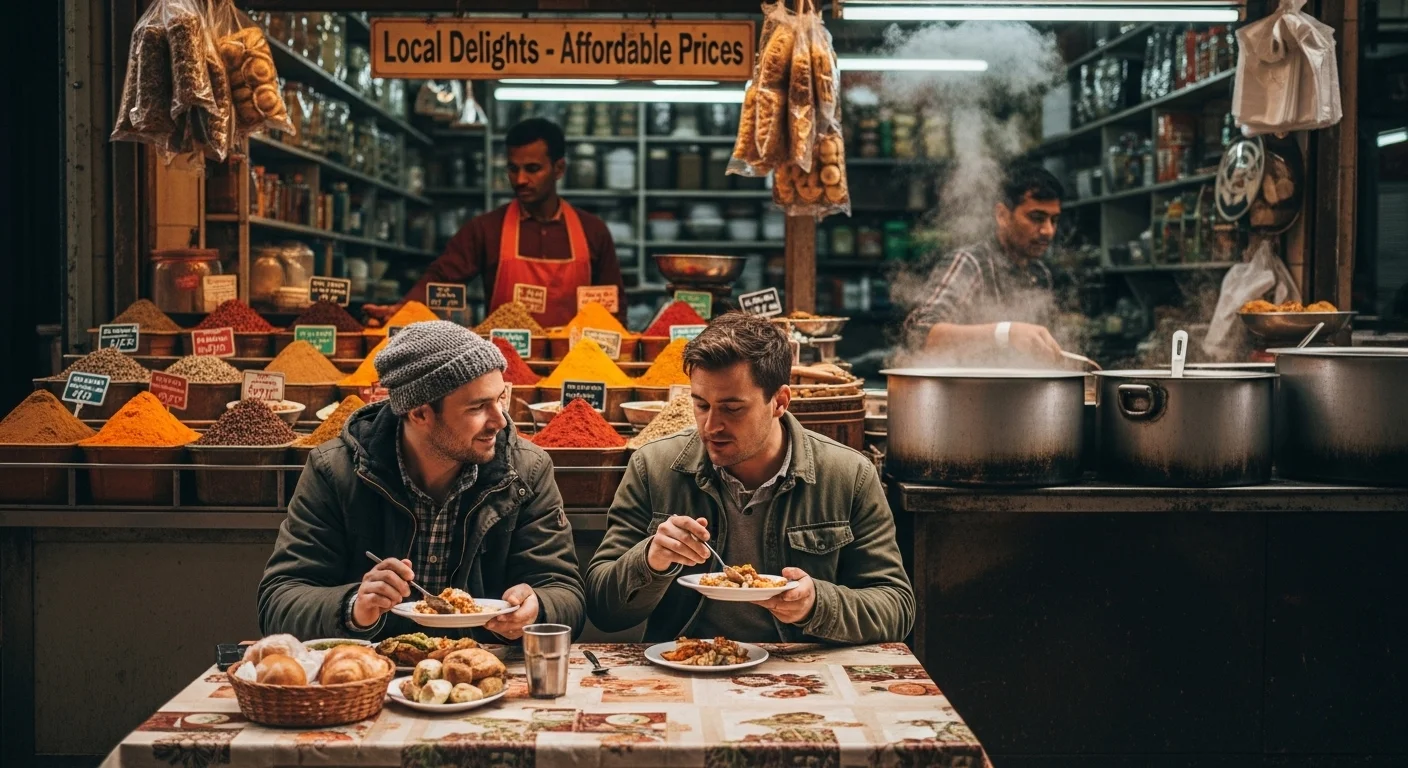
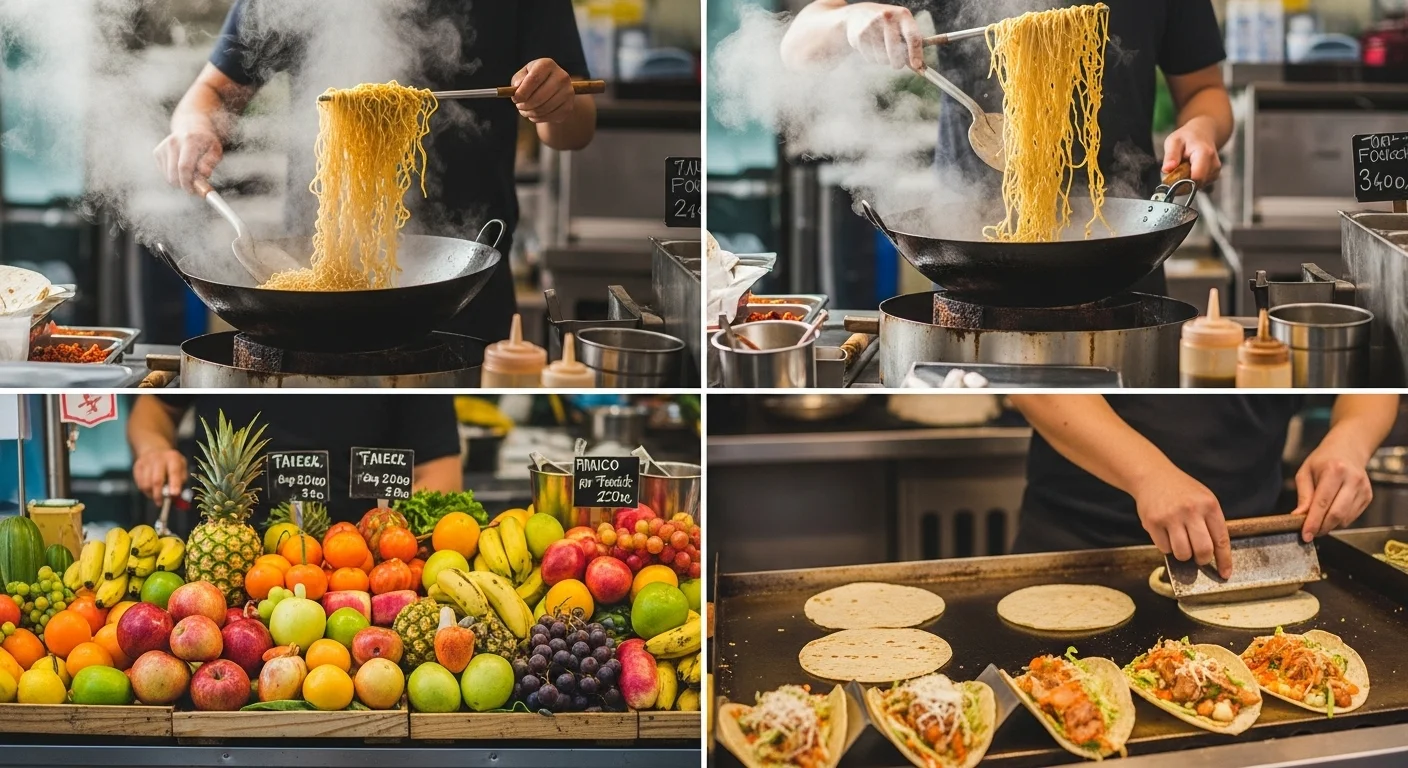
Street food tours in countries like Thailand and Vietnam have also been highlights of my culinary travels. The vibrant markets filled with sizzling woks and aromatic spices create an atmosphere that’s hard to match. I’ve tried dishes I never knew existed, and the thrill of tasting authentic street food has added a whole new dimension to my culinary journey.

Local Markets and Ingredient Sourcing

One of the most rewarding aspects of culinary travel is sourcing ingredients from local markets. I’ve spent hours wandering through bustling stalls, chatting with vendors, and selecting fresh produce. It’s amazing how much more meaningful a dish becomes when you’ve participated in every step, from selecting ingredients to cooking. Those experiences connect me to the culture in a profound way, and I often find myself reminiscing about the flavors and memories long after the trip is over.

Frequently Asked Questions

What is global cuisine?

Global cuisine encompasses the diverse array of cooking styles, ingredients, and traditions found around the world. Each dish tells a story, reflecting the history, geography, and culture of its origin.

Why are ingredients important in international dishes?

Ingredients are essential as they vary significantly based on local availability and climate, influencing the flavors and characteristics of the dishes. For example, Mediterranean dishes often feature olive oil and seafood, while Asian cuisines may highlight rice and various spices.

How do cooking techniques impact global cuisine?

Cooking techniques greatly affect the final dish, with methods like braising, steaming, grilling, and frying bringing out different flavors and textures. Mastering these techniques allows cooks to recreate authentic dishes at home.

What are some popular cooking classes mentioned in the article?

Popular cooking classes include Italian cooking classes, French culinary classes, Asian cuisine workshops, Mexican cooking classes, and Middle Eastern cooking classes, each offering unique insights into their respective cuisines.

What can one expect from a cooking class?

One can expect an overview of the dishes to be prepared, a demonstration by the instructor, followed by hands-on cooking. The interactive nature of these classes makes it rewarding to create a dish with guidance.

What are the benefits of virtual cooking classes?

Virtual cooking classes offer convenience, a variety of global cuisines, and flexibility to learn at one’s own pace. They provide access to culinary experiences from the comfort of home.

How can participants maximize their cooking class experience?

Participants can maximize their experience by preparing beforehand, engaging with instructors and peers, and practicing at home after the class to reinforce the skills learned.

What should one consider when choosing a cooking class?

When choosing a cooking class, consider your skill level, the length and intensity of the class, and whether it focuses on a specific cuisine that interests you. Finding classes that match your needs enhances the learning experience.

What are some culinary travel opportunities mentioned in the article?

Culinary travel opportunities include combining travel with cooking classes, visiting destinations known for culinary experiences, and sourcing ingredients from local markets, which deepen the connection to the culture.

What makes Italy a special destination for culinary experiences?

Italy is renowned for its rich culinary heritage, offering experiences such as culinary tours in Tuscany where participants can learn about traditional recipes and the importance of fresh, local ingredients.

Discover Culinary Delights: Cooking Classes Worldwide

Embarking on a culinary adventure can be one of the most rewarding experiences, allowing us to explore different cultures through their food. Cooking classes worldwide offer a unique opportunity to learn, taste, and create delicious dishes with a global twist. For those looking for more cultural experiences, Experience Authenticity: Top Cultural Classes for Backpackers is a great resource.

Discover Culinary Delights: Cooking Classes Worldwide

Overview of Global Cooking Classes

What Are Cooking Classes?

When I first stepped into a cooking class, I was unsure of what to expect. Cooking classes are structured sessions where participants learn how to prepare various dishes, often focusing on specific cuisines or techniques. They can take place in professional kitchens, local community centers, or even online. The class size can vary from intimate settings with just a few students to larger groups, which can be quite fun and social. I remember my first class was in a cozy kitchen in Italy, surrounded by fresh herbs and the aroma of garlic – it felt so authentic!

Benefits of Taking Cooking Classes

Taking cooking classes has so many benefits. For starters, they provide hands-on experience, allowing us to learn by doing rather than just reading recipes. I’ve found that being guided by an expert chef can make all the difference. They share tips, tricks, and even the stories behind the dishes, which enriches the entire experience. Moreover, it’s a fantastic way to meet people. I’ve made friends from different parts of the world, all brought together by a love for food. Cooking classes also boost our confidence in the kitchen. I remember the first time I successfully made a soufflé; I felt like a culinary superstar! Additionally, many classes focus on healthy cooking techniques, helping us learn how to create delicious meals that are also good for us. For those on a budget, Savoring Local Flavors: Budget-Friendly Culinary Adventures offers great insights into affordable options.

Popular Culinary Destinations

Italy: Mastering Italian Cuisine

Italy has always been a dream destination for food lovers. When I went to Florence, I signed up for a cooking class that focused on traditional Tuscan dishes. We started at the local market, picking fresh produce and handmade pasta. Learning to make a classic ragù from scratch was one of my most cherished experiences. I remember the magic of rolling out pasta dough and the smell of basil filling the air. It’s an experience I will always treasure. Italy is perfect for anyone wanting to delve into the art of Italian cuisine.

France: From Pastries to Provencal Dishes

France is another culinary gem that offers an array of cooking classes. I’ll never forget my time in Paris, where I attended a pastry-making class. The instructor was a pastry chef who had worked in Michelin-starred restaurants. We learned how to make flaky croissants and delicate macarons. It was challenging, but the satisfaction of tasting those fresh pastries was beyond words. From mastering the perfect soufflé to exploring rustic Provencal dishes, France offers a fantastic culinary journey for every aspiring cook.

Japan: Sushi Making and Traditional Techniques

Japan holds a special place in my heart when it comes to cooking classes. I took a sushi-making class in Tokyo, and it was an eye-opener. Not only did we learn how to roll sushi, but we also delved into the philosophy behind Japanese cuisine. The focus on seasonal ingredients and presentation was fascinating. I learned about umami and how to appreciate the subtleties of flavor in each bite. It was a mindfulness experience that went beyond just cooking – it was about respecting the ingredients and the art of food.

Mexico: Authentic Mexican Cooking

If you’re looking for vibrant flavors and colorful dishes, Mexico is the place to be. I attended a cooking class in a small village near Oaxaca. We made mole from scratch, which involved grinding various spices and ingredients together. The rich, complex flavors were something I had never experienced before. The instructor shared stories about the history of each dish, making the experience even richer. Plus, we enjoyed our creations with margaritas on the patio, surrounded by the beautiful landscape. It was pure bliss!

India: Regional Dishes and Spices

India is a treasure trove of culinary diversity. I had the chance to take a spice tour and cooking class in Rajasthan. It was fascinating to learn about the different spices and how they’re used in regional dishes. We made a traditional thali, which included various curries, bread, and rice. I remember being amazed at how a few simple spices could transform a dish into something exceptional. The communal aspect of Indian cooking made me feel at home, and I left with a newfound appreciation for the cuisine.

Thailand: Street Food and Culinary Secrets

My journey through cooking classes wouldn’t be complete without mentioning Thailand. I took a street food cooking class in Bangkok, which was an adventure in itself. We explored local markets, selecting fresh ingredients and learning about the balance of flavors in Thai cuisine. Making pad thai and green curry while sitting outdoors in the warm air was a highlight. The explosion of flavors in every bite was something I’ll always remember. Thai cooking classes are a perfect way to understand the heart of the country’s culinary culture.

Types of Cooking Classes

Hands-On Experience vs. Demonstration Classes

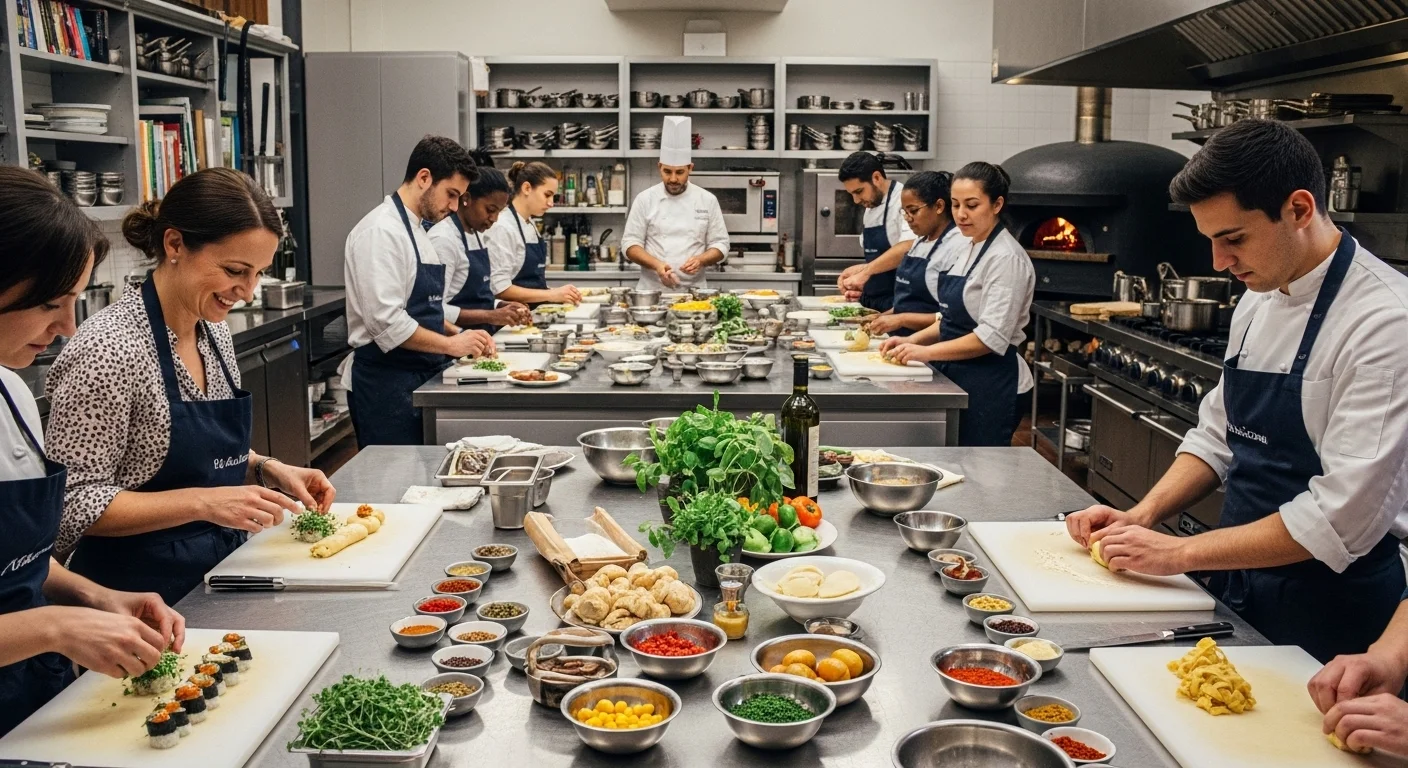
One of the first things I noticed when taking cooking classes is the difference between hands-on experiences and demonstration classes. In hands-on classes, we really get our hands dirty – chopping, stirring, and cooking side by side with the instructor. I remember one class where we were all gathered around a large kitchen island, each with our own cutting board, learning to make fresh pasta. The laughter and chatter as we shared tips and made mistakes together created such a lively atmosphere. I felt like we were all part of a little culinary family.

On the other hand, demonstration classes have their charm, too. The chef showcases cooking techniques while we watch and take notes. I’ve found these classes to be incredibly informative, especially when the chef explains the science behind each step. I recall watching a chef in a French cooking class demonstrate how to perfectly sear a duck breast. His precision and flair were inspiring, and I learned so much just by observing. Both types of classes offer unique insights and experiences, and I think it really depends on what you’re looking for – whether you want to dive in or soak up knowledge first.

Online Cooking Classes: A New Trend

With the rise of technology, online cooking classes have become a popular option, especially in recent years. I initially thought they wouldn’t compare to the in-person experience, but I was pleasantly surprised. I took an online class focusing on Mediterranean cuisine. It felt weird at first, cooking in my own kitchen while following a live instructor, but it quickly became enjoyable. I appreciated being able to pause the video or rewind if I needed a moment to catch up. Plus, I could use my own ingredients, which made it feel more personal.

Online classes also offer incredible flexibility. I could select classes based on my schedule, and the variety is amazing. I’ve seen everything from baking bread to mastering knife skills available at the click of a button. I found that even though I wasn’t physically in a kitchen with other students, I could still interact with the instructor and fellow students through chat features. It’s an exciting way to learn, especially if you can’t travel but still want to broaden your culinary skills.

Specialized Classes: Baking, Vegan, and More

Specialized cooking classes cater to specific dietary preferences or culinary interests, which I find to be incredibly rewarding. I took a vegan cooking class once, and it opened my eyes to a whole new world of flavors and textures. We learned to create dishes like creamy cashew cheese and hearty lentil shepherd’s pie. I was amazed at how delicious plant-based cooking could be. The instructor was passionate, sharing tips on sourcing local ingredients and creating balanced meals. It was a game-changer for me and inspired me to experiment more in my own kitchen.

Baking classes are another specialty I love. I remember taking a sourdough bread workshop that was both challenging and fulfilling. The chef explained the art of fermentation and how to care for a sourdough starter. There’s something magical about the smell of freshly baked bread filling the kitchen. I still use the techniques I learned in that class every time I bake bread at home. Specialized classes can help us dive deep into what we are most passionate about, whether it’s bread, pastries, or specific cuisines. If you’re looking for culinary adventures that fit your budget, check out Culinary Adventures on a Budget: Explore Local Flavors.

What to Expect in a Cooking Class

Class Structure: From Preparation to Cooking

Every cooking class I’ve taken had its own rhythm, but they generally follow a similar structure. We often start with a welcome from the instructor, who introduces the menu for the day. I appreciate how most classes begin with preparation; it’s essential to understand the ingredients and techniques before diving in. I remember one class where we spent the first 30 minutes just prepping veggies and measuring out spices. This foundation made the cooking process much smoother and more enjoyable.

After preparation, the cooking begins! Whether it’s sautéing, baking, or assembling dishes, I love how the energy in the room shifts to excitement. The hands-on aspect allows us to learn through trial and error, and the instructors are there to guide us every step of the way. It’s fascinating to see how a group of people, each at different skill levels, can create such beautiful dishes together.

Common Ingredients and Equipment Used

Throughout my cooking adventures, I’ve noticed that certain ingredients and equipment are staples in many classes. Fresh herbs, seasonal vegetables, and quality oils are often emphasized. I remember how we used fresh basil and ripe tomatoes in almost every Italian cooking class I attended; these ingredients truly make a difference in flavor. Plus, working with high-quality tools, like sharp knives and sturdy cutting boards, made the experience feel professional.

Learning about kitchen equipment was another valuable aspect. Many classes provide insights into the tools that can elevate our cooking at home. I particularly enjoyed learning about the differences between various types of pans, like cast iron versus non-stick, and when to use each. Understanding how to use the right tools can genuinely improve our cooking skills and results.

Learning Techniques and Culinary Skills

Each cooking class is an opportunity to learn new techniques, and I’ve taken away countless skills that I still use today. From mastering knife skills to understanding how to balance flavors, every class has its unique lessons. I remember learning how to julienne vegetables in one class; it felt like a rite of passage! The instructor emphasized proper technique, which made me feel more confident in my abilities.

Additionally, many classes focus on building our culinary knowledge. I’ve learned about cooking methods, flavor profiles, and even food plating, all of which enhance my overall cooking experience. The beauty of cooking classes is that they not only teach us how to cook but also ignite a passion for exploring the culinary arts further.

How to Choose the Right Cooking Class

Consider Your Skill Level

When I first began exploring cooking classes, I realized how important it is to consider your skill level. Are you a complete beginner, or do you have some experience in the kitchen? I remember feeling a bit overwhelmed when I signed up for a class that was advertised as “intermediate.” I thought I could keep up, but I quickly found myself struggling to keep pace. It’s essential to choose a class that matches your experience, so you get the most out of the experience. I’ve since learned to look for classes that cater to beginners if I want to build a solid foundation before moving on to more complex techniques.

Researching Instructors and Their Credentials

The instructor can make or break your cooking class experience. I’ve learned this firsthand. When I took a class with a chef who was passionate and engaging, I absorbed so much more than when the instructor was less enthusiastic. I often check the instructor’s background and credentials before signing up. Many cooking schools and platforms feature instructors with impressive resumes, like experience in Michelin-starred restaurants or culinary school training. I recommend reading reviews and checking out their social media to get a feel for their teaching style. A great instructor can turn a cooking class into a memorable and enriching experience!

Understanding Class Size and Group Dynamics

Class size can greatly impact your learning experience. Smaller classes often allow for more personalized attention, which I find incredibly helpful. I remember attending a class with just five other participants; we all got a chance to ask questions and receive direct feedback from the chef. It felt so intimate and nurturing. On the other hand, I’ve also enjoyed larger classes where the energy was contagious, and we all cooked together as a team. It really depends on your preference. If you thrive in a more collaborative and social atmosphere, a larger class might be perfect. But if you want hands-on guidance, opt for something smaller.

Location and Accessibility

Location matters when it comes to choosing a cooking class. I’ve made the mistake of signing up for a class that was too far away, only to realize that the commute was a hassle. It’s best to find something close to home or in a location you’ll enjoy visiting. Many cities have culinary schools or community centers that offer classes, so it’s worth doing some research. If you’re traveling, consider taking a class that highlights the local cuisine. I’ve found that cooking in a new place, surrounded by local ingredients, enhances the entire experience. It’s one of the best ways to connect with the culture!

Cost of Cooking Classes Worldwide

Average Prices by Region

The cost of cooking classes can vary widely depending on where you are in the world. I’ve noticed that in Europe, especially in culinary hotspots like Italy or France, classes can range from $75 to over $200 per person for a half-day session. In contrast, classes in Southeast Asia, like Thailand or Vietnam, tend to be more affordable, often ranging from $30 to $100. I remember being pleasantly surprised by the price of a street food cooking class in Bangkok; it was so enriching without breaking the bank!

What Influences the Cost?

Several factors influence the cost of cooking classes. The experience of the instructor, the ingredients used, and the duration of the class play significant roles. For example, hands-on classes that provide high-quality ingredients and a unique setting often come at a premium. I’ve participated in some luxurious culinary experiences that included market visits and wine pairings, and while they were more expensive, they were worth every penny for the memories made. Additionally, classes in tourist areas might charge more due to demand, so it’s good to shop around and compare options.

Budget-Friendly Options

If you’re keen on learning to cook but are concerned about the budget, don’t worry! I’ve found many budget-friendly options that still offer incredible experiences. Local community centers often host affordable classes, and many cooking schools provide discounted rates for first-time students. Online cooking classes can also be a great way to save money while still learning from talented chefs. I’ve experimented with various online platforms, and some offer classes for as little as $10! It’s a fantastic way to explore cooking styles from around the world without the expense of travel.

Reviews and Recommendations

Top-Rated Cooking Schools Around the World

As I navigated through my cooking journey, I started to compile a list of top-rated cooking schools that I’d recommend based on my experiences and research. Schools like the Culinary Institute of America in the U.S. are renowned for their comprehensive programs and skilled instructors. In Italy, a place like the Apicius Culinary School in Florence has received rave reviews for its immersive cooking classes. I’ve also heard great things about Le Cordon Bleu in Paris, where many aspiring chefs go to hone their skills. These schools often have a variety of courses, from beginner to advanced, catering to all levels.

Online Platforms for Cooking Classes

Online platforms have opened up a world of culinary possibilities! Websites like MasterClass, Udemy, and Skillshare offer a plethora of cooking classes taught by renowned chefs. I’ve taken several classes on these platforms, and I appreciate the flexibility of learning at my own pace. Plus, there’s often a diverse range of cuisines and techniques, allowing me to explore areas I wouldn’t normally have access to. Whether it’s a class on mastering Japanese knife skills or baking the perfect sourdough, these options make it easy to dive into culinary arts from home.

Frequently Asked Questions

What are cooking classes?

Cooking classes are structured sessions where participants learn how to prepare various dishes, focusing on specific cuisines or techniques. They can occur in professional kitchens, local community centers, or online, with class sizes varying from intimate settings to larger groups.

What are the benefits of taking cooking classes?

Cooking classes provide hands-on experience, allowing participants to learn by doing. They boost confidence in the kitchen, offer tips and stories from expert chefs, and create opportunities to meet people who share a love for food. Many classes also focus on healthy cooking techniques.

What popular culinary destinations are recommended for cooking classes?

Some popular culinary destinations include Italy for traditional Tuscan dishes, France for pastries and Provencal dishes, Japan for sushi making, Mexico for authentic cooking, India for regional spices and dishes, and Thailand for street food and culinary secrets.

What types of cooking classes are available?

There are various types of cooking classes, including hands-on experiences where participants actively cook and demonstration classes where chefs showcase techniques while participants watch. Online cooking classes have also gained popularity, offering flexibility and a wide range of topics, along with specialized classes focusing on certain dietary preferences or culinary interests.

What can participants expect in a cooking class?

Participants can expect a structured class that begins with an introduction to the menu, followed by ingredient preparation and then cooking. Classes often emphasize hands-on experience, allowing participants to learn through trial and error while receiving guidance from instructors.

How should one choose the right cooking class?

Choosing the right cooking class involves considering your skill level, researching instructors and their credentials, understanding class size and group dynamics, and evaluating the location’s accessibility.

What is the average cost of cooking classes worldwide?

The cost of cooking classes varies by region, with classes in Europe typically ranging from $75 to over $200, while classes in Southeast Asia can be more affordable, ranging from $30 to $100.

What factors influence the cost of cooking classes?

Factors influencing the cost of cooking classes include the instructor’s experience, the quality of ingredients used, and the duration of the class. Classes that provide high-quality ingredients and unique settings often come at a premium.

Are there budget-friendly options for cooking classes?

Yes, budget-friendly options include classes offered by local community centers, discounted rates for first-time students at cooking schools, and online cooking classes that can be quite affordable, sometimes starting as low as $10.

What are some top-rated cooking schools and online platforms for cooking classes?

Top-rated cooking schools include the Culinary Institute of America in the U.S., Apicius Culinary School in Florence, and Le Cordon Bleu in Paris. Online platforms like MasterClass, Udemy, and Skillshare offer a wide range of cooking classes taught by renowned chefs, providing flexibility and diverse learning opportunities.

Affordable Wine and Dine: Discover Regional Cuisine on a Budget

Discovering delicious regional cuisine while sipping affordable wine can be one of life’s simplest pleasures. Join me as we explore how to enjoy a fantastic wine and dine experience without breaking the bank! Read Interesting article: Affordable Culinary Experiences: Taste Your Way Around the Globe

Affordable Wine and Dine: Discover Regional Cuisine on a Budget

Understanding Affordable Wine and Dine

What Does Affordable Wine and Dine Mean?

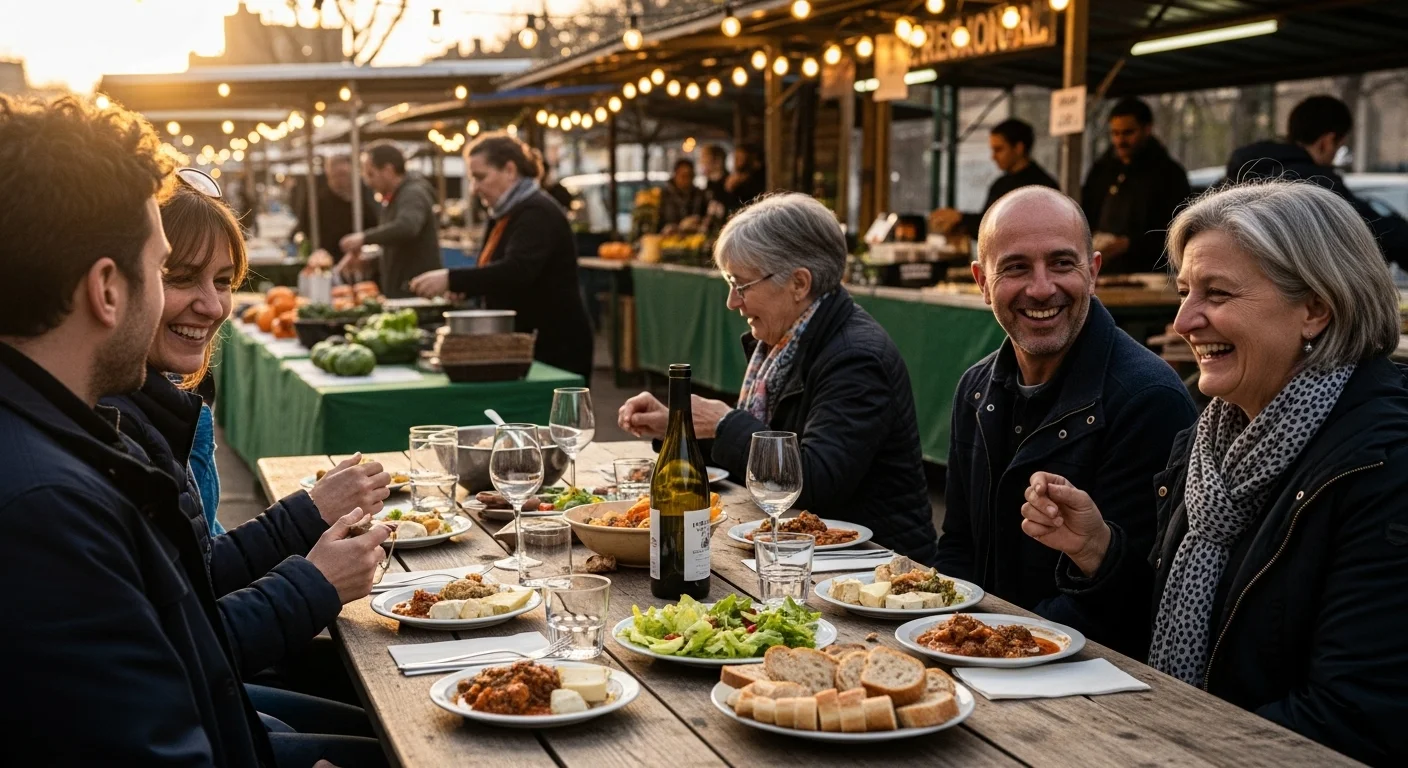
When I think of “affordable wine and dine,” I picture a warm atmosphere filled with laughter, delicious aromas, and delightful dishes that don’t cost a fortune. This concept revolves around enjoying good food and wine without the hefty price tag often associated with fine dining. For me, it’s about finding local gems that serve authentic regional dishes paired with reasonably priced wines. I’ve often found that many of the best experiences come from exploring lesser-known restaurants and local wineries that prioritize quality over extravagance.

Benefits of Exploring Regional Cuisine

Over the years, I’ve come to appreciate the rich diversity of regional cuisines. Each area has its own unique flair, influenced by local ingredients, cultural traditions, and cooking techniques. Exploring these culinary delights on a budget not only allows me to taste but also to connect with the culture of the region. I’ve realized that when we dine locally, we often discover flavors and dishes that are new and exciting, far removed from the standard fare at chain restaurants. It’s an adventure that fills both the belly and the soul.

Another benefit is the chance to support local businesses. By choosing to eat at smaller restaurants or buy from local wineries, I feel good knowing my money is helping the community thrive. Plus, the chefs and winemakers are often passionate about what they create. When I chat with them, I can sense their pride in their craft, which makes dining there even more enjoyable. I’ve had some of my best conversations over a glass of wine at a cozy restaurant, where the owner shares the story behind their signature dish or their favorite wine pairing. Read Interesting article: Explore Global Culinary Delights at These Affordable Festivals

Affordability doesn’t mean sacrificing quality, either. I’ve found that many modestly priced establishments use fresh, local ingredients, and these can often taste far superior to what you’d find in a chain restaurant. Seasonal menus allow chefs to showcase the best of what’s available, and I’ve always been amazed at how creative they can get with limited resources. It’s a true testament to their skill and love for food.

Moreover, affordable wine options are more accessible than ever. Instead of splurging on a bottle from a fancy restaurant, I’ve learned to seek out local wineries that offer tastings at reasonable prices. Often, these tastings include a variety of wines, allowing me to discover new favorites without the commitment of buying a full bottle. Plus, I’ve found that talking to the staff at these wineries can enhance the experience; they’re usually passionate about what they do and eager to share their knowledge.

In essence, exploring affordable wine and dine options broadens our culinary horizons while keeping our wallets happy. It’s about savoring experiences, meeting new people, and enjoying what each region has to offer. Whether it’s a quaint bistro in California’s wine country or a vibrant food market in New Orleans, the joy of discovering local flavors and wines is always worth the journey.

Top Destinations for Affordable Regional Cuisine

California’s Wine Country

California is famous for its wine, but what many don’t realize is that it’s also home to incredible food experiences that won’t break the bank. When I first visited Napa Valley, I was amazed at the variety of places to eat. From food trucks serving gourmet tacos to charming family-owned restaurants offering seasonal dishes, there’s something for everyone. I remember finding a small bistro that had a daily special featuring locally sourced ingredients, and it was both delicious and reasonably priced. Pairing it with a glass of their house wine made for a perfect evening.

The Culinary Delights of New Orleans

New Orleans is a treasure trove of flavors, and I quickly discovered that you can enjoy its culinary delights without spending a fortune. The vibrant street food scene is where I found some of my favorite meals. I remember stumbling upon a small po’ boy shop that was packed with locals. For just a few dollars, I indulged in a shrimp po’ boy that was crispy, flavorful, and oh-so-satisfying. Plus, the atmosphere was electric, filled with the sounds of jazz and the energy of the city.

Authentic Flavors of the Midwest

Midwestern cuisine may not be as well-known as some other regions, but I can assure you that it offers hearty and satisfying meals on a budget. I’ve enjoyed everything from homemade pierogies to smoky barbecue at local joints that feel like home. One of my favorite experiences was at a family-run diner where the portions were generous, and the prices were shockingly low. Eating a delicious, home-cooked meal while chatting with the friendly staff made me feel like part of the community.

Pacific Northwest Cuisine

In the Pacific Northwest, I’ve found that fresh, local ingredients are at the forefront of many dining experiences. The seafood is incredibly fresh, and many places offer casual dining options that won’t cost an arm and a leg. I remember visiting a coastal town where a small shack sold clam chowder that was rich and creamy, served in a bread bowl for a very reasonable price. It was the perfect meal after a day of exploring the stunning coastline.

Southern Comfort Food

Southern cuisine holds a special place in my heart, especially when it comes to comfort food. I’ve enjoyed many meals in the South that were not only delicious but also budget-friendly. From collard greens to cornbread, the flavors are bold and satisfying. I remember visiting a small diner that specialized in fried chicken. For a very reasonable price, I enjoyed a plate piled high with crispy chicken, mashed potatoes, and gravy that made my taste buds sing.

Finding Budget-Friendly Wine Options

Local Wineries and Breweries

One of the best parts of enjoying affordable wine and dine experiences is discovering local wineries and breweries. In my travels, I’ve often found that these places not only offer excellent products but also a sense of community. Visiting a local winery can feel like stepping into someone’s home. I remember visiting a small vineyard in California where the owner welcomed us with open arms. They offered tastings of their wines for a fraction of what I would pay in a restaurant. I learned about their winemaking process and tasted varietals I had never heard of. It was an intimate experience that made the wine taste all the better.

Similarly, local breweries can provide a fun and affordable way to explore regional flavors. Craft beer has exploded in popularity, and many breweries offer tasting flights that allow you to sample several beers without breaking the bank. I once spent an afternoon at a quaint brewery in the Pacific Northwest, where I tried everything from hoppy IPAs to rich stouts. Pairing these with a simple food menu, like house-made pretzels or burgers, created an unforgettable meal that felt both casual and special.

Wine Tasting on a Budget

Wine tasting doesn’t have to be an expensive activity. In fact, I’ve learned that many wineries offer complimentary tastings or have days when they reduce their fees. I’ve visited several wineries that charge a nominal fee, which is often waived when you purchase a bottle or two. This way, I not only get to enjoy a tasting but also take home some of my favorites. It’s a win-win situation!

Another tip I’ve picked up is to plan visits during the weekdays or off-peak seasons. Many wineries might have fewer visitors, allowing for a more personalized experience. I once visited a charming vineyard during the fall, and the staff had more time to chat and share stories about each wine. I left with a few bottles and a newfound appreciation for their craft, all while staying within my budget.

Best Affordable Wine Brands to Try

When it comes to choosing affordable wines, I’ve discovered a few brands that consistently deliver quality at an accessible price point. For instance, I’ve found that wines from regions like Chile and Argentina often offer exceptional value. Brands like Alamos and Concha y Toro have become staples in my wine collection. Their blends are flavorful and pair well with various dishes, making them perfect for both casual dinners and special occasions.

Another personal favorite is the Italian wines from the Veneto region. Brands like Masi and Santa Margherita offer delicious options that won’t make my wallet cry. I remember hosting a small gathering where I served a lovely Pinot Grigio from Santa Margherita, and my friends couldn’t believe it was so affordable. We enjoyed it with a pasta dish that brought out the wine’s crispness beautifully.

For red wine lovers, I can’t recommend Bogle Vineyards enough. They produce a range of wines that are not only budget-friendly but also rich in flavor. I particularly enjoy their Zinfandel, which pairs perfectly with grilled meats. Finding these gems has made my wine adventures both enjoyable and economical.

Combining Wine with Local Cuisine

Pairing Wine with Regional Dishes

One of the most delightful aspects of enjoying affordable wine and dine experiences is the art of pairing wine with local dishes. I’ve always believed that the right wine can elevate a meal, and I’ve learned a few tips along the way. For instance, I’ve noticed that lighter wines, like Sauvignon Blanc, complement seafood beautifully. During a visit to the coast, I paired it with some fresh oysters, and the combination was heavenly.

Similarly, when enjoying heartier dishes, I often opt for bolder reds. I remember a lovely evening indulging in a rich beef stew paired with a Cabernet Sauvignon. The flavors mingled perfectly, creating a cozy harmony that warmed my soul. As I explored different regions, I’ve come to understand how local wines are often crafted to complement the local cuisine, making these pairings more intuitive and satisfying.

Signature Dishes to Try in Each Region

Each destination I’ve visited has its own signature dishes that are best enjoyed with local wines. In California’s wine country, trying a fresh tomato and burrata salad with a crisp Chardonnay is a must. The freshness of the ingredients paired with the bright acidity of the wine creates a refreshing experience that captures the essence of the region.

In New Orleans, I’ve savored jambalaya alongside a fruity Riesling that balanced the dish’s spices perfectly. That sweet and savory dance was something I had never experienced before, and it left a lasting impression on me. Exploring regional dishes and finding the right wine to go with them is a journey I wholeheartedly recommend embarking on.

Wine and Food Festivals to Attend

Attending wine and food festivals can be an incredible way to sample local flavors and find new favorites without a hefty price tag. I’ve been to several festivals, where I could try various dishes paired with local wines, all in one place. The energy of these events is contagious, with live music and the chance to meet passionate chefs and winemakers. Read Interesting article: Affordable Eco-Lodges: Your Guide to Green Travel Stays

One of my favorite memories was at a small-town food festival where I tasted everything from artisanal cheeses to gourmet street food, all paired with local wines. It felt like a celebration of the community’s culinary talent. Plus, I always come away with new ideas for food and wine pairings that I can recreate at home.

Where to Eat: Affordable Restaurants and Eateries

Top Budget Restaurants in California

California is known for its culinary diversity, and I’ve uncovered some fantastic budget-friendly dining spots throughout the state. One of my absolute favorites is a little taco truck in Santa Barbara that serves up fish tacos for just a few dollars. The freshness of the fish, combined with their homemade salsa, is a taste that lingers in my memory long after I’ve left. I remember sitting on a bench by the beach, enjoying my tacos and watching the sunset; it was pure bliss.

Another gem I found is a quaint café in San Francisco’s Mission District. They offer a brunch menu that features seasonal ingredients, and their prices are refreshingly low for the quality. I couldn’t believe I could indulge in avocado toast topped with poached eggs and a side of roasted potatoes without feeling guilty about my wallet. Plus, the vibe in the café is perfect for a lazy Sunday morning, filled with the sounds of local musicians and the aroma of freshly baked goods.

Affordable Dining in New Orleans

New Orleans is a mecca for food lovers, and I was pleasantly surprised to find so many great options that won’t break the bank. One of my favorite spots is a small diner in the French Quarter that serves the best gumbo I’ve ever tasted. For an incredibly reasonable price, I got a huge bowl filled with rich, savory flavors that warmed me right up. Sitting at the counter, I chatted with the locals about their favorite dishes, and it felt like a true slice of the city’s culture.

Another standout was a casual eatery known for its beignets. I recall visiting early in the morning, covering my beignets with powdered sugar and sipping on a café au lait. The prices were so low that I didn’t hesitate to order a second helping! That experience was a delightful mix of sweetness and charm, showcasing how affordable dining can also be vibrant and full of life.

Hidden Gems in the Midwest

The Midwest might not always be the first place you think of for culinary adventures, but I’ve found some hidden gems that are worth seeking out. One memorable experience was at a local barbecue joint in Kansas City, known for its mouthwatering burnt ends. I was amazed by how generous their portions were and how flavorful the food tasted, and the prices were unbelievably low. Sitting at a picnic table, I felt the warmth of the community and the passion for food that surrounded me.

Another favorite is a cozy diner in Chicago that serves up classic comfort food. Their homemade meatloaf and mashed potatoes felt like a comforting hug on a plate, and I remember being pleasantly surprised by the bill. It’s places like these that remind me that hearty meals don’t have to come with a hefty price tag.

Best Value Dining in the Pacific Northwest

The Pacific Northwest is rich in fresh seafood and locally sourced ingredients, and finding affordable dining options here is a delight. I stumbled upon a charming seafood shack in Seattle that offered daily specials. I remember enjoying a bowl of clam chowder that was both creamy and full of flavor, all for a price that left me smiling. The casual atmosphere and views of the waterfront made the experience even better.

In Portland, I found a food cart pod that showcased a variety of cuisines from around the world. For just a small amount, I could sample dishes from different cultures. I remember trying a delicious Korean BBQ taco that was a perfect fusion of flavors. It was exciting to see how affordable food can also be innovative and diverse.

Southern Restaurants with Great Prices

In the South, I’ve discovered that you can enjoy delicious meals without overspending. One of my favorite finds was a diner specializing in Southern comfort food, where I enjoyed a plate of shrimp and grits that was both hearty and affordable. The flavors were rich and satisfying, and the friendly staff made the experience feel like home. It was a reminder of how simple meals can evoke such joy.

Additionally, I visited a small barbecue restaurant that offered a lunch special for less than ten dollars. The pulled pork was tender and smoky, and I remember feeling grateful for the generous helping of coleslaw that came with it. Dining in the South often feels like gathering around the table with family, and these affordable spots truly capture that spirit.

Frequently Asked Questions

What does “affordable wine and dine” mean?

Affordable wine and dine refers to enjoying good food and wine in a warm atmosphere without a hefty price tag. It emphasizes finding local restaurants and wineries that prioritize quality and authenticity over extravagance.

What are the benefits of exploring regional cuisine?

Exploring regional cuisine allows you to taste diverse flavors influenced by local ingredients and traditions, connect with the culture of the area, and support local businesses. It often leads to discovering exciting dishes that differ from chain restaurant offerings.

How can I find budget-friendly wine options?

Budget-friendly wine options can be found at local wineries and breweries that offer tastings at reasonable prices. Visiting during weekdays or off-peak seasons can also provide more personalized experiences and sometimes lower fees for tastings.

What are some top destinations for affordable regional cuisine?

Top destinations include California’s Wine Country, New Orleans, the Midwest, the Pacific Northwest, and the South, each offering unique dishes and vibrant culinary experiences without breaking the bank.

Can I enjoy wine tastings without spending a lot?

Yes, many wineries offer complimentary tastings or charge nominal fees that are often waived with a purchase. Planning visits during off-peak times can also help you enjoy a more affordable tasting experience.

What are some recommended affordable wine brands?

Some recommended affordable wine brands include Alamos and Concha y Toro from Chile and Argentina, as well as Masi and Santa Margherita from Italy. Bogle Vineyards is also noted for producing budget-friendly, flavorful wines.

How can I pair wine with regional dishes?

The right wine can elevate a meal, with lighter wines like Sauvignon Blanc complementing seafood, while bolder reds work well with heartier dishes. Pairing local wines with regional specialties often enhances the dining experience.

What are some signature dishes to try in each region?

In California, try a fresh tomato and burrata salad with Chardonnay; in New Orleans, enjoy jambalaya with Riesling. Each region has its own unique pairings that reflect local flavors.

What types of dining experiences can I find in California?

California offers a range of dining experiences, from taco trucks serving fish tacos to quaint cafes with seasonal brunch menus. Many places emphasize fresh ingredients at reasonable prices.

What are some affordable dining options in the South?

In the South, diners specializing in Southern comfort food often offer hearty dishes at great prices. Places serving shrimp and grits or barbecue lunches typically provide generous portions without overspending.

Savoring Local Flavors: Budget-Friendly Culinary Adventures

Embarking on a culinary adventure doesn’t have to drain your wallet. Savoring local flavors can be both delicious and budget-friendly, making it a journey worth taking. Read Interesting article: Culinary Adventures on a Budget: Explore Local Flavors

Savoring Local Flavors: Budget-Friendly Culinary Adventures

Understanding Local Flavors

What Are Local Flavors?

When I think of local flavors, I imagine the vibrant and diverse tastes that define a region’s identity. Local flavors are the unique ingredients, cooking methods, and traditions that reflect the culture and history of a place. For me, every bite tells a story—whether it’s the spicy kick of a regional dish or the sweetness of a locally grown fruit. Experiencing local flavors is like tasting a piece of the community itself. From the bustling markets where farmers sell their fresh produce to family-owned restaurants serving time-honored recipes, these flavors create a connection to the land and its people.

The Importance of Culinary Adventures

Culinary adventures are more than just meals; they are experiences that allow us to immerse ourselves in the culture of a new place. I remember visiting a small town where the locals invited me to a community feast. That evening, I not only tried dishes I had never tasted before but also met wonderful people who shared their stories and traditions with me. These moments are priceless treasures in my travel diary. Exploring local cuisine helps us break down barriers and fosters a sense of belonging, even in unfamiliar surroundings. Plus, it’s a fantastic way to learn about a region’s agriculture, climate, and heritage.

One of my favorite things about culinary adventures is the variety they offer. I’ve enjoyed tasting homemade pasta in Italy, savoring street tacos in Mexico, and relishing fresh seafood on the coast of Thailand. Each discovery has broadened my horizons and deepened my appreciation for different cultures. If you’re like me and enjoy food, embarking on a culinary adventure can be both fulfilling and eye-opening. And the best part? You don’t have to spend a fortune to enjoy these experiences. Read Interesting article: Taste the Culture: Budget-Friendly Culinary Adventures

Budget-Friendly Culinary Travel Tips

How to Plan a Budget-Friendly Culinary Trip

Planning a budget-friendly culinary trip requires a bit of strategy, but it’s entirely doable! I often start by researching destinations known for their culinary scenes that don’t break the bank. For instance, cities in Southeast Asia or Eastern Europe often offer delicious food at a fraction of the price found in more tourist-heavy areas. I also look for local blogs and travel forums to gather recommendations from fellow travelers who share similar tastes and budgets.

When I create my itinerary, I prioritize local eateries and markets over upscale restaurants. I’ve found that many of the best meals come from humble street vendors or small family-run establishments. Additionally, I always keep an eye out for lunchtime specials or early bird discounts, as they can provide significant savings. If you’re exploring a new place, consider asking locals where they like to eat; their recommendations often lead to hidden gems that I might never have discovered on my own.

Best Times to Visit for Affordable Dining

Timing can make a big difference in the cost of dining out. I’ve learned that traveling during the off-peak season can result in lower prices not just for accommodation but also for food. Many restaurants offer discounts to attract locals during slower months. If you can, aim for shoulder seasons—those periods between peak and off-peak times—when prices drop but the weather is still pleasant.

Another tip is to consider visiting during local food festivals or events, where you can sample a variety of dishes at reduced prices. These gatherings often feature local vendors who offer special deals, allowing you to try various flavors without overspending. I remember stumbling upon a food festival in a quaint town and indulging in delicious tasting portions of local specialties while chatting with vendors. It was a delightful way to savor local culture without feeling guilty about my budget.

Using Public Transportation to Save Money

Navigating a new city can be daunting, but I’ve found that using public transportation not only saves money but also enhances the adventure. Instead of relying on taxis or rideshares, I opt for buses, trams, or subways. This approach gives me a chance to experience daily life from a local’s perspective. Plus, I often discover culinary hotspots that I wouldn’t have noticed otherwise.

For instance, during my last trip, I hopped on a bus to a neighborhood known for its street food. I was pleasantly surprised to find a whole street lined with food stalls, each offering unique dishes at incredibly low prices. I was able to try so many different foods without breaking the bank. Public transportation can also lead to unexpected interactions with locals, who might share their favorite food spots or hidden gems along the way.

Exploring Local Markets

Types of Local Markets to Visit

When I travel, one of my favorite places to explore is the local market. These vibrant hubs are often the heart of the community, offering a feast for the senses. I’ve encountered various types of markets, each with its unique charm and offerings. For example, farmers’ markets are typically filled with fresh produce, artisanal goods, and homemade delights. I remember walking through a farmers’ market in a small town, where I could smell the sweetness of ripe strawberries and freshly baked bread wafting through the air. It felt like a celebration of the season’s bounty.

Then there are food markets, where you can find everything from street food stalls to specialty shops selling local delicacies. I’ve often spotted stalls brimming with colorful spices, cheeses, and cured meats, tempting me to try something new. And let’s not forget flea markets, which sometimes have food vendors serving up local dishes. These markets are not just about shopping; they offer an immersive experience where you can taste and see the local culture firsthand.

Tips for Shopping at Farmers’ Markets

Shopping at farmers’ markets can be a delightful experience, but I’ve picked up a few tips along the way to make the most of it. First, I always try to visit early in the morning. Not only are the selections at their best, but the vendors are often more eager to chat with you about their produce. Plus, you can snag the freshest items before they sell out!

Another tip is to bring cash. Many vendors prefer cash transactions, and it helps you stick to your budget. I’ve found that it’s easier to keep track of spending when I’m using cash, especially when everything looks so delicious. Don’t be afraid to sample the goods, either! Most vendors are more than happy to let you taste their products before buying. I love how sampling can lead to discovering new favorites that I might not have tried otherwise.

Lastly, I recommend talking to the farmers and vendors. They often have stories to share about their products, and I’ve learned about seasonal recipes and cooking techniques that have enriched my culinary adventures. Building a rapport with them also makes the experience more personal and enjoyable.

Sample Local Produce and Specialties

Sampling local produce is one of the best parts of visiting these markets. I’ve had the chance to taste fruits and vegetables I had never seen before, and it’s always an adventure! For instance, during a trip to Mexico, I stumbled upon a vendor selling fresh prickly pears. I was hesitant at first, but after a quick taste, I was hooked on their unique sweetness.

In addition to fruits and veggies, many markets feature local specialties like cheeses, cured meats, and baked goods. I once visited a market in France where I tried a variety of cheeses, from creamy brie to tangy Roquefort, and even bought a small wheel of cheese that became my favorite travel souvenir. Sampling local specialties connects me to the region’s flavors and traditions, enhancing my culinary journey.

Don’t forget about the local snacks! I’ve enjoyed roasted nuts, artisan chocolates, and handmade pastries while wandering through various markets. They often represent the region’s culinary roots and provide a delicious way to experience local culture. Whether it’s a warm pastry fresh from the oven or a vibrant fruit smoothie, sampling these treats keeps my energy up for more exploration!

Must-Try Dishes and Drinks

Signature Dishes of Different Regions

Every region has its signature dishes that I believe should be on every food lover’s radar. For example, when I think of Italy, I can’t help but crave the rich flavors of risotto or the satisfying taste of a well-made lasagna. Each dish tells a story rooted in local ingredients and traditions. When I was in Thailand, I fell in love with Pad Thai and the balance of flavors in Tom Yum soup. Those meals were not just food; they were an experience that captured the spirit of the region.

In Mexico, I can’t recommend the mole sauce enough. The combination of spices and chocolate creates a depth of flavor that is unforgettable. I remember enjoying a plate of chicken smothered in mole sauce, served with rice and tortillas, and I felt like I was experiencing the heart of Mexican cuisine. I’ve learned that trying signature dishes is a way of tasting the culture, and each meal brings a unique insight into the region’s history and identity.

Affordable Street Food Options

Street food is often the best way to experience local flavors without breaking the bank. I’ve had some of my most memorable meals from food carts and street vendors. For instance, in Vietnam, I devoured a bowl of pho that cost just a couple of dollars and was bursting with flavors. The experience of sitting on a small plastic stool, surrounded by the hustle and bustle of the city, made it even more special.

In many countries, street food markets come alive in the evenings, offering a vast array of options. I’ve tried everything from spicy kebabs in Turkey to Dosas in India, and each dish has made my taste buds dance. I find that street food not only fills my stomach but also fills my heart with the joy of culinary exploration. It’s a fantastic way to try multiple dishes in one outing, and you get to savor the atmosphere of the place. Read Interesting article: Street Food Adventures: Explore Local Flavors on a Budget

Best Local Beverages to Pair with Meals

No culinary adventure is complete without trying the local beverages. I’ve learned that each region has its standout drinks that pair perfectly with its food. For instance, while enjoying a spicy curry in India, I discovered the refreshing taste of mango lassi, a yogurt-based drink that complements the heat of the dish beautifully.

In Italy, a glass of Chianti or Prosecco can elevate a meal, enhancing the flavors of pasta and seafood. While exploring the markets, I’ve also come across local craft beers and spirits that reflect the region’s agricultural products. I remember sipping on a local apple cider in a quaint village in France, where the apples were grown just a few miles away. The connection between the drink and the land added another layer of appreciation to the meal.

Dining Experiences on a Budget

Top Budget Restaurants and Cafés

Finding great food on a budget can feel like a treasure hunt, and I love every moment of it! Over the years, I’ve discovered that some of the best dining experiences don’t come with a hefty price tag. In fact, many budget restaurants and cafés offer delicious meals that rival those in pricier places. I remember wandering the streets of Lisbon, where I stumbled upon a small taverna serving authentic Portuguese dishes. The waiter was friendly, and the atmosphere was cozy, making the meal truly enjoyable. I ended up dining on a delectable bacalhau à brás for a fraction of the cost I would have paid at a fancy restaurant.

What I find most exciting about these budget spots is that they often reflect the local culture and flavors. I recommend checking out neighborhood eateries that might not be listed in travel guides. Websites and apps like Yelp or TripAdvisor can be helpful, but I’ve often found that simply asking locals for their favorite places leads to the best culinary gems. They often know of hidden cafés or diners that serve hearty meals at prices that won’t break the bank.

Hidden Gems: Affordable Eats Off the Beaten Path

Some of the most memorable meals I’ve enjoyed have come from hidden gems tucked away in less touristy areas. I recall a trip to Bangkok, where I sought out a small noodle shop known only to locals. As I entered, the scent of simmering broth filled the air, and I knew I was in for a treat. I ordered a bowl of boat noodles, and it was one of the most flavorful dishes I’ve ever had—all for just a few dollars. These off-the-beaten-path places often have lower prices, and the experience feels more authentic.

To find these hidden gems, I recommend exploring neighborhoods instead of sticking to tourist hotspots. My favorite approach is to wander through local streets, keeping an eye out for busy restaurants filled with locals—this is usually a good sign of quality food. Try to be adventurous; stop at food stalls or small eateries that catch your eye. I’ve learned that sometimes the simplest places can serve up the best meals.

Dining Deals and Happy Hour Specials

Who doesn’t love a good deal? I’ve made it a habit to look for dining deals, especially during happy hour. Many restaurants and bars offer specials on food and drinks during early evening hours, making it a perfect time to try new dishes without spending too much. During one of my trips to Barcelona, I discovered a local tapas bar that had a fantastic happy hour—order a drink, and you got a plate of delicious tapas for free! It was a delightful way to sample various flavors while enjoying the lively atmosphere.

In addition to happy hour, I also keep an eye out for lunch specials. Many restaurants offer discounted lunch menus that provide excellent value. I remember enjoying a three-course meal at a charming café in Paris during lunch hours at a fraction of the regular price. Not only did I get to savor the food, but I also felt like I was blending in with the locals, which added an extra layer to my experience.

Dining deals, happy hours, and special promotions can vary widely by city and even by season, so it’s worth doing a little research before your trip. Apps like Groupon or local deal websites can help you find discounts at restaurants worth visiting. I’ve often scored great deals this way, leaving me with more money to spend on experiencing the local culture.

Cooking Classes and Food Tours

Budget-Friendly Cooking Classes

One of my favorite ways to dive deeper into local cuisine is by taking cooking classes. They can be a fun and interactive way to learn about a culture’s culinary traditions. I’ve taken classes in different countries, and while some may seem pricey, I’ve found a range of options to fit my budget. For instance, during a trip to Italy, I joined a small group cooking class at a local nonna’s home. It was affordable, and I got to learn how to make authentic pasta from scratch while enjoying the warm hospitality of my host.

Many cooking schools offer budget-friendly classes, especially for those who book in advance or join a group. I recommend looking for classes that focus on local dishes, as they often provide insights into ingredients and techniques that you might not find anywhere else. Plus, there’s something special about enjoying the meal you’ve prepared with others, bonding over food and shared experiences.

Affordable Food Tours and Tastings

Food tours can be a fantastic way to explore a city’s culinary scene without overspending. I’ve participated in several budget-friendly food tours that introduced me to a variety of local dishes and drinks. These tours often include stops at different eateries, allowing you to sample small bites while learning about the history and culture behind each dish. I remember one tour in Istanbul, where we visited several street vendors and tried everything from simit (a sesame-covered bread) to baklava. The experience was both educational and delicious, and it was a great way to meet fellow food lovers.

When searching for food tours, I usually look for smaller, locally-owned companies that focus on authentic experiences. They often offer more personalized service and better prices. Additionally, some local tourism offices provide free or low-cost walking food tours, which can be a great way to explore the area while tasting local flavors.

DIY Culinary Experiences

If you’re looking to save even more, consider creating your own culinary experience. I’ve had a blast exploring local grocery stores and markets, picking out ingredients to cook at home. During one trip to Mexico, I visited a local market, bought fresh tortillas, avocados, and tomatoes, and whipped up some guacamole in my Airbnb. It was not only budget-friendly but also a fun way to feel more connected to the local culture.

Cooking at home allows you to experiment with flavors and dishes you might not have tried otherwise. Plus, it’s a great way to share meals with new friends I’ve made while traveling. I’ve hosted a few potluck-style dinners where we all contributed a dish from our respective countries, creating a delightful fusion of flavors and stories. These DIY culinary experiences often turn into some of the best memories from my travels.

Frequently Asked Questions

What are local flavors?

Local flavors are the unique ingredients, cooking methods, and traditions that reflect the culture and history of a place. They create a connection to the land and its people, offering a taste of the community’s identity.

Why are culinary adventures important?

Culinary adventures allow us to immerse ourselves in the culture of a new place, helping to break down barriers and foster a sense of belonging. They offer valuable experiences and insights into a region’s agriculture, climate, and heritage.

How can I plan a budget-friendly culinary trip?

Start by researching destinations known for their affordable culinary scenes. Prioritize local eateries and markets over upscale restaurants, seek out lunchtime specials, and ask locals for dining recommendations to discover hidden gems.

What is the best time to visit for affordable dining?

Traveling during the off-peak season can lead to lower prices for food and accommodations. Aim for shoulder seasons when prices drop but the weather remains pleasant, and consider visiting local food festivals for discounted dishes.

How can using public transportation help save money while traveling?

Using public transportation can save money and provide a local perspective of daily life. It may also lead to discovering culinary hotspots that you wouldn’t find otherwise, as you interact with locals along the way.

What types of local markets should I visit?

Farmers’ markets, food markets, and flea markets are great options. Farmers’ markets offer fresh produce and artisanal goods, while food markets provide street food stalls and local delicacies. Flea markets may also have food vendors for a unique experience.

What tips should I follow when shopping at farmers’ markets?

Visit early in the morning for the best selection, bring cash for easier transactions, sample products before buying, and engage with vendors to learn about their offerings and seasonal recipes.

What are some must-try signature dishes from different regions?

Each region has its signature dishes, such as risotto and lasagna from Italy, mole sauce from Mexico, and Pad Thai from Thailand. Trying these dishes provides insight into the culture and history of the area.

How can I find budget restaurants and cafés?

Look for neighborhood eateries that may not be listed in travel guides, ask locals for recommendations, and use websites or apps like Yelp or TripAdvisor to discover affordable dining options that reflect local culture.

What are some ways to create DIY culinary experiences while traveling?

Explore local grocery stores and markets to buy fresh ingredients and cook at home. Hosting potluck-style dinners with fellow travelers can also create memorable experiences while allowing for culinary experimentation.

Street Food Adventures: Explore Local Flavors on a Budget

Street food is more than just a meal; it’s a vibrant experience filled with local flavors, culture, and adventure. Join me as we dive into the world of street food and discover incredible dishes that don’t break the bank. Read Interesting article: Street Food Adventures: Tasty Delights on a Budget

Street Food Adventures: Explore Local Flavors on a Budget

Understanding Street Food Culture

What is Street Food?

Street food, in my opinion, is one of the most authentic ways to taste a city. It’s not just food sold on the streets; it’s a reflection of a community’s culture, traditions, and history. Vendors set up their stalls in bustling markets, on street corners, or at local festivals, offering affordable and often delicious meals. From skewers sizzling on a grill to sweet treats displayed in colorful stalls, street food showcases local ingredients and flavors that you may not find in traditional restaurants. I believe trying street food is like taking a culinary shortcut to the heart of a culture.

History of Street Food Around the World

The history of street food is as diverse as the dishes themselves. In ancient Rome, vendors sold bread and cheese to hungry citizens, while in China, noodle vendors became a staple in bustling markets. I remember reading about how street food was an essential part of life in many cultures, providing quick and affordable meals for workers and travelers alike. Fast forward to the present, and street food has transformed into a global phenomenon, with food trucks and pop-up stalls gaining popularity everywhere. Each region offers its own unique twist, and it’s fascinating to see how these traditions have evolved over the years.

Regional Variations in Street Food

As I traveled, I noticed that street food varies significantly from region to region. In Asia, for instance, you’ll find sizzling satay skewers in Indonesia, while in Mexico, vibrant taco stands dominate the streets, each family recipe telling a story. Europe also adds its flair, with savory crepes in France and hearty sausages in Germany. Every time I visit a new place, I’m eager to indulge in local street delicacies, and I find it so exciting to explore these flavors that are often tied to the region’s history and culture.

Benefits of Exploring Street Food

Cost-Effectiveness of Street Food

One of the first things I learned about street food is just how budget-friendly it can be. For the price of a fancy coffee, you can grab a delicious meal and often enjoy a larger portion than you would at a sit-down restaurant. I remember my trip to Bangkok, where I feasted on pad thai for less than three dollars! Street food is perfect for travelers like us who want to savor local dishes without spending a fortune. Read Interesting article: Top 10 Must-Try Street Foods for Budget Travelers

Authenticity of Local Flavors

When I think of authentic flavors, street food is where my mind goes. Eating at a local stall often means you’re enjoying a dish prepared in the same way it has been for generations. I’ve found that the recipes are often passed down through families, making each bite feel like a connection to the past. For example, trying a bowl of pho from a street vendor in Hanoi felt special because I was experiencing the dish in its birthplace, surrounded by the hustle of life in the city. I believe that street food gives you a taste of the true essence of a place.

Social and Cultural Interactions

Street food is not just about the food; it’s also about the people. I’ve had some of my most memorable conversations with locals while enjoying street food. Whether it’s the vendor sharing the story behind their dish or fellow diners chatting about their favorites, there’s a sense of camaraderie. I remember standing in line for a famous taco stand in Mexico City, bonding with fellow travelers over our shared excitement for what we were about to eat. These interactions have enriched my travel experiences and made them unforgettable.

Top Destinations for Street Food Adventures

Asia

Bangkok, Thailand

Bangkok is a street food paradise. The vibrant night markets are alive with the sounds and smells of delicious food being cooked right in front of you. I recommend trying the mango sticky rice and spicy som tam salad.

Hanoi, Vietnam

In Hanoi, the street food scene is a feast for the senses. The rich flavors of pho and the crispy banh xeo (Vietnamese pancakes) are must-tries. I loved exploring the Old Quarter, where food stalls are packed with locals. Each dish tells a story!

Latin America

Mexico City, Mexico

Mexico City is another haven for street food lovers. From tacos al pastor to elote (grilled corn on the cob), the street food scene is vibrant and diverse. I still dream about the tacos I had from a small stand in a bustling market.

São Paulo, Brazil

São Paulo offers a unique blend of street food influenced by its multicultural population. I was delighted to find everything from traditional pastéis to the Brazilian hot dog, which is layered with toppings galore!

Africa

Marrakech, Morocco

In Marrakech, the vibrant souks are filled with the enticing aromas of tagines and harira soup. Eating in Jemaa el-Fnaa square is an experience; the lively atmosphere and diverse food options are unforgettable.

Cape Town, South Africa

Cape Town’s street food scene is rich with flavors. I loved trying bunny chow, a hollowed-out loaf of bread filled with curry, and the boerewors rolls, which are a local staple. Exploring the colorful markets was a highlight of my trip.

Europe

Istanbul, Turkey

Istanbul is a treasure trove of street food. The smell of roasted chestnuts and the sight of simit (sesame bread) vendors were everywhere. I still remember the incredible taste of fresh fish sandwiches by the Bosphorus.

Barcelona, Spain

In Barcelona, the streets are alive with tapas bars and food stalls. I enjoyed trying churros dipped in thick chocolate and patatas bravas. The lively atmosphere made every bite even more enjoyable.

Must-Try Street Foods by Region

Asian Street Foods

Pad Thai

Pad Thai is one of those dishes that I can never resist when I see it being made on the streets of Thailand. The smell of stir-fried noodles mixing with tamarind sauce, peanuts, and fresh lime is simply irresistible. I remember watching a vendor toss the ingredients together in a sizzling hot wok, creating my meal right before my eyes. Each bite is a perfect balance of sweet, salty, and sour, and it’s often garnished with bean sprouts and a sprinkle of crushed peanuts. If you’re ever in Thailand, this dish should definitely be on your list!

Banh Mi

During my time in Vietnam, I discovered the joy of a good banh mi. This Vietnamese sandwich is a delightful fusion of French and Vietnamese flavors. I was amazed at how a simple baguette could be filled with such a variety of ingredients – from savory grilled meats to pickled vegetables and fresh herbs. I remember grabbing one from a street vendor in Ho Chi Minh City and feeling the crunch of the bread as I took my first bite. It was an explosion of flavors and textures that perfectly captured the spirit of Vietnamese street food.

Latin American Street Foods

Tacos

Tacos are like a little piece of heaven wrapped in a tortilla. I had my first taste of authentic tacos in Mexico City, and I was hooked. The street vendors offer a variety of fillings, from succulent carne asada to spicy chorizo, all topped with fresh cilantro and onion. Each taco felt like a little adventure, especially when paired with a squeeze of lime and a dash of salsa. I remember standing at a taco stand, feeling the energy of the city around me while savoring each delicious bite.

Empanadas

Empanadas are another must-try when exploring Latin American street food. I discovered them during my travels in Argentina, where they are filled with everything from beef to chicken and cheese. The flaky crust and the warm filling create a comforting snack that’s easy to eat on the go. One afternoon, I stumbled upon a street stall in Buenos Aires, and I still can’t forget the deliciousness of fresh, homemade empanadas. It’s the kind of food that warms your heart and makes you feel at home, no matter where you are.

African Street Foods

Jollof Rice

Jollof rice is a dish that I had heard so much about before visiting West Africa. Once I tasted it, I could see why it has garnered such a reputation. The vibrant red color, infused with tomatoes, peppers, and spices, is a feast for the eyes as much as it is for the palate. I remember visiting a local market in Accra, where I sampled this flavorful rice served with fried plantains and grilled chicken. Each mouthful was packed with flavor, and it made me appreciate how food can be a beautiful expression of culture.

Bunny Chow

In South Africa, I had the chance to try bunny chow, a dish that was both unique and delicious. This street food consists of a hollowed-out loaf of bread filled with curry, and it’s as hearty as it is tasty. I found myself enjoying this dish at a local food stall in Durban, where the aroma of spices filled the air. Eating it with my hands felt like a rite of passage, and every bite was a delightful mix of flavors. It’s a must-try for anyone looking to experience authentic South African cuisine.

European Street Foods

Kebabs

When I think of European street food, kebabs immediately come to mind. I first tried them in Berlin, where the city is famous for its döner kebabs. I’ll never forget the experience of watching the vendor slice succulent meat from a rotating spit, then layering it with fresh veggies and drizzling it with tangy sauces. The combination of flavors and textures made it one of my favorite meals. It’s the perfect late-night snack after a day of exploring the vibrant streets.

Crepes

Crepes are another delightful street food that I fell in love with while wandering the streets of Paris. Whether filled with sweet Nutella and strawberries or savory ham and cheese, they offer a delicious bite that’s easy to enjoy on the go. I remember sitting at a little outdoor crepe stand, watching the vendor expertly flip the thin pancakes as I eagerly awaited my order. Each bite was a perfect blend of flavors, and I couldn’t help but smile as I savored this classic French treat.

Tips for Enjoying Street Food on a Budget

Finding the Best Street Vendors

One of the most exciting parts of exploring street food is finding those hidden gems where locals eat. Through my travels, I’ve learned that the best vendors often have long lines of locals waiting for their turn. I remember in Bangkok, I stumbled upon a small stall that was packed with locals enjoying bowls of boat noodles. The vendor was an older woman who had been making the dish for decades! Her passion showed in every bowl, and the atmosphere around her stall felt electric. So my advice? Follow the crowd! If you see a food stall that seems busy, it’s usually a good sign that the food is delicious.

Negotiating Prices

In some places, especially in markets, haggling is part of the experience. I’ve found it helpful to ask a local what the typical price is for a dish before I approach a vendor. During my trip to Mexico City, I learned that a little negotiation is expected, and I actually enjoyed the back-and-forth! It made me feel more connected to the culture. Just remember to keep it light-hearted; it’s all part of the fun! Being polite and friendly can go a long way in getting a fair price.

Timing Your Visits

Timing can be crucial when it comes to street food. I’ve discovered that visiting popular stalls during off-peak hours can mean fresher food and shorter lines. For instance, in Marrakech, I noticed that the food stalls in Jemaa el-Fnaa square were particularly busy in the evening. I opted to explore the area during the late afternoon, which allowed me to chat with vendors without feeling rushed. Plus, I got to sample some of the freshest tagines without the massive crowds. If you’re flexible, consider visiting popular spots for lunch or early dinner to enjoy a more relaxed experience.

Safety Tips for Street Food Adventurers

Choosing Clean Vendors

While street food is often perfectly safe and delicious, it’s essential to be mindful of hygiene. I’ve learned to look for vendors who maintain cleanliness in their stalls. For example, I usually check if the vendor is wearing gloves or if the food is kept covered. In Ho Chi Minh City, I noticed that the best stalls had their ingredients displayed in a clean, organized manner, which made me feel more confident about eating there. Trust your instincts; if something feels off, it’s okay to walk away.

Understanding Local Food Hygiene Practices

Different cultures have varying standards of food hygiene, and I found it helpful to familiarize myself with local practices. In some countries, it’s common to see food prepared right on the street without any barriers. While this might seem intimidating at first, I’ve learned that locals often have robust systems in place to ensure food safety. I remember in Istanbul, watching a vendor slice fresh fish for simit sandwiches right by the Bosphorus. It felt safe because I could see the fish was freshly caught and handled with care. Learning about these practices can help ease any concerns.

What to Avoid

While I’ve had many wonderful street food experiences, there are a few things I’ve learned to avoid. For instance, I try to steer clear of dishes that seem to sit out for too long or aren’t being prepared fresh in front of me. I once made the mistake of trying a pre-cooked dish in a busy market in Cairo, and it didn’t sit well with me. It’s best to choose foods that are made to order, as they’re typically fresher and less likely to cause issues. Listening to your body and being cautious will help ensure you have a delightful experience!

Street Food Etiquette and Customs

Common Practices in Different Cultures

As I traveled, I discovered that each place has its own street food etiquette. In some cultures, it’s customary to eat with your hands, while in others, utensils are a must. I remember enjoying a delicious curry in Durban, South Africa, and being encouraged to eat bunny chow with my hands. It felt liberating to dive in without hesitation! In contrast, when I tried crepes in Paris, they were served with a fork and knife. Paying attention to these customs can enhance your experience and make you feel more connected to the local culture.

How to Eat Street Food Like a Local

To truly enjoy street food like a local, I’ve found it helpful to observe how the locals eat. Whether it’s the way they hold their tacos in Mexico City or the manner in which they slurp their noodles in Bangkok, it can be fun to mimic their style. I remember feeling a bit shy at first, but joining in on the local eating customs made me feel more at home. Plus, it’s a great conversation starter! Asking locals for tips on how to enjoy a dish can lead to unexpected friendships and a deeper understanding of the food.

Street Food Festivals and Events

Notable Street Food Festivals Worldwide

Street food festivals are some of the most exciting events I’ve attended during my travels. They offer a chance to sample a wide variety of dishes in one place! One of my favorite experiences was at the Night Market in Taipei, where I could try everything from stinky tofu to bubble tea. The energy was infectious, with vendors competing for attention and visitors eagerly sampling the offerings. Festivals often feature live music and cultural performances, making them a fantastic way to immerse yourself in local culture.

How to Participate and What to Expect

If you’re planning to attend a street food festival, be prepared for a bustling atmosphere. I recommend arriving early to beat the crowds and get the best selection. Also, don’t hesitate to try small portions from multiple vendors. I love to create a “tasting tour” of sorts, where I sample a little bit of everything. Being open-minded about the flavors and dishes you might not normally try can lead to delightful surprises. And remember, the best part is enjoying the experience with friends or fellow travelers — sharing food brings people together!

Resources for Street Food Enthusiasts

Apps and Websites for Street Food Guides

In my quest for the best street food, I’ve discovered some fantastic apps and websites that can guide you. One of my favorites is Street Food Finder, which helps you locate the best vendors near you. I also love following food blogs and Instagram accounts dedicated to street food, as they often share hidden gems and tips for specific cities. Having access to these resources has made my culinary adventures even more rewarding! Read Interesting article: Eating Cheap: A Guide to Street Food Around the Globe

Books and Documentaries on Street Food

If you want to dive deeper into the world of street food, there are some excellent books and documentaries that I highly recommend. “Street Food: An Odyssey” is one I particularly enjoyed, as it takes you on a journey through the vibrant street food scenes of different cities. Documentaries like “Street Food” on Netflix showcase the stories behind the vendors and their dishes, which adds a personal touch to your understanding. These resources inspire me to explore more and keep my passion for street food alive!

Frequently Asked Questions

What is street food?

Street food is a reflection of a community’s culture, traditions, and history. It is food sold in bustling markets, on street corners, or at local festivals, often showcasing local ingredients and flavors that may not be available in traditional restaurants.

What are some benefits of exploring street food?

Exploring street food is cost-effective, offers authentic local flavors, and provides opportunities for social and cultural interactions with locals and fellow travelers.

What are some must-try street foods in Asia?

In Asia, must-try street foods include Pad Thai from Thailand and Banh Mi from Vietnam, both of which showcase unique flavors and local ingredients.

Which Latin American street foods should I try?

You should try tacos from Mexico City, known for their variety of fillings, and empanadas from Argentina, which are filled with various ingredients and have a flaky crust.

What are some popular street foods in Africa?

Popular street foods in Africa include Jollof Rice from West Africa, known for its vibrant flavors, and Bunny Chow from South Africa, which consists of a hollowed-out loaf of bread filled with curry.

What street foods are popular in Europe?

In Europe, notable street foods include kebabs from Berlin and crepes from Paris, both of which offer delicious and easily portable options.

How can I find the best street vendors?

Look for vendors that have long lines of locals waiting for their food, as this usually indicates that the food is delicious and popular. Following the crowd can lead you to hidden gems.

What safety tips should I follow when trying street food?

Choose clean vendors who maintain hygiene in their stalls, understand local food hygiene practices, and avoid dishes that have been sitting out for too long or are not freshly prepared.

What street food etiquette should I be aware of?

Street food etiquette varies by culture; in some places, it’s customary to eat with your hands, while in others, utensils are used. Observing locals can enhance your experience and help you connect with the culture.

What resources can help me find street food information?

Apps like Street Food Finder and food blogs on social media are great resources for discovering the best street food vendors. Additionally, books and documentaries such as “Street Food: An Odyssey” offer deeper insights into street food culture.