Web Analytics

Recent Posts

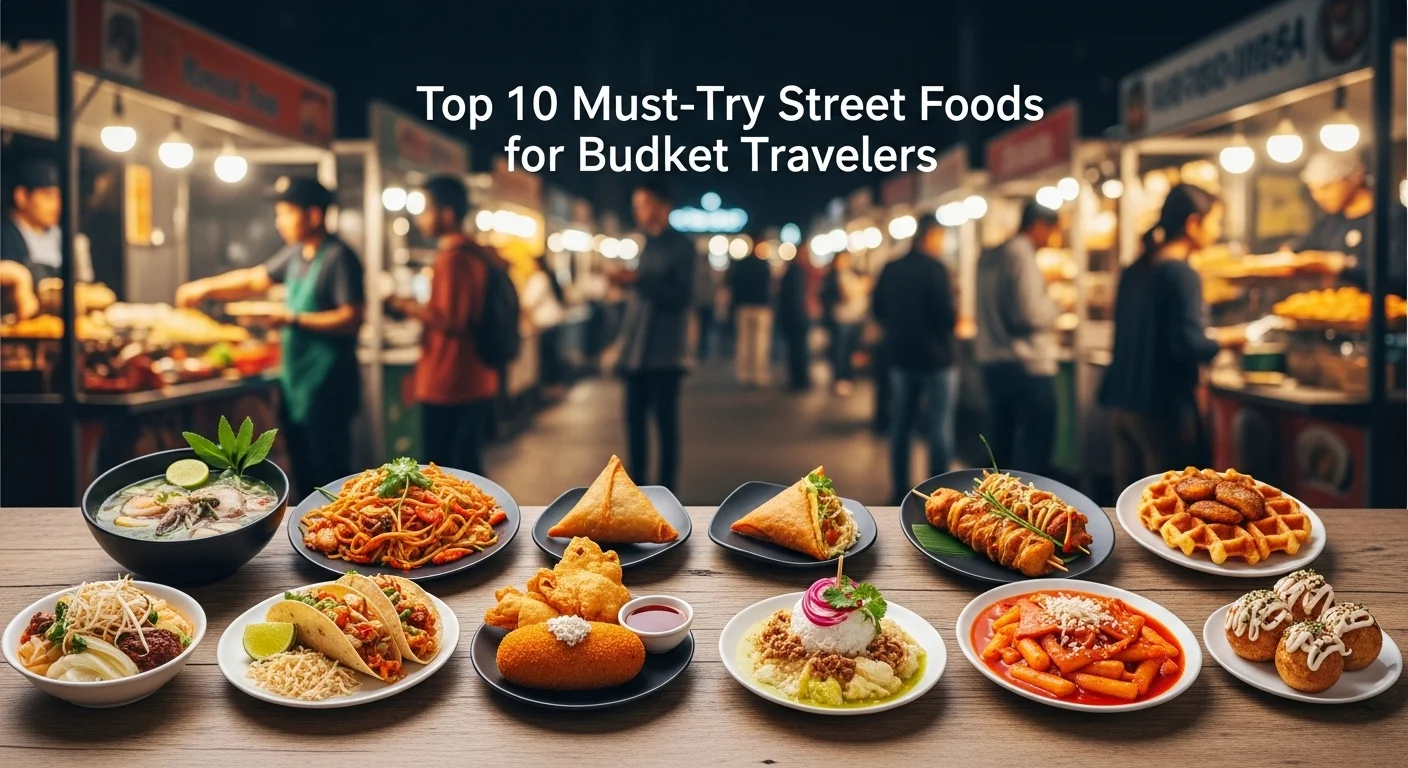
Top 10 Must-Try Street Foods for Budget Travelers

Street food is a delicious gateway to experiencing the heart and soul of any culture. For budget travelers like us, it’s not just affordable; it’s an adventure packed with flavors and stories waiting to be discovered. Read Interesting article: Savor the Streets: Top Budget-Friendly Street Foods Worldwide
Top 10 Must-Try Street Foods for Budget Travelers

Understanding Street Food Culture

The Global Appeal of Street Food

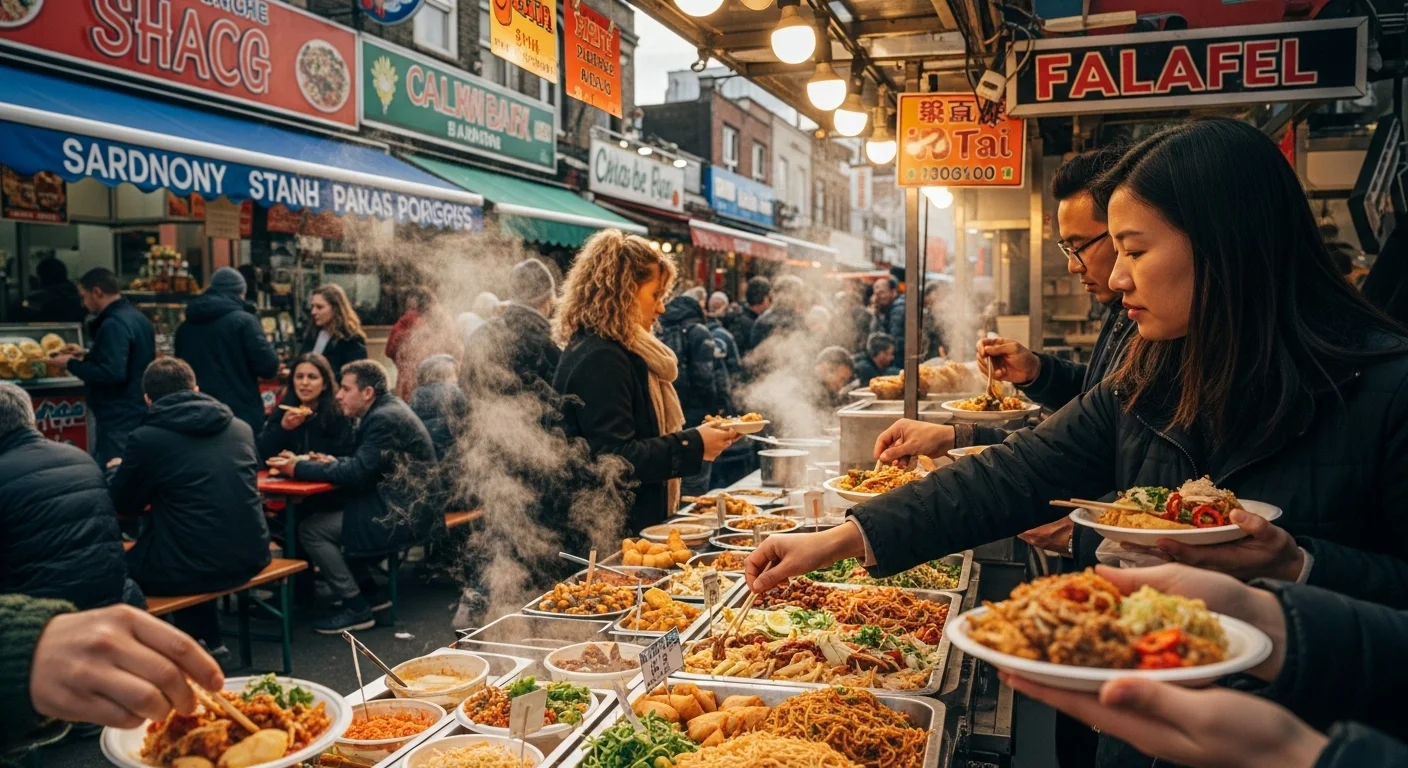
Street food has a magical way of bringing people together. I remember my first taste of street food while traveling through Mexico. The vibrant colors of the taco stands, the sounds of sizzling meat, and the enticing aromas filled the air. Each country has its unique take on street food, reflecting local traditions and flavors. From the bustling markets of Bangkok to the lively streets of Marrakech, street food acts as a culinary passport, offering a glimpse into the everyday life of the locals.

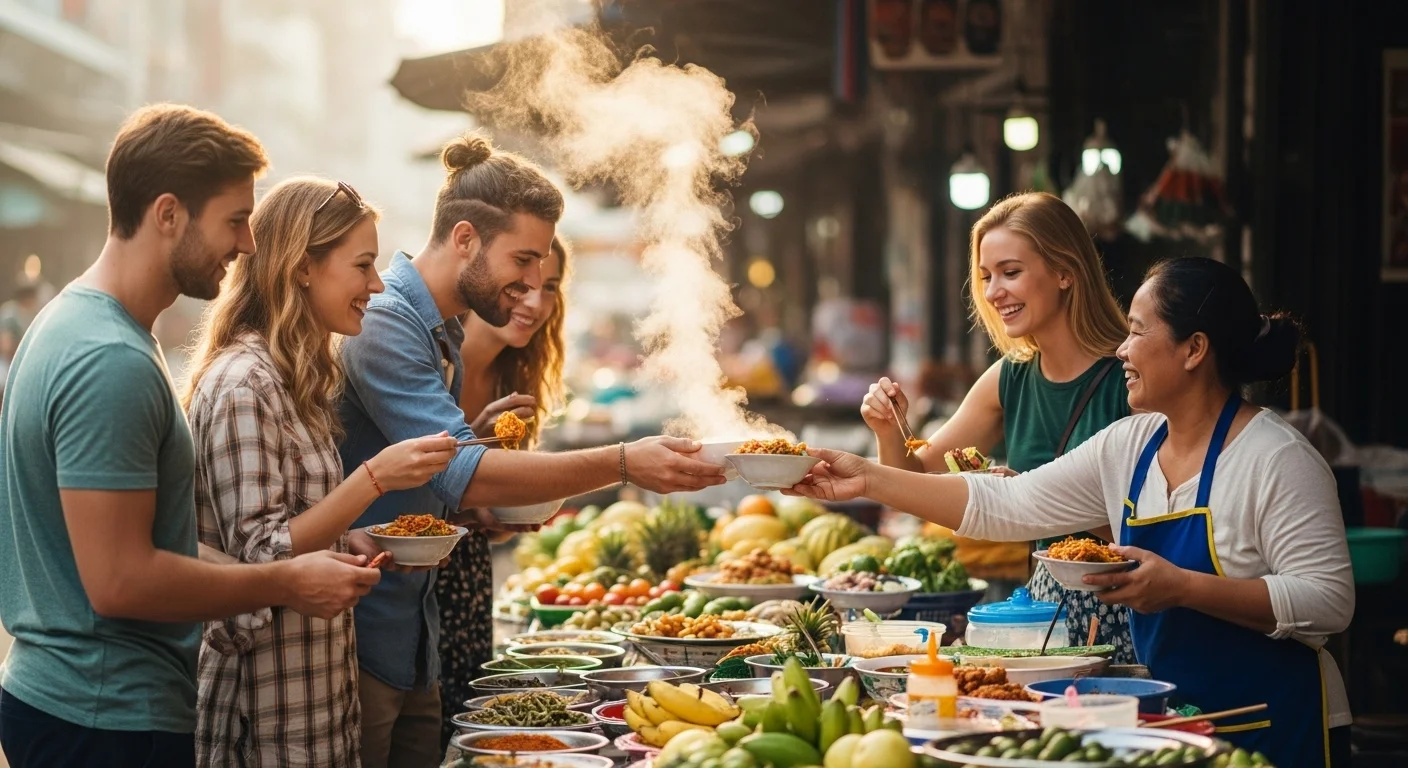
One aspect I find fascinating is how street food varies from region to region, yet it often shares similar principles. You’ll find quick, satisfying meals that are both delicious and affordable. It’s like a cultural exchange where the ingredients and methods tell their own stories. I’ve often bonded with fellow travelers over a shared plate of satay in Indonesia or a steaming bowl of pho in Vietnam. Street food encourages interaction with locals, creating memorable experiences that you just can’t get from a restaurant.

Benefits of Eating Street Food

There are countless reasons to dive into the world of street food, especially for budget travelers. First and foremost, it’s incredibly affordable. I’ve often enjoyed a hearty meal for just a few dollars, leaving plenty of room in my budget for other adventures. Eating street food can also be a more authentic experience. While restaurants cater to tourists, street vendors often serve dishes that reflect traditional family recipes passed down through generations. Read Interesting article: Eating Cheap: A Guide to Street Food Around the Globe

Another benefit I’ve noticed is the variety available. Street vendors often specialize in one or two dishes, which means they’ve perfected their craft. I once had the best crepes from a small stall in Paris—just the vendor and his cart, yet every bite was heavenly. Plus, street food is usually made fresh right in front of you, giving it a unique flavor that’s hard to replicate in a restaurant setting.

Safety Tips for Enjoying Street Food

While the allure of street food is undeniable, it’s essential to keep safety in mind. I’ve learned a few tricks over the years to enjoy street food without worry. First, I always look for busy stalls with a lot of locals. If the locals are eating there, that’s a good sign! Fresh ingredients and a high turnover rate often mean safer food. I also make sure to observe the cleanliness of the vendor. A clean stall and a vendor who practices good hygiene can make all the difference.

Staying hydrated is crucial too; I always carry a bottle of water to wash down my meals. I also try to stick to freshly cooked items that are served hot. Cold or raw foods can be a gamble, depending on where you are. I’ve personally avoided salads in some countries and opted for cooked dishes instead. It’s better to be safe than sorry! Lastly, I often carry some basic medications for upset stomachs, just in case. It’s all about being prepared while enjoying the culinary adventure.

Top 10 Must-Try Street Foods Around the World

1. Tacos (Mexico)

I can’t talk about street food without mentioning tacos. When I first arrived in Mexico City, I was overwhelmed by the variety of taco stands. Each one had its own unique twist on this classic dish. I remember biting into a soft corn tortilla filled with marinated pork and topped with fresh cilantro and onions. The explosion of flavors was incredible! Tacos are not just a meal; they’re a cultural experience. Each region in Mexico has its own specialties, from the al pastor in the capital to the fish tacos in Baja California. Trust me, you can’t leave Mexico without trying at least a few different kinds!

2. Pad Thai (Thailand)

During my travels in Thailand, I discovered Pad Thai from a street vendor on a bustling street in Bangkok. Watching the vendor skillfully toss noodles in a hot wok was mesmerizing. The combination of rice noodles, shrimp, eggs, and peanuts, all stir-fried with a tangy tamarind sauce, created a dish that was both savory and slightly sweet. I loved how you could customize it with extra lime and chili. Pad Thai truly encapsulates the vibrant flavors of Thai cuisine, and I believe no trip to Thailand is complete without it.

3. Banh Mi (Vietnam)

One of my favorite street foods has to be Banh Mi from Vietnam. While wandering the streets of Hanoi, I stumbled upon a small vendor selling this delicious sandwich. The crusty baguette, filled with savory meats, pickled vegetables, and a drizzle of spicy sauce, was an explosion of textures and flavors. It’s fascinating to see how French colonial influence blends with traditional Vietnamese ingredients. I still crave Banh Mi on lazy weekends when I want something quick yet satisfying.

4. Arepas (Venezuela/Colombia)

Arepas are another gem I discovered while traveling in South America. These cornmeal patties are so versatile! I had them filled with everything from cheese to shredded beef to avocado. In Colombia, they often serve them grilled, while in Venezuela, you might find them fried. I remember enjoying an arepa at a street stall in Bogotá that was stuffed with pulled pork and topped with a spicy sauce. It was such a comforting meal, perfect for satisfying my hunger after a long day of exploring.

5. Samosas (India)

India is packed with amazing street food, but samosas hold a special place in my heart. When I first tasted them in Delhi, I was hooked! These crispy, deep-fried pastries filled with spiced potatoes and peas were a delightful snack. I recall sitting on a roadside bench, dipping them into tangy tamarind chutney, and the flavors just danced on my palate. Each vendor has their own secret spice blend, making each sampling a little different from the last. They’re perfect for a quick bite while wandering the vibrant markets.

6. Churros (Spain)

My sweet tooth led me to churros during my travels in Spain. I remember standing in line at a popular street stall in Madrid, eagerly waiting for my order. The warm, crispy churros, dusted with sugar and served with a cup of thick chocolate sauce for dipping, were heavenly. There’s something incredibly satisfying about biting into that crunchy exterior, followed by the soft dough inside. Enjoying churros while strolling through the city felt like pure indulgence!

7. Falafel (Middle East)

On my journey through the Middle East, I had the pleasure of trying falafel, and it became a staple in my diet. These flavorful chickpea balls are deep-fried to perfection and often served in pita bread with fresh vegetables and tahini sauce. I remember grabbing a falafel wrap from a street vendor in Jerusalem and feeling nourished and energized afterward. It’s a fantastic vegetarian option that showcases the rich flavors of Middle Eastern cuisine. Every bite was packed with spices, and I loved how they were crispy on the outside and soft on the inside.

8. Poutine (Canada)

When I visited Canada, I couldn’t resist trying poutine. This iconic dish of fries topped with cheese curds and smothered in gravy is truly a comfort food experience. I recall going to a small food truck in Montreal where the vendor had a passion for poutine. The fries were crispy, the cheese was squeaky, and the gravy was rich and savory. It’s indulgent, yes, but after a long day of exploring the city, it was the perfect treat that warmed me up from the inside out.

9. Takoyaki (Japan)

In Japan, I found myself captivated by takoyaki, a popular street food that you can find in many markets. These little balls of batter filled with octopus, green onions, and a dash of pickled ginger are cooked in a special mold and served hot. I remember watching a vendor expertly flipping them over with precision. Each bite was a delightful mix of flavors, and they were topped with savory sauce, bonito flakes, and mayo. It’s one of those street foods that I can’t forget, and it perfectly represents the creativity of Japanese cuisine.

10. Empanadas (Argentina)

Lastly, I have to mention empanadas from Argentina. These stuffed pastries are filled with various ingredients, ranging from beef to cheese to vegetables. I stumbled upon an empanada stand in Buenos Aires, and the aroma was irresistible. I chose a beef empanada, and when I took that first bite, the flaky crust and savory filling made me feel like I was experiencing a little piece of home. Whether baked or fried, empanadas are a must-try when visiting Argentina, and they’re perfect for grabbing on the go!

Regional Variations and Unique Flavors

Exploring Local Ingredients

I’ve always been amazed at how street food reflects the local ingredients available in each region. For instance, during my trip to the coastal areas of Thailand, I noticed how the street vendors creatively used fresh seafood in their dishes. I remember trying a grilled squid that was marinated in a zesty sauce, and it tasted like it had just been caught from the ocean that morning. Local ingredients not only enhance the flavors but also tell a story about the land and its people.

In Mexico, the use of corn is everywhere. Tacos, tamales, and elotes (grilled corn on the cob) are staples that showcase the versatility of this ingredient. I’ve had the pleasure of munching on corn prepared in so many delightful ways, each dish highlighting the country’s agricultural richness. I think it’s fascinating how the same ingredient can be transformed into completely different dishes depending on the culinary traditions of the region.

Fresh produce is also a prominent aspect of street food. I once enjoyed a refreshing mango with chili salt in the streets of Mexico City. This simple treat was not only delicious but also highlighted how locals make the most of their fresh fruits. Street food is a celebration of what’s in season, and it’s a delight to experience the local flavors that vary so much from one location to another.

Street Food Festivals and Events

Street food festivals are another incredible way to experience the culinary diversity of a region. I’ve attended several festivals around the world, and they’ve been some of the most delightful experiences of my travels. For example, I visited the Night Markets in Taiwan, where the air was filled with the aroma of grilled meats, sweet pastries, and fried snacks. The vibrant atmosphere, combined with the opportunity to sample a variety of dishes, made it a feast for both the eyes and the stomach.

During my time in Singapore, I participated in the Singapore Food Festival, which celebrates the nation’s multicultural heritage. I remember being overwhelmed by the array of flavors and styles, from rich Laksa to spicy satay. It’s like a street food paradise where you can find everything from traditional dishes to innovative takes on classic meals. These festivals not only showcase the best street food but also foster a sense of community and connection among food lovers. Read Interesting article: Street Food Adventures: Tasty Delights on a Budget

I highly recommend checking local calendars for food festivals before planning your trips. They provide an excellent opportunity to taste a wide array of regional specialties and meet the talented vendors behind them. Plus, the energy and excitement of these events are simply unforgettable!

Budget Considerations for Street Food

Cost Comparison: Street Food vs. Restaurants

One of the standout advantages of street food is its affordability compared to dining in restaurants. I remember my visit to Bangkok, where I could enjoy a delicious plate of Pad Thai for just a few dollars. In contrast, a similar dish in a sit-down restaurant would typically cost three to four times as much. This price difference can be a game-changer for budget travelers like us, allowing us to stretch our funds and try more dishes!

Eating at street stalls often means I get to experience authentic flavors without the hefty price tag. I’ve enjoyed meals that are not only wallet-friendly but also packed with local character and creativity. For anyone looking to save money while traveling, street food is an absolute must!

How to Find the Best Deals

Finding the best street food deals can sometimes feel like a treasure hunt. I’ve found that asking locals for recommendations often leads me to hidden gems. They know the best places that might not be in tourist guides or online reviews. Plus, street vendors often have daily specials or set menus that can save you even more money.

Another tip I learned is to keep an eye out for vendors with a long queue. If people are willing to wait, it’s usually a sign that the food is worth it! I’ve stood in line at many stalls, and each time, the anticipation made the meal even more enjoyable. Lastly, I try to sample smaller portions from different vendors. This way, I get to experience a variety of flavors without overspending.

Typical Prices in Different Countries

Prices for street food can vary widely depending on the country you’re in. During my travels, I’ve noticed that Southeast Asia tends to offer some of the most affordable options. For example, in Vietnam, a bowl of pho can cost less than a dollar, whereas in Singapore, you might pay a bit more—around three to five dollars for a meal. However, even at higher prices, the experience and flavors make it worth every cent.

In Latin America, street food is also quite budget-friendly. I remember enjoying empanadas in Argentina for just a couple of dollars each, and they were so filling! The prices tend to be reasonable, especially compared to dining in restaurants. I find that as long as we are exploring local markets and street stalls, we can keep our food budget in check while still indulging in delicious experiences.

Tips for Budget Travelers Enjoying Street Food

Best Times to Eat Street Food

Timing can really enhance your street food experience. I’ve noticed that early evenings are often the best time to hit the streets for food. Vendors are usually well-stocked with fresh ingredients, and the atmosphere is buzzing with energy. I remember strolling through Bangkok around sunset, where the street food scene just exploded with life. It seemed that every stall was preparing their dishes, and the enticing aromas filled the air. On the other hand, if you visit during the lunch hour, you’ll find many office workers grabbing meals, which often means quicker service and a lively crowd.

Also, late-night snacks can be a delightful adventure. In many cultures, street food vendors stay open late, catering to night owls and party-goers. I had a memorable experience in Barcelona, where I tried delicious late-night churros after a night out. There’s something magical about savoring street food under a starry sky, and it often feels like a rite of passage in many cities.

Recommended Apps and Resources

Technology can be a great ally when searching for the best street food. I’ve found several apps and websites that can guide us to popular street vendors. For instance, I love using “Google Maps” to read reviews and find bustling street food spots. Sometimes, I even check out local food blogs that highlight hidden gems specific to the region I’m visiting.

Another app I’ve found useful is “EatWith,” which connects travelers with local hosts for unique culinary experiences, including street food tours. This way, I not only get to taste delicious food but also learn about the culture and stories behind the dishes directly from the locals. I recommend downloading a few of these apps before you travel; they can make your street food journey much smoother and more enjoyable!

Engaging with Local Vendors

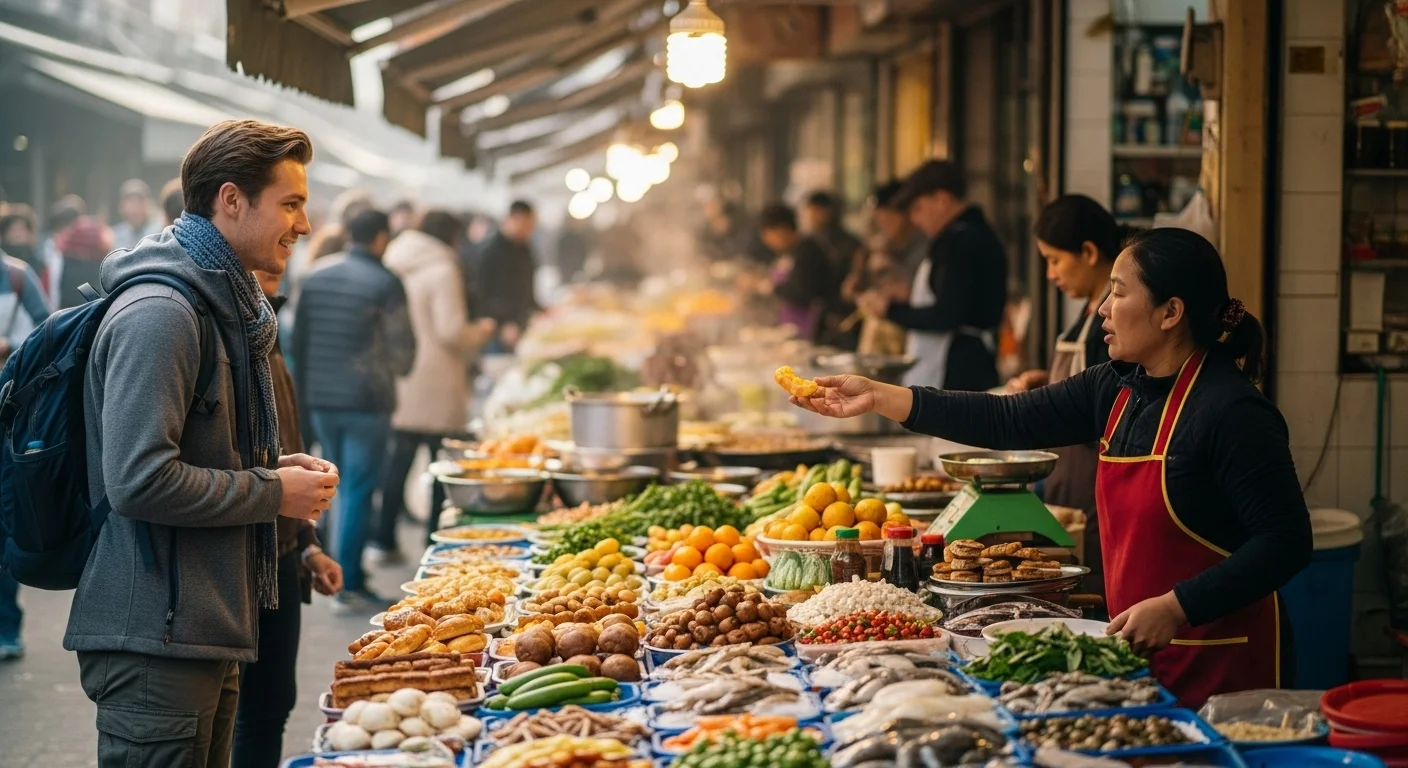
One of the most rewarding aspects of eating street food is the opportunity to connect with the people behind the stalls. I’ve had some of the most enlightening conversations with vendors while waiting for my food. They often take pride in their craft and love sharing the story behind their dishes. I recall chatting with a taco vendor in Mexico City who explained the history of his family’s recipes. It made every bite taste even better knowing the passion that went into it.

Don’t be shy! I’ve learned that asking questions or expressing interest in their food often leads to recommendations that aren’t on the menu. Plus, locals appreciate when travelers show genuine curiosity about their culture. A smile and a friendly chat can turn a simple meal into a cherished memory.

Final Thoughts

Street food truly offers a unique window into the heart of a culture, and I feel incredibly fortunate to have experienced it in so many parts of the world. Each dish tells a story and connects us to the people and places we visit. As budget travelers, we can savor not just the flavors but also the rich narratives behind them, all while keeping our expenses in check. I hope that you, too, take the plunge into the vibrant world of street food on your travels. Whether you’re enjoying a steaming bowl of noodles in Vietnam or a crispy churro in Spain, remember that each bite is a shared experience with the locals and a celebration of their culinary heritage. So grab a plate and dive in—your taste buds will thank you!

Frequently Asked Questions

What is the appeal of street food in different cultures?

Street food serves as a delicious gateway to experiencing the heart and soul of any culture. It brings people together, reflects local traditions and flavors, and offers a glimpse into the everyday life of the locals.

Why is street food considered affordable for budget travelers?

Street food is incredibly affordable, allowing travelers to enjoy hearty meals for just a few dollars. This leaves room in their budget for other adventures while experiencing authentic local flavors.

What are some safety tips for enjoying street food?

To enjoy street food safely, look for busy stalls with locals, observe the cleanliness of the vendor, stay hydrated, choose freshly cooked items, and carry basic medications for upset stomachs.

Can you name some must-try street foods from around the world?

Some must-try street foods include Tacos (Mexico), Pad Thai (Thailand), Banh Mi (Vietnam), Arepas (Venezuela/Colombia), Samosas (India), Churros (Spain), Falafel (Middle East), Poutine (Canada), Takoyaki (Japan), and Empanadas (Argentina).

How does street food reflect local ingredients?

Street food reflects local ingredients by showcasing what is available in each region. Vendors often creatively use fresh produce and local staples, enhancing flavors and telling a story about the land and its people.

What benefits do street food festivals offer?

Street food festivals provide an incredible way to experience culinary diversity, allowing attendees to sample a variety of dishes from local vendors and fostering a sense of community among food lovers.

How can travelers find the best street food deals?

Travelers can find the best street food deals by asking locals for recommendations, looking for stalls with long queues, and sampling smaller portions from different vendors to experience multiple flavors.

What is the typical price range for street food in different countries?

Street food prices can vary widely; for example, in Southeast Asia, a bowl of pho can cost less than a dollar, while in Singapore, meals may range from three to five dollars. Latin American street food is also budget-friendly, with items like empanadas costing just a couple of dollars each.

What are the best times to eat street food?

Early evenings are often the best time for street food, as vendors are well-stocked and the atmosphere is lively. Late-night snacks are also popular in many cultures, providing a unique experience under the stars.

How can travelers engage with local vendors when eating street food?

Travelers can engage with local vendors by asking questions, expressing interest in their food, and sharing conversations. This often leads to recommendations and creates a more enriching culinary experience.
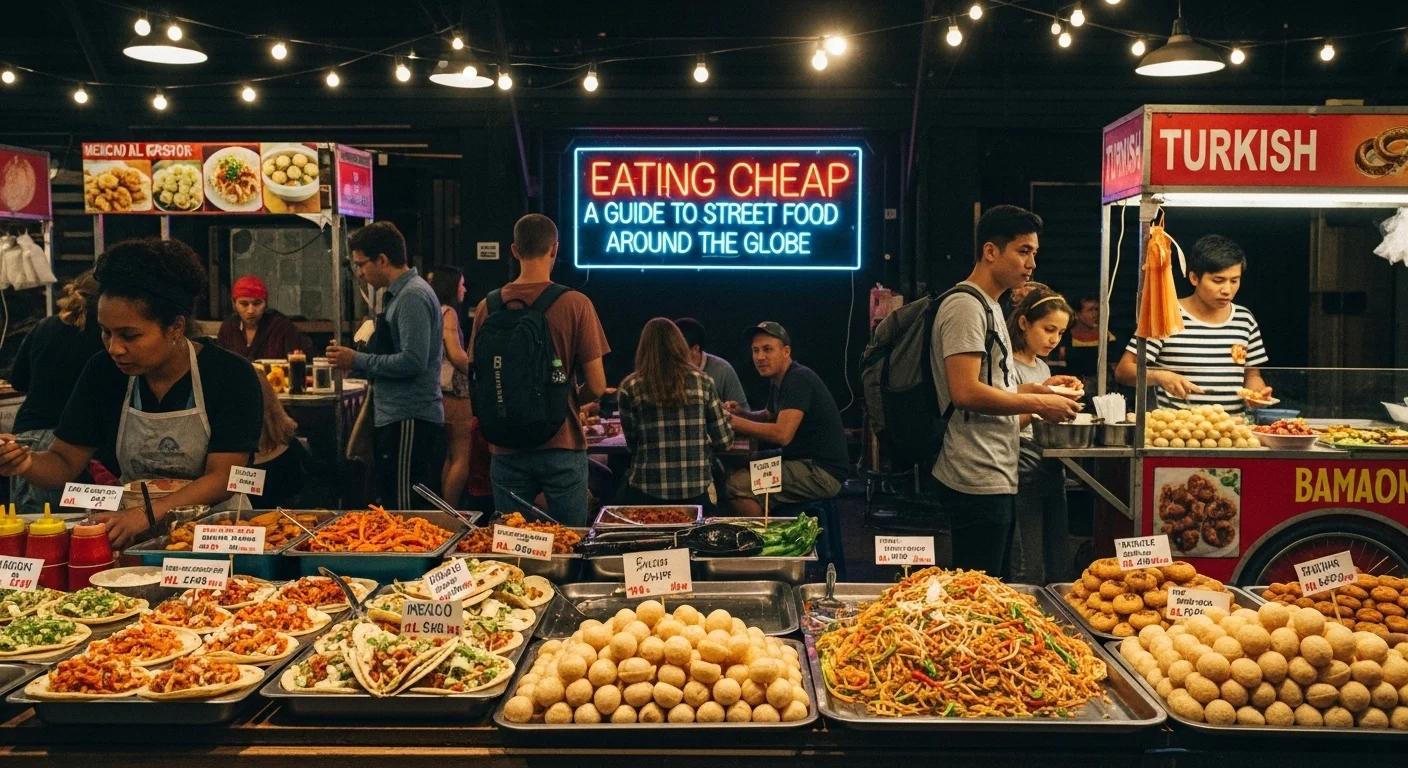
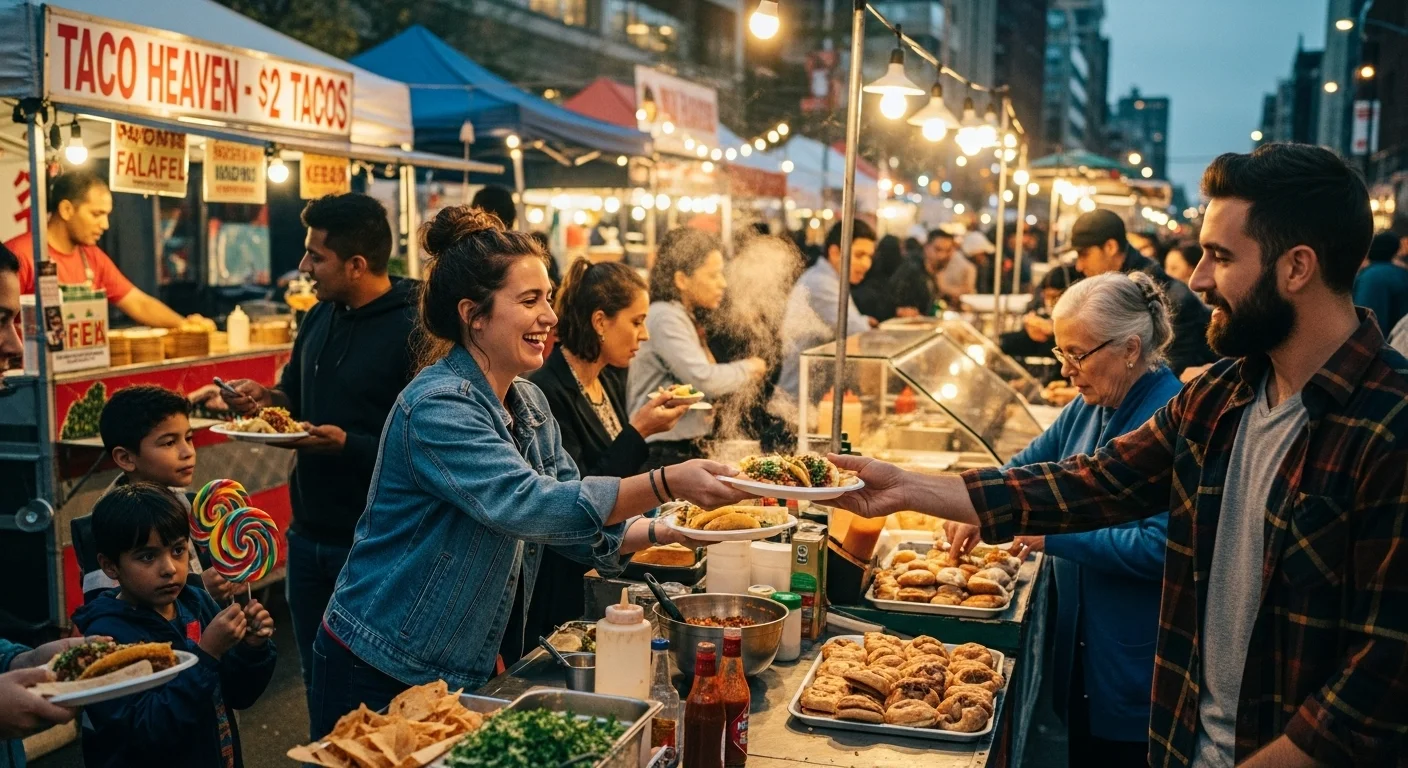
Eating Cheap: A Guide to Street Food Around the Globe

Street food is more than just a meal; it’s a cultural experience. From bustling markets to vibrant street corners, it offers a taste of local life that you just can’t find in restaurants. Join me as we explore the world of street food!

Eating Cheap: A Guide to Street Food Around the Globe

Understanding Street Food Culture

What is Street Food?

Street food refers to ready-to-eat food or drinks sold by vendors on the street or in public places. It’s often prepared and served quickly, making it a convenient option for people on the go. I remember my first encounter with street food in Bangkok. The sizzling sounds and tempting aromas wafting through the air drew me in, and I couldn’t resist trying a plate of Pad Thai from a nearby vendor. Street food is typically affordable and varies widely from region to region, reflecting local tastes, traditions, and ingredients. It serves as a delicious representation of a culture’s culinary heritage. Read Interesting article: Street Food Adventures: Tasty Delights on a Budget

The Significance of Street Food in Different Cultures

Street food plays a vital role in many cultures around the world. In places like India, it’s a crucial part of daily life, where vendors line the streets offering everything from spicy chaat to refreshing sugarcane juice. I’ve found that trying street food is like diving into a culture headfirst. It’s not just about the flavors; it’s about the stories behind each dish. In Mexico, for instance, the taco stands that pop up during festivals are a celebration of community and tradition. Sharing a meal from a street vendor often brings people together, fostering a sense of belonging and enjoyment that goes beyond just food.

In many cities, street food acts as a bridge between the rich and the poor. It’s accessible to everyone, offering a wide range of options at various price points. I’ve seen people from all walks of life gathering around a food cart, sharing laughs and stories, united by their love for good food. This inclusivity is one of the beautiful aspects of street food culture.

Health and Safety Considerations

While indulging in street food is exciting, it’s essential to consider health and safety. I always keep an eye out for vendors with a steady stream of customers, as it usually indicates freshness and good hygiene practices. In my travels, I’ve learned to trust my instincts; if a place looks clean and bustling, it’s often a safe bet. However, I’ve also had my fair share of experiences where I regretted ignoring the warning signs. Street food can vary in quality, so it’s wise to be cautious.

It’s also important to consider food allergies and dietary restrictions when trying new street foods. Many vendors are more than happy to accommodate requests if you’re open and polite. I remember asking a vendor in Vietnam if they could make my banh mi without mayonnaise, and they gladly obliged. That personal touch often makes the experience even more memorable.

In terms of food safety, I recommend always opting for cooked dishes over raw ones, especially in areas where food hygiene standards may vary. It’s a small precaution that can save you from a world of discomfort later on. Drinking bottled water instead of tap water and avoiding ice from questionable sources is another tip I learned through experience. Street food is about enjoying the moment, but it’s always better to be safe than sorry!

Regions and Their Unique Street Foods

Asia

Popular Street Foods in Southeast Asia

Traveling through Southeast Asia was a culinary adventure for me. Countries like Thailand, Vietnam, and Malaysia are known for their vibrant street food scenes. In Thailand, the night markets come alive with stalls selling everything from spicy som tam (papaya salad) to grilled satay skewers. I remember trying a bowl of boat noodles in Bangkok, where the rich broth and tender meat created a flavor explosion I can still taste. Each dish tells a story, often passed down through generations, making it a unique way to connect with the local culture. Read Interesting article: Savor the Streets: Top Budget-Friendly Street Foods Worldwide

Street Food in East Asia

East Asia is another treasure trove of street food delights. Taiwan’s night markets are famous for their stinky tofu—a dish I was hesitant to try at first, but I’m so glad I did! The crispy exterior and soft interior with a side of sweet chili sauce was a revelation. In Japan, you can’t miss the experience of grabbing a skewer of yakitori from a street vendor after a long day of exploring. Each region has its unique offerings, and tasting them gives you a deeper understanding of the local lifestyle.

Africa

Street Food Specialties in North Africa

North Africa offers its own unique street food delights. I’ve had the chance to explore the vibrant souks of Marrakech, where the scent of spices fills the air. One of my favorite experiences was trying a fresh tagine served from a street cart. The blend of spices and slow-cooked flavors was a culinary journey in itself. You can find a variety of dishes here, from falafel to kebabs, each reflecting the rich history and culture of the region.

Street Food Trends in Sub-Saharan Africa

As I ventured further south, I discovered a whole new world of street food. In countries like South Africa, the boerewors (sausage) rolls are a must-try. I remember standing in line at a food truck, surrounded by locals, all excited to get their hands on this delicious treat. The camaraderie among street food lovers is palpable, and it’s a great way to connect with people while satisfying your hunger.

Europe

Classic Street Food in Western Europe

Western Europe has its own flavors to offer. I’ve enjoyed grabbing a crepe from a vendor in Paris, watching as the vendor expertly flips the batter. It’s a simple pleasure, but one that brings a smile to my face every time. In Spain, the tapas culture extends to the streets, where you can sample small bites of local delicacies from various vendors.

Eastern European Street Food Delights

In Eastern Europe, street food is often hearty and filling. I fondly recall trying pierogi in Poland, stuffed with potatoes and cheese, topped with sautéed onions. Each bite warmed my heart and reminded me of home-cooked meals. Street food in these regions tends to focus on comfort and tradition, making it a delightful experience.

North America

Iconic Street Foods in the United States

The United States boasts a diverse street food scene, influenced by its melting pot of cultures. I’ve always loved grabbing a hot dog from a street vendor in New York City—it’s a classic experience! But beyond hot dogs, cities like Los Angeles offer taco trucks that serve some of the best Mexican food outside of Mexico. Each bite is filled with history and passion, representing the rich tapestry of American culture.

Canadian Street Food Innovations

In Canada, I was pleasantly surprised by the variety of street food options available. Poutine, a dish of fries topped with cheese curds and gravy, became an instant favorite of mine. I also discovered food trucks specializing in gourmet fare, elevating street food to new culinary heights. It’s exciting to see how diverse and creative street food has become in North America.

South America

Traditional Street Foods in Brazil

Brazil’s street food scene is as vibrant and diverse as its culture. I remember walking through the lively streets of Rio de Janeiro during Carnival, where the air was filled with music, laughter, and mouthwatering aromas. One of my favorite discoveries was the coxinha, a deep-fried dough filled with shredded chicken. The crunchy exterior and savory filling were a perfect combination. Street vendors often serve these with a side of spicy dipping sauce, and I found myself going back for seconds more than once!

Another iconic Brazilian snack is pão de queijo, which are small cheese breads that are warm, fluffy, and utterly irresistible. I learned that these little bites are enjoyed all over the country, often paired with a cup of coffee. Whether from a corner stall or a bustling market, trying these foods felt like sharing in the local spirit.

Street Food Across the Andes

Traveling through the Andes, I was struck by the variety of street foods available. In Peru, I had the opportunity to try anticuchos, skewers of marinated beef heart grilled to perfection. At first, I was hesitant, but my curiosity won me over. The smoky, rich flavors were complemented by a zesty sauce that brought it all together. It was a dish that not only filled my stomach but also connected me to the culinary traditions of the region.

In Bolivia, I discovered salteñas, which are savory pastries filled with meat, potatoes, and spices. These little pockets of goodness are a popular breakfast item, and I found them to be incredibly satisfying. The first bite is a burst of flavor, and I loved how each vendor had their own special twist on the recipe. Eating street food in this region felt like a journey through history, as many of these recipes have been passed down for generations.

Oceania

Australian Street Food Scene

Australia’s street food reflects its multicultural society, and I was excited to dive into this scene during my visit. I remember strolling through the food markets in Sydney, where food trucks and stalls offered an array of options from around the world. The classic meat pie is a must-try; it’s hearty, flaky, and filled with tender meat. I enjoyed mine with a generous helping of tomato sauce, a true Australian staple!

Another standout was the Aussie burger, which is unlike any burger I’ve had before. Topped with beetroot, pineapple, and a fried egg, it’s a delightful fusion of flavors that left me craving more. The street food culture in Australia is all about fresh ingredients, and I appreciated how many vendors emphasized local produce in their dishes. It’s a great way to taste the essence of the land.

Unique Offerings in New Zealand

In New Zealand, I discovered the famous hangi, a traditional Māori method of cooking food in an underground oven. While not strictly street food in the conventional sense, many food festivals feature stalls serving up this unique dish. I remember attending a cultural event where I tried the tender meat and earthy flavors infused from the volcanic stones. It was a communal experience that brought people together, much like street food should.

Another delightful find was the feijoa, a fruit native to New Zealand that I hadn’t encountered before. Vendors often sell it fresh or blended into smoothies, and I found the sweet, tangy flavor refreshing. It’s moments like these that make traveling so special—discovering new tastes and embracing the local way of life.

Top Street Food Cities Around the World

Bangkok: A Culinary Paradise

Bangkok is often hailed as the street food capital of the world, and I couldn’t agree more. The city is bursting with energy and flavor, with food stalls lining the streets at every turn. I remember exploring the vibrant Chatuchak Weekend Market, where I tried everything from mango sticky rice to spicy grilled meat skewers. Each dish had its own unique twist, and I loved how the vendors were always eager to share their stories behind the food they prepared. The bustling atmosphere combined with the mouthwatering smells made it a paradise for any food lover.

Mexico City: Tacos and More

Mexico City is another must-visit destination for street food enthusiasts. The taco stands are legendary, offering a variety of fillings that cater to every palate. I was particularly taken with the al pastor tacos, marinated pork cooked on a vertical spit, and served with fresh pineapple. The flavors burst with every bite, and I found myself returning to the same stall multiple times during my stay. Beyond tacos, the city also boasts fantastic elotes (grilled corn on the cob) topped with chili powder, cheese, and lime, making for a delicious snack while exploring.

Istanbul: A Fusion of Flavors

Istanbul is a fascinating blend of cultures, and its street food reflects this rich history. I loved wandering through the streets, trying simit (sesame-covered bread) and fresh seafood from vendors near the Bosphorus. The mix of sweet and savory dishes, like baklava dripping in honey and spicy kebabs, created a harmonious experience that I’ll never forget. Every corner seemed to offer something new, and I felt like I was on a culinary adventure with each bite.

Tokyo: Street Eats in the Capital

Tokyo is a city that truly embraces street food, and my visit there was filled with delightful discoveries. The streets are lined with vendors offering an array of mouthwatering options, from sizzling yakitori to sweet crepes. I remember my first night in the city, wandering through the bustling streets of Shinjuku, where the neon lights illuminated the food stalls. I couldn’t resist trying some takoyaki—delicious little balls of batter filled with octopus, drizzled with tangy sauce and topped with bonito flakes that danced in the warm air. Each bite was a burst of flavor, and I felt an instant connection to the local culture.

One of my favorite experiences was exploring the famous Tsukiji Outer Market, where the vibrant atmosphere and fresh seafood made my taste buds tingle with excitement. I tried fresh sushi right from the counter, and I have to say, it was unlike any sushi I had ever tasted. The skill and dedication of the vendors truly shined through in every dish. Tokyo is a paradise for street food lovers, and I found that each vendor had a story to share, making every bite feel special.

New York City: Global Street Food Hub

New York City is often referred to as a melting pot, and the street food scene is a perfect reflection of that. I’ve always loved walking through the streets of Manhattan, where the aroma of food carts fills the air with enticing scents from around the world. One of my go-to treats is the classic Halal cart, where I enjoy a generous plate of chicken over rice, drizzled with white sauce and hot sauce. It’s a dish that has become emblematic of the city’s diverse culinary offerings.

Beyond the Halal carts, I’ve explored neighborhoods like Astoria, where Greek street food reigns supreme. Gyros and spanakopita from local vendors are simply divine. I remember sharing a meal with friends at a little park, soaking in the city’s energy while devouring these delicious bites. Street food in New York is not just about satisfying hunger; it’s about the experience of connecting with different cultures and sharing stories with fellow food lovers.

Budget-Friendly Tips for Enjoying Street Food

Finding the Best Street Food Stands

When it comes to street food, finding the best stands can be an adventure in itself. I’ve learned that asking locals for recommendations is one of the best ways to discover hidden gems. During my travels, I’ve often approached someone who seemed to enjoy their meal and simply asked where they got it. More times than not, they were happy to share their favorite spots with me. Additionally, I’ve found that following the crowds can lead to tasty surprises; if there’s a long line, it’s usually a good sign that the food is worth the wait.

How to Avoid Tourist Traps

Tourist traps can be common in popular areas, and I’ve had my fair share of experiences where I ended up paying more for mediocre food. To avoid this, I recommend steering clear of vendors that cater exclusively to tourists. Instead, look for places where locals eat, which often means lower prices and more authentic flavors. I remember one time in Barcelona, I wandered away from the main tourist areas and found a small tapas bar frequented by locals. The food was not only delicious but also much more affordable than the places near the major attractions.

Negotiating Prices and Understanding Currency

When traveling in different countries, I’ve found that understanding the local currency and pricing can greatly enhance the street food experience. In some cultures, bargaining is a common practice, and it can be part of the fun. I remember in Morocco, where I learned to negotiate prices at food stalls. It felt like a game, and I ended up with delicious food at a fair price. However, not every place encourages haggling, so I’ve learned to observe the locals and follow their lead. Being polite and friendly goes a long way in these interactions, and I believe it often results in a more enjoyable experience. Read Interesting article: Discover Culinary Delights: Budget-Friendly Food Tours Abroad

Frequently Asked Questions

What is street food?

Street food refers to ready-to-eat food or drinks sold by vendors on the street or in public places. It is often prepared and served quickly, making it a convenient option for people on the go, and varies widely from region to region, reflecting local tastes and traditions.

Why is street food significant in different cultures?

Street food plays a vital role in many cultures, acting as a crucial part of daily life and fostering community. It provides an inclusive dining experience accessible to everyone, often bringing people together around food, which serves as a representation of a culture’s culinary heritage.

What are some health and safety considerations when consuming street food?

It is essential to consider health and safety by choosing vendors with a steady stream of customers, indicating freshness and hygiene. Always opt for cooked dishes over raw ones, drink bottled water, and be cautious of ice from questionable sources. Additionally, be aware of food allergies and dietary restrictions.

What popular street foods can be found in Southeast Asia?

Southeast Asia is known for vibrant street food scenes with dishes like spicy som tam (papaya salad), grilled satay skewers, and boat noodles. Each dish often tells a story connected to local culture and traditions.

What are some unique street foods found in North Africa?

In North Africa, street food delights include dishes like falafel, kebabs, and tagine, which reflect the region’s rich history and culture, particularly in bustling markets like those in Marrakech.

What iconic street foods can be found in the United States?

The United States offers a diverse street food scene, including classic hot dogs in New York City, taco trucks in Los Angeles, and poutine in Canada, showcasing the melting pot of cultures that influences American cuisine.

What are some traditional street foods in Brazil?

In Brazil, popular street foods include coxinha, a deep-fried dough filled with chicken, and pão de queijo, small cheese breads that are fluffy and warm. These dishes often reflect the lively spirit of the culture, especially during events like Carnival.

How can one find the best street food stands while traveling?

Finding the best street food stands can be done by asking locals for recommendations, following crowds to popular vendors, and observing where locals tend to eat, as this often leads to authentic and delicious options.

What should one do to avoid tourist traps when seeking street food?

To avoid tourist traps, steer clear of vendors that cater exclusively to tourists and seek out places where locals eat. This often results in lower prices and more authentic flavors.

How can one negotiate prices and understand currency when enjoying street food abroad?

Understanding local currency and pricing can enhance the street food experience. In some cultures, bargaining is common, so observing locals and being polite while negotiating can lead to fair prices and a more enjoyable experience.

Street Food Adventures: Tasty Delights on a Budget

Street food is a delicious way to explore new cultures without breaking the bank. Join me as I share my adventures with tasty delights from bustling markets to quiet corners of the world. Read Interesting article: Culinary Adventures on a Budget: Explore Local Flavors

Street Food Adventures: Tasty Delights on a Budget

Understanding Street Food Culture

Street food isn’t just about the food; it’s about the experience, the atmosphere, and the stories behind each dish. I’ve found that every bite tells a tale, whether it’s a family recipe passed down through generations or a modern twist on a classic. The culture surrounding street food varies from place to place, but one thing is universal: it brings people together.

The Global Appeal of Street Food

When I travel, I always look for where the locals eat. Street food offers a taste of authenticity that’s hard to find in restaurants. I remember my first taste of street food in Bangkok. The vibrant energy of the night markets was intoxicating, and the aroma of grilled meats and spices filled the air. I stood in line with locals, eager to try a dish I’d never heard of before. It was a deep-fried banana fritter, crispy on the outside and soft on the inside, and it was only a dollar! This experience is replicated all over the world. Cities like Tokyo, Mexico City, and Marrakech have unique street food scenes that reflect their local flavors and traditions. Read Interesting article: Discover Culinary Delights: Budget-Friendly Food Tours Abroad

Street Food vs. Restaurant Dining

While dining in a restaurant has its perks, I often prefer the casual vibe of street food. There’s something special about eating outdoors, surrounded by the sounds of the city and the hustle and bustle of daily life. Street food allows us to eat on the go and savor flavors that feel genuine. I’ve had countless meals where I could chat with the vendor, learn about the dish, and appreciate the craft that goes into making it. In my opinion, this personal connection adds a layer of enjoyment that restaurant dining often lacks.

Moreover, street food is often a fraction of the cost of restaurant meals. I’ve found that I can try more dishes when I’m eating street food, which makes my culinary adventures even richer. Picture this: instead of spending $30 on a sit-down meal, I can spend $10 and sample three different dishes from different vendors. This budget-friendly approach has allowed me to broaden my palate and experience diverse cuisines in a single day. Read Interesting article: Budget-Friendly Food Festivals: A Culinary Traveler’s Guide

Health and Safety Considerations

Of course, enjoying street food comes with its own set of considerations. I’ve learned to be mindful of where and what I eat. It’s essential to look for vendors who prioritize cleanliness. I usually observe the preparation area—if it looks clean and organized, I’m more likely to take a chance on the food. Also, I’ve noticed that busy stalls often indicate good food. If locals are lining up, it’s usually a sign that the food is not only tasty but also safe.

In some countries, the street food scene can be intimidating due to different health standards. I remember being cautious in Vietnam, where I was advised to avoid raw vegetables. Sticking to cooked foods and freshly prepared dishes helped me enjoy the flavors without worrying too much. Additionally, I always carry hand sanitizer with me to keep my hands clean before eating. It’s a simple step that makes a big difference in protecting oneself.

Another thing I keep in mind is to stay hydrated. Sometimes I get so caught up in trying delicious food that I forget to drink enough water. I tend to carry a reusable water bottle, which is especially helpful in hot climates. Staying hydrated allows me to enjoy my street food adventures longer and with more energy.

Street food is not just about filling your stomach; it’s about connecting with the culture and the people behind the food. The vibrant scenes I’ve witnessed, from late-night taco stands in Mexico to steaming bowls of phở in Vietnam, have enriched my travels in ways I never anticipated. Each street food vendor has a story, and every dish has its place in the tapestry of local life. So, as you embark on your street food adventures, remember to embrace the experience and savor the delicious journey ahead.

Popular Street Food Destinations

Asia

Bangkok, Thailand

Bangkok is often my first stop when exploring street food in Asia. The city is like a culinary playground, and every corner I turn, there seems to be a new flavor waiting for me. One of my favorite spots is Yaowarat, the bustling Chinatown, where I indulged in mouthwatering dishes like grilled squid and mango sticky rice. The atmosphere is electric, with the sounds of sizzling pans and the sweet scent of jasmine rice filling the air. I remember one night vividly—sitting on a small plastic stool, surrounded by locals, savoring a bowl of hot noodle soup. The experience was unforgettable, reminding me that food is not just about taste but also about the memories we create around it.

Tokyo, Japan

Tokyo’s street food scene is a blend of tradition and innovation. I was amazed by the variety available, from classic yakitori skewers to trendy crepes filled with everything from strawberries to matcha. One of my highlights was visiting a small stall in Harajuku that specialized in takoyaki—tiny balls of batter filled with diced octopus. Watching the vendor expertly flip them over in their griddle was fascinating. I remember the first bite—the crispy exterior gave way to a warm, savory filling that burst with flavor. It’s an experience that truly embodies the essence of Japanese street food.

Hanoi, Vietnam

Hanoi holds a special place in my heart for its street food culture. The city is alive with bustling markets and street vendors, each offering unique dishes. I recall my first encounter with phở, the famous Vietnamese noodle soup. Sitting on a small plastic chair on the sidewalk, I watched as the vendor prepared my bowl with fresh herbs and a rich broth that simmered for hours. The flavors were incredible, and it felt like I was tasting a piece of history. I learned to pay attention to the early morning vendors, as they often serve the freshest dishes with a local flair that you won’t find anywhere else.

Latin America

Mexico City, Mexico

Mexico City is a street food lover’s dream. The vibrant street culture pulsates with energy, and the food reflects the richness of its history. I fell in love with tacos, but not just any tacos—al pastor tacos from a corner vendor where marinated pork is cooked on a vertical spit. Watching the vendor slice off the crispy edges and pile them onto fresh corn tortillas was mesmerizing. With each bite, I felt the warmth of the spices and the tangy kick of salsa. The city’s street food scene taught me that food is more than sustenance; it’s an expression of culture and community.

Cartagena, Colombia

In Cartagena, the streets are filled with the scent of arepas. These cornmeal cakes are a staple, and every vendor seems to have their secret recipe. I remember stopping at a roadside stall where the owner proudly grilled them over an open flame. The first bite was heavenly—crispy on the outside and soft inside, filled with cheese that melted in my mouth. What I loved most was the friendly banter with the vendor who shared stories about the local food scene. I realized that each dish is a piece of the community, showcasing the love and pride that goes into everyday meals.

Africa

Marrakech, Morocco

Marrakech’s street food scene is a feast for the senses. The night market at Jemaa el-Fnaa is where I found some of the most delicious Moroccan dishes. I dove into tagine, a slow-cooked stew that’s bursting with spices. Watching it being prepared in a traditional clay pot was a treat. I vividly recall the moment I took my first spoonful, savoring the combination of tender meat, vegetables, and aromatic spices that transport you to a different world. Each meal felt like a celebration of Moroccan culture, inviting everyone to share in the experience.

Lagos, Nigeria

In Lagos, the street food is vibrant and full of flavor. I was introduced to puff-puff—sweet, deep-fried dough balls that are soft and fluffy. I remember standing at a street stall, watching them being freshly made, and I couldn’t resist trying a few right away. The warm, sugary goodness paired perfectly with spicy pepper sauce. It was delightful to see how street food brings people together, with families enjoying meals in the open air. The friendly atmosphere made my experience even more enjoyable, highlighting the warmth and hospitality of Nigerian culture.

Europe

Istanbul, Turkey

Istanbul’s street food scene is a melting pot of flavors, and one of my top experiences was trying simit, a sesame-encrusted bread that’s crunchy on the outside and chewy on the inside. I remember wandering through the city, stopping at a vendor who tossed the simit in a basket, and I couldn’t resist buying one for myself. Eating it while watching the Bosphorus was a moment of sheer bliss. The food here reflects the city’s history as a crossroads of cultures, and each bite tells a story of its own.

Barcelona, Spain

In Barcelona, I discovered churros—sweet, fried dough shaped into long sticks, often enjoyed with a rich cup of thick chocolate for dipping. I was drawn to a small stall near La Rambla, where the vendor made them fresh right in front of me. Dipping the warm churro into the chocolate was pure indulgence. The experience was enhanced by the lively atmosphere of the city, with street performers and the chatter of locals filling the air. It reminded me that street food is not just about taste; it’s about the joy of sharing those moments with others.

Must-Try Street Food Dishes

Asia

Pad Thai (Thailand)

When I think of Thailand, one dish that instantly comes to mind is Pad Thai. This stir-fried noodle dish has a unique blend of flavors that I can’t resist. I remember sitting at a street stall in Chiang Mai, watching the vendor skillfully toss rice noodles in a hot wok. The aroma of garlic, shrimp, and lime filled the air, and I could hardly wait for my turn. The first bite was a delightful dance of sweet, sour, and savory. The crunchy peanuts on top added a perfect texture, making it a dish I always seek out. If you’re ever in Thailand, I highly recommend trying Pad Thai from a street vendor for an authentic taste that’s sure to please your palate.

Takoyaki (Japan)

Takoyaki holds a special place in my heart, and I can’t talk about street food in Japan without mentioning it. These little balls of batter are filled with diced octopus, green onions, and tempura scraps, then cooked to perfection on a special grill. I remember the excitement I felt when I first spotted a takoyaki stall in Osaka. The vendor was expertly flipping the balls, and I was drawn in by the savory aroma. Taking that first bite, with the crispy outside and gooey interior, was like a flavor explosion. Each mouthful was rich and comforting, and it reminded me just how much street food can capture a sense of place.

Phở (Vietnam)

Phở is Vietnam’s beloved noodle soup, and it’s something I’ve often craved since my travels. I had my first bowl from a street vendor in Hanoi, and it was an experience I’ll never forget. Watching the vendor prepare the broth, simmering it for hours with herbs and spices, made me appreciate the craft. Slurping up the fresh rice noodles, tender beef, and aromatic herbs was a revelation. The balance of flavors brought warmth to my soul, and I found myself going back for seconds. Each bowl feels like a warm hug on a chilly day, and it’s a dish that truly embodies the essence of Vietnamese cuisine.

Latin America

Tacos (Mexico)

Let’s talk about tacos—specifically, al pastor tacos. During my time in Mexico City, I discovered a taco stand that became my go-to spot. The sight of the vertical spit cooking marinated pork made my mouth water. I remember standing in line with locals, eagerly anticipating my turn. When the vendor sliced the crispy edges and piled them onto a warm corn tortilla, I felt like I was about to experience something special. Each bite was a perfect combination of spices, pineapple sweetness, and a zesty salsa. Tacos became my favorite way to experience the diverse flavors of Mexico—each vendor puts their own twist on this classic dish.

Arepas (Colombia)

Arepas are another must-try dish, especially in Colombia. During my visit to Cartagena, I stumbled upon a street vendor who was grilling arepas over an open flame. I was immediately drawn in by the aroma and the lively atmosphere around the stall. The first bite was pure bliss—crispy on the outside, soft and cheesy on the inside. I savored every moment, chatting with the vendor about the different fillings, from avocado to shredded beef. I learned that arepas are more than just food; they are a cultural staple that brings people together, and I left with a newfound appreciation for this beloved dish.

Africa

Tagine (Morocco)

In Marrakech, tagine is a dish that cannot be missed. The first time I tried it was at a bustling night market, where the air was filled with the enticing scent of spices. I watched as the vendor lifted the lid off the clay pot, revealing a steaming stew of tender meat and vegetables. I remember the rich, fragrant aroma that wafted over, making my stomach growl in anticipation. The first spoonful was incredible—the combination of spices and slow-cooked ingredients melded together beautifully. Eating tagine felt like a cultural experience, and I appreciated how each dish was crafted with love and tradition.

Puff-Puff (Nigeria)

Puff-puff is a delightful street food treat I discovered in Lagos. These sweet, deep-fried dough balls are fluffy and light, and I remember the excitement of biting into one for the first time. I stood at a busy stall, watching as the vendor expertly rolled the dough and dropped them into hot oil. The sugary sweetness, paired with a hint of spice from pepper sauce, created a memorable snack. What I loved most was the communal atmosphere—families gathered around, sharing laughter and stories while enjoying puff-puff together. It reminded me that food is often about connection, and puff-puff became a symbol of that experience for me.

Europe

Simit (Turkey)

In Istanbul, simit is a street food delight that I couldn’t resist. The sesame-encrusted bread is sold by vendors all over the city, and I remember stopping at a bustling stall near the Bosphorus. The vendor handed me a warm simit, and as I took my first bite, the crunchy exterior gave way to a chewy inside. It paired perfectly with a cup of tea, enhancing the experience. Eating simit while watching the sunset over the water was a moment I still cherish. It’s the simple pleasures like this that make street food so special—it’s not just about the food; it’s about the memories created in the moment.

Churros (Spain)

Finally, I can’t forget churros in Barcelona. These sweet, fried pastries are a heavenly treat, especially when dipped in rich chocolate. I visited a small stall near La Rambla, where the vendor made them fresh on the spot. The anticipation built as I watched the dough being piped into hot oil. Taking that first bite, warm and sugary, dipped in thick chocolate, was pure joy. It reminded me that street food can be a celebration of flavors and culture. Sharing churros with friends while soaking up the vibrant atmosphere of the city was a delightful way to end my day.

Frequently Asked Questions

What is street food and why is it significant?

Street food is a way to explore new cultures through food without spending much money. It is significant because it offers an authentic taste of local flavors and creates a communal experience that brings people together.

How does street food differ from restaurant dining?

Street food offers a casual vibe, allowing for outdoor eating and personal connections with vendors. It is often more affordable than restaurant meals, enabling travelers to try multiple dishes for a lower cost.

What health and safety considerations should I keep in mind while enjoying street food?

It’s important to choose vendors who prioritize cleanliness and observe the preparation area. Busy stalls often indicate good food, and sticking to cooked foods can enhance safety. Carrying hand sanitizer and staying hydrated are also recommended.

What are some popular street food destinations mentioned in the article?

Popular street food destinations include Bangkok, Tokyo, Hanoi, Mexico City, Cartagena, Marrakech, Lagos, Istanbul, and Barcelona.

What is a must-try street food dish in Thailand?

Pad Thai is a must-try dish in Thailand. This stir-fried noodle dish is known for its unique blend of flavors and is highly recommended from street vendors for an authentic experience.

What is takoyaki, and where can it be found?

Takoyaki is a Japanese street food consisting of small balls of batter filled with diced octopus, typically cooked on a special grill. It can be found in various stalls across Japan, especially in Osaka.

What street food dish is famous in Vietnam?

Phở is the beloved noodle soup in Vietnam, often enjoyed at street vendors. It features fresh rice noodles, tender beef, and aromatic herbs, making it a staple of Vietnamese cuisine.

What type of tacos are highlighted in the article, and where can they be found?

Al pastor tacos are highlighted in the article, known for marinated pork cooked on a vertical spit. They can be found at street vendors throughout Mexico City.

Describe the street food experience in Marrakech, Morocco.

In Marrakech, the street food scene is vibrant, particularly at the night market Jemaa el-Fnaa, where tagine, a slow-cooked stew bursting with spices, is a must-try dish that showcases Moroccan culture.

What sweet treats can be found in Barcelona?

Churros are a popular sweet treat in Barcelona, often enjoyed fresh and dipped in rich chocolate. Vendors typically make them on the spot, creating a delightful experience for visitors.

Savor the Streets: Top Budget-Friendly Street Foods Worldwide

Street food is more than just a meal; it’s a cultural experience that connects people and flavors. Join me as we explore some of the most delicious and budget-friendly street foods from around the world! Read Interesting article: Discover Culinary Delights: Budget-Friendly Food Tours Abroad

Savor the Streets: Top Budget-Friendly Street Foods Worldwide

Understanding Street Food Culture Around the World

When I think about street food, I can feel the vibrant energy of bustling markets and the delicious aromas wafting through the air. Street food is a universal experience, with unique flavors and stories behind every dish. It’s not just about eating; it’s about diving into a culture, tasting history, and connecting with locals. I’ve been fortunate to travel to various countries, and I’ve always sought out street food. It never disappoints!

The Origins of Street Food

The history of street food dates back centuries, evolving alongside urban life. In many places, street vendors began as an answer to the growing need for quick, affordable meals. I remember my first experience with street food while wandering through the crowded streets of Bangkok. There were vendors everywhere, serving dishes that were both mouthwatering and affordable. The origins of these foods reflect the local culture, ingredients, and traditions. Every bite tells a story, whether it’s the spices of India or the fresh herbs of Vietnam.

Street food has become a staple in many countries, adapting over time to fit the tastes and preferences of locals and travelers alike. For me, it’s fascinating to see how recipes change from city to city, even within the same country. I’ve tasted variations of the same dish that were completely different but equally delicious!

Street Food vs. Restaurant Dining

One major difference I’ve noticed between street food and restaurant dining is the atmosphere. Street food offers a casual, lively setting where you can eat among locals, sharing the same space, and enjoying the same flavors. The experience feels authentic and immersive. I’ve often had more engaging conversations with vendors than I ever would in a restaurant, and I cherish these moments.

Another point to consider is the price. Street food is often much cheaper than dining in a restaurant, allowing you to try a variety of dishes without breaking the bank. When I traveled through Mexico, I was able to sample tacos, tortas, and elotes—all for less than what I would have paid for a single meal at a sit-down restaurant. This made my travel experience richer and more flavorful. Read Interesting article: Budget-Friendly Food Festivals: A Culinary Traveler’s Guide

Health and Safety Considerations

Health and safety are always on my mind when trying street food. While I’ve had incredible experiences, I’ve also learned to be cautious. I remember a time in a bustling market where I was tempted by a vibrant stall selling fried snacks. They looked amazing, but I noticed the vendor’s hands were not clean. I decided to pass, and I felt good about that choice. I believe it’s essential to trust your instincts and choose vendors who prioritize hygiene.

It’s also helpful to observe the crowd. If a particular stall is bustling with locals, it’s usually a good sign of quality and safety. I’ve found that busy vendors often have fresher ingredients and higher turnover, meaning the food is made and served quickly, reducing the risk of spoilage.

One thing I always do is watch how the food is prepared. If it’s cooked in front of me, I feel more at ease. And if I can see that the vendor is using fresh ingredients and keeping their work area clean, I’m more likely to give it a try. With street food, a little awareness can go a long way in ensuring a safe and pleasant experience.

In my travels, I’ve learned that trying street food is about more than just satisfying hunger; it’s about connecting with culture and people. It’s a delightful adventure that invites you to taste the world, one bite at a time. As we move on, I’m excited to share some of my favorite budget-friendly street foods from different regions around the globe. Each dish is a testament to the local culture, waiting to be discovered! Stay tuned!

Top Budget-Friendly Street Foods by Region

Asia

Thailand

Pad Thai

When I think of Thai street food, Pad Thai instantly comes to mind. This dish is a perfect blend of sweet, sour, and savory, and it’s typically made with stir-fried rice noodles, eggs, tofu or shrimp, and topped with crushed peanuts and lime. I remember finding a small stall in Phuket, where the vendor whipped up my Pad Thai right in front of me. The sizzling sound of the noodles hitting the hot wok was music to my ears! Plus, it cost less than a couple of dollars, making it a fantastic choice for anyone on a budget.

Moo Pad Krapow (Stir-Fried Basil Pork)

Moo Pad Krapow is another must-try. This dish features ground pork stir-fried with holy basil, garlic, and chili peppers, served over rice and often topped with a fried egg. I stumbled upon it in a local market in Chiang Mai. The spicy kick mixed with the fragrant basil was simply unforgettable. For me, it encapsulated the vibrant flavors of Thailand, all for a price that made my wallet happy.

India

Pani Puri

Pani Puri is one of those snacks that I could eat endlessly. These crispy, hollow puris are filled with a spicy mix of tamarind water, chickpeas, and potatoes. I vividly recall the first time I tried them in Mumbai. The vendor was so animated, sharing stories as he handed me the puris. The burst of flavors in my mouth was exhilarating! And best of all, they were incredibly cheap—just a few cents each.

Vada Pav

Vada Pav is often dubbed the Indian burger. It consists of a spicy potato filling sandwiched between two slices of bread (the pav), often served with chutneys. I found it on a bustling street corner in Pune, and it was love at first bite! The combination of spices and the warmth of the bread made it the perfect snack while exploring the city. I couldn’t believe how filling it was for just a small price!

Vietnam

Banh Mi

Banh Mi is one of my all-time favorites! This Vietnamese sandwich is a delightful fusion of French and Vietnamese flavors, featuring a crispy baguette stuffed with meats, pickled vegetables, and fresh herbs. I remember finding a small shop in Ho Chi Minh City, where the vendor artfully layered my sandwich and handed it to me with a smile. It was both fresh and flavorful, and I felt like I was experiencing a little piece of Vietnam with every bite—all for less than a dollar!

Phở

Phở is another iconic dish that I couldn’t resist trying while in Vietnam. This noodle soup, often made with beef or chicken, is packed with aromatic herbs and spices. I visited a street vendor in Hanoi, and as I slurped the noodles, I was struck by how comforting and delicious it was. The best part? It was so affordable, making it a staple for both locals and travelers alike.

Africa

Morocco

Tagine

Tagine is a traditional Moroccan dish made in a special clay pot. It includes a mix of meats, vegetables, and spices, all slow-cooked to perfection. I had the chance to try it in Marrakech, where I was mesmerized by the colorful stalls. The blend of spices was something I had never tasted before. The vendor served it with fresh bread, and I found myself savoring every bite, all while enjoying the vibrant atmosphere of the market.

Harira Soup

Harira is a hearty soup made with tomatoes, lentils, and chickpeas, traditionally served during Ramadan. I discovered this dish while wandering through the streets of Fes. The first sip was warming and nourishing—perfect for a cool evening. The soup was inexpensive, making it a comforting choice that filled my belly without emptying my wallet.

Nigeria

Suya Skewers

Suya is a popular Nigerian street food that consists of spicy skewered meat, often served with onions and tomatoes. I remember the smell wafting through the air at a street fair in Lagos—it was irresistible! Each skewer was bursting with flavor and spice, and I loved how it was a communal experience, with vendors grilling right on the street.

Puff-Puff

Puff-Puff are sweet, deep-fried dough balls that are simply addictive! I tried them for the first time at a local market and couldn’t stop at just one. They were warm, fluffy, and perfect for a snack on the go. The best part? They were incredibly cheap, making them a go-to treat whenever I needed a little pick-me-up!

South Africa

Bunny Chow

Bunny Chow is a unique South African dish that consists of a hollowed-out loaf of bread filled with curry. I was introduced to this dish in Durban, and it was unlike anything I had ever had before. The blend of spices in the curry and the soft bread made for a delightful combination. Plus, it was so affordable that it felt like a steal!

Boerewors Rolls

Boerewors rolls are another street food gem, featuring a sausage served in a bun with various toppings. I found a vendor in Cape Town who made the most incredible version, topped with caramelized onions and a spicy sauce. It was hearty and delicious, and I loved how it brought the local flavors to life in such an accessible way.

Europe

Italy

Arancini

Ah, Italy! When I think of Italian street food, arancini immediately pops into my mind. These golden, crispy rice balls are often filled with a savory mixture of meat, peas, and cheese. I remember wandering through the streets of Palermo when I stumbled upon a small vendor selling fresh arancini. The vendor passionately explained how they were made, and I could hardly wait to take a bite. As I bit into one, the warm filling oozed out, and I was in culinary heaven. It was a perfect blend of crunchy exterior and rich interior, and it didn’t break my budget at all!

Pizza al Taglio

Pizza al Taglio, or pizza by the slice, is another unforgettable experience. I found a charming little place in Rome where they serve pizza by weight. The variety was incredible—everything from classic Margherita to unique toppings like zucchini flowers. I love how you can grab a slice on the go and enjoy it while strolling through the cobbled streets. Each slice was fresh, aromatic, and made with love. Plus, it was an affordable way to enjoy one of Italy’s most beloved dishes!

Spain

Churros

Churros are a delightful treat that I can’t resist when I’m in Spain! I recall my first experience in Madrid, where street vendors serve these crispy pastries with a side of rich chocolate for dipping. The moment I took a bite, the crunchy exterior gave way to a soft, warm center, and the chocolate just made it all the more indulgent. It was a sweet moment that I still cherish, and the best part? It was just a couple of euros!

Pinchos

In the Basque Country, pinchos are a must-try. These small snacks, often skewered, are bursting with flavors and creativity. I remember wandering into a bustling bar in San Sebastián, where the display of pinchos was simply dazzling. Each one looked like a small work of art, and I loved how I could pick and choose a variety to try. It was a fun way to sample different tastes and textures, and I was thrilled that they were so reasonably priced—perfect for a food lover on a budget!

Germany

Currywurst

Currywurst is a street food classic that I couldn’t wait to try when I visited Berlin. This delicious dish features steamed and fried sausage, sliced and slathered in a tangy curry ketchup. I’ll never forget standing at a bustling kiosk on a chilly evening, savoring the warmth of the currywurst in my hands. It was spicy, savory, and simply satisfying. The best part? It was incredibly affordable, making it a perfect quick meal while exploring the city!

Bratwurst

Bratwurst is another German delight that I fell in love with. I found a vendor at a local market in Munich, where the smell of grilled sausages filled the air. I opted for a bratwurst in a bun, topped with mustard and sauerkraut. The first bite was a burst of flavor, and I enjoyed how the fresh ingredients made such a difference. It was a hearty snack that didn’t put a dent in my wallet, and I’ve been craving it ever since!

North America

Mexico

Tacos al Pastor

Tacos al Pastor are a street food staple in Mexico, and I couldn’t help but dive into them during my travels. The combination of marinated pork, pineapple, and fresh cilantro wrapped in a soft tortilla is simply irresistible. I remember standing at a taco stand in Mexico City, watching the vendor slice the meat from the vertical spit. Each taco was bursting with flavor, and the price was so low that I felt I could eat them all day!

Elote (Mexican Street Corn)

Elote, or Mexican street corn, is another favorite of mine. Grilled corn on the cob is slathered in mayonnaise, cheese, chili powder, and lime—it’s a flavor explosion! I tried elote for the first time at a local fair, and I was amazed at how something so simple could taste so incredible. It was a perfect snack for wandering around, and the price was just right for my budget!

The United States

Hot Dogs

When it comes to classic American street food, hot dogs are iconic. I’ve enjoyed them at baseball games and street fairs alike. There’s something about standing at a vendor’s cart, choosing my toppings, and savoring the first bite that feels quintessentially American. I remember trying a Chicago-style hot dog for the first time, loaded with all the toppings—relish, onions, and even a pickle spear. It was a fun experience, and the price made it a quick and satisfying meal!

Food Trucks: A Culinary Experience

Food trucks have become a vibrant part of the street food scene in the U.S. I love exploring food truck festivals, where I can try a variety of cuisines in one spot. From gourmet tacos to fusion dishes, the creativity is astounding. I recall discovering a food truck offering Korean BBQ tacos, and it was a delightful blend of flavors. The prices are usually friendly, allowing me to sample several dishes without overspending. Read Interesting article: Immersive Travel: Budget-Friendly Community Engagement Tips Food trucks truly bring a unique and exciting culinary experience to the streets!

South America

Brazil

Coxinha

Coxinha is one of Brazil’s most beloved street foods, and I can’t help but smile every time I think about it! These are deep-fried dough balls filled with shredded chicken and often shaped like a little chicken leg. My first encounter was at a bustling market in São Paulo, where I stood in line eagerly watching the vendor prepare them fresh. When I finally took a bite, the crispy exterior gave way to a flavorful filling that was just heavenly. They are typically very affordable, which makes them the perfect snack while exploring the city!

Pastel

Pastel is another treat that I fell in love with during my time in Brazil. These are thin, crispy pastries filled with everything from cheese to minced meat to sweet fruits. I remember the first time I tried a pastel de queijo (cheese pastel) at a street fair. The vendor handed me a warm, golden-brown pastel, and the melted cheese inside was just so gooey and delicious. It was such a simple pleasure, and the price was unbeatable, making it an essential part of my Brazilian street food experience.

Argentina

Empanadas

Empanadas are a staple in Argentina, and I was eager to dive into these savory pastry pockets. Each region has its own twist, but I remember trying the traditional beef empanadas in Buenos Aires. The flaky crust paired with seasoned beef filling was simply divine. I found a small, family-run stall where the owner shared her recipe with me as she served them hot out of the oven. The experience was as warm and welcoming as the food itself, and the cost was so reasonable that I ended up going back for seconds!

Choripan

Choripan is a simple yet satisfying street food that consists of chorizo sausage served in a crusty bread roll, often topped with chimichurri sauce. I recall the first time I tried it at a street market in Cordoba; the smoky flavor of the sausage combined with the tangy chimichurri was a match made in heaven. It was a hearty meal, and the price was so low that I felt like I hit the jackpot. This dish truly represents the Argentine spirit and is perfect for anyone craving a quick bite.

How to Find the Best Street Food in Any City

Local Recommendations and Guides

One of the best ways to discover delicious street food is by asking locals. I’ve learned that whether it’s chatting with hotel staff, shopkeepers, or fellow travelers, you can find hidden gems. I remember in Thailand, a local guide shared her favorite stalls, and each recommendation was a culinary adventure!

Social Media and Food Apps

In today’s digital age, social media and food apps are fantastic resources for finding street food. I often browse Instagram hashtags or local food apps to see what’s trending. This way, I can get a visual preview of what to expect, and it adds excitement to my food journey. I discovered some amazing food trucks this way during my travels in the U.S., and the recommendations were spot-on!

Food Markets vs. Street Vendors

Food markets are often a treasure trove of street food options. I love wandering through these vibrant spaces, sampling various dishes from multiple vendors. While street vendors offer quick bites, markets provide a more extensive culinary experience. I’ve spent hours enjoying the atmosphere, chatting with vendors, and sampling everything from savory snacks to sweet treats. It’s a wonderful way to immerse myself in the local culture!

Street Food Etiquette and Tips

Choosing the Right Vendor

When it comes to choosing the right vendor, I always look for a few key signs. First, I check the cleanliness of the stall and the vendor’s hands. A bustling stall with a long line of locals usually indicates good food. I’ve learned to trust my instincts; if it feels right, it likely is!

Understanding Portion Sizes

Portion sizes can vary greatly with street food. Some dishes are meant to be shared, while others are perfect for a solo snack. I often ask the vendor for recommendations on portion sizes. This way, I can enjoy multiple dishes without overdoing it, which keeps my food adventure exciting!

Payment Methods: Cash vs. Card

While many street food vendors accept cash, I’ve found that some are moving towards digital payments. I always have some cash on hand, especially in smaller markets or remote areas. It’s a good habit to keep change available, as it makes transactions smoother and quicker, allowing me to get back to enjoying the food!

Budgeting for Your Street Food Adventure

Average Prices of Popular Street Foods

Understanding average prices can help in budgeting for street food. From my experience, most street food dishes range from a couple of dollars to under $10, depending on the region and type of food. I’ve found that even in touristy areas, if you look for local stalls, you can still find delicious meals that won’t break the bank.

How to Make the Most of Your Budget

To stretch my budget, I often plan my meals around street food. Instead of dining at expensive restaurants, I create a food itinerary, sampling one dish from several vendors. This way, I can taste a variety of flavors while keeping costs low. Plus, it makes for a fun and memorable experience!

Street Food Tours: Are They Worth It?

I’ve taken a few street food tours during my travels, and I believe they can be worth it. These tours often provide a curated experience and insider knowledge that I wouldn’t get on my own. I remember one in Vietnam where the guide took us to hidden spots that I would never have found. It was an enriching experience that deepened my appreciation for the local cuisine.

Personal Safety and Hygiene When Enjoying Street Food

Identifying Clean and Safe Vendors

To ensure a safe experience, I always look for vendors who maintain cleanliness. This includes observing how they handle food and whether they have clean cooking utensils. Additionally, I trust my gut feelings; if something feels off, I usually walk away.

What to Avoid

It’s wise to avoid food that has been sitting out for too long or that doesn’t seem freshly prepared. I steer clear of dishes that look like they’ve been reheated multiple times. Freshly cooked food is not only safer but often tastes better too!

Travel Insurance and Health Precautions

Having travel insurance is something I always recommend, especially when enjoying street food. It gives me peace of mind knowing that I’m covered in case of any unexpected health issues. Also, I keep basic health precautions in mind, like staying hydrated and being aware of food allergies. This way, I can focus on enjoying the flavors of the world without worry!

Final Thoughts

Street food has a unique way of weaving together culture, flavors, and experiences. Each bite reflects the heart and soul of a place, and I’ve found that it’s often the most memorable part of my travels. Whether it’s the sizzling sounds of a vendor cooking or the laughter shared over a meal, these moments stay with me long after I return home. I encourage anyone who loves to travel to embrace street food—it’s a delicious adventure waiting to be explored!

Frequently Asked Questions

What is street food?

Street food is more than just a meal; it’s a cultural experience that connects people and flavors. It involves unique dishes that reflect local culture and ingredients, often enjoyed in casual, lively settings.

How does street food differ from restaurant dining?

Street food offers a casual and authentic atmosphere where you can eat among locals, while restaurant dining is usually more formal. Additionally, street food is often much cheaper, allowing for a variety of dishes to be tried without spending a lot.

What are some popular street foods in Thailand?

Popular Thai street foods include Pad Thai, which is a stir-fried noodle dish, and Moo Pad Krapow, which features ground pork stir-fried with holy basil and served over rice.

What should I look for to ensure the safety of street food?

To ensure safety, look for clean vendors and stalls, observe how the food is prepared, and choose busy stalls that are popular with locals. Freshly cooked food is usually safer and tastes better.

Are there any health considerations when trying street food?

Yes, it’s important to trust your instincts about hygiene and cleanliness. Avoid food that looks like it has been sitting out for too long and ensure that the vendor uses fresh ingredients.

What are some budget-friendly street foods from Africa?

In Africa, you can try Tagine from Morocco, Harira soup, and Suya skewers from Nigeria. Each dish is flavorful, affordable, and reflects local culinary traditions.

How can I find the best street food in a new city?

Ask locals for recommendations, use social media and food apps to discover trending spots, and explore food markets for a variety of options. Engaging with local vendors can also enhance your experience.

What is the average price range for street food?

Most street food dishes typically range from a couple of dollars to under $10, depending on the region and type of food. Even in touristy areas, local stalls often offer delicious meals at reasonable prices.

What are some street food staples in South America?

In South America, popular street foods include Coxinha and Pastel from Brazil, and Empanadas and Choripan from Argentina. Each dish showcases local flavors and is usually affordable.

What are some tips for enjoying street food safely?

Maintain personal hygiene, choose vendors with clean cooking areas, stay hydrated, and be aware of food allergies. Having travel insurance can also provide peace of mind while enjoying street food.

Culinary Adventures on a Budget: Explore Local Flavors

Exploring local flavors on a budget can transform ordinary meals into unforgettable experiences. Join me as we discover how to indulge in culinary adventures without breaking the bank. Read Interesting article: Taste the Culture: Budget-Friendly Culinary Adventures

Culinary Adventures on a Budget: Explore Local Flavors

Understanding Culinary Adventures on a Budget

Definition of Culinary Adventures

Culinary adventures are more than just eating; they’re about immersing ourselves in the culture and traditions of a place through its food. I’ve always found that trying local dishes, learning about their origins, and interacting with the people who prepare them creates a deeper connection to the travel experience. Whether it’s a bustling street market or a cozy family-run restaurant, each meal tells a unique story. For me, these adventures are about exploration, discovery, and of course, delicious flavors.

Importance of Exploring Local Flavors

When we travel, we often focus on the sights and attractions, but the food is a vital part of understanding a culture. I remember my trip to Thailand, where every bite of street food introduced me to the local spirit and history. Eating a dish made from fresh ingredients sourced right in the neighborhood not only supports local economies but also allows us to taste the traditions and stories behind each recipe. I’ve learned that food is a language of its own, and exploring local flavors is one of the best ways to communicate with the heart of a place. Read Interesting article: Discover Culinary Delights: Budget-Friendly Food Tours Abroad

Budget-Friendly Eating: Why It Matters

Let’s face it: travel can get expensive, and food costs can quickly add up. However, I’ve discovered that you don’t need a lavish budget to enjoy authentic culinary experiences. Budget-friendly eating means making smarter choices—like opting for local eateries instead of tourist traps or savoring street food instead of fancy restaurants. This approach not only saves money but also often leads to more genuine interactions with locals and experiences that feel less commercialized. I’ve found that embracing budget-friendly eating often results in the most memorable meals.

Key Concepts in Budget Culinary Travel

Local Food Markets

Visiting local food markets has become one of my favorite activities when traveling. These vibrant hubs are filled with fresh produce, spices, and local delicacies. I remember wandering through the Mercado de San Juan in Mexico City, where the colors, smells, and sounds created an unforgettable sensory experience. These markets often offer affordable prices, and you can sample local ingredients, shop for snacks, or even grab a quick meal at food stalls. Plus, it’s a great way to interact with local vendors and learn about their culinary traditions.

Street Food Culture

Street food is the lifeblood of culinary exploration, and I believe it’s one of the best ways to taste authentic local flavors. I’ve indulged in everything from spicy pad thai in Thailand to crispy bánh mì in Vietnam. Street vendors often prepare their dishes with love and expertise, and the prices are usually unbeatable. Eating where the locals eat not only satisfies your hunger but also allows you to experience the hustle and bustle of daily life in a new place. I’ve had some of my best meals from a simple cart on the street!

Culinary Festivals and Events

Attending culinary festivals can be a fantastic way to explore local flavors without breaking the bank. I’ve enjoyed food fairs that showcase regional specialties, where I could sample a variety of dishes for a reasonable price. These events often feature local chefs, artisans, and food producers, allowing us to connect with the community and learn more about the food we love. Plus, it’s a fun way to meet fellow food lovers and share recommendations!

Community-Supported Agriculture (CSA)

While it might not be the first thing that comes to mind for culinary adventures, joining a Community-Supported Agriculture (CSA) program can be a budget-friendly way to explore local flavors. In my experience, joining a CSA in a new area allowed me to discover seasonal produce and local specialties. This often leads to trying new recipes and cooking styles that reflect the region’s culinary identity. Plus, it’s a wonderful way to support local farmers and eat fresh, sustainable food.

Top Destinations for Budget Culinary Experiences

Street Eats in Bangkok

When I think of Bangkok, my mouth waters at the thought of its vibrant street food scene. The city is a paradise for food lovers, and you can find delicious dishes at every corner. I remember wandering through the streets of Chinatown, where the aroma of grilled meats and sizzling stir-fries filled the air. I tried a bowl of boat noodles, which cost less than a dollar and was packed with flavor. The best part? You can enjoy a meal while watching the hustle of the city unfold around you. For me, Bangkok is a must-visit for anyone looking to indulge in budget-friendly culinary adventures.

Local Markets in Mexico City

Mexico City has some of the liveliest local markets, and visiting them is an experience I cherish. One of my favorites is Mercado de Coyoacán, where I tasted delicious quesadillas stuffed with fresh ingredients. Each bite took me back to the heart of Mexican cuisine. The markets are not only budget-friendly but also offer the chance to learn about traditional ingredients and cooking methods directly from the locals. I remember chatting with vendors who shared stories behind their recipes, making the food even more special. If you’re in Mexico City, these markets are a treasure trove waiting to be explored.

Budget Dining in Rome

Rome is known for its rich history and magnificent architecture, but for me, its culinary delights are what really stand out. I discovered that dining in Rome doesn’t have to be expensive. One evening, I decided to skip the high-end restaurants and ventured into a small trattoria in Trastevere. I ordered a classic pasta dish, cacio e pepe, which was simple yet bursting with flavor, and it didn’t break the bank. Exploring the lesser-known neighborhoods often leads to finding charming eateries where locals dine. I’ve learned that sometimes the best meals come from the most unassuming places.

Cheap Eats in Lisbon

Lisbon has a fantastic culinary scene that caters to all budgets, and I found it to be one of the most delightful cities for food. I remember strolling through the streets and stumbling upon a tiny eatery famous for its bifana, a delicious pork sandwich seasoned with spices and served with mustard. It was so affordable, and I couldn’t believe the flavor packed into that sandwich. Lisbon’s markets, like Mercado da Ribeira, also offer a wide range of local dishes at reasonable prices. Exploring this city through its food was truly a highlight of my travels. Read Interesting article: Affordable Culinary Experiences: Taste Your Way Around the Globe

How to Discover Local Flavors on a Budget

Using Food Apps and Resources

In today’s digital age, I find that food apps and online resources are invaluable tools for discovering local flavors while traveling on a budget. Apps like Yelp and TripAdvisor have helped me identify affordable dining options, along with user reviews that guide my choices. I also enjoy using apps that focus on street food, like EatWith, which connects travelers with locals offering authentic meals at home or in their neighborhoods. These resources have made my culinary adventures more accessible and enjoyable, often leading me to hidden gems I might have otherwise missed.

Connecting with Locals for Recommendations

One of the best ways to discover local cuisine is by connecting with the locals. I often strike up conversations with residents—whether it’s at a café, on public transport, or at a market. I remember chatting with a friendly barista in Barcelona who recommended a small tapas bar frequented by locals. That led me to some of the best food I’ve ever had! People are often proud of their culinary culture and eager to share their favorite spots. So, don’t hesitate to ask for recommendations; you might just uncover a fantastic dining experience.

Researching Food Tours and Classes

Food tours and cooking classes are not only a great way to learn about local cuisine but can also be affordable. I’ve participated in a few, and they often provide a wealth of knowledge and delicious samples. For instance, I took a pasta-making class in Italy that was reasonably priced and included lunch! These experiences allow me to dive deeper into the cooking techniques used in local dishes while enjoying a meal that I helped create. It’s a fun and interactive way to connect with the culture and make lasting memories.

Budget-Friendly Dining Tips

Choosing the Right Time to Dine

Timing can make a significant difference when it comes to dining on a budget. I’ve learned that eating during off-peak hours can lead to better deals and less crowded spaces. For example, many restaurants offer lunch specials that are more affordable than dinner menus. I remember enjoying a great meal in Paris during lunchtime, where I paid significantly less than I would have for a similar dinner. By being flexible with my dining times, I’ve been able to savor delicious meals without overspending.

Exploring Off-the-Beaten-Path Restaurants

While popular restaurants often attract tourists, I’ve found that venturing off the beaten path can lead to remarkable dining experiences. In many cities, the best meals are found in neighborhoods that aren’t as well-known. I remember discovering a tucked-away café in a quiet alley in Athens where I enjoyed a hearty moussaka, and the prices were a fraction of those at the tourist traps. Exploring these hidden gems not only saves money but often results in more authentic experiences, connecting you to the local culture.

Dining Deals and Discounts

Many cities offer dining deals or discounts, especially for first-time visitors or during certain times of the year. I often look for restaurant week events or special promotions that allow me to try multiple courses at a lower price. I’ve taken advantage of “happy hour” specials, where you can sample small plates and drinks without spending a fortune. Keep an eye out for local dining deals; they can make enjoying culinary adventures on a budget even easier.

Sampling Small Plates or Shared Meals

One of my favorite dining strategies is ordering small plates or shared meals. This not only allows me to try a variety of flavors in one meal but also helps keep the costs down. I’ve enjoyed countless tapas in Spain, dim sum in China, and mezze in the Middle East, all while sharing with friends or fellow travelers. It’s a wonderful way to bond over food and discover new favorites without overspending. Plus, it makes for a more social dining experience that I cherish.

Must-Try Dishes Around the World

Street Tacos in Mexico

Street tacos are a dish that truly embodies the essence of Mexico, and trying them was one of the highlights of my culinary journey there. I remember standing at a bustling taco stand in Oaxaca, where the air was filled with the scent of grilled corn tortillas and sizzling meat. The first bite of a freshly made taco al pastor, topped with onions, cilantro, and a drizzle of salsa, was an explosion of flavors that transported me right to the heart of Mexican culture. What makes street tacos so special is not just their taste, but the experience of enjoying them surrounded by locals, sharing laughter and stories. If you find yourself in Mexico, make sure to seek out the street vendors. You’ll get to savor authentic flavors while keeping your budget in check!

Ramen in Japan

My love for ramen blossomed during a trip to Japan, where this beloved dish is elevated to an art form. Each bowl is a unique blend of flavors, from the rich, savory broth to the perfectly cooked noodles. I remember visiting a small ramen shop in Tokyo, where the chef prepared each bowl with care, adding toppings like chashu pork, green onions, and a soft-boiled egg. The best part? It was incredibly affordable! I found that indulging in ramen not only filled my stomach but also provided a glimpse into Japan’s culinary craftsmanship. As I slurped the noodles, I felt like I was part of a tradition that is cherished by locals. If you’re visiting Japan, don’t miss out on trying ramen at a local eatery; it’s a delicious experience that won’t strain your wallet.

Paella in Spain

Paella is synonymous with Spanish cuisine, and my first taste of it was a memory I’ll always cherish. I was in Valencia, the birthplace of this iconic dish, and I had the chance to enjoy it right by the beach. The vibrant saffron rice, mixed with fresh seafood, chicken, and seasonal vegetables, created a colorful and aromatic meal. I remember sitting at a local restaurant, surrounded by friendly chatter and laughter, as I savored each mouthful. Sharing a large paella with friends or family is common in Spain, making it a perfect dish for social gatherings. If you find yourself in the country, seek out a traditional paella and enjoy the communal experience that comes with it. It’s a flavorful journey that captures the spirit of Spain.

Curry in India

When I think of Indian cuisine, the rich and diverse flavors of curry immediately come to mind. I remember my trip to India, where I had the opportunity to explore local markets and try various types of curry. Each region has its own unique twist, from the spicy vindaloo in Goa to the creamy butter chicken in Punjab. I found myself at a small eatery in Jaipur, where I was served a thali—a platter filled with different curries, rice, and naan. The explosion of flavors was overwhelming in the best possible way! What I loved most was how communal dining is a part of the experience, with everyone sharing dishes and enjoying the food together. If you’re traveling to India, make sure to dive into the world of curry; it’s an adventure that will leave your taste buds dancing.

Resources for Planning Your Culinary Adventure

Travel Blogs and Websites

Travel blogs have become my go-to resource for discovering culinary adventures on a budget. I often find personal experiences and local insights that help me plan my foodie journeys. Blogs like The Culture Trip and Nomadic Matt provide fantastic recommendations for off-the-beaten-path restaurants and street food spots. I remember reading about a hidden gem in Lisbon that served authentic petiscos, and it led me to a memorable dining experience. Utilizing these resources can provide you with unique tips and tricks to navigate the culinary landscape of any destination.

Cookbooks Featuring Local Recipes

One of the most enjoyable ways to prepare for a culinary adventure is by flipping through cookbooks that focus on the local cuisine of my destination. I’ve found that immersing myself in the recipes and techniques before I even arrive enhances my appreciation for the food I’ll be trying. Cookbooks often tell the story behind each dish and provide insight into cultural traditions. I particularly enjoyed a cookbook on Thai cuisine that helped me understand the importance of balance in flavors, which I later experienced firsthand while trying local dishes. Consider picking up a cookbook or two to inspire your culinary exploration!

Online Communities and Forums

Joining online communities dedicated to food and travel has been invaluable for me. Websites like Reddit and Facebook groups often have passionate members eager to share their favorite local eats and tips for budget dining. I remember posting a question about where to find the best street food in Hanoi, and the responses I received led me to sample some amazing dishes I never would have found on my own. These platforms allow us to connect with fellow food lovers and learn from their experiences, making them excellent resources for planning our culinary adventures on a budget.

Safety and Hygiene Tips When Exploring Local Cuisine

Identifying Safe Street Food

Enjoying street food is one of the greatest pleasures of traveling, but safety should always be a priority. I’ve learned a few tips to ensure I’m eating safely. First, I look for stalls that have a high turnover of customers, as this often indicates fresh ingredients and good hygiene practices. I also pay attention to the cleanliness of the area and the vendors. If the food looks appealing and smells good, I’m usually in for a treat! For me, street food is all about trusting my instincts, and I’ve had countless delicious meals without any issues.

Understanding Local Food Practices

Every culture has its own food practices, some of which may be different from what I’m used to. I’ve found it helpful to research local customs and eating etiquette, as this enhances my dining experience. For instance, in some countries, it’s common to eat with your hands, while in others, using utensils is the norm. By understanding these practices, I not only show respect for the culture but also feel more connected to the culinary experience. Plus, it can be a fun way to engage with locals!

Health Insurance and Travel Considerations

As much as I love exploring local cuisine, I always make sure I have health insurance that covers international travel. It’s a safeguard that gives me peace of mind while I indulge in my culinary adventures. Before traveling, I also check for any health advisories related to food and water safety in my destination. Taking these precautions helps ensure that my focus can remain on enjoying the incredible flavors without worrying about potential health issues. It’s all about balancing adventure with safety!

Budgeting for Your Culinary Adventure

Estimating Food Costs When Traveling

Understanding food costs in a new place can significantly impact how I plan my budget for culinary adventures. I usually start by researching the average prices for meals in the area I’m visiting. Blogs, travel forums, and even local menus online can provide valuable insights. I remember being surprised at how affordable meals were in some parts of Southeast Asia compared to Western countries. This knowledge allows me to allocate my budget effectively, ensuring I can enjoy a variety of dining experiences without overspending.

Creating a Daily Food Budget

While traveling, I find it helpful to set a daily food budget that accommodates my culinary adventures. I usually consider my itinerary and decide how much I’d like to spend on meals each day. I’ve discovered that breaking it down into categories—like street food, local restaurants, and maybe one splurge meal—helps me stay on track. This approach allows me to enjoy the best of what each destination has to offer while keeping my finances in check.

Saving Money While Eating Out

Finding ways to save money while dining out has become an enjoyable challenge for me. I often look for lunch specials and happy hour deals, as they can offer substantial savings. Additionally, I’ve learned to seek out local eateries instead of tourist hotspots, which often come with inflated prices. I also consider sharing dishes with fellow travelers to try more flavors without breaking my budget. These little strategies have allowed me to indulge in delicious meals while still being mindful of expenses!

Frequently Asked Questions

What are culinary adventures?

Culinary adventures involve immersing oneself in the culture and traditions of a place through its food, including trying local dishes, learning about their origins, and interacting with the people who prepare them.

Why is exploring local flavors important while traveling?

Exploring local flavors is vital for understanding a culture, as food reflects the spirit and history of a place. It allows travelers to taste traditions and support local economies.

How can I enjoy culinary experiences on a budget?

To enjoy culinary experiences on a budget, opt for local eateries instead of tourist traps, savor street food, and make smarter dining choices that often lead to more authentic experiences.

What are local food markets, and why are they beneficial?

Local food markets are vibrant hubs filled with fresh produce, spices, and local delicacies that offer affordable prices, opportunities to sample local ingredients, and chances to interact with vendors.

What role does street food play in culinary exploration?

Street food is essential for tasting authentic local flavors, often prepared with care by vendors, and it allows travelers to experience the daily life of the locals while enjoying delicious and affordable meals.

How can culinary festivals enhance my travel experience?

Culinary festivals showcase regional specialties, allowing attendees to sample various dishes at reasonable prices while connecting with local chefs, artisans, and food producers.

What is Community-Supported Agriculture (CSA) and how does it relate to culinary adventures?

Community-Supported Agriculture (CSA) programs allow travelers to discover seasonal produce and local specialties, which can lead to trying new recipes and supporting local farmers.

What are some budget-friendly dining tips while traveling?

Some budget-friendly dining tips include choosing the right time to dine for better deals, exploring off-the-beaten-path restaurants, looking for dining deals and discounts, and sampling small plates or shared meals.

How can I safely enjoy street food while traveling?

To safely enjoy street food, look for stalls with high customer turnover, pay attention to cleanliness, and trust your instincts regarding the food’s appeal and smell.

What resources can help plan a culinary adventure on a budget?

Resources for planning culinary adventures include travel blogs and websites, cookbooks featuring local recipes, and online communities and forums where food lovers share tips and recommendations.

Discover Culinary Delights: Budget-Friendly Food Tours Abroad

Food is a window to culture, and exploring it through local tours can be a thrilling experience. Join me as we dive into budget-friendly food tours abroad that promise culinary delights without breaking the bank. Read Interesting article: Savor the World: Top Culinary Tours for Budget Travelers

Discover Culinary Delights: Budget-Friendly Food Tours Abroad

Understanding Budget-Friendly Food Tours

Definition of Food Tours

Food tours are organized excursions that allow travelers to explore a destination’s culinary scene. They typically guide participants through various eateries, markets, and hidden gems, offering tastings of local dishes along the way. I remember my first food tour; it felt like a culinary treasure hunt, revealing flavors and stories that I wouldn’t have encountered wandering alone. These tours can vary in length, from a couple of hours to full-day experiences, and they often include a knowledgeable local guide who shares insights about the culture and history of the cuisine.

Benefits of Food Tours for Travelers

One of the biggest benefits of food tours is the chance to taste a variety of dishes in a short amount of time. When I was in Thailand, for instance, our guide took us to five different street food stalls, each serving something unique. This not only satisfied my cravings but also educated me about the food’s origins. Additionally, food tours are a fantastic way to meet fellow travelers and locals. Sharing a meal creates connections; I made friends from all over the world during my culinary adventures. Plus, you often get insider tips on where to eat outside the tour, enhancing your overall travel experience. Read Interesting article: Explore Nature: Budget-Friendly Eco-Trekking Destinations

Why Choose Budget-Friendly Options?

Budget-friendly food tours make culinary exploration accessible to everyone. I’ve always believed that experiencing a local food scene shouldn’t be a luxury. When I traveled on a budget, I found that many food tours offered extensive tastings and insights for a fraction of what fine dining would cost. Choosing budget-friendly options allows you to enjoy authentic meals without the guilt of overspending. Plus, it leaves room for other travel experiences, like visiting local markets or attractions. I often allocate a portion of my travel budget toward food experiences because I know they’ll be memorable and enriching.

Top Destinations for Budget-Friendly Food Tours

Thailand: Street Food Adventures in Bangkok

Bangkok is a paradise for food lovers on a budget. Street vendors line the streets, offering everything from spicy papaya salad to sweet mango sticky rice. During my time in Bangkok, I joined a street food tour that was both affordable and packed with flavors. Our guide took us through bustling markets and shared the stories behind each dish. I felt like I was tasting the heart of Thailand in every bite. I recommend trying the boat noodles and the famous pad thai; you won’t regret it!

Italy: Culinary Experiences in Rome and Florence

Italy is another destination where food tours shine, especially in cities like Rome and Florence. I participated in a budget-friendly food tour in Rome that focused on traditional pasta dishes. We visited local trattorias that served homemade recipes passed down through generations. Each stop was a delight, and I even learned how to make authentic carbonara! The tour was reasonably priced and included tastings at four locations, which made it an incredible value. If you’re visiting Florence, don’t miss out on the chance to sample gelato from a local shop; it’s an experience worth savoring.

Mexico: Tasting Authentic Dishes in Oaxaca

Oaxaca is known for its rich culinary heritage and vibrant food scene. I discovered this while exploring the city on a budget-friendly food tour that highlighted traditional Oaxacan dishes. We walked through markets, sampled tlayudas (a large, crispy tortilla), and tasted various moles. Our guide explained the significance of each dish, which deepened my appreciation for the local culture. This tour was a fantastic way to experience the region’s flavors without spending a lot, and it left me craving more Oaxacan cuisine long after I returned home.

Spain: Tapas Tours in Barcelona

Barcelona offers an exciting array of tapas, and a food tour is the perfect way to dive into this culinary tradition. I remember hopping from one tapas bar to another, enjoying small plates of patatas bravas, jamón ibérico, and fresh seafood. Each bar had its vibe, and our guide shared stories about each dish and its origin. The best part? Many tapas tours are budget-friendly, allowing you to sample a variety of foods without emptying your wallet. In my opinion, enjoying wine with your tapas is a must, so be ready to sip and savor!

Vietnam: Exploring Hanoi’s Food Scene

Hanoi is a city bursting with culinary delights, and exploring its food scene through a budget-friendly tour is a treat. I joined a food tour that took me to local street stalls and markets. We tasted pho, banh mi, and delicious egg coffee. The street food culture in Hanoi is thriving, and it’s easy to find affordable options that are bursting with flavor. I also appreciated how the tour helped me navigate the bustling streets, making the experience much more enjoyable. If you’re in Vietnam, don’t miss out on the chance to indulge in its rich culinary heritage!

What to Expect on a Budget Food Tour

Typical Itinerary and Duration

When I first embarked on a budget food tour, I had no idea what to expect. Most tours typically last anywhere from two to four hours, depending on the destination and the number of stops included. In my experience, a well-planned itinerary balances food tastings with some cultural insights. For example, during a food tour in Barcelona, we started at a lively market where our guide explained the history of various ingredients before we moved on to taste each dish in local tapas bars. I found that having a structured itinerary allowed me to savor the experience without feeling rushed. Each stop added a layer of enjoyment, and I appreciated the opportunity to learn about the local food culture as we went along.

Types of Food Included

One of the most exciting aspects of a food tour is the variety of dishes you get to sample. I’ve noticed that budget food tours often focus on regional specialties. Whether it’s street food in Thailand or artisanal cheeses in Italy, the tastings are usually authentic and showcase the local cuisine. On a tour in Mexico, we tasted everything from tacos al pastor to churros, each bite telling a story of its origins. Usually, the tastings are designed to be filling, so you might enjoy a small meal at each stop, making it feel like a progressive dining experience. This is a great way to explore different flavors without committing to a single restaurant for an entire meal!

Local Guides: Expertise and Insights

Having a knowledgeable guide can make all the difference in your food tour experience. I remember being amazed by the passion of our guide in Vietnam, who not only introduced us to the street food scene but also shared personal stories about the vendors we visited. They often have deep connections with the local community, which means you’re not just tasting food; you’re learning the stories behind each dish and its significance in the culture. I believe that these insights enrich the experience, turning a simple meal into an unforgettable journey. Plus, your guide can provide valuable tips on what to order and where to find the best spots for more culinary adventures after the tour ends.

How to Choose the Right Food Tour

Researching Tour Companies

Choosing the right food tour can feel overwhelming, especially with so many options available. I usually start by researching different tour companies online. A quick search often reveals reviews and ratings from previous participants, which can be really helpful. I recommend looking for companies that specialize in local cuisine and have a history of positive feedback. From my experience, it’s also beneficial to choose tours that emphasize sustainability and support local businesses, as this often leads to a more authentic experience.

Reading Reviews and Testimonials

Reviews and testimonials are gold when it comes to choosing a food tour. I often find myself reading through reviews on platforms like TripAdvisor or Yelp. These reviews help me gauge what past participants enjoyed, what they didn’t, and whether the tour lived up to its promises. I also pay attention to the guides’ names—if multiple reviews mention the same guide positively, I feel more confident that I’ll have a great experience. I find that personal stories shared in reviews resonate with me, as they often highlight unique aspects of the tour I might not have considered.

Understanding Inclusions and Exclusions

Before booking a food tour, it’s important to check what’s included in the price. Some tours might cover all tastings, while others may require you to pay for certain items out of pocket. During my travels, I’ve encountered tours that included drinks, while others left that up to the participant. Knowing what’s included ensures that there are no unexpected costs along the way. It’s also wise to confirm the group’s size; smaller groups often lead to a more personalized experience, which I personally prefer.

Comparing Prices and Packages

Price is always a factor when selecting a budget-friendly food tour. I’ve learned that it’s not always about choosing the cheapest option but rather finding the best value for what’s offered. Sometimes, a slightly higher price might include more tastings or a better guide. I usually compare a few different tours, taking note of what’s included and reading through the details. This process has helped me ensure that I’m getting the most out of my culinary journey without overspending. Read Interesting article: Affordable Wildlife Tours: Adventure Awaits You

Tips for Enjoying a Budget Food Tour

Timing Your Tour: Best Times to Visit

The timing of your food tour can greatly impact your experience. I’ve found that joining a tour during off-peak hours often leads to a more relaxed atmosphere and less crowded stops. For example, early evening tours in popular tourist areas can be a bit hectic, so I prefer mid-afternoon tours when the streets are less busy. Additionally, going during weekdays rather than weekends can make a significant difference. I always check local events or festivals, as they might affect crowds and availability.

Bringing Cash vs. Card Payments

When it comes to payment, I’ve learned the hard way to carry a small amount of cash, even in countries where cards are widely accepted. Some local vendors may only accept cash, especially in street food markets. I recommend bringing a mix of both to ensure you’re prepared. Cash can come in handy for tipping your guide, buying additional snacks, or trying something that wasn’t included in the tour. I always feel more secure knowing I have options!

Staying Open to New Flavors

One of the best parts of a food tour is stepping out of your comfort zone. I’ve had some of my favorite culinary experiences happen because I decided to try something I wouldn’t typically order. Whether it’s a dish that sounds unfamiliar or a snack I’ve never heard of, I encourage everyone to embrace the adventure! I remember trying durian in Thailand, and although the smell was intense, the taste surprised me. Being open-minded can lead to delightful discoveries!

Engaging with Local Culture and Customs

Finally, I believe that a food tour is not just about the food but also about immersing ourselves in the local culture. I try to engage with the locals, whether by asking questions about their dishes or learning about their cooking methods. Showing genuine interest often results in richer experiences and helps create connections. I’ve learned that the stories behind the food are just as important as the flavors themselves, and engaging with local customs can lead to a deeper appreciation of the cuisine.

Local Cuisine Highlights by Destination

Thailand: Must-Try Dishes and Drinks

When it comes to Thai cuisine, the variety is astounding! I still remember the first time I tried som tam (spicy green papaya salad) on the streets of Bangkok—it was a flavor explosion! Some must-try dishes include pad kra pao, a fragrant stir-fry typically made with basil and your choice of protein, and tom yum goong, a zesty shrimp soup that warms the soul. Don’t forget to wash it all down with a refreshing Thai iced tea or fresh coconut water. From my experience, the best way to appreciate these dishes is to enjoy them fresh from a local vendor who knows how to balance those bold flavors perfectly.

Italy: Regional Specialties to Look For

Italy is a culinary treasure trove, and each region boasts its specialties. In the north, I fell in love with risotto alla Milanese, a creamy rice dish flavored with saffron. Heading south, the simplicity of a classic Margherita pizza in Naples took my breath away—fresh tomatoes, mozzarella, and basil, nothing more. And let’s not forget about gelato! My favorite flavor was pistachio, which I always hunted down in every city I visited. Each bite reminded me of the passion that goes into Italian cooking, and I believe every traveler should indulge in these regional delights.

Mexico: Street Food Staples

Mexican street food is a vibrant affair, bursting with flavors and colors. I remember the first time I bit into a taco al pastor, the marinated pork grilled to perfection and topped with fresh onions and cilantro. It was heavenly! Other street food staples include elote (grilled corn on the cob slathered with mayo and cheese) and tamales, which are perfect for snacking while exploring. I found that each vendor had their unique twist on these classics, making every taste a new experience. Pair these dishes with a refreshing agua fresca, and you’ll feel like you’re truly immersed in Mexican culture.

Spain: Popular Tapas and Wine Pairings

Spain’s tapas culture is not just about food; it’s a social experience. I loved hopping from bar to bar in Barcelona, sampling dishes like patatas bravas and gambas al ajillo (garlic shrimp). What surprised me was how well these small plates paired with local wines. I recommend trying a glass of Rioja with your tapas—it elevates the flavors! Each bar had its own atmosphere, and I often found myself chatting with locals over a plate of jamón ibérico. It’s these interactions that made my time in Spain so memorable.

Vietnam: Signature Dishes You Can’t Miss

Vietnam’s culinary scene captivated me with its fresh ingredients and bold flavors. Pho, the iconic noodle soup, became a daily ritual for me. I remember slurping on a steaming bowl, rich in herbs and spices, and feeling completely at home. Another favorite was banh xeo, a crispy pancake filled with shrimp and bean sprouts. I was fortunate enough to learn how to make it in a cooking class during my travels! To wash it down, I highly recommend trying fresh sugarcane juice, which is sweet and incredibly refreshing after a day of exploring.

Safety and Health Considerations

Food Safety Standards in Different Countries

Food safety can vary significantly from one country to another, and it’s something I always keep in mind during my travels. I’ve found that in some places, like Japan, food safety standards are incredibly high, and you can feel confident eating from street vendors. However, I’ve also experienced destinations where I was more cautious. I always research food safety practices before I travel and try to stick to busy vendors, as a bustling stall often indicates fresh food and good hygiene.

Staying Safe While Eating Street Food

Eating street food is one of my favorite parts of traveling, but I’ve learned a few tips along the way to stay safe. First, I always look for vendors with a high customer turnover; that usually means the food is fresh. Secondly, I pay attention to how the food is prepared. If it’s cooked in front of me, I feel more at ease. I also avoid raw foods unless I’m in a place known for its strict food safety standards. It’s all about balancing adventure with caution!

Allergies and Dietary Restrictions

Dietary restrictions can make food touring a bit tricky, but I’ve learned to navigate them. Before I travel, I make a list of my allergies and dietary needs, and I always try to learn a few key phrases in the local language to communicate these needs. When joining a food tour, I inform the guide upfront. Most are accommodating and can customize tastings to fit your requirements. I’ve found that most cultures have delicious options even for those with dietary restrictions, so it’s worth exploring those alternatives!

Budgeting for Your Food Tour

Estimating Total Costs: Food, Tours, and Extras

Budgeting for a food tour is an essential part of my travel planning. I typically start by estimating the cost of the tour itself, then factor in additional expenses like drinks, tips for guides, and any extra snacks I might want to buy. From my experience, it’s wise to allocate a little extra for spontaneous tastings that may catch my eye during the tour. I’ve found that being flexible with my budget allows for unexpected culinary delights!

Saving on Meals Before and After the Tour

To make the most of my food budget, I’ve learned to save on meals surrounding my food tours. I often have a light breakfast or lunch before the tour, ensuring I have enough energy for the tastings ahead without feeling too full. I’ve also discovered that enjoying a simple meal after the tour, perhaps at a local eatery, can be a great way to continue the culinary journey without overspending on more expensive dining options.

Finding Free or Low-Cost Activities Nearby

In addition to food, I love exploring nearby attractions that are budget-friendly. I often look for free walking tours or local markets to visit after a food tour. These activities not only enhance my travel experience but also help me immerse myself in the local culture. I’ve found that many destinations have beautiful parks, historical sites, or art installations that don’t cost a dime, making my travel more enriching without putting a dent in my wallet.

Frequently Asked Questions

What are budget-friendly food tours?

Budget-friendly food tours are organized excursions that allow travelers to explore a destination’s culinary scene without overspending. They typically involve visiting various eateries, markets, and hidden gems while offering tastings of local dishes.

What are the benefits of joining a food tour?

Food tours allow participants to taste a variety of dishes in a short time, meet fellow travelers and locals, and gain insider tips on where to eat outside the tour, enriching the overall travel experience.

Why should travelers consider budget-friendly food tours?

Choosing budget-friendly food tours makes culinary exploration accessible to everyone, allowing travelers to enjoy authentic meals at a fraction of the cost of fine dining, while leaving room for other travel experiences.

What can travelers expect on a budget food tour?

Travelers can expect a typical itinerary lasting from two to four hours, featuring a variety of regional specialties and insights from knowledgeable local guides about the culture and significance of each dish.

How can one choose the right food tour?

To choose the right food tour, it’s important to research tour companies, read reviews and testimonials from past participants, understand inclusions and exclusions in the pricing, and compare prices and packages for value.

What tips can enhance the experience of a budget food tour?

To enhance the experience, travelers should time their tours during off-peak hours, carry a mix of cash and card payments, stay open to trying new flavors, and engage with local culture and customs.

What are some must-try dishes in Thailand?

Must-try dishes in Thailand include pad kra pao, tom yum goong, and som tam (spicy green papaya salad). These dishes showcase the bold flavors of Thai cuisine, best enjoyed from local vendors.

How can travelers stay safe while eating street food?

To stay safe while eating street food, travelers should choose vendors with high customer turnover, ensure food is cooked in front of them, and avoid raw foods unless in places known for strict food safety standards.

What budgeting strategies are recommended for food tours?

Travelers should estimate total costs including the tour, drinks, and tips, save on meals before and after the tour, and look for free or low-cost activities nearby to enhance their travel experience without overspending.

What dietary considerations should travelers keep in mind during food tours?

Travelers with dietary restrictions should inform their tour guide upfront, learn key phrases in the local language to communicate their needs, and explore delicious options that fit their requirements, as many cultures offer accommodating choices.