Web Analytics

Recent Posts

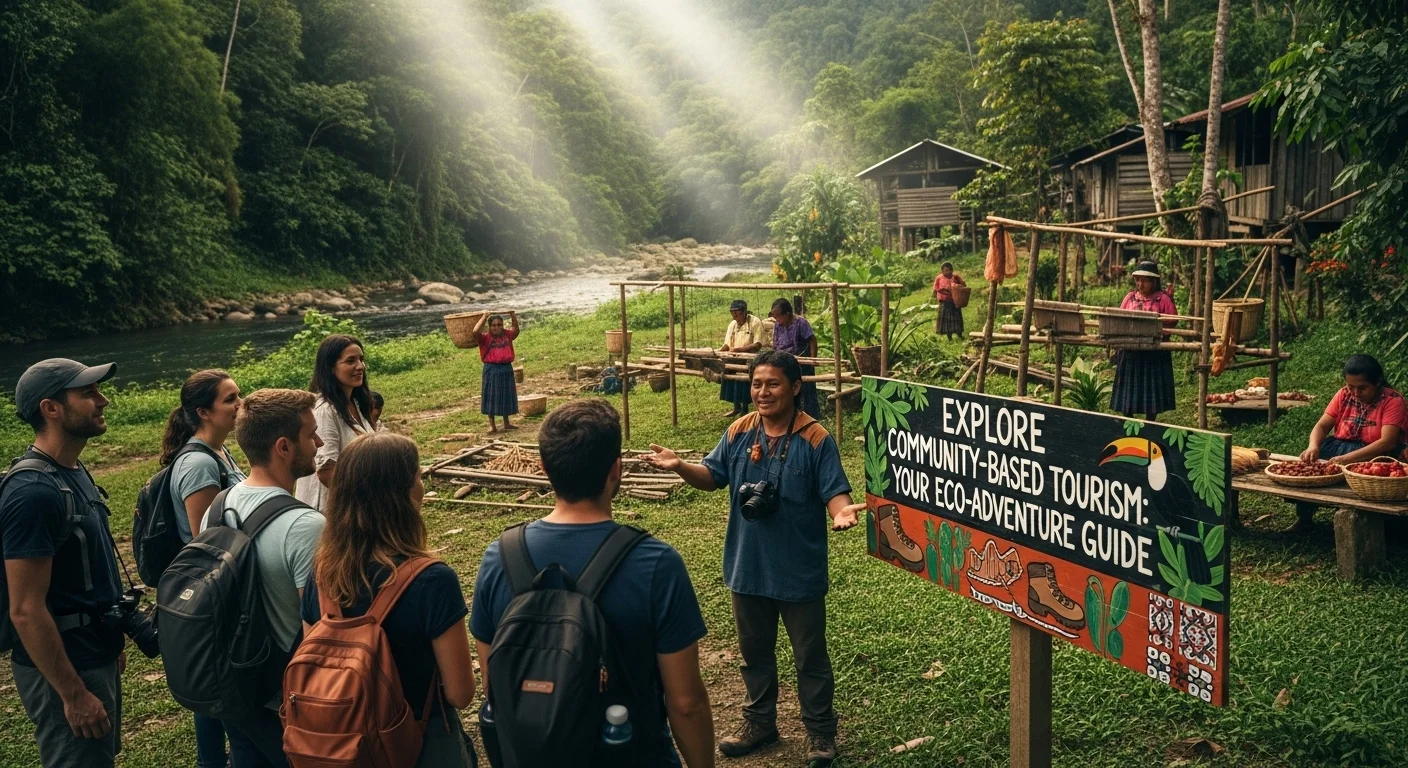
Explore Community-Based Tourism: Your Eco-Adventure Guide
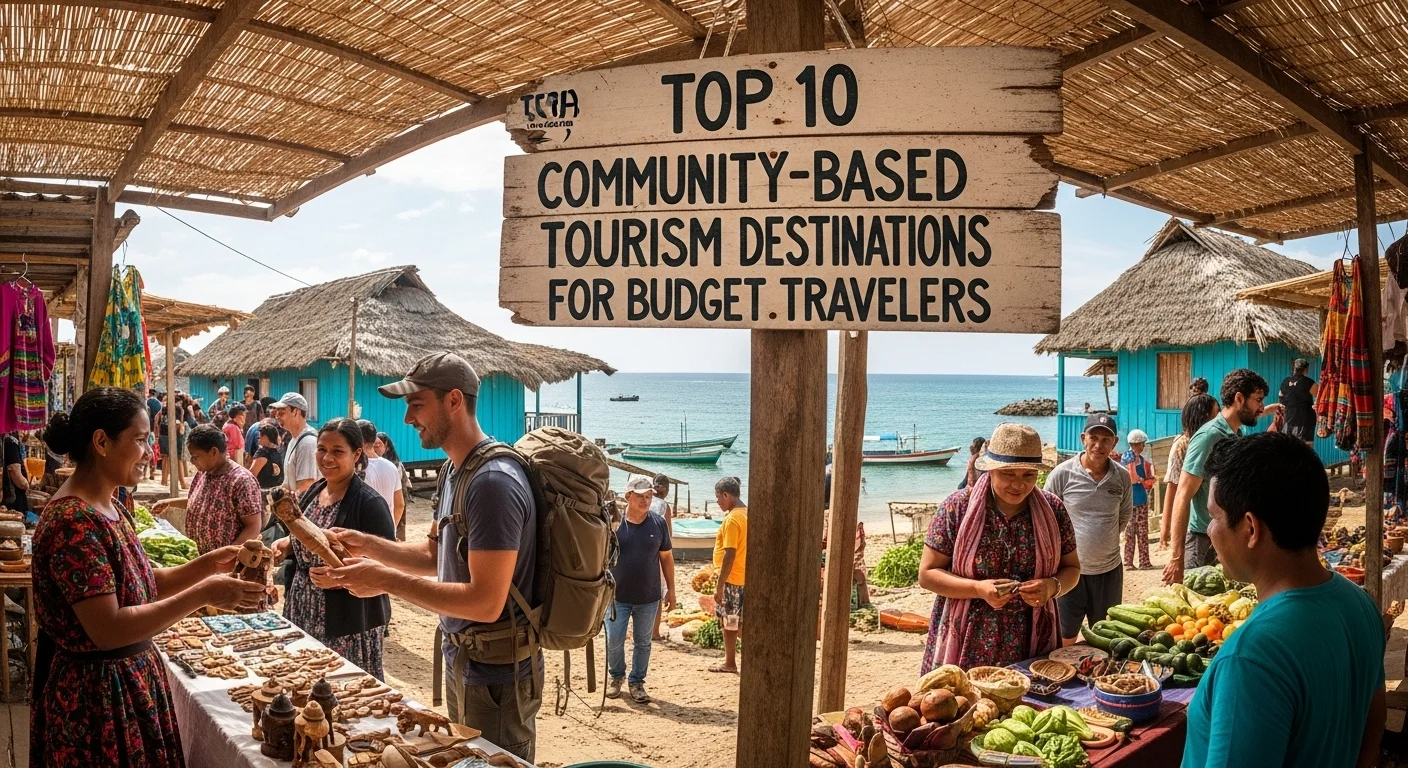
Imagine traveling to a new place and immersing yourself in the local culture while helping the community thrive. That’s the magic of community-based tourism (CBT), where adventure meets sustainability.

Explore Community-Based Tourism: Your Eco-Adventure Guide

Understanding Community-Based Tourism (CBT)

Definition of Community-Based Tourism

Community-Based Tourism is about more than just visiting a destination; it’s about connecting with the people and places that make it special. In my experience, CBT focuses on involving the local community in tourism efforts, allowing visitors to interact in meaningful ways. It emphasizes cultural exchange, social responsibility, and environmental sustainability. Instead of just being a passive observer, you become part of the community, learning their stories and traditions firsthand.

Benefits of Community-Based Tourism

When I first started exploring CBT, I quickly discovered that the benefits extend beyond just the traveler. Here are some reasons I believe community-based tourism is a win-win for everyone involved:

  • Empowerment: CBT gives locals a voice in how tourism is conducted in their area, allowing them to preserve their culture and environment.
  • Economic Support: By choosing CBT, we are supporting local businesses and ensuring that a significant portion of the money spent goes directly to the community.
  • Environmental Conservation: Many CBT initiatives focus on sustainable practices, promoting the conservation of natural resources and wildlife.
  • Authentic Experiences: Engaging directly with locals often leads to richer, more meaningful experiences compared to traditional tourist traps.

Differences Between CBT and Traditional Tourism

Reflecting on my travels, I’ve noticed distinct differences between community-based tourism and traditional tourism. Traditional tourism often prioritizes profit and mass appeal, leading to overcrowded landmarks and a loss of local culture. In contrast, CBT emphasizes smaller, more intimate experiences. Here are some key differences I’ve identified:

  • Scale: Traditional tourism often involves large groups and commercial activities, while CBT focuses on smaller, community-driven initiatives.
  • Interaction: In traditional tourism, interactions can feel superficial. With CBT, I found more opportunities for genuine connections with locals.
  • Impact: Traditional tourism can lead to environmental degradation and cultural erosion. CBT, however, aims to minimize negative impacts and maximize benefits for the community.

Understanding these differences really changed the way I approach travel. It made me realize the power of my choices as a traveler and the positive influence I can have by opting for community-based experiences.

Why Choose Community-Based Tourism?

Eco-Friendly Practices

One of the main reasons I advocate for community-based tourism is its focus on eco-friendly practices. Many CBT projects emphasize sustainability, whether through minimizing waste, conserving water, or protecting local wildlife. I remember visiting a community in South America where they practiced permaculture and shared their knowledge on sustainable farming techniques. It was inspiring to see how they lived in harmony with nature, and it made me more conscious of my own environmental footprint. For those interested in eco-friendly stays, you might want to check out Top 10 Eco-Friendly Accommodations for Budget Backpackers.

Supporting Local Economies

Traveling with a purpose is something I truly believe in. By choosing community-based tourism, we directly support local economies. I’ve seen firsthand how local artisans thrive when tourists purchase handmade crafts or partake in cultural workshops. The funds raised go back into the community, helping to improve education, health care, and infrastructure. It’s a rewarding experience, knowing that your trip is making a difference.

Authentic Cultural Experiences

One of my favorite aspects of community-based tourism is the chance to engage in authentic cultural experiences. I recall a time when I participated in a local festival in a small village. The joy of dancing with the locals, sharing meals, and learning traditional crafts created memories that I cherish. These experiences allow us to break down barriers and truly understand the heart of a community. If you’re looking for affordable cultural adventures, I recommend checking out Engage with Communities: Affordable Cultural Adventures.

As I share my journey with community-based tourism, I hope it inspires you to consider this enriching form of travel. Whether you seek adventure, cultural immersion, or simply a break from the norm, CBT offers a path less traveled where we can connect, learn, and grow together with the communities we visit.

Top Destinations for Community-Based Tourism

South America

When I think about South America, I can’t help but recall the vibrant culture and stunning landscapes I encountered. Countries like Peru and Colombia are leading the way in community-based tourism. In Peru, I had the chance to visit a small village near Machu Picchu, where locals offered homestays and guided hikes. We learned about their customs, and I was fortunate enough to participate in a traditional weaving workshop. It was fascinating to see how they used natural dyes from local plants to create beautiful textiles.

Colombia also stands out with its eco-tourism initiatives. In the lush coffee region, I stayed on a coffee farm where I could see how coffee is cultivated and even picked some beans myself. This hands-on experience opened my eyes to the hard work behind every cup of coffee I enjoy.

Africa

Africa holds a special place in my heart, especially when it comes to community-based tourism. The Maasai Mara in Kenya is one of my favorite spots. Here, I learned about the Maasai people’s traditions and their efforts to preserve their culture amidst modern challenges. I participated in a village tour, where I watched traditional dances and even tried my hand at making beadwork. It felt incredible to contribute to their economy while gaining insight into their way of life.

Similarly, in South Africa, I discovered community-based programs aimed at wildlife conservation, like those in the Kruger National Park area. Staying in lodges run by local communities allowed me to engage in conservation efforts, such as tracking animals and learning about the ecosystem. Knowing that my visit helped fund educational initiatives for children in nearby villages made it all the more worthwhile. If you’re interested in unique wildlife experiences, consider looking into Explore Unique Wildlife Experiences on a Budget Safari.

Asia

Asia is bursting with opportunities for community-based tourism. I remember traveling to Thailand and spending time in a Northern village known for its elephant sanctuary. Here, I was able to volunteer and learn about elephant care and conservation. Seeing how these majestic animals are treated with respect and love was truly inspiring. The locals shared their knowledge about the cultural significance of elephants, and it made my experience all the more enriching.

In Vietnam, I visited a community in the Mekong Delta that focused on responsible tourism. The locals welcomed me into their homes for cooking classes where we prepared traditional dishes. I still think about that delicious pho and the stories shared over the dinner table. It’s experiences like these that create lasting memories and foster a deeper appreciation for different ways of life.

Europe

While Europe may be known for its landmarks, some hidden gems offer incredible community-based experiences. In Portugal, I found myself in a small fishing village where the community offered cooking classes featuring fresh seafood caught that morning. I remember sitting with the locals, sharing laughter and stories while learning how to prepare traditional dishes. The warmth and hospitality I experienced made me feel like part of their family.

In Scotland, I had the pleasure of staying at a community-run inn in the Highlands. The owners were incredibly passionate about preserving the local Gaelic culture. They organized storytelling nights where we gathered around a fire to hear tales of ancient folklore. It was a magical way to connect with the rich history and traditions of the region.

How to Plan Your Community-Based Eco-Adventure

Researching Community-Based Projects

Planning a community-based eco-adventure is so much fun, but it starts with research. I always dedicate time to look into various community projects. I recommend checking out websites that focus on responsible tourism to find authentic experiences. I often start by reading blogs or watching videos from travelers who have visited these communities. Their firsthand accounts give me a clearer picture of what to expect and how I can contribute positively to the community.

Choosing Sustainable Accommodations

When it comes to accommodations, I prefer to stay in places that prioritize sustainability. I look for lodges or homestays that are community-owned. This not only ensures that my stay supports local families but also often comes with the bonus of unique experiences, like cooking classes or guided hikes. I’ve found that these types of accommodations often have a close connection to the community, which enriches my travel experience enormously.

Connecting with Local Guides

Another essential part of planning is finding local guides. I’ve learned that having a guide from the community can truly enhance my experience. They can share stories, traditions, and insights that I would never discover on my own. I often reach out to community organizations or look for recommendations from fellow travelers. Connecting with local guides not only supports their livelihoods but also ensures that I get a more authentic and meaningful perspective on the culture and environment.

What to Expect from Community-Based Tourism Experiences

Participating in Local Traditions

One of the most beautiful aspects of community-based tourism is the opportunity to participate in local traditions firsthand. I remember visiting a small Indigenous community where I was invited to join their annual harvest festival. It was an incredible experience! I helped with the preparations, which included gathering local produce and decorating the gathering area with traditional crafts. While I was there, I also learned about the significance of the festival in their culture and the stories behind various rituals. It felt so rewarding to be part of something that mattered to them, and I left with a deeper understanding of their way of life.

Engaging in Conservation Efforts

Community-based tourism often emphasizes the importance of conservation, and I’ve had the chance to engage in several meaningful projects during my travels. For example, in Costa Rica, I volunteered with a group that was dedicated to protecting sea turtles. I spent nights on the beach helping monitor nesting sites and even participated in releasing hatchlings back into the ocean. This hands-on involvement not only made me more aware of the threats facing these incredible creatures, but it also connected me deeply with the local community, who were equally passionate about preserving their natural heritage. Seeing the positive impact of our efforts was truly inspiring and made my trip unforgettable.

Experiencing Local Cuisine

Food is such a crucial part of any culture, and through community-based tourism, I’ve been fortunate to dive into local cuisines that go beyond the typical restaurant fare. I recall cooking classes in a village in India, where I learned to make traditional dishes using recipes passed down through generations. The vibrant spices, fresh ingredients, and the stories behind each meal made the experience rich and memorable. Sharing those meals with the locals, sitting on the floor and enjoying the food together, felt like being part of their family. It’s an experience that not only satisfies your taste buds but also feeds your soul.

When to Visit: Timing Your Eco-Adventure

Seasonal Considerations

Timing your trip can significantly enhance your experience in community-based tourism. I’ve learned that each destination has its unique seasons that influence the local culture and activities. For instance, visiting Thailand during the rainy season offered me a different perspective on the lush landscapes, while also allowing me to participate in fewer crowds. However, I’ve also found that certain times of the year, like harvest seasons or festivals, can provide vibrant experiences rich in culture. It’s worth researching the best times to visit to align your trip with local events and natural beauty.

Local Festivals and Events

One of my favorite travel memories involves attending a local festival, which I try to plan during my visits when possible. For example, being part of the Holi festival in India was a colorful explosion of joy! The locals welcomed me with open arms, and I joined in the festivities, throwing colored powders and sharing laughter with everyone around me. It’s not just about the fun; it’s about understanding the significance of these events in their culture. Participating in such celebrations helps bridge cultural gaps and creates lasting memories that I cherish. Make sure to look up local festivals when planning your trip; you might just stumble upon a life-changing experience!

Safety and Responsible Travel Tips

Understanding Local Customs and Laws

As we venture into new places, it’s essential to respect local customs and laws. I’ve learned that understanding the cultural nuances can greatly enhance my travel experience. Before any trip, I take the time to read about the local etiquette—everything from dress codes to behavior in sacred spaces. For example, while visiting a temple in Bali, I was mindful of the dress code and customs related to spirituality, which allowed me to connect more authentically with the locals. This kind of preparation shows respect and often opens doors to more enriching interactions.

Staying Safe While Traveling

Safety is always a priority when I travel, and community-based tourism is no exception. I’ve found that staying aware of my surroundings and following local advice can go a long way. Checking in with community leaders or guides about safety tips can enhance my overall experience. Additionally, I always keep emergency contacts handy and stay connected with someone back home. Knowing I have a plan in place allows me to relax and fully immerse myself in the adventure.

Minimizing Your Environmental Impact

As travelers, we have a responsibility to minimize our environmental impact. I’ve made it a habit to be conscious of my actions, whether it’s reducing plastic use or supporting eco-friendly businesses. For instance, I always carry a reusable water bottle and shopping bag to avoid single-use plastics. Additionally, I seek out community initiatives that focus on sustainability, such as those that promote environmental education or conservation. It’s empowering to know that my choices contribute to preserving the beautiful places I visit for future generations.

Budgeting for Community-Based Tourism

Cost Considerations

Budgeting is an important aspect of planning any trip, and community-based tourism can often be more affordable than traditional travel options. I’ve discovered that many community projects offer reasonably priced accommodations and activities, which allows me to experience authentic culture without breaking the bank. Additionally, spending directly on local goods and services ensures that my money supports the community rather than large corporations. I always set a budget that allows for flexibility, which gives me the freedom to explore and enjoy unexpected opportunities.

Affordable Destinations

Some destinations are particularly known for their affordability when it comes to community-based tourism. I’ve had wonderful experiences in places like Nicaragua and Guatemala, where the cost of living is lower, yet the cultural richness is abundant. Staying in local homestays or participating in community workshops offers a unique experience that is often lighter on the wallet. I always recommend exploring less commercialized areas where the charm and authenticity are often unmatched.

Funding Local Initiatives

While budgeting, it’s also essential to consider how our spending can impact local initiatives. I’ve made it a point to allocate part of my budget to support community projects, whether through donations or participation in local programs. This not only enriches my travel experience but also directly benefits the communities I visit. For instance, I once funded a local education initiative by contributing to a community-run school during my stay. Knowing I was helping future generations while enjoying my travels was deeply fulfilling.

Resources for Community-Based Tourism

Websites and Organizations to Follow

If you’re interested in diving deeper into community-based tourism, I’ve found several organizations and websites that can guide you. Platforms like Responsible Travel and Community Tourism Network provide a wealth of information on various projects worldwide. These sites often feature listings of local initiatives, reviews from travelers, and tips on how to engage meaningfully with communities. I recommend checking these out to find inspiring projects that resonate with you.

Books and Guides on CBT

Reading up on community-based tourism has always enriched my understanding and appreciation for this travel style. I’ve come across books like “Responsible Travel: A Guide for Tourists” and “The Ethical Travel Guide” that offer insights into sustainable practices and ethical tourism. These resources not only educate but also inspire action, making them valuable additions to any traveler’s library.

Online Communities and Forums

Joining online communities and forums can also enhance your experience. I’ve participated in Facebook groups and forums dedicated to sustainable travel, where members share tips, experiences, and recommendations for community-based tourism. Engaging with like-minded travelers allows for a sharing of ideas and can lead to incredible opportunities. Plus, it’s comforting to know there’s a supportive community out there eager to share their insights!

Frequently Asked Questions

What is Community-Based Tourism (CBT)?

Community-Based Tourism is about connecting with the local community and immersing oneself in the culture while supporting sustainable practices. It emphasizes cultural exchange, social responsibility, and environmental sustainability, allowing visitors to engage meaningfully with the people and places they visit.

What are the benefits of Community-Based Tourism?

The benefits of Community-Based Tourism include empowerment of locals, economic support for local businesses, environmental conservation, and the opportunity to have authentic experiences that foster deeper connections with the community.

How does Community-Based Tourism differ from traditional tourism?

Community-Based Tourism focuses on smaller, community-driven initiatives and fosters genuine connections with locals, while traditional tourism often involves large groups, superficial interactions, and can lead to environmental degradation and cultural erosion.

Why should travelers choose Community-Based Tourism?

Travelers should choose Community-Based Tourism for its eco-friendly practices, support of local economies, and opportunities for authentic cultural experiences that enrich their journey and create meaningful connections.

What are some popular destinations for Community-Based Tourism?

Popular destinations for Community-Based Tourism include South America (like Peru and Colombia), Africa (notably Kenya and South Africa), Asia (such as Thailand and Vietnam), and Europe (including Portugal and Scotland).

How can travelers plan their Community-Based Eco-Adventure?

Travelers can plan their Community-Based Eco-Adventure by researching community projects, choosing sustainable accommodations, and connecting with local guides to enhance their experiences and support the local economy.

What experiences can travelers expect from Community-Based Tourism?

Travelers can expect to participate in local traditions, engage in conservation efforts, and experience local cuisine, which allows for rich cultural interactions and memorable moments.

What should travelers consider regarding the timing of their eco-adventure?

Travelers should consider seasonal influences on local culture and activities, such as harvest seasons or festivals, to enhance their experience and align their trip with significant local events.

What safety and responsible travel tips should travelers follow?

Travelers should understand local customs and laws, stay aware of their surroundings for safety, and minimize their environmental impact by being conscious of their actions and supporting eco-friendly initiatives.

How can travelers budget for Community-Based Tourism?

Travelers can budget for Community-Based Tourism by considering cost-effective options, allocating funds to support local initiatives, and exploring affordable destinations known for their community-based experiences.

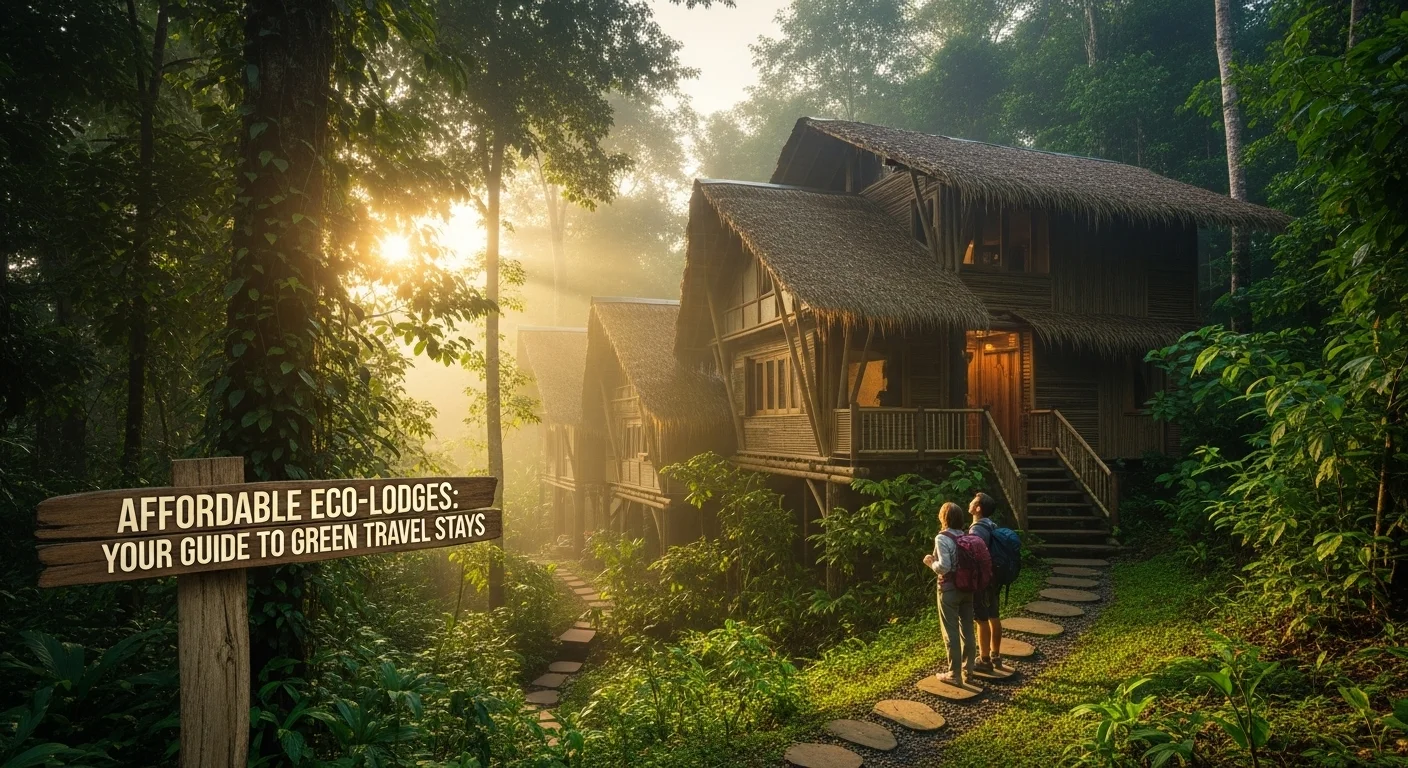
Affordable Eco-Lodges: Your Guide to Green Travel Stays

Looking for a travel experience that respects the planet while being kind to your wallet? Affordable eco-lodges might be the perfect solution for your next getaway! Read Interesting article: Discover Sustainable Stays: Budget Accommodations for Eco-Trips

Affordable Eco-Lodges: Your Guide to Green Travel Stays

Understanding Eco-Lodges: What Are They?

Definition of Eco-Lodges

When I first stumbled upon the concept of eco-lodges, I was intrigued. Eco-lodges are accommodations designed with sustainability in mind. They aim to minimize their environmental impact while providing a comfortable and enjoyable stay for guests. In essence, eco-lodges prioritize nature and culture, making them a perfect choice for the eco-conscious traveler. I love that they often utilize local materials and traditional building methods, which not only provide a unique aesthetic but also help reduce carbon footprints.

Key Features of Eco-Lodging

One of the things I’ve noticed about eco-lodges is their commitment to sustainability. Many eco-lodges incorporate solar panels, composting toilets, and rainwater harvesting systems. These features not only reduce energy consumption but also create a more self-sufficient environment. I remember staying at a cozy eco-lodge in the mountains, where I woke up to the sound of birds singing and the smell of fresh, organic coffee brewing. The lodge had its own garden, providing fresh produce for meals, which made the dining experience even more special.

Another defining characteristic of eco-lodges is their connection to the surrounding ecosystem. Many are located in remote areas, near national parks or nature reserves, allowing guests to immerse themselves in nature. I found that this proximity often leads to opportunities for wildlife viewing, hiking, and other outdoor activities that enrich the travel experience. Plus, eco-lodges tend to have a smaller guest capacity, meaning more personalized service and a quieter environment to relax in. Read Interesting article: Top 10 Eco-Friendly Accommodations for Budget Backpackers

Benefits of Staying in Eco-Lodges

The benefits of staying in eco-lodges extend beyond just the environmental aspects. For me, one of the greatest advantages is the chance to support local communities. Many eco-lodges are owned and operated by locals, and by choosing to stay at these places, we help foster economic growth in the area. I personally love chatting with the owners and staff, learning about their culture, and discovering the stories behind their beautiful lodges.

In addition to cultural immersion, I’ve found that eco-lodges often emphasize wellness and relaxation. Many of them offer yoga classes, guided nature walks, or meditation sessions that allow us to disconnect from the stress of daily life. I remember feeling rejuvenated after a morning yoga session surrounded by lush greenery and the sound of a nearby waterfall. It truly felt like a holistic experience that nourished both my body and soul.

Lastly, staying at eco-lodges can lead to a greater awareness of our impact on the environment. I’ve learned so much about sustainable practices through conversations with the staff and other guests. It’s incredibly empowering to stay somewhere that aligns with my values and encourages me to make more eco-friendly choices in my everyday life.

Why Choose Affordable Eco-Lodges?

Cost-Effective Travel Options

Affordability is often a key concern when planning travel, and I completely understand that. The good news is that eco-lodges can be surprisingly budget-friendly. Many offer competitive rates compared to traditional hotels, especially if you book in advance or during off-peak seasons. I remember finding a charming eco-lodge in Costa Rica that was not only affordable but also included breakfast and guided tours at no extra charge! It felt like I was getting a great deal while being kind to the planet.

Supporting Sustainable Tourism

By choosing affordable eco-lodges, we’re also making a conscious choice to support sustainable tourism. This approach helps protect natural resources and promotes responsible practices in the travel industry. I’ve seen firsthand how eco-lodges contribute to conservation efforts and community development. For instance, some lodges partner with local conservation programs, empowering guests to participate in activities like beach clean-ups or wildlife monitoring. It’s a fulfilling way to give back while exploring new destinations.

Experiencing Nature and Local Culture

Another reason to choose eco-lodges is the incredible opportunity to connect with nature and immerse ourselves in local culture. I’ve stayed in lodges that offered guided hikes through breathtaking landscapes or cooking classes featuring traditional recipes. These experiences not only allow us to appreciate the beauty of our surroundings but also to learn from the locals. I feel that these authentic experiences deepen our understanding of the destination and make our travels even more memorable. Read Interesting article: Top 10 Budget Surfing Hotspots for Adventure Seekers

Top Destinations for Affordable Eco-Lodges

Eco-Lodges in Costa Rica

Costa Rica holds a special place in my heart, and its eco-lodges are a big part of that. This country is renowned for its biodiversity, and staying in an eco-lodge here feels like stepping into a nature lover’s paradise. I remember my experience at a quaint eco-lodge nestled in the rainforest. The sounds of howler monkeys filled the air, and I found myself surrounded by lush vegetation. Many eco-lodges in Costa Rica offer activities like zip-lining through the canopy, guided bird-watching tours, and even opportunities to learn about local conservation efforts. I think it’s a fantastic way to connect with both nature and local culture while keeping costs reasonable.

Eco-Lodges in Thailand

Thailand is another gem when it comes to affordable eco-lodges. The eco-lodges here often blend traditional Thai architecture with sustainable practices. During my travels in northern Thailand, I had the chance to stay at an eco-lodge that was not only budget-friendly but also deeply connected to the community. The owners were incredibly welcoming, and I enjoyed learning about their efforts in sustainable farming and responsible tourism. Many eco-lodges in Thailand offer cooking classes where you can learn to make authentic Thai dishes using fresh, local ingredients. I still crave the flavors from that cooking class!

Eco-Lodges in the United States

In the United States, I’ve found some amazing eco-lodges, especially in national parks and scenic areas. For instance, I enjoyed a stay at an eco-friendly lodge near Yellowstone, where the focus was on minimal environmental impact while providing a comfortable experience. The lodge featured locally-sourced materials and energy-efficient designs. I remember hiking through the park during the day and returning to a cozy cabin at night, complete with a fireplace and stunning views. Many eco-lodges in the U.S. offer outdoor activities such as kayaking, hiking, and wildlife tours, all of which encourage us to appreciate the natural beauty surrounding us.

Eco-Lodges in Europe

Europe, with its rich history and stunning landscapes, also has a growing number of eco-lodges. I once stayed at an eco-lodge in the countryside of Italy, where the owners practiced organic farming. I loved being part of their farm-to-table meals, and the food was simply divine! The lodge was situated close to hiking trails that led to breathtaking views of vineyards and hills. I found that many eco-lodges in Europe focus on sustainability and offer unique experiences like wine tastings or workshops on traditional crafts. It’s a beautiful way to engage with local cultures while exploring the stunning scenery.

How to Find Affordable Eco-Lodges

Online Platforms for Booking

Finding affordable eco-lodges has become easier thanks to various online platforms. Websites like EcoBnB and Sustainable Travel International specialize in connecting travelers with eco-friendly accommodations. Personally, I like to use these sites because they provide detailed information about each lodge’s sustainability practices. I remember using one of these platforms to book a lodge in Costa Rica, and I was thrilled to see the emphasis they placed on community involvement and environmental conservation. Plus, reading reviews from other travelers helped me make an informed choice.

Utilizing Travel Apps and Websites

Travel apps have also become a game-changer for me. I often use apps like Airbnb and Booking.com, which allow you to filter search results for eco-friendly properties. This feature is particularly helpful when I’m looking for a place that aligns with my values. I once found a charming eco-lodge in the mountains through an app that highlighted its commitment to sustainability. I really appreciate how technology can help us make more conscious travel choices while still enjoying the comforts we desire.

Traveling Off-Peak Seasons

Traveling during off-peak seasons is another trick I’ve learned for finding affordable eco-lodges. Prices tend to drop during these times, and you often get to enjoy a more peaceful experience. I remember visiting a stunning eco-lodge in the off-season and was pleasantly surprised to find that the staff had more time to engage with guests, sharing local insights and personal stories. Plus, fewer tourists meant I could explore the surrounding area without the usual crowds. It created such a serene atmosphere that I still think fondly of that trip.

What to Expect When Staying at Eco-Lodges

Accommodations and Amenities

When I first arrived at an eco-lodge, I was curious about what the accommodations would be like. I was pleasantly surprised to find that many eco-lodges offer a blend of comfort and simplicity. The rooms often feature natural materials like wood and stone, creating a cozy and inviting atmosphere. I remember one lodge in the mountains where my cabin had large windows that opened up to breathtaking views of the surrounding forest. It felt like being in a treehouse!

Most eco-lodges prioritize sustainability in their amenities as well. You might find features like solar-powered lighting, low-flow showers, and organic toiletries. I particularly appreciated the effort some lodges put into using local crafts for decor, which added a unique charm to the space. Staying in these lodges always feels like an experience rather than just a place to sleep, and I love that.

Dining Options and Local Cuisine

Dining at eco-lodges is another highlight that I’ve come to cherish. Many of these places focus on serving locally-sourced, organic meals. I’ve dined at eco-lodges where the chefs proudly use ingredients from their own gardens or nearby farms. The flavors are often fresh and vibrant, unlike anything you might find in a conventional restaurant. I remember enjoying a farm-to-table meal at a lodge in Italy, where the tomatoes tasted like they had just been picked!

Some lodges even offer cooking classes, where you can learn how to prepare traditional dishes with local ingredients. During my stay in Thailand, I participated in a cooking workshop at an eco-lodge, and it was such a fun way to connect with the culture. We made curry from scratch, using herbs picked from the garden, and I still use that recipe at home! I believe that trying local cuisine is one of the best ways to immerse ourselves in a new place.

Activities and Experiences Offered

One of the things I love most about eco-lodges is the array of activities they often provide. Many eco-lodges are located near stunning natural attractions, which means you can engage in outdoor adventures like hiking, birdwatching, or kayaking. I remember booking a guided nature walk at an eco-lodge in Costa Rica, where a knowledgeable guide shared fascinating insights about the local flora and fauna. It added a whole new layer to my experience!

In addition to outdoor activities, many eco-lodges offer workshops or cultural experiences. I once participated in a traditional weaving class at a lodge in Peru, where the local artisans taught us about their craft. It was amazing to see how they incorporated their heritage into their work, and I left with a newfound appreciation for their artistry. I think these experiences not only enrich our travels but also help preserve local cultures.

Tips for a Green Travel Experience

Reducing Your Carbon Footprint

As someone who cares deeply about the environment, I always look for ways to minimize my carbon footprint while traveling. One simple tip I’ve learned is to choose eco-lodges that prioritize sustainable practices, such as using renewable energy and reducing waste. I also try to offset my carbon emissions by participating in local conservation projects whenever possible. For example, I joined a tree-planting initiative during my stay at an eco-lodge in Indonesia, which felt great and made a positive impact.

Additionally, I aim to travel light and use public transportation whenever possible. I’ve noticed that taking a bus or train not only reduces emissions but often allows me to see more of the local scenery and connect with fellow travelers. I believe that every small effort counts, and being mindful of our choices can lead to a more sustainable travel experience.

Supporting Local Communities

Supporting local communities is something I’m passionate about when I travel. By choosing eco-lodges that are locally owned, I know my money is directly benefiting the people in the area. I love striking up conversations with the staff and learning about their lives and culture. At one eco-lodge in Nicaragua, the owner invited me to join a local festival, which turned out to be one of the most memorable experiences of my trip.

Moreover, I make an effort to purchase handmade crafts or products from local artisans rather than buying mass-produced souvenirs. This not only supports the community but also helps preserve traditional crafts and skills. I’ve come home with beautiful, unique pieces that remind me of my travels and the wonderful people I met along the way.

Practicing Responsible Tourism

Responsible tourism is a principle I try to uphold during all my travels. This means being respectful of local cultures, traditions, and environments. I’ve learned to always ask before taking photos of people or sacred sites, and I strive to leave places better than I found them. At one eco-lodge, I participated in a beach clean-up, which was not only fulfilling but also a great way to bond with fellow guests and staff.

Another important aspect of responsible tourism is being mindful of our consumption. I try to reduce waste by using reusable water bottles, bags, and containers. When I stayed at an eco-lodge in the Amazon, they provided refill stations for water and encouraged us to avoid single-use plastics. I felt good knowing that I was contributing to their sustainability efforts while enjoying my adventure.

Frequently Asked Questions about Eco-Lodges

Are Eco-Lodges Really Affordable?

When I first started exploring eco-lodges, I wondered if they would fit my budget. I was pleasantly surprised to find that many eco-lodges offer rates comparable to traditional hotels. In fact, some can even be more affordable, especially if you look for deals during the off-peak season or book in advance. I remember scoring a fantastic deal on a week-long stay at an eco-lodge in a remote area of Costa Rica, and it included meals and activities! For me, the affordability of eco-lodges is one of the aspects that makes them so appealing, combining cost-effectiveness with the chance to support sustainable practices.

What Makes Eco-Lodges Environmentally Friendly?

Eco-lodges are designed with sustainability at the forefront, and I’ve seen numerous ways they achieve this. Many use renewable energy sources like solar power and wind energy, which drastically reduce their carbon footprint. Additionally, eco-lodges often implement water conservation methods, such as rainwater harvesting and wastewater treatment systems. During my travels, I’ve experienced lodges where they not only educate guests about their practices but also invite us to participate in sustainability initiatives. It’s incredibly inspiring to see how these lodges are committed to protecting the environment.

How Do I Know If an Eco-Lodge Is Legitimate?

It’s important to ensure that an eco-lodge genuinely practices what it preaches. I usually start by checking for certifications from recognized environmental organizations, which can be a good indicator of their commitment to sustainability. Reading reviews from other travelers is also invaluable. I often look for comments on the lodge’s sustainability practices and how they engage with the local community. When I stayed at a lodge that was truly committed to eco-friendly practices, I could see the difference in everything from the building materials to the meals provided. Trusting the experiences of fellow travelers has guided me to some wonderful eco-lodges.

Final Thoughts

Choosing to stay at eco-lodges has truly enriched my travel experiences in ways I never expected. It’s not just about finding a place to sleep; it’s about connecting with nature, supporting local communities, and fostering a sense of responsibility towards our planet. Each eco-lodge has its own unique story, and I’ve loved discovering the diverse approaches they take to sustainability. For anyone looking to travel affordably while making a positive impact, eco-lodges are a fantastic option. I encourage you to explore them and see how they can transform your next getaway into a memorable adventure that aligns with your values. No matter where you go, I believe that every small step we take towards sustainability can lead to a bigger change.

Frequently Asked Questions

Are Eco-Lodges Really Affordable?

Yes, many eco-lodges offer rates comparable to traditional hotels and can even be more affordable, especially if you book in advance or during off-peak seasons. Some eco-lodges include meals and activities in their pricing, making them a cost-effective choice for travelers.

What Makes Eco-Lodges Environmentally Friendly?

Eco-lodges prioritize sustainability by using renewable energy sources like solar power and implementing water conservation methods such as rainwater harvesting. They often involve guests in sustainability initiatives, promoting a commitment to environmental protection.

How Do I Know If an Eco-Lodge Is Legitimate?

To ensure an eco-lodge is genuinely committed to sustainability, look for certifications from recognized environmental organizations and read reviews from other travelers. Feedback on the lodge’s sustainability practices and community engagement can help guide your choice.

What Key Features Should I Expect from Eco-Lodges?

Eco-lodges often feature sustainability-focused amenities such as solar panels, composting toilets, and local materials in their construction. They usually provide a cozy atmosphere with natural materials, creating a unique lodging experience.

What Activities Can I Participate in at Eco-Lodges?

Many eco-lodges offer outdoor adventures like hiking, birdwatching, and kayaking, as well as cultural experiences such as cooking classes or workshops. These activities allow guests to connect with nature and immerse themselves in local culture.

How Do Eco-Lodges Support Local Communities?

Eco-lodges are often owned and operated by locals, ensuring that the revenue generated supports the local economy. Staying at these lodges can foster economic growth and promote cultural exchange through interactions with the owners and staff.

What Dining Options Are Available at Eco-Lodges?

Dining at eco-lodges typically focuses on locally-sourced, organic meals, often using ingredients from their own gardens or nearby farms. Some eco-lodges also offer cooking classes that allow guests to learn how to prepare traditional local dishes.

How Can I Find Affordable Eco-Lodges?

Finding affordable eco-lodges is easier with online platforms like EcoBnB and Sustainable Travel International, which focus on eco-friendly accommodations. Additionally, travel apps such as Airbnb and Booking.com allow you to filter for eco-friendly properties.

What Should I Expect in Terms of Accommodations at Eco-Lodges?

Accommodations at eco-lodges often blend comfort with simplicity, featuring natural materials and sustainable designs. Many lodges provide cozy environments with amenities like solar-powered lighting and organic toiletries, enhancing the overall experience.

What Are Some Tips for Practicing Responsible Tourism at Eco-Lodges?

To practice responsible tourism, choose eco-lodges that prioritize sustainability, participate in local conservation projects, and respect local cultures. Using reusable items and reducing waste are also important steps in minimizing your environmental impact while traveling.

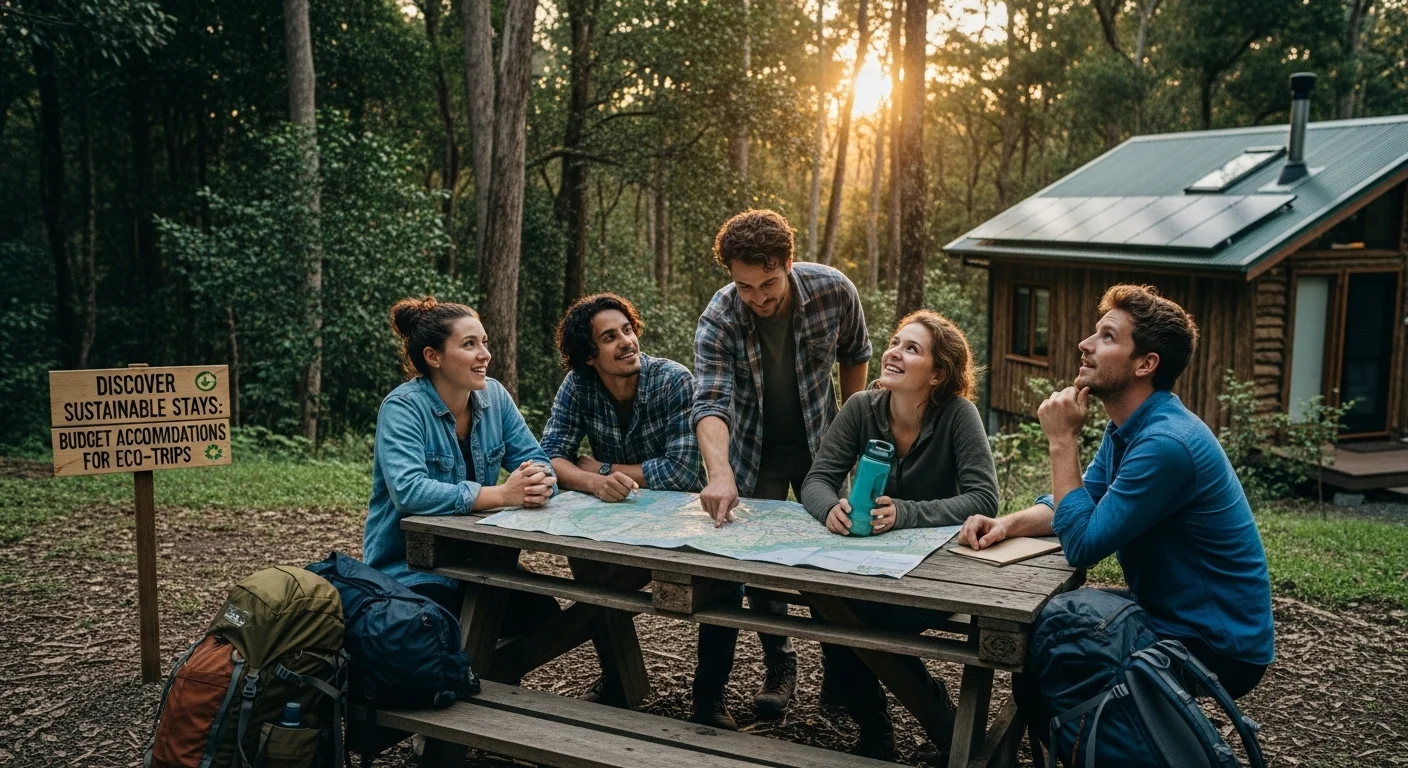
Discover Sustainable Stays: Budget Accommodations for Eco-Trips

Are you ready to explore the world while caring for our planet? Discover budget-friendly accommodations that embrace sustainability and make your eco-trips both enjoyable and affordable. You can find some excellent options in our guide to Top 10 Eco-Friendly Accommodations for Budget Backpackers.

Discover Sustainable Stays: Budget Accommodations for Eco-Trips

Understanding Sustainable Travel

When I first stumbled upon the concept of sustainable travel, I was intrigued. It wasn’t just about visiting beautiful destinations; it was about doing so in a way that respects the environment and local cultures. Sustainable travel, in my experience, is all about making choices that contribute positively to the places we visit. So, what exactly does this mean for us as travelers?

What is Sustainable Tourism?

Sustainable tourism encompasses practices that prioritize environmental conservation, cultural preservation, and economic benefits for local communities. It’s a holistic approach that encourages us to travel responsibly. I’ve learned that this doesn’t mean sacrificing comfort or enjoyment; rather, it’s about being mindful of our footprint. For example, choosing to support local businesses instead of large chains can significantly impact the economy of a destination. I remember visiting a small village where the local artisans benefited from every purchase I made. It felt good to directly contribute to their livelihoods.

Benefits of Eco-Friendly Travel

The benefits of eco-friendly travel extend beyond just the environment. Personally, I find that being a sustainable traveler allows me to connect more deeply with the places I visit. I experience authentic interactions with locals, and I often learn about their traditions and lifestyles. This has enriched my travels immensely. Plus, there’s something undeniably rewarding about knowing that my choices are helping to protect nature. I often marvel at how even small actions—like reducing plastic use—can make a difference. I discovered that by opting for reusable containers and bags, I not only reduced waste but also inspired others around me to do the same.

Why Choose Budget Accommodations?

Choosing budget accommodations doesn’t mean settling for less; instead, it opens up a world of possibilities. I’ve found that budget-friendly places often have a more intimate atmosphere, allowing for authentic exchanges with fellow travelers and locals. These accommodations frequently embrace sustainable practices, whether through energy-efficient designs or organic food offerings. For example, I stayed at a charming eco-hostel that sourced its ingredients from nearby farms. It was a delicious way to enjoy local flavors while supporting sustainable agriculture. In my experience, budget stays also encourage us to explore more—spending less on lodging means I can allocate more funds to activities that immerse me in the local culture. For more insights on affordable travel, check out Backpacking Through History: Affordable Heritage Site Adventures.

Moreover, by opting for budget accommodations, we contribute to a more equitable travel industry. These options often cater to families or individuals who might otherwise be unable to travel. I remember meeting a family in a cozy guesthouse who shared their experiences of exploring the area on a budget. They inspired me to see that travel is for everyone, as long as we choose wisely.

In my opinion, sustainable travel is more than just a trend; it’s a commitment to being a conscious traveler. It’s about making informed choices that honor both the environment and the people we meet along the way. As we embark on our eco-adventures, let’s celebrate and support the budget accommodations that help us stay green while exploring the globe. There’s a whole world out there waiting for us to discover, and it’s more beautiful when we take care of it together.

Types of Sustainable Accommodations

Eco-Hostels

When I think of eco-hostels, I picture vibrant, communal spaces filled with like-minded travelers. My first experience at an eco-hostel was eye-opening. It was a place where sustainability was woven into every aspect—from the solar panels on the roof to the locally sourced breakfast. I loved how the atmosphere encouraged interaction, and the staff was always eager to share tips on how to explore the area responsibly. One of my favorite memories was joining a group for a guided hike, where we all shared stories and laughter while learning about the local flora and fauna. Eco-hostels often provide a fun, budget-friendly option for those looking to meet new friends while minimizing their environmental impact.

Green Hotels

Green hotels have become increasingly popular, and for good reason. I remember staying at a green hotel that took sustainability to a new level. From energy-efficient lighting to a commitment to using organic toiletries, the place felt like a haven for eco-conscious travelers. What struck me most was their waste management system; they had a composting program that turned food scraps into nutrient-rich soil for their garden. It was inspiring to see how they integrated sustainability into their operations. These hotels often have certification labels that indicate their environmental efforts, so you can feel confident that your stay supports eco-friendly practices.

Camping and Glamping Options

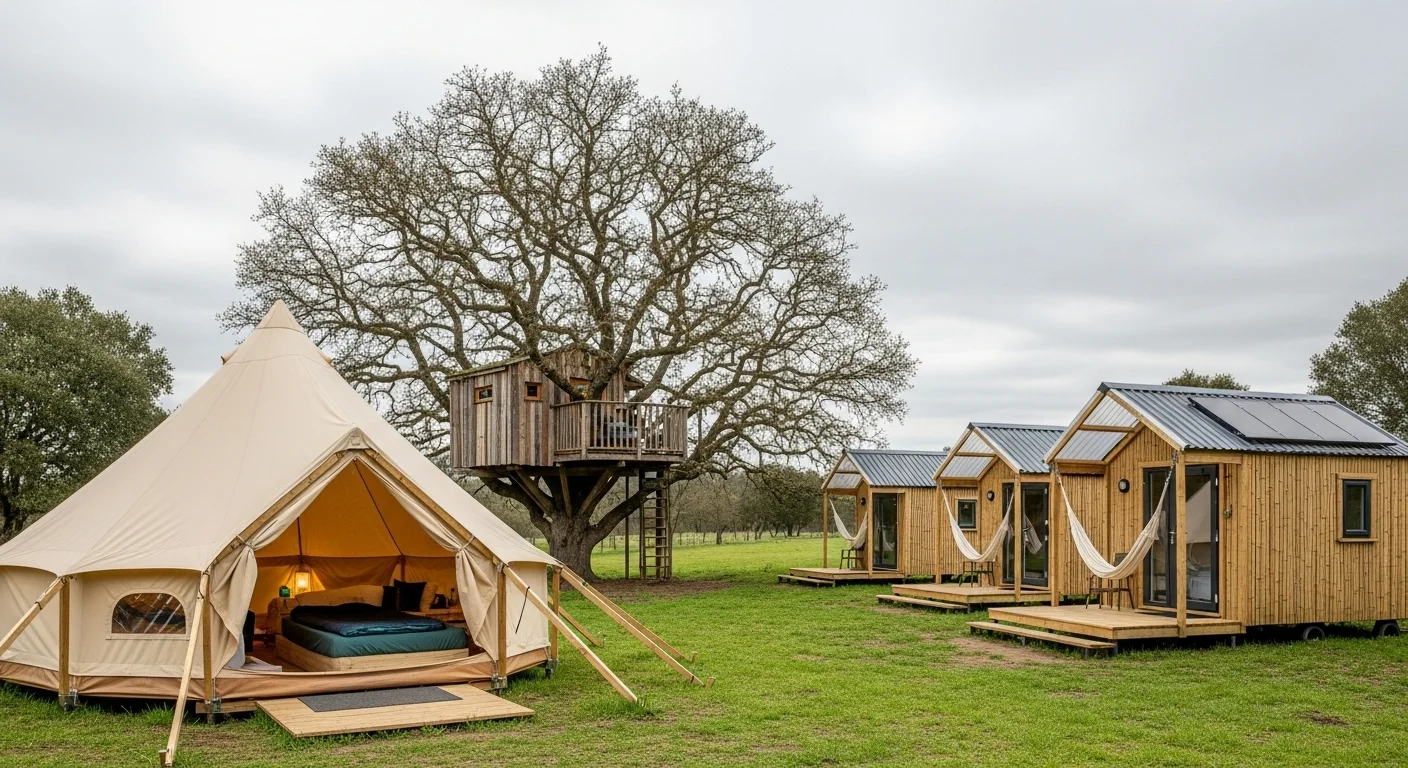
Camping has always been one of my favorite ways to connect with nature. Recently, I discovered glamping—glamorous camping that offers the best of both worlds. I remember staying in a yurt surrounded by trees, with a comfortable bed and a beautiful view of the stars. It was an incredible experience that allowed me to enjoy the great outdoors while having a few home comforts. Many campgrounds are committed to sustainability, using solar energy and eco-friendly materials in their facilities. Whether you’re in a tent or a cozy cabin, camping or glamping can be a profound way to immerse yourself in nature while traveling on a budget.

Homestays and Eco-Friendly B&Bs

Homestays and eco-friendly B&Bs have a unique charm that standard hotels often lack. I’ve had the pleasure of staying with local families who welcomed me into their homes, sharing meals and stories. It felt authentic and personal—a far cry from the impersonal nature of larger accommodations. These stays often focus on sustainability by using local ingredients in their meals, providing organic products, and encouraging guests to reduce their environmental impact. I recall one delightful B&B where the owner taught me how to cook traditional dishes using herbs from her garden. It was a special experience that connected me to the culture in a way that no tourist attraction could.

Top Budget-Friendly Eco-Stays by Region

North America

Best Sustainable Hostels in the USA

In the USA, there are several sustainable hostels that cater to budget-conscious travelers. One of my favorites is HI New York City Hostel, which emphasizes green practices like recycling and energy conservation. The warm community vibe made my stay enjoyable, and the location allowed me to explore the city easily. Another great option is the Hostelling International in San Francisco, which has a strong commitment to sustainability, offering tours that highlight eco-friendly initiatives in the area.

Eco-Friendly Lodges in Canada

Canada boasts some amazing eco-friendly lodges. I remember my stay at the Beaverfoot Lodge in British Columbia, where I was surrounded by breathtaking natural beauty. The lodge is dedicated to minimizing its ecological footprint, utilizing renewable energy sources and offering organic meals that showcase local cuisine. I loved how the lodge provided opportunities for outdoor adventures, like hiking and kayaking, all while respecting the pristine environment.

Europe

Green Accommodations in Western Europe

Western Europe is home to some fantastic green accommodations. When I visited Amsterdam, I stayed at a charming eco-hotel that featured wind turbines and sustainable design. It was located in a vibrant neighborhood that encouraged biking, which I loved. I found that exploring the city on two wheels not only helped me reduce my carbon footprint but also gave me a unique perspective on the local culture.

Eco-Conscious Options in Eastern Europe

In Eastern Europe, I discovered that eco-conscious options are on the rise. For instance, in Budapest, I found a lovely guesthouse that focused on sustainability, offering organic breakfast options and supporting local artisans. It was a cozy place that made me feel right at home while allowing me to engage with the local community. I enjoyed learning about their initiatives and how they contribute to the city’s culture.

Asia

Sustainable Stays in Southeast Asia

Southeast Asia has a wealth of sustainable stays that cater to budget travelers. I remember staying at an eco-lodge in Thailand that was surrounded by lush jungle. They practiced permaculture, and I was able to participate in a workshop on growing organic vegetables. It was a fantastic way to learn about sustainable living while enjoying the beautiful landscape.

Budget Eco-Lodges in India

India offers numerous budget eco-lodges that provide a unique experience. During my travels, I discovered an eco-resort in Kerala that focused on community engagement and environmental education. They offered yoga classes and cooking workshops, all while promoting local traditions and sustainable practices. It was a wonderful blend of relaxation and learning, and I left with a greater appreciation for the local culture.

Australia & New Zealand

Eco-Friendly Resorts in Australia

Australia is rich in eco-friendly resorts, and I was fortunate enough to visit one near the Great Barrier Reef. This resort had a strong commitment to conservation, offering eco-tours that emphasized marine preservation. I enjoyed snorkeling while learning about the reef’s ecosystem, which deepened my connection to the natural world.

Budget Accommodations in New Zealand

In New Zealand, budget accommodations abound, many of which are committed to sustainability. I stayed at a lodge that sourced its energy from the sun and was surrounded by stunning landscapes. The friendly staff encouraged guests to participate in local conservation efforts, making it a rewarding experience. I felt like a part of the community, helping to preserve the beauty of the region.

How to Find Sustainable Budget Stays

Using Eco-Travel Apps and Websites

Finding sustainable budget stays has never been easier, thanks to the rise of eco-travel apps and websites. I often turn to platforms like EcoBnB and Green Key to search for accommodations that prioritize sustainability. These websites provide a range of options, from eco-friendly hostels to green hotels, all while allowing me to filter for budget-friendly prices. I remember booking a stay through one of these apps and being pleasantly surprised by the charm and commitment to sustainability of the place I found. The reviews and ratings from other travelers helped me feel confident in my choice. It felt good to know I was supporting businesses that care about the environment while also sticking to my budget.

Checking Certifications (e.g., Green Key, LEED)

Certifications can be a great way to ensure that an accommodation is genuinely committed to sustainable practices. I always look for eco-labels like Green Key or LEED when booking my stays. These certifications indicate that the property has met certain environmental standards, which gives me peace of mind when traveling. On my last trip, I stayed at a hotel with a Green Key certification, and I noticed the difference in their operations. From water-saving fixtures to a robust recycling program, every detail reflected their dedication to sustainability. It made my stay feel even more worthwhile, knowing I was supporting an establishment that aligns with my values.

Reading Reviews on Sustainability Practices

Online reviews can be a treasure trove of information when searching for sustainable budget stays. I often read through guest reviews on platforms like TripAdvisor or Booking.com, looking specifically for comments on sustainability practices. Travelers often share their experiences regarding the eco-friendly initiatives of accommodations, from energy-saving measures to support for local communities. I remember coming across a review that highlighted a guesthouse’s efforts in reducing plastic waste by offering refill stations for water bottles. This insight helped me make a more informed decision and ultimately led to a more enriching travel experience. Additionally, I recommend checking out Cultural Immersion on a Budget: Top Community Tours for engaging experiences that also support local initiatives.

Tips for a Sustainable Stay

Reducing Waste During Your Trip

One of the easiest ways to contribute to sustainability while traveling is by reducing waste. I try to carry reusable items like a water bottle, shopping bags, and utensils to minimize single-use plastics. During my last adventure, I packed a collapsible cup and a set of bamboo utensils, which came in handy more often than I expected. Not only did I avoid unnecessary waste, but I also encouraged my travel companions to do the same. It felt empowering to take small actions that collectively made a significant impact. Every little effort counts, and it’s incredible how quickly we can change our habits when we’re mindful of them.

Supporting Local Communities

Supporting local communities is a key component of sustainable travel. I make it a point to shop at local markets, dine at family-owned restaurants, and engage in cultural experiences offered by residents. For instance, on my last trip, I took a cooking class with a local family. Not only did I learn to prepare traditional dishes, but I also gained insights into their way of life and the importance of preserving local flavors. It was a win-win situation that allowed me to enjoy authentic cuisine while directly supporting the community. When we spend our money in a way that benefits locals, we help sustain their culture and economy, and I can’t express how rewarding that feels.

Energy and Water Conservation Practices

Being mindful of energy and water use is another crucial aspect of sustainable travel. In my experience, many eco-friendly accommodations provide guidelines on how to conserve resources during your stay. Simple practices like turning off lights when leaving the room, taking shorter showers, and reusing towels can make a difference. I remember staying at a lodge where they had signs encouraging guests to be conscious of their water usage, and it motivated me to be more aware of my habits. These small adjustments not only help the environment but also inspire us to adopt more sustainable practices in our daily lives.

Activities to Enhance Your Eco-Trip

Guided Nature Tours

Guided nature tours are a fantastic way to deepen your connection with the environment while traveling sustainably. I’ve participated in several during my travels, and each one has opened my eyes to the beauty and fragility of our planet. For example, I once joined a guided hike in a national park where the guide shared insights about local flora and fauna and the importance of conservation efforts. It was both educational and inspiring, and it made my appreciation for nature grow even more. Plus, supporting local guides who are passionate about preservation is a great way to ensure that tourism benefits the environment.

Volunteering Opportunities

Volunteering while traveling can be a rewarding way to give back to the communities you visit. I’ve had the chance to join a few volunteer programs during my trips, such as working on a reforestation project in Costa Rica. It was an unforgettable experience that allowed me to connect with locals and learn more about their efforts to protect the environment. I felt a sense of accomplishment knowing that my hands-on work contributed to a meaningful cause. These opportunities can also enrich your travel experience, making it more memorable and impactful.

Local Conservation Projects

Participating in local conservation projects is another way to enhance your eco-trip. I recall visiting a coastal town where I joined a beach clean-up initiative. Not only did we remove trash from the shoreline, but we also learned about the impact of pollution on marine life. Working alongside locals and fellow travelers, I felt a sense of community and purpose that transformed my trip into something much more than just sightseeing. Engaging in such activities can help foster a deeper understanding of the challenges faced by different environments, and it’s a great way to leave a positive mark.

Challenges of Budget Sustainable Travel

Limited Availability in Some Regions

While I love the idea of sustainable travel, I’ve noticed that finding budget-friendly eco-stays can be challenging in certain regions. In some places, especially off the beaten path, options are limited. I remember searching for an eco-lodge in a remote area and struggling to find affordable options. It made me appreciate the importance of planning ahead and being flexible with my travel dates and destinations. Sometimes, it requires a bit more research and creativity, but the rewards are worth the effort.

Potential Higher Costs of Sustainable Practices

Another challenge I’ve encountered is that some sustainable practices can come with higher costs. Eco-friendly accommodations may charge a premium for their commitment to sustainability, which can be tough on a budget. I’ve seen this firsthand when booking a green hotel that offered organic meals and renewable energy but had prices that stretched my wallet a bit. However, I’ve also learned that many budget-friendly options are emerging, so it’s essential to keep searching and comparing prices. With a little patience, it’s possible to find sustainable stays that fit your budget.

Balancing Comfort with Sustainability

Finding the right balance between comfort and sustainability can sometimes be a struggle. There have been instances where I chose a budget accommodation that prioritized eco-friendly practices, but the amenities were lacking. I’ve experienced rooms without air conditioning or shared bathrooms that felt more rustic than I was used to. While I appreciate the intention behind these choices, it can be a reality check. I’ve learned that it’s important to set realistic expectations and remember that the overall experience—supporting the environment and local communities—often outweighs minor inconveniences.

Frequently Asked Questions

What is the cost of sustainable accommodations?

The cost of sustainable accommodations varies widely depending on the location, type, and level of sustainability practices. In my experience, eco-friendly hostels and homestays tend to offer more budget-friendly options. However, some green hotels and lodges can be pricier due to their commitment to sustainable practices. I recommend researching and comparing different options to find the best fit for your budget.

How can I ensure my stay is truly eco-friendly?

To ensure your stay is genuinely eco-friendly, look for certifications like Green Key or LEED, and read reviews focusing on sustainability practices. I’ve found that guest reviews often provide insights into the real eco-initiatives in place. Additionally, booking through eco-travel apps can help you find accommodations that align with your values.

Are there any tips for traveling sustainably on a budget?

Traveling sustainably on a budget is possible with a few strategies. Opt for budget-friendly eco-accommodations, support local businesses, and engage in activities that promote conservation. I also recommend packing reusable items to reduce waste and being mindful of your energy and water usage during your stay. Sustainable travel can be both rewarding and affordable!

Frequently Asked Questions

What is sustainable travel?

Sustainable travel is about visiting beautiful destinations while respecting the environment and local cultures. It involves making choices that contribute positively to the places we visit, such as supporting local businesses instead of large chains.

What are the benefits of eco-friendly travel?

Eco-friendly travel allows travelers to connect more deeply with the places they visit, experience authentic interactions with locals, and learn about their traditions. It also helps protect nature and reduces waste through small actions like using reusable containers and bags.

Why should I choose budget accommodations for sustainable travel?

Choosing budget accommodations opens up more possibilities and often provides a more intimate atmosphere for authentic exchanges. These accommodations frequently embrace sustainable practices, allowing travelers to enjoy local flavors while supporting sustainable agriculture and exploring more activities.

What types of sustainable accommodations are available?

Types of sustainable accommodations include eco-hostels, green hotels, camping and glamping options, and homestays or eco-friendly B&Bs. Each type offers unique experiences while prioritizing sustainability.

How can I find sustainable budget stays?

You can find sustainable budget stays by using eco-travel apps and websites like EcoBnB and Green Key, checking for certifications like Green Key or LEED, and reading reviews focused on sustainability practices from other travelers.

What are some tips for reducing waste during travel?

To reduce waste while traveling, carry reusable items such as water bottles, shopping bags, and utensils. Opt for collapsible cups and bamboo utensils to minimize single-use plastics and encourage travel companions to do the same.

How can I support local communities while traveling?

Support local communities by shopping at local markets, dining at family-owned restaurants, and engaging in cultural experiences. Participating in activities like cooking classes with locals enriches your travel experience and benefits the community.

What challenges might I face with budget sustainable travel?

Challenges of budget sustainable travel include limited availability of eco-stays in certain regions, potential higher costs of sustainable practices, and balancing comfort with sustainability. Research and flexibility can help overcome these challenges.

How can I ensure my stay is truly eco-friendly?

To ensure your stay is genuinely eco-friendly, look for certifications like Green Key or LEED, read reviews that focus on sustainability practices, and book through eco-travel apps that prioritize sustainable accommodations.

What should I do to conserve energy and water during my stay?

Be mindful of energy and water use by following guidelines provided by eco-friendly accommodations, such as turning off lights when leaving the room, taking shorter showers, and reusing towels to make a positive impact on the environment.

Top 10 Eco-Friendly Accommodations for Budget Backpackers

For budget backpackers, finding affordable yet eco-friendly accommodations can be a rewarding journey. By choosing sustainable stays, we can explore the world while protecting it, all without breaking the bank. If you’re also interested in outdoor adventures, check out Eco-Friendly Mountain Climbing: A Guide for Budget Backpackers.

Top 10 Eco-Friendly Accommodations for Budget Backpackers

Understanding Eco-Friendly Accommodations

What Defines Eco-Friendly Accommodations?

When I think about eco-friendly accommodations, I picture places that respect the environment and promote sustainability. These accommodations typically use renewable energy sources, minimize waste, conserve water, and often prioritize local sourcing of food and materials. I remember the first time I stayed in an eco-lodge; it was not just about the amenities, but the entire experience felt harmonious with nature. Many of these stays incorporate green practices, such as recycling, composting, and providing guests with information on how to minimize their own environmental impact during their stay.

Benefits of Choosing Eco-Friendly Stays

From my experience, choosing eco-friendly accommodations offers numerous benefits. Not only do we help reduce our carbon footprint, but we also support local communities and economies. I’ve found that eco-friendly places often have unique character and charm, reflecting the culture and environment of their locations. You meet like-minded travelers who share a passion for sustainability, which can lead to great conversations and friendships. Plus, many eco-friendly accommodations offer healthier dining options, often featuring organic and locally sourced ingredients. It’s a win-win situation: good for the planet and good for us!

Importance for Budget Backpackers

As budget backpackers, we’re always looking for ways to stretch our dollars while having enriching experiences. Eco-friendly accommodations frequently come with lower prices because they focus on sustainability rather than luxury. I’ve discovered that many hostels and eco-lodges offer shared facilities, which not only keeps costs down but also fosters a sense of community. Choosing to stay in eco-friendly places aligns perfectly with the values of budget travel. We can enjoy affordable lodging while contributing to environmental conservation. It’s incredibly fulfilling to know that our choices, even when traveling on a budget, can make a positive impact. For those interested in wildlife, consider Join Wildlife Conservation Tours Without Breaking the Bank.

Top 10 Eco-Friendly Accommodations

1. Hostels with Sustainable Practices

Hostels are often the go-to for budget backpackers, and those with sustainable practices are a great choice. I’ve stayed in several that prioritize eco-friendliness. They usually offer recycling programs, energy-efficient lighting, and even community gardens. Here are a couple of my favorites:

Example: Green Tortoise Hostel, San Francisco

This hostel has a fantastic reputation for its commitment to sustainability. I loved their free breakfast that included local, organic options. They also have a unique approach to transportation, offering bike rentals and promoting walking tours around the city. The laid-back atmosphere and communal kitchens made it easy to meet fellow travelers.

Example: HI Hostel, Canada

The HI Hostel network in Canada includes several locations that practice eco-friendly habits. I remember staying at one in Banff, where they encouraged guests to use public transport and provided tips on exploring the local area sustainably. The focus on community and environmental awareness was evident and made my stay even more enjoyable.

2. Eco-Lodges in Nature

Staying in an eco-lodge surrounded by nature can be a magical experience. These accommodations often blend comfort with a commitment to environmental stewardship. I’ve found that eco-lodges create a perfect balance between enjoying the great outdoors and having a cozy place to rest. Here are a couple of examples:

Example: Eco-Lodge, Costa Rica

This lodge is nestled in the rainforest and offers stunning views and activities like bird-watching and hiking. The owners are passionate about sustainability, using solar energy and rainwater harvesting. My time there was filled with exploring nature, and I appreciated how the lodge blended seamlessly into the environment.

Example: Black Sheep Inn, Ecuador

I had an unforgettable experience at the Black Sheep Inn, which specializes in eco-tourism. The facilities are built from local materials, and they focus heavily on sustainability. They even offer a program where guests can partake in community service projects. I loved waking up to the sound of nature, and the food was delicious and locally sourced!

3. Organic Farm Stays

Staying on an organic farm can be both educational and enjoyable. Not only do we get to experience life on a farm, but we also learn about sustainable farming practices. I’ve visited a few farms where I could help with daily chores or simply enjoy the peaceful surroundings. Here’s a couple of noteworthy organic farm stays:

Example: Farm Stay, Italy

This picturesque farmhouse in Tuscany is not just a place to stay; it’s an experience. I spent mornings picking fruits and vegetables, and evenings enjoying farm-fresh meals. The connection to the land and the food was profound, and I left with a greater appreciation for where my food comes from.

Example: The Farm Camp, Australia

At The Farm Camp, I found a blend of rustic charm and eco-conscious living. They prioritize organic farming and offer workshops on sustainability. The friendly atmosphere made it easy to connect with other travelers, and I enjoyed learning about permaculture while staying in a cozy cabin surrounded by nature.

4. Sustainable Camping Options

If you love the outdoors, sustainable camping options are an excellent choice. I’ve had some of my best travel memories camping in beautiful locations that emphasize environmental responsibility. Here are a couple of sustainable camping experiences to consider:

Example: Eco Camps, Patagonia

Camping in Patagonia is nothing short of breathtaking. Staying at eco camps here means you’re surrounded by incredible landscapes while supporting conservation efforts. I remember the sense of peace I felt, knowing that the camp used solar power and promoted responsible tourism.

Example: Glamping, Joshua Tree

Glamping combines the thrill of camping with comfortable amenities. I’ve stayed in several glamping sites that prioritize eco-friendliness. In Joshua Tree, I enjoyed a luxurious tent that was designed with sustainability in mind, offering a unique way to experience the desert without leaving a harmful footprint.

Top 10 Eco-Friendly Accommodations

5. Green Hotels with Budget Options

While hotels often come with a higher price tag, many are adopting eco-friendly practices without breaking the bank. I’ve discovered some fantastic green hotels that offer budget options while still prioritizing sustainability. These places often integrate energy-efficient systems, use eco-friendly materials, and focus on waste reduction, making them great choices for conscious travelers.

Example: Hotel Verde, Cape Town

Hotel Verde is a perfect example of a green hotel that doesn’t compromise on comfort or sustainability. Located near the airport, I found it to be both convenient and eco-conscious. The hotel features energy-efficient systems, rainwater harvesting, and even a rooftop garden. I loved that they provided bicycles for guests to explore the area, making it easy to enjoy the beautiful surroundings while reducing our carbon footprint. Plus, their commitment to sourcing local products for their restaurant was a delightful bonus.

Example: 1 Hotel, South Beach

During my stay at 1 Hotel in South Beach, I was impressed by the blend of luxury and sustainability. The hotel incorporates reclaimed materials throughout its design, and their commitment to reducing plastic waste is commendable. I enjoyed the organic dining options, which included a farm-to-table restaurant. What I really appreciated was how they encouraged guests to participate in beach clean-ups, fostering a sense of community and responsibility towards the environment.

6. Community-Based Tourism Initiatives

Community-based tourism is a unique way to immerse ourselves in local cultures while supporting sustainable practices. I’ve had the pleasure of staying in places where the community is directly involved in tourism, making the experience authentic and enriching. It’s a fantastic way to connect with locals and learn about their traditions while making a positive impact.

Example: Local Homestays, Thailand

In Thailand, I stayed with a local family through a homestay program that focused on sustainability. They shared their daily lives with me, from cooking traditional meals to teaching me about local farming practices. The experience was not only affordable but also incredibly rewarding. I felt like I became part of their family and learned so much about their culture and environmental efforts.

Example: Community Projects, India

In India, I participated in a community tourism project that allowed me to engage with local artisans and learn about their crafts. The accommodations were simple yet comfortable, and the funds from our stay went directly back into the community. I remember being amazed by how each project was designed to empower locals, and it was a joy to support their initiatives while traveling. This kind of experience left me with lasting memories and friendships.

7. Eco-Friendly Bed and Breakfasts

Bed and breakfasts can offer a charming and personal touch to our travels. I’ve found that many eco-friendly B&Bs focus on sustainable practices, from farm-fresh breakfasts to energy-efficient heating. They often reflect the local culture and are run by passionate hosts eager to share their love for the environment.

Example: The Green House, Bournemouth

The Green House in Bournemouth is a standout for eco-conscious travelers. This B&B is dedicated to sustainability, using eco-friendly products and practices throughout its operations. I enjoyed their organic breakfast made with local ingredients, and the cozy atmosphere made me feel right at home. The hosts were genuinely friendly and shared their tips on local attractions that aligned with my interests in sustainability.

Example: The Inn at Tern Lake, Alaska

At The Inn at Tern Lake in Alaska, I reveled in the breathtaking views and commitment to preserving the natural surroundings. The inn emphasizes conservation and offers a homey feel. I loved waking up to the sounds of nature and indulging in breakfast made with local produce. It was a serene escape while still being mindful of the environment.

8. Urban Eco-Hostels

Urban eco-hostels are a fantastic option for budget backpackers looking to explore city life sustainably. I’ve stayed in hostels that prioritize sustainability, offering shared spaces that promote community and learning about local environmental issues.

Example: The Backpack, Cape Town

The Backpack in Cape Town is an inspiring example of an eco-hostel that also focuses on social responsibility. I loved the vibrant atmosphere and the opportunity to meet fellow travelers. The hostel supports local community projects, and I got involved in a few initiatives during my stay. Their commitment to sustainability is evident in everything from recycling to offering workshops on responsible travel.

Example: Wombat’s City Hostel, Vienna

During my visit to Vienna, I stayed at Wombat’s City Hostel, which is known for its eco-friendly practices. The hostel combines affordability with comfort and hosts various sustainability programs. I appreciated their efforts to minimize waste and promote recycling. Plus, the location made it easy to explore the city using public transport, which aligned perfectly with my travel philosophy.

9. Off-Grid Cabins and Retreats

For those looking to disconnect and immerse themselves in nature, off-grid cabins and retreats are an excellent choice. I’ve experienced some incredible stays in cabins that prioritize self-sufficiency and sustainability while offering a peaceful retreat from the chaos of everyday life.

Example: Tiny House Village, Oregon

The Tiny House Village in Oregon was a unique experience that I absolutely loved. Each tiny house is designed with sustainability in mind, using minimal resources while maximizing comfort. I enjoyed hiking and exploring the surrounding area, and the sense of community among guests added to the charm. It was refreshing to unplug and appreciate the beauty of nature.

Example: Eco Cabin, New Zealand

In New Zealand, I discovered an eco cabin that was completely off-grid. Powered by solar energy and surrounded by stunning landscapes, it was a perfect getaway. I remember spending evenings stargazing and enjoying the tranquility. The owners were deeply committed to sustainability, and it was inspiring to see how they harmonized their living space with the environment.

10. Volunteer Travel Opportunities

Volunteer travel can be an incredible way to contribute to meaningful causes while experiencing new cultures. I’ve engaged in various volunteer projects that focus on conservation, education, and community development. Not only do these experiences often include accommodation, but they also provide a sense of purpose during my travels.

Example: WWOOFing Worldwide

WWOOFing (World Wide Opportunities on Organic Farms) is a program that connects travelers with organic farms around the world. I participated in WWOOFing during my travels in Europe, where I stayed with farmers and helped with various tasks. The experience was enriching, and I gained firsthand knowledge about sustainable agriculture while enjoying delicious home-cooked meals.

Example: Workaway Projects

Workaway offers a similar concept, connecting travelers with hosts who need help. I’ve used Workaway to stay with families and communities in need of assistance, from helping with renovations to teaching English. The relationships I built during these stays created unforgettable memories, and knowing I was contributing positively made it even more rewarding. Additionally, check out Responsible Safari Guide: Travel Smart and Protect Wildlife for more travel insights.

Tips for Budget Backpackers Choosing Eco-Friendly Accommodations

How to Find Affordable Eco-Friendly Options

Finding affordable eco-friendly accommodations might seem daunting, but I’ve discovered a few strategies that can make the search easier and more rewarding. One of my favorite methods is using online platforms dedicated to sustainable travel. Websites like EcoBnB and Green Key provide lists of eco-friendly properties, allowing us to filter options based on our budget and preferences. I often set alerts for deals or last-minute offers, which can help us snag a fantastic eco-friendly place at a lower price.

Another great resource is social media and travel blogs. I’ve followed several eco-conscious travel influencers who share their experiences and tips on finding budget-friendly green stays. Their recommendations often lead me to hidden gems I wouldn’t have found otherwise. I also recommend joining travel forums or groups focused on sustainable travel, where we can exchange ideas and suggestions with fellow travelers.

Lastly, don’t hesitate to reach out directly to accommodations. I’ve had success negotiating rates or discovering special discounts by asking about any available promotions. Many eco-friendly places appreciate our commitment to sustainability and might be willing to offer a better deal to attract like-minded guests.

What to Look for in Eco-Friendly Stays

When choosing eco-friendly accommodations, I think it’s essential to consider several factors to ensure our stay aligns with our values. First, I look for properties that have clear sustainability practices in place. This includes energy-efficient systems, water conservation measures, and a commitment to reducing waste. During my travels, I often ask the staff about their eco-initiatives; it’s a great way to gauge their commitment to sustainability and learn more about the property.

Another aspect I focus on is the use of local and organic products, especially in dining options. I remember dining at an eco-lodge where the meals were sourced from nearby farms, which not only tasted amazing but also supported the local economy. Additionally, I prefer accommodations that offer options for recycling and composting, as these practices greatly reduce environmental impact.

Finally, it’s vital to consider the location and its integration with the local environment. I’ve stayed at places that blend seamlessly with nature, which enhances the overall experience and reminds me of the importance of preserving the natural beauty around us. Being aware of the surrounding environment helps us choose stays that prioritize ecological integrity.

Understanding Eco-Certifications

One of the best ways to identify truly eco-friendly accommodations is by looking for eco-certifications. I’ve learned that these certifications can provide assurance that a property meets specific environmental standards. Some of the most recognized certifications include Green Key, EarthCheck, and LEED (Leadership in Energy and Environmental Design). When I see these certifications, I feel more confident that the establishment is genuinely committed to sustainability.

For instance, during my travels in Europe, I noticed that many eco-lodges proudly displayed their Green Key certification. This recognition not only signifies their commitment to reducing their environmental footprint but also ensures that they adhere to a set of rigorous criteria. I recommend doing a little research about these certifications before booking. It can save us from potential greenwashing and help us support genuinely eco-conscious businesses.

Also, remember that while certifications are essential, they’re not the only indicator of sustainability. I’ve had wonderful stays at places without formal certifications that had a strong commitment to green practices. The key is to look for transparency in their operations and a genuine passion for sustainability. This way, we can feel good about our choices and know that we’re contributing to a greener future.

Frequently Asked Questions

What defines eco-friendly accommodations?

Eco-friendly accommodations are places that respect the environment and promote sustainability. They typically use renewable energy sources, minimize waste, conserve water, and prioritize local sourcing of food and materials.

What are the benefits of choosing eco-friendly stays?

Choosing eco-friendly accommodations helps reduce carbon footprints, supports local communities, and often provides healthier dining options. Additionally, these places often have unique character, allowing travelers to meet like-minded individuals.

Why are eco-friendly accommodations important for budget backpackers?

Eco-friendly accommodations often offer lower prices as they focus on sustainability rather than luxury. They also provide shared facilities that foster community, allowing budget backpackers to enjoy affordable lodging while contributing to environmental conservation.

What types of eco-friendly accommodations are available for budget backpackers?

Budget backpackers can choose from hostels with sustainable practices, eco-lodges in nature, organic farm stays, sustainable camping options, green hotels, community-based tourism initiatives, eco-friendly bed and breakfasts, urban eco-hostels, off-grid cabins, and volunteer travel opportunities.

How can budget backpackers find affordable eco-friendly options?

Budget backpackers can use online platforms dedicated to sustainable travel, follow eco-conscious travel influencers on social media, join travel forums, and reach out directly to accommodations to negotiate rates or inquire about discounts.

What should travelers look for in eco-friendly stays?

Travelers should consider properties with clear sustainability practices such as energy efficiency, water conservation, and waste reduction. They should also look for the use of local and organic products, as well as recycling and composting options.

What are some recognized eco-certifications for accommodations?

Some recognized eco-certifications include Green Key, EarthCheck, and LEED (Leadership in Energy and Environmental Design). These certifications indicate that a property meets specific environmental standards.

Are eco-certifications the only indicator of sustainability in accommodations?

No, while eco-certifications are important, they are not the only indicator of sustainability. Travelers should also look for transparency in operations and a genuine passion for sustainability, as some great accommodations may not have formal certifications.

What are some examples of eco-friendly accommodations mentioned in the article?

Examples include the Green Tortoise Hostel in San Francisco, Eco-Lodge in Costa Rica, Farm Stay in Italy, Hotel Verde in Cape Town, and WWOOFing opportunities worldwide, among others.

How do eco-friendly accommodations contribute to local communities?

Eco-friendly accommodations often source food and materials locally, support local economies, and involve the community in tourism, providing authentic experiences while empowering local residents.

Join Wildlife Conservation Tours Without Breaking the Bank

Exploring wildlife conservation tours can be an incredible way to connect with nature while making a positive impact. The best part? You can do this without emptying your wallet! Read Interesting article: Explore Wildlife Conservation Tours on a Budget

Join Wildlife Conservation Tours Without Breaking the Bank

Understanding Wildlife Conservation Tours

What Are Wildlife Conservation Tours?

Wildlife conservation tours are specially designed trips that allow travelers to engage directly with wildlife and their habitats. These tours focus on educating participants about the importance of conservation efforts while providing hands-on opportunities to help protect endangered species and ecosystems. I remember my first conservation tour; it was so much more than just sightseeing. It was about understanding the delicate balance of nature and the role we play in preserving it.

Benefits of Participating in Conservation Tours

Joining a wildlife conservation tour offers numerous benefits that go beyond the typical travel experience. For one, I found that these tours often support local communities and conservation initiatives directly. When you pay for a tour, a portion typically goes towards protecting wildlife and their habitats. This made me feel like I was contributing to something meaningful. Additionally, I learned so much from guides who were incredibly passionate about their work. Their knowledge deepened my appreciation for wildlife and the challenges they face.

Moreover, conservation tours often promote sustainable practices in tourism. This means that not only do you get to enjoy nature, but you also leave a smaller footprint on the environment. I realized that by choosing these types of tours, I was actively participating in a movement that prioritizes the well-being of our planet. Explore eco-tourism experiences that emphasize this commitment.

Different Types of Wildlife Conservation Tours

Wildlife conservation tours come in various forms, catering to different interests and budgets. Let me share a few types I’ve encountered:

  • Volunteer Tours: These tours allow you to work alongside conservationists, often in hands-on roles like habitat restoration or animal care. I found volunteering incredibly rewarding, as it offered a deeper connection to the cause.
  • Eco-Tours: Focused on educating travelers about the environment, these tours often include guided hikes, wildlife spotting, and discussions about local conservation efforts. They provide a great mix of learning and adventure.
  • Photography Tours: If you’re passionate about photography, these tours often pair you with expert photographers who can help you capture stunning images of wildlife while emphasizing ethical photography practices.

Each type of tour has its unique charm and offers different ways to support conservation efforts. I’ve personally enjoyed blending adventure with education, which is why eco-tours have become my favorite.

Budget-Friendly Wildlife Conservation Tour Options

Top Affordable Destinations for Conservation Tours

When it comes to finding budget-friendly wildlife conservation tours, there are several destinations that stand out. One of my all-time favorites is Costa Rica. This beautiful country is rich in biodiversity and offers a plethora of affordable eco-tours. I remember exploring the rainforests and seeing sloths and toucans up close. The tours were reasonably priced, and the experience was unforgettable.

Another wonderful destination is South Africa. While some tours can be pricey, there are many budget options available, especially if you book in advance. I’ve seen tourists take part in conservation projects near Kruger National Park for a fraction of the usual safari costs. For more information on affordable options, check out Affordable Wildlife Tours: Adventure Awaits You.

Don’t overlook places like Thailand or the Galápagos Islands, either! Both regions offer unique wildlife experiences and have budget-friendly conservation programs. I’ve learned that with a little research, you can find amazing deals in places you might not initially consider.

Volunteer vs. Paid Tours: What’s the Difference?

This is a question I often hear from friends who are looking to join conservation tours. Volunteer tours typically require a commitment of time and effort in exchange for a reduced rate or even free accommodation and meals. I found that volunteering can be a great way to immerse yourself in conservation work, but it does come with responsibilities. On the flip side, paid tours often provide a more relaxed experience where you can enjoy wildlife viewing without the additional work. I’ve done both, and each has its unique benefits; it really depends on what you’re looking for in your adventure.

How to Find Low-Cost Tour Operators

Finding budget-friendly tour operators doesn’t have to be a daunting task. I’ve discovered that the internet is full of resources. Websites like TripAdvisor or Lonely Planet often have reviews that can guide you toward reputable companies that offer affordable options. Additionally, I recommend checking out social media groups focused on travel and conservation. Fellow travelers often share their experiences and recommendations for budget-friendly tours. I’ve even found deals and discounts through these channels that I wouldn’t have known about otherwise!

Lastly, don’t hesitate to reach out directly to tour operators. I’ve often found that asking about special promotions or group discounts can lead to significant savings. Being flexible with your travel dates can also open up more options. Trust me, it’s worth the effort to seek out these opportunities!

Planning Your Wildlife Conservation Tour

When to Book Your Tour for the Best Rates

Timing can make a huge difference when planning your wildlife conservation tour. From my experience, booking during the shoulder seasons—those months just before or after peak season—can be the sweet spot for lower prices and fewer crowds. For instance, I remember booking a trip to Costa Rica in early May. The weather was still beautiful, but the crowds had thinned out after the April rush. This not only saved me money but also allowed for a more intimate experience with nature.

Another tip I’ve learned is to keep an eye on special promotions or discounts that tour operators may offer throughout the year. Many companies have sales during certain times, like around holidays or at the beginning of the year when people are planning their travels. I once snagged a great deal for a conservation tour in South Africa just by subscribing to a tour operator’s newsletter. Being proactive about your booking can really pay off!

Essential Packing List for Conservation Tours

Packing for a wildlife conservation tour can feel a bit daunting, but I’ve found that having a good list makes it much easier. Here are some essentials I always make sure to bring along:

  • Comfortable clothing: Think breathable fabrics, sturdy shoes, and layers for changing weather. I can’t stress enough how important it is to be prepared for various conditions.
  • Binoculars: If you’re heading into the wild, having a pair of binoculars can enhance your experience dramatically. I’ve spotted so many incredible animals I would have missed without them!
  • Reusable water bottle: Staying hydrated is crucial, and using a reusable bottle helps reduce plastic waste. I’ve found that many tours provide water refill stations, making it easy to stay eco-friendly.
  • Insect repellent: Trust me; you don’t want to get caught in a bug-infested area without it. I learned this the hard way during one of my hikes!
  • Notebook and pen: I love journaling my experiences. Whether it’s to jot down my thoughts or sketch wildlife, it’s a great way to reflect on the adventure.

By packing these essentials, I always feel prepared for whatever the tour throws my way. Plus, it makes the whole experience smoother and more enjoyable!

Choosing the Right Tour: Factors to Consider

When selecting the right wildlife conservation tour, there are several factors to weigh. First, consider the tour’s focus. Do you want hands-on experience, or are you looking for a more relaxed observation tour? Personally, I prefer tours that offer a blend of both, as it enriches the experience.

Next, I always look at the tour operator’s reputation. I’ve found that reading reviews and checking credentials can provide insights into the quality of the tour. I remember stumbling upon a local operator in Madagascar that had fantastic reviews from fellow travelers. Their focus on community involvement and ethical practices made my choice easy.

Another crucial factor is group size. Smaller groups often lead to a more personalized experience, which I truly value. In my case, tours with fewer participants allowed for more interaction with guides and better wildlife viewing opportunities. I’ve enjoyed being part of a small group where everyone was equally passionate about conservation—it made the experience that much more memorable.

Lastly, don’t forget to check what’s included in the tour price. Are meals, accommodations, and transport covered? I once joined a tour that seemed affordable at first but ended up being pricier than expected because of hidden costs. So, keeping an eye on the fine print can save you from unexpected expenses!

Maximizing Your Experience on a Budget

Tips for Saving Money During Your Tour

There are several ways to save money while still enjoying an incredible wildlife conservation tour. One of my favorite tricks is to book tours that offer group discounts. When I traveled with friends, we often received a significant reduction in the overall price. It’s a win-win because you get to experience the adventure together while saving some cash!

Another way to save is to eat where the locals eat. I’ve found that avoiding tourist traps not only helps my wallet but also allows me to experience authentic local cuisine. During my time in Madagascar, I discovered a small café run by a local family, where I enjoyed delicious meals at a fraction of the cost of touristy spots. Plus, I felt good supporting local businesses!

Lastly, take advantage of free activities. Many conservation areas have free walking trails or community events that allow you to connect with wildlife without spending a dime. I remember stumbling upon a local wildlife festival in a small village, where I got to learn about conservation efforts and meet passionate locals. It became one of the highlights of my trip!

How to Make the Most of Your Volunteer Experience

Volunteering on a conservation tour can be an amazing way to immerse yourself in the work, but it requires some preparation to truly maximize the experience. First, I suggest approaching the experience with an open mind. I’ve learned that being adaptable is key, as tasks may not always align with what you expect. Embracing the unexpected can lead to fulfilling experiences.

Connecting with fellow volunteers can also enhance the experience. I’ve met so many like-minded individuals during my volunteer trips, and sharing stories and experiences has created lasting friendships. Take the time to bond with your group during breaks or shared meals; it can make the hard work feel less daunting.

Lastly, keep a positive attitude. Challenges will arise, and there will be tough days. I remember feeling exhausted after long hours of habitat restoration, but reflecting on the impact we were making helped me push through. I’ve found that a little positivity goes a long way in making the experience memorable.

Local Accommodations: Where to Stay on a Budget

Finding budget-friendly accommodations can significantly enhance your wildlife conservation tour experience. I’ve discovered that local guesthouses or hostels often provide a more authentic experience than big hotels. Not only do they tend to be more affordable, but they also allow you to connect with the local culture and community.

Airbnb or similar platforms can be great options too. I once stayed in a charming eco-friendly cabin near a nature reserve that was both affordable and offered stunning views. Many hosts share their knowledge about local wildlife and conservation efforts, which can enrich your visit.

Additionally, don’t overlook the possibility of camping. Some conservation tours offer camping options that can be a thrilling way to immerse yourself in nature. I remember camping under the stars in South Africa, listening to the sounds of wildlife all around. It was an unforgettable experience that brought me closer to nature.

By being flexible and open to different types of accommodations, you can find great places to stay that fit your budget and add to the overall adventure of your wildlife conservation tour.

Engaging with Local Communities and Wildlife

Understanding the Importance of Community Involvement

One of the most eye-opening aspects of my conservation tours has been witnessing how closely tied wildlife conservation is to local communities. I remember visiting a rural village in Madagascar where the residents had taken it upon themselves to protect the unique lemurs that inhabited the surrounding forests. It was inspiring to see how these locals worked hand-in-hand with conservation organizations to create initiatives that benefited both the wildlife and their livelihood.

During my time there, I learned that when communities are actively involved in conservation efforts, they tend to take better care of their natural resources. The locals shared their stories about how tourism brought economic benefits, allowing them to invest in education and healthcare. I realized that supporting these communities isn’t just about helping wildlife; it’s about uplifting people and creating a sustainable future for everyone involved.

Furthermore, engaging with local communities often leads to more authentic experiences. I’ve enjoyed participating in traditional cooking classes and craft workshops, which allowed me to connect on a personal level with the culture. These moments have enriched my travels and deepened my understanding of the complexities surrounding wildlife conservation.

Respecting Wildlife and Their Habitats

Respecting wildlife and their habitats is something I’ve always prioritized during my tours. I remember a specific experience in an African safari where the guide emphasized the importance of maintaining a safe distance from the animals. He explained that getting too close could stress them or disrupt their natural behaviors. I appreciated this reminder, as it reinforced my understanding of being a responsible traveler.

I’ve also learned that each ecosystem has its own set of rules. When I was in Costa Rica, I was amazed by the diversity of the wildlife and how each species played a crucial role in maintaining balance. Our guides encouraged us to tread lightly, stay on marked paths, and avoid touching plants or animals. These guidelines, while simple, made a significant impact on preserving the natural environment.

Moreover, I’ve found that being part of a conservation tour often means participating in initiatives that promote habitat restoration. Whether it’s planting trees or cleaning up beaches, these hands-on activities allow us to give back and nurture the ecosystems we’re exploring. I truly believe that when we respect wildlife and their habitats, we enhance not only our experiences but also the overall health of our planet.

Post-Tour Considerations

How to Continue Supporting Wildlife Conservation

After returning home from a wildlife conservation tour, I often find myself reflecting on how to continue supporting the cause. One effective way I’ve discovered is by becoming a member of conservation organizations. Many groups offer annual memberships that provide funds for ongoing projects, and as a member, you often receive updates about their work. I’ve appreciated being kept in the loop and feeling connected to the efforts I supported during my travels.

Additionally, I try to spread the word about the importance of wildlife conservation among my friends and family. Sharing my experiences—whether through social media, conversations, or even blogs—can inspire others to take an interest in sustainable travel and conservation. I’ve seen how one person’s passion can spark a ripple effect, leading more people to consider the impact of their actions on wildlife.

Moreover, supporting local businesses that prioritize conservation is something I actively do. I’ve made it a point to buy products from artisans I met during my travels or to support eco-friendly brands that contribute a portion of their sales to conservation efforts. It feels good knowing that my purchases can make a difference in protecting wildlife and their habitats.

Sharing Your Experience: Importance of Advocacy

Sharing your experiences from wildlife conservation tours can be a powerful form of advocacy. I remember after returning from my trip to the Galápagos Islands, I hosted a small gathering with friends where I shared stories and photos of the unique wildlife I encountered. It was wonderful to see their enthusiasm and curiosity. Many of them expressed a desire to travel responsibly and support conservation efforts themselves.

Social media has become a fantastic platform for advocacy as well. I’ve started posting about my travels, highlighting conservation issues and encouraging others to consider eco-friendly choices when they travel. It’s amazing how a single post can reach so many people and create awareness about the importance of wildlife protection.

Additionally, I’ve realized that engaging with local and global conservation campaigns can amplify our voices. Many organizations have petitions or awareness campaigns that we can participate in, making our contributions even more impactful. I’ve signed petitions to protect endangered species and supported calls for policy changes that favor conservation. It feels empowering to be part of a larger movement that transcends borders.

Frequently Asked Questions

What are wildlife conservation tours?

Wildlife conservation tours are specially designed trips that allow travelers to engage directly with wildlife and their habitats. These tours focus on educating participants about the importance of conservation efforts while providing hands-on opportunities to help protect endangered species and ecosystems.

What are the benefits of participating in conservation tours?

Joining a wildlife conservation tour supports local communities and conservation initiatives, provides educational experiences from passionate guides, and promotes sustainable practices in tourism, allowing travelers to enjoy nature with a smaller environmental footprint.

What types of wildlife conservation tours are available?

There are several types of wildlife conservation tours, including volunteer tours, eco-tours, and photography tours. Volunteer tours involve hands-on work alongside conservationists, eco-tours focus on environmental education and wildlife spotting, and photography tours help travelers capture stunning images ethically.

How can I find budget-friendly wildlife conservation tours?

To find budget-friendly tour operators, you can use resources like TripAdvisor or Lonely Planet for reviews, check social media groups focused on travel and conservation, and reach out directly to tour operators about special promotions or group discounts.

When is the best time to book a wildlife conservation tour for lower prices?

Booking during the shoulder seasons—months just before or after peak season—can lead to lower prices and fewer crowds. Additionally, keeping an eye on special promotions or discounts offered by tour operators throughout the year can also help save money.

What should I pack for a wildlife conservation tour?

Essentials for a wildlife conservation tour include comfortable clothing, binoculars, a reusable water bottle, insect repellent, and a notebook and pen for journaling your experiences.

What factors should I consider when choosing the right tour?

When selecting the right wildlife conservation tour, consider the tour’s focus (hands-on experience vs. observation), the reputation of the tour operator, group size for a more personalized experience, and what is included in the tour price to avoid hidden costs.

How can I save money during my wildlife conservation tour?

You can save money by booking tours that offer group discounts, eating where the locals eat to experience authentic cuisine, and taking advantage of free activities available in conservation areas.

How can I continue supporting wildlife conservation after my tour?

After your tour, you can support wildlife conservation by becoming a member of conservation organizations, spreading the word about the importance of conservation, and supporting local businesses that prioritize conservation efforts.

Why is it important to share my wildlife conservation tour experiences?

Sharing your experiences can advocate for wildlife conservation, inspire others to travel responsibly, and create awareness about conservation issues through social media and community engagement. It can also amplify voices in local and global conservation campaigns.

Affordable Wildlife Tours: Adventure Awaits You

Imagine standing in the heart of nature, surrounded by stunning wildlife and breathtaking landscapes. Affordable wildlife tours offer the perfect opportunity for adventure seekers to experience the beauty of the natural world without breaking the bank. If you’re looking to explore wildlife conservation tours on a budget, there are many options available.

Affordable Wildlife Tours: Adventure Awaits You

Understanding Wildlife Tours

What Are Wildlife Tours?

Wildlife tours are organized trips aimed at observing animals in their natural habitats. These tours can vary widely, from guided excursions in national parks to boat rides through wetlands teeming with life. I remember my first wildlife tour vividly; we set out early in the morning, excitement bubbling as we anticipated what we might see. The thrill of spotting a majestic elk or a playful otter was unforgettable. Wildlife tours often involve expert guides who share their knowledge about the animals and ecosystems, making the experience educational as well as exhilarating.

Types of Wildlife Tours

There’s such a rich variety when it comes to wildlife tours, and I’ve found that the type you choose can greatly influence your experience. Here are some common types I’ve encountered:

  • Safari Tours: Popular in places like Africa, these tours often involve game drives where you can spot the “Big Five” – lions, elephants, leopards, buffalo, and rhinoceros. I’ve always dreamt of going on an African safari, eager to see these magnificent creatures up close.
  • Birdwatching Tours: Perfect for avian enthusiasts, these tours focus on observing and learning about various bird species. I once joined a local birdwatching group, and it opened my eyes to the incredible diversity of birds that can be found even in my own backyard.
  • Marine Wildlife Tours: These tours often include whale watching or snorkeling with dolphins. I’ll never forget the moment I found myself swimming alongside a pod of dolphins; it was a magical experience.
  • Nature Walks and Hiking Tours: Guided hikes allow participants to explore habitats while learning about local flora and fauna. On a recent hike, I discovered how interconnected everything in nature is, and it deepened my appreciation for the ecosystem.

Benefits of Going on Wildlife Tours

Choosing to go on a wildlife tour can be a transformative experience. Here are a few benefits I’ve noticed:

  • Connection with Nature: Spending time in nature not only calms the mind but can also boost your overall well-being. I always feel rejuvenated after a day spent outdoors, surrounded by wildlife.
  • Educational Experience: Many tours provide in-depth knowledge about animals, conservation, and the environment. I’ve learned so much about ecosystems and animal behaviors through these tours, enriching my understanding of the planet.
  • Memorable Experiences: Whether it’s the thrill of spotting a rare species or the camaraderie formed with fellow travelers, wildlife tours often lead to unforgettable memories. I cherish the friendships I’ve made while sharing these incredible experiences with others.
  • Support for Conservation: Many tour companies emphasize sustainability and conservation, meaning your adventure can contribute to protecting wildlife and their habitats. Knowing that my participation helps support conservation efforts makes the experience even more fulfilling. You can also find ways to support conservation while enjoying adventures like white water rafting.

Taking part in wildlife tours has opened my eyes to the wonders of nature, and I believe everyone should experience the joy and excitement they offer. With the right planning, you can embark on an adventure that’s not only affordable but also deeply enriching. I’ve learned that there’s a whole world waiting for us to explore, and wildlife tours provide a perfect gateway to that adventure.

Planning Your Affordable Wildlife Tour

Setting a Budget for Your Wildlife Adventure

When it comes to planning a wildlife tour, setting a budget is one of the first and most important steps. I remember my first adventure, where I was caught off guard by how quickly costs can add up. From travel expenses to accommodation, entrance fees, and meals, it’s crucial to have a clear idea of what you can afford. I recommend starting by listing all potential expenses. For instance, consider the cost of transportation, whether it’s a flight, rental car, or even public transport. Don’t forget to factor in the costs of food, which can vary significantly depending on where you are. I’ve found that budgeting for unexpected expenses can also save you from stress during your trip.

Next, think about how much you want to spend on the tour itself. Research various companies and compare their offerings. Some tours may include meals or gear, while others might charge extra for these services. I typically check reviews for each company, as they often highlight whether the tour was worth its price. By setting a clear budget, you can enjoy your adventure without worrying about overspending.

Choosing the Right Destination

Choosing the right destination for your wildlife tour is essential, and I’ve learned that it can make or break your experience. There are so many incredible places to consider, each offering unique wildlife and landscapes. For instance, if you’re keen to see large mammals like bears or elk, national parks in the United States can be a perfect choice. On the other hand, if you’re interested in marine wildlife, coastal regions might be more suitable.

I find that doing a bit of research about different destinations can be immensely helpful. I remember spending evenings browsing travel blogs and forums, looking for personal stories and advice from fellow travelers. I also made a list of my wildlife “must-sees” to help narrow down my options. Whether it’s spotting a specific bird or witnessing a migration, knowing what you want to see can guide your choice of destination.

Best Times to Go on Wildlife Tours

Timing is everything when it comes to wildlife tours. I’ve experienced firsthand how different seasons can affect animal behavior and sightings. For example, spring is often a fantastic time for birdwatching, as many species return from their migrations and are actively nesting. On the other hand, fall can be ideal for seeing animals like moose and elk during their mating seasons.

Additionally, some locations have peak seasons when wildlife is more active or visible, but these times can also mean larger crowds and higher prices. I’ve found that planning my trips during shoulder seasons—just before or after peak times—often allows for a balance of good wildlife experiences and affordability. I recommend checking the best times for your chosen destination and aligning your travel dates accordingly.

Top Affordable Wildlife Tour Destinations

National Parks and Reserves

Yellowstone National Park

Yellowstone National Park is a treasure trove of wildlife and natural beauty. I visited during a summer trip, and it was incredible to see bison roaming freely and grizzly bears foraging in the meadows. The park offers various affordable guided tours that help you explore its vast landscapes. I loved learning about the geothermal features, including geysers and hot springs, while keeping an eye out for wildlife. With so much to see, I felt like I could return again and again!

Everglades National Park

If you’re looking for a unique ecosystem, the Everglades is a must-visit. I remember hopping on an airboat tour that zoomed through the wetlands, allowing me to spot alligators, manatees, and countless bird species. The affordability of the tours made it easy to explore this beautiful area without breaking the bank. Plus, it’s incredible to think about how many different habitats you can experience in just one park!

Wildlife Sanctuaries

San Juan Islands

The San Juan Islands are a fantastic spot for marine wildlife. I had the chance to go on a whale-watching tour, and it was one of the most memorable experiences of my life. Not only did we see orcas, but we also spotted sea lions basking on rocks. The affordable tours offered here often include knowledgeable guides who share fascinating insights about the wildlife and conservation efforts in the area. I highly recommend considering this destination if you want to connect with marine life.

Monterey Bay Aquarium

While not a wildlife tour in the traditional sense, the Monterey Bay Aquarium offers an up-close look at marine life and is an excellent addition for those interested in oceanic wildlife. I spent hours marveling at the vibrant sea life, and the aquarium often hosts special events and talks focused on conservation. The admission fee is relatively affordable, and it’s a great way to learn while supporting marine protection efforts.

Unique Eco-Tourism Locations

Galapagos Islands

The Galapagos Islands are a dream destination for wildlife enthusiasts. I’ve always wanted to visit because of the unique species found nowhere else on Earth, like the giant tortoises and marine iguanas. Although some tours can be pricey, I’ve seen budget-friendly options, especially if you book in advance or travel during the off-peak season. Moments spent watching the wildlife here can be transformative, and I feel like this destination is truly a paradise for nature lovers.

Borneo Rainforest

Borneo is another fantastic eco-tourism spot, particularly for those interested in rainforests and their incredible biodiversity. I’ve read about affordable trekking tours that allow you to experience the lush landscapes while spotting orangutans and other unique wildlife. It’s an adventurous way to engage with nature and learn about conservation efforts in one of the oldest rainforests in the world. I can only imagine how breathtaking it must be to witness this vibrant ecosystem firsthand.

What to Expect on Your Tour

Common Wildlife Sightings

Mammals

During my wildlife tours, I’ve been fortunate enough to encounter an array of mammals in their natural habitats. Depending on the location, you might see everything from majestic elephants in Africa to playful otters in North America. I remember the first time I spotted a herd of wild deer while hiking in a national park; the way they moved gracefully through the trees was truly captivating. In some regions, you might even have the chance to see elusive predators like wolves or big cats. Each encounter feels unique and thrilling, and it’s always exciting to learn about the behaviors and traits of these animals from knowledgeable guides.

Birds

Birdwatching is another highlight of wildlife tours. I’ve been on trips where I was able to see a variety of species, some of which I had only read about in books. From vibrant parrots in the tropics to soaring eagles in the mountains, the diversity is astonishing. I recall a trip to a wetlands area, where I observed a flock of flamingos taking off in unison, their bright pink feathers against the blue sky creating a stunning scene. Guided birdwatching tours often come with expert insights about each species, which enhances the experience and deepens our appreciation for these beautiful creatures.

Reptiles and Amphibians

While mammals and birds often steal the spotlight, I’ve also had some memorable encounters with reptiles and amphibians on my tours. Whether it’s spotting a colorful tree frog in the rainforest or observing a basking alligator in a swamp, these creatures add to the richness of the experience. I remember being amazed during a night hike when our guide pointed out the glowing eyes of a chameleon in a tree. Such moments remind me of the incredible diversity of life in even the smallest ecosystems.

Tour Activities

Guided Nature Walks

One of my favorite activities during wildlife tours is taking guided nature walks. I love the slower pace, which allows for a more intimate connection with the environment. On these walks, I’ve learned to identify various plants, tracks, and animal signs. I remember one particularly enlightening hike where we encountered a bear’s den. Our guide shared insights about the bear’s behavior and habitat, which made the experience feel all the more enriching. Walking through the woods, surrounded by the sounds of nature, always leaves me feeling rejuvenated.

Boat Safaris

Boat safaris are another exciting way to explore wildlife from a different perspective. I had the chance to go on a river safari once, where we glided through calm waters, surrounded by lush vegetation. It was incredible to spot crocodiles sunbathing on the banks and hear the calls of birds echoing across the water. Many boat tours also provide opportunities for fishing or swimming, adding an extra layer of adventure to the experience. I always recommend bringing a camera; the views from the water can be breathtaking!

Photography Opportunities

For those of us who love capturing memories, wildlife tours offer countless photography opportunities. I consider myself an amateur photographer, and I’ve had the chance to snap some of my favorite shots while on these tours. Early morning light casts a magical glow over the landscape, and the chance to photograph animals in their natural habitats is truly special. I’ve learned a lot about patience and timing while trying to catch that perfect moment—like the fleeting glimpse of a deer or the graceful flight of a bird. Many guides also offer tips on how to get the best shots, which has helped me improve my skills.

Tips for an Affordable Wildlife Tour Experience

Finding Discounts and Deals

One thing I’ve learned is that taking the time to look for discounts can make a big difference in the overall cost of a wildlife tour. I often browse various booking platforms, where I’ve found deals or package offers that include multiple activities. Signing up for newsletters from tour companies can also provide early access to sales or special promotions. Additionally, I always check for local tourism boards that might offer discounts for residents or first-time visitors, which can be a great way to save a bit of money.

Traveling Off-Peak

Traveling during off-peak seasons is another effective strategy for keeping costs down. I’ve experienced how prices for accommodations and tours can drop significantly outside of peak travel times. Plus, I enjoy the quieter atmosphere during these periods, as there are usually fewer crowds. Planning my trips around shoulder seasons allows me to enjoy the same incredible wildlife experiences while saving money, making it a win-win situation!

Group Tours vs. Private Tours

When considering the type of tour to take, I often weigh the pros and cons of group tours versus private tours. Group tours can be more affordable, and I’ve found that sharing the experience with others often leads to new friendships and shared excitement. However, private tours offer a more tailored experience, allowing for flexibility in the itinerary. I remember a time when I joined a small group tour; the camaraderie we built made the wildlife sightings even more memorable. In my experience, it’s essential to choose what aligns best with my travel style and budget.

Safety and Conservation Considerations

Staying Safe in the Wild

While the thrill of wildlife tours often overshadows the risks, safety should always be a top priority. I remember my guide stressing the importance of keeping a safe distance from animals, especially larger ones like bears and elephants. They can be unpredictable, and I learned that respecting their space is vital for both my safety and theirs. It’s crucial to listen to your guide and follow any safety protocols they provide. I’ve also noticed that wearing appropriate clothing and sturdy footwear can make a significant difference in comfort and security while exploring various terrains.

Responsible Wildlife Viewing Practices

As passionate wildlife enthusiasts, I believe we have a responsibility to protect the animals and their habitats. During my tours, I’ve made it a point to practice responsible wildlife viewing. This means being quiet, minimizing my impact on the environment, and never feeding wild animals. I remember being taught how human food can harm wildlife, so I always carry snacks that are eco-friendly and carefully dispose of any waste. Additionally, I’ve found that photographing wildlife from a distance not only helps in preserving their natural behaviors but also allows for some breathtaking shots without disturbing them.

Supporting Local Conservation Efforts

One of the most rewarding aspects of going on wildlife tours is the opportunity to contribute to conservation efforts. Many tour companies partner with local organizations to support wildlife protection initiatives. I always check if the tour operators I choose have a commitment to sustainability. On a recent tour, I learned that a portion of the ticket sales went directly to wildlife rehabilitation programs. Knowing that my adventure helped support these vital efforts made the experience even more meaningful. I encourage everyone to look for similar opportunities, as they can make a positive impact while enjoying nature. You can also find more ways to engage with nature by checking out the ultimate guide to affordable cycling adventures worldwide.

Personal Experiences and Testimonials

Traveler Stories and Highlights

Over the years, I’ve had the chance to meet fellow travelers who share a passion for wildlife, and I love hearing their stories. One traveler I met during a birdwatching tour spoke about her heartwarming encounter with a family of bald eagles. She described the moment she saw them soaring above a serene lake, and it was clear how much that experience meant to her. I think sharing these moments creates a bond among us, reminding us of the beauty and wonder of nature. It’s one of the things I cherish most about wildlife tours—the opportunity to connect with others who appreciate these experiences as much as I do.

How Wildlife Tours Changed Perspectives

Wildlife tours can profoundly impact our views on nature and conservation. I once participated in a tour that focused on endangered species, and it opened my eyes to the challenges these animals face. Hearing from conservationists about their efforts to protect habitats made me realize how interconnected we all are. Since then, I’ve become more involved in local conservation efforts, volunteering my time to help with clean-up events and educational programs. I believe that every wildlife tour can spark a change in perspective, encouraging us to be better stewards of the environment.

Additional Resources for Planning Your Tour

Websites and Booking Platforms

When it comes to planning a wildlife tour, I’ve found several websites and platforms to be incredibly helpful. Websites like Viator and GetYourGuide often have a wide range of options, allowing for easy comparisons. I’ve also used TripAdvisor to read reviews and gather tips from fellow travelers. These platforms can help you find the best deals and make informed decisions about which tour might be right for you.

Wildlife Tour Blogs and Forums

Wildlife blogs and forums are goldmines of information and personal experiences. I love reading about other travelers’ adventures, as they often share tips and insights that I wouldn’t find in guidebooks. Websites like Lonely Planet and travel blogs dedicated to wildlife can provide unique perspectives and recommendations. Engaging in forums can also connect you with other nature enthusiasts who can offer advice or even join you on future adventures.

Guidebooks and Travel Apps

Having a good guidebook can make a big difference in your wildlife tour experience. I often rely on travel apps like AllTrails for trail information or iNaturalist to help identify species I encounter. These tools have enriched my experiences, allowing me to learn as I explore. I’ve also found that some guidebooks provide specific information about the best times to visit certain locations, which I always find helpful when planning my trips.

Final Thoughts

Embarking on affordable wildlife tours has been one of the most enriching experiences of my life. I’ve witnessed the beauty of nature, formed lasting friendships, and gained a deeper understanding of the world around us. Whether you’re an experienced traveler or a novice adventurer, I encourage you to consider a wildlife tour for your next trip. With the right planning and an open heart, you can create unforgettable memories while supporting conservation efforts. Let’s embrace the wild together and explore the wonders that await us!

Frequently Asked Questions

What are wildlife tours?

Wildlife tours are organized trips aimed at observing animals in their natural habitats. They can include guided excursions in national parks, boat rides through wetlands, and more. These tours often involve expert guides who enhance the experience with their knowledge about animals and ecosystems.

What types of wildlife tours are available?

There are several types of wildlife tours, including safari tours, birdwatching tours, marine wildlife tours, and nature walks or hiking tours. Each type offers unique experiences based on the wildlife and landscapes of the destination.

What are the benefits of going on wildlife tours?

Wildlife tours provide various benefits, such as a deeper connection with nature, educational experiences about animals and ecosystems, memorable encounters, and support for conservation efforts through sustainable practices.

How should I plan my budget for a wildlife tour?

When planning a budget for a wildlife tour, consider all potential expenses, including travel, accommodation, entrance fees, meals, and any additional costs related to the tour itself. Research different companies and their offerings to find the best deals.

What should I consider when choosing a destination for a wildlife tour?

Choosing the right destination is crucial for your wildlife tour experience. Research various locations based on the wildlife you wish to see and the types of landscapes you want to explore. Making a list of your wildlife “must-sees” can help narrow down your options.

When is the best time to go on wildlife tours?

The best time for wildlife tours can vary by location and depends on animal behaviors and seasonal activities. For example, spring is great for birdwatching, while fall is ideal for observing moose and elk during mating seasons. Planning trips during shoulder seasons can help balance wildlife experiences with affordability.

What are some affordable wildlife tour destinations?

Some affordable wildlife tour destinations include national parks like Yellowstone and Everglades, wildlife sanctuaries such as San Juan Islands and Monterey Bay Aquarium, and unique eco-tourism locations like the Galapagos Islands and Borneo Rainforest.

What can I expect in terms of wildlife sightings?

During wildlife tours, you can expect to see various mammals, birds, reptiles, and amphibians, depending on the location. Common sightings may include elephants, otters, and diverse bird species, all of which provide unique and thrilling encounters.

What activities are typically included in wildlife tours?

Common activities in wildlife tours include guided nature walks, boat safaris, and photography opportunities. These activities allow for intimate connections with the environment and provide chances to observe and capture wildlife in their natural habitats.

How can I find discounts for wildlife tours?

To find discounts for wildlife tours, browse booking platforms for deals, sign up for newsletters from tour companies, and check local tourism boards for special offers. Traveling during off-peak seasons can also lead to significant savings.