Web Analytics

Recent Posts

Top 5 Eco-Tourism Experiences for Wildlife Lovers

For wildlife lovers, eco-tourism offers an unforgettable way to explore the beauty of nature while making a positive impact. Join me as we uncover the top eco-tourism experiences that connect us with wildlife and support conservation. Read Interesting article: Top 7 Unique Wildlife Experiences for Budget Backpackers

Top 5 Eco-Tourism Experiences for Wildlife Lovers

Understanding Eco-Tourism and Its Importance

Definition of Eco-Tourism

Eco-tourism is more than just a travel trend; it’s a responsible way to explore the world around us. I’ve always thought of it as a travel philosophy that emphasizes visiting natural areas while minimizing our environmental impact. It’s about immersing ourselves in local cultures and ecosystems, all while contributing to the conservation of those beautiful places. When I first learned about eco-tourism, I felt a sense of excitement knowing that my travel choices could have a positive effect on the planet.

Benefits of Eco-Tourism for Wildlife Conservation

One of the most rewarding aspects of eco-tourism is its direct connection to wildlife conservation. By choosing eco-friendly travel options, we help fund local conservation efforts and protect endangered species. I remember visiting a sanctuary where a portion of my ticket fee went straight to protecting the animals there. It made me feel good to know that my love for wildlife was also helping preserve it for future generations.

Eco-tourism promotes the sustainable use of resources, ensuring that wildlife habitats are not destroyed in the name of development. This approach allows local communities to thrive economically by focusing on protecting their natural surroundings. Over time, I’ve seen how eco-tourism can transform communities, creating jobs and fostering a sense of pride in their local environment. Read Interesting article: Top 5 Responsible Safari Practices for Eco-Friendly Travel

Responsible Travel and Its Impact on Local Communities

When we travel responsibly, we not only benefit the wildlife but also the communities that live alongside these ecosystems. I’ve had the privilege of interacting with local guides who shared their knowledge and love for their environment. These connections opened my eyes to the importance of respecting local customs and supporting local businesses. I found that buying handmade crafts or eating at local restaurants not only enriched my experience but also helped the community thrive.

In my experience, responsible travel includes understanding the cultural significance of the places we visit. I’ve learned that small gestures, such as asking for permission before taking photos or being mindful of local traditions, can create a more meaningful and respectful experience for everyone involved. The relationships we build with local communities enhance our understanding of wildlife conservation and the challenges they face.

Ultimately, eco-tourism is about creating sustainable travel experiences that benefit both wildlife and the communities we encounter. It’s a way of exploring the world that aligns with my values and helps preserve the beauty of our planet. By participating in eco-tourism, we become part of a larger movement that prioritizes nature and the well-being of all its inhabitants.

Top Eco-Tourism Destinations for Wildlife Lovers

1. Costa Rica: Biodiversity Hotspot

Overview of Costa Rica’s Ecosystems

Costa Rica has always been a favorite destination of mine for eco-tourism. This small Central American country is a true biodiversity hotspot, home to an impressive variety of ecosystems, including rainforests, cloud forests, and coastal areas. I remember the first time I arrived; the lush greenery was overwhelming. I could hear birds chirping and the rustling of leaves as howler monkeys announced their presence. Costa Rica boasts around 5% of the world’s biodiversity, and it’s no wonder it has become a model for sustainable tourism. The government has made significant efforts to protect its natural treasures through a network of national parks and wildlife reserves.

Best Wildlife Viewing Locations

When it comes to wildlife viewing, Costa Rica does not disappoint. Some of my favorite spots include Corcovado National Park, which is often referred to as the crown jewel of Costa Rica’s national parks. Here, I encountered tapirs, jaguars, and scarlet macaws. Another must-visit is Tortuguero National Park, where I had the chance to witness sea turtles nesting on the beaches. It was a magical experience to see these majestic creatures in their natural habitat. The Monteverde Cloud Forest Reserve is also spectacular, with its misty trails and rich biodiversity, making it perfect for birdwatching. I highly recommend taking a guided tour to learn more about the flora and fauna from knowledgeable local guides.

When to Visit Costa Rica

The best time to visit Costa Rica largely depends on what you want to see. I found that the dry season, from December to April, is ideal for wildlife watching and outdoor adventures, as the weather is pleasant. However, the rainy season, from May to November, also has its perks, as the lush landscapes become even more vibrant, and there are fewer tourists. It’s during the rainy months that you can spot baby sea turtles hatching, which was a highlight of my trip!

2. Galápagos Islands: The Ultimate Wildlife Sanctuary

Unique Species Found in the Galápagos

The Galápagos Islands have always held a special place in my heart. This archipelago is unlike anywhere else on Earth, known for its unique species that inspired Charles Darwin’s theory of evolution. I was in awe when I saw the famous Galápagos tortoises and blue-footed boobies up close. Each island has its own distinct wildlife, from the marine iguanas basking on the rocks to the vibrant sea lions playing in the surf. The beauty of the Galápagos lies not just in its wildlife, but in the unspoiled nature that surrounds it. It’s a place where you can truly connect with the natural world.

Activities for Wildlife Enthusiasts

There’s no shortage of activities for wildlife enthusiasts in the Galápagos. I remember snorkeling with sea turtles and colorful fish in crystal-clear waters, which was an unforgettable experience. Kayaking around the islands allowed me to get up close and personal with the wildlife while minimizing my impact. Hiking on the volcanic landscapes was also incredible, as I discovered various habitats and ecosystems. I highly recommend taking guided tours, as they provide valuable insights into the delicate environment and the unique creatures that inhabit it.

Travel Tips for the Galápagos Islands

Traveling to the Galápagos requires some planning. I learned that booking well in advance is essential, especially if you want to stay on one of the live-aboard boats for an immersive experience. It’s also important to adhere to the rules set by the Galápagos National Park to protect this pristine environment. Packing essentials like biodegradable sunscreen and reusable water bottles can help limit our impact while enjoying all the beauty the islands have to offer.

3. Serengeti National Park, Tanzania: The Great Migration

Understanding the Great Migration

The Serengeti is another unforgettable destination that I think every wildlife lover should visit at least once. The Great Migration, where millions of wildebeests and zebras travel across the plains, is a sight to behold. I was lucky enough to witness this incredible event, and the sheer number of animals was staggering. It’s a reminder of the circle of life, as predators like lions and crocodiles take part in this dramatic journey. I felt so connected to nature in that moment, witnessing the struggle and strength of these animals.

Best Time to Experience the Migration

The timing of the Great Migration is crucial for those wanting to witness it. From my experience, the best time to visit is typically between June and September when the herds cross into the Maasai Mara in Kenya in search of greener pastures. However, every season has its unique experiences to offer. I remember the breathtaking views of the calving season around January and February when thousands of young wildebeests are born in the Serengeti.

Safaris and Guided Tours in Serengeti

Going on a safari in the Serengeti is an adventure worth every penny. I chose a guided tour that provided insight into the wildlife and ecosystems. Our guide was passionate about conservation and shared so much knowledge about the area. I found that a good guide can enhance the experience, helping you spot animals you might miss on your own. Whether you opt for a hot air balloon ride at sunrise or a traditional jeep safari, the experiences are sure to leave you with lasting memories.

4. Yellowstone National Park, USA: A Wildlife Wonderland

Iconic Wildlife of Yellowstone

Yellowstone National Park is a place I often reminisce about. It’s not just the geothermal features that captivate you; it’s the wildlife that makes it truly special. I can still picture the bison roaming freely across the plains and the majestic elk grazing in the meadows. Spotting a grizzly bear from a safe distance felt like a privilege, and I remember feeling a rush of excitement. Yellowstone is a sanctuary for wildlife, and I love that it’s one of the first national parks dedicated to protecting these incredible animals.

Best Viewing Spots and Trails

When I visited Yellowstone, I learned that certain areas provide the best opportunities for wildlife viewing. Lamar Valley is often referred to as the “Serengeti of North America,” and it’s where I was lucky enough to see a pack of wolves. I also recommend visiting Hayden Valley for bison sightings and exploring the many hiking trails that lead to breathtaking views. Each hike is like stepping into a different ecosystem, and I always felt a sense of wonder as I navigated through the park.

When to Visit Yellowstone

The best time to visit Yellowstone depends on what wildlife you want to see. I found that spring, when the animals are more active and the landscapes start to bloom, was a fantastic time to go. Summer is peak tourist season, but it’s also when you can experience full access to the park’s numerous activities. Fall is another beautiful time, with fewer crowds and stunning autumn colors. Winter, while cold, offers a unique perspective on the park, with opportunities for winter wildlife viewing.

5. Borneo: Rainforest Adventures

Endangered Species of Borneo

Borneo has become one of my go-to destinations for seeing rare wildlife. The lush rainforests are home to endangered species like the orangutan and pygmy elephant. I remember the thrill of trekking through the jungle, feeling the humidity and hearing the sounds of the forest. It felt like stepping into a different world, where every corner held the potential for an incredible encounter with wildlife. Protecting these habitats is vital, and I felt a strong sense of responsibility to support sustainable tourism practices during my trip.

Eco-Friendly Lodges and Tours

During my time in Borneo, I made a conscious effort to choose eco-friendly lodges and tours. I stayed at a lodge that prioritized sustainability and conservation efforts. I found that supporting such establishments not only enhanced my experience but also contributed to the preservation of the rainforest. I recommend looking for certified eco-lodges that work closely with local communities and wildlife conservation organizations. This way, we can ensure our travels help rather than harm these delicate ecosystems. Read Interesting article: Explore Exotic Jungles: Backpacking on a Budget

Best Time for Wildlife Spotting

The best time for wildlife spotting in Borneo is typically from June to September, during the dry season. I found that early mornings were the best time for seeing wildlife, as animals are more active and visible. Joining a guided tour can maximize your chances of spotting elusive creatures, especially when trekking through the dense jungle. Borneo opened my eyes to the importance of protecting our planet’s rainforests, and I left with a deeper appreciation for the incredible wildlife that inhabits them.

Planning Your Eco-Tourism Trip

How to Choose the Right Eco-Tourism Experience

Choosing the right eco-tourism experience can feel overwhelming, especially with so many incredible destinations available. I’ve learned that the first step is to consider what kind of wildlife you want to see and the type of environment you want to explore. For instance, if you’re fascinated by marine life, destinations like the Great Barrier Reef or the Galápagos Islands might be your best bet. On the other hand, if you prefer lush jungles and rainforest adventures, places like Borneo or Costa Rica would be ideal.

Another factor to consider is the level of physical activity you’re comfortable with. Some eco-tours involve rigorous hiking or diving, while others may be more relaxed, focusing on wildlife viewing from a vehicle or boat. I remember my first eco-tour; I was unsure about my fitness level but ended up loving every moment of the hiking and exploring. It was a great way to connect with nature and challenge myself at the same time.

It’s also essential to research the eco-tourism operators. I recommend looking for companies that prioritize sustainability and have a good reputation for conservation efforts. Reviews from travelers can offer insights into their experiences, helping you find a tour that aligns with your values. For me, knowing that I was choosing a responsible operator made the trip feel even more rewarding.

What to Pack for an Eco-Tourism Adventure

Packing for an eco-tourism adventure requires some thought, especially if you’re heading into remote areas. I always start with the essentials: comfortable clothing suitable for the environment. Quick-dry clothes and good hiking boots are must-haves for activities like trekking. I’ve learned the hard way that proper footwear can make or break your experience!

Don’t forget a good pair of binoculars for wildlife watching. I remember how magical it felt to spot animals from a distance, and having binoculars enhanced that experience significantly. Also, consider packing a reusable water bottle; staying hydrated while reducing plastic waste is a win-win. I found that many eco-lodges offer filtered water stations, making it easy to refill my bottle.

Additionally, I always pack biodegradable sunscreen and insect repellent. Protecting our skin is important, but using products that are safe for the environment can help preserve the delicate ecosystems we visit. I remember seeing signs in some parks reminding visitors to use eco-friendly products to protect wildlife and plant life, which reinforced my commitment to responsible travel.

Ethical Wildlife Watching Guidelines

As wildlife lovers, it’s vital to engage in ethical wildlife watching practices. I’ve always felt a sense of responsibility to ensure that my adventures do not disturb the precious ecosystems I visit. One rule I stick by is to maintain a safe and respectful distance from animals. I remember watching a family of elephants in the Serengeti from a distance, and even though I was thrilled, I understood the importance of not encroaching on their space.

Another guideline I follow is to avoid feeding wildlife. While it might seem harmless, feeding animals can disrupt their natural behaviors and diet. I’ve seen how animals become dependent on human food, which can lead to serious issues for their health and survival. Instead, I focus on observing them in their natural habitats and capturing memories through my camera.

It’s also essential to stick to marked trails and pathways when exploring natural areas. I learned that wandering off the beaten path can damage fragile habitats and disturb wildlife. I remember hiking in Costa Rica and being amazed by the beauty of the trails, realizing how they were designed to minimize our impact on the surrounding environment.

Lastly, I recommend educating yourself about the wildlife and ecosystems you’re visiting. Understanding the animals’ behaviors and the challenges they face can deepen your appreciation and respect for them. I’ve found that the more I know, the more meaningful my wildlife experiences become.

Frequently Asked Questions

What is eco-tourism?

Eco-tourism is a responsible way to explore natural areas while minimizing environmental impact. It emphasizes immersing ourselves in local cultures and ecosystems while contributing to the conservation of these places.

How does eco-tourism benefit wildlife conservation?

Eco-tourism directly supports wildlife conservation by funding local conservation efforts and protecting endangered species. It promotes the sustainable use of resources and allows local communities to thrive economically by focusing on protecting their natural surroundings.

What are some responsible travel practices for eco-tourism?

Responsible travel practices include respecting local customs, supporting local businesses, and being mindful of cultural significance. Small gestures, such as asking for permission before taking photos, can create a more meaningful experience.

What are the best wildlife viewing locations in Costa Rica?

Some of the best wildlife viewing locations in Costa Rica include Corcovado National Park, Tortuguero National Park, and the Monteverde Cloud Forest Reserve. Each location offers unique wildlife encounters and rich biodiversity.

When is the best time to visit Costa Rica for wildlife viewing?

The best time to visit Costa Rica for wildlife viewing is during the dry season from December to April. However, the rainy season from May to November also offers vibrant landscapes and fewer tourists, with opportunities to see baby sea turtles hatching.

What unique species can be found in the Galápagos Islands?

The Galápagos Islands are known for unique species such as the Galápagos tortoises, blue-footed boobies, marine iguanas, and vibrant sea lions. Each island has its own distinct wildlife, making it a remarkable destination for nature lovers.

What activities are recommended for wildlife enthusiasts in the Galápagos?

Recommended activities for wildlife enthusiasts in the Galápagos include snorkeling with sea turtles, kayaking around the islands, and hiking on volcanic landscapes. Guided tours are highly recommended for valuable insights into the environment and wildlife.

What is the Great Migration in Serengeti National Park?

The Great Migration is a spectacular event where millions of wildebeests and zebras travel across the Serengeti plains in search of greener pastures. It is a dramatic journey that showcases the circle of life involving various predators.

What should travelers consider when choosing an eco-tourism experience?

Travelers should consider the type of wildlife they want to see, the environment they wish to explore, and their physical activity level. It’s also essential to research eco-tourism operators to ensure they prioritize sustainability and conservation efforts.

What are some ethical wildlife watching guidelines?

Ethical wildlife watching guidelines include maintaining a safe distance from animals, avoiding feeding wildlife, sticking to marked trails, and educating oneself about the wildlife and ecosystems being visited to enhance appreciation and respect.

Explore Wildlife Conservation Tours on a Budget

Wildlife conservation tours offer a unique way to explore nature while supporting vital efforts to protect endangered species. They combine adventure, education, and the thrill of wildlife encounters—all within budget-friendly options! Read Interesting article: Explore Unique Wildlife Experiences on a Budget Safari

Explore Wildlife Conservation Tours on a Budget

Understanding Wildlife Conservation Tours

What Are Wildlife Conservation Tours?

Wildlife conservation tours are specially designed trips that focus on protecting wildlife and their habitats. They often allow travelers to observe animals in their natural environments while learning about the efforts to conserve them. From guided safaris to immersive volunteer programs, these tours vary widely in style and purpose. Personally, I found that every wildlife tour I experienced opened my eyes to the importance of conservation, not just for the animals but for the entire ecosystem.

Importance of Wildlife Conservation

Wildlife conservation is crucial for maintaining biodiversity, which is essential for a healthy planet. Each species plays a unique role in its ecosystem, and losing even one can have cascading effects on others. I remember my trip to a national park where I learned about the delicate balance that exists in nature. It’s a reminder that protecting wildlife is about more than just saving animals; it’s about preserving our planet for future generations.

Types of Wildlife Conservation Tours

Eco-Tours

Eco-tours prioritize sustainability and minimize environmental impact. These tours often feature small group sizes and focus on educating travelers about local ecosystems. On my eco-tour in Costa Rica, I felt like I was part of something bigger. We hiked through lush rainforests, learning about the flora and fauna and how important it is to keep these ecosystems intact. It was a beautiful blend of adventure and education.

Volunteer Programs

Volunteer programs allow travelers to contribute directly to conservation efforts. Participants might help with research, animal care, or habitat restoration. I once volunteered at a wildlife sanctuary where I assisted in caring for injured birds. It was hard work, but I felt so fulfilled knowing I was making a difference. Plus, the friendships I formed with fellow volunteers and the locals added so much richness to my experience.

Photography Tours

If capturing stunning images of wildlife is your passion, photography tours might be the perfect fit. These tours often include expert guides who can help you find the best locations and teach you techniques to improve your skills. I joined a photography tour in South Africa, and it transformed the way I view wildlife. Not only did I leave with incredible photos, but I also gained a deeper understanding of animal behavior, which is key to capturing those perfect moments.

Walking Safaris

Walking safaris offer a more intimate way to experience wildlife. Guided by experts, these tours allow you to explore the wilderness on foot, providing a unique perspective on nature. I remember one walking safari where we stumbled upon a herd of elephants. The thrill of observing them up close, while being educated about their behaviors and conservation needs, was unforgettable. Walking safaris created a connection to the land that I hadn’t experienced on traditional vehicle tours.

Choosing the Right Destination

Best Budget-Friendly Destinations for Wildlife Tours

When I started planning my wildlife tours, I quickly realized that some destinations offer incredible experiences without breaking the bank. Countries like Costa Rica, India, and South Africa have budget-friendly options that still deliver breathtaking wildlife experiences. I found that researching local tour operators often revealed hidden gems that weren’t advertised in mainstream travel guides. These operators often provide more authentic experiences at lower costs. For more on this, check out Explore Local Cultures: Budget Backpacking Tips & Tours.

Regional Highlights: Africa, Asia, South America

Africa is renowned for its wildlife, with places like Tanzania and Kenya offering safari experiences that are both thrilling and educational. In Asia, destinations like India and Thailand provide opportunities to see tigers and elephants in their natural habitats. South America, particularly in the Amazon, presents unique wildlife viewing options combined with rich cultural experiences. Each region has its own charm and unique offerings, so I recommend considering what wildlife you’re most excited to see when choosing your destination.

Planning Your Wildlife Conservation Tour

When to Go: Seasonal Considerations

Timing is everything when it comes to wildlife conservation tours. I’ve learned that different seasons can dramatically change what you’ll see and experience. For instance, in Africa, the dry season typically runs from June to October. This is when animals congregate around water sources, making it easier to spot them. I remember going on a safari during this time, and I was amazed at how many animals we saw compared to my trip in the rainy season, where the lush vegetation made spotting wildlife much more challenging.

In contrast, if you’re interested in birdwatching, spring might be the ideal time to visit areas where migratory birds return. For my birdwatching trip in Costa Rica, I found that timing my visit with the migratory patterns helped me see some truly spectacular species. It’s always a good idea to research the best times to visit your chosen destination so you can maximize your wildlife encounters.

Duration of Tours: Short vs. Long Trips

Deciding on the duration of your wildlife tour can significantly impact your experience. I’ve done both short weekend trips and longer excursions, and each has its perks. Short trips can be packed with action, allowing you to see a lot in a brief period. However, I found that longer tours often allow for a deeper understanding of the environment and the species you’re encountering. On my two-week tour in South Africa, I felt like I truly immersed myself in the culture and wildlife, rather than just skimming the surface.

Ultimately, your choice should be influenced by your personal preferences and schedule. If you have the time, I highly recommend a longer tour. It gives you space to breathe, reflect, and really soak in the beauty around you. Plus, you might find that some of the most memorable moments happen when you least expect them!

Budgeting for Your Tour

Estimating Costs: Flights, Accommodation, and Tour Fees

When planning your wildlife conservation tour, budgeting plays a crucial role in the overall experience. I remember feeling overwhelmed when I first started calculating costs. There are several components to consider, including flights, accommodation, and the actual cost of the tour itself.

Flights can vary widely based on your destination and when you book. I’ve found that booking in advance often saves money, and sometimes being flexible with your travel dates can yield better prices. Accommodation can also range from budget hostels to luxury lodges. When I traveled to Kenya, I opted for mid-range lodges that offered comfort without breaking the bank.

Tour fees can depend on the type of experience you choose. Eco-tours and volunteer programs might come at a lower cost compared to exclusive photography tours or private safaris. I recommend researching multiple operators and comparing their inclusions to find the best fit for your budget.

Tips for Saving Money on Wildlife Tours

Over the years, I’ve picked up a few tips that have helped me save money on my wildlife tours. One of my favorite strategies is to travel during the shoulder seasons. This not only provides a more authentic experience due to fewer crowds but often comes with lower prices. I remember visiting Kruger National Park in South Africa during the shoulder season, and it felt like we had the place to ourselves!

Another way to save is by considering group tours. Many operators offer discounts for larger groups, and going with friends or family can make for a more enjoyable experience. Additionally, signing up for newsletters from tour companies or travel websites can keep you informed about special promotions and last-minute deals.

Finding Discounts and Special Offers

Finding discounts and special offers can feel like a treasure hunt, but it’s well worth the effort. During my travels, I’ve discovered that many wildlife tour companies offer seasonal promotions or package deals. For example, I once found an amazing offer that included a free night of accommodation with a multi-day tour package. It felt like winning a small lottery!

Another option is to check websites dedicated to travel deals. I also recommend following your favorite travel bloggers or influencers, as they often share discount codes or promotions they come across. Additionally, don’t hesitate to reach out directly to tour operators; sometimes, they can offer you a better deal or even a custom package tailored to your needs. The more you research, the more likely you are to find a great deal that fits your budget!

What to Expect on a Wildlife Conservation Tour

Typical Itinerary and Activities

One of the most exciting aspects of wildlife conservation tours is the variety of activities they offer. From my experience, a typical itinerary often includes guided trips through diverse landscapes, opportunities for wildlife viewing, and immersive educational sessions. I remember my itinerary in Tanzania included morning safaris, where we woke up at the crack of dawn, and ventured into the savannah to catch sight of the wildlife before the heat set in. It was mesmerizing to watch the sun rise over the plains, illuminating everything in golden light.

Most tours also include visits to conservation centers or local communities, where we learned about ongoing preservation efforts. I recall a visit to a cheetah rehabilitation center that opened my eyes to the challenges these magnificent creatures face in the wild. The guides were incredibly passionate about their work, and their enthusiasm made the experience even more enriching. I found that these interactions not only made the trip educational but also incredibly meaningful, as I could see firsthand the impact of conservation efforts.

In addition to daily safaris and educational sessions, many itineraries incorporate unique activities like night drives to observe nocturnal animals or nature walks to learn about indigenous plants. I remember one night drive in South Africa where we spotted a leopard! The thrill of seeing these elusive creatures in their natural habitat was the highlight of my trip. Every day felt like a new adventure filled with surprises!

Wildlife Encounters: What You Might See

When embarking on a wildlife conservation tour, the encounters you have can be nothing short of breathtaking. The diversity of wildlife you might see can vary significantly depending on your chosen destination and the time of year. For instance, on my safari in Kenya, I was lucky enough to witness the Great Migration, where thousands of wildebeest and zebras crossed the Serengeti. It was a sight I will never forget and a powerful reminder of nature’s cycles.

Aside from iconic species like lions, elephants, and rhinos, I’ve also had the pleasure of encountering creatures that are often overlooked. On one trip, we came across a group of meerkats sunbathing, and I found myself captivated by their playful antics. In my opinion, these smaller moments are just as magical as spotting a majestic predator.

Birdwatching is another rewarding aspect of wildlife tours. During my trip to Costa Rica, I was thrilled to see vibrant toucans and resplendent quetzals. Each sighting felt like a little victory, and I loved sharing those moments with fellow travelers who were just as excited. The biodiversity in these regions is astounding, and every corner seemed to hold a new discovery.

To enhance your chances of memorable wildlife encounters, it’s essential to choose the right tour operator. Look for those that have knowledgeable guides who understand animal behavior and can help you maximize your sightings. In my experience, the right guide can turn a good tour into an unforgettable adventure, sharing tips on how to be quiet and observant, which is key to spotting elusive wildlife.

Essential Gear for Wildlife Tours

Clothing and Footwear Recommendations

When packing for a wildlife conservation tour, I’ve learned that the right clothing can make all the difference in your comfort and enjoyment. It’s important to dress in layers, as temperatures can vary greatly throughout the day. I often opt for lightweight, moisture-wicking fabrics that keep me cool in the heat but can also be layered for warmth during cooler mornings and evenings.

Neutral colors are best to avoid startling wildlife. I remember one trip where I wore bright colors, and I felt like I was standing out like a sore thumb. Earthy tones like greens, browns, and tans help you blend into the natural surroundings, making it easier to observe animals without disturbing them.

Footwear is another crucial consideration. Comfortable, sturdy hiking boots are a must for walking safaris and uneven terrain. I made the mistake of packing my favorite sneakers for one trip, thinking they would suffice, but soon realized they weren’t supportive enough for all the walking we did. I recommend investing in a good pair of hiking boots that offer ankle support and have a solid grip.

Cameras and Binoculars: What You Need

Capturing the beauty of wildlife is a major part of the adventure, and having the right gear can enhance your experience. A good camera is essential; I’ve seen travelers miss out on incredible photo opportunities because they relied solely on their smartphones. If you’re passionate about photography, consider bringing a DSLR camera with a zoom lens. I found that being able to zoom in on wildlife without getting too close made a world of difference in the quality of my images.

Binoculars are another important piece of gear. They allow you to appreciate the fine details of animals that are far away. I always pack a compact pair that’s lightweight and easy to carry. On one occasion, I was able to spot a rare bird thanks to my binoculars, while others struggled to see it with the naked eye. Having that extra view can truly enhance your wildlife encounters.

Lastly, don’t forget about accessories like a good hat, sunscreen, and a reusable water bottle. Staying hydrated and protected from the sun is crucial for enjoying your time outdoors. I learned this the hard way after a long day in the sun without enough water!

Safety and Ethical Considerations

Staying Safe While Exploring Wildlife

When venturing into the wild for a wildlife conservation tour, safety should always be a top priority. I remember feeling a mix of excitement and nervousness on my first safari. The vast landscapes and the prospect of encountering wild animals were exhilarating, but I quickly learned the importance of following safety protocols. Always adhere to the guidelines provided by your tour operator, as they are designed to keep both you and the wildlife safe. For example, I discovered that staying within the vehicle during game drives was crucial to avoid startling animals, which could lead to dangerous situations.

It’s also wise to be aware of your surroundings. I once had a close encounter with a curious baboon that approached our vehicle. The guide calmly reminded us to remain still and quiet, which helped diffuse the situation. I realized that understanding animal behavior can go a long way in ensuring safety. Additionally, packing a basic first-aid kit and knowing what to do in case of an emergency can provide peace of mind during your travels.

Responsible Wildlife Tourism Practices

Ethics in wildlife tourism is something I’ve become increasingly passionate about. Supporting responsible practices is essential in ensuring that our love for wildlife translates into positive actions. One of the most impactful lessons I learned was the significance of choosing tour operators that prioritize conservation and community engagement. I’ve seen firsthand how sustainable practices can benefit both wildlife and local communities.

For example, during my volunteer program, I witnessed how funds from our tour helped support local conservation efforts and provided jobs for residents. It was gratifying to know that my trip contributed to something larger than myself. I also recommend avoiding tours that involve activities harmful to animals, such as those that allow touching or feeding wildlife. By choosing ethical tours, we can help preserve the very experiences we cherish while also advocating for the well-being of the animals.

Testimonials and Experiences

Stories from Budget Travelers

One of the most inspiring aspects of wildlife conservation tours is hearing stories from fellow travelers. I met a group of budget travelers in Tanzania who shared their journey of exploring national parks on a shoestring budget. They recounted how they found affordable accommodations and joined group safaris, making their dream of seeing the Serengeti a reality. Their enthusiasm was infectious, and it reminded me that unforgettable experiences are possible without spending a fortune.

Another traveler I encountered had just returned from volunteering in a marine conservation program in Belize. She described her experience cleaning beaches, protecting turtle nests, and the joy of witnessing baby turtles make their way to the sea. It was a powerful reminder that every individual can contribute to conservation efforts, and sometimes, those who travel on a budget can have the most profound experiences.

Impact of Tours on Local Communities

The impact of wildlife conservation tours on local communities is something I came to appreciate deeply. During my travels, I often took the time to engage with local people and learn about their lives and challenges. In South Africa, I visited a community project that trained locals in tourism and conservation. This initiative not only provided job opportunities but also educated residents about the importance of protecting their natural resources. Hearing their stories made the experience richer and more meaningful.

Moreover, I learned that when tourists support local economies, it fosters a sense of pride in preserving wildlife. I remember visiting a craft market where artisans sold handmade goods, knowing that our purchases would help sustain their families. Supporting local initiatives not only enhances our own travel experiences but also contributes to long-term conservation goals that benefit wildlife and communities alike.

Final Thoughts

Wildlife conservation tours are more than just an adventure; they are an opportunity to connect with nature and make a positive impact. From my experiences, I’ve learned that every traveler can play a role in supporting conservation efforts, whether through choosing ethical operators, engaging with local communities, or simply sharing the stories of our journeys. It’s fulfilling to know that our travels can lead to meaningful change. As you consider your next adventure, remember that every step you take can contribute to the protection of our planet’s precious wildlife. Let’s explore, learn, and help safeguard the beauty of nature for generations to come.

Frequently Asked Questions

What are wildlife conservation tours?

Wildlife conservation tours are specially designed trips that focus on protecting wildlife and their habitats. They allow travelers to observe animals in their natural environments while learning about conservation efforts.

Why is wildlife conservation important?

Wildlife conservation is crucial for maintaining biodiversity, which is essential for a healthy planet. Each species plays a unique role in its ecosystem, and losing even one can have cascading effects on others.

What types of wildlife conservation tours are available?

There are several types of wildlife conservation tours, including eco-tours, volunteer programs, photography tours, and walking safaris. Each type offers unique experiences and focuses on different aspects of wildlife and conservation.

What are some budget-friendly destinations for wildlife tours?

Countries like Costa Rica, India, and South Africa offer incredible wildlife experiences at budget-friendly prices. Researching local tour operators can reveal authentic experiences at lower costs.

When is the best time to go on a wildlife conservation tour?

Timing is important as different seasons can impact wildlife visibility. For example, in Africa, the dry season from June to October is ideal for spotting animals, while spring is best for birdwatching due to migratory patterns.

How can one budget for a wildlife conservation tour?

Budgeting for a wildlife conservation tour includes estimating costs for flights, accommodation, and tour fees. Booking flights in advance and researching different accommodations can help save money.

What should I pack for a wildlife conservation tour?

For a wildlife conservation tour, it’s important to pack clothing suitable for varying temperatures, preferably in neutral colors, and sturdy hiking boots. Additionally, bringing a good camera and binoculars can enhance the experience.

What safety considerations should I keep in mind during wildlife tours?

Safety should be a top priority while on wildlife tours. Always follow the guidelines provided by your tour operator and be aware of your surroundings to avoid startling animals.

How do wildlife tours impact local communities?

Wildlife conservation tours can positively impact local communities by providing job opportunities and fostering pride in preserving natural resources. Supporting local economies through tourism helps sustain wildlife conservation efforts.

What can travelers do to ensure responsible wildlife tourism?

Travelers can ensure responsible wildlife tourism by choosing operators that prioritize conservation and community engagement, avoiding harmful activities, and advocating for the well-being of animals.

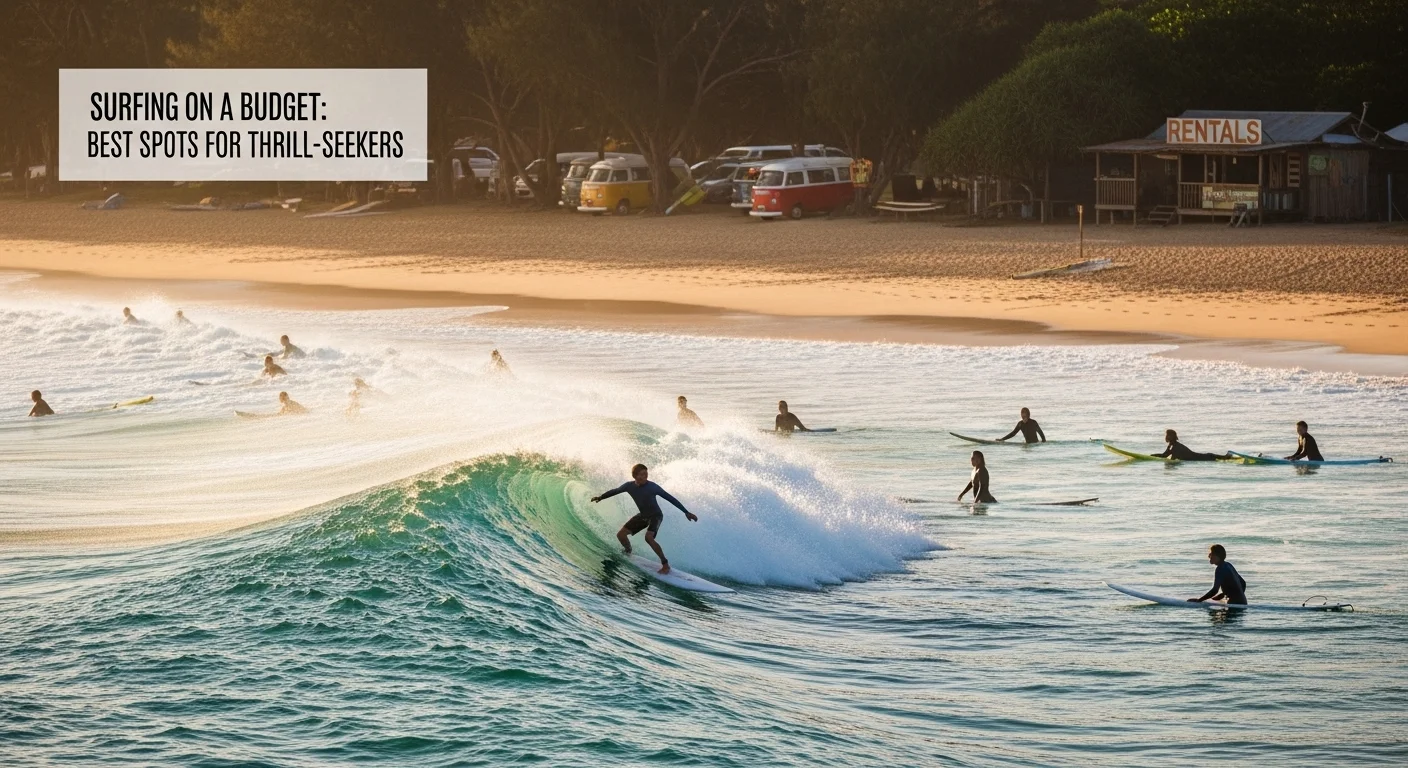
Surfing on a Budget: Best Spots for Thrill-Seekers

Surfing doesn’t have to drain your wallet. With the right destinations and planning, you can catch epic waves without breaking the bank. Let’s dive into the world of budget surfing, where adventure meets affordability! Read Interesting article: Top 10 Budget Surfing Hotspots for Adventure Seekers

Surfing on a Budget: Best Spots for Thrill-Seekers

Understanding Budget Surfing

What is Budget Surfing?

When I first heard about budget surfing, I thought it was too good to be true. But it’s a real thing! Budget surfing means finding ways to enjoy the thrill of riding the waves without splurging on expensive gear, high-end accommodations, or costly lessons. It’s about embracing the surf culture in unique, affordable locations while still enjoying the same adrenaline rush as those surfing in pricey spots. You don’t need to be a pro, and you definitely don’t need a hefty bank account. I’ve learned that all it takes is a genuine love for the ocean and a bit of savvy planning.

Benefits of Surfing on a Budget

Surfing on a budget can be incredibly rewarding. From my experience, here are some of the biggest benefits I’ve noticed:

  • Access to Lesser-Known Spots: When you’re not limited to expensive destinations, you’ll discover hidden gems that offer pristine waves and fewer crowds. I remember stumbling upon a small beach in Nicaragua where I was one of only a handful of surfers.
  • Connecting with Local Culture: Budget surfing often leads you to smaller towns where you can engage with local surfers and immerse yourself in their culture. I’ve made lifelong friends this way, sharing waves and stories over beach bonfires.
  • Flexibility: Traveling on a budget usually means being more flexible with your plans. You might find better surf conditions or cheaper accommodations if you’re willing to change your itinerary. I’ve had some of my best surf days by going with the flow!
  • Learning Experience: Surfing on a budget challenges you to be resourceful. Whether it’s finding the best deals on gear or navigating public transport, I’ve learned so much about traveling and surfing in the process.

Overall, budget surfing can lead to more authentic experiences, enhanced skills, and unforgettable adventures. I believe that the joy of surfing should be accessible to everyone, and exploring budget-friendly options opens the door to more surfers. Read Interesting article: Top 10 Budget Surfing Hotspots You Can’t Miss

Top Affordable Surf Spots Worldwide

United States

California: The Iconic Surfing Destination

California is often thought of as a surfing mecca, and it can be, but there are plenty of affordable spots too! One of my favorite places is San Diego. While you can find pricey beachfront resorts, I discovered that there are plenty of budget-friendly hostels and guesthouses, especially in neighborhoods like Pacific Beach. The waves here cater to all skill levels, from beginners to seasoned surfers. Plus, the warm climate means you can surf year-round without breaking the bank.

Florida: Affordable Waves and Warm Waters

Florida is another excellent option for budget surfers. I’ve had some fantastic sessions at Cocoa Beach, where the surf is consistent, and the vibe is laid-back. The costs of food and lodging in this area are relatively low, and there are numerous beachside campsites if you’re feeling adventurous. I loved surfing here so much that I extended my stay just to soak up more sun and surf!

Central America

Costa Rica: A Surfer’s Paradise on a Budget

Costa Rica is a dream come true for budget surfers. I visited Tamarindo, which is known for its incredible surf spots and vibrant local culture. The best part? You can find affordable surf schools that offer lessons and board rentals at reasonable rates. I found a cozy hostel that was just a short walk to the beach, and I enjoyed delicious local food without overspending. For me, the sunsets over the Pacific were worth the trip alone!

Nicaragua: Untouched Breaks and Low Costs

Nicaragua is a hidden treasure for surfers looking for untouched breaks. I discovered San Juan del Sur, a charming town with friendly locals and fantastic waves. The prices here are incredibly low compared to other surf destinations, and you can find lovely beachfront hostels for a fraction of the cost. I spent my days surfing the consistent waves and my evenings enjoying fresh ceviche at local eateries. The experience felt authentic and refreshing.

South America

Peru: World-Class Surfing at Affordable Prices

Peru is one of the best-kept secrets in the surfing world. I was amazed when I visited Punta Hermosa, just south of Lima. The waves here are world-class, yet the prices are affordable. The surf culture is vibrant, and I found plenty of budget-friendly accommodations. There’s something special about catching a wave while surrounded by stunning cliffs and beautiful beaches. Plus, the local cuisine is a bonus; I indulged in delicious street food without spending much!

Asia

Bali, Indonesia: Budget Surfing Haven

Bali is often referred to as a surfer’s paradise, and for good reason. I fell in love with Kuta Beach, where the surf is great for beginners and advanced surfers alike. The cost of living is low, so it’s easy to find inexpensive accommodations and delicious local meals. I rented a board for just a few dollars a day, and I was amazed by how much I could budget for a week of surfing here.

Sri Lanka: Affordable Surfing with Beautiful Beaches

Sri Lanka is another fantastic option for budget surfing. I’ve surfed in places like Weligama and Mirissa, where the waves are perfect for all skill levels. The cost of living is low, making it easy to find affordable guesthouses and eateries. I remember spending my evenings watching the sunset over the Indian Ocean, feeling grateful for the incredible experiences I had while surfing in this beautiful country.

Africa

Morocco: Wave Riding Without Breaking the Bank

Morocco is an exciting destination for surfers seeking adventure and affordability. I ventured to Taghazout, a small fishing village that has become a surf hotspot. The waves are perfect for all levels, and the cost of living is low. I found a surf camp that provided accommodations and lessons at a reasonable price. The local culture, food, and warm hospitality made my experience unforgettable.

South Africa: Thrilling Surf at Budget Prices

South Africa is another incredible surf destination that won’t break the bank. I explored Jeffrey’s Bay, known for its legendary waves. While some areas can be pricey, there are budget-friendly hostels and campsites nearby. I spent my days surfing and enjoying the breathtaking scenery. Plus, the vibrant surf culture made it easy to connect with other surfers. I’ll always cherish the memories I made here.

When to Visit Budget Surf Spots

Best Seasons for Surfing

I’ve often wondered when the best time to hit the waves is, especially when trying to stick to a budget. My travels have shown me that timing can make a huge difference in both surf conditions and costs. Most places have peak seasons when the waves are at their best, but that’s also when prices skyrocket. For instance, I found that surfing in Costa Rica during the shoulder seasons, like April and November, offered great waves without the crowds and inflated prices. Similarly, Nicaragua’s best surf happens from May to October, but I enjoyed lower rates if I visited in the off-peak months. I recommend checking local surf forecasts to find the sweet spot for waves and budget-friendly prices.

Weather Considerations by Location

Weather plays a significant role in planning your surf trip. I remember my trip to Bali, where I learned that the dry season from April to September is ideal for surfing, with consistent waves and pleasant weather. However, the wet season can still offer decent swells, and I found that prices for accommodations drop significantly during this time. When I visited Sri Lanka, I noticed that the southwest coast is best from November to April, while the east coast shines from May to October. Paying attention to these patterns can save you money and maximize your surf experiences.

Where to Stay on a Budget

Budget Accommodation Options

Finding a place to rest your head after a long day of surfing shouldn’t empty your wallet. I’ve discovered some fantastic budget accommodation options that offer comfort without the hefty price tag.

Hostels and Guesthouses

Hostels have become my go-to when I’m traveling on a budget. They’re not only affordable but also a great way to meet fellow surfers. I remember staying in a cozy hostel in Tamarindo, where I connected with others over our shared love for the ocean. Most hostels offer shared kitchens, which can help you save even more by preparing your own meals. Guesthouses are another excellent option, often run by locals who can provide insider tips on the best surf spots and local eateries. Plus, the atmosphere is typically warm and welcoming.

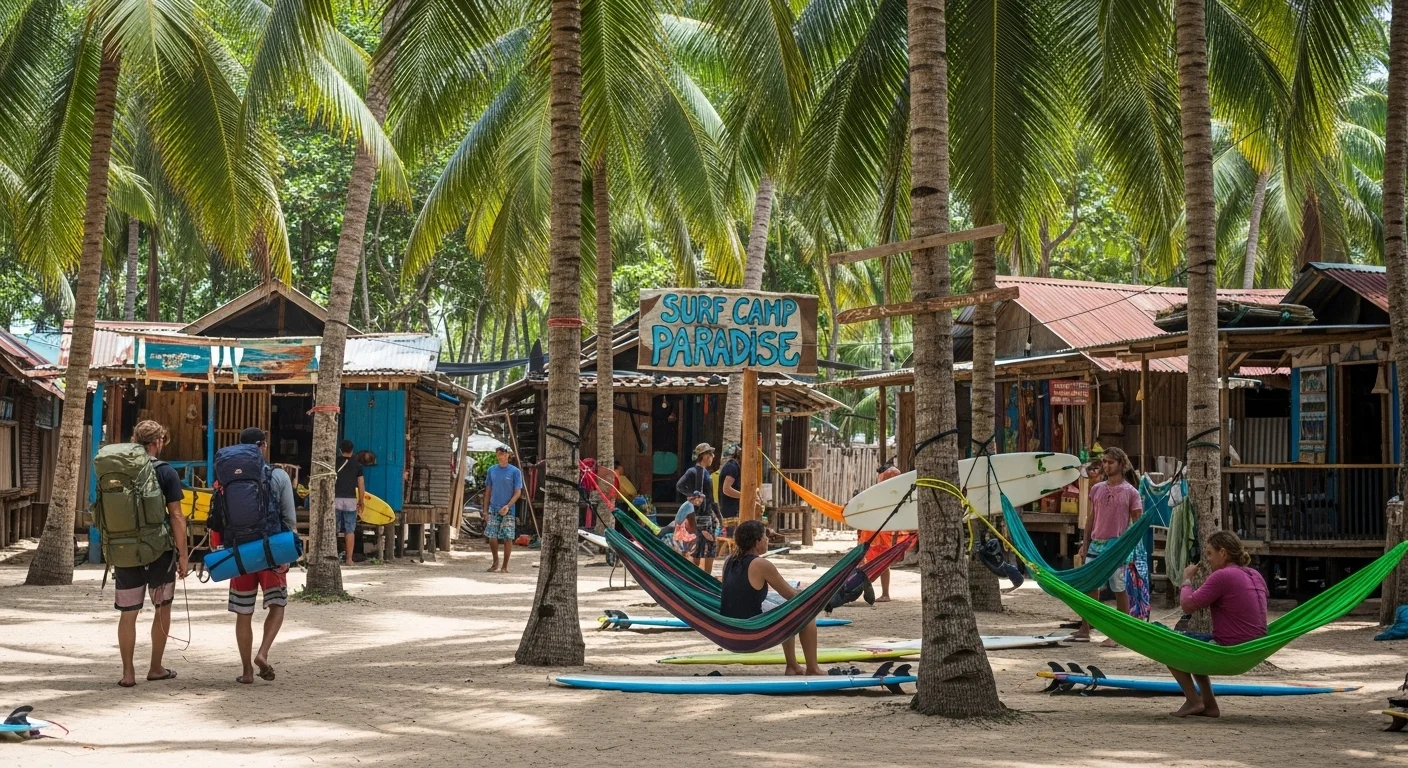
Surf Camps and Retreats

If you’re looking to dive deeper into the surf culture, surf camps can be a fantastic option. I attended a surf camp in Morocco, where the package included accommodation, meals, lessons, and equipment rental. It felt like a true immersion in the lifestyle. The camaraderie among fellow surfers made it a memorable experience, and I found that all-inclusive options often save money in the long run. So, if you’re looking for a comprehensive surf experience, I highly recommend considering surf camps. Read Interesting article: Explore These Affordable Surfing Destinations This Year

Camping and Alternative Lodging

For the more adventurous types, camping can be an amazing way to save money and get closer to nature. I once camped near a beautiful beach in Florida, where I woke up to the sound of waves crashing just steps from my tent. It’s a budget-friendly option that allows you to experience the beach lifestyle fully. Many places have designated campgrounds with facilities, and some even offer free camping spots for surfers. If camping isn’t for you, consider options like Airbnb or renting a local room. I’ve found some incredible deals that not only saved me money but also provided a unique local experience.

Surfing Gear on a Budget

Buying vs. Renting Surfboards

One of the biggest decisions I faced as a budget surfer was whether to rent or buy my own gear. Initially, I rented boards wherever I went, which worked well for my budget. I loved trying out different boards in each location, but I eventually decided to invest in a used board that fit my style. I found a great deal on a second-hand board at a local surf shop in California. If you’re just starting, I recommend renting until you find what suits you best. Many rental shops offer discounts for multi-day rentals, which can save you money in the long run.

Affordable Wetsuits and Accessories

When it comes to wetsuits, I learned the hard way that quality matters, but I didn’t have to spend a fortune to get one. I found some amazing deals online during off-season sales. I also discovered local shops that offered rentals for wetsuits, which was great for my budget when I traveled to warmer waters. Accessories like rash guards and surf leashes can often be found at good prices during sales or at outlets. I’ve even picked up a few essentials at thrift shops—sometimes you can find nearly new gear for a fraction of the price!

Tips for Finding Deals and Discounts

As I ventured through various surf spots, I learned that being savvy about where and when to shop can lead to fantastic savings. I always check local surf shops for sales and don’t hesitate to ask for discounts, especially if I’m renting multiple items. I’ve found that joining local surfing communities on social media or forums can also lead to great tips on where to find the best deals. Plus, many shops offer loyalty programs, which can be a great way to save money over time.

Local Surf Schools and Lessons

Affordable Surfing Lessons for Beginners

If you’re new to surfing or want to sharpen your skills, taking lessons is a worthwhile investment. I remember my first lesson in Nicaragua—having an instructor not only improved my technique but also boosted my confidence. Many surf schools offer group lessons, which can cut down the cost significantly. I found that investing in a few lessons helped me progress faster than I ever thought possible, and the group setting made it more fun.

Finding Local Instructors

Often, local instructors are a treasure trove of knowledge about the best surf spots and conditions. I’ve had great experiences with individual instructors who offer personalized lessons at reasonable rates. It’s worth asking around at hostels or surf shops for recommendations. Plus, many instructors are flexible with pricing, especially if you’re willing to sign up for multiple sessions.

Surf Camps and Group Lessons: Pros and Cons

Surf camps provide an immersive experience, but they can vary widely in price. I’ve been to some that were incredibly affordable and offered everything from lessons to accommodations. However, I’ve also encountered camps that were overpriced for what they offered. I recommend researching camps thoroughly and reading reviews before committing. Group lessons can be a blast, but personal attention varies. It’s a balancing act between budget and the level of instruction you’re seeking.

Budget-Friendly Activities Beyond Surfing

Exploring Local Culture and Cuisine

One of the most enjoyable aspects of budget surfing is the opportunity to immerse myself in local culture and cuisine. I’ve found that every surf spot has its own unique vibe and flavor, which adds richness to my travel experience. For instance, while in Peru, I stumbled upon local markets filled with fresh produce and street food that tantalized my taste buds without emptying my wallet. I remember trying ceviche straight from a vendor, freshly made and bursting with flavor. It was moments like these that made my surf trips even more memorable.

In Nicaragua, I experienced the warmth of the local community during a festival. The locals were eager to share their culture through music, dance, and food, which made me feel more connected to the place. Dining at small, family-run eateries not only supported local businesses but also allowed me to savor traditional dishes at great prices. I believe that exploring local cuisine is just as important as catching waves, and it often leads to discovering hidden gems off the beaten path.

Other Water Sports and Activities

While surfing is my passion, I’ve realized that exploring other water sports and activities can be an exciting way to diversify my experience while traveling. For instance, while staying in Bali, I tried stand-up paddleboarding, which was a fantastic way to explore the coastline and enjoy the ocean from a different perspective. I found affordable rentals on the beach, and after a few hours of paddling, I felt invigorated and connected to the ocean in a new way.

Additionally, snorkeling has been a favorite of mine in many tropical destinations. I remember a day in Costa Rica when I went snorkeling in a colorful coral reef. The beauty of the underwater world was breathtaking, and the experience was surprisingly budget-friendly. Many local tour operators offer combined packages for various activities, allowing you to enjoy water sports without overspending. I’ve learned that being open to trying new activities can make for unforgettable adventures while keeping my budget intact.

Nature and Hiking Trails Near Surf Spots

Another fantastic way to make the most of my budget surf trips has been exploring the natural beauty surrounding surfing locations. I’ve often found stunning hiking trails that lead to breathtaking views, hidden waterfalls, or secluded beaches. For example, during my time in California, I hiked along the scenic trails of Point Reyes National Seashore. The views of the cliffs and ocean were simply mesmerizing, and the hike was free! It was a refreshing break from surfing and gave me a chance to appreciate the landscape.

In Sri Lanka, I discovered beautiful trails that wound through lush jungles and led to pristine beaches. I remember hiking to a viewpoint that overlooked the ocean, and it was one of the highlights of my trip. Engaging with nature not only enriches my travel experience but also helps me stay active without adding extra costs. I’ve come to discover that many surf destinations offer incredible opportunities to connect with the environment, allowing for a deeper appreciation of the places I visit.

Safety Tips for Budget Surfing

Understanding Local Surf Conditions

Safety is always a priority when surfing, especially in unfamiliar waters. I’ve learned that understanding local surf conditions can make all the difference. Before hitting the waves, I always check local surf forecasts and tide charts. During my trip to Morocco, I made a point to ask locals about the best times to surf and the potential hazards. This not only kept me safe but also enhanced my surfing experience.

Additionally, I’ve found that being aware of my own skill level is crucial. I remember feeling overconfident at a new spot in Nicaragua, but after observing the conditions and chatting with some surfers, I recognized that it wasn’t the right day for my skill level. Listening to my instincts and respecting the ocean has helped me avoid dangerous situations while still enjoying my time in the water.

Safety Gear and Precautions

Having the right safety gear can significantly enhance my surfing experience. I always make it a point to wear a leash, which prevents my board from drifting away if I wipe out. I also recommend investing in a good pair of surf booties, especially when surfing in rocky areas or reefs. I learned this the hard way during my first surf trip to Bali, where I cut my foot on sharp rocks. Now, I always keep safety in mind while enjoying the waves.

Additionally, I’ve started carrying a basic first-aid kit with me on surf trips. Having essentials like band-aids and antiseptic can help in case of minor injuries. It brings peace of mind knowing that I’m prepared for any little mishaps that might occur while surfing or exploring new areas.

Surfing Etiquette and Respecting Locals

Respecting local surf etiquette is essential for a positive surfing experience. I’ve learned that every surf spot has its own set of unwritten rules. For instance, when I first surfed in Jeffrey’s Bay, I noticed how important it was to wait my turn and respect the locals. Observing their behavior and following suit helped me integrate into the lineup more smoothly. I believe that showing respect not only improves my experience but also fosters a sense of community among surfers.

Additionally, taking the time to learn a few local phrases can go a long way in building rapport with local surfers. I remember making an effort to greet others in their language during my travels, which led to friendly exchanges and even tips on the best surf spots. By being respectful and open-minded, I’ve created lasting connections while enjoying the waves.

Frequently Asked Questions

What is budget surfing?

Budget surfing means finding ways to enjoy the thrill of riding the waves without splurging on expensive gear, high-end accommodations, or costly lessons. It’s about embracing the surf culture in unique, affordable locations while still enjoying the same adrenaline rush as those surfing in pricey spots.

What are the benefits of surfing on a budget?

The benefits of surfing on a budget include access to lesser-known spots, connecting with local culture, flexibility in travel plans, and a learning experience that challenges you to be resourceful.

What are some affordable surf spots in the United States?

Some affordable surf spots in the United States include San Diego, California, known for budget-friendly hostels, and Cocoa Beach, Florida, which offers low costs for food and lodging.

Which countries are recommended for budget surfing?

Recommended countries for budget surfing include Costa Rica, Nicaragua, Peru, Bali in Indonesia, Sri Lanka, Morocco, and South Africa, all offering great waves and affordable accommodations.

When is the best time to visit budget surf spots?

The best time to visit budget surf spots often falls during the shoulder seasons when surf conditions are good, but prices are lower. For instance, Costa Rica is great in April and November, while Nicaragua’s best surf occurs from May to October.

What types of budget accommodation options are available for surfers?

Budget accommodation options for surfers include hostels, guesthouses, surf camps, and camping. These options often provide comfort without the hefty price tag and allow for interaction with fellow surfers.

Should I rent or buy my own surfing gear?

It is recommended to rent gear initially, especially for beginners, as it allows you to try different boards. Once you find a style that suits you, investing in a second-hand board can be a good option.

How can I find affordable surfing lessons?

To find affordable surfing lessons, look for group lessons at local surf schools, which can cut costs significantly. Additionally, asking for recommendations from hostels or surf shops can lead you to local instructors who offer reasonable rates.

What activities can I do beyond surfing on a budget?

Beyond surfing, you can explore local culture and cuisine, try other water sports like stand-up paddleboarding or snorkeling, and hike on trails near surf spots to enjoy the natural beauty of the area.

What safety tips should I follow while budget surfing?

Safety tips for budget surfing include understanding local surf conditions, wearing safety gear like a leash and surf booties, carrying a basic first-aid kit, and respecting local surf etiquette to ensure a positive experience.

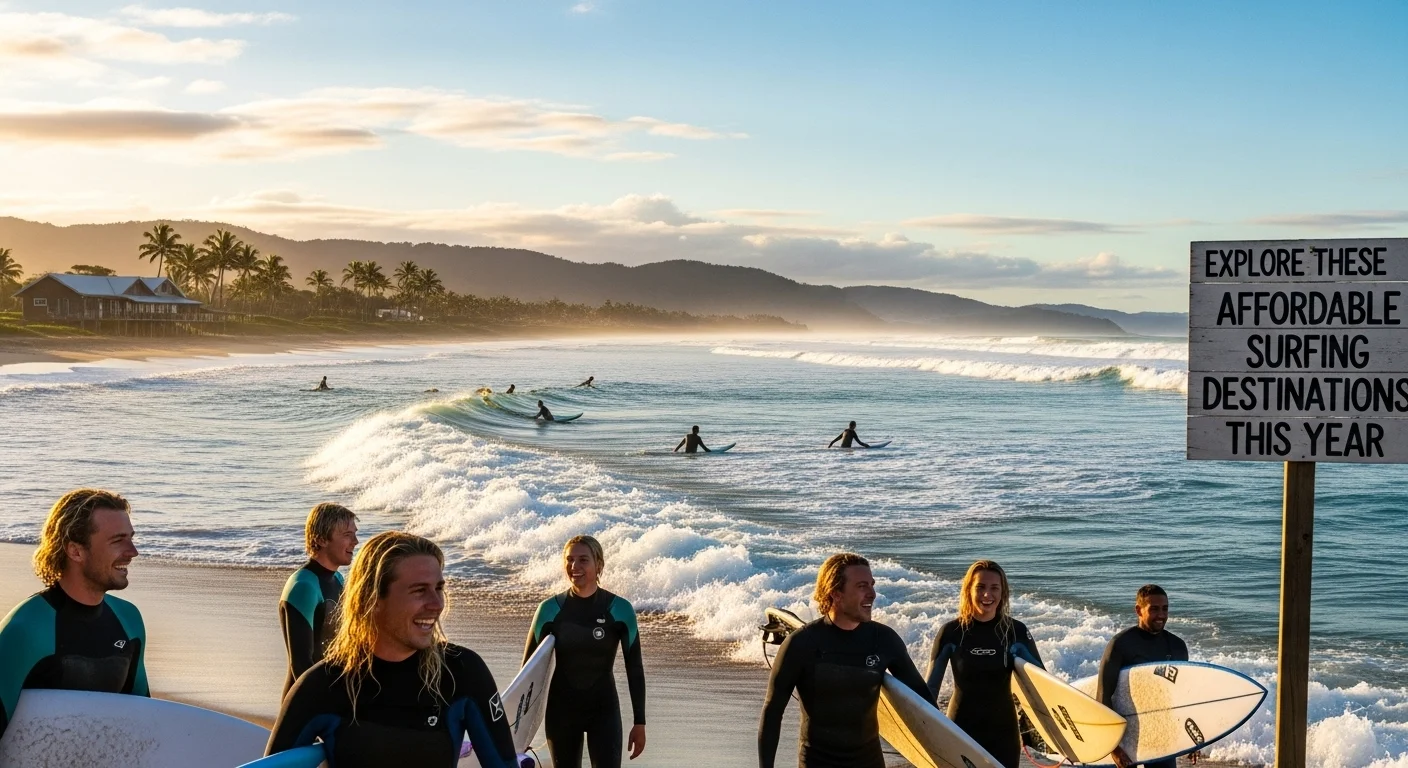
Explore These Affordable Surfing Destinations This Year

Are you ready to catch some waves without breaking the bank? This year, let’s dive into some incredible and affordable surfing destinations that promise both adventure and value! Read Interesting article: Top 10 Budget Surfing Hotspots for Adventure Seekers

Explore These Affordable Surfing Destinations This Year

Overview of Affordable Surfing Destinations

What to Expect from Affordable Surfing Trips

When I think of surfing, I envision golden beaches, the sound of crashing waves, and the thrill of paddling out into the ocean’s embrace. But let’s be real—surfing can sometimes get pricey. That’s why I love exploring affordable surfing destinations. They offer fantastic waves, vibrant cultures, and unforgettable experiences without the hefty price tag. You can expect a mix of stunning landscapes, friendly locals, and, most importantly, surf spots that cater to all levels, from beginners to seasoned pros. I remember my first budget surf trip; I was nervous yet excited, and I was pleasantly surprised at how much fun I had while keeping my wallet happy!

Benefits of Surfing on a Budget

Choosing affordable surfing destinations comes with a range of benefits. For starters, it allows us to extend our travel plans and explore more locations. I’ve found that some of the best surf spots are not just in glamorous, well-known areas but also in places that are relatively undiscovered by tourists. This means fewer crowds and more time to connect with nature and fellow surfers. Additionally, when I travel on a budget, I tend to embrace the local culture more. It’s often in those local eateries or small surf shops where I’ve had the most meaningful interactions and learned the most about the surfing lifestyle. Not to mention, saving money on travel means I can splurge on experiences, like taking a surf lesson from a local pro! Read Interesting article: Explore These Cheap Surfing Destinations This Year

Top Affordable Surfing Destinations Around the World

Bali, Indonesia

Best Surfing Spots: Kuta Beach, Uluwatu

Bali is often at the top of many surfers’ lists, and for a good reason. Kuta Beach is popular among beginners, with gentle waves and plenty of surf schools to choose from. I remember renting a board there and joining a group lesson, which was not only affordable but also a blast! Uluwatu, on the other hand, caters to more experienced surfers with its powerful waves and stunning cliff views. The vibe of Bali is incredibly welcoming, and I often found myself relaxing at beachside cafes after a long day in the water.

Cost Breakdown: Accommodation and Surf Lessons

Accommodation in Bali can be surprisingly affordable. You can find cozy hostels or budget hotels for as low as $10 to $30 a night. Surf lessons typically range from $20 to $60, depending on the length and group size. I personally loved staying in a surf camp where meals were included, making it easy to meet other surfers and share stories.

Portugal

Best Surfing Spots: Nazaré, Ericeira

Portugal has become a hot spot for surfers worldwide, and it’s easy to see why. Nazaré is famous for its giant waves, attracting surfers seeking an adrenaline rush. I’ve watched in awe as seasoned surfers tackled those massive swells. If you’re a beginner or intermediate surfer, Ericeira is the place to be. The waves are inviting, and the atmosphere is relaxed. I found the locals incredibly friendly, always willing to share tips on the best surf spots.

Cost Breakdown: Transportation and Food

Getting around Portugal is quite affordable, especially if you opt for public transportation. Buses and trains connect many surf towns, usually costing under $10 for a trip. As for food, I discovered many local eateries offering delicious meals at reasonable prices, often under $15. Trying the fresh seafood was one of my highlights!

El Salvador

Best Surfing Spots: Punta Roca, El Tunco

El Salvador is often overlooked, but I found it to be a hidden gem for surfers. Punta Roca is known for its consistent waves, making it perfect for those wanting to improve their skills. El Tunco has a laid-back vibe with surf shops and beach bars lining the coastline. I remember watching the sunset while sipping a coconut, feeling completely at peace.

Cost Breakdown: Local Markets and Hostels

Staying in El Salvador can be incredibly affordable. Hostels are available for as little as $10 a night, and local markets offer fresh, tasty food for just a few dollars. I loved exploring the markets, where I could grab a quick bite and chat with friendly locals.

Mexico

Best Surfing Spots: Sayulita, Puerto Escondido

Mexico is another destination that exudes charm, especially in places like Sayulita and Puerto Escondido. Sayulita is perfect for beginners, with its mellow waves and vibrant surf culture. I enjoyed the colorful streets and the lively atmosphere. Puerto Escondido, known for its powerful waves, is a mecca for experienced surfers. I remember the thrill of catching waves there—it was one of the best feelings ever!

Cost Breakdown: Dining and Nightlife

Your wallet won’t take a hit in Mexico. You can find delicious street food for just a few bucks, and dining out at local restaurants is budget-friendly. Nightlife is also lively, with many bars offering affordable drinks. I loved spending my evenings meeting fellow travelers and sharing surfing stories.

California, USA

Best Surfing Spots: San Diego, Santa Cruz

California may not be the first place that comes to mind for affordable surfing, but there are ways to make it work. San Diego offers beautiful beaches with waves suitable for all skill levels. I remember the thrill of surfing at La Jolla—the views were breathtaking! Santa Cruz is another fantastic spot, known for its surf culture and vibrant community. The atmosphere is welcoming, and I always felt right at home.

Cost Breakdown: Gear Rentals and Campsites

Gear rentals in California can vary, but you can often find decent prices, especially if you rent for multiple days. Campsites near the beach can go for around $30 a night, which is a great way to save money while enjoying the ocean’s sounds as you sleep. I found that camping added an adventurous twist to my trip, and it allowed me to connect with nature even more.

When to Visit These Surfing Destinations

Seasonal Considerations for Optimal Surfing

Timing your surfing trip can make all the difference in the world. I’ve learned that each destination has its own peak season, which can significantly affect wave quality and crowd levels. For example, Bali is best from April to October, during the dry season, when the waves are consistent and the weather is perfect for beach days. I went during this time and was lucky to experience some of the best swells of my life!

In Portugal, the ideal time to surf is during the autumn months, from September to November. The crowds thin out after the summer rush, and the waves are still good. I remember hitting the waves in early October, and it felt like I had the whole beach to myself. In contrast, El Salvador sees the best conditions from April to October as well. I found that planning my trip around these peak times allowed me to make the most of my surfing experience.

Mexico is great for surfing year-round, but if you want to avoid the massive crowds, consider visiting during the shoulder seasons of spring and fall. Puerto Escondido can get quite busy during the summer months, so I found that going in May gave me a chance to enjoy the waves without feeling overwhelmed. California is a bit unpredictable, but the summer months typically offer the most consistent surf, especially for beginners. I think sometimes it’s all about finding that sweet spot when the waves are just right!

Weather Conditions That Affect Surfing

Weather can play a critical role in your surfing experience. For me, checking the forecast became part of my pre-surf ritual. I learned that certain weather patterns can create ideal wave conditions. For example, wind direction is key; offshore winds generally provide cleaner, more manageable waves, while onshore winds can make for choppy surf. I remember one morning in San Diego when the winds were perfect, and the surf was glassy—I had one of my most memorable sessions that day!

Rain isn’t always a deal-breaker, but I’ve found that heavy rain can affect water quality, especially in coastal areas. It’s worth keeping an eye on local advisories to ensure a safe surfing experience. Also, the water temperature varies from place to place and season to season. I discovered that in El Salvador, the water is warm year-round, unlike California, where I had to get used to a wetsuit during the cooler months. Knowing what to expect helps you pack the right gear and allows you to enjoy your time in the water to the fullest!

Where to Stay: Budget Accommodation Options

Hostels vs. Hotels

When it comes to accommodation, I’ve found that hostels often provide the best bang for your buck, especially in popular surf destinations. Staying in a hostel has become my go-to choice because it allows me to meet fellow surfers and share experiences. I remember being in a cozy hostel in Ericeira, where the communal kitchen became a hub for sharing meals and stories about our day on the waves. Plus, it’s usually much cheaper than hotels, and they often have surfboards available for rent!

Hotels can be more comfortable but often come with a higher price tag. I’ve stayed in some nice budget hotels, particularly in Bali, where you can find clean and welcoming places for under $30 a night. However, in my opinion, nothing beats the atmosphere of a hostel, where friendships can blossom over shared adventures. I recommend looking for places that cater specifically to surfers, as they often offer amenities like surfboard storage and group lessons.

Camping and Surf Camps

If you’re feeling adventurous, consider camping. I’ve camped near the beach in California, and it was an incredible experience. Waking up to the sound of waves and having the ocean right at my doorstep felt surreal. Campsites are usually affordable, and they offer a chance to connect with nature while keeping costs low. I remember roasting marshmallows on the beach with new friends under a starry sky—definitely a highlight of my trip!

Surf camps are another fantastic option, especially if you’re looking to learn or improve your skills. Many surf camps offer packages that include accommodation, meals, and surf lessons. I signed up for a surf camp in Sayulita and was amazed at how quickly I improved thanks to the daily coaching and the supportive environment. The camaraderie among the campers made it feel like I was part of a family, and I left with not only new skills but also lasting friendships. Read Interesting article: Surfing Adventures: Best Affordable Spots Worldwide

Surfing Gear Essentials on a Budget

Buying vs. Renting Gear

One of the biggest questions I faced when starting my surfing journey was whether to buy or rent gear. After trying both, I think it depends on your level of commitment and budget. Renting is a great option for beginners like I was, as it allows you to try different boards and find what suits you best without a big investment. I rented my first board in Bali, which made it easy to focus on learning without worrying about the costs of purchasing gear.

If you find yourself surfing often, investing in your own gear might be worth it. I finally decided to buy my own board after a few trips. It was a big step, but finding the right board that matched my style made all the difference. I discovered that used gear can be a great way to save money, and local surf shops often have options. Also, keep an eye out for end-of-season sales, which can lead to some fantastic deals.

Essential Gear for Beginners

For those just starting out, I recommend a soft-top board. They’re more forgiving and less likely to cause injury when you’re learning to balance. A good wetsuit is also essential, especially in cooler waters. I’ve spent hours in the ocean, and having a comfortable wetsuit made my experience so much more enjoyable. Don’t forget about the little things, like sunscreen and a rash guard to protect your skin. I learned the hard way after getting sunburned on my first trip!

Lastly, consider investing in some reef shoes if you’re heading to rocky beaches. I remember stepping on sharp coral in El Salvador and wishing I had thought ahead. Being prepared with the right gear not only enhances your safety but also your overall enjoyment while surfing.

Local Food and Culture to Explore

Must-Try Dishes in Surfing Destinations

One of the things I love most about traveling to surf destinations is diving into the local cuisine. Food not only nourishes us but also connects us to the culture of the place we’re visiting. Each of the surfing spots I’ve explored has its own unique flavors and must-try dishes. For instance, in Bali, I discovered the magic of Nasi Goreng, a delicious fried rice dish that’s perfect after a long day of surfing. I remember sitting at a beachside warung, savoring every bite while watching the sunset. It was pure bliss!

In Portugal, don’t miss trying the famous Bacalhau à Brás, a tasty codfish dish that’s a staple in local homes. The first time I had it, I was blown away by the flavors. And let’s not forget about the pastéis de nata for dessert—those little custard tarts are a must! In El Salvador, I absolutely loved pupusas, which are thick corn tortillas stuffed with cheese and beans. I found little stands along the beach where I could grab one for only a couple of dollars, making it a perfect snack between surf sessions.

Mexico is rich in culinary delights as well. I found myself devouring tacos al pastor while enjoying the local vibe in Sayulita. The blend of flavors was out of this world! And if you make your way to California, you have to try the fish tacos that are a local favorite. Eating at local food trucks or open-air markets not only satisfies your taste buds but also allows you to experience the community vibe. I always recommend trying street food; it’s often the most authentic and budget-friendly option!

Engaging with Local Surf Culture

Connecting with local surf culture is one of the most enriching parts of my surfing adventures. Each destination has its own unique vibe, and immersing myself in that culture has always brought me closer to the ocean and its community. In Bali, I participated in a local surf competition that was open to all levels. It was so inspiring to see everyone, from beginners to pros, come together to share their passion for surfing. I made new friends and learned a ton just by being around other surfers.

In Portugal, I stumbled upon a surf school that not only taught lessons but also shared the history of surfing in the region. The instructors were passionate and friendly, and I found myself spending extra time chatting with them about their favorite surf spots and local tips. I appreciated how they embraced their culture and shared it with us newcomers. It made my experience feel so much more personal.

El Salvador has a warm and welcoming surf community. I took part in beach clean-up events organized by local surfers. It was a wonderful way to give back while meeting locals and other travelers who shared the same love for the ocean. I learned that engaging with the community not only enhances your experience but also fosters respect for the waves and the environment.

In Mexico, the surf culture is vibrant, especially in towns like Sayulita. I enjoyed attending local surf festivals, where I got to celebrate surfing with music, art, and food. The sense of camaraderie among surfers is palpable, and it feels like you’re part of a big family. I found that sharing stories and experiences with fellow surfers creates bonds that last beyond the trip.

Safety Tips for Surfing Travelers

Understanding Surf Conditions and Risks

As thrilling as surfing can be, it’s essential to prioritize safety. I’ve learned that understanding surf conditions is crucial for a safe and enjoyable experience. Before hitting the waves, I always check the local surf reports. Websites or apps dedicated to surf conditions can provide valuable information about wave height, swell direction, and tide times. I remember a day in California when I was excited to surf, but after checking the conditions, I realized the waves were too powerful for my skill level. It was a smart decision to sit that one out!

Pay attention to local advisories regarding dangerous currents, riptides, or marine life. I’ve encountered strong rip currents before, and I can tell you they can be intimidating. Knowing how to spot them and understanding how to navigate out of them is crucial. If you’re ever unsure, don’t hesitate to ask a local or a lifeguard for advice. They know the waters better than anyone and can help guide you.

Also, consider the time of day you choose to surf. Early mornings often offer calmer conditions and fewer crowds, which can be ideal for beginners. I’ve enjoyed some of my best sessions at sunrise—there’s something magical about being out on the water as the sun rises. Just make sure you’re aware of your surroundings and don’t venture out alone if you’re not comfortable.

Health and Safety Precautions

Taking care of your health while surfing is another important aspect that I never overlook. Always remember to hydrate, especially if you’re spending long hours in the sun. I learned the hard way after a long day in the water left me feeling drained. Keeping a reusable water bottle on hand is an easy way to stay refreshed.

Sun protection is key, too. I always apply reef-friendly sunscreen to protect my skin and the ocean. It’s important to reapply regularly, especially after swimming. A rash guard can also provide an extra layer of protection from the sun, as well as from surfboard dings! I remember getting a nasty scrape once, and I wish I had worn one that day.

Lastly, don’t forget to listen to your body. If you’re feeling fatigued or unwell, it’s okay to take a break from the water. Your safety should always come first. I’ve found that pacing myself leads to much more enjoyable surf sessions, and staying healthy ensures I can keep going on my adventures.

Frequently Asked Questions

What can I expect from affordable surfing trips?

You can expect fantastic waves, vibrant cultures, and unforgettable experiences without a hefty price tag. These trips offer stunning landscapes, friendly locals, and surf spots that cater to all skill levels, from beginners to seasoned pros.

What are the benefits of surfing on a budget?

Surfing on a budget allows you to extend your travel plans, explore more locations, and embrace local cultures. It often leads to fewer crowds, more meaningful interactions, and the ability to splurge on experiences like surf lessons from local pros.

Which are some top affordable surfing destinations?

Some top affordable surfing destinations include Bali (Indonesia), Portugal (Nazaré and Ericeira), El Salvador (Punta Roca and El Tunco), Mexico (Sayulita and Puerto Escondido), and California (San Diego and Santa Cruz).

What is the cost breakdown for surfing in Bali?

Accommodation in Bali can be as low as $10 to $30 a night, while surf lessons typically range from $20 to $60, depending on length and group size. Staying in surf camps with meals included can also be a great budget-friendly option.

When is the best time to visit these surfing destinations?

The best times to visit vary by location: Bali is best from April to October, Portugal from September to November, El Salvador from April to October, Mexico year-round with fewer crowds in spring and fall, and California during the summer for consistent surf.

What type of accommodation is recommended for surfers on a budget?

Hostels are often the best option for budget travelers, as they provide a chance to meet fellow surfers and share experiences. Surf camps can also be a great option, offering packages that include accommodation, meals, and surf lessons.

Should I buy or rent surfing gear?

It depends on your level of commitment and budget. Renting is recommended for beginners, while experienced surfers may consider investing in their own gear. Used gear can be a cost-effective option, and keeping an eye out for sales can lead to great deals.

What essential gear do beginners need for surfing?

Beginners should consider a soft-top board for safety, a good wetsuit, sunscreen, and a rash guard for skin protection. Reef shoes are also recommended for rocky beaches to prevent injuries.

How can I engage with local surf culture while traveling?

Engaging with local surf culture can include participating in surf competitions, attending surf schools, joining beach clean-up events, and attending local surf festivals, which enhances your experience and fosters a sense of community.

What safety precautions should I take while surfing?

Before surfing, check local conditions and advisories. Pay attention to dangerous currents and consider the time of day you surf. Always hydrate, use sunscreen, and listen to your body to ensure a safe and enjoyable experience.

Top 10 Budget Surfing Hotspots for Adventure Seekers

If you’re an adventure seeker with a passion for surfing, finding budget-friendly spots can be an exciting quest. From exotic beaches to vibrant local cultures, here are the top 10 destinations that won’t break the bank!

Top 10 Budget Surfing Hotspots for Adventure Seekers

Introduction to Budget Surfing Hotspots

What Makes a Surfing Destination Budget-Friendly?

When I think about budget surfing hotspots, a few key factors come to mind. First, the cost of living in the area plays a huge role. Places where accommodation, food, and transportation are affordable allow us to spend more on experiences rather than just essentials. For me, it’s about finding that perfect balance between enjoying the waves and keeping my wallet happy.

Accessibility is another important aspect. If a destination is easy to reach, with affordable flights and reliable local transport, it adds to the overall budget-friendly experience. I remember booking a flight to Bali and being pleasantly surprised by the low fare, which allowed me to splurge a little on local surf lessons.

Why Adventure Seekers Love Surfing

Surfing has this incredible way of connecting us to nature. I feel like every time I paddle out into the ocean, I’m part of something much bigger. The thrill of catching a wave is unmatched, and it’s an adventure that’s hard to replicate in any other sport. For many of us, it’s not just about the surfing itself; it’s also about the community that surrounds it. I’ve made some of my best friends while waiting for waves and sharing surf stories.

Adventure seekers love the challenge that surfing presents. Every wave is different, and learning to read the ocean can take time and practice. I still remember the first time I stood up on my board; it was a combination of excitement and pure joy! Plus, traveling to surf destinations introduces us to new cultures and landscapes, enriching our lives in ways we never expected. Read Interesting article: Immersive Travel: Budget-Friendly Community Engagement Tips

Top 10 Budget Surfing Hotspots

1. Bali, Indonesia

Best Surf Spots in Bali

Bali is a dream for surfers, with a variety of spots for all levels. I found places like Kuta Beach perfect for beginners, while experienced surfers might head to Uluwatu or Padang Padang for more challenging waves. The diversity in surf spots means that you can always find a wave that suits your skill level.

When to Visit Bali for Surfing

The best time to surf in Bali is during the dry season, from April to October. I visited in July, and the conditions were fantastic! The waves were consistent, and the weather was perfect for spending all day at the beach.

Affordable Accommodation Options

You can find many affordable places to stay in Bali, from hostels to guesthouses. I stayed at a cozy surf camp where I met other travelers and enjoyed group surf lessons. The prices were surprisingly low, allowing me to enjoy my stay without feeling guilty about spending.

Local Cuisine on a Budget

Bali offers delicious local food at very reasonable prices. I loved trying Nasi Goreng and Mie Goreng from street vendors. Eating where the locals eat not only saves money but also lets you experience the authentic flavors of Bali!

2. Costa Rica

Best Surf Beaches in Costa Rica

Costa Rica is famous for its stunning beaches and diverse surf breaks. Places like Tamarindo and Jaco offer waves suitable for all levels. I remember riding the gentle waves at Playa Grande, which made for a perfect day in the sun.

Ideal Surf Seasons

The best time to visit is during the dry season, from December to April. I went there in February, and the weather couldn’t be better for surfing. The waves were consistent, and the atmosphere was vibrant with fellow surfers.

Budget-Friendly Lodging

In Costa Rica, you can find affordable hostels and eco-lodges. I enjoyed staying at a small surf hostel where I met locals and other travelers. The prices were low, but the experience was priceless!

Traditional Costa Rican Food

The local cuisine is not only delicious but also budget-friendly. I loved the Casado, a traditional dish with rice, beans, and meat. Eating at local sodas (small restaurants) allowed me to feast without overspending.

3. Portugal

Top Surfing Locations in Portugal

Portugal has quickly become one of my favorite surfing destinations. The coast is lined with fantastic surf spots, like Ericeira and Nazaré. I was in awe of the massive waves at Nazaré; it’s a sight to behold!

Best Time to Surf in Portugal

The best time to surf in Portugal is during autumn and spring. I experienced the waves in September, and the crowd was manageable, making it a pleasant time to surf.

Where to Stay on a Budget

Portugal has a range of budget accommodation options. I found charming guesthouses and surf camps that offered great deals, especially if you book in advance.

Local Dishes to Try

Trying the local cuisine is a must! I enjoyed Pastéis de Nata for breakfast, and the seafood is simply divine. Eating at local taverns not only filled my belly but also kept my budget intact.

4. Mexico

Best Surf Spots in Mexico

Mexico is a treasure trove for surfers, offering a range of incredible spots. I found places like Sayulita and Puerto Escondido to be particularly enchanting. Sayulita is perfect for beginners, with its mellow waves and friendly vibe. On the other hand, Puerto Escondido boasts some of the heaviest waves in the world, making it a must-visit for more experienced surfers. I remember standing on the beach, watching the pros tackle the famous Zicatela Beach, and I felt both inspired and a bit intimidated!

Seasonal Surfing Insights

The best time to surf in Mexico varies by location, but generally, the fall months from September to November offer fantastic swells and fewer crowds. I visited in October, and the combination of perfect waves and warm weather made for an unforgettable experience. Plus, traveling during the off-season can save you a significant amount on accommodation and flights.

Affordable Places to Stay

Finding budget accommodation in Mexico is easy. I often opted for charming hostels that welcomed fellow surfers. In Sayulita, I stayed at a cozy beachside hostel that felt like a home away from home. Not only was it affordable, but I also enjoyed morning surf sessions with new friends I met there.

Mexican Street Food on a Budget

The food scene in Mexico is vibrant and budget-friendly! I couldn’t get enough of the street tacos. Eating from local vendors not only filled my stomach but also gave me a taste of authentic Mexican culture. My favorite was a simple taco al pastor, bursting with flavor and costing just a couple of bucks. I recommend trying as many street foods as you can—it’s a delicious way to experience the country!

5. Morocco

Top Surfing Areas in Morocco

Morocco has quickly become a hidden gem for surfers. I was blown away by spots like Taghazout and Essaouira. Taghazout, in particular, has a laid-back vibe and a variety of waves suitable for different skill levels. I loved watching the sunset over the ocean while reflecting on the day’s surf. The local culture and stunning landscapes made the experience even more special.

When to Surf in Morocco

The prime surfing season in Morocco is from September to April. I visited in March, and the waves were consistently good while the crowds were still manageable. The weather was pleasantly warm, making it a delightful escape from colder climates.

Budget Accommodation Choices

In Morocco, I found a plethora of budget-friendly options, from surf camps to quaint guesthouses. I stayed at a surf camp in Taghazout, where I could enjoy all-inclusive surf packages at a reasonable price. The community atmosphere was welcoming, and I made friends from all over the world.

Moroccan Cuisine for Less

Moroccan food is a highlight of any visit! I loved indulging in tagine and couscous while keeping my budget in check. The local markets offer fresh ingredients, and dining at local eateries allowed me to enjoy hearty meals without overspending. Don’t miss trying the street food; the flavors are vibrant and truly unique!

6. Hawaii, USA

Best Surf Beaches in Hawaii

Hawaii is often regarded as the mecca of surfing, and I can see why! The islands boast incredible surf spots like Waikiki, Pipeline, and Hanalei Bay. I had the chance to surf at Waikiki, where the gentle waves are perfect for beginners. Watching the locals shred the waves was inspiring, and it felt like I was part of something special.

When to Visit for Surfing

The best time to surf in Hawaii varies by island. For the North Shore of Oahu, the winter months from November to March bring the biggest swells. I visited in December, and the waves were exhilarating! Just be cautious and know your skill level; some spots can be quite intense.

Cost-Effective Lodging Options

Staying in Hawaii can be pricey, but I discovered some great budget options. Hostels and guesthouses are available, particularly on the less touristy islands. I found a charming beach hostel on Kauai, which provided easy access to the surf and a chance to meet fellow travelers.

Local Hawaiian Food on a Budget

Hawaiian food is a delightful fusion of flavors! I made it a point to try poke bowls and loco moco, which were not only delicious but also affordable. Eating at food trucks and local markets was a great way to enjoy authentic Hawaiian cuisine while sticking to my budget. Plus, the scenic views while dining outdoors were just an added bonus!

7. Sri Lanka

Top Surfing Spots in Sri Lanka

Sri Lanka has become increasingly popular among surfers, and for good reason! With spots like Arugam Bay and Hikkaduwa, there’s something for everyone. I found Arugam Bay to be a relaxing paradise, with its beautiful beaches and consistent surf. The local surf community is incredibly welcoming, and it made my experience even more enjoyable.

Surf Seasons and Conditions

The best time to surf in Sri Lanka largely depends on the coast. For the east coast, May to September is ideal, while the southwest coast is best from November to April. I visited during the off-peak season, and while the waves were smaller, it was a great time to practice and refine my skills without the crowds.

Affordable Accommodation Suggestions

Finding budget accommodation in Sri Lanka is a breeze. I stayed at a beachfront guesthouse that offered dormitory-style rooms, which kept costs low. The atmosphere was friendly, and I got to meet other surfers who shared tips and stories about their adventures.

Local Sri Lankan Dishes to Enjoy

The food in Sri Lanka is a treat! I loved trying traditional dishes like rice and curry, which are not only filling but also budget-friendly. Eating at local eateries allowed me to experience the diverse flavors while keeping my budget intact. Don’t skip the street food; it’s often the best way to taste the local culture!

Top 10 Budget Surfing Hotspots

8. Australia

Best Surf Locations in Australia

Australia is a paradise for surfers, and I can’t help but rave about the iconic surf spots here. From the Gold Coast to Byron Bay, the variety is staggering. I was particularly taken with the waves at Snapper Rocks, which is famous for its world-class surf competitions. For a more laid-back vibe, I enjoyed the mellow waves at Noosa—a great spot for both beginners and seasoned surfers. Every beach has its own unique character, and I loved exploring them all!

Surfing Seasons and Weather

The best time to surf in Australia varies by region. I found that the winter months, from May to September, often bring the most consistent swells, especially along the east coast. I visited in June and was thrilled with the solid waves, not to mention the crisp, clear weather. It’s important to check local conditions, though, as they can change quickly!

Budget-Friendly Stay Options

Finding budget accommodation in Australia can be tricky, but I discovered some hidden gems. I stayed at a friendly hostel in Byron Bay that was just a short walk from the beach. It was affordable, and the communal vibe made it easy to meet other surfers. There are also plenty of campsites where you can pitch a tent and enjoy the great outdoors without spending too much!

Australian Cuisine on a Budget

Australia is known for its diverse food scene, and you can eat well without overspending. I loved grabbing a meat pie from a local bakery, which was hearty and satisfying after a long day of surfing. Also, visiting local markets for fresh produce allowed me to whip up some delicious meals in the hostel kitchen, all while staying within my budget. Don’t forget to try some Tim Tams for a sweet treat!

9. Philippines

Top Surfing Destinations in the Philippines

The Philippines is often overlooked, but it’s a treasure trove for surfers. With spots like Siargao and La Union, I was amazed at how much beauty this archipelago has to offer. I spent a week in Siargao, where Cloud 9 is a must-visit for experienced surfers. The vibe there was relaxed and welcoming, making it easy to connect with fellow surf enthusiasts.

Best Times to Surf

The surfing season in the Philippines generally runs from August to November, coinciding with the monsoon season. I found this to be the perfect time to catch some epic waves. I visited in late September and enjoyed consistent swells, while the rain kept the crowds away. The warm water and tropical scenery made it feel like paradise!

Affordable Places to Stay

Accommodation in the Philippines can be incredibly budget-friendly. I stayed at a beachfront hostel in Siargao, where the atmosphere was lively and fun. The prices were very reasonable, and I loved waking up to the sound of the waves. There are also plenty of homestays that offer a more local experience, often at a fraction of the price of hotels.

Filipino Food on a Budget

The local cuisine is something you don’t want to miss. I enjoyed delicious dishes like adobo and sinigang, which are both filling and affordable. Eating at local eateries, or carinderias, allowed me to try authentic flavors without spending much. Plus, the fresh seafood available around the islands was a highlight of my culinary experience!

10. El Salvador

Best Surf Beaches in El Salvador

El Salvador is a hidden gem that every surfer should consider. I found places like Punta Roca and El Sunzal to be stunning, with consistent waves that cater to various skill levels. What I loved most was the laid-back atmosphere and the friendly locals. Surfing at Punta Roca during sunset was one of my favorite memories, with the vibrant colors reflecting off the ocean.

When to Visit for Surfing

The best time to surf in El Salvador is during the dry season, which runs from November to April. I went in March, and the conditions couldn’t have been better. The waves were ideal, and the weather was perfect for long days at the beach. Plus, the off-peak season meant fewer crowds, allowing for a more relaxing experience.

Budget Accommodation Options

Finding a place to stay in El Salvador that fits the budget is easy. I usually opted for surf hostels that offered affordable dorms and even included breakfast. I remember staying at a surf camp that provided access to lessons and equipment at a reasonable price, making it perfect for my budget. The sense of community among fellow surfers added to the charm!

Local Salvadoran Cuisine

El Salvadoran food is incredibly tasty and easy on the wallet. I became a fan of pupusas, which are thick corn tortillas filled with cheese, beans, or meat. Eating at local eateries allowed me to enjoy hearty meals without worrying about costs. I highly recommend trying street food; it’s often the most authentic and delicious option!

Essential Tips for Budget Surfing Travelers

Frequently Asked Questions

What factors make a surfing destination budget-friendly?

Key factors include the cost of living in the area, accessibility, and affordable accommodation, food, and transportation options, allowing travelers to spend more on experiences rather than essentials.

When is the best time to surf in Bali?

The best time to surf in Bali is during the dry season, from April to October, with July offering fantastic conditions and consistent waves.

What are some affordable accommodation options in Costa Rica?

In Costa Rica, you can find budget-friendly hostels and eco-lodges, such as small surf hostels that offer low prices and a chance to meet locals and other travelers.

What traditional dish should I try while in Mexico?

You should try Casado, a traditional dish with rice, beans, and meat, which is both delicious and budget-friendly.

What is the prime surfing season in Morocco?

The prime surfing season in Morocco is from September to April, with March providing consistently good waves and manageable crowds.

How can I find budget accommodation in Hawaii?

In Hawaii, budget options include hostels and guesthouses, especially on less touristy islands, providing affordable lodging and community experiences.

What is a must-try local dish in Sri Lanka?

A must-try dish in Sri Lanka is rice and curry, which is filling and budget-friendly. Eating at local eateries allows you to experience diverse flavors while keeping costs low.

When is the best time to surf in the Philippines?

The best time to surf in the Philippines is from August to November, coinciding with the monsoon season, which brings consistent swells and fewer crowds.

What are some local Salvadoran foods to try?

You should try pupusas, thick corn tortillas filled with cheese, beans, or meat, which are tasty and affordable when eaten at local eateries.

What are some tips for budget surfing travelers?

Look for budget accommodation options, eat at local eateries for authentic meals, and travel during the off-peak season to enjoy better prices and fewer crowds. Read Interesting article: Top 10 Budget-Friendly Stand-Up Paddleboarding Locations

Discover Epic Mountain Biking Trails Without Breaking the Bank

Mountain biking is an exhilarating way to explore the great outdoors while getting your adrenaline fix. Fortunately, you don’t have to spend a fortune to discover epic trails that cater to all skill levels. Explore the Best Mountain Biking Trails on a Budget for tips and insights.

Discover Epic Mountain Biking Trails Without Breaking the Bank

Understanding Mountain Biking: A Beginner’s Guide

What is Mountain Biking?

Mountain biking, at its core, is an adventurous sport that takes you off the beaten path and onto rugged trails. I remember the first time I hopped on my mountain bike; it felt like I was entering a different world. The thrill of navigating through trees, rocks, and steep descents was unlike anything I’d ever experienced before. It’s not just about the adrenaline rush; it’s about connecting with nature, pushing your limits, and enjoying the journey. There are countless trails out there waiting for you, whether you’re a newbie or a seasoned pro.

Types of Mountain Biking Trails

When you’re looking to hit the trails, it’s helpful to know the various types available. I’ve found that understanding the differences can enhance your biking experience. Here are the main types of mountain biking trails:

  • Cross-Country (XC): These trails are generally longer and emphasize endurance. They can include a mix of terrains, and they’re great for those who enjoy a good workout while soaking in the scenery.
  • Trail Riding: This is where I’ve spent most of my time. Trail riding combines elements of XC and downhill, featuring varied terrain. It’s perfect for riders wanting a balance of challenge and fun.
  • Freeride: For those who love tricks and jumps, freeride trails are where you’ll want to be. They often include man-made obstacles and require a bit more skill.
  • Downhill: These trails focus on descending steep hills at high speeds. They’re exhilarating but can be quite challenging, so I’d recommend some experience before tackling them.
  • All-Mountain: This style combines elements from all types and is perfect for those who want to explore a range of terrains in one ride.

Essential Gear for Mountain Biking

I can’t stress enough how important it is to have the right gear when you’re out on the trails. The right equipment not only enhances your experience but also keeps you safe. Here’s a list of essentials I always make sure to pack before heading out:

  • Helmet: This is non-negotiable. I’ve seen too many accidents where a good helmet made all the difference.
  • Gloves: They provide grip and protect your hands from blisters. Plus, they keep your hands warm during chilly rides.
  • Mountain Bike: Choose a bike that fits your riding style. Whether you go for a hardtail or a full-suspension bike, make sure it’s comfortable for you.
  • Hydration Pack: Staying hydrated is crucial. I love using a hydration pack because it’s easy to sip from while I ride.
  • Repair Kit: A basic kit with tire levers, a spare tube, and a multi-tool can save your ride. I learned this the hard way after a flat tire left me stranded once!
  • Appropriate Clothing: Dress in layers and wear moisture-wicking fabric. It’s all about comfort out there!

Getting started with mountain biking doesn’t have to be overwhelming or expensive. I’ve learned that with the right knowledge and preparation, we can have amazing adventures without breaking the bank. In the next section, we’ll dive into some top affordable mountain biking destinations that I’ve personally enjoyed. You might be surprised at how many incredible places are waiting for you to explore!

Top Affordable Mountain Biking Destinations

National Parks with Free or Low-Cost Access

One of my favorite ways to experience the beauty of mountain biking is by hitting the trails in our national parks. Many of these parks offer free or low-cost access, which makes them perfect for budget-conscious bikers like us. For instance, I had an unforgettable experience at Moab’s Arches National Park, where the trails were both challenging and breathtaking. The park’s stunning rock formations and vast landscapes provided the perfect backdrop while I navigated my way through the rugged terrain.

Another gem I discovered is Pisgah National Forest in North Carolina. With over 100 miles of trails, it caters to all skill levels. The entrance fee is minimal, and once you’re in, the adventure is endless. I felt completely immersed in the wilderness, surrounded by towering trees and sparkling streams. Plus, the sense of community among fellow bikers there is always uplifting. Top 10 Budget Mountain Biking Trails for Thrill Seekers offers more insights into great trails.

State Parks Offering Budget-Friendly Trails

State parks are another fantastic option for affordable mountain biking. I recently visited the Black Hills of South Dakota, where I found Custer State Park. The trails here are well-maintained and often less crowded than national parks, allowing for a more intimate experience with nature. The park’s diverse landscapes kept me engaged, and I even spotted wildlife during my ride!

In California, I highly recommend checking out the trails at Henry Cowell Redwoods State Park. Riding through the majestic redwoods is an experience like no other. The fee to enter is reasonable, and the trails are accessible for all levels. I remember feeling like I was in another world as I pedaled through those towering trees.

Local Mountain Biking Clubs and Community Trails

Don’t overlook the power of local mountain biking clubs! I joined a club in my area, and it opened up a whole new world of trails I never knew existed. Local clubs often organize group rides, which are a great way to meet fellow bikers and explore new paths. Many of these clubs maintain their own trails, which can be free or have a low membership fee. Not only do you get access to fantastic trails, but you also gain valuable insights from experienced riders.

In my experience, finding community trails has been a game changer. We’ve discovered lesser-known trails that offer breathtaking views and unique challenges. Plus, we often rode with a group, which made the experience even more enjoyable. I recommend checking out websites or social media pages of local biking clubs; you’ll be surprised by how many hidden gems are out there!

Read Interesting article: Budget-Friendly Mountain Biking Trails You Must Try!

How to Find Budget-Friendly Trails

Online Resources and Apps for Trail Discovery

Thanks to technology, finding budget-friendly trails has never been easier. I rely on several apps that have become my go-to resources for discovering new biking trails. One of my favorites is Trailforks. It has a comprehensive database of trails, including user-generated reviews and photos. It’s a fantastic way to scope out what to expect before I hit the road.

Another app I’ve found useful is MTB Project. It provides detailed maps, trail descriptions, and even tips from local bikers. I often check these resources to plan my trips, ensuring I’m not only choosing trails that suit my skill level but also finding out about any potential costs involved.

Trail Reviews and User Recommendations

Reading trail reviews can be incredibly helpful. I always check websites like AllTrails, where I can read about other bikers’ experiences. Often, they’ll mention details like parking fees, trail conditions, and nearby amenities, which can help with planning. I remember one time, I almost chose a trail that had a steep entry fee, but a review pointed out a nearby trail with fewer crowds and zero fees. It saved me some cash while giving me a great ride!

Social Media and Mountain Biking Forums

Social media can also be a treasure trove of information. I’ve joined various mountain biking groups on platforms like Facebook and Reddit, where members share their favorite trails and tips. These communities are fantastic for connecting with fellow riders and picking up insider knowledge about hidden trails or upcoming events. I love sharing my experiences and hearing about others’ adventures. It creates a sense of camaraderie that I cherish.

In one of these forums, I found a thread discussing local trails that were both budget-friendly and breathtaking. It led me to a trail that quickly became one of my favorites! I also appreciate how members often share photos that help me visualize what I can expect, making it easier to plan my next ride.

Planning Your Mountain Biking Trip

Best Times to Visit for Cost-Effective Adventures

When planning a mountain biking trip, timing can make a huge difference in your overall costs. I’ve learned that visiting during the shoulder seasons—spring and fall—can save you money while still offering stunning scenery and enjoyable riding conditions. For example, I remember hitting the trails in the fall when the leaves were changing colors. The vibrant scenery was breathtaking, and because it wasn’t peak season, I found fewer crowds and more affordable lodging options.

Summer is a popular time for mountain biking, but it can come with higher prices for accommodations and more crowded trails. If you can, try to plan your trips during weekdays instead of weekends. I often find that this not only gives me a better experience but also leads to lower rates at local hotels or campsites.

Budget Accommodation Options Near Trails

Finding a place to stay that doesn’t break the bank is crucial for any biking adventure. I’ve had great success with a few strategies when it comes to budget accommodations. One of my favorites is camping. Many state and national parks have campgrounds that are affordable, and there’s something special about falling asleep under the stars after a long day of riding. Plus, waking up to the sounds of nature is unbeatable!

If camping isn’t your style, I recommend looking into hostels or budget motels. I’ve stayed in hostels before where I’ve met other bikers and exchanged tips on local trails. Websites like Airbnb can also be goldmines for finding budget-friendly accommodations. I found a cozy little cabin near a trailhead once that was perfect for my needs and allowed me to cook my meals, which saved money on dining out.

Cost-Effective Transportation to Trailheads

Getting to your chosen trails shouldn’t be an obstacle when planning your trip. I always look for ways to save on transportation costs, and carpooling has been a game changer for me. I started a riding group with a few friends, and we take turns driving to different trailheads. Not only does this split gas costs, but it also makes the trip more enjoyable as we share stories and excitement on the way there.

If you’re traveling solo or don’t have a group, consider using public transport if it’s available. Some areas have shuttle services specifically for mountain bikers. I’ve found this to be a convenient and economical option in certain locations, allowing me to focus on the ride ahead without worrying about parking or navigating unfamiliar roads.

Tips for Saving Money While Mountain Biking

DIY Maintenance and Repairs for Your Bike

One of the best ways to keep costs down is by taking care of your bike yourself. I remember when I first started mountain biking; I took my bike to a shop for every little issue. But after a while, I decided to learn how to do basic maintenance myself. I watched videos and read articles, and I quickly got the hang of it. It’s empowering to know how to change a tire, adjust the brakes, or clean the chain. Plus, it saves a lot of money in the long run!

I keep a basic toolkit at home, and I always bring a mini repair kit on rides. It’s amazing what you can do with just a few tools. I’ve even helped fellow riders out on the trails with minor repairs, which turned into great bonding moments and shared experiences.

Using Second-Hand Gear and Equipment

For those just starting or looking to upgrade, second-hand gear can be a fantastic way to save money. I’ve scored some great deals on bikes and accessories through local classifieds and online marketplaces. Before I bought my current bike, I researched and patiently waited for the perfect deal. I found a barely-used mountain bike at a fraction of the original price, and it’s been my trusty companion ever since.

Don’t be afraid to check out thrift stores or bike swaps in your area. I’ve discovered that many biking communities have events where people trade or sell gear. It’s a win-win situation—you get quality equipment at low prices, and you often meet fellow biking enthusiasts along the way!

Group Rides and Carpooling to Reduce Costs

Joining group rides has been one of the most enjoyable aspects of my mountain biking journey. Not only do I get to ride with others who share my passion, but it’s also a great way to save on costs. Many local biking clubs organize group rides that are either free or have a minimal fee. I joined a club last year, and it opened doors to new trails and friendships.

Carpooling is an excellent extension of this. When I ride with friends or club members, we often share the cost of gas and parking. It makes our trips more affordable and adds a layer of camaraderie to our adventures. Plus, there’s something special about sharing the thrill of riding new trails with friends, laughing together over shared experiences.

Safety Considerations on a Budget

Essential Safety Gear and First Aid Kits

When it comes to mountain biking, safety should always be a top priority, especially if you’re trying to keep costs down. I remember the first time I rode without a proper first aid kit—I ended up with a minor scrape and wished I had something on hand. Now, I never hit the trails without one. A basic first aid kit doesn’t have to be expensive; you can assemble your own with items like band-aids, antiseptic wipes, and gauze. I also recommend including a few pain relievers and blister treatments. Keeping it lightweight and easy to carry is key, so I usually pack mine in my hydration pack.

Along with a first aid kit, I always wear essential safety gear. Besides a helmet, I believe knee and elbow pads are crucial, especially for beginners who may fall more often. They can be a bit of an investment, but I’ve found that they significantly reduce the risk of injury. Over time, the money saved on doctor visits and equipment repair far outweighs the initial costs.

Understanding Trail Etiquette

Being respectful on the trails not only enhances your experience but also fosters a friendly environment for all bikers. I’ve encountered a few situations where people weren’t following trail etiquette, and it really disrupted the ride. Some basic rules I follow include yielding to hikers and staying on designated paths. I’ve learned that communicating with others on the trail, whether it’s offering a friendly “hello” or letting someone know you’re passing, goes a long way in creating a positive atmosphere.

It’s also important to be aware of trail conditions. After a rain, I avoid riding on muddy trails to prevent damage. Respecting nature and the trail systems helps ensure they remain enjoyable for everyone. Plus, when we all do our part, it brings a sense of community among riders.

What to Do in Case of an Emergency

No one wants to think about emergencies while out on the trails, but it’s vital to be prepared. I’ve taken a few spills that left me shaken up, but knowing what to do helped me stay calm. First, I always carry a fully charged phone in case I need to call for help. It’s also smart to let someone know where you’re going and when you expect to return, especially if you’re venturing into more remote areas.

If you find yourself injured, it’s essential to assess the situation before trying to get back on your bike. If you can move, I recommend walking your bike back to the nearest trailhead. If you’re unable to do so, stay put and signal for help. I’ve learned that carrying a small whistle can be a lifesaver—literally! It’s lightweight and can be heard from a distance, making it an invaluable tool if you find yourself in trouble.

Final Thoughts

Mountain biking on a budget is not only possible but can also be incredibly rewarding. I’ve discovered that with a little creativity and planning, we can experience thrilling rides and breathtaking views without overspending. From scouting out affordable trails to embracing community resources, there’s a world of adventure waiting for us. My favorite moments have come from riding with friends, exploring new trails, and simply enjoying the beauty of nature. So, grab your gear, hit the trails, and let the journey unfold without breaking the bank!

Frequently Asked Questions

What is mountain biking?

Mountain biking is an adventurous sport that takes you off the beaten path and onto rugged trails, allowing you to connect with nature, push your limits, and enjoy the journey.

What are the main types of mountain biking trails?

The main types of mountain biking trails include Cross-Country (XC), Trail Riding, Freeride, Downhill, and All-Mountain, each offering different challenges and experiences.

What essential gear is needed for mountain biking?

Essential gear for mountain biking includes a helmet, gloves, a mountain bike, a hydration pack, a repair kit, and appropriate clothing.

What are some affordable mountain biking destinations?

Affordable mountain biking destinations include national parks like Arches National Park and Pisgah National Forest, as well as state parks like Custer State Park and Henry Cowell Redwoods State Park.

How can I find budget-friendly mountain biking trails?

You can find budget-friendly trails by using online resources and apps like Trailforks and MTB Project, reading trail reviews on websites like AllTrails, and engaging in social media groups dedicated to mountain biking.

When is the best time to visit for cost-effective mountain biking adventures?

The best times to visit for cost-effective mountain biking adventures are during the shoulder seasons of spring and fall, when you can enjoy beautiful scenery and avoid peak season crowds.

What are some budget accommodation options near biking trails?

Budget accommodation options include camping at state and national parks, staying in hostels or budget motels, and looking for affordable rentals on platforms like Airbnb.

What are some tips for saving money while mountain biking?

Tips for saving money while mountain biking include performing DIY maintenance on your bike, using second-hand gear, joining group rides, and carpooling to reduce costs.

What safety gear should I have while mountain biking?

Essential safety gear includes a helmet, knee and elbow pads, and a basic first aid kit that can be assembled with items like band-aids and antiseptic wipes.

What should I do in case of an emergency while mountain biking?

In case of an emergency, carry a fully charged phone to call for help, inform someone about your plans, assess your injury, and signal for assistance if needed.