Web Analytics

Recent Posts

Discover the Best Cycling Destinations on a Budget
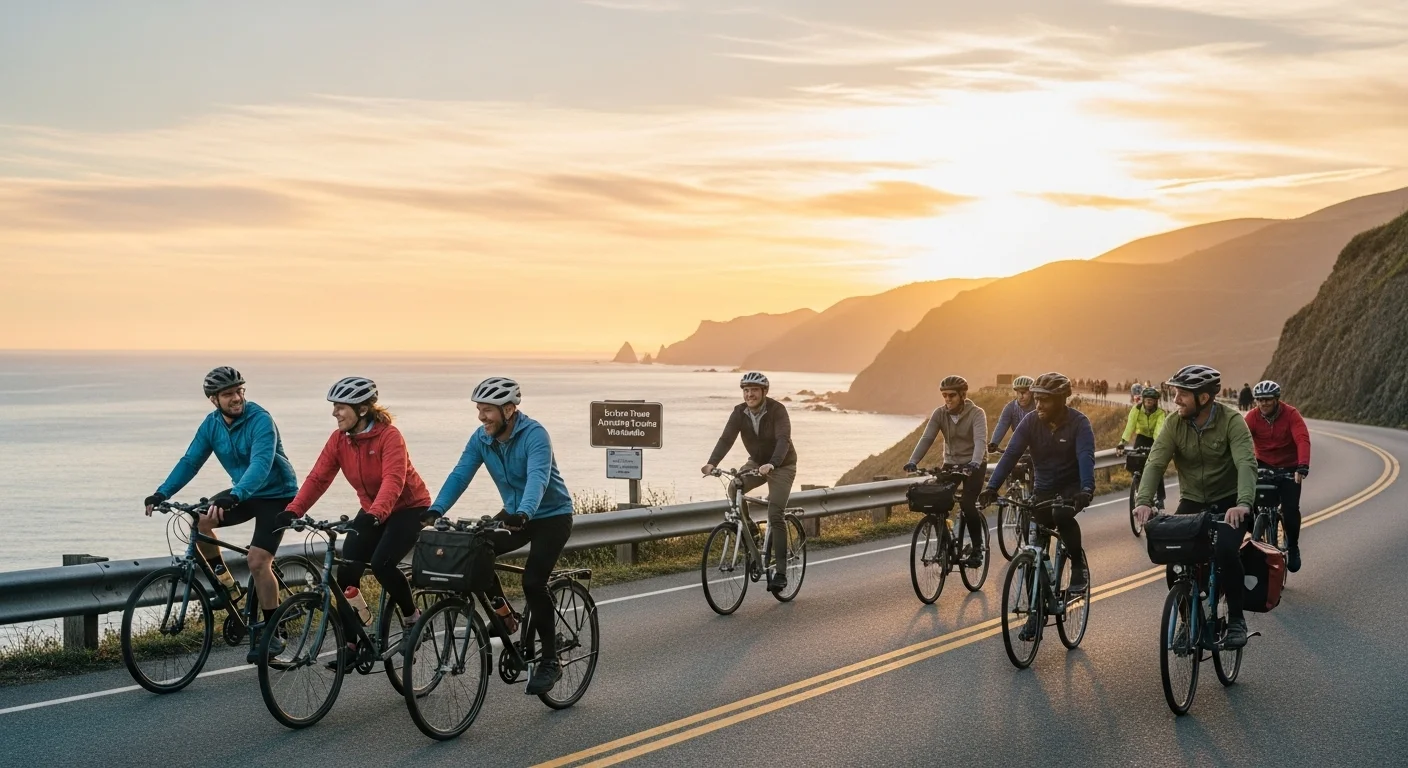
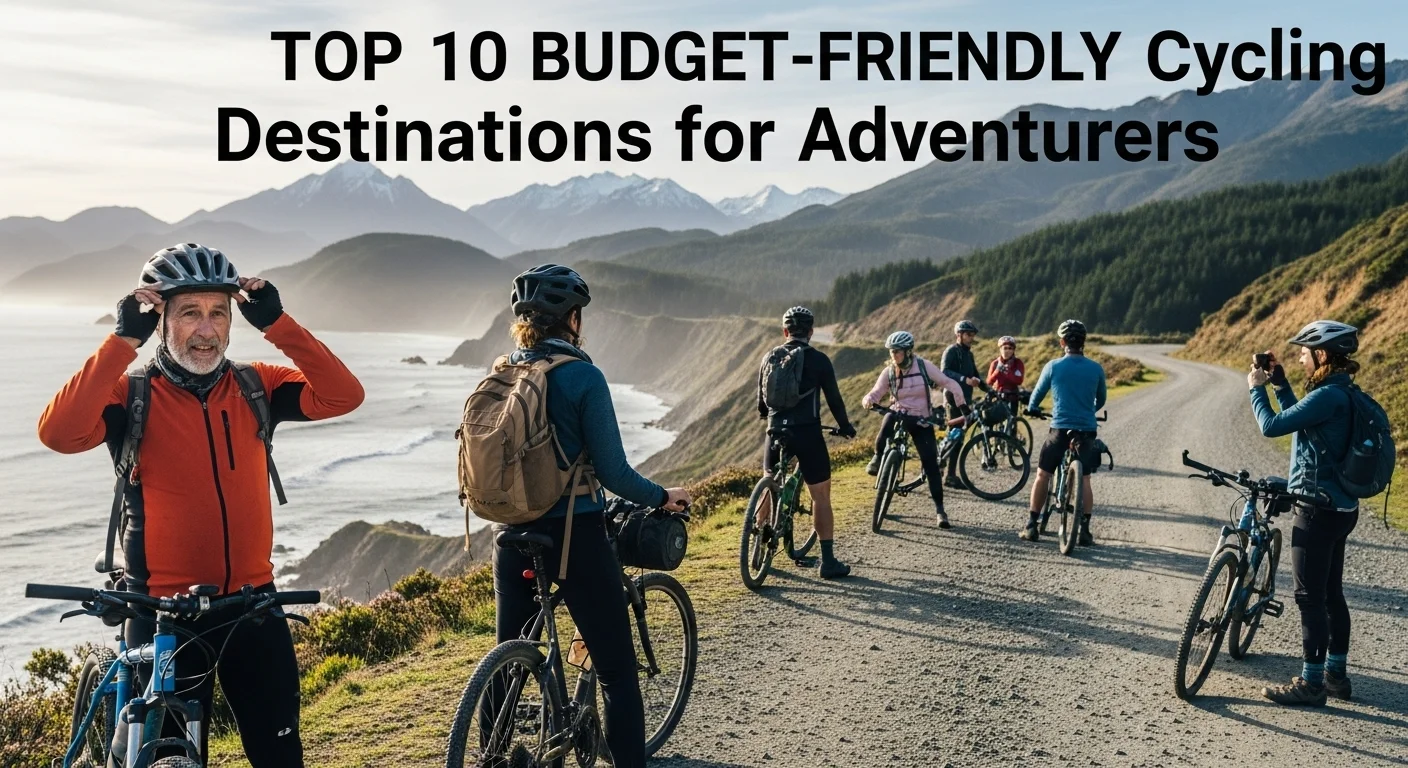
Exploring new places on two wheels doesn’t have to break the bank. Join me as we uncover some of the best cycling destinations where you can enjoy incredible views and experiences without spending a fortune! Read Interesting article: Top 10 Budget-Friendly Cycling Destinations for Adventurers

Discover the Best Cycling Destinations on a Budget

Overview of Budget Cycling Destinations

What Defines a Budget Cycling Destination?

When I think about budget cycling destinations, a few key elements come to mind. Firstly, it’s about the cost of living. Places where accommodation, food, and activities are inexpensive can really help keep our overall expenses low. Secondly, accessibility matters. Destinations with well-developed cycling paths or routes make it easier for us to explore without needing a car. Lastly, the availability of bike rentals at reasonable prices or even free bike-sharing programs can significantly boost a destination’s budget-friendliness. I remember being pleasantly surprised by how many cities offered free bikes; it felt like a hidden gem waiting to be discovered!

Benefits of Cycling on a Budget

Cycling on a budget is not only about saving money; it’s also about enriching our experiences. For me, getting on a bike allows me to connect more intimately with the places I visit. I often find that I discover hidden cafes, vibrant street art, and charming local markets that I’d miss if I were driving. Plus, cycling gets me moving and keeps my energy up, which is especially important when I’m exploring a new city.

Another major benefit is the opportunity to meet fellow travelers and locals. When I’m on a bike, I feel more approachable, and it’s easier to strike up conversations. I’ve made some great friends along the way just by asking for directions or recommendations. And let’s not forget the health benefits! Cycling is a fantastic way to stay fit while enjoying beautiful scenery, and it’s a great way to offset any indulgent meals I might treat myself to during my travels. Read Interesting article: Explore Stunning Mountain Biking Trails on a Budget

Top Budget-Friendly Cycling Destinations

Europe

Amsterdam, Netherlands

Amsterdam is often at the top of my list when I think about cycling in Europe. The city is designed for cyclists, with an extensive network of bike lanes and rentals available everywhere. I’ve spent entire afternoons just cruising along the canals, stopping at quirky boutiques and cozy coffee shops. The best part? You can rent a bike for a day for as little as €10! Plus, the beautiful parks, like Vondelpark, offer great spots to relax and people-watch. For budget accommodations, I recommend checking out hostels that cater to cyclists, giving us a chance to meet like-minded travelers.

Danube Cycle Path, Austria

The Danube Cycle Path is a dream come true for any cyclist. Stretching over 1,200 kilometers, it offers stunning views of the river and charming towns along the way. I remember biking through places like Krems and Melk, where vineyards and historic sites abound. The routes are well-marked and suitable for various skill levels, making it easy to plan a ride that suits us. For budget-conscious travelers, camping or staying in guesthouses along the path can help keep costs down. Plus, there are plenty of local eateries serving hearty meals that won’t dent our wallets.

North America

Portland, Oregon

Portland is often hailed as one of the most bike-friendly cities in the U.S., and for a good reason. With miles of dedicated bike lanes and a vibrant cycling community, it’s a fantastic spot for budget cyclists. I’ve spent countless weekends exploring its neighborhoods, parks, and riverside paths. The city’s bike rental shops offer affordable rates, and many even provide guided tours. Plus, the food truck scene is incredible, allowing us to enjoy delicious meals without spending too much. I love grabbing a bite at one of the many food pods scattered across the city!

Montreal, Canada

Montreal is another gem that’s made cycling a part of its culture. The city features a vast network of bike paths and the BIXI bike-sharing program, which is perfect for short rides. I found it easy to explore the Old Port and the surrounding neighborhoods without feeling rushed. The annual Montreal International Jazz Festival is a great time to visit, as there are plenty of free concerts and events happening around the city. Affordable accommodations are plentiful, from hostels to budget hotels, making it a perfect destination for a cyclist on a budget.

Asia

Chiang Mai, Thailand

For those looking for a unique experience, Chiang Mai is my go-to in Asia. The city is surrounded by stunning mountains and lush countryside, making it a paradise for cyclists. I enjoyed renting a bike and exploring the ancient temples and local markets at my own pace. The cost of living in Chiang Mai is low, so meals are incredibly affordable, especially if you opt for street food. I recommend trying the local khao soi, a delicious curry noodle soup that’s both filling and cheap!

Seoul, South Korea

Seoul might not be the first place that comes to mind for cycling, but it’s a hidden treasure. The city’s Han River offers beautiful cycling paths that are well-maintained and lined with parks. I’ve had fantastic experiences biking along the river, especially during the cherry blossom season. Renting a bike is budget-friendly, and there are lots of affordable dining options nearby. Plus, the cultural experience of visiting palaces and markets while cycling is something I’ll always cherish.

Australia

Great Ocean Road, Victoria

The Great Ocean Road is nothing short of breathtaking. I had the chance to cycle along this iconic route, taking in the stunning coastal views and the famous Twelve Apostles. While it’s a bit more rugged than city cycling, the experience of pedaling through such beautiful scenery was worth it. There are plenty of affordable accommodations in nearby towns, and I recommend packing some snacks for the road to keep costs down.

Brisbane River Loop, Queensland

Brisbane is another great option for budget cycling. The Brisbane River Loop offers a scenic ride with views of the city skyline and lush parks. I enjoyed stopping to explore some of the free attractions along the river, like the South Bank Parklands. The bike rental prices are reasonable, and the city’s laid-back atmosphere makes for a relaxing ride. We often found ourselves enjoying picnics by the river, which kept our food costs low.

When to Visit These Cycling Destinations

Seasonal Considerations

Choosing the right time to visit a cycling destination can really enhance our experience. I’ve learned from my travels that each season brings its own charm. For instance, spring is often the perfect time to explore cities like Amsterdam and Montreal. The weather is mild, and the blooming flowers create stunning backdrops as we ride. I remember wandering through Vondelpark in Amsterdam, with tulips in full bloom, feeling like I was cycling through a painting.

In summer, places like Portland and Chiang Mai come alive. The longer days mean more time to explore, although we should be prepared for the heat, especially in tropical areas. Autumn is another favorite of mine; the changing leaves along the Danube Cycle Path are breathtaking, and the cooler temperatures make for comfortable rides. Winter, while less popular for cycling, can be magical in some areas. I’ve enjoyed cycling in places like Brisbane, where the weather is still pleasant, and the holiday festivities add a special flair to the experience.

Weather Patterns and Best Times to Cycle

Weather can be a game-changer for cycling trips. I’ve found it helpful to do a little research on average temperatures and rainfall before booking a trip. For example, in Chiang Mai, the dry season from November to February is ideal for cycling, as the cool breezes make long rides enjoyable. On the other hand, I learned the hard way that Bangkok can be pretty steamy in July, making cycling less pleasant.

In Europe, I’ve noted that summer months can be busy, especially in popular tourist destinations. Booking accommodations in advance is crucial during this time. In contrast, traveling during the shoulder seasons—spring and fall—often means fewer tourists and better deals on lodging and bike rentals. I remember cycling along the Danube in late September; the weather was still lovely, but the crowds had thinned out significantly.

Budget Tips for Cycling Trips

Affordable Accommodations

Finding budget-friendly places to stay is essential for keeping costs down during our cycling adventures. I’ve discovered some great options that cater specifically to cyclists, making my trips more enjoyable.

Hostels and Guesthouses

Hostels are often my go-to choice when traveling on a budget. They not only provide an economical place to sleep but also offer opportunities to meet fellow travelers. In places like Amsterdam and Portland, I’ve stayed in hostels that have bike storage and even bike rental services. This was a huge plus, as it made it easy for us to hit the road early in the morning! Guesthouses are another fantastic option; they tend to be cozy and give us a taste of local life. I remember staying at a charming guesthouse in Chiang Mai where the owner shared her favorite cycling routes.

Campsites and RV Parks

If you’re open to a bit of adventure, campsites and RV parks can be a great way to save money. I’ve camped along the Danube Cycle Path and found it to be a unique experience. Waking up surrounded by nature and enjoying a morning coffee under the trees set the tone for an amazing day of cycling. Many campsites also offer cooking facilities, allowing us to prepare simple meals, which further helps keep our budget in check.

Cost-Effective Dining Options

Eating well while traveling doesn’t have to break the bank. I’ve picked up some great strategies for enjoying local cuisine without overspending.

Local Markets and Street Food

One of my favorite ways to experience a new place is through its food. I’ve found that local markets are often bustling with vendors selling fresh produce and delicious street food. In places like Montreal, we filled up on poutine and crepes at food stalls without spending much. I enjoyed wandering through Chiang Mai’s night markets, sampling various dishes while soaking in the lively atmosphere. Street food not only saves money but also provides a taste of authentic local flavors.

Grocery Stores and Meal Prep

For those of us who prefer to cook, grocery stores are a treasure trove of budget-friendly options. I often pick up fresh ingredients to prepare meals in hostel kitchens or at campsites. Simple meals, like pasta or salads, are easy to make and can be quite satisfying after a long day of cycling. Plus, it’s a fun way to gather with fellow travelers and share cooking tips or recipes. I remember one evening in Portland, where a group of us prepared a big dinner together and shared stories from our travels.

Bike Rentals vs. Bringing Your Own Bike

Deciding whether to rent a bike or bring your own can impact your budget significantly. Personally, I’ve done both, and each has its pros and cons. Bringing my bike gives me the comfort of familiarity, but it can be a hassle during travel and often incurs extra fees.

On the other hand, renting a bike is incredibly convenient, especially in bike-friendly cities like Amsterdam or Portland. I’ve found that many rental shops offer quality bikes at reasonable prices, and some even provide guided tours, which can be a fantastic way to explore. I recommend checking reviews and doing a bit of research to find the best rental options that suit our needs. In my experience, renting is often the way to go for shorter trips, while bringing my bike works best for long-term adventures.

Essential Gear for Budget Cycling

Must-Have Cycling Accessories

When I think about gearing up for a budget cycling trip, there are a few accessories that I consider essential. These items not only enhance my riding experience but also help ensure I’m prepared for various situations. First off, a good-quality helmet is a must. I remember my first cycling trip without one; I felt so unprotected. Now, I never hit the road without it. Additionally, investing in a comfortable pair of padded shorts has made a world of difference for longer rides. Trust me, your behind will thank you!

Another accessory that I can’t live without is a reliable multi-tool. It’s so handy for quick fixes on the go. I once had a flat tire on a remote path, and having the right tools helped me get back on track quickly. A good bike pump is also essential; I’ve learned the hard way that checking tire pressure before a ride can save a lot of hassle. Having lights for your bike is crucial, especially if you plan to ride during early mornings or evenings. I often find myself pedaling as the sun sets, and bright lights make me feel safer while ensuring I’m visible to others.

Don’t forget a sturdy backpack or bike panniers for carrying your essentials. I love having space for water, snacks, and a light jacket, just in case. And finally, a portable phone charger is a lifesaver. Whether I’m using my phone for navigation or snapping photos, keeping it charged is important. I’ve had days where I relied on my phone for directions, and running out of battery would have been a real bummer!

Budget-Friendly Bike Options

Finding the right bike can be a game-changer for our cycling adventures. I’ve explored various options, and I believe you don’t have to spend a fortune to get a reliable ride. If you’re renting, look for local shops that offer quality bikes at competitive prices. I’ve found that many rental shops in cities like Amsterdam and Portland provide newer models and regular maintenance checks, so you can ride with confidence. I always ask about their rental agreements; some places offer discounts for longer rentals, which can help save money.

If you’re considering buying a bike, explore used options. Websites like Craigslist or Facebook Marketplace often have great deals. I once picked up a used touring bike in fantastic condition for half the price of a new one. Plus, buying second-hand means you can spend more on accessories or gear that will enhance your overall experience. Just make sure to check the bike’s condition before purchasing—it’s worth the time!

For those who prefer to travel light, folding bikes are an excellent option. They’re compact, easy to carry, and perfect for urban exploration. I’ve used a folding bike on trips where I wasn’t sure if I’d have access to bike storage. They fit easily on public transportation, making them a versatile choice for budget travelers. I remember folding mine up and taking it on a train from Paris to the countryside—so convenient!

Local Culture and Attractions Along Cycling Routes

Exploring Local Markets and Festivals

One of the most enriching parts of cycling is the chance to immerse ourselves in local culture. I’ve discovered some amazing markets and festivals along my routes that made my travels unforgettable. In places like Chiang Mai, I stumbled upon vibrant night markets filled with stalls selling everything from handmade crafts to delicious street food. Riding through the market not only allowed me to sample local cuisine but also to engage with the friendly vendors, who often shared their stories and recommendations.

Festivals are another fantastic way to connect with a destination. I remember cycling through Montreal during the summer and happening upon a street festival. The lively atmosphere, with music and dance, made for a delightful surprise. I joined locals in celebrating, enjoying the food, and soaking in the vibrant energy. Checking local event calendars before heading out can lead to some of the best experiences of our trips. Read Interesting article: Explore Heritage Sites: Budget Backpacking Tips & Tricks

Must-See Attractions on Your Route

While cycling, I always make a point to hit some must-see attractions along the way. These sights often provide a deeper insight into the culture and history of the area. For instance, while biking along the Danube Cycle Path, I visited several UNESCO World Heritage sites. I remember stopping at Melk Abbey, a stunning baroque masterpiece, and being blown away by the views and architecture. It was a perfect break to stretch my legs and learn something new.

In cities like Amsterdam, cultural sites like the Van Gogh Museum or Anne Frank House are easily accessible by bike. I found that cycling allows for a unique perspective of these locations, and sometimes, the journey to get there is just as rewarding as the destination itself. I’ve enjoyed taking the scenic route, discovering quaint neighborhoods and hidden gems along the way. I recommend looking up bike tours that include key attractions, as they often provide fascinating insights and stories that enhance the experience.

Frequently Asked Questions

What defines a budget cycling destination?

A budget cycling destination is characterized by a low cost of living, accessibility with well-developed cycling paths, and the availability of affordable or free bike rentals. These elements help keep overall expenses low while allowing for an enriching travel experience.

What are the benefits of cycling on a budget?

Cycling on a budget not only saves money but also enhances the travel experience by allowing for a closer connection with the surroundings. It enables the discovery of hidden gems, opportunities to meet locals and fellow travelers, and provides health benefits by keeping the cyclist active.

What are some recommended budget-friendly cycling destinations in Europe?

Some top budget-friendly cycling destinations in Europe include Amsterdam, known for its extensive bike lanes and affordable rentals, and the Danube Cycle Path in Austria, which offers stunning views and budget accommodations like camping or guesthouses along the route.

Which cities in North America are ideal for budget cycling?

Portland, Oregon, and Montreal, Canada, are excellent choices for budget cycling. Portland features dedicated bike lanes and a vibrant cycling community, while Montreal has a vast bike path network and an affordable bike-sharing program.

What is a unique cycling experience in Asia?

Chiang Mai, Thailand, is a unique cycling destination with its stunning mountainous surroundings and low cost of living, making it easy to explore ancient temples and markets at an affordable price.

When is the best time to visit these cycling destinations?

The best time to visit varies by location; spring is ideal for Amsterdam and Montreal due to mild weather and blooming flowers, while summer is great for Portland and Chiang Mai. Autumn offers beautiful scenery along routes like the Danube Cycle Path, and winter can be pleasant in places like Brisbane.

What budget tips can help during cycling trips?

To save money during cycling trips, consider staying in hostels or guesthouses that cater to cyclists, camping or using RV parks, and utilizing local markets or street food for dining. Preparing meals from grocery stores is also a cost-effective option.

Should I rent a bike or bring my own for a cycling trip?

The decision depends on the trip length and personal comfort. Renting a bike is convenient and often more practical for shorter trips, while bringing your own bike may be preferable for long-term adventures, despite potential travel hassles.

What essential gear should I have for budget cycling?

Must-have cycling accessories include a good-quality helmet, padded shorts, a reliable multi-tool, a bike pump, lights for visibility, a sturdy backpack or bike panniers, and a portable phone charger for navigation and photos.

How can I immerse myself in local culture while cycling?

Engaging with local culture can be done by exploring local markets and festivals along cycling routes. Participating in events and visiting must-see attractions, such as UNESCO World Heritage sites, enhances the travel experience and provides deeper insights into the area.

Top 10 Budget-Friendly Cycling Destinations for Adventurers

Are you ready to embark on an adventure without breaking the bank? Cycling is an incredible way to explore new places while keeping costs low. Let’s dive into some amazing budget-friendly cycling destinations!

Top 10 Budget-Friendly Cycling Destinations for Adventurers

Overview of Budget-Friendly Cycling Adventures

Why Choose Cycling as a Budget-Friendly Option?

I have always believed that cycling is one of the best and most economical ways to explore the world. When I first picked up cycling as a hobby, I was amazed at how it transformed my travel experiences. Not only is it budget-friendly, but it also allows me to connect with my surroundings on a deeper level. Think about it: you can travel long distances without spending a fortune on transport, and those savings can be used for delicious local meals or fun activities along the way. Plus, with the rise of bike-sharing programs and affordable rentals in many cities, getting started is easier than ever. Explore Stunning Mountain Biking Trails on a Budget to discover more about budget-friendly cycling options.

Benefits of Cycling for Adventurers

The benefits of cycling go beyond just saving money. I’ve found that cycling helps me stay fit and energized while exploring new terrains. It gives me that rush of adrenaline as I conquer hills or traverse winding paths. The fresh air, stunning landscapes, and the sense of freedom I feel on two wheels create unforgettable memories. Whether you’re a seasoned cyclist or a beginner, there’s something exhilarating about biking through a new destination. Besides, I’ve met countless fellow adventurers who share the same passion, making it a fantastic way to connect with people from different cultures. If you’re also interested in exploring heritage sites while backpacking, consider checking out Explore Heritage Sites: Budget Backpacking Tips & Tricks.

Top 10 Budget-Friendly Cycling Destinations

1. Vietnam: The Mekong Delta

Best Routes and Trails

The Mekong Delta is a cyclist’s paradise, with its flat terrain and scenic views. I remember taking a ride along the riverside paths, passing through lush rice paddies and small villages. The routes are often shaded by towering palm trees, providing a cool respite from the sun. One of my favorite trails was the one that led to Cai Be, where I could hop on a boat and explore local floating markets. It’s not just about the destination; the journey itself is filled with vibrant sights and sounds.

Local Culture and Attractions

As I cycled through the Mekong Delta, I encountered the warm smiles of locals and the bustling daily activities of the communities. I stopped to chat with fishermen, learn about their lives, and even tried my hand at fishing. Visiting local workshops where artisans create traditional crafts was another highlight. The food is incredible too—don’t miss out on trying the fresh spring rolls and local fruits!

Accommodation Options

When it comes to staying in the Mekong Delta, you’ll find a range of budget accommodations, from homestays to guesthouses. I stayed at a cozy homestay where the family prepared breakfast for me every morning. It was affordable, and I loved the sense of community. Plus, it’s a great way to support local families while getting a taste of their hospitality.

2. Portugal: The Algarve Coast

Scenic Cycling Routes

My journey along the Algarve Coast remains one of my most cherished cycling experiences. The coastal routes offer breathtaking views of cliffs, sandy beaches, and sparkling blue waters. I found myself stopping frequently to take in the stunning landscape. The roads are well-maintained, and while they can be hilly, the effort is worth it for those panoramic vistas.

Cultural Highlights

Cycling through towns like Lagos and Albufeira, I discovered beautiful architecture, lively markets, and rich history. I often wandered into local shops, sampling pastries like pastéis de nata, a sweet treat that I could never resist. The vibe is relaxed and welcoming, making it an ideal place for adventurers.

Affordable Places to Stay

Accommodation options in the Algarve range from budget hostels to affordable hotels. I found a lovely hostel in Lagos that offered bike storage and even organized group rides. Staying in such places not only saved me money but also connected me with fellow travelers who shared the same passion for cycling.

3. Thailand: Chiang Mai

Top Cycling Trails

Chiang Mai is a gem for cyclists, with its diverse trails catering to all levels. I loved exploring the countryside, where I could ride past ancient temples and serene rice fields. The trails around Doi Suthep are particularly breathtaking, offering both a challenge and a rewarding view at the top. I felt a sense of achievement every time I reached a new peak.

Local Cuisine and Markets

The food culture in Chiang Mai is something to experience. After a long ride, I enjoyed indulging in delicious street food at the night markets. There’s nothing quite like savoring a bowl of khao soi while chatting with locals and other travelers. It’s a culinary adventure that complements the cycling experience.

Budget Accommodation

Chiang Mai offers a wide range of budget accommodation options, from guesthouses to eco-lodges. I stayed in a charming guesthouse that felt like home, and they even provided guided cycling tours. This made it easy for me to discover hidden gems around the city without breaking the bank.

4. Colombia: Medellín

Best Cycling Routes

Medellín is another cycling paradise that surprised me with its bike-friendly infrastructure. The scenic routes through the city and surrounding mountains are perfect for those who crave a mix of urban and nature experiences. I particularly enjoyed the Greenway, which takes you through parks and neighborhoods, showcasing the city’s vibrant culture.

Local Attractions and Events

During my time in Medellín, I discovered the city’s rich history and culture. The Botanical Garden and Comuna 13 are must-visit spots. The street art in Comuna 13 tells stories of resilience and transformation. I even joined a local cycling group for a community ride, which was a fantastic way to connect with locals and share experiences.

Affordable Lodging

Medellín has a variety of budget-friendly hostels and hotels. I found a great hostel in El Poblado that was not only affordable but also had a friendly atmosphere, with communal spaces perfect for meeting other travelers. Plus, it was close to many cycling routes, which made my daily rides so convenient.

5. Spain: Andalusia

Popular Cycling Paths

Andalusia’s warm climate and stunning landscapes make it an ideal cycling destination. I remember cycling through the Sierra Nevada mountains, where the crisp air and breathtaking views made every pedal worth it. The flat routes along the coast were equally enjoyable, offering a different perspective of the region.

Historical Sites to Visit

As I cycled through towns like Granada and Seville, I marveled at the historical architecture and rich cultural heritage. Stopping at Alhambra was a highlight, with its intricate designs and gardens. Each town I visited had its own unique charm, making it hard to choose a favorite.

Budget-Friendly Stays

Finding budget accommodations in Andalusia is easy, with plenty of hostels and guesthouses available. I stayed at a lovely guesthouse in Granada that offered breakfast and bike rentals. The owners were incredibly helpful, providing tips on the best cycling routes in the area.

6. Mexico: Baja California

Must-See Cycling Trails

Baja California is a hidden gem for cyclists looking for stunning landscapes and diverse terrains. I remember my first ride along the Pacific Coast Highway, where I was treated to panoramic ocean views and the sound of waves crashing against the cliffs. The route from Ensenada to La Bufadora is particularly memorable, offering a mix of coastal scenery and intriguing stops. The rolling hills and occasional flat stretches made it a perfect combination of challenge and enjoyment.

Local Culture and Experiences

The culture in Baja California is vibrant, and I loved immersing myself in the local lifestyle. I often stopped at roadside taco stands, where I enjoyed fresh fish tacos that were out of this world. Meeting local artisans at markets was another highlight; I learned about their crafts and even participated in a traditional pottery workshop. The warmth of the people made each interaction special, and I felt a strong sense of community wherever I went.

Where to Stay on a Budget

Accommodations in Baja California range from budget motels to charming guesthouses. I found a delightful guesthouse in Ensenada that offered bike storage and a friendly atmosphere. The owners were incredibly helpful, suggesting the best routes and even joining me for a ride one morning. Staying in local accommodations not only saved me money but also enriched my experience of the region.

7. Croatia: Dalmatian Coast

Best Cycling Routes

Cycling along the Dalmatian Coast was one of those experiences that took my breath away. Each turn revealed stunning views of turquoise waters and rugged cliffs. One of my favorite routes was between Split and Dubrovnik, where I rode through charming coastal villages and vineyards. The trails were well-marked, making navigation easy, even for someone like me who sometimes struggles with directions!

Cultural and Natural Attractions

The Dalmatian Coast is rich in history and culture. While biking, I made sure to stop at ancient towns like Trogir and Šibenik, where I marveled at historical architecture and enjoyed local delicacies. I also visited Krka National Park, where I could take a refreshing dip in the waterfalls after a long ride. Each stop felt like a mini-adventure, and I loved learning about the local stories and traditions.

Affordable Accommodations

Finding a place to stay in the Dalmatian Coast that didn’t break the bank was surprisingly easy. I discovered several hostels and guesthouses that offered comfortable stays without the hefty price tag. One hostel in Split had a communal kitchen, which allowed me to save even more by preparing some of my meals. Plus, the communal vibe made it easy to meet other travelers and share cycling tips.

8. Canada: Vancouver Island

Top Cycling Trails

Vancouver Island is a cycling paradise filled with lush forests, stunning coastlines, and plenty of wildlife. I remember cycling the Galloping Goose Trail, which meanders through beautiful landscapes and quaint towns. The trail is mostly flat, making it accessible for riders of all skill levels. I often spotted deer and various bird species along the route, adding to the natural beauty of the experience.

Local Food and Attractions

The food scene on Vancouver Island is fantastic! After a long day of cycling, I found myself indulging in fresh seafood at local eateries. The farmers’ markets were also a treat, where I could sample everything from artisan cheeses to homemade jams. I even took a break from cycling to explore Butchart Gardens, which was truly a feast for the eyes with its vibrant flowers and intricate designs.

Budget Lodging Options

Vancouver Island offers a range of budget-friendly lodging options, from hostels to campgrounds. I stayed at a cozy hostel in Victoria that was perfect for cyclists. They provided bike rentals and had a communal area where travelers could share their experiences. The atmosphere was friendly and inviting, making it easy to connect with others who shared my passion for cycling.

9. New Zealand: Rotorua

Popular Cycling Paths

Rotorua is known for its geothermal wonders, but it’s also an amazing place to cycle. I loved riding through the Whakarewarewa Forest, where the trails are designed for all skill levels. The mix of dirt trails and smooth pathways made for an exhilarating ride, and the backdrop of towering trees and bubbling mud pools added to the adventure. I even tried the famous Redwoods Treewalk, which provided unique views of the forest from above.

Unique Local Experiences

The local culture in Rotorua is rich with Māori heritage. I took the opportunity to visit a traditional village, where I learned about their customs and enjoyed a hangi feast. The stories shared by the locals added depth to my understanding of the area, and participating in traditional dances was a highlight I’ll never forget.

Budget-Friendly Places to Stay

Rotorua has a variety of accommodations that cater to budget travelers. I found a lovely backpackers’ lodge that offered comfy beds and friendly staff. Plus, they organized group activities, which made it easy to meet fellow travelers. It was the perfect base for my cycling adventures and exploration of the incredible geothermal sites.

10. Netherlands: Amsterdam

Scenic Cycling Routes

Amsterdam is synonymous with cycling, and I couldn’t resist exploring the city on two wheels. The flat terrain and extensive network of bike paths made it incredibly easy to get around. I particularly enjoyed riding along the canals, where I would often stop for a coffee at one of the charming cafés. The scenery is breathtaking, especially during spring when the tulips bloom.

Local Attractions

The city is packed with culture and history. I visited the Rijksmuseum and Anne Frank House, both accessible by bike. Stopping at local markets for fresh produce and Dutch treats like stroopwafels added a delicious touch to my cycling journey. It was fascinating to see the blend of modern life and historical architecture.

Affordable Accommodation Options

Amsterdam has many budget accommodations, including hostels and guesthouses. I stayed at a vibrant hostel that catered to cyclists, offering bike rentals and secure storage. The communal areas were perfect for socializing and sharing stories with other travelers, making it a memorable part of my trip.

When to Visit These Cycling Destinations

Best Seasons for Cycling

When planning a cycling adventure, timing can make all the difference. I’ve learned that each destination has its prime seasons that not only offer the best weather but also unique experiences. For instance, cycling in Vietnam’s Mekong Delta is best enjoyed during the dry season, from December to April. The temperatures are warm, and the lush landscapes are at their most vibrant. I remember my rides during this time; the air was fresh, and the scenery was just breathtaking.

In Portugal, the Algarve Coast is wonderful from late spring to early fall. The weather is pleasantly warm, perfect for a day of cycling along the coast. I visited in May once, and it was ideal—less crowded than in the peak summer months, allowing me to soak in the views without the hustle and bustle.

For Chiang Mai in Thailand, I found the cooler months from November to February to be the most enjoyable for cycling. The weather is cooler, making it easier to explore the stunning countryside without overheating. My rides during this time felt refreshing, especially after indulging in the delicious street food at night markets.

When I cycled in Colombia, I discovered that Medellín’s weather is pleasant year-round, but I preferred visiting during the dry season from December to March. It’s known as the “City of Eternal Spring,” and I can attest to that—every ride felt perfect. Similarly, in Spain’s Andalusia, spring and fall are great for cycling when temperatures are mild, making it a joy to explore the historical sites on two wheels.

Mexico’s Baja California is best visited in the spring or fall, avoiding the summer heat. I loved my rides during this time, with beautiful clear skies and comfortable temperatures. For those thinking of cycling through Croatia’s Dalmatian Coast, late spring and early fall provide ideal conditions, with fewer tourists and pleasant weather.

Vancouver Island in Canada is stunning in the summer months, but if you prefer fewer crowds, I suggest cycling in early fall. The fall colors are mesmerizing, providing a different but equally beautiful backdrop to your adventures.

New Zealand is perfect for cycling from December to February, which is their summer. I found the landscapes to be vibrant and lush, making every ride a delight. Lastly, Amsterdam is lovely in the spring, particularly in April when the tulips bloom. I’ve seen the city come alive with colors, making cycling through the canals even more magical.

Local Events and Festivals

Planning your cycling trip around local events can add an exciting twist to your adventures. For instance, when I traveled to Vietnam, I coincided my visit with the Tet Festival. The festive atmosphere was infectious, and I enjoyed riding through streets decorated with colorful flowers and lanterns. It was like experiencing the culture in full bloom!

In Portugal, I timed my visit to align with the Festa de São João in Porto. Cycling through the city during the festival, with its lively atmosphere and fireworks, was unforgettable. It felt like I was part of a vibrant community celebration, making my cycling adventure even more special.

In Chiang Mai, the Yi Peng Lantern Festival in November was a highlight. I remember cycling through the city as lanterns lit up the night sky; it created a magical ambiance that added to my overall experience. Similarly, when I was in Medellín, I made sure to check out the Festival de las Flores, where I joined in the celebrations and enjoyed the floral parades while biking around the city.

Spain’s Feria de Abril in Seville is something I still reminisce about. I cycled through this beautiful city adorned with flowers and decorations, and the vibrant atmosphere made every ride a joyful experience. In Mexico, attending the Baja California Wine and Food Festival was a treat after a day of cycling through vineyards, sampling local wines and cuisine.

For Croatia, I recommend visiting during the Dubrovnik Summer Festival. Cycling through the city during this time allowed me to catch incredible performances and cultural events. In Canada, the Pacific Rim Whale Festival on Vancouver Island is an excellent reason to visit in March. I enjoyed cycling along the coast and then joining in the festivities celebrating marine life.

New Zealand also has its share of events, like the Rotorua Bike Festival, where I connected with fellow cyclists and participated in community rides. In Amsterdam, the King’s Day celebrations in April make for an exhilarating cycling experience. The city turns into a sea of orange, and the atmosphere is filled with music and festivities, making it the perfect time to explore the city on two wheels.

Frequently Asked Questions

What are some benefits of cycling as a budget-friendly travel option?

Cycling is economical and allows travelers to connect with their surroundings on a deeper level. It saves money on transport, enabling funds to be spent on local meals and activities. Additionally, cycling helps maintain fitness and provides an exhilarating sense of freedom while exploring new destinations.

What is a popular cycling destination in Vietnam?

The Mekong Delta is a cyclist’s paradise, featuring flat terrain and scenic views along riverside paths, rice paddies, and small villages. The area is rich in local culture, with opportunities to interact with locals and enjoy delicious food like fresh spring rolls.

What are some highlights of cycling along the Algarve Coast in Portugal?

The Algarve Coast offers breathtaking views of cliffs and beaches, with well-maintained and hilly routes. Cycling through towns like Lagos and Albufeira reveals beautiful architecture and local markets, with a relaxed vibe that enhances the adventure.

What makes Chiang Mai in Thailand a great place for cycling?

Chiang Mai features diverse trails suitable for all skill levels, with scenic routes passing ancient temples and rice fields. The local food culture is vibrant, and cycling during the cooler months from November to February makes for a pleasant experience.

How is Medellín in Colombia suitable for cyclists?

Medellín boasts bike-friendly infrastructure with scenic routes that blend urban and nature experiences. The city’s rich culture is showcased through attractions like the Botanical Garden and Comuna 13, where cyclists can join community rides and connect with locals.

What are the accommodations like in Andalusia, Spain?

Andalusia offers various budget accommodations, including hostels and guesthouses. Many places provide amenities like breakfast and bike rentals, making it convenient for cyclists to explore the region and enjoy local hospitality.

What cycling experiences can one expect in Baja California, Mexico?

Baja California features stunning landscapes along the Pacific Coast Highway, with diverse terrains and local culture. Cyclists can experience fresh fish tacos from roadside stands and participate in traditional pottery workshops while enjoying a strong sense of community.

What is notable about cycling along the Dalmatian Coast in Croatia?

The Dalmatian Coast offers breathtaking views of turquoise waters and rugged cliffs, with well-marked trails between cities like Split and Dubrovnik. The area is rich in history, with opportunities to explore ancient towns and national parks while cycling.

What makes Vancouver Island in Canada a great cycling destination?

Vancouver Island features lush forests, stunning coastlines, and accessible trails like the Galloping Goose Trail. The local food scene is excellent, and budget-friendly lodging options cater to cyclists, making it a perfect base for exploration.

When is the best time to cycle in Amsterdam, Netherlands?

The best time to cycle in Amsterdam is during the spring, particularly in April when the tulips bloom. This season enhances the cycling experience along the canals, as the city comes alive with colors and festivities.

Read Interesting article: Eco-Friendly Mountain Climbing: A Guide for Budget Backpackers

Essential Cycling Safety Tips for Your Next Adventure Trip

Embarking on a cycling adventure can be exhilarating. However, ensuring your safety while enjoying the ride is essential. Here’s a guide packed with vital cycling safety tips to enhance your outdoor experience. Read Interesting article: Top Cycling Safety Tips for Budget Backpackers Abroad

Essential Cycling Safety Tips for Your Next Adventure Trip

Understanding Cycling Safety: Why It Matters

When I first started cycling, I thought it was just about the thrill of the ride and the beauty of the open road. But over time, I learned that understanding cycling safety is not just important—it’s essential. Every time I hop on my bike, I’m reminded that safety measures can make all the difference between a fun ride and a dangerous situation.

The Importance of Safety Gear

Let’s chat about safety gear. I can’t stress enough how crucial it is to wear the right gear before heading out. For me, putting on my helmet isn’t just a routine; it’s a commitment to my safety. A good helmet can protect your head in case of a fall. I’ve seen firsthand how a helmet can minimize injuries, and I can’t imagine riding without one. Beyond helmets, other gear like padded shorts or gloves can enhance comfort, making long rides more enjoyable. I remember my first long ride; I didn’t wear gloves and my hands were sore by the end. Now, I never leave home without them!

Common Cycling Accidents and How to Avoid Them

Accidents can happen, and they often occur in ways we least expect. I’ve had a few close calls where I almost lost my balance on uneven surfaces. One of the most common accidents involves falls due to poor road conditions or sudden obstacles. From my experience, being vigilant and scanning the road ahead helps prevent mishaps. I also learned the hard way that riding too close to parked cars can be risky—doors can swing open unexpectedly! Staying aware of your surroundings and maintaining a safe distance from potential hazards is key to avoiding accidents.

Another frequent issue is collisions with vehicles. I’ve noticed that many drivers are not always on the lookout for cyclists. This is why I always try to ride defensively. I keep an eye out for turning cars and ensure I’m visible, especially at intersections. It’s incredible how just being aware of your environment can significantly reduce risks on the road.

Essential Safety Gear for Cyclists

Helmets: Choosing the Right One

Choosing the right helmet might seem straightforward, but there’s more to it than just picking one off the shelf. I remember when I was helmet shopping; I learned about different types and guidelines for fit. A helmet should fit snugly, without being too tight. It should sit level on your head and not wobble when you move. I recommend trying on a few different styles and sizes to find the best fit for you. Also, check for safety certifications to ensure the helmet meets the required standards.

Reflective Clothing and Accessories

Visibility is a big part of cycling safety, especially in low-light conditions. I’ve made it a habit to wear bright, reflective clothing. I feel like a beacon on the road, and it’s reassuring to know that drivers can see me. There are also reflective accessories, like armbands and vests, that can enhance visibility. I always carry a reflective vest in my bag, just in case I find myself riding later than planned.

Lights and Visibility at Night

Riding at night? Don’t even think about it without lights! I learned this lesson the hard way during an evening ride when my front light died. I was lucky to make it home without incident, but now I always check my lights before heading out. A bright front light helps illuminate the path ahead, while a rear light or reflector ensures that vehicles can see you. There are plenty of affordable options that can be easily attached to your bike.

Protective Gear: Pads and Gloves

While helmets are a must, I’ve found that protective pads (like knee or elbow pads) can also be a smart choice, especially for beginners or those venturing into more rugged terrain. I often wear padded shorts, which make long rides much more comfortable. Gloves not only provide grip on the handlebars but also protect your hands in the event of a fall. I remember my first gravel ride; I was grateful for my gloves when I took a tumble, as they cushioned my hands against rough ground.

Pre-Ride Safety Checks

Inspecting Your Bicycle

Before every ride, I make it a point to inspect my bicycle thoroughly. This routine has saved me from potential accidents more times than I can count. I start by checking the frame for any cracks or damage. A quick visual inspection can reveal issues that might not be evident while riding. I also look at the handlebars to ensure they’re secure and that there’s no play in the stem. I remember one time I neglected to check my bike properly, and during a downhill ride, I felt my handlebars wobbling, which was a terrifying experience. Now, I check everything before my wheels even hit the pavement!

Checking Tire Pressure and Tread

Tire pressure is another critical aspect, and I’ve learned the hard way that riding on under-inflated tires can lead to poor handling and increased risk of flats. I keep a small pump in my gear bag, and I always check my tire pressure before heading out. Depending on the type of riding I’m doing, I’ll inflate them to the recommended PSI. I also check the tread to ensure it’s not worn down. When I started cycling, I didn’t realize how much tire condition affects safety. A good tread pattern can make a huge difference in grip, especially when cornering or riding in wet conditions.

Brakes: Ensuring They Function Properly

Brakes are arguably one of the most critical components of any bike. I’ve had some close calls where my brakes failed to respond as quickly as I needed them to. I always squeeze the brake levers to check for responsiveness. If they feel spongy or loose, I take the time to adjust them before I ride. I also inspect the brake pads for wear and replace them if they’re getting too thin. I can’t stress enough how having strong, functioning brakes can be the difference between a safe stop and a nasty fall.

Adjusting Seat Height and Position

Before I set off, I also ensure my seat height is just right. Having the correct seat height can affect my comfort and efficiency while riding. I remember when I first started cycling; I had my seat too low, which led to knee pain after long rides. Now, I adjust it so that my leg has a slight bend at the bottom of the pedal stroke. It’s a simple adjustment, but it makes a world of difference in my performance and comfort on the bike.

Traffic Rules and Navigation Tips

Understanding Cycling Laws in Different States

As I’ve traveled to different states for cycling, I’ve found that understanding local cycling laws is vital. Each state has its own set of rules about where cyclists can ride, whether we need to wear helmets, and how we interact with traffic. I remember being surprised to learn that some states require cyclists to ride with lights at all times, even during the day. I always take a moment to research the specific laws before I visit a new place. It not only keeps me safe but also helps me respect the regulations that are in place for everyone’s safety. Read Interesting article: Ultimate Guide to Budget-Friendly Cycling Gear for Travelers

Using Hand Signals for Communication

Hand signals are an essential part of cycling, especially when riding in groups or sharing the road with vehicles. I’ve found that using clear hand signals communicates my intentions to others, helping to prevent misunderstandings. When I’m turning left, I extend my left arm straight out; for a right turn, I either extend my right arm or my left arm bent at the elbow. I remember a time when I forgot to signal a turn, and a car almost didn’t see me. It was a wake-up call for me to be more vigilant about using hand signals every time I ride.

Choosing Safe Routes and Bike Lanes

Whenever I plan my rides, I always prioritize safe routes. I prefer bike lanes and paths that are separate from traffic whenever possible. I also use apps to find safer cycling routes. I’ve discovered some hidden gems in my area that are perfect for cycling but may not be well-known. These routes often have less traffic and beautiful scenery, making the ride far more enjoyable. I learned that avoiding busy roads can drastically reduce the risk of accidents and make the ride more relaxing.

Handling Intersections and Roundabouts

Intersections and roundabouts can be tricky for cyclists. I’ve had my share of close calls at intersections, so I always approach them with caution. I learned that slowing down and being alert can help me assess the situation better. When approaching a stop sign, I come to a complete stop and look both ways before proceeding. In roundabouts, I yield to traffic already in the circle, which can often be a bit chaotic. Riding defensively and being aware of my surroundings has helped me navigate these challenges more safely.

Riding Techniques for Safety

Maintaining a Safe Distance from Vehicles

One of the most important riding techniques I’ve learned is to maintain a safe distance from vehicles. When I first started cycling, I didn’t fully grasp how much space I needed to feel secure. I’ve had moments where I was too close to a truck, and the feeling of vulnerability was overwhelming. Now, I always try to give myself at least a full bike length between myself and any vehicle, especially at traffic lights or stop signs. This distance gives me time to react if a driver makes an unexpected move, and it makes me feel a lot more confident on the road.

Proper Riding Position and Posture

Having the right riding position is crucial for both comfort and safety. I remember when I first got my bike; I was so excited that I barely paid attention to how I sat on it. Over time, I learned that keeping my back straight and my elbows slightly bent not only helps with control but also reduces fatigue. I try to keep my hands relaxed on the handlebars while maintaining a firm grip. Staying upright allows me to see better and react quickly to any obstacles or changes in traffic. I also make it a point to keep my knees close to the frame while pedaling, which helps maintain stability.

How to Navigate Different Terrain

Every terrain offers its own challenges, and I’ve had my fair share of experiences learning how to navigate them. When I’m riding on gravel or uneven surfaces, I slow down and focus on my balance. I remember my first gravel ride; I went too fast and lost control, which resulted in a tumble. Now, I shift my weight back and keep my pedals level to maintain stability. If I’m on a steep hill, I lower my gear to make pedaling easier and keep my body centered over the bike. Learning how to adjust my riding technique to different terrains has made a huge difference in my safety and enjoyment.

Group Riding Etiquette and Safety

Riding in a group can be a lot of fun, but it comes with its own set of safety considerations. I’ve participated in several group rides, and it took me some time to learn the etiquette that keeps everyone safe. One of the first things I realized is the importance of riding in a straight line and avoiding sudden movements. I always communicate clearly with my fellow cyclists, letting them know when I’m slowing down or changing lanes. I also learned to keep a safe distance from others, which helps prevent crashes. During my first group ride, I was too close to someone and ended up bumping handlebars, which was a wake-up call! Now, I make sure to ride at a safe distance, allowing for reactions if someone else makes a sudden move. Read Interesting article: Affordable Cycling Accessories Every Backpacker Needs

Emergency Preparedness

Creating a Cyclist Emergency Kit

Having an emergency kit is something I cannot stress enough. I’ve been in situations where I needed supplies, and it was a lifesaver to have them on hand. My emergency kit includes a multi-tool, spare tire tubes, a patch kit, and some basic first-aid supplies. I remember a flat tire incident during a ride, and I was so grateful I had my repair tools handy. I recommend packing a small bag that can easily fit in your bike’s storage or in a backpack. Knowing that I have these tools gives me peace of mind, allowing me to focus more on the ride and less on what could go wrong.

First Aid Essentials for Cyclists

Accidents can happen, even to the most cautious cyclists. That’s why I always carry a small first aid kit with essentials like adhesive bandages, antiseptic wipes, and gauze. I learned this lesson after a minor scrape during a ride when I wished I had something to clean and cover the wound. Now, I keep a compact first aid kit that fits in my jersey pocket, and it’s come in handy more than once. It’s a small investment for the peace of mind it provides, knowing I can handle minor injuries while out on the road.

What to Do in Case of an Accident

If I’m ever in an accident, I know it’s crucial to stay calm and assess the situation. I’ve had a couple of spills, and the first thing I do is check if I’m okay and if I can move safely. If it’s a more serious situation, I always call for help or ask someone nearby to assist. I remember the first time I crashed; I panicked and tried to get up too quickly. But I learned that it’s better to take a moment to breathe and ensure I’m alright before making any sudden movements. I also assess my bike for damage and make sure I can continue riding safely or get assistance if needed.

Contacting Emergency Services: When and How

Knowing when to contact emergency services can be critical. I’ve realized that if there’s a serious injury or if I can’t move my bike safely, it’s time to call for help. I always keep my phone in a secure pocket while I ride, so I can access it quickly if needed. I remember a ride where I witnessed a cyclist fall, and I had to call for an ambulance. It was a sobering experience, and it reinforced the importance of knowing how to communicate my location and the situation to emergency services. I make it a point to familiarize myself with local emergency numbers, especially when I’m riding in unfamiliar areas.

Frequently Asked Questions

Why is understanding cycling safety important?

Understanding cycling safety is essential as it can make the difference between a fun ride and a dangerous situation. Safety measures help prevent accidents and ensure a more enjoyable experience while cycling.

What safety gear should cyclists wear?

Cyclists should wear a helmet, padded shorts, and gloves. Helmets protect the head in case of a fall, while padded shorts enhance comfort, and gloves provide grip and protection for the hands.

How can I avoid common cycling accidents?

To avoid common cycling accidents, stay vigilant and scan the road ahead for uneven surfaces or sudden obstacles. Maintain a safe distance from parked cars to avoid door swings and ride defensively to be visible to drivers.

What should I check on my bicycle before riding?

Before riding, inspect the bicycle frame for damage, check the handlebars for security, ensure the tire pressure is correct, inspect the brakes for responsiveness, and adjust the seat height for comfort.

Why is visibility important for cyclists?

Visibility is crucial for cycling safety, especially in low-light conditions. Wearing bright, reflective clothing and using lights helps ensure that drivers can see cyclists, reducing the risk of accidents.

What hand signals should I use while cycling?

When cycling, use clear hand signals to communicate intentions. Extend your left arm straight out for a left turn, extend your right arm or bend your left arm at the elbow for a right turn, and always signal to prevent misunderstandings.

How do I choose safe cycling routes?

Prioritize safe routes by choosing bike lanes and paths that are separate from traffic. Use apps to find safer cycling routes that may have less traffic and beautiful scenery, reducing the risk of accidents.

What should I include in a cyclist emergency kit?

A cyclist emergency kit should include a multi-tool, spare tire tubes, a patch kit, and basic first-aid supplies. Having these tools on hand can provide peace of mind and help address issues during a ride.

What should I do if I am in a cycling accident?

If you are in a cycling accident, stay calm and assess your situation. Check yourself for injuries, call for help if needed, and ensure your bike is safe to ride before continuing or seeking assistance.

When should I contact emergency services while cycling?

Contact emergency services if there is a serious injury or if you cannot move your bike safely. Keep your phone accessible while riding to quickly call for help when necessary.

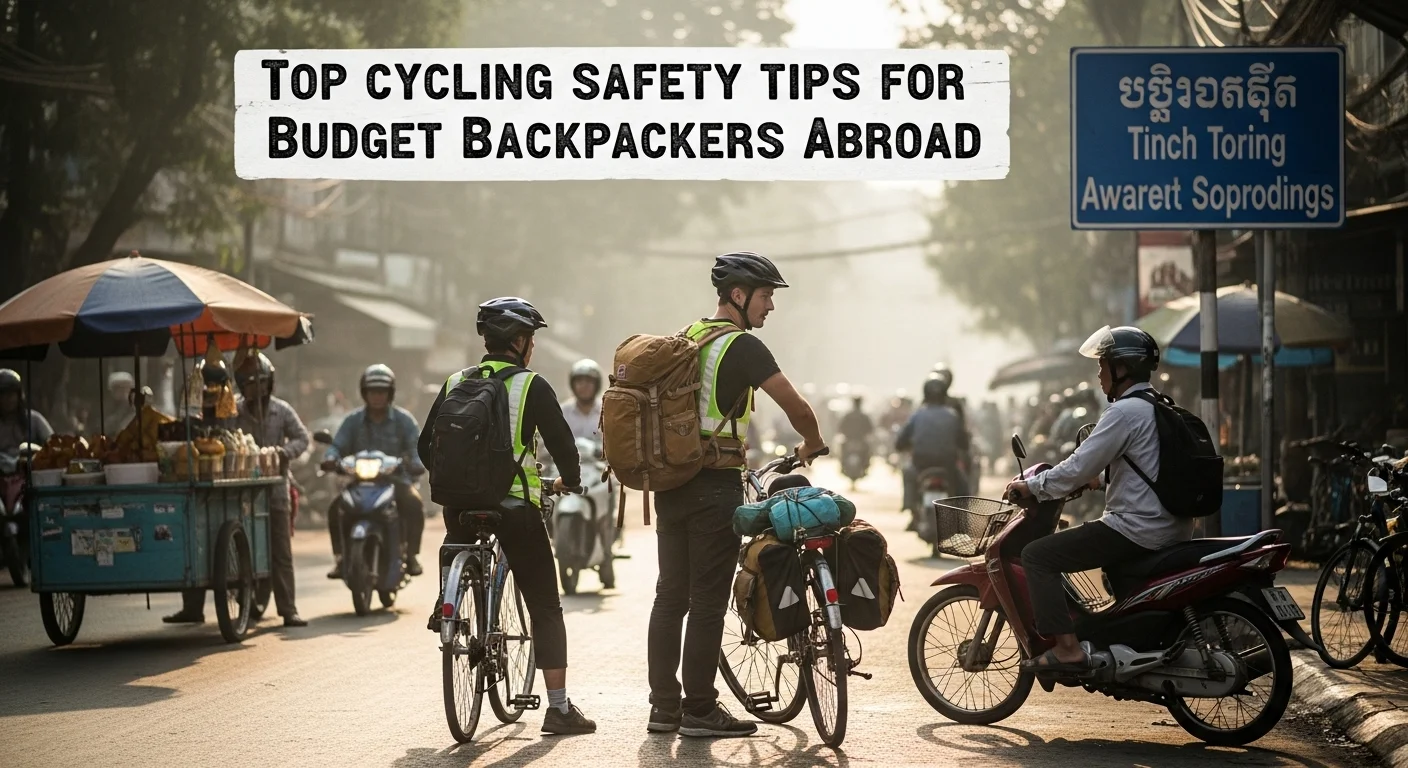
Top Cycling Safety Tips for Budget Backpackers Abroad

Cycling abroad can be an exhilarating way to explore new places, especially for budget backpackers. However, staying safe while riding is crucial to enjoying your adventure to the fullest. If you’re looking for the right equipment, check out the Ultimate Guide to Budget-Friendly Cycling Gear for Travelers.

Top Cycling Safety Tips for Budget Backpackers Abroad

Understanding Cycling Safety Abroad

The Importance of Cycling Safety for Backpackers

As a backpacker, I’ve always loved the freedom that comes with cycling in a new country. It allows me to dive into local culture and discover hidden gems that aren’t on the typical tourist map. However, I quickly learned that cycling safety is paramount. Without it, a thrilling ride can turn into a nightmare. When we’re abroad, unfamiliar roads, different traffic rules, and varying attitudes towards cyclists can pose significant risks. That’s why understanding safety while cycling is not just important—it’s essential. Ensuring our safety on two wheels means we’re free to fully enjoy the sights, sounds, and experiences of our travel destination.

Common Cycling Risks for Travelers

From my travels, I’ve noticed several common cycling risks that can catch backpackers off guard. One major risk is the varying road conditions. In some countries, bike paths might be well-maintained, while others might have potholes, gravel, or even unpaved paths. I once hit a bump in a poorly maintained path, and it was a reminder that not all roads are created equal. Another risk involves traffic. In some places, drivers are more accustomed to sharing the road with cyclists, while in others, they might not see us at all. I had my heart in my throat while riding through a bustling city with chaotic traffic. The lack of bike lanes and reckless driving made me realize just how vital it is to stay alert. Weather is also a factor. Rain can make roads slippery, and strong winds can throw off balance. I learned this the hard way when I was caught in unexpected rain while riding on a mountain road, which turned my pleasant ride into a slippery challenge. Finally, there’s the risk of theft. When we’re on the move, it’s easy for our bicycles to become targets. I remember leaving my bike unattended for just a moment while I grabbed a quick snack, and when I returned, I felt that nagging worry about whether it would still be there. Understanding these risks helps us prepare better and enjoy our cycling adventures more.

Essential Gear for Safe Cycling

Choosing the Right Bicycle

The first step to safe cycling is selecting the right bike. I’ve experimented with various types, from mountain bikes to cruisers, and found that the best choice depends on where you’re riding. If you’re planning on hitting the trails or uneven terrain, a mountain bike is a must. For city cycling, a lightweight bike with good gears can make your experience smoother. I always recommend testing a few bikes before your trip to see what feels comfortable. Comfort can make a big difference, especially on longer rides. For more tips on affordable options, check out Affordable Cycling Accessories Every Backpacker Needs.

Protective Gear: Helmets and Pads

No matter where I’m cycling, I never leave without my helmet. I learned the hard way that a fall can happen when you least expect it. A good helmet can save your life, and I can’t stress enough how important it is to wear one. I also recommend knee and elbow pads if you’re planning on doing some adventurous riding. I’ve worn them during off-road rides and felt much more secure tackling rough paths. It might seem like overkill, but protecting yourself is always a smart move.

Visibility Accessories: Lights and Reflectors

Being seen is crucial when cycling. I’ve experienced riding at dusk and was surprised at how quickly it got dark. Investing in bright lights and reflective gear can make all the difference. I always attach a bright front light and a flashing rear light to my bike, even during the day, to ensure that drivers see me. Additionally, wearing reflective clothing or accessories can enhance visibility, especially in busy urban areas. I remember a night ride when my reflective vest caught the eye of a driver, preventing a potential accident. Being visible is a simple way to add an extra layer of safety.

Bike Locks and Security Measures

Protecting your bike from theft is a must, especially in tourist-heavy areas. I’ve had my share of close calls with bike theft. I always carry a sturdy lock and recommend using a U-lock combined with a cable lock for the wheels. When locking my bike, I make sure to secure it to a solid object and park in well-lit, populated areas. I learned that the more time a thief has to work on a lock, the more likely they are to succeed. So, I always keep my bike in sight when possible. If I have to leave it unattended for a while, I try to find a local café or shop where I can keep an eye on it.

Pre-Trip Preparations

Researching Your Destination’s Cycling Laws

Before heading off on my cycling adventures, I always take the time to familiarize myself with the local cycling laws of my destination. I remember a trip to Amsterdam, where I was amazed at how cycling was woven into the culture. However, I also learned that they have strict regulations, like where to ride and how to signal turns. I found that understanding these laws not only keeps me safe but also helps me blend in with local cyclists. Each country has its own rules, so I recommend checking local government websites or cycling forums for the most up-to-date information before you go. This preparation gives me peace of mind and allows me to ride confidently.

Planning Your Route: Apps and Maps

Route planning is another essential part of my pre-trip preparations. I’ve used various apps to help me map out safe and enjoyable routes. Google Maps has a bike option that shows bike lanes and paths, which I find incredibly helpful. I also discovered apps like Komoot and Strava, which can help plan specific cycling routes with elevation changes and points of interest. When I traveled through the mountains in Italy, I was particularly grateful for a well-planned route that led me through breathtaking scenery while avoiding busy roads. I always carry a physical map too, just in case I lose service. I’ve learned that being prepared means I can focus on enjoying the ride rather than worrying about getting lost.

Understanding Local Traffic Patterns

Every city has its own traffic flow, and I’ve found that understanding local patterns can make a huge difference in my safety. I often arrive a day early to observe traffic during peak hours. This way, I can see how drivers interact with cyclists and learn the best times to ride. For instance, in some cities, early morning might be the best time to explore, while rush hour can be a nightmare. I remember my first day in Paris, where heavy traffic made me nervous. By watching and learning, I was able to navigate the busy streets with more confidence the following day. I suggest taking a few moments to observe your surroundings once you arrive; it can really pay off.

Book Accommodation with Bike Storage

When planning my trips, I always look for accommodations that offer secure bike storage. I learned this lesson after a couple of close calls with my bike while staying in places that didn’t prioritize bike safety. Opting for hostels or hotels that cater to cyclists often means they’ll have a dedicated area to lock up bikes securely. I once stayed at a charming guesthouse in Berlin that had an underground bike storage facility, which allowed me to explore the city without worrying about my bike being stolen. I recommend checking reviews or asking hosts about their bike storage options before booking. Knowing my bike is safe lets me fully enjoy my adventures.

On-the-Road Safety Tips

Checking Your Bike Before Riding

Before I start any ride, I always perform a quick check of my bike. I’ve had my fair share of flat tires and loose brakes, which could have easily been avoided with a routine inspection. I learned to check the tires for pressure and wear, ensure the brakes are functional, and look over the chain for any issues. One time, I was in the middle of a beautiful ride along a coastal path when my chain slipped. I was frustrated, but it reminded me to make these checks part of my pre-ride routine. I also carry a small multi-tool for quick adjustments on the go. Taking these few minutes to check my bike saves me from potential headaches later on.

Staying Aware of Surroundings

When I’m riding, I constantly remind myself to stay aware of my surroundings. It’s easy to get lost in the beauty of a new location, but I’ve learned that keeping my head up can save me from accidents. I try to actively listen for approaching vehicles or pedestrians and watch for road hazards. I remember riding through a scenic park when I suddenly had to swerve to avoid a dog running into the bike lane. Staying alert means I can enjoy my ride while also being prepared for the unexpected.

Hand Signals and Communication

Using hand signals is a crucial part of cycling safety that I’ve become diligent about. I always make sure to signal my turns and stops to communicate with drivers and other cyclists. It’s a simple but effective way to indicate my intentions. I’ve found that using clear signals has helped me feel more in control, especially in busy traffic. I also try to make eye contact with drivers when possible, ensuring they see me before I make a move. This practice not only keeps me safe but also fosters respect among road users.

Dealing with Poor Weather Conditions

Weather can change quickly, and I’ve faced my share of challenges while cycling in rain or wind. I always check the forecast before heading out, and I carry a lightweight rain jacket just in case. On a ride in Scotland, I was caught off-guard by sudden rain; my trusty jacket saved me from getting soaked. I’ve also learned to adjust my riding style in poor conditions—slowing down, avoiding sudden movements, and maintaining a safe distance from other cyclists and vehicles. These adaptations can make a big difference in maintaining control and ensuring safety when the weather isn’t cooperating.

Safety Practices in Different Environments

Cycling in Urban Areas

Cycling in urban areas can be both thrilling and intimidating. I’ve found that the key to enjoying city rides is knowing how to navigate the chaos. In cities, I always stay alert to sudden stops or turns from vehicles and pedestrians. One trick I’ve learned is to ride predictably; I avoid weaving in and out of traffic, which can catch drivers off guard. Keeping a straight line not only makes me more visible but also helps me maintain control. I also try to stick to designated bike lanes when available. These lanes are often safer and provide a buffer from car traffic. However, I’ve noticed that not all bike lanes are created equal. Sometimes they end unexpectedly, and I’ve had to quickly adapt by checking my surroundings for any potential hazards. I also recommend using the bike signals and traffic lights to my advantage—waiting for green lights and following traffic rules keeps me safer and more respected on the road.

Cycling on Rural Roads

Rural cycling offers a different experience altogether. I love the open roads and scenic views, but I’ve learned there are unique challenges. On rural roads, visibility can be an issue as drivers may not expect to encounter cyclists. I always make sure to wear bright clothing and use lights, even during the day. One serene afternoon ride in the countryside, I was surprised by a fast-approaching vehicle that barely noticed me. That experience reminded me to stay vigilant and position myself safely on the road. Road conditions in rural areas can also vary widely. I’ve encountered gravel roads and unpaved paths, which require a different biking technique. I tend to slow down and stay steady, especially when navigating loose surfaces. I also keep an eye out for wildlife; I once had to make a quick swerve to avoid a deer crossing the road. Embracing the beauty of rural cycling comes with the responsibility to stay cautious and prepared.

Navigating Bike Paths vs. Shared Roads

Bike paths are often a cyclist’s best friend. I love when cities invest in dedicated cycling infrastructure, as it makes riding so much safer and more enjoyable. However, it’s crucial to understand the differences between bike paths and shared roads. I’ve experienced paths that are well-marked and separated from vehicle traffic, allowing me to relax and take in the scenery. Yet, I’ve also encountered shared paths where I had to remain vigilant for pedestrians and other cyclists. It’s important to be courteous and communicate with others on these paths. I always ring my bell or give a friendly shout when approaching someone from behind, ensuring they’re aware of my presence. This practice helps create a positive atmosphere for everyone sharing the space.

Safety in Traffic-Heavy Cities

In traffic-heavy cities, I feel like I’m in a whole different world. The hustle and bustle can be overwhelming, but I’ve learned strategies to navigate through the mess. I often choose to cycle during off-peak hours if I can, avoiding the rush of commuters. When I do find myself in busy traffic, I make it a point to ride defensively. This means keeping a safe distance from cars, being prepared to stop or change direction, and avoiding blind spots. I also try to watch for drivers who might be distracted. On one occasion, I noticed a driver glued to their phone, and it made me double my efforts to stay visible and predictable. Understanding that not all drivers are vigilant has shaped my approach to urban cycling. I’ve found that a combination of confidence and caution helps me feel more secure as I navigate through busy streets.

Emergency Preparedness

Carrying a First Aid Kit

No one wants to think about accidents, but I’ve learned the hard way that being prepared can make all the difference. I always carry a small first aid kit when I’m cycling. It’s a simple pouch filled with essentials like band-aids, antiseptic wipes, and gauze. I remember a day in the hills when I took a tumble. Thankfully, I had my kit on hand, and I was able to clean up my wounds before continuing my ride. I also recommend including items like adhesive tape and pain relievers. Having these supplies can help in minor emergencies and give me peace of mind while I’m out exploring.

Knowing Emergency Contacts

Another aspect of being prepared is having emergency contacts readily available. I always make sure my phone is charged and that I have local emergency numbers saved. During my travels, I’ve often encountered situations where the language barrier made communication challenging. Knowing the local emergency services number has been invaluable, especially when I needed assistance or directions. I also keep a card with the contact information of my accommodation in case I need help finding my way back after a long ride. Preparing these details doesn’t take much time, but it’s reassuring to know that I can act quickly if something unexpected occurs.

What to Do in Case of an Accident

Accidents can happen, no matter how cautious we are. I experienced this firsthand when I was involved in a minor collision with a car. The first thing I did was check myself for injuries, and then I assessed the situation. I always recommend staying calm and not moving my bike until I’ve gathered my thoughts. If I feel safe, I take pictures of the scene for documentation, which helps if I need to report the incident later. If there are injuries involved, I’ve learned to call for help immediately. I also make sure to exchange contact information with the other party and any witnesses. This practice has helped me navigate through the aftermath of accidents more smoothly. Understanding these steps has been crucial in ensuring that I can handle emergencies effectively while on the road.

Frequently Asked Questions

What should I consider when selecting a bicycle for cycling abroad?

Choosing the right bike depends on where you’re riding. For trails or uneven terrain, a mountain bike is best, while a lightweight bike with good gears works well for city cycling. It’s advisable to test various bikes for comfort before your trip.

Why is wearing a helmet important while cycling?

A helmet can save your life in case of a fall, which can happen unexpectedly. It’s crucial to wear one regardless of where you are cycling to ensure your safety.

What are some common risks associated with cycling while traveling?

Common risks include varying road conditions, traffic behavior, weather changes, and the risk of theft. Each of these factors can pose significant safety challenges when cycling in unfamiliar locations.

How can I enhance my visibility while cycling?

Investing in bright lights and reflective gear is essential for being seen. Attaching a bright front light and a flashing rear light, even during the day, and wearing reflective clothing can significantly improve visibility, especially in urban areas.

What should I do to prepare for cycling in a new location?

Researching local cycling laws, planning your route using apps and maps, understanding traffic patterns, and booking accommodations with secure bike storage are all essential pre-trip preparations for safe cycling.

What should I check on my bike before riding?

Before riding, check the tire pressure and wear, ensure the brakes are functional, and inspect the chain for any issues. Carrying a multi-tool for quick adjustments can also be helpful.

How can I stay safe while cycling in urban areas?

Stay alert to sudden stops or turns from vehicles and pedestrians, ride predictably, use designated bike lanes when available, and follow traffic signals to maintain safety while navigating city streets.

What emergency preparedness steps should I take while cycling?

Always carry a small first aid kit with essentials like band-aids and antiseptic wipes. Additionally, have local emergency numbers saved on your phone and keep the contact information of your accommodation handy.

What should I do in case of an accident while cycling?

Stay calm and check yourself for injuries. Assess the situation and take pictures of the scene for documentation. If there are injuries, call for help and exchange contact information with other parties involved.

How can I protect my bike from theft while traveling?

Use a sturdy lock, preferably a U-lock combined with a cable lock, and secure your bike to a solid object in well-lit, populated areas. Keeping your bike in sight when possible is also a good practice to deter theft.

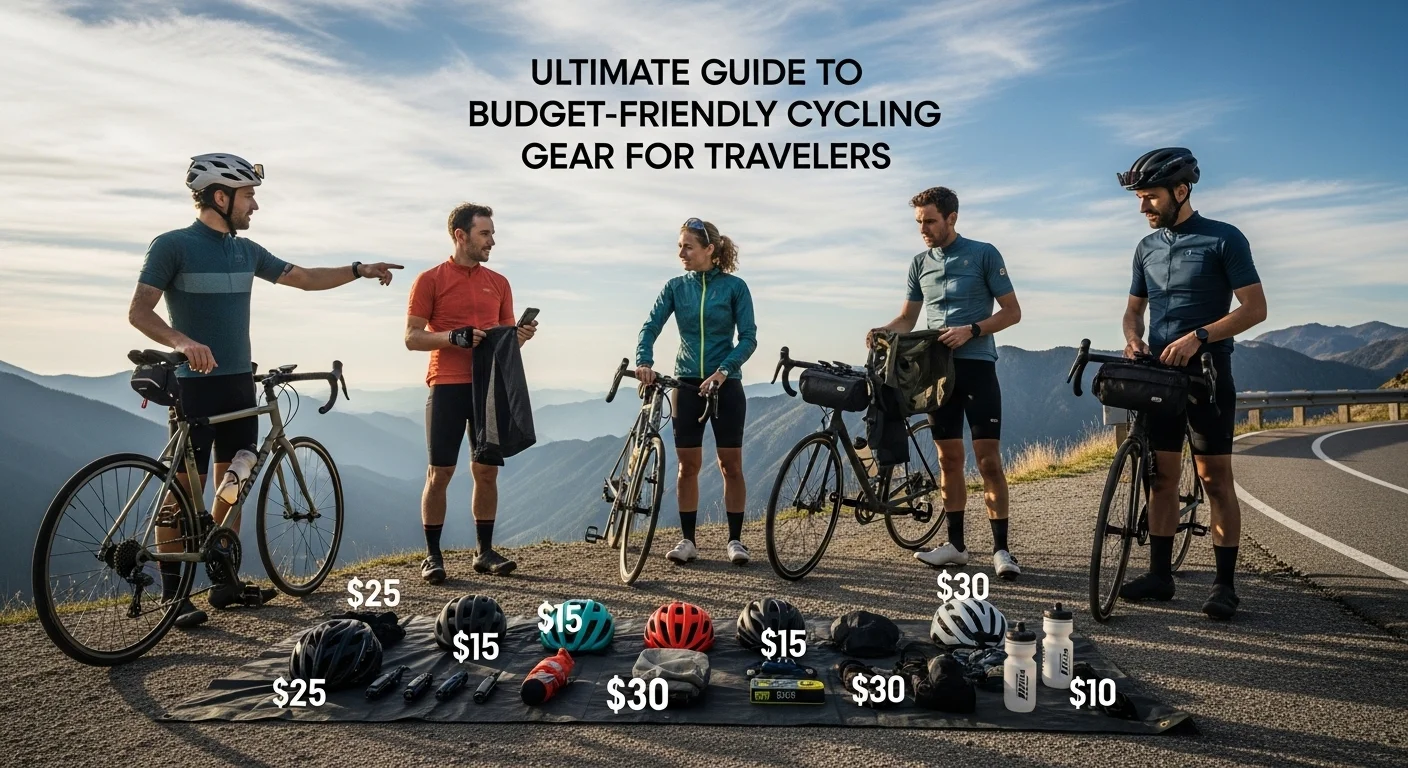
Ultimate Guide to Budget-Friendly Cycling Gear for Travelers

Traveling by bike is an incredible way to explore new places, but finding the right gear on a budget can be challenging. Let’s discover how to equip ourselves without breaking the bank! Read Interesting article: Top 10 Essential Cycling Gear for Budget Backpackers

Ultimate Guide to Budget-Friendly Cycling Gear for Travelers

Understanding Budget-Friendly Cycling Gear

What is Budget-Friendly Cycling Gear?

When I first started cycling as a form of travel, I realized that gear could get expensive quickly. Budget-friendly cycling gear refers to quality equipment that doesn’t cost a fortune. It includes everything from bikes and helmets to clothing and accessories—all designed to provide a safe and enjoyable experience without emptying your wallet. I found that you can find decent-quality items that fit within your price range if you know where to look and what to prioritize.

Why Choose Budget-Friendly Options?

Choosing budget-friendly cycling gear has a few advantages that I’ve come to appreciate. First and foremost, it allows for flexibility. When you’re traveling with a limited budget, spending less on gear gives you the freedom to spend more on experiences, like local cuisine or entrance fees to attractions. Also, I’ve noticed that as a new cyclist, my preferences changed over time. Investing heavily in high-end gear might not make sense when you’re still figuring out what you truly need. By opting for budget-friendly options, I felt I could try different things without the fear of wasting money.

Another reason I love budget-friendly gear is that it often fosters creativity. I remember when I went on my first long-distance ride, I had to find hacks to make my setup work efficiently. Finding affordable gear challenged me to think outside the box. I learned to appreciate not only the gear but also the journey and the experiences that came from it. For instance, there are affordable cycling accessories every backpacker needs that can enhance your experience without breaking the bank.

Essential Cycling Gear for Travelers

Bikes

The first thing that comes to mind when thinking about cycling gear is, of course, the bike! When I was looking for a budget bike, I focused on reliability and comfort rather than flashy features. I discovered that many budget bikes come equipped with decent components that can handle various terrains. Look for brands that offer good warranties; it can give you peace of mind. A hybrid bike, for example, worked perfectly for me since it’s versatile enough for both city roads and dirt paths.

Bike Accessories

Once I had my bike, the next step was picking the right accessories. I quickly realized that some accessories are essential for safety and comfort. A good-quality bike lock is a must for any travel cyclist. I made this mistake early on by skimping on a lock, and I regretted it! Another must-have is a sturdy bike bag where you can store essentials like water, snacks, and tools. I found a reliable bag at a local store that didn’t break the bank, and it has served me well on many trips.

Helmets

Safety should always be a priority when cycling. Investing in a good helmet is essential. Budget options can still offer decent protection. I learned that it’s important to choose a helmet that fits well and feels comfortable. I went for one that has adjustable straps and good ventilation. It’s amazing how much more enjoyable my rides became once I felt secure on my bike!

Clothing

When I first set out on biking adventures, I thought I needed all the latest cycling apparel. However, I soon realized that comfortable, moisture-wicking fabrics were key, and they don’t have to be pricey. I discovered that local sporting goods stores often have sales on basic cycling gear. I recommend looking for shorts and jerseys made from breathable materials, as they can significantly enhance your riding experience. Don’t forget to layer! I learned to pack a lightweight jacket for unpredictable weather, which has saved me on more than one occasion.

Footwear

Choosing the right footwear can make or break your cycling journey. I used to ride in old sneakers, but that led to discomfort and sore feet. Eventually, I invested in a pair of budget cycling shoes that had good support and were compatible with my pedals. They didn’t cost a fortune, but they made a world of difference. I also learned that wearing the right socks could help prevent blisters and keep my feet comfy during long rides.

Where to Buy Budget-Friendly Cycling Gear

Online Retailers

Shopping online for cycling gear has become one of my favorite ways to find budget-friendly options. There are so many websites dedicated to cycling that often offer great deals. I usually start my search on popular e-commerce sites like Amazon or specialized bike retailers. I love the convenience of browsing from home and reading customer reviews before making a purchase. Plus, many online stores have clearance sections where you can snag quality gear at a fraction of the original price.

Another tip I learned is to keep an eye on flash sales or daily deals. I once got an amazing deal on a high-quality bike lock just by checking the website at the right time. Sign up for newsletters from these retailers, as they often send exclusive discounts to subscribers. It’s a simple way to save some money while still getting the gear I need!

Local Bike Shops

While online shopping is great, I believe that local bike shops (LBS) offer a unique experience that shouldn’t be overlooked. When I visited my local shop for the first time, I was pleasantly surprised by the friendly staff who were eager to help me find what I needed without pushing the most expensive options. They often have sales, especially on last season’s models, which can be a goldmine for budget-conscious cyclists like us.

What I truly cherish about local bike shops is the ability to test gear in person. I remember trying on various helmets and feeling the difference in comfort and fit. Plus, supporting local businesses adds a personal touch to my cycling journey. If you have a local shop, don’t hesitate to stop by and see what they have to offer. You might just find some hidden gems!

Second-Hand Options

Second-hand shopping has become a game-changer in my quest for budget-friendly cycling gear. I’ve found some incredible pieces at thrift stores, garage sales, and online marketplaces like Craigslist or Facebook Marketplace. It’s amazing what you can find if you’re willing to look. I once bought a barely-used bike for half the price, and it turned out to be a fantastic ride!

When shopping second-hand, though, I always make sure to inspect the items thoroughly. For bikes, I check the frame for any dents or rust and test the brakes and gears. I’ve learned to ask the seller about the history of the gear, as it helps me gauge how well it was taken care of. While there’s a bit of a treasure hunt element involved, I truly enjoy the thrill of finding quality gear at unbeatable prices.

How to Choose the Right Gear

Assessing Your Cycling Needs

Choosing the right gear starts with understanding your cycling needs. I remember getting overwhelmed by the vast amount of options available. To simplify things, I made a list of what I needed based on my riding style. Are you planning on long-distance touring, or do you just want a bike for occasional neighborhood rides? For me, figuring out my primary use helped narrow down the choices significantly.

Consider your environment too. Do you live in a hilly area or mostly flat terrain? What types of surfaces will you be riding on? I realized that my needs changed as I progressed from casual rides to more adventurous excursions, so it’s essential to reassess your needs periodically.

Quality vs. Price: Finding the Balance

In my experience, finding the right balance between quality and price is crucial. I’ve seen many cyclists dive for the cheapest gear, only to find it falling apart after just a few rides. I’ve learned that investing a little more in quality can save money in the long run. When I bought my first road bike, I went with a mid-range option. It was more than I initially wanted to spend, but it’s been a reliable companion on countless trips.

That said, I also keep an eye out for sales on reputable brands. I’ve found that price doesn’t always dictate quality, especially when you know what to look for. Research and read reviews to ensure you’re getting the best bang for your buck.

Reading Reviews and Ratings

Reading reviews has become an essential part of my gear-buying process. I trust the opinions of fellow cyclists who have already tried the products I’m considering. Websites like BikeRadar or even community forums can provide honest feedback that has helped me avoid costly mistakes. I learned the hard way when I bought a highly-rated helmet that turned out to be uncomfortable after just a few rides. Now, I take the time to read multiple reviews and weigh the pros and cons before making a decision.

Also, watching video reviews can be particularly helpful. I often find that seeing a product in action gives me a better idea of whether it’s right for me. It’s a small step that has made a significant difference in my cycling gear choices!

Tips for Saving Money on Cycling Gear

Seasonal Sales and Discounts

One of the best ways I’ve found to save money on cycling gear is by keeping an eye on seasonal sales and discounts. I remember the excitement I felt when I first discovered that many stores have end-of-season sales, especially for cycling gear. For instance, after summer, I noticed that both local bike shops and online retailers often discount their inventory to make room for new stock. This can be a perfect time to grab some essential items at a fraction of the original price.

In my experience, Black Friday and Cyber Monday are also excellent opportunities to score deals. I usually make a list of what I need ahead of time and set a reminder for these sales. It’s amazing how much I’ve saved by planning and being patient. I once snagged a good-quality bike just after the summer season for almost 40% off, which was a huge win for my budget!

Using Coupons and Promo Codes

Another effective strategy I’ve used is to search for coupons and promo codes before making any online purchases. A quick glance at websites like RetailMeNot or Honey can sometimes yield unexpected savings. I recall a time when I found a simple promo code that gave me 15% off my entire order from a popular cycling gear site. It felt like finding hidden treasure!

Many retailers also offer discounts for first-time shoppers or newsletter subscribers. I recommend signing up for newsletters from your favorite brands; not only do they send exclusive deals, but they also keep me updated on upcoming sales and new products. Plus, it’s always nice to feel a little special when I receive a personalized discount offer!

Joining Loyalty Programs

Joining loyalty programs has been a game-changer for me when it comes to saving on cycling gear. Many local bike shops and larger retailers have programs that reward customers for their purchases. I remember when I joined the loyalty program at my local shop; I received points for every dollar I spent. It didn’t take long for those points to add up, and I was able to redeem them for discounts on future purchases.

Additionally, some national chains offer exclusive sales and promotions for loyalty members. I’ve received early access to sales and special member-only discounts, which has helped me save significantly over time. If you frequently buy gear or accessories, it’s definitely worth looking into loyalty programs—it’s like getting paid to shop!

Best Budget-Friendly Cycling Brands

Overview of Affordable Brands

As I navigated the world of cycling gear, I discovered several brands that offer quality products without the hefty price tag. Brands like Schwinn and Cannondale have consistently produced reliable bikes that cater to various budgets. I remember feeling overwhelmed by choices, but after testing a few models from these brands, I found them to be well-crafted and dependable.

For accessories and apparel, I’ve had great luck with brands like Giro for helmets and Pearl Izumi for clothing. They strike a balance between quality and affordability, making them ideal for budget-conscious cyclists. I often check their websites for sales and clearance items, as they regularly update their inventory. It’s been rewarding to find high-quality gear that fits my needs without feeling guilty about my spending!

Comparing Price Points and Quality

When considering budget-friendly brands, I’ve learned the importance of comparing price points and quality. Sometimes, a slightly higher price can mean a significant improvement in durability or performance. I try to research and read reviews before making a decision. For example, I once bought a cheaper bike light that ended up failing after just a few rides. It taught me that investing a bit more upfront can save me money and hassle in the long run.

I also discovered that many budget brands offer comparable features to their high-end counterparts. For instance, I found a mid-range bike with similar components to a more expensive model I had my eye on. It’s essential to weigh the pros and cons of each option and determine what features are crucial for my cycling adventures. This careful approach has helped me make smarter purchases and feel confident in my gear choices!

Maintenance Tips for Budget Gear

Basic Maintenance for Longevity

Taking care of my budget-friendly cycling gear has been a priority for me, especially since I want to extend its lifespan. I learned early on that regular maintenance can prevent costly repairs down the road. Simple tasks like cleaning my bike after rides, checking tire pressure, and lubricating the chain have made a noticeable difference in how well my bike performs. I remember the first time I neglected to clean my bike; it quickly became harder to ride smoothly, and I realized my mistake!

Additionally, I make it a habit to periodically inspect my gear for any signs of wear and tear. This proactive approach allows me to catch any issues before they become severe problems. I’ve found that dedicating a little time each month to maintenance pays off, keeping my gear in good shape and ensuring a smoother ride.

DIY Repairs vs. Professional Help

When it comes to repairs, I’ve learned to balance between DIY fixes and seeking professional help. There have been moments when I felt confident enough to tackle minor repairs myself, like fixing a flat tire or adjusting my brakes. There are plenty of online tutorials that have guided me through these processes, and it feels incredibly satisfying to fix something on my own.

However, for more complicated issues, I don’t hesitate to visit a local bike shop. I’ve realized that some repairs are best left to the experts, especially if they require specialized tools. I remember trying to fix my bike’s gears on my own and ended up making the problem worse. Now, I assess each situation and decide whether I should roll up my sleeves or seek professional assistance. This approach has helped me maintain my gear effectively while also ensuring my safety on the road!

Frequently Asked Questions

What is budget-friendly cycling gear?

Budget-friendly cycling gear refers to quality equipment that doesn’t cost a fortune and includes everything from bikes and helmets to clothing and accessories, all designed to provide a safe and enjoyable cycling experience without breaking the bank.

Why should I choose budget-friendly cycling gear?

Choosing budget-friendly gear allows for flexibility in spending, enabling you to allocate more of your budget towards experiences rather than equipment. It also fosters creativity as you learn to make the most of affordable options and helps you avoid investing heavily in high-end gear before you understand your true cycling needs.

What essential cycling gear should travelers consider?

Travelers should consider essential gear such as a reliable bike, safety helmet, good-quality bike lock, sturdy bike bag, comfortable clothing made from moisture-wicking fabrics, and supportive footwear suitable for cycling.

Where can I buy budget-friendly cycling gear?

Budget-friendly cycling gear can be purchased from online retailers, local bike shops, and second-hand options such as thrift stores or online marketplaces like Craigslist or Facebook Marketplace.

How can I assess my cycling needs when choosing gear?

Assessing your cycling needs involves understanding your riding style, whether it’s long-distance touring or casual rides, and considering the terrain you will be cycling on. It’s important to periodically reassess your needs as they may change over time.

What are some tips for saving money on cycling gear?

Tips for saving money on cycling gear include keeping an eye on seasonal sales and discounts, using coupons and promo codes before making online purchases, and joining loyalty programs that offer rewards and exclusive discounts.

What budget-friendly cycling brands are recommended?

Recommended budget-friendly cycling brands include Schwinn and Cannondale for bikes, and Giro for helmets and Pearl Izumi for clothing. These brands are known for producing quality products without a hefty price tag.

How can I maintain my budget-friendly cycling gear for longevity?

Maintaining budget-friendly cycling gear involves regular tasks such as cleaning your bike after rides, checking tire pressure, lubricating the chain, and periodically inspecting gear for wear and tear to catch issues before they escalate.

Should I attempt DIY repairs or seek professional help for my cycling gear?

For minor repairs, such as fixing a flat tire or adjusting brakes, DIY fixes can be satisfying and cost-effective, especially with online tutorials. However, for more complicated issues, it’s best to seek professional help to ensure safety and proper repairs.

What should I look for when choosing a budget bike?

When choosing a budget bike, focus on reliability and comfort over flashy features. Look for bikes with decent components that can handle various terrains and check for brands that offer good warranties for peace of mind.

Affordable Cycling Accessories Every Backpacker Needs

When backpacking, the right cycling accessories can make all the difference. They enhance your experience, making your journey smoother and more enjoyable without breaking the bank. For more tips on essential gear, check out our Top 10 Essential Cycling Gear for Budget Backpackers.

Affordable Cycling Accessories Every Backpacker Needs

Essential Cycling Accessories for Backpackers

Why Cycling Accessories Matter for Backpacking

As someone who has journeyed through countless trails on my bike, I’ve learned firsthand how essential the right cycling accessories can be for a backpacking trip. Picture this: you’re out in nature, surrounded by breathtaking views, but a small inconvenience like a flat tire or lack of hydration can turn your adventure into a frustrating experience. This is where quality cycling accessories come into play. They not only keep your bike in top shape but also enhance your comfort and safety, allowing you to focus on enjoying the ride.

From my experience, having the right gear provides peace of mind. For instance, knowing I have a reliable multi-tool or a portable bike pump in my bag means I can tackle unexpected challenges without anxiety. I think we can all agree that when we’re out there in the wild, the last thing we want is to feel unprepared. So, investing in affordable yet effective cycling accessories is crucial for any backpacker looking to make the most of their trip. For more insights, read the Ultimate Guide to Affordable Mountain Biking Adventures.

Benefits of Choosing Affordable Options

One of the biggest misconceptions I’ve encountered is that quality cycling accessories have to come with a hefty price tag. I used to think that way too, until I started researching and experimenting with various affordable options. What I discovered is that there are plenty of budget-friendly accessories that perform just as well as their expensive counterparts.

Choosing affordable accessories means you can equip yourself with everything you need without draining your wallet. For example, I remember when I replaced my old bike pump with a budget-friendly option. I was pleasantly surprised by how well it worked and how much money I saved. This allowed me to allocate funds to other essentials like snacks or a cozy camping spot. Plus, knowing that I can easily replace items if they wear out gives me the freedom to explore without the worry of expensive gear breaking the bank.

In addition, affordable options often encourage experimentation. As someone who loves trying new accessories, I’ve found that I’m more willing to test out different brands and styles when I’m not overly concerned about the cost. This has led me to discover some hidden gems that have become staples in my biking adventures.

Must-Have Cycling Accessories

Durable Backpack

A reliable backpack is one of the most critical accessories for any backpacker. When I first started biking, I made the mistake of using a regular backpack, which quickly became uncomfortable and cumbersome. A durable, cycling-specific backpack is designed to distribute weight evenly and have features that make biking easier, like hydration reservoirs and reflective materials for safety. I recommend looking for one with padded straps and multiple compartments to keep your gear organized and accessible.

Hydration Systems

Staying hydrated during your rides is non-negotiable. I can’t stress enough how beneficial a good hydration system has been for my trips. Whether you opt for a hydration bladder or a water bottle holder, ensure it’s easy to access while biking. I’ve found that having water readily available encourages me to drink more often, which is vital during those long rides in the sun.

Multi-Tool Kits

Every cyclist should have a multi-tool kit. I remember my first long ride when I got a flat tire. Luckily, I had a multi-tool with me that allowed me to make quick adjustments. These handy kits usually include wrenches, screwdrivers, and tire levers, making them perfect for on-the-go fixes. I’ve saved so much time and avoided stress thanks to having my multi-tool handy.

Portable Bike Pump

A portable bike pump is another must-have. I’ve been in situations where I had to rely on others to fix my tire simply because I didn’t have a pump. Now, I never leave home without one. Look for a compact option that can easily fit in your backpack or attach to your bike frame. It’s a small investment that can save you from a lot of headaches.

Bike Locks

When I first started biking in urban areas, I quickly realized the importance of having a good bike lock. Although I love exploring, I also love knowing my bike is safe when I make stops. Investing in a sturdy lock can prevent theft and give you peace of mind. I recommend getting a lightweight lock that’s easy to carry but still strong enough to deter thieves.

Reflective Gear and Lights

Safety should always be a priority, especially when biking in low-light conditions. Reflective gear and lights significantly increase your visibility to others. I’ve personally experienced the difference a simple reflective vest can make. It’s one of those small accessories that can have a big impact on your safety. Plus, having front and rear lights on your bike is a great way to ensure you can see and be seen while riding at dusk or dawn.

Protective Gear (Helmets, Elbow and Knee Pads)

No matter how experienced you are, protective gear is a must. I learned this the hard way after a minor fall on the trail. Wearing a helmet is obvious, but I’ve also found elbow and knee pads to be invaluable, especially when navigating rough terrains. They provide an extra layer of protection and can make a significant difference in preventing injuries.

Budget-Friendly Options

Best Affordable Backpack Brands

When I started looking for a durable backpack, I was amazed at how many brands offered quality options without a hefty price tag. Brands like Osprey and REI Co-op have some fantastic affordable backpacks that are designed specifically for cycling. I remember grabbing an Osprey daypack during a sale, and it has been my go-to for biking trips ever since. It has great ventilation, ample storage, and feels like it was made just for me.

Another brand worth mentioning is Deuter. Their backpacks often come equipped with hydration systems, which is a huge plus for anyone who loves biking. I’ve tried a few different styles, and each one has held up beautifully against the elements. For me, knowing I can trust my backpack during a tough ride makes all the difference.

Top Affordable Hydration Packs

Staying hydrated on long rides is crucial, and hydration packs make it so much easier. I’ve explored options from CamelBak and Platypus, which offer great packs at wallet-friendly prices. I particularly like the CamelBak Hydrobak. It’s lightweight, has a decent water reservoir, and fits snugly on my back, making it almost unnoticeable while I bike.

If you’re looking for an even more budget-friendly option, check out the Osprey Syncro. It’s affordable without sacrificing quality, and the design keeps your water close while allowing for additional storage for snacks and tools. Having that convenience on the trail has transformed the way I approach my biking adventures. If you’re interested in more biking adventures, be sure to Explore Stunning Mountain Biking Trails on a Budget.

Cost-Effective Multi-Tools

Multi-tools are a lifesaver for cyclists, and thankfully, there are plenty of cost-effective options available. I’ve had great experiences with the Crankbrothers M19 and the Topeak Mini 9. Both are compact yet packed with all the necessary tools I need for basic repairs on the go.

What I appreciate most about these brands is their balance of quality and price. I’ve used mine for years, and they’ve proven durable enough to handle everything from minor adjustments to emergency repairs. I feel confident tackling any situation with these tools in my bag, knowing that I didn’t have to spend a fortune to get reliable gear.

Value Bike Pumps

Finding a reliable bike pump that doesn’t break the bank can feel like searching for a needle in a haystack. However, I’ve had a great experience with the Vibrelli Mini Bike Pump. It’s compact, lightweight, and fits easily in my backpack. The best part? It’s powerful enough to inflate my tires quickly, which is always a relief when I’m in a pinch.

Another pump I can recommend is the ProBikeTool Mini Pump. It’s surprisingly sturdy for its size and versatile, working with both Presta and Schrader valves. I can’t tell you how many times I’ve been grateful for having one of these with me on a ride. It’s nice to know I have an affordable option that performs exceptionally well.

Inexpensive Bike Locks

Bike theft is a real concern, and investing in a decent lock is essential. I discovered that you don’t have to spend a lot to find a good lock. For instance, the Kryptonite Abus Mini U-Lock is both affordable and secure, providing peace of mind when I’m out exploring. It’s lightweight and easy to carry, which is a huge plus when I’m already loaded down with gear.

When I was on a tight budget, I also found the OnGuard Bulldog Mini Lock to be an excellent choice. It’s compact and has a solid locking mechanism, so I felt comfortable leaving my bike unattended for short periods. Choosing a budget lock doesn’t mean sacrificing security, and I’ve learned this the hard way through my experiences.

Affordable Safety Lights

Safety lights are a must-have for biking in low-light conditions, and I’ve found several affordable options that really shine—literally. The Cygolite Hotshot is one of my favorites; it’s bright, easy to attach, and has multiple settings to suit different conditions. I always feel visible, which gives me confidence during evening rides.

Another great option is the Blackburn Central 50. It’s also budget-friendly and has a long battery life, so I don’t have to worry about it dying halfway through a ride. Good lighting makes a big difference in safety, and I’ve come to appreciate how affordable these options can be.

Budget-Friendly Protective Gear

When it comes to protective gear, you don’t need to spend a fortune to keep yourself safe. I’ve found great options at places like Decathlon, where I picked up an affordable helmet that met safety standards without costing an arm and a leg. It’s lightweight and comfortable, and I feel secure every time I wear it.

For knee and elbow pads, brands like Fox Racing and G-Form offer budget-friendly options that don’t compromise on safety. I remember being hesitant about wearing additional protection, but after a few close calls, I realized how crucial they are, especially on rough trails. Investing in good protective gear has made my biking experience much more enjoyable.

Choosing the Right Accessories for Your Trip

Assessing Your Cycling Needs

Every backpacking trip is unique, and I’ve learned that my cycling accessories should reflect the specific needs of each adventure. Before I head out, I take a moment to evaluate what I’ll be facing on the road or trail. For instance, if I’m planning a long-distance ride through varied terrain, I’ll prioritize accessories that ensure comfort and safety, like a quality hydration system and a reliable multi-tool kit. On the other hand, if I’m just going for a casual day ride, I can keep it simple.

I also consider factors like the weather and distance. When I once embarked on a multi-day trip in the mountains, I packed extra layers and a more robust repair kit, given the unpredictability of the environment. It’s all about being prepared for what lies ahead. A little foresight can save you a lot of hassle later on. I think it’s helpful to keep a checklist tailored to my typical trips, which helps me remember what’s essential for each adventure.

How to Balance Quality and Cost

Finding that sweet spot between quality and cost has been a journey for me. Early on, I often opted for the cheapest options, thinking I was saving money. However, I quickly learned that sometimes spending a bit more upfront could save me both time and money in the long run. For example, investing in a durable backpack or a reliable bike pump often means fewer replacements down the line.

I recommend doing some research before purchasing. I like to read reviews and watch videos to get a feel for how products perform. This way, I can make informed decisions and prioritize quality where it matters most. I’ve found that asking fellow cyclists for recommendations can also lead me to some great buys. Honestly, the cycling community is full of folks willing to share their experiences, and it’s a resource I cherish.

Weight Considerations for Backpacking

When packing for a biking adventure, I can’t stress enough how important it is to consider weight. Every ounce counts when you’re out there pedaling uphill or maneuvering tricky trails. I’ve made the mistake of overpacking, thinking more gear would make me more prepared, but I quickly learned that it often just added strain. Now, I focus on choosing lightweight accessories that won’t weigh me down.

One strategy I’ve adopted is to prioritize multifunctional items. For instance, my hydration pack serves not just as a water reservoir but also has enough room for my snacks and a small first-aid kit. I remember being pleasantly surprised by how much I could fit in that pack without making it feel bulky. Balancing weight with functionality has transformed my biking experience, allowing me to ride longer without fatigue.

Maintaining Your Cycling Accessories

Cleaning and Care Tips

Taking care of my cycling accessories is something I’ve learned is just as important as choosing the right ones. I’ve found that regular cleaning can significantly extend the life of my gear. For instance, after a muddy ride, I always make it a point to wash my backpack and bike accessories with mild soap and water. This not only keeps them looking fresh but also prevents dirt buildup that can lead to wear and tear.

I also make sure to inspect my gear periodically. A quick check for any signs of damage or wear can save me from finding myself in a pinch later on. I remember once discovering a small tear in my hydration pack just before a big trip. I was grateful I caught it early, as a repair saved me from having to buy a new one. Keeping things clean and in good condition makes every ride feel more enjoyable.

Storage Solutions for Backpackers

As someone who often finds myself juggling multiple accessories, I’ve discovered the importance of effective storage. I like to use packing cubes to keep my gear organized within my backpack. This way, when I reach for something, I don’t have to dig through a chaotic mess. It also helps me keep track of everything, ensuring I don’t forget essential items at home.

For smaller accessories, I’ve found that small pouches or even ziplock bags work wonders. I keep my multi-tool, tire levers, and a mini first-aid kit in one pouch, making them easy to grab when needed. This setup has saved me countless minutes during rest stops or when I’ve had to make quick repairs. Plus, it gives me peace of mind knowing everything has a designated spot.

When to Replace Accessories

Knowing when to replace my cycling accessories can be tricky. I’ve had moments where I held onto gear longer than I should have, thinking I could squeeze just a bit more use out of it. However, I’ve learned to be more honest with myself about the condition of my gear. If I notice a significant decrease in performance—like a leaking hydration pack or a multi-tool that’s missing pieces—it’s a clear sign it’s time for an upgrade.

Another rule of thumb I’ve adopted is a yearly assessment of my gear. I set aside time to evaluate everything—checking for functionality, wear, and whether it still meets my needs. This proactive approach has allowed me to enjoy my biking adventures with confidence, knowing I’m equipped with reliable tools. After all, I believe that having dependable accessories contributes to a more enjoyable and stress-free experience on the trails.

Frequently Asked Questions

Why are cycling accessories important for backpacking?

Cycling accessories are essential for backpacking as they enhance comfort, safety, and the overall experience. They help keep your bike in top shape and allow you to focus on enjoying your ride without unnecessary frustrations.

What are some must-have cycling accessories for backpackers?

Must-have cycling accessories for backpackers include a durable backpack, hydration systems, multi-tool kits, portable bike pumps, bike locks, reflective gear and lights, and protective gear such as helmets and pads.

How can I find affordable cycling accessories?

Researching various options, reading reviews, and experimenting with budget-friendly brands can help you find affordable cycling accessories that perform well. Many high-quality brands offer products without hefty price tags.

What features should I look for in a durable backpack for biking?

A durable cycling-specific backpack should have padded straps, multiple compartments for organization, and features like hydration reservoirs and reflective materials for safety.

What types of hydration systems are recommended for cycling?

Both hydration bladders and water bottle holders are recommended. It’s important to choose a system that is easy to access while biking to encourage regular hydration.

Why is a multi-tool kit essential for cyclists?

A multi-tool kit is essential as it allows cyclists to make quick repairs and adjustments on the go, helping to tackle unexpected challenges like flat tires efficiently.

What should I consider when choosing a bike lock?

When choosing a bike lock, look for a lightweight option that is easy to carry yet strong enough to deter theft, providing peace of mind when you make stops during your rides.

How important is reflective gear and lights for safety while biking?

Reflective gear and lights are crucial for safety, especially in low-light conditions, as they significantly increase visibility to others and enhance overall safety while riding.

What is a good approach to maintaining cycling accessories?

Regular cleaning of cycling accessories with mild soap and water, periodic inspections for damage, and effective storage solutions can significantly extend the life of your gear.

When should I consider replacing my cycling accessories?

Consider replacing your cycling accessories when you notice a significant decrease in performance or signs of wear, such as leaks in hydration packs or missing pieces in multi-tools. A yearly assessment can help determine when replacements are needed.