Web Analytics

Recent Posts

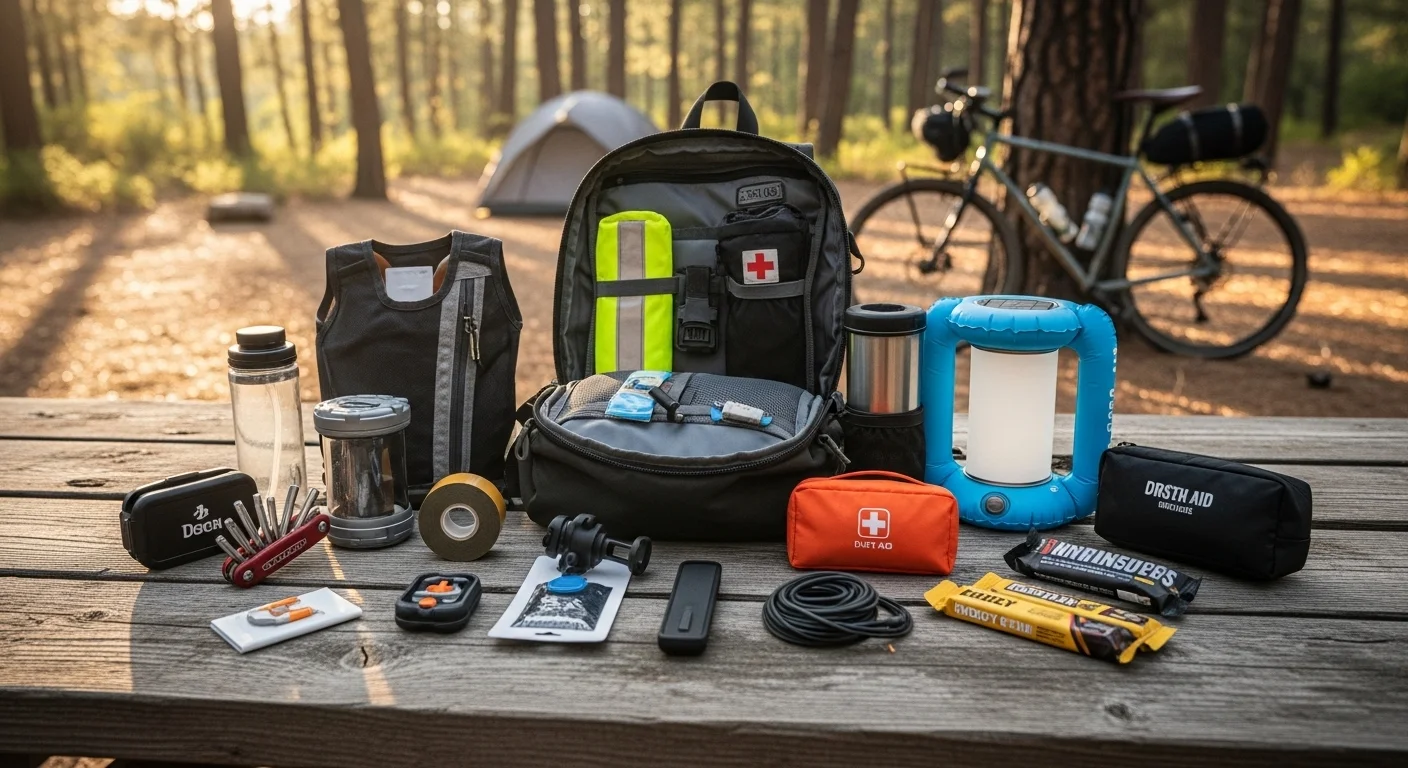
Top 10 Essential Cycling Gear for Budget Backpackers

As a budget backpacker, balancing the thrill of adventure with financial constraints can be a challenge. Choosing the right cycling gear can make all the difference in your experience, keeping you comfortable and safe without breaking the bank.

Top 10 Essential Cycling Gear for Budget Backpackers

Understanding the Basics of Cycling Gear

Importance of Choosing the Right Gear

When I first started cycling as a backpacker, I quickly learned that my gear could make or break my journey. Having the right equipment isn’t just about convenience; it’s about safety, comfort, and enhancing my overall experience on the road. I remember setting off on a long ride without a proper helmet and regretting it every mile. Investing in quality gear meant I could enjoy the ride without constantly worrying about whether I was prepared for unexpected challenges. Gear like a sturdy bike, comfortable clothing, and safety equipment became essentials rather than luxuries.

Key Considerations for Budget Backpackers

As budget backpackers, we often find ourselves weighing our options carefully. I’ve realized that while there are plenty of high-end cycling products on the market, many affordable alternatives don’t compromise on quality. The key is to prioritize what you truly need versus what is nice to have. For instance, I used to think that expensive cycling shoes were a must; however, I discovered that a good pair of regular sneakers could serve me just as well for shorter trips. Remember to assess your own cycling style, the terrain you plan to tackle, and the duration of your rides. Understanding these factors can help you make smarter choices that fit your budget.

Essential Cycling Gear for Budget Backpackers

1. Bicycle: Choosing the Right Type

Your bicycle is your most important investment as a cyclist. When I was looking for my first bike, I felt overwhelmed by the choices. There are road bikes, mountain bikes, hybrids, and more. I ultimately decided on a hybrid bike, which offered versatility for both paved roads and light trails. A good quality used bike can also save you a significant amount of money. Don’t be afraid to check out local classifieds or cycling groups for second-hand options. Make sure to test ride before making a purchase; it’s essential to find a bike that fits your body comfortably.

2. Helmet: Safety Meets Affordability

Safety should always be your top priority. A good helmet doesn’t have to be expensive. I remember spending a modest amount on a helmet that fit snugly and had good ventilation. You want one that meets safety standards but doesn’t cost a fortune. Look for sales or discounts at local bike shops, and don’t forget to replace your helmet every few years or after a crash.

3. Cycling Apparel: Comfort on a Budget

Comfort in cycling apparel is crucial for long rides. I learned the hard way that wearing regular clothes can lead to chafing and discomfort. Padded shorts might sound like a luxury, but I found them to be a worthwhile investment. They made a huge difference on longer rides, cushioning sensitive areas and making my journey much more enjoyable.

3.1. Padded Shorts

Padded shorts are specifically designed for cycling, offering extra cushioning for those longer rides. I remember my first ride in padded shorts; it felt like I was riding on a cloud compared to my usual shorts. Look for options that fit well without being too tight, allowing for freedom of movement.

3.2. Moisture-Wicking Shirts

Wearing the right shirt can make a significant difference in how you feel on the ride. Moisture-wicking fabrics draw sweat away from your body, keeping you dry and comfortable. I found affordable options at outdoor stores, and they’ve become a staple in my cycling wardrobe. They dry quickly, which is essential when you’re on the road.

4. Footwear: Budget-Friendly Options

Footwear is another aspect where I’ve learned you don’t have to spend a fortune. While cycling shoes are great, I’ve gotten by with sturdy sneakers that provide good grip and support. The key is to ensure whatever you wear fits well and is comfortable for long rides.

4.1. Cycling Shoes vs. Regular Sneakers

Cycling shoes are designed for optimal pedaling efficiency, but they can be pricey. If you’re just starting out or on a tight budget, regular sneakers can suffice. I’ve used my trusty sneakers for countless rides and have never had an issue.

4.2. Socks and Their Importance

Don’t overlook the importance of socks! Comfortable, breathable socks can prevent blisters and keep your feet happy on long rides. I’ve found that lightweight, moisture-wicking socks work best for me. They may seem like a small detail, but trust me, your feet will thank you.

5. Backpack: Features to Look For

A good backpack can make your cycling experience much more pleasant. I’ve gone through a few different backpacks, and I learned the hard way that size and functionality matter. Look for a backpack that fits comfortably and has enough capacity for your essentials.

5.1. Size and Capacity

When choosing a backpack, think about what you plan to carry. For day trips, a smaller pack is ideal, while longer journeys may require a larger capacity. I’ve found that a 20-30 liter pack works well for me, striking a balance between capacity and comfort.

5.2. Hydration Reservoirs

Staying hydrated on the road is critical. A backpack with a hydration reservoir allows for easy access to water while cycling. I love having a hydration pack because it keeps my hands free and I can sip while I pedal.

6. Repair Kit: Must-Have Tools

Every cyclist should carry a repair kit, especially when venturing out on longer trips. I learned this lesson after getting a flat tire miles away from help. A basic kit should include tire levers, a mini pump or CO2 inflator, and a multi-tool for quick fixes.

6.1. Tire Levers

Tire levers are essential for removing tires from the rim. I’ve found that investing in durable levers saves time and effort when I need to change a flat.

6.2. Mini Pump vs. CO2 Inflator

Both mini pumps and CO2 inflators have their pros and cons. I personally prefer a mini pump for its reliability. However, CO2 inflators are convenient for quick fixes. It often comes down to personal preference.

6.3. Multi-Tool Essentials

A multi-tool is invaluable for on-the-go adjustments. I always carry one that includes wrenches, screwdrivers, and a chain breaker. It’s saved my ride more times than I can count.

7. Lights: Safety in Low Visibility

Visibility is vital, especially if you plan to ride in low-light conditions. I once rode without lights and felt uneasy with every passing car. Investing in a good set of lights can significantly increase your safety. It also makes you more visible to others.

7.1. Front and Rear Lights

A bright front light helps you see the path ahead, while a rear light alerts others to your presence. I found affordable yet effective options online and have never regretted my investment.

7.2. Reflective Gear

Reflective vests or accessories are an excellent addition to your gear. They are often inexpensive and can enhance your visibility even further, especially during dawn or dusk rides.

8. Navigation Tools: Staying on Track

Getting lost can turn a fun trip into a frustrating one. I’ve learned that having reliable navigation tools is crucial. Whether you use a smartphone app or a GPS device, finding your way is essential for a smooth ride.

8.1. Smartphone Apps

There are many free apps available that offer navigation for cyclists. These apps often provide bike-friendly routes and can help you avoid busy roads. I’ve relied on a few reliable ones during my travels.

8.2. GPS Devices

If you prefer a dedicated device, there are budget-friendly GPS options that can guide you on your journey. While my smartphone usually suffices, having a GPS dedicated to cycling can be a lifesaver in poor signal areas.

9. Water Bottles and Hydration Systems

Staying hydrated is non-negotiable when cycling. I learned early on that carrying enough water can make a significant difference in my energy levels. A simple water bottle or hydration system can easily fit in your backpack, ensuring you have access when you need it.

10. Bike Locks: Security on a Budget

Last but not least, don’t forget about security. A good bike lock is essential to protect your investment. I’ve had my fair share of close calls, and a sturdy lock gives me peace of mind while I take a break or explore a new area.

Additional Tips for Budget Backpacking Cyclists

Maintaining Your Gear for Longevity

One lesson I’ve learned over the years is that maintaining your gear can save you both money and stress in the long run. Regularly checking and cleaning your bike can prevent costly repairs down the line. For me, I make it a habit to inspect my bike before and after every trip. I check the brakes, gears, and tires to ensure everything is in working order. Simple maintenance tasks like lubricating the chain or tightening loose bolts can make a huge difference. I found that spending a little time caring for my bike meant fewer headaches on the road.

Additionally, keeping your cycling clothes clean and in good condition is just as important. I wash my padded shorts and moisture-wicking shirts according to the care instructions. This ensures they last longer and continue to perform well. I’ve also learned to store my gear properly, away from direct sunlight or damp areas, to avoid any wear and tear.

Where to Buy Affordable Gear

Finding budget-friendly cycling gear can feel daunting, but I’ve discovered some great places to shop. I often start my search at local thrift stores or consignment shops. You’d be surprised at the gems you can find! I once picked up a barely-used helmet and a pair of padded shorts for a fraction of their original prices.

Online marketplaces are another fantastic option. Websites like eBay or Facebook Marketplace often have sellers offering new or gently used gear at lower prices. I’ve had success finding quality items there, especially when I was just starting out. Just remember to check seller ratings and reviews before making a purchase.

Don’t forget to check out local bike shops as well. Many have clearance sections or offer discounts during certain times of the year. I’ve built relationships with shop owners, who often let me know when they have sales or promotions. Plus, supporting local businesses feels good!

Finding Deals and Discounts

As a budget backpacker, I’m always on the lookout for deals. Signing up for newsletters from cycling gear websites can be a smart move. I often receive alerts about seasonal sales and exclusive discounts. Just the other day, I got an email from a popular cycling gear retailer offering 20% off my next purchase, which was a pleasant surprise!

Additionally, following brands on social media can be helpful. Many companies run flash sales or promotions exclusively for their followers. I’ve snagged some great deals this way, plus it keeps me updated on new products that might fit my needs.

Another tip: use price comparison websites. I’ve found it incredibly useful to see where I can get the best price for the same item. Sometimes, a simple search can save me a good amount of money. I also keep an eye out for seasonal sales around holidays, as many retailers offer steep discounts. Patience can truly pay off when it comes to snagging the best deals!

Frequently Asked Questions

What is the best budget bicycle for touring?

From my experience, a good budget bicycle for touring is typically a hybrid or touring bike. These bikes are designed for comfort and can handle various terrains. I recommend looking for models that offer a decent gear range and a comfortable riding position. Brands like Trek and Giant often have entry-level options that won’t break the bank. I found my hybrid bike used and it has served me well on multiple tours.

How can I save money on cycling gear?

Saving money on cycling gear is all about being resourceful. I’ve had great success shopping second-hand, utilizing local classifieds, and visiting thrift stores. Additionally, I recommend keeping an eye on sales, signing up for newsletters, and using price comparison tools to find the best deals. I’ve learned that even small savings can add up over time!

Is it necessary to invest in cycling-specific clothing?

While it’s not absolutely necessary to invest in cycling-specific clothing, I believe it can enhance your comfort significantly. I initially used regular athletic wear, but once I tried padded shorts and moisture-wicking fabrics, I noticed a huge difference on long rides. However, if you’re just starting out or on a super tight budget, good-quality regular sportswear can still get you through your rides.

What are essential items for long-distance cycling?

For long-distance cycling, I consider a few items essential: a reliable bike, a comfortable seat, plenty of hydration options, and a repair kit. I also recommend a good set of lights for visibility and a navigation tool, whether that’s a smartphone app or a GPS device. Packing snacks and a first-aid kit can also be lifesavers. Over the years, I’ve learned that being prepared can make a world of difference in enjoying the journey.

Additional Tips for Budget Backpacking Cyclists

Maintaining Your Gear for Longevity

I can’t stress enough how important it is to take care of your gear. Over the years, I’ve learned that a little bit of maintenance goes a long way in keeping everything in good shape. Regularly checking my bike for wear and tear has saved me from potential disasters on the road. I make it a point to clean my bike after every long ride, especially after a muddy trail or a rainy day. I simply use a damp cloth and some gentle soap to wipe down the frame and components. This not only keeps my bike looking good but also prevents rust and buildup that could lead to larger problems down the line.

Another crucial aspect is checking the tire pressure regularly. I’ve found that keeping my tires inflated to the correct pressure not only enhances my ride quality but also improves my bike’s efficiency. I usually carry a small gauge with me to ensure my tires are in optimal condition. Additionally, I learned the hard way about the importance of chain lubrication. A well-lubricated chain makes pedaling smoother and helps to prolong the life of my drivetrain. I try to lubricate my chain every few rides, and it makes a noticeable difference.

Where to Buy Affordable Gear

When it comes to finding budget-friendly cycling gear, I’ve discovered some fantastic resources. One of my favorite places to start is local thrift shops or consignment stores. You wouldn’t believe the treasures I’ve found! I once stumbled upon a nearly new cycling jacket that cost me just a few dollars, and it’s been my go-to for chilly rides ever since. It’s like a treasure hunt, and you never know what you might find!

Online marketplaces are another great avenue. Sites like Craigslist, eBay, or Facebook Marketplace often have listings for gently used gear at a fraction of the retail price. I remember finding a high-quality bike lock and a set of lights for less than half the price of new ones. Just be sure to ask questions and check the condition of the items before buying. I’ve also had good experiences with online cycling forums where members often sell their gear as they upgrade.

Additionally, don’t overlook local bike shops. Many of them have clearance sales, and building a rapport with the staff can lead to insider knowledge about upcoming discounts. I’ve often found that if I ask nicely, they might even throw in a small discount or let me know when new stock arrives. Supporting local businesses is not only rewarding but can lead to some great deals!

Finding Deals and Discounts

As a budget backpacker, I’m always on the lookout for ways to save money. One of the best tips I can share is to sign up for newsletters from your favorite cycling gear websites. I often get emails notifying me of seasonal sales and exclusive discounts. Just recently, I received a message from a popular retailer offering 30% off their summer collection. I didn’t hesitate to grab a few items that I had my eye on!

Social media can also be a goldmine for deals. Many brands run promotions exclusively for their followers, and I’ve snagged some fantastic discounts this way. I follow a few cycling brands on Instagram and Twitter, and it’s paid off on multiple occasions. Just keep an eye on their posts and be ready to act quickly when a sale pops up!

Another strategy I’ve adopted is using price comparison websites. I’ve found this tool incredibly useful for checking prices across different retailers to ensure I’m getting the best deal. It’s also helpful to be patient and wait for holiday sales, as many retailers offer significant discounts during those times. I’ve learned that holding out for the right moment can save me a lot of money. Every little bit counts when you’re on a budget!

Frequently Asked Questions

What is the best budget bicycle for touring?

From my experience, a good budget bicycle for touring is typically a hybrid or touring bike. These bikes are designed for comfort and can handle various terrains. I recommend looking for models that offer a decent gear range and a comfortable riding position. Brands like Trek and Giant often have entry-level options that won’t break the bank. I found my hybrid bike used and it has served me well on multiple tours.

How can I save money on cycling gear?

Saving money on cycling gear is all about being resourceful. I’ve had great success shopping second-hand, utilizing local classifieds, and visiting thrift stores. Additionally, I recommend keeping an eye on sales, signing up for newsletters, and using price comparison tools to find the best deals. I’ve learned that even small savings can add up over time!

Is it necessary to invest in cycling-specific clothing?

While it’s not absolutely necessary to invest in cycling-specific clothing, I believe it can enhance your comfort significantly. I initially used regular athletic wear, but once I tried padded shorts and moisture-wicking fabrics, I noticed a huge difference on long rides. However, if you’re just starting out or on a super tight budget, good-quality regular sportswear can still get you through your rides.

What are essential items for long-distance cycling?

For long-distance cycling, I consider a few items essential: a reliable bike, a comfortable seat, plenty of hydration options, and a repair kit. I also recommend a good set of lights for visibility and a navigation tool, whether that’s a smartphone app or a GPS device. Packing snacks and a first-aid kit can also be lifesavers. Over the years, I’ve learned that being prepared can make a world of difference in enjoying the journey.

Frequently Asked Questions

“`html

What is the best budget bicycle for touring?

From my experience, a good budget bicycle for touring is typically a hybrid or touring bike. These bikes are designed for comfort and can handle various terrains. I recommend looking for models that offer a decent gear range and a comfortable riding position. Brands like Trek and Giant often have entry-level options that won’t break the bank. I found my hybrid bike used and it has served me well on multiple tours.

How can I save money on cycling gear?

Saving money on cycling gear is all about being resourceful. I’ve had great success shopping second-hand, utilizing local classifieds, and visiting thrift stores. Additionally, I recommend keeping an eye on sales, signing up for newsletters, and using price comparison tools to find the best deals. I’ve learned that even small savings can add up over time!

Is it necessary to invest in cycling-specific clothing?

While it’s not absolutely necessary to invest in cycling-specific clothing, I believe it can enhance your comfort significantly. I initially used regular athletic wear, but once I tried padded shorts and moisture-wicking fabrics, I noticed a huge difference on long rides. However, if you’re just starting out or on a super tight budget, good-quality regular sportswear can still get you through your rides.

What are essential items for long-distance cycling?

For long-distance cycling, I consider a few items essential: a reliable bike, a comfortable seat, plenty of hydration options, and a repair kit. I also recommend a good set of lights for visibility and a navigation tool, whether that’s a smartphone app or a GPS device. Packing snacks and a first-aid kit can also be lifesavers. Over the years, I’ve learned that being prepared can make a world of difference in enjoying the journey.

What should I look for in a cycling helmet?

Safety should always be your top priority when choosing a cycling helmet. A good helmet doesn’t have to be expensive; it should fit snugly and provide good ventilation while meeting safety standards. Look for sales or discounts at local bike shops, and remember to replace your helmet every few years or after a crash.

What type of clothing is best for comfort while cycling?

Comfort in cycling apparel is crucial for long rides. Padded shorts and moisture-wicking shirts are recommended as they can significantly enhance your comfort. Padded shorts provide extra cushioning for longer rides, while moisture-wicking fabrics keep you dry and comfortable by drawing sweat away from your body.

How important is footwear for cycling?

Footwear is important, but you don’t have to spend a fortune. While cycling shoes are great for optimal pedaling efficiency, sturdy sneakers can suffice for casual or shorter rides. The key is ensuring whatever you wear fits well and is comfortable for long rides.

What should I include in my cycling repair kit?

Every cyclist should carry a repair kit, especially for longer trips. A basic kit should include tire levers, a mini pump or CO2 inflator, and a multi-tool for quick fixes. These items can save you from being stranded with a flat tire and allow for quick adjustments on the go.

How can I enhance my visibility while cycling at night?

Investing in a good set of lights is vital for safety in low-light conditions. A bright front light helps you see the path ahead, while a rear light alerts others to your presence. Additionally, wearing reflective gear can enhance your visibility during dawn or dusk rides.

Where can I find affordable cycling gear?

Finding budget-friendly cycling gear can be done through various avenues. Local thrift stores, consignment shops, online marketplaces like eBay or Facebook Marketplace, and clearance sections in local bike shops are great places to start. Building relationships with local shop owners can also lead to insider knowledge on sales and discounts.

“`

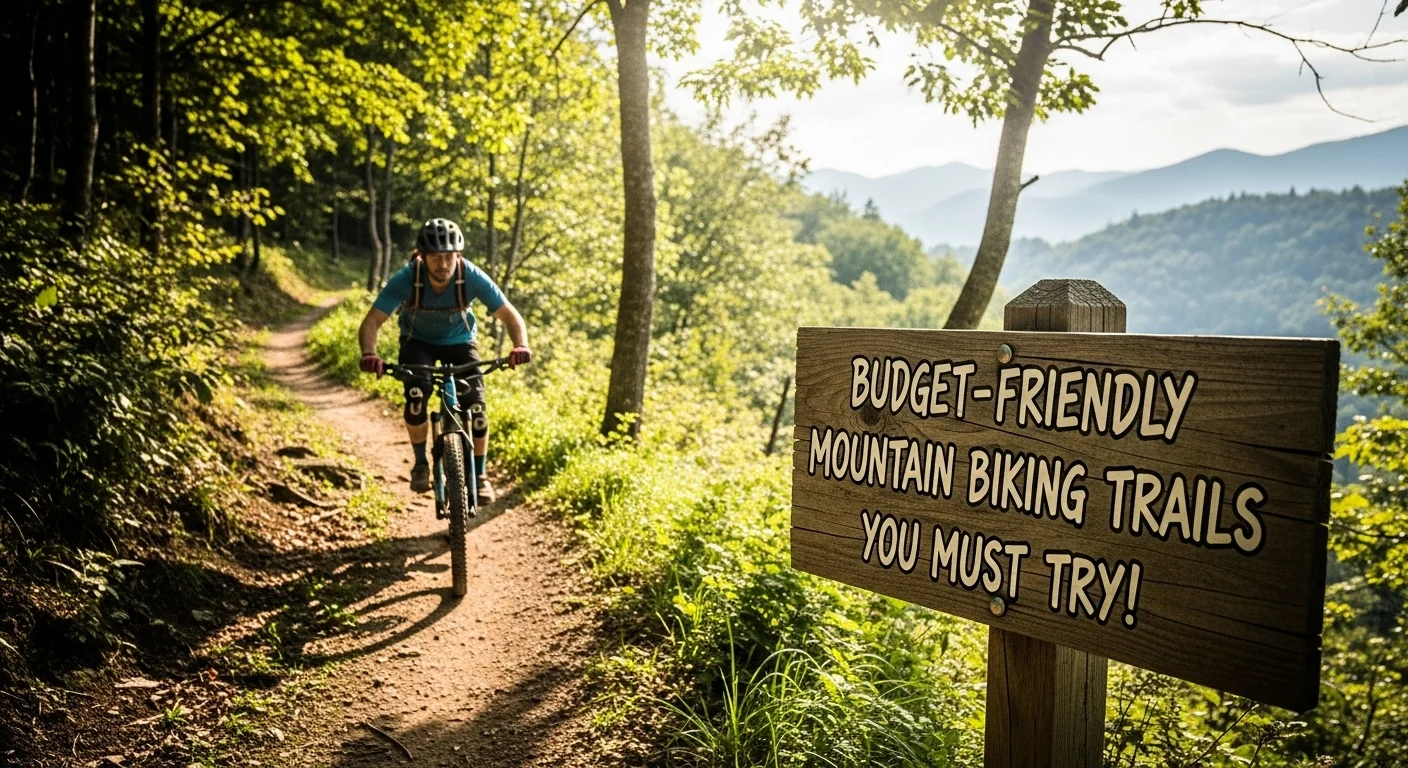
Budget-Friendly Mountain Biking Trails You Must Try!

Mountain biking is an exhilarating way to explore nature, and it doesn’t have to break the bank. With countless trails offering stunning views and thrilling rides, let’s dive into the world of budget-friendly mountain biking! Read Interesting article: Explore Stunning Mountain Biking Trails on a Budget

Budget-Friendly Mountain Biking Trails You Must Try!

Understanding Mountain Biking

What is Mountain Biking?

Mountain biking is an outdoor sport where riders navigate off-road trails, often characterized by rugged terrains, steep inclines, and breathtaking landscapes. I remember the first time I hopped on my bike and hit the trails. The rush of adrenaline was like nothing I had ever experienced before! This sport can be enjoyed by anyone, from beginners to seasoned pros, and it often involves various techniques, like climbing, descending, and navigating obstacles. Most importantly, it’s about connecting with nature and enjoying the ride.

Benefits of Mountain Biking

There are plenty of reasons to get into mountain biking! Personally, I’ve found that it promotes fitness while also being a whole lot of fun. Here are some benefits I’ve noticed:

  • Physical Fitness: Mountain biking provides a full-body workout. It strengthens my legs, core, and even arms while improving cardiovascular health.
  • Mental Health: There’s something therapeutic about being outdoors. I feel my stress levels drop as I ride through the trees and along the trails.
  • Social Connections: I’ve met some incredible people through biking clubs and trail meet-ups. There’s a strong community vibe that really enhances the experience.
  • Adventure and Exploration: Every trail offers something new. I love discovering hidden gems in nature, like beautiful vistas or serene lakes.

Types of Mountain Biking Trails

When it comes to mountain biking, trails can generally be categorized into a few different types. From my experience, understanding these can help you choose the right one for your skill level and preferences:

  • Cross-Country (XC): These trails are typically longer and have varied terrains, great for endurance biking. I enjoy XC trails because they give me a good workout while allowing me to cover more ground.
  • Downhill: If you’re looking for speed and thrill, downhill trails focus on the descent. They’re often steeper and may require more technical skills. I love the adrenaline rush I get from flying down a mountain!
  • Freeride: These trails often feature jumps, drops, and other obstacles, designed for riders who want to show off tricks. While I’m not a daredevil, I admire the skills of those who tackle these routes.
  • All-Mountain: A mix of climbing and descending, all-mountain trails provide a balanced experience. I appreciate them because they challenge both my uphill endurance and downhill skills.

Choosing Budget-Friendly Trails

Criteria for Budget-Friendly Trails

Finding budget-friendly trails can be a game-changer, especially if you want to enjoy the experience without spending a fortune. Here’s what I look for:

  • No Trail Fees: Many amazing trails are free to access. I often search for local parks or national forests that don’t charge fees.
  • Nearby Locations: Trails close to home save money on gas. I love exploring local options instead of traveling far.
  • Accessible Amenities: Look for trails with free parking and restrooms. It’s nice not to worry about additional costs when I’m out for the day.
  • Trail Conditions: Well-maintained trails can provide a better experience without the risk of damage or injury, which could lead to unexpected expenses.

Essential Gear for Mountain Biking on a Budget

When I first started mountain biking, I didn’t want to invest a ton of money in gear. Over time, I discovered some essentials that help me ride comfortably and safely without breaking the bank:

  • Bike: If you’re just starting, you don’t need the latest model. Look for second-hand bikes or budget-friendly options. I still ride my first mountain bike, and it works great!
  • Helmet: Safety is key. Investing in a good helmet is a must for me, and there are plenty of affordable options out there.
  • Clothing: I recommend breathable, moisture-wicking clothing. You don’t have to spend a lot; just ensure it’s comfortable and suitable for biking.
  • Hydration Pack: Staying hydrated is crucial. I use a simple hydration pack that doesn’t cost much and keeps my hands free while I ride.

Trail Accessibility and Transportation Options

Accessing trails can sometimes be a challenge, but I’ve learned a few tricks along the way. Here are some options I consider:

  • Public Transportation: Some cities have bike-friendly public transport options. I’ve taken my bike on the bus or train before, which saves on gas and parking.
  • Carpooling: If I’m heading to a trail with friends, we often share rides. It’s cost-effective and adds to the fun!
  • Biking to Trails: If the trail isn’t too far, I sometimes bike there. It’s a warm-up and keeps costs low.

Top Budget-Friendly Mountain Biking Trails in the U.S.

1. Moab, Utah

Popular Trails: Slickrock and Porcupine Rim

Moab is a mecca for mountain bikers, and it’s no surprise why. The stunning red rock landscapes and unique terrains provide an unforgettable experience. One of my favorites is the Slickrock Trail, which offers a challenging ride over smooth sandstone. The views are absolutely breathtaking, and I remember stopping just to take it all in. Another great option is the Porcupine Rim trail, which features a fantastic descent with incredible vistas of the Colorado River. For me, riding in Moab feels like biking in a postcard!

Costs and Fees

The best part? Many of the trails in Moab are free! However, if you want to explore the nearby state parks, there may be a small entry fee. I usually pack a picnic and make a day of it, keeping costs low while enjoying the beautiful surroundings.

2. Pisgah National Forest, North Carolina

Popular Trails: Black Mountain and Long Branch

Pisgah National Forest is another gem for mountain biking enthusiasts. The lush forests and winding trails make every ride an adventure. Black Mountain is perfect for those who love a good climb, followed by exhilarating descents. I remember tackling this trail and feeling a mix of exhaustion and pure joy when I reached the summit. The Long Branch trail, on the other hand, offers a more flowing ride with plenty of twists and turns that keep things exciting.

Costs and Fees

Access to Pisgah National Forest is free, which is a huge bonus. Just make sure to bring your own snacks and water, as there are limited amenities along the trails. It’s easy to spend a whole day here without spending much at all!

3. Kingdom Trails, Vermont

Trail System Overview

Kingdom Trails is a fantastic destination that I’ve returned to several times. With over 100 miles of trails, it caters to all skill levels. What I love about this area is the variety; there are smooth, flowing trails as well as more technical sections. The community vibe here is also amazing, with friendly locals eager to share tips and experiences. I often meet fellow bikers who have great stories to tell!

Costs and Fees

While there is a nominal fee for trail access, it’s worth every penny. The money goes toward maintaining the trails and supporting local initiatives. I usually budget a little for this, as the experience is truly top-notch.

4. Tahoe Rim Trail, California/Nevada

Trail Highlights

The Tahoe Rim Trail is another must-ride for those who love stunning views. This trail offers a mix of challenging climbs and breathtaking descents. I’ve had some of my best rides here, especially on the section that overlooks Lake Tahoe. The sight of the clear blue water against the backdrop of the mountains is simply mesmerizing. Riding here always reminds me of why I fell in love with mountain biking in the first place!

Costs and Fees

Most of the trail is free to access, but certain sections may be part of state parks that charge a fee. I always check ahead, and even if there is a fee, it’s usually quite reasonable. Plus, you get to enjoy some of the most beautiful scenery in the country.

5. Dupont State Recreational Forest, North Carolina

Trail Highlights

Dupont State Recreational Forest is well-known for its diverse trails and stunning waterfalls. I remember riding the Reasonover Creek Trail and being in awe of the beautiful scenery around me. It’s a place where you can easily spend hours exploring the various paths leading to picturesque waterfalls. The combination of nature and biking is just perfect here.

Costs and Fees

Like many of the other trails I’ve mentioned, Dupont is free to access. There are also some great picnic spots, so I often bring lunch to enjoy after a good ride. It’s a great way to relax and soak up the surroundings after a day of biking.

Planning Your Mountain Biking Trip

When to Visit: Seasonal Considerations

Timing your trip can make all the difference in the mountain biking experience. Personally, I love biking in the spring and fall when the weather is mild and the scenery is stunning. I remember one fall trip where the leaves were vibrant shades of orange and red, creating a magical backdrop while I rode. Summer can get pretty hot, especially in places like Moab, while winter may limit access in some areas due to snow. I usually check the weather and local trail conditions before planning my trips, as this helps me avoid any surprises!

Where to Stay: Budget Accommodations

Finding affordable places to stay can be a game-changer for a mountain biking trip. I often look for campgrounds or hostels near the trails. Camping is not only budget-friendly but also allows me to immerse myself in nature. There are usually great camping spots near trails, and I love the camaraderie of sharing stories around a campfire with fellow bikers. If camping isn’t my thing, I check out budget motels or local Airbnbs. I’ve discovered some hidden gems that are comfortable and easy on the wallet!

Dining Options: Affordable Local Eats

After a long day on the trails, I often find myself craving a good meal. I’ve learned that local diners and food trucks can offer the best bang for my buck. I love exploring small towns and trying local favorites. There’s nothing like enjoying a hearty meal after a day of biking, and I’ve found that supporting local businesses makes the experience even more rewarding. I often ask locals for recommendations, and I’m rarely disappointed!

Safety Tips for Budget Mountain Biking

Essential Safety Gear

When I first ventured into mountain biking, I admit I didn’t pay enough attention to safety gear. But over time, I realized that being prepared can make all the difference. Here’s what I consider essential for a safe ride:

  • Helmet: It’s a no-brainer! Wearing a helmet is non-negotiable for me. I’ve seen firsthand how it can protect against serious injuries. Make sure it’s properly fitted and comfortable.
  • Gloves: I love wearing biking gloves. They not only provide grip on the handlebars but also protect my hands in case of a fall. Plus, they keep my hands warm on chilly rides!
  • Protective Eyewear: I always wear sunglasses or goggles to shield my eyes from dust, debris, and the sun. It makes a huge difference in visibility while riding.
  • Appropriate Footwear: Sturdy shoes with good grip are a must. I’ve learned the hard way that wearing the wrong shoes can make biking uncomfortable and even dangerous.
  • Reflective Gear: If I’m riding in low-light conditions, I make sure to wear reflective clothing or accessories. It helps me stay visible to others and enhances safety.

Trail Etiquette and Navigation

Understanding trail etiquette is key to having a pleasant experience for myself and other riders. I’ve encountered some awkward situations where a little knowledge could have helped. Here are a few rules I always keep in mind:

  • Yielding: When approaching other trail users, I always yield to hikers and horseback riders. It’s a small gesture that promotes harmony on the trails.
  • Communicate: If I’m passing other bikers, I let them know by saying “on your left” or “on your right.” It’s polite and prevents surprises.
  • Stay on Designated Trails: To minimize environmental impact, I make sure to stick to marked trails. It helps preserve the beauty of nature, which is why we ride in the first place!
  • Leave No Trace: I pack out what I bring in. Whether it’s a snack wrapper or extra gear, I always remember to leave the area as I found it. This ensures that the trails remain beautiful for others.

As for navigation, I often use trail maps or apps on my phone to stay oriented. When I’m in an unfamiliar area, I take a moment to study the map before heading out. It’s saved me from getting lost more than once!

Health and Emergency Preparedness

Being prepared for emergencies is something I take seriously. I’ve learned that mountain biking can be unpredictable, and it’s best to be ready. Here are some tips that I follow:

  • First Aid Kit: I always carry a small first aid kit with essentials like band-aids, antiseptic wipes, and pain relievers. It’s lightweight and gives me peace of mind.
  • Emergency Contact: Before I head out, I usually let a friend or family member know where I’m going and my expected return time. It’s a simple safety measure that can be crucial.
  • Stay Hydrated: I can’t stress enough how important it is to drink plenty of water. Dehydration can sneak up on you, especially on hot days. I always carry enough water in my hydration pack.
  • Know Your Limits: I’ve learned to respect my own skill level. If a trail looks too difficult or beyond my abilities, I don’t hesitate to turn back. It’s better to ride another day than to risk injury.
  • GPS Tracker or Whistle: Sometimes, I carry a GPS tracker on longer rides. If I’m out of cell service, it can be a lifesaver. A whistle can also be useful for signaling for help if needed.

By keeping these safety tips in mind, I feel more confident on the trails and can focus on enjoying the ride rather than worrying about what might go wrong.

Community Resources and Trails Directory

Local Biking Clubs and Organizations

One of the best parts of mountain biking is the sense of community. I’ve found that joining local biking clubs or organizations can enhance my experience tremendously. These groups often organize rides, events, and maintenance days, which allows me to meet fellow biking enthusiasts. I remember my first ride with a local group; it was a great way to learn about trails and improve my skills while making friends.

Many clubs also provide valuable resources, like group discounts on gear or trail access. I highly recommend checking out clubs in your area to connect with like-minded individuals and take advantage of their knowledge.

Online Resources and Maps

In our digital age, there are countless online resources available for mountain bikers. I often use websites and apps like Trailforks and MTB Project to find trails, read reviews, and see photos from other riders. These platforms often have user-generated content, which helps give me a sense of what to expect before I hit the trails.

Social media groups and forums are also fantastic places to ask questions, share experiences, and get recommendations. I’ve discovered some hidden gems just by chatting with fellow bikers online. Plus, it’s a great way to stay informed about upcoming events and meet-ups!

Trail Reviews and Recommendations

Reading trail reviews has been a game-changer for me. They provide insights into the terrain, difficulty level, and general conditions of the trails. I usually look for recent reviews to ensure I have the most accurate information. Many times, I’ve avoided potential disappointments by learning about trail closures or maintenance issues through community feedback.

I also make it a point to share my own experiences after each ride. Contributing to these reviews not only helps others but allows me to reflect on my adventures. I believe fostering this community spirit benefits us all in our mountain biking journeys.

Frequently Asked Questions

What is mountain biking?

Mountain biking is an outdoor sport where riders navigate off-road trails, often characterized by rugged terrains, steep inclines, and breathtaking landscapes. It can be enjoyed by anyone, from beginners to seasoned pros, and involves various techniques like climbing, descending, and navigating obstacles.

What are the benefits of mountain biking?

Mountain biking promotes physical fitness, enhances mental health by reducing stress, fosters social connections through biking clubs, and offers adventure and exploration opportunities with every trail providing something new to discover.

What types of mountain biking trails are there?

Mountain biking trails can be categorized into several types: Cross-Country (XC) trails for endurance biking, downhill trails for speed and thrill, freeride trails featuring jumps and obstacles, and all-mountain trails providing a mix of climbing and descending experiences.

How can I find budget-friendly mountain biking trails?

Look for trails that have no fees, are located nearby to save on gas, offer accessible amenities like free parking, and are well-maintained to ensure a better riding experience without unexpected costs.

What essential gear do I need for budget mountain biking?

Essential gear includes a bike (preferably a second-hand or budget-friendly model), a good helmet for safety, breathable clothing, and a hydration pack to stay hydrated while riding.

What are some budget-friendly mountain biking trails in the U.S.?

Some top budget-friendly trails include Moab, Utah (Slickrock and Porcupine Rim), Pisgah National Forest, North Carolina (Black Mountain and Long Branch), Kingdom Trails, Vermont, Tahoe Rim Trail, California/Nevada, and Dupont State Recreational Forest, North Carolina. Read Interesting article: Top 10 Budget Mountain Biking Trails for Thrill Seekers

What should I consider when planning a mountain biking trip?

Consider seasonal weather conditions, look for budget accommodations like campgrounds or hostels, and explore affordable local dining options such as diners and food trucks after your rides.

What safety gear is essential for mountain biking?

Essential safety gear includes a properly fitted helmet, biking gloves, protective eyewear, appropriate footwear, and reflective gear for visibility in low-light conditions.

What are some important trail etiquette rules to follow?

Important trail etiquette includes yielding to hikers and horseback riders, communicating when passing other bikers, staying on designated trails, and practicing Leave No Trace principles by packing out what you bring in.

How can I prepare for emergencies while mountain biking?

Preparation for emergencies includes carrying a first aid kit, informing a friend or family member of your plans, staying hydrated, knowing your limits, and potentially carrying a GPS tracker or whistle for signaling help.

Ultimate Guide to Affordable Mountain Biking Adventures

Mountain biking is an exhilarating way to connect with nature while enjoying a thrilling ride. If you’re seeking affordable adventures, this guide will help you discover options that won’t break the bank! Read Interesting article: Explore Stunning Mountain Biking Trails on a Budget

Ultimate Guide to Affordable Mountain Biking Adventures

Understanding Mountain Biking

What is Mountain Biking?

Mountain biking is not just a sport; it’s an experience that combines adrenaline, nature, and exploration. I remember my first ride on a rugged trail, feeling the rush of the wind and the thrill of navigating through trees and rocks. It’s a unique way to enjoy the outdoors while challenging yourself physically. Whether you’re cruising down a flowy singletrack or tackling steep climbs, mountain biking offers something for everyone.

Types of Mountain Biking

There are various styles of mountain biking, each catering to different preferences and skill levels. Here’s a breakdown that I’ve found helpful:

  • Cross-Country (XC): This is my go-to style for long rides and endurance. XC trails often involve more climbing and are designed for speed and distance.
  • Trail Riding: Perfect for those who enjoy a mix of climbing and descending. I love trail riding because it balances technical challenges with scenic views.
  • All-Mountain: For the thrill-seekers, this style emphasizes descending while still allowing for climbing. It’s a bit more aggressive, and I’ve found it to be incredibly rewarding.
  • Downhill: This style is all about the descent. If you’re looking for pure adrenaline and speed, downhill biking is an exhilarating choice.
  • Freeride: Freeride focuses on tricks and stunts, often utilizing jumps and ramps. I’ve dabbled in this style and, while challenging, it’s a blast!

Essential Gear for Mountain Biking

Before heading out, getting the right gear is crucial. I know from experience that the right equipment can make or break your ride. Here are the essentials:

  • Mountain Bike: Choose a bike that suits your needs. Whether you’re buying new or renting, ensure it’s the right fit for your riding style.
  • Helmet: Safety is paramount. I never ride without my helmet, and I recommend getting one that fits well and is comfortable.
  • Gloves: A good pair of gloves helps with grip and comfort, especially on long rides. I found that fingerless gloves work best for me.
  • Clothing: Wear moisture-wicking clothing that allows you to stay dry and comfortable. I usually opt for breathable shorts and a jersey.
  • Hydration Pack: Staying hydrated is critical. I always bring a small hydration pack with enough water for the duration of my ride.
  • Tools and Repair Kit: Having basic tools and a repair kit can save you from getting stranded. I learned that the hard way during my first solo ride!

As you prepare for your mountain biking adventure, remember that gear doesn’t have to be expensive. I’ve often found great deals online or at local bike shops, especially during off-seasons. Investing in quality gear pays off in the long run, but there are budget-friendly options available as well. Read Interesting article: Affordable Climbing Gear Reviews: Climb Without Breaking Bank

Choosing the Right Destination

Top Affordable Mountain Biking Locations in the US

Once you have your gear ready, it’s time to choose the right destination. I’ve discovered that the right trails can enhance your mountain biking experience significantly. Here are some of my favorite affordable mountain biking locations in the U.S. that I believe every mountain biker should consider:

Moab, Utah

Moab is a mecca for mountain bikers, offering stunning red rock landscapes and a variety of trails. The Slickrock Trail is a must-do, with its unique terrain providing a thrilling ride. The best part? Many trails are free to access, making it budget-friendly.

Pisgah National Forest, North Carolina

Pisgah is known for its lush forests and challenging trails. I love the variety here, from smooth flowy paths to technical rocky sections. Plus, the scenery is just breathtaking, which makes every ride enjoyable.

Sedona, Arizona

The trails in Sedona are not only beautiful but also cater to all skill levels. The red rock vistas are captivating, and there are plenty of affordable lodging options nearby. I’ve often found that riding at sunrise here offers a magical experience.

Whistler, British Columbia (Canada)

While Whistler is known for its world-class bike park, it also has amazing trails that are free to ride. I’ve visited during the offseason when prices drop, making it a more affordable trip. The community and vibe are fantastic, too!

International Affordable Mountain Biking Destinations

If you’re looking to venture beyond the U.S., there are international destinations that offer incredible mountain biking without breaking the bank. Here are a few spots I’ve been fortunate enough to explore:

Lake Garda, Italy

Lake Garda is stunning, with incredible views and a variety of trails. The best part? You can enjoy delicious Italian cuisine after a day of biking, and the costs can be quite affordable if you plan wisely.

Andalusia, Spain

This region has beautiful landscapes and a rich culture. I loved exploring the trails here, which cater to different skill levels. Plus, the cost of living is lower than in many other European countries, making it a budget-friendly option.

Queenstown, New Zealand

Queenstown is famous for adventure sports, including mountain biking. Although some trails come with a fee, there are still plenty of free options. The scenery is absolutely breathtaking, making every ride unforgettable.

Choosing the right destination can really enhance your mountain biking adventure. Whether you prefer the rugged US trails or the picturesque paths of Europe and beyond, there are options for every budget. I encourage you to explore these locations and find your perfect biking getaway! Read Interesting article: Top 10 Budget Mountain Biking Trails for Thrill Seekers

Planning Your Adventure

Best Time of Year to Go Mountain Biking

Timing your mountain biking adventure can really make a difference in your experience. I’ve found that the best times to hit the trails are usually in the spring and fall. The weather is often mild, and the trails are less crowded compared to the summer months. I remember one spring trip where the wildflowers were in full bloom, adding a splash of color to the already stunning landscape. It was a sight I won’t forget!

In the summer, while some trails can be hot, early morning rides can be refreshing. Just be sure to stay hydrated! On the other hand, winter biking can be exciting if you’re in a region that allows it—think snow-covered trails and a completely different kind of beauty.

How to Plan a Budget-Friendly Trip

Planning a mountain biking trip on a budget is entirely possible and can be a fun challenge! Here are some tips I’ve gathered over the years:

Transportation Options

  • Carpooling: If you have biking buddies, consider carpooling to save on gas. It’s a great way to share the experience and costs.
  • Public Transport: Some areas have public transport that can take you close to biking trails. I’ve used buses and shuttles to reach trailheads, which can save money on parking fees.
  • Biking to Trails: For those who live near good trails, biking to them can be a fun warm-up and save on gas altogether!

Accommodation Choices

  • Camping: If you’re open to it, camping is a fantastic way to save money and immerse yourself in nature. I’ve had some of my best biking memories camping under the stars.
  • Hostels or Budget Hotels: Look for hostels or budget hotels that cater to outdoor enthusiasts. They often have bike storage and are located near trails.
  • Vacation Rentals: Renting a cabin or house can be economical if you’re traveling with a group. Splitting costs with friends makes it more affordable.

Choosing Trails Based on Skill Level

Choosing the right trail can make or break your mountain biking experience. I’ve learned the hard way that tackling a trail that’s too advanced can be frustrating and exhausting. Here’s how I approach trail selection:

  • Know Your Limits: Be honest with yourself about your skill level. If you’re new to mountain biking, start with easy trails that offer manageable challenges.
  • Check Trail Ratings: Most trail maps and websites provide ratings (easy, moderate, difficult). I always check these before heading out to ensure I’m choosing something that matches my ability.
  • Ask Locals: Don’t hesitate to ask local bikers for recommendations. They can often point you to hidden gems that are suitable for your skill level.

As you gain experience, gradually challenge yourself with more technical trails. I remember the thrill of conquering my first difficult trail; it felt like such an accomplishment. Just take your time and enjoy the journey!

Planning your mountain biking adventure with careful consideration of timing, budget, and trail selection can lead to unforgettable experiences. Each ride is an opportunity to explore new landscapes and push your limits, all while enjoying the great outdoors!

Gear and Equipment on a Budget

Buying vs. Renting Mountain Bikes

One of the first decisions I faced when getting into mountain biking was whether to buy or rent a bike. I remember feeling overwhelmed at the thought of investing in a new bike before knowing if I truly loved the sport. Renting was a great way for me to test different styles and brands without committing to a large purchase right away. Many local shops offer rental options at reasonable prices, especially during off-peak seasons.

If you’re just starting, I recommend renting for a few rides to get a sense of what you like. Then, once you’re confident about your choice, you can look into buying a used bike or a good entry-level model. I’ve seen many people find fantastic deals on second-hand bikes that are still in great shape. Websites like Craigslist, Facebook Marketplace, and local bike forums can be goldmines for budget-friendly options.

Essential Accessories for Mountain Biking

Aside from the bike itself, there are several accessories that can enhance your ride and safety without breaking the bank. Here are some must-haves that I’ve learned are worth considering:

Helmets and Safety Gear

First and foremost, a good helmet is non-negotiable. I can’t stress enough how important it is to protect your head. When I first started, I invested in a helmet that was lightweight and well-ventilated, making it comfortable for long rides. You don’t have to splurge; many budget-friendly options meet safety standards and offer good protection. In addition to a helmet, consider knee and elbow pads, especially when you’re trying out new trails or techniques. I’ve had a couple of falls that would’ve been much worse without my pads!

Clothing and Footwear

Your clothing can make a big difference in comfort while biking. I always opt for moisture-wicking fabrics that keep me cool and dry. Specialized mountain biking shorts can be a bit pricey, but you can find affordable alternatives that work just as well. I often wear breathable athletic shorts and a fitted shirt, which are both comfortable and functional.

Footwear is another key area. Investing in a good pair of biking shoes can improve your stability and control on the bike. I learned the hard way that regular sneakers just don’t cut it. Look for shoes that are specifically designed for cycling but don’t feel pressured to buy the highest-end models. You can often find great options on sale or at discount sports stores.

Where to Find Affordable Gear

Finding quality biking gear at a reasonable price is entirely possible with a bit of research. I’ve had success shopping at local bike shops, especially when they have sales or clearance events. Many shops also have demo days where you can try out bikes before you buy, which I always found beneficial.

Online stores can also provide great deals. Websites like Chain Reaction Cycles, Jenson USA, and REI often have discounted gear. Additionally, don’t forget about seasonal sales or major shopping days like Black Friday. I’ve snagged some fantastic deals during those times!

Don’t overlook thrift stores or consignment shops either. I once found a barely-used hydration pack at a local thrift shop for a fraction of the original price. You’d be surprised at what you can find when you keep an open mind!

Local Amenities and Resources

Finding Local Guides and Tours

When exploring new trails, I’ve found that hiring a local guide can be incredibly helpful, especially if you’re unfamiliar with the area. Local guides know the best trails suited to your skill level and can show you some hidden gems that you might miss on your own. Plus, they can provide valuable tips about the terrain and local biking culture. I once joined a group tour in a new area and had an absolute blast; not only did I learn a lot, but I also made some great friends!

Bike Shops and Repair Services

Having a reliable bike shop nearby is essential. I remember my first big ride, where my bike needed a quick tune-up before hitting the trails. Finding a local shop that offers good service is key. Many shops provide not only repairs but also maintenance classes that can help you learn how to take care of your bike yourself. It’s empowering to know how to fix minor issues, and I’ve saved a lot of money by learning to do basic repairs!

Trail Maps and Apps

In today’s tech-savvy world, having access to trail maps and apps can greatly enhance your mountain biking experience. I’ve used apps like Trailforks and MTB Project to find trails, check their conditions, and even read reviews from other riders. It’s reassuring to know what to expect before I head out. These resources often include helpful information about trail difficulty, length, and any hazards to watch for.

Many areas also have printed maps available at local bike shops or visitor centers, which can be a great backup if your phone loses service in remote areas. I always recommend having a physical map in case technology fails you when you’re out in nature!

Safety Considerations

Understanding Trail Etiquette

As I’ve spent more time on the trails, I’ve come to realize that understanding trail etiquette is just as important as having the right gear. It’s all about sharing the space and making sure everyone can enjoy their ride. For instance, I always yield to uphill bikers; they’re putting in a lot of effort to climb, and it’s only fair to let them pass. Similarly, if I encounter hikers, I slow down, say hello, and make sure they feel comfortable stepping aside. I’ve found that a smile and a friendly wave can go a long way in creating a positive atmosphere on the trails!

Staying Safe on the Trails

Safety is something I think about every time I head out for a ride. I’ve had my share of close calls, and I believe that being prepared can make all the difference. Here are some key safety tips that have helped me:

  • Ride with a Buddy: I always prefer riding with a friend. Not only is it more fun, but having someone else around means there’s help nearby if something goes wrong.
  • Know the Trail Conditions: Before hitting the trails, I check the weather and trail conditions. Wet or snowy trails can be slippery, leading to accidents. I’ve learned this the hard way!
  • Use Hand Signals: If I’m riding in a group, I make sure to use hand signals to communicate with others. It’s a simple way to let everyone know when I’m slowing down or stopping.

Common Injuries and How to Avoid Them

Like any sport, mountain biking comes with risks. I’ve seen friends get injured, and I’ve been lucky enough to avoid major issues, but I know that staying aware and cautious is key. Here are some common injuries and tips to avoid them:

  • Falls: The most common injury is falling off the bike. I always make sure to ride within my limits and be cautious on technical sections. If I feel unsure, I slow down or dismount.
  • Overuse Injuries: I’ve had my share of soreness from long rides. To avoid this, I make sure to stretch before and after biking and listen to my body. If something hurts, I take a break.
  • Dehydration: Staying hydrated is a top priority. I always carry enough water and drink regularly, especially on hot days. It’s amazing how quickly dehydration can creep up on you!

Emergency Preparedness

Sometimes, things can go wrong. I always make it a point to be prepared for emergencies. I carry a small first aid kit with essentials like band-aids, antiseptic wipes, and ibuprofen. It’s saved me on more than one occasion. I also make sure to have a whistle and a charged phone in case I need to call for help. Knowing how to perform basic first aid is invaluable; I took a class a while back, and it gave me more confidence when I’m out on the trails.

Post-Ride Activities

Best Places to Eat After a Day of Biking

After a long day on the trails, I love to refuel with some good food. Finding a great place to eat nearby can make the day even more enjoyable. I usually look for local diners or cafes that offer hearty meals. A burger and fries are my go-to after a tough ride! I’ve also discovered that many trail towns have awesome breweries where I can unwind and enjoy a well-deserved pint while chatting about the day’s adventures.

Exploring Local Attractions

While I’m often focused on biking, I also like to explore local attractions when I’m in a new area. Whether it’s a scenic viewpoint, a historical site, or a local shop, these little adventures add to the experience. I once stumbled upon a beautiful waterfall while exploring a trailhead and spent a lovely afternoon soaking in the view. It’s those unexpected finds that often become the highlights of my trips!

Relaxing and Recovering

Recovery is important after a day of biking. I make it a point to stretch and hydrate when I get back, and sometimes I treat myself to a nice bath or a massage to ease sore muscles. I’ve found that taking some time to relax really helps me recharge for the next ride. Plus, it’s a great way to reflect on the amazing experiences I had on the trails.

Final Thoughts

Mountain biking has become a significant part of my life, and I hope this guide inspires you to hit the trails without worrying about your budget. With the right gear, a spirit of adventure, and some planning, you can create unforgettable memories on two wheels. So grab your bike, explore new trails, and embrace the joy of mountain biking. No matter where you go or how much you spend, the thrill of the ride and the beauty of nature are priceless. Happy biking!

Frequently Asked Questions

What is mountain biking?

Mountain biking is an experience that combines adrenaline, nature, and exploration. It allows riders to enjoy the outdoors while challenging themselves physically on various terrains.

What are the different types of mountain biking?

There are several styles of mountain biking, including Cross-Country (XC), Trail Riding, All-Mountain, Downhill, and Freeride, each catering to different preferences and skill levels.

What essential gear do I need for mountain biking?

Essential gear includes a mountain bike, helmet, gloves, moisture-wicking clothing, a hydration pack, and a tools and repair kit. It’s crucial to have the right equipment to ensure a safe and enjoyable ride.

What are some affordable mountain biking locations in the US?

Top affordable mountain biking locations in the US include Moab, Utah; Pisgah National Forest, North Carolina; Sedona, Arizona; and Whistler, British Columbia, Canada, which offer stunning trails and beautiful scenery.

When is the best time of year to go mountain biking?

The best times for mountain biking are typically in the spring and fall when the weather is mild and the trails are less crowded. Summer can also be good for early morning rides, while winter biking can be exciting in regions that allow it.

Should I buy or rent a mountain bike?

If you’re starting out, it’s often recommended to rent a bike to test different styles and brands before committing to a purchase. Renting can help you find the right bike for your preferences without a large initial investment.

What should I consider when choosing a mountain biking trail?

When choosing a trail, it’s important to know your skill level, check trail ratings (easy, moderate, difficult), and ask locals for recommendations to ensure you select a trail that matches your abilities.

How can I plan a budget-friendly mountain biking trip?

To plan a budget-friendly trip, consider carpooling, using public transport, camping, and looking for affordable accommodations like hostels or vacation rentals. Planning meals ahead can also help save costs.

What are some common injuries in mountain biking and how can I avoid them?

Common injuries include falls, overuse injuries, and dehydration. To avoid these, ride within your limits, stretch before and after rides, and stay hydrated throughout your biking experience.

What are some good post-ride activities after mountain biking?

After a day of biking, consider enjoying a meal at local diners or cafes, exploring nearby attractions, and taking time to relax and recover with stretching or a warm bath to ease sore muscles.

Explore Stunning Mountain Biking Trails on a Budget

Mountain biking is an exhilarating way to connect with nature while enjoying an adrenaline rush. If you’re looking to explore stunning trails without breaking the bank, you’re in the right place. Check out our guide on Top 10 Budget Mountain Biking Trails for Thrill Seekers for some great options!

Explore Stunning Mountain Biking Trails on a Budget

Understanding Mountain Biking

What is Mountain Biking?

Mountain biking, for me, has always been about adventure, freedom, and the thrill of conquering rugged terrains. It involves riding specially designed bikes on off-road trails, which can range from smooth paths to challenging, technical routes. I remember my first mountain bike ride; the rush of wind against my face and the sound of crunching gravel beneath my tires made me fall in love with the sport. It’s not just about the ride; it’s about immersing yourself in nature and pushing your limits.

Types of Mountain Biking Trails

There are several types of mountain biking trails to explore, each offering unique experiences. Here’s what I’ve discovered:

  • Cross-Country (XC): These trails are generally longer and focus on endurance. They often feature a mix of climbs and descents, perfect for those who enjoy a full-body workout.
  • Trail Riding: This is the most common type of mountain biking and is suitable for a broad range of skill levels. I love trail riding because it combines technical sections with flowy paths, allowing for bursts of speed between challenging areas.
  • All-Mountain: If you’re looking for a mix of climbing and descending, all-mountain trails are for you. They typically involve more technical descents and are ideal for experienced riders.
  • Downhill: These trails are all about the descent. They are steeper and often feature jumps, drops, and obstacles. I’ve had some of my most thrilling moments on downhill trails, where the adrenaline rush is unmatched.
  • Freeride: If you love tricks and stunts, freeride trails are designed for you. They often include man-made features like jumps and ramps, which can be a blast if you’re feeling adventurous.

Essential Gear for Mountain Biking

Getting started with mountain biking doesn’t have to be expensive, but having the right gear is crucial for both safety and enjoyment. From my experience, here’s what I consider essential:

  • Mountain Bike: Investing in a good bike is key. I started with a used one, which was a great way to learn without spending a fortune. Make sure it fits you well and is suited for the type of trails you plan to ride.
  • Helmet: Safety first! A sturdy helmet is a must-have. I remember when I first learned how to navigate technical trails, and wearing my helmet gave me the confidence to push my limits.
  • Gloves: These protect your hands and improve grip on the handlebars. I can’t tell you how many times gloves have saved my palms during a fall!
  • Protective Gear: Depending on the trails you tackle, consider knee and elbow pads. I’ve had my share of tumbles, and protective gear made all the difference in preventing serious injuries.
  • Clothing: Wear moisture-wicking clothes that allow for movement. I prefer lightweight shorts and a breathable shirt, especially on hot days. Layers are great for cooler weather.
  • Water Bottle: Staying hydrated is crucial. I always carry a water bottle or a hydration pack, especially on longer rides.
  • Repair Kit: Flats can happen unexpectedly. Having a repair kit with a spare tube, tire levers, and a pump has saved my day more than once.

Starting out in mountain biking can be daunting, but I promise, once you hit the trails, the sense of accomplishment and joy you feel is worth every penny spent on gear. Whether you’re just getting into the sport or looking to expand your trail experiences, understanding the basics can help you enjoy mountain biking without overspending.

Top Budget-Friendly Mountain Biking Trails

National Parks with Free or Low-Cost Entry

One of the best parts of mountain biking is that you can find some truly stunning trails in national parks, many of which have free or low-cost entry. I’ve had fantastic experiences riding in parks like Moab’s Canyonlands National Park and Virginia’s Shenandoah National Park. These parks not only offer breathtaking views but also a variety of trails that cater to different skill levels.

For example, in Canyonlands, I tackled the famous “Slickrock Bike Trail,” which is both challenging and exhilarating. The entry fee is minimal, and the memories I made were priceless. Another park I love is Yellowstone. While it’s known for its wildlife and thermal features, it also has some fantastic biking trails that are often less crowded, particularly in the shoulder seasons. If you plan your visit during the week, you can enjoy the trails without the weekend rush! Read Interesting article: Top 10 Budget-Friendly Stand-Up Paddleboarding Locations

State Parks and Local Trails

State parks are another fantastic option for budget-friendly mountain biking trails. I’ve discovered some hidden gems in my own state that have become my go-to spots. Many state parks offer well-maintained trails at a low entry fee, often just a few dollars for parking or access. For instance, I frequently visit my local state park, which has a fantastic network of trails ranging from beginner to advanced levels.

Local community trails are often overlooked but can be just as rewarding. I remember stumbling upon a small trail system maintained by a local biking club, and it quickly became one of my favorites. These trails often have unique features and allow you to connect with fellow riders in your area.

Community-Sponsored Trails

Many communities are investing in mountain biking as a way to promote tourism and outdoor activity, leading to the development of community-sponsored trails. I’ve seen this trend in several towns, where local biking organizations come together to fund and maintain trails that are open to the public. These trails are often free to use and can be some of the best-maintained routes I’ve had the pleasure of riding.

One such place is the Greenbrier River Trail in West Virginia, which is a community-supported rail trail. It provides a beautiful, flat ride along the river, making it perfect for families or those just starting in mountain biking. Joining community events or volunteer days to help maintain these trails not only fosters a sense of community but also opens up opportunities to discover new trails.

Hidden Gems: Lesser-Known Trails

Sometimes the best trails are the ones that aren’t on everyone’s radar. I love the thrill of exploring lesser-known paths that offer unique scenery and fewer crowds. To find these hidden gems, I often rely on local biking groups or social media to discover trails that aren’t as well-publicized.

For instance, I discovered a series of trails in a nearby forest that weren’t marked on any maps. After hearing about them from a friend, I took a chance and hit the trails one afternoon. What I found was a series of winding paths through dense woods, complete with breathtaking overlooks and natural features that made the ride unforgettable. I even found some great spots for a picnic afterward!

Another tip is to check out online trail databases and forums where riders share their experiences. You might come across trails that locals love but tourists often miss, leading to some of the best mountain biking experiences without the crowds.

Cost-Effective Mountain Biking Gear

Buying vs. Renting a Mountain Bike

When you’re starting out, one of the biggest decisions you’ll face is whether to buy or rent a mountain bike. In my experience, this choice largely depends on how often you plan to ride. If you’re just testing the waters, renting might be the way to go. I remember renting a bike for my first few rides, which allowed me to figure out what I liked in a bike without making a hefty investment upfront.

However, if you find yourself hitting the trails regularly, investing in a good mountain bike is worth it. I eventually bought my own bike, and there’s something special about having a bike that’s tailored to my riding style. Look for used bikes or last season’s models, which can offer significant savings while still providing a great ride.

Essential Accessories on a Budget

Beyond the bike itself, there are several essential accessories that can enhance your riding experience without breaking the bank. I highly recommend investing in a good pair of biking shorts with padding. They make a huge difference on longer rides. I found a great pair online during a sale, and it was one of the best purchases I made!

Also, don’t skimp on safety gear. While I mentioned helmets earlier, other accessories like lights and reflective gear are often overlooked. I learned the hard way that being visible is crucial, especially if you plan to ride early in the morning or later in the evening. You can often find these items at discount outdoor retailers or during off-season sales.

Where to Find Discounted Gear

If you’re looking to save money on mountain biking gear, there are plenty of options to consider. I’ve had great luck at local bike shops that offer clearance sales or last season’s inventory at reduced prices. Additionally, online retailers often have fantastic deals, especially during holidays or special sales events.

Thrift stores and community marketplaces are also worth checking out. I once found a nearly new pair of biking gloves for a fraction of the retail price. You never know what treasures you might uncover! Joining online forums or social media groups dedicated to biking can also lead to opportunities for buying used gear from fellow enthusiasts who are looking to upgrade or downsize their equipment.

Planning Your Mountain Biking Trip

Best Times to Visit for Budget Travelers

Timing can make a huge difference when it comes to enjoying mountain biking on a budget. From my experience, visiting trails during the off-peak season not only helps avoid crowds but often saves money too. I recall planning a trip to a popular biking destination in the early fall. The weather was perfect, and because it was after the summer rush, I found lower prices on accommodations and even some entry fees were reduced.

Weekdays are another great time to hit the trails. I’ve often ridden on a Tuesday or Wednesday, and the peacefulness is amazing. You can really immerse yourself in the experience without the hustle and bustle of weekend warriors. Plus, some parks offer discounts for weekday visitors, which can add up to significant savings over time!

How to Choose the Right Trail for Your Skill Level

Choosing the right trail is crucial, especially for beginners or those looking to challenge themselves. I remember my first solo ride; I was so eager to conquer a more advanced trail that I ended up feeling overwhelmed. It’s important to assess your skills honestly. Many trail websites provide ratings that categorize trails by difficulty—easy, moderate, and difficult—helping you find the right fit.

I’ve learned that it’s better to start on easier trails to build confidence and skills before tackling more advanced ones. As I progressed, I began pushing my limits on more challenging routes, and it felt empowering to see my improvement. I recommend checking local biking forums or reaching out to fellow riders for recommendations, as they can give you firsthand insights on the best trails suited to your comfort level.

Finding Affordable Accommodation Options

When planning a mountain biking trip, finding budget-friendly places to stay is key. I’ve had great experiences using platforms like Airbnb or even camping in nearby state parks. Camping, in particular, has provided some of my fondest memories, like cooking meals over a campfire after a long day of riding.

If camping isn’t your style, consider staying in hostels or motels that cater to outdoor enthusiasts. I’ve found that these places often provide amenities like bike storage and repair areas, which can be really handy. Additionally, looking for package deals that include lodging and trail access can also save you some money. It’s all about being resourceful and flexible with your plans!

Tips for Budget Mountain Biking Adventures

Packing Smart: What to Bring

Packing smart can make or break your mountain biking adventure. I’ve learned through trial and error what essentials I need for both comfort and safety. First, always pack enough water and snacks. I love bringing energy bars or trail mix that I can munch on during breaks. Staying fueled makes a huge difference in my energy levels on long rides.

Another tip is to carry a small first-aid kit. I’ve had my share of scrapes and bruises, and having basic supplies like band-aids and antiseptic wipes has come in handy more times than I can count. Layering clothes is also important; the weather can change quickly in the mountains. I prefer to wear a moisture-wicking base layer and pack an extra layer just in case the temperature drops or it starts to drizzle.

Saving on Transportation Costs

Transportation can be one of the costliest aspects of a mountain biking trip. I usually drive to my biking destinations, but carpooling with friends has been a great way to minimize costs. We’ve split gas and even made a fun adventure out of the drive! Planning trips around local biking events can also be a way to meet up with others who are heading to the same spots.

If you’re traveling from afar, consider using public transportation if it’s available. Some cities have bike-friendly transit options that can help you save on parking fees and make your travel more budget-friendly. I once took a train to a trailhead, which turned out to be a scenic ride and added to the adventure!

Group Riding: Benefits and Cost Savings

Riding with a group can not only enhance the experience but also bring about substantial cost savings. I’ve enjoyed many group rides where everyone pooled resources—whether it was sharing food during breaks or splitting accommodations. Plus, riding with friends or fellow enthusiasts means you can share tips and support each other on the trails.

There’s also a sense of camaraderie that comes with group riding. I remember when I joined a local cycling club; it opened up a whole new world of riding opportunities I hadn’t known about. Participating in club rides often comes with perks like discounts at local bike shops or access to exclusive trails, making it a win-win for both your wallet and your riding skills!

Staying Safe While Mountain Biking

Essential Safety Gear to Invest In

When it comes to mountain biking, safety should always be a top priority. I’ve learned the hard way that investing in quality safety gear can make all the difference. Besides a good helmet, I recommend knee and elbow pads, especially if you’re riding on technical trails. I remember my first ride on a rocky path; having protective gear saved me from some nasty scrapes when I took a tumble.

Another important piece of equipment is a pair of good cycling glasses. They protect your eyes from dust, debris, and UV rays. I can’t stress enough how helpful they’ve been for me, especially on windy days when I’ve faced unexpected gusts. And if you’re riding in lower light conditions, consider using a front and rear light—it makes you more visible to others and ensures you can see the trail ahead.

Understanding Trail Etiquette

Part of being a responsible mountain biker is understanding and practicing trail etiquette. I’ve encountered some frustrating situations when fellow riders didn’t follow basic rules, which can spoil the experience for everyone. For instance, yielding to hikers and other trail users is essential; they often have the right of way. I make it a point to slow down and give a friendly wave when passing others. It’s all about sharing the trail and enjoying the outdoors together.

Another etiquette tip I adhere to is not riding on wet trails. I know how tempting it can be to hit the trails after a rain, but riding on muddy paths can damage the trails and create ruts. I always check the trail conditions before heading out and opt for dry days whenever possible. Following these simple guidelines helps preserve our beloved trails for future generations.

Emergency Preparedness on Trails

No one likes to think about emergencies while biking, but being prepared can keep you safe. I always carry a small first-aid kit, which I mentioned earlier, but I also bring along my phone for navigation and emergency communication. Some trails can be remote, so having a fully charged phone can be a lifesaver. I’ve used mine to find my way back after taking a wrong turn more than once!

Additionally, I recommend letting someone know your plans before heading out. Sharing your route and estimated return time can help in case something goes wrong. If you’re venturing into unfamiliar territory, consider riding with a buddy. There’s safety in numbers, and it’s reassuring to have someone with you if an unexpected mishap occurs.

Additional Resources for Mountain Biking Enthusiasts

Online Communities and Forums

One of my favorite aspects of mountain biking is the community that surrounds it. I’ve found countless resources and support through online forums and social media groups. Websites like Reddit have dedicated threads for mountain bikers, where we can share tips, trail recommendations, and even arrange group rides. Joining these communities not only helps me stay informed but also allows me to connect with fellow enthusiasts who share my passion for mountain biking.

Apps for Trail Maps and Navigation

Technology has made finding trails and navigating them much easier. I’ve downloaded several apps that provide trail maps and GPS navigation. Apps like Trailforks and MTB Project have been invaluable in helping me explore new trails. They offer information on trail conditions, difficulty ratings, and user-generated reviews. I always check these apps before heading out, as they can save me from some unexpected surprises on the trail!

Local Clubs and Organizations

Joining a local mountain biking club has been one of the best decisions I’ve made. Not only do we get access to special trails and events, but we also participate in trail maintenance days, which is a great way to give back. I’ve met some amazing friends through my club, and we often plan group rides, making it easier to explore new areas. Many clubs also offer clinics for riders of all levels, which I found helpful when I was getting started. Read Interesting article: Plan Your Next Budget Whitewater Rafting Expedition Here!

Final Thoughts

Mountain biking has brought me countless adventures and unforgettable experiences. By being mindful of safety, understanding trail etiquette, and leveraging community resources, we can enhance our rides while keeping costs down. Whether you’re just starting or looking to expand your skills, there’s a world of trails waiting to be explored. So gear up, hit the trails, and let the journey unfold. I can’t wait to hear about your adventures!

Frequently Asked Questions

What is mountain biking?

Mountain biking involves riding specially designed bikes on off-road trails, which can vary from smooth paths to challenging, technical routes. It’s about adventure, freedom, and immersing oneself in nature while pushing personal limits.

What are the different types of mountain biking trails?

There are several types of mountain biking trails, including Cross-Country (XC), Trail Riding, All-Mountain, Downhill, and Freeride. Each type offers unique experiences and varying levels of difficulty suited for different skill levels.

What essential gear is needed for mountain biking?

Essential gear for mountain biking includes a mountain bike, helmet, gloves, protective gear (knee and elbow pads), appropriate clothing, a water bottle, and a repair kit. Having the right gear is crucial for safety and enjoyment.

How can I find budget-friendly mountain biking trails?

Budget-friendly mountain biking trails can be found in national parks with free or low-cost entry, state parks with minimal fees, local community trails, and community-sponsored trails that are often free to use.

Should I buy or rent a mountain bike?

The decision to buy or rent a mountain bike depends on how often you plan to ride. Renting is a good option for beginners testing the waters, while regular riders may benefit from investing in a personal bike tailored to their riding style.

What are some tips for planning a mountain biking trip?

When planning a mountain biking trip, consider visiting during off-peak seasons or weekdays to avoid crowds and save money. Also, find affordable accommodations and be flexible with your plans for better deals.

What should I pack for a mountain biking adventure?

When packing for a mountain biking adventure, always include enough water, snacks, a small first-aid kit, and layers of clothing for changing weather conditions. Staying fueled and prepared can greatly enhance your experience.

What safety gear should I invest in for mountain biking?

Investing in quality safety gear is essential. In addition to a good helmet, consider knee and elbow pads, cycling glasses for eye protection, and lights for visibility during low-light conditions.

How can I stay safe while mountain biking?

To stay safe while mountain biking, practice trail etiquette, prepare for emergencies by carrying a first-aid kit and a charged phone, and inform someone of your plans before heading out. Riding with a buddy in unfamiliar areas is also recommended.

What resources are available for mountain biking enthusiasts?

Mountain biking enthusiasts can benefit from online communities and forums, apps for trail maps and navigation, and local clubs and organizations that offer group rides, special events, and trail maintenance opportunities.

Top 10 Budget Mountain Biking Trails for Thrill Seekers

Mountain biking is one of the most exhilarating ways to explore the great outdoors without breaking the bank. I’ve had countless adventures on budget trails that are as thrilling as they are affordable, and I can’t wait to share my favorites with you. Read Interesting article: Explore Heritage Sites: Budget Backpacking Tips & Tricks

Top 10 Budget Mountain Biking Trails for Thrill Seekers

Understanding Budget Mountain Biking

What is Mountain Biking?

Mountain biking is a sport that involves riding bicycles off-road, often on rugged terrain that includes hills, rocks, and dirt paths. I remember the first time I hopped on my bike and hit the trails; the rush of wind against my face and the thrill of navigating through trees made me feel alive. It’s not just about the physical challenge, but also the connection to nature and the freedom you experience while riding. Whether you’re a beginner or a seasoned pro, there’s a mountain biking trail out there waiting for you.

Benefits of Mountain Biking

I’ve found that mountain biking offers a myriad of benefits. First and foremost, it’s an awesome workout! It builds strength, improves cardiovascular health, and enhances balance and coordination. On a typical ride, I can feel my legs burning and my heart racing, but in the best way possible. Beyond the fitness aspect, mountain biking is a fantastic way to relieve stress and clear your mind. There’s something about being surrounded by nature that just makes everything feel right. Plus, it’s a social activity that can bring friends and family together, creating memories that last a lifetime. Read Interesting article: Explore Local Cultures: Budget Backpacking Tips & Tours

Why Choose Budget Trails?

When I first started mountain biking, I quickly realized that not all trails require a hefty price tag. Choosing budget trails doesn’t mean compromising on the experience; in fact, some of the most exciting adventures I’ve had were on budget-friendly paths. These trails are often less crowded, which allows for a more peaceful ride and the chance to connect with nature without distractions. Additionally, budget trails can lead you to hidden gems that might not be on the typical tourist map. Plus, they allow us to save money for other adventures or gear upgrades. I believe that everyone should have access to the thrill of mountain biking, regardless of their budget.

Top 10 Budget Mountain Biking Trails

1. Moab, Utah: Slickrock Trail

Moab is known for its stunning red rock formations, and the Slickrock Trail is a must-ride for thrill seekers. This 10.5-mile loop offers a challenging ride with steep climbs and descents, but the breathtaking views make it all worthwhile. I remember my first ride there; the unique terrain felt like a roller coaster, and the scenery was like something out of a movie. Best of all, it’s free to access!

2. Pisgah National Forest, North Carolina: Black Mountain Loop

If you’re looking for a mix of technical trails and beautiful scenery, the Black Mountain Loop in Pisgah National Forest is perfect. This 10.5-mile trail features rocky terrains and flowing descents. The forest is full of lush greenery, and riding through it feels like a true escape. I was captivated by the tranquility and the sounds of nature surrounding me. Plus, the trail is free to use, making it a great option for budget-conscious bikers.

3. Kingdom Trails, Vermont: Darling Hill

The Darling Hill section of Kingdom Trails offers a fantastic network of well-maintained paths that cater to all skill levels. I love how accessible this area is; it’s perfect for both beginners and experienced riders. The scenery is breathtaking, especially in the fall when the leaves change colors. The small fee for accessing these trails is well worth it, considering the quality of the experience. I’ve spent entire weekends here, and each ride feels like an adventure.

4. Sedona, Arizona: Bell Rock and Courthouse Butte

Sedona is famous for its stunning red rock formations, and the Bell Rock and Courthouse Butte loop is an incredible way to experience it. This 4.5-mile trail is relatively easy, but the views are nothing short of spectacular. I loved the feeling of riding through the unique landscape, and it’s an excellent spot for both beginners and families. The access is free, which is a bonus!

5. Downieville, California: Downieville Downhill

For those who crave adrenaline, the Downieville Downhill is a must-try. This trail is a thrilling 17-mile descent that challenges even the most skilled riders. I remember feeling exhilarated as I flew down the mountain, surrounded by pine trees and rushing rivers. The trail is well-marked and offers a mix of technical sections and smoother paths. Although there are some shuttle fees, the ride itself is free, making it an excellent choice for budget adventurers.

6. Tahoe Rim Trail, California/Nevada: Mount Rose Segment

The Tahoe Rim Trail’s Mount Rose Segment offers breathtaking views of Lake Tahoe and the surrounding mountains. This trail is approximately 10 miles long and presents a moderate challenge. I found myself stopping often just to take in the scenery. The trail is free to access, and it’s a beautiful way to experience the natural beauty of the area while enjoying an invigorating ride.

7. Bentonville, Arkansas: Coler Mountain Bike Preserve

Bentonville has become a hot spot for mountain biking, and the Coler Mountain Bike Preserve is a prime example. With more than 17 miles of trails, there’s something for everyone. I was amazed at how well the trails are maintained and the variety of terrain. Plus, it’s free to ride, and the community around it is welcoming and friendly. I’ve had some of the best rides here, and I can’t recommend it enough!

8. Canmore, Alberta: Highline Trail

The Highline Trail near Canmore offers stunning views of the Canadian Rockies and is perfect for intermediate riders. This 10-mile trail features a mix of challenging climbs and flowing descents. I remember the feeling of riding with the mountains as my backdrop; it was absolutely breathtaking. The trail is free and provides a sense of adventure that’s hard to beat.

9. Cuyuna Lakes State Recreation Area, Minnesota: Yawkey Trail

Cuyuna Lakes is a hidden gem with its unique mining history and beautiful lakes. The Yawkey Trail is about 5 miles long and features well-maintained paths with stunning views. Riding here felt like a mix of adventure and exploration; I loved learning about the area’s history while enjoying the ride. The best part? Accessing the trails is free!

10. Syllamo’s Revenge, Arkansas: Syllamo Mountain Bike Trails

Located in the Ozark National Forest, Syllamo’s Revenge offers a range of trails that cater to different skill levels. I found the trails to be diverse, with scenic views and challenging terrain. This area is a perfect example of how you don’t have to spend a lot to find amazing trails. The best part is that it’s completely free to access, making it an ideal spot for budget mountain biking enthusiasts. Read Interesting article: Top 10 Budget-Friendly Stand-Up Paddleboarding Locations

Essential Gear for Budget Mountain Biking

Must-Have Equipment

When I first started mountain biking, I quickly learned that having the right gear can make a world of difference. I remember feeling overwhelmed by the options, but I soon figured out what was essential and what I could skip. First and foremost, a reliable mountain bike is crucial. I recommend looking for a used bike if you’re on a budget. Many cyclists sell their bikes after upgrading, and you can often find a great deal if you’re willing to do a little digging. A hardtail bike is a fantastic option for beginners; it’s simpler and usually more affordable than a full-suspension bike.

Next up, I can’t stress enough the importance of a good helmet. Safety should always come first, and a well-fitted helmet can protect you during unexpected spills. I found that investing in a quality helmet gives me peace of mind, allowing me to focus on the ride rather than worrying about potential accidents.

Other must-have items include a water bottle or hydration pack to keep you hydrated on those long rides. I learned the hard way that riding without water can lead to exhaustion, especially on hot days. Also, a basic repair kit with tire levers, a pump, and patch kits is essential for those “just in case” moments on the trail. Trust me; nothing ruins a ride faster than a flat tire when you’re miles from the nearest road.

Affordable Bike Options

If you’re just starting out, you might be wondering where to find an affordable bike that won’t break the bank. I’ve had great luck with local bike shops, which often have a selection of used bikes. Another option is checking online marketplaces like Craigslist or Facebook Marketplace. Just be sure to do your research; I’ve found that asking the seller about the bike’s history can help ensure you’re making a good purchase.

Some brands also offer budget-friendly models that are great for beginners. For instance, companies like Trek and Specialized have entry-level mountain bikes that provide excellent performance without a hefty price tag. I remember my first bike was a hardtail from a lesser-known brand, and while it wasn’t the fanciest, it served me well for years!

Lastly, consider checking out local bike co-ops or community programs that offer rental options. Sometimes, you can rent a bike for a fraction of the cost of buying one, which is perfect if you’re still figuring out if mountain biking is for you. I’ve met several people who started this way and ended up falling in love with the sport.

Protective Gear and Accessories

While a helmet is essential, there are other pieces of protective gear that I’ve found invaluable on my rides. Knee and elbow pads can provide extra protection, especially when tackling more technical trails. I remember the first time I took a spill without pads; it wasn’t pretty! Now, I always wear them, and it gives me the confidence to push my limits a bit more.

Gloves are another accessory I strongly recommend. They improve grip and can make a long ride much more comfortable. I can’t tell you how many times my hands have slipped on the handlebars during a descent. A good pair of biking gloves can prevent blisters and enhance your overall control on the bike.

Don’t forget about clothing! Breathable, moisture-wicking fabrics are a must for those hot days on the trail. I’ve learned the hard way that cotton can become heavy and uncomfortable when wet. Investing in a couple of good biking shirts and shorts has made my rides much more enjoyable. Plus, there are some stylish options out there that look great both on and off the bike!

Lastly, consider a small backpack or waist pack for carrying essentials like snacks, your phone, or a first-aid kit. I always keep some energy bars handy because you never know when you might need a boost during a long ride. Having all my gear organized makes it easier to focus on enjoying the ride instead of worrying about what I might have forgotten.

Planning Your Mountain Biking Trip

Best Time to Visit Mountain Biking Trails

From my experience, timing is everything when it comes to planning a mountain biking trip. The best time to hit the trails often depends on the region and the type of terrain. I’ve found that spring and fall are generally ideal for most locations. During these seasons, the weather tends to be mild, making rides more enjoyable. Plus, the changing leaves in autumn can create a stunning backdrop for your adventures. However, I’ve also learned that summer can be fantastic in certain areas, especially in higher elevations where the heat isn’t as intense.

For instance, I remember riding in Colorado during late summer. The trails were in great condition, and the wildflowers added a splash of color. Just keep in mind that some trails may be closed due to snow in the winter or mud in the spring, so always check ahead. I usually look up local biking forums or trail conditions websites to get the latest info before heading out.

How to Get There: Transportation Tips

Getting to your chosen trail can sometimes be a bit of an adventure in itself. I’ve had my share of long drives, but I’ve also discovered some clever transportation tips that can make the journey smoother. If you’re planning a weekend trip, consider carpooling with friends. Not only does it save on gas, but it also adds to the fun as you share stories and excitement on the way.

When it comes to packing your bike, I recommend investing in a good bike rack. I’ve tried a few different types, and a hitch-mounted rack has been my favorite for ease of use and stability. It keeps my bike secure, and I don’t have to deal with the hassle of getting it in and out of the trunk every time I stop.

If you’re traveling alone or don’t have a vehicle, look into bike-friendly public transport options. Many cities now have buses and trains that accommodate bikes, making it easier to reach popular trails without the need for a car. I once took a train to a nearby national park, and it was a fantastic experience!

Where to Stay: Budget Accommodations

Finding budget-friendly accommodations near your biking destination can be a bit tricky, but I’ve discovered some great options over the years. Camping is one of my favorite ways to save money while immersing myself in nature. Many trails are located near campgrounds, and there’s something magical about sleeping under the stars after a long day on the bike. I remember one trip where I camped near a lake; falling asleep to the sounds of nature was pure bliss.

If camping isn’t your style, consider looking for hostels or budget motels. I often check websites that specialize in affordable stays, and I’ve had success finding clean, comfortable places that don’t break the bank. Another great option is Airbnb; I’ve found some fantastic deals on shared spaces or even entire homes that make for a cozy stay after a day of riding.

Also, don’t overlook the possibility of staying with fellow bikers or friends who live near the trails. I’ve stayed with fellow biking enthusiasts a few times, and it’s always a good time sharing rides and tips!

Safety Tips for Mountain Biking

Understanding Trail Etiquette

As I’ve spent more time on the trails, I’ve come to appreciate the importance of trail etiquette. It not only helps keep everyone safe but also fosters a sense of community among riders. I’ve learned that yielding the right of way is essential; if you’re biking downhill, be prepared to give way to those riding uphill. I remember a close call I had when I didn’t yield properly, and it was a lesson learned the hard way!

Additionally, it’s a good practice to announce your presence when approaching others on the trail. A simple “on your left” or “coming through” can go a long way in preventing accidents. I’ve found that most bikers appreciate the heads-up, and it creates a friendly atmosphere on the trail.

Staying Safe on the Trails

Safety is key when mountain biking, and I cannot stress enough the importance of being prepared. I always carry a small first-aid kit with me, just in case of minor injuries. It’s also smart to let someone know your route and expected return time, especially when venturing into less-traveled areas. I’ve had times where I got a bit lost, and having that safety net made me feel more secure.

Another crucial aspect is being aware of your surroundings. I’ve had moments where I got so caught up in the ride that I lost focus. Keeping an eye out for changes in terrain, other riders, or wildlife can help ensure a smoother and safer experience. Always ride within your limits; pushing too hard can lead to accidents, and I’ve learned that the best rides are the ones where I feel comfortable and in control.

What to Do in Case of an Emergency

Even with the best planning, emergencies can happen. I remember one time I had a minor fall that left me unable to ride for a bit. Being prepared for such situations can make all the difference. First, assess your injury; if it’s something serious, don’t hesitate to call for help. Carry a fully charged phone in a waterproof case, as it’s your best bet for getting assistance if needed.

If you’re with a group, make sure to establish a plan before heading out. Designating someone to stay with the injured party while others seek help can be vital. I’ve learned that staying calm and collected during emergencies can ease the situation, making it easier for everyone involved.

Lastly, it’s beneficial to have a basic understanding of first aid. I took a class a while back, and I’ve found it incredibly useful. Knowing how to treat minor wounds, sprains, or even recognizing signs of dehydration can be lifesaving. It’s always better to be over-prepared than underprepared on the trails.

Frequently Asked Questions

What is mountain biking?

Mountain biking is a sport that involves riding bicycles off-road, often on rugged terrain that includes hills, rocks, and dirt paths. It offers a thrilling connection to nature and is suitable for both beginners and seasoned pros.

What are the benefits of mountain biking?

Mountain biking provides a great workout, builds strength, improves cardiovascular health, and enhances balance and coordination. It also helps relieve stress, fosters social connections, and creates lasting memories with friends and family.

Why should I choose budget trails for mountain biking?

Budget trails offer exciting experiences without a hefty price tag. They are often less crowded, provide opportunities to connect with nature, and can lead to hidden gems, allowing for savings that can be used for other adventures or gear upgrades.

Can you name some top budget mountain biking trails?

Some top budget mountain biking trails include Slickrock Trail in Moab, Black Mountain Loop in Pisgah National Forest, Darling Hill in Kingdom Trails, Bell Rock and Courthouse Butte in Sedona, Downieville Downhill, Tahoe Rim Trail’s Mount Rose Segment, Coler Mountain Bike Preserve in Bentonville, Highline Trail in Canmore, Yawkey Trail in Cuyuna Lakes, and Syllamo Mountain Bike Trails in Arkansas.

What essential gear do I need for budget mountain biking?

Essential gear for budget mountain biking includes a reliable mountain bike (preferably a used hardtail for beginners), a good helmet for safety, a water bottle or hydration pack, and a basic repair kit with tire levers, a pump, and patch kits.

Where can I find affordable mountain bikes?

Affordable mountain bikes can be found at local bike shops that offer used options, online marketplaces like Craigslist or Facebook Marketplace, or through rental programs at local bike co-ops and community programs.

What additional protective gear is recommended for mountain biking?

In addition to a helmet, knee and elbow pads provide extra protection, biking gloves enhance grip and comfort, breathable clothing is essential for hot days, and a small backpack or waist pack is useful for carrying snacks and essentials.

What is the best time to visit mountain biking trails?

The best time to visit mountain biking trails is generally in spring and fall when the weather is mild. However, summer can also be ideal in higher elevations, while winter and spring may have trail closures due to snow or mud.

How can I safely get to my mountain biking destination?

To safely get to your mountain biking destination, consider carpooling with friends to save on gas, using a good bike rack for transportation, or utilizing bike-friendly public transport options like buses and trains that accommodate bikes.

What should I do in case of an emergency while mountain biking?

In case of an emergency, assess your injury, call for help if needed, and ensure someone in your group stays with the injured party while others seek assistance. It’s also helpful to have a basic understanding of first aid to treat minor injuries.

Backpacking Adventures: Discover Traditional Music & Dance

Backpacking through different cultures is an adventure like no other, especially when it involves discovering traditional music and dance. These art forms are the heartbeat of communities, allowing us to connect deeply with their heritage. Read Interesting article: Backpacking Through History: Affordable Heritage Site Adventures

Backpacking Adventures: Discover Traditional Music & Dance

Understanding Traditional Music and Dance

When I think about traditional music and dance, I feel a spark of excitement. It’s more than just melodies and movements; it’s a way to experience and understand a culture. For me, these art forms tell stories, celebrate history, and often reflect the joy and struggles of the people who create them. Let’s dive deeper into what makes traditional music and dance so captivating.

What is Traditional Music?

Traditional music refers to the folk music that is passed down through generations within a culture. It often evolves slowly, reflecting the history and experiences of its people. I remember the first time I heard traditional music in a small village in Peru. The local musicians played flutes and drums, and it felt like the music itself was alive, telling tales of the land and its people. Traditional music typically features unique instruments, vocal styles, and rhythms that might differ drastically from what we hear in mainstream music.

These musical forms are deeply rooted in the community’s way of life. They accompany festivals, rituals, and everyday activities, making them integral to cultural identity. I’ve found that if you listen closely, you can almost hear the heartbeat of a culture through its music. The melodies often evoke emotions, whether it’s joy during a celebration or a somber tone for remembrance. It can be a powerful reminder of our shared humanity.

What is Traditional Dance?

Just like music, traditional dance is a rich expression of cultural identity. It’s a way to tell stories and celebrate life through movement. Each dance form is distinct, often tied to its music, and works as a visual representation of the community’s heritage. I remember experiencing a vibrant dance performance in India, where the dancers wore colorful costumes, and every move seemed like a conversation with the audience. It was mesmerizing.

Traditional dances can serve various purposes. They might be performed during festivals, religious ceremonies, or community gatherings. Sometimes, they are even part of daily routines that celebrate agricultural cycles or significant life events like weddings. Through traditional dance, we can see the values and beliefs of a culture unfold before our eyes. Participating in these dances, even as a novice, allows for a deeper connection with the people and their stories.

The Cultural Significance of Music and Dance

The cultural significance of music and dance cannot be overstated. From my experiences, it’s evident that these art forms function as a bridge connecting generations. They preserve history, pass down traditions, and build community bonds. I’ve seen how music can bring people together, regardless of language barriers. During my travels, I often found myself joining in on communal dances, where laughter and joy transcended words.

In many cultures, music and dance are also essential for spiritual expression. They are often intertwined with rituals and ceremonies that have been performed for centuries. For example, in some Indigenous cultures, specific dances are conducted to honor the Earth, the ancestors, or during significant life transitions. I learned that participating in these ceremonies not only enriches your travel experience but also shows respect for the culture.

Moreover, traditional music and dance are vital for the economic aspects of a community. They attract tourists, providing a source of income. I’ve traveled to places where traditional performances are a highlight, drawing visitors eager to experience authentic cultural expressions. By supporting these local artists, we help keep these traditions alive.

Throughout my backpacking ventures, I’ve collected countless memories tied to music and dance. Whether it was joining a spontaneous drum circle in West Africa or learning a folk dance in Eastern Europe, each experience added a layer to my understanding of the world. I believe that embracing traditional music and dance is a way to celebrate our diversity and find common ground with others. So, as you plan your next adventure, consider how you can immerse yourself in the rich tapestry of sounds and movements that define different cultures. Read Interesting article: Explore Heritage Sites: Budget Backpacking Tips & Tricks

Regions to Explore for Traditional Music and Dance

As I’ve wandered across different continents, I’ve discovered that each region offers its own unique flavor of traditional music and dance. It’s like tasting a new dish; every culture has something distinct to share. Here are a few regions that I believe are must-visit destinations for anyone keen on diving deep into the heart of traditional rhythms and movements.

South America

South America is alive with vibrant sounds and expressive dances that portray the continent’s rich cultural tapestry. I remember being drawn into the colorful festivities every time I visited. In particular, two countries stand out for their traditional art forms.

Argentina: Tango

Argentina is synonymous with tango, a passionate dance that originated in the streets of Buenos Aires. When I first watched a tango performance, I was captivated by the intense connection between the dancers. Their movements were both elegant and powerful, telling stories of love and longing. If you ever find yourself in Buenos Aires, I highly recommend attending a milonga, where locals gather to dance and socialize. It’s an atmospheric experience, and you might even be invited to join in! Learning a few basic tango steps can enrich your experience. Trust me; it feels amazing to be part of the rhythm of the city!

Brazil: Samba

Another gem of South America is Brazil, where samba reigns supreme. I remember attending the Carnival in Rio de Janeiro, which was a dazzling explosion of color, music, and dance. Samba is not just a dance; it’s a celebration of life, deeply rooted in Afro-Brazilian culture. The infectious beats of the drums and the lively movements of the dancers created an atmosphere that was simply unforgettable. Participating in a samba workshop gave me a deeper appreciation for the effort and skill involved. The friendly instructors helped me embrace the spirit of samba, which is all about joy and expression.

Africa

Africa is a continent rich in diverse traditional music and dance forms that reflect its many cultures. I felt that every place I visited had its own rhythm and style, making my journey incredibly enriching.

West African Drumming

In West Africa, drumming is a vital part of communication and cultural expression. I had the chance to take part in a drumming circle in Ghana, where the sound of djembe drums resonated through the air. The energy was electric as everyone joined in, creating a powerful, collective rhythm. Drumming is often accompanied by singing and dancing, making it a joyous celebration. I learned that each rhythm tells a story or marks a specific occasion, connecting the community through shared experiences.

South African Zulu Dance

South Africa offers a fascinating glimpse into traditional Zulu culture through its dance. I witnessed a traditional Zulu dance during a cultural festival, where performers adorned in vibrant attire showcased their impressive footwork and intricate movements. The dance narrates stories of bravery and celebrates the community’s history. I felt a sense of pride and unity among the performers, and it was an honor to be part of the audience. If you have the chance, try to attend a performance or even participate in a workshop. The energy is contagious!

Asia

Asia is home to a multitude of traditional art forms that showcase its rich heritage. The diversity in dance and music styles across the continent is nothing short of amazing.

India: Classical Dance Forms

When I think of India, I think of classical dance forms like Bharatanatyam and Kathak. Each style has unique movements and storytelling techniques that are deeply rooted in history and mythology. I was fortunate enough to watch a Bharatanatyam performance in Tamil Nadu. The dancers’ intricate footwork and expressive hand gestures transported me into a different world. I also took a few classes to learn the basics, which helped me appreciate the art even more. Participating in these dances, even briefly, offers a glimpse into the rich cultural narratives they embody.

Japan: Traditional Kabuki Theatre

Japan’s Kabuki theatre is another fascinating experience. The dramatic performances, characterized by elaborate costumes and stylized movements, left me in awe. I remember being struck by the intensity of the actors’ expressions and the intricate makeup they wore. Attending a Kabuki show in Tokyo was like stepping into a living piece of art. The storytelling through dance and music felt timeless. If you have the opportunity, I encourage you to immerse yourself in this mesmerizing form of theatre.

Europe

Europe, too, has its own share of traditional music and dance, with various countries offering unique experiences that reflect their rich histories.

Spain: Flamenco

Flamenco in Spain is a powerful expression of emotion, deeply rooted in Andalusian culture. I had the pleasure of attending a flamenco show in Seville, where the guitar played a soulful tune, and the dancers moved with passion and precision. The claps and foot stomps created a rhythmic backdrop that resonated in my chest. I took a flamenco class while I was there, and it was thrilling to learn the basic steps. The art of flamenco is all about feeling and expressing yourself, and I left feeling exhilarated and connected to the culture.

Ireland: Traditional Irish Dance

In Ireland, traditional dance is celebrated through lively performances, often accompanied by cheerful folk music. I remember being swept away by a traditional Irish dance show, where the dancers’ quick footwork dazzled the audience. It was impossible not to tap my feet to the beat! I joined a local dance workshop, where I learned a few basic steps and felt the warmth of the community. The spirit of Irish dance is all about joy and togetherness, making it a heartwarming experience.

Exploring these regions and their rich traditional music and dance has truly shaped my understanding of the world. Each encounter has left me with lasting memories and a deeper appreciation for cultural diversity. As you plan your next backpacking adventure, I encourage you to consider these destinations and embrace the vibrant art forms that await you. They might just change your perspective, just as they did for me. Read Interesting article: Connect and Discover: Budget Backpacking Cultural Tours

Planning Your Backpacking Adventure

Choosing the Right Destinations

When it comes to planning a backpacking adventure focused on traditional music and dance, the first step is selecting the right destinations. I’ve learned that some places are simply more vibrant than others when it comes to cultural expressions. For instance, if you have a passion for rhythm, West Africa offers a dynamic array of drumming styles and dance forms that are hard to resist. On the other hand, if you’re drawn to the elegance of ballet, cities like St. Petersburg or Paris might be more your speed.

In my experience, it helps to research local cultural calendars. I often look for towns or cities that have festivals or events dedicated to traditional music and dance. These gatherings usually bring the community together and create a lively atmosphere that’s infectious. One of my favorite memories was stumbling upon a local festival in a small town in Italy, where folk music filled the air, and everyone was dancing, from toddlers to grandparents. It reminded me that cultural expressions are often at their best in communal settings.

When to Visit for Cultural Festivals

Timing your visit can make a world of difference in your experience. I’ve found that many cultures celebrate their traditions through annual festivals, which are often rooted in religious or agricultural calendars. For example, if you plan to visit India, timing your trip to coincide with Diwali or Holi can offer a spectacular experience of music, dance, and community spirit.

Similarly, if you’re interested in experiencing the vibrant samba during Brazil’s Carnival, you’ll want to book your trip for the weeks leading up to the event. I remember being swept away by the energy of the streets filled with parades, music, and dancers in elaborate costumes. It felt like the entire city was alive with excitement. Checking local tourism boards or community websites can provide you with information on upcoming festivals that highlight traditional music and dance.

Budgeting for Your Trip

Budgeting is essential for any backpacking trip, especially when you want to immerse yourself in cultural experiences. I’ve learned that traditional festivals and workshops can vary significantly in cost, so it’s wise to plan ahead. For instance, attending a local dance workshop or a cultural performance can range from affordable to pricey, depending on the location and reputation of the event.

One strategy that worked for me is to set aside a specific budget for cultural experiences. This way, I can prioritize things like workshop fees or ticket prices for performances without feeling guilty about spending. Additionally, consider exploring options like hostels that offer free local tours or community events. In my case, I found a hostel in Thailand that organized traditional dance nights, allowing travelers to engage with local culture without breaking the bank.

Essential Gear for Backpacking

When packing for your adventure, it’s important to consider what gear you’ll need to fully engage with traditional music and dance. Comfortable clothing is a must, especially if you plan to participate in dance workshops or local festivals. I often pack lightweight, breathable outfits that allow for movement. Sneakers or dance shoes are also essential; I’ve learned the hard way that flip-flops don’t cut it when you’re trying to keep up with a dance instructor!

Another item that I never travel without is a portable music device or smartphone with a good playlist. Sometimes, I’ll meet local musicians who share their songs with me, and I love the idea of taking their music home. Having a notebook handy is also helpful for jotting down thoughts or reflections during performances, allowing me to capture the essence of the experience. This way, I can relive those moments later and share them with friends or in my travel blog.

Experiencing Traditional Music and Dance

Attending Local Festivals and Events

Attending local festivals and events is one of the most exhilarating ways to experience traditional music and dance. I remember standing in the middle of a bustling square in Mexico during a Día de los Muertos celebration, surrounded by colorful altars and traditional music that resonated throughout the crowd. It felt like I was part of something much bigger than myself—a living tapestry of history and culture.

These events often provide opportunities to witness not only performances but also the preparation behind them. I once had the chance to join a community of dancers in the rehearsal for their annual festival. It was thrilling to learn about their traditions and see the dedication that went into every movement. I encourage you to seek out these moments when traveling, as they can deepen your appreciation for the culture.

Participating in Workshops

Participating in workshops is another fantastic way to dive into traditional music and dance. I’ve taken various workshops during my travels, from learning the basics of flamenco in Spain to trying my hand at Irish dance in a quaint pub. These experiences taught me that it’s not just about the dance steps or the music; it’s about the connection with the community and the joy of learning something new.

In many cases, local instructors are eager to share their passion and knowledge, and they often create a welcoming environment for beginners. I’ve made some great friends through these workshops, and it’s a wonderful way to bond over a shared love of culture. Plus, you never know when you might find yourself on stage, celebrating alongside locals in a spontaneous performance!

Finding Authentic Venues

Finding authentic venues can enhance your experience significantly. Instead of heading to tourist traps, I often seek out local spots where the community gathers to celebrate music and dance. I’ve discovered hidden gems like small taverns featuring live folk music or community centers hosting traditional dance nights. These venues often have a different energy than larger, commercialized spaces, giving you a taste of the true essence of the culture.

One of my best experiences was at a family-owned tavern in Greece, where traditional musicians played and local patrons danced. The warm atmosphere and genuine hospitality made me feel like I was part of the family. I encourage you to ask locals for recommendations, as they often know the best spots that aren’t in guidebooks. Plus, it can lead to unexpected adventures and deeper connections with the culture.

Frequently Asked Questions

What is traditional music?

Traditional music refers to the folk music that is passed down through generations within a culture. It often evolves slowly, reflecting the history and experiences of its people, and typically features unique instruments, vocal styles, and rhythms that differ from mainstream music.

How does traditional dance express cultural identity?

Traditional dance is a rich expression of cultural identity, telling stories and celebrating life through movement. Each dance form is distinct and often tied to its music, serving various purposes during festivals, religious ceremonies, or community gatherings.

What is the cultural significance of music and dance?

The cultural significance of music and dance is profound as they function as a bridge connecting generations, preserving history, passing down traditions, and building community bonds. They also play a vital role in spiritual expression and are often intertwined with rituals and ceremonies.

Which regions are ideal for exploring traditional music and dance?

Regions such as South America, Africa, Asia, and Europe are ideal for exploring traditional music and dance, with each offering unique flavors and cultural expressions. Notable countries include Argentina for tango, Brazil for samba, India for classical dances, and Spain for flamenco.

What should I consider when planning a backpacking adventure focused on traditional music and dance?

When planning your adventure, consider selecting vibrant destinations known for their cultural expressions, researching local cultural calendars for festivals, and timing your visit to coincide with these events for a richer experience.

How can I budget for cultural experiences during my trip?

Budgeting for cultural experiences involves setting aside a specific budget for workshops and performances, exploring affordable options, and considering hostels that offer free local tours or community events to engage with local culture without overspending.

What essential gear should I pack for engaging in traditional music and dance?

Essential gear includes comfortable clothing suitable for movement, sneakers or dance shoes, a portable music device or smartphone for capturing local music, and a notebook for jotting down thoughts or reflections during performances.

What are the benefits of attending local festivals and events?

Attending local festivals and events allows for an exhilarating experience of traditional music and dance, providing opportunities to witness performances and the preparation behind them, deepening appreciation for the culture.

How can participating in workshops enhance my understanding of traditional music and dance?

Participating in workshops enhances understanding by connecting with the community, learning about traditions, and experiencing the joy of learning something new, often in a welcoming environment created by local instructors.

What should I look for in authentic venues for music and dance?

When searching for authentic venues, look for local spots where the community gathers, such as small taverns with live music or community centers hosting dance nights, as these often provide a genuine cultural experience compared to tourist traps.